
Mariko_09
526 Bài đăng
Mariko_09
Báo cáo
Chặn người dùng
crypto master trade lover
222 Đang theo dõi
3.0K+ Người theo dõi
141 Đã thích
Bài đăng
Tất cả
Trích dẫn
Live
·
--
Giảm giá
Xem bản dịch
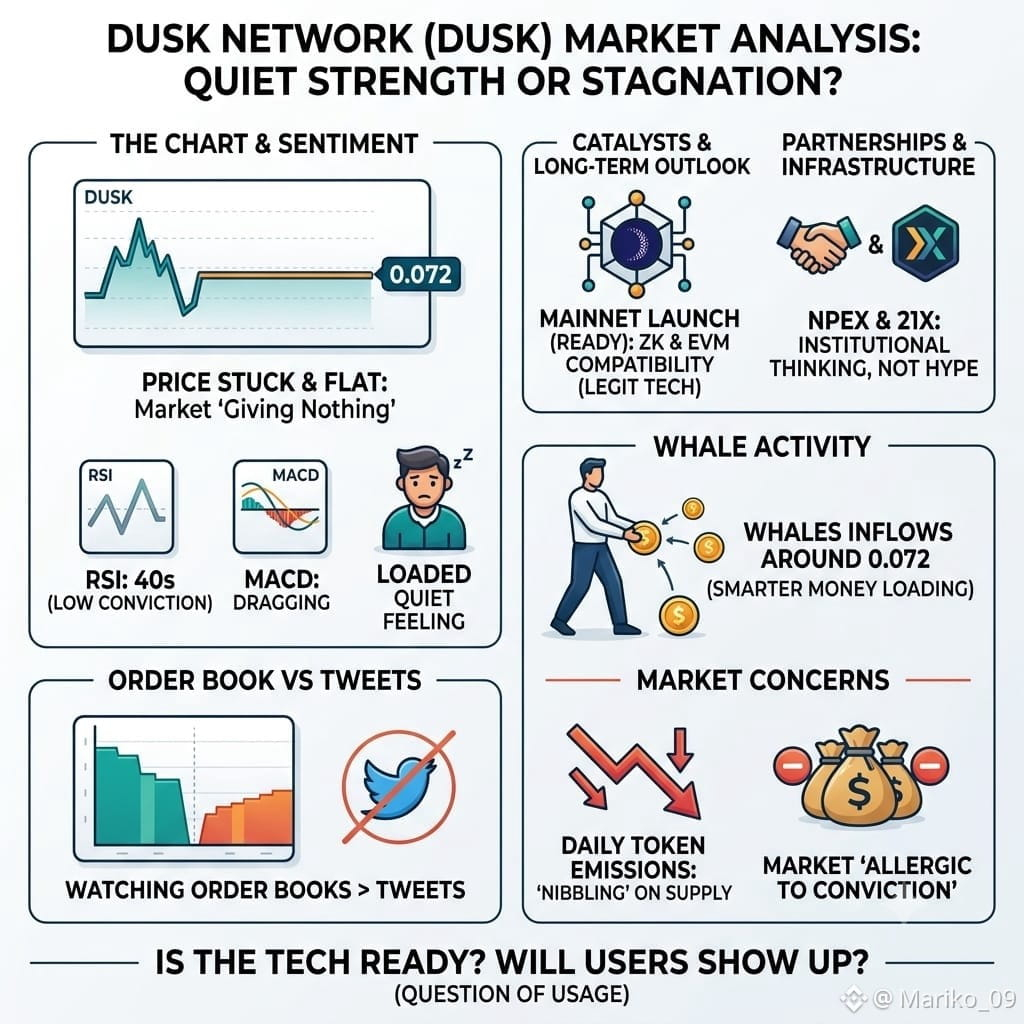
I’m staring at DUSK’s chart and honestly, it’s giving nothing. Flat. Stuck. But the quiet feels loaded.
That mainnet launch with ZK and EVM compatibility? Legit. And the NPEX and 21X stuff actually makes me think someone’s thinking long-term here, not just farming hype. But the market’s acting like it’s allergic to conviction—RSI stuck in the 40s, MACD dragging, and those daily token emissions just nibbling away in the background.
Whales are stepping in though. Saw some decent-sized inflows around 0.072, which tells me smarter money is loading while everyone else stares at their screens bored. Could mean nothing. Could mean everything.
I don't have a hot take. Just watching order books more than tweets lately. The tech's ready. Question is whether anyone shows up to use it.
@Dusk_Foundation #dusk $DUSK
{future}(DUSKUSDT)
I’m staring at DUSK’s chart and honestly, it’s giving nothing. Flat. Stuck. But the quiet feels loaded.
That mainnet launch with ZK and EVM compatibility? Legit. And the NPEX and 21X stuff actually makes me think someone’s thinking long-term here, not just farming hype. But the market’s acting like it’s allergic to conviction—RSI stuck in the 40s, MACD dragging, and those daily token emissions just nibbling away in the background.
Whales are stepping in though. Saw some decent-sized inflows around 0.072, which tells me smarter money is loading while everyone else stares at their screens bored. Could mean nothing. Could mean everything.
I don't have a hot take. Just watching order books more than tweets lately. The tech's ready. Question is whether anyone shows up to use it.
@Dusk #dusk $DUSK
That mainnet launch with ZK and EVM compatibility? Legit. And the NPEX and 21X stuff actually makes me think someone’s thinking long-term here, not just farming hype. But the market’s acting like it’s allergic to conviction—RSI stuck in the 40s, MACD dragging, and those daily token emissions just nibbling away in the background.
Whales are stepping in though. Saw some decent-sized inflows around 0.072, which tells me smarter money is loading while everyone else stares at their screens bored. Could mean nothing. Could mean everything.
I don't have a hot take. Just watching order books more than tweets lately. The tech's ready. Question is whether anyone shows up to use it.
@Dusk #dusk $DUSK
77
·
--
Giảm giá
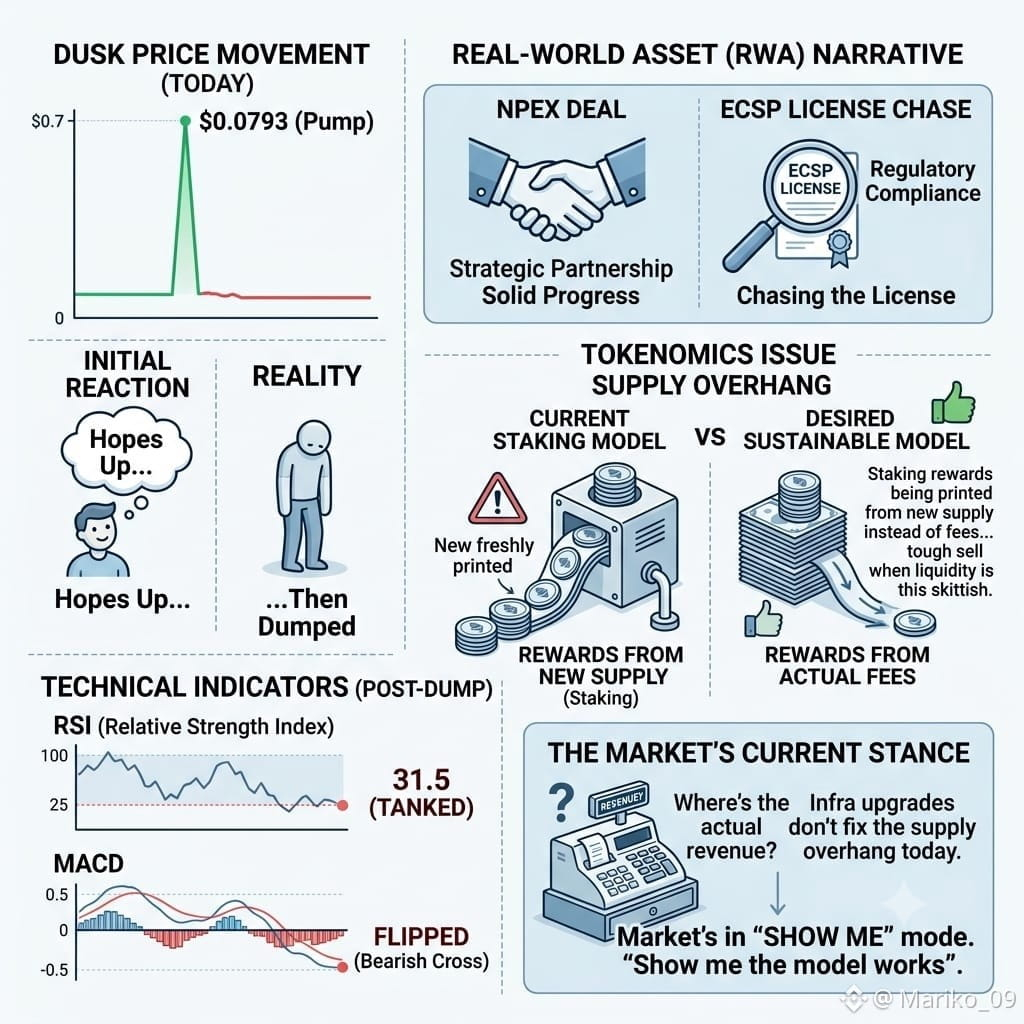
Thành thật mà nói, việc xem DUSK bơm lên $0.0793 sáng nay đã khiến tôi hy vọng cho một đợt tăng thứ hai. Nhưng rồi nó lại đổ ngay lập tức. Câu chuyện RWA khá thuyết phục—thỏa thuận NPEX và việc đuổi theo giấy phép ECSP thực sự trông giống tiến triển, không phải chỉ là “kêu cho có”. Nhưng thị trường bắt được chuyện tokenomics khá nhanh. Phần thưởng staking được in ra từ nguồn cung mới thay vì từ phí? Khó bán lắm khi thanh khoản đang bồn chồn như vậy. RSI tụt xuống 31.5, MACD đảo chiều, và thế là ai cũng lại hỏi cùng một câu: doanh thu thực sự ở đâu? Các nâng cấp hạ tầng thì ngầu dài hạn, đúng, nhưng chúng không giải quyết được tình trạng cung dư đè nặng ngay hôm nay. Cảm giác như mỗi lần bơm đều chỉ đang chuẩn bị cho một cú sụt tiếp theo cho tới khi họ chứng minh mô hình hoạt động. Không nói là sẽ không đạt được, nhưng hiện tại thị trường đang ở chế độ “chứng minh cho tôi xem”.
@Dusk_Foundation #dusk $DUSK
{future}(DUSKUSDT)
Thành thật mà nói, việc xem DUSK bơm lên $0.0793 sáng nay đã khiến tôi hy vọng cho một đợt tăng thứ hai. Nhưng rồi nó lại đổ ngay lập tức. Câu chuyện RWA khá thuyết phục—thỏa thuận NPEX và việc đuổi theo giấy phép ECSP thực sự trông giống tiến triển, không phải chỉ là “kêu cho có”. Nhưng thị trường bắt được chuyện tokenomics khá nhanh. Phần thưởng staking được in ra từ nguồn cung mới thay vì từ phí? Khó bán lắm khi thanh khoản đang bồn chồn như vậy. RSI tụt xuống 31.5, MACD đảo chiều, và thế là ai cũng lại hỏi cùng một câu: doanh thu thực sự ở đâu? Các nâng cấp hạ tầng thì ngầu dài hạn, đúng, nhưng chúng không giải quyết được tình trạng cung dư đè nặng ngay hôm nay. Cảm giác như mỗi lần bơm đều chỉ đang chuẩn bị cho một cú sụt tiếp theo cho tới khi họ chứng minh mô hình hoạt động. Không nói là sẽ không đạt được, nhưng hiện tại thị trường đang ở chế độ “chứng minh cho tôi xem”.
@Dusk #dusk $DUSK
@Dusk #dusk $DUSK
1
1
76
·
--
Xem bản dịch
nice post
nice post

King_Monarch
·
--
Giảm giá#dusk $DUSK @Dusk Bóng Dạng, Các quy định của EU và Tương lai của Quyền riêng tư trong Crypto
Trên đường về nhà tối nay, khi tôi nhìn thành phố lên đèn với nhịp điệu quen thuộc, tôi lại bị cuốn vào những suy nghĩ về điều gì đó đã cứ lấn sâu trong tâm trí mình. Sự tương phản giữa đời sống công cộng tấp nập và những ý nghĩ riêng tư mà ai cũng mang theo lại bất ngờ khớp một cách kỳ lạ với hướng đi mà quyền riêng tư trong crypto đang tiến tới.
Khi tôi ngồi vào bàn làm việc, tôi không thể thôi nghĩ về phép so sánh đó: lộ trình của Dusk trước những quy định EU ngày càng siết chặt đối với các mixer (bộ trộn) và ví ẩn danh.
Điều làm tôi chú ý là: trong khi ai cũng hoảng sợ rằng các cơ quan quản lý "tiêu diệt quyền riêng tư", có lẽ ta đang nhìn vấn đề theo hướng sai.
Khung MiCA của châu Âu thực chất đang chấm dứt kỷ nguyên của những dự án hứa hẹn ẩn danh hoàn toàn. Và vâng, người ta đã bắt đầu viết bản cáo phó cho Dusk vì điều này. Nhưng tôi nghĩ họ đang bỏ lỡ điểm cốt lõi.
Dusk không được xây dựng để trốn thuế. Nó được thiết kế cho một điều còn thú vị hơn nhiều.
Giao thức Citadel của họ làm được một điều thật sự thông minh: cung cấp cho cơ quan quản lý đúng thứ họ cần (bằng chứng rằng các khoản kiểm tra đã được thông qua, các ví đều "sạch") trong khi che chắn hoàn toàn các bí mật thương mại khỏi đối thủ cạnh tranh và kẻ tấn công trên sổ cái công khai.
Nó giống như xây các văn phòng được bọc giáp ngay bên trong hệ thống, chứ không phải cố tồn tại ngoài nó.
Trong khi những người khác chống lại hệ thống, Dusk dường như đang nói: "Được rồi, nếu chúng ta làm việc với nó thì sao?" Họ nhận ra rằng quyền riêng tư trong tương lai không phải là vô chính phủ — mà là một khung tuân thủ được quản lý, với các biện pháp bảo vệ mạnh mẽ được tích hợp sẵn.
Nhưng tôi cứ quay lại cùng một câu hỏi:
Cộng đồng crypto đã sẵn sàng cho điều này chưa?
Với rất nhiều người, crypto là biểu tượng của tự do tuyệt đối. Không cần giám sát. Không xin phép. Tinh thần "tự mình là ngân hàng của bạn".
Nếu Dusk đi all-in với việc được cơ quan quản lý phê duyệt, liệu họ có đánh mất những nhà đầu tư lẻ — những người tạo nên làn sóng hứng khởi ban đầu và thanh khoản? Những người đã đến vì sự nổi loạn, không phải vì quy định?
Tôi thật sự phân vân.
Một mặt, quyền riêng tư lai trong bối cảnh bị giám sát có vẻ là điều không thể tránh khỏi nếu muốn được chấp nhận rộng rãi. Mặt khác, việc đánh mất "lưỡi dao" kiên định, không khoan nhượng đó giống như đánh mất thứ đã khiến nó trở nên đặc biệt
Trên đường về nhà tối nay, khi tôi nhìn thành phố lên đèn với nhịp điệu quen thuộc, tôi lại bị cuốn vào những suy nghĩ về điều gì đó đã cứ lấn sâu trong tâm trí mình. Sự tương phản giữa đời sống công cộng tấp nập và những ý nghĩ riêng tư mà ai cũng mang theo lại bất ngờ khớp một cách kỳ lạ với hướng đi mà quyền riêng tư trong crypto đang tiến tới.
Khi tôi ngồi vào bàn làm việc, tôi không thể thôi nghĩ về phép so sánh đó: lộ trình của Dusk trước những quy định EU ngày càng siết chặt đối với các mixer (bộ trộn) và ví ẩn danh.
Điều làm tôi chú ý là: trong khi ai cũng hoảng sợ rằng các cơ quan quản lý "tiêu diệt quyền riêng tư", có lẽ ta đang nhìn vấn đề theo hướng sai.
Khung MiCA của châu Âu thực chất đang chấm dứt kỷ nguyên của những dự án hứa hẹn ẩn danh hoàn toàn. Và vâng, người ta đã bắt đầu viết bản cáo phó cho Dusk vì điều này. Nhưng tôi nghĩ họ đang bỏ lỡ điểm cốt lõi.
Dusk không được xây dựng để trốn thuế. Nó được thiết kế cho một điều còn thú vị hơn nhiều.
Giao thức Citadel của họ làm được một điều thật sự thông minh: cung cấp cho cơ quan quản lý đúng thứ họ cần (bằng chứng rằng các khoản kiểm tra đã được thông qua, các ví đều "sạch") trong khi che chắn hoàn toàn các bí mật thương mại khỏi đối thủ cạnh tranh và kẻ tấn công trên sổ cái công khai.
Nó giống như xây các văn phòng được bọc giáp ngay bên trong hệ thống, chứ không phải cố tồn tại ngoài nó.
Trong khi những người khác chống lại hệ thống, Dusk dường như đang nói: "Được rồi, nếu chúng ta làm việc với nó thì sao?" Họ nhận ra rằng quyền riêng tư trong tương lai không phải là vô chính phủ — mà là một khung tuân thủ được quản lý, với các biện pháp bảo vệ mạnh mẽ được tích hợp sẵn.
Nhưng tôi cứ quay lại cùng một câu hỏi:
Cộng đồng crypto đã sẵn sàng cho điều này chưa?
Với rất nhiều người, crypto là biểu tượng của tự do tuyệt đối. Không cần giám sát. Không xin phép. Tinh thần "tự mình là ngân hàng của bạn".
Nếu Dusk đi all-in với việc được cơ quan quản lý phê duyệt, liệu họ có đánh mất những nhà đầu tư lẻ — những người tạo nên làn sóng hứng khởi ban đầu và thanh khoản? Những người đã đến vì sự nổi loạn, không phải vì quy định?
Tôi thật sự phân vân.
Một mặt, quyền riêng tư lai trong bối cảnh bị giám sát có vẻ là điều không thể tránh khỏi nếu muốn được chấp nhận rộng rãi. Mặt khác, việc đánh mất "lưỡi dao" kiên định, không khoan nhượng đó giống như đánh mất thứ đã khiến nó trở nên đặc biệt
11
·
--
Tăng giá
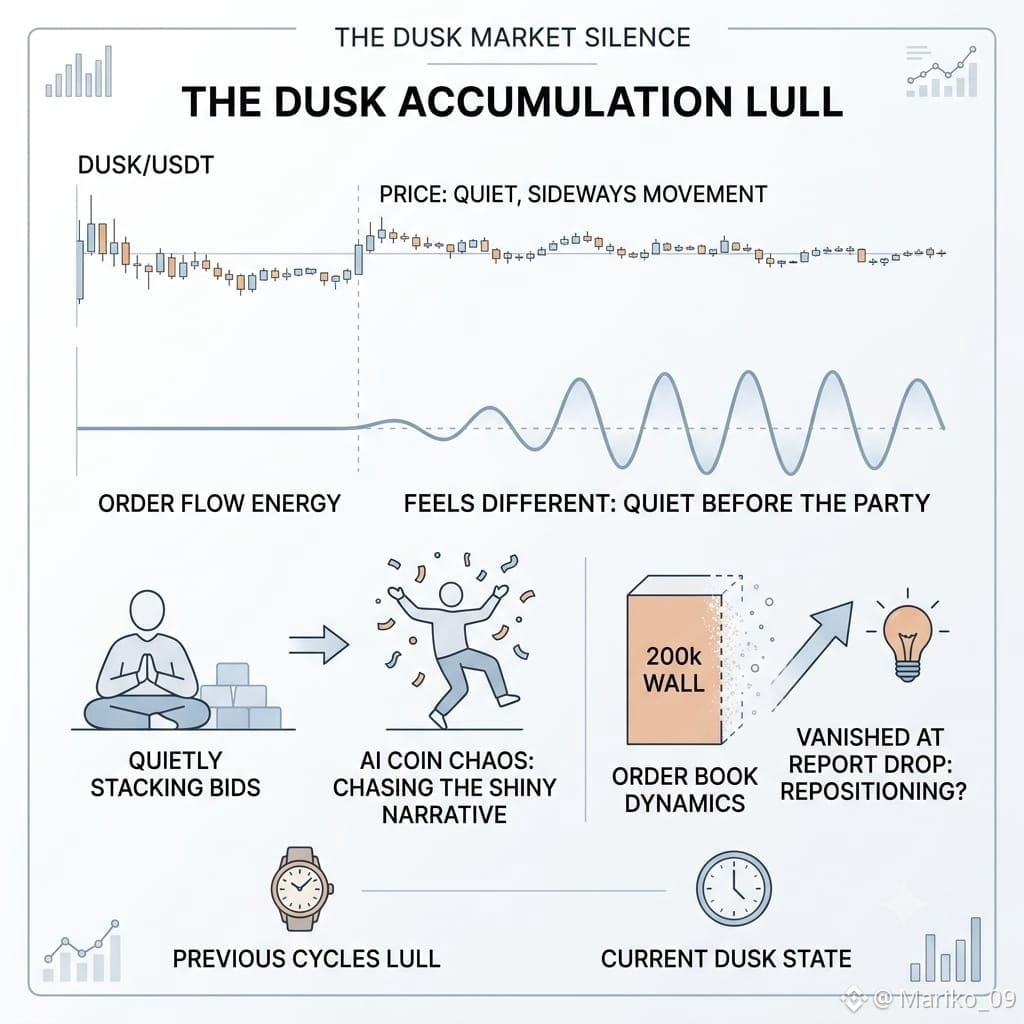
Thành thật mà nói, tôi mở báo cáo QR về DUSK mà không kỳ vọng nhiều. Giá chưa có gì để mà la lên “có gì đó xảy ra”, nhưng điều gì đó về dòng lệnh hôm nay lại cảm giác… khác. Không phải kiểu “sắp tới trăng” như thường thấy, mà giống khoảnh khắc yên lặng trước một bữa tiệc khi bạn không chắc liệu có ai thực sự sẽ đến không. Tôi cứ lật qua lật lại giữa biểu đồ DUSK và sự hỗn loạn của đồng AI, thật điên rồ là mọi người đang lao theo câu chuyện tỏa sáng tiếp theo trong khi cái này chỉ lặng lẽ gom lệnh mua từng bước. Tự nhiên thấy một bức tường 200k USDT biến mất ngay khi báo cáo được tung ra—có thể chẳng là gì, cũng có thể là ai đó đang sắp xếp lại vị thế. Dù sao thì, linh cảm của tôi là hãy để ý: không phải vì TA hay vì hype, mà vì sự im lặng xung quanh nó đang trở nên khó chịu. Nó làm tôi nhớ cái khoảng lặng trước khi MATIC thức giấc trong chu kỳ trước. Chưa mua, chỉ đang theo dõi chặt hơn bình thường. Có ai khác cũng cảm thấy cái năng lượng đổi khác đó không, hay tôi quá cà phê và đang đọc quá nhiều vào “hồn ma”?
@Dusk_Foundation #dusk $DUSK
{future}(DUSKUSDT)
Thành thật mà nói, tôi mở báo cáo QR về DUSK mà không kỳ vọng nhiều. Giá chưa có gì để mà la lên “có gì đó xảy ra”, nhưng điều gì đó về dòng lệnh hôm nay lại cảm giác… khác. Không phải kiểu “sắp tới trăng” như thường thấy, mà giống khoảnh khắc yên lặng trước một bữa tiệc khi bạn không chắc liệu có ai thực sự sẽ đến không. Tôi cứ lật qua lật lại giữa biểu đồ DUSK và sự hỗn loạn của đồng AI, thật điên rồ là mọi người đang lao theo câu chuyện tỏa sáng tiếp theo trong khi cái này chỉ lặng lẽ gom lệnh mua từng bước. Tự nhiên thấy một bức tường 200k USDT biến mất ngay khi báo cáo được tung ra—có thể chẳng là gì, cũng có thể là ai đó đang sắp xếp lại vị thế. Dù sao thì, linh cảm của tôi là hãy để ý: không phải vì TA hay vì hype, mà vì sự im lặng xung quanh nó đang trở nên khó chịu. Nó làm tôi nhớ cái khoảng lặng trước khi MATIC thức giấc trong chu kỳ trước. Chưa mua, chỉ đang theo dõi chặt hơn bình thường. Có ai khác cũng cảm thấy cái năng lượng đổi khác đó không, hay tôi quá cà phê và đang đọc quá nhiều vào “hồn ma”?
@Dusk #dusk $DUSK
@Dusk #dusk $DUSK
81
·
--
Giảm giá
Xem bản dịch
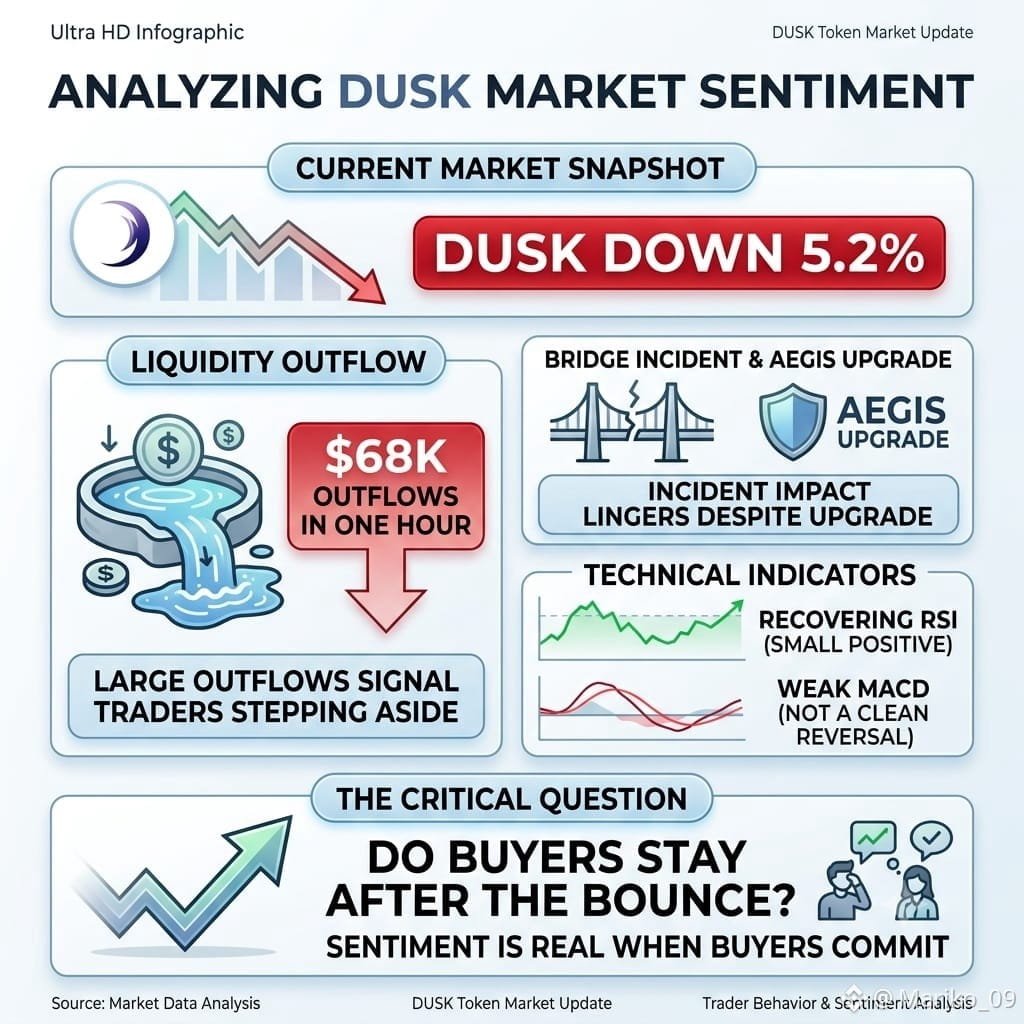
DUSK being down 5.2% doesn’t surprise me as much as the liquidity leaving the market. Seeing outflows hit around $68K in one hour tells a pretty clear story: some traders would rather step aside than wait for sentiment to recover.
The bridge incident still seems to be hanging over the chart, even after the AEGIS upgrade. RSI recovering is a small positive, but MACD is still weak, so I’m not convinced this is a clean reversal yet.
For me, the interesting part isn’t whether DUSK can bounce. It’s whether buyers actually stay when the bounce happens. That’s where sentiment starts showing up for real.
@Dusk_Foundation #dusk $DUSK
{future}(DUSKUSDT)
DUSK being down 5.2% doesn’t surprise me as much as the liquidity leaving the market. Seeing outflows hit around $68K in one hour tells a pretty clear story: some traders would rather step aside than wait for sentiment to recover.
The bridge incident still seems to be hanging over the chart, even after the AEGIS upgrade. RSI recovering is a small positive, but MACD is still weak, so I’m not convinced this is a clean reversal yet.
For me, the interesting part isn’t whether DUSK can bounce. It’s whether buyers actually stay when the bounce happens. That’s where sentiment starts showing up for real.
@Dusk #dusk $DUSK
The bridge incident still seems to be hanging over the chart, even after the AEGIS upgrade. RSI recovering is a small positive, but MACD is still weak, so I’m not convinced this is a clean reversal yet.
For me, the interesting part isn’t whether DUSK can bounce. It’s whether buyers actually stay when the bounce happens. That’s where sentiment starts showing up for real.
@Dusk #dusk $DUSK
97
·
--
Giảm giá
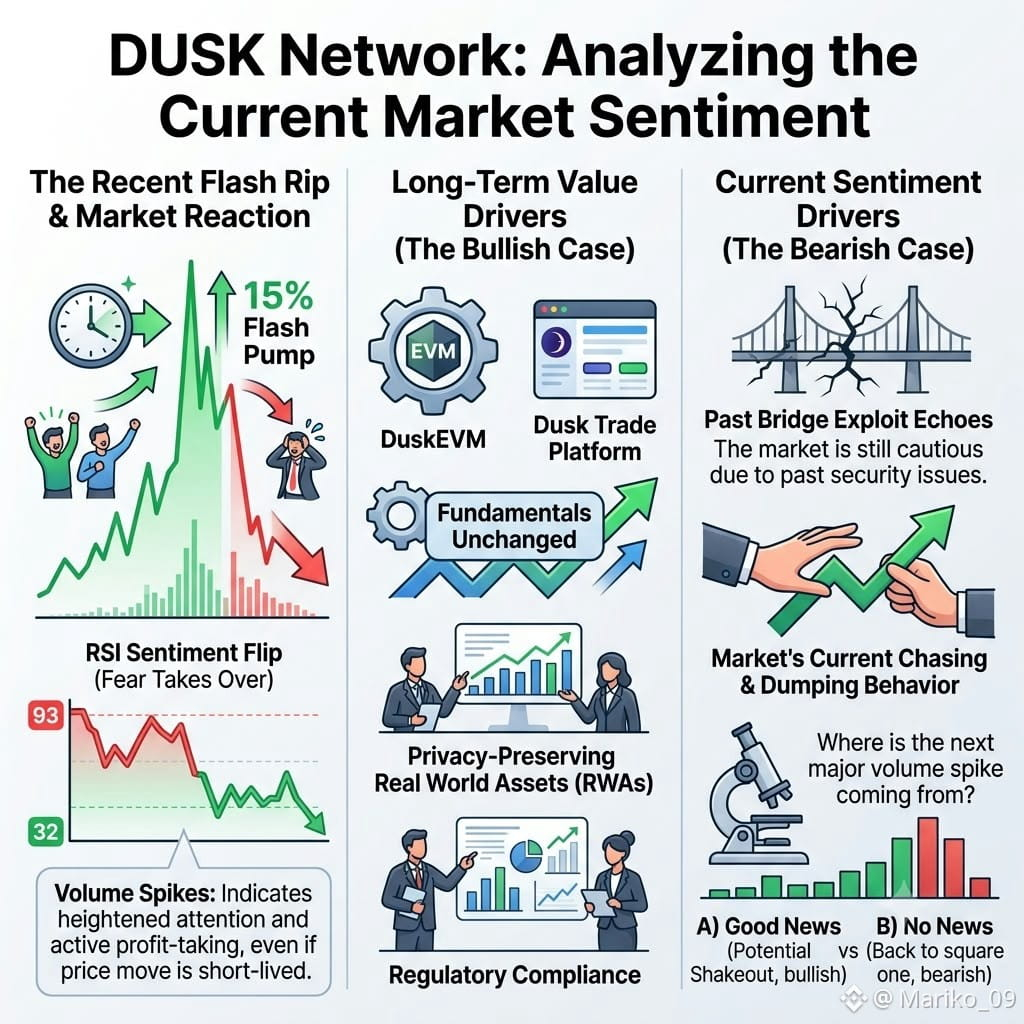
Nói thật nhé—tôi xem ngọn nến DUSK đó bị xé ra và suy nghĩ đầu tiên của tôi là: "cuối cùng thì câu chuyện RWA cũng đang thức tỉnh." Mười lăm phần trăm trong một khoảnh khắc, rồi biến mất nhanh như chớp. Quá kinh điển. Nhưng khối lượng giao dịch mới là thứ nói lên câu chuyện thật—người ta đang chú ý, nhưng cũng đang sợ hãi. Vụ khai thác cầu (bridge exploit) từ vài tháng trước vẫn còn vang vọng trong mọi nhịp điều chỉnh. Và việc RSI rơi từ 93 xuống 32 giống như đang xem tâm lý đảo chiều ngay trong thời gian thực—không phải vì nền tảng thay đổi, mà vì những người chốt lời ngửi thấy mùi rủi ro và lao chạy. Phần DuskEVM và nền tảng Trade là những lý do chính đáng để quan tâm lâu dài, nhưng ngay lúc này, thị trường chỉ đang đuổi theo rồi bán tháo. Thứ tôi thực sự đang theo dõi là nguồn phát sinh cho cú tăng khối lượng tiếp theo—nếu nó xảy ra cùng tin tốt, có lẽ đây chỉ là một đợt rung lắc (shakeout). Còn nếu nó xảy ra chẳng vì điều gì, thì chúng ta quay lại từ đầu. Dù thế nào đi nữa, sự quan tâm của tổ chức đến các RWA bảo toàn quyền riêng tư sẽ không đi đâu cả. Chỉ cần sống sót qua cơn nhiễu thôi.
@Dusk_Foundation #dusk $DUSK
{future}(DUSKUSDT)
Nói thật nhé—tôi xem ngọn nến DUSK đó bị xé ra và suy nghĩ đầu tiên của tôi là: "cuối cùng thì câu chuyện RWA cũng đang thức tỉnh." Mười lăm phần trăm trong một khoảnh khắc, rồi biến mất nhanh như chớp. Quá kinh điển. Nhưng khối lượng giao dịch mới là thứ nói lên câu chuyện thật—người ta đang chú ý, nhưng cũng đang sợ hãi. Vụ khai thác cầu (bridge exploit) từ vài tháng trước vẫn còn vang vọng trong mọi nhịp điều chỉnh. Và việc RSI rơi từ 93 xuống 32 giống như đang xem tâm lý đảo chiều ngay trong thời gian thực—không phải vì nền tảng thay đổi, mà vì những người chốt lời ngửi thấy mùi rủi ro và lao chạy. Phần DuskEVM và nền tảng Trade là những lý do chính đáng để quan tâm lâu dài, nhưng ngay lúc này, thị trường chỉ đang đuổi theo rồi bán tháo. Thứ tôi thực sự đang theo dõi là nguồn phát sinh cho cú tăng khối lượng tiếp theo—nếu nó xảy ra cùng tin tốt, có lẽ đây chỉ là một đợt rung lắc (shakeout). Còn nếu nó xảy ra chẳng vì điều gì, thì chúng ta quay lại từ đầu. Dù thế nào đi nữa, sự quan tâm của tổ chức đến các RWA bảo toàn quyền riêng tư sẽ không đi đâu cả. Chỉ cần sống sót qua cơn nhiễu thôi.
@Dusk #dusk $DUSK
@Dusk #dusk $DUSK
1
99
·
--
Tăng giá
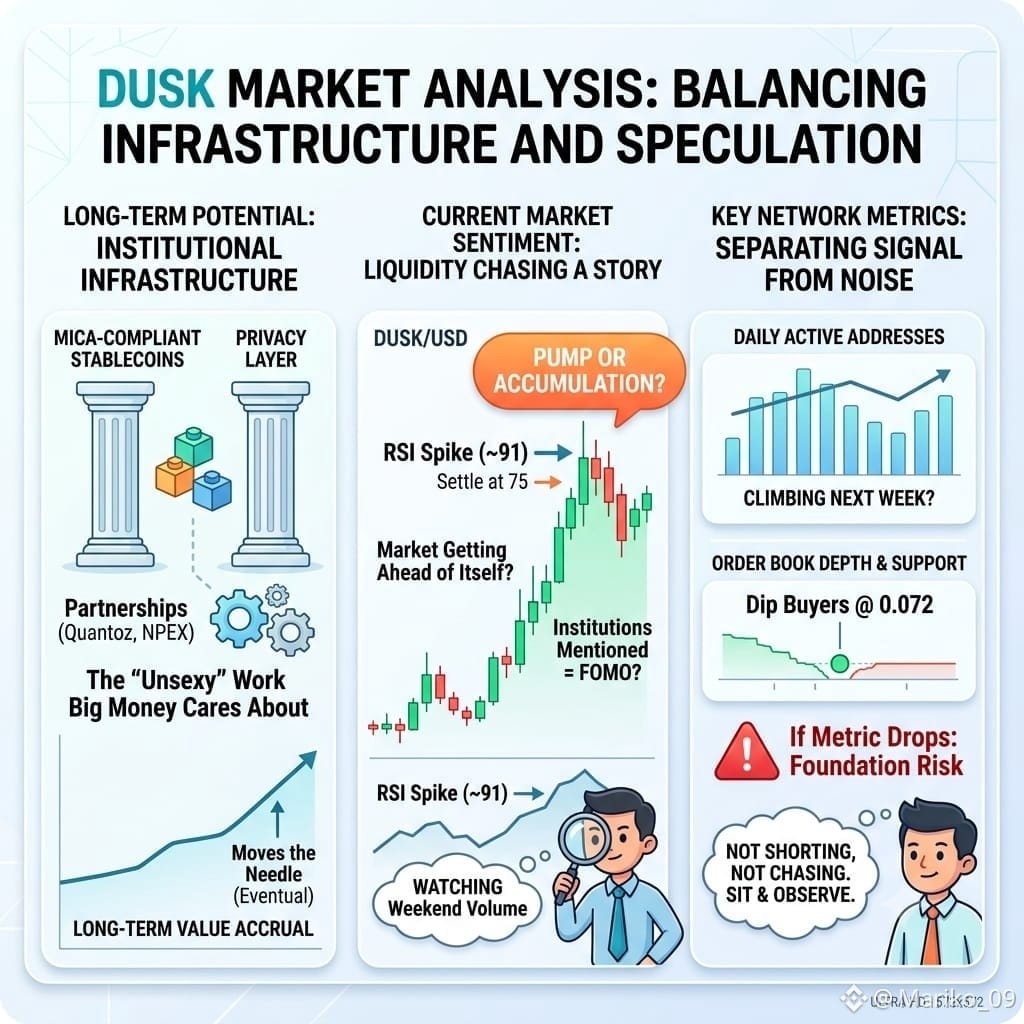
Việc theo dõi sổ lệnh của DUSK sáng nay thực sự khá thú vị, nói thật là vậy. Các mảng Quantoz và NPEX đúng kiểu nhàm chán nhưng lại là hạ tầng thiết yếu—những đồng stablecoin tuân thủ MiCA trên một lớp bảo mật riêng tư ư? Đó là phần công việc không “hào nhoáng” mà cuối cùng đại diện cho dòng tiền lớn sẽ quan tâm. Nhưng biểu đồ đã định giá trước nhiều hơn đáng kể so với những gì thực sự đã diễn ra cho đến thời điểm hiện tại. Cú spike RSI lên gần 91 rồi hạ xuống 75 cho tôi thấy đây là dòng thanh khoản đang đuổi theo một câu chuyện, chứ không phải tích lũy tự nhiên. Tôi đã thấy kịch bản này quá nhiều lần rồi. Bên mua khi điều chỉnh đang lượn quanh mức 0.072, nhưng nếu trong tuần tới các địa chỉ hoạt động hằng ngày (daily active addresses) không bắt đầu tăng lên, thì toàn bộ đợt tăng này bắt đầu giống như một màn bơm (pump) không có nền tảng thật sự. Công nghệ thì thật sự rất đáng quan tâm, đừng hiểu nhầm, nhưng thị trường có thói quen đi trước quá xa khi người ta nhắc đến các tổ chức. Tôi không hề short (đánh xuống) nó, nhưng cũng chắc chắn là không đuổi theo. Chỉ ngồi lại, theo dõi cách khối lượng giao dịch trong cuối tuần đối xử với nó, và cố gắng tách tín hiệu thật ra khỏi tất cả những nhiễu loạn.
@Dusk_Foundation #dusk $DUSK
{future}(DUSKUSDT)
Việc theo dõi sổ lệnh của DUSK sáng nay thực sự khá thú vị, nói thật là vậy. Các mảng Quantoz và NPEX đúng kiểu nhàm chán nhưng lại là hạ tầng thiết yếu—những đồng stablecoin tuân thủ MiCA trên một lớp bảo mật riêng tư ư? Đó là phần công việc không “hào nhoáng” mà cuối cùng đại diện cho dòng tiền lớn sẽ quan tâm. Nhưng biểu đồ đã định giá trước nhiều hơn đáng kể so với những gì thực sự đã diễn ra cho đến thời điểm hiện tại. Cú spike RSI lên gần 91 rồi hạ xuống 75 cho tôi thấy đây là dòng thanh khoản đang đuổi theo một câu chuyện, chứ không phải tích lũy tự nhiên. Tôi đã thấy kịch bản này quá nhiều lần rồi. Bên mua khi điều chỉnh đang lượn quanh mức 0.072, nhưng nếu trong tuần tới các địa chỉ hoạt động hằng ngày (daily active addresses) không bắt đầu tăng lên, thì toàn bộ đợt tăng này bắt đầu giống như một màn bơm (pump) không có nền tảng thật sự. Công nghệ thì thật sự rất đáng quan tâm, đừng hiểu nhầm, nhưng thị trường có thói quen đi trước quá xa khi người ta nhắc đến các tổ chức. Tôi không hề short (đánh xuống) nó, nhưng cũng chắc chắn là không đuổi theo. Chỉ ngồi lại, theo dõi cách khối lượng giao dịch trong cuối tuần đối xử với nó, và cố gắng tách tín hiệu thật ra khỏi tất cả những nhiễu loạn.
@Dusk #dusk $DUSK
@Dusk #dusk $DUSK
1
94
·
--
Tăng giá
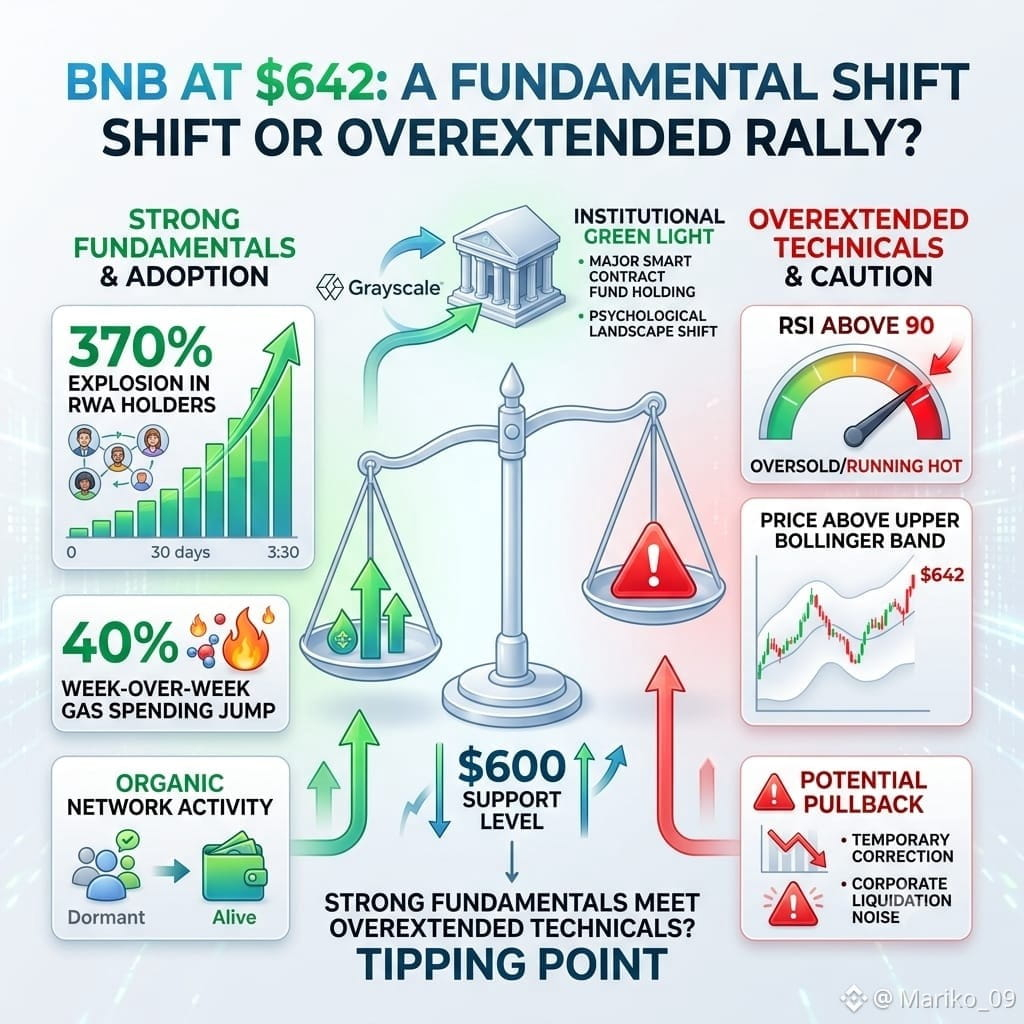
Mình đã theo dõi BNB leo lên mức 642 USD và thành thật mà nói, có điều gì đó trong nhịp tăng này khác so với kiểu pump-and-chase (bơm rồi đuổi theo) thường thấy. Không chỉ là cú tăng 6,6% khiến mình phải suy nghĩ—mà quan trọng hơn là những gì đang diễn ra bên dưới. Mức bùng nổ 370% ở nhóm holders RWA trong tháng vừa qua thật sự rất “khủng”. Đây không phải bot hay ví rỗng, mà là những người tham gia thật sự đang sử dụng mạng, và điều đó thể hiện rõ qua việc chi tiêu gas tăng 40% so với tuần trước. Những ví trước đây từng nằm im giờ đột nhiên lại hoạt động, và kiểu tăng trưởng mang tính hữu cơ như vậy thường bền hơn so với “hype”.
Tin tức từ Grayscale chắc chắn đã trao cho các tổ chức tấm “giấy xanh” mà họ chờ đợi. Khi một tay chơi lớn biến BNB thành khoản nắm giữ lớn nhất trong Smart Contract Fund, nó sẽ làm thay đổi toàn bộ bối cảnh tâm lý. Các quỹ khác bắt đầu để ý, việc đánh giá rủi ro được điều chỉnh, và cuối cùng là tiền vốn đứng ngoài cuộc tìm được lý do để dịch chuyển. Nhưng đây là phần mình hơi lo. RSI đang nằm trên 90 và giá thì cao hơn hẳn dải Bollinger Band phía trên. Mình đã từng thấy kịch bản này rồi—thường sẽ kết thúc bằng ít nhất một nhịp điều chỉnh tạm thời. Động lực là có thật, nhưng cảm giác như chúng ta đang “nóng quá”.
Có một chút nhiễu về việc một đợt thanh lý doanh nghiệp có thể tạo thêm áp lực bán, nhưng điều đó có vẻ nhỏ hơn so với bức tranh lớn. Thứ mình thực sự tò mò là liệu chúng ta đã chạm đến điểm bẻ lái nơi nền tảng mạnh gặp phải các chỉ báo kỹ thuật bị kéo giãn quá mức hay chưa. Câu chuyện thì vững, các chỉ số chấp nhận đều ấn tượng, nhưng thị trường luôn có cách nhắc nhở rằng không có thứ gì đi thẳng một mạch. Mình đang theo dõi xem mốc 600 giữ được thế nào nếu xảy ra một đợt xả (flush). Dù theo kịch bản nào đi nữa, cảm giác này giống như một khoảnh khắc mà câu chuyện nền tảng quan trọng hơn nhiều so với biến động giá ngay lập tức.
@Dusk_Foundation #dusk $DUSK
{future}(DUSKUSDT)
Mình đã theo dõi BNB leo lên mức 642 USD và thành thật mà nói, có điều gì đó trong nhịp tăng này khác so với kiểu pump-and-chase (bơm rồi đuổi theo) thường thấy. Không chỉ là cú tăng 6,6% khiến mình phải suy nghĩ—mà quan trọng hơn là những gì đang diễn ra bên dưới. Mức bùng nổ 370% ở nhóm holders RWA trong tháng vừa qua thật sự rất “khủng”. Đây không phải bot hay ví rỗng, mà là những người tham gia thật sự đang sử dụng mạng, và điều đó thể hiện rõ qua việc chi tiêu gas tăng 40% so với tuần trước. Những ví trước đây từng nằm im giờ đột nhiên lại hoạt động, và kiểu tăng trưởng mang tính hữu cơ như vậy thường bền hơn so với “hype”.
Tin tức từ Grayscale chắc chắn đã trao cho các tổ chức tấm “giấy xanh” mà họ chờ đợi. Khi một tay chơi lớn biến BNB thành khoản nắm giữ lớn nhất trong Smart Contract Fund, nó sẽ làm thay đổi toàn bộ bối cảnh tâm lý. Các quỹ khác bắt đầu để ý, việc đánh giá rủi ro được điều chỉnh, và cuối cùng là tiền vốn đứng ngoài cuộc tìm được lý do để dịch chuyển. Nhưng đây là phần mình hơi lo. RSI đang nằm trên 90 và giá thì cao hơn hẳn dải Bollinger Band phía trên. Mình đã từng thấy kịch bản này rồi—thường sẽ kết thúc bằng ít nhất một nhịp điều chỉnh tạm thời. Động lực là có thật, nhưng cảm giác như chúng ta đang “nóng quá”.
Có một chút nhiễu về việc một đợt thanh lý doanh nghiệp có thể tạo thêm áp lực bán, nhưng điều đó có vẻ nhỏ hơn so với bức tranh lớn. Thứ mình thực sự tò mò là liệu chúng ta đã chạm đến điểm bẻ lái nơi nền tảng mạnh gặp phải các chỉ báo kỹ thuật bị kéo giãn quá mức hay chưa. Câu chuyện thì vững, các chỉ số chấp nhận đều ấn tượng, nhưng thị trường luôn có cách nhắc nhở rằng không có thứ gì đi thẳng một mạch. Mình đang theo dõi xem mốc 600 giữ được thế nào nếu xảy ra một đợt xả (flush). Dù theo kịch bản nào đi nữa, cảm giác này giống như một khoảnh khắc mà câu chuyện nền tảng quan trọng hơn nhiều so với biến động giá ngay lập tức.
@Dusk #dusk $DUSK
Tin tức từ Grayscale chắc chắn đã trao cho các tổ chức tấm “giấy xanh” mà họ chờ đợi. Khi một tay chơi lớn biến BNB thành khoản nắm giữ lớn nhất trong Smart Contract Fund, nó sẽ làm thay đổi toàn bộ bối cảnh tâm lý. Các quỹ khác bắt đầu để ý, việc đánh giá rủi ro được điều chỉnh, và cuối cùng là tiền vốn đứng ngoài cuộc tìm được lý do để dịch chuyển. Nhưng đây là phần mình hơi lo. RSI đang nằm trên 90 và giá thì cao hơn hẳn dải Bollinger Band phía trên. Mình đã từng thấy kịch bản này rồi—thường sẽ kết thúc bằng ít nhất một nhịp điều chỉnh tạm thời. Động lực là có thật, nhưng cảm giác như chúng ta đang “nóng quá”.
Có một chút nhiễu về việc một đợt thanh lý doanh nghiệp có thể tạo thêm áp lực bán, nhưng điều đó có vẻ nhỏ hơn so với bức tranh lớn. Thứ mình thực sự tò mò là liệu chúng ta đã chạm đến điểm bẻ lái nơi nền tảng mạnh gặp phải các chỉ báo kỹ thuật bị kéo giãn quá mức hay chưa. Câu chuyện thì vững, các chỉ số chấp nhận đều ấn tượng, nhưng thị trường luôn có cách nhắc nhở rằng không có thứ gì đi thẳng một mạch. Mình đang theo dõi xem mốc 600 giữ được thế nào nếu xảy ra một đợt xả (flush). Dù theo kịch bản nào đi nữa, cảm giác này giống như một khoảnh khắc mà câu chuyện nền tảng quan trọng hơn nhiều so với biến động giá ngay lập tức.
@Dusk #dusk $DUSK
85
·
--
Giảm giá
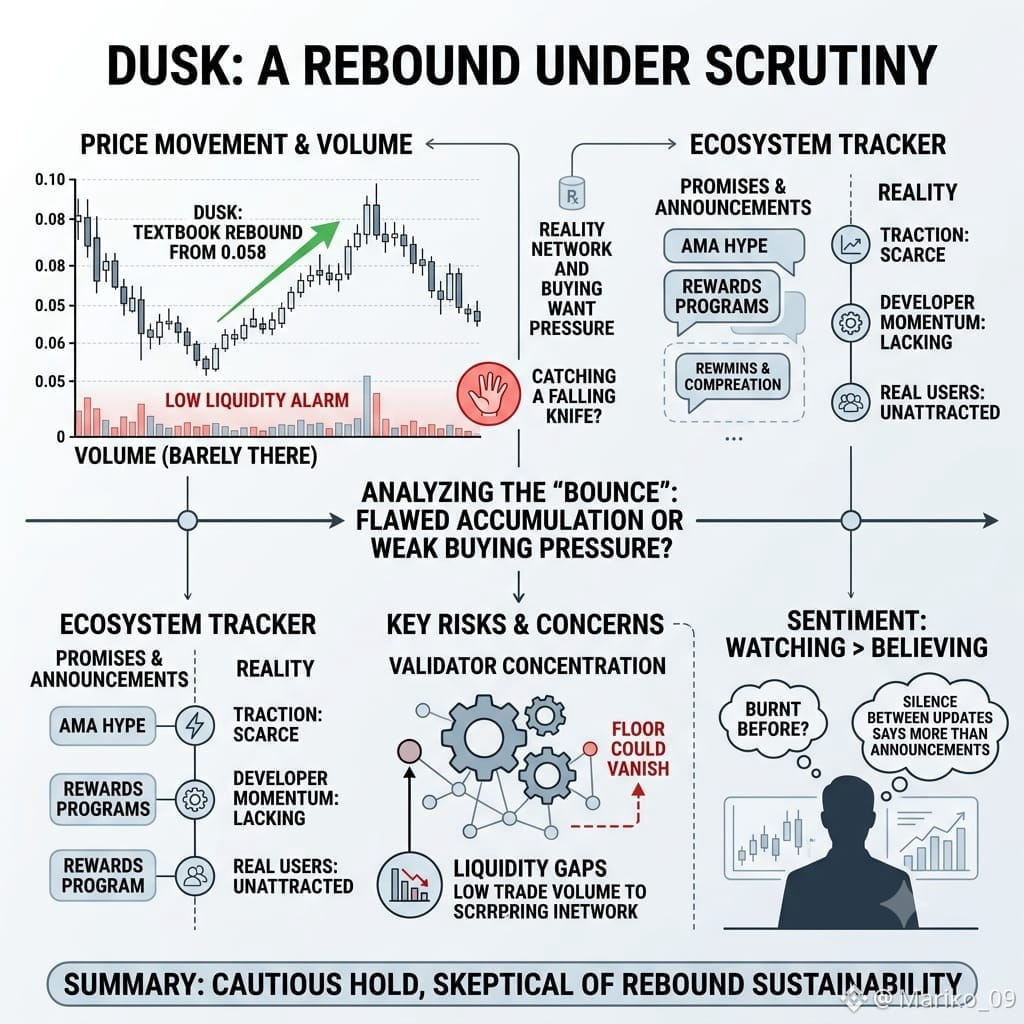
Tôi đã nhìn chằm chằm vào DUSK cả buổi sáng, không phải vì tôi bị dính vào các biểu đồ, mà vì có điều gì đó về nhịp hồi này không làm tôi yên tâm. Lần bật lại từ 0.058 thì trông có vẻ đúng chuẩn, nhưng khối lượng gần như chẳng có—giống như chỉ vài nhà giao dịch đang bắt một con dao rơi hơn là bất kỳ sự tích lũy thật sự nào. Và đúng là NPEX và Citadel là những lý do đáng để chú ý, nhưng tôi cứ tự hỏi: thanh khoản đâu rồi? Động lực phát triển đâu rồi? Mỗi lần tôi lướt qua các bản cập nhật hệ sinh thái, tôi thấy lời hứa nhiều hơn là tiến triển thực sự. Sự tập trung của validator làm tôi lo hơn bất kỳ cây nến đỏ nào—chỉ cần một cú bứt lớn là mặt bằng này có thể biến mất. Có thể tôi đang thận trọng quá, nhưng tôi đã từng bị “dính” bởi những dự án trông rất ổn trên giấy tờ nhưng lại không thể thu hút người dùng thật. Những chương trình hype và phần thưởng từ AMA thì hay đấy, nhưng vẫn chưa đủ để tôi cảm thấy an toàn. Tôi vẫn đang giữ một lượng nhỏ, nhưng nói thật? Tôi đang quan sát nhiều hơn là tin tưởng. Sự im lặng giữa các lần cập nhật nói nhiều hơn bất kỳ thông báo nào.
@Dusk_Foundation #dusk $DUSK
{future}(DUSKUSDT)
Tôi đã nhìn chằm chằm vào DUSK cả buổi sáng, không phải vì tôi bị dính vào các biểu đồ, mà vì có điều gì đó về nhịp hồi này không làm tôi yên tâm. Lần bật lại từ 0.058 thì trông có vẻ đúng chuẩn, nhưng khối lượng gần như chẳng có—giống như chỉ vài nhà giao dịch đang bắt một con dao rơi hơn là bất kỳ sự tích lũy thật sự nào. Và đúng là NPEX và Citadel là những lý do đáng để chú ý, nhưng tôi cứ tự hỏi: thanh khoản đâu rồi? Động lực phát triển đâu rồi? Mỗi lần tôi lướt qua các bản cập nhật hệ sinh thái, tôi thấy lời hứa nhiều hơn là tiến triển thực sự. Sự tập trung của validator làm tôi lo hơn bất kỳ cây nến đỏ nào—chỉ cần một cú bứt lớn là mặt bằng này có thể biến mất. Có thể tôi đang thận trọng quá, nhưng tôi đã từng bị “dính” bởi những dự án trông rất ổn trên giấy tờ nhưng lại không thể thu hút người dùng thật. Những chương trình hype và phần thưởng từ AMA thì hay đấy, nhưng vẫn chưa đủ để tôi cảm thấy an toàn. Tôi vẫn đang giữ một lượng nhỏ, nhưng nói thật? Tôi đang quan sát nhiều hơn là tin tưởng. Sự im lặng giữa các lần cập nhật nói nhiều hơn bất kỳ thông báo nào.
@Dusk #dusk $DUSK
@Dusk #dusk $DUSK
75
·
--
Giảm giá
Xem bản dịch
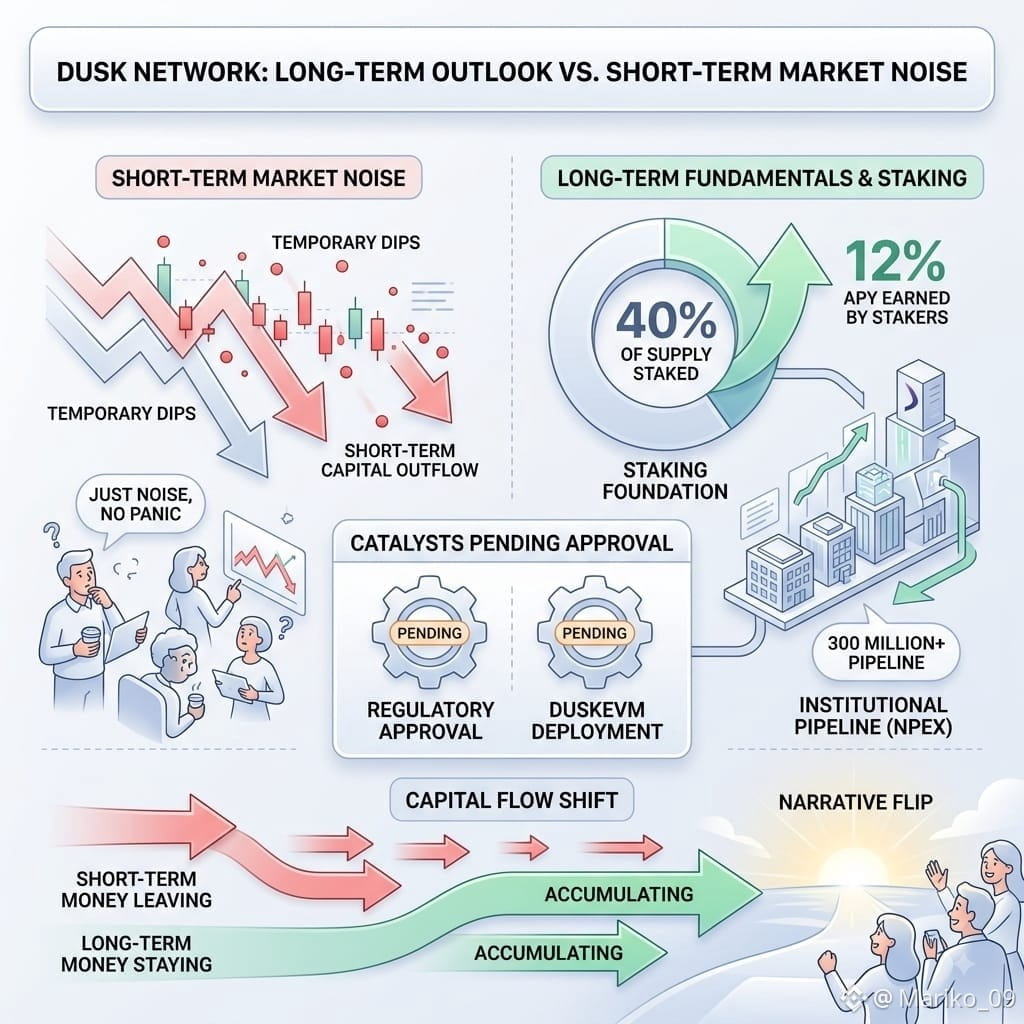
Woke up, checked DUSK, did the whole coffee-and-chart ritual. Down again. Not gonna pretend that feels good, but it's not giving me that knot in my stomach either. You know when a dip feels like panic versus just noise? This one's noise.
What's keeping me chill is that staking number—forty percent of supply just sitting there earning twelve percent. Those people aren't sweating a three percent move. They're in it for the long institutional game, that NPEX thing with the three hundred million pipeline. That's real.
But man, that regulatory approval can't come soon enough. Everything hinges on it, and we're just stuck waiting. DuskEVM's still pending too. Privacy tech always has this awkward adolescence phase.
Outflows spiked hard this morning but faded fast. Short-term money leaving, long-term money staying. I'm just watching, waiting for the narrative to flip. That's when it gets interesting.
@Dusk_Foundation #dusk $DUSK
{future}(DUSKUSDT)
Woke up, checked DUSK, did the whole coffee-and-chart ritual. Down again. Not gonna pretend that feels good, but it's not giving me that knot in my stomach either. You know when a dip feels like panic versus just noise? This one's noise.
What's keeping me chill is that staking number—forty percent of supply just sitting there earning twelve percent. Those people aren't sweating a three percent move. They're in it for the long institutional game, that NPEX thing with the three hundred million pipeline. That's real.
But man, that regulatory approval can't come soon enough. Everything hinges on it, and we're just stuck waiting. DuskEVM's still pending too. Privacy tech always has this awkward adolescence phase.
Outflows spiked hard this morning but faded fast. Short-term money leaving, long-term money staying. I'm just watching, waiting for the narrative to flip. That's when it gets interesting.
@Dusk #dusk $DUSK
What's keeping me chill is that staking number—forty percent of supply just sitting there earning twelve percent. Those people aren't sweating a three percent move. They're in it for the long institutional game, that NPEX thing with the three hundred million pipeline. That's real.
But man, that regulatory approval can't come soon enough. Everything hinges on it, and we're just stuck waiting. DuskEVM's still pending too. Privacy tech always has this awkward adolescence phase.
Outflows spiked hard this morning but faded fast. Short-term money leaving, long-term money staying. I'm just watching, waiting for the narrative to flip. That's when it gets interesting.
@Dusk #dusk $DUSK
1
1
89
·
--
Tăng giá
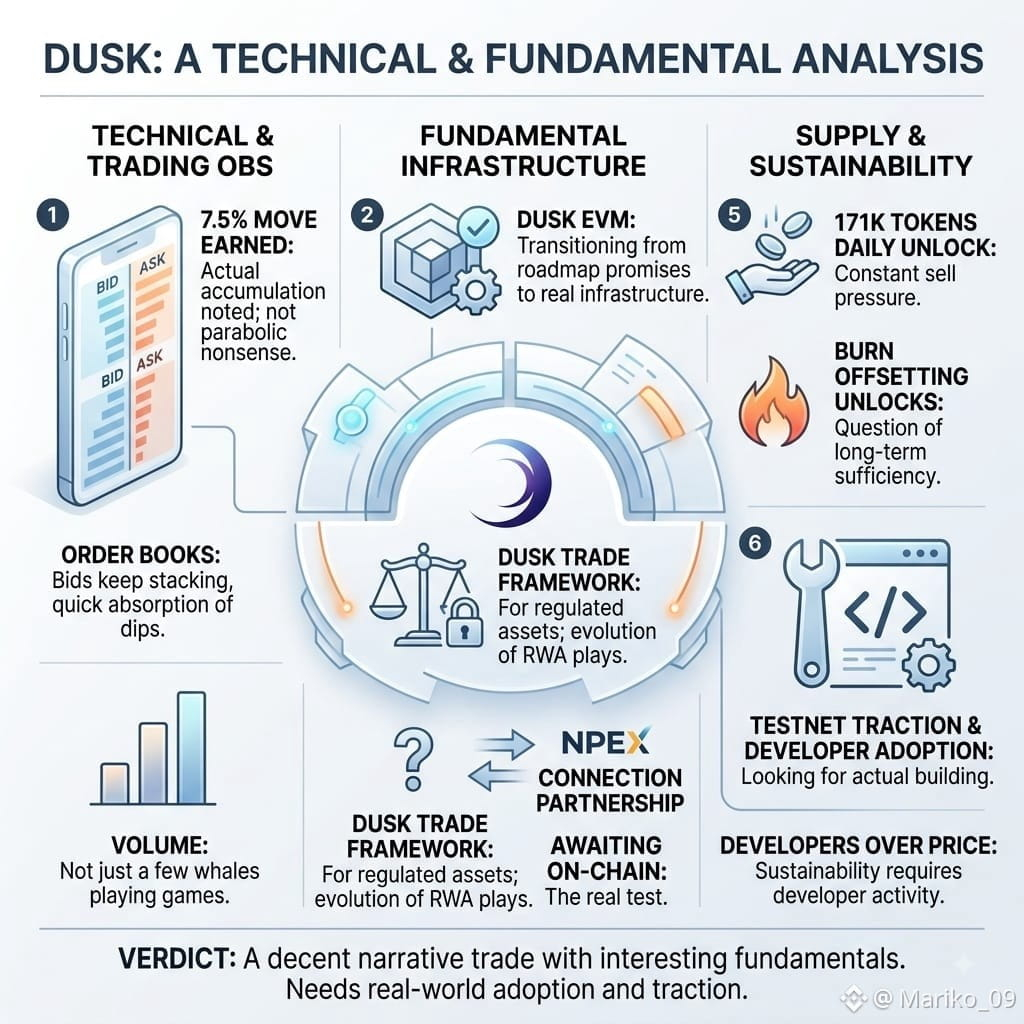
Trước đó tôi đang theo dõi sổ lệnh của DUSK và thật lòng thì mức tăng 7,5% đó cảm thấy “xứng đáng”. Không phải kiểu phi mã ngớ ngẩn mà đôi khi chúng ta vẫn thấy, mà là sự tích lũy thực sự. Bên mua cứ tiếp tục chất lên, và mỗi lần giá điều chỉnh thì lại được hấp thụ khá nhanh. Điều làm tôi chú ý là khối lượng phía sau nó—không phải chỉ vài “cá voi” đang chơi trò.
Những thứ liên quan đến DuskEVM giờ cuối cùng cũng bắt đầu trông giống hạ tầng thật sự hơn là chỉ những lời hứa trong roadmap. Bộ khung Dusk Trade cho các tài sản được quản lý đó? Nó khiến tôi nghĩ về việc các thương vụ RWA này có thể sẽ phát triển như thế nào. Nhưng có một điều tôi cứ quay lại: mối liên hệ với NPEX. Quan hệ hợp tác thì có đó, nhưng tôi vẫn đang chờ thấy khối lượng thực sự chuyển sang on-chain một cách đáng kể. Đó mới là bài kiểm tra thật sự.
Mức unlock hằng ngày khoảng 171K token vẫn cứ lởn vởn trong đầu tôi. Không phải là một yếu tố phá deal—nhưng chắc chắn là có đó, tạo thêm một lớp áp lực bán liên tục. Việc đốt (burn) giúp bù đắp phần nào, dù tôi vẫn tự hỏi liệu nó có đủ trong dài hạn không.
Nói thật, tôi quan tâm hơn đến việc các nhà phát triển đang xây dựng gì hơn là diễn biến giá ngay lúc này. Hãy cho tôi xem một số tiến triển thực sự trên testnet đã, rồi chúng ta có thể bàn tiếp về tính bền vững. Đến lúc đó, đây là một kịch bản giao dịch khá ổn với một số nền tảng thú vị. Cấu trúc đã có. Giờ chỉ cần xem liệu có ai đó thực sự xuất hiện không.
@Dusk_Foundation #dusk $DUSK
{future}(DUSKUSDT)
Trước đó tôi đang theo dõi sổ lệnh của DUSK và thật lòng thì mức tăng 7,5% đó cảm thấy “xứng đáng”. Không phải kiểu phi mã ngớ ngẩn mà đôi khi chúng ta vẫn thấy, mà là sự tích lũy thực sự. Bên mua cứ tiếp tục chất lên, và mỗi lần giá điều chỉnh thì lại được hấp thụ khá nhanh. Điều làm tôi chú ý là khối lượng phía sau nó—không phải chỉ vài “cá voi” đang chơi trò.
Những thứ liên quan đến DuskEVM giờ cuối cùng cũng bắt đầu trông giống hạ tầng thật sự hơn là chỉ những lời hứa trong roadmap. Bộ khung Dusk Trade cho các tài sản được quản lý đó? Nó khiến tôi nghĩ về việc các thương vụ RWA này có thể sẽ phát triển như thế nào. Nhưng có một điều tôi cứ quay lại: mối liên hệ với NPEX. Quan hệ hợp tác thì có đó, nhưng tôi vẫn đang chờ thấy khối lượng thực sự chuyển sang on-chain một cách đáng kể. Đó mới là bài kiểm tra thật sự.
Mức unlock hằng ngày khoảng 171K token vẫn cứ lởn vởn trong đầu tôi. Không phải là một yếu tố phá deal—nhưng chắc chắn là có đó, tạo thêm một lớp áp lực bán liên tục. Việc đốt (burn) giúp bù đắp phần nào, dù tôi vẫn tự hỏi liệu nó có đủ trong dài hạn không.
Nói thật, tôi quan tâm hơn đến việc các nhà phát triển đang xây dựng gì hơn là diễn biến giá ngay lúc này. Hãy cho tôi xem một số tiến triển thực sự trên testnet đã, rồi chúng ta có thể bàn tiếp về tính bền vững. Đến lúc đó, đây là một kịch bản giao dịch khá ổn với một số nền tảng thú vị. Cấu trúc đã có. Giờ chỉ cần xem liệu có ai đó thực sự xuất hiện không.
@Dusk #dusk $DUSK
Những thứ liên quan đến DuskEVM giờ cuối cùng cũng bắt đầu trông giống hạ tầng thật sự hơn là chỉ những lời hứa trong roadmap. Bộ khung Dusk Trade cho các tài sản được quản lý đó? Nó khiến tôi nghĩ về việc các thương vụ RWA này có thể sẽ phát triển như thế nào. Nhưng có một điều tôi cứ quay lại: mối liên hệ với NPEX. Quan hệ hợp tác thì có đó, nhưng tôi vẫn đang chờ thấy khối lượng thực sự chuyển sang on-chain một cách đáng kể. Đó mới là bài kiểm tra thật sự.
Mức unlock hằng ngày khoảng 171K token vẫn cứ lởn vởn trong đầu tôi. Không phải là một yếu tố phá deal—nhưng chắc chắn là có đó, tạo thêm một lớp áp lực bán liên tục. Việc đốt (burn) giúp bù đắp phần nào, dù tôi vẫn tự hỏi liệu nó có đủ trong dài hạn không.
Nói thật, tôi quan tâm hơn đến việc các nhà phát triển đang xây dựng gì hơn là diễn biến giá ngay lúc này. Hãy cho tôi xem một số tiến triển thực sự trên testnet đã, rồi chúng ta có thể bàn tiếp về tính bền vững. Đến lúc đó, đây là một kịch bản giao dịch khá ổn với một số nền tảng thú vị. Cấu trúc đã có. Giờ chỉ cần xem liệu có ai đó thực sự xuất hiện không.
@Dusk #dusk $DUSK
78
·
--
Tăng giá
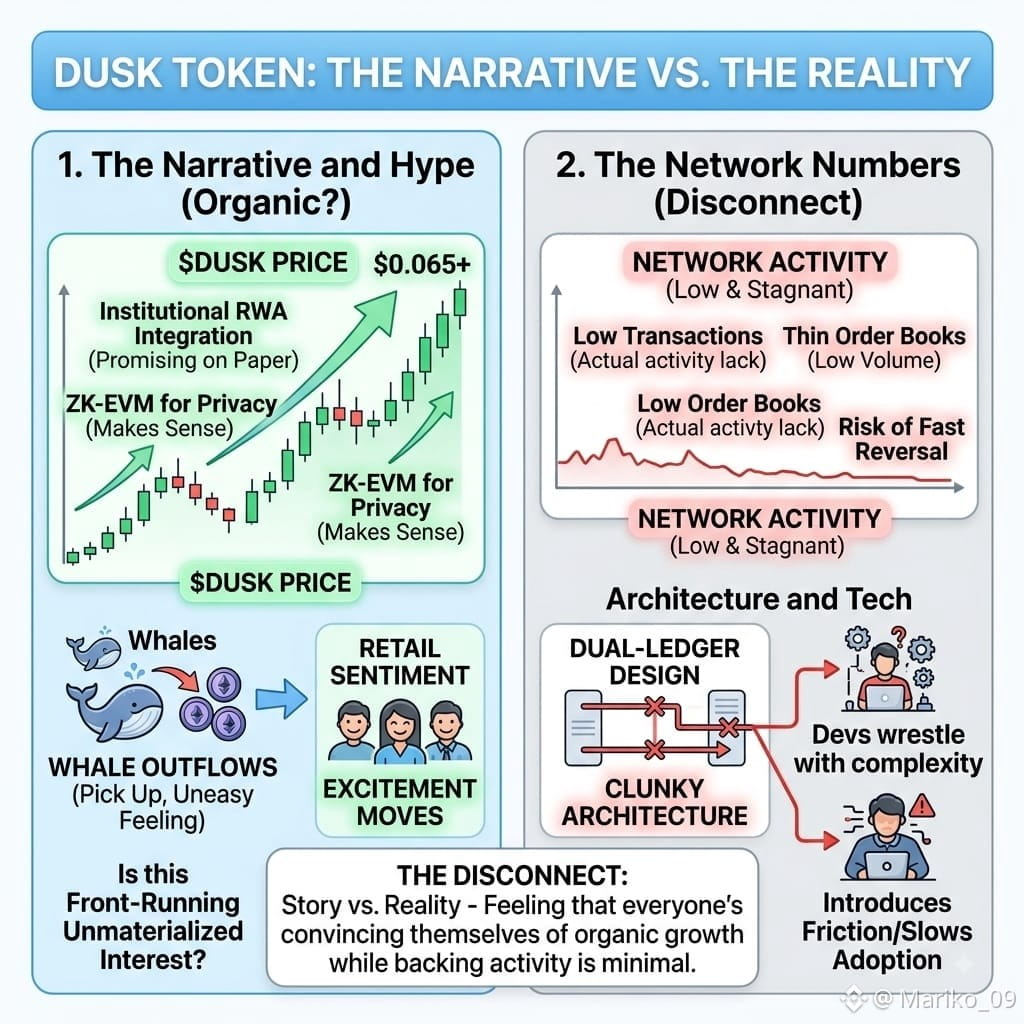
Tôi đang xem biểu đồ DUSK bò lên tới $0,065 và thành thật mà nói, nó giống như mọi người đang cố thuyết phục bản thân rằng đây là diễn biến tự nhiên. Lập luận về RWA hiện đang gánh phần lớn công việc—và đúng là, kịch bản tích hợp với tổ chức nghe có vẻ đầy hứa hẹn trên giấy tờ. Nhưng khi tôi đi sâu vào các con số mạng lưới thực tế, thì bên dưới chẳng có gì nhiều đang diễn ra.
Điều làm tôi khó chịu là sự ngắt quãng giữa câu chuyện và thực tế. Những cải tiến công nghệ là có thật—phần EVM do ZK hỗ trợ là hợp lý cho quyền riêng tư—nhưng thiết kế hai sổ cái vẫn có cảm giác khá cồng kềnh. Tôi đã tham gia đủ nhiều dự án để biết kiến trúc tạo ra ma sát thì mọi thứ sẽ chậm lại. Các dev không muốn phải vật lộn với độ phức tạp chỉ để xây dựng.
Tuy vậy, những nước đi của cá voi mới là thứ thực sự thu hút sự chú ý của tôi. Việc các dòng chảy ra tăng lên trong khi nhà bán lẻ lại háo hức vì đà tăng theo câu chuyện khiến tôi thấy bất an. Sổ lệnh mỏng và khối lượng thấp có nghĩa là điều này có thể đảo chiều nhanh nếu tâm lý thay đổi. Tôi cứ tự hỏi liệu chúng ta có đang “đi trước” sự quan tâm của tổ chức mà vẫn chưa thực sự hình thành hay không. Thành thật thì tôi sẽ thấy yên tâm hơn nếu có nhiều hoạt động thực sự ủng hộ mức giá này, thay vì chỉ dựa vào hy vọng và một câu chuyện hay.
@Dusk_Foundation #dusk $DUSK
{future}(DUSKUSDT)
Tôi đang xem biểu đồ DUSK bò lên tới $0,065 và thành thật mà nói, nó giống như mọi người đang cố thuyết phục bản thân rằng đây là diễn biến tự nhiên. Lập luận về RWA hiện đang gánh phần lớn công việc—và đúng là, kịch bản tích hợp với tổ chức nghe có vẻ đầy hứa hẹn trên giấy tờ. Nhưng khi tôi đi sâu vào các con số mạng lưới thực tế, thì bên dưới chẳng có gì nhiều đang diễn ra.
Điều làm tôi khó chịu là sự ngắt quãng giữa câu chuyện và thực tế. Những cải tiến công nghệ là có thật—phần EVM do ZK hỗ trợ là hợp lý cho quyền riêng tư—nhưng thiết kế hai sổ cái vẫn có cảm giác khá cồng kềnh. Tôi đã tham gia đủ nhiều dự án để biết kiến trúc tạo ra ma sát thì mọi thứ sẽ chậm lại. Các dev không muốn phải vật lộn với độ phức tạp chỉ để xây dựng.
Tuy vậy, những nước đi của cá voi mới là thứ thực sự thu hút sự chú ý của tôi. Việc các dòng chảy ra tăng lên trong khi nhà bán lẻ lại háo hức vì đà tăng theo câu chuyện khiến tôi thấy bất an. Sổ lệnh mỏng và khối lượng thấp có nghĩa là điều này có thể đảo chiều nhanh nếu tâm lý thay đổi. Tôi cứ tự hỏi liệu chúng ta có đang “đi trước” sự quan tâm của tổ chức mà vẫn chưa thực sự hình thành hay không. Thành thật thì tôi sẽ thấy yên tâm hơn nếu có nhiều hoạt động thực sự ủng hộ mức giá này, thay vì chỉ dựa vào hy vọng và một câu chuyện hay.
@Dusk #dusk $DUSK
Điều làm tôi khó chịu là sự ngắt quãng giữa câu chuyện và thực tế. Những cải tiến công nghệ là có thật—phần EVM do ZK hỗ trợ là hợp lý cho quyền riêng tư—nhưng thiết kế hai sổ cái vẫn có cảm giác khá cồng kềnh. Tôi đã tham gia đủ nhiều dự án để biết kiến trúc tạo ra ma sát thì mọi thứ sẽ chậm lại. Các dev không muốn phải vật lộn với độ phức tạp chỉ để xây dựng.
Tuy vậy, những nước đi của cá voi mới là thứ thực sự thu hút sự chú ý của tôi. Việc các dòng chảy ra tăng lên trong khi nhà bán lẻ lại háo hức vì đà tăng theo câu chuyện khiến tôi thấy bất an. Sổ lệnh mỏng và khối lượng thấp có nghĩa là điều này có thể đảo chiều nhanh nếu tâm lý thay đổi. Tôi cứ tự hỏi liệu chúng ta có đang “đi trước” sự quan tâm của tổ chức mà vẫn chưa thực sự hình thành hay không. Thành thật thì tôi sẽ thấy yên tâm hơn nếu có nhiều hoạt động thực sự ủng hộ mức giá này, thay vì chỉ dựa vào hy vọng và một câu chuyện hay.
@Dusk #dusk $DUSK
107
·
--
Tăng giá
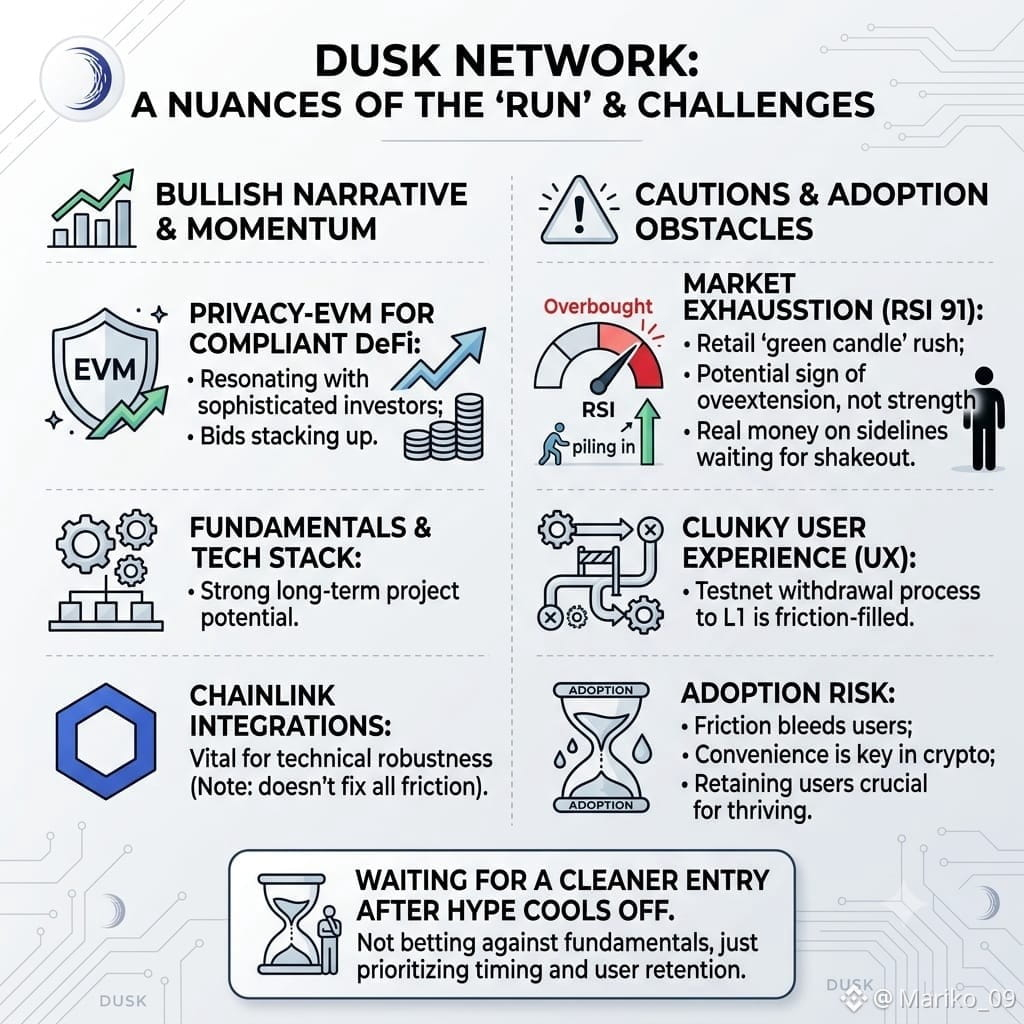
Suốt cả tuần nay tôi theo dõi DUSK và có gì đó về đợt chạy này khiến nó trông khác đi. Câu chuyện về quyền riêng tư-EVM cuối cùng cũng đang “ăn khớp” với những người thực sự hiểu DeFi tuân thủ có thể trông như thế nào, và bạn có thể thấy điều đó qua cách các lệnh đặt (bids) đang chồng chất. Nhưng vấn đề là: RSI chạm 91 không phải là dấu hiệu của sức mạnh—đó là dấu hiệu của sự kiệt sức. Lực lượng bán lẻ đang đổ vào vì nến xanh nhìn rất đẹp, nhưng tiền thật có lẽ đang ngồi ngoài lề, chờ đợi đợt rung lắc tất yếu.
Thứ cứ làm tôi bận tâm không phải chỉ là diễn biến giá, mà là trải nghiệm người dùng. Quy trình rút tiền testnet lên L1 thực sự khá lủng củng, và trong một lĩnh vực mà sự tiện lợi là thượng đế, điều đó sẽ làm chảy máu mức độ chấp nhận. Tích hợp Chainlink rất tuyệt cho lớp công nghệ, nhưng nó không giải quyết được ma sát. Nếu đội ngũ không sớm xử lý, chúng ta có thể thấy một dự án khá thú vị gặp khó khăn trong việc giữ chân đúng nhóm người dùng mà nó cần để phát triển. Tôi không đặt cược chống lại các nền tảng, tôi chỉ đang chờ một điểm vào “sạch” hơn sau khi cơn sốt hạ nhiệt một chút.
@Dusk_Foundation #dusk $DUSK
{future}(DUSKUSDT)
Suốt cả tuần nay tôi theo dõi DUSK và có gì đó về đợt chạy này khiến nó trông khác đi. Câu chuyện về quyền riêng tư-EVM cuối cùng cũng đang “ăn khớp” với những người thực sự hiểu DeFi tuân thủ có thể trông như thế nào, và bạn có thể thấy điều đó qua cách các lệnh đặt (bids) đang chồng chất. Nhưng vấn đề là: RSI chạm 91 không phải là dấu hiệu của sức mạnh—đó là dấu hiệu của sự kiệt sức. Lực lượng bán lẻ đang đổ vào vì nến xanh nhìn rất đẹp, nhưng tiền thật có lẽ đang ngồi ngoài lề, chờ đợi đợt rung lắc tất yếu.
Thứ cứ làm tôi bận tâm không phải chỉ là diễn biến giá, mà là trải nghiệm người dùng. Quy trình rút tiền testnet lên L1 thực sự khá lủng củng, và trong một lĩnh vực mà sự tiện lợi là thượng đế, điều đó sẽ làm chảy máu mức độ chấp nhận. Tích hợp Chainlink rất tuyệt cho lớp công nghệ, nhưng nó không giải quyết được ma sát. Nếu đội ngũ không sớm xử lý, chúng ta có thể thấy một dự án khá thú vị gặp khó khăn trong việc giữ chân đúng nhóm người dùng mà nó cần để phát triển. Tôi không đặt cược chống lại các nền tảng, tôi chỉ đang chờ một điểm vào “sạch” hơn sau khi cơn sốt hạ nhiệt một chút.
@Dusk #dusk $DUSK
Thứ cứ làm tôi bận tâm không phải chỉ là diễn biến giá, mà là trải nghiệm người dùng. Quy trình rút tiền testnet lên L1 thực sự khá lủng củng, và trong một lĩnh vực mà sự tiện lợi là thượng đế, điều đó sẽ làm chảy máu mức độ chấp nhận. Tích hợp Chainlink rất tuyệt cho lớp công nghệ, nhưng nó không giải quyết được ma sát. Nếu đội ngũ không sớm xử lý, chúng ta có thể thấy một dự án khá thú vị gặp khó khăn trong việc giữ chân đúng nhóm người dùng mà nó cần để phát triển. Tôi không đặt cược chống lại các nền tảng, tôi chỉ đang chờ một điểm vào “sạch” hơn sau khi cơn sốt hạ nhiệt một chút.
@Dusk #dusk $DUSK
76
·
--
Giảm giá
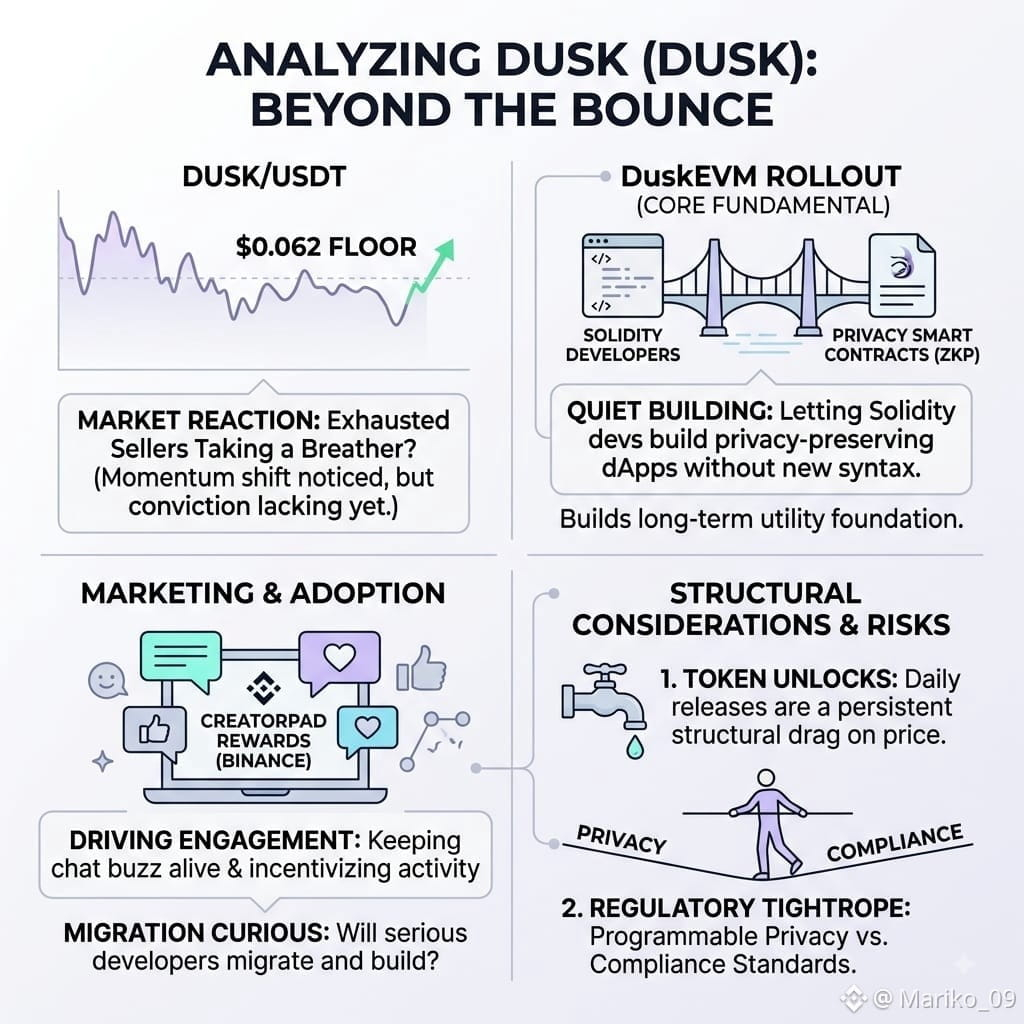
Bị dội bật khỏi sàn $0.062 đó, và thành thật mà nói, nó giống như những người bán đã mệt đang lấy lại hơi hơn là một làn sóng niềm tin mới mẻ ập đến. Dù vậy, cú đổi đà đủ sắc để thu hút sự chú ý. Phần “đáng tiền” ở đây chính là đợt triển khai DuskEVM—cuối cùng cho phép cộng đồng Solidity thử nghiệm quyền riêng tư mà không phải học một cú pháp hoàn toàn mới. Đó là kiểu công việc nền tảng lặng lẽ, tạo ra nền móng, dù nó không kích hoạt một cú bơm ngay lập tức. Việc Binance tung thêm phần thưởng CreatorPad rõ ràng là một nước đi để giữ cho các phòng chat luôn sôi động, nhưng mình lại tò mò hơn liệu có nhà phát triển nghiêm túc nào thật sự di chuyển qua không. Các lần mở khóa token hằng ngày là một lực cản mang tính cấu trúc khá “nhẹ tay”, và toàn bộ câu chuyện về quyền riêng tư có thể lập trình luôn phải đi trên dây với yêu cầu tuân thủ—điều đó khiến hồ sơ rủi ro trở nên đáng chú ý. Còn bây giờ, mình chỉ ngồi theo dõi hoạt động trên chuỗi. Tiện ích thực sự thì phải mất rất lâu mới chứng minh được, nhưng các mảnh ghép ban đầu cuối cùng đã ở đây.
@Dusk_Foundation #dusk $DUSK
{future}(DUSKUSDT)
Bị dội bật khỏi sàn $0.062 đó, và thành thật mà nói, nó giống như những người bán đã mệt đang lấy lại hơi hơn là một làn sóng niềm tin mới mẻ ập đến. Dù vậy, cú đổi đà đủ sắc để thu hút sự chú ý. Phần “đáng tiền” ở đây chính là đợt triển khai DuskEVM—cuối cùng cho phép cộng đồng Solidity thử nghiệm quyền riêng tư mà không phải học một cú pháp hoàn toàn mới. Đó là kiểu công việc nền tảng lặng lẽ, tạo ra nền móng, dù nó không kích hoạt một cú bơm ngay lập tức. Việc Binance tung thêm phần thưởng CreatorPad rõ ràng là một nước đi để giữ cho các phòng chat luôn sôi động, nhưng mình lại tò mò hơn liệu có nhà phát triển nghiêm túc nào thật sự di chuyển qua không. Các lần mở khóa token hằng ngày là một lực cản mang tính cấu trúc khá “nhẹ tay”, và toàn bộ câu chuyện về quyền riêng tư có thể lập trình luôn phải đi trên dây với yêu cầu tuân thủ—điều đó khiến hồ sơ rủi ro trở nên đáng chú ý. Còn bây giờ, mình chỉ ngồi theo dõi hoạt động trên chuỗi. Tiện ích thực sự thì phải mất rất lâu mới chứng minh được, nhưng các mảnh ghép ban đầu cuối cùng đã ở đây.
@Dusk #dusk $DUSK
@Dusk #dusk $DUSK
69
·
--
🎙️ USD1 và WLFI có mối quan hệ như thế nào? Hãy cùng trò chuyện nhé

Kết thúc
04 giờ 54 phút 20 giây
9.6k
28
38
·
--
Bài viết
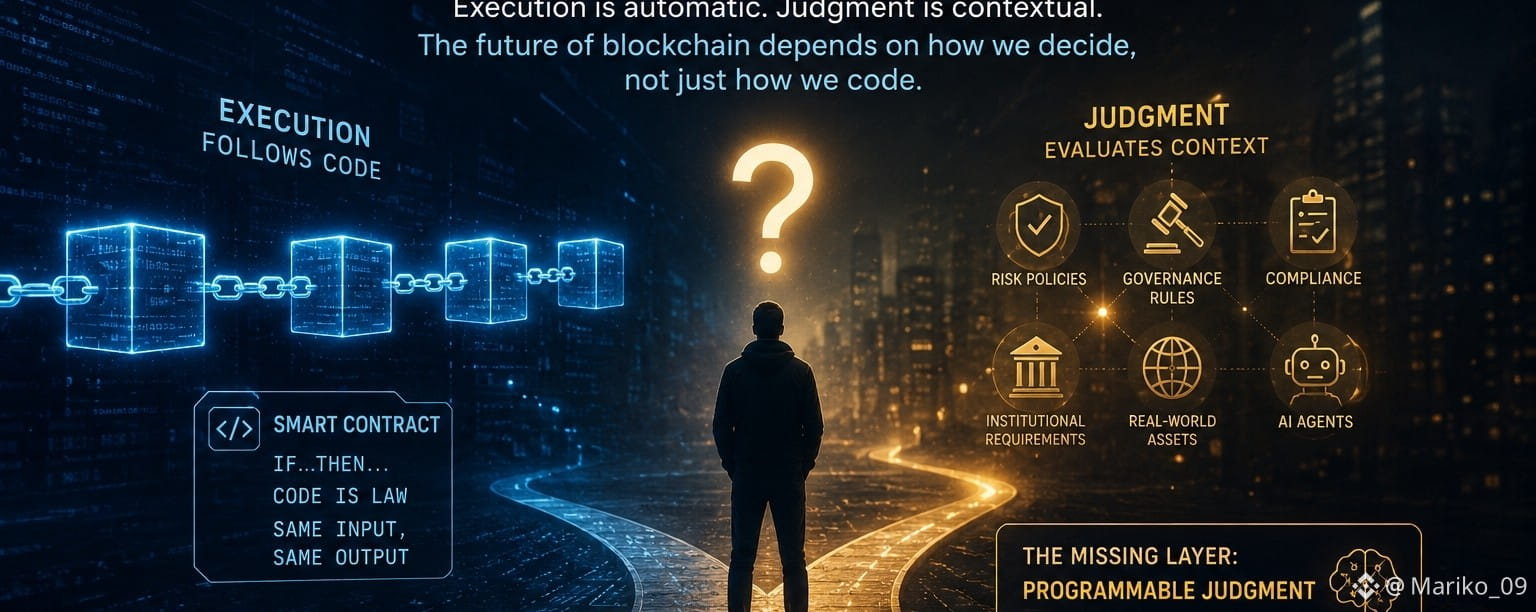
Vượt Ngoài Mã Nguồn: Mảnh Ghép Bị Thiếu Của BlockchainCàng đọc về Newton Protocol, tôi càng thấy mình nghĩ về một điều mà trước đây tôi chưa từng thực sự đặt câu hỏi. Chúng ta thường nói rằng blockchain được xây dựng dựa trên sự tin tưởng vì các hợp đồng thông minh thực thi đúng như cách chúng được viết ra. Đúng—nhưng tôi không nghĩ việc thực thi là toàn bộ câu chuyện nữa.
Điều cứ liên tục quay trở lại trong tâm trí tôi là một câu hỏi đơn giản hơn nhiều: chỉ vì một điều gì đó có thể xảy ra trên chuỗi thì điều đó có luôn có nghĩa là nó nên xảy ra không?
Câu hỏi đó thật đáng ngạc nhiên là quan trọng.
Blockchain đã làm một công việc tuyệt vời trong việc khiến việc thực thi trở nên có thể dự đoán. Mỗi nút đều tuân theo cùng một bộ quy tắc, mọi giao dịch đều được xử lý theo cùng một cách, và không ai phải dựa vào một cơ quan trung ương để đảm bảo các thỏa thuận được tôn trọng. Sự nhất quán đó là một trong những lý do lớn nhất khiến công nghệ này đã phát triển đến vậy.
Vượt Ngoài Mã Nguồn: Mảnh Ghép Bị Thiếu Của Blockchain
Càng đọc về Newton Protocol, tôi càng thấy mình nghĩ về một điều mà trước đây tôi chưa từng thực sự đặt câu hỏi. Chúng ta thường nói rằng blockchain được xây dựng dựa trên sự tin tưởng vì các hợp đồng thông minh thực thi đúng như cách chúng được viết ra. Đúng—nhưng tôi không nghĩ việc thực thi là toàn bộ câu chuyện nữa.
Điều cứ liên tục quay trở lại trong tâm trí tôi là một câu hỏi đơn giản hơn nhiều: chỉ vì một điều gì đó có thể xảy ra trên chuỗi thì điều đó có luôn có nghĩa là nó nên xảy ra không?
Câu hỏi đó thật đáng ngạc nhiên là quan trọng.
Blockchain đã làm một công việc tuyệt vời trong việc khiến việc thực thi trở nên có thể dự đoán. Mỗi nút đều tuân theo cùng một bộ quy tắc, mọi giao dịch đều được xử lý theo cùng một cách, và không ai phải dựa vào một cơ quan trung ương để đảm bảo các thỏa thuận được tôn trọng. Sự nhất quán đó là một trong những lý do lớn nhất khiến công nghệ này đã phát triển đến vậy.
Điều cứ liên tục quay trở lại trong tâm trí tôi là một câu hỏi đơn giản hơn nhiều: chỉ vì một điều gì đó có thể xảy ra trên chuỗi thì điều đó có luôn có nghĩa là nó nên xảy ra không?
Câu hỏi đó thật đáng ngạc nhiên là quan trọng.
Blockchain đã làm một công việc tuyệt vời trong việc khiến việc thực thi trở nên có thể dự đoán. Mỗi nút đều tuân theo cùng một bộ quy tắc, mọi giao dịch đều được xử lý theo cùng một cách, và không ai phải dựa vào một cơ quan trung ương để đảm bảo các thỏa thuận được tôn trọng. Sự nhất quán đó là một trong những lý do lớn nhất khiến công nghệ này đã phát triển đến vậy.
2
1
71
·
--
@NewtonProtocol Mọi người đang bàn tán về việc AI thông minh sẽ phát triển như thế nào trong crypto, nhưng tôi nghĩ rằng điều quan trọng hơn cần thảo luận chính là quyền kiểm soát.
Sau nhiều năm theo dõi các chu kỳ thị trường khác nhau, tôi nhận ra rằng công nghệ thường không “gãy” vì thiếu thông minh. Nó gãy khi các hệ thống được giao nhiều quyền hạn hơn so với những gì chúng được thiết kế để xử lý. Mỗi lỗ hổng khai thác lớn lại củng cố cùng một bài học: chỉ riêng tự động hóa là chưa đủ. Niềm tin thật sự đến từ giới hạn rõ ràng, quy tắc minh bạch và các quyền được cấp không thể dễ dàng bị lạm dụng.
Đó là lý do Newton Protocol nằm trong tầm ngắm của tôi. Điều khiến tôi hứng thú không chỉ là tầm nhìn về tự động hóa dựa trên AI, mà còn là cách họ tiếp cận các quyền lập trình và an toàn cho các tác nhân AI khi tương tác với tài sản, ứng dụng và các giao dịch trên chuỗi. Trong một không gian nơi động lực thay đổi rất nhanh, việc có các ranh giới được xác định rõ ràng cũng quan trọng không kém việc có các thuật toán thông minh hơn.
Khi AI ngày càng trở thành một phần lớn của tài chính phi tập trung, tôi không nghĩ rằng thành công sẽ được quyết định bởi tác nhân nào có thể thực hiện được nhiều tác vụ nhất. Thay vào đó, nó sẽ phụ thuộc vào việc liệu các tác nhân đó có bị giới hạn chỉ làm những gì họ được phép làm một cách rõ ràng hay không.
Crypto luôn khen thưởng việc thiết kế động lực mạnh mẽ hơn là những ý định tốt. Trí tuệ có thể mở khóa các khả năng mới, nhưng nếu không có một lớp quyền hạn đáng tin cậy, nó không tự động tạo ra sự tin tưởng. Theo thời gian, những dự án tồn tại thường là những dự án tập trung vào bảo mật và khả năng chống chịu thay vì chạy theo sự hứng khởi ngắn hạn.
Vì vậy, tôi sẽ tiếp tục theo dõi Newton Protocol. Thử thách thực sự không nằm ở câu chuyện—mà nằm ở việc cách tiếp cận “ưu tiên quyền” của họ có tiếp tục đứng vững hay không khi người dùng thật, vốn thật và các động lực thị trường thật gây áp lực.
#newt $NEWT
@NewtonProtocol Mọi người đang bàn tán về việc AI thông minh sẽ phát triển như thế nào trong crypto, nhưng tôi nghĩ rằng điều quan trọng hơn cần thảo luận chính là quyền kiểm soát.
Sau nhiều năm theo dõi các chu kỳ thị trường khác nhau, tôi nhận ra rằng công nghệ thường không “gãy” vì thiếu thông minh. Nó gãy khi các hệ thống được giao nhiều quyền hạn hơn so với những gì chúng được thiết kế để xử lý. Mỗi lỗ hổng khai thác lớn lại củng cố cùng một bài học: chỉ riêng tự động hóa là chưa đủ. Niềm tin thật sự đến từ giới hạn rõ ràng, quy tắc minh bạch và các quyền được cấp không thể dễ dàng bị lạm dụng.
Đó là lý do Newton Protocol nằm trong tầm ngắm của tôi. Điều khiến tôi hứng thú không chỉ là tầm nhìn về tự động hóa dựa trên AI, mà còn là cách họ tiếp cận các quyền lập trình và an toàn cho các tác nhân AI khi tương tác với tài sản, ứng dụng và các giao dịch trên chuỗi. Trong một không gian nơi động lực thay đổi rất nhanh, việc có các ranh giới được xác định rõ ràng cũng quan trọng không kém việc có các thuật toán thông minh hơn.
Khi AI ngày càng trở thành một phần lớn của tài chính phi tập trung, tôi không nghĩ rằng thành công sẽ được quyết định bởi tác nhân nào có thể thực hiện được nhiều tác vụ nhất. Thay vào đó, nó sẽ phụ thuộc vào việc liệu các tác nhân đó có bị giới hạn chỉ làm những gì họ được phép làm một cách rõ ràng hay không.
Crypto luôn khen thưởng việc thiết kế động lực mạnh mẽ hơn là những ý định tốt. Trí tuệ có thể mở khóa các khả năng mới, nhưng nếu không có một lớp quyền hạn đáng tin cậy, nó không tự động tạo ra sự tin tưởng. Theo thời gian, những dự án tồn tại thường là những dự án tập trung vào bảo mật và khả năng chống chịu thay vì chạy theo sự hứng khởi ngắn hạn.
Vì vậy, tôi sẽ tiếp tục theo dõi Newton Protocol. Thử thách thực sự không nằm ở câu chuyện—mà nằm ở việc cách tiếp cận “ưu tiên quyền” của họ có tiếp tục đứng vững hay không khi người dùng thật, vốn thật và các động lực thị trường thật gây áp lực.
#newt $NEWT
Sau nhiều năm theo dõi các chu kỳ thị trường khác nhau, tôi nhận ra rằng công nghệ thường không “gãy” vì thiếu thông minh. Nó gãy khi các hệ thống được giao nhiều quyền hạn hơn so với những gì chúng được thiết kế để xử lý. Mỗi lỗ hổng khai thác lớn lại củng cố cùng một bài học: chỉ riêng tự động hóa là chưa đủ. Niềm tin thật sự đến từ giới hạn rõ ràng, quy tắc minh bạch và các quyền được cấp không thể dễ dàng bị lạm dụng.
Đó là lý do Newton Protocol nằm trong tầm ngắm của tôi. Điều khiến tôi hứng thú không chỉ là tầm nhìn về tự động hóa dựa trên AI, mà còn là cách họ tiếp cận các quyền lập trình và an toàn cho các tác nhân AI khi tương tác với tài sản, ứng dụng và các giao dịch trên chuỗi. Trong một không gian nơi động lực thay đổi rất nhanh, việc có các ranh giới được xác định rõ ràng cũng quan trọng không kém việc có các thuật toán thông minh hơn.
Khi AI ngày càng trở thành một phần lớn của tài chính phi tập trung, tôi không nghĩ rằng thành công sẽ được quyết định bởi tác nhân nào có thể thực hiện được nhiều tác vụ nhất. Thay vào đó, nó sẽ phụ thuộc vào việc liệu các tác nhân đó có bị giới hạn chỉ làm những gì họ được phép làm một cách rõ ràng hay không.
Crypto luôn khen thưởng việc thiết kế động lực mạnh mẽ hơn là những ý định tốt. Trí tuệ có thể mở khóa các khả năng mới, nhưng nếu không có một lớp quyền hạn đáng tin cậy, nó không tự động tạo ra sự tin tưởng. Theo thời gian, những dự án tồn tại thường là những dự án tập trung vào bảo mật và khả năng chống chịu thay vì chạy theo sự hứng khởi ngắn hạn.
Vì vậy, tôi sẽ tiếp tục theo dõi Newton Protocol. Thử thách thực sự không nằm ở câu chuyện—mà nằm ở việc cách tiếp cận “ưu tiên quyền” của họ có tiếp tục đứng vững hay không khi người dùng thật, vốn thật và các động lực thị trường thật gây áp lực.
#newt $NEWT
72
·
--
Suy Nghĩ Về $NEWT: Đôi Khi Thị Trường Kể Một Câu Chuyện Khác Với Công NghệTôi đã suy nghĩ về $NEWT nhiều trong tuần này, và một ý tưởng cứ quay lại trong đầu tôi. Công nghệ và thị trường dường như đang kể hai câu chuyện khác nhau.
Khi tôi bắt đầu đọc về Newton, điều thu hút sự chú ý của tôi là cơ sở hạ tầng. Thực thi AI an toàn, môi trường đáng tin cậy, thực thi chính sách và tự động hóa đều nghe như kiểu nền tảng mà AI rồi sẽ cần trong tương lai. Dễ hiểu vì sao mọi người hào hứng với viễn cảnh đó, bởi nó đang giải quyết những vấn đề có thể sẽ trở nên lớn hơn rất nhiều trong vài năm tới.
Suy Nghĩ Về $NEWT: Đôi Khi Thị Trường Kể Một Câu Chuyện Khác Với Công Nghệ
Tôi đã suy nghĩ về $NEWT nhiều trong tuần này, và một ý tưởng cứ quay lại trong đầu tôi. Công nghệ và thị trường dường như đang kể hai câu chuyện khác nhau.
Khi tôi bắt đầu đọc về Newton, điều thu hút sự chú ý của tôi là cơ sở hạ tầng. Thực thi AI an toàn, môi trường đáng tin cậy, thực thi chính sách và tự động hóa đều nghe như kiểu nền tảng mà AI rồi sẽ cần trong tương lai. Dễ hiểu vì sao mọi người hào hứng với viễn cảnh đó, bởi nó đang giải quyết những vấn đề có thể sẽ trở nên lớn hơn rất nhiều trong vài năm tới.
Khi tôi bắt đầu đọc về Newton, điều thu hút sự chú ý của tôi là cơ sở hạ tầng. Thực thi AI an toàn, môi trường đáng tin cậy, thực thi chính sách và tự động hóa đều nghe như kiểu nền tảng mà AI rồi sẽ cần trong tương lai. Dễ hiểu vì sao mọi người hào hứng với viễn cảnh đó, bởi nó đang giải quyết những vấn đề có thể sẽ trở nên lớn hơn rất nhiều trong vài năm tới.
2
1
76
·
--
Nghĩ về $NEWT tuần này, có một điều có vẻ quan trọng hơn hẳn phần kể chuyện trong bản whitepaper: Binance lặng lẽ đưa nó vào chương trình VIP Loan gần đúng thời điểm giá của họ đang lơ lửng cao hơn chỉ 9,5% so với mức thấp mọi thời đại ngày 26 tháng 6 là 0,04512 USD. Nghe như kiểu “bố trí” thực sự đang định hình diễn biến giá ngay lúc này.
Cơ sở hạ tầng có thể là có thật. Tôi không nghi ngờ các TEE, các chính sách Rego hay lớp tuân thủ trong tài liệu. Nhưng thị trường không phản ứng với lý thuyết nhiều bằng phản ứng với cơ chế cung - cầu, các đợt mở khóa, “đường ống” của sàn giao dịch và việc niêm yết trong chương trình cho vay. Đó là nơi lượng giao dịch đang đến từ, và đó là thứ đang kéo các tiêu đề trong tuần này.
Câu chuyện “các tác nhân đang làm việc thực sự” vẫn giống như lời hứa hơn là đã được chứng minh. Có lẽ điều đó là bình thường đối với một token hạ tầng trước khi quá trình ứng dụng thực sự xuất hiện. Kỹ thuật tài chính đến trước, tiện ích đến sau—nếu nó có đến. Hoặc có thể khoảng cách giữa “tuân thủ như mã (compliance as code)” và “đây là cập nhật cặp giao dịch” chính là toàn bộ câu chuyện vào lúc này.
Có ai có thật sự một giao dịch sản xuất (production tx) đang chạy hiển thị kiểm tra chính sách hoạt động không, hay chúng ta chủ yếu chỉ đang theo dõi token?
#newt $NEWT @NewtonProtocol
Nghĩ về $NEWT tuần này, có một điều có vẻ quan trọng hơn hẳn phần kể chuyện trong bản whitepaper: Binance lặng lẽ đưa nó vào chương trình VIP Loan gần đúng thời điểm giá của họ đang lơ lửng cao hơn chỉ 9,5% so với mức thấp mọi thời đại ngày 26 tháng 6 là 0,04512 USD. Nghe như kiểu “bố trí” thực sự đang định hình diễn biến giá ngay lúc này.
Cơ sở hạ tầng có thể là có thật. Tôi không nghi ngờ các TEE, các chính sách Rego hay lớp tuân thủ trong tài liệu. Nhưng thị trường không phản ứng với lý thuyết nhiều bằng phản ứng với cơ chế cung - cầu, các đợt mở khóa, “đường ống” của sàn giao dịch và việc niêm yết trong chương trình cho vay. Đó là nơi lượng giao dịch đang đến từ, và đó là thứ đang kéo các tiêu đề trong tuần này.
Câu chuyện “các tác nhân đang làm việc thực sự” vẫn giống như lời hứa hơn là đã được chứng minh. Có lẽ điều đó là bình thường đối với một token hạ tầng trước khi quá trình ứng dụng thực sự xuất hiện. Kỹ thuật tài chính đến trước, tiện ích đến sau—nếu nó có đến. Hoặc có thể khoảng cách giữa “tuân thủ như mã (compliance as code)” và “đây là cập nhật cặp giao dịch” chính là toàn bộ câu chuyện vào lúc này.
Có ai có thật sự một giao dịch sản xuất (production tx) đang chạy hiển thị kiểm tra chính sách hoạt động không, hay chúng ta chủ yếu chỉ đang theo dõi token?
#newt $NEWT @NewtonProtocol
Cơ sở hạ tầng có thể là có thật. Tôi không nghi ngờ các TEE, các chính sách Rego hay lớp tuân thủ trong tài liệu. Nhưng thị trường không phản ứng với lý thuyết nhiều bằng phản ứng với cơ chế cung - cầu, các đợt mở khóa, “đường ống” của sàn giao dịch và việc niêm yết trong chương trình cho vay. Đó là nơi lượng giao dịch đang đến từ, và đó là thứ đang kéo các tiêu đề trong tuần này.
Câu chuyện “các tác nhân đang làm việc thực sự” vẫn giống như lời hứa hơn là đã được chứng minh. Có lẽ điều đó là bình thường đối với một token hạ tầng trước khi quá trình ứng dụng thực sự xuất hiện. Kỹ thuật tài chính đến trước, tiện ích đến sau—nếu nó có đến. Hoặc có thể khoảng cách giữa “tuân thủ như mã (compliance as code)” và “đây là cập nhật cặp giao dịch” chính là toàn bộ câu chuyện vào lúc này.
Có ai có thật sự một giao dịch sản xuất (production tx) đang chạy hiển thị kiểm tra chính sách hoạt động không, hay chúng ta chủ yếu chỉ đang theo dõi token?
#newt $NEWT @NewtonProtocol
4
1
76
·
--
Tôi không còn đuổi theo mọi “pump” nữa—tôi tập trung nhiều hơn vào những gì đang được xây dựng ở phía hậu trường.
Đó là lý do tôi thực sự chú ý đến việc tích hợp Human Passport với @NewtonProtocol genuinely.
Với tôi, đó không hẳn là chuyện danh tính số. Mà là làm cho crypto công bằng hơn cho người dùng thực sự. Ai đã từng tham gia một đợt airdrop đều biết cảm giác khó chịu khi phải cạnh tranh với hàng nghìn ví Sybil và các trang trại bot.
Điều tôi thích là Newton không ép một mô hình danh tính duy nhất lên tất cả mọi người. Các nhà phát triển có thể kết hợp Stamps, Model API Score để phân tích hành vi, và Proof of Clean Hands với quyền riêng tư dựa trên zero-knowledge, tùy theo ứng dụng của họ thực sự cần gì.
Lớp chính sách có thể lập trình cũng là một lý do khác khiến tôi theo dõi nó. Thay vì viết lại smart contract mỗi khi yêu cầu thay đổi, các nhà xây dựng có thể điều chỉnh các quy tắc xác minh dễ dàng hơn. Điều đó giống như một giải pháp thực tế—đặc biệt khi các tác nhân AI ngày càng hoạt động mạnh hơn trên DeFi.
Tôi không nói rằng nó hoàn hảo. Không có hệ thống bảo mật nào là hoàn hảo cả. Nhưng nếu nó làm cho việc nuôi bot quy mô lớn trở nên khó khăn hơn và mang lại cho nhà phát triển những công cụ tin cậy linh hoạt hơn, thì đó đã là một bước tiến có ý nghĩa.
Giờ tôi ít quan tâm đến “hype” hơn và nhiều hơn về việc các dự án có thực sự áp dụng công nghệ này hay không. Nếu họ làm, Newton có thể sẽ trở thành một trong những mảnh hạ tầng âm thầm giúp vận hành thế hệ crypto tiếp theo.
@NewtonProtocol #Newt $NEWT
Tôi không còn đuổi theo mọi “pump” nữa—tôi tập trung nhiều hơn vào những gì đang được xây dựng ở phía hậu trường.
Đó là lý do tôi thực sự chú ý đến việc tích hợp Human Passport với @NewtonProtocol genuinely.
Với tôi, đó không hẳn là chuyện danh tính số. Mà là làm cho crypto công bằng hơn cho người dùng thực sự. Ai đã từng tham gia một đợt airdrop đều biết cảm giác khó chịu khi phải cạnh tranh với hàng nghìn ví Sybil và các trang trại bot.
Điều tôi thích là Newton không ép một mô hình danh tính duy nhất lên tất cả mọi người. Các nhà phát triển có thể kết hợp Stamps, Model API Score để phân tích hành vi, và Proof of Clean Hands với quyền riêng tư dựa trên zero-knowledge, tùy theo ứng dụng của họ thực sự cần gì.
Lớp chính sách có thể lập trình cũng là một lý do khác khiến tôi theo dõi nó. Thay vì viết lại smart contract mỗi khi yêu cầu thay đổi, các nhà xây dựng có thể điều chỉnh các quy tắc xác minh dễ dàng hơn. Điều đó giống như một giải pháp thực tế—đặc biệt khi các tác nhân AI ngày càng hoạt động mạnh hơn trên DeFi.
Tôi không nói rằng nó hoàn hảo. Không có hệ thống bảo mật nào là hoàn hảo cả. Nhưng nếu nó làm cho việc nuôi bot quy mô lớn trở nên khó khăn hơn và mang lại cho nhà phát triển những công cụ tin cậy linh hoạt hơn, thì đó đã là một bước tiến có ý nghĩa.
Giờ tôi ít quan tâm đến “hype” hơn và nhiều hơn về việc các dự án có thực sự áp dụng công nghệ này hay không. Nếu họ làm, Newton có thể sẽ trở thành một trong những mảnh hạ tầng âm thầm giúp vận hành thế hệ crypto tiếp theo.
@NewtonProtocol #Newt $NEWT
Đó là lý do tôi thực sự chú ý đến việc tích hợp Human Passport với @NewtonProtocol genuinely.
Với tôi, đó không hẳn là chuyện danh tính số. Mà là làm cho crypto công bằng hơn cho người dùng thực sự. Ai đã từng tham gia một đợt airdrop đều biết cảm giác khó chịu khi phải cạnh tranh với hàng nghìn ví Sybil và các trang trại bot.
Điều tôi thích là Newton không ép một mô hình danh tính duy nhất lên tất cả mọi người. Các nhà phát triển có thể kết hợp Stamps, Model API Score để phân tích hành vi, và Proof of Clean Hands với quyền riêng tư dựa trên zero-knowledge, tùy theo ứng dụng của họ thực sự cần gì.
Lớp chính sách có thể lập trình cũng là một lý do khác khiến tôi theo dõi nó. Thay vì viết lại smart contract mỗi khi yêu cầu thay đổi, các nhà xây dựng có thể điều chỉnh các quy tắc xác minh dễ dàng hơn. Điều đó giống như một giải pháp thực tế—đặc biệt khi các tác nhân AI ngày càng hoạt động mạnh hơn trên DeFi.
Tôi không nói rằng nó hoàn hảo. Không có hệ thống bảo mật nào là hoàn hảo cả. Nhưng nếu nó làm cho việc nuôi bot quy mô lớn trở nên khó khăn hơn và mang lại cho nhà phát triển những công cụ tin cậy linh hoạt hơn, thì đó đã là một bước tiến có ý nghĩa.
Giờ tôi ít quan tâm đến “hype” hơn và nhiều hơn về việc các dự án có thực sự áp dụng công nghệ này hay không. Nếu họ làm, Newton có thể sẽ trở thành một trong những mảnh hạ tầng âm thầm giúp vận hành thế hệ crypto tiếp theo.
@NewtonProtocol #Newt $NEWT
84
Đăng nhập để khám phá thêm nội dung
Tham gia cùng người dùng tiền mã hóa toàn cầu trên Binance Square
⚡️ Nhận thông tin mới nhất và hữu ích về tiền mã hóa.
💬 Được tin cậy bởi sàn giao dịch tiền mã hóa lớn nhất thế giới.
👍 Khám phá những thông tin chuyên sâu thực tế từ những nhà sáng tạo đã xác minh.
Email / Số điện thoại
Chủ đề thịnh hành
TheoDõiFOMC
83,058 lượt xem
549 đang thảo luận
Cục Dự trữ Liên bang (Fed) đã tăng lãi suất lần đầu tiên kể từ năm 2023 trong bối cảnh lạm phát dai dẳng. Các nhà hoạch định chính sách của Fed đã bỏ phiếu 12-0 để nâng lãi suất quỹ liên bang từ 3,5% lên 3,75%, với mức mục tiêu mới là 3,75% đến 4%. Mức tăng 25 điểm cơ bản này đánh dấu lần điều chỉnh lãi suất đầu tiên kể từ tháng 7/2023 và diễn ra sau khi Fed giữ nguyên lãi suất trong năm cuộc họp đầu tiên trong năm nay. #TheoDõiFOMC #45NgayTuDoTaiChinh #DotPlotSignalsOneMoreHikeIn2026 $NVDAB $AAPLB $NVDA.US #45NgayTuDoTaiChinh #FedHikes25BpsUSStocksClose #
kynfoolishupdate
·0 lượt thích
·136 lượt xem
TinFed
74,692 lượt xem
352 đang thảo luận
45NgayTuDoTaiChinh
906,991 lượt xem
3,117 đang thảo luận