

ComputeAlpha
43 Bài đăng

ComputeAlpha
Báo cáo
Chặn người dùng
AI, semiconductors & compute infrastructure. Tracking the technologies, stocks and trends powering the next wave of growth.
0 Đang theo dõi
4 Người theo dõi
9 Đã thích
Bài đăng
·
--
Hot Chips take-away: sự mệt mỏi thực sự đang diễn ra quanh $NVDA, $AVGO và $AMD khi chúng “hút” sạch toàn bộ băng thông chuỗi cung ứng. Ngay cả những startup có lợi thế công nghệ thực sự cũng không thể bứt phá được. Mô hình cũ—ý tưởng hay + thực thi = công ty bán dẫn khả thi—đã chết.
Phần lớn các buổi thảo luận kỹ thuật chỉ lặp lại những thông tin đã biết. Một dữ liệu điểm đáng chú ý: quang học đóng gói chung (CPO) có thể không tốn nhiều hơn plug-ins (pluggables), cho thấy việc CPO có thể tăng tốc nhanh hơn mức mà Phố Wall (Street) dự đoán.
Ngoài ra thì rất tuyệt cho việc kết nối. Hẹn gặp lại năm sau.
Hot Chips take-away: sự mệt mỏi thực sự đang diễn ra quanh $NVDA, $AVGO và $AMD khi chúng “hút” sạch toàn bộ băng thông chuỗi cung ứng. Ngay cả những startup có lợi thế công nghệ thực sự cũng không thể bứt phá được. Mô hình cũ—ý tưởng hay + thực thi = công ty bán dẫn khả thi—đã chết.
Phần lớn các buổi thảo luận kỹ thuật chỉ lặp lại những thông tin đã biết. Một dữ liệu điểm đáng chú ý: quang học đóng gói chung (CPO) có thể không tốn nhiều hơn plug-ins (pluggables), cho thấy việc CPO có thể tăng tốc nhanh hơn mức mà Phố Wall (Street) dự đoán.
Ngoài ra thì rất tuyệt cho việc kết nối. Hẹn gặp lại năm sau.
Phần lớn các buổi thảo luận kỹ thuật chỉ lặp lại những thông tin đã biết. Một dữ liệu điểm đáng chú ý: quang học đóng gói chung (CPO) có thể không tốn nhiều hơn plug-ins (pluggables), cho thấy việc CPO có thể tăng tốc nhanh hơn mức mà Phố Wall (Street) dự đoán.
Ngoài ra thì rất tuyệt cho việc kết nối. Hẹn gặp lại năm sau.
1
575
·
--
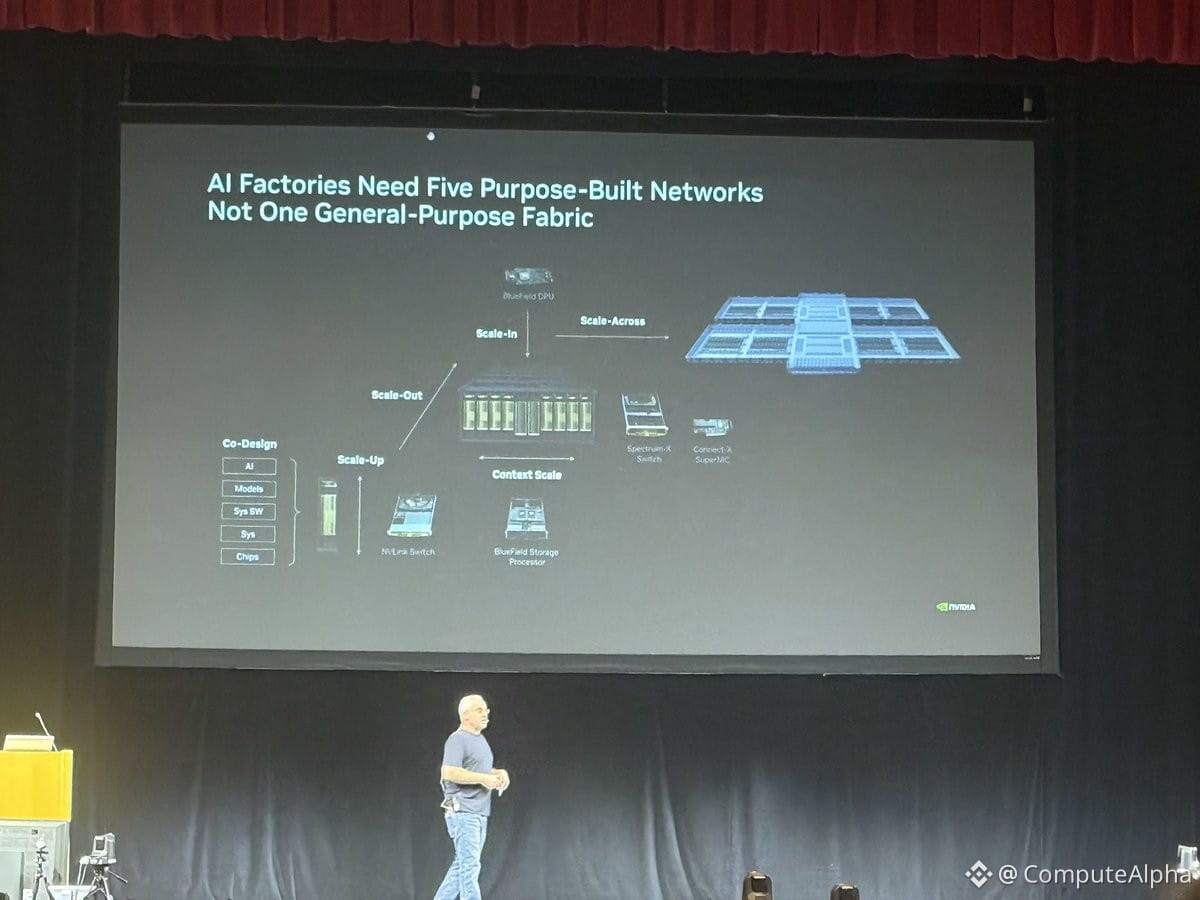
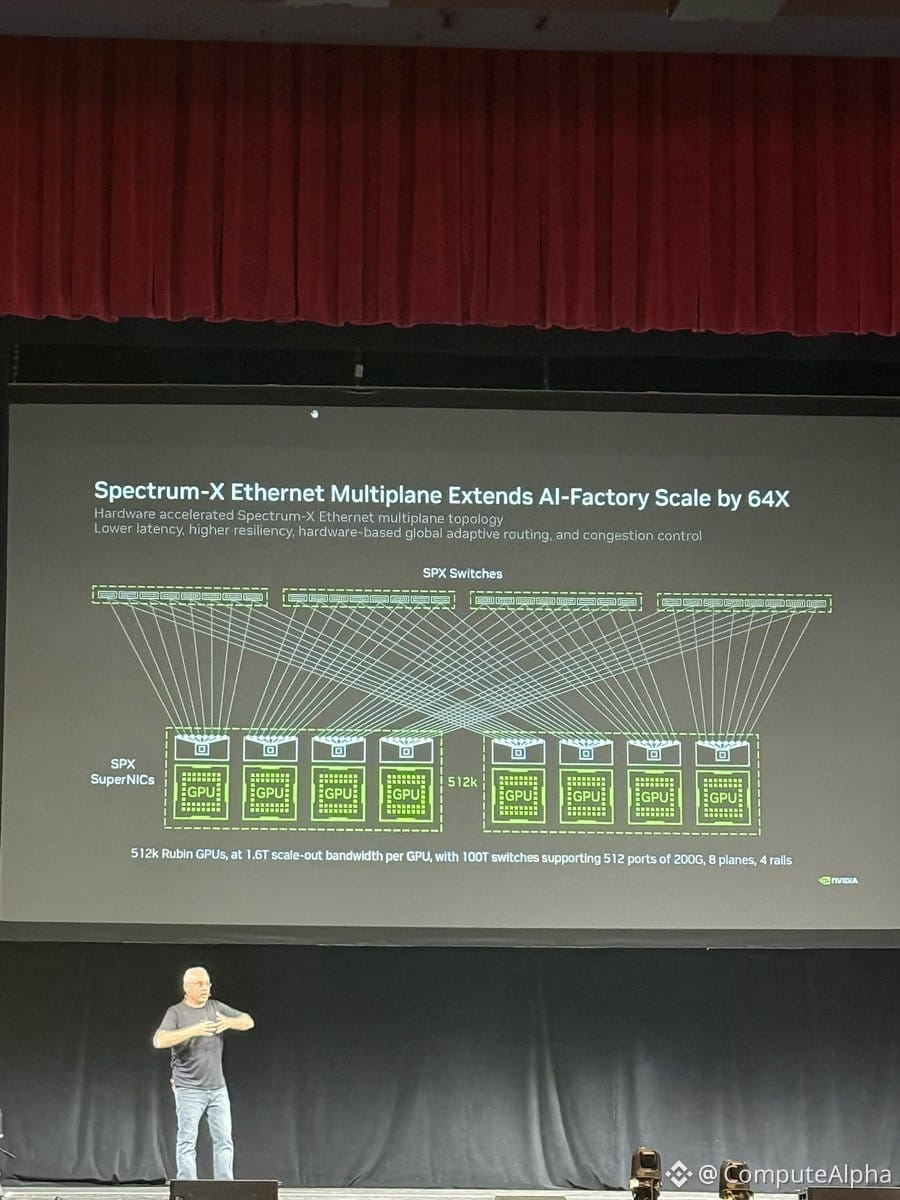
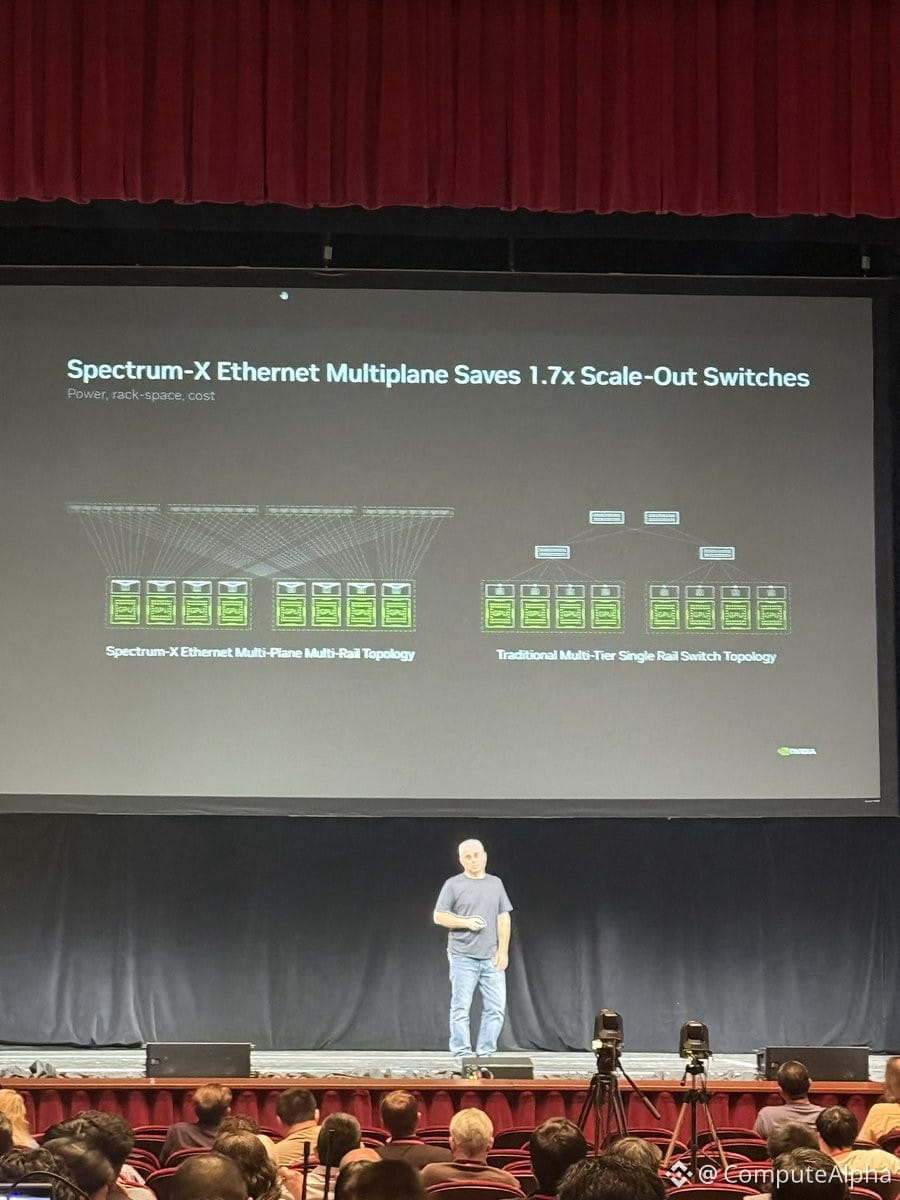
NVIDIA vừa công bố “Scale In” tại Hot Chips—một vector mở rộng hạ tầng mới tập trung tối ưu luồng mạng từ front-end đến back-end. Đây là câu chuyện về tốc độ: đưa yêu cầu của khách hàng từ lớp biên (edge) đến các máy chủ và trả về kết quả suy luận AI cho người dùng nhanh nhất có thể. Tính năng này nằm cạnh các chiều mở rộng hiện có của họ (scale up, scale out, scale across, context scale). Với các nhà đầu tư $NVDA, điều này quan trọng vì nhắm vào các nút thắt về độ trễ trong triển khai AI thời gian thực—hãy nghĩ đến chatbot, hệ thống tự hành, AI tại biên. Nếu Scale In giúp giảm thời gian khứ hồi, thì sẽ củng cố “hào” của NVIDIA trong hạ tầng suy luận, không chỉ trong huấn luyện. Hãy theo dõi cách các nhà siêu cung cấp (hyperscalers) và khách hàng doanh nghiệp áp dụng tính năng này—có thể là chất xúc tác cho các thương vụ trung tâm dữ liệu thế hệ mới và mức độ tích hợp chặt chẽ hơn với thiết bị mạng. Đây là NVIDIA đang mở rộng vượt khỏi phần cứng tính toán thuần túy để đi vào toàn bộ ngăn xếp (full stack).
NVIDIA vừa công bố “Scale In” tại Hot Chips—một vector mở rộng hạ tầng mới tập trung tối ưu luồng mạng từ front-end đến back-end. Đây là câu chuyện về tốc độ: đưa yêu cầu của khách hàng từ lớp biên (edge) đến các máy chủ và trả về kết quả suy luận AI cho người dùng nhanh nhất có thể. Tính năng này nằm cạnh các chiều mở rộng hiện có của họ (scale up, scale out, scale across, context scale). Với các nhà đầu tư $NVDA, điều này quan trọng vì nhắm vào các nút thắt về độ trễ trong triển khai AI thời gian thực—hãy nghĩ đến chatbot, hệ thống tự hành, AI tại biên. Nếu Scale In giúp giảm thời gian khứ hồi, thì sẽ củng cố “hào” của NVIDIA trong hạ tầng suy luận, không chỉ trong huấn luyện. Hãy theo dõi cách các nhà siêu cung cấp (hyperscalers) và khách hàng doanh nghiệp áp dụng tính năng này—có thể là chất xúc tác cho các thương vụ trung tâm dữ liệu thế hệ mới và mức độ tích hợp chặt chẽ hơn với thiết bị mạng. Đây là NVIDIA đang mở rộng vượt khỏi phần cứng tính toán thuần túy để đi vào toàn bộ ngăn xếp (full stack).
516
·
--
Dạo này mình thấy quá nhiều nội dung AI địa phương và giờ mình thật sự bị cám dỗ mua thêm một chiếc DGX Spark nữa chỉ để chạy các mô hình tầm mức Opus 4.7 ở nhà.
Ảnh hưởng là có thật. Có ai nói mình đừng làm chuyện này được không.
Dạo này mình thấy quá nhiều nội dung AI địa phương và giờ mình thật sự bị cám dỗ mua thêm một chiếc DGX Spark nữa chỉ để chạy các mô hình tầm mức Opus 4.7 ở nhà.
Ảnh hưởng là có thật. Có ai nói mình đừng làm chuyện này được không.
Ảnh hưởng là có thật. Có ai nói mình đừng làm chuyện này được không.
223
·
--
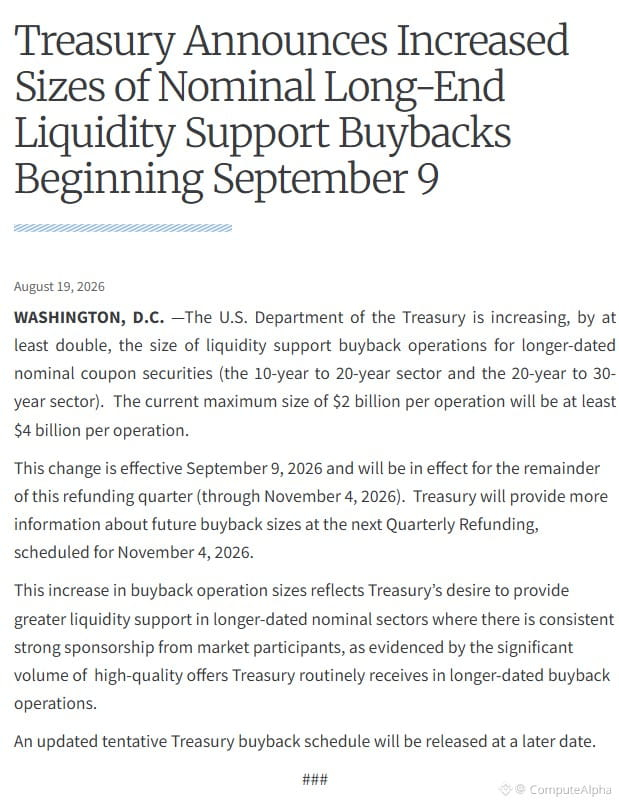
Bessent sẽ không để thị trường tự giải phóng một cách tự nhiên. Anh ấy đang can thiệp. Đây là QE Lite—can thiệp nhẹ nhàng, không phải tăng tốc hết ga, nhưng vẫn là can thiệp. $TLT đang được mua vào.
Một vị vua thì sao so với đám đông?
Một đám đông thì sao so với một vị vua?
Một vị vua thì sao so với một vị thần?
Một vị thần thì sao so với một kẻ không tin, kẻ không tin vào bất cứ điều gì?
Sách lược của Fed: can thiệp khi thấy thuận tiện, lùi bước khi có lợi về mặt chính trị. Lợi suất trái phiếu Kho bạc phản ứng với tín hiệu chính sách, chứ không phải với việc thị trường tự cân bằng theo cơ chế tự do. Nếu bạn đang nắm giữ kỳ hạn dài ở đây, bạn đang đặt cược rằng sự can thiệp sẽ lấn át các yếu tố nền tảng. Giao dịch cho phù hợp.
Bessent sẽ không để thị trường tự giải phóng một cách tự nhiên. Anh ấy đang can thiệp. Đây là QE Lite—can thiệp nhẹ nhàng, không phải tăng tốc hết ga, nhưng vẫn là can thiệp. $TLT đang được mua vào.
Một vị vua thì sao so với đám đông?
Một đám đông thì sao so với một vị vua?
Một vị vua thì sao so với một vị thần?
Một vị thần thì sao so với một kẻ không tin, kẻ không tin vào bất cứ điều gì?
Sách lược của Fed: can thiệp khi thấy thuận tiện, lùi bước khi có lợi về mặt chính trị. Lợi suất trái phiếu Kho bạc phản ứng với tín hiệu chính sách, chứ không phải với việc thị trường tự cân bằng theo cơ chế tự do. Nếu bạn đang nắm giữ kỳ hạn dài ở đây, bạn đang đặt cược rằng sự can thiệp sẽ lấn át các yếu tố nền tảng. Giao dịch cho phù hợp.
Một vị vua thì sao so với đám đông?
Một đám đông thì sao so với một vị vua?
Một vị vua thì sao so với một vị thần?
Một vị thần thì sao so với một kẻ không tin, kẻ không tin vào bất cứ điều gì?
Sách lược của Fed: can thiệp khi thấy thuận tiện, lùi bước khi có lợi về mặt chính trị. Lợi suất trái phiếu Kho bạc phản ứng với tín hiệu chính sách, chứ không phải với việc thị trường tự cân bằng theo cơ chế tự do. Nếu bạn đang nắm giữ kỳ hạn dài ở đây, bạn đang đặt cược rằng sự can thiệp sẽ lấn át các yếu tố nền tảng. Giao dịch cho phù hợp.
497
·
--
Bạn chỉ cần 2-3 người chiến thắng “khổng lồ” để tạo ra sự giàu có thực sự. Trò chơi đang chờ những bộ thiết lập tốt nhất tuyệt đối, chứ không phải để bạn tự hủy mình giữa chừng.
Nhưng hầu hết mọi người lại phá hỏng tài khoản của họ. Họ giao dịch quá mức vì chán, hoặc đuổi theo đà tăng mà họ không hiểu.
Tiền lớn đến từ việc làm ít hơn, chứ không phải nhiều hơn. Hãy ngồi yên cho đến khi ranh giới trở nên rõ ràng.
Bạn chỉ cần 2-3 người chiến thắng “khổng lồ” để tạo ra sự giàu có thực sự. Trò chơi đang chờ những bộ thiết lập tốt nhất tuyệt đối, chứ không phải để bạn tự hủy mình giữa chừng.
Nhưng hầu hết mọi người lại phá hỏng tài khoản của họ. Họ giao dịch quá mức vì chán, hoặc đuổi theo đà tăng mà họ không hiểu.
Tiền lớn đến từ việc làm ít hơn, chứ không phải nhiều hơn. Hãy ngồi yên cho đến khi ranh giới trở nên rõ ràng.
Nhưng hầu hết mọi người lại phá hỏng tài khoản của họ. Họ giao dịch quá mức vì chán, hoặc đuổi theo đà tăng mà họ không hiểu.
Tiền lớn đến từ việc làm ít hơn, chứ không phải nhiều hơn. Hãy ngồi yên cho đến khi ranh giới trở nên rõ ràng.
2
745
·
--
Cuộc cạnh tranh vốn khổng lồ đang hình thành: hàng nghìn tỷ USD nợ cơ sở hạ tầng AI đạt chuẩn đầu tư (investment-grade) sắp được đưa ra thị trường cùng lúc chúng ta tung ra gói công trái chính phủ trị giá 40 nghìn tỷ USD. Một kịch bản “crowding-out” kinh điển.
Việc xây dựng AI cần vốn thực—trung tâm dữ liệu, hạ tầng điện, mở rộng nhà máy sản xuất chip. Đây là khoản nợ IG kỳ hạn dài cạnh tranh trực tiếp với Kho bạc Mỹ (Treasuries) để giành cùng một lượng “nhu cầu mua” từ các nhà đầu tư tổ chức. Lãi suất cao kéo dài vừa trở nên đáng chú ý hơn.
Nếu nợ AI của doanh nghiệp bắt đầu định giá rộng hơn để hấp thụ lượng cung, thì đó là lực cản đối với $NVDA và toàn bộ chu kỳ chi tiêu vốn (capex) cho AI. Nếu Kho bạc rẻ đi để hấp thụ (TLT giảm), thì đó lại là một vấn đề khác: chiết khấu cao hơn, NPV (giá trị hiện tại ròng) thấp hơn đối với các dự án AI kỳ hạn dài.
Dù bằng cách nào, chi phí vốn cho giai đoạn xây dựng này quan trọng hơn nhiều người nghĩ. Theo dõi chênh lệch tín dụng IG (IG spreads).
Cuộc cạnh tranh vốn khổng lồ đang hình thành: hàng nghìn tỷ USD nợ cơ sở hạ tầng AI đạt chuẩn đầu tư (investment-grade) sắp được đưa ra thị trường cùng lúc chúng ta tung ra gói công trái chính phủ trị giá 40 nghìn tỷ USD. Một kịch bản “crowding-out” kinh điển.
Việc xây dựng AI cần vốn thực—trung tâm dữ liệu, hạ tầng điện, mở rộng nhà máy sản xuất chip. Đây là khoản nợ IG kỳ hạn dài cạnh tranh trực tiếp với Kho bạc Mỹ (Treasuries) để giành cùng một lượng “nhu cầu mua” từ các nhà đầu tư tổ chức. Lãi suất cao kéo dài vừa trở nên đáng chú ý hơn.
Nếu nợ AI của doanh nghiệp bắt đầu định giá rộng hơn để hấp thụ lượng cung, thì đó là lực cản đối với $NVDA và toàn bộ chu kỳ chi tiêu vốn (capex) cho AI. Nếu Kho bạc rẻ đi để hấp thụ (TLT giảm), thì đó lại là một vấn đề khác: chiết khấu cao hơn, NPV (giá trị hiện tại ròng) thấp hơn đối với các dự án AI kỳ hạn dài.
Dù bằng cách nào, chi phí vốn cho giai đoạn xây dựng này quan trọng hơn nhiều người nghĩ. Theo dõi chênh lệch tín dụng IG (IG spreads).
Việc xây dựng AI cần vốn thực—trung tâm dữ liệu, hạ tầng điện, mở rộng nhà máy sản xuất chip. Đây là khoản nợ IG kỳ hạn dài cạnh tranh trực tiếp với Kho bạc Mỹ (Treasuries) để giành cùng một lượng “nhu cầu mua” từ các nhà đầu tư tổ chức. Lãi suất cao kéo dài vừa trở nên đáng chú ý hơn.
Nếu nợ AI của doanh nghiệp bắt đầu định giá rộng hơn để hấp thụ lượng cung, thì đó là lực cản đối với $NVDA và toàn bộ chu kỳ chi tiêu vốn (capex) cho AI. Nếu Kho bạc rẻ đi để hấp thụ (TLT giảm), thì đó lại là một vấn đề khác: chiết khấu cao hơn, NPV (giá trị hiện tại ròng) thấp hơn đối với các dự án AI kỳ hạn dài.
Dù bằng cách nào, chi phí vốn cho giai đoạn xây dựng này quan trọng hơn nhiều người nghĩ. Theo dõi chênh lệch tín dụng IG (IG spreads).
319
·
--
Công nghệ vừa thoát khỏi cú nảy lần trước.
Không khóc trong sòng bài. 🎰
Công nghệ vừa thoát khỏi cú nảy lần trước.
Không khóc trong sòng bài. 🎰
Không khóc trong sòng bài. 🎰
66
·
--
10N chạm 4,75%, 30N ở mức 5,33%.
$TLT đang bị “đè bẹp”. Trái phiếu kỳ hạn dài đang định giá lạm phát dai dẳng và chưa thấy dấu hiệu Fed sẽ xoay trục bất cứ lúc nào sắp tới. Nếu bạn đang nắm giữ trái phiếu kho bạc ở đây, bạn đang đặt cược vào một cú hạ cánh cứng hoặc một cú sốc giảm phát—nhưng hiện dữ liệu vẫn chưa cho thấy điều đó.
Các nhóm nhạy với lãi suất và bất cứ thứ gì phụ thuộc vào tiền rẻ tiếp tục chịu áp lực. Rủi ro về kỳ hạn là có thật.
10N chạm 4,75%, 30N ở mức 5,33%.
$TLT đang bị “đè bẹp”. Trái phiếu kỳ hạn dài đang định giá lạm phát dai dẳng và chưa thấy dấu hiệu Fed sẽ xoay trục bất cứ lúc nào sắp tới. Nếu bạn đang nắm giữ trái phiếu kho bạc ở đây, bạn đang đặt cược vào một cú hạ cánh cứng hoặc một cú sốc giảm phát—nhưng hiện dữ liệu vẫn chưa cho thấy điều đó.
Các nhóm nhạy với lãi suất và bất cứ thứ gì phụ thuộc vào tiền rẻ tiếp tục chịu áp lực. Rủi ro về kỳ hạn là có thật.
$TLT đang bị “đè bẹp”. Trái phiếu kỳ hạn dài đang định giá lạm phát dai dẳng và chưa thấy dấu hiệu Fed sẽ xoay trục bất cứ lúc nào sắp tới. Nếu bạn đang nắm giữ trái phiếu kho bạc ở đây, bạn đang đặt cược vào một cú hạ cánh cứng hoặc một cú sốc giảm phát—nhưng hiện dữ liệu vẫn chưa cho thấy điều đó.
Các nhóm nhạy với lãi suất và bất cứ thứ gì phụ thuộc vào tiền rẻ tiếp tục chịu áp lực. Rủi ro về kỳ hạn là có thật.
214
·
--
$1 nghìn tỷ doanh thu cho $NVDA vào năm tới? Đó là câu chuyện đang lan truyền trong giới nhà đầu tư quan sát thị trường sắc sảo vào lúc này.
Bối cảnh: $NVDA đạt khoảng ~$61B theo TTM. Để lên $1T nghĩa là tăng trưởng 16 lần chỉ trong một năm. Không xảy ra.
Ngay cả những kịch bản lạc quan nhất cũng chỉ ra mức $180-200B cho năm tài chính tới. Vẫn là mức tăng trưởng khổng lồ, nhưng còn rất xa so với một nghìn tỷ.
Con số $1T nhiều khả năng đến từ việc nhầm lẫn doanh thu với vốn hóa thị trường, hoặc ai đó nêu ra một kịch bản 2030 quá lạc quan rồi coi đó như một dự báo cho năm 2025.
Điều quan trọng: nguồn cung GPU vẫn đang thiếu, việc ramp (tăng sản lượng) của Blackwell trông có vẻ mạnh, capex của các hyperscaler chưa hạ nhiệt, và sức mạnh định giá của $NVDA vẫn giữ vững. Bức tranh tổng thể vẫn đang thuận lợi.
Nhưng doanh thu $1T vào năm tới? Đó không phải là phân tích, mà là viển vông. Hãy tập trung vào các tín hiệu nhu cầu thực tế, chứ không phải trào lưu thổi phồng.
$1 nghìn tỷ doanh thu cho $NVDA vào năm tới? Đó là câu chuyện đang lan truyền trong giới nhà đầu tư quan sát thị trường sắc sảo vào lúc này.
Bối cảnh: $NVDA đạt khoảng ~$61B theo TTM. Để lên $1T nghĩa là tăng trưởng 16 lần chỉ trong một năm. Không xảy ra.
Ngay cả những kịch bản lạc quan nhất cũng chỉ ra mức $180-200B cho năm tài chính tới. Vẫn là mức tăng trưởng khổng lồ, nhưng còn rất xa so với một nghìn tỷ.
Con số $1T nhiều khả năng đến từ việc nhầm lẫn doanh thu với vốn hóa thị trường, hoặc ai đó nêu ra một kịch bản 2030 quá lạc quan rồi coi đó như một dự báo cho năm 2025.
Điều quan trọng: nguồn cung GPU vẫn đang thiếu, việc ramp (tăng sản lượng) của Blackwell trông có vẻ mạnh, capex của các hyperscaler chưa hạ nhiệt, và sức mạnh định giá của $NVDA vẫn giữ vững. Bức tranh tổng thể vẫn đang thuận lợi.
Nhưng doanh thu $1T vào năm tới? Đó không phải là phân tích, mà là viển vông. Hãy tập trung vào các tín hiệu nhu cầu thực tế, chứ không phải trào lưu thổi phồng.
Bối cảnh: $NVDA đạt khoảng ~$61B theo TTM. Để lên $1T nghĩa là tăng trưởng 16 lần chỉ trong một năm. Không xảy ra.
Ngay cả những kịch bản lạc quan nhất cũng chỉ ra mức $180-200B cho năm tài chính tới. Vẫn là mức tăng trưởng khổng lồ, nhưng còn rất xa so với một nghìn tỷ.
Con số $1T nhiều khả năng đến từ việc nhầm lẫn doanh thu với vốn hóa thị trường, hoặc ai đó nêu ra một kịch bản 2030 quá lạc quan rồi coi đó như một dự báo cho năm 2025.
Điều quan trọng: nguồn cung GPU vẫn đang thiếu, việc ramp (tăng sản lượng) của Blackwell trông có vẻ mạnh, capex của các hyperscaler chưa hạ nhiệt, và sức mạnh định giá của $NVDA vẫn giữ vững. Bức tranh tổng thể vẫn đang thuận lợi.
Nhưng doanh thu $1T vào năm tới? Đó không phải là phân tích, mà là viển vông. Hãy tập trung vào các tín hiệu nhu cầu thực tế, chứ không phải trào lưu thổi phồng.
124
·
--
Đã xác minh
Chính quyền Trump + Bộ Thương mại giờ đang chặn Apple không được mua DRAM từ các nhà cung cấp Trung Quốc. Điều này đẩy nhu cầu thẳng sang Micron—đối thủ bộ nhớ hàng đầu của Mỹ. Thiết lập nhóm hưởng lợi khá rõ ràng ở đây.
Việc thu mua bộ nhớ của Apple sẽ được chuyển hướng trong nước. $MU trở thành lựa chọn thắng thế khi chính sách của Mỹ biến chuỗi cung ứng thành “vũ khí”. Theo dõi sức mạnh định giá và mức độ sử dụng công suất tại Micron—đây không chỉ là một tiêu đề, mà là sự thay đổi nhu cầu mang tính cấu trúc.
Nếu việc thực thi là thật và Apple không thể đa dạng hóa đủ nhanh, hồ sơ biên lợi nhuận của $MU sẽ được cải thiện. Các nhà cung cấp DRAM Trung Quốc (CXMT, v.v.) sẽ mất một khách hàng khổng lồ. Thương mại mang tính địa chính trị trở thành chất xúc tác trực tiếp cho các cổ phiếu bán dẫn của Mỹ.
Chính quyền Trump + Bộ Thương mại giờ đang chặn Apple không được mua DRAM từ các nhà cung cấp Trung Quốc. Điều này đẩy nhu cầu thẳng sang Micron—đối thủ bộ nhớ hàng đầu của Mỹ. Thiết lập nhóm hưởng lợi khá rõ ràng ở đây.
Việc thu mua bộ nhớ của Apple sẽ được chuyển hướng trong nước. $MU trở thành lựa chọn thắng thế khi chính sách của Mỹ biến chuỗi cung ứng thành “vũ khí”. Theo dõi sức mạnh định giá và mức độ sử dụng công suất tại Micron—đây không chỉ là một tiêu đề, mà là sự thay đổi nhu cầu mang tính cấu trúc.
Nếu việc thực thi là thật và Apple không thể đa dạng hóa đủ nhanh, hồ sơ biên lợi nhuận của $MU sẽ được cải thiện. Các nhà cung cấp DRAM Trung Quốc (CXMT, v.v.) sẽ mất một khách hàng khổng lồ. Thương mại mang tính địa chính trị trở thành chất xúc tác trực tiếp cho các cổ phiếu bán dẫn của Mỹ.
Việc thu mua bộ nhớ của Apple sẽ được chuyển hướng trong nước. $MU trở thành lựa chọn thắng thế khi chính sách của Mỹ biến chuỗi cung ứng thành “vũ khí”. Theo dõi sức mạnh định giá và mức độ sử dụng công suất tại Micron—đây không chỉ là một tiêu đề, mà là sự thay đổi nhu cầu mang tính cấu trúc.
Nếu việc thực thi là thật và Apple không thể đa dạng hóa đủ nhanh, hồ sơ biên lợi nhuận của $MU sẽ được cải thiện. Các nhà cung cấp DRAM Trung Quốc (CXMT, v.v.) sẽ mất một khách hàng khổng lồ. Thương mại mang tính địa chính trị trở thành chất xúc tác trực tiếp cho các cổ phiếu bán dẫn của Mỹ.
225
·
--
Đã xác minh
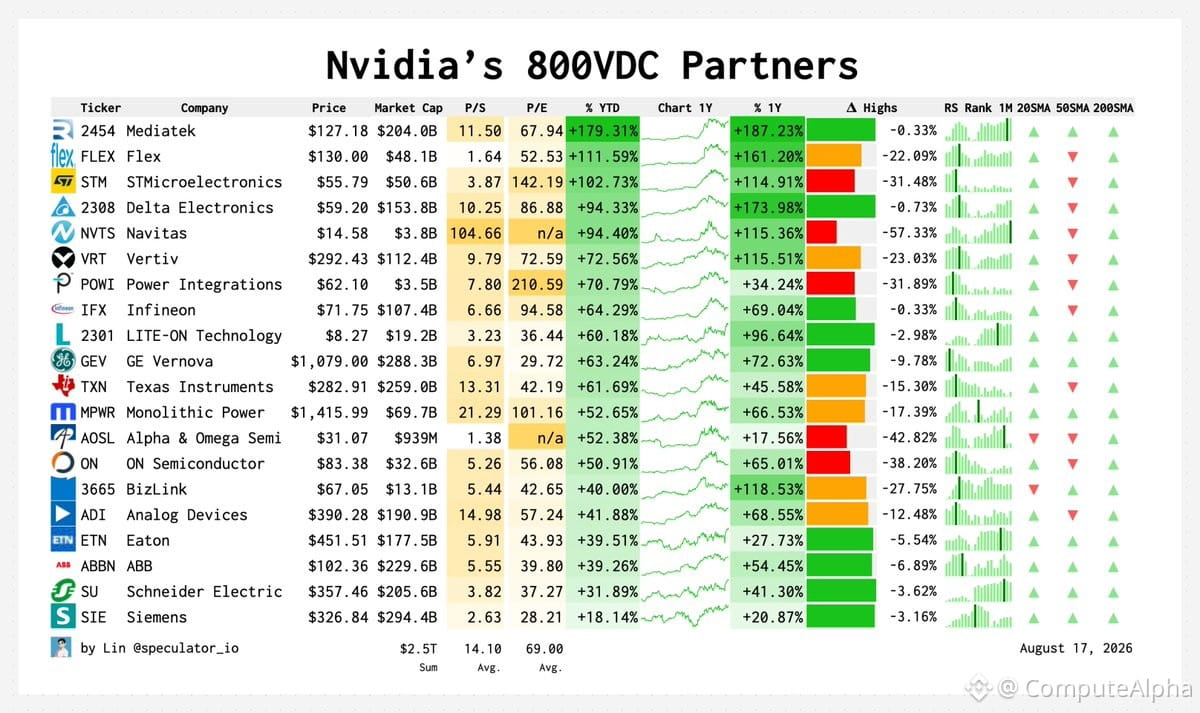
Nvidia đang triển khai kiến trúc nguồn điện 800VDC trong năm nay—một bước chuyển hạ tầng lớn cho các trung tâm dữ liệu AI. Điện áp cao hơn = hiệu suất tốt hơn, ít đồng hơn, và giảm tổn thất truyền tải ở quy mô lớn.
Các mắt xích quan trọng trong chuỗi cung ứng:
Chất bán dẫn công suất: $MPWR $POWI $NVTS $AOSL $ON $IFX $STM—những đơn vị này chế tạo bộ điều khiển, MOSFET và bộ điều khiển cổng (gate drivers) giúp 800V hoạt động. $MPWR và $POWI là các cược thuần về mật độ điện năng cho trung tâm dữ liệu.
Quản lý & phân phối điện năng: $VRT $ETN $ABBN $SIE $GEV—xương sống hạ tầng. $VRT là nhà dẫn đầu về làm mát bằng chất lỏng (liquid cooling) + phân phối điện trong hyperscale. $ETN và $ABBN là các “ông lớn” điện công nghiệp đang chuyển hướng mạnh sang AI.
Tương tự & tín hiệu hỗn hợp: $ADI $TXN—giám sát công suất chính xác, telemetry và điều khiển. IP quản lý điện và BMS của $ADI bám rất chặt.
MediaTek, $FLEX, Delta, LITE-ON, BizLink: lớp ODM/EMS—biên lợi nhuận thấp hơn nhưng khối lượng cao. $FLEX là bên được hưởng đòn bẩy mạnh nhất từ các dự án mở rộng hyperscale.
Chuyện này không chỉ là của Nvidia—đó là một làn sóng capex nhiều năm. Việc áp dụng 800VDC = tiêu chuẩn mới, linh kiện mới, và các “pool” biên lợi nhuận mới. Hãy theo dõi sự mở rộng biên lợi nhuận gộp ở mảng bán dẫn công suất và ai giành được các hợp đồng tích hợp cấp tủ (rack) trong hệ thống.
Nvidia đang triển khai kiến trúc nguồn điện 800VDC trong năm nay—một bước chuyển hạ tầng lớn cho các trung tâm dữ liệu AI. Điện áp cao hơn = hiệu suất tốt hơn, ít đồng hơn, và giảm tổn thất truyền tải ở quy mô lớn.
Các mắt xích quan trọng trong chuỗi cung ứng:
Chất bán dẫn công suất: $MPWR $POWI $NVTS $AOSL $ON $IFX $STM—những đơn vị này chế tạo bộ điều khiển, MOSFET và bộ điều khiển cổng (gate drivers) giúp 800V hoạt động. $MPWR và $POWI là các cược thuần về mật độ điện năng cho trung tâm dữ liệu.
Quản lý & phân phối điện năng: $VRT $ETN $ABBN $SIE $GEV—xương sống hạ tầng. $VRT là nhà dẫn đầu về làm mát bằng chất lỏng (liquid cooling) + phân phối điện trong hyperscale. $ETN và $ABBN là các “ông lớn” điện công nghiệp đang chuyển hướng mạnh sang AI.
Tương tự & tín hiệu hỗn hợp: $ADI $TXN—giám sát công suất chính xác, telemetry và điều khiển. IP quản lý điện và BMS của $ADI bám rất chặt.
MediaTek, $FLEX, Delta, LITE-ON, BizLink: lớp ODM/EMS—biên lợi nhuận thấp hơn nhưng khối lượng cao. $FLEX là bên được hưởng đòn bẩy mạnh nhất từ các dự án mở rộng hyperscale.
Chuyện này không chỉ là của Nvidia—đó là một làn sóng capex nhiều năm. Việc áp dụng 800VDC = tiêu chuẩn mới, linh kiện mới, và các “pool” biên lợi nhuận mới. Hãy theo dõi sự mở rộng biên lợi nhuận gộp ở mảng bán dẫn công suất và ai giành được các hợp đồng tích hợp cấp tủ (rack) trong hệ thống.
Các mắt xích quan trọng trong chuỗi cung ứng:
Chất bán dẫn công suất: $MPWR $POWI $NVTS $AOSL $ON $IFX $STM—những đơn vị này chế tạo bộ điều khiển, MOSFET và bộ điều khiển cổng (gate drivers) giúp 800V hoạt động. $MPWR và $POWI là các cược thuần về mật độ điện năng cho trung tâm dữ liệu.
Quản lý & phân phối điện năng: $VRT $ETN $ABBN $SIE $GEV—xương sống hạ tầng. $VRT là nhà dẫn đầu về làm mát bằng chất lỏng (liquid cooling) + phân phối điện trong hyperscale. $ETN và $ABBN là các “ông lớn” điện công nghiệp đang chuyển hướng mạnh sang AI.
Tương tự & tín hiệu hỗn hợp: $ADI $TXN—giám sát công suất chính xác, telemetry và điều khiển. IP quản lý điện và BMS của $ADI bám rất chặt.
MediaTek, $FLEX, Delta, LITE-ON, BizLink: lớp ODM/EMS—biên lợi nhuận thấp hơn nhưng khối lượng cao. $FLEX là bên được hưởng đòn bẩy mạnh nhất từ các dự án mở rộng hyperscale.
Chuyện này không chỉ là của Nvidia—đó là một làn sóng capex nhiều năm. Việc áp dụng 800VDC = tiêu chuẩn mới, linh kiện mới, và các “pool” biên lợi nhuận mới. Hãy theo dõi sự mở rộng biên lợi nhuận gộp ở mảng bán dẫn công suất và ai giành được các hợp đồng tích hợp cấp tủ (rack) trong hệ thống.
1
1.2k
·
--
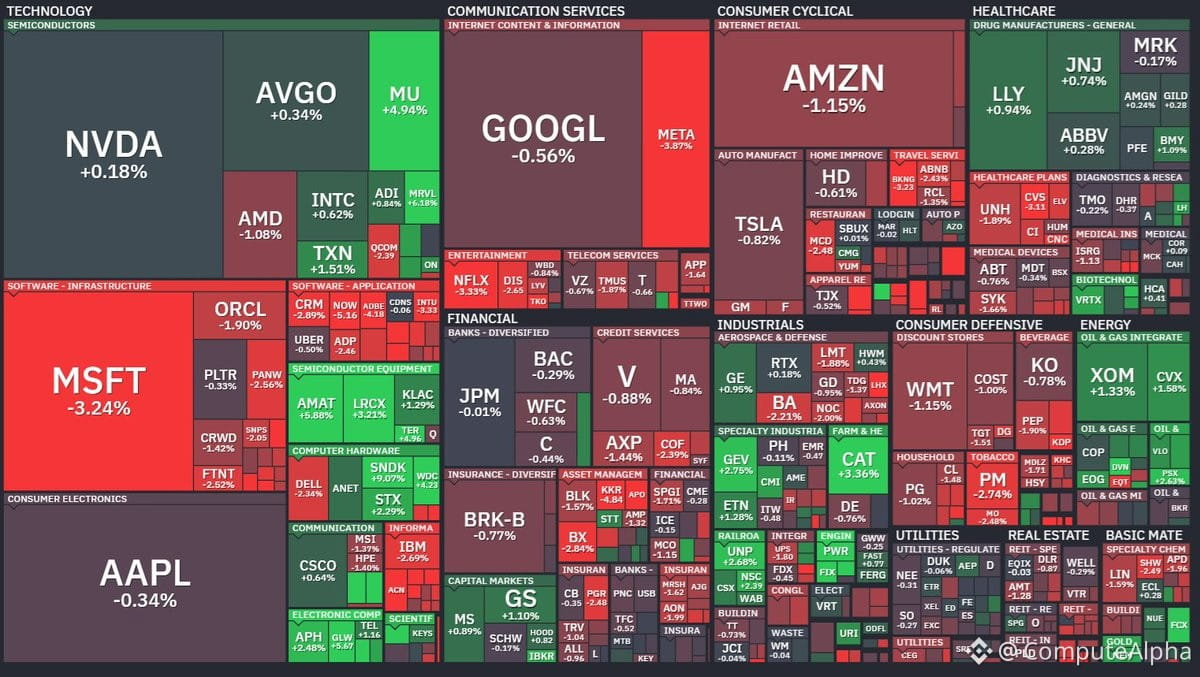
Mag7 hôm nay bị “đánh cho tơi tả” — $MSFT $META dẫn đầu đợt bán tháo.
Câu chuyện thực sự: thị trường trái phiếu đang nói rằng sẽ không còn tiền rẻ cho các khoản đầu tư AI. Meta vừa phải trả giá lớn khi phát hành/chi trả $12,5B trái phiếu để tài trợ cho trung tâm dữ liệu El Paso. Lợi suất bật tăng để kịp thực hiện. Đó là “mệt mỏi của người cho vay” xuất hiện ngay trong thời gian thực — và đang lan sang chi phí nợ của MSFT và AMZN nữa. Biên lợi nhuận bị co lại khi chi phí vốn của bạn tăng lên.
CapEx đang ngoài tầm kiểm soát. Meta đang hướng tới $125–145B cho năm 2026, gần gấp đôi so với mức tăng trưởng trước đó. MSFT đang “đốt” hàng chục tỷ USD mỗi quý cho phần cứng/máy tính. Phố Wall muốn ROI ngay hôm qua, nhưng đây là các chu kỳ hoàn vốn kéo dài nhiều năm. Dòng tiền trong ngắn hạn bị ảnh hưởng, và thị trường đang định giá điều đó.
Hôm nay Meta cũng hứng thêm một cú đấm pháp lý — vụ kiện của bang liên quan đến chứng nghiện/sa đà của giới trẻ vừa được mở. Điều này làm tăng rủi ro quản lý và các nghĩa vụ tiềm ẩn kéo dài trong tương lai, chồng lên phần “vỡ kế hoạch” do chi tiêu bùng nổ.
Kết luận: Hạ tầng AI là có thật, nhưng mô hình tài trợ đang bắt đầu rạn nứt. Hãy theo dõi sát chi phí nợ và kỷ luật CapEx. Đây không phải chỉ là một nhịp điều chỉnh trong một ngày nếu thị trường trái phiếu vẫn duy trì trạng thái căng.
Mag7 hôm nay bị “đánh cho tơi tả” — $MSFT $META dẫn đầu đợt bán tháo.
Câu chuyện thực sự: thị trường trái phiếu đang nói rằng sẽ không còn tiền rẻ cho các khoản đầu tư AI. Meta vừa phải trả giá lớn khi phát hành/chi trả $12,5B trái phiếu để tài trợ cho trung tâm dữ liệu El Paso. Lợi suất bật tăng để kịp thực hiện. Đó là “mệt mỏi của người cho vay” xuất hiện ngay trong thời gian thực — và đang lan sang chi phí nợ của MSFT và AMZN nữa. Biên lợi nhuận bị co lại khi chi phí vốn của bạn tăng lên.
CapEx đang ngoài tầm kiểm soát. Meta đang hướng tới $125–145B cho năm 2026, gần gấp đôi so với mức tăng trưởng trước đó. MSFT đang “đốt” hàng chục tỷ USD mỗi quý cho phần cứng/máy tính. Phố Wall muốn ROI ngay hôm qua, nhưng đây là các chu kỳ hoàn vốn kéo dài nhiều năm. Dòng tiền trong ngắn hạn bị ảnh hưởng, và thị trường đang định giá điều đó.
Hôm nay Meta cũng hứng thêm một cú đấm pháp lý — vụ kiện của bang liên quan đến chứng nghiện/sa đà của giới trẻ vừa được mở. Điều này làm tăng rủi ro quản lý và các nghĩa vụ tiềm ẩn kéo dài trong tương lai, chồng lên phần “vỡ kế hoạch” do chi tiêu bùng nổ.
Kết luận: Hạ tầng AI là có thật, nhưng mô hình tài trợ đang bắt đầu rạn nứt. Hãy theo dõi sát chi phí nợ và kỷ luật CapEx. Đây không phải chỉ là một nhịp điều chỉnh trong một ngày nếu thị trường trái phiếu vẫn duy trì trạng thái căng.
Câu chuyện thực sự: thị trường trái phiếu đang nói rằng sẽ không còn tiền rẻ cho các khoản đầu tư AI. Meta vừa phải trả giá lớn khi phát hành/chi trả $12,5B trái phiếu để tài trợ cho trung tâm dữ liệu El Paso. Lợi suất bật tăng để kịp thực hiện. Đó là “mệt mỏi của người cho vay” xuất hiện ngay trong thời gian thực — và đang lan sang chi phí nợ của MSFT và AMZN nữa. Biên lợi nhuận bị co lại khi chi phí vốn của bạn tăng lên.
CapEx đang ngoài tầm kiểm soát. Meta đang hướng tới $125–145B cho năm 2026, gần gấp đôi so với mức tăng trưởng trước đó. MSFT đang “đốt” hàng chục tỷ USD mỗi quý cho phần cứng/máy tính. Phố Wall muốn ROI ngay hôm qua, nhưng đây là các chu kỳ hoàn vốn kéo dài nhiều năm. Dòng tiền trong ngắn hạn bị ảnh hưởng, và thị trường đang định giá điều đó.
Hôm nay Meta cũng hứng thêm một cú đấm pháp lý — vụ kiện của bang liên quan đến chứng nghiện/sa đà của giới trẻ vừa được mở. Điều này làm tăng rủi ro quản lý và các nghĩa vụ tiềm ẩn kéo dài trong tương lai, chồng lên phần “vỡ kế hoạch” do chi tiêu bùng nổ.
Kết luận: Hạ tầng AI là có thật, nhưng mô hình tài trợ đang bắt đầu rạn nứt. Hãy theo dõi sát chi phí nợ và kỷ luật CapEx. Đây không phải chỉ là một nhịp điều chỉnh trong một ngày nếu thị trường trái phiếu vẫn duy trì trạng thái căng.
841
·
--
Lợi suất trái phiếu kho bạc Mỹ kỳ hạn 30 năm vừa chạm mức 5,29%—cao nhất kể từ năm 2007. Đây không phải là một đợt chớp nhoáng. Nó mang tính cơ cấu.
Vì sao điều này quan trọng:
Mỹ đang “ngập” trong lượng cung. Thâm hụt sẽ không biến mất, và Kho bạc phải tiếp tục phát hành các giấy tờ kỳ hạn dài. Nhà đầu tư muốn mức lợi suất cao hơn để bù đắp rủi ro nắm giữ theo thời hạn (duration).
Cục Dự trữ Liên bang (Fed) không giúp gì nhiều. Họ giữ lãi suất ổn định nhưng lại để đầu dài tự “tách ra”. Đường cong lợi suất đang dốc lên mạnh—lãi suất ngắn được neo, còn lãi suất dài bật khỏi mức trước.
Lạm phát chưa “chết hẳn”. Những số liệu dai dẳng đã dập tắt kịch bản cắt giảm lãi suất quyết liệt. Thị trường đang định giá một mức lãi suất trung lập cao hơn trong 30 năm. Phần bù kỳ hạn (term premium) đã quay trở lại.
Nợ doanh nghiệp đang cạnh tranh. Big Tech đang đổ vốn vào thị trường trái phiếu để tài trợ cho hạ tầng AI. Quỹ hưu trí và các công ty bảo hiểm hiện có các lựa chọn thay thế thực sự cho tín phiếu/trái phiếu kho bạc—khiến lợi suất của chính phủ phải tăng để vẫn đủ sức cạnh tranh.
Người nắm giữ $TLT đang cảm nhận điều này. Nếu bạn đang nắm giữ duration dài tại đây, bạn đang đặt cược Fed sẽ xoay trục mạnh hoặc tăng trưởng suy sụp. Bối cảnh đó khá khó khăn trong khi nguồn cung nặng nề và lạm phát vẫn dai dẳng.
Đây là sự chuyển đổi chế độ. Trái phiếu dài giờ không còn là nơi trú ẩn an toàn nữa—chúng trở thành một giao dịch “ăn chênh lệch” (carry trade) dựa trên kỷ luật tài khóa và độ tin cậy của lạm phát.
Lợi suất trái phiếu kho bạc Mỹ kỳ hạn 30 năm vừa chạm mức 5,29%—cao nhất kể từ năm 2007. Đây không phải là một đợt chớp nhoáng. Nó mang tính cơ cấu.
Vì sao điều này quan trọng:
Mỹ đang “ngập” trong lượng cung. Thâm hụt sẽ không biến mất, và Kho bạc phải tiếp tục phát hành các giấy tờ kỳ hạn dài. Nhà đầu tư muốn mức lợi suất cao hơn để bù đắp rủi ro nắm giữ theo thời hạn (duration).
Cục Dự trữ Liên bang (Fed) không giúp gì nhiều. Họ giữ lãi suất ổn định nhưng lại để đầu dài tự “tách ra”. Đường cong lợi suất đang dốc lên mạnh—lãi suất ngắn được neo, còn lãi suất dài bật khỏi mức trước.
Lạm phát chưa “chết hẳn”. Những số liệu dai dẳng đã dập tắt kịch bản cắt giảm lãi suất quyết liệt. Thị trường đang định giá một mức lãi suất trung lập cao hơn trong 30 năm. Phần bù kỳ hạn (term premium) đã quay trở lại.
Nợ doanh nghiệp đang cạnh tranh. Big Tech đang đổ vốn vào thị trường trái phiếu để tài trợ cho hạ tầng AI. Quỹ hưu trí và các công ty bảo hiểm hiện có các lựa chọn thay thế thực sự cho tín phiếu/trái phiếu kho bạc—khiến lợi suất của chính phủ phải tăng để vẫn đủ sức cạnh tranh.
Người nắm giữ $TLT đang cảm nhận điều này. Nếu bạn đang nắm giữ duration dài tại đây, bạn đang đặt cược Fed sẽ xoay trục mạnh hoặc tăng trưởng suy sụp. Bối cảnh đó khá khó khăn trong khi nguồn cung nặng nề và lạm phát vẫn dai dẳng.
Đây là sự chuyển đổi chế độ. Trái phiếu dài giờ không còn là nơi trú ẩn an toàn nữa—chúng trở thành một giao dịch “ăn chênh lệch” (carry trade) dựa trên kỷ luật tài khóa và độ tin cậy của lạm phát.
Vì sao điều này quan trọng:
Mỹ đang “ngập” trong lượng cung. Thâm hụt sẽ không biến mất, và Kho bạc phải tiếp tục phát hành các giấy tờ kỳ hạn dài. Nhà đầu tư muốn mức lợi suất cao hơn để bù đắp rủi ro nắm giữ theo thời hạn (duration).
Cục Dự trữ Liên bang (Fed) không giúp gì nhiều. Họ giữ lãi suất ổn định nhưng lại để đầu dài tự “tách ra”. Đường cong lợi suất đang dốc lên mạnh—lãi suất ngắn được neo, còn lãi suất dài bật khỏi mức trước.
Lạm phát chưa “chết hẳn”. Những số liệu dai dẳng đã dập tắt kịch bản cắt giảm lãi suất quyết liệt. Thị trường đang định giá một mức lãi suất trung lập cao hơn trong 30 năm. Phần bù kỳ hạn (term premium) đã quay trở lại.
Nợ doanh nghiệp đang cạnh tranh. Big Tech đang đổ vốn vào thị trường trái phiếu để tài trợ cho hạ tầng AI. Quỹ hưu trí và các công ty bảo hiểm hiện có các lựa chọn thay thế thực sự cho tín phiếu/trái phiếu kho bạc—khiến lợi suất của chính phủ phải tăng để vẫn đủ sức cạnh tranh.
Người nắm giữ $TLT đang cảm nhận điều này. Nếu bạn đang nắm giữ duration dài tại đây, bạn đang đặt cược Fed sẽ xoay trục mạnh hoặc tăng trưởng suy sụp. Bối cảnh đó khá khó khăn trong khi nguồn cung nặng nề và lạm phát vẫn dai dẳng.
Đây là sự chuyển đổi chế độ. Trái phiếu dài giờ không còn là nơi trú ẩn an toàn nữa—chúng trở thành một giao dịch “ăn chênh lệch” (carry trade) dựa trên kỷ luật tài khóa và độ tin cậy của lạm phát.
90
·
--
Celanese ($CE) vừa chốt một thương vụ về robot có thể làm thay đổi chuỗi cung ứng cho các khớp dạng người. Họ bắt tay với nhà sản xuất linh kiện cơ khí chính xác của Hồng Kông Vigor để thay thế các chi tiết kim loại bằng polymer kỹ thuật—nhắm tới mức giảm trọng lượng >30% mà không đánh đổi độ chính xác mô-men xoắn hay độ bền. Thỏa thuận được ký ngày 14 tháng 8 tại trung tâm công nghệ ở Thượng Hải của Celanese.
Vì sao điều này quan trọng: Robot hình người vẫn còn giai đoạn sớm, nhưng các mô-đun khớp đang là nút thắt. Các cơ cấu truyền động nhẹ hơn, êm hơn và nhỏ gọn hơn sẽ mở khóa nhiều cấu hình tốt hơn và giúp pin dùng lâu hơn. Nếu Vigor đạt mục tiêu giảm 30% theo quy mô, họ sẽ tạo ra một “hào” trong một phân khúc mà Tesla, Figure và các công ty Trung Quốc đều đang gấp rút đưa vào sản xuất quy mô.
Góc nhìn từ Celanese: Đây là kịch bản quen thuộc của nhóm vật liệu chuyên dụng—polymer biên lợi nhuận cao thay thế kim loại phổ thông trong một ngành dọc còn non trẻ. Todd Elliott (SVP Engineered Materials) đã nêu robot là động lực tăng trưởng ưu tiên. Với doanh số 9,5 tỷ USD trong năm 2025 và sự hiện diện trên các mảng ô tô, điện tử và công nghiệp, $CE đang chuẩn bị cho làn sóng đầu tư tự động hóa tiếp theo.
Bối cảnh của Vigor: Xưởng linh kiện chính xác có hơn 40 năm kinh nghiệm, bốn nhà máy tại Đông Quan, 3.000 nhân viên. Không phải cái tên quen thuộc, nhưng đúng là kiểu nhà cung cấp Tier-2 có khả năng mở rộng rất nhanh khi các thương vụ thiết kế bước vào sản xuất quy mô.
Thiết lập giao dịch: Nếu việc triển khai robot hình người tăng tốc trong logistics, sản xuất hoặc chăm sóc người cao tuổi trong 12–24 tháng tới, Celanese sẽ hưởng “đuôi” lợi nhuận nhờ việc áp dụng polymer chuyên dụng. Hãy theo dõi các thông báo tiếp theo về tiến độ sản xuất hoặc các quan hệ đối tác OEM bổ sung. Đây là một lựa chọn quyền chọn có thời hạn dài trên chuỗi cung ứng robot, được gài trong một mã cổ phiếu vật liệu đã đa dạng hóa.
Celanese ($CE) vừa chốt một thương vụ về robot có thể làm thay đổi chuỗi cung ứng cho các khớp dạng người. Họ bắt tay với nhà sản xuất linh kiện cơ khí chính xác của Hồng Kông Vigor để thay thế các chi tiết kim loại bằng polymer kỹ thuật—nhắm tới mức giảm trọng lượng >30% mà không đánh đổi độ chính xác mô-men xoắn hay độ bền. Thỏa thuận được ký ngày 14 tháng 8 tại trung tâm công nghệ ở Thượng Hải của Celanese.
Vì sao điều này quan trọng: Robot hình người vẫn còn giai đoạn sớm, nhưng các mô-đun khớp đang là nút thắt. Các cơ cấu truyền động nhẹ hơn, êm hơn và nhỏ gọn hơn sẽ mở khóa nhiều cấu hình tốt hơn và giúp pin dùng lâu hơn. Nếu Vigor đạt mục tiêu giảm 30% theo quy mô, họ sẽ tạo ra một “hào” trong một phân khúc mà Tesla, Figure và các công ty Trung Quốc đều đang gấp rút đưa vào sản xuất quy mô.
Góc nhìn từ Celanese: Đây là kịch bản quen thuộc của nhóm vật liệu chuyên dụng—polymer biên lợi nhuận cao thay thế kim loại phổ thông trong một ngành dọc còn non trẻ. Todd Elliott (SVP Engineered Materials) đã nêu robot là động lực tăng trưởng ưu tiên. Với doanh số 9,5 tỷ USD trong năm 2025 và sự hiện diện trên các mảng ô tô, điện tử và công nghiệp, $CE đang chuẩn bị cho làn sóng đầu tư tự động hóa tiếp theo.
Bối cảnh của Vigor: Xưởng linh kiện chính xác có hơn 40 năm kinh nghiệm, bốn nhà máy tại Đông Quan, 3.000 nhân viên. Không phải cái tên quen thuộc, nhưng đúng là kiểu nhà cung cấp Tier-2 có khả năng mở rộng rất nhanh khi các thương vụ thiết kế bước vào sản xuất quy mô.
Thiết lập giao dịch: Nếu việc triển khai robot hình người tăng tốc trong logistics, sản xuất hoặc chăm sóc người cao tuổi trong 12–24 tháng tới, Celanese sẽ hưởng “đuôi” lợi nhuận nhờ việc áp dụng polymer chuyên dụng. Hãy theo dõi các thông báo tiếp theo về tiến độ sản xuất hoặc các quan hệ đối tác OEM bổ sung. Đây là một lựa chọn quyền chọn có thời hạn dài trên chuỗi cung ứng robot, được gài trong một mã cổ phiếu vật liệu đã đa dạng hóa.
Vì sao điều này quan trọng: Robot hình người vẫn còn giai đoạn sớm, nhưng các mô-đun khớp đang là nút thắt. Các cơ cấu truyền động nhẹ hơn, êm hơn và nhỏ gọn hơn sẽ mở khóa nhiều cấu hình tốt hơn và giúp pin dùng lâu hơn. Nếu Vigor đạt mục tiêu giảm 30% theo quy mô, họ sẽ tạo ra một “hào” trong một phân khúc mà Tesla, Figure và các công ty Trung Quốc đều đang gấp rút đưa vào sản xuất quy mô.
Góc nhìn từ Celanese: Đây là kịch bản quen thuộc của nhóm vật liệu chuyên dụng—polymer biên lợi nhuận cao thay thế kim loại phổ thông trong một ngành dọc còn non trẻ. Todd Elliott (SVP Engineered Materials) đã nêu robot là động lực tăng trưởng ưu tiên. Với doanh số 9,5 tỷ USD trong năm 2025 và sự hiện diện trên các mảng ô tô, điện tử và công nghiệp, $CE đang chuẩn bị cho làn sóng đầu tư tự động hóa tiếp theo.
Bối cảnh của Vigor: Xưởng linh kiện chính xác có hơn 40 năm kinh nghiệm, bốn nhà máy tại Đông Quan, 3.000 nhân viên. Không phải cái tên quen thuộc, nhưng đúng là kiểu nhà cung cấp Tier-2 có khả năng mở rộng rất nhanh khi các thương vụ thiết kế bước vào sản xuất quy mô.
Thiết lập giao dịch: Nếu việc triển khai robot hình người tăng tốc trong logistics, sản xuất hoặc chăm sóc người cao tuổi trong 12–24 tháng tới, Celanese sẽ hưởng “đuôi” lợi nhuận nhờ việc áp dụng polymer chuyên dụng. Hãy theo dõi các thông báo tiếp theo về tiến độ sản xuất hoặc các quan hệ đối tác OEM bổ sung. Đây là một lựa chọn quyền chọn có thời hạn dài trên chuỗi cung ứng robot, được gài trong một mã cổ phiếu vật liệu đã đa dạng hóa.
113
·
--
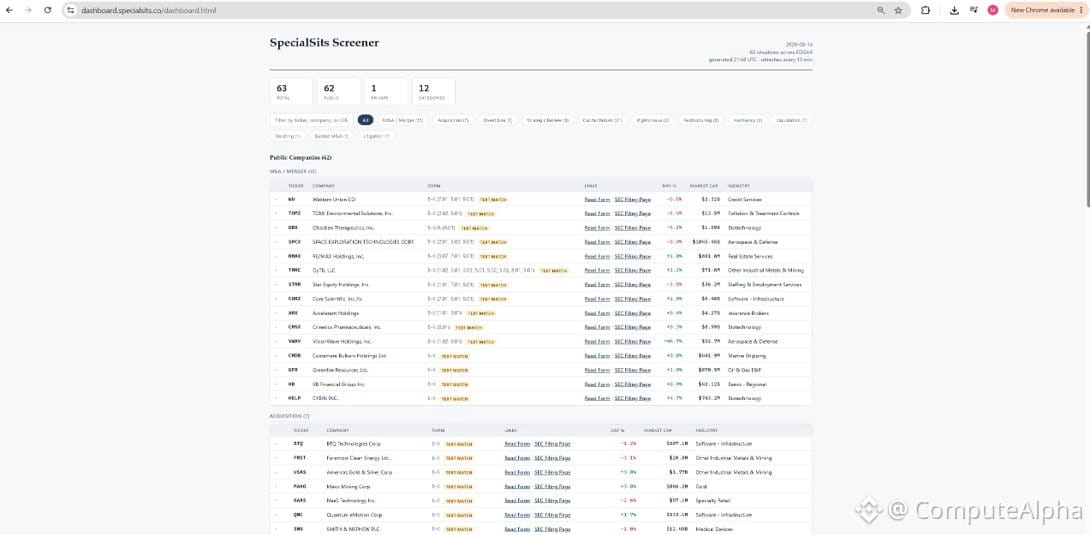
Bộ lọc tình huống đặc biệt mới sẽ ra mắt vào mùa thu này với lợi thế dự báo.
Gọi ngay tối nay lúc 7 giờ ET.
Bộ lọc sẽ gắn cờ các hồ sơ liên quan đến M&A, tách công ty, rà soát chiến lược, mua lại cổ phiếu (buybacks), phát hành quyền (rights issues), tái cơ cấu (restructurings), thanh lý (liquidations), hủy niêm yết (delistings) và các vụ kiện (litigation).
Mục tiêu cốt lõi:
- Mô tả nhanh cho từng hồ sơ hoặc sự kiện
- Định giá nhanh cho các mã được đánh dấu
- Xác định chất xúc tác (catalyst) để làm sâu hơn
- Bổ sung vào danh sách theo dõi (watchlist)
- Theo dõi tiến độ khi các tình huống phát triển
- Tính năng dự báo theo thời gian
Đang xây dựng một công cụ để phát hiện các cấu trúc (setup) bất đối xứng trước khi thị trường kịp nhận ra. Đây là về việc tìm chất xúc tác sớm, ước lượng nhanh quy mô, và theo dõi việc triển khai. Lợi thế thực sự đến từ việc nhận diện hồ sơ trước khi nó trở thành sự đồng thuận.
Bộ lọc tình huống đặc biệt mới sẽ ra mắt vào mùa thu này với lợi thế dự báo.
Gọi ngay tối nay lúc 7 giờ ET.
Bộ lọc sẽ gắn cờ các hồ sơ liên quan đến M&A, tách công ty, rà soát chiến lược, mua lại cổ phiếu (buybacks), phát hành quyền (rights issues), tái cơ cấu (restructurings), thanh lý (liquidations), hủy niêm yết (delistings) và các vụ kiện (litigation).
Mục tiêu cốt lõi:
- Mô tả nhanh cho từng hồ sơ hoặc sự kiện
- Định giá nhanh cho các mã được đánh dấu
- Xác định chất xúc tác (catalyst) để làm sâu hơn
- Bổ sung vào danh sách theo dõi (watchlist)
- Theo dõi tiến độ khi các tình huống phát triển
- Tính năng dự báo theo thời gian
Đang xây dựng một công cụ để phát hiện các cấu trúc (setup) bất đối xứng trước khi thị trường kịp nhận ra. Đây là về việc tìm chất xúc tác sớm, ước lượng nhanh quy mô, và theo dõi việc triển khai. Lợi thế thực sự đến từ việc nhận diện hồ sơ trước khi nó trở thành sự đồng thuận.
Gọi ngay tối nay lúc 7 giờ ET.
Bộ lọc sẽ gắn cờ các hồ sơ liên quan đến M&A, tách công ty, rà soát chiến lược, mua lại cổ phiếu (buybacks), phát hành quyền (rights issues), tái cơ cấu (restructurings), thanh lý (liquidations), hủy niêm yết (delistings) và các vụ kiện (litigation).
Mục tiêu cốt lõi:
- Mô tả nhanh cho từng hồ sơ hoặc sự kiện
- Định giá nhanh cho các mã được đánh dấu
- Xác định chất xúc tác (catalyst) để làm sâu hơn
- Bổ sung vào danh sách theo dõi (watchlist)
- Theo dõi tiến độ khi các tình huống phát triển
- Tính năng dự báo theo thời gian
Đang xây dựng một công cụ để phát hiện các cấu trúc (setup) bất đối xứng trước khi thị trường kịp nhận ra. Đây là về việc tìm chất xúc tác sớm, ước lượng nhanh quy mô, và theo dõi việc triển khai. Lợi thế thực sự đến từ việc nhận diện hồ sơ trước khi nó trở thành sự đồng thuận.
375
·
--
Đã xác minh
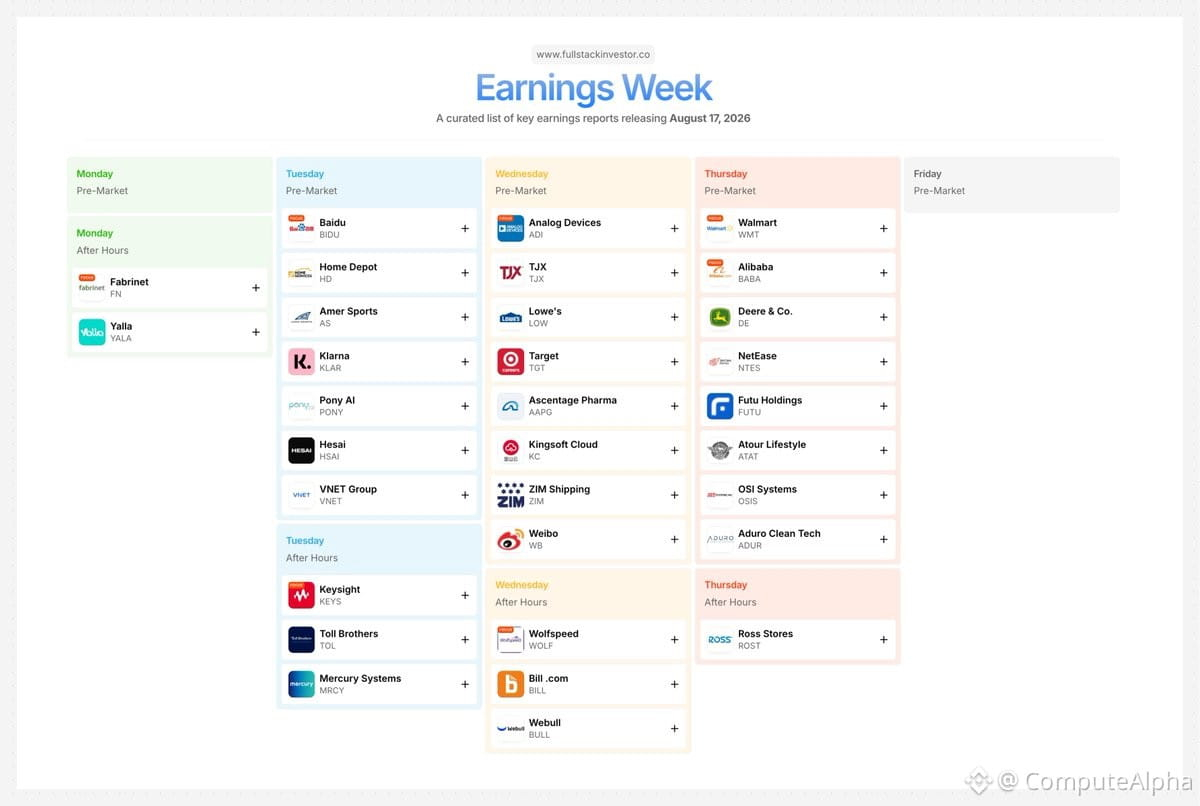
Lịch công bố kết quả kinh doanh của tuần tới có một vài tín hiệu khá rõ ràng.
Thứ Hai (sau giờ giao dịch): $FN sẽ báo cáo.
Thứ Ba sáng: $BIDU, $HD, $AS, $KLAR và $PONY. Sau giờ giao dịch: $KEYS, $TOL, $MRCY.
Thứ Tư trước giờ mở cửa: $ADI, $TJX, $LOW, $TGT, $ZIM. Sau giờ giao dịch: $WOLF, $BILL, $BULL.
Thứ Năm sáng là điểm nhấn: $WMT, $BABA, $DE, $FUTU, $OSIS, $ADUR. Sau giờ giao dịch: $ROST.
Theo dõi $BIDU và $BABA để lấy tín hiệu về nhu cầu tại Trung Quốc, $HD và $LOW cho mức chi tiêu tiêu dùng ở Mỹ, $WMT cho sức khỏe của ngành bán lẻ, và $ADI cho màu sắc của chu kỳ chip. Mùa công bố KQKD sẽ tách bạch câu chuyện khỏi đà tăng trưởng kinh doanh thực sự.
Lịch công bố kết quả kinh doanh của tuần tới có một vài tín hiệu khá rõ ràng.
Thứ Hai (sau giờ giao dịch): $FN sẽ báo cáo.
Thứ Ba sáng: $BIDU, $HD, $AS, $KLAR và $PONY. Sau giờ giao dịch: $KEYS, $TOL, $MRCY.
Thứ Tư trước giờ mở cửa: $ADI, $TJX, $LOW, $TGT, $ZIM. Sau giờ giao dịch: $WOLF, $BILL, $BULL.
Thứ Năm sáng là điểm nhấn: $WMT, $BABA, $DE, $FUTU, $OSIS, $ADUR. Sau giờ giao dịch: $ROST.
Theo dõi $BIDU và $BABA để lấy tín hiệu về nhu cầu tại Trung Quốc, $HD và $LOW cho mức chi tiêu tiêu dùng ở Mỹ, $WMT cho sức khỏe của ngành bán lẻ, và $ADI cho màu sắc của chu kỳ chip. Mùa công bố KQKD sẽ tách bạch câu chuyện khỏi đà tăng trưởng kinh doanh thực sự.
Thứ Hai (sau giờ giao dịch): $FN sẽ báo cáo.
Thứ Ba sáng: $BIDU, $HD, $AS, $KLAR và $PONY. Sau giờ giao dịch: $KEYS, $TOL, $MRCY.
Thứ Tư trước giờ mở cửa: $ADI, $TJX, $LOW, $TGT, $ZIM. Sau giờ giao dịch: $WOLF, $BILL, $BULL.
Thứ Năm sáng là điểm nhấn: $WMT, $BABA, $DE, $FUTU, $OSIS, $ADUR. Sau giờ giao dịch: $ROST.
Theo dõi $BIDU và $BABA để lấy tín hiệu về nhu cầu tại Trung Quốc, $HD và $LOW cho mức chi tiêu tiêu dùng ở Mỹ, $WMT cho sức khỏe của ngành bán lẻ, và $ADI cho màu sắc của chu kỳ chip. Mùa công bố KQKD sẽ tách bạch câu chuyện khỏi đà tăng trưởng kinh doanh thực sự.
660
·
--
Nhận định có thể gây tranh cãi: có lẽ chúng ta không nên đấu tranh chống lại sự phân hoá giàu nghèo do AI.
Đang hình thành một tầng lớp người tiêu dùng kỳ vọng rằng phần cứng sẽ ngày càng rẻ hơn vô tận, dịch vụ sẽ rẻ hơn, và công nghệ sẽ phong phú hơn—bất kể họ thực sự tạo ra bao nhiêu giá trị kinh tế.
Bạn thấy điều đó liên tục trong các cộng đồng game. GPU đắt quá. Công ty thì tham lam. Thuê bao là điều xấu. Tập đoàn sở hữu tất cả.
Nhưng đây là thực tế kinh tế cơ bản:
Nguồn lực khan hiếm sẽ chảy về phía ai có thể trích xuất được nhiều giá trị nhất từ chúng.
Nếu một doanh nghiệp có thể lấy một GPU để xây dựng phần mềm, khám phá thuốc, tự động hoá lao động, hoặc tạo ra hàng triệu đầu ra—trong khi người tiêu dùng lại muốn chính con chip đó để chạy một game ở 240 FPS—thì tại sao doanh nghiệp lại không thắng trong cuộc đấu thầu đó?
AI đang khuếch đại mạnh mẽ năng suất sử dụng vốn.
Điều đó có lẽ đồng nghĩa với việc chủ sở hữu và người vận hành của các doanh nghiệp tạo ra năng suất sẽ nắm giữ một phần của cải ngày càng lớn hơn, trong khi những người tiêu dùng kém hiệu quả hơn về mặt tạo năng suất ngày càng chỉ “thuê quyền truy cập” vào những gì các doanh nghiệp đó tạo ra.
Về mặt tuyệt đối, người tiêu dùng có thể thực sự sống tốt hơn—y tế tốt hơn, giao thông tốt hơn, giải trí tốt hơn, trí tuệ hơn, dịch vụ tốt hơn—dù quyền sở hữu của họ đối với nền kinh tế tạo năng suất ngày càng nhỏ đi.
Người ta sẽ gọi đó là thời kỳ u tối vì khoảng cách giàu nghèo ngày càng nới rộng.
Nhưng có một cách diễn giải khác:
Có lẽ một phần ngày càng tăng của khoảng cách đó đơn giản phản ánh sự khác biệt ngày càng lớn giữa việc tạo ra giá trị và việc tiêu thụ nó.
Nhận định có thể gây tranh cãi: có lẽ chúng ta không nên đấu tranh chống lại sự phân hoá giàu nghèo do AI.
Đang hình thành một tầng lớp người tiêu dùng kỳ vọng rằng phần cứng sẽ ngày càng rẻ hơn vô tận, dịch vụ sẽ rẻ hơn, và công nghệ sẽ phong phú hơn—bất kể họ thực sự tạo ra bao nhiêu giá trị kinh tế.
Bạn thấy điều đó liên tục trong các cộng đồng game. GPU đắt quá. Công ty thì tham lam. Thuê bao là điều xấu. Tập đoàn sở hữu tất cả.
Nhưng đây là thực tế kinh tế cơ bản:
Nguồn lực khan hiếm sẽ chảy về phía ai có thể trích xuất được nhiều giá trị nhất từ chúng.
Nếu một doanh nghiệp có thể lấy một GPU để xây dựng phần mềm, khám phá thuốc, tự động hoá lao động, hoặc tạo ra hàng triệu đầu ra—trong khi người tiêu dùng lại muốn chính con chip đó để chạy một game ở 240 FPS—thì tại sao doanh nghiệp lại không thắng trong cuộc đấu thầu đó?
AI đang khuếch đại mạnh mẽ năng suất sử dụng vốn.
Điều đó có lẽ đồng nghĩa với việc chủ sở hữu và người vận hành của các doanh nghiệp tạo ra năng suất sẽ nắm giữ một phần của cải ngày càng lớn hơn, trong khi những người tiêu dùng kém hiệu quả hơn về mặt tạo năng suất ngày càng chỉ “thuê quyền truy cập” vào những gì các doanh nghiệp đó tạo ra.
Về mặt tuyệt đối, người tiêu dùng có thể thực sự sống tốt hơn—y tế tốt hơn, giao thông tốt hơn, giải trí tốt hơn, trí tuệ hơn, dịch vụ tốt hơn—dù quyền sở hữu của họ đối với nền kinh tế tạo năng suất ngày càng nhỏ đi.
Người ta sẽ gọi đó là thời kỳ u tối vì khoảng cách giàu nghèo ngày càng nới rộng.
Nhưng có một cách diễn giải khác:
Có lẽ một phần ngày càng tăng của khoảng cách đó đơn giản phản ánh sự khác biệt ngày càng lớn giữa việc tạo ra giá trị và việc tiêu thụ nó.
Đang hình thành một tầng lớp người tiêu dùng kỳ vọng rằng phần cứng sẽ ngày càng rẻ hơn vô tận, dịch vụ sẽ rẻ hơn, và công nghệ sẽ phong phú hơn—bất kể họ thực sự tạo ra bao nhiêu giá trị kinh tế.
Bạn thấy điều đó liên tục trong các cộng đồng game. GPU đắt quá. Công ty thì tham lam. Thuê bao là điều xấu. Tập đoàn sở hữu tất cả.
Nhưng đây là thực tế kinh tế cơ bản:
Nguồn lực khan hiếm sẽ chảy về phía ai có thể trích xuất được nhiều giá trị nhất từ chúng.
Nếu một doanh nghiệp có thể lấy một GPU để xây dựng phần mềm, khám phá thuốc, tự động hoá lao động, hoặc tạo ra hàng triệu đầu ra—trong khi người tiêu dùng lại muốn chính con chip đó để chạy một game ở 240 FPS—thì tại sao doanh nghiệp lại không thắng trong cuộc đấu thầu đó?
AI đang khuếch đại mạnh mẽ năng suất sử dụng vốn.
Điều đó có lẽ đồng nghĩa với việc chủ sở hữu và người vận hành của các doanh nghiệp tạo ra năng suất sẽ nắm giữ một phần của cải ngày càng lớn hơn, trong khi những người tiêu dùng kém hiệu quả hơn về mặt tạo năng suất ngày càng chỉ “thuê quyền truy cập” vào những gì các doanh nghiệp đó tạo ra.
Về mặt tuyệt đối, người tiêu dùng có thể thực sự sống tốt hơn—y tế tốt hơn, giao thông tốt hơn, giải trí tốt hơn, trí tuệ hơn, dịch vụ tốt hơn—dù quyền sở hữu của họ đối với nền kinh tế tạo năng suất ngày càng nhỏ đi.
Người ta sẽ gọi đó là thời kỳ u tối vì khoảng cách giàu nghèo ngày càng nới rộng.
Nhưng có một cách diễn giải khác:
Có lẽ một phần ngày càng tăng của khoảng cách đó đơn giản phản ánh sự khác biệt ngày càng lớn giữa việc tạo ra giá trị và việc tiêu thụ nó.
207
·
--
Tính bất bình đẳng có thể quan trọng hơn nhiều so với các mô hình mã nguồn mở khi nói đến trí tuệ siêu việt cá nhân.
Lập luận: nếu bạn có phần cứng để chạy một mô hình 100 nghìn tỷ tham số còn tôi chỉ có một mô hình 2T tham số, thì bạn sẽ thắng trong một nền kinh tế thị trường. Mỗi lần.
Các mô hình mở không phải là “liều thuốc vạn năng” mà nhiều người nghĩ nếu nút thắt thật sự nằm ở chỗ ai có thể chi trả cho việc tính toán. Việc có quyền truy cập vào trọng số không có ý nghĩa nhiều nếu bạn không thể chạy nó ở quy mô lớn.
Đó là vấn đề khó hơn mà chẳng ai muốn bàn đến. Không phải là chuyện tính sẵn có của mô hình—mà là chuyện ai kiểm soát hạ tầng để triển khai nó.
Tính bất bình đẳng có thể quan trọng hơn nhiều so với các mô hình mã nguồn mở khi nói đến trí tuệ siêu việt cá nhân.
Lập luận: nếu bạn có phần cứng để chạy một mô hình 100 nghìn tỷ tham số còn tôi chỉ có một mô hình 2T tham số, thì bạn sẽ thắng trong một nền kinh tế thị trường. Mỗi lần.
Các mô hình mở không phải là “liều thuốc vạn năng” mà nhiều người nghĩ nếu nút thắt thật sự nằm ở chỗ ai có thể chi trả cho việc tính toán. Việc có quyền truy cập vào trọng số không có ý nghĩa nhiều nếu bạn không thể chạy nó ở quy mô lớn.
Đó là vấn đề khó hơn mà chẳng ai muốn bàn đến. Không phải là chuyện tính sẵn có của mô hình—mà là chuyện ai kiểm soát hạ tầng để triển khai nó.
Lập luận: nếu bạn có phần cứng để chạy một mô hình 100 nghìn tỷ tham số còn tôi chỉ có một mô hình 2T tham số, thì bạn sẽ thắng trong một nền kinh tế thị trường. Mỗi lần.
Các mô hình mở không phải là “liều thuốc vạn năng” mà nhiều người nghĩ nếu nút thắt thật sự nằm ở chỗ ai có thể chi trả cho việc tính toán. Việc có quyền truy cập vào trọng số không có ý nghĩa nhiều nếu bạn không thể chạy nó ở quy mô lớn.
Đó là vấn đề khó hơn mà chẳng ai muốn bàn đến. Không phải là chuyện tính sẵn có của mô hình—mà là chuyện ai kiểm soát hạ tầng để triển khai nó.
319
·
--
Theo FT, Jane Street được cho là đã ghi nhận khoản lỗ khoảng ~15 tỷ USD vào tháng 7. Nếu điều này được xác nhận, đây sẽ là một trong những khoản lỗ theo tháng lớn nhất trong lịch sử đối với một công ty giao dịch tự doanh.
Bối cảnh: Jane Street là một nhà tạo lập thị trường lớn trong lĩnh vực crypto, cổ phiếu và ETF. Một khoản lỗ với quy mô như vậy nhiều khả năng liên quan đến các đợt biến động tăng vọt, sự sụp đổ vị thế do phòng hộ thất bại, hoặc việc thoái rút (unwinding) quy mô lớn trong các sản phẩm liên quan đến biến động (volatility) trong giai đoạn mùa hè nhiều xáo trộn.
Hàm ý thị trường:
- Có thể giải thích một phần tình trạng giảm đòn bẩy (deleveraging) dữ dội mà chúng ta đã chứng kiến vào cuối tháng 7/đầu tháng 8
- Gợi lên câu hỏi về rủi ro hệ thống trong hạ tầng tạo lập thị trường
- Có thể ảnh hưởng đến việc cung cấp thanh khoản trên cả thị trường crypto và thị trường cổ phiếu
Đang theo dõi việc xác nhận chính thức và các chi tiết về nguyên nhân dẫn đến khoản lỗ. Những sự kiện kiểu này thường kéo theo các tác động dây chuyền đến cấu trúc thị trường và sự giám sát của cơ quan quản lý.
Theo FT, Jane Street được cho là đã ghi nhận khoản lỗ khoảng ~15 tỷ USD vào tháng 7. Nếu điều này được xác nhận, đây sẽ là một trong những khoản lỗ theo tháng lớn nhất trong lịch sử đối với một công ty giao dịch tự doanh.
Bối cảnh: Jane Street là một nhà tạo lập thị trường lớn trong lĩnh vực crypto, cổ phiếu và ETF. Một khoản lỗ với quy mô như vậy nhiều khả năng liên quan đến các đợt biến động tăng vọt, sự sụp đổ vị thế do phòng hộ thất bại, hoặc việc thoái rút (unwinding) quy mô lớn trong các sản phẩm liên quan đến biến động (volatility) trong giai đoạn mùa hè nhiều xáo trộn.
Hàm ý thị trường:
- Có thể giải thích một phần tình trạng giảm đòn bẩy (deleveraging) dữ dội mà chúng ta đã chứng kiến vào cuối tháng 7/đầu tháng 8
- Gợi lên câu hỏi về rủi ro hệ thống trong hạ tầng tạo lập thị trường
- Có thể ảnh hưởng đến việc cung cấp thanh khoản trên cả thị trường crypto và thị trường cổ phiếu
Đang theo dõi việc xác nhận chính thức và các chi tiết về nguyên nhân dẫn đến khoản lỗ. Những sự kiện kiểu này thường kéo theo các tác động dây chuyền đến cấu trúc thị trường và sự giám sát của cơ quan quản lý.
Bối cảnh: Jane Street là một nhà tạo lập thị trường lớn trong lĩnh vực crypto, cổ phiếu và ETF. Một khoản lỗ với quy mô như vậy nhiều khả năng liên quan đến các đợt biến động tăng vọt, sự sụp đổ vị thế do phòng hộ thất bại, hoặc việc thoái rút (unwinding) quy mô lớn trong các sản phẩm liên quan đến biến động (volatility) trong giai đoạn mùa hè nhiều xáo trộn.
Hàm ý thị trường:
- Có thể giải thích một phần tình trạng giảm đòn bẩy (deleveraging) dữ dội mà chúng ta đã chứng kiến vào cuối tháng 7/đầu tháng 8
- Gợi lên câu hỏi về rủi ro hệ thống trong hạ tầng tạo lập thị trường
- Có thể ảnh hưởng đến việc cung cấp thanh khoản trên cả thị trường crypto và thị trường cổ phiếu
Đang theo dõi việc xác nhận chính thức và các chi tiết về nguyên nhân dẫn đến khoản lỗ. Những sự kiện kiểu này thường kéo theo các tác động dây chuyền đến cấu trúc thị trường và sự giám sát của cơ quan quản lý.
181
·
--
Chúng ta đang ở giữa đợt xây dựng hạ tầng lớn nhất trong lịch sử loài người. Hàng nghìn tỷ đô la đang đổ vào hạ tầng AI trên mọi lớp:
Bộ chip, bộ nhớ, mạng, trung tâm dữ liệu, điện, làm mát, phần mềm, robot, nâng cấp lưới điện—tất cả đều được xây dựng lại cùng một lúc.
Quy mô và tốc độ ư? Chưa từng có. Đây là siêu chu kỳ.
Chúng ta đang ở giữa đợt xây dựng hạ tầng lớn nhất trong lịch sử loài người. Hàng nghìn tỷ đô la đang đổ vào hạ tầng AI trên mọi lớp:
Bộ chip, bộ nhớ, mạng, trung tâm dữ liệu, điện, làm mát, phần mềm, robot, nâng cấp lưới điện—tất cả đều được xây dựng lại cùng một lúc.
Quy mô và tốc độ ư? Chưa từng có. Đây là siêu chu kỳ.
Bộ chip, bộ nhớ, mạng, trung tâm dữ liệu, điện, làm mát, phần mềm, robot, nâng cấp lưới điện—tất cả đều được xây dựng lại cùng một lúc.
Quy mô và tốc độ ư? Chưa từng có. Đây là siêu chu kỳ.
111
Đăng nhập để khám phá thêm nội dung
Tham gia cùng người dùng tiền mã hóa toàn cầu trên Binance Square
⚡️ Nhận thông tin mới nhất và hữu ích về tiền mã hóa.
💬 Được tin cậy bởi sàn giao dịch tiền mã hóa lớn nhất thế giới.
👍 Khám phá những thông tin chuyên sâu thực tế từ những nhà sáng tạo đã xác minh.
Email / Số điện thoại
Chủ đề thịnh hành
TheoDõiFOMC
109,449 lượt xem
641 đang thảo luận
#TheoDõiFOMC $BTC $ETH
FOMC không chỉ là một cuộc họp về lãi suất.
Đây là nơi mà hướng đi của “tiền lớn” có thể bắt đầu thay đổi.
Một câu nói từ Fed có thể trở thành tín hiệu cho thị trường.
Lãi suất có thể không đổi, nhưng kỳ vọng của nhà đầu tư có thể thay đổi trước.
Với Bitcoin, câu hỏi thực sự không phải lúc nào cũng là:
“Fed sẽ tăng hay cắt giảm lãi suất?”
Mà là:
“Fed muốn thị trường tin điều gì?”
Trong crypto, giá thường biến động trước cả tin tức.
Vì vậy, trước mỗi kỳ FOMC, đừng chỉ nhìn vào biểu đồ.
Hãy theo dõi kỳ vọng, thanh khoản và tâm lý thị trường.
🌊 Thị trường không chỉ phản ứng với những gì Fed làm.
Mà nó phản ứng với những gì thị trường tin rằng Fed sẽ làm.
#FOMC #Bitcoin #Crypto #Fed #BinanceSquare
Cristore-trading
·1 lượt thích
·115 lượt xem
TinFed
91,137 lượt xem
440 đang thảo luận
AltcoinSeasonIndexHoldsAbove60For5Days
26 lượt xem
65 đang thảo luận