

WISSEY 1
150 Bài đăng

WISSEY 1
Báo cáo
Chặn người dùng
Prev @Binance @LBank @Bitrue | @BitgetIndiaKOC
0 Đang theo dõi
2 Người theo dõi
6 Đã thích
Bài đăng
·
--
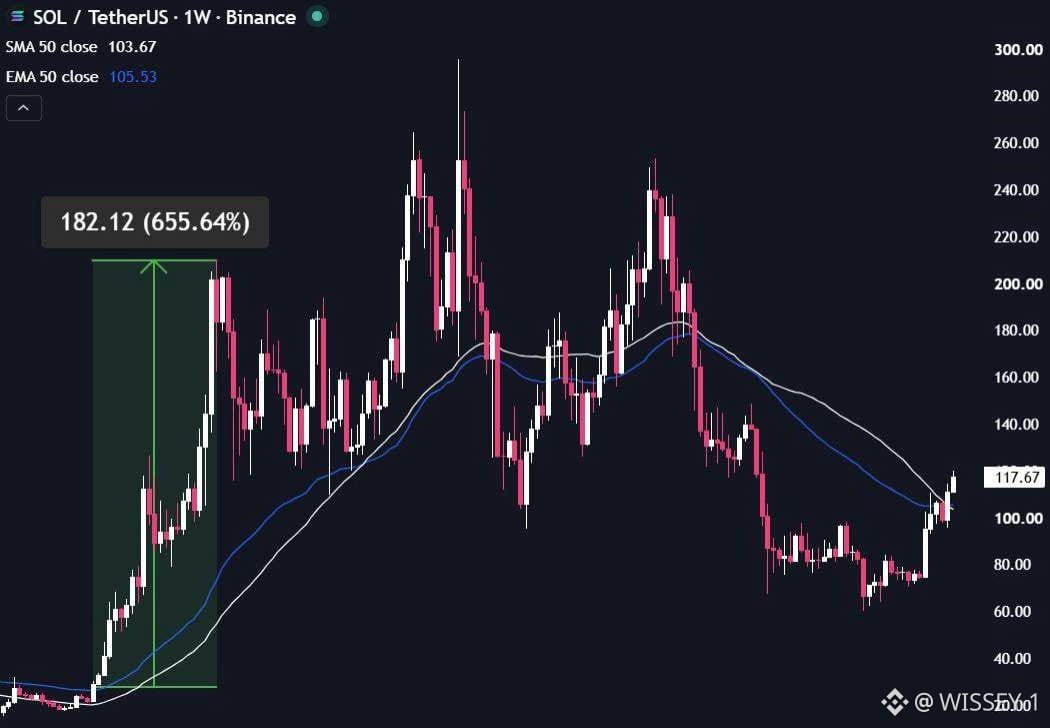
Khi $SOL chiếm lại các mức MA 50W và EMA 50W vào năm 2023, nó đã tăng 650% trong 6 tháng tiếp theo
Bây giờ SOL đã chiếm lại các mức này một lần nữa
Liệu ta có thể nói một cú pump 650% sẽ xảy ra tiếp theo, hoặc $200 SOL có thể xuất hiện vào Q1/2026?
Khi $SOL chiếm lại các mức MA 50W và EMA 50W vào năm 2023, nó đã tăng 650% trong 6 tháng tiếp theo
Bây giờ SOL đã chiếm lại các mức này một lần nữa
Liệu ta có thể nói một cú pump 650% sẽ xảy ra tiếp theo, hoặc $200 SOL có thể xuất hiện vào Q1/2026?
Bây giờ SOL đã chiếm lại các mức này một lần nữa
Liệu ta có thể nói một cú pump 650% sẽ xảy ra tiếp theo, hoặc $200 SOL có thể xuất hiện vào Q1/2026?
26
·
--
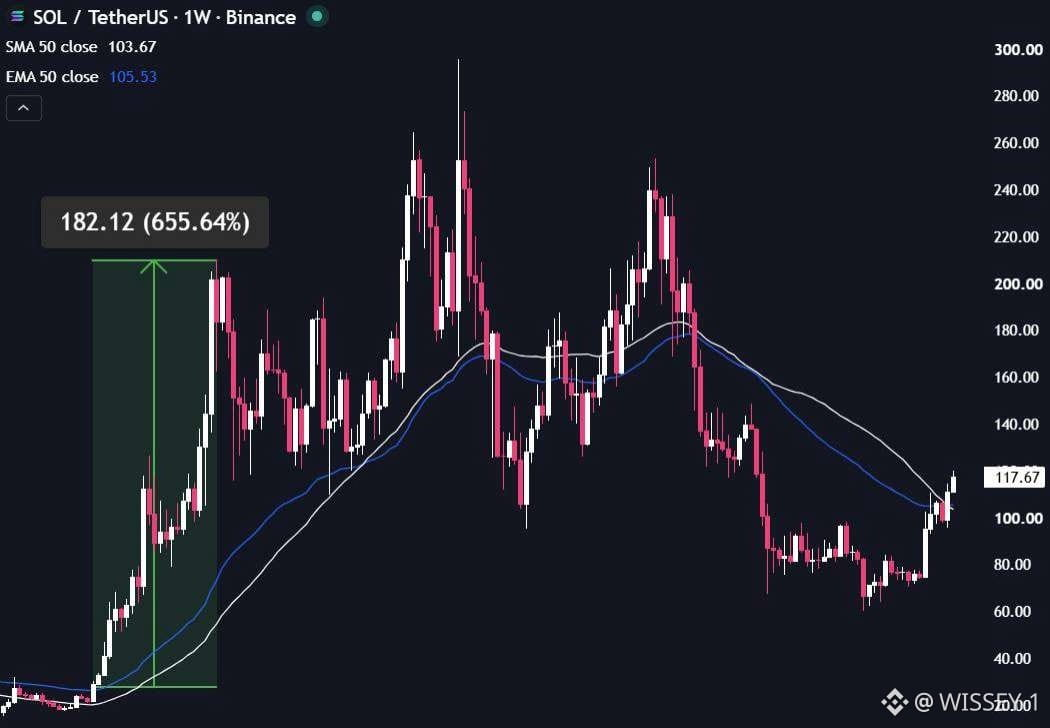
Khi Solana giành lại các mốc 50W MA và 50W EMA vào năm 2023, nó đã tăng tới 650% trong 6 tháng tiếp theo
Giờ thì SOL lại đã giành lại các mốc này một lần nữa
Tôi không nói rằng một cú bơm 650% sẽ xảy ra vào lần tới, nhưng $200 SOL vào Q1 2026 là hoàn toàn có thể xảy ra $SOL
Khi Solana giành lại các mốc 50W MA và 50W EMA vào năm 2023, nó đã tăng tới 650% trong 6 tháng tiếp theo
Giờ thì SOL lại đã giành lại các mốc này một lần nữa
Tôi không nói rằng một cú bơm 650% sẽ xảy ra vào lần tới, nhưng $200 SOL vào Q1 2026 là hoàn toàn có thể xảy ra $SOL
Giờ thì SOL lại đã giành lại các mốc này một lần nữa
Tôi không nói rằng một cú bơm 650% sẽ xảy ra vào lần tới, nhưng $200 SOL vào Q1 2026 là hoàn toàn có thể xảy ra $SOL
43
·
--
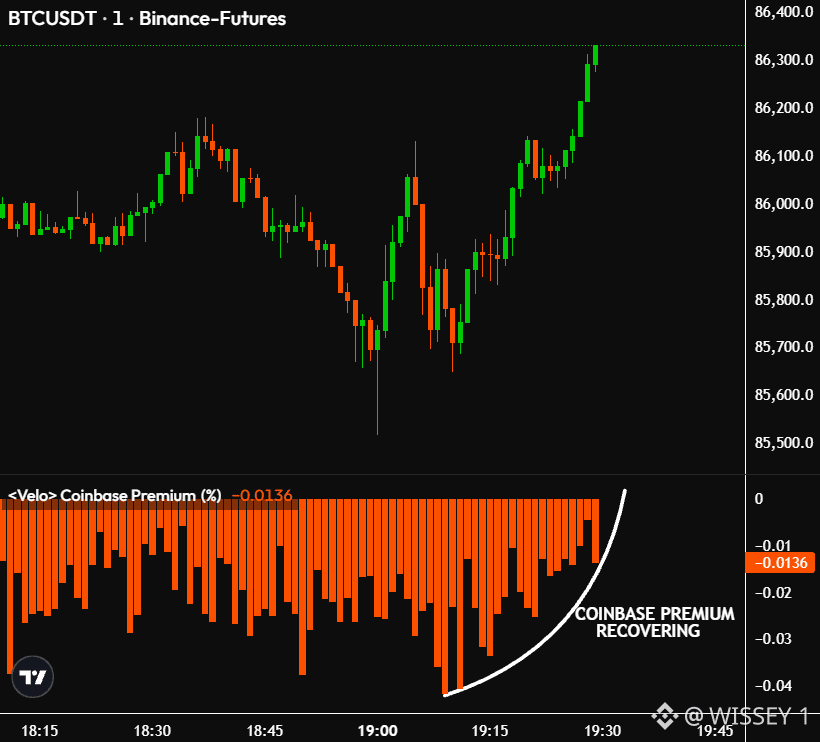
Thị trường Mỹ đã mở cửa và các tổ chức đã bắt đầu tham gia đấu giá $BTC.
Thị trường Mỹ đã mở cửa và các tổ chức đã bắt đầu tham gia đấu giá $BTC.
44
·
--
Xem bản dịch
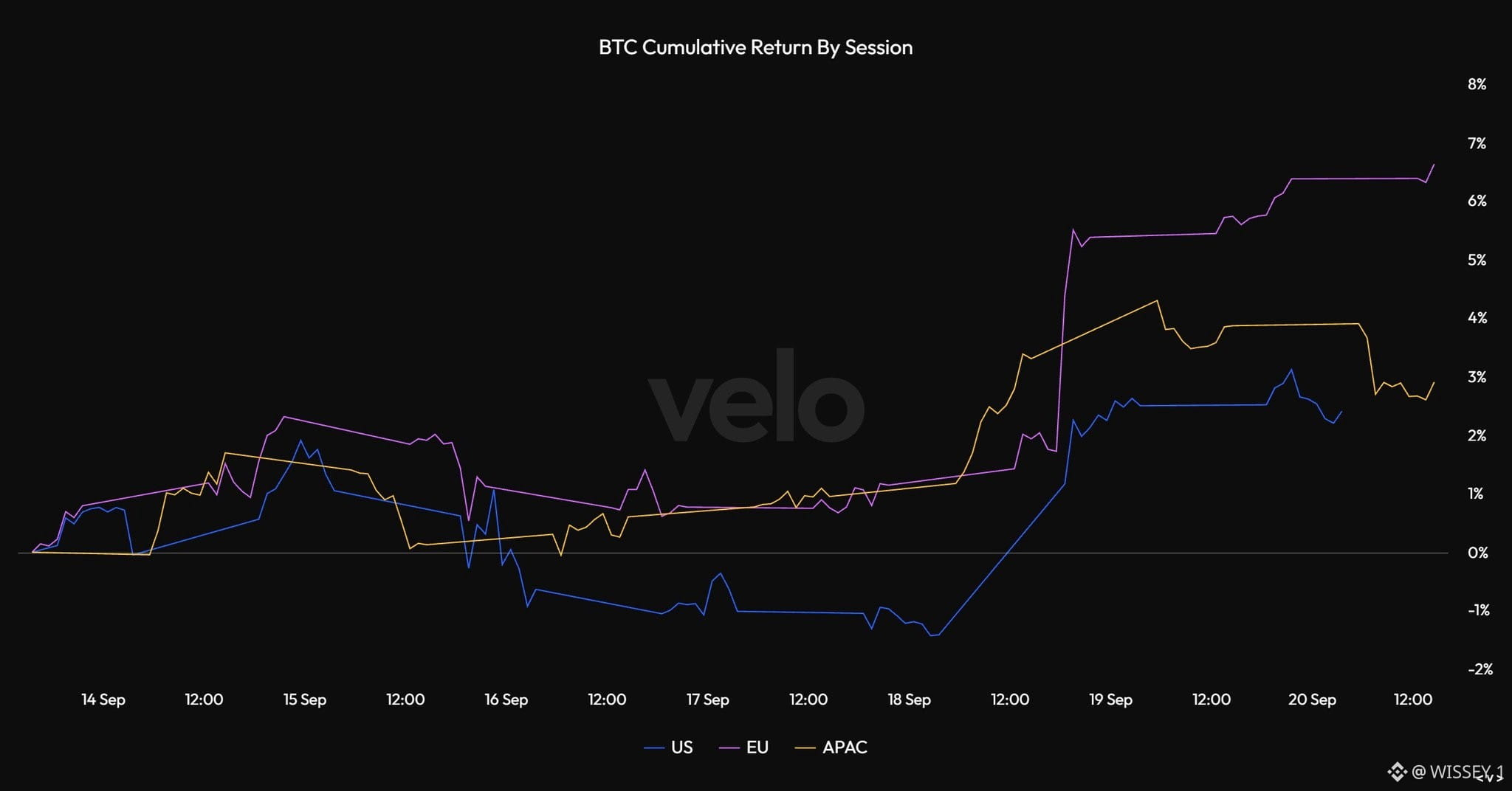
EU bought BTC.
Asia bought BTC.
US bought BTC.
Everyone bought Bitcoin this week. $BTC
EU bought BTC.
Asia bought BTC.
US bought BTC.
Everyone bought Bitcoin this week. $BTC
Asia bought BTC.
US bought BTC.
Everyone bought Bitcoin this week. $BTC
61
·
--
Xem bản dịch
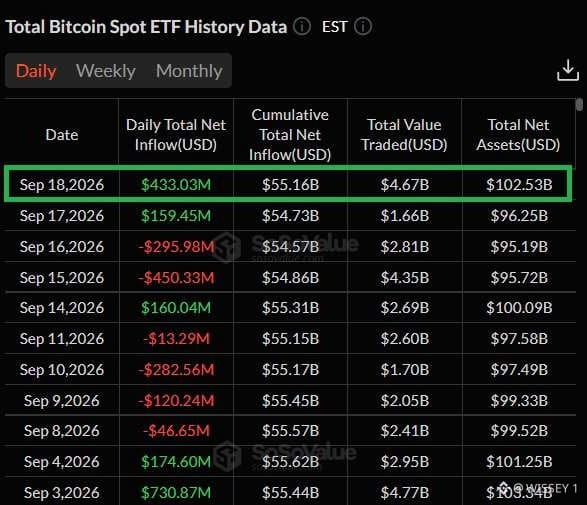
ETFs bought $433,030,000 in $BTC yesterday.
Fidelity alone bought $310,720,000 in Bitcoin.
ETFs bought $433,030,000 in $BTC yesterday.
Fidelity alone bought $310,720,000 in Bitcoin.
Fidelity alone bought $310,720,000 in Bitcoin.
63
·
--
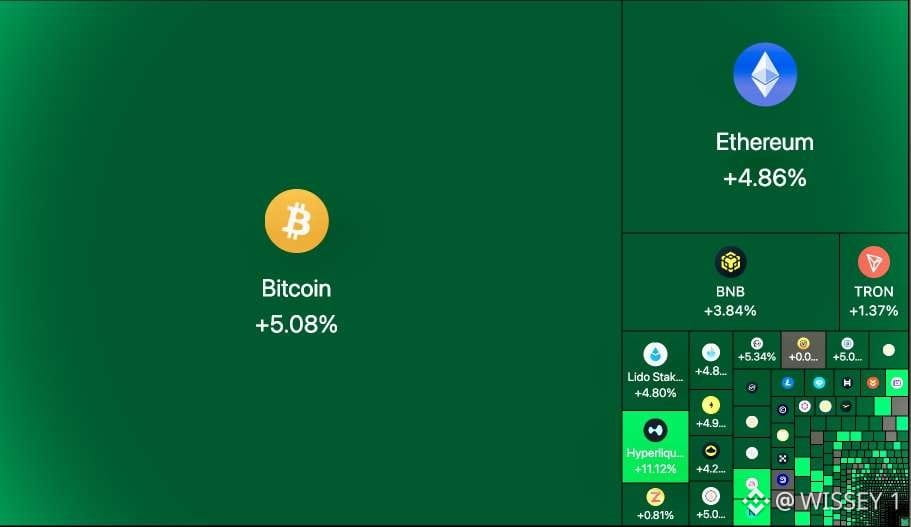
$135,000,000,000 đã được cộng vào vốn hóa thị trường crypto tính đến thời điểm hiện tại trong hôm nay.
$400,000,000 trong các vị thế short đòn bẩy đã bị thanh lý trong 12 giờ qua.
Điều này diễn ra sau khi Ủy ban Chứng khoán và Giao dịch Hoa Kỳ (SEC) đã phê duyệt việc giao dịch on-chain có giới hạn đối với cổ phiếu được token hóa và CFTC nộp hồ sơ quy định mới để điều chỉnh thị trường crypto.
Trong khi đó, Fed dự kiến sẽ nâng lãi suất thêm 25 điểm cơ bản vào tháng tới. $BTC
#BTC Price Analysis# #Macro Insights#
$135,000,000,000 đã được cộng vào vốn hóa thị trường crypto tính đến thời điểm hiện tại trong hôm nay.
$400,000,000 trong các vị thế short đòn bẩy đã bị thanh lý trong 12 giờ qua.
Điều này diễn ra sau khi Ủy ban Chứng khoán và Giao dịch Hoa Kỳ (SEC) đã phê duyệt việc giao dịch on-chain có giới hạn đối với cổ phiếu được token hóa và CFTC nộp hồ sơ quy định mới để điều chỉnh thị trường crypto.
Trong khi đó, Fed dự kiến sẽ nâng lãi suất thêm 25 điểm cơ bản vào tháng tới. $BTC
#BTC Price Analysis# #Macro Insights#
$400,000,000 trong các vị thế short đòn bẩy đã bị thanh lý trong 12 giờ qua.
Điều này diễn ra sau khi Ủy ban Chứng khoán và Giao dịch Hoa Kỳ (SEC) đã phê duyệt việc giao dịch on-chain có giới hạn đối với cổ phiếu được token hóa và CFTC nộp hồ sơ quy định mới để điều chỉnh thị trường crypto.
Trong khi đó, Fed dự kiến sẽ nâng lãi suất thêm 25 điểm cơ bản vào tháng tới. $BTC
#BTC Price Analysis# #Macro Insights#
53
·
--
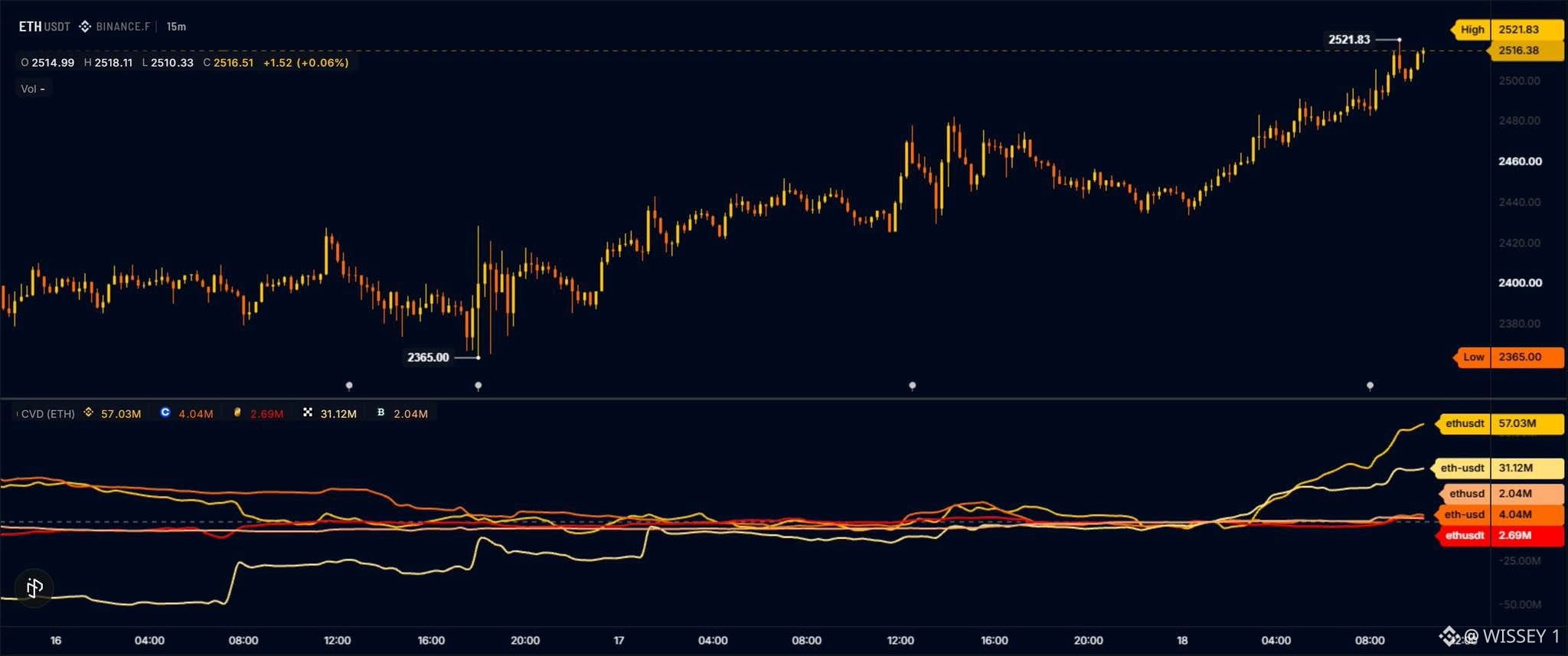
Việc mua mạnh $ETH đang diễn ra trên tất cả các sàn giao dịch.
Điều này có vẻ rất tốt.
Việc mua mạnh $ETH đang diễn ra trên tất cả các sàn giao dịch.
Điều này có vẻ rất tốt.
Điều này có vẻ rất tốt.
51
·
--
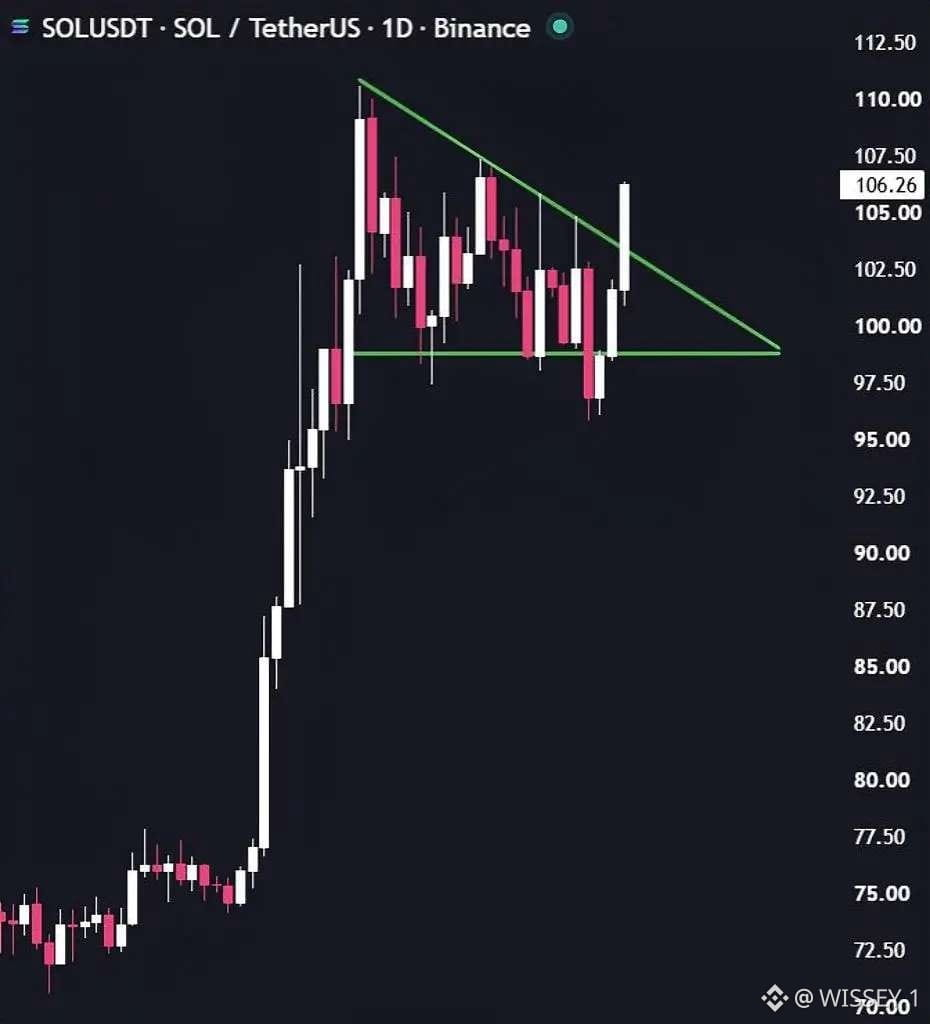
Solana đã phá vỡ xu hướng giảm
Đã đến lúc cho nhịp tăng tiếp theo. $SOL
Solana đã phá vỡ xu hướng giảm
Đã đến lúc cho nhịp tăng tiếp theo. $SOL
Đã đến lúc cho nhịp tăng tiếp theo. $SOL
55
·
--
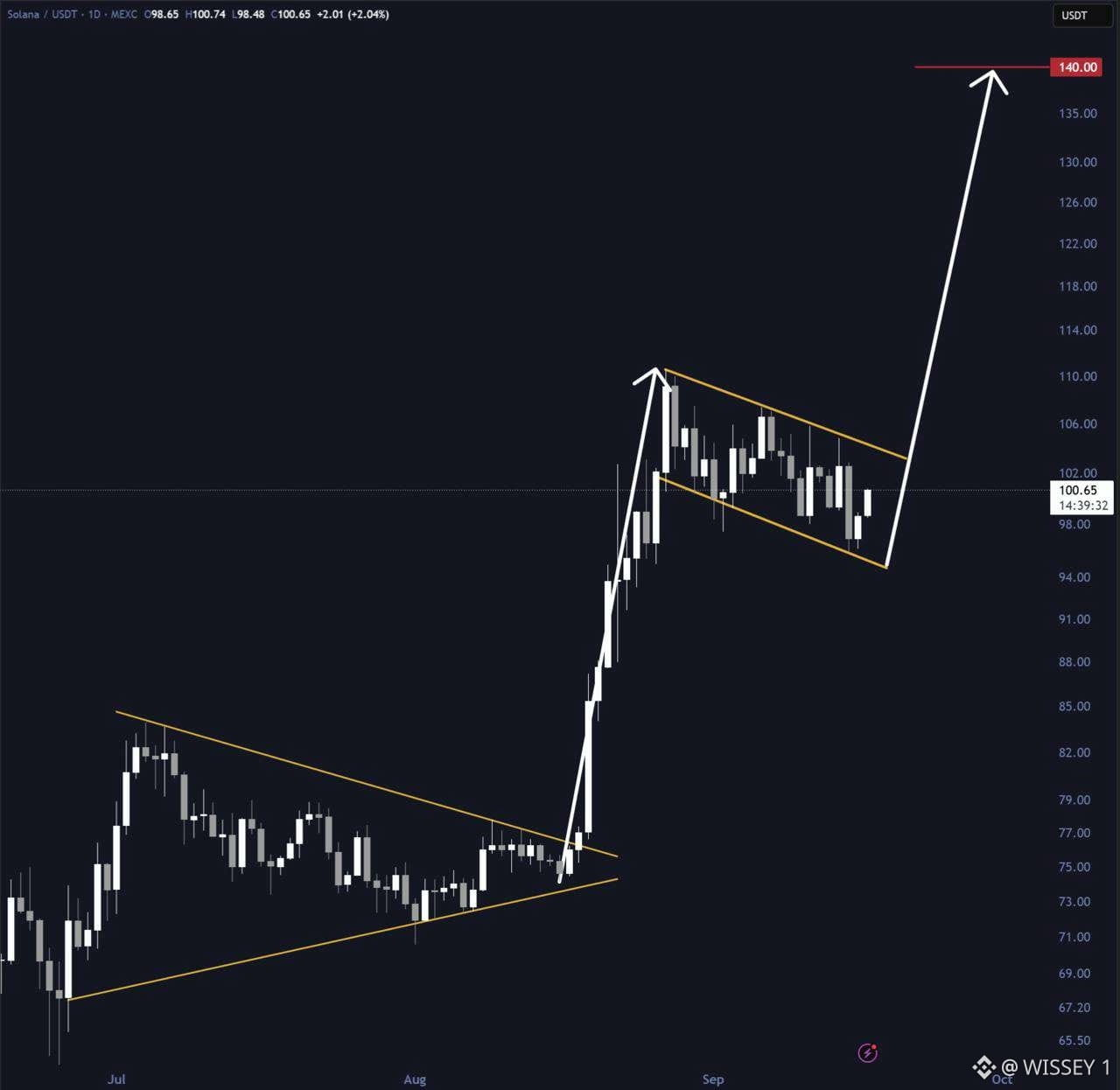
$SOL đã hình thành một cờ tăng khổng lồ
Việc bứt phá và đóng cửa trên $104 có thể bắt đầu một nhịp tăng tiếp theo
$SOL đã hình thành một cờ tăng khổng lồ
Việc bứt phá và đóng cửa trên $104 có thể bắt đầu một nhịp tăng tiếp theo
Việc bứt phá và đóng cửa trên $104 có thể bắt đầu một nhịp tăng tiếp theo
1
67
·
--
$BTC đang tiến vào một trong những sự kiện vĩ mô lớn nhất của tháng 9.
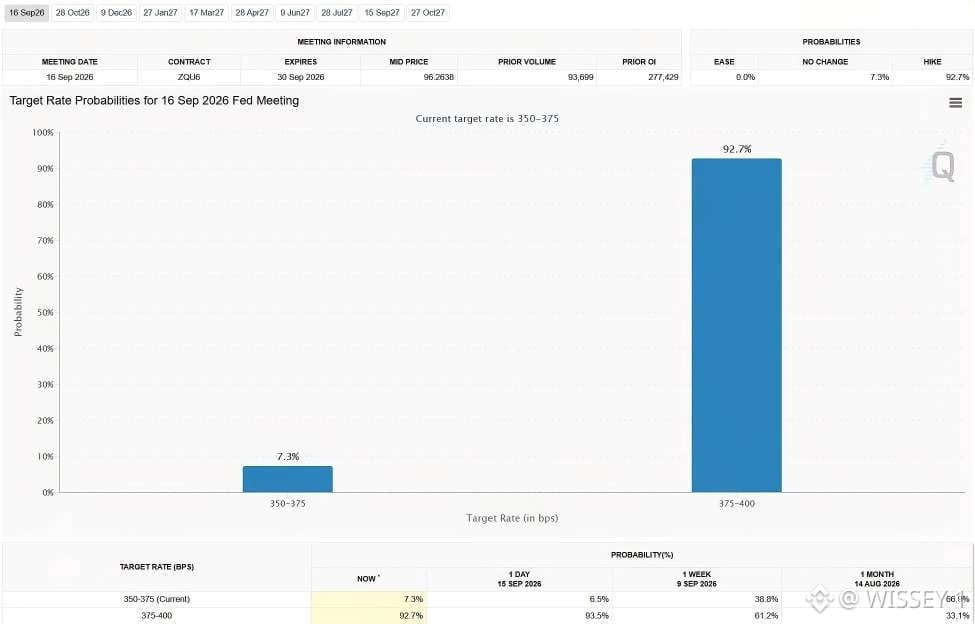
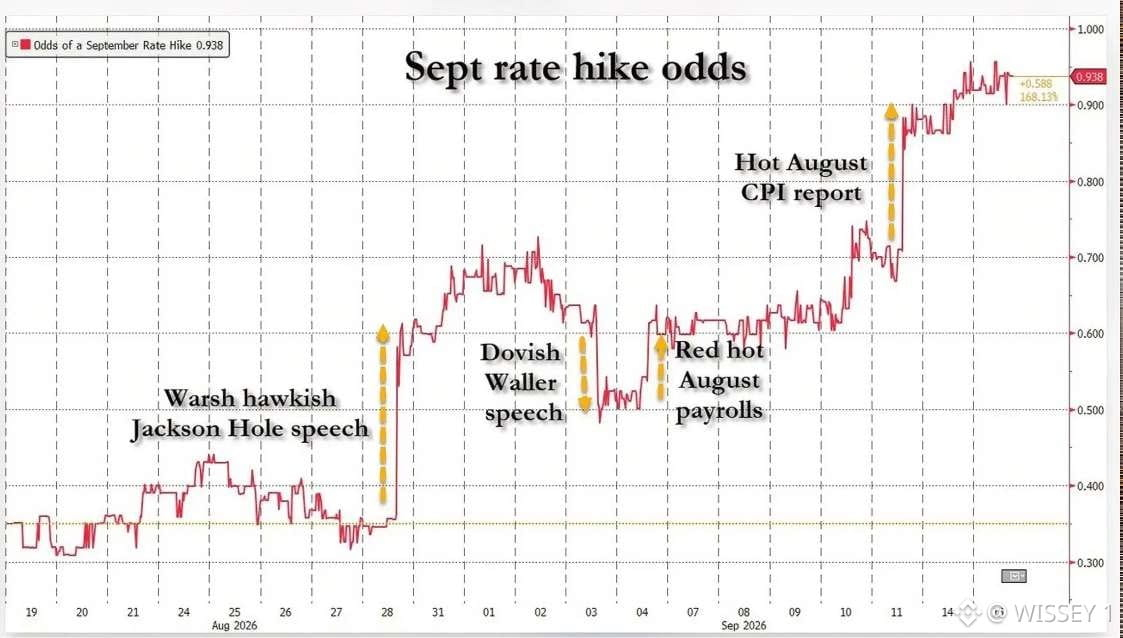
Hôm nay, ngày 16 tháng 9, Cục Dự trữ Liên bang (Fed) công bố quyết định lãi suất và thị trường đang được định vị mạnh cho kịch bản tăng lãi suất 25 điểm cơ bản.
Giá thị trường hiện tại ước tính xác suất tăng lãi suất vào khoảng 93%, điều này sẽ nâng dải mục tiêu của Fed từ 3.50%–3.75% lên 3.75%–4.00%.
Đây cũng sẽ là lần tăng lãi suất đầu tiên của Fed kể từ tháng 7 năm 2023.
Nhưng phần thú vị hơn có thể không nằm ở quyết định lãi suất.
Mà có thể nằm ở những gì Fed nói tiếp theo.
Kịch bản 1: Fed giữ nguyên lãi suất một cách bất ngờ.
Thoạt nhìn, việc bất ngờ giữ nguyên có thể trông có vẻ tích cực cho Bitcoin.
Thị trường có thể diễn giải đây là một động thái chính sách ít quyết liệt hơn, từ đó đẩy lợi suất trái phiếu Kho bạc và đồng USD giảm xuống, đồng thời mang lại một chút “hơi thở” cho các tài sản rủi ro.
Nhưng lạm phát vẫn đang cao.
CPI tháng 8 đạt 3.4% so với cùng kỳ (YOY), trong khi CPI hàng tháng tăng 0.4%.
Giá năng lượng cũng đã tăng mạnh, với giá dầu Brent gần đây giao dịch quanh mức 107 USD/thùng.
Nếu nhà đầu tư diễn giải việc giữ nguyên bất ngờ là Fed quá “dễ dãi” với lạm phát, thì lợi suất trái phiếu Kho bạc kỳ hạn dài hơn thực ra có thể tăng.
Điều đó sẽ tạo ra một tình huống khá kỳ lạ: Bitcoin tăng trước, lợi suất trái phiếu tăng, và tài sản rủi ro lại trở nên biến động.
Vì vậy, việc Fed giữ nguyên bất ngờ không tự động đồng nghĩa với việc crypto sẽ bơm mạnh.
Kịch bản 2: Fed tăng 25 bps.
Đây là kịch bản mà thị trường đã kỳ vọng sẵn.
Và điều này rất quan trọng, bởi nếu việc tăng lãi suất đã được phản ánh đầy đủ vào giá, thì quyết định được công bố trên tiêu đề có thể không khiến Bitcoin bị bán tháo mạnh.
Thay vào đó, các nhà giao dịch sẽ tập trung vào:
1. Dự báo kinh tế của Fed
2. Số lần tăng lãi suất bổ sung được phát tín hiệu
3. Phát biểu của Warsh trong cuộc họp báo
4. Lợi suất trái phiếu Kho bạc
5. Đồng đô la Mỹ
Một đợt tăng 25 bps đi kèm với hướng dẫn tương đối kiềm chế thậm chí có thể tạo ra phản ứng “mua theo tin” nếu các nhà giao dịch đã đứng quá phòng thủ trước cuộc họp.
#Phân tích giá BTC# #Nhận định vĩ mô#
$BTC đang tiến vào một trong những sự kiện vĩ mô lớn nhất của tháng 9.
Hôm nay, ngày 16 tháng 9, Cục Dự trữ Liên bang (Fed) công bố quyết định lãi suất và thị trường đang được định vị mạnh cho kịch bản tăng lãi suất 25 điểm cơ bản.
Giá thị trường hiện tại ước tính xác suất tăng lãi suất vào khoảng 93%, điều này sẽ nâng dải mục tiêu của Fed từ 3.50%–3.75% lên 3.75%–4.00%.
Đây cũng sẽ là lần tăng lãi suất đầu tiên của Fed kể từ tháng 7 năm 2023.
Nhưng phần thú vị hơn có thể không nằm ở quyết định lãi suất.
Mà có thể nằm ở những gì Fed nói tiếp theo.
Kịch bản 1: Fed giữ nguyên lãi suất một cách bất ngờ.
Thoạt nhìn, việc bất ngờ giữ nguyên có thể trông có vẻ tích cực cho Bitcoin.
Thị trường có thể diễn giải đây là một động thái chính sách ít quyết liệt hơn, từ đó đẩy lợi suất trái phiếu Kho bạc và đồng USD giảm xuống, đồng thời mang lại một chút “hơi thở” cho các tài sản rủi ro.
Nhưng lạm phát vẫn đang cao.
CPI tháng 8 đạt 3.4% so với cùng kỳ (YOY), trong khi CPI hàng tháng tăng 0.4%.
Giá năng lượng cũng đã tăng mạnh, với giá dầu Brent gần đây giao dịch quanh mức 107 USD/thùng.
Nếu nhà đầu tư diễn giải việc giữ nguyên bất ngờ là Fed quá “dễ dãi” với lạm phát, thì lợi suất trái phiếu Kho bạc kỳ hạn dài hơn thực ra có thể tăng.
Điều đó sẽ tạo ra một tình huống khá kỳ lạ: Bitcoin tăng trước, lợi suất trái phiếu tăng, và tài sản rủi ro lại trở nên biến động.
Vì vậy, việc Fed giữ nguyên bất ngờ không tự động đồng nghĩa với việc crypto sẽ bơm mạnh.
Kịch bản 2: Fed tăng 25 bps.
Đây là kịch bản mà thị trường đã kỳ vọng sẵn.
Và điều này rất quan trọng, bởi nếu việc tăng lãi suất đã được phản ánh đầy đủ vào giá, thì quyết định được công bố trên tiêu đề có thể không khiến Bitcoin bị bán tháo mạnh.
Thay vào đó, các nhà giao dịch sẽ tập trung vào:
1. Dự báo kinh tế của Fed
2. Số lần tăng lãi suất bổ sung được phát tín hiệu
3. Phát biểu của Warsh trong cuộc họp báo
4. Lợi suất trái phiếu Kho bạc
5. Đồng đô la Mỹ
Một đợt tăng 25 bps đi kèm với hướng dẫn tương đối kiềm chế thậm chí có thể tạo ra phản ứng “mua theo tin” nếu các nhà giao dịch đã đứng quá phòng thủ trước cuộc họp.
#Phân tích giá BTC# #Nhận định vĩ mô#
Hôm nay, ngày 16 tháng 9, Cục Dự trữ Liên bang (Fed) công bố quyết định lãi suất và thị trường đang được định vị mạnh cho kịch bản tăng lãi suất 25 điểm cơ bản.
Giá thị trường hiện tại ước tính xác suất tăng lãi suất vào khoảng 93%, điều này sẽ nâng dải mục tiêu của Fed từ 3.50%–3.75% lên 3.75%–4.00%.
Đây cũng sẽ là lần tăng lãi suất đầu tiên của Fed kể từ tháng 7 năm 2023.
Nhưng phần thú vị hơn có thể không nằm ở quyết định lãi suất.
Mà có thể nằm ở những gì Fed nói tiếp theo.
Kịch bản 1: Fed giữ nguyên lãi suất một cách bất ngờ.
Thoạt nhìn, việc bất ngờ giữ nguyên có thể trông có vẻ tích cực cho Bitcoin.
Thị trường có thể diễn giải đây là một động thái chính sách ít quyết liệt hơn, từ đó đẩy lợi suất trái phiếu Kho bạc và đồng USD giảm xuống, đồng thời mang lại một chút “hơi thở” cho các tài sản rủi ro.
Nhưng lạm phát vẫn đang cao.
CPI tháng 8 đạt 3.4% so với cùng kỳ (YOY), trong khi CPI hàng tháng tăng 0.4%.
Giá năng lượng cũng đã tăng mạnh, với giá dầu Brent gần đây giao dịch quanh mức 107 USD/thùng.
Nếu nhà đầu tư diễn giải việc giữ nguyên bất ngờ là Fed quá “dễ dãi” với lạm phát, thì lợi suất trái phiếu Kho bạc kỳ hạn dài hơn thực ra có thể tăng.
Điều đó sẽ tạo ra một tình huống khá kỳ lạ: Bitcoin tăng trước, lợi suất trái phiếu tăng, và tài sản rủi ro lại trở nên biến động.
Vì vậy, việc Fed giữ nguyên bất ngờ không tự động đồng nghĩa với việc crypto sẽ bơm mạnh.
Kịch bản 2: Fed tăng 25 bps.
Đây là kịch bản mà thị trường đã kỳ vọng sẵn.
Và điều này rất quan trọng, bởi nếu việc tăng lãi suất đã được phản ánh đầy đủ vào giá, thì quyết định được công bố trên tiêu đề có thể không khiến Bitcoin bị bán tháo mạnh.
Thay vào đó, các nhà giao dịch sẽ tập trung vào:
1. Dự báo kinh tế của Fed
2. Số lần tăng lãi suất bổ sung được phát tín hiệu
3. Phát biểu của Warsh trong cuộc họp báo
4. Lợi suất trái phiếu Kho bạc
5. Đồng đô la Mỹ
Một đợt tăng 25 bps đi kèm với hướng dẫn tương đối kiềm chế thậm chí có thể tạo ra phản ứng “mua theo tin” nếu các nhà giao dịch đã đứng quá phòng thủ trước cuộc họp.
#Phân tích giá BTC# #Nhận định vĩ mô#
39
·
--
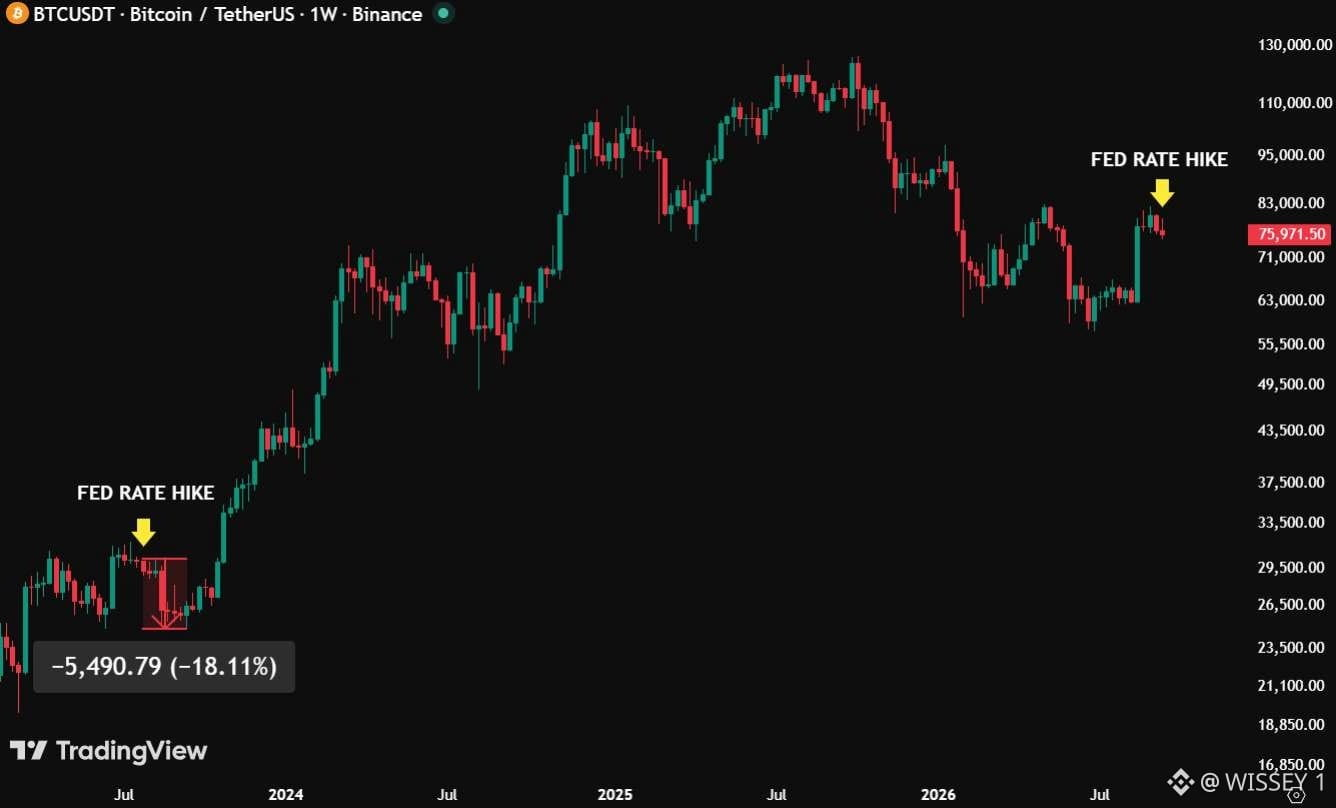
Lần trước khi Fed tăng lãi suất, $BTC đã giảm 18%.
Hôm nay, Fed dự kiến sẽ tiếp tục tăng lãi suất.
Chuyện gì sẽ xảy ra lần này?
#Phân Tích Giá BTC# #Nhận Định Vĩ Mô#
Lần trước khi Fed tăng lãi suất, $BTC đã giảm 18%.
Hôm nay, Fed dự kiến sẽ tiếp tục tăng lãi suất.
Chuyện gì sẽ xảy ra lần này?
#Phân Tích Giá BTC# #Nhận Định Vĩ Mô#
Hôm nay, Fed dự kiến sẽ tiếp tục tăng lãi suất.
Chuyện gì sẽ xảy ra lần này?
#Phân Tích Giá BTC# #Nhận Định Vĩ Mô#
77
·
--
25
·
--
Xem bản dịch
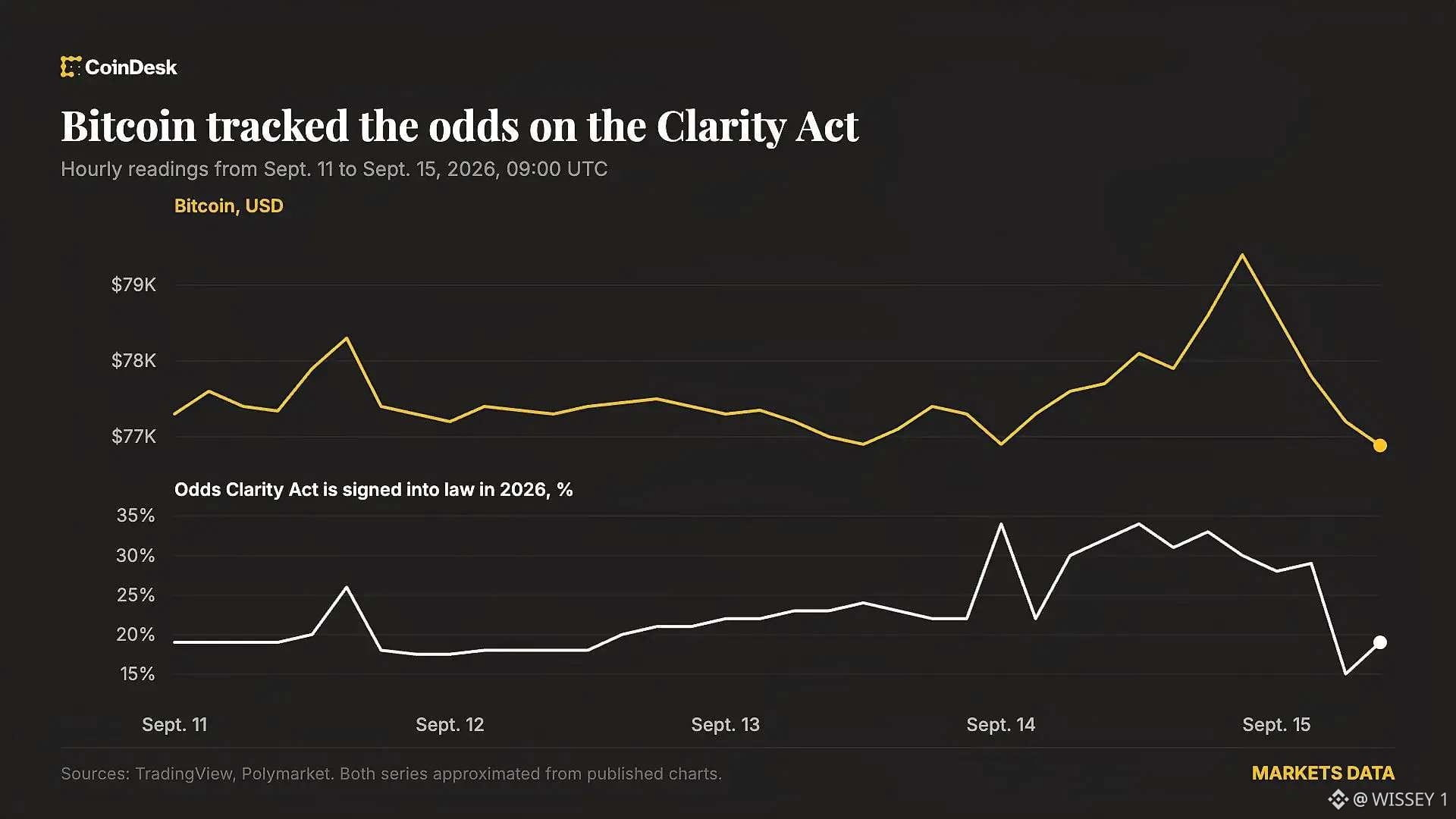
The CLARITY Act was supposed to be one of crypto's biggest regulatory catalysts of 2026.
Instead, its prospects have deteriorated sharply just hours before today's critical Senate vote.
Data from CoinDesk tracks $BTC with the the CLARITY Act odds dropped from 30% to 14% and Bitcoin fell below $77K.
The 60-vote problem.
The Senate is scheduled to vote today on cloture on the motion to proceed to H.R 3633, the CLARITY Act.
There is a distinction here, the bill needs 60 votes to overcome the procedural hurdle and move toward full Senate consideration.
Republicans control 53 Senate seats, meaning they need Democratic support to get there.
And that support is looking increasingly difficult to secure.
Why the negotiations broke down.
Republican lawmakers released a revised version of the bill containing 126 substantive changes requested by Democrats.
The package also included tougher ethics provisions involving senior government officials and crypto holdings.
But Democrats weren't satisfied.
Senators Mark Warner and Elizabeth Warren have argued that the revised ethics provisions don't go far enough, particularly when it comes to enforcement and potential conflicts involving President Donald Trump's crypto interests.
Democrats subsequently sent Republicans a counterproposal but Republicans rejected it.
That left both sides far apart heading into today's vote.
What happens next?
1. 60+ votes.
The bill moves forward to Senate consideration.
That would likely be interpreted as a major positive surprise because current prediction-market pricing suggests the market has become increasingly pessimistic.
2. Fewer than 60 votes.
The bill fails to clear today's procedural hurdle.
That wouldn't technically make CLARITY impossible forever, but it would be a major blow to the bill's chances of becoming law this year.
The CLARITY Act was supposed to be one of crypto's biggest regulatory catalysts of 2026.
Instead, its prospects have deteriorated sharply just hours before today's critical Senate vote.
Data from CoinDesk tracks $BTC with the the CLARITY Act odds dropped from 30% to 14% and Bitcoin fell below $77K.
The 60-vote problem.
The Senate is scheduled to vote today on cloture on the motion to proceed to H.R 3633, the CLARITY Act.
There is a distinction here, the bill needs 60 votes to overcome the procedural hurdle and move toward full Senate consideration.
Republicans control 53 Senate seats, meaning they need Democratic support to get there.
And that support is looking increasingly difficult to secure.
Why the negotiations broke down.
Republican lawmakers released a revised version of the bill containing 126 substantive changes requested by Democrats.
The package also included tougher ethics provisions involving senior government officials and crypto holdings.
But Democrats weren't satisfied.
Senators Mark Warner and Elizabeth Warren have argued that the revised ethics provisions don't go far enough, particularly when it comes to enforcement and potential conflicts involving President Donald Trump's crypto interests.
Democrats subsequently sent Republicans a counterproposal but Republicans rejected it.
That left both sides far apart heading into today's vote.
What happens next?
1. 60+ votes.
The bill moves forward to Senate consideration.
That would likely be interpreted as a major positive surprise because current prediction-market pricing suggests the market has become increasingly pessimistic.
2. Fewer than 60 votes.
The bill fails to clear today's procedural hurdle.
That wouldn't technically make CLARITY impossible forever, but it would be a major blow to the bill's chances of becoming law this year.
Instead, its prospects have deteriorated sharply just hours before today's critical Senate vote.
Data from CoinDesk tracks $BTC with the the CLARITY Act odds dropped from 30% to 14% and Bitcoin fell below $77K.
The 60-vote problem.
The Senate is scheduled to vote today on cloture on the motion to proceed to H.R 3633, the CLARITY Act.
There is a distinction here, the bill needs 60 votes to overcome the procedural hurdle and move toward full Senate consideration.
Republicans control 53 Senate seats, meaning they need Democratic support to get there.
And that support is looking increasingly difficult to secure.
Why the negotiations broke down.
Republican lawmakers released a revised version of the bill containing 126 substantive changes requested by Democrats.
The package also included tougher ethics provisions involving senior government officials and crypto holdings.
But Democrats weren't satisfied.
Senators Mark Warner and Elizabeth Warren have argued that the revised ethics provisions don't go far enough, particularly when it comes to enforcement and potential conflicts involving President Donald Trump's crypto interests.
Democrats subsequently sent Republicans a counterproposal but Republicans rejected it.
That left both sides far apart heading into today's vote.
What happens next?
1. 60+ votes.
The bill moves forward to Senate consideration.
That would likely be interpreted as a major positive surprise because current prediction-market pricing suggests the market has become increasingly pessimistic.
2. Fewer than 60 votes.
The bill fails to clear today's procedural hurdle.
That wouldn't technically make CLARITY impossible forever, but it would be a major blow to the bill's chances of becoming law this year.

27
·
--
48
·
--
Xem bản dịch
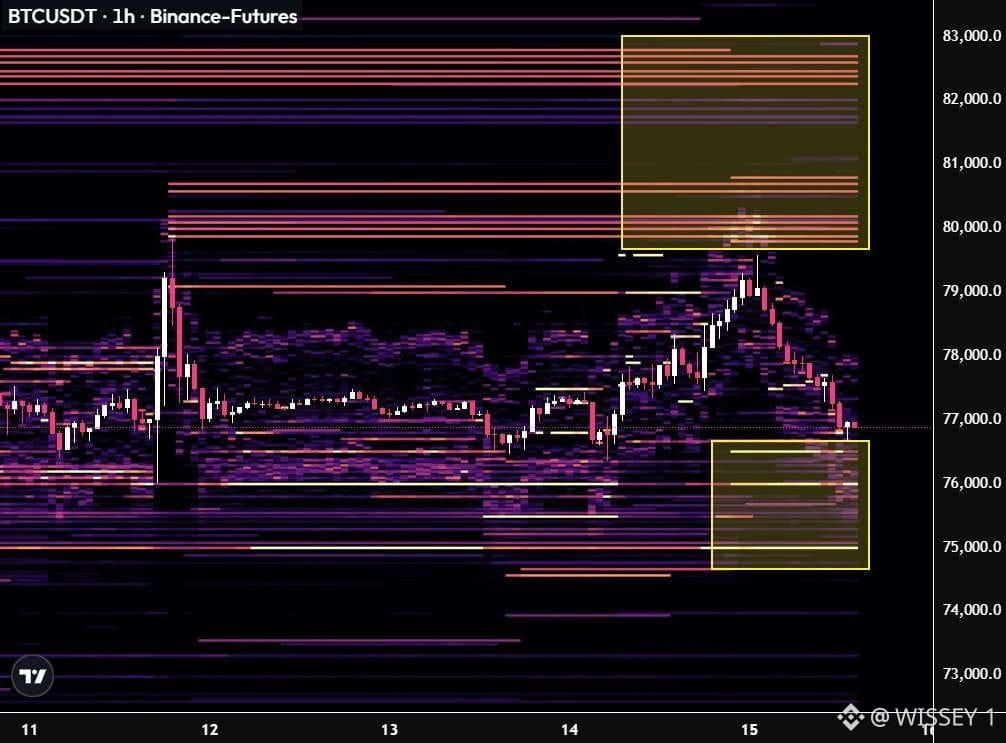
$BTC has found a clear range right now
Sell orders are sitting around $80K-$83K and buy orders are sitting around $75K-$76.5K
If Bitcoin smashes above $83K the bear market bottom will be confirmed
If BTC loses $75K the downtrend will accelerate
#BTC Price Analysis# #Macro Insights#
$BTC has found a clear range right now
Sell orders are sitting around $80K-$83K and buy orders are sitting around $75K-$76.5K
If Bitcoin smashes above $83K the bear market bottom will be confirmed
If BTC loses $75K the downtrend will accelerate
#BTC Price Analysis# #Macro Insights#
Sell orders are sitting around $80K-$83K and buy orders are sitting around $75K-$76.5K
If Bitcoin smashes above $83K the bear market bottom will be confirmed
If BTC loses $75K the downtrend will accelerate
#BTC Price Analysis# #Macro Insights#
59
·
--
Xem bản dịch
Bitcoin is heading into one of its biggest macro weeks of 2026.
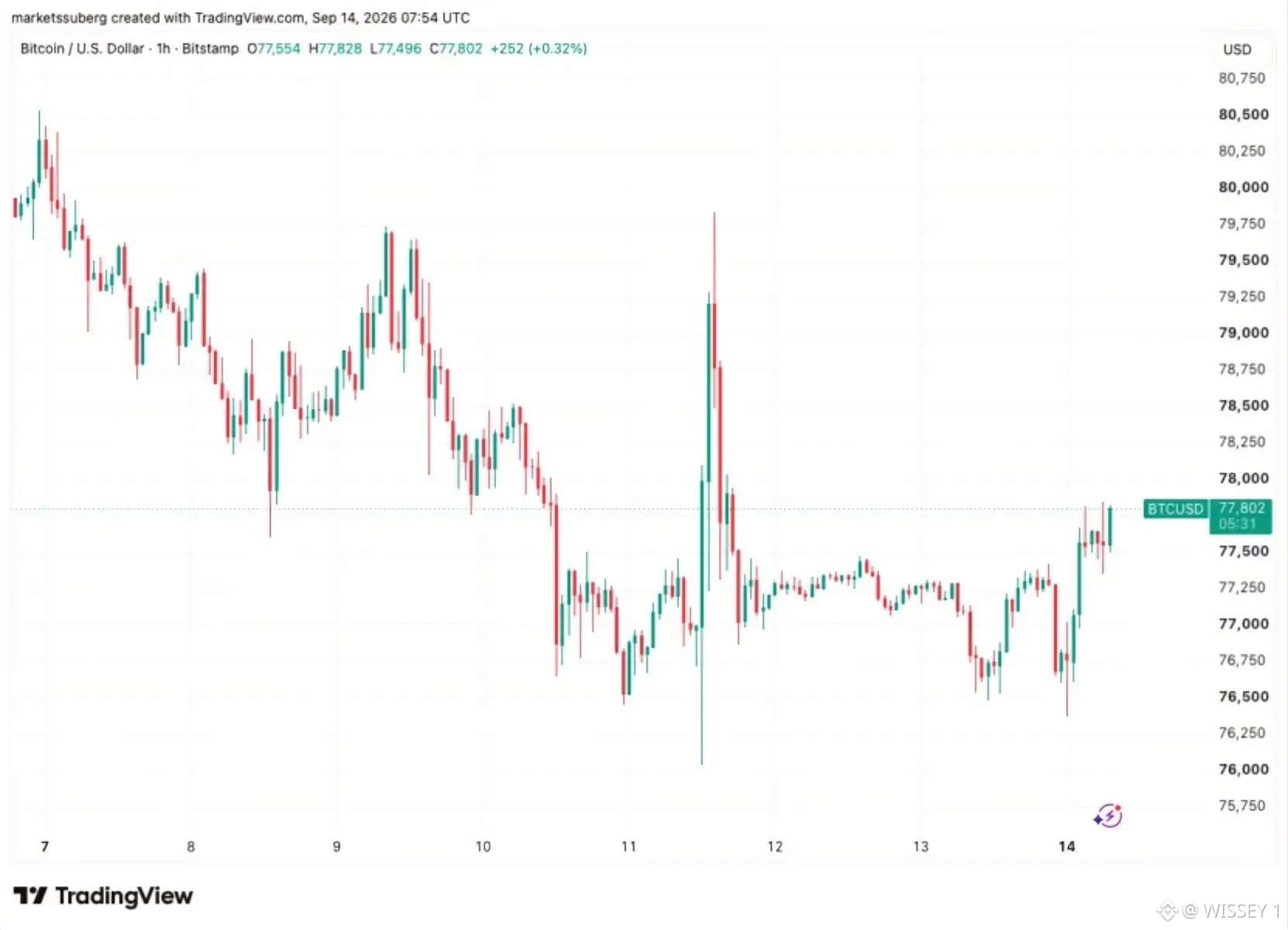
$BTC is hovering around $77,800, while two major events are about to collide:
Tuesday: Senate CLARITY Act cloture vote.
Wednesday: Federal Reserve interest-rate decision.
One could be bullish for crypto and the other could create serious pressure.
CLARITY got a major boost.
Senate Republicans released a revised 635-page version of the CLARITY Act after reaching a compromise on several issues that had been blocking bipartisan support.
President Trump has also agreed to key ethics provisions involving crypto holdings and conflicts of interest.
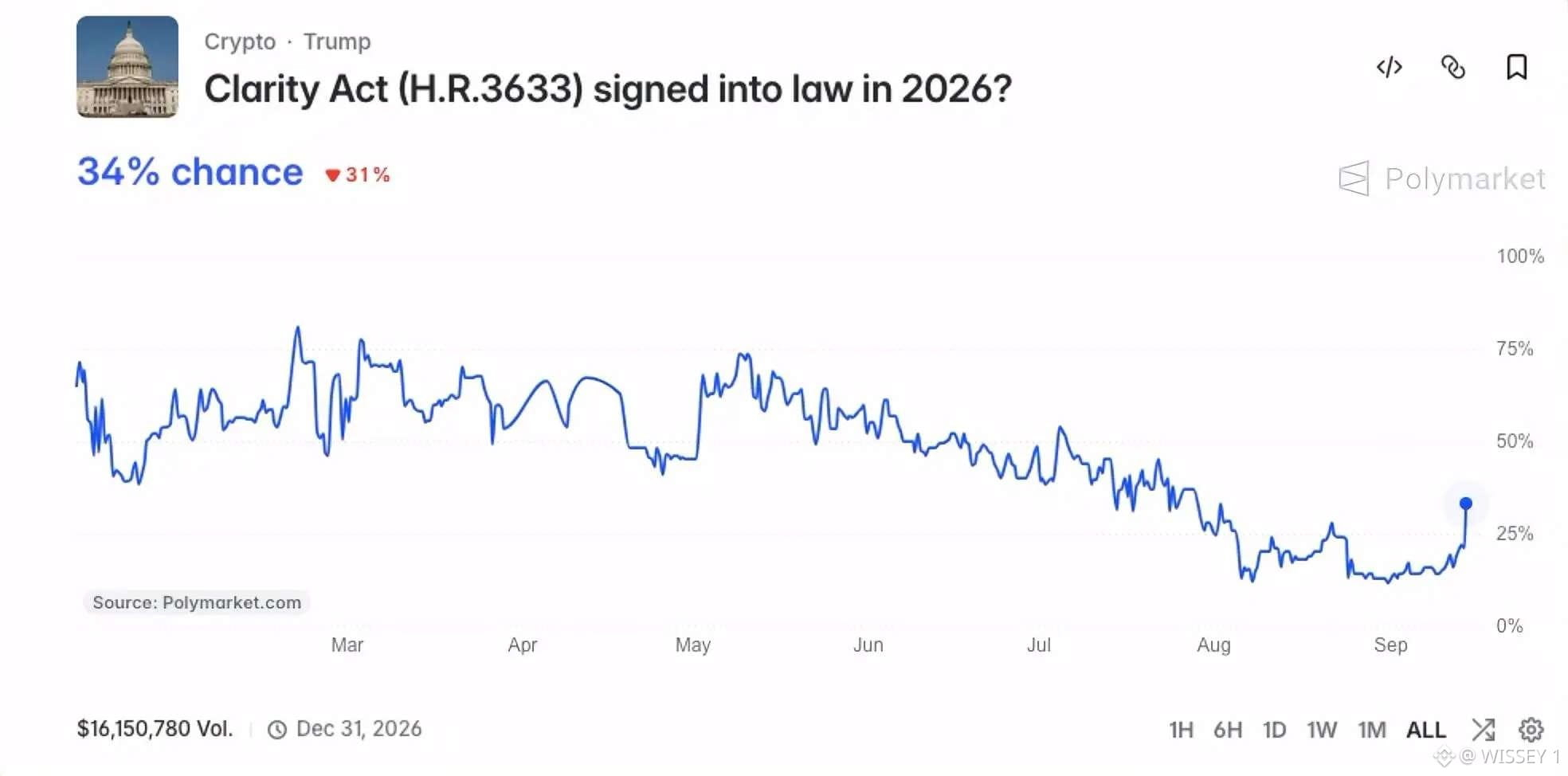
That helped push prediction-market odds of the bill becoming law in 2026 to roughly 31–32%.
But there's still a huge hurdle: The Senate needs 60 votes to invoke cloture.
So Tuesday's vote is not the final passage of CLARITY.
Then comes the Fed.
Just 24 hours later, the Fed announces its September policy decision.
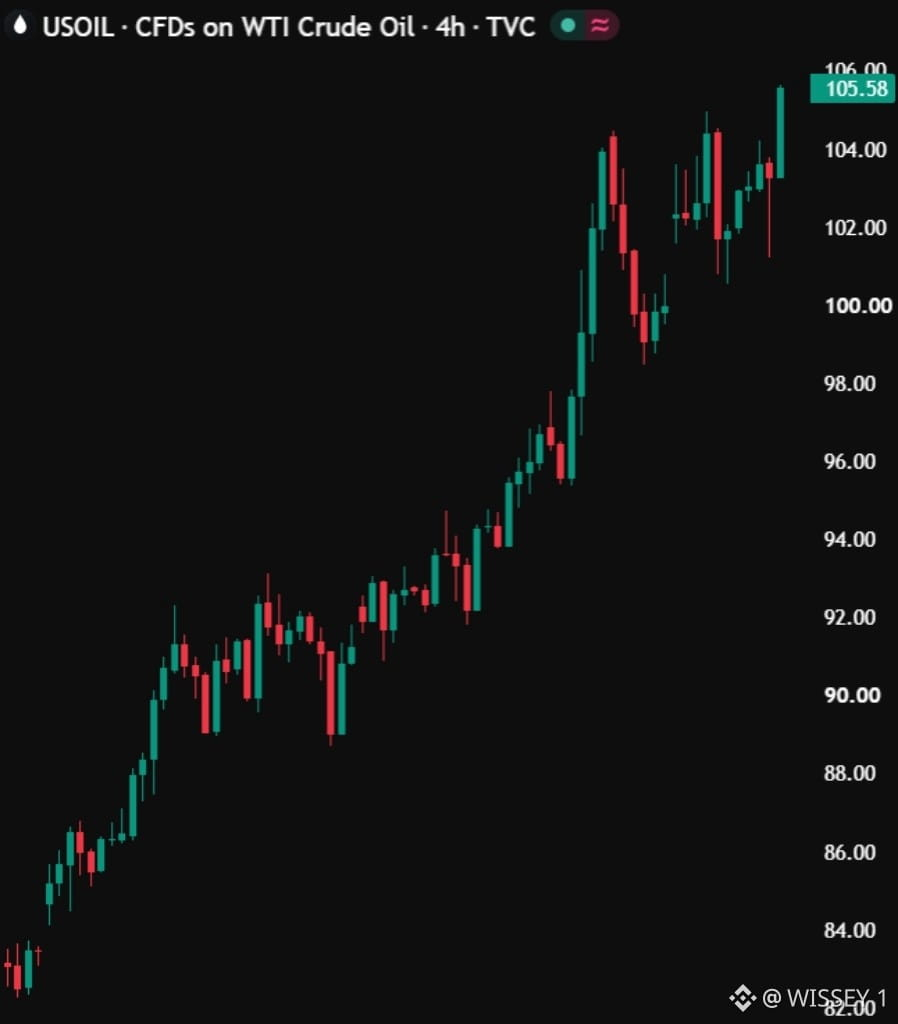
U.S. inflation remained elevated at 3.4% YOY in August, while oil prices have surged above $100 per barrel amid Middle East tensions.
Markets are now heavily leaning toward a 25-basis-point rate hike to 3.75%–4.00%, although the decision is not guaranteed.
Let's study these scenarios:
1. CLARITY passes cloture + Fed holds.
This would be the cleanest bullish setup.
Regulatory momentum combined with unexpected macro relief could give BTC a powerful catalyst.
2. CLARITY passes cloture + Fed hikes.
This could produce a much more complicated reaction.
Crypto could initially rally on the regulatory breakthrough, but higher rates could limit the follow-through.
3. CLARITY fails + Fed holds.
Bitcoin could see some short-term disappointment from the legislative setback, but easier-than-expected monetary policy could cushion the downside.
4. CLARITY fails + Fed hikes.
This is arguably the toughest combination for BTC. The market would have to absorb both regulatory disappointment and tighter monetary conditions at the same time.
#Macro Insights#
Bitcoin is heading into one of its biggest macro weeks of 2026.
$BTC is hovering around $77,800, while two major events are about to collide:
Tuesday: Senate CLARITY Act cloture vote.
Wednesday: Federal Reserve interest-rate decision.
One could be bullish for crypto and the other could create serious pressure.
CLARITY got a major boost.
Senate Republicans released a revised 635-page version of the CLARITY Act after reaching a compromise on several issues that had been blocking bipartisan support.
President Trump has also agreed to key ethics provisions involving crypto holdings and conflicts of interest.
That helped push prediction-market odds of the bill becoming law in 2026 to roughly 31–32%.
But there's still a huge hurdle: The Senate needs 60 votes to invoke cloture.
So Tuesday's vote is not the final passage of CLARITY.
Then comes the Fed.
Just 24 hours later, the Fed announces its September policy decision.
U.S. inflation remained elevated at 3.4% YOY in August, while oil prices have surged above $100 per barrel amid Middle East tensions.
Markets are now heavily leaning toward a 25-basis-point rate hike to 3.75%–4.00%, although the decision is not guaranteed.
Let's study these scenarios:
1. CLARITY passes cloture + Fed holds.
This would be the cleanest bullish setup.
Regulatory momentum combined with unexpected macro relief could give BTC a powerful catalyst.
2. CLARITY passes cloture + Fed hikes.
This could produce a much more complicated reaction.
Crypto could initially rally on the regulatory breakthrough, but higher rates could limit the follow-through.
3. CLARITY fails + Fed holds.
Bitcoin could see some short-term disappointment from the legislative setback, but easier-than-expected monetary policy could cushion the downside.
4. CLARITY fails + Fed hikes.
This is arguably the toughest combination for BTC. The market would have to absorb both regulatory disappointment and tighter monetary conditions at the same time.
#Macro Insights#
$BTC is hovering around $77,800, while two major events are about to collide:
Tuesday: Senate CLARITY Act cloture vote.
Wednesday: Federal Reserve interest-rate decision.
One could be bullish for crypto and the other could create serious pressure.
CLARITY got a major boost.
Senate Republicans released a revised 635-page version of the CLARITY Act after reaching a compromise on several issues that had been blocking bipartisan support.
President Trump has also agreed to key ethics provisions involving crypto holdings and conflicts of interest.
That helped push prediction-market odds of the bill becoming law in 2026 to roughly 31–32%.
But there's still a huge hurdle: The Senate needs 60 votes to invoke cloture.
So Tuesday's vote is not the final passage of CLARITY.
Then comes the Fed.
Just 24 hours later, the Fed announces its September policy decision.
U.S. inflation remained elevated at 3.4% YOY in August, while oil prices have surged above $100 per barrel amid Middle East tensions.
Markets are now heavily leaning toward a 25-basis-point rate hike to 3.75%–4.00%, although the decision is not guaranteed.
Let's study these scenarios:
1. CLARITY passes cloture + Fed holds.
This would be the cleanest bullish setup.
Regulatory momentum combined with unexpected macro relief could give BTC a powerful catalyst.
2. CLARITY passes cloture + Fed hikes.
This could produce a much more complicated reaction.
Crypto could initially rally on the regulatory breakthrough, but higher rates could limit the follow-through.
3. CLARITY fails + Fed holds.
Bitcoin could see some short-term disappointment from the legislative setback, but easier-than-expected monetary policy could cushion the downside.
4. CLARITY fails + Fed hikes.
This is arguably the toughest combination for BTC. The market would have to absorb both regulatory disappointment and tighter monetary conditions at the same time.
#Macro Insights#
26
·
--
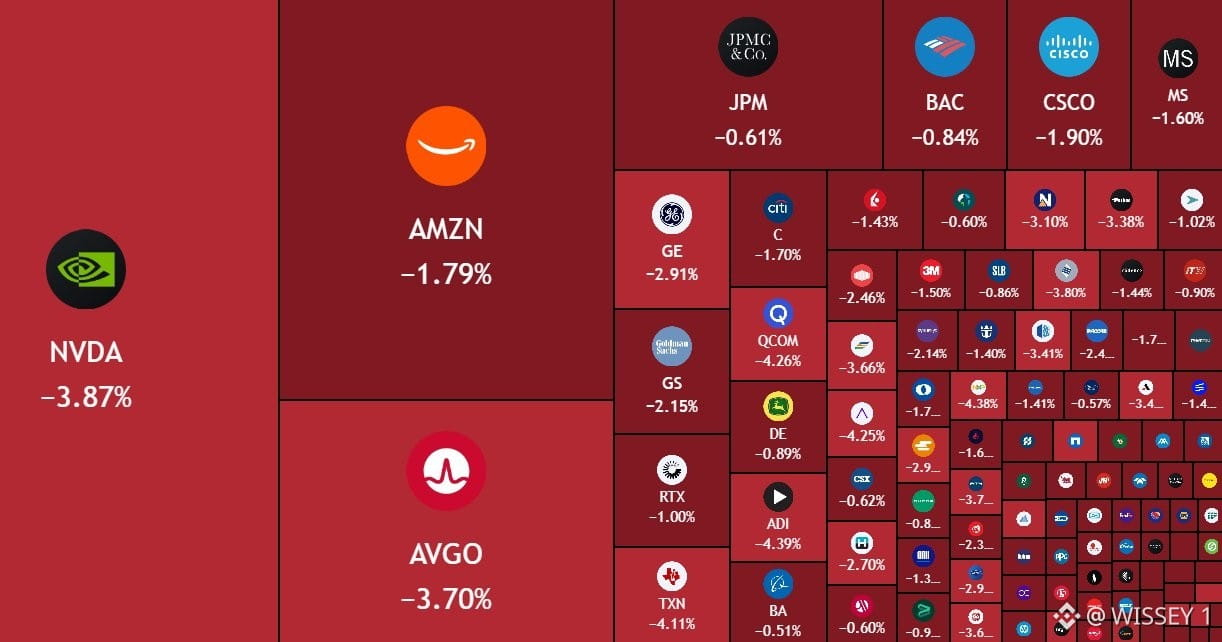
$595,000,000,000 bị xóa sổ khỏi thị trường chứng khoán Mỹ ngay khi mở cửa.
$BTC và $ETH đang giữ vững, điều này cho thấy thanh khoản đang chuyển từ cổ phiếu sang crypto.
#Phân Tích Giá BTC# #Nhận Định Vĩ Mô#
$595,000,000,000 bị xóa sổ khỏi thị trường chứng khoán Mỹ ngay khi mở cửa.
$BTC và $ETH đang giữ vững, điều này cho thấy thanh khoản đang chuyển từ cổ phiếu sang crypto.
#Phân Tích Giá BTC# #Nhận Định Vĩ Mô#
$BTC và $ETH đang giữ vững, điều này cho thấy thanh khoản đang chuyển từ cổ phiếu sang crypto.
#Phân Tích Giá BTC# #Nhận Định Vĩ Mô#
62
·
--
“Strive” của Vivek Ramaswamy mua lượng BTC trị giá 469 đô la, tương đương 36 triệu đô la.
#Phân tích giá BTC# #Những hiểu biết vĩ mô#
“Strive” của Vivek Ramaswamy mua lượng BTC trị giá 469 đô la, tương đương 36 triệu đô la.
#Phân tích giá BTC# #Những hiểu biết vĩ mô#
#Phân tích giá BTC# #Những hiểu biết vĩ mô#
37
Đăng nhập để khám phá thêm nội dung
Tham gia cùng người dùng tiền mã hóa toàn cầu trên Binance Square
⚡️ Nhận thông tin mới nhất và hữu ích về tiền mã hóa.
💬 Được tin cậy bởi sàn giao dịch tiền mã hóa lớn nhất thế giới.
👍 Khám phá những thông tin chuyên sâu thực tế từ những nhà sáng tạo đã xác minh.
Email / Số điện thoại