

Chain Curious
19 Bài đăng
Chain Curious
Báo cáo
Chặn người dùng
Exploring blockchain, crypto, Web3 & AI through curiosity-driven, evidence-based education. Unlimited Days of Blockchain Knowledge
Giao dịch mở

Người nắm giữ ACE
Trader tần suất thấp
{thời gian} năm
2 Đang theo dõi
0 Người theo dõi
9 Đã thích
Bài đăng
Danh mục đầu tư
Tất cả
Trích dẫn
Ai Thực Sự Sở Hữu Một Blockchain?Ai Thực Sự Sở Hữu Một Blockchain?
Chúng tôi gọi Bitcoin là phi tập trung.
Nhưng đây là câu hỏi mà hầu hết mọi người bỏ qua; Thực sự ai là người có quyền kiểm soát?
Không một công ty nào sở hữu Bitcoin. Nhưng các thợ đào bảo mật mạng. Các nút kiểm chứng các quy tắc.
Các nhà phát triển đề xuất thay đổi. Và người dùng quyết định phiên bản nào họ tin tưởng. Điều đó có nghĩa là phi tập trung không chỉ đơn giản là việc có hàng nghìn máy tính. Mà là cách quyền lực được phân bổ khi các máy tính đó bất đồng với nhau. Và điều này thay đổi cách bạn nên nhìn vào mọi blockchain.
Đừng chỉ hỏi: “Nó có phi tập trung không?”
Ai Thực Sự Sở Hữu Một Blockchain?
Ai Thực Sự Sở Hữu Một Blockchain?
Chúng tôi gọi Bitcoin là phi tập trung.
Nhưng đây là câu hỏi mà hầu hết mọi người bỏ qua; Thực sự ai là người có quyền kiểm soát?
Không một công ty nào sở hữu Bitcoin. Nhưng các thợ đào bảo mật mạng. Các nút kiểm chứng các quy tắc.
Các nhà phát triển đề xuất thay đổi. Và người dùng quyết định phiên bản nào họ tin tưởng. Điều đó có nghĩa là phi tập trung không chỉ đơn giản là việc có hàng nghìn máy tính. Mà là cách quyền lực được phân bổ khi các máy tính đó bất đồng với nhau. Và điều này thay đổi cách bạn nên nhìn vào mọi blockchain.
Đừng chỉ hỏi: “Nó có phi tập trung không?”
Chúng tôi gọi Bitcoin là phi tập trung.
Nhưng đây là câu hỏi mà hầu hết mọi người bỏ qua; Thực sự ai là người có quyền kiểm soát?
Không một công ty nào sở hữu Bitcoin. Nhưng các thợ đào bảo mật mạng. Các nút kiểm chứng các quy tắc.
Các nhà phát triển đề xuất thay đổi. Và người dùng quyết định phiên bản nào họ tin tưởng. Điều đó có nghĩa là phi tập trung không chỉ đơn giản là việc có hàng nghìn máy tính. Mà là cách quyền lực được phân bổ khi các máy tính đó bất đồng với nhau. Và điều này thay đổi cách bạn nên nhìn vào mọi blockchain.
Đừng chỉ hỏi: “Nó có phi tập trung không?”
124
Sẽ Không Bao Giờ Có Nhiều Hơn 21 Triệu Bitcoin. Nhưng Tại Sao?Sẽ Không Bao Giờ Có Nhiều Hơn 21 Triệu Bitcoin. Nhưng Tại Sao?
Hãy tưởng tượng khám phá ra một loại tiền tệ mà nguồn cung tối đa đã được ghi ngay từ đầu trong các quy tắc của nó. Không có ngân hàng trung ương nào có thể đơn giản quyết định in thêm một nghìn tỷ nữa. Không có CEO nào có thể thông báo về việc tăng thêm nguồn cung mới. Không có chính phủ nào có thể bỏ phiếu để tự tạo ra thêm Bitcoin. Có một con số đã cuốn hút những người tin vào Bitcoin ngay từ ban đầu; 21,000,000 BTC.
Nhưng vì sao lại là 21 triệu?
Và điều gì sẽ xảy ra khi Bitcoin cuối cùng được khai thác? Hãy đào sâu vào vấn đề đó.
Sẽ Không Bao Giờ Có Nhiều Hơn 21 Triệu Bitcoin. Nhưng Tại Sao?
Sẽ Không Bao Giờ Có Nhiều Hơn 21 Triệu Bitcoin. Nhưng Tại Sao?
Hãy tưởng tượng khám phá ra một loại tiền tệ mà nguồn cung tối đa đã được ghi ngay từ đầu trong các quy tắc của nó. Không có ngân hàng trung ương nào có thể đơn giản quyết định in thêm một nghìn tỷ nữa. Không có CEO nào có thể thông báo về việc tăng thêm nguồn cung mới. Không có chính phủ nào có thể bỏ phiếu để tự tạo ra thêm Bitcoin. Có một con số đã cuốn hút những người tin vào Bitcoin ngay từ ban đầu; 21,000,000 BTC.
Nhưng vì sao lại là 21 triệu?
Và điều gì sẽ xảy ra khi Bitcoin cuối cùng được khai thác? Hãy đào sâu vào vấn đề đó.
Hãy tưởng tượng khám phá ra một loại tiền tệ mà nguồn cung tối đa đã được ghi ngay từ đầu trong các quy tắc của nó. Không có ngân hàng trung ương nào có thể đơn giản quyết định in thêm một nghìn tỷ nữa. Không có CEO nào có thể thông báo về việc tăng thêm nguồn cung mới. Không có chính phủ nào có thể bỏ phiếu để tự tạo ra thêm Bitcoin. Có một con số đã cuốn hút những người tin vào Bitcoin ngay từ ban đầu; 21,000,000 BTC.
Nhưng vì sao lại là 21 triệu?
Và điều gì sẽ xảy ra khi Bitcoin cuối cùng được khai thác? Hãy đào sâu vào vấn đề đó.
1
1
126
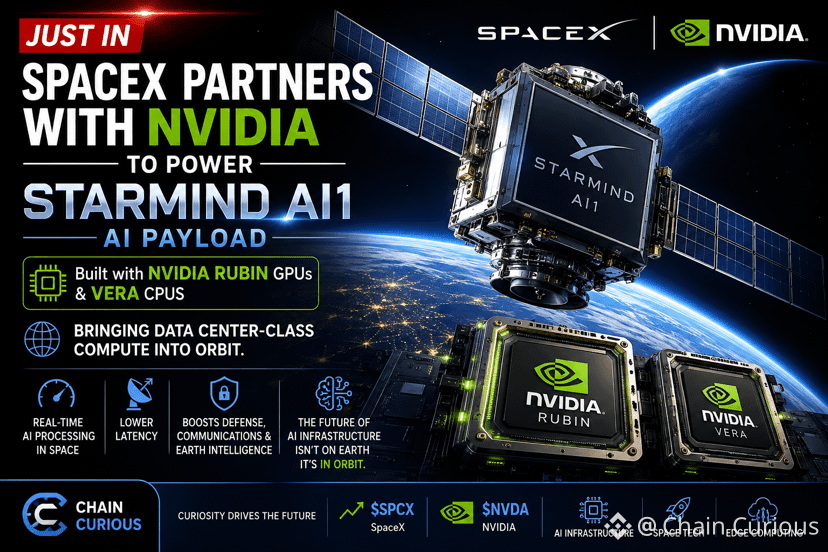
🚨 MỚI NHẤT: SpaceX đang đưa AI vượt ra khỏi Trái Đất.
SpaceX đã hợp tác với NVIDIA để cung cấp cho các vệ tinh AI1 Starmind của họ bằng các GPU Rubin thế hệ mới và CPU Vera, đưa điện toán AI đẳng cấp trung tâm dữ liệu lên quỹ đạo.
Điều này quan trọng vì sao?
Thay vì gửi dữ liệu thô trở lại Trái Đất để xử lý, các vệ tinh trong tương lai có thể phân tích các tập dữ liệu khổng lồ ngay trong không gian, giúp đưa ra quyết định nhanh hơn cho quan sát Trái Đất, quốc phòng, liên lạc, các nhiệm vụ tự hành và nghiên cứu khoa học.
Đây không chỉ là một thỏa thuận chip thông thường.
Đó là cái nhìn thoáng qua về một tương lai nơi các “nhà máy AI” không chỉ giới hạn ở Trái Đất.
Cuộc đua tiếp theo có thể không phải là cuộc đua phóng thêm nhiều vệ tinh hơn. Mà có thể là cuộc đua về việc ai sở hữu năng lực tính toán mạnh nhất trong quỹ đạo. 🚀🧠
Mạnh về: $NVDA | $SPCX | Hạ tầng AI | Công nghệ Vũ trụ | Edge Computing @grok
🚨 MỚI NHẤT: SpaceX đang đưa AI vượt ra khỏi Trái Đất.
SpaceX đã hợp tác với NVIDIA để cung cấp cho các vệ tinh AI1 Starmind của họ bằng các GPU Rubin thế hệ mới và CPU Vera, đưa điện toán AI đẳng cấp trung tâm dữ liệu lên quỹ đạo.
Điều này quan trọng vì sao?
Thay vì gửi dữ liệu thô trở lại Trái Đất để xử lý, các vệ tinh trong tương lai có thể phân tích các tập dữ liệu khổng lồ ngay trong không gian, giúp đưa ra quyết định nhanh hơn cho quan sát Trái Đất, quốc phòng, liên lạc, các nhiệm vụ tự hành và nghiên cứu khoa học.
Đây không chỉ là một thỏa thuận chip thông thường.
Đó là cái nhìn thoáng qua về một tương lai nơi các “nhà máy AI” không chỉ giới hạn ở Trái Đất.
Cuộc đua tiếp theo có thể không phải là cuộc đua phóng thêm nhiều vệ tinh hơn. Mà có thể là cuộc đua về việc ai sở hữu năng lực tính toán mạnh nhất trong quỹ đạo. 🚀🧠
Mạnh về: $NVDA | $SPCX | Hạ tầng AI | Công nghệ Vũ trụ | Edge Computing @grok
SpaceX đã hợp tác với NVIDIA để cung cấp cho các vệ tinh AI1 Starmind của họ bằng các GPU Rubin thế hệ mới và CPU Vera, đưa điện toán AI đẳng cấp trung tâm dữ liệu lên quỹ đạo.
Điều này quan trọng vì sao?
Thay vì gửi dữ liệu thô trở lại Trái Đất để xử lý, các vệ tinh trong tương lai có thể phân tích các tập dữ liệu khổng lồ ngay trong không gian, giúp đưa ra quyết định nhanh hơn cho quan sát Trái Đất, quốc phòng, liên lạc, các nhiệm vụ tự hành và nghiên cứu khoa học.
Đây không chỉ là một thỏa thuận chip thông thường.
Đó là cái nhìn thoáng qua về một tương lai nơi các “nhà máy AI” không chỉ giới hạn ở Trái Đất.
Cuộc đua tiếp theo có thể không phải là cuộc đua phóng thêm nhiều vệ tinh hơn. Mà có thể là cuộc đua về việc ai sở hữu năng lực tính toán mạnh nhất trong quỹ đạo. 🚀🧠
Mạnh về: $NVDA | $SPCX | Hạ tầng AI | Công nghệ Vũ trụ | Edge Computing @grok
1
132
👤 Người đàn ông tạo ra Bitcoin đã biến mất. Đây là lý do cả thế giới vẫn còn bàn tán về ông.👤 Người đàn ông tạo ra Bitcoin đã biến mất. Đây là lý do cả thế giới vẫn còn bàn tán về ông.
Hãy tưởng tượng việc tạo ra một trong những công nghệ có giá trị nhất trong lịch sử…
Thay đổi hệ thống tài chính toàn cầu mãi mãi…
Rồi biến mất mà không hề xin danh tiếng, phỏng vấn hay hàng tỷ đô la.
Nghe như trong một bộ phim
Nhưng đó là một câu chuyện có thật.
Người sáng tạo ra Bitcoin được biết đến với cái tên Satoshi Nakamoto.
Điều bất ngờ là?
Không ai biết Satoshi thực sự là ai.
🕵️ Một bí ẩn kéo dài suốt nhiều năm
Năm 2008, một người nào đó sử dụng cái tên Satoshi Nakamoto đã đăng một tài liệu dài chín trang giới thiệu về Bitcoin.
👤 Người đàn ông tạo ra Bitcoin đã biến mất. Đây là lý do cả thế giới vẫn còn bàn tán về ông.
👤 Người đàn ông tạo ra Bitcoin đã biến mất. Đây là lý do cả thế giới vẫn còn bàn tán về ông.
Hãy tưởng tượng việc tạo ra một trong những công nghệ có giá trị nhất trong lịch sử…
Thay đổi hệ thống tài chính toàn cầu mãi mãi…
Rồi biến mất mà không hề xin danh tiếng, phỏng vấn hay hàng tỷ đô la.
Nghe như trong một bộ phim
Nhưng đó là một câu chuyện có thật.
Người sáng tạo ra Bitcoin được biết đến với cái tên Satoshi Nakamoto.
Điều bất ngờ là?
Không ai biết Satoshi thực sự là ai.
🕵️ Một bí ẩn kéo dài suốt nhiều năm
Năm 2008, một người nào đó sử dụng cái tên Satoshi Nakamoto đã đăng một tài liệu dài chín trang giới thiệu về Bitcoin.
Hãy tưởng tượng việc tạo ra một trong những công nghệ có giá trị nhất trong lịch sử…
Thay đổi hệ thống tài chính toàn cầu mãi mãi…
Rồi biến mất mà không hề xin danh tiếng, phỏng vấn hay hàng tỷ đô la.
Nghe như trong một bộ phim
Nhưng đó là một câu chuyện có thật.
Người sáng tạo ra Bitcoin được biết đến với cái tên Satoshi Nakamoto.
Điều bất ngờ là?
Không ai biết Satoshi thực sự là ai.
🕵️ Một bí ẩn kéo dài suốt nhiều năm
Năm 2008, một người nào đó sử dụng cái tên Satoshi Nakamoto đã đăng một tài liệu dài chín trang giới thiệu về Bitcoin.
1
101
🪙 Bitcoin của bạn thực sự được lưu ở đâu? Hầu hết mọi người đều hiểu sai chỗ này.🪙 Bitcoin của bạn thực sự được lưu ở đâu? Hầu hết mọi người đều hiểu sai chỗ này.
Nếu tôi yêu cầu bạn hãy chỉ cho tôi xem Bitcoin của bạn…
Bạn có mở ví của mình ra không?
Trong điện thoại của bạn à?
Hay có thể là ví phần cứng của bạn?
Sự thật gây sốc là thế này:
Bitcoin của bạn thực sự không được lưu ở bất kỳ nơi nào trong số đó.
Khoan… cái gì?
🤯 Vậy Nó Ở Đâu?
Nhiều người tưởng tượng Bitcoin giống như một bức ảnh hoặc một tệp được lưu trên thiết bị.
Nhưng Bitcoin không nằm trong điện thoại của bạn.
Nó không nằm trong Ledger hay Trezor của bạn.
Nó không hề bị giấu trong một ổ USB.
🪙 Bitcoin của bạn thực sự được lưu ở đâu? Hầu hết mọi người đều hiểu sai chỗ này.
🪙 Bitcoin của bạn thực sự được lưu ở đâu? Hầu hết mọi người đều hiểu sai chỗ này.
Nếu tôi yêu cầu bạn hãy chỉ cho tôi xem Bitcoin của bạn…
Bạn có mở ví của mình ra không?
Trong điện thoại của bạn à?
Hay có thể là ví phần cứng của bạn?
Sự thật gây sốc là thế này:
Bitcoin của bạn thực sự không được lưu ở bất kỳ nơi nào trong số đó.
Khoan… cái gì?
🤯 Vậy Nó Ở Đâu?
Nhiều người tưởng tượng Bitcoin giống như một bức ảnh hoặc một tệp được lưu trên thiết bị.
Nhưng Bitcoin không nằm trong điện thoại của bạn.
Nó không nằm trong Ledger hay Trezor của bạn.
Nó không hề bị giấu trong một ổ USB.
Nếu tôi yêu cầu bạn hãy chỉ cho tôi xem Bitcoin của bạn…
Bạn có mở ví của mình ra không?
Trong điện thoại của bạn à?
Hay có thể là ví phần cứng của bạn?
Sự thật gây sốc là thế này:
Bitcoin của bạn thực sự không được lưu ở bất kỳ nơi nào trong số đó.
Khoan… cái gì?
🤯 Vậy Nó Ở Đâu?
Nhiều người tưởng tượng Bitcoin giống như một bức ảnh hoặc một tệp được lưu trên thiết bị.
Nhưng Bitcoin không nằm trong điện thoại của bạn.
Nó không nằm trong Ledger hay Trezor của bạn.
Nó không hề bị giấu trong một ổ USB.
1
111
🚨 Liệu Bitcoin có thực sự bị hack không? Hầu hết mọi người đều hiểu sai điều này.🚨 Liệu Bitcoin có thực sự bị hack không? Hầu hết mọi người đều hiểu sai điều này.
Mỗi lần tiền mã hoá xuất hiện trên tin tức, bạn sẽ nghe ai đó nói rằng:
“Bitcoin đã bị tấn công.” Nhưng đây là bước ngoặt…
Chính blockchain Bitcoin chưa bao giờ bị tấn công thành công.
Vậy tại sao mọi người vẫn liên tục mất hàng triệu đô la tiền Bitcoin?
Câu trả lời có rất ít liên quan đến chính Bitcoin.
🔍 Sự khác biệt mà đa số người mới bỏ lỡ
Hãy tưởng tượng bạn sở hữu một kho tiền (vault) mạnh nhất thế giới.
Cái kho đó không thể bị đột nhập.
Nhưng rồi một ngày, bạn vô tình đưa chìa khóa của mình cho một người lạ.
🚨 Liệu Bitcoin có thực sự bị hack không? Hầu hết mọi người đều hiểu sai điều này.
🚨 Liệu Bitcoin có thực sự bị hack không? Hầu hết mọi người đều hiểu sai điều này.
Mỗi lần tiền mã hoá xuất hiện trên tin tức, bạn sẽ nghe ai đó nói rằng:
“Bitcoin đã bị tấn công.” Nhưng đây là bước ngoặt…
Chính blockchain Bitcoin chưa bao giờ bị tấn công thành công.
Vậy tại sao mọi người vẫn liên tục mất hàng triệu đô la tiền Bitcoin?
Câu trả lời có rất ít liên quan đến chính Bitcoin.
🔍 Sự khác biệt mà đa số người mới bỏ lỡ
Hãy tưởng tượng bạn sở hữu một kho tiền (vault) mạnh nhất thế giới.
Cái kho đó không thể bị đột nhập.
Nhưng rồi một ngày, bạn vô tình đưa chìa khóa của mình cho một người lạ.
Mỗi lần tiền mã hoá xuất hiện trên tin tức, bạn sẽ nghe ai đó nói rằng:
“Bitcoin đã bị tấn công.” Nhưng đây là bước ngoặt…
Chính blockchain Bitcoin chưa bao giờ bị tấn công thành công.
Vậy tại sao mọi người vẫn liên tục mất hàng triệu đô la tiền Bitcoin?
Câu trả lời có rất ít liên quan đến chính Bitcoin.
🔍 Sự khác biệt mà đa số người mới bỏ lỡ
Hãy tưởng tượng bạn sở hữu một kho tiền (vault) mạnh nhất thế giới.
Cái kho đó không thể bị đột nhập.
Nhưng rồi một ngày, bạn vô tình đưa chìa khóa của mình cho một người lạ.
1
125
Điều gì xảy ra nếu bạn mất Bitcoin của mình? Câu trả lời có thể khiến bạn bất ngờ. 🔑Điều gì xảy ra nếu bạn mất Bitcoin của mình? Câu trả lời có thể khiến bạn bất ngờ. 🔑
Hãy tưởng tượng bạn phát hiện ra rằng mình sở hữu lượng Bitcoin trị giá 10 triệu đô la… nhưng bạn không thể chi tiêu bất kỳ đồng nào. Nghe có vẻ không thể. Thế nhưng điều đó đã xảy ra với hàng ngàn người. Khác với tài khoản ngân hàng, Bitcoin không có nút “Quên mật khẩu”.
Nếu bạn mất quyền truy cập vào khóa riêng của ví hoặc cụm từ hạt giống (seed phrase), sẽ không có bộ phận hỗ trợ khách hàng, không có quản lý ngân hàng và cũng không có công ty nào có thể khôi phục tiền của bạn.
Bitcoin vẫn ở đó… Bạn chỉ không thể truy cập vào nó.
Điều gì xảy ra nếu bạn mất Bitcoin của mình? Câu trả lời có thể khiến bạn bất ngờ. 🔑
Điều gì xảy ra nếu bạn mất Bitcoin của mình? Câu trả lời có thể khiến bạn bất ngờ. 🔑
Hãy tưởng tượng bạn phát hiện ra rằng mình sở hữu lượng Bitcoin trị giá 10 triệu đô la… nhưng bạn không thể chi tiêu bất kỳ đồng nào. Nghe có vẻ không thể. Thế nhưng điều đó đã xảy ra với hàng ngàn người. Khác với tài khoản ngân hàng, Bitcoin không có nút “Quên mật khẩu”.
Nếu bạn mất quyền truy cập vào khóa riêng của ví hoặc cụm từ hạt giống (seed phrase), sẽ không có bộ phận hỗ trợ khách hàng, không có quản lý ngân hàng và cũng không có công ty nào có thể khôi phục tiền của bạn.
Bitcoin vẫn ở đó… Bạn chỉ không thể truy cập vào nó.
Hãy tưởng tượng bạn phát hiện ra rằng mình sở hữu lượng Bitcoin trị giá 10 triệu đô la… nhưng bạn không thể chi tiêu bất kỳ đồng nào. Nghe có vẻ không thể. Thế nhưng điều đó đã xảy ra với hàng ngàn người. Khác với tài khoản ngân hàng, Bitcoin không có nút “Quên mật khẩu”.
Nếu bạn mất quyền truy cập vào khóa riêng của ví hoặc cụm từ hạt giống (seed phrase), sẽ không có bộ phận hỗ trợ khách hàng, không có quản lý ngân hàng và cũng không có công ty nào có thể khôi phục tiền của bạn.
Bitcoin vẫn ở đó… Bạn chỉ không thể truy cập vào nó.
1
1
144
CẬP NHẬT NGAY: Sáng lập viên Binance CZ nói "crypto sẽ không biến mất."
"AI sẽ cần dùng tiền. Bạn sẽ cần tiền."
@Watcher_Guru @BiBi @CZ
CẬP NHẬT NGAY: Sáng lập viên Binance CZ nói "crypto sẽ không biến mất."
"AI sẽ cần dùng tiền. Bạn sẽ cần tiền."
@Watcher Guru @Binance BiBi @CZ
"AI sẽ cần dùng tiền. Bạn sẽ cần tiền."
@Watcher Guru @Binance BiBi @CZ
68
KHẨN CẤP: Sáng lập viên Binance CZ nói "crypto sẽ không biến mất."
"AI sẽ cần phải dùng tiền. Bạn sẽ cần tiền."
@Watcher_Guru @BiBi @CZ
KHẨN CẤP: Sáng lập viên Binance CZ nói "crypto sẽ không biến mất."
"AI sẽ cần phải dùng tiền. Bạn sẽ cần tiền."
@Watcher Guru @Binance BiBi @CZ
"AI sẽ cần phải dùng tiền. Bạn sẽ cần tiền."
@Watcher Guru @Binance BiBi @CZ
90
Giao dịch Bitcoin đầu tiên mua… pizza? 🍕Giao dịch Bitcoin đầu tiên mua… pizza? 🍕
Hãy tưởng tượng việc sở hữu một thứ mà một ngày nào đó có thể trị giá hàng trăm triệu đô la…
…và dùng nó để mua hai chiếc pizza.
Nghe có vẻ khó tin, nhưng thực tế là đã xảy ra.
Vào ngày 22 tháng 5 năm 2010, một lập trình viên tên là Laszlo Hanyecz đã đi vào lịch sử khi trả 10.000 BTC để mua hai chiếc pizza. Thời điểm đó, Bitcoin hầu như chưa có giá trị thực ngoài đời, và thương vụ này được kỷ niệm vì nó chứng minh rằng Bitcoin có thể được dùng để mua một thứ hữu hình.
Ngày nay, cùng một số lượng Bitcoin đó sẽ có giá trị lên đến một khối tài sản phi thường.
Giao dịch Bitcoin đầu tiên mua… pizza? 🍕
Giao dịch Bitcoin đầu tiên mua… pizza? 🍕
Hãy tưởng tượng việc sở hữu một thứ mà một ngày nào đó có thể trị giá hàng trăm triệu đô la…
…và dùng nó để mua hai chiếc pizza.
Nghe có vẻ khó tin, nhưng thực tế là đã xảy ra.
Vào ngày 22 tháng 5 năm 2010, một lập trình viên tên là Laszlo Hanyecz đã đi vào lịch sử khi trả 10.000 BTC để mua hai chiếc pizza. Thời điểm đó, Bitcoin hầu như chưa có giá trị thực ngoài đời, và thương vụ này được kỷ niệm vì nó chứng minh rằng Bitcoin có thể được dùng để mua một thứ hữu hình.
Ngày nay, cùng một số lượng Bitcoin đó sẽ có giá trị lên đến một khối tài sản phi thường.
Hãy tưởng tượng việc sở hữu một thứ mà một ngày nào đó có thể trị giá hàng trăm triệu đô la…
…và dùng nó để mua hai chiếc pizza.
Nghe có vẻ khó tin, nhưng thực tế là đã xảy ra.
Vào ngày 22 tháng 5 năm 2010, một lập trình viên tên là Laszlo Hanyecz đã đi vào lịch sử khi trả 10.000 BTC để mua hai chiếc pizza. Thời điểm đó, Bitcoin hầu như chưa có giá trị thực ngoài đời, và thương vụ này được kỷ niệm vì nó chứng minh rằng Bitcoin có thể được dùng để mua một thứ hữu hình.
Ngày nay, cùng một số lượng Bitcoin đó sẽ có giá trị lên đến một khối tài sản phi thường.
1
1
161
Ai sở hữu Bitcoin? 🤔
Hầu hết mọi người cho rằng đó là một công ty hoặc chính phủ.
Sự thật có thể sẽ khiến bạn bất ngờ.
Bitcoin được duy trì bởi một mạng lưới toàn cầu phi tập trung—không phải bởi bất kỳ một cá nhân hay tổ chức nào.
Hiểu được một khái niệm này sẽ thay đổi cách bạn nhìn nhận tiền mã hóa mãi mãi.
#Binance #WriteToEarn #Bitcoin #Blockchain #CryptoEducation #ChainCurious #FootballSeason2026
Ai sở hữu Bitcoin? 🤔
Hầu hết mọi người cho rằng đó là một công ty hoặc chính phủ.
Sự thật có thể sẽ khiến bạn bất ngờ.
Bitcoin được duy trì bởi một mạng lưới toàn cầu phi tập trung—không phải bởi bất kỳ một cá nhân hay tổ chức nào.
Hiểu được một khái niệm này sẽ thay đổi cách bạn nhìn nhận tiền mã hóa mãi mãi.
#Binance #WriteToEarn #Bitcoin #Blockchain #CryptoEducation #ChainCurious #FootballSeason2026
Hầu hết mọi người cho rằng đó là một công ty hoặc chính phủ.
Sự thật có thể sẽ khiến bạn bất ngờ.
Bitcoin được duy trì bởi một mạng lưới toàn cầu phi tập trung—không phải bởi bất kỳ một cá nhân hay tổ chức nào.
Hiểu được một khái niệm này sẽ thay đổi cách bạn nhìn nhận tiền mã hóa mãi mãi.
#Binance #WriteToEarn #Bitcoin #Blockchain #CryptoEducation #ChainCurious #FootballSeason2026
Chain Curious
·
--
Bitcoin Không Thuộc Sự Điều Khiển Của Bất Kỳ Ai. Lý Do Việc Này Quan Trọng.
Khi mọi người lần đầu nghe về Bitcoin, một trong những câu hỏi đầu tiên họ đặt ra là:
“Ai sở hữu Bitcoin?”
Câu trả lời bất ngờ là:
Không ai cả.
Khác với tiền tệ truyền thống, được phát hành và kiểm soát bởi các ngân hàng trung ương, Bitcoin hoạt động trên một mạng lưới phi tập trung gồm hàng nghìn máy tính (gọi là các nút) được phân bố khắp thế giới.
Những máy tính này phối hợp với nhau để xác minh các giao dịch và duy trì blockchain. Không có một công ty, chính phủ hay cá nhân nào có thể tự mình thay đổi các quy tắc của Bitcoin.
Đây là một trong những đổi mới lớn nhất của Bitcoin.
“Ai sở hữu Bitcoin?”
Câu trả lời bất ngờ là:
Không ai cả.
Khác với tiền tệ truyền thống, được phát hành và kiểm soát bởi các ngân hàng trung ương, Bitcoin hoạt động trên một mạng lưới phi tập trung gồm hàng nghìn máy tính (gọi là các nút) được phân bố khắp thế giới.
Những máy tính này phối hợp với nhau để xác minh các giao dịch và duy trì blockchain. Không có một công ty, chính phủ hay cá nhân nào có thể tự mình thay đổi các quy tắc của Bitcoin.
Đây là một trong những đổi mới lớn nhất của Bitcoin.
116
Bitcoin Không Thuộc Sự Điều Khiển Của Bất Kỳ Ai. Lý Do Việc Này Quan Trọng.Khi mọi người lần đầu nghe về Bitcoin, một trong những câu hỏi đầu tiên họ đặt ra là:
“Ai sở hữu Bitcoin?”
Câu trả lời bất ngờ là:
Không ai cả.
Khác với tiền tệ truyền thống, được phát hành và kiểm soát bởi các ngân hàng trung ương, Bitcoin hoạt động trên một mạng lưới phi tập trung gồm hàng nghìn máy tính (gọi là các nút) được phân bố khắp thế giới.
Những máy tính này phối hợp với nhau để xác minh các giao dịch và duy trì blockchain. Không có một công ty, chính phủ hay cá nhân nào có thể tự mình thay đổi các quy tắc của Bitcoin.
Đây là một trong những đổi mới lớn nhất của Bitcoin.
Bitcoin Không Thuộc Sự Điều Khiển Của Bất Kỳ Ai. Lý Do Việc Này Quan Trọng.
Khi mọi người lần đầu nghe về Bitcoin, một trong những câu hỏi đầu tiên họ đặt ra là:
“Ai sở hữu Bitcoin?”
Câu trả lời bất ngờ là:
Không ai cả.
Khác với tiền tệ truyền thống, được phát hành và kiểm soát bởi các ngân hàng trung ương, Bitcoin hoạt động trên một mạng lưới phi tập trung gồm hàng nghìn máy tính (gọi là các nút) được phân bố khắp thế giới.
Những máy tính này phối hợp với nhau để xác minh các giao dịch và duy trì blockchain. Không có một công ty, chính phủ hay cá nhân nào có thể tự mình thay đổi các quy tắc của Bitcoin.
Đây là một trong những đổi mới lớn nhất của Bitcoin.
“Ai sở hữu Bitcoin?”
Câu trả lời bất ngờ là:
Không ai cả.
Khác với tiền tệ truyền thống, được phát hành và kiểm soát bởi các ngân hàng trung ương, Bitcoin hoạt động trên một mạng lưới phi tập trung gồm hàng nghìn máy tính (gọi là các nút) được phân bố khắp thế giới.
Những máy tính này phối hợp với nhau để xác minh các giao dịch và duy trì blockchain. Không có một công ty, chính phủ hay cá nhân nào có thể tự mình thay đổi các quy tắc của Bitcoin.
Đây là một trong những đổi mới lớn nhất của Bitcoin.
1
1
123
Bài viết
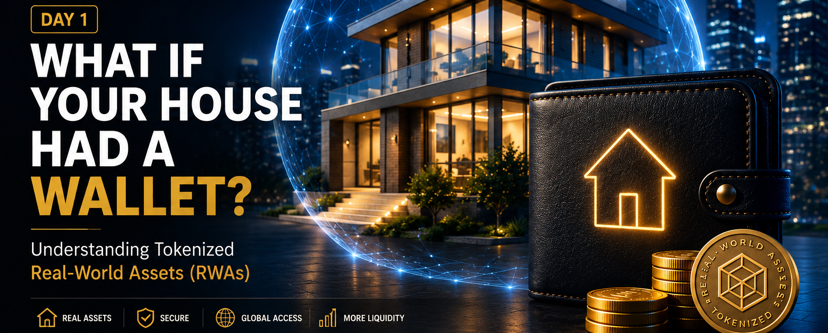
Nếu Ngôi Nhà Của Bạn Có Một Cái Ví? Hiểu Về Mã Hóa Tài Sản Thế Giới Thực (RWA)Nếu Ngôi Nhà Của Bạn Có Một Cái Ví Thì Sao?
⏱️
“Nghe thật không thể nào… cho đến khi bạn nhận ra rằng nó đã bắt đầu.”
Hãy tưởng tượng mở một ứng dụng và thấy căn nhà của bạn được liệt kê cùng với tài khoản ngân hàng—không phải vì bạn đang bán nó, mà vì ngôi nhà của bạn có danh tính kỹ thuật số an toàn trên blockchain.
Nghe giống khoa học viễn tưởng không?
Chưa hẳn.
Ý tưởng này nằm ở trung tâm của một trong những đổi mới đang phát triển nhanh nhất của blockchain: Mã hóa tài sản thế giới thực (RWA).
Thay vì giữ các hồ sơ quyền sở hữu bị mắc kẹt trong giấy tờ và các cơ sở dữ liệu rời rạc, blockchain cho phép các tài sản thế giới thực được biểu diễn dưới dạng kỹ thuật số. Căn nhà của bạn không có “ví crypto” một cách máy móc—nhưng quyền sở hữu của nó có thể được liên kết với các token kỹ thuật số an toàn, giúp việc chuyển giao, theo dõi và quản lý tài sản hiệu quả hơn.
Nếu Ngôi Nhà Của Bạn Có Một Cái Ví? Hiểu Về Mã Hóa Tài Sản Thế Giới Thực (RWA)
Nếu Ngôi Nhà Của Bạn Có Một Cái Ví Thì Sao?
⏱️
“Nghe thật không thể nào… cho đến khi bạn nhận ra rằng nó đã bắt đầu.”
Hãy tưởng tượng mở một ứng dụng và thấy căn nhà của bạn được liệt kê cùng với tài khoản ngân hàng—không phải vì bạn đang bán nó, mà vì ngôi nhà của bạn có danh tính kỹ thuật số an toàn trên blockchain.
Nghe giống khoa học viễn tưởng không?
Chưa hẳn.
Ý tưởng này nằm ở trung tâm của một trong những đổi mới đang phát triển nhanh nhất của blockchain: Mã hóa tài sản thế giới thực (RWA).
Thay vì giữ các hồ sơ quyền sở hữu bị mắc kẹt trong giấy tờ và các cơ sở dữ liệu rời rạc, blockchain cho phép các tài sản thế giới thực được biểu diễn dưới dạng kỹ thuật số. Căn nhà của bạn không có “ví crypto” một cách máy móc—nhưng quyền sở hữu của nó có thể được liên kết với các token kỹ thuật số an toàn, giúp việc chuyển giao, theo dõi và quản lý tài sản hiệu quả hơn.
⏱️
“Nghe thật không thể nào… cho đến khi bạn nhận ra rằng nó đã bắt đầu.”
Hãy tưởng tượng mở một ứng dụng và thấy căn nhà của bạn được liệt kê cùng với tài khoản ngân hàng—không phải vì bạn đang bán nó, mà vì ngôi nhà của bạn có danh tính kỹ thuật số an toàn trên blockchain.
Nghe giống khoa học viễn tưởng không?
Chưa hẳn.
Ý tưởng này nằm ở trung tâm của một trong những đổi mới đang phát triển nhanh nhất của blockchain: Mã hóa tài sản thế giới thực (RWA).
Thay vì giữ các hồ sơ quyền sở hữu bị mắc kẹt trong giấy tờ và các cơ sở dữ liệu rời rạc, blockchain cho phép các tài sản thế giới thực được biểu diễn dưới dạng kỹ thuật số. Căn nhà của bạn không có “ví crypto” một cách máy móc—nhưng quyền sở hữu của nó có thể được liên kết với các token kỹ thuật số an toàn, giúp việc chuyển giao, theo dõi và quản lý tài sản hiệu quả hơn.
1
130
Tốt
Tốt

0xKlark
·
--
KHÔNG WAAAAAY📈📈📈
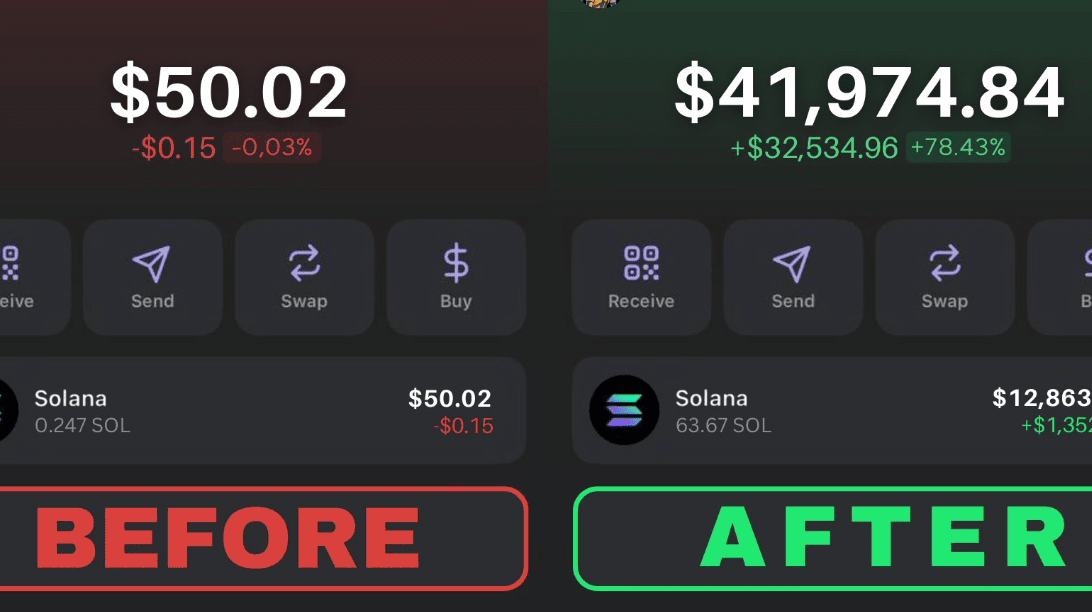
Tôi đã đưa cho bạn $AVA trước đây và bây giờ nó đang đạt đỉnh! (312x!!)
Tôi sẽ làm điều này lần cuối cùng! Hãy làm điều này với tôi, trước khi bạn hối hận.
Hãy cùng tôi tham gia hành trình kiếm 100.000 đô la🧵👇
✥ Memecoin đã trở thành một trong những xu hướng phát triển nhanh nhất trong tiền điện tử trong những năm gần đây
✥ Bây giờ họ là một phần của cộng đồng
✥ Sự hấp dẫn trực tiếp và sự hỗ trợ từ những người theo chủ nghĩa degen thông thường đã giúp họ vượt trội hơn nhiều "altcoin được VC hỗ trợ" truyền thống, khẳng định mình là một câu chuyện nổi bật trong không gian tiền điện tử
✥ Ngày nay, thế giới memecoin vô cùng đa dạng
Tôi sẽ làm điều này lần cuối cùng! Hãy làm điều này với tôi, trước khi bạn hối hận.
Hãy cùng tôi tham gia hành trình kiếm 100.000 đô la🧵👇
✥ Memecoin đã trở thành một trong những xu hướng phát triển nhanh nhất trong tiền điện tử trong những năm gần đây
✥ Bây giờ họ là một phần của cộng đồng
✥ Sự hấp dẫn trực tiếp và sự hỗ trợ từ những người theo chủ nghĩa degen thông thường đã giúp họ vượt trội hơn nhiều "altcoin được VC hỗ trợ" truyền thống, khẳng định mình là một câu chuyện nổi bật trong không gian tiền điện tử
✥ Ngày nay, thế giới memecoin vô cùng đa dạng
184
Đăng nhập để khám phá thêm nội dung
Tham gia cùng người dùng tiền mã hóa toàn cầu trên Binance Square
⚡️ Nhận thông tin mới nhất và hữu ích về tiền mã hóa.
💬 Được tin cậy bởi sàn giao dịch tiền mã hóa lớn nhất thế giới.
👍 Khám phá những thông tin chuyên sâu thực tế từ những nhà sáng tạo đã xác minh.
Email / Số điện thoại
Chủ đề thịnh hành
CanMicrosoftDeliverOnAI
13,918 lượt xem
329 đang thảo luận
Phiên 3 của mùa công bố kết quả kinh doanh: Google và Microsoft có vượt kỳ vọng không?
Binance Square Official
·33 lượt thích
·8.4k lượt xem
CanGoogleDefindItsCore
8,307 lượt xem
262 đang thảo luận
TheoDõiFOMC
299,185 lượt xem
1,257 đang thảo luận