

CforCrypto7
6.1k Bài đăng
 LIVE
LIVECforCrypto7
Báo cáo
Chặn người dùng
X /FB/ CMC: @RealCforCrypto
Trader thường xuyên
{thời gian} năm
582 Đang theo dõi
11.8K+ Người theo dõi
4.1K+ Đã thích
Bài đăng
Tất cả
Trích dẫn
Video
Live
·
--
Xem bản dịch
TREASURY YIELDS JUST HIT A 24 YEAR HIGH
The 10-year yield pushed to 5.34% — levels we haven’t seen since 2002.
Longer-dated bonds are under real pressure.
Higher for longer is no longer a theory, it’s the tape.
This is the kind of move that raises the cost of capital everywhere and tests risk assets.
I’m watching how $BTC digests it.
Soft NFP helped cool some of the heat, but yields this high still matter.
Does this change your view on the next leg,
or are you still treating it as noise?
{future}(ETHUSDT)
{spot}(BTCUSDT)
{future}(BTCUSDT)
$BTC $ETH #TreasuryYields #crypto
TREASURY YIELDS JUST HIT A 24 YEAR HIGH
The 10-year yield pushed to 5.34% — levels we haven’t seen since 2002.
Longer-dated bonds are under real pressure.
Higher for longer is no longer a theory, it’s the tape.
This is the kind of move that raises the cost of capital everywhere and tests risk assets.
I’m watching how $BTC digests it.
Soft NFP helped cool some of the heat, but yields this high still matter.
Does this change your view on the next leg,
or are you still treating it as noise?
$BTC $ETH #TreasuryYields #crypto
The 10-year yield pushed to 5.34% — levels we haven’t seen since 2002.
Longer-dated bonds are under real pressure.
Higher for longer is no longer a theory, it’s the tape.
This is the kind of move that raises the cost of capital everywhere and tests risk assets.
I’m watching how $BTC digests it.
Soft NFP helped cool some of the heat, but yields this high still matter.
Does this change your view on the next leg,
or are you still treating it as noise?
$BTC $ETH #TreasuryYields #crypto
56
·
--
Xem bản dịch
Bitget CEO Gracy Chen tells CNBC she's "not expecting to recover a lot of funds" from the $388M hack, citing limited recoveries from past exchange breaches.
$BTC
{spot}(BTCUSDT)
{future}(BTCUSDT)
Bitget CEO Gracy Chen tells CNBC she's "not expecting to recover a lot of funds" from the $388M hack, citing limited recoveries from past exchange breaches.
$BTC
$BTC


85
·
--
Xem bản dịch
Never ₿een this ₿ullish ₿efore
$BTC $BNB $ETH
Never ₿een this ₿ullish ₿efore
$BTC $BNB $ETH
$BTC $BNB $ETH
77
·
--
🎙️ Giao dịch và thư giãn $SAND $NIGHT $AI $SCR $GALA $APE $KORUB $WLD
 ĐANG PHÁT TRỰC TIẾP
52 người nghe · 1 trong Trung tâm Live Trading
0
0
·
--
Xem bản dịch
JUST IN: $BNB Chain becomes the first blockchain to surpass $1,000,000,000 in tokenized stocks and ETFs.
{future}(BNBUSDT)
{spot}(BNBUSDT)
JUST IN: $BNB Chain becomes the first blockchain to surpass $1,000,000,000 in tokenized stocks and ETFs.
177
·
--
🚨 DỮ LIỆU NFP VỪA CÔNG BỐ — CHỈ +29K
Bảng lương phi nông nghiệp tháng Chín ghi nhận mức yếu 29.000.
Thấp hơn nhiều so với kỳ vọng 85k–90k.
Tháng Bảy và tháng Tám đã được điều chỉnh giảm tổng cộng 60k.
Tỷ lệ thất nghiệp nhích lên 4,2%. Tăng trưởng tiền lương chậm lại còn 3,0% so với cùng kỳ năm trước — mức yếu nhất trong nhiều năm.
Đây là kiểu số liệu làm giảm khả năng tăng lãi suất. Thị trường đã bắt đầu định giá ít quyết liệt hơn từ Fed.
Mình đang theo dõi $BTC và tài sản rủi ro phản ứng ra sao trong suốt cuối tuần.
Việc làm yếu thường ủng hộ “cơn sóng” risk-on…
cho đến khi nó không còn như vậy.
Phản ứng tích cực hay vẫn thận trọng?
$BTC $ETH
#NFPWatch #crypto
#nfpwatch
🚨 DỮ LIỆU NFP VỪA CÔNG BỐ — CHỈ +29K
Bảng lương phi nông nghiệp tháng Chín ghi nhận mức yếu 29.000.
Thấp hơn nhiều so với kỳ vọng 85k–90k.
Tháng Bảy và tháng Tám đã được điều chỉnh giảm tổng cộng 60k.
Tỷ lệ thất nghiệp nhích lên 4,2%. Tăng trưởng tiền lương chậm lại còn 3,0% so với cùng kỳ năm trước — mức yếu nhất trong nhiều năm.
Đây là kiểu số liệu làm giảm khả năng tăng lãi suất. Thị trường đã bắt đầu định giá ít quyết liệt hơn từ Fed.
Mình đang theo dõi $BTC và tài sản rủi ro phản ứng ra sao trong suốt cuối tuần.
Việc làm yếu thường ủng hộ “cơn sóng” risk-on…
cho đến khi nó không còn như vậy.
Phản ứng tích cực hay vẫn thận trọng?
$BTC $ETH
#NFPWatch #crypto
#nfpwatch
Bảng lương phi nông nghiệp tháng Chín ghi nhận mức yếu 29.000.
Thấp hơn nhiều so với kỳ vọng 85k–90k.
Tháng Bảy và tháng Tám đã được điều chỉnh giảm tổng cộng 60k.
Tỷ lệ thất nghiệp nhích lên 4,2%. Tăng trưởng tiền lương chậm lại còn 3,0% so với cùng kỳ năm trước — mức yếu nhất trong nhiều năm.
Đây là kiểu số liệu làm giảm khả năng tăng lãi suất. Thị trường đã bắt đầu định giá ít quyết liệt hơn từ Fed.
Mình đang theo dõi $BTC và tài sản rủi ro phản ứng ra sao trong suốt cuối tuần.
Việc làm yếu thường ủng hộ “cơn sóng” risk-on…
cho đến khi nó không còn như vậy.
Phản ứng tích cực hay vẫn thận trọng?
$BTC $ETH
#NFPWatch #crypto
#nfpwatch
166
·
--
Xem bản dịch
JUST IN: President Trump announces the U.S. will not ban diesel exports, declaring it was “never really on the table.”
$BTC
{spot}(BTCUSDT)
{future}(BTCUSDT)
JUST IN: President Trump announces the U.S. will not ban diesel exports, declaring it was “never really on the table.”
$BTC
$BTC
135
·
--
Xem bản dịch
BREAKING: SEC Chair Paul Atkins has promised more crypto rules are coming.
Clarity is coming.
$BTC
{spot}(BTCUSDT)
{future}(BTCUSDT)
BREAKING: SEC Chair Paul Atkins has promised more crypto rules are coming.
Clarity is coming.
$BTC
Clarity is coming.
$BTC
186
·
--
Xem bản dịch
JUST IN: SEC says more crypto regulatory proposals are coming
$BTC
{spot}(BTCUSDT)
{future}(BTCUSDT)
JUST IN: SEC says more crypto regulatory proposals are coming
$BTC
$BTC
239
·
--
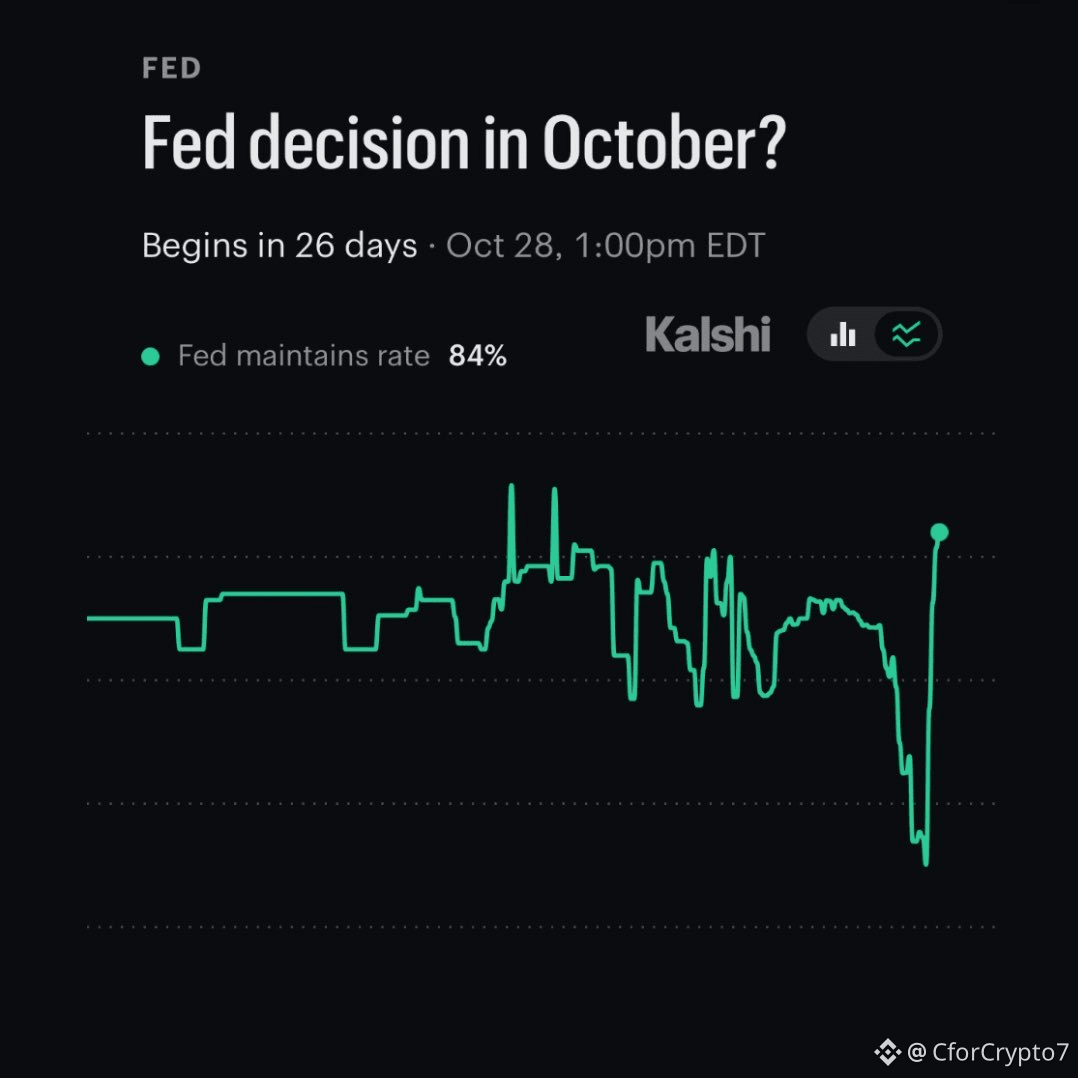
TIN NÓNG: Xác suất Cục Dự trữ Liên bang (Fed) giữ nguyên lãi suất trong tháng này tăng lên 84%, theo các nhà giao dịch của Kalshi.
$BTC
{spot}(BTCUSDT)
{future}(BTCUSDT)
TIN NÓNG: Xác suất Cục Dự trữ Liên bang (Fed) giữ nguyên lãi suất trong tháng này tăng lên 84%, theo các nhà giao dịch của Kalshi.
$BTC
$BTC

107
·
--
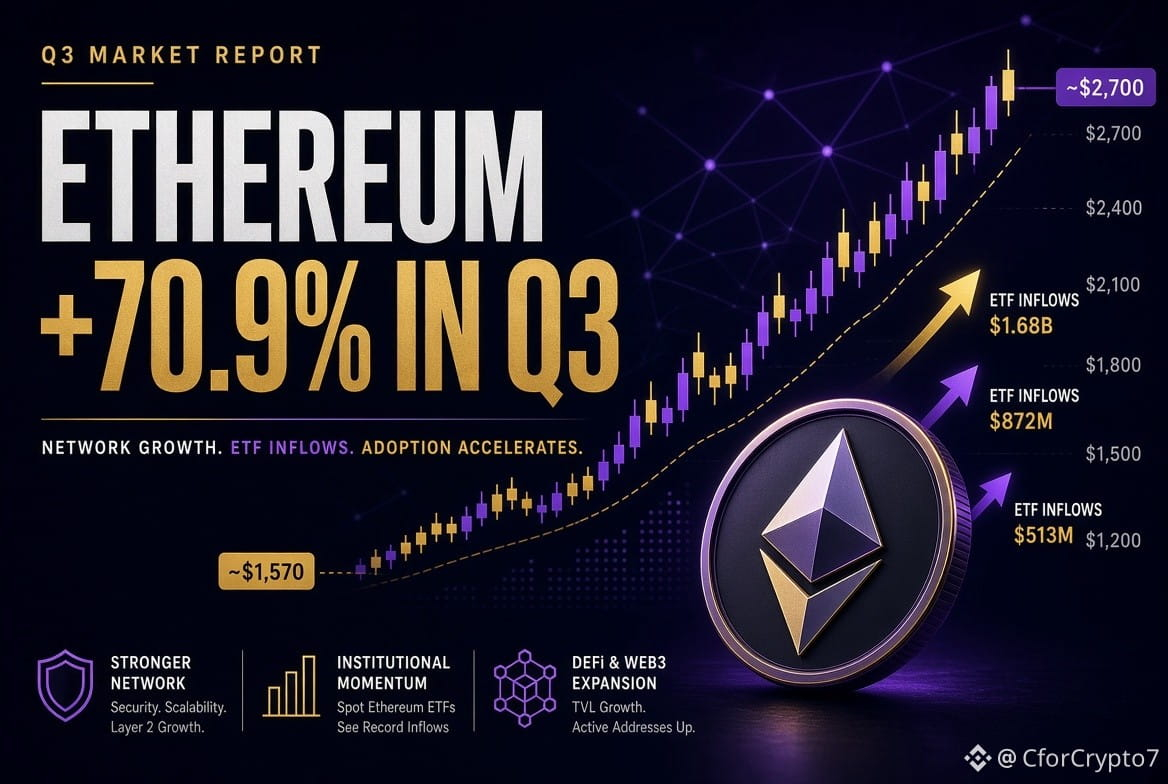
Ethereum kết thúc Q3 với mức tăng xấp xỉ 70,9%, là hiệu suất quý 3 mạnh nhất từ trước đến nay.
Đợt bứt phá đã đưa ETH từ vùng giữa 1.500 USD vào đầu tháng 7 lên gần 2.700 USD vào cuối tháng 9, vượt trội so với mức tăng khoảng 43% của Bitcoin trong cùng giai đoạn.
Dòng tiền vào ETF khoảng 3,1 tỷ USD và hoạt động staking gia tăng đã giúp thúc đẩy đà hồi phục sau hai quý trước đó kém hiệu quả vào đầu năm.
Dù sau cú bứt phá, ETH vẫn còn thấp hơn đáng kể so với mức cao nhất mọi thời đại.
Giờ đây câu hỏi là liệu đà tăng có thể tiếp tục sang Q4 hay liệu lợi suất cao hơn sẽ làm chậm quá trình phục hồi.
$ETH $ETHW
{future}(ETHWUSDT)
{spot}(ETHUSDT)
{future}(ETHUSDT)
#Ethereum #crypto #ethergains70.9%inq3
Ethereum kết thúc Q3 với mức tăng xấp xỉ 70,9%, là hiệu suất quý 3 mạnh nhất từ trước đến nay.
Đợt bứt phá đã đưa ETH từ vùng giữa 1.500 USD vào đầu tháng 7 lên gần 2.700 USD vào cuối tháng 9, vượt trội so với mức tăng khoảng 43% của Bitcoin trong cùng giai đoạn.
Dòng tiền vào ETF khoảng 3,1 tỷ USD và hoạt động staking gia tăng đã giúp thúc đẩy đà hồi phục sau hai quý trước đó kém hiệu quả vào đầu năm.
Dù sau cú bứt phá, ETH vẫn còn thấp hơn đáng kể so với mức cao nhất mọi thời đại.
Giờ đây câu hỏi là liệu đà tăng có thể tiếp tục sang Q4 hay liệu lợi suất cao hơn sẽ làm chậm quá trình phục hồi.
$ETH $ETHW
#Ethereum #crypto #ethergains70.9%inq3
Đợt bứt phá đã đưa ETH từ vùng giữa 1.500 USD vào đầu tháng 7 lên gần 2.700 USD vào cuối tháng 9, vượt trội so với mức tăng khoảng 43% của Bitcoin trong cùng giai đoạn.
Dòng tiền vào ETF khoảng 3,1 tỷ USD và hoạt động staking gia tăng đã giúp thúc đẩy đà hồi phục sau hai quý trước đó kém hiệu quả vào đầu năm.
Dù sau cú bứt phá, ETH vẫn còn thấp hơn đáng kể so với mức cao nhất mọi thời đại.
Giờ đây câu hỏi là liệu đà tăng có thể tiếp tục sang Q4 hay liệu lợi suất cao hơn sẽ làm chậm quá trình phục hồi.
$ETH $ETHW
#Ethereum #crypto #ethergains70.9%inq3
318
·
--
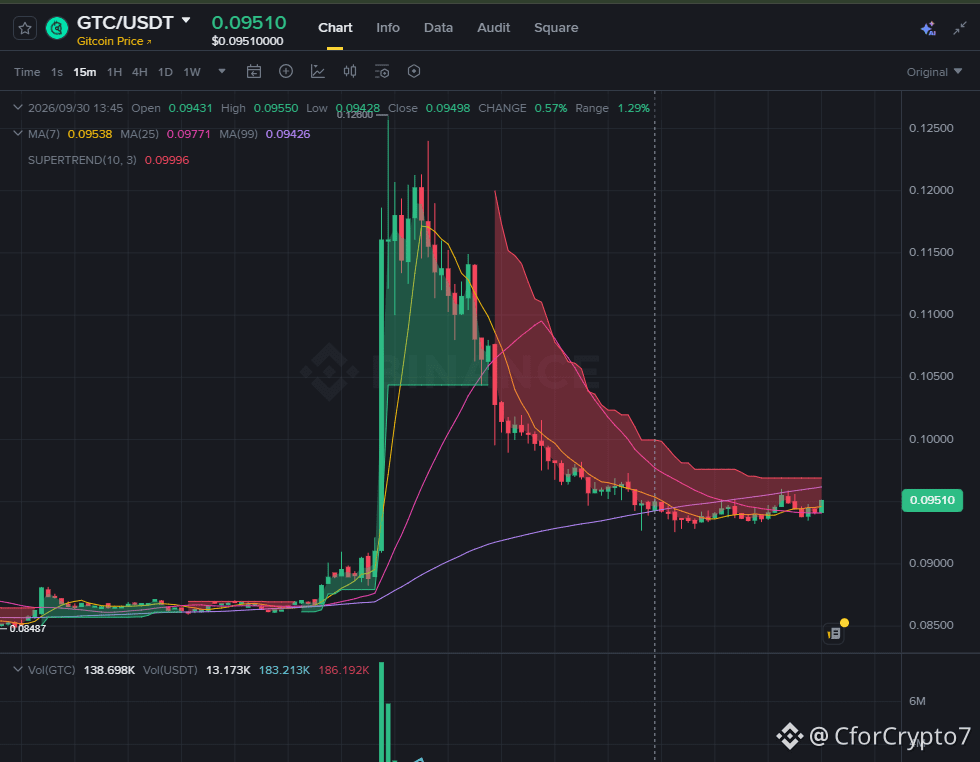
$GTC LONG SETUP 🔥
Lệnh vào: $0.0948 – $0.0953
TP1: $0.0970
TP2: $0.0990
TP3: $0.1020
SL: $0.0930
$GTC đang xây dựng một vùng tích lũy quanh $0.095 sau đợt điều chỉnh dài.
Bên mua đang bắt đầu giành lại xu hướng ngắn hạn...
Nếu phá vỡ sạch sẽ trên $0.097 có thể mở ra bước đi tiếp theo cao hơn.
{spot}(GTCUSDT)
{future}(GTCUSDT)
$GTC LONG SETUP 🔥
Lệnh vào: $0.0948 – $0.0953
TP1: $0.0970
TP2: $0.0990
TP3: $0.1020
SL: $0.0930
$GTC đang xây dựng một vùng tích lũy quanh $0.095 sau đợt điều chỉnh dài.
Bên mua đang bắt đầu giành lại xu hướng ngắn hạn...
Nếu phá vỡ sạch sẽ trên $0.097 có thể mở ra bước đi tiếp theo cao hơn.
Lệnh vào: $0.0948 – $0.0953
TP1: $0.0970
TP2: $0.0990
TP3: $0.1020
SL: $0.0930
$GTC đang xây dựng một vùng tích lũy quanh $0.095 sau đợt điều chỉnh dài.
Bên mua đang bắt đầu giành lại xu hướng ngắn hạn...
Nếu phá vỡ sạch sẽ trên $0.097 có thể mở ra bước đi tiếp theo cao hơn.
50
·
--
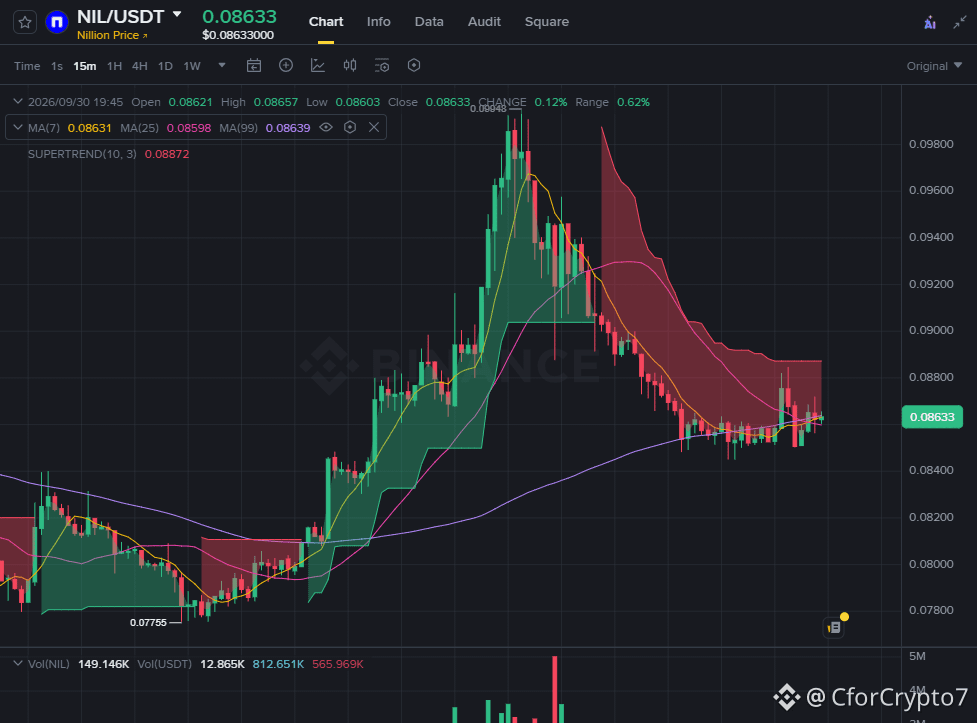
$NIL LONG SETUP 🔥
Entry: $0.0858 – $0.0865
TP1: $0.0880
TP2: $0.0900
TP3: $0.0920
SL: $0.0840
$NIL đang xây dựng một nền tảng quanh $0.086 sau cú sụt mạnh vừa qua.
Bên mua đang cố gắng giành lại xu hướng ngắn hạn.
Phá vỡ rõ ràng trên $0.088 có thể mở ra bước đi tiếp theo cao hơn.
{future}(NILUSDT)
{spot}(NILUSDT)
$NIL LONG SETUP 🔥
Entry: $0.0858 – $0.0865
TP1: $0.0880
TP2: $0.0900
TP3: $0.0920
SL: $0.0840
$NIL đang xây dựng một nền tảng quanh $0.086 sau cú sụt mạnh vừa qua.
Bên mua đang cố gắng giành lại xu hướng ngắn hạn.
Phá vỡ rõ ràng trên $0.088 có thể mở ra bước đi tiếp theo cao hơn.
Entry: $0.0858 – $0.0865
TP1: $0.0880
TP2: $0.0900
TP3: $0.0920
SL: $0.0840
$NIL đang xây dựng một nền tảng quanh $0.086 sau cú sụt mạnh vừa qua.
Bên mua đang cố gắng giành lại xu hướng ngắn hạn.
Phá vỡ rõ ràng trên $0.088 có thể mở ra bước đi tiếp theo cao hơn.
146
·
--
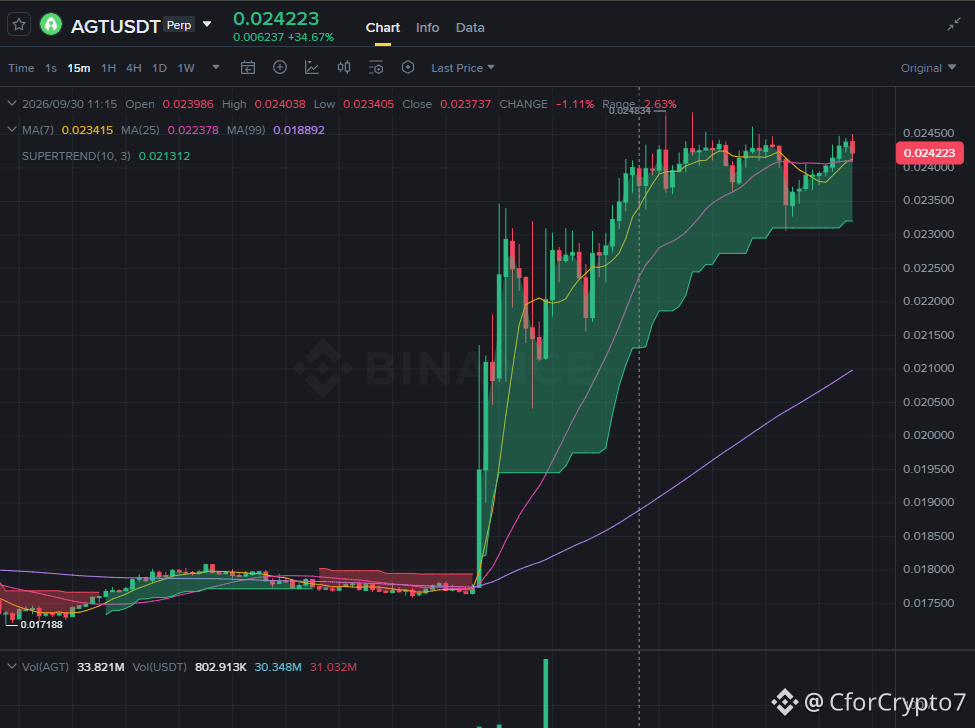
$AGT LONG SETUP
Vào lệnh: $0.0239 – $0.0243
TP1: $0.0248
TP2: $0.0255
TP3: $0.0265
SL: $0.0231
$AGT đang tích lũy gần các đỉnh sau một đợt bứt phá mạnh mẽ.
Bên mua vẫn đang giữ vùng $0.0235.
Nếu phá vỡ rõ ràng lên trên $0.0248, có thể mở ra một nhịp tăng tiếp theo.
{alpha}(560x5dbde81fce337ff4bcaaee4ca3466c00aecae274)
{future}(AGTUSDT)
$AGT LONG SETUP
Vào lệnh: $0.0239 – $0.0243
TP1: $0.0248
TP2: $0.0255
TP3: $0.0265
SL: $0.0231
$AGT đang tích lũy gần các đỉnh sau một đợt bứt phá mạnh mẽ.
Bên mua vẫn đang giữ vùng $0.0235.
Nếu phá vỡ rõ ràng lên trên $0.0248, có thể mở ra một nhịp tăng tiếp theo.
Vào lệnh: $0.0239 – $0.0243
TP1: $0.0248
TP2: $0.0255
TP3: $0.0265
SL: $0.0231
$AGT đang tích lũy gần các đỉnh sau một đợt bứt phá mạnh mẽ.
Bên mua vẫn đang giữ vùng $0.0235.
Nếu phá vỡ rõ ràng lên trên $0.0248, có thể mở ra một nhịp tăng tiếp theo.
64
·
--
Xem bản dịch
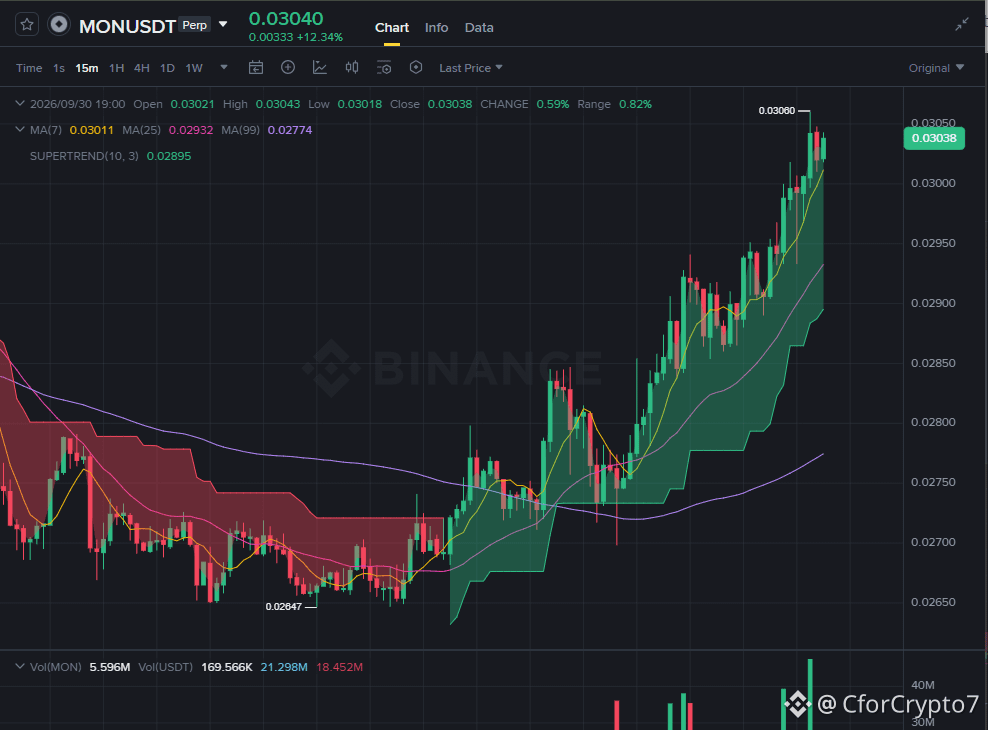
$MON LONG SETUP 🔥
Entry: $0.0301 – $0.0304
TP1: $0.0308
TP2: $0.0315
TP3: $0.0320
SL: $0.0295
$MON is pushing into fresh highs with strong momentum.
Bulls are holding above $0.0300 after the breakout.
A clean break above $0.0306 could open the next leg higher.
{future}(MONUSDT)
$MON LONG SETUP 🔥
Entry: $0.0301 – $0.0304
TP1: $0.0308
TP2: $0.0315
TP3: $0.0320
SL: $0.0295
$MON is pushing into fresh highs with strong momentum.
Bulls are holding above $0.0300 after the breakout.
A clean break above $0.0306 could open the next leg higher.
Entry: $0.0301 – $0.0304
TP1: $0.0308
TP2: $0.0315
TP3: $0.0320
SL: $0.0295
$MON is pushing into fresh highs with strong momentum.
Bulls are holding above $0.0300 after the breakout.
A clean break above $0.0306 could open the next leg higher.
79
·
--
Xem bản dịch
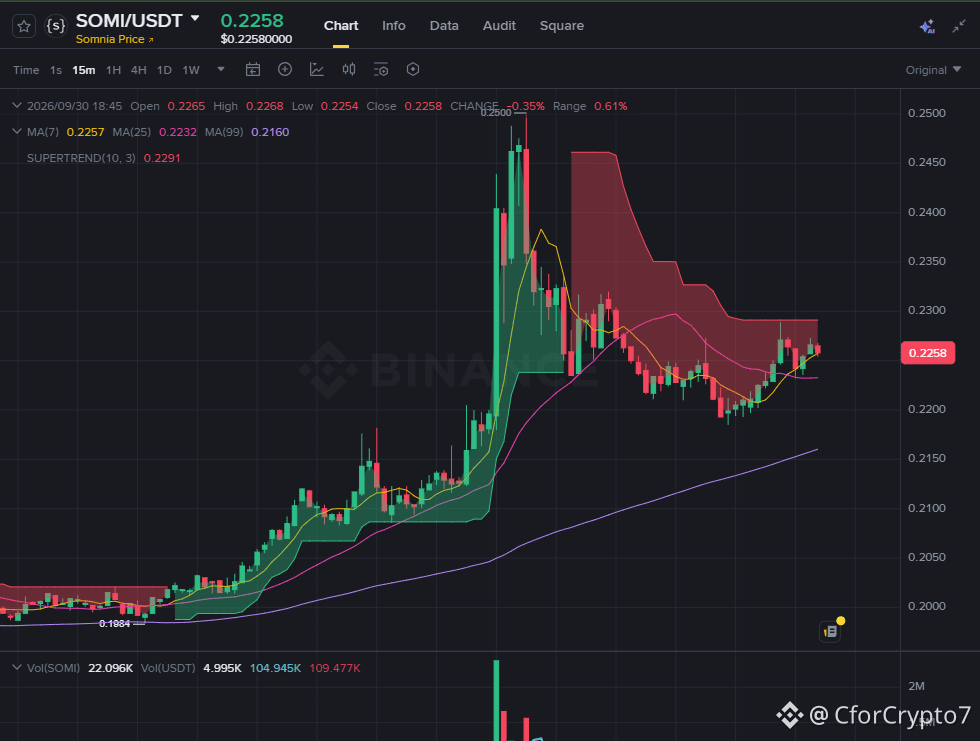
$SOMI LONG SETUP 🔥
Entry: $0.224 – $0.227
TP1: $0.230
TP2: $0.235
TP3: $0.245
SL: $0.219
$SOMI is bouncing from the $0.22 zone and building higher lows.
A clean breakout above $0.230 could bring momentum back toward $0.235–$0.245.
I’m watching $0.230 closely.
{future}(SOMIUSDT)
{spot}(SOMIUSDT)
$SOMI LONG SETUP 🔥
Entry: $0.224 – $0.227
TP1: $0.230
TP2: $0.235
TP3: $0.245
SL: $0.219
$SOMI is bouncing from the $0.22 zone and building higher lows.
A clean breakout above $0.230 could bring momentum back toward $0.235–$0.245.
I’m watching $0.230 closely.
Entry: $0.224 – $0.227
TP1: $0.230
TP2: $0.235
TP3: $0.245
SL: $0.219
$SOMI is bouncing from the $0.22 zone and building higher lows.
A clean breakout above $0.230 could bring momentum back toward $0.235–$0.245.
I’m watching $0.230 closely.
87
·
--
Xem bản dịch
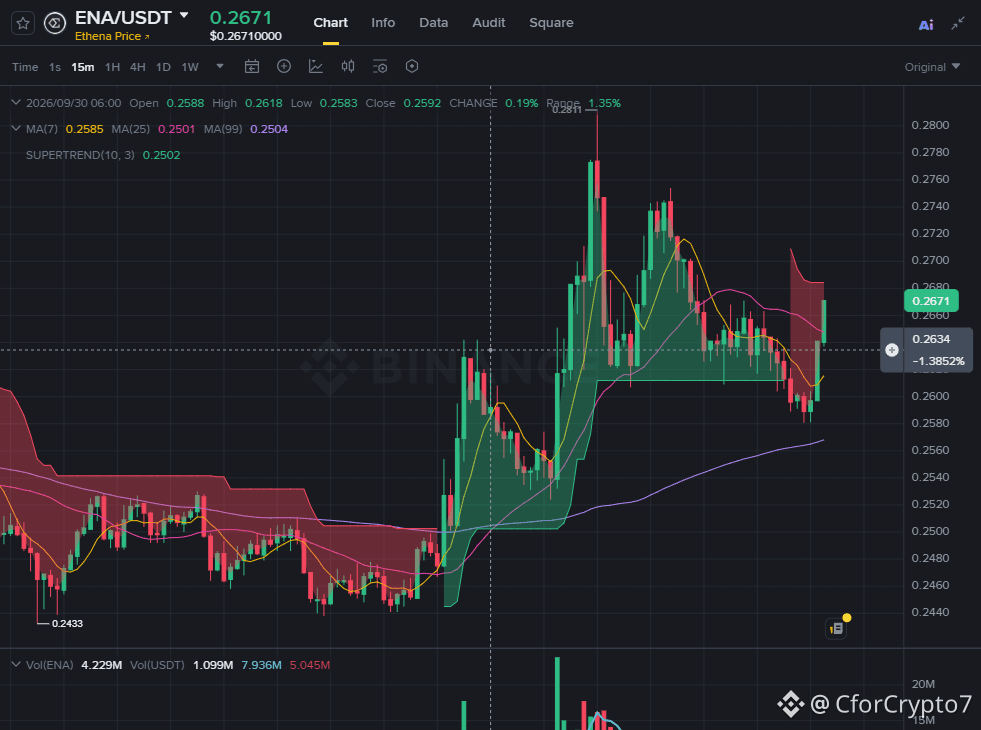
$ENA LONG SETUP
Entry: $0.263 – $0.268
TP1: $0.272
TP2: $0.276
TP3: $0.280
SL: $0.258
ENA is bouncing strongly from the $0.260 support zone and reclaiming $0.265.
A clean break above $0.272 could open the way toward the recent highs.
I’m watching $0.272 closely
$ENA
{future}(ENAUSDT)
{spot}(ENAUSDT)
$ENA LONG SETUP
Entry: $0.263 – $0.268
TP1: $0.272
TP2: $0.276
TP3: $0.280
SL: $0.258
ENA is bouncing strongly from the $0.260 support zone and reclaiming $0.265.
A clean break above $0.272 could open the way toward the recent highs.
I’m watching $0.272 closely
$ENA
Entry: $0.263 – $0.268
TP1: $0.272
TP2: $0.276
TP3: $0.280
SL: $0.258
ENA is bouncing strongly from the $0.260 support zone and reclaiming $0.265.
A clean break above $0.272 could open the way toward the recent highs.
I’m watching $0.272 closely
$ENA
69
·
--
Các doanh nghiệp tư nhân tại Mỹ đã tạo thêm 90.000 việc làm trong tháng 9, theo báo cáo của ADP, vượt dự báo khoảng 70.000–75.000.
Mức tăng này bật trở lại mạnh mẽ từ con số điều chỉnh của tháng 8 là 36.000 và cho thấy tốc độ tuyển dụng tăng tốc trở lại lần đầu kể từ tháng 5.
Ngành giáo dục và dịch vụ y tế dẫn đầu với 55.000 vị trí, trong khi vui chơi giải trí và dịch vụ lưu trú bổ sung 22.000.
Thu nhập cơ bản tăng 3,2% so với cùng kỳ năm trước.
ADP nhận định đây là một báo cáo vững mạnh sau những dấu hiệu chậm lại gần đây.
Dữ liệu này xuất hiện trước các số liệu việc làm chính thức vào thứ Sáu và cho thấy thị trường lao động vẫn có nhiều khả năng phục hồi hơn so với nhiều người kỳ vọng.
$BTC $ETH $SOL
{future}(ETHUSDT)
{future}(BTCUSDT)
{spot}(BTCUSDT)
#ADP #JobsReport #crypto #usadpadds90000jobsinseptember
Các doanh nghiệp tư nhân tại Mỹ đã tạo thêm 90.000 việc làm trong tháng 9, theo báo cáo của ADP, vượt dự báo khoảng 70.000–75.000.
Mức tăng này bật trở lại mạnh mẽ từ con số điều chỉnh của tháng 8 là 36.000 và cho thấy tốc độ tuyển dụng tăng tốc trở lại lần đầu kể từ tháng 5.
Ngành giáo dục và dịch vụ y tế dẫn đầu với 55.000 vị trí, trong khi vui chơi giải trí và dịch vụ lưu trú bổ sung 22.000.
Thu nhập cơ bản tăng 3,2% so với cùng kỳ năm trước.
ADP nhận định đây là một báo cáo vững mạnh sau những dấu hiệu chậm lại gần đây.
Dữ liệu này xuất hiện trước các số liệu việc làm chính thức vào thứ Sáu và cho thấy thị trường lao động vẫn có nhiều khả năng phục hồi hơn so với nhiều người kỳ vọng.
$BTC $ETH $SOL
#ADP #JobsReport #crypto #usadpadds90000jobsinseptember
Mức tăng này bật trở lại mạnh mẽ từ con số điều chỉnh của tháng 8 là 36.000 và cho thấy tốc độ tuyển dụng tăng tốc trở lại lần đầu kể từ tháng 5.
Ngành giáo dục và dịch vụ y tế dẫn đầu với 55.000 vị trí, trong khi vui chơi giải trí và dịch vụ lưu trú bổ sung 22.000.
Thu nhập cơ bản tăng 3,2% so với cùng kỳ năm trước.
ADP nhận định đây là một báo cáo vững mạnh sau những dấu hiệu chậm lại gần đây.
Dữ liệu này xuất hiện trước các số liệu việc làm chính thức vào thứ Sáu và cho thấy thị trường lao động vẫn có nhiều khả năng phục hồi hơn so với nhiều người kỳ vọng.
$BTC $ETH $SOL
#ADP #JobsReport #crypto #usadpadds90000jobsinseptember
154
Đăng nhập để khám phá thêm nội dung
Tham gia cùng người dùng tiền mã hóa toàn cầu trên Binance Square
⚡️ Nhận thông tin mới nhất và hữu ích về tiền mã hóa.
💬 Được tin cậy bởi sàn giao dịch tiền mã hóa lớn nhất thế giới.
👍 Khám phá những thông tin chuyên sâu thực tế từ những nhà sáng tạo đã xác minh.
Email / Số điện thoại
Chủ đề thịnh hành
TheoDõiFOMC
114,357 lượt xem
657 đang thảo luận
#TheoDõiFOMC
🔥 FOMC lại bắt đầu trở thành tâm điểm của crypto
Bitcoin vừa bước vào tháng 10, nhưng câu chuyện lớn phía sau thị trường lúc này không chỉ là giá.
Các trader đang bắt đầu hướng sự chú ý về cuộc họp FOMC ngày 27–28/10. Sau một loạt phát biểu mới từ quan chức Fed, kỳ vọng về việc tăng lãi suất ngay trong tháng 10 đã giảm đáng kể.
Điều thú vị là trước đó thị trường từng đặt cược khá cao vào một đợt tăng tiếp theo.
Giờ thì mọi thứ lại quay sang chờ dữ liệu kinh tế và những phát biểu tiếp theo của Fed.
Với crypto, chỉ cần kỳ vọng lãi suất thay đổi mạnh là $BTC có thể lập tức biến động, rồi kéo theo cả thị trường altcoin.
Tháng 10 mới bắt đầu mà macro đã có chuyện để hóng rồi 👀
#Bitcoin #Crypto #Macro #Fed #BinanceSquare
X LEI
·0 lượt thích
·150 lượt xem
TinFed
98,217 lượt xem
463 đang thảo luận
NFPWatch
10.9M lượt xem
19,249 đang thảo luận