

bronJ
163 Bài đăng

bronJ
Báo cáo
Chặn người dùng
Im a hunter
56 Đang theo dõi
36 Người theo dõi
94 Đã thích
Bài đăng
Tất cả
Trích dẫn
·
--
Xem bản dịch
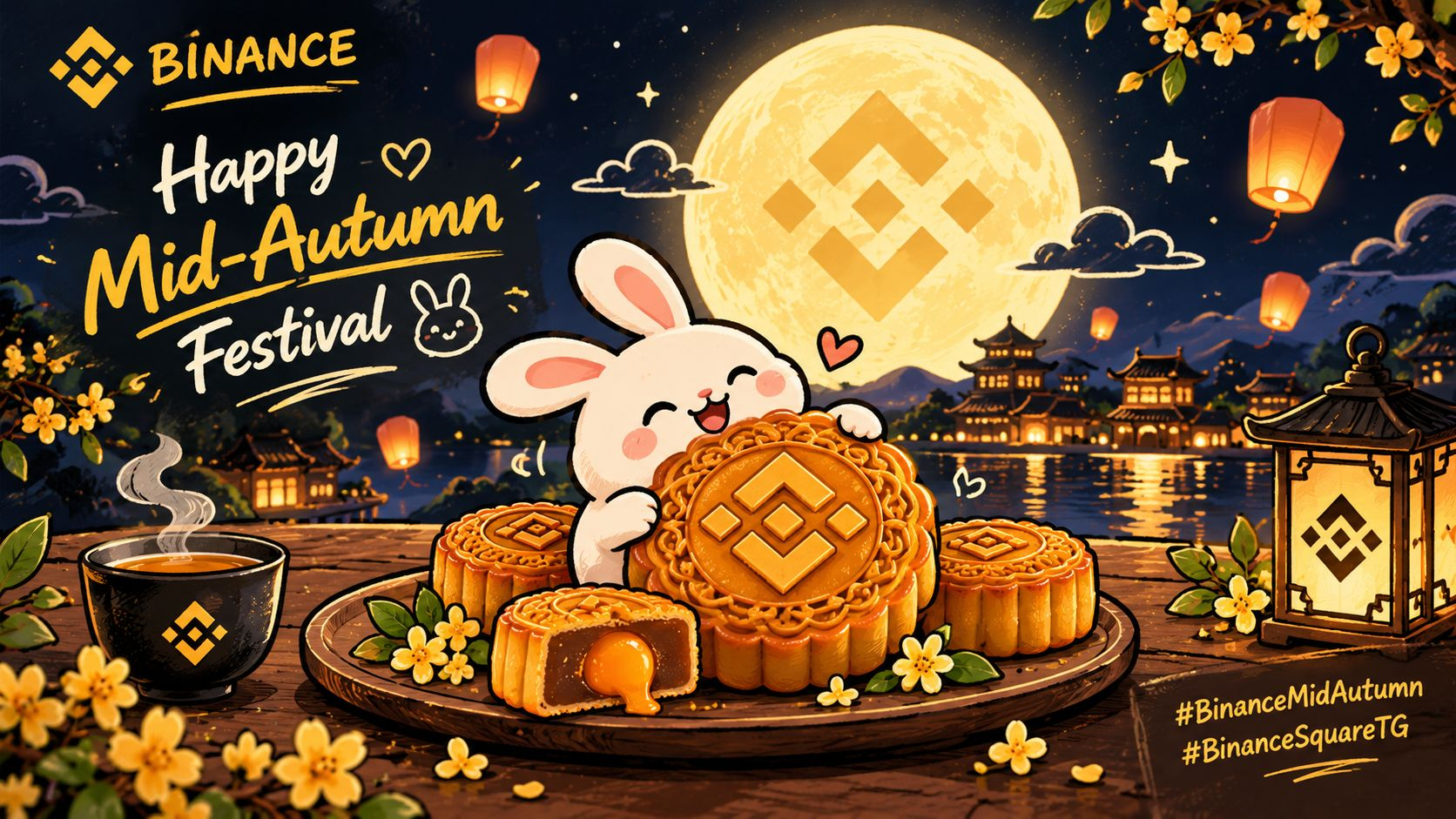
My Binance Mid-Autumn Moon Cake
Mid-Autumn Festival is all about reunion, gratitude, and sharing moments with people who matter. So I imagined a moon cake made for the Binance community—golden, glowing, and inspired by the spirit of Web3. 🌕
Creativity brings communities together just as much as technology does. Wishing everyone a joyful festival filled with happiness, prosperity, and plenty of mooncakes!
If you're joining the Binance Moon Cake Challenge, don't forget to share your own design too. 🎨✨ with the community 😌😇🧘
#BinanceMidAutumn #BinanceSquareTG
My Binance Mid-Autumn Moon Cake
Mid-Autumn Festival is all about reunion, gratitude, and sharing moments with people who matter. So I imagined a moon cake made for the Binance community—golden, glowing, and inspired by the spirit of Web3. 🌕
Creativity brings communities together just as much as technology does. Wishing everyone a joyful festival filled with happiness, prosperity, and plenty of mooncakes!
If you're joining the Binance Moon Cake Challenge, don't forget to share your own design too. 🎨✨ with the community 😌😇🧘
#BinanceMidAutumn #BinanceSquareTG
Mid-Autumn Festival is all about reunion, gratitude, and sharing moments with people who matter. So I imagined a moon cake made for the Binance community—golden, glowing, and inspired by the spirit of Web3. 🌕
Creativity brings communities together just as much as technology does. Wishing everyone a joyful festival filled with happiness, prosperity, and plenty of mooncakes!
If you're joining the Binance Moon Cake Challenge, don't forget to share your own design too. 🎨✨ with the community 😌😇🧘
#BinanceMidAutumn #BinanceSquareTG
3
1
3
3
·
--
14
·
--
1
14
·
--
Bài viết
Chương Tiếp Theo của Crypto Có Thể Được Xây Dựng trên Các Sàn Giao Dịch LaiĐang có một sự chuyển dịch thú vị trong lĩnh vực tài sản kỹ thuật số mà tôi không nghĩ đã nhận được sự quan tâm xứng đáng. Trong nhiều năm, câu chuyện xoay quanh một câu hỏi duy nhất: Tôi nên giao dịch ở đâu? Nhưng gần đây, tôi lại thấy mình tự hỏi một điều khác: Làm sao để vốn của tôi vẫn có thể hữu ích ngay cả khi tôi không giao dịch trực tiếp?
Câu hỏi đó đã dẫn tôi tìm hiểu thêm về @grvt_io, và điều nổi bật không phải là một lời hứa về phần thưởng lớn hơn hay lợi nhuận nhanh hơn. Thay vào đó, đó là một góc nhìn khác về cách một nền tảng giao dịch nên vận hành. Ý tưởng kết hợp sự linh hoạt của tài chính phi tập trung với tốc độ và sự quen thuộc của các sàn giao dịch tập trung cảm giác như là bước tiếp theo hợp lý cho ngành.
Chương Tiếp Theo của Crypto Có Thể Được Xây Dựng trên Các Sàn Giao Dịch Lai
Đang có một sự chuyển dịch thú vị trong lĩnh vực tài sản kỹ thuật số mà tôi không nghĩ đã nhận được sự quan tâm xứng đáng. Trong nhiều năm, câu chuyện xoay quanh một câu hỏi duy nhất: Tôi nên giao dịch ở đâu? Nhưng gần đây, tôi lại thấy mình tự hỏi một điều khác: Làm sao để vốn của tôi vẫn có thể hữu ích ngay cả khi tôi không giao dịch trực tiếp?
Câu hỏi đó đã dẫn tôi tìm hiểu thêm về @grvt_io, và điều nổi bật không phải là một lời hứa về phần thưởng lớn hơn hay lợi nhuận nhanh hơn. Thay vào đó, đó là một góc nhìn khác về cách một nền tảng giao dịch nên vận hành. Ý tưởng kết hợp sự linh hoạt của tài chính phi tập trung với tốc độ và sự quen thuộc của các sàn giao dịch tập trung cảm giác như là bước tiếp theo hợp lý cho ngành.
Câu hỏi đó đã dẫn tôi tìm hiểu thêm về @grvt_io, và điều nổi bật không phải là một lời hứa về phần thưởng lớn hơn hay lợi nhuận nhanh hơn. Thay vào đó, đó là một góc nhìn khác về cách một nền tảng giao dịch nên vận hành. Ý tưởng kết hợp sự linh hoạt của tài chính phi tập trung với tốc độ và sự quen thuộc của các sàn giao dịch tập trung cảm giác như là bước tiếp theo hợp lý cho ngành.
49
·
--
Điều tôi trân trọng ở @NewtonProtocol là sự tập trung vào việc làm cho tự động hóa on-chain vừa minh bạch vừa do người dùng kiểm soát. Newton Mainnet Beta là cơ hội để xem cách các quyền lập trình và thực thi có thể kiểm chứng có thể đơn giản hóa các tương tác lặp đi lặp lại trên blockchain mà không phải hy sinh quyền tự quản lý tài sản.
Thay vì chỉ dựa vào niềm tin, người dùng có thể xác định cách thức và thời điểm các hành động tự động được thực hiện. Khi Web3 phát triển, các giải pháp nâng cao khả năng sử dụng trong khi vẫn bảo toàn tính phi tập trung có thể ngày càng trở nên có giá trị. Tôi mong chờ xem các nhà phát triển và cộng đồng sẽ xây dựng các ứng dụng trong thế giới thực trên hệ sinh thái Newton như thế nào. $NEWT
{future}(NEWTUSDT)
#Newt
Điều tôi trân trọng ở @NewtonProtocol là sự tập trung vào việc làm cho tự động hóa on-chain vừa minh bạch vừa do người dùng kiểm soát. Newton Mainnet Beta là cơ hội để xem cách các quyền lập trình và thực thi có thể kiểm chứng có thể đơn giản hóa các tương tác lặp đi lặp lại trên blockchain mà không phải hy sinh quyền tự quản lý tài sản.
Thay vì chỉ dựa vào niềm tin, người dùng có thể xác định cách thức và thời điểm các hành động tự động được thực hiện. Khi Web3 phát triển, các giải pháp nâng cao khả năng sử dụng trong khi vẫn bảo toàn tính phi tập trung có thể ngày càng trở nên có giá trị. Tôi mong chờ xem các nhà phát triển và cộng đồng sẽ xây dựng các ứng dụng trong thế giới thực trên hệ sinh thái Newton như thế nào. $NEWT
#Newt
Thay vì chỉ dựa vào niềm tin, người dùng có thể xác định cách thức và thời điểm các hành động tự động được thực hiện. Khi Web3 phát triển, các giải pháp nâng cao khả năng sử dụng trong khi vẫn bảo toàn tính phi tập trung có thể ngày càng trở nên có giá trị. Tôi mong chờ xem các nhà phát triển và cộng đồng sẽ xây dựng các ứng dụng trong thế giới thực trên hệ sinh thái Newton như thế nào. $NEWT
#Newt
63
·
--
Bài viết
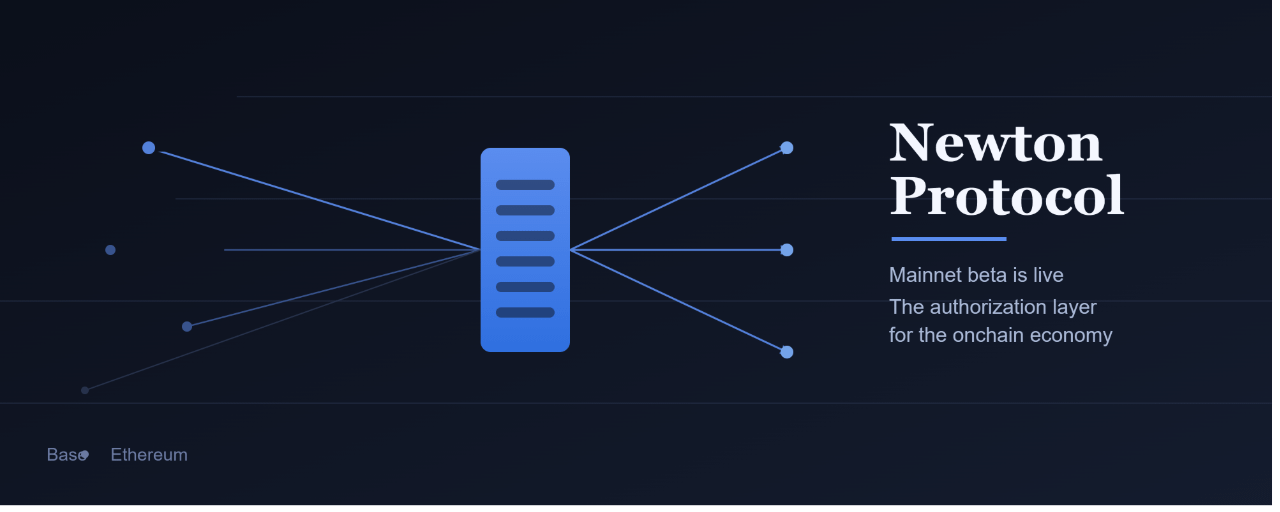
Từ Giao dịch Thủ công đến Tự động Hóa Thông minh với Newton ProtocolMột trong những thách thức lớn nhất trong Web3 hiện nay không phải là thiếu ứng dụng—mà là làm sao để chúng có thể hoạt động cùng nhau một cách an toàn và thông minh. Vì vậy, tôi đặc biệt chú ý đến @NewtonProtocol và định hướng của Mainnet Beta. Thay vì chỉ tập trung vào giao dịch nhanh hơn hay phí thấp hơn, Newton Protocol đang khám phá cách tự động hóa trên chuỗi có thể trở nên đáng tin cậy hơn thông qua các quyền lập trình và thực thi có thể kiểm chứng.
Một lý do lớn khiến cách tiếp cận này nổi bật là việc tự động hóa không bao giờ được đánh đổi lấy quyền kiểm soát của người dùng. Cho dù đó là quản lý các vị thế DeFi, thực thi các chiến lược định kỳ hay tương tác với nhiều ứng dụng phi tập trung, người dùng cần sự tin tưởng rằng mọi hành động đều tuân theo các quy tắc minh bạch và được xác định trước. Đó là nơi tự động hóa dựa trên quyền có tiềm năng nâng cao cả khả năng sử dụng lẫn bảo mật.
Từ Giao dịch Thủ công đến Tự động Hóa Thông minh với Newton Protocol
Một trong những thách thức lớn nhất trong Web3 hiện nay không phải là thiếu ứng dụng—mà là làm sao để chúng có thể hoạt động cùng nhau một cách an toàn và thông minh. Vì vậy, tôi đặc biệt chú ý đến @NewtonProtocol và định hướng của Mainnet Beta. Thay vì chỉ tập trung vào giao dịch nhanh hơn hay phí thấp hơn, Newton Protocol đang khám phá cách tự động hóa trên chuỗi có thể trở nên đáng tin cậy hơn thông qua các quyền lập trình và thực thi có thể kiểm chứng.
Một lý do lớn khiến cách tiếp cận này nổi bật là việc tự động hóa không bao giờ được đánh đổi lấy quyền kiểm soát của người dùng. Cho dù đó là quản lý các vị thế DeFi, thực thi các chiến lược định kỳ hay tương tác với nhiều ứng dụng phi tập trung, người dùng cần sự tin tưởng rằng mọi hành động đều tuân theo các quy tắc minh bạch và được xác định trước. Đó là nơi tự động hóa dựa trên quyền có tiềm năng nâng cao cả khả năng sử dụng lẫn bảo mật.
Một lý do lớn khiến cách tiếp cận này nổi bật là việc tự động hóa không bao giờ được đánh đổi lấy quyền kiểm soát của người dùng. Cho dù đó là quản lý các vị thế DeFi, thực thi các chiến lược định kỳ hay tương tác với nhiều ứng dụng phi tập trung, người dùng cần sự tin tưởng rằng mọi hành động đều tuân theo các quy tắc minh bạch và được xác định trước. Đó là nơi tự động hóa dựa trên quyền có tiềm năng nâng cao cả khả năng sử dụng lẫn bảo mật.
2
90
·
--
Phần lớn các cuộc trò chuyện về giao dịch crypto tập trung vào tốc độ, đòn bẩy, hoặc đồng token đang thịnh hành tiếp theo. Điều khiến tôi chú ý về @grvt_io là một ý tưởng khác: làm cho vốn vẫn sinh lời mà không phải đánh đổi sự linh hoạt khi giao dịch. Thay vì tách riêng các khoản tiền nhàn rỗi khỏi việc giao dịch đang hoạt động, GRVT đang xây dựng một sàn giao dịch lai (hybrid) nơi các số dư đủ điều kiện có thể tiếp tục tạo thu nhập trong khi vẫn sẵn sàng cho các cơ hội giao dịch.
Sự kết hợp giữa tự quản lý tài sản (self-custody), thanh toán on-chain và khả năng thực thi nhanh phản ánh hướng mà nhiều trader mong ngành sẽ tiến tới. Bảo mật và minh bạch là quan trọng, nhưng trải nghiệm người dùng cũng vậy. Việc có một số dư thống nhất cho cả tài sản crypto và tài sản ngoài đời thực có thể giúp giảm bớt sự phức tạp không cần thiết và làm cho việc quản lý danh mục hiệu quả hơn.
Tôi cũng quan tâm đến việc hạ tầng lai có thể thu hẹp khoảng cách giữa tài chính truyền thống và các thị trường phi tập trung như thế nào. Nếu việc thực thi vẫn mượt mà trong khi người dùng vẫn giữ quyền kiểm soát tài sản của mình, điều đó có thể tạo ra trải nghiệm giao dịch thực tế hơn cho cả những người tham gia giàu kinh nghiệm lẫn người mới bắt đầu.
Khi hệ sinh thái phát triển, tôi đang theo dõi cách các dự án chuyển hóa đổi mới kỹ thuật thành các sản phẩm mà con người thực sự sử dụng mỗi ngày. GRVT là một trong những dự án đáng theo dõi khi dự án tiếp tục phát triển tầm nhìn của mình cho giao dịch tài sản số hiện đại.
Theo bạn, tính năng nào sẽ có tác động lớn nhất đến tương lai của các sàn giao dịch lai—tự quản lý tài sản (self-custody), thanh toán on-chain hay số dư thống nhất?
@grvt_io
#grvt
Phần lớn các cuộc trò chuyện về giao dịch crypto tập trung vào tốc độ, đòn bẩy, hoặc đồng token đang thịnh hành tiếp theo. Điều khiến tôi chú ý về @grvt_io là một ý tưởng khác: làm cho vốn vẫn sinh lời mà không phải đánh đổi sự linh hoạt khi giao dịch. Thay vì tách riêng các khoản tiền nhàn rỗi khỏi việc giao dịch đang hoạt động, GRVT đang xây dựng một sàn giao dịch lai (hybrid) nơi các số dư đủ điều kiện có thể tiếp tục tạo thu nhập trong khi vẫn sẵn sàng cho các cơ hội giao dịch.
Sự kết hợp giữa tự quản lý tài sản (self-custody), thanh toán on-chain và khả năng thực thi nhanh phản ánh hướng mà nhiều trader mong ngành sẽ tiến tới. Bảo mật và minh bạch là quan trọng, nhưng trải nghiệm người dùng cũng vậy. Việc có một số dư thống nhất cho cả tài sản crypto và tài sản ngoài đời thực có thể giúp giảm bớt sự phức tạp không cần thiết và làm cho việc quản lý danh mục hiệu quả hơn.
Tôi cũng quan tâm đến việc hạ tầng lai có thể thu hẹp khoảng cách giữa tài chính truyền thống và các thị trường phi tập trung như thế nào. Nếu việc thực thi vẫn mượt mà trong khi người dùng vẫn giữ quyền kiểm soát tài sản của mình, điều đó có thể tạo ra trải nghiệm giao dịch thực tế hơn cho cả những người tham gia giàu kinh nghiệm lẫn người mới bắt đầu.
Khi hệ sinh thái phát triển, tôi đang theo dõi cách các dự án chuyển hóa đổi mới kỹ thuật thành các sản phẩm mà con người thực sự sử dụng mỗi ngày. GRVT là một trong những dự án đáng theo dõi khi dự án tiếp tục phát triển tầm nhìn của mình cho giao dịch tài sản số hiện đại.
Theo bạn, tính năng nào sẽ có tác động lớn nhất đến tương lai của các sàn giao dịch lai—tự quản lý tài sản (self-custody), thanh toán on-chain hay số dư thống nhất?
@grvt_io
#grvt
Sự kết hợp giữa tự quản lý tài sản (self-custody), thanh toán on-chain và khả năng thực thi nhanh phản ánh hướng mà nhiều trader mong ngành sẽ tiến tới. Bảo mật và minh bạch là quan trọng, nhưng trải nghiệm người dùng cũng vậy. Việc có một số dư thống nhất cho cả tài sản crypto và tài sản ngoài đời thực có thể giúp giảm bớt sự phức tạp không cần thiết và làm cho việc quản lý danh mục hiệu quả hơn.
Tôi cũng quan tâm đến việc hạ tầng lai có thể thu hẹp khoảng cách giữa tài chính truyền thống và các thị trường phi tập trung như thế nào. Nếu việc thực thi vẫn mượt mà trong khi người dùng vẫn giữ quyền kiểm soát tài sản của mình, điều đó có thể tạo ra trải nghiệm giao dịch thực tế hơn cho cả những người tham gia giàu kinh nghiệm lẫn người mới bắt đầu.
Khi hệ sinh thái phát triển, tôi đang theo dõi cách các dự án chuyển hóa đổi mới kỹ thuật thành các sản phẩm mà con người thực sự sử dụng mỗi ngày. GRVT là một trong những dự án đáng theo dõi khi dự án tiếp tục phát triển tầm nhìn của mình cho giao dịch tài sản số hiện đại.
Theo bạn, tính năng nào sẽ có tác động lớn nhất đến tương lai của các sàn giao dịch lai—tự quản lý tài sản (self-custody), thanh toán on-chain hay số dư thống nhất?
@grvt_io
#grvt
91
·
--
Một điều gần đây tôi đã nghĩ đến là AI đang nhanh chóng trở thành một phần của blockchain như thế nào. Hầu hết các cuộc thảo luận đều tập trung vào những gì AI agent có thể làm—giao dịch nhanh hơn, tái cân bằng danh mục, hoặc tự động hóa các tác vụ lặp đi lặp lại. Nhưng tôi nghĩ chúng ta đang đặt sai câu hỏi.
Câu hỏi thực sự là: một AI agent nên có mức độ tự do đến đâu?
Việc trao cho một hệ thống tự chủ quyền hạn vô giới hạn đối với tài sản không tự động tạo ra trải nghiệm người dùng tốt hơn. Trên thực tế, điều đó có thể tạo ra những rủi ro mới. Dù mọi giao dịch đều hợp lệ trên chuỗi, điều đó không phải lúc nào cũng đồng nghĩa rằng nó phản ánh đúng ý định thực sự của người dùng.
Đó là lý do vì sao tôi bắt đầu quan tâm đến @NewtonProtocol
Điều gây ấn tượng với tôi không chỉ là ý tưởng tự động hóa, mà là sự nhấn mạnh vào việc tạo ra một môi trường nơi tự động hóa có thể hoạt động trong các quyền hạn rõ ràng và các quy tắc do người dùng xác định.
Với tôi, đó là một hướng đi thực tế hơn cho tài chính phi tập trung.
Khi AI ngày càng có năng lực hơn, tôi không nghĩ thách thức lớn nhất sẽ là xây dựng các mô hình thông minh hơn. Thách thức khó hơn sẽ là làm cho các hành động tự chủ trở nên minh bạch, có thể dự đoán và chịu trách nhiệm. Niềm tin không được tạo ra vì phần mềm thông minh—mà được tạo ra bởi vì người dùng hiểu phần mềm được phép làm gì và giới hạn của nó nằm ở đâu.
Tôi cũng nghĩ đây là lý do vì sao Newton Mainnet Beta đáng để theo dõi. Testnet và mạng beta là nơi các ý tưởng gặp thực tế. Chúng cho thấy liệu một giao thức có thể xử lý người dùng thật, hoạt động thật và các tình huống biên trong thế giới thực mà không thể dự đoán trên giấy hay không.
Liệu $NEWT becomes có trở thành một phần quan trọng của hệ sinh thái hay không sẽ phụ thuộc vào việc thực thi theo thời gian, chứ không phải vào sự hứng khởi ngắn hạn. Với tôi, các dự án giành được sự chú ý bằng cách giải quyết những vấn đề có ý nghĩa, và việc xây dựng hạ tầng đáng tin cậy cho tài chính dựa trên AI chắc chắn là một trong số đó.
Điều quan trọng hơn với bạn trong tài chính tự chủ là AI thông minh hơn hay các biện pháp bảo vệ vững chắc?
@NewtonProtocol #Newt #newt
Một điều gần đây tôi đã nghĩ đến là AI đang nhanh chóng trở thành một phần của blockchain như thế nào. Hầu hết các cuộc thảo luận đều tập trung vào những gì AI agent có thể làm—giao dịch nhanh hơn, tái cân bằng danh mục, hoặc tự động hóa các tác vụ lặp đi lặp lại. Nhưng tôi nghĩ chúng ta đang đặt sai câu hỏi.
Câu hỏi thực sự là: một AI agent nên có mức độ tự do đến đâu?
Việc trao cho một hệ thống tự chủ quyền hạn vô giới hạn đối với tài sản không tự động tạo ra trải nghiệm người dùng tốt hơn. Trên thực tế, điều đó có thể tạo ra những rủi ro mới. Dù mọi giao dịch đều hợp lệ trên chuỗi, điều đó không phải lúc nào cũng đồng nghĩa rằng nó phản ánh đúng ý định thực sự của người dùng.
Đó là lý do vì sao tôi bắt đầu quan tâm đến @NewtonProtocol
Điều gây ấn tượng với tôi không chỉ là ý tưởng tự động hóa, mà là sự nhấn mạnh vào việc tạo ra một môi trường nơi tự động hóa có thể hoạt động trong các quyền hạn rõ ràng và các quy tắc do người dùng xác định.
Với tôi, đó là một hướng đi thực tế hơn cho tài chính phi tập trung.
Khi AI ngày càng có năng lực hơn, tôi không nghĩ thách thức lớn nhất sẽ là xây dựng các mô hình thông minh hơn. Thách thức khó hơn sẽ là làm cho các hành động tự chủ trở nên minh bạch, có thể dự đoán và chịu trách nhiệm. Niềm tin không được tạo ra vì phần mềm thông minh—mà được tạo ra bởi vì người dùng hiểu phần mềm được phép làm gì và giới hạn của nó nằm ở đâu.
Tôi cũng nghĩ đây là lý do vì sao Newton Mainnet Beta đáng để theo dõi. Testnet và mạng beta là nơi các ý tưởng gặp thực tế. Chúng cho thấy liệu một giao thức có thể xử lý người dùng thật, hoạt động thật và các tình huống biên trong thế giới thực mà không thể dự đoán trên giấy hay không.
Liệu $NEWT becomes có trở thành một phần quan trọng của hệ sinh thái hay không sẽ phụ thuộc vào việc thực thi theo thời gian, chứ không phải vào sự hứng khởi ngắn hạn. Với tôi, các dự án giành được sự chú ý bằng cách giải quyết những vấn đề có ý nghĩa, và việc xây dựng hạ tầng đáng tin cậy cho tài chính dựa trên AI chắc chắn là một trong số đó.
Điều quan trọng hơn với bạn trong tài chính tự chủ là AI thông minh hơn hay các biện pháp bảo vệ vững chắc?
@NewtonProtocol #Newt #newt
Câu hỏi thực sự là: một AI agent nên có mức độ tự do đến đâu?
Việc trao cho một hệ thống tự chủ quyền hạn vô giới hạn đối với tài sản không tự động tạo ra trải nghiệm người dùng tốt hơn. Trên thực tế, điều đó có thể tạo ra những rủi ro mới. Dù mọi giao dịch đều hợp lệ trên chuỗi, điều đó không phải lúc nào cũng đồng nghĩa rằng nó phản ánh đúng ý định thực sự của người dùng.
Đó là lý do vì sao tôi bắt đầu quan tâm đến @NewtonProtocol
Điều gây ấn tượng với tôi không chỉ là ý tưởng tự động hóa, mà là sự nhấn mạnh vào việc tạo ra một môi trường nơi tự động hóa có thể hoạt động trong các quyền hạn rõ ràng và các quy tắc do người dùng xác định.
Với tôi, đó là một hướng đi thực tế hơn cho tài chính phi tập trung.
Khi AI ngày càng có năng lực hơn, tôi không nghĩ thách thức lớn nhất sẽ là xây dựng các mô hình thông minh hơn. Thách thức khó hơn sẽ là làm cho các hành động tự chủ trở nên minh bạch, có thể dự đoán và chịu trách nhiệm. Niềm tin không được tạo ra vì phần mềm thông minh—mà được tạo ra bởi vì người dùng hiểu phần mềm được phép làm gì và giới hạn của nó nằm ở đâu.
Tôi cũng nghĩ đây là lý do vì sao Newton Mainnet Beta đáng để theo dõi. Testnet và mạng beta là nơi các ý tưởng gặp thực tế. Chúng cho thấy liệu một giao thức có thể xử lý người dùng thật, hoạt động thật và các tình huống biên trong thế giới thực mà không thể dự đoán trên giấy hay không.
Liệu $NEWT becomes có trở thành một phần quan trọng của hệ sinh thái hay không sẽ phụ thuộc vào việc thực thi theo thời gian, chứ không phải vào sự hứng khởi ngắn hạn. Với tôi, các dự án giành được sự chú ý bằng cách giải quyết những vấn đề có ý nghĩa, và việc xây dựng hạ tầng đáng tin cậy cho tài chính dựa trên AI chắc chắn là một trong số đó.
Điều quan trọng hơn với bạn trong tài chính tự chủ là AI thông minh hơn hay các biện pháp bảo vệ vững chắc?
@NewtonProtocol #Newt #newt
2
45
·
--
Mỗi chu kỳ crypto mới lại mang đến một xu hướng mới. Chúng ta đã thấy DeFi, NFT, GameFi, Layer 2, và giờ đây AI đang trở thành một trong những chủ đề được thảo luận nhiều nhất trong ngành. Trong khi nhiều cuộc thảo luận tập trung vào AI có thể làm được gì, tôi nghĩ câu hỏi quan trọng hơn là liệu người dùng có thể tin tưởng AI để thay họ hành động hay không.
Đó là lý do tôi quan tâm đến @NewtonProtocol Dự án không chỉ đơn giản là làm cho các tương tác blockchain được tự động hóa hơn. Nó còn mở ra một cuộc thảo luận quan trọng về việc các hệ thống tự chủ nên vận hành như thế nào trong những quy tắc và quyền hạn rõ ràng. Khi các tác nhân AI ngày càng có khả năng quản lý ví, thực hiện giao dịch hoặc tương tác với nhiều giao thức, người dùng cần có sự tin tưởng rằng mọi hành động đều bám sát đúng ý định ban đầu của họ.
Theo tôi, chính là ở đây mà hạ tầng trở nên quan trọng hơn cả “hào quang” (hype). Chỉ một mô hình AI mạnh là chưa đủ. Nó cần một khuôn khổ giúp các hành động của mô hình trở nên minh bạch, có thể kiểm chứng và chịu trách nhiệm. Nếu thiếu nền tảng đó, ngay cả sự tự động hóa thông minh nhất cũng có thể tạo ra rủi ro không cần thiết.
Newton Mainnet Beta rất đáng chú ý vì các mạng lưới thực tế cho thấy những ý tưởng này vận hành như thế nào ngoài lý thuyết. Tài liệu có thể phác họa một tầm nhìn, nhưng chỉ việc sử dụng trực tiếp mới có thể chứng minh liệu kiến trúc có đáng tin cậy, an toàn và phù hợp với người dùng hằng ngày hay không.
Tôi cũng nghĩ những dự án như Newton Protocol khuyến khích một cuộc trò chuyện rộng hơn về tương lai của tài chính phi tập trung. Thay vì hỏi liệu AI có trở thành một phần của crypto hay không, có lẽ chúng ta nên hỏi rằng blockchain có thể giúp người dùng giữ quyền kiểm soát như thế nào trong khi vẫn được hưởng lợi từ tự động hóa thông minh.
Giá trị dài hạn của $NEWT
{future}(NEWTUSDT)
sẽ không chỉ phụ thuộc vào tâm lý thị trường. Nó sẽ phụ thuộc vào việc hệ sinh thái có tiếp tục xây dựng công nghệ mà người dùng cảm thấy thoải mái khi tin tưởng để quản lý tài sản và ra quyết định thực sự hay không.
Theo bạn, điều gì quan trọng hơn cho tương lai của AI trong crypto—những tác nhân thông minh hơn hay các biện pháp bảo vệ mạnh hơn để đảm bảo các tác nhân đó chịu trách nhiệm?
@NewtonProtocol $NEWT #Newt
Mỗi chu kỳ crypto mới lại mang đến một xu hướng mới. Chúng ta đã thấy DeFi, NFT, GameFi, Layer 2, và giờ đây AI đang trở thành một trong những chủ đề được thảo luận nhiều nhất trong ngành. Trong khi nhiều cuộc thảo luận tập trung vào AI có thể làm được gì, tôi nghĩ câu hỏi quan trọng hơn là liệu người dùng có thể tin tưởng AI để thay họ hành động hay không.
Đó là lý do tôi quan tâm đến @NewtonProtocol Dự án không chỉ đơn giản là làm cho các tương tác blockchain được tự động hóa hơn. Nó còn mở ra một cuộc thảo luận quan trọng về việc các hệ thống tự chủ nên vận hành như thế nào trong những quy tắc và quyền hạn rõ ràng. Khi các tác nhân AI ngày càng có khả năng quản lý ví, thực hiện giao dịch hoặc tương tác với nhiều giao thức, người dùng cần có sự tin tưởng rằng mọi hành động đều bám sát đúng ý định ban đầu của họ.
Theo tôi, chính là ở đây mà hạ tầng trở nên quan trọng hơn cả “hào quang” (hype). Chỉ một mô hình AI mạnh là chưa đủ. Nó cần một khuôn khổ giúp các hành động của mô hình trở nên minh bạch, có thể kiểm chứng và chịu trách nhiệm. Nếu thiếu nền tảng đó, ngay cả sự tự động hóa thông minh nhất cũng có thể tạo ra rủi ro không cần thiết.
Newton Mainnet Beta rất đáng chú ý vì các mạng lưới thực tế cho thấy những ý tưởng này vận hành như thế nào ngoài lý thuyết. Tài liệu có thể phác họa một tầm nhìn, nhưng chỉ việc sử dụng trực tiếp mới có thể chứng minh liệu kiến trúc có đáng tin cậy, an toàn và phù hợp với người dùng hằng ngày hay không.
Tôi cũng nghĩ những dự án như Newton Protocol khuyến khích một cuộc trò chuyện rộng hơn về tương lai của tài chính phi tập trung. Thay vì hỏi liệu AI có trở thành một phần của crypto hay không, có lẽ chúng ta nên hỏi rằng blockchain có thể giúp người dùng giữ quyền kiểm soát như thế nào trong khi vẫn được hưởng lợi từ tự động hóa thông minh.
Giá trị dài hạn của $NEWT
sẽ không chỉ phụ thuộc vào tâm lý thị trường. Nó sẽ phụ thuộc vào việc hệ sinh thái có tiếp tục xây dựng công nghệ mà người dùng cảm thấy thoải mái khi tin tưởng để quản lý tài sản và ra quyết định thực sự hay không.
Theo bạn, điều gì quan trọng hơn cho tương lai của AI trong crypto—những tác nhân thông minh hơn hay các biện pháp bảo vệ mạnh hơn để đảm bảo các tác nhân đó chịu trách nhiệm?
@NewtonProtocol $NEWT #Newt
Đó là lý do tôi quan tâm đến @NewtonProtocol Dự án không chỉ đơn giản là làm cho các tương tác blockchain được tự động hóa hơn. Nó còn mở ra một cuộc thảo luận quan trọng về việc các hệ thống tự chủ nên vận hành như thế nào trong những quy tắc và quyền hạn rõ ràng. Khi các tác nhân AI ngày càng có khả năng quản lý ví, thực hiện giao dịch hoặc tương tác với nhiều giao thức, người dùng cần có sự tin tưởng rằng mọi hành động đều bám sát đúng ý định ban đầu của họ.
Theo tôi, chính là ở đây mà hạ tầng trở nên quan trọng hơn cả “hào quang” (hype). Chỉ một mô hình AI mạnh là chưa đủ. Nó cần một khuôn khổ giúp các hành động của mô hình trở nên minh bạch, có thể kiểm chứng và chịu trách nhiệm. Nếu thiếu nền tảng đó, ngay cả sự tự động hóa thông minh nhất cũng có thể tạo ra rủi ro không cần thiết.
Newton Mainnet Beta rất đáng chú ý vì các mạng lưới thực tế cho thấy những ý tưởng này vận hành như thế nào ngoài lý thuyết. Tài liệu có thể phác họa một tầm nhìn, nhưng chỉ việc sử dụng trực tiếp mới có thể chứng minh liệu kiến trúc có đáng tin cậy, an toàn và phù hợp với người dùng hằng ngày hay không.
Tôi cũng nghĩ những dự án như Newton Protocol khuyến khích một cuộc trò chuyện rộng hơn về tương lai của tài chính phi tập trung. Thay vì hỏi liệu AI có trở thành một phần của crypto hay không, có lẽ chúng ta nên hỏi rằng blockchain có thể giúp người dùng giữ quyền kiểm soát như thế nào trong khi vẫn được hưởng lợi từ tự động hóa thông minh.
Giá trị dài hạn của $NEWT
sẽ không chỉ phụ thuộc vào tâm lý thị trường. Nó sẽ phụ thuộc vào việc hệ sinh thái có tiếp tục xây dựng công nghệ mà người dùng cảm thấy thoải mái khi tin tưởng để quản lý tài sản và ra quyết định thực sự hay không.
Theo bạn, điều gì quan trọng hơn cho tương lai của AI trong crypto—những tác nhân thông minh hơn hay các biện pháp bảo vệ mạnh hơn để đảm bảo các tác nhân đó chịu trách nhiệm?
@NewtonProtocol $NEWT #Newt
42
·
--
Chúng ta không ngừng dạy AI để đưa ra quyết định tốt hơn. Có lẽ chúng ta nên dành nhiều thời gian hơn để biết khi nào không nên hành động.Về một sản phẩm mà...
không nhanh hơn khi thực thi.
không phải là các tác nhân AI.
thậm chí ngay cả Bản beta Mainnet.
là một câu hỏi đơn giản hơn nhiều.
Điều gì sẽ xảy ra nếu quyết định quan trọng nhất mà một hệ thống tự chủ đưa ra là chọn không làm gì?
Nghe có vẻ lạ lúc đầu vì thường thì chúng ta đánh giá công nghệ dựa trên việc nó có thể làm được bao nhiêu. Chúng ta khen ngợi thời gian tạo khối nhanh hơn, độ trễ thấp hơn, giao dịch rẻ hơn và các mô hình tinh vi hơn. Sự tiến bộ thường trông như việc tăng khả năng.
Nhưng hệ thống tài chính thì khác.
Trong tài chính, sự kiềm chế đôi khi có giá trị hơn tốc độ.
Chúng ta không ngừng dạy AI để đưa ra quyết định tốt hơn. Có lẽ chúng ta nên dành nhiều thời gian hơn để biết khi nào không nên hành động.
Về một sản phẩm mà...
không nhanh hơn khi thực thi.
không phải là các tác nhân AI.
thậm chí ngay cả Bản beta Mainnet.
là một câu hỏi đơn giản hơn nhiều.
Điều gì sẽ xảy ra nếu quyết định quan trọng nhất mà một hệ thống tự chủ đưa ra là chọn không làm gì?
Nghe có vẻ lạ lúc đầu vì thường thì chúng ta đánh giá công nghệ dựa trên việc nó có thể làm được bao nhiêu. Chúng ta khen ngợi thời gian tạo khối nhanh hơn, độ trễ thấp hơn, giao dịch rẻ hơn và các mô hình tinh vi hơn. Sự tiến bộ thường trông như việc tăng khả năng.
Nhưng hệ thống tài chính thì khác.
Trong tài chính, sự kiềm chế đôi khi có giá trị hơn tốc độ.
không nhanh hơn khi thực thi.
không phải là các tác nhân AI.
thậm chí ngay cả Bản beta Mainnet.
là một câu hỏi đơn giản hơn nhiều.
Điều gì sẽ xảy ra nếu quyết định quan trọng nhất mà một hệ thống tự chủ đưa ra là chọn không làm gì?
Nghe có vẻ lạ lúc đầu vì thường thì chúng ta đánh giá công nghệ dựa trên việc nó có thể làm được bao nhiêu. Chúng ta khen ngợi thời gian tạo khối nhanh hơn, độ trễ thấp hơn, giao dịch rẻ hơn và các mô hình tinh vi hơn. Sự tiến bộ thường trông như việc tăng khả năng.
Nhưng hệ thống tài chính thì khác.
Trong tài chính, sự kiềm chế đôi khi có giá trị hơn tốc độ.
2
1
75
·
--
Trước Khi Tin Bất Kỳ Sàn Giao Dịch Mới Nào, Tôi Tự Hỏi Mình Năm Câu Hỏi NàyNgành công nghiệp crypto vận động rất nhanh. Mỗi tháng chúng ta lại thấy các sàn giao dịch mới, các giao thức mới, các nền tảng giao dịch mới và các chiến dịch mới. Rất dễ bị cuốn theo sự phấn khích vì ai cũng trên mạng xã hội đang nói về phần thưởng hay giá token trong tương lai. Tuy nhiên, tôi đã học được rằng sự hứng khởi không bao giờ được thay thế cho nghiên cứu.
Mỗi khi tôi phát hiện ra một nền tảng giao dịch mới, tôi cố gắng tạm quên đi phần marketing một lúc. Thay vì hỏi, "Tôi có thể kiếm được bao nhiêu?" tôi hỏi, "Nếu không có phần thưởng thì tôi vẫn còn muốn dùng nền tảng này không?" Câu hỏi đó thường cho tôi một câu trả lời trung thực hơn rất nhiều.
Trước Khi Tin Bất Kỳ Sàn Giao Dịch Mới Nào, Tôi Tự Hỏi Mình Năm Câu Hỏi Này
Ngành công nghiệp crypto vận động rất nhanh. Mỗi tháng chúng ta lại thấy các sàn giao dịch mới, các giao thức mới, các nền tảng giao dịch mới và các chiến dịch mới. Rất dễ bị cuốn theo sự phấn khích vì ai cũng trên mạng xã hội đang nói về phần thưởng hay giá token trong tương lai. Tuy nhiên, tôi đã học được rằng sự hứng khởi không bao giờ được thay thế cho nghiên cứu.
Mỗi khi tôi phát hiện ra một nền tảng giao dịch mới, tôi cố gắng tạm quên đi phần marketing một lúc. Thay vì hỏi, "Tôi có thể kiếm được bao nhiêu?" tôi hỏi, "Nếu không có phần thưởng thì tôi vẫn còn muốn dùng nền tảng này không?" Câu hỏi đó thường cho tôi một câu trả lời trung thực hơn rất nhiều.
Mỗi khi tôi phát hiện ra một nền tảng giao dịch mới, tôi cố gắng tạm quên đi phần marketing một lúc. Thay vì hỏi, "Tôi có thể kiếm được bao nhiêu?" tôi hỏi, "Nếu không có phần thưởng thì tôi vẫn còn muốn dùng nền tảng này không?" Câu hỏi đó thường cho tôi một câu trả lời trung thực hơn rất nhiều.
1
78
·
--
một cách tuyệt đối
một cách tuyệt đối


Coin Coach Signals
·
--
Lợi thế ít được chú ý là việc xác nhận đạt hay không đạt được ghi nhận trên chuỗi, đây là nơi $NEWT nổi bật 🧩
20
·
--
Nhiều người nghĩ giao dịch phi tập trung chỉ là việc chuyển tài sản lên chuỗi, nhưng theo tôi giai đoạn tiếp theo chính là làm cho toàn bộ trải nghiệm trở nên dễ dàng hơn với người dùng phổ thông. Đó cũng là một lý do khiến tôi dạo này đọc thêm về @grvt_io . Thay vì chỉ bàn về tốc độ hay phí thấp, dự án đang cố gắng kết hợp những lợi ích của tài chính phi tập trung với một trải nghiệm giao dịch vẫn cảm thấy quen thuộc đối với người dùng đến từ các sàn giao dịch tập trung.
Một điểm tôi thấy thú vị về GRVT là tập trung vào hiệu năng mà không bắt các trader phải hoàn toàn thay đổi cách họ giao dịch. Nhiều người muốn tự quản lý tài sản (self-custody) vì điều đó giúp họ có nhiều quyền kiểm soát hơn đối với tài sản của mình, nhưng họ cũng muốn một nền tảng đơn giản, đáng tin cậy và nhanh chóng. Việc tìm ra sự cân bằng đúng đắn giữa hai ý tưởng này không hề dễ, và tôi nghĩ đây chính là cơ hội để GRVT nổi bật.
Chiến dịch Binance Wallet Booster hiện tại cũng đã khuyến khích nhiều người tìm hiểu về dự án hơn là chỉ đơn thuần chạy theo phần thưởng. Trước khi tham gia bất kỳ chiến dịch nào, tôi thường muốn hiểu dự án đang xây dựng gì. Đọc về công nghệ, theo dõi các cập nhật phát triển và xem các thảo luận trong cộng đồng giúp tôi quyết định liệu một dự án có giá trị dài hạn hay chỉ là sự chú ý ngắn hạn.
Với trader, bảo mật và trải nghiệm người dùng đang ngày càng quan trọng mỗi năm. Thực thi nhanh, hệ thống minh bạch và khả năng kiểm soát quỹ không còn là những tính năng “có cũng được” nữa. Nếu một nền tảng có thể cung cấp những điều đó trong khi vẫn giữ giao diện dễ sử dụng, tôi nghĩ nền tảng đó sẽ có cơ hội thu hút cả trader có kinh nghiệm lẫn người mới.
Một cộng đồng vững mạnh sẽ hình thành khi mọi người chia sẻ những ý tưởng trung thực, đặt câu hỏi và học hỏi lẫn nhau. Tôi hy vọng sẽ thấy nhiều cuộc thảo luận hơn về công nghệ, trải nghiệm người dùng và định hướng tương lai của GRVT, thay vì chỉ là suy đoán về giá.
Điều gì về GRVT khiến bạn quan tâm nhất? Trải nghiệm giao dịch lai, self-custody, hiệu năng nền tảng hay một điều gì khác? Tôi muốn được nghe nhiều quan điểm khác nhau từ cộng đồng.
#grvt
Nhiều người nghĩ giao dịch phi tập trung chỉ là việc chuyển tài sản lên chuỗi, nhưng theo tôi giai đoạn tiếp theo chính là làm cho toàn bộ trải nghiệm trở nên dễ dàng hơn với người dùng phổ thông. Đó cũng là một lý do khiến tôi dạo này đọc thêm về @grvt_io . Thay vì chỉ bàn về tốc độ hay phí thấp, dự án đang cố gắng kết hợp những lợi ích của tài chính phi tập trung với một trải nghiệm giao dịch vẫn cảm thấy quen thuộc đối với người dùng đến từ các sàn giao dịch tập trung.
Một điểm tôi thấy thú vị về GRVT là tập trung vào hiệu năng mà không bắt các trader phải hoàn toàn thay đổi cách họ giao dịch. Nhiều người muốn tự quản lý tài sản (self-custody) vì điều đó giúp họ có nhiều quyền kiểm soát hơn đối với tài sản của mình, nhưng họ cũng muốn một nền tảng đơn giản, đáng tin cậy và nhanh chóng. Việc tìm ra sự cân bằng đúng đắn giữa hai ý tưởng này không hề dễ, và tôi nghĩ đây chính là cơ hội để GRVT nổi bật.
Chiến dịch Binance Wallet Booster hiện tại cũng đã khuyến khích nhiều người tìm hiểu về dự án hơn là chỉ đơn thuần chạy theo phần thưởng. Trước khi tham gia bất kỳ chiến dịch nào, tôi thường muốn hiểu dự án đang xây dựng gì. Đọc về công nghệ, theo dõi các cập nhật phát triển và xem các thảo luận trong cộng đồng giúp tôi quyết định liệu một dự án có giá trị dài hạn hay chỉ là sự chú ý ngắn hạn.
Với trader, bảo mật và trải nghiệm người dùng đang ngày càng quan trọng mỗi năm. Thực thi nhanh, hệ thống minh bạch và khả năng kiểm soát quỹ không còn là những tính năng “có cũng được” nữa. Nếu một nền tảng có thể cung cấp những điều đó trong khi vẫn giữ giao diện dễ sử dụng, tôi nghĩ nền tảng đó sẽ có cơ hội thu hút cả trader có kinh nghiệm lẫn người mới.
Một cộng đồng vững mạnh sẽ hình thành khi mọi người chia sẻ những ý tưởng trung thực, đặt câu hỏi và học hỏi lẫn nhau. Tôi hy vọng sẽ thấy nhiều cuộc thảo luận hơn về công nghệ, trải nghiệm người dùng và định hướng tương lai của GRVT, thay vì chỉ là suy đoán về giá.
Điều gì về GRVT khiến bạn quan tâm nhất? Trải nghiệm giao dịch lai, self-custody, hiệu năng nền tảng hay một điều gì khác? Tôi muốn được nghe nhiều quan điểm khác nhau từ cộng đồng.
#grvt
Một điểm tôi thấy thú vị về GRVT là tập trung vào hiệu năng mà không bắt các trader phải hoàn toàn thay đổi cách họ giao dịch. Nhiều người muốn tự quản lý tài sản (self-custody) vì điều đó giúp họ có nhiều quyền kiểm soát hơn đối với tài sản của mình, nhưng họ cũng muốn một nền tảng đơn giản, đáng tin cậy và nhanh chóng. Việc tìm ra sự cân bằng đúng đắn giữa hai ý tưởng này không hề dễ, và tôi nghĩ đây chính là cơ hội để GRVT nổi bật.
Chiến dịch Binance Wallet Booster hiện tại cũng đã khuyến khích nhiều người tìm hiểu về dự án hơn là chỉ đơn thuần chạy theo phần thưởng. Trước khi tham gia bất kỳ chiến dịch nào, tôi thường muốn hiểu dự án đang xây dựng gì. Đọc về công nghệ, theo dõi các cập nhật phát triển và xem các thảo luận trong cộng đồng giúp tôi quyết định liệu một dự án có giá trị dài hạn hay chỉ là sự chú ý ngắn hạn.
Với trader, bảo mật và trải nghiệm người dùng đang ngày càng quan trọng mỗi năm. Thực thi nhanh, hệ thống minh bạch và khả năng kiểm soát quỹ không còn là những tính năng “có cũng được” nữa. Nếu một nền tảng có thể cung cấp những điều đó trong khi vẫn giữ giao diện dễ sử dụng, tôi nghĩ nền tảng đó sẽ có cơ hội thu hút cả trader có kinh nghiệm lẫn người mới.
Một cộng đồng vững mạnh sẽ hình thành khi mọi người chia sẻ những ý tưởng trung thực, đặt câu hỏi và học hỏi lẫn nhau. Tôi hy vọng sẽ thấy nhiều cuộc thảo luận hơn về công nghệ, trải nghiệm người dùng và định hướng tương lai của GRVT, thay vì chỉ là suy đoán về giá.
Điều gì về GRVT khiến bạn quan tâm nhất? Trải nghiệm giao dịch lai, self-custody, hiệu năng nền tảng hay một điều gì khác? Tôi muốn được nghe nhiều quan điểm khác nhau từ cộng đồng.
#grvt
101
·
--
Trong vài tuần qua, tôi đã đọc về nhiều dự án hạ tầng blockchain khác nhau và một điều tôi nhận thấy là hầu hết chúng đều cố gắng giải quyết cùng một vấn đề theo những cách khác nhau: làm cho các tương tác on-chain trở nên ít phức tạp hơn mà không làm mất đi tính minh bạch. Điều đó khiến tôi dành một khoảng thời gian để tìm hiểu Newton Mainnet Beta từ @NewtonProtocol
Tôi không nghĩ có thể hiểu một giao thức chỉ bằng cách đọc các thông báo hay xem các cuộc thảo luận về token. Mạng beta rất đáng chú ý vì nó chuyển câu chuyện từ ý tưởng sang triển khai. Thay vì hỏi một giao thức dự định làm gì, mọi người có thể bắt đầu đánh giá hiệu quả thực sự của nó trong thực tế.
Một khía cạnh thu hút sự chú ý của tôi là tập trung vào tự động hóa. Trong phần mềm truyền thống, tự động hóa là thứ mà hầu hết mọi người đều dùng mỗi ngày mà không cần suy nghĩ. Tuy nhiên, trong blockchain, các hành động tự động vẫn cần cân bằng giữa sự tiện lợi với tính minh bạch và quyền kiểm soát của người dùng. Sự cân bằng đó không hề dễ đạt được.
Đối với nhà phát triển, giai đoạn beta hiếm khi hướng đến sự hoàn hảo. Đó là quá trình thu thập phản hồi, nhận diện các trường hợp biên (edge cases), cải thiện tài liệu hướng dẫn và tìm hiểu cách mọi người thực sự sử dụng các công cụ đã được xây dựng. Đôi khi kết quả giá trị nhất không phải là một tính năng mới, mà là việc phát hiện ra điều gì cần thay đổi trước khi áp dụng rộng rãi.
Một điều khác tôi cố gắng ghi nhớ là hạ tầng blockchain phát triển trong những khung thời gian dài. Hầu hết các hệ sinh thái thành công không được xây dựng chỉ trong vài tuần. Chúng tiến hóa qua nhiều vòng lặp, các bản nâng cấp và phản hồi từ cộng đồng. $NEWT
{future}(NEWTUSDT)
Tạm thời, tôi chỉ thấy thú vị khi theo dõi các dự án đang thử nghiệm những cách tiếp cận mới cho hạ tầng blockchain và tự động hóa on-chain, vì đây là những cải tiến có thể dần dần khiến công nghệ phi tập trung trở nên thực tiễn hơn cho cả nhà phát triển lẫn người dùng hằng ngày.
Tôi sẽ theo dõi Newton Mainnet Beta sẽ phát triển như thế nào và cộng đồng sẽ xây dựng những ứng dụng kiểu gì khi hệ sinh thái trưởng thành.
#Newt
#newt
Trong vài tuần qua, tôi đã đọc về nhiều dự án hạ tầng blockchain khác nhau và một điều tôi nhận thấy là hầu hết chúng đều cố gắng giải quyết cùng một vấn đề theo những cách khác nhau: làm cho các tương tác on-chain trở nên ít phức tạp hơn mà không làm mất đi tính minh bạch. Điều đó khiến tôi dành một khoảng thời gian để tìm hiểu Newton Mainnet Beta từ @NewtonProtocol
Tôi không nghĩ có thể hiểu một giao thức chỉ bằng cách đọc các thông báo hay xem các cuộc thảo luận về token. Mạng beta rất đáng chú ý vì nó chuyển câu chuyện từ ý tưởng sang triển khai. Thay vì hỏi một giao thức dự định làm gì, mọi người có thể bắt đầu đánh giá hiệu quả thực sự của nó trong thực tế.
Một khía cạnh thu hút sự chú ý của tôi là tập trung vào tự động hóa. Trong phần mềm truyền thống, tự động hóa là thứ mà hầu hết mọi người đều dùng mỗi ngày mà không cần suy nghĩ. Tuy nhiên, trong blockchain, các hành động tự động vẫn cần cân bằng giữa sự tiện lợi với tính minh bạch và quyền kiểm soát của người dùng. Sự cân bằng đó không hề dễ đạt được.
Đối với nhà phát triển, giai đoạn beta hiếm khi hướng đến sự hoàn hảo. Đó là quá trình thu thập phản hồi, nhận diện các trường hợp biên (edge cases), cải thiện tài liệu hướng dẫn và tìm hiểu cách mọi người thực sự sử dụng các công cụ đã được xây dựng. Đôi khi kết quả giá trị nhất không phải là một tính năng mới, mà là việc phát hiện ra điều gì cần thay đổi trước khi áp dụng rộng rãi.
Một điều khác tôi cố gắng ghi nhớ là hạ tầng blockchain phát triển trong những khung thời gian dài. Hầu hết các hệ sinh thái thành công không được xây dựng chỉ trong vài tuần. Chúng tiến hóa qua nhiều vòng lặp, các bản nâng cấp và phản hồi từ cộng đồng. $NEWT
Tạm thời, tôi chỉ thấy thú vị khi theo dõi các dự án đang thử nghiệm những cách tiếp cận mới cho hạ tầng blockchain và tự động hóa on-chain, vì đây là những cải tiến có thể dần dần khiến công nghệ phi tập trung trở nên thực tiễn hơn cho cả nhà phát triển lẫn người dùng hằng ngày.
Tôi sẽ theo dõi Newton Mainnet Beta sẽ phát triển như thế nào và cộng đồng sẽ xây dựng những ứng dụng kiểu gì khi hệ sinh thái trưởng thành.
#Newt
#newt
Tôi không nghĩ có thể hiểu một giao thức chỉ bằng cách đọc các thông báo hay xem các cuộc thảo luận về token. Mạng beta rất đáng chú ý vì nó chuyển câu chuyện từ ý tưởng sang triển khai. Thay vì hỏi một giao thức dự định làm gì, mọi người có thể bắt đầu đánh giá hiệu quả thực sự của nó trong thực tế.
Một khía cạnh thu hút sự chú ý của tôi là tập trung vào tự động hóa. Trong phần mềm truyền thống, tự động hóa là thứ mà hầu hết mọi người đều dùng mỗi ngày mà không cần suy nghĩ. Tuy nhiên, trong blockchain, các hành động tự động vẫn cần cân bằng giữa sự tiện lợi với tính minh bạch và quyền kiểm soát của người dùng. Sự cân bằng đó không hề dễ đạt được.
Đối với nhà phát triển, giai đoạn beta hiếm khi hướng đến sự hoàn hảo. Đó là quá trình thu thập phản hồi, nhận diện các trường hợp biên (edge cases), cải thiện tài liệu hướng dẫn và tìm hiểu cách mọi người thực sự sử dụng các công cụ đã được xây dựng. Đôi khi kết quả giá trị nhất không phải là một tính năng mới, mà là việc phát hiện ra điều gì cần thay đổi trước khi áp dụng rộng rãi.
Một điều khác tôi cố gắng ghi nhớ là hạ tầng blockchain phát triển trong những khung thời gian dài. Hầu hết các hệ sinh thái thành công không được xây dựng chỉ trong vài tuần. Chúng tiến hóa qua nhiều vòng lặp, các bản nâng cấp và phản hồi từ cộng đồng. $NEWT
Tạm thời, tôi chỉ thấy thú vị khi theo dõi các dự án đang thử nghiệm những cách tiếp cận mới cho hạ tầng blockchain và tự động hóa on-chain, vì đây là những cải tiến có thể dần dần khiến công nghệ phi tập trung trở nên thực tiễn hơn cho cả nhà phát triển lẫn người dùng hằng ngày.
Tôi sẽ theo dõi Newton Mainnet Beta sẽ phát triển như thế nào và cộng đồng sẽ xây dựng những ứng dụng kiểu gì khi hệ sinh thái trưởng thành.
#Newt
#newt
2
77
Đăng nhập để khám phá thêm nội dung
Tham gia cùng người dùng tiền mã hóa toàn cầu trên Binance Square
⚡️ Nhận thông tin mới nhất và hữu ích về tiền mã hóa.
💬 Được tin cậy bởi sàn giao dịch tiền mã hóa lớn nhất thế giới.
👍 Khám phá những thông tin chuyên sâu thực tế từ những nhà sáng tạo đã xác minh.
Email / Số điện thoại
Chủ đề thịnh hành
TheoDõiFOMC
142,158 lượt xem
701 đang thảo luận
#TheoDõiFOMC
🔥 FOMC lại bắt đầu trở thành tâm điểm của crypto
Bitcoin vừa bước vào tháng 10, nhưng câu chuyện lớn phía sau thị trường lúc này không chỉ là giá.
Các trader đang bắt đầu hướng sự chú ý về cuộc họp FOMC ngày 27–28/10. Sau một loạt phát biểu mới từ quan chức Fed, kỳ vọng về việc tăng lãi suất ngay trong tháng 10 đã giảm đáng kể.
Điều thú vị là trước đó thị trường từng đặt cược khá cao vào một đợt tăng tiếp theo.
Giờ thì mọi thứ lại quay sang chờ dữ liệu kinh tế và những phát biểu tiếp theo của Fed.
Với crypto, chỉ cần kỳ vọng lãi suất thay đổi mạnh là $BTC có thể lập tức biến động, rồi kéo theo cả thị trường altcoin.
Tháng 10 mới bắt đầu mà macro đã có chuyện để hóng rồi 👀
#Bitcoin #Crypto #Macro #Fed #BinanceSquare
X LEI
·0 lượt thích
·178 lượt xem
TinFed
129,658 lượt xem
504 đang thảo luận
BinanceLaunchesBinanceIntelligence
487,606 lượt xem
3,335 đang thảo luận