

YohannaOlva 1
146 Bài đăng
YohannaOlva 1
Báo cáo
Chặn người dùng
Verified BS creator || KOL || TG~ @YohannaOlva56 24/7 Dm me
0 Đang theo dõi
8 Người theo dõi
32 Đã thích
Bài đăng
Kiểm toán viên chưa từng thấy dữ liệu 🌳
Mọi tín chỉ carbon đều dựa trên tuyên bố về một điều đã không xảy ra: một tấn khí thải đã không được phát ra. Và thứ duy nhất đứng ra bảo chứng cho tuyên bố đó là một kiểm toán viên đã ký duyệt.
Một báo cáo được công bố tháng trước đã xem xét các cuộc kiểm toán này và phát hiện rằng những tổ chức xác minh không phải là bên kiểm tra như người mua vẫn nghĩ. Đây là vấn đề đối với danh mục RWA đang phát triển nhanh nhất trên thị trường.
$LINK đã dành nhiều năm đưa hoạt động đo lường trong thế giới thực vào các hợp đồng cho những tổ chức như Swift, Euroclear và UBS. Trên $SOL, giới hạn tương tự áp dụng với mọi thứ được xây dựng trên nền tảng này, bởi một chương trình phải được cung cấp toàn bộ dữ liệu đầu vào trước khi có thể xử lý.
Vì vậy, dữ liệu vận hành thực sự có thể chứng minh một dự án—số liệu đồng hồ đo, nhật ký nhiên liệu, ảnh vệ tinh và số liệu sản xuất—vẫn nằm trong tay công ty bị kiểm toán, bởi công khai chúng đồng nghĩa với việc để đối thủ biết nội tình doanh nghiệp.
Arcium tính toán trên dữ liệu đó mà không tiếp nhận dữ liệu. Các số liệu được chia thành những mảnh nhỏ và phân tán giữa một cụm nút; không nút nào giữ được bản sao có thể đọc được. Kết quả trả về cho biết tuyên bố có chính xác hay không.
Kết quả đó được ghi nhận trên Solana dưới dạng một giao dịch công khai thông thường, để người mua hoặc cơ quan quản lý có thể thấy phép kiểm tra đã được thực hiện và kết quả trả về là gì.
Tính toán bảo mật đã hoạt động trên Mainnet Alpha từ ngày 2 tháng 2, với mười lăm nhóm đang xây dựng trên nền tảng này.
Một thị trường trị giá hàng tỷ đô la đang vận hành dựa trên chữ ký thay vì số liệu đo lường. Phiên bản tồn tại lâu dài sẽ là phiên bản tính toán bằng chứng, thay vì chỉ xác nhận bằng lời.
#RWA #Solana
Kiểm toán viên chưa từng thấy dữ liệu 🌳
Mọi tín chỉ carbon đều dựa trên tuyên bố về một điều đã không xảy ra: một tấn khí thải đã không được phát ra. Và thứ duy nhất đứng ra bảo chứng cho tuyên bố đó là một kiểm toán viên đã ký duyệt.
Một báo cáo được công bố tháng trước đã xem xét các cuộc kiểm toán này và phát hiện rằng những tổ chức xác minh không phải là bên kiểm tra như người mua vẫn nghĩ. Đây là vấn đề đối với danh mục RWA đang phát triển nhanh nhất trên thị trường.
$LINK đã dành nhiều năm đưa hoạt động đo lường trong thế giới thực vào các hợp đồng cho những tổ chức như Swift, Euroclear và UBS. Trên $SOL, giới hạn tương tự áp dụng với mọi thứ được xây dựng trên nền tảng này, bởi một chương trình phải được cung cấp toàn bộ dữ liệu đầu vào trước khi có thể xử lý.
Vì vậy, dữ liệu vận hành thực sự có thể chứng minh một dự án—số liệu đồng hồ đo, nhật ký nhiên liệu, ảnh vệ tinh và số liệu sản xuất—vẫn nằm trong tay công ty bị kiểm toán, bởi công khai chúng đồng nghĩa với việc để đối thủ biết nội tình doanh nghiệp.
Arcium tính toán trên dữ liệu đó mà không tiếp nhận dữ liệu. Các số liệu được chia thành những mảnh nhỏ và phân tán giữa một cụm nút; không nút nào giữ được bản sao có thể đọc được. Kết quả trả về cho biết tuyên bố có chính xác hay không.
Kết quả đó được ghi nhận trên Solana dưới dạng một giao dịch công khai thông thường, để người mua hoặc cơ quan quản lý có thể thấy phép kiểm tra đã được thực hiện và kết quả trả về là gì.
Tính toán bảo mật đã hoạt động trên Mainnet Alpha từ ngày 2 tháng 2, với mười lăm nhóm đang xây dựng trên nền tảng này.
Một thị trường trị giá hàng tỷ đô la đang vận hành dựa trên chữ ký thay vì số liệu đo lường. Phiên bản tồn tại lâu dài sẽ là phiên bản tính toán bằng chứng, thay vì chỉ xác nhận bằng lời.
#RWA #Solana
Mọi tín chỉ carbon đều dựa trên tuyên bố về một điều đã không xảy ra: một tấn khí thải đã không được phát ra. Và thứ duy nhất đứng ra bảo chứng cho tuyên bố đó là một kiểm toán viên đã ký duyệt.
Một báo cáo được công bố tháng trước đã xem xét các cuộc kiểm toán này và phát hiện rằng những tổ chức xác minh không phải là bên kiểm tra như người mua vẫn nghĩ. Đây là vấn đề đối với danh mục RWA đang phát triển nhanh nhất trên thị trường.
$LINK đã dành nhiều năm đưa hoạt động đo lường trong thế giới thực vào các hợp đồng cho những tổ chức như Swift, Euroclear và UBS. Trên $SOL, giới hạn tương tự áp dụng với mọi thứ được xây dựng trên nền tảng này, bởi một chương trình phải được cung cấp toàn bộ dữ liệu đầu vào trước khi có thể xử lý.
Vì vậy, dữ liệu vận hành thực sự có thể chứng minh một dự án—số liệu đồng hồ đo, nhật ký nhiên liệu, ảnh vệ tinh và số liệu sản xuất—vẫn nằm trong tay công ty bị kiểm toán, bởi công khai chúng đồng nghĩa với việc để đối thủ biết nội tình doanh nghiệp.
Arcium tính toán trên dữ liệu đó mà không tiếp nhận dữ liệu. Các số liệu được chia thành những mảnh nhỏ và phân tán giữa một cụm nút; không nút nào giữ được bản sao có thể đọc được. Kết quả trả về cho biết tuyên bố có chính xác hay không.
Kết quả đó được ghi nhận trên Solana dưới dạng một giao dịch công khai thông thường, để người mua hoặc cơ quan quản lý có thể thấy phép kiểm tra đã được thực hiện và kết quả trả về là gì.
Tính toán bảo mật đã hoạt động trên Mainnet Alpha từ ngày 2 tháng 2, với mười lăm nhóm đang xây dựng trên nền tảng này.
Một thị trường trị giá hàng tỷ đô la đang vận hành dựa trên chữ ký thay vì số liệu đo lường. Phiên bản tồn tại lâu dài sẽ là phiên bản tính toán bằng chứng, thay vì chỉ xác nhận bằng lời.
#RWA #Solana
78
Token hóa cần nhiều hơn những token 🏦
Tôi đã theo dõi sự phát triển của việc token hóa tài sản ngoài đời thực, và có một thách thức mà tôi nghĩ cần được quan tâm nhiều hơn.
Thông tin hỗ trợ các tài sản đó thường tồn tại bên ngoài blockchain.
Đó là các định giá, hồ sơ tài chính, lịch thanh toán và những dữ liệu khác mà ứng dụng có thể cần tham chiếu.
Các dự án như $ONDO đang phát triển những sản phẩm tài chính được token hóa, nhưng bản thân việc token hóa không tự động khiến mọi phép tính hỗ trợ đều có thể được xác minh.
Đó là lúc Space and Time xuất hiện.
Cơ sở hạ tầng dữ liệu phi tập trung của dự án cho phép ứng dụng làm việc với các tập dữ liệu ngoài chuỗi đã được cam kết và tạo bằng chứng mật mã cho những phép tính SQL được hỗ trợ.
💡 Token đại diện cho một tài sản.
🔐 Dữ liệu có thể xác minh giúp củng cố niềm tin vào các phép tính liên quan đến tài sản đó.
Theo tôi, giai đoạn tiếp theo của việc token hóa không đơn thuần là đưa thêm nhiều sản phẩm tài chính lên chuỗi.
Mà là xây dựng cơ sở hạ tầng cần thiết để thông tin hỗ trợ các sản phẩm đó trở nên đáng tin cậy hơn.
#MùaAltcoin#
Token hóa cần nhiều hơn những token 🏦
Tôi đã theo dõi sự phát triển của việc token hóa tài sản ngoài đời thực, và có một thách thức mà tôi nghĩ cần được quan tâm nhiều hơn.
Thông tin hỗ trợ các tài sản đó thường tồn tại bên ngoài blockchain.
Đó là các định giá, hồ sơ tài chính, lịch thanh toán và những dữ liệu khác mà ứng dụng có thể cần tham chiếu.
Các dự án như $ONDO đang phát triển những sản phẩm tài chính được token hóa, nhưng bản thân việc token hóa không tự động khiến mọi phép tính hỗ trợ đều có thể được xác minh.
Đó là lúc Space and Time xuất hiện.
Cơ sở hạ tầng dữ liệu phi tập trung của dự án cho phép ứng dụng làm việc với các tập dữ liệu ngoài chuỗi đã được cam kết và tạo bằng chứng mật mã cho những phép tính SQL được hỗ trợ.
💡 Token đại diện cho một tài sản.
🔐 Dữ liệu có thể xác minh giúp củng cố niềm tin vào các phép tính liên quan đến tài sản đó.
Theo tôi, giai đoạn tiếp theo của việc token hóa không đơn thuần là đưa thêm nhiều sản phẩm tài chính lên chuỗi.
Mà là xây dựng cơ sở hạ tầng cần thiết để thông tin hỗ trợ các sản phẩm đó trở nên đáng tin cậy hơn.
#MùaAltcoin#
Tôi đã theo dõi sự phát triển của việc token hóa tài sản ngoài đời thực, và có một thách thức mà tôi nghĩ cần được quan tâm nhiều hơn.
Thông tin hỗ trợ các tài sản đó thường tồn tại bên ngoài blockchain.
Đó là các định giá, hồ sơ tài chính, lịch thanh toán và những dữ liệu khác mà ứng dụng có thể cần tham chiếu.
Các dự án như $ONDO đang phát triển những sản phẩm tài chính được token hóa, nhưng bản thân việc token hóa không tự động khiến mọi phép tính hỗ trợ đều có thể được xác minh.
Đó là lúc Space and Time xuất hiện.
Cơ sở hạ tầng dữ liệu phi tập trung của dự án cho phép ứng dụng làm việc với các tập dữ liệu ngoài chuỗi đã được cam kết và tạo bằng chứng mật mã cho những phép tính SQL được hỗ trợ.
💡 Token đại diện cho một tài sản.
🔐 Dữ liệu có thể xác minh giúp củng cố niềm tin vào các phép tính liên quan đến tài sản đó.
Theo tôi, giai đoạn tiếp theo của việc token hóa không đơn thuần là đưa thêm nhiều sản phẩm tài chính lên chuỗi.
Mà là xây dựng cơ sở hạ tầng cần thiết để thông tin hỗ trợ các sản phẩm đó trở nên đáng tin cậy hơn.
#MùaAltcoin#
72
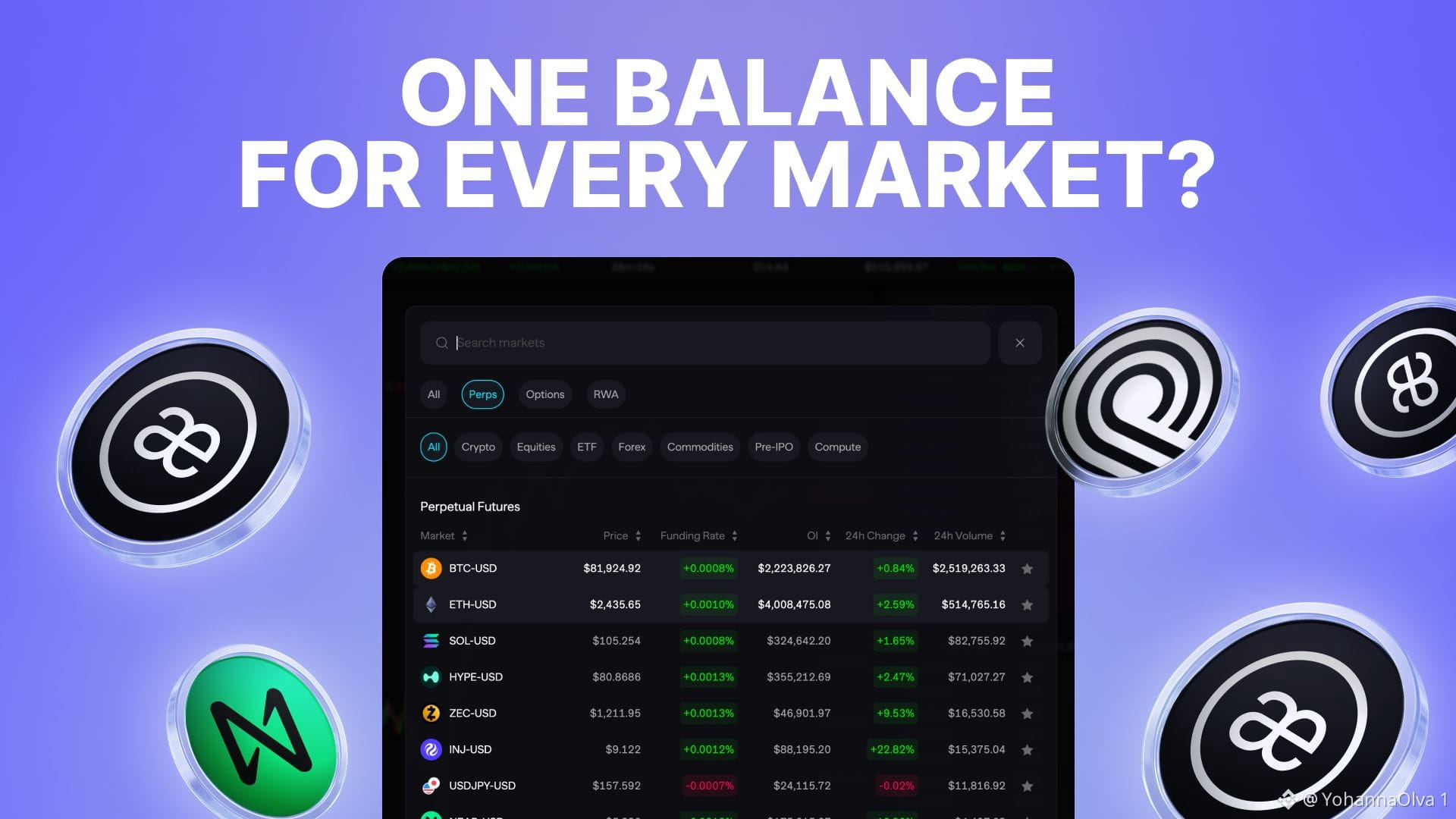
Một số dư nên đi theo cơ hội 🔥
Các thị trường quanh $ONDO và $NEAR có thể biến động vì những lý do hoàn toàn khác nhau, và đó chính là lý do tôi không thích để mỗi luận điểm đầu tư ở một thị trường trong một tài khoản riêng.
Cơ hội tốt nhất tuần này có thể đến từ tiền mã hóa, còn cơ hội tiếp theo lại xuất hiện ở cổ phiếu, ngoại hối, hàng hóa, hay thậm chí là giá năng lực tính toán AI.
Chia vốn qua nhiều nền tảng tạo ra trở ngại mỗi khi trọng tâm thay đổi, và tôi nghĩ mô hình tốt hơn là để tài sản thế chấp đi theo cơ hội.
Aevo hiện cung cấp các thị trường hợp đồng vĩnh cửu trên tiền mã hóa, cổ phiếu, hàng hóa, ngoại hối và năng lực tính toán.
Có thể mở các vị thế đó bằng cùng một tài khoản và cùng một nguồn tài sản thế chấp.
Với tôi, độ đa dạng của thị trường thực sự hữu ích khi vốn có thể luân chuyển giữa các thị trường mà không cần rời khỏi tài khoản giao dịch 💫
#Mùa Altcoin#
Một số dư nên đi theo cơ hội 🔥
Các thị trường quanh $ONDO và $NEAR có thể biến động vì những lý do hoàn toàn khác nhau, và đó chính là lý do tôi không thích để mỗi luận điểm đầu tư ở một thị trường trong một tài khoản riêng.
Cơ hội tốt nhất tuần này có thể đến từ tiền mã hóa, còn cơ hội tiếp theo lại xuất hiện ở cổ phiếu, ngoại hối, hàng hóa, hay thậm chí là giá năng lực tính toán AI.
Chia vốn qua nhiều nền tảng tạo ra trở ngại mỗi khi trọng tâm thay đổi, và tôi nghĩ mô hình tốt hơn là để tài sản thế chấp đi theo cơ hội.
Aevo hiện cung cấp các thị trường hợp đồng vĩnh cửu trên tiền mã hóa, cổ phiếu, hàng hóa, ngoại hối và năng lực tính toán.
Có thể mở các vị thế đó bằng cùng một tài khoản và cùng một nguồn tài sản thế chấp.
Với tôi, độ đa dạng của thị trường thực sự hữu ích khi vốn có thể luân chuyển giữa các thị trường mà không cần rời khỏi tài khoản giao dịch 💫
#Mùa Altcoin#
Các thị trường quanh $ONDO và $NEAR có thể biến động vì những lý do hoàn toàn khác nhau, và đó chính là lý do tôi không thích để mỗi luận điểm đầu tư ở một thị trường trong một tài khoản riêng.
Cơ hội tốt nhất tuần này có thể đến từ tiền mã hóa, còn cơ hội tiếp theo lại xuất hiện ở cổ phiếu, ngoại hối, hàng hóa, hay thậm chí là giá năng lực tính toán AI.
Chia vốn qua nhiều nền tảng tạo ra trở ngại mỗi khi trọng tâm thay đổi, và tôi nghĩ mô hình tốt hơn là để tài sản thế chấp đi theo cơ hội.
Aevo hiện cung cấp các thị trường hợp đồng vĩnh cửu trên tiền mã hóa, cổ phiếu, hàng hóa, ngoại hối và năng lực tính toán.
Có thể mở các vị thế đó bằng cùng một tài khoản và cùng một nguồn tài sản thế chấp.
Với tôi, độ đa dạng của thị trường thực sự hữu ích khi vốn có thể luân chuyển giữa các thị trường mà không cần rời khỏi tài khoản giao dịch 💫
#Mùa Altcoin#
76
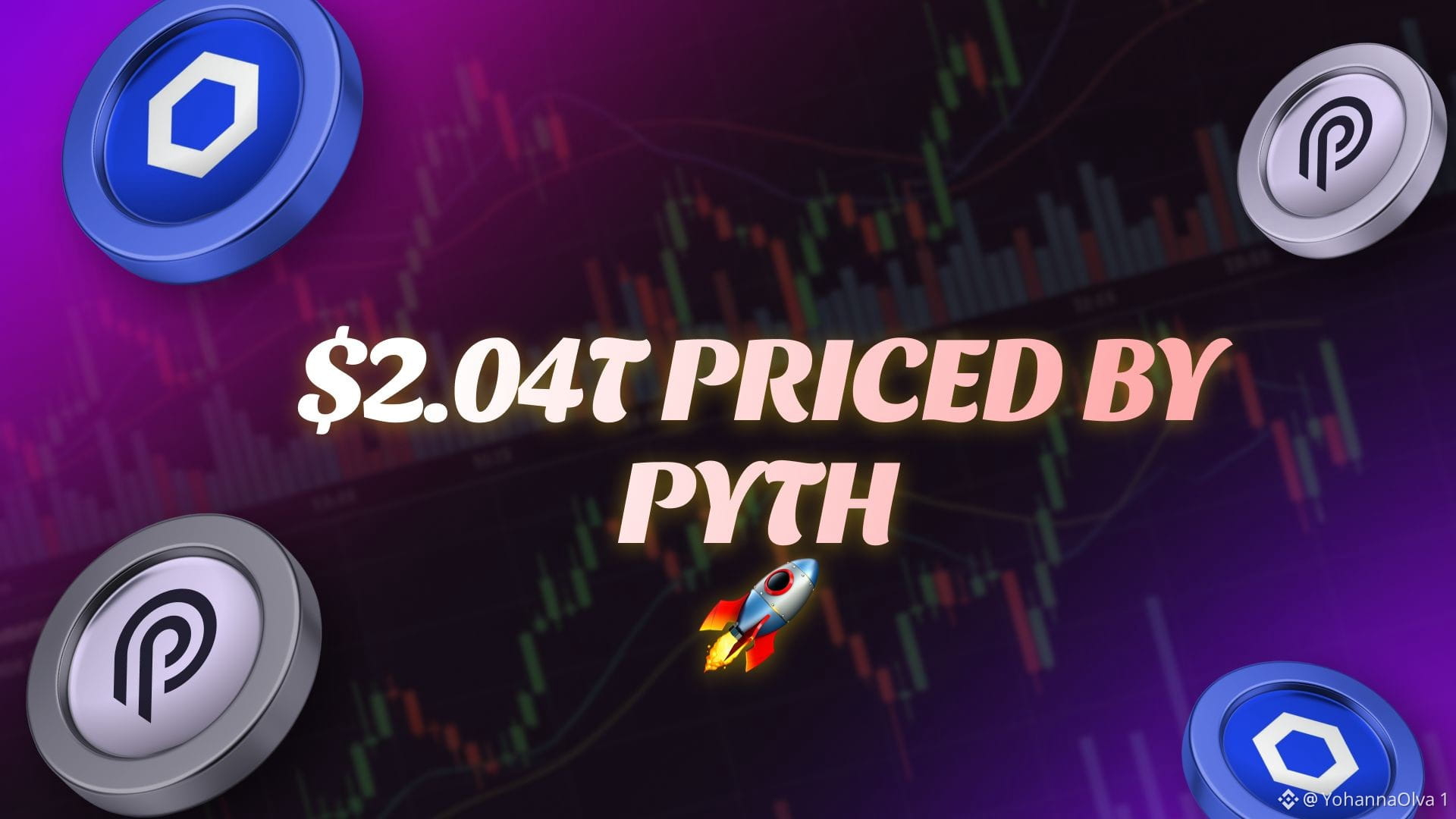
$PYTH Được định giá 2,04T USD, chiếm 94,4% thị phần RWA 📈
Khi bàn về oracle, ai cũng nhắc đến $LINK, nhưng Pyth vừa báo cáo mức tăng trưởng ARR theo quý là 86% và một quy định cam kết dùng 100% nguồn tiền từ sản phẩm của DAO để tích lũy PYTH.
Tôi đã xem dữ liệu mới nhất về phái sinh RWA, và khoảng cách giữa nhận định của thị trường về hai dự án này thật đáng chú ý.
Trên 22 nền tảng và 429 tài sản, các hợp đồng vĩnh cửu RWA được theo dõi đã tạo ra khối lượng giao dịch 2,16T USD trong Q3. Pyth cung cấp dữ liệu giá cho 2,04T USD trong số đó.
Chainlink, Stork và RedStone cộng lại chỉ chiếm khoảng 3% cùng thị trường này.
Và trước khi có ai nói Pyth chỉ thống trị một danh mục, hãy xem phân tích chi tiết:
• Cổ phiếu: 98,3%
• Hàng hóa: 91,6%
• Chỉ số: 91,2%
Đây là những con số phi thường đối với một nhà cung cấp hạ tầng đang cạnh tranh trong thị trường mà các nhà giao dịch phụ thuộc vào mức giá chính xác để ký quỹ, quản lý rủi ro và thanh lý.
Giờ đây, khía cạnh tài chính cũng đang bắt kịp.
Pyth kết thúc Q3 với ARR đạt 11,49 triệu USD, tăng 86% so với quý trước, và DAO đã phê duyệt Quy tắc 100%. Toàn bộ khoản tiền DAO nhận được từ các sản phẩm của Pyth giờ đây được cam kết dùng để tích lũy PYTH, trong đó các khoản thu bằng stablecoin sẽ được dùng để mua trên thị trường mở.
Tôi nghĩ ở đây có một sự chênh lệch khá thú vị.
Thương hiệu oracle dễ nhận diện nhất chưa chắc đã là cái tên thống trị việc định giá phái sinh RWA. Và giờ đây, Pyth đang kết hợp vị thế trên thị trường đó với doanh thu thương mại tăng tốc cùng chính sách tích lũy token có thể đo lường được.
Tôi sẽ theo dõi sát hơn nhiều các số liệu của quý tiếp theo.
#Mùa Altcoin# #RWA
$PYTH Được định giá 2,04T USD, chiếm 94,4% thị phần RWA 📈
Khi bàn về oracle, ai cũng nhắc đến $LINK, nhưng Pyth vừa báo cáo mức tăng trưởng ARR theo quý là 86% và một quy định cam kết dùng 100% nguồn tiền từ sản phẩm của DAO để tích lũy PYTH.
Tôi đã xem dữ liệu mới nhất về phái sinh RWA, và khoảng cách giữa nhận định của thị trường về hai dự án này thật đáng chú ý.
Trên 22 nền tảng và 429 tài sản, các hợp đồng vĩnh cửu RWA được theo dõi đã tạo ra khối lượng giao dịch 2,16T USD trong Q3. Pyth cung cấp dữ liệu giá cho 2,04T USD trong số đó.
Chainlink, Stork và RedStone cộng lại chỉ chiếm khoảng 3% cùng thị trường này.
Và trước khi có ai nói Pyth chỉ thống trị một danh mục, hãy xem phân tích chi tiết:
• Cổ phiếu: 98,3%
• Hàng hóa: 91,6%
• Chỉ số: 91,2%
Đây là những con số phi thường đối với một nhà cung cấp hạ tầng đang cạnh tranh trong thị trường mà các nhà giao dịch phụ thuộc vào mức giá chính xác để ký quỹ, quản lý rủi ro và thanh lý.
Giờ đây, khía cạnh tài chính cũng đang bắt kịp.
Pyth kết thúc Q3 với ARR đạt 11,49 triệu USD, tăng 86% so với quý trước, và DAO đã phê duyệt Quy tắc 100%. Toàn bộ khoản tiền DAO nhận được từ các sản phẩm của Pyth giờ đây được cam kết dùng để tích lũy PYTH, trong đó các khoản thu bằng stablecoin sẽ được dùng để mua trên thị trường mở.
Tôi nghĩ ở đây có một sự chênh lệch khá thú vị.
Thương hiệu oracle dễ nhận diện nhất chưa chắc đã là cái tên thống trị việc định giá phái sinh RWA. Và giờ đây, Pyth đang kết hợp vị thế trên thị trường đó với doanh thu thương mại tăng tốc cùng chính sách tích lũy token có thể đo lường được.
Tôi sẽ theo dõi sát hơn nhiều các số liệu của quý tiếp theo.
#Mùa Altcoin# #RWA
Khi bàn về oracle, ai cũng nhắc đến $LINK, nhưng Pyth vừa báo cáo mức tăng trưởng ARR theo quý là 86% và một quy định cam kết dùng 100% nguồn tiền từ sản phẩm của DAO để tích lũy PYTH.
Tôi đã xem dữ liệu mới nhất về phái sinh RWA, và khoảng cách giữa nhận định của thị trường về hai dự án này thật đáng chú ý.
Trên 22 nền tảng và 429 tài sản, các hợp đồng vĩnh cửu RWA được theo dõi đã tạo ra khối lượng giao dịch 2,16T USD trong Q3. Pyth cung cấp dữ liệu giá cho 2,04T USD trong số đó.
Chainlink, Stork và RedStone cộng lại chỉ chiếm khoảng 3% cùng thị trường này.
Và trước khi có ai nói Pyth chỉ thống trị một danh mục, hãy xem phân tích chi tiết:
• Cổ phiếu: 98,3%
• Hàng hóa: 91,6%
• Chỉ số: 91,2%
Đây là những con số phi thường đối với một nhà cung cấp hạ tầng đang cạnh tranh trong thị trường mà các nhà giao dịch phụ thuộc vào mức giá chính xác để ký quỹ, quản lý rủi ro và thanh lý.
Giờ đây, khía cạnh tài chính cũng đang bắt kịp.
Pyth kết thúc Q3 với ARR đạt 11,49 triệu USD, tăng 86% so với quý trước, và DAO đã phê duyệt Quy tắc 100%. Toàn bộ khoản tiền DAO nhận được từ các sản phẩm của Pyth giờ đây được cam kết dùng để tích lũy PYTH, trong đó các khoản thu bằng stablecoin sẽ được dùng để mua trên thị trường mở.
Tôi nghĩ ở đây có một sự chênh lệch khá thú vị.
Thương hiệu oracle dễ nhận diện nhất chưa chắc đã là cái tên thống trị việc định giá phái sinh RWA. Và giờ đây, Pyth đang kết hợp vị thế trên thị trường đó với doanh thu thương mại tăng tốc cùng chính sách tích lũy token có thể đo lường được.
Tôi sẽ theo dõi sát hơn nhiều các số liệu của quý tiếp theo.
#Mùa Altcoin# #RWA
69
Một số câu chuyện mùa altcoin hay nhất nằm bên dưới các ứng dụng ⛏️
$2Z là cơ sở hạ tầng, chứ không phải một nền tảng khác cạnh tranh sự chú ý của nhà giao dịch.
$SOL cho thấy các hệ thống hạ tầng nền tảng trở nên giá trị thế nào khi một hệ sinh thái bắt đầu tạo ra hoạt động đáng kể.
Khi thị trường tiền mã hóa trở nên sôi động, ai cũng chú ý đến các ứng dụng.
Các sàn giao dịch.
Các token.
Khối lượng giao dịch.
Nhưng mỗi lớp trong số đó đều tạo ra nhu cầu ở tầng bên dưới.
Kết nối.
Băng thông.
Phân phối dữ liệu thị trường.
DoubleZero nằm ở tầng thấp hơn đó.
Điều này khiến 2Z trở thành một câu chuyện mùa altcoin rất khác so với một token ứng dụng khác.
#Mùa Altcoin# #Nhận định Vĩ mô#
Một số câu chuyện mùa altcoin hay nhất nằm bên dưới các ứng dụng ⛏️
$2Z là cơ sở hạ tầng, chứ không phải một nền tảng khác cạnh tranh sự chú ý của nhà giao dịch.
$SOL cho thấy các hệ thống hạ tầng nền tảng trở nên giá trị thế nào khi một hệ sinh thái bắt đầu tạo ra hoạt động đáng kể.
Khi thị trường tiền mã hóa trở nên sôi động, ai cũng chú ý đến các ứng dụng.
Các sàn giao dịch.
Các token.
Khối lượng giao dịch.
Nhưng mỗi lớp trong số đó đều tạo ra nhu cầu ở tầng bên dưới.
Kết nối.
Băng thông.
Phân phối dữ liệu thị trường.
DoubleZero nằm ở tầng thấp hơn đó.
Điều này khiến 2Z trở thành một câu chuyện mùa altcoin rất khác so với một token ứng dụng khác.
#Mùa Altcoin# #Nhận định Vĩ mô#
$2Z là cơ sở hạ tầng, chứ không phải một nền tảng khác cạnh tranh sự chú ý của nhà giao dịch.
$SOL cho thấy các hệ thống hạ tầng nền tảng trở nên giá trị thế nào khi một hệ sinh thái bắt đầu tạo ra hoạt động đáng kể.
Khi thị trường tiền mã hóa trở nên sôi động, ai cũng chú ý đến các ứng dụng.
Các sàn giao dịch.
Các token.
Khối lượng giao dịch.
Nhưng mỗi lớp trong số đó đều tạo ra nhu cầu ở tầng bên dưới.
Kết nối.
Băng thông.
Phân phối dữ liệu thị trường.
DoubleZero nằm ở tầng thấp hơn đó.
Điều này khiến 2Z trở thành một câu chuyện mùa altcoin rất khác so với một token ứng dụng khác.
#Mùa Altcoin# #Nhận định Vĩ mô#
63
Còn 38 ngày nữa là đến chương tiếp theo 👀
Cộng đồng xung quanh $HYPE và $INJ đã quen với việc chuyển từ chất xúc tác này sang chất xúc tác khác khi sự chú ý dịch chuyển khắp thị trường.
Lịch sự kiện có một thách thức khác: sự chú ý cần được duy trì trong khoảng thời gian giữa các ngày diễn ra sự kiện. Nhưng tôi nghĩ khoảng cách giữa các trải nghiệm cũng quan trọng không kém bản thân các sự kiện.
Khoảng trống kéo dài có thể làm mất đà, còn vội vã tiến lên có thể khiến chương trước chưa kịp lắng lại.
Điều này đặc biệt quan trọng sau khi một cuối tuần trọng đại khép lại.
Singapore giờ đây đã trở thành một phần trong lịch sử các sự kiện đã diễn ra của $Trump Coin Club, và buổi gặp gỡ tiếp theo được công bố của Club là tiệc tối gala dự kiến tổ chức vào ngày 22 tháng 11.
Tính từ ngày 15 tháng 10, còn 38 ngày từ cuộc trò chuyện hiện tại đến ngày diễn ra sự kiện tiếp theo.
Theo tôi, khoảng thời gian đó nên kết nối hai chương một cách tự nhiên.
Singapore vẫn có thể được nhắc đến như một trải nghiệm đã hoàn tất, trong khi buổi tiệc tối gala dần trở thành tâm điểm tiếp theo.
#GócNhìnVĩMô#
Còn 38 ngày nữa là đến chương tiếp theo 👀
Cộng đồng xung quanh $HYPE và $INJ đã quen với việc chuyển từ chất xúc tác này sang chất xúc tác khác khi sự chú ý dịch chuyển khắp thị trường.
Lịch sự kiện có một thách thức khác: sự chú ý cần được duy trì trong khoảng thời gian giữa các ngày diễn ra sự kiện. Nhưng tôi nghĩ khoảng cách giữa các trải nghiệm cũng quan trọng không kém bản thân các sự kiện.
Khoảng trống kéo dài có thể làm mất đà, còn vội vã tiến lên có thể khiến chương trước chưa kịp lắng lại.
Điều này đặc biệt quan trọng sau khi một cuối tuần trọng đại khép lại.
Singapore giờ đây đã trở thành một phần trong lịch sử các sự kiện đã diễn ra của $Trump Coin Club, và buổi gặp gỡ tiếp theo được công bố của Club là tiệc tối gala dự kiến tổ chức vào ngày 22 tháng 11.
Tính từ ngày 15 tháng 10, còn 38 ngày từ cuộc trò chuyện hiện tại đến ngày diễn ra sự kiện tiếp theo.
Theo tôi, khoảng thời gian đó nên kết nối hai chương một cách tự nhiên.
Singapore vẫn có thể được nhắc đến như một trải nghiệm đã hoàn tất, trong khi buổi tiệc tối gala dần trở thành tâm điểm tiếp theo.
#GócNhìnVĩMô#
Cộng đồng xung quanh $HYPE và $INJ đã quen với việc chuyển từ chất xúc tác này sang chất xúc tác khác khi sự chú ý dịch chuyển khắp thị trường.
Lịch sự kiện có một thách thức khác: sự chú ý cần được duy trì trong khoảng thời gian giữa các ngày diễn ra sự kiện. Nhưng tôi nghĩ khoảng cách giữa các trải nghiệm cũng quan trọng không kém bản thân các sự kiện.
Khoảng trống kéo dài có thể làm mất đà, còn vội vã tiến lên có thể khiến chương trước chưa kịp lắng lại.
Điều này đặc biệt quan trọng sau khi một cuối tuần trọng đại khép lại.
Singapore giờ đây đã trở thành một phần trong lịch sử các sự kiện đã diễn ra của $Trump Coin Club, và buổi gặp gỡ tiếp theo được công bố của Club là tiệc tối gala dự kiến tổ chức vào ngày 22 tháng 11.
Tính từ ngày 15 tháng 10, còn 38 ngày từ cuộc trò chuyện hiện tại đến ngày diễn ra sự kiện tiếp theo.
Theo tôi, khoảng thời gian đó nên kết nối hai chương một cách tự nhiên.
Singapore vẫn có thể được nhắc đến như một trải nghiệm đã hoàn tất, trong khi buổi tiệc tối gala dần trở thành tâm điểm tiếp theo.
#GócNhìnVĩMô#
71
Vấn đề thực sự của DeFi chưa bao giờ là tài chính 💬
$UNI đã giải quyết giao dịch on-chain, rồi dành sáu năm chứng kiến người dùng loay hoay với giao diện. $BNKR đang đưa ra lập luận rằng giải pháp chỉ là một khung chat.
Thiết bị đầu cuối Bankr chạy trên trình duyệt, không cần cài đặt, tiện ích mở rộng hay quy trình thiết lập rườm rà. Bạn mở nó lên, nhập điều mình muốn, và giao dịch sẽ được thực hiện.
Mô tả ấy nghe quá đơn giản để trở thành một sản phẩm, và đó chính là lý do hầu hết mọi người chưa thử dùng.
Hãy nghĩ xem bình thường cần những gì để dùng DeFi. Một tiện ích mở rộng ví, cụm từ khôi phục được cất ở nơi bạn hy vọng là an toàn, chọn đúng mạng, có đủ token gas phù hợp, một tab trình tổng hợp, một tab trình khám phá khối, cùng vốn từ chuyên biệt của giao thức bạn đang dùng.
Chẳng điều nào trong số đó là tài chính. Đó là những thao tác rườm rà mà ngành này đã thôi để ý, vì ai ở đây cũng đã trả giá để học cách sử dụng chúng.
Giao diện chat trước hết loại bỏ yêu cầu phải biết thuật ngữ. Bạn không cần biết việc mình muốn làm là hoán đổi, định tuyến hay chuyển tài sản giữa các mạng. Chỉ cần mô tả kết quả bạn muốn.
Giới hạn cần nói rõ là giao diện thân thiện hơn không khiến các thao tác bên dưới an toàn hơn. Một câu lệnh có thể dịch chuyển tiền thật, và trách nhiệm kiểm tra nội dung bạn đã ký vẫn nguyên đó.
Nhưng điều khiến hầu hết mọi người ngần ngại với DeFi chưa bao giờ là mức độ chấp nhận rủi ro. Mà là họ không muốn cảm thấy mình ngốc nghếch trước một giao diện mặc định rằng họ đã biết mọi thứ.
Điều đó có thể giải quyết được, và đây chính là cách giải quyết.
#DeFi #Base
Vấn đề thực sự của DeFi chưa bao giờ là tài chính 💬
$UNI đã giải quyết giao dịch on-chain, rồi dành sáu năm chứng kiến người dùng loay hoay với giao diện. $BNKR đang đưa ra lập luận rằng giải pháp chỉ là một khung chat.
Thiết bị đầu cuối Bankr chạy trên trình duyệt, không cần cài đặt, tiện ích mở rộng hay quy trình thiết lập rườm rà. Bạn mở nó lên, nhập điều mình muốn, và giao dịch sẽ được thực hiện.
Mô tả ấy nghe quá đơn giản để trở thành một sản phẩm, và đó chính là lý do hầu hết mọi người chưa thử dùng.
Hãy nghĩ xem bình thường cần những gì để dùng DeFi. Một tiện ích mở rộng ví, cụm từ khôi phục được cất ở nơi bạn hy vọng là an toàn, chọn đúng mạng, có đủ token gas phù hợp, một tab trình tổng hợp, một tab trình khám phá khối, cùng vốn từ chuyên biệt của giao thức bạn đang dùng.
Chẳng điều nào trong số đó là tài chính. Đó là những thao tác rườm rà mà ngành này đã thôi để ý, vì ai ở đây cũng đã trả giá để học cách sử dụng chúng.
Giao diện chat trước hết loại bỏ yêu cầu phải biết thuật ngữ. Bạn không cần biết việc mình muốn làm là hoán đổi, định tuyến hay chuyển tài sản giữa các mạng. Chỉ cần mô tả kết quả bạn muốn.
Giới hạn cần nói rõ là giao diện thân thiện hơn không khiến các thao tác bên dưới an toàn hơn. Một câu lệnh có thể dịch chuyển tiền thật, và trách nhiệm kiểm tra nội dung bạn đã ký vẫn nguyên đó.
Nhưng điều khiến hầu hết mọi người ngần ngại với DeFi chưa bao giờ là mức độ chấp nhận rủi ro. Mà là họ không muốn cảm thấy mình ngốc nghếch trước một giao diện mặc định rằng họ đã biết mọi thứ.
Điều đó có thể giải quyết được, và đây chính là cách giải quyết.
#DeFi #Base
$UNI đã giải quyết giao dịch on-chain, rồi dành sáu năm chứng kiến người dùng loay hoay với giao diện. $BNKR đang đưa ra lập luận rằng giải pháp chỉ là một khung chat.
Thiết bị đầu cuối Bankr chạy trên trình duyệt, không cần cài đặt, tiện ích mở rộng hay quy trình thiết lập rườm rà. Bạn mở nó lên, nhập điều mình muốn, và giao dịch sẽ được thực hiện.
Mô tả ấy nghe quá đơn giản để trở thành một sản phẩm, và đó chính là lý do hầu hết mọi người chưa thử dùng.
Hãy nghĩ xem bình thường cần những gì để dùng DeFi. Một tiện ích mở rộng ví, cụm từ khôi phục được cất ở nơi bạn hy vọng là an toàn, chọn đúng mạng, có đủ token gas phù hợp, một tab trình tổng hợp, một tab trình khám phá khối, cùng vốn từ chuyên biệt của giao thức bạn đang dùng.
Chẳng điều nào trong số đó là tài chính. Đó là những thao tác rườm rà mà ngành này đã thôi để ý, vì ai ở đây cũng đã trả giá để học cách sử dụng chúng.
Giao diện chat trước hết loại bỏ yêu cầu phải biết thuật ngữ. Bạn không cần biết việc mình muốn làm là hoán đổi, định tuyến hay chuyển tài sản giữa các mạng. Chỉ cần mô tả kết quả bạn muốn.
Giới hạn cần nói rõ là giao diện thân thiện hơn không khiến các thao tác bên dưới an toàn hơn. Một câu lệnh có thể dịch chuyển tiền thật, và trách nhiệm kiểm tra nội dung bạn đã ký vẫn nguyên đó.
Nhưng điều khiến hầu hết mọi người ngần ngại với DeFi chưa bao giờ là mức độ chấp nhận rủi ro. Mà là họ không muốn cảm thấy mình ngốc nghếch trước một giao diện mặc định rằng họ đã biết mọi thứ.
Điều đó có thể giải quyết được, và đây chính là cách giải quyết.
#DeFi #Base

67
Dự đoán giá Kinetiq 🌊
Ba mục tiêu. Ba mức xác suất rất khác nhau.
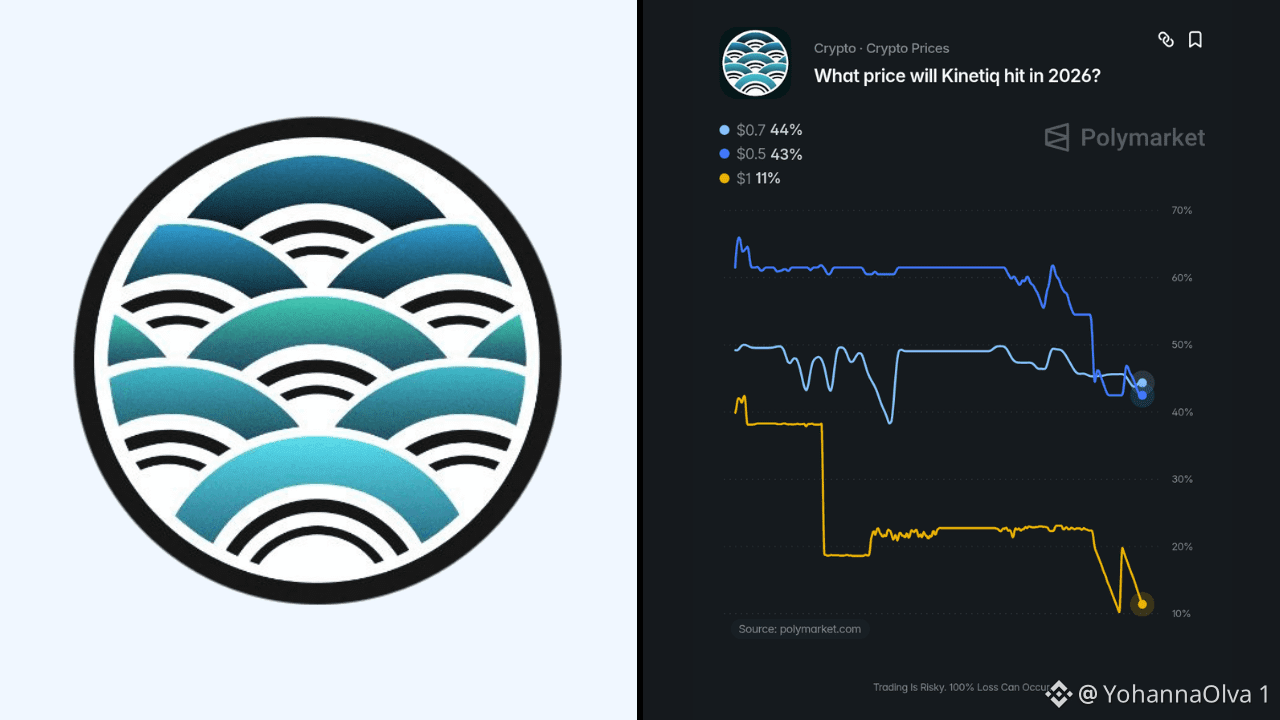
Các nhà giao dịch trên Polymarket đang định giá một số cột mốc tiềm năng của Kinetiq trong năm 2026, và những con số này rất đáng để xem xét.
Cụ thể như sau:
🌊 $0.70 → xác suất 44%
📈 $0.50 → xác suất 43%
🚀 $1.00 → xác suất 11%
Điều nổi bật ngay lập tức là hai kết quả đầu tiên có mức định giá rất sát nhau.
Trong khi đó, theo thị trường, mục tiêu $1 có khả năng xảy ra thấp hơn đáng kể.
Với mức giá YES là 11%, khoản đầu tư $100 vào cột mốc $1 có thể thu về khoảng $909 nếu kết quả được xác nhận là thành công.
Đó là khoản lợi nhuận tiềm năng gấp 9 lần.
Nhưng điều tôi quan tâm hơn là những xác suất này có thể thay đổi ra sao khi năm dần trôi qua.
Giả sử những diễn biến tích cực xoay quanh Kinetiq đẩy xác suất đạt $1 từ 11% lên 22%.
Một vị thế YES hiện có có thể tăng gấp đôi giá trị trên thị trường mà token thậm chí chưa chạm đến mức giá đó.
Và đó chính là lý do tôi thích theo dõi những thị trường dự đoán tiền mã hóa quy mô nhỏ này.
Thay vì phải mua tài sản cơ sở, tôi có thể giao dịch theo kỳ vọng của thị trường xoay quanh các cột mốc giá cụ thể.
Với các nhà giao dịch đang theo dõi hệ sinh thái $HYPE, Kinetiq là một câu chuyện khác đáng theo dõi trên Polymarket.
Câu hỏi thực sự là liệu các xác suất hiện tại có đang đánh giá thấp tiềm năng của Kinetiq hay phản ánh chính xác khoảng thời gian còn lại trước khi năm kết thúc.
Bạn sẽ giao dịch theo mục tiêu nào?
#Altcoin Season#
Dự đoán giá Kinetiq 🌊
Ba mục tiêu. Ba mức xác suất rất khác nhau.
Các nhà giao dịch trên Polymarket đang định giá một số cột mốc tiềm năng của Kinetiq trong năm 2026, và những con số này rất đáng để xem xét.
Cụ thể như sau:
🌊 $0.70 → xác suất 44%
📈 $0.50 → xác suất 43%
🚀 $1.00 → xác suất 11%
Điều nổi bật ngay lập tức là hai kết quả đầu tiên có mức định giá rất sát nhau.
Trong khi đó, theo thị trường, mục tiêu $1 có khả năng xảy ra thấp hơn đáng kể.
Với mức giá YES là 11%, khoản đầu tư $100 vào cột mốc $1 có thể thu về khoảng $909 nếu kết quả được xác nhận là thành công.
Đó là khoản lợi nhuận tiềm năng gấp 9 lần.
Nhưng điều tôi quan tâm hơn là những xác suất này có thể thay đổi ra sao khi năm dần trôi qua.
Giả sử những diễn biến tích cực xoay quanh Kinetiq đẩy xác suất đạt $1 từ 11% lên 22%.
Một vị thế YES hiện có có thể tăng gấp đôi giá trị trên thị trường mà token thậm chí chưa chạm đến mức giá đó.
Và đó chính là lý do tôi thích theo dõi những thị trường dự đoán tiền mã hóa quy mô nhỏ này.
Thay vì phải mua tài sản cơ sở, tôi có thể giao dịch theo kỳ vọng của thị trường xoay quanh các cột mốc giá cụ thể.
Với các nhà giao dịch đang theo dõi hệ sinh thái $HYPE, Kinetiq là một câu chuyện khác đáng theo dõi trên Polymarket.
Câu hỏi thực sự là liệu các xác suất hiện tại có đang đánh giá thấp tiềm năng của Kinetiq hay phản ánh chính xác khoảng thời gian còn lại trước khi năm kết thúc.
Bạn sẽ giao dịch theo mục tiêu nào?
#Altcoin Season#
Ba mục tiêu. Ba mức xác suất rất khác nhau.
Các nhà giao dịch trên Polymarket đang định giá một số cột mốc tiềm năng của Kinetiq trong năm 2026, và những con số này rất đáng để xem xét.
Cụ thể như sau:
🌊 $0.70 → xác suất 44%
📈 $0.50 → xác suất 43%
🚀 $1.00 → xác suất 11%
Điều nổi bật ngay lập tức là hai kết quả đầu tiên có mức định giá rất sát nhau.
Trong khi đó, theo thị trường, mục tiêu $1 có khả năng xảy ra thấp hơn đáng kể.
Với mức giá YES là 11%, khoản đầu tư $100 vào cột mốc $1 có thể thu về khoảng $909 nếu kết quả được xác nhận là thành công.
Đó là khoản lợi nhuận tiềm năng gấp 9 lần.
Nhưng điều tôi quan tâm hơn là những xác suất này có thể thay đổi ra sao khi năm dần trôi qua.
Giả sử những diễn biến tích cực xoay quanh Kinetiq đẩy xác suất đạt $1 từ 11% lên 22%.
Một vị thế YES hiện có có thể tăng gấp đôi giá trị trên thị trường mà token thậm chí chưa chạm đến mức giá đó.
Và đó chính là lý do tôi thích theo dõi những thị trường dự đoán tiền mã hóa quy mô nhỏ này.
Thay vì phải mua tài sản cơ sở, tôi có thể giao dịch theo kỳ vọng của thị trường xoay quanh các cột mốc giá cụ thể.
Với các nhà giao dịch đang theo dõi hệ sinh thái $HYPE, Kinetiq là một câu chuyện khác đáng theo dõi trên Polymarket.
Câu hỏi thực sự là liệu các xác suất hiện tại có đang đánh giá thấp tiềm năng của Kinetiq hay phản ánh chính xác khoảng thời gian còn lại trước khi năm kết thúc.
Bạn sẽ giao dịch theo mục tiêu nào?
#Altcoin Season#
72
$LINK Vừa trở nên thú vị hơn 👀
Một bước phát triển đáng được chú ý hơn là Space and Time hiện đã có mặt trong Chainlink Runtime Environment.
Hãy nghĩ xem điều này mở ra những khả năng gì.
Hợp đồng thông minh ngày càng cần thông tin vượt ra ngoài blockchain gốc của chúng. Nhưng việc phụ thuộc vào dữ liệu bên ngoài đặt ra những câu hỏi về độ chính xác và độ tin cậy.
Space and Time giải quyết khía cạnh tính toán bằng Proof of SQL.
Quy trình rất đơn giản:
➡️ Truy vấn dữ liệu blockchain thông qua Space and Time.
➡️ Tạo bằng chứng mật mã cùng với kết quả.
➡️ Xác minh bằng chứng đó trong một quy trình làm việc của Chainlink CRE.
➡️ Dùng kết quả đã xác minh để định hướng các hành động tiếp theo của hợp đồng.
Điều này mở ra cơ hội cho các ứng dụng DeFi tinh vi hơn, bao gồm kiểm tra dự trữ, quyết định tự động và các sản phẩm tài chính dựa trên dữ liệu.
Điều khiến tôi chú ý là sự kết hợp của hai công nghệ bổ trợ cho nhau: cơ sở hạ tầng điều phối của Chainlink và khả năng tính toán có thể xác minh của Space and Time.
Thế hệ hợp đồng thông minh tiếp theo sẽ không chỉ cần nhiều dữ liệu hơn. Chúng còn cần những bảo đảm mạnh mẽ hơn về dữ liệu mà chúng sử dụng.
#MùaAltcoin#
$LINK Vừa trở nên thú vị hơn 👀
Một bước phát triển đáng được chú ý hơn là Space and Time hiện đã có mặt trong Chainlink Runtime Environment.
Hãy nghĩ xem điều này mở ra những khả năng gì.
Hợp đồng thông minh ngày càng cần thông tin vượt ra ngoài blockchain gốc của chúng. Nhưng việc phụ thuộc vào dữ liệu bên ngoài đặt ra những câu hỏi về độ chính xác và độ tin cậy.
Space and Time giải quyết khía cạnh tính toán bằng Proof of SQL.
Quy trình rất đơn giản:
➡️ Truy vấn dữ liệu blockchain thông qua Space and Time.
➡️ Tạo bằng chứng mật mã cùng với kết quả.
➡️ Xác minh bằng chứng đó trong một quy trình làm việc của Chainlink CRE.
➡️ Dùng kết quả đã xác minh để định hướng các hành động tiếp theo của hợp đồng.
Điều này mở ra cơ hội cho các ứng dụng DeFi tinh vi hơn, bao gồm kiểm tra dự trữ, quyết định tự động và các sản phẩm tài chính dựa trên dữ liệu.
Điều khiến tôi chú ý là sự kết hợp của hai công nghệ bổ trợ cho nhau: cơ sở hạ tầng điều phối của Chainlink và khả năng tính toán có thể xác minh của Space and Time.
Thế hệ hợp đồng thông minh tiếp theo sẽ không chỉ cần nhiều dữ liệu hơn. Chúng còn cần những bảo đảm mạnh mẽ hơn về dữ liệu mà chúng sử dụng.
#MùaAltcoin#
Một bước phát triển đáng được chú ý hơn là Space and Time hiện đã có mặt trong Chainlink Runtime Environment.
Hãy nghĩ xem điều này mở ra những khả năng gì.
Hợp đồng thông minh ngày càng cần thông tin vượt ra ngoài blockchain gốc của chúng. Nhưng việc phụ thuộc vào dữ liệu bên ngoài đặt ra những câu hỏi về độ chính xác và độ tin cậy.
Space and Time giải quyết khía cạnh tính toán bằng Proof of SQL.
Quy trình rất đơn giản:
➡️ Truy vấn dữ liệu blockchain thông qua Space and Time.
➡️ Tạo bằng chứng mật mã cùng với kết quả.
➡️ Xác minh bằng chứng đó trong một quy trình làm việc của Chainlink CRE.
➡️ Dùng kết quả đã xác minh để định hướng các hành động tiếp theo của hợp đồng.
Điều này mở ra cơ hội cho các ứng dụng DeFi tinh vi hơn, bao gồm kiểm tra dự trữ, quyết định tự động và các sản phẩm tài chính dựa trên dữ liệu.
Điều khiến tôi chú ý là sự kết hợp của hai công nghệ bổ trợ cho nhau: cơ sở hạ tầng điều phối của Chainlink và khả năng tính toán có thể xác minh của Space and Time.
Thế hệ hợp đồng thông minh tiếp theo sẽ không chỉ cần nhiều dữ liệu hơn. Chúng còn cần những bảo đảm mạnh mẽ hơn về dữ liệu mà chúng sử dụng.
#MùaAltcoin#
73
Cộng đồng vững mạnh cần có tính hoàn tất của riêng mình 🔥
Các mạng lưới xoay quanh $STRK và $ZK được thiết kế để chuyển hoạt động từ trạng thái đang chờ sang đã xác nhận.
Các cộng đồng Web3 cũng đối mặt với một thử thách tương tự, nhưng ở khía cạnh con người.
Những khoảnh khắc trực tuyến trôi qua rất nhanh, và ngay cả những tương tác ý nghĩa cũng có thể biến mất trong dòng tin bất tận. Nhưng một trải nghiệm ngoài đời thực tạo cho cả nhóm một dấu mốc cố định trong lịch sử chung.
Tôi nghĩ điều đó quan trọng vì văn hóa được hình thành qua những khoảnh khắc mà mọi người có thể nhắc lại với sự chắc chắn.
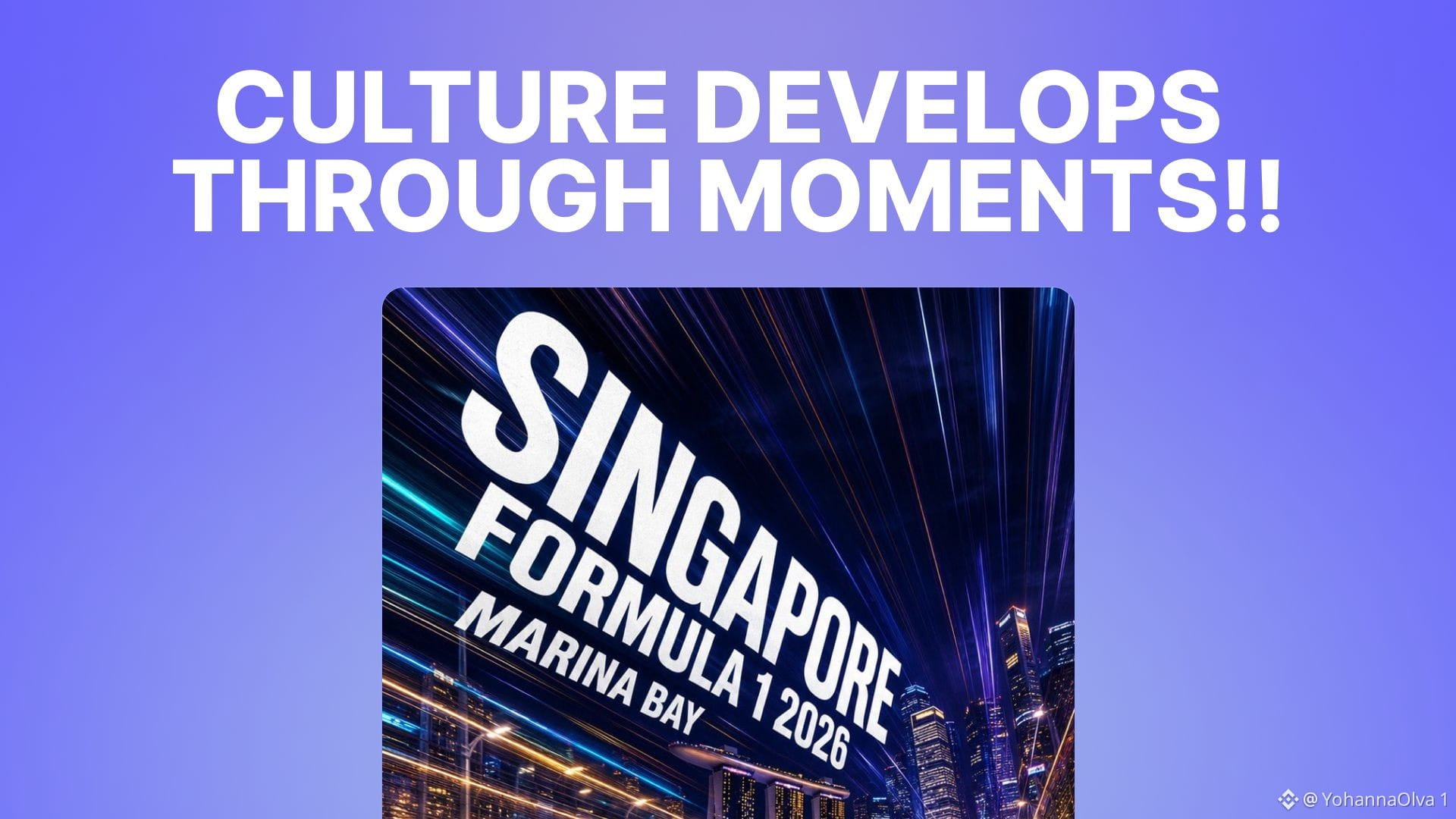
Trải nghiệm của $Trump Coin Club Singapore sẽ bước vào ngày cuối cùng theo lịch trình hôm nay. Khi chương trình khép lại, cuối tuần này sẽ trở thành một phần trong câu chuyện mà Câu lạc bộ kể về chính mình.
Những cuộc trò chuyện trong tương lai sẽ có một trải nghiệm thực tế làm nền tảng, thay vì chỉ tồn tại hoàn toàn trên mạng.
Đó là tính hoàn tất theo cách của cộng đồng.
#Góc nhìn vĩ mô#
Cộng đồng vững mạnh cần có tính hoàn tất của riêng mình 🔥
Các mạng lưới xoay quanh $STRK và $ZK được thiết kế để chuyển hoạt động từ trạng thái đang chờ sang đã xác nhận.
Các cộng đồng Web3 cũng đối mặt với một thử thách tương tự, nhưng ở khía cạnh con người.
Những khoảnh khắc trực tuyến trôi qua rất nhanh, và ngay cả những tương tác ý nghĩa cũng có thể biến mất trong dòng tin bất tận. Nhưng một trải nghiệm ngoài đời thực tạo cho cả nhóm một dấu mốc cố định trong lịch sử chung.
Tôi nghĩ điều đó quan trọng vì văn hóa được hình thành qua những khoảnh khắc mà mọi người có thể nhắc lại với sự chắc chắn.
Trải nghiệm của $Trump Coin Club Singapore sẽ bước vào ngày cuối cùng theo lịch trình hôm nay. Khi chương trình khép lại, cuối tuần này sẽ trở thành một phần trong câu chuyện mà Câu lạc bộ kể về chính mình.
Những cuộc trò chuyện trong tương lai sẽ có một trải nghiệm thực tế làm nền tảng, thay vì chỉ tồn tại hoàn toàn trên mạng.
Đó là tính hoàn tất theo cách của cộng đồng.
#Góc nhìn vĩ mô#
Các mạng lưới xoay quanh $STRK và $ZK được thiết kế để chuyển hoạt động từ trạng thái đang chờ sang đã xác nhận.
Các cộng đồng Web3 cũng đối mặt với một thử thách tương tự, nhưng ở khía cạnh con người.
Những khoảnh khắc trực tuyến trôi qua rất nhanh, và ngay cả những tương tác ý nghĩa cũng có thể biến mất trong dòng tin bất tận. Nhưng một trải nghiệm ngoài đời thực tạo cho cả nhóm một dấu mốc cố định trong lịch sử chung.
Tôi nghĩ điều đó quan trọng vì văn hóa được hình thành qua những khoảnh khắc mà mọi người có thể nhắc lại với sự chắc chắn.
Trải nghiệm của $Trump Coin Club Singapore sẽ bước vào ngày cuối cùng theo lịch trình hôm nay. Khi chương trình khép lại, cuối tuần này sẽ trở thành một phần trong câu chuyện mà Câu lạc bộ kể về chính mình.
Những cuộc trò chuyện trong tương lai sẽ có một trải nghiệm thực tế làm nền tảng, thay vì chỉ tồn tại hoàn toàn trên mạng.
Đó là tính hoàn tất theo cách của cộng đồng.
#Góc nhìn vĩ mô#
62
Sở thích chung vượt qua mọi biên giới 🌍
Một điểm đáng chú ý trong câu chuyện về $XLM là Stellar tập trung vào việc mở rộng khả năng tiếp cận tài sản số.
Điều đó khiến tôi nghĩ đến cách các cộng đồng hình thành xuyên biên giới.
Niềm yêu thích ô tô có thể kết nối những người chưa từng đặt chân đến cùng một quốc gia.
DeLorean có một bản sắc dễ nhận diện như vậy.
Hệ sinh thái số của dự án mở ra một không gian khác để mọi người khám phá sở thích chung, ở bất cứ nơi nào có hỗ trợ truy cập.
Đó là một hướng đi hấp dẫn cho cuộc thảo luận rộng hơn về RWA.
Đối tượng tiềm năng bao gồm những người đến với dự án thông qua văn hóa, thú sưu tầm hoặc niềm đam mê ô tô.
Họ sẽ mang theo những kỳ vọng khác nhau.
Trong Mùa Altcoin, tôi nghĩ sự đa dạng trong cách mọi người bắt đầu tìm hiểu là điều đáng cân nhắc.
Một dự án có thể trở nên thú vị với ai đó trước cả khi họ nghĩ mình là người dùng tiền mã hóa.
#Altcoin Season#
Sở thích chung vượt qua mọi biên giới 🌍
Một điểm đáng chú ý trong câu chuyện về $XLM là Stellar tập trung vào việc mở rộng khả năng tiếp cận tài sản số.
Điều đó khiến tôi nghĩ đến cách các cộng đồng hình thành xuyên biên giới.
Niềm yêu thích ô tô có thể kết nối những người chưa từng đặt chân đến cùng một quốc gia.
DeLorean có một bản sắc dễ nhận diện như vậy.
Hệ sinh thái số của dự án mở ra một không gian khác để mọi người khám phá sở thích chung, ở bất cứ nơi nào có hỗ trợ truy cập.
Đó là một hướng đi hấp dẫn cho cuộc thảo luận rộng hơn về RWA.
Đối tượng tiềm năng bao gồm những người đến với dự án thông qua văn hóa, thú sưu tầm hoặc niềm đam mê ô tô.
Họ sẽ mang theo những kỳ vọng khác nhau.
Trong Mùa Altcoin, tôi nghĩ sự đa dạng trong cách mọi người bắt đầu tìm hiểu là điều đáng cân nhắc.
Một dự án có thể trở nên thú vị với ai đó trước cả khi họ nghĩ mình là người dùng tiền mã hóa.
#Altcoin Season#
Một điểm đáng chú ý trong câu chuyện về $XLM là Stellar tập trung vào việc mở rộng khả năng tiếp cận tài sản số.
Điều đó khiến tôi nghĩ đến cách các cộng đồng hình thành xuyên biên giới.
Niềm yêu thích ô tô có thể kết nối những người chưa từng đặt chân đến cùng một quốc gia.
DeLorean có một bản sắc dễ nhận diện như vậy.
Hệ sinh thái số của dự án mở ra một không gian khác để mọi người khám phá sở thích chung, ở bất cứ nơi nào có hỗ trợ truy cập.
Đó là một hướng đi hấp dẫn cho cuộc thảo luận rộng hơn về RWA.
Đối tượng tiềm năng bao gồm những người đến với dự án thông qua văn hóa, thú sưu tầm hoặc niềm đam mê ô tô.
Họ sẽ mang theo những kỳ vọng khác nhau.
Trong Mùa Altcoin, tôi nghĩ sự đa dạng trong cách mọi người bắt đầu tìm hiểu là điều đáng cân nhắc.
Một dự án có thể trở nên thú vị với ai đó trước cả khi họ nghĩ mình là người dùng tiền mã hóa.
#Altcoin Season#
59
Kiếm lời từ khoảng cách giữa các câu chuyện 💸
$DRV hiện đã có thể giao dịch trên Pear Protocol, và đã xuất hiện một cơ hội giao dịch giá trị tương đối thú vị đáng để theo dõi.
Doanh thu của Derive gần đây đạt mức cao nhất mọi thời đại (ATH), trong khi doanh thu PONS đang giảm dần.
Giao dịch cặp cho phép bạn tận dụng sự phân kỳ này để kiếm lời. Các trader hàng đầu trên Pear Protocol đã bắt đầu xây dựng giao dịch này, bạn có thể dễ dàng tham gia hoặc đặt vị thế ngược lại chỉ bằng một cú nhấp.
Bạn có thể khám phá ý tưởng từ những trader mình tin tưởng, dùng AI Agent Pear để kiểm chứng lập luận bằng dữ liệu định lượng và hỗ trợ xây dựng vị thế, rồi tham gia hoặc đặt vị thế ngược lại.
Với giao dịch cụ thể này, bạn sẽ cần chọn engine $LIT. Thay vì đặt cược rằng một câu chuyện sẽ khiến giá tăng mạnh, bạn đang thể hiện quan điểm về tài sản nào có thể vượt trội hơn tài sản còn lại. Điều này giúp giảm đáng kể rủi ro biến động theo một chiều trong các vị thế của bạn.
Khám phá các giao dịch tại app.pear.garden/trade
#Mùa Altcoin#
Kiếm lời từ khoảng cách giữa các câu chuyện 💸
$DRV hiện đã có thể giao dịch trên Pear Protocol, và đã xuất hiện một cơ hội giao dịch giá trị tương đối thú vị đáng để theo dõi.
Doanh thu của Derive gần đây đạt mức cao nhất mọi thời đại (ATH), trong khi doanh thu PONS đang giảm dần.
Giao dịch cặp cho phép bạn tận dụng sự phân kỳ này để kiếm lời. Các trader hàng đầu trên Pear Protocol đã bắt đầu xây dựng giao dịch này, bạn có thể dễ dàng tham gia hoặc đặt vị thế ngược lại chỉ bằng một cú nhấp.
Bạn có thể khám phá ý tưởng từ những trader mình tin tưởng, dùng AI Agent Pear để kiểm chứng lập luận bằng dữ liệu định lượng và hỗ trợ xây dựng vị thế, rồi tham gia hoặc đặt vị thế ngược lại.
Với giao dịch cụ thể này, bạn sẽ cần chọn engine $LIT. Thay vì đặt cược rằng một câu chuyện sẽ khiến giá tăng mạnh, bạn đang thể hiện quan điểm về tài sản nào có thể vượt trội hơn tài sản còn lại. Điều này giúp giảm đáng kể rủi ro biến động theo một chiều trong các vị thế của bạn.
Khám phá các giao dịch tại app.pear.garden/trade
#Mùa Altcoin#
$DRV hiện đã có thể giao dịch trên Pear Protocol, và đã xuất hiện một cơ hội giao dịch giá trị tương đối thú vị đáng để theo dõi.
Doanh thu của Derive gần đây đạt mức cao nhất mọi thời đại (ATH), trong khi doanh thu PONS đang giảm dần.
Giao dịch cặp cho phép bạn tận dụng sự phân kỳ này để kiếm lời. Các trader hàng đầu trên Pear Protocol đã bắt đầu xây dựng giao dịch này, bạn có thể dễ dàng tham gia hoặc đặt vị thế ngược lại chỉ bằng một cú nhấp.
Bạn có thể khám phá ý tưởng từ những trader mình tin tưởng, dùng AI Agent Pear để kiểm chứng lập luận bằng dữ liệu định lượng và hỗ trợ xây dựng vị thế, rồi tham gia hoặc đặt vị thế ngược lại.
Với giao dịch cụ thể này, bạn sẽ cần chọn engine $LIT. Thay vì đặt cược rằng một câu chuyện sẽ khiến giá tăng mạnh, bạn đang thể hiện quan điểm về tài sản nào có thể vượt trội hơn tài sản còn lại. Điều này giúp giảm đáng kể rủi ro biến động theo một chiều trong các vị thế của bạn.
Khám phá các giao dịch tại app.pear.garden/trade
#Mùa Altcoin#
65
Dữ liệu Binance giờ đây đã được tích hợp vào cùng hệ thống Edge 📡
$2Z mang đến cho các bàn giao dịch ngày càng nhiều nguồn dữ liệu thị trường thông qua một kết nối chung.
$HYPE giúp cho thấy giá trị của điều đó khi các bàn giao dịch đã theo dõi nhiều sàn có biến động nhanh.
Giờ đây, dữ liệu thị trường hợp đồng tương lai của Binance đã có thể được truy cập thông qua DoubleZero Edge, giúp danh mục nguồn dữ liệu hữu ích hơn mà không làm thay đổi mô hình phân phối hiện tại.
Dữ liệu có thể được chuyển đến cùng khu vực với các luồng dữ liệu Edge khác.
Cùng một kết nối.
Cùng một định dạng.
Mở rộng phạm vi bao phủ thị trường thông qua hạ tầng đã có sẵn. Đó là điều tôi thích nhất ở lần ra mắt này.
Mỗi nguồn dữ liệu mới đều làm cho hệ thống hiện có trở nên giá trị hơn.
#DữLiệuThịTrường #DeFi
Dữ liệu Binance giờ đây đã được tích hợp vào cùng hệ thống Edge 📡
$2Z mang đến cho các bàn giao dịch ngày càng nhiều nguồn dữ liệu thị trường thông qua một kết nối chung.
$HYPE giúp cho thấy giá trị của điều đó khi các bàn giao dịch đã theo dõi nhiều sàn có biến động nhanh.
Giờ đây, dữ liệu thị trường hợp đồng tương lai của Binance đã có thể được truy cập thông qua DoubleZero Edge, giúp danh mục nguồn dữ liệu hữu ích hơn mà không làm thay đổi mô hình phân phối hiện tại.
Dữ liệu có thể được chuyển đến cùng khu vực với các luồng dữ liệu Edge khác.
Cùng một kết nối.
Cùng một định dạng.
Mở rộng phạm vi bao phủ thị trường thông qua hạ tầng đã có sẵn. Đó là điều tôi thích nhất ở lần ra mắt này.
Mỗi nguồn dữ liệu mới đều làm cho hệ thống hiện có trở nên giá trị hơn.
#DữLiệuThịTrường #DeFi
$2Z mang đến cho các bàn giao dịch ngày càng nhiều nguồn dữ liệu thị trường thông qua một kết nối chung.
$HYPE giúp cho thấy giá trị của điều đó khi các bàn giao dịch đã theo dõi nhiều sàn có biến động nhanh.
Giờ đây, dữ liệu thị trường hợp đồng tương lai của Binance đã có thể được truy cập thông qua DoubleZero Edge, giúp danh mục nguồn dữ liệu hữu ích hơn mà không làm thay đổi mô hình phân phối hiện tại.
Dữ liệu có thể được chuyển đến cùng khu vực với các luồng dữ liệu Edge khác.
Cùng một kết nối.
Cùng một định dạng.
Mở rộng phạm vi bao phủ thị trường thông qua hạ tầng đã có sẵn. Đó là điều tôi thích nhất ở lần ra mắt này.
Mỗi nguồn dữ liệu mới đều làm cho hệ thống hiện có trở nên giá trị hơn.
#DữLiệuThịTrường #DeFi
87
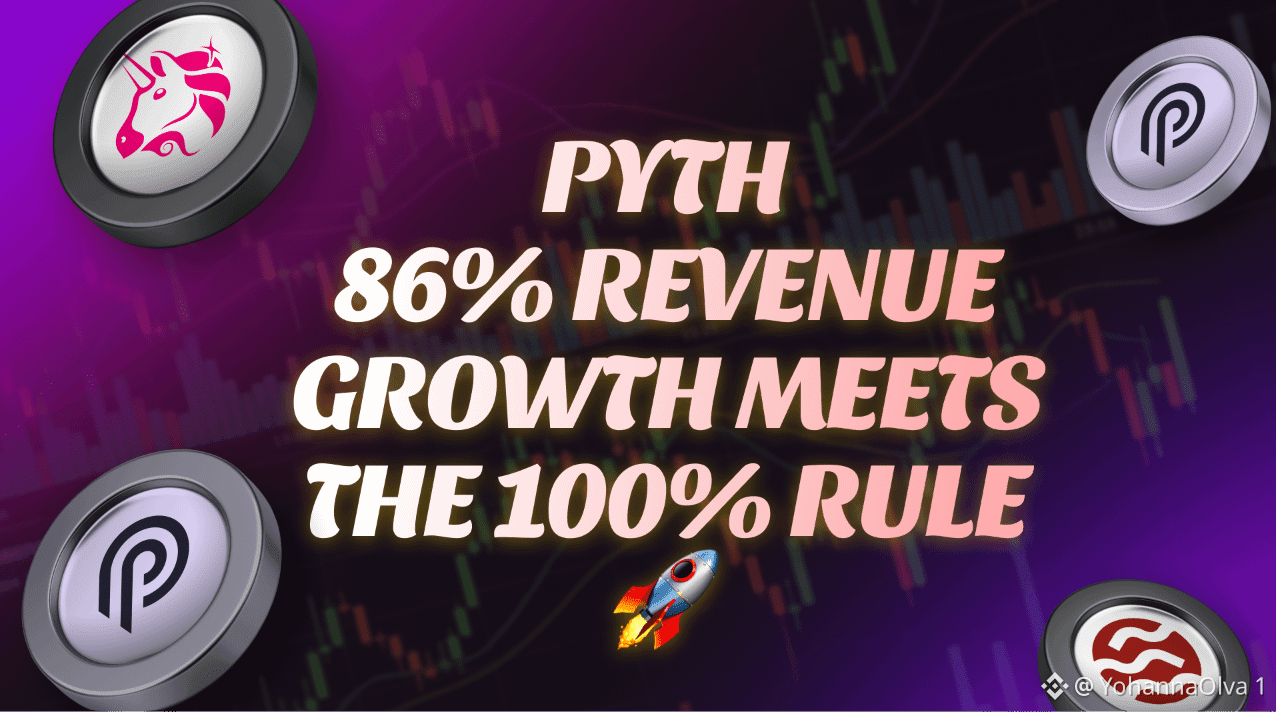
ARR đạt 11,49 triệu USD, tăng trưởng 86% và giờ đây 100% quỹ từ sản phẩm sẽ đổ vào PYTH 📈
Với độc giả theo dõi $SEI và $UNI, điều quan trọng không phải là thêm một tiêu đề “hợp tác” nào nữa. Mà là Pyth đang xuất hiện ở những nơi hạ tầng thị trường thực sự được kiểm chứng: hồ sơ pháp lý, dữ liệu từ các sàn giao dịch, thị trường dự đoán và các sản phẩm tài chính đang hoạt động.
Pyth kết thúc quý 3 với ARR đang hoạt động đạt 11,49 triệu USD, tăng 86% so với quý 2. DAO cũng đã thông qua Quy tắc 100%: toàn bộ khoản tiền nhận được từ các sản phẩm Pyth giờ sẽ được dùng để mua PYTH trên thị trường mở.
Chỉ riêng điều đó đã là một tin cập nhật tích cực cho người nắm giữ, nhưng các hồ sơ pháp lý khiến câu chuyện này càng khó bị làm ngơ.
Kalshi sử dụng giá của Pyth cho các thị trường cổ phiếu và hàng hóa. Tháng 9, nền tảng này đã nêu Pyth là Cơ quan Nguồn duy nhất trong hồ sơ đăng ký hợp đồng vĩnh cửu vàng và bạc trên sàn giao dịch đã đăng ký với CFTC.
Coinbase sử dụng dữ liệu Pyth cho các thị trường theo chủ đề có giá được cập nhật liên tục, đồng thời nêu tên Pyth trong hồ sơ đăng ký hợp đồng vĩnh cửu cho từng cổ phiếu riêng lẻ.
Pyth cũng được phê duyệt làm đơn vị phân phối bên ngoài Nasdaq Basic thông qua Pyth Data Marketplace.
Tôi thích góc nhìn này vì hồ sơ pháp lý khó bị gạt đi hơn những bài đăng gắn logo. Khi các nền tảng giao dịch thực tế và bộ dữ liệu tổ chức liên tục cùng sử dụng một lớp định giá, thị trường phải cập nhật cách nhìn về tài sản nằm phía sau lớp đó.
Theo tôi, đây là lúc PYTH bắt đầu không còn giống một khoản đầu tư dựa trên mức độ phổ biến của các oracle, mà giống một khoản đầu tư vào việc Pyth trở thành hạ tầng dữ liệu thị trường nghiêm túc hơn.
Doanh thu tăng nhanh, uy tín được củng cố, và quy tắc mới tạo ra một lộ trình trực tiếp để dòng tiền gắn với sản phẩm chảy vào PYTH thông qua thị trường mở.
#Mùa Altcoin# #DeFi
ARR đạt 11,49 triệu USD, tăng trưởng 86% và giờ đây 100% quỹ từ sản phẩm sẽ đổ vào PYTH 📈
Với độc giả theo dõi $SEI và $UNI, điều quan trọng không phải là thêm một tiêu đề “hợp tác” nào nữa. Mà là Pyth đang xuất hiện ở những nơi hạ tầng thị trường thực sự được kiểm chứng: hồ sơ pháp lý, dữ liệu từ các sàn giao dịch, thị trường dự đoán và các sản phẩm tài chính đang hoạt động.
Pyth kết thúc quý 3 với ARR đang hoạt động đạt 11,49 triệu USD, tăng 86% so với quý 2. DAO cũng đã thông qua Quy tắc 100%: toàn bộ khoản tiền nhận được từ các sản phẩm Pyth giờ sẽ được dùng để mua PYTH trên thị trường mở.
Chỉ riêng điều đó đã là một tin cập nhật tích cực cho người nắm giữ, nhưng các hồ sơ pháp lý khiến câu chuyện này càng khó bị làm ngơ.
Kalshi sử dụng giá của Pyth cho các thị trường cổ phiếu và hàng hóa. Tháng 9, nền tảng này đã nêu Pyth là Cơ quan Nguồn duy nhất trong hồ sơ đăng ký hợp đồng vĩnh cửu vàng và bạc trên sàn giao dịch đã đăng ký với CFTC.
Coinbase sử dụng dữ liệu Pyth cho các thị trường theo chủ đề có giá được cập nhật liên tục, đồng thời nêu tên Pyth trong hồ sơ đăng ký hợp đồng vĩnh cửu cho từng cổ phiếu riêng lẻ.
Pyth cũng được phê duyệt làm đơn vị phân phối bên ngoài Nasdaq Basic thông qua Pyth Data Marketplace.
Tôi thích góc nhìn này vì hồ sơ pháp lý khó bị gạt đi hơn những bài đăng gắn logo. Khi các nền tảng giao dịch thực tế và bộ dữ liệu tổ chức liên tục cùng sử dụng một lớp định giá, thị trường phải cập nhật cách nhìn về tài sản nằm phía sau lớp đó.
Theo tôi, đây là lúc PYTH bắt đầu không còn giống một khoản đầu tư dựa trên mức độ phổ biến của các oracle, mà giống một khoản đầu tư vào việc Pyth trở thành hạ tầng dữ liệu thị trường nghiêm túc hơn.
Doanh thu tăng nhanh, uy tín được củng cố, và quy tắc mới tạo ra một lộ trình trực tiếp để dòng tiền gắn với sản phẩm chảy vào PYTH thông qua thị trường mở.
#Mùa Altcoin# #DeFi
Với độc giả theo dõi $SEI và $UNI, điều quan trọng không phải là thêm một tiêu đề “hợp tác” nào nữa. Mà là Pyth đang xuất hiện ở những nơi hạ tầng thị trường thực sự được kiểm chứng: hồ sơ pháp lý, dữ liệu từ các sàn giao dịch, thị trường dự đoán và các sản phẩm tài chính đang hoạt động.
Pyth kết thúc quý 3 với ARR đang hoạt động đạt 11,49 triệu USD, tăng 86% so với quý 2. DAO cũng đã thông qua Quy tắc 100%: toàn bộ khoản tiền nhận được từ các sản phẩm Pyth giờ sẽ được dùng để mua PYTH trên thị trường mở.
Chỉ riêng điều đó đã là một tin cập nhật tích cực cho người nắm giữ, nhưng các hồ sơ pháp lý khiến câu chuyện này càng khó bị làm ngơ.
Kalshi sử dụng giá của Pyth cho các thị trường cổ phiếu và hàng hóa. Tháng 9, nền tảng này đã nêu Pyth là Cơ quan Nguồn duy nhất trong hồ sơ đăng ký hợp đồng vĩnh cửu vàng và bạc trên sàn giao dịch đã đăng ký với CFTC.
Coinbase sử dụng dữ liệu Pyth cho các thị trường theo chủ đề có giá được cập nhật liên tục, đồng thời nêu tên Pyth trong hồ sơ đăng ký hợp đồng vĩnh cửu cho từng cổ phiếu riêng lẻ.
Pyth cũng được phê duyệt làm đơn vị phân phối bên ngoài Nasdaq Basic thông qua Pyth Data Marketplace.
Tôi thích góc nhìn này vì hồ sơ pháp lý khó bị gạt đi hơn những bài đăng gắn logo. Khi các nền tảng giao dịch thực tế và bộ dữ liệu tổ chức liên tục cùng sử dụng một lớp định giá, thị trường phải cập nhật cách nhìn về tài sản nằm phía sau lớp đó.
Theo tôi, đây là lúc PYTH bắt đầu không còn giống một khoản đầu tư dựa trên mức độ phổ biến của các oracle, mà giống một khoản đầu tư vào việc Pyth trở thành hạ tầng dữ liệu thị trường nghiêm túc hơn.
Doanh thu tăng nhanh, uy tín được củng cố, và quy tắc mới tạo ra một lộ trình trực tiếp để dòng tiền gắn với sản phẩm chảy vào PYTH thông qua thị trường mở.
#Mùa Altcoin# #DeFi
61
Ngoài đời thực không có thuật toán đề xuất 👀
Các bảng tin quyết định chúng ta nhìn thấy những câu chuyện nào và tiếng nói nào đến được với mình. Cộng đồng quanh $HYPE và $TON có thể tạo cảm giác vô cùng lớn mạnh trên mạng, nhưng góc nhìn của mỗi người vẫn bị định hình bởi những gì thuật toán chọn hiển thị.
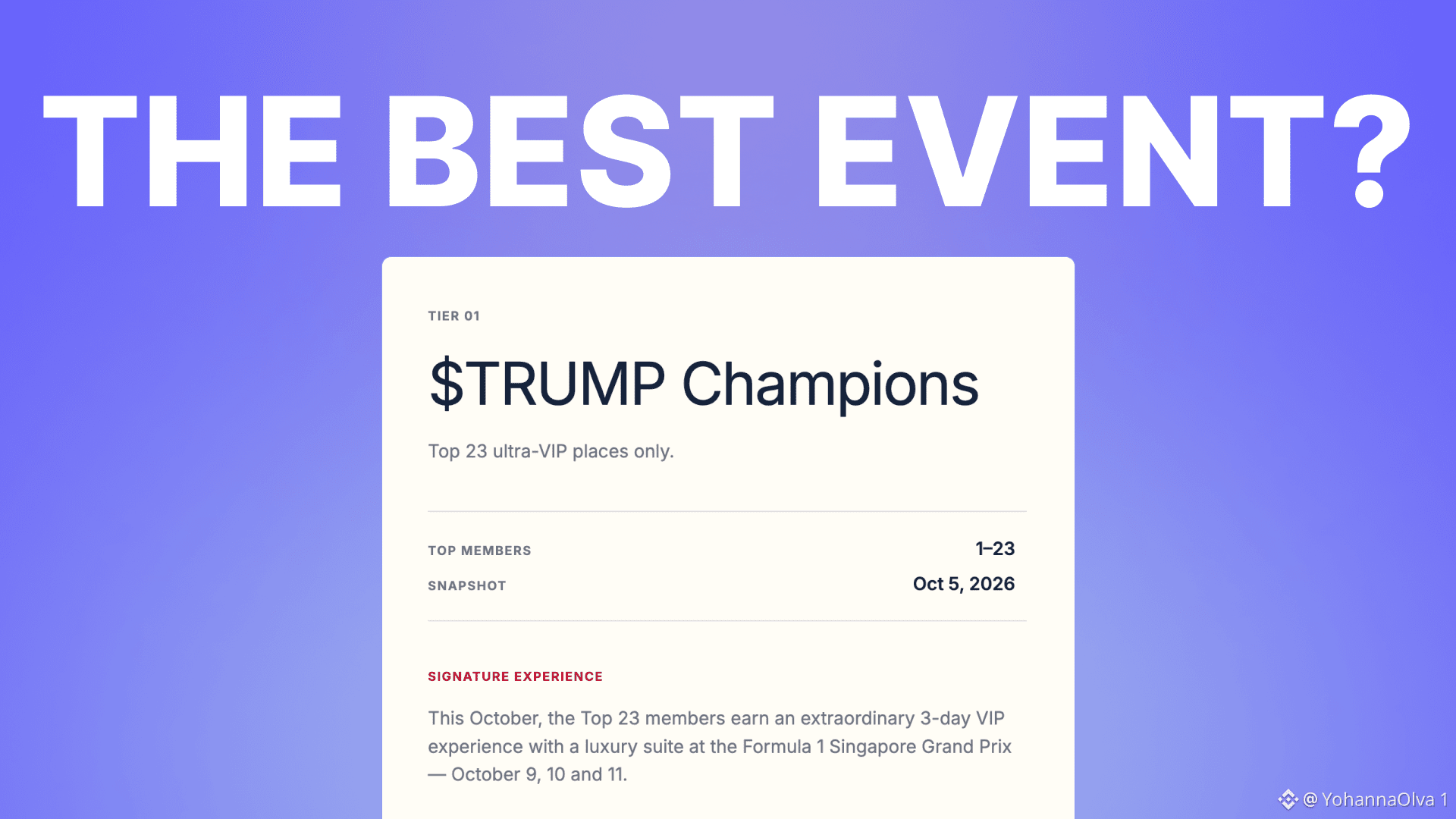
TOKEN2049 khai mạc hôm nay tại Singapore, với hơn 25.000 người dự kiến tham dự.
Trong hai ngày, việc khám phá trở thành trải nghiệm trực tiếp. Mọi người tự quyết định sẽ tiếp tục những cuộc trò chuyện nào và dành thêm thời gian cho những mối kết nối nào.
Với tôi, đó là giá trị thường bị bỏ qua khi đưa một cộng đồng trực tuyến vào cùng một không gian.
Trải nghiệm dự kiến của $Trump Coin Club Singapore sẽ hiện thực hóa ý tưởng ấy trong một không gian nhỏ hơn, quanh tuần đua tại thành phố.
Trong ba ngày, các thành viên đủ điều kiện dự kiến sẽ cùng tham gia hoạt động và trải nghiệm dịch vụ hiếu khách tại Singapore.
Theo tôi, đó là cách các dự án và câu lạc bộ nên tổ chức sự kiện.
#Thông tin vĩ mô#
Ngoài đời thực không có thuật toán đề xuất 👀
Các bảng tin quyết định chúng ta nhìn thấy những câu chuyện nào và tiếng nói nào đến được với mình. Cộng đồng quanh $HYPE và $TON có thể tạo cảm giác vô cùng lớn mạnh trên mạng, nhưng góc nhìn của mỗi người vẫn bị định hình bởi những gì thuật toán chọn hiển thị.
TOKEN2049 khai mạc hôm nay tại Singapore, với hơn 25.000 người dự kiến tham dự.
Trong hai ngày, việc khám phá trở thành trải nghiệm trực tiếp. Mọi người tự quyết định sẽ tiếp tục những cuộc trò chuyện nào và dành thêm thời gian cho những mối kết nối nào.
Với tôi, đó là giá trị thường bị bỏ qua khi đưa một cộng đồng trực tuyến vào cùng một không gian.
Trải nghiệm dự kiến của $Trump Coin Club Singapore sẽ hiện thực hóa ý tưởng ấy trong một không gian nhỏ hơn, quanh tuần đua tại thành phố.
Trong ba ngày, các thành viên đủ điều kiện dự kiến sẽ cùng tham gia hoạt động và trải nghiệm dịch vụ hiếu khách tại Singapore.
Theo tôi, đó là cách các dự án và câu lạc bộ nên tổ chức sự kiện.
#Thông tin vĩ mô#
Các bảng tin quyết định chúng ta nhìn thấy những câu chuyện nào và tiếng nói nào đến được với mình. Cộng đồng quanh $HYPE và $TON có thể tạo cảm giác vô cùng lớn mạnh trên mạng, nhưng góc nhìn của mỗi người vẫn bị định hình bởi những gì thuật toán chọn hiển thị.
TOKEN2049 khai mạc hôm nay tại Singapore, với hơn 25.000 người dự kiến tham dự.
Trong hai ngày, việc khám phá trở thành trải nghiệm trực tiếp. Mọi người tự quyết định sẽ tiếp tục những cuộc trò chuyện nào và dành thêm thời gian cho những mối kết nối nào.
Với tôi, đó là giá trị thường bị bỏ qua khi đưa một cộng đồng trực tuyến vào cùng một không gian.
Trải nghiệm dự kiến của $Trump Coin Club Singapore sẽ hiện thực hóa ý tưởng ấy trong một không gian nhỏ hơn, quanh tuần đua tại thành phố.
Trong ba ngày, các thành viên đủ điều kiện dự kiến sẽ cùng tham gia hoạt động và trải nghiệm dịch vụ hiếu khách tại Singapore.
Theo tôi, đó là cách các dự án và câu lạc bộ nên tổ chức sự kiện.
#Thông tin vĩ mô#
76
Một đồng tiền được bảo vệ không đồng nghĩa với một ứng dụng được bảo vệ 🪙
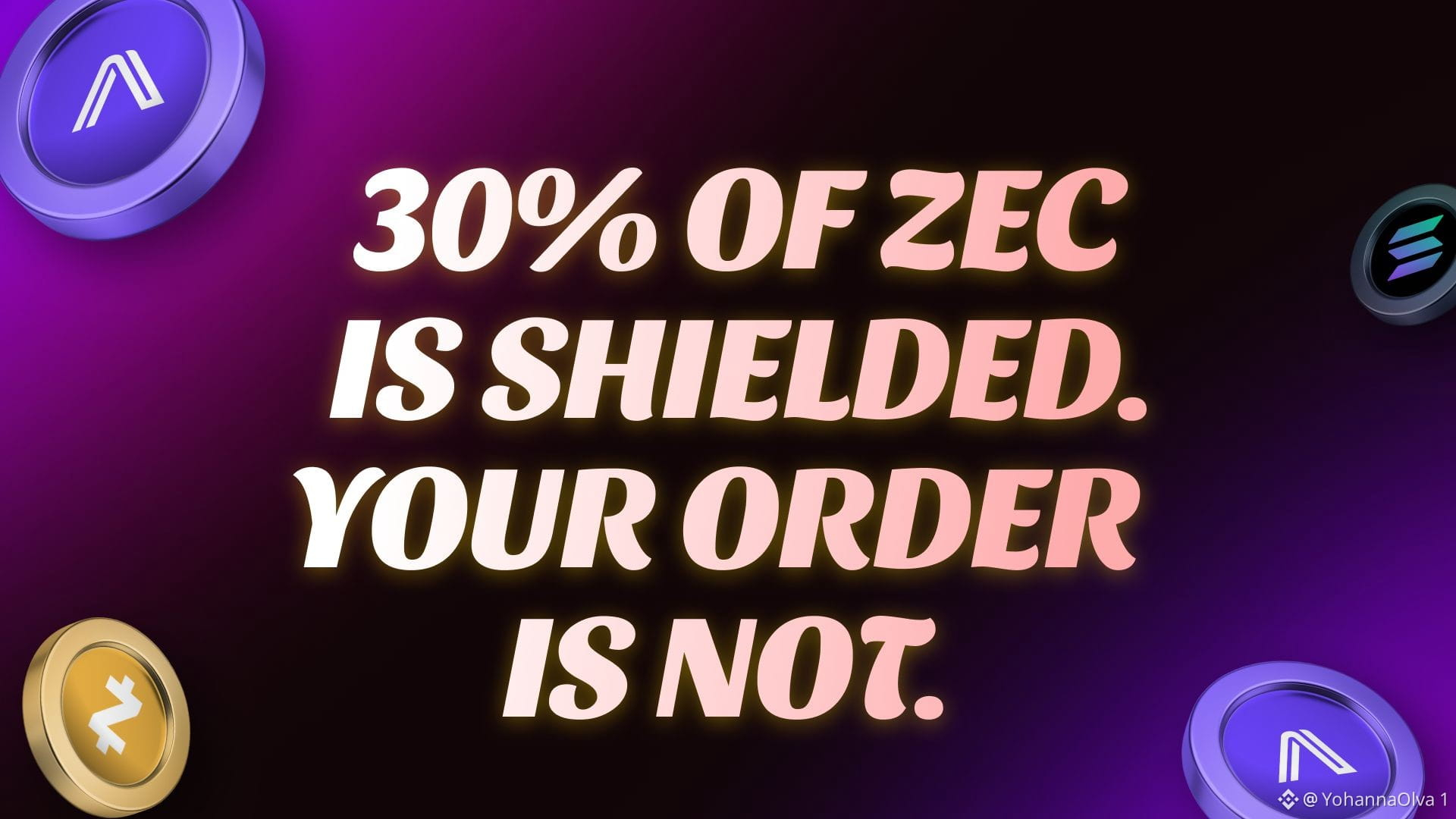
Giao dịch mà mọi người đang thực hiện lúc này là mua một tài sản có thể nắm giữ một cách kín đáo, và những con số đằng sau nó là có thật: trong năm nay, $ZEC đã vượt mốc 30% nguồn cung nằm trong pool được bảo vệ, so với 8% vào đầu năm 2024.
Điều đó trả lời một câu hỏi: làm sao nắm giữ giá trị mà không công khai số dư. Nhưng nó chẳng trả lời được gì về mọi việc khác mà một cá nhân hay công ty thực hiện.
Với $SOL, phần công khai không phải là đồng coin, mà là hoạt động. Lệnh giao dịch, vị thế, đợt chạy bảng lương, mô hình đang được truy vấn — tất cả đều phải được gửi cho một chương trình dưới dạng có thể đọc được trước khi bất cứ việc gì diễn ra.
Vì vậy, một tài sản có thể nắm giữ kín đáo chẳng giúp ích gì cho quỹ không thể công khai sổ sách, công ty không thể công khai tiền lương, hay ứng dụng AI không thể công khai dữ liệu đầu vào.
Arcium được xây dựng ở tầng bên dưới tài sản. Mọi phép tính đều được chia thành các mảnh và phân tán qua một cụm nút; không nút nào giữ bản sao có thể đọc được, nhưng kết quả chính xác vẫn được trả về.
Kết quả đó được quyết toán trên Solana như một giao dịch công khai thông thường, nên ứng dụng DeFi vẫn có thể kiểm toán, trong khi dữ liệu đầu vào thì không bao giờ bị công khai.
Mainnet Alpha đã vận hành theo cách đó kể từ ngày 2 tháng 2, với 15 đội ngũ đang xây dựng trên nền tảng này.
Mua một tài sản được niêm kín và sở hữu tầng nền tảng mà mọi ứng dụng được niêm kín đều chạy trên đó là hai giao dịch khác nhau; chỉ một trong hai sẽ ngày càng lớn mạnh khi có thêm nhiều hoạt động chuyển lên on-chain.
#DeFi #Solana
Một đồng tiền được bảo vệ không đồng nghĩa với một ứng dụng được bảo vệ 🪙
Giao dịch mà mọi người đang thực hiện lúc này là mua một tài sản có thể nắm giữ một cách kín đáo, và những con số đằng sau nó là có thật: trong năm nay, $ZEC đã vượt mốc 30% nguồn cung nằm trong pool được bảo vệ, so với 8% vào đầu năm 2024.
Điều đó trả lời một câu hỏi: làm sao nắm giữ giá trị mà không công khai số dư. Nhưng nó chẳng trả lời được gì về mọi việc khác mà một cá nhân hay công ty thực hiện.
Với $SOL, phần công khai không phải là đồng coin, mà là hoạt động. Lệnh giao dịch, vị thế, đợt chạy bảng lương, mô hình đang được truy vấn — tất cả đều phải được gửi cho một chương trình dưới dạng có thể đọc được trước khi bất cứ việc gì diễn ra.
Vì vậy, một tài sản có thể nắm giữ kín đáo chẳng giúp ích gì cho quỹ không thể công khai sổ sách, công ty không thể công khai tiền lương, hay ứng dụng AI không thể công khai dữ liệu đầu vào.
Arcium được xây dựng ở tầng bên dưới tài sản. Mọi phép tính đều được chia thành các mảnh và phân tán qua một cụm nút; không nút nào giữ bản sao có thể đọc được, nhưng kết quả chính xác vẫn được trả về.
Kết quả đó được quyết toán trên Solana như một giao dịch công khai thông thường, nên ứng dụng DeFi vẫn có thể kiểm toán, trong khi dữ liệu đầu vào thì không bao giờ bị công khai.
Mainnet Alpha đã vận hành theo cách đó kể từ ngày 2 tháng 2, với 15 đội ngũ đang xây dựng trên nền tảng này.
Mua một tài sản được niêm kín và sở hữu tầng nền tảng mà mọi ứng dụng được niêm kín đều chạy trên đó là hai giao dịch khác nhau; chỉ một trong hai sẽ ngày càng lớn mạnh khi có thêm nhiều hoạt động chuyển lên on-chain.
#DeFi #Solana
Giao dịch mà mọi người đang thực hiện lúc này là mua một tài sản có thể nắm giữ một cách kín đáo, và những con số đằng sau nó là có thật: trong năm nay, $ZEC đã vượt mốc 30% nguồn cung nằm trong pool được bảo vệ, so với 8% vào đầu năm 2024.
Điều đó trả lời một câu hỏi: làm sao nắm giữ giá trị mà không công khai số dư. Nhưng nó chẳng trả lời được gì về mọi việc khác mà một cá nhân hay công ty thực hiện.
Với $SOL, phần công khai không phải là đồng coin, mà là hoạt động. Lệnh giao dịch, vị thế, đợt chạy bảng lương, mô hình đang được truy vấn — tất cả đều phải được gửi cho một chương trình dưới dạng có thể đọc được trước khi bất cứ việc gì diễn ra.
Vì vậy, một tài sản có thể nắm giữ kín đáo chẳng giúp ích gì cho quỹ không thể công khai sổ sách, công ty không thể công khai tiền lương, hay ứng dụng AI không thể công khai dữ liệu đầu vào.
Arcium được xây dựng ở tầng bên dưới tài sản. Mọi phép tính đều được chia thành các mảnh và phân tán qua một cụm nút; không nút nào giữ bản sao có thể đọc được, nhưng kết quả chính xác vẫn được trả về.
Kết quả đó được quyết toán trên Solana như một giao dịch công khai thông thường, nên ứng dụng DeFi vẫn có thể kiểm toán, trong khi dữ liệu đầu vào thì không bao giờ bị công khai.
Mainnet Alpha đã vận hành theo cách đó kể từ ngày 2 tháng 2, với 15 đội ngũ đang xây dựng trên nền tảng này.
Mua một tài sản được niêm kín và sở hữu tầng nền tảng mà mọi ứng dụng được niêm kín đều chạy trên đó là hai giao dịch khác nhau; chỉ một trong hai sẽ ngày càng lớn mạnh khi có thêm nhiều hoạt động chuyển lên on-chain.
#DeFi #Solana
63
Basecamp có thể mở ra kỷ nguyên tài chính của Sui 💧
Tài chính on-chain có rất nhiều hội nghị nơi mọi người thảo luận về những gì có thể sẽ hiệu quả trong tương lai. $SUI Basecamp đang dần trở thành nơi thị trường có thể theo dõi cơ sở hạ tầng tài chính vận hành trực tiếp.
Ứng dụng mới của DeepBook chạy trên sổ lệnh on-chain, vốn đã hỗ trợ khối lượng giao dịch Sui hơn 20 tỷ USD.
Tại Basecamp, Trading Arena sẽ đưa hoạt động giao dịch theo thời gian thực đến ngay trước mắt người tham dự thông qua cuộc thi Hudi. Tôi thích cách tiếp cận này vì thị trường nhanh chóng phơi bày những điểm yếu.
Thanh khoản, khớp lệnh và thanh toán либо sẽ trụ vững khi các nhà giao dịch tham gia, hoặc không. Sui đang để công nghệ của mình chịu thử thách đó, đồng thời các đội ngũ trong hệ sinh thái trình diễn những gì họ đã xây dựng trên nền tảng này.
Chương trình chính thức của Basecamp cũng hứa hẹn các màn ra mắt sản phẩm và cái nhìn cận cảnh hơn về cơ sở hạ tầng đang vận hành tài chính on-chain.
Điều đó có thể tạo nên một thời khắc quan trọng cho mạng lưới.
Sui đã xây dựng được khả năng thanh toán nhanh, cơ sở hạ tầng thanh khoản tích hợp sẵn và các giao dịch stablecoin không mất phí gas. Basecamp có thể kết nối những thành phần đó thành một luận điểm tài chính dễ hiểu, đồng thời cho thấy dòng vốn luân chuyển trong hệ sinh thái trên thực tế ra sao.
Nếu sự kiện mang đến những đợt ra mắt đáng chú ý cùng các màn trình diễn trực tiếp, Sui có thể rời Singapore với vị thế vững chắc hơn nhiều, được nhìn nhận là một mạng lưới tài chính nghiêm túc.
Tôi lạc quan vì Basecamp có tiềm năng giới thiệu một hệ sinh thái sẵn sàng cạnh tranh để thu hút nhà giao dịch, nhà phát triển và thanh khoản toàn cầu ngay lúc này.
#Mùa Altcoin# #DeFi
Basecamp có thể mở ra kỷ nguyên tài chính của Sui 💧
Tài chính on-chain có rất nhiều hội nghị nơi mọi người thảo luận về những gì có thể sẽ hiệu quả trong tương lai. $SUI Basecamp đang dần trở thành nơi thị trường có thể theo dõi cơ sở hạ tầng tài chính vận hành trực tiếp.
Ứng dụng mới của DeepBook chạy trên sổ lệnh on-chain, vốn đã hỗ trợ khối lượng giao dịch Sui hơn 20 tỷ USD.
Tại Basecamp, Trading Arena sẽ đưa hoạt động giao dịch theo thời gian thực đến ngay trước mắt người tham dự thông qua cuộc thi Hudi. Tôi thích cách tiếp cận này vì thị trường nhanh chóng phơi bày những điểm yếu.
Thanh khoản, khớp lệnh và thanh toán либо sẽ trụ vững khi các nhà giao dịch tham gia, hoặc không. Sui đang để công nghệ của mình chịu thử thách đó, đồng thời các đội ngũ trong hệ sinh thái trình diễn những gì họ đã xây dựng trên nền tảng này.
Chương trình chính thức của Basecamp cũng hứa hẹn các màn ra mắt sản phẩm và cái nhìn cận cảnh hơn về cơ sở hạ tầng đang vận hành tài chính on-chain.
Điều đó có thể tạo nên một thời khắc quan trọng cho mạng lưới.
Sui đã xây dựng được khả năng thanh toán nhanh, cơ sở hạ tầng thanh khoản tích hợp sẵn và các giao dịch stablecoin không mất phí gas. Basecamp có thể kết nối những thành phần đó thành một luận điểm tài chính dễ hiểu, đồng thời cho thấy dòng vốn luân chuyển trong hệ sinh thái trên thực tế ra sao.
Nếu sự kiện mang đến những đợt ra mắt đáng chú ý cùng các màn trình diễn trực tiếp, Sui có thể rời Singapore với vị thế vững chắc hơn nhiều, được nhìn nhận là một mạng lưới tài chính nghiêm túc.
Tôi lạc quan vì Basecamp có tiềm năng giới thiệu một hệ sinh thái sẵn sàng cạnh tranh để thu hút nhà giao dịch, nhà phát triển và thanh khoản toàn cầu ngay lúc này.
#Mùa Altcoin# #DeFi
Tài chính on-chain có rất nhiều hội nghị nơi mọi người thảo luận về những gì có thể sẽ hiệu quả trong tương lai. $SUI Basecamp đang dần trở thành nơi thị trường có thể theo dõi cơ sở hạ tầng tài chính vận hành trực tiếp.
Ứng dụng mới của DeepBook chạy trên sổ lệnh on-chain, vốn đã hỗ trợ khối lượng giao dịch Sui hơn 20 tỷ USD.
Tại Basecamp, Trading Arena sẽ đưa hoạt động giao dịch theo thời gian thực đến ngay trước mắt người tham dự thông qua cuộc thi Hudi. Tôi thích cách tiếp cận này vì thị trường nhanh chóng phơi bày những điểm yếu.
Thanh khoản, khớp lệnh và thanh toán либо sẽ trụ vững khi các nhà giao dịch tham gia, hoặc không. Sui đang để công nghệ của mình chịu thử thách đó, đồng thời các đội ngũ trong hệ sinh thái trình diễn những gì họ đã xây dựng trên nền tảng này.
Chương trình chính thức của Basecamp cũng hứa hẹn các màn ra mắt sản phẩm và cái nhìn cận cảnh hơn về cơ sở hạ tầng đang vận hành tài chính on-chain.
Điều đó có thể tạo nên một thời khắc quan trọng cho mạng lưới.
Sui đã xây dựng được khả năng thanh toán nhanh, cơ sở hạ tầng thanh khoản tích hợp sẵn và các giao dịch stablecoin không mất phí gas. Basecamp có thể kết nối những thành phần đó thành một luận điểm tài chính dễ hiểu, đồng thời cho thấy dòng vốn luân chuyển trong hệ sinh thái trên thực tế ra sao.
Nếu sự kiện mang đến những đợt ra mắt đáng chú ý cùng các màn trình diễn trực tiếp, Sui có thể rời Singapore với vị thế vững chắc hơn nhiều, được nhìn nhận là một mạng lưới tài chính nghiêm túc.
Tôi lạc quan vì Basecamp có tiềm năng giới thiệu một hệ sinh thái sẵn sàng cạnh tranh để thu hút nhà giao dịch, nhà phát triển và thanh khoản toàn cầu ngay lúc này.
#Mùa Altcoin# #DeFi
74
$DOGE chạm tới $0.20 năm nay? 🐶
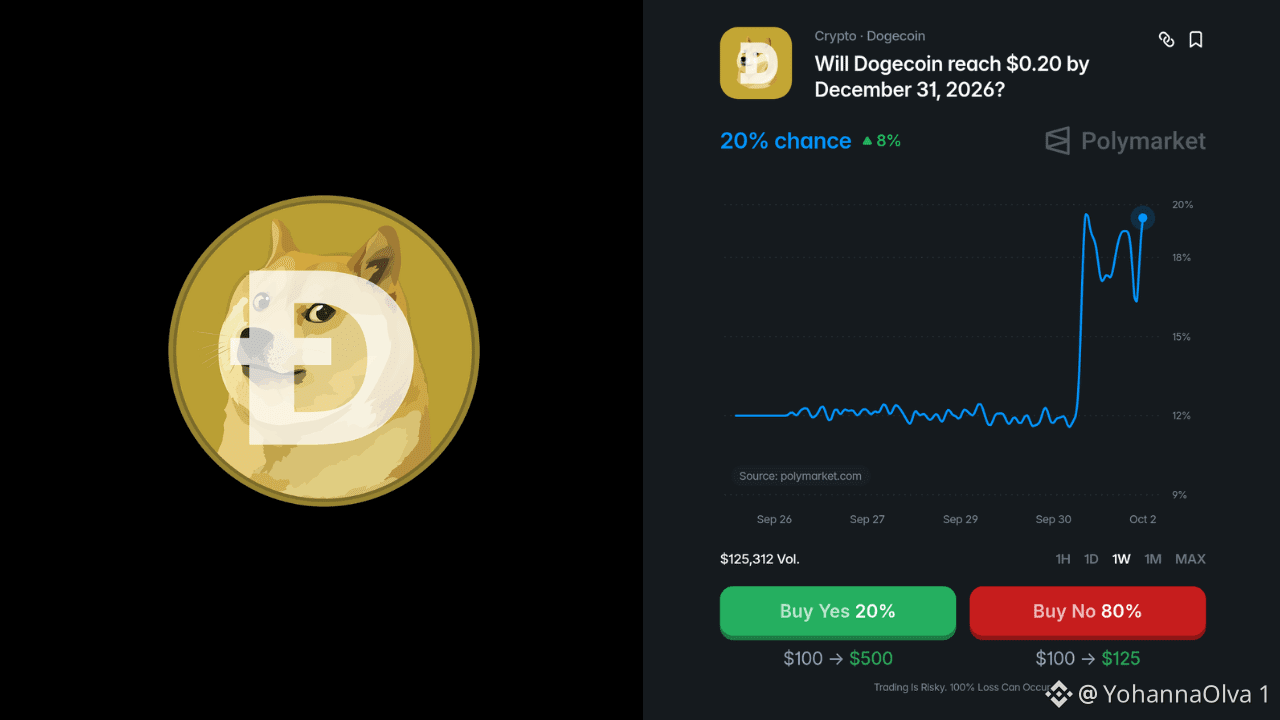
Tôi đang chọn CÓ.
Đám đông cũng không đứng về phía tôi. Ảnh chụp chỉ hiển thị mức định giá tương ứng 20% trước kết quả đó trước ngày 31/12.
Nhưng DOGE không cần phải giữ trên $0.20 trong thị trường này. Theo quy tắc của Polymarket, nó cần in ra một nến Binance một phút đủ điều kiện với mức cao $0.20 trở lên trước thời hạn.
Đây là một điểm khác biệt quan trọng.
Chỉ cần một lần quay meme bùng nổ cũng có thể đủ.
Và đây là phần tôi thích nhất: ở mức giá trong ảnh chụp, $100 tương đương với khoản chi trả tổng cộng $500 nếu YES phân giải đúng.
Thực chất tôi đang nhắm tới lợi suất 5x cho một sự kiện mà theo tôi có cơ hội tốt hơn so với mức mà thị trường đang đánh giá.
Ngoài ra, thị trường đã có sẵn hơn $125K đứng phía sau nữa, nên đây không phải là một dự đoán hoàn toàn chưa có người đánh cược.
Polymarket cho tôi một cách diễn đạt sạch hơn cho luận điểm DOGE cụ thể này, thay vì chỉ đơn giản mua thêm DOGE và phải có đà tăng giá duy trì.
Điều buồn cười là trong số nhiều token khác, DOGE cũng có thể được dùng để thực hiện giao dịch.
#Altcoin Season#
$DOGE chạm tới $0.20 năm nay? 🐶
Tôi đang chọn CÓ.
Đám đông cũng không đứng về phía tôi. Ảnh chụp chỉ hiển thị mức định giá tương ứng 20% trước kết quả đó trước ngày 31/12.
Nhưng DOGE không cần phải giữ trên $0.20 trong thị trường này. Theo quy tắc của Polymarket, nó cần in ra một nến Binance một phút đủ điều kiện với mức cao $0.20 trở lên trước thời hạn.
Đây là một điểm khác biệt quan trọng.
Chỉ cần một lần quay meme bùng nổ cũng có thể đủ.
Và đây là phần tôi thích nhất: ở mức giá trong ảnh chụp, $100 tương đương với khoản chi trả tổng cộng $500 nếu YES phân giải đúng.
Thực chất tôi đang nhắm tới lợi suất 5x cho một sự kiện mà theo tôi có cơ hội tốt hơn so với mức mà thị trường đang đánh giá.
Ngoài ra, thị trường đã có sẵn hơn $125K đứng phía sau nữa, nên đây không phải là một dự đoán hoàn toàn chưa có người đánh cược.
Polymarket cho tôi một cách diễn đạt sạch hơn cho luận điểm DOGE cụ thể này, thay vì chỉ đơn giản mua thêm DOGE và phải có đà tăng giá duy trì.
Điều buồn cười là trong số nhiều token khác, DOGE cũng có thể được dùng để thực hiện giao dịch.
#Altcoin Season#
Tôi đang chọn CÓ.
Đám đông cũng không đứng về phía tôi. Ảnh chụp chỉ hiển thị mức định giá tương ứng 20% trước kết quả đó trước ngày 31/12.
Nhưng DOGE không cần phải giữ trên $0.20 trong thị trường này. Theo quy tắc của Polymarket, nó cần in ra một nến Binance một phút đủ điều kiện với mức cao $0.20 trở lên trước thời hạn.
Đây là một điểm khác biệt quan trọng.
Chỉ cần một lần quay meme bùng nổ cũng có thể đủ.
Và đây là phần tôi thích nhất: ở mức giá trong ảnh chụp, $100 tương đương với khoản chi trả tổng cộng $500 nếu YES phân giải đúng.
Thực chất tôi đang nhắm tới lợi suất 5x cho một sự kiện mà theo tôi có cơ hội tốt hơn so với mức mà thị trường đang đánh giá.
Ngoài ra, thị trường đã có sẵn hơn $125K đứng phía sau nữa, nên đây không phải là một dự đoán hoàn toàn chưa có người đánh cược.
Polymarket cho tôi một cách diễn đạt sạch hơn cho luận điểm DOGE cụ thể này, thay vì chỉ đơn giản mua thêm DOGE và phải có đà tăng giá duy trì.
Điều buồn cười là trong số nhiều token khác, DOGE cũng có thể được dùng để thực hiện giao dịch.
#Altcoin Season#
84
Phiên giao dịch là một quy ước của con người 🌙
$LINK và $ONDO đều tồn tại để đưa các thứ ngoài chuỗi (offchain) lên chuỗi (onchain): một bên là các sự kiện trong một trường hợp và tài sản ngoài đời thực ở trường hợp còn lại. Cả hai đều không thay đổi thực tế rằng sàn/địa điểm nơi các tài sản đó xuất phát đóng cửa lúc bốn giờ.
Minh họa rõ ràng nhất cho khoảng chênh lệch mà điều đó tạo ra đến từ một token meme GME được phát hành trên Bankr và được ghép cặp với cổ phiếu GameStop ngoài đời thực trên Robinhood Chain.
Khoảng $18M khối lượng token meme và $30M khối lượng token cổ phiếu đã dịch chuyển qua đêm, trong khi các thị trường thông thường bị đóng cửa. Với một lượng cổ phiếu lưu hành (float) hữu hạn được token hóa onchain, GME giao dịch onchain ở mức xấp xỉ $200 so với giá ngoài đời thực xấp xỉ $21.
Phần quan trọng là sự điều chỉnh (resolution).
Các nhà kinh doanh chênh lệch (arbitrageurs) đã mua cổ phiếu GameStop thật ở ngoài chuỗi và đưa chúng lên onchain để thu hẹp khoảng chênh, từ đó làm tăng đáng kể lượng float đã được token hóa. Nhu cầu trên onchain đã dẫn tới việc mua cổ phiếu ngoài đời thực. Đó là chiều hướng nhân quả đáng để suy ngẫm, và hầu hết mọi người sẽ đoán rằng nó chạy theo chiều ngược lại.
Những con số đó mô tả một sự kiện chứ không phải hiệu suất liên tục, và một sự lệch cỡ đó chỉ có thể tồn tại khi float đủ mỏng. Đó là cấu trúc thị trường, không phải một chiến lược.
Lập luận mang tính cấu trúc vẫn còn đúng dù kèm các lưu ý. Một thị trường không bao giờ đóng cửa và một thị trường đóng cửa mỗi tối không thể duy trì sự đồng thuận, và sẽ có thứ gì đó phải di chuyển để hòa giải chúng.
#RWA #DeFi
Phiên giao dịch là một quy ước của con người 🌙
$LINK và $ONDO đều tồn tại để đưa các thứ ngoài chuỗi (offchain) lên chuỗi (onchain): một bên là các sự kiện trong một trường hợp và tài sản ngoài đời thực ở trường hợp còn lại. Cả hai đều không thay đổi thực tế rằng sàn/địa điểm nơi các tài sản đó xuất phát đóng cửa lúc bốn giờ.
Minh họa rõ ràng nhất cho khoảng chênh lệch mà điều đó tạo ra đến từ một token meme GME được phát hành trên Bankr và được ghép cặp với cổ phiếu GameStop ngoài đời thực trên Robinhood Chain.
Khoảng $18M khối lượng token meme và $30M khối lượng token cổ phiếu đã dịch chuyển qua đêm, trong khi các thị trường thông thường bị đóng cửa. Với một lượng cổ phiếu lưu hành (float) hữu hạn được token hóa onchain, GME giao dịch onchain ở mức xấp xỉ $200 so với giá ngoài đời thực xấp xỉ $21.
Phần quan trọng là sự điều chỉnh (resolution).
Các nhà kinh doanh chênh lệch (arbitrageurs) đã mua cổ phiếu GameStop thật ở ngoài chuỗi và đưa chúng lên onchain để thu hẹp khoảng chênh, từ đó làm tăng đáng kể lượng float đã được token hóa. Nhu cầu trên onchain đã dẫn tới việc mua cổ phiếu ngoài đời thực. Đó là chiều hướng nhân quả đáng để suy ngẫm, và hầu hết mọi người sẽ đoán rằng nó chạy theo chiều ngược lại.
Những con số đó mô tả một sự kiện chứ không phải hiệu suất liên tục, và một sự lệch cỡ đó chỉ có thể tồn tại khi float đủ mỏng. Đó là cấu trúc thị trường, không phải một chiến lược.
Lập luận mang tính cấu trúc vẫn còn đúng dù kèm các lưu ý. Một thị trường không bao giờ đóng cửa và một thị trường đóng cửa mỗi tối không thể duy trì sự đồng thuận, và sẽ có thứ gì đó phải di chuyển để hòa giải chúng.
#RWA #DeFi
$LINK và $ONDO đều tồn tại để đưa các thứ ngoài chuỗi (offchain) lên chuỗi (onchain): một bên là các sự kiện trong một trường hợp và tài sản ngoài đời thực ở trường hợp còn lại. Cả hai đều không thay đổi thực tế rằng sàn/địa điểm nơi các tài sản đó xuất phát đóng cửa lúc bốn giờ.
Minh họa rõ ràng nhất cho khoảng chênh lệch mà điều đó tạo ra đến từ một token meme GME được phát hành trên Bankr và được ghép cặp với cổ phiếu GameStop ngoài đời thực trên Robinhood Chain.
Khoảng $18M khối lượng token meme và $30M khối lượng token cổ phiếu đã dịch chuyển qua đêm, trong khi các thị trường thông thường bị đóng cửa. Với một lượng cổ phiếu lưu hành (float) hữu hạn được token hóa onchain, GME giao dịch onchain ở mức xấp xỉ $200 so với giá ngoài đời thực xấp xỉ $21.
Phần quan trọng là sự điều chỉnh (resolution).
Các nhà kinh doanh chênh lệch (arbitrageurs) đã mua cổ phiếu GameStop thật ở ngoài chuỗi và đưa chúng lên onchain để thu hẹp khoảng chênh, từ đó làm tăng đáng kể lượng float đã được token hóa. Nhu cầu trên onchain đã dẫn tới việc mua cổ phiếu ngoài đời thực. Đó là chiều hướng nhân quả đáng để suy ngẫm, và hầu hết mọi người sẽ đoán rằng nó chạy theo chiều ngược lại.
Những con số đó mô tả một sự kiện chứ không phải hiệu suất liên tục, và một sự lệch cỡ đó chỉ có thể tồn tại khi float đủ mỏng. Đó là cấu trúc thị trường, không phải một chiến lược.
Lập luận mang tính cấu trúc vẫn còn đúng dù kèm các lưu ý. Một thị trường không bao giờ đóng cửa và một thị trường đóng cửa mỗi tối không thể duy trì sự đồng thuận, và sẽ có thứ gì đó phải di chuyển để hòa giải chúng.
#RWA #DeFi
77
Hãy theo dõi các ứng dụng, rồi đến dữ liệu 🌐
Có một điều tôi nhận thấy về cơ sở hạ tầng crypto:
Mỗi lần các ứng dụng trở nên tinh vi hơn, nhu cầu dữ liệu của chúng sẽ bùng nổ.
Nhiều người dùng hơn → nhiều lịch sử hơn
Nhiều chuỗi hơn → nhiều nguồn hơn
Nhiều tài sản hơn → nhiều phép tính hơn
Tự động hóa nhiều hơn → nhiều hệ quả hơn
Vì vậy, tôi nghĩ Space and Time đang được đặt ở một vị trí thú vị trong chuỗi hạ tầng.
$SUI và các hệ sinh thái có thông lượng cao khác có thể tiếp tục đẩy mạnh việc thực thi, trong khi Space and Time tập trung vào việc giúp các ứng dụng truy cập các bộ dữ liệu lớn và thực hiện tính toán có thể kiểm chứng trên chúng.
Hai việc đó không phải là cạnh tranh.
Chúng là hạ tầng bổ trợ.
Phần front-end của crypto ngày càng nhanh hơn.
Phần backend phải phát triển theo.
#Altcoin Season#
Hãy theo dõi các ứng dụng, rồi đến dữ liệu 🌐
Có một điều tôi nhận thấy về cơ sở hạ tầng crypto:
Mỗi lần các ứng dụng trở nên tinh vi hơn, nhu cầu dữ liệu của chúng sẽ bùng nổ.
Nhiều người dùng hơn → nhiều lịch sử hơn
Nhiều chuỗi hơn → nhiều nguồn hơn
Nhiều tài sản hơn → nhiều phép tính hơn
Tự động hóa nhiều hơn → nhiều hệ quả hơn
Vì vậy, tôi nghĩ Space and Time đang được đặt ở một vị trí thú vị trong chuỗi hạ tầng.
$SUI và các hệ sinh thái có thông lượng cao khác có thể tiếp tục đẩy mạnh việc thực thi, trong khi Space and Time tập trung vào việc giúp các ứng dụng truy cập các bộ dữ liệu lớn và thực hiện tính toán có thể kiểm chứng trên chúng.
Hai việc đó không phải là cạnh tranh.
Chúng là hạ tầng bổ trợ.
Phần front-end của crypto ngày càng nhanh hơn.
Phần backend phải phát triển theo.
#Altcoin Season#
Có một điều tôi nhận thấy về cơ sở hạ tầng crypto:
Mỗi lần các ứng dụng trở nên tinh vi hơn, nhu cầu dữ liệu của chúng sẽ bùng nổ.
Nhiều người dùng hơn → nhiều lịch sử hơn
Nhiều chuỗi hơn → nhiều nguồn hơn
Nhiều tài sản hơn → nhiều phép tính hơn
Tự động hóa nhiều hơn → nhiều hệ quả hơn
Vì vậy, tôi nghĩ Space and Time đang được đặt ở một vị trí thú vị trong chuỗi hạ tầng.
$SUI và các hệ sinh thái có thông lượng cao khác có thể tiếp tục đẩy mạnh việc thực thi, trong khi Space and Time tập trung vào việc giúp các ứng dụng truy cập các bộ dữ liệu lớn và thực hiện tính toán có thể kiểm chứng trên chúng.
Hai việc đó không phải là cạnh tranh.
Chúng là hạ tầng bổ trợ.
Phần front-end của crypto ngày càng nhanh hơn.
Phần backend phải phát triển theo.
#Altcoin Season#
72
Đăng nhập để khám phá thêm nội dung
Tham gia cùng người dùng tiền mã hóa toàn cầu trên Binance Square
⚡️ Nhận thông tin mới nhất và hữu ích về tiền mã hóa.
💬 Được tin cậy bởi sàn giao dịch tiền mã hóa lớn nhất thế giới.
👍 Khám phá những thông tin chuyên sâu thực tế từ những nhà sáng tạo đã xác minh.
Email / Số điện thoại
Chủ đề thịnh hành
CanMicrosoftDeliverOnAI
146,008 lượt xem
1,136 đang thảo luận
Phiên 3 của mùa công bố kết quả kinh doanh: Google và Microsoft có vượt kỳ vọng không?
Binance Square Official
·81 lượt thích
·22.8k lượt xem
CanGoogleDefindItsCore
72,781 lượt xem
799 đang thảo luận
TheoDõiFOMC
301,566 lượt xem
1,262 đang thảo luận