

BlockViz
391 Bài đăng

BlockViz
Báo cáo
Chặn người dùng
Crypto price and market data visualization and simulation website for traders and macro-focused investors. Visit: X @blockviz_xyz or https://blockviz.xyz
15 Đang theo dõi
34 Người theo dõi
136 Đã thích
Bài đăng
Tất cả
Trích dẫn
·
--
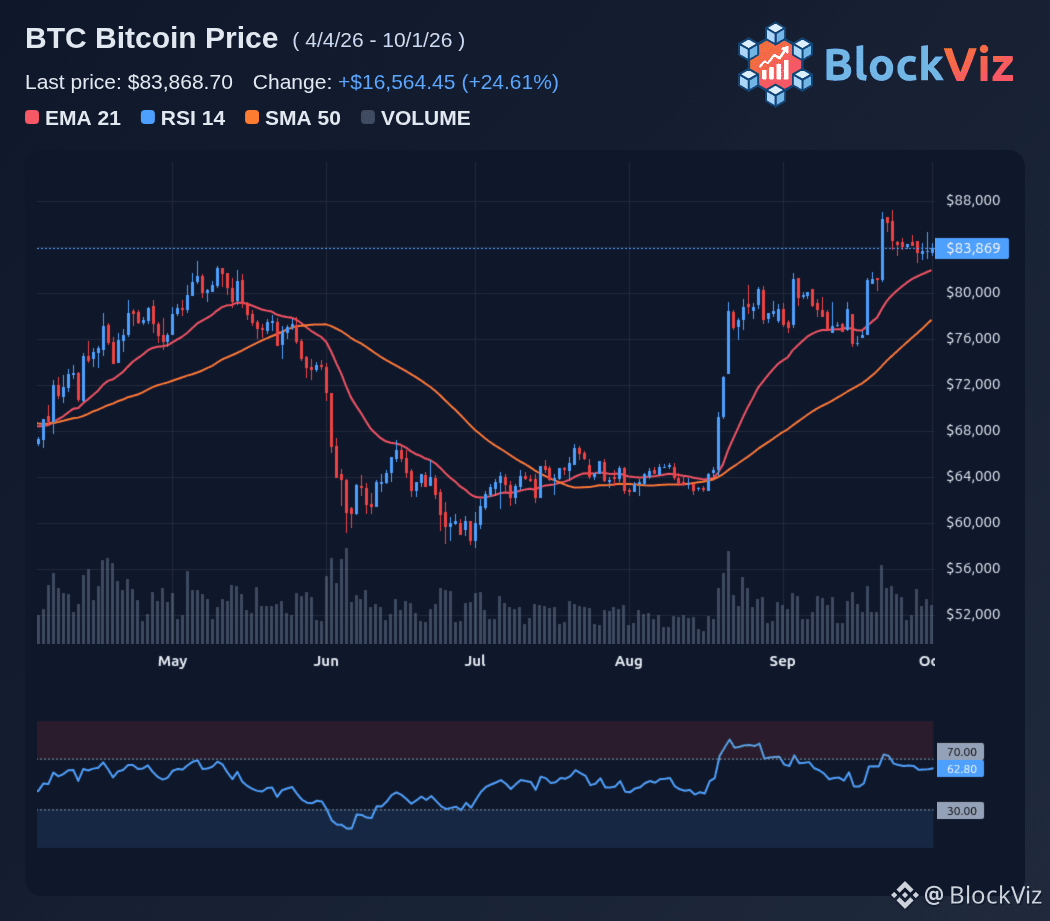
BTC đang lơ lửng quanh 82.000 đến 84.000 sau đợt bùng nổ dòng tiền ETF 2,4 tỷ USD của tuần trước, và thị trường đang đặt ra câu hỏi hiển nhiên. Ai sẽ bị thanh lý trước khi giảm 3%? Mốc 82.000 là hỗ trợ gần nhất mạnh nhất, nằm gần cơ sở chi phí (cost basis) của người nắm giữ ETF khoảng 81.700 đến 82.500 và là vùng phá vỡ từ tháng 8 mà phe bò cần giữ để kịch bản tích cực vẫn nguyên vẹn.
Sự giằng co nằm giữa các vị thế long sử dụng đòn bẩy và người mua ETF. Dữ liệu open interest (lãi suất mở) của hợp đồng tương lai ở quanh 52 tỷ, giảm 14% so với các đỉnh gần đây, nhưng các cụm thanh lý long lại xếp chồng giữa 75.000 đến 76.000, rồi đến 60.000 đến 63.000. Nếu giảm 3% từ 83.000, BTC sẽ rơi về khoảng 80.500, kiểm tra điểm hòa vốn của ETF và cơ sở chi phí của kho bạc doanh nghiệp gần 80.500. Đây là nơi làn sóng thanh lý long đầu tiên sẽ chạm đến, với vùng 75.000 đến 76.000 đóng vai trò là hỗ trợ lớn tiếp theo.
Với các nhà giao dịch, bối cảnh này nói về phòng thủ và dòng tiền. Theo dõi 82.000 như điểm xoay quan trọng và 83.300 đến 83.500 như hỗ trợ ngay lập tức. Nếu thủng 82.000, con đường có thể mở ra về 80.500 rồi 78.000, trong đó các đợt thanh lý long sẽ tăng tốc về cụm 75.000 đến 76.000. Người mua ETF là lực đỡ giá ở biên (marginal bid), và cơ sở chi phí 81.700 đến 82.500 của họ là mức phải được giữ để tránh một đợt xả sâu hơn.
Các chất xúc tác tiếp theo là nến tháng 10 mở cửa và mọi sự tiếp diễn trong dòng chảy ETF. Nếu giữ trên 82.000 kèm dòng vào tiếp tục, điều đó sẽ báo hiệu vùng phá vỡ đang vững chắc, trong khi nếu thủng có thể kích hoạt một đợt giảm 3% đến 5% về 78.000 đến 80.000 trước khi chuỗi thanh lý long hạ nhiệt. Hãy theo dõi heatmap thanh lý ở cụm 75.000 đến 76.000 và điểm xoay 82.000 để xem bước đi tiếp theo.
$BTC
BTC đang lơ lửng quanh 82.000 đến 84.000 sau đợt bùng nổ dòng tiền ETF 2,4 tỷ USD của tuần trước, và thị trường đang đặt ra câu hỏi hiển nhiên. Ai sẽ bị thanh lý trước khi giảm 3%? Mốc 82.000 là hỗ trợ gần nhất mạnh nhất, nằm gần cơ sở chi phí (cost basis) của người nắm giữ ETF khoảng 81.700 đến 82.500 và là vùng phá vỡ từ tháng 8 mà phe bò cần giữ để kịch bản tích cực vẫn nguyên vẹn.
Sự giằng co nằm giữa các vị thế long sử dụng đòn bẩy và người mua ETF. Dữ liệu open interest (lãi suất mở) của hợp đồng tương lai ở quanh 52 tỷ, giảm 14% so với các đỉnh gần đây, nhưng các cụm thanh lý long lại xếp chồng giữa 75.000 đến 76.000, rồi đến 60.000 đến 63.000. Nếu giảm 3% từ 83.000, BTC sẽ rơi về khoảng 80.500, kiểm tra điểm hòa vốn của ETF và cơ sở chi phí của kho bạc doanh nghiệp gần 80.500. Đây là nơi làn sóng thanh lý long đầu tiên sẽ chạm đến, với vùng 75.000 đến 76.000 đóng vai trò là hỗ trợ lớn tiếp theo.
Với các nhà giao dịch, bối cảnh này nói về phòng thủ và dòng tiền. Theo dõi 82.000 như điểm xoay quan trọng và 83.300 đến 83.500 như hỗ trợ ngay lập tức. Nếu thủng 82.000, con đường có thể mở ra về 80.500 rồi 78.000, trong đó các đợt thanh lý long sẽ tăng tốc về cụm 75.000 đến 76.000. Người mua ETF là lực đỡ giá ở biên (marginal bid), và cơ sở chi phí 81.700 đến 82.500 của họ là mức phải được giữ để tránh một đợt xả sâu hơn.
Các chất xúc tác tiếp theo là nến tháng 10 mở cửa và mọi sự tiếp diễn trong dòng chảy ETF. Nếu giữ trên 82.000 kèm dòng vào tiếp tục, điều đó sẽ báo hiệu vùng phá vỡ đang vững chắc, trong khi nếu thủng có thể kích hoạt một đợt giảm 3% đến 5% về 78.000 đến 80.000 trước khi chuỗi thanh lý long hạ nhiệt. Hãy theo dõi heatmap thanh lý ở cụm 75.000 đến 76.000 và điểm xoay 82.000 để xem bước đi tiếp theo.
$BTC
Sự giằng co nằm giữa các vị thế long sử dụng đòn bẩy và người mua ETF. Dữ liệu open interest (lãi suất mở) của hợp đồng tương lai ở quanh 52 tỷ, giảm 14% so với các đỉnh gần đây, nhưng các cụm thanh lý long lại xếp chồng giữa 75.000 đến 76.000, rồi đến 60.000 đến 63.000. Nếu giảm 3% từ 83.000, BTC sẽ rơi về khoảng 80.500, kiểm tra điểm hòa vốn của ETF và cơ sở chi phí của kho bạc doanh nghiệp gần 80.500. Đây là nơi làn sóng thanh lý long đầu tiên sẽ chạm đến, với vùng 75.000 đến 76.000 đóng vai trò là hỗ trợ lớn tiếp theo.
Với các nhà giao dịch, bối cảnh này nói về phòng thủ và dòng tiền. Theo dõi 82.000 như điểm xoay quan trọng và 83.300 đến 83.500 như hỗ trợ ngay lập tức. Nếu thủng 82.000, con đường có thể mở ra về 80.500 rồi 78.000, trong đó các đợt thanh lý long sẽ tăng tốc về cụm 75.000 đến 76.000. Người mua ETF là lực đỡ giá ở biên (marginal bid), và cơ sở chi phí 81.700 đến 82.500 của họ là mức phải được giữ để tránh một đợt xả sâu hơn.
Các chất xúc tác tiếp theo là nến tháng 10 mở cửa và mọi sự tiếp diễn trong dòng chảy ETF. Nếu giữ trên 82.000 kèm dòng vào tiếp tục, điều đó sẽ báo hiệu vùng phá vỡ đang vững chắc, trong khi nếu thủng có thể kích hoạt một đợt giảm 3% đến 5% về 78.000 đến 80.000 trước khi chuỗi thanh lý long hạ nhiệt. Hãy theo dõi heatmap thanh lý ở cụm 75.000 đến 76.000 và điểm xoay 82.000 để xem bước đi tiếp theo.
$BTC
70
·
--
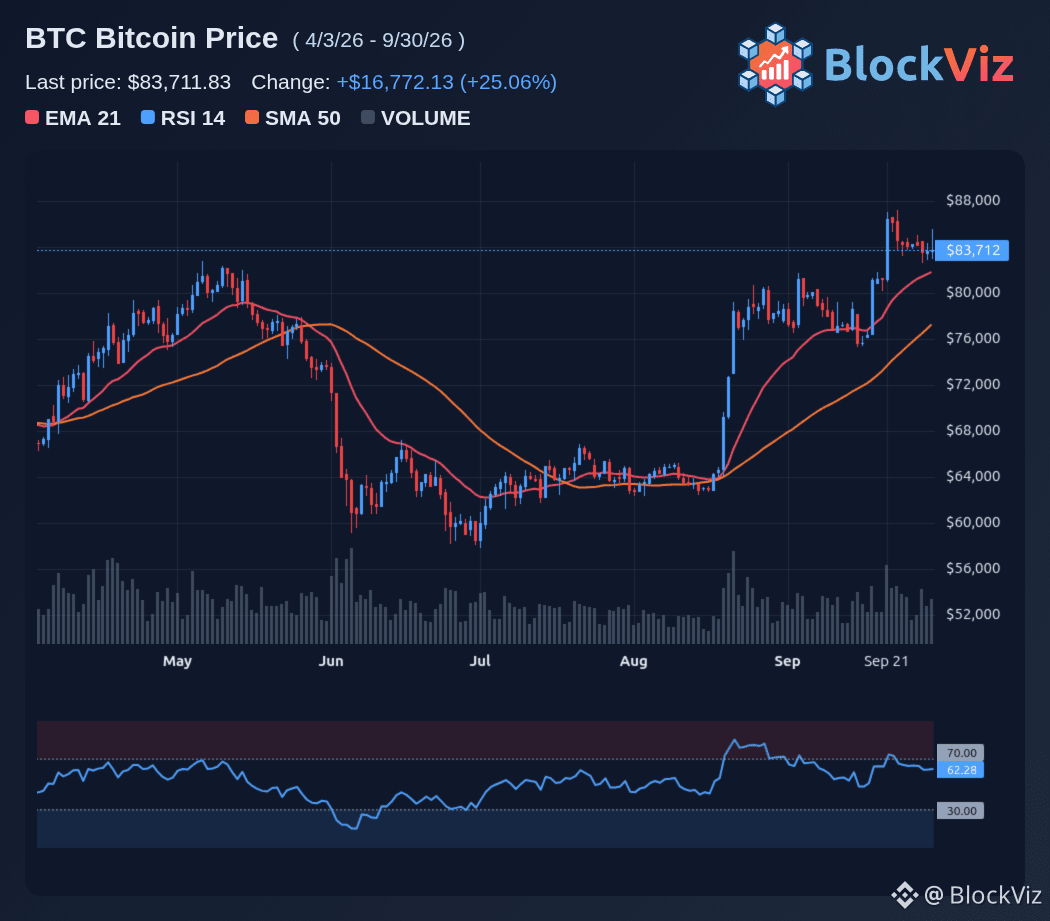
Uptober đã trở lại trong câu chuyện, nhưng chỉ dựa vào lịch sử thôi thì chưa đủ để tin tưởng lần này. Bitcoin đã đóng cửa màu xanh trong 10/13 tháng Mười gần nhất, với mức sinh lời trung bình khoảng 19% và trung vị gần 14%, nhưng năm 2025 đã phá vỡ chuỗi bảy năm khi ghi nhận khoản lỗ 4%, và năm nay đi kèm những lực cản vĩ mô đáng kể từ lãi suất cao và tình trạng dư cung quyền chọn.
Sự giằng co nằm ở chỗ giữa tính mùa vụ và bối cảnh (setup). BTC bước vào tháng Mười quanh 85.000 đến 87.000 sau khi tăng khoảng 9% trong tháng Chín và gần 25% trong tháng Tám, một chuỗi xanh liên tiếp hiếm hoi thường đã mở đường cho các đợt Uptober mạnh. Thời điểm đáo hạn quyền chọn 18 tỷ USD hiện đã qua, và thị trường đang theo dõi liệu thanh khoản có thể hỗ trợ một nhịp đẩy lên 90.000 đến 100.000 hay liệu việc chốt lời ở các mức kỷ lục sẽ giới hạn đà tăng.
Với các nhà giao dịch, câu hỏi là liệu Uptober là “tỷ lệ nền” (base rate) hay một cái bẫy. Mẫu hình có tỷ lệ thắng 76,9%, nhưng ba tháng Mười đỏ, bao gồm 2018 và 2025, nhắc chúng ta rằng tính mùa vụ không phải là một đảm bảo. Bối cảnh năm nay khác với 2025: BTC bắt đầu từ 85.000 thay vì 114.000, và dòng tiền ETF cùng thanh khoản stablecoin đang tạo ra lực mua vững hơn so với cấu trúc “thiên lệch quá đà” như hồi năm ngoái.
Hãy theo dõi vùng 88.000 đến 90.000 cho nhịp tiếp theo, rồi mốc 100.000 làm mục tiêu Uptober. Nếu vượt lên rõ ràng trên 90.000 sẽ khớp với mức tăng trung bình 19% trong tháng Mười theo lịch sử, trong khi nếu thất bại tại 88.000 có thể khiến giá retest về 83.000 đến 85.000. Những chất xúc tác tiếp theo là việc mở cửa cây nến theo tháng của tháng Mười, bất kỳ sự tiếp diễn nào trong dòng tiền chảy vào ETF, và liệu BTC có thể giữ được trên 85.000 khi câu chuyện Uptober diễn ra.
$BTC
Uptober đã trở lại trong câu chuyện, nhưng chỉ dựa vào lịch sử thôi thì chưa đủ để tin tưởng lần này. Bitcoin đã đóng cửa màu xanh trong 10/13 tháng Mười gần nhất, với mức sinh lời trung bình khoảng 19% và trung vị gần 14%, nhưng năm 2025 đã phá vỡ chuỗi bảy năm khi ghi nhận khoản lỗ 4%, và năm nay đi kèm những lực cản vĩ mô đáng kể từ lãi suất cao và tình trạng dư cung quyền chọn.
Sự giằng co nằm ở chỗ giữa tính mùa vụ và bối cảnh (setup). BTC bước vào tháng Mười quanh 85.000 đến 87.000 sau khi tăng khoảng 9% trong tháng Chín và gần 25% trong tháng Tám, một chuỗi xanh liên tiếp hiếm hoi thường đã mở đường cho các đợt Uptober mạnh. Thời điểm đáo hạn quyền chọn 18 tỷ USD hiện đã qua, và thị trường đang theo dõi liệu thanh khoản có thể hỗ trợ một nhịp đẩy lên 90.000 đến 100.000 hay liệu việc chốt lời ở các mức kỷ lục sẽ giới hạn đà tăng.
Với các nhà giao dịch, câu hỏi là liệu Uptober là “tỷ lệ nền” (base rate) hay một cái bẫy. Mẫu hình có tỷ lệ thắng 76,9%, nhưng ba tháng Mười đỏ, bao gồm 2018 và 2025, nhắc chúng ta rằng tính mùa vụ không phải là một đảm bảo. Bối cảnh năm nay khác với 2025: BTC bắt đầu từ 85.000 thay vì 114.000, và dòng tiền ETF cùng thanh khoản stablecoin đang tạo ra lực mua vững hơn so với cấu trúc “thiên lệch quá đà” như hồi năm ngoái.
Hãy theo dõi vùng 88.000 đến 90.000 cho nhịp tiếp theo, rồi mốc 100.000 làm mục tiêu Uptober. Nếu vượt lên rõ ràng trên 90.000 sẽ khớp với mức tăng trung bình 19% trong tháng Mười theo lịch sử, trong khi nếu thất bại tại 88.000 có thể khiến giá retest về 83.000 đến 85.000. Những chất xúc tác tiếp theo là việc mở cửa cây nến theo tháng của tháng Mười, bất kỳ sự tiếp diễn nào trong dòng tiền chảy vào ETF, và liệu BTC có thể giữ được trên 85.000 khi câu chuyện Uptober diễn ra.
$BTC
Sự giằng co nằm ở chỗ giữa tính mùa vụ và bối cảnh (setup). BTC bước vào tháng Mười quanh 85.000 đến 87.000 sau khi tăng khoảng 9% trong tháng Chín và gần 25% trong tháng Tám, một chuỗi xanh liên tiếp hiếm hoi thường đã mở đường cho các đợt Uptober mạnh. Thời điểm đáo hạn quyền chọn 18 tỷ USD hiện đã qua, và thị trường đang theo dõi liệu thanh khoản có thể hỗ trợ một nhịp đẩy lên 90.000 đến 100.000 hay liệu việc chốt lời ở các mức kỷ lục sẽ giới hạn đà tăng.
Với các nhà giao dịch, câu hỏi là liệu Uptober là “tỷ lệ nền” (base rate) hay một cái bẫy. Mẫu hình có tỷ lệ thắng 76,9%, nhưng ba tháng Mười đỏ, bao gồm 2018 và 2025, nhắc chúng ta rằng tính mùa vụ không phải là một đảm bảo. Bối cảnh năm nay khác với 2025: BTC bắt đầu từ 85.000 thay vì 114.000, và dòng tiền ETF cùng thanh khoản stablecoin đang tạo ra lực mua vững hơn so với cấu trúc “thiên lệch quá đà” như hồi năm ngoái.
Hãy theo dõi vùng 88.000 đến 90.000 cho nhịp tiếp theo, rồi mốc 100.000 làm mục tiêu Uptober. Nếu vượt lên rõ ràng trên 90.000 sẽ khớp với mức tăng trung bình 19% trong tháng Mười theo lịch sử, trong khi nếu thất bại tại 88.000 có thể khiến giá retest về 83.000 đến 85.000. Những chất xúc tác tiếp theo là việc mở cửa cây nến theo tháng của tháng Mười, bất kỳ sự tiếp diễn nào trong dòng tiền chảy vào ETF, và liệu BTC có thể giữ được trên 85.000 khi câu chuyện Uptober diễn ra.
$BTC
78
·
--
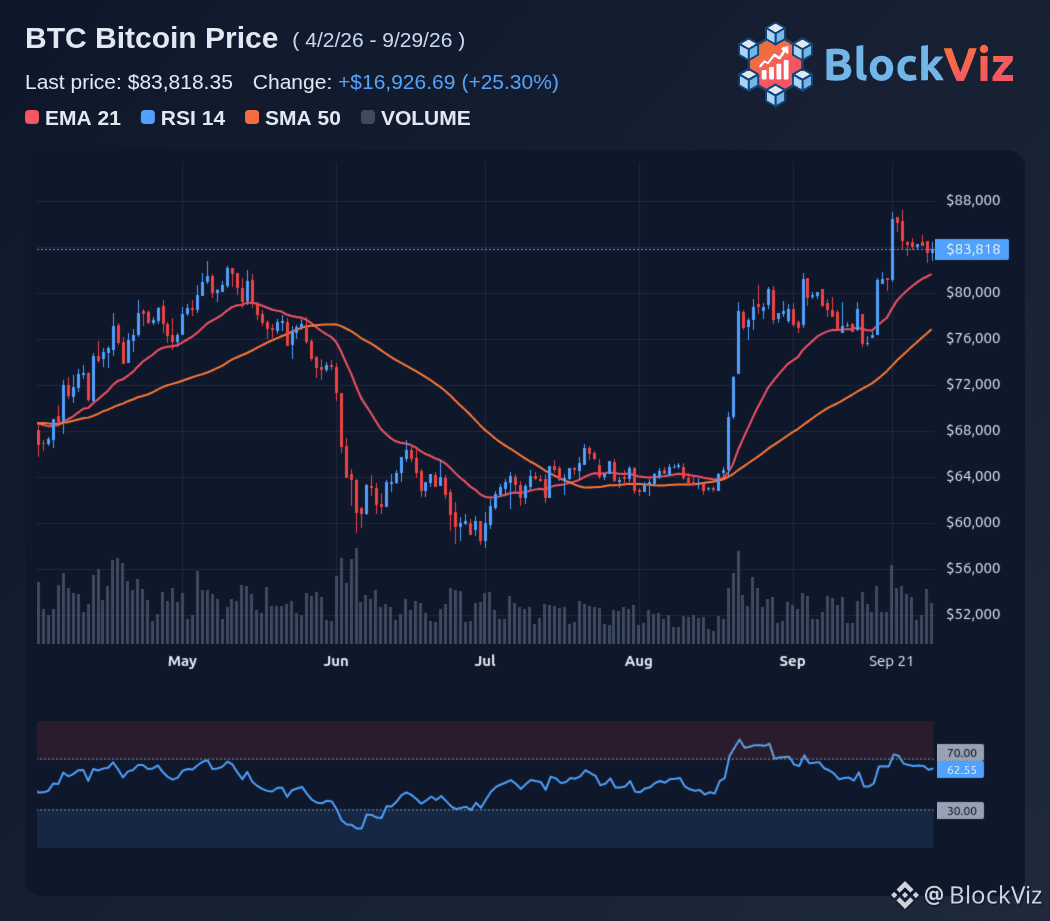
Khối lượng spot của altcoin vừa đạt gần gấp 4 lần Bitcoin, tỷ lệ cao nhất kể từ tháng 9/2025, và nó đang buộc phải đặt ra một câu hỏi khó. Đây là altseason sớm hay chỉ là nhiên liệu cho một nhịp tăng cuối cùng của BTC? Chỉ số Altcoin Season (Altcoin Season Index) tăng lên 62% vào cuối tháng 9, với 72,5% số altcoin vượt trội hơn BTC trong tuần kết thúc ngày 22/9, nhưng nó vẫn nằm dưới ngưỡng 75%—mức xác nhận một altseason hoàn chỉnh.
Sự giằng co nằm giữa tín hiệu về khối lượng và tình hình “positioning”. Glassnode cho biết việc tham gia altcoin nặng thường trùng với các đỉnh cục bộ của Bitcoin, và lượng altcoin gửi lên sàn đã tăng lên mức chỉ từng thấy trước đỉnh tháng 10/2025. Đồng thời, open interest của hợp đồng tương lai altcoin lại cho thấy mức tăng rất ít—điều này khác với các đỉnh thị trường trước đó, nơi ghi nhận sự gia tăng vị thế có đòn bẩy. Tổ hợp này gợi ý nhu cầu spot mạnh, nhưng chưa phải là “blow-off top” (đỉnh quá hưng phấn) trên thị trường phái sinh.
Với các trader, bối cảnh này xoay quanh sự luân chuyển dòng tiền và quản trị rủi ro. Dominance của Bitcoin giảm xuống dưới 59% khi vốn luân chuyển sang altcoin, nhưng BTC vẫn đang củng cố quanh 84.000 đến 87.000 sau đợt tăng từ dưới 63.000 vào tháng 8. Câu hỏi là liệu altcoin có thể duy trì lực mua nếu BTC không có cú bứt phá quyết định lên trên 88.000 đến 90.000 hay liệu sự bùng nổ khối lượng này chỉ là tín hiệu phân phối (distribution) hướng tới một đỉnh cục bộ.
Theo dõi Altcoin Season Index ở mức 62 và rồi 75 để có xác nhận, đồng thời giám sát dominance của BTC tại 59% cho nhịp tiếp theo. Nếu dominance giảm xuống dưới 58% và chỉ số vượt lên trên 75 thì sẽ báo hiệu một altseason thực sự; ngược lại, nếu dominance bật trở lại trên 60% thì cho thấy BTC vẫn đang neo thanh khoản. Các chất xúc tác tiếp theo là việc đóng nến hằng tháng vào tháng 10 và bất kỳ sự tiếp nối nào trong open interest của hợp đồng tương lai altcoin để xác nhận liệu đợt tăng khối lượng này có “đòn bẩy” đứng sau hay không.
$BTC
Khối lượng spot của altcoin vừa đạt gần gấp 4 lần Bitcoin, tỷ lệ cao nhất kể từ tháng 9/2025, và nó đang buộc phải đặt ra một câu hỏi khó. Đây là altseason sớm hay chỉ là nhiên liệu cho một nhịp tăng cuối cùng của BTC? Chỉ số Altcoin Season (Altcoin Season Index) tăng lên 62% vào cuối tháng 9, với 72,5% số altcoin vượt trội hơn BTC trong tuần kết thúc ngày 22/9, nhưng nó vẫn nằm dưới ngưỡng 75%—mức xác nhận một altseason hoàn chỉnh.
Sự giằng co nằm giữa tín hiệu về khối lượng và tình hình “positioning”. Glassnode cho biết việc tham gia altcoin nặng thường trùng với các đỉnh cục bộ của Bitcoin, và lượng altcoin gửi lên sàn đã tăng lên mức chỉ từng thấy trước đỉnh tháng 10/2025. Đồng thời, open interest của hợp đồng tương lai altcoin lại cho thấy mức tăng rất ít—điều này khác với các đỉnh thị trường trước đó, nơi ghi nhận sự gia tăng vị thế có đòn bẩy. Tổ hợp này gợi ý nhu cầu spot mạnh, nhưng chưa phải là “blow-off top” (đỉnh quá hưng phấn) trên thị trường phái sinh.
Với các trader, bối cảnh này xoay quanh sự luân chuyển dòng tiền và quản trị rủi ro. Dominance của Bitcoin giảm xuống dưới 59% khi vốn luân chuyển sang altcoin, nhưng BTC vẫn đang củng cố quanh 84.000 đến 87.000 sau đợt tăng từ dưới 63.000 vào tháng 8. Câu hỏi là liệu altcoin có thể duy trì lực mua nếu BTC không có cú bứt phá quyết định lên trên 88.000 đến 90.000 hay liệu sự bùng nổ khối lượng này chỉ là tín hiệu phân phối (distribution) hướng tới một đỉnh cục bộ.
Theo dõi Altcoin Season Index ở mức 62 và rồi 75 để có xác nhận, đồng thời giám sát dominance của BTC tại 59% cho nhịp tiếp theo. Nếu dominance giảm xuống dưới 58% và chỉ số vượt lên trên 75 thì sẽ báo hiệu một altseason thực sự; ngược lại, nếu dominance bật trở lại trên 60% thì cho thấy BTC vẫn đang neo thanh khoản. Các chất xúc tác tiếp theo là việc đóng nến hằng tháng vào tháng 10 và bất kỳ sự tiếp nối nào trong open interest của hợp đồng tương lai altcoin để xác nhận liệu đợt tăng khối lượng này có “đòn bẩy” đứng sau hay không.
$BTC
Sự giằng co nằm giữa tín hiệu về khối lượng và tình hình “positioning”. Glassnode cho biết việc tham gia altcoin nặng thường trùng với các đỉnh cục bộ của Bitcoin, và lượng altcoin gửi lên sàn đã tăng lên mức chỉ từng thấy trước đỉnh tháng 10/2025. Đồng thời, open interest của hợp đồng tương lai altcoin lại cho thấy mức tăng rất ít—điều này khác với các đỉnh thị trường trước đó, nơi ghi nhận sự gia tăng vị thế có đòn bẩy. Tổ hợp này gợi ý nhu cầu spot mạnh, nhưng chưa phải là “blow-off top” (đỉnh quá hưng phấn) trên thị trường phái sinh.
Với các trader, bối cảnh này xoay quanh sự luân chuyển dòng tiền và quản trị rủi ro. Dominance của Bitcoin giảm xuống dưới 59% khi vốn luân chuyển sang altcoin, nhưng BTC vẫn đang củng cố quanh 84.000 đến 87.000 sau đợt tăng từ dưới 63.000 vào tháng 8. Câu hỏi là liệu altcoin có thể duy trì lực mua nếu BTC không có cú bứt phá quyết định lên trên 88.000 đến 90.000 hay liệu sự bùng nổ khối lượng này chỉ là tín hiệu phân phối (distribution) hướng tới một đỉnh cục bộ.
Theo dõi Altcoin Season Index ở mức 62 và rồi 75 để có xác nhận, đồng thời giám sát dominance của BTC tại 59% cho nhịp tiếp theo. Nếu dominance giảm xuống dưới 58% và chỉ số vượt lên trên 75 thì sẽ báo hiệu một altseason thực sự; ngược lại, nếu dominance bật trở lại trên 60% thì cho thấy BTC vẫn đang neo thanh khoản. Các chất xúc tác tiếp theo là việc đóng nến hằng tháng vào tháng 10 và bất kỳ sự tiếp nối nào trong open interest của hợp đồng tương lai altcoin để xác nhận liệu đợt tăng khối lượng này có “đòn bẩy” đứng sau hay không.
$BTC
73
·
--
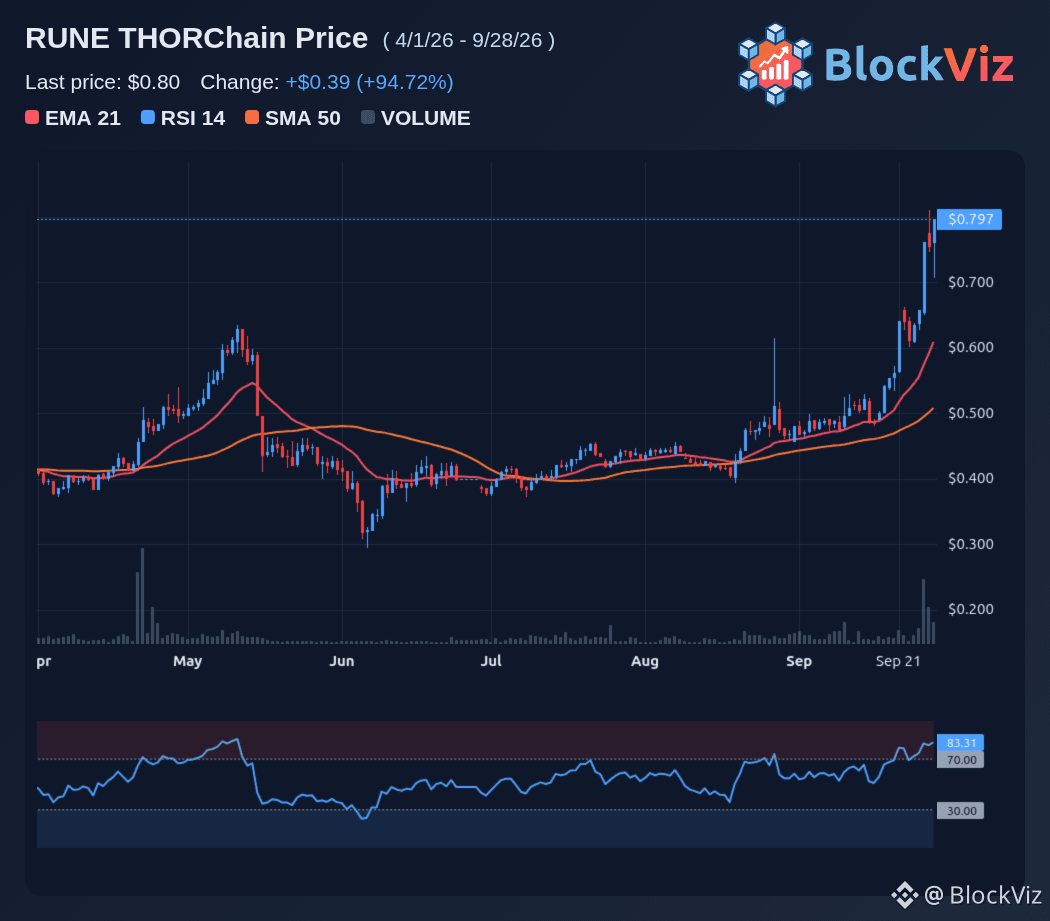
THORChain vừa kẻ một đường ranh giới trong cát sau vụ hack Bitget trị giá 387,5 triệu USD, và điều đó đang chia rẽ cộng đồng crypto. Sàn giao dịch đã yêu cầu giao thức chặn các ví liên quan đến kẻ tấn công, nhưng THORChain nói không—lập luận rằng các công cụ dừng khẩn cấp của họ bảo vệ mạng lưới nói chung và không được thiết kế để đóng băng các địa chỉ cá nhân hay các lệnh swap. Lập trường này đã thổi bùng trở lại cuộc tranh luận lâu đời nhất trong crypto: chống kiểm duyệt là một tính năng hay là một lỗi khi dòng tiền bị đánh cắp đang di chuyển qua “đường ray” của bạn?
Sự giằng co là có thật. CEO Bitget Gracy Chen đã công khai chỉ trích THORChain, nói rằng phi tập trung là một nguyên tắc thiết kế, không phải “tấm khiên” để hỗ trợ việc chuyển các quỹ đã bị đánh cắp mà đã được biết đến. THORChain phản biện lại, cho biết họ đã thu hồi key quản trị (admin key) vào tháng 2 năm 2025 và các validator của họ không có công tắc để đưa vào danh sách đen từng địa chỉ cụ thể mà không làm tổn hại mô hình phi tập trung không cần cấp phép. Giao thức cũng viện dẫn vụ khai thác (exploit) của chính mình vào tháng 5 năm 2026, khi họ tạm dừng mạng để kiềm chế khoản lỗ 10,7 triệu USD nhưng không chặn các ví của kẻ tấn công sau đó.
Với nhà giao dịch, mọi thứ xoay quanh câu chuyện và dòng chảy (narrative và flow). RUNE tăng hơn 20% trong 24 giờ khi thị trường định giá theo “premium về sự thuần khiết” dành cho một giao thức từ chối kiểm duyệt, ngay cả dưới áp lực. Câu hỏi là liệu mức đặt cược này có còn giữ vững sau khi bụi lắng xuống hay không, và liệu các “nguyên ngữ DeFi” khác có đi theo cùng một đường lằn hay không. Hãy theo dõi RUNE quanh các mốc bứt phá gần đây và quan sát xem có nhà vận hành node nào bỏ phiếu để tạm dừng các luồng liên quan đến Bitget hay không—điều đó sẽ báo hiệu sự thay đổi trong quan điểm quản trị.
Các chất xúc tác tiếp theo là các diễn biến đang diễn ra trên chuỗi đối với số tiền bị đánh cắp và bất kỳ phát biểu nào nữa từ các validator của THORChain hoặc Bitget. Nếu giao thức giữ vững lập trường, hãy kỳ vọng nhiều vốn hơn sẽ luân chuyển vào các câu chuyện chống kiểm duyệt. Nếu các validator chao đảo hoặc phối hợp để tạm dừng chọn lọc, “trade” theo mức chênh lệch purity có thể đảo chiều nhanh. Các mốc quan trọng là vùng bứt phá của RUNE và dòng luân chuyển từ ví hacker trị giá 387,5 triệu USD thông qua các giao dịch swap cross-chain của THORChain.
$RUNE
THORChain vừa kẻ một đường ranh giới trong cát sau vụ hack Bitget trị giá 387,5 triệu USD, và điều đó đang chia rẽ cộng đồng crypto. Sàn giao dịch đã yêu cầu giao thức chặn các ví liên quan đến kẻ tấn công, nhưng THORChain nói không—lập luận rằng các công cụ dừng khẩn cấp của họ bảo vệ mạng lưới nói chung và không được thiết kế để đóng băng các địa chỉ cá nhân hay các lệnh swap. Lập trường này đã thổi bùng trở lại cuộc tranh luận lâu đời nhất trong crypto: chống kiểm duyệt là một tính năng hay là một lỗi khi dòng tiền bị đánh cắp đang di chuyển qua “đường ray” của bạn?
Sự giằng co là có thật. CEO Bitget Gracy Chen đã công khai chỉ trích THORChain, nói rằng phi tập trung là một nguyên tắc thiết kế, không phải “tấm khiên” để hỗ trợ việc chuyển các quỹ đã bị đánh cắp mà đã được biết đến. THORChain phản biện lại, cho biết họ đã thu hồi key quản trị (admin key) vào tháng 2 năm 2025 và các validator của họ không có công tắc để đưa vào danh sách đen từng địa chỉ cụ thể mà không làm tổn hại mô hình phi tập trung không cần cấp phép. Giao thức cũng viện dẫn vụ khai thác (exploit) của chính mình vào tháng 5 năm 2026, khi họ tạm dừng mạng để kiềm chế khoản lỗ 10,7 triệu USD nhưng không chặn các ví của kẻ tấn công sau đó.
Với nhà giao dịch, mọi thứ xoay quanh câu chuyện và dòng chảy (narrative và flow). RUNE tăng hơn 20% trong 24 giờ khi thị trường định giá theo “premium về sự thuần khiết” dành cho một giao thức từ chối kiểm duyệt, ngay cả dưới áp lực. Câu hỏi là liệu mức đặt cược này có còn giữ vững sau khi bụi lắng xuống hay không, và liệu các “nguyên ngữ DeFi” khác có đi theo cùng một đường lằn hay không. Hãy theo dõi RUNE quanh các mốc bứt phá gần đây và quan sát xem có nhà vận hành node nào bỏ phiếu để tạm dừng các luồng liên quan đến Bitget hay không—điều đó sẽ báo hiệu sự thay đổi trong quan điểm quản trị.
Các chất xúc tác tiếp theo là các diễn biến đang diễn ra trên chuỗi đối với số tiền bị đánh cắp và bất kỳ phát biểu nào nữa từ các validator của THORChain hoặc Bitget. Nếu giao thức giữ vững lập trường, hãy kỳ vọng nhiều vốn hơn sẽ luân chuyển vào các câu chuyện chống kiểm duyệt. Nếu các validator chao đảo hoặc phối hợp để tạm dừng chọn lọc, “trade” theo mức chênh lệch purity có thể đảo chiều nhanh. Các mốc quan trọng là vùng bứt phá của RUNE và dòng luân chuyển từ ví hacker trị giá 387,5 triệu USD thông qua các giao dịch swap cross-chain của THORChain.
$RUNE
Sự giằng co là có thật. CEO Bitget Gracy Chen đã công khai chỉ trích THORChain, nói rằng phi tập trung là một nguyên tắc thiết kế, không phải “tấm khiên” để hỗ trợ việc chuyển các quỹ đã bị đánh cắp mà đã được biết đến. THORChain phản biện lại, cho biết họ đã thu hồi key quản trị (admin key) vào tháng 2 năm 2025 và các validator của họ không có công tắc để đưa vào danh sách đen từng địa chỉ cụ thể mà không làm tổn hại mô hình phi tập trung không cần cấp phép. Giao thức cũng viện dẫn vụ khai thác (exploit) của chính mình vào tháng 5 năm 2026, khi họ tạm dừng mạng để kiềm chế khoản lỗ 10,7 triệu USD nhưng không chặn các ví của kẻ tấn công sau đó.
Với nhà giao dịch, mọi thứ xoay quanh câu chuyện và dòng chảy (narrative và flow). RUNE tăng hơn 20% trong 24 giờ khi thị trường định giá theo “premium về sự thuần khiết” dành cho một giao thức từ chối kiểm duyệt, ngay cả dưới áp lực. Câu hỏi là liệu mức đặt cược này có còn giữ vững sau khi bụi lắng xuống hay không, và liệu các “nguyên ngữ DeFi” khác có đi theo cùng một đường lằn hay không. Hãy theo dõi RUNE quanh các mốc bứt phá gần đây và quan sát xem có nhà vận hành node nào bỏ phiếu để tạm dừng các luồng liên quan đến Bitget hay không—điều đó sẽ báo hiệu sự thay đổi trong quan điểm quản trị.
Các chất xúc tác tiếp theo là các diễn biến đang diễn ra trên chuỗi đối với số tiền bị đánh cắp và bất kỳ phát biểu nào nữa từ các validator của THORChain hoặc Bitget. Nếu giao thức giữ vững lập trường, hãy kỳ vọng nhiều vốn hơn sẽ luân chuyển vào các câu chuyện chống kiểm duyệt. Nếu các validator chao đảo hoặc phối hợp để tạm dừng chọn lọc, “trade” theo mức chênh lệch purity có thể đảo chiều nhanh. Các mốc quan trọng là vùng bứt phá của RUNE và dòng luân chuyển từ ví hacker trị giá 387,5 triệu USD thông qua các giao dịch swap cross-chain của THORChain.
$RUNE
79
·
--
Bitget vừa xác nhận một vụ xâm nhập “hot wallet” trị giá 351,6 triệu USD và đã tạm dừng rút tiền, trong khi thị trường đặt ra những câu hỏi hiển nhiên. Kẻ nào đứng sau, chúng xâm nhập bằng cách nào, và liệu tiền của người dùng có thực sự an toàn không? Sàn cho biết là có ở hạng mục cuối, viện dẫn Quỹ Bảo vệ Người dùng (User Protection Fund) trị giá 464 triệu USD có thể chi trả toàn bộ thiệt hại, nhưng phương thức tấn công vẫn chưa được biết do chờ báo cáo sự cố đầy đủ.
Sự giằng co nằm giữa “phao cứu hộ” và phần chưa rõ. CEO Gracy Chen cho biết vụ xâm nhập chỉ giới hạn ở một phần các lớp hot và warm wallet trong kiến trúc ba tầng của Bitget, trong khi các cold wallet không bị ảnh hưởng và số dư tài khoản người dùng vẫn chính xác. Việc nạp tiền và giao dịch vẫn đang hoạt động, nhưng rút tiền bị đóng băng cho đến khi việc rà soát bảo mật hoàn tất. Đây là một điểm khác biệt quan trọng với bất kỳ ai có quy mô tài sản lớn trên nền tảng, vì theo lý thuyết thì việc được bảo hiểm không lúc nào cũng đồng nghĩa với việc được hoàn trả ngay lập tức trong thực tế.
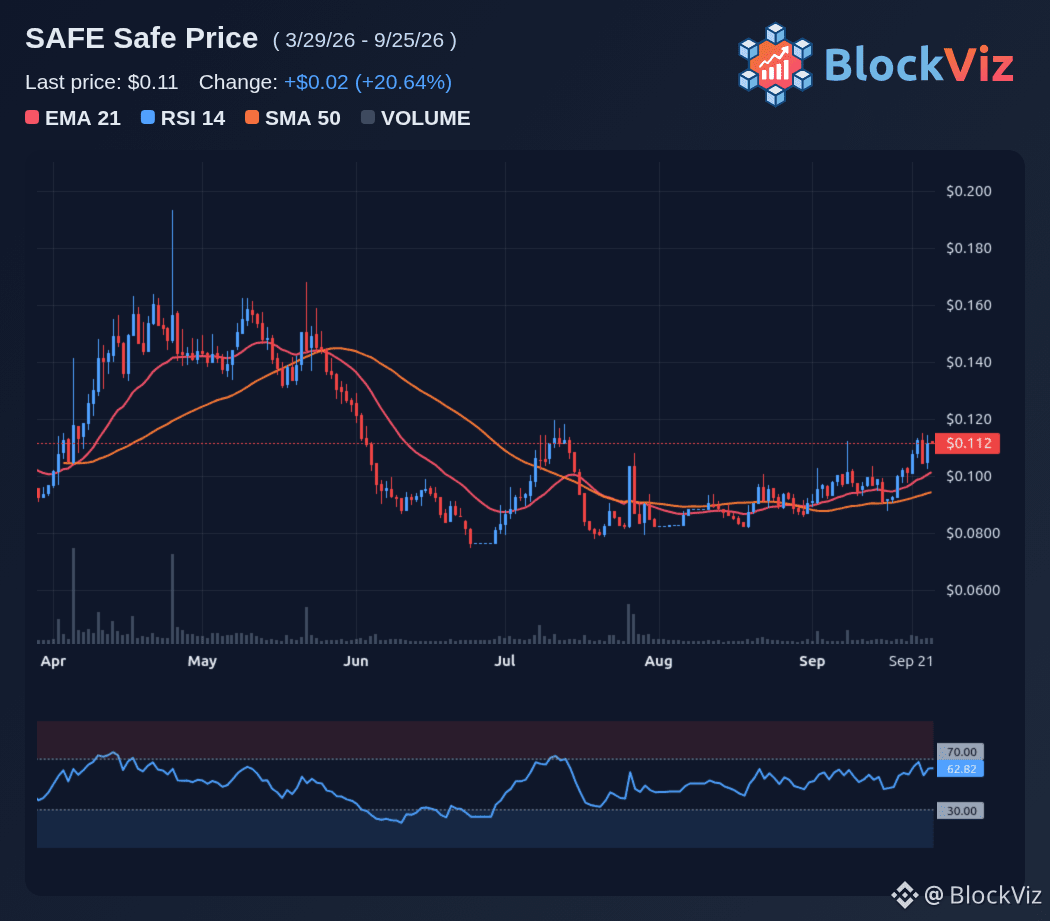
Với các nhà giao dịch, bối cảnh này xoay quanh quản trị rủi ro và dòng tiền. Theo dõi BTC quanh vùng 83.000 đến 85.000 để xem có dấu hiệu “lây nhiễm” từ tin nóng hay không, đồng thời giám sát dòng stablecoin ra vào Bitget khi việc rút tiền mở lại. Những chất xúc tác tiếp theo là báo cáo sự cố trong 24 giờ và mọi cập nhật về phương thức tấn công, với lực lượng thực thi pháp luật và các công ty an ninh trên chuỗi (on-chain) đã được huy động. Nếu báo cáo chỉ ra một lỗ hổng đã biết hoặc một cá nhân/tác nhân cụ thể, thị trường sẽ phản ánh điều đó nhanh chóng. Nếu vẫn mơ hồ, hãy kỳ vọng nỗi lo rút tiền kéo dài và khả năng dòng tiền chảy ra sang các đối thủ.
Các mốc quan trọng là hỗ trợ 83.000 cho BTC và tỷ lệ bao phủ tương ứng với quỹ bảo vệ 464 triệu USD của Bitget. Một kết cục “sạch” với hoàn trả đầy đủ và xác định rõ vectơ tấn công sẽ kiềm chế mức độ thiệt hại, trong khi việc báo cáo bị trễ hoặc có khoảng trống có thể khiến rủi ro từ tin nóng kéo dài sang cuối tuần. Cho đến khi đó, các nhà giao dịch nên giả định biến động gia tăng và giữ quy mô được phân bổ đa dạng trên nhiều sàn...
$SAFE
Bitget vừa xác nhận một vụ xâm nhập “hot wallet” trị giá 351,6 triệu USD và đã tạm dừng rút tiền, trong khi thị trường đặt ra những câu hỏi hiển nhiên. Kẻ nào đứng sau, chúng xâm nhập bằng cách nào, và liệu tiền của người dùng có thực sự an toàn không? Sàn cho biết là có ở hạng mục cuối, viện dẫn Quỹ Bảo vệ Người dùng (User Protection Fund) trị giá 464 triệu USD có thể chi trả toàn bộ thiệt hại, nhưng phương thức tấn công vẫn chưa được biết do chờ báo cáo sự cố đầy đủ.
Sự giằng co nằm giữa “phao cứu hộ” và phần chưa rõ. CEO Gracy Chen cho biết vụ xâm nhập chỉ giới hạn ở một phần các lớp hot và warm wallet trong kiến trúc ba tầng của Bitget, trong khi các cold wallet không bị ảnh hưởng và số dư tài khoản người dùng vẫn chính xác. Việc nạp tiền và giao dịch vẫn đang hoạt động, nhưng rút tiền bị đóng băng cho đến khi việc rà soát bảo mật hoàn tất. Đây là một điểm khác biệt quan trọng với bất kỳ ai có quy mô tài sản lớn trên nền tảng, vì theo lý thuyết thì việc được bảo hiểm không lúc nào cũng đồng nghĩa với việc được hoàn trả ngay lập tức trong thực tế.
Với các nhà giao dịch, bối cảnh này xoay quanh quản trị rủi ro và dòng tiền. Theo dõi BTC quanh vùng 83.000 đến 85.000 để xem có dấu hiệu “lây nhiễm” từ tin nóng hay không, đồng thời giám sát dòng stablecoin ra vào Bitget khi việc rút tiền mở lại. Những chất xúc tác tiếp theo là báo cáo sự cố trong 24 giờ và mọi cập nhật về phương thức tấn công, với lực lượng thực thi pháp luật và các công ty an ninh trên chuỗi (on-chain) đã được huy động. Nếu báo cáo chỉ ra một lỗ hổng đã biết hoặc một cá nhân/tác nhân cụ thể, thị trường sẽ phản ánh điều đó nhanh chóng. Nếu vẫn mơ hồ, hãy kỳ vọng nỗi lo rút tiền kéo dài và khả năng dòng tiền chảy ra sang các đối thủ.
Các mốc quan trọng là hỗ trợ 83.000 cho BTC và tỷ lệ bao phủ tương ứng với quỹ bảo vệ 464 triệu USD của Bitget. Một kết cục “sạch” với hoàn trả đầy đủ và xác định rõ vectơ tấn công sẽ kiềm chế mức độ thiệt hại, trong khi việc báo cáo bị trễ hoặc có khoảng trống có thể khiến rủi ro từ tin nóng kéo dài sang cuối tuần. Cho đến khi đó, các nhà giao dịch nên giả định biến động gia tăng và giữ quy mô được phân bổ đa dạng trên nhiều sàn...
$SAFE
Sự giằng co nằm giữa “phao cứu hộ” và phần chưa rõ. CEO Gracy Chen cho biết vụ xâm nhập chỉ giới hạn ở một phần các lớp hot và warm wallet trong kiến trúc ba tầng của Bitget, trong khi các cold wallet không bị ảnh hưởng và số dư tài khoản người dùng vẫn chính xác. Việc nạp tiền và giao dịch vẫn đang hoạt động, nhưng rút tiền bị đóng băng cho đến khi việc rà soát bảo mật hoàn tất. Đây là một điểm khác biệt quan trọng với bất kỳ ai có quy mô tài sản lớn trên nền tảng, vì theo lý thuyết thì việc được bảo hiểm không lúc nào cũng đồng nghĩa với việc được hoàn trả ngay lập tức trong thực tế.
Với các nhà giao dịch, bối cảnh này xoay quanh quản trị rủi ro và dòng tiền. Theo dõi BTC quanh vùng 83.000 đến 85.000 để xem có dấu hiệu “lây nhiễm” từ tin nóng hay không, đồng thời giám sát dòng stablecoin ra vào Bitget khi việc rút tiền mở lại. Những chất xúc tác tiếp theo là báo cáo sự cố trong 24 giờ và mọi cập nhật về phương thức tấn công, với lực lượng thực thi pháp luật và các công ty an ninh trên chuỗi (on-chain) đã được huy động. Nếu báo cáo chỉ ra một lỗ hổng đã biết hoặc một cá nhân/tác nhân cụ thể, thị trường sẽ phản ánh điều đó nhanh chóng. Nếu vẫn mơ hồ, hãy kỳ vọng nỗi lo rút tiền kéo dài và khả năng dòng tiền chảy ra sang các đối thủ.
Các mốc quan trọng là hỗ trợ 83.000 cho BTC và tỷ lệ bao phủ tương ứng với quỹ bảo vệ 464 triệu USD của Bitget. Một kết cục “sạch” với hoàn trả đầy đủ và xác định rõ vectơ tấn công sẽ kiềm chế mức độ thiệt hại, trong khi việc báo cáo bị trễ hoặc có khoảng trống có thể khiến rủi ro từ tin nóng kéo dài sang cuối tuần. Cho đến khi đó, các nhà giao dịch nên giả định biến động gia tăng và giữ quy mô được phân bổ đa dạng trên nhiều sàn...
$SAFE
65
·
--
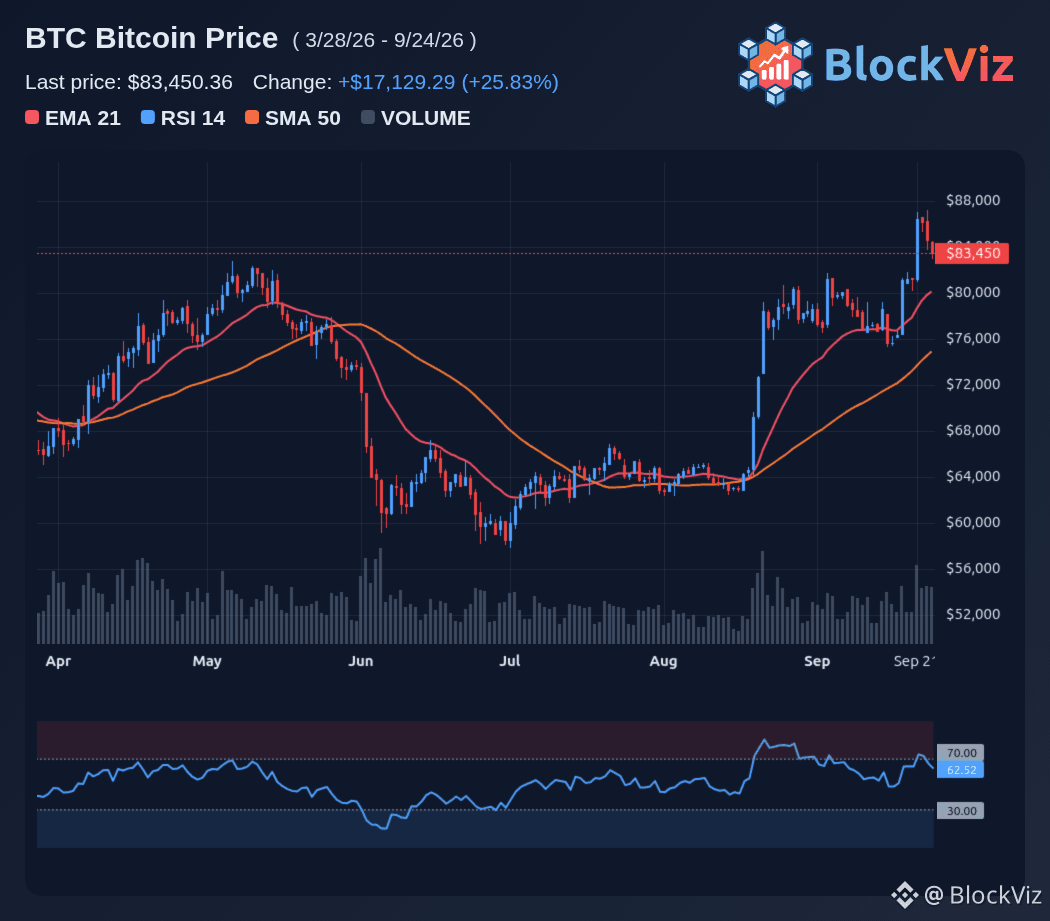
Lợi suất Trái phiếu Kho bạc Mỹ kỳ hạn 10 năm vừa chạm 5,12%, mức cao nhất kể từ năm 2007, và đang đặt ra một câu hỏi khó cho phe bò Bitcoin. Tại sao phải chấp nhận rủi ro với một tài sản không tạo lợi suất khi bạn có thể chốt mức 5% không rủi ro trong trái phiếu chính phủ? Chi phí cơ hội đó chính là cách đọc rõ ràng nhất lý do BTC trượt từ vùng 85.000 xuống khoảng 83.000 khi lợi suất tăng vọt.
Sự giằng co nằm giữa các lực cản vĩ mô và những chất xúc tác riêng của crypto. Một mặt, lợi suất cao hơn rút thanh khoản khỏi các tài sản rủi ro, đẩy lãi suất chiết khấu lên đối với các cược kỳ hạn dài, và củng cố đồng USD. Mặt khác, Bitcoin vẫn giữ trên 83.000, ghi nhận mức tăng 14% so với đáy “max-pain” gần 75.000, và vẫn tăng khoảng 33% so với mức thấp hồi tháng 7 gần 58.000. Thị trường đang cân nhắc mức 5% không rủi ro so với khả năng bứt phá của một thị trường tăng giá nếu BTC có thể vượt qua 88.000 đến 90.000.
Với các nhà giao dịch, kịch bản khá rõ ràng. Theo dõi lợi suất kỳ hạn 10 năm ở 5,12% và rồi ở 5,15% cho bước đi tiếp theo. Nếu vượt qua 5,15% sẽ báo hiệu áp lực lớn hơn lên các tài sản rủi ro, trong khi một đợt lùi về quanh 5,00% sẽ làm giảm lực cản chi phí cơ hội. Đối với BTC, các mốc quan trọng là hỗ trợ 83.000 và kháng cự 88.000 đến 90.000. Nếu thủng 83.000 có thể mở ra đường đi tới 80.000 rồi 75.000, còn việc giữ vững trên 88.000 sẽ cho thấy người mua đang bảo vệ kịch bản tăng giá.
Các chất xúc tác tiếp theo là ngày đáo hạn quyền chọn 18 tỷ USD vào thứ Sáu và bất kỳ diễn biến tiếp nối nào trong lợi suất. Nếu lợi suất 10 năm hạ nhiệt từ 5,12% và BTC giữ được 85.000, con đường tới 90.000 sẽ mở ra. Nếu lợi suất đẩy lên gần 5,15% và BTC mất 83.000, câu chuyện về lãi suất không rủi ro sẽ thống trị và kéo crypto đi xuống.
$BTC
Lợi suất Trái phiếu Kho bạc Mỹ kỳ hạn 10 năm vừa chạm 5,12%, mức cao nhất kể từ năm 2007, và đang đặt ra một câu hỏi khó cho phe bò Bitcoin. Tại sao phải chấp nhận rủi ro với một tài sản không tạo lợi suất khi bạn có thể chốt mức 5% không rủi ro trong trái phiếu chính phủ? Chi phí cơ hội đó chính là cách đọc rõ ràng nhất lý do BTC trượt từ vùng 85.000 xuống khoảng 83.000 khi lợi suất tăng vọt.
Sự giằng co nằm giữa các lực cản vĩ mô và những chất xúc tác riêng của crypto. Một mặt, lợi suất cao hơn rút thanh khoản khỏi các tài sản rủi ro, đẩy lãi suất chiết khấu lên đối với các cược kỳ hạn dài, và củng cố đồng USD. Mặt khác, Bitcoin vẫn giữ trên 83.000, ghi nhận mức tăng 14% so với đáy “max-pain” gần 75.000, và vẫn tăng khoảng 33% so với mức thấp hồi tháng 7 gần 58.000. Thị trường đang cân nhắc mức 5% không rủi ro so với khả năng bứt phá của một thị trường tăng giá nếu BTC có thể vượt qua 88.000 đến 90.000.
Với các nhà giao dịch, kịch bản khá rõ ràng. Theo dõi lợi suất kỳ hạn 10 năm ở 5,12% và rồi ở 5,15% cho bước đi tiếp theo. Nếu vượt qua 5,15% sẽ báo hiệu áp lực lớn hơn lên các tài sản rủi ro, trong khi một đợt lùi về quanh 5,00% sẽ làm giảm lực cản chi phí cơ hội. Đối với BTC, các mốc quan trọng là hỗ trợ 83.000 và kháng cự 88.000 đến 90.000. Nếu thủng 83.000 có thể mở ra đường đi tới 80.000 rồi 75.000, còn việc giữ vững trên 88.000 sẽ cho thấy người mua đang bảo vệ kịch bản tăng giá.
Các chất xúc tác tiếp theo là ngày đáo hạn quyền chọn 18 tỷ USD vào thứ Sáu và bất kỳ diễn biến tiếp nối nào trong lợi suất. Nếu lợi suất 10 năm hạ nhiệt từ 5,12% và BTC giữ được 85.000, con đường tới 90.000 sẽ mở ra. Nếu lợi suất đẩy lên gần 5,15% và BTC mất 83.000, câu chuyện về lãi suất không rủi ro sẽ thống trị và kéo crypto đi xuống.
$BTC
Sự giằng co nằm giữa các lực cản vĩ mô và những chất xúc tác riêng của crypto. Một mặt, lợi suất cao hơn rút thanh khoản khỏi các tài sản rủi ro, đẩy lãi suất chiết khấu lên đối với các cược kỳ hạn dài, và củng cố đồng USD. Mặt khác, Bitcoin vẫn giữ trên 83.000, ghi nhận mức tăng 14% so với đáy “max-pain” gần 75.000, và vẫn tăng khoảng 33% so với mức thấp hồi tháng 7 gần 58.000. Thị trường đang cân nhắc mức 5% không rủi ro so với khả năng bứt phá của một thị trường tăng giá nếu BTC có thể vượt qua 88.000 đến 90.000.
Với các nhà giao dịch, kịch bản khá rõ ràng. Theo dõi lợi suất kỳ hạn 10 năm ở 5,12% và rồi ở 5,15% cho bước đi tiếp theo. Nếu vượt qua 5,15% sẽ báo hiệu áp lực lớn hơn lên các tài sản rủi ro, trong khi một đợt lùi về quanh 5,00% sẽ làm giảm lực cản chi phí cơ hội. Đối với BTC, các mốc quan trọng là hỗ trợ 83.000 và kháng cự 88.000 đến 90.000. Nếu thủng 83.000 có thể mở ra đường đi tới 80.000 rồi 75.000, còn việc giữ vững trên 88.000 sẽ cho thấy người mua đang bảo vệ kịch bản tăng giá.
Các chất xúc tác tiếp theo là ngày đáo hạn quyền chọn 18 tỷ USD vào thứ Sáu và bất kỳ diễn biến tiếp nối nào trong lợi suất. Nếu lợi suất 10 năm hạ nhiệt từ 5,12% và BTC giữ được 85.000, con đường tới 90.000 sẽ mở ra. Nếu lợi suất đẩy lên gần 5,15% và BTC mất 83.000, câu chuyện về lãi suất không rủi ro sẽ thống trị và kéo crypto đi xuống.
$BTC
82
·
--
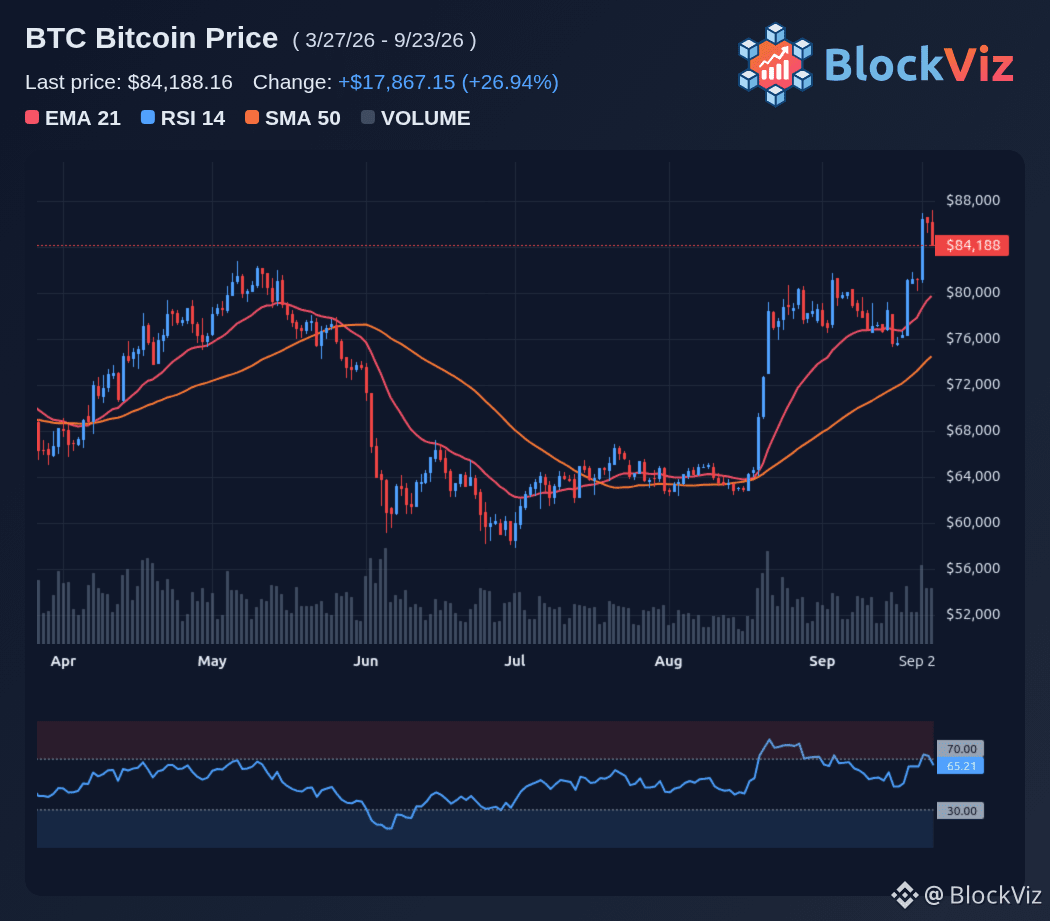
Khoảng 18 tỷ USD trong các tùy chọn BTC và ETH sẽ hết hạn vào thứ Sáu, và mức “max pain” nằm đúng tại 75.000 đối với Bitcoin. Điều này xấp xỉ thấp hơn khoảng 10.000 so với giá giao ngay hiện tại quanh 85.000–86.000, và khiến các trader đặt câu hỏi liệu hoạt động phòng hộ của các dealer và dòng gamma có kéo BTC giảm xuống trước thời điểm chốt phiên lúc 08:00 UTC hay không.
Sự giằng co nằm giữa lực hút của max pain và vị thế nghiêng về lệnh CALL. Quyền chọn BTC đang nghiêng theo hướng tăng với khoảng 9,4 tỷ USD ở các lệnh call so với 6,5 tỷ USD ở các lệnh put, tập trung tại các mốc 90.000 và 100.000. Để giá thanh toán rơi vào vùng max pain, Bitcoin cần giảm khoảng 11%–12% từ hiện tại đến thứ Sáu, đây là một bước đi lớn nhưng không phải là không thể trong tuần đáo hạn theo quý.
Lịch sử cho thấy max pain không phải lúc nào cũng thắng, nhưng nó thường đóng vai trò như một “nam châm” mềm hướng giá về thời điểm đáo hạn. Ở các quý trước, BTC thường chốt gần max pain hơn khi open interest ở mức lớn và dealer gamma đang ở trạng thái short. Tuần này, strike 70.000 có số hợp đồng mở nhiều nhất, và các lệnh put được xếp nhiều tại 60.000, 70.000 và 75.000, tạo ra một nền đỡ theo tầng lớp có thể hạn chế đà giảm nếu bên bán thúc giá về hướng 75.000.
Với các trader, bối cảnh khá rõ ràng. Hãy theo dõi 85.000 như vùng hỗ trợ then chốt và 88.000–90.000 như vùng kháng cự cho đến thứ Sáu. Nếu thủng 85.000 có thể mở ra con đường tới 80.000 rồi sau đó là max pain tại 75.000, trong khi việc giữ vững trên 88.000 sẽ cho thấy người mua đang phòng vệ cho vị thế nghiêng về call. Các chất xúc tác tiếp theo là các đợt “roll” quyền chọn theo ngày và bất kỳ giao dịch khối lượng lớn nào có thể làm thay đổi các hoạt động phòng hộ gamma của dealer trước thời điểm chốt phiên thứ Sáu lúc 08:00 UTC.
$BTC
Khoảng 18 tỷ USD trong các tùy chọn BTC và ETH sẽ hết hạn vào thứ Sáu, và mức “max pain” nằm đúng tại 75.000 đối với Bitcoin. Điều này xấp xỉ thấp hơn khoảng 10.000 so với giá giao ngay hiện tại quanh 85.000–86.000, và khiến các trader đặt câu hỏi liệu hoạt động phòng hộ của các dealer và dòng gamma có kéo BTC giảm xuống trước thời điểm chốt phiên lúc 08:00 UTC hay không.
Sự giằng co nằm giữa lực hút của max pain và vị thế nghiêng về lệnh CALL. Quyền chọn BTC đang nghiêng theo hướng tăng với khoảng 9,4 tỷ USD ở các lệnh call so với 6,5 tỷ USD ở các lệnh put, tập trung tại các mốc 90.000 và 100.000. Để giá thanh toán rơi vào vùng max pain, Bitcoin cần giảm khoảng 11%–12% từ hiện tại đến thứ Sáu, đây là một bước đi lớn nhưng không phải là không thể trong tuần đáo hạn theo quý.
Lịch sử cho thấy max pain không phải lúc nào cũng thắng, nhưng nó thường đóng vai trò như một “nam châm” mềm hướng giá về thời điểm đáo hạn. Ở các quý trước, BTC thường chốt gần max pain hơn khi open interest ở mức lớn và dealer gamma đang ở trạng thái short. Tuần này, strike 70.000 có số hợp đồng mở nhiều nhất, và các lệnh put được xếp nhiều tại 60.000, 70.000 và 75.000, tạo ra một nền đỡ theo tầng lớp có thể hạn chế đà giảm nếu bên bán thúc giá về hướng 75.000.
Với các trader, bối cảnh khá rõ ràng. Hãy theo dõi 85.000 như vùng hỗ trợ then chốt và 88.000–90.000 như vùng kháng cự cho đến thứ Sáu. Nếu thủng 85.000 có thể mở ra con đường tới 80.000 rồi sau đó là max pain tại 75.000, trong khi việc giữ vững trên 88.000 sẽ cho thấy người mua đang phòng vệ cho vị thế nghiêng về call. Các chất xúc tác tiếp theo là các đợt “roll” quyền chọn theo ngày và bất kỳ giao dịch khối lượng lớn nào có thể làm thay đổi các hoạt động phòng hộ gamma của dealer trước thời điểm chốt phiên thứ Sáu lúc 08:00 UTC.
$BTC
Sự giằng co nằm giữa lực hút của max pain và vị thế nghiêng về lệnh CALL. Quyền chọn BTC đang nghiêng theo hướng tăng với khoảng 9,4 tỷ USD ở các lệnh call so với 6,5 tỷ USD ở các lệnh put, tập trung tại các mốc 90.000 và 100.000. Để giá thanh toán rơi vào vùng max pain, Bitcoin cần giảm khoảng 11%–12% từ hiện tại đến thứ Sáu, đây là một bước đi lớn nhưng không phải là không thể trong tuần đáo hạn theo quý.
Lịch sử cho thấy max pain không phải lúc nào cũng thắng, nhưng nó thường đóng vai trò như một “nam châm” mềm hướng giá về thời điểm đáo hạn. Ở các quý trước, BTC thường chốt gần max pain hơn khi open interest ở mức lớn và dealer gamma đang ở trạng thái short. Tuần này, strike 70.000 có số hợp đồng mở nhiều nhất, và các lệnh put được xếp nhiều tại 60.000, 70.000 và 75.000, tạo ra một nền đỡ theo tầng lớp có thể hạn chế đà giảm nếu bên bán thúc giá về hướng 75.000.
Với các trader, bối cảnh khá rõ ràng. Hãy theo dõi 85.000 như vùng hỗ trợ then chốt và 88.000–90.000 như vùng kháng cự cho đến thứ Sáu. Nếu thủng 85.000 có thể mở ra con đường tới 80.000 rồi sau đó là max pain tại 75.000, trong khi việc giữ vững trên 88.000 sẽ cho thấy người mua đang phòng vệ cho vị thế nghiêng về call. Các chất xúc tác tiếp theo là các đợt “roll” quyền chọn theo ngày và bất kỳ giao dịch khối lượng lớn nào có thể làm thay đổi các hoạt động phòng hộ gamma của dealer trước thời điểm chốt phiên thứ Sáu lúc 08:00 UTC.
$BTC
76
·
--
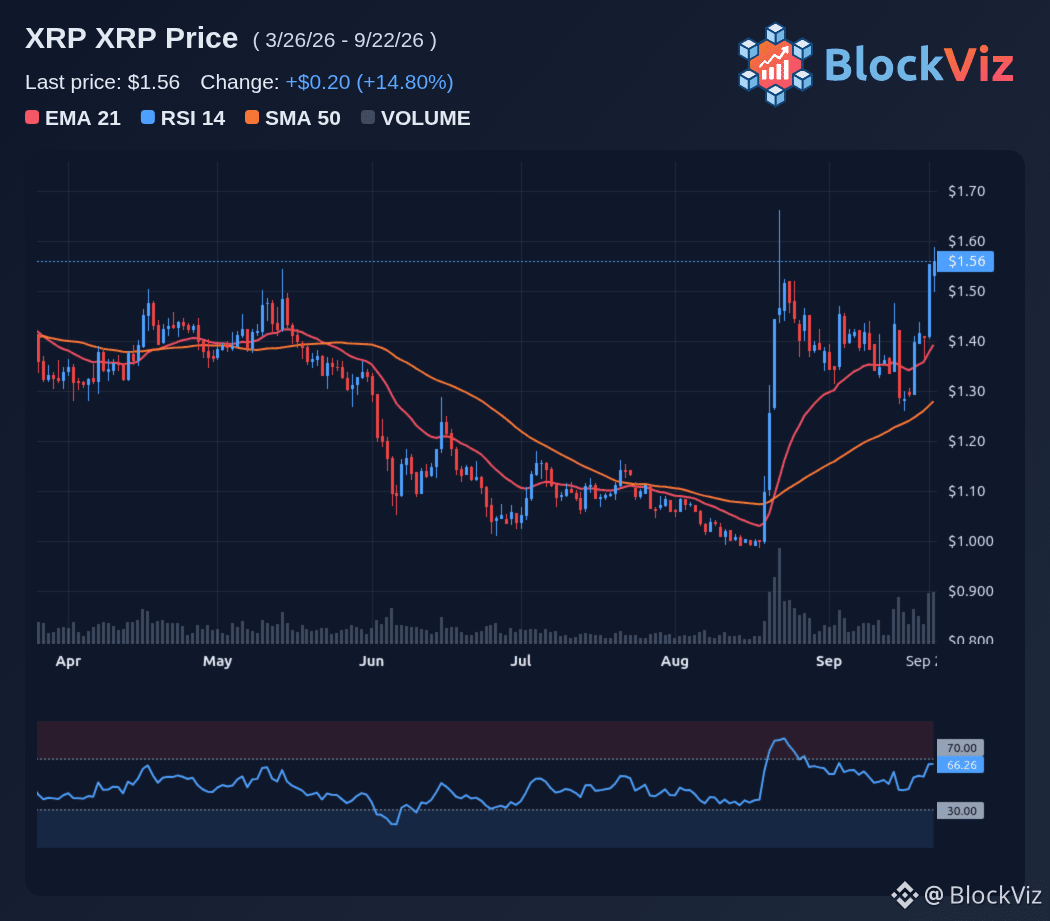
XRP, DOGE, BCH và NEAR vừa vượt qua BTC, nhưng không phải tất cả trong số này đều được xây dựng theo cùng một cách. DOGE tăng 14% đến 15% trong 24 giờ, XRP bật từ 1,40 lên 1,54 và NEAR đang ghi nhận mức tăng hai chữ số với biến động hàng tuần 55%. BTC cũng cộng thêm khoảng 5% trong cùng khung thời gian, nhưng mức độ thống trị giảm xuống còn khoảng 57% từ 59,2% trước đó vào đầu tháng 9.
Điểm căng thẳng là liệu đây là altseason sớm hay chỉ là một nhánh đầu cơ cuối chu kỳ. Chỉ số Altcoin Season Index hiện vẫn quanh 46 đến 49, thấp hơn ngưỡng 75 mà các nhà giao dịch dùng để gọi một altseason hoàn chỉnh. NEAR và BCH có đà mạnh và động lực rõ ràng, với NEAR tăng 55% trong tuần và BCH ghi nhận mức tăng 14% theo tuần. XRP và DOGE thì diễn biến trộn lẫn hơn: XRP vẫn còn thấp hơn gần 10% so với đỉnh ngày 22/8 và đà tăng của DOGE đang dựa nhiều vào đòn bẩy nặng và suy đoán memecoin.
Với các trader, câu hỏi là đợt tăng nào có khả năng tiếp diễn và đợt nào đang suy yếu nhanh. NEAR và BCH trông giống các kịch bản có đà thật sự hơn, với khối lượng duy trì và các đột phá vượt qua vùng kháng cự quan trọng. XRP cần một cú phá vỡ sạch sẽ lên trên 1,54 và sau đó là 1,60 để xác nhận xu hướng, trong khi DOGE nhạy hơn với dòng tiền bán lẻ và có thể đảo chiều nhanh nếu đòn bẩy bị giải toả.
Theo dõi mức độ thống trị của BTC ở 57% và Altcoin Season Index ở 50 để xem có dấu hiệu xoay vòng rộng hơn hay không. Nếu thống trị giảm dưới 56% và chỉ số vượt lên trên 55, điều đó sẽ cho thấy vốn đang xoay sang altcoin; ngược lại, nếu bật trở lại trên 58% thì sẽ gợi ý BTC vẫn đang neo thanh khoản. Các chất xúc tác tiếp theo là việc đóng nến hàng tháng của tháng 9 và bất kỳ đà tiếp diễn nào vượt trên 1,60 đối với XRP và 0,10 đối với DOGE.
$XRP
XRP, DOGE, BCH và NEAR vừa vượt qua BTC, nhưng không phải tất cả trong số này đều được xây dựng theo cùng một cách. DOGE tăng 14% đến 15% trong 24 giờ, XRP bật từ 1,40 lên 1,54 và NEAR đang ghi nhận mức tăng hai chữ số với biến động hàng tuần 55%. BTC cũng cộng thêm khoảng 5% trong cùng khung thời gian, nhưng mức độ thống trị giảm xuống còn khoảng 57% từ 59,2% trước đó vào đầu tháng 9.
Điểm căng thẳng là liệu đây là altseason sớm hay chỉ là một nhánh đầu cơ cuối chu kỳ. Chỉ số Altcoin Season Index hiện vẫn quanh 46 đến 49, thấp hơn ngưỡng 75 mà các nhà giao dịch dùng để gọi một altseason hoàn chỉnh. NEAR và BCH có đà mạnh và động lực rõ ràng, với NEAR tăng 55% trong tuần và BCH ghi nhận mức tăng 14% theo tuần. XRP và DOGE thì diễn biến trộn lẫn hơn: XRP vẫn còn thấp hơn gần 10% so với đỉnh ngày 22/8 và đà tăng của DOGE đang dựa nhiều vào đòn bẩy nặng và suy đoán memecoin.
Với các trader, câu hỏi là đợt tăng nào có khả năng tiếp diễn và đợt nào đang suy yếu nhanh. NEAR và BCH trông giống các kịch bản có đà thật sự hơn, với khối lượng duy trì và các đột phá vượt qua vùng kháng cự quan trọng. XRP cần một cú phá vỡ sạch sẽ lên trên 1,54 và sau đó là 1,60 để xác nhận xu hướng, trong khi DOGE nhạy hơn với dòng tiền bán lẻ và có thể đảo chiều nhanh nếu đòn bẩy bị giải toả.
Theo dõi mức độ thống trị của BTC ở 57% và Altcoin Season Index ở 50 để xem có dấu hiệu xoay vòng rộng hơn hay không. Nếu thống trị giảm dưới 56% và chỉ số vượt lên trên 55, điều đó sẽ cho thấy vốn đang xoay sang altcoin; ngược lại, nếu bật trở lại trên 58% thì sẽ gợi ý BTC vẫn đang neo thanh khoản. Các chất xúc tác tiếp theo là việc đóng nến hàng tháng của tháng 9 và bất kỳ đà tiếp diễn nào vượt trên 1,60 đối với XRP và 0,10 đối với DOGE.
$XRP
Điểm căng thẳng là liệu đây là altseason sớm hay chỉ là một nhánh đầu cơ cuối chu kỳ. Chỉ số Altcoin Season Index hiện vẫn quanh 46 đến 49, thấp hơn ngưỡng 75 mà các nhà giao dịch dùng để gọi một altseason hoàn chỉnh. NEAR và BCH có đà mạnh và động lực rõ ràng, với NEAR tăng 55% trong tuần và BCH ghi nhận mức tăng 14% theo tuần. XRP và DOGE thì diễn biến trộn lẫn hơn: XRP vẫn còn thấp hơn gần 10% so với đỉnh ngày 22/8 và đà tăng của DOGE đang dựa nhiều vào đòn bẩy nặng và suy đoán memecoin.
Với các trader, câu hỏi là đợt tăng nào có khả năng tiếp diễn và đợt nào đang suy yếu nhanh. NEAR và BCH trông giống các kịch bản có đà thật sự hơn, với khối lượng duy trì và các đột phá vượt qua vùng kháng cự quan trọng. XRP cần một cú phá vỡ sạch sẽ lên trên 1,54 và sau đó là 1,60 để xác nhận xu hướng, trong khi DOGE nhạy hơn với dòng tiền bán lẻ và có thể đảo chiều nhanh nếu đòn bẩy bị giải toả.
Theo dõi mức độ thống trị của BTC ở 57% và Altcoin Season Index ở 50 để xem có dấu hiệu xoay vòng rộng hơn hay không. Nếu thống trị giảm dưới 56% và chỉ số vượt lên trên 55, điều đó sẽ cho thấy vốn đang xoay sang altcoin; ngược lại, nếu bật trở lại trên 58% thì sẽ gợi ý BTC vẫn đang neo thanh khoản. Các chất xúc tác tiếp theo là việc đóng nến hàng tháng của tháng 9 và bất kỳ đà tiếp diễn nào vượt trên 1,60 đối với XRP và 0,10 đối với DOGE.
$XRP
53
·
--
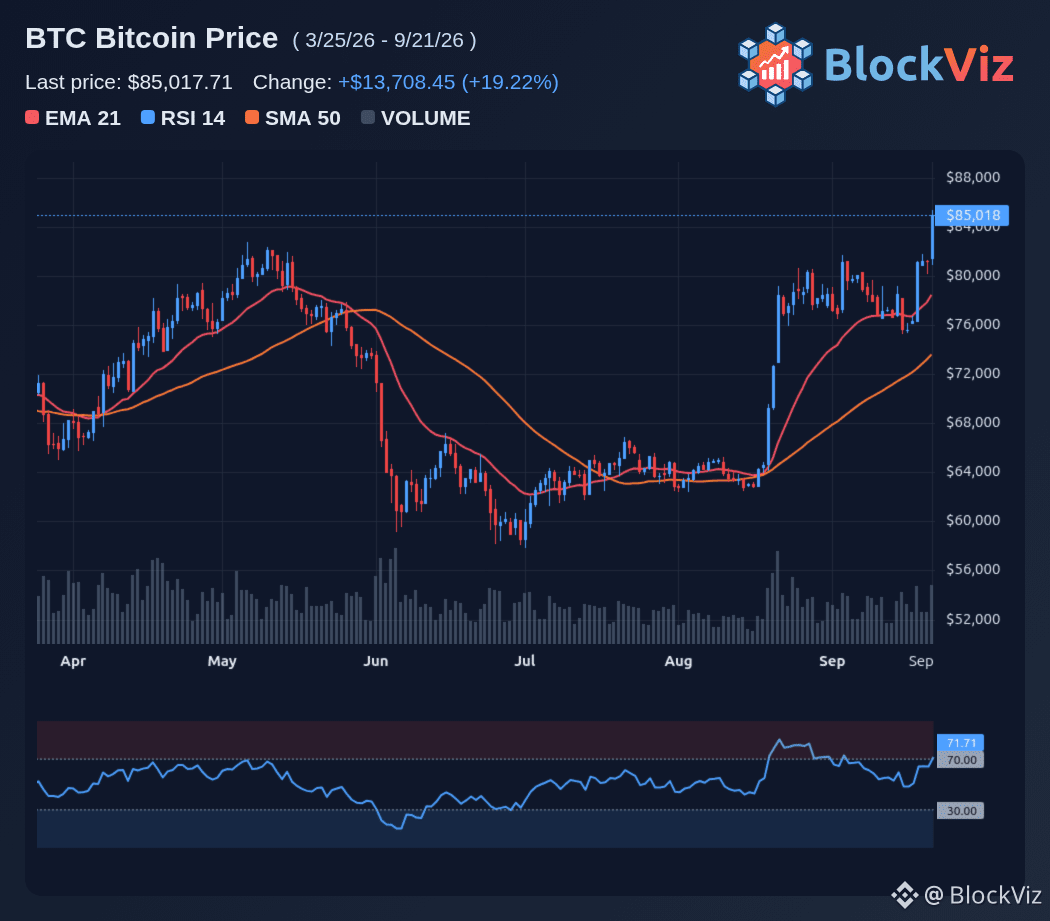
Bitcoin vừa đóng cửa vượt lên trên đường trung bình động 50 tuần của mình lần đầu tiên trong 45 tuần, và lịch sử cho thấy điều này rất quan trọng. Galaxy Research ghi nhận rằng trong 4/5 thị trường gấu đã hoàn tất, lần khẳng định theo tuần đầu tiên vượt lên 50W MA đã xác nhận đáy của chu kỳ đã ở đó. Đây là tín hiệu đã chấm dứt 84% thị trường gấu, và hiện đang chuyển sang màu xanh khi BTC đóng tuần ở mức 81.159, cao hơn đường trung bình 78.788.
Điểm căng thẳng là liệu mức đóng cửa này đã đủ để gọi là thị trường bò hay chúng ta cần thêm sự xác nhận. Các nhà phân tích đang theo dõi mốc 83.000 như ngưỡng quan trọng có thể phá vỡ mô hình đỉnh thấp hơn trên biểu đồ khung tháng và mở ra con đường đến 90.000. Một đà tăng duy trì trên 83.000 sẽ phù hợp với các chu kỳ trước đó, khi BTC đạt mức tăng 700% đến 900% sau khi vượt 50W MA. Ngược lại, nếu thất bại có thể khiến giá quay lại kiểm định 78.800 và rồi 74.000.
Với nhà giao dịch, kịch bản khá rõ ràng. Giữ trên 80.000 rồi đến 83.000, và con đường tới 90.000 sẽ mở ra nhờ lực đà. Mất 78.800 khi đóng cửa theo tuần, tín hiệu sẽ bị vô hiệu, và khả năng cao giá sẽ giảm về vùng 74.000 đến 75.000. Các chất xúc tác tiếp theo là việc đóng cửa nến hằng tháng của tháng 9 và bất kỳ đà bám theo nào vượt lên trên 83.000 để xác nhận xu hướng đảo chiều.
Hãy theo dõi 83.000 cho kịch bản bứt phá và 78.800 cho kịch bản bị vô hiệu. Một nhịp phá vỡ sạch và giữ vững trên 83.000 sẽ báo hiệu thị trường bò đã bắt đầu, trong khi một nến đóng theo tuần dưới 78.800 sẽ cho thấy thị trường gấu vẫn chưa kết thúc. Việc đóng cửa trên 50W MA là một tín hiệu mạnh, nhưng chính phần diễn biến tiếp theo sẽ quyết định liệu 90.000 có phải bước tiếp theo hay BTC vẫn mắc kẹt trong giai đoạn tích lũy.
$BTC
Bitcoin vừa đóng cửa vượt lên trên đường trung bình động 50 tuần của mình lần đầu tiên trong 45 tuần, và lịch sử cho thấy điều này rất quan trọng. Galaxy Research ghi nhận rằng trong 4/5 thị trường gấu đã hoàn tất, lần khẳng định theo tuần đầu tiên vượt lên 50W MA đã xác nhận đáy của chu kỳ đã ở đó. Đây là tín hiệu đã chấm dứt 84% thị trường gấu, và hiện đang chuyển sang màu xanh khi BTC đóng tuần ở mức 81.159, cao hơn đường trung bình 78.788.
Điểm căng thẳng là liệu mức đóng cửa này đã đủ để gọi là thị trường bò hay chúng ta cần thêm sự xác nhận. Các nhà phân tích đang theo dõi mốc 83.000 như ngưỡng quan trọng có thể phá vỡ mô hình đỉnh thấp hơn trên biểu đồ khung tháng và mở ra con đường đến 90.000. Một đà tăng duy trì trên 83.000 sẽ phù hợp với các chu kỳ trước đó, khi BTC đạt mức tăng 700% đến 900% sau khi vượt 50W MA. Ngược lại, nếu thất bại có thể khiến giá quay lại kiểm định 78.800 và rồi 74.000.
Với nhà giao dịch, kịch bản khá rõ ràng. Giữ trên 80.000 rồi đến 83.000, và con đường tới 90.000 sẽ mở ra nhờ lực đà. Mất 78.800 khi đóng cửa theo tuần, tín hiệu sẽ bị vô hiệu, và khả năng cao giá sẽ giảm về vùng 74.000 đến 75.000. Các chất xúc tác tiếp theo là việc đóng cửa nến hằng tháng của tháng 9 và bất kỳ đà bám theo nào vượt lên trên 83.000 để xác nhận xu hướng đảo chiều.
Hãy theo dõi 83.000 cho kịch bản bứt phá và 78.800 cho kịch bản bị vô hiệu. Một nhịp phá vỡ sạch và giữ vững trên 83.000 sẽ báo hiệu thị trường bò đã bắt đầu, trong khi một nến đóng theo tuần dưới 78.800 sẽ cho thấy thị trường gấu vẫn chưa kết thúc. Việc đóng cửa trên 50W MA là một tín hiệu mạnh, nhưng chính phần diễn biến tiếp theo sẽ quyết định liệu 90.000 có phải bước tiếp theo hay BTC vẫn mắc kẹt trong giai đoạn tích lũy.
$BTC
Điểm căng thẳng là liệu mức đóng cửa này đã đủ để gọi là thị trường bò hay chúng ta cần thêm sự xác nhận. Các nhà phân tích đang theo dõi mốc 83.000 như ngưỡng quan trọng có thể phá vỡ mô hình đỉnh thấp hơn trên biểu đồ khung tháng và mở ra con đường đến 90.000. Một đà tăng duy trì trên 83.000 sẽ phù hợp với các chu kỳ trước đó, khi BTC đạt mức tăng 700% đến 900% sau khi vượt 50W MA. Ngược lại, nếu thất bại có thể khiến giá quay lại kiểm định 78.800 và rồi 74.000.
Với nhà giao dịch, kịch bản khá rõ ràng. Giữ trên 80.000 rồi đến 83.000, và con đường tới 90.000 sẽ mở ra nhờ lực đà. Mất 78.800 khi đóng cửa theo tuần, tín hiệu sẽ bị vô hiệu, và khả năng cao giá sẽ giảm về vùng 74.000 đến 75.000. Các chất xúc tác tiếp theo là việc đóng cửa nến hằng tháng của tháng 9 và bất kỳ đà bám theo nào vượt lên trên 83.000 để xác nhận xu hướng đảo chiều.
Hãy theo dõi 83.000 cho kịch bản bứt phá và 78.800 cho kịch bản bị vô hiệu. Một nhịp phá vỡ sạch và giữ vững trên 83.000 sẽ báo hiệu thị trường bò đã bắt đầu, trong khi một nến đóng theo tuần dưới 78.800 sẽ cho thấy thị trường gấu vẫn chưa kết thúc. Việc đóng cửa trên 50W MA là một tín hiệu mạnh, nhưng chính phần diễn biến tiếp theo sẽ quyết định liệu 90.000 có phải bước tiếp theo hay BTC vẫn mắc kẹt trong giai đoạn tích lũy.
$BTC
72
·
--
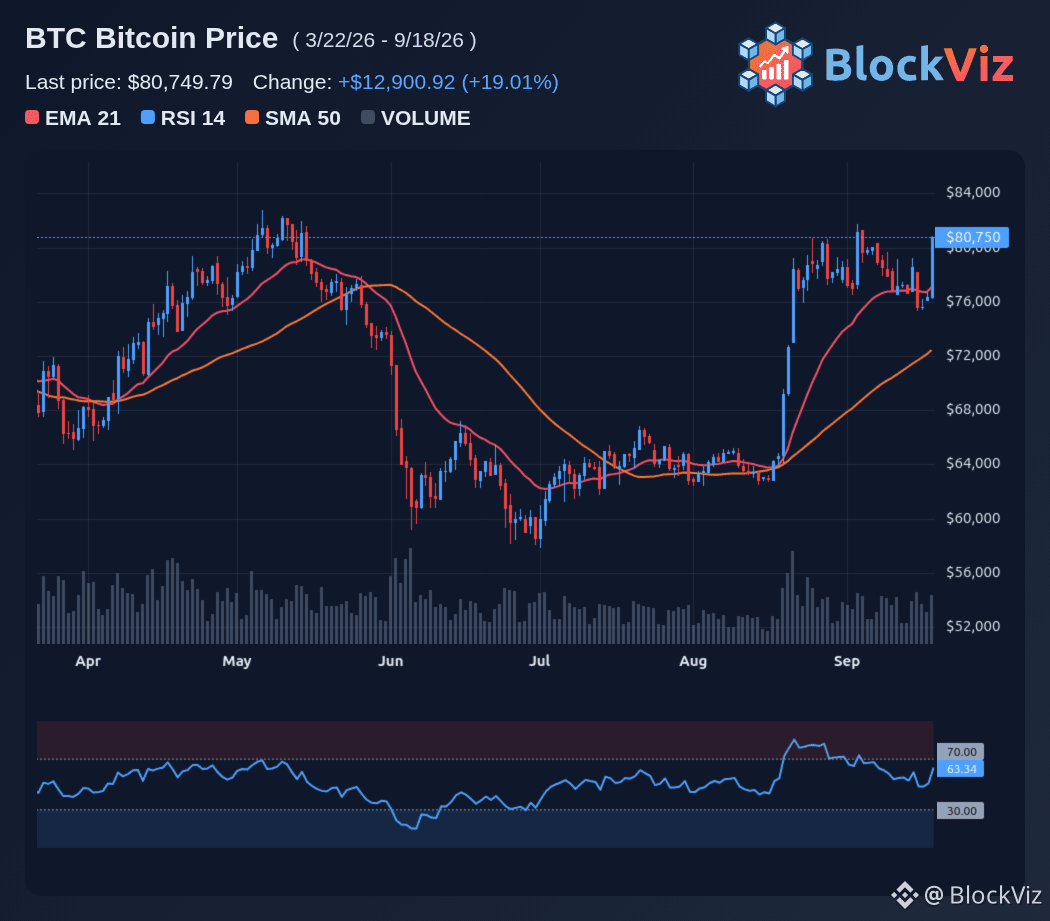
Cục Dự trữ Liên bang (Fed) vừa nâng lãi suất, nhưng thị trường lại đang chú ý vào một con số khác: 15,6 tỷ. Đây là quy mô của hoạt động mua lại trái phiếu mới nhất của Kho bạc, khiến các nhà giao dịch tự hỏi liệu đây có phải là QE (nới lỏng định lượng) “ngầm” đang tiếp sức cho đà bứt phá của Bitcoin hướng tới mốc 80.000 hay không.
Sự giằng co là có thật. Một mặt, Fed đã tăng lãi suất chính sách thêm 25 điểm cơ bản lên mức 3,75% đến 4,00%—đợt tăng đầu tiên kể từ năm 2023—đồng thời phát tín hiệu một lộ trình mang tính “diều hâu”, với khả năng còn thêm một lần tăng nữa trước cuối năm. Mặt khác, Kho bạc đang bơm thanh khoản thông qua các đợt mua lại nợ: tối đa 14,5 tỷ mỗi tuần cho các giao dịch mua và một hoạt động trị giá 15,6 tỷ đã tác động lên thị trường trong tuần này. Sự kết hợp giữa thắt chặt chính sách và thanh khoản có mục tiêu đúng vào “điểm rơi” này chính là điều đang khiến BTC bật mạnh từ vùng 76.000 quay trở lại khoảng 77.300 đến 78.000.
Với các nhà giao dịch, câu hỏi là liệu lực mua từ thanh khoản này có đủ để bù đắp các lực cản từ lãi suất cao hơn, dòng vốn ETF chảy ra ngoài và vướng mắc từ Đạo luật Clarity hay không. BTC đã hồi phục từ đáy hồi tháng 7 gần 58.000, tăng gần 33% tính đến giữa tháng 9, nhưng vẫn phải đối mặt với lực cản lớn tại 78.000, và sau đó là đường trung bình động 365 ngày quanh 82.300. Nếu vượt qua mốc 78.000 một cách rõ ràng, điều đó sẽ cho thấy đợt bơm thanh khoản của Kho bạc đang thắng thế; ngược lại, thất bại có thể khiến BTC trượt về lại vùng 74.000 đến 75.000.
Theo dõi các thông báo mua lại của Kho bạc trong thời gian tới và dữ liệu bảng cân đối của Fed để tìm dấu hiệu cho thấy thanh khoản vẫn tiếp tục được hỗ trợ. Các mốc quan trọng là 78.000 ở chiều tăng và 74.000 ở chiều giảm. Nếu hoạt động 15,6 tỷ chỉ mới là bước khởi đầu cho một chương trình lớn hơn, BTC có thể thử thách 80.000 rồi sau đó là 82.300. Nếu “vòi” thanh khoản bị chậm lại, nhiều khả năng lộ trình diều hâu của Fed sẽ chiếm ưu thế và đẩy BTC quay lại vùng 70.000.
$BTC
Cục Dự trữ Liên bang (Fed) vừa nâng lãi suất, nhưng thị trường lại đang chú ý vào một con số khác: 15,6 tỷ. Đây là quy mô của hoạt động mua lại trái phiếu mới nhất của Kho bạc, khiến các nhà giao dịch tự hỏi liệu đây có phải là QE (nới lỏng định lượng) “ngầm” đang tiếp sức cho đà bứt phá của Bitcoin hướng tới mốc 80.000 hay không.
Sự giằng co là có thật. Một mặt, Fed đã tăng lãi suất chính sách thêm 25 điểm cơ bản lên mức 3,75% đến 4,00%—đợt tăng đầu tiên kể từ năm 2023—đồng thời phát tín hiệu một lộ trình mang tính “diều hâu”, với khả năng còn thêm một lần tăng nữa trước cuối năm. Mặt khác, Kho bạc đang bơm thanh khoản thông qua các đợt mua lại nợ: tối đa 14,5 tỷ mỗi tuần cho các giao dịch mua và một hoạt động trị giá 15,6 tỷ đã tác động lên thị trường trong tuần này. Sự kết hợp giữa thắt chặt chính sách và thanh khoản có mục tiêu đúng vào “điểm rơi” này chính là điều đang khiến BTC bật mạnh từ vùng 76.000 quay trở lại khoảng 77.300 đến 78.000.
Với các nhà giao dịch, câu hỏi là liệu lực mua từ thanh khoản này có đủ để bù đắp các lực cản từ lãi suất cao hơn, dòng vốn ETF chảy ra ngoài và vướng mắc từ Đạo luật Clarity hay không. BTC đã hồi phục từ đáy hồi tháng 7 gần 58.000, tăng gần 33% tính đến giữa tháng 9, nhưng vẫn phải đối mặt với lực cản lớn tại 78.000, và sau đó là đường trung bình động 365 ngày quanh 82.300. Nếu vượt qua mốc 78.000 một cách rõ ràng, điều đó sẽ cho thấy đợt bơm thanh khoản của Kho bạc đang thắng thế; ngược lại, thất bại có thể khiến BTC trượt về lại vùng 74.000 đến 75.000.
Theo dõi các thông báo mua lại của Kho bạc trong thời gian tới và dữ liệu bảng cân đối của Fed để tìm dấu hiệu cho thấy thanh khoản vẫn tiếp tục được hỗ trợ. Các mốc quan trọng là 78.000 ở chiều tăng và 74.000 ở chiều giảm. Nếu hoạt động 15,6 tỷ chỉ mới là bước khởi đầu cho một chương trình lớn hơn, BTC có thể thử thách 80.000 rồi sau đó là 82.300. Nếu “vòi” thanh khoản bị chậm lại, nhiều khả năng lộ trình diều hâu của Fed sẽ chiếm ưu thế và đẩy BTC quay lại vùng 70.000.
$BTC
Sự giằng co là có thật. Một mặt, Fed đã tăng lãi suất chính sách thêm 25 điểm cơ bản lên mức 3,75% đến 4,00%—đợt tăng đầu tiên kể từ năm 2023—đồng thời phát tín hiệu một lộ trình mang tính “diều hâu”, với khả năng còn thêm một lần tăng nữa trước cuối năm. Mặt khác, Kho bạc đang bơm thanh khoản thông qua các đợt mua lại nợ: tối đa 14,5 tỷ mỗi tuần cho các giao dịch mua và một hoạt động trị giá 15,6 tỷ đã tác động lên thị trường trong tuần này. Sự kết hợp giữa thắt chặt chính sách và thanh khoản có mục tiêu đúng vào “điểm rơi” này chính là điều đang khiến BTC bật mạnh từ vùng 76.000 quay trở lại khoảng 77.300 đến 78.000.
Với các nhà giao dịch, câu hỏi là liệu lực mua từ thanh khoản này có đủ để bù đắp các lực cản từ lãi suất cao hơn, dòng vốn ETF chảy ra ngoài và vướng mắc từ Đạo luật Clarity hay không. BTC đã hồi phục từ đáy hồi tháng 7 gần 58.000, tăng gần 33% tính đến giữa tháng 9, nhưng vẫn phải đối mặt với lực cản lớn tại 78.000, và sau đó là đường trung bình động 365 ngày quanh 82.300. Nếu vượt qua mốc 78.000 một cách rõ ràng, điều đó sẽ cho thấy đợt bơm thanh khoản của Kho bạc đang thắng thế; ngược lại, thất bại có thể khiến BTC trượt về lại vùng 74.000 đến 75.000.
Theo dõi các thông báo mua lại của Kho bạc trong thời gian tới và dữ liệu bảng cân đối của Fed để tìm dấu hiệu cho thấy thanh khoản vẫn tiếp tục được hỗ trợ. Các mốc quan trọng là 78.000 ở chiều tăng và 74.000 ở chiều giảm. Nếu hoạt động 15,6 tỷ chỉ mới là bước khởi đầu cho một chương trình lớn hơn, BTC có thể thử thách 80.000 rồi sau đó là 82.300. Nếu “vòi” thanh khoản bị chậm lại, nhiều khả năng lộ trình diều hâu của Fed sẽ chiếm ưu thế và đẩy BTC quay lại vùng 70.000.
$BTC
66
·
--
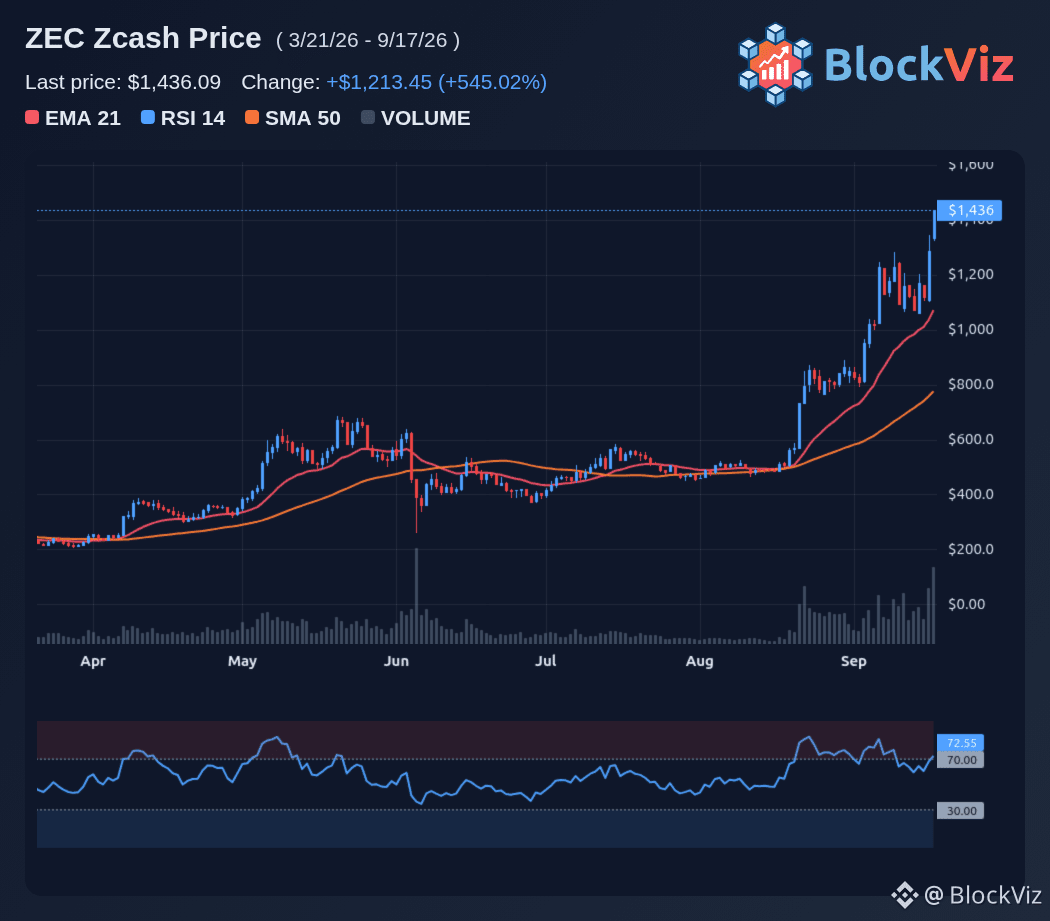
Tin tặc muốn Monero. Các công ty đầu tư mạo hiểm (VC) muốn Zcash. Cách phân tách đó hiện là cách đọc “sạch” nhất về bài toán đánh đổi giữa quyền riêng tư. Vụ xâm nhập của Revolut vừa đưa Monero trở lại tiêu điểm với yêu cầu tiền chuộc 3 triệu USD, trong khi Zcash đang được hưởng làn sóng dòng tiền từ tổ chức, tiếp cận ETF và vị thế kho quỹ của VC—những yếu tố này đã đẩy ZEC lên quanh 1.400 và nới rộng mức dẫn trước so với XMR thêm hơn 10 tỷ USD về vốn hóa thị trường.
Sự giằng co này quan trọng vì hai tài sản hiện đang kể những câu chuyện khác nhau. Monero là lựa chọn quyền riêng tư mặc định cho các tác nhân phi pháp, với mọi giao dịch đều được ẩn ở cấp độ giao thức và không có tùy chọn “khóa xem” (viewing key). Điều đó giúp nhu cầu cao trong nền kinh tế ngầm, nhưng cũng khiến các sàn/tổ chức được quản lý đứng xa—Kraken và các nền tảng khác tại EU đã hạn chế XMR trước lệnh cấm AMLR vào tháng 7/2027. Zcash, ngược lại, cung cấp các giao dịch được “che chắn” (shielded) tùy chọn và viewing keys, cho phép người nắm giữ công bố chi tiết cho kiểm toán viên hoặc cơ quan quản lý—đó chính là lý do vì sao Grayscale có thể ra mắt một sản phẩm niêm yết tại Mỹ và vì sao các quỹ như Multicoin Capital và Cypherpunk đã xây dựng các vị thế lớn trong ZEC.
Với các nhà giao dịch, câu hỏi là liệu “lệnh mua vì quyền riêng tư” có tiếp tục xoay thêm sang ZEC hay liệu câu chuyện sử dụng phi pháp của Monero và áp lực bị loại khỏi sàn (delisting) tạo nên một thiết lập mang tính ngược xu hướng (contrarian). ZEC đã vượt trội về dòng tiền từ tổ chức, với hơn 34 triệu USD dòng tiền ròng được báo cáo trong hai tuần đầu của sản phẩm ZCSH và nguồn thanh khoản mới từ việc tích hợp THORChain cùng với việc niêm yết trên SwissBorg. XMR vẫn nhạy cảm hơn với các tin tức delist khỏi sàn và các tiêu đề quản lý, nhưng nó vẫn nắm giữ thanh khoản sâu ở các kênh OTC và các nơi không yêu cầu KYC.
Theo dõi ZEC quanh 1.400 rồi 1.500 cho nhịp đi tiếp theo, với việc thất bại quay trở lại dưới 1.200 báo hiệu sự hạ nhiệt của nhu cầu từ tổ chức. Với XMR, hãy giám sát liệu nó có thể giữ được vùng hỗ trợ quan trọng sau khi các tiêu đề về Revolut lắng xuống hay không và liệu có bất kỳ hạn chế mới nào đối với sàn giao dịch xuất hiện trước hạn chót tại EU năm 2027 hay không. Các chất xúc tác tiếp theo là các “vault” của THORChain cho cả hai tài sản vào đầu tháng Mười và bất kỳ diễn biến mới nào từ VC hoặc kho quỹ doanh nghiệp…
$ZEC
Tin tặc muốn Monero. Các công ty đầu tư mạo hiểm (VC) muốn Zcash. Cách phân tách đó hiện là cách đọc “sạch” nhất về bài toán đánh đổi giữa quyền riêng tư. Vụ xâm nhập của Revolut vừa đưa Monero trở lại tiêu điểm với yêu cầu tiền chuộc 3 triệu USD, trong khi Zcash đang được hưởng làn sóng dòng tiền từ tổ chức, tiếp cận ETF và vị thế kho quỹ của VC—những yếu tố này đã đẩy ZEC lên quanh 1.400 và nới rộng mức dẫn trước so với XMR thêm hơn 10 tỷ USD về vốn hóa thị trường.
Sự giằng co này quan trọng vì hai tài sản hiện đang kể những câu chuyện khác nhau. Monero là lựa chọn quyền riêng tư mặc định cho các tác nhân phi pháp, với mọi giao dịch đều được ẩn ở cấp độ giao thức và không có tùy chọn “khóa xem” (viewing key). Điều đó giúp nhu cầu cao trong nền kinh tế ngầm, nhưng cũng khiến các sàn/tổ chức được quản lý đứng xa—Kraken và các nền tảng khác tại EU đã hạn chế XMR trước lệnh cấm AMLR vào tháng 7/2027. Zcash, ngược lại, cung cấp các giao dịch được “che chắn” (shielded) tùy chọn và viewing keys, cho phép người nắm giữ công bố chi tiết cho kiểm toán viên hoặc cơ quan quản lý—đó chính là lý do vì sao Grayscale có thể ra mắt một sản phẩm niêm yết tại Mỹ và vì sao các quỹ như Multicoin Capital và Cypherpunk đã xây dựng các vị thế lớn trong ZEC.
Với các nhà giao dịch, câu hỏi là liệu “lệnh mua vì quyền riêng tư” có tiếp tục xoay thêm sang ZEC hay liệu câu chuyện sử dụng phi pháp của Monero và áp lực bị loại khỏi sàn (delisting) tạo nên một thiết lập mang tính ngược xu hướng (contrarian). ZEC đã vượt trội về dòng tiền từ tổ chức, với hơn 34 triệu USD dòng tiền ròng được báo cáo trong hai tuần đầu của sản phẩm ZCSH và nguồn thanh khoản mới từ việc tích hợp THORChain cùng với việc niêm yết trên SwissBorg. XMR vẫn nhạy cảm hơn với các tin tức delist khỏi sàn và các tiêu đề quản lý, nhưng nó vẫn nắm giữ thanh khoản sâu ở các kênh OTC và các nơi không yêu cầu KYC.
Theo dõi ZEC quanh 1.400 rồi 1.500 cho nhịp đi tiếp theo, với việc thất bại quay trở lại dưới 1.200 báo hiệu sự hạ nhiệt của nhu cầu từ tổ chức. Với XMR, hãy giám sát liệu nó có thể giữ được vùng hỗ trợ quan trọng sau khi các tiêu đề về Revolut lắng xuống hay không và liệu có bất kỳ hạn chế mới nào đối với sàn giao dịch xuất hiện trước hạn chót tại EU năm 2027 hay không. Các chất xúc tác tiếp theo là các “vault” của THORChain cho cả hai tài sản vào đầu tháng Mười và bất kỳ diễn biến mới nào từ VC hoặc kho quỹ doanh nghiệp…
$ZEC
Sự giằng co này quan trọng vì hai tài sản hiện đang kể những câu chuyện khác nhau. Monero là lựa chọn quyền riêng tư mặc định cho các tác nhân phi pháp, với mọi giao dịch đều được ẩn ở cấp độ giao thức và không có tùy chọn “khóa xem” (viewing key). Điều đó giúp nhu cầu cao trong nền kinh tế ngầm, nhưng cũng khiến các sàn/tổ chức được quản lý đứng xa—Kraken và các nền tảng khác tại EU đã hạn chế XMR trước lệnh cấm AMLR vào tháng 7/2027. Zcash, ngược lại, cung cấp các giao dịch được “che chắn” (shielded) tùy chọn và viewing keys, cho phép người nắm giữ công bố chi tiết cho kiểm toán viên hoặc cơ quan quản lý—đó chính là lý do vì sao Grayscale có thể ra mắt một sản phẩm niêm yết tại Mỹ và vì sao các quỹ như Multicoin Capital và Cypherpunk đã xây dựng các vị thế lớn trong ZEC.
Với các nhà giao dịch, câu hỏi là liệu “lệnh mua vì quyền riêng tư” có tiếp tục xoay thêm sang ZEC hay liệu câu chuyện sử dụng phi pháp của Monero và áp lực bị loại khỏi sàn (delisting) tạo nên một thiết lập mang tính ngược xu hướng (contrarian). ZEC đã vượt trội về dòng tiền từ tổ chức, với hơn 34 triệu USD dòng tiền ròng được báo cáo trong hai tuần đầu của sản phẩm ZCSH và nguồn thanh khoản mới từ việc tích hợp THORChain cùng với việc niêm yết trên SwissBorg. XMR vẫn nhạy cảm hơn với các tin tức delist khỏi sàn và các tiêu đề quản lý, nhưng nó vẫn nắm giữ thanh khoản sâu ở các kênh OTC và các nơi không yêu cầu KYC.
Theo dõi ZEC quanh 1.400 rồi 1.500 cho nhịp đi tiếp theo, với việc thất bại quay trở lại dưới 1.200 báo hiệu sự hạ nhiệt của nhu cầu từ tổ chức. Với XMR, hãy giám sát liệu nó có thể giữ được vùng hỗ trợ quan trọng sau khi các tiêu đề về Revolut lắng xuống hay không và liệu có bất kỳ hạn chế mới nào đối với sàn giao dịch xuất hiện trước hạn chót tại EU năm 2027 hay không. Các chất xúc tác tiếp theo là các “vault” của THORChain cho cả hai tài sản vào đầu tháng Mười và bất kỳ diễn biến mới nào từ VC hoặc kho quỹ doanh nghiệp…
$ZEC
78
·
--
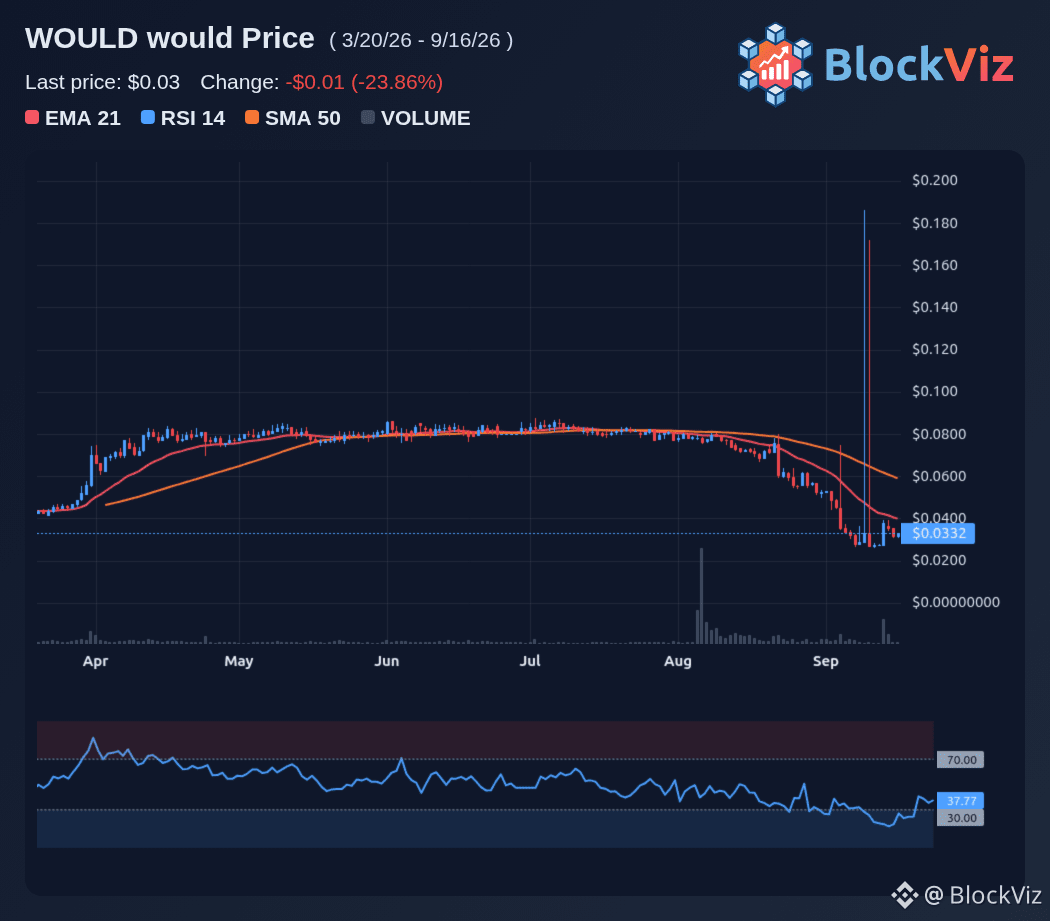
Cú tăng lãi suất đầu tiên của Fed trong ba năm giờ đây là sự kiện chính, nhưng rủi ro thực sự đối với crypto không nằm ở bản thân đợt tăng. Thị trường đang định giá xác suất 92% đến 93% cho một đợt điều chỉnh 25 điểm cơ bản lên mức 3,75% đến 4,00%, vì vậy tin tức trên tiêu đề nhìn chung đã được dự đoán trước. Điều gì có thể đẩy BTC từ vùng 75.000 lên 78.000 là một tình huống bất ngờ: giữ nguyên hoặc sắc thái từ biểu đồ chấm (dot plot) và phát biểu họp báo nghiêng về diều hâu hoặc bồ câu hơn so với mức đã được định giá.
Kịch bản giữ nguyên bất ngờ sẽ là cú sốc lớn hơn. Điều đó buộc các vị thế short phải đóng nhanh, và có thể đẩy Bitcoin vượt 78.189, trong khi XRP và ETH cũng có thể phá vỡ các ngưỡng kháng cự quan trọng. Xác suất không ủng hộ kịch bản này, nhưng chính vì vậy mà một đợt “giữ nguyên” sẽ tác động mạnh hơn so với một lần tăng lãi suất tiêu chuẩn. Kịch bản có khả năng xảy ra hơn là tăng lãi suất, trong đó thị trường theo dõi dot plot để tìm manh mối liệu một đợt điều chỉnh khác sẽ đến vào tháng 10 hay tháng 12.
BTC hiện đã giảm từ mức thấp trong vùng 80.000 sau khi Đạo luật Clarity không vượt qua ngưỡng 60 phiếu, và trong ngắn hạn đã trượt xuống dưới 75.000 trước khi ổn định quanh 75.500 đến 75.900. Một dot plot mang màu sắc diều hâu hoặc hướng dẫn chính sách có thể kéo dài đà giảm về 74.000 và sau đó là 70.000. Cách đọc trung lập đến bồ câu có thể giúp BTC giành lại mốc 78.000 và kiểm tra 80.000 lần nữa.
Các nhà giao dịch nên theo dõi quyết định lúc 2 giờ chiều ET, các dự phóng từ dot plot và phần họp báo của ông Warsh lúc 2:30 giờ chiều ET. Các mốc quan trọng là 74.000 ở phía giảm và 78.189 ở phía tăng. Nếu đóng cửa dưới 74.000 sẽ xác nhận nhận định nghiêng diều hâu, trong khi việc giá vượt lên và giữ vững trên 78.189 sẽ cho thấy thị trường đang xem đợt tăng lãi suất như một sự kiện “mua theo tin”.
$WOULD
Cú tăng lãi suất đầu tiên của Fed trong ba năm giờ đây là sự kiện chính, nhưng rủi ro thực sự đối với crypto không nằm ở bản thân đợt tăng. Thị trường đang định giá xác suất 92% đến 93% cho một đợt điều chỉnh 25 điểm cơ bản lên mức 3,75% đến 4,00%, vì vậy tin tức trên tiêu đề nhìn chung đã được dự đoán trước. Điều gì có thể đẩy BTC từ vùng 75.000 lên 78.000 là một tình huống bất ngờ: giữ nguyên hoặc sắc thái từ biểu đồ chấm (dot plot) và phát biểu họp báo nghiêng về diều hâu hoặc bồ câu hơn so với mức đã được định giá.
Kịch bản giữ nguyên bất ngờ sẽ là cú sốc lớn hơn. Điều đó buộc các vị thế short phải đóng nhanh, và có thể đẩy Bitcoin vượt 78.189, trong khi XRP và ETH cũng có thể phá vỡ các ngưỡng kháng cự quan trọng. Xác suất không ủng hộ kịch bản này, nhưng chính vì vậy mà một đợt “giữ nguyên” sẽ tác động mạnh hơn so với một lần tăng lãi suất tiêu chuẩn. Kịch bản có khả năng xảy ra hơn là tăng lãi suất, trong đó thị trường theo dõi dot plot để tìm manh mối liệu một đợt điều chỉnh khác sẽ đến vào tháng 10 hay tháng 12.
BTC hiện đã giảm từ mức thấp trong vùng 80.000 sau khi Đạo luật Clarity không vượt qua ngưỡng 60 phiếu, và trong ngắn hạn đã trượt xuống dưới 75.000 trước khi ổn định quanh 75.500 đến 75.900. Một dot plot mang màu sắc diều hâu hoặc hướng dẫn chính sách có thể kéo dài đà giảm về 74.000 và sau đó là 70.000. Cách đọc trung lập đến bồ câu có thể giúp BTC giành lại mốc 78.000 và kiểm tra 80.000 lần nữa.
Các nhà giao dịch nên theo dõi quyết định lúc 2 giờ chiều ET, các dự phóng từ dot plot và phần họp báo của ông Warsh lúc 2:30 giờ chiều ET. Các mốc quan trọng là 74.000 ở phía giảm và 78.189 ở phía tăng. Nếu đóng cửa dưới 74.000 sẽ xác nhận nhận định nghiêng diều hâu, trong khi việc giá vượt lên và giữ vững trên 78.189 sẽ cho thấy thị trường đang xem đợt tăng lãi suất như một sự kiện “mua theo tin”.
$WOULD
Kịch bản giữ nguyên bất ngờ sẽ là cú sốc lớn hơn. Điều đó buộc các vị thế short phải đóng nhanh, và có thể đẩy Bitcoin vượt 78.189, trong khi XRP và ETH cũng có thể phá vỡ các ngưỡng kháng cự quan trọng. Xác suất không ủng hộ kịch bản này, nhưng chính vì vậy mà một đợt “giữ nguyên” sẽ tác động mạnh hơn so với một lần tăng lãi suất tiêu chuẩn. Kịch bản có khả năng xảy ra hơn là tăng lãi suất, trong đó thị trường theo dõi dot plot để tìm manh mối liệu một đợt điều chỉnh khác sẽ đến vào tháng 10 hay tháng 12.
BTC hiện đã giảm từ mức thấp trong vùng 80.000 sau khi Đạo luật Clarity không vượt qua ngưỡng 60 phiếu, và trong ngắn hạn đã trượt xuống dưới 75.000 trước khi ổn định quanh 75.500 đến 75.900. Một dot plot mang màu sắc diều hâu hoặc hướng dẫn chính sách có thể kéo dài đà giảm về 74.000 và sau đó là 70.000. Cách đọc trung lập đến bồ câu có thể giúp BTC giành lại mốc 78.000 và kiểm tra 80.000 lần nữa.
Các nhà giao dịch nên theo dõi quyết định lúc 2 giờ chiều ET, các dự phóng từ dot plot và phần họp báo của ông Warsh lúc 2:30 giờ chiều ET. Các mốc quan trọng là 74.000 ở phía giảm và 78.189 ở phía tăng. Nếu đóng cửa dưới 74.000 sẽ xác nhận nhận định nghiêng diều hâu, trong khi việc giá vượt lên và giữ vững trên 78.189 sẽ cho thấy thị trường đang xem đợt tăng lãi suất như một sự kiện “mua theo tin”.
$WOULD
69
·
--
Đạo luật Clarity vừa chuyển từ “đã được định giá chắc thắng” sang “đang xuất hiện nghi ngờ thực sự” trong chưa đầy 24 giờ. Thị trường dự đoán ghi nhận tỷ lệ thông qua tăng từ khoảng 14% lên gần 30% trong cuối tuần, rồi sụt trở lại quanh 14% đến 18% vào thứ Ba khi các Đảng viên Dân chủ phản đối các điều khoản về đạo đức và các ngân hàng; các bộ trưởng tư pháp bang (state attorneys general) và Elizabeth Warren đều lên tiếng phản đối.
Thử thách ngay lập tức là cuộc bỏ phiếu cloture ở Thượng viện lúc 2:15 p.m. ET. Đây không phải là bỏ phiếu thông qua cuối cùng. Đây là phiếu mang tính thủ tục để xem Thượng viện có thể bắt đầu tranh luận dự luật hay không, và cần 60 phiếu “đồng ý”. Đảng Cộng hòa có 53 ghế, vì vậy ít nhất bảy Đảng viên Dân chủ phải vượt qua ranh giới, với một số nhà phân tích cho rằng con số thực có thể gần hơn với chín nếu một hoặc hai nghị sĩ Cộng hòa bất đồng trong thủ tục.
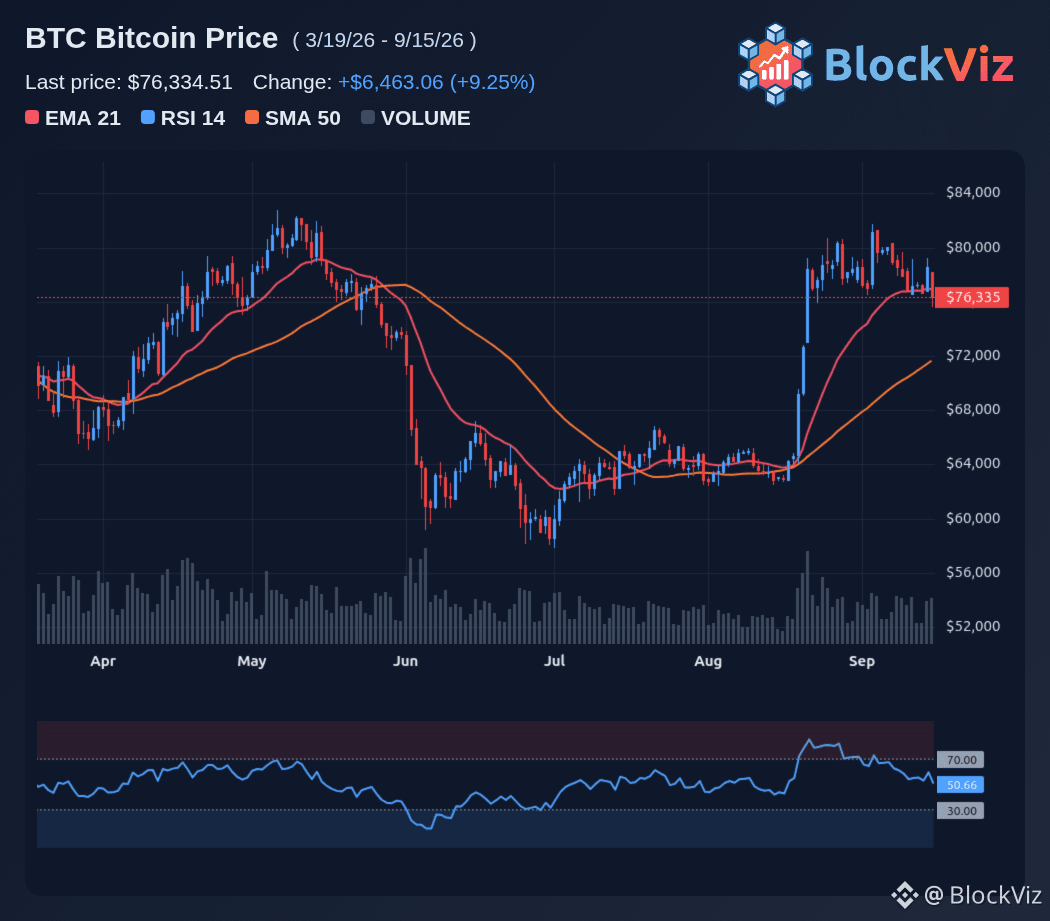
Vì vậy mà BTC trượt từ vùng cao 70.000 xuống khoảng 76.000 và các mã vốn hóa lớn chuyển đỏ đồng loạt. Thị trường đã dành cả thứ Hai để định giá một “chiến thắng” về quy định, rồi đến sáng thứ Ba lại rút kèo đó ra khỏi bàn. Nếu cloture thông qua, dự luật sẽ chuyển sang tranh luận chính thức và một cuộc bỏ phiếu cuối cùng chỉ cần 51 phiếu. Nếu không thông qua, Đạo luật Clarity nhiều khả năng sẽ chết trong năm 2026 và có thể đến tận sau kỳ bầu cử giữa nhiệm kỳ.
Các nhà giao dịch nên theo dõi con số phiếu, liệu nó rơi vào trên hay dưới 60, và phản ứng của BTC quanh mốc 76.000 đến 78.000. Nếu thất bại sát ngưỡng trong khoảng 55 đến 59 sẽ giữ lại một chút hy vọng cho năm 2027. Nếu lỡ rõ ràng, trọng tâm sẽ quay lại các yếu tố vĩ mô, với quyết định của Fed và các điều kiện thanh khoản chi phối bước đi tiếp theo.
$BTC
Đạo luật Clarity vừa chuyển từ “đã được định giá chắc thắng” sang “đang xuất hiện nghi ngờ thực sự” trong chưa đầy 24 giờ. Thị trường dự đoán ghi nhận tỷ lệ thông qua tăng từ khoảng 14% lên gần 30% trong cuối tuần, rồi sụt trở lại quanh 14% đến 18% vào thứ Ba khi các Đảng viên Dân chủ phản đối các điều khoản về đạo đức và các ngân hàng; các bộ trưởng tư pháp bang (state attorneys general) và Elizabeth Warren đều lên tiếng phản đối.
Thử thách ngay lập tức là cuộc bỏ phiếu cloture ở Thượng viện lúc 2:15 p.m. ET. Đây không phải là bỏ phiếu thông qua cuối cùng. Đây là phiếu mang tính thủ tục để xem Thượng viện có thể bắt đầu tranh luận dự luật hay không, và cần 60 phiếu “đồng ý”. Đảng Cộng hòa có 53 ghế, vì vậy ít nhất bảy Đảng viên Dân chủ phải vượt qua ranh giới, với một số nhà phân tích cho rằng con số thực có thể gần hơn với chín nếu một hoặc hai nghị sĩ Cộng hòa bất đồng trong thủ tục.
Vì vậy mà BTC trượt từ vùng cao 70.000 xuống khoảng 76.000 và các mã vốn hóa lớn chuyển đỏ đồng loạt. Thị trường đã dành cả thứ Hai để định giá một “chiến thắng” về quy định, rồi đến sáng thứ Ba lại rút kèo đó ra khỏi bàn. Nếu cloture thông qua, dự luật sẽ chuyển sang tranh luận chính thức và một cuộc bỏ phiếu cuối cùng chỉ cần 51 phiếu. Nếu không thông qua, Đạo luật Clarity nhiều khả năng sẽ chết trong năm 2026 và có thể đến tận sau kỳ bầu cử giữa nhiệm kỳ.
Các nhà giao dịch nên theo dõi con số phiếu, liệu nó rơi vào trên hay dưới 60, và phản ứng của BTC quanh mốc 76.000 đến 78.000. Nếu thất bại sát ngưỡng trong khoảng 55 đến 59 sẽ giữ lại một chút hy vọng cho năm 2027. Nếu lỡ rõ ràng, trọng tâm sẽ quay lại các yếu tố vĩ mô, với quyết định của Fed và các điều kiện thanh khoản chi phối bước đi tiếp theo.
$BTC
Thử thách ngay lập tức là cuộc bỏ phiếu cloture ở Thượng viện lúc 2:15 p.m. ET. Đây không phải là bỏ phiếu thông qua cuối cùng. Đây là phiếu mang tính thủ tục để xem Thượng viện có thể bắt đầu tranh luận dự luật hay không, và cần 60 phiếu “đồng ý”. Đảng Cộng hòa có 53 ghế, vì vậy ít nhất bảy Đảng viên Dân chủ phải vượt qua ranh giới, với một số nhà phân tích cho rằng con số thực có thể gần hơn với chín nếu một hoặc hai nghị sĩ Cộng hòa bất đồng trong thủ tục.
Vì vậy mà BTC trượt từ vùng cao 70.000 xuống khoảng 76.000 và các mã vốn hóa lớn chuyển đỏ đồng loạt. Thị trường đã dành cả thứ Hai để định giá một “chiến thắng” về quy định, rồi đến sáng thứ Ba lại rút kèo đó ra khỏi bàn. Nếu cloture thông qua, dự luật sẽ chuyển sang tranh luận chính thức và một cuộc bỏ phiếu cuối cùng chỉ cần 51 phiếu. Nếu không thông qua, Đạo luật Clarity nhiều khả năng sẽ chết trong năm 2026 và có thể đến tận sau kỳ bầu cử giữa nhiệm kỳ.
Các nhà giao dịch nên theo dõi con số phiếu, liệu nó rơi vào trên hay dưới 60, và phản ứng của BTC quanh mốc 76.000 đến 78.000. Nếu thất bại sát ngưỡng trong khoảng 55 đến 59 sẽ giữ lại một chút hy vọng cho năm 2027. Nếu lỡ rõ ràng, trọng tâm sẽ quay lại các yếu tố vĩ mô, với quyết định của Fed và các điều kiện thanh khoản chi phối bước đi tiếp theo.
$BTC
58
·
--
Hai câu chuyện rất khác nhau đang va chạm vào tuần này. Ở mảng chính sách, nhượng bộ về đạo đức của Trump đã nâng xác suất Đạo luật Clarity lên khoảng 32% đến 34%, qua đó mở đường cho một cuộc bỏ phiếu then chốt tại Thượng viện. Ở mảng dòng tiền, các sản phẩm ETH của BlackRock hiện đã ghi nhận 20 ngày liên tiếp có dòng tiền ròng đi vào, với ETHA và ETHB có tính năng đặt cược thu hút hàng trăm triệu USD, trong khi các ETF BTC lại ghi nhận dòng tiền chảy ra khoảng 463 triệu USD trong bốn phiên trước khi phục hồi một phần.
Chính sự phân kỳ này khiến người ta đặt câu hỏi liệu Phố Wall đang âm thầm nghiêng về ETH hay không. Các ETF Ethereum đã thu hút khoảng 197 triệu USD vào tuần trước, rồi thêm 281 triệu USD vào thứ Hai, trong đó BlackRock đóng góp phần lớn nhất. Trái lại, các ETF Bitcoin vừa kết thúc chuỗi ròng vào tốt nhất trong ba tuần của năm 2026 với một tuần dòng tiền rút ra 462,7 triệu USD, dù IBIT vẫn ghi nhận một ngày dòng tiền ròng vào 160 triệu USD vào ngày 14 tháng 9.
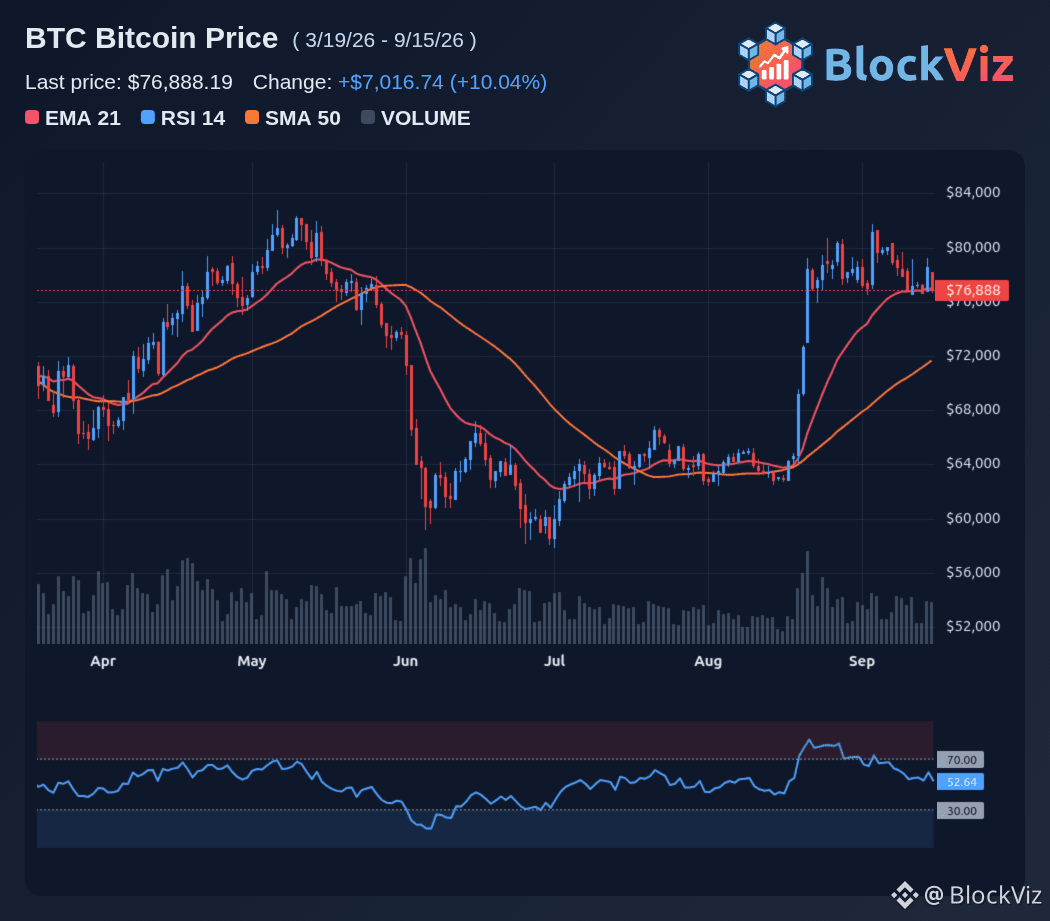
Yếu tố vĩ mô rất quan trọng. Thị trường đang định giá xác suất cao Fed sẽ tăng lãi suất thêm 25 điểm cơ bản vào ngày 16 tháng 9, điều có thể thắt chặt thanh khoản và củng cố đồng USD ngay lúc Clarity kỳ vọng cải thiện tâm lý. BTC đã bị từ chối nhiều lần quanh 82.000 và hiện đang lơ lửng ở vùng 70.000 cao, trong khi ETH lại thể hiện sức mạnh tương đối hơn trong giai đoạn tiến tới quyết định.
Nhà giao dịch nên theo dõi kết quả cloture vào Thứ Ba, quyết định của Fed vào Thứ Tư, và liệu BTC có thể lấy lại vùng 80.000 đến 82.000 hay không trong khi ETH vẫn giữ trên 2.500. Nếu Clarity được thông qua và Fed tạm dừng, cả BTC và ETH đều có thể được định giá cao hơn. Nếu Clarity vướng và Fed tăng lãi suất, cản gió vĩ mô có thể chi phối, và sự phân kỳ dòng tiền ETH-BTC sẽ là tín hiệu quan trọng cho thấy liệu các tổ chức thực sự đang xoay chuyển hay chỉ đang định vị mang tính chiến thuật.
$BTC
Hai câu chuyện rất khác nhau đang va chạm vào tuần này. Ở mảng chính sách, nhượng bộ về đạo đức của Trump đã nâng xác suất Đạo luật Clarity lên khoảng 32% đến 34%, qua đó mở đường cho một cuộc bỏ phiếu then chốt tại Thượng viện. Ở mảng dòng tiền, các sản phẩm ETH của BlackRock hiện đã ghi nhận 20 ngày liên tiếp có dòng tiền ròng đi vào, với ETHA và ETHB có tính năng đặt cược thu hút hàng trăm triệu USD, trong khi các ETF BTC lại ghi nhận dòng tiền chảy ra khoảng 463 triệu USD trong bốn phiên trước khi phục hồi một phần.
Chính sự phân kỳ này khiến người ta đặt câu hỏi liệu Phố Wall đang âm thầm nghiêng về ETH hay không. Các ETF Ethereum đã thu hút khoảng 197 triệu USD vào tuần trước, rồi thêm 281 triệu USD vào thứ Hai, trong đó BlackRock đóng góp phần lớn nhất. Trái lại, các ETF Bitcoin vừa kết thúc chuỗi ròng vào tốt nhất trong ba tuần của năm 2026 với một tuần dòng tiền rút ra 462,7 triệu USD, dù IBIT vẫn ghi nhận một ngày dòng tiền ròng vào 160 triệu USD vào ngày 14 tháng 9.
Yếu tố vĩ mô rất quan trọng. Thị trường đang định giá xác suất cao Fed sẽ tăng lãi suất thêm 25 điểm cơ bản vào ngày 16 tháng 9, điều có thể thắt chặt thanh khoản và củng cố đồng USD ngay lúc Clarity kỳ vọng cải thiện tâm lý. BTC đã bị từ chối nhiều lần quanh 82.000 và hiện đang lơ lửng ở vùng 70.000 cao, trong khi ETH lại thể hiện sức mạnh tương đối hơn trong giai đoạn tiến tới quyết định.
Nhà giao dịch nên theo dõi kết quả cloture vào Thứ Ba, quyết định của Fed vào Thứ Tư, và liệu BTC có thể lấy lại vùng 80.000 đến 82.000 hay không trong khi ETH vẫn giữ trên 2.500. Nếu Clarity được thông qua và Fed tạm dừng, cả BTC và ETH đều có thể được định giá cao hơn. Nếu Clarity vướng và Fed tăng lãi suất, cản gió vĩ mô có thể chi phối, và sự phân kỳ dòng tiền ETH-BTC sẽ là tín hiệu quan trọng cho thấy liệu các tổ chức thực sự đang xoay chuyển hay chỉ đang định vị mang tính chiến thuật.
$BTC
Chính sự phân kỳ này khiến người ta đặt câu hỏi liệu Phố Wall đang âm thầm nghiêng về ETH hay không. Các ETF Ethereum đã thu hút khoảng 197 triệu USD vào tuần trước, rồi thêm 281 triệu USD vào thứ Hai, trong đó BlackRock đóng góp phần lớn nhất. Trái lại, các ETF Bitcoin vừa kết thúc chuỗi ròng vào tốt nhất trong ba tuần của năm 2026 với một tuần dòng tiền rút ra 462,7 triệu USD, dù IBIT vẫn ghi nhận một ngày dòng tiền ròng vào 160 triệu USD vào ngày 14 tháng 9.
Yếu tố vĩ mô rất quan trọng. Thị trường đang định giá xác suất cao Fed sẽ tăng lãi suất thêm 25 điểm cơ bản vào ngày 16 tháng 9, điều có thể thắt chặt thanh khoản và củng cố đồng USD ngay lúc Clarity kỳ vọng cải thiện tâm lý. BTC đã bị từ chối nhiều lần quanh 82.000 và hiện đang lơ lửng ở vùng 70.000 cao, trong khi ETH lại thể hiện sức mạnh tương đối hơn trong giai đoạn tiến tới quyết định.
Nhà giao dịch nên theo dõi kết quả cloture vào Thứ Ba, quyết định của Fed vào Thứ Tư, và liệu BTC có thể lấy lại vùng 80.000 đến 82.000 hay không trong khi ETH vẫn giữ trên 2.500. Nếu Clarity được thông qua và Fed tạm dừng, cả BTC và ETH đều có thể được định giá cao hơn. Nếu Clarity vướng và Fed tăng lãi suất, cản gió vĩ mô có thể chi phối, và sự phân kỳ dòng tiền ETH-BTC sẽ là tín hiệu quan trọng cho thấy liệu các tổ chức thực sự đang xoay chuyển hay chỉ đang định vị mang tính chiến thuật.
$BTC
62
·
--
Đạo luật Clarity vừa nhận được cơn gió chính trị thuận lợi nhất trong vài tháng qua, nhưng Cục Dự trữ Liên bang (Fed) vẫn là “cái búa” lớn hơn. Sự nhượng bộ của Trump về các điều khoản đạo đức đã nâng xác suất dự luật trở thành luật lên khoảng 32% trên các thị trường dự đoán, tăng từ mức ở đầu thập niên 10% vào tuần trước. Một cuộc bỏ phiếu cloture được lên lịch vào Thứ Ba, và các nhà tài trợ cho biết họ kỳ vọng sẽ vượt qua ngưỡng 60 phiếu cần thiết để tiến tới giai đoạn tranh luận.
Đó là kịch bản lạc quan cho crypto. Nếu Clarity thông qua, nó sẽ tạo ra khuôn khổ pháp lý rõ ràng đầu tiên của Mỹ cho tài sản kỹ thuật số, phân chia cơ chế giám sát giữa SEC và CFTC và có thể mở khóa sự tham gia nhiều hơn từ các tổ chức. Bernstein nhận định rằng bất kỳ “tin tích cực” nào cũng chưa được phản ánh giá, khi Bitcoin đang lơ lửng quanh 77.700 đến 80.000 và XRP tăng khoảng 4% nhờ tin tức.
Vấn đề nằm ở thời điểm. Fed họp vào ngày 16 tháng 9, một ngày sau cuộc bỏ phiếu của Thượng viện, và thị trường đang định giá xác suất cao Fed sẽ tăng lãi suất thêm 25 điểm cơ bản. Việc tăng lãi suất sẽ thắt chặt thanh khoản, củng cố đồng USD và gây áp lực lên các tài sản rủi ro đúng vào lúc Clarity kỳ vọng sẽ cải thiện tâm lý. Bitcoin đã nhiều lần bị từ chối quanh 82.000, và một Fed theo hướng “diều hâu” có thể đẩy giá lùi về 77.300 rồi 75.500 nếu Clarity thất bại hoặc gây thất vọng.
Các nhà giao dịch nên theo dõi kết quả bỏ phiếu cloture vào Thứ Ba, quyết định của Fed vào Thứ Tư và liệu BTC có thể đóng cửa trên 82.283 trước khi Fed lên tiếng hay không. Nếu Clarity tiến lên và Fed tạm dừng hoặc phát tín hiệu về lộ trình “nghiêng về ôn hòa”, vùng 80.000 đến 82.000 có thể lật từ kháng cự thành hỗ trợ. Nếu Clarity bị đình trệ và Fed tăng lãi suất, cơn gió ngược vĩ mô có thể chi phối, bất kể tiến độ pháp lý.
$BTC
Đạo luật Clarity vừa nhận được cơn gió chính trị thuận lợi nhất trong vài tháng qua, nhưng Cục Dự trữ Liên bang (Fed) vẫn là “cái búa” lớn hơn. Sự nhượng bộ của Trump về các điều khoản đạo đức đã nâng xác suất dự luật trở thành luật lên khoảng 32% trên các thị trường dự đoán, tăng từ mức ở đầu thập niên 10% vào tuần trước. Một cuộc bỏ phiếu cloture được lên lịch vào Thứ Ba, và các nhà tài trợ cho biết họ kỳ vọng sẽ vượt qua ngưỡng 60 phiếu cần thiết để tiến tới giai đoạn tranh luận.
Đó là kịch bản lạc quan cho crypto. Nếu Clarity thông qua, nó sẽ tạo ra khuôn khổ pháp lý rõ ràng đầu tiên của Mỹ cho tài sản kỹ thuật số, phân chia cơ chế giám sát giữa SEC và CFTC và có thể mở khóa sự tham gia nhiều hơn từ các tổ chức. Bernstein nhận định rằng bất kỳ “tin tích cực” nào cũng chưa được phản ánh giá, khi Bitcoin đang lơ lửng quanh 77.700 đến 80.000 và XRP tăng khoảng 4% nhờ tin tức.
Vấn đề nằm ở thời điểm. Fed họp vào ngày 16 tháng 9, một ngày sau cuộc bỏ phiếu của Thượng viện, và thị trường đang định giá xác suất cao Fed sẽ tăng lãi suất thêm 25 điểm cơ bản. Việc tăng lãi suất sẽ thắt chặt thanh khoản, củng cố đồng USD và gây áp lực lên các tài sản rủi ro đúng vào lúc Clarity kỳ vọng sẽ cải thiện tâm lý. Bitcoin đã nhiều lần bị từ chối quanh 82.000, và một Fed theo hướng “diều hâu” có thể đẩy giá lùi về 77.300 rồi 75.500 nếu Clarity thất bại hoặc gây thất vọng.
Các nhà giao dịch nên theo dõi kết quả bỏ phiếu cloture vào Thứ Ba, quyết định của Fed vào Thứ Tư và liệu BTC có thể đóng cửa trên 82.283 trước khi Fed lên tiếng hay không. Nếu Clarity tiến lên và Fed tạm dừng hoặc phát tín hiệu về lộ trình “nghiêng về ôn hòa”, vùng 80.000 đến 82.000 có thể lật từ kháng cự thành hỗ trợ. Nếu Clarity bị đình trệ và Fed tăng lãi suất, cơn gió ngược vĩ mô có thể chi phối, bất kể tiến độ pháp lý.
$BTC
Đó là kịch bản lạc quan cho crypto. Nếu Clarity thông qua, nó sẽ tạo ra khuôn khổ pháp lý rõ ràng đầu tiên của Mỹ cho tài sản kỹ thuật số, phân chia cơ chế giám sát giữa SEC và CFTC và có thể mở khóa sự tham gia nhiều hơn từ các tổ chức. Bernstein nhận định rằng bất kỳ “tin tích cực” nào cũng chưa được phản ánh giá, khi Bitcoin đang lơ lửng quanh 77.700 đến 80.000 và XRP tăng khoảng 4% nhờ tin tức.
Vấn đề nằm ở thời điểm. Fed họp vào ngày 16 tháng 9, một ngày sau cuộc bỏ phiếu của Thượng viện, và thị trường đang định giá xác suất cao Fed sẽ tăng lãi suất thêm 25 điểm cơ bản. Việc tăng lãi suất sẽ thắt chặt thanh khoản, củng cố đồng USD và gây áp lực lên các tài sản rủi ro đúng vào lúc Clarity kỳ vọng sẽ cải thiện tâm lý. Bitcoin đã nhiều lần bị từ chối quanh 82.000, và một Fed theo hướng “diều hâu” có thể đẩy giá lùi về 77.300 rồi 75.500 nếu Clarity thất bại hoặc gây thất vọng.
Các nhà giao dịch nên theo dõi kết quả bỏ phiếu cloture vào Thứ Ba, quyết định của Fed vào Thứ Tư và liệu BTC có thể đóng cửa trên 82.283 trước khi Fed lên tiếng hay không. Nếu Clarity tiến lên và Fed tạm dừng hoặc phát tín hiệu về lộ trình “nghiêng về ôn hòa”, vùng 80.000 đến 82.000 có thể lật từ kháng cự thành hỗ trợ. Nếu Clarity bị đình trệ và Fed tăng lãi suất, cơn gió ngược vĩ mô có thể chi phối, bất kể tiến độ pháp lý.
$BTC
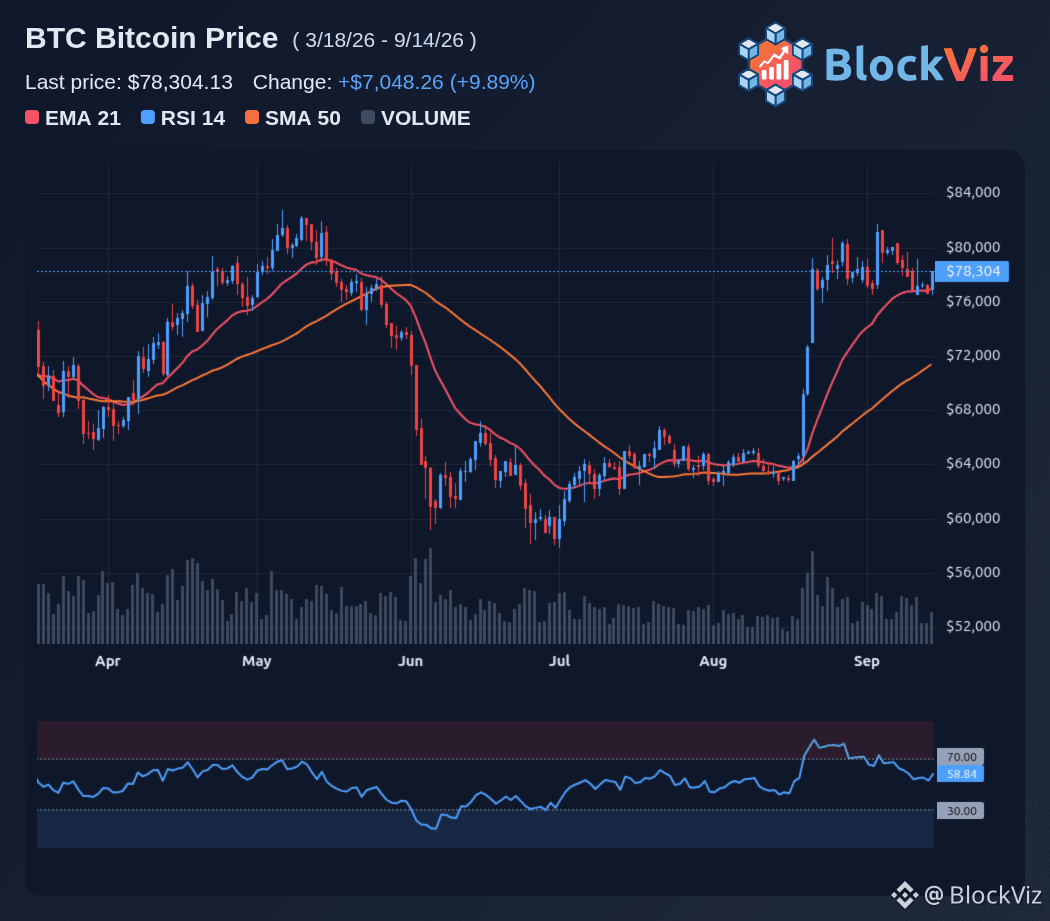
78
·
--
Hunter Biden đang biến chiến tranh meme chính trị thành một thí nghiệm on-chain. LAPTOP, một memecoin nguồn cung 1 tỷ đồng, ra mắt trên Base vào ngày 9 tháng 9, phân bổ 20% số token cho các đợt airdrop bao gồm ví đã lỗ trên TRUMP, cùng với những người đăng ký Substack của ông và danh sách Channel 5 của Andrew Callaghan.
Rõ ràng ở đây là nhắm vào những kẻ ôm TRUMP đang chìm dưới nước và định vị LAPTOP như đồng tiền được “tài trợ” từ khoản lỗ của phe bên kia. Theo thông tin, khoảng 20 triệu LAPTOP được dành riêng cho người nhận bị lỗ vì TRUMP, được phân phối thông qua các sàn giao dịch tham gia, trong khi phần còn lại của airdrop dành cho những người đăng ký sớm. Sáng lập viên nắm giữ 30% bị khóa trong sáu tháng, kèm theo các đợt đốt token dựa trên sự kiện gắn với các mốc quan trọng về chính trị và thị trường.
Cuộc bầu chọn của giới degen nhiều khả năng sẽ chia rẽ theo phe phái hơn là theo lý lẽ. Người nắm TRUMP đang lỗ sâu hiện có một câu chuyện tiềm năng để phục hồi, nhưng lại được yêu cầu tham gia với một token được thiết kế một cách rõ ràng để chế giễu lập trường của họ. Biden và những degen “sinh ra từ crypto” có thể xem đây là một cơ chế phân phối khéo léo, nhưng mức độ trùng lặp giữa người đăng ký Substack và các trader memecoin đang hoạt động là không được đảm bảo.
Các trader nên theo dõi thanh khoản lúc ra mắt—liệu airdrop có tạo áp lực bán ngay lập tức hay không—và TRUMP sẽ phản ứng ra sao khi thời điểm chụp snapshot và khung nhận claim đến gần. Nếu LAPTOP mở cửa mạnh và giữ được đà, nó có thể thu hút sự chú ý và khối lượng giao dịch về phía các memecoin trên Base. Nếu nó tắt nhanh, điều này có thể được ghi nhớ như một màn “chiêu” chính trị hơn là một sự thay đổi bền vững trong hướng đi của dòng tiền degen.
$ETH
Hunter Biden đang biến chiến tranh meme chính trị thành một thí nghiệm on-chain. LAPTOP, một memecoin nguồn cung 1 tỷ đồng, ra mắt trên Base vào ngày 9 tháng 9, phân bổ 20% số token cho các đợt airdrop bao gồm ví đã lỗ trên TRUMP, cùng với những người đăng ký Substack của ông và danh sách Channel 5 của Andrew Callaghan.
Rõ ràng ở đây là nhắm vào những kẻ ôm TRUMP đang chìm dưới nước và định vị LAPTOP như đồng tiền được “tài trợ” từ khoản lỗ của phe bên kia. Theo thông tin, khoảng 20 triệu LAPTOP được dành riêng cho người nhận bị lỗ vì TRUMP, được phân phối thông qua các sàn giao dịch tham gia, trong khi phần còn lại của airdrop dành cho những người đăng ký sớm. Sáng lập viên nắm giữ 30% bị khóa trong sáu tháng, kèm theo các đợt đốt token dựa trên sự kiện gắn với các mốc quan trọng về chính trị và thị trường.
Cuộc bầu chọn của giới degen nhiều khả năng sẽ chia rẽ theo phe phái hơn là theo lý lẽ. Người nắm TRUMP đang lỗ sâu hiện có một câu chuyện tiềm năng để phục hồi, nhưng lại được yêu cầu tham gia với một token được thiết kế một cách rõ ràng để chế giễu lập trường của họ. Biden và những degen “sinh ra từ crypto” có thể xem đây là một cơ chế phân phối khéo léo, nhưng mức độ trùng lặp giữa người đăng ký Substack và các trader memecoin đang hoạt động là không được đảm bảo.
Các trader nên theo dõi thanh khoản lúc ra mắt—liệu airdrop có tạo áp lực bán ngay lập tức hay không—và TRUMP sẽ phản ứng ra sao khi thời điểm chụp snapshot và khung nhận claim đến gần. Nếu LAPTOP mở cửa mạnh và giữ được đà, nó có thể thu hút sự chú ý và khối lượng giao dịch về phía các memecoin trên Base. Nếu nó tắt nhanh, điều này có thể được ghi nhớ như một màn “chiêu” chính trị hơn là một sự thay đổi bền vững trong hướng đi của dòng tiền degen.
$ETH
Rõ ràng ở đây là nhắm vào những kẻ ôm TRUMP đang chìm dưới nước và định vị LAPTOP như đồng tiền được “tài trợ” từ khoản lỗ của phe bên kia. Theo thông tin, khoảng 20 triệu LAPTOP được dành riêng cho người nhận bị lỗ vì TRUMP, được phân phối thông qua các sàn giao dịch tham gia, trong khi phần còn lại của airdrop dành cho những người đăng ký sớm. Sáng lập viên nắm giữ 30% bị khóa trong sáu tháng, kèm theo các đợt đốt token dựa trên sự kiện gắn với các mốc quan trọng về chính trị và thị trường.
Cuộc bầu chọn của giới degen nhiều khả năng sẽ chia rẽ theo phe phái hơn là theo lý lẽ. Người nắm TRUMP đang lỗ sâu hiện có một câu chuyện tiềm năng để phục hồi, nhưng lại được yêu cầu tham gia với một token được thiết kế một cách rõ ràng để chế giễu lập trường của họ. Biden và những degen “sinh ra từ crypto” có thể xem đây là một cơ chế phân phối khéo léo, nhưng mức độ trùng lặp giữa người đăng ký Substack và các trader memecoin đang hoạt động là không được đảm bảo.
Các trader nên theo dõi thanh khoản lúc ra mắt—liệu airdrop có tạo áp lực bán ngay lập tức hay không—và TRUMP sẽ phản ứng ra sao khi thời điểm chụp snapshot và khung nhận claim đến gần. Nếu LAPTOP mở cửa mạnh và giữ được đà, nó có thể thu hút sự chú ý và khối lượng giao dịch về phía các memecoin trên Base. Nếu nó tắt nhanh, điều này có thể được ghi nhớ như một màn “chiêu” chính trị hơn là một sự thay đổi bền vững trong hướng đi của dòng tiền degen.
$ETH

59
·
--
Tin đồn/câu chuyện về việc kích thích (stimulus) quay trở lại, và thị trường ngay lập tức đặt câu hỏi liệu lần này có thể lặp lại đợt tăng của Bitcoin năm 2020 hay không. Bối cảnh lần này khác đi. Năm 2020, các gói kích thích tài khóa và tiền tệ mới đã tràn vào hệ thống, trong khi BTC vẫn đang được định giá quanh mức 10.000 USD và còn nhiều năm trước mắt để được áp dụng rộng rãi. Hiện tại, BTC đang tích lũy gần 80.000 đến 82.000 sau một tháng 8 mạnh mẽ, với vốn hóa thị trường lớn hơn nhiều và mức độ sở hữu của các tổ chức cao hơn.
Luận điểm tăng giá là rằng bất kỳ gói kích thích 1 nghìn tỷ USD mới nào cũng sẽ làm suy yếu đồng USD, nâng kỳ vọng lạm phát và đẩy nhà đầu tư quay trở lại các tài sản “cứng”. Tương quan 90 ngày của Bitcoin với vàng vừa đạt mức cao nhất trong sáu năm, vượt 0,5, gợi lại thời kỳ kích thích năm 2020. Nếu thanh khoản lại mở rộng, “trade” suy giảm giá trị tiền tệ (debasing) có thể kéo dài đà tăng hướng tới 90.000 rồi 100.000.
Luận điểm giảm giá là rằng chỉ riêng kích thích có thể chưa đủ. Kỳ vọng lãi suất, lợi suất Kho bạc (Treasury yields) và đồng USD vẫn còn quan trọng, và BTC không còn là tài sản nhỏ, biến động cao (high-beta) như hồi 2020. Một tiêu đề kích thích mà không đi kèm hành động cụ thể có thể tạo phản ứng “bán tin” (sell-the-news), đặc biệt nếu giá không thể bứt phá sạch sẽ qua vùng 82.000 đến 84.000.
Nhà giao dịch nên theo dõi liệu BTC có thể giữ được 80.000 như một vùng hỗ trợ hay không, liệu một đợt đẩy theo thông tin kích thích có dẫn tới dòng tiền mới vào các quỹ ETF hay không, đồng thời đồng USD có suy yếu đi hay không, và liệu vàng cũng như BTC có tiếp tục đi cùng nhau hay không. Nếu kích thích dẫn đến việc mở rộng thanh khoản một cách bền vững, mốc 100K lại nằm trong tầm ngắm. Nếu đà tăng chững lại ở vùng kháng cự, đây có thể là một “cú lừa” vĩ mô khác chứ không phải sự định giá lại kiểu năm 2020.
$BTC
Tin đồn/câu chuyện về việc kích thích (stimulus) quay trở lại, và thị trường ngay lập tức đặt câu hỏi liệu lần này có thể lặp lại đợt tăng của Bitcoin năm 2020 hay không. Bối cảnh lần này khác đi. Năm 2020, các gói kích thích tài khóa và tiền tệ mới đã tràn vào hệ thống, trong khi BTC vẫn đang được định giá quanh mức 10.000 USD và còn nhiều năm trước mắt để được áp dụng rộng rãi. Hiện tại, BTC đang tích lũy gần 80.000 đến 82.000 sau một tháng 8 mạnh mẽ, với vốn hóa thị trường lớn hơn nhiều và mức độ sở hữu của các tổ chức cao hơn.
Luận điểm tăng giá là rằng bất kỳ gói kích thích 1 nghìn tỷ USD mới nào cũng sẽ làm suy yếu đồng USD, nâng kỳ vọng lạm phát và đẩy nhà đầu tư quay trở lại các tài sản “cứng”. Tương quan 90 ngày của Bitcoin với vàng vừa đạt mức cao nhất trong sáu năm, vượt 0,5, gợi lại thời kỳ kích thích năm 2020. Nếu thanh khoản lại mở rộng, “trade” suy giảm giá trị tiền tệ (debasing) có thể kéo dài đà tăng hướng tới 90.000 rồi 100.000.
Luận điểm giảm giá là rằng chỉ riêng kích thích có thể chưa đủ. Kỳ vọng lãi suất, lợi suất Kho bạc (Treasury yields) và đồng USD vẫn còn quan trọng, và BTC không còn là tài sản nhỏ, biến động cao (high-beta) như hồi 2020. Một tiêu đề kích thích mà không đi kèm hành động cụ thể có thể tạo phản ứng “bán tin” (sell-the-news), đặc biệt nếu giá không thể bứt phá sạch sẽ qua vùng 82.000 đến 84.000.
Nhà giao dịch nên theo dõi liệu BTC có thể giữ được 80.000 như một vùng hỗ trợ hay không, liệu một đợt đẩy theo thông tin kích thích có dẫn tới dòng tiền mới vào các quỹ ETF hay không, đồng thời đồng USD có suy yếu đi hay không, và liệu vàng cũng như BTC có tiếp tục đi cùng nhau hay không. Nếu kích thích dẫn đến việc mở rộng thanh khoản một cách bền vững, mốc 100K lại nằm trong tầm ngắm. Nếu đà tăng chững lại ở vùng kháng cự, đây có thể là một “cú lừa” vĩ mô khác chứ không phải sự định giá lại kiểu năm 2020.
$BTC
Luận điểm tăng giá là rằng bất kỳ gói kích thích 1 nghìn tỷ USD mới nào cũng sẽ làm suy yếu đồng USD, nâng kỳ vọng lạm phát và đẩy nhà đầu tư quay trở lại các tài sản “cứng”. Tương quan 90 ngày của Bitcoin với vàng vừa đạt mức cao nhất trong sáu năm, vượt 0,5, gợi lại thời kỳ kích thích năm 2020. Nếu thanh khoản lại mở rộng, “trade” suy giảm giá trị tiền tệ (debasing) có thể kéo dài đà tăng hướng tới 90.000 rồi 100.000.
Luận điểm giảm giá là rằng chỉ riêng kích thích có thể chưa đủ. Kỳ vọng lãi suất, lợi suất Kho bạc (Treasury yields) và đồng USD vẫn còn quan trọng, và BTC không còn là tài sản nhỏ, biến động cao (high-beta) như hồi 2020. Một tiêu đề kích thích mà không đi kèm hành động cụ thể có thể tạo phản ứng “bán tin” (sell-the-news), đặc biệt nếu giá không thể bứt phá sạch sẽ qua vùng 82.000 đến 84.000.
Nhà giao dịch nên theo dõi liệu BTC có thể giữ được 80.000 như một vùng hỗ trợ hay không, liệu một đợt đẩy theo thông tin kích thích có dẫn tới dòng tiền mới vào các quỹ ETF hay không, đồng thời đồng USD có suy yếu đi hay không, và liệu vàng cũng như BTC có tiếp tục đi cùng nhau hay không. Nếu kích thích dẫn đến việc mở rộng thanh khoản một cách bền vững, mốc 100K lại nằm trong tầm ngắm. Nếu đà tăng chững lại ở vùng kháng cự, đây có thể là một “cú lừa” vĩ mô khác chứ không phải sự định giá lại kiểu năm 2020.
$BTC

74
·
--
ZEC và XRP là hai cái đang thực sự bứt phá, nhưng câu hỏi lớn hơn là liệu đây là sức mạnh mang tính cục bộ hay là cú đẩy thực sự đầu tiên bước vào altseason.
ZEC đã là bên dẫn đầu rõ ràng, tăng hơn 16% trong 24 giờ và đang ép vào vùng 960 đến 1.000 USD. Nếu giá đóng cửa theo ngày vượt 1.000, nó sẽ mở ra lối đi hướng tới 1.200, trong khi hỗ trợ nằm quanh 935. XRP hiện tăng khoảng 10% trong tuần, phá vỡ từ 1,31 lên đỉnh gần 1,48 và hiện đang đi ngang quanh 1,45. Nếu vượt lên rõ ràng qua 1,48, mục tiêu 1,50 rồi 1,66 sẽ lại được đặt ra.
Điểm căng nằm ở bối cảnh. Bitcoin cũng đang mạnh trên 80.000, và tỷ trọng BTC vẫn quanh 57 đến 58%. Altseason cổ điển thường cần BTC chững lại trong khi tỷ trọng đó đảo chiều hướng về 55% hoặc thấp hơn, qua đó cho phép dòng vốn luân chuyển mạnh hơn sang các altcoin. Hiện tại, điều này trông giống một sự bứt phá chọn lọc ở ZEC và XRP hơn là một sự chuyển giao rộng rãi.
Để altseason được xác nhận, nhà giao dịch nên theo dõi liệu ZEC và XRP có thể giữ được đà tăng nếu BTC điều chỉnh hay không, liệu tỷ trọng BTC có bắt đầu giảm hay không, và liệu độ rộng thị trường có cải thiện ngoài các tên tuổi thuộc nhóm privacy và large-cap. Nếu các altcoin vẫn tiếp tục vượt trội trong khi BTC đi ngang, kịch bản xoay vòng sẽ được củng cố. Nếu điều này suy yếu cùng với đợt sụt giá BTC tiếp theo, thì có khả năng đó là một nước đi chiến thuật chứ không phải thay đổi cả chu kỳ.
$XRP
ZEC và XRP là hai cái đang thực sự bứt phá, nhưng câu hỏi lớn hơn là liệu đây là sức mạnh mang tính cục bộ hay là cú đẩy thực sự đầu tiên bước vào altseason.
ZEC đã là bên dẫn đầu rõ ràng, tăng hơn 16% trong 24 giờ và đang ép vào vùng 960 đến 1.000 USD. Nếu giá đóng cửa theo ngày vượt 1.000, nó sẽ mở ra lối đi hướng tới 1.200, trong khi hỗ trợ nằm quanh 935. XRP hiện tăng khoảng 10% trong tuần, phá vỡ từ 1,31 lên đỉnh gần 1,48 và hiện đang đi ngang quanh 1,45. Nếu vượt lên rõ ràng qua 1,48, mục tiêu 1,50 rồi 1,66 sẽ lại được đặt ra.
Điểm căng nằm ở bối cảnh. Bitcoin cũng đang mạnh trên 80.000, và tỷ trọng BTC vẫn quanh 57 đến 58%. Altseason cổ điển thường cần BTC chững lại trong khi tỷ trọng đó đảo chiều hướng về 55% hoặc thấp hơn, qua đó cho phép dòng vốn luân chuyển mạnh hơn sang các altcoin. Hiện tại, điều này trông giống một sự bứt phá chọn lọc ở ZEC và XRP hơn là một sự chuyển giao rộng rãi.
Để altseason được xác nhận, nhà giao dịch nên theo dõi liệu ZEC và XRP có thể giữ được đà tăng nếu BTC điều chỉnh hay không, liệu tỷ trọng BTC có bắt đầu giảm hay không, và liệu độ rộng thị trường có cải thiện ngoài các tên tuổi thuộc nhóm privacy và large-cap. Nếu các altcoin vẫn tiếp tục vượt trội trong khi BTC đi ngang, kịch bản xoay vòng sẽ được củng cố. Nếu điều này suy yếu cùng với đợt sụt giá BTC tiếp theo, thì có khả năng đó là một nước đi chiến thuật chứ không phải thay đổi cả chu kỳ.
$XRP
ZEC đã là bên dẫn đầu rõ ràng, tăng hơn 16% trong 24 giờ và đang ép vào vùng 960 đến 1.000 USD. Nếu giá đóng cửa theo ngày vượt 1.000, nó sẽ mở ra lối đi hướng tới 1.200, trong khi hỗ trợ nằm quanh 935. XRP hiện tăng khoảng 10% trong tuần, phá vỡ từ 1,31 lên đỉnh gần 1,48 và hiện đang đi ngang quanh 1,45. Nếu vượt lên rõ ràng qua 1,48, mục tiêu 1,50 rồi 1,66 sẽ lại được đặt ra.
Điểm căng nằm ở bối cảnh. Bitcoin cũng đang mạnh trên 80.000, và tỷ trọng BTC vẫn quanh 57 đến 58%. Altseason cổ điển thường cần BTC chững lại trong khi tỷ trọng đó đảo chiều hướng về 55% hoặc thấp hơn, qua đó cho phép dòng vốn luân chuyển mạnh hơn sang các altcoin. Hiện tại, điều này trông giống một sự bứt phá chọn lọc ở ZEC và XRP hơn là một sự chuyển giao rộng rãi.
Để altseason được xác nhận, nhà giao dịch nên theo dõi liệu ZEC và XRP có thể giữ được đà tăng nếu BTC điều chỉnh hay không, liệu tỷ trọng BTC có bắt đầu giảm hay không, và liệu độ rộng thị trường có cải thiện ngoài các tên tuổi thuộc nhóm privacy và large-cap. Nếu các altcoin vẫn tiếp tục vượt trội trong khi BTC đi ngang, kịch bản xoay vòng sẽ được củng cố. Nếu điều này suy yếu cùng với đợt sụt giá BTC tiếp theo, thì có khả năng đó là một nước đi chiến thuật chứ không phải thay đổi cả chu kỳ.
$XRP

59
·
--
Hunter Biden đang biến chiến tranh meme chính trị thành một thí nghiệm trên chuỗi. LAPTOP, một memecoin có tổng cung 1 tỷ dự kiến ra mắt trên Base vào ngày 9 tháng 9, đang phân bổ 20% số token của mình cho các đợt airdrop, bao gồm cả ví đã lỗ trên TRUMP, cùng các người đăng ký trên Substack của ông và danh sách Channel 5 của Andrew Callaghan.
Lối đi thì quá rõ ràng: nhắm vào những kẻ đang kẹt dưới nước với vị thế TRUMP và định vị LAPTOP như đồng coin được tài trợ từ khoản thua lỗ của phe đối lập. Theo thông tin, khoảng 20 triệu LAPTOP được dành riêng cho các đối tượng từng lỗ với TRUMP, phân phối thông qua các sàn giao dịch tham gia, trong khi phần còn lại của airdrop sẽ dành cho những người đăng ký sớm. Nhóm sáng lập nắm giữ 30% được khóa trong sáu tháng, kèm các đợt đốt token theo sự kiện gắn với các mốc chính trị và thị trường.
Cuộc bầu chọn của giới degen rất có thể sẽ chia rẽ theo phe phái hơn là theo lập luận. Những người nắm TRUMP và hiện đang lỗ sâu có thể có một câu chuyện phục hồi tiềm năng, nhưng họ lại được yêu cầu tương tác với một token được thiết kế rõ ràng để chế nhạo lập trường của họ. Biden và các degen am hiểu crypto có thể xem đây là một cơ chế phân phối khéo léo, nhưng mức giao thoa giữa người đăng ký Substack và các trader memecoin hoạt động là không được đảm bảo.
Các trader nên theo dõi thanh khoản khi ra mắt, liệu airdrop có tạo áp lực bán ngay lập tức hay không, và TRUMP sẽ phản ứng ra sao khi cận kề thời điểm chụp snapshot và mở cửa sổ claim. Nếu LAPTOP mở cửa mạnh và giữ vững, nó có thể thu hút sự chú ý và dòng tiền/khối lượng giao dịch về phía các memecoin trên Base. Nếu nó mờ nhạt nhanh chóng, điều này có thể được nhớ đến như một màn “chiêu” chính trị hơn là một sự chuyển dịch lâu dài trong nơi dòng tiền degen chảy tới.
Hunter Biden đang biến chiến tranh meme chính trị thành một thí nghiệm trên chuỗi. LAPTOP, một memecoin có tổng cung 1 tỷ dự kiến ra mắt trên Base vào ngày 9 tháng 9, đang phân bổ 20% số token của mình cho các đợt airdrop, bao gồm cả ví đã lỗ trên TRUMP, cùng các người đăng ký trên Substack của ông và danh sách Channel 5 của Andrew Callaghan.
Lối đi thì quá rõ ràng: nhắm vào những kẻ đang kẹt dưới nước với vị thế TRUMP và định vị LAPTOP như đồng coin được tài trợ từ khoản thua lỗ của phe đối lập. Theo thông tin, khoảng 20 triệu LAPTOP được dành riêng cho các đối tượng từng lỗ với TRUMP, phân phối thông qua các sàn giao dịch tham gia, trong khi phần còn lại của airdrop sẽ dành cho những người đăng ký sớm. Nhóm sáng lập nắm giữ 30% được khóa trong sáu tháng, kèm các đợt đốt token theo sự kiện gắn với các mốc chính trị và thị trường.
Cuộc bầu chọn của giới degen rất có thể sẽ chia rẽ theo phe phái hơn là theo lập luận. Những người nắm TRUMP và hiện đang lỗ sâu có thể có một câu chuyện phục hồi tiềm năng, nhưng họ lại được yêu cầu tương tác với một token được thiết kế rõ ràng để chế nhạo lập trường của họ. Biden và các degen am hiểu crypto có thể xem đây là một cơ chế phân phối khéo léo, nhưng mức giao thoa giữa người đăng ký Substack và các trader memecoin hoạt động là không được đảm bảo.
Các trader nên theo dõi thanh khoản khi ra mắt, liệu airdrop có tạo áp lực bán ngay lập tức hay không, và TRUMP sẽ phản ứng ra sao khi cận kề thời điểm chụp snapshot và mở cửa sổ claim. Nếu LAPTOP mở cửa mạnh và giữ vững, nó có thể thu hút sự chú ý và dòng tiền/khối lượng giao dịch về phía các memecoin trên Base. Nếu nó mờ nhạt nhanh chóng, điều này có thể được nhớ đến như một màn “chiêu” chính trị hơn là một sự chuyển dịch lâu dài trong nơi dòng tiền degen chảy tới.
Lối đi thì quá rõ ràng: nhắm vào những kẻ đang kẹt dưới nước với vị thế TRUMP và định vị LAPTOP như đồng coin được tài trợ từ khoản thua lỗ của phe đối lập. Theo thông tin, khoảng 20 triệu LAPTOP được dành riêng cho các đối tượng từng lỗ với TRUMP, phân phối thông qua các sàn giao dịch tham gia, trong khi phần còn lại của airdrop sẽ dành cho những người đăng ký sớm. Nhóm sáng lập nắm giữ 30% được khóa trong sáu tháng, kèm các đợt đốt token theo sự kiện gắn với các mốc chính trị và thị trường.
Cuộc bầu chọn của giới degen rất có thể sẽ chia rẽ theo phe phái hơn là theo lập luận. Những người nắm TRUMP và hiện đang lỗ sâu có thể có một câu chuyện phục hồi tiềm năng, nhưng họ lại được yêu cầu tương tác với một token được thiết kế rõ ràng để chế nhạo lập trường của họ. Biden và các degen am hiểu crypto có thể xem đây là một cơ chế phân phối khéo léo, nhưng mức giao thoa giữa người đăng ký Substack và các trader memecoin hoạt động là không được đảm bảo.
Các trader nên theo dõi thanh khoản khi ra mắt, liệu airdrop có tạo áp lực bán ngay lập tức hay không, và TRUMP sẽ phản ứng ra sao khi cận kề thời điểm chụp snapshot và mở cửa sổ claim. Nếu LAPTOP mở cửa mạnh và giữ vững, nó có thể thu hút sự chú ý và dòng tiền/khối lượng giao dịch về phía các memecoin trên Base. Nếu nó mờ nhạt nhanh chóng, điều này có thể được nhớ đến như một màn “chiêu” chính trị hơn là một sự chuyển dịch lâu dài trong nơi dòng tiền degen chảy tới.

64
·
--
Bitcoin đang “tán tỉnh” một trong những tín hiệu kỹ thuật được theo dõi nhiều nhất, và lịch sử đằng sau tín hiệu này khó có thể bỏ qua. Đường trung bình động 50 ngày đang tiến sát đường 200 ngày, tạo tiền đề cho một khả năng “golden cross” (cắt lên), mẫu hình này trong quá khứ chỉ vài lần nhưng đã mang lại những bước đi cực lớn. Năm 2012, 2015 và 2020, mô hình này đã đi trước các đợt tăng hơn 300% trong năm tiếp theo.
Tuy nhiên điều đó không có nghĩa là mức 100K là chắc chắn. Hiện tại BTC đang đi ngang trong biên 75.000 đến 82.000 sau một tháng 8 mạnh mẽ, nhưng vẫn cần một cú bứt phá dứt khoát vượt vùng cung 81.500 đến 84.400 để mở lại con đường hướng tới 98.000 và 100.000. Bản thân “golden cross” là tín hiệu trễ, vì vậy diễn biến giá phải xác nhận.
Kịch bản tăng sẽ sáng sủa hơn nếu BTC giữ vững trên 80.000, hoàn tất “cú cắt” và thu hút dòng tiền mới từ các quỹ ETF trong khi áp lực vĩ mô hạ nhiệt. Rủi ro giảm nằm ở khả năng thất bại tại vùng 82.000 đến 84.400, sau đó là việc rơi trở lại dưới 75.000 và kiểm định đường trung bình động 200 ngày quanh 72.500.
Nhà giao dịch nên theo dõi sự hội tụ giữa đường MA 50 ngày và 200 ngày, một phiên đóng cửa hằng ngày trên 84.400 như xác nhận cho đợt bứt phá, và xem vùng hỗ trợ 75.000 đến 76.800 có trụ vững hay không. Nếu “golden cross” hình thành với khối lượng mạnh và dòng tiền từ tổ chức, mục tiêu 100K sẽ chuyển từ câu chuyện kỳ vọng sang mục tiêu mang tính hiện thực. Nếu giá phản ứng bị từ chối mạnh ở vùng kháng cự, tín hiệu này có thể lại trở thành một lần “false start” (khởi đầu sai).
$BTC
Bitcoin đang “tán tỉnh” một trong những tín hiệu kỹ thuật được theo dõi nhiều nhất, và lịch sử đằng sau tín hiệu này khó có thể bỏ qua. Đường trung bình động 50 ngày đang tiến sát đường 200 ngày, tạo tiền đề cho một khả năng “golden cross” (cắt lên), mẫu hình này trong quá khứ chỉ vài lần nhưng đã mang lại những bước đi cực lớn. Năm 2012, 2015 và 2020, mô hình này đã đi trước các đợt tăng hơn 300% trong năm tiếp theo.
Tuy nhiên điều đó không có nghĩa là mức 100K là chắc chắn. Hiện tại BTC đang đi ngang trong biên 75.000 đến 82.000 sau một tháng 8 mạnh mẽ, nhưng vẫn cần một cú bứt phá dứt khoát vượt vùng cung 81.500 đến 84.400 để mở lại con đường hướng tới 98.000 và 100.000. Bản thân “golden cross” là tín hiệu trễ, vì vậy diễn biến giá phải xác nhận.
Kịch bản tăng sẽ sáng sủa hơn nếu BTC giữ vững trên 80.000, hoàn tất “cú cắt” và thu hút dòng tiền mới từ các quỹ ETF trong khi áp lực vĩ mô hạ nhiệt. Rủi ro giảm nằm ở khả năng thất bại tại vùng 82.000 đến 84.400, sau đó là việc rơi trở lại dưới 75.000 và kiểm định đường trung bình động 200 ngày quanh 72.500.
Nhà giao dịch nên theo dõi sự hội tụ giữa đường MA 50 ngày và 200 ngày, một phiên đóng cửa hằng ngày trên 84.400 như xác nhận cho đợt bứt phá, và xem vùng hỗ trợ 75.000 đến 76.800 có trụ vững hay không. Nếu “golden cross” hình thành với khối lượng mạnh và dòng tiền từ tổ chức, mục tiêu 100K sẽ chuyển từ câu chuyện kỳ vọng sang mục tiêu mang tính hiện thực. Nếu giá phản ứng bị từ chối mạnh ở vùng kháng cự, tín hiệu này có thể lại trở thành một lần “false start” (khởi đầu sai).
$BTC
Tuy nhiên điều đó không có nghĩa là mức 100K là chắc chắn. Hiện tại BTC đang đi ngang trong biên 75.000 đến 82.000 sau một tháng 8 mạnh mẽ, nhưng vẫn cần một cú bứt phá dứt khoát vượt vùng cung 81.500 đến 84.400 để mở lại con đường hướng tới 98.000 và 100.000. Bản thân “golden cross” là tín hiệu trễ, vì vậy diễn biến giá phải xác nhận.
Kịch bản tăng sẽ sáng sủa hơn nếu BTC giữ vững trên 80.000, hoàn tất “cú cắt” và thu hút dòng tiền mới từ các quỹ ETF trong khi áp lực vĩ mô hạ nhiệt. Rủi ro giảm nằm ở khả năng thất bại tại vùng 82.000 đến 84.400, sau đó là việc rơi trở lại dưới 75.000 và kiểm định đường trung bình động 200 ngày quanh 72.500.
Nhà giao dịch nên theo dõi sự hội tụ giữa đường MA 50 ngày và 200 ngày, một phiên đóng cửa hằng ngày trên 84.400 như xác nhận cho đợt bứt phá, và xem vùng hỗ trợ 75.000 đến 76.800 có trụ vững hay không. Nếu “golden cross” hình thành với khối lượng mạnh và dòng tiền từ tổ chức, mục tiêu 100K sẽ chuyển từ câu chuyện kỳ vọng sang mục tiêu mang tính hiện thực. Nếu giá phản ứng bị từ chối mạnh ở vùng kháng cự, tín hiệu này có thể lại trở thành một lần “false start” (khởi đầu sai).
$BTC

76
Đăng nhập để khám phá thêm nội dung
Tham gia cùng người dùng tiền mã hóa toàn cầu trên Binance Square
⚡️ Nhận thông tin mới nhất và hữu ích về tiền mã hóa.
💬 Được tin cậy bởi sàn giao dịch tiền mã hóa lớn nhất thế giới.
👍 Khám phá những thông tin chuyên sâu thực tế từ những nhà sáng tạo đã xác minh.
Email / Số điện thoại
Chủ đề thịnh hành
CanMicrosoftDeliverOnAI
150,368 lượt xem
1,185 đang thảo luận
Phiên 3 của mùa công bố kết quả kinh doanh: Google và Microsoft có vượt kỳ vọng không?
Binance Square Official
·84 lượt thích
·23.3k lượt xem
CanGoogleDefindItsCore
75,909 lượt xem
827 đang thảo luận
TinFed
361,674 lượt xem
984 đang thảo luận