

Crypto_juju
281 Bài đăng

Crypto_juju
Báo cáo
Chặn người dùng
Uniquely me, but crypto has my heart, ohh am in love with defi and am here to let everyone know about it
0 Đang theo dõi
10 Người theo dõi
55 Đã thích
Bài đăng
·
--
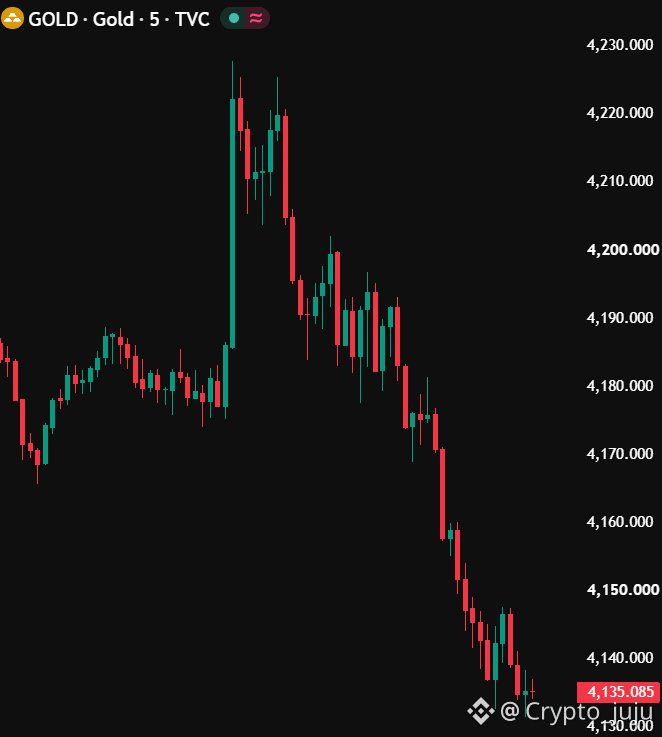
Khoảng 730B USD đã bị xóa sổ khỏi vàng và bạc trong 150 phút qua. Dữ liệu tốt hay dữ liệu xấu, kim loại quý đang chịu một đợt sụt giảm nghiêm trọng ngay lúc này. Tôi đang theo dõi xem lực bán sẽ ổn định ở mức nào từ đây. $ZEC
Khoảng 730B USD đã bị xóa sổ khỏi vàng và bạc trong 150 phút qua. Dữ liệu tốt hay dữ liệu xấu, kim loại quý đang chịu một đợt sụt giảm nghiêm trọng ngay lúc này. Tôi đang theo dõi xem lực bán sẽ ổn định ở mức nào từ đây. $ZEC
52
·
--
$CT là token chính thức của Concrete, một nền tảng tài chính phi tập trung (DeFi) tự động và an toàn giúp tăng trưởng crypto thông qua các “kho” (vault) thông minh, được quản lý rủi ro. Việc nắm giữ CT cho bạn quyền tham gia trực tiếp vào cách nền tảng vận hành, cho phép bạn bỏ phiếu cho các nâng cấp trong tương lai (quản trị) và điều chỉnh cài đặt của các kho tự động này (configuration). Token chính thức ra mắt vào ngày 30 tháng 9 năm 2026, sau một chiến dịch teaser bí ẩn, và dự án được hậu thuẫn bởi các nhà đầu tư crypto lớn như Polychain và VanEck. Nói ngắn gọn, CT là chìa khóa kỹ thuật số giúp cộng đồng dẫn dắt và tùy chỉnh một hệ thống tiết kiệm crypto tự động, công nghệ cao.
$CT là token chính thức của Concrete, một nền tảng tài chính phi tập trung (DeFi) tự động và an toàn giúp tăng trưởng crypto thông qua các “kho” (vault) thông minh, được quản lý rủi ro. Việc nắm giữ CT cho bạn quyền tham gia trực tiếp vào cách nền tảng vận hành, cho phép bạn bỏ phiếu cho các nâng cấp trong tương lai (quản trị) và điều chỉnh cài đặt của các kho tự động này (configuration). Token chính thức ra mắt vào ngày 30 tháng 9 năm 2026, sau một chiến dịch teaser bí ẩn, và dự án được hậu thuẫn bởi các nhà đầu tư crypto lớn như Polychain và VanEck. Nói ngắn gọn, CT là chìa khóa kỹ thuật số giúp cộng đồng dẫn dắt và tùy chỉnh một hệ thống tiết kiệm crypto tự động, công nghệ cao.
65
·
--
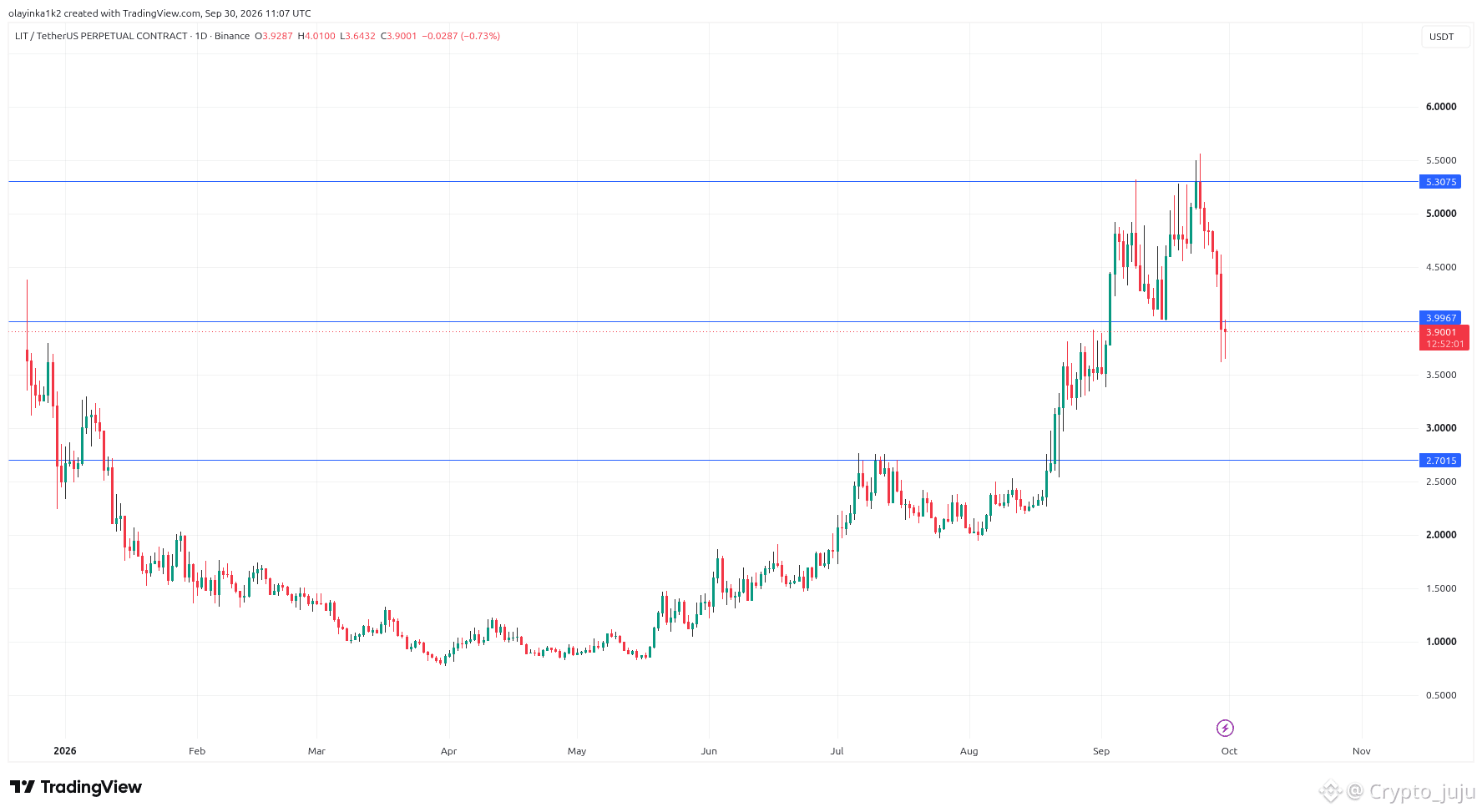
$LIT gần đây đã thu hút sự chú ý của tôi. Tôi đã theo dõi DEX được một thời gian rồi, và lượng giao dịch lẫn sự quan tâm ngày càng tăng đang khiến biểu đồ trở nên thú vị hơn. Thậm chí còn có tin đồn rằng LIT có thể sẽ lấy một trang từ $HYPE , nhưng tôi quan tâm hơn đến việc liệu lượng giao dịch và hoạt động có thực sự tiếp tục được duy trì và phát triển hay không. Nói thật thì nó gợi tôi nhớ một chút về Ston và @ston_fi . Stonfi cũng đã có một năm khá sôi động, đặc biệt là khi việc cross-chain trở thành một phần lớn hơn của nền tảng. Điều tôi thấy thú vị là cách các DEX dần trở thành nhiều hơn chỉ là nơi để hoán đổi token. Khi thanh khoản, khối lượng và khả năng truy cập cross-chain bắt đầu hội tụ, cả hệ sinh thái sẽ trở nên đáng để theo dõi hơn rất nhiều. Hiện tại thì LIT nằm trong tầm ngắm của tôi. Và chắc chắn tôi sẽ tiếp tục theo dõi STON và xây dựng tiếp theo.
$LIT gần đây đã thu hút sự chú ý của tôi. Tôi đã theo dõi DEX được một thời gian rồi, và lượng giao dịch lẫn sự quan tâm ngày càng tăng đang khiến biểu đồ trở nên thú vị hơn. Thậm chí còn có tin đồn rằng LIT có thể sẽ lấy một trang từ $HYPE , nhưng tôi quan tâm hơn đến việc liệu lượng giao dịch và hoạt động có thực sự tiếp tục được duy trì và phát triển hay không. Nói thật thì nó gợi tôi nhớ một chút về Ston và @ston_fi . Stonfi cũng đã có một năm khá sôi động, đặc biệt là khi việc cross-chain trở thành một phần lớn hơn của nền tảng. Điều tôi thấy thú vị là cách các DEX dần trở thành nhiều hơn chỉ là nơi để hoán đổi token. Khi thanh khoản, khối lượng và khả năng truy cập cross-chain bắt đầu hội tụ, cả hệ sinh thái sẽ trở nên đáng để theo dõi hơn rất nhiều. Hiện tại thì LIT nằm trong tầm ngắm của tôi. Và chắc chắn tôi sẽ tiếp tục theo dõi STON và xây dựng tiếp theo.
39
·
--
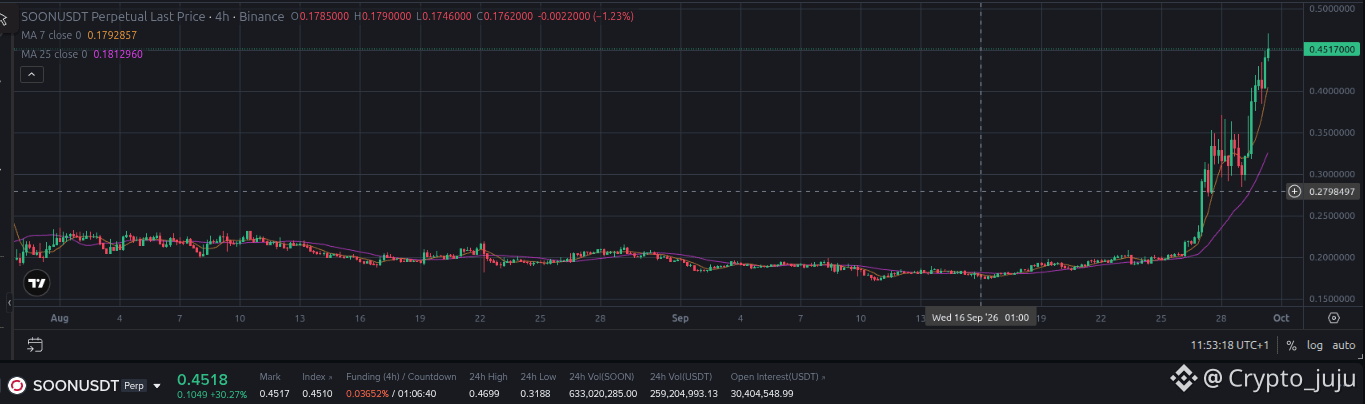
$ASTER đang quay trở lại vị trí dẫn đầu trong danh sách theo dõi của tôi và bắt đầu có một chút chuyển động. Liệu chúng ta có thể thấy nó quay trở lại về gần $0.20 không? Tôi đang theo dõi biểu đồ rất sát. Tweet CZ gần đây có thể có liên quan đến sự chú ý được nối lại, nhưng tôi vẫn muốn xem giá sẽ diễn biến ra sao từ đây trước khi quá hào hứng. $SOON cũng đang tăng hôm nay, nên đó cũng là một biểu đồ mà tôi đang để mắt tới. Trong khi đó, @ston_fi s Flight Deals vừa có một cập nhật nhỏ nhưng hữu ích. Phần thưởng SafePal X1 giờ đã dễ mở khóa hơn. Điều kiện về khối lượng swap cross-chain trị giá $200 trước đây đã bị loại bỏ. Giờ đây, bạn chỉ cần: * Hoàn thành nhiệm vụ của đội SafePal crew * Thực hiện ít nhất một giao dịch swap cross-chain đủ điều kiện * Giữ 2,000 miles SafePal X1 sẽ được gửi sau khi chiến dịch kết thúc, và Flight Deals sẽ được làm mới vào mỗi thứ Ba. Nói thật, tôi thích kiểu cập nhật như thế này. Ít rào cản hơn, ít yêu cầu hơn, và nó mang đến cho mọi người một cách đơn giản hơn để thực sự khám phá các swap cross-chain trong khi kiếm miles. Bây giờ quay lại các biểu đồ.
$ASTER đang quay trở lại vị trí dẫn đầu trong danh sách theo dõi của tôi và bắt đầu có một chút chuyển động. Liệu chúng ta có thể thấy nó quay trở lại về gần $0.20 không? Tôi đang theo dõi biểu đồ rất sát. Tweet CZ gần đây có thể có liên quan đến sự chú ý được nối lại, nhưng tôi vẫn muốn xem giá sẽ diễn biến ra sao từ đây trước khi quá hào hứng. $SOON cũng đang tăng hôm nay, nên đó cũng là một biểu đồ mà tôi đang để mắt tới. Trong khi đó, @ston_fi s Flight Deals vừa có một cập nhật nhỏ nhưng hữu ích. Phần thưởng SafePal X1 giờ đã dễ mở khóa hơn. Điều kiện về khối lượng swap cross-chain trị giá $200 trước đây đã bị loại bỏ. Giờ đây, bạn chỉ cần: * Hoàn thành nhiệm vụ của đội SafePal crew * Thực hiện ít nhất một giao dịch swap cross-chain đủ điều kiện * Giữ 2,000 miles SafePal X1 sẽ được gửi sau khi chiến dịch kết thúc, và Flight Deals sẽ được làm mới vào mỗi thứ Ba. Nói thật, tôi thích kiểu cập nhật như thế này. Ít rào cản hơn, ít yêu cầu hơn, và nó mang đến cho mọi người một cách đơn giản hơn để thực sự khám phá các swap cross-chain trong khi kiếm miles. Bây giờ quay lại các biểu đồ.
67
·
--
Dạo này tôi có tìm hiểu về $AVAX , và câu chuyện khá thú vị. Avalanche bắt đầu với một ý tưởng đơn giản: làm cho các giao dịch blockchain nhanh hơn và có khả năng mở rộng tốt hơn mà không phải đánh đổi quá nhiều cho sự phi tập trung. Theo thời gian, nó đã phát triển thành một hệ sinh thái nơi các nhà phát triển có thể xây dựng các mạng lưới và ứng dụng của riêng họ bằng cách sử dụng hạ tầng của Avalanche. Phần mà tôi đang theo dõi hiện nay là mức độ hoạt động thực sự và mức độ được áp dụng mà hệ sinh thái có thể tiếp tục tạo ra. Với tôi, $AVAX là một trong những dự án đáng để theo dõi.
Dạo này tôi có tìm hiểu về $AVAX , và câu chuyện khá thú vị. Avalanche bắt đầu với một ý tưởng đơn giản: làm cho các giao dịch blockchain nhanh hơn và có khả năng mở rộng tốt hơn mà không phải đánh đổi quá nhiều cho sự phi tập trung. Theo thời gian, nó đã phát triển thành một hệ sinh thái nơi các nhà phát triển có thể xây dựng các mạng lưới và ứng dụng của riêng họ bằng cách sử dụng hạ tầng của Avalanche. Phần mà tôi đang theo dõi hiện nay là mức độ hoạt động thực sự và mức độ được áp dụng mà hệ sinh thái có thể tiếp tục tạo ra. Với tôi, $AVAX là một trong những dự án đáng để theo dõi.
112
·
--
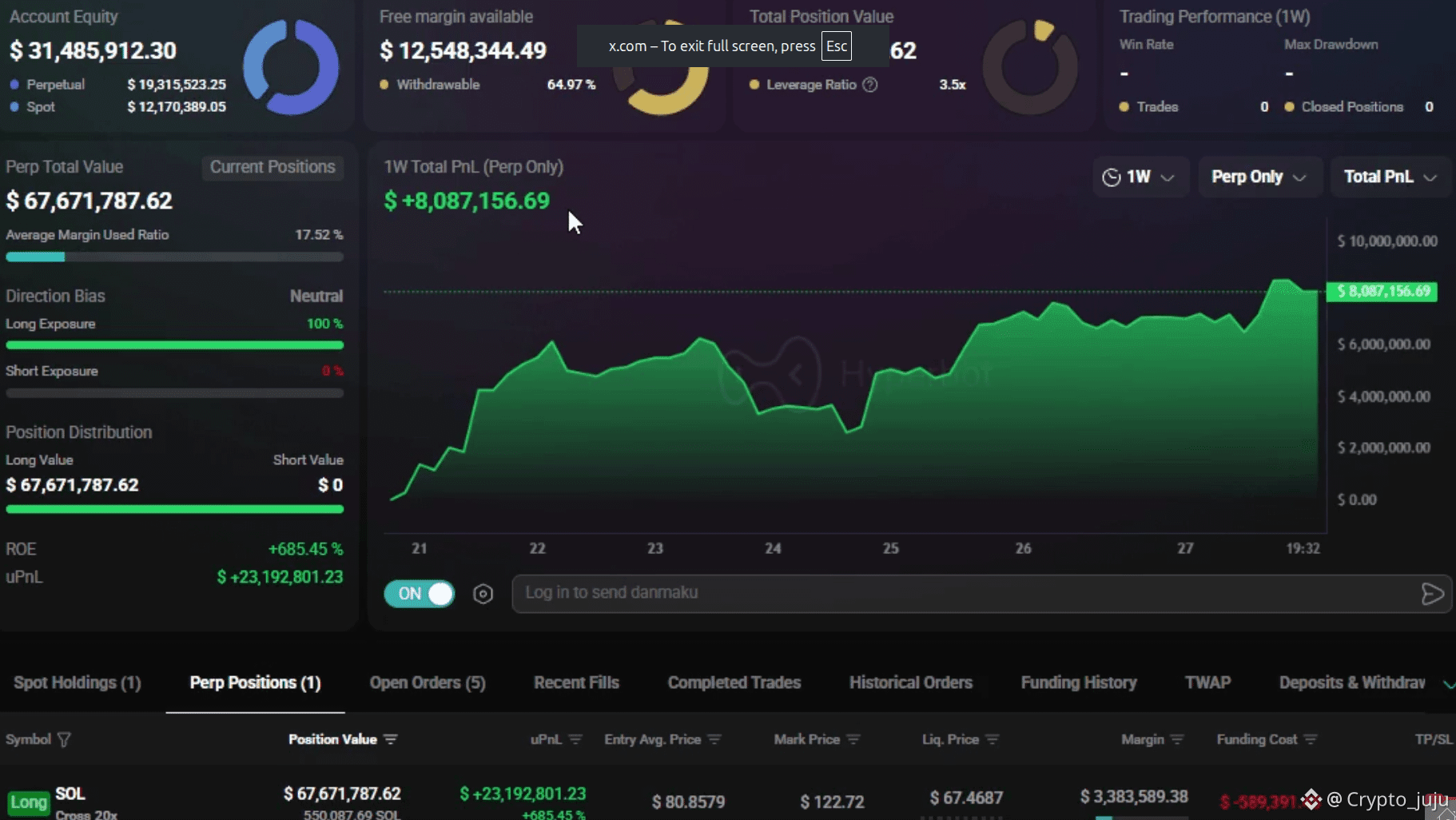
$SOL những con cá voi của Solana đang thực hiện một số động thái nghiêm túc. Các vị thế long của whale trên Bitfinex đã tăng vọt, trong khi các quỹ ETF Solana đã mua 2,32M SOL, trị giá khoảng 278 triệu USD, trong hai tuần qua. Tổng tài sản quản lý (AUM) của ETF hiện vào khoảng 2,28B USD. Khi các con cá voi tiếp tục tích lũy và nhu cầu từ ETF đang tăng lên, Solana có đang chuẩn bị cho một mùa meme khác không? $XRP
$SOL những con cá voi của Solana đang thực hiện một số động thái nghiêm túc. Các vị thế long của whale trên Bitfinex đã tăng vọt, trong khi các quỹ ETF Solana đã mua 2,32M SOL, trị giá khoảng 278 triệu USD, trong hai tuần qua. Tổng tài sản quản lý (AUM) của ETF hiện vào khoảng 2,28B USD. Khi các con cá voi tiếp tục tích lũy và nhu cầu từ ETF đang tăng lên, Solana có đang chuẩn bị cho một mùa meme khác không? $XRP
·
--
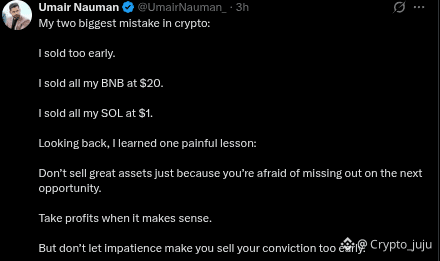
Vừa thấy tweet của một người đã bán ở đó $SOL và $BNB từ sớm, chết
Vừa thấy tweet của một người đã bán ở đó $SOL và $BNB từ sớm, chết
7
·
--
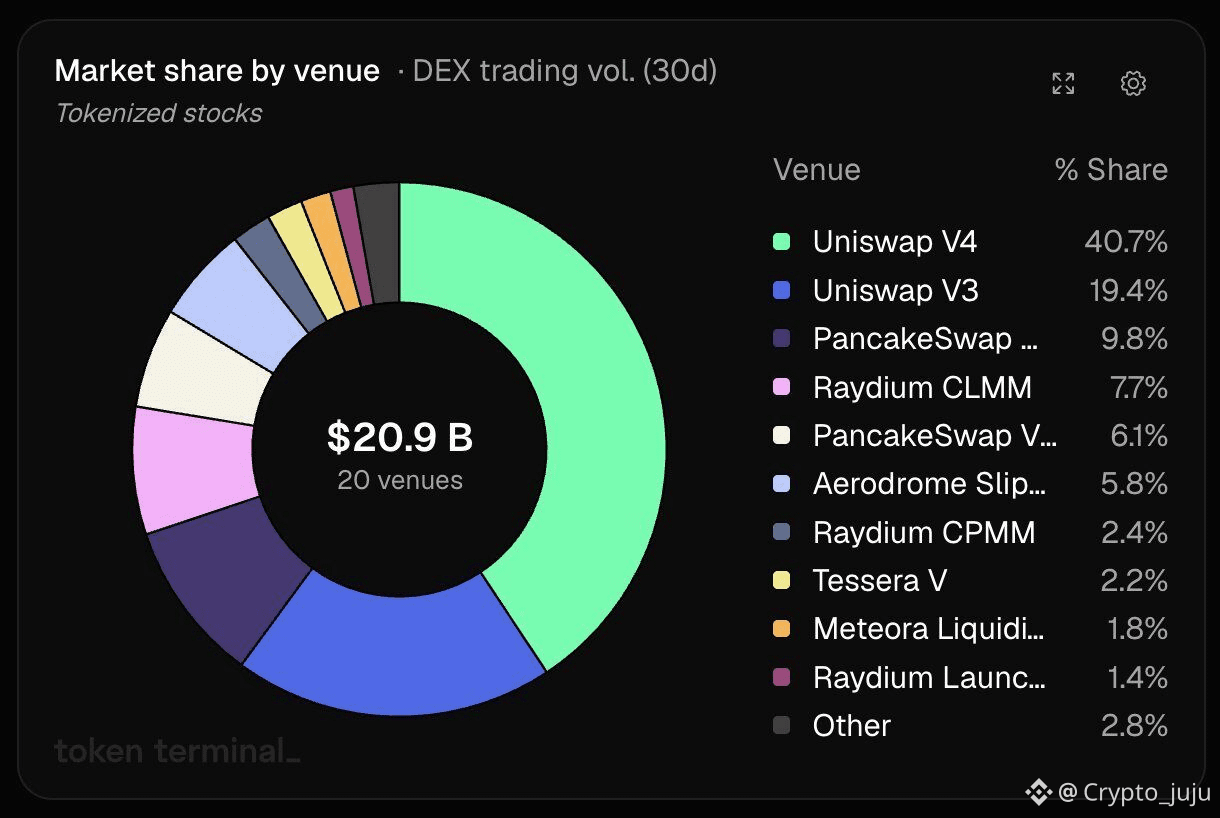
Cổ phiếu được token hóa đang trông giống ít hơn một thí nghiệm phụ trong DeFi. Trong 30 ngày qua, cổ phiếu token hóa đã đạt 20,9B USD khối lượng giao dịch trên DEX, với Uniswap $UNI V3 và V4 chiếm khoảng 12,6B**, tương đương 60,1% tổng số. Đó là rất nhiều hoạt động đối với một nhóm tài sản mà trước đây thậm chí còn chưa nằm trong cuộc trò chuyện thường ngày của DeFi. Điều này cũng khiến tôi nghĩ về xStocks trên @ston_fi. Tôi đã theo dõi cách xStocks được tích hợp vào TON, và thành thật mà nói, nó khiến mảng RWA của DeFi trở nên thực tế hơn rất nhiều. Bạn có thể hoán đổi trực tiếp sang các tài sản được token hóa như AAPLx, NVDAx và TSLAx thông qua stonfi, với các xStocks nằm trong ví TON của bạn dưới dạng tài sản onchain. Điều khiến tôi thấy thú vị hơn nữa là lớp hạ tầng phía bên dưới. xStocks là một trong những tài sản đầu tiên sử dụng cơ chế thực thi escrow của Omniston, cho phép hệ thống khai thác thanh khoản được định giá bởi resolver thay vì chỉ dựa vào các pool AMM thông thường. Vì vậy, trong khi tiêu đề nói về khối lượng cổ phiếu token hóa chạm tới hàng tỷ, thì bên dưới vẫn có một câu chuyện khác đang diễn ra: Các tài sản truyền thống đang trở thành onchain, và hạ tầng DeFi đang thích nghi xung quanh chúng. Tôi nghĩ chúng ta vẫn còn khá sớm để thấy chính xác điều đó trông sẽ như thế nào. $XRP #Altcoin Season#
Cổ phiếu được token hóa đang trông giống ít hơn một thí nghiệm phụ trong DeFi. Trong 30 ngày qua, cổ phiếu token hóa đã đạt 20,9B USD khối lượng giao dịch trên DEX, với Uniswap $UNI V3 và V4 chiếm khoảng 12,6B**, tương đương 60,1% tổng số. Đó là rất nhiều hoạt động đối với một nhóm tài sản mà trước đây thậm chí còn chưa nằm trong cuộc trò chuyện thường ngày của DeFi. Điều này cũng khiến tôi nghĩ về xStocks trên @ston_fi. Tôi đã theo dõi cách xStocks được tích hợp vào TON, và thành thật mà nói, nó khiến mảng RWA của DeFi trở nên thực tế hơn rất nhiều. Bạn có thể hoán đổi trực tiếp sang các tài sản được token hóa như AAPLx, NVDAx và TSLAx thông qua stonfi, với các xStocks nằm trong ví TON của bạn dưới dạng tài sản onchain. Điều khiến tôi thấy thú vị hơn nữa là lớp hạ tầng phía bên dưới. xStocks là một trong những tài sản đầu tiên sử dụng cơ chế thực thi escrow của Omniston, cho phép hệ thống khai thác thanh khoản được định giá bởi resolver thay vì chỉ dựa vào các pool AMM thông thường. Vì vậy, trong khi tiêu đề nói về khối lượng cổ phiếu token hóa chạm tới hàng tỷ, thì bên dưới vẫn có một câu chuyện khác đang diễn ra: Các tài sản truyền thống đang trở thành onchain, và hạ tầng DeFi đang thích nghi xung quanh chúng. Tôi nghĩ chúng ta vẫn còn khá sớm để thấy chính xác điều đó trông sẽ như thế nào. $XRP #Altcoin Season#
·
--
Tuần này cảm giác giống như mùa $NEAR onchain vậy. Và thật lòng mà nói, đó là một điều về việc là một người đào bới (trencher): bạn phải nhanh nhạy để nhận ra khi sự chú ý bắt đầu chuyển sang nơi khác. Những “chiến hào” $SOL vẫn đang hoạt động, nhưng tôi nghĩ rất dễ bị quá thoải mái khi chỉ theo dõi một chuỗi. Đôi khi bước đi thú vị tiếp theo lại đang xảy ra ở một nơi mà bạn thậm chí chưa từng để mắt tới. Cũng vì thế mà dạo này tôi chú ý nhiều hơn đến hoạt động liên chuỗi (cross-chain). **Omniston vừa vượt mốc $7.5M về tổng khối lượng swap liên chuỗi mọi thời đại**, cao hơn gấp đôi mốc $3M mà nó đạt được hồi đầu tháng này. Mức tăng trưởng kiểu đó rất đáng chú ý vì nó cho thấy thanh khoản không bị “đóng khung” trong một hệ sinh thái. Mọi người đang di chuyển giữa các chuỗi, và hạ tầng kết nối các hệ sinh thái đó trở nên quan trọng hơn khi hoạt động gia tăng. Nên đúng là hãy để ý những “chiến hào” SOL. Nhưng đừng quên nhìn xung quanh. #Altcoin Season#
Tuần này cảm giác giống như mùa $NEAR onchain vậy. Và thật lòng mà nói, đó là một điều về việc là một người đào bới (trencher): bạn phải nhanh nhạy để nhận ra khi sự chú ý bắt đầu chuyển sang nơi khác. Những “chiến hào” $SOL vẫn đang hoạt động, nhưng tôi nghĩ rất dễ bị quá thoải mái khi chỉ theo dõi một chuỗi. Đôi khi bước đi thú vị tiếp theo lại đang xảy ra ở một nơi mà bạn thậm chí chưa từng để mắt tới. Cũng vì thế mà dạo này tôi chú ý nhiều hơn đến hoạt động liên chuỗi (cross-chain). **Omniston vừa vượt mốc $7.5M về tổng khối lượng swap liên chuỗi mọi thời đại**, cao hơn gấp đôi mốc $3M mà nó đạt được hồi đầu tháng này. Mức tăng trưởng kiểu đó rất đáng chú ý vì nó cho thấy thanh khoản không bị “đóng khung” trong một hệ sinh thái. Mọi người đang di chuyển giữa các chuỗi, và hạ tầng kết nối các hệ sinh thái đó trở nên quan trọng hơn khi hoạt động gia tăng. Nên đúng là hãy để ý những “chiến hào” SOL. Nhưng đừng quên nhìn xung quanh. #Altcoin Season#
25
·
--
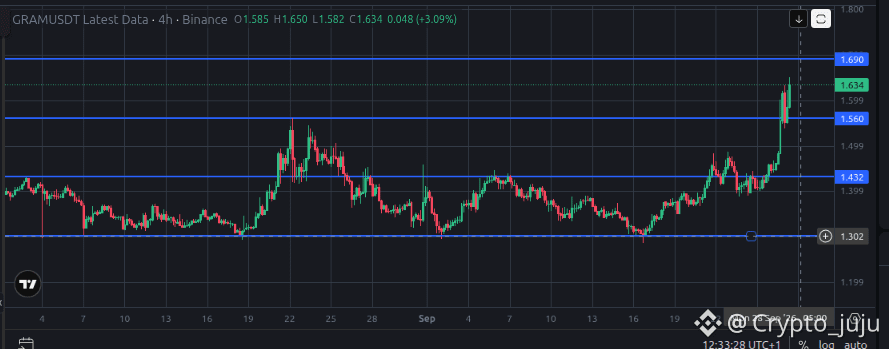
$GRAM đang hướng tới $1.69. Nếu đà này được giữ vững, tôi rất muốn thấy nó kiểm tra $2 vào tuần tới, nhưng hiện tại tôi chỉ theo dõi cách giá phản ứng quanh các mốc này. Một đợt tăng mạnh của GRAM cũng rất đáng chú ý đối với hệ sinh thái @ston_fi, vì nhiều hoạt động hơn có thể đồng nghĩa với việc thu hút thêm sự chú ý và thanh khoản ở phía TON DeFi. Tôi cũng đang để mắt tới STON. Hãy xem nó phản ứng ra sao nếu GRAM tiếp tục đi lên. $ZEC #Altcoin Season#
$GRAM đang hướng tới $1.69. Nếu đà này được giữ vững, tôi rất muốn thấy nó kiểm tra $2 vào tuần tới, nhưng hiện tại tôi chỉ theo dõi cách giá phản ứng quanh các mốc này. Một đợt tăng mạnh của GRAM cũng rất đáng chú ý đối với hệ sinh thái @ston_fi, vì nhiều hoạt động hơn có thể đồng nghĩa với việc thu hút thêm sự chú ý và thanh khoản ở phía TON DeFi. Tôi cũng đang để mắt tới STON. Hãy xem nó phản ứng ra sao nếu GRAM tiếp tục đi lên. $ZEC #Altcoin Season#
46
·
--
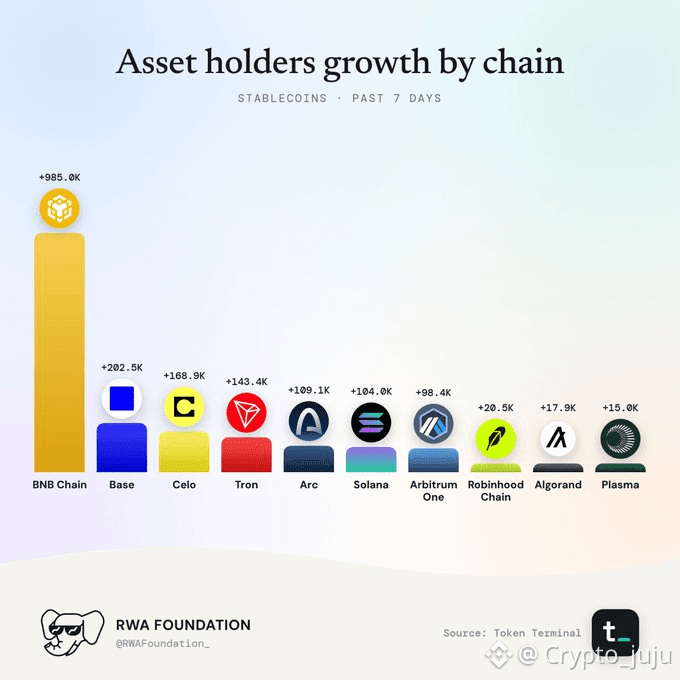
$BNB Chain đang ghi nhận sự gia tăng đáng kể trong việc áp dụng stablecoin. Khoảng 985K người dùng stablecoin mới đã tham gia vào chuỗi trong 7 ngày qua. Con số này gần gấp 5 lần so với chuỗi tiếp theo trong cùng giai đoạn. Thật thú vị khi theo dõi hoạt động #StableCoin mới này sẽ bắt đầu chảy sang đâu tiếp theo.
$BNB Chain đang ghi nhận sự gia tăng đáng kể trong việc áp dụng stablecoin. Khoảng 985K người dùng stablecoin mới đã tham gia vào chuỗi trong 7 ngày qua. Con số này gần gấp 5 lần so với chuỗi tiếp theo trong cùng giai đoạn. Thật thú vị khi theo dõi hoạt động #StableCoin mới này sẽ bắt đầu chảy sang đâu tiếp theo.
42
·
--
$QNT là token đứng sau Quant, một dự án tập trung vào khả năng tương tác giữa các blockchain. Công nghệ Overledger của Quant được thiết kế để kết nối các blockchain khác nhau với các hệ thống tài chính hiện có. Quant cũng tham gia vào Sáng kiến On-Chain Money của The Clearing House, nhằm khám phá tiền gửi được mã hóa và việc thanh toán trên chuỗi. Vì vậy, câu chuyện chính xoay quanh $QNT rất đơn giản: kết nối tài chính truyền thống với các mạng blockchain khác nhau.
$QNT là token đứng sau Quant, một dự án tập trung vào khả năng tương tác giữa các blockchain. Công nghệ Overledger của Quant được thiết kế để kết nối các blockchain khác nhau với các hệ thống tài chính hiện có. Quant cũng tham gia vào Sáng kiến On-Chain Money của The Clearing House, nhằm khám phá tiền gửi được mã hóa và việc thanh toán trên chuỗi. Vì vậy, câu chuyện chính xoay quanh $QNT rất đơn giản: kết nối tài chính truyền thống với các mạng blockchain khác nhau.
61
·
--
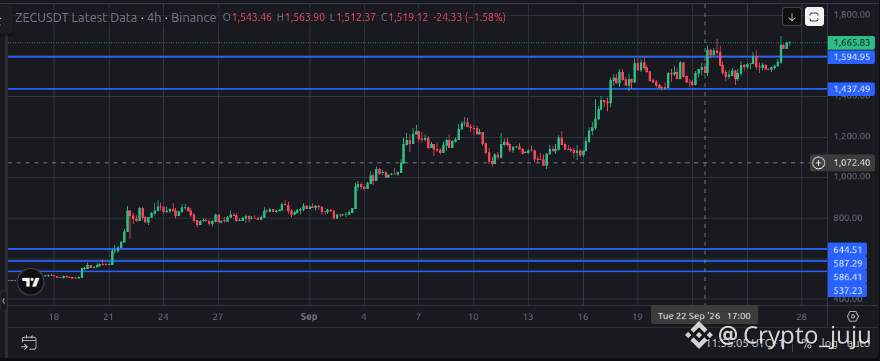
$ZEC đang trên đường tới $2K và thành thật mà nói, nước đi này thật điên rồ. $HYPE cũng không có vẻ đang tụt lại phía sau. Nhìn lại cách một số đồng coin đã chuyển động trong năm nay, trời ơi… đúng là một năm. Và trong khi mọi người đang dõi theo các biểu đồ, tôi cũng đã chú ý đến một số hoạt động đang diễn ra bên dưới. Omniston đang xử lý nhiều giao dịch hoán đổi xuyên chuỗi hơn giữa TON và các mạng khác, và BNB Chain → TON gần đây đã trở thành một trong những tuyến đường bận rộn nhất. Tôi thấy phần đó thật thú vị vì giá chỉ là một mặt của thị trường. Còn có cả hạ tầng đang âm thầm luân chuyển thanh khoản trong lúc các biểu đồ này điên cuồng biến động. Một năm cho crypto. Và chúng ta vẫn chưa kết thúc.
$ZEC đang trên đường tới $2K và thành thật mà nói, nước đi này thật điên rồ. $HYPE cũng không có vẻ đang tụt lại phía sau. Nhìn lại cách một số đồng coin đã chuyển động trong năm nay, trời ơi… đúng là một năm. Và trong khi mọi người đang dõi theo các biểu đồ, tôi cũng đã chú ý đến một số hoạt động đang diễn ra bên dưới. Omniston đang xử lý nhiều giao dịch hoán đổi xuyên chuỗi hơn giữa TON và các mạng khác, và BNB Chain → TON gần đây đã trở thành một trong những tuyến đường bận rộn nhất. Tôi thấy phần đó thật thú vị vì giá chỉ là một mặt của thị trường. Còn có cả hạ tầng đang âm thầm luân chuyển thanh khoản trong lúc các biểu đồ này điên cuồng biến động. Một năm cho crypto. Và chúng ta vẫn chưa kết thúc.
67
·
--
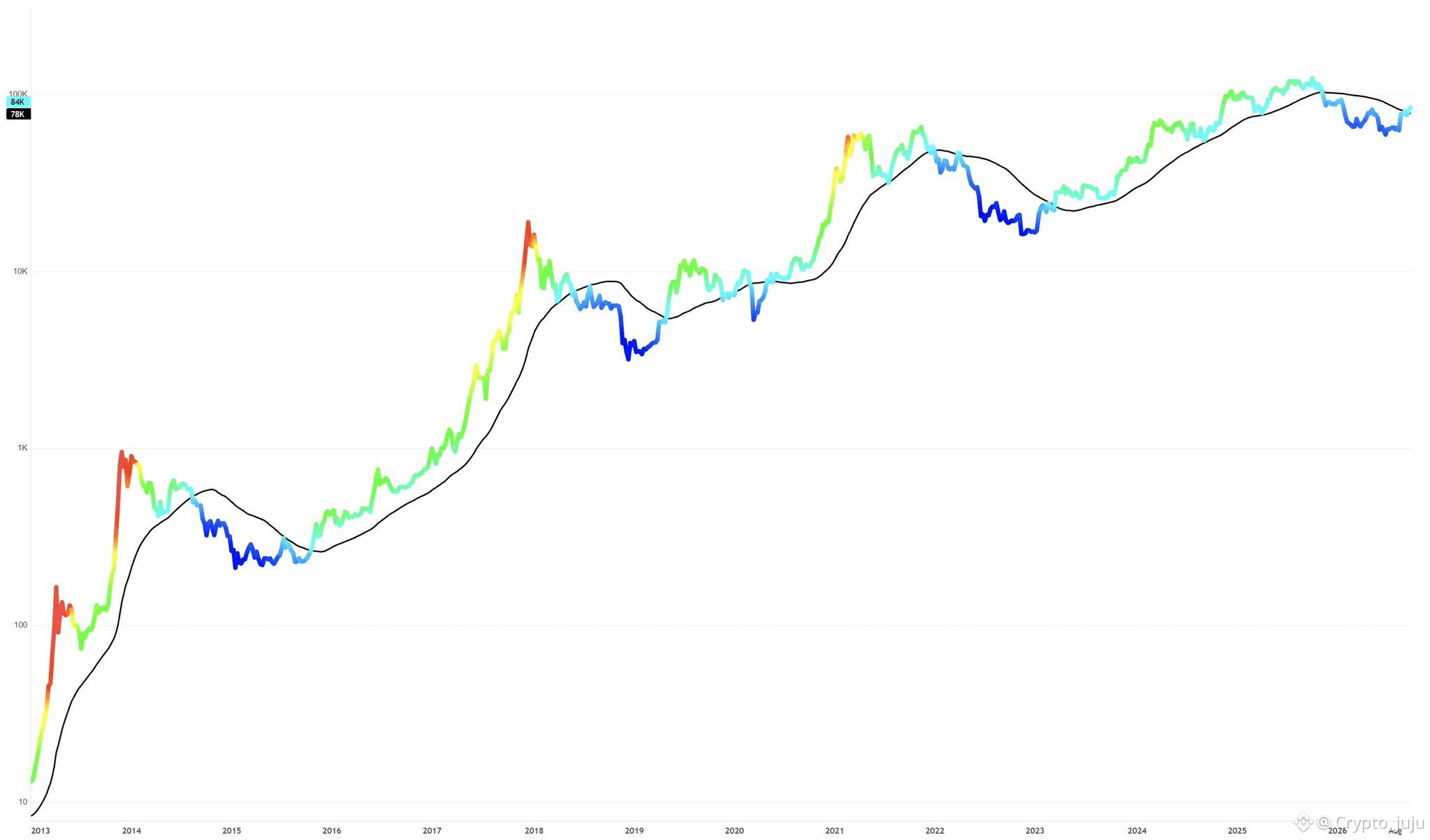
$BTC đang phát ra tất cả các tín hiệu màu xanh ngay lúc này. Mình thấy được điều đó, mình chấp nhận nó. $XRP cũng trông như sẵn sàng để theo sau. $5 sớm chăng? Trong lúc này, các giao dịch cross-chain của @ston_fi chưa bao giờ cảm giác đơn giản đến vậy. Bạn kết nối ví TON và TRON của mình, chọn thứ bạn muốn swap, kiểm tra số tiền bạn sẽ nhận được, xác nhận, và để ứng dụng lo phần còn lại. Không có cầu truyền thống. Không có CEX ở giữa. Chỉ: **Kết nối → Chọn → Xác nhận → Nhận. Đó là kiểu trải nghiệm cross-chain mình thích. Đơn giản đến mức bạn không cần phải nghĩ xem đằng sau hậu trường đang diễn ra điều gì. #Altcoin Season#
$BTC đang phát ra tất cả các tín hiệu màu xanh ngay lúc này. Mình thấy được điều đó, mình chấp nhận nó. $XRP cũng trông như sẵn sàng để theo sau. $5 sớm chăng? Trong lúc này, các giao dịch cross-chain của @ston_fi chưa bao giờ cảm giác đơn giản đến vậy. Bạn kết nối ví TON và TRON của mình, chọn thứ bạn muốn swap, kiểm tra số tiền bạn sẽ nhận được, xác nhận, và để ứng dụng lo phần còn lại. Không có cầu truyền thống. Không có CEX ở giữa. Chỉ: **Kết nối → Chọn → Xác nhận → Nhận. Đó là kiểu trải nghiệm cross-chain mình thích. Đơn giản đến mức bạn không cần phải nghĩ xem đằng sau hậu trường đang diễn ra điều gì. #Altcoin Season#
·
--
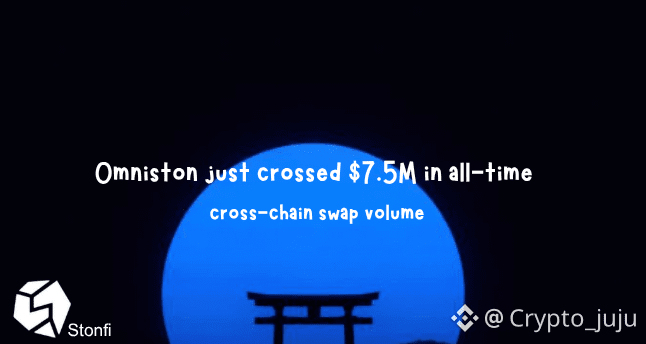
Solana $SOL vừa vượt mốc 1 triệu người nắm giữ cổ phiếu được token hóa Và ở phía TON, Omniston vừa vượt qua $7,5M về khối lượng hoán đổi xuyên chuỗi (cross-chain) kỷ lục mọi thời đại. Điều khiến tôi chú ý là con số đó đang tăng nhanh đến mức nào. Omniston đã vượt mốc $3M vào đầu tháng này, và riêng tuần từ 17–23/9 đã ghi nhận khoảng **$1,8M** khối lượng hoán đổi xuyên chuỗi, tăng 26% so với tuần trước. Điều thú vị hơn nữa là BNB Chain → TON chiếm 78% tổng khối lượng theo tuần đó. Các hệ sinh thái khác nhau, các trường hợp sử dụng khác nhau, nhưng tôi nghĩ câu chuyện ở đây khá tương đồng: **Khi các chuỗi liên tục được xây dựng, cuối cùng hoạt động sẽ bắt đầu thể hiện rõ. Tài sản được token hóa, hoán đổi xuyên chuỗi, thanh khoản, ứng dụng mới — ban đầu không phải lúc nào cũng ồn ào. Đôi khi chỉ cần để ý là thấy các con số đang ngày càng lớn lên. #Altcoin Season#
Solana $SOL vừa vượt mốc 1 triệu người nắm giữ cổ phiếu được token hóa Và ở phía TON, Omniston vừa vượt qua $7,5M về khối lượng hoán đổi xuyên chuỗi (cross-chain) kỷ lục mọi thời đại. Điều khiến tôi chú ý là con số đó đang tăng nhanh đến mức nào. Omniston đã vượt mốc $3M vào đầu tháng này, và riêng tuần từ 17–23/9 đã ghi nhận khoảng **$1,8M** khối lượng hoán đổi xuyên chuỗi, tăng 26% so với tuần trước. Điều thú vị hơn nữa là BNB Chain → TON chiếm 78% tổng khối lượng theo tuần đó. Các hệ sinh thái khác nhau, các trường hợp sử dụng khác nhau, nhưng tôi nghĩ câu chuyện ở đây khá tương đồng: **Khi các chuỗi liên tục được xây dựng, cuối cùng hoạt động sẽ bắt đầu thể hiện rõ. Tài sản được token hóa, hoán đổi xuyên chuỗi, thanh khoản, ứng dụng mới — ban đầu không phải lúc nào cũng ồn ào. Đôi khi chỉ cần để ý là thấy các con số đang ngày càng lớn lên. #Altcoin Season#
28
·
--
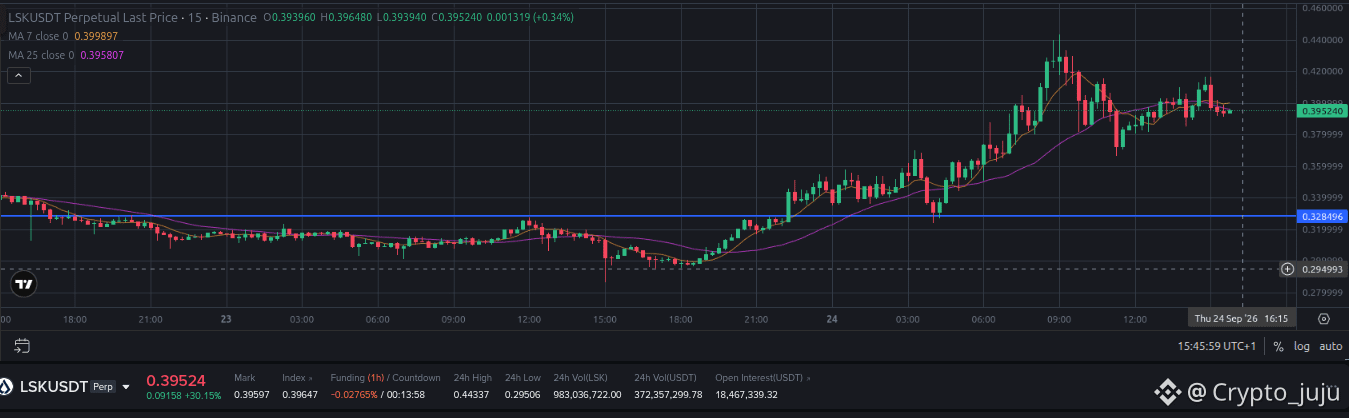
$PROVE đã quay lại hoạt động mạnh mẽ và bắt đầu bơm lại. $LSK cũng đang rất “nóng” nữa, nên tôi bắt đầu cảm giác như thị trường có thể đang lấy lại đà. Tuy vậy, tôi vẫn chưa vội vàng gì cả. Tôi chỉ đang theo dõi cách các biến động này diễn ra và dòng thanh khoản bắt đầu chảy về đâu. Về phía @ston_fi, tôi đã đem GEMSTON của mình vào sử dụng và nâng cấp Stonkbots của mình. Thành thật mà nói, xem các con bot thay đổi theo từng lần nâng cấp thì khá buồn cười. Nhưng đồng thời, nó cũng giống như một cách hay để làm quen hơn với mảng NFT của Stonfi—thay vì chỉ swap và farm. Tôi đến vì mảng DeFi. Thế mà giờ tôi lại đang nâng cấp mấy con bot NFT nhỏ xíu. #Altcoin Season#
$PROVE đã quay lại hoạt động mạnh mẽ và bắt đầu bơm lại. $LSK cũng đang rất “nóng” nữa, nên tôi bắt đầu cảm giác như thị trường có thể đang lấy lại đà. Tuy vậy, tôi vẫn chưa vội vàng gì cả. Tôi chỉ đang theo dõi cách các biến động này diễn ra và dòng thanh khoản bắt đầu chảy về đâu. Về phía @ston_fi, tôi đã đem GEMSTON của mình vào sử dụng và nâng cấp Stonkbots của mình. Thành thật mà nói, xem các con bot thay đổi theo từng lần nâng cấp thì khá buồn cười. Nhưng đồng thời, nó cũng giống như một cách hay để làm quen hơn với mảng NFT của Stonfi—thay vì chỉ swap và farm. Tôi đến vì mảng DeFi. Thế mà giờ tôi lại đang nâng cấp mấy con bot NFT nhỏ xíu. #Altcoin Season#
71
·
--
Thị trường stablecoin có thể đang đi theo hai hướng khác nhau. $USDT và $USDC đã rất lớn, với tổng khoảng $255B, nhưng GENIUS Act giới hạn các khoản chi trả lợi suất đối với các stablecoin truyền thống này. Sau đó là các “stablecoin sinh lời”, được thiết kế để mang lại lợi nhuận cho người dùng từ các tài sản đứng sau chúng. Đây là mảng mà RealFi đang xây dựng. Thật thú vị khi thấy stablecoin phát triển từ việc chỉ nắm giữ giá trị sang việc có thể đem giá trị đó đi làm.
Thị trường stablecoin có thể đang đi theo hai hướng khác nhau. $USDT và $USDC đã rất lớn, với tổng khoảng $255B, nhưng GENIUS Act giới hạn các khoản chi trả lợi suất đối với các stablecoin truyền thống này. Sau đó là các “stablecoin sinh lời”, được thiết kế để mang lại lợi nhuận cho người dùng từ các tài sản đứng sau chúng. Đây là mảng mà RealFi đang xây dựng. Thật thú vị khi thấy stablecoin phát triển từ việc chỉ nắm giữ giá trị sang việc có thể đem giá trị đó đi làm.
44
·
--
Điều này thật thú vị. BlackRock + $ONDO là một dấu hiệu khác cho thấy tài chính truyền thống đang ngày càng thoải mái hơn với các tài sản onchain. Ondo vừa ra mắt Intelligent Portfolios được xây dựng dựa trên các chiến lược đầu tư do BlackRock phát triển, và mỗi danh mục đầu tư được thể hiện bằng một token onchain duy nhất. Và điều này khiến tôi nghĩ về xStocks trên @ston_fi. Cách tiếp cận có phần khác, nhưng ý tưởng lớn thì tương tự: đưa các hình thức tiếp xúc quen thuộc của thị trường truyền thống vào thế giới blockchain. Với xStocks, các tài sản như APLx, NVDAx, TSLAx, SPYx và GOOGLx được biểu diễn dưới dạng token trên TON. Người dùng đủ điều kiện có thể hoán đổi sang chúng thông qua Stonfi và giữ chúng trong ví TON của mình. Vì vậy, chúng ta bắt đầu thấy các mảnh ghép khác nhau của cùng một câu đố dần được ghép lại với nhau. BlackRock mang các chiến lược danh mục truyền thống. Ondo chuyển những chiến lược đó thành các danh mục onchain. Các sản phẩm như xStocks mang mức tiếp xúc thị trường riêng lẻ lên onchain. Và DeFi cung cấp hạ tầng để các tài sản này có thể thực sự di chuyển, giao dịch và tương tác với các sản phẩm onchain khác. Phần thú vị không chỉ là đưa tài sản truyền thống lên onchain nữa. Mà là điều gì xảy ra sau khi các tài sản đó có thể thực sự tương tác với DeFi. $LSK
Điều này thật thú vị. BlackRock + $ONDO là một dấu hiệu khác cho thấy tài chính truyền thống đang ngày càng thoải mái hơn với các tài sản onchain. Ondo vừa ra mắt Intelligent Portfolios được xây dựng dựa trên các chiến lược đầu tư do BlackRock phát triển, và mỗi danh mục đầu tư được thể hiện bằng một token onchain duy nhất. Và điều này khiến tôi nghĩ về xStocks trên @ston_fi. Cách tiếp cận có phần khác, nhưng ý tưởng lớn thì tương tự: đưa các hình thức tiếp xúc quen thuộc của thị trường truyền thống vào thế giới blockchain. Với xStocks, các tài sản như APLx, NVDAx, TSLAx, SPYx và GOOGLx được biểu diễn dưới dạng token trên TON. Người dùng đủ điều kiện có thể hoán đổi sang chúng thông qua Stonfi và giữ chúng trong ví TON của mình. Vì vậy, chúng ta bắt đầu thấy các mảnh ghép khác nhau của cùng một câu đố dần được ghép lại với nhau. BlackRock mang các chiến lược danh mục truyền thống. Ondo chuyển những chiến lược đó thành các danh mục onchain. Các sản phẩm như xStocks mang mức tiếp xúc thị trường riêng lẻ lên onchain. Và DeFi cung cấp hạ tầng để các tài sản này có thể thực sự di chuyển, giao dịch và tương tác với các sản phẩm onchain khác. Phần thú vị không chỉ là đưa tài sản truyền thống lên onchain nữa. Mà là điều gì xảy ra sau khi các tài sản đó có thể thực sự tương tác với DeFi. $LSK

51
·
--
$ZEC đang nổi bật giữa các altcoin vào thời điểm này. Kể từ khi $BTC đạt đỉnh lịch sử, chỉ có 9 trong số 50 altcoin hàng đầu đã kịp vượt trội Bitcoin. ZEC đang dẫn đầu với khoảng cách rất lớn, khi lợi suất của nó đạt khoảng 14x so với Bitcoin trong giai đoạn đó. HYPE , XMR và NEAR cũng nằm trong số ít những đồng coin đã vượt trội. Điều khiến tôi thấy thú vị là sự thiếu vắng của sức mạnh altcoin trên diện rộng. Một vài cái tên đang làm rất tốt, nhưng phần lớn thị trường vẫn đang đi sau BTC. Vì vậy, tôi sẽ tiếp tục đưa ZEC vào danh sách theo dõi và chú ý nhiều hơn đến sức mạnh tương đối thay vì chỉ đuổi theo bất cứ thứ gì đang chuyển động. #Altcoin Season#
$ZEC đang nổi bật giữa các altcoin vào thời điểm này. Kể từ khi $BTC đạt đỉnh lịch sử, chỉ có 9 trong số 50 altcoin hàng đầu đã kịp vượt trội Bitcoin. ZEC đang dẫn đầu với khoảng cách rất lớn, khi lợi suất của nó đạt khoảng 14x so với Bitcoin trong giai đoạn đó. HYPE , XMR và NEAR cũng nằm trong số ít những đồng coin đã vượt trội. Điều khiến tôi thấy thú vị là sự thiếu vắng của sức mạnh altcoin trên diện rộng. Một vài cái tên đang làm rất tốt, nhưng phần lớn thị trường vẫn đang đi sau BTC. Vì vậy, tôi sẽ tiếp tục đưa ZEC vào danh sách theo dõi và chú ý nhiều hơn đến sức mạnh tương đối thay vì chỉ đuổi theo bất cứ thứ gì đang chuyển động. #Altcoin Season#
72
·
--
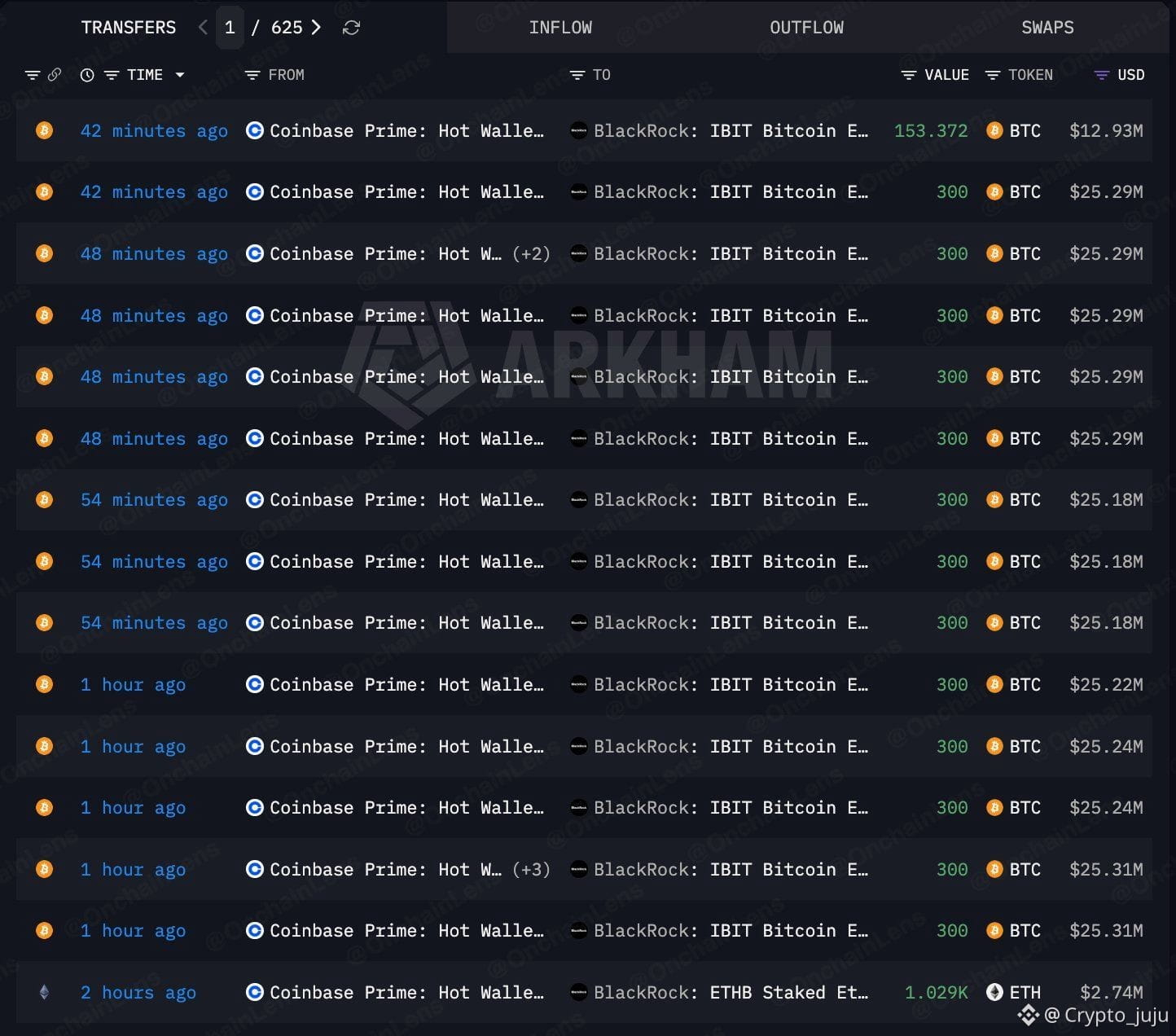
Các tên tuổi lớn đang mua vào khi giá giảm. Theo báo cáo, <c-1/> BlackRock’s IBIT đã tích lũy và rút khoảng 3,75K $BTC, trị giá xấp xỉ $316M, khỏi Coinbase Prime trong suốt giờ vừa qua. Trong khi thị trường bận theo dõi đợt giảm, thì ở hậu trường đang diễn ra việc mua BTC khá nghiêm túc. Trong lúc đó, hôm nay bên @ston_fi cũng có điều gì đó đang xảy ra. Buổi AMA “Inside the Cross-Chain Flight: Your Questions, Our Answers” bắt đầu lúc 15:00 UTC. Nhóm Stonfi sẽ trả lời các câu hỏi của cộng đồng về chiến dịch **One Swap. Across Chains** và cách các giao dịch hoán đổi cross-chain thực sự hoạt động. Và còn có thêm ưu đãi nữa: 3 trong số những câu hỏi hay nhất nhận 50 STON mỗi câu, tổng cộng 150 STON. Ngoài ra, hãy ở lại đến cuối để lấy một “từ bí mật” giúp bạn nhận thêm điểm cho chiến dịch. Việc mua $BTC ở hậu trường, cuộc trò chuyện cross-chain ở phía bên kia. Một ngày thú vị trong crypto. $UNI
Các tên tuổi lớn đang mua vào khi giá giảm. Theo báo cáo, <c-1/> BlackRock’s IBIT đã tích lũy và rút khoảng 3,75K $BTC, trị giá xấp xỉ $316M, khỏi Coinbase Prime trong suốt giờ vừa qua. Trong khi thị trường bận theo dõi đợt giảm, thì ở hậu trường đang diễn ra việc mua BTC khá nghiêm túc. Trong lúc đó, hôm nay bên @ston_fi cũng có điều gì đó đang xảy ra. Buổi AMA “Inside the Cross-Chain Flight: Your Questions, Our Answers” bắt đầu lúc 15:00 UTC. Nhóm Stonfi sẽ trả lời các câu hỏi của cộng đồng về chiến dịch **One Swap. Across Chains** và cách các giao dịch hoán đổi cross-chain thực sự hoạt động. Và còn có thêm ưu đãi nữa: 3 trong số những câu hỏi hay nhất nhận 50 STON mỗi câu, tổng cộng 150 STON. Ngoài ra, hãy ở lại đến cuối để lấy một “từ bí mật” giúp bạn nhận thêm điểm cho chiến dịch. Việc mua $BTC ở hậu trường, cuộc trò chuyện cross-chain ở phía bên kia. Một ngày thú vị trong crypto. $UNI
66
Đăng nhập để khám phá thêm nội dung
Tham gia cùng người dùng tiền mã hóa toàn cầu trên Binance Square
⚡️ Nhận thông tin mới nhất và hữu ích về tiền mã hóa.
💬 Được tin cậy bởi sàn giao dịch tiền mã hóa lớn nhất thế giới.
👍 Khám phá những thông tin chuyên sâu thực tế từ những nhà sáng tạo đã xác minh.
Email / Số điện thoại
Chủ đề thịnh hành
TheoDõiFOMC
121,246 lượt xem
684 đang thảo luận
#TheoDõiFOMC
🔥 FOMC lại bắt đầu trở thành tâm điểm của crypto
Bitcoin vừa bước vào tháng 10, nhưng câu chuyện lớn phía sau thị trường lúc này không chỉ là giá.
Các trader đang bắt đầu hướng sự chú ý về cuộc họp FOMC ngày 27–28/10. Sau một loạt phát biểu mới từ quan chức Fed, kỳ vọng về việc tăng lãi suất ngay trong tháng 10 đã giảm đáng kể.
Điều thú vị là trước đó thị trường từng đặt cược khá cao vào một đợt tăng tiếp theo.
Giờ thì mọi thứ lại quay sang chờ dữ liệu kinh tế và những phát biểu tiếp theo của Fed.
Với crypto, chỉ cần kỳ vọng lãi suất thay đổi mạnh là $BTC có thể lập tức biến động, rồi kéo theo cả thị trường altcoin.
Tháng 10 mới bắt đầu mà macro đã có chuyện để hóng rồi 👀
#Bitcoin #Crypto #Macro #Fed #BinanceSquare
X LEI
·0 lượt thích
·164 lượt xem
TinFed
105,717 lượt xem
489 đang thảo luận
ADAGains10%Above$0.27
10,880 lượt xem
154 đang thảo luận