

L U M I N E
14.4k Bài đăng

L U M I N E
 Đã xác minh nâng cao trên Square
Báo cáo
Chặn người dùng
Giao dịch mở
Trader thường xuyên
{thời gian} năm
112 Đang theo dõi
31.5K+ Người theo dõi
40.1K+ Đã thích
Bài đăng
Danh mục đầu tư
Tất cả
Trích dẫn
Video
Live
·
--
Tăng giá
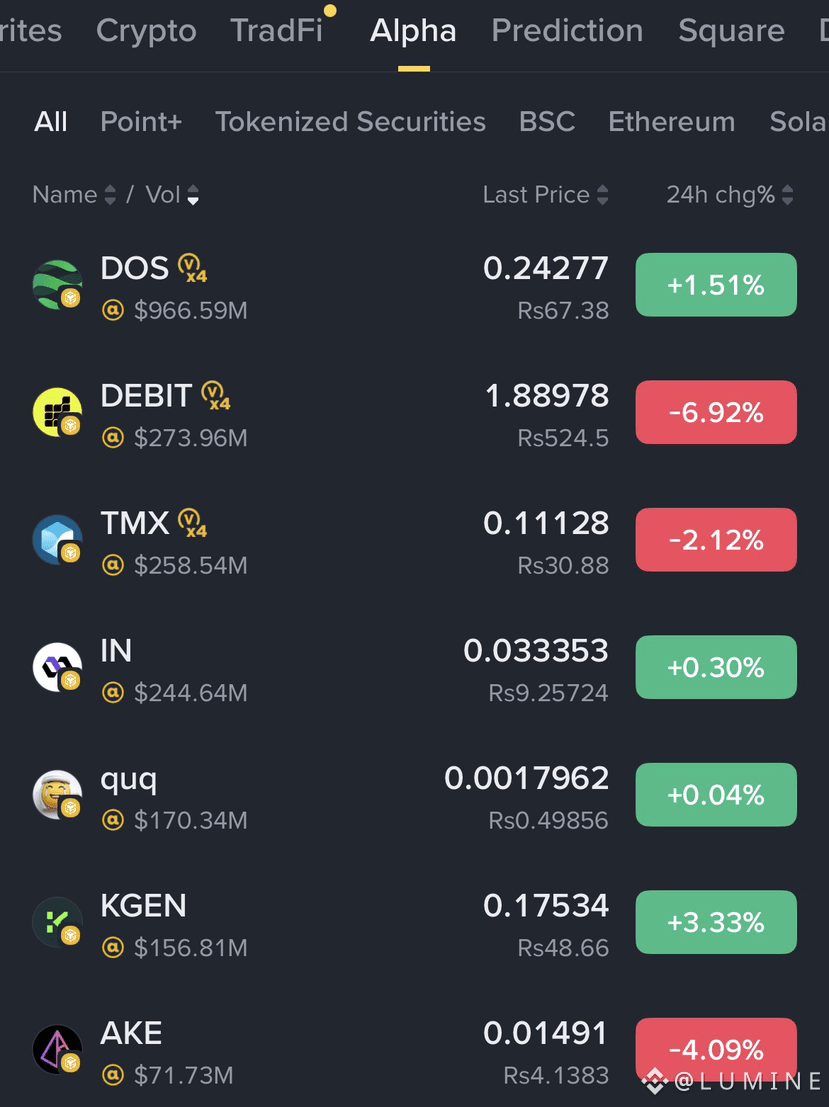
Các bạn 3 #ALPHACOINS ĐANG BƠM TẠI ĐÂY
Giao dịch theo chiến lược và đảm bảo lợi nhuận trước lượt di chuyển tiếp theo…….
Các “Top Pumpers” ngay lúc này:
$KGEN - $0.17534 +3.33% | Vol: $156.81M
$DOS - $0.24277 +1.51% | Vol: $966.59M
$IN - $0.033353 +0.30% | Vol: $244.64M
Khối lượng cao + nến xanh = cơ hội alpha. Đừng bỏ lỡ con sóng. Giao dịch thông minh, quản lý rủi ro và kiếm lời…….
{alpha}(560x61fac5f038515572d6f42d4bcb6b581642753d50)
{alpha}(560xb0f09ea9ae0515c3551080d4a745c8115aa30e37)
{alpha}(560xf3d5b4c34ed623478cc5141861776e6cf7ae3a1e)
Các bạn 3 #ALPHACOINS ĐANG BƠM TẠI ĐÂY
Giao dịch theo chiến lược và đảm bảo lợi nhuận trước lượt di chuyển tiếp theo…….
Các “Top Pumpers” ngay lúc này:
$KGEN - $0.17534 +3.33% | Vol: $156.81M
$DOS - $0.24277 +1.51% | Vol: $966.59M
$IN - $0.033353 +0.30% | Vol: $244.64M
Khối lượng cao + nến xanh = cơ hội alpha. Đừng bỏ lỡ con sóng. Giao dịch thông minh, quản lý rủi ro và kiếm lời…….
Giao dịch theo chiến lược và đảm bảo lợi nhuận trước lượt di chuyển tiếp theo…….
Các “Top Pumpers” ngay lúc này:
$KGEN - $0.17534 +3.33% | Vol: $156.81M
$DOS - $0.24277 +1.51% | Vol: $966.59M
$IN - $0.033353 +0.30% | Vol: $244.64M
Khối lượng cao + nến xanh = cơ hội alpha. Đừng bỏ lỡ con sóng. Giao dịch thông minh, quản lý rủi ro và kiếm lời…….
2
1.1k
·
--
Các bạn giao dịch với mình, kiếm lợi nhuận cùng mình😍😍
$CATI
Giá hiện tại: 0.06587
Loại giao dịch: Vị thế Mua (Long) 🟢
Vùng vào lệnh: 0.06500 – 0.06600
Mục tiêu 1: 0.06850
Mục tiêu 2: 0.07100
Cắt lỗ: 0.06350
$HEMI
Giá hiện tại: 0.01673
Loại giao dịch: Vị thế Mua (Long) 🟢
Vùng vào lệnh: 0.01650 – 0.01680
Mục tiêu 1: 0.01850
Mục tiêu 2: 0.02050
Cắt lỗ: 0.01550
$MUBARAK
Giá hiện tại: 0.02987
Loại giao dịch: Vị thế Mua (Long) 🟢
Vùng vào lệnh: 0.02900 – 0.03000
Mục tiêu 1: 0.03200
Mục tiêu 2: 0.03500
Cắt lỗ: 0.02750
{future}(MUBARAKUSDT)
{future}(HEMIUSDT)
{future}(CATIUSDT)
Các nhà giao dịch sẽ chọn đồng coin nào để giao dịch?
Các bạn giao dịch với mình, kiếm lợi nhuận cùng mình😍😍
$CATI
Giá hiện tại: 0.06587
Loại giao dịch: Vị thế Mua (Long) 🟢
Vùng vào lệnh: 0.06500 – 0.06600
Mục tiêu 1: 0.06850
Mục tiêu 2: 0.07100
Cắt lỗ: 0.06350
$HEMI
Giá hiện tại: 0.01673
Loại giao dịch: Vị thế Mua (Long) 🟢
Vùng vào lệnh: 0.01650 – 0.01680
Mục tiêu 1: 0.01850
Mục tiêu 2: 0.02050
Cắt lỗ: 0.01550
$MUBARAK
Giá hiện tại: 0.02987
Loại giao dịch: Vị thế Mua (Long) 🟢
Vùng vào lệnh: 0.02900 – 0.03000
Mục tiêu 1: 0.03200
Mục tiêu 2: 0.03500
Cắt lỗ: 0.02750
Các nhà giao dịch sẽ chọn đồng coin nào để giao dịch?
$CATI
Giá hiện tại: 0.06587
Loại giao dịch: Vị thế Mua (Long) 🟢
Vùng vào lệnh: 0.06500 – 0.06600
Mục tiêu 1: 0.06850
Mục tiêu 2: 0.07100
Cắt lỗ: 0.06350
$HEMI
Giá hiện tại: 0.01673
Loại giao dịch: Vị thế Mua (Long) 🟢
Vùng vào lệnh: 0.01650 – 0.01680
Mục tiêu 1: 0.01850
Mục tiêu 2: 0.02050
Cắt lỗ: 0.01550
$MUBARAK
Giá hiện tại: 0.02987
Loại giao dịch: Vị thế Mua (Long) 🟢
Vùng vào lệnh: 0.02900 – 0.03000
Mục tiêu 1: 0.03200
Mục tiêu 2: 0.03500
Cắt lỗ: 0.02750
Các nhà giao dịch sẽ chọn đồng coin nào để giao dịch?
HEMI
63%
CATI
21%
MUBARAK
16%
38 phiếu bầu • Cuộc bỏ phiếu đã kết thúc
4
2.3k
·
--
Tăng giá
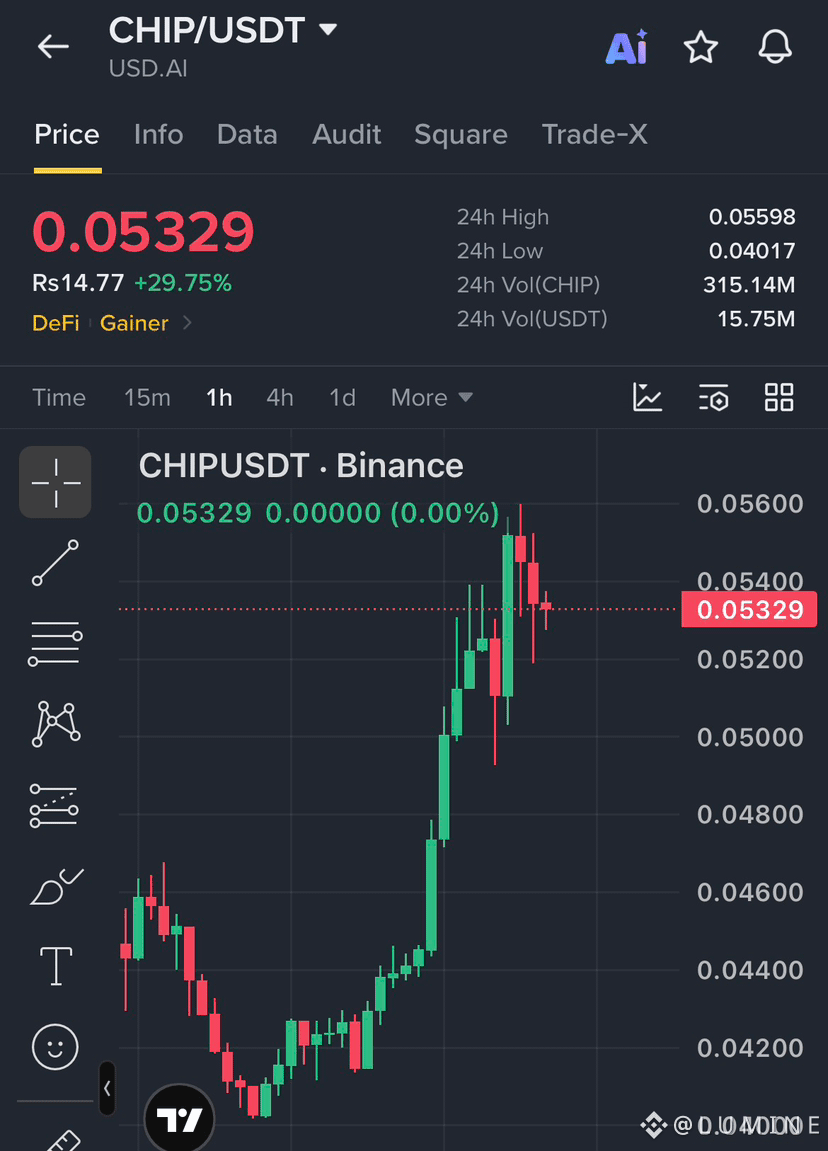
$CHIP Long Setup
Entry: 0.05329
Targets: 0.05450 → 0.05598 → 0.05750
Stop Loss: 0.05180
#Write2Earn
#chip
{future}(CHIPUSDT)
$CHIP Long Setup
Entry: 0.05329
Targets: 0.05450 → 0.05598 → 0.05750
Stop Loss: 0.05180
#Write2Earn
#chip
Entry: 0.05329
Targets: 0.05450 → 0.05598 → 0.05750
Stop Loss: 0.05180
#Write2Earn
#chip
3
874
·
--
Giảm giá
Có tranh chấp
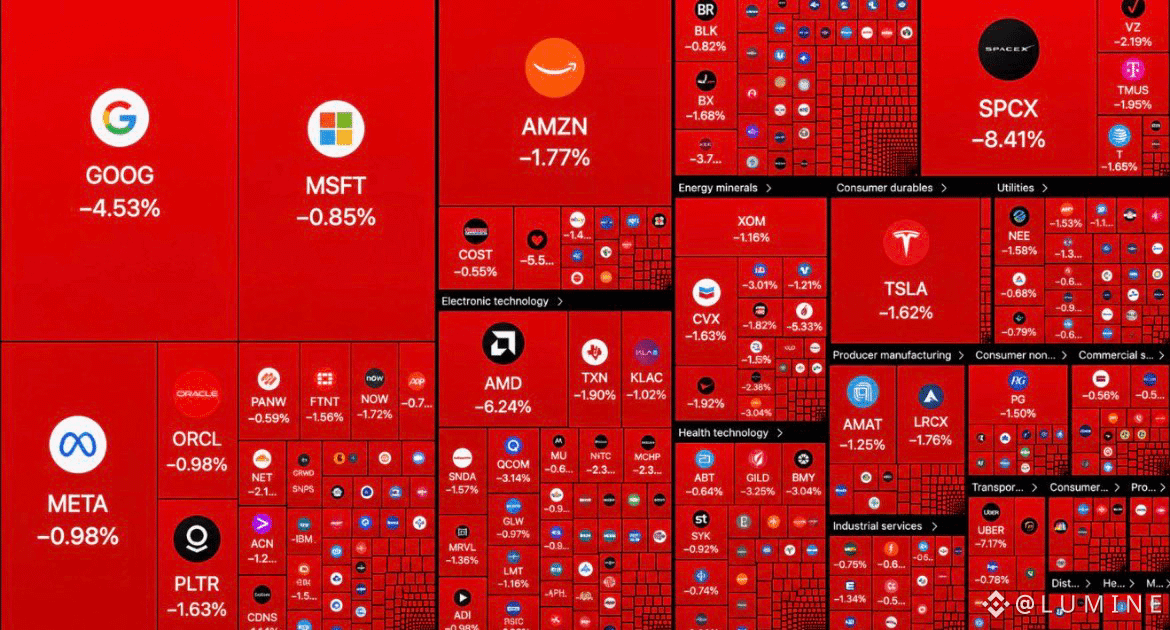
🚨 THẢM HỌA: $650,000,000,000 biến mất khỏi chứng khoán Mỹ chỉ trong 2 giờ…. Phố Wall bấm nút tăng tốc... chạy ngược lại……😅 Nhà đầu tư: "Mua đợt điều chỉnh?"
Thị trường: "Đợt điều chỉnh nào?" Thắt dây an toàn—đã có một chuyến đi đầy hoang mang…….💸
$SPCX $TSLA $META
{future}(METAUSDT)
{future}(TSLAUSDT)
{future}(SPCXUSDT)
🚨 THẢM HỌA: $650,000,000,000 biến mất khỏi chứng khoán Mỹ chỉ trong 2 giờ…. Phố Wall bấm nút tăng tốc... chạy ngược lại……😅 Nhà đầu tư: "Mua đợt điều chỉnh?"
Thị trường: "Đợt điều chỉnh nào?" Thắt dây an toàn—đã có một chuyến đi đầy hoang mang…….💸
$SPCX $TSLA $META
Thị trường: "Đợt điều chỉnh nào?" Thắt dây an toàn—đã có một chuyến đi đầy hoang mang…….💸
$SPCX $TSLA $META
1
5
696
·
--
Tăng giá
4
361
·
--
Các bạn, đồng coin nào bạn đang chọn cho giao dịch tiếp theo của mình….?????……Theo bạn đồng nào có tiềm năng lợi nhuận tốt nhất………???
$IDOL Giá hiện tại: $0.016085
$GUA Giá hiện tại: $0.047381
$BNBHolder Giá hiện tại: $0.00074113
Hãy bình luận lựa chọn của bạn chỉ với tên coin. Theo bạn đồng nào sẽ tạo ra bước nhảy lớn tiếp theo…..???
Các bạn, đồng coin nào bạn đang chọn cho giao dịch tiếp theo của mình….?????……Theo bạn đồng nào có tiềm năng lợi nhuận tốt nhất………???
$IDOL Giá hiện tại: $0.016085
$GUA Giá hiện tại: $0.047381
$BNBHolder Giá hiện tại: $0.00074113
Hãy bình luận lựa chọn của bạn chỉ với tên coin. Theo bạn đồng nào sẽ tạo ra bước nhảy lớn tiếp theo…..???
$IDOL Giá hiện tại: $0.016085
$GUA Giá hiện tại: $0.047381
$BNBHolder Giá hiện tại: $0.00074113
Hãy bình luận lựa chọn của bạn chỉ với tên coin. Theo bạn đồng nào sẽ tạo ra bước nhảy lớn tiếp theo…..???
IDOL
50%
GUA
27%
BNB Holder
23%
30 phiếu bầu • Cuộc bỏ phiếu đã kết thúc
6
3.7k
·
--
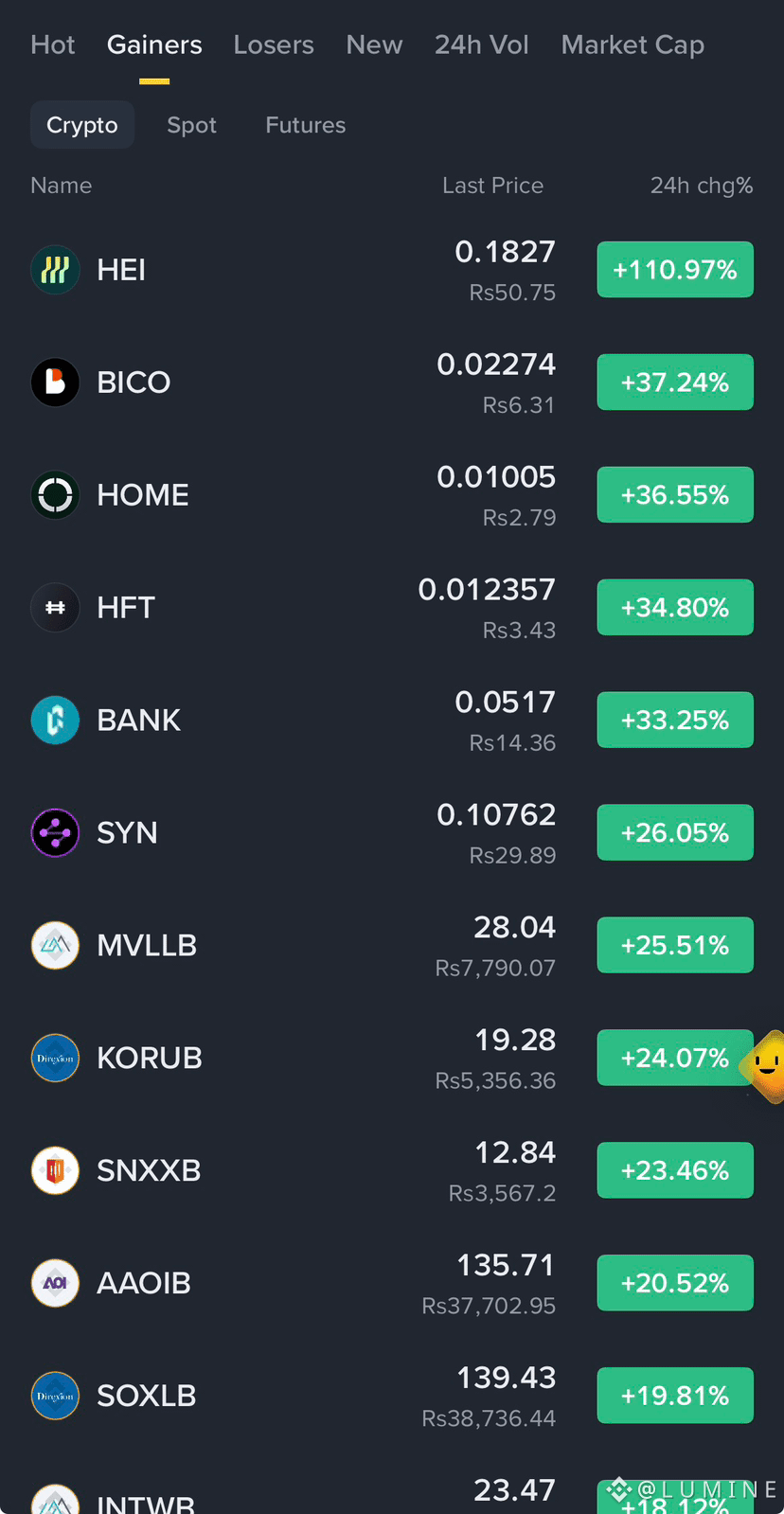
Xin chào #gainercoin traders
Bạn nghĩ đồng coin nào sẽ được bàn tán nhiều nhất hôm nay?
Bạn sẽ giao dịch đồng coin nào hôm nay…???
$HEI $BICO $HOME
{future}(HOMEUSDT)
{future}(BICOUSDT)
{future}(HEIUSDT)
Xin chào #gainercoin traders
Bạn nghĩ đồng coin nào sẽ được bàn tán nhiều nhất hôm nay?
Bạn sẽ giao dịch đồng coin nào hôm nay…???
$HEI $BICO $HOME
Bạn nghĩ đồng coin nào sẽ được bàn tán nhiều nhất hôm nay?
Bạn sẽ giao dịch đồng coin nào hôm nay…???
$HEI $BICO $HOME
5
608
·
--
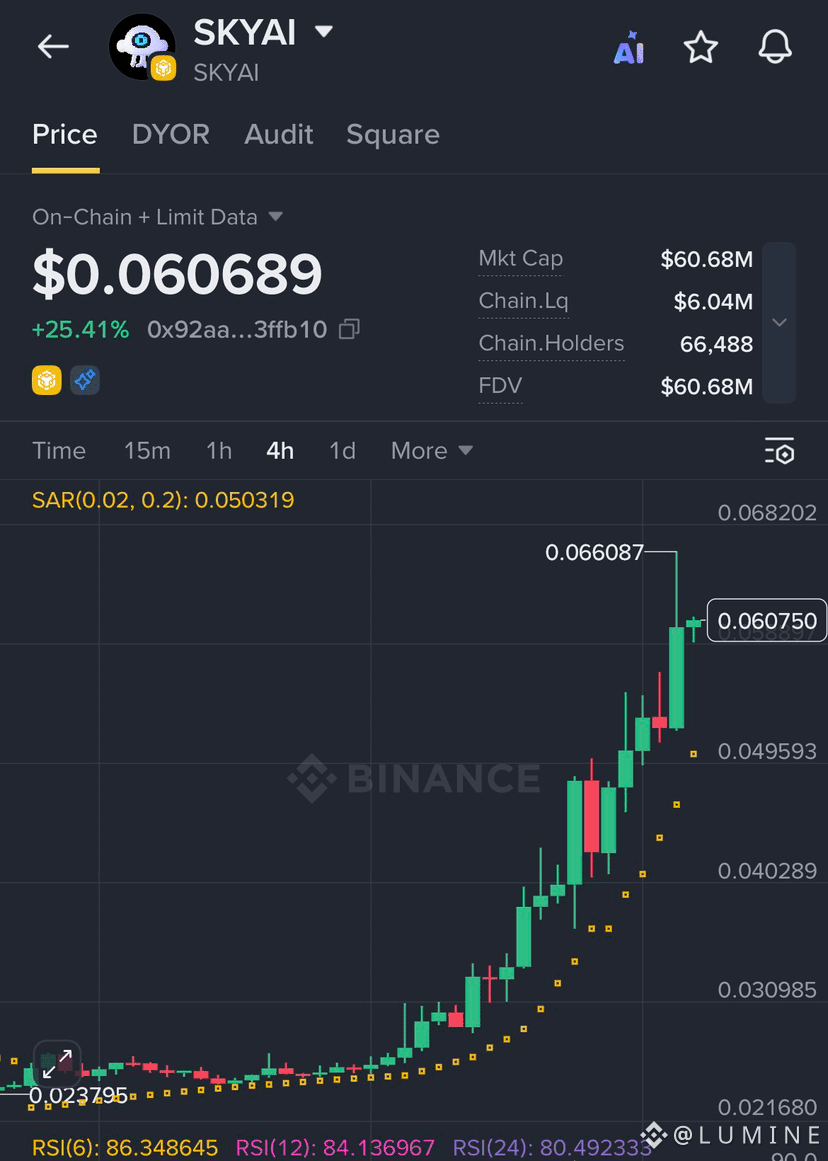
NHÌN 👀 $SKYAI đang bay ở mức $0.060689 +25.41% với vốn hóa mkt là $60.68M và 66,488 người nắm giữ.
Thiết lập dài hạn:
Mục tiêu 1: $0.066087, Mục tiêu 2: $0.068202.
Cắt lỗ: $0.050319.
Ai đang cùng $SKYAI hướng tới các đỉnh cao mới?
{alpha}(560x92aa03137385f18539301349dcfc9ebc923ffb10)
NHÌN 👀 $SKYAI đang bay ở mức $0.060689 +25.41% với vốn hóa mkt là $60.68M và 66,488 người nắm giữ.
Thiết lập dài hạn:
Mục tiêu 1: $0.066087, Mục tiêu 2: $0.068202.
Cắt lỗ: $0.050319.
Ai đang cùng $SKYAI hướng tới các đỉnh cao mới?
Thiết lập dài hạn:
Mục tiêu 1: $0.066087, Mục tiêu 2: $0.068202.
Cắt lỗ: $0.050319.
Ai đang cùng $SKYAI hướng tới các đỉnh cao mới?
2
4
1k
·
--
Này người yêu dấu #Binancian
Hôm nay cái nào làm bạn chú ý…..???
$QUID , $MarsCoin hay $CYS ?
Cả ba đều đang cho thấy động lực mạnh…..Bạn sẽ mua cái nào để chờ bứt phá lớn tiếp theo….????
Này người yêu dấu #Binancian
Hôm nay cái nào làm bạn chú ý…..???
$QUID , $MarsCoin hay $CYS ?
Cả ba đều đang cho thấy động lực mạnh…..Bạn sẽ mua cái nào để chờ bứt phá lớn tiếp theo….????
Hôm nay cái nào làm bạn chú ý…..???
$QUID , $MarsCoin hay $CYS ?
Cả ba đều đang cho thấy động lực mạnh…..Bạn sẽ mua cái nào để chờ bứt phá lớn tiếp theo….????
Choose QUID
13%
Choose MarsCoin
74%
CYS
13%
47 phiếu bầu • Cuộc bỏ phiếu đã kết thúc
1
6
2.6k
·
--
Nghe…..nghe…..nghe này các bạn….. #BINANCIANS! và chọn cơ hội tiếp theo của bạn
$LAB hôm nay đang cho thấy đà tích cực với mức tăng +3.66%, thu hút sự chú ý của thị trường, trong khi $KOMA đang đối mặt với đợt điều chỉnh -13.03% có thể tạo ra một kịch bản phục hồi tiềm năng.
Đồng coin nào có cơ hội mạnh hơn cho bước đi tiếp theo?
{alpha}(560xd5eaaac47bd1993d661bc087e15dfb079a7f3c19)
{alpha}(560x7ec43cf65f1663f820427c62a5780b8f2e25593a)
Nghe…..nghe…..nghe này các bạn….. #BINANCIANS! và chọn cơ hội tiếp theo của bạn
$LAB hôm nay đang cho thấy đà tích cực với mức tăng +3.66%, thu hút sự chú ý của thị trường, trong khi $KOMA đang đối mặt với đợt điều chỉnh -13.03% có thể tạo ra một kịch bản phục hồi tiềm năng.
Đồng coin nào có cơ hội mạnh hơn cho bước đi tiếp theo?
$LAB hôm nay đang cho thấy đà tích cực với mức tăng +3.66%, thu hút sự chú ý của thị trường, trong khi $KOMA đang đối mặt với đợt điều chỉnh -13.03% có thể tạo ra một kịch bản phục hồi tiềm năng.
Đồng coin nào có cơ hội mạnh hơn cho bước đi tiếp theo?
Buy KOMA
43%
Buy LAB
57%
35 phiếu bầu • Cuộc bỏ phiếu đã kết thúc
1
5
1.5k
·
--
Hãy xem em thân yêu #Followers♥️ và chọn cơ hội tiếp theo của bạn 👀👇🤔
$ON đang dẫn dắt bước đi hôm nay với mức tăng +5,55% vững chắc, cho thấy đà mạnh và sự chú ý của thị trường. Trong khi đó, $BLESS đang giảm -44,20%, tạo ra khả năng cho một cuộc lội ngược dòng.
Cái nào có tiềm năng mạnh hơn cho cú bứt phá tiếp theo? 🚀
Hãy xem em thân yêu #Followers♥️ và chọn cơ hội tiếp theo của bạn 👀👇🤔
$ON đang dẫn dắt bước đi hôm nay với mức tăng +5,55% vững chắc, cho thấy đà mạnh và sự chú ý của thị trường. Trong khi đó, $BLESS đang giảm -44,20%, tạo ra khả năng cho một cuộc lội ngược dòng.
Cái nào có tiềm năng mạnh hơn cho cú bứt phá tiếp theo? 🚀
$ON đang dẫn dắt bước đi hôm nay với mức tăng +5,55% vững chắc, cho thấy đà mạnh và sự chú ý của thị trường. Trong khi đó, $BLESS đang giảm -44,20%, tạo ra khả năng cho một cuộc lội ngược dòng.
Cái nào có tiềm năng mạnh hơn cho cú bứt phá tiếp theo? 🚀
ON — Strong momentum
78%
BLESS — Recovery potential
22%
18 phiếu bầu • Cuộc bỏ phiếu đã kết thúc
6
2.8k
·
--
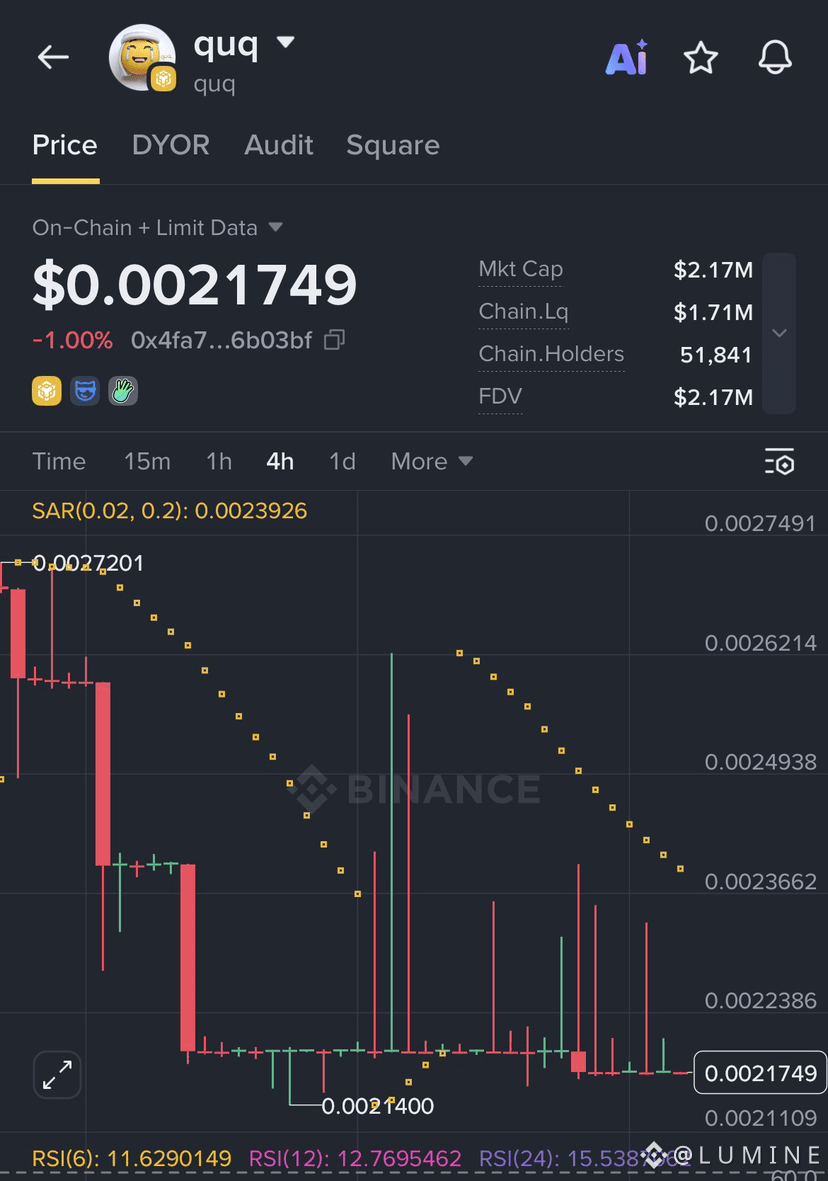
NHÌN NÈ cậusssss $quq đang ngồi ở $0.0021749 với 51,841 người nắm giữ và $1.71M thanh khoản.
Mở giao dịch Short
Mục tiêu 1: $0.0021000
Mục tiêu 2: $0.0020140
Cắt lỗ: $0.0022720.
{alpha}(560x4fa7c69a7b69f8bc48233024d546bc299d6b03bf)
NHÌN NÈ cậusssss $quq đang ngồi ở $0.0021749 với 51,841 người nắm giữ và $1.71M thanh khoản.
Mở giao dịch Short
Mục tiêu 1: $0.0021000
Mục tiêu 2: $0.0020140
Cắt lỗ: $0.0022720.
Mở giao dịch Short
Mục tiêu 1: $0.0021000
Mục tiêu 2: $0.0020140
Cắt lỗ: $0.0022720.
5
480
·
--
Tăng giá
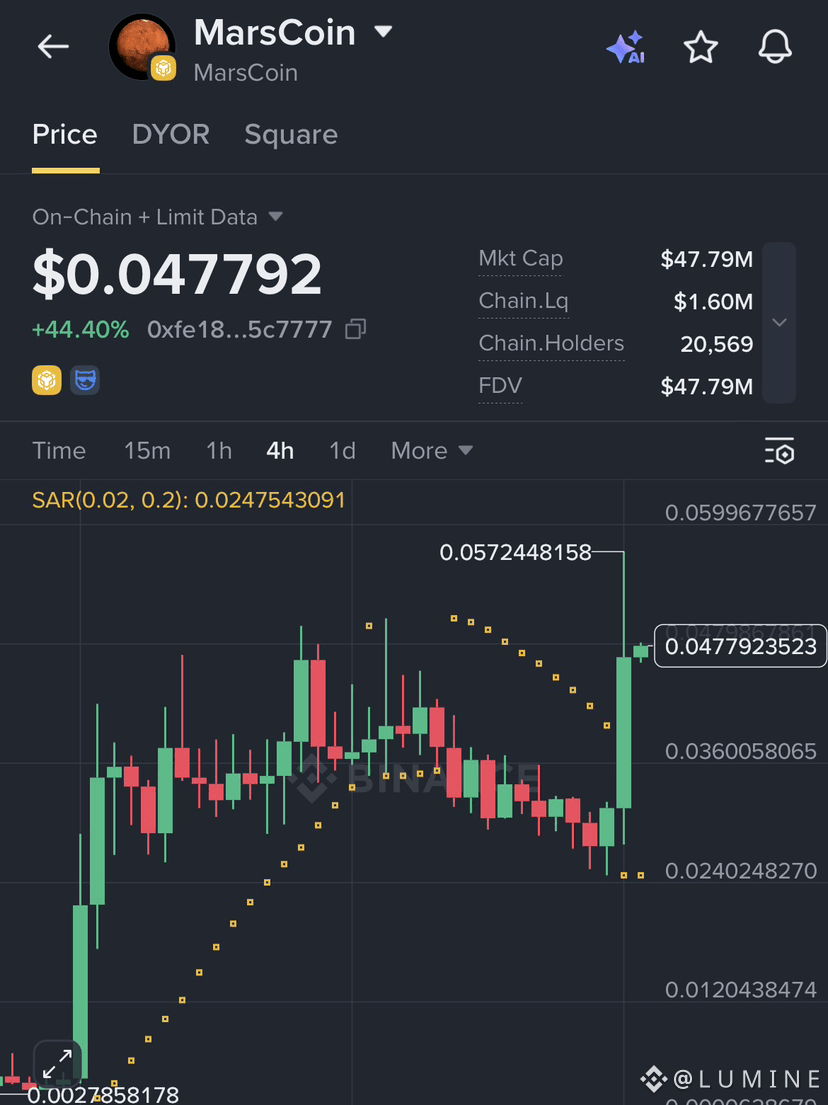
$MarsCoin Long Setup……
Giá: $0.04779 | Nến đột phá khung 4H mạnh cho thấy động lực tăng.
Mục tiêu: $0.052 / $0.057 / $0.060….
Cắt lỗ: $0.043.
{alpha}(560xfe189e97832da1573e4e4ff034f4ffc3a15c7777)
$MarsCoin Long Setup……
Giá: $0.04779 | Nến đột phá khung 4H mạnh cho thấy động lực tăng.
Mục tiêu: $0.052 / $0.057 / $0.060….
Cắt lỗ: $0.043.
Giá: $0.04779 | Nến đột phá khung 4H mạnh cho thấy động lực tăng.
Mục tiêu: $0.052 / $0.057 / $0.060….
Cắt lỗ: $0.043.
2
678
·
--
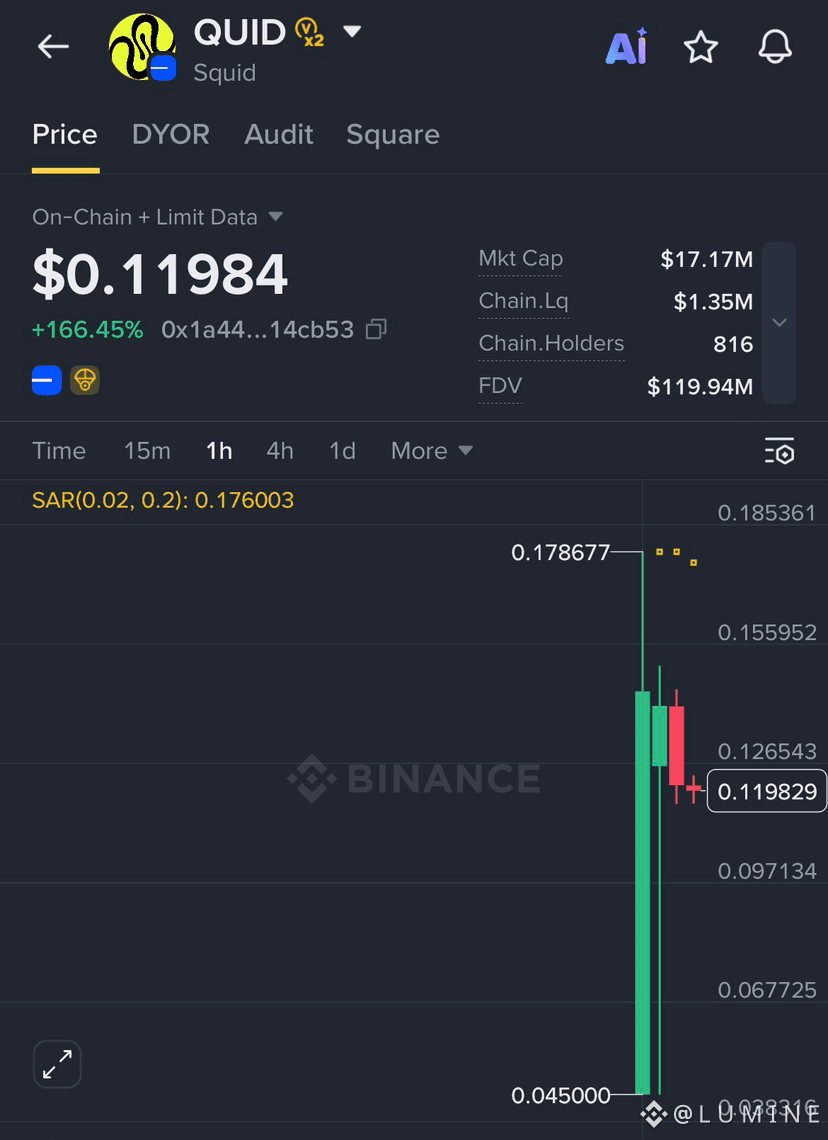
Kính gửi những người theo dõi $QUID Long Entry: $0.11984–$0.12200
Mục tiêu: $0.13500 / $0.15000 / $0.17868
Cắt lỗ: $0.10800……
Hãy tập trung, quản lý lợi nhuận một cách thông minh……
{alpha}(84530x1a44233fae8d50f1aeb3a5d58dd426ff4814cb53)
Kính gửi những người theo dõi $QUID Long Entry: $0.11984–$0.12200
Mục tiêu: $0.13500 / $0.15000 / $0.17868
Cắt lỗ: $0.10800……
Hãy tập trung, quản lý lợi nhuận một cách thông minh……
Mục tiêu: $0.13500 / $0.15000 / $0.17868
Cắt lỗ: $0.10800……
Hãy tập trung, quản lý lợi nhuận một cách thông minh……
2
391
·
--
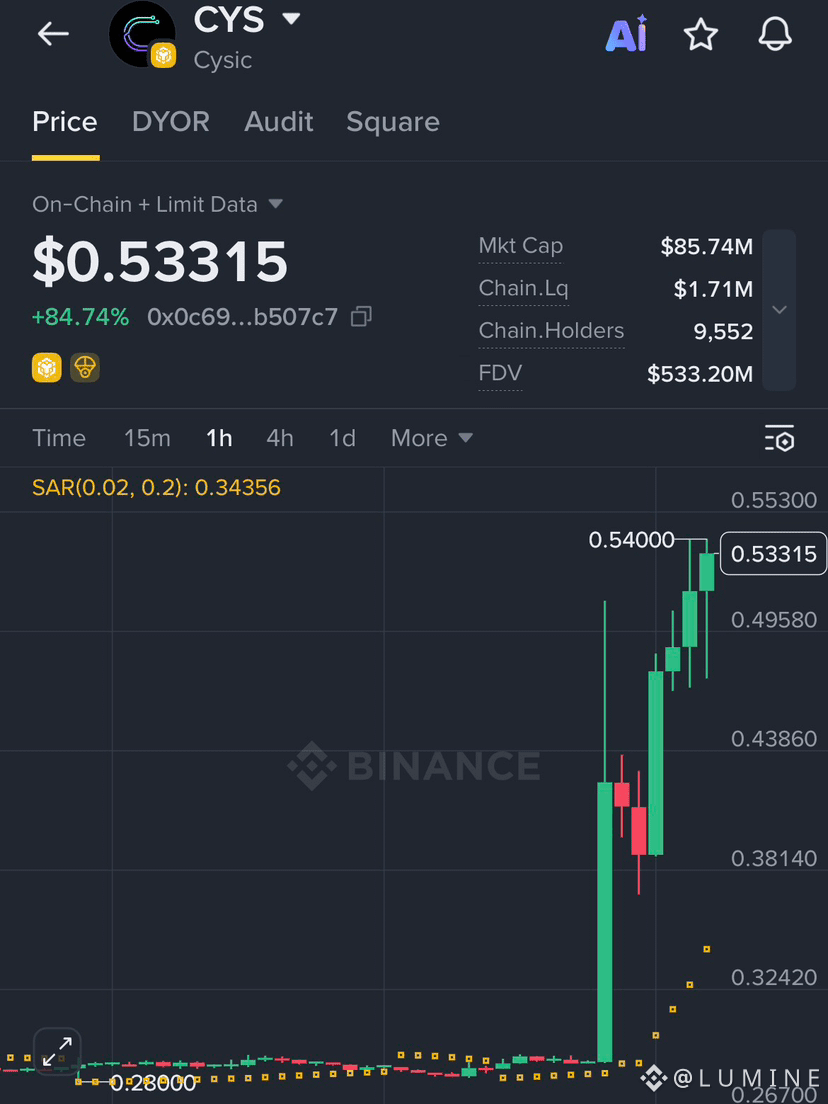
Kính gửi các nhà giao dịch $CYS Mở lệnh: $0.53315–$0.54000
Mục tiêu: $0.58000 / $0.62000 / $0.68000
Cắt lỗ: $0.49000.
{alpha}(560x0c69199c1562233640e0db5ce2c399a88eb507c7)
Kính gửi các nhà giao dịch $CYS Mở lệnh: $0.53315–$0.54000
Mục tiêu: $0.58000 / $0.62000 / $0.68000
Cắt lỗ: $0.49000.
Mục tiêu: $0.58000 / $0.62000 / $0.68000
Cắt lỗ: $0.49000.
2
249
·
--
Những lời duy nhất tôi muốn nghe trong tuần này.
$BTW $UB $SKYW.US
{stock_us}(SKYW.US)
{alpha}(560x40b8129b786d766267a7a118cf8c07e31cdb6fde)
{alpha}(560x444045b0ee1ee319a660a5e3d604ca0ffa35acaa)
Những lời duy nhất tôi muốn nghe trong tuần này.
$BTW $UB $SKYW.US
$BTW $UB $SKYW.US

3
528
·
--
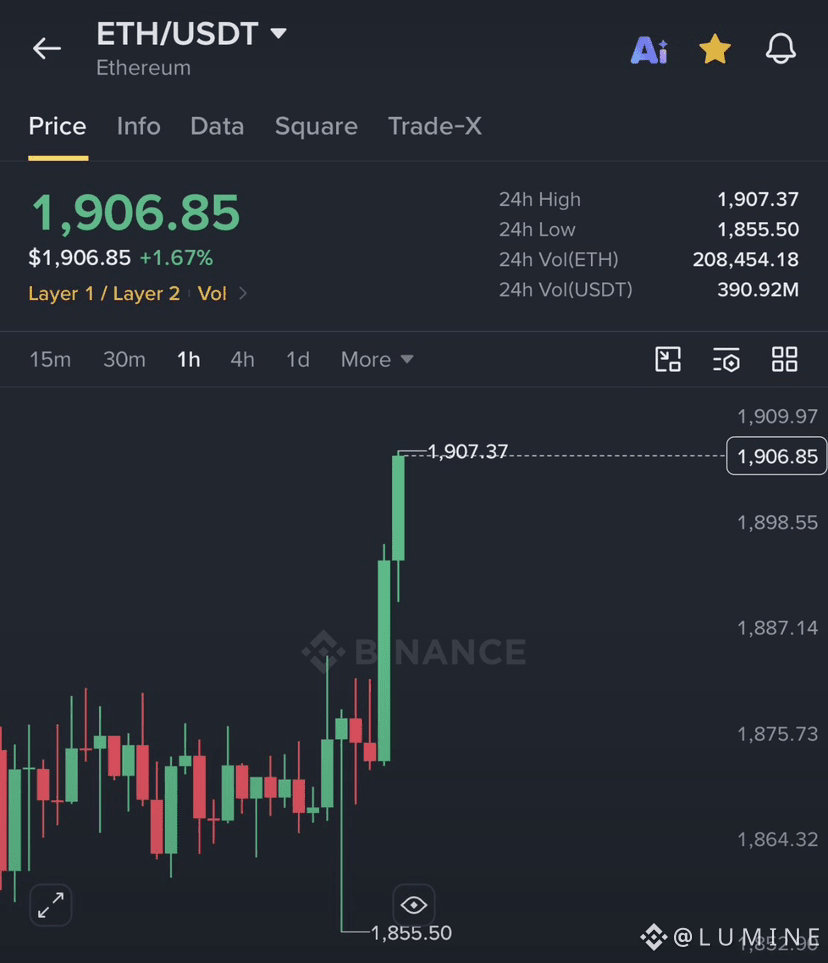
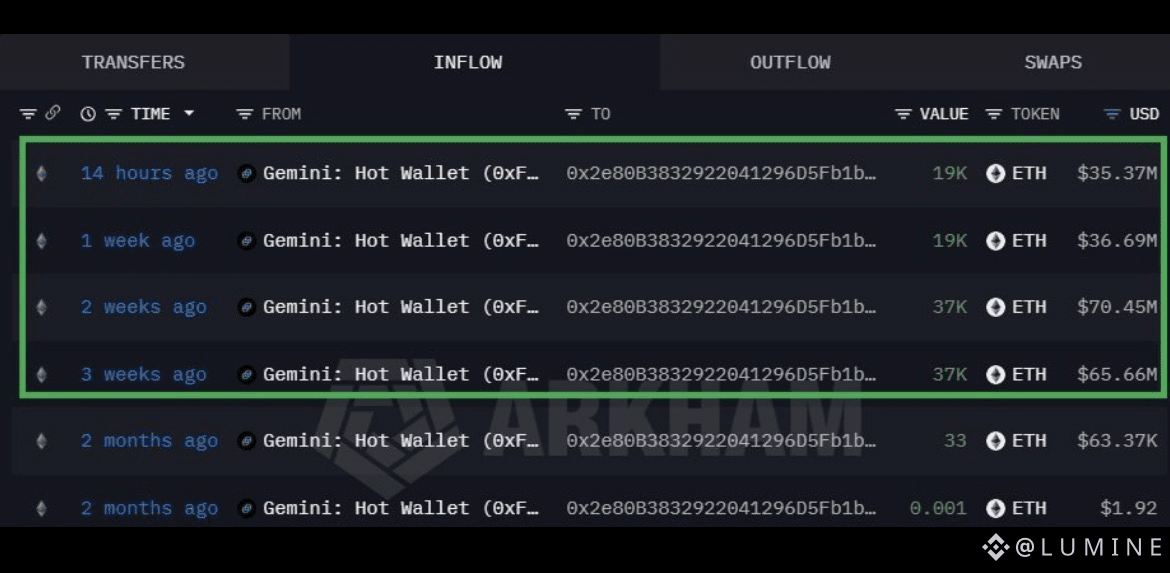
CÁ VOI ĐANG TÍCH LŨY ETH.
Một con cá voi đã mua lượng $ETH trị giá 208 triệu USD chỉ trong 3 tuần.
{future}(ETHUSDT)
CÁ VOI ĐANG TÍCH LŨY ETH.
Một con cá voi đã mua lượng $ETH trị giá 208 triệu USD chỉ trong 3 tuần.
Một con cá voi đã mua lượng $ETH trị giá 208 triệu USD chỉ trong 3 tuần.
2
115
·
--
PHÁ VỠ: 🇺🇸 Fed sẽ bơm 8.632.000.000 USD vào nền kinh tế trong tuần này.
$BTC $ETH $SOL
{future}(SOLUSDT)
{future}(ETHUSDT)
{future}(BTCUSDT)
PHÁ VỠ: 🇺🇸 Fed sẽ bơm 8.632.000.000 USD vào nền kinh tế trong tuần này.
$BTC $ETH $SOL
$BTC $ETH $SOL

3
300
Đăng nhập để khám phá thêm nội dung
Tham gia cùng người dùng tiền mã hóa toàn cầu trên Binance Square
⚡️ Nhận thông tin mới nhất và hữu ích về tiền mã hóa.
💬 Được tin cậy bởi sàn giao dịch tiền mã hóa lớn nhất thế giới.
👍 Khám phá những thông tin chuyên sâu thực tế từ những nhà sáng tạo đã xác minh.
Email / Số điện thoại
Chủ đề thịnh hành
TinFed
124,532 lượt xem
504 đang thảo luận
Bối cảnh FED quyết định tăng lãi suất thêm 0.25 điểm tháng 10
Lạm phát Mỹ: CPI toàn phần tháng 8 đạt khoảng 3,7%, PCE lõi 3,4%, cao hơn dự báo trước đó. FED dự báo lạm phát chỉ quay về mức mục tiêu 2% vào năm 2029.
Thị trường lao động: Tỷ lệ thất nghiệp duy trì ở mức 4,1%, số việc làm mới tăng mạnh, cho thấy nền kinh tế đủ sức chịu đựng lãi suất cao hơn.
Áp lực năng lượng: Giá dầu và năng lượng leo thang do xung đột Trung Đông và chiến sự với Iran, làm gia tăng nguy cơ “hiệu ứng vòng hai” lên chi phí vận tải, hàng hóa, dịch vụ.#TinFed #Nikkei225Jumps2.5%ToThreeMonthHigh
VỀBỜĐỔITÊN12
·0 lượt thích
·3.4k lượt xem
TheoDõiFOMC
138,085 lượt xem
701 đang thảo luận
BinanceLaunchesBinanceIntelligence
298,237 lượt xem
2,544 đang thảo luận