

Bitrelix
4.4k Bài đăng

Bitrelix
 Đã xác minh trên Square
Báo cáo
Chặn người dùng
SIGNAL KING | Precision Signals | Market Analysis | Smart Trading | Bitrelix_786
Giao dịch mở
Trader thường xuyên
{thời gian} năm
21 Đang theo dõi
33.4K+ Người theo dõi
21.4K+ Đã thích
Bài đăng
Danh mục đầu tư
Tất cả
Trích dẫn
·
--
Tăng giá
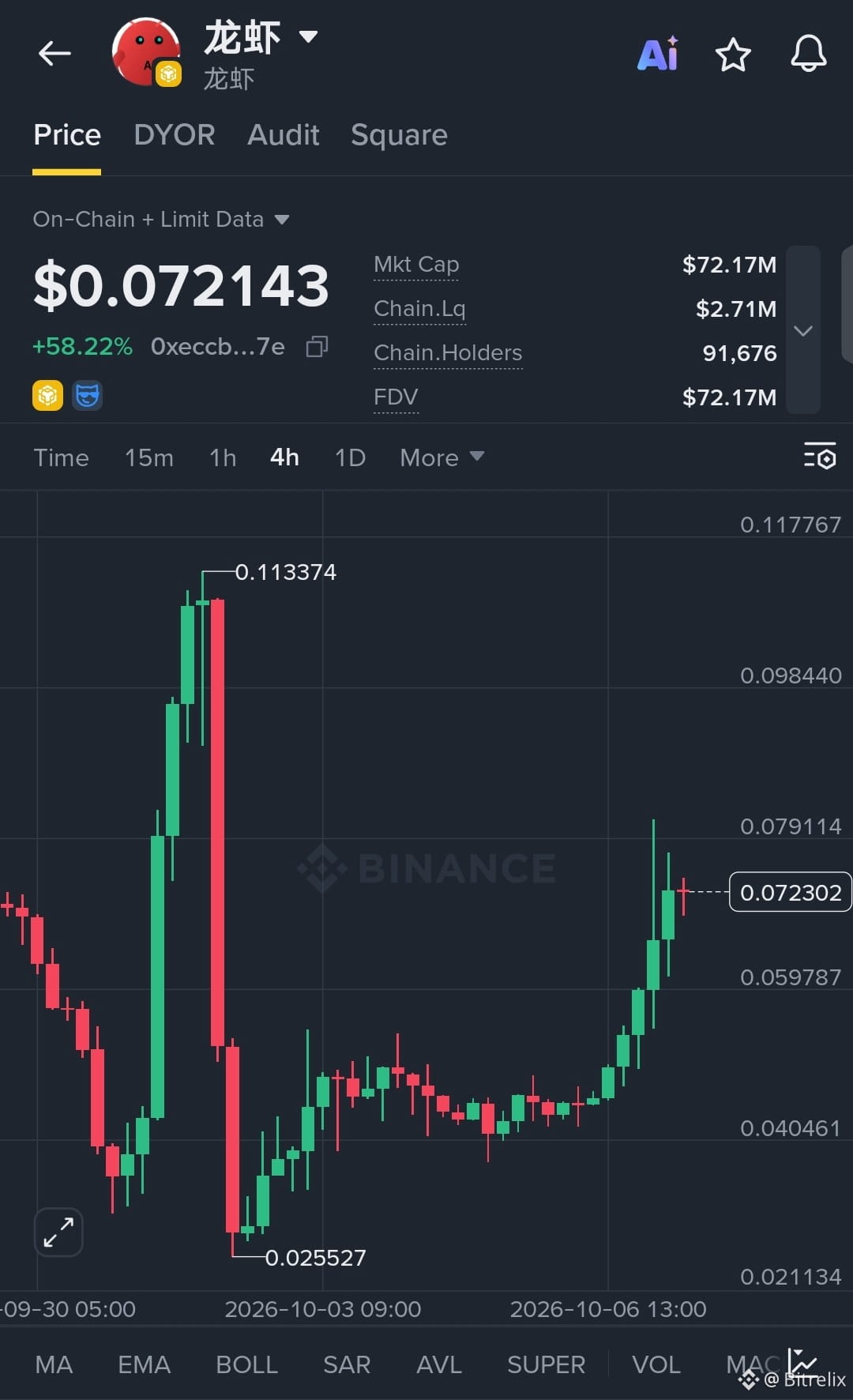
🦐 $龙虾 USDT — Tín hiệu 4H
Xu hướng: LONG 📈
Điểm vào: $0.0690–$0.0725
TP1: $0.0791
TP2: $0.0900
TP3: $0.0984
SL: $0.0590
Giá đang giữ trên vùng hỗ trợ $0.0598 sau một cú bứt phá mạnh. Nếu nến 4H đóng cửa dứt khoát trên $0.0791, giá có thể hướng tới vùng kháng cự cao hơn. Tránh đuổi theo giá nếu giá tăng vọt vượt xa điểm vào.
⚠️ Quản lý rủi ro; biến động cao.
$NMR
{future}(NMRUSDT)
$ELIZAOS
{alpha}(560xea17df5cf6d172224892b5477a16acb111182478)
🦐 $龙虾 USDT — Tín hiệu 4H
Xu hướng: LONG 📈
Điểm vào: $0.0690–$0.0725
TP1: $0.0791
TP2: $0.0900
TP3: $0.0984
SL: $0.0590
Giá đang giữ trên vùng hỗ trợ $0.0598 sau một cú bứt phá mạnh. Nếu nến 4H đóng cửa dứt khoát trên $0.0791, giá có thể hướng tới vùng kháng cự cao hơn. Tránh đuổi theo giá nếu giá tăng vọt vượt xa điểm vào.
⚠️ Quản lý rủi ro; biến động cao.
$NMR
$ELIZAOS
Xu hướng: LONG 📈
Điểm vào: $0.0690–$0.0725
TP1: $0.0791
TP2: $0.0900
TP3: $0.0984
SL: $0.0590
Giá đang giữ trên vùng hỗ trợ $0.0598 sau một cú bứt phá mạnh. Nếu nến 4H đóng cửa dứt khoát trên $0.0791, giá có thể hướng tới vùng kháng cự cao hơn. Tránh đuổi theo giá nếu giá tăng vọt vượt xa điểm vào.
⚠️ Quản lý rủi ro; biến động cao.
$NMR
$ELIZAOS
2
916
·
--
Bài viết
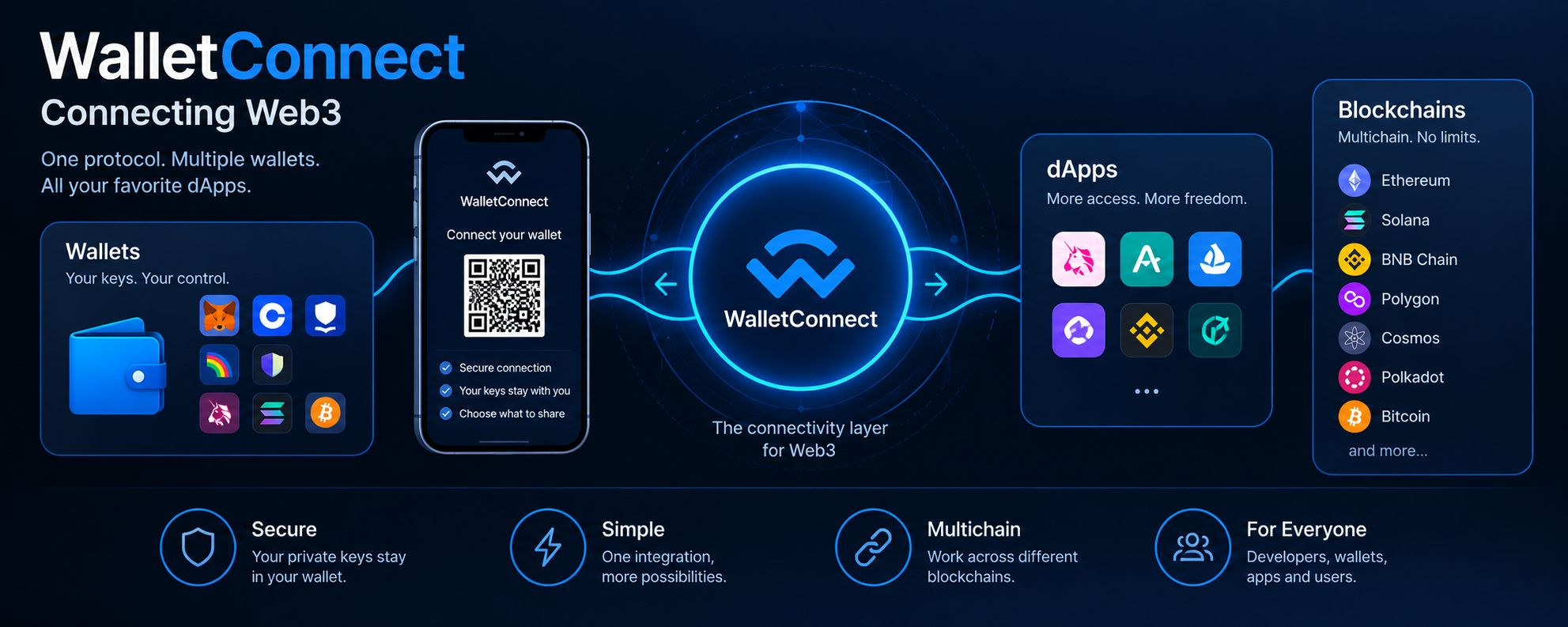
WalletConnect: Kết nối Web3Web3 có một vấn đề khá kỳ lạ. Hệ sinh thái này được xây dựng dựa trên các mạng mở và quyền tự do của người dùng, vậy mà việc sử dụng những phần khác nhau trong hệ sinh thái đôi khi vẫn cho cảm giác rời rạc.
Có thể bạn đang dùng một chiếc ví mà mình tin tưởng, muốn sử dụng một ứng dụng nào đó, và có tài sản nằm trên một blockchain khác. Để cả ba hoạt động cùng nhau không phải lúc nào cũng đơn giản như mong đợi. Đây chính là vấn đề mà WalletConnect đã âm thầm tìm cách giải quyết.
Về cốt lõi, WalletConnect cung cấp cho ví và các ứng dụng phi tập trung một phương thức chung để giao tiếp. Thay vì mỗi ứng dụng phải xây dựng một kết nối riêng cho từng ví, nhà phát triển có thể sử dụng một lớp kết nối dùng chung. Với người dùng, điều đó có nghĩa là họ có thể kết nối bằng chiếc ví mình đang sử dụng mà không phải từ bỏ quyền kiểm soát khóa riêng.
WalletConnect: Kết nối Web3
Web3 có một vấn đề khá kỳ lạ. Hệ sinh thái này được xây dựng dựa trên các mạng mở và quyền tự do của người dùng, vậy mà việc sử dụng những phần khác nhau trong hệ sinh thái đôi khi vẫn cho cảm giác rời rạc.
Có thể bạn đang dùng một chiếc ví mà mình tin tưởng, muốn sử dụng một ứng dụng nào đó, và có tài sản nằm trên một blockchain khác. Để cả ba hoạt động cùng nhau không phải lúc nào cũng đơn giản như mong đợi. Đây chính là vấn đề mà WalletConnect đã âm thầm tìm cách giải quyết.
Về cốt lõi, WalletConnect cung cấp cho ví và các ứng dụng phi tập trung một phương thức chung để giao tiếp. Thay vì mỗi ứng dụng phải xây dựng một kết nối riêng cho từng ví, nhà phát triển có thể sử dụng một lớp kết nối dùng chung. Với người dùng, điều đó có nghĩa là họ có thể kết nối bằng chiếc ví mình đang sử dụng mà không phải từ bỏ quyền kiểm soát khóa riêng.
Có thể bạn đang dùng một chiếc ví mà mình tin tưởng, muốn sử dụng một ứng dụng nào đó, và có tài sản nằm trên một blockchain khác. Để cả ba hoạt động cùng nhau không phải lúc nào cũng đơn giản như mong đợi. Đây chính là vấn đề mà WalletConnect đã âm thầm tìm cách giải quyết.
Về cốt lõi, WalletConnect cung cấp cho ví và các ứng dụng phi tập trung một phương thức chung để giao tiếp. Thay vì mỗi ứng dụng phải xây dựng một kết nối riêng cho từng ví, nhà phát triển có thể sử dụng một lớp kết nối dùng chung. Với người dùng, điều đó có nghĩa là họ có thể kết nối bằng chiếc ví mình đang sử dụng mà không phải từ bỏ quyền kiểm soát khóa riêng.
216
·
--
Đã xác minh

Bài viết
Mira Network: Xây dựng lớp xác minh cho AI không cần bên đáng tin cậyVấn đề cốt lõi: AI có thể tạo ra câu trả lời — nhưng ai xác minh chúng?
Rào cản lớn tiếp theo đối với việc ứng dụng AI có thể không nằm ở trí tuệ của mô hình, mà ở niềm tin.
Các mô hình ngôn ngữ lớn có thể tạo ra những câu trả lời thuyết phục nhưng vẫn mắc lỗi ảo giác, sai lệch thông tin thực tế hoặc đưa ra kết quả bị ảnh hưởng bởi thiên kiến của chính mô hình. Việc con người đánh giá có thể giảm thiểu những vấn đề này, nhưng sẽ tốn kém và khó mở rộng khi các tác nhân AI được kỳ vọng hoạt động liên tục và tự chủ.
Điều này tạo ra một vấn đề hạ tầng căn bản theo kiểu Web3: làm thế nào để một ứng dụng xác minh đầu ra của AI mà không phải tin tưởng vào một mô hình, công ty hay người đánh giá duy nhất?
Mira Network: Xây dựng lớp xác minh cho AI không cần bên đáng tin cậy
Vấn đề cốt lõi: AI có thể tạo ra câu trả lời — nhưng ai xác minh chúng?
Rào cản lớn tiếp theo đối với việc ứng dụng AI có thể không nằm ở trí tuệ của mô hình, mà ở niềm tin.
Các mô hình ngôn ngữ lớn có thể tạo ra những câu trả lời thuyết phục nhưng vẫn mắc lỗi ảo giác, sai lệch thông tin thực tế hoặc đưa ra kết quả bị ảnh hưởng bởi thiên kiến của chính mô hình. Việc con người đánh giá có thể giảm thiểu những vấn đề này, nhưng sẽ tốn kém và khó mở rộng khi các tác nhân AI được kỳ vọng hoạt động liên tục và tự chủ.
Điều này tạo ra một vấn đề hạ tầng căn bản theo kiểu Web3: làm thế nào để một ứng dụng xác minh đầu ra của AI mà không phải tin tưởng vào một mô hình, công ty hay người đánh giá duy nhất?
Rào cản lớn tiếp theo đối với việc ứng dụng AI có thể không nằm ở trí tuệ của mô hình, mà ở niềm tin.
Các mô hình ngôn ngữ lớn có thể tạo ra những câu trả lời thuyết phục nhưng vẫn mắc lỗi ảo giác, sai lệch thông tin thực tế hoặc đưa ra kết quả bị ảnh hưởng bởi thiên kiến của chính mô hình. Việc con người đánh giá có thể giảm thiểu những vấn đề này, nhưng sẽ tốn kém và khó mở rộng khi các tác nhân AI được kỳ vọng hoạt động liên tục và tự chủ.
Điều này tạo ra một vấn đề hạ tầng căn bản theo kiểu Web3: làm thế nào để một ứng dụng xác minh đầu ra của AI mà không phải tin tưởng vào một mô hình, công ty hay người đánh giá duy nhất?
120
·
--
Tăng giá
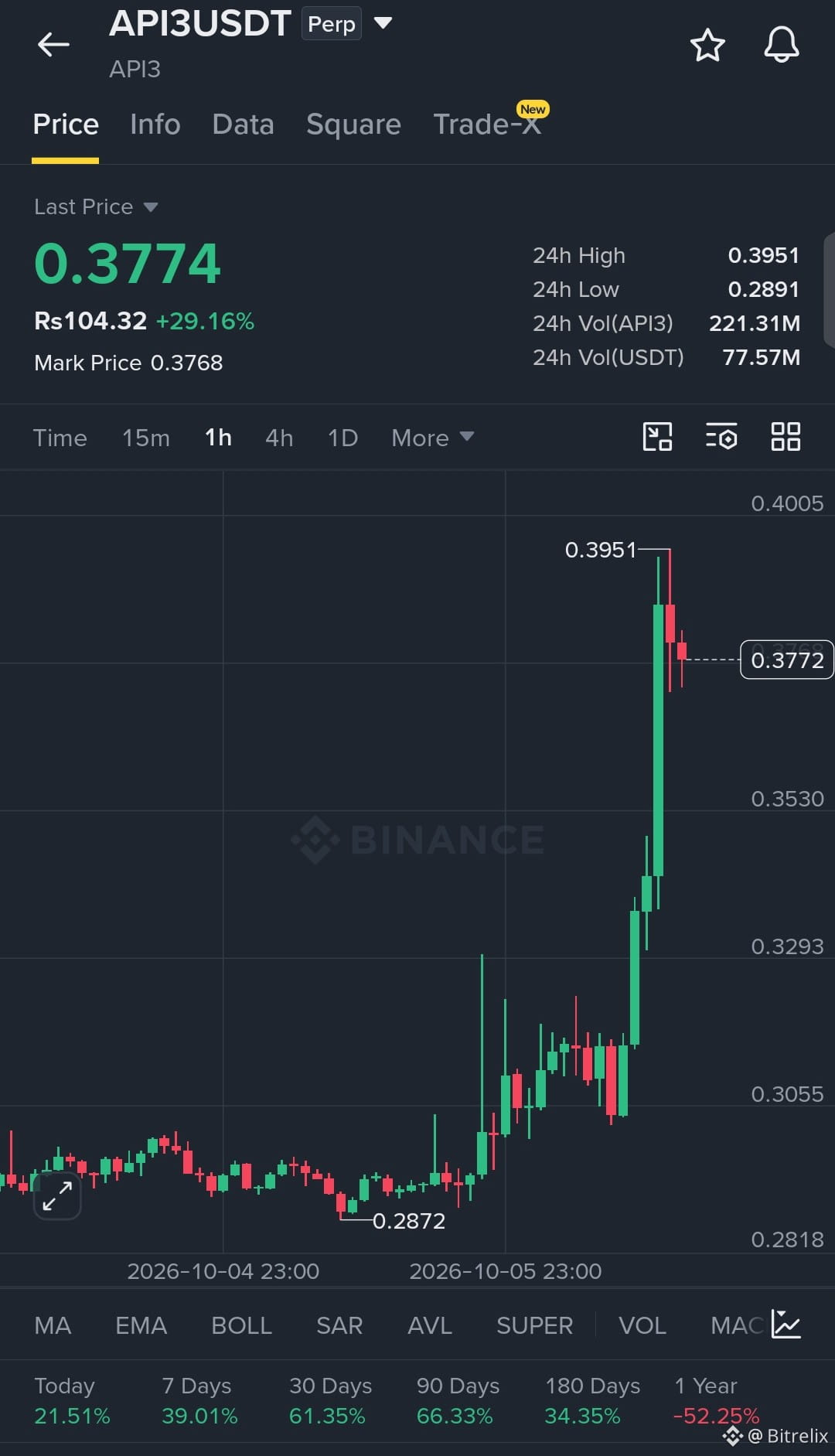
$API3 /USDT Setup 📈
API3 đang cho thấy đà tăng mạnh sau khi bứt phá nhanh khỏi vùng 0.3293–0.3530. Giá hiện đang giữ quanh mức 0.3774. Nếu duy trì trên 0.3951, giá có thể hướng tới mức 0.4005. Vùng hỗ trợ quan trọng nằm gần 0.3650. Chừng nào giá còn giữ được vùng này, kịch bản vẫn nghiêng về khả năng tiếp tục tăng hướng tới vùng kháng cự và mục tiêu bứt phá đã đánh dấu.
$ORCA
$RLC
$API3 /USDT Setup 📈
API3 đang cho thấy đà tăng mạnh sau khi bứt phá nhanh khỏi vùng 0.3293–0.3530. Giá hiện đang giữ quanh mức 0.3774. Nếu duy trì trên 0.3951, giá có thể hướng tới mức 0.4005. Vùng hỗ trợ quan trọng nằm gần 0.3650. Chừng nào giá còn giữ được vùng này, kịch bản vẫn nghiêng về khả năng tiếp tục tăng hướng tới vùng kháng cự và mục tiêu bứt phá đã đánh dấu.
$ORCA
$RLC
API3 đang cho thấy đà tăng mạnh sau khi bứt phá nhanh khỏi vùng 0.3293–0.3530. Giá hiện đang giữ quanh mức 0.3774. Nếu duy trì trên 0.3951, giá có thể hướng tới mức 0.4005. Vùng hỗ trợ quan trọng nằm gần 0.3650. Chừng nào giá còn giữ được vùng này, kịch bản vẫn nghiêng về khả năng tiếp tục tăng hướng tới vùng kháng cự và mục tiêu bứt phá đã đánh dấu.
$ORCA
$RLC
763
·
--
Tăng giá
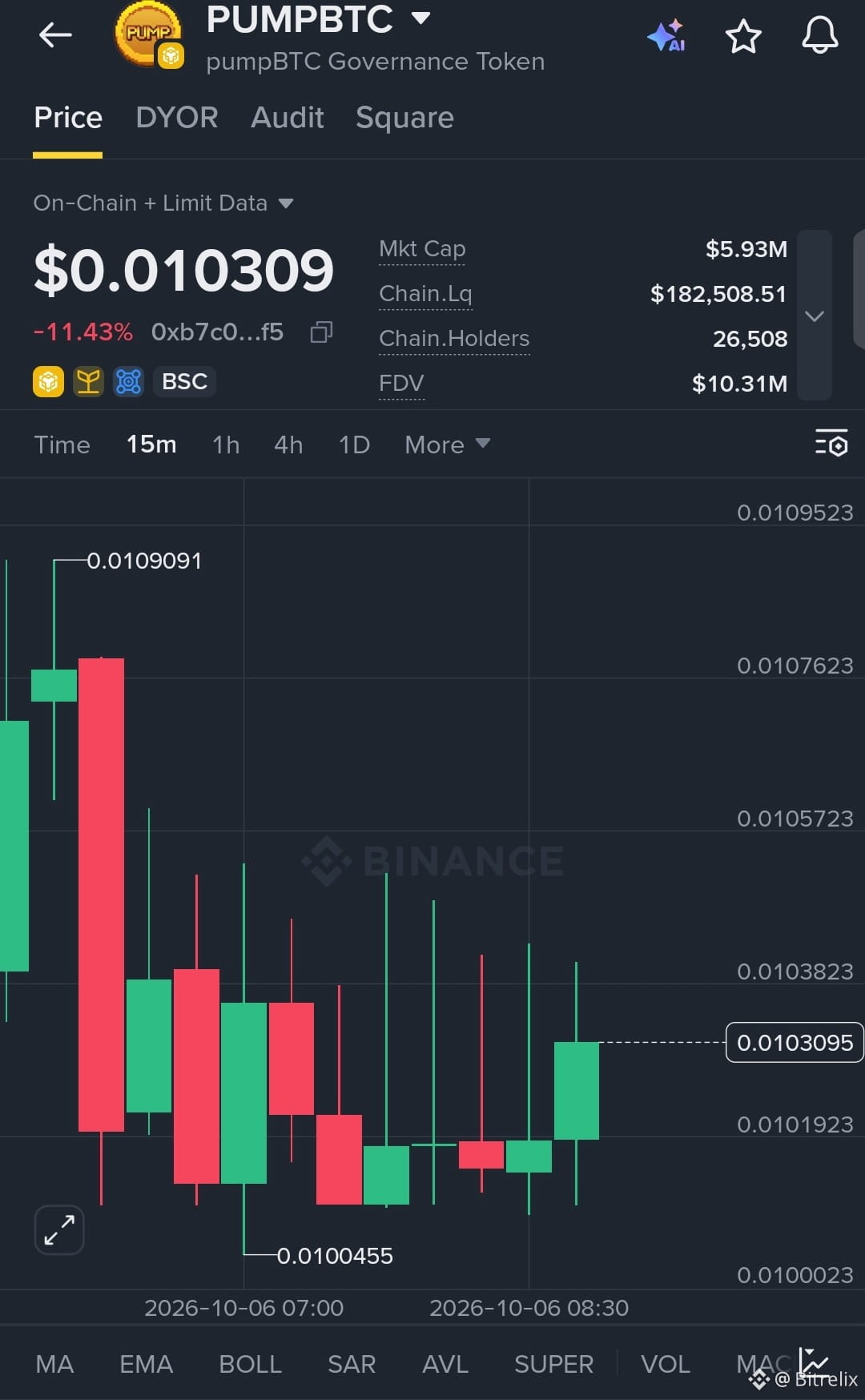
Thiết lập $PUMPBTC : Giá đang cố gắng phục hồi theo hướng tăng từ vùng hỗ trợ 0.01019. Tín hiệu kích hoạt then chốt là giá phá vỡ dứt khoát và duy trì trên mức 0.01038. Nếu được xác nhận, mục tiêu tiếp theo là 0.01057, với động lượng có thể tiếp tục đưa giá lên vùng 0.01076. Giá quay xuống dưới 0.01019 sẽ làm suy yếu thiết lập này. Nhà giao dịch nên theo dõi mức 0.01038 như ngưỡng phá vỡ trước mắt.
{alpha}(560xb7c0007ab75350c582d5eab1862b872b5cf53f0c)
$RLC
{future}(RLCUSDT)
$ELIZAOS
{alpha}(560xea17df5cf6d172224892b5477a16acb111182478)
Thiết lập $PUMPBTC : Giá đang cố gắng phục hồi theo hướng tăng từ vùng hỗ trợ 0.01019. Tín hiệu kích hoạt then chốt là giá phá vỡ dứt khoát và duy trì trên mức 0.01038. Nếu được xác nhận, mục tiêu tiếp theo là 0.01057, với động lượng có thể tiếp tục đưa giá lên vùng 0.01076. Giá quay xuống dưới 0.01019 sẽ làm suy yếu thiết lập này. Nhà giao dịch nên theo dõi mức 0.01038 như ngưỡng phá vỡ trước mắt.
$RLC
$ELIZAOS
$RLC
$ELIZAOS
681
·
--
Tăng giá
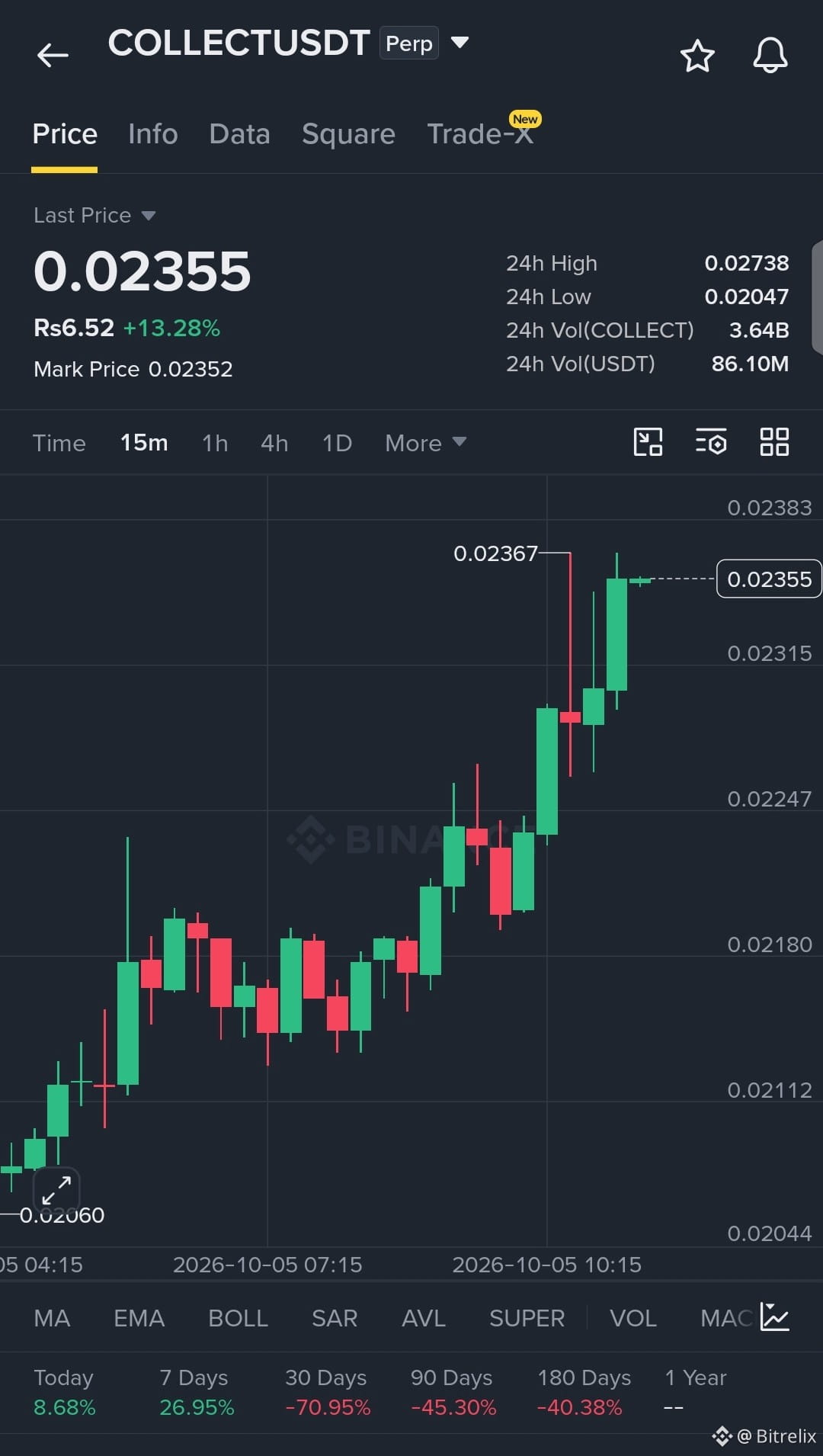
🚨 $COLLECT /USDT — TÍN HIỆU SHORT
Giá: 0.02355
Xu hướng: 🔴 Giảm dưới 0.02370
🔻 Vào lệnh: 0.02350–0.02365
🎯 TP1: 0.02315
🎯 TP2: 0.02280
🛑 SL: 0.02385
⚠️ Từ chối tại 0.02367 → xác nhận SHORT.
Nếu 0.02370 bị phá vỡ và giữ vững, tránh vào short.
$ADA
$GTC
🚨 $COLLECT /USDT — TÍN HIỆU SHORT
Giá: 0.02355
Xu hướng: 🔴 Giảm dưới 0.02370
🔻 Vào lệnh: 0.02350–0.02365
🎯 TP1: 0.02315
🎯 TP2: 0.02280
🛑 SL: 0.02385
⚠️ Từ chối tại 0.02367 → xác nhận SHORT.
Nếu 0.02370 bị phá vỡ và giữ vững, tránh vào short.
$ADA
$GTC
Giá: 0.02355
Xu hướng: 🔴 Giảm dưới 0.02370
🔻 Vào lệnh: 0.02350–0.02365
🎯 TP1: 0.02315
🎯 TP2: 0.02280
🛑 SL: 0.02385
⚠️ Từ chối tại 0.02367 → xác nhận SHORT.
Nếu 0.02370 bị phá vỡ và giữ vững, tránh vào short.
$ADA
$GTC
3
503
·
--
Tăng giá
1
100
·
--
Tăng giá
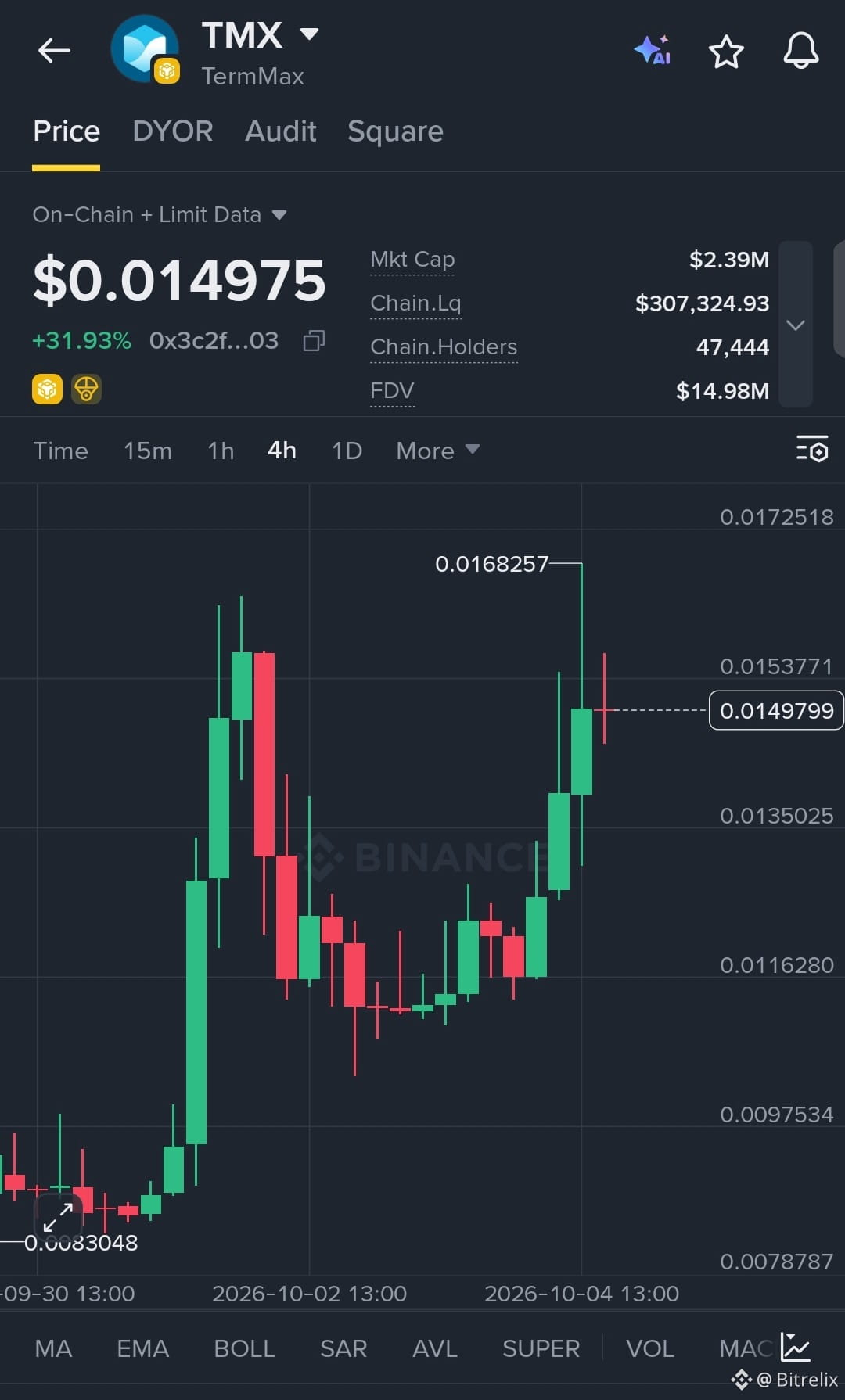
Đang theo dõi $TMX với giá $0.01497 — biểu đồ này bắt đầu “thức giấc”.
TMX hiện đã tăng +31.93%, vốn hóa khoảng $2.39M và có hơn 47K người nắm giữ.
Phần thú vị ở đây? Sau khi điều chỉnh và đi ngang tích lũy quanh $0.011–$0.012, giá đã bật mạnh lên và hiện đang kiểm tra vùng $0.015–$0.0168.
Nếu vượt sạch mốc $0.0168, bước tiếp theo có thể sẽ rất đáng chú ý. Nhưng nếu vùng kháng cự giữ được, tôi kỳ vọng sẽ có một lần retest vùng $0.0135–$0.014 trước.
Cổ phiếu vốn hóa nhỏ, biến động cao — chắc chắn không phải là không có rủi ro.
Tôi đang theo dõi sát $TMX .
Bạn tham gia chứ? 🚀
Nhắn tôi nếu bạn đã có lãi. Cảm ơn.
Đang theo dõi $TMX với giá $0.01497 — biểu đồ này bắt đầu “thức giấc”.
TMX hiện đã tăng +31.93%, vốn hóa khoảng $2.39M và có hơn 47K người nắm giữ.
Phần thú vị ở đây? Sau khi điều chỉnh và đi ngang tích lũy quanh $0.011–$0.012, giá đã bật mạnh lên và hiện đang kiểm tra vùng $0.015–$0.0168.
Nếu vượt sạch mốc $0.0168, bước tiếp theo có thể sẽ rất đáng chú ý. Nhưng nếu vùng kháng cự giữ được, tôi kỳ vọng sẽ có một lần retest vùng $0.0135–$0.014 trước.
Cổ phiếu vốn hóa nhỏ, biến động cao — chắc chắn không phải là không có rủi ro.
Tôi đang theo dõi sát $TMX .
Bạn tham gia chứ? 🚀
Nhắn tôi nếu bạn đã có lãi. Cảm ơn.
TMX hiện đã tăng +31.93%, vốn hóa khoảng $2.39M và có hơn 47K người nắm giữ.
Phần thú vị ở đây? Sau khi điều chỉnh và đi ngang tích lũy quanh $0.011–$0.012, giá đã bật mạnh lên và hiện đang kiểm tra vùng $0.015–$0.0168.
Nếu vượt sạch mốc $0.0168, bước tiếp theo có thể sẽ rất đáng chú ý. Nhưng nếu vùng kháng cự giữ được, tôi kỳ vọng sẽ có một lần retest vùng $0.0135–$0.014 trước.
Cổ phiếu vốn hóa nhỏ, biến động cao — chắc chắn không phải là không có rủi ro.
Tôi đang theo dõi sát $TMX .
Bạn tham gia chứ? 🚀
Nhắn tôi nếu bạn đã có lãi. Cảm ơn.
2
412
·
--
Tăng giá
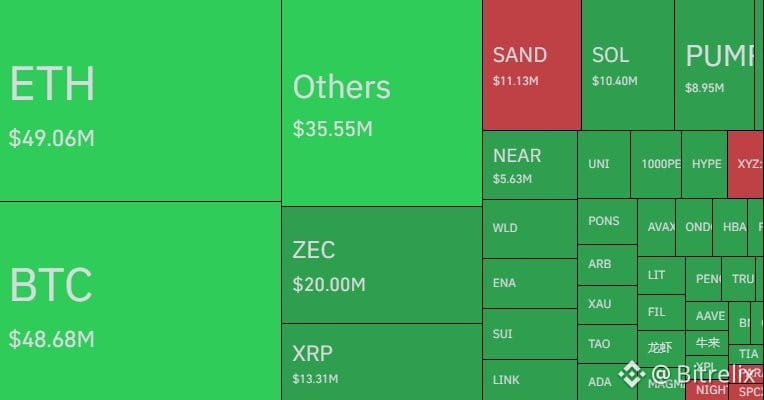
🚨 $246.8M TRONG 24 GIỜ!
💀 Bên mua (Bulls) vừa bị nghiền nát hoàn toàn.
🔥 LỆNH THANH LÝ LỚN NHẤT chỉ đến từ $ZEC
📉 Đòn bẩy thật tàn khốc khi thị trường đảo chiều nhanh.
⚠️ Hãy tỉnh táo. Biến động KHÔNG đùa giỡn. 🚨
$GLMR $AIN
🚨 $246.8M TRONG 24 GIỜ!
💀 Bên mua (Bulls) vừa bị nghiền nát hoàn toàn.
🔥 LỆNH THANH LÝ LỚN NHẤT chỉ đến từ $ZEC
📉 Đòn bẩy thật tàn khốc khi thị trường đảo chiều nhanh.
⚠️ Hãy tỉnh táo. Biến động KHÔNG đùa giỡn. 🚨
$GLMR $AIN
💀 Bên mua (Bulls) vừa bị nghiền nát hoàn toàn.
🔥 LỆNH THANH LÝ LỚN NHẤT chỉ đến từ $ZEC
📉 Đòn bẩy thật tàn khốc khi thị trường đảo chiều nhanh.
⚠️ Hãy tỉnh táo. Biến động KHÔNG đùa giỡn. 🚨
$GLMR $AIN
419
·
--
Tăng giá
Đã xác minh
🚨 TIN NÓNG: DOJ GIỮ NGUYÊN VIỆC ĐÓNG CỬA CUỘC ĐIỀU TRA POWELL
🇺🇸 AG Todd Blanche cho biết DOJ SẼ KHÔNG mở lại cuộc điều tra hình sự đối với Jerome Powell.
🔍 Cơ quan giám sát của Fed không phát hiện hành vi sai phạm hình sự — chỉ có những vấn đề lớn về giám sát và quản lý.
📌 Tạm thời, vụ án hình sự vẫn được giữ nguyên ở trạng thái đóng.
⚠️ Một cuộc kiểm toán trong tương lai có thể thay đổi tình hình nếu xuất hiện bằng chứng mới.
$EVAA $龙虾 $DEBIT
{alpha}(560xeccbb861c0dda7efd964010085488b69317e4444)
{alpha}(560xaa036928c9c0df07d525b55ea8ee690bb5a628c1)
#FedOctoberRateHikeOddsFallTo17% #SECApproves3xLongCryptoCommodityETPs #CanaryFilesAmendedS1ForPEPEETF #NvidiaHitsRecordHighUp2.4%
🚨 TIN NÓNG: DOJ GIỮ NGUYÊN VIỆC ĐÓNG CỬA CUỘC ĐIỀU TRA POWELL
🇺🇸 AG Todd Blanche cho biết DOJ SẼ KHÔNG mở lại cuộc điều tra hình sự đối với Jerome Powell.
🔍 Cơ quan giám sát của Fed không phát hiện hành vi sai phạm hình sự — chỉ có những vấn đề lớn về giám sát và quản lý.
📌 Tạm thời, vụ án hình sự vẫn được giữ nguyên ở trạng thái đóng.
⚠️ Một cuộc kiểm toán trong tương lai có thể thay đổi tình hình nếu xuất hiện bằng chứng mới.
$EVAA $龙虾 $DEBIT
#FedOctoberRateHikeOddsFallTo17% #SECApproves3xLongCryptoCommodityETPs #CanaryFilesAmendedS1ForPEPEETF #NvidiaHitsRecordHighUp2.4%
🇺🇸 AG Todd Blanche cho biết DOJ SẼ KHÔNG mở lại cuộc điều tra hình sự đối với Jerome Powell.
🔍 Cơ quan giám sát của Fed không phát hiện hành vi sai phạm hình sự — chỉ có những vấn đề lớn về giám sát và quản lý.
📌 Tạm thời, vụ án hình sự vẫn được giữ nguyên ở trạng thái đóng.
⚠️ Một cuộc kiểm toán trong tương lai có thể thay đổi tình hình nếu xuất hiện bằng chứng mới.
$EVAA $龙虾 $DEBIT
#FedOctoberRateHikeOddsFallTo17% #SECApproves3xLongCryptoCommodityETPs #CanaryFilesAmendedS1ForPEPEETF #NvidiaHitsRecordHighUp2.4%


1.2k
·
--
Tăng giá
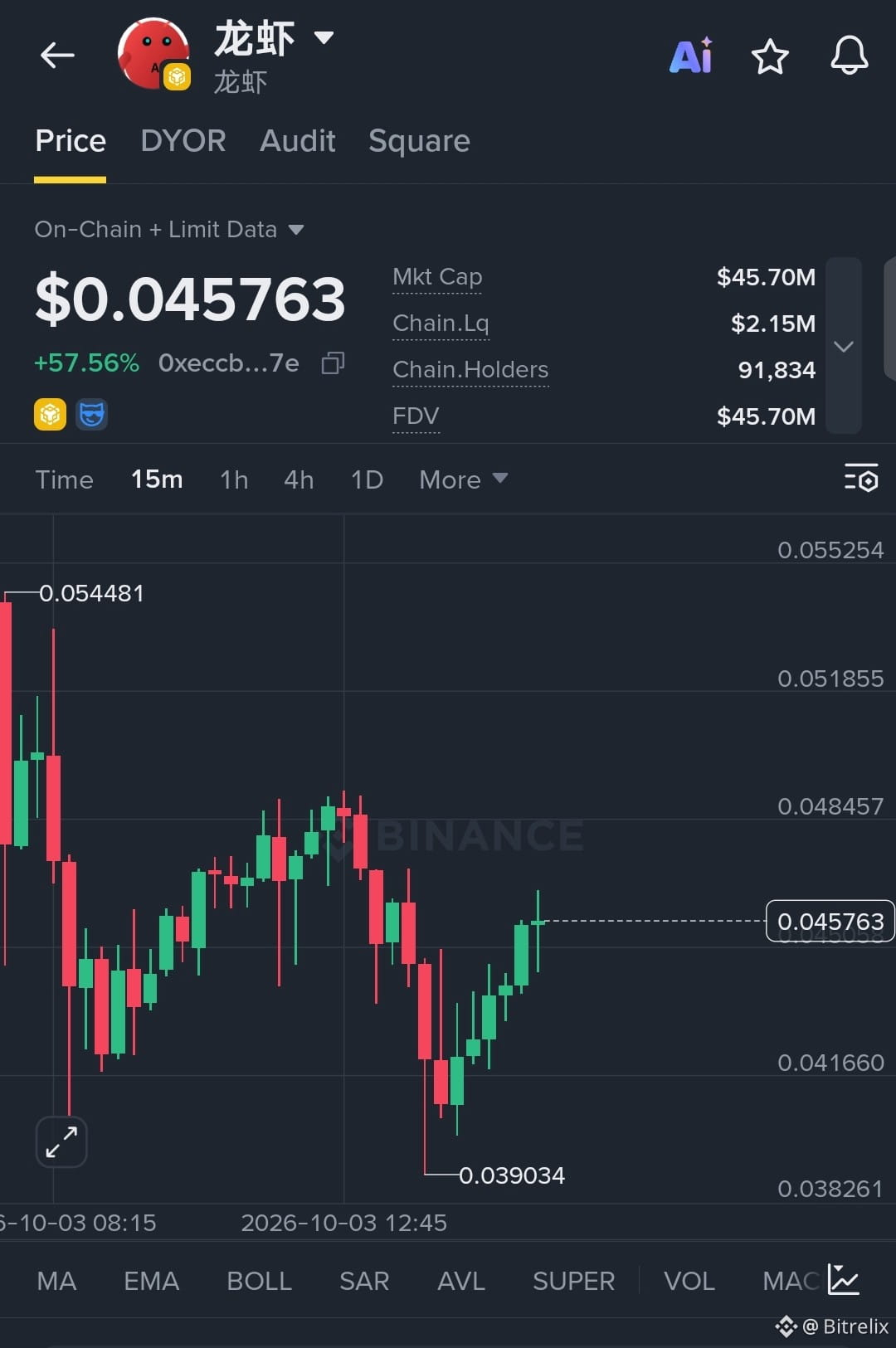
Tôi đang theo dõi $龙虾 at với giá $0.04576—tăng 57.56% và động lượng đang trở nên thú vị.
Vốn hóa thị trường ở khoảng $45.7M, với gần 92K người nắm giữ.
Giá vừa bật mạnh từ $0.0390. Rõ ràng là bên mua đang quay lại.
Nếu nó vượt qua $0.0485, mọi thứ có thể trở nên nóng hơn. 👀
Tôi đang nắm giữ và theo dõi sát sao.
Ai vẫn còn tham gia 龙虾 🦞💰
Tôi đang theo dõi $龙虾 at với giá $0.04576—tăng 57.56% và động lượng đang trở nên thú vị.
Vốn hóa thị trường ở khoảng $45.7M, với gần 92K người nắm giữ.
Giá vừa bật mạnh từ $0.0390. Rõ ràng là bên mua đang quay lại.
Nếu nó vượt qua $0.0485, mọi thứ có thể trở nên nóng hơn. 👀
Tôi đang nắm giữ và theo dõi sát sao.
Ai vẫn còn tham gia 龙虾 🦞💰
Vốn hóa thị trường ở khoảng $45.7M, với gần 92K người nắm giữ.
Giá vừa bật mạnh từ $0.0390. Rõ ràng là bên mua đang quay lại.
Nếu nó vượt qua $0.0485, mọi thứ có thể trở nên nóng hơn. 👀
Tôi đang nắm giữ và theo dõi sát sao.
Ai vẫn còn tham gia 龙虾 🦞💰
1
886
·
--
Tăng giá
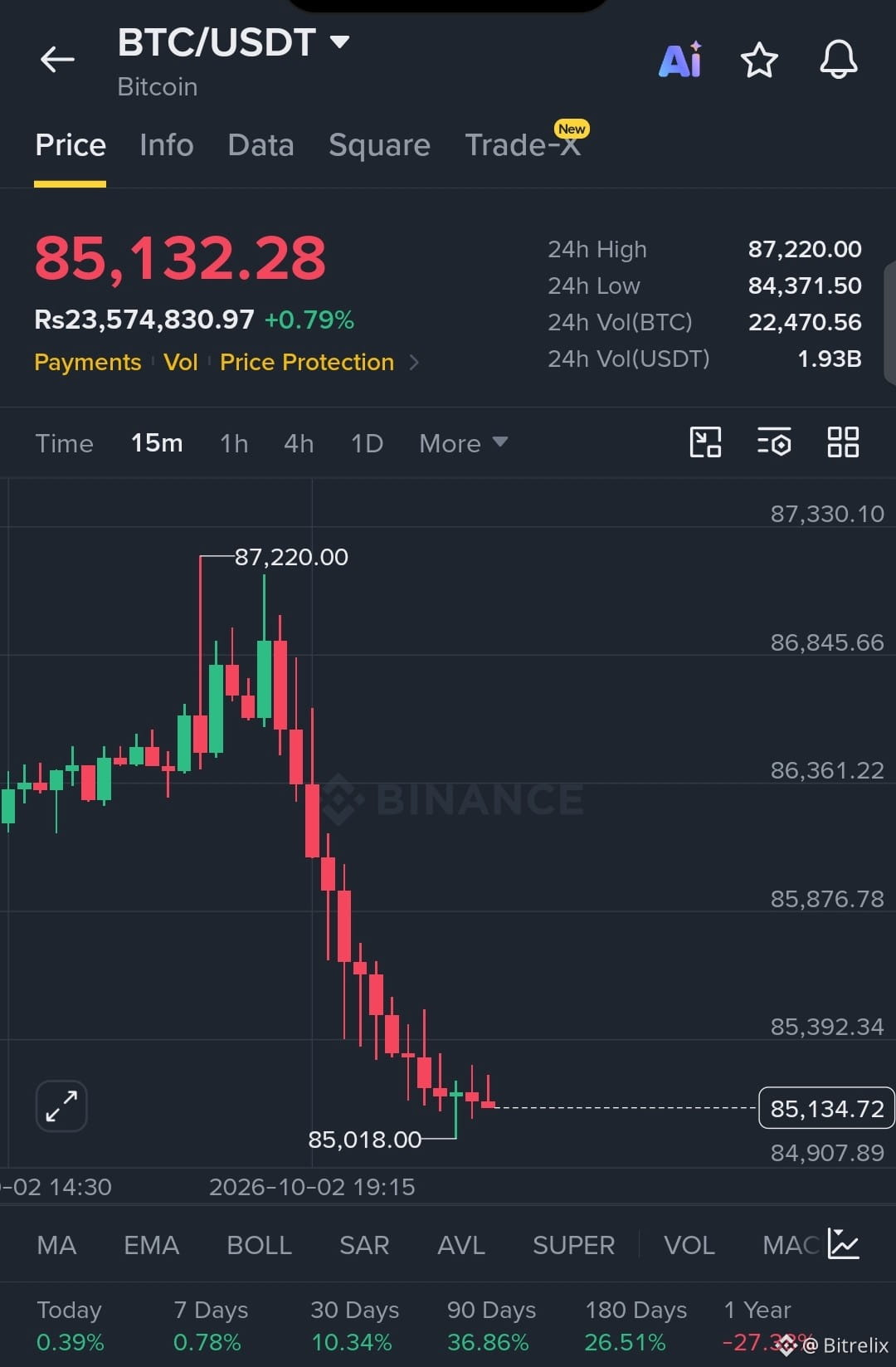
🚨 BTC RỚT DƯỚI MỐC 85,4K$!
Bitcoin hiện khoảng $85,132 sau cú từ chối mạnh từ mức $87,2K. 📉
💥 Khối lượng giao dịch 24H đạt 1,93B$ khi biến động tăng cao.
Bên phe gấu đang ép rất mạnh—hãy theo dõi sát vùng $85K. 👀🔥
🚨 BTC RỚT DƯỚI MỐC 85,4K$!
Bitcoin hiện khoảng $85,132 sau cú từ chối mạnh từ mức $87,2K. 📉
💥 Khối lượng giao dịch 24H đạt 1,93B$ khi biến động tăng cao.
Bên phe gấu đang ép rất mạnh—hãy theo dõi sát vùng $85K. 👀🔥
Bitcoin hiện khoảng $85,132 sau cú từ chối mạnh từ mức $87,2K. 📉
💥 Khối lượng giao dịch 24H đạt 1,93B$ khi biến động tăng cao.
Bên phe gấu đang ép rất mạnh—hãy theo dõi sát vùng $85K. 👀🔥
69
·
--
Tăng giá
🔥 CUỘC ĐỐI ĐẦU CRYPTO “BỊCH” NHẤT ĐÃ BẮT ĐẦU! 🔥
Hai đội. 10 đồng. Một cuộc thi. 🏆
Bên nào đang có đội hình mạnh hơn ngay lúc này? 👀
🟢 TEAM 1 — NHÓM KHUẤY ĐỘNG THỊ TRƯỜNG
$GTC — +53.90% 🚀
$SCR — +31.42%
$DEXE — +15.88%
$RESOLV — +15.81%
$MEGA — +14.00%
🔵 TEAM 2 — NHỮNG THÁCH THỨC ĐANG LÊN
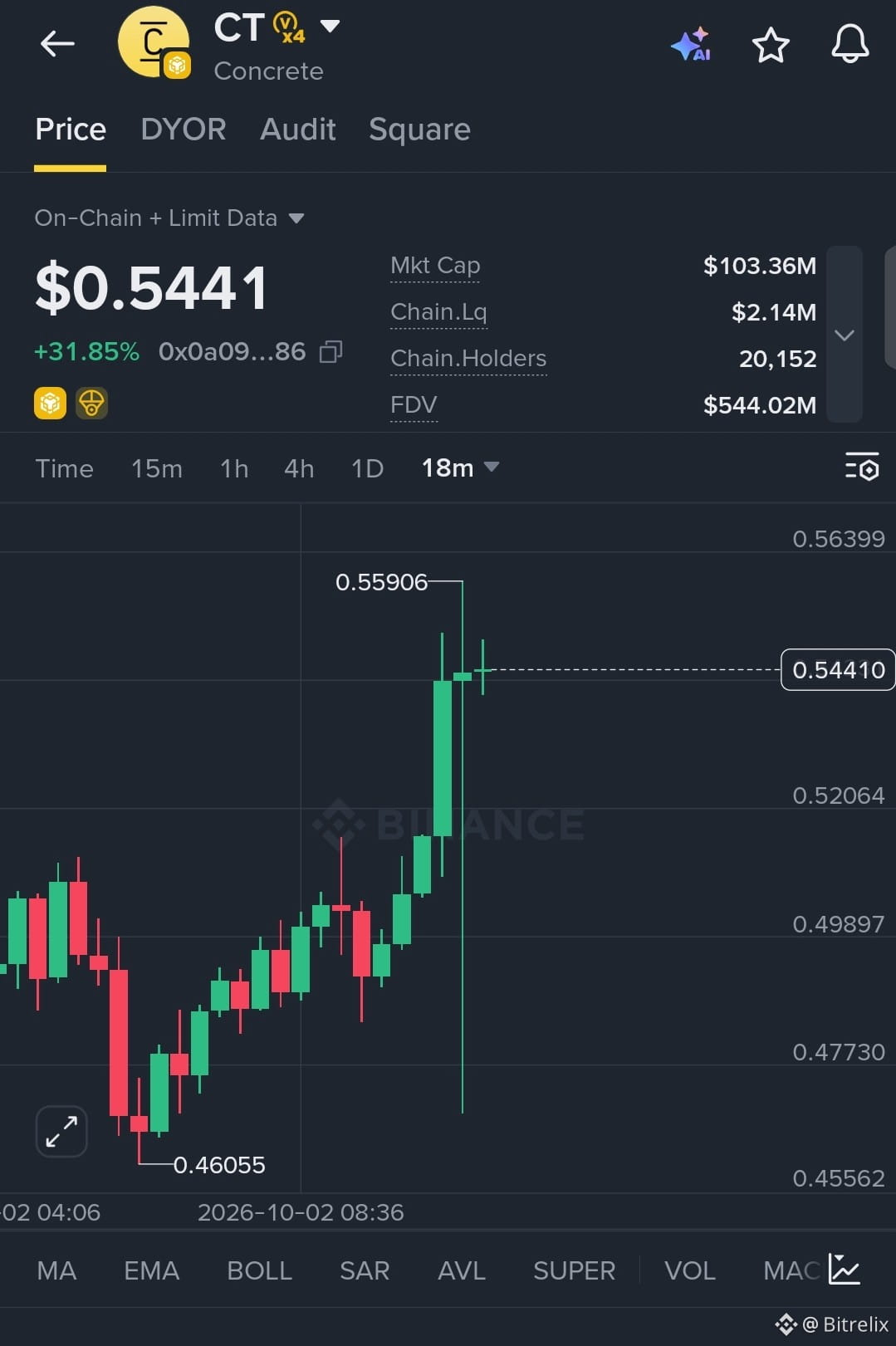
$CT (Concrete) — +29.50% ⚡
$TMX (TermMax) — +40.61% 🚀
$R2 (R2 Protocol) — +26.49%
$APM (apM Fashion) — +19.18%
$UAI (UniAI Network) — +17.91%
Giờ thì trận chiến bắt đầu! ⚔️
Team 1 có GTC dẫn đầu với mức tăng ấn tượng +53.90%, trong khi Team 2 lại vào cuộc đầy mạnh mẽ với TMX ở +40.61%. Nhưng đây không chỉ là chuyện về cú nhảy đơn lẻ lớn nhất — mỗi đồng đều mang theo “động lực” riêng của mình vào cuộc thi.
📊 Team 1: GTC • SCR • DEXE • RESOLV • MEGA
⚔️ ĐỐI ĐẦU
📊 Team 2: CT • TMX • R2 • APM • UAI
CÁC FAN, ĐẾN LƯỢT CÁC BẠN! 🗣️🔥
Đội nào có đội hình mạnh hơn?
💚 TEAM 1
💙 TEAM 2
Hãy thả đội của bạn ở phần bình luận và cho chúng tôi biết đồng nào mà bạn nghĩ là nổi bật nhất! 👇
Các con số được hiển thị dựa trên ảnh chụp màn hình cung cấp và có thể thay đổi nhanh theo điều kiện thị trường.
🔥 CUỘC ĐỐI ĐẦU CRYPTO “BỊCH” NHẤT ĐÃ BẮT ĐẦU! 🔥
Hai đội. 10 đồng. Một cuộc thi. 🏆
Bên nào đang có đội hình mạnh hơn ngay lúc này? 👀
🟢 TEAM 1 — NHÓM KHUẤY ĐỘNG THỊ TRƯỜNG
$GTC — +53.90% 🚀
$SCR — +31.42%
$DEXE — +15.88%
$RESOLV — +15.81%
$MEGA — +14.00%
🔵 TEAM 2 — NHỮNG THÁCH THỨC ĐANG LÊN
$CT (Concrete) — +29.50% ⚡
$TMX (TermMax) — +40.61% 🚀
$R2 (R2 Protocol) — +26.49%
$APM (apM Fashion) — +19.18%
$UAI (UniAI Network) — +17.91%
Giờ thì trận chiến bắt đầu! ⚔️
Team 1 có GTC dẫn đầu với mức tăng ấn tượng +53.90%, trong khi Team 2 lại vào cuộc đầy mạnh mẽ với TMX ở +40.61%. Nhưng đây không chỉ là chuyện về cú nhảy đơn lẻ lớn nhất — mỗi đồng đều mang theo “động lực” riêng của mình vào cuộc thi.
📊 Team 1: GTC • SCR • DEXE • RESOLV • MEGA
⚔️ ĐỐI ĐẦU
📊 Team 2: CT • TMX • R2 • APM • UAI
CÁC FAN, ĐẾN LƯỢT CÁC BẠN! 🗣️🔥
Đội nào có đội hình mạnh hơn?
💚 TEAM 1
💙 TEAM 2
Hãy thả đội của bạn ở phần bình luận và cho chúng tôi biết đồng nào mà bạn nghĩ là nổi bật nhất! 👇
Các con số được hiển thị dựa trên ảnh chụp màn hình cung cấp và có thể thay đổi nhanh theo điều kiện thị trường.
Hai đội. 10 đồng. Một cuộc thi. 🏆
Bên nào đang có đội hình mạnh hơn ngay lúc này? 👀
🟢 TEAM 1 — NHÓM KHUẤY ĐỘNG THỊ TRƯỜNG
$GTC — +53.90% 🚀
$SCR — +31.42%
$DEXE — +15.88%
$RESOLV — +15.81%
$MEGA — +14.00%
🔵 TEAM 2 — NHỮNG THÁCH THỨC ĐANG LÊN
$CT (Concrete) — +29.50% ⚡
$TMX (TermMax) — +40.61% 🚀
$R2 (R2 Protocol) — +26.49%
$APM (apM Fashion) — +19.18%
$UAI (UniAI Network) — +17.91%
Giờ thì trận chiến bắt đầu! ⚔️
Team 1 có GTC dẫn đầu với mức tăng ấn tượng +53.90%, trong khi Team 2 lại vào cuộc đầy mạnh mẽ với TMX ở +40.61%. Nhưng đây không chỉ là chuyện về cú nhảy đơn lẻ lớn nhất — mỗi đồng đều mang theo “động lực” riêng của mình vào cuộc thi.
📊 Team 1: GTC • SCR • DEXE • RESOLV • MEGA
⚔️ ĐỐI ĐẦU
📊 Team 2: CT • TMX • R2 • APM • UAI
CÁC FAN, ĐẾN LƯỢT CÁC BẠN! 🗣️🔥
Đội nào có đội hình mạnh hơn?
💚 TEAM 1
💙 TEAM 2
Hãy thả đội của bạn ở phần bình luận và cho chúng tôi biết đồng nào mà bạn nghĩ là nổi bật nhất! 👇
Các con số được hiển thị dựa trên ảnh chụp màn hình cung cấp và có thể thay đổi nhanh theo điều kiện thị trường.
competition
62%
please choose one
38%
13 phiếu bầu • Cuộc bỏ phiếu đã kết thúc
3
4.5k
·
--
Tăng giá
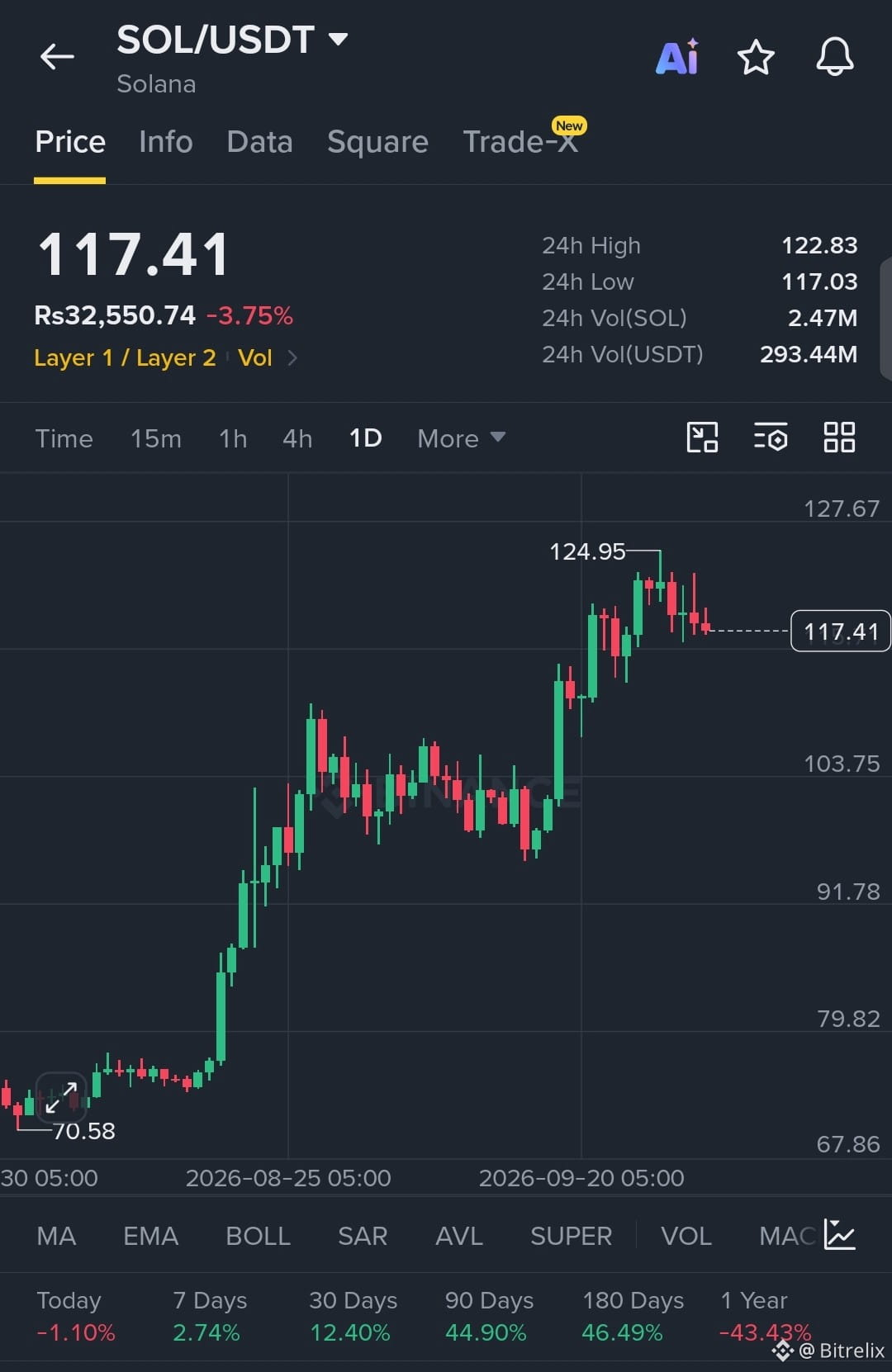
🔥 $SOL ở mức $117,41 — đợt điều chỉnh đang trở nên thú vị.
Solana vừa giảm 3,75% hôm nay, nhưng nhìn rộng ra thì bức tranh lớn vẫn khá mạnh. 👀
SOL đã bật lên từ khoảng $70 lên $124,95, và giờ đang nằm gần $117, ngay sau khi thử nghiệm vùng $124–125.
Vùng quan trọng mà tôi đang theo dõi bây giờ là? Hỗ trợ $117–$115.
Nếu phe mua bảo vệ được, một nỗ lực nữa hướng tới $125+ có thể sẽ đáng chú ý. Nếu thủng hỗ trợ, biến động có thể tăng nhanh.
Không nói là chắc chắn — nhưng SOL chắc chắn nằm trong danh sách theo dõi của tôi ở đây. 🚀
Bạn đang nắm giữ SOL, mua khi điều chỉnh, hay chờ xác nhận?
Nếu bạn đang có lãi thì nhắn tôi một chút. Cảm ơn 🙏
{spot}(SOLUSDT)
#US10YearYieldNears5.3% #USADPAdds90000JobsInSeptember #MetaMaskExitsLidoValidatorsAfterSecurityIncident #USWeeklyJoblessClaimsFallTo197000 #AltcoinSeasonIndexHoldsAbove60For5Days
🔥 $SOL ở mức $117,41 — đợt điều chỉnh đang trở nên thú vị.
Solana vừa giảm 3,75% hôm nay, nhưng nhìn rộng ra thì bức tranh lớn vẫn khá mạnh. 👀
SOL đã bật lên từ khoảng $70 lên $124,95, và giờ đang nằm gần $117, ngay sau khi thử nghiệm vùng $124–125.
Vùng quan trọng mà tôi đang theo dõi bây giờ là? Hỗ trợ $117–$115.
Nếu phe mua bảo vệ được, một nỗ lực nữa hướng tới $125+ có thể sẽ đáng chú ý. Nếu thủng hỗ trợ, biến động có thể tăng nhanh.
Không nói là chắc chắn — nhưng SOL chắc chắn nằm trong danh sách theo dõi của tôi ở đây. 🚀
Bạn đang nắm giữ SOL, mua khi điều chỉnh, hay chờ xác nhận?
Nếu bạn đang có lãi thì nhắn tôi một chút. Cảm ơn 🙏
#US10YearYieldNears5.3% #USADPAdds90000JobsInSeptember #MetaMaskExitsLidoValidatorsAfterSecurityIncident #USWeeklyJoblessClaimsFallTo197000 #AltcoinSeasonIndexHoldsAbove60For5Days
Solana vừa giảm 3,75% hôm nay, nhưng nhìn rộng ra thì bức tranh lớn vẫn khá mạnh. 👀
SOL đã bật lên từ khoảng $70 lên $124,95, và giờ đang nằm gần $117, ngay sau khi thử nghiệm vùng $124–125.
Vùng quan trọng mà tôi đang theo dõi bây giờ là? Hỗ trợ $117–$115.
Nếu phe mua bảo vệ được, một nỗ lực nữa hướng tới $125+ có thể sẽ đáng chú ý. Nếu thủng hỗ trợ, biến động có thể tăng nhanh.
Không nói là chắc chắn — nhưng SOL chắc chắn nằm trong danh sách theo dõi của tôi ở đây. 🚀
Bạn đang nắm giữ SOL, mua khi điều chỉnh, hay chờ xác nhận?
Nếu bạn đang có lãi thì nhắn tôi một chút. Cảm ơn 🙏
#US10YearYieldNears5.3% #USADPAdds90000JobsInSeptember #MetaMaskExitsLidoValidatorsAfterSecurityIncident #USWeeklyJoblessClaimsFallTo197000 #AltcoinSeasonIndexHoldsAbove60For5Days
1
172
·
--
Tăng giá
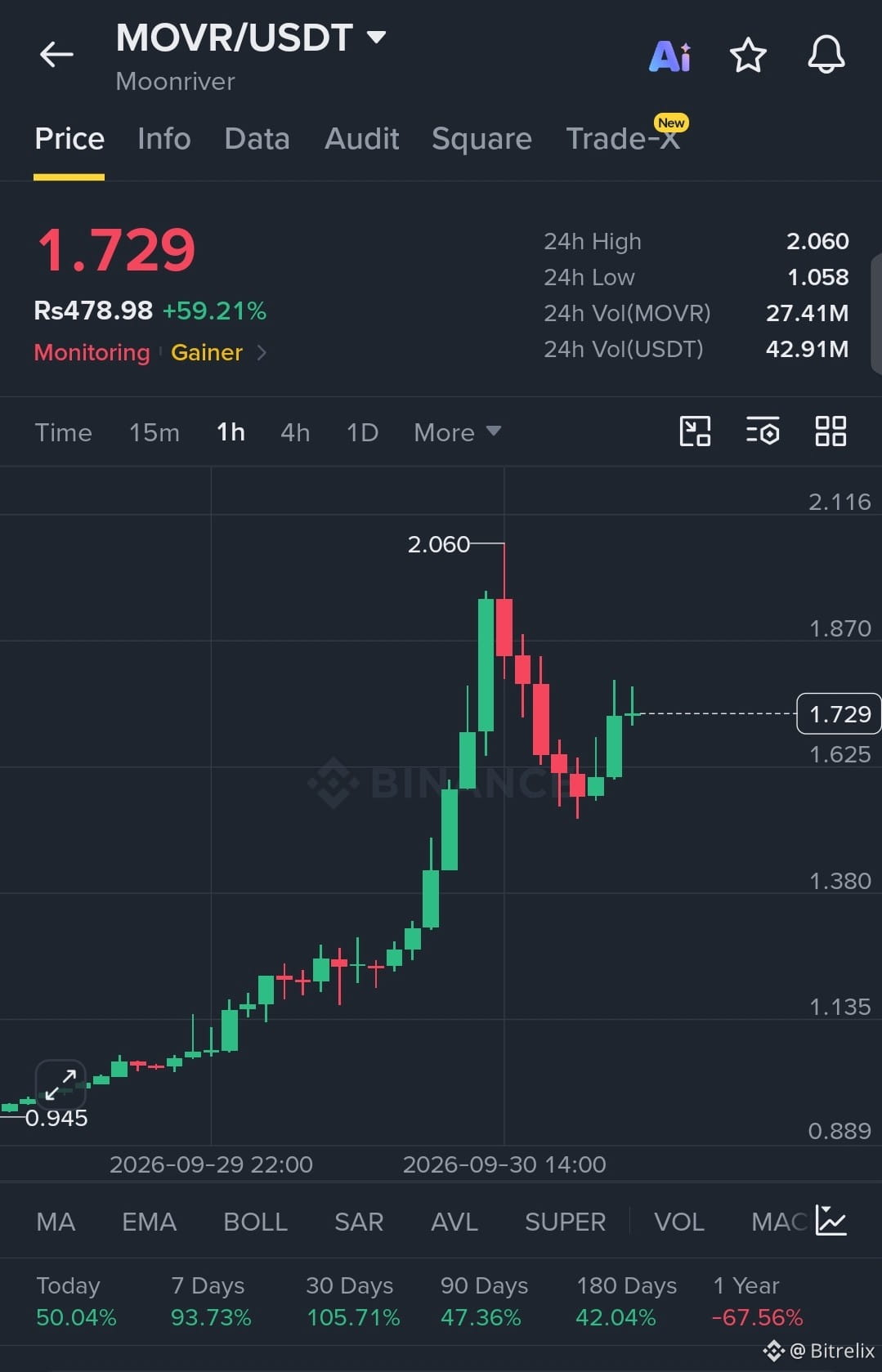
🔥 $MOVR tại $1.729 — động thái này đang ngày càng khó có thể làm ngơ.
Moonriver vừa bứt phá +59.21% trong 24H, sau khi chạm đỉnh $2.06. Biểu đồ trông như đã lao thẳng lên, hạ nhiệt và giờ đang cố gắng đẩy trở lại. 👀
Hiệu suất 7 ngày? +93.73%.
30 ngày? +105.71%.
Đà tăng kiểu đó thu hút sự chú ý cực nhanh.
Nhưng sau một cú tăng lớn như vậy, biến động (volatility) có thể cực kỳ khốc liệt. Mình đang theo dõi liệu vùng $1.62–$1.70 có giữ được khi phe bò (bulls) thực hiện thêm một lần thử lên $2.00+ hay không.
Mình không khẳng định chắc chắn — nhưng MOVR chắc chắn là một mã mình đang theo dõi. 🚀
Bạn đang nắm MOVR hay đang đứng ngoài quan sát?
Nếu bạn đang có lãi thì hãy tip mình. Cảm ơn nhé 🙏
#MOVR
{future}(MOVRUSDT)
🔥 $MOVR tại $1.729 — động thái này đang ngày càng khó có thể làm ngơ.
Moonriver vừa bứt phá +59.21% trong 24H, sau khi chạm đỉnh $2.06. Biểu đồ trông như đã lao thẳng lên, hạ nhiệt và giờ đang cố gắng đẩy trở lại. 👀
Hiệu suất 7 ngày? +93.73%.
30 ngày? +105.71%.
Đà tăng kiểu đó thu hút sự chú ý cực nhanh.
Nhưng sau một cú tăng lớn như vậy, biến động (volatility) có thể cực kỳ khốc liệt. Mình đang theo dõi liệu vùng $1.62–$1.70 có giữ được khi phe bò (bulls) thực hiện thêm một lần thử lên $2.00+ hay không.
Mình không khẳng định chắc chắn — nhưng MOVR chắc chắn là một mã mình đang theo dõi. 🚀
Bạn đang nắm MOVR hay đang đứng ngoài quan sát?
Nếu bạn đang có lãi thì hãy tip mình. Cảm ơn nhé 🙏
#MOVR
Moonriver vừa bứt phá +59.21% trong 24H, sau khi chạm đỉnh $2.06. Biểu đồ trông như đã lao thẳng lên, hạ nhiệt và giờ đang cố gắng đẩy trở lại. 👀
Hiệu suất 7 ngày? +93.73%.
30 ngày? +105.71%.
Đà tăng kiểu đó thu hút sự chú ý cực nhanh.
Nhưng sau một cú tăng lớn như vậy, biến động (volatility) có thể cực kỳ khốc liệt. Mình đang theo dõi liệu vùng $1.62–$1.70 có giữ được khi phe bò (bulls) thực hiện thêm một lần thử lên $2.00+ hay không.
Mình không khẳng định chắc chắn — nhưng MOVR chắc chắn là một mã mình đang theo dõi. 🚀
Bạn đang nắm MOVR hay đang đứng ngoài quan sát?
Nếu bạn đang có lãi thì hãy tip mình. Cảm ơn nhé 🙏
#MOVR
1
611
·
--
Tăng giá
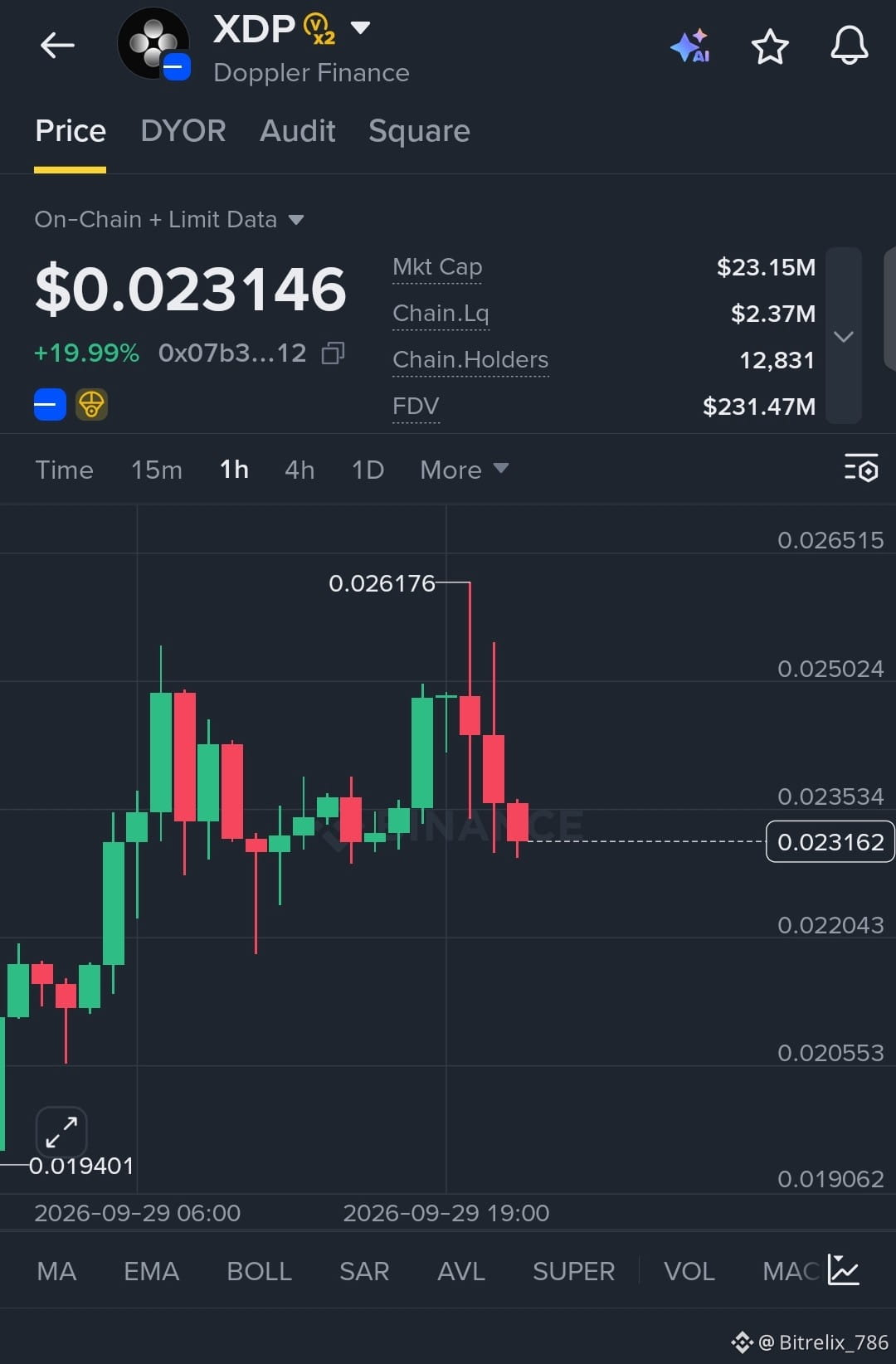
$XDP is đang giao dịch quanh mức 0,023146 USD, tăng gần 20% — và thành thật mà nói, biểu đồ trông như đang co lại để chuẩn bị cho một nhịp tăng/biến động tiếp theo.
Trên khung 1H, giá đã từ chối tại vùng 0,02617 và hiện đang lơ lửng quanh 0,023.
Tôi đã theo dõi các chu kỳ crypto nhiều năm, và đây là kiểu thiết lập mà độ biến động có thể bung ra rất nhanh.
Yếu tố kích hoạt? Doppler đang định vị XDP như tiện ích gốc và token quản trị của mình, gắn với việc tham gia giao thức, các ưu đãi hệ sinh thái và hoạt động staking trong tương lai.
Hạ tầng của Doppler cũng tập trung vào thị trường vốn được token hóa, với các vault XRP và RLUSD đã đi vào hoạt động.
Và giờ đây, XDP có hợp đồng tương lai vĩnh viễn tính theo USDT trên OKX, tạo thêm một sàn phái sinh mới cho trader.
Mốc quan trọng: nếu giành lại được 0,025 USD thì vùng 0,026+ có thể lại được chú ý.
Trong dài hạn, tôi đang theo dõi mức 0,10 như một mục tiêu đầy tham vọng nếu việc áp dụng, thanh khoản và bối cảnh chung của thị trường cùng thuận lợi.
Không có gì chắc chắn — nhưng tôi đang theo dõi sát sao.
Bạn đang nắm giữ XDP hay đang chờ thêm một điểm vào lệnh?
Nếu bạn đang có lợi nhuận thì hãy gửi tip cho tôi. Cảm ơn.
{alpha}(84530x07b3d902783c3c12b077508c3b5c00113d1291d0)
$XDP is đang giao dịch quanh mức 0,023146 USD, tăng gần 20% — và thành thật mà nói, biểu đồ trông như đang co lại để chuẩn bị cho một nhịp tăng/biến động tiếp theo.
Trên khung 1H, giá đã từ chối tại vùng 0,02617 và hiện đang lơ lửng quanh 0,023.
Tôi đã theo dõi các chu kỳ crypto nhiều năm, và đây là kiểu thiết lập mà độ biến động có thể bung ra rất nhanh.
Yếu tố kích hoạt? Doppler đang định vị XDP như tiện ích gốc và token quản trị của mình, gắn với việc tham gia giao thức, các ưu đãi hệ sinh thái và hoạt động staking trong tương lai.
Hạ tầng của Doppler cũng tập trung vào thị trường vốn được token hóa, với các vault XRP và RLUSD đã đi vào hoạt động.
Và giờ đây, XDP có hợp đồng tương lai vĩnh viễn tính theo USDT trên OKX, tạo thêm một sàn phái sinh mới cho trader.
Mốc quan trọng: nếu giành lại được 0,025 USD thì vùng 0,026+ có thể lại được chú ý.
Trong dài hạn, tôi đang theo dõi mức 0,10 như một mục tiêu đầy tham vọng nếu việc áp dụng, thanh khoản và bối cảnh chung của thị trường cùng thuận lợi.
Không có gì chắc chắn — nhưng tôi đang theo dõi sát sao.
Bạn đang nắm giữ XDP hay đang chờ thêm một điểm vào lệnh?
Nếu bạn đang có lợi nhuận thì hãy gửi tip cho tôi. Cảm ơn.
Trên khung 1H, giá đã từ chối tại vùng 0,02617 và hiện đang lơ lửng quanh 0,023.
Tôi đã theo dõi các chu kỳ crypto nhiều năm, và đây là kiểu thiết lập mà độ biến động có thể bung ra rất nhanh.
Yếu tố kích hoạt? Doppler đang định vị XDP như tiện ích gốc và token quản trị của mình, gắn với việc tham gia giao thức, các ưu đãi hệ sinh thái và hoạt động staking trong tương lai.
Hạ tầng của Doppler cũng tập trung vào thị trường vốn được token hóa, với các vault XRP và RLUSD đã đi vào hoạt động.
Và giờ đây, XDP có hợp đồng tương lai vĩnh viễn tính theo USDT trên OKX, tạo thêm một sàn phái sinh mới cho trader.
Mốc quan trọng: nếu giành lại được 0,025 USD thì vùng 0,026+ có thể lại được chú ý.
Trong dài hạn, tôi đang theo dõi mức 0,10 như một mục tiêu đầy tham vọng nếu việc áp dụng, thanh khoản và bối cảnh chung của thị trường cùng thuận lợi.
Không có gì chắc chắn — nhưng tôi đang theo dõi sát sao.
Bạn đang nắm giữ XDP hay đang chờ thêm một điểm vào lệnh?
Nếu bạn đang có lợi nhuận thì hãy gửi tip cho tôi. Cảm ơn.
4
1.3k
·
--
Tăng giá
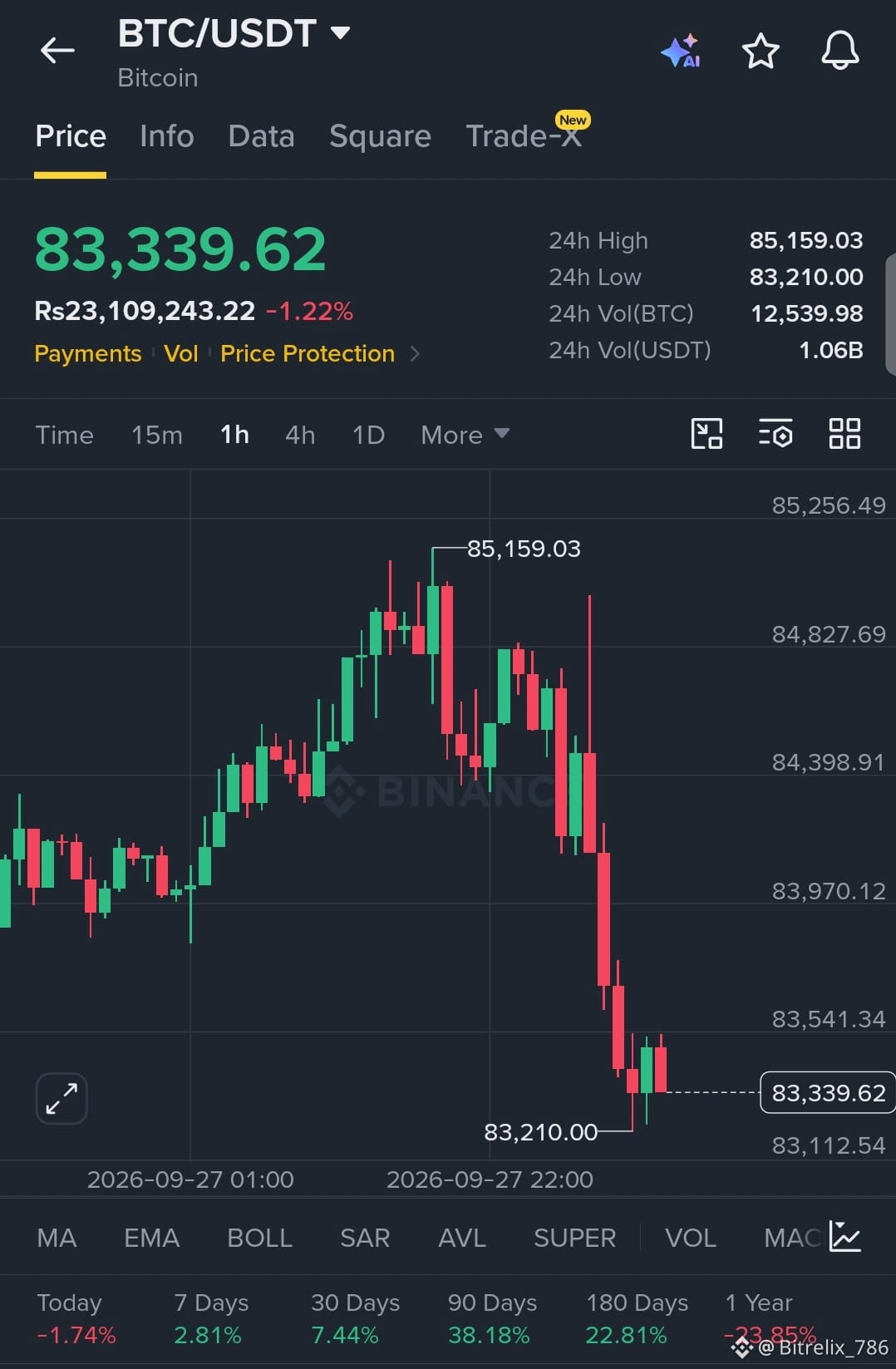
$BTC đang ngồi ở mức $83,339.62 — và thật lòng, biểu đồ này trông như đang cuộn lại để chuẩn bị cho cú bứt phá lớn tiếp theo. 👀
Cấu trúc khung 1H vừa mới chịu một cú đạp nghiêm trọng, rơi từ vùng $85K xuống khoảng $83,210.
Hiện tại, $83.2K là mốc quan trọng trong ngắn hạn. Giữ được mức này, thì một nhịp hồi giảm nhẹ hướng về $84K–$85K sẽ trở nên đáng chú ý.
Nếu phá vỡ một cách dứt khoát, BTC có thể tìm kiếm thanh khoản sâu hơn trước khi hồi phục.
Tôi đã dành nhiều năm để nghiên cứu cấu trúc thị trường của BTC, và một điều vẫn luôn rõ ràng: các nhịp sụt mạnh thường tạo ra cơ hội lớn nhất khi xu hướng lớn vẫn được giữ vững.
Nhu cầu từ tổ chức, thanh khoản phái sinh, dòng tiền ETF và bối cảnh vĩ mô chung vẫn là những chất xúc tác quan trọng cần theo dõi.
Tôi không nói rằng Bitcoin sẽ chắc chắn lên mức sáu chữ số—nhưng kịch bản giá hướng tới $150K+ trong dài hạn vẫn là điều tôi đang theo dõi sát. 🚀
Tạm thời, tôi đang theo dõi vùng hỗ trợ $83.2K và kháng cự $85K.
Tôi đang nắm giữ. Bạn đang mua nhịp giảm này hay chờ xác nhận? 👇
Nếu bạn đang có lãi thì hãy tip cho tôi. Cảm ơn.
{future}(BTCUSDT)
$BTC đang ngồi ở mức $83,339.62 — và thật lòng, biểu đồ này trông như đang cuộn lại để chuẩn bị cho cú bứt phá lớn tiếp theo. 👀
Cấu trúc khung 1H vừa mới chịu một cú đạp nghiêm trọng, rơi từ vùng $85K xuống khoảng $83,210.
Hiện tại, $83.2K là mốc quan trọng trong ngắn hạn. Giữ được mức này, thì một nhịp hồi giảm nhẹ hướng về $84K–$85K sẽ trở nên đáng chú ý.
Nếu phá vỡ một cách dứt khoát, BTC có thể tìm kiếm thanh khoản sâu hơn trước khi hồi phục.
Tôi đã dành nhiều năm để nghiên cứu cấu trúc thị trường của BTC, và một điều vẫn luôn rõ ràng: các nhịp sụt mạnh thường tạo ra cơ hội lớn nhất khi xu hướng lớn vẫn được giữ vững.
Nhu cầu từ tổ chức, thanh khoản phái sinh, dòng tiền ETF và bối cảnh vĩ mô chung vẫn là những chất xúc tác quan trọng cần theo dõi.
Tôi không nói rằng Bitcoin sẽ chắc chắn lên mức sáu chữ số—nhưng kịch bản giá hướng tới $150K+ trong dài hạn vẫn là điều tôi đang theo dõi sát. 🚀
Tạm thời, tôi đang theo dõi vùng hỗ trợ $83.2K và kháng cự $85K.
Tôi đang nắm giữ. Bạn đang mua nhịp giảm này hay chờ xác nhận? 👇
Nếu bạn đang có lãi thì hãy tip cho tôi. Cảm ơn.
Cấu trúc khung 1H vừa mới chịu một cú đạp nghiêm trọng, rơi từ vùng $85K xuống khoảng $83,210.
Hiện tại, $83.2K là mốc quan trọng trong ngắn hạn. Giữ được mức này, thì một nhịp hồi giảm nhẹ hướng về $84K–$85K sẽ trở nên đáng chú ý.
Nếu phá vỡ một cách dứt khoát, BTC có thể tìm kiếm thanh khoản sâu hơn trước khi hồi phục.
Tôi đã dành nhiều năm để nghiên cứu cấu trúc thị trường của BTC, và một điều vẫn luôn rõ ràng: các nhịp sụt mạnh thường tạo ra cơ hội lớn nhất khi xu hướng lớn vẫn được giữ vững.
Nhu cầu từ tổ chức, thanh khoản phái sinh, dòng tiền ETF và bối cảnh vĩ mô chung vẫn là những chất xúc tác quan trọng cần theo dõi.
Tôi không nói rằng Bitcoin sẽ chắc chắn lên mức sáu chữ số—nhưng kịch bản giá hướng tới $150K+ trong dài hạn vẫn là điều tôi đang theo dõi sát. 🚀
Tạm thời, tôi đang theo dõi vùng hỗ trợ $83.2K và kháng cự $85K.
Tôi đang nắm giữ. Bạn đang mua nhịp giảm này hay chờ xác nhận? 👇
Nếu bạn đang có lãi thì hãy tip cho tôi. Cảm ơn.
1
117
·
--
Tăng giá
Chỉ còn 2 ngày nữa trong tháng 9 — và $GRT đột nhiên bắt đầu phát ra tiếng động.
Sau nhiều tuần suy yếu, $GRT đã đẩy ngược lên trên 0,03 đô la, đánh dấu lần đầu tiên nó vượt qua mốc này kể từ đầu tháng. Đợt hồi này còn thú vị hơn khi đặt trong bối cảnh đợt bán tháo mạnh mẽ diễn ra trước đó.
$SEI cũng đã bật mạnh lên trên 0,08 đô la, góp phần củng cố câu chuyện phục hồi rộng hơn của các altcoin.
Giờ câu hỏi thực sự là liệu GRT có thể giữ vững đột phá này và tiếp tục đà tăng trước khi tháng 9 khép lại hay không.
Bạn nghĩ GRT sẽ kết thúc tháng ở đâu?
#GRTPriceAnalysis
Chỉ còn 2 ngày nữa trong tháng 9 — và $GRT đột nhiên bắt đầu phát ra tiếng động.
Sau nhiều tuần suy yếu, $GRT đã đẩy ngược lên trên 0,03 đô la, đánh dấu lần đầu tiên nó vượt qua mốc này kể từ đầu tháng. Đợt hồi này còn thú vị hơn khi đặt trong bối cảnh đợt bán tháo mạnh mẽ diễn ra trước đó.
$SEI cũng đã bật mạnh lên trên 0,08 đô la, góp phần củng cố câu chuyện phục hồi rộng hơn của các altcoin.
Giờ câu hỏi thực sự là liệu GRT có thể giữ vững đột phá này và tiếp tục đà tăng trước khi tháng 9 khép lại hay không.
Bạn nghĩ GRT sẽ kết thúc tháng ở đâu?
#GRTPriceAnalysis
Sau nhiều tuần suy yếu, $GRT đã đẩy ngược lên trên 0,03 đô la, đánh dấu lần đầu tiên nó vượt qua mốc này kể từ đầu tháng. Đợt hồi này còn thú vị hơn khi đặt trong bối cảnh đợt bán tháo mạnh mẽ diễn ra trước đó.
$SEI cũng đã bật mạnh lên trên 0,08 đô la, góp phần củng cố câu chuyện phục hồi rộng hơn của các altcoin.
Giờ câu hỏi thực sự là liệu GRT có thể giữ vững đột phá này và tiếp tục đà tăng trước khi tháng 9 khép lại hay không.
Bạn nghĩ GRT sẽ kết thúc tháng ở đâu?
#GRTPriceAnalysis
$0.03–$0.035
16%
$0.035–$0.04
10%
$0.04–$0.05
16%
$0.05+
58%
19 phiếu bầu • Cuộc bỏ phiếu đã kết thúc
1
834
Đăng nhập để khám phá thêm nội dung
Tham gia cùng người dùng tiền mã hóa toàn cầu trên Binance Square
⚡️ Nhận thông tin mới nhất và hữu ích về tiền mã hóa.
💬 Được tin cậy bởi sàn giao dịch tiền mã hóa lớn nhất thế giới.
👍 Khám phá những thông tin chuyên sâu thực tế từ những nhà sáng tạo đã xác minh.
Email / Số điện thoại
Chủ đề thịnh hành
TheoDõiFOMC
161,199 lượt xem
730 đang thảo luận
#TheoDõiFOMC
🔥 FOMC lại bắt đầu trở thành tâm điểm của crypto
Bitcoin vừa bước vào tháng 10, nhưng câu chuyện lớn phía sau thị trường lúc này không chỉ là giá.
Các trader đang bắt đầu hướng sự chú ý về cuộc họp FOMC ngày 27–28/10. Sau một loạt phát biểu mới từ quan chức Fed, kỳ vọng về việc tăng lãi suất ngay trong tháng 10 đã giảm đáng kể.
Điều thú vị là trước đó thị trường từng đặt cược khá cao vào một đợt tăng tiếp theo.
Giờ thì mọi thứ lại quay sang chờ dữ liệu kinh tế và những phát biểu tiếp theo của Fed.
Với crypto, chỉ cần kỳ vọng lãi suất thay đổi mạnh là $BTC có thể lập tức biến động, rồi kéo theo cả thị trường altcoin.
Tháng 10 mới bắt đầu mà macro đã có chuyện để hóng rồi 👀
#Bitcoin #Crypto #Macro #Fed #BinanceSquare
X LEI
·0 lượt thích
·191 lượt xem
TinFed
147,384 lượt xem
527 đang thảo luận
FedMinutesFocusOnOctoberPause
320,032 lượt xem
1,968 đang thảo luận