

R3N 1
577 Bài đăng

R3N 1
Báo cáo
Chặn người dùng
Web3 & crypto Analyst || Breaking down market moves || token updates daily ➪NFA!!!
0 Đang theo dõi
3 Người theo dõi
3 Đã thích
Bài đăng
·
--
Xem bản dịch
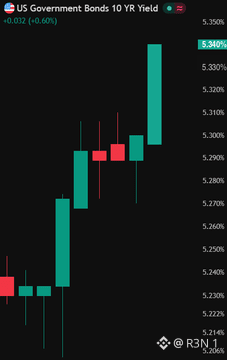
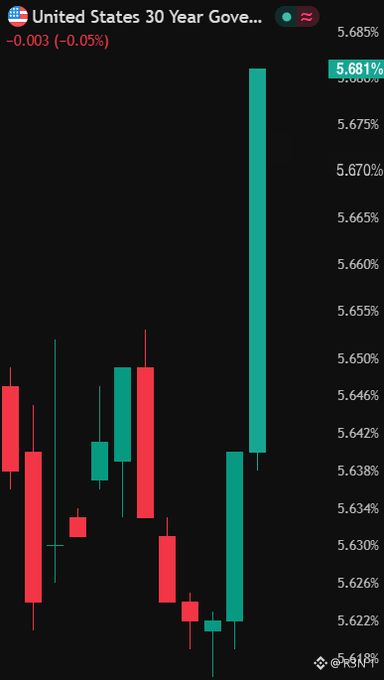
The 30 year mortgage rate hit 8% today, not a forecast, an actual print, the highest in over two decades. Worth correcting that framing directly, this isn't coming, it's already here. The bond moves behind it are real and dramatic. The 10 year Treasury yield hit 5.342% intraday, surpassing its 2007 peak and reaching its highest level since early 2002, a 24 year high. The 30 year climbed to 5.652% to 5.68% depending on the exact print, its highest since June 2002. Per Reuters, this marked the global benchmark's biggest quarterly rise this century. Driving it, persistent inflation, massive government borrowing, strong economic growth keeping rate expectations elevated, and per AllianceBernstein's trading desk, hedge funds and REITs holding mortgage backed securities selling long dated Treasuries in bulk as rising rates slow prepayments and extend MBS duration, forcing them to offload elsewhere to compensate. Worth noting the actual 30 year fixed mortgage rate landed at 8% via Mortgage News Daily's measure specifically, while separate MBA data showed the average contract rate at 7.70% for the week ending the same period, a reminder that different mortgage rate trackers can show meaningfully different numbers depending on methodology and timing. My honest read: this is a genuine, multi decade financial market event, not hype, confirmed by Bloomberg, Reuters, and CNBC all independently. The mechanism connecting it to mortgages is straightforward and well established, the 10 year directly prices 30 year mortgage rates, so this wasn't a surprising knock on effect, it was the expected one. What I'm watching: whether this yield spike stabilizes or keeps climbing toward the actual 2007 or 2002 peak levels, and what that does to housing affordability and crypto's own rate sensitivity heading into Q4. $BTC #BTC Price Analysis# #Meme Alpha# $ETH
The 30 year mortgage rate hit 8% today, not a forecast, an actual print, the highest in over two decades. Worth correcting that framing directly, this isn't coming, it's already here. The bond moves behind it are real and dramatic. The 10 year Treasury yield hit 5.342% intraday, surpassing its 2007 peak and reaching its highest level since early 2002, a 24 year high. The 30 year climbed to 5.652% to 5.68% depending on the exact print, its highest since June 2002. Per Reuters, this marked the global benchmark's biggest quarterly rise this century. Driving it, persistent inflation, massive government borrowing, strong economic growth keeping rate expectations elevated, and per AllianceBernstein's trading desk, hedge funds and REITs holding mortgage backed securities selling long dated Treasuries in bulk as rising rates slow prepayments and extend MBS duration, forcing them to offload elsewhere to compensate. Worth noting the actual 30 year fixed mortgage rate landed at 8% via Mortgage News Daily's measure specifically, while separate MBA data showed the average contract rate at 7.70% for the week ending the same period, a reminder that different mortgage rate trackers can show meaningfully different numbers depending on methodology and timing. My honest read: this is a genuine, multi decade financial market event, not hype, confirmed by Bloomberg, Reuters, and CNBC all independently. The mechanism connecting it to mortgages is straightforward and well established, the 10 year directly prices 30 year mortgage rates, so this wasn't a surprising knock on effect, it was the expected one. What I'm watching: whether this yield spike stabilizes or keeps climbing toward the actual 2007 or 2002 peak levels, and what that does to housing affordability and crypto's own rate sensitivity heading into Q4. $BTC #BTC Price Analysis# #Meme Alpha# $ETH
23
·
--
Xem bản dịch
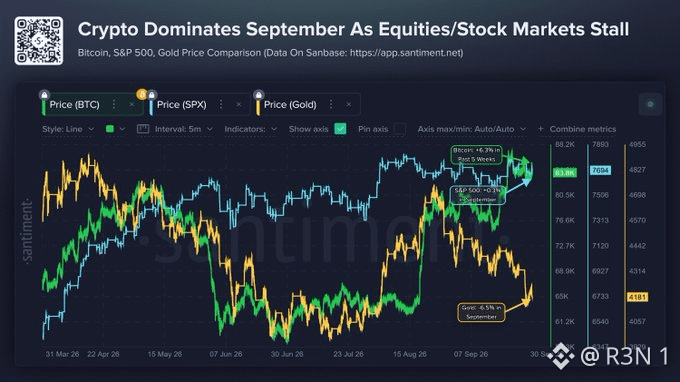
Gold just had its worst relative month against Bitcoin in a while, down over 6% while BTC gained roughly 7%. The S&P barely moved. Three assets, three completely different Septembers. Per Santiment Intelligence data from October 1, this isn't just a one month blip, it's part of a longer stretch. Bitcoin gained 36% across the five weeks from August 18 to September 22, against the S&P's 0.8% and gold's 1.5% decline over that window, before September's own monthly figures landed at roughly 7% BTC, flat S&P, gold down over 6%. Notably, this broke Bitcoin's usual pattern, September has historically been its weakest month, not a rally month. Santiment points to a specific mix of drivers rather than just momentum. US spot Bitcoin ETFs pulled in billions through September, including several large late month inflow days, and Strategy added another 1,665 BTC to its treasury during the stretch. Treasury buyback activity and short squeezes during resistance breaks were also cited as contributing factors. Worth noting the correlation context too. A separate September 26 analysis found Bitcoin's 90 day correlation with gold actually sat at a six year high around mid September, even as the two assets diverged sharply in September's returns. Not necessarily a contradiction, correlation measures how two assets move together over time, not whether one outperforms the other in any given month. My honest read: this is a genuine, well documented divergence, not a cherry picked comparison, multiple independent outlets confirm the same Santiment figures. Whether it signals a lasting decoupling from traditional correlation or just one unusually strong month for $BTC specifically is still an open question. What I'm watching: whether this outperformance extends into October, and whether that high gold correlation reasserts itself or stays broken. #BTC Price Analysis# #Altcoin Season# $XAUt
Gold just had its worst relative month against Bitcoin in a while, down over 6% while BTC gained roughly 7%. The S&P barely moved. Three assets, three completely different Septembers. Per Santiment Intelligence data from October 1, this isn't just a one month blip, it's part of a longer stretch. Bitcoin gained 36% across the five weeks from August 18 to September 22, against the S&P's 0.8% and gold's 1.5% decline over that window, before September's own monthly figures landed at roughly 7% BTC, flat S&P, gold down over 6%. Notably, this broke Bitcoin's usual pattern, September has historically been its weakest month, not a rally month. Santiment points to a specific mix of drivers rather than just momentum. US spot Bitcoin ETFs pulled in billions through September, including several large late month inflow days, and Strategy added another 1,665 BTC to its treasury during the stretch. Treasury buyback activity and short squeezes during resistance breaks were also cited as contributing factors. Worth noting the correlation context too. A separate September 26 analysis found Bitcoin's 90 day correlation with gold actually sat at a six year high around mid September, even as the two assets diverged sharply in September's returns. Not necessarily a contradiction, correlation measures how two assets move together over time, not whether one outperforms the other in any given month. My honest read: this is a genuine, well documented divergence, not a cherry picked comparison, multiple independent outlets confirm the same Santiment figures. Whether it signals a lasting decoupling from traditional correlation or just one unusually strong month for $BTC specifically is still an open question. What I'm watching: whether this outperformance extends into October, and whether that high gold correlation reasserts itself or stays broken. #BTC Price Analysis# #Altcoin Season# $XAUt
40
·
--
Xem bản dịch
Ten million machine initiated payments, settled by software agents paying for API calls and data with no human involved at checkout. That's a genuinely different use case than the payment volume XRPL usually gets credited for. t54's x402 facilitator is the infrastructure doing the actual work, letting AI agents pay in $XRP or RLUSD for protected endpoints inline with normal HTTP requests, no API keys, no accounts, the facilitator verifies and settles presigned payment transactions on ledger. The network crossed 1 million agentic transactions back in July, and RippleX's own engineering lead had already flagged the trajectory toward 10 million as imminent at that point, with 100 million plausible within a couple of years. Worth noting the cumulative count is self reported by the facilitator operator, tracked via an on chain fingerprint, not independently audited by a third party. The ecosystem around this has been building out in parallel, not just the payment rail alone. t54's XRPL AI Hub now lists 80 live x402 services, Mastercard's Verifiable Intent standard integrated in July to prove who authorized a payment and under what limits before settlement, and Virtuals Protocol brought its Agent Commerce Protocol onto XRPL for escrowed jobs and evaluator based verification. My honest read: this is a real, measurable use case, not a narrative claim, agents are genuinely transacting on chain at volume. Whether it scales meaningfully toward that 100 million target depends on actual agent adoption outside crypto native testing, not just the infrastructure existing. What I'm watching: whether transaction growth stays linear from here or starts compounding as more of those 80 listed services see real agent traffic rather than concentrated testing activity. $XRP #BTC Price Analysis# #Meme Alpha#
Ten million machine initiated payments, settled by software agents paying for API calls and data with no human involved at checkout. That's a genuinely different use case than the payment volume XRPL usually gets credited for. t54's x402 facilitator is the infrastructure doing the actual work, letting AI agents pay in $XRP or RLUSD for protected endpoints inline with normal HTTP requests, no API keys, no accounts, the facilitator verifies and settles presigned payment transactions on ledger. The network crossed 1 million agentic transactions back in July, and RippleX's own engineering lead had already flagged the trajectory toward 10 million as imminent at that point, with 100 million plausible within a couple of years. Worth noting the cumulative count is self reported by the facilitator operator, tracked via an on chain fingerprint, not independently audited by a third party. The ecosystem around this has been building out in parallel, not just the payment rail alone. t54's XRPL AI Hub now lists 80 live x402 services, Mastercard's Verifiable Intent standard integrated in July to prove who authorized a payment and under what limits before settlement, and Virtuals Protocol brought its Agent Commerce Protocol onto XRPL for escrowed jobs and evaluator based verification. My honest read: this is a real, measurable use case, not a narrative claim, agents are genuinely transacting on chain at volume. Whether it scales meaningfully toward that 100 million target depends on actual agent adoption outside crypto native testing, not just the infrastructure existing. What I'm watching: whether transaction growth stays linear from here or starts compounding as more of those 80 listed services see real agent traffic rather than concentrated testing activity. $XRP #BTC Price Analysis# #Meme Alpha#
59
·
--
Xem bản dịch
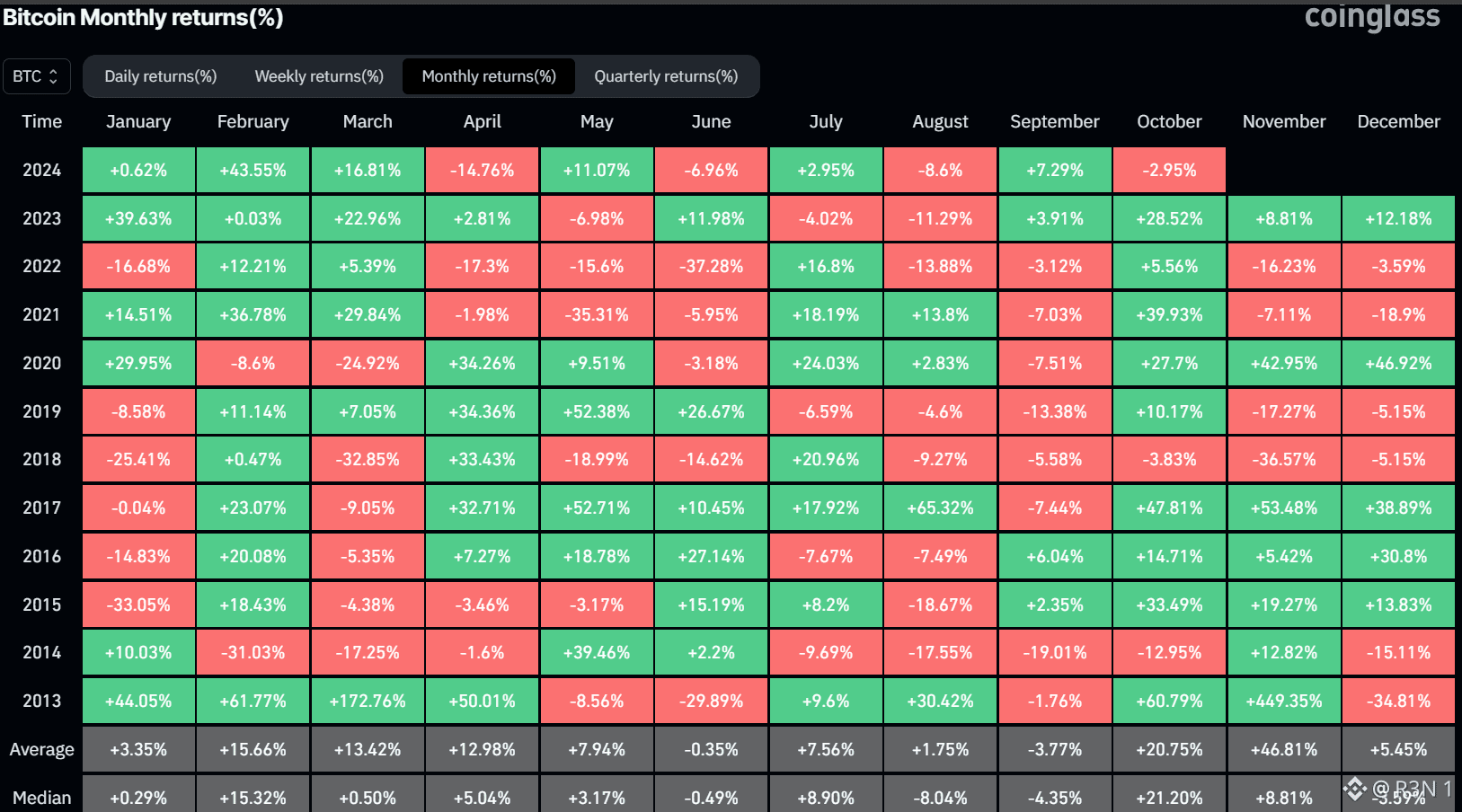
Ten green Octobers out of thirteen since 2013, averaging roughly 19% gains. That's the stat getting repeated everywhere right now, and it's accurate, but the one year that broke the pattern is actually more instructive than the nine that confirmed it. October 2025 started with $BTC near $119,000, hit a record above $126,000 early in the month, looked like Uptober playing out exactly as scripted, then finished down nearly 4%, the first red October since 2018. A US China trade dispute flare up and record liquidations did that, not a failure of the seasonal pattern itself, an external macro shock overriding historical tendency. That's the actual lesson, seasonality is a probability, not a guarantee, and it's broken before specifically when something unrelated to the calendar intervened. This year's setup into October is genuinely different from last year's though. BTC just posted three green months in a row for the first time since 2012, up roughly 25% in August and another 9% in September, reaching an eight month high above $87,000. Large entities reportedly accumulated around 30,269 BTC, worth about $2.57 billion, over a recent 96 hour stretch, and spot ETFs pulled in close to $3 billion over ten days. When September itself closed positive, the five prior instances still saw October gains four times, averaging just under 17%, a smaller sample worth noting, not treating as separately conclusive. My honest read: the base rate is real and well documented, not cherry picked, but 2025 proved strong seasonal odds don't override a genuine macro shock. This year's momentum looks more constructive than last year's setup, but that's a different claim than the pattern being more reliable this time. What I'm watching: whether any comparable macro catalyst, trade policy, Fed surprises, shows up this October the way it did last year, since that's historically been the actual variable that's broken this pattern, not anything about the calendar itself.
Ten green Octobers out of thirteen since 2013, averaging roughly 19% gains. That's the stat getting repeated everywhere right now, and it's accurate, but the one year that broke the pattern is actually more instructive than the nine that confirmed it. October 2025 started with $BTC near $119,000, hit a record above $126,000 early in the month, looked like Uptober playing out exactly as scripted, then finished down nearly 4%, the first red October since 2018. A US China trade dispute flare up and record liquidations did that, not a failure of the seasonal pattern itself, an external macro shock overriding historical tendency. That's the actual lesson, seasonality is a probability, not a guarantee, and it's broken before specifically when something unrelated to the calendar intervened. This year's setup into October is genuinely different from last year's though. BTC just posted three green months in a row for the first time since 2012, up roughly 25% in August and another 9% in September, reaching an eight month high above $87,000. Large entities reportedly accumulated around 30,269 BTC, worth about $2.57 billion, over a recent 96 hour stretch, and spot ETFs pulled in close to $3 billion over ten days. When September itself closed positive, the five prior instances still saw October gains four times, averaging just under 17%, a smaller sample worth noting, not treating as separately conclusive. My honest read: the base rate is real and well documented, not cherry picked, but 2025 proved strong seasonal odds don't override a genuine macro shock. This year's momentum looks more constructive than last year's setup, but that's a different claim than the pattern being more reliable this time. What I'm watching: whether any comparable macro catalyst, trade policy, Fed surprises, shows up this October the way it did last year, since that's historically been the actual variable that's broken this pattern, not anything about the calendar itself.
58
·
--
Xem bản dịch
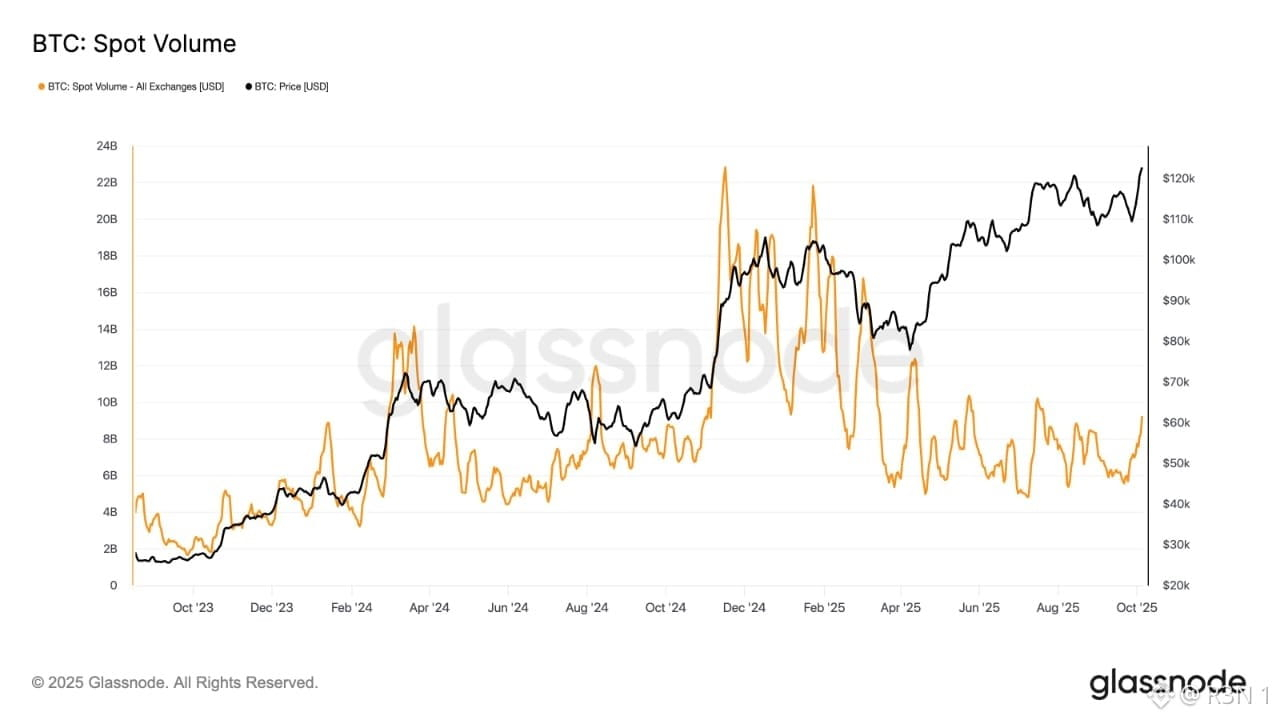
The 4x figure is turnover, not net capital inflow. The same money can get counted repeatedly as positions change hands, and volume captures both buying and selling, not a directional four times more capital rotating into alts. The more accurate read is that trading attention and liquidity have broadened beyond BTC, not that four times as much fresh money showed up.
The breadth data backs that broadening up. 72.5% of tracked altcoins outperformed Bitcoin over the seven days ending September 22, against just 39% during a similar August surge. The Altcoin Season Index climbed to 62%, up from 50% a week earlier and 33% a month prior. Zcash and Uniswap posted 295% and 248% three month gains, dwarfing BTC's own 44%. Worth noting the leverage picture looks calm, altcoin perpetual open interest has barely grown in 30 days, this rotation is showing up in spot participation, not leveraged futures.
Here's the genuine tension. Glassnode itself flagged that similar spikes in this ratio have historically coincided with local Bitcoin price tops, not confirmed altseason continuations. And September 28 specifically saw crypto's total market value fall about 3% while volume surged 125%, a pattern that reads more like forced liquidation than fresh altseason buying.
My honest read: the breadth and index data genuinely support an early altseason case, but Glassnode's own historical framing and last week's volume spike during a selloff argue the opposite just as plausibly. This is a real fork in the data, not a clean signal either way.
What I'm watching: whether altcoin exchange deposits keep climbing, since rising deposits alongside this volume would point toward selling pressure building rather than sustained rotation.
$BTC #BTC Price Analysis# #Altcoin Season# $XAUt
The 4x figure is turnover, not net capital inflow. The same money can get counted repeatedly as positions change hands, and volume captures both buying and selling, not a directional four times more capital rotating into alts. The more accurate read is that trading attention and liquidity have broadened beyond BTC, not that four times as much fresh money showed up.
The breadth data backs that broadening up. 72.5% of tracked altcoins outperformed Bitcoin over the seven days ending September 22, against just 39% during a similar August surge. The Altcoin Season Index climbed to 62%, up from 50% a week earlier and 33% a month prior. Zcash and Uniswap posted 295% and 248% three month gains, dwarfing BTC's own 44%. Worth noting the leverage picture looks calm, altcoin perpetual open interest has barely grown in 30 days, this rotation is showing up in spot participation, not leveraged futures.
Here's the genuine tension. Glassnode itself flagged that similar spikes in this ratio have historically coincided with local Bitcoin price tops, not confirmed altseason continuations. And September 28 specifically saw crypto's total market value fall about 3% while volume surged 125%, a pattern that reads more like forced liquidation than fresh altseason buying.
My honest read: the breadth and index data genuinely support an early altseason case, but Glassnode's own historical framing and last week's volume spike during a selloff argue the opposite just as plausibly. This is a real fork in the data, not a clean signal either way.
What I'm watching: whether altcoin exchange deposits keep climbing, since rising deposits alongside this volume would point toward selling pressure building rather than sustained rotation.
$BTC #BTC Price Analysis# #Altcoin Season# $XAUt
The breadth data backs that broadening up. 72.5% of tracked altcoins outperformed Bitcoin over the seven days ending September 22, against just 39% during a similar August surge. The Altcoin Season Index climbed to 62%, up from 50% a week earlier and 33% a month prior. Zcash and Uniswap posted 295% and 248% three month gains, dwarfing BTC's own 44%. Worth noting the leverage picture looks calm, altcoin perpetual open interest has barely grown in 30 days, this rotation is showing up in spot participation, not leveraged futures.
Here's the genuine tension. Glassnode itself flagged that similar spikes in this ratio have historically coincided with local Bitcoin price tops, not confirmed altseason continuations. And September 28 specifically saw crypto's total market value fall about 3% while volume surged 125%, a pattern that reads more like forced liquidation than fresh altseason buying.
My honest read: the breadth and index data genuinely support an early altseason case, but Glassnode's own historical framing and last week's volume spike during a selloff argue the opposite just as plausibly. This is a real fork in the data, not a clean signal either way.
What I'm watching: whether altcoin exchange deposits keep climbing, since rising deposits alongside this volume would point toward selling pressure building rather than sustained rotation.
$BTC #BTC Price Analysis# #Altcoin Season# $XAUt
57
·
--
Token gốc của UsePaid giảm 38% không phải vì giao thức thất bại, mà vì “đường ray thanh toán” bên dưới nó không thể xử lý được trạng thái thành công. Sự khác biệt này quan trọng cho cách bạn đọc vấn đề.
Phí được ghi nhận thông qua UsePaid đã tăng vọt lên 1,54 triệu USD vào ngày 27 tháng 9, tức khoảng 26 lần tổng số của ngày hôm trước và vượt xa tổng cộng của cả bảy ngày trước đó.
UsePaid định tuyến phí dành cho người tạo từ các đợt ra mắt token trên Pump.fun trực tiếp tới các tài khoản X được chỉ định thông qua “các đường ray thanh toán” của X Money, và cú tăng mạnh về khối lượng đã phá vỡ đường ống đó. Ban đầu, giao thức giới hạn chi trả ở mức 750 USD mỗi người nhận mỗi ngày, sau đó đến tối Chủ nhật thì tạm dừng hoàn toàn các chuyển khoản của X Money.
Điểm nổi bật với tôi là cơ chế tạo ra lượng giao dịch này. Bất kỳ ai cũng có thể ra mắt một token trên Pump.fun, chuyển phí dành cho người tạo sang UsePaid và gán gần như bất kỳ tài khoản X nào làm người thụ hưởng, không cần sự đồng ý. Bảng điều khiển của UsePaid theo như báo cáo đã hiển thị 367 token trỏ tới một tài khoản nổi bật và 764 token trỏ tới Elon Musk; một số người nhận cho rằng nó đang bị “DDoS tài chính”. Làn sóng tăng này diễn ra như hệ quả dây chuyền của động lực đó, tăng tốc rất nhanh.
Tới ngày 28 tháng 9, UsePaid đã triển khai một cổng yêu cầu (claims portal) để người nhận có thể rút trực tiếp vào ví Solana bằng SOL, bỏ qua X Money hoàn toàn. Theo giao thức, số dư hiện có vẫn được giữ nguyên và phí tiếp tục được cộng dồn; theo đó đây là điểm nghẽn trong việc chi trả, chứ không phải vấn đề mất khả năng thanh toán (solvency).
Cần nói rõ phạm vi: bản thân X Money vẫn tiếp tục hoạt động độc lập. Cụ thể là phần tích hợp của UsePaid bị hạn chế, chứ không phải một sự cố mất dịch vụ rộng hơn của X Money.
Câu hỏi mở không phải là cổng yêu cầu có hoạt động như một phương án tạm thời hay không—nó đang chạy và có hiệu lực. Vấn đề là liệu điều này có đẩy UsePaid hướng tới việc vĩnh viễn ưu tiên các yêu cầu nhận tiền trực tiếp trên chuỗi bằng SOL thay cho lộ trình X Money mà ban đầu hệ thống được xây dựng xung quanh hay không, và điều đó có ý nghĩa gì đối với một sản phẩm mà toàn bộ “pitch” là chi trả fiat không gây ma sát.
$SOL #BTC Price Analysis# #Altcoin Season# $HYPE
Token gốc của UsePaid giảm 38% không phải vì giao thức thất bại, mà vì “đường ray thanh toán” bên dưới nó không thể xử lý được trạng thái thành công. Sự khác biệt này quan trọng cho cách bạn đọc vấn đề.
Phí được ghi nhận thông qua UsePaid đã tăng vọt lên 1,54 triệu USD vào ngày 27 tháng 9, tức khoảng 26 lần tổng số của ngày hôm trước và vượt xa tổng cộng của cả bảy ngày trước đó.
UsePaid định tuyến phí dành cho người tạo từ các đợt ra mắt token trên Pump.fun trực tiếp tới các tài khoản X được chỉ định thông qua “các đường ray thanh toán” của X Money, và cú tăng mạnh về khối lượng đã phá vỡ đường ống đó. Ban đầu, giao thức giới hạn chi trả ở mức 750 USD mỗi người nhận mỗi ngày, sau đó đến tối Chủ nhật thì tạm dừng hoàn toàn các chuyển khoản của X Money.
Điểm nổi bật với tôi là cơ chế tạo ra lượng giao dịch này. Bất kỳ ai cũng có thể ra mắt một token trên Pump.fun, chuyển phí dành cho người tạo sang UsePaid và gán gần như bất kỳ tài khoản X nào làm người thụ hưởng, không cần sự đồng ý. Bảng điều khiển của UsePaid theo như báo cáo đã hiển thị 367 token trỏ tới một tài khoản nổi bật và 764 token trỏ tới Elon Musk; một số người nhận cho rằng nó đang bị “DDoS tài chính”. Làn sóng tăng này diễn ra như hệ quả dây chuyền của động lực đó, tăng tốc rất nhanh.
Tới ngày 28 tháng 9, UsePaid đã triển khai một cổng yêu cầu (claims portal) để người nhận có thể rút trực tiếp vào ví Solana bằng SOL, bỏ qua X Money hoàn toàn. Theo giao thức, số dư hiện có vẫn được giữ nguyên và phí tiếp tục được cộng dồn; theo đó đây là điểm nghẽn trong việc chi trả, chứ không phải vấn đề mất khả năng thanh toán (solvency).
Cần nói rõ phạm vi: bản thân X Money vẫn tiếp tục hoạt động độc lập. Cụ thể là phần tích hợp của UsePaid bị hạn chế, chứ không phải một sự cố mất dịch vụ rộng hơn của X Money.
Câu hỏi mở không phải là cổng yêu cầu có hoạt động như một phương án tạm thời hay không—nó đang chạy và có hiệu lực. Vấn đề là liệu điều này có đẩy UsePaid hướng tới việc vĩnh viễn ưu tiên các yêu cầu nhận tiền trực tiếp trên chuỗi bằng SOL thay cho lộ trình X Money mà ban đầu hệ thống được xây dựng xung quanh hay không, và điều đó có ý nghĩa gì đối với một sản phẩm mà toàn bộ “pitch” là chi trả fiat không gây ma sát.
$SOL #BTC Price Analysis# #Altcoin Season# $HYPE
Phí được ghi nhận thông qua UsePaid đã tăng vọt lên 1,54 triệu USD vào ngày 27 tháng 9, tức khoảng 26 lần tổng số của ngày hôm trước và vượt xa tổng cộng của cả bảy ngày trước đó.
UsePaid định tuyến phí dành cho người tạo từ các đợt ra mắt token trên Pump.fun trực tiếp tới các tài khoản X được chỉ định thông qua “các đường ray thanh toán” của X Money, và cú tăng mạnh về khối lượng đã phá vỡ đường ống đó. Ban đầu, giao thức giới hạn chi trả ở mức 750 USD mỗi người nhận mỗi ngày, sau đó đến tối Chủ nhật thì tạm dừng hoàn toàn các chuyển khoản của X Money.
Điểm nổi bật với tôi là cơ chế tạo ra lượng giao dịch này. Bất kỳ ai cũng có thể ra mắt một token trên Pump.fun, chuyển phí dành cho người tạo sang UsePaid và gán gần như bất kỳ tài khoản X nào làm người thụ hưởng, không cần sự đồng ý. Bảng điều khiển của UsePaid theo như báo cáo đã hiển thị 367 token trỏ tới một tài khoản nổi bật và 764 token trỏ tới Elon Musk; một số người nhận cho rằng nó đang bị “DDoS tài chính”. Làn sóng tăng này diễn ra như hệ quả dây chuyền của động lực đó, tăng tốc rất nhanh.
Tới ngày 28 tháng 9, UsePaid đã triển khai một cổng yêu cầu (claims portal) để người nhận có thể rút trực tiếp vào ví Solana bằng SOL, bỏ qua X Money hoàn toàn. Theo giao thức, số dư hiện có vẫn được giữ nguyên và phí tiếp tục được cộng dồn; theo đó đây là điểm nghẽn trong việc chi trả, chứ không phải vấn đề mất khả năng thanh toán (solvency).
Cần nói rõ phạm vi: bản thân X Money vẫn tiếp tục hoạt động độc lập. Cụ thể là phần tích hợp của UsePaid bị hạn chế, chứ không phải một sự cố mất dịch vụ rộng hơn của X Money.
Câu hỏi mở không phải là cổng yêu cầu có hoạt động như một phương án tạm thời hay không—nó đang chạy và có hiệu lực. Vấn đề là liệu điều này có đẩy UsePaid hướng tới việc vĩnh viễn ưu tiên các yêu cầu nhận tiền trực tiếp trên chuỗi bằng SOL thay cho lộ trình X Money mà ban đầu hệ thống được xây dựng xung quanh hay không, và điều đó có ý nghĩa gì đối với một sản phẩm mà toàn bộ “pitch” là chi trả fiat không gây ma sát.
$SOL #BTC Price Analysis# #Altcoin Season# $HYPE

60
·
--
Blockchain.com đã chạm mốc 14 tỷ USD ở đỉnh của chu kỳ trước. Hiện tại công ty đang nhắm mục tiêu 4 đến 6 tỷ USD—ít hơn một nửa so với mức đỉnh—nhưng vẫn gọi đó là một câu chuyện “tái xuất”. Đáng để ngồi lại với khoảng chênh này trước khi đọc toàn bộ như một động lực đi lên thuần túy.
Theo Bloomberg, công ty cho biết với các nhà đầu tư tiềm năng rằng họ muốn huy động khoảng 500 triệu USD trong một đợt niêm yết tại Mỹ trong năm nay, với khả năng chấp nhận mức huy động nhỏ hơn nếu điều kiện thị trường đòi hỏi. Công ty đã nộp hồ sơ kín cho SEC từ hồi tháng 5 và theo báo cáo đã công bố lợi nhuận điều chỉnh trong ba năm liên tiếp—một chi tiết vận hành thực sự, không chỉ là “bài pitch” mang tính câu chuyện. Thời điểm này khớp với đà phục hồi của BTC: tăng khoảng 30 đến 33% kể từ giữa tháng 8, khi chương trình mua lại của Bộ Tài chính bắt đầu định hình lại các điều kiện thanh khoản.
Cũng đáng nói thẳng về bối cảnh mà IPO này đang bước vào. Gemini, Bullish và eToro đều đã lên sàn vào năm ngoái, và hậu quả không hề dễ chịu: Gemini giảm hơn 80% so với thời điểm ra mắt, BitGo khoảng 60%, eToro vào khoảng 50%. Đó chính là “thực tế thành tích” mà các đợt niêm yết crypto gần đây đã tạo ra.
Blockchain.com cũng đang mở rộng thật sự bề mặt sản phẩm vượt khỏi mảng ví và sàn giao dịch cốt lõi—các cổ phiếu và ETF được token hóa thông qua Ondo Finance, và theo báo cáo là một thỏa thuận mới với NYSE đã được thăm dò trong tuần trước. Sự đa dạng này là một phần thực chất trong câu chuyện thuyết phục nhà đầu tư, chứ không chỉ là “đi theo” giá BTC.
Nhận định thẳng của tôi: hoạt động có lãi và câu chuyện mở rộng sản phẩm thực tế khiến đây là một đợt niêm yết có nội dung đáng giá hơn so với các kịch bản chỉ dựa vào đà tăng, nhưng hiệu suất của ngành sau IPO trong năm nay là một lực cản thực sự mà định giá trong biên độ này phải vượt qua—không chỉ là do tâm lý thị trường.
Điều tôi đang theo dõi: liệu Blockchain.com có thực sự nộp S-1 và chốt định giá hay không, và nếu có thì họ giao dịch ra sao so với năm đầu tiên của Gemini, BitGo và eToro.
$BTC #BTC Price Analysis# $XRP #Meme Alpha#
Blockchain.com đã chạm mốc 14 tỷ USD ở đỉnh của chu kỳ trước. Hiện tại công ty đang nhắm mục tiêu 4 đến 6 tỷ USD—ít hơn một nửa so với mức đỉnh—nhưng vẫn gọi đó là một câu chuyện “tái xuất”. Đáng để ngồi lại với khoảng chênh này trước khi đọc toàn bộ như một động lực đi lên thuần túy.
Theo Bloomberg, công ty cho biết với các nhà đầu tư tiềm năng rằng họ muốn huy động khoảng 500 triệu USD trong một đợt niêm yết tại Mỹ trong năm nay, với khả năng chấp nhận mức huy động nhỏ hơn nếu điều kiện thị trường đòi hỏi. Công ty đã nộp hồ sơ kín cho SEC từ hồi tháng 5 và theo báo cáo đã công bố lợi nhuận điều chỉnh trong ba năm liên tiếp—một chi tiết vận hành thực sự, không chỉ là “bài pitch” mang tính câu chuyện. Thời điểm này khớp với đà phục hồi của BTC: tăng khoảng 30 đến 33% kể từ giữa tháng 8, khi chương trình mua lại của Bộ Tài chính bắt đầu định hình lại các điều kiện thanh khoản.
Cũng đáng nói thẳng về bối cảnh mà IPO này đang bước vào. Gemini, Bullish và eToro đều đã lên sàn vào năm ngoái, và hậu quả không hề dễ chịu: Gemini giảm hơn 80% so với thời điểm ra mắt, BitGo khoảng 60%, eToro vào khoảng 50%. Đó chính là “thực tế thành tích” mà các đợt niêm yết crypto gần đây đã tạo ra.
Blockchain.com cũng đang mở rộng thật sự bề mặt sản phẩm vượt khỏi mảng ví và sàn giao dịch cốt lõi—các cổ phiếu và ETF được token hóa thông qua Ondo Finance, và theo báo cáo là một thỏa thuận mới với NYSE đã được thăm dò trong tuần trước. Sự đa dạng này là một phần thực chất trong câu chuyện thuyết phục nhà đầu tư, chứ không chỉ là “đi theo” giá BTC.
Nhận định thẳng của tôi: hoạt động có lãi và câu chuyện mở rộng sản phẩm thực tế khiến đây là một đợt niêm yết có nội dung đáng giá hơn so với các kịch bản chỉ dựa vào đà tăng, nhưng hiệu suất của ngành sau IPO trong năm nay là một lực cản thực sự mà định giá trong biên độ này phải vượt qua—không chỉ là do tâm lý thị trường.
Điều tôi đang theo dõi: liệu Blockchain.com có thực sự nộp S-1 và chốt định giá hay không, và nếu có thì họ giao dịch ra sao so với năm đầu tiên của Gemini, BitGo và eToro.
$BTC #BTC Price Analysis# $XRP #Meme Alpha#
Theo Bloomberg, công ty cho biết với các nhà đầu tư tiềm năng rằng họ muốn huy động khoảng 500 triệu USD trong một đợt niêm yết tại Mỹ trong năm nay, với khả năng chấp nhận mức huy động nhỏ hơn nếu điều kiện thị trường đòi hỏi. Công ty đã nộp hồ sơ kín cho SEC từ hồi tháng 5 và theo báo cáo đã công bố lợi nhuận điều chỉnh trong ba năm liên tiếp—một chi tiết vận hành thực sự, không chỉ là “bài pitch” mang tính câu chuyện. Thời điểm này khớp với đà phục hồi của BTC: tăng khoảng 30 đến 33% kể từ giữa tháng 8, khi chương trình mua lại của Bộ Tài chính bắt đầu định hình lại các điều kiện thanh khoản.
Cũng đáng nói thẳng về bối cảnh mà IPO này đang bước vào. Gemini, Bullish và eToro đều đã lên sàn vào năm ngoái, và hậu quả không hề dễ chịu: Gemini giảm hơn 80% so với thời điểm ra mắt, BitGo khoảng 60%, eToro vào khoảng 50%. Đó chính là “thực tế thành tích” mà các đợt niêm yết crypto gần đây đã tạo ra.
Blockchain.com cũng đang mở rộng thật sự bề mặt sản phẩm vượt khỏi mảng ví và sàn giao dịch cốt lõi—các cổ phiếu và ETF được token hóa thông qua Ondo Finance, và theo báo cáo là một thỏa thuận mới với NYSE đã được thăm dò trong tuần trước. Sự đa dạng này là một phần thực chất trong câu chuyện thuyết phục nhà đầu tư, chứ không chỉ là “đi theo” giá BTC.
Nhận định thẳng của tôi: hoạt động có lãi và câu chuyện mở rộng sản phẩm thực tế khiến đây là một đợt niêm yết có nội dung đáng giá hơn so với các kịch bản chỉ dựa vào đà tăng, nhưng hiệu suất của ngành sau IPO trong năm nay là một lực cản thực sự mà định giá trong biên độ này phải vượt qua—không chỉ là do tâm lý thị trường.
Điều tôi đang theo dõi: liệu Blockchain.com có thực sự nộp S-1 và chốt định giá hay không, và nếu có thì họ giao dịch ra sao so với năm đầu tiên của Gemini, BitGo và eToro.
$BTC #BTC Price Analysis# $XRP #Meme Alpha#


66
·
--
STONfi DAO là nơi người nắm giữ STON định hình hướng đi của giao thức. Cho đến nay đã có tám đề xuất được gửi, với 11,576 người bỏ phiếu duy nhất tham gia. Dưới đây là toàn bộ quy trình cho cả bỏ phiếu và tạo đề xuất. Để truy cập DAO, hãy vào dao.ston.fi hoặc nhấp tab DAO trong thanh điều hướng chính của Ston.fi tại app.ston.fi. Để nhận quyền biểu quyết, bạn cần stake STON thông qua ARKENSTON tại app.ston.fi/stake. Chọn thời hạn khóa từ 3 đến 24 tháng. Thời gian khóa dài hơn sẽ tạo ra quyền biểu quyết cao hơn trên mỗi STON được stake. Vị thế stake của bạn sẽ phát hành một NFT soulbound ARKENSTON đại diện cho trọng số biểu quyết của bạn. NFT này không thể chuyển nhượng hoặc vay mượn. Để bỏ phiếu cho một đề xuất đang tồn tại, hãy kết nối ví tại dao.ston.fi, vào Proposals, tìm một đề xuất đang hoạt động ở tab Voting, và thực hiện bỏ phiếu. Bất kỳ vị thế STON đã stake nào có quyền biểu quyết đều có thể tham gia bỏ phiếu. Để tạo một đề xuất, bạn cần ít nhất 273,32 quyền biểu quyết trong một NFT ARKENSTON. Nếu lượng stake của bạn thấp hơn ngưỡng này, bạn không thể tạo đề xuất nhưng vẫn có thể bỏ phiếu. Đề xuất yêu cầu tiêu đề tối đa 80 ký tự và phần mô tả bao gồm Summary (Tóm tắt), Motivation (Lý do) và Details (Chi tiết). Mức quorum cần thiết để bất kỳ đề xuất nào được thông qua là 25,798 quyền biểu quyết. Thời gian thảo luận trước khi mở bỏ phiếu là 7 ngày. GEMSTON được nhận song song cùng với phần thưởng staking STON. Sự tham gia quản trị chính là “sản phẩm thực tế” của quyết định staking mà chúng ta đã đề cập trong bài viết so sánh staking và farming. Truy cập STONfi DAO → https://dao.ston.fi $BTC #BTC Price Analysis# #Altcoin Season# $HYPE #Meme Alpha#
STONfi DAO là nơi người nắm giữ STON định hình hướng đi của giao thức. Cho đến nay đã có tám đề xuất được gửi, với 11,576 người bỏ phiếu duy nhất tham gia. Dưới đây là toàn bộ quy trình cho cả bỏ phiếu và tạo đề xuất. Để truy cập DAO, hãy vào dao.ston.fi hoặc nhấp tab DAO trong thanh điều hướng chính của Ston.fi tại app.ston.fi. Để nhận quyền biểu quyết, bạn cần stake STON thông qua ARKENSTON tại app.ston.fi/stake. Chọn thời hạn khóa từ 3 đến 24 tháng. Thời gian khóa dài hơn sẽ tạo ra quyền biểu quyết cao hơn trên mỗi STON được stake. Vị thế stake của bạn sẽ phát hành một NFT soulbound ARKENSTON đại diện cho trọng số biểu quyết của bạn. NFT này không thể chuyển nhượng hoặc vay mượn. Để bỏ phiếu cho một đề xuất đang tồn tại, hãy kết nối ví tại dao.ston.fi, vào Proposals, tìm một đề xuất đang hoạt động ở tab Voting, và thực hiện bỏ phiếu. Bất kỳ vị thế STON đã stake nào có quyền biểu quyết đều có thể tham gia bỏ phiếu. Để tạo một đề xuất, bạn cần ít nhất 273,32 quyền biểu quyết trong một NFT ARKENSTON. Nếu lượng stake của bạn thấp hơn ngưỡng này, bạn không thể tạo đề xuất nhưng vẫn có thể bỏ phiếu. Đề xuất yêu cầu tiêu đề tối đa 80 ký tự và phần mô tả bao gồm Summary (Tóm tắt), Motivation (Lý do) và Details (Chi tiết). Mức quorum cần thiết để bất kỳ đề xuất nào được thông qua là 25,798 quyền biểu quyết. Thời gian thảo luận trước khi mở bỏ phiếu là 7 ngày. GEMSTON được nhận song song cùng với phần thưởng staking STON. Sự tham gia quản trị chính là “sản phẩm thực tế” của quyết định staking mà chúng ta đã đề cập trong bài viết so sánh staking và farming. Truy cập STONfi DAO → https://dao.ston.fi $BTC #BTC Price Analysis# #Altcoin Season# $HYPE #Meme Alpha#

70
·
--
Xem bản dịch
"It's really not just a blockchain anymore." A strange thing for Ethereum's own co-founder to say about Ethereum, and the essay behind it is more specific than the soundbite suggests.
Buterin's new piece, "The Cryptographic World Computer," published Sunday, frames Hegota, next year's upgrade, as likely Ethereum's last "normal" fork. After that, a shift toward recursive STARKs, automated formal verification, and quantum-safe cryptography, a hybrid combining blockchain design with cryptographic tools that weren't mature enough to use back in 2009.
What stands out to me is the mechanism he points to for why Ethereum stops being "just" a blockchain. FOCIL, fork-choice enforced inclusion lists, is a Hegota feature letting a committee of validators force valid transactions into blocks rather than relying on a single builder. Buterin connects this directly to privacy, saying it will make ZK-SNARK-based transactions, which already break the whitepaper's assumption that transactions get announced publicly, "much more first-class citizens" going forward.
Worth adding real numbers to the vision, he projects 4 to 8 second slot times and 8 to 32 second finality by 2030. He's also direct about a limit, Ethereum's base layer is unlikely to match centralized server latency even with all this, though surrounding infrastructure could close some of that gap.
Worth noting Hegota's scope isn't finalized, Ethereum's roadmap places it in 2027 following Glamsterdam, and this essay is Buterin's framing of what comes after, not a locked spec.
The open question isn't whether this direction is real, FOCIL and related EIPs are already scheduled. It's whether "hybrid architecture" delivers privacy and performance simultaneously at scale, or one of those goals ends up trading against the other once this moves from essay to shipped code.
#BTC Price Analysis# $ETH #Ethereum
"It's really not just a blockchain anymore." A strange thing for Ethereum's own co-founder to say about Ethereum, and the essay behind it is more specific than the soundbite suggests.
Buterin's new piece, "The Cryptographic World Computer," published Sunday, frames Hegota, next year's upgrade, as likely Ethereum's last "normal" fork. After that, a shift toward recursive STARKs, automated formal verification, and quantum-safe cryptography, a hybrid combining blockchain design with cryptographic tools that weren't mature enough to use back in 2009.
What stands out to me is the mechanism he points to for why Ethereum stops being "just" a blockchain. FOCIL, fork-choice enforced inclusion lists, is a Hegota feature letting a committee of validators force valid transactions into blocks rather than relying on a single builder. Buterin connects this directly to privacy, saying it will make ZK-SNARK-based transactions, which already break the whitepaper's assumption that transactions get announced publicly, "much more first-class citizens" going forward.
Worth adding real numbers to the vision, he projects 4 to 8 second slot times and 8 to 32 second finality by 2030. He's also direct about a limit, Ethereum's base layer is unlikely to match centralized server latency even with all this, though surrounding infrastructure could close some of that gap.
Worth noting Hegota's scope isn't finalized, Ethereum's roadmap places it in 2027 following Glamsterdam, and this essay is Buterin's framing of what comes after, not a locked spec.
The open question isn't whether this direction is real, FOCIL and related EIPs are already scheduled. It's whether "hybrid architecture" delivers privacy and performance simultaneously at scale, or one of those goals ends up trading against the other once this moves from essay to shipped code.
#BTC Price Analysis# $ETH #Ethereum
Buterin's new piece, "The Cryptographic World Computer," published Sunday, frames Hegota, next year's upgrade, as likely Ethereum's last "normal" fork. After that, a shift toward recursive STARKs, automated formal verification, and quantum-safe cryptography, a hybrid combining blockchain design with cryptographic tools that weren't mature enough to use back in 2009.
What stands out to me is the mechanism he points to for why Ethereum stops being "just" a blockchain. FOCIL, fork-choice enforced inclusion lists, is a Hegota feature letting a committee of validators force valid transactions into blocks rather than relying on a single builder. Buterin connects this directly to privacy, saying it will make ZK-SNARK-based transactions, which already break the whitepaper's assumption that transactions get announced publicly, "much more first-class citizens" going forward.
Worth adding real numbers to the vision, he projects 4 to 8 second slot times and 8 to 32 second finality by 2030. He's also direct about a limit, Ethereum's base layer is unlikely to match centralized server latency even with all this, though surrounding infrastructure could close some of that gap.
Worth noting Hegota's scope isn't finalized, Ethereum's roadmap places it in 2027 following Glamsterdam, and this essay is Buterin's framing of what comes after, not a locked spec.
The open question isn't whether this direction is real, FOCIL and related EIPs are already scheduled. It's whether "hybrid architecture" delivers privacy and performance simultaneously at scale, or one of those goals ends up trading against the other once this moves from essay to shipped code.
#BTC Price Analysis# $ETH #Ethereum

2
·
--
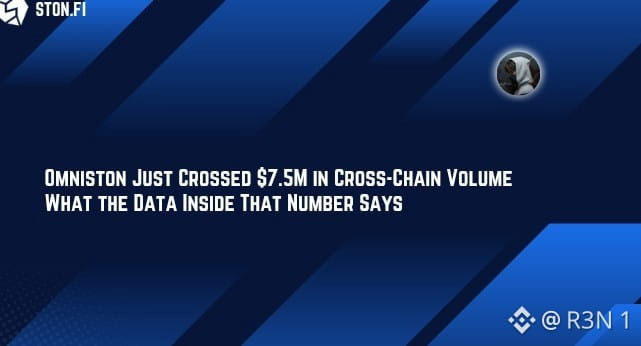
Omniston vừa vượt mốc 7,5 triệu USD về tổng khối lượng hoán đổi xuyên chuỗi mọi thời đại. Đầu tháng này, nó cũng đã vượt mốc 3 triệu USD. Chỉ trong khoảng thời gian giữa hai cột mốc đó, con số đã tăng hơn gấp đôi.
Riêng tuần từ 17 đến 23 tháng 9 đã mang về 1,8 triệu USD, tăng 26% so với tuần trước. Tuyến đường sôi động nhất là BNB Chain sang TON, chiếm 78% tổng khối lượng theo tuần.
Phân bổ tuyến đường đó là điểm dữ liệu thú vị nhất. BNB Chain sang TON ở mức 78% khối lượng theo tuần cho bạn biết nhu cầu thực sự đang đến từ đâu. Dòng vốn trên BNB Chain muốn được tiếp cận lớp DeFi của TON — các pool của STONfi, cơ hội canh tác, xStocks và các ứng dụng bản địa cho Telegram. Tuyến đường này không chỉ mang tính lý thuyết. Đây hiện là lộ trình xuyên chuỗi hoạt động mạnh nhất trong mạng lưới.
Việc tăng gấp đôi từ 3 triệu USD lên 7,5 triệu USD trong vòng một tháng phản ánh một trong hai xu hướng. Khối lượng bùng nổ ngay khi ra mắt nhờ sự mới lạ rồi sau đó bình ổn. Hoặc nó tăng dần khi ngày càng nhiều người khám phá các tuyến đường và nhiều sản phẩm tích hợp lớp thực thi. Mức tăng trưởng theo tuần 26% đi kèm với cột mốc mọi thời đại cho thấy xu hướng thứ hai.
Chiến dịch One Swap Across Chains đang được triển khai song song cũng thúc đẩy mức độ tương tác có cấu trúc với các tuyến đường xuyên chuỗi. Những chiến dịch dạy bằng cách làm tạo ra hành vi khối lượng bền vững hơn so với các chiến dịch chỉ tạo nhận thức thụ động, vì người tham gia đã thực sự thực hiện giao dịch hoán đổi thay vì chỉ đọc về nó.
7,5 triệu USD mọi thời đại. 1,8 triệu USD trong một tuần. 78% từ BNB Chain sang TON. Mạng lưới đang được sử dụng.
Thử hoán đổi xuyên chuỗi →https://app.ston.fi/swap?mode=cross-chain
$ZEC #BTC Price Analysis# $NEAR #Altcoin Season#
Omniston vừa vượt mốc 7,5 triệu USD về tổng khối lượng hoán đổi xuyên chuỗi mọi thời đại. Đầu tháng này, nó cũng đã vượt mốc 3 triệu USD. Chỉ trong khoảng thời gian giữa hai cột mốc đó, con số đã tăng hơn gấp đôi.
Riêng tuần từ 17 đến 23 tháng 9 đã mang về 1,8 triệu USD, tăng 26% so với tuần trước. Tuyến đường sôi động nhất là BNB Chain sang TON, chiếm 78% tổng khối lượng theo tuần.
Phân bổ tuyến đường đó là điểm dữ liệu thú vị nhất. BNB Chain sang TON ở mức 78% khối lượng theo tuần cho bạn biết nhu cầu thực sự đang đến từ đâu. Dòng vốn trên BNB Chain muốn được tiếp cận lớp DeFi của TON — các pool của STONfi, cơ hội canh tác, xStocks và các ứng dụng bản địa cho Telegram. Tuyến đường này không chỉ mang tính lý thuyết. Đây hiện là lộ trình xuyên chuỗi hoạt động mạnh nhất trong mạng lưới.
Việc tăng gấp đôi từ 3 triệu USD lên 7,5 triệu USD trong vòng một tháng phản ánh một trong hai xu hướng. Khối lượng bùng nổ ngay khi ra mắt nhờ sự mới lạ rồi sau đó bình ổn. Hoặc nó tăng dần khi ngày càng nhiều người khám phá các tuyến đường và nhiều sản phẩm tích hợp lớp thực thi. Mức tăng trưởng theo tuần 26% đi kèm với cột mốc mọi thời đại cho thấy xu hướng thứ hai.
Chiến dịch One Swap Across Chains đang được triển khai song song cũng thúc đẩy mức độ tương tác có cấu trúc với các tuyến đường xuyên chuỗi. Những chiến dịch dạy bằng cách làm tạo ra hành vi khối lượng bền vững hơn so với các chiến dịch chỉ tạo nhận thức thụ động, vì người tham gia đã thực sự thực hiện giao dịch hoán đổi thay vì chỉ đọc về nó.
7,5 triệu USD mọi thời đại. 1,8 triệu USD trong một tuần. 78% từ BNB Chain sang TON. Mạng lưới đang được sử dụng.
Thử hoán đổi xuyên chuỗi →https://app.ston.fi/swap?mode=cross-chain
$ZEC #BTC Price Analysis# $NEAR #Altcoin Season#
Riêng tuần từ 17 đến 23 tháng 9 đã mang về 1,8 triệu USD, tăng 26% so với tuần trước. Tuyến đường sôi động nhất là BNB Chain sang TON, chiếm 78% tổng khối lượng theo tuần.
Phân bổ tuyến đường đó là điểm dữ liệu thú vị nhất. BNB Chain sang TON ở mức 78% khối lượng theo tuần cho bạn biết nhu cầu thực sự đang đến từ đâu. Dòng vốn trên BNB Chain muốn được tiếp cận lớp DeFi của TON — các pool của STONfi, cơ hội canh tác, xStocks và các ứng dụng bản địa cho Telegram. Tuyến đường này không chỉ mang tính lý thuyết. Đây hiện là lộ trình xuyên chuỗi hoạt động mạnh nhất trong mạng lưới.
Việc tăng gấp đôi từ 3 triệu USD lên 7,5 triệu USD trong vòng một tháng phản ánh một trong hai xu hướng. Khối lượng bùng nổ ngay khi ra mắt nhờ sự mới lạ rồi sau đó bình ổn. Hoặc nó tăng dần khi ngày càng nhiều người khám phá các tuyến đường và nhiều sản phẩm tích hợp lớp thực thi. Mức tăng trưởng theo tuần 26% đi kèm với cột mốc mọi thời đại cho thấy xu hướng thứ hai.
Chiến dịch One Swap Across Chains đang được triển khai song song cũng thúc đẩy mức độ tương tác có cấu trúc với các tuyến đường xuyên chuỗi. Những chiến dịch dạy bằng cách làm tạo ra hành vi khối lượng bền vững hơn so với các chiến dịch chỉ tạo nhận thức thụ động, vì người tham gia đã thực sự thực hiện giao dịch hoán đổi thay vì chỉ đọc về nó.
7,5 triệu USD mọi thời đại. 1,8 triệu USD trong một tuần. 78% từ BNB Chain sang TON. Mạng lưới đang được sử dụng.
Thử hoán đổi xuyên chuỗi →https://app.ston.fi/swap?mode=cross-chain
$ZEC #BTC Price Analysis# $NEAR #Altcoin Season#
38
·
--
Cổ phiếu đã được token hóa vừa trở thành tài sản đảm bảo, chứ không chỉ là một lớp bao giao dịch, và chính sự khác biệt đó mới là “điểm mở khóa” thực sự, nhiều hơn con số ở tiêu đề.
Equities Hub của Aave V4 đã ra mắt vào thứ Sáu trên Base, chấp nhận bảy cổ phiếu token hóa do Coinbase phát hành—Apple, Amazon, Alphabet, Meta, Microsoft, Nvidia, Tesla—làm tài sản thế chấp cho các khoản vay USDC. Người dùng nạp các token cổ phiếu và vay USDC dựa trên chúng; tại thời điểm ra mắt, chỉ là hình thức thế chấp (collateral-only), và các cổ phiếu này hiện vẫn chưa thể được vay mượn hoặc bán khống. Chainlink định giá chúng thông qua các feed cổ phiếu token hóa chuyên biệt, bị giới hạn cho người dùng không thuộc Mỹ trong các khu vực pháp lý cho phép; hiện tại chưa có cho người dùng bán lẻ tại Mỹ.
Điểm nổi bật với tôi là mức độ “cố ý nhỏ” của lần ra mắt này. Giới hạn ban đầu đặt ở tổng tài sản đảm bảo 29 triệu USD, nguồn cung USDC là 32 triệu USD, và lượng vay USDC là 21 triệu USD—thật sự rất khiêm tốn so với mức Aave có 3,6 nghìn tỷ USD tiền gửi lũy kế và 1 nghìn tỷ USD tổng các khoản vay theo thời gian. Hệ số tài sản đảm bảo dao động 65–79% theo từng cổ phiếu. Đây là một phiên thí điểm thận trọng, không phải một đợt triển khai quy mô lớn—điều này cũng hợp lý vì cổ phiếu token hóa đang nằm trong một không gian pháp lý vẫn chưa được “làm rõ” hoàn toàn.
Kiến trúc cũng quan trọng: Aave đang dùng mô hình Hub và Spoke của mình, gom cả bảy cổ phiếu vào một thị trường USDC duy nhất trong khi giữ các tham số rủi ro được cách ly theo từng tài sản. Nhờ vậy, nếu có vấn đề với một token cổ phiếu thì sẽ không lan sang các tài sản còn lại.
Cần lưu ý rằng trước đó đã có một bước đi song song: Morpho đã ra mắt thị trường cho vay riêng cho năm trong số các cổ phiếu token hóa của Coinbase trên Base vào ngày 18 tháng 9, vì vậy Aave không phải là đơn vị đầu tiên theo ý tưởng này. Đây là giao thức cho vay lớn thứ hai áp dụng cùng nhóm tài sản thế chấp trong khoảng một tuần.
Câu hỏi mở không phải là liệu cổ phiếu token hóa có thể hoạt động như tài sản thế chấp DeFi hay không—điều này đã chứng minh cơ chế vận hành được. Vấn đề là 29 triệu USD hạn mức sẽ mở rộng ra sao khi có dữ liệu sử dụng thực tế, hay liệu sự không chắc chắn về quy định sẽ khiến nó mãi chỉ là một ngách, và chỉ dành cho người dùng ngoài Mỹ.
#BTC Price Analysis# $BTC #Meme Alpha#
Cổ phiếu đã được token hóa vừa trở thành tài sản đảm bảo, chứ không chỉ là một lớp bao giao dịch, và chính sự khác biệt đó mới là “điểm mở khóa” thực sự, nhiều hơn con số ở tiêu đề.
Equities Hub của Aave V4 đã ra mắt vào thứ Sáu trên Base, chấp nhận bảy cổ phiếu token hóa do Coinbase phát hành—Apple, Amazon, Alphabet, Meta, Microsoft, Nvidia, Tesla—làm tài sản thế chấp cho các khoản vay USDC. Người dùng nạp các token cổ phiếu và vay USDC dựa trên chúng; tại thời điểm ra mắt, chỉ là hình thức thế chấp (collateral-only), và các cổ phiếu này hiện vẫn chưa thể được vay mượn hoặc bán khống. Chainlink định giá chúng thông qua các feed cổ phiếu token hóa chuyên biệt, bị giới hạn cho người dùng không thuộc Mỹ trong các khu vực pháp lý cho phép; hiện tại chưa có cho người dùng bán lẻ tại Mỹ.
Điểm nổi bật với tôi là mức độ “cố ý nhỏ” của lần ra mắt này. Giới hạn ban đầu đặt ở tổng tài sản đảm bảo 29 triệu USD, nguồn cung USDC là 32 triệu USD, và lượng vay USDC là 21 triệu USD—thật sự rất khiêm tốn so với mức Aave có 3,6 nghìn tỷ USD tiền gửi lũy kế và 1 nghìn tỷ USD tổng các khoản vay theo thời gian. Hệ số tài sản đảm bảo dao động 65–79% theo từng cổ phiếu. Đây là một phiên thí điểm thận trọng, không phải một đợt triển khai quy mô lớn—điều này cũng hợp lý vì cổ phiếu token hóa đang nằm trong một không gian pháp lý vẫn chưa được “làm rõ” hoàn toàn.
Kiến trúc cũng quan trọng: Aave đang dùng mô hình Hub và Spoke của mình, gom cả bảy cổ phiếu vào một thị trường USDC duy nhất trong khi giữ các tham số rủi ro được cách ly theo từng tài sản. Nhờ vậy, nếu có vấn đề với một token cổ phiếu thì sẽ không lan sang các tài sản còn lại.
Cần lưu ý rằng trước đó đã có một bước đi song song: Morpho đã ra mắt thị trường cho vay riêng cho năm trong số các cổ phiếu token hóa của Coinbase trên Base vào ngày 18 tháng 9, vì vậy Aave không phải là đơn vị đầu tiên theo ý tưởng này. Đây là giao thức cho vay lớn thứ hai áp dụng cùng nhóm tài sản thế chấp trong khoảng một tuần.
Câu hỏi mở không phải là liệu cổ phiếu token hóa có thể hoạt động như tài sản thế chấp DeFi hay không—điều này đã chứng minh cơ chế vận hành được. Vấn đề là 29 triệu USD hạn mức sẽ mở rộng ra sao khi có dữ liệu sử dụng thực tế, hay liệu sự không chắc chắn về quy định sẽ khiến nó mãi chỉ là một ngách, và chỉ dành cho người dùng ngoài Mỹ.
#BTC Price Analysis# $BTC #Meme Alpha#
Equities Hub của Aave V4 đã ra mắt vào thứ Sáu trên Base, chấp nhận bảy cổ phiếu token hóa do Coinbase phát hành—Apple, Amazon, Alphabet, Meta, Microsoft, Nvidia, Tesla—làm tài sản thế chấp cho các khoản vay USDC. Người dùng nạp các token cổ phiếu và vay USDC dựa trên chúng; tại thời điểm ra mắt, chỉ là hình thức thế chấp (collateral-only), và các cổ phiếu này hiện vẫn chưa thể được vay mượn hoặc bán khống. Chainlink định giá chúng thông qua các feed cổ phiếu token hóa chuyên biệt, bị giới hạn cho người dùng không thuộc Mỹ trong các khu vực pháp lý cho phép; hiện tại chưa có cho người dùng bán lẻ tại Mỹ.
Điểm nổi bật với tôi là mức độ “cố ý nhỏ” của lần ra mắt này. Giới hạn ban đầu đặt ở tổng tài sản đảm bảo 29 triệu USD, nguồn cung USDC là 32 triệu USD, và lượng vay USDC là 21 triệu USD—thật sự rất khiêm tốn so với mức Aave có 3,6 nghìn tỷ USD tiền gửi lũy kế và 1 nghìn tỷ USD tổng các khoản vay theo thời gian. Hệ số tài sản đảm bảo dao động 65–79% theo từng cổ phiếu. Đây là một phiên thí điểm thận trọng, không phải một đợt triển khai quy mô lớn—điều này cũng hợp lý vì cổ phiếu token hóa đang nằm trong một không gian pháp lý vẫn chưa được “làm rõ” hoàn toàn.
Kiến trúc cũng quan trọng: Aave đang dùng mô hình Hub và Spoke của mình, gom cả bảy cổ phiếu vào một thị trường USDC duy nhất trong khi giữ các tham số rủi ro được cách ly theo từng tài sản. Nhờ vậy, nếu có vấn đề với một token cổ phiếu thì sẽ không lan sang các tài sản còn lại.
Cần lưu ý rằng trước đó đã có một bước đi song song: Morpho đã ra mắt thị trường cho vay riêng cho năm trong số các cổ phiếu token hóa của Coinbase trên Base vào ngày 18 tháng 9, vì vậy Aave không phải là đơn vị đầu tiên theo ý tưởng này. Đây là giao thức cho vay lớn thứ hai áp dụng cùng nhóm tài sản thế chấp trong khoảng một tuần.
Câu hỏi mở không phải là liệu cổ phiếu token hóa có thể hoạt động như tài sản thế chấp DeFi hay không—điều này đã chứng minh cơ chế vận hành được. Vấn đề là 29 triệu USD hạn mức sẽ mở rộng ra sao khi có dữ liệu sử dụng thực tế, hay liệu sự không chắc chắn về quy định sẽ khiến nó mãi chỉ là một ngách, và chỉ dành cho người dùng ngoài Mỹ.
#BTC Price Analysis# $BTC #Meme Alpha#


31
·
--
Bộ trưởng Năng lượng Chris Wright riêng rẽ cho biết khối lượng giao dịch hằng ngày có thể lên tới 17–18 triệu thùng, và các bài báo trước đó của Fortune cũng đã chỉ rõ phép tính của Wright là đáng ngờ. Đồng sáng lập TankerTrackers, Samir Madani, gợi ý rằng Wright có thể đang cộng dồn các lượt chuyển hàng nhiều ngày từ tàu sang tàu vào một tổng cho một ngày, đùa rằng đó là "toán học màu nhiệm" (mathemagics). Vì vậy, ngay cả trong số những người theo dõi sát sao, vẫn có bất đồng thực sự về con số chính xác — không chỉ giữa Mỹ và Iran.
Điều đang khiến con số “gấp đôi” xảy ra, xét cho cùng, lại mang tính thường nhật hơn nhiều so với một bước đột phá quân sự. Tanker Trackers cho rằng một phần đến từ việc Saudi Arabia chuyển các lô hàng dầu quay trở lại qua Vịnh Ba Tư, sau trước đó đã reroute qua Đường ống Đông–Tây để đến các cảng ở Biển Đỏ. Sự chuyển hướng này xảy ra vì lực lượng Houthi và các tay súng người Iraq đang tấn công hạ tầng của Saudi. Việc tuyến vòng tránh này bị đình lại — không phải chủ yếu là năng lực quân sự mới của Mỹ — mới là thứ đang tạo ra “công việc thật” cho con số.
Tuy vậy, chi tiết về chi phí quan trọng hơn con số thùng được nêu trên tiêu đề. Mức phụ thu 30–40 USD cho mỗi thùng chỉ để vận chuyển qua đó, chưa kể chi phí cho sự hiện diện quân sự bản thân, là một “thuế” mang tính cấu trúc lên mọi thùng hàng rời eo biển. Một nhà phân tích đã nói thẳng: “con số này không đúng nếu giá toàn cầu giảm.” Tuần này, WTI vừa rơi 8% xuống còn 92,41 USD. Hai sự kiện đó đặt cạnh nhau chính là mấu chốt của căng thẳng hiện tại: lưu lượng tăng trong bối cảnh giá giảm, khiến dòng chảy cao hơn trở nên khó duy trì về mặt kinh tế.
Việc Trump bác bỏ lệnh ngừng bắn kéo dài 7 ngày, trong khi dòng chảy đã ở mức 13 triệu thùng — thấp hơn đáng kể so với khoảng 20 triệu trước chiến tranh — cho thấy chiến lược hiện tại đang đặt cược vào thời gian và áp lực có lợi cho Mỹ tại Washington trước khi phía chi phí làm “vỡ” phép tính đó. Cần lưu ý rằng ngay cả các quan chức Mỹ cũng không khẳng định tình trạng bình thường hóa hoàn toàn: đây là sự phục hồi một phần trong điều kiện đắt đỏ và bị tranh chấp, chứ không phải xác nhận rằng lệnh phong tỏa đã thực sự bị phá vỡ.
$BTC #BTC Price Analysis# #Altcoin Season# $XAUt
Bộ trưởng Năng lượng Chris Wright riêng rẽ cho biết khối lượng giao dịch hằng ngày có thể lên tới 17–18 triệu thùng, và các bài báo trước đó của Fortune cũng đã chỉ rõ phép tính của Wright là đáng ngờ. Đồng sáng lập TankerTrackers, Samir Madani, gợi ý rằng Wright có thể đang cộng dồn các lượt chuyển hàng nhiều ngày từ tàu sang tàu vào một tổng cho một ngày, đùa rằng đó là "toán học màu nhiệm" (mathemagics). Vì vậy, ngay cả trong số những người theo dõi sát sao, vẫn có bất đồng thực sự về con số chính xác — không chỉ giữa Mỹ và Iran.
Điều đang khiến con số “gấp đôi” xảy ra, xét cho cùng, lại mang tính thường nhật hơn nhiều so với một bước đột phá quân sự. Tanker Trackers cho rằng một phần đến từ việc Saudi Arabia chuyển các lô hàng dầu quay trở lại qua Vịnh Ba Tư, sau trước đó đã reroute qua Đường ống Đông–Tây để đến các cảng ở Biển Đỏ. Sự chuyển hướng này xảy ra vì lực lượng Houthi và các tay súng người Iraq đang tấn công hạ tầng của Saudi. Việc tuyến vòng tránh này bị đình lại — không phải chủ yếu là năng lực quân sự mới của Mỹ — mới là thứ đang tạo ra “công việc thật” cho con số.
Tuy vậy, chi tiết về chi phí quan trọng hơn con số thùng được nêu trên tiêu đề. Mức phụ thu 30–40 USD cho mỗi thùng chỉ để vận chuyển qua đó, chưa kể chi phí cho sự hiện diện quân sự bản thân, là một “thuế” mang tính cấu trúc lên mọi thùng hàng rời eo biển. Một nhà phân tích đã nói thẳng: “con số này không đúng nếu giá toàn cầu giảm.” Tuần này, WTI vừa rơi 8% xuống còn 92,41 USD. Hai sự kiện đó đặt cạnh nhau chính là mấu chốt của căng thẳng hiện tại: lưu lượng tăng trong bối cảnh giá giảm, khiến dòng chảy cao hơn trở nên khó duy trì về mặt kinh tế.
Việc Trump bác bỏ lệnh ngừng bắn kéo dài 7 ngày, trong khi dòng chảy đã ở mức 13 triệu thùng — thấp hơn đáng kể so với khoảng 20 triệu trước chiến tranh — cho thấy chiến lược hiện tại đang đặt cược vào thời gian và áp lực có lợi cho Mỹ tại Washington trước khi phía chi phí làm “vỡ” phép tính đó. Cần lưu ý rằng ngay cả các quan chức Mỹ cũng không khẳng định tình trạng bình thường hóa hoàn toàn: đây là sự phục hồi một phần trong điều kiện đắt đỏ và bị tranh chấp, chứ không phải xác nhận rằng lệnh phong tỏa đã thực sự bị phá vỡ.
$BTC #BTC Price Analysis# #Altcoin Season# $XAUt
Điều đang khiến con số “gấp đôi” xảy ra, xét cho cùng, lại mang tính thường nhật hơn nhiều so với một bước đột phá quân sự. Tanker Trackers cho rằng một phần đến từ việc Saudi Arabia chuyển các lô hàng dầu quay trở lại qua Vịnh Ba Tư, sau trước đó đã reroute qua Đường ống Đông–Tây để đến các cảng ở Biển Đỏ. Sự chuyển hướng này xảy ra vì lực lượng Houthi và các tay súng người Iraq đang tấn công hạ tầng của Saudi. Việc tuyến vòng tránh này bị đình lại — không phải chủ yếu là năng lực quân sự mới của Mỹ — mới là thứ đang tạo ra “công việc thật” cho con số.
Tuy vậy, chi tiết về chi phí quan trọng hơn con số thùng được nêu trên tiêu đề. Mức phụ thu 30–40 USD cho mỗi thùng chỉ để vận chuyển qua đó, chưa kể chi phí cho sự hiện diện quân sự bản thân, là một “thuế” mang tính cấu trúc lên mọi thùng hàng rời eo biển. Một nhà phân tích đã nói thẳng: “con số này không đúng nếu giá toàn cầu giảm.” Tuần này, WTI vừa rơi 8% xuống còn 92,41 USD. Hai sự kiện đó đặt cạnh nhau chính là mấu chốt của căng thẳng hiện tại: lưu lượng tăng trong bối cảnh giá giảm, khiến dòng chảy cao hơn trở nên khó duy trì về mặt kinh tế.
Việc Trump bác bỏ lệnh ngừng bắn kéo dài 7 ngày, trong khi dòng chảy đã ở mức 13 triệu thùng — thấp hơn đáng kể so với khoảng 20 triệu trước chiến tranh — cho thấy chiến lược hiện tại đang đặt cược vào thời gian và áp lực có lợi cho Mỹ tại Washington trước khi phía chi phí làm “vỡ” phép tính đó. Cần lưu ý rằng ngay cả các quan chức Mỹ cũng không khẳng định tình trạng bình thường hóa hoàn toàn: đây là sự phục hồi một phần trong điều kiện đắt đỏ và bị tranh chấp, chứ không phải xác nhận rằng lệnh phong tỏa đã thực sự bị phá vỡ.
$BTC #BTC Price Analysis# #Altcoin Season# $XAUt


95
·
--
Xem bản dịch
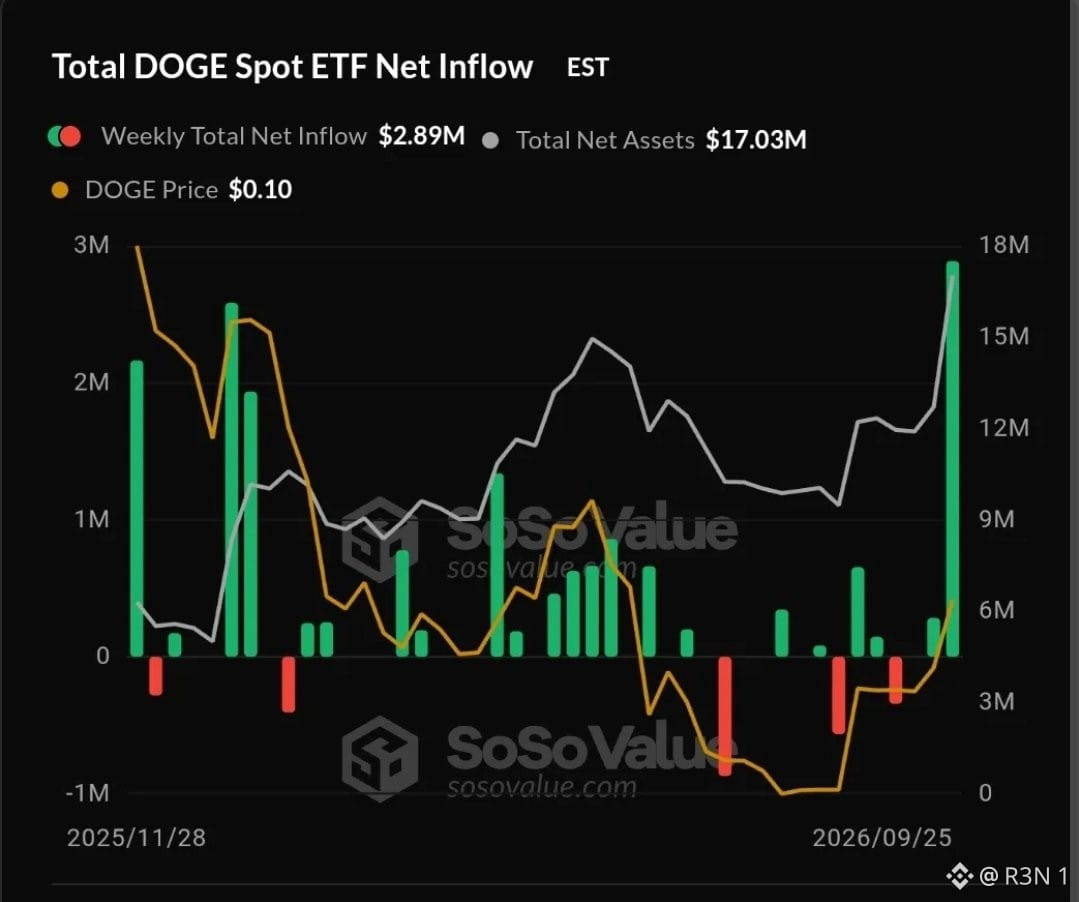
$2.89 million into DOGE ETFs this week, the strongest since they launched in November 2025, but the composition underneath that headline number tells a more fragile story than "record week" implies.
Most of the inflow, $3.48 million, came from Grayscale's Dogecoin Trust alone. 21Shares actually saw $593,000 in outflows over the same week, and Bitwise's DOGE ETF recorded zero, because it's shutting down entirely on October 14. One fund is carrying this record, not broad demand across the product category, and one of the four funds tracking DOGE is already exiting the market.
What stands out to me is a comparison almost nobody's running alongside this headline. Dogecoin's protocol issues roughly 13.53 million new coins daily, worth about $1.32 million at current prices.
The single strongest ETF day this month, $1.17 million on September 22, still came in below one day's worth of new supply. New issuance has outpaced the best day ETFs have ever had. That doesn't mean price has to fall, new supply hitting the market doesn't automatically overwhelm demand, but it does mean a record inflow week isn't the dominant force acting on DOGE's supply-demand balance right now.
Worth adding scale context too, total DOGE ETF net assets sit at $17.03 million, just 0.11% of Dogecoin's $16.6 billion market cap. This is still a genuinely tiny product category in absolute terms, record week or not.
The open question isn't whether institutional interest is picking up, the inflow trend across September, mostly zero to $2.89 million, is a real directional shift. It's whether that interest can broaden beyond Grayscale specifically, and whether it can meaningfully offset daily new issuance, before one shrinking fund lineup means "record week" becomes a smaller and smaller pool to set records in.
$DOGE #BTC Price Analysis# #BNBChain# #BNBChain#
$2.89 million into DOGE ETFs this week, the strongest since they launched in November 2025, but the composition underneath that headline number tells a more fragile story than "record week" implies.
Most of the inflow, $3.48 million, came from Grayscale's Dogecoin Trust alone. 21Shares actually saw $593,000 in outflows over the same week, and Bitwise's DOGE ETF recorded zero, because it's shutting down entirely on October 14. One fund is carrying this record, not broad demand across the product category, and one of the four funds tracking DOGE is already exiting the market.
What stands out to me is a comparison almost nobody's running alongside this headline. Dogecoin's protocol issues roughly 13.53 million new coins daily, worth about $1.32 million at current prices.
The single strongest ETF day this month, $1.17 million on September 22, still came in below one day's worth of new supply. New issuance has outpaced the best day ETFs have ever had. That doesn't mean price has to fall, new supply hitting the market doesn't automatically overwhelm demand, but it does mean a record inflow week isn't the dominant force acting on DOGE's supply-demand balance right now.
Worth adding scale context too, total DOGE ETF net assets sit at $17.03 million, just 0.11% of Dogecoin's $16.6 billion market cap. This is still a genuinely tiny product category in absolute terms, record week or not.
The open question isn't whether institutional interest is picking up, the inflow trend across September, mostly zero to $2.89 million, is a real directional shift. It's whether that interest can broaden beyond Grayscale specifically, and whether it can meaningfully offset daily new issuance, before one shrinking fund lineup means "record week" becomes a smaller and smaller pool to set records in.
$DOGE #BTC Price Analysis# #BNBChain# #BNBChain#
Most of the inflow, $3.48 million, came from Grayscale's Dogecoin Trust alone. 21Shares actually saw $593,000 in outflows over the same week, and Bitwise's DOGE ETF recorded zero, because it's shutting down entirely on October 14. One fund is carrying this record, not broad demand across the product category, and one of the four funds tracking DOGE is already exiting the market.
What stands out to me is a comparison almost nobody's running alongside this headline. Dogecoin's protocol issues roughly 13.53 million new coins daily, worth about $1.32 million at current prices.
The single strongest ETF day this month, $1.17 million on September 22, still came in below one day's worth of new supply. New issuance has outpaced the best day ETFs have ever had. That doesn't mean price has to fall, new supply hitting the market doesn't automatically overwhelm demand, but it does mean a record inflow week isn't the dominant force acting on DOGE's supply-demand balance right now.
Worth adding scale context too, total DOGE ETF net assets sit at $17.03 million, just 0.11% of Dogecoin's $16.6 billion market cap. This is still a genuinely tiny product category in absolute terms, record week or not.
The open question isn't whether institutional interest is picking up, the inflow trend across September, mostly zero to $2.89 million, is a real directional shift. It's whether that interest can broaden beyond Grayscale specifically, and whether it can meaningfully offset daily new issuance, before one shrinking fund lineup means "record week" becomes a smaller and smaller pool to set records in.
$DOGE #BTC Price Analysis# #BNBChain# #BNBChain#
49
·
--
Bản đăng ký SEC của Circle xác nhận Binance đã mua 1.237.011 cổ phiếu Hạng A với giá 80,84 USD mỗi cổ phiếu, tổng cộng 100 triệu USD, thông qua một đợt chào bán riêng lẻ (private placement) kết thúc vào ngày 17/9, với mức chiết khấu khoảng 5% so với giá thị trường của Circle vào thời điểm đó. Thỏa thuận thương mại kéo dài 5 năm được ký kèm theo thay thế các thỏa thuận trước đó từ tháng 11/2024 và tháng 8/2025, vốn được cho là ngắn hơn và có cấu trúc thanh toán khác, với khoản phí trả trước 60,25 triệu USD khi ấy so với việc hiện nay chuyển sang hình thức nắm giữ vốn cổ phần.
Điểm nổi bật với tôi nằm ở cấu trúc “lockup”. Trong tối đa hai năm, Binance không thể bán, chuyển nhượng hay phòng hộ (hedge) các cổ phiếu này, nhưng vẫn giữ toàn bộ quyền biểu quyết trong suốt thời gian đó. Đây là một ràng buộc thực sự đối với khả năng của Binance trong việc chỉ “lật” vị thế, đồng thời vẫn cho phép họ có tiếng nói trong cách Circle vận hành—một cam kết có sự khác biệt đáng kể so với một quan hệ đối tác thương mại ngắn hạn.
Trọng tâm được nêu rõ là các thị trường mới nổi, đặc biệt là mở rộng khả năng tiếp cận USDC ở nơi sự hiện diện của Circle còn mỏng hơn, cạnh tranh trực tiếp hơn với vị thế thống trị của Tether tại đó. Circle trả cho Binance một khoản phí khuyến khích hàng tháng dựa trên số dư USDC được nắm giữ thông qua hạ tầng Modular Smart Contract Wallet của mình, vì vậy Binance hiện thu lợi từ USDC theo hai cách đồng thời: dòng phí đó và chính phần nắm giữ vốn cổ phần.
Tuy nhiên, cần nói chính xác về quy mô: 100 triệu USD là con số thật, nhưng đó là một tỷ lệ nắm giữ thiểu số, không phải quyền kiểm soát hội đồng quản trị hay bất cứ điều gì gần như vậy. Cổ phiếu Circle đã tăng hơn 1% trong phiên giao dịch trước giờ mở cửa (premarket) sau tin tức, mức phản ứng vừa phải, không mang tính bùng nổ.
Câu hỏi mở không phải là liệu quan hệ có sâu hơn hay không—nó rõ ràng đã sâu hơn về mặt cấu trúc. Vấn đề là liệu Binance có thực sự thúc đẩy việc áp dụng USDC một cách đáng kể tại các thị trường mới nổi, nơi Tether đã tạo được hiệu ứng mạng vững chắc, hay việc sở hữu cổ phần không chuyển hóa thành lợi thế phân phối mà cả hai công ty đang mô tả.
$BNB #Phân tích giá# $XRP #Tín hiệu vĩ mô# #Tín hiệu vĩ mô#
Bản đăng ký SEC của Circle xác nhận Binance đã mua 1.237.011 cổ phiếu Hạng A với giá 80,84 USD mỗi cổ phiếu, tổng cộng 100 triệu USD, thông qua một đợt chào bán riêng lẻ (private placement) kết thúc vào ngày 17/9, với mức chiết khấu khoảng 5% so với giá thị trường của Circle vào thời điểm đó. Thỏa thuận thương mại kéo dài 5 năm được ký kèm theo thay thế các thỏa thuận trước đó từ tháng 11/2024 và tháng 8/2025, vốn được cho là ngắn hơn và có cấu trúc thanh toán khác, với khoản phí trả trước 60,25 triệu USD khi ấy so với việc hiện nay chuyển sang hình thức nắm giữ vốn cổ phần.
Điểm nổi bật với tôi nằm ở cấu trúc “lockup”. Trong tối đa hai năm, Binance không thể bán, chuyển nhượng hay phòng hộ (hedge) các cổ phiếu này, nhưng vẫn giữ toàn bộ quyền biểu quyết trong suốt thời gian đó. Đây là một ràng buộc thực sự đối với khả năng của Binance trong việc chỉ “lật” vị thế, đồng thời vẫn cho phép họ có tiếng nói trong cách Circle vận hành—một cam kết có sự khác biệt đáng kể so với một quan hệ đối tác thương mại ngắn hạn.
Trọng tâm được nêu rõ là các thị trường mới nổi, đặc biệt là mở rộng khả năng tiếp cận USDC ở nơi sự hiện diện của Circle còn mỏng hơn, cạnh tranh trực tiếp hơn với vị thế thống trị của Tether tại đó. Circle trả cho Binance một khoản phí khuyến khích hàng tháng dựa trên số dư USDC được nắm giữ thông qua hạ tầng Modular Smart Contract Wallet của mình, vì vậy Binance hiện thu lợi từ USDC theo hai cách đồng thời: dòng phí đó và chính phần nắm giữ vốn cổ phần.
Tuy nhiên, cần nói chính xác về quy mô: 100 triệu USD là con số thật, nhưng đó là một tỷ lệ nắm giữ thiểu số, không phải quyền kiểm soát hội đồng quản trị hay bất cứ điều gì gần như vậy. Cổ phiếu Circle đã tăng hơn 1% trong phiên giao dịch trước giờ mở cửa (premarket) sau tin tức, mức phản ứng vừa phải, không mang tính bùng nổ.
Câu hỏi mở không phải là liệu quan hệ có sâu hơn hay không—nó rõ ràng đã sâu hơn về mặt cấu trúc. Vấn đề là liệu Binance có thực sự thúc đẩy việc áp dụng USDC một cách đáng kể tại các thị trường mới nổi, nơi Tether đã tạo được hiệu ứng mạng vững chắc, hay việc sở hữu cổ phần không chuyển hóa thành lợi thế phân phối mà cả hai công ty đang mô tả.
$BNB #Phân tích giá# $XRP #Tín hiệu vĩ mô# #Tín hiệu vĩ mô#
Điểm nổi bật với tôi nằm ở cấu trúc “lockup”. Trong tối đa hai năm, Binance không thể bán, chuyển nhượng hay phòng hộ (hedge) các cổ phiếu này, nhưng vẫn giữ toàn bộ quyền biểu quyết trong suốt thời gian đó. Đây là một ràng buộc thực sự đối với khả năng của Binance trong việc chỉ “lật” vị thế, đồng thời vẫn cho phép họ có tiếng nói trong cách Circle vận hành—một cam kết có sự khác biệt đáng kể so với một quan hệ đối tác thương mại ngắn hạn.
Trọng tâm được nêu rõ là các thị trường mới nổi, đặc biệt là mở rộng khả năng tiếp cận USDC ở nơi sự hiện diện của Circle còn mỏng hơn, cạnh tranh trực tiếp hơn với vị thế thống trị của Tether tại đó. Circle trả cho Binance một khoản phí khuyến khích hàng tháng dựa trên số dư USDC được nắm giữ thông qua hạ tầng Modular Smart Contract Wallet của mình, vì vậy Binance hiện thu lợi từ USDC theo hai cách đồng thời: dòng phí đó và chính phần nắm giữ vốn cổ phần.
Tuy nhiên, cần nói chính xác về quy mô: 100 triệu USD là con số thật, nhưng đó là một tỷ lệ nắm giữ thiểu số, không phải quyền kiểm soát hội đồng quản trị hay bất cứ điều gì gần như vậy. Cổ phiếu Circle đã tăng hơn 1% trong phiên giao dịch trước giờ mở cửa (premarket) sau tin tức, mức phản ứng vừa phải, không mang tính bùng nổ.
Câu hỏi mở không phải là liệu quan hệ có sâu hơn hay không—nó rõ ràng đã sâu hơn về mặt cấu trúc. Vấn đề là liệu Binance có thực sự thúc đẩy việc áp dụng USDC một cách đáng kể tại các thị trường mới nổi, nơi Tether đã tạo được hiệu ứng mạng vững chắc, hay việc sở hữu cổ phần không chuyển hóa thành lợi thế phân phối mà cả hai công ty đang mô tả.
$BNB #Phân tích giá# $XRP #Tín hiệu vĩ mô# #Tín hiệu vĩ mô#


68
·
--
Xem bản dịch
Strategy's 950 BTC purchase looks tiny next to Strive's 1,355, until you realize Strategy already holds 32 times Strive's entire stack. Same week, same price range, completely different scale story. Per the filings, Strategy bought 950 BTC at an average $79,670 between September 14 and 20, its first purchase since August, bringing total holdings to 846,000 BTC at a $75,416 average cost basis. Strive bought 1,355 BTC at $79,475 over roughly the same window, lifting its treasury to 26,355 BTC. I don't have independent confirmation of the 1.273 million BTC figure for all public companies combined, so I'd treat that aggregate as reported rather than verified. What's actually interesting is how differently this identical dollar range affects each company. Strategy's 846,000 BTC represents just over 4% of Bitcoin's fixed 21 million supply, at that scale even tens of millions in fresh buying barely moves the needle, this week's purchase added roughly 0.16% to its position. Strive's 1,355 BTC add represented 5.42% of its own starting stack, materially faster percentage growth simply from a smaller base. Strive's BTC per effective common share reportedly rose 14.1% between August 21 and September 18. Strategy also repurchased $174 million of its STRC preferred shares this same week, resuming Bitcoin buying after roughly a two week pause while simultaneously managing a more complex balance sheet, cash, BTC, preferred securities, and recurring distributions all competing for capital. My honest read: treating these two purchases as equivalent signals misses the actual story, Strategy optimizing a mature, multi lever balance sheet, and Strive still on a steep, straightforward accumulation curve. Same asset, same week, genuinely different capital allocation problems. What I'm watching: whether Strategy's resumed buying continues at this pace, or whether this was a one week return before pausing again for buybacks. #BTC Price Analysis# $BTC #Altcoin Season# #Meme Alpha#
Strategy's 950 BTC purchase looks tiny next to Strive's 1,355, until you realize Strategy already holds 32 times Strive's entire stack. Same week, same price range, completely different scale story. Per the filings, Strategy bought 950 BTC at an average $79,670 between September 14 and 20, its first purchase since August, bringing total holdings to 846,000 BTC at a $75,416 average cost basis. Strive bought 1,355 BTC at $79,475 over roughly the same window, lifting its treasury to 26,355 BTC. I don't have independent confirmation of the 1.273 million BTC figure for all public companies combined, so I'd treat that aggregate as reported rather than verified. What's actually interesting is how differently this identical dollar range affects each company. Strategy's 846,000 BTC represents just over 4% of Bitcoin's fixed 21 million supply, at that scale even tens of millions in fresh buying barely moves the needle, this week's purchase added roughly 0.16% to its position. Strive's 1,355 BTC add represented 5.42% of its own starting stack, materially faster percentage growth simply from a smaller base. Strive's BTC per effective common share reportedly rose 14.1% between August 21 and September 18. Strategy also repurchased $174 million of its STRC preferred shares this same week, resuming Bitcoin buying after roughly a two week pause while simultaneously managing a more complex balance sheet, cash, BTC, preferred securities, and recurring distributions all competing for capital. My honest read: treating these two purchases as equivalent signals misses the actual story, Strategy optimizing a mature, multi lever balance sheet, and Strive still on a steep, straightforward accumulation curve. Same asset, same week, genuinely different capital allocation problems. What I'm watching: whether Strategy's resumed buying continues at this pace, or whether this was a one week return before pausing again for buybacks. #BTC Price Analysis# $BTC #Altcoin Season# #Meme Alpha#


10
·
--
"Phi tập trung là một nguyên tắc thiết kế, không phải là lá chắn để tạo điều kiện cho việc chuyển dịch các khoản tiền bị đánh cắp đã biết." Đó là câu nói thực sự của Gracy Chen, và là một lời nhắc trực tiếp về một mẫu hình mà THORChain đã từng bị gọi tên trước đó. Bitget xác nhận kẻ tấn công đã chuyển khoảng 387,5 triệu USD vào các địa chỉ được kiểm soát, tăng lên so với con số ban đầu là 351,6 triệu USD sau khi việc chuyển trên Zcash và TRON được tính vào. Chen công khai yêu cầu THORChain từ chối dịch vụ đối với các địa chỉ bị gắn cờ vào ngày 26 tháng 9, và sự so sánh cô đưa ra là nhắm thẳng: sau vụ hack Bybit trị giá 1,46 tỷ USD năm ngoái, được cho là khoảng 1,2 tỷ USD trong tiền bị đánh cắp đã đi qua THORChain trong quá trình rửa tiền. TRM Labs cũng riêng biệt gọi THORChain là "cầu nối được ưu tiên" cho việc rửa các vụ cướp lớn nhất của Triều Tiên, lưu ý rằng giao thức này một cách nhất quán đã từ chối chặn hoạt động phi pháp. Cần lưu ý thêm về thành tích tự thân của THORChain tại đây. Nó đã không đóng băng giao dịch sau vụ khai thác lỗ hổng kho tiền (vault) trị giá 10,7 triệu USD của chính mình vào đầu năm nay, vì vậy không có tiền lệ nào cho thấy yêu cầu này sẽ nhận được phản hồi khác. Các bên khác hành động nhanh hơn: Circle và Tether được cho là đã phong tỏa gần 318.000 USD trong luồng chuyển stablecoin liên quan đến đúng vụ hack này vào ngày 25 tháng 9. Sự liên quan của Triều Tiên được Chen mô tả là "rất có khả năng", dựa trên các địa chỉ IP gắn với các dịch vụ VPN liên quan đến một nhóm tin tặc Triều Tiên đã biết, với các điểm trùng trên chuỗi liên kết các ví dùng để rửa tiền tới các dòng tiền từ các đợt chuyển liên quan trước đó của Bybit và AFX Bridge. Nhận định thẳng thắn của tôi: đây là một câu hỏi về trách nhiệm giải trình hợp pháp của ngành, chứ không chỉ là định vị PR. Một giao thức lặp đi lặp lại được chọn làm tuyến rửa tiền cho các vụ hack lớn, và nhiều lần đã từ chối hành động ngay cả khi các địa chỉ đã được biết công khai, thì đó là một lỗ hổng quản trị thực sự đáng để soi xét. Điều tôi đang theo dõi: liệu THORChain có thực sự phản hồi lần này hay liệu tiền lệ liên quan đến Bybit chỉ đơn giản lặp lại chính nó. #Phân Tích Giá BTC# $BGB #Thông Tin Vĩ Mô# $SOL
"Phi tập trung là một nguyên tắc thiết kế, không phải là lá chắn để tạo điều kiện cho việc chuyển dịch các khoản tiền bị đánh cắp đã biết." Đó là câu nói thực sự của Gracy Chen, và là một lời nhắc trực tiếp về một mẫu hình mà THORChain đã từng bị gọi tên trước đó. Bitget xác nhận kẻ tấn công đã chuyển khoảng 387,5 triệu USD vào các địa chỉ được kiểm soát, tăng lên so với con số ban đầu là 351,6 triệu USD sau khi việc chuyển trên Zcash và TRON được tính vào. Chen công khai yêu cầu THORChain từ chối dịch vụ đối với các địa chỉ bị gắn cờ vào ngày 26 tháng 9, và sự so sánh cô đưa ra là nhắm thẳng: sau vụ hack Bybit trị giá 1,46 tỷ USD năm ngoái, được cho là khoảng 1,2 tỷ USD trong tiền bị đánh cắp đã đi qua THORChain trong quá trình rửa tiền. TRM Labs cũng riêng biệt gọi THORChain là "cầu nối được ưu tiên" cho việc rửa các vụ cướp lớn nhất của Triều Tiên, lưu ý rằng giao thức này một cách nhất quán đã từ chối chặn hoạt động phi pháp. Cần lưu ý thêm về thành tích tự thân của THORChain tại đây. Nó đã không đóng băng giao dịch sau vụ khai thác lỗ hổng kho tiền (vault) trị giá 10,7 triệu USD của chính mình vào đầu năm nay, vì vậy không có tiền lệ nào cho thấy yêu cầu này sẽ nhận được phản hồi khác. Các bên khác hành động nhanh hơn: Circle và Tether được cho là đã phong tỏa gần 318.000 USD trong luồng chuyển stablecoin liên quan đến đúng vụ hack này vào ngày 25 tháng 9. Sự liên quan của Triều Tiên được Chen mô tả là "rất có khả năng", dựa trên các địa chỉ IP gắn với các dịch vụ VPN liên quan đến một nhóm tin tặc Triều Tiên đã biết, với các điểm trùng trên chuỗi liên kết các ví dùng để rửa tiền tới các dòng tiền từ các đợt chuyển liên quan trước đó của Bybit và AFX Bridge. Nhận định thẳng thắn của tôi: đây là một câu hỏi về trách nhiệm giải trình hợp pháp của ngành, chứ không chỉ là định vị PR. Một giao thức lặp đi lặp lại được chọn làm tuyến rửa tiền cho các vụ hack lớn, và nhiều lần đã từ chối hành động ngay cả khi các địa chỉ đã được biết công khai, thì đó là một lỗ hổng quản trị thực sự đáng để soi xét. Điều tôi đang theo dõi: liệu THORChain có thực sự phản hồi lần này hay liệu tiền lệ liên quan đến Bybit chỉ đơn giản lặp lại chính nó. #Phân Tích Giá BTC# $BGB #Thông Tin Vĩ Mô# $SOL


31
·
--
$76,06 triệu tổng số thanh lý trong 24 giờ qua, chia ra $30,92 triệu vị thế long và $45,13 triệu vị thế short. Việc các đợt thanh lý short dẫn đầu không có gì lạ trong một đợt rally; thực ra đó là cơ chế được kỳ vọng—giá tăng buộc các short phải đóng/mua lại, tạo ra tình huống khác so với cú bùng nổ lớn từng xuất hiện trước đó trên chính biểu đồ này. Cú spike đó, thanh đỏ khổng lồ nằm trong chế độ xem lịch sử vào khoảng giữa tháng 9, trùng khớp trực tiếp với thất bại Đạo luật CLARITY ở Thượng viện và việc Fed tăng lãi suất rơi vào cùng giai đoạn; đây đều là các chất xúc tác thực sự đã kích hoạt các đợt thanh lý long khi BTC giảm về gần $75.000. Điều đáng chú ý trên biểu đồ kể từ thời điểm đó là các khoản thanh lý vẫn duy trì ở mức cao và biến động cả hai phía, xen kẽ các spike màu xanh và đỏ, thay vì quay trở lại các thanh yên tĩnh hơn, nhỏ hơn—những gì đã thống trị trong tháng 7 và phần lớn tháng 8. Đường giá của chính BTC trên biểu đồ mới là phần quan trọng hơn của câu chuyện: nó đã giảm mạnh đúng vào thời điểm spike thanh lý đó, rồi tiếp tục leo dốc sau đó hướng tới các đỉnh gần đây. Chuỗi diễn biến này quan trọng: thị trường đã hấp thụ một cú sốc thực sự và vẫn tiếp tục đi lên, thay vì sự kiện thanh lý đó đánh dấu một đỉnh kéo dài. Nhận định thẳng thắn của tôi: snapshot hôm nay, khi thanh lý short đang vượt thanh lý long ở mức vừa phải, phù hợp với một thị trường vẫn đang trong quá trình vận hành một xu hướng tăng thực sự, chứ không phải cho thấy sự căng thẳng. Cú spike lịch sử lớn hơn xuất hiện sớm hơn trong tháng này mới là bài kiểm tra sức chịu đựng thực sự, và việc giá phục hồi vượt qua mốc đó nói nhiều hơn về nhu cầu nền tảng hơn là chỉ một lần chia tách thanh lý trong một ngày. Những gì tôi đang theo dõi: liệu các đợt thanh lý có tiếp tục duy trì cao và diễn ra hai chiều khi giá tiếp tục đi lên, hay chúng hạ nhiệt trở lại gần mức nền yên tĩnh hơn trước tháng 9—điều đó sẽ gợi ý rằng thị trường đang tìm thấy một xu hướng ổn định hơn thay vì liên tục “quay” qua lại đòn bẩy. #Phân tích giá #BTC# #Mùa Altcoin# #BNBChain# $BTC $ETH
$76,06 triệu tổng số thanh lý trong 24 giờ qua, chia ra $30,92 triệu vị thế long và $45,13 triệu vị thế short. Việc các đợt thanh lý short dẫn đầu không có gì lạ trong một đợt rally; thực ra đó là cơ chế được kỳ vọng—giá tăng buộc các short phải đóng/mua lại, tạo ra tình huống khác so với cú bùng nổ lớn từng xuất hiện trước đó trên chính biểu đồ này. Cú spike đó, thanh đỏ khổng lồ nằm trong chế độ xem lịch sử vào khoảng giữa tháng 9, trùng khớp trực tiếp với thất bại Đạo luật CLARITY ở Thượng viện và việc Fed tăng lãi suất rơi vào cùng giai đoạn; đây đều là các chất xúc tác thực sự đã kích hoạt các đợt thanh lý long khi BTC giảm về gần $75.000. Điều đáng chú ý trên biểu đồ kể từ thời điểm đó là các khoản thanh lý vẫn duy trì ở mức cao và biến động cả hai phía, xen kẽ các spike màu xanh và đỏ, thay vì quay trở lại các thanh yên tĩnh hơn, nhỏ hơn—những gì đã thống trị trong tháng 7 và phần lớn tháng 8. Đường giá của chính BTC trên biểu đồ mới là phần quan trọng hơn của câu chuyện: nó đã giảm mạnh đúng vào thời điểm spike thanh lý đó, rồi tiếp tục leo dốc sau đó hướng tới các đỉnh gần đây. Chuỗi diễn biến này quan trọng: thị trường đã hấp thụ một cú sốc thực sự và vẫn tiếp tục đi lên, thay vì sự kiện thanh lý đó đánh dấu một đỉnh kéo dài. Nhận định thẳng thắn của tôi: snapshot hôm nay, khi thanh lý short đang vượt thanh lý long ở mức vừa phải, phù hợp với một thị trường vẫn đang trong quá trình vận hành một xu hướng tăng thực sự, chứ không phải cho thấy sự căng thẳng. Cú spike lịch sử lớn hơn xuất hiện sớm hơn trong tháng này mới là bài kiểm tra sức chịu đựng thực sự, và việc giá phục hồi vượt qua mốc đó nói nhiều hơn về nhu cầu nền tảng hơn là chỉ một lần chia tách thanh lý trong một ngày. Những gì tôi đang theo dõi: liệu các đợt thanh lý có tiếp tục duy trì cao và diễn ra hai chiều khi giá tiếp tục đi lên, hay chúng hạ nhiệt trở lại gần mức nền yên tĩnh hơn trước tháng 9—điều đó sẽ gợi ý rằng thị trường đang tìm thấy một xu hướng ổn định hơn thay vì liên tục “quay” qua lại đòn bẩy. #Phân tích giá #BTC# #Mùa Altcoin# #BNBChain# $BTC $ETH
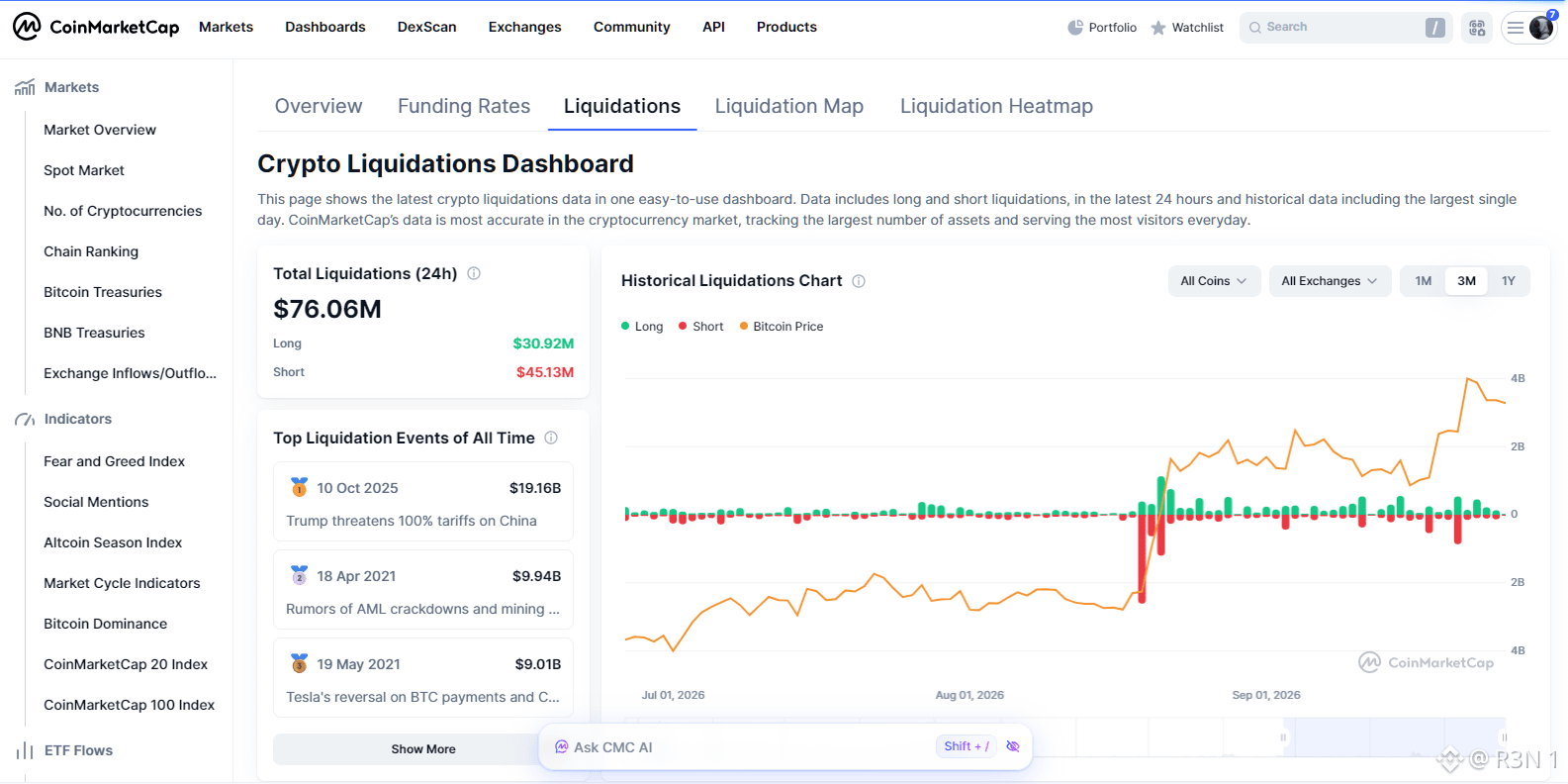
27
·
--
PUMP lại tạo ra một chút tiếng ồn.
Token PUMP tăng khoảng 11% trong 24 giờ qua, giao dịch quanh mức 0,00446 USD, với vốn hóa thị trường đẩy lên trên 2B.
Nhưng con số khiến tôi chú ý không phải là giá.
Đó là khối lượng.
Khối lượng giao dịch 24h đang ở khoảng 280M USD, tăng hơn 53% đi kèm với đợt biến động.
Điều đó cho thấy đây không chỉ là một cú leo chậm chậm lên. Có sự chú ý mới và hoạt động giao dịch thực sự đang đứng đằng sau.
Và PUMP hiện đã tăng khoảng 133% trong năm.
Tuy nhiên, đây là lúc tôi chậm lại.
Vốn hóa 2B so với FDV 4,46B tạo ra một khoảng cách khá lớn giữa định giá theo vốn lưu hành và định giá theo định giá đầy đủ (fully diluted). Và với các câu chuyện được dẫn dắt bởi launchpad, đà tăng có thể thay đổi rất nhanh.
Một điều tôi học được khi theo dõi DeFi là: chỉ số nổi bật hiếm khi phản ánh đầy đủ câu chuyện.
Giá có thể tăng.
Khối lượng có thể bùng nổ.
Nhưng tôi muốn biết điều gì đang diễn ra “bên dưới” đợt tăng đó và liệu hoạt động này có thực sự duy trì được hay không.
Vì vậy tôi theo dõi khối lượng nhiều hơn nến xanh.
Nếu bên mua tiếp tục xuất hiện và PUMP bắt đầu xây nền vững hơn ở những mức này, thì đợt di chuyển sẽ trở nên đáng chú ý hơn.
Nếu khối lượng biến mất và giá trả lại toàn bộ, thì có thể đây chỉ là một đợt xoay vòng thanh khoản khác.
Tạm thời, tôi đang quan sát điều gì xảy ra ở phía dưới đợt tăng.
Khám phá hạ tầng đứng sau thanh khoản onchain → https://ston.fi/omniston
$PUMP #BTC Price Analysis# $BTC #Altcoin Season#
PUMP lại tạo ra một chút tiếng ồn.
Token PUMP tăng khoảng 11% trong 24 giờ qua, giao dịch quanh mức 0,00446 USD, với vốn hóa thị trường đẩy lên trên 2B.
Nhưng con số khiến tôi chú ý không phải là giá.
Đó là khối lượng.
Khối lượng giao dịch 24h đang ở khoảng 280M USD, tăng hơn 53% đi kèm với đợt biến động.
Điều đó cho thấy đây không chỉ là một cú leo chậm chậm lên. Có sự chú ý mới và hoạt động giao dịch thực sự đang đứng đằng sau.
Và PUMP hiện đã tăng khoảng 133% trong năm.
Tuy nhiên, đây là lúc tôi chậm lại.
Vốn hóa 2B so với FDV 4,46B tạo ra một khoảng cách khá lớn giữa định giá theo vốn lưu hành và định giá theo định giá đầy đủ (fully diluted). Và với các câu chuyện được dẫn dắt bởi launchpad, đà tăng có thể thay đổi rất nhanh.
Một điều tôi học được khi theo dõi DeFi là: chỉ số nổi bật hiếm khi phản ánh đầy đủ câu chuyện.
Giá có thể tăng.
Khối lượng có thể bùng nổ.
Nhưng tôi muốn biết điều gì đang diễn ra “bên dưới” đợt tăng đó và liệu hoạt động này có thực sự duy trì được hay không.
Vì vậy tôi theo dõi khối lượng nhiều hơn nến xanh.
Nếu bên mua tiếp tục xuất hiện và PUMP bắt đầu xây nền vững hơn ở những mức này, thì đợt di chuyển sẽ trở nên đáng chú ý hơn.
Nếu khối lượng biến mất và giá trả lại toàn bộ, thì có thể đây chỉ là một đợt xoay vòng thanh khoản khác.
Tạm thời, tôi đang quan sát điều gì xảy ra ở phía dưới đợt tăng.
Khám phá hạ tầng đứng sau thanh khoản onchain → https://ston.fi/omniston
$PUMP #BTC Price Analysis# $BTC #Altcoin Season#
Token PUMP tăng khoảng 11% trong 24 giờ qua, giao dịch quanh mức 0,00446 USD, với vốn hóa thị trường đẩy lên trên 2B.
Nhưng con số khiến tôi chú ý không phải là giá.
Đó là khối lượng.
Khối lượng giao dịch 24h đang ở khoảng 280M USD, tăng hơn 53% đi kèm với đợt biến động.
Điều đó cho thấy đây không chỉ là một cú leo chậm chậm lên. Có sự chú ý mới và hoạt động giao dịch thực sự đang đứng đằng sau.
Và PUMP hiện đã tăng khoảng 133% trong năm.
Tuy nhiên, đây là lúc tôi chậm lại.
Vốn hóa 2B so với FDV 4,46B tạo ra một khoảng cách khá lớn giữa định giá theo vốn lưu hành và định giá theo định giá đầy đủ (fully diluted). Và với các câu chuyện được dẫn dắt bởi launchpad, đà tăng có thể thay đổi rất nhanh.
Một điều tôi học được khi theo dõi DeFi là: chỉ số nổi bật hiếm khi phản ánh đầy đủ câu chuyện.
Giá có thể tăng.
Khối lượng có thể bùng nổ.
Nhưng tôi muốn biết điều gì đang diễn ra “bên dưới” đợt tăng đó và liệu hoạt động này có thực sự duy trì được hay không.
Vì vậy tôi theo dõi khối lượng nhiều hơn nến xanh.
Nếu bên mua tiếp tục xuất hiện và PUMP bắt đầu xây nền vững hơn ở những mức này, thì đợt di chuyển sẽ trở nên đáng chú ý hơn.
Nếu khối lượng biến mất và giá trả lại toàn bộ, thì có thể đây chỉ là một đợt xoay vòng thanh khoản khác.
Tạm thời, tôi đang quan sát điều gì xảy ra ở phía dưới đợt tăng.
Khám phá hạ tầng đứng sau thanh khoản onchain → https://ston.fi/omniston
$PUMP #BTC Price Analysis# $BTC #Altcoin Season#
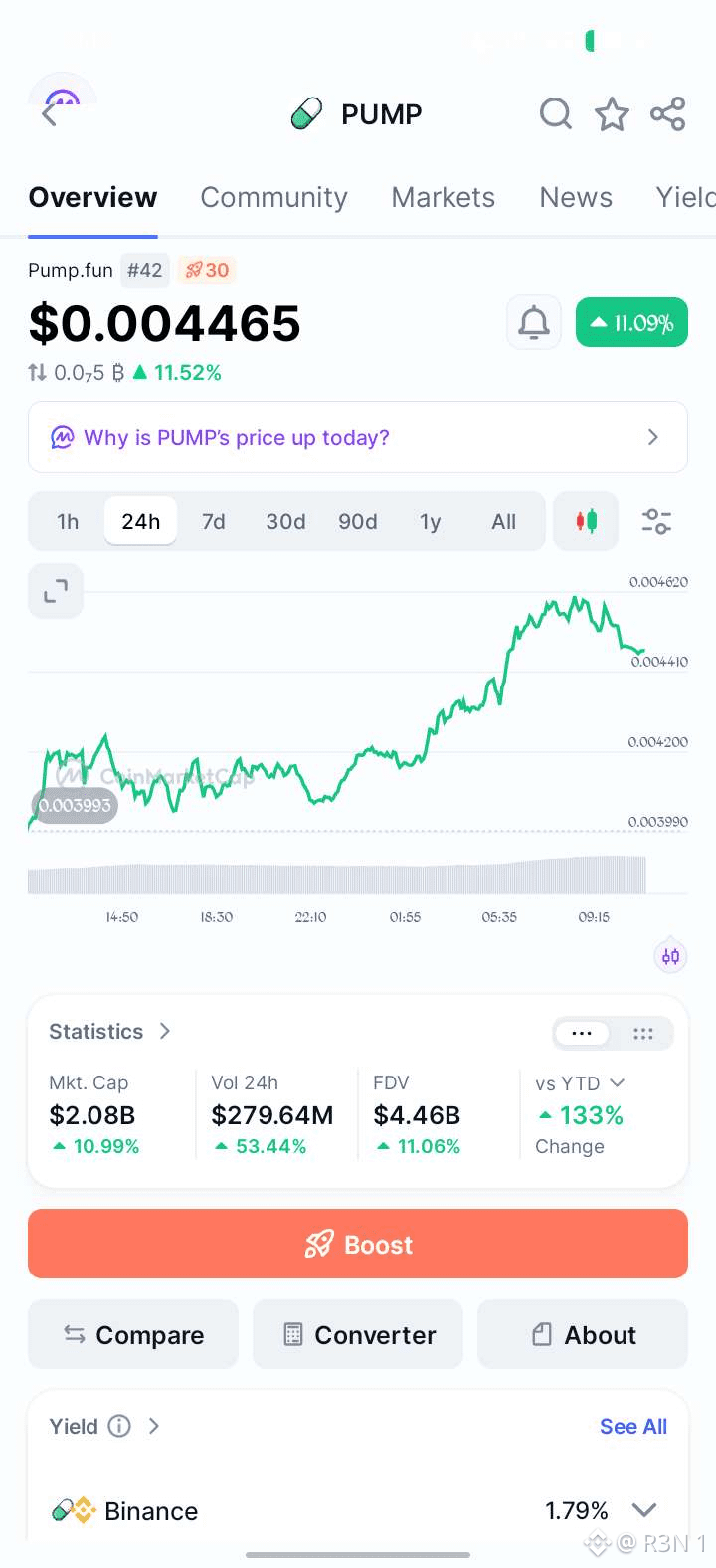
40
·
--
Trượt giá (slippage) và tác động giá (price impact) là hai thuật ngữ thường bị nhầm lẫn nhất trong DeFi. Hầu hết người dùng coi chúng là có thể thay thế cho nhau. Chúng thực ra mô tả các hiện tượng khác nhau và việc hiểu cả hai sẽ giúp bạn thiết lập lệnh swap hiệu quả hơn.
Tác động giá là mức mà lệnh giao dịch cụ thể của bạn làm thay đổi giá của pool. Khi bạn mua một tài sản từ pool thanh khoản, bạn đang lấy tài sản đó ra khỏi pool và thêm vào tài sản mà bạn đang bán. Việc này thay đổi tỷ lệ các tài sản trong pool, từ đó làm thay đổi giá. Một lệnh nhỏ trong pool dày (deep pool) tạo ra tác động giá tối thiểu. Một lệnh lớn trong pool mỏng (shallow pool) tạo ra tác động giá đáng kể—bạn thực chất đang đẩy thị trường đi ngược lại với chính mình khi thực hiện lệnh.
Tác động giá là xác định trước (deterministic). Dựa trên độ sâu hiện tại của pool và kích thước lệnh của bạn, mức tác động giá có thể được tính toán trước khi bạn gửi giao dịch. Giao diện của STONfi hiển thị con số này trước khi bạn xác nhận. Tác động giá trên 1% đối với giao dịch stablecoin là điều đáng cân nhắc lại. Trên 3% cho bất kỳ giao dịch nào thường là dấu hiệu rằng pool quá mỏng so với kích thước lệnh của bạn.
Trượt giá thì khác. Đó là khoảng chênh lệch giữa mức giá bạn kỳ vọng khi gửi giao dịch và mức giá bạn thực sự nhận được khi giao dịch được xác nhận. Trượt giá xảy ra vì các giao dịch khác có thể được xử lý trong khoảng thời gian giữa lúc bạn gửi và lúc hệ thống xác nhận, làm thay đổi trạng thái của pool trước khi lệnh của bạn được thực thi.
Giới hạn trượt giá (slippage tolerance) là mức trượt giá tối đa mà bạn sẵn sàng chấp nhận. Đặt quá chặt có nghĩa là giao dịch của bạn sẽ thất bại nếu có bất kỳ biến động giá nào xảy ra giữa lúc gửi và lúc xác nhận. Đặt quá lỏng có nghĩa là bạn chấp nhận mức sai lệch lớn hơn mức cần thiết. Với giao dịch stablecoin, 0,5% thường là phù hợp. Với giao dịch các tài sản biến động (volatile), 1% đến 2% thực tế hơn trong những giai đoạn thị trường đang hoạt động mạnh.
Tác động giá bạn biết trước khi xác nhận. Trượt giá là những gì có thể xảy ra giữa lúc gửi và lúc xác nhận. Cả hai đều quan trọng và cần các phản ứng khác nhau.
Swap trên STONfi→ https://app.ston.fi/swap
$BTC #BTC Phân tích giá# #Meme Alpha# $SOL
Trượt giá (slippage) và tác động giá (price impact) là hai thuật ngữ thường bị nhầm lẫn nhất trong DeFi. Hầu hết người dùng coi chúng là có thể thay thế cho nhau. Chúng thực ra mô tả các hiện tượng khác nhau và việc hiểu cả hai sẽ giúp bạn thiết lập lệnh swap hiệu quả hơn.
Tác động giá là mức mà lệnh giao dịch cụ thể của bạn làm thay đổi giá của pool. Khi bạn mua một tài sản từ pool thanh khoản, bạn đang lấy tài sản đó ra khỏi pool và thêm vào tài sản mà bạn đang bán. Việc này thay đổi tỷ lệ các tài sản trong pool, từ đó làm thay đổi giá. Một lệnh nhỏ trong pool dày (deep pool) tạo ra tác động giá tối thiểu. Một lệnh lớn trong pool mỏng (shallow pool) tạo ra tác động giá đáng kể—bạn thực chất đang đẩy thị trường đi ngược lại với chính mình khi thực hiện lệnh.
Tác động giá là xác định trước (deterministic). Dựa trên độ sâu hiện tại của pool và kích thước lệnh của bạn, mức tác động giá có thể được tính toán trước khi bạn gửi giao dịch. Giao diện của STONfi hiển thị con số này trước khi bạn xác nhận. Tác động giá trên 1% đối với giao dịch stablecoin là điều đáng cân nhắc lại. Trên 3% cho bất kỳ giao dịch nào thường là dấu hiệu rằng pool quá mỏng so với kích thước lệnh của bạn.
Trượt giá thì khác. Đó là khoảng chênh lệch giữa mức giá bạn kỳ vọng khi gửi giao dịch và mức giá bạn thực sự nhận được khi giao dịch được xác nhận. Trượt giá xảy ra vì các giao dịch khác có thể được xử lý trong khoảng thời gian giữa lúc bạn gửi và lúc hệ thống xác nhận, làm thay đổi trạng thái của pool trước khi lệnh của bạn được thực thi.
Giới hạn trượt giá (slippage tolerance) là mức trượt giá tối đa mà bạn sẵn sàng chấp nhận. Đặt quá chặt có nghĩa là giao dịch của bạn sẽ thất bại nếu có bất kỳ biến động giá nào xảy ra giữa lúc gửi và lúc xác nhận. Đặt quá lỏng có nghĩa là bạn chấp nhận mức sai lệch lớn hơn mức cần thiết. Với giao dịch stablecoin, 0,5% thường là phù hợp. Với giao dịch các tài sản biến động (volatile), 1% đến 2% thực tế hơn trong những giai đoạn thị trường đang hoạt động mạnh.
Tác động giá bạn biết trước khi xác nhận. Trượt giá là những gì có thể xảy ra giữa lúc gửi và lúc xác nhận. Cả hai đều quan trọng và cần các phản ứng khác nhau.
Swap trên STONfi→ https://app.ston.fi/swap
$BTC #BTC Phân tích giá# #Meme Alpha# $SOL
Tác động giá là mức mà lệnh giao dịch cụ thể của bạn làm thay đổi giá của pool. Khi bạn mua một tài sản từ pool thanh khoản, bạn đang lấy tài sản đó ra khỏi pool và thêm vào tài sản mà bạn đang bán. Việc này thay đổi tỷ lệ các tài sản trong pool, từ đó làm thay đổi giá. Một lệnh nhỏ trong pool dày (deep pool) tạo ra tác động giá tối thiểu. Một lệnh lớn trong pool mỏng (shallow pool) tạo ra tác động giá đáng kể—bạn thực chất đang đẩy thị trường đi ngược lại với chính mình khi thực hiện lệnh.
Tác động giá là xác định trước (deterministic). Dựa trên độ sâu hiện tại của pool và kích thước lệnh của bạn, mức tác động giá có thể được tính toán trước khi bạn gửi giao dịch. Giao diện của STONfi hiển thị con số này trước khi bạn xác nhận. Tác động giá trên 1% đối với giao dịch stablecoin là điều đáng cân nhắc lại. Trên 3% cho bất kỳ giao dịch nào thường là dấu hiệu rằng pool quá mỏng so với kích thước lệnh của bạn.
Trượt giá thì khác. Đó là khoảng chênh lệch giữa mức giá bạn kỳ vọng khi gửi giao dịch và mức giá bạn thực sự nhận được khi giao dịch được xác nhận. Trượt giá xảy ra vì các giao dịch khác có thể được xử lý trong khoảng thời gian giữa lúc bạn gửi và lúc hệ thống xác nhận, làm thay đổi trạng thái của pool trước khi lệnh của bạn được thực thi.
Giới hạn trượt giá (slippage tolerance) là mức trượt giá tối đa mà bạn sẵn sàng chấp nhận. Đặt quá chặt có nghĩa là giao dịch của bạn sẽ thất bại nếu có bất kỳ biến động giá nào xảy ra giữa lúc gửi và lúc xác nhận. Đặt quá lỏng có nghĩa là bạn chấp nhận mức sai lệch lớn hơn mức cần thiết. Với giao dịch stablecoin, 0,5% thường là phù hợp. Với giao dịch các tài sản biến động (volatile), 1% đến 2% thực tế hơn trong những giai đoạn thị trường đang hoạt động mạnh.
Tác động giá bạn biết trước khi xác nhận. Trượt giá là những gì có thể xảy ra giữa lúc gửi và lúc xác nhận. Cả hai đều quan trọng và cần các phản ứng khác nhau.
Swap trên STONfi→ https://app.ston.fi/swap
$BTC #BTC Phân tích giá# #Meme Alpha# $SOL

44
·
--
Xem bản dịch
$1.23 million just moved through Binance and landed in the Bitget hacker's wallet, two days after the original breach. The laundering trail is still active in real time, not wrapped up.
Per Arkham and multiple on chain trackers, wallet 0x4885 withdrew 257.6 ETH and 545,000 USDT from Binance on September 26, swapped the USDT for another 200.2 ETH, then forwarded all 457.9 ETH to an address tied to the Bitget attacker. This follows the same playbook as five earlier Binance withdrawals from September 25, pull funds from a major exchange, consolidate into ETH, move it somewhere no single platform can freeze.
Worth updating the broader numbers too. Bitget's total loss was revised upward from $351.6 million to $387.5 million after investigators found additional affected assets on Zcash and TRON not included in the initial estimate. North Korean linked actors, possibly Lazarus Group, are now suspected based on IP address patterns, though that attribution remains unconfirmed by authorities. The attack itself didn't involve stolen keys, the attacker compromised Bitget's backend system, spoofing transaction data to trick it into authorizing transfers that looked legitimate internally.
My honest read: this specific $1.23 million movement is small relative to the total loss, but it matters as a signal, the laundering operation is still active and methodical two days later, not a one time smash and grab. Bitget and Binance collaborating on tracing this publicly is a genuine positive, transparency here beats silence, but tracing funds and recovering them are different outcomes.
What I'm watching: whether any of these tracked addresses actually get frozen or funds recovered, versus this staying a running commentary on funds moving further out of reach.
$BTC $ETH #Macro Insights# #BNBChain# #BTC Price Analysis#
$1.23 million just moved through Binance and landed in the Bitget hacker's wallet, two days after the original breach. The laundering trail is still active in real time, not wrapped up.
Per Arkham and multiple on chain trackers, wallet 0x4885 withdrew 257.6 ETH and 545,000 USDT from Binance on September 26, swapped the USDT for another 200.2 ETH, then forwarded all 457.9 ETH to an address tied to the Bitget attacker. This follows the same playbook as five earlier Binance withdrawals from September 25, pull funds from a major exchange, consolidate into ETH, move it somewhere no single platform can freeze.
Worth updating the broader numbers too. Bitget's total loss was revised upward from $351.6 million to $387.5 million after investigators found additional affected assets on Zcash and TRON not included in the initial estimate. North Korean linked actors, possibly Lazarus Group, are now suspected based on IP address patterns, though that attribution remains unconfirmed by authorities. The attack itself didn't involve stolen keys, the attacker compromised Bitget's backend system, spoofing transaction data to trick it into authorizing transfers that looked legitimate internally.
My honest read: this specific $1.23 million movement is small relative to the total loss, but it matters as a signal, the laundering operation is still active and methodical two days later, not a one time smash and grab. Bitget and Binance collaborating on tracing this publicly is a genuine positive, transparency here beats silence, but tracing funds and recovering them are different outcomes.
What I'm watching: whether any of these tracked addresses actually get frozen or funds recovered, versus this staying a running commentary on funds moving further out of reach.
$BTC $ETH #Macro Insights# #BNBChain# #BTC Price Analysis#
Per Arkham and multiple on chain trackers, wallet 0x4885 withdrew 257.6 ETH and 545,000 USDT from Binance on September 26, swapped the USDT for another 200.2 ETH, then forwarded all 457.9 ETH to an address tied to the Bitget attacker. This follows the same playbook as five earlier Binance withdrawals from September 25, pull funds from a major exchange, consolidate into ETH, move it somewhere no single platform can freeze.
Worth updating the broader numbers too. Bitget's total loss was revised upward from $351.6 million to $387.5 million after investigators found additional affected assets on Zcash and TRON not included in the initial estimate. North Korean linked actors, possibly Lazarus Group, are now suspected based on IP address patterns, though that attribution remains unconfirmed by authorities. The attack itself didn't involve stolen keys, the attacker compromised Bitget's backend system, spoofing transaction data to trick it into authorizing transfers that looked legitimate internally.
My honest read: this specific $1.23 million movement is small relative to the total loss, but it matters as a signal, the laundering operation is still active and methodical two days later, not a one time smash and grab. Bitget and Binance collaborating on tracing this publicly is a genuine positive, transparency here beats silence, but tracing funds and recovering them are different outcomes.
What I'm watching: whether any of these tracked addresses actually get frozen or funds recovered, versus this staying a running commentary on funds moving further out of reach.
$BTC $ETH #Macro Insights# #BNBChain# #BTC Price Analysis#

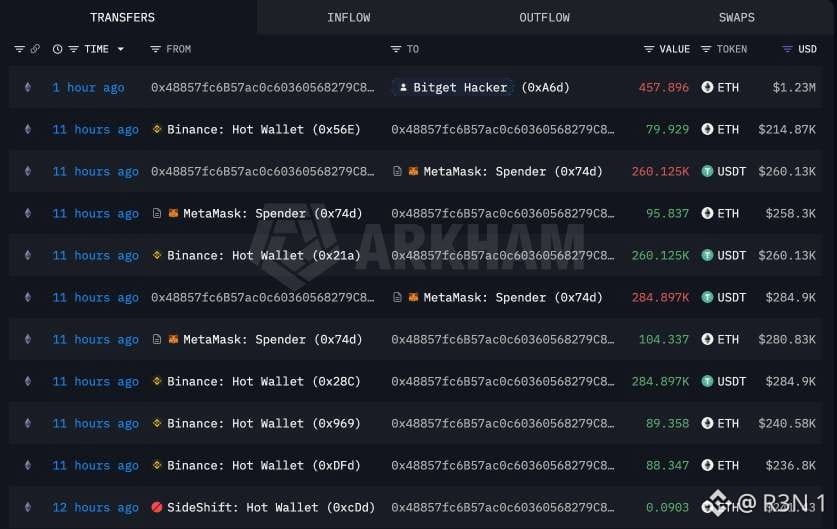
58
Đăng nhập để khám phá thêm nội dung
Tham gia cùng người dùng tiền mã hóa toàn cầu trên Binance Square
⚡️ Nhận thông tin mới nhất và hữu ích về tiền mã hóa.
💬 Được tin cậy bởi sàn giao dịch tiền mã hóa lớn nhất thế giới.
👍 Khám phá những thông tin chuyên sâu thực tế từ những nhà sáng tạo đã xác minh.
Email / Số điện thoại