
Bit Brix
6.4k Bài đăng

Bit Brix
 Đã xác minh nâng cao trên Square
Báo cáo
Chặn người dùng
Early. Patient. Convicted. Built on-chain...
487 Đang theo dõi
30.1K+ Người theo dõi
10.0K+ Đã thích
Bài đăng
Tất cả
Live
·
--
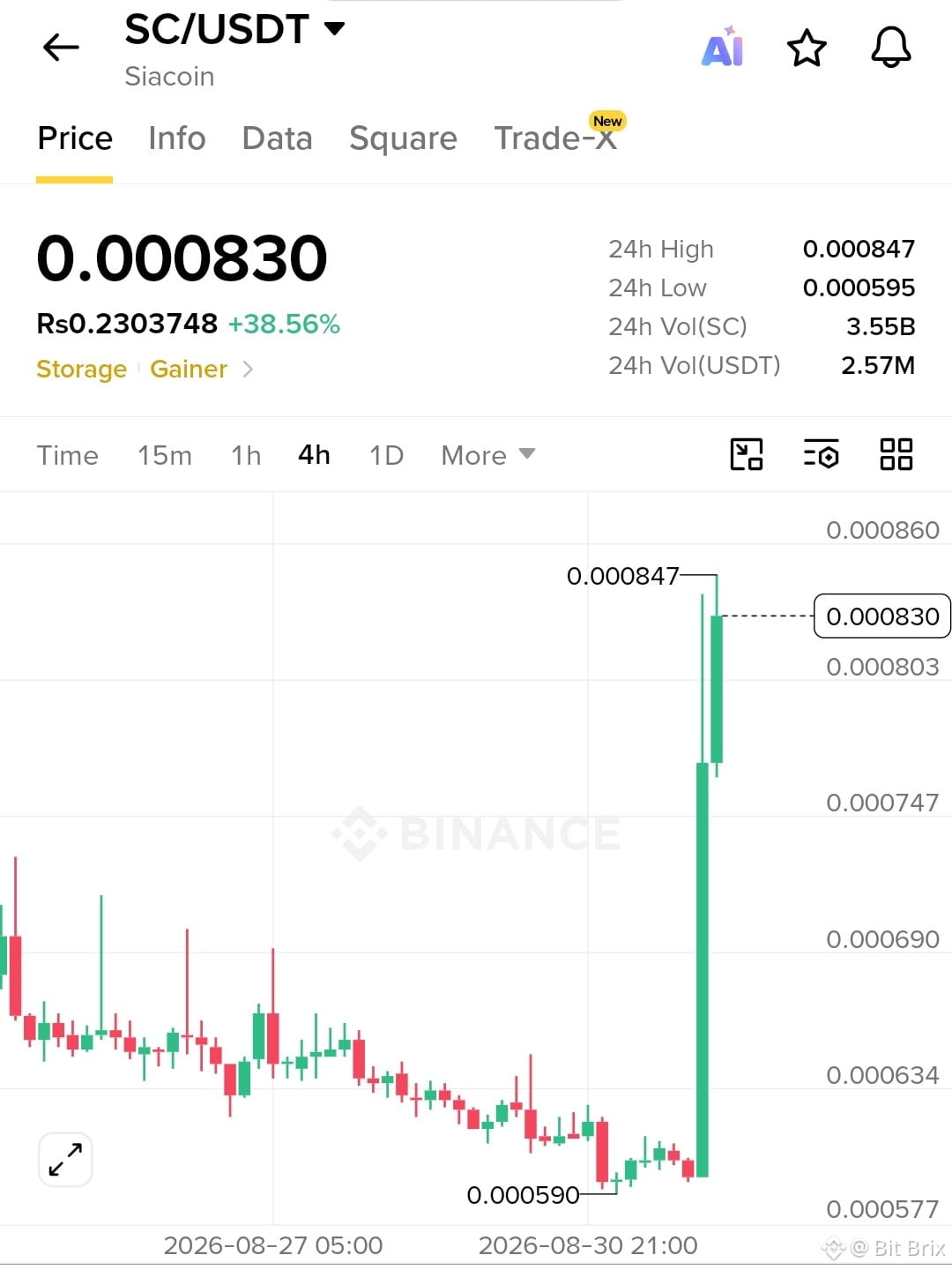
$SC đang cho thấy động lượng mạnh sau một cú bứt phá đột ngột từ vùng 0.00059.
Entry: 0.00078–0.00080
TP: 0.000847 → 0.00090
SL: 0.000745
Đừng đuổi theo cây nến. Hãy để lần retest xác nhận sức mạnh, rồi hãy vào lệnh.
$SC đang cho thấy động lượng mạnh sau một cú bứt phá đột ngột từ vùng 0.00059.
Entry: 0.00078–0.00080
TP: 0.000847 → 0.00090
SL: 0.000745
Đừng đuổi theo cây nến. Hãy để lần retest xác nhận sức mạnh, rồi hãy vào lệnh.
Entry: 0.00078–0.00080
TP: 0.000847 → 0.00090
SL: 0.000745
Đừng đuổi theo cây nến. Hãy để lần retest xác nhận sức mạnh, rồi hãy vào lệnh.
1
154
·
--
$KII
{alpha}(560xeec6574eabba52bac3f0277f2cd5ac7e67197886)
— EP 0.050229 | TP 0.0527 / 0.0552 | SL 0.0477
$DOS
{future}(DOSUSDT)
— EP 0.22376 | TP 0.2350 / 0.2460 | SL 0.2125
$QUID
{alpha}(84530x1a44233fae8d50f1aeb3a5d58dd426ff4814cb53)
— EP 0.064961 | TP 0.0682 / 0.0715 | SL 0.0617
Thị trường đỏ, nhưng các mức này đang trở nên thú vị.
Hãy đi $
$KII
— EP 0.050229 | TP 0.0527 / 0.0552 | SL 0.0477
$DOS
— EP 0.22376 | TP 0.2350 / 0.2460 | SL 0.2125
$QUID
— EP 0.064961 | TP 0.0682 / 0.0715 | SL 0.0617
Thị trường đỏ, nhưng các mức này đang trở nên thú vị.
Hãy đi $
— EP 0.050229 | TP 0.0527 / 0.0552 | SL 0.0477
$DOS
— EP 0.22376 | TP 0.2350 / 0.2460 | SL 0.2125
$QUID
— EP 0.064961 | TP 0.0682 / 0.0715 | SL 0.0617
Thị trường đỏ, nhưng các mức này đang trở nên thú vị.
Hãy đi $
$KII
55%
$DOS
35%
$QUID
10%
62 phiếu bầu • Cuộc bỏ phiếu đã kết thúc
1
4.8k
·
--
Xem bản dịch
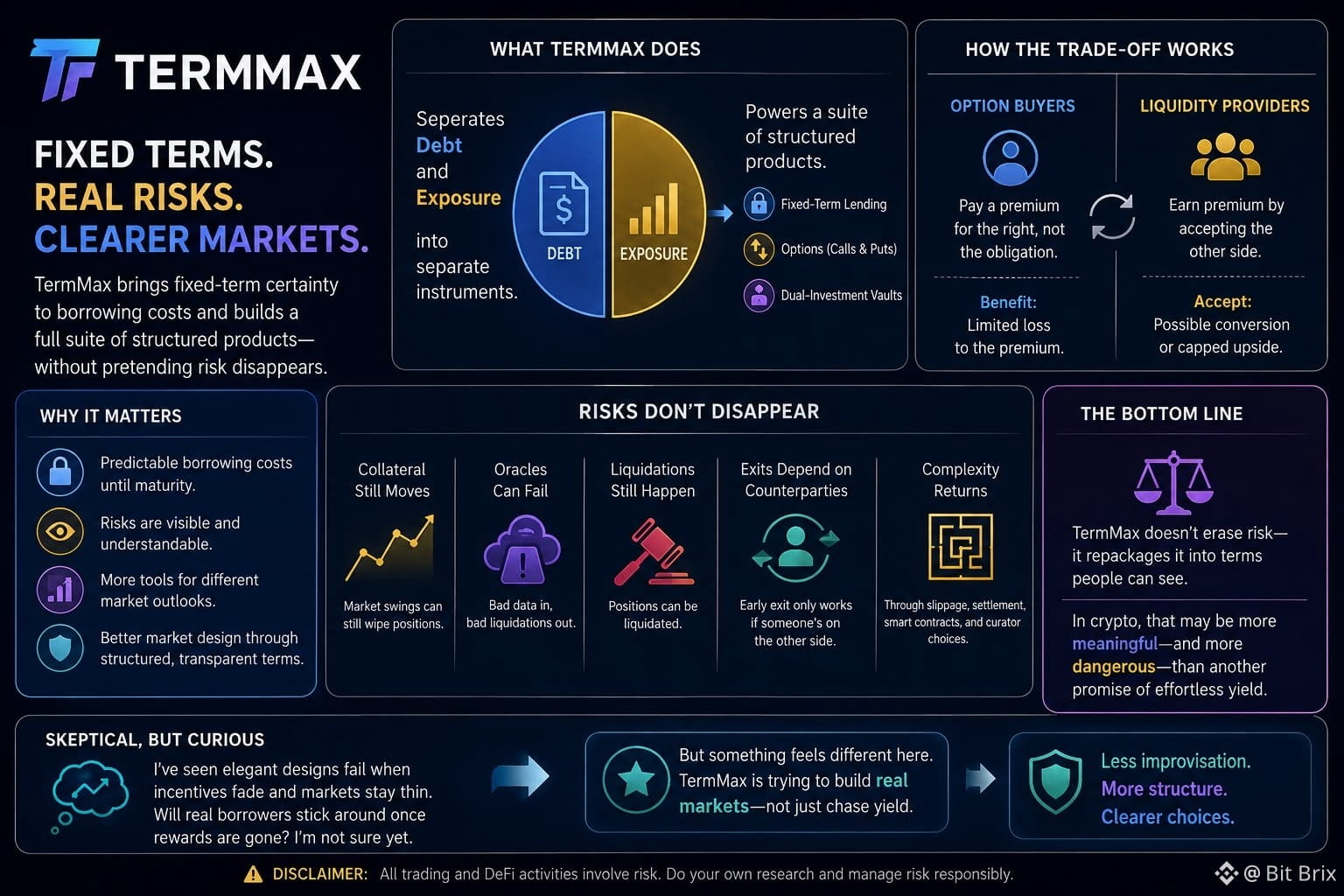
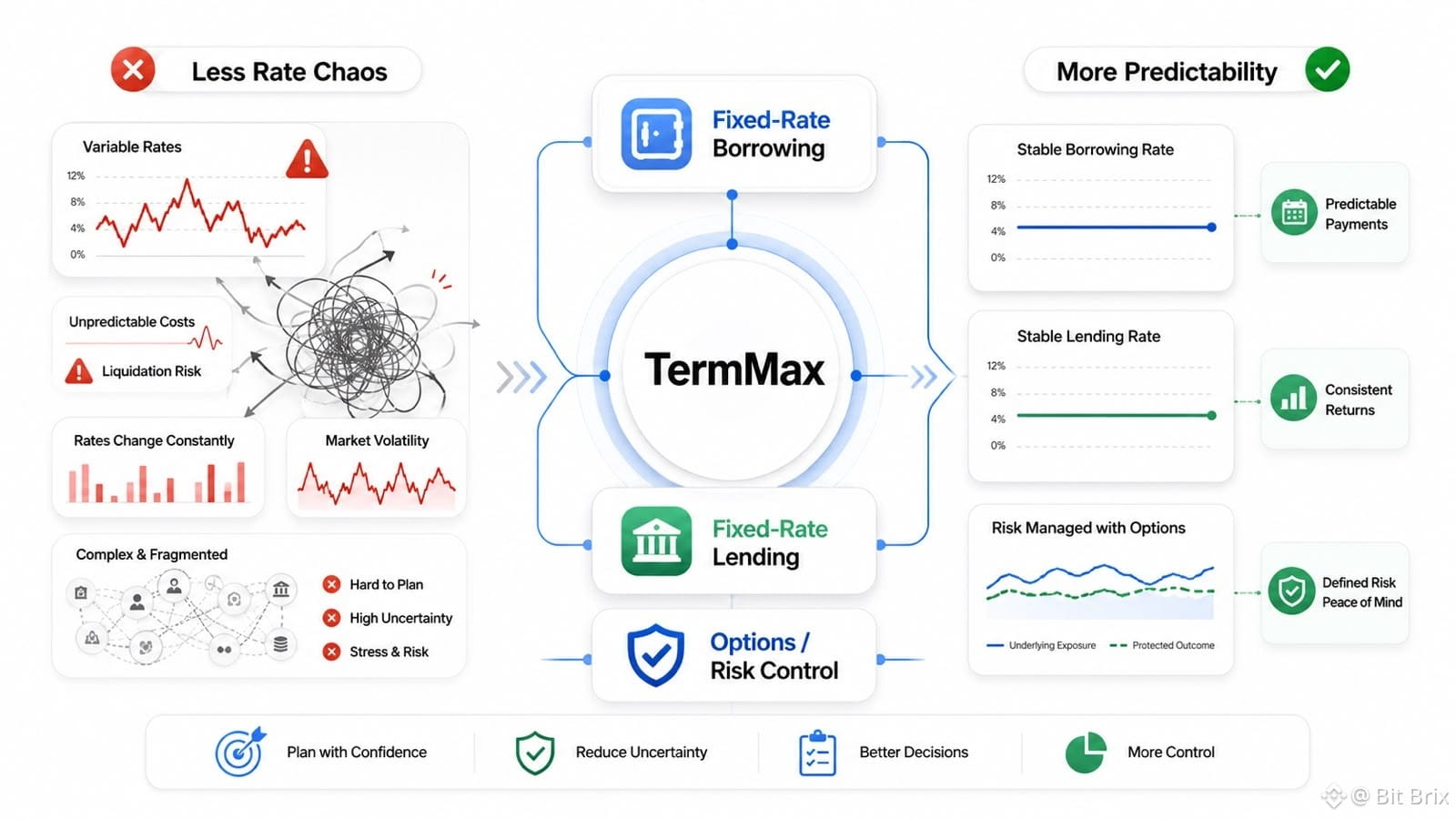
I'm noticing TermMax for a reason I didn't expect: it is trying to make crypto feel less improvised. I've watched lending protocols sell "certainty" before, only for rates, incentives, or liquidity to break the moment the market became inconvenient. A fixed borrowing cost until maturity is genuinely useful, but it doesn't make the rest of the position fixed. Collateral still moves. Oracles still fail. Liquidations still happen. And if you want out early, the exit is only as real as the counterparty waiting on the other side.
What keeps pulling my attention back is the way TermMax turns debt and exposure into separate instruments, then pushes the same machinery toward calls, puts, and dual-investment vaults. Option buyers can limit their loss to the premium; liquidity providers earn that premium by accepting the uglier side of the bargain—being converted into a falling token or selling away upside when price runs. That trade-off feels honest, at least on paper.
I've seen this before: elegant token design, thin markets, rewards masking weak organic demand. Fixed-term liquidity fragments easily, and complexity has a habit of returning through slippage, settlement, smart contracts, and curator choices. I don't fully trust it, and I’m not sure yet that enough real borrowers will stay once incentives fade. But something about this feels different. TermMax isn't pretending risk disappears; it is repackaging it into terms people can actually see. In crypto, that may be more meaningful—and more dangerous—than another promise of effortless yield.
#TermMax @termmax
I'm noticing TermMax for a reason I didn't expect: it is trying to make crypto feel less improvised. I've watched lending protocols sell "certainty" before, only for rates, incentives, or liquidity to break the moment the market became inconvenient. A fixed borrowing cost until maturity is genuinely useful, but it doesn't make the rest of the position fixed. Collateral still moves. Oracles still fail. Liquidations still happen. And if you want out early, the exit is only as real as the counterparty waiting on the other side.
What keeps pulling my attention back is the way TermMax turns debt and exposure into separate instruments, then pushes the same machinery toward calls, puts, and dual-investment vaults. Option buyers can limit their loss to the premium; liquidity providers earn that premium by accepting the uglier side of the bargain—being converted into a falling token or selling away upside when price runs. That trade-off feels honest, at least on paper.
I've seen this before: elegant token design, thin markets, rewards masking weak organic demand. Fixed-term liquidity fragments easily, and complexity has a habit of returning through slippage, settlement, smart contracts, and curator choices. I don't fully trust it, and I’m not sure yet that enough real borrowers will stay once incentives fade. But something about this feels different. TermMax isn't pretending risk disappears; it is repackaging it into terms people can actually see. In crypto, that may be more meaningful—and more dangerous—than another promise of effortless yield.
#TermMax @TermMax
What keeps pulling my attention back is the way TermMax turns debt and exposure into separate instruments, then pushes the same machinery toward calls, puts, and dual-investment vaults. Option buyers can limit their loss to the premium; liquidity providers earn that premium by accepting the uglier side of the bargain—being converted into a falling token or selling away upside when price runs. That trade-off feels honest, at least on paper.
I've seen this before: elegant token design, thin markets, rewards masking weak organic demand. Fixed-term liquidity fragments easily, and complexity has a habit of returning through slippage, settlement, smart contracts, and curator choices. I don't fully trust it, and I’m not sure yet that enough real borrowers will stay once incentives fade. But something about this feels different. TermMax isn't pretending risk disappears; it is repackaging it into terms people can actually see. In crypto, that may be more meaningful—and more dangerous—than another promise of effortless yield.
#TermMax @TermMax
167
·
--
Tăng giá
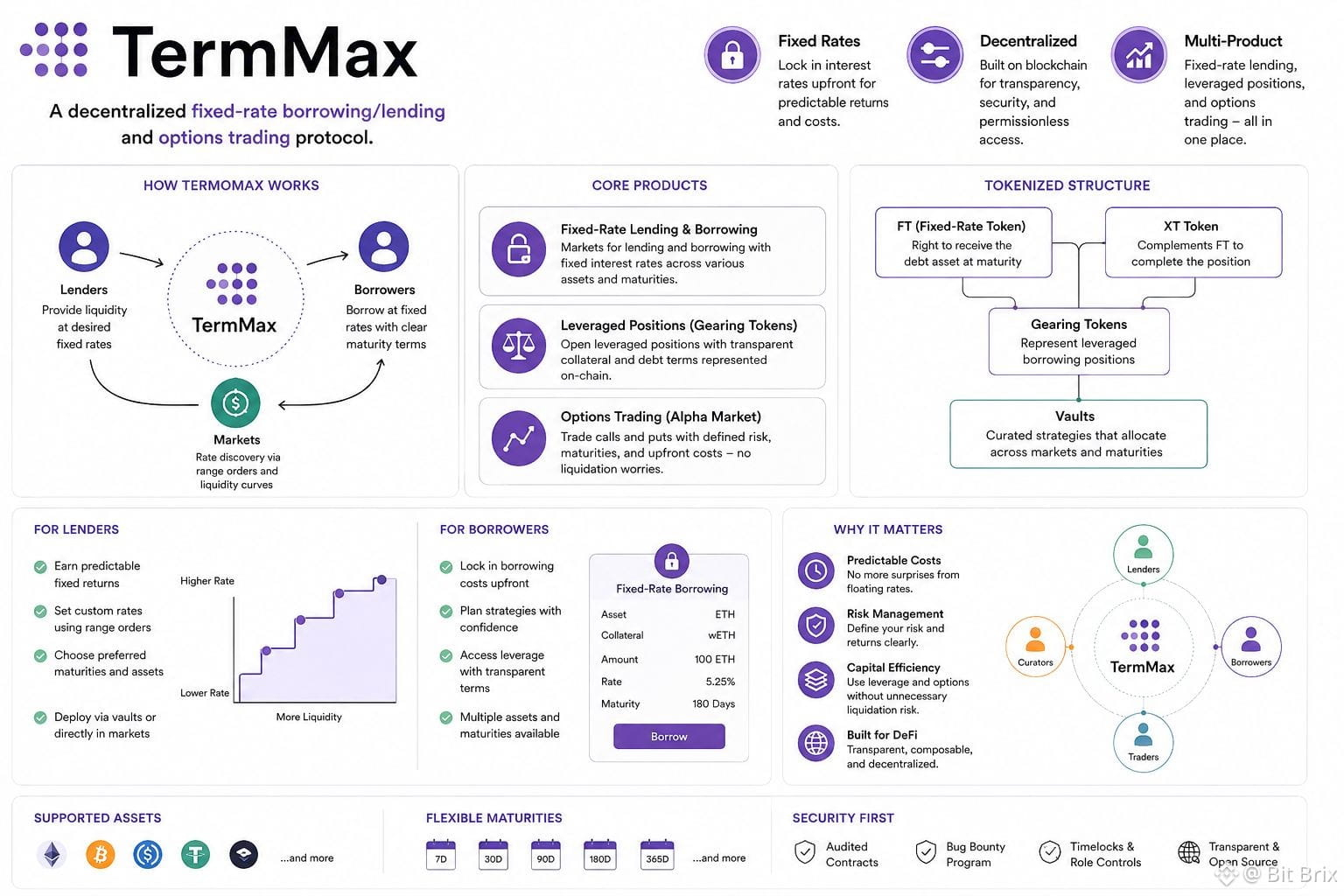
TermMax đã thu hút sự chú ý của tôi vì một lý do khá đơn giản.
Tôi đã thấy quá nhiều giao dịch crypto đi sai vì tài sản không phải là vấn đề — mà là phần tài trợ.
Bạn tham gia một vị thế khi chi phí vay rẻ.
Sau đó thị trường trở nên đông đúc. Lãi suất biến động.
Đột nhiên, giao dịch cần phải đúng để thậm chí còn có thể tự trang trải.
Đó là “cơn đau” mà TermMax đang cố gắng loại bỏ.
Thay vì để chi phí vay dao động, TermMax xây dựng các thị trường lãi suất cố định cho những tài sản và kỳ hạn cụ thể. Bạn biết khoản tài trợ dự kiến sẽ tốn bao nhiêu trước khi cam kết.
Nghe có vẻ nhàm chán.
Thành thật mà nói, đó chính là lý do tôi thích nó.
Ở “đằng sau hậu trường”, mọi thứ còn thú vị hơn nhiều: nợ tương lai được token hóa, định giá theo biên độ, các vault được quản lý, vị thế đòn bẩy và một lớp tùy chọn được xây dựng dựa trên rủi ro đã xác định.
Nó không hoàn hảo. Phần khó là thanh khoản, thực thi, quản lý rủi ro và chứng minh rằng người dùng vẫn ở lại khi các ưu đãi biến mất.
Nhưng đó là phần tôi đang theo dõi.
Bởi vì trong DeFi, các sản phẩm “hào nhoáng” thì dễ.
Xây dựng hạ tầng vẫn hoạt động tốt ngay cả khi thị trường xấu đi?
Cái đó khó hơn rất nhiều.
TermMax đang đặt cược rằng việc biết giá của tiền ngày mai có giá trị hơn việc chỉ giả vờ rằng ngày mai sẽ giống như hôm nay.
#TermMax @termmax
TermMax đã thu hút sự chú ý của tôi vì một lý do khá đơn giản.
Tôi đã thấy quá nhiều giao dịch crypto đi sai vì tài sản không phải là vấn đề — mà là phần tài trợ.
Bạn tham gia một vị thế khi chi phí vay rẻ.
Sau đó thị trường trở nên đông đúc. Lãi suất biến động.
Đột nhiên, giao dịch cần phải đúng để thậm chí còn có thể tự trang trải.
Đó là “cơn đau” mà TermMax đang cố gắng loại bỏ.
Thay vì để chi phí vay dao động, TermMax xây dựng các thị trường lãi suất cố định cho những tài sản và kỳ hạn cụ thể. Bạn biết khoản tài trợ dự kiến sẽ tốn bao nhiêu trước khi cam kết.
Nghe có vẻ nhàm chán.
Thành thật mà nói, đó chính là lý do tôi thích nó.
Ở “đằng sau hậu trường”, mọi thứ còn thú vị hơn nhiều: nợ tương lai được token hóa, định giá theo biên độ, các vault được quản lý, vị thế đòn bẩy và một lớp tùy chọn được xây dựng dựa trên rủi ro đã xác định.
Nó không hoàn hảo. Phần khó là thanh khoản, thực thi, quản lý rủi ro và chứng minh rằng người dùng vẫn ở lại khi các ưu đãi biến mất.
Nhưng đó là phần tôi đang theo dõi.
Bởi vì trong DeFi, các sản phẩm “hào nhoáng” thì dễ.
Xây dựng hạ tầng vẫn hoạt động tốt ngay cả khi thị trường xấu đi?
Cái đó khó hơn rất nhiều.
TermMax đang đặt cược rằng việc biết giá của tiền ngày mai có giá trị hơn việc chỉ giả vờ rằng ngày mai sẽ giống như hôm nay.
#TermMax @TermMax
Tôi đã thấy quá nhiều giao dịch crypto đi sai vì tài sản không phải là vấn đề — mà là phần tài trợ.
Bạn tham gia một vị thế khi chi phí vay rẻ.
Sau đó thị trường trở nên đông đúc. Lãi suất biến động.
Đột nhiên, giao dịch cần phải đúng để thậm chí còn có thể tự trang trải.
Đó là “cơn đau” mà TermMax đang cố gắng loại bỏ.
Thay vì để chi phí vay dao động, TermMax xây dựng các thị trường lãi suất cố định cho những tài sản và kỳ hạn cụ thể. Bạn biết khoản tài trợ dự kiến sẽ tốn bao nhiêu trước khi cam kết.
Nghe có vẻ nhàm chán.
Thành thật mà nói, đó chính là lý do tôi thích nó.
Ở “đằng sau hậu trường”, mọi thứ còn thú vị hơn nhiều: nợ tương lai được token hóa, định giá theo biên độ, các vault được quản lý, vị thế đòn bẩy và một lớp tùy chọn được xây dựng dựa trên rủi ro đã xác định.
Nó không hoàn hảo. Phần khó là thanh khoản, thực thi, quản lý rủi ro và chứng minh rằng người dùng vẫn ở lại khi các ưu đãi biến mất.
Nhưng đó là phần tôi đang theo dõi.
Bởi vì trong DeFi, các sản phẩm “hào nhoáng” thì dễ.
Xây dựng hạ tầng vẫn hoạt động tốt ngay cả khi thị trường xấu đi?
Cái đó khó hơn rất nhiều.
TermMax đang đặt cược rằng việc biết giá của tiền ngày mai có giá trị hơn việc chỉ giả vờ rằng ngày mai sẽ giống như hôm nay.
#TermMax @TermMax
135
·
--
Tăng giá
Crypto đã khiến người ta mệt mỏi với những lời hứa lớn.
Quá nhiều token.
Quá nhiều câu chuyện.
Quá nhiều dự án trông có vẻ còn sống cho đến khi phần thưởng dừng lại.
Đó là lý do TermMax nhìn vào thấy khác biệt.
Không hoàn hảo. Không được đảm bảo. Chỉ là khác.
Nó không cố làm ồn ào. Nó đang hoạt động quanh việc vay, cho vay theo lãi suất cố định, và giao dịch quyền chọn — phần hạ tầng DeFi khô khan mà hầu hết mọi người bỏ qua cho đến khi thị trường trở nên rối ren.
Và thành thật mà nói, sự khô khan có lẽ chính là điểm mấu chốt.
Khi lãi suất vay biến động quá nhanh, người dùng cảm nhận được.
Khi thanh khoản biến mất, người dùng cảm nhận được.
Khi rủi ro bị che giấu dưới những bảng điều khiển sạch sẽ, người dùng cảm nhận được.
TermMax đang cố gắng chạm vào vấn đề đó.
Có thể nó sẽ hiệu quả.
Có thể nó cần thời gian.
Có thể thị trường vẫn chưa quan tâm.
Nhưng ít nhất nó đang tập trung vào một điều có thật: làm cho DeFi bớt hỗn loạn ở phía bên dưới.
Không có sự thổi phồng từ tôi.
Chỉ là sự tò mò thận trọng.
#termmax @termmax
Crypto đã khiến người ta mệt mỏi với những lời hứa lớn.
Quá nhiều token.
Quá nhiều câu chuyện.
Quá nhiều dự án trông có vẻ còn sống cho đến khi phần thưởng dừng lại.
Đó là lý do TermMax nhìn vào thấy khác biệt.
Không hoàn hảo. Không được đảm bảo. Chỉ là khác.
Nó không cố làm ồn ào. Nó đang hoạt động quanh việc vay, cho vay theo lãi suất cố định, và giao dịch quyền chọn — phần hạ tầng DeFi khô khan mà hầu hết mọi người bỏ qua cho đến khi thị trường trở nên rối ren.
Và thành thật mà nói, sự khô khan có lẽ chính là điểm mấu chốt.
Khi lãi suất vay biến động quá nhanh, người dùng cảm nhận được.
Khi thanh khoản biến mất, người dùng cảm nhận được.
Khi rủi ro bị che giấu dưới những bảng điều khiển sạch sẽ, người dùng cảm nhận được.
TermMax đang cố gắng chạm vào vấn đề đó.
Có thể nó sẽ hiệu quả.
Có thể nó cần thời gian.
Có thể thị trường vẫn chưa quan tâm.
Nhưng ít nhất nó đang tập trung vào một điều có thật: làm cho DeFi bớt hỗn loạn ở phía bên dưới.
Không có sự thổi phồng từ tôi.
Chỉ là sự tò mò thận trọng.
#termmax @TermMax
Quá nhiều token.
Quá nhiều câu chuyện.
Quá nhiều dự án trông có vẻ còn sống cho đến khi phần thưởng dừng lại.
Đó là lý do TermMax nhìn vào thấy khác biệt.
Không hoàn hảo. Không được đảm bảo. Chỉ là khác.
Nó không cố làm ồn ào. Nó đang hoạt động quanh việc vay, cho vay theo lãi suất cố định, và giao dịch quyền chọn — phần hạ tầng DeFi khô khan mà hầu hết mọi người bỏ qua cho đến khi thị trường trở nên rối ren.
Và thành thật mà nói, sự khô khan có lẽ chính là điểm mấu chốt.
Khi lãi suất vay biến động quá nhanh, người dùng cảm nhận được.
Khi thanh khoản biến mất, người dùng cảm nhận được.
Khi rủi ro bị che giấu dưới những bảng điều khiển sạch sẽ, người dùng cảm nhận được.
TermMax đang cố gắng chạm vào vấn đề đó.
Có thể nó sẽ hiệu quả.
Có thể nó cần thời gian.
Có thể thị trường vẫn chưa quan tâm.
Nhưng ít nhất nó đang tập trung vào một điều có thật: làm cho DeFi bớt hỗn loạn ở phía bên dưới.
Không có sự thổi phồng từ tôi.
Chỉ là sự tò mò thận trọng.
#termmax @TermMax
2
110
·
--
Tăng giá
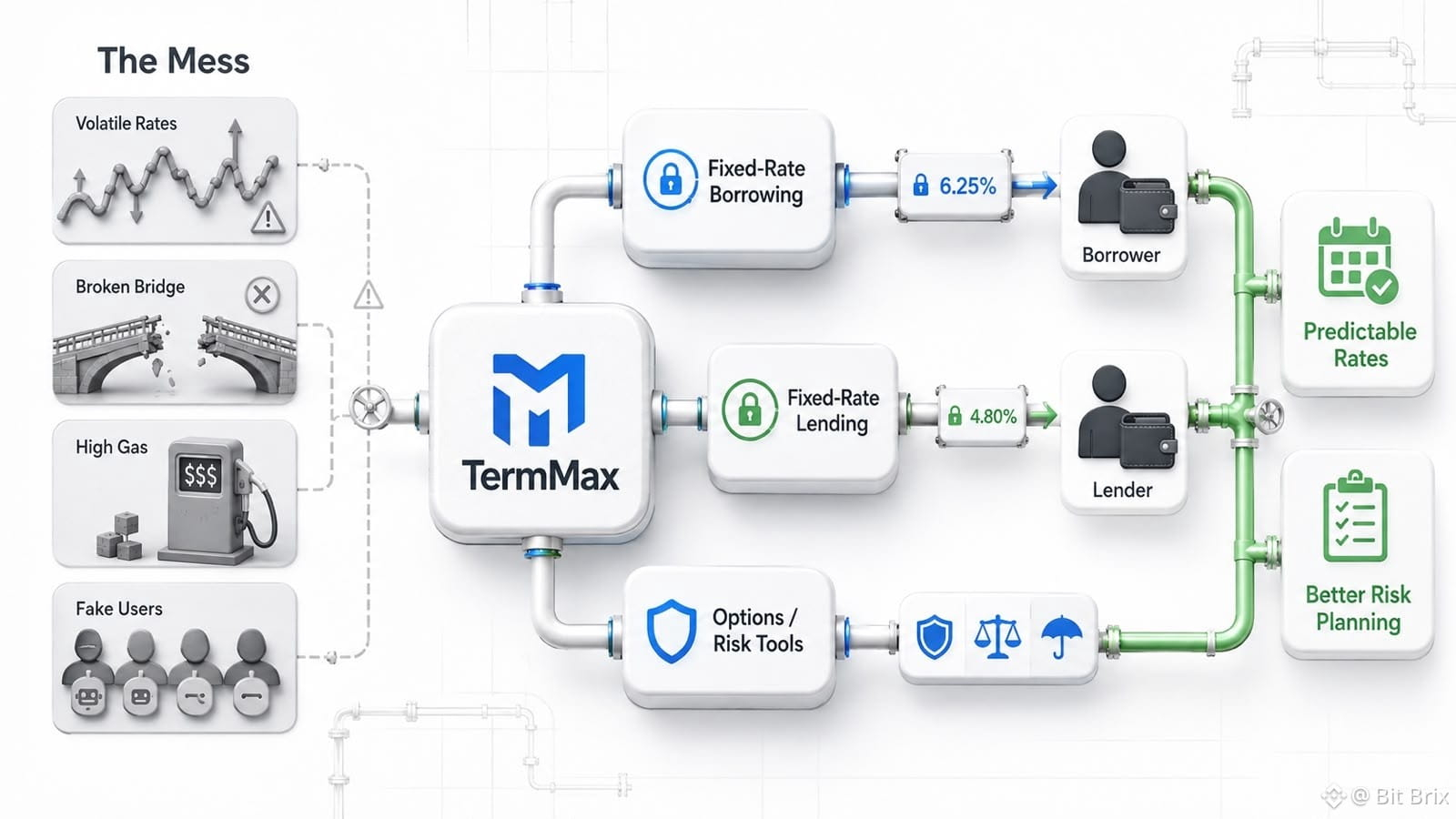
TermMax cảm thấy khác biệt vì nó không cố bán một giấc mơ.
Nó đang xử lý “mớ hỗn độn” nhàm chán bên trong DeFi: lãi suất vay, rủi ro cho vay, các lựa chọn (options), thanh khoản, và tất cả những điều bất định mà người dùng thường bỏ qua cho đến khi thị trường chuyển xấu.
Thành thật mà nói, chính điều đó khiến nó đáng để theo dõi.
Bất kỳ ai từng vay trong DeFi đều biết áp lực. Lãi suất biến động. Vị thế trở nên không thoải mái. Phí gas tăng vọt đúng lúc tệ nhất. Rủi ro đột nhiên trở nên rất “thực”.
TermMax đang cố gắng làm cho một phần nào đó trở nên dễ dự đoán hơn với cơ chế vay và cho vay lãi suất cố định.
Nghe có vẻ đơn giản, nhưng không hề dễ.
Nó cần người dùng thật, thanh khoản thật, và đủ niềm tin để mọi người thực sự sử dụng khi không có chiến dịch hype nào đẩy họ tham gia.
Có thể nó hoạt động. Có thể cần thêm thời gian. Có thể thị trường sẽ phớt lờ nó cho đến khi mọi người lại cảm thấy đau đớn tương tự.
Nhưng ít nhất TermMax đang chỉ vào một vấn đề thật.
Và trong crypto, điều đó đã khiến tôi chú ý rồi.
#TermMax @termmax
TermMax cảm thấy khác biệt vì nó không cố bán một giấc mơ.
Nó đang xử lý “mớ hỗn độn” nhàm chán bên trong DeFi: lãi suất vay, rủi ro cho vay, các lựa chọn (options), thanh khoản, và tất cả những điều bất định mà người dùng thường bỏ qua cho đến khi thị trường chuyển xấu.
Thành thật mà nói, chính điều đó khiến nó đáng để theo dõi.
Bất kỳ ai từng vay trong DeFi đều biết áp lực. Lãi suất biến động. Vị thế trở nên không thoải mái. Phí gas tăng vọt đúng lúc tệ nhất. Rủi ro đột nhiên trở nên rất “thực”.
TermMax đang cố gắng làm cho một phần nào đó trở nên dễ dự đoán hơn với cơ chế vay và cho vay lãi suất cố định.
Nghe có vẻ đơn giản, nhưng không hề dễ.
Nó cần người dùng thật, thanh khoản thật, và đủ niềm tin để mọi người thực sự sử dụng khi không có chiến dịch hype nào đẩy họ tham gia.
Có thể nó hoạt động. Có thể cần thêm thời gian. Có thể thị trường sẽ phớt lờ nó cho đến khi mọi người lại cảm thấy đau đớn tương tự.
Nhưng ít nhất TermMax đang chỉ vào một vấn đề thật.
Và trong crypto, điều đó đã khiến tôi chú ý rồi.
#TermMax @TermMax
Nó đang xử lý “mớ hỗn độn” nhàm chán bên trong DeFi: lãi suất vay, rủi ro cho vay, các lựa chọn (options), thanh khoản, và tất cả những điều bất định mà người dùng thường bỏ qua cho đến khi thị trường chuyển xấu.
Thành thật mà nói, chính điều đó khiến nó đáng để theo dõi.
Bất kỳ ai từng vay trong DeFi đều biết áp lực. Lãi suất biến động. Vị thế trở nên không thoải mái. Phí gas tăng vọt đúng lúc tệ nhất. Rủi ro đột nhiên trở nên rất “thực”.
TermMax đang cố gắng làm cho một phần nào đó trở nên dễ dự đoán hơn với cơ chế vay và cho vay lãi suất cố định.
Nghe có vẻ đơn giản, nhưng không hề dễ.
Nó cần người dùng thật, thanh khoản thật, và đủ niềm tin để mọi người thực sự sử dụng khi không có chiến dịch hype nào đẩy họ tham gia.
Có thể nó hoạt động. Có thể cần thêm thời gian. Có thể thị trường sẽ phớt lờ nó cho đến khi mọi người lại cảm thấy đau đớn tương tự.
Nhưng ít nhất TermMax đang chỉ vào một vấn đề thật.
Và trong crypto, điều đó đã khiến tôi chú ý rồi.
#TermMax @TermMax
16
15
168
·
--
$KII
{alpha}(560xeec6574eabba52bac3f0277f2cd5ac7e67197886)
tăng 6,60% lên 0,068412 USD
$DOS
{future}(DOSUSDT)
giảm 10,67% xuống 0,22817 USD
$QUID
{alpha}(84530x1a44233fae8d50f1aeb3a5d58dd426ff4814cb53)
tăng 1,82% lên 0,074666 USD
Hoạt động giao dịch đa dạng trên toàn thị trường—đà tăng mạnh, nhưng biến động vẫn cao. Hãy giao dịch cẩn thận và luôn tự nghiên cứu (DYOR).
$KII
tăng 6,60% lên 0,068412 USD
$DOS
giảm 10,67% xuống 0,22817 USD
$QUID
tăng 1,82% lên 0,074666 USD
Hoạt động giao dịch đa dạng trên toàn thị trường—đà tăng mạnh, nhưng biến động vẫn cao. Hãy giao dịch cẩn thận và luôn tự nghiên cứu (DYOR).
tăng 6,60% lên 0,068412 USD
$DOS
giảm 10,67% xuống 0,22817 USD
$QUID
tăng 1,82% lên 0,074666 USD
Hoạt động giao dịch đa dạng trên toàn thị trường—đà tăng mạnh, nhưng biến động vẫn cao. Hãy giao dịch cẩn thận và luôn tự nghiên cứu (DYOR).
$KII
16%
$DOS
74%
$QUID
10%
73 phiếu bầu • Cuộc bỏ phiếu đã kết thúc
1
5.2k
·
--
Các biến động trên thị trường!
$KII
{alpha}(560xeec6574eabba52bac3f0277f2cd5ac7e67197886)
tăng 4,78% lên $0,06744
$QUID
{alpha}(84530x1a44233fae8d50f1aeb3a5d58dd426ff4814cb53)
tăng 2,08% lên $0,07446
$DOS
{future}(DOSUSDT)
giảm 9,91% xuống $0,22837
Động lực đang được tích lũy, nhưng mức độ biến động vẫn cao. Hãy giao dịch cẩn thận và luôn tự nghiên cứu (DYOR)!
Các biến động trên thị trường!
$KII
tăng 4,78% lên $0,06744
$QUID
tăng 2,08% lên $0,07446
$DOS
giảm 9,91% xuống $0,22837
Động lực đang được tích lũy, nhưng mức độ biến động vẫn cao. Hãy giao dịch cẩn thận và luôn tự nghiên cứu (DYOR)!
$KII
tăng 4,78% lên $0,06744
$QUID
tăng 2,08% lên $0,07446
$DOS
giảm 9,91% xuống $0,22837
Động lực đang được tích lũy, nhưng mức độ biến động vẫn cao. Hãy giao dịch cẩn thận và luôn tự nghiên cứu (DYOR)!
2
534
·
--
Thật lòng mà nói, tôi đã mệt mỏi với việc mọi dự án crypto đều tuyên bố rằng nó sẽ thay đổi mọi thứ.
Quá nhiều token. Quá nhiều câu chuyện được làm lại. Quá nhiều dự án chạy theo sự chú ý thay vì giải quyết một vấn đề thật sự.
Vì vậy, Babylon đã lọt vào mắt tôi — không phải vì tôi kỳ vọng nó sẽ tăng 100x, mà vì vấn đề mà nó nhắm tới trông có vẻ đáng để suy nghĩ.
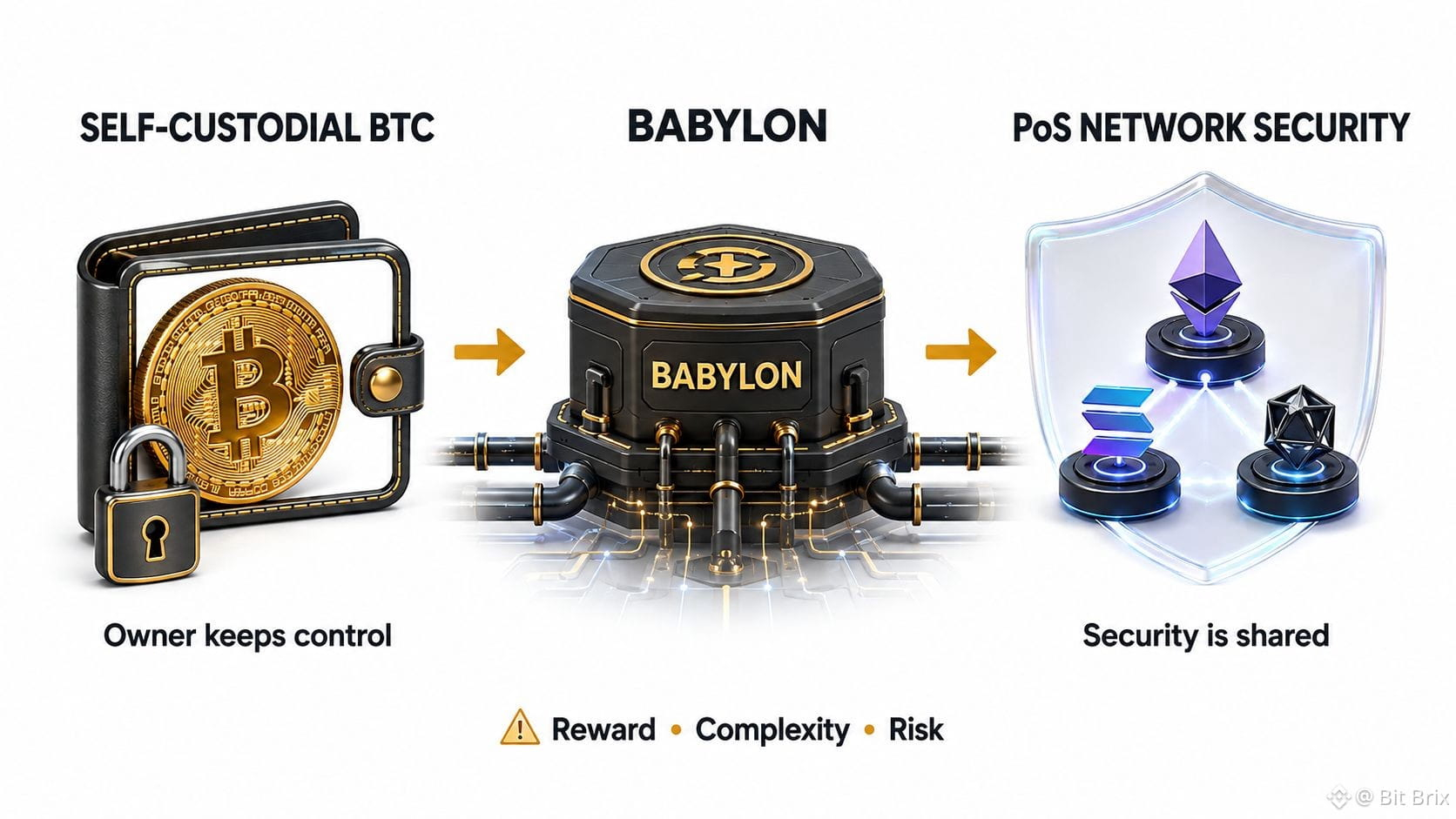
Babylon đang tìm cách cho phép người dùng stake BTC mà không phải từ bỏ quyền quản lý, đồng thời dùng Bitcoin đó để giúp tăng cường bảo mật cho các mạng proof-of-stake.
Nó không hào nhoáng. Đó là hạ tầng. Kiểu đường ống mà không ai để ý cho đến khi nó bị hỏng.
Tuy vậy, tôi vẫn có câu hỏi.
Liệu người nắm giữ Bitcoin có chấp nhận thêm rủi ro để nhận phần thưởng không? Các mạng nhỏ hơn có thật sự cần bảo mật được hỗ trợ bởi Bitcoin không? Và nếu Bitcoin mang “trọng lượng” kinh tế, thì token BABY cần thiết đến mức nào?
Tự quản lý nghe có vẻ tốt hơn là tin tưởng một nền tảng khác, nhưng nó không loại bỏ hết mọi rủi ro. Nhiều kết nối hơn cũng có nghĩa là sẽ có thêm nhiều điểm có thể xảy ra lỗi.
Đó là phần mà người ta thường bỏ qua, trong khi phần thưởng trông hấp dẫn.
Có lẽ Babylon sẽ trở thành một hạ tầng hữu ích. Cũng có thể người dùng sẽ quyết rằng mức độ phức tạp không đáng. Thật lòng mà nói, tôi không biết.
Nhưng ít nhất nó đang cố gắng giải một vấn đề thật, thay vì tạo ra thêm một token kèm theo một câu chuyện.
Ý tưởng có thể quan trọng.
Việc triển khai sẽ rất khó.
Và thị trường có thể sẽ chẳng quan tâm.
Tạm thời, sự tò mò thận trọng có vẻ chân thật hơn là chạy theo hype.
#baby @babylonlabs_io $BABY
Thật lòng mà nói, tôi đã mệt mỏi với việc mọi dự án crypto đều tuyên bố rằng nó sẽ thay đổi mọi thứ.
Quá nhiều token. Quá nhiều câu chuyện được làm lại. Quá nhiều dự án chạy theo sự chú ý thay vì giải quyết một vấn đề thật sự.
Vì vậy, Babylon đã lọt vào mắt tôi — không phải vì tôi kỳ vọng nó sẽ tăng 100x, mà vì vấn đề mà nó nhắm tới trông có vẻ đáng để suy nghĩ.
Babylon đang tìm cách cho phép người dùng stake BTC mà không phải từ bỏ quyền quản lý, đồng thời dùng Bitcoin đó để giúp tăng cường bảo mật cho các mạng proof-of-stake.
Nó không hào nhoáng. Đó là hạ tầng. Kiểu đường ống mà không ai để ý cho đến khi nó bị hỏng.
Tuy vậy, tôi vẫn có câu hỏi.
Liệu người nắm giữ Bitcoin có chấp nhận thêm rủi ro để nhận phần thưởng không? Các mạng nhỏ hơn có thật sự cần bảo mật được hỗ trợ bởi Bitcoin không? Và nếu Bitcoin mang “trọng lượng” kinh tế, thì token BABY cần thiết đến mức nào?
Tự quản lý nghe có vẻ tốt hơn là tin tưởng một nền tảng khác, nhưng nó không loại bỏ hết mọi rủi ro. Nhiều kết nối hơn cũng có nghĩa là sẽ có thêm nhiều điểm có thể xảy ra lỗi.
Đó là phần mà người ta thường bỏ qua, trong khi phần thưởng trông hấp dẫn.
Có lẽ Babylon sẽ trở thành một hạ tầng hữu ích. Cũng có thể người dùng sẽ quyết rằng mức độ phức tạp không đáng. Thật lòng mà nói, tôi không biết.
Nhưng ít nhất nó đang cố gắng giải một vấn đề thật, thay vì tạo ra thêm một token kèm theo một câu chuyện.
Ý tưởng có thể quan trọng.
Việc triển khai sẽ rất khó.
Và thị trường có thể sẽ chẳng quan tâm.
Tạm thời, sự tò mò thận trọng có vẻ chân thật hơn là chạy theo hype.
#baby @BabylonLabs_io $BABY
Quá nhiều token. Quá nhiều câu chuyện được làm lại. Quá nhiều dự án chạy theo sự chú ý thay vì giải quyết một vấn đề thật sự.
Vì vậy, Babylon đã lọt vào mắt tôi — không phải vì tôi kỳ vọng nó sẽ tăng 100x, mà vì vấn đề mà nó nhắm tới trông có vẻ đáng để suy nghĩ.
Babylon đang tìm cách cho phép người dùng stake BTC mà không phải từ bỏ quyền quản lý, đồng thời dùng Bitcoin đó để giúp tăng cường bảo mật cho các mạng proof-of-stake.
Nó không hào nhoáng. Đó là hạ tầng. Kiểu đường ống mà không ai để ý cho đến khi nó bị hỏng.
Tuy vậy, tôi vẫn có câu hỏi.
Liệu người nắm giữ Bitcoin có chấp nhận thêm rủi ro để nhận phần thưởng không? Các mạng nhỏ hơn có thật sự cần bảo mật được hỗ trợ bởi Bitcoin không? Và nếu Bitcoin mang “trọng lượng” kinh tế, thì token BABY cần thiết đến mức nào?
Tự quản lý nghe có vẻ tốt hơn là tin tưởng một nền tảng khác, nhưng nó không loại bỏ hết mọi rủi ro. Nhiều kết nối hơn cũng có nghĩa là sẽ có thêm nhiều điểm có thể xảy ra lỗi.
Đó là phần mà người ta thường bỏ qua, trong khi phần thưởng trông hấp dẫn.
Có lẽ Babylon sẽ trở thành một hạ tầng hữu ích. Cũng có thể người dùng sẽ quyết rằng mức độ phức tạp không đáng. Thật lòng mà nói, tôi không biết.
Nhưng ít nhất nó đang cố gắng giải một vấn đề thật, thay vì tạo ra thêm một token kèm theo một câu chuyện.
Ý tưởng có thể quan trọng.
Việc triển khai sẽ rất khó.
Và thị trường có thể sẽ chẳng quan tâm.
Tạm thời, sự tò mò thận trọng có vẻ chân thật hơn là chạy theo hype.
#baby @BabylonLabs_io $BABY
8
1
116
·
--
Tôi đã dành một chút thời gian để đọc về Babylon, và thành thật mà nói, nó đã thu hút sự chú ý của tôi.
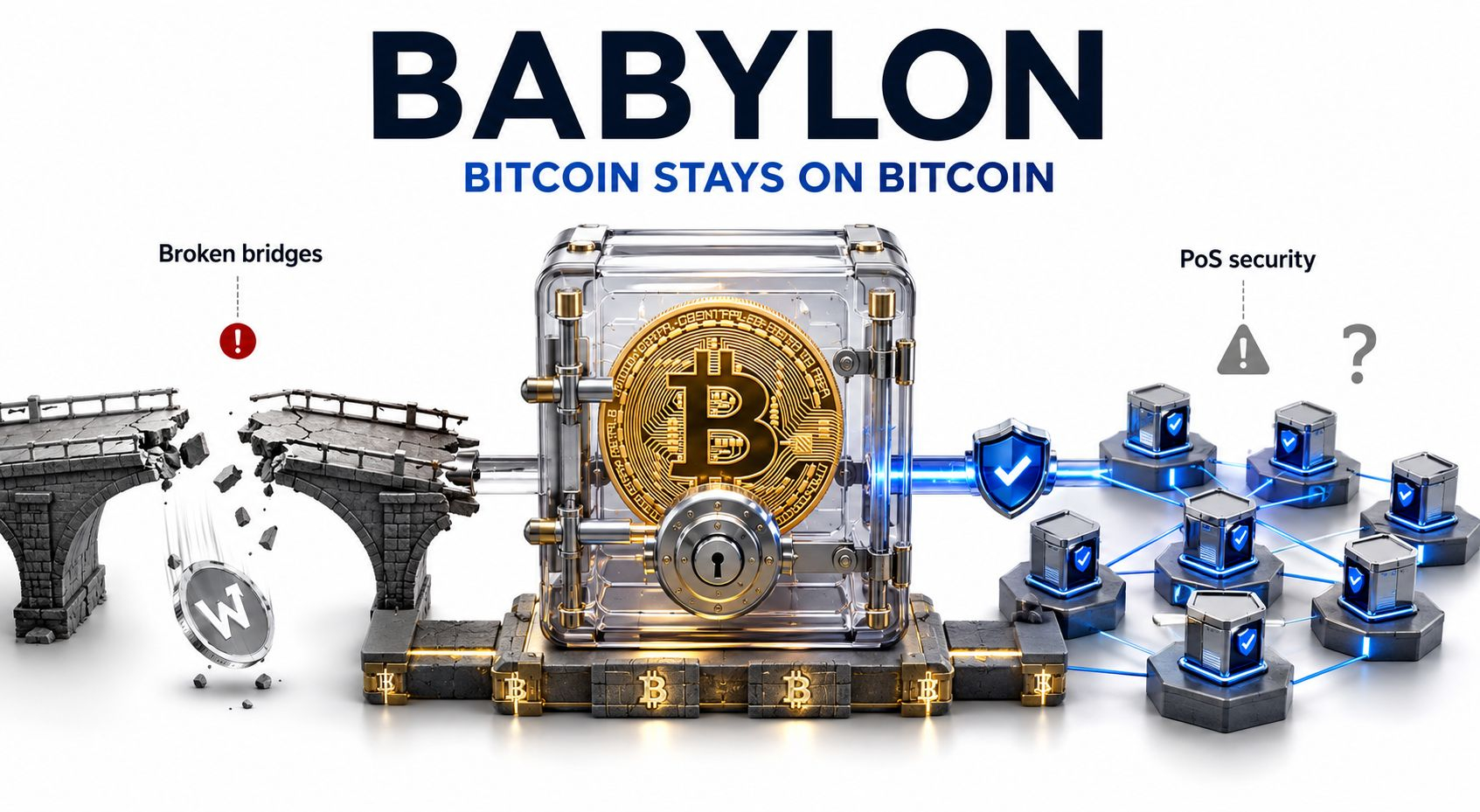
Crypto đã mang đến cho chúng ta quá nhiều cây cầu bị hỏng, tài sản được bọc, người dùng giả và các cơ chế phần thưởng biến mất ngay khi động lực dừng lại.
Babylon đang thử một hướng đi khác: cho phép BTC giúp bảo mật các mạng proof-of-stake mà không chuyển nó ra khỏi Bitcoin.
Điều này quan trọng.
Không phải vì mọi Bitcoin đều cần phải kiếm lợi suất. Đôi khi việc giữ BTC không chạm vào trong ví mới là mục tiêu. Nhưng sử dụng Bitcoin mà không bọc hay cầu nối có thể loại bỏ một trong những rủi ro lâu đời nhất của crypto.
Câu hỏi thực sự là nhu cầu.
Các chuỗi proof-of-stake có thực sự cần bảo mật dựa trên Bitcoin hay không, và liệu họ có trả cho nó một cách bền vững không? Hay mọi thứ sẽ phụ thuộc vào các phần thưởng tạm thời và việc phát hành token?
Ngoài ra còn có BABY. Có thể token là cần thiết để vận hành mạng. Và có thể nó sẽ trở thành một token khác liên tục tìm kiếm thêm tiện ích.
Tôi không biết.
Babylon không phải kiểu gây chú ý. Nó là cơ sở hạ tầng—loại thứ không ai nhận ra cho đến khi nó hỏng.
Vấn đề là có thật, nhưng việc triển khai sẽ rất khó.
Có thể nó sẽ hoạt động, cũng có thể không.
Tạm thời, sự tò mò thận trọng có vẻ chân thật hơn là chạy theo “hype”.
#baby @babylonlabs_io $BABY
Tôi đã dành một chút thời gian để đọc về Babylon, và thành thật mà nói, nó đã thu hút sự chú ý của tôi.
Crypto đã mang đến cho chúng ta quá nhiều cây cầu bị hỏng, tài sản được bọc, người dùng giả và các cơ chế phần thưởng biến mất ngay khi động lực dừng lại.
Babylon đang thử một hướng đi khác: cho phép BTC giúp bảo mật các mạng proof-of-stake mà không chuyển nó ra khỏi Bitcoin.
Điều này quan trọng.
Không phải vì mọi Bitcoin đều cần phải kiếm lợi suất. Đôi khi việc giữ BTC không chạm vào trong ví mới là mục tiêu. Nhưng sử dụng Bitcoin mà không bọc hay cầu nối có thể loại bỏ một trong những rủi ro lâu đời nhất của crypto.
Câu hỏi thực sự là nhu cầu.
Các chuỗi proof-of-stake có thực sự cần bảo mật dựa trên Bitcoin hay không, và liệu họ có trả cho nó một cách bền vững không? Hay mọi thứ sẽ phụ thuộc vào các phần thưởng tạm thời và việc phát hành token?
Ngoài ra còn có BABY. Có thể token là cần thiết để vận hành mạng. Và có thể nó sẽ trở thành một token khác liên tục tìm kiếm thêm tiện ích.
Tôi không biết.
Babylon không phải kiểu gây chú ý. Nó là cơ sở hạ tầng—loại thứ không ai nhận ra cho đến khi nó hỏng.
Vấn đề là có thật, nhưng việc triển khai sẽ rất khó.
Có thể nó sẽ hoạt động, cũng có thể không.
Tạm thời, sự tò mò thận trọng có vẻ chân thật hơn là chạy theo “hype”.
#baby @BabylonLabs_io $BABY
Crypto đã mang đến cho chúng ta quá nhiều cây cầu bị hỏng, tài sản được bọc, người dùng giả và các cơ chế phần thưởng biến mất ngay khi động lực dừng lại.
Babylon đang thử một hướng đi khác: cho phép BTC giúp bảo mật các mạng proof-of-stake mà không chuyển nó ra khỏi Bitcoin.
Điều này quan trọng.
Không phải vì mọi Bitcoin đều cần phải kiếm lợi suất. Đôi khi việc giữ BTC không chạm vào trong ví mới là mục tiêu. Nhưng sử dụng Bitcoin mà không bọc hay cầu nối có thể loại bỏ một trong những rủi ro lâu đời nhất của crypto.
Câu hỏi thực sự là nhu cầu.
Các chuỗi proof-of-stake có thực sự cần bảo mật dựa trên Bitcoin hay không, và liệu họ có trả cho nó một cách bền vững không? Hay mọi thứ sẽ phụ thuộc vào các phần thưởng tạm thời và việc phát hành token?
Ngoài ra còn có BABY. Có thể token là cần thiết để vận hành mạng. Và có thể nó sẽ trở thành một token khác liên tục tìm kiếm thêm tiện ích.
Tôi không biết.
Babylon không phải kiểu gây chú ý. Nó là cơ sở hạ tầng—loại thứ không ai nhận ra cho đến khi nó hỏng.
Vấn đề là có thật, nhưng việc triển khai sẽ rất khó.
Có thể nó sẽ hoạt động, cũng có thể không.
Tạm thời, sự tò mò thận trọng có vẻ chân thật hơn là chạy theo “hype”.
#baby @BabylonLabs_io $BABY
3
152
·
--
Tăng giá
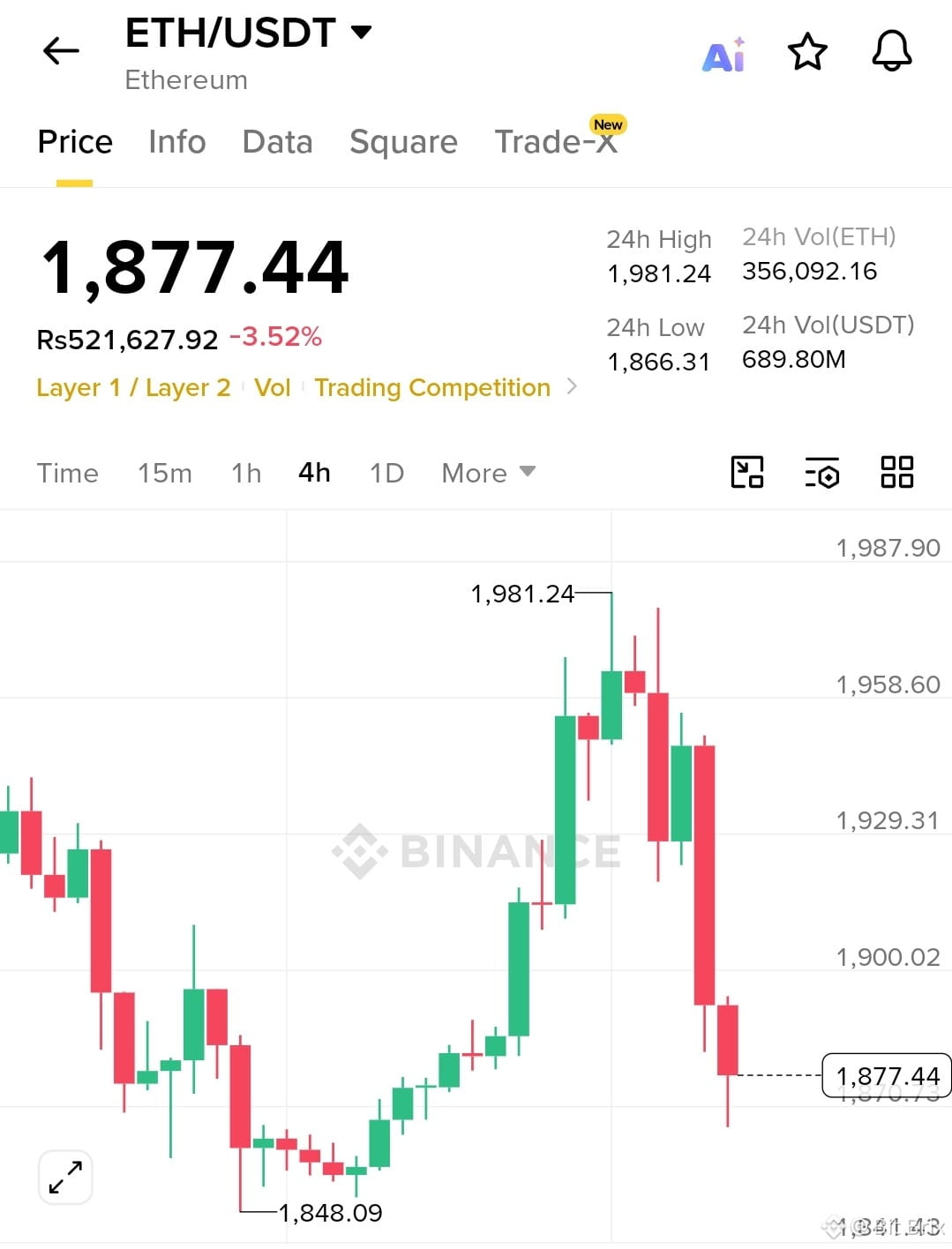
$ETH những con gấu đang nắm quyền sau một cú từ chối mạnh mẽ.
EP: $1,875–$1,885
TP1: $1,860
TP2: $1,848
TP3: $1,825
SL: $1,902
Áp lực đang gia tăng. Bước đi tiếp theo có thể rất tàn khốc.
Hãy vào $ETH
$ETH những con gấu đang nắm quyền sau một cú từ chối mạnh mẽ.
EP: $1,875–$1,885
TP1: $1,860
TP2: $1,848
TP3: $1,825
SL: $1,902
Áp lực đang gia tăng. Bước đi tiếp theo có thể rất tàn khốc.
Hãy vào $ETH
EP: $1,875–$1,885
TP1: $1,860
TP2: $1,848
TP3: $1,825
SL: $1,902
Áp lực đang gia tăng. Bước đi tiếp theo có thể rất tàn khốc.
Hãy vào $ETH
81
·
--
Tăng giá
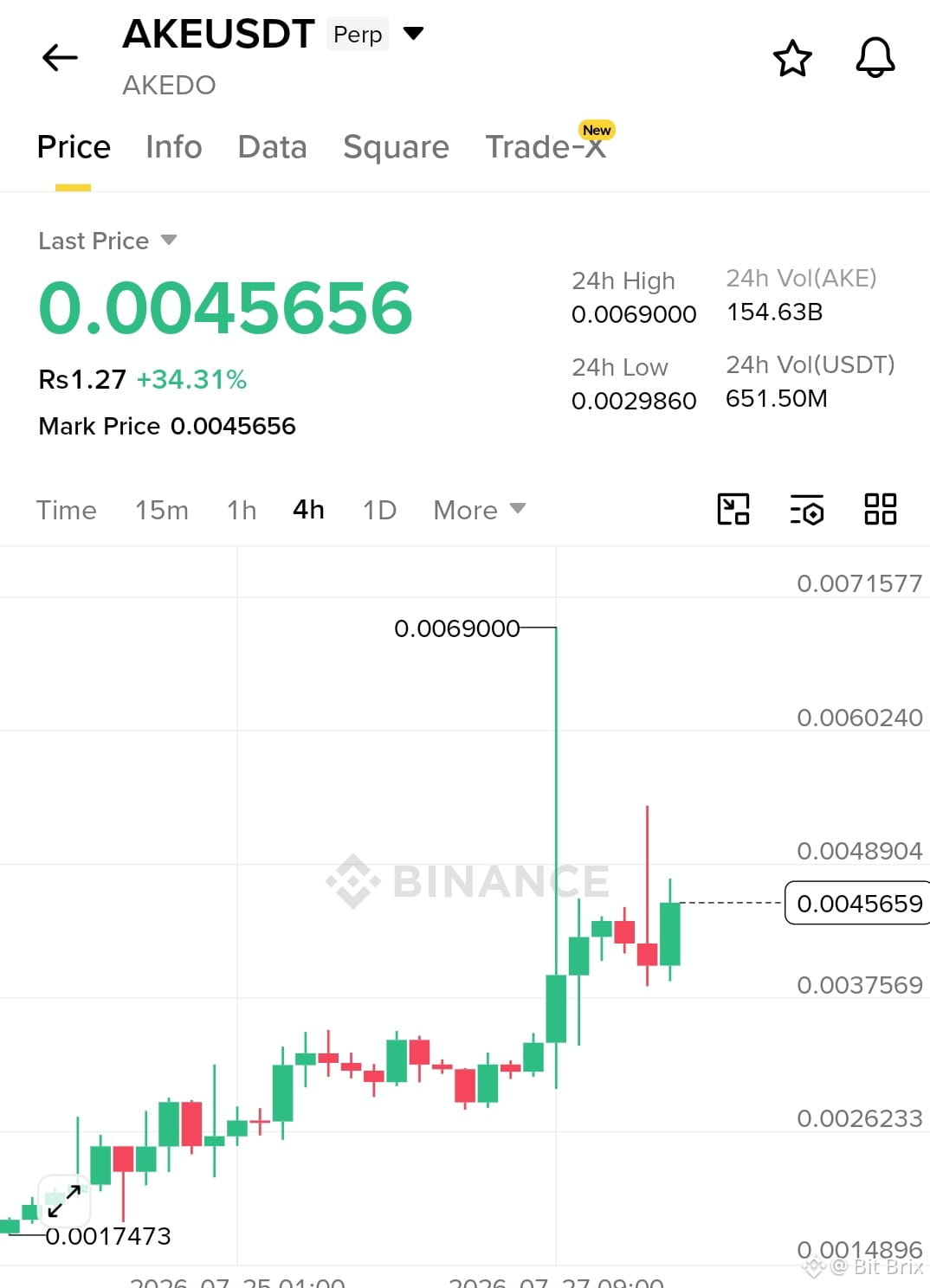
$AKE đang bắt đầu có đà tăng mạnh mẽ sau một cú bứt phá đầy uy lực.
EP: $0.00435–$0.00455
TP1: $0.00490
TP2: $0.00550
TP3: $0.00620
SL: $0.00375
Bên mua đang ép rất mạnh. Giữ vững đà bứt phá và nhịp tiếp theo có thể sẽ di chuyển nhanh.
Hãy cùng đi nào $AKE
$AKE đang bắt đầu có đà tăng mạnh mẽ sau một cú bứt phá đầy uy lực.
EP: $0.00435–$0.00455
TP1: $0.00490
TP2: $0.00550
TP3: $0.00620
SL: $0.00375
Bên mua đang ép rất mạnh. Giữ vững đà bứt phá và nhịp tiếp theo có thể sẽ di chuyển nhanh.
Hãy cùng đi nào $AKE
EP: $0.00435–$0.00455
TP1: $0.00490
TP2: $0.00550
TP3: $0.00620
SL: $0.00375
Bên mua đang ép rất mạnh. Giữ vững đà bứt phá và nhịp tiếp theo có thể sẽ di chuyển nhanh.
Hãy cùng đi nào $AKE
284
·
--
Tăng giá
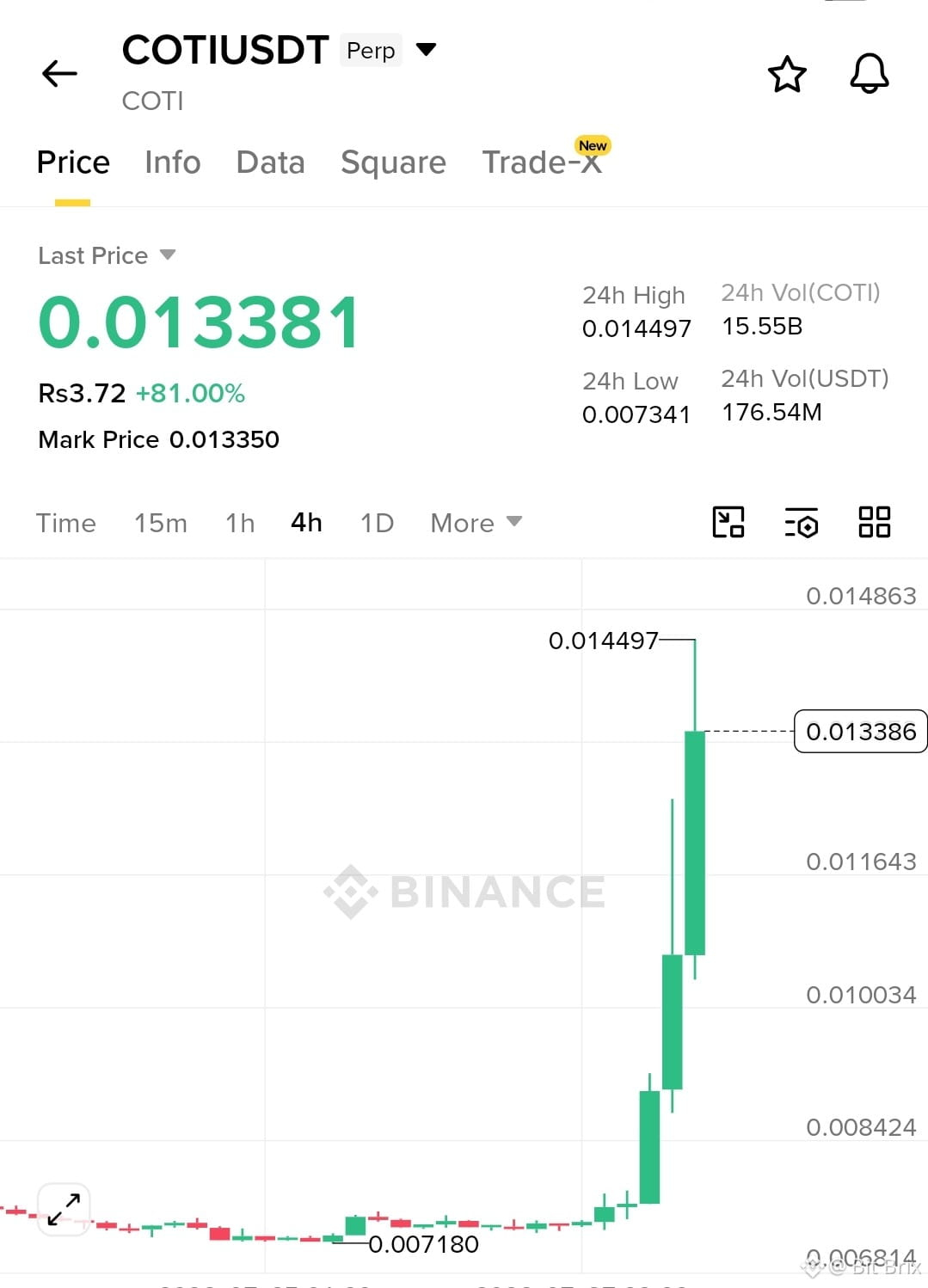
$COTI đang bùng nổ sau mức tăng 81%, với khối lượng mạnh và đà tăng đang hình thành trên biểu đồ khung 4H.
EP: $0.0128–$0.0133
TP1: $0.0145
TP2: $0.0160
TP3: $0.0180
SL: $0.0116
Biến động cao—hãy quản lý rủi ro cẩn thận.
Hãy cùng đi $COTI
$COTI đang bùng nổ sau mức tăng 81%, với khối lượng mạnh và đà tăng đang hình thành trên biểu đồ khung 4H.
EP: $0.0128–$0.0133
TP1: $0.0145
TP2: $0.0160
TP3: $0.0180
SL: $0.0116
Biến động cao—hãy quản lý rủi ro cẩn thận.
Hãy cùng đi $COTI
EP: $0.0128–$0.0133
TP1: $0.0145
TP2: $0.0160
TP3: $0.0180
SL: $0.0116
Biến động cao—hãy quản lý rủi ro cẩn thận.
Hãy cùng đi $COTI
186
·
--
Tôi đã ở trong crypto đủ lâu để cụm từ “an ninh kinh tế” gần như không còn gây ấn tượng nữa. Chuỗi PoS nào cũng nói phiên bản của nó. Rồi token rớt giá, mọi người mất hứng thú, và thứ “an ninh” mà ai cũng từng nói đến bỗng trông kém vững chắc hơn nhiều.
Babylon đã khiến tôi chậm lại một chút.
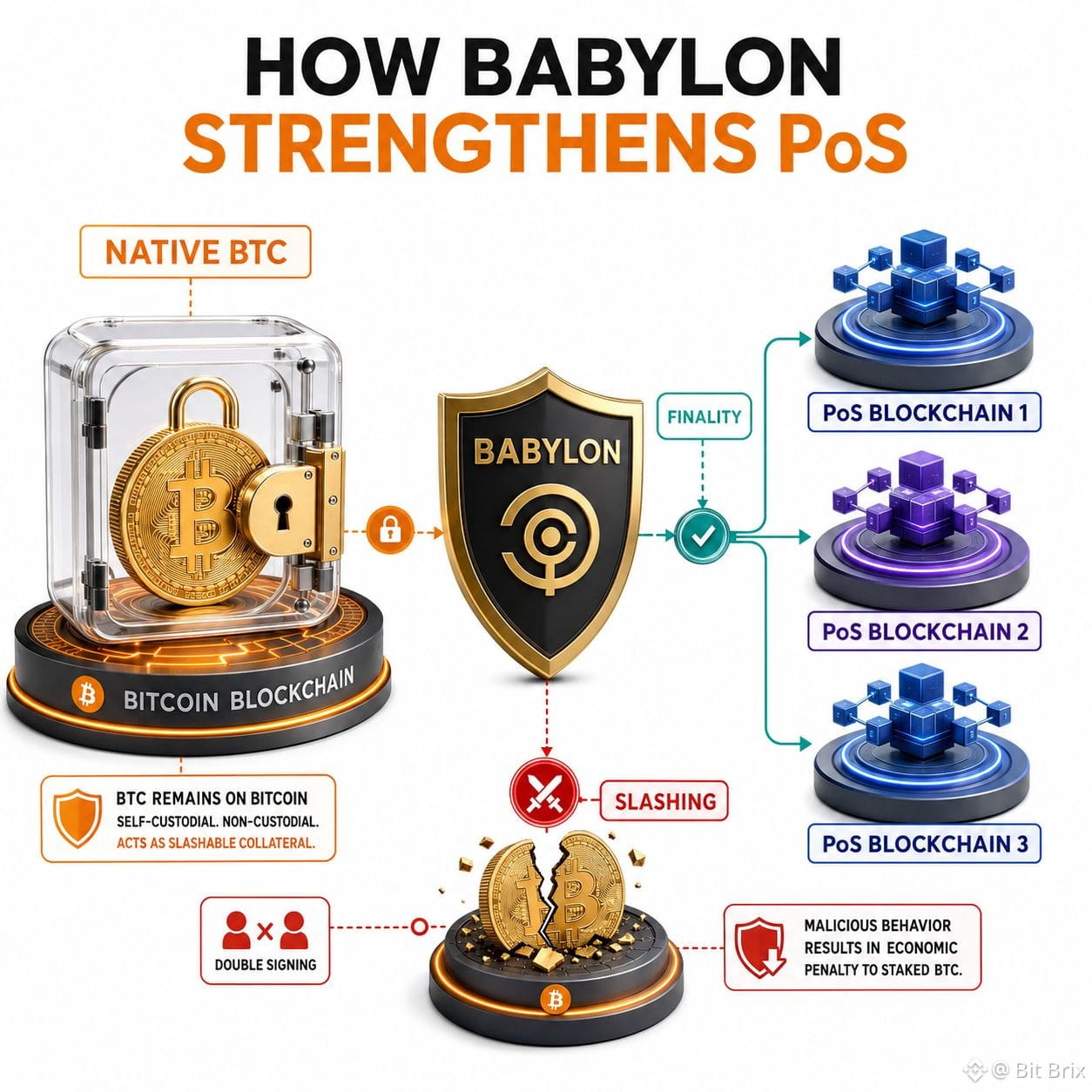
Ý tưởng này không đặc biệt nổi bật. Bitcoin giữ nguyên vị trí của nó, thay vì trở thành một lời hứa bọc khác. BTC đứng ra hỗ trợ các nhà cung cấp tính cuối cùng (finality) và có thể bị cắt (slashed) nếu họ ký các khối xung đột. Các checkpoint của Bitcoin cũng khiến việc viết lại âm thầm các lịch sử PoS cũ trở nên khó khăn hơn.
Nhưng tôi đã từng chứng kiến mô hình này trước đây. Bản đơn giản có thể gói trong một đoạn. Bản thực sự thì cần các người ký theo covenant (cam kết), cơ chế giám sát (watchers), quản lý khóa, quy tắc phần thưởng, và nhiều bộ phận chuyển động phải đồng bộ với nhau giữa hai mạng. Đó thường là lúc các ý tưởng “sạch” bắt đầu thu thập những vấn đề rất con người.
Tôi cẩn thận với cụm từ “được bảo đảm bởi Bitcoin.” Những thợ đào không đang trông coi các chuỗi PoS này. BTC chỉ là tài sản thế chấp bên trong một hệ thống khác. Sự khác biệt đó có lẽ sẽ bị lu mờ khi hoạt động marketing bắt đầu.
Tôi vẫn chưa hoàn toàn tin. Phải có đủ bitcoin xuất hiện. Các nhà cung cấp tính cuối cùng không thể trở thành thêm một “câu lạc bộ” nhỏ nữa. Việc cắt phạt phải hoạt động trong khoảnh khắc xấu xí khi ai cũng cần nó—không chỉ trong một bài test.
Có lẽ Babylon làm cho các cuộc tấn công trở nên đắt đỏ hơn. Điều đó quan trọng. Nhưng nó vẫn không thể khắc phục quản trị kém, nhu cầu yếu, hay một chuỗi mà chẳng ai cần. Tôi đoán đó là lý do khiến tôi quan tâm, nhưng chưa đủ để tin.
#baby @babylonlabs_io $BABY
Tôi đã ở trong crypto đủ lâu để cụm từ “an ninh kinh tế” gần như không còn gây ấn tượng nữa. Chuỗi PoS nào cũng nói phiên bản của nó. Rồi token rớt giá, mọi người mất hứng thú, và thứ “an ninh” mà ai cũng từng nói đến bỗng trông kém vững chắc hơn nhiều.
Babylon đã khiến tôi chậm lại một chút.
Ý tưởng này không đặc biệt nổi bật. Bitcoin giữ nguyên vị trí của nó, thay vì trở thành một lời hứa bọc khác. BTC đứng ra hỗ trợ các nhà cung cấp tính cuối cùng (finality) và có thể bị cắt (slashed) nếu họ ký các khối xung đột. Các checkpoint của Bitcoin cũng khiến việc viết lại âm thầm các lịch sử PoS cũ trở nên khó khăn hơn.
Nhưng tôi đã từng chứng kiến mô hình này trước đây. Bản đơn giản có thể gói trong một đoạn. Bản thực sự thì cần các người ký theo covenant (cam kết), cơ chế giám sát (watchers), quản lý khóa, quy tắc phần thưởng, và nhiều bộ phận chuyển động phải đồng bộ với nhau giữa hai mạng. Đó thường là lúc các ý tưởng “sạch” bắt đầu thu thập những vấn đề rất con người.
Tôi cẩn thận với cụm từ “được bảo đảm bởi Bitcoin.” Những thợ đào không đang trông coi các chuỗi PoS này. BTC chỉ là tài sản thế chấp bên trong một hệ thống khác. Sự khác biệt đó có lẽ sẽ bị lu mờ khi hoạt động marketing bắt đầu.
Tôi vẫn chưa hoàn toàn tin. Phải có đủ bitcoin xuất hiện. Các nhà cung cấp tính cuối cùng không thể trở thành thêm một “câu lạc bộ” nhỏ nữa. Việc cắt phạt phải hoạt động trong khoảnh khắc xấu xí khi ai cũng cần nó—không chỉ trong một bài test.
Có lẽ Babylon làm cho các cuộc tấn công trở nên đắt đỏ hơn. Điều đó quan trọng. Nhưng nó vẫn không thể khắc phục quản trị kém, nhu cầu yếu, hay một chuỗi mà chẳng ai cần. Tôi đoán đó là lý do khiến tôi quan tâm, nhưng chưa đủ để tin.
#baby @BabylonLabs_io $BABY
Babylon đã khiến tôi chậm lại một chút.
Ý tưởng này không đặc biệt nổi bật. Bitcoin giữ nguyên vị trí của nó, thay vì trở thành một lời hứa bọc khác. BTC đứng ra hỗ trợ các nhà cung cấp tính cuối cùng (finality) và có thể bị cắt (slashed) nếu họ ký các khối xung đột. Các checkpoint của Bitcoin cũng khiến việc viết lại âm thầm các lịch sử PoS cũ trở nên khó khăn hơn.
Nhưng tôi đã từng chứng kiến mô hình này trước đây. Bản đơn giản có thể gói trong một đoạn. Bản thực sự thì cần các người ký theo covenant (cam kết), cơ chế giám sát (watchers), quản lý khóa, quy tắc phần thưởng, và nhiều bộ phận chuyển động phải đồng bộ với nhau giữa hai mạng. Đó thường là lúc các ý tưởng “sạch” bắt đầu thu thập những vấn đề rất con người.
Tôi cẩn thận với cụm từ “được bảo đảm bởi Bitcoin.” Những thợ đào không đang trông coi các chuỗi PoS này. BTC chỉ là tài sản thế chấp bên trong một hệ thống khác. Sự khác biệt đó có lẽ sẽ bị lu mờ khi hoạt động marketing bắt đầu.
Tôi vẫn chưa hoàn toàn tin. Phải có đủ bitcoin xuất hiện. Các nhà cung cấp tính cuối cùng không thể trở thành thêm một “câu lạc bộ” nhỏ nữa. Việc cắt phạt phải hoạt động trong khoảnh khắc xấu xí khi ai cũng cần nó—không chỉ trong một bài test.
Có lẽ Babylon làm cho các cuộc tấn công trở nên đắt đỏ hơn. Điều đó quan trọng. Nhưng nó vẫn không thể khắc phục quản trị kém, nhu cầu yếu, hay một chuỗi mà chẳng ai cần. Tôi đoán đó là lý do khiến tôi quan tâm, nhưng chưa đủ để tin.
#baby @BabylonLabs_io $BABY
2
1
126
·
--
Tăng giá
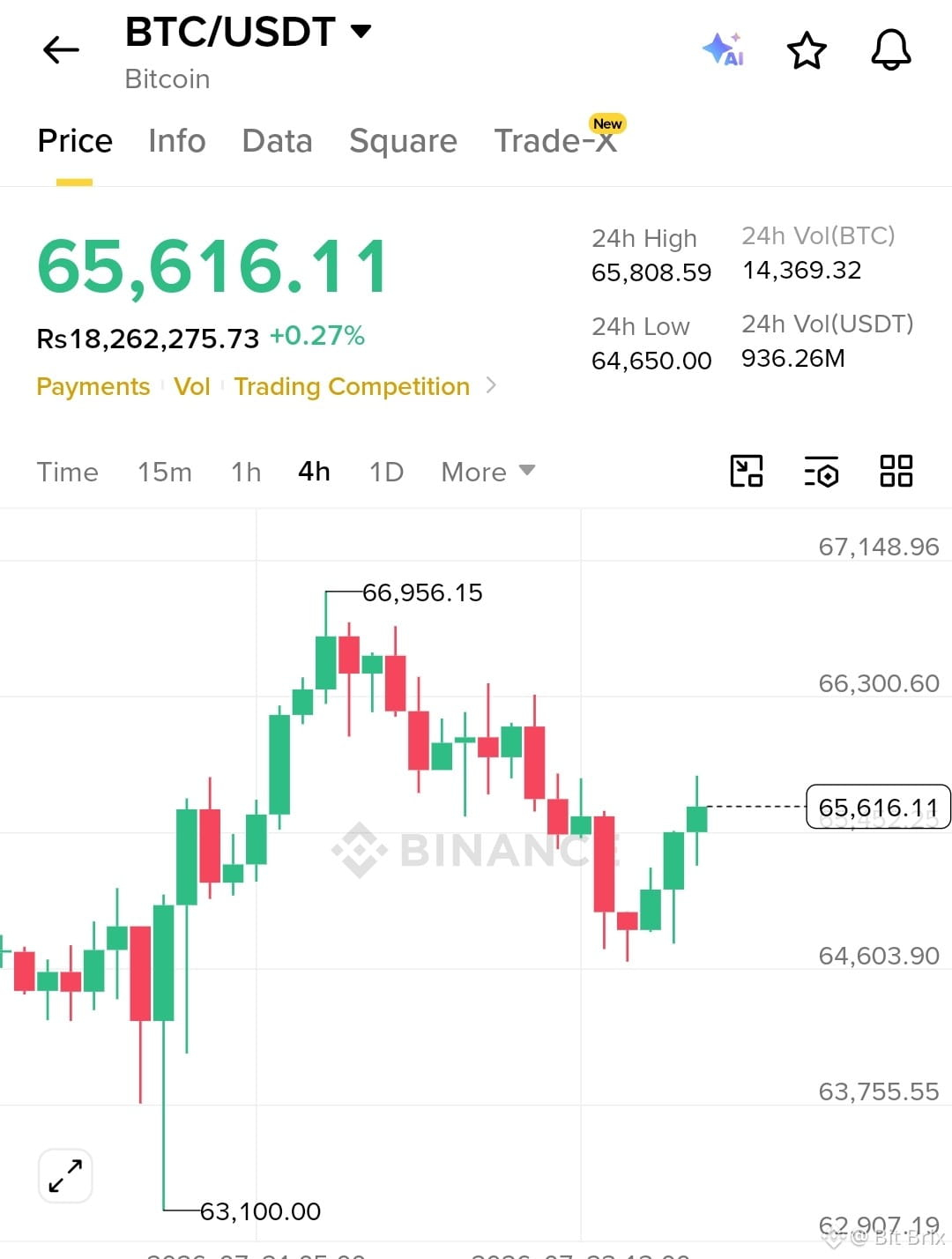
$BTC đang dội mạnh và phe bò đang giành quyền kiểm soát.
EP: $65,400–$65,650
TP: $66,300 / $66,950 / $67,500
SL: $64,600
Cú bứt phá tiếp theo có thể sẽ bùng nổ. Cùng vào $BTC
$BTC đang dội mạnh và phe bò đang giành quyền kiểm soát.
EP: $65,400–$65,650
TP: $66,300 / $66,950 / $67,500
SL: $64,600
Cú bứt phá tiếp theo có thể sẽ bùng nổ. Cùng vào $BTC
EP: $65,400–$65,650
TP: $66,300 / $66,950 / $67,500
SL: $64,600
Cú bứt phá tiếp theo có thể sẽ bùng nổ. Cùng vào $BTC
69
·
--
Tăng giá
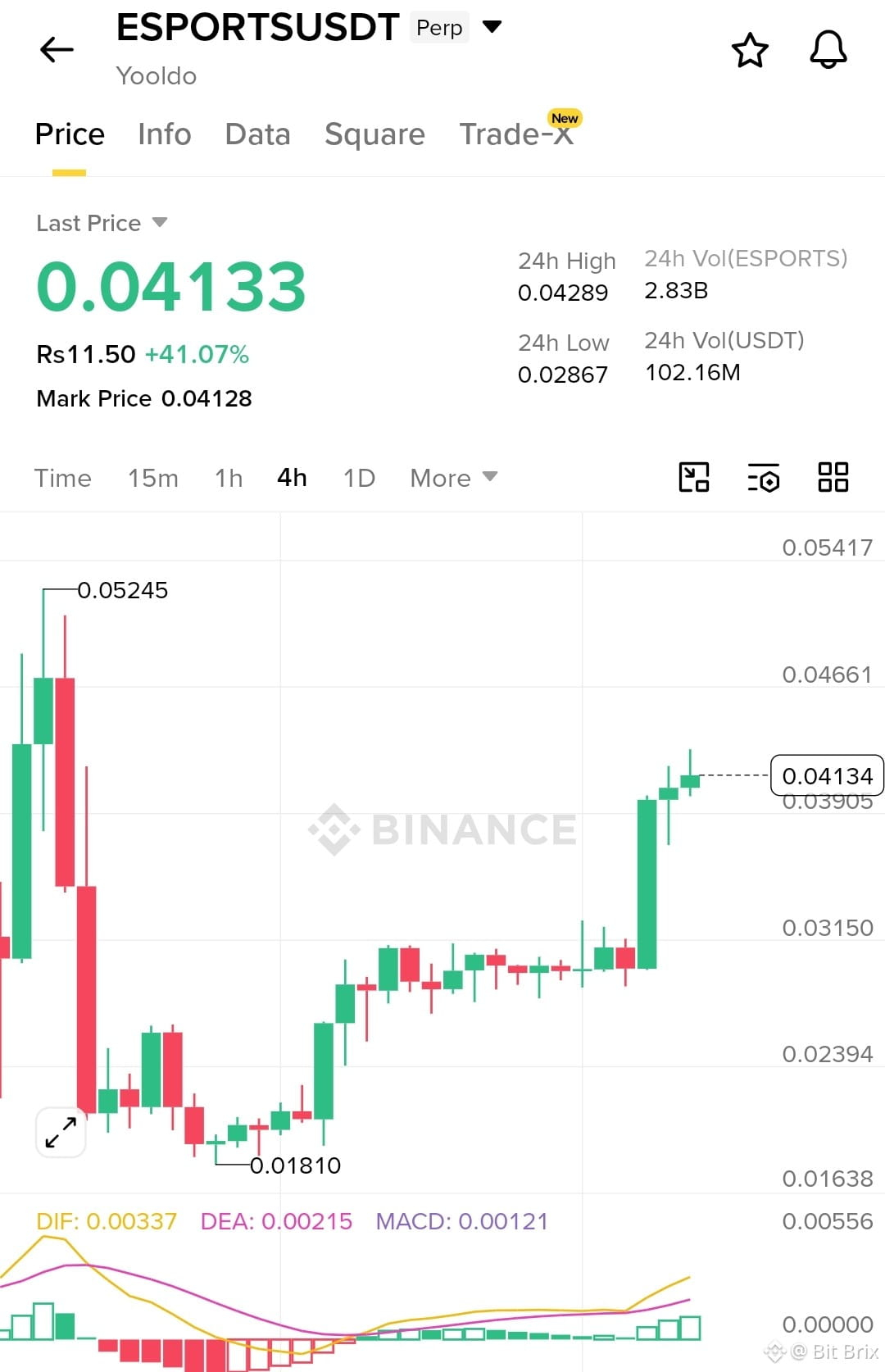
$ESPORTS đang bùng nổ mạnh mẽ với một đột phá khung 4H.
EP: $0.0395–$0.0413
TP: $0.0466 / $0.0524 / $0.0580
SL: $0.0368
Động lượng đang nóng lên. Đi thôi $ESPORTS
$ESPORTS đang bùng nổ mạnh mẽ với một đột phá khung 4H.
EP: $0.0395–$0.0413
TP: $0.0466 / $0.0524 / $0.0580
SL: $0.0368
Động lượng đang nóng lên. Đi thôi $ESPORTS
EP: $0.0395–$0.0413
TP: $0.0466 / $0.0524 / $0.0580
SL: $0.0368
Động lượng đang nóng lên. Đi thôi $ESPORTS
1
103
·
--
Tăng giá
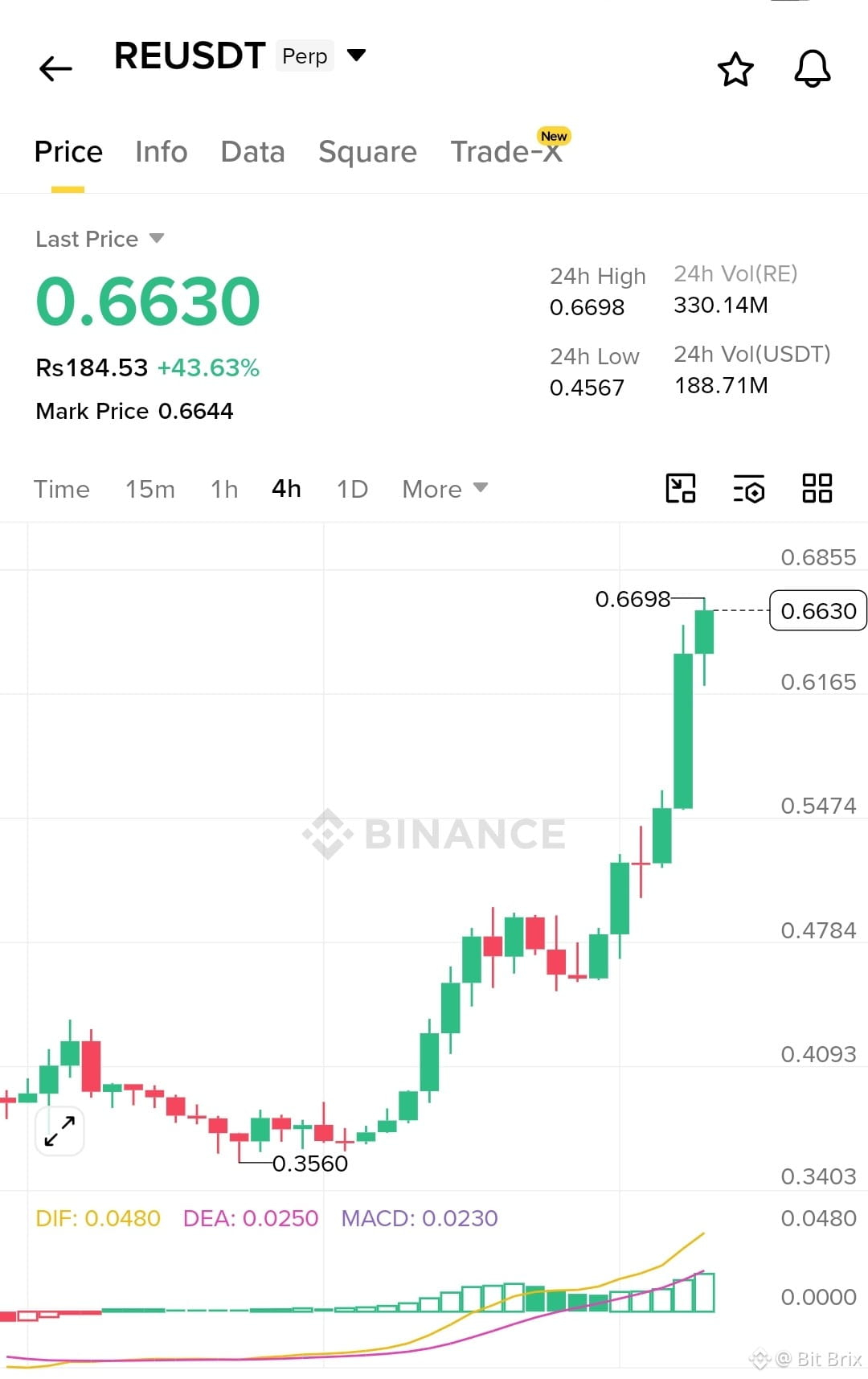
$RE đang bứt phá mạnh trên biểu đồ khung 4H.
EP: $0.6500–$0.6630
TP: $0.7000 / $0.7400 / $0.7800
SL: $0.6150
Động lượng bùng nổ—đi thôi $RE
$RE đang bứt phá mạnh trên biểu đồ khung 4H.
EP: $0.6500–$0.6630
TP: $0.7000 / $0.7400 / $0.7800
SL: $0.6150
Động lượng bùng nổ—đi thôi $RE
EP: $0.6500–$0.6630
TP: $0.7000 / $0.7400 / $0.7800
SL: $0.6150
Động lượng bùng nổ—đi thôi $RE
157
·
--
Tăng giá
EP: 0.00071326
TP: 0.00095000
SL: 0.00062000
AKE đang dẫn đầu với đà bùng nổ. Bên mua đang kiểm soát hoàn toàn và đợt bứt phá tiếp theo có thể đến rất nhanh.
Let's go $AKE
{future}(AKEUSDT)
$ESIM
{alpha}(560x7765a659c5b0cfbfd9fbc2ef2298b75a598f2d2d)
$RAVE
{future}(RAVEUSDT)
EP: 0.00071326
TP: 0.00095000
SL: 0.00062000
AKE đang dẫn đầu với đà bùng nổ. Bên mua đang kiểm soát hoàn toàn và đợt bứt phá tiếp theo có thể đến rất nhanh.
Let's go $AKE
$ESIM
$RAVE
TP: 0.00095000
SL: 0.00062000
AKE đang dẫn đầu với đà bùng nổ. Bên mua đang kiểm soát hoàn toàn và đợt bứt phá tiếp theo có thể đến rất nhanh.
Let's go $AKE
$ESIM
$RAVE
AkE♥️
63%
ESIM💪
14%
RAVE💖
23%
30 phiếu bầu • Cuộc bỏ phiếu đã kết thúc
2.3k
Đăng nhập để khám phá thêm nội dung
Tham gia cùng người dùng tiền mã hóa toàn cầu trên Binance Square
⚡️ Nhận thông tin mới nhất và hữu ích về tiền mã hóa.
💬 Được tin cậy bởi sàn giao dịch tiền mã hóa lớn nhất thế giới.
👍 Khám phá những thông tin chuyên sâu thực tế từ những nhà sáng tạo đã xác minh.
Email / Số điện thoại
Chủ đề thịnh hành
45NgayTuDoTaiChinh
899,447 lượt xem
3,067 đang thảo luận
Ngày 5/45: Sức mạnh đến từ sự kiên trì từng chút một
Ngày thứ 5 của hành trình 45 ngày tự do tài chính, mình vẫn tiếp tục duy trì thói quen mua 50 USD Bitcoin. Hôm nay $BTC có giảm nhẹ gần 1% nhưng thật sự không còn khiến mình quá bận tâm nữa. Cái cảm giác kiên trì làm điều đúng đắn, dù nhỏ thôi, nó tạo ra một sự bình yên lạ.
Nhìn lại 5 ngày đã qua, mỗi ngày một chút, mình nhận ra sức mạnh không nằm ở việc đoán đỉnh hay đáy, mà nằm ở sự đều đặn. Cứ túc tắc tích lũy, chẳng cần quá để ý bảng giá xanh đỏ làm gì. Cái cảm giác mình đang xây dựng một cái gì đó bền vững, từng viên gạch một, nó hay lắm.
Đôi khi chỉ cần kiên nhẫn làm đúng một việc nhỏ mỗi ngày, mình tin kết quả sẽ đến. Bạn có thấy thế không, những người bạn đồng hành của mình?
Thông tin tham khảo, không phải lời khuyên đầu tư. DYOR.
#45ngaytudotaichinh #BigBangThesis
HotLike Team
·0 lượt thích
·102 lượt xem
TheoDõiFOMC
78,415 lượt xem
513 đang thảo luận
TinFed
69,215 lượt xem
316 đang thảo luận