
BeGreenly Coin Official
2.5k Bài đăng
BeGreenly Coin Official
Báo cáo
Chặn người dùng
BeGreenly Coin – First Proof-of-Green Blockhain
Green innovations | Community first | Crypto with Conscience
Let’s build a sustainable chain
X: @begreenlyapp
Trader tần suất cao
{thời gian} năm
267 Đang theo dõi
23.8K+ Người theo dõi
11.3K+ Đã thích
Bài đăng
Tất cả
Trích dẫn
Video
Live
PINNED
Biết ơn vì được công nhận bởi Binance 🙏
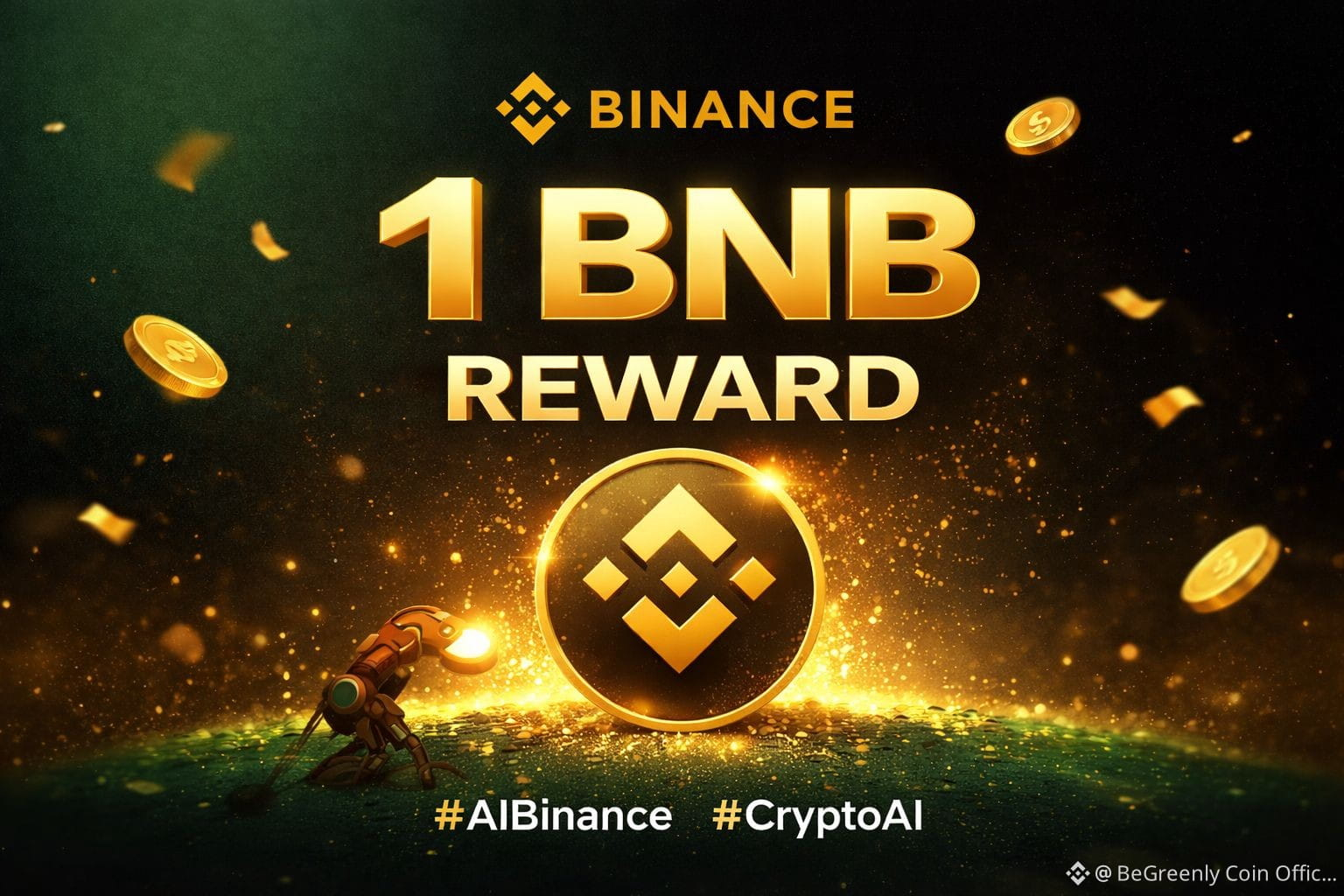
BeGreenly Coin Chính thức đã được chọn là Người chiến thắng Đề cử trong Chiến dịch Binance OpenClaw AI 🦞🤖
Cảm ơn Đấng Toàn Năng Allah và vui mừng chia sẻ rằng tôi đã nhận được phần thưởng 1 BNB 🎉
Sự công nhận này phản ánh tầm nhìn mà chúng tôi đang xây dựng tại giao điểm của AI và Crypto — và nó thúc đẩy chúng tôi tiếp tục tiến về phía trước.
Trân trọng sự hỗ trợ từ đội ngũ Binance và cộng đồng tuyệt vời 💙
Nhiều đổi mới sẽ đến sớm 🚀🌱
#Binance #BNB #AIBinance #CryptoAI #BeGreenly
Biết ơn vì được công nhận bởi Binance 🙏
BeGreenly Coin Chính thức đã được chọn là Người chiến thắng Đề cử trong Chiến dịch Binance OpenClaw AI 🦞🤖
Cảm ơn Đấng Toàn Năng Allah và vui mừng chia sẻ rằng tôi đã nhận được phần thưởng 1 BNB 🎉
Sự công nhận này phản ánh tầm nhìn mà chúng tôi đang xây dựng tại giao điểm của AI và Crypto — và nó thúc đẩy chúng tôi tiếp tục tiến về phía trước.
Trân trọng sự hỗ trợ từ đội ngũ Binance và cộng đồng tuyệt vời 💙
Nhiều đổi mới sẽ đến sớm 🚀🌱
#Binance #BNB #AIBinance #CryptoAI #BeGreenly
BeGreenly Coin Chính thức đã được chọn là Người chiến thắng Đề cử trong Chiến dịch Binance OpenClaw AI 🦞🤖
Cảm ơn Đấng Toàn Năng Allah và vui mừng chia sẻ rằng tôi đã nhận được phần thưởng 1 BNB 🎉
Sự công nhận này phản ánh tầm nhìn mà chúng tôi đang xây dựng tại giao điểm của AI và Crypto — và nó thúc đẩy chúng tôi tiếp tục tiến về phía trước.
Trân trọng sự hỗ trợ từ đội ngũ Binance và cộng đồng tuyệt vời 💙
Nhiều đổi mới sẽ đến sớm 🚀🌱
#Binance #BNB #AIBinance #CryptoAI #BeGreenly



Binance Square Official
·
--
Chúc mừng người chiến thắng cuộc thi OpenClaw của chúng tôi:
Giải nhất 10 BNB - X: @MetaFinancialAI
Giải nhì 8 BNB - X: @KendineCrypto_
Giải ba 6 BNB - X: @Mrblank254
Đề cử 1 BNB mỗi người:
@0xr1 , @BeGreenly Coin Official , @Bharti soni
X: @anub_arakk1, @MonsoonX9, @Pro_3bdo, @Loreano_A, @UnrealBNB, @MayaBNBTrader, @sunnyboicrypto, @ismail96423159, @0xAceVod, @vy_million, @encrypt_wizard, @ScholarOfBlocks, @LiamChainFlow, @alexbnbwave, @awl_pre, @Little_Sam_1428, @amiexbt
Phần thưởng giới thiệu của người thắng cuộc và liên quan sẽ được xử lý trong vòng hai tuần. Mỗi người dùng chỉ có thể nhận phần thưởng một lần trong chiến dịch này.
Giải nhất 10 BNB - X: @MetaFinancialAI
Giải nhì 8 BNB - X: @KendineCrypto_
Giải ba 6 BNB - X: @Mrblank254
Đề cử 1 BNB mỗi người:
@0xr1 , @BeGreenly Coin Official , @Bharti soni
X: @anub_arakk1, @MonsoonX9, @Pro_3bdo, @Loreano_A, @UnrealBNB, @MayaBNBTrader, @sunnyboicrypto, @ismail96423159, @0xAceVod, @vy_million, @encrypt_wizard, @ScholarOfBlocks, @LiamChainFlow, @alexbnbwave, @awl_pre, @Little_Sam_1428, @amiexbt
Phần thưởng giới thiệu của người thắng cuộc và liên quan sẽ được xử lý trong vòng hai tuần. Mỗi người dùng chỉ có thể nhận phần thưởng một lần trong chiến dịch này.
20
2
52
243
PINNED
Bài viết
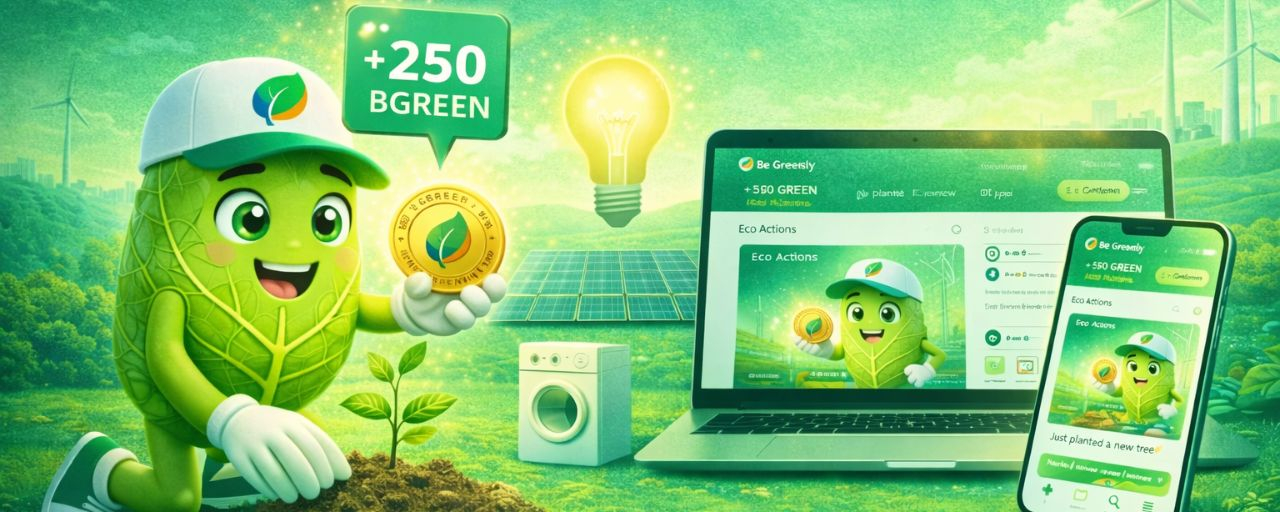
Chứng nhận Xanh của BeGreenly: Biến các Hành động Thực tế thành Giá trị Kỹ thuật sốTrong thế giới blockchain, hầu hết các hệ thống dựa vào các cơ chế nhân tạo như khai thác hoặc đặt cược để xác thực giao dịch. Nhưng nếu xác thực có thể đến từ điều gì đó thực sự — điều gì đó thực sự mang lại lợi ích cho hành tinh? Đây chính xác là nơi BeGreenly giới thiệu khái niệm cách mạng của mình: Chứng nhận Xanh (PoG).
Chứng nhận Xanh không chỉ là một cơ chế đồng thuận khác — mà là một sự thay đổi hoàn toàn trong cách các mạng blockchain hoạt động. Thay vì phụ thuộc vào sức mạnh tính toán hoặc tài sản bị khóa, mạng lưới của BeGreenly được thiết kế để xác thực giao dịch thông qua các hành động môi trường thực tế.
Chứng nhận Xanh của BeGreenly: Biến các Hành động Thực tế thành Giá trị Kỹ thuật số
Trong thế giới blockchain, hầu hết các hệ thống dựa vào các cơ chế nhân tạo như khai thác hoặc đặt cược để xác thực giao dịch. Nhưng nếu xác thực có thể đến từ điều gì đó thực sự — điều gì đó thực sự mang lại lợi ích cho hành tinh? Đây chính xác là nơi BeGreenly giới thiệu khái niệm cách mạng của mình: Chứng nhận Xanh (PoG).
Chứng nhận Xanh không chỉ là một cơ chế đồng thuận khác — mà là một sự thay đổi hoàn toàn trong cách các mạng blockchain hoạt động. Thay vì phụ thuộc vào sức mạnh tính toán hoặc tài sản bị khóa, mạng lưới của BeGreenly được thiết kế để xác thực giao dịch thông qua các hành động môi trường thực tế.
Chứng nhận Xanh không chỉ là một cơ chế đồng thuận khác — mà là một sự thay đổi hoàn toàn trong cách các mạng blockchain hoạt động. Thay vì phụ thuộc vào sức mạnh tính toán hoặc tài sản bị khóa, mạng lưới của BeGreenly được thiết kế để xác thực giao dịch thông qua các hành động môi trường thực tế.
5
3
44
125
Xem bản dịch
CPI Could Decide the Fed’s Next Move 👀
US nonfarm payrolls beat expectations, showing that the labor market remains resilient. Meanwhile, rising oil prices, hotter producer inflation and the 10-year Treasury yield approaching 5% have increased pressure on the Federal Reserve. Markets are currently pricing in roughly a two-thirds probability of a 25-basis-point rate hike.
My view: a hotter-than-expected CPI could make a September rate hike highly likely. That would probably strengthen the dollar and pressure technology stocks, gold and Bitcoin in the short term. However, a cooler core CPI reading could support a hold, trigger relief across risk assets and give BTC another opportunity to recover.
I am cautiously bearish before the release, but volatility can create opportunities in both directions. The headline number matters—but core inflation and shelter costs may determine the real market reaction.
What’s your call: hike or hold?
#CPIWatch #bitcoin #Gold #FederalReserve #CryptoMarket
CPI Could Decide the Fed’s Next Move 👀
US nonfarm payrolls beat expectations, showing that the labor market remains resilient. Meanwhile, rising oil prices, hotter producer inflation and the 10-year Treasury yield approaching 5% have increased pressure on the Federal Reserve. Markets are currently pricing in roughly a two-thirds probability of a 25-basis-point rate hike.
My view: a hotter-than-expected CPI could make a September rate hike highly likely. That would probably strengthen the dollar and pressure technology stocks, gold and Bitcoin in the short term. However, a cooler core CPI reading could support a hold, trigger relief across risk assets and give BTC another opportunity to recover.
I am cautiously bearish before the release, but volatility can create opportunities in both directions. The headline number matters—but core inflation and shelter costs may determine the real market reaction.
What’s your call: hike or hold?
#CPIWatch #bitcoin #Gold #FederalReserve #CryptoMarket
US nonfarm payrolls beat expectations, showing that the labor market remains resilient. Meanwhile, rising oil prices, hotter producer inflation and the 10-year Treasury yield approaching 5% have increased pressure on the Federal Reserve. Markets are currently pricing in roughly a two-thirds probability of a 25-basis-point rate hike.
My view: a hotter-than-expected CPI could make a September rate hike highly likely. That would probably strengthen the dollar and pressure technology stocks, gold and Bitcoin in the short term. However, a cooler core CPI reading could support a hold, trigger relief across risk assets and give BTC another opportunity to recover.
I am cautiously bearish before the release, but volatility can create opportunities in both directions. The headline number matters—but core inflation and shelter costs may determine the real market reaction.
What’s your call: hike or hold?
#CPIWatch #bitcoin #Gold #FederalReserve #CryptoMarket
74
⏳ GIỜ CUỐI CÙNG cho Chiến dịch $SAHARA !
Đồng hồ đang đếm ngược—đây là cơ hội cuối cùng của bạn để tham gia và cạnh tranh giành một phần trong tổng giải thưởng khổng lồ 3,000,000 $SAHARA . 🔥
Đừng chờ đến khi mọi thứ kết thúc. Hoàn thành nhiệm vụ ngay bây giờ! 🚀
#SAHARA #Binance #BinanceSquare
⏳ GIỜ CUỐI CÙNG cho Chiến dịch $SAHARA !
Đồng hồ đang đếm ngược—đây là cơ hội cuối cùng của bạn để tham gia và cạnh tranh giành một phần trong tổng giải thưởng khổng lồ 3,000,000 $SAHARA . 🔥
Đừng chờ đến khi mọi thứ kết thúc. Hoàn thành nhiệm vụ ngay bây giờ! 🚀
#SAHARA #Binance #BinanceSquare
Đồng hồ đang đếm ngược—đây là cơ hội cuối cùng của bạn để tham gia và cạnh tranh giành một phần trong tổng giải thưởng khổng lồ 3,000,000 $SAHARA . 🔥
Đừng chờ đến khi mọi thứ kết thúc. Hoàn thành nhiệm vụ ngay bây giờ! 🚀
#SAHARA #Binance #BinanceSquare
2
112
🎙️ 365 Days Together, Still Going Strong .
Kết thúc
01 giờ 24 phút 12 giây
1.2k
4
5
Sau $TRUMP & $MELANIA… Liệu $LAPTOP có phải bước tiếp theo không?
Ra mắt lúc 5PM PKT hoặc 8AM ET
Chúng ta đã từng thấy chu kỳ này.
$TRUMP đã tạo nên một làn sóng hype khổng lồ.
$MELANIA tiếp theo sau đó.
Những người mua sớm đã có cơ hội kiếm được khoản tiền lớn, trong khi nhiều người tham gia sau các đợt bơm đã phải gánh những khoản lỗ khổng lồ.
Giờ đây, đó là $LAPTOP của Hunter Biden.
Nó vẫn là một đồng meme, và đồng meme thường tuân theo một quy tắc tàn nhẫn:
Người đi sớm kiếm tiền. Người mua muộn thường trở thành thanh khoản để xả hàng.
Nhưng $LAPTOP lại đến với một câu chuyện khác. Nó tuyên bố rằng muốn mang lại lợi ích cho cộng đồng, bao gồm cả những người đã mất tiền trong các cơn sốt meme-coin chính trị trước đó.
Nghe có vẻ ổn.
Nhưng liệu nó có thực sự diễn ra theo cách đó không?
Liệu $LAPTOP có phá vỡ chu kỳ meme-coin chính trị, hay chúng ta sắp chứng kiến cùng một câu chuyện với một cái tên khác?
Hôm nay, chúng ta sẽ biết ai là những “người đi sớm”… và ai là người cuối cùng phải ôm cái túi.
$LAPTOP #Crypto #Memecoin
{web3_wallet_create}(84530xb095274743941e953c746f9c228da9c18bb6ec29)
Sau $TRUMP & $MELANIA … Liệu $LAPTOP có phải bước tiếp theo không?
Ra mắt lúc 5PM PKT hoặc 8AM ET
Chúng ta đã từng thấy chu kỳ này.
$TRUMP đã tạo nên một làn sóng hype khổng lồ.
$MELANIA tiếp theo sau đó.
Những người mua sớm đã có cơ hội kiếm được khoản tiền lớn, trong khi nhiều người tham gia sau các đợt bơm đã phải gánh những khoản lỗ khổng lồ.
Giờ đây, đó là $LAPTOP của Hunter Biden.
Nó vẫn là một đồng meme, và đồng meme thường tuân theo một quy tắc tàn nhẫn:
Người đi sớm kiếm tiền. Người mua muộn thường trở thành thanh khoản để xả hàng.
Nhưng $LAPTOP lại đến với một câu chuyện khác. Nó tuyên bố rằng muốn mang lại lợi ích cho cộng đồng, bao gồm cả những người đã mất tiền trong các cơn sốt meme-coin chính trị trước đó.
Nghe có vẻ ổn.
Nhưng liệu nó có thực sự diễn ra theo cách đó không?
Liệu $LAPTOP có phá vỡ chu kỳ meme-coin chính trị, hay chúng ta sắp chứng kiến cùng một câu chuyện với một cái tên khác?
Hôm nay, chúng ta sẽ biết ai là những “người đi sớm”… và ai là người cuối cùng phải ôm cái túi.
$LAPTOP #Crypto #Memecoin
Ra mắt lúc 5PM PKT hoặc 8AM ET
Chúng ta đã từng thấy chu kỳ này.
$TRUMP đã tạo nên một làn sóng hype khổng lồ.
$MELANIA tiếp theo sau đó.
Những người mua sớm đã có cơ hội kiếm được khoản tiền lớn, trong khi nhiều người tham gia sau các đợt bơm đã phải gánh những khoản lỗ khổng lồ.
Giờ đây, đó là $LAPTOP của Hunter Biden.
Nó vẫn là một đồng meme, và đồng meme thường tuân theo một quy tắc tàn nhẫn:
Người đi sớm kiếm tiền. Người mua muộn thường trở thành thanh khoản để xả hàng.
Nhưng $LAPTOP lại đến với một câu chuyện khác. Nó tuyên bố rằng muốn mang lại lợi ích cho cộng đồng, bao gồm cả những người đã mất tiền trong các cơn sốt meme-coin chính trị trước đó.
Nghe có vẻ ổn.
Nhưng liệu nó có thực sự diễn ra theo cách đó không?
Liệu $LAPTOP có phá vỡ chu kỳ meme-coin chính trị, hay chúng ta sắp chứng kiến cùng một câu chuyện với một cái tên khác?
Hôm nay, chúng ta sẽ biết ai là những “người đi sớm”… và ai là người cuối cùng phải ôm cái túi.
$LAPTOP #Crypto #Memecoin

4
213
Xem bản dịch
Claim your BTC now
Claim your BTC now

TAIMOOR_M
·
--
🎁 BTC Red Packet đã có mặt! 🚀
Nhận phần thưởng BTC của bạn ngay bây giờ! Bình luận CLAIM BTC bên dưới để tham gia và thử vận may của bạn. 👀
Chúc mọi người may mắn! 🍀
#BTC #Bitcoin
Nhận phần thưởng BTC của bạn ngay bây giờ! Bình luận CLAIM BTC bên dưới để tham gia và thử vận may của bạn. 👀
Chúc mọi người may mắn! 🍀
#BTC #Bitcoin

101
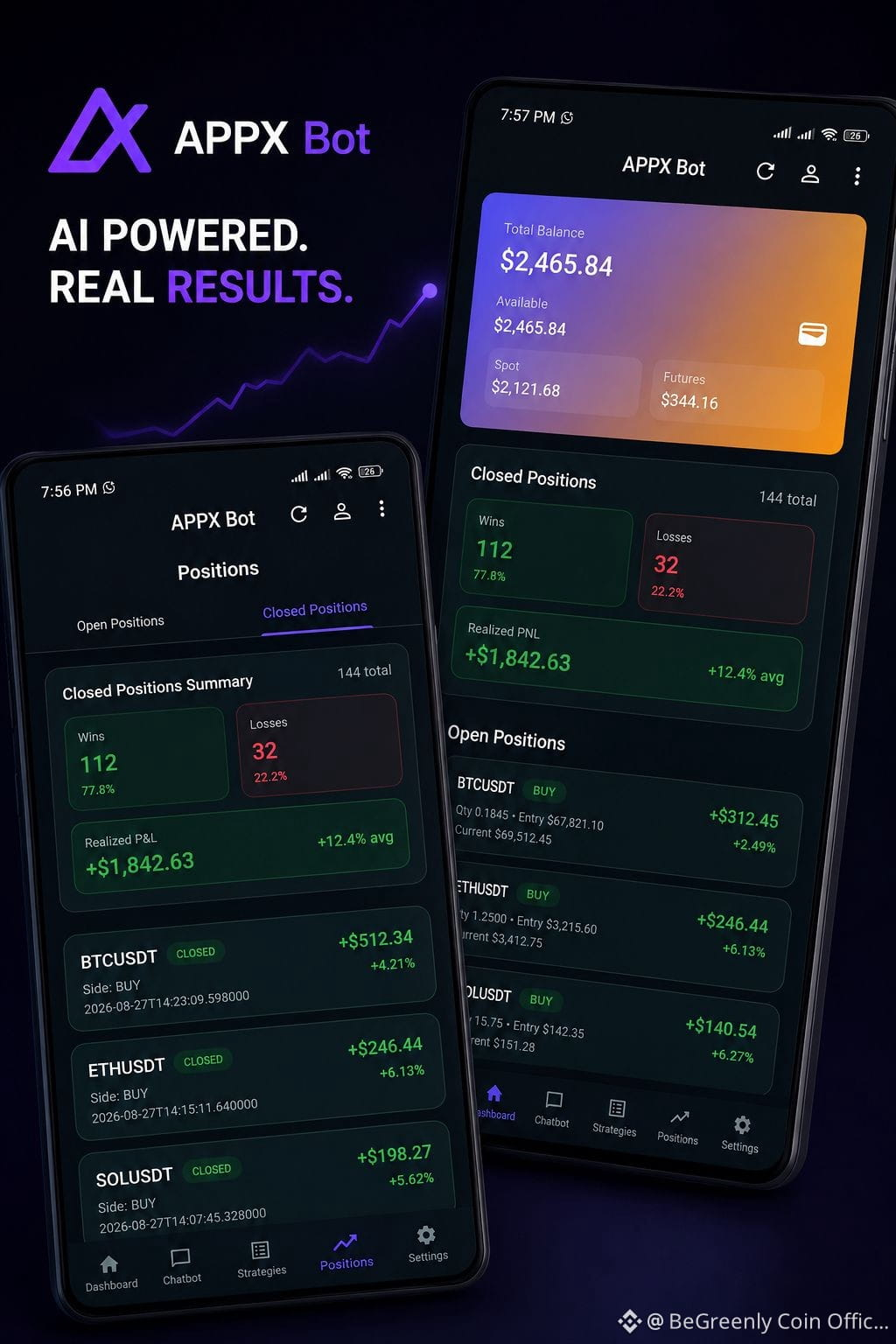
Chán cảnh thua lỗ lặp đi lặp lại mãi sao? Hãy thử APPX một lần.
Giao dịch thủ công thường dẫn đến các quyết định cảm tính, mua và bán sai thời điểm, và áp lực khi chứng kiến khoản lỗ của bạn cứ tăng dần—một vòng lặp mà hầu như mọi trader đều từng trải qua.
Thiết lập APPX Trading Bot rất đơn giản và an toàn:
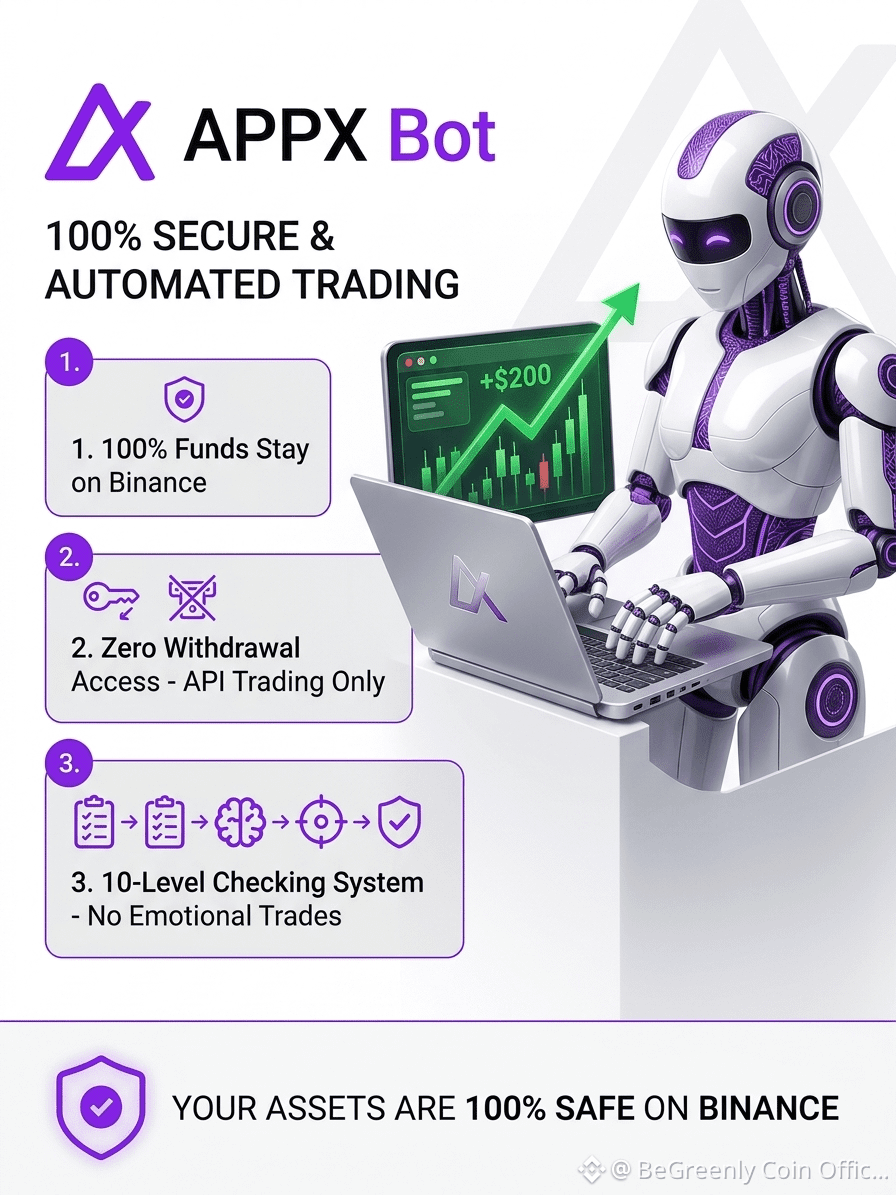
Quỹ của bạn được giữ an toàn trên Binance: Tài sản của bạn chỉ được lưu trữ nghiêm ngặt trong tài khoản Binance của bạn. APPX không thể rút tiền, chuyển khoản hoặc di chuyển tiền của bạn trong bất kỳ trường hợp nào, bạn luôn giữ quyền kiểm soát 100% đối với quỹ của mình.
Kết nối trực tiếp: Bot chỉ đơn giản là kết nối với tài khoản Binance của bạn thông qua API để thực hiện giao dịch thay bạn.
Chiến lược dựa trên dữ liệu: Các lệnh chỉ được thực hiện sau khi vượt qua hệ thống kiểm tra 10 cấp, loại bỏ hoàn toàn việc đoán mò và các quyết định cảm tính.
Giao dịch với một hệ thống đã được chứng minh, không phải cảm xúc. Hãy tự mình dùng thử—bạn có thể tạm dừng hoặc dừng bất cứ lúc nào.
APPXBot chỉ dành cho Binance
Chán cảnh thua lỗ lặp đi lặp lại mãi sao? Hãy thử APPX một lần.
Giao dịch thủ công thường dẫn đến các quyết định cảm tính, mua và bán sai thời điểm, và áp lực khi chứng kiến khoản lỗ của bạn cứ tăng dần—một vòng lặp mà hầu như mọi trader đều từng trải qua.
Thiết lập APPX Trading Bot rất đơn giản và an toàn:
Quỹ của bạn được giữ an toàn trên Binance: Tài sản của bạn chỉ được lưu trữ nghiêm ngặt trong tài khoản Binance của bạn. APPX không thể rút tiền, chuyển khoản hoặc di chuyển tiền của bạn trong bất kỳ trường hợp nào, bạn luôn giữ quyền kiểm soát 100% đối với quỹ của mình.
Kết nối trực tiếp: Bot chỉ đơn giản là kết nối với tài khoản Binance của bạn thông qua API để thực hiện giao dịch thay bạn.
Chiến lược dựa trên dữ liệu: Các lệnh chỉ được thực hiện sau khi vượt qua hệ thống kiểm tra 10 cấp, loại bỏ hoàn toàn việc đoán mò và các quyết định cảm tính.
Giao dịch với một hệ thống đã được chứng minh, không phải cảm xúc. Hãy tự mình dùng thử—bạn có thể tạm dừng hoặc dừng bất cứ lúc nào.
APPXBot chỉ dành cho Binance
Giao dịch thủ công thường dẫn đến các quyết định cảm tính, mua và bán sai thời điểm, và áp lực khi chứng kiến khoản lỗ của bạn cứ tăng dần—một vòng lặp mà hầu như mọi trader đều từng trải qua.
Thiết lập APPX Trading Bot rất đơn giản và an toàn:
Quỹ của bạn được giữ an toàn trên Binance: Tài sản của bạn chỉ được lưu trữ nghiêm ngặt trong tài khoản Binance của bạn. APPX không thể rút tiền, chuyển khoản hoặc di chuyển tiền của bạn trong bất kỳ trường hợp nào, bạn luôn giữ quyền kiểm soát 100% đối với quỹ của mình.
Kết nối trực tiếp: Bot chỉ đơn giản là kết nối với tài khoản Binance của bạn thông qua API để thực hiện giao dịch thay bạn.
Chiến lược dựa trên dữ liệu: Các lệnh chỉ được thực hiện sau khi vượt qua hệ thống kiểm tra 10 cấp, loại bỏ hoàn toàn việc đoán mò và các quyết định cảm tính.
Giao dịch với một hệ thống đã được chứng minh, không phải cảm xúc. Hãy tự mình dùng thử—bạn có thể tạm dừng hoặc dừng bất cứ lúc nào.
APPXBot chỉ dành cho Binance
2
5
69
Xem bản dịch
What if your AI trading bot could think… without being allowed to pull the trigger?
That’s exactly how we built APPX Trading Bot.
Most AI trading agents work like this:
AI thinks → AI decides → AI executes.
Sounds smart.
Until the AI gets it wrong.
One bad interpretation.
One wrong position size.
One unexpected decision.
And your money is already in the trade.
APPX does it differently.
We separated the brain from the trigger.
Execution Engine
Deterministic. Rule-based. Consistent. No guessing.
Chat Layer
Talk to your bot naturally. Tell it what strategy you want.
AI Veto Layer
AI can say NO to a risky trade.
But it can NEVER place the trade itself.
So before an order reaches Binance:
Strategy says YES → AI safety check says YES → Trade executes.
Not:
AI feels like it → Trade executes.
That separation is the whole point.
AI gives you the intelligence and flexibility.
The execution engine gives you consistency.
And the AI veto acts as the final safety gate.
AI should help control your trading.
It shouldn't be given the keys to your money.
This is APPX Trading Bot.
AI where it belongs.
Deterministic execution where it matters.
APPXBot for Binance — Trade smarter. Execute consistently.
What if your AI trading bot could think… without being allowed to pull the trigger?
That’s exactly how we built APPX Trading Bot.
Most AI trading agents work like this:
AI thinks → AI decides → AI executes.
Sounds smart.
Until the AI gets it wrong.
One bad interpretation.
One wrong position size.
One unexpected decision.
And your money is already in the trade.
APPX does it differently.
We separated the brain from the trigger.
Execution Engine
Deterministic. Rule-based. Consistent. No guessing.
Chat Layer
Talk to your bot naturally. Tell it what strategy you want.
AI Veto Layer
AI can say NO to a risky trade.
But it can NEVER place the trade itself.
So before an order reaches Binance:
Strategy says YES → AI safety check says YES → Trade executes.
Not:
AI feels like it → Trade executes.
That separation is the whole point.
AI gives you the intelligence and flexibility.
The execution engine gives you consistency.
And the AI veto acts as the final safety gate.
AI should help control your trading.
It shouldn't be given the keys to your money.
This is APPX Trading Bot.
AI where it belongs.
Deterministic execution where it matters.
APPXBot for Binance — Trade smarter. Execute consistently.
That’s exactly how we built APPX Trading Bot.
Most AI trading agents work like this:
AI thinks → AI decides → AI executes.
Sounds smart.
Until the AI gets it wrong.
One bad interpretation.
One wrong position size.
One unexpected decision.
And your money is already in the trade.
APPX does it differently.
We separated the brain from the trigger.
Execution Engine
Deterministic. Rule-based. Consistent. No guessing.
Chat Layer
Talk to your bot naturally. Tell it what strategy you want.
AI Veto Layer
AI can say NO to a risky trade.
But it can NEVER place the trade itself.
So before an order reaches Binance:
Strategy says YES → AI safety check says YES → Trade executes.
Not:
AI feels like it → Trade executes.
That separation is the whole point.
AI gives you the intelligence and flexibility.
The execution engine gives you consistency.
And the AI veto acts as the final safety gate.
AI should help control your trading.
It shouldn't be given the keys to your money.
This is APPX Trading Bot.
AI where it belongs.
Deterministic execution where it matters.
APPXBot for Binance — Trade smarter. Execute consistently.
93
🎙️ Thị trường lại lao lên, gấu cứ vậy mà đi à?
Kết thúc
02 giờ 48 phút 54 giây
9.9k
22
20

124
Yêu cầu nhận BTC của bạn
Yêu cầu nhận BTC của bạn
TAIMOOR_M
·
--
🎁 BTC Red Packet đã có mặt! 🚀
Nhận phần thưởng BTC của bạn ngay bây giờ! Bình luận “CLAIM BTC” bên dưới để tham gia và thử vận may. 👀
Nhận phần thưởng BTC của bạn ngay bây giờ! Bình luận “CLAIM BTC” bên dưới để tham gia và thử vận may. 👀

222
Bài viết
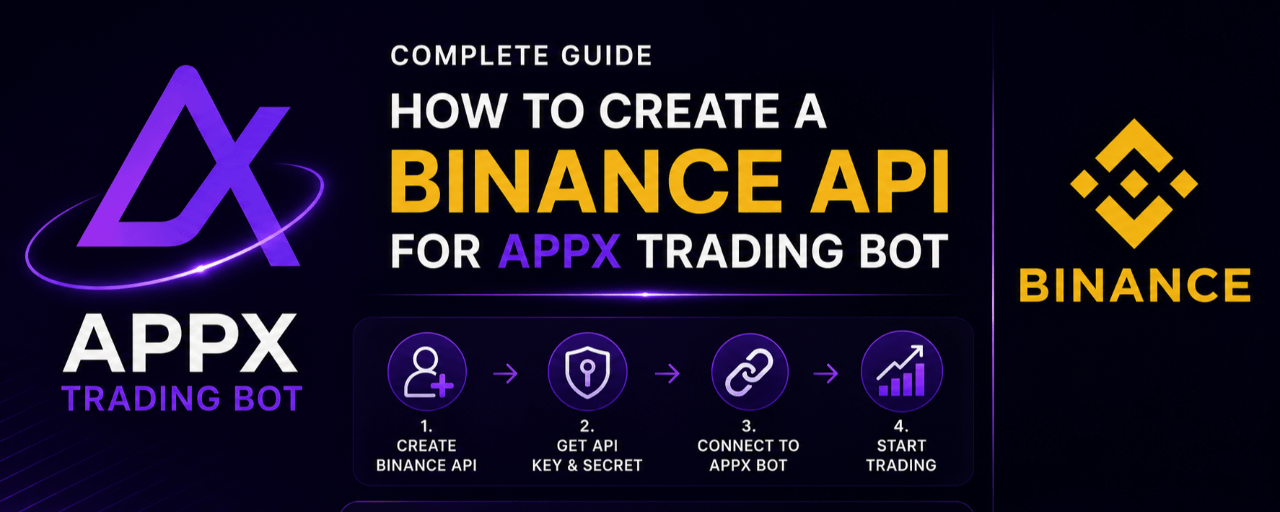
Cách Tạo API Binance cho APPX Trading Bot (Hướng Dẫn Đầy Đủ)Nếu bạn đang sử dụng APPX Trading Bot và muốn bắt đầu giao dịch tự động, bước đầu tiên và quan trọng nhất là tạo một khóa API của Binance. Khóa API này là thứ kết nối bot với tài khoản Binance của bạn để nó có thể thực hiện các lệnh giao dịch thay bạn — an toàn, mà không bao giờ tiết lộ mật khẩu của bạn hoặc quyền truy cập trực tiếp vào tiền của bạn.
Dưới đây là hướng dẫn từng bước cho toàn bộ quy trình.
Bước 1: Mở API Management
Đăng nhập vào tài khoản Binance của bạn. Ở thanh tìm kiếm phía trên, hãy nhập "API Management" và tìm kiếm nó.
Cách Tạo API Binance cho APPX Trading Bot (Hướng Dẫn Đầy Đủ)
Nếu bạn đang sử dụng APPX Trading Bot và muốn bắt đầu giao dịch tự động, bước đầu tiên và quan trọng nhất là tạo một khóa API của Binance. Khóa API này là thứ kết nối bot với tài khoản Binance của bạn để nó có thể thực hiện các lệnh giao dịch thay bạn — an toàn, mà không bao giờ tiết lộ mật khẩu của bạn hoặc quyền truy cập trực tiếp vào tiền của bạn.
Dưới đây là hướng dẫn từng bước cho toàn bộ quy trình.
Bước 1: Mở API Management
Đăng nhập vào tài khoản Binance của bạn. Ở thanh tìm kiếm phía trên, hãy nhập "API Management" và tìm kiếm nó.
Dưới đây là hướng dẫn từng bước cho toàn bộ quy trình.
Bước 1: Mở API Management
Đăng nhập vào tài khoản Binance của bạn. Ở thanh tìm kiếm phía trên, hãy nhập "API Management" và tìm kiếm nó.
8
1
8
274
Đăng nhập để khám phá thêm nội dung
Tham gia cùng người dùng tiền mã hóa toàn cầu trên Binance Square
⚡️ Nhận thông tin mới nhất và hữu ích về tiền mã hóa.
💬 Được tin cậy bởi sàn giao dịch tiền mã hóa lớn nhất thế giới.
👍 Khám phá những thông tin chuyên sâu thực tế từ những nhà sáng tạo đã xác minh.
Email / Số điện thoại
Chủ đề thịnh hành
CPIWatch
87.1M lượt xem
503,155 đang thảo luận
Chia sẻ & Nhận thưởng Lưu lượng truy cập trong Chiến dịch Hashtag Xu hướng của chúng tôi
✨Chủ đề: CPI có kích hoạt đợt tăng lãi suất không?
👉Cách tham gia:
Đăng một bài viết ngắn hoặc bài viết với hashtag #CPIWatch
Tạo nội dung dựa trên hai góc độ dưới đây:
- Bảng lương phi nông nghiệp vượt kỳ vọng và CPI sắp được công bố—bạn nghĩ Fed sẽ tăng lãi suất hay giữ nguyên?
- Tăng giá hay giảm giá? Chia sẻ quan điểm của bạn và trưng bày cổ phiếu hoặc giao dịch/nắm giữ vàng của bạn với widget chia sẻ giao dịch của chúng tôi.
🚀Thời gian chiến dịch:
- 2026-09-11 3:00 - 2026-09-12 9:00 UTC
🎁Phần thưởng:
- Các bài đăng đủ điều kiện tuân thủ các hướng dẫn trên và có hơn 100 từ sẽ được xem xét và có thể nhận một lượt tăng lưu lượng truy cập ngẫu nhiên từ 500 đến 3,000 lượt xem. Bạn sẽ nhận được thông báo từ thư ký feed của chúng tôi nếu bài đăng của bạn được chọn.
- Cơ hội để bài viết của bạn được đăng trên Binance Square Official
Cần ý tưởng cho bài đăng của bạn? Truy cập trang chủ đề #CPIWatch hoặc Square Guide on How to Post for Better Reach.
Binance Square Official
·569 lượt thích
·1.5M lượt xem
45NgayTuDoTaiChinh
894,241 lượt xem
3,026 đang thảo luận
TinFed
64,893 lượt xem
289 đang thảo luận