

Cryptodonia
360 Bài đăng
Cryptodonia
Báo cáo
Chặn người dùng
Building in Web3 | DeFi Enthusiast | Believer in decentralization & digital freedom
0 Đang theo dõi
10 Người theo dõi
48 Đã thích
Bài đăng
·
--
Xem bản dịch
$LINK is finally showing the move I have been watching. 👀 Open interest has jumped sharply while $LINK trades around $13.4, showing fresh positioning entering the market. But I’m not chasing the candle here. For me, the key level is the $12.50–$13.00 area. If LINK holds above this zone after the breakout, the next area I’m watching is around $14.50–$15. If price loses the breakout zone, I would rather step aside than force a long. The setup is getting interesting , now I want confirmation, not FOMO. Watching $LINK closely.
$LINK is finally showing the move I have been watching. 👀 Open interest has jumped sharply while $LINK trades around $13.4, showing fresh positioning entering the market. But I’m not chasing the candle here. For me, the key level is the $12.50–$13.00 area. If LINK holds above this zone after the breakout, the next area I’m watching is around $14.50–$15. If price loses the breakout zone, I would rather step aside than force a long. The setup is getting interesting , now I want confirmation, not FOMO. Watching $LINK closely.
44
·
--
Xem bản dịch
$BTC is giving traders a reason to slow down. Price is pushing back toward the $82K–$84K area, but the bigger question is whether buyers can actually reclaim resistance or are simply creating another rejection. I am watching two things: → Hold above $84K and build strength = bullish continuation becomes interesting. → Lose $82K with confirmation = downside opens up again. I am not chasing the move here. I’d rather wait for price action to confirm the direction, then take the setup with clear invalidation. In markets like this, patience is part of the trade.
$BTC is giving traders a reason to slow down. Price is pushing back toward the $82K–$84K area, but the bigger question is whether buyers can actually reclaim resistance or are simply creating another rejection. I am watching two things: → Hold above $84K and build strength = bullish continuation becomes interesting. → Lose $82K with confirmation = downside opens up again. I am not chasing the move here. I’d rather wait for price action to confirm the direction, then take the setup with clear invalidation. In markets like this, patience is part of the trade.
49
·
--
Xem bản dịch
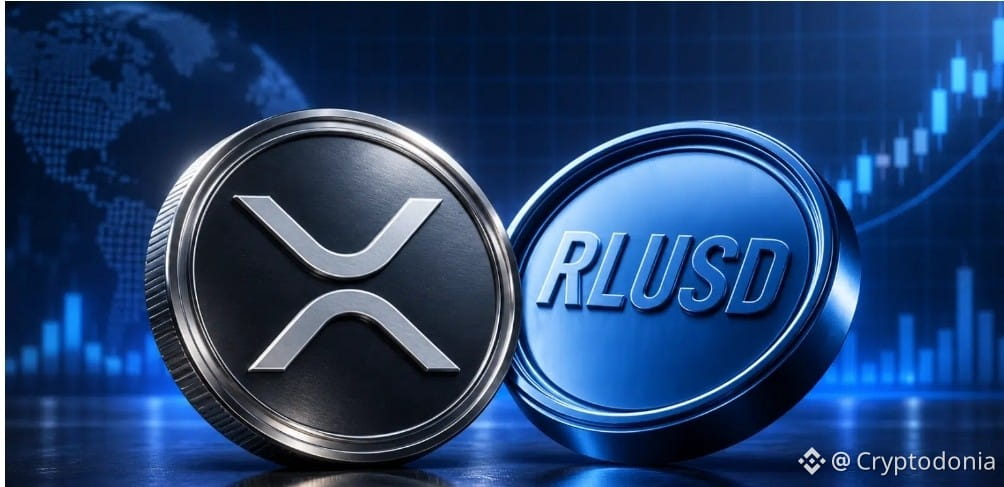
The $XRP Ledger is showing another sign that stablecoin liquidity is becoming a bigger part of its ecosystem. According to DefiLlama data reported today, XRPL’s stablecoin market cap grew by $67.12M in just one week, reaching about $1.159B. $RLUSD accounts for roughly 92.1% of that total. What catches my attention isn’t just the number. Stablecoins bring liquidity that can actually move through payments, trading, DeFi and tokenized assets. And XRPL has already been seeing growth in these areas. But I wouldn’t automatically translate rising stablecoin liquidity into a bullish $XRP price signal. Network growth and token price are two different things. For me, the bigger question is: Can XRPL turn this growing stablecoin liquidity into sustained real-world usage? That’s the metric I will be watching next.
The $XRP Ledger is showing another sign that stablecoin liquidity is becoming a bigger part of its ecosystem. According to DefiLlama data reported today, XRPL’s stablecoin market cap grew by $67.12M in just one week, reaching about $1.159B. $RLUSD accounts for roughly 92.1% of that total. What catches my attention isn’t just the number. Stablecoins bring liquidity that can actually move through payments, trading, DeFi and tokenized assets. And XRPL has already been seeing growth in these areas. But I wouldn’t automatically translate rising stablecoin liquidity into a bullish $XRP price signal. Network growth and token price are two different things. For me, the bigger question is: Can XRPL turn this growing stablecoin liquidity into sustained real-world usage? That’s the metric I will be watching next.
1
362
·
--
$XRP vừa trả lại một phần của đợt tăng và hiện quay lại quanh mức $1.50. Tôi đang theo dõi sát khu vực này. $1.48–$1.50 là vùng hỗ trợ ngay lập tức. Nếu người mua bảo vệ được nó và giành lại $1.54–$1.56, tôi sẽ tìm kiếm một đợt đi lên quay lại về $1.60, rồi $1.64–$1.65. Nhưng nếu $1.48 thất bại, tôi sẽ không ép vào lệnh long. Khu vực quan trọng tiếp theo nằm quanh $1.39–$1.41. Đợt tăng vẫn đang cao hơn khoảng 16% trong tuần, nên nhịp điều chỉnh này cần được xác nhận trước khi đuổi theo. Giao dịch phản ứng, không phải tiêu đề.
$XRP vừa trả lại một phần của đợt tăng và hiện quay lại quanh mức $1.50. Tôi đang theo dõi sát khu vực này. $1.48–$1.50 là vùng hỗ trợ ngay lập tức. Nếu người mua bảo vệ được nó và giành lại $1.54–$1.56, tôi sẽ tìm kiếm một đợt đi lên quay lại về $1.60, rồi $1.64–$1.65. Nhưng nếu $1.48 thất bại, tôi sẽ không ép vào lệnh long. Khu vực quan trọng tiếp theo nằm quanh $1.39–$1.41. Đợt tăng vẫn đang cao hơn khoảng 16% trong tuần, nên nhịp điều chỉnh này cần được xác nhận trước khi đuổi theo. Giao dịch phản ứng, không phải tiêu đề.
1
43
·
--
$XRP đang cho thấy vì sao tôi không giao dịch theo tiêu đề — tôi giao dịch theo phản ứng. Tiền ETF vẫn tiếp tục chảy vào, nhưng XRP vừa mất vùng $1.50 sau khi bị từ chối quanh $1.66. Điều đó cho tôi thấy người bán vẫn đang hoạt động tại đây. Với tôi, $1.43 là mức tiếp theo tôi đang theo dõi. Nếu $XRP giữ vững vùng đó và người mua giành lại $1.50 với một cây nến đóng mạnh, tôi sẽ bắt đầu tìm kiếm một đợt đi lên quay lại hướng $1.60–$1.66. Nhưng nếu $1.43 bị phá vỡ một cách rõ ràng, tôi sẽ không ép vào lệnh long. Tôi thà chờ biểu đồ cho thấy nơi nào người mua thực sự muốn bảo vệ. Dòng tiền ETF rất đáng chú ý. Xác nhận giá quan trọng hơn với giao dịch của tôi.
$XRP đang cho thấy vì sao tôi không giao dịch theo tiêu đề — tôi giao dịch theo phản ứng. Tiền ETF vẫn tiếp tục chảy vào, nhưng XRP vừa mất vùng $1.50 sau khi bị từ chối quanh $1.66. Điều đó cho tôi thấy người bán vẫn đang hoạt động tại đây. Với tôi, $1.43 là mức tiếp theo tôi đang theo dõi. Nếu $XRP giữ vững vùng đó và người mua giành lại $1.50 với một cây nến đóng mạnh, tôi sẽ bắt đầu tìm kiếm một đợt đi lên quay lại hướng $1.60–$1.66. Nhưng nếu $1.43 bị phá vỡ một cách rõ ràng, tôi sẽ không ép vào lệnh long. Tôi thà chờ biểu đồ cho thấy nơi nào người mua thực sự muốn bảo vệ. Dòng tiền ETF rất đáng chú ý. Xác nhận giá quan trọng hơn với giao dịch của tôi.
70
·
--
Cardano tròn 9 tuổi, nhưng $ADA vẫn đang phải đối mặt với một bài kiểm tra giá nghiêm trọng. Sau đợt điều chỉnh gần đây, vùng $0.235–$0.25 là rất quan trọng. Trước đây nó đã đóng vai trò hỗ trợ, và giờ đang được kiểm tra như một ngưỡng kháng cự. Với tôi, biểu đồ quan trọng hơn cả kỷ niệm: • Lấy lại và giữ $0.25 → động lực có thể được củng cố • Mất vùng $0.235 → rủi ro giảm giá tăng lên • $0.315 là mức tăng tiếp theo mà một số nhà phân tích đang theo dõi nếu đà phục hồi được duy trì. Tròn 9 năm, $ADA vẫn còn điều gì đó cần chứng minh trên biểu đồ.
Cardano tròn 9 tuổi, nhưng $ADA vẫn đang phải đối mặt với một bài kiểm tra giá nghiêm trọng. Sau đợt điều chỉnh gần đây, vùng $0.235–$0.25 là rất quan trọng. Trước đây nó đã đóng vai trò hỗ trợ, và giờ đang được kiểm tra như một ngưỡng kháng cự. Với tôi, biểu đồ quan trọng hơn cả kỷ niệm: • Lấy lại và giữ $0.25 → động lực có thể được củng cố • Mất vùng $0.235 → rủi ro giảm giá tăng lên • $0.315 là mức tăng tiếp theo mà một số nhà phân tích đang theo dõi nếu đà phục hồi được duy trì. Tròn 9 năm, $ADA vẫn còn điều gì đó cần chứng minh trên biểu đồ.
63
·
--
Bạn không cần phải là mục tiêu mới trở thành nạn nhân. Nếu một hệ thống tập trung nắm giữ một lượng thông tin khổng lồ, thì một vụ xâm nhập thành công có thể biến thành vấn đề của tất cả mọi người. Đó là lý do tôi thấy Liberdus rất thú vị. Kiến trúc của nó không được xây dựng dựa trên một máy chủ trung tâm. Liberdus chạy trên các nút xác thực phân tán bằng Shardus, với các nút được tổ chức thành các shard và được luân phiên giữa vai trò active (hoạt động) và standby (chờ). Điểm không phải là: “ #Liberdus không bao giờ bị hack.” Đó sẽ là một tuyên bố an ninh vô lý. Câu hỏi thú vị hơn là: Nếu một phần của mạng bị xâm phạm, thì liệu điều đó có tự động làm mọi thứ khác bị xâm phạm theo không? Đó là mô hình bảo mật mà tôi cho là đáng để tìm hiểu. Phi tập trung không loại bỏ rủi ro. Nó chỉ thay đổi nơi rủi ro nằm ở đâu, cách các sự cố lan truyền, và một thành phần bị xâm phạm có thể ảnh hưởng đến toàn bộ hệ thống như thế nào. Vẫn có những đánh đổi. Các nút cần được bảo vệ. Mã nguồn cần được kiểm thử. Người dùng vẫn phải chịu trách nhiệm cho thiết bị của mình. Nhưng đó chính là lý do tôi đang chú ý đến @Liberdus. Không phải vì nó hứa hẹn bảo mật hoàn hảo. Mà vì nó đang cố gắng thiết kế dựa trên ý tưởng rằng một sự cố không nên trở thành sự cố của tất cả mọi người. #Security $BTC #Privacy $ETH
Bạn không cần phải là mục tiêu mới trở thành nạn nhân. Nếu một hệ thống tập trung nắm giữ một lượng thông tin khổng lồ, thì một vụ xâm nhập thành công có thể biến thành vấn đề của tất cả mọi người. Đó là lý do tôi thấy Liberdus rất thú vị. Kiến trúc của nó không được xây dựng dựa trên một máy chủ trung tâm. Liberdus chạy trên các nút xác thực phân tán bằng Shardus, với các nút được tổ chức thành các shard và được luân phiên giữa vai trò active (hoạt động) và standby (chờ). Điểm không phải là: “ #Liberdus không bao giờ bị hack.” Đó sẽ là một tuyên bố an ninh vô lý. Câu hỏi thú vị hơn là: Nếu một phần của mạng bị xâm phạm, thì liệu điều đó có tự động làm mọi thứ khác bị xâm phạm theo không? Đó là mô hình bảo mật mà tôi cho là đáng để tìm hiểu. Phi tập trung không loại bỏ rủi ro. Nó chỉ thay đổi nơi rủi ro nằm ở đâu, cách các sự cố lan truyền, và một thành phần bị xâm phạm có thể ảnh hưởng đến toàn bộ hệ thống như thế nào. Vẫn có những đánh đổi. Các nút cần được bảo vệ. Mã nguồn cần được kiểm thử. Người dùng vẫn phải chịu trách nhiệm cho thiết bị của mình. Nhưng đó chính là lý do tôi đang chú ý đến @Liberdus. Không phải vì nó hứa hẹn bảo mật hoàn hảo. Mà vì nó đang cố gắng thiết kế dựa trên ý tưởng rằng một sự cố không nên trở thành sự cố của tất cả mọi người. #Security $BTC #Privacy $ETH

34
·
--
Bạn không cần phải là mục tiêu thì mới trở thành nạn nhân. Nếu một hệ thống tập trung nắm giữ một lượng thông tin khổng lồ, thì chỉ một lần xâm nhập thành công cũng có thể biến thành vấn đề của tất cả mọi người. Vì vậy tôi thấy Liberdus thật thú vị. Kiến trúc của nó không được xây dựng dựa trên một máy chủ trung tâm. Liberdus vận hành trên các node validator phân tán bằng Shardus, với các node được tổ chức thành các shard và luân phiên giữa vai trò active (hoạt động) và standby (dự phòng). Vấn đề không phải là: “ @Liberdus không bao giờ bị hack.” Đó là một tuyên bố bảo mật vô lý. Câu hỏi đáng quan tâm hơn là: Nếu một phần của mạng bị xâm phạm, liệu điều đó có tự động làm cho mọi thứ khác cũng bị xâm phạm theo không? Đó chính là mô hình bảo mật mà tôi cho rằng đáng để khám phá. Phi tập trung không loại bỏ rủi ro. Nó chỉ thay đổi nơi rủi ro nằm, cách các lỗi lan truyền và mức độ một thành phần bị xâm phạm có thể ảnh hưởng đến toàn bộ hệ thống. Vẫn có những đánh đổi. Các node cần được bảo vệ. Mã cần được kiểm thử. Người dùng vẫn có trách nhiệm với các thiết bị của họ. Nhưng chính vì vậy mà tôi đang chú ý tới #Liberdus . Không phải vì nó hứa hẹn bảo mật hoàn hảo. Mà vì nó đang cố gắng thiết kế dựa trên ý tưởng rằng một lỗi duy nhất không nên trở thành lỗi của tất cả mọi người.
Bạn không cần phải là mục tiêu thì mới trở thành nạn nhân. Nếu một hệ thống tập trung nắm giữ một lượng thông tin khổng lồ, thì chỉ một lần xâm nhập thành công cũng có thể biến thành vấn đề của tất cả mọi người. Vì vậy tôi thấy Liberdus thật thú vị. Kiến trúc của nó không được xây dựng dựa trên một máy chủ trung tâm. Liberdus vận hành trên các node validator phân tán bằng Shardus, với các node được tổ chức thành các shard và luân phiên giữa vai trò active (hoạt động) và standby (dự phòng). Vấn đề không phải là: “ @Liberdus không bao giờ bị hack.” Đó là một tuyên bố bảo mật vô lý. Câu hỏi đáng quan tâm hơn là: Nếu một phần của mạng bị xâm phạm, liệu điều đó có tự động làm cho mọi thứ khác cũng bị xâm phạm theo không? Đó chính là mô hình bảo mật mà tôi cho rằng đáng để khám phá. Phi tập trung không loại bỏ rủi ro. Nó chỉ thay đổi nơi rủi ro nằm, cách các lỗi lan truyền và mức độ một thành phần bị xâm phạm có thể ảnh hưởng đến toàn bộ hệ thống. Vẫn có những đánh đổi. Các node cần được bảo vệ. Mã cần được kiểm thử. Người dùng vẫn có trách nhiệm với các thiết bị của họ. Nhưng chính vì vậy mà tôi đang chú ý tới #Liberdus . Không phải vì nó hứa hẹn bảo mật hoàn hảo. Mà vì nó đang cố gắng thiết kế dựa trên ý tưởng rằng một lỗi duy nhất không nên trở thành lỗi của tất cả mọi người.

72
·
--
$SOL đang trở nên thú vị trở lại. Đợt bứt phá gần đây đã đẩy $SOL lên mức mục tiêu kỹ thuật $117, và giờ thì mốc đó trở nên quan trọng. Nếu $SOL có thể giữ vững trên $117 và xây dựng được hỗ trợ tại đó, các mức tiếp theo mà các nhà giao dịch đang theo dõi là quanh $141 và $176. Nhưng nếu $117 thất bại, tôi thà xem giá phản ứng như thế nào trước khi đuổi theo bất cứ điều gì. Với tôi, sự xác nhận quan trọng hơn cả mục tiêu.
$SOL đang trở nên thú vị trở lại. Đợt bứt phá gần đây đã đẩy $SOL lên mức mục tiêu kỹ thuật $117, và giờ thì mốc đó trở nên quan trọng. Nếu $SOL có thể giữ vững trên $117 và xây dựng được hỗ trợ tại đó, các mức tiếp theo mà các nhà giao dịch đang theo dõi là quanh $141 và $176. Nhưng nếu $117 thất bại, tôi thà xem giá phản ứng như thế nào trước khi đuổi theo bất cứ điều gì. Với tôi, sự xác nhận quan trọng hơn cả mục tiêu.
76
·
--
$ETH đang bắt đầu trông hấp dẫn trở lại. Sau đợt tăng giá kéo dài sáu ngày hướng tới $2.650, mốc $3.000 lại một lần nữa được đưa vào tầm ngắm. Điều quan trọng đối với tôi là liệu ETH có thể giữ vững đà tăng và phá vỡ mạnh vùng kháng cự $2.600–$2.650 hay không. Nếu người mua tiếp tục xuất hiện, $3K sẽ trở thành một mức có thể theo dõi. Nhưng tôi thà thấy tín hiệu xác nhận còn hơn là đuổi theo đợt biến động này.
$ETH đang bắt đầu trông hấp dẫn trở lại. Sau đợt tăng giá kéo dài sáu ngày hướng tới $2.650, mốc $3.000 lại một lần nữa được đưa vào tầm ngắm. Điều quan trọng đối với tôi là liệu ETH có thể giữ vững đà tăng và phá vỡ mạnh vùng kháng cự $2.600–$2.650 hay không. Nếu người mua tiếp tục xuất hiện, $3K sẽ trở thành một mức có thể theo dõi. Nhưng tôi thà thấy tín hiệu xác nhận còn hơn là đuổi theo đợt biến động này.
51
·
--
$3,300 $XRP ? Tiêu đề đó chắc chắn sẽ thu hút sự chú ý. Nhưng phần thú vị không thực sự nằm ở con số. Một đơn kiến nghị của Ủy ban Chứng khoán và Giao dịch Hoa Kỳ (SEC) vào tháng 7/2026 đã đề xuất một mô hình trong đó $XRP có thể đóng vai trò cầu nối giữa tài sản do nhà nước nắm giữ, tiền tệ, stablecoin và tiền gửi được token hóa. Con số $3,300 được mô tả như một kịch bản minh họa, không phải dự báo giá. Với tôi, câu hỏi lớn hơn là liệu $XRP có thể thực sự trở thành một phần của hệ thống thanh toán và hạ tầng thanh khoản mang tính thể chế hay không. Mục tiêu giá chỉ là suy đoán. Còn phần thảo luận về hạ tầng mới là điều đáng theo dõi.
$3,300 $XRP ? Tiêu đề đó chắc chắn sẽ thu hút sự chú ý. Nhưng phần thú vị không thực sự nằm ở con số. Một đơn kiến nghị của Ủy ban Chứng khoán và Giao dịch Hoa Kỳ (SEC) vào tháng 7/2026 đã đề xuất một mô hình trong đó $XRP có thể đóng vai trò cầu nối giữa tài sản do nhà nước nắm giữ, tiền tệ, stablecoin và tiền gửi được token hóa. Con số $3,300 được mô tả như một kịch bản minh họa, không phải dự báo giá. Với tôi, câu hỏi lớn hơn là liệu $XRP có thể thực sự trở thành một phần của hệ thống thanh toán và hạ tầng thanh khoản mang tính thể chế hay không. Mục tiêu giá chỉ là suy đoán. Còn phần thảo luận về hạ tầng mới là điều đáng theo dõi.
65
·
--
$400K Bitcoin vào năm 2030 nghe có vẻ điên rồ… cho đến khi bạn nhìn vào bức tranh lớn hơn. CEO Coinbase Brian Armstrong vẫn coi $400.000 là một mục tiêu dài hạn hợp lý cho $BTC . Luận điểm của ông chủ yếu dựa trên chu kỳ của Bitcoin, đợt halving tiếp theo, việc áp dụng ngày càng tăng và khung pháp lý rõ ràng hơn. Nhưng tôi sẽ không coi $400K là một dự đoán để giao dịch ngay hôm nay. Với tôi, câu hỏi thú vị hơn là liệu Bitcoin có thể tiếp tục thu hút vốn và sự áp dụng trong vài năm tới hay không. Nếu điều đó vẫn tiếp diễn, $400K không còn trông giống như chỉ là một dòng tiêu đề nữa mà trở thành một kịch bản đáng theo dõi. $BTC vẫn là một ván dài.
$400K Bitcoin vào năm 2030 nghe có vẻ điên rồ… cho đến khi bạn nhìn vào bức tranh lớn hơn. CEO Coinbase Brian Armstrong vẫn coi $400.000 là một mục tiêu dài hạn hợp lý cho $BTC . Luận điểm của ông chủ yếu dựa trên chu kỳ của Bitcoin, đợt halving tiếp theo, việc áp dụng ngày càng tăng và khung pháp lý rõ ràng hơn. Nhưng tôi sẽ không coi $400K là một dự đoán để giao dịch ngay hôm nay. Với tôi, câu hỏi thú vị hơn là liệu Bitcoin có thể tiếp tục thu hút vốn và sự áp dụng trong vài năm tới hay không. Nếu điều đó vẫn tiếp diễn, $400K không còn trông giống như chỉ là một dòng tiêu đề nữa mà trở thành một kịch bản đáng theo dõi. $BTC vẫn là một ván dài.
74
·
--
$XRP trông như đang ở một vị trí thú vị ngay lúc này. Egrag thấy có hai kịch bản khả dĩ trong 1–2 tuần tới: một nhịp hồi phục từ đây, hoặc một đợt giảm tiếp khác hướng về $1.18 và khu vực tích lũy. Với tôi, điểm mấu chốt rất đơn giản: theo dõi các mốc và để giá xác nhận hướng đi. Không cần phải cố đưa ra dự đoán.
$XRP trông như đang ở một vị trí thú vị ngay lúc này. Egrag thấy có hai kịch bản khả dĩ trong 1–2 tuần tới: một nhịp hồi phục từ đây, hoặc một đợt giảm tiếp khác hướng về $1.18 và khu vực tích lũy. Với tôi, điểm mấu chốt rất đơn giản: theo dõi các mốc và để giá xác nhận hướng đi. Không cần phải cố đưa ra dự đoán.
46
·
--
Việc $XRP tiến tới mức $2 không đơn giản như “bulls đang quay trở lại”. Mức mà tôi đang theo dõi là $1.55. XRP đang hình thành một mô hình inverse head-and-shoulders (đầu-vai ngược), và nếu có một cú đóng cửa hằng ngày được xác nhận trên $1.55 thì có thể mở ra cánh cửa hướng tới vùng $2, tức khoảng mức tăng 35% so với giá trị tại điểm phá vỡ. Nhưng tôi sẽ không đuổi theo cây nến đó. Với tôi, phần thú vị là liệu XRP có thể phá vỡ $1.55 và thực sự giữ vững nó hay không. Nếu thất bại, vùng $1.32–$1.33 sẽ trở thành hỗ trợ quan trọng. Xác nhận phá vỡ > dự đoán.
Việc $XRP tiến tới mức $2 không đơn giản như “bulls đang quay trở lại”. Mức mà tôi đang theo dõi là $1.55. XRP đang hình thành một mô hình inverse head-and-shoulders (đầu-vai ngược), và nếu có một cú đóng cửa hằng ngày được xác nhận trên $1.55 thì có thể mở ra cánh cửa hướng tới vùng $2, tức khoảng mức tăng 35% so với giá trị tại điểm phá vỡ. Nhưng tôi sẽ không đuổi theo cây nến đó. Với tôi, phần thú vị là liệu XRP có thể phá vỡ $1.55 và thực sự giữ vững nó hay không. Nếu thất bại, vùng $1.32–$1.33 sẽ trở thành hỗ trợ quan trọng. Xác nhận phá vỡ > dự đoán.
53
·
--
Một lần tách 3-1 nghe có vẻ lớn hơn thực tế. ETF Zcash của Grayscale ( $ZEC ) sẽ tách theo tỷ lệ 3-1, với giao dịch điều chỉnh theo tỷ lệ tách bắt đầu từ ngày 30 tháng 9. Người nắm giữ sẽ nhận thêm hai cổ phiếu cho mỗi cổ phiếu họ đang sở hữu. Điểm quan trọng: việc này không tạo ra thêm giá trị. Số lượng cổ phiếu tăng lên trong khi giá trị trên mỗi cổ phiếu giảm tương ứng. Điều khiến tôi chú ý là nhu cầu đằng sau nó. $ZEC đã thu hút hơn 233 triệu USD dòng tiền ròng kể từ khi ra mắt vào tháng 8, trong khi ZEC cũng đang có một bước tiến nghiêm túc. Với tôi, việc tách cổ phiếu kém thú vị hơn so với ý nghĩa của nhu cầu ETF đối với việc mở rộng khả năng tiếp cận Zcash của các tổ chức.
Một lần tách 3-1 nghe có vẻ lớn hơn thực tế. ETF Zcash của Grayscale ( $ZEC ) sẽ tách theo tỷ lệ 3-1, với giao dịch điều chỉnh theo tỷ lệ tách bắt đầu từ ngày 30 tháng 9. Người nắm giữ sẽ nhận thêm hai cổ phiếu cho mỗi cổ phiếu họ đang sở hữu. Điểm quan trọng: việc này không tạo ra thêm giá trị. Số lượng cổ phiếu tăng lên trong khi giá trị trên mỗi cổ phiếu giảm tương ứng. Điều khiến tôi chú ý là nhu cầu đằng sau nó. $ZEC đã thu hút hơn 233 triệu USD dòng tiền ròng kể từ khi ra mắt vào tháng 8, trong khi ZEC cũng đang có một bước tiến nghiêm túc. Với tôi, việc tách cổ phiếu kém thú vị hơn so với ý nghĩa của nhu cầu ETF đối với việc mở rộng khả năng tiếp cận Zcash của các tổ chức.
3
·
--
#Bitcoin vừa cho thấy vì sao việc chỉ phản ứng với các tiêu đề có thể rất nguy hiểm. Mặc dù Cục Dự trữ Liên bang (Fed) tăng lãi suất, rủi ro bất định về quy định và các lo ngại bảo mật trên diện rộng, $BTC vẫn đẩy ngược lên trên mốc $81K. Động thái này cũng được thúc đẩy bởi các đợt thanh lý lệnh short lớn, cho thấy chỉ cần một vị thế nhất định là có thể nhanh chóng tạo lực cho đà hồi. Với tôi, thông điệp quan trọng không phải là $BTC đang đi lên. Mà là thị trường đã hấp thụ rất nhiều tin tức tiêu cực và vẫn tìm được người mua. Giờ tôi đang theo dõi liệu Bitcoin có thể giữ vững đà hồi này hay không, thay vì đuổi theo đà tăng.
#Bitcoin vừa cho thấy vì sao việc chỉ phản ứng với các tiêu đề có thể rất nguy hiểm. Mặc dù Cục Dự trữ Liên bang (Fed) tăng lãi suất, rủi ro bất định về quy định và các lo ngại bảo mật trên diện rộng, $BTC vẫn đẩy ngược lên trên mốc $81K. Động thái này cũng được thúc đẩy bởi các đợt thanh lý lệnh short lớn, cho thấy chỉ cần một vị thế nhất định là có thể nhanh chóng tạo lực cho đà hồi. Với tôi, thông điệp quan trọng không phải là $BTC đang đi lên. Mà là thị trường đã hấp thụ rất nhiều tin tức tiêu cực và vẫn tìm được người mua. Giờ tôi đang theo dõi liệu Bitcoin có thể giữ vững đà hồi này hay không, thay vì đuổi theo đà tăng.

41
·
--
$LINK hiện đã quay lại mức mà mọi thứ trở nên thú vị. Sau khi bật lại quanh 6–7%, Chainlink hiện đang kiểm tra vùng $12, với mức kháng cự khoảng $12.00–$12.10. Tôi sẽ không đuổi theo đợt tăng tại đây. Với tôi, điều quan trọng là đơn giản: nếu có một cú bứt phá rõ ràng và giữ vững trên $12 thì có thể mở ra cánh cửa cho nhiều đợt tăng tiếp theo. Nếu lại bị từ chối, tôi thà chờ một nhịp điều chỉnh và xem bên mua sẽ bước vào ở đâu. $LINK hiện đang ở điểm quyết định.
$LINK hiện đã quay lại mức mà mọi thứ trở nên thú vị. Sau khi bật lại quanh 6–7%, Chainlink hiện đang kiểm tra vùng $12, với mức kháng cự khoảng $12.00–$12.10. Tôi sẽ không đuổi theo đợt tăng tại đây. Với tôi, điều quan trọng là đơn giản: nếu có một cú bứt phá rõ ràng và giữ vững trên $12 thì có thể mở ra cánh cửa cho nhiều đợt tăng tiếp theo. Nếu lại bị từ chối, tôi thà chờ một nhịp điều chỉnh và xem bên mua sẽ bước vào ở đâu. $LINK hiện đang ở điểm quyết định.

42
·
--
Sổ cái $XRP liên tục được cải tiến—những người dùng không phải lúc nào cũng nhận ra điều đó: ở hậu trường. XRPL 3.4.0 mang đến các cải tiến về hiệu năng, sửa lỗi và khả năng xử lý các tình huống biên mạnh mẽ hơn. Một thay đổi giúp các node không bị tụt lại khi dữ liệu sổ cái gần đây có khoảng trống. Không hào nhoáng, nhưng đây là kiểu công việc hạ tầng thực sự quan trọng khi mạng lưới phát triển. #XRP #XRPL
Sổ cái $XRP liên tục được cải tiến—những người dùng không phải lúc nào cũng nhận ra điều đó: ở hậu trường. XRPL 3.4.0 mang đến các cải tiến về hiệu năng, sửa lỗi và khả năng xử lý các tình huống biên mạnh mẽ hơn. Một thay đổi giúp các node không bị tụt lại khi dữ liệu sổ cái gần đây có khoảng trống. Không hào nhoáng, nhưng đây là kiểu công việc hạ tầng thực sự quan trọng khi mạng lưới phát triển. #XRP #XRPL
68
·
--
Cuộc bỏ phiếu Đạo luật CLARITY đã không thông qua, nhưng câu chuyện vẫn chưa kết thúc với $XRP. Thượng nghị sĩ Tim Scott cho biết hiện tại SEC và CFTC nên tập trung xây dựng các quy định rõ ràng hơn cho tài sản kỹ thuật số trong khi Quốc hội tiếp tục quá trình lập pháp. Với tôi, phần quan trọng là điều gì xảy ra tiếp theo, không chỉ là thất bại của cuộc bỏ phiếu. $XRP đã có mức độ rõ ràng đáng kể về mặt quản lý, nhưng thị trường crypto nói chung vẫn cần một khuôn khổ bền vững. Giai đoạn tiếp theo có thể quan trọng không kém chính cuộc bỏ phiếu. #XRP #Crypto #CLARITYAct
Cuộc bỏ phiếu Đạo luật CLARITY đã không thông qua, nhưng câu chuyện vẫn chưa kết thúc với $XRP. Thượng nghị sĩ Tim Scott cho biết hiện tại SEC và CFTC nên tập trung xây dựng các quy định rõ ràng hơn cho tài sản kỹ thuật số trong khi Quốc hội tiếp tục quá trình lập pháp. Với tôi, phần quan trọng là điều gì xảy ra tiếp theo, không chỉ là thất bại của cuộc bỏ phiếu. $XRP đã có mức độ rõ ràng đáng kể về mặt quản lý, nhưng thị trường crypto nói chung vẫn cần một khuôn khổ bền vững. Giai đoạn tiếp theo có thể quan trọng không kém chính cuộc bỏ phiếu. #XRP #Crypto #CLARITYAct
42
·
--
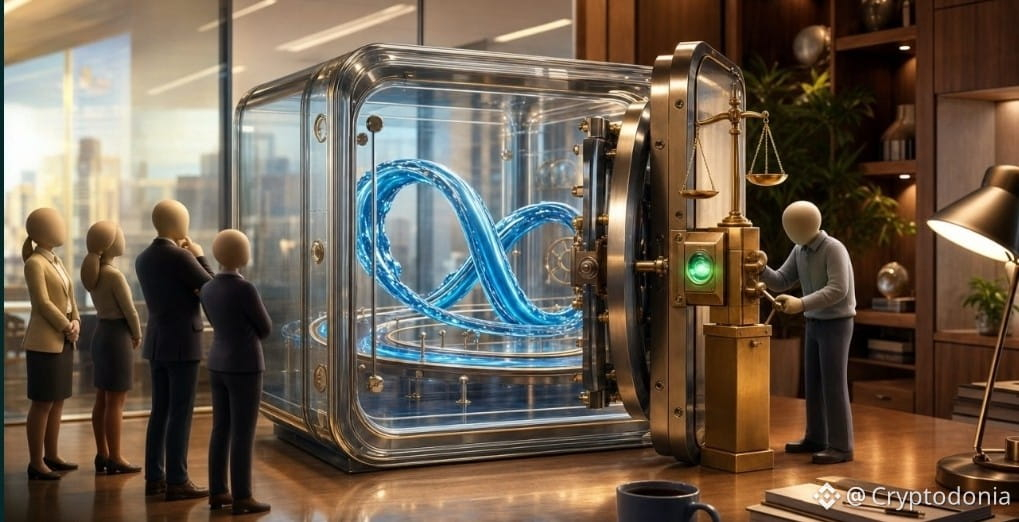
$HYPE + sự kết hợp giữa thị trường được quản lý tại Mỹ thật thú vị. Payward dự kiến sẽ đưa giao dịch hợp đồng tương lai vĩnh viễn onchain đến khách hàng Mỹ thông qua các thị trường HIP-3 của Hyperliquid, với Bitnomial phụ trách mảng sàn giao dịch/bù trừ và NinjaTrader quản lý tài khoản khách hàng. Vẫn còn phụ thuộc vào việc phê duyệt theo quy định, nhưng câu chuyện lớn thì đã rõ ràng: Hạ tầng giao dịch onchain đang bắt đầu tương thích với các “đường ray” tài chính truyền thống. Điều này có thể tạo ra một thay đổi đáng kể về cách các trader tại Mỹ tiếp cận giao dịch perps.
$HYPE + sự kết hợp giữa thị trường được quản lý tại Mỹ thật thú vị. Payward dự kiến sẽ đưa giao dịch hợp đồng tương lai vĩnh viễn onchain đến khách hàng Mỹ thông qua các thị trường HIP-3 của Hyperliquid, với Bitnomial phụ trách mảng sàn giao dịch/bù trừ và NinjaTrader quản lý tài khoản khách hàng. Vẫn còn phụ thuộc vào việc phê duyệt theo quy định, nhưng câu chuyện lớn thì đã rõ ràng: Hạ tầng giao dịch onchain đang bắt đầu tương thích với các “đường ray” tài chính truyền thống. Điều này có thể tạo ra một thay đổi đáng kể về cách các trader tại Mỹ tiếp cận giao dịch perps.
55
Đăng nhập để khám phá thêm nội dung
Tham gia cùng người dùng tiền mã hóa toàn cầu trên Binance Square
⚡️ Nhận thông tin mới nhất và hữu ích về tiền mã hóa.
💬 Được tin cậy bởi sàn giao dịch tiền mã hóa lớn nhất thế giới.
👍 Khám phá những thông tin chuyên sâu thực tế từ những nhà sáng tạo đã xác minh.
Email / Số điện thoại
Chủ đề thịnh hành
45NgayTuDoTaiChinh
938,591 lượt xem
3,264 đang thảo luận
Ngày 1/45: Bắt đầu hành trình, không đợi 'thời điểm vàng' ✨
Hôm nay là ngày đầu tiên của hành trình 45 ngày tự do tài chính, mình chính thức bắt đầu đều đặn bỏ 50u mua Bitcoin. Sáng nay thấy giá $BTC có giảm nhẹ chút xíu (-0.73%), có người có thể sẽ chần chừ, đợi xem nó xuống nữa không. Nhưng mình thì khác, đây chính là lúc mình hiểu ra tại sao lại chọn chiến lược đều đặn này.
Thật ra, bao nhiêu lần rồi mình cố gắng đoán đáy, đoán đỉnh, rồi bỏ lỡ cơ hội. Cứ mãi nghĩ “đợi thêm tí nữa” hoặc “nhỡ nó xuống nữa thì sao” rồi cuối cùng lại FOMO mua đỉnh. Nên lần này, mình quyết tâm đi theo một con đường khác: kỷ luật và kiên nhẫn. Không tìm kiếm cái gọi là “thời điểm vàng” nữa, vì thật sự, ai mà biết được thời điểm nào là tốt nhất đâu?
Thông tin tham khảo, không phải lời khuyên đầu tư. DYOR.
#45ngaytudotaichinh #AIStocksWhatNext
Phuc Plugito
·1 lượt thích
·308 lượt xem
TinFed
84,259 lượt xem
402 đang thảo luận
TheoDõiFOMC
100,443 lượt xem
593 đang thảo luận