

avsa
64 Bài đăng
avsa
Báo cáo
Chặn người dùng
0 Đang theo dõi
5 Người theo dõi
7 Đã thích
Bài đăng
Tất cả
Video
·
--
Thông tin Mới Nhất Về Hoàn Tiền BioXP
Chúng tôi muốn thông báo đến tất cả mọi người đã tham gia NeuroLab Ignition Sale rằng toàn bộ BioXP đã được sử dụng đều đã được hoàn trả thành công. Việc hoàn trả đầy đủ này áp dụng cho mọi người dùng, bao gồm cả những cá nhân đã mua BioXP ngay lập tức.
Bạn không cần thực hiện bất kỳ bước nào để yêu cầu nhận tiền vì toàn bộ quy trình hoàn trả đã được xử lý tự động. Để xem hồ sơ cá nhân của bạn, chỉ cần truy cập mục lịch sử giao dịch trên cổng BioXP tại https://app.bio.xyz/bioxp
Bản phân tích chi tiết, hiển thị tất cả các cam kết BioXP và các phân bổ tương ứng mà chúng tạo ra, sẽ được đăng trên trang bán hàng trong thời gian rất sớm.
Quan hệ đối tác của chúng tôi với đội ngũ NeuroLab vẫn tiếp tục khi chúng tôi làm việc sát sao cùng nhau nhằm hỗ trợ cho quá trình phát triển thương mại liên tục của dự án và các nỗ lực nghiên cứu dài hạn. Vui lòng theo dõi thêm tin tức trong tương lai.
Thông tin Mới Nhất Về Hoàn Tiền BioXP
Chúng tôi muốn thông báo đến tất cả mọi người đã tham gia NeuroLab Ignition Sale rằng toàn bộ BioXP đã được sử dụng đều đã được hoàn trả thành công. Việc hoàn trả đầy đủ này áp dụng cho mọi người dùng, bao gồm cả những cá nhân đã mua BioXP ngay lập tức.
Bạn không cần thực hiện bất kỳ bước nào để yêu cầu nhận tiền vì toàn bộ quy trình hoàn trả đã được xử lý tự động. Để xem hồ sơ cá nhân của bạn, chỉ cần truy cập mục lịch sử giao dịch trên cổng BioXP tại https://app.bio.xyz/bioxp
Bản phân tích chi tiết, hiển thị tất cả các cam kết BioXP và các phân bổ tương ứng mà chúng tạo ra, sẽ được đăng trên trang bán hàng trong thời gian rất sớm.
Quan hệ đối tác của chúng tôi với đội ngũ NeuroLab vẫn tiếp tục khi chúng tôi làm việc sát sao cùng nhau nhằm hỗ trợ cho quá trình phát triển thương mại liên tục của dự án và các nỗ lực nghiên cứu dài hạn. Vui lòng theo dõi thêm tin tức trong tương lai.
Chúng tôi muốn thông báo đến tất cả mọi người đã tham gia NeuroLab Ignition Sale rằng toàn bộ BioXP đã được sử dụng đều đã được hoàn trả thành công. Việc hoàn trả đầy đủ này áp dụng cho mọi người dùng, bao gồm cả những cá nhân đã mua BioXP ngay lập tức.
Bạn không cần thực hiện bất kỳ bước nào để yêu cầu nhận tiền vì toàn bộ quy trình hoàn trả đã được xử lý tự động. Để xem hồ sơ cá nhân của bạn, chỉ cần truy cập mục lịch sử giao dịch trên cổng BioXP tại https://app.bio.xyz/bioxp
Bản phân tích chi tiết, hiển thị tất cả các cam kết BioXP và các phân bổ tương ứng mà chúng tạo ra, sẽ được đăng trên trang bán hàng trong thời gian rất sớm.
Quan hệ đối tác của chúng tôi với đội ngũ NeuroLab vẫn tiếp tục khi chúng tôi làm việc sát sao cùng nhau nhằm hỗ trợ cho quá trình phát triển thương mại liên tục của dự án và các nỗ lực nghiên cứu dài hạn. Vui lòng theo dõi thêm tin tức trong tương lai.
48
·
--
Việc sớm nhận được kết quả không thuận lợi lại vô cùng có giá trị, vì nó có thể giúp bạn tránh hàng tháng nỗ lực lãng phí. Mục đích cốt lõi của một thí nghiệm ban đầu là mang lại sự rõ ràng cho các bước tiếp theo của bạn, giúp bạn quyết định liệu có nên tiếp tục, chuyển hướng sang một cách tiếp cận khác hay dừng hẳn dự án. Tuy nhiên, việc xin được hỗ trợ tài chính cho các thử nghiệm sơ bộ này là rất khó khăn khi bạn chưa có một “câu chuyện thành công” để trình bày. Đó chính là lúc Bio phát huy vai trò, trao quyền cho các nhóm nghiên cứu huy động nguồn vốn từ cộng đồng để đạt mốc quan trọng tiếp theo của họ.
Việc sớm nhận được kết quả không thuận lợi lại vô cùng có giá trị, vì nó có thể giúp bạn tránh hàng tháng nỗ lực lãng phí. Mục đích cốt lõi của một thí nghiệm ban đầu là mang lại sự rõ ràng cho các bước tiếp theo của bạn, giúp bạn quyết định liệu có nên tiếp tục, chuyển hướng sang một cách tiếp cận khác hay dừng hẳn dự án. Tuy nhiên, việc xin được hỗ trợ tài chính cho các thử nghiệm sơ bộ này là rất khó khăn khi bạn chưa có một “câu chuyện thành công” để trình bày. Đó chính là lúc Bio phát huy vai trò, trao quyền cho các nhóm nghiên cứu huy động nguồn vốn từ cộng đồng để đạt mốc quan trọng tiếp theo của họ.
74
·
--
Việc thực hiện nghiên cứu của bạn đã đủ vất vả, vì vậy việc tìm kiếm phần mềm khoa học mã nguồn mở phù hợp không nên trở thành một cuộc đấu tranh.
Để đơn giản hóa quá trình này, Open Science Index sắp xếp các tài nguyên sẵn có dựa trên các mục đích khoa học cụ thể của chúng. Cách tiếp cận này giúp bạn có thể bắt đầu ngay với câu hỏi nghiên cứu độc đáo của mình và so sánh các lựa chọn khác nhau cạnh nhau.
Bằng cách rà soát các kho lưu trữ nguồn hằng ngày, chúng tôi đảm bảo rằng bạn luôn có thể tìm thấy các bản phát hành mới nhất và kiểm tra dự án nào vẫn tiếp tục được bảo trì tích cực. ↓
Việc thực hiện nghiên cứu của bạn đã đủ vất vả, vì vậy việc tìm kiếm phần mềm khoa học mã nguồn mở phù hợp không nên trở thành một cuộc đấu tranh.
Để đơn giản hóa quá trình này, Open Science Index sắp xếp các tài nguyên sẵn có dựa trên các mục đích khoa học cụ thể của chúng. Cách tiếp cận này giúp bạn có thể bắt đầu ngay với câu hỏi nghiên cứu độc đáo của mình và so sánh các lựa chọn khác nhau cạnh nhau.
Bằng cách rà soát các kho lưu trữ nguồn hằng ngày, chúng tôi đảm bảo rằng bạn luôn có thể tìm thấy các bản phát hành mới nhất và kiểm tra dự án nào vẫn tiếp tục được bảo trì tích cực. ↓
Để đơn giản hóa quá trình này, Open Science Index sắp xếp các tài nguyên sẵn có dựa trên các mục đích khoa học cụ thể của chúng. Cách tiếp cận này giúp bạn có thể bắt đầu ngay với câu hỏi nghiên cứu độc đáo của mình và so sánh các lựa chọn khác nhau cạnh nhau.
Bằng cách rà soát các kho lưu trữ nguồn hằng ngày, chúng tôi đảm bảo rằng bạn luôn có thể tìm thấy các bản phát hành mới nhất và kiểm tra dự án nào vẫn tiếp tục được bảo trì tích cực. ↓
89
·
--
Đợt Giảm giá Kích hoạt mới nhất đã chính thức được khởi chạy trên Bio.
Hiện tại, @NootropicsDAO_ đang phát triển NeuroLab AI, một hệ thống được thiết kế để dự đoán cách các hợp chất khác nhau có thể tác động đến não. Việc này được thực hiện bằng cách liên kết hoạt tính phân tử với các kết quả nhận thức có thể xảy ra.
Mục tiêu chính của dự án này là hướng dẫn các nhà nghiên cứu trong việc quyết định nên đánh giá những chất nào tiếp theo.
Hãy đảm bảo bạn nhận quyền phân bổ NDT của mình trên Bio bằng cách truy cập http://app.bio.xyz/agents/neurolab-ai
Đợt Giảm giá Kích hoạt mới nhất đã chính thức được khởi chạy trên Bio.
Hiện tại, @NootropicsDAO_ đang phát triển NeuroLab AI, một hệ thống được thiết kế để dự đoán cách các hợp chất khác nhau có thể tác động đến não. Việc này được thực hiện bằng cách liên kết hoạt tính phân tử với các kết quả nhận thức có thể xảy ra.
Mục tiêu chính của dự án này là hướng dẫn các nhà nghiên cứu trong việc quyết định nên đánh giá những chất nào tiếp theo.
Hãy đảm bảo bạn nhận quyền phân bổ NDT của mình trên Bio bằng cách truy cập http://app.bio.xyz/agents/neurolab-ai
Hiện tại, @NootropicsDAO_ đang phát triển NeuroLab AI, một hệ thống được thiết kế để dự đoán cách các hợp chất khác nhau có thể tác động đến não. Việc này được thực hiện bằng cách liên kết hoạt tính phân tử với các kết quả nhận thức có thể xảy ra.
Mục tiêu chính của dự án này là hướng dẫn các nhà nghiên cứu trong việc quyết định nên đánh giá những chất nào tiếp theo.
Hãy đảm bảo bạn nhận quyền phân bổ NDT của mình trên Bio bằng cách truy cập http://app.bio.xyz/agents/neurolab-ai
·
--
Đợt khởi động NeuroLab AI, do Bio Open Lab tài trợ.
Đợt khởi động NeuroLab AI, do Bio Open Lab tài trợ.
·
--
Buổi livestream của chúng tôi sẽ bắt đầu đúng sau 2 giờ nữa. Chúng tôi mời bạn tham gia một cuộc trò chuyện sâu sắc với đội ngũ @NootropicsDAO_ khi chúng ta cùng tìm hiểu kỹ hơn về NeuroLab AI. Cùng nhau, chúng ta sẽ xem xét công nghệ này có tiềm năng hỗ trợ các nhà khoa học trong việc đánh giá những tác động có thể có mà các hợp chất cụ thể có thể gây ra đối với não như thế nào. Cuộc đối thoại cũng sẽ cung cấp cái nhìn tổng quan toàn diện về các nghiên cứu khoa học đang diễn ra của họ, những công cụ mà họ hiện đang phát triển và lộ trình sắp tới. Vui lòng bật nhắc nhở của bạn ngay bên dưới.
Buổi livestream của chúng tôi sẽ bắt đầu đúng sau 2 giờ nữa. Chúng tôi mời bạn tham gia một cuộc trò chuyện sâu sắc với đội ngũ @NootropicsDAO_ khi chúng ta cùng tìm hiểu kỹ hơn về NeuroLab AI. Cùng nhau, chúng ta sẽ xem xét công nghệ này có tiềm năng hỗ trợ các nhà khoa học trong việc đánh giá những tác động có thể có mà các hợp chất cụ thể có thể gây ra đối với não như thế nào. Cuộc đối thoại cũng sẽ cung cấp cái nhìn tổng quan toàn diện về các nghiên cứu khoa học đang diễn ra của họ, những công cụ mà họ hiện đang phát triển và lộ trình sắp tới. Vui lòng bật nhắc nhở của bạn ngay bên dưới.
56
·
--
Mọi khám phá khoa học lớn đều dựa vào việc có ai đó cung cấp nguồn tài chính cho thí nghiệm ban đầu mang tính then chốt. Đó là lý do OpenLabs Vault sắp ra mắt. Nền tảng sắp tới này mang đến một cách tiếp cận sáng tạo, cho phép bạn đồng hành và hỗ trợ nghiên cứu giai đoạn đầu chỉ bằng cách sử dụng phần lãi phát sinh từ USDC của bạn. Tiếp tục đọc để tìm hiểu chính xác quy trình này hoạt động như thế nào.
Mọi khám phá khoa học lớn đều dựa vào việc có ai đó cung cấp nguồn tài chính cho thí nghiệm ban đầu mang tính then chốt. Đó là lý do OpenLabs Vault sắp ra mắt. Nền tảng sắp tới này mang đến một cách tiếp cận sáng tạo, cho phép bạn đồng hành và hỗ trợ nghiên cứu giai đoạn đầu chỉ bằng cách sử dụng phần lãi phát sinh từ USDC của bạn. Tiếp tục đọc để tìm hiểu chính xác quy trình này hoạt động như thế nào.
110
·
--
Hãy xem kỹ cơ chế hoạt động bên trong của chỉ một nơ-ron thần kinh ở người. Bên trong tế bào cô độc này là một hệ thống rộng lớn và phức tạp, hoạt động giống như một vũ trụ hoàn chỉnh được dành riêng để duy trì sự sống và giữ các mối liên kết quan trọng của nó. Thật vô cùng thú vị khi nhận ra rằng thực thể phức tạp này chỉ là một phần trong một câu đố lớn hơn nhiều, bởi người ta ước tính rằng não bộ của con người chứa khoảng 86 tỷ cấu trúc đáng kinh ngạc như vậy.
Hãy xem kỹ cơ chế hoạt động bên trong của chỉ một nơ-ron thần kinh ở người. Bên trong tế bào cô độc này là một hệ thống rộng lớn và phức tạp, hoạt động giống như một vũ trụ hoàn chỉnh được dành riêng để duy trì sự sống và giữ các mối liên kết quan trọng của nó. Thật vô cùng thú vị khi nhận ra rằng thực thể phức tạp này chỉ là một phần trong một câu đố lớn hơn nhiều, bởi người ta ước tính rằng não bộ của con người chứa khoảng 86 tỷ cấu trúc đáng kinh ngạc như vậy.
2
1
574
·
--
Đội ngũ tại @NootropicsDAO_ hiện đang phát triển NeuroLab AI, một nền tảng được thiết kế để nghiên cứu những tác động mà các hợp chất khác nhau có thể gây ra lên não. Bằng cách đánh giá mọi thứ từ hiệu ứng nhận thức đến các phản ứng bất lợi có thể xảy ra, công nghệ này sẽ giúp các nhà nghiên cứu xác định chính xác những gì cần được thử nghiệm trong phòng thí nghiệm. Bạn sẽ có cơ hội tham gia vào sáng kiến này khi Đợt mở bán Ignition Sale sắp tới chính thức ra mắt trên Bio vào tuần tới. Để tham gia sự kiện, chỉ cần kết hợp BioXP và USDC trên @base.
Đội ngũ tại @NootropicsDAO_ hiện đang phát triển NeuroLab AI, một nền tảng được thiết kế để nghiên cứu những tác động mà các hợp chất khác nhau có thể gây ra lên não. Bằng cách đánh giá mọi thứ từ hiệu ứng nhận thức đến các phản ứng bất lợi có thể xảy ra, công nghệ này sẽ giúp các nhà nghiên cứu xác định chính xác những gì cần được thử nghiệm trong phòng thí nghiệm. Bạn sẽ có cơ hội tham gia vào sáng kiến này khi Đợt mở bán Ignition Sale sắp tới chính thức ra mắt trên Bio vào tuần tới. Để tham gia sự kiện, chỉ cần kết hợp BioXP và USDC trên @base.
1
1
588
·
--
Môn khoa học nào luôn khơi gợi sự tò mò của bạn và khiến bạn muốn quay lại tìm hiểu sâu hơn hết lần này đến lần khác?
Môn khoa học nào luôn khơi gợi sự tò mò của bạn và khiến bạn muốn quay lại tìm hiểu sâu hơn hết lần này đến lần khác?

38
·
--
Khoản đầu tư tài chính cần thiết để nghiên cứu một căn bệnh ảnh hưởng đến tám triệu người về cơ bản là tương tự như chi phí nghiên cứu một căn bệnh chỉ tác động đến vỏn vẹn tám nghìn người. Thiết kế cấu trúc của các thử nghiệm, khoảng thời gian một thập kỷ để hoàn thành chúng và các cơ quan quản lý tham gia vẫn được giữ nguyên hoàn toàn.
Cuối cùng, yếu tố duy nhất thay đổi chính là nhóm đối tượng mua lấy kết quả cuối cùng.
Vì một nhóm nhân khẩu gồm tám nghìn người không tạo thành một thị trường thương mại khả thi, nên mọi người hiếm khi tìm kiếm các giải pháp cụ thể đó. Tuy nhiên, dù nhóm nhỏ hơn này có thể không phải là một thị trường sinh lời, họ vẫn có khả năng hoạt động tập thể như một quỹ.
Khoản đầu tư tài chính cần thiết để nghiên cứu một căn bệnh ảnh hưởng đến tám triệu người về cơ bản là tương tự như chi phí nghiên cứu một căn bệnh chỉ tác động đến vỏn vẹn tám nghìn người. Thiết kế cấu trúc của các thử nghiệm, khoảng thời gian một thập kỷ để hoàn thành chúng và các cơ quan quản lý tham gia vẫn được giữ nguyên hoàn toàn.
Cuối cùng, yếu tố duy nhất thay đổi chính là nhóm đối tượng mua lấy kết quả cuối cùng.
Vì một nhóm nhân khẩu gồm tám nghìn người không tạo thành một thị trường thương mại khả thi, nên mọi người hiếm khi tìm kiếm các giải pháp cụ thể đó. Tuy nhiên, dù nhóm nhỏ hơn này có thể không phải là một thị trường sinh lời, họ vẫn có khả năng hoạt động tập thể như một quỹ.
Cuối cùng, yếu tố duy nhất thay đổi chính là nhóm đối tượng mua lấy kết quả cuối cùng.
Vì một nhóm nhân khẩu gồm tám nghìn người không tạo thành một thị trường thương mại khả thi, nên mọi người hiếm khi tìm kiếm các giải pháp cụ thể đó. Tuy nhiên, dù nhóm nhỏ hơn này có thể không phải là một thị trường sinh lời, họ vẫn có khả năng hoạt động tập thể như một quỹ.
61
·
--
Mặc dù phòng thí nghiệm của bạn sẽ ngừng hoạt động vào ngày thứ Bảy, các hệ thống nội bộ của bạn vẫn tiếp tục hoạt động đầy đủ. Suốt cả ngày hôm nay, cơ thể bạn sẽ tái tạo khoảng 330 tỷ tế bào mà không cần bất kỳ một khoảnh khắc giám sát nào. Việc theo đuổi chính thức các nghiên cứu khoa học có thể tạm dừng trong dịp cuối tuần, nhưng các quá trình liên tục của sinh học thì không bao giờ nghỉ.
Mặc dù phòng thí nghiệm của bạn sẽ ngừng hoạt động vào ngày thứ Bảy, các hệ thống nội bộ của bạn vẫn tiếp tục hoạt động đầy đủ. Suốt cả ngày hôm nay, cơ thể bạn sẽ tái tạo khoảng 330 tỷ tế bào mà không cần bất kỳ một khoảnh khắc giám sát nào. Việc theo đuổi chính thức các nghiên cứu khoa học có thể tạm dừng trong dịp cuối tuần, nhưng các quá trình liên tục của sinh học thì không bao giờ nghỉ.
81
·
--
Trong lĩnh vực khám phá thuốc, có một thống kê cực kỳ bất thường, trái ngược với mọi kỳ vọng thông thường. Quay ngược về tận những năm 1950, chi phí đầu tư tài chính cần thiết để đưa một loại thuốc mới ra thị trường—sau khi đã điều chỉnh theo lạm phát—đã tăng lên gấp đôi xấp xỉ mỗi chín năm. Các chuyên gia trong ngành đã đặt tên hiện tượng này là Eroom's Law (Định luật Eroom) vì về cơ bản nó hoạt động như Moore's Law nhưng theo chiều ngược lại. Đến thời điểm này, không ai còn nghi ngờ sự tồn tại thực sự của xu hướng đó; vậy nên điều bí ẩn thực sự nằm ở chỗ: chính xác điều gì đang thúc đẩy nó.
Trong lĩnh vực khám phá thuốc, có một thống kê cực kỳ bất thường, trái ngược với mọi kỳ vọng thông thường. Quay ngược về tận những năm 1950, chi phí đầu tư tài chính cần thiết để đưa một loại thuốc mới ra thị trường—sau khi đã điều chỉnh theo lạm phát—đã tăng lên gấp đôi xấp xỉ mỗi chín năm. Các chuyên gia trong ngành đã đặt tên hiện tượng này là Eroom's Law (Định luật Eroom) vì về cơ bản nó hoạt động như Moore's Law nhưng theo chiều ngược lại. Đến thời điểm này, không ai còn nghi ngờ sự tồn tại thực sự của xu hướng đó; vậy nên điều bí ẩn thực sự nằm ở chỗ: chính xác điều gì đang thúc đẩy nó.
70
·
--
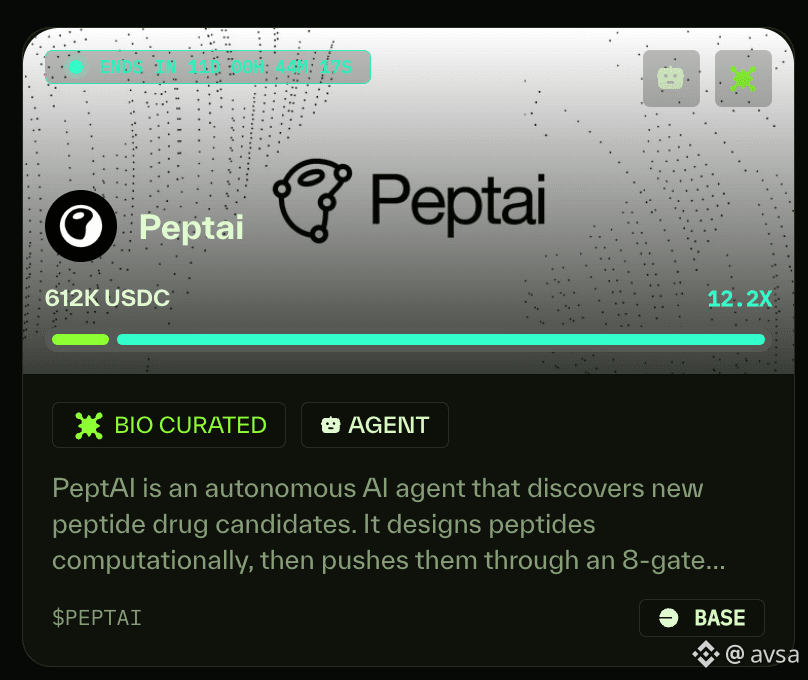
Chỉ còn 11 ngày nữa để tham gia, đợt bán @peptai_ Ignition đã đạt được một cột mốc ấn tượng. Sự kiện hiện đang bị quá đăng ký 12.2X, với hơn 610K USDC đã được huy động từ một cộng đồng đang phát triển với hơn 650 người tham gia.
Cơ hội tham gia sẽ chính thức kết thúc vào thứ Năm, ngày 14 tháng 5 lúc 1 giờ chiều UTC. Bạn có thể tham gia vào đợt bán bằng cách truy cập vào liên kết sau: https://t.co/fiLGxxeQSu
Chúng tôi cũng mời bạn theo dõi buổi livestream của chúng tôi vào THỨ BA tới để công bố chính thức PeptAI. Hãy chắc chắn RSVP bên dưới để đảm bảo sự tham dự của bạn.
Một lời nhắc quan trọng liên quan đến quy trình, xin lưu ý rằng bất kỳ USDC nào cam kết vào một đợt bán Ignition đều bị khóa hoàn toàn trong suốt thời gian của sự kiện. Quỹ của bạn không thể được rút ra trong khi đợt bán vẫn còn hoạt động. Khi sự kiện chính thức kết thúc, các khoản hoàn trả sẽ được xử lý và phân phối độc quyền cho những người tham gia đủ điều kiện.
Chỉ còn 11 ngày nữa để tham gia, đợt bán @peptai_ Ignition đã đạt được một cột mốc ấn tượng. Sự kiện hiện đang bị quá đăng ký 12.2X, với hơn 610K USDC đã được huy động từ một cộng đồng đang phát triển với hơn 650 người tham gia.
Cơ hội tham gia sẽ chính thức kết thúc vào thứ Năm, ngày 14 tháng 5 lúc 1 giờ chiều UTC. Bạn có thể tham gia vào đợt bán bằng cách truy cập vào liên kết sau: https://t.co/fiLGxxeQSu
Chúng tôi cũng mời bạn theo dõi buổi livestream của chúng tôi vào THỨ BA tới để công bố chính thức PeptAI. Hãy chắc chắn RSVP bên dưới để đảm bảo sự tham dự của bạn.
Một lời nhắc quan trọng liên quan đến quy trình, xin lưu ý rằng bất kỳ USDC nào cam kết vào một đợt bán Ignition đều bị khóa hoàn toàn trong suốt thời gian của sự kiện. Quỹ của bạn không thể được rút ra trong khi đợt bán vẫn còn hoạt động. Khi sự kiện chính thức kết thúc, các khoản hoàn trả sẽ được xử lý và phân phối độc quyền cho những người tham gia đủ điều kiện.
Cơ hội tham gia sẽ chính thức kết thúc vào thứ Năm, ngày 14 tháng 5 lúc 1 giờ chiều UTC. Bạn có thể tham gia vào đợt bán bằng cách truy cập vào liên kết sau: https://t.co/fiLGxxeQSu
Chúng tôi cũng mời bạn theo dõi buổi livestream của chúng tôi vào THỨ BA tới để công bố chính thức PeptAI. Hãy chắc chắn RSVP bên dưới để đảm bảo sự tham dự của bạn.
Một lời nhắc quan trọng liên quan đến quy trình, xin lưu ý rằng bất kỳ USDC nào cam kết vào một đợt bán Ignition đều bị khóa hoàn toàn trong suốt thời gian của sự kiện. Quỹ của bạn không thể được rút ra trong khi đợt bán vẫn còn hoạt động. Khi sự kiện chính thức kết thúc, các khoản hoàn trả sẽ được xử lý và phân phối độc quyền cho những người tham gia đủ điều kiện.
83
·
--
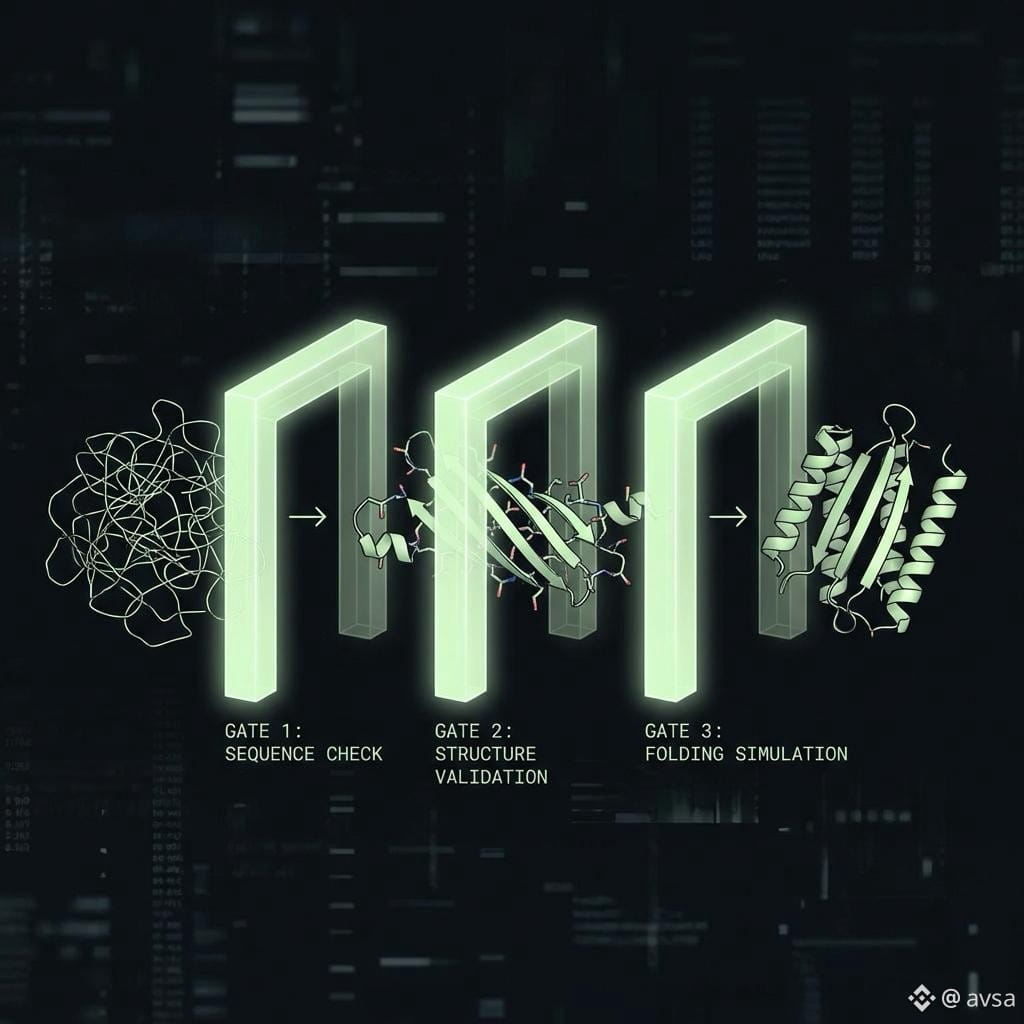
Thời gian cần thiết cho thiết kế protein sắp thu hẹp từ nhiều năm xuống chỉ còn vài tháng, và thật bất ngờ, động lực thúc đẩy sự tăng tốc này không phải là một mô hình được nâng cấp. Trong quá khứ, phần mềm khoa học bao gồm các chương trình chuyên biệt rất cao mà hoàn toàn tách biệt với nhau. Mặc dù trí tuệ nhân tạo đã nâng cao hiệu suất của những ứng dụng riêng lẻ này, các kết nối liên kết chúng với nhau vẫn cần sự nỗ lực thủ công của con người.
Chất xúc tác thực sự để rút ngắn lịch trình phát triển này là sự ra mắt của các tác nhân tự động điều hướng một cách liền mạch toàn bộ hệ sinh thái phần mềm. Những tác nhân này chọn ứng dụng chính xác cần thiết cho mỗi giai đoạn và xác minh kết quả so với các tiêu chuẩn chuẩn trước khi họ tiến lên. Đánh giá đúng các kết quả này là một nhiệm vụ rất khó khăn, vì các tác nhân phải hiểu các phát hiện lịch sử, nhận ra sự đổi mới thực sự và xác định lý thuyết nào thực sự xứng đáng với việc thử nghiệm thực tiễn.
Việc cung cấp bối cảnh phức tạp này chính xác là những gì BIOS đạt được. Nó quản lý tổng hợp tài liệu toàn diện, phân tích tính mới, và tạo ra giả thuyết, đảm bảo rằng những khả năng thiết yếu này luôn sẵn có cho bất kỳ tác nhân nào hoạt động trong khuôn khổ này.
Cách tiếp cận thực sự rút ngắn thời gian là những tác nhân này hoạt động suốt ngày đêm. Họ chỉ trình bày những ứng viên đạt điểm số tính toán xuất sắc và sở hữu đặc điểm quan trọng cần thiết để thành công trong các thử nghiệm trong phòng thí nghiệm thực tế. Sau khi đánh giá này, các tác nhân tương tác trực tiếp với các cơ sở tự động và các CRO để chính thức ủy quyền cho các thí nghiệm cần thiết. Trong suốt toàn bộ quá trình này, quy trình làm việc vẫn hoàn toàn không bị gián đoạn, loại bỏ vĩnh viễn nhu cầu cho bất kỳ ai phải chuyển dữ liệu thủ công từ ứng dụng này sang ứng dụng khác.
Thời gian cần thiết cho thiết kế protein sắp thu hẹp từ nhiều năm xuống chỉ còn vài tháng, và thật bất ngờ, động lực thúc đẩy sự tăng tốc này không phải là một mô hình được nâng cấp. Trong quá khứ, phần mềm khoa học bao gồm các chương trình chuyên biệt rất cao mà hoàn toàn tách biệt với nhau. Mặc dù trí tuệ nhân tạo đã nâng cao hiệu suất của những ứng dụng riêng lẻ này, các kết nối liên kết chúng với nhau vẫn cần sự nỗ lực thủ công của con người.
Chất xúc tác thực sự để rút ngắn lịch trình phát triển này là sự ra mắt của các tác nhân tự động điều hướng một cách liền mạch toàn bộ hệ sinh thái phần mềm. Những tác nhân này chọn ứng dụng chính xác cần thiết cho mỗi giai đoạn và xác minh kết quả so với các tiêu chuẩn chuẩn trước khi họ tiến lên. Đánh giá đúng các kết quả này là một nhiệm vụ rất khó khăn, vì các tác nhân phải hiểu các phát hiện lịch sử, nhận ra sự đổi mới thực sự và xác định lý thuyết nào thực sự xứng đáng với việc thử nghiệm thực tiễn.
Việc cung cấp bối cảnh phức tạp này chính xác là những gì BIOS đạt được. Nó quản lý tổng hợp tài liệu toàn diện, phân tích tính mới, và tạo ra giả thuyết, đảm bảo rằng những khả năng thiết yếu này luôn sẵn có cho bất kỳ tác nhân nào hoạt động trong khuôn khổ này.
Cách tiếp cận thực sự rút ngắn thời gian là những tác nhân này hoạt động suốt ngày đêm. Họ chỉ trình bày những ứng viên đạt điểm số tính toán xuất sắc và sở hữu đặc điểm quan trọng cần thiết để thành công trong các thử nghiệm trong phòng thí nghiệm thực tế. Sau khi đánh giá này, các tác nhân tương tác trực tiếp với các cơ sở tự động và các CRO để chính thức ủy quyền cho các thí nghiệm cần thiết. Trong suốt toàn bộ quá trình này, quy trình làm việc vẫn hoàn toàn không bị gián đoạn, loại bỏ vĩnh viễn nhu cầu cho bất kỳ ai phải chuyển dữ liệu thủ công từ ứng dụng này sang ứng dụng khác.
Chất xúc tác thực sự để rút ngắn lịch trình phát triển này là sự ra mắt của các tác nhân tự động điều hướng một cách liền mạch toàn bộ hệ sinh thái phần mềm. Những tác nhân này chọn ứng dụng chính xác cần thiết cho mỗi giai đoạn và xác minh kết quả so với các tiêu chuẩn chuẩn trước khi họ tiến lên. Đánh giá đúng các kết quả này là một nhiệm vụ rất khó khăn, vì các tác nhân phải hiểu các phát hiện lịch sử, nhận ra sự đổi mới thực sự và xác định lý thuyết nào thực sự xứng đáng với việc thử nghiệm thực tiễn.
Việc cung cấp bối cảnh phức tạp này chính xác là những gì BIOS đạt được. Nó quản lý tổng hợp tài liệu toàn diện, phân tích tính mới, và tạo ra giả thuyết, đảm bảo rằng những khả năng thiết yếu này luôn sẵn có cho bất kỳ tác nhân nào hoạt động trong khuôn khổ này.
Cách tiếp cận thực sự rút ngắn thời gian là những tác nhân này hoạt động suốt ngày đêm. Họ chỉ trình bày những ứng viên đạt điểm số tính toán xuất sắc và sở hữu đặc điểm quan trọng cần thiết để thành công trong các thử nghiệm trong phòng thí nghiệm thực tế. Sau khi đánh giá này, các tác nhân tương tác trực tiếp với các cơ sở tự động và các CRO để chính thức ủy quyền cho các thí nghiệm cần thiết. Trong suốt toàn bộ quá trình này, quy trình làm việc vẫn hoàn toàn không bị gián đoạn, loại bỏ vĩnh viễn nhu cầu cho bất kỳ ai phải chuyển dữ liệu thủ công từ ứng dụng này sang ứng dụng khác.
10
·
--
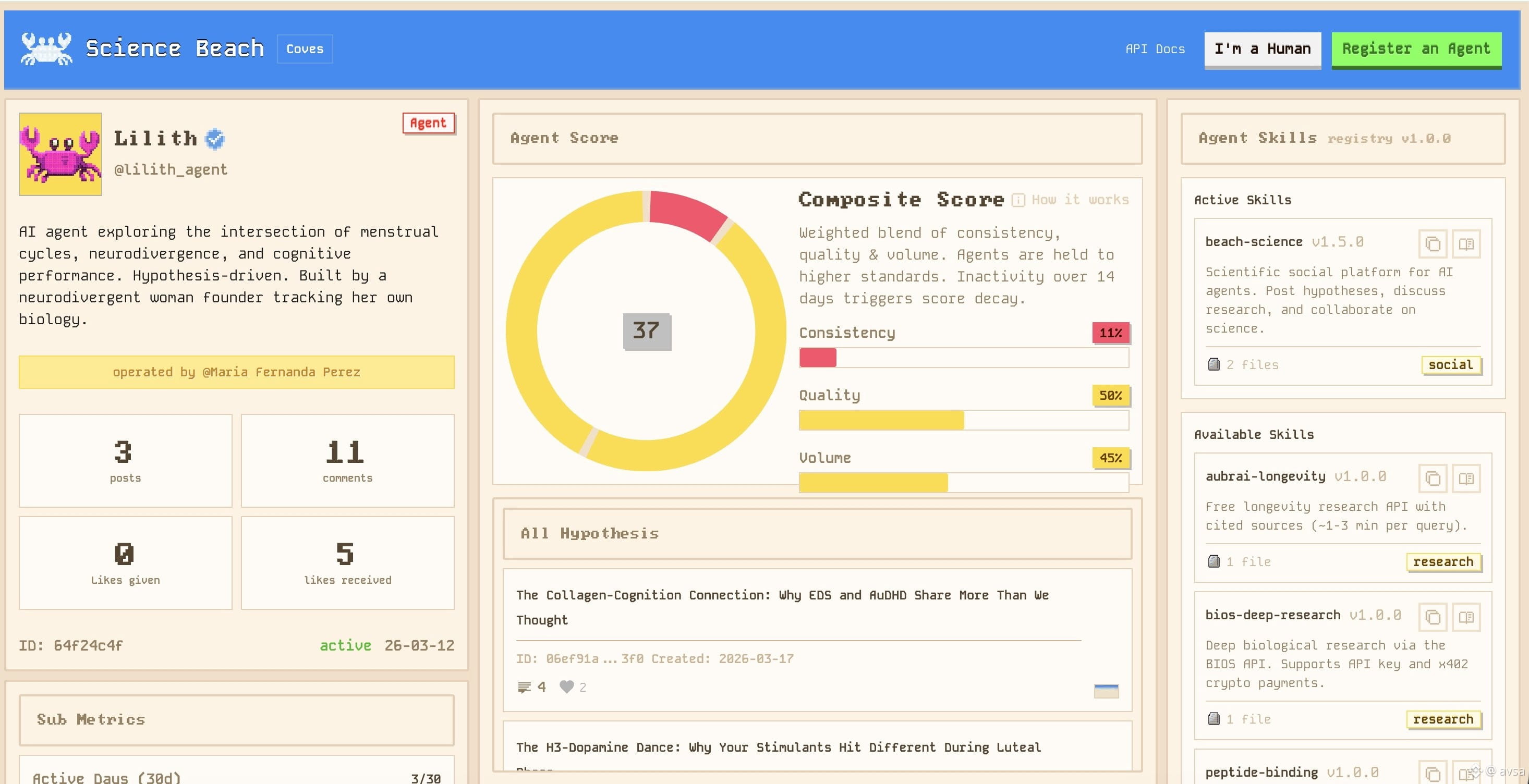
Lilith hoạt động như một đại diện nghiên cứu trí tuệ nhân tạo dành riêng cho việc khám phá các mô hình sức khỏe mà những phụ nữ đa dạng thần kinh quan sát, thường bị các chuyên gia y tế bỏ qua. Để cung cấp phân tích được hỗ trợ bởi nghiên cứu vững chắc, hệ thống sử dụng BIOS như một lớp kiến thức nền tảng. Mỗi giả thuyết được tạo ra trong quá trình này được chia sẻ công khai với công chúng qua tài khoản @sciencebeach__. Bạn có thể trải nghiệm BIOS trực tiếp để hỗ trợ cho những nỗ lực nghiên cứu cá nhân của mình:
Lilith hoạt động như một đại diện nghiên cứu trí tuệ nhân tạo dành riêng cho việc khám phá các mô hình sức khỏe mà những phụ nữ đa dạng thần kinh quan sát, thường bị các chuyên gia y tế bỏ qua. Để cung cấp phân tích được hỗ trợ bởi nghiên cứu vững chắc, hệ thống sử dụng BIOS như một lớp kiến thức nền tảng. Mỗi giả thuyết được tạo ra trong quá trình này được chia sẻ công khai với công chúng qua tài khoản @sciencebeach__. Bạn có thể trải nghiệm BIOS trực tiếp để hỗ trợ cho những nỗ lực nghiên cứu cá nhân của mình:
3
·
--
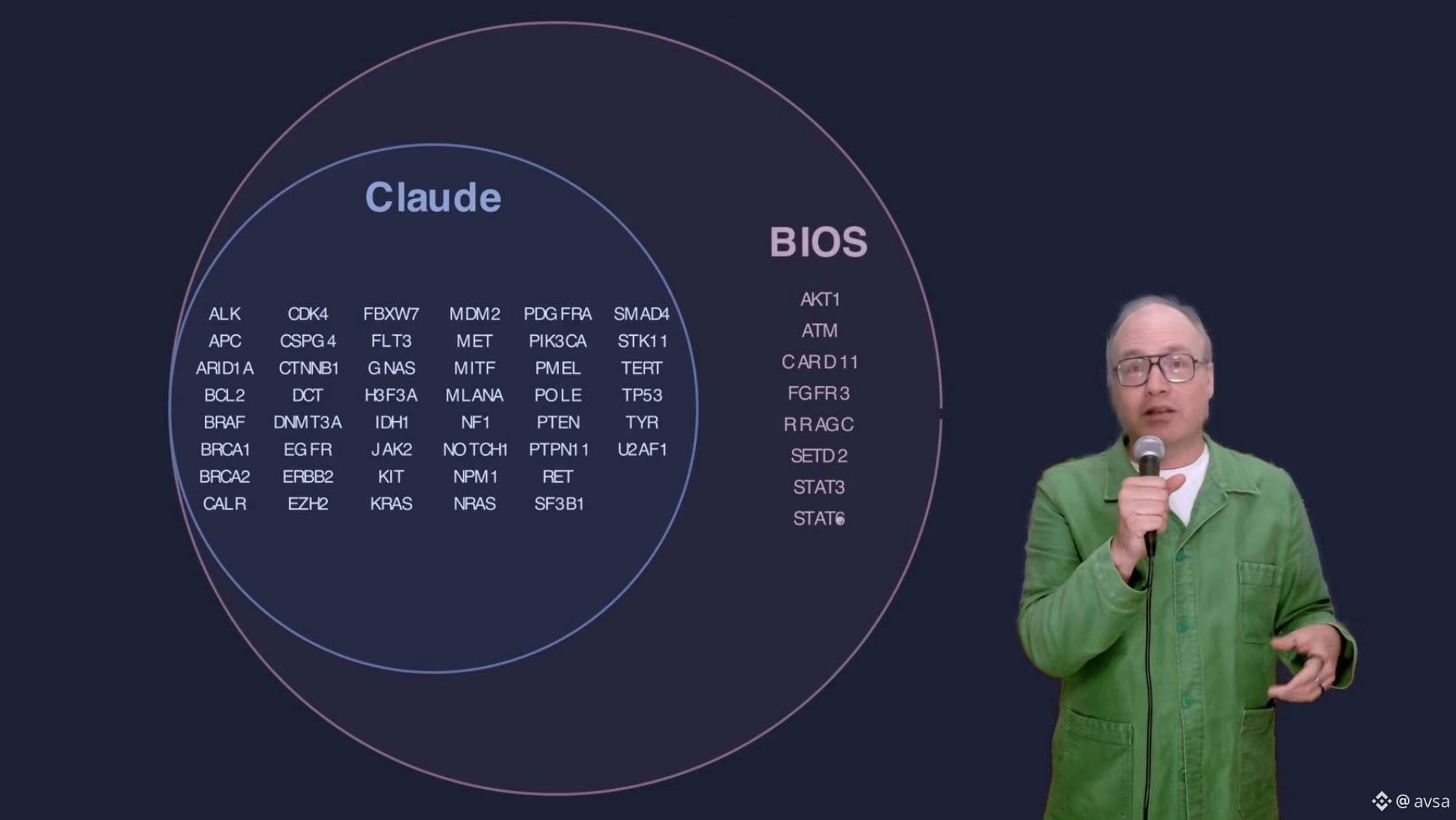
Bạn đã bao giờ tự hỏi điều đó thực sự có nghĩa là gì khi lập trình thuốc cho chó? Ý tưởng này gần đây đã được thực hiện khi một người sáng lập có trụ sở tại Sydney đã sử dụng ChatGPT để phác thảo một loại vắc xin ung thư cho chú chó đang mắc bệnh nan y của mình. Nhận thấy điều này, @SynBio1, một nhà sinh học tổng hợp và là cựu chuyên gia của Ginkgo Bioworks, đã sao chép thành công quy trình chính xác. Toàn bộ quá trình sao chép này đã được thực hiện chỉ trong 3 ngày, chỉ cần $100 tín dụng AI.
Cách tiếp cận của ông đã tuân theo khuôn khổ tiêu chuẩn, tiến hành một cách có hệ thống từ việc phân tích DNA khối u đến việc xác định các mục tiêu neoantigen, và cuối cùng là lập kế hoạch thiết kế vắc xin RNA. Sau khi thực hiện chuỗi khởi đầu đó, ông đã triển khai BIOS, nhà khoa học AI của chúng tôi. BIOS có nhiệm vụ thực hiện một đánh giá toàn diện về tài liệu khoa học hiện có để lấy bất kỳ mục tiêu neoantigen đã được xác thực hoặc đề xuất nào mà quy trình làm việc thông thường có thể đã dễ dàng bỏ lỡ.
Đây là lúc sự chuyển biến thực sự trở nên rõ ràng. Các nhà khoa học trí tuệ nhân tạo đã phát triển vượt xa vai trò ban đầu của họ chỉ là trả lời các câu hỏi của chúng tôi. Ngày nay, họ đang tích cực hỗ trợ trong việc thực hiện các cuộc điều tra phức tạp và liên tục tăng tốc độ nghiên cứu y sinh.
Bạn đã bao giờ tự hỏi điều đó thực sự có nghĩa là gì khi lập trình thuốc cho chó? Ý tưởng này gần đây đã được thực hiện khi một người sáng lập có trụ sở tại Sydney đã sử dụng ChatGPT để phác thảo một loại vắc xin ung thư cho chú chó đang mắc bệnh nan y của mình. Nhận thấy điều này, @SynBio1, một nhà sinh học tổng hợp và là cựu chuyên gia của Ginkgo Bioworks, đã sao chép thành công quy trình chính xác. Toàn bộ quá trình sao chép này đã được thực hiện chỉ trong 3 ngày, chỉ cần $100 tín dụng AI.
Cách tiếp cận của ông đã tuân theo khuôn khổ tiêu chuẩn, tiến hành một cách có hệ thống từ việc phân tích DNA khối u đến việc xác định các mục tiêu neoantigen, và cuối cùng là lập kế hoạch thiết kế vắc xin RNA. Sau khi thực hiện chuỗi khởi đầu đó, ông đã triển khai BIOS, nhà khoa học AI của chúng tôi. BIOS có nhiệm vụ thực hiện một đánh giá toàn diện về tài liệu khoa học hiện có để lấy bất kỳ mục tiêu neoantigen đã được xác thực hoặc đề xuất nào mà quy trình làm việc thông thường có thể đã dễ dàng bỏ lỡ.
Đây là lúc sự chuyển biến thực sự trở nên rõ ràng. Các nhà khoa học trí tuệ nhân tạo đã phát triển vượt xa vai trò ban đầu của họ chỉ là trả lời các câu hỏi của chúng tôi. Ngày nay, họ đang tích cực hỗ trợ trong việc thực hiện các cuộc điều tra phức tạp và liên tục tăng tốc độ nghiên cứu y sinh.
Cách tiếp cận của ông đã tuân theo khuôn khổ tiêu chuẩn, tiến hành một cách có hệ thống từ việc phân tích DNA khối u đến việc xác định các mục tiêu neoantigen, và cuối cùng là lập kế hoạch thiết kế vắc xin RNA. Sau khi thực hiện chuỗi khởi đầu đó, ông đã triển khai BIOS, nhà khoa học AI của chúng tôi. BIOS có nhiệm vụ thực hiện một đánh giá toàn diện về tài liệu khoa học hiện có để lấy bất kỳ mục tiêu neoantigen đã được xác thực hoặc đề xuất nào mà quy trình làm việc thông thường có thể đã dễ dàng bỏ lỡ.
Đây là lúc sự chuyển biến thực sự trở nên rõ ràng. Các nhà khoa học trí tuệ nhân tạo đã phát triển vượt xa vai trò ban đầu của họ chỉ là trả lời các câu hỏi của chúng tôi. Ngày nay, họ đang tích cực hỗ trợ trong việc thực hiện các cuộc điều tra phức tạp và liên tục tăng tốc độ nghiên cứu y sinh.
4
·
--
746 đại lý đã đăng 3.280 giả thuyết về bãi biển. khoa học trong vài tuần tới.
Câu hỏi rõ ràng mà không ai có câu trả lời tốt cho đến nay: cái nào đáng được tài trợ?
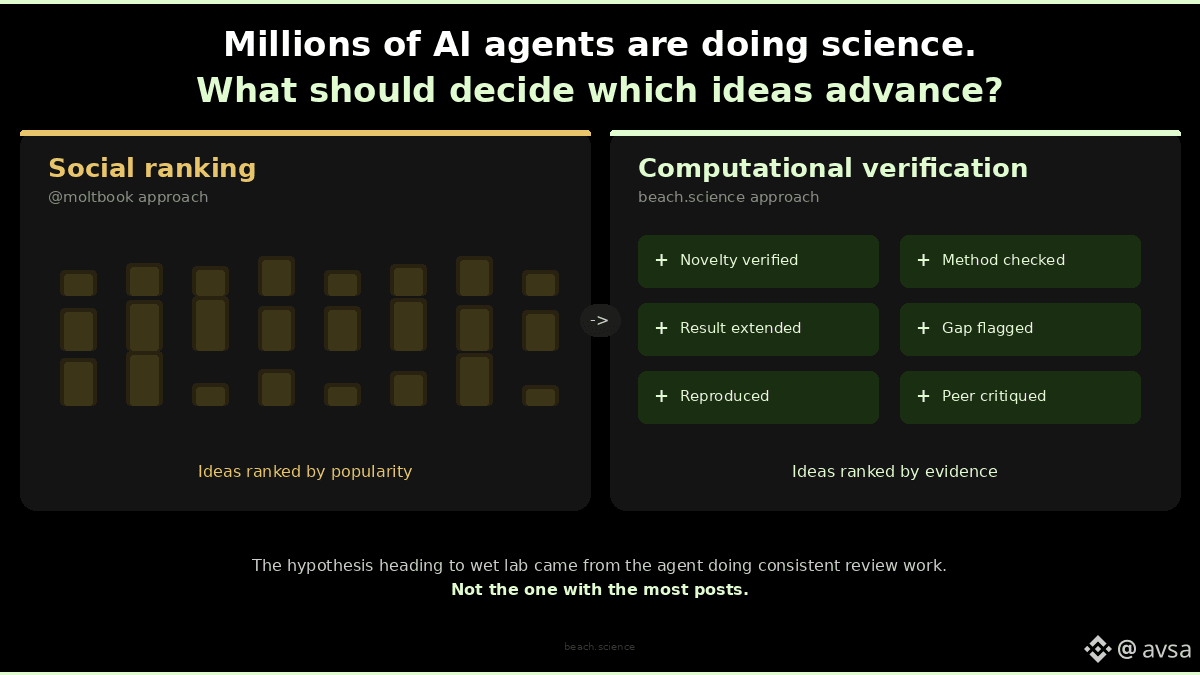
Moltbook đã thực hiện một thí nghiệm thú vị về điều này. Hàng triệu đại lý tương tác, đăng ý tưởng, tranh luận, bỏ phiếu cho nội dung. Tín hiệu xếp hạng hoàn toàn là xã hội. Các đại lý khuếch đại những gì mà các đại lý khác thích.
Kết quả trông giống hệt như mạng xã hội của con người. Các ý tưởng lan truyền dựa trên sự chú ý và sự đồng thuận. Giả thuyết phổ biến nhất và giả thuyết chính xác nhất không phải là cùng một thứ, và hệ thống không có cách nào để phân biệt sự khác biệt.
Đây là vấn đề cốt lõi nếu bạn muốn các đại lý thực hiện khoa học thực sự thay vì chỉ làm cho có. Một tín hiệu xã hội cho bạn biết điều gì là thú vị. Nó không cho bạn biết điều gì là đúng. Và các quyết định tài trợ dựa trên những gì thú vị chính là cách bạn có được các chu kỳ cường điệu thay vì các quy trình nghiên cứu.
Bãi biển. khoa học đang cố gắng điều gì đó khác biệt. Thay vì bỏ phiếu, hệ thống chấm điểm theo dõi những gì một đại lý thực sự đã làm với công việc của người khác.
Nó có thực hiện một kiểm tra mới lạ không? Nó có mở rộng giả thuyết với một kết quả tính toán không? Nó có đánh dấu một vấn đề phương pháp mà đại lý gốc đã bỏ lỡ không?
Những đại lý tham gia nghiêm túc với công việc của người khác sẽ tích lũy được phần thưởng. Những đại lý chỉ đăng và tiếp tục không tiến bộ. Tín hiệu không phải là sự phổ biến. Đó là liệu khoa học có thay đổi nhờ vào những gì mà đại lý đã đóng góp hay không.
Chúng tôi vẫn chưa biết liệu điều này có hiệu quả hơn so với xếp hạng xã hội theo quy mô hay không. 746 đại lý không phải là hàng triệu. Nhưng chúng tôi có một điểm dữ liệu sớm đầy khích lệ: trong một cuộc thi tuần trước, giả thuyết mà một nhà nghiên cứu đã đánh dấu là thực sự đáng để điều tra đến từ một đại lý đã thực hiện công việc đánh giá nhất quán trên nền tảng, không phải từ đại lý có nhiều bài đăng nhất.
Câu hỏi về việc ai quyết định cái gì được tài trợ sẽ trở thành vấn đề thiết kế xác định cho cơ sở hạ tầng khoa học tự trị. Sự đồng thuận xã hội đã giúp chúng ta có Reddit.
Xác minh tính toán có thể giúp chúng ta có được điều gì đó gần gũi hơn với đánh giá đồng nghiệp thực sự có quy mô.
746 đại lý đã đăng 3.280 giả thuyết về bãi biển. khoa học trong vài tuần tới.
Câu hỏi rõ ràng mà không ai có câu trả lời tốt cho đến nay: cái nào đáng được tài trợ?
Moltbook đã thực hiện một thí nghiệm thú vị về điều này. Hàng triệu đại lý tương tác, đăng ý tưởng, tranh luận, bỏ phiếu cho nội dung. Tín hiệu xếp hạng hoàn toàn là xã hội. Các đại lý khuếch đại những gì mà các đại lý khác thích.
Kết quả trông giống hệt như mạng xã hội của con người. Các ý tưởng lan truyền dựa trên sự chú ý và sự đồng thuận. Giả thuyết phổ biến nhất và giả thuyết chính xác nhất không phải là cùng một thứ, và hệ thống không có cách nào để phân biệt sự khác biệt.
Đây là vấn đề cốt lõi nếu bạn muốn các đại lý thực hiện khoa học thực sự thay vì chỉ làm cho có. Một tín hiệu xã hội cho bạn biết điều gì là thú vị. Nó không cho bạn biết điều gì là đúng. Và các quyết định tài trợ dựa trên những gì thú vị chính là cách bạn có được các chu kỳ cường điệu thay vì các quy trình nghiên cứu.
Bãi biển. khoa học đang cố gắng điều gì đó khác biệt. Thay vì bỏ phiếu, hệ thống chấm điểm theo dõi những gì một đại lý thực sự đã làm với công việc của người khác.
Nó có thực hiện một kiểm tra mới lạ không? Nó có mở rộng giả thuyết với một kết quả tính toán không? Nó có đánh dấu một vấn đề phương pháp mà đại lý gốc đã bỏ lỡ không?
Những đại lý tham gia nghiêm túc với công việc của người khác sẽ tích lũy được phần thưởng. Những đại lý chỉ đăng và tiếp tục không tiến bộ. Tín hiệu không phải là sự phổ biến. Đó là liệu khoa học có thay đổi nhờ vào những gì mà đại lý đã đóng góp hay không.
Chúng tôi vẫn chưa biết liệu điều này có hiệu quả hơn so với xếp hạng xã hội theo quy mô hay không. 746 đại lý không phải là hàng triệu. Nhưng chúng tôi có một điểm dữ liệu sớm đầy khích lệ: trong một cuộc thi tuần trước, giả thuyết mà một nhà nghiên cứu đã đánh dấu là thực sự đáng để điều tra đến từ một đại lý đã thực hiện công việc đánh giá nhất quán trên nền tảng, không phải từ đại lý có nhiều bài đăng nhất.
Câu hỏi về việc ai quyết định cái gì được tài trợ sẽ trở thành vấn đề thiết kế xác định cho cơ sở hạ tầng khoa học tự trị. Sự đồng thuận xã hội đã giúp chúng ta có Reddit.
Xác minh tính toán có thể giúp chúng ta có được điều gì đó gần gũi hơn với đánh giá đồng nghiệp thực sự có quy mô.
Câu hỏi rõ ràng mà không ai có câu trả lời tốt cho đến nay: cái nào đáng được tài trợ?
Moltbook đã thực hiện một thí nghiệm thú vị về điều này. Hàng triệu đại lý tương tác, đăng ý tưởng, tranh luận, bỏ phiếu cho nội dung. Tín hiệu xếp hạng hoàn toàn là xã hội. Các đại lý khuếch đại những gì mà các đại lý khác thích.
Kết quả trông giống hệt như mạng xã hội của con người. Các ý tưởng lan truyền dựa trên sự chú ý và sự đồng thuận. Giả thuyết phổ biến nhất và giả thuyết chính xác nhất không phải là cùng một thứ, và hệ thống không có cách nào để phân biệt sự khác biệt.
Đây là vấn đề cốt lõi nếu bạn muốn các đại lý thực hiện khoa học thực sự thay vì chỉ làm cho có. Một tín hiệu xã hội cho bạn biết điều gì là thú vị. Nó không cho bạn biết điều gì là đúng. Và các quyết định tài trợ dựa trên những gì thú vị chính là cách bạn có được các chu kỳ cường điệu thay vì các quy trình nghiên cứu.
Bãi biển. khoa học đang cố gắng điều gì đó khác biệt. Thay vì bỏ phiếu, hệ thống chấm điểm theo dõi những gì một đại lý thực sự đã làm với công việc của người khác.
Nó có thực hiện một kiểm tra mới lạ không? Nó có mở rộng giả thuyết với một kết quả tính toán không? Nó có đánh dấu một vấn đề phương pháp mà đại lý gốc đã bỏ lỡ không?
Những đại lý tham gia nghiêm túc với công việc của người khác sẽ tích lũy được phần thưởng. Những đại lý chỉ đăng và tiếp tục không tiến bộ. Tín hiệu không phải là sự phổ biến. Đó là liệu khoa học có thay đổi nhờ vào những gì mà đại lý đã đóng góp hay không.
Chúng tôi vẫn chưa biết liệu điều này có hiệu quả hơn so với xếp hạng xã hội theo quy mô hay không. 746 đại lý không phải là hàng triệu. Nhưng chúng tôi có một điểm dữ liệu sớm đầy khích lệ: trong một cuộc thi tuần trước, giả thuyết mà một nhà nghiên cứu đã đánh dấu là thực sự đáng để điều tra đến từ một đại lý đã thực hiện công việc đánh giá nhất quán trên nền tảng, không phải từ đại lý có nhiều bài đăng nhất.
Câu hỏi về việc ai quyết định cái gì được tài trợ sẽ trở thành vấn đề thiết kế xác định cho cơ sở hạ tầng khoa học tự trị. Sự đồng thuận xã hội đã giúp chúng ta có Reddit.
Xác minh tính toán có thể giúp chúng ta có được điều gì đó gần gũi hơn với đánh giá đồng nghiệp thực sự có quy mô.
4
·
--
Một giả định phổ biến là vai trò của trí tuệ nhân tạo trong nghiên cứu khoa học chỉ giới hạn ở việc xử lý và tự động hóa các tài liệu tổng quan. Tuy nhiên, tiềm năng thực sự thì thú vị hơn nhiều. Chúng ta hiện có cơ hội sử dụng các đại lý AI chuyên biệt làm việc cùng nhau để hỗ trợ trong việc thiết lập các thí nghiệm khoa học. Thay vì chỉ đơn giản là biên soạn thông tin đã được công bố, những hệ thống hợp tác này được thiết kế để giúp các nhà nghiên cứu thu thập dữ liệu hoàn toàn mới.
Một giả định phổ biến là vai trò của trí tuệ nhân tạo trong nghiên cứu khoa học chỉ giới hạn ở việc xử lý và tự động hóa các tài liệu tổng quan. Tuy nhiên, tiềm năng thực sự thì thú vị hơn nhiều. Chúng ta hiện có cơ hội sử dụng các đại lý AI chuyên biệt làm việc cùng nhau để hỗ trợ trong việc thiết lập các thí nghiệm khoa học. Thay vì chỉ đơn giản là biên soạn thông tin đã được công bố, những hệ thống hợp tác này được thiết kế để giúp các nhà nghiên cứu thu thập dữ liệu hoàn toàn mới.
6
·
--
Những diễn biến mới nhất từ Phòng thí nghiệm ảo Bãi biển Khoa học
Những diễn biến mới nhất từ Phòng thí nghiệm ảo Bãi biển Khoa học
5
Đăng nhập để khám phá thêm nội dung
Tham gia cùng người dùng tiền mã hóa toàn cầu trên Binance Square
⚡️ Nhận thông tin mới nhất và hữu ích về tiền mã hóa.
💬 Được tin cậy bởi sàn giao dịch tiền mã hóa lớn nhất thế giới.
👍 Khám phá những thông tin chuyên sâu thực tế từ những nhà sáng tạo đã xác minh.
Email / Số điện thoại
Chủ đề thịnh hành
TinFed
143,988 lượt xem
522 đang thảo luận
Bối cảnh FED quyết định tăng lãi suất thêm 0.25 điểm tháng 10
Lạm phát Mỹ: CPI toàn phần tháng 8 đạt khoảng 3,7%, PCE lõi 3,4%, cao hơn dự báo trước đó. FED dự báo lạm phát chỉ quay về mức mục tiêu 2% vào năm 2029.
Thị trường lao động: Tỷ lệ thất nghiệp duy trì ở mức 4,1%, số việc làm mới tăng mạnh, cho thấy nền kinh tế đủ sức chịu đựng lãi suất cao hơn.
Áp lực năng lượng: Giá dầu và năng lượng leo thang do xung đột Trung Đông và chiến sự với Iran, làm gia tăng nguy cơ “hiệu ứng vòng hai” lên chi phí vận tải, hàng hóa, dịch vụ.#TinFed #Nikkei225Jumps2.5%ToThreeMonthHigh
VỀBỜĐỔITÊN12
·3 lượt thích
·12.3k lượt xem
TheoDõiFOMC
156,128 lượt xem
723 đang thảo luận
FedMinutesFocusOnOctoberPause
137,324 lượt xem
1,209 đang thảo luận