

Joshua Brown 007
3k Bài đăng

Joshua Brown 007
Báo cáo
Chặn người dùng
I am a forward-thinking crypto advisor with a strong grasp of blockchain innovation and digital asset management. @JavedJatt331726
Giao dịch mở
Trader tần suất cao
{thời gian} năm
1.2K+ Đang theo dõi
15.7K+ Người theo dõi
6.5K+ Đã thích
Bài đăng
Danh mục đầu tư
Tất cả
Trích dẫn
Video
Live
Tôi đang theo dõi một con số trước khi đưa ra bước tiếp theo với BTC:
🇺🇸 US Jobless Claims
Thị trường đang nhắm quanh mốc 201K, sau tuần trước với số liệu thấp bất ngờ là 196K.
Nhưng đây là điều quan trọng với tôi:
🔹 Dưới 198K → Thị trường lao động vững
→ Giảm áp lực để Fed nới lỏng chính sách dễ dãi hơn
→ Có thể hỗ trợ USD/lợi suất
→ Tài sản rủi ro có thể chịu áp lực
🔹 Khoảng 202K → Gần với kỳ vọng
→ Khả năng phản ứng ngay lập tức bị giới hạn
→ BTC có thể quay trở lại các mốc kỹ thuật
🔹 Trên 210K → Làm rõ hơn việc hạ nhiệt của thị trường lao động
→ Nhiều sự chú ý hơn vào chính sách Fed trong tương lai
→ Có thể hỗ trợ các tài sản nhạy với lãi suất, bao gồm cả crypto
Bức tranh lớn thì thật sự thú vị.
Reuters cho biết số liệu 196K gần đây có thể bị méo do biến động theo mùa của dịp Labor Day, trong khi thị trường lao động nền tảng vẫn tương đối ổn định.
Và một cảnh báo quan trọng khác: jobless claims chủ yếu đo số ca sa thải, không phải tuyển dụng. Vì vậy, chỉ một con số thấp thôi chưa đủ để chứng minh toàn bộ thị trường lao động đang mạnh lên.
Với BTC, tôi không giao dịch chỉ dựa vào tiêu đề tin tức.
Tôi sẽ theo dõi:
Claims → DXY → Treasury yields → Kỳ vọng Fed → Tính thanh khoản của BTC
Chuỗi phản ứng đó quan trọng hơn một con số kinh tế đơn lẻ.
Không long mù.
Không short mù.
Hãy để dữ liệu xuất hiện trước, rồi theo dõi giá phản ứng như thế nào.
#USGovernment
{future}(BTCUSDT)
{future}(BNBUSDT)
{future}(XRPUSDT)
Tôi đang theo dõi một con số trước khi đưa ra bước tiếp theo với BTC:
🇺🇸 US Jobless Claims
Thị trường đang nhắm quanh mốc 201K, sau tuần trước với số liệu thấp bất ngờ là 196K.
Nhưng đây là điều quan trọng với tôi:
🔹 Dưới 198K → Thị trường lao động vững
→ Giảm áp lực để Fed nới lỏng chính sách dễ dãi hơn
→ Có thể hỗ trợ USD/lợi suất
→ Tài sản rủi ro có thể chịu áp lực
🔹 Khoảng 202K → Gần với kỳ vọng
→ Khả năng phản ứng ngay lập tức bị giới hạn
→ BTC có thể quay trở lại các mốc kỹ thuật
🔹 Trên 210K → Làm rõ hơn việc hạ nhiệt của thị trường lao động
→ Nhiều sự chú ý hơn vào chính sách Fed trong tương lai
→ Có thể hỗ trợ các tài sản nhạy với lãi suất, bao gồm cả crypto
Bức tranh lớn thì thật sự thú vị.
Reuters cho biết số liệu 196K gần đây có thể bị méo do biến động theo mùa của dịp Labor Day, trong khi thị trường lao động nền tảng vẫn tương đối ổn định.
Và một cảnh báo quan trọng khác: jobless claims chủ yếu đo số ca sa thải, không phải tuyển dụng. Vì vậy, chỉ một con số thấp thôi chưa đủ để chứng minh toàn bộ thị trường lao động đang mạnh lên.
Với BTC, tôi không giao dịch chỉ dựa vào tiêu đề tin tức.
Tôi sẽ theo dõi:
Claims → DXY → Treasury yields → Kỳ vọng Fed → Tính thanh khoản của BTC
Chuỗi phản ứng đó quan trọng hơn một con số kinh tế đơn lẻ.
Không long mù.
Không short mù.
Hãy để dữ liệu xuất hiện trước, rồi theo dõi giá phản ứng như thế nào.
#USGovernment
🇺🇸 US Jobless Claims
Thị trường đang nhắm quanh mốc 201K, sau tuần trước với số liệu thấp bất ngờ là 196K.
Nhưng đây là điều quan trọng với tôi:
🔹 Dưới 198K → Thị trường lao động vững
→ Giảm áp lực để Fed nới lỏng chính sách dễ dãi hơn
→ Có thể hỗ trợ USD/lợi suất
→ Tài sản rủi ro có thể chịu áp lực
🔹 Khoảng 202K → Gần với kỳ vọng
→ Khả năng phản ứng ngay lập tức bị giới hạn
→ BTC có thể quay trở lại các mốc kỹ thuật
🔹 Trên 210K → Làm rõ hơn việc hạ nhiệt của thị trường lao động
→ Nhiều sự chú ý hơn vào chính sách Fed trong tương lai
→ Có thể hỗ trợ các tài sản nhạy với lãi suất, bao gồm cả crypto
Bức tranh lớn thì thật sự thú vị.
Reuters cho biết số liệu 196K gần đây có thể bị méo do biến động theo mùa của dịp Labor Day, trong khi thị trường lao động nền tảng vẫn tương đối ổn định.
Và một cảnh báo quan trọng khác: jobless claims chủ yếu đo số ca sa thải, không phải tuyển dụng. Vì vậy, chỉ một con số thấp thôi chưa đủ để chứng minh toàn bộ thị trường lao động đang mạnh lên.
Với BTC, tôi không giao dịch chỉ dựa vào tiêu đề tin tức.
Tôi sẽ theo dõi:
Claims → DXY → Treasury yields → Kỳ vọng Fed → Tính thanh khoản của BTC
Chuỗi phản ứng đó quan trọng hơn một con số kinh tế đơn lẻ.
Không long mù.
Không short mù.
Hãy để dữ liệu xuất hiện trước, rồi theo dõi giá phản ứng như thế nào.
#USGovernment
113
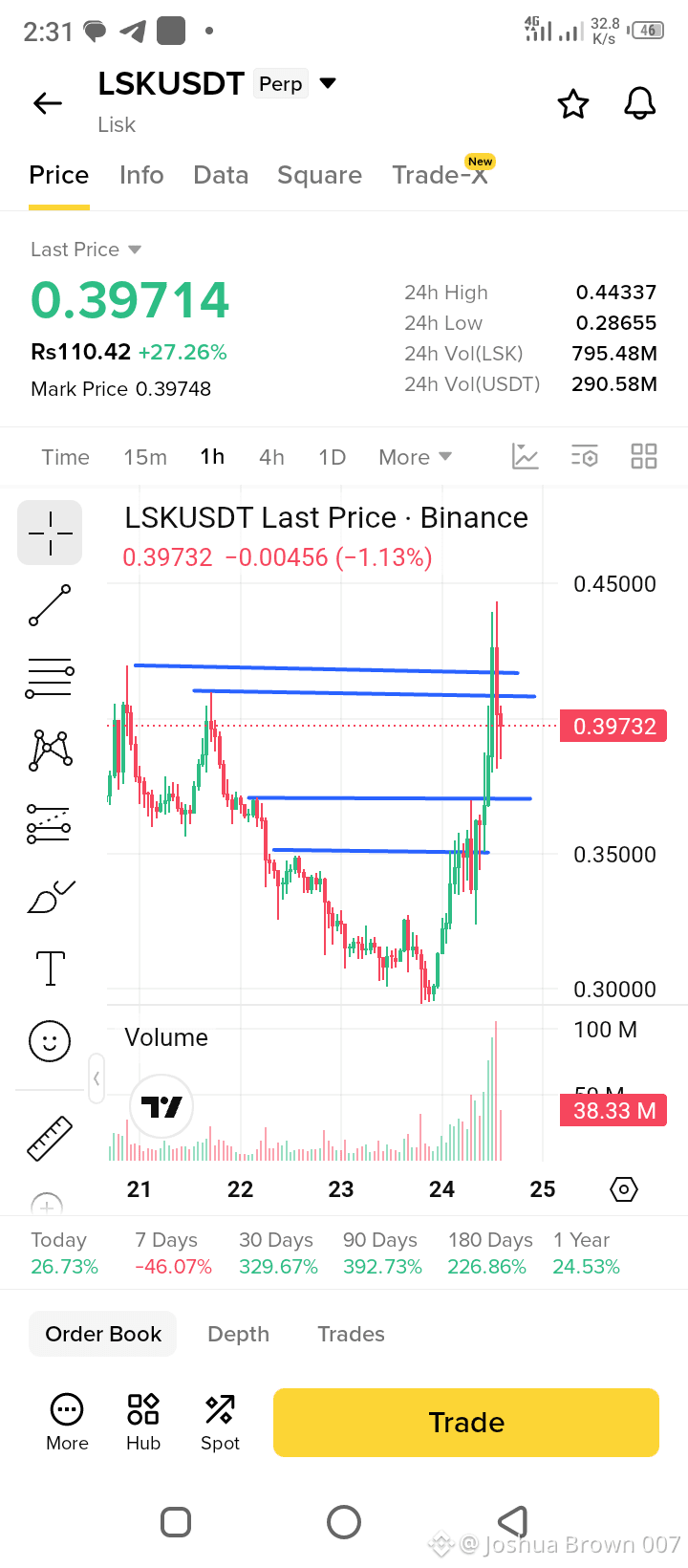
Giao dịch 30D $LSK 10.7K USDT
#Trade Short scalp $LSK
Vào lệnh 0.3930 - 0.4000
SL 0.4150
TP 0.3700 FVG 1H
TP 0.3500 vùng cung cầu lớn
Điều kiện Hủy bỏ:
Nến 1H đóng cửa trên 0.4200 sẽ vô hiệu hoàn toàn luận điểm giảm giá micro.
$LSK
{future}(LSKUSDT)
#Trade Short scalp $LSK
Vào lệnh 0.3930 - 0.4000
SL 0.4150
TP 0.3700 FVG 1H
TP 0.3500 vùng cung cầu lớn
Điều kiện Hủy bỏ:
Nến 1H đóng cửa trên 0.4200 sẽ vô hiệu hoàn toàn luận điểm giảm giá micro.
$LSK
Vào lệnh 0.3930 - 0.4000
SL 0.4150
TP 0.3700 FVG 1H
TP 0.3500 vùng cung cầu lớn
Điều kiện Hủy bỏ:
Nến 1H đóng cửa trên 0.4200 sẽ vô hiệu hoàn toàn luận điểm giảm giá micro.
$LSK
190
·
--
Tăng giá
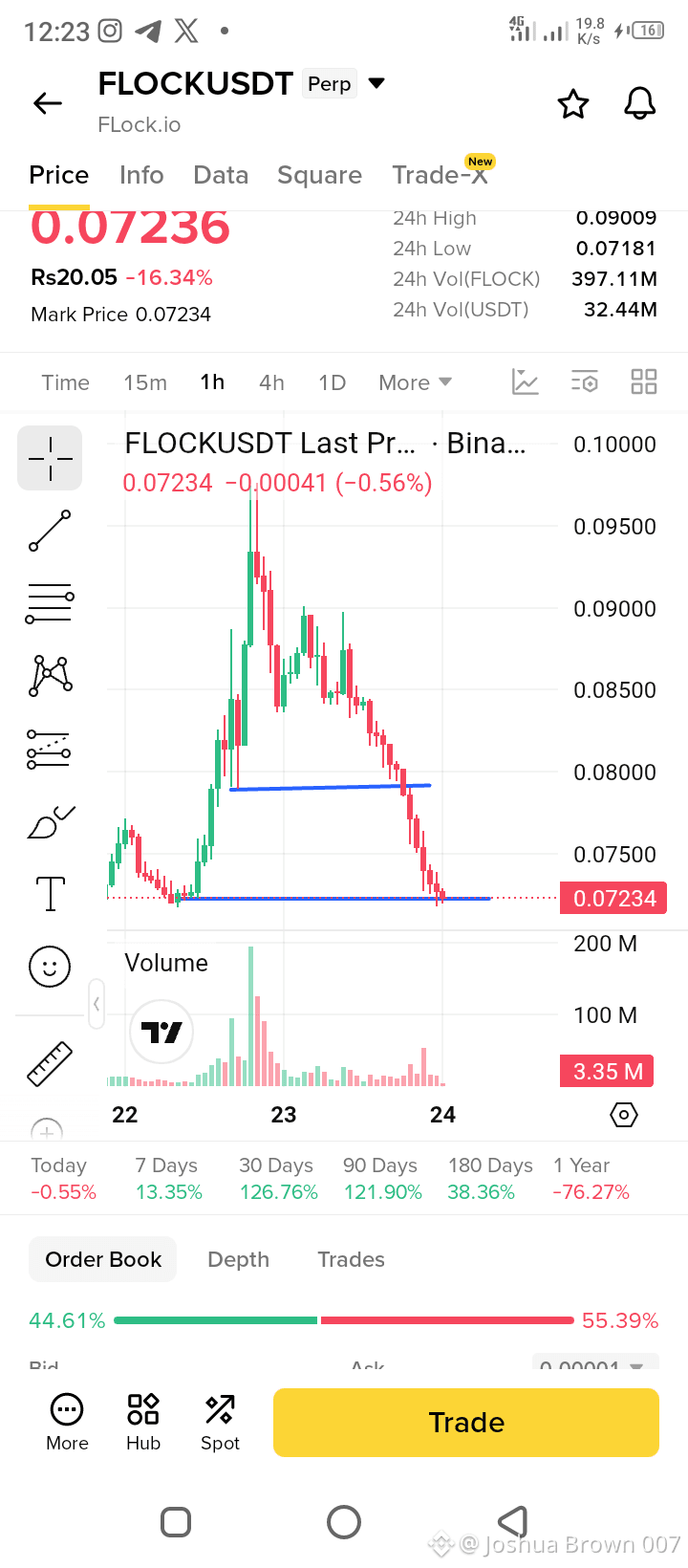
Giao dịch 30D $FLOCK 7K USDT
#Trade $FLOCK LONG Thiết lập
Giới hạn vào lệnh 0.0715 - 0.0725
SL 0.0690
TP 0.07482
TP 0.08050
Điều kiện vô hiệu hóa:
Đóng nến 1H dưới 0.0690 sẽ vô hiệu luận điểm bật tăng ngay lập tức.
Đột ngột tăng mạnh về khối lượng bán làm gãy ngưỡng hỗ trợ 0.0650.
Nếu giá phá xuống dưới 0.0690 với khối lượng cao, vào lệnh SELL khi giá retest ở 0.0710, mục tiêu 0.0650. SL tại 0.0730.
$TAKE $CAP
{future}(FLOCKUSDT)
{future}(TAKEUSDT)
{future}(CAPUSDT)
#Trade $FLOCK LONG Thiết lập
Giới hạn vào lệnh 0.0715 - 0.0725
SL 0.0690
TP 0.07482
TP 0.08050
Điều kiện vô hiệu hóa:
Đóng nến 1H dưới 0.0690 sẽ vô hiệu luận điểm bật tăng ngay lập tức.
Đột ngột tăng mạnh về khối lượng bán làm gãy ngưỡng hỗ trợ 0.0650.
Nếu giá phá xuống dưới 0.0690 với khối lượng cao, vào lệnh SELL khi giá retest ở 0.0710, mục tiêu 0.0650. SL tại 0.0730.
$TAKE $CAP
Giới hạn vào lệnh 0.0715 - 0.0725
SL 0.0690
TP 0.07482
TP 0.08050
Điều kiện vô hiệu hóa:
Đóng nến 1H dưới 0.0690 sẽ vô hiệu luận điểm bật tăng ngay lập tức.
Đột ngột tăng mạnh về khối lượng bán làm gãy ngưỡng hỗ trợ 0.0650.
Nếu giá phá xuống dưới 0.0690 với khối lượng cao, vào lệnh SELL khi giá retest ở 0.0710, mục tiêu 0.0650. SL tại 0.0730.
$TAKE $CAP
539
Bài viết
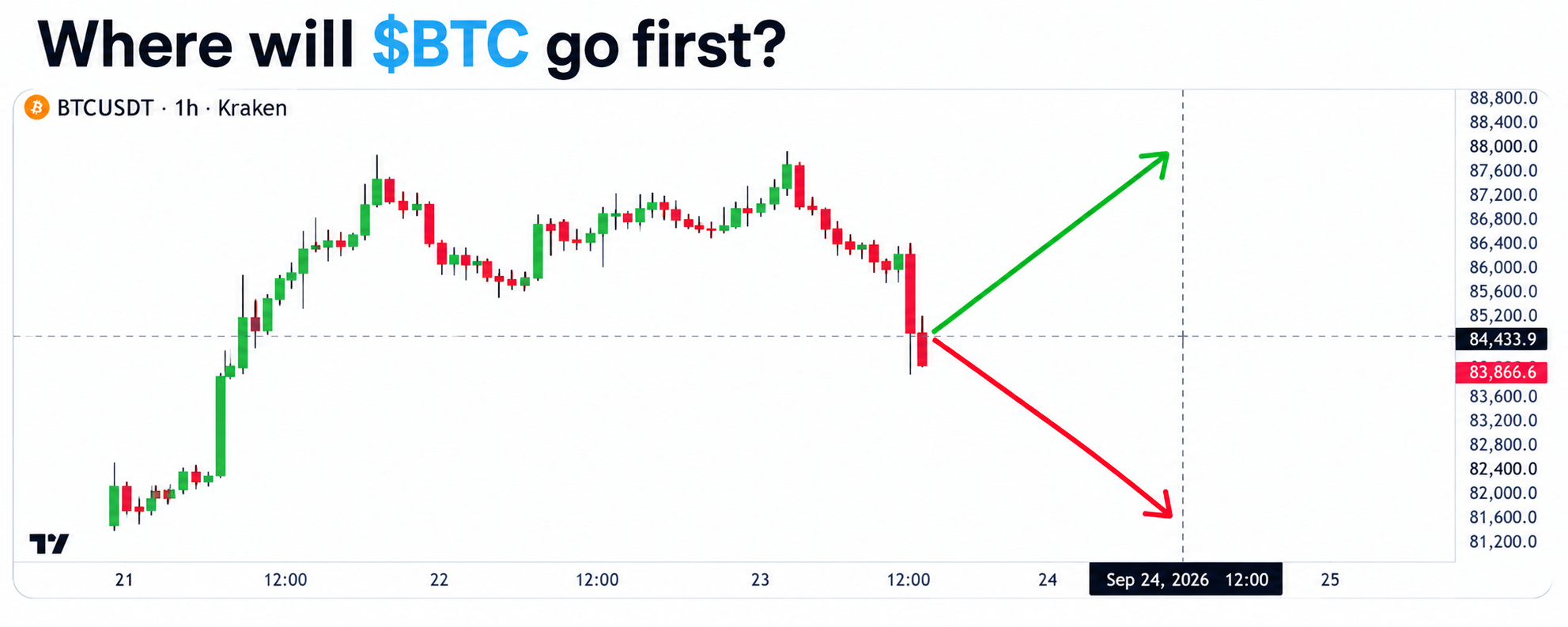
$BTC sẽ đi lên hay đi xuống trước?Tôi cứ nhìn vào biểu đồ này và một câu hỏi nổi bật lên:
Bitcoin sẽ hút thanh khoản ở phía trên trước, hay sẽ quét xuống phía dưới trước khi có nhịp di chuyển tiếp theo?
Biểu đồ cho thấy vùng quyết định quan trọng quanh mốc $84.4K, với khoảng $87.6K ở phía tăng và $81.6K ở phía giảm.
Nhưng có một cập nhật quan trọng: BTC đã đưa lên khu vực $87K trong hôm nay rồi, vì vậy biểu đồ này nên được xem như một ảnh chụp nhanh của thiết lập trước đó, chứ không phải cấu trúc thời gian thực hiện tại. Bảng điều khiển mới nhất của CryptoQuant cho thấy BTC ở khoảng $87.36K và Chỉ báo Bull/Bear đã chuyển sang dương ở mức +0.27.
$BTC sẽ đi lên hay đi xuống trước?
Tôi cứ nhìn vào biểu đồ này và một câu hỏi nổi bật lên:
Bitcoin sẽ hút thanh khoản ở phía trên trước, hay sẽ quét xuống phía dưới trước khi có nhịp di chuyển tiếp theo?
Biểu đồ cho thấy vùng quyết định quan trọng quanh mốc $84.4K, với khoảng $87.6K ở phía tăng và $81.6K ở phía giảm.
Nhưng có một cập nhật quan trọng: BTC đã đưa lên khu vực $87K trong hôm nay rồi, vì vậy biểu đồ này nên được xem như một ảnh chụp nhanh của thiết lập trước đó, chứ không phải cấu trúc thời gian thực hiện tại. Bảng điều khiển mới nhất của CryptoQuant cho thấy BTC ở khoảng $87.36K và Chỉ báo Bull/Bear đã chuyển sang dương ở mức +0.27.
Bitcoin sẽ hút thanh khoản ở phía trên trước, hay sẽ quét xuống phía dưới trước khi có nhịp di chuyển tiếp theo?
Biểu đồ cho thấy vùng quyết định quan trọng quanh mốc $84.4K, với khoảng $87.6K ở phía tăng và $81.6K ở phía giảm.
Nhưng có một cập nhật quan trọng: BTC đã đưa lên khu vực $87K trong hôm nay rồi, vì vậy biểu đồ này nên được xem như một ảnh chụp nhanh của thiết lập trước đó, chứ không phải cấu trúc thời gian thực hiện tại. Bảng điều khiển mới nhất của CryptoQuant cho thấy BTC ở khoảng $87.36K và Chỉ báo Bull/Bear đã chuyển sang dương ở mức +0.27.
1
4
8.3k
#zec
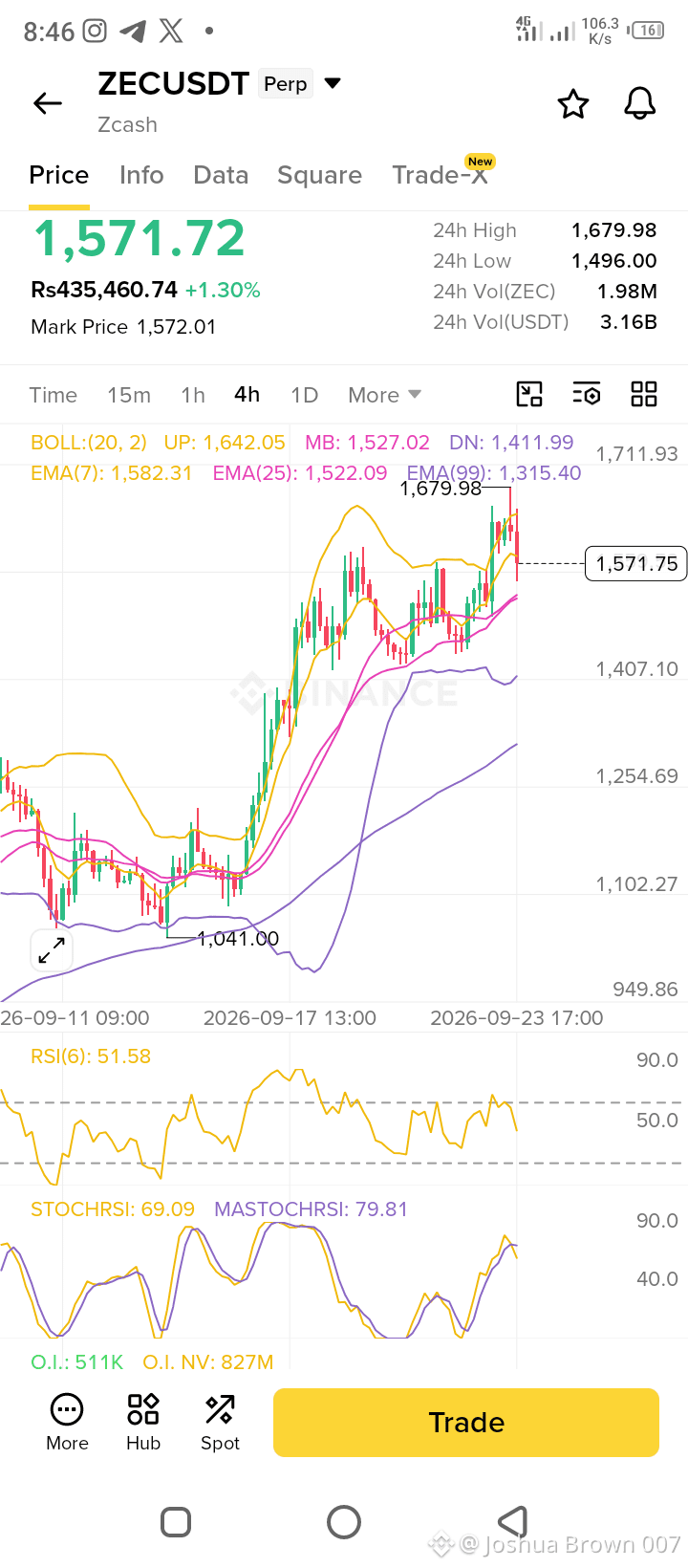
CHỜ ĐỢT ĐIỀU CHỈNH RỒI MỞ LỆNH LONG.
$ZEC USDT đang ở trong một xu hướng tăng mạnh nhưng hiện tại đang trải qua một đợt điều chỉnh ngắn hạn cần thiết. Các chỉ báo đã hạ nhiệt đáng kể, và giá đang kiểm tra EMA(25). Đừng FOMO vào mức giá hiện tại (1,571).
Vào lệnh Long 1,520 - 1,540
SL 1,480
TP 1,645
TP 1,780
Khung thời gian dự kiến 08 giờ - 1 Ngày
Điều kiện Vô hiệu:
Nếu nến 4H đóng cửa dưới 1,315 (EMA 99) thì sẽ vô hiệu hoàn toàn luận điểm vĩ mô tăng giá.
{future}(ZECUSDT)
$TAO
{future}(TAOUSDT)
$ZEN
{future}(ZENUSDT)
#zec
CHỜ ĐỢT ĐIỀU CHỈNH RỒI MỞ LỆNH LONG.
$ZEC USDT đang ở trong một xu hướng tăng mạnh nhưng hiện tại đang trải qua một đợt điều chỉnh ngắn hạn cần thiết. Các chỉ báo đã hạ nhiệt đáng kể, và giá đang kiểm tra EMA(25). Đừng FOMO vào mức giá hiện tại (1,571).
Vào lệnh Long 1,520 - 1,540
SL 1,480
TP 1,645
TP 1,780
Khung thời gian dự kiến 08 giờ - 1 Ngày
Điều kiện Vô hiệu:
Nếu nến 4H đóng cửa dưới 1,315 (EMA 99) thì sẽ vô hiệu hoàn toàn luận điểm vĩ mô tăng giá.
$TAO
$ZEN
CHỜ ĐỢT ĐIỀU CHỈNH RỒI MỞ LỆNH LONG.
$ZEC USDT đang ở trong một xu hướng tăng mạnh nhưng hiện tại đang trải qua một đợt điều chỉnh ngắn hạn cần thiết. Các chỉ báo đã hạ nhiệt đáng kể, và giá đang kiểm tra EMA(25). Đừng FOMO vào mức giá hiện tại (1,571).
Vào lệnh Long 1,520 - 1,540
SL 1,480
TP 1,645
TP 1,780
Khung thời gian dự kiến 08 giờ - 1 Ngày
Điều kiện Vô hiệu:
Nếu nến 4H đóng cửa dưới 1,315 (EMA 99) thì sẽ vô hiệu hoàn toàn luận điểm vĩ mô tăng giá.
$TAO
$ZEN
421
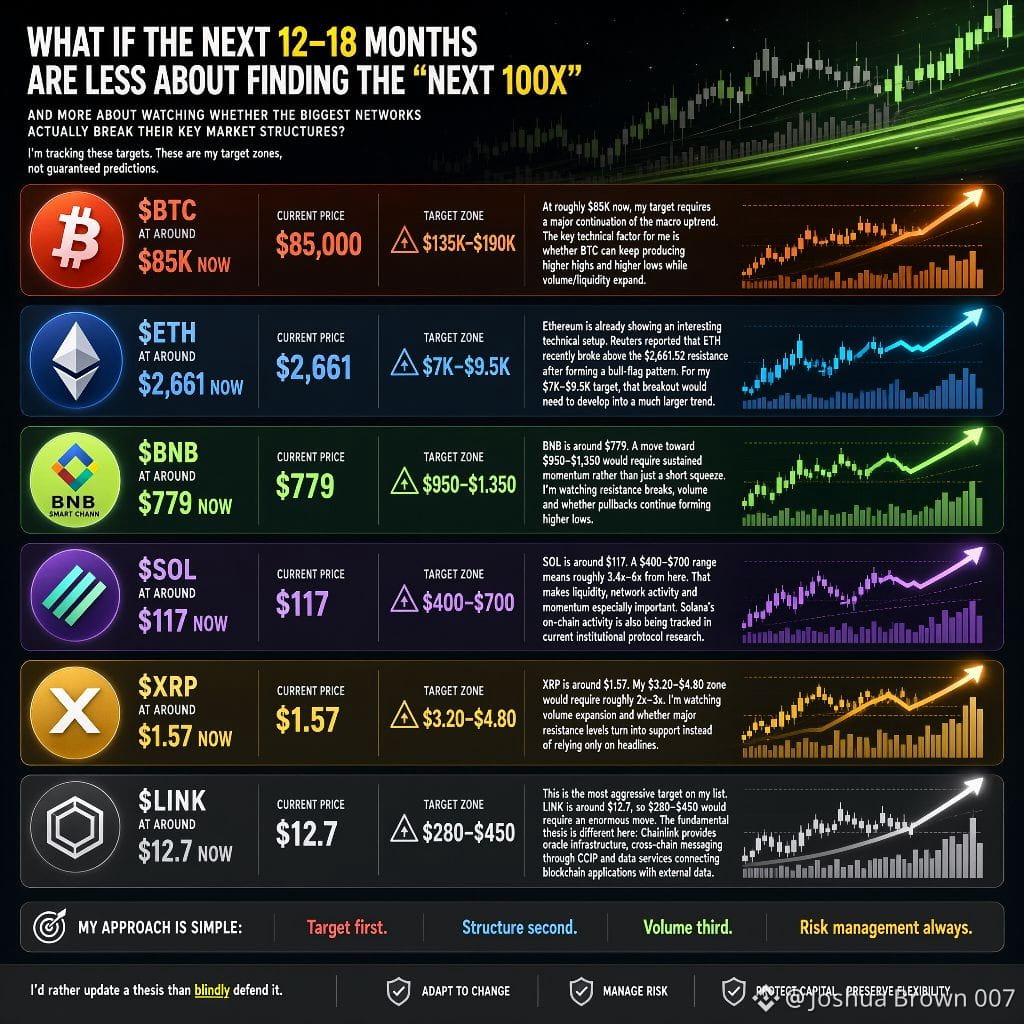
Điều gì sẽ xảy ra nếu 12–18 tháng tới ít tập trung vào việc tìm kiếm “một cú 100x tiếp theo”, mà nhiều hơn vào việc theo dõi liệu những mạng lưới lớn nhất có thực sự phá vỡ các cấu trúc thị trường chủ chốt của họ không?
Tôi đang theo dõi các mục tiêu này:
$BTC → 135K–190K USD
$ETH → 7K–9.5K USD
$BNB → 950–1,350 USD
$SOL → 400–700 USD
$XRP → 3.20–4.80 USD
$LINK → 280–450 USD
Đây là các vùng mục tiêu của tôi, không phải dự đoán chắc chắn.
🔹 $BTC
Hiện ở khoảng 85K USD, mục tiêu của tôi cần một đà tiếp diễn lớn từ xu hướng tăng vĩ mô. Yếu tố kỹ thuật then chốt với tôi là liệu BTC có thể tiếp tục tạo ra các đỉnh cao hơn và đáy cao hơn trong khi khối lượng/thanh khoản mở rộng hay không.
🔹 $ETH
Ethereum đã cho thấy một thiết lập kỹ thuật khá thú vị. Reuters đưa tin rằng ETH gần đây đã bứt phá lên trên mức kháng cự 2,661.52 USD sau khi hình thành mô hình cờ tăng.
Với mục tiêu 7K–9.5K USD của tôi, sự bứt phá đó cần phải phát triển thành một xu hướng lớn hơn nhiều.
🔹 $BNB
BNB ở quanh mức 779. Để tiến tới vùng 950–1,350 USD sẽ cần động lực duy trì chứ không chỉ là một cú short squeeze ngắn. Tôi đang theo dõi các lần phá vỡ kháng cự, khối lượng và việc liệu các nhịp điều chỉnh có tiếp tục tạo thành các đáy cao hơn hay không.
🔹 $SOL
SOL ở khoảng 117. Một vùng 400–700 USD có nghĩa là khoảng 3.4x–6x so với hiện tại.
Điều này khiến thanh khoản, hoạt động mạng lưới và động lượng trở nên đặc biệt quan trọng. Hoạt động on-chain của Solana cũng đang được theo dõi trong nghiên cứu giao thức do các tổ chức thực hiện.
🔹 $XRP
XRP ở quanh mức 1.57. Vùng 3.20–4.80 USD của tôi sẽ cần khoảng 2x–3x. Tôi đang theo dõi sự mở rộng khối lượng và liệu các mức kháng cự quan trọng có chuyển thành hỗ trợ hay không, thay vì chỉ dựa vào các tiêu đề tin tức.
Cách tiếp cận của tôi là đơn giản:
Mục tiêu trước.
Cấu trúc sau.
Khối lượng thứ ba.
Quản trị rủi ro luôn luôn đúng.
Nếu cấu trúc thị trường thay đổi, các mục tiêu của tôi cũng có thể thay đổi theo.
Tôi thà cập nhật lại luận điểm còn hơn là mù quáng bảo vệ nó.
{spot}(BTCUSDT)
{spot}(ETHUSDT)
{spot}(BNBUSDT)
Điều gì sẽ xảy ra nếu 12–18 tháng tới ít tập trung vào việc tìm kiếm “một cú 100x tiếp theo”, mà nhiều hơn vào việc theo dõi liệu những mạng lưới lớn nhất có thực sự phá vỡ các cấu trúc thị trường chủ chốt của họ không?
Tôi đang theo dõi các mục tiêu này:
$BTC → 135K–190K USD
$ETH → 7K–9.5K USD
$BNB → 950–1,350 USD
$SOL → 400–700 USD
$XRP → 3.20–4.80 USD
$LINK → 280–450 USD
Đây là các vùng mục tiêu của tôi, không phải dự đoán chắc chắn.
🔹 $BTC
Hiện ở khoảng 85K USD, mục tiêu của tôi cần một đà tiếp diễn lớn từ xu hướng tăng vĩ mô. Yếu tố kỹ thuật then chốt với tôi là liệu BTC có thể tiếp tục tạo ra các đỉnh cao hơn và đáy cao hơn trong khi khối lượng/thanh khoản mở rộng hay không.
🔹 $ETH
Ethereum đã cho thấy một thiết lập kỹ thuật khá thú vị. Reuters đưa tin rằng ETH gần đây đã bứt phá lên trên mức kháng cự 2,661.52 USD sau khi hình thành mô hình cờ tăng.
Với mục tiêu 7K–9.5K USD của tôi, sự bứt phá đó cần phải phát triển thành một xu hướng lớn hơn nhiều.
🔹 $BNB
BNB ở quanh mức 779. Để tiến tới vùng 950–1,350 USD sẽ cần động lực duy trì chứ không chỉ là một cú short squeeze ngắn. Tôi đang theo dõi các lần phá vỡ kháng cự, khối lượng và việc liệu các nhịp điều chỉnh có tiếp tục tạo thành các đáy cao hơn hay không.
🔹 $SOL
SOL ở khoảng 117. Một vùng 400–700 USD có nghĩa là khoảng 3.4x–6x so với hiện tại.
Điều này khiến thanh khoản, hoạt động mạng lưới và động lượng trở nên đặc biệt quan trọng. Hoạt động on-chain của Solana cũng đang được theo dõi trong nghiên cứu giao thức do các tổ chức thực hiện.
🔹 $XRP
XRP ở quanh mức 1.57. Vùng 3.20–4.80 USD của tôi sẽ cần khoảng 2x–3x. Tôi đang theo dõi sự mở rộng khối lượng và liệu các mức kháng cự quan trọng có chuyển thành hỗ trợ hay không, thay vì chỉ dựa vào các tiêu đề tin tức.
Cách tiếp cận của tôi là đơn giản:
Mục tiêu trước.
Cấu trúc sau.
Khối lượng thứ ba.
Quản trị rủi ro luôn luôn đúng.
Nếu cấu trúc thị trường thay đổi, các mục tiêu của tôi cũng có thể thay đổi theo.
Tôi thà cập nhật lại luận điểm còn hơn là mù quáng bảo vệ nó.
Tôi đang theo dõi các mục tiêu này:
$BTC → 135K–190K USD
$ETH → 7K–9.5K USD
$BNB → 950–1,350 USD
$SOL → 400–700 USD
$XRP → 3.20–4.80 USD
$LINK → 280–450 USD
Đây là các vùng mục tiêu của tôi, không phải dự đoán chắc chắn.
🔹 $BTC
Hiện ở khoảng 85K USD, mục tiêu của tôi cần một đà tiếp diễn lớn từ xu hướng tăng vĩ mô. Yếu tố kỹ thuật then chốt với tôi là liệu BTC có thể tiếp tục tạo ra các đỉnh cao hơn và đáy cao hơn trong khi khối lượng/thanh khoản mở rộng hay không.
🔹 $ETH
Ethereum đã cho thấy một thiết lập kỹ thuật khá thú vị. Reuters đưa tin rằng ETH gần đây đã bứt phá lên trên mức kháng cự 2,661.52 USD sau khi hình thành mô hình cờ tăng.
Với mục tiêu 7K–9.5K USD của tôi, sự bứt phá đó cần phải phát triển thành một xu hướng lớn hơn nhiều.
🔹 $BNB
BNB ở quanh mức 779. Để tiến tới vùng 950–1,350 USD sẽ cần động lực duy trì chứ không chỉ là một cú short squeeze ngắn. Tôi đang theo dõi các lần phá vỡ kháng cự, khối lượng và việc liệu các nhịp điều chỉnh có tiếp tục tạo thành các đáy cao hơn hay không.
🔹 $SOL
SOL ở khoảng 117. Một vùng 400–700 USD có nghĩa là khoảng 3.4x–6x so với hiện tại.
Điều này khiến thanh khoản, hoạt động mạng lưới và động lượng trở nên đặc biệt quan trọng. Hoạt động on-chain của Solana cũng đang được theo dõi trong nghiên cứu giao thức do các tổ chức thực hiện.
🔹 $XRP
XRP ở quanh mức 1.57. Vùng 3.20–4.80 USD của tôi sẽ cần khoảng 2x–3x. Tôi đang theo dõi sự mở rộng khối lượng và liệu các mức kháng cự quan trọng có chuyển thành hỗ trợ hay không, thay vì chỉ dựa vào các tiêu đề tin tức.
Cách tiếp cận của tôi là đơn giản:
Mục tiêu trước.
Cấu trúc sau.
Khối lượng thứ ba.
Quản trị rủi ro luôn luôn đúng.
Nếu cấu trúc thị trường thay đổi, các mục tiêu của tôi cũng có thể thay đổi theo.
Tôi thà cập nhật lại luận điểm còn hơn là mù quáng bảo vệ nó.
200
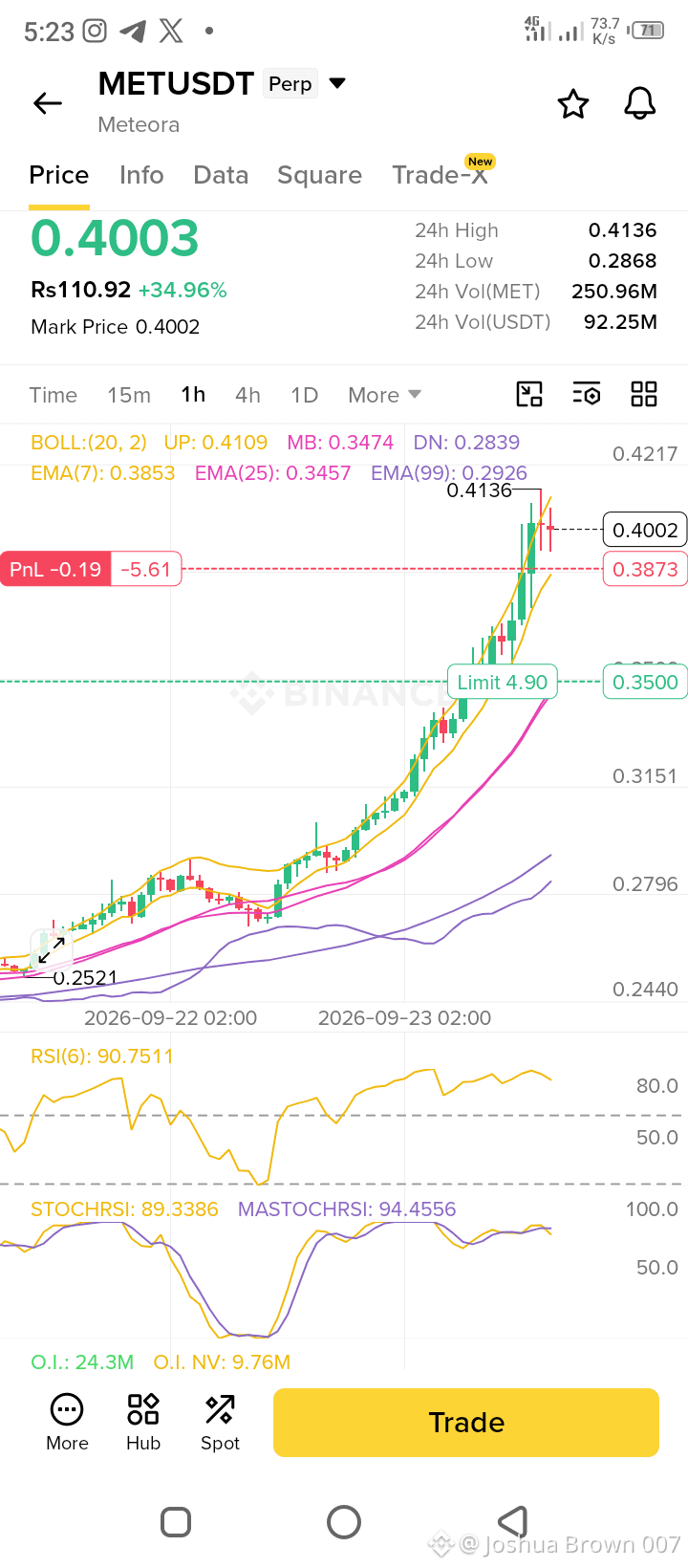
$MET Short Sell
Entry0.4000 - 0.4050
SL 0.4150
TP 0.3860 và 0.3490
lưu ý:
Nếu giá quay lại 0.4136 với khối lượng cao và phá vỡ 0.4217, hãy vào lệnh long nhắm tới 0.450. SL tại 0.400.
{future}(METUSDT)
$MET Short Sell
Entry0.4000 - 0.4050
SL 0.4150
TP 0.3860 và 0.3490
lưu ý:
Nếu giá quay lại 0.4136 với khối lượng cao và phá vỡ 0.4217, hãy vào lệnh long nhắm tới 0.450. SL tại 0.400.
Entry0.4000 - 0.4050
SL 0.4150
TP 0.3860 và 0.3490
lưu ý:
Nếu giá quay lại 0.4136 với khối lượng cao và phá vỡ 0.4217, hãy vào lệnh long nhắm tới 0.450. SL tại 0.400.
154
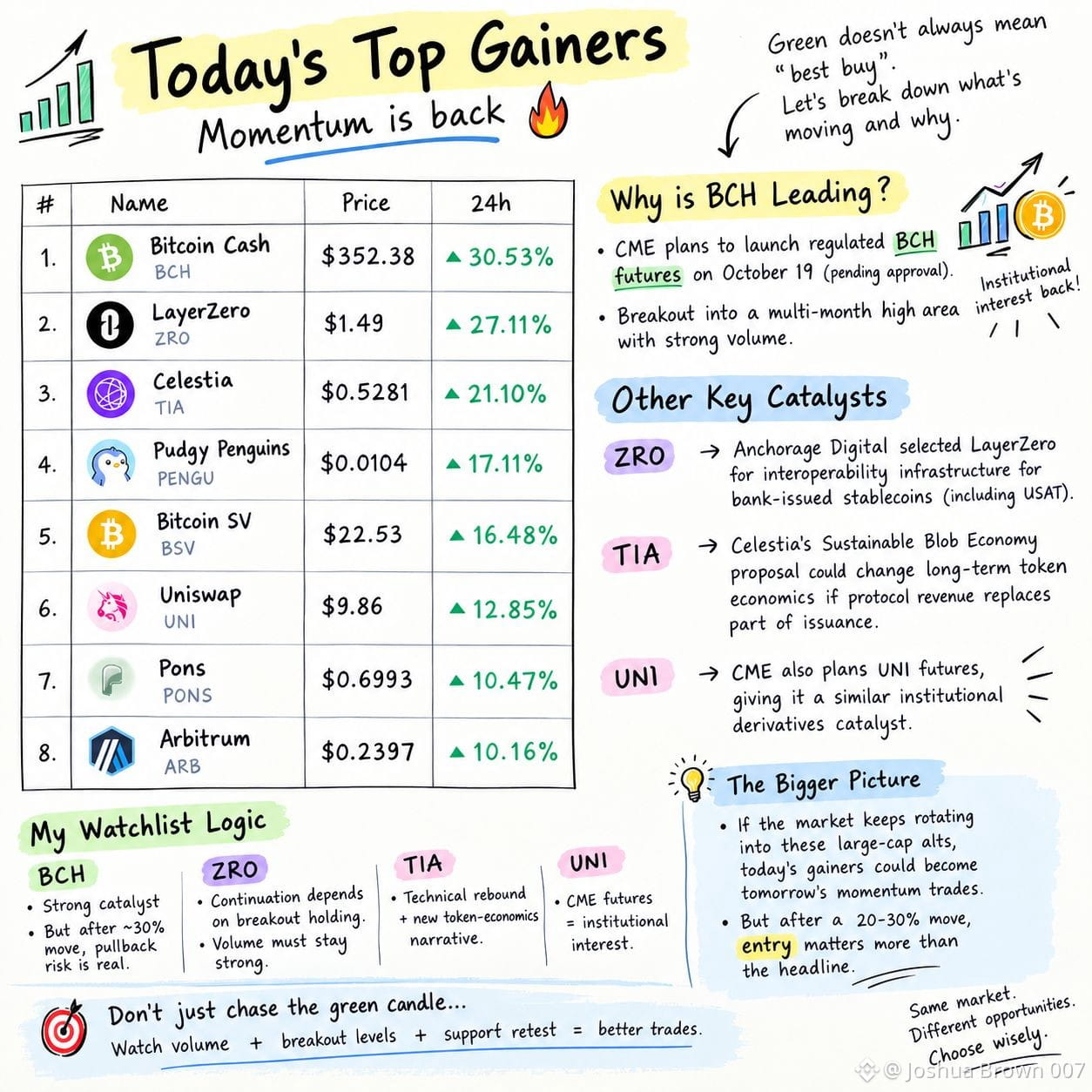
Đà tăng dẫn đầu hôm nay đã quay trở lại 🔥
Bảng xếp hạng hôm nay rất thú vị vì đây không chỉ là một đợt “bơm” vốn hóa nhỏ.
$BCH +30.53%
$ZRO +27.11%
$TIA +21.10%
$PENGU +17.11%
$BSV +16.48%
$UNI +12.85%
$PONS +10.47%
$ARB +10.16%
Câu chuyện lớn nhất là BCH. Động thái này liên quan đến kế hoạch của CME cho các hợp đồng tương lai BCH được quản lý, dự kiến vào ngày 19 tháng 10, tùy thuộc vào phê duyệt của cơ quan quản lý. BCH cũng đã bứt phá lên vùng đỉnh nhiều tháng với khối lượng lớn.
Nhưng đây mới là phần quan trọng 👇
Một đồng đã tăng 30% không tự động có nghĩa là đồng còn nhiều tiềm năng tăng giá nhất.
ZRO có thêm một chất xúc tác cơ bản thú vị khác: Anchorage Digital đã chọn LayerZero làm hạ tầng tương tác cho các stablecoin do ngân hàng phát hành, bao gồm USAT của Tether.
TIA cũng xứng đáng được chú ý vì đề xuất Sustainable Blob Economy mới của Celestia có thể thay đổi kinh tế token dài hạn nếu doanh thu từ giao thức cuối cùng thay thế một phần phần phát hành.
Logic theo dõi của tôi
BCH: chất xúc tác hiện tại mạnh nhất, nhưng sau một cú biến động ~30% trong ngày thì rủi ro điều chỉnh cần được lưu ý.
ZRO: sự tiếp diễn phụ thuộc vào việc đợt bứt phá hôm nay có giữ vững và khối lượng vẫn duy trì mạnh hay không.
TIA: sự kết hợp thú vị giữa nhịp hồi kỹ thuật + câu chuyện kinh tế token mới.
UNI: CME cũng dự định có hợp đồng tương lai UNI, tạo ra chất xúc tác tương tự về thể chế/phái sinh.
Vì vậy, thay vì đuổi theo một cách mù quáng cây nến xanh lớn nhất, tôi đang theo dõi khối lượng + mức breakout + việc kiểm tra lại hỗ trợ.
Nếu thị trường tiếp tục luân chuyển dòng tiền vào các Alts vốn hóa lớn, thì các “gainers” hôm nay có thể trở thành các lệnh giao dịch theo đà của ngày mai, nhưng sau khi đã tăng 20–30%, thời điểm vào lệnh quan trọng hơn nhiều so với tiêu đề.
{future}(BCHUSDT)
{future}(ZROUSDT)
{future}(TIAUSDT)
Đà tăng dẫn đầu hôm nay đã quay trở lại 🔥
Bảng xếp hạng hôm nay rất thú vị vì đây không chỉ là một đợt “bơm” vốn hóa nhỏ.
$BCH +30.53%
$ZRO +27.11%
$TIA +21.10%
$PENGU +17.11%
$BSV +16.48%
$UNI +12.85%
$PONS +10.47%
$ARB +10.16%
Câu chuyện lớn nhất là BCH. Động thái này liên quan đến kế hoạch của CME cho các hợp đồng tương lai BCH được quản lý, dự kiến vào ngày 19 tháng 10, tùy thuộc vào phê duyệt của cơ quan quản lý. BCH cũng đã bứt phá lên vùng đỉnh nhiều tháng với khối lượng lớn.
Nhưng đây mới là phần quan trọng 👇
Một đồng đã tăng 30% không tự động có nghĩa là đồng còn nhiều tiềm năng tăng giá nhất.
ZRO có thêm một chất xúc tác cơ bản thú vị khác: Anchorage Digital đã chọn LayerZero làm hạ tầng tương tác cho các stablecoin do ngân hàng phát hành, bao gồm USAT của Tether.
TIA cũng xứng đáng được chú ý vì đề xuất Sustainable Blob Economy mới của Celestia có thể thay đổi kinh tế token dài hạn nếu doanh thu từ giao thức cuối cùng thay thế một phần phần phát hành.
Logic theo dõi của tôi
BCH: chất xúc tác hiện tại mạnh nhất, nhưng sau một cú biến động ~30% trong ngày thì rủi ro điều chỉnh cần được lưu ý.
ZRO: sự tiếp diễn phụ thuộc vào việc đợt bứt phá hôm nay có giữ vững và khối lượng vẫn duy trì mạnh hay không.
TIA: sự kết hợp thú vị giữa nhịp hồi kỹ thuật + câu chuyện kinh tế token mới.
UNI: CME cũng dự định có hợp đồng tương lai UNI, tạo ra chất xúc tác tương tự về thể chế/phái sinh.
Vì vậy, thay vì đuổi theo một cách mù quáng cây nến xanh lớn nhất, tôi đang theo dõi khối lượng + mức breakout + việc kiểm tra lại hỗ trợ.
Nếu thị trường tiếp tục luân chuyển dòng tiền vào các Alts vốn hóa lớn, thì các “gainers” hôm nay có thể trở thành các lệnh giao dịch theo đà của ngày mai, nhưng sau khi đã tăng 20–30%, thời điểm vào lệnh quan trọng hơn nhiều so với tiêu đề.
Bảng xếp hạng hôm nay rất thú vị vì đây không chỉ là một đợt “bơm” vốn hóa nhỏ.
$BCH +30.53%
$ZRO +27.11%
$TIA +21.10%
$PENGU +17.11%
$BSV +16.48%
$UNI +12.85%
$PONS +10.47%
$ARB +10.16%
Câu chuyện lớn nhất là BCH. Động thái này liên quan đến kế hoạch của CME cho các hợp đồng tương lai BCH được quản lý, dự kiến vào ngày 19 tháng 10, tùy thuộc vào phê duyệt của cơ quan quản lý. BCH cũng đã bứt phá lên vùng đỉnh nhiều tháng với khối lượng lớn.
Nhưng đây mới là phần quan trọng 👇
Một đồng đã tăng 30% không tự động có nghĩa là đồng còn nhiều tiềm năng tăng giá nhất.
ZRO có thêm một chất xúc tác cơ bản thú vị khác: Anchorage Digital đã chọn LayerZero làm hạ tầng tương tác cho các stablecoin do ngân hàng phát hành, bao gồm USAT của Tether.
TIA cũng xứng đáng được chú ý vì đề xuất Sustainable Blob Economy mới của Celestia có thể thay đổi kinh tế token dài hạn nếu doanh thu từ giao thức cuối cùng thay thế một phần phần phát hành.
Logic theo dõi của tôi
BCH: chất xúc tác hiện tại mạnh nhất, nhưng sau một cú biến động ~30% trong ngày thì rủi ro điều chỉnh cần được lưu ý.
ZRO: sự tiếp diễn phụ thuộc vào việc đợt bứt phá hôm nay có giữ vững và khối lượng vẫn duy trì mạnh hay không.
TIA: sự kết hợp thú vị giữa nhịp hồi kỹ thuật + câu chuyện kinh tế token mới.
UNI: CME cũng dự định có hợp đồng tương lai UNI, tạo ra chất xúc tác tương tự về thể chế/phái sinh.
Vì vậy, thay vì đuổi theo một cách mù quáng cây nến xanh lớn nhất, tôi đang theo dõi khối lượng + mức breakout + việc kiểm tra lại hỗ trợ.
Nếu thị trường tiếp tục luân chuyển dòng tiền vào các Alts vốn hóa lớn, thì các “gainers” hôm nay có thể trở thành các lệnh giao dịch theo đà của ngày mai, nhưng sau khi đã tăng 20–30%, thời điểm vào lệnh quan trọng hơn nhiều so với tiêu đề.
1
303
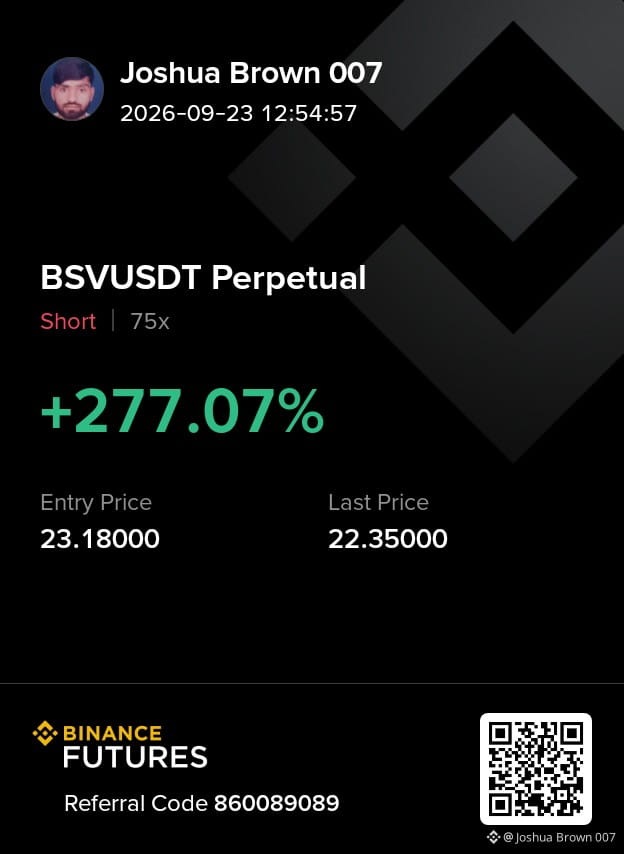
#AIStocksWhatNext
Cần tính toán thị trường theo nhu cầu + đam mê và chờ đợi kết quả😎
{future}(BSVUSDT)
[https://www.binance.info/en/futures/ref/860089089](https://www.binance.info/en/futures/ref/860089089)
#AIStocksWhatNext
Cần tính toán thị trường theo nhu cầu + đam mê và chờ đợi kết quả😎
https://www.binance.info/en/futures/ref/860089089
Cần tính toán thị trường theo nhu cầu + đam mê và chờ đợi kết quả😎
https://www.binance.info/en/futures/ref/860089089
114
Bài viết
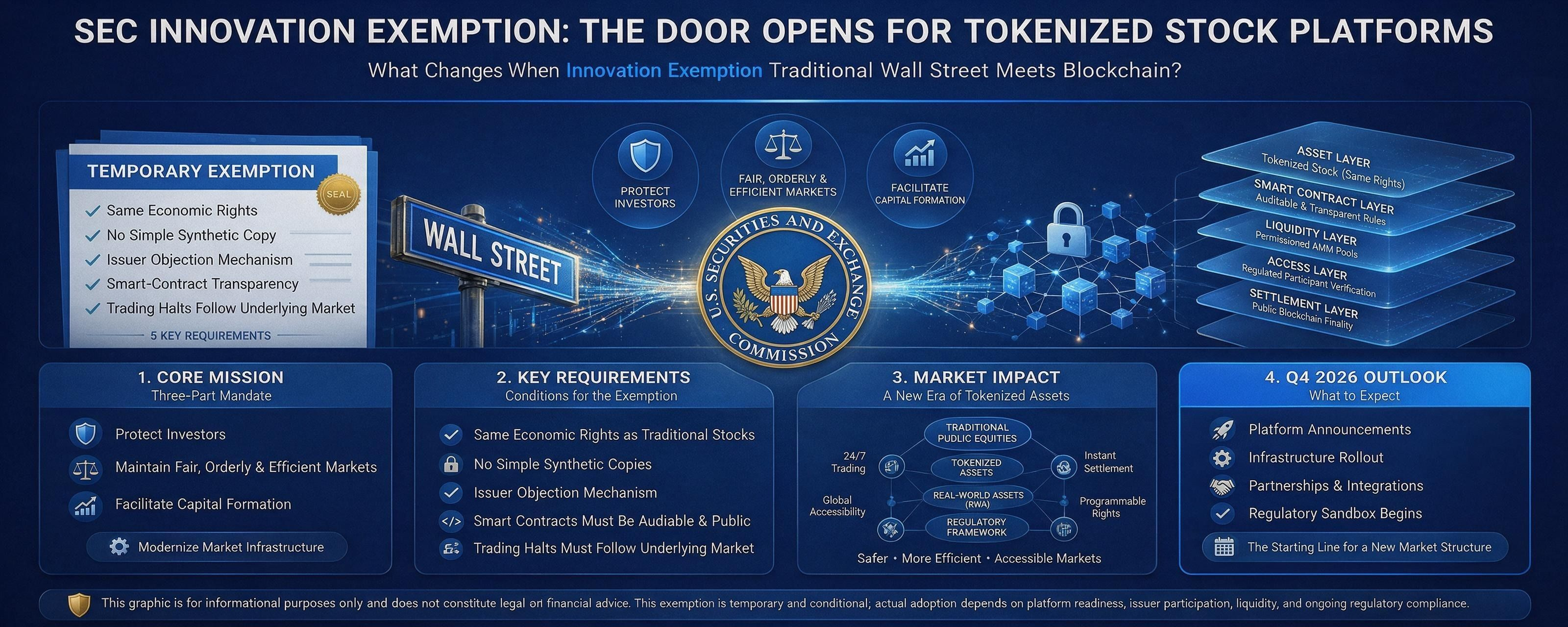
Miễn trừ Đổi mới của SEC Có thể mở lối cho các nền tảng cổ phiếu được token hoá vào Q4Điều quan trọng là đang thay đổi giữa Phố Wall truyền thống và blockchain.
Vào ngày 17 tháng 9 năm 2026, Ủy ban Chứng khoán và Giao dịch Hoa Kỳ (SEC) đã giới thiệu “Miễn trừ Đổi mới tạm thời”, tạo ra một lộ trình pháp lý để một số nền tảng nhất định có thể giao dịch cổ phiếu Mỹ được token hoá trên các sàn giao dịch dựa trên blockchain. Sự phát triển này có thể cho phép các nền tảng cổ phiếu được token hoá quan tâm công bố kế hoạch sớm nhất là vào Q4 năm 2026.
Nhưng trước khi xem xét tác động đến thị trường tiền mã hoá, điều quan trọng là phải hiểu SEC thực sự làm gì.
Miễn trừ Đổi mới của SEC Có thể mở lối cho các nền tảng cổ phiếu được token hoá vào Q4
Điều quan trọng là đang thay đổi giữa Phố Wall truyền thống và blockchain.
Vào ngày 17 tháng 9 năm 2026, Ủy ban Chứng khoán và Giao dịch Hoa Kỳ (SEC) đã giới thiệu “Miễn trừ Đổi mới tạm thời”, tạo ra một lộ trình pháp lý để một số nền tảng nhất định có thể giao dịch cổ phiếu Mỹ được token hoá trên các sàn giao dịch dựa trên blockchain. Sự phát triển này có thể cho phép các nền tảng cổ phiếu được token hoá quan tâm công bố kế hoạch sớm nhất là vào Q4 năm 2026.
Nhưng trước khi xem xét tác động đến thị trường tiền mã hoá, điều quan trọng là phải hiểu SEC thực sự làm gì.
Vào ngày 17 tháng 9 năm 2026, Ủy ban Chứng khoán và Giao dịch Hoa Kỳ (SEC) đã giới thiệu “Miễn trừ Đổi mới tạm thời”, tạo ra một lộ trình pháp lý để một số nền tảng nhất định có thể giao dịch cổ phiếu Mỹ được token hoá trên các sàn giao dịch dựa trên blockchain. Sự phát triển này có thể cho phép các nền tảng cổ phiếu được token hoá quan tâm công bố kế hoạch sớm nhất là vào Q4 năm 2026.
Nhưng trước khi xem xét tác động đến thị trường tiền mã hoá, điều quan trọng là phải hiểu SEC thực sự làm gì.
1
169
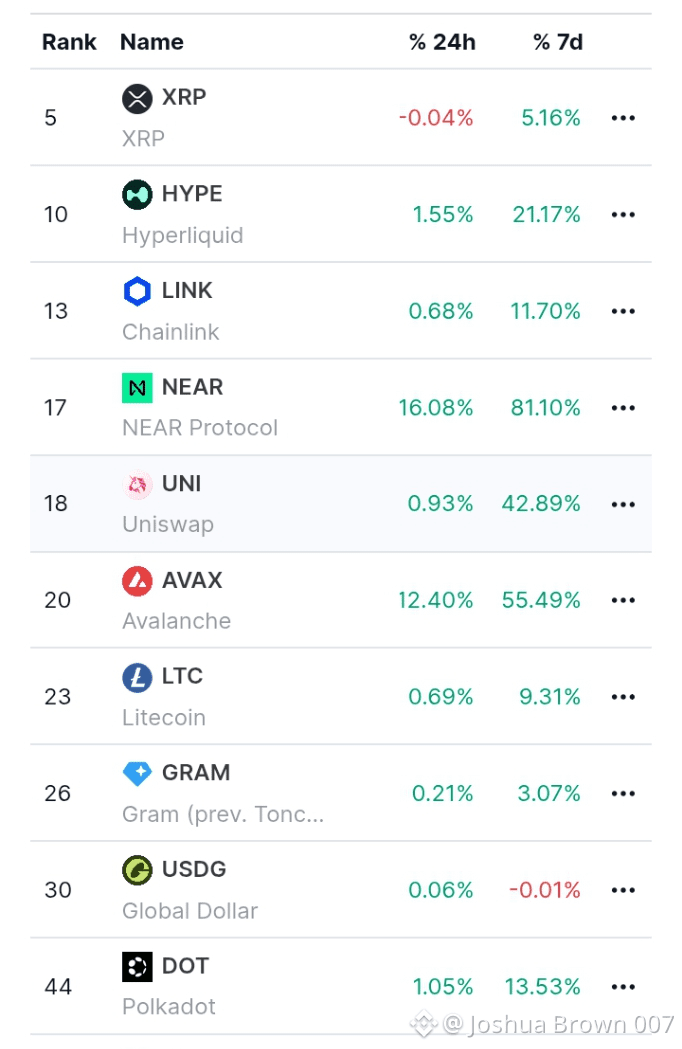
Top 10 tài sản Theo khối lượng Ảnh chụp thị trường Crypto | Ngày 20 tháng 9 năm 2026.
Sự luân chuyển đang trở nên thú vị
Dữ liệu ngày 20/9 cho thấy đà tăng 7 ngày mạnh mẽ ở một số altcoin lớn.
🔹 $NEAR: +81.10% trong 7D là mức tăng mạnh nhất trong nhóm này
🔹 $AVAX: +55.49%
🔹 $UNI: +42.89%
🔹 $HYPE: +21.17%
🔹 $DOT: +13.53%
🔹 $LINK: +11.70%
🔹 $LTC: +9.31%
🔹 $XRP: +5.16%
Phần đáng chú ý nằm ở khối lượng.
$XRP giao dịch $2.69B, $NEAR $2.05B, $AVAX $1.48B và $HYPE $854M trong 24h.
Chẳng phải chỉ là biến động giá—vốn và khối lượng đang luân chuyển giữa các nhóm/ngành khác nhau.
Nhưng sau những mức tăng hàng tuần quá mạnh, biến động (volatility) có thể nhanh chóng mở rộng.
Tôi đang theo dõi liệu khối lượng có tiếp tục xác nhận đà tăng hay bắt đầu suy yếu.
Không đuổi theo nến. Quan sát dòng tiền.
Top 10 tài sản Theo khối lượng Ảnh chụp thị trường Crypto | Ngày 20 tháng 9 năm 2026.
Sự luân chuyển đang trở nên thú vị
Dữ liệu ngày 20/9 cho thấy đà tăng 7 ngày mạnh mẽ ở một số altcoin lớn.
🔹 $NEAR: +81.10% trong 7D là mức tăng mạnh nhất trong nhóm này
🔹 $AVAX: +55.49%
🔹 $UNI: +42.89%
🔹 $HYPE: +21.17%
🔹 $DOT: +13.53%
🔹 $LINK: +11.70%
🔹 $LTC: +9.31%
🔹 $XRP: +5.16%
Phần đáng chú ý nằm ở khối lượng.
$XRP giao dịch $2.69B, $NEAR $2.05B, $AVAX $1.48B và $HYPE $854M trong 24h.
Chẳng phải chỉ là biến động giá—vốn và khối lượng đang luân chuyển giữa các nhóm/ngành khác nhau.
Nhưng sau những mức tăng hàng tuần quá mạnh, biến động (volatility) có thể nhanh chóng mở rộng.
Tôi đang theo dõi liệu khối lượng có tiếp tục xác nhận đà tăng hay bắt đầu suy yếu.
Không đuổi theo nến. Quan sát dòng tiền.
Sự luân chuyển đang trở nên thú vị
Dữ liệu ngày 20/9 cho thấy đà tăng 7 ngày mạnh mẽ ở một số altcoin lớn.
🔹 $NEAR: +81.10% trong 7D là mức tăng mạnh nhất trong nhóm này
🔹 $AVAX: +55.49%
🔹 $UNI: +42.89%
🔹 $HYPE: +21.17%
🔹 $DOT: +13.53%
🔹 $LINK: +11.70%
🔹 $LTC: +9.31%
🔹 $XRP: +5.16%
Phần đáng chú ý nằm ở khối lượng.
$XRP giao dịch $2.69B, $NEAR $2.05B, $AVAX $1.48B và $HYPE $854M trong 24h.
Chẳng phải chỉ là biến động giá—vốn và khối lượng đang luân chuyển giữa các nhóm/ngành khác nhau.
Nhưng sau những mức tăng hàng tuần quá mạnh, biến động (volatility) có thể nhanh chóng mở rộng.
Tôi đang theo dõi liệu khối lượng có tiếp tục xác nhận đà tăng hay bắt đầu suy yếu.
Không đuổi theo nến. Quan sát dòng tiền.
1
385
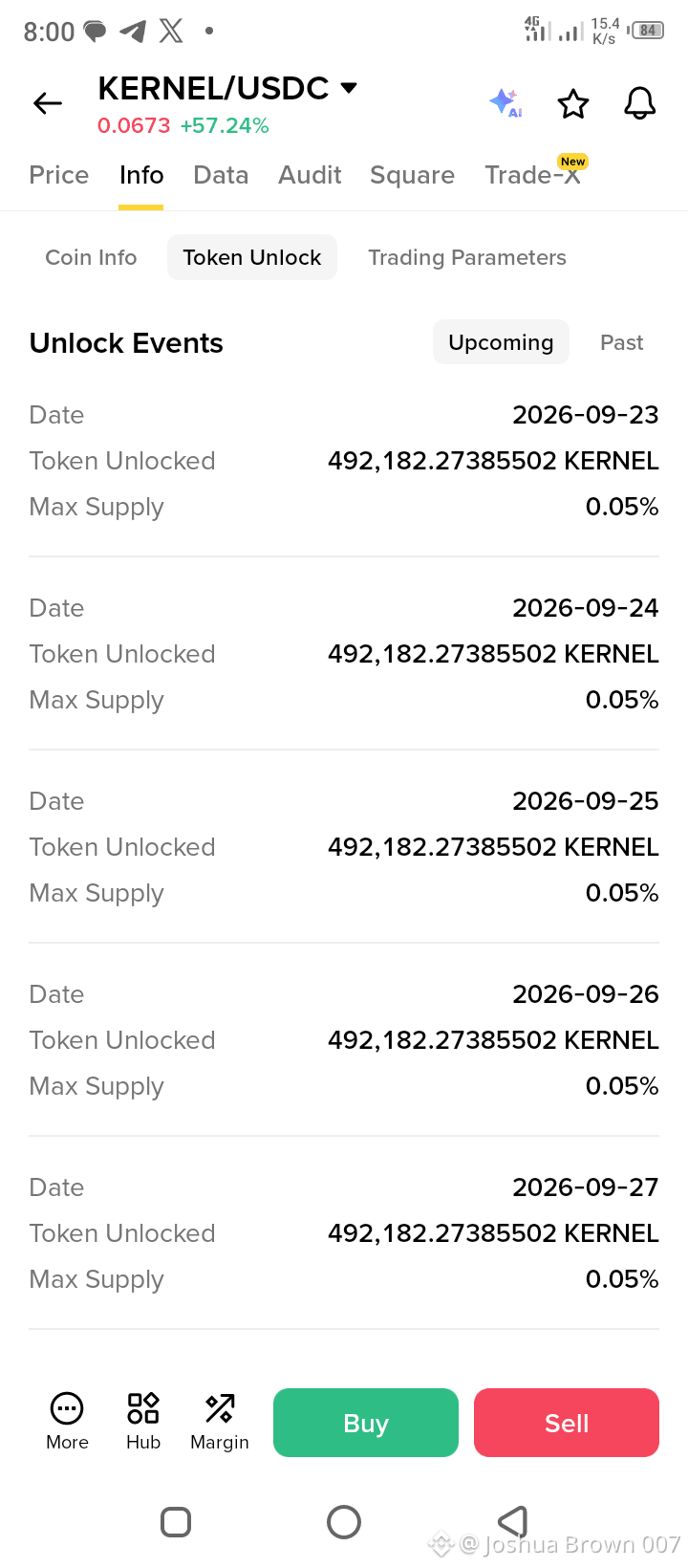
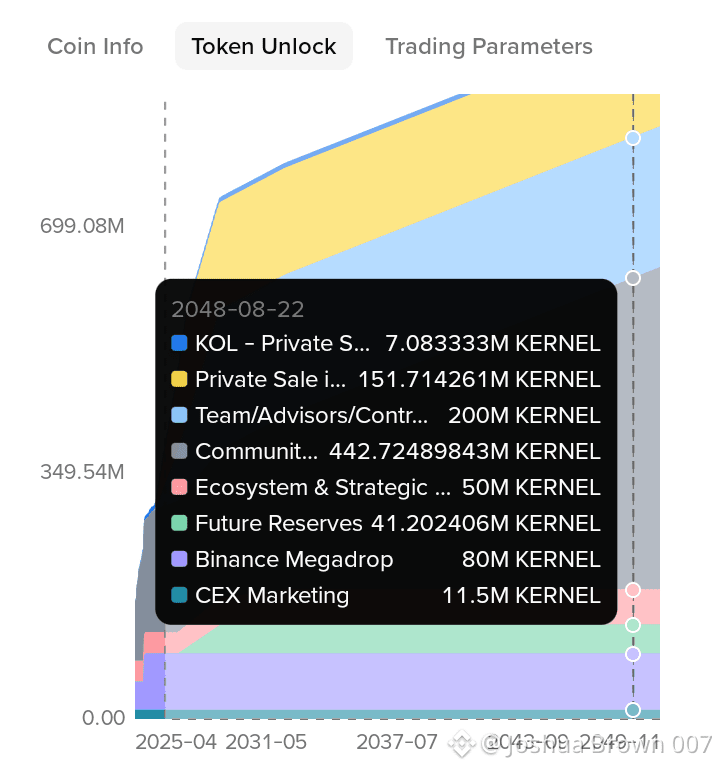
$KERNEL đang tăng mạnh, nhưng ngày mai sẽ bắt đầu một đợt thử nghiệm nguồn cung.
KERNEL hiện quanh mức $0.0673, đã +57% trên màn hình tôi đang theo dõi.
Nhưng từ ngày 23/9, lịch mở khóa token cho thấy:
492,182 KERNEL mỗi ngày = 0.05% tổng cung tối đa
23/9 → 24 → 25 → 26 → 27…
Tỷ lệ này tiếp tục trong suốt, tức là khoảng ~1% tổng cung tối đa trong 20 ngày tới.
Với giá $0.0673, mỗi lần mở khóa hằng ngày tương đương khoảng $33K token.
Nghe có vẻ nhỏ nhưng lượng cung lưu hành của KERNEL chỉ vào khoảng 28.8% của tổng cung tối đa 1B, nên ngay cả một đợt phát hành hằng ngày tương đối nhỏ cũng sẽ làm tăng lượng cung sẵn có.
Tokenomist +1
Phần đáng chú ý:
Giá đang được đẩy lên +57%, trong khi nguồn cung mới lại được đưa vào hằng ngày.
Điều đó tạo ra hai lực:
🟢 Khối lượng mạnh có thể hấp thụ lượng token mới
🔴 Nhu cầu yếu có thể khiến các đợt mở khóa trở thành áp lực bán
Và KERNEL trong lịch sử cho thấy mức biến động đáng kể quanh các sự kiện mở khóa lớn hơn; các đợt mở khóa trước đó đã được theo sau bởi đợt giảm trong một vài giai đoạn, dù điều đó không có nghĩa là cùng một mô hình sẽ phải lặp lại.
Vậy ngày mai tôi sẽ theo dõi:
Giá + Khối lượng + Dòng tiền vào từ CEX + Mở khóa hằng ngày
Việc bơm giá chỉ là một câu chuyện.
Nguồn cung bước vào thị trường là câu chuyện mà tôi đang xem tiếp.
#DAO #ARB🔥🔥🔥 #NEARRisesNearly80%InAWeek
{future}(KERNELUSDT)
{future}(ARBUSDT)
{future}(NEARUSDT)
$KERNEL đang tăng mạnh, nhưng ngày mai sẽ bắt đầu một đợt thử nghiệm nguồn cung.
KERNEL hiện quanh mức $0.0673, đã +57% trên màn hình tôi đang theo dõi.
Nhưng từ ngày 23/9, lịch mở khóa token cho thấy:
492,182 KERNEL mỗi ngày = 0.05% tổng cung tối đa
23/9 → 24 → 25 → 26 → 27…
Tỷ lệ này tiếp tục trong suốt, tức là khoảng ~1% tổng cung tối đa trong 20 ngày tới.
Với giá $0.0673, mỗi lần mở khóa hằng ngày tương đương khoảng $33K token.
Nghe có vẻ nhỏ nhưng lượng cung lưu hành của KERNEL chỉ vào khoảng 28.8% của tổng cung tối đa 1B, nên ngay cả một đợt phát hành hằng ngày tương đối nhỏ cũng sẽ làm tăng lượng cung sẵn có.
Tokenomist +1
Phần đáng chú ý:
Giá đang được đẩy lên +57%, trong khi nguồn cung mới lại được đưa vào hằng ngày.
Điều đó tạo ra hai lực:
🟢 Khối lượng mạnh có thể hấp thụ lượng token mới
🔴 Nhu cầu yếu có thể khiến các đợt mở khóa trở thành áp lực bán
Và KERNEL trong lịch sử cho thấy mức biến động đáng kể quanh các sự kiện mở khóa lớn hơn; các đợt mở khóa trước đó đã được theo sau bởi đợt giảm trong một vài giai đoạn, dù điều đó không có nghĩa là cùng một mô hình sẽ phải lặp lại.
Vậy ngày mai tôi sẽ theo dõi:
Giá + Khối lượng + Dòng tiền vào từ CEX + Mở khóa hằng ngày
Việc bơm giá chỉ là một câu chuyện.
Nguồn cung bước vào thị trường là câu chuyện mà tôi đang xem tiếp.
#DAO #ARB🔥🔥🔥 #NEARRisesNearly80%InAWeek
KERNEL hiện quanh mức $0.0673, đã +57% trên màn hình tôi đang theo dõi.
Nhưng từ ngày 23/9, lịch mở khóa token cho thấy:
492,182 KERNEL mỗi ngày = 0.05% tổng cung tối đa
23/9 → 24 → 25 → 26 → 27…
Tỷ lệ này tiếp tục trong suốt, tức là khoảng ~1% tổng cung tối đa trong 20 ngày tới.
Với giá $0.0673, mỗi lần mở khóa hằng ngày tương đương khoảng $33K token.
Nghe có vẻ nhỏ nhưng lượng cung lưu hành của KERNEL chỉ vào khoảng 28.8% của tổng cung tối đa 1B, nên ngay cả một đợt phát hành hằng ngày tương đối nhỏ cũng sẽ làm tăng lượng cung sẵn có.
Tokenomist +1
Phần đáng chú ý:
Giá đang được đẩy lên +57%, trong khi nguồn cung mới lại được đưa vào hằng ngày.
Điều đó tạo ra hai lực:
🟢 Khối lượng mạnh có thể hấp thụ lượng token mới
🔴 Nhu cầu yếu có thể khiến các đợt mở khóa trở thành áp lực bán
Và KERNEL trong lịch sử cho thấy mức biến động đáng kể quanh các sự kiện mở khóa lớn hơn; các đợt mở khóa trước đó đã được theo sau bởi đợt giảm trong một vài giai đoạn, dù điều đó không có nghĩa là cùng một mô hình sẽ phải lặp lại.
Vậy ngày mai tôi sẽ theo dõi:
Giá + Khối lượng + Dòng tiền vào từ CEX + Mở khóa hằng ngày
Việc bơm giá chỉ là một câu chuyện.
Nguồn cung bước vào thị trường là câu chuyện mà tôi đang xem tiếp.
#DAO #ARB🔥🔥🔥 #NEARRisesNearly80%InAWeek
1
1
449
#Binance
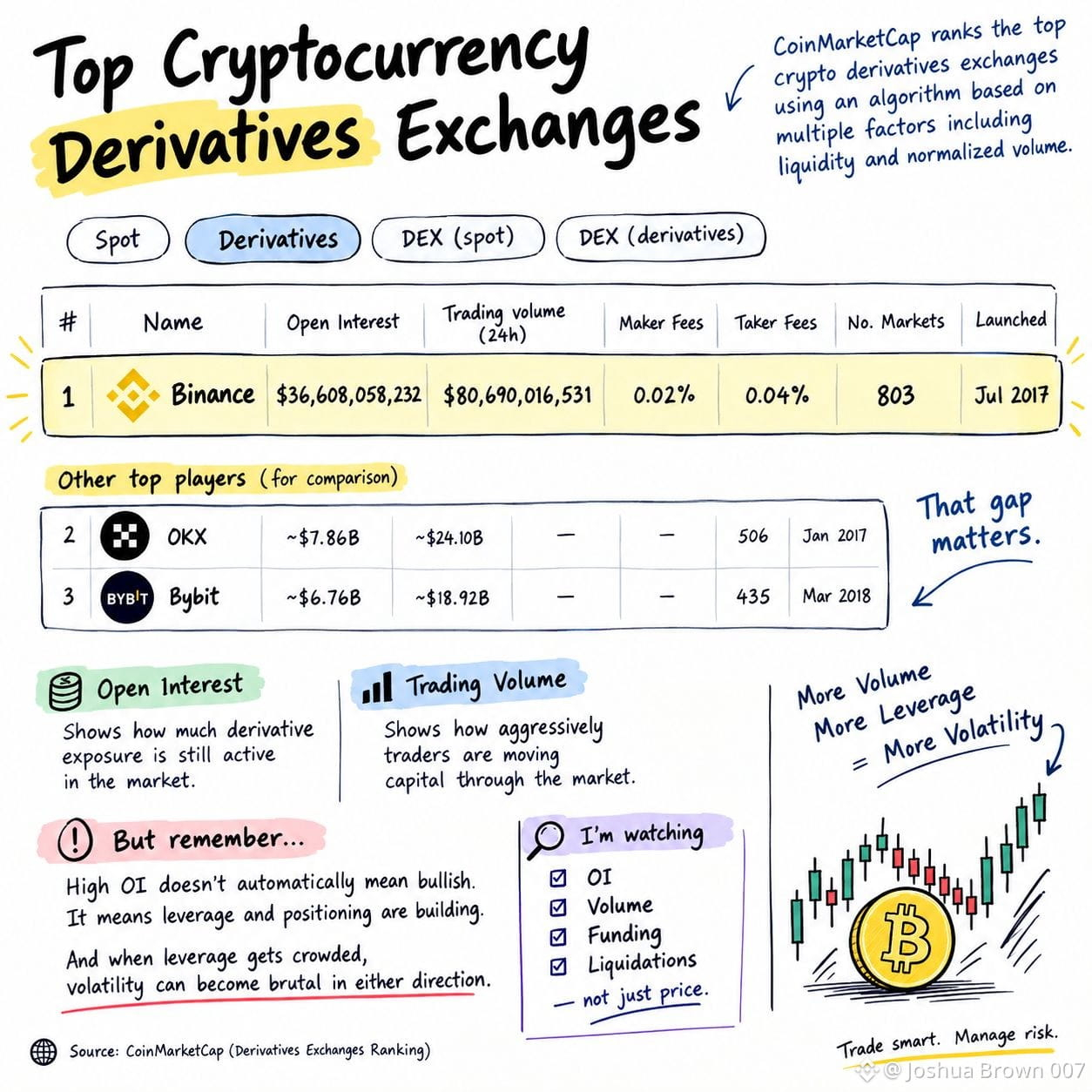
Tôi đã kiểm tra dữ liệu phái sinh CoinMarketCap mới nhất và một con số ngay lập tức nổi bật:
Sàn giao dịch phái sinh trong hệ sinh thái của $BNB, Binance, vẫn đang thống trị.
Binance • $35.09B Open Interest • $51.10B khối lượng phái sinh 24H • 803 thị trường • phí maker 0.02% • phí taker 0.04%
Để so sánh, OKX có khoảng ~$7.86B OI và Bybit khoảng ~$6.76B.
Khoảng cách đó là quan trọng.
Open Interest cho thấy mức độ phái sinh còn đang được mở, trong khi khối lượng cho thấy các trader đang chuyển vốn qua thị trường một cách mạnh mẽ đến đâu.
Nhưng hãy nhớ: OI cao không tự động đồng nghĩa với xu hướng tăng.
Nó có nghĩa là đòn bẩy và vị thế đang dần được tích lũy.
Và khi đòn bẩy bị “chen chúc”, biến động có thể trở nên khốc liệt theo cả hai hướng.
Tôi đang theo dõi OI + khối lượng + funding + thanh lý cùng với nhau, không chỉ nhìn mỗi giá.
{spot}(BNBUSDT)
$PHA
{future}(PHAUSDT)
$SUI
{future}(SUIUSDT)
#Binance
Tôi đã kiểm tra dữ liệu phái sinh CoinMarketCap mới nhất và một con số ngay lập tức nổi bật:
Sàn giao dịch phái sinh trong hệ sinh thái của $BNB, Binance, vẫn đang thống trị.
Binance • $35.09B Open Interest • $51.10B khối lượng phái sinh 24H • 803 thị trường • phí maker 0.02% • phí taker 0.04%
Để so sánh, OKX có khoảng ~$7.86B OI và Bybit khoảng ~$6.76B.
Khoảng cách đó là quan trọng.
Open Interest cho thấy mức độ phái sinh còn đang được mở, trong khi khối lượng cho thấy các trader đang chuyển vốn qua thị trường một cách mạnh mẽ đến đâu.
Nhưng hãy nhớ: OI cao không tự động đồng nghĩa với xu hướng tăng.
Nó có nghĩa là đòn bẩy và vị thế đang dần được tích lũy.
Và khi đòn bẩy bị “chen chúc”, biến động có thể trở nên khốc liệt theo cả hai hướng.
Tôi đang theo dõi OI + khối lượng + funding + thanh lý cùng với nhau, không chỉ nhìn mỗi giá.
$PHA
$SUI
Tôi đã kiểm tra dữ liệu phái sinh CoinMarketCap mới nhất và một con số ngay lập tức nổi bật:
Sàn giao dịch phái sinh trong hệ sinh thái của $BNB, Binance, vẫn đang thống trị.
Binance • $35.09B Open Interest • $51.10B khối lượng phái sinh 24H • 803 thị trường • phí maker 0.02% • phí taker 0.04%
Để so sánh, OKX có khoảng ~$7.86B OI và Bybit khoảng ~$6.76B.
Khoảng cách đó là quan trọng.
Open Interest cho thấy mức độ phái sinh còn đang được mở, trong khi khối lượng cho thấy các trader đang chuyển vốn qua thị trường một cách mạnh mẽ đến đâu.
Nhưng hãy nhớ: OI cao không tự động đồng nghĩa với xu hướng tăng.
Nó có nghĩa là đòn bẩy và vị thế đang dần được tích lũy.
Và khi đòn bẩy bị “chen chúc”, biến động có thể trở nên khốc liệt theo cả hai hướng.
Tôi đang theo dõi OI + khối lượng + funding + thanh lý cùng với nhau, không chỉ nhìn mỗi giá.
$PHA
$SUI
1
205
#BTC☀
Bạn có đang chờ mức giảm 64K đô la cho Bitcoin không? Hãy xem bức tranh về lực mua và nhu cầu từ tổ chức.
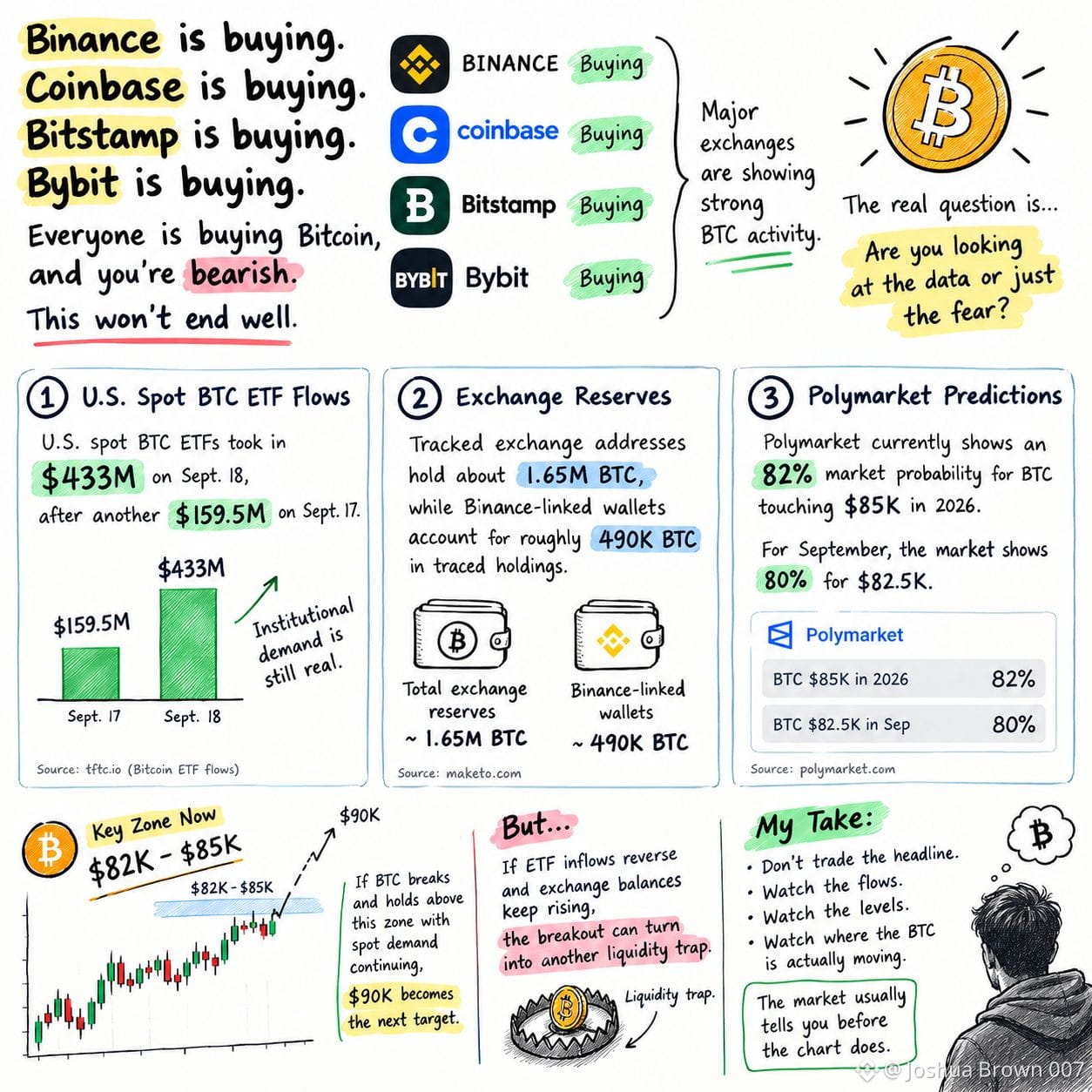
Phần thú vị không chỉ nằm ở câu chuyện—dữ liệu đang cho thấy sự tách bạch giữa thanh khoản trên sàn và nhu cầu từ các tổ chức.
Dữ liệu gần đây cho thấy các ETF BTC giao ngay của Mỹ đã thu hút 433 triệu USD vào ngày 18/9, sau khi ghi nhận thêm 159,5 triệu USD vào ngày 17/9.
TFTC +1
Đồng thời, các địa chỉ sàn được theo dõi đang nắm khoảng 1,65 triệu BTC, trong khi các ví liên kết với Binance chiếm khoảng 490K BTC trong số tài sản đã được truy vết.
Và hiện Polymarket cho thấy xác suất thị trường là 82% rằng BTC sẽ chạm 85K đô la vào năm 2026, trong khi thị trường tháng 9 là 80% cho mốc 82,5K đô la.
Quan điểm của tôi:
Vùng 82K–85K là khu vực then chốt lúc này.
Nếu BTC vượt qua và giữ vững trên đó, với nhu cầu giao ngay tiếp tục, 90K sẽ trở thành mục tiêu tâm lý tiếp theo.
Nhưng nếu dòng tiền ETF đảo chiều và số dư trên sàn tiếp tục tăng, đợt bứt phá có thể biến thành một “bẫy thanh khoản” khác.
Đừng giao dịch theo tiêu đề.
Hãy theo dõi dòng tiền. Theo dõi các mốc. Theo dõi nơi BTC thực sự đang di chuyển.
Thị trường thường cho bạn biết trước khi biểu đồ làm được.$BTC
{spot}(BTCUSDT)
#BTC☀
Bạn có đang chờ mức giảm 64K đô la cho Bitcoin không? Hãy xem bức tranh về lực mua và nhu cầu từ tổ chức.
Phần thú vị không chỉ nằm ở câu chuyện—dữ liệu đang cho thấy sự tách bạch giữa thanh khoản trên sàn và nhu cầu từ các tổ chức.
Dữ liệu gần đây cho thấy các ETF BTC giao ngay của Mỹ đã thu hút 433 triệu USD vào ngày 18/9, sau khi ghi nhận thêm 159,5 triệu USD vào ngày 17/9.
TFTC +1
Đồng thời, các địa chỉ sàn được theo dõi đang nắm khoảng 1,65 triệu BTC, trong khi các ví liên kết với Binance chiếm khoảng 490K BTC trong số tài sản đã được truy vết.
Và hiện Polymarket cho thấy xác suất thị trường là 82% rằng BTC sẽ chạm 85K đô la vào năm 2026, trong khi thị trường tháng 9 là 80% cho mốc 82,5K đô la.
Quan điểm của tôi:
Vùng 82K–85K là khu vực then chốt lúc này.
Nếu BTC vượt qua và giữ vững trên đó, với nhu cầu giao ngay tiếp tục, 90K sẽ trở thành mục tiêu tâm lý tiếp theo.
Nhưng nếu dòng tiền ETF đảo chiều và số dư trên sàn tiếp tục tăng, đợt bứt phá có thể biến thành một “bẫy thanh khoản” khác.
Đừng giao dịch theo tiêu đề.
Hãy theo dõi dòng tiền. Theo dõi các mốc. Theo dõi nơi BTC thực sự đang di chuyển.
Thị trường thường cho bạn biết trước khi biểu đồ làm được.$BTC
Bạn có đang chờ mức giảm 64K đô la cho Bitcoin không? Hãy xem bức tranh về lực mua và nhu cầu từ tổ chức.
Phần thú vị không chỉ nằm ở câu chuyện—dữ liệu đang cho thấy sự tách bạch giữa thanh khoản trên sàn và nhu cầu từ các tổ chức.
Dữ liệu gần đây cho thấy các ETF BTC giao ngay của Mỹ đã thu hút 433 triệu USD vào ngày 18/9, sau khi ghi nhận thêm 159,5 triệu USD vào ngày 17/9.
TFTC +1
Đồng thời, các địa chỉ sàn được theo dõi đang nắm khoảng 1,65 triệu BTC, trong khi các ví liên kết với Binance chiếm khoảng 490K BTC trong số tài sản đã được truy vết.
Và hiện Polymarket cho thấy xác suất thị trường là 82% rằng BTC sẽ chạm 85K đô la vào năm 2026, trong khi thị trường tháng 9 là 80% cho mốc 82,5K đô la.
Quan điểm của tôi:
Vùng 82K–85K là khu vực then chốt lúc này.
Nếu BTC vượt qua và giữ vững trên đó, với nhu cầu giao ngay tiếp tục, 90K sẽ trở thành mục tiêu tâm lý tiếp theo.
Nhưng nếu dòng tiền ETF đảo chiều và số dư trên sàn tiếp tục tăng, đợt bứt phá có thể biến thành một “bẫy thanh khoản” khác.
Đừng giao dịch theo tiêu đề.
Hãy theo dõi dòng tiền. Theo dõi các mốc. Theo dõi nơi BTC thực sự đang di chuyển.
Thị trường thường cho bạn biết trước khi biểu đồ làm được.$BTC
1
67
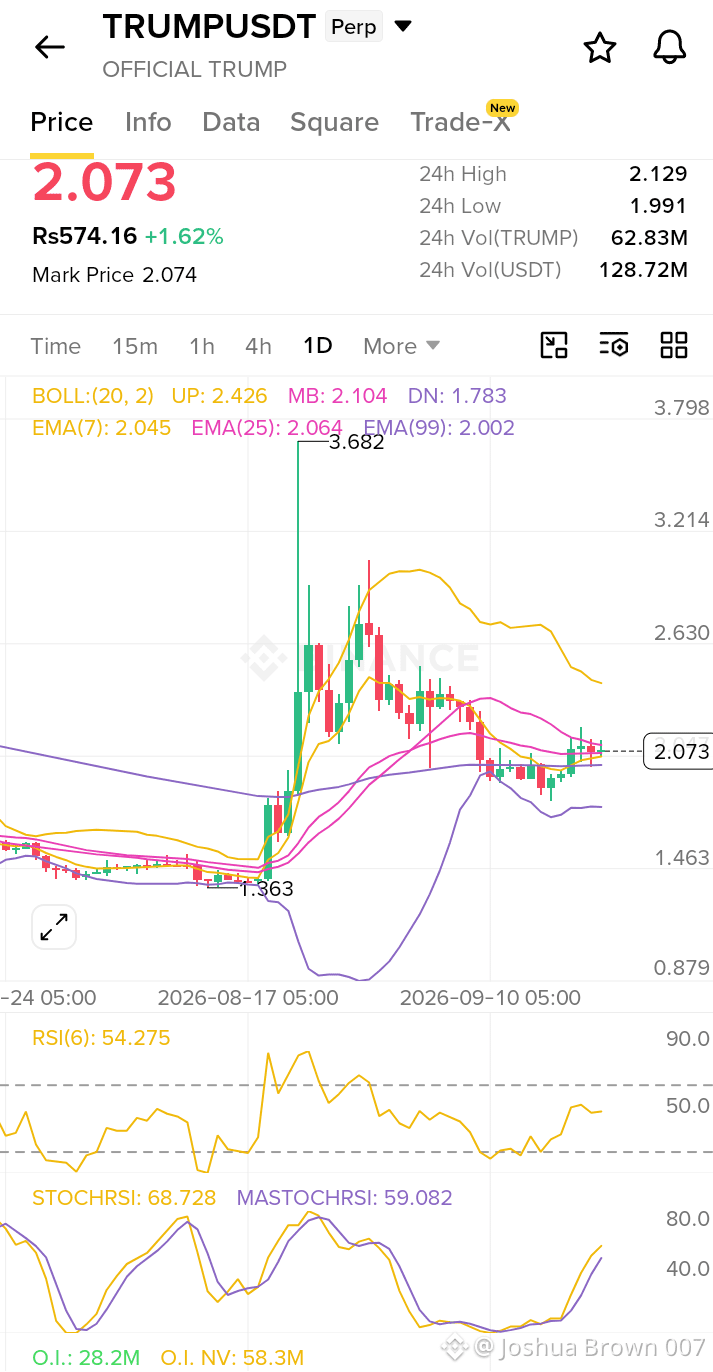
$TRUMP CẢNH BÁO TRÊN ON-CHAIN
Nhóm Trump Meme vừa chuyển thêm 8,73M $TRUMP (~$17,99M) sang lưu ký BitGo.
Điều này nâng tổng cộng trong 2 tuần lên khoảng ~31M TRUMP, tương đương ~$70,64M.
Nhưng đây là phần quan trọng:
⚠️ Lưu ký BitGo ≠ xác nhận bán.
Vì vậy tôi đang theo dõi các lần chuyển ví tiếp theo, chứ không chỉ đơn giản giả định sẽ có một đợt xả.
📉 Tác động giá nếu việc bán diễn ra:
Nguồn cung lớn được liên kết với một nhóm vào thanh khoản thị trường có thể làm tăng áp lực bán và làm suy yếu hỗ trợ. Nếu sau đó xuất hiện tiền gửi lên sàn, rủi ro cho một biến động mạnh hơn sẽ tăng.
📊 Các mốc kỹ thuật cần theo dõi:
Hiện tại báo cáo cho thấy $TRUMP quanh $2,05, với kháng cự gần $2,14 và hỗ trợ quanh $1,96. Giá cũng đang ở gần vùng EMA 50/200, nên đây là khu vực quan trọng để xác nhận.
Cách tiếp cận của tôi: Đừng hoảng sợ bán tháo. Đừng mua “bắt đáy” một cách mù quáng.
Theo dõi: → BitGo → chuyển tiền sang sàn
→ Khối lượng giao dịch Spot
→ Hỗ trợ $1,96
→ Vượt $2,14
→ Dòng tiền ra/vào ví
Nếu $1,96 bị phá vỡ kèm khối lượng mạnh, áp lực giảm có thể tăng tốc.
Nếu $2,14 được giành lại với khối lượng spot mạnh, thị trường có thể hấp thụ lượng cung.
Dòng on-chain trước. Xác nhận giá sau.
{future}(TRUMPUSDT)
{future}(MELANIAUSDT)
{future}(WLFIUSDT)
#TrumpCrypto #XRPExchangeReservesHitSevenYearLow #trumpcoin
$TRUMP CẢNH BÁO TRÊN ON-CHAIN
Nhóm Trump Meme vừa chuyển thêm 8,73M $TRUMP (~$17,99M) sang lưu ký BitGo.
Điều này nâng tổng cộng trong 2 tuần lên khoảng ~31M TRUMP, tương đương ~$70,64M.
Nhưng đây là phần quan trọng:
⚠️ Lưu ký BitGo ≠ xác nhận bán.
Vì vậy tôi đang theo dõi các lần chuyển ví tiếp theo, chứ không chỉ đơn giản giả định sẽ có một đợt xả.
📉 Tác động giá nếu việc bán diễn ra:
Nguồn cung lớn được liên kết với một nhóm vào thanh khoản thị trường có thể làm tăng áp lực bán và làm suy yếu hỗ trợ. Nếu sau đó xuất hiện tiền gửi lên sàn, rủi ro cho một biến động mạnh hơn sẽ tăng.
📊 Các mốc kỹ thuật cần theo dõi:
Hiện tại báo cáo cho thấy $TRUMP quanh $2,05, với kháng cự gần $2,14 và hỗ trợ quanh $1,96. Giá cũng đang ở gần vùng EMA 50/200, nên đây là khu vực quan trọng để xác nhận.
Cách tiếp cận của tôi: Đừng hoảng sợ bán tháo. Đừng mua “bắt đáy” một cách mù quáng.
Theo dõi: → BitGo → chuyển tiền sang sàn
→ Khối lượng giao dịch Spot
→ Hỗ trợ $1,96
→ Vượt $2,14
→ Dòng tiền ra/vào ví
Nếu $1,96 bị phá vỡ kèm khối lượng mạnh, áp lực giảm có thể tăng tốc.
Nếu $2,14 được giành lại với khối lượng spot mạnh, thị trường có thể hấp thụ lượng cung.
Dòng on-chain trước. Xác nhận giá sau.
#TrumpCrypto #XRPExchangeReservesHitSevenYearLow #trumpcoin
Nhóm Trump Meme vừa chuyển thêm 8,73M $TRUMP (~$17,99M) sang lưu ký BitGo.
Điều này nâng tổng cộng trong 2 tuần lên khoảng ~31M TRUMP, tương đương ~$70,64M.
Nhưng đây là phần quan trọng:
⚠️ Lưu ký BitGo ≠ xác nhận bán.
Vì vậy tôi đang theo dõi các lần chuyển ví tiếp theo, chứ không chỉ đơn giản giả định sẽ có một đợt xả.
📉 Tác động giá nếu việc bán diễn ra:
Nguồn cung lớn được liên kết với một nhóm vào thanh khoản thị trường có thể làm tăng áp lực bán và làm suy yếu hỗ trợ. Nếu sau đó xuất hiện tiền gửi lên sàn, rủi ro cho một biến động mạnh hơn sẽ tăng.
📊 Các mốc kỹ thuật cần theo dõi:
Hiện tại báo cáo cho thấy $TRUMP quanh $2,05, với kháng cự gần $2,14 và hỗ trợ quanh $1,96. Giá cũng đang ở gần vùng EMA 50/200, nên đây là khu vực quan trọng để xác nhận.
Cách tiếp cận của tôi: Đừng hoảng sợ bán tháo. Đừng mua “bắt đáy” một cách mù quáng.
Theo dõi: → BitGo → chuyển tiền sang sàn
→ Khối lượng giao dịch Spot
→ Hỗ trợ $1,96
→ Vượt $2,14
→ Dòng tiền ra/vào ví
Nếu $1,96 bị phá vỡ kèm khối lượng mạnh, áp lực giảm có thể tăng tốc.
Nếu $2,14 được giành lại với khối lượng spot mạnh, thị trường có thể hấp thụ lượng cung.
Dòng on-chain trước. Xác nhận giá sau.
#TrumpCrypto #XRPExchangeReservesHitSevenYearLow #trumpcoin

1
670
Bài viết
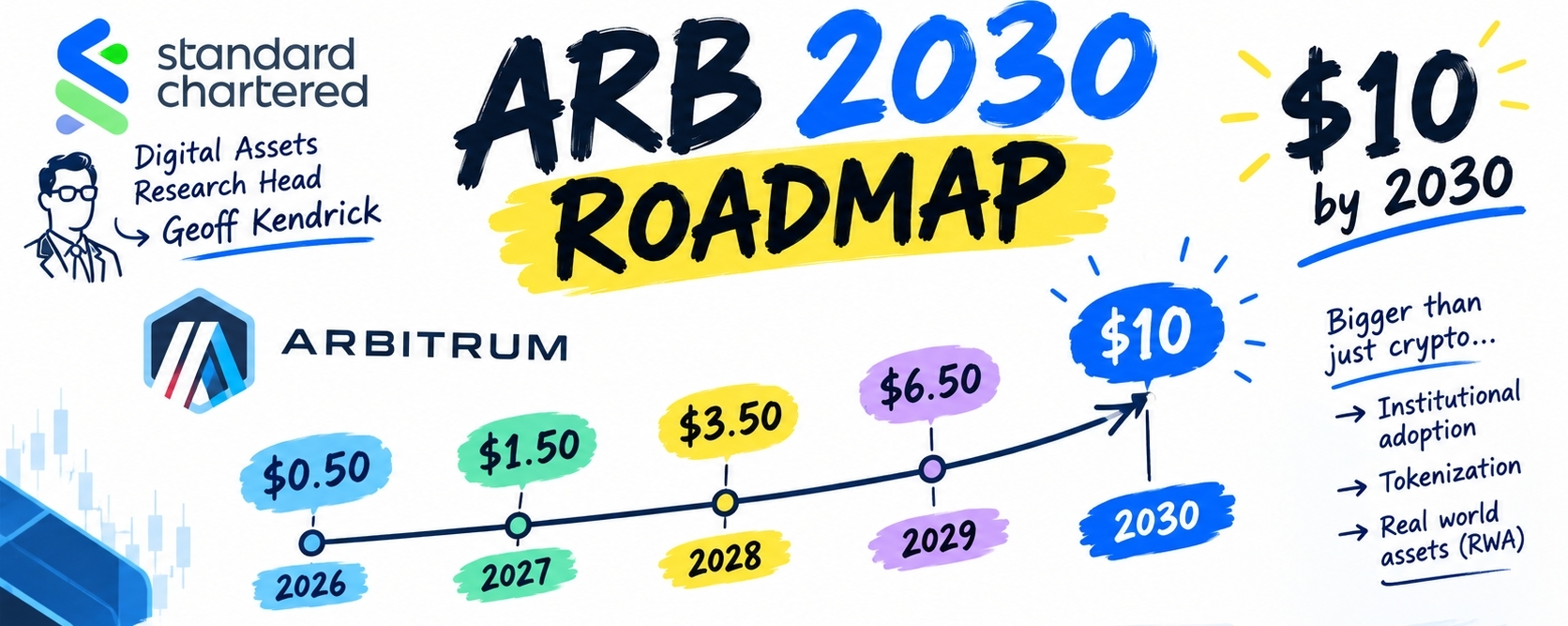
Lộ trình ARB 2030 do trưởng bộ phận nghiên cứu tài sản kỹ thuật số của Standard Chartered,Geoff KendrickTrưởng bộ phận nghiên cứu tài sản kỹ thuật số của Standard Chartered, Geoff Kendrick, vừa đưa ra một dự báo giá dài hạn khổng lồ 10 đô la cho Arbitrum (ARB) vào cuối năm 2030. Dựa trên mức giá tham chiếu cơ sở là 0,14 đô la, ngân hàng đã vạch ra một lộ trình tăng trưởng theo dạng bậc thang hết sức quyết liệt:
Mục tiêu năm 2026: $0.50
Mục tiêu năm 2027: $1.50
Mục tiêu năm 2028: $3.50
Mục tiêu năm 2029: $6.50
Mục tiêu năm 2030: $10.00
Sự Thách Thức
Trong khi một dự phóng tăng trưởng 70x từ một ngân hàng toàn cầu lớn nghe có vẻ như một chiến thắng dễ dàng, chúng ta cần thu hẹp khoảng cách giữa lý thuyết thể chế và dữ liệu lạnh lùng trên biểu đồ.
Lộ trình ARB 2030 do trưởng bộ phận nghiên cứu tài sản kỹ thuật số của Standard Chartered,Geoff Kendrick
Trưởng bộ phận nghiên cứu tài sản kỹ thuật số của Standard Chartered, Geoff Kendrick, vừa đưa ra một dự báo giá dài hạn khổng lồ 10 đô la cho Arbitrum (ARB) vào cuối năm 2030. Dựa trên mức giá tham chiếu cơ sở là 0,14 đô la, ngân hàng đã vạch ra một lộ trình tăng trưởng theo dạng bậc thang hết sức quyết liệt:
Mục tiêu năm 2026: $0.50
Mục tiêu năm 2027: $1.50
Mục tiêu năm 2028: $3.50
Mục tiêu năm 2029: $6.50
Mục tiêu năm 2030: $10.00
Sự Thách Thức
Trong khi một dự phóng tăng trưởng 70x từ một ngân hàng toàn cầu lớn nghe có vẻ như một chiến thắng dễ dàng, chúng ta cần thu hẹp khoảng cách giữa lý thuyết thể chế và dữ liệu lạnh lùng trên biểu đồ.
Mục tiêu năm 2026: $0.50
Mục tiêu năm 2027: $1.50
Mục tiêu năm 2028: $3.50
Mục tiêu năm 2029: $6.50
Mục tiêu năm 2030: $10.00
Sự Thách Thức
Trong khi một dự phóng tăng trưởng 70x từ một ngân hàng toàn cầu lớn nghe có vẻ như một chiến thắng dễ dàng, chúng ta cần thu hẹp khoảng cách giữa lý thuyết thể chế và dữ liệu lạnh lùng trên biểu đồ.
2
16
19.8k
$CELR Thiết lập giao dịch trên nến 1 giờ
nếu giá đóng cửa trên 0.0042 MUA (LONG)
TP 0.0045 và 0.0050
SL 0.0037
nếu nến 1 giờ đóng cửa dưới 0.003097 BÁN (Short)
Một đột biến mạnh về khối lượng bán phá vỡ ngưỡng hỗ trợ 0.0030.
{future}(CELRUSDT)
$CELR Thiết lập giao dịch trên nến 1 giờ
nếu giá đóng cửa trên 0.0042 MUA (LONG)
TP 0.0045 và 0.0050
SL 0.0037
nếu nến 1 giờ đóng cửa dưới 0.003097 BÁN (Short)
Một đột biến mạnh về khối lượng bán phá vỡ ngưỡng hỗ trợ 0.0030.
nếu giá đóng cửa trên 0.0042 MUA (LONG)
TP 0.0045 và 0.0050
SL 0.0037
nếu nến 1 giờ đóng cửa dưới 0.003097 BÁN (Short)
Một đột biến mạnh về khối lượng bán phá vỡ ngưỡng hỗ trợ 0.0030.
1
99
#Binance
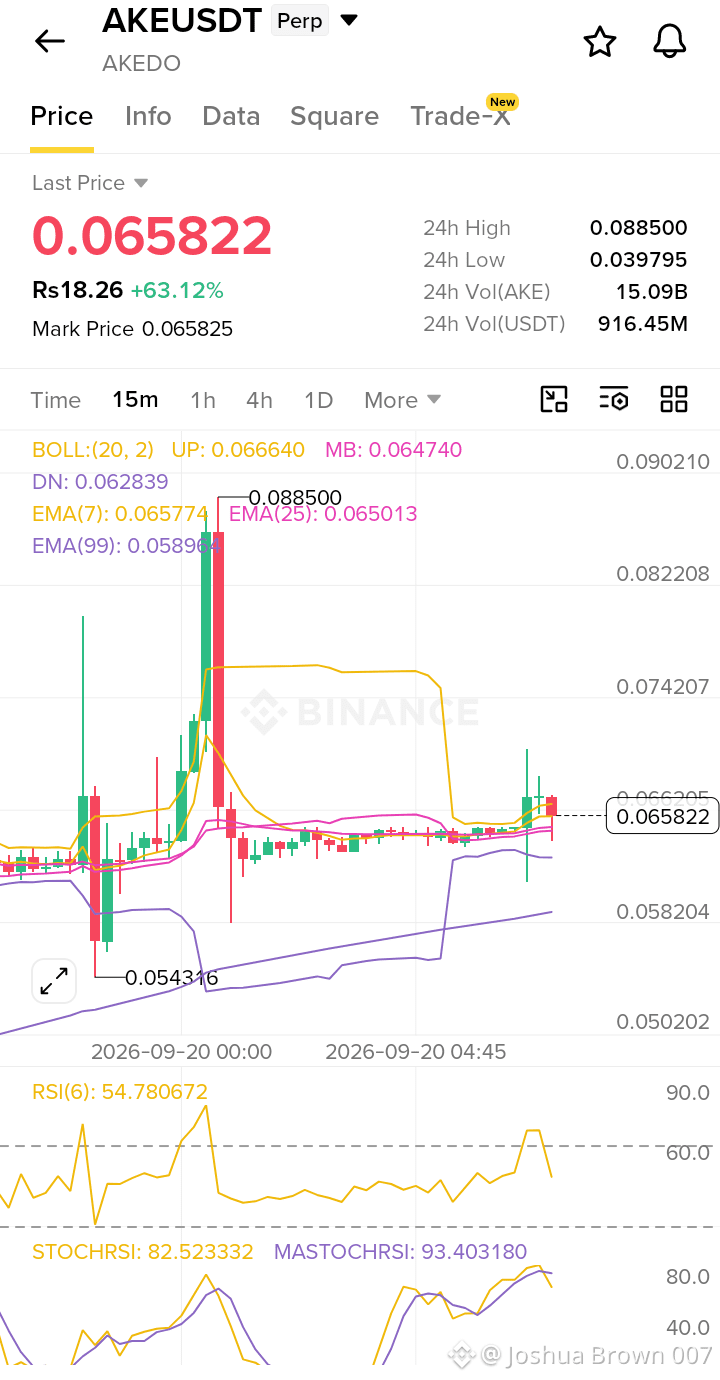
AKEUSDT $AKE trông giống như một cái bẫy “pump and dump” đúng kiểu sách giáo khoa ngay lúc này. Nếu bạn là nhà giao dịch lẻ, bạn cần tránh xa trường hợp này và đừng ném số tiền khó kiếm của mình vào một con tàu đang chìm.
Đây là những gì biểu đồ đang cho thấy một cách chính xác:
Bóng Nến Khổng Lồ (Massive Wick): Cái gai đỏ thẳng đứng khổng lồ, theo sau là một phần đuôi dài phía trên, là một dấu hiệu cảnh báo cực lớn. Nó cho thấy những người trong cuộc và các nhà mua sớm đã bơm giá lên 0.088500, ngay lập tức xả lượng “hàng nặng” cho những người mua muộn, và ép giá quay đầu rơi thẳng xuống.
Khối Lượng Bị Nhốt (Trapped Volume): Hãy nhìn khối lượng giao dịch 24 giờ khổng lồ đang ở mức 15.09B AKE. Rất nhiều thanh khoản đã được luân chuyển qua đồng token này trong một khoảng thời gian cực ngắn—đúng kiểu mà những kẻ tạo lập và cá voi rút lui vị thế trong khi để các nhà giao dịch bình thường mắc kẹt với cái “túi đựng rác”.
Cường Điệu Nhân Tạo: Thấy token tăng +63.12% trong ngày thì có vẻ hấp dẫn, nhưng nó cực kỳ đánh lừa. Sau cú sập, giá đã phẳng đáng kể, báo hiệu rằng động lượng “nhân tạo” ban đầu đang tắt dần.
Khi token biến động như thế này, gần như nhà giao dịch lẻ đều thua. Cuộc chơi được sắp đặt hoàn toàn bởi những người kiểm soát nguồn cung. Đừng để FOMO (nỗi sợ bỏ lỡ) lấn át—hãy bảo vệ vốn của bạn và tìm kiếm các dự án có nền tảng thật sự.
Mọi người đừng tham, đó không phải là một cặp duy nhất để Trade trên Binance😁
{future}(AKEUSDT)
{future}(ONEUSDT)
{future}(BANKUSDT)
#Binance
AKEUSDT $AKE trông giống như một cái bẫy “pump and dump” đúng kiểu sách giáo khoa ngay lúc này. Nếu bạn là nhà giao dịch lẻ, bạn cần tránh xa trường hợp này và đừng ném số tiền khó kiếm của mình vào một con tàu đang chìm.
Đây là những gì biểu đồ đang cho thấy một cách chính xác:
Bóng Nến Khổng Lồ (Massive Wick): Cái gai đỏ thẳng đứng khổng lồ, theo sau là một phần đuôi dài phía trên, là một dấu hiệu cảnh báo cực lớn. Nó cho thấy những người trong cuộc và các nhà mua sớm đã bơm giá lên 0.088500, ngay lập tức xả lượng “hàng nặng” cho những người mua muộn, và ép giá quay đầu rơi thẳng xuống.
Khối Lượng Bị Nhốt (Trapped Volume): Hãy nhìn khối lượng giao dịch 24 giờ khổng lồ đang ở mức 15.09B AKE. Rất nhiều thanh khoản đã được luân chuyển qua đồng token này trong một khoảng thời gian cực ngắn—đúng kiểu mà những kẻ tạo lập và cá voi rút lui vị thế trong khi để các nhà giao dịch bình thường mắc kẹt với cái “túi đựng rác”.
Cường Điệu Nhân Tạo: Thấy token tăng +63.12% trong ngày thì có vẻ hấp dẫn, nhưng nó cực kỳ đánh lừa. Sau cú sập, giá đã phẳng đáng kể, báo hiệu rằng động lượng “nhân tạo” ban đầu đang tắt dần.
Khi token biến động như thế này, gần như nhà giao dịch lẻ đều thua. Cuộc chơi được sắp đặt hoàn toàn bởi những người kiểm soát nguồn cung. Đừng để FOMO (nỗi sợ bỏ lỡ) lấn át—hãy bảo vệ vốn của bạn và tìm kiếm các dự án có nền tảng thật sự.
Mọi người đừng tham, đó không phải là một cặp duy nhất để Trade trên Binance😁
AKEUSDT $AKE trông giống như một cái bẫy “pump and dump” đúng kiểu sách giáo khoa ngay lúc này. Nếu bạn là nhà giao dịch lẻ, bạn cần tránh xa trường hợp này và đừng ném số tiền khó kiếm của mình vào một con tàu đang chìm.
Đây là những gì biểu đồ đang cho thấy một cách chính xác:
Bóng Nến Khổng Lồ (Massive Wick): Cái gai đỏ thẳng đứng khổng lồ, theo sau là một phần đuôi dài phía trên, là một dấu hiệu cảnh báo cực lớn. Nó cho thấy những người trong cuộc và các nhà mua sớm đã bơm giá lên 0.088500, ngay lập tức xả lượng “hàng nặng” cho những người mua muộn, và ép giá quay đầu rơi thẳng xuống.
Khối Lượng Bị Nhốt (Trapped Volume): Hãy nhìn khối lượng giao dịch 24 giờ khổng lồ đang ở mức 15.09B AKE. Rất nhiều thanh khoản đã được luân chuyển qua đồng token này trong một khoảng thời gian cực ngắn—đúng kiểu mà những kẻ tạo lập và cá voi rút lui vị thế trong khi để các nhà giao dịch bình thường mắc kẹt với cái “túi đựng rác”.
Cường Điệu Nhân Tạo: Thấy token tăng +63.12% trong ngày thì có vẻ hấp dẫn, nhưng nó cực kỳ đánh lừa. Sau cú sập, giá đã phẳng đáng kể, báo hiệu rằng động lượng “nhân tạo” ban đầu đang tắt dần.
Khi token biến động như thế này, gần như nhà giao dịch lẻ đều thua. Cuộc chơi được sắp đặt hoàn toàn bởi những người kiểm soát nguồn cung. Đừng để FOMO (nỗi sợ bỏ lỡ) lấn át—hãy bảo vệ vốn của bạn và tìm kiếm các dự án có nền tảng thật sự.
Mọi người đừng tham, đó không phải là một cặp duy nhất để Trade trên Binance😁
1
479
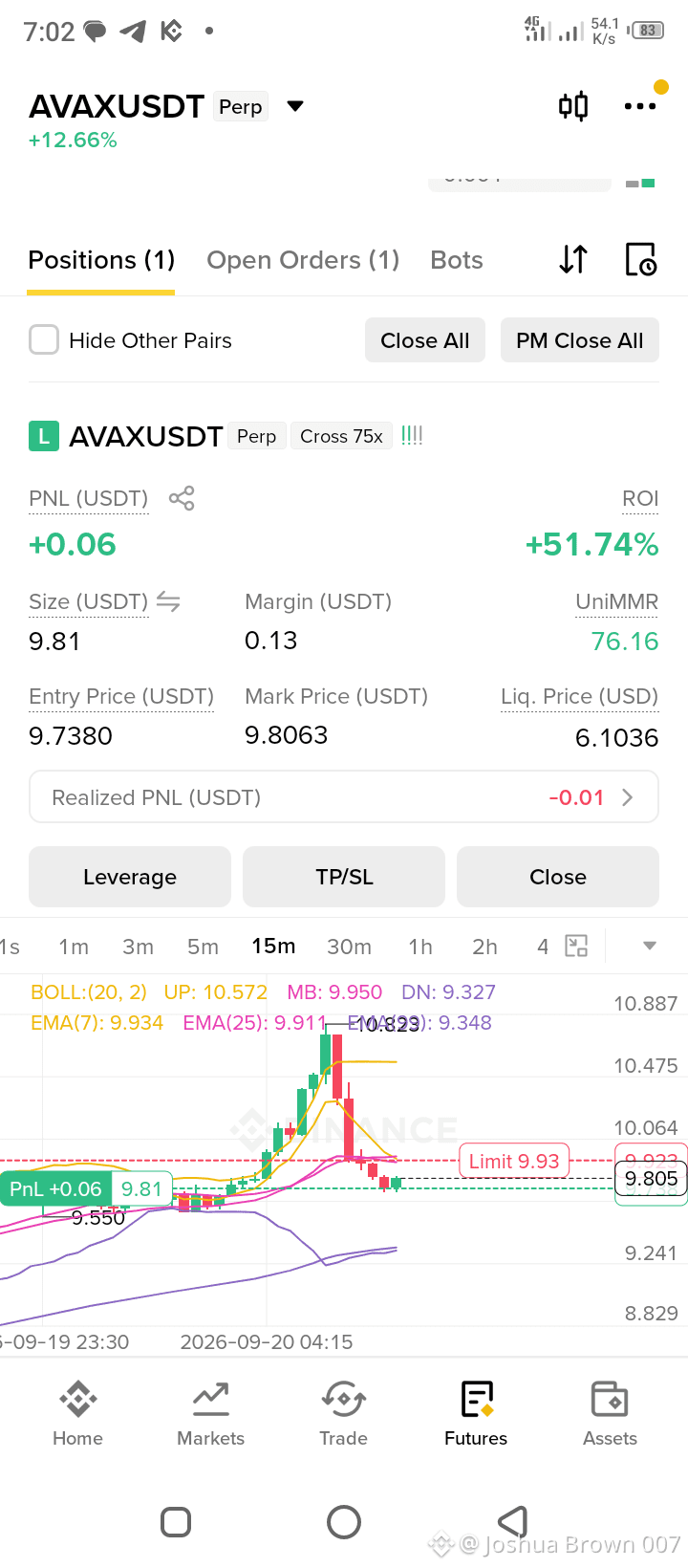
#AVAX Scalp dài
Thị trường vào lệnh
SL 9.64
TP 9.923
TP 10.01
Phân tích ngắn hạn. Nếu giá phá xuống dưới 9.70 với khối lượng cao, hãy vào lệnh SHORT khi giá test lại mức 9.70, nhắm mục tiêu 9.40. SL tại 9.85.
$AVAIL
{future}(AVAXUSDT)
#AVAX Scalp dài
Thị trường vào lệnh
SL 9.64
TP 9.923
TP 10.01
Phân tích ngắn hạn. Nếu giá phá xuống dưới 9.70 với khối lượng cao, hãy vào lệnh SHORT khi giá test lại mức 9.70, nhắm mục tiêu 9.40. SL tại 9.85.
$AVAIL
Thị trường vào lệnh
SL 9.64
TP 9.923
TP 10.01
Phân tích ngắn hạn. Nếu giá phá xuống dưới 9.70 với khối lượng cao, hãy vào lệnh SHORT khi giá test lại mức 9.70, nhắm mục tiêu 9.40. SL tại 9.85.
$AVAIL
1
147
#squarecreator
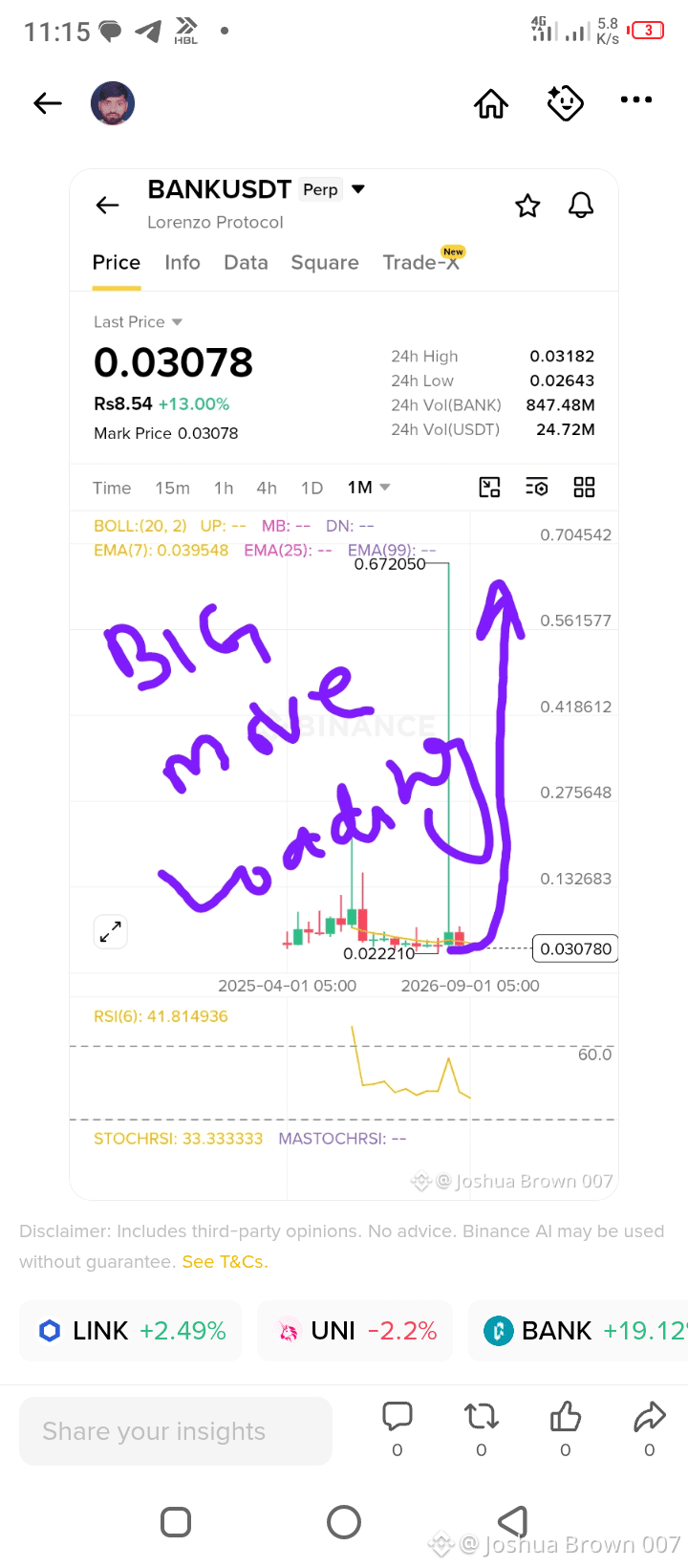
Các bạn xem kìa, bài đăng của tôi $BANK USDT Long Call 🌝
Vào lệnh long ngay bây giờ ở 0.030
SL 0.024
{future}(BANKUSDT)
#squarecreator
Các bạn xem kìa, bài đăng của tôi $BANK USDT Long Call 🌝
Vào lệnh long ngay bây giờ ở 0.030
SL 0.024
Các bạn xem kìa, bài đăng của tôi $BANK USDT Long Call 🌝
Vào lệnh long ngay bây giờ ở 0.030
SL 0.024
1
252
Đăng nhập để khám phá thêm nội dung
Tham gia cùng người dùng tiền mã hóa toàn cầu trên Binance Square
⚡️ Nhận thông tin mới nhất và hữu ích về tiền mã hóa.
💬 Được tin cậy bởi sàn giao dịch tiền mã hóa lớn nhất thế giới.
👍 Khám phá những thông tin chuyên sâu thực tế từ những nhà sáng tạo đã xác minh.
Email / Số điện thoại