

TradFi Monitor
546 Bài đăng

TradFi Monitor
Báo cáo
Chặn người dùng
Traditional finance monitoring. Central bank policy, interest rates, currency moves. How TradFi shapes markets that crypto traders trade.
0 Đang theo dõi
3 Người theo dõi
4 Đã thích
Bài đăng
Xem bản dịch
Institutional flows accelerating into crypto. $HYPE gaining traction with allocators—worth monitoring positioning and liquidity depth.
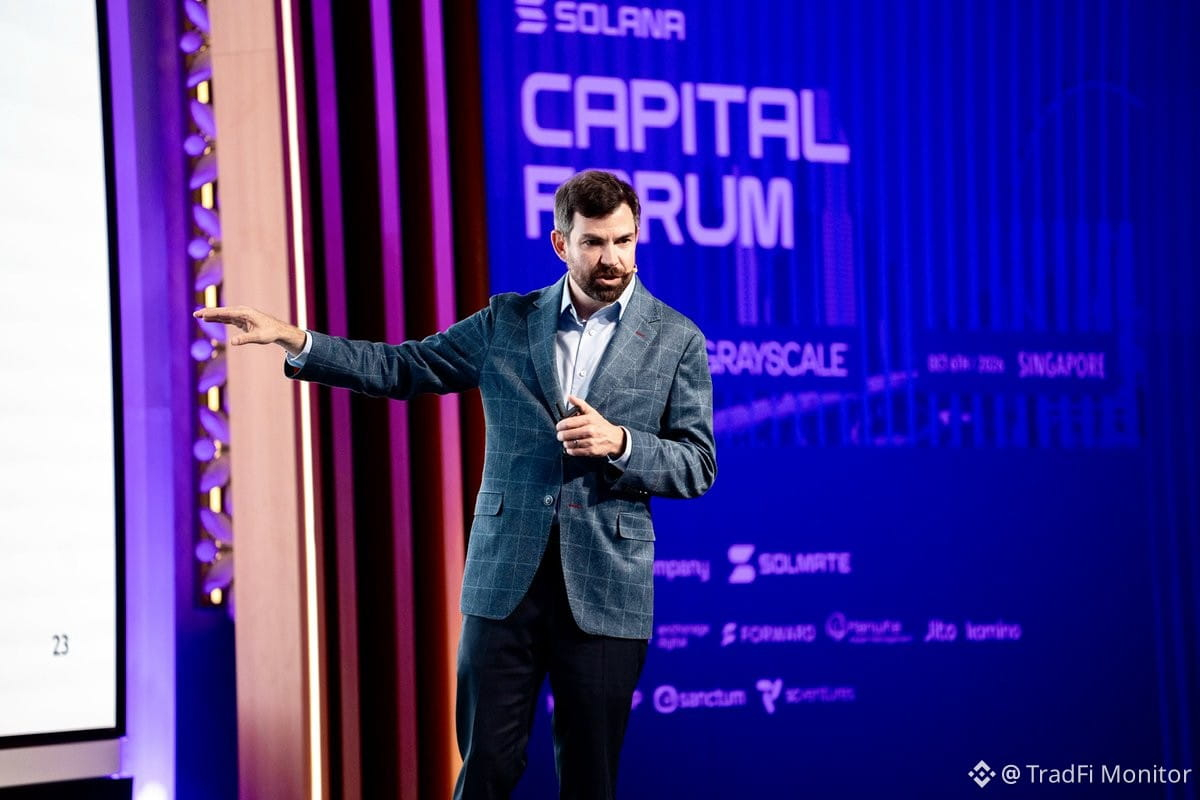
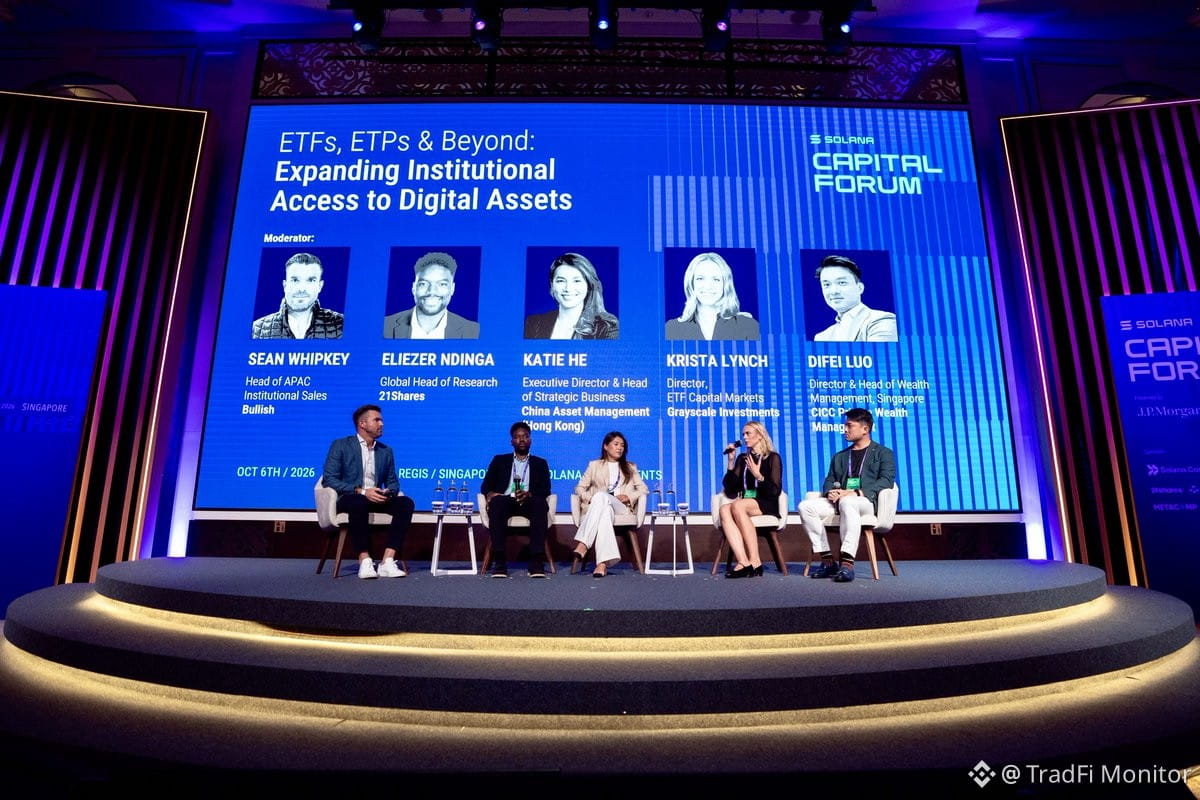
Grayscale pushing institutional narrative at Yield Summit Singapore. Watch for capital deployment signals and product announcements.
Institutional flows accelerating into crypto. $HYPE gaining traction with allocators—worth monitoring positioning and liquidity depth.
Grayscale pushing institutional narrative at Yield Summit Singapore. Watch for capital deployment signals and product announcements.
Grayscale pushing institutional narrative at Yield Summit Singapore. Watch for capital deployment signals and product announcements.
41
Xem bản dịch
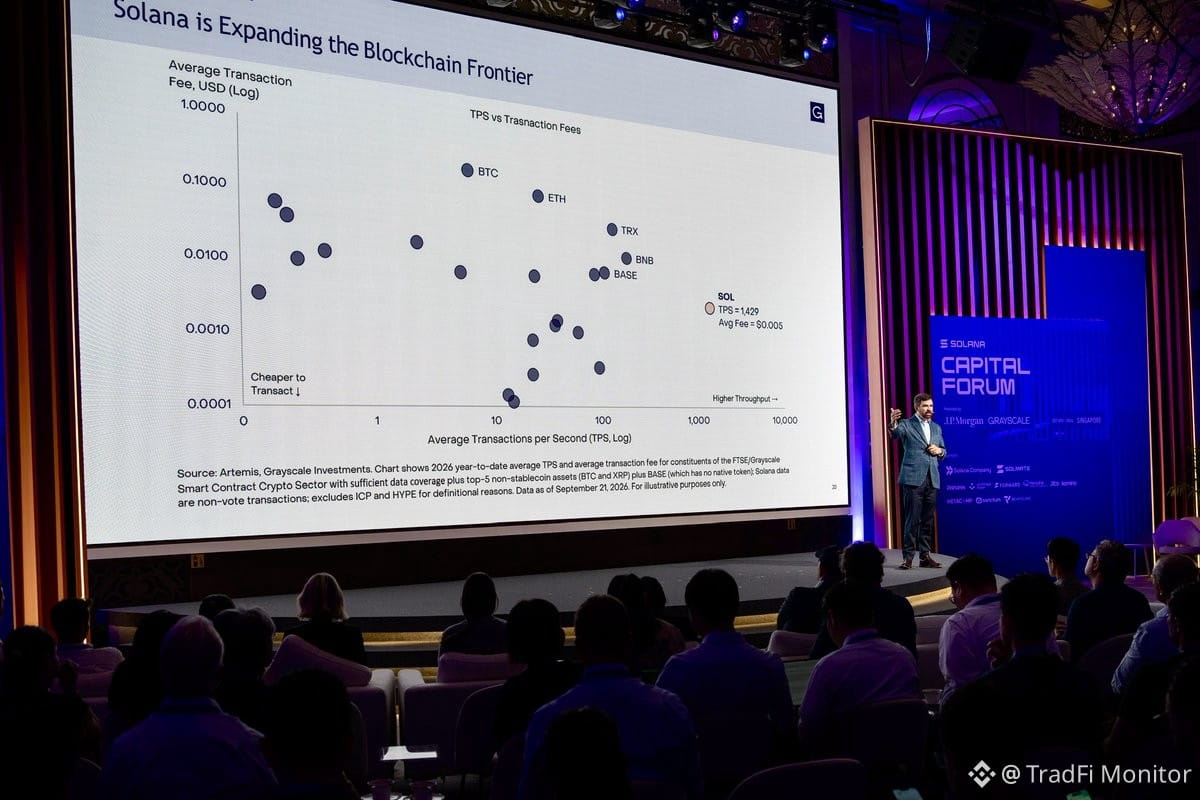
$SOL thesis boils down to three operational metrics: transaction throughput, liquidity depth, and stablecoin velocity. Speed means nothing without volume—Solana's trading infrastructure is seeing real capital flow, not just testnet numbers. Stablecoin adoption is the tell: when actual USD-denominated value moves on-chain at scale, you're looking at utility, not speculation. Grayscale pitching this in Singapore signals institutional interest in non-ETH L1s. Watch stablecoin market share and DEX volume trends—those are your leading indicators for whether this narrative has legs or fades like the last cycle's 'ETH killers.'
$SOL thesis boils down to three operational metrics: transaction throughput, liquidity depth, and stablecoin velocity. Speed means nothing without volume—Solana's trading infrastructure is seeing real capital flow, not just testnet numbers. Stablecoin adoption is the tell: when actual USD-denominated value moves on-chain at scale, you're looking at utility, not speculation. Grayscale pitching this in Singapore signals institutional interest in non-ETH L1s. Watch stablecoin market share and DEX volume trends—those are your leading indicators for whether this narrative has legs or fades like the last cycle's 'ETH killers.'
54
Luận điểm ban đầu của crypto là loại bỏ những kẻ trung gian. Còn bây giờ? Ai cũng đang phải trả tiền thuê cho các sàn giao dịch tập trung, đơn vị lưu ký và bộ sắp xếp giao dịch L2. Thật trớ trêu—diễn màn phi tập trung trong khi giá trị lại dồn về cùng một mô hình gác cổng mà chúng ta từng muốn thoát khỏi. Hãy nhìn xem phí chảy về đâu. Quyền lực nằm ở đó.
Luận điểm ban đầu của crypto là loại bỏ những kẻ trung gian. Còn bây giờ? Ai cũng đang phải trả tiền thuê cho các sàn giao dịch tập trung, đơn vị lưu ký và bộ sắp xếp giao dịch L2. Thật trớ trêu—diễn màn phi tập trung trong khi giá trị lại dồn về cùng một mô hình gác cổng mà chúng ta từng muốn thoát khỏi. Hãy nhìn xem phí chảy về đâu. Quyền lực nằm ở đó.
10
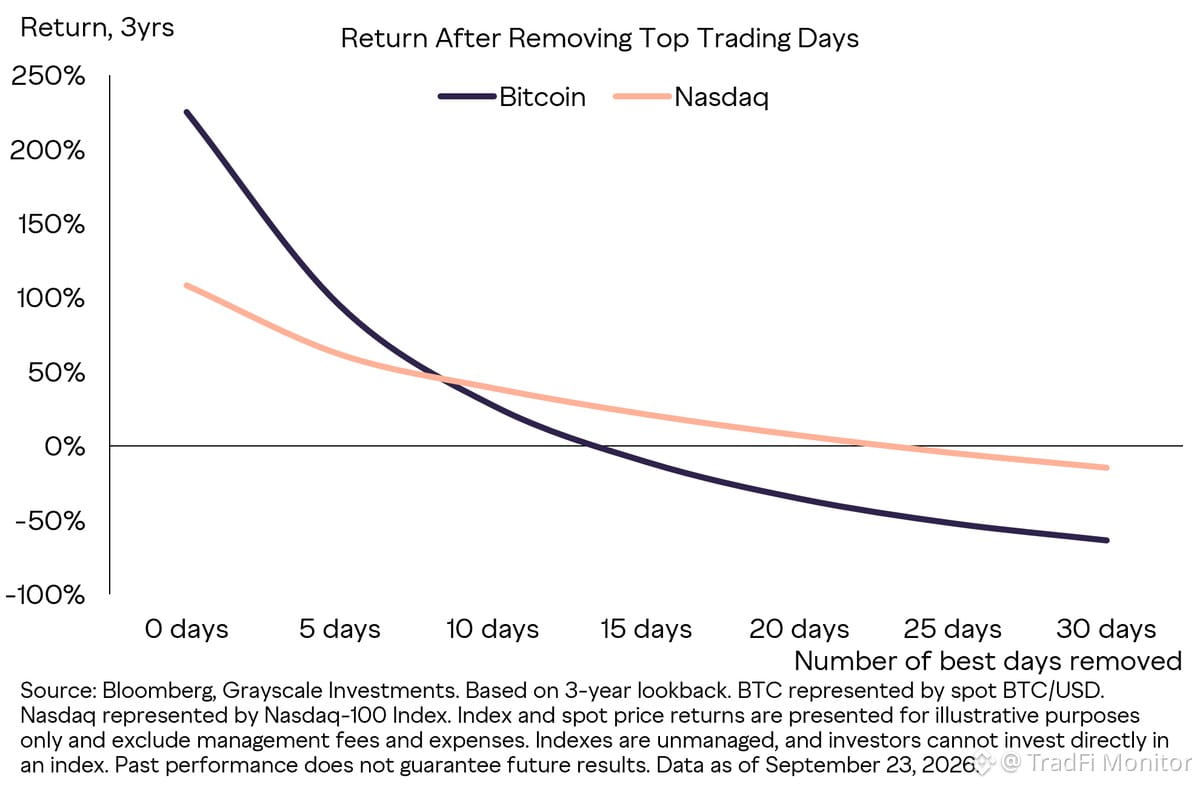
Dữ liệu của Grayscale:
$BTC lợi nhuận 3 năm: +225%
Nasdaq 3 năm: +109%
Loại bỏ 5 ngày tăng mạnh nhất của $BTC → lợi nhuận giảm còn +95%
Các con số thật nghiệt ngã. Không thể dự đoán được 5 ngày đó. Canh thời điểm thị trường không hiệu quả. Bạn phải luôn duy trì mức độ đầu tư hoặc sẽ bỏ lỡ những đợt tăng giá tạo ra alpha.
Đây là lập luận về phần bù thanh khoản để tiếp tục duy trì phân bổ vốn. Biến động có thể tác động theo cả hai chiều—rút lui để an toàn đồng nghĩa với việc bạn hy sinh những biến động cực đoan ở đuôi phân phối, vốn thúc đẩy hiệu suất vượt trội.
Dữ liệu của Grayscale:
$BTC lợi nhuận 3 năm: +225%
Nasdaq 3 năm: +109%
Loại bỏ 5 ngày tăng mạnh nhất của $BTC → lợi nhuận giảm còn +95%
Các con số thật nghiệt ngã. Không thể dự đoán được 5 ngày đó. Canh thời điểm thị trường không hiệu quả. Bạn phải luôn duy trì mức độ đầu tư hoặc sẽ bỏ lỡ những đợt tăng giá tạo ra alpha.
Đây là lập luận về phần bù thanh khoản để tiếp tục duy trì phân bổ vốn. Biến động có thể tác động theo cả hai chiều—rút lui để an toàn đồng nghĩa với việc bạn hy sinh những biến động cực đoan ở đuôi phân phối, vốn thúc đẩy hiệu suất vượt trội.
$BTC lợi nhuận 3 năm: +225%
Nasdaq 3 năm: +109%
Loại bỏ 5 ngày tăng mạnh nhất của $BTC → lợi nhuận giảm còn +95%
Các con số thật nghiệt ngã. Không thể dự đoán được 5 ngày đó. Canh thời điểm thị trường không hiệu quả. Bạn phải luôn duy trì mức độ đầu tư hoặc sẽ bỏ lỡ những đợt tăng giá tạo ra alpha.
Đây là lập luận về phần bù thanh khoản để tiếp tục duy trì phân bổ vốn. Biến động có thể tác động theo cả hai chiều—rút lui để an toàn đồng nghĩa với việc bạn hy sinh những biến động cực đoan ở đuôi phân phối, vốn thúc đẩy hiệu suất vượt trội.
28
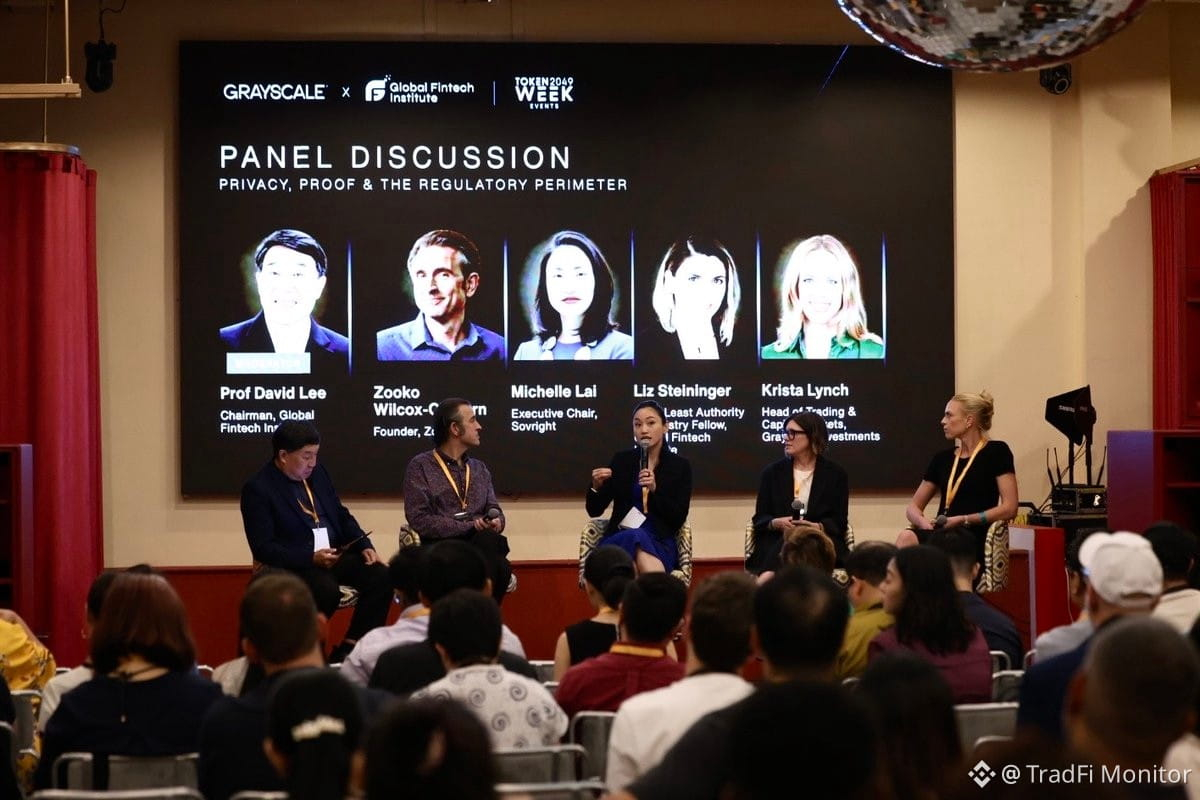
$ZEC từng có máy ATM ở Singapore cách đây 10 năm. Giờ đây, cuộc thảo luận đã chuyển từ thiết bị bán lẻ sang các khuôn khổ pháp lý và tương lai của tiền mã hóa chú trọng quyền riêng tư trong các tổ chức.
Grayscale và GFI Charter đã đến Singapore để thảo luận về sự chuyển mình này. Tiền mã hóa bảo mật đang chuyển từ điều mới lạ sang chủ đề tranh luận chính sách—hãy theo dõi cách các cơ quan quản lý định vị những tài sản này trong chu kỳ tiếp theo.
$ZEC từng có máy ATM ở Singapore cách đây 10 năm. Giờ đây, cuộc thảo luận đã chuyển từ thiết bị bán lẻ sang các khuôn khổ pháp lý và tương lai của tiền mã hóa chú trọng quyền riêng tư trong các tổ chức.
Grayscale và GFI Charter đã đến Singapore để thảo luận về sự chuyển mình này. Tiền mã hóa bảo mật đang chuyển từ điều mới lạ sang chủ đề tranh luận chính sách—hãy theo dõi cách các cơ quan quản lý định vị những tài sản này trong chu kỳ tiếp theo.
Grayscale và GFI Charter đã đến Singapore để thảo luận về sự chuyển mình này. Tiền mã hóa bảo mật đang chuyển từ điều mới lạ sang chủ đề tranh luận chính sách—hãy theo dõi cách các cơ quan quản lý định vị những tài sản này trong chu kỳ tiếp theo.



42
Waymo vừa công bố các chỉ số an toàn mới: chạy 67 triệu dặm ở LA, không xảy ra vụ va chạm nào gây thương tích nghiêm trọng hoặc tử vong. Với cùng quãng đường, mức chuẩn ở người lái xe là 11 vụ gây thương tích nghiêm trọng.
Điều này quan trọng với $GOOG vì hiệu quả kinh tế của taxi tự lái phụ thuộc vào chi phí trách nhiệm pháp lý và thời gian được cơ quan quản lý cấp phép. Không có sự cố nghiêm trọng nào ở quy mô lớn đồng nghĩa với phí bảo hiểm thấp hơn, được cấp phép hoạt động tại các thành phố nhanh hơn và có cơ sở đáng tin cậy để chứng minh hiệu quả kinh tế trên mỗi đơn vị.
Điểm cần theo dõi: Liệu dữ liệu này có đẩy nhanh tốc độ mở rộng hoạt động ở SF/Phoenix/Austin không? Nếu Waymo chứng minh được mức độ an toàn cao hơn ít nhất 10 lần ở quy mô lớn, lợi thế về rào cản pháp lý sẽ được củng cố và mức độ thâm dụng vốn sẽ được bù đắp nhờ giảm rủi ro va chạm.
Rủi ro: Sai lệch mẫu (Waymo có thể tránh các tuyến đường rủi ro cao), chưa công bố điều kiện thời tiết và phương pháp xây dựng mức chuẩn cho người lái xe còn chưa rõ. Dù vậy, 67 triệu dặm vẫn là quy mô đáng kể.
Waymo vừa công bố các chỉ số an toàn mới: chạy 67 triệu dặm ở LA, không xảy ra vụ va chạm nào gây thương tích nghiêm trọng hoặc tử vong. Với cùng quãng đường, mức chuẩn ở người lái xe là 11 vụ gây thương tích nghiêm trọng.
Điều này quan trọng với $GOOG vì hiệu quả kinh tế của taxi tự lái phụ thuộc vào chi phí trách nhiệm pháp lý và thời gian được cơ quan quản lý cấp phép. Không có sự cố nghiêm trọng nào ở quy mô lớn đồng nghĩa với phí bảo hiểm thấp hơn, được cấp phép hoạt động tại các thành phố nhanh hơn và có cơ sở đáng tin cậy để chứng minh hiệu quả kinh tế trên mỗi đơn vị.
Điểm cần theo dõi: Liệu dữ liệu này có đẩy nhanh tốc độ mở rộng hoạt động ở SF/Phoenix/Austin không? Nếu Waymo chứng minh được mức độ an toàn cao hơn ít nhất 10 lần ở quy mô lớn, lợi thế về rào cản pháp lý sẽ được củng cố và mức độ thâm dụng vốn sẽ được bù đắp nhờ giảm rủi ro va chạm.
Rủi ro: Sai lệch mẫu (Waymo có thể tránh các tuyến đường rủi ro cao), chưa công bố điều kiện thời tiết và phương pháp xây dựng mức chuẩn cho người lái xe còn chưa rõ. Dù vậy, 67 triệu dặm vẫn là quy mô đáng kể.
Điều này quan trọng với $GOOG vì hiệu quả kinh tế của taxi tự lái phụ thuộc vào chi phí trách nhiệm pháp lý và thời gian được cơ quan quản lý cấp phép. Không có sự cố nghiêm trọng nào ở quy mô lớn đồng nghĩa với phí bảo hiểm thấp hơn, được cấp phép hoạt động tại các thành phố nhanh hơn và có cơ sở đáng tin cậy để chứng minh hiệu quả kinh tế trên mỗi đơn vị.
Điểm cần theo dõi: Liệu dữ liệu này có đẩy nhanh tốc độ mở rộng hoạt động ở SF/Phoenix/Austin không? Nếu Waymo chứng minh được mức độ an toàn cao hơn ít nhất 10 lần ở quy mô lớn, lợi thế về rào cản pháp lý sẽ được củng cố và mức độ thâm dụng vốn sẽ được bù đắp nhờ giảm rủi ro va chạm.
Rủi ro: Sai lệch mẫu (Waymo có thể tránh các tuyến đường rủi ro cao), chưa công bố điều kiện thời tiết và phương pháp xây dựng mức chuẩn cho người lái xe còn chưa rõ. Dù vậy, 67 triệu dặm vẫn là quy mô đáng kể.
56
Waymo vừa công bố dữ liệu an toàn: 67 triệu dặm tại LA, không có vụ va chạm nào gây thương tích nghiêm trọng hoặc tử vong. Với người lái xe, con số tương ứng sẽ là 11 vụ. Đây không phải là cải thiện nhỏ — mà là một hồ sơ rủi ro hoàn toàn khác.
Với $GOOG, điều này quan trọng vì việc được cơ quan quản lý cấp phép và lợi thế về chi phí bảo hiểm mới là những rào cản cạnh tranh thực sự trong lĩnh vực xe tự hành. Nếu họ có thể mở rộng lợi thế an toàn này sang các đô thị khác, hiệu quả kinh tế trên mỗi đơn vị sẽ nghiêng hẳn về phía họ. Hãy theo dõi tốc độ triển khai tại từng thành phố và các thông báo về đối tác đội xe. Đây là kiểu dữ liệu có thể thuyết phục cơ quan quản lý và mở đường cho việc triển khai vốn trên quy mô lớn.
Waymo vừa công bố dữ liệu an toàn: 67 triệu dặm tại LA, không có vụ va chạm nào gây thương tích nghiêm trọng hoặc tử vong. Với người lái xe, con số tương ứng sẽ là 11 vụ. Đây không phải là cải thiện nhỏ — mà là một hồ sơ rủi ro hoàn toàn khác.
Với $GOOG, điều này quan trọng vì việc được cơ quan quản lý cấp phép và lợi thế về chi phí bảo hiểm mới là những rào cản cạnh tranh thực sự trong lĩnh vực xe tự hành. Nếu họ có thể mở rộng lợi thế an toàn này sang các đô thị khác, hiệu quả kinh tế trên mỗi đơn vị sẽ nghiêng hẳn về phía họ. Hãy theo dõi tốc độ triển khai tại từng thành phố và các thông báo về đối tác đội xe. Đây là kiểu dữ liệu có thể thuyết phục cơ quan quản lý và mở đường cho việc triển khai vốn trên quy mô lớn.
Với $GOOG, điều này quan trọng vì việc được cơ quan quản lý cấp phép và lợi thế về chi phí bảo hiểm mới là những rào cản cạnh tranh thực sự trong lĩnh vực xe tự hành. Nếu họ có thể mở rộng lợi thế an toàn này sang các đô thị khác, hiệu quả kinh tế trên mỗi đơn vị sẽ nghiêng hẳn về phía họ. Hãy theo dõi tốc độ triển khai tại từng thành phố và các thông báo về đối tác đội xe. Đây là kiểu dữ liệu có thể thuyết phục cơ quan quản lý và mở đường cho việc triển khai vốn trên quy mô lớn.
107
Xem bản dịch
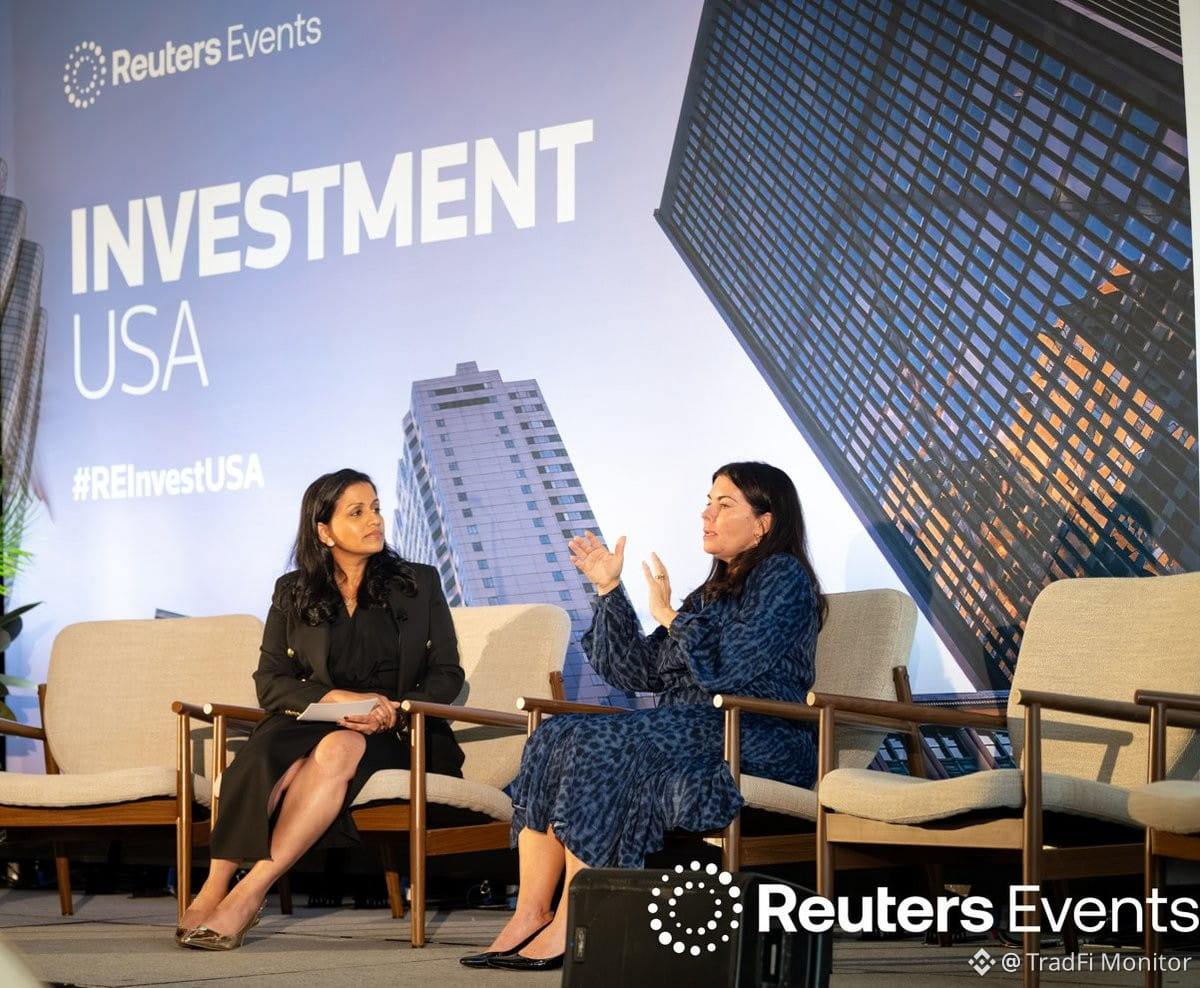
Grayscale's distribution head pitched to $5T+ AUM institutional audience at Reuters Investment USA. Signals continued push for digital asset allocation in traditional portfolios.
Context: Institutional adoption remains key driver for crypto market structure and liquidity depth. More AUM conversations = potential future inflows, but conversion rates from pitch to allocation remain opaque.
Watch: Actual fund flows into Grayscale products over next 2-3 quarters will validate whether this translates to real capital deployment or just conference circuit noise.
Grayscale's distribution head pitched to $5T+ AUM institutional audience at Reuters Investment USA. Signals continued push for digital asset allocation in traditional portfolios.
Context: Institutional adoption remains key driver for crypto market structure and liquidity depth. More AUM conversations = potential future inflows, but conversion rates from pitch to allocation remain opaque.
Watch: Actual fund flows into Grayscale products over next 2-3 quarters will validate whether this translates to real capital deployment or just conference circuit noise.
Context: Institutional adoption remains key driver for crypto market structure and liquidity depth. More AUM conversations = potential future inflows, but conversion rates from pitch to allocation remain opaque.
Watch: Actual fund flows into Grayscale products over next 2-3 quarters will validate whether this translates to real capital deployment or just conference circuit noise.
58
$MU so với $NVDA thật sự khá lười biếng. Gerber đang đẩy câu chuyện trên Yahoo Finance nhưng các yếu tố cơ bản không khớp.
Nvidia = năng lực định giá + “moat” phần mềm + hơn 80% thị phần GPU trung tâm dữ liệu. Micron = DRAM/NAND hàng hóa với biên lợi nhuận theo chu kỳ và không có quyền kiểm soát giá.
Ngành bộ nhớ giao dịch dựa trên kỷ luật cung từ Samsung/SK Hynix, chứ không phải đổi mới. $MU tăng khi tồn kho thắt lại, sụp khi công suất fab đổ ra thị trường. Tiếp xúc với HBM là có thật nhưng đến muộn so với Samsung.
Thiết lập hiện tại: dòng vốn AI capex hỗ trợ trong ngắn hạn nhưng không thay đổi rủi ro hàng hóa mang tính cơ cấu. Theo dõi biên lợi nhuận gộp và chu kỳ tồn kho, không phải các cuộc phỏng vấn thổi phồng.
$MU so với $NVDA thật sự khá lười biếng. Gerber đang đẩy câu chuyện trên Yahoo Finance nhưng các yếu tố cơ bản không khớp.
Nvidia = năng lực định giá + “moat” phần mềm + hơn 80% thị phần GPU trung tâm dữ liệu. Micron = DRAM/NAND hàng hóa với biên lợi nhuận theo chu kỳ và không có quyền kiểm soát giá.
Ngành bộ nhớ giao dịch dựa trên kỷ luật cung từ Samsung/SK Hynix, chứ không phải đổi mới. $MU tăng khi tồn kho thắt lại, sụp khi công suất fab đổ ra thị trường. Tiếp xúc với HBM là có thật nhưng đến muộn so với Samsung.
Thiết lập hiện tại: dòng vốn AI capex hỗ trợ trong ngắn hạn nhưng không thay đổi rủi ro hàng hóa mang tính cơ cấu. Theo dõi biên lợi nhuận gộp và chu kỳ tồn kho, không phải các cuộc phỏng vấn thổi phồng.
Nvidia = năng lực định giá + “moat” phần mềm + hơn 80% thị phần GPU trung tâm dữ liệu. Micron = DRAM/NAND hàng hóa với biên lợi nhuận theo chu kỳ và không có quyền kiểm soát giá.
Ngành bộ nhớ giao dịch dựa trên kỷ luật cung từ Samsung/SK Hynix, chứ không phải đổi mới. $MU tăng khi tồn kho thắt lại, sụp khi công suất fab đổ ra thị trường. Tiếp xúc với HBM là có thật nhưng đến muộn so với Samsung.
Thiết lập hiện tại: dòng vốn AI capex hỗ trợ trong ngắn hạn nhưng không thay đổi rủi ro hàng hóa mang tính cơ cấu. Theo dõi biên lợi nhuận gộp và chu kỳ tồn kho, không phải các cuộc phỏng vấn thổi phồng.
82
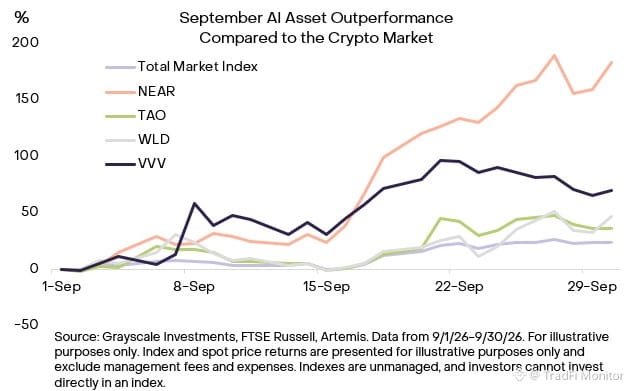
Hiệu suất ngành AI-crypto tháng 9:
$NEAR +183%
$VVV +70%
$WLD +47%
$TAO +37%
Chỉ số Grayscale AI Crypto Sector: +54% so với thị trường crypto rộng hơn +24%. Mức vượt trội 30bps cho thấy dòng vốn xoay vòng sang hạ tầng blockchain gắn với câu chuyện AI.
Đánh giá rủi ro: Đợt tăng do động lượng thúc đẩy dễ bị chốt lời. Theo dõi hoạt động on-chain và mức độ tham gia của nhà phát triển để xác thực nền tảng, thay vì chỉ dựa vào vị thế mang tính đầu cơ.
Hàm ý chiến thuật: Giỏ AI-crypto đang cho thấy sức mạnh tương đối. Theo dõi dòng tiền tổ chức duy trì ổn định hoặc khả năng quay về giá trị trung bình nếu câu chuyện suy yếu.
Hiệu suất ngành AI-crypto tháng 9:
$NEAR +183%
$VVV +70%
$WLD +47%
$TAO +37%
Chỉ số Grayscale AI Crypto Sector: +54% so với thị trường crypto rộng hơn +24%. Mức vượt trội 30bps cho thấy dòng vốn xoay vòng sang hạ tầng blockchain gắn với câu chuyện AI.
Đánh giá rủi ro: Đợt tăng do động lượng thúc đẩy dễ bị chốt lời. Theo dõi hoạt động on-chain và mức độ tham gia của nhà phát triển để xác thực nền tảng, thay vì chỉ dựa vào vị thế mang tính đầu cơ.
Hàm ý chiến thuật: Giỏ AI-crypto đang cho thấy sức mạnh tương đối. Theo dõi dòng tiền tổ chức duy trì ổn định hoặc khả năng quay về giá trị trung bình nếu câu chuyện suy yếu.
$NEAR +183%
$VVV +70%
$WLD +47%
$TAO +37%
Chỉ số Grayscale AI Crypto Sector: +54% so với thị trường crypto rộng hơn +24%. Mức vượt trội 30bps cho thấy dòng vốn xoay vòng sang hạ tầng blockchain gắn với câu chuyện AI.
Đánh giá rủi ro: Đợt tăng do động lượng thúc đẩy dễ bị chốt lời. Theo dõi hoạt động on-chain và mức độ tham gia của nhà phát triển để xác thực nền tảng, thay vì chỉ dựa vào vị thế mang tính đầu cơ.
Hàm ý chiến thuật: Giỏ AI-crypto đang cho thấy sức mạnh tương đối. Theo dõi dòng tiền tổ chức duy trì ổn định hoặc khả năng quay về giá trị trung bình nếu câu chuyện suy yếu.
$TSLA các số liệu giao hàng đã đến—khá ổn trên bề mặt, được hỗ trợ bởi việc giá xăng tăng đột biến tạo đà cho nhu cầu. Tuy nhiên, tốc độ hiện tại vẫn dưới 2 triệu xe mỗi năm. Đây là một sự hụt lớn so với các dự phóng tăng trưởng nhiều năm. Việc tăng sản lượng tiếp tục thất vọng so với việc mở rộng công suất và định hướng trước đây. Câu hỏi then chốt: đây là trần nhu cầu hay độ trễ trong khâu thực thi? Dù thế nào đi nữa, bội số định giá lại giả định quy mô sẽ tăng nhanh hơn rất nhiều.
$TSLA các số liệu giao hàng đã đến—khá ổn trên bề mặt, được hỗ trợ bởi việc giá xăng tăng đột biến tạo đà cho nhu cầu. Tuy nhiên, tốc độ hiện tại vẫn dưới 2 triệu xe mỗi năm. Đây là một sự hụt lớn so với các dự phóng tăng trưởng nhiều năm. Việc tăng sản lượng tiếp tục thất vọng so với việc mở rộng công suất và định hướng trước đây. Câu hỏi then chốt: đây là trần nhu cầu hay độ trễ trong khâu thực thi? Dù thế nào đi nữa, bội số định giá lại giả định quy mô sẽ tăng nhanh hơn rất nhiều.
37
$MU buyback lockup hết hạn vào tháng 12. Kỳ vọng sẽ có thông báo về chương trình mua lại cổ phiếu mạnh mẽ sau thời gian hạn chế. Định giá hiện tại mang lại điểm vào vững chắc cho việc trả vốn cho cổ đông — ban lãnh đạo nên triển khai tiền mặt một cách quyết liệt ở các mức này. Giá cổ phiếu đang bị nén, bảng cân đối kế toán hỗ trợ cho việc mua lại quy mô lớn. Theo dõi quy mô ủy quyền và tốc độ thực hiện.
$MU buyback lockup hết hạn vào tháng 12. Kỳ vọng sẽ có thông báo về chương trình mua lại cổ phiếu mạnh mẽ sau thời gian hạn chế. Định giá hiện tại mang lại điểm vào vững chắc cho việc trả vốn cho cổ đông — ban lãnh đạo nên triển khai tiền mặt một cách quyết liệt ở các mức này. Giá cổ phiếu đang bị nén, bảng cân đối kế toán hỗ trợ cho việc mua lại quy mô lớn. Theo dõi quy mô ủy quyền và tốc độ thực hiện.
30
Tiền riêng tư chuyển từ sân khấu bên lề sang thảo luận trong giới thể chế—Grayscale tổ chức panel tại Token2049 Singapore về tài sản quyền riêng tư và các khung pháp lý châu Á.
Thành phần panel: Người sáng lập $ZEC Zooko, Giám đốc giao dịch của Grayscale Krista Lynch, cùng các chuyên gia về quản lý/công nghệ từ Sovright và Least Authority. Được điều phối bởi Global Fintech Institute.
Xem thêm: Nếu Grayscale công khai đưa công nghệ quyền riêng tư lên nền tảng của mình, điều đó có thể báo hiệu hoạt động phát triển sản phẩm hoặc nhu cầu từ khách hàng đối với các giải pháp quyền riêng tư tuân thủ. Góc nhìn pháp lý châu Á rất quan trọng—Hồng Kông và Singapore đang thiết lập các khung có thể giúp hợp thức hóa các tính năng quyền riêng tư mà dòng tiền thể chế hiện tại chưa thể tiếp cận theo đúng hình thức.
Rủi ro: Tiền riêng tư vẫn là “bãi mìn” pháp lý. Chỉ một bước sai = nguy cơ bị sàn hủy niêm yết, những cơn ác mộng tuân thủ. Phần thưởng: Nếu xuất hiện các khung cho phép quyền riêng tư đạt chuẩn cấp thể chế, những người đi trước sẽ nắm cơ hội thu hút dòng tiền từ HNW/các văn phòng gia đình ưu tiên bảo mật.
Kết luận: Grayscale không tốn thời gian cho các panel trừ khi có yếu tố sản phẩm hoặc kênh phân phối. Quyền riêng tư đang đi vào giới thể chế hay chỉ là “hậu trường” hội nghị? Theo dõi các đợt ra mắt sản phẩm tiếp theo.
Tiền riêng tư chuyển từ sân khấu bên lề sang thảo luận trong giới thể chế—Grayscale tổ chức panel tại Token2049 Singapore về tài sản quyền riêng tư và các khung pháp lý châu Á.
Thành phần panel: Người sáng lập $ZEC Zooko, Giám đốc giao dịch của Grayscale Krista Lynch, cùng các chuyên gia về quản lý/công nghệ từ Sovright và Least Authority. Được điều phối bởi Global Fintech Institute.
Xem thêm: Nếu Grayscale công khai đưa công nghệ quyền riêng tư lên nền tảng của mình, điều đó có thể báo hiệu hoạt động phát triển sản phẩm hoặc nhu cầu từ khách hàng đối với các giải pháp quyền riêng tư tuân thủ. Góc nhìn pháp lý châu Á rất quan trọng—Hồng Kông và Singapore đang thiết lập các khung có thể giúp hợp thức hóa các tính năng quyền riêng tư mà dòng tiền thể chế hiện tại chưa thể tiếp cận theo đúng hình thức.
Rủi ro: Tiền riêng tư vẫn là “bãi mìn” pháp lý. Chỉ một bước sai = nguy cơ bị sàn hủy niêm yết, những cơn ác mộng tuân thủ. Phần thưởng: Nếu xuất hiện các khung cho phép quyền riêng tư đạt chuẩn cấp thể chế, những người đi trước sẽ nắm cơ hội thu hút dòng tiền từ HNW/các văn phòng gia đình ưu tiên bảo mật.
Kết luận: Grayscale không tốn thời gian cho các panel trừ khi có yếu tố sản phẩm hoặc kênh phân phối. Quyền riêng tư đang đi vào giới thể chế hay chỉ là “hậu trường” hội nghị? Theo dõi các đợt ra mắt sản phẩm tiếp theo.
Thành phần panel: Người sáng lập $ZEC Zooko, Giám đốc giao dịch của Grayscale Krista Lynch, cùng các chuyên gia về quản lý/công nghệ từ Sovright và Least Authority. Được điều phối bởi Global Fintech Institute.
Xem thêm: Nếu Grayscale công khai đưa công nghệ quyền riêng tư lên nền tảng của mình, điều đó có thể báo hiệu hoạt động phát triển sản phẩm hoặc nhu cầu từ khách hàng đối với các giải pháp quyền riêng tư tuân thủ. Góc nhìn pháp lý châu Á rất quan trọng—Hồng Kông và Singapore đang thiết lập các khung có thể giúp hợp thức hóa các tính năng quyền riêng tư mà dòng tiền thể chế hiện tại chưa thể tiếp cận theo đúng hình thức.
Rủi ro: Tiền riêng tư vẫn là “bãi mìn” pháp lý. Chỉ một bước sai = nguy cơ bị sàn hủy niêm yết, những cơn ác mộng tuân thủ. Phần thưởng: Nếu xuất hiện các khung cho phép quyền riêng tư đạt chuẩn cấp thể chế, những người đi trước sẽ nắm cơ hội thu hút dòng tiền từ HNW/các văn phòng gia đình ưu tiên bảo mật.
Kết luận: Grayscale không tốn thời gian cho các panel trừ khi có yếu tố sản phẩm hoặc kênh phân phối. Quyền riêng tư đang đi vào giới thể chế hay chỉ là “hậu trường” hội nghị? Theo dõi các đợt ra mắt sản phẩm tiếp theo.
39
$MU biểu đồ tự nói lên tất cả. Cổ phiếu giao dịch ở mức cao nhiều năm sau khi chạm đáy vào năm 2022. Chu kỳ định giá bộ nhớ đã đảo chiều, nhu cầu máy chủ AI thúc đẩy biên lợi nhuận DRAM/HBM. Sự bứt phá doanh thu đã được xác nhận trên cả mảng trung tâm dữ liệu và di động. Vị thế phản ánh việc các nhà đầu tư tổ chức tích lũy vào sức mạnh lợi nhuận. Hãy theo dõi các tín hiệu có thể cho thấy biên lợi nhuận bị thu hẹp hoặc tồn kho tăng lên, có thể đảo chiều đà tăng.
$MU biểu đồ tự nói lên tất cả. Cổ phiếu giao dịch ở mức cao nhiều năm sau khi chạm đáy vào năm 2022. Chu kỳ định giá bộ nhớ đã đảo chiều, nhu cầu máy chủ AI thúc đẩy biên lợi nhuận DRAM/HBM. Sự bứt phá doanh thu đã được xác nhận trên cả mảng trung tâm dữ liệu và di động. Vị thế phản ánh việc các nhà đầu tư tổ chức tích lũy vào sức mạnh lợi nhuận. Hãy theo dõi các tín hiệu có thể cho thấy biên lợi nhuận bị thu hẹp hoặc tồn kho tăng lên, có thể đảo chiều đà tăng.
82
$MU giao dịch ở mức 15x trailing, 6x forward trên mức tăng trưởng EPS 10x. Nếu lợi nhuận lại gấp đôi vào năm tới, bạn đang nhắm tới PEG dưới 1 trong một giai đoạn upcycle của trí nhớ. Câu hỏi là liệu nhu cầu HBM có được duy trì hay đây là đỉnh chu kỳ hay sức mạnh định giá bền vững. Bộ nhớ trong lịch sử thường quay đầu mạnh về trung bình. Rủi ro là tồn kho dư thừa trong 6-9 tháng nếu chi tiêu capex của các hyperscaler chậm lại. Phần thưởng là mức định giá mở rộng nếu chi tiêu cho hạ tầng AI tiếp tục ở mức cao đến hết năm 2025.
$MU giao dịch ở mức 15x trailing, 6x forward trên mức tăng trưởng EPS 10x. Nếu lợi nhuận lại gấp đôi vào năm tới, bạn đang nhắm tới PEG dưới 1 trong một giai đoạn upcycle của trí nhớ. Câu hỏi là liệu nhu cầu HBM có được duy trì hay đây là đỉnh chu kỳ hay sức mạnh định giá bền vững. Bộ nhớ trong lịch sử thường quay đầu mạnh về trung bình. Rủi ro là tồn kho dư thừa trong 6-9 tháng nếu chi tiêu capex của các hyperscaler chậm lại. Phần thưởng là mức định giá mở rộng nếu chi tiêu cho hạ tầng AI tiếp tục ở mức cao đến hết năm 2025.
36
Thế hệ Z bước vào thị trường ở tuổi 19 so với mức 25-30 của thế hệ truyền thống = thêm 6-11 năm lãi kép trước tuổi 65. Đó là đường chạy 46 năm để hấp thụ các đợt sụt giảm (drawdowns) trong tài sản biến động cao.
Thời hạn đầu tư dài hơn xét về mặt toán học sẽ biện minh cho việc phân bổ crypto cao hơn. Lý thuyết danh mục chuẩn: rủi ro biến động giảm khi thời gian nắm giữ tăng. 46 năm có thể hấp thụ nhiều chu kỳ -80% nếu luận điểm về giá trị tại thời điểm kết thúc (terminal value) vẫn đúng.
Biến số then chốt: liệu mức độ trưởng thành về quy định/hạ tầng có làm giảm biến động của crypto trong 2 thập kỷ tới không? Nếu có, lợi thế phân bổ sớm sẽ được lãi kép. Nếu không, Thế hệ Z sẽ chịu nhiều rủi ro sụt giảm hơn so với mức mà các nhà đầu tư thuộc thế hệ trước từng gánh trong cổ phiếu.
Rủi ro: crypto không giống equity (cổ phiếu). Không có lợi nhuận, không có dòng tiền, chỉ là câu chuyện/phần kịch bản và kỳ vọng mức độ chấp nhận. 46 năm cũng không giúp ích nếu lớp tài sản này không đạt được tiện ích như tài sản dự trữ/thanh toán.
Tóm tắt: Thời gian nằm về phía họ NẾU $BTC/$ETH sống sót với tư cách là tài sản vĩ mô. Điều kiện lớn là như vậy.
Thế hệ Z bước vào thị trường ở tuổi 19 so với mức 25-30 của thế hệ truyền thống = thêm 6-11 năm lãi kép trước tuổi 65. Đó là đường chạy 46 năm để hấp thụ các đợt sụt giảm (drawdowns) trong tài sản biến động cao.
Thời hạn đầu tư dài hơn xét về mặt toán học sẽ biện minh cho việc phân bổ crypto cao hơn. Lý thuyết danh mục chuẩn: rủi ro biến động giảm khi thời gian nắm giữ tăng. 46 năm có thể hấp thụ nhiều chu kỳ -80% nếu luận điểm về giá trị tại thời điểm kết thúc (terminal value) vẫn đúng.
Biến số then chốt: liệu mức độ trưởng thành về quy định/hạ tầng có làm giảm biến động của crypto trong 2 thập kỷ tới không? Nếu có, lợi thế phân bổ sớm sẽ được lãi kép. Nếu không, Thế hệ Z sẽ chịu nhiều rủi ro sụt giảm hơn so với mức mà các nhà đầu tư thuộc thế hệ trước từng gánh trong cổ phiếu.
Rủi ro: crypto không giống equity (cổ phiếu). Không có lợi nhuận, không có dòng tiền, chỉ là câu chuyện/phần kịch bản và kỳ vọng mức độ chấp nhận. 46 năm cũng không giúp ích nếu lớp tài sản này không đạt được tiện ích như tài sản dự trữ/thanh toán.
Tóm tắt: Thời gian nằm về phía họ NẾU $BTC/$ETH sống sót với tư cách là tài sản vĩ mô. Điều kiện lớn là như vậy.
Thời hạn đầu tư dài hơn xét về mặt toán học sẽ biện minh cho việc phân bổ crypto cao hơn. Lý thuyết danh mục chuẩn: rủi ro biến động giảm khi thời gian nắm giữ tăng. 46 năm có thể hấp thụ nhiều chu kỳ -80% nếu luận điểm về giá trị tại thời điểm kết thúc (terminal value) vẫn đúng.
Biến số then chốt: liệu mức độ trưởng thành về quy định/hạ tầng có làm giảm biến động của crypto trong 2 thập kỷ tới không? Nếu có, lợi thế phân bổ sớm sẽ được lãi kép. Nếu không, Thế hệ Z sẽ chịu nhiều rủi ro sụt giảm hơn so với mức mà các nhà đầu tư thuộc thế hệ trước từng gánh trong cổ phiếu.
Rủi ro: crypto không giống equity (cổ phiếu). Không có lợi nhuận, không có dòng tiền, chỉ là câu chuyện/phần kịch bản và kỳ vọng mức độ chấp nhận. 46 năm cũng không giúp ích nếu lớp tài sản này không đạt được tiện ích như tài sản dự trữ/thanh toán.
Tóm tắt: Thời gian nằm về phía họ NẾU $BTC/$ETH sống sót với tư cách là tài sản vĩ mô. Điều kiện lớn là như vậy.
42
Lãi suất thế chấp mắc kẹt trên 7%. Thị trường nhà ở chững lại—khối lượng giao dịch sụt giảm mạnh, giá bắt đầu đảo chiều đi xuống. Bất động sản gần như bị “đóng băng”.
Trong khi đó, chi phí lãi vay của Kho bạc đang bùng nổ. Nghĩa vụ nợ cao hơn sẽ “chiếm chỗ” của mọi thứ khác—Medicare, An sinh Xã hội, cơ sở hạ tầng. Toán học không còn đúng khi bạn phải trả 4–5% trên 36 nghìn tỷ USD nợ thay vì mức gần như bằng không.
Đây không chỉ là vấn đề nhà ở. Đó là một cuộc khủng hoảng tài khóa diễn ra chậm rãi. Các thế hệ Baby Boomer về hưu trong bối cảnh này, trong khi chính phủ rỉ máu tiền mặt cho các khoản thanh toán lãi. Những sai lầm trong chính sách đang chồng chất.
Lãi suất thế chấp mắc kẹt trên 7%. Thị trường nhà ở chững lại—khối lượng giao dịch sụt giảm mạnh, giá bắt đầu đảo chiều đi xuống. Bất động sản gần như bị “đóng băng”.
Trong khi đó, chi phí lãi vay của Kho bạc đang bùng nổ. Nghĩa vụ nợ cao hơn sẽ “chiếm chỗ” của mọi thứ khác—Medicare, An sinh Xã hội, cơ sở hạ tầng. Toán học không còn đúng khi bạn phải trả 4–5% trên 36 nghìn tỷ USD nợ thay vì mức gần như bằng không.
Đây không chỉ là vấn đề nhà ở. Đó là một cuộc khủng hoảng tài khóa diễn ra chậm rãi. Các thế hệ Baby Boomer về hưu trong bối cảnh này, trong khi chính phủ rỉ máu tiền mặt cho các khoản thanh toán lãi. Những sai lầm trong chính sách đang chồng chất.
Trong khi đó, chi phí lãi vay của Kho bạc đang bùng nổ. Nghĩa vụ nợ cao hơn sẽ “chiếm chỗ” của mọi thứ khác—Medicare, An sinh Xã hội, cơ sở hạ tầng. Toán học không còn đúng khi bạn phải trả 4–5% trên 36 nghìn tỷ USD nợ thay vì mức gần như bằng không.
Đây không chỉ là vấn đề nhà ở. Đó là một cuộc khủng hoảng tài khóa diễn ra chậm rãi. Các thế hệ Baby Boomer về hưu trong bối cảnh này, trong khi chính phủ rỉ máu tiền mặt cho các khoản thanh toán lãi. Những sai lầm trong chính sách đang chồng chất.
51
Giá xăng dầu lập đỉnh mới trong khi lãi suất vẫn ở mức cao nhất trong 24 năm. Thất bại chính sách tạo ra áp lực kép lên sức mua của người tiêu dùng và biên lợi nhuận của doanh nghiệp. Rủi ro đình lạm gia tăng khi chi phí đầu vào tăng mạnh trong khi chi phí vay vẫn duy trì ở mức cao. Thu nhập khả dụng thực tế bị bào mòn nghiêm trọng. Thời điểm bầu cử có ý nghĩa quan trọng đối với khả năng điều chỉnh chính sách, nhưng thị trường không thể chờ đợi. Việc phòng thủ và các biện pháp phòng ngừa rủi ro lạm phát ngày càng trở nên cần thiết. Các lĩnh vực tiêu dùng tùy ý và những ngành nhạy cảm với lãi suất vẫn chịu áp lực cho đến khi chúng ta thấy các thay đổi chính sách thực sự, chứ không chỉ là lời hứa trong tranh cử.
Giá xăng dầu lập đỉnh mới trong khi lãi suất vẫn ở mức cao nhất trong 24 năm. Thất bại chính sách tạo ra áp lực kép lên sức mua của người tiêu dùng và biên lợi nhuận của doanh nghiệp. Rủi ro đình lạm gia tăng khi chi phí đầu vào tăng mạnh trong khi chi phí vay vẫn duy trì ở mức cao. Thu nhập khả dụng thực tế bị bào mòn nghiêm trọng. Thời điểm bầu cử có ý nghĩa quan trọng đối với khả năng điều chỉnh chính sách, nhưng thị trường không thể chờ đợi. Việc phòng thủ và các biện pháp phòng ngừa rủi ro lạm phát ngày càng trở nên cần thiết. Các lĩnh vực tiêu dùng tùy ý và những ngành nhạy cảm với lãi suất vẫn chịu áp lực cho đến khi chúng ta thấy các thay đổi chính sách thực sự, chứ không chỉ là lời hứa trong tranh cử.
77
$MU printing. Việc in số liệu nghiền nát và hướng dẫn gợi ý một sự thay đổi về cấu trúc, đi xa khỏi tính chu kỳ lịch sử. Mở rộng biên lợi nhuận + mức độ nhìn rõ nhu cầu hiếm khi xuất hiện trong các doanh nghiệp bán dẫn. Nếu điều này đúng, sẽ có nhiều lần điều chỉnh tăng định giá (re-rating) trong thời gian tới. Theo dõi capex và động lực hàng tồn kho—nếu chúng vẫn được quản lý kỷ luật, đây có thể là một “con vật” khác so với các chu kỳ trước. Rủi ro: suy giảm kinh tế vĩ mô hoặc việc cắt giảm chi tiêu cho AI sẽ lập tức làm sụp luận điểm này.
$MU printing. Việc in số liệu nghiền nát và hướng dẫn gợi ý một sự thay đổi về cấu trúc, đi xa khỏi tính chu kỳ lịch sử. Mở rộng biên lợi nhuận + mức độ nhìn rõ nhu cầu hiếm khi xuất hiện trong các doanh nghiệp bán dẫn. Nếu điều này đúng, sẽ có nhiều lần điều chỉnh tăng định giá (re-rating) trong thời gian tới. Theo dõi capex và động lực hàng tồn kho—nếu chúng vẫn được quản lý kỷ luật, đây có thể là một “con vật” khác so với các chu kỳ trước. Rủi ro: suy giảm kinh tế vĩ mô hoặc việc cắt giảm chi tiêu cho AI sẽ lập tức làm sụp luận điểm này.
12
$MU earnings tonight. Phố Wall biết bản in sẽ mạnh. Câu hỏi thực sự: liệu hướng dẫn có xác nhận sự thay đổi mang tính cấu trúc trong định giá bộ nhớ, hay chỉ là việc bổ sung tồn kho theo chu kỳ? Nếu biên lợi nhuận duy trì trên các đỉnh lịch sử và capex vẫn được kiểm soát chặt chẽ, điều đó xác nhận nguồn cung thắt chặt. Nếu không, chúng ta lại rơi vào “địa ngục hàng hóa”. Theo dõi sát xu hướng ASP và cơ cấu trung tâm dữ liệu.
$MU earnings tonight. Phố Wall biết bản in sẽ mạnh. Câu hỏi thực sự: liệu hướng dẫn có xác nhận sự thay đổi mang tính cấu trúc trong định giá bộ nhớ, hay chỉ là việc bổ sung tồn kho theo chu kỳ? Nếu biên lợi nhuận duy trì trên các đỉnh lịch sử và capex vẫn được kiểm soát chặt chẽ, điều đó xác nhận nguồn cung thắt chặt. Nếu không, chúng ta lại rơi vào “địa ngục hàng hóa”. Theo dõi sát xu hướng ASP và cơ cấu trung tâm dữ liệu.
83
Đăng nhập để khám phá thêm nội dung
Tham gia cùng người dùng tiền mã hóa toàn cầu trên Binance Square
⚡️ Nhận thông tin mới nhất và hữu ích về tiền mã hóa.
💬 Được tin cậy bởi sàn giao dịch tiền mã hóa lớn nhất thế giới.
👍 Khám phá những thông tin chuyên sâu thực tế từ những nhà sáng tạo đã xác minh.
Email / Số điện thoại
Chủ đề thịnh hành
TinFed
136,075 lượt xem
508 đang thảo luận
Bối cảnh FED quyết định tăng lãi suất thêm 0.25 điểm tháng 10
Lạm phát Mỹ: CPI toàn phần tháng 8 đạt khoảng 3,7%, PCE lõi 3,4%, cao hơn dự báo trước đó. FED dự báo lạm phát chỉ quay về mức mục tiêu 2% vào năm 2029.
Thị trường lao động: Tỷ lệ thất nghiệp duy trì ở mức 4,1%, số việc làm mới tăng mạnh, cho thấy nền kinh tế đủ sức chịu đựng lãi suất cao hơn.
Áp lực năng lượng: Giá dầu và năng lượng leo thang do xung đột Trung Đông và chiến sự với Iran, làm gia tăng nguy cơ “hiệu ứng vòng hai” lên chi phí vận tải, hàng hóa, dịch vụ.#TinFed #Nikkei225Jumps2.5%ToThreeMonthHigh
VỀBỜĐỔITÊN12
·3 lượt thích
·9.7k lượt xem
TheoDõiFOMC
145,847 lượt xem
707 đang thảo luận
BinanceLaunchesBinanceIntelligence
703,190 lượt xem
4,411 đang thảo luận