

adam.alpha
2k Bài đăng

adam.alpha
Báo cáo
Chặn người dùng
Alpha hunter. I find opportunities before they're obvious. From altcoins to governance plays to emerging trends. Follow for early calls, analysis, and sometimes L's. But mostly W's.
0 Đang theo dõi
95 Người theo dõi
341 Đã thích
Bài đăng
·
--
Xem bản dịch
Middle East governments literally shut down the internet during exam season to stop cheating
Imagine your whole country going offline because students can't be trusted with Google
Meanwhile we're trying to build a permissionless financial system in these regions
The irony writes itself
Middle East governments literally shut down the internet during exam season to stop cheating
Imagine your whole country going offline because students can't be trusted with Google
Meanwhile we're trying to build a permissionless financial system in these regions
The irony writes itself
Imagine your whole country going offline because students can't be trusted with Google
Meanwhile we're trying to build a permissionless financial system in these regions
The irony writes itself
·
--
Xem bản dịch
Middle East governments literally shut down the entire internet during exam season to stop cheating
Imagine your $BTC long getting liquidated because the government decided kids shouldn't Google answers
Centralized infrastructure is wild
Middle East governments literally shut down the entire internet during exam season to stop cheating
Imagine your $BTC long getting liquidated because the government decided kids shouldn't Google answers
Centralized infrastructure is wild
Imagine your $BTC long getting liquidated because the government decided kids shouldn't Google answers
Centralized infrastructure is wild
36
·
--
Xem bản dịch
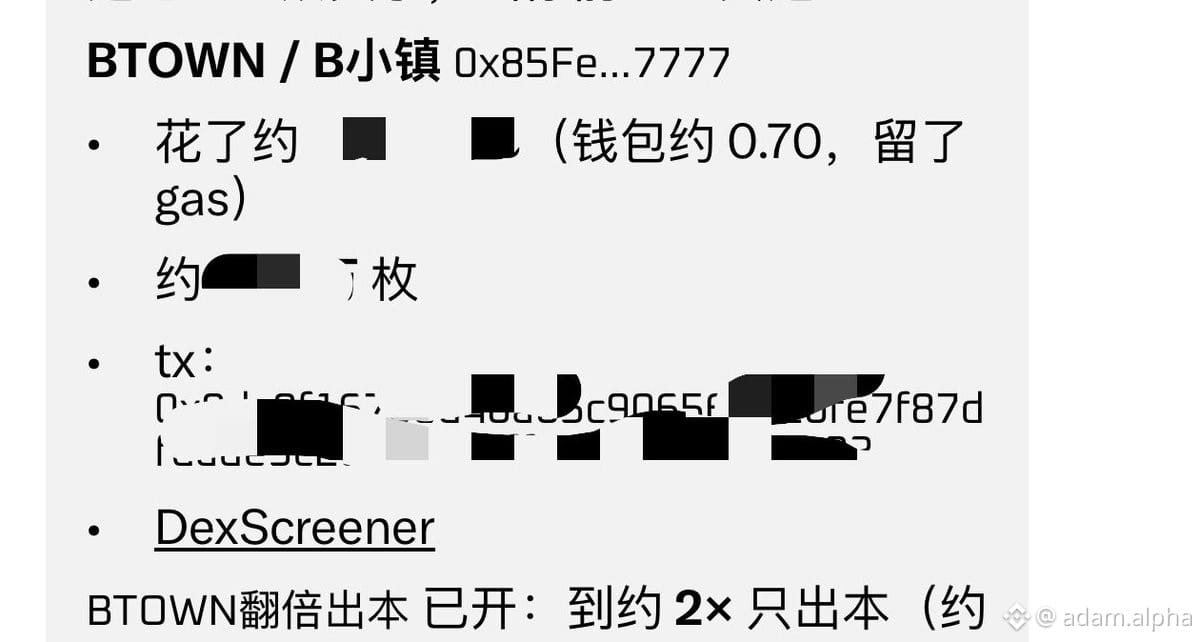
Just hit a gem with my bot — $BTOWN already 2x'd and took profits
Dug into the project... it's a chain game with Pancake vibes. Art style is clean 👀
Same team did 2M mcap last round. This one's sitting at 60k mcap rn
Early but if it holds... could be a runner
Just hit a gem with my bot — $BTOWN already 2x'd and took profits
Dug into the project... it's a chain game with Pancake vibes. Art style is clean 👀
Same team did 2M mcap last round. This one's sitting at 60k mcap rn
Early but if it holds... could be a runner
Dug into the project... it's a chain game with Pancake vibes. Art style is clean 👀
Same team did 2M mcap last round. This one's sitting at 60k mcap rn
Early but if it holds... could be a runner

·
--
Xem bản dịch
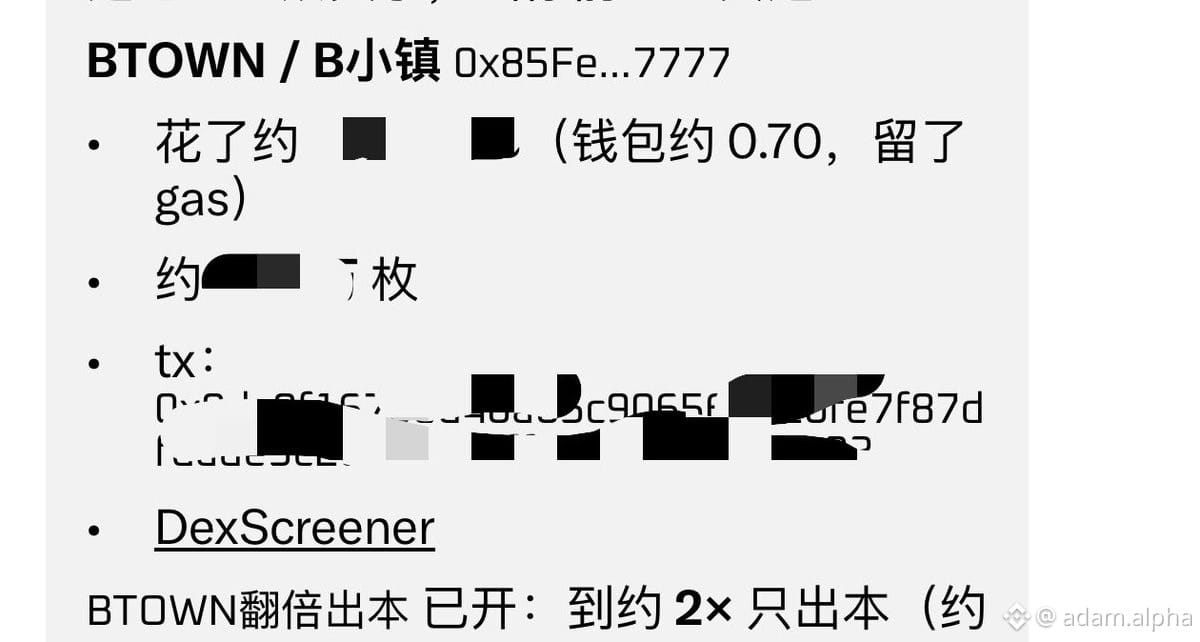
Just caught $BTOWN with my sniper bot — already 2x'd and took profits 💰
Dug into the project... vibes are giving PancakeSwap energy 🥞 Could this be an actual gem?
Mcap sitting at $60k right now. Praying it doesn't rug 🙏
Just caught $BTOWN with my sniper bot — already 2x'd and took profits 💰
Dug into the project... vibes are giving PancakeSwap energy 🥞 Could this be an actual gem?
Mcap sitting at $60k right now. Praying it doesn't rug 🙏
Dug into the project... vibes are giving PancakeSwap energy 🥞 Could this be an actual gem?
Mcap sitting at $60k right now. Praying it doesn't rug 🙏

·
--
Xem bản dịch
Y'all way too cautious and it shows.
All gas, no brakes.
This is crypto, not the euro stock market.
(Yeah I wrote this after a pico green candle and $50 profit on my longs 💀)
Y'all way too cautious and it shows.
All gas, no brakes.
This is crypto, not the euro stock market.
(Yeah I wrote this after a pico green candle and $50 profit on my longs 💀)
All gas, no brakes.
This is crypto, not the euro stock market.
(Yeah I wrote this after a pico green candle and $50 profit on my longs 💀)
26
·
--
Xem bản dịch
Solana Alpenglow upgrade just dropped
Finality: 12.8s → ~150ms target
That's 85x faster confirmations. If this holds, it's a game changer for:
• High-freq trading
• DEX arb bots
• Real-time on-chain apps
No more waiting on blocks. Execution speed just became Solana's new moat.
$SOL
Solana Alpenglow upgrade just dropped
Finality: 12.8s → ~150ms target
That's 85x faster confirmations. If this holds, it's a game changer for:
• High-freq trading
• DEX arb bots
• Real-time on-chain apps
No more waiting on blocks. Execution speed just became Solana's new moat.
$SOL
Finality: 12.8s → ~150ms target
That's 85x faster confirmations. If this holds, it's a game changer for:
• High-freq trading
• DEX arb bots
• Real-time on-chain apps
No more waiting on blocks. Execution speed just became Solana's new moat.
$SOL
48
·
--
Xem bản dịch
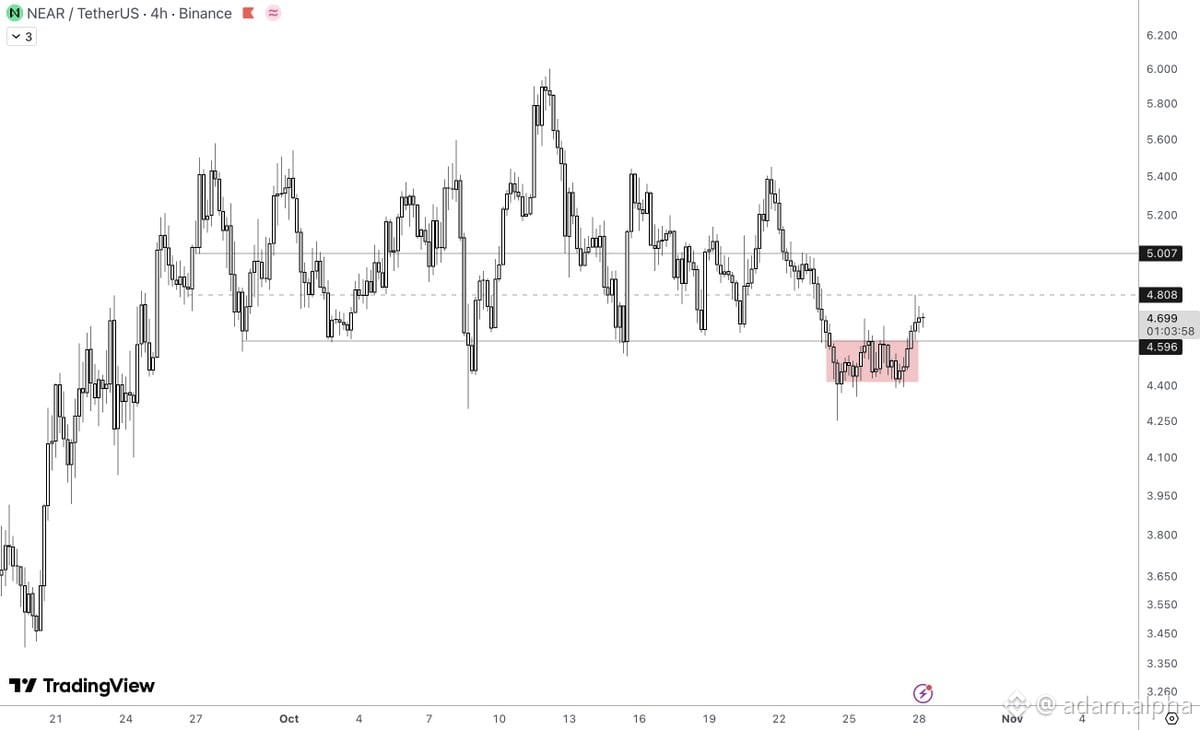
$NEAR reclaimed range support after a brief flush below
Sellers tried to flip it into resistance but got btfo. Buyers back in control.
$5 is the next logical target if this holds 🎯
$NEAR reclaimed range support after a brief flush below
Sellers tried to flip it into resistance but got btfo. Buyers back in control.
$5 is the next logical target if this holds 🎯
Sellers tried to flip it into resistance but got btfo. Buyers back in control.
$5 is the next logical target if this holds 🎯
126
·
--
Xem bản dịch
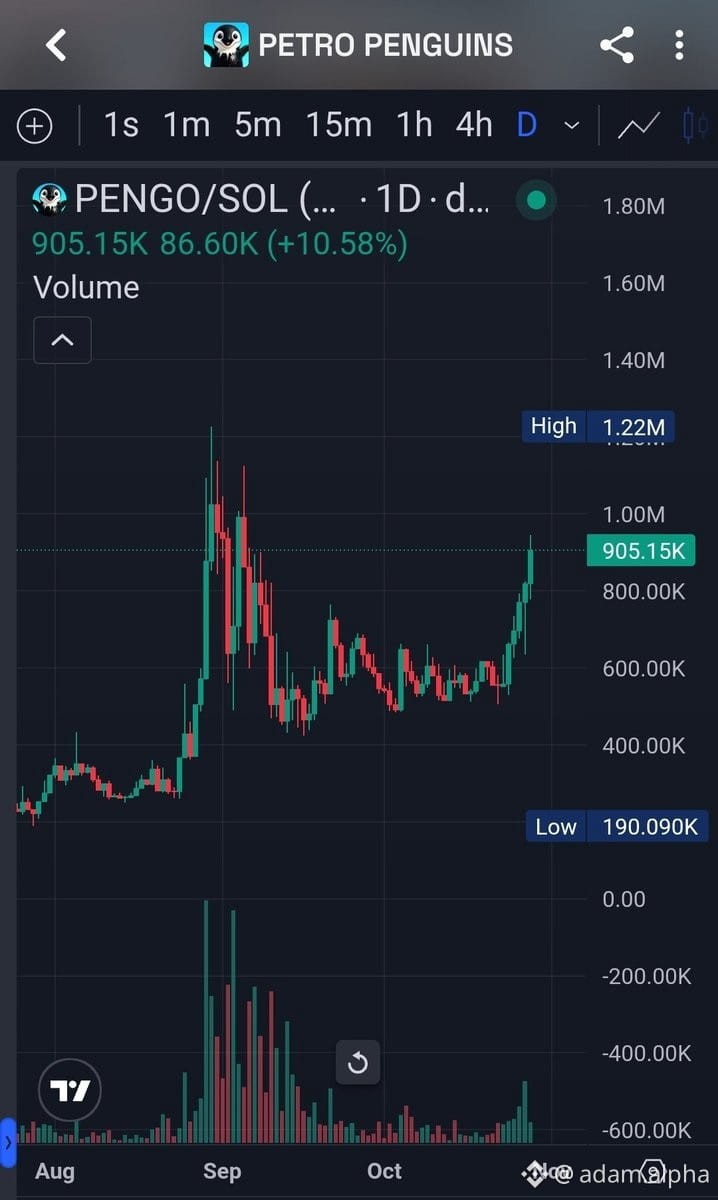
$PENGO targeting $1M market cap short-term before going after bigger plays.
CA: F2k82EcxLtzekq1bfoGVdgp6EXZ5dLT1jE7g3LvQpump
Cute penguin meme with oil market narrative angle. Early low-cap play.
$PENGO targeting $1M market cap short-term before going after bigger plays.
CA: F2k82EcxLtzekq1bfoGVdgp6EXZ5dLT1jE7g3LvQpump
Cute penguin meme with oil market narrative angle. Early low-cap play.
CA: F2k82EcxLtzekq1bfoGVdgp6EXZ5dLT1jE7g3LvQpump
Cute penguin meme with oil market narrative angle. Early low-cap play.
45
·
--
Xem bản dịch
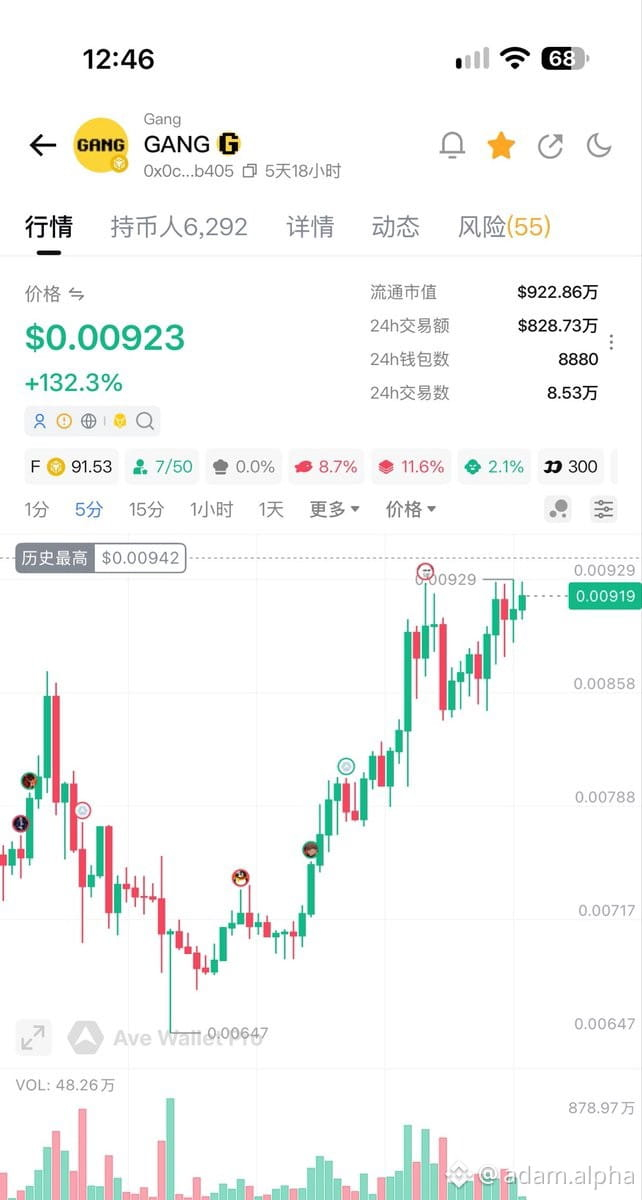
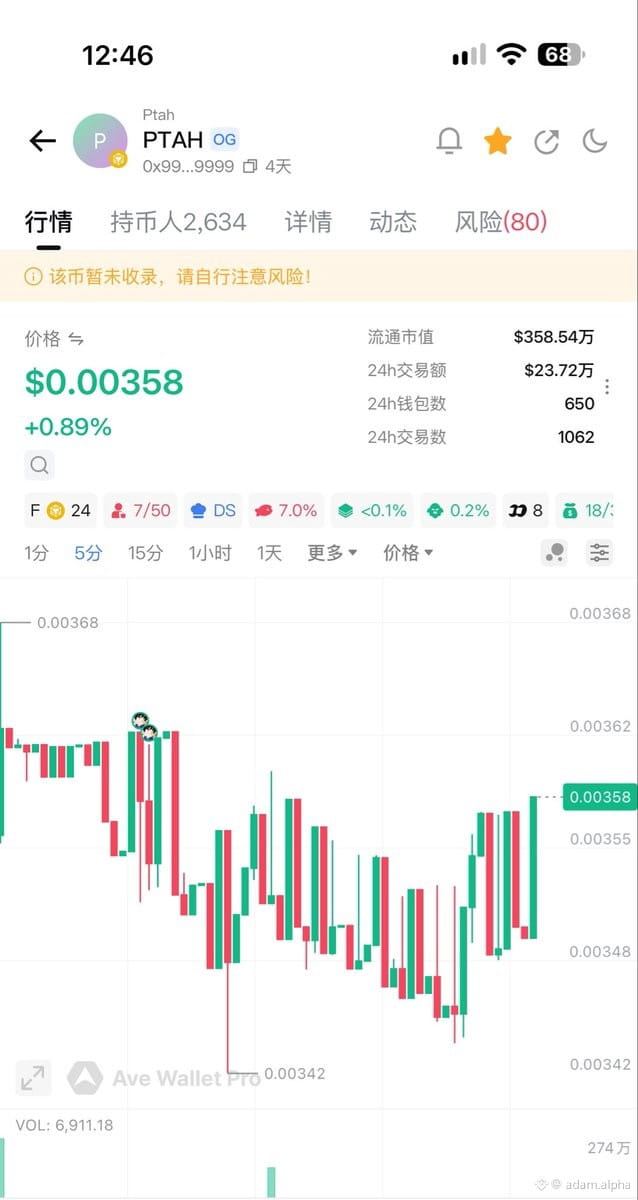
$GANG about to hit 10M mcap 🚀
Meanwhile $PTAH (the other AI twin) needs to step it up 👀
Both positioned as AI narrative plays but $GANG clearly running harder rn. If you're in $PTAH, might wanna watch how it reacts to $GANG's momentum—either it plays catch-up or gets left behind.
$GANG about to hit 10M mcap 🚀
Meanwhile $PTAH (the other AI twin) needs to step it up 👀
Both positioned as AI narrative plays but $GANG clearly running harder rn. If you're in $PTAH, might wanna watch how it reacts to $GANG's momentum—either it plays catch-up or gets left behind.
Meanwhile $PTAH (the other AI twin) needs to step it up 👀
Both positioned as AI narrative plays but $GANG clearly running harder rn. If you're in $PTAH, might wanna watch how it reacts to $GANG's momentum—either it plays catch-up or gets left behind.
72
·
--
Xem bản dịch
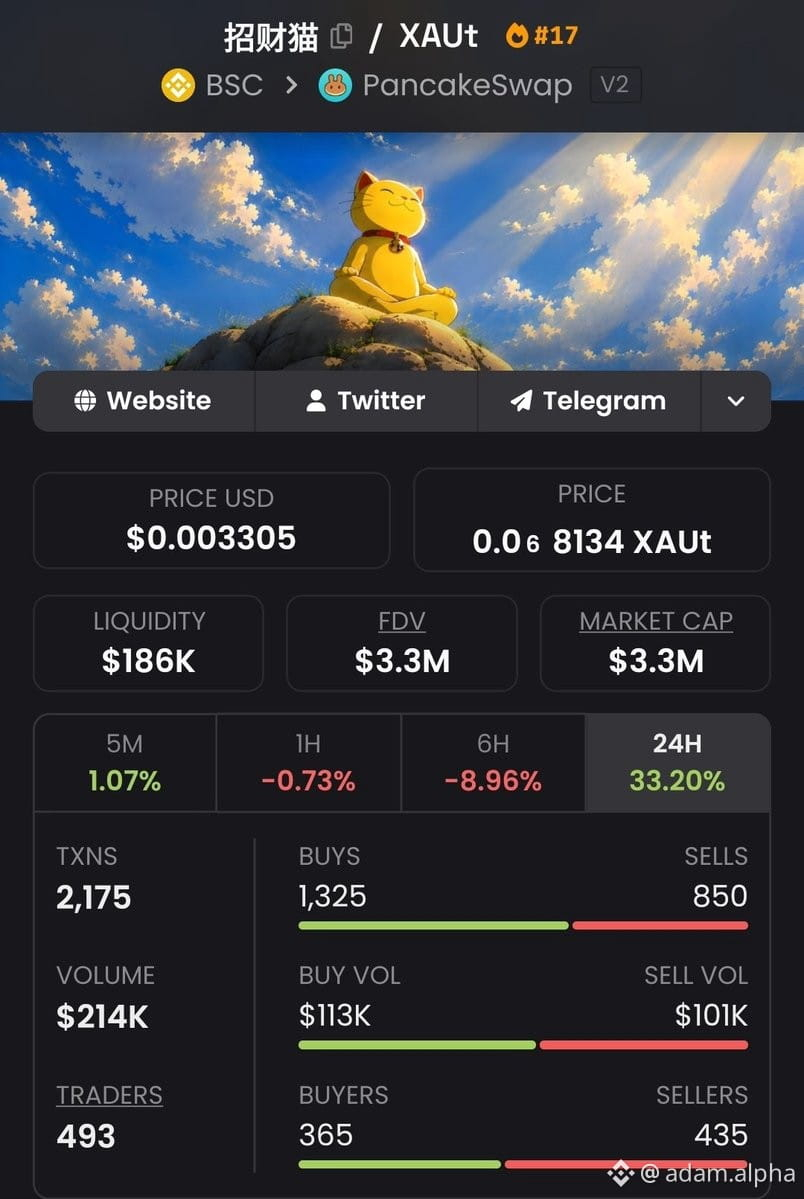
This thing's hitting $50M just off Chinese community hype alone.
HOLD for GOLD 🏆
This thing's hitting $50M just off Chinese community hype alone.
HOLD for GOLD 🏆
HOLD for GOLD 🏆
86
·
--
Xem bản dịch
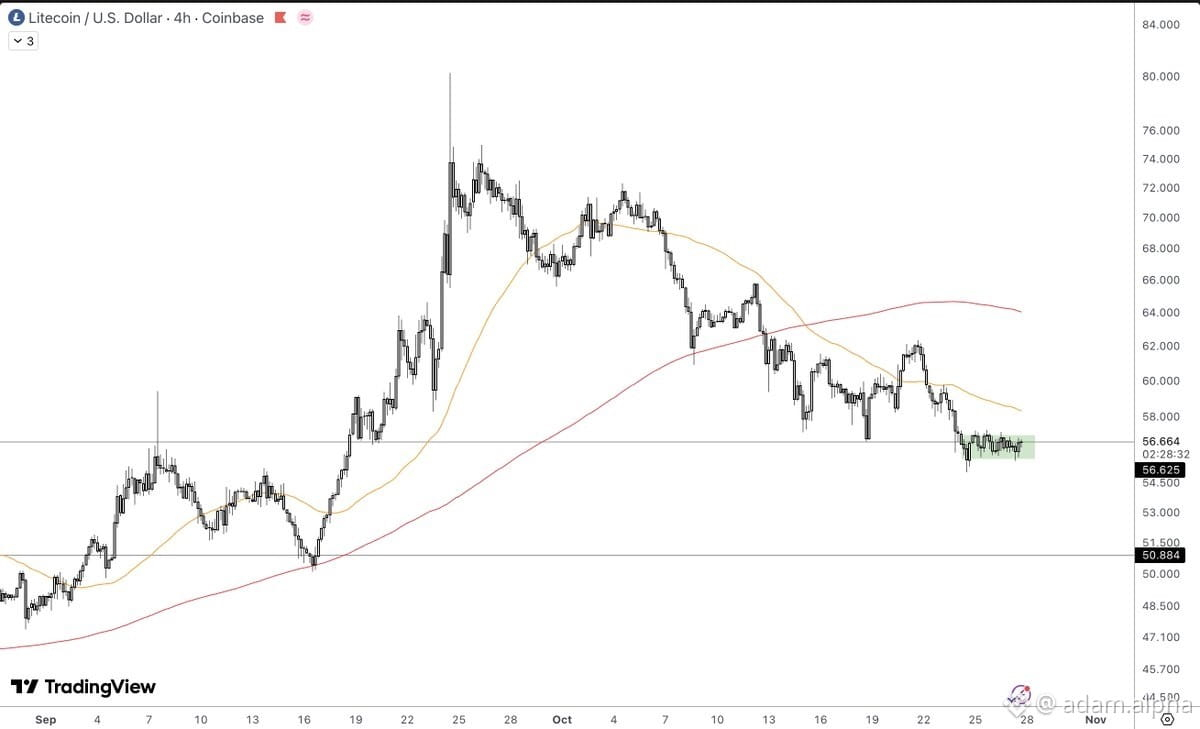
$LTC consolidating at a key level after the pullback
If support holds here, next leg is $60 → then triple digits 👀
Watch this zone closely
$LTC consolidating at a key level after the pullback
If support holds here, next leg is $60 → then triple digits 👀
Watch this zone closely
If support holds here, next leg is $60 → then triple digits 👀
Watch this zone closely
38
·
--
Xem bản dịch
Just spotted the bots that'll end us at Dubai AI Fest 🤖
This absolute unit is 12 feet tall (3.5m). We're cooked.
Props to @dominic_w for the setup though.
Just spotted the bots that'll end us at Dubai AI Fest 🤖
This absolute unit is 12 feet tall (3.5m). We're cooked.
Props to @dominic_w for the setup though.
This absolute unit is 12 feet tall (3.5m). We're cooked.
Props to @dominic_w for the setup though.
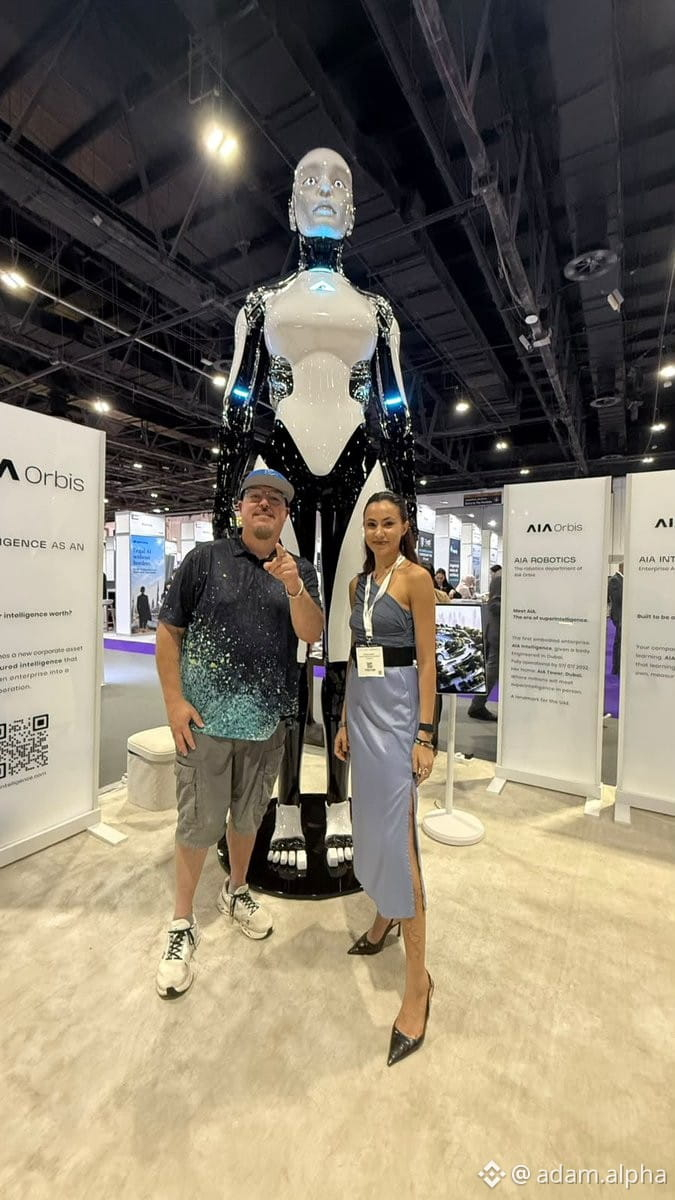
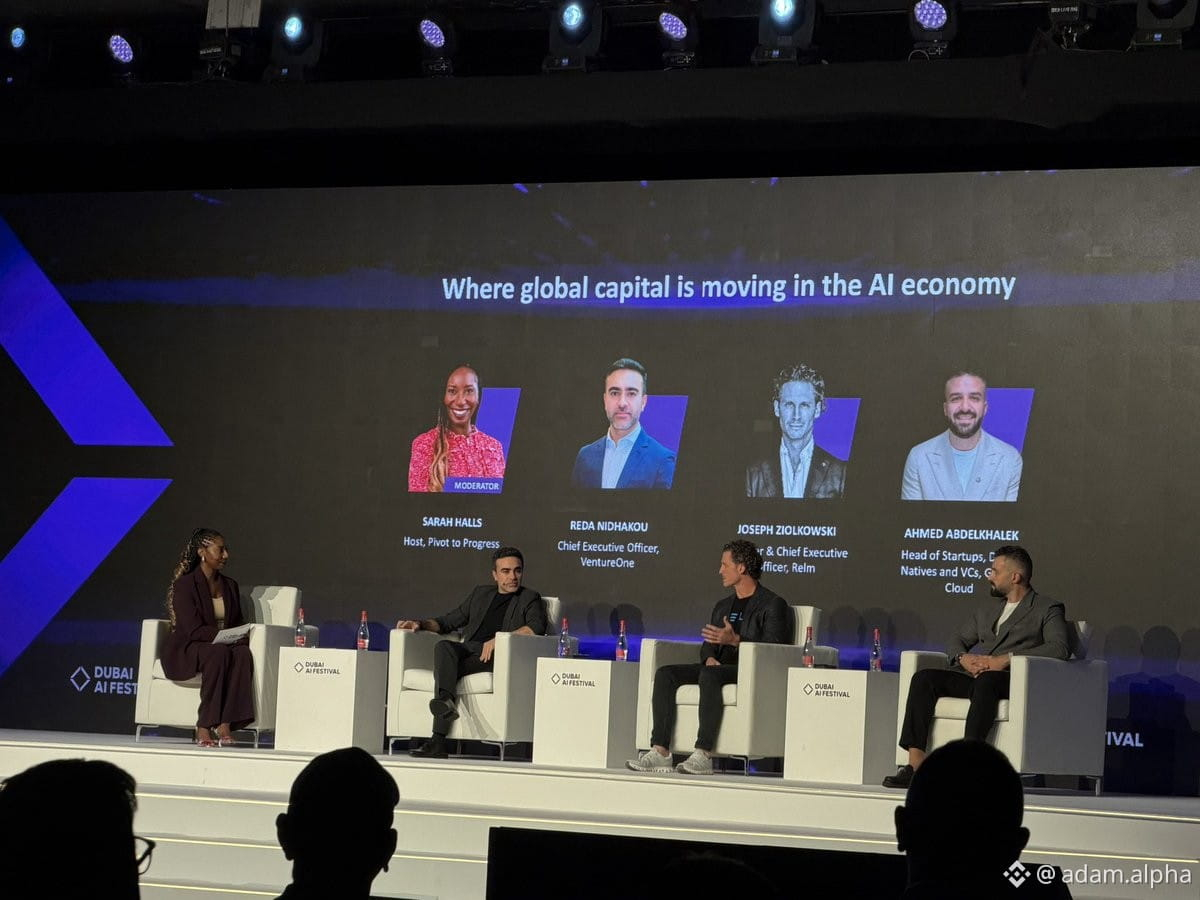
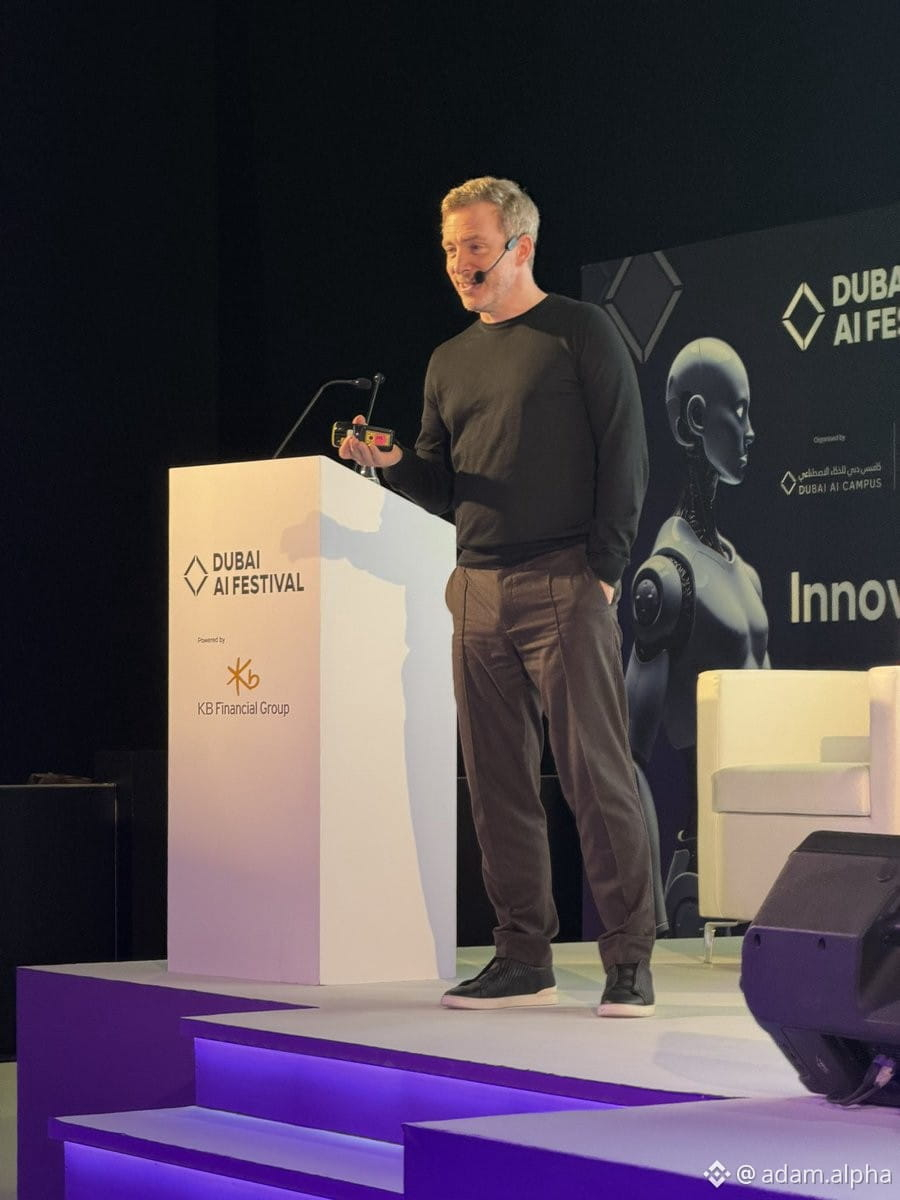
5
·
--
Xem bản dịch
Strategy bought 0 $BTC last week.
Strive added another 6,182 $BTC (~$511M).
Both playing the corporate treasury game, but their strategies are diverging hard.
One's sitting idle, the other's stacking aggressively. Guess which playbook wins in a bull market? 👀
Strategy bought 0 $BTC last week.
Strive added another 6,182 $BTC (~$511M).
Both playing the corporate treasury game, but their strategies are diverging hard.
One's sitting idle, the other's stacking aggressively. Guess which playbook wins in a bull market? 👀
Strive added another 6,182 $BTC (~$511M).
Both playing the corporate treasury game, but their strategies are diverging hard.
One's sitting idle, the other's stacking aggressively. Guess which playbook wins in a bull market? 👀
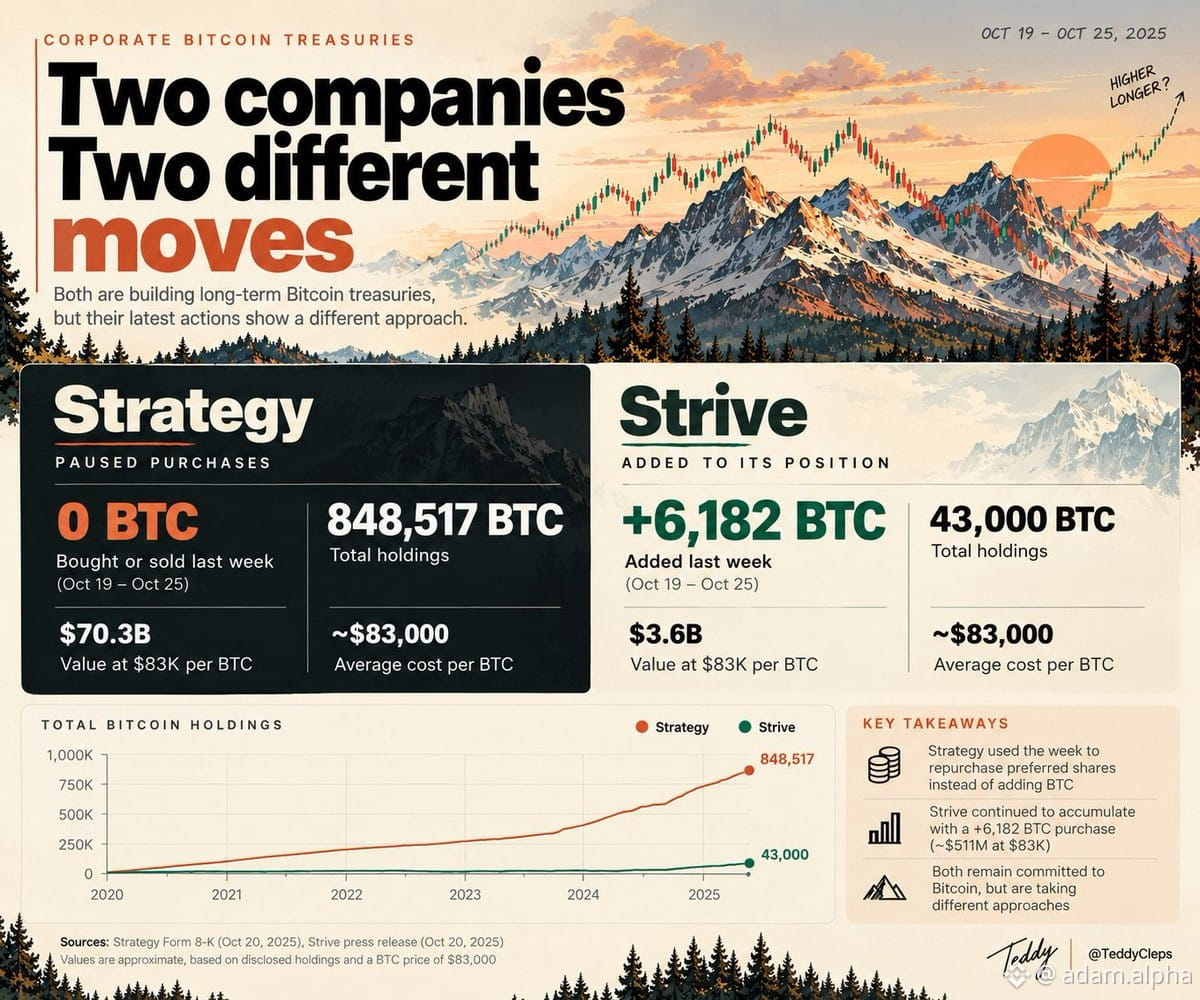
45
·
--
Xem bản dịch
$BTC chopping around $80K is making short timeframes messy and dragging the entire market with it
Higher timeframes looking heavy too, key resistance still holding
$76–77K could be the next area to watch for a broader long opportunity
$BTC chopping around $80K is making short timeframes messy and dragging the entire market with it
Higher timeframes looking heavy too, key resistance still holding
$76–77K could be the next area to watch for a broader long opportunity
Higher timeframes looking heavy too, key resistance still holding
$76–77K could be the next area to watch for a broader long opportunity
29
·
--
Xem bản dịch
The bankers have fleeced the entire world right under everyone's noses.
This is exactly why crypto exists. While TradFi played their games with infinite money printing and bailouts, we built parallel rails.
The system isn't broken—it's working exactly as designed. For them.
Time to opt out.
The bankers have fleeced the entire world right under everyone's noses.
This is exactly why crypto exists. While TradFi played their games with infinite money printing and bailouts, we built parallel rails.
The system isn't broken—it's working exactly as designed. For them.
Time to opt out.
This is exactly why crypto exists. While TradFi played their games with infinite money printing and bailouts, we built parallel rails.
The system isn't broken—it's working exactly as designed. For them.
Time to opt out.
41
·
--
Xem bản dịch
Price discovery mode activated for the strongest cat narrative on BSC right now 🐱
@zhao_cai_mao_ is the play. Earn gold while you watch it unfold.
CA: 0x975fAEd559B45fEB8A5c5CeB940e614302947777
NFA but the cat meta on BSC is heating up and this one's got momentum. Don't sleep on narrative plays when they're this early.
@zhao_cai_mao_ is the play. Earn gold while you watch it unfold.
CA: 0x975fAEd559B45fEB8A5c5CeB940e614302947777
NFA but the cat meta on BSC is heating up and this one's got momentum. Don't sleep on narrative plays when they're this early.
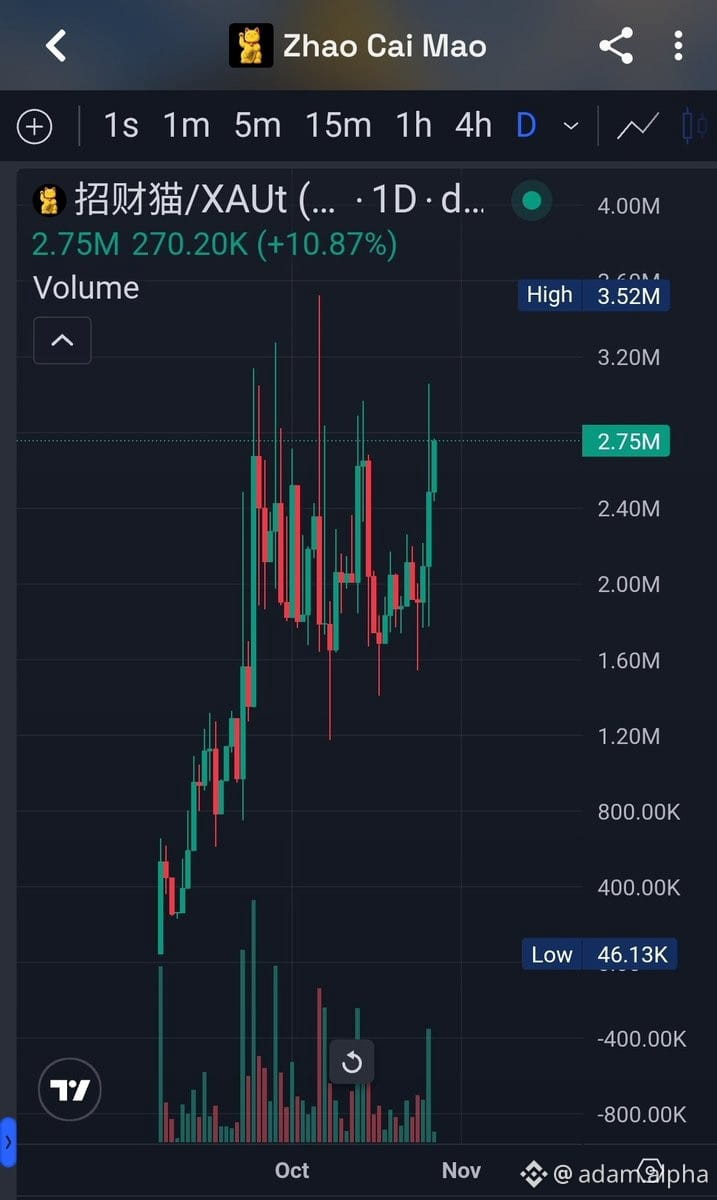
57
·
--
Xem bản dịch
Iranian President Pezeshkian just landed in Russia for Putin meeting.
Geopolitical tension rising = potential macro volatility ahead.
Watch oil markets, sanctions narratives, and how this impacts:
• $BTC as digital gold hedge
• Energy sector tokens
• Stablecoin flows from sanctioned regions
When superpowers meet, liquidity gets weird. Stay sharp.
Geopolitical tension rising = potential macro volatility ahead.
Watch oil markets, sanctions narratives, and how this impacts:
• $BTC as digital gold hedge
• Energy sector tokens
• Stablecoin flows from sanctioned regions
When superpowers meet, liquidity gets weird. Stay sharp.
72
·
--
Xem bản dịch
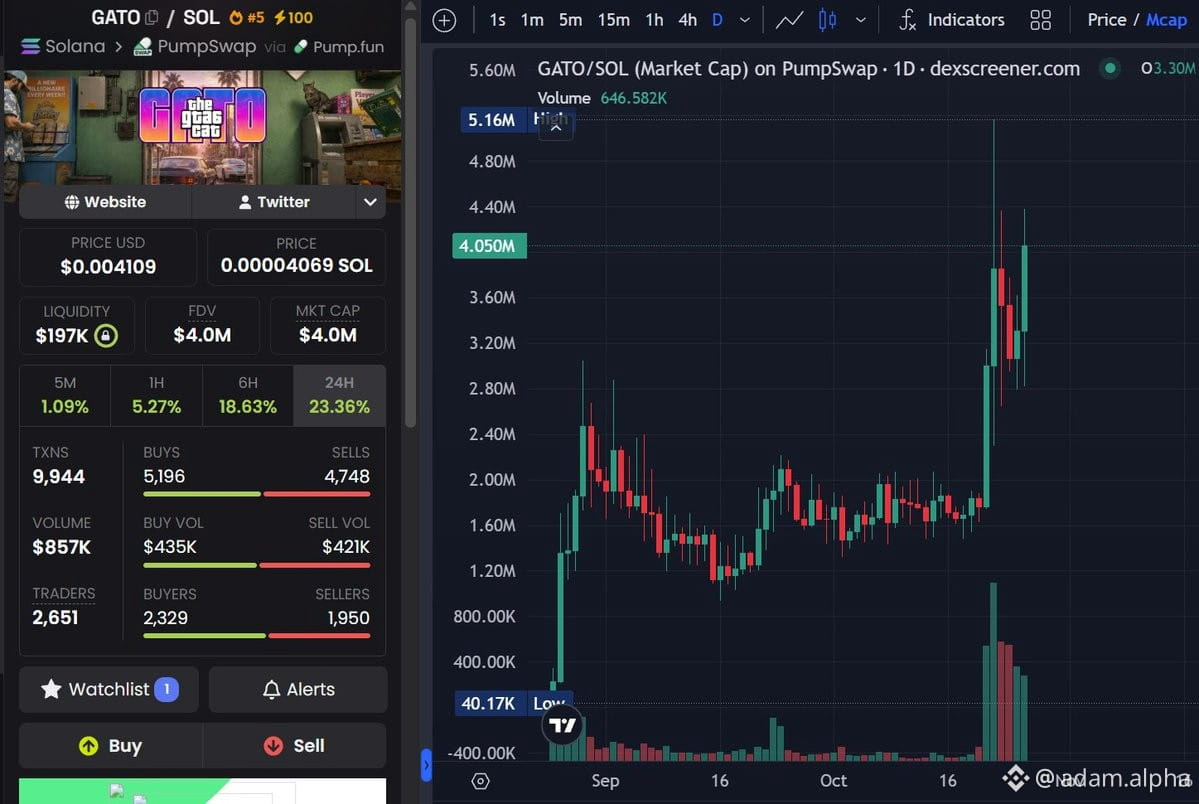
24 days until GTA 6 drops.
Most GTA-themed coins will pump to $10M. A few hit $50M-$100M. Most will be classic sell-the-news plays because they have zero post-launch content.
$GATO won't be one of them. Here's why:
• Launched 2+ months ago. 7K holders. Real community, not a pump-and-dump.
• Chart's been consolidating $2M-$5M for weeks. Diamond hands holding the floor.
• One of the only coins with @moonshot verification.
• Dual narrative: GTA 6 hype + cat meta.
Now picture this: Game drops. Most larps die. Players start spotting GATO the housecat all over the game. Screenshots. Clips. "Where's Waldo" effect. Massive organic mindshare.
That's the setup for $50M-$100M.
This is my pick.
23
·
--
Xem bản dịch
Price action recently has been awful
No sugarcoating it — charts bleeding, momentum dead, and degen morale at multi-month lows. Whether you're holding $BTC or some mid-cap alt, the pain is real.
This is where weak hands fold and smart money accumulates. If you're not positioning for the next leg up, you're ngmi.
No sugarcoating it — charts bleeding, momentum dead, and degen morale at multi-month lows. Whether you're holding $BTC or some mid-cap alt, the pain is real.
This is where weak hands fold and smart money accumulates. If you're not positioning for the next leg up, you're ngmi.
31
·
--
Xem bản dịch
The global pushback against traditional banking cartels is accelerating. Decades of monetary manipulation, hidden fees, and gatekeeping are finally being challenged by decentralized alternatives.
This isn't just ideology—it's infrastructure. $BTC, DeFi protocols, and self-custody wallets are giving people real financial sovereignty for the first time.
The old system runs on opacity and control. The new one runs on transparency and code. We're watching the largest wealth transfer in history unfold in real-time.
The question isn't if the legacy system will adapt—it's whether it can survive what's coming.
40
Đăng nhập để khám phá thêm nội dung
Tham gia cùng người dùng tiền mã hóa toàn cầu trên Binance Square
⚡️ Nhận thông tin mới nhất và hữu ích về tiền mã hóa.
💬 Được tin cậy bởi sàn giao dịch tiền mã hóa lớn nhất thế giới.
👍 Khám phá những thông tin chuyên sâu thực tế từ những nhà sáng tạo đã xác minh.
Email / Số điện thoại
Chủ đề thịnh hành
CanMicrosoftDeliverOnAI
642,030 lượt xem
4,261 đang thảo luận
Phiên 3 của mùa công bố kết quả kinh doanh: Google và Microsoft có vượt kỳ vọng không?
Binance Square Official
·168 lượt thích
·93.8k lượt xem
CanGoogleDefindItsCore
395,506 lượt xem
3,010 đang thảo luận
FedWatch
16.1M lượt xem
37,336 đang thảo luận