


September has long been one of the weakest months for U.S. equities. Over the past 50 years, the S&P 500 has posted an average September return of about -0.8%, while longer-term data also show September as the poorest-performing month.
Several factors may contribute: quarter-end portfolio rebalancing, profit-taking after summer gains, and investors returning from vacation to reassess risk. In 2026, another factor matters: the U.S. midterm elections. Election years do not guarantee declines, but policy uncertainty can raise volatility and encourage investors to reduce risk.
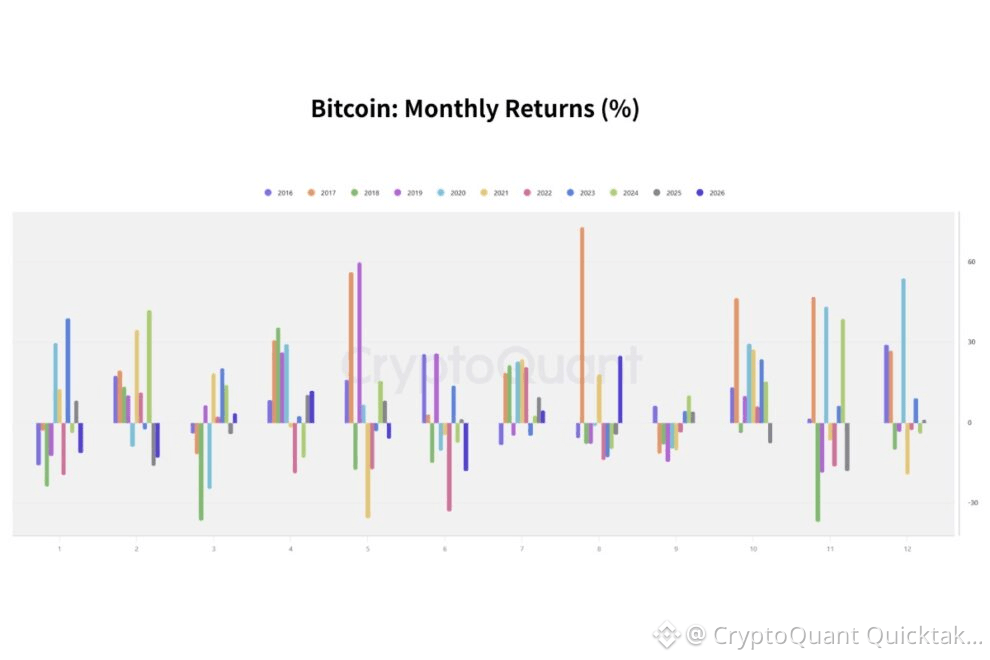
Bitcoin has shown a similar seasonal pattern. From 2017 to 2022, BTC posted negative September returns for six consecutive years. However, the pattern has recently weakened: 2023, 2024 and 2025 all ended September in positive territory.
This is why 2026 should not be viewed simply as “September means sell.” The key question is whether a seasonal pullback develops into a broader risk-off move. Investors should watch U.S. equities, Treasury yields, Fed expectations, ETF flows and spot BTC demand. If risk-off spreads across markets, Bitcoin may come under pressure. But if ETF and spot demand remain strong, the old September pattern could weaken again.
Written by XWIN Japan