

#databreach
databreach
107,653 lượt xem
210 đang thảo luận
Phổ biến
Mới nhất


#KeystoneWebsiteBreachExposesBuyersShippingAddresses
🔐⚠️ Vụ rò rỉ website Keystone làm lộ địa chỉ giao hàng của người mua tiền mã hóa ⚠️🔐
Đôi khi, rủi ro bảo mật lớn nhất không nằm trong ví của bạn. Mà nằm ở địa chỉ nơi bạn cất giữ nó.
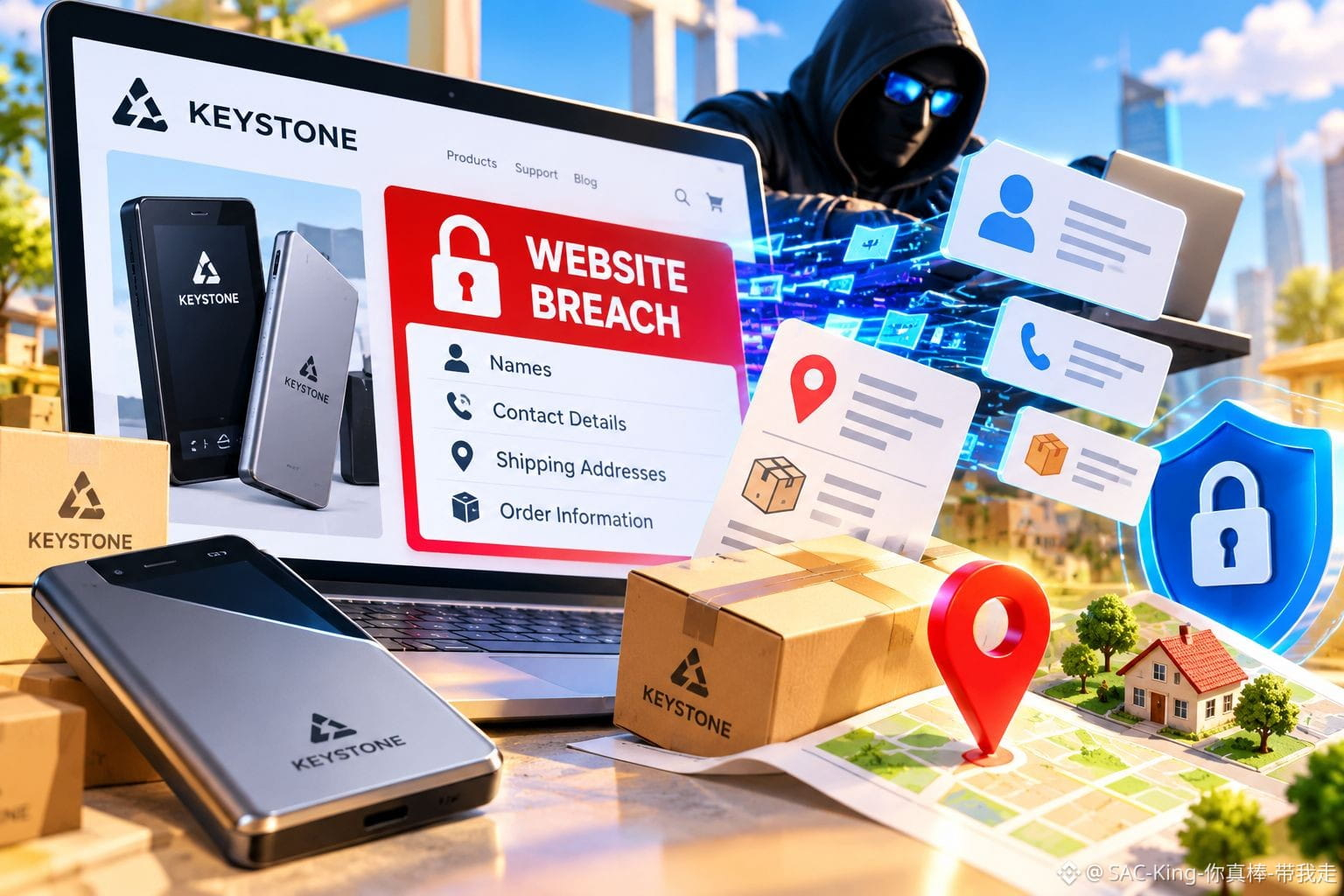
Keystone, nhà sản xuất ví phần cứng tiền mã hóa, đã thông báo về một vụ rò rỉ website khiến tên, thông tin liên hệ, địa chỉ giao hàng và thông tin đơn hàng của khách hàng bị lộ.
Công ty phát hiện truy cập trái phép vào ngày 20 tháng 10 và xác nhận dữ liệu bị lộ vào ngày 23 tháng 10 năm 2026, sau khi rà soát hoạt động liên quan đến cửa hàng sử dụng nền tảng Shopify.
Keystone cho biết thông tin thanh toán, cụm từ khôi phục, khóa riêng tư và mật khẩu ví không bị lộ. Công ty đã chặn truy cập trái phép, khắc phục lỗ hổng và bắt đầu thông báo cho những khách hàng bị ảnh hưởng. Số lượng người dùng bị ảnh hưởng vẫn chưa được công bố.
Nhưng mối lo lớn hơn là: biết được danh tính, địa chỉ nhà và việc ai đó mua ví phần cứng có thể giúp kẻ xấu tạo ra các cuộc tấn công lừa đảo tinh vi, hoặc thậm chí nhắm mục tiêu vào những người nắm giữ tiền mã hóa ngoài đời thực.
Quan điểm của tôi: Tự lưu ký giúp bạn kiểm soát tiền mã hóa của mình, nhưng không thể bảo vệ thông tin cá nhân bị rò rỉ từ một dịch vụ bên thứ ba. Mức độ bảo mật của bạn chỉ mạnh bằng mắt xích yếu nhất kết nối tài sản kỹ thuật số với danh tính ngoài đời thực.
Nếu bạn đã mua hàng từ Keystone, hãy xác minh các cảnh báo qua kênh chính thức, bỏ qua những lời mời hoàn tiền hoặc đổi sản phẩm không được yêu cầu, và tuyệt đối không chia sẻ cụm từ khôi phục. Không nhân viên hỗ trợ hợp pháp nào cần đến thông tin đó.
Bảo mật tiền mã hóa thực sự có nghĩa là bảo vệ cả tài sản lẫn thông tin cá nhân có thể khiến bạn trở thành mục tiêu.
Các công ty sản xuất ví phần cứng có nên phải tuân thủ tiêu chuẩn nghiêm ngặt hơn về xóa dữ liệu sau khi hoàn tất đơn hàng của khách không?
Tuyên bố miễn trừ trách nhiệm: Bài đăng này chỉ nhằm mục đích giáo dục, không phải lời khuyên về tài chính hoặc bảo mật.
#CryptoSecurity #DataBreach #GrowWithSAC $QNT $ENA $PYTH
#KeystoneWebsiteBreachExposesBuyersShippingAddresses
🔐⚠️ Vụ rò rỉ website Keystone làm lộ địa chỉ giao hàng của người mua tiền mã hóa ⚠️🔐
Đôi khi, rủi ro bảo mật lớn nhất không nằm trong ví của bạn. Mà nằm ở địa chỉ nơi bạn cất giữ nó.
Keystone, nhà sản xuất ví phần cứng tiền mã hóa, đã thông báo về một vụ rò rỉ website khiến tên, thông tin liên hệ, địa chỉ giao hàng và thông tin đơn hàng của khách hàng bị lộ.
Công ty phát hiện truy cập trái phép vào ngày 20 tháng 10 và xác nhận dữ liệu bị lộ vào ngày 23 tháng 10 năm 2026, sau khi rà soát hoạt động liên quan đến cửa hàng sử dụng nền tảng Shopify.
Keystone cho biết thông tin thanh toán, cụm từ khôi phục, khóa riêng tư và mật khẩu ví không bị lộ. Công ty đã chặn truy cập trái phép, khắc phục lỗ hổng và bắt đầu thông báo cho những khách hàng bị ảnh hưởng. Số lượng người dùng bị ảnh hưởng vẫn chưa được công bố.
Nhưng mối lo lớn hơn là: biết được danh tính, địa chỉ nhà và việc ai đó mua ví phần cứng có thể giúp kẻ xấu tạo ra các cuộc tấn công lừa đảo tinh vi, hoặc thậm chí nhắm mục tiêu vào những người nắm giữ tiền mã hóa ngoài đời thực.
Quan điểm của tôi: Tự lưu ký giúp bạn kiểm soát tiền mã hóa của mình, nhưng không thể bảo vệ thông tin cá nhân bị rò rỉ từ một dịch vụ bên thứ ba. Mức độ bảo mật của bạn chỉ mạnh bằng mắt xích yếu nhất kết nối tài sản kỹ thuật số với danh tính ngoài đời thực.
Nếu bạn đã mua hàng từ Keystone, hãy xác minh các cảnh báo qua kênh chính thức, bỏ qua những lời mời hoàn tiền hoặc đổi sản phẩm không được yêu cầu, và tuyệt đối không chia sẻ cụm từ khôi phục. Không nhân viên hỗ trợ hợp pháp nào cần đến thông tin đó.
Bảo mật tiền mã hóa thực sự có nghĩa là bảo vệ cả tài sản lẫn thông tin cá nhân có thể khiến bạn trở thành mục tiêu.
Các công ty sản xuất ví phần cứng có nên phải tuân thủ tiêu chuẩn nghiêm ngặt hơn về xóa dữ liệu sau khi hoàn tất đơn hàng của khách không?
Tuyên bố miễn trừ trách nhiệm: Bài đăng này chỉ nhằm mục đích giáo dục, không phải lời khuyên về tài chính hoặc bảo mật.
#CryptoSecurity #DataBreach #GrowWithSAC $QNT $ENA $PYTH
🔐⚠️ Vụ rò rỉ website Keystone làm lộ địa chỉ giao hàng của người mua tiền mã hóa ⚠️🔐
Đôi khi, rủi ro bảo mật lớn nhất không nằm trong ví của bạn. Mà nằm ở địa chỉ nơi bạn cất giữ nó.
Keystone, nhà sản xuất ví phần cứng tiền mã hóa, đã thông báo về một vụ rò rỉ website khiến tên, thông tin liên hệ, địa chỉ giao hàng và thông tin đơn hàng của khách hàng bị lộ.
Công ty phát hiện truy cập trái phép vào ngày 20 tháng 10 và xác nhận dữ liệu bị lộ vào ngày 23 tháng 10 năm 2026, sau khi rà soát hoạt động liên quan đến cửa hàng sử dụng nền tảng Shopify.
Keystone cho biết thông tin thanh toán, cụm từ khôi phục, khóa riêng tư và mật khẩu ví không bị lộ. Công ty đã chặn truy cập trái phép, khắc phục lỗ hổng và bắt đầu thông báo cho những khách hàng bị ảnh hưởng. Số lượng người dùng bị ảnh hưởng vẫn chưa được công bố.
Nhưng mối lo lớn hơn là: biết được danh tính, địa chỉ nhà và việc ai đó mua ví phần cứng có thể giúp kẻ xấu tạo ra các cuộc tấn công lừa đảo tinh vi, hoặc thậm chí nhắm mục tiêu vào những người nắm giữ tiền mã hóa ngoài đời thực.
Quan điểm của tôi: Tự lưu ký giúp bạn kiểm soát tiền mã hóa của mình, nhưng không thể bảo vệ thông tin cá nhân bị rò rỉ từ một dịch vụ bên thứ ba. Mức độ bảo mật của bạn chỉ mạnh bằng mắt xích yếu nhất kết nối tài sản kỹ thuật số với danh tính ngoài đời thực.
Nếu bạn đã mua hàng từ Keystone, hãy xác minh các cảnh báo qua kênh chính thức, bỏ qua những lời mời hoàn tiền hoặc đổi sản phẩm không được yêu cầu, và tuyệt đối không chia sẻ cụm từ khôi phục. Không nhân viên hỗ trợ hợp pháp nào cần đến thông tin đó.
Bảo mật tiền mã hóa thực sự có nghĩa là bảo vệ cả tài sản lẫn thông tin cá nhân có thể khiến bạn trở thành mục tiêu.
Các công ty sản xuất ví phần cứng có nên phải tuân thủ tiêu chuẩn nghiêm ngặt hơn về xóa dữ liệu sau khi hoàn tất đơn hàng của khách không?
Tuyên bố miễn trừ trách nhiệm: Bài đăng này chỉ nhằm mục đích giáo dục, không phải lời khuyên về tài chính hoặc bảo mật.
#CryptoSecurity #DataBreach #GrowWithSAC $QNT $ENA $PYTH
244

·
--
Keystone Wallet bị rò rỉ dữ liệu, gây thêm áp lực cho lĩnh vực ví phần cứng
Vào ngày 20 tháng 10, kẻ xấu đã truy cập trái phép vào trang web của Keystone, làm lộ tên khách hàng, thông tin liên hệ, địa chỉ giao hàng và thông tin đơn hàng, bao gồm sản phẩm đã mua và giá cả.
Công ty xác nhận rằng dữ liệu thẻ thanh toán, thông tin ngân hàng, mật khẩu ví, cụm từ khôi phục và khóa riêng tư không bị xâm phạm.
Keystone đã chặn vụ xâm nhập, vá lỗ hổng, mở cuộc điều tra và đang liên hệ với các khách hàng bị ảnh hưởng.
Sự cố này xảy ra sau những vụ rò rỉ gần đây tại Ledger—nơi các thiết bị bị chỉnh sửa trong các kênh phân phối ở Đông Nam Á—và Trezor, nơi một vụ rò rỉ từ nhà cung cấp dịch vụ hậu cần làm lộ thông tin của hơn 80.000 khách hàng.
Các nhà cung cấp ví phần cứng nên thực hiện những biện pháp nào để bảo vệ dữ liệu người dùng ngoài phạm vi của chính thiết bị?
#HardwareWallet #DataBreach #CryptoSecurity #FinTech
Keystone Wallet bị rò rỉ dữ liệu, gây thêm áp lực cho lĩnh vực ví phần cứng
Vào ngày 20 tháng 10, kẻ xấu đã truy cập trái phép vào trang web của Keystone, làm lộ tên khách hàng, thông tin liên hệ, địa chỉ giao hàng và thông tin đơn hàng, bao gồm sản phẩm đã mua và giá cả.
Công ty xác nhận rằng dữ liệu thẻ thanh toán, thông tin ngân hàng, mật khẩu ví, cụm từ khôi phục và khóa riêng tư không bị xâm phạm.
Keystone đã chặn vụ xâm nhập, vá lỗ hổng, mở cuộc điều tra và đang liên hệ với các khách hàng bị ảnh hưởng.
Sự cố này xảy ra sau những vụ rò rỉ gần đây tại Ledger—nơi các thiết bị bị chỉnh sửa trong các kênh phân phối ở Đông Nam Á—và Trezor, nơi một vụ rò rỉ từ nhà cung cấp dịch vụ hậu cần làm lộ thông tin của hơn 80.000 khách hàng.
Các nhà cung cấp ví phần cứng nên thực hiện những biện pháp nào để bảo vệ dữ liệu người dùng ngoài phạm vi của chính thiết bị?
#HardwareWallet #DataBreach #CryptoSecurity #FinTech
Vào ngày 20 tháng 10, kẻ xấu đã truy cập trái phép vào trang web của Keystone, làm lộ tên khách hàng, thông tin liên hệ, địa chỉ giao hàng và thông tin đơn hàng, bao gồm sản phẩm đã mua và giá cả.
Công ty xác nhận rằng dữ liệu thẻ thanh toán, thông tin ngân hàng, mật khẩu ví, cụm từ khôi phục và khóa riêng tư không bị xâm phạm.
Keystone đã chặn vụ xâm nhập, vá lỗ hổng, mở cuộc điều tra và đang liên hệ với các khách hàng bị ảnh hưởng.
Sự cố này xảy ra sau những vụ rò rỉ gần đây tại Ledger—nơi các thiết bị bị chỉnh sửa trong các kênh phân phối ở Đông Nam Á—và Trezor, nơi một vụ rò rỉ từ nhà cung cấp dịch vụ hậu cần làm lộ thông tin của hơn 80.000 khách hàng.
Các nhà cung cấp ví phần cứng nên thực hiện những biện pháp nào để bảo vệ dữ liệu người dùng ngoài phạm vi của chính thiết bị?
#HardwareWallet #DataBreach #CryptoSecurity #FinTech
1
40

·
--
🚨 $BTC CẢNH BÁO: NHẬT KÝ GIAO DỊCH CÔNG KHAI BỊ LỘ TRONG VỤ XÂM NHẬP ĐÁM MÂY! 💥
📊 Nguồn dữ liệu giao dịch công khai của một sàn giao dịch lớn đã bị lấy từ TiDB Cloud, một dịch vụ dữ liệu được dùng để phân tích trên chuỗi. 🦈 Vụ xâm nhập chỉ làm lộ những nhật ký vốn có thể xem công khai—không có khóa riêng tư, mật khẩu hay số dư người dùng nào bị ảnh hưởng. ⚡ Tuy vậy, dữ liệu chụp nhanh này giúp các nhà đầu tư lớn nhìn thấy luồng lệnh vốn được cho là sẽ được giữ kín, tạo ra một khoảng thời gian ngắn để quét thanh khoản. 📌 Các nhà giao dịch nên theo dõi đợt tăng đột biến về khối lượng tiếp theo; bất kỳ đợt bán tháo bất ngờ nào cũng có thể là phản ứng trước dữ liệu bị rò rỉ.
💬 Bạn sẽ điều chỉnh vị thế của mình thế nào khi sổ cái công khai tạm thời trở nên minh bạch? 👇
⚠️ Đây không phải lời khuyên tài chính. Hãy luôn quản lý rủi ro. 🛡️
🏷️ #BTC #Security #DataBreach #Crypto
🔥 💎
🚨 $BTC CẢNH BÁO: NHẬT KÝ GIAO DỊCH CÔNG KHAI BỊ LỘ TRONG VỤ XÂM NHẬP ĐÁM MÂY! 💥
📊 Nguồn dữ liệu giao dịch công khai của một sàn giao dịch lớn đã bị lấy từ TiDB Cloud, một dịch vụ dữ liệu được dùng để phân tích trên chuỗi. 🦈 Vụ xâm nhập chỉ làm lộ những nhật ký vốn có thể xem công khai—không có khóa riêng tư, mật khẩu hay số dư người dùng nào bị ảnh hưởng. ⚡ Tuy vậy, dữ liệu chụp nhanh này giúp các nhà đầu tư lớn nhìn thấy luồng lệnh vốn được cho là sẽ được giữ kín, tạo ra một khoảng thời gian ngắn để quét thanh khoản. 📌 Các nhà giao dịch nên theo dõi đợt tăng đột biến về khối lượng tiếp theo; bất kỳ đợt bán tháo bất ngờ nào cũng có thể là phản ứng trước dữ liệu bị rò rỉ.
💬 Bạn sẽ điều chỉnh vị thế của mình thế nào khi sổ cái công khai tạm thời trở nên minh bạch? 👇
⚠️ Đây không phải lời khuyên tài chính. Hãy luôn quản lý rủi ro. 🛡️
🏷️ #BTC #Security #DataBreach #Crypto
🔥 💎
📊 Nguồn dữ liệu giao dịch công khai của một sàn giao dịch lớn đã bị lấy từ TiDB Cloud, một dịch vụ dữ liệu được dùng để phân tích trên chuỗi. 🦈 Vụ xâm nhập chỉ làm lộ những nhật ký vốn có thể xem công khai—không có khóa riêng tư, mật khẩu hay số dư người dùng nào bị ảnh hưởng. ⚡ Tuy vậy, dữ liệu chụp nhanh này giúp các nhà đầu tư lớn nhìn thấy luồng lệnh vốn được cho là sẽ được giữ kín, tạo ra một khoảng thời gian ngắn để quét thanh khoản. 📌 Các nhà giao dịch nên theo dõi đợt tăng đột biến về khối lượng tiếp theo; bất kỳ đợt bán tháo bất ngờ nào cũng có thể là phản ứng trước dữ liệu bị rò rỉ.
💬 Bạn sẽ điều chỉnh vị thế của mình thế nào khi sổ cái công khai tạm thời trở nên minh bạch? 👇
⚠️ Đây không phải lời khuyên tài chính. Hãy luôn quản lý rủi ro. 🛡️
🏷️ #BTC #Security #DataBreach #Crypto
🔥 💎
4
Bài viết
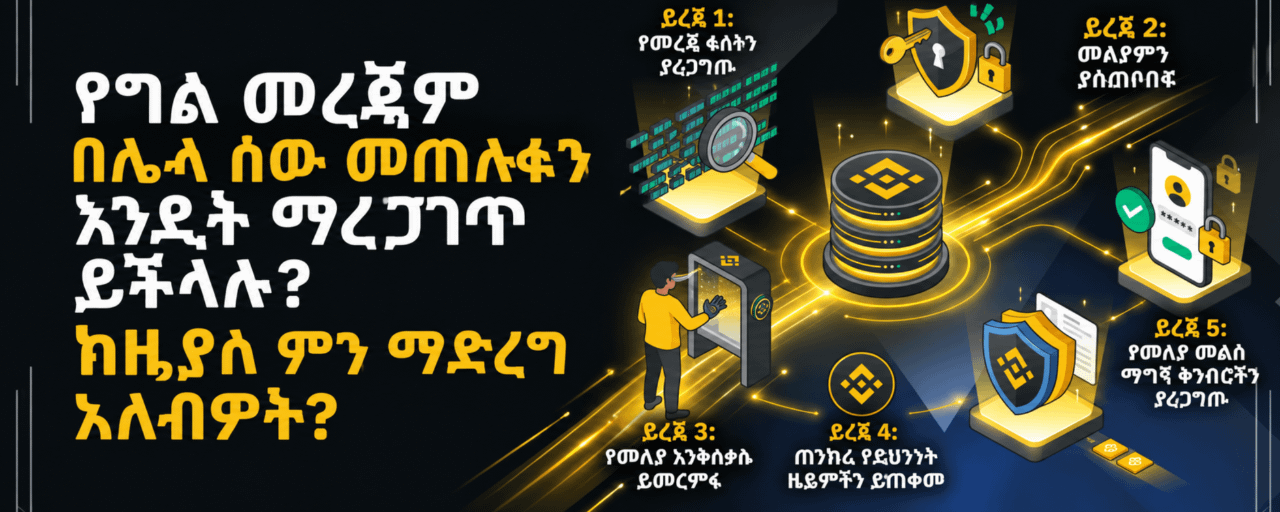
Làm thế nào bạn có thể xác nhận rằng thông tin cá nhân của mình đã bị người khác xâm nhập? Sau đó bạn nên làm gì?Thông tin cá nhân của bạn có thể bị đánh cắp hoặc bị lộ cho người khác mà bạn không hề hay biết, và điều này được gọi là vi phạm dữ liệu.
Email của bạn, số điện thoại, các tài khoản mạng xã hội, tài khoản sàn giao dịch tiền mã hoá và các dịch vụ trực tuyến khác có thể đang được sử dụng. Tuy nhiên, thông tin liên quan đến một trong các tài khoản đó có thể đã bị rò rỉ trước đó cho những người khác ở nơi khác.
Làm thế nào bạn có thể xác nhận rằng thông tin cá nhân của mình đã bị người khác xâm nhập? Sau đó bạn nên làm gì?
Thông tin cá nhân của bạn có thể bị đánh cắp hoặc bị lộ cho người khác mà bạn không hề hay biết, và điều này được gọi là vi phạm dữ liệu.
Email của bạn, số điện thoại, các tài khoản mạng xã hội, tài khoản sàn giao dịch tiền mã hoá và các dịch vụ trực tuyến khác có thể đang được sử dụng. Tuy nhiên, thông tin liên quan đến một trong các tài khoản đó có thể đã bị rò rỉ trước đó cho những người khác ở nơi khác.
Email của bạn, số điện thoại, các tài khoản mạng xã hội, tài khoản sàn giao dịch tiền mã hoá và các dịch vụ trực tuyến khác có thể đang được sử dụng. Tuy nhiên, thông tin liên quan đến một trong các tài khoản đó có thể đã bị rò rỉ trước đó cho những người khác ở nơi khác.
67

·
--
VI PHẠM DỮ LIỆU ĐÁNH TRÚNG 13K VÍ 🚨 $COTI $AVNT $AKE ON EDGE 📉
Dòng chảy vừa mới xuất hiện thêm một lớp nhiễu loạn mới. Vụ vi phạm trong “vector” vận chuyển của Trezor lộ ra dữ liệu của 13.689 người dùng—tên, email, số điện thoại, địa chỉ. Đây không phải là một cuộc tấn công vào giao thức cốt lõi, nhưng đúng là kiểu “siết thanh khoản” cổ điển về mặt tâm lý. Tiền thông minh xem đây là cú tăng biến động ngắn hạn, chứ không phải sự vô hiệu hóa mang tính cấu trúc.
Thiết bị vẫn an toàn, nhưng thị trường sẽ định giá lại niềm tin ngay lập tức. Hãy kỳ vọng một lệnh mua thận trọng quanh $COTI , $AVNT và $AKE khi nhà giao dịch tiêu hóa luồng tin nhiễu. Kịch bản chính là quan sát việc “lấp đầy” sự kém hiệu quả tất yếu—một đợt quét thanh khoản thấp trước khi có bất kỳ sự phục hồi đáng kể nào.
Bạn đang định vị rủi ro của mình như thế nào quanh sự kiện dữ liệu này? Đây có phải cơ hội mua khi giảm hay là lý do để đứng ngoài cho đến khi cấu trúc xác nhận hướng đi? 🧐
⚠️ Không phải lời khuyên tài chính. Luôn quản lý rủi ro của bạn. 🛡️
🏷️ #COTI #AVNT #AKE #DataBreach #CryptoNews
🧠📊
VI PHẠM DỮ LIỆU ĐÁNH TRÚNG 13K VÍ 🚨 $COTI $AVNT $AKE ON EDGE 📉
Dòng chảy vừa mới xuất hiện thêm một lớp nhiễu loạn mới. Vụ vi phạm trong “vector” vận chuyển của Trezor lộ ra dữ liệu của 13.689 người dùng—tên, email, số điện thoại, địa chỉ. Đây không phải là một cuộc tấn công vào giao thức cốt lõi, nhưng đúng là kiểu “siết thanh khoản” cổ điển về mặt tâm lý. Tiền thông minh xem đây là cú tăng biến động ngắn hạn, chứ không phải sự vô hiệu hóa mang tính cấu trúc.
Thiết bị vẫn an toàn, nhưng thị trường sẽ định giá lại niềm tin ngay lập tức. Hãy kỳ vọng một lệnh mua thận trọng quanh $COTI , $AVNT và $AKE khi nhà giao dịch tiêu hóa luồng tin nhiễu. Kịch bản chính là quan sát việc “lấp đầy” sự kém hiệu quả tất yếu—một đợt quét thanh khoản thấp trước khi có bất kỳ sự phục hồi đáng kể nào.
Bạn đang định vị rủi ro của mình như thế nào quanh sự kiện dữ liệu này? Đây có phải cơ hội mua khi giảm hay là lý do để đứng ngoài cho đến khi cấu trúc xác nhận hướng đi? 🧐
⚠️ Không phải lời khuyên tài chính. Luôn quản lý rủi ro của bạn. 🛡️
🏷️ #COTI #AVNT #AKE #DataBreach #CryptoNews
🧠📊
Dòng chảy vừa mới xuất hiện thêm một lớp nhiễu loạn mới. Vụ vi phạm trong “vector” vận chuyển của Trezor lộ ra dữ liệu của 13.689 người dùng—tên, email, số điện thoại, địa chỉ. Đây không phải là một cuộc tấn công vào giao thức cốt lõi, nhưng đúng là kiểu “siết thanh khoản” cổ điển về mặt tâm lý. Tiền thông minh xem đây là cú tăng biến động ngắn hạn, chứ không phải sự vô hiệu hóa mang tính cấu trúc.
Thiết bị vẫn an toàn, nhưng thị trường sẽ định giá lại niềm tin ngay lập tức. Hãy kỳ vọng một lệnh mua thận trọng quanh $COTI , $AVNT và $AKE khi nhà giao dịch tiêu hóa luồng tin nhiễu. Kịch bản chính là quan sát việc “lấp đầy” sự kém hiệu quả tất yếu—một đợt quét thanh khoản thấp trước khi có bất kỳ sự phục hồi đáng kể nào.
Bạn đang định vị rủi ro của mình như thế nào quanh sự kiện dữ liệu này? Đây có phải cơ hội mua khi giảm hay là lý do để đứng ngoài cho đến khi cấu trúc xác nhận hướng đi? 🧐
⚠️ Không phải lời khuyên tài chính. Luôn quản lý rủi ro của bạn. 🛡️
🏷️ #COTI #AVNT #AKE #DataBreach #CryptoNews
🧠📊
200

·
--
🚨 $SFP VỤ RÒ RỈ MẬT BẰNG LỘ RA 40K NGƯỜI DÙNG — CÁC ĐƯỜNG KÊN MẤT NIỀM TIN ĐANG NỨT VỠ? 🛑
🛡️ SafePal vừa công bố một vụ rò rỉ dữ liệu, làm lộ tên, địa chỉ nhà và số điện thoại của gần 40.000 khách hàng. Lỗ hổng nằm trong một plugin theo dõi đơn hàng trong hơn một năm, cho phép truy cập trái phép vào các chi tiết đơn hàng nhạy cảm. 🔍 Với hơn 30 trang lừa đảo (phishing) liên quan đến dữ liệu bị đánh cắp, đây không phải là một sự rò rỉ nhỏ — mà là một chiến dịch nhắm đến việc thu thập danh tính người nắm giữ ví.
📉 Với token, tổn thất thật sự là niềm tin (sentiment). Các hãng ví phần cứng bán trên một điều: khả năng lưu trữ không thể bị xâm nhập. Khi câu chuyện đó bị nứt, dòng vốn sẽ chuyển hướng nhanh, và $SFP sẽ phải cảm nhận ma sát này ngay cả khi các tiêu đề đã lắng xuống. ⚠️ Điều này đặt ra một câu hỏi sắc hơn về các plugin của bên thứ ba trong lớp lưu ký (custody) — nơi niềm tin của bạn thực sự đang tồn tại?
💬 Bạn có đang xem lại việc tái kiểm toán cấu hình bảo mật sau sự việc này không, hay một vụ vi phạm như vậy chẳng thay đổi gì về niềm tin của bạn vào ví phần cứng? 👇
⚠️ Không phải lời khuyên tài chính. Luôn quản lý rủi ro của bạn. 🛡️
🏷️ #SFP #DataBreach #SecurityAlert #CryptoRisk
🛡️ ⚠️
🚨 $SFP VỤ RÒ RỈ MẬT BẰNG LỘ RA 40K NGƯỜI DÙNG — CÁC ĐƯỜNG KÊN MẤT NIỀM TIN ĐANG NỨT VỠ? 🛑
🛡️ SafePal vừa công bố một vụ rò rỉ dữ liệu, làm lộ tên, địa chỉ nhà và số điện thoại của gần 40.000 khách hàng. Lỗ hổng nằm trong một plugin theo dõi đơn hàng trong hơn một năm, cho phép truy cập trái phép vào các chi tiết đơn hàng nhạy cảm. 🔍 Với hơn 30 trang lừa đảo (phishing) liên quan đến dữ liệu bị đánh cắp, đây không phải là một sự rò rỉ nhỏ — mà là một chiến dịch nhắm đến việc thu thập danh tính người nắm giữ ví.
📉 Với token, tổn thất thật sự là niềm tin (sentiment). Các hãng ví phần cứng bán trên một điều: khả năng lưu trữ không thể bị xâm nhập. Khi câu chuyện đó bị nứt, dòng vốn sẽ chuyển hướng nhanh, và $SFP sẽ phải cảm nhận ma sát này ngay cả khi các tiêu đề đã lắng xuống. ⚠️ Điều này đặt ra một câu hỏi sắc hơn về các plugin của bên thứ ba trong lớp lưu ký (custody) — nơi niềm tin của bạn thực sự đang tồn tại?
💬 Bạn có đang xem lại việc tái kiểm toán cấu hình bảo mật sau sự việc này không, hay một vụ vi phạm như vậy chẳng thay đổi gì về niềm tin của bạn vào ví phần cứng? 👇
⚠️ Không phải lời khuyên tài chính. Luôn quản lý rủi ro của bạn. 🛡️
🏷️ #SFP #DataBreach #SecurityAlert #CryptoRisk
🛡️ ⚠️
🛡️ SafePal vừa công bố một vụ rò rỉ dữ liệu, làm lộ tên, địa chỉ nhà và số điện thoại của gần 40.000 khách hàng. Lỗ hổng nằm trong một plugin theo dõi đơn hàng trong hơn một năm, cho phép truy cập trái phép vào các chi tiết đơn hàng nhạy cảm. 🔍 Với hơn 30 trang lừa đảo (phishing) liên quan đến dữ liệu bị đánh cắp, đây không phải là một sự rò rỉ nhỏ — mà là một chiến dịch nhắm đến việc thu thập danh tính người nắm giữ ví.
📉 Với token, tổn thất thật sự là niềm tin (sentiment). Các hãng ví phần cứng bán trên một điều: khả năng lưu trữ không thể bị xâm nhập. Khi câu chuyện đó bị nứt, dòng vốn sẽ chuyển hướng nhanh, và $SFP sẽ phải cảm nhận ma sát này ngay cả khi các tiêu đề đã lắng xuống. ⚠️ Điều này đặt ra một câu hỏi sắc hơn về các plugin của bên thứ ba trong lớp lưu ký (custody) — nơi niềm tin của bạn thực sự đang tồn tại?
💬 Bạn có đang xem lại việc tái kiểm toán cấu hình bảo mật sau sự việc này không, hay một vụ vi phạm như vậy chẳng thay đổi gì về niềm tin của bạn vào ví phần cứng? 👇
⚠️ Không phải lời khuyên tài chính. Luôn quản lý rủi ro của bạn. 🛡️
🏷️ #SFP #DataBreach #SecurityAlert #CryptoRisk
🛡️ ⚠️

91

·
--
Revolut đã làm hỏng mọi thứ! Công ty fintech này lại bị một “yêu cầu giả mạo của chính phủ” lừa, dẫn đến việc lộ thông tin hộ chiếu của người dùng và toàn bộ lịch sử giao dịch Bitcoin. Mặc dù họ nói chỉ có “một số lượng người dùng nhất định” bị ảnh hưởng, nhưng điều đó thật sự quá vô lý!
Khi vấn đề an ninh dữ liệu xảy ra, mọi người lại bắt đầu thảo luận về tầm quan trọng của ví phi tập trung. Trong ngắn hạn, có thể sẽ thấy một số người dùng bắt đầu rút tài sản khỏi Revolut; còn về dài hạn, điều này lại có thể thúc đẩy nhận thức về tự lưu trữ (self-custody) được đánh thức.
#DataBreach #CryptoSecurity $BTC
Revolut đã làm hỏng mọi thứ! Công ty fintech này lại bị một “yêu cầu giả mạo của chính phủ” lừa, dẫn đến việc lộ thông tin hộ chiếu của người dùng và toàn bộ lịch sử giao dịch Bitcoin. Mặc dù họ nói chỉ có “một số lượng người dùng nhất định” bị ảnh hưởng, nhưng điều đó thật sự quá vô lý!
Khi vấn đề an ninh dữ liệu xảy ra, mọi người lại bắt đầu thảo luận về tầm quan trọng của ví phi tập trung. Trong ngắn hạn, có thể sẽ thấy một số người dùng bắt đầu rút tài sản khỏi Revolut; còn về dài hạn, điều này lại có thể thúc đẩy nhận thức về tự lưu trữ (self-custody) được đánh thức.
#DataBreach #CryptoSecurity $BTC
Khi vấn đề an ninh dữ liệu xảy ra, mọi người lại bắt đầu thảo luận về tầm quan trọng của ví phi tập trung. Trong ngắn hạn, có thể sẽ thấy một số người dùng bắt đầu rút tài sản khỏi Revolut; còn về dài hạn, điều này lại có thể thúc đẩy nhận thức về tự lưu trữ (self-custody) được đánh thức.
#DataBreach #CryptoSecurity $BTC
106

·
--
🚨 Revolut & Email Giả Mạo Chính Phủ: Cảnh Báo Nghiêm Trọng Về An Ninh Dữ Liệu
Một tranh cãi an ninh mạng mới liên quan đến Revolut đang đặt ra câu hỏi về cách các tổ chức tài chính xác minh các yêu cầu nhạy cảm của chính phủ.
Các tin đồn lan truyền trên mạng cho rằng một email/yêu cầu giả mạo của chính phủ có thể đã được dùng để lấy hoặc làm lộ thông tin khách hàng nhạy cảm. Mặc dù phạm vi và chi tiết đầy đủ vẫn cần được xác minh độc lập, tình huống này nhấn mạnh một bài học an ninh mạng quan trọng:
🔐 Đừng tin email chỉ vì nó có vẻ “chính thức”.
Đối với các nền tảng tài chính, ngay cả một yêu cầu trông thuyết phục theo phong cách của chính phủ cũng có thể trở nên nguy hiểm nếu việc kiểm tra danh tính và quyền ủy quyền không đủ chặt chẽ.
Vì sao điều này quan trọng 👇
💳 Các nền tảng tài chính nắm giữ dữ liệu khách hàng cực kỳ nhạy cảm.
📧 Việc mạo danh email có thể khiến các yêu cầu gian lận trông có vẻ hợp pháp.
🏦 Thông tin KYC có thể trở nên vô cùng có giá trị đối với kẻ tấn công.
🎣 Thông tin bị lộ có thể góp phần thúc đẩy các cuộc tấn công lừa đảo có nhắm mục tiêu (phishing) và social-engineering.
Ngay chính Revolut khuyên người dùng hãy kiểm tra địa chỉ người gửi đáng ngờ và liên hệ bộ phận hỗ trợ thông qua ứng dụng thay vì tin vào những liên lạc bất ngờ. �
Revolut
⚠️ Câu hỏi lớn hơn:
Các ngân hàng và công ty fintech có nên yêu cầu nhiều bước xác minh độc lập trước khi cung cấp thông tin khách hàng khi có yêu cầu từ phía chính phủ hay không?
🟢 CÓ — việc xác minh phải bắt buộc
🔴 Hệ thống hiện tại đã đủ
Bạn nghĩ sao? 👇
#Revolut #CyberSecurity #DataBreach #Crypto_Jobs🎯 #Fintech #Privacy #Phishing #ScamAlert #Blockchain
*Bài đăng này thảo luận các cáo buộc được cho là và không khẳng định rằng mọi thông tin được chia sẻ trên mạng đều đã được xác minh độc lập. Luôn kiểm tra thông tin qua các nguồn chính thức.*
🚨 Revolut & Email Giả Mạo Chính Phủ: Cảnh Báo Nghiêm Trọng Về An Ninh Dữ Liệu
Một tranh cãi an ninh mạng mới liên quan đến Revolut đang đặt ra câu hỏi về cách các tổ chức tài chính xác minh các yêu cầu nhạy cảm của chính phủ.
Các tin đồn lan truyền trên mạng cho rằng một email/yêu cầu giả mạo của chính phủ có thể đã được dùng để lấy hoặc làm lộ thông tin khách hàng nhạy cảm. Mặc dù phạm vi và chi tiết đầy đủ vẫn cần được xác minh độc lập, tình huống này nhấn mạnh một bài học an ninh mạng quan trọng:
🔐 Đừng tin email chỉ vì nó có vẻ “chính thức”.
Đối với các nền tảng tài chính, ngay cả một yêu cầu trông thuyết phục theo phong cách của chính phủ cũng có thể trở nên nguy hiểm nếu việc kiểm tra danh tính và quyền ủy quyền không đủ chặt chẽ.
Vì sao điều này quan trọng 👇
💳 Các nền tảng tài chính nắm giữ dữ liệu khách hàng cực kỳ nhạy cảm.
📧 Việc mạo danh email có thể khiến các yêu cầu gian lận trông có vẻ hợp pháp.
🏦 Thông tin KYC có thể trở nên vô cùng có giá trị đối với kẻ tấn công.
🎣 Thông tin bị lộ có thể góp phần thúc đẩy các cuộc tấn công lừa đảo có nhắm mục tiêu (phishing) và social-engineering.
Ngay chính Revolut khuyên người dùng hãy kiểm tra địa chỉ người gửi đáng ngờ và liên hệ bộ phận hỗ trợ thông qua ứng dụng thay vì tin vào những liên lạc bất ngờ. �
Revolut
⚠️ Câu hỏi lớn hơn:
Các ngân hàng và công ty fintech có nên yêu cầu nhiều bước xác minh độc lập trước khi cung cấp thông tin khách hàng khi có yêu cầu từ phía chính phủ hay không?
🟢 CÓ — việc xác minh phải bắt buộc
🔴 Hệ thống hiện tại đã đủ
Bạn nghĩ sao? 👇
#Revolut #CyberSecurity #DataBreach #Crypto_Jobs🎯 #Fintech #Privacy #Phishing #ScamAlert #Blockchain
*Bài đăng này thảo luận các cáo buộc được cho là và không khẳng định rằng mọi thông tin được chia sẻ trên mạng đều đã được xác minh độc lập. Luôn kiểm tra thông tin qua các nguồn chính thức.*
Một tranh cãi an ninh mạng mới liên quan đến Revolut đang đặt ra câu hỏi về cách các tổ chức tài chính xác minh các yêu cầu nhạy cảm của chính phủ.
Các tin đồn lan truyền trên mạng cho rằng một email/yêu cầu giả mạo của chính phủ có thể đã được dùng để lấy hoặc làm lộ thông tin khách hàng nhạy cảm. Mặc dù phạm vi và chi tiết đầy đủ vẫn cần được xác minh độc lập, tình huống này nhấn mạnh một bài học an ninh mạng quan trọng:
🔐 Đừng tin email chỉ vì nó có vẻ “chính thức”.
Đối với các nền tảng tài chính, ngay cả một yêu cầu trông thuyết phục theo phong cách của chính phủ cũng có thể trở nên nguy hiểm nếu việc kiểm tra danh tính và quyền ủy quyền không đủ chặt chẽ.
Vì sao điều này quan trọng 👇
💳 Các nền tảng tài chính nắm giữ dữ liệu khách hàng cực kỳ nhạy cảm.
📧 Việc mạo danh email có thể khiến các yêu cầu gian lận trông có vẻ hợp pháp.
🏦 Thông tin KYC có thể trở nên vô cùng có giá trị đối với kẻ tấn công.
🎣 Thông tin bị lộ có thể góp phần thúc đẩy các cuộc tấn công lừa đảo có nhắm mục tiêu (phishing) và social-engineering.
Ngay chính Revolut khuyên người dùng hãy kiểm tra địa chỉ người gửi đáng ngờ và liên hệ bộ phận hỗ trợ thông qua ứng dụng thay vì tin vào những liên lạc bất ngờ. �
Revolut
⚠️ Câu hỏi lớn hơn:
Các ngân hàng và công ty fintech có nên yêu cầu nhiều bước xác minh độc lập trước khi cung cấp thông tin khách hàng khi có yêu cầu từ phía chính phủ hay không?
🟢 CÓ — việc xác minh phải bắt buộc
🔴 Hệ thống hiện tại đã đủ
Bạn nghĩ sao? 👇
#Revolut #CyberSecurity #DataBreach #Crypto_Jobs🎯 #Fintech #Privacy #Phishing #ScamAlert #Blockchain
*Bài đăng này thảo luận các cáo buộc được cho là và không khẳng định rằng mọi thông tin được chia sẻ trên mạng đều đã được xác minh độc lập. Luôn kiểm tra thông tin qua các nguồn chính thức.*
80

🚨 Rò rỉ dữ liệu lớn lộ ra 153 triệu giấy phép lái xe được rao bán
Một báo cáo gần đây tiết lộ cáo buộc rò rỉ 153 triệu giấy phép lái xe, được cho là đã bị đánh cắp từ một công ty dùng để xác minh danh tính. Sự việc này làm nổi bật những rủi ro an ninh ngày càng gia tăng liên quan đến việc lưu trữ thông tin nhạy cảm tại các đơn vị bên thứ ba, khiến chúng trở thành mục tiêu hấp dẫn đối với các thế lực xấu.
━━━━━━━━━━━━━━
📊 Tác động: 📈 Cao
🏷️ OTHER
#DataBreach #CyberSecurity #Privacy #IdentityTheft #DataProtection
📰 Nguồn: gizmodo.com
🚨 Rò rỉ dữ liệu lớn lộ ra 153 triệu giấy phép lái xe được rao bán
Một báo cáo gần đây tiết lộ cáo buộc rò rỉ 153 triệu giấy phép lái xe, được cho là đã bị đánh cắp từ một công ty dùng để xác minh danh tính. Sự việc này làm nổi bật những rủi ro an ninh ngày càng gia tăng liên quan đến việc lưu trữ thông tin nhạy cảm tại các đơn vị bên thứ ba, khiến chúng trở thành mục tiêu hấp dẫn đối với các thế lực xấu.
━━━━━━━━━━━━━━
📊 Tác động: 📈 Cao
🏷️ OTHER
#DataBreach #CyberSecurity #Privacy #IdentityTheft #DataProtection
📰 Nguồn: gizmodo.com
Một báo cáo gần đây tiết lộ cáo buộc rò rỉ 153 triệu giấy phép lái xe, được cho là đã bị đánh cắp từ một công ty dùng để xác minh danh tính. Sự việc này làm nổi bật những rủi ro an ninh ngày càng gia tăng liên quan đến việc lưu trữ thông tin nhạy cảm tại các đơn vị bên thứ ba, khiến chúng trở thành mục tiêu hấp dẫn đối với các thế lực xấu.
━━━━━━━━━━━━━━
📊 Tác động: 📈 Cao
🏷️ OTHER
#DataBreach #CyberSecurity #Privacy #IdentityTheft #DataProtection
📰 Nguồn: gizmodo.com
43
Bài viết
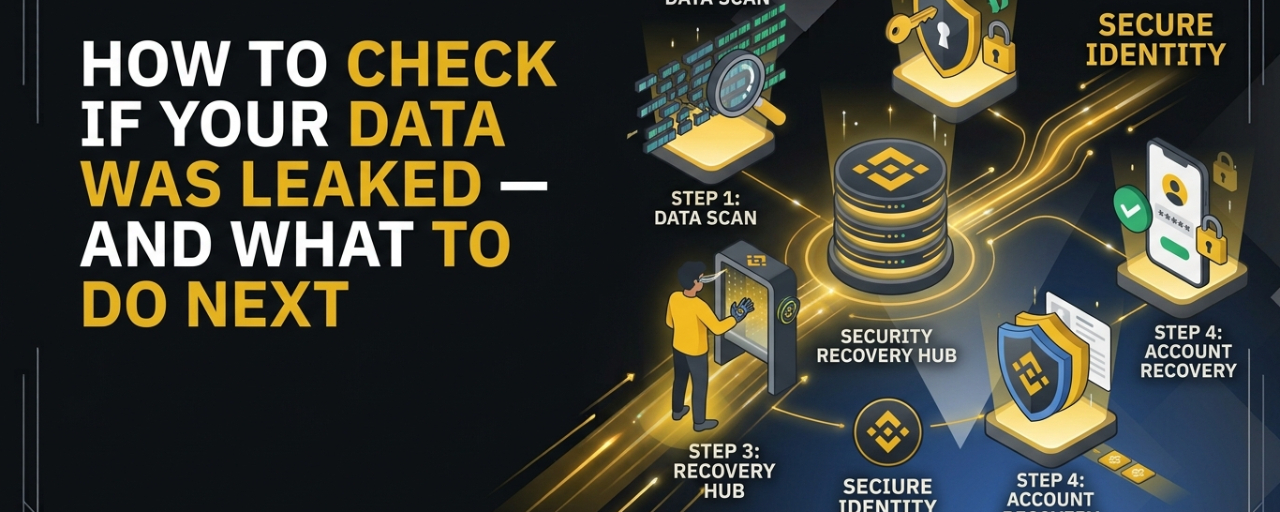
Cách kiểm tra xem dữ liệu của bạn có bị rò rỉ không — và nên làm gì tiếp theoMột vụ rò rỉ dữ liệu có thể xảy ra mà bạn không hề nhận ra.
Bạn có thể tiếp tục sử dụng email, số điện thoại, tài khoản mạng xã hội, tài khoản sàn giao dịch và các dịch vụ trực tuyến khác của mình như bình thường, trong khi ở đâu đó, thông tin liên quan đến một trong các tài khoản đó có thể đã bị lộ.
Câu hỏi quan trọng không chỉ là:
“Dữ liệu của tôi có bị rò rỉ không?”
Còn là:
“Nếu nó có, tôi nên làm gì?”
Biết cách kiểm tra xem có bị lộ thông tin hay không và phản hồi nhanh chóng có thể giảm đáng kể thiệt hại tiềm ẩn.
Dưới đây là hướng dẫn từng bước thực tế.
Cách kiểm tra xem dữ liệu của bạn có bị rò rỉ không — và nên làm gì tiếp theo
Một vụ rò rỉ dữ liệu có thể xảy ra mà bạn không hề nhận ra.
Bạn có thể tiếp tục sử dụng email, số điện thoại, tài khoản mạng xã hội, tài khoản sàn giao dịch và các dịch vụ trực tuyến khác của mình như bình thường, trong khi ở đâu đó, thông tin liên quan đến một trong các tài khoản đó có thể đã bị lộ.
Câu hỏi quan trọng không chỉ là:
“Dữ liệu của tôi có bị rò rỉ không?”
Còn là:
“Nếu nó có, tôi nên làm gì?”
Biết cách kiểm tra xem có bị lộ thông tin hay không và phản hồi nhanh chóng có thể giảm đáng kể thiệt hại tiềm ẩn.
Dưới đây là hướng dẫn từng bước thực tế.
Bạn có thể tiếp tục sử dụng email, số điện thoại, tài khoản mạng xã hội, tài khoản sàn giao dịch và các dịch vụ trực tuyến khác của mình như bình thường, trong khi ở đâu đó, thông tin liên quan đến một trong các tài khoản đó có thể đã bị lộ.
Câu hỏi quan trọng không chỉ là:
“Dữ liệu của tôi có bị rò rỉ không?”
Còn là:
“Nếu nó có, tôi nên làm gì?”
Biết cách kiểm tra xem có bị lộ thông tin hay không và phản hồi nhanh chóng có thể giảm đáng kể thiệt hại tiềm ẩn.
Dưới đây là hướng dẫn từng bước thực tế.
2
52

HÀN QUỐC PHẠT BITHUMB VÌ RÒ RỈ DỮ LIỆU NGƯỜI DÙNG $USDT 🔒
Ủy ban Bảo vệ Thông tin Cá nhân đã phạt Bithumb 210 triệu won vì đã chia sẻ tên người dùng, địa chỉ ví và ngày sinh với các nền tảng nước ngoài trong quá trình chuyển giao dữ liệu sổ lệnh USDT. Việc này đã xảy ra từ tháng 9 đến tháng 11 năm 2025 mà không có sự đồng ý hợp lệ.
Sự giám sát quy định về cách thức xử lý dữ liệu của sàn giao dịch đang siết chặt toàn cầu. Khi một sàn giao dịch hàng đầu không tuân thủ các giao thức đồng ý cơ bản, điều này tạo ra sự không chắc chắn về tiêu chuẩn bảo mật thông tin người dùng trong toàn ngành. Bạn có xác minh nơi thông tin cá nhân của mình kết thúc khi giao dịch không?
Không phải là lời khuyên tài chính. Luôn quản lý rủi ro của bạn.
#USDT #Privacy #DataBreach #CryptoRegulation
🔒
HÀN QUỐC PHẠT BITHUMB VÌ RÒ RỈ DỮ LIỆU NGƯỜI DÙNG $USDT 🔒
Ủy ban Bảo vệ Thông tin Cá nhân đã phạt Bithumb 210 triệu won vì đã chia sẻ tên người dùng, địa chỉ ví và ngày sinh với các nền tảng nước ngoài trong quá trình chuyển giao dữ liệu sổ lệnh USDT. Việc này đã xảy ra từ tháng 9 đến tháng 11 năm 2025 mà không có sự đồng ý hợp lệ.
Sự giám sát quy định về cách thức xử lý dữ liệu của sàn giao dịch đang siết chặt toàn cầu. Khi một sàn giao dịch hàng đầu không tuân thủ các giao thức đồng ý cơ bản, điều này tạo ra sự không chắc chắn về tiêu chuẩn bảo mật thông tin người dùng trong toàn ngành. Bạn có xác minh nơi thông tin cá nhân của mình kết thúc khi giao dịch không?
Không phải là lời khuyên tài chính. Luôn quản lý rủi ro của bạn.
#USDT #Privacy #DataBreach #CryptoRegulation
🔒
Ủy ban Bảo vệ Thông tin Cá nhân đã phạt Bithumb 210 triệu won vì đã chia sẻ tên người dùng, địa chỉ ví và ngày sinh với các nền tảng nước ngoài trong quá trình chuyển giao dữ liệu sổ lệnh USDT. Việc này đã xảy ra từ tháng 9 đến tháng 11 năm 2025 mà không có sự đồng ý hợp lệ.
Sự giám sát quy định về cách thức xử lý dữ liệu của sàn giao dịch đang siết chặt toàn cầu. Khi một sàn giao dịch hàng đầu không tuân thủ các giao thức đồng ý cơ bản, điều này tạo ra sự không chắc chắn về tiêu chuẩn bảo mật thông tin người dùng trong toàn ngành. Bạn có xác minh nơi thông tin cá nhân của mình kết thúc khi giao dịch không?
Không phải là lời khuyên tài chính. Luôn quản lý rủi ro của bạn.
#USDT #Privacy #DataBreach #CryptoRegulation
🔒
20

·
--
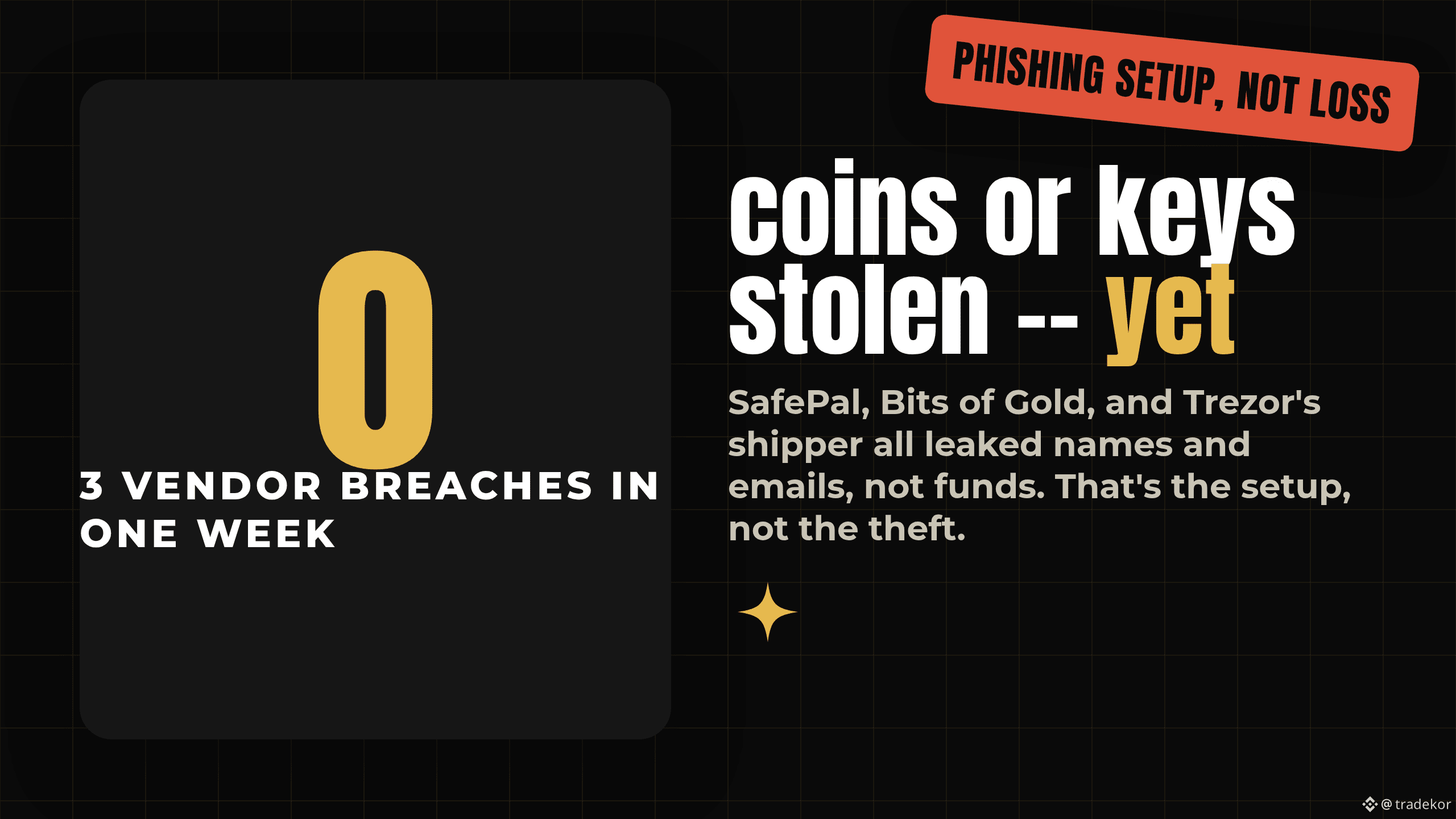
3 nhà cung cấp ví và sàn giao dịch công bố rò rỉ dữ liệu chỉ trong một tuần — và không cái nào mất một đồng xu hay khóa riêng.
Chuyện gì đã xảy ra: SafePal xác nhận vào ngày 16 tháng 8 rằng một plugin theo dõi đơn hàng của bên thứ ba đã làm lộ tên, email và thông tin mua hàng của khoảng 39.798 khách hàng. Cùng ngày, Bits of Gold — công ty môi giới tiền mã hóa được quản lý lớn nhất của Israel — cũng công bố một sự cố rò rỉ từ nhà cung cấp khác, được cho là ảnh hưởng khoảng 200.000 khách hàng. Cả hai diễn ra cách nhau ba ngày sau khi Trezor công bố đối tác thực hiện đơn hàng ShipMonk đã lộ khoảng 14.000 khách hàng.
Vì sao điều này quan trọng: không có cụm seed phrase, khóa riêng hay tiền nào bị đụng tới trong cả ba sự cố. Nhưng các thông tin bị rò rỉ như tên, email và bằng chứng về việc bạn đang sở hữu loại ví phần cứng nào chính là dữ liệu nhắm mục tiêu được dùng cho các chiến dịch lừa đảo “hỗ trợ giả mạo” (fake support) bằng email phishing sau đó — đúng kịch bản đã xảy ra sau vụ rò rỉ của Ledger vào năm 2020 trong nhiều năm. Cả ba công ty này không bị xâm nhập trực tiếp; các nhà cung cấp của họ mới là bên bị rò rỉ.
Điểm tinh tế: Bits of Gold hiện chưa chính thức xác nhận con số 200.000 — con số này được đưa tin, không phải tuyên bố từ công ty. Và đây là câu chuyện về thiết lập phishing, không phải câu chuyện trộm cắp, nên đừng hiểu là “tiền đang có rủi ro ngay hôm nay”. Rủi ro thật sự thường xuất hiện sau vài tuần hoặc vài tháng, trong một email nhắm mục tiêu mà ngay từ đầu đã biết tên bạn và thương hiệu ví của bạn.
Nếu bạn từng mua ví phần cứng, liệu bạn có biết liệu dữ liệu vận chuyển của mình có bị rò rỉ không?
Không phải lời khuyên tài chính. DYOR.
$BTC #CryptoSecurity #DataBreach #SelfCustody #Phishing
3 nhà cung cấp ví và sàn giao dịch công bố rò rỉ dữ liệu chỉ trong một tuần — và không cái nào mất một đồng xu hay khóa riêng.
Chuyện gì đã xảy ra: SafePal xác nhận vào ngày 16 tháng 8 rằng một plugin theo dõi đơn hàng của bên thứ ba đã làm lộ tên, email và thông tin mua hàng của khoảng 39.798 khách hàng. Cùng ngày, Bits of Gold — công ty môi giới tiền mã hóa được quản lý lớn nhất của Israel — cũng công bố một sự cố rò rỉ từ nhà cung cấp khác, được cho là ảnh hưởng khoảng 200.000 khách hàng. Cả hai diễn ra cách nhau ba ngày sau khi Trezor công bố đối tác thực hiện đơn hàng ShipMonk đã lộ khoảng 14.000 khách hàng.
Vì sao điều này quan trọng: không có cụm seed phrase, khóa riêng hay tiền nào bị đụng tới trong cả ba sự cố. Nhưng các thông tin bị rò rỉ như tên, email và bằng chứng về việc bạn đang sở hữu loại ví phần cứng nào chính là dữ liệu nhắm mục tiêu được dùng cho các chiến dịch lừa đảo “hỗ trợ giả mạo” (fake support) bằng email phishing sau đó — đúng kịch bản đã xảy ra sau vụ rò rỉ của Ledger vào năm 2020 trong nhiều năm. Cả ba công ty này không bị xâm nhập trực tiếp; các nhà cung cấp của họ mới là bên bị rò rỉ.
Điểm tinh tế: Bits of Gold hiện chưa chính thức xác nhận con số 200.000 — con số này được đưa tin, không phải tuyên bố từ công ty. Và đây là câu chuyện về thiết lập phishing, không phải câu chuyện trộm cắp, nên đừng hiểu là “tiền đang có rủi ro ngay hôm nay”. Rủi ro thật sự thường xuất hiện sau vài tuần hoặc vài tháng, trong một email nhắm mục tiêu mà ngay từ đầu đã biết tên bạn và thương hiệu ví của bạn.
Nếu bạn từng mua ví phần cứng, liệu bạn có biết liệu dữ liệu vận chuyển của mình có bị rò rỉ không?
Không phải lời khuyên tài chính. DYOR.
$BTC #CryptoSecurity #DataBreach #SelfCustody #Phishing
Chuyện gì đã xảy ra: SafePal xác nhận vào ngày 16 tháng 8 rằng một plugin theo dõi đơn hàng của bên thứ ba đã làm lộ tên, email và thông tin mua hàng của khoảng 39.798 khách hàng. Cùng ngày, Bits of Gold — công ty môi giới tiền mã hóa được quản lý lớn nhất của Israel — cũng công bố một sự cố rò rỉ từ nhà cung cấp khác, được cho là ảnh hưởng khoảng 200.000 khách hàng. Cả hai diễn ra cách nhau ba ngày sau khi Trezor công bố đối tác thực hiện đơn hàng ShipMonk đã lộ khoảng 14.000 khách hàng.
Vì sao điều này quan trọng: không có cụm seed phrase, khóa riêng hay tiền nào bị đụng tới trong cả ba sự cố. Nhưng các thông tin bị rò rỉ như tên, email và bằng chứng về việc bạn đang sở hữu loại ví phần cứng nào chính là dữ liệu nhắm mục tiêu được dùng cho các chiến dịch lừa đảo “hỗ trợ giả mạo” (fake support) bằng email phishing sau đó — đúng kịch bản đã xảy ra sau vụ rò rỉ của Ledger vào năm 2020 trong nhiều năm. Cả ba công ty này không bị xâm nhập trực tiếp; các nhà cung cấp của họ mới là bên bị rò rỉ.
Điểm tinh tế: Bits of Gold hiện chưa chính thức xác nhận con số 200.000 — con số này được đưa tin, không phải tuyên bố từ công ty. Và đây là câu chuyện về thiết lập phishing, không phải câu chuyện trộm cắp, nên đừng hiểu là “tiền đang có rủi ro ngay hôm nay”. Rủi ro thật sự thường xuất hiện sau vài tuần hoặc vài tháng, trong một email nhắm mục tiêu mà ngay từ đầu đã biết tên bạn và thương hiệu ví của bạn.
Nếu bạn từng mua ví phần cứng, liệu bạn có biết liệu dữ liệu vận chuyển của mình có bị rò rỉ không?
Không phải lời khuyên tài chính. DYOR.
$BTC #CryptoSecurity #DataBreach #SelfCustody #Phishing
67
🚨 Giải quyết vụ xâm nhập dữ liệu trị giá 5,5 triệu đô la cho công ty phần mềm tài chính
Công ty Doxim Inc., nhà cung cấp phần mềm tài chính có trụ sở tại Michigan, đã đạt được thỏa thuận dàn xếp cho một vụ kiện tập thể trị giá 5,5 triệu đô la sau sự cố xâm nhập dữ liệu vào năm 2023. Trong sự cố này, thông tin cá nhân của người dùng đã bị ảnh hưởng. Những người bị thiệt hại tại Hoa Kỳ có quyền yêu cầu khoản bồi thường lên tới 5.000 đô la cho các tổn thất được ghi nhận, hoặc một khoản thanh toán tiền mặt tương ứng, hoặc giám sát tín dụng.
━━━━━━━━━━━━━━
📊 Tác động: 📊 Trung bình
🏷️ OTHER
#DataBreach #CyberSecurity #LegalSettlement #FinancialSoftware
📰 Nguồn: dailyhodl.com
🚨 Giải quyết vụ xâm nhập dữ liệu trị giá 5,5 triệu đô la cho công ty phần mềm tài chính
Công ty Doxim Inc., nhà cung cấp phần mềm tài chính có trụ sở tại Michigan, đã đạt được thỏa thuận dàn xếp cho một vụ kiện tập thể trị giá 5,5 triệu đô la sau sự cố xâm nhập dữ liệu vào năm 2023. Trong sự cố này, thông tin cá nhân của người dùng đã bị ảnh hưởng. Những người bị thiệt hại tại Hoa Kỳ có quyền yêu cầu khoản bồi thường lên tới 5.000 đô la cho các tổn thất được ghi nhận, hoặc một khoản thanh toán tiền mặt tương ứng, hoặc giám sát tín dụng.
━━━━━━━━━━━━━━
📊 Tác động: 📊 Trung bình
🏷️ OTHER
#DataBreach #CyberSecurity #LegalSettlement #FinancialSoftware
📰 Nguồn: dailyhodl.com
Công ty Doxim Inc., nhà cung cấp phần mềm tài chính có trụ sở tại Michigan, đã đạt được thỏa thuận dàn xếp cho một vụ kiện tập thể trị giá 5,5 triệu đô la sau sự cố xâm nhập dữ liệu vào năm 2023. Trong sự cố này, thông tin cá nhân của người dùng đã bị ảnh hưởng. Những người bị thiệt hại tại Hoa Kỳ có quyền yêu cầu khoản bồi thường lên tới 5.000 đô la cho các tổn thất được ghi nhận, hoặc một khoản thanh toán tiền mặt tương ứng, hoặc giám sát tín dụng.
━━━━━━━━━━━━━━
📊 Tác động: 📊 Trung bình
🏷️ OTHER
#DataBreach #CyberSecurity #LegalSettlement #FinancialSoftware
📰 Nguồn: dailyhodl.com
1
73

·
--
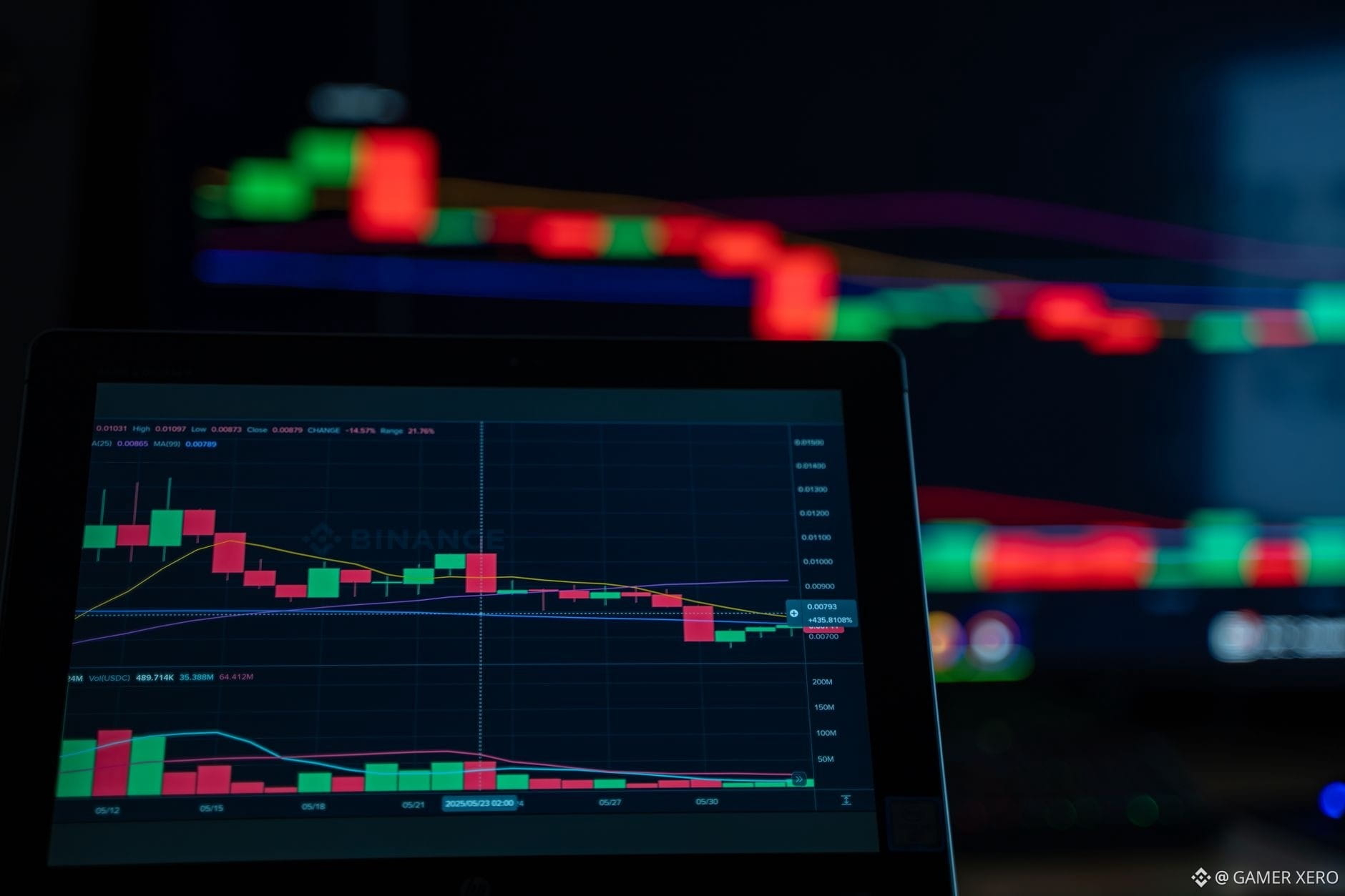
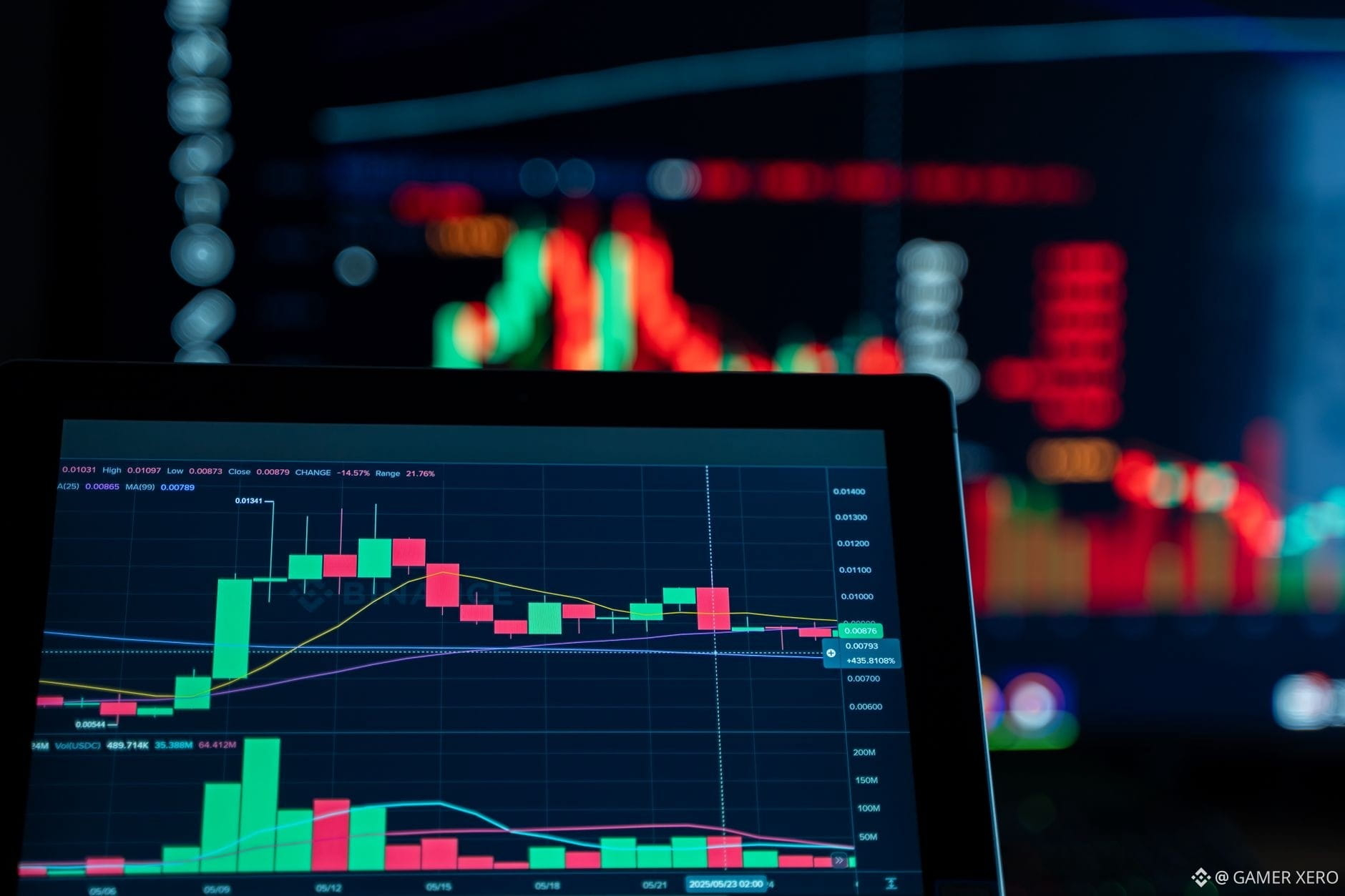
Một vụ vi phạm dữ liệu tại sàn giao dịch crypto lớn nhất của Israel, Bits of Gold, đã làm lộ thông tin cá nhân của khoảng 200.000 người dùng.🔐 Tên, tài khoản ngân hàng và mã định danh quốc gia đã bị rò rỉ, dù tiền và tài sản kỹ thuật số vẫn chưa bị ảnh hưởng. Sự cố này cho thấy một lỗ hổng tồn tại dai dẳng: ngay cả các nền tảng tập trung cũng có thể trở thành điểm xâm nhập cho kẻ tấn công, khiến nhiều người tham gia cân nhắc lại các lựa chọn tự lưu ký.
Trên Binance, $BTC đang giao dịch quanh 64.336 USD và $ETH gần 1.903 USD, cho thấy thị trường vẫn vững vàng giữa các tin tức về bảo mật. Tuy nhiên, vụ rò rỉ có thể thúc đẩy nhu cầu tăng lên đối với ví phần cứng và các giải pháp không lưu ký, khi nhà giao dịch muốn tách khóa cá nhân khỏi các dịch vụ của bên thứ ba. Nó cũng nhắc các đội tuân thủ phải rà soát quy trình xử lý dữ liệu chặt chẽ hơn.
Bạn đang thực hiện những bước nào để bảo vệ số tài sản crypto của mình sau kiểu vụ vi phạm này? #CryptoSecurity #DataBreach #GAMERXERO #Binance
Một vụ vi phạm dữ liệu tại sàn giao dịch crypto lớn nhất của Israel, Bits of Gold, đã làm lộ thông tin cá nhân của khoảng 200.000 người dùng.🔐 Tên, tài khoản ngân hàng và mã định danh quốc gia đã bị rò rỉ, dù tiền và tài sản kỹ thuật số vẫn chưa bị ảnh hưởng. Sự cố này cho thấy một lỗ hổng tồn tại dai dẳng: ngay cả các nền tảng tập trung cũng có thể trở thành điểm xâm nhập cho kẻ tấn công, khiến nhiều người tham gia cân nhắc lại các lựa chọn tự lưu ký.
Trên Binance, $BTC đang giao dịch quanh 64.336 USD và $ETH gần 1.903 USD, cho thấy thị trường vẫn vững vàng giữa các tin tức về bảo mật. Tuy nhiên, vụ rò rỉ có thể thúc đẩy nhu cầu tăng lên đối với ví phần cứng và các giải pháp không lưu ký, khi nhà giao dịch muốn tách khóa cá nhân khỏi các dịch vụ của bên thứ ba. Nó cũng nhắc các đội tuân thủ phải rà soát quy trình xử lý dữ liệu chặt chẽ hơn.
Bạn đang thực hiện những bước nào để bảo vệ số tài sản crypto của mình sau kiểu vụ vi phạm này? #CryptoSecurity #DataBreach #GAMERXERO #Binance
Trên Binance, $BTC đang giao dịch quanh 64.336 USD và $ETH gần 1.903 USD, cho thấy thị trường vẫn vững vàng giữa các tin tức về bảo mật. Tuy nhiên, vụ rò rỉ có thể thúc đẩy nhu cầu tăng lên đối với ví phần cứng và các giải pháp không lưu ký, khi nhà giao dịch muốn tách khóa cá nhân khỏi các dịch vụ của bên thứ ba. Nó cũng nhắc các đội tuân thủ phải rà soát quy trình xử lý dữ liệu chặt chẽ hơn.
Bạn đang thực hiện những bước nào để bảo vệ số tài sản crypto của mình sau kiểu vụ vi phạm này? #CryptoSecurity #DataBreach #GAMERXERO #Binance
36

·
--
🚨🔐 Revolut Xác Nhận Rò Rỉ Dữ Liệu Email Giả Mạo Của Chính Phủ 🔐🚨
Một email trông có vẻ hợp pháp của chính phủ vẫn có thể là lừa đảo—và đó là bài học quan trọng từ sự cố bảo mật mới nhất của Revolut.
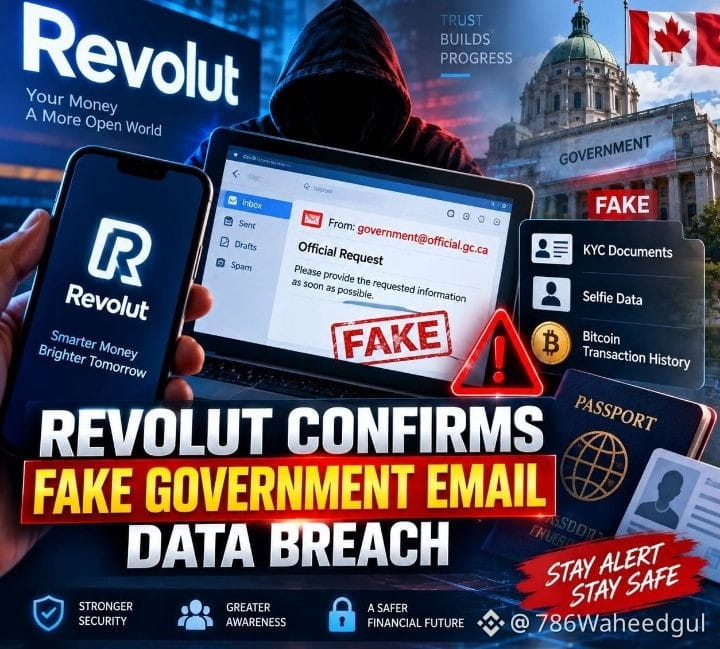
Theo báo cáo, Revolut đã thông báo cho một nhóm khách hàng rằng thông tin cá nhân và tài chính đã bị tiết lộ sau khi công ty nhận được một yêu cầu cung cấp thông tin giả mạo, có vẻ như xuất phát từ một cơ quan chính phủ.
Điều gì khiến tình huống này đặc biệt đáng lo ngại? Email được cho là đã vượt qua xác thực SPF, DKIM và DMARC, cho thấy rằng chỉ riêng việc xác thực email về mặt kỹ thuật không thể xác nhận liệu người gửi có thực sự được ủy quyền hay không.
Theo báo cáo, những thông tin bị lộ bao gồm hình ảnh KYC, dữ liệu selfie và lịch sử giao dịch Bitcoin. Sau đó, Revolut xác nhận hộp thư đó không được ủy quyền, đã chặn và thông báo cho các cơ quan quản lý.
🔐 Bài học rút ra: đã được xác thực không phải lúc nào cũng đồng nghĩa được ủy quyền. Các yêu cầu nhạy cảm cần cơ chế xác minh nhiều lớp và độc lập.
Các tổ chức tài chính có nên bổ sung thêm một bước xác minh đối với các yêu cầu dữ liệu từ chính phủ hay không?
Chỉ phục vụ mục đích giáo dục. Không phải lời khuyên tài chính.
$BTC
{spot}(BTCUSDT)
#CyberSecurity #Crypto #Revolut #BTC #DataBreach
🚨🔐 Revolut Xác Nhận Rò Rỉ Dữ Liệu Email Giả Mạo Của Chính Phủ 🔐🚨
Một email trông có vẻ hợp pháp của chính phủ vẫn có thể là lừa đảo—và đó là bài học quan trọng từ sự cố bảo mật mới nhất của Revolut.
Theo báo cáo, Revolut đã thông báo cho một nhóm khách hàng rằng thông tin cá nhân và tài chính đã bị tiết lộ sau khi công ty nhận được một yêu cầu cung cấp thông tin giả mạo, có vẻ như xuất phát từ một cơ quan chính phủ.
Điều gì khiến tình huống này đặc biệt đáng lo ngại? Email được cho là đã vượt qua xác thực SPF, DKIM và DMARC, cho thấy rằng chỉ riêng việc xác thực email về mặt kỹ thuật không thể xác nhận liệu người gửi có thực sự được ủy quyền hay không.
Theo báo cáo, những thông tin bị lộ bao gồm hình ảnh KYC, dữ liệu selfie và lịch sử giao dịch Bitcoin. Sau đó, Revolut xác nhận hộp thư đó không được ủy quyền, đã chặn và thông báo cho các cơ quan quản lý.
🔐 Bài học rút ra: đã được xác thực không phải lúc nào cũng đồng nghĩa được ủy quyền. Các yêu cầu nhạy cảm cần cơ chế xác minh nhiều lớp và độc lập.
Các tổ chức tài chính có nên bổ sung thêm một bước xác minh đối với các yêu cầu dữ liệu từ chính phủ hay không?
Chỉ phục vụ mục đích giáo dục. Không phải lời khuyên tài chính.
$BTC
#CyberSecurity #Crypto #Revolut #BTC #DataBreach
Một email trông có vẻ hợp pháp của chính phủ vẫn có thể là lừa đảo—và đó là bài học quan trọng từ sự cố bảo mật mới nhất của Revolut.
Theo báo cáo, Revolut đã thông báo cho một nhóm khách hàng rằng thông tin cá nhân và tài chính đã bị tiết lộ sau khi công ty nhận được một yêu cầu cung cấp thông tin giả mạo, có vẻ như xuất phát từ một cơ quan chính phủ.
Điều gì khiến tình huống này đặc biệt đáng lo ngại? Email được cho là đã vượt qua xác thực SPF, DKIM và DMARC, cho thấy rằng chỉ riêng việc xác thực email về mặt kỹ thuật không thể xác nhận liệu người gửi có thực sự được ủy quyền hay không.
Theo báo cáo, những thông tin bị lộ bao gồm hình ảnh KYC, dữ liệu selfie và lịch sử giao dịch Bitcoin. Sau đó, Revolut xác nhận hộp thư đó không được ủy quyền, đã chặn và thông báo cho các cơ quan quản lý.
🔐 Bài học rút ra: đã được xác thực không phải lúc nào cũng đồng nghĩa được ủy quyền. Các yêu cầu nhạy cảm cần cơ chế xác minh nhiều lớp và độc lập.
Các tổ chức tài chính có nên bổ sung thêm một bước xác minh đối với các yêu cầu dữ liệu từ chính phủ hay không?
Chỉ phục vụ mục đích giáo dục. Không phải lời khuyên tài chính.
$BTC
#CyberSecurity #Crypto #Revolut #BTC #DataBreach
37

·
--
Nếu bạn vẫn tin tưởng mọi ứng dụng fintech để cung cấp KYC và crypto của mình, hãy dừng lại ngay.
Những vụ rò rỉ dữ liệu này biến thông tin cá nhân của bạn thành vũ khí cho các cuộc tấn công lừa đảo (phishing) rút cạn ví của bạn trước khi bạn kịp nhận ra. Không có lối thoát “sạch” nào khi dữ liệu của bạn đã bị đưa ra ngoài.
Revolut được cho là đang phải đối mặt với yêu cầu chuộc 10,000 $BTC sau một vụ rò rỉ dữ liệu khách hàng. Một số người sẽ nói cứ trả để khóa phần dữ liệu còn lại và tiến về phía trước. Những người khác lại khẳng định rằng chỉ cần trả thì cũng chỉ đảm bảo nhóm tiếp theo sẽ đến gõ cửa—với yêu cầu lớn hơn.
Tôi kiên quyết đứng về phe “không bao giờ trả”. Một khoản chuyển 10,000 $BTC sẽ tài trợ nhiều hơn cho các hoạt động như vậy và đưa mọi nền tảng nắm giữ $ETH hoặc $USDT vào tầm ngắm. Tự lưu ký (self-custody) là cấu hình duy nhất thực sự loại bỏ được rủi ro này.
Bạn có trả nếu bạn đang dùng Revolut không, hay đây là bằng chứng chúng ta cần để rời khỏi những ứng dụng này?
#Bitcoin #CryptoSecurity #DataBreach
Nếu bạn vẫn tin tưởng mọi ứng dụng fintech để cung cấp KYC và crypto của mình, hãy dừng lại ngay.
Những vụ rò rỉ dữ liệu này biến thông tin cá nhân của bạn thành vũ khí cho các cuộc tấn công lừa đảo (phishing) rút cạn ví của bạn trước khi bạn kịp nhận ra. Không có lối thoát “sạch” nào khi dữ liệu của bạn đã bị đưa ra ngoài.
Revolut được cho là đang phải đối mặt với yêu cầu chuộc 10,000 $BTC sau một vụ rò rỉ dữ liệu khách hàng. Một số người sẽ nói cứ trả để khóa phần dữ liệu còn lại và tiến về phía trước. Những người khác lại khẳng định rằng chỉ cần trả thì cũng chỉ đảm bảo nhóm tiếp theo sẽ đến gõ cửa—với yêu cầu lớn hơn.
Tôi kiên quyết đứng về phe “không bao giờ trả”. Một khoản chuyển 10,000 $BTC sẽ tài trợ nhiều hơn cho các hoạt động như vậy và đưa mọi nền tảng nắm giữ $ETH hoặc $USDT vào tầm ngắm. Tự lưu ký (self-custody) là cấu hình duy nhất thực sự loại bỏ được rủi ro này.
Bạn có trả nếu bạn đang dùng Revolut không, hay đây là bằng chứng chúng ta cần để rời khỏi những ứng dụng này?
#Bitcoin #CryptoSecurity #DataBreach
Những vụ rò rỉ dữ liệu này biến thông tin cá nhân của bạn thành vũ khí cho các cuộc tấn công lừa đảo (phishing) rút cạn ví của bạn trước khi bạn kịp nhận ra. Không có lối thoát “sạch” nào khi dữ liệu của bạn đã bị đưa ra ngoài.
Revolut được cho là đang phải đối mặt với yêu cầu chuộc 10,000 $BTC sau một vụ rò rỉ dữ liệu khách hàng. Một số người sẽ nói cứ trả để khóa phần dữ liệu còn lại và tiến về phía trước. Những người khác lại khẳng định rằng chỉ cần trả thì cũng chỉ đảm bảo nhóm tiếp theo sẽ đến gõ cửa—với yêu cầu lớn hơn.
Tôi kiên quyết đứng về phe “không bao giờ trả”. Một khoản chuyển 10,000 $BTC sẽ tài trợ nhiều hơn cho các hoạt động như vậy và đưa mọi nền tảng nắm giữ $ETH hoặc $USDT vào tầm ngắm. Tự lưu ký (self-custody) là cấu hình duy nhất thực sự loại bỏ được rủi ro này.
Bạn có trả nếu bạn đang dùng Revolut không, hay đây là bằng chứng chúng ta cần để rời khỏi những ứng dụng này?
#Bitcoin #CryptoSecurity #DataBreach
44
·
--
X có vẻ sắp xảy ra chuyện lớn! Hàng loạt người dùng bị tấn công bằng email reset mật khẩu một cách vô cớ, hoàn toàn không hề thao tác. Kỹ sư chính thức thừa nhận có vấn đề, nhưng lại không nói rõ là bị hack.
Với giới crypto, đây không phải chuyện nhỏ. X chính là “thủ phủ” của thị trường, nơi KOL chốt lệnh, thông báo dự án, và thông tin airdrop đều ở đó. Nếu lộ thật sự danh sách email, tin nhắn câu cá tinh vi sẽ đến ngay, tài khoản giả và link giả có thể thu hoạch được một lượt người.
Làm ngay ba việc để tự bảo vệ: bật xác thực hai bước, đừng bừa bấm link, và chuyển tài sản lớn sang ví phần cứng.
Về mặt thị trường, nỗi hoang mang về an ninh kiểu này trong ngắn hạn sẽ kìm hãm tâm lý thị trường; mọi người sẽ thao tác thận trọng hơn, đề phòng các trò lừa câu cá bùng nổ. Nhưng ngược lại, câu chuyện về an ninh có thể trở thành “cớ” để dòng tiền mượn cơ hội thổi lên một đợt.
Siết chặt hầu bao, đừng trở thành con cá bị câu.
#Security #DataBreach $BTC
X có vẻ sắp xảy ra chuyện lớn! Hàng loạt người dùng bị tấn công bằng email reset mật khẩu một cách vô cớ, hoàn toàn không hề thao tác. Kỹ sư chính thức thừa nhận có vấn đề, nhưng lại không nói rõ là bị hack.
Với giới crypto, đây không phải chuyện nhỏ. X chính là “thủ phủ” của thị trường, nơi KOL chốt lệnh, thông báo dự án, và thông tin airdrop đều ở đó. Nếu lộ thật sự danh sách email, tin nhắn câu cá tinh vi sẽ đến ngay, tài khoản giả và link giả có thể thu hoạch được một lượt người.
Làm ngay ba việc để tự bảo vệ: bật xác thực hai bước, đừng bừa bấm link, và chuyển tài sản lớn sang ví phần cứng.
Về mặt thị trường, nỗi hoang mang về an ninh kiểu này trong ngắn hạn sẽ kìm hãm tâm lý thị trường; mọi người sẽ thao tác thận trọng hơn, đề phòng các trò lừa câu cá bùng nổ. Nhưng ngược lại, câu chuyện về an ninh có thể trở thành “cớ” để dòng tiền mượn cơ hội thổi lên một đợt.
Siết chặt hầu bao, đừng trở thành con cá bị câu.
#Security #DataBreach $BTC
Với giới crypto, đây không phải chuyện nhỏ. X chính là “thủ phủ” của thị trường, nơi KOL chốt lệnh, thông báo dự án, và thông tin airdrop đều ở đó. Nếu lộ thật sự danh sách email, tin nhắn câu cá tinh vi sẽ đến ngay, tài khoản giả và link giả có thể thu hoạch được một lượt người.
Làm ngay ba việc để tự bảo vệ: bật xác thực hai bước, đừng bừa bấm link, và chuyển tài sản lớn sang ví phần cứng.
Về mặt thị trường, nỗi hoang mang về an ninh kiểu này trong ngắn hạn sẽ kìm hãm tâm lý thị trường; mọi người sẽ thao tác thận trọng hơn, đề phòng các trò lừa câu cá bùng nổ. Nhưng ngược lại, câu chuyện về an ninh có thể trở thành “cớ” để dòng tiền mượn cơ hội thổi lên một đợt.
Siết chặt hầu bao, đừng trở thành con cá bị câu.
#Security #DataBreach $BTC
127

·
--
Bài viết
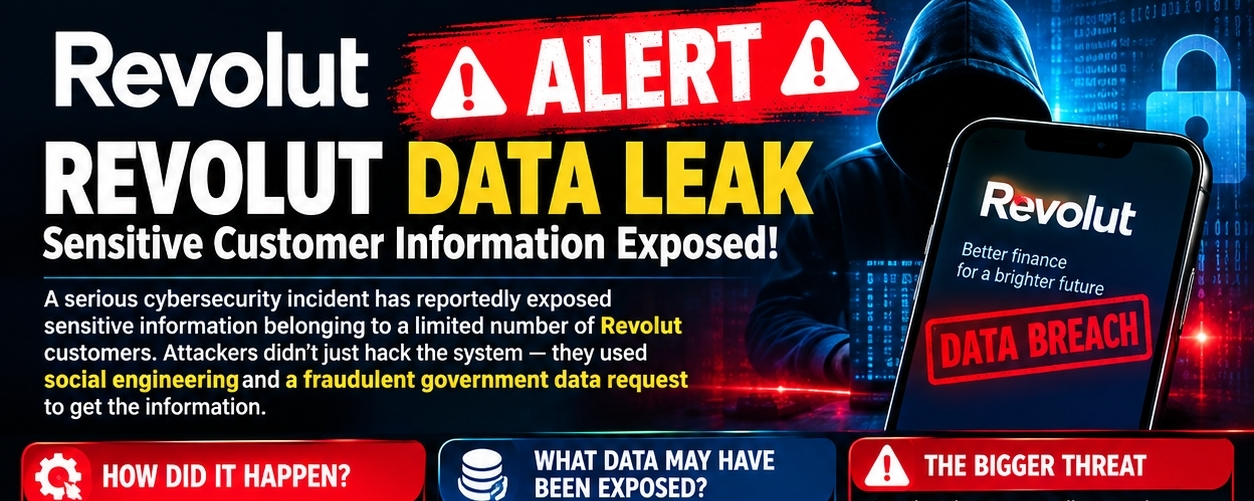
CẢNH BÁO CẢNH BÁO: RÒ RỈ DỮ LIỆU REVOLUT 🚨🚨🚨🚨 CẢNH BÁO CẢNH BÁO: RÒ RỈ DỮ LIỆU REVOLUT 🚨🚨
⚠️ Hàng triệu người dùng crypto và fintech cần chú ý!
Theo thông tin, một sự cố an ninh mạng nghiêm trọng đã làm lộ thông tin nhạy cảm thuộc về một số lượng giới hạn khách hàng của Revolut. Phần đáng lo ngại là gì? Theo thông tin, kẻ tấn công đã sử dụng kỹ thuật lừa đảo (social engineering) và một yêu cầu dữ liệu từ cơ quan chính phủ giả mạo thay vì trực tiếp xâm nhập hệ thống của Revolut.
🔴 CHUYỆN NÀY XẢY RA NHƯ THẾ NÀO?
Theo thông tin, kẻ tấn công đã gửi một yêu cầu giả mạo có vẻ như đến từ một tên miền email chính phủ hợp pháp. Vì yêu cầu trông rất chân thực, theo thông tin, Revolut đã cung cấp một số thông tin khách hàng trước khi phát hiện rằng yêu cầu đó là gian lận.
CẢNH BÁO CẢNH BÁO: RÒ RỈ DỮ LIỆU REVOLUT 🚨🚨
🚨🚨 CẢNH BÁO CẢNH BÁO: RÒ RỈ DỮ LIỆU REVOLUT 🚨🚨
⚠️ Hàng triệu người dùng crypto và fintech cần chú ý!
Theo thông tin, một sự cố an ninh mạng nghiêm trọng đã làm lộ thông tin nhạy cảm thuộc về một số lượng giới hạn khách hàng của Revolut. Phần đáng lo ngại là gì? Theo thông tin, kẻ tấn công đã sử dụng kỹ thuật lừa đảo (social engineering) và một yêu cầu dữ liệu từ cơ quan chính phủ giả mạo thay vì trực tiếp xâm nhập hệ thống của Revolut.
🔴 CHUYỆN NÀY XẢY RA NHƯ THẾ NÀO?
Theo thông tin, kẻ tấn công đã gửi một yêu cầu giả mạo có vẻ như đến từ một tên miền email chính phủ hợp pháp. Vì yêu cầu trông rất chân thực, theo thông tin, Revolut đã cung cấp một số thông tin khách hàng trước khi phát hiện rằng yêu cầu đó là gian lận.
⚠️ Hàng triệu người dùng crypto và fintech cần chú ý!
Theo thông tin, một sự cố an ninh mạng nghiêm trọng đã làm lộ thông tin nhạy cảm thuộc về một số lượng giới hạn khách hàng của Revolut. Phần đáng lo ngại là gì? Theo thông tin, kẻ tấn công đã sử dụng kỹ thuật lừa đảo (social engineering) và một yêu cầu dữ liệu từ cơ quan chính phủ giả mạo thay vì trực tiếp xâm nhập hệ thống của Revolut.
🔴 CHUYỆN NÀY XẢY RA NHƯ THẾ NÀO?
Theo thông tin, kẻ tấn công đã gửi một yêu cầu giả mạo có vẻ như đến từ một tên miền email chính phủ hợp pháp. Vì yêu cầu trông rất chân thực, theo thông tin, Revolut đã cung cấp một số thông tin khách hàng trước khi phát hiện rằng yêu cầu đó là gian lận.
1
112

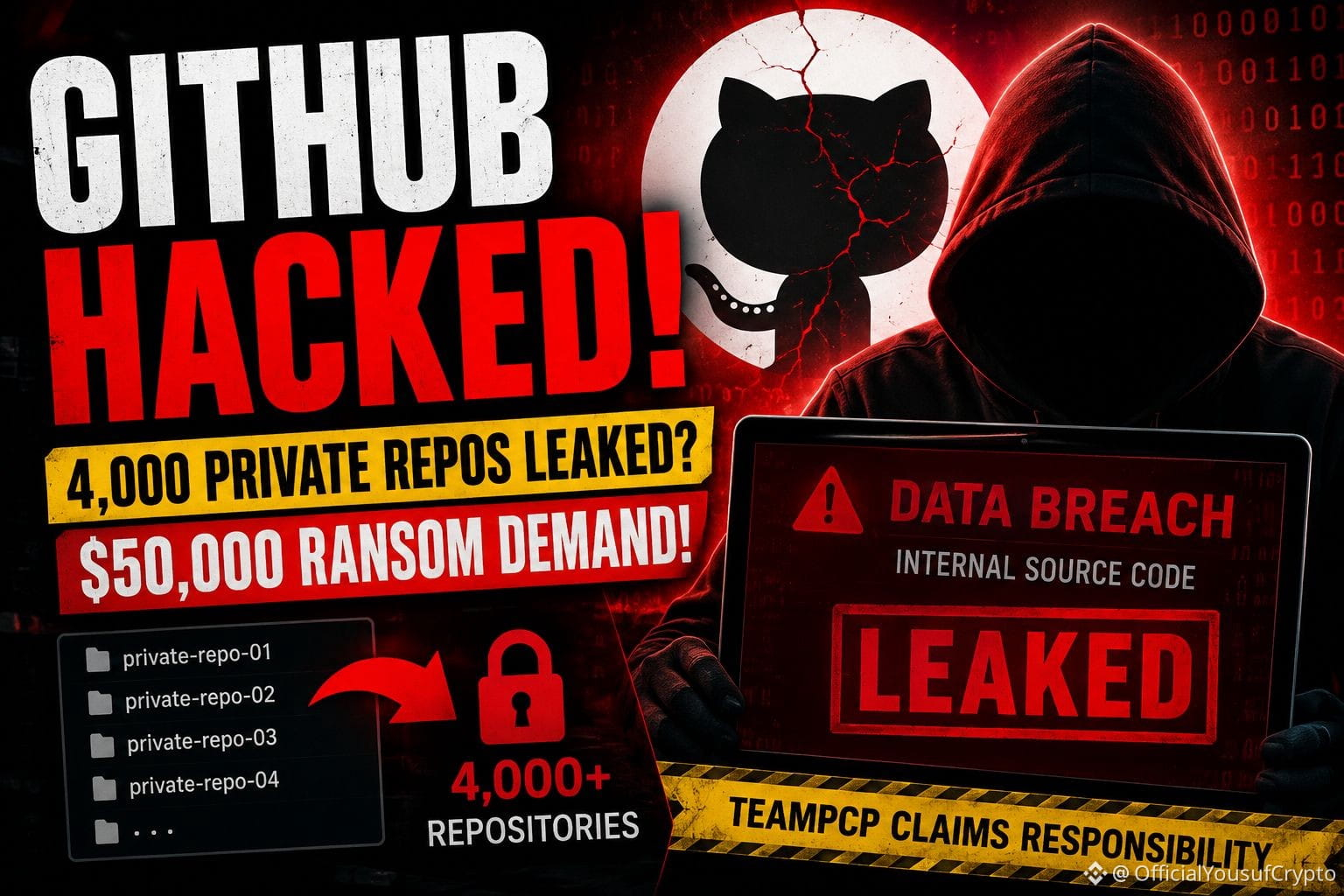
🚨 Các nhà phát triển đang hoảng loạn sau khi có thông tin về một vụ rò rỉ GitHub khổng lồ bắt đầu lan truyền trên mạng.
Một nhóm hacker có tên "TeamPCP" tuyên bố đã xâm nhập vào các hệ thống nội bộ của GitHub và truy cập dữ liệu liên quan đến gần 4,000 kho lưu trữ riêng tư. Thông tin bị rò rỉ được cho là bao gồm các tài liệu nội bộ của công ty và thậm chí cả một phần mã nguồn độc quyền của GitHub. 😳💻
Và tình hình còn tồi tệ hơn.
Nhóm này được cho là đang cố gắng bán dữ liệu bị đánh cắp trên các diễn đàn tội phạm mạng ngầm với giá hơn 50,000 đô la. Điều đó đã làm dấy lên mối lo ngại lớn trong giới công nghệ. 🔥
GitHub cho biết họ đang điều tra việc truy cập trái phép, nhưng các nhà phát triển không chờ đợi. Nhiều người đã vội vàng thay đổi API keys, bảo mật các kho lưu trữ, và loại bỏ các thông tin nhạy cảm trước khi mọi thứ trở nên tồi tệ hơn. ⚠️🔐
Nếu những tuyên bố này được xác nhận, đây có thể trở thành một trong những cuộc khủng hoảng an ninh lớn nhất mà cộng đồng phát triển đã thấy trong nhiều năm. Một token hoặc khóa riêng lẻ bị lộ có thể mở ra cánh cửa cho những cuộc tấn công lớn hơn, đó là lý do tại sao các chuyên gia an ninh mạng khuyên người dùng hành động nhanh chóng và giữ cảnh giác.
#GitHub #CyberSecurity #DataBreach
$GTC
{future}(GTCUSDT)
$PHB
{spot}(PHBUSDT)
$EDEN
{future}(EDENUSDT)
🚨 Các nhà phát triển đang hoảng loạn sau khi có thông tin về một vụ rò rỉ GitHub khổng lồ bắt đầu lan truyền trên mạng.
Một nhóm hacker có tên "TeamPCP" tuyên bố đã xâm nhập vào các hệ thống nội bộ của GitHub và truy cập dữ liệu liên quan đến gần 4,000 kho lưu trữ riêng tư. Thông tin bị rò rỉ được cho là bao gồm các tài liệu nội bộ của công ty và thậm chí cả một phần mã nguồn độc quyền của GitHub. 😳💻
Và tình hình còn tồi tệ hơn.
Nhóm này được cho là đang cố gắng bán dữ liệu bị đánh cắp trên các diễn đàn tội phạm mạng ngầm với giá hơn 50,000 đô la. Điều đó đã làm dấy lên mối lo ngại lớn trong giới công nghệ. 🔥
GitHub cho biết họ đang điều tra việc truy cập trái phép, nhưng các nhà phát triển không chờ đợi. Nhiều người đã vội vàng thay đổi API keys, bảo mật các kho lưu trữ, và loại bỏ các thông tin nhạy cảm trước khi mọi thứ trở nên tồi tệ hơn. ⚠️🔐
Nếu những tuyên bố này được xác nhận, đây có thể trở thành một trong những cuộc khủng hoảng an ninh lớn nhất mà cộng đồng phát triển đã thấy trong nhiều năm. Một token hoặc khóa riêng lẻ bị lộ có thể mở ra cánh cửa cho những cuộc tấn công lớn hơn, đó là lý do tại sao các chuyên gia an ninh mạng khuyên người dùng hành động nhanh chóng và giữ cảnh giác.
#GitHub #CyberSecurity #DataBreach
$GTC
$PHB
$EDEN
Một nhóm hacker có tên "TeamPCP" tuyên bố đã xâm nhập vào các hệ thống nội bộ của GitHub và truy cập dữ liệu liên quan đến gần 4,000 kho lưu trữ riêng tư. Thông tin bị rò rỉ được cho là bao gồm các tài liệu nội bộ của công ty và thậm chí cả một phần mã nguồn độc quyền của GitHub. 😳💻
Và tình hình còn tồi tệ hơn.
Nhóm này được cho là đang cố gắng bán dữ liệu bị đánh cắp trên các diễn đàn tội phạm mạng ngầm với giá hơn 50,000 đô la. Điều đó đã làm dấy lên mối lo ngại lớn trong giới công nghệ. 🔥
GitHub cho biết họ đang điều tra việc truy cập trái phép, nhưng các nhà phát triển không chờ đợi. Nhiều người đã vội vàng thay đổi API keys, bảo mật các kho lưu trữ, và loại bỏ các thông tin nhạy cảm trước khi mọi thứ trở nên tồi tệ hơn. ⚠️🔐
Nếu những tuyên bố này được xác nhận, đây có thể trở thành một trong những cuộc khủng hoảng an ninh lớn nhất mà cộng đồng phát triển đã thấy trong nhiều năm. Một token hoặc khóa riêng lẻ bị lộ có thể mở ra cánh cửa cho những cuộc tấn công lớn hơn, đó là lý do tại sao các chuyên gia an ninh mạng khuyên người dùng hành động nhanh chóng và giữ cảnh giác.
#GitHub #CyberSecurity #DataBreach
$GTC
$PHB
$EDEN
63

$ONG CÚ GIẬN ĐẲM TRONG TIN VỤ RÒ RỈ DỮ LIỆU NHÀ CUNG CẤP CỦA APPLE 🔥
Vụ rò rỉ tại Tata Electronics liên quan đến các tệp iPhone 18 Pro chưa được phát hành và dữ liệu nhà cung cấp. Dạng sự kiện an ninh như thế này thường kích hoạt biến động trong các tài sản có tương quan — và $ONG đang phản ứng với khối lượng tăng lên trên sổ lệnh của các sàn giao dịch hàng đầu.
Các đồn đoán hiện đang diễn ra khá sôi nổi về việc liệu điều này có khiến giá giảm để tích lũy hay tạo ra một đợt bứt phá. Điểm dữ liệu cần theo dõi là liệu hoạt động tích lũy có tiếp tục ở các mức hiện tại hay không.
Bạn xem đây là cơ hội để mua hay là rủi ro cần tránh?
Không phải lời khuyên tài chính. Luôn quản lý rủi ro của bạn.
#ONG #News #DataBreach #Crypto
🔥
$ONG CÚ GIẬN ĐẲM TRONG TIN VỤ RÒ RỈ DỮ LIỆU NHÀ CUNG CẤP CỦA APPLE 🔥
Vụ rò rỉ tại Tata Electronics liên quan đến các tệp iPhone 18 Pro chưa được phát hành và dữ liệu nhà cung cấp. Dạng sự kiện an ninh như thế này thường kích hoạt biến động trong các tài sản có tương quan — và $ONG đang phản ứng với khối lượng tăng lên trên sổ lệnh của các sàn giao dịch hàng đầu.
Các đồn đoán hiện đang diễn ra khá sôi nổi về việc liệu điều này có khiến giá giảm để tích lũy hay tạo ra một đợt bứt phá. Điểm dữ liệu cần theo dõi là liệu hoạt động tích lũy có tiếp tục ở các mức hiện tại hay không.
Bạn xem đây là cơ hội để mua hay là rủi ro cần tránh?
Không phải lời khuyên tài chính. Luôn quản lý rủi ro của bạn.
#ONG #News #DataBreach #Crypto
🔥
Vụ rò rỉ tại Tata Electronics liên quan đến các tệp iPhone 18 Pro chưa được phát hành và dữ liệu nhà cung cấp. Dạng sự kiện an ninh như thế này thường kích hoạt biến động trong các tài sản có tương quan — và $ONG đang phản ứng với khối lượng tăng lên trên sổ lệnh của các sàn giao dịch hàng đầu.
Các đồn đoán hiện đang diễn ra khá sôi nổi về việc liệu điều này có khiến giá giảm để tích lũy hay tạo ra một đợt bứt phá. Điểm dữ liệu cần theo dõi là liệu hoạt động tích lũy có tiếp tục ở các mức hiện tại hay không.
Bạn xem đây là cơ hội để mua hay là rủi ro cần tránh?
Không phải lời khuyên tài chính. Luôn quản lý rủi ro của bạn.
#ONG #News #DataBreach #Crypto
🔥

95
Đăng nhập để khám phá thêm nội dung
Tham gia cùng người dùng tiền mã hóa toàn cầu trên Binance Square
⚡️ Nhận thông tin mới nhất và hữu ích về tiền mã hóa.
💬 Được tin cậy bởi sàn giao dịch tiền mã hóa lớn nhất thế giới.
👍 Khám phá những thông tin chuyên sâu thực tế từ những nhà sáng tạo đã xác minh.
Email / Số điện thoại
Chủ đề thịnh hành
1
#CanMicrosoftDeliverOnAI
74,501 lượt xem
733 đang thảo luận
2
#CanGoogleDefindItsCore
39,037 lượt xem
539 đang thảo luận
3
#TheoDõiFOMC
300,278 lượt xem
1,258 đang thảo luận
4
#TinFed
358,247 lượt xem
976 đang thảo luận
5
#FOMCWatch
9.1M lượt xem
27,941 đang thảo luận
6
#EthereumDropsBelow$2300
10,716 lượt xem
157 đang thảo luận
7
#BitcoinSlipsBelow$80KAgain
30,151 lượt xem
119 đang thảo luận
8
#ThailandLaunchesWORPTStablecoinToQRPaymentApp
61,136 lượt xem
788 đang thảo luận
9
#StrategySkipsBitcoinPurchasesSpends$205MOnSTRCBuybacks
11,628 lượt xem
98 đang thảo luận
10
#BitmineAdds10452ETH
105,657 lượt xem
1,189 đang thảo luận