
#germanynews
germanynews
11,706 lượt xem
19 đang thảo luận
Phổ biến
Mới nhất
Bài viết
Xem bản dịch
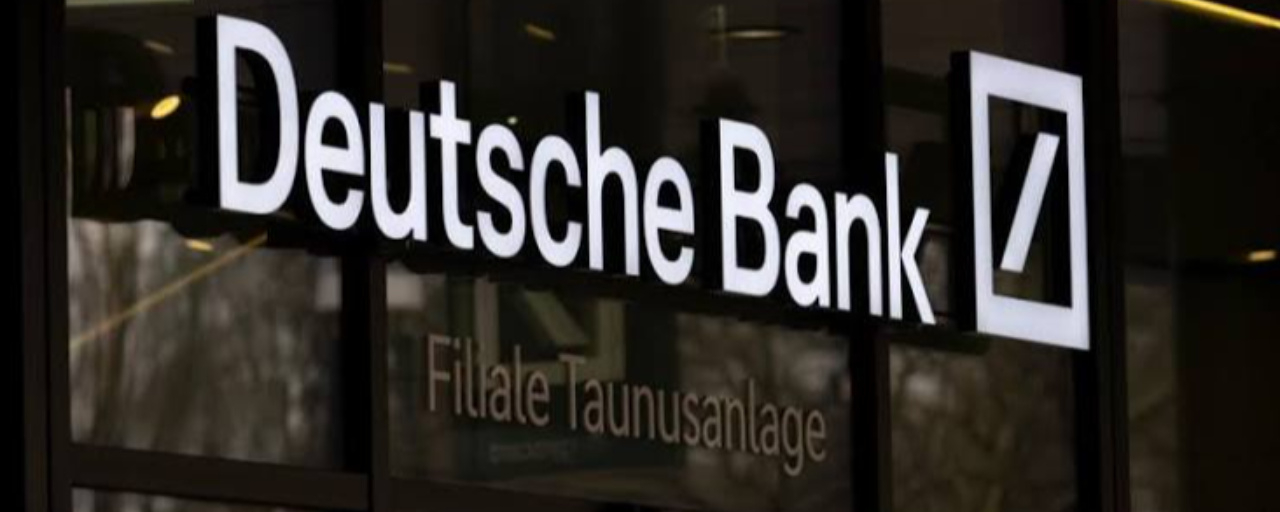
Deutsche Bank integrates Bitcoin custody into institutional banking$BTC
{spot}(BTCUSDT)
Germany’s largest bank, Deutsche Bank, has officially launched a digital asset custody service for institutional clients across Europe, incorporating Bitcoin, Ether, and regulated stablecoins into its banking infrastructure. The launch, which took place on November 11, marks another significant step toward integrating cryptocurrency services into the traditional financial system (TradFi).
The launch by this TradFi giant is the culmination of years of preparation, rigorous regulatory scrutiny, and technical development. It provides corporate and institutional clients with access to the custody and transfer of digital assets, eliminating the need for them to operate their own storage infrastructure.
According to a Reuters report published on Wednesday, November 11, 2026, Deutsche Bank confirmed that its asset custody platform is now serving paying clients. This announcement follows the bank’s disclosure on September 16 regarding its plans to introduce regulated cryptocurrency custody by the end of the year.
Deutsche Bank Launches Institutional Crypto Custody Service in Compliance with MiCA
The new service supports Bitcoin (BTC) and Ether (ETH), as well as three stablecoins and e-money tokens: USDC, EURC, and EURAU. Rather than requiring institutions to secure their own digital assets, Deutsche Bank assumes responsibility for safeguarding cryptographic credentials and managing client assets within a regulated banking framework.
To protect institutional client assets, the bank utilizes specialized cryptographic hardware, ensures strict segregation of client funds, and employs multi-layered identity verification alongside customized transaction permissions. Deutsche Bank clients can choose between internet-connected accounts and offline storage solutions. The platform operates through Deutsche Bank AG in Frankfurt and is accessed via the "Autobahn" gateway and the "Corporate Bank" portal. Eligible clients include corporations, hedge funds, asset management firms, brokers, custodians, and sovereign institutions. Retail clients are not eligible for this offering.
The launch follows an application submitted by Deutsche Bank to the German financial regulator, BaFin, in June 2023. Subsequently, the institution received authorization under the European Union’s Markets in Crypto-Assets (MiCA) regulation, allowing it to provide regulated custody and transfer services.
Initially, the authorization was limited to Germany, but its scope was later extended to the entire European Economic Area through regulatory passporting arrangements. Paul Maley, Global Head of Securities Services at Deutsche Bank, outlined the institution's long-term ambitions.
Maley stated:
"In the medium term, we aim to build a fully integrated, regulated ecosystem that supports the custody, tokenization, and settlement of digital assets."
For now, tokenized securities and expanded settlement capabilities remain future objectives rather than components of the initial custody product. Deutsche Bank and Deutsche Asset Management Explore the Realm of Tokenized Finance
Alongside the launch of its custody service, Deutsche Bank also announced the signing of a Memorandum of Understanding (MOU) with Deutsche Asset Management—an investment manager formerly known as DWS. The agreement aims to "explore opportunities for comprehensive commercial and technical collaboration in the field of digital assets."
This latest announcement from Deutsche Bank comes amid an ongoing expansion of cryptocurrency-related activities among established financial institutions. On Monday, November 9, financial services giant Charles Schwab expanded its direct cryptocurrency trading offerings beyond Bitcoin and Ether, adding three additional tokens for eligible retail clients. These additions follow a broader launch by Schwab in October across all supported U.S. jurisdictions.
Although these companies target different client bases across various regions, both moves demonstrate how traditional financial institutions (TradFi) are rapidly integrating digital assets into their existing financial services. It should be noted, however, that Deutsche Bank’s custody service is not a full-fledged cryptocurrency exchange or trading platform. Furthermore, clients remain exposed to digital asset price volatility and cybersecurity threats, and the protections offered differ from those associated with traditional bank deposits.
For European institutions, the next logical step involves gaining access to cryptocurrency custody services through established banking relationships. A more important question is whether Deutsche Bank can transform this foundation into a comprehensive tokenization and settlement business. Regulated custody creates the infrastructure, but it is sustained institutional demand that will ultimately determine its commercial significance.
#GermanyNews #DeutscheBank
Deutsche Bank integrates Bitcoin custody into institutional banking
$BTC
Germany’s largest bank, Deutsche Bank, has officially launched a digital asset custody service for institutional clients across Europe, incorporating Bitcoin, Ether, and regulated stablecoins into its banking infrastructure. The launch, which took place on November 11, marks another significant step toward integrating cryptocurrency services into the traditional financial system (TradFi).
The launch by this TradFi giant is the culmination of years of preparation, rigorous regulatory scrutiny, and technical development. It provides corporate and institutional clients with access to the custody and transfer of digital assets, eliminating the need for them to operate their own storage infrastructure.
According to a Reuters report published on Wednesday, November 11, 2026, Deutsche Bank confirmed that its asset custody platform is now serving paying clients. This announcement follows the bank’s disclosure on September 16 regarding its plans to introduce regulated cryptocurrency custody by the end of the year.
Deutsche Bank Launches Institutional Crypto Custody Service in Compliance with MiCA
The new service supports Bitcoin (BTC) and Ether (ETH), as well as three stablecoins and e-money tokens: USDC, EURC, and EURAU. Rather than requiring institutions to secure their own digital assets, Deutsche Bank assumes responsibility for safeguarding cryptographic credentials and managing client assets within a regulated banking framework.
To protect institutional client assets, the bank utilizes specialized cryptographic hardware, ensures strict segregation of client funds, and employs multi-layered identity verification alongside customized transaction permissions. Deutsche Bank clients can choose between internet-connected accounts and offline storage solutions. The platform operates through Deutsche Bank AG in Frankfurt and is accessed via the "Autobahn" gateway and the "Corporate Bank" portal. Eligible clients include corporations, hedge funds, asset management firms, brokers, custodians, and sovereign institutions. Retail clients are not eligible for this offering.
The launch follows an application submitted by Deutsche Bank to the German financial regulator, BaFin, in June 2023. Subsequently, the institution received authorization under the European Union’s Markets in Crypto-Assets (MiCA) regulation, allowing it to provide regulated custody and transfer services.
Initially, the authorization was limited to Germany, but its scope was later extended to the entire European Economic Area through regulatory passporting arrangements. Paul Maley, Global Head of Securities Services at Deutsche Bank, outlined the institution's long-term ambitions.
Maley stated:
"In the medium term, we aim to build a fully integrated, regulated ecosystem that supports the custody, tokenization, and settlement of digital assets."
For now, tokenized securities and expanded settlement capabilities remain future objectives rather than components of the initial custody product. Deutsche Bank and Deutsche Asset Management Explore the Realm of Tokenized Finance
Alongside the launch of its custody service, Deutsche Bank also announced the signing of a Memorandum of Understanding (MOU) with Deutsche Asset Management—an investment manager formerly known as DWS. The agreement aims to "explore opportunities for comprehensive commercial and technical collaboration in the field of digital assets."
This latest announcement from Deutsche Bank comes amid an ongoing expansion of cryptocurrency-related activities among established financial institutions. On Monday, November 9, financial services giant Charles Schwab expanded its direct cryptocurrency trading offerings beyond Bitcoin and Ether, adding three additional tokens for eligible retail clients. These additions follow a broader launch by Schwab in October across all supported U.S. jurisdictions.
Although these companies target different client bases across various regions, both moves demonstrate how traditional financial institutions (TradFi) are rapidly integrating digital assets into their existing financial services. It should be noted, however, that Deutsche Bank’s custody service is not a full-fledged cryptocurrency exchange or trading platform. Furthermore, clients remain exposed to digital asset price volatility and cybersecurity threats, and the protections offered differ from those associated with traditional bank deposits.
For European institutions, the next logical step involves gaining access to cryptocurrency custody services through established banking relationships. A more important question is whether Deutsche Bank can transform this foundation into a comprehensive tokenization and settlement business. Regulated custody creates the infrastructure, but it is sustained institutional demand that will ultimately determine its commercial significance.
#GermanyNews #DeutscheBank
6

·
--

Bài viết
🚨🚨🚨CHÚ Ý!!!🚨🚨 : ĐỨC XEM XÉT QUY TẮC THUẾ CRYPTO MỚI!Đức đang xem xét những thay đổi lớn đối với luật thuế crypto của mình, có thể khiến Bitcoin và các tài sản số khác bị đánh thuế giống như cổ phiếu và các khoản đầu tư truyền thống. Đề xuất này có thể xoá bỏ quy tắc miễn thuế 1 năm nổi tiếng của Đức đối với việc nắm giữ crypto bắt đầu từ năm 2027.
ĐÂY LÀ NHỮNG GÌ ĐANG XẢY RA:
👉🏾 Bộ trưởng Tài chính Đức, Lars Klingbeil, muốn áp dụng thuế crypto nghiêm ngặt hơn.
👉🏾 Chính phủ có thể kết thúc quy tắc hiện tại cho phép lợi nhuận crypto miễn thuế sau khi nắm giữ 1 năm.
👉🏾 Các quan chức cho biết động thái này có thể tạo ra khoảng 2 tỷ euro doanh thu thuế bổ sung.
🚨🚨🚨CHÚ Ý!!!🚨🚨 : ĐỨC XEM XÉT QUY TẮC THUẾ CRYPTO MỚI!
Đức đang xem xét những thay đổi lớn đối với luật thuế crypto của mình, có thể khiến Bitcoin và các tài sản số khác bị đánh thuế giống như cổ phiếu và các khoản đầu tư truyền thống. Đề xuất này có thể xoá bỏ quy tắc miễn thuế 1 năm nổi tiếng của Đức đối với việc nắm giữ crypto bắt đầu từ năm 2027.
ĐÂY LÀ NHỮNG GÌ ĐANG XẢY RA:
👉🏾 Bộ trưởng Tài chính Đức, Lars Klingbeil, muốn áp dụng thuế crypto nghiêm ngặt hơn.
👉🏾 Chính phủ có thể kết thúc quy tắc hiện tại cho phép lợi nhuận crypto miễn thuế sau khi nắm giữ 1 năm.
👉🏾 Các quan chức cho biết động thái này có thể tạo ra khoảng 2 tỷ euro doanh thu thuế bổ sung.
2
110
·
--
⚡️ Sau Đức, Tổng thống Donald Trump hiện đang xem xét việc rút quân đội Mỹ khỏi Tây Ban Nha và Ý nữa
#Trump's
#GermanyNews
$FHE
#USTroops
⚡️ Sau Đức, Tổng thống Donald Trump hiện đang xem xét việc rút quân đội Mỹ khỏi Tây Ban Nha và Ý nữa
#Trump's
#GermanyNews
$FHE
#USTroops
#Trump's
#GermanyNews
$FHE
#USTroops
97
·
--
Tăng giá
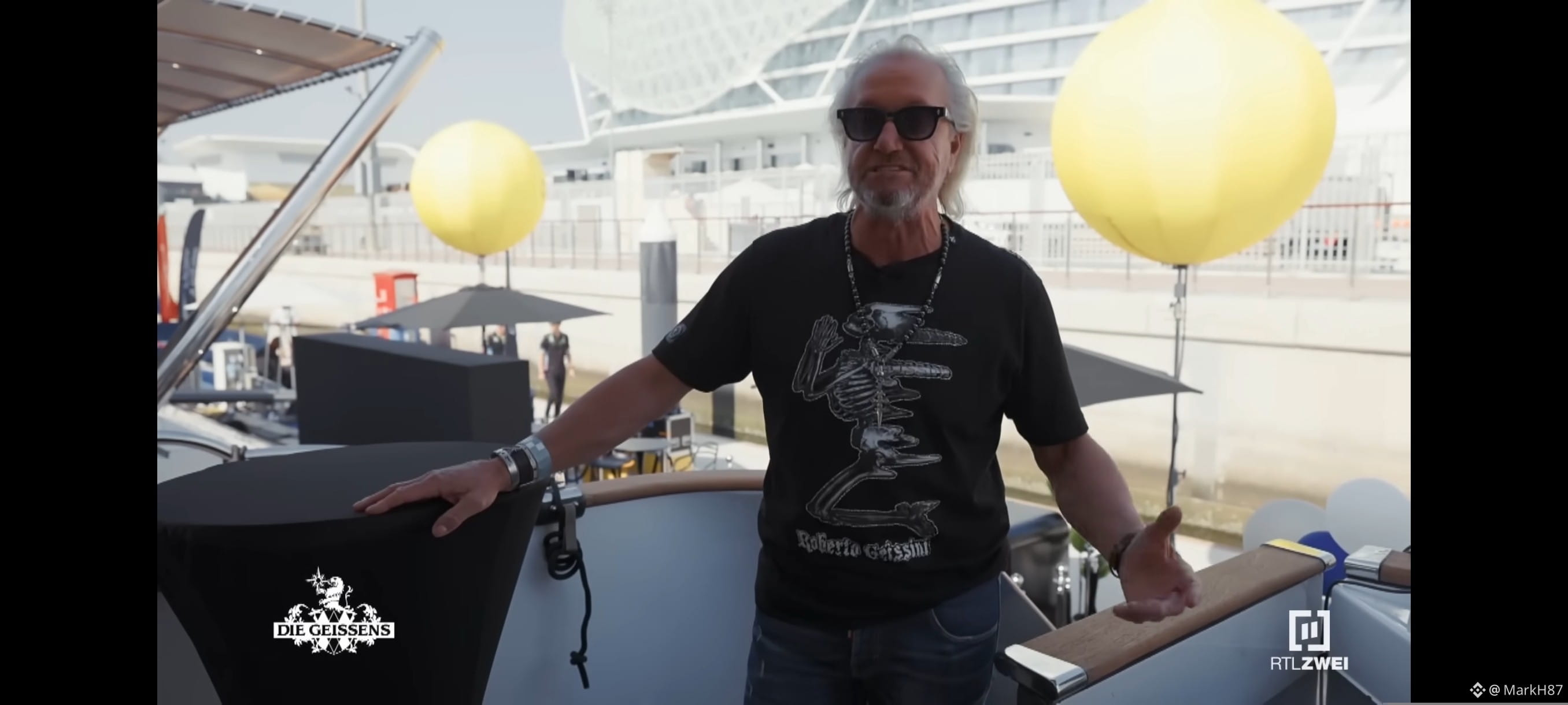
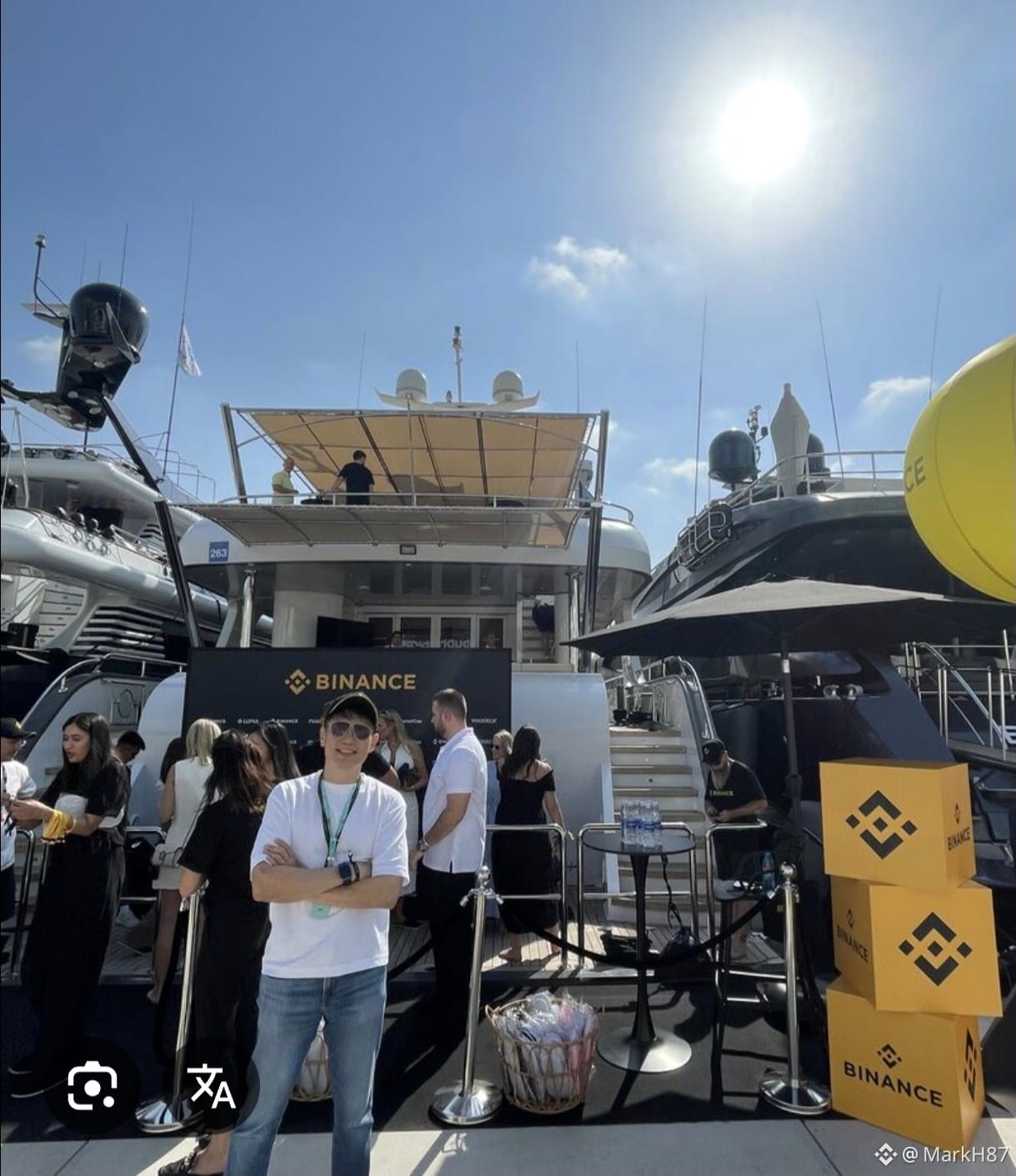
Quảng cáo gián tiếp của Binance trên truyền hình Đức với gia đình Geissens 😁 quảng cáo có thể đơn giản như vậy 🤩 Làm rất tốt Robert 😉 👍🏼
#GermanyNews
Quảng cáo gián tiếp của Binance trên truyền hình Đức với gia đình Geissens 😁 quảng cáo có thể đơn giản như vậy 🤩 Làm rất tốt Robert 😉 👍🏼
#GermanyNews
#GermanyNews


2
5.6k
🚨 GẤP: ĐẢ KÍCH VÀO NĂNG LƯỢNG CHÂU ÂU
🇩🇪 Đức có thể đối mặt với tình trạng thiếu hụt năng lượng nghiêm trọng
— — —
💥 Đã xảy ra điều gì:
Nga đưa ra tín hiệu — nguồn cung qua đường ống của họ có thể dừng lại từ ngày 1 tháng 5
— — —
⚠️ Vấn đề ở chỗ:
• Đức đã từ chối dầu mỏ của Nga
• nhưng dầu vẫn đi qua Nga
👉 kiểm soát vẫn còn
— — —
🔥 Rủi ro ngay bây giờ:
• nhà máy cung cấp ~90% năng lượng cho Berlin đang gặp nguy
• khả năng chế biến có thể giảm
• thiếu hụt năng lượng trong vài tuần
— — —
🌍 Giải pháp thay thế:
• lộ trình qua Ba Lan đã quá tải
• không có sự thay thế nhanh chóng
— — —
💡 ĐƠN GIẢN:
Sự phụ thuộc không biến mất
nó chỉ trở nên ẩn giấu
— — —
🔥 KẾT LUẬN:
Châu Âu lại trở nên dễ tổn thương
thị trường có thể phản ứng mạnh mẽ
👉 điều này có thể ảnh hưởng đến giá năng lượng và nhiên liệu 👇#GermanyNews

3
6
4.6k
Đăng nhập để khám phá thêm nội dung
Tham gia cùng người dùng tiền mã hóa toàn cầu trên Binance Square
⚡️ Nhận thông tin mới nhất và hữu ích về tiền mã hóa.
💬 Được tin cậy bởi sàn giao dịch tiền mã hóa lớn nhất thế giới.
👍 Khám phá những thông tin chuyên sâu thực tế từ những nhà sáng tạo đã xác minh.
Email / Số điện thoại
Chủ đề thịnh hành
1
#TheoDõiFOMC
352,355 lượt xem
1,507 đang thảo luận
2
#TinFed
414,701 lượt xem
1,241 đang thảo luận
3
#WhatWillDriveCryptoandStocks’NextRebound?
65,575 lượt xem
911 đang thảo luận
4
#BitcoinBreaksBelow200WeekMovingAverage
314 lượt xem
22 đang thảo luận
5
#Anthropic’s6xIPODemandSignalsPotentialRecordRaise
21,019 lượt xem
429 đang thảo luận
6
#USCryptoETFsLose$1.48BInFiveDays
376 lượt xem
14 đang thảo luận
7
#KoreaDigitalAssetBasicActFinalDraftExpectedEarlyJanuary
128 lượt xem
9 đang thảo luận
8
#RippleRLUSDMarketCapSurpassesPayPalPYUSD
103 lượt xem
8 đang thảo luận
9
#JaneStreetNearlyOctuplesFidelityBitcoinETFHoldings
7,402 lượt xem
134 đang thảo luận
10
#HuangExitNvidiaStrategyInFocus
217,755 lượt xem
1,810 đang thảo luận