
ametisto and future canvas
7k Postlar

ametisto and future canvas
Shikoyat qilish
Foydalanuvchini bloklash
Futures crypto insights & trading trends in DE, EN, ES, PT & FR. Market psychology, setups and next-move opportunities. TikTok:@futurecanvas
Tez-tez savdo qiluvchi
1.8 yil
417 Kuzatilmoqda
646 Kuzatuvchilar
3.8K+ Yoqdi
Postlar
Barchasi
Iqtiboslar
QADAB QO‘YILGAN
KRIPTO KATTA IMKONIYATINI QO‘LDAN BERDIMI?
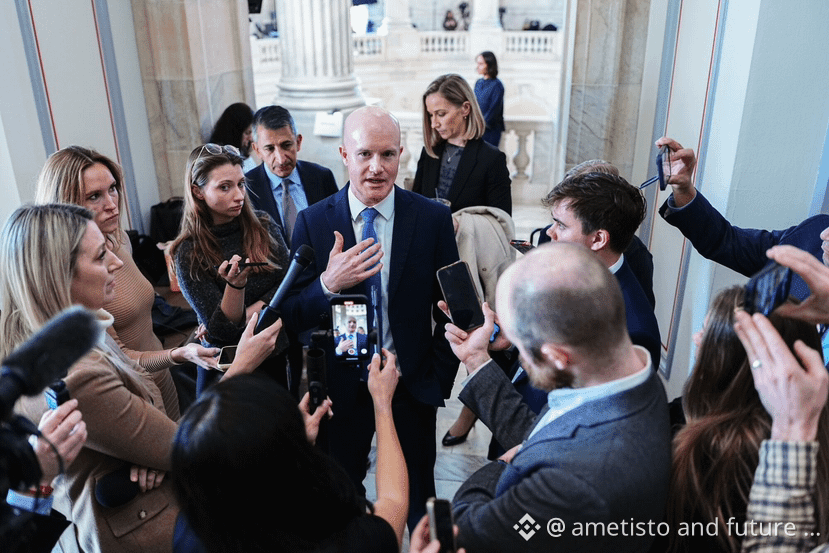
Kripto sektori AQShda yaqinda juda jiddiy zarbaga uchradi.
The Wall Street Journal xabariga ko‘ra, raqamli aktivlar uchun keng qamrovli tartibga solish asosini yaratishni ko‘zlagan Clarity Act loyihasi bir necha oylik muzokaralardan so‘ng Senatda muvaffaqiyatsiz tugadi. Matn oldinga siljishi uchun zarur bo‘lgan 60 ta ovozni ololmadi.
💥 Va ayblovlar o‘yini boshlandi.
Bahs markazidagi asosiy nomlardan biri Coinbase bosh direktori Brayan Armstrong bo‘ldi. WSJ ma’lumotiga ko‘ra, uning muzokaralarda, ayniqsa USDC kabi stablecoinlar bo‘yicha taklif etilgan mukofotlar borasidagi pozitsiyasi, parlament a’zolari bilan va hatto kripto sanoatining o‘zida ham kelishmovchiliklar keltirib chiqargan.
Ripple’ning bosh direktori Bred Garlingxaus gazeta xabariga ko‘ra, bu g‘azabni shunday izohladi: sanoat vakillari guruhi “o‘zining oyog‘iga o‘q uzgandek” harakat qilgan.
🏛️ Nima xavf ostida edi?
Clarity Act AQShda kriptovalyuta bozori uchun yanada aniqroq qoidalarni belgilash va sohani regulyator organlarining talqinlari hamda harakatlariga bo‘lgan qaramligini kamaytirishni ko‘zlagan.
Ovoz berishdagi muvaffaqiyatsizlikdan so‘ng tartibga solish SEC va CFTCga yanada ko‘proq tayanadigan bo‘lib, tartibga solish yo‘lidagi noaniqlikni kuchaytirmoqda.
📉 Ta’sir darhol bozorda ham ko‘rindi: ovoz berishdan keyin Coinbase aksiyalari 10% dan ko‘proqqa tushdi, biroq keyinchalik tokenlashtirilgan aksiyalar bilan bog‘liq tartibga solishdagi yutuqlar tufayli tiklandi.
Kripto sanoati bu muvaffaqiyatsizlikni muzokaralarning yangi bosqichiga aylantira oladimi yoki soha AQShda aniq qoidalarni o‘rnatish bo‘yicha tarixiy imkoniyatni boy berdimi?
#Crypto #Bitcoin #BTC #Ethereum #ETH #Coinbase #Ripple #USDC #Stablecoins #ClarityAct #Blockchain #Kriptovalyutalar #Web3 #TartibgaSolish #KriptoBozori
KRIPTO KATTA IMKONIYATINI QO‘LDAN BERDIMI?
Kripto sektori AQShda yaqinda juda jiddiy zarbaga uchradi.
The Wall Street Journal xabariga ko‘ra, raqamli aktivlar uchun keng qamrovli tartibga solish asosini yaratishni ko‘zlagan Clarity Act loyihasi bir necha oylik muzokaralardan so‘ng Senatda muvaffaqiyatsiz tugadi. Matn oldinga siljishi uchun zarur bo‘lgan 60 ta ovozni ololmadi.
💥 Va ayblovlar o‘yini boshlandi.
Bahs markazidagi asosiy nomlardan biri Coinbase bosh direktori Brayan Armstrong bo‘ldi. WSJ ma’lumotiga ko‘ra, uning muzokaralarda, ayniqsa USDC kabi stablecoinlar bo‘yicha taklif etilgan mukofotlar borasidagi pozitsiyasi, parlament a’zolari bilan va hatto kripto sanoatining o‘zida ham kelishmovchiliklar keltirib chiqargan.
Ripple’ning bosh direktori Bred Garlingxaus gazeta xabariga ko‘ra, bu g‘azabni shunday izohladi: sanoat vakillari guruhi “o‘zining oyog‘iga o‘q uzgandek” harakat qilgan.
🏛️ Nima xavf ostida edi?
Clarity Act AQShda kriptovalyuta bozori uchun yanada aniqroq qoidalarni belgilash va sohani regulyator organlarining talqinlari hamda harakatlariga bo‘lgan qaramligini kamaytirishni ko‘zlagan.
Ovoz berishdagi muvaffaqiyatsizlikdan so‘ng tartibga solish SEC va CFTCga yanada ko‘proq tayanadigan bo‘lib, tartibga solish yo‘lidagi noaniqlikni kuchaytirmoqda.
📉 Ta’sir darhol bozorda ham ko‘rindi: ovoz berishdan keyin Coinbase aksiyalari 10% dan ko‘proqqa tushdi, biroq keyinchalik tokenlashtirilgan aksiyalar bilan bog‘liq tartibga solishdagi yutuqlar tufayli tiklandi.
Kripto sanoati bu muvaffaqiyatsizlikni muzokaralarning yangi bosqichiga aylantira oladimi yoki soha AQShda aniq qoidalarni o‘rnatish bo‘yicha tarixiy imkoniyatni boy berdimi?
#Crypto #Bitcoin #BTC #Ethereum #ETH #Coinbase #Ripple #USDC #Stablecoins #ClarityAct #Blockchain #Kriptovalyutalar #Web3 #TartibgaSolish #KriptoBozori
Kripto sektori AQShda yaqinda juda jiddiy zarbaga uchradi.
The Wall Street Journal xabariga ko‘ra, raqamli aktivlar uchun keng qamrovli tartibga solish asosini yaratishni ko‘zlagan Clarity Act loyihasi bir necha oylik muzokaralardan so‘ng Senatda muvaffaqiyatsiz tugadi. Matn oldinga siljishi uchun zarur bo‘lgan 60 ta ovozni ololmadi.
💥 Va ayblovlar o‘yini boshlandi.
Bahs markazidagi asosiy nomlardan biri Coinbase bosh direktori Brayan Armstrong bo‘ldi. WSJ ma’lumotiga ko‘ra, uning muzokaralarda, ayniqsa USDC kabi stablecoinlar bo‘yicha taklif etilgan mukofotlar borasidagi pozitsiyasi, parlament a’zolari bilan va hatto kripto sanoatining o‘zida ham kelishmovchiliklar keltirib chiqargan.
Ripple’ning bosh direktori Bred Garlingxaus gazeta xabariga ko‘ra, bu g‘azabni shunday izohladi: sanoat vakillari guruhi “o‘zining oyog‘iga o‘q uzgandek” harakat qilgan.
🏛️ Nima xavf ostida edi?
Clarity Act AQShda kriptovalyuta bozori uchun yanada aniqroq qoidalarni belgilash va sohani regulyator organlarining talqinlari hamda harakatlariga bo‘lgan qaramligini kamaytirishni ko‘zlagan.
Ovoz berishdagi muvaffaqiyatsizlikdan so‘ng tartibga solish SEC va CFTCga yanada ko‘proq tayanadigan bo‘lib, tartibga solish yo‘lidagi noaniqlikni kuchaytirmoqda.
📉 Ta’sir darhol bozorda ham ko‘rindi: ovoz berishdan keyin Coinbase aksiyalari 10% dan ko‘proqqa tushdi, biroq keyinchalik tokenlashtirilgan aksiyalar bilan bog‘liq tartibga solishdagi yutuqlar tufayli tiklandi.
Kripto sanoati bu muvaffaqiyatsizlikni muzokaralarning yangi bosqichiga aylantira oladimi yoki soha AQShda aniq qoidalarni o‘rnatish bo‘yicha tarixiy imkoniyatni boy berdimi?
#Crypto #Bitcoin #BTC #Ethereum #ETH #Coinbase #Ripple #USDC #Stablecoins #ClarityAct #Blockchain #Kriptovalyutalar #Web3 #TartibgaSolish #KriptoBozori
3
4
3.7k
🇿🇦 Janubiy Afrika « mafiya davlati »ga aylanishi mumkinmi?
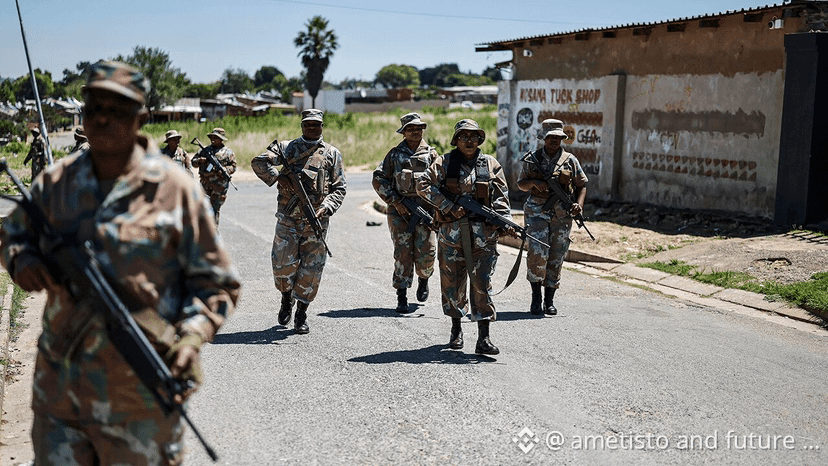
The Economist’ning yozishicha, uyushgan jinoyatchilik Janubiy Afrikada endi faqat noqonuniy (yashirin) faoliyat bilan cheklanib qolmaydi: u endilikda rasmiy iqtisodiyot, davlat muassasalari va siyosiy tizimga ham kirib borish xavfini tug‘dirmoqda.
Bu hodisa, ayniqsa, jinoyat tarmoqlari giyohvandlik kontrabandasi, bojxona (kontrabanda) yo‘llari, noqonuniy konchilik va tovlamachilik bilan shug‘ullanadigan mamlakatda juda tashvishli. Ayrim jinoiy tashkilotlar qonunni bajarish bilan shug‘ullanadigan idoralarni ta’sir o‘tkazish yoki ularga kirib olishga ham urinayotgani aytiladi.
Pensiyadagi sudya Mbuyiseli Madlanga rahbarligidagi tergov komissiyasi, xususan, politsiyachilar, siyosiy mansabdorlar va jinoiy faollar o‘rtasida til biriktirish (suyuq ) bo‘lganiga oid ayblovlarni ko‘rib chiqmoqda. Uning eshituvlari hatto huquqni muhofaza qilish organlaridagi bir necha yuqori rahbarlarning ketishiga olib kelgan.
Demak, masala keng jamoat xavfsizligi doirasidan ancha chetga chiqadi: noqonuniy iqtisodiyotning kengayishi soliq tushumlariga, qonuniy bizneslarga, davlat xizmatlariga va muassasalarga bo‘lgan ishonchga ta’sir qilishi mumkin.
Janubiy Afrika hukumati endilikda katta muammoga duch kelmoqda: jinoyat tarmoqlari o‘zlarining iqtisodiy ta’sirini siyosiy va institutsional (muassasaviy) hokimiyatga aylantirib yuborishining oldini olish.
#AfriqueDuSud #Criminalité #CrimeOrganisé #Économie #Politique #Gouvernance #TheEconomist
🇿🇦 Janubiy Afrika « mafiya davlati »ga aylanishi mumkinmi?
The Economist’ning yozishicha, uyushgan jinoyatchilik Janubiy Afrikada endi faqat noqonuniy (yashirin) faoliyat bilan cheklanib qolmaydi: u endilikda rasmiy iqtisodiyot, davlat muassasalari va siyosiy tizimga ham kirib borish xavfini tug‘dirmoqda.
Bu hodisa, ayniqsa, jinoyat tarmoqlari giyohvandlik kontrabandasi, bojxona (kontrabanda) yo‘llari, noqonuniy konchilik va tovlamachilik bilan shug‘ullanadigan mamlakatda juda tashvishli. Ayrim jinoiy tashkilotlar qonunni bajarish bilan shug‘ullanadigan idoralarni ta’sir o‘tkazish yoki ularga kirib olishga ham urinayotgani aytiladi.
Pensiyadagi sudya Mbuyiseli Madlanga rahbarligidagi tergov komissiyasi, xususan, politsiyachilar, siyosiy mansabdorlar va jinoiy faollar o‘rtasida til biriktirish (suyuq ) bo‘lganiga oid ayblovlarni ko‘rib chiqmoqda. Uning eshituvlari hatto huquqni muhofaza qilish organlaridagi bir necha yuqori rahbarlarning ketishiga olib kelgan.
Demak, masala keng jamoat xavfsizligi doirasidan ancha chetga chiqadi: noqonuniy iqtisodiyotning kengayishi soliq tushumlariga, qonuniy bizneslarga, davlat xizmatlariga va muassasalarga bo‘lgan ishonchga ta’sir qilishi mumkin.
Janubiy Afrika hukumati endilikda katta muammoga duch kelmoqda: jinoyat tarmoqlari o‘zlarining iqtisodiy ta’sirini siyosiy va institutsional (muassasaviy) hokimiyatga aylantirib yuborishining oldini olish.
#AfriqueDuSud #Criminalité #CrimeOrganisé #Économie #Politique #Gouvernance #TheEconomist
The Economist’ning yozishicha, uyushgan jinoyatchilik Janubiy Afrikada endi faqat noqonuniy (yashirin) faoliyat bilan cheklanib qolmaydi: u endilikda rasmiy iqtisodiyot, davlat muassasalari va siyosiy tizimga ham kirib borish xavfini tug‘dirmoqda.
Bu hodisa, ayniqsa, jinoyat tarmoqlari giyohvandlik kontrabandasi, bojxona (kontrabanda) yo‘llari, noqonuniy konchilik va tovlamachilik bilan shug‘ullanadigan mamlakatda juda tashvishli. Ayrim jinoiy tashkilotlar qonunni bajarish bilan shug‘ullanadigan idoralarni ta’sir o‘tkazish yoki ularga kirib olishga ham urinayotgani aytiladi.
Pensiyadagi sudya Mbuyiseli Madlanga rahbarligidagi tergov komissiyasi, xususan, politsiyachilar, siyosiy mansabdorlar va jinoiy faollar o‘rtasida til biriktirish (suyuq ) bo‘lganiga oid ayblovlarni ko‘rib chiqmoqda. Uning eshituvlari hatto huquqni muhofaza qilish organlaridagi bir necha yuqori rahbarlarning ketishiga olib kelgan.
Demak, masala keng jamoat xavfsizligi doirasidan ancha chetga chiqadi: noqonuniy iqtisodiyotning kengayishi soliq tushumlariga, qonuniy bizneslarga, davlat xizmatlariga va muassasalarga bo‘lgan ishonchga ta’sir qilishi mumkin.
Janubiy Afrika hukumati endilikda katta muammoga duch kelmoqda: jinoyat tarmoqlari o‘zlarining iqtisodiy ta’sirini siyosiy va institutsional (muassasaviy) hokimiyatga aylantirib yuborishining oldini olish.
#AfriqueDuSud #Criminalité #CrimeOrganisé #Économie #Politique #Gouvernance #TheEconomist
341
AQShdagi G‘aznachilik obligatsiyalari bozori bizga aslida nimani aytyapti?!
AQSh g‘aznachilik obligatsiyalari bozori talqin qilish qiyin bo‘lgan signallarni yuboryapti…
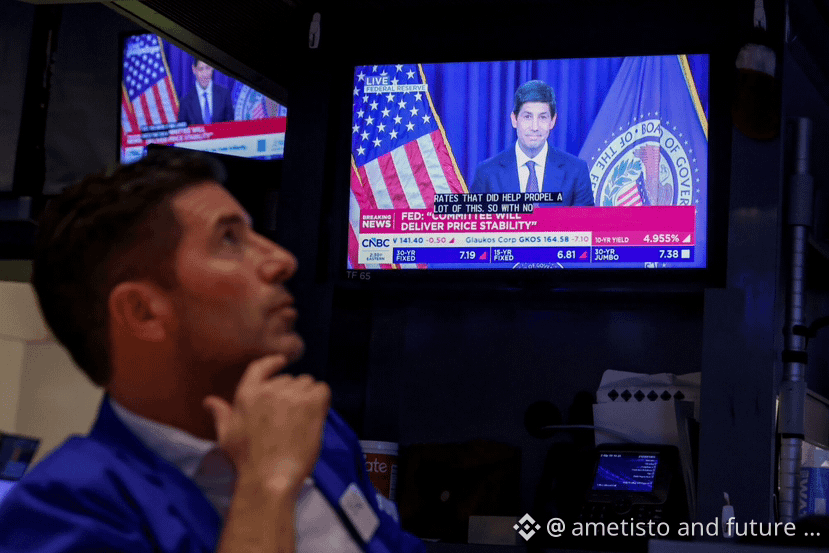
The Wall Street Journal’ga ko‘ra, yaqinda daromadlilik (rentabellik) oshganining ortida Federal rezerv siyosati haqidagi kutishlar, o‘sish va inflyatsiya istiqbollari, shuningdek AQShning fiskal holatiga oid xavotirlar kabi omillar aralashmasi turishi mumkin.
Muammo shundaki, daromadlilikning bitta harakati turlicha izohga ega bo‘lishi mumkin. Agar investorlar iqtisod kuchliroq bo‘lishini va foiz stavkalari yuqoriroq bo‘lishini kutgani uchun rentabellik oshsa, bu boshqa ma’no. Agar rentabellik qarz, defitsitlar yoki AQShning fiskal ishonchliligi bilan bog‘liq xavotir kuchaygani sababli oshsa, mazmun boshqacha bo‘ladi.
So‘nggi haftalarda uzoq muddatli AQSh obligatsiyalari rentabelligi juda yuqori darajalarga yetdi, bozor esa harakatning qanchasi pul-kredit siyosati kutishlariga, qanchasi boshqa risklarga bog‘liqligini aniqlashga urinmoqda.
💡 Kalit: obligatsiyalar iqtisodiyotda nima bo‘layotgani haqida yagona izoh bermaydi. Ularning narxlari o‘sish, inflyatsiya, foiz stavkalari, davlat qarzi va risk haqidagi kutishlarni “jamlaydi”. Ularni to‘g‘ri talqin qilish uchun har bir omilni alohida ajratib olish kerak.
Investorlar uchun bu noaniqlik aynan muammo: rentabellik oshayotganini bilish oson; nima uchun oshayotganini tushunish esa ancha qiyin.
#Bozorlar #Obligatsiyalar #Treasuries #Iqtisodiyot #Fed #Investitsiyalar #WallStreet #Moliya
AQShdagi G‘aznachilik obligatsiyalari bozori bizga aslida nimani aytyapti?!
AQSh g‘aznachilik obligatsiyalari bozori talqin qilish qiyin bo‘lgan signallarni yuboryapti…
The Wall Street Journal’ga ko‘ra, yaqinda daromadlilik (rentabellik) oshganining ortida Federal rezerv siyosati haqidagi kutishlar, o‘sish va inflyatsiya istiqbollari, shuningdek AQShning fiskal holatiga oid xavotirlar kabi omillar aralashmasi turishi mumkin.
Muammo shundaki, daromadlilikning bitta harakati turlicha izohga ega bo‘lishi mumkin. Agar investorlar iqtisod kuchliroq bo‘lishini va foiz stavkalari yuqoriroq bo‘lishini kutgani uchun rentabellik oshsa, bu boshqa ma’no. Agar rentabellik qarz, defitsitlar yoki AQShning fiskal ishonchliligi bilan bog‘liq xavotir kuchaygani sababli oshsa, mazmun boshqacha bo‘ladi.
So‘nggi haftalarda uzoq muddatli AQSh obligatsiyalari rentabelligi juda yuqori darajalarga yetdi, bozor esa harakatning qanchasi pul-kredit siyosati kutishlariga, qanchasi boshqa risklarga bog‘liqligini aniqlashga urinmoqda.
💡 Kalit: obligatsiyalar iqtisodiyotda nima bo‘layotgani haqida yagona izoh bermaydi. Ularning narxlari o‘sish, inflyatsiya, foiz stavkalari, davlat qarzi va risk haqidagi kutishlarni “jamlaydi”. Ularni to‘g‘ri talqin qilish uchun har bir omilni alohida ajratib olish kerak.
Investorlar uchun bu noaniqlik aynan muammo: rentabellik oshayotganini bilish oson; nima uchun oshayotganini tushunish esa ancha qiyin.
#Bozorlar #Obligatsiyalar #Treasuries #Iqtisodiyot #Fed #Investitsiyalar #WallStreet #Moliya
AQSh g‘aznachilik obligatsiyalari bozori talqin qilish qiyin bo‘lgan signallarni yuboryapti…
The Wall Street Journal’ga ko‘ra, yaqinda daromadlilik (rentabellik) oshganining ortida Federal rezerv siyosati haqidagi kutishlar, o‘sish va inflyatsiya istiqbollari, shuningdek AQShning fiskal holatiga oid xavotirlar kabi omillar aralashmasi turishi mumkin.
Muammo shundaki, daromadlilikning bitta harakati turlicha izohga ega bo‘lishi mumkin. Agar investorlar iqtisod kuchliroq bo‘lishini va foiz stavkalari yuqoriroq bo‘lishini kutgani uchun rentabellik oshsa, bu boshqa ma’no. Agar rentabellik qarz, defitsitlar yoki AQShning fiskal ishonchliligi bilan bog‘liq xavotir kuchaygani sababli oshsa, mazmun boshqacha bo‘ladi.
So‘nggi haftalarda uzoq muddatli AQSh obligatsiyalari rentabelligi juda yuqori darajalarga yetdi, bozor esa harakatning qanchasi pul-kredit siyosati kutishlariga, qanchasi boshqa risklarga bog‘liqligini aniqlashga urinmoqda.
💡 Kalit: obligatsiyalar iqtisodiyotda nima bo‘layotgani haqida yagona izoh bermaydi. Ularning narxlari o‘sish, inflyatsiya, foiz stavkalari, davlat qarzi va risk haqidagi kutishlarni “jamlaydi”. Ularni to‘g‘ri talqin qilish uchun har bir omilni alohida ajratib olish kerak.
Investorlar uchun bu noaniqlik aynan muammo: rentabellik oshayotganini bilish oson; nima uchun oshayotganini tushunish esa ancha qiyin.
#Bozorlar #Obligatsiyalar #Treasuries #Iqtisodiyot #Fed #Investitsiyalar #WallStreet #Moliya
134
🇬🇱🇺🇸 Tramp Grenlandiya bo‘yicha talablarni orqaga qaytardi, ammo diplomatik zarar qilish allaqachon yuz bergan
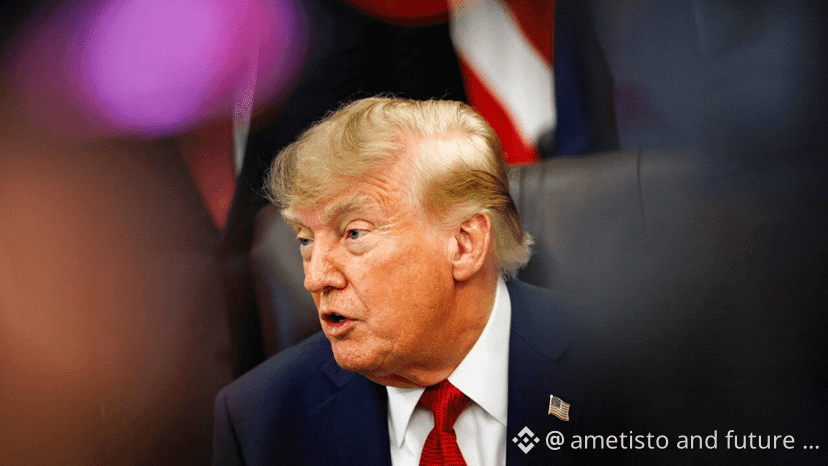
Donald Tramp Qo‘shma Shtatlar Grenlandiya ustidan nazoratni o‘z zimmasiga olishi kerak degan talablarni tark etdi, biroq bu voqea hududiy nizo doirasidan ancha uzoqqa borishi mumkin bo‘lgan oqibatlarni qoldirdi.
Daniyalar qirolligi tarkibidagi muxtor hudud bo‘lgan Grenlandiya Vashington va uning Yevropa ittifoqchilari o‘rtasidagi munosabatlardagi eng sezgir nuqtalardan biriga aylandi. Amerikalik bayonotlar va bosimlar suverenitet, xavfsizlik hamda AQShning o‘zining G‘arb dunyosidagi ta’sir doirasining chegaralari borasida xavotirlarni kuchaytirdi.
Bu masala, shuningdek, Amerika tashqi siyosatidagi yanada kengroq o‘zgarishni ham ko‘rsatdi: AQShning strategik manfaatlarini himoya qilish uchun bosim va agressiv muzokaralardan foydalanishga tayyorlik. Hatto “The Economist” ham Vashingtonning ushbu yanada “bitimga” yo‘naltirilgan yondashuvi ittifoqlar va xalqaro tartibga qanday ta’sir ko‘rsatayotganini tahlil qilmoqda.
Pozitsiya o‘zgarganiga qaramay, inqiroz Yevropa uchun muhim savolni qoldirdi: ittifoqchilar Washington bilan bo‘lgan munosabatni qanchalik darajada oldindan aytish mumkin bo‘lgan narsa sifatida davom ettira oladi?
Grenlandiya misoli geosiyosatda shuni ko‘rsatadiki: talabni olib tashlash uning ta’sirini ham albatta yo‘qqa chiqarmaydi!
🌍 Nizo ohangi o‘zgargan bo‘lishi mumkin, ammo uning diplomatik oqibatlari hali ham hisob-kitob qilinmoqda.
#Trump #Groenland #EstadosUnidos #Dinamarca #Europa #Geopolítica #PolíticaInternacional #OTAN #Arctic #Greenland
🇬🇱🇺🇸 Tramp Grenlandiya bo‘yicha talablarni orqaga qaytardi, ammo diplomatik zarar qilish allaqachon yuz bergan
Donald Tramp Qo‘shma Shtatlar Grenlandiya ustidan nazoratni o‘z zimmasiga olishi kerak degan talablarni tark etdi, biroq bu voqea hududiy nizo doirasidan ancha uzoqqa borishi mumkin bo‘lgan oqibatlarni qoldirdi.
Daniyalar qirolligi tarkibidagi muxtor hudud bo‘lgan Grenlandiya Vashington va uning Yevropa ittifoqchilari o‘rtasidagi munosabatlardagi eng sezgir nuqtalardan biriga aylandi. Amerikalik bayonotlar va bosimlar suverenitet, xavfsizlik hamda AQShning o‘zining G‘arb dunyosidagi ta’sir doirasining chegaralari borasida xavotirlarni kuchaytirdi.
Bu masala, shuningdek, Amerika tashqi siyosatidagi yanada kengroq o‘zgarishni ham ko‘rsatdi: AQShning strategik manfaatlarini himoya qilish uchun bosim va agressiv muzokaralardan foydalanishga tayyorlik. Hatto “The Economist” ham Vashingtonning ushbu yanada “bitimga” yo‘naltirilgan yondashuvi ittifoqlar va xalqaro tartibga qanday ta’sir ko‘rsatayotganini tahlil qilmoqda.
Pozitsiya o‘zgarganiga qaramay, inqiroz Yevropa uchun muhim savolni qoldirdi: ittifoqchilar Washington bilan bo‘lgan munosabatni qanchalik darajada oldindan aytish mumkin bo‘lgan narsa sifatida davom ettira oladi?
Grenlandiya misoli geosiyosatda shuni ko‘rsatadiki: talabni olib tashlash uning ta’sirini ham albatta yo‘qqa chiqarmaydi!
🌍 Nizo ohangi o‘zgargan bo‘lishi mumkin, ammo uning diplomatik oqibatlari hali ham hisob-kitob qilinmoqda.
#Trump #Groenland #EstadosUnidos #Dinamarca #Europa #Geopolítica #PolíticaInternacional #OTAN #Arctic #Greenland
Donald Tramp Qo‘shma Shtatlar Grenlandiya ustidan nazoratni o‘z zimmasiga olishi kerak degan talablarni tark etdi, biroq bu voqea hududiy nizo doirasidan ancha uzoqqa borishi mumkin bo‘lgan oqibatlarni qoldirdi.
Daniyalar qirolligi tarkibidagi muxtor hudud bo‘lgan Grenlandiya Vashington va uning Yevropa ittifoqchilari o‘rtasidagi munosabatlardagi eng sezgir nuqtalardan biriga aylandi. Amerikalik bayonotlar va bosimlar suverenitet, xavfsizlik hamda AQShning o‘zining G‘arb dunyosidagi ta’sir doirasining chegaralari borasida xavotirlarni kuchaytirdi.
Bu masala, shuningdek, Amerika tashqi siyosatidagi yanada kengroq o‘zgarishni ham ko‘rsatdi: AQShning strategik manfaatlarini himoya qilish uchun bosim va agressiv muzokaralardan foydalanishga tayyorlik. Hatto “The Economist” ham Vashingtonning ushbu yanada “bitimga” yo‘naltirilgan yondashuvi ittifoqlar va xalqaro tartibga qanday ta’sir ko‘rsatayotganini tahlil qilmoqda.
Pozitsiya o‘zgarganiga qaramay, inqiroz Yevropa uchun muhim savolni qoldirdi: ittifoqchilar Washington bilan bo‘lgan munosabatni qanchalik darajada oldindan aytish mumkin bo‘lgan narsa sifatida davom ettira oladi?
Grenlandiya misoli geosiyosatda shuni ko‘rsatadiki: talabni olib tashlash uning ta’sirini ham albatta yo‘qqa chiqarmaydi!
🌍 Nizo ohangi o‘zgargan bo‘lishi mumkin, ammo uning diplomatik oqibatlari hali ham hisob-kitob qilinmoqda.
#Trump #Groenland #EstadosUnidos #Dinamarca #Europa #Geopolítica #PolíticaInternacional #OTAN #Arctic #Greenland
2
2.5k
$MSFT.US Microsoft ushbu sessiyada 0,79% ga pasaydi va 5 kun davomida taxminan 2,3% ga pastroq bo‘ldi, garchi 20 kun ichida u taxminan 2,2% ga yuqoriroq bo‘lib qoldi. Uning AIga ta’siri asosan bulut infratuzilmasi, dasturiy ta’minot va uning kengroq AI ekotizimi orqali bo‘lib, bu uni GPU va xotira ishlab chiqaruvchilaridan farq qiladigan profilda qiladi.
$MSFT.US Microsoft ushbu sessiyada 0,79% ga pasaydi va 5 kun davomida taxminan 2,3% ga pastroq bo‘ldi, garchi 20 kun ichida u taxminan 2,2% ga yuqoriroq bo‘lib qoldi. Uning AIga ta’siri asosan bulut infratuzilmasi, dasturiy ta’minot va uning kengroq AI ekotizimi orqali bo‘lib, bu uni GPU va xotira ishlab chiqaruvchilaridan farq qiladigan profilda qiladi.
MSFTUS-0,52%
18
$NVDA.US Nvidia 1,33% ga o‘sdi va 5 kun ichida taxminan 5,4% yuqoriroqda bo‘ldi. Uning GPU’lari AI’ni o‘qitish va inferensiya uchun infratuzilmaning markazida qolmoqda. Aksiya, shuningdek, qisqa muddatda keskin tebranishlarni ham boshdan kechirdi — bu esa AI savdosi kelajakdagi ma’lumotlar markazi (data-center) investitsiyalari bo‘yicha kutilmalarga qanchalik sezgir ekanini ko‘rsatadi.
$NVDA.US Nvidia 1,33% ga o‘sdi va 5 kun ichida taxminan 5,4% yuqoriroqda bo‘ldi. Uning GPU’lari AI’ni o‘qitish va inferensiya uchun infratuzilmaning markazida qolmoqda. Aksiya, shuningdek, qisqa muddatda keskin tebranishlarni ham boshdan kechirdi — bu esa AI savdosi kelajakdagi ma’lumotlar markazi (data-center) investitsiyalari bo‘yicha kutilmalarga qanchalik sezgir ekanini ko‘rsatadi.
NVDAUS+1,81%
35
$MU.US taxminan 5 kun ichida 9.9% ga oshgan. Micron dunyodagi yetakchi xotira ishlab chiqaruvchilardan biri bo‘lib, DRAM va NAND mahsulotlarini yetkazib beradi. AI ma’lumotlar markazlarining kengayishi yuqori unumli xotiraning tobora kattaroq miqdoriga ehtiyojni oshiradi, bu esa MU ni AI infratuzilmasi sikliga bevosita bog‘laydi.
$MU.US taxminan 5 kun ichida 9.9% ga oshgan. Micron dunyodagi yetakchi xotira ishlab chiqaruvchilardan biri bo‘lib, DRAM va NAND mahsulotlarini yetkazib beradi. AI ma’lumotlar markazlarining kengayishi yuqori unumli xotiraning tobora kattaroq miqdoriga ehtiyojni oshiradi, bu esa MU ni AI infratuzilmasi sikliga bevosita bog‘laydi.
MUUS+4,74%
163
$SNDK.US seans davomida 10.99% ga o‘sish. So‘nggi ma’lumotlar 5 kun ichida taxminan +15.5% va 20 kun ichida +12.3% ni ko‘rsatdi. Uning biznesi NAND flesh xotira va SSD saqlash qurilmalari bilan juda bog‘liq bo‘lib, ma’lumotlar markazlari va AI saqlash talablari o‘sishidan bevosita foyda ko‘radi.
$SNDK.US seans davomida 10.99% ga o‘sish. So‘nggi ma’lumotlar 5 kun ichida taxminan +15.5% va 20 kun ichida +12.3% ni ko‘rsatdi. Uning biznesi NAND flesh xotira va SSD saqlash qurilmalari bilan juda bog‘liq bo‘lib, ma’lumotlar markazlari va AI saqlash talablari o‘sishidan bevosita foyda ko‘radi.
SNDKUS+11,82%
168
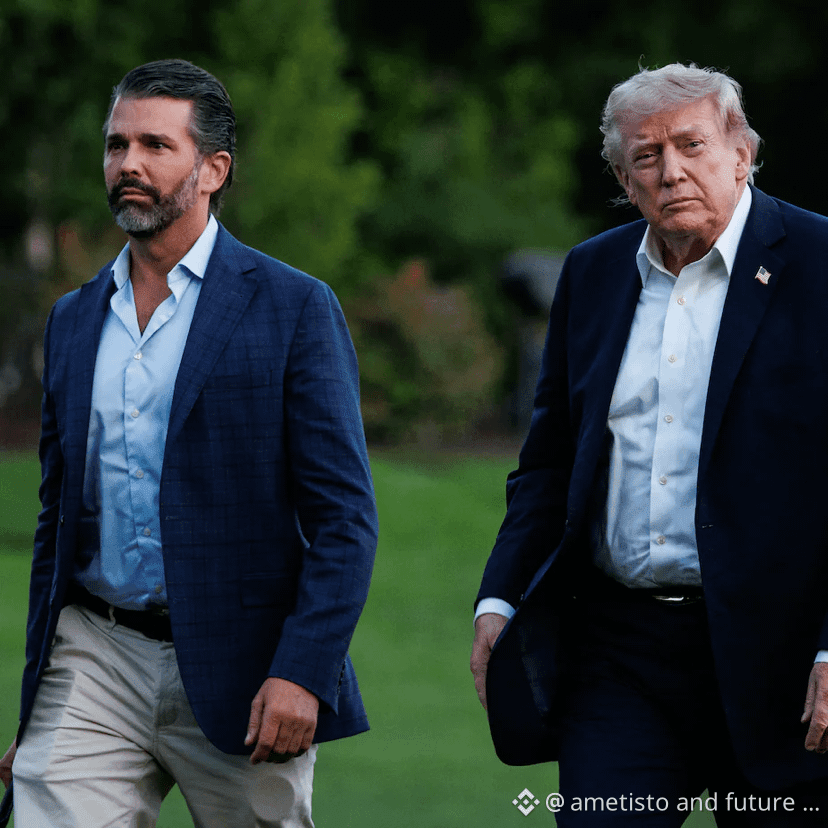
Tramp, uning oilasi va sun’iy intellektning yuksalishi: potentsial manfaatlar to‘qnashuvimi?
“Washington Post” tahliliga ko‘ra, Donald Tramp va uning o‘g‘illarining moliyaviy manfaatlari sun’iy intellekt ekotizimi bilan tobora ko‘proq bog‘lanib bormoqda, shu bilan birga AQSh prezidenti ushbu texnologiyani rivojlantirishni tezlashtirishni himoya qilmoqda.
📊 Trampning moliyaviy bayonotlarida chiplar, serverlar hamda ma’lumotlar markazlari va AI (sun’iy intellekt) uchun zarur bo‘lgan energetik infratuzilmalar bilan bog‘liq bir nechta korxonalardagi bitimlar ko‘rinadi.
🤖 Uning o‘g‘illari Donald Tramp Jr. va Erik Tramp ham AI sektori hamda raqamli infratuzilmalardagi kompaniyalarga mablag‘ kiritgan korxonalar bilan bog‘liq.
⚡ Shu bilan birga, Tramp ma’muriyati AI bo‘yicha yangi, muhim cheklovlarga qarshi chiqadi va Qo‘shma Shtatlar Xitoyga nisbatan texnologik ustunligini saqlab qolishi zarurligini ta’kidlaydi.
🏢 Oila imperiyasi ham bu sohada mavjud: Trump Media & Technology Group energiya bilan bog‘liq operatsiyalarga kirishgan va AI dan foydalanadigan mahsulotlarni ishlab chiqmoqda, World Liberty Financial esa Tramp oilasi ishtirokida asos solingan kripto kompaniya bo‘lib, shuningdek, AI texnologiyalari bilan ham aloqalarga ega.
Biroq Oq uy “manfaatlar to‘qnashuvi yo‘q” deb ta’kidlaydi va Trampning investitsiyalari diskretsion portfellardan foydalanib mustaqil menejerlar tomonidan boshqarilishini aniqlaydi.
Shu tariqa mavzu AQShda davlat siyosati, xususiy investitsiyalar, sun’iy intellekt, energetika va moliya bozorlarining tobora ortib borayotgan darajada bir-biriga tutashib borishini ko‘rsatadi.
#Tramp #AI #SuniyIntellekt #AQSh #Texnologiya #Investitsiya #Siyosat #DataCenterlar #Kripto #WashingtonPost
Tramp, uning oilasi va sun’iy intellektning yuksalishi: potentsial manfaatlar to‘qnashuvimi?
“Washington Post” tahliliga ko‘ra, Donald Tramp va uning o‘g‘illarining moliyaviy manfaatlari sun’iy intellekt ekotizimi bilan tobora ko‘proq bog‘lanib bormoqda, shu bilan birga AQSh prezidenti ushbu texnologiyani rivojlantirishni tezlashtirishni himoya qilmoqda.
📊 Trampning moliyaviy bayonotlarida chiplar, serverlar hamda ma’lumotlar markazlari va AI (sun’iy intellekt) uchun zarur bo‘lgan energetik infratuzilmalar bilan bog‘liq bir nechta korxonalardagi bitimlar ko‘rinadi.
🤖 Uning o‘g‘illari Donald Tramp Jr. va Erik Tramp ham AI sektori hamda raqamli infratuzilmalardagi kompaniyalarga mablag‘ kiritgan korxonalar bilan bog‘liq.
⚡ Shu bilan birga, Tramp ma’muriyati AI bo‘yicha yangi, muhim cheklovlarga qarshi chiqadi va Qo‘shma Shtatlar Xitoyga nisbatan texnologik ustunligini saqlab qolishi zarurligini ta’kidlaydi.
🏢 Oila imperiyasi ham bu sohada mavjud: Trump Media & Technology Group energiya bilan bog‘liq operatsiyalarga kirishgan va AI dan foydalanadigan mahsulotlarni ishlab chiqmoqda, World Liberty Financial esa Tramp oilasi ishtirokida asos solingan kripto kompaniya bo‘lib, shuningdek, AI texnologiyalari bilan ham aloqalarga ega.
Biroq Oq uy “manfaatlar to‘qnashuvi yo‘q” deb ta’kidlaydi va Trampning investitsiyalari diskretsion portfellardan foydalanib mustaqil menejerlar tomonidan boshqarilishini aniqlaydi.
Shu tariqa mavzu AQShda davlat siyosati, xususiy investitsiyalar, sun’iy intellekt, energetika va moliya bozorlarining tobora ortib borayotgan darajada bir-biriga tutashib borishini ko‘rsatadi.
#Tramp #AI #SuniyIntellekt #AQSh #Texnologiya #Investitsiya #Siyosat #DataCenterlar #Kripto #WashingtonPost
“Washington Post” tahliliga ko‘ra, Donald Tramp va uning o‘g‘illarining moliyaviy manfaatlari sun’iy intellekt ekotizimi bilan tobora ko‘proq bog‘lanib bormoqda, shu bilan birga AQSh prezidenti ushbu texnologiyani rivojlantirishni tezlashtirishni himoya qilmoqda.
📊 Trampning moliyaviy bayonotlarida chiplar, serverlar hamda ma’lumotlar markazlari va AI (sun’iy intellekt) uchun zarur bo‘lgan energetik infratuzilmalar bilan bog‘liq bir nechta korxonalardagi bitimlar ko‘rinadi.
🤖 Uning o‘g‘illari Donald Tramp Jr. va Erik Tramp ham AI sektori hamda raqamli infratuzilmalardagi kompaniyalarga mablag‘ kiritgan korxonalar bilan bog‘liq.
⚡ Shu bilan birga, Tramp ma’muriyati AI bo‘yicha yangi, muhim cheklovlarga qarshi chiqadi va Qo‘shma Shtatlar Xitoyga nisbatan texnologik ustunligini saqlab qolishi zarurligini ta’kidlaydi.
🏢 Oila imperiyasi ham bu sohada mavjud: Trump Media & Technology Group energiya bilan bog‘liq operatsiyalarga kirishgan va AI dan foydalanadigan mahsulotlarni ishlab chiqmoqda, World Liberty Financial esa Tramp oilasi ishtirokida asos solingan kripto kompaniya bo‘lib, shuningdek, AI texnologiyalari bilan ham aloqalarga ega.
Biroq Oq uy “manfaatlar to‘qnashuvi yo‘q” deb ta’kidlaydi va Trampning investitsiyalari diskretsion portfellardan foydalanib mustaqil menejerlar tomonidan boshqarilishini aniqlaydi.
Shu tariqa mavzu AQShda davlat siyosati, xususiy investitsiyalar, sun’iy intellekt, energetika va moliya bozorlarining tobora ortib borayotgan darajada bir-biriga tutashib borishini ko‘rsatadi.
#Tramp #AI #SuniyIntellekt #AQSh #Texnologiya #Investitsiya #Siyosat #DataCenterlar #Kripto #WashingtonPost
3
624
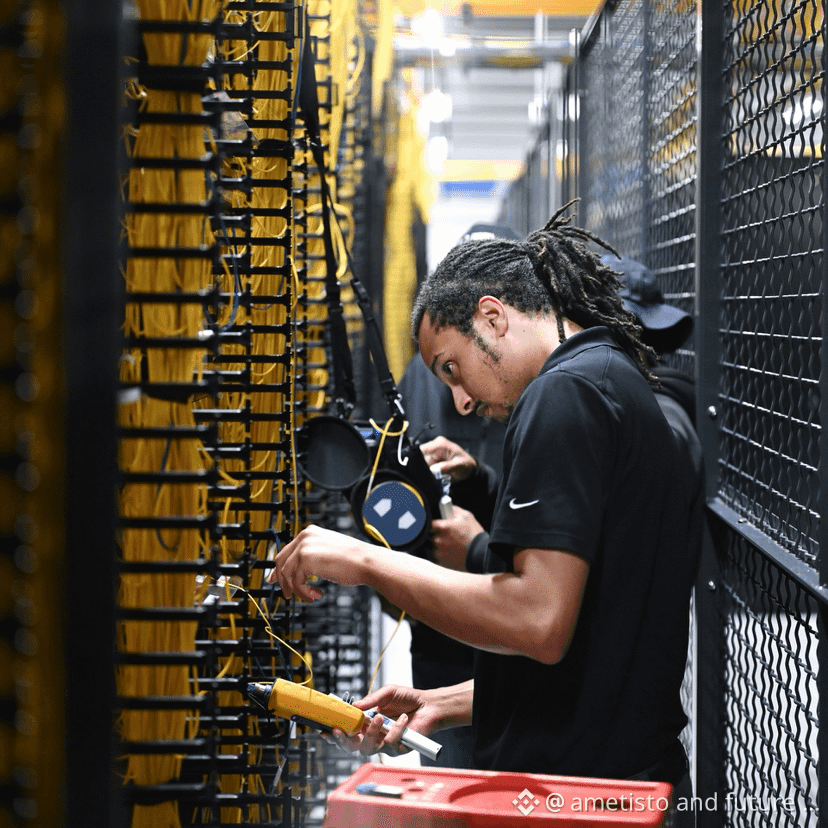
🤖⚡ AQShdagi eng yirik ma’lumotlar markazlaridan birida qanday ishlash shu tarzda.
Sun’iy intellekt inqilobi ortida deyarli ko‘rinmaydigan bir olam bor: 24/7, yiliga 365 kun ishlaydigan ulkan ma’lumotlar markazlari.
Virjiniya shtatining Ashbern shahrida muhandis taxminan 1 million kvadrat fut atrofidagi ma’lumotlar markazida kuniga 30.000 qadamgacha yurishi mumkin. Uning vazifasi serverlar, sovutish tizimlari, transformatorlar va elektr jihozlarini tekshirib, har qanday nosozlik belgisini aniqlashdan iborat.
🏢 Ichida nima bor?
🔹 Serverlarning cheksiz qatorlari
🔹 Minglab kabellar va ulanishlar
🔹 Katta hajmli sovutish tizimlari
🔹 Transformatorlar va elektr jihozlari
🔹 Iqlim bilan bog‘liq favqulodda vaziyatlarda davom etib turishi kerak bo‘lgan ishchilar uchun dam olish zonalari
🔹 Oracle, Meta va IBM kabi texnologik gigantlar operatsiyalarini sig‘dirib bera oladigan obyektlar
🇺🇸 Va soha tez sur’atlarda o‘sayapti.
Hozir AQShda qariyb 2.700 ta ishlayotgan ma’lumotlar markazi bor, yuzlab loyihalar qurilish bosqichida, yana ko‘plari esa rejalashtirish bosqichida.
💰 Shuningdek, yaxshi maoshli ish o‘rinlari ham paydo bo‘lmoqda.
Maoshlar boshlang‘ich darajadagi muhandislar uchun taxminan AQSh$66.000 dan boshlanishi va tajribali mutaxassislar uchun AQSh$120.000 dan oshishi mumkin. Eng ko‘p talab qilinadigan yo‘nalishlar qatoriga elektr tizimlari, tarmoqlar va sovutish kiradi.
⚠️ Lekin bir paradoks bor:
Ma’lumotlar markazlari AI kengayishi uchun juda muhim, ammo ularni qurish ayrim jamoalarda elektr ta’minoti, infratuzilma, ekologik ta’sir va yer maydoni (hududdan foydalanish) masalalari sababli qarshilik keltirib chiqarmoqda.
Ularni ishlatib turish esa muhokama qilinmaydi: ayrim obyektlar mavjudlik (availability) ko‘rsatkichini 99,999% dan 99,9999% ga o‘tkazishni maqsad qiladi. Farq kichikdek ko‘rinadi, ammo bu yilda taxminan olti daqiqalik uzilishdan atigi 30 soniyagacha tushishni anglatadi.
🧠 AI inqilobi faqat ekranda bo‘lmaydi.
$ORCL $IBMB
🤖⚡ AQShdagi eng yirik ma’lumotlar markazlaridan birida qanday ishlash shu tarzda.
Sun’iy intellekt inqilobi ortida deyarli ko‘rinmaydigan bir olam bor: 24/7, yiliga 365 kun ishlaydigan ulkan ma’lumotlar markazlari.
Virjiniya shtatining Ashbern shahrida muhandis taxminan 1 million kvadrat fut atrofidagi ma’lumotlar markazida kuniga 30.000 qadamgacha yurishi mumkin. Uning vazifasi serverlar, sovutish tizimlari, transformatorlar va elektr jihozlarini tekshirib, har qanday nosozlik belgisini aniqlashdan iborat.
🏢 Ichida nima bor?
🔹 Serverlarning cheksiz qatorlari
🔹 Minglab kabellar va ulanishlar
🔹 Katta hajmli sovutish tizimlari
🔹 Transformatorlar va elektr jihozlari
🔹 Iqlim bilan bog‘liq favqulodda vaziyatlarda davom etib turishi kerak bo‘lgan ishchilar uchun dam olish zonalari
🔹 Oracle, Meta va IBM kabi texnologik gigantlar operatsiyalarini sig‘dirib bera oladigan obyektlar
🇺🇸 Va soha tez sur’atlarda o‘sayapti.
Hozir AQShda qariyb 2.700 ta ishlayotgan ma’lumotlar markazi bor, yuzlab loyihalar qurilish bosqichida, yana ko‘plari esa rejalashtirish bosqichida.
💰 Shuningdek, yaxshi maoshli ish o‘rinlari ham paydo bo‘lmoqda.
Maoshlar boshlang‘ich darajadagi muhandislar uchun taxminan AQSh$66.000 dan boshlanishi va tajribali mutaxassislar uchun AQSh$120.000 dan oshishi mumkin. Eng ko‘p talab qilinadigan yo‘nalishlar qatoriga elektr tizimlari, tarmoqlar va sovutish kiradi.
⚠️ Lekin bir paradoks bor:
Ma’lumotlar markazlari AI kengayishi uchun juda muhim, ammo ularni qurish ayrim jamoalarda elektr ta’minoti, infratuzilma, ekologik ta’sir va yer maydoni (hududdan foydalanish) masalalari sababli qarshilik keltirib chiqarmoqda.
Ularni ishlatib turish esa muhokama qilinmaydi: ayrim obyektlar mavjudlik (availability) ko‘rsatkichini 99,999% dan 99,9999% ga o‘tkazishni maqsad qiladi. Farq kichikdek ko‘rinadi, ammo bu yilda taxminan olti daqiqalik uzilishdan atigi 30 soniyagacha tushishni anglatadi.
🧠 AI inqilobi faqat ekranda bo‘lmaydi.
$ORCL $IBMB
Sun’iy intellekt inqilobi ortida deyarli ko‘rinmaydigan bir olam bor: 24/7, yiliga 365 kun ishlaydigan ulkan ma’lumotlar markazlari.
Virjiniya shtatining Ashbern shahrida muhandis taxminan 1 million kvadrat fut atrofidagi ma’lumotlar markazida kuniga 30.000 qadamgacha yurishi mumkin. Uning vazifasi serverlar, sovutish tizimlari, transformatorlar va elektr jihozlarini tekshirib, har qanday nosozlik belgisini aniqlashdan iborat.
🏢 Ichida nima bor?
🔹 Serverlarning cheksiz qatorlari
🔹 Minglab kabellar va ulanishlar
🔹 Katta hajmli sovutish tizimlari
🔹 Transformatorlar va elektr jihozlari
🔹 Iqlim bilan bog‘liq favqulodda vaziyatlarda davom etib turishi kerak bo‘lgan ishchilar uchun dam olish zonalari
🔹 Oracle, Meta va IBM kabi texnologik gigantlar operatsiyalarini sig‘dirib bera oladigan obyektlar
🇺🇸 Va soha tez sur’atlarda o‘sayapti.
Hozir AQShda qariyb 2.700 ta ishlayotgan ma’lumotlar markazi bor, yuzlab loyihalar qurilish bosqichida, yana ko‘plari esa rejalashtirish bosqichida.
💰 Shuningdek, yaxshi maoshli ish o‘rinlari ham paydo bo‘lmoqda.
Maoshlar boshlang‘ich darajadagi muhandislar uchun taxminan AQSh$66.000 dan boshlanishi va tajribali mutaxassislar uchun AQSh$120.000 dan oshishi mumkin. Eng ko‘p talab qilinadigan yo‘nalishlar qatoriga elektr tizimlari, tarmoqlar va sovutish kiradi.
⚠️ Lekin bir paradoks bor:
Ma’lumotlar markazlari AI kengayishi uchun juda muhim, ammo ularni qurish ayrim jamoalarda elektr ta’minoti, infratuzilma, ekologik ta’sir va yer maydoni (hududdan foydalanish) masalalari sababli qarshilik keltirib chiqarmoqda.
Ularni ishlatib turish esa muhokama qilinmaydi: ayrim obyektlar mavjudlik (availability) ko‘rsatkichini 99,999% dan 99,9999% ga o‘tkazishni maqsad qiladi. Farq kichikdek ko‘rinadi, ammo bu yilda taxminan olti daqiqalik uzilishdan atigi 30 soniyagacha tushishni anglatadi.
🧠 AI inqilobi faqat ekranda bo‘lmaydi.
$ORCL $IBMB
1
400
RIYO DAKOZIDA YOQILG‘I OMBORIGA AERODRUM ZARBASI
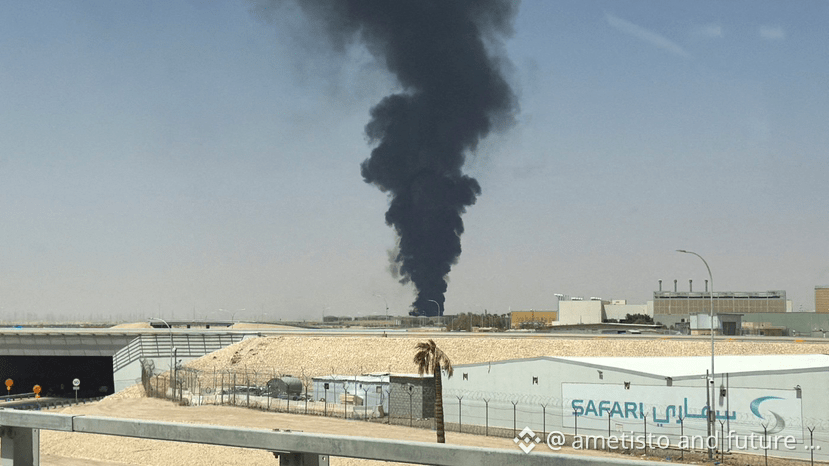
Joriy shanba kuni havo hujumi Saudiya Arabistoni poytaxti Riyoddagi Rey Xolid xalqaro aeroporti hududida aviatsiya yoqilg‘isi saqlanadigan ombor inshootlariga tegdi.
Aeroport atrofida ulkan qora tutun ustunlari va alanga ko‘rinib turgan. Saudiya rasmiylari tong otar paytida ehtimoliy havo tahdidi haqida ogohlantirishlar e’lon qilgan va keyinroq “xavfsiz” signalini bergan.
Hujum dron yoki raketa orqali amalga oshirilganmi — hali tasdiqlanmagan, va hech bir guruh darhol mas’uliyatni o‘z zimmasiga olmagan. Voqea Saudiya Arabistoni bilan Eron bilan hamohang bo‘lgan Yaman isyonchilari — hutilar o‘rtasidagi keskin to‘qnashuvlar kuchaygan fonida yuz bermoqda. (The Wall Street Journal)
✈️ Hodisa shuningdek Saudiya poytaxtidagi asosiy aeroportda parvozlarning bekor qilinishi va kechikishlariga ham sabab bo‘ldi.
⛽ Aviatsiyaga ta’sirdan tashqari, hujum energetika infratuzilmasi hamda Fors ko‘rfazi neftini eksport qilish yo‘nalishlari xavfsizligi borasidagi xavotirlarni kuchaytiradi — Yaqin Sharqda vaziyat keskin bo‘lgan bir paytda. (Reuters)
🌍 Mintaqaviy urush yana bir bor keskinlik nuqtasini oladi: xavflar Saudiya Arabistoni chegaralaridan ham tashqariga chiqib, energiya, dengiz transporti va global bozorlarga ham ta’sir qilishi mumkin.
#SaudiArabia #Riyadh #YaqinSharq #Houthis #Neft #Geosiyosat #Energiya #SaudiArabia #Riyadh
RIYO DAKOZIDA YOQILG‘I OMBORIGA AERODRUM ZARBASI
Joriy shanba kuni havo hujumi Saudiya Arabistoni poytaxti Riyoddagi Rey Xolid xalqaro aeroporti hududida aviatsiya yoqilg‘isi saqlanadigan ombor inshootlariga tegdi.
Aeroport atrofida ulkan qora tutun ustunlari va alanga ko‘rinib turgan. Saudiya rasmiylari tong otar paytida ehtimoliy havo tahdidi haqida ogohlantirishlar e’lon qilgan va keyinroq “xavfsiz” signalini bergan.
Hujum dron yoki raketa orqali amalga oshirilganmi — hali tasdiqlanmagan, va hech bir guruh darhol mas’uliyatni o‘z zimmasiga olmagan. Voqea Saudiya Arabistoni bilan Eron bilan hamohang bo‘lgan Yaman isyonchilari — hutilar o‘rtasidagi keskin to‘qnashuvlar kuchaygan fonida yuz bermoqda. (The Wall Street Journal)
✈️ Hodisa shuningdek Saudiya poytaxtidagi asosiy aeroportda parvozlarning bekor qilinishi va kechikishlariga ham sabab bo‘ldi.
⛽ Aviatsiyaga ta’sirdan tashqari, hujum energetika infratuzilmasi hamda Fors ko‘rfazi neftini eksport qilish yo‘nalishlari xavfsizligi borasidagi xavotirlarni kuchaytiradi — Yaqin Sharqda vaziyat keskin bo‘lgan bir paytda. (Reuters)
🌍 Mintaqaviy urush yana bir bor keskinlik nuqtasini oladi: xavflar Saudiya Arabistoni chegaralaridan ham tashqariga chiqib, energiya, dengiz transporti va global bozorlarga ham ta’sir qilishi mumkin.
#SaudiArabia #Riyadh #YaqinSharq #Houthis #Neft #Geosiyosat #Energiya #SaudiArabia #Riyadh
Joriy shanba kuni havo hujumi Saudiya Arabistoni poytaxti Riyoddagi Rey Xolid xalqaro aeroporti hududida aviatsiya yoqilg‘isi saqlanadigan ombor inshootlariga tegdi.
Aeroport atrofida ulkan qora tutun ustunlari va alanga ko‘rinib turgan. Saudiya rasmiylari tong otar paytida ehtimoliy havo tahdidi haqida ogohlantirishlar e’lon qilgan va keyinroq “xavfsiz” signalini bergan.
Hujum dron yoki raketa orqali amalga oshirilganmi — hali tasdiqlanmagan, va hech bir guruh darhol mas’uliyatni o‘z zimmasiga olmagan. Voqea Saudiya Arabistoni bilan Eron bilan hamohang bo‘lgan Yaman isyonchilari — hutilar o‘rtasidagi keskin to‘qnashuvlar kuchaygan fonida yuz bermoqda. (The Wall Street Journal)
✈️ Hodisa shuningdek Saudiya poytaxtidagi asosiy aeroportda parvozlarning bekor qilinishi va kechikishlariga ham sabab bo‘ldi.
⛽ Aviatsiyaga ta’sirdan tashqari, hujum energetika infratuzilmasi hamda Fors ko‘rfazi neftini eksport qilish yo‘nalishlari xavfsizligi borasidagi xavotirlarni kuchaytiradi — Yaqin Sharqda vaziyat keskin bo‘lgan bir paytda. (Reuters)
🌍 Mintaqaviy urush yana bir bor keskinlik nuqtasini oladi: xavflar Saudiya Arabistoni chegaralaridan ham tashqariga chiqib, energiya, dengiz transporti va global bozorlarga ham ta’sir qilishi mumkin.
#SaudiArabia #Riyadh #YaqinSharq #Houthis #Neft #Geosiyosat #Energiya #SaudiArabia #Riyadh
123
1
820
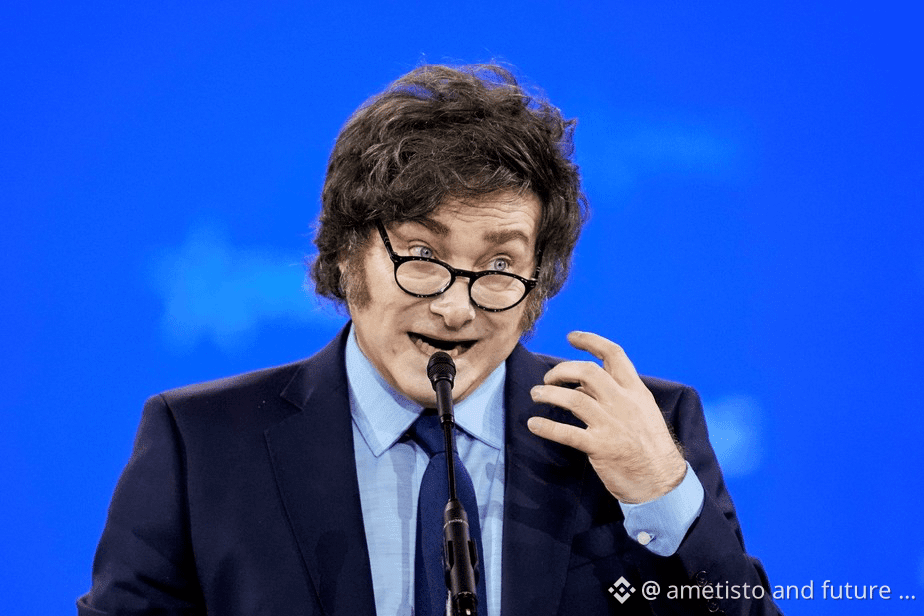
🇦🇷 Argentina: Mileyning “iqtisodiy mo‘jizasi” yangi shubhalarga duch kelmoqda
Xavier Mileyning iqtisodiy dasturi ayrim makroiqtisodiy ko‘rsatkichlarda muhim yutuqlarga erishgan, ammo uning argentinaliklarning kundalik hayotiga ta’siri tobora kuchayib borayotgan bahs-munozaralarga sabab bo‘lmoqda.
📉 Inflyatsiya sezilarli darajada sekinlashdi: 2026-yilning dastlabki sakkiz oyida oylik inflyatsiya 1,9% dan 3,4% gacha bo‘lgan. Bundan tashqari, Argentina 2008-yildan beri birinchi marta YAIMning 1,8%iga teng birlamchi fiskal profitsit qayd etdi.
Biroq, moslashuv (qisqartirish) ham ijtimoiy xarajatlarga ega bo‘ldi. Ma’lumotlarga ko‘ra, qariyb 6 million argentinalik — aholining 13,6% — qarzdorlik (to‘lov qobiliyatsizligi) holatida. Ishsizlik 2023-yil oxiridagi 5,7% dan 2026-yilning birinchi choragida 7,8% gacha oshdi.
🏭 Sanoat sektori ham qiyinchiliklarni boshdan kechirmoqda. Fundar ma’lumotlariga ko‘ra, Milei hukumati boshlanganidan beri 30 000 dan ortiq kompaniya yopilgan, biroq Rosada uydasi bu ma’lumotlarni shubha ostiga olmoqda. Ko‘rsatilayotgan omillar orasida ichki iste’molning pasayishi, sotib olish qobiliyatining yo‘qolishi va tashqi raqobatning kuchayishi bor.
💰 Qarama-qarshilik bahsning markaziy elementlaridan biri: makroiqtisodiy barqarorlashtirish oldinga siljiyotgan bir paytda, uy xo‘jaliklari xarajatlarning ortishi bilan duch kelmoqda. 2023-yil dekabridan 2026-yil iyuligacha UOL tomonidan keltirilgan kommunal xizmatlar tariflari 966% ga oshgan, jamg‘arilgan inflyatsiya esa 241% ni tashkil etdi. UBA ma’lumotlariga ko‘ra, eng kam ish haqi 2023-yil noyabridan 2026-yil apreligacha o‘zining real sotib olish qobiliyatini 39,3% ga yo‘qotdi.
Shu bilan birga, Argentina iqtisodiyoti tiklanish belgilarini ham ko‘rsatishda davom etmoqda: 2026-yil ikkinchi choragida YAIM yillik hisobda 2% o‘sdi, buni asosan konchilik, qishloq xo‘jaligi, baliqchilik va eksportlar rag‘batlantirdi, ammo qayta ishlash sanoati 2% ga pasaydi.
Keyingi oylar tiklanish eksport sektorlaridan iste’mol, bandlik va mamlakat ichki sanoatiga ham tarqala oladimi-yo‘qmi, degan masalada hal qiluvchi bo‘ladi.
🇦🇷 Argentina: Mileyning “iqtisodiy mo‘jizasi” yangi shubhalarga duch kelmoqda
Xavier Mileyning iqtisodiy dasturi ayrim makroiqtisodiy ko‘rsatkichlarda muhim yutuqlarga erishgan, ammo uning argentinaliklarning kundalik hayotiga ta’siri tobora kuchayib borayotgan bahs-munozaralarga sabab bo‘lmoqda.
📉 Inflyatsiya sezilarli darajada sekinlashdi: 2026-yilning dastlabki sakkiz oyida oylik inflyatsiya 1,9% dan 3,4% gacha bo‘lgan. Bundan tashqari, Argentina 2008-yildan beri birinchi marta YAIMning 1,8%iga teng birlamchi fiskal profitsit qayd etdi.
Biroq, moslashuv (qisqartirish) ham ijtimoiy xarajatlarga ega bo‘ldi. Ma’lumotlarga ko‘ra, qariyb 6 million argentinalik — aholining 13,6% — qarzdorlik (to‘lov qobiliyatsizligi) holatida. Ishsizlik 2023-yil oxiridagi 5,7% dan 2026-yilning birinchi choragida 7,8% gacha oshdi.
🏭 Sanoat sektori ham qiyinchiliklarni boshdan kechirmoqda. Fundar ma’lumotlariga ko‘ra, Milei hukumati boshlanganidan beri 30 000 dan ortiq kompaniya yopilgan, biroq Rosada uydasi bu ma’lumotlarni shubha ostiga olmoqda. Ko‘rsatilayotgan omillar orasida ichki iste’molning pasayishi, sotib olish qobiliyatining yo‘qolishi va tashqi raqobatning kuchayishi bor.
💰 Qarama-qarshilik bahsning markaziy elementlaridan biri: makroiqtisodiy barqarorlashtirish oldinga siljiyotgan bir paytda, uy xo‘jaliklari xarajatlarning ortishi bilan duch kelmoqda. 2023-yil dekabridan 2026-yil iyuligacha UOL tomonidan keltirilgan kommunal xizmatlar tariflari 966% ga oshgan, jamg‘arilgan inflyatsiya esa 241% ni tashkil etdi. UBA ma’lumotlariga ko‘ra, eng kam ish haqi 2023-yil noyabridan 2026-yil apreligacha o‘zining real sotib olish qobiliyatini 39,3% ga yo‘qotdi.
Shu bilan birga, Argentina iqtisodiyoti tiklanish belgilarini ham ko‘rsatishda davom etmoqda: 2026-yil ikkinchi choragida YAIM yillik hisobda 2% o‘sdi, buni asosan konchilik, qishloq xo‘jaligi, baliqchilik va eksportlar rag‘batlantirdi, ammo qayta ishlash sanoati 2% ga pasaydi.
Keyingi oylar tiklanish eksport sektorlaridan iste’mol, bandlik va mamlakat ichki sanoatiga ham tarqala oladimi-yo‘qmi, degan masalada hal qiluvchi bo‘ladi.
Xavier Mileyning iqtisodiy dasturi ayrim makroiqtisodiy ko‘rsatkichlarda muhim yutuqlarga erishgan, ammo uning argentinaliklarning kundalik hayotiga ta’siri tobora kuchayib borayotgan bahs-munozaralarga sabab bo‘lmoqda.
📉 Inflyatsiya sezilarli darajada sekinlashdi: 2026-yilning dastlabki sakkiz oyida oylik inflyatsiya 1,9% dan 3,4% gacha bo‘lgan. Bundan tashqari, Argentina 2008-yildan beri birinchi marta YAIMning 1,8%iga teng birlamchi fiskal profitsit qayd etdi.
Biroq, moslashuv (qisqartirish) ham ijtimoiy xarajatlarga ega bo‘ldi. Ma’lumotlarga ko‘ra, qariyb 6 million argentinalik — aholining 13,6% — qarzdorlik (to‘lov qobiliyatsizligi) holatida. Ishsizlik 2023-yil oxiridagi 5,7% dan 2026-yilning birinchi choragida 7,8% gacha oshdi.
🏭 Sanoat sektori ham qiyinchiliklarni boshdan kechirmoqda. Fundar ma’lumotlariga ko‘ra, Milei hukumati boshlanganidan beri 30 000 dan ortiq kompaniya yopilgan, biroq Rosada uydasi bu ma’lumotlarni shubha ostiga olmoqda. Ko‘rsatilayotgan omillar orasida ichki iste’molning pasayishi, sotib olish qobiliyatining yo‘qolishi va tashqi raqobatning kuchayishi bor.
💰 Qarama-qarshilik bahsning markaziy elementlaridan biri: makroiqtisodiy barqarorlashtirish oldinga siljiyotgan bir paytda, uy xo‘jaliklari xarajatlarning ortishi bilan duch kelmoqda. 2023-yil dekabridan 2026-yil iyuligacha UOL tomonidan keltirilgan kommunal xizmatlar tariflari 966% ga oshgan, jamg‘arilgan inflyatsiya esa 241% ni tashkil etdi. UBA ma’lumotlariga ko‘ra, eng kam ish haqi 2023-yil noyabridan 2026-yil apreligacha o‘zining real sotib olish qobiliyatini 39,3% ga yo‘qotdi.
Shu bilan birga, Argentina iqtisodiyoti tiklanish belgilarini ham ko‘rsatishda davom etmoqda: 2026-yil ikkinchi choragida YAIM yillik hisobda 2% o‘sdi, buni asosan konchilik, qishloq xo‘jaligi, baliqchilik va eksportlar rag‘batlantirdi, ammo qayta ishlash sanoati 2% ga pasaydi.
Keyingi oylar tiklanish eksport sektorlaridan iste’mol, bandlik va mamlakat ichki sanoatiga ham tarqala oladimi-yo‘qmi, degan masalada hal qiluvchi bo‘ladi.
103
Tasdiqlangan
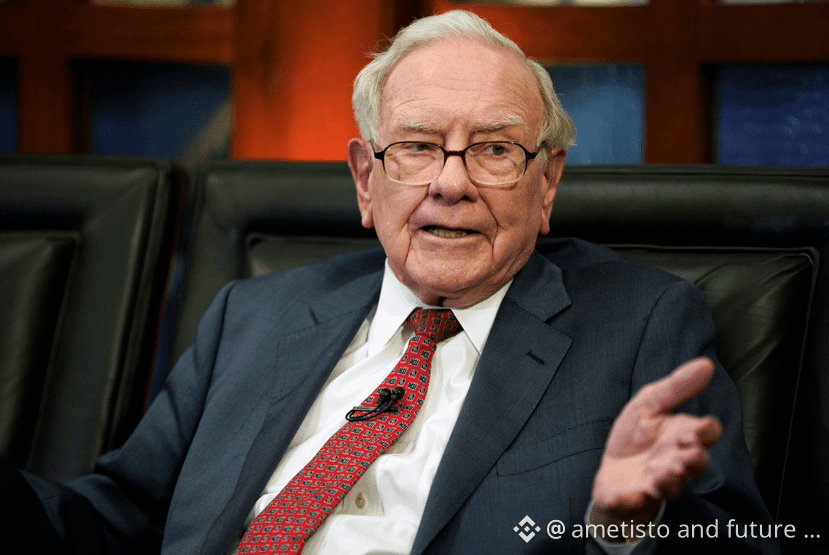
Uorren Baffett Berkshire Hathaway kompaniyasining prezidentlik lavozimini tark etdi
96 yoshli Uorren Baffett shu juma kuni (18) Berkshire Hathaway boshqaruv kengashi raisi lavozimidan iste’fo berdi va kompaniya rahbari sifatida besh o‘n yildan ortiq davrni yakunladi. U faxriy prezident bo‘lib qoladi hamda kompaniyaning strategik yo‘nalishiga ta’sir o‘tkazishda kengash tarkibida ishtirok etishda davom etadi. (The Wall Street Journal)
Lavozimni darhol uning o‘g‘li Howard G. Buffett egallaydi — u Berkshire Hathaway kengashiga 1993-yildan beri a’zo. O‘zgarish kompaniyaning vorislik rejasining bir qismidir. (Berkshire Hathaway)
Ushbu o‘tish, “Omaha bashorati” sifatida tanilgan shaxsning kompaniya boshqaruvidan bosqichma-bosqich chekinishidagi yana bir qadamni anglatadi. U kompaniyani avvalgi eski to‘qimachilik ishlab chiqaruvchisidan qariyb US$ 1 trln. (AQSh dollari) qiymatga ega konglomeratga aylantirgan edi. (The Wall Street Journal)
Bosh direktor (CEO) lavozimi esa 2026-yil yanvar oyida Greg Abelga o‘tgan edi. Baffett Berkshire’ning kelajagiga ishonchi borligini aytib, Abel kompaniya rahbari sifatida kutilganidan ham oshib ketganini ta’kidladi.
📌 Berkshire’ning yangi tuzilmasi:
• 👤 Warren Buffett — faxriy prezident va direktor
• 👤 Howard Buffett — boshqaruv kengashi raisi
• 👤 Greg Abel — CEO
Berkshire’ga bog‘liq bo‘lgani 60 yildan oshgan Buffett endi boshqaruvning eng muhim rasmiy lavozimini egallamaydi, biroq kompaniya va uning aksiyadorlariga yaqin bo‘lib qoladi.
AQSh bozorining tarixidagi eng yirik o‘tishlardan biri endi boshlandi.
Uorren Baffett Berkshire Hathaway kompaniyasining prezidentlik lavozimini tark etdi
96 yoshli Uorren Baffett shu juma kuni (18) Berkshire Hathaway boshqaruv kengashi raisi lavozimidan iste’fo berdi va kompaniya rahbari sifatida besh o‘n yildan ortiq davrni yakunladi. U faxriy prezident bo‘lib qoladi hamda kompaniyaning strategik yo‘nalishiga ta’sir o‘tkazishda kengash tarkibida ishtirok etishda davom etadi. (The Wall Street Journal)
Lavozimni darhol uning o‘g‘li Howard G. Buffett egallaydi — u Berkshire Hathaway kengashiga 1993-yildan beri a’zo. O‘zgarish kompaniyaning vorislik rejasining bir qismidir. (Berkshire Hathaway)
Ushbu o‘tish, “Omaha bashorati” sifatida tanilgan shaxsning kompaniya boshqaruvidan bosqichma-bosqich chekinishidagi yana bir qadamni anglatadi. U kompaniyani avvalgi eski to‘qimachilik ishlab chiqaruvchisidan qariyb US$ 1 trln. (AQSh dollari) qiymatga ega konglomeratga aylantirgan edi. (The Wall Street Journal)
Bosh direktor (CEO) lavozimi esa 2026-yil yanvar oyida Greg Abelga o‘tgan edi. Baffett Berkshire’ning kelajagiga ishonchi borligini aytib, Abel kompaniya rahbari sifatida kutilganidan ham oshib ketganini ta’kidladi.
📌 Berkshire’ning yangi tuzilmasi:
• 👤 Warren Buffett — faxriy prezident va direktor
• 👤 Howard Buffett — boshqaruv kengashi raisi
• 👤 Greg Abel — CEO
Berkshire’ga bog‘liq bo‘lgani 60 yildan oshgan Buffett endi boshqaruvning eng muhim rasmiy lavozimini egallamaydi, biroq kompaniya va uning aksiyadorlariga yaqin bo‘lib qoladi.
AQSh bozorining tarixidagi eng yirik o‘tishlardan biri endi boshlandi.
96 yoshli Uorren Baffett shu juma kuni (18) Berkshire Hathaway boshqaruv kengashi raisi lavozimidan iste’fo berdi va kompaniya rahbari sifatida besh o‘n yildan ortiq davrni yakunladi. U faxriy prezident bo‘lib qoladi hamda kompaniyaning strategik yo‘nalishiga ta’sir o‘tkazishda kengash tarkibida ishtirok etishda davom etadi. (The Wall Street Journal)
Lavozimni darhol uning o‘g‘li Howard G. Buffett egallaydi — u Berkshire Hathaway kengashiga 1993-yildan beri a’zo. O‘zgarish kompaniyaning vorislik rejasining bir qismidir. (Berkshire Hathaway)
Ushbu o‘tish, “Omaha bashorati” sifatida tanilgan shaxsning kompaniya boshqaruvidan bosqichma-bosqich chekinishidagi yana bir qadamni anglatadi. U kompaniyani avvalgi eski to‘qimachilik ishlab chiqaruvchisidan qariyb US$ 1 trln. (AQSh dollari) qiymatga ega konglomeratga aylantirgan edi. (The Wall Street Journal)
Bosh direktor (CEO) lavozimi esa 2026-yil yanvar oyida Greg Abelga o‘tgan edi. Baffett Berkshire’ning kelajagiga ishonchi borligini aytib, Abel kompaniya rahbari sifatida kutilganidan ham oshib ketganini ta’kidladi.
📌 Berkshire’ning yangi tuzilmasi:
• 👤 Warren Buffett — faxriy prezident va direktor
• 👤 Howard Buffett — boshqaruv kengashi raisi
• 👤 Greg Abel — CEO
Berkshire’ga bog‘liq bo‘lgani 60 yildan oshgan Buffett endi boshqaruvning eng muhim rasmiy lavozimini egallamaydi, biroq kompaniya va uning aksiyadorlariga yaqin bo‘lib qoladi.
AQSh bozorining tarixidagi eng yirik o‘tishlardan biri endi boshlandi.
1.4k
🌍 GLOBAL BOZORLAR YANGILANISHI
🇯🇵 Yaponiya Markaziy banki (BOJ): BOJ hafta yakunidagi markaziy bank qarorlarini o'zining pul-kredit siyosati stavkasini 25 bazaviy punktga oshirib, 1.00% dan 1.25% gacha ko'tarish bilan yakunladi — bu 31 yildagi eng yuqori daraja va bir necha oy ichida amalga oshirilgan ikkinchi oshirish. Bu qaror keng ko'lamda kutilgan edi, endi esa bozorlar kuchaytirish (tightening) sikli tezlashishi mumkinligi haqida belgilarni diqqat bilan kuzatmoqda.
🛢️ Neft: Xom neft narxlari ketma-ket ikkinchi sessiyada pasaydi. Brent qariyb 1% ga tushib, bir barrel uchun 105 AQSh dollari atrofida bo'ldi. O'rta Sharqda diplomatik taraqqiyot belgilari ta'minot-xavfi bo'yicha mukofotning bir qismini kamaytirdi.
🇺🇸 G'aznachilik qimmatli qog'ozlari va Uoll-strit: 10 yillik AQSh g'aznachilik rentabelligi yana 5% chegarasidan pastga qaytdi va taxminan 4.9% atrofida joylashdi. Egri bo'ylab rentabelliklar pasaygani sabab Uoll-strit texnologiya kompaniyalari yetakchiligida so'nggi yo'qotishlar ketma-ketligini uzdi. Nasdaq 1.7% ga o'sdi.
⚠️ Biroq yengillik hali ham mo'rt. Jismoniy neft bozorlarida taqchillik saqlanib qolmoqda, Hormuz bo'g'ozi orqali tankerlar qatnovi esa kamayishda davom etmoqda. Brent $100 dan yuqori turibdi va kuchli oylik o'sishni qayd etdi.
Bozorlar uchun asosiy savol: energiya ta'minoti xavflari yuqori bo'lib qolsa, bu yengillik qanchalik barqaror?
#Markets #BankOfJapan #BOJ #Oil #Brent #Treasuries #Nasdaq #WallStreet #GlobalEconomy #Investing
🌍 GLOBAL BOZORLAR YANGILANISHI
🇯🇵 Yaponiya Markaziy banki (BOJ): BOJ hafta yakunidagi markaziy bank qarorlarini o'zining pul-kredit siyosati stavkasini 25 bazaviy punktga oshirib, 1.00% dan 1.25% gacha ko'tarish bilan yakunladi — bu 31 yildagi eng yuqori daraja va bir necha oy ichida amalga oshirilgan ikkinchi oshirish. Bu qaror keng ko'lamda kutilgan edi, endi esa bozorlar kuchaytirish (tightening) sikli tezlashishi mumkinligi haqida belgilarni diqqat bilan kuzatmoqda.
🛢️ Neft: Xom neft narxlari ketma-ket ikkinchi sessiyada pasaydi. Brent qariyb 1% ga tushib, bir barrel uchun 105 AQSh dollari atrofida bo'ldi. O'rta Sharqda diplomatik taraqqiyot belgilari ta'minot-xavfi bo'yicha mukofotning bir qismini kamaytirdi.
🇺🇸 G'aznachilik qimmatli qog'ozlari va Uoll-strit: 10 yillik AQSh g'aznachilik rentabelligi yana 5% chegarasidan pastga qaytdi va taxminan 4.9% atrofida joylashdi. Egri bo'ylab rentabelliklar pasaygani sabab Uoll-strit texnologiya kompaniyalari yetakchiligida so'nggi yo'qotishlar ketma-ketligini uzdi. Nasdaq 1.7% ga o'sdi.
⚠️ Biroq yengillik hali ham mo'rt. Jismoniy neft bozorlarida taqchillik saqlanib qolmoqda, Hormuz bo'g'ozi orqali tankerlar qatnovi esa kamayishda davom etmoqda. Brent $100 dan yuqori turibdi va kuchli oylik o'sishni qayd etdi.
Bozorlar uchun asosiy savol: energiya ta'minoti xavflari yuqori bo'lib qolsa, bu yengillik qanchalik barqaror?
#Markets #BankOfJapan #BOJ #Oil #Brent #Treasuries #Nasdaq #WallStreet #GlobalEconomy #Investing
🇯🇵 Yaponiya Markaziy banki (BOJ): BOJ hafta yakunidagi markaziy bank qarorlarini o'zining pul-kredit siyosati stavkasini 25 bazaviy punktga oshirib, 1.00% dan 1.25% gacha ko'tarish bilan yakunladi — bu 31 yildagi eng yuqori daraja va bir necha oy ichida amalga oshirilgan ikkinchi oshirish. Bu qaror keng ko'lamda kutilgan edi, endi esa bozorlar kuchaytirish (tightening) sikli tezlashishi mumkinligi haqida belgilarni diqqat bilan kuzatmoqda.
🛢️ Neft: Xom neft narxlari ketma-ket ikkinchi sessiyada pasaydi. Brent qariyb 1% ga tushib, bir barrel uchun 105 AQSh dollari atrofida bo'ldi. O'rta Sharqda diplomatik taraqqiyot belgilari ta'minot-xavfi bo'yicha mukofotning bir qismini kamaytirdi.
🇺🇸 G'aznachilik qimmatli qog'ozlari va Uoll-strit: 10 yillik AQSh g'aznachilik rentabelligi yana 5% chegarasidan pastga qaytdi va taxminan 4.9% atrofida joylashdi. Egri bo'ylab rentabelliklar pasaygani sabab Uoll-strit texnologiya kompaniyalari yetakchiligida so'nggi yo'qotishlar ketma-ketligini uzdi. Nasdaq 1.7% ga o'sdi.
⚠️ Biroq yengillik hali ham mo'rt. Jismoniy neft bozorlarida taqchillik saqlanib qolmoqda, Hormuz bo'g'ozi orqali tankerlar qatnovi esa kamayishda davom etmoqda. Brent $100 dan yuqori turibdi va kuchli oylik o'sishni qayd etdi.
Bozorlar uchun asosiy savol: energiya ta'minoti xavflari yuqori bo'lib qolsa, bu yengillik qanchalik barqaror?
#Markets #BankOfJapan #BOJ #Oil #Brent #Treasuries #Nasdaq #WallStreet #GlobalEconomy #Investing
86
$META.US 🥽 Meta 0.83% ga oshdi. Uning 2026-yil 2-chorakdagi daromadi o‘tgan yilning shu davriga nisbatan 28% ga o‘sib, 60.8 milliardga yetdi; bunda esa AI tobora reklama, tavsiya tizimlari va yangi mahsulotlarga integratsiya qilinmoqda. Meta shuningdek AI apparatini hamda o‘zining AI infratuzilmasini ishlab chiqmoqda.
$META.US 🥽 Meta 0.83% ga oshdi. Uning 2026-yil 2-chorakdagi daromadi o‘tgan yilning shu davriga nisbatan 28% ga o‘sib, 60.8 milliardga yetdi; bunda esa AI tobora reklama, tavsiya tizimlari va yangi mahsulotlarga integratsiya qilinmoqda. Meta shuningdek AI apparatini hamda o‘zining AI infratuzilmasini ishlab chiqmoqda.
METAUS-1,22%
160
Qisman to‘g‘ri
$TSLA.US ⚡ Tesla 1,74% ga oshyapti. So‘nggi savdolar o‘ta tebranib bormoqda: sentabr boshida aksiyalar taxminan 351 dan 384 gacha oraliqda harakatlandi. Kompaniya, shuningdek, avtonom haydash va Cybercab strategiyasi atrofidagi muhim katalizatorga yaqinlashmoqda.
$TSLA.US ⚡ Tesla 1,74% ga oshyapti. So‘nggi savdolar o‘ta tebranib bormoqda: sentabr boshida aksiyalar taxminan 351 dan 384 gacha oraliqda harakatlandi. Kompaniya, shuningdek, avtonom haydash va Cybercab strategiyasi atrofidagi muhim katalizatorga yaqinlashmoqda.
TSLAUS+0,18%
202
$NVDA.US 🤖 +1,75% ni ko‘rsatadi va sun’iy intellekt infratuzilmasiga xarajatlar bo‘yicha asosiy benefitsiarlar qatorida qolmoqda. 2027-yil 2-chorakdagi fiskal daromad 96,2 milliardni tashkil etdi, bu ketma-ket 18% ga yuqori. So‘nggi savdo yuqori volatillik bilan kechgan bo‘lsa-da, kompaniya sun’iy intellektga bo‘lgan talab bo‘yicha rekord darajadagi ko‘rsatkichlarni qayd etishda davom etmoqda.
$NVDA.US 🤖 +1,75% ni ko‘rsatadi va sun’iy intellekt infratuzilmasiga xarajatlar bo‘yicha asosiy benefitsiarlar qatorida qolmoqda. 2027-yil 2-chorakdagi fiskal daromad 96,2 milliardni tashkil etdi, bu ketma-ket 18% ga yuqori. So‘nggi savdo yuqori volatillik bilan kechgan bo‘lsa-da, kompaniya sun’iy intellektga bo‘lgan talab bo‘yicha rekord darajadagi ko‘rsatkichlarni qayd etishda davom etmoqda.
NVDAUS+1,81%
32
$AMD.US 🖥️ u 4,22% ga oshdi. So‘nggi chorakda u 11,5 milliard daromad keltirdi, bu o‘tgan yilga nisbatan 50% ga ko‘p, shu bilan birga Data Center daromadi 107% ga sakradi. AMD shuningdek MI400 GPU’lari va Helios tizimlari bilan AI portfelini kengaytirib, hozirgi sur’atni qo‘llab-quvvatlamoqda.
$AMD.US 🖥️ u 4,22% ga oshdi. So‘nggi chorakda u 11,5 milliard daromad keltirdi, bu o‘tgan yilga nisbatan 50% ga ko‘p, shu bilan birga Data Center daromadi 107% ga sakradi. AMD shuningdek MI400 GPU’lari va Helios tizimlari bilan AI portfelini kengaytirib, hozirgi sur’atni qo‘llab-quvvatlamoqda.
AMDUS+4,39%
1
1
147
Qisman to‘g‘ri
$SPCX.US 🚀 SpaceX +5.92% bilan yetakchilik qilmoqda. 2026-yilda Nasdaq’da ilk bor chiqqanidan beri aksiyada kuchli o‘zgaruvchanlik va katta savdo hajmi kuzatilgan; 15-sentabr kuni 155.00 darajasiga yetganidan so‘ng 143.93 da yopildi. Starlink, uchirish xizmatlari va AI bo‘yicha ambitsiyalari uning yuqori sur’atli toifada mustahkam ekanini ko‘rsatadi.
$SPCX.US 🚀 SpaceX +5.92% bilan yetakchilik qilmoqda. 2026-yilda Nasdaq’da ilk bor chiqqanidan beri aksiyada kuchli o‘zgaruvchanlik va katta savdo hajmi kuzatilgan; 15-sentabr kuni 155.00 darajasiga yetganidan so‘ng 143.93 da yopildi. Starlink, uchirish xizmatlari va AI bo‘yicha ambitsiyalari uning yuqori sur’atli toifada mustahkam ekanini ko‘rsatadi.
SPCXUS-0,70%
567
Ko‘proq kontentni ko‘rish uchun tizimga kiring
Binance Square'da global kriptovalyuta foydalanuvchilariga qo‘shiling
⚡️ Kriptovalyuta haqida eng so‘nggi va foydali ma’lumotlarni oling.
💬 Dunyoning eng yirik kriptovalyuta birjasi tomonidan ishonchli deb topilgan.
👍 Tasdiqlangan mualliflardan haqiqiy tahlillarni kashf eting.
Email / telefon raqami
Trenddagi mavzular
SaylorHintsStrategyBitcoinBuy
2.3M marta koʻrilgan
12,565 muhokama qilmoqda
#SaylorHintsStrategyBitcoinBuy
#SaylorHintsStrategyBitcoinBuy 👀
Maykl Saylorning eng so‘nggi izohlari yana bir bor Strategy va Bitcoinni jamg‘arish masalasini diqqat markaziga olib chiqdi. Bozor kompaniyadan bo‘lishi mumkin bo‘lgan har qanday harakatni sinchiklab kuzatmoqda, ayniqsa Bitcoin bo‘yicha institutsional qiziqish e’tiborni tobora ko‘proq jalb qilayotgan bir paytda. 📈
Agar Strategy yana ko‘proq BTC qo‘shsa, u uzoq muddatli korporativ Bitcoin qabul qilish haqidagi rivoyatni yanada kuchaytirishi va kripto bozorida yangi sur’atni keltirib chiqarishi mumkin. Biroq, treyderlar sarlavhalar qisqa muddatli o‘zgaruvchanlikni har ikki yo‘nalishda ham kuchaytirishini esdan chiqarmasligi kerak.
Strategy tez orada yana Bitcoin sotib oladimi? Kripto hamjamiyati har bir harakatni kuzatmoqda. 🚀₿
maqsoodahmed1
·1 ta layk
·425 marta koʻrilgan
BOJRaisesRatesTo31YearHigh
268,131 marta koʻrilgan
3,352 muhokama qilmoqda
BuffettStepsDownAsBerkshireChairman
131,702 marta koʻrilgan
1,818 muhokama qilmoqda