
Sackman
277 Postlar

Sackman
Shikoyat qilish
Foydalanuvchini bloklash
MAGNET
Ochiq savdo
Vaqti-vaqti bilan savdo qiluvchi
5.4 yil
14 Kuzatilmoqda
53 Kuzatuvchilar
112 Yoqdi
Postlar
Portfel
Barchasi
Iqtiboslar
Videolar
·
--
Maqola
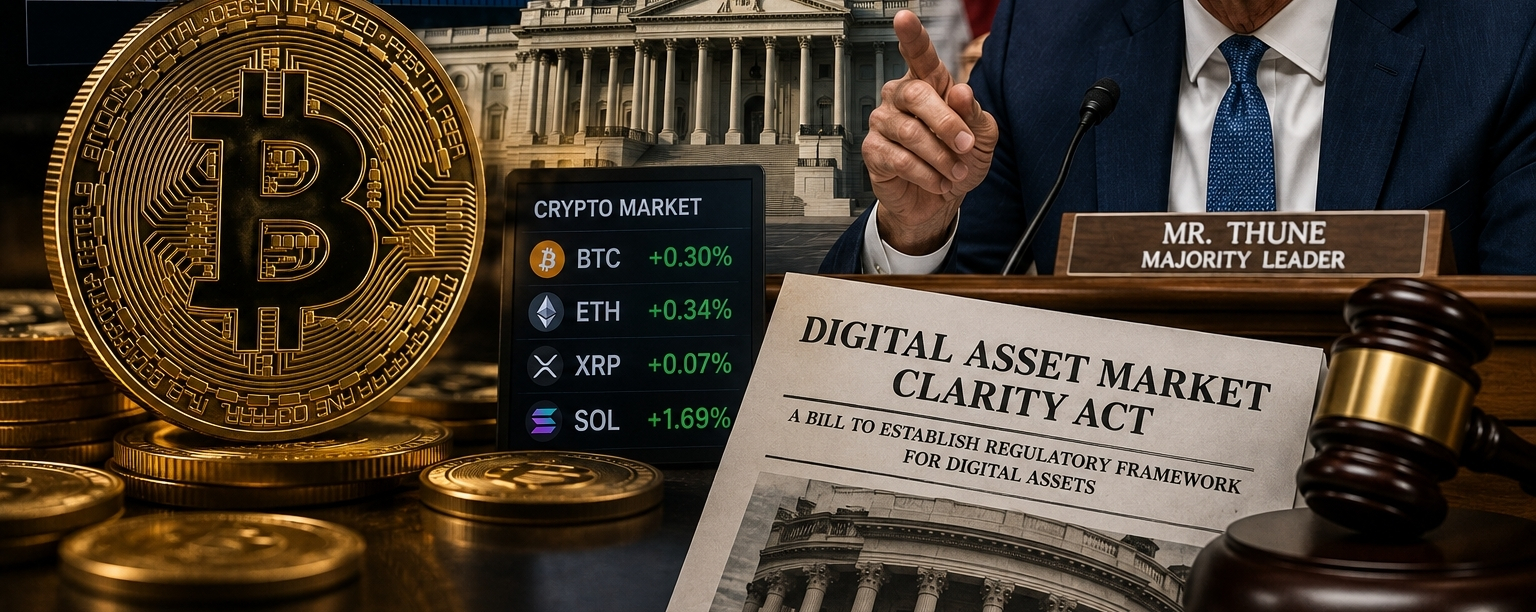
Bitcoin 65K’da: Konlarda (kitlar) to‘planmoqda, Klarity Act esa oldinga siljimoqdaBitcoin $65,000 atrofida yana qaytdi, ammo asosiy voqea narx ostida sodir bo‘layapti.
AQSh Senati raqamli aktivlar bozorining aniqligi to‘g‘risidagi qonun loyihasi uchun birinchi protsessual bosqichni rasmiy ravishda ochdi va sentabr uchun kriptoga oid eng muhim AQSh tartibga solish loyihalaridan birini hayotda saqlab qoldi.
Qonun loyihasi hali ham murakkab yo‘lga duch kelmoqda.
60 ta Senat ovozi kerak va qonunchilar hukumatning axloqiy qoidalari, stablecoin mukofotlari, noqonuniy moliyaviy faoliyatdan himoya hamda boshqa bandlar borasida hanuz bo‘lingan.
Ammo siyosiy jihatdan voqea o‘zgardi.
Bitcoin 65K’da: Konlarda (kitlar) to‘planmoqda, Klarity Act esa oldinga siljimoqda
Bitcoin $65,000 atrofida yana qaytdi, ammo asosiy voqea narx ostida sodir bo‘layapti.
AQSh Senati raqamli aktivlar bozorining aniqligi to‘g‘risidagi qonun loyihasi uchun birinchi protsessual bosqichni rasmiy ravishda ochdi va sentabr uchun kriptoga oid eng muhim AQSh tartibga solish loyihalaridan birini hayotda saqlab qoldi.
Qonun loyihasi hali ham murakkab yo‘lga duch kelmoqda.
60 ta Senat ovozi kerak va qonunchilar hukumatning axloqiy qoidalari, stablecoin mukofotlari, noqonuniy moliyaviy faoliyatdan himoya hamda boshqa bandlar borasida hanuz bo‘lingan.
Ammo siyosiy jihatdan voqea o‘zgardi.
AQSh Senati raqamli aktivlar bozorining aniqligi to‘g‘risidagi qonun loyihasi uchun birinchi protsessual bosqichni rasmiy ravishda ochdi va sentabr uchun kriptoga oid eng muhim AQSh tartibga solish loyihalaridan birini hayotda saqlab qoldi.
Qonun loyihasi hali ham murakkab yo‘lga duch kelmoqda.
60 ta Senat ovozi kerak va qonunchilar hukumatning axloqiy qoidalari, stablecoin mukofotlari, noqonuniy moliyaviy faoliyatdan himoya hamda boshqa bandlar borasida hanuz bo‘lingan.
Ammo siyosiy jihatdan voqea o‘zgardi.
93
·
--
$BTC BOZOR YANGILANISHI 📊
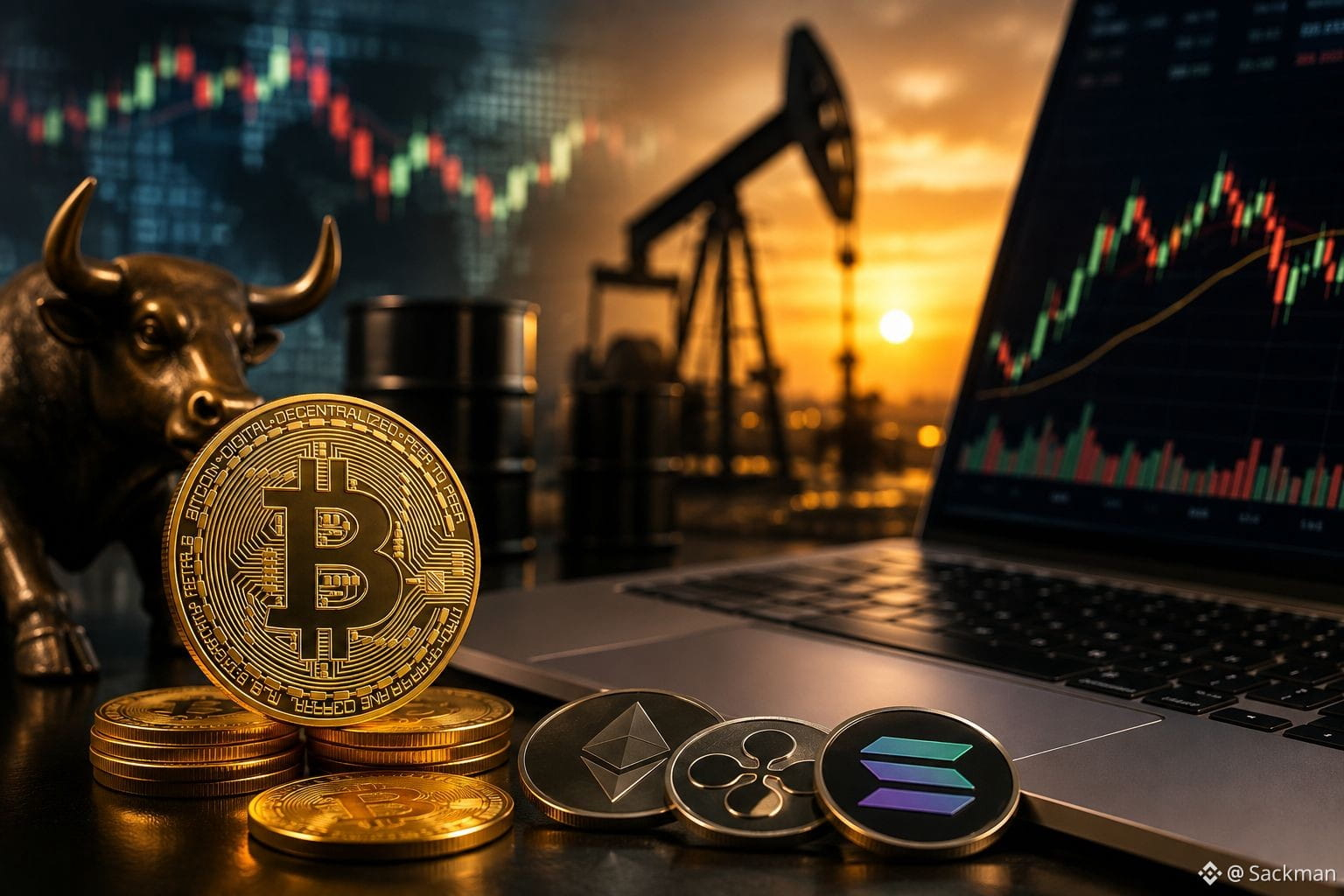
Bitcoin $64.3K atrofida ushlab turilmoqda, AQSh ish o‘rinlari hisoboti ortib borayotgan neft bosimi bilan mos kelmoqda
Bitcoin taxminan $64,300 atrofida bo‘lib, treyderlar eng so‘nggi AQSh ish o‘rinlari hisobotini kutmoqda — BTC nihoyat o‘zining joriy diapazonidan yuqoriga chiqadimi-yo‘qmi hal qilishi mumkin bo‘lgan muhim makro katalizator.
Katta manzara esa aralash.
🟡 $BTC: ~$64,284, 0.91% ga pasaygan
🔵 $ETH: ~$1,902, 0.63% ga pasaygan
⚫ $XRP: ~$1.03, 2.52% ga pasaygan
🟣 $SOL: ~$72.90, 1.37% ga pasaygan
🇺🇸 Ish o‘rinlari ma’lumoti markazda
Kutilganidan zaifroq AQSh ish o‘rinlari hisobotlari osonroq Federal rezerv siyosatiga oid kutishlarni kuchaytirishi mumkin va bu kripto kabi risk aktivlarini qo‘llab-quvvatlashi ehtimol.
Ammo kuchli ish o‘rinlari natijasi yuqoriroq va uzoqroq foiz stavkalari haqidagi dalilni mustahkamlashi mumkin.
Bundan tashqari yana bir bosim nuqtasi bor: neft.
Brent xom ashyosi “Gormuz bo‘g‘ozi” atrofidagi qayta kuchaygan keskinliklar sabab taxminan 1.4% ga ko‘tarilib, $83.61 ga yetdi. Neft narxlarining yuqorilashi inflyatsiya xavotirlarini oshirishi mumkin, bu esa moliyaviy sharoitlarni nisbatan qattiqroq saqlab, risk aktivlari uchun yuqoriga potensialni cheklashi mumkin.
🧠 Treyderlar nimani kuzatmoqda
Muhim reaksiya faqat sarlavhadagi ish o‘rinlari raqamiga bog‘liq bo‘lmasligi mumkin.
AQSh g‘aznachilik (Treasury) daromadlilari va dollarni kuzating.
Agar ish o‘rinlari ma’lumoti stavkalarga oid xavotirlarni yengillashtirib, daromadlilik pasaysa, $BTC yuqoriga surilish uchun joy topishi mumkin.
Agar bandlik kuchli bo‘lib qolsa-yu, neft narxi ko‘tarilaveradigan bo‘lsa, bozorlar buni Fed’ning cheklovchi pozitsiyasini saqlab qolishi uchun yana bir sabab sifatida talqin qilishi mumkin.
Bu orada, Bitcoin “kitlari” yaqinda taxminan $1.2 mlrd qiymatdagi 20,000 dan ortiq BTC to‘plagan, AQSh spot Bitcoin ETF’lari esa shu hafta taxminan $754.69 mln jalb qilgan.
Bu esa qiziqarli qarama-qarshilikni keltirib chiqaradi:
Katta ishtirokchilar to‘plamoqda, lekin BTC hali o‘z diapazonidan chiqib keta olmayapti.
Hozircha $BTC navbatdagi asosiy katalizatorni kutayotgan bozor bo‘lib qolmoqda.
Ma’lumotni kuzating. Daromadlilikni kuzating. Reaksiyani kuzating.
⚠️ Bu bozor ma’lumoti ta’limiy maqsadlar uchun, moliyaviy maslahat emas. DYOR.
#BinanceSquare #CryptoMarket #Bitcoin #BTC #ETH #XRP #sol #CryptoNews
$BTC BOZOR YANGILANISHI 📊
Bitcoin $64.3K atrofida ushlab turilmoqda, AQSh ish o‘rinlari hisoboti ortib borayotgan neft bosimi bilan mos kelmoqda
Bitcoin taxminan $64,300 atrofida bo‘lib, treyderlar eng so‘nggi AQSh ish o‘rinlari hisobotini kutmoqda — BTC nihoyat o‘zining joriy diapazonidan yuqoriga chiqadimi-yo‘qmi hal qilishi mumkin bo‘lgan muhim makro katalizator.
Katta manzara esa aralash.
🟡 $BTC: ~$64,284, 0.91% ga pasaygan
🔵 $ETH: ~$1,902, 0.63% ga pasaygan
⚫ $XRP: ~$1.03, 2.52% ga pasaygan
🟣 $SOL: ~$72.90, 1.37% ga pasaygan
🇺🇸 Ish o‘rinlari ma’lumoti markazda
Kutilganidan zaifroq AQSh ish o‘rinlari hisobotlari osonroq Federal rezerv siyosatiga oid kutishlarni kuchaytirishi mumkin va bu kripto kabi risk aktivlarini qo‘llab-quvvatlashi ehtimol.
Ammo kuchli ish o‘rinlari natijasi yuqoriroq va uzoqroq foiz stavkalari haqidagi dalilni mustahkamlashi mumkin.
Bundan tashqari yana bir bosim nuqtasi bor: neft.
Brent xom ashyosi “Gormuz bo‘g‘ozi” atrofidagi qayta kuchaygan keskinliklar sabab taxminan 1.4% ga ko‘tarilib, $83.61 ga yetdi. Neft narxlarining yuqorilashi inflyatsiya xavotirlarini oshirishi mumkin, bu esa moliyaviy sharoitlarni nisbatan qattiqroq saqlab, risk aktivlari uchun yuqoriga potensialni cheklashi mumkin.
🧠 Treyderlar nimani kuzatmoqda
Muhim reaksiya faqat sarlavhadagi ish o‘rinlari raqamiga bog‘liq bo‘lmasligi mumkin.
AQSh g‘aznachilik (Treasury) daromadlilari va dollarni kuzating.
Agar ish o‘rinlari ma’lumoti stavkalarga oid xavotirlarni yengillashtirib, daromadlilik pasaysa, $BTC yuqoriga surilish uchun joy topishi mumkin.
Agar bandlik kuchli bo‘lib qolsa-yu, neft narxi ko‘tarilaveradigan bo‘lsa, bozorlar buni Fed’ning cheklovchi pozitsiyasini saqlab qolishi uchun yana bir sabab sifatida talqin qilishi mumkin.
Bu orada, Bitcoin “kitlari” yaqinda taxminan $1.2 mlrd qiymatdagi 20,000 dan ortiq BTC to‘plagan, AQSh spot Bitcoin ETF’lari esa shu hafta taxminan $754.69 mln jalb qilgan.
Bu esa qiziqarli qarama-qarshilikni keltirib chiqaradi:
Katta ishtirokchilar to‘plamoqda, lekin BTC hali o‘z diapazonidan chiqib keta olmayapti.
Hozircha $BTC navbatdagi asosiy katalizatorni kutayotgan bozor bo‘lib qolmoqda.
Ma’lumotni kuzating. Daromadlilikni kuzating. Reaksiyani kuzating.
⚠️ Bu bozor ma’lumoti ta’limiy maqsadlar uchun, moliyaviy maslahat emas. DYOR.
#BinanceSquare #CryptoMarket #Bitcoin #BTC #ETH #XRP #sol #CryptoNews
Bitcoin $64.3K atrofida ushlab turilmoqda, AQSh ish o‘rinlari hisoboti ortib borayotgan neft bosimi bilan mos kelmoqda
Bitcoin taxminan $64,300 atrofida bo‘lib, treyderlar eng so‘nggi AQSh ish o‘rinlari hisobotini kutmoqda — BTC nihoyat o‘zining joriy diapazonidan yuqoriga chiqadimi-yo‘qmi hal qilishi mumkin bo‘lgan muhim makro katalizator.
Katta manzara esa aralash.
🟡 $BTC: ~$64,284, 0.91% ga pasaygan
🔵 $ETH: ~$1,902, 0.63% ga pasaygan
⚫ $XRP: ~$1.03, 2.52% ga pasaygan
🟣 $SOL: ~$72.90, 1.37% ga pasaygan
🇺🇸 Ish o‘rinlari ma’lumoti markazda
Kutilganidan zaifroq AQSh ish o‘rinlari hisobotlari osonroq Federal rezerv siyosatiga oid kutishlarni kuchaytirishi mumkin va bu kripto kabi risk aktivlarini qo‘llab-quvvatlashi ehtimol.
Ammo kuchli ish o‘rinlari natijasi yuqoriroq va uzoqroq foiz stavkalari haqidagi dalilni mustahkamlashi mumkin.
Bundan tashqari yana bir bosim nuqtasi bor: neft.
Brent xom ashyosi “Gormuz bo‘g‘ozi” atrofidagi qayta kuchaygan keskinliklar sabab taxminan 1.4% ga ko‘tarilib, $83.61 ga yetdi. Neft narxlarining yuqorilashi inflyatsiya xavotirlarini oshirishi mumkin, bu esa moliyaviy sharoitlarni nisbatan qattiqroq saqlab, risk aktivlari uchun yuqoriga potensialni cheklashi mumkin.
🧠 Treyderlar nimani kuzatmoqda
Muhim reaksiya faqat sarlavhadagi ish o‘rinlari raqamiga bog‘liq bo‘lmasligi mumkin.
AQSh g‘aznachilik (Treasury) daromadlilari va dollarni kuzating.
Agar ish o‘rinlari ma’lumoti stavkalarga oid xavotirlarni yengillashtirib, daromadlilik pasaysa, $BTC yuqoriga surilish uchun joy topishi mumkin.
Agar bandlik kuchli bo‘lib qolsa-yu, neft narxi ko‘tarilaveradigan bo‘lsa, bozorlar buni Fed’ning cheklovchi pozitsiyasini saqlab qolishi uchun yana bir sabab sifatida talqin qilishi mumkin.
Bu orada, Bitcoin “kitlari” yaqinda taxminan $1.2 mlrd qiymatdagi 20,000 dan ortiq BTC to‘plagan, AQSh spot Bitcoin ETF’lari esa shu hafta taxminan $754.69 mln jalb qilgan.
Bu esa qiziqarli qarama-qarshilikni keltirib chiqaradi:
Katta ishtirokchilar to‘plamoqda, lekin BTC hali o‘z diapazonidan chiqib keta olmayapti.
Hozircha $BTC navbatdagi asosiy katalizatorni kutayotgan bozor bo‘lib qolmoqda.
Ma’lumotni kuzating. Daromadlilikni kuzating. Reaksiyani kuzating.
⚠️ Bu bozor ma’lumoti ta’limiy maqsadlar uchun, moliyaviy maslahat emas. DYOR.
#BinanceSquare #CryptoMarket #Bitcoin #BTC #ETH #XRP #sol #CryptoNews
93
·
--
$BTC | 🐋 Bitcoin Kitlari $1,2 mlrd yig‘moqda, ETF’lar $750Mga oqimni jalb qilayotgani sabab
Bitcoin’ning bozor tuzilmasi qiziq tafovutni ko‘rsatmoqda: yirik egalar jamg‘armoqda, kichikroq egalar esa ehtiyotkor qolmoqda.
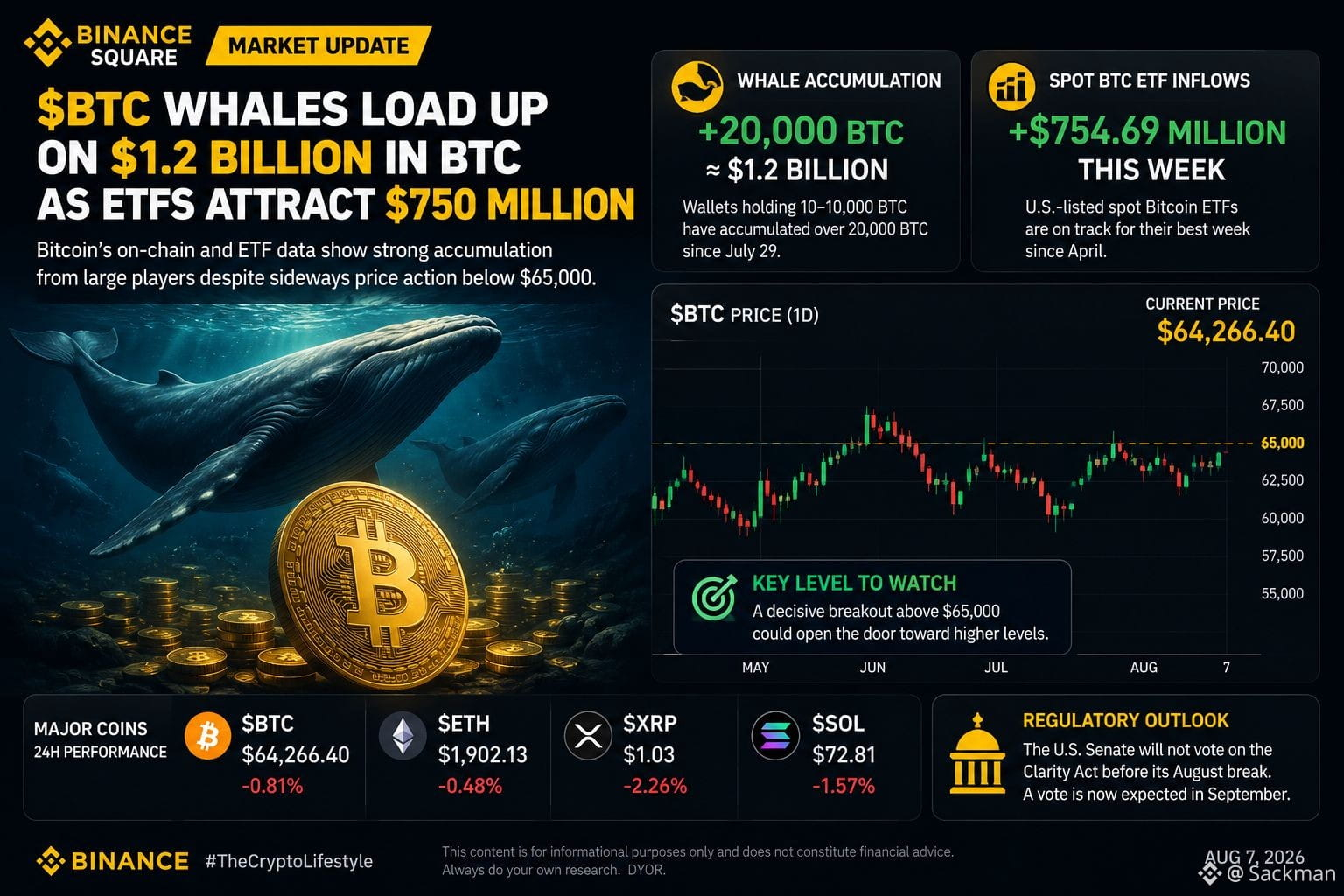
CoinDesk keltirgan ma’lumotlarga ko‘ra, 10 dan 10 000 BTC gacha bo‘lgan balansdagi hamyonlar 29-iyuldan beri 20 000 tadan ortiq BTC to‘plagan — bu taxminan $1,2 mlrdga teng — biroq Bitcoin $65 000 dan pastda asosan “qamalib” qolgan.
Shu bilan birga, AQShda ro‘yxatdan o‘tgan spot Bitcoin ETF’lar bu hafta taxminan $754,69 mln miqdorida sof oqim qayd etdi va ularni apreldan beri eng kuchli haftaga intilmoqda.
📊 Bozor bizga nimani aytayapti
🐋 Kitlar: +20 000 BTC to‘plangan
🏦 Spot BTC ETF’lar: +$754,69M bu hafta
📍 BTC: Taxminan $64 266
🎯 Muhim daraja: $65 000
📈 Potensial yuqoriga harakat: $65K ustida barqaror ushlanib qolish yuqoriroq darajalar tomon bullish pozitsiyani kuchaytirishi mumkin.
Qiziq tomoni shundaki, jamg‘arish bo‘lishiga qaramay, BTC hali katta ko‘tarilish (rally)ni chiqargani yo‘q.
Bu katta ishtirokchilar narqni shoshilinch quvib quvlamasdan, bosqichma-bosqich pozitsiya yig‘ayotgani degani bo‘lishi mumkin.
Ayni paytda, AQShning kechikkan Clarity Act qonuni kengroq kripto bozor uchun hali ham salbiy shamol bo‘lishi mumkin: senat bu qonunni sentabrda qayta ko‘rib chiqishi kutilmoqda.
🔎 Bozordan yakuniy xulosa
Hozirgi holat — jamg‘arish va tasdiq o‘rtasidagi kurash.
Kitlar xarid qilmoqda.
ETF kapitali qaytmoqda.
Lekin $BTC hali muhim qarshilikni qayta egallashi kerak.
$65 000 diqqat bilan kuzatiladigan darajaga aylanmoqda.
Hal qiluvchi “breakout” bozor kayfiyatini tezda o‘zgartirishi mumkin, ammo buning o‘zi bo‘lmaguncha faqat jamg‘arish rallyga kafolat bermaydi.
Ma’lumotlar faqat ta’lim maqsadlari uchun. Moliyaviy maslahat emas.
#BTC #ETH #XRP #SOL #Bitcoin #Solana #CryptoMarket #MarketUpdate #BinanceSquare #CryptoNews
$BTC | 🐋 Bitcoin Kitlari $1,2 mlrd yig‘moqda, ETF’lar $750Mga oqimni jalb qilayotgani sabab
Bitcoin’ning bozor tuzilmasi qiziq tafovutni ko‘rsatmoqda: yirik egalar jamg‘armoqda, kichikroq egalar esa ehtiyotkor qolmoqda.
CoinDesk keltirgan ma’lumotlarga ko‘ra, 10 dan 10 000 BTC gacha bo‘lgan balansdagi hamyonlar 29-iyuldan beri 20 000 tadan ortiq BTC to‘plagan — bu taxminan $1,2 mlrdga teng — biroq Bitcoin $65 000 dan pastda asosan “qamalib” qolgan.
Shu bilan birga, AQShda ro‘yxatdan o‘tgan spot Bitcoin ETF’lar bu hafta taxminan $754,69 mln miqdorida sof oqim qayd etdi va ularni apreldan beri eng kuchli haftaga intilmoqda.
📊 Bozor bizga nimani aytayapti
🐋 Kitlar: +20 000 BTC to‘plangan
🏦 Spot BTC ETF’lar: +$754,69M bu hafta
📍 BTC: Taxminan $64 266
🎯 Muhim daraja: $65 000
📈 Potensial yuqoriga harakat: $65K ustida barqaror ushlanib qolish yuqoriroq darajalar tomon bullish pozitsiyani kuchaytirishi mumkin.
Qiziq tomoni shundaki, jamg‘arish bo‘lishiga qaramay, BTC hali katta ko‘tarilish (rally)ni chiqargani yo‘q.
Bu katta ishtirokchilar narqni shoshilinch quvib quvlamasdan, bosqichma-bosqich pozitsiya yig‘ayotgani degani bo‘lishi mumkin.
Ayni paytda, AQShning kechikkan Clarity Act qonuni kengroq kripto bozor uchun hali ham salbiy shamol bo‘lishi mumkin: senat bu qonunni sentabrda qayta ko‘rib chiqishi kutilmoqda.
🔎 Bozordan yakuniy xulosa
Hozirgi holat — jamg‘arish va tasdiq o‘rtasidagi kurash.
Kitlar xarid qilmoqda.
ETF kapitali qaytmoqda.
Lekin $BTC hali muhim qarshilikni qayta egallashi kerak.
$65 000 diqqat bilan kuzatiladigan darajaga aylanmoqda.
Hal qiluvchi “breakout” bozor kayfiyatini tezda o‘zgartirishi mumkin, ammo buning o‘zi bo‘lmaguncha faqat jamg‘arish rallyga kafolat bermaydi.
Ma’lumotlar faqat ta’lim maqsadlari uchun. Moliyaviy maslahat emas.
#BTC #ETH #XRP #SOL #Bitcoin #Solana #CryptoMarket #MarketUpdate #BinanceSquare #CryptoNews
Bitcoin’ning bozor tuzilmasi qiziq tafovutni ko‘rsatmoqda: yirik egalar jamg‘armoqda, kichikroq egalar esa ehtiyotkor qolmoqda.
CoinDesk keltirgan ma’lumotlarga ko‘ra, 10 dan 10 000 BTC gacha bo‘lgan balansdagi hamyonlar 29-iyuldan beri 20 000 tadan ortiq BTC to‘plagan — bu taxminan $1,2 mlrdga teng — biroq Bitcoin $65 000 dan pastda asosan “qamalib” qolgan.
Shu bilan birga, AQShda ro‘yxatdan o‘tgan spot Bitcoin ETF’lar bu hafta taxminan $754,69 mln miqdorida sof oqim qayd etdi va ularni apreldan beri eng kuchli haftaga intilmoqda.
📊 Bozor bizga nimani aytayapti
🐋 Kitlar: +20 000 BTC to‘plangan
🏦 Spot BTC ETF’lar: +$754,69M bu hafta
📍 BTC: Taxminan $64 266
🎯 Muhim daraja: $65 000
📈 Potensial yuqoriga harakat: $65K ustida barqaror ushlanib qolish yuqoriroq darajalar tomon bullish pozitsiyani kuchaytirishi mumkin.
Qiziq tomoni shundaki, jamg‘arish bo‘lishiga qaramay, BTC hali katta ko‘tarilish (rally)ni chiqargani yo‘q.
Bu katta ishtirokchilar narqni shoshilinch quvib quvlamasdan, bosqichma-bosqich pozitsiya yig‘ayotgani degani bo‘lishi mumkin.
Ayni paytda, AQShning kechikkan Clarity Act qonuni kengroq kripto bozor uchun hali ham salbiy shamol bo‘lishi mumkin: senat bu qonunni sentabrda qayta ko‘rib chiqishi kutilmoqda.
🔎 Bozordan yakuniy xulosa
Hozirgi holat — jamg‘arish va tasdiq o‘rtasidagi kurash.
Kitlar xarid qilmoqda.
ETF kapitali qaytmoqda.
Lekin $BTC hali muhim qarshilikni qayta egallashi kerak.
$65 000 diqqat bilan kuzatiladigan darajaga aylanmoqda.
Hal qiluvchi “breakout” bozor kayfiyatini tezda o‘zgartirishi mumkin, ammo buning o‘zi bo‘lmaguncha faqat jamg‘arish rallyga kafolat bermaydi.
Ma’lumotlar faqat ta’lim maqsadlari uchun. Moliyaviy maslahat emas.
#BTC #ETH #XRP #SOL #Bitcoin #Solana #CryptoMarket #MarketUpdate #BinanceSquare #CryptoNews
72
·
--
Bozor yangilanishi: AQSh Senati Crypto Clarity Act bo‘yicha ovoz berishni sentyabrga kechiktirdi
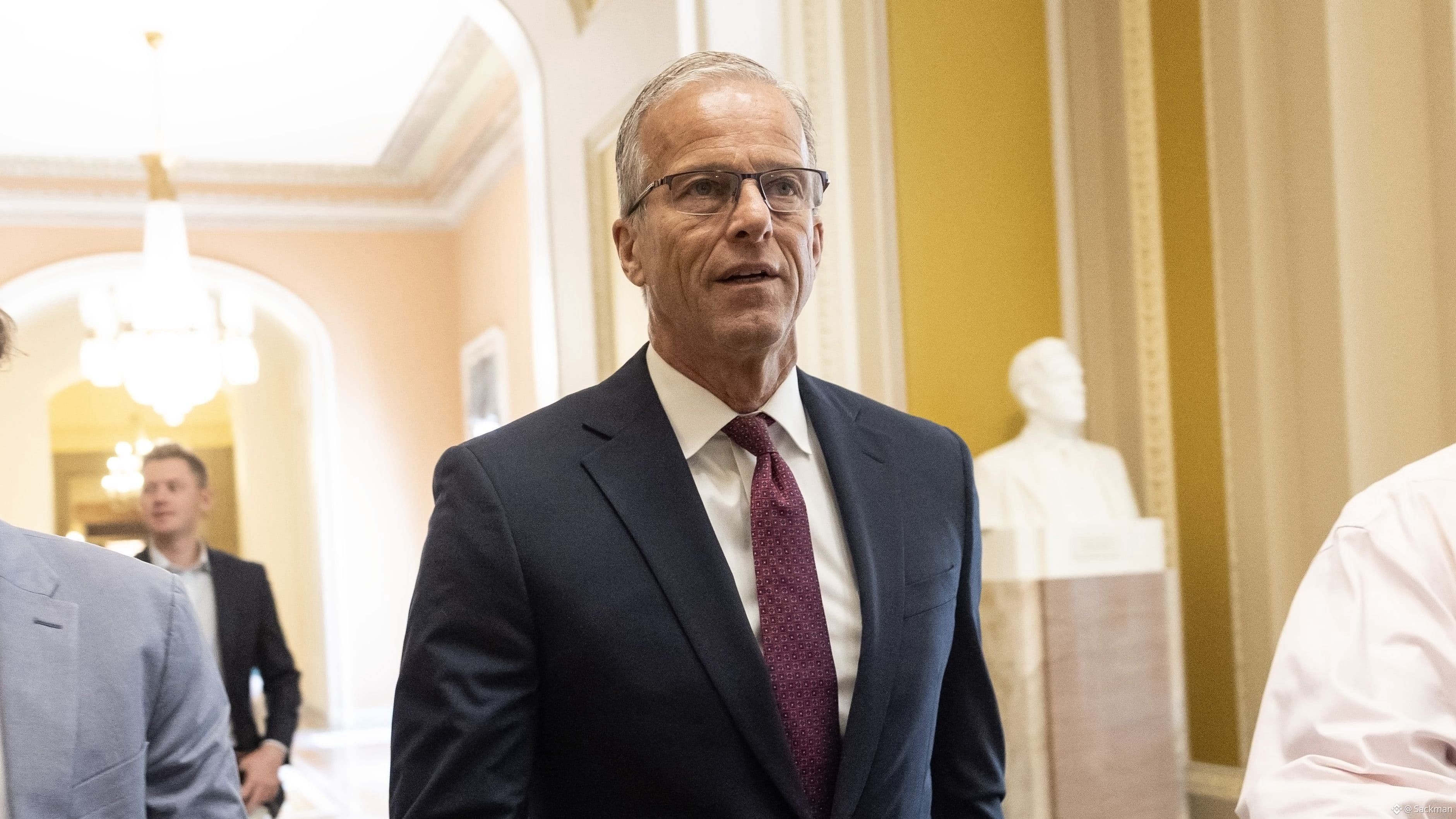
AQSh Senati avgust oyida Crypto Clarity Act bo‘yicha ovoz bermaydi va shu tariqa uzoq kutilgan kripto bozor tuzilmasi haqidagi qonun loyihasi sentyabrga surildi.
Senatning 2026-yil 14-sentabrda Vashingtonga qaytishi rejalashtirilgan bo‘lib, qonunchilar qolgan muammolarni hal qilish va ehtimol loyihani ilgari surish uchun taxminan uch haftaga ega bo‘lishi kutilmoqda.
Bu kripto uchun nima uchun muhim
Clarity Act AQShda raqamli aktivlar uchun, jumladan tartibga solish majburiyatlari va kripto bozorlariga munosabat bo‘yicha aniqroq qoidalarni belgilash uchun ishlab chiqilgan.
Bu kechikish raqamli aktivlar sanoati uchun noaniqlikning yana bir qatlamini qo‘shadi. Bir nechta kelishmovchiliklar hanuz mavjud, jumladan stablecoin mukofotlariga oid qoidalar, huquqni muhofaza qilish bilan bog‘liq xavotirlar, Qishloq xo‘jaligi qo‘mitasi bandlari va axloqiy talablar.
Kengroq bozor uchun esa tartibga solishdagi aniqlik institutsional ishtirok va kripto bizneslar qayerda faoliyat yuritishni tanlashida muhim omil bo‘lib qolmoqda.
📊 Bozor kuzatuvi
Kechikish asosiy kriptovalyutalar bosim ostida qolayotgan bir paytga to‘g‘ri keldi:
$BTC — taxminan $64K
$ETH — taxminan $1.9K
$XRP — taxminan $1.02
$SOL — taxminan $72.6
So‘nggi bozor hisobotlari $XRP ni yirik aktivlar orasida zaifroq ko‘rsatmoqda, $BTC esa hali ham $64K atrofida savdo qilinmoqda.
🔎 Treyderlar nimalarga e’tibor berishi kerak
Sentyabr AQShda kripto tartibga solinishi uchun muhim oyga aylanishi mumkin. Asosiy savol shunchaki Senat ovoz beradimi-yo‘qmi emas, balki qonunchilar qolgan siyosiy kelishmovchiliklarni hal qilib, qonun loyihasini ilgari surish uchun kerakli 60 ta ovozni ta’minlay oladimi-yo‘qmi degan masaladir.
Hozircha bozor tartibga solishdagi noaniqlikni narxlashda davom etishi mumkin.
Kripto bozori shunchaki narx grafiklarini kuzatayotgani yo‘q — u Vashingtonni ham kuzatyapti.
Bozor yangilanishi faqat ma’lumot uchun. Moliyaviy maslahat emas.
#bitcoin #Ethereum #XRP #solana #ClarityAct #CryptoRegulationBattle #MarketUpdate #BinanceSquare #CryptoNews
Bozor yangilanishi: AQSh Senati Crypto Clarity Act bo‘yicha ovoz berishni sentyabrga kechiktirdi
AQSh Senati avgust oyida Crypto Clarity Act bo‘yicha ovoz bermaydi va shu tariqa uzoq kutilgan kripto bozor tuzilmasi haqidagi qonun loyihasi sentyabrga surildi.
Senatning 2026-yil 14-sentabrda Vashingtonga qaytishi rejalashtirilgan bo‘lib, qonunchilar qolgan muammolarni hal qilish va ehtimol loyihani ilgari surish uchun taxminan uch haftaga ega bo‘lishi kutilmoqda.
Bu kripto uchun nima uchun muhim
Clarity Act AQShda raqamli aktivlar uchun, jumladan tartibga solish majburiyatlari va kripto bozorlariga munosabat bo‘yicha aniqroq qoidalarni belgilash uchun ishlab chiqilgan.
Bu kechikish raqamli aktivlar sanoati uchun noaniqlikning yana bir qatlamini qo‘shadi. Bir nechta kelishmovchiliklar hanuz mavjud, jumladan stablecoin mukofotlariga oid qoidalar, huquqni muhofaza qilish bilan bog‘liq xavotirlar, Qishloq xo‘jaligi qo‘mitasi bandlari va axloqiy talablar.
Kengroq bozor uchun esa tartibga solishdagi aniqlik institutsional ishtirok va kripto bizneslar qayerda faoliyat yuritishni tanlashida muhim omil bo‘lib qolmoqda.
📊 Bozor kuzatuvi
Kechikish asosiy kriptovalyutalar bosim ostida qolayotgan bir paytga to‘g‘ri keldi:
$BTC — taxminan $64K
$ETH — taxminan $1.9K
$XRP — taxminan $1.02
$SOL — taxminan $72.6
So‘nggi bozor hisobotlari $XRP ni yirik aktivlar orasida zaifroq ko‘rsatmoqda, $BTC esa hali ham $64K atrofida savdo qilinmoqda.
🔎 Treyderlar nimalarga e’tibor berishi kerak
Sentyabr AQShda kripto tartibga solinishi uchun muhim oyga aylanishi mumkin. Asosiy savol shunchaki Senat ovoz beradimi-yo‘qmi emas, balki qonunchilar qolgan siyosiy kelishmovchiliklarni hal qilib, qonun loyihasini ilgari surish uchun kerakli 60 ta ovozni ta’minlay oladimi-yo‘qmi degan masaladir.
Hozircha bozor tartibga solishdagi noaniqlikni narxlashda davom etishi mumkin.
Kripto bozori shunchaki narx grafiklarini kuzatayotgani yo‘q — u Vashingtonni ham kuzatyapti.
Bozor yangilanishi faqat ma’lumot uchun. Moliyaviy maslahat emas.
#bitcoin #Ethereum #XRP #solana #ClarityAct #CryptoRegulationBattle #MarketUpdate #BinanceSquare #CryptoNews
AQSh Senati avgust oyida Crypto Clarity Act bo‘yicha ovoz bermaydi va shu tariqa uzoq kutilgan kripto bozor tuzilmasi haqidagi qonun loyihasi sentyabrga surildi.
Senatning 2026-yil 14-sentabrda Vashingtonga qaytishi rejalashtirilgan bo‘lib, qonunchilar qolgan muammolarni hal qilish va ehtimol loyihani ilgari surish uchun taxminan uch haftaga ega bo‘lishi kutilmoqda.
Bu kripto uchun nima uchun muhim
Clarity Act AQShda raqamli aktivlar uchun, jumladan tartibga solish majburiyatlari va kripto bozorlariga munosabat bo‘yicha aniqroq qoidalarni belgilash uchun ishlab chiqilgan.
Bu kechikish raqamli aktivlar sanoati uchun noaniqlikning yana bir qatlamini qo‘shadi. Bir nechta kelishmovchiliklar hanuz mavjud, jumladan stablecoin mukofotlariga oid qoidalar, huquqni muhofaza qilish bilan bog‘liq xavotirlar, Qishloq xo‘jaligi qo‘mitasi bandlari va axloqiy talablar.
Kengroq bozor uchun esa tartibga solishdagi aniqlik institutsional ishtirok va kripto bizneslar qayerda faoliyat yuritishni tanlashida muhim omil bo‘lib qolmoqda.
📊 Bozor kuzatuvi
Kechikish asosiy kriptovalyutalar bosim ostida qolayotgan bir paytga to‘g‘ri keldi:
$BTC — taxminan $64K
$ETH — taxminan $1.9K
$XRP — taxminan $1.02
$SOL — taxminan $72.6
So‘nggi bozor hisobotlari $XRP ni yirik aktivlar orasida zaifroq ko‘rsatmoqda, $BTC esa hali ham $64K atrofida savdo qilinmoqda.
🔎 Treyderlar nimalarga e’tibor berishi kerak
Sentyabr AQShda kripto tartibga solinishi uchun muhim oyga aylanishi mumkin. Asosiy savol shunchaki Senat ovoz beradimi-yo‘qmi emas, balki qonunchilar qolgan siyosiy kelishmovchiliklarni hal qilib, qonun loyihasini ilgari surish uchun kerakli 60 ta ovozni ta’minlay oladimi-yo‘qmi degan masaladir.
Hozircha bozor tartibga solishdagi noaniqlikni narxlashda davom etishi mumkin.
Kripto bozori shunchaki narx grafiklarini kuzatayotgani yo‘q — u Vashingtonni ham kuzatyapti.
Bozor yangilanishi faqat ma’lumot uchun. Moliyaviy maslahat emas.
#bitcoin #Ethereum #XRP #solana #ClarityAct #CryptoRegulationBattle #MarketUpdate #BinanceSquare #CryptoNews
55
·
--
$BTC | BITCOIN BOZOR YANGILANISHI 📊
$76,000 NISHON? Bitcoin’ning “Zerikarli” narx harakati ortida ehtimoliy buqalar uchun tayyorgarlik shakllanmoqda
Bitcoin hozirda $64,198 atrofida savdolanmoqda, qariyb 1% ga pasaygan, ammo sokin narx harakati ostida potensial buqalar uchun texnik tuzilma rivojlanayotgan bo‘lishi mumkin.
📈 Joylashuv:
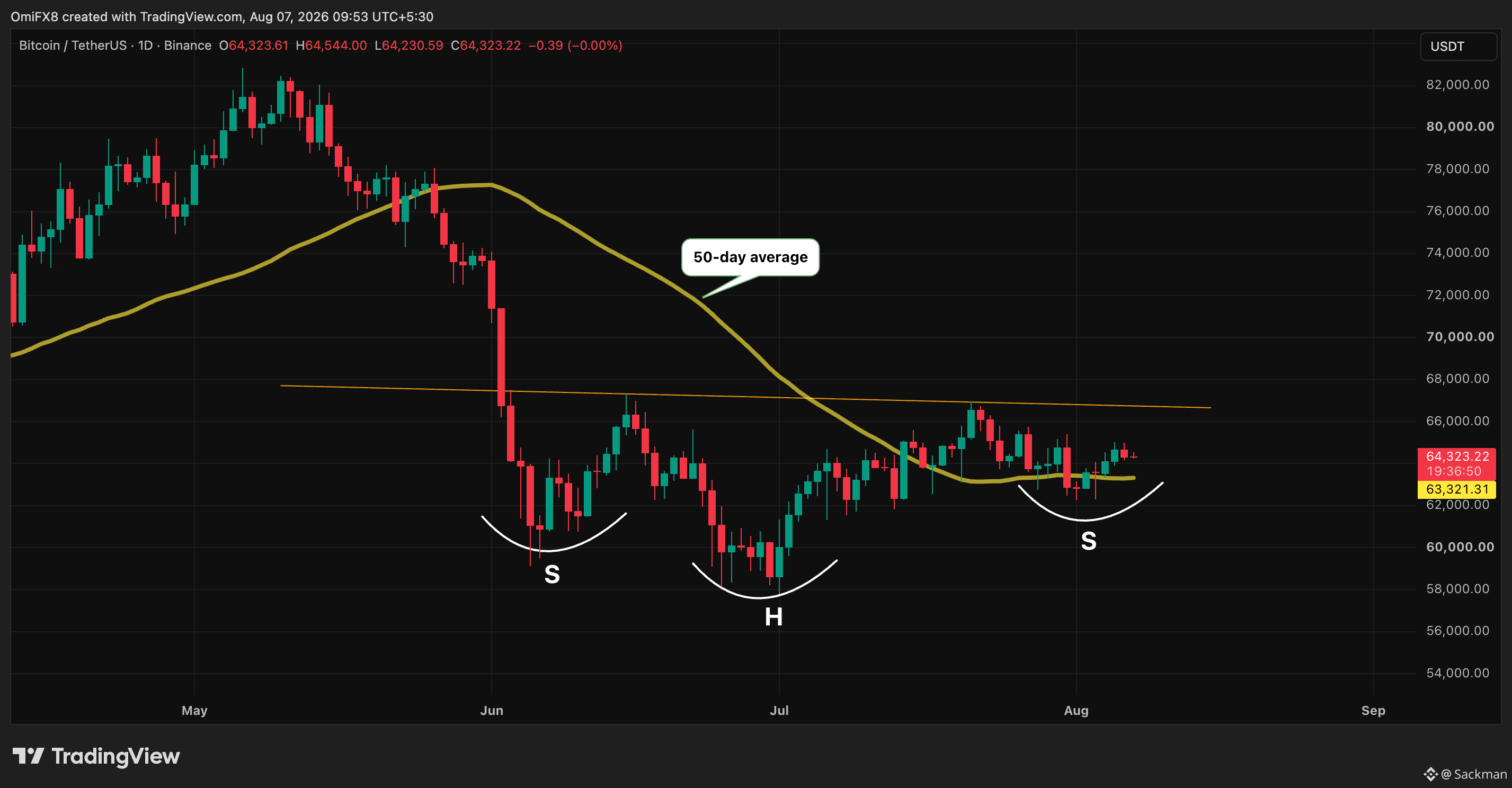
Analitiklar kundalik grafikda mumkin bo‘lgan teskari “Bosh va Yelka” (inverse Head & Shoulders) naqshini kuzatmoqda.
• Chap yelka: ~$60,000
• Bosh: ~$57,700
• O‘ng yelka: ~$62,500
• “Bo‘yin” (neckline): ~$66,800
• Potensial o‘lchangan nishon: ~$76,000
🔥 Muhim daraja: $66,800.
Bo‘yin chizig‘idan qat’iy yuqoriga chiqish va ushlab turish buqalar uchun naqshni tasdiqlashi hamda $76K atrofidagi yo‘nalishga yo‘l ochishi mumkin.
⚠️ Ammo tasdiq muhim.
Agar $BTC 63,321 atrofida joylashgan 50 kunlik SMA’ni yo‘qotsa, buqalar uchun tayyorgarlik zaiflashishi va bozor tuzilmani qayta baholashi kerak bo‘lishi mumkin.
Shuningdek, makro/regulyator bosimi ham bor: “Clarity Act” (Aniqlik to‘g‘risidagi qonun) atrofidagi noaniqlik kripto bozorlarida kutilgan bitta potensial katalizatorni kamaytirdi.
Xulosa:
Hozir Bitcoin zerikarli ko‘rinishi mumkin, lekin ba’zan eng katta harakatlar bozor jim bo‘lib turgan paytda boshlanadi.
$BTC | 63.3K tayanchni kuzatish → 66.8K dan breakout → 76K potensial nishon.
Moliya bo‘yicha maslahat emas. Narx darajalarini kuzating, shov-shuvni emas.
#bitcoin #BTC #crypto #CryptoNews #BinanceSquare
$BTC | BITCOIN BOZOR YANGILANISHI 📊
$76,000 NISHON? Bitcoin’ning “Zerikarli” narx harakati ortida ehtimoliy buqalar uchun tayyorgarlik shakllanmoqda
Bitcoin hozirda $64,198 atrofida savdolanmoqda, qariyb 1% ga pasaygan, ammo sokin narx harakati ostida potensial buqalar uchun texnik tuzilma rivojlanayotgan bo‘lishi mumkin.
📈 Joylashuv:
Analitiklar kundalik grafikda mumkin bo‘lgan teskari “Bosh va Yelka” (inverse Head & Shoulders) naqshini kuzatmoqda.
• Chap yelka: ~$60,000
• Bosh: ~$57,700
• O‘ng yelka: ~$62,500
• “Bo‘yin” (neckline): ~$66,800
• Potensial o‘lchangan nishon: ~$76,000
🔥 Muhim daraja: $66,800.
Bo‘yin chizig‘idan qat’iy yuqoriga chiqish va ushlab turish buqalar uchun naqshni tasdiqlashi hamda $76K atrofidagi yo‘nalishga yo‘l ochishi mumkin.
⚠️ Ammo tasdiq muhim.
Agar $BTC 63,321 atrofida joylashgan 50 kunlik SMA’ni yo‘qotsa, buqalar uchun tayyorgarlik zaiflashishi va bozor tuzilmani qayta baholashi kerak bo‘lishi mumkin.
Shuningdek, makro/regulyator bosimi ham bor: “Clarity Act” (Aniqlik to‘g‘risidagi qonun) atrofidagi noaniqlik kripto bozorlarida kutilgan bitta potensial katalizatorni kamaytirdi.
Xulosa:
Hozir Bitcoin zerikarli ko‘rinishi mumkin, lekin ba’zan eng katta harakatlar bozor jim bo‘lib turgan paytda boshlanadi.
$BTC | 63.3K tayanchni kuzatish → 66.8K dan breakout → 76K potensial nishon.
Moliya bo‘yicha maslahat emas. Narx darajalarini kuzating, shov-shuvni emas.
#bitcoin #BTC #crypto #CryptoNews #BinanceSquare
$76,000 NISHON? Bitcoin’ning “Zerikarli” narx harakati ortida ehtimoliy buqalar uchun tayyorgarlik shakllanmoqda
Bitcoin hozirda $64,198 atrofida savdolanmoqda, qariyb 1% ga pasaygan, ammo sokin narx harakati ostida potensial buqalar uchun texnik tuzilma rivojlanayotgan bo‘lishi mumkin.
📈 Joylashuv:
Analitiklar kundalik grafikda mumkin bo‘lgan teskari “Bosh va Yelka” (inverse Head & Shoulders) naqshini kuzatmoqda.
• Chap yelka: ~$60,000
• Bosh: ~$57,700
• O‘ng yelka: ~$62,500
• “Bo‘yin” (neckline): ~$66,800
• Potensial o‘lchangan nishon: ~$76,000
🔥 Muhim daraja: $66,800.
Bo‘yin chizig‘idan qat’iy yuqoriga chiqish va ushlab turish buqalar uchun naqshni tasdiqlashi hamda $76K atrofidagi yo‘nalishga yo‘l ochishi mumkin.
⚠️ Ammo tasdiq muhim.
Agar $BTC 63,321 atrofida joylashgan 50 kunlik SMA’ni yo‘qotsa, buqalar uchun tayyorgarlik zaiflashishi va bozor tuzilmani qayta baholashi kerak bo‘lishi mumkin.
Shuningdek, makro/regulyator bosimi ham bor: “Clarity Act” (Aniqlik to‘g‘risidagi qonun) atrofidagi noaniqlik kripto bozorlarida kutilgan bitta potensial katalizatorni kamaytirdi.
Xulosa:
Hozir Bitcoin zerikarli ko‘rinishi mumkin, lekin ba’zan eng katta harakatlar bozor jim bo‘lib turgan paytda boshlanadi.
$BTC | 63.3K tayanchni kuzatish → 66.8K dan breakout → 76K potensial nishon.
Moliya bo‘yicha maslahat emas. Narx darajalarini kuzating, shov-shuvni emas.
#bitcoin #BTC #crypto #CryptoNews #BinanceSquare
80
·
--
Bozor yangiliklari: 15 YOSHLI BITCOIN HAMYONI 3,2 MLP$GA KO‘CHDI, AMMO U SOTILDIMI?
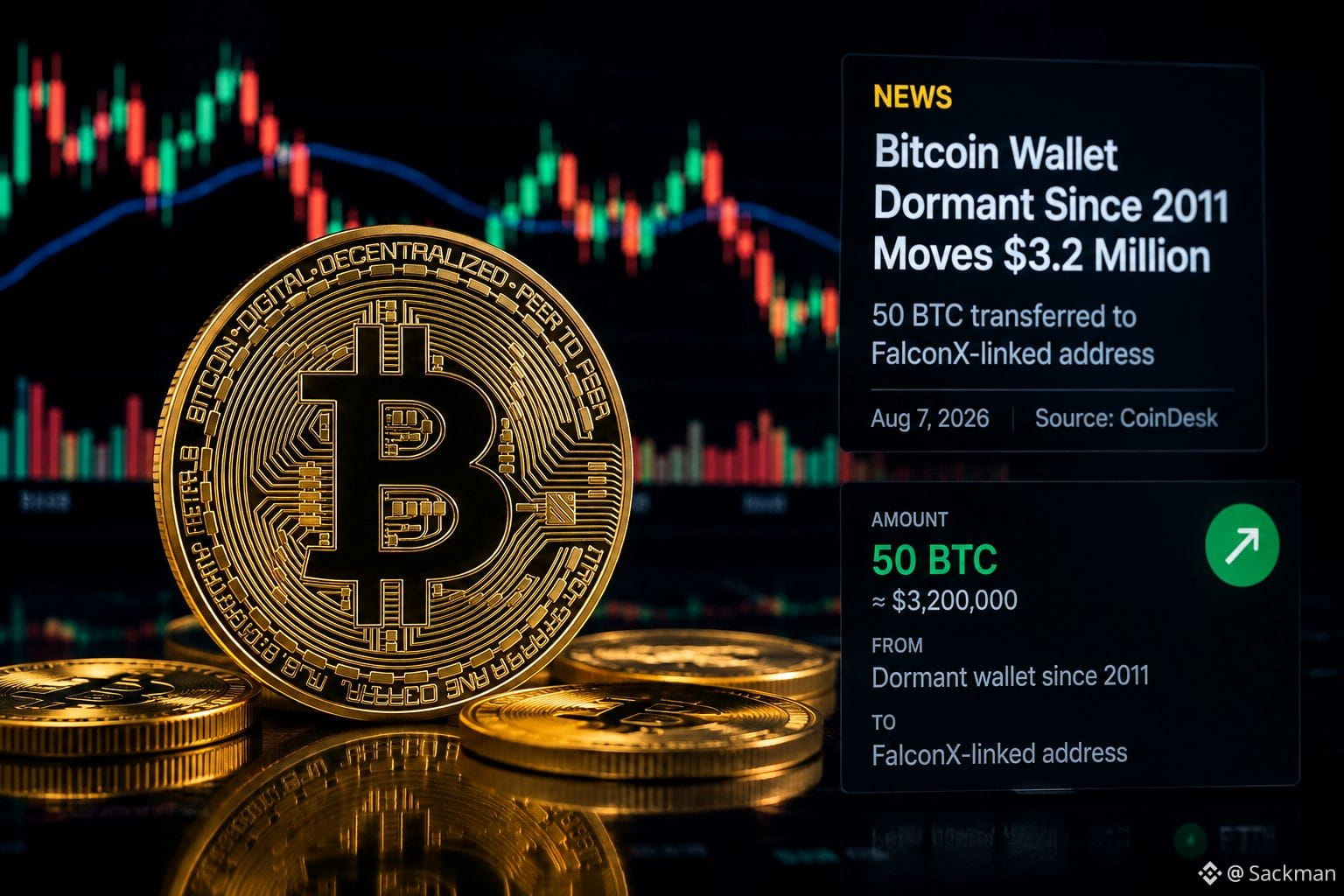
2011-yildan beri uxlab yotgan bitcoin hamyon kutilmaganda deyarli 50 BTCni ko‘chirdi, hozirgi qiymati taxminan 3,2 million dollar.
🧠 Nima bo‘ldi? • Hamyon 2011-yil iyulida 49,97 BTC oldi, o‘sha paytda BTC taxminan 10$ edi • 6-avgust kuni deyarli 50 BTC boshqa SegWit manziliga o‘tkazildi • O‘sha manzilga Arkham FalconX depozitlari sifatida belgilangan manzillarga BTC yuborilgani oldinroq aniqlangan • 50 BTC yakshanbaga o‘tar kechasi manzilda hali ham turibdi
⚠️ Muhim: hali bu BTC sotilgani yoki bevosita birjada ko‘chirilgani haqida dalil yo‘q.
📚 Treyderlar nimani o‘rganishi mumkin
Uxlab yotgan-hamyonga o‘tish — blokcheynda faollik bo‘lib, avtomatik ravishda sotish signali emas.
O‘tkazish quyidagilarni anglatishi mumkin: 🔹 Hamyonni qayta tuzish
🔹 Vasiylik (kustodiya)ni o‘zgartirish
🔹 Xavfsizlik choralarini kuchaytirish
🔹 Kelajakdagi savdo uchun tayyorgarlik
🔹 Yoki, ehtimol, savdo maydonchasiga yaqinlashish
Vaqti ham qiziq. So‘nggi paytlarda Bitcoin hamyon xavfsizligiga oid xavotirlar uzoq muddatli egalarga eski saqlash sozlamalarini ko‘rib chiqishga turtki berdi.
📊 Hozirgi bozor holati: BTC ~$64,2K | ETH ~$1,90K | XRP ~$1,02 | SOL ~$72,7K
🎯 Treyder xulosasi:
Fqat sarlavhaga qarab savdo qilmang. Manzil hamyoni, keyingi harakatlar, birja depozitlari va real sotish faolligini kuzatib, eski “kit” tushirishga tayyorlanayaptimi degan xulosaga kelish kerak.
Blokcheynda harakat signal yaratadi. Keyingi tranzaksiyalar voqeani ochib beradi.
#BinanceSquare #Bitcoin❗ #BTC、 #Cryptonewsdaily #OnChainAnalysis
Bozor yangiliklari: 15 YOSHLI BITCOIN HAMYONI 3,2 MLP$GA KO‘CHDI, AMMO U SOTILDIMI?
2011-yildan beri uxlab yotgan bitcoin hamyon kutilmaganda deyarli 50 BTCni ko‘chirdi, hozirgi qiymati taxminan 3,2 million dollar.
🧠 Nima bo‘ldi? • Hamyon 2011-yil iyulida 49,97 BTC oldi, o‘sha paytda BTC taxminan 10$ edi • 6-avgust kuni deyarli 50 BTC boshqa SegWit manziliga o‘tkazildi • O‘sha manzilga Arkham FalconX depozitlari sifatida belgilangan manzillarga BTC yuborilgani oldinroq aniqlangan • 50 BTC yakshanbaga o‘tar kechasi manzilda hali ham turibdi
⚠️ Muhim: hali bu BTC sotilgani yoki bevosita birjada ko‘chirilgani haqida dalil yo‘q.
📚 Treyderlar nimani o‘rganishi mumkin
Uxlab yotgan-hamyonga o‘tish — blokcheynda faollik bo‘lib, avtomatik ravishda sotish signali emas.
O‘tkazish quyidagilarni anglatishi mumkin: 🔹 Hamyonni qayta tuzish
🔹 Vasiylik (kustodiya)ni o‘zgartirish
🔹 Xavfsizlik choralarini kuchaytirish
🔹 Kelajakdagi savdo uchun tayyorgarlik
🔹 Yoki, ehtimol, savdo maydonchasiga yaqinlashish
Vaqti ham qiziq. So‘nggi paytlarda Bitcoin hamyon xavfsizligiga oid xavotirlar uzoq muddatli egalarga eski saqlash sozlamalarini ko‘rib chiqishga turtki berdi.
📊 Hozirgi bozor holati: BTC ~$64,2K | ETH ~$1,90K | XRP ~$1,02 | SOL ~$72,7K
🎯 Treyder xulosasi:
Fqat sarlavhaga qarab savdo qilmang. Manzil hamyoni, keyingi harakatlar, birja depozitlari va real sotish faolligini kuzatib, eski “kit” tushirishga tayyorlanayaptimi degan xulosaga kelish kerak.
Blokcheynda harakat signal yaratadi. Keyingi tranzaksiyalar voqeani ochib beradi.
#BinanceSquare #Bitcoin❗ #BTC、 #Cryptonewsdaily #OnChainAnalysis
2011-yildan beri uxlab yotgan bitcoin hamyon kutilmaganda deyarli 50 BTCni ko‘chirdi, hozirgi qiymati taxminan 3,2 million dollar.
🧠 Nima bo‘ldi? • Hamyon 2011-yil iyulida 49,97 BTC oldi, o‘sha paytda BTC taxminan 10$ edi • 6-avgust kuni deyarli 50 BTC boshqa SegWit manziliga o‘tkazildi • O‘sha manzilga Arkham FalconX depozitlari sifatida belgilangan manzillarga BTC yuborilgani oldinroq aniqlangan • 50 BTC yakshanbaga o‘tar kechasi manzilda hali ham turibdi
⚠️ Muhim: hali bu BTC sotilgani yoki bevosita birjada ko‘chirilgani haqida dalil yo‘q.
📚 Treyderlar nimani o‘rganishi mumkin
Uxlab yotgan-hamyonga o‘tish — blokcheynda faollik bo‘lib, avtomatik ravishda sotish signali emas.
O‘tkazish quyidagilarni anglatishi mumkin: 🔹 Hamyonni qayta tuzish
🔹 Vasiylik (kustodiya)ni o‘zgartirish
🔹 Xavfsizlik choralarini kuchaytirish
🔹 Kelajakdagi savdo uchun tayyorgarlik
🔹 Yoki, ehtimol, savdo maydonchasiga yaqinlashish
Vaqti ham qiziq. So‘nggi paytlarda Bitcoin hamyon xavfsizligiga oid xavotirlar uzoq muddatli egalarga eski saqlash sozlamalarini ko‘rib chiqishga turtki berdi.
📊 Hozirgi bozor holati: BTC ~$64,2K | ETH ~$1,90K | XRP ~$1,02 | SOL ~$72,7K
🎯 Treyder xulosasi:
Fqat sarlavhaga qarab savdo qilmang. Manzil hamyoni, keyingi harakatlar, birja depozitlari va real sotish faolligini kuzatib, eski “kit” tushirishga tayyorlanayaptimi degan xulosaga kelish kerak.
Blokcheynda harakat signal yaratadi. Keyingi tranzaksiyalar voqeani ochib beradi.
#BinanceSquare #Bitcoin❗ #BTC、 #Cryptonewsdaily #OnChainAnalysis
82
·
--
🚨 Yangilanishlar: HYPERLIQUID ETFga talab soviyapti — treyderlar nimalarni bilishi kerak
JPMorgan ma’lumotiga ko‘ra, Hyperliquid (HYPE) ETFlariga oqimlar May va Iyun oylaridagi kuchli talabdan keyin ko‘p jihatdan to‘xtab qolgan, raqobat esa kuchaymoqda.
📉 Nima bo‘layapti?
• HYPE 55.30$ atrofida savdo qilayotgan edi, 24 soatda 3%+ pasaygan
• Iyul va avgust boshida ETF talabi zaiflashdi
• AQShda tartibga solingan kripto perpetual futures faoliyatni markazlashmagan platformalardan tortib olishi mumkin
• Hyperliquid prognoz (prediction) bozorlarida ham tobora kuchayayotgan raqobatga duch kelmoqda
• JPMorgan HYPE Solana va XRP kabi yirik ekotizimlar hisobiga bozordagi ulushni oshirishni davom ettira oladimi, degan savolni ko‘taradi
💡 Katta dars:
Kuchli token ko‘rsatkichlari avtomatik ravishda barqaror talabni anglatmaydi. Treyderlar faqat narxga qarab emas, ETF oqimlarini, bozor ulushini, savdo faolligini, tartibga solishni va real iqtisodiy foydalanishni kuzatishi kerak.
Taqqoslash uchun: Bitcoin va Ethereum hali ham kripto ETFlarida yetakchi bo‘lib, boshqaruvdagi aktivlar taxminan 77 mlrd$ va 10 mlrd$ ni tashkil etadi.
🎯 Treyder uchun xulosa:
HYPE haqidagi hikoya, albatta, tugagan degani emas, lekin keyingi bosqich Hyperliquid tartibga solingan raqobatchilar derivativlar bozoriga kirib kelganda o‘z bozor ulushini himoya qila oladimi-yo‘qligiga bog‘liq.
Oqimlarni kuzating. Foydalanishni kuzating. Raqobatni kuzating.
#BinanceSquare #CryptoNews #Hyperliquid #hype #CryptoTrading. #DYOD
🚨 Yangilanishlar: HYPERLIQUID ETFga talab soviyapti — treyderlar nimalarni bilishi kerak
JPMorgan ma’lumotiga ko‘ra, Hyperliquid (HYPE) ETFlariga oqimlar May va Iyun oylaridagi kuchli talabdan keyin ko‘p jihatdan to‘xtab qolgan, raqobat esa kuchaymoqda.
📉 Nima bo‘layapti?
• HYPE 55.30$ atrofida savdo qilayotgan edi, 24 soatda 3%+ pasaygan
• Iyul va avgust boshida ETF talabi zaiflashdi
• AQShda tartibga solingan kripto perpetual futures faoliyatni markazlashmagan platformalardan tortib olishi mumkin
• Hyperliquid prognoz (prediction) bozorlarida ham tobora kuchayayotgan raqobatga duch kelmoqda
• JPMorgan HYPE Solana va XRP kabi yirik ekotizimlar hisobiga bozordagi ulushni oshirishni davom ettira oladimi, degan savolni ko‘taradi
💡 Katta dars:
Kuchli token ko‘rsatkichlari avtomatik ravishda barqaror talabni anglatmaydi. Treyderlar faqat narxga qarab emas, ETF oqimlarini, bozor ulushini, savdo faolligini, tartibga solishni va real iqtisodiy foydalanishni kuzatishi kerak.
Taqqoslash uchun: Bitcoin va Ethereum hali ham kripto ETFlarida yetakchi bo‘lib, boshqaruvdagi aktivlar taxminan 77 mlrd$ va 10 mlrd$ ni tashkil etadi.
🎯 Treyder uchun xulosa:
HYPE haqidagi hikoya, albatta, tugagan degani emas, lekin keyingi bosqich Hyperliquid tartibga solingan raqobatchilar derivativlar bozoriga kirib kelganda o‘z bozor ulushini himoya qila oladimi-yo‘qligiga bog‘liq.
Oqimlarni kuzating. Foydalanishni kuzating. Raqobatni kuzating.
#BinanceSquare #CryptoNews #Hyperliquid #hype #CryptoTrading. #DYOD
JPMorgan ma’lumotiga ko‘ra, Hyperliquid (HYPE) ETFlariga oqimlar May va Iyun oylaridagi kuchli talabdan keyin ko‘p jihatdan to‘xtab qolgan, raqobat esa kuchaymoqda.
📉 Nima bo‘layapti?
• HYPE 55.30$ atrofida savdo qilayotgan edi, 24 soatda 3%+ pasaygan
• Iyul va avgust boshida ETF talabi zaiflashdi
• AQShda tartibga solingan kripto perpetual futures faoliyatni markazlashmagan platformalardan tortib olishi mumkin
• Hyperliquid prognoz (prediction) bozorlarida ham tobora kuchayayotgan raqobatga duch kelmoqda
• JPMorgan HYPE Solana va XRP kabi yirik ekotizimlar hisobiga bozordagi ulushni oshirishni davom ettira oladimi, degan savolni ko‘taradi
💡 Katta dars:
Kuchli token ko‘rsatkichlari avtomatik ravishda barqaror talabni anglatmaydi. Treyderlar faqat narxga qarab emas, ETF oqimlarini, bozor ulushini, savdo faolligini, tartibga solishni va real iqtisodiy foydalanishni kuzatishi kerak.
Taqqoslash uchun: Bitcoin va Ethereum hali ham kripto ETFlarida yetakchi bo‘lib, boshqaruvdagi aktivlar taxminan 77 mlrd$ va 10 mlrd$ ni tashkil etadi.
🎯 Treyder uchun xulosa:
HYPE haqidagi hikoya, albatta, tugagan degani emas, lekin keyingi bosqich Hyperliquid tartibga solingan raqobatchilar derivativlar bozoriga kirib kelganda o‘z bozor ulushini himoya qila oladimi-yo‘qligiga bog‘liq.
Oqimlarni kuzating. Foydalanishni kuzating. Raqobatni kuzating.
#BinanceSquare #CryptoNews #Hyperliquid #hype #CryptoTrading. #DYOD
85
·
--
Maqola
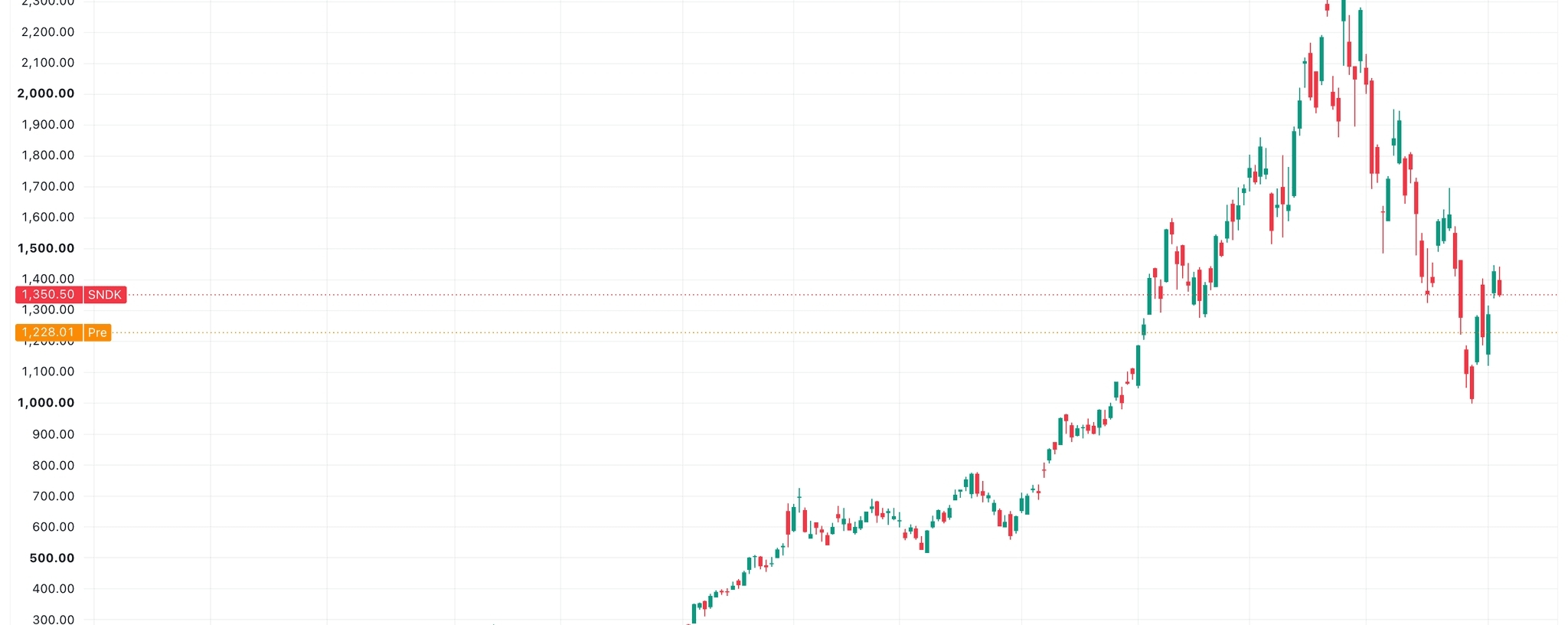
🚨 AI PUL HARAKATDA, AMMO KEYIN QAYERGA KETYAPTI?AI saqlash bo‘yicha ikki yirik g‘olib — SanDisk va Western Digital — kuchli hisobotlar e’lon qilganiga qaramay, birdaniga taxminan 10%ga tushib ketdi.
Bu g‘alati tuyuladi, bozordagi eng muhim saboqlardan birini tushunguningizcha:
📊 YAXSHI NATIJALAR ≠ YAXSHI AKSIYA BAHOSI
SanDisk qariyb 8,97 mlrd dollar miqdorida rekord choraklik daromad haqida xabar berdi, Western Digital esa 3,75 mlrd dollar bo‘lib, yillik hisobda 44%ga o‘sdi.
Ammo investorlar sotdi.
Nega?
Chunki bozorlar faqat sodir bo‘lgan narsalarni baholamaydi.
Ular investorlar keyin nima bo‘lishini KUTAYOTGANINI baholaydi.
SanDiskning kelajakdagi daromad prognozi analitiklar kutganidan past chiqdi, Western Digital esa oldingi juda katta ko‘tarilishidan keyin yanada yuqoriroq kutishlar muammosiga duch keldi.
🚨 AI PUL HARAKATDA, AMMO KEYIN QAYERGA KETYAPTI?
AI saqlash bo‘yicha ikki yirik g‘olib — SanDisk va Western Digital — kuchli hisobotlar e’lon qilganiga qaramay, birdaniga taxminan 10%ga tushib ketdi.
Bu g‘alati tuyuladi, bozordagi eng muhim saboqlardan birini tushunguningizcha:
📊 YAXSHI NATIJALAR ≠ YAXSHI AKSIYA BAHOSI
SanDisk qariyb 8,97 mlrd dollar miqdorida rekord choraklik daromad haqida xabar berdi, Western Digital esa 3,75 mlrd dollar bo‘lib, yillik hisobda 44%ga o‘sdi.
Ammo investorlar sotdi.
Nega?
Chunki bozorlar faqat sodir bo‘lgan narsalarni baholamaydi.
Ular investorlar keyin nima bo‘lishini KUTAYOTGANINI baholaydi.
SanDiskning kelajakdagi daromad prognozi analitiklar kutganidan past chiqdi, Western Digital esa oldingi juda katta ko‘tarilishidan keyin yanada yuqoriroq kutishlar muammosiga duch keldi.
Bu g‘alati tuyuladi, bozordagi eng muhim saboqlardan birini tushunguningizcha:
📊 YAXSHI NATIJALAR ≠ YAXSHI AKSIYA BAHOSI
SanDisk qariyb 8,97 mlrd dollar miqdorida rekord choraklik daromad haqida xabar berdi, Western Digital esa 3,75 mlrd dollar bo‘lib, yillik hisobda 44%ga o‘sdi.
Ammo investorlar sotdi.
Nega?
Chunki bozorlar faqat sodir bo‘lgan narsalarni baholamaydi.
Ular investorlar keyin nima bo‘lishini KUTAYOTGANINI baholaydi.
SanDiskning kelajakdagi daromad prognozi analitiklar kutganidan past chiqdi, Western Digital esa oldingi juda katta ko‘tarilishidan keyin yanada yuqoriroq kutishlar muammosiga duch keldi.
45
·
--
Maqola
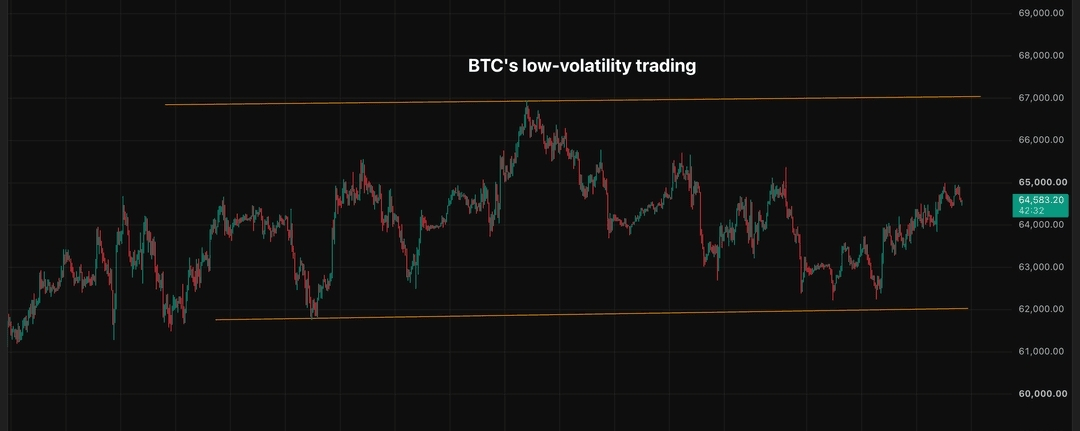
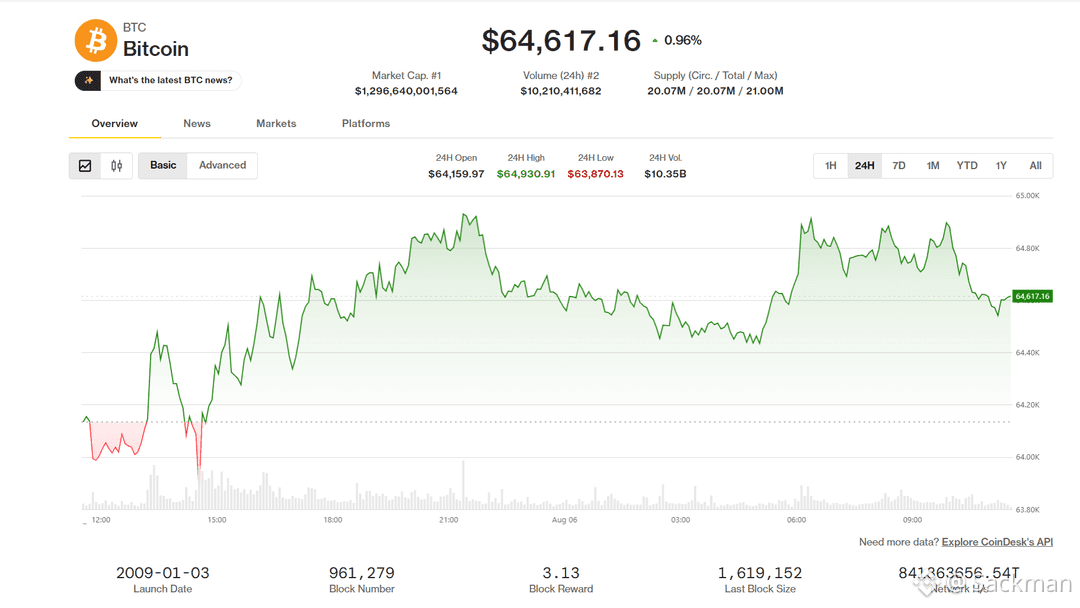
⚠️ BITCOIN TINCHGA O‘XSHAYDI, LEKIN BU BOZOR XAVFSIZ DEGANI EMASBitcoin $64,600 atrofida aylanmoqda, ETH esa $1,907 ga yaqin. Bir qarashda bozor g‘ayrioddiy sokin ko‘rinadi.
Lekin savdogarlar tushunishi kerak bo‘lgan saboq mana bunday:
Past volatillik = past risk degani emas.
Darhaqiqat, juda past volatillikning uzoq davom etadigan davrlari ancha katta harakat uchun sharoit yaratishi mumkin.
🧠 Nega bunday bo‘ladi?
BTC yetarlicha uzoq vaqt tor diapazonda harakat qilsa, treyderlar narx tebranishlari cheklangandek tuyulgani uchun leverajdan bemalol foydalanishga ko‘nikib qolishlari mumkin.
Opsionlar arzonlashadi.
Yo‘nalish bo‘yicha pozitsiyalarni shakllantirish osonlashadi.
⚠️ BITCOIN TINCHGA O‘XSHAYDI, LEKIN BU BOZOR XAVFSIZ DEGANI EMAS
Bitcoin $64,600 atrofida aylanmoqda, ETH esa $1,907 ga yaqin. Bir qarashda bozor g‘ayrioddiy sokin ko‘rinadi.
Lekin savdogarlar tushunishi kerak bo‘lgan saboq mana bunday:
Past volatillik = past risk degani emas.
Darhaqiqat, juda past volatillikning uzoq davom etadigan davrlari ancha katta harakat uchun sharoit yaratishi mumkin.
🧠 Nega bunday bo‘ladi?
BTC yetarlicha uzoq vaqt tor diapazonda harakat qilsa, treyderlar narx tebranishlari cheklangandek tuyulgani uchun leverajdan bemalol foydalanishga ko‘nikib qolishlari mumkin.
Opsionlar arzonlashadi.
Yo‘nalish bo‘yicha pozitsiyalarni shakllantirish osonlashadi.
Lekin savdogarlar tushunishi kerak bo‘lgan saboq mana bunday:
Past volatillik = past risk degani emas.
Darhaqiqat, juda past volatillikning uzoq davom etadigan davrlari ancha katta harakat uchun sharoit yaratishi mumkin.
🧠 Nega bunday bo‘ladi?
BTC yetarlicha uzoq vaqt tor diapazonda harakat qilsa, treyderlar narx tebranishlari cheklangandek tuyulgani uchun leverajdan bemalol foydalanishga ko‘nikib qolishlari mumkin.
Opsionlar arzonlashadi.
Yo‘nalish bo‘yicha pozitsiyalarni shakllantirish osonlashadi.
36
·
--
🚨Yangilanishlar: KRIPTO ROTATSIYASI: BTC va ETH “CHIZIQNI USHLAB TURING” — ALTKOINLAR MOMENTUMI SUSTLASHMOQDA
Bozor aniq himoyaviy rotatsiyani ko‘rsatmoqda.
₿ BTC: ~$64.5K — kengroq bozordan kuchliroq ushlab turibdi
♦️ ETH: ~$1.90K — hali ijobiy tomonda qolayotgan kam sonli yiriklardan biri
📉 Altcoin Season indeksi: 42/100
⚠️ Altcoin open interest: so‘nggi oyda ~15% ga pasaydi
Treydlar nimaga qarayapti 👀
• BTC fyuchers OI: ~770K BTC — o‘sayapti, lekin oldingi “spiklar” tezda so‘ngan. Barqarorlik muhim.
• XRP: OI +5%, narx esa $1.04 tomonga tushayotgani — ayanchli (bearish) leverage signali.
• SOL: iyun cho‘qqisidan keyin OI pasaytirib (unwinding) davom etmoqda.
• BTC va ETH CVD: musbat — ko‘pchilik yiriklardan ko‘ra kuchliroq agressiv xarid borligini ko‘rsatadi.
• Optsionlar: treyderlar BTC yuqoriroq darajalarga chiqishini ko‘zlab pozitsiya olayapti; $80K–$96K atrofida sezilarli qiziqish bor.
Katta voqea: kapital BTC va ETH tomonga ko‘chayotganga o‘xshaydi, treyderlar esa altkoinlar bilan ko‘proq tanlab ish tutmoqda.
Altsezon qaytishi uchun avval Bitcoin momentum kuchayishi kerak bo‘lishi mumkin.
BTC narxi + OI + CVD ni birga kuzating. Keyingi harakat yer ostida shakllanayotgan bo‘lishi mumkin.
#crypto #bitcoin #Ethereum #altcoins #BinanceSquare
🚨Yangilanishlar: KRIPTO ROTATSIYASI: BTC va ETH “CHIZIQNI USHLAB TURING” — ALTKOINLAR MOMENTUMI SUSTLASHMOQDA
Bozor aniq himoyaviy rotatsiyani ko‘rsatmoqda.
₿ BTC: ~$64.5K — kengroq bozordan kuchliroq ushlab turibdi
♦️ ETH: ~$1.90K — hali ijobiy tomonda qolayotgan kam sonli yiriklardan biri
📉 Altcoin Season indeksi: 42/100
⚠️ Altcoin open interest: so‘nggi oyda ~15% ga pasaydi
Treydlar nimaga qarayapti 👀
• BTC fyuchers OI: ~770K BTC — o‘sayapti, lekin oldingi “spiklar” tezda so‘ngan. Barqarorlik muhim.
• XRP: OI +5%, narx esa $1.04 tomonga tushayotgani — ayanchli (bearish) leverage signali.
• SOL: iyun cho‘qqisidan keyin OI pasaytirib (unwinding) davom etmoqda.
• BTC va ETH CVD: musbat — ko‘pchilik yiriklardan ko‘ra kuchliroq agressiv xarid borligini ko‘rsatadi.
• Optsionlar: treyderlar BTC yuqoriroq darajalarga chiqishini ko‘zlab pozitsiya olayapti; $80K–$96K atrofida sezilarli qiziqish bor.
Katta voqea: kapital BTC va ETH tomonga ko‘chayotganga o‘xshaydi, treyderlar esa altkoinlar bilan ko‘proq tanlab ish tutmoqda.
Altsezon qaytishi uchun avval Bitcoin momentum kuchayishi kerak bo‘lishi mumkin.
BTC narxi + OI + CVD ni birga kuzating. Keyingi harakat yer ostida shakllanayotgan bo‘lishi mumkin.
#crypto #bitcoin #Ethereum #altcoins #BinanceSquare
Bozor aniq himoyaviy rotatsiyani ko‘rsatmoqda.
₿ BTC: ~$64.5K — kengroq bozordan kuchliroq ushlab turibdi
♦️ ETH: ~$1.90K — hali ijobiy tomonda qolayotgan kam sonli yiriklardan biri
📉 Altcoin Season indeksi: 42/100
⚠️ Altcoin open interest: so‘nggi oyda ~15% ga pasaydi
Treydlar nimaga qarayapti 👀
• BTC fyuchers OI: ~770K BTC — o‘sayapti, lekin oldingi “spiklar” tezda so‘ngan. Barqarorlik muhim.
• XRP: OI +5%, narx esa $1.04 tomonga tushayotgani — ayanchli (bearish) leverage signali.
• SOL: iyun cho‘qqisidan keyin OI pasaytirib (unwinding) davom etmoqda.
• BTC va ETH CVD: musbat — ko‘pchilik yiriklardan ko‘ra kuchliroq agressiv xarid borligini ko‘rsatadi.
• Optsionlar: treyderlar BTC yuqoriroq darajalarga chiqishini ko‘zlab pozitsiya olayapti; $80K–$96K atrofida sezilarli qiziqish bor.
Katta voqea: kapital BTC va ETH tomonga ko‘chayotganga o‘xshaydi, treyderlar esa altkoinlar bilan ko‘proq tanlab ish tutmoqda.
Altsezon qaytishi uchun avval Bitcoin momentum kuchayishi kerak bo‘lishi mumkin.
BTC narxi + OI + CVD ni birga kuzating. Keyingi harakat yer ostida shakllanayotgan bo‘lishi mumkin.
#crypto #bitcoin #Ethereum #altcoins #BinanceSquare
79
·
--
🚨 KRIPTO OGОHLANTIRISH: $10M NFT YIG‘IMI ALDOV AYBLovlari bilan tugadi
Kripto investorlar uchun muhim eslatma: moliyaviy yig‘ish javobgarlik bilan bir xil emas.
AQSH prokurorlari NFT startapi Few and Far asoschisi Taj Tarsha’ni qimmatli qog‘ozlar va simli (wire) firibgarlikda aybladi. Ayblovlar doirasida kamida 67 nafar investor ishtirokida 10 million dollardan ortiq mablag‘ yig‘ilgani aytiladi.
Mablag‘lar xabar qilinishicha SAFT kelishuvlari orqali jalb qilingan va investorlar rejalashtirilgan markazlashmagan NFT bozori bilan bog‘liq 95 million dona FAR tokeniga egalik huquqini olgan.
Prokurorlar fikricha, loyihani asosan qurishga ishlatilishi kerak bo‘lgan investor pullari, aksincha, quyidagilarga yo‘naltirilgan:
🎰 Onlayn qimor o‘yinlari
₿ Kriptovalyuta spekulyatsiyasi
🏠 Mayamidagi kondominium uchun kredit
🎨 Ichki dizayn
🎧 Shaxsiy DJ bilan bog‘liq xarajatlar
Prokurorlar, shuningdek, xodimlar ishdan bo‘shatilgani, bir pudratchiga esa bozor ishlayotgandek ko‘rinishi uchun ko‘rsatma berilgani haqida ham da’vo qilishmoqda.
Xabar qilinishicha, taxminiy noto‘g‘ri xatti-harakatlar 2023-yilda o‘tkazilgan audit davomida aniqlangan.
FAR tokeni 2024-yil may oyida ishga tushirilgan, biroq prokurorlar uning tezda amalda qimmatini yo‘qotib, savdosi to‘xtab qolganini aytmoqda.
⚠️ Nega TREYDERLAR QARASHI KERAK
Bu faqat NFT haqidagi voqea emas.
Har qanday kripto loyihasiga pul kiritishdan oldin token narxidan nariga qarang:
G‘aznani (treasury) kim boshqaradi?
Moliyalashtirish qayerga ketdi?
Da’volar mustaqil ravishda tekshiriladimi?
Token huquqlari qanday?
Haqiqiy mahsulot faoliyati bormi?
Agar loyiha muvaffaqiyatsiz bo‘lsa, nima bo‘ladi?
Tarsha aybli ekanligi isbotlanmaguncha begunoh deb hisoblanadi. Har bir ayblov bo‘yicha, agar sudlangan bo‘lsa, maksimal 20 yillik qamoq jazosi tayinlanishi mumkin.
Kriptoda shaffoflik investitsiya tezisining bir qismi — ixtiyoriy qo‘shimcha emas.
Sackam’ni kuzating: kripto yangiliklari, bozor xatarlari va treyderlar diqqat bilan kuzatishi kerak bo‘lgan signallar. 🔎
#CryptoNews #NFT #BİNANCESQUARE #CryptoInvesting #DYOR*
🚨 KRIPTO OGОHLANTIRISH: $10M NFT YIG‘IMI ALDOV AYBLovlari bilan tugadi
Kripto investorlar uchun muhim eslatma: moliyaviy yig‘ish javobgarlik bilan bir xil emas.
AQSH prokurorlari NFT startapi Few and Far asoschisi Taj Tarsha’ni qimmatli qog‘ozlar va simli (wire) firibgarlikda aybladi. Ayblovlar doirasida kamida 67 nafar investor ishtirokida 10 million dollardan ortiq mablag‘ yig‘ilgani aytiladi.
Mablag‘lar xabar qilinishicha SAFT kelishuvlari orqali jalb qilingan va investorlar rejalashtirilgan markazlashmagan NFT bozori bilan bog‘liq 95 million dona FAR tokeniga egalik huquqini olgan.
Prokurorlar fikricha, loyihani asosan qurishga ishlatilishi kerak bo‘lgan investor pullari, aksincha, quyidagilarga yo‘naltirilgan:
🎰 Onlayn qimor o‘yinlari
₿ Kriptovalyuta spekulyatsiyasi
🏠 Mayamidagi kondominium uchun kredit
🎨 Ichki dizayn
🎧 Shaxsiy DJ bilan bog‘liq xarajatlar
Prokurorlar, shuningdek, xodimlar ishdan bo‘shatilgani, bir pudratchiga esa bozor ishlayotgandek ko‘rinishi uchun ko‘rsatma berilgani haqida ham da’vo qilishmoqda.
Xabar qilinishicha, taxminiy noto‘g‘ri xatti-harakatlar 2023-yilda o‘tkazilgan audit davomida aniqlangan.
FAR tokeni 2024-yil may oyida ishga tushirilgan, biroq prokurorlar uning tezda amalda qimmatini yo‘qotib, savdosi to‘xtab qolganini aytmoqda.
⚠️ Nega TREYDERLAR QARASHI KERAK
Bu faqat NFT haqidagi voqea emas.
Har qanday kripto loyihasiga pul kiritishdan oldin token narxidan nariga qarang:
G‘aznani (treasury) kim boshqaradi?
Moliyalashtirish qayerga ketdi?
Da’volar mustaqil ravishda tekshiriladimi?
Token huquqlari qanday?
Haqiqiy mahsulot faoliyati bormi?
Agar loyiha muvaffaqiyatsiz bo‘lsa, nima bo‘ladi?
Tarsha aybli ekanligi isbotlanmaguncha begunoh deb hisoblanadi. Har bir ayblov bo‘yicha, agar sudlangan bo‘lsa, maksimal 20 yillik qamoq jazosi tayinlanishi mumkin.
Kriptoda shaffoflik investitsiya tezisining bir qismi — ixtiyoriy qo‘shimcha emas.
Sackam’ni kuzating: kripto yangiliklari, bozor xatarlari va treyderlar diqqat bilan kuzatishi kerak bo‘lgan signallar. 🔎
#CryptoNews #NFT #BİNANCESQUARE #CryptoInvesting #DYOR*
Kripto investorlar uchun muhim eslatma: moliyaviy yig‘ish javobgarlik bilan bir xil emas.
AQSH prokurorlari NFT startapi Few and Far asoschisi Taj Tarsha’ni qimmatli qog‘ozlar va simli (wire) firibgarlikda aybladi. Ayblovlar doirasida kamida 67 nafar investor ishtirokida 10 million dollardan ortiq mablag‘ yig‘ilgani aytiladi.
Mablag‘lar xabar qilinishicha SAFT kelishuvlari orqali jalb qilingan va investorlar rejalashtirilgan markazlashmagan NFT bozori bilan bog‘liq 95 million dona FAR tokeniga egalik huquqini olgan.
Prokurorlar fikricha, loyihani asosan qurishga ishlatilishi kerak bo‘lgan investor pullari, aksincha, quyidagilarga yo‘naltirilgan:
🎰 Onlayn qimor o‘yinlari
₿ Kriptovalyuta spekulyatsiyasi
🏠 Mayamidagi kondominium uchun kredit
🎨 Ichki dizayn
🎧 Shaxsiy DJ bilan bog‘liq xarajatlar
Prokurorlar, shuningdek, xodimlar ishdan bo‘shatilgani, bir pudratchiga esa bozor ishlayotgandek ko‘rinishi uchun ko‘rsatma berilgani haqida ham da’vo qilishmoqda.
Xabar qilinishicha, taxminiy noto‘g‘ri xatti-harakatlar 2023-yilda o‘tkazilgan audit davomida aniqlangan.
FAR tokeni 2024-yil may oyida ishga tushirilgan, biroq prokurorlar uning tezda amalda qimmatini yo‘qotib, savdosi to‘xtab qolganini aytmoqda.
⚠️ Nega TREYDERLAR QARASHI KERAK
Bu faqat NFT haqidagi voqea emas.
Har qanday kripto loyihasiga pul kiritishdan oldin token narxidan nariga qarang:
G‘aznani (treasury) kim boshqaradi?
Moliyalashtirish qayerga ketdi?
Da’volar mustaqil ravishda tekshiriladimi?
Token huquqlari qanday?
Haqiqiy mahsulot faoliyati bormi?
Agar loyiha muvaffaqiyatsiz bo‘lsa, nima bo‘ladi?
Tarsha aybli ekanligi isbotlanmaguncha begunoh deb hisoblanadi. Har bir ayblov bo‘yicha, agar sudlangan bo‘lsa, maksimal 20 yillik qamoq jazosi tayinlanishi mumkin.
Kriptoda shaffoflik investitsiya tezisining bir qismi — ixtiyoriy qo‘shimcha emas.
Sackam’ni kuzating: kripto yangiliklari, bozor xatarlari va treyderlar diqqat bilan kuzatishi kerak bo‘lgan signallar. 🔎
#CryptoNews #NFT #BİNANCESQUARE #CryptoInvesting #DYOR*
45
·
--
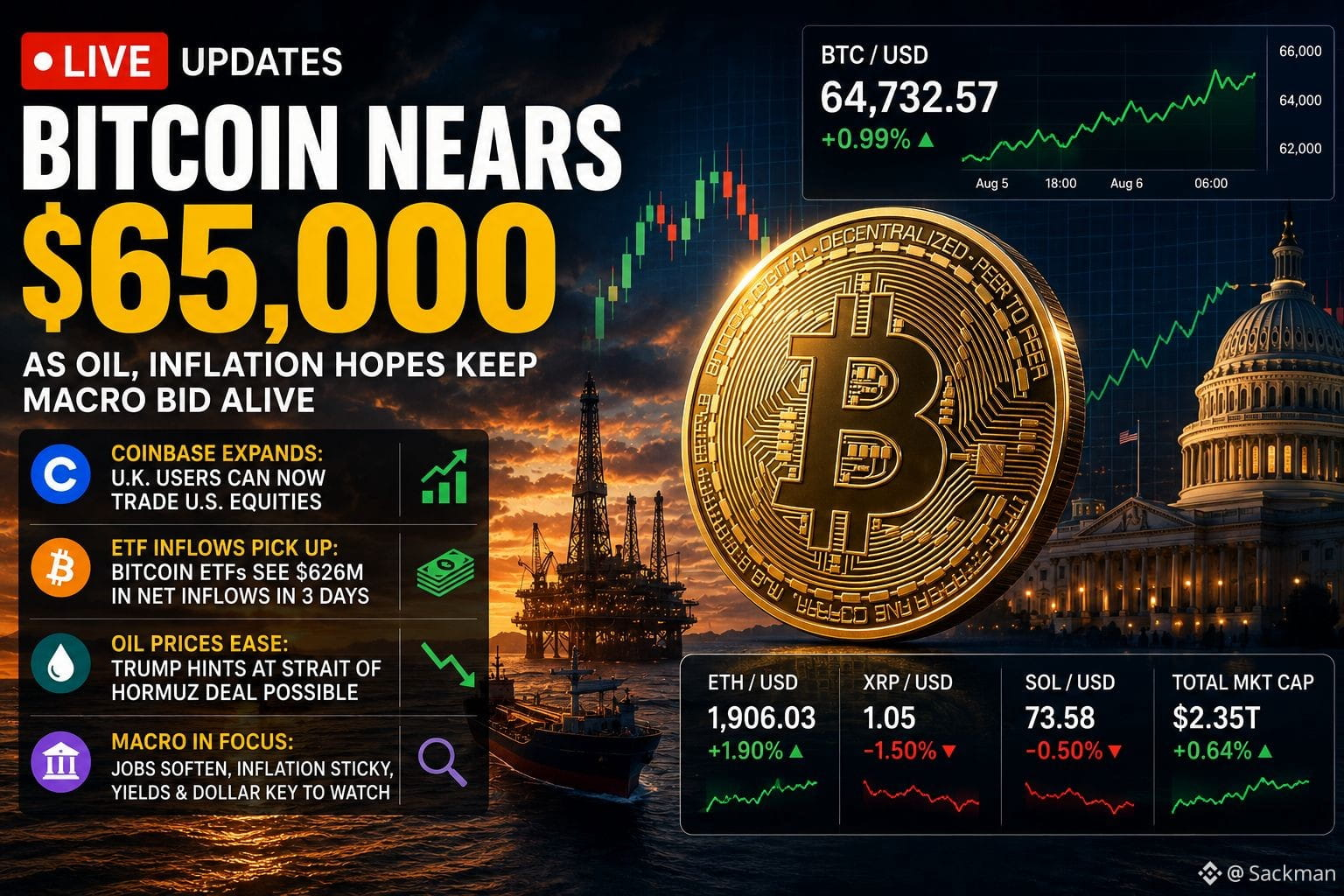
🚨 LIVE KRIPTO YANGILANISH | BTC 65K$ ga yaqinlashmoqda
Bitcoin 64.7K$ atrofida tebranmoqda, ammo haqiqiy voqea narxdan ham kattaroq.
💰 atigi 3 kunda AQSh spot Bitcoin ETFlariga 626 mln.$+ oqib kirdi.
🛢️ Eronning g‘arbga yaqin hududlari atrofidagi umidlar ortib borayotgani sababli neft yumshayapti — bu inflyatsion bosimni kamaytirishi mumkin.
📉 AQShda ishga qabul qilish sekinlashyapti, inflyatsiya esa barqarorligicha qolmoqda.
🏦 Endi Fed, g‘aznachilik rentabelligi (Treasury yields) va AQSh dollari dinamikasiga qarang. Agar rentabelliklar ham, dollar ham zaiflashsa, ETFga oqimlar davom etsa, Bitcoin nihoyat tor diapazondan chiqib ketishi mumkin.
65K$ — hammaning e’tiboridagi daraja. Savol: chiqishmi yoki rad etilishmi? 👀
Sackmanni kuzatib boring — jonli kripto bozor yangiliklari va harakatlar ortidagi signallar.
$BTC $ETH
#bitcoin #BİNANCESQUARE #BitcoinETFs #Ethereum✅ #BTCUpdate
🚨 LIVE KRIPTO YANGILANISH | BTC 65K$ ga yaqinlashmoqda
Bitcoin 64.7K$ atrofida tebranmoqda, ammo haqiqiy voqea narxdan ham kattaroq.
💰 atigi 3 kunda AQSh spot Bitcoin ETFlariga 626 mln.$+ oqib kirdi.
🛢️ Eronning g‘arbga yaqin hududlari atrofidagi umidlar ortib borayotgani sababli neft yumshayapti — bu inflyatsion bosimni kamaytirishi mumkin.
📉 AQShda ishga qabul qilish sekinlashyapti, inflyatsiya esa barqarorligicha qolmoqda.
🏦 Endi Fed, g‘aznachilik rentabelligi (Treasury yields) va AQSh dollari dinamikasiga qarang. Agar rentabelliklar ham, dollar ham zaiflashsa, ETFga oqimlar davom etsa, Bitcoin nihoyat tor diapazondan chiqib ketishi mumkin.
65K$ — hammaning e’tiboridagi daraja. Savol: chiqishmi yoki rad etilishmi? 👀
Sackmanni kuzatib boring — jonli kripto bozor yangiliklari va harakatlar ortidagi signallar.
$BTC $ETH
#bitcoin #BİNANCESQUARE #BitcoinETFs #Ethereum✅ #BTCUpdate
Bitcoin 64.7K$ atrofida tebranmoqda, ammo haqiqiy voqea narxdan ham kattaroq.
💰 atigi 3 kunda AQSh spot Bitcoin ETFlariga 626 mln.$+ oqib kirdi.
🛢️ Eronning g‘arbga yaqin hududlari atrofidagi umidlar ortib borayotgani sababli neft yumshayapti — bu inflyatsion bosimni kamaytirishi mumkin.
📉 AQShda ishga qabul qilish sekinlashyapti, inflyatsiya esa barqarorligicha qolmoqda.
🏦 Endi Fed, g‘aznachilik rentabelligi (Treasury yields) va AQSh dollari dinamikasiga qarang. Agar rentabelliklar ham, dollar ham zaiflashsa, ETFga oqimlar davom etsa, Bitcoin nihoyat tor diapazondan chiqib ketishi mumkin.
65K$ — hammaning e’tiboridagi daraja. Savol: chiqishmi yoki rad etilishmi? 👀
Sackmanni kuzatib boring — jonli kripto bozor yangiliklari va harakatlar ortidagi signallar.
$BTC $ETH
#bitcoin #BİNANCESQUARE #BitcoinETFs #Ethereum✅ #BTCUpdate
66
·
--
Agar shartnoma o‘zini o‘zi bajara olsa-chi? 🤖⛓️
11-darsda biz aqlli shartnomalarni tushuntiramiz: kod blokcheynda qoidalarni avtomatik ravishda qanday bajarishi, DeFi va DApps’larni quvvatlashi hamda an’anaviy vositachilarsiz yangi imkoniyatlar yaratishini ko‘rib chiqamiz.
🎥 To‘liq taqdimotni tomosha qiling va aqlli shartnomalar aslida qanday ishlashini bilib oling.
Faqat kriptodan foydalanmang. Uning ortidagi texnologiyani tushuning.
Obuna bo‘ling, ulashing #Beginnersguide #LearnTogether #learncryto $BTC
Agar shartnoma o‘zini o‘zi bajara olsa-chi? 🤖⛓️
11-darsda biz aqlli shartnomalarni tushuntiramiz: kod blokcheynda qoidalarni avtomatik ravishda qanday bajarishi, DeFi va DApps’larni quvvatlashi hamda an’anaviy vositachilarsiz yangi imkoniyatlar yaratishini ko‘rib chiqamiz.
🎥 To‘liq taqdimotni tomosha qiling va aqlli shartnomalar aslida qanday ishlashini bilib oling.
Faqat kriptodan foydalanmang. Uning ortidagi texnologiyani tushuning.
Obuna bo‘ling, ulashing #Beginnersguide #LearnTogether #learncryto $BTC
11-darsda biz aqlli shartnomalarni tushuntiramiz: kod blokcheynda qoidalarni avtomatik ravishda qanday bajarishi, DeFi va DApps’larni quvvatlashi hamda an’anaviy vositachilarsiz yangi imkoniyatlar yaratishini ko‘rib chiqamiz.
🎥 To‘liq taqdimotni tomosha qiling va aqlli shartnomalar aslida qanday ishlashini bilib oling.
Faqat kriptodan foydalanmang. Uning ortidagi texnologiyani tushuning.
Obuna bo‘ling, ulashing #Beginnersguide #LearnTogether #learncryto $BTC
106
·
--
Maqola
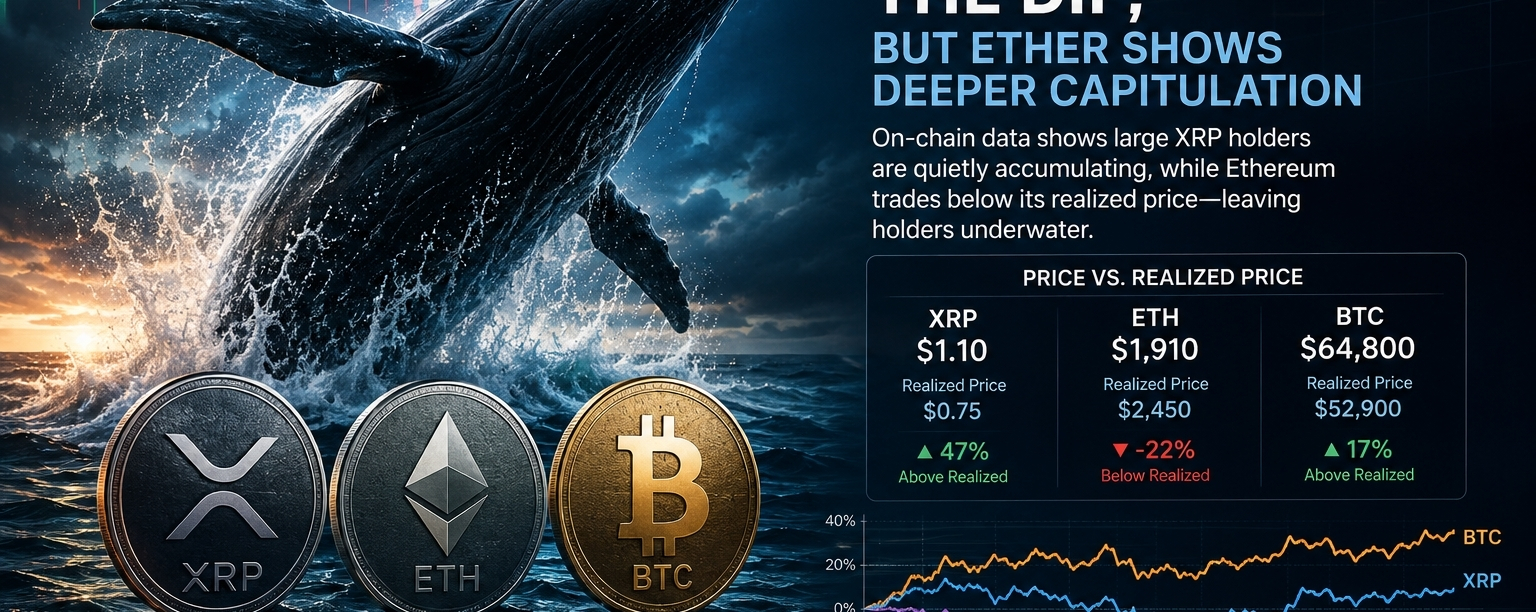
Kit signali kuchaymoqda: XRP sotuv bosimini yutib yuboryapti, Ethereum esa og‘riq zonasiga kirmoqdaXRP pasaymoqda, ammo uning eng yirik treyderlari taslim bo‘layotgandek ko‘rinmayapti. Ethereum esa butunlay boshqacha holatni ko‘rsatmoqda — va bu tafovut kundalik narx grafigidan ham muhimroq bo‘lishi mumkin.
Kriptovalyuta bozori hozirda investorlar oldida jumboqni taqdim etmoqda.
Bitcoin $64,800 atrofida, XRP esa $1.05 ga yaqin, Ethereum esa $1,900 atrofida savdo qilmoqda. Sirtga qaraganda, uchalasining ham barchasi 2026-yildagi oldingi darajalariga nisbatan bosim ostida qolmoqda.
Ammo narxlardan pastroqda, yirik egalar (holderlar)ning xatti-harakati tobora qiziqarli bo‘lib bormoqda.
Kit signali kuchaymoqda: XRP sotuv bosimini yutib yuboryapti, Ethereum esa og‘riq zonasiga kirmoqda
XRP pasaymoqda, ammo uning eng yirik treyderlari taslim bo‘layotgandek ko‘rinmayapti. Ethereum esa butunlay boshqacha holatni ko‘rsatmoqda — va bu tafovut kundalik narx grafigidan ham muhimroq bo‘lishi mumkin.
Kriptovalyuta bozori hozirda investorlar oldida jumboqni taqdim etmoqda.
Bitcoin $64,800 atrofida, XRP esa $1.05 ga yaqin, Ethereum esa $1,900 atrofida savdo qilmoqda. Sirtga qaraganda, uchalasining ham barchasi 2026-yildagi oldingi darajalariga nisbatan bosim ostida qolmoqda.
Ammo narxlardan pastroqda, yirik egalar (holderlar)ning xatti-harakati tobora qiziqarli bo‘lib bormoqda.
Kriptovalyuta bozori hozirda investorlar oldida jumboqni taqdim etmoqda.
Bitcoin $64,800 atrofida, XRP esa $1.05 ga yaqin, Ethereum esa $1,900 atrofida savdo qilmoqda. Sirtga qaraganda, uchalasining ham barchasi 2026-yildagi oldingi darajalariga nisbatan bosim ostida qolmoqda.
Ammo narxlardan pastroqda, yirik egalar (holderlar)ning xatti-harakati tobora qiziqarli bo‘lib bormoqda.
89
·
--
Maqola
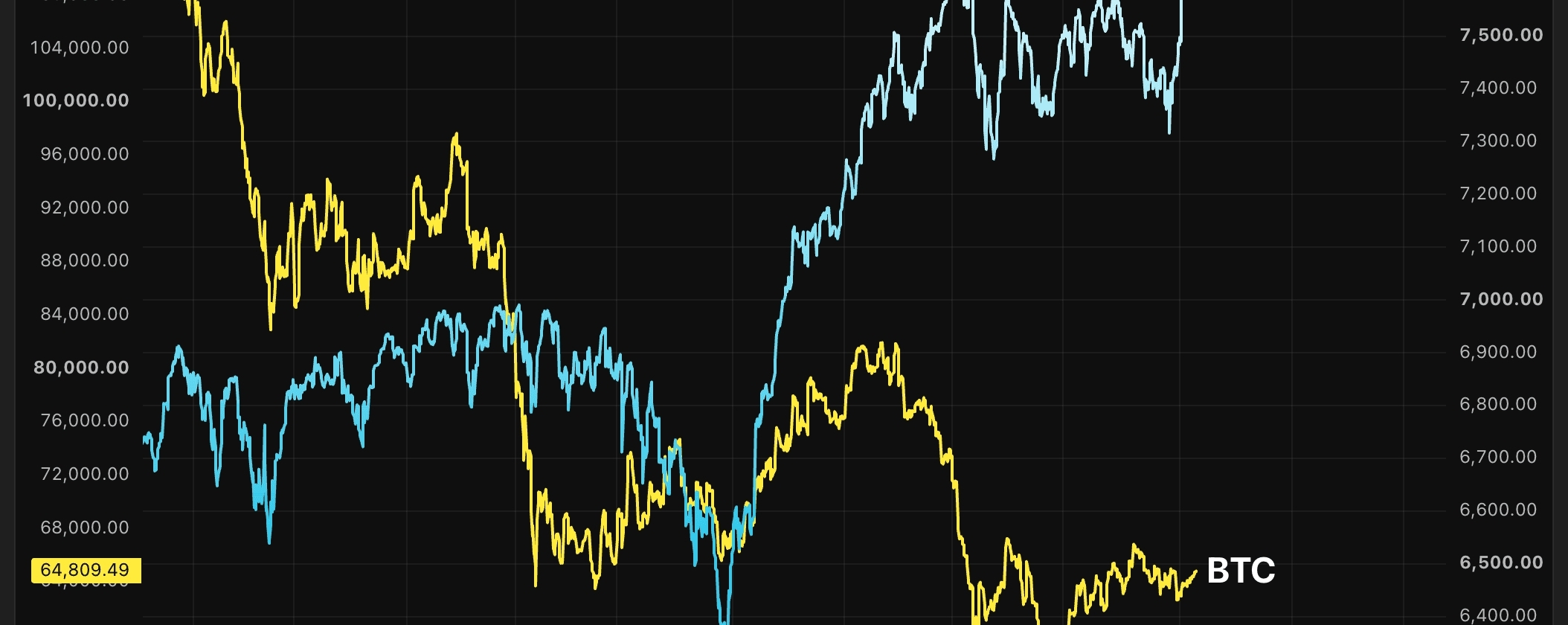
S&P 500 bozor qiymatiga 2 trillion dollar qo‘shayotgan paytda Bitcoin nega $65 000 dan pastda qolmoqdaBitcoin AQShdagi fond bozorlarida kuchli “risk-on” mitingi bo‘layotganiga qaramay, Uoll-strit bilan tenglashishga qiynalyapti. Ushbu tafovut an’anaviy bozorlar va kripto o‘rtasidagi munosabat o‘zgarayotganini ko‘rsatadi — va Bitkoin yuqoriga ko‘tarilishi uchun nimani buzib o‘tishi kerakligi haqida savollar tug‘diradi.
AQSh aksiyalari avgust oyida kuchli ishlayapti, ammo Bitcoin asosan bu tadbirga qo‘shilishni rad etyapti.
S&P 500 bu oy taxminan 3,12% ga o‘sdi, bozordagi kapitalizatsiyasiga qariyb 2,1 trillion dollar qo‘shib, uning umumiy qiymatini taxminan 70,5 trillion dollarga olib chiqdi. Nasdaq va Dow Jones hamon mustahkam qo‘llab-quvvatlanib turibdi.
S&P 500 bozor qiymatiga 2 trillion dollar qo‘shayotgan paytda Bitcoin nega $65 000 dan pastda qolmoqda
Bitcoin AQShdagi fond bozorlarida kuchli “risk-on” mitingi bo‘layotganiga qaramay, Uoll-strit bilan tenglashishga qiynalyapti. Ushbu tafovut an’anaviy bozorlar va kripto o‘rtasidagi munosabat o‘zgarayotganini ko‘rsatadi — va Bitkoin yuqoriga ko‘tarilishi uchun nimani buzib o‘tishi kerakligi haqida savollar tug‘diradi.
AQSh aksiyalari avgust oyida kuchli ishlayapti, ammo Bitcoin asosan bu tadbirga qo‘shilishni rad etyapti.
S&P 500 bu oy taxminan 3,12% ga o‘sdi, bozordagi kapitalizatsiyasiga qariyb 2,1 trillion dollar qo‘shib, uning umumiy qiymatini taxminan 70,5 trillion dollarga olib chiqdi. Nasdaq va Dow Jones hamon mustahkam qo‘llab-quvvatlanib turibdi.
AQSh aksiyalari avgust oyida kuchli ishlayapti, ammo Bitcoin asosan bu tadbirga qo‘shilishni rad etyapti.
S&P 500 bu oy taxminan 3,12% ga o‘sdi, bozordagi kapitalizatsiyasiga qariyb 2,1 trillion dollar qo‘shib, uning umumiy qiymatini taxminan 70,5 trillion dollarga olib chiqdi. Nasdaq va Dow Jones hamon mustahkam qo‘llab-quvvatlanib turibdi.
94
·
--
🚨 14,6 MILLIARD DOLLAR KO‘CHMOQDA VA SABABI MUHIM
Kriptoda katta siljish sodir bo‘lmoqda.
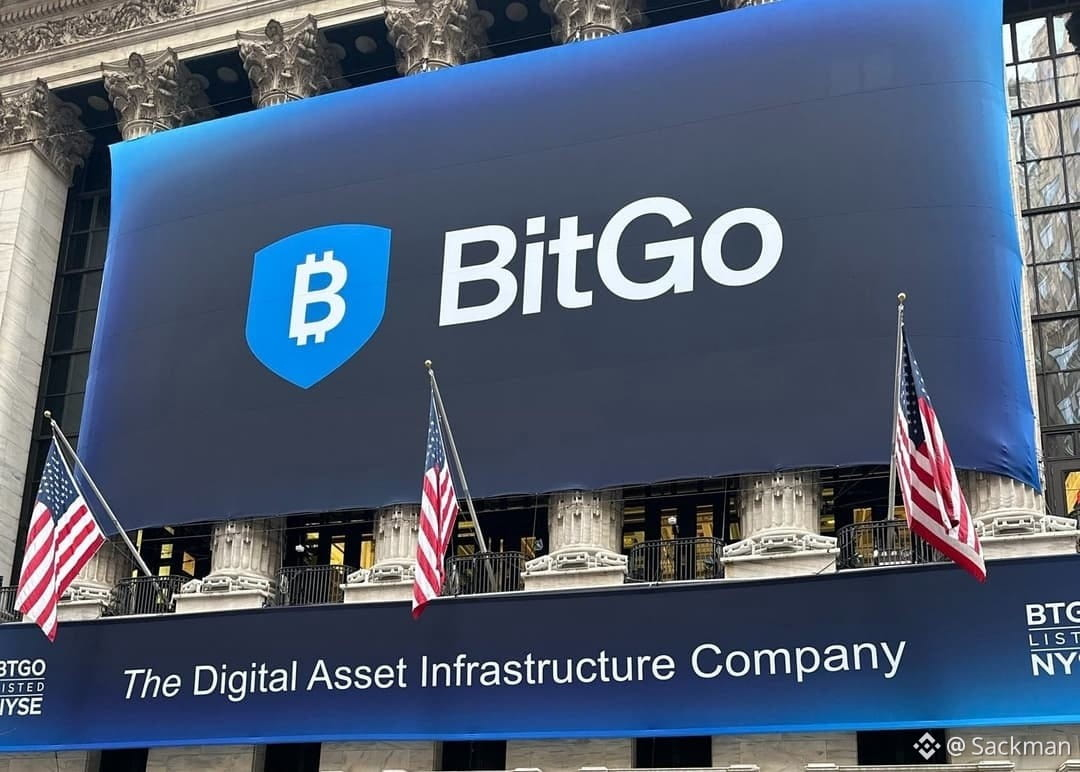
BitGo LayerZero’dan WBTC cross-chain infratuzilmasi bo‘yicha 7,3 mlrd dollarni ko‘chirib, Chainlink CCIP’ga tomon yo‘natyapti.
Bu e’lon qilingan LayerZero → Chainlink migratsiyalarini qariyb 14,6 mlrd dollarga yetkazadi.
Nega migratsiya?
292 mln dollarlik Kelp DAO bridge exploit’dan keyin bu to‘lqin tezlashdi, natijada cross-chain xavfsizlik va infratuzilma dizayniga yana diqqat kuchaydi.
Bu faqat WBTC haqida emas.
Mantle, Kelp, Lombard, Solv, Virtuals, Re va Kraken kabi loyihalar ham Chainlink CCIP’ga tomon o‘tishlarni e’lon qilgan.
Asosiy voqea:
🔗 Cross-chain infratuzilma jiddiy jang maydoniga aylanmoqda.
🛡️ Xavfsizlik va nazorat tobora muhim bo‘lib bormoqda.
💰 Blokcheynlarni bog‘laydigan infratuzilma atrofida milliardlab aktivlar joylashtirilmoqda.
Bitcoin, Ethereum, DeFi va tokenizatsiya qilingan aktivlar uchun bridjlar ularning ustidan ko‘chib o‘tadigan aktivlar kabi deyarli bir xil darajada muhim.
Endi savol shunchaki qaysi blokcheyn yutadi emas.
Balki:
HAMMASINI BOG‘LAYDIGAN “REL’LAR”NI KIM QURADI? 👀
Keyingi kripto signalini olish uchun Sackmanni kuzating. 🔥 $BTC $ETH $BNB
#Chainlink #LINK #bitcoin #WBTCUpdate #DeFi #Web3 #CryptoNews
🚨 14,6 MILLIARD DOLLAR KO‘CHMOQDA VA SABABI MUHIM
Kriptoda katta siljish sodir bo‘lmoqda.
BitGo LayerZero’dan WBTC cross-chain infratuzilmasi bo‘yicha 7,3 mlrd dollarni ko‘chirib, Chainlink CCIP’ga tomon yo‘natyapti.
Bu e’lon qilingan LayerZero → Chainlink migratsiyalarini qariyb 14,6 mlrd dollarga yetkazadi.
Nega migratsiya?
292 mln dollarlik Kelp DAO bridge exploit’dan keyin bu to‘lqin tezlashdi, natijada cross-chain xavfsizlik va infratuzilma dizayniga yana diqqat kuchaydi.
Bu faqat WBTC haqida emas.
Mantle, Kelp, Lombard, Solv, Virtuals, Re va Kraken kabi loyihalar ham Chainlink CCIP’ga tomon o‘tishlarni e’lon qilgan.
Asosiy voqea:
🔗 Cross-chain infratuzilma jiddiy jang maydoniga aylanmoqda.
🛡️ Xavfsizlik va nazorat tobora muhim bo‘lib bormoqda.
💰 Blokcheynlarni bog‘laydigan infratuzilma atrofida milliardlab aktivlar joylashtirilmoqda.
Bitcoin, Ethereum, DeFi va tokenizatsiya qilingan aktivlar uchun bridjlar ularning ustidan ko‘chib o‘tadigan aktivlar kabi deyarli bir xil darajada muhim.
Endi savol shunchaki qaysi blokcheyn yutadi emas.
Balki:
HAMMASINI BOG‘LAYDIGAN “REL’LAR”NI KIM QURADI? 👀
Keyingi kripto signalini olish uchun Sackmanni kuzating. 🔥 $BTC $ETH $BNB
#Chainlink #LINK #bitcoin #WBTCUpdate #DeFi #Web3 #CryptoNews
Kriptoda katta siljish sodir bo‘lmoqda.
BitGo LayerZero’dan WBTC cross-chain infratuzilmasi bo‘yicha 7,3 mlrd dollarni ko‘chirib, Chainlink CCIP’ga tomon yo‘natyapti.
Bu e’lon qilingan LayerZero → Chainlink migratsiyalarini qariyb 14,6 mlrd dollarga yetkazadi.
Nega migratsiya?
292 mln dollarlik Kelp DAO bridge exploit’dan keyin bu to‘lqin tezlashdi, natijada cross-chain xavfsizlik va infratuzilma dizayniga yana diqqat kuchaydi.
Bu faqat WBTC haqida emas.
Mantle, Kelp, Lombard, Solv, Virtuals, Re va Kraken kabi loyihalar ham Chainlink CCIP’ga tomon o‘tishlarni e’lon qilgan.
Asosiy voqea:
🔗 Cross-chain infratuzilma jiddiy jang maydoniga aylanmoqda.
🛡️ Xavfsizlik va nazorat tobora muhim bo‘lib bormoqda.
💰 Blokcheynlarni bog‘laydigan infratuzilma atrofida milliardlab aktivlar joylashtirilmoqda.
Bitcoin, Ethereum, DeFi va tokenizatsiya qilingan aktivlar uchun bridjlar ularning ustidan ko‘chib o‘tadigan aktivlar kabi deyarli bir xil darajada muhim.
Endi savol shunchaki qaysi blokcheyn yutadi emas.
Balki:
HAMMASINI BOG‘LAYDIGAN “REL’LAR”NI KIM QURADI? 👀
Keyingi kripto signalini olish uchun Sackmanni kuzating. 🔥 $BTC $ETH $BNB
#Chainlink #LINK #bitcoin #WBTCUpdate #DeFi #Web3 #CryptoNews
26
·
--
$BNB 0.3 USDT ushlab turilmoqda
🚨 BITCOIN PANIK QILISH UCHUN SABABLAR BOR — LEKIN BU EMAS
Bitcoin $64,000 atrofida turibdi, yuz ostida bosim yig‘ilmoqda:
📉 AQSh spot Bitcoin ETFlari haftalik sof chiqimlarda $61.53 mln qayd etdi
💵 USDT va USDC bozor kapitallashuvi pasaymoqda
🏦 Institutsional talab sustligicha qolmoqda
📊 Real g‘aznachilik foiz stavkalari 2008-yildan beri eng yuqori darajada
⚖️ AQShda kripto bo‘yicha tartibga solish hali noaniq
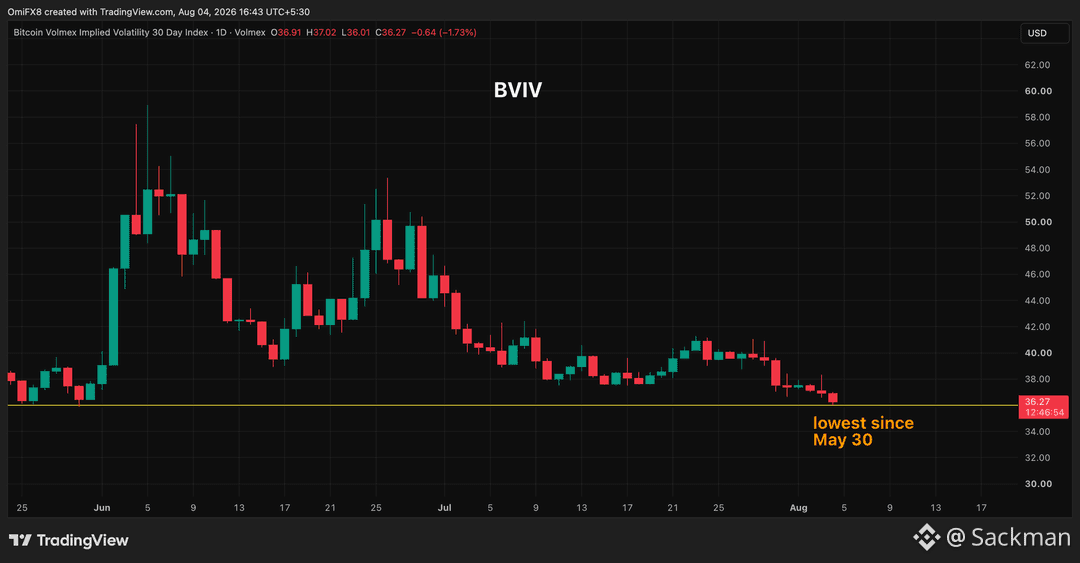
Biroq Bitcoin’ning qo‘rquv ko‘rsatkichi — BVIV — taxminan 36% gacha tushib ketgan — bu 31-maydan beri eng past ko‘rsatkich.
Eng qiziq joyi shu.
Sarlavhalar xunuk ko‘rinsa ham bozorlar hayratlanarli darajada sokin turishi mumkin.
Ayni paytda, taxminan 155,000 BTC $62K–$65K xarajat-bazasi (cost-basis) oralig‘iga o‘tkazildi — bu xaridorlar hozirgi darajalardagi sotuvni o‘zlashtirib ulgurganini ko‘rsatadi.
Demak, Bitcoin hozircha sindirilganidan ko‘ra, diapazonda bo‘lishi mumkin.
Lekin tarixiy pastlik darajalari yaqinida turgan volatillik shuni anglatadi:
⚠️ Hushyor bo‘ling.
Keyingi yirik harakat katalizator tomonidan qo‘zg‘atilishi mumkin — va volatillik har ikki yo‘nalishda ham keskin portlashi mumkin.
Bitcoin vahima qilmayapti.
Savol shuki: birinchi bo‘lib kim harakat qiladi? 👀
Keyingi kripto bozor signali uchun Sackam’ni kuzatib boring. 🔥$BTC $ETH $BNB
#bitcoin.” #BTC☀ #CryptoNews🚀🔥 #BitcoinNews #CryptoMarket
🚨 BITCOIN PANIK QILISH UCHUN SABABLAR BOR — LEKIN BU EMAS
Bitcoin $64,000 atrofida turibdi, yuz ostida bosim yig‘ilmoqda:
📉 AQSh spot Bitcoin ETFlari haftalik sof chiqimlarda $61.53 mln qayd etdi
💵 USDT va USDC bozor kapitallashuvi pasaymoqda
🏦 Institutsional talab sustligicha qolmoqda
📊 Real g‘aznachilik foiz stavkalari 2008-yildan beri eng yuqori darajada
⚖️ AQShda kripto bo‘yicha tartibga solish hali noaniq
Biroq Bitcoin’ning qo‘rquv ko‘rsatkichi — BVIV — taxminan 36% gacha tushib ketgan — bu 31-maydan beri eng past ko‘rsatkich.
Eng qiziq joyi shu.
Sarlavhalar xunuk ko‘rinsa ham bozorlar hayratlanarli darajada sokin turishi mumkin.
Ayni paytda, taxminan 155,000 BTC $62K–$65K xarajat-bazasi (cost-basis) oralig‘iga o‘tkazildi — bu xaridorlar hozirgi darajalardagi sotuvni o‘zlashtirib ulgurganini ko‘rsatadi.
Demak, Bitcoin hozircha sindirilganidan ko‘ra, diapazonda bo‘lishi mumkin.
Lekin tarixiy pastlik darajalari yaqinida turgan volatillik shuni anglatadi:
⚠️ Hushyor bo‘ling.
Keyingi yirik harakat katalizator tomonidan qo‘zg‘atilishi mumkin — va volatillik har ikki yo‘nalishda ham keskin portlashi mumkin.
Bitcoin vahima qilmayapti.
Savol shuki: birinchi bo‘lib kim harakat qiladi? 👀
Keyingi kripto bozor signali uchun Sackam’ni kuzatib boring. 🔥$BTC $ETH $BNB
#bitcoin.” #BTC☀ #CryptoNews🚀🔥 #BitcoinNews #CryptoMarket
Bitcoin $64,000 atrofida turibdi, yuz ostida bosim yig‘ilmoqda:
📉 AQSh spot Bitcoin ETFlari haftalik sof chiqimlarda $61.53 mln qayd etdi
💵 USDT va USDC bozor kapitallashuvi pasaymoqda
🏦 Institutsional talab sustligicha qolmoqda
📊 Real g‘aznachilik foiz stavkalari 2008-yildan beri eng yuqori darajada
⚖️ AQShda kripto bo‘yicha tartibga solish hali noaniq
Biroq Bitcoin’ning qo‘rquv ko‘rsatkichi — BVIV — taxminan 36% gacha tushib ketgan — bu 31-maydan beri eng past ko‘rsatkich.
Eng qiziq joyi shu.
Sarlavhalar xunuk ko‘rinsa ham bozorlar hayratlanarli darajada sokin turishi mumkin.
Ayni paytda, taxminan 155,000 BTC $62K–$65K xarajat-bazasi (cost-basis) oralig‘iga o‘tkazildi — bu xaridorlar hozirgi darajalardagi sotuvni o‘zlashtirib ulgurganini ko‘rsatadi.
Demak, Bitcoin hozircha sindirilganidan ko‘ra, diapazonda bo‘lishi mumkin.
Lekin tarixiy pastlik darajalari yaqinida turgan volatillik shuni anglatadi:
⚠️ Hushyor bo‘ling.
Keyingi yirik harakat katalizator tomonidan qo‘zg‘atilishi mumkin — va volatillik har ikki yo‘nalishda ham keskin portlashi mumkin.
Bitcoin vahima qilmayapti.
Savol shuki: birinchi bo‘lib kim harakat qiladi? 👀
Keyingi kripto bozor signali uchun Sackam’ni kuzatib boring. 🔥$BTC $ETH $BNB
#bitcoin.” #BTC☀ #CryptoNews🚀🔥 #BitcoinNews #CryptoMarket
24
·
--
LIVE NEWS: BITCOIN $63 600 ATROFIDA TURIBDI, AQSH–YAPO'N IEN QILGAN HARAKATI KARRY-TRADE QO‘RQUVLARINI QAYTARDI
Bitcoin AQSH va Yaponiya noyob tarzda iennni qo‘llab-quvvatlash va carry trade hamda uning global bozorlardagi riskini yana bir bor e’tiborga olishga olib kelgan harakatdan so‘ng $63 600 atrofida ushlab turibdi.
Yaponiya va AQSH juma kuni dollar uchun yen ¥163,73 gacha zaiflashganidan keyin yen sotib olganini tasdiqladi. Yaponiya banki (BoJ) ma’lumotlariga ko‘ra, Tokio $36,6 milliardgacha mablag‘ sarflagan bo‘lishi mumkin, AQSH hissasi esa oshkor qilinmagan.
So‘ngra yen juma kuni ¥157,57 gacha mustahkamlandi va dushanba kuni ham ¥157 atrofida turib qoldi.
Nega kripto buning bilan bog‘liq?
Chunki investorlar Yaponiya 1% miqdoridagi siyosat stavkasi bo‘lgan sharoitda arzon narxda qarz olib, o‘sha pulni yuqoriroq daromad taklif qiladigan aktivlarga yo‘naltirishi mumkin.
Agar yen birdan kuchayib ketsa, bu pozitsiyalarni ushlab turish qimmatroq bo‘lib qoladi. Keyin treyderlar yen asosidagi kreditlarini qaytarish uchun pozitsiyalarni yopishga va aktivlarni sotishga majbur bo‘lishi mumkin.
Hozirgacha bitcoin kuchli reaksiyasini ko‘rsatmadi.
BTC hozir $63 600 atrofida: so‘nggi 24 soatda taxminan 1,8% ga yuqori, so‘nggi yetti kun ichida esa deyarli o‘zgarmagan.
Bitget Wallet’ning COO si Alvin Kan aralashuvni davomidagi yenning uzoq tiklanishi boshlanishidan ko‘ra, tartibsiz savdolarni oldini olishga urinish sifatida ta’rifladi.
Kuzatish kerak bo‘lgan asosiy raqam — baribir foiz stavkalari farqi: AQSHdagi Federal zaxira 3,50%–3,75% atrofida, Yaponiyada esa 1%.
Agar bu farq qisqarmasa yoki investorlar o‘zlari yen bilan moliyalashtirilgan savdolarni yechishni (closure) boshlamasa, aralashuv yen pasayishini shunchaki sekinlashtirishi, uni esa teskariga o‘zgartirmasligi mumkin.
Men bitcoin’ni ham kuzatyapman, lekin yen’ni ham. Chunki ba’zan keyingi kripto harakati kriptodan tashqarida boshlanadi.
Rivojlanib borar ekan, keyingi kripto yangilanishlari uchun Sackam’ni kuzatib boring.
#Bitcoin #BTC #CryptoNews🚀🔥 #CryptoMarket #Japan #Yen #CarryTrade #FederalReserve #Crypto #BitcoinNews
LIVE NEWS: BITCOIN $63 600 ATROFIDA TURIBDI, AQSH–YAPO'N IEN QILGAN HARAKATI KARRY-TRADE QO‘RQUVLARINI QAYTARDI
Bitcoin AQSH va Yaponiya noyob tarzda iennni qo‘llab-quvvatlash va carry trade hamda uning global bozorlardagi riskini yana bir bor e’tiborga olishga olib kelgan harakatdan so‘ng $63 600 atrofida ushlab turibdi.
Yaponiya va AQSH juma kuni dollar uchun yen ¥163,73 gacha zaiflashganidan keyin yen sotib olganini tasdiqladi. Yaponiya banki (BoJ) ma’lumotlariga ko‘ra, Tokio $36,6 milliardgacha mablag‘ sarflagan bo‘lishi mumkin, AQSH hissasi esa oshkor qilinmagan.
So‘ngra yen juma kuni ¥157,57 gacha mustahkamlandi va dushanba kuni ham ¥157 atrofida turib qoldi.
Nega kripto buning bilan bog‘liq?
Chunki investorlar Yaponiya 1% miqdoridagi siyosat stavkasi bo‘lgan sharoitda arzon narxda qarz olib, o‘sha pulni yuqoriroq daromad taklif qiladigan aktivlarga yo‘naltirishi mumkin.
Agar yen birdan kuchayib ketsa, bu pozitsiyalarni ushlab turish qimmatroq bo‘lib qoladi. Keyin treyderlar yen asosidagi kreditlarini qaytarish uchun pozitsiyalarni yopishga va aktivlarni sotishga majbur bo‘lishi mumkin.
Hozirgacha bitcoin kuchli reaksiyasini ko‘rsatmadi.
BTC hozir $63 600 atrofida: so‘nggi 24 soatda taxminan 1,8% ga yuqori, so‘nggi yetti kun ichida esa deyarli o‘zgarmagan.
Bitget Wallet’ning COO si Alvin Kan aralashuvni davomidagi yenning uzoq tiklanishi boshlanishidan ko‘ra, tartibsiz savdolarni oldini olishga urinish sifatida ta’rifladi.
Kuzatish kerak bo‘lgan asosiy raqam — baribir foiz stavkalari farqi: AQSHdagi Federal zaxira 3,50%–3,75% atrofida, Yaponiyada esa 1%.
Agar bu farq qisqarmasa yoki investorlar o‘zlari yen bilan moliyalashtirilgan savdolarni yechishni (closure) boshlamasa, aralashuv yen pasayishini shunchaki sekinlashtirishi, uni esa teskariga o‘zgartirmasligi mumkin.
Men bitcoin’ni ham kuzatyapman, lekin yen’ni ham. Chunki ba’zan keyingi kripto harakati kriptodan tashqarida boshlanadi.
Rivojlanib borar ekan, keyingi kripto yangilanishlari uchun Sackam’ni kuzatib boring.
#Bitcoin #BTC #CryptoNews🚀🔥 #CryptoMarket #Japan #Yen #CarryTrade #FederalReserve #Crypto #BitcoinNews
Bitcoin AQSH va Yaponiya noyob tarzda iennni qo‘llab-quvvatlash va carry trade hamda uning global bozorlardagi riskini yana bir bor e’tiborga olishga olib kelgan harakatdan so‘ng $63 600 atrofida ushlab turibdi.
Yaponiya va AQSH juma kuni dollar uchun yen ¥163,73 gacha zaiflashganidan keyin yen sotib olganini tasdiqladi. Yaponiya banki (BoJ) ma’lumotlariga ko‘ra, Tokio $36,6 milliardgacha mablag‘ sarflagan bo‘lishi mumkin, AQSH hissasi esa oshkor qilinmagan.
So‘ngra yen juma kuni ¥157,57 gacha mustahkamlandi va dushanba kuni ham ¥157 atrofida turib qoldi.
Nega kripto buning bilan bog‘liq?
Chunki investorlar Yaponiya 1% miqdoridagi siyosat stavkasi bo‘lgan sharoitda arzon narxda qarz olib, o‘sha pulni yuqoriroq daromad taklif qiladigan aktivlarga yo‘naltirishi mumkin.
Agar yen birdan kuchayib ketsa, bu pozitsiyalarni ushlab turish qimmatroq bo‘lib qoladi. Keyin treyderlar yen asosidagi kreditlarini qaytarish uchun pozitsiyalarni yopishga va aktivlarni sotishga majbur bo‘lishi mumkin.
Hozirgacha bitcoin kuchli reaksiyasini ko‘rsatmadi.
BTC hozir $63 600 atrofida: so‘nggi 24 soatda taxminan 1,8% ga yuqori, so‘nggi yetti kun ichida esa deyarli o‘zgarmagan.
Bitget Wallet’ning COO si Alvin Kan aralashuvni davomidagi yenning uzoq tiklanishi boshlanishidan ko‘ra, tartibsiz savdolarni oldini olishga urinish sifatida ta’rifladi.
Kuzatish kerak bo‘lgan asosiy raqam — baribir foiz stavkalari farqi: AQSHdagi Federal zaxira 3,50%–3,75% atrofida, Yaponiyada esa 1%.
Agar bu farq qisqarmasa yoki investorlar o‘zlari yen bilan moliyalashtirilgan savdolarni yechishni (closure) boshlamasa, aralashuv yen pasayishini shunchaki sekinlashtirishi, uni esa teskariga o‘zgartirmasligi mumkin.
Men bitcoin’ni ham kuzatyapman, lekin yen’ni ham. Chunki ba’zan keyingi kripto harakati kriptodan tashqarida boshlanadi.
Rivojlanib borar ekan, keyingi kripto yangilanishlari uchun Sackam’ni kuzatib boring.
#Bitcoin #BTC #CryptoNews🚀🔥 #CryptoMarket #Japan #Yen #CarryTrade #FederalReserve #Crypto #BitcoinNews
23
·
--
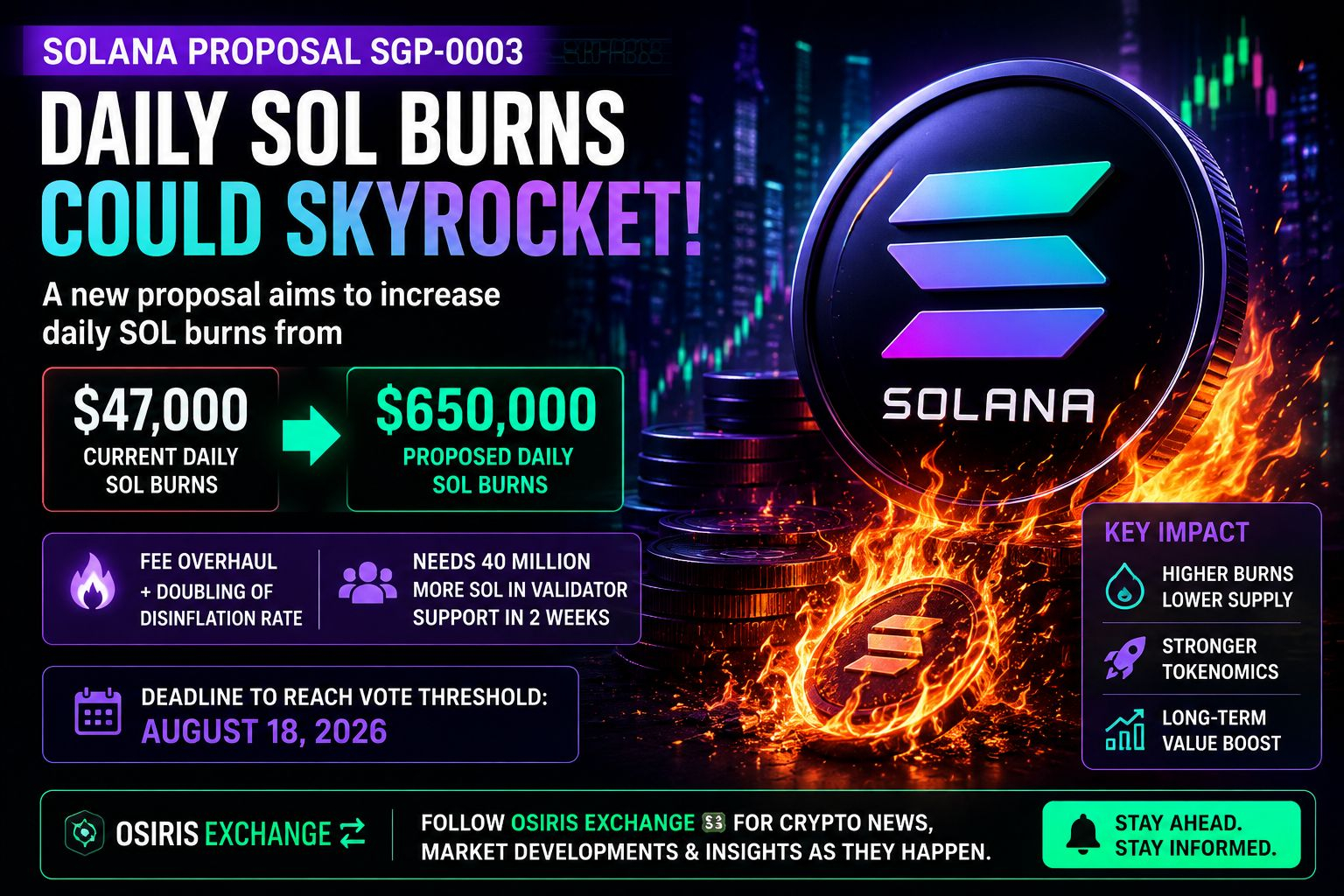
SOLANA YAQINDA KATTA TA’MINOT BOSHQA DARAJAGA O‘TISHINI TAKLIF QILDI
Solana validatorlari kundalik SOL kuydirishni taxminan $47,000 dan $650,000 gacha oshirishi mumkin bo‘lgan takliflarni qo‘llab-quvvatlayotganini bildirashyapti — shu bilan birga tarmoqning yangi SOL chiqarilishini kamaytirish sur’atini tezlashtirmoqda.
Lekin gap shundaki: avgust 18 ga qadar rasmiy ovoz berish uchun 15% chegaraga yetishishimiz uchun hali validatorlar tomonidan 40 millionga yaqinroq SOL qo‘llab-quvvatlanishi kerak.
Shuni ham noto‘g‘ri tushunmang: “tezkor deflyatsiya” deb o‘ylamang — hatto har kuni 9,000 SOL kuydirilsa ham, bu hozir har kuni chiqarilayotgan taxminan 60,000 SOL dan past bo‘lib qoladi.
Bu Solana’ning eng katta tokenomika haqidagi hikoyalaridan biriga aylanishi mumkin.
👀 Kuzatyapman. Siz hammi? Kripto yangiliklari va bozordagi o‘zgarishlar ro‘y berishi bilan Sackam’ni kuzating.
#solana #sol #CryptoNews #blockchaineconomy #altcoins
CoinDesk hisobotidan real yangilik rasmi.
SOLANA YAQINDA KATTA TA’MINOT BOSHQA DARAJAGA O‘TISHINI TAKLIF QILDI
Solana validatorlari kundalik SOL kuydirishni taxminan $47,000 dan $650,000 gacha oshirishi mumkin bo‘lgan takliflarni qo‘llab-quvvatlayotganini bildirashyapti — shu bilan birga tarmoqning yangi SOL chiqarilishini kamaytirish sur’atini tezlashtirmoqda.
Lekin gap shundaki: avgust 18 ga qadar rasmiy ovoz berish uchun 15% chegaraga yetishishimiz uchun hali validatorlar tomonidan 40 millionga yaqinroq SOL qo‘llab-quvvatlanishi kerak.
Shuni ham noto‘g‘ri tushunmang: “tezkor deflyatsiya” deb o‘ylamang — hatto har kuni 9,000 SOL kuydirilsa ham, bu hozir har kuni chiqarilayotgan taxminan 60,000 SOL dan past bo‘lib qoladi.
Bu Solana’ning eng katta tokenomika haqidagi hikoyalaridan biriga aylanishi mumkin.
👀 Kuzatyapman. Siz hammi? Kripto yangiliklari va bozordagi o‘zgarishlar ro‘y berishi bilan Sackam’ni kuzating.
#solana #sol #CryptoNews #blockchaineconomy #altcoins
CoinDesk hisobotidan real yangilik rasmi.
Solana validatorlari kundalik SOL kuydirishni taxminan $47,000 dan $650,000 gacha oshirishi mumkin bo‘lgan takliflarni qo‘llab-quvvatlayotganini bildirashyapti — shu bilan birga tarmoqning yangi SOL chiqarilishini kamaytirish sur’atini tezlashtirmoqda.
Lekin gap shundaki: avgust 18 ga qadar rasmiy ovoz berish uchun 15% chegaraga yetishishimiz uchun hali validatorlar tomonidan 40 millionga yaqinroq SOL qo‘llab-quvvatlanishi kerak.
Shuni ham noto‘g‘ri tushunmang: “tezkor deflyatsiya” deb o‘ylamang — hatto har kuni 9,000 SOL kuydirilsa ham, bu hozir har kuni chiqarilayotgan taxminan 60,000 SOL dan past bo‘lib qoladi.
Bu Solana’ning eng katta tokenomika haqidagi hikoyalaridan biriga aylanishi mumkin.
👀 Kuzatyapman. Siz hammi? Kripto yangiliklari va bozordagi o‘zgarishlar ro‘y berishi bilan Sackam’ni kuzating.
#solana #sol #CryptoNews #blockchaineconomy #altcoins
CoinDesk hisobotidan real yangilik rasmi.
29
·
--
🚨 JIM KRAMER BITCOIN’NI SOTAMAN DEYAPTI — LEKIN BTC PANIKADA EMAS
Jim Cramer o‘zining Bitcoin’ini sotmoqchi ekanini aytadi, chunki u kvant hisoblashlar bir necha yil ichida Bitcoin’ning xavfsizligiga tahdid solishi mumkin, deb hisoblaydi. Ogohlantirish IBM rahbari Arvind Krishna’ning kvant tahdidlari ehtimoliy muddatiga oid izohlaridan keyin berildi.
Shunga qaramay, Bitcoin 64K atrofida ushlab turibdi — bu bozor Cramer’ning ogohlantirishini BTC’dain voz kechish uchun darhol sabab deb qabul qilmayotganini ko‘rsatadi.
Muhim savol “Kramer to‘g‘rimi yoki noto‘g‘rimi?” emas.
Gap shunda:
Kvant kompyuterlar haqiqiy tahdidga aylanguniga qadar Bitcoin’ning kriptografiyasi yetarlicha tez rivojlana oladimi?
Men kuzatayotgan suhbat aynan shu.
Kripto yangiliklari, bozor rivoji, prognozlar va tahlillar bo‘yicha bo‘lib borayotgan voqealar uchun Sackam 💱’ni kuzatib boring.
Sizningcha, REAL TAHDIDmi yoki HALI ERTA PANIKA QILISHGA? 👇
#Bitcoin #CryptoNews🔒📰🚫 #quantumcomputing #DeFi! #CryptoAnalysis
🚨 JIM KRAMER BITCOIN’NI SOTAMAN DEYAPTI — LEKIN BTC PANIKADA EMAS
Jim Cramer o‘zining Bitcoin’ini sotmoqchi ekanini aytadi, chunki u kvant hisoblashlar bir necha yil ichida Bitcoin’ning xavfsizligiga tahdid solishi mumkin, deb hisoblaydi. Ogohlantirish IBM rahbari Arvind Krishna’ning kvant tahdidlari ehtimoliy muddatiga oid izohlaridan keyin berildi.
Shunga qaramay, Bitcoin 64K atrofida ushlab turibdi — bu bozor Cramer’ning ogohlantirishini BTC’dain voz kechish uchun darhol sabab deb qabul qilmayotganini ko‘rsatadi.
Muhim savol “Kramer to‘g‘rimi yoki noto‘g‘rimi?” emas.
Gap shunda:
Kvant kompyuterlar haqiqiy tahdidga aylanguniga qadar Bitcoin’ning kriptografiyasi yetarlicha tez rivojlana oladimi?
Men kuzatayotgan suhbat aynan shu.
Kripto yangiliklari, bozor rivoji, prognozlar va tahlillar bo‘yicha bo‘lib borayotgan voqealar uchun Sackam 💱’ni kuzatib boring.
Sizningcha, REAL TAHDIDmi yoki HALI ERTA PANIKA QILISHGA? 👇
#Bitcoin #CryptoNews🔒📰🚫 #quantumcomputing #DeFi! #CryptoAnalysis
Jim Cramer o‘zining Bitcoin’ini sotmoqchi ekanini aytadi, chunki u kvant hisoblashlar bir necha yil ichida Bitcoin’ning xavfsizligiga tahdid solishi mumkin, deb hisoblaydi. Ogohlantirish IBM rahbari Arvind Krishna’ning kvant tahdidlari ehtimoliy muddatiga oid izohlaridan keyin berildi.
Shunga qaramay, Bitcoin 64K atrofida ushlab turibdi — bu bozor Cramer’ning ogohlantirishini BTC’dain voz kechish uchun darhol sabab deb qabul qilmayotganini ko‘rsatadi.
Muhim savol “Kramer to‘g‘rimi yoki noto‘g‘rimi?” emas.
Gap shunda:
Kvant kompyuterlar haqiqiy tahdidga aylanguniga qadar Bitcoin’ning kriptografiyasi yetarlicha tez rivojlana oladimi?
Men kuzatayotgan suhbat aynan shu.
Kripto yangiliklari, bozor rivoji, prognozlar va tahlillar bo‘yicha bo‘lib borayotgan voqealar uchun Sackam 💱’ni kuzatib boring.
Sizningcha, REAL TAHDIDmi yoki HALI ERTA PANIKA QILISHGA? 👇
#Bitcoin #CryptoNews🔒📰🚫 #quantumcomputing #DeFi! #CryptoAnalysis
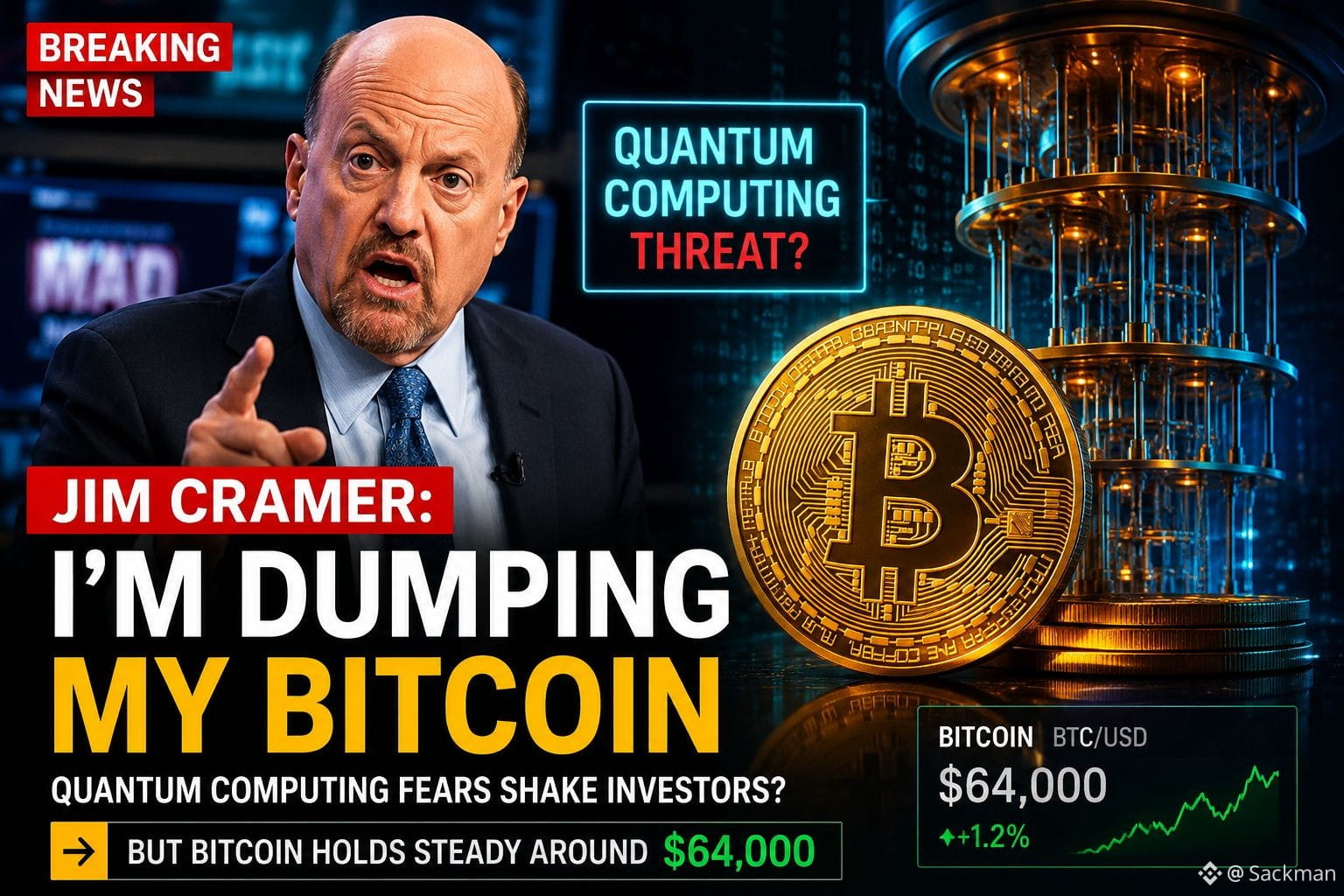
44
Ko‘proq kontentni ko‘rish uchun tizimga kiring
Binance Square'da global kriptovalyuta foydalanuvchilariga qo‘shiling
⚡️ Kriptovalyuta haqida eng so‘nggi va foydali ma’lumotlarni oling.
💬 Dunyoning eng yirik kriptovalyuta birjasi tomonidan ishonchli deb topilgan.
👍 Tasdiqlangan mualliflardan haqiqiy tahlillarni kashf eting.
Email / telefon raqami
Trenddagi mavzular
SaylorHintsStrategyBitcoinBuy
2.2M marta koʻrilgan
12,012 muhokama qilmoqda
#saylorhintsstrategybitcoinbuy
🚨 SAYLOR YAKSHANBA $BTC ISHORASINI TASHLADI 👀
Maykl Saylor yana o‘zining odatiy Bitcoin grafigini qayta joyladi.
Agar tarix takrorlansa, u sariq nuqtalar boshqa Strategy BTC xarid kelayotganidan darak berishi mumkin. 🟠
Saylor sotib olganida esa bozor buni kuzatadi.
🐋 Katta miqdordagi BTC zaxiralari
💰 Akkumulyatsiya qilish bo‘yicha davomiy strategiya
📈 Qisqa muddatli kayfiyatga potensial ijobiy ta’sir
Lekin eng muhim joyi shunda:
Qayta joylash — xarid bo‘yicha tasdiq EMAS.
Haqiqiy signal Strategy rasmiy ravishda tranzaksiyani e’lon qilganda keladi.
🔥 Agar yana bir yirik BTC xarid e’lon qilinsa, bu safar bozor qanday reaksiya qiladi?
Yoki Saylor’ning to‘plashi shu qadar odatiy bo‘lib qoladiki, treyderlar endi deyarli sezmay qo‘yishadimi?
👀 E’longa qarang.
$MSTRB
#BTC #strategy #crypto #BitcoinNews
sdatta
·4 ta layk
·3.3k marta koʻrilgan
BOJRaisesRatesTo31YearHigh
216,472 marta koʻrilgan
3,030 muhokama qilmoqda
BuffettStepsDownAsBerkshireChairman
104,447 marta koʻrilgan
1,609 muhokama qilmoqda