
MrRUHUL
13.5k Postlar
MrRUHUL
 Square Verified+
Shikoyat qilish
Foydalanuvchini bloklash
Twitter X:( @MrRUHUL77 ) News, Memes, Charts, Hopium, Market analysis and Latest crypto updates !
Ochiq savdo
Yuqori chastotali treyder
4.2 yil
299 Kuzatilmoqda
83.5K+ Kuzatuvchilar
68.3K+ Yoqdi
Postlar
Portfel
Barchasi
Iqtiboslar
Videolar
Jonli
QADAB QO‘YILGAN
·
--
Konsentratsiya darajasi: bezovta qilmang 🧧🎁💰💵🧧🎁💰💵🧧🎁💰💵
Konsentratsiya darajasi: bezovta qilmang 🧧🎁💰💵🧧🎁💰💵🧧🎁💰💵
875
12
46
875
QADAB QO‘YILGAN
·
--
Maqola
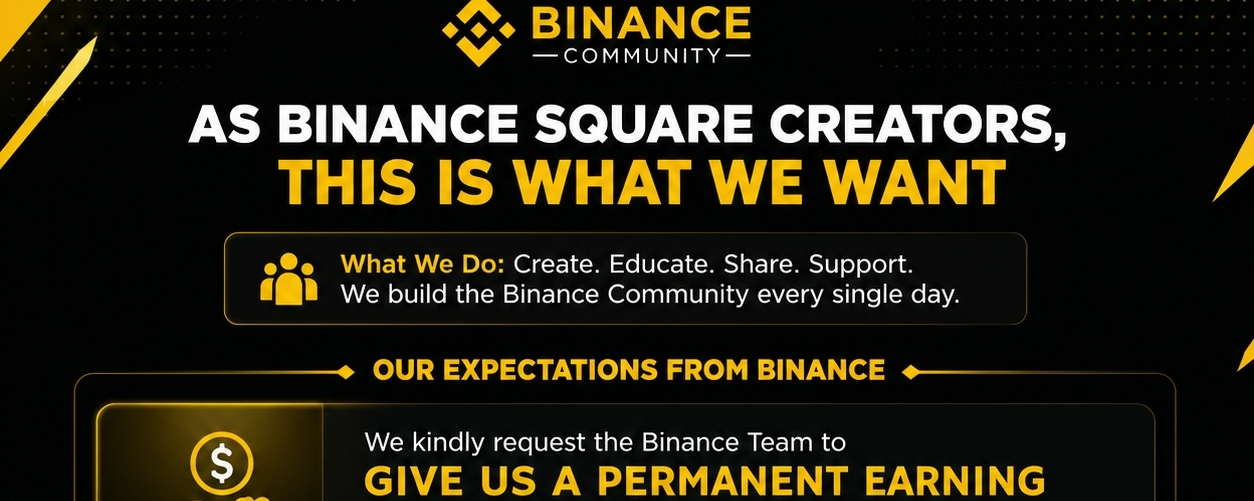
Binance Square’ning yaratuvchisi sifatida biz nimani xohlaymiz... Binance’dan bo‘lgan kutganlarimizYigitlar, bugun men Binance jamoasi haqida muhim gap aytaman... Ko‘plab yaratuvchilar fikrini eshitgandan keyin... Shuning uchun
Hurmatli Binance, biz izchil yaratuvchi sifatida sarflaymiz va har kuni 24/7 soat vaqtimizni Binance uchun ajratamiz. Kun sayin, oylar o‘tib, yillar o‘tib... biz yaratkich sifatida juda ko‘p pul topamiz degan umid va istak bor. Biz Binance bizga doimiy daromad yechimini berishini kutamiz, ammo bizning umidlarimiz va kutganlarimiz butunlay buzilmoqda.
Biz u yerda yaratuvchi uchun bo‘lim borligini bilamiz: alfa bo‘limi, “yozib daromad top” kabi imkoniyatlar ham bor. Lekin bular doimiy yechim emas. Shuningdek, yaratuvchi to‘lanadigan bo‘lim yoki alfa bo‘limi va “yozib daromad top” kabi tizimlarning ortida nima bo‘layotganini ham bilamiz.
Binance Square’ning yaratuvchisi sifatida biz nimani xohlaymiz... Binance’dan bo‘lgan kutganlarimiz
Yigitlar, bugun men Binance jamoasi haqida muhim gap aytaman... Ko‘plab yaratuvchilar fikrini eshitgandan keyin... Shuning uchun
Hurmatli Binance, biz izchil yaratuvchi sifatida sarflaymiz va har kuni 24/7 soat vaqtimizni Binance uchun ajratamiz. Kun sayin, oylar o‘tib, yillar o‘tib... biz yaratkich sifatida juda ko‘p pul topamiz degan umid va istak bor. Biz Binance bizga doimiy daromad yechimini berishini kutamiz, ammo bizning umidlarimiz va kutganlarimiz butunlay buzilmoqda.
Biz u yerda yaratuvchi uchun bo‘lim borligini bilamiz: alfa bo‘limi, “yozib daromad top” kabi imkoniyatlar ham bor. Lekin bular doimiy yechim emas. Shuningdek, yaratuvchi to‘lanadigan bo‘lim yoki alfa bo‘limi va “yozib daromad top” kabi tizimlarning ortida nima bo‘layotganini ham bilamiz.
Hurmatli Binance, biz izchil yaratuvchi sifatida sarflaymiz va har kuni 24/7 soat vaqtimizni Binance uchun ajratamiz. Kun sayin, oylar o‘tib, yillar o‘tib... biz yaratkich sifatida juda ko‘p pul topamiz degan umid va istak bor. Biz Binance bizga doimiy daromad yechimini berishini kutamiz, ammo bizning umidlarimiz va kutganlarimiz butunlay buzilmoqda.
Biz u yerda yaratuvchi uchun bo‘lim borligini bilamiz: alfa bo‘limi, “yozib daromad top” kabi imkoniyatlar ham bor. Lekin bular doimiy yechim emas. Shuningdek, yaratuvchi to‘lanadigan bo‘lim yoki alfa bo‘limi va “yozib daromad top” kabi tizimlarning ortida nima bo‘layotganini ham bilamiz.
33
15
65
6.2k
·
--
Uzoq tayyorgarlik (Dipslarda tavsiya etiladi)
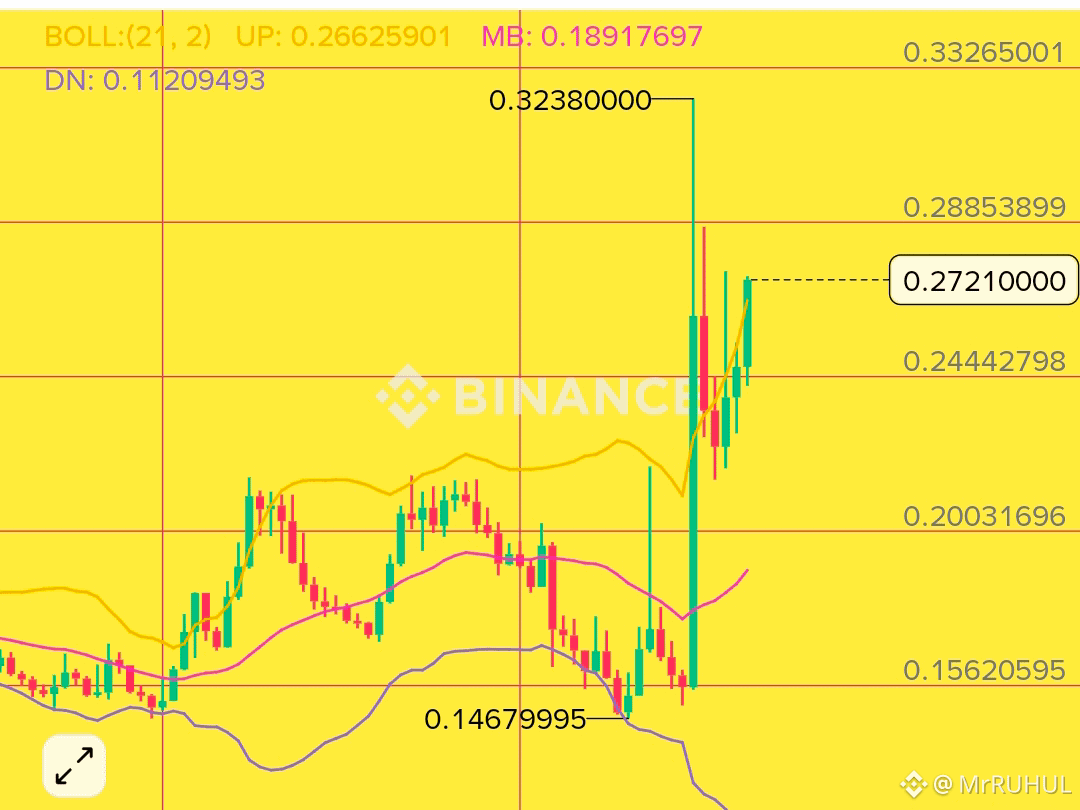
Ushbu $AVA pastliklardan qaytib, 0.32 gacha keskin ko‘tarildi. StochRSI 82 da yuqori — qaytish paytida yaxshiroq kirishlar.
Kirish $AVA : 0.245 – 0.260
SL: 0.220
TP1: 0.300
TP2: 0.330
Uzoq tayyorgarlik (Dipslarda tavsiya etiladi)
Ushbu $AVA pastliklardan qaytib, 0.32 gacha keskin ko‘tarildi. StochRSI 82 da yuqori — qaytish paytida yaxshiroq kirishlar.
Kirish $AVA : 0.245 – 0.260
SL: 0.220
TP1: 0.300
TP2: 0.330
Ushbu $AVA pastliklardan qaytib, 0.32 gacha keskin ko‘tarildi. StochRSI 82 da yuqori — qaytish paytida yaxshiroq kirishlar.
Kirish $AVA : 0.245 – 0.260
SL: 0.220
TP1: 0.300
TP2: 0.330
406
·
--
Uzun setup (Dipslarda tavsiya etiladi) $AGT
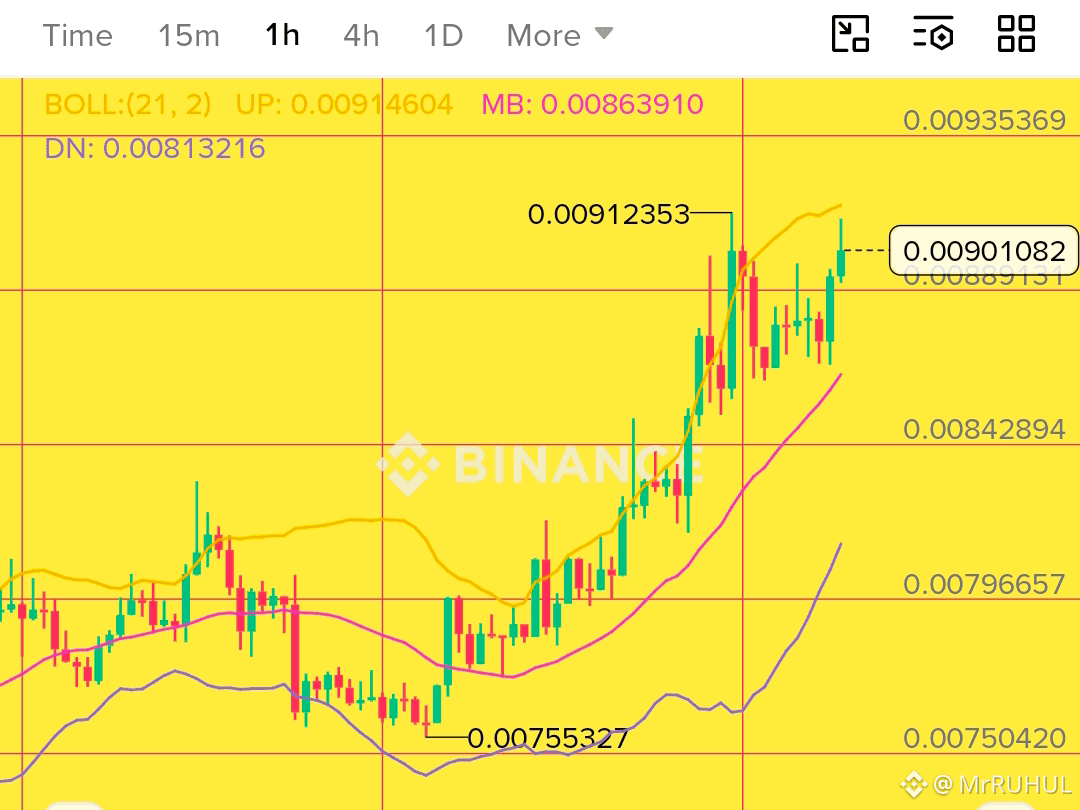
Bu $PENGU aniq ko‘tarilish trendida va hozir biroz “sovitmoqda”. StochRSI 28 ga tushdi — sog‘lomroq kirish zonasi.
Kirish $PENGU : 0.00860 – 0.00885
SL: 0.00820
TP1: 0.00950
TP2: 0.01020
Uzun setup (Dipslarda tavsiya etiladi) $AGT
Bu $PENGU aniq ko‘tarilish trendida va hozir biroz “sovitmoqda”. StochRSI 28 ga tushdi — sog‘lomroq kirish zonasi.
Kirish $PENGU : 0.00860 – 0.00885
SL: 0.00820
TP1: 0.00950
TP2: 0.01020
Bu $PENGU aniq ko‘tarilish trendida va hozir biroz “sovitmoqda”. StochRSI 28 ga tushdi — sog‘lomroq kirish zonasi.
Kirish $PENGU : 0.00860 – 0.00885
SL: 0.00820
TP1: 0.00950
TP2: 0.01020
520
·
--
Uzoq tayyorlov (Chuqurlarga tushganda tavsiya etiladi) $GRASS
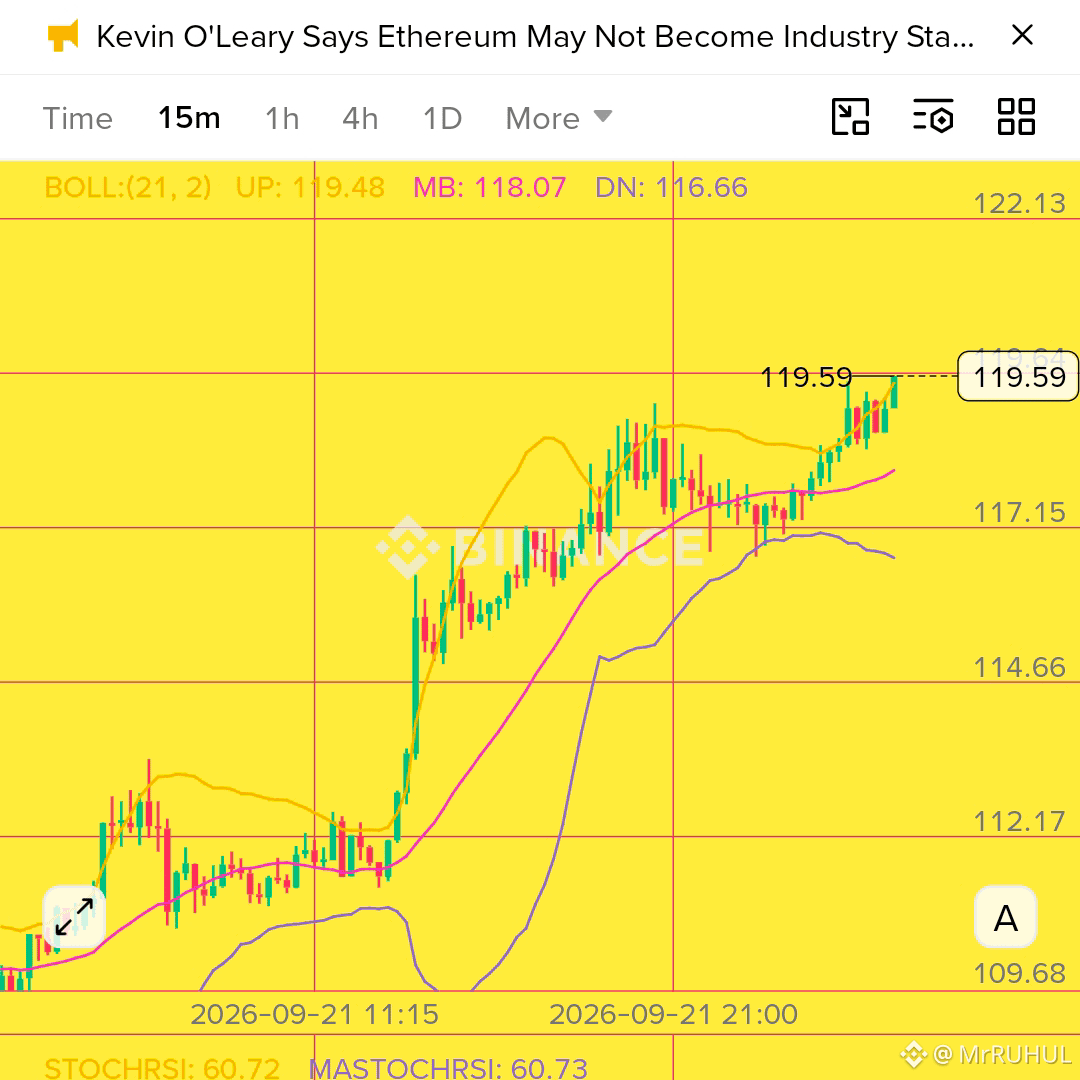
Ushbu $SOL yuqoriga ko‘tarilmoqda va Bollinger yuqori chizig‘i yonida joylashgan. Momentum kuchli ko‘rinadi.
Kirish $SOL : 116.50 – 118.00
SL: 113.50
TP1: 124.00
TP2: 128.00
Uzoq tayyorlov (Chuqurlarga tushganda tavsiya etiladi) $GRASS
Ushbu $SOL yuqoriga ko‘tarilmoqda va Bollinger yuqori chizig‘i yonida joylashgan. Momentum kuchli ko‘rinadi.
Kirish $SOL : 116.50 – 118.00
SL: 113.50
TP1: 124.00
TP2: 128.00
Ushbu $SOL yuqoriga ko‘tarilmoqda va Bollinger yuqori chizig‘i yonida joylashgan. Momentum kuchli ko‘rinadi.
Kirish $SOL : 116.50 – 118.00
SL: 113.50
TP1: 124.00
TP2: 128.00
1.1k
·
--
Uzoq tayyorgarlik (Dipslarda tavsiya etiladi)
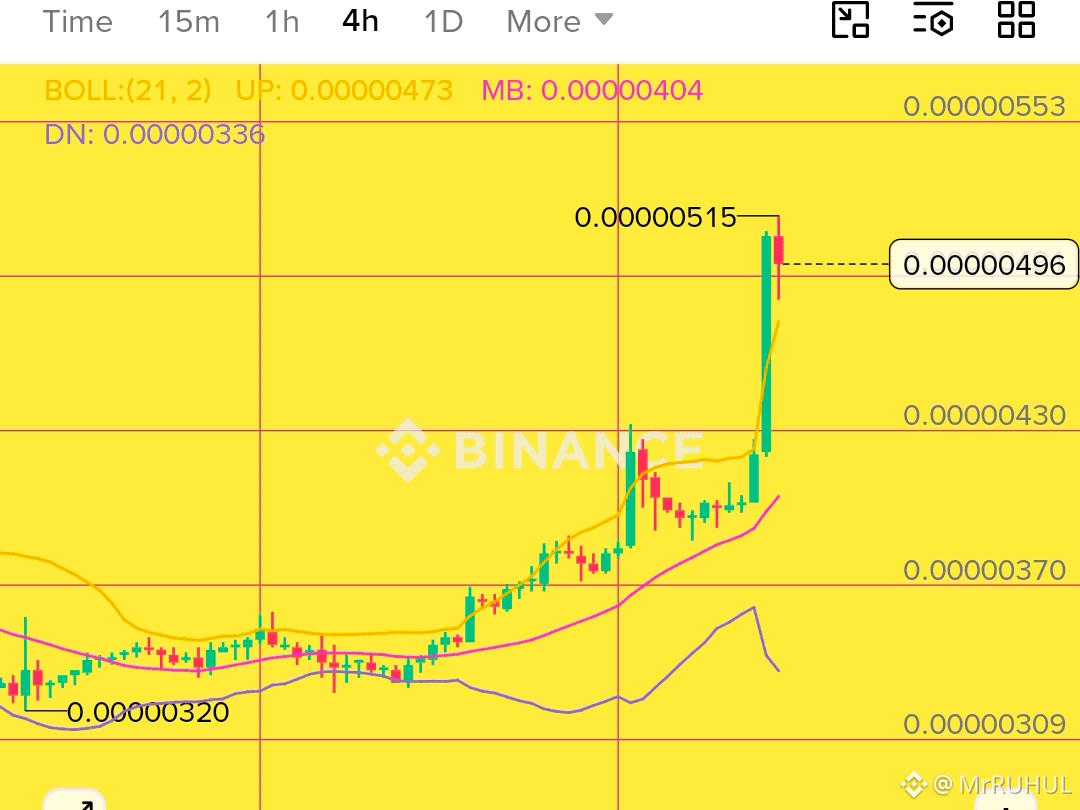
This$PEPE kuchli yashil sham bilan qattiq “pump” qilindi. Narx yuqori Bollingerdan yuqoriga cho‘zildi — yaxshiroq kirishlar qaytish (pullback)da bo‘ladi.
Entry $PEPE : 0.00000440 – 0.00000465
SL: 0.00000400
TP1: 0.00000540
TP2: 0.00000600
$TAKE
Uzoq tayyorgarlik (Dipslarda tavsiya etiladi)
This$PEPE kuchli yashil sham bilan qattiq “pump” qilindi. Narx yuqori Bollingerdan yuqoriga cho‘zildi — yaxshiroq kirishlar qaytish (pullback)da bo‘ladi.
Entry $PEPE : 0.00000440 – 0.00000465
SL: 0.00000400
TP1: 0.00000540
TP2: 0.00000600
$TAKE
This$PEPE kuchli yashil sham bilan qattiq “pump” qilindi. Narx yuqori Bollingerdan yuqoriga cho‘zildi — yaxshiroq kirishlar qaytish (pullback)da bo‘ladi.
Entry $PEPE : 0.00000440 – 0.00000465
SL: 0.00000400
TP1: 0.00000540
TP2: 0.00000600
$TAKE
1
1.1k
·
--
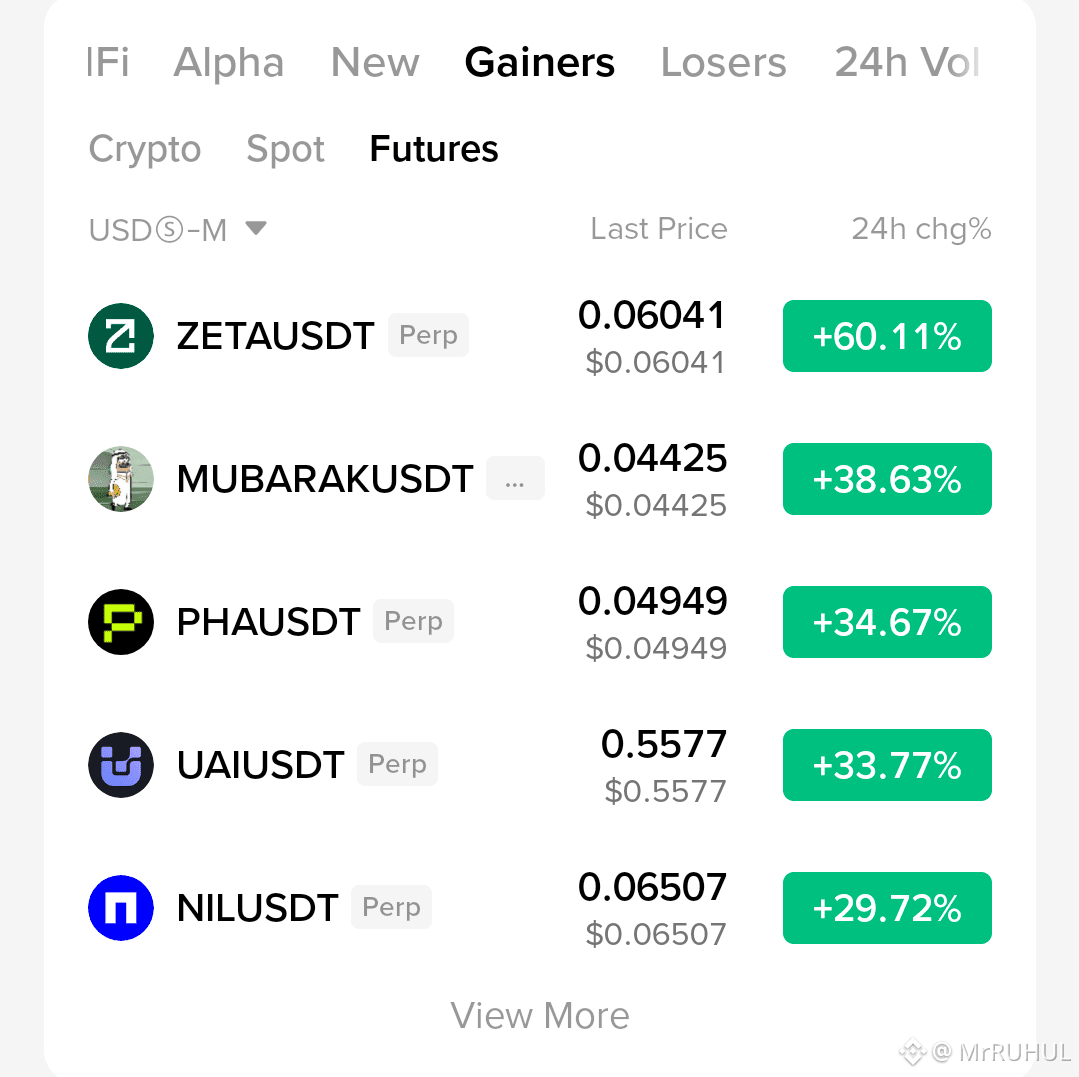
Yangi xaridorlar roʻyxati....$ZETA
$MUBARAK
$PHA
Yangi xaridorlar roʻyxati....$ZETA
$MUBARAK
$PHA
$MUBARAK
$PHA
1
2.6k
·
--
Uzoq tayyorgarlik (Dipsda tavsiya etiladi)
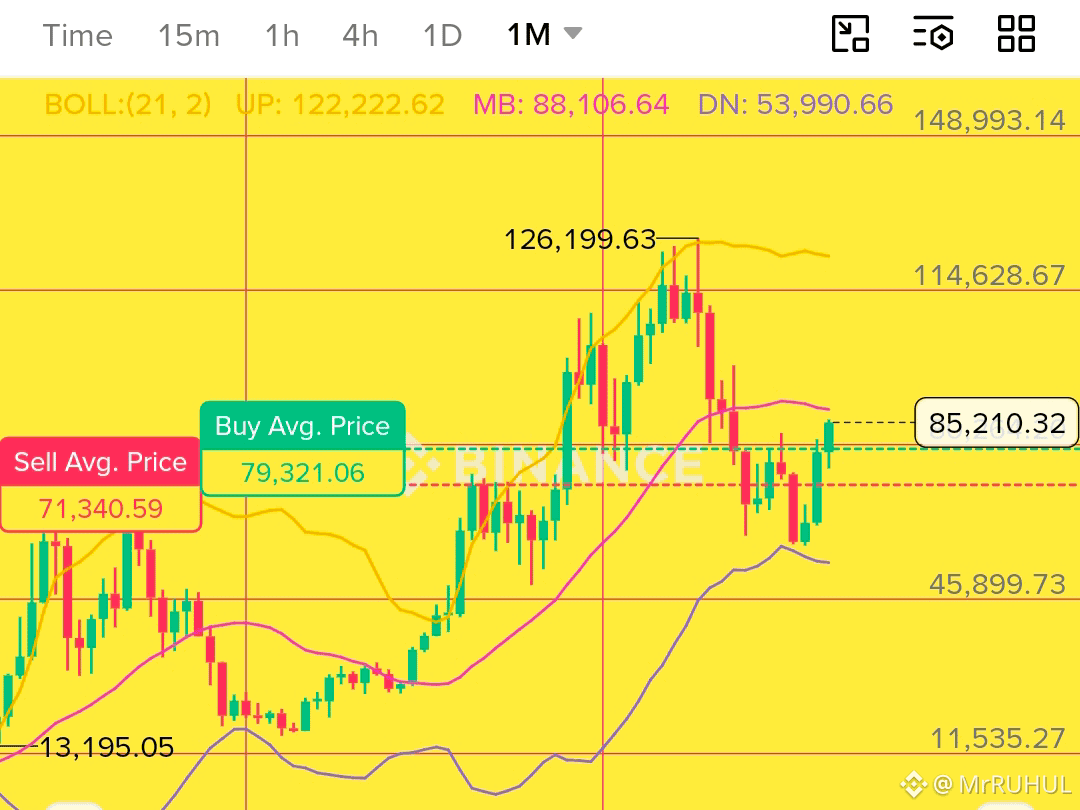
$BTC oylik jadvalda 126 mingdan keyingi katta tuzatishdan so‘ng qayta tiklanmoqda. StochRSI hali ham 29 da past — agar u tayanchni ushlab tursa, yuqoriroqqa harakat qilish uchun joy bor.
Kirish $BTC : 82,000 – 84,000
SL: 78,500
TP1: 92,000
TP2: 105,000
$ETH
Uzoq tayyorgarlik (Dipsda tavsiya etiladi)
$BTC oylik jadvalda 126 mingdan keyingi katta tuzatishdan so‘ng qayta tiklanmoqda. StochRSI hali ham 29 da past — agar u tayanchni ushlab tursa, yuqoriroqqa harakat qilish uchun joy bor.
Kirish $BTC : 82,000 – 84,000
SL: 78,500
TP1: 92,000
TP2: 105,000
$ETH
$BTC oylik jadvalda 126 mingdan keyingi katta tuzatishdan so‘ng qayta tiklanmoqda. StochRSI hali ham 29 da past — agar u tayanchni ushlab tursa, yuqoriroqqa harakat qilish uchun joy bor.
Kirish $BTC : 82,000 – 84,000
SL: 78,500
TP1: 92,000
TP2: 105,000
$ETH
1
2.8k
·
--
Katta tayyorgarlik (Dipsda tavsiya etiladi)
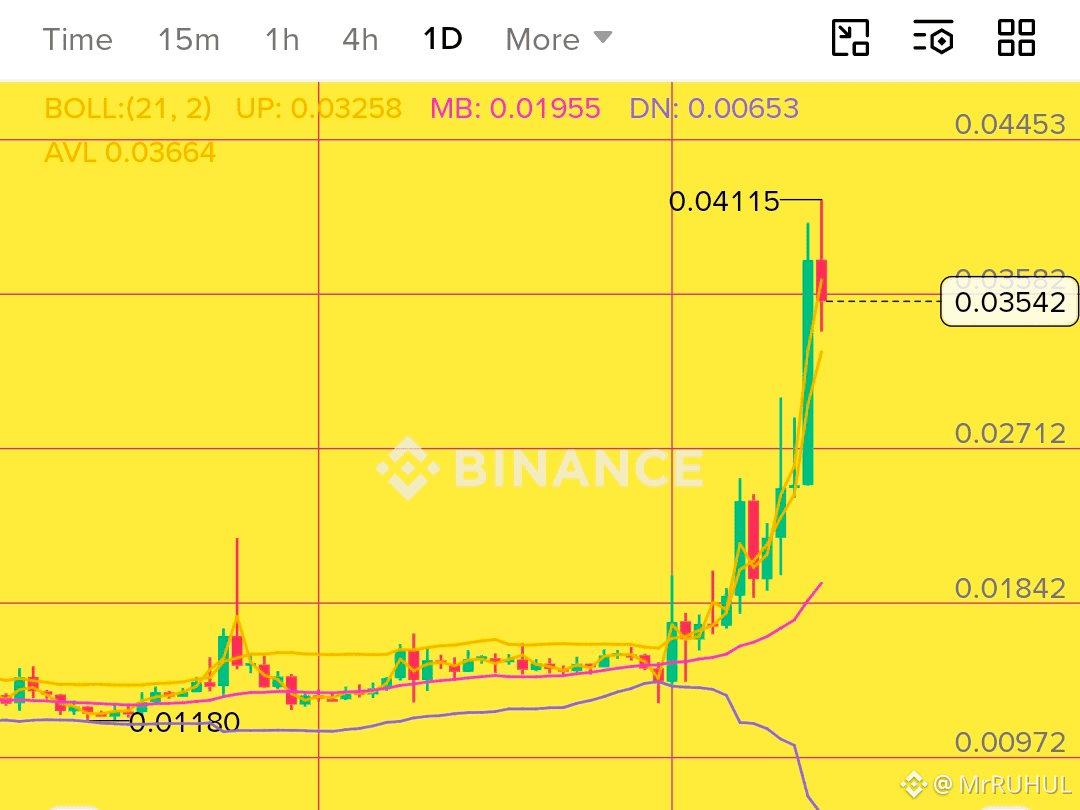
Bu $SAGA qattiq pump bo‘ldi va 0.041 dagi yuqoridan keyin soviyapti. StochRSI hali ham 86 da yuqori.
Kirish $SAGA : 0.0310 – 0.0335
SL: 0.0280
TP1: 0.0400
TP2: 0.0450
Katta tayyorgarlik (Dipsda tavsiya etiladi)
Bu $SAGA qattiq pump bo‘ldi va 0.041 dagi yuqoridan keyin soviyapti. StochRSI hali ham 86 da yuqori.
Kirish $SAGA : 0.0310 – 0.0335
SL: 0.0280
TP1: 0.0400
TP2: 0.0450
Bu $SAGA qattiq pump bo‘ldi va 0.041 dagi yuqoridan keyin soviyapti. StochRSI hali ham 86 da yuqori.
Kirish $SAGA : 0.0310 – 0.0335
SL: 0.0280
TP1: 0.0400
TP2: 0.0450
1
688
·
--
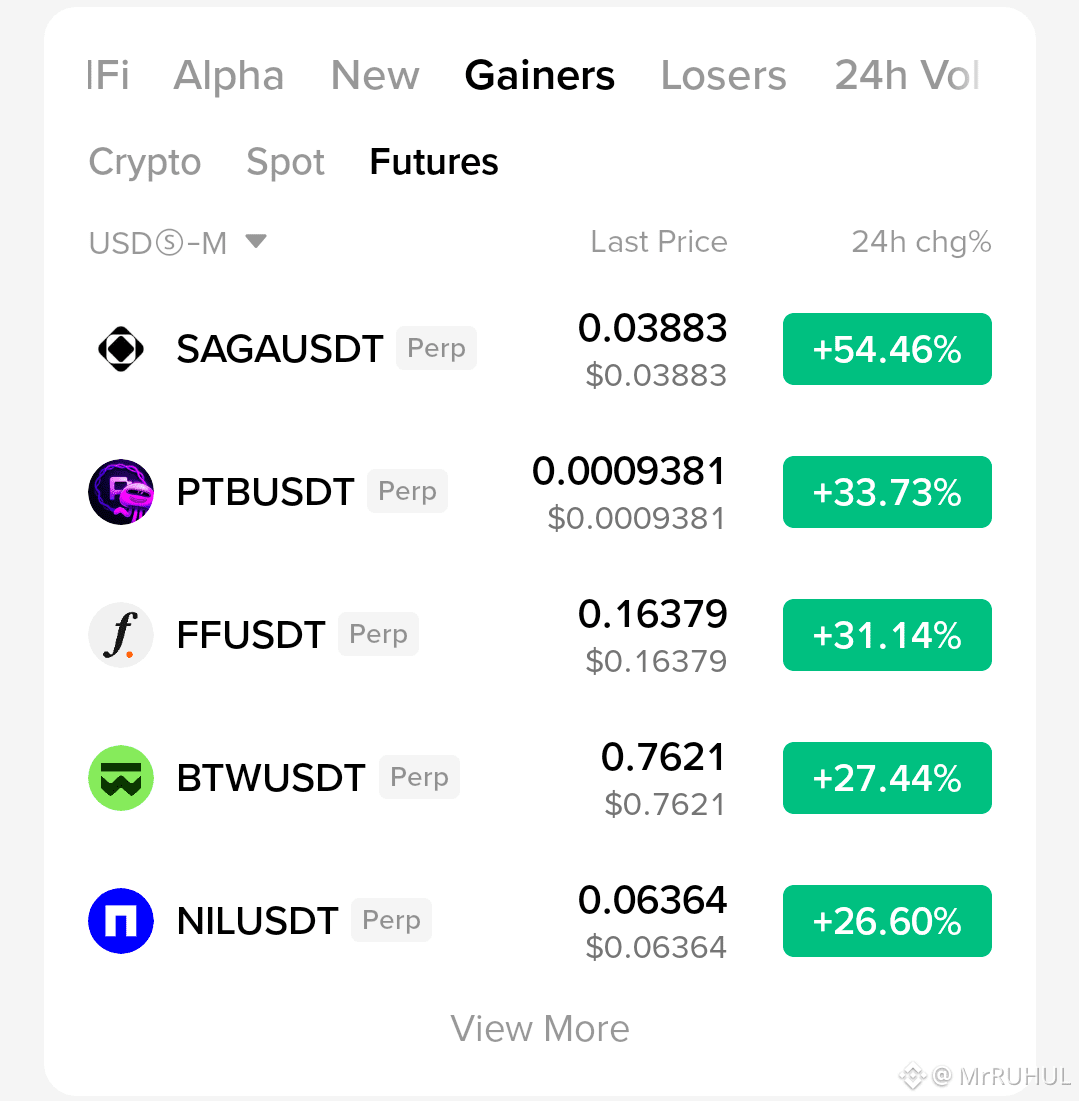
bugungi eng yaxshi daromadlilar ... $SAGA
$FF
$NIL
bugungi eng yaxshi daromadlilar ... $SAGA
$FF
$NIL
$FF
$NIL
1
1.4k
·
--
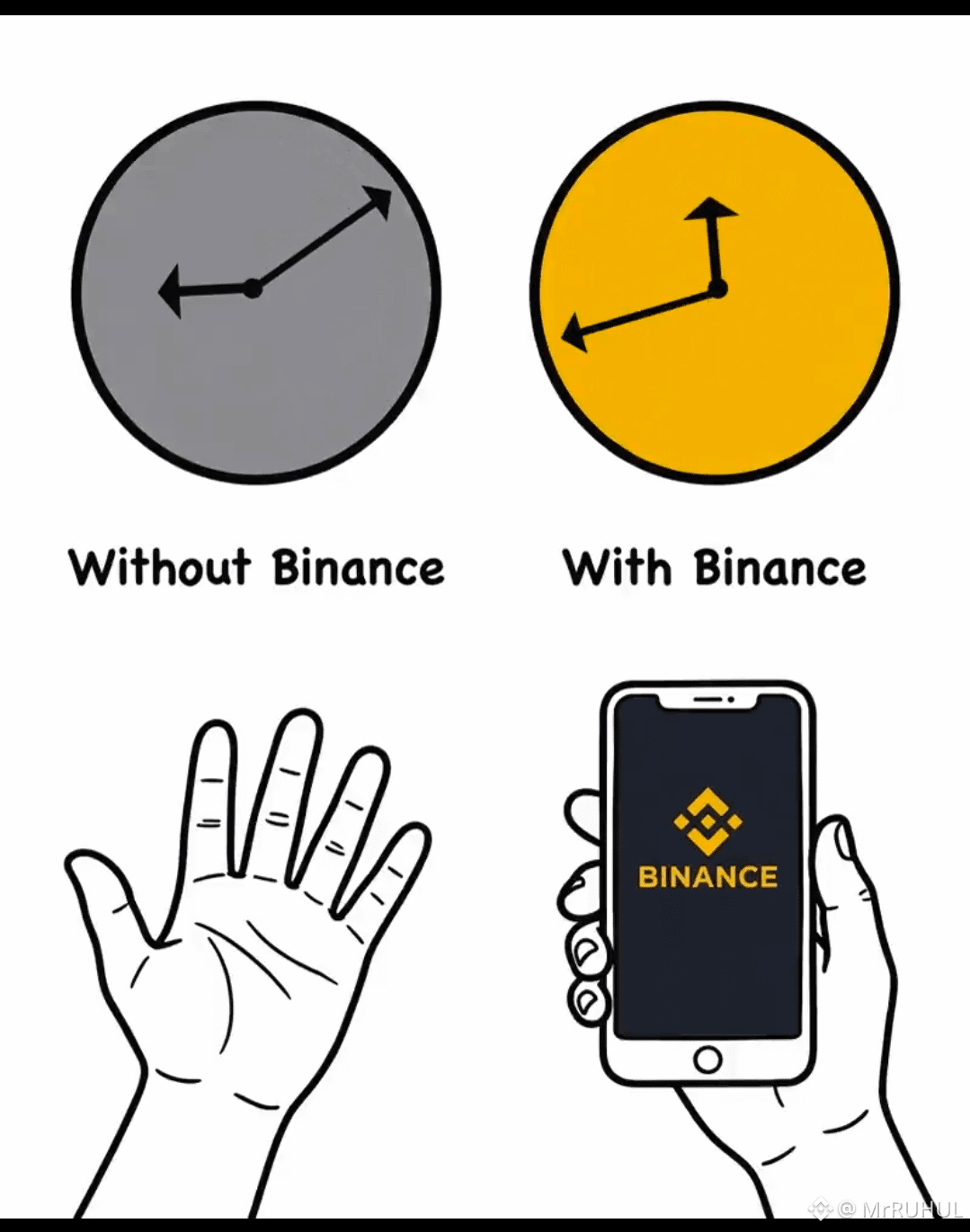
Binance’da bo‘lganingizda vaqt tez o‘tib ketadi.
Binance’da bo‘lganingizda vaqt tez o‘tib ketadi.
805
5
49
805
·
--
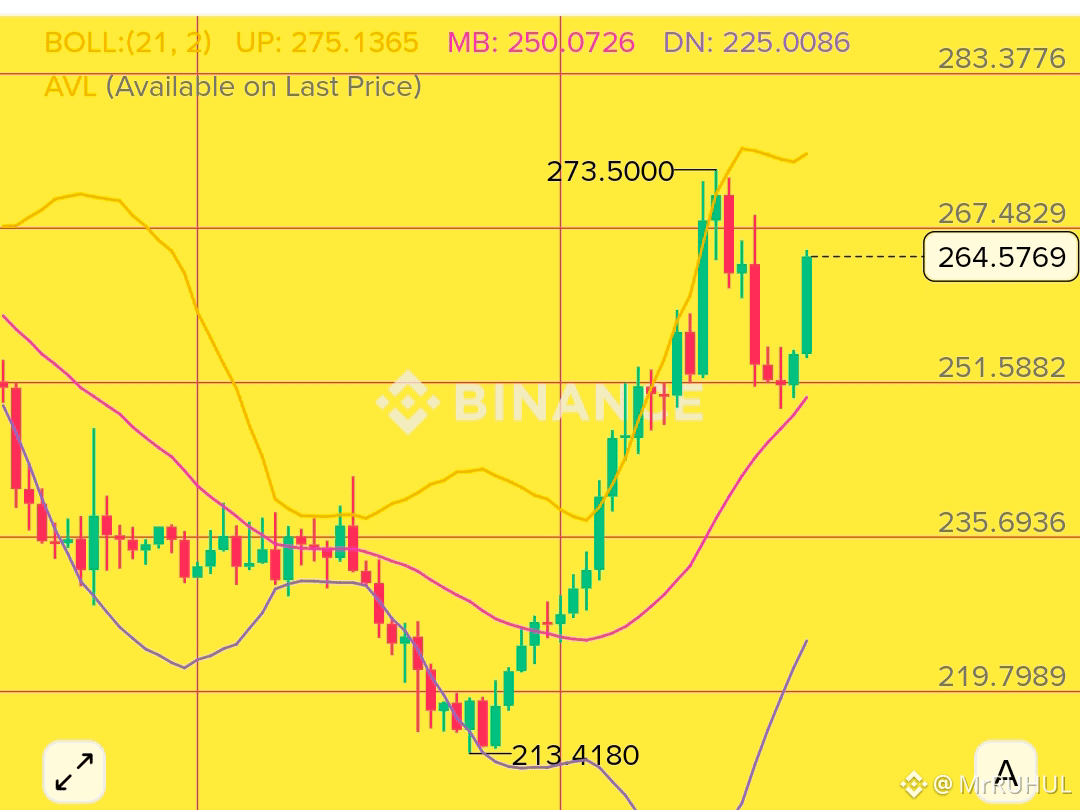
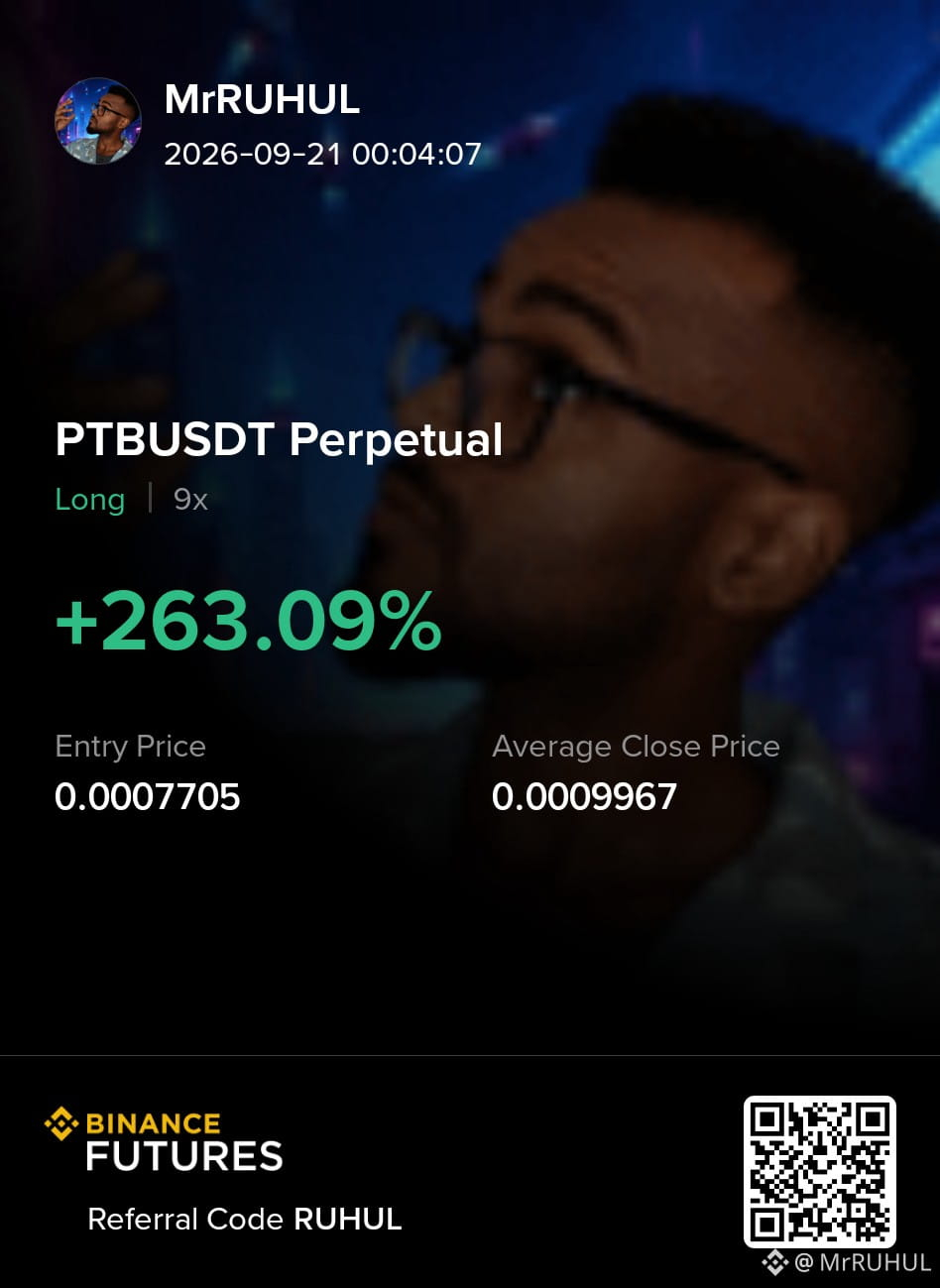
$PTB dan 263% hozir $TAO dagi keyingi targetga
Uzoq setup (tushishlarda tavsiya etiladi)
Ushbu TAO yaqinda bo‘lgan eng yuqoridan keyin qaytdi, StochRSI esa hozir 17 da oversold. Strukturasi yuqoriroqda qolmoqda.
Kirish $TAO : 255 – 262
SL: 245
TP1: 280
TP2: 295
$PTB dan 263% hozir $TAO dagi keyingi targetga
Uzoq setup (tushishlarda tavsiya etiladi)
Ushbu TAO yaqinda bo‘lgan eng yuqoridan keyin qaytdi, StochRSI esa hozir 17 da oversold. Strukturasi yuqoriroqda qolmoqda.
Kirish $TAO : 255 – 262
SL: 245
TP1: 280
TP2: 295
Uzoq setup (tushishlarda tavsiya etiladi)
Ushbu TAO yaqinda bo‘lgan eng yuqoridan keyin qaytdi, StochRSI esa hozir 17 da oversold. Strukturasi yuqoriroqda qolmoqda.
Kirish $TAO : 255 – 262
SL: 245
TP1: 280
TP2: 295
3
763
·
--
Uzoq tayyorlov (Chuqurlarga tushishda tavsiya etiladi)
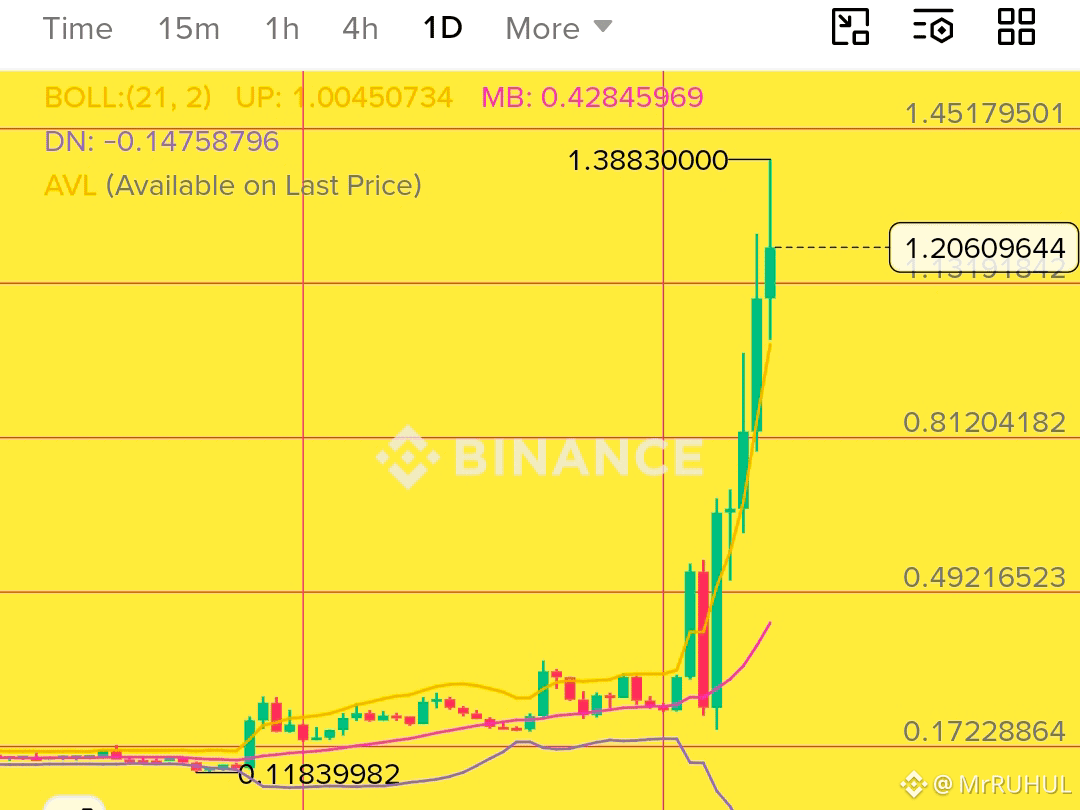
Ushbu $BR 0.12 dan 1.38 dan ham oshgunga qadar to‘liq parabola ko‘rinishida o‘sdi. StochRSI 96 da — juda ham cho‘zilgan.
Kirish $BR : 0.95 – 1.05
SL: 0.82
TP1: 1.35
TP2: 1.55
$ONE
Uzoq tayyorlov (Chuqurlarga tushishda tavsiya etiladi)
Ushbu $BR 0.12 dan 1.38 dan ham oshgunga qadar to‘liq parabola ko‘rinishida o‘sdi. StochRSI 96 da — juda ham cho‘zilgan.
Kirish $BR : 0.95 – 1.05
SL: 0.82
TP1: 1.35
TP2: 1.55
$ONE
Ushbu $BR 0.12 dan 1.38 dan ham oshgunga qadar to‘liq parabola ko‘rinishida o‘sdi. StochRSI 96 da — juda ham cho‘zilgan.
Kirish $BR : 0.95 – 1.05
SL: 0.82
TP1: 1.35
TP2: 1.55
$ONE
1
4
2.3k
·
--
Uzoq tayyorlov (Chuqurlardan tavsiya etiladi)
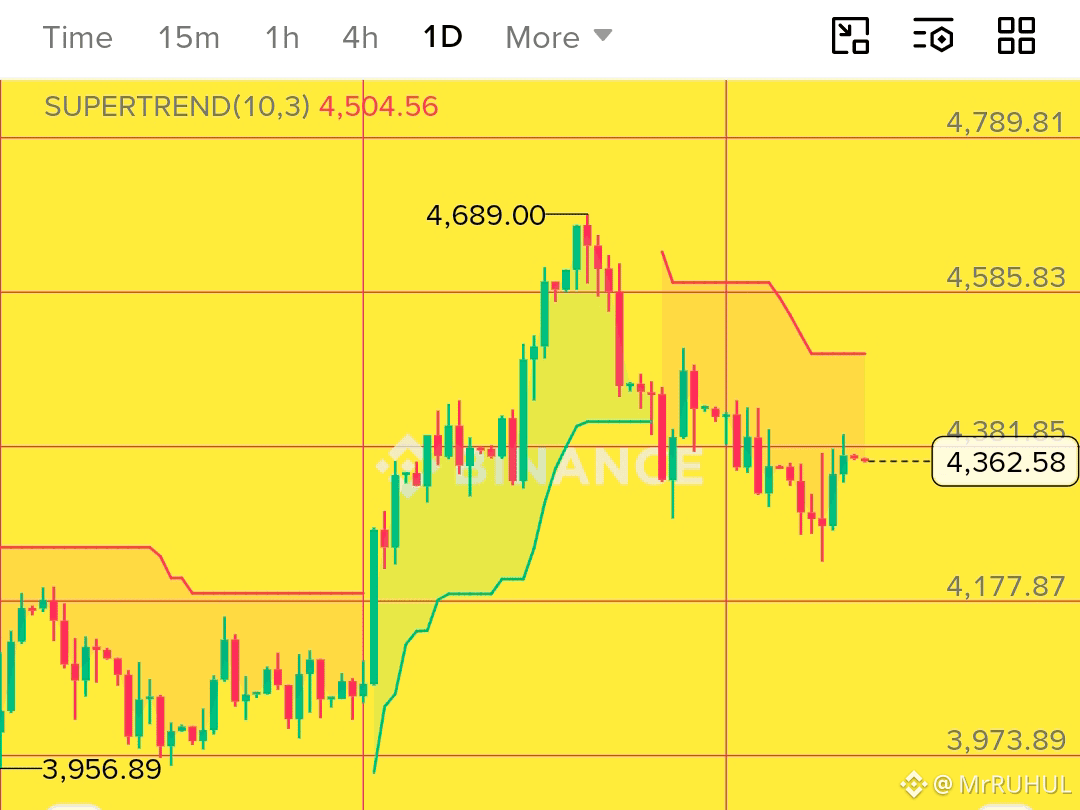
Ushbu $PAXG 4,689 yuqori ko‘rsatkichidan orqaga qaytib, hozir konsolidatsiyalanmoqda. StochRSI so‘nggi qaytish paytida 93 da baland.
Kirish $PAXG : 4,250 – 4,320
SL: 4,150
TP1: 4,550
TP2: 4,700
$ETH
Uzoq tayyorlov (Chuqurlardan tavsiya etiladi)
Ushbu $PAXG 4,689 yuqori ko‘rsatkichidan orqaga qaytib, hozir konsolidatsiyalanmoqda. StochRSI so‘nggi qaytish paytida 93 da baland.
Kirish $PAXG : 4,250 – 4,320
SL: 4,150
TP1: 4,550
TP2: 4,700
$ETH
Ushbu $PAXG 4,689 yuqori ko‘rsatkichidan orqaga qaytib, hozir konsolidatsiyalanmoqda. StochRSI so‘nggi qaytish paytida 93 da baland.
Kirish $PAXG : 4,250 – 4,320
SL: 4,150
TP1: 4,550
TP2: 4,700
$ETH
2
707
·
--
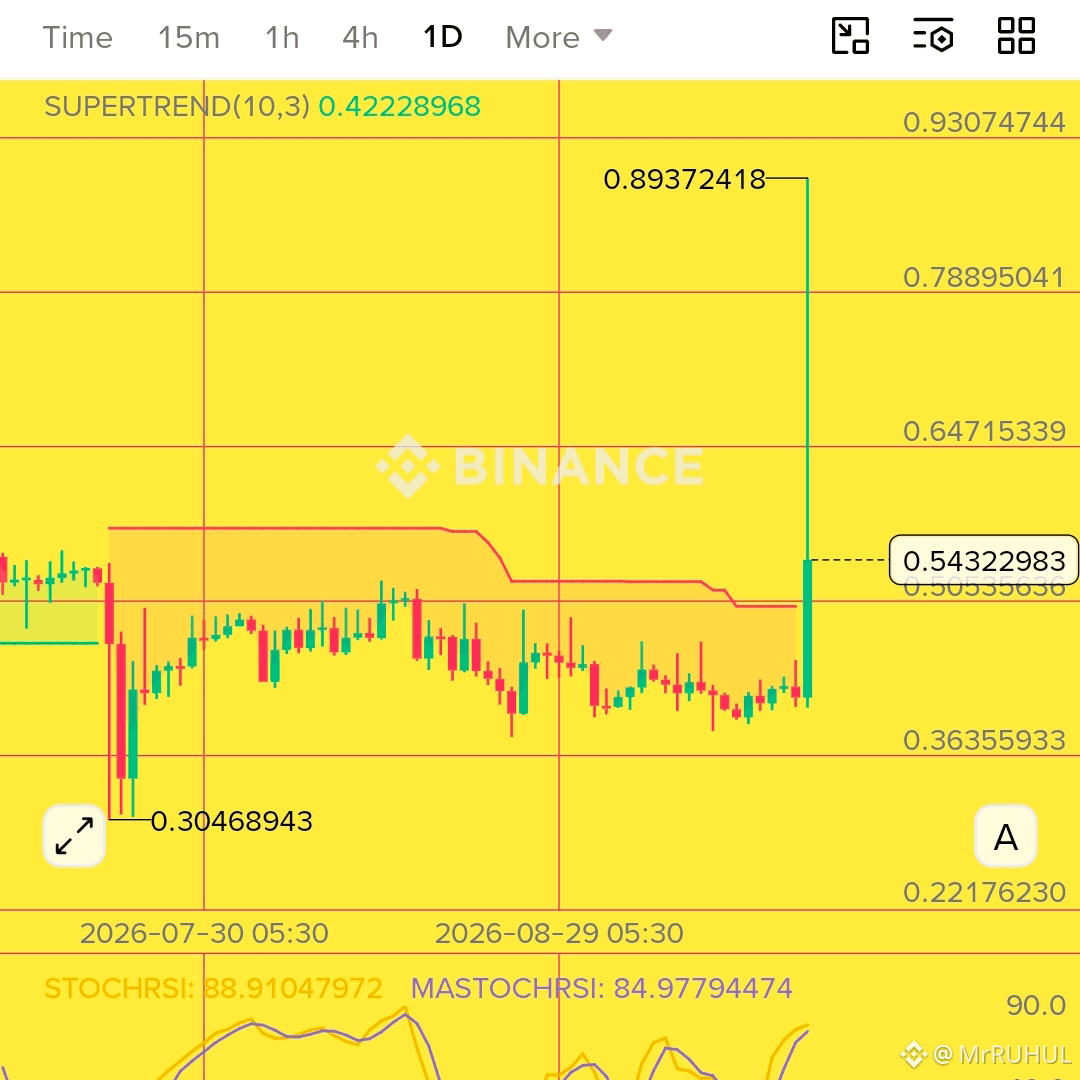
Uzun tayyorlov (Dipslarda tavsiya etiladi)
Bu $B2 0.89 gacha tik ko‘tarilib ketdi va keyin keskin orqaga qaytdi. StochRSI harakatdan so‘ng ham 89 da yuqori.
Kirish $B2 : 0.480 – 0.510
SL: 0.430
TP1: 0.620
TP2: 0.720
$SOL
Uzun tayyorlov (Dipslarda tavsiya etiladi)
Bu $B2 0.89 gacha tik ko‘tarilib ketdi va keyin keskin orqaga qaytdi. StochRSI harakatdan so‘ng ham 89 da yuqori.
Kirish $B2 : 0.480 – 0.510
SL: 0.430
TP1: 0.620
TP2: 0.720
$SOL
Bu $B2 0.89 gacha tik ko‘tarilib ketdi va keyin keskin orqaga qaytdi. StochRSI harakatdan so‘ng ham 89 da yuqori.
Kirish $B2 : 0.480 – 0.510
SL: 0.430
TP1: 0.620
TP2: 0.720
$SOL
4
792
·
--
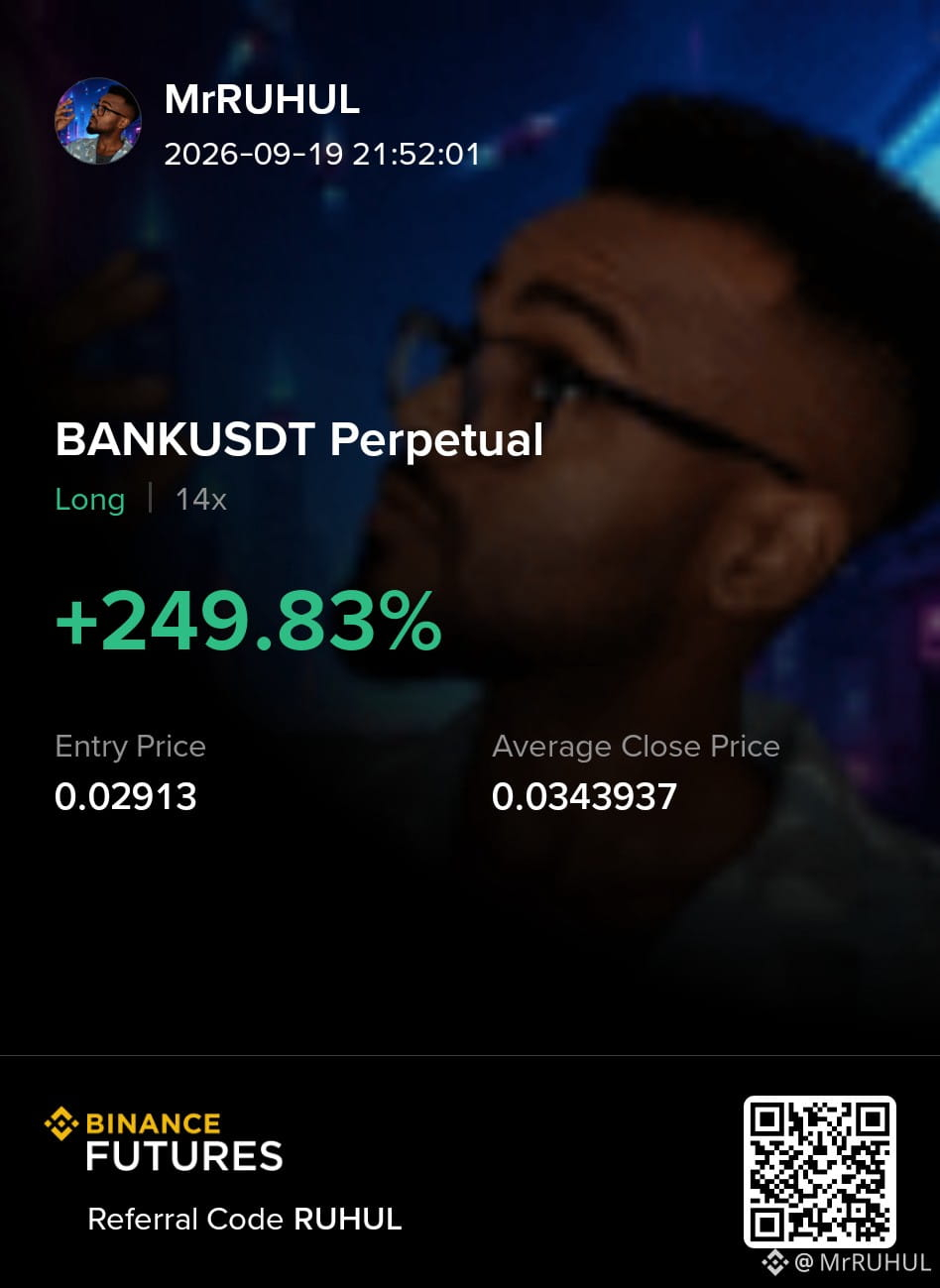
$BANK next bo‘lgan $GRVT da 250%
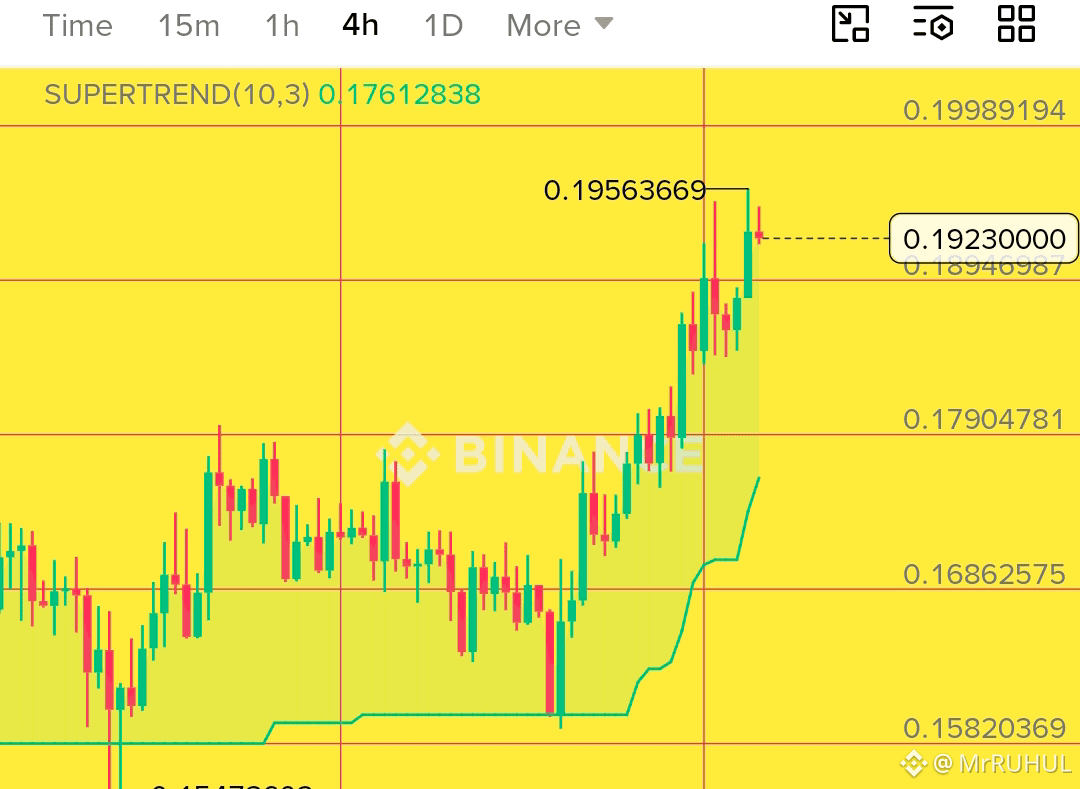
Uzoq muddatli setup (pasayishlarda tavsiya etiladi)
Ushbu GRVT StochRSI 90 bilan yuqoriga surilmoqda. Momentum kuchli, ammo qisqa muddatda cho‘zilgan.
Kirish: $GRVT 0.180 – 0.186
SL: 0.170
TP1: 0.205
TP2: 0.220
$BANK next bo‘lgan $GRVT da 250%
Uzoq muddatli setup (pasayishlarda tavsiya etiladi)
Ushbu GRVT StochRSI 90 bilan yuqoriga surilmoqda. Momentum kuchli, ammo qisqa muddatda cho‘zilgan.
Kirish: $GRVT 0.180 – 0.186
SL: 0.170
TP1: 0.205
TP2: 0.220
Uzoq muddatli setup (pasayishlarda tavsiya etiladi)
Ushbu GRVT StochRSI 90 bilan yuqoriga surilmoqda. Momentum kuchli, ammo qisqa muddatda cho‘zilgan.
Kirish: $GRVT 0.180 – 0.186
SL: 0.170
TP1: 0.205
TP2: 0.220
8
2.2k
·
--
Chuqurga tushishlarda tavsiya etiladi bo‘lgan uzun setup (Dips)
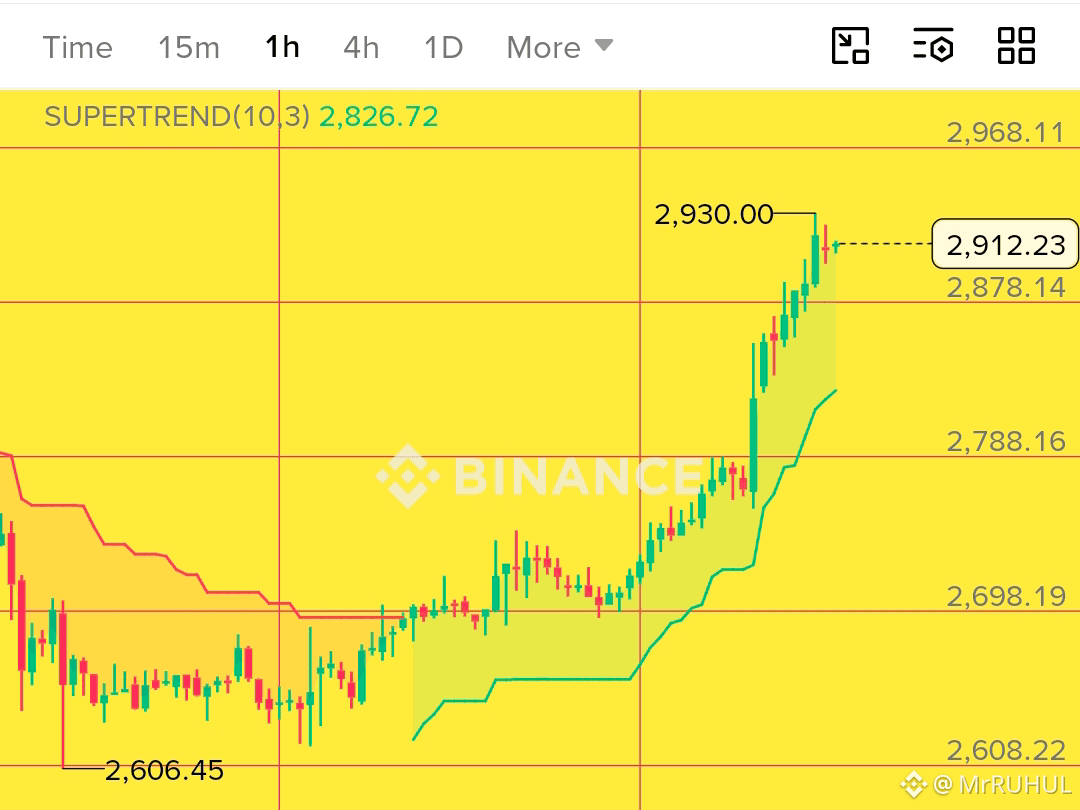
Bu $WBETH kuchli sur’at bilan yuqoriga harakat qilmoqda. StochRSI 86 da — dips paytida yaxshiroq kirish nuqtalari.
Kirish: $WBETH 2,780 – 2,850
SL: 2,680
TP1: 3,050
TP2: 3,200
$BNB
Chuqurga tushishlarda tavsiya etiladi bo‘lgan uzun setup (Dips)
Bu $WBETH kuchli sur’at bilan yuqoriga harakat qilmoqda. StochRSI 86 da — dips paytida yaxshiroq kirish nuqtalari.
Kirish: $WBETH 2,780 – 2,850
SL: 2,680
TP1: 3,050
TP2: 3,200
$BNB
Bu $WBETH kuchli sur’at bilan yuqoriga harakat qilmoqda. StochRSI 86 da — dips paytida yaxshiroq kirish nuqtalari.
Kirish: $WBETH 2,780 – 2,850
SL: 2,680
TP1: 3,050
TP2: 3,200
$BNB
1
2
599
·
--
Uzoq tayyorlov (Tushishlarda tavsiya etiladi)
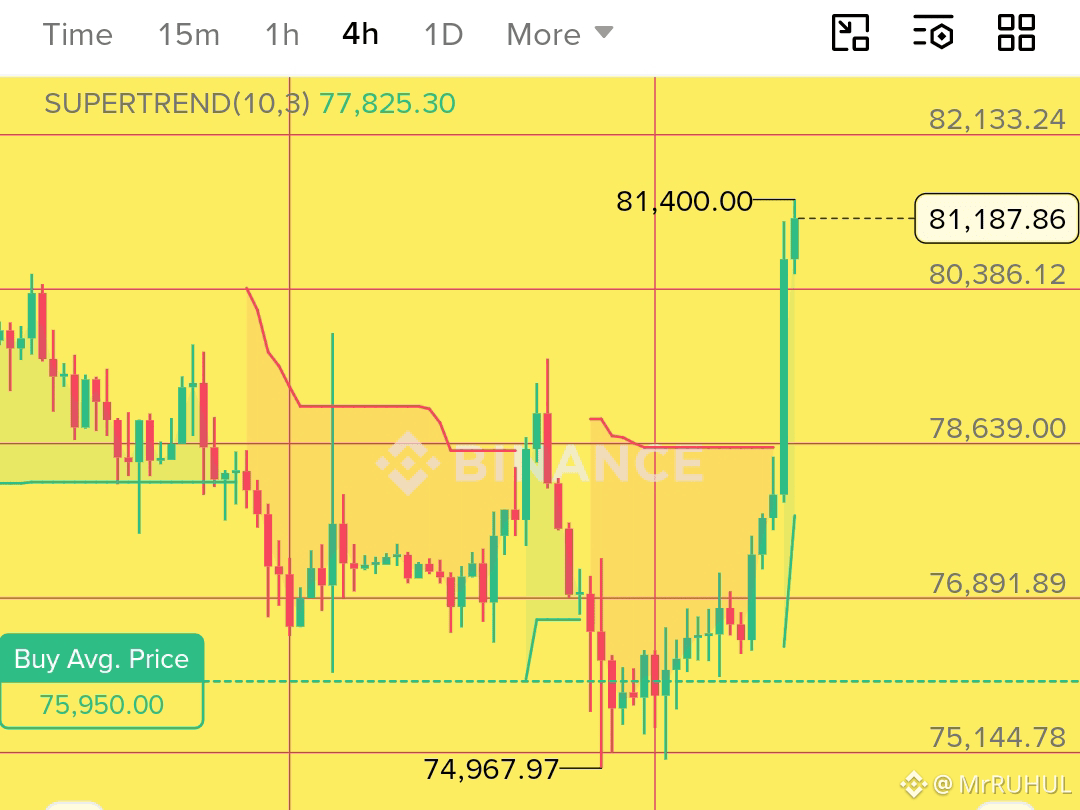
$BTC StochRSI 100 ga teng (maksimal) bo‘lgan holda 81k dan yuqoriga qattiq qaytib pomplandi. Kuchli momentum, ammo qisqa muddatga haddan tashqari cho‘zilgan.
Kirish: $BTC 78,500 – 79,800
SL: 76,800
TP1: 83,500
TP2: 85,500
$ETH
Uzoq tayyorlov (Tushishlarda tavsiya etiladi)
$BTC StochRSI 100 ga teng (maksimal) bo‘lgan holda 81k dan yuqoriga qattiq qaytib pomplandi. Kuchli momentum, ammo qisqa muddatga haddan tashqari cho‘zilgan.
Kirish: $BTC 78,500 – 79,800
SL: 76,800
TP1: 83,500
TP2: 85,500
$ETH
$BTC StochRSI 100 ga teng (maksimal) bo‘lgan holda 81k dan yuqoriga qattiq qaytib pomplandi. Kuchli momentum, ammo qisqa muddatga haddan tashqari cho‘zilgan.
Kirish: $BTC 78,500 – 79,800
SL: 76,800
TP1: 83,500
TP2: 85,500
$ETH
3
577
·
--
Uzoq tayyorgarlik (Chuqurlarga tushishda tavsiya etiladi)
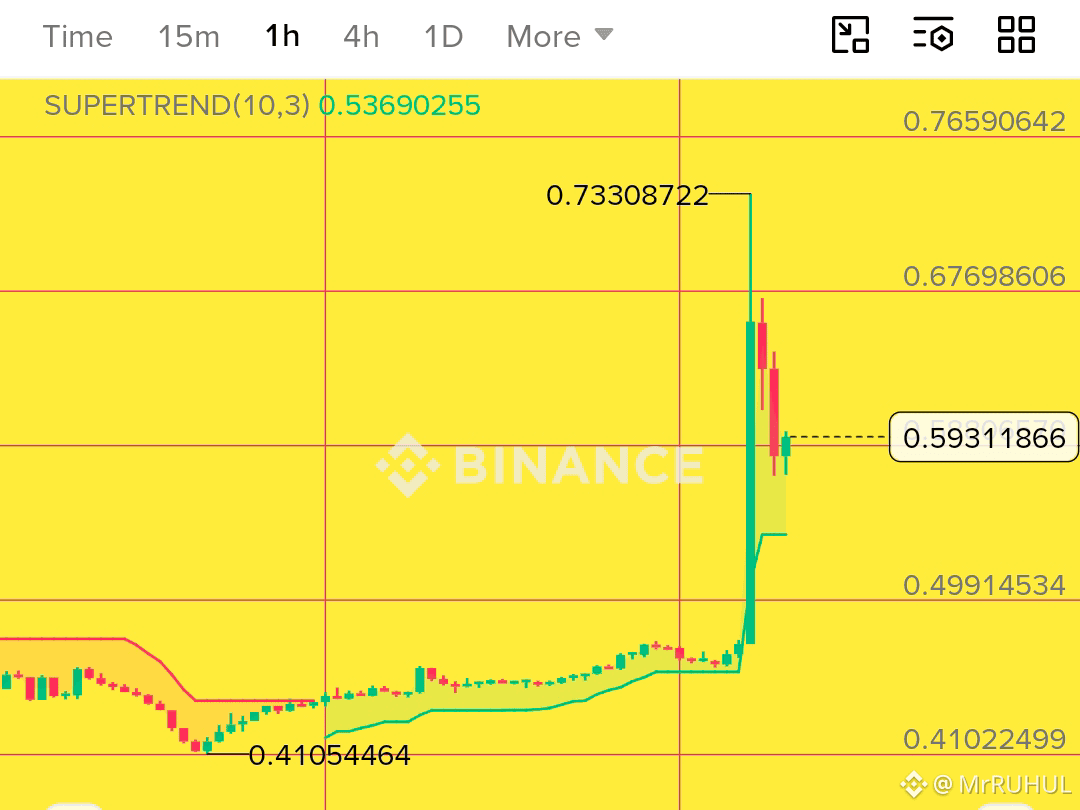
Bu $EVAA keskin sakrab 0.73 gacha chiqdi va hozir sovimoqda. StochRSI sog‘lomroq darajaga qaytdi.
Kirish $EVAA : 0.550 – 0.575
SL: 0.510
TP1: 0.660
TP2: 0.720
Uzoq tayyorgarlik (Chuqurlarga tushishda tavsiya etiladi)
Bu $EVAA keskin sakrab 0.73 gacha chiqdi va hozir sovimoqda. StochRSI sog‘lomroq darajaga qaytdi.
Kirish $EVAA : 0.550 – 0.575
SL: 0.510
TP1: 0.660
TP2: 0.720
Bu $EVAA keskin sakrab 0.73 gacha chiqdi va hozir sovimoqda. StochRSI sog‘lomroq darajaga qaytdi.
Kirish $EVAA : 0.550 – 0.575
SL: 0.510
TP1: 0.660
TP2: 0.720
1
1.5k
Ko‘proq kontentni ko‘rish uchun tizimga kiring
Binance Square'da global kriptovalyuta foydalanuvchilariga qo‘shiling
⚡️ Kriptovalyuta haqida eng so‘nggi va foydali ma’lumotlarni oling.
💬 Dunyoning eng yirik kriptovalyuta birjasi tomonidan ishonchli deb topilgan.
👍 Tasdiqlangan mualliflardan haqiqiy tahlillarni kashf eting.
Email / telefon raqami
Trenddagi mavzular
AIStocksWhatNext
64,719 marta koʻrilgan
632 muhokama qilmoqda
Trendlashayotgan xeshteglar kampaniyamizda “Share & Win” trafik mukofotini qo‘lga kiriting
✨Mavzu: AI aksiya kurslari o‘sishda davom etayotgan bir paytda yana qanday investitsiya imkoniyatlari bor?
👉Qanday qo‘shilish:
#AIStocksWhatNext xeshtegi bilan qisqa post yoki maqola joylang
Siz bu holatda bullish tomondamisiz yoki bearish — shuni ayting va AI aksiyalaringiz bo‘yicha portfelingizni yoki treydlaringizni ulashing; treyd vidjeti sizning ishtirokingizga moslikni oshirishi mumkin.
Shuningdek, postingizni ma’lumotlar yoki grafiklar bilan boyitib, AI tomonidan yaratilgan rasmlardan foydalanmaslik orqali kuchaytira olasiz.
✍️Quyidagi yo‘nalishlardan kelib chiqib kontent yarating:
- Nvidia chip sotuvlari kelasi yili ikki baravar bo‘lishini aytdi, eng yirik AI kompaniyalar esa rekord darajadagi daromadlarni qayd etishda davom etyapti — ortidagi hisoblash xarajatlari ham juda katta. AIga talab haqiqatan ham shiddat bilan oshyaptimi? Bu qancha davom etishi mumkin? AI aksiyalar hamma joyda o‘sishda. Bu haqiqiy “breakout”mi yoki faqat qisqa muddatli sakrashmi?
- Tarmoq yetakchilari AI rivojlanishini sekinlashtirishga chaqirmoqda, Trump esa “AI Force” barpo etishni rejalashtirib, AI kelajakda AQSh YAIMning 25%ini tashkil qilishi mumkinligini aytmoqda. Siz qaysi tomondsiz? Davlat darajasidagi qo‘llab-quvvatlash AI aksiyalar uchun uzoq muddatli yutuq bo‘ladimi?
- Siz AI aksiyalarini sotib olyapsizmi? Bizning trade sharing vidjetimiz orqali AI’ga oid treydingiz/ulushingizni ulashing.
⏰Kampaniya davri:
- 2026-09-22 7:00 - 2026-09-24 4:00 UTC
🎁Mukofot:
- Yuqoridagi ko‘rsatmalarga mos keladigan va 100 tadan ko‘p so‘zdan iborat malakali postlar ko‘rib chiqiladi hamda 500 dan 3 000 gacha bo‘lgan tasodifiy trafik oshiruvchi qo‘shimcha olishi mumkin. Postingiz tanlansa, feed kotibingizdan bildirishnoma olasiz.
- Binance Square Official’da maqolangizni namoyish qilish imkoniyatiga ega bo‘ling
Postingiz uchun g‘oyalar kerakmi? Mavzu sahifasiga kiring #AIStocksWhatNext yoki Square Guide on How to Post for Better Reach.
Binance Square Official
·172 ta layk
·224.1k marta koʻrilgan
DogecoinRises15%
8 marta koʻrilgan
4 muhokama qilmoqda
$14BBitcoinOptionsExpireFriday
0 marta koʻrilgan
0 muhokama qilmoqda