
Mastering Crypto
15.9k Postlar
Mastering Crypto
 Square Verified+
Shikoyat qilish
Foydalanuvchini bloklash
Twitter(X) @ MasteringCrypt

Creator Awards 2024

Traders League Badge Expert

#BinanceTurns7 task 2
Ochiq savdo
Yuqori chastotali treyder
4.5 yil
241 Kuzatilmoqda
398.8K+ Kuzatuvchilar
241.1K+ Yoqdi
5 Nishonlar
Postlar
Portfel
Barchasi
Iqtiboslar
Videolar
Jonli
QADAB QO‘YILGAN
Futures bilan kuniga $1000 USDTni oching 🗝
Bitta emas… ikkita emas…
TO‘RT ta savdo. Hammasi yashil.💚
[Join My Premium Club For Highly Profitable Trades](https://app.binance.com/uni-qr/group-chat-landing?channelToken=jMv1tS4NA7v8KtC8c1jFqw&type=1&entrySource=sharing_link)
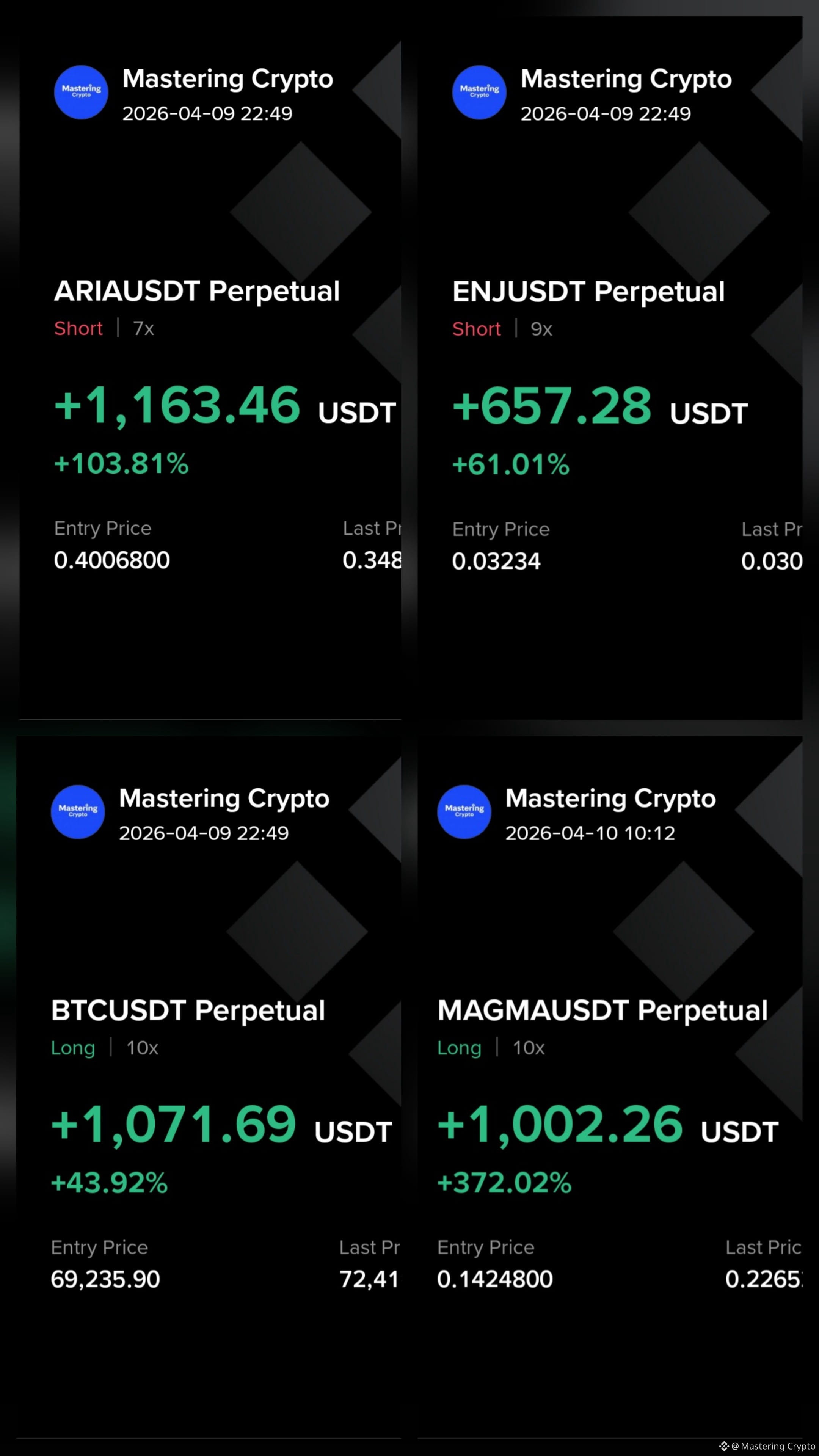
$ARIA short… +$1,163 ✅
$BTC long… +$1,071 ✅
$ENJ short… +$657 ✅
$MAGMA long… +$1,002 ✅
Bu bitta kunda $3,800 dan ko‘p 👀
Va bularning har bittasi…
mening Premium guruhim ichida
hali voqea bo‘lmasidan oldin ulashilgan. 🤝
Agar siz hali ham yolg‘iz savdo qilyapsiz…
soatlab chartlarga tikilib o‘tirayapsiz…
kunning oxirida yana qizilda qolayapsiz…
Men sizdan halol bir narsa so‘ramoqchiman…
Buni qancha vaqt davom ettirasiz? 💀
Chunki siz yo‘qotayotganingizda…
mening a’zolarim pul bosishyapti.
Omadli bo‘lgani uchun emas…
mutaxassis bo‘lgani uchun emas…
Ularning ba’zilari bir necha hafta oldin
yangi boshlovchi ham edi 😏
Farqi nima?
Ular taxmin qilishni to‘xtatishdi…
va ishlaydigan tizimga amal qilishni boshlashdi.
Guruhim ichida har kuni👇🏻
Harakatdan oldin real treyd setaplari ✅
Kirish, TP, SL… hammasi aniq ✅
Futures savdosi sodda qilib tushuntiriladi ✅
Bunday natijalar… har kuni 💰
Chalg‘itish yo‘q. Shovqin yo‘q.
Faqat toza treydlar va haqiqiy foyda.
Agar siz yo‘qotishlardan charchagan bo‘lsangiz…
kimdir yutayotganini tomosha qilib charchagan bo‘lsangiz…
qilayotgan ishingizni bilmasdan yurishdan charchagan bo‘lsangiz…
Bu — sizning vaqtingiz 👀
Joylar cheklangan…
va tez to‘lib boryapti 🚨
Savol oddiy…
yolg‘iz yo‘qotishda davom etasizmi…
yoki biz bilan birga yutishni boshlaysizmi? 💯
{future}(ARIAUSDT)
{future}(BTCUSDT)
{future}(ENJUSDT)
#freedomofmoney #CZonTBPNInterview
Futures bilan kuniga $1000 USDTni oching 🗝
Bitta emas… ikkita emas…
TO‘RT ta savdo. Hammasi yashil.💚
Join My Premium Club For Highly Profitable Trades
$ARIA short… +$1,163 ✅
$BTC long… +$1,071 ✅
$ENJ short… +$657 ✅
$MAGMA long… +$1,002 ✅
Bu bitta kunda $3,800 dan ko‘p 👀
Va bularning har bittasi…
mening Premium guruhim ichida
hali voqea bo‘lmasidan oldin ulashilgan. 🤝
Agar siz hali ham yolg‘iz savdo qilyapsiz…
soatlab chartlarga tikilib o‘tirayapsiz…
kunning oxirida yana qizilda qolayapsiz…
Men sizdan halol bir narsa so‘ramoqchiman…
Buni qancha vaqt davom ettirasiz? 💀
Chunki siz yo‘qotayotganingizda…
mening a’zolarim pul bosishyapti.
Omadli bo‘lgani uchun emas…
mutaxassis bo‘lgani uchun emas…
Ularning ba’zilari bir necha hafta oldin
yangi boshlovchi ham edi 😏
Farqi nima?
Ular taxmin qilishni to‘xtatishdi…
va ishlaydigan tizimga amal qilishni boshlashdi.
Guruhim ichida har kuni👇🏻
Harakatdan oldin real treyd setaplari ✅
Kirish, TP, SL… hammasi aniq ✅
Futures savdosi sodda qilib tushuntiriladi ✅
Bunday natijalar… har kuni 💰
Chalg‘itish yo‘q. Shovqin yo‘q.
Faqat toza treydlar va haqiqiy foyda.
Agar siz yo‘qotishlardan charchagan bo‘lsangiz…
kimdir yutayotganini tomosha qilib charchagan bo‘lsangiz…
qilayotgan ishingizni bilmasdan yurishdan charchagan bo‘lsangiz…
Bu — sizning vaqtingiz 👀
Joylar cheklangan…
va tez to‘lib boryapti 🚨
Savol oddiy…
yolg‘iz yo‘qotishda davom etasizmi…
yoki biz bilan birga yutishni boshlaysizmi? 💯
#freedomofmoney #CZonTBPNInterview
Bitta emas… ikkita emas…
TO‘RT ta savdo. Hammasi yashil.💚
Join My Premium Club For Highly Profitable Trades
$ARIA short… +$1,163 ✅
$BTC long… +$1,071 ✅
$ENJ short… +$657 ✅
$MAGMA long… +$1,002 ✅
Bu bitta kunda $3,800 dan ko‘p 👀
Va bularning har bittasi…
mening Premium guruhim ichida
hali voqea bo‘lmasidan oldin ulashilgan. 🤝
Agar siz hali ham yolg‘iz savdo qilyapsiz…
soatlab chartlarga tikilib o‘tirayapsiz…
kunning oxirida yana qizilda qolayapsiz…
Men sizdan halol bir narsa so‘ramoqchiman…
Buni qancha vaqt davom ettirasiz? 💀
Chunki siz yo‘qotayotganingizda…
mening a’zolarim pul bosishyapti.
Omadli bo‘lgani uchun emas…
mutaxassis bo‘lgani uchun emas…
Ularning ba’zilari bir necha hafta oldin
yangi boshlovchi ham edi 😏
Farqi nima?
Ular taxmin qilishni to‘xtatishdi…
va ishlaydigan tizimga amal qilishni boshlashdi.
Guruhim ichida har kuni👇🏻
Harakatdan oldin real treyd setaplari ✅
Kirish, TP, SL… hammasi aniq ✅
Futures savdosi sodda qilib tushuntiriladi ✅
Bunday natijalar… har kuni 💰
Chalg‘itish yo‘q. Shovqin yo‘q.
Faqat toza treydlar va haqiqiy foyda.
Agar siz yo‘qotishlardan charchagan bo‘lsangiz…
kimdir yutayotganini tomosha qilib charchagan bo‘lsangiz…
qilayotgan ishingizni bilmasdan yurishdan charchagan bo‘lsangiz…
Bu — sizning vaqtingiz 👀
Joylar cheklangan…
va tez to‘lib boryapti 🚨
Savol oddiy…
yolg‘iz yo‘qotishda davom etasizmi…
yoki biz bilan birga yutishni boshlaysizmi? 💯
#freedomofmoney #CZonTBPNInterview
79
3
71
9.1k
QADAB QO‘YILGAN
Binance Futures’da yuqori darajadagi treyd signalidan bahramand bo‘ling va kamroq risk bilan ko‘proq daromad oling. 📈
[Join here 👈](https://app.binance.com/uni-qr/group-chat-landing?channelToken=jMv1tS4NA7v8KtC8c1jFqw&type=1&entrySource=sharing_link)
Mening premium guruhimga qo‘shiling va Binance’da “Mastering Crypto Ecosystem”’ni qo‘llab-quvvatlang.
Siz foydangizni maksimal qilish uchun barcha treydga oid yordam va erta signalalarni olasiz.
Pul yo‘qotishni to‘xtating va haqiqiy naqd pul ishlab olishni boshlang 💸
Binance Futures’da yuqori darajadagi treyd signalidan bahramand bo‘ling va kamroq risk bilan ko‘proq daromad oling. 📈
Join here 👈
Mening premium guruhimga qo‘shiling va Binance’da “Mastering Crypto Ecosystem”’ni qo‘llab-quvvatlang.
Siz foydangizni maksimal qilish uchun barcha treydga oid yordam va erta signalalarni olasiz.
Pul yo‘qotishni to‘xtating va haqiqiy naqd pul ishlab olishni boshlang 💸
Join here 👈
Mening premium guruhimga qo‘shiling va Binance’da “Mastering Crypto Ecosystem”’ni qo‘llab-quvvatlang.
Siz foydangizni maksimal qilish uchun barcha treydga oid yordam va erta signalalarni olasiz.
Pul yo‘qotishni to‘xtating va haqiqiy naqd pul ishlab olishni boshlang 💸
29
1
44
853
Tarjimani ko‘rish
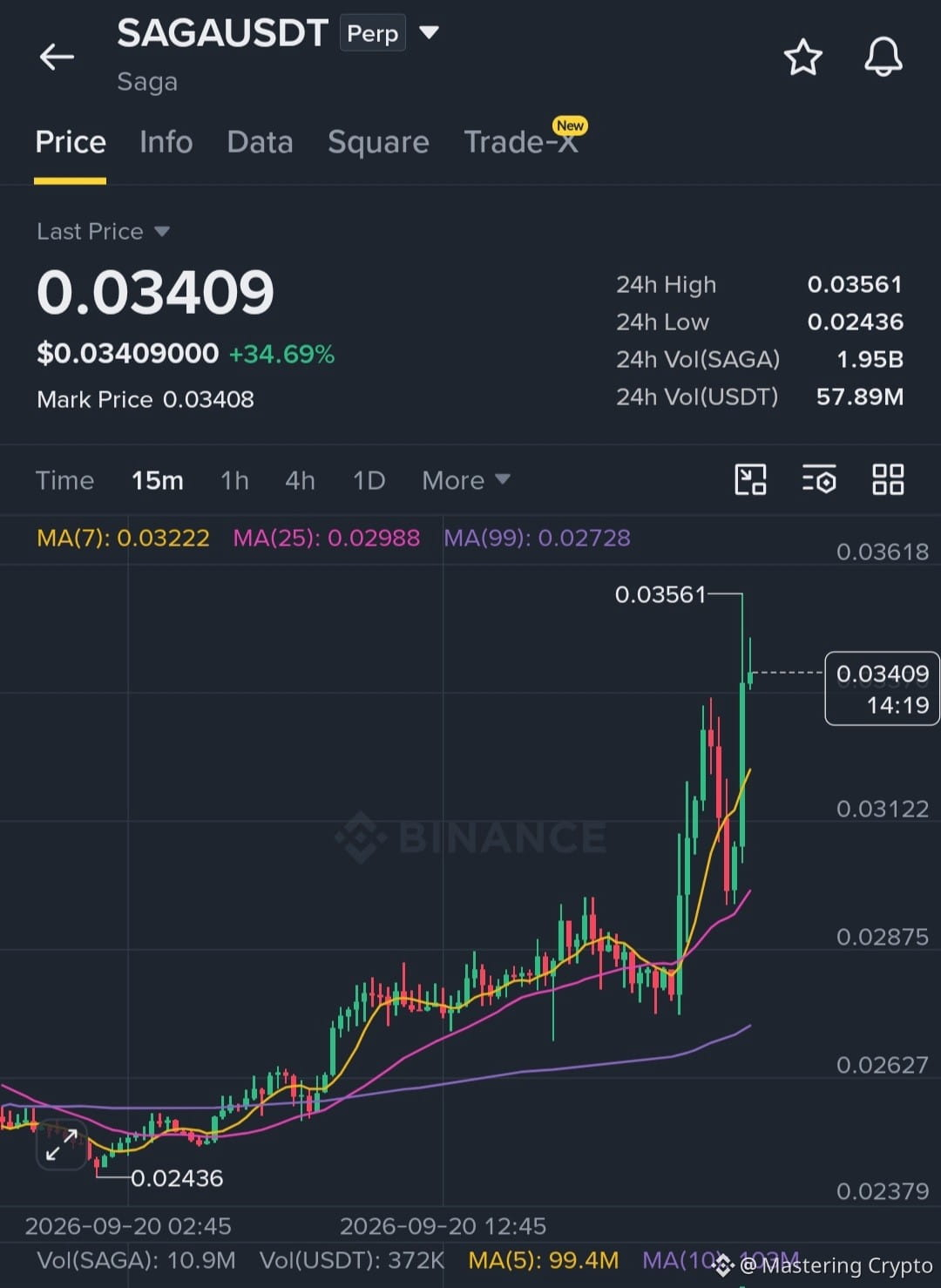
$SAGA is chasing out higher levels
Long $SAGA
Entry: 0.0325 – 0.0340
SL: 0.0300
TP1: 0.03550
TP2: 0.03750
TP3: 0.04000
TP4: 0.04400
📩 DM me to know how to join my Binance Group Chat and together win every trade.
Trade $SAGA here 👇
{future}(SAGAUSDT)
$SAGA is chasing out higher levels
Long $SAGA
Entry: 0.0325 – 0.0340
SL: 0.0300
TP1: 0.03550
TP2: 0.03750
TP3: 0.04000
TP4: 0.04400
📩 DM me to know how to join my Binance Group Chat and together win every trade.
Trade $SAGA here 👇
Long $SAGA
Entry: 0.0325 – 0.0340
SL: 0.0300
TP1: 0.03550
TP2: 0.03750
TP3: 0.04000
TP4: 0.04400
📩 DM me to know how to join my Binance Group Chat and together win every trade.
Trade $SAGA here 👇
1
877
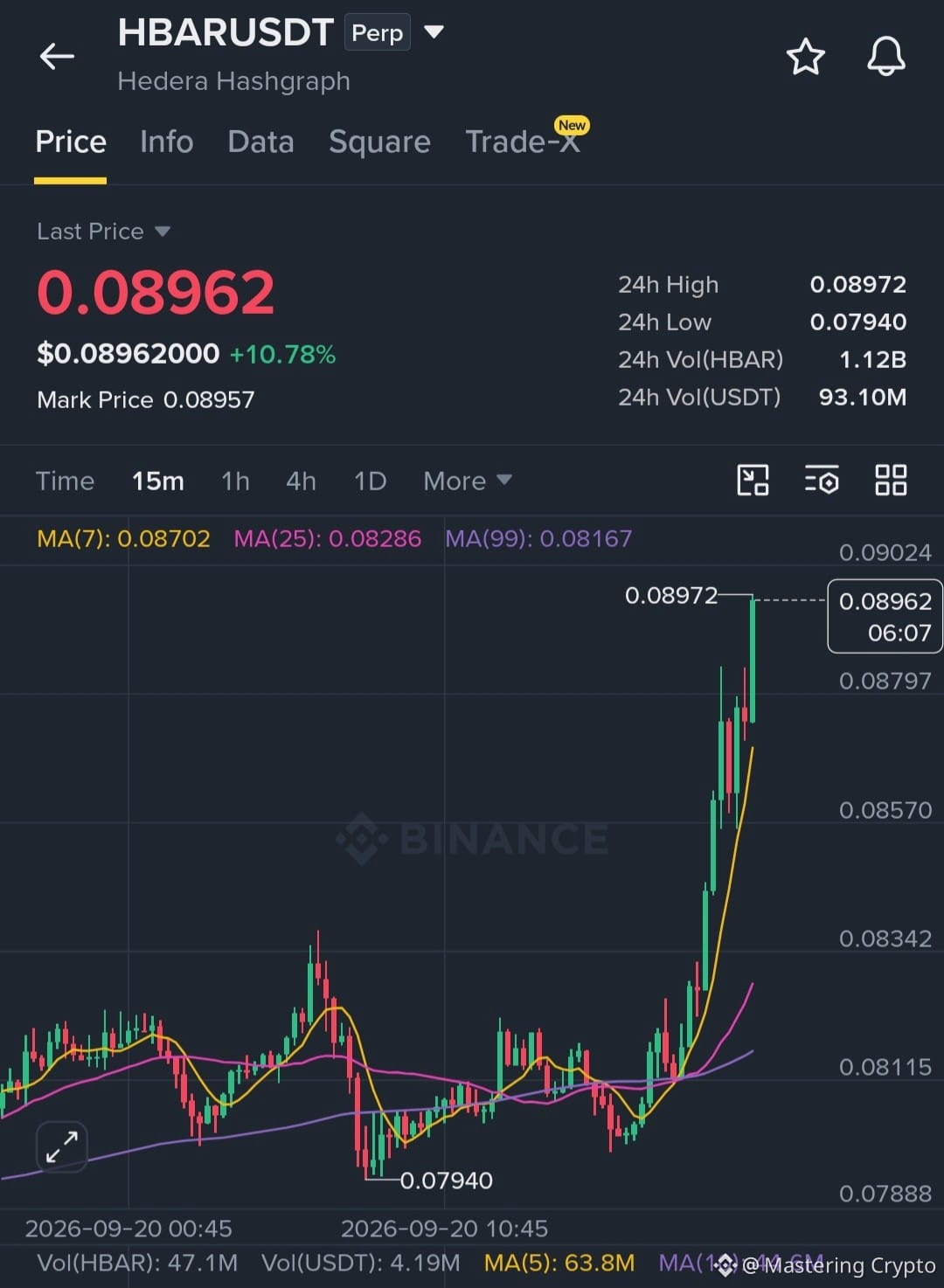
$HBAR yana nimadir katta narsa pishiryapti
Uzun $HBAR
Kirish: 0.0860 – 0.0885
SL: 0.0825
TP1: 0.09050
TP2: 0.09250
TP3: 0.09500
TP4: 0.10000
Nega:
📩 Binance guruh chatimga qanday qo‘shilishni bilish uchun menga DM qiling va birgalikda har bir savdoda g‘alaba qozonamiz.
Savdo $HBAR bu yerda 👇
{future}(HBARUSDT)
$HBAR yana nimadir katta narsa pishiryapti
Uzun $HBAR
Kirish: 0.0860 – 0.0885
SL: 0.0825
TP1: 0.09050
TP2: 0.09250
TP3: 0.09500
TP4: 0.10000
Nega:
📩 Binance guruh chatimga qanday qo‘shilishni bilish uchun menga DM qiling va birgalikda har bir savdoda g‘alaba qozonamiz.
Savdo $HBAR bu yerda 👇
Uzun $HBAR
Kirish: 0.0860 – 0.0885
SL: 0.0825
TP1: 0.09050
TP2: 0.09250
TP3: 0.09500
TP4: 0.10000
Nega:
📩 Binance guruh chatimga qanday qo‘shilishni bilish uchun menga DM qiling va birgalikda har bir savdoda g‘alaba qozonamiz.
Savdo $HBAR bu yerda 👇
2
888
Tarjimani ko‘rish
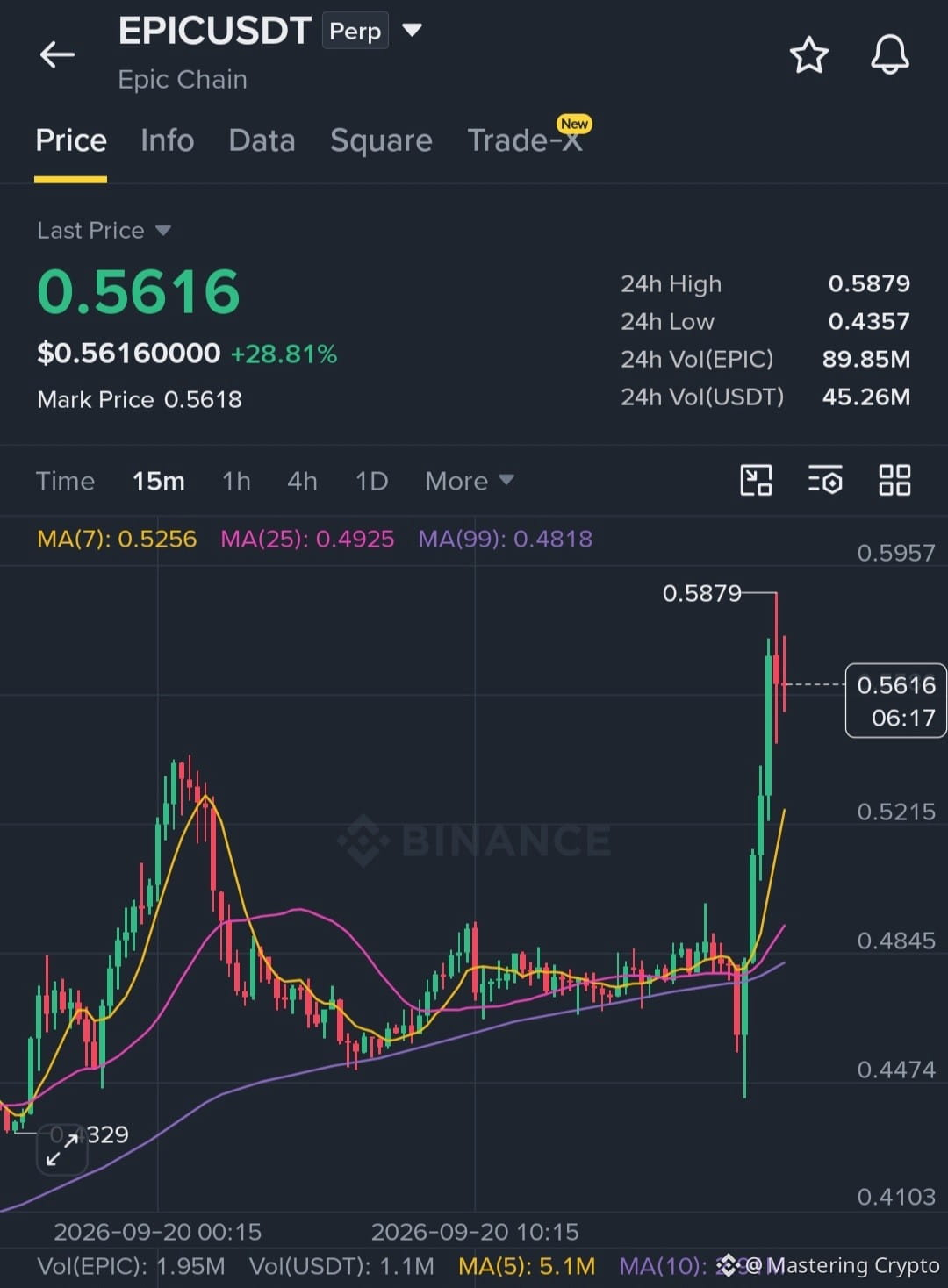
$EPIC looks weak and tired
Short $EPIC
Entry: 0.58 – 0.68
SL: 0.78
TP1: 0.535
TP2: 0.510
TP3: 0.475
TP4: 0.420
📩 DM me to know how to join my Binance Group Chat and together win every trade.
Trade $EPIC here 👇
{future}(EPICUSDT)
$EPIC looks weak and tired
Short $EPIC
Entry: 0.58 – 0.68
SL: 0.78
TP1: 0.535
TP2: 0.510
TP3: 0.475
TP4: 0.420
📩 DM me to know how to join my Binance Group Chat and together win every trade.
Trade $EPIC here 👇
Short $EPIC
Entry: 0.58 – 0.68
SL: 0.78
TP1: 0.535
TP2: 0.510
TP3: 0.475
TP4: 0.420
📩 DM me to know how to join my Binance Group Chat and together win every trade.
Trade $EPIC here 👇
1
1
693
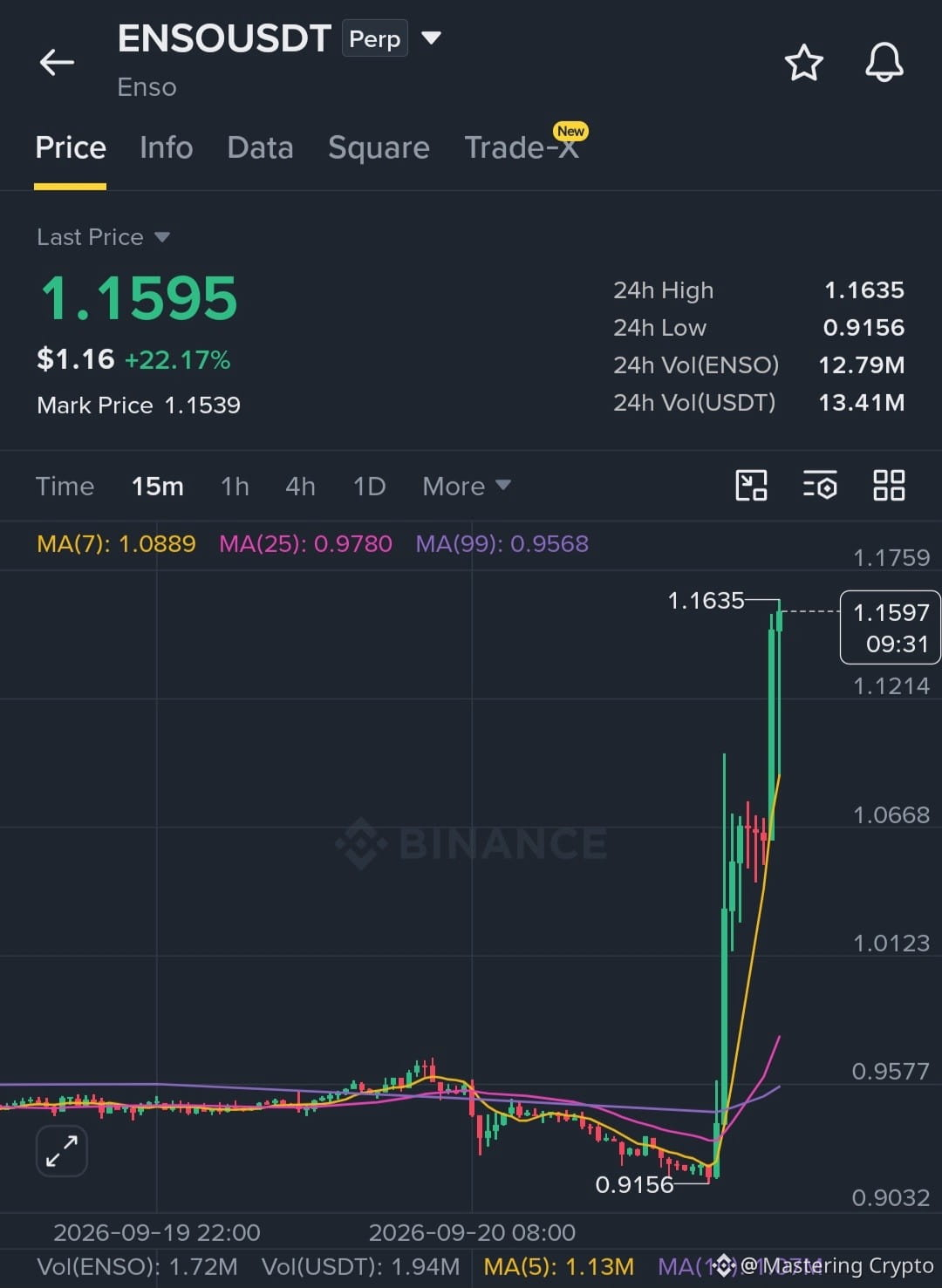
$ENSO aqldan ozdiradigan yuqori sur'at bilan
Uzoq $ENSO
Kirish: 1.05 – 1.12
SL: 0.98
TP1: 1.20
TP2: 1.25
TP3: 1.35
TP4: 1.50
📩 Menga yozing, Binance guruh чатimga qanday qo‘shilishimizni bilib oling va birgalikda har bir savdoda g‘alaba qozonamiz.
Savdo $ENSO bu yerda 👇
{future}(ENSOUSDT)
$ENSO aqldan ozdiradigan yuqori sur'at bilan
Uzoq $ENSO
Kirish: 1.05 – 1.12
SL: 0.98
TP1: 1.20
TP2: 1.25
TP3: 1.35
TP4: 1.50
📩 Menga yozing, Binance guruh чатimga qanday qo‘shilishimizni bilib oling va birgalikda har bir savdoda g‘alaba qozonamiz.
Savdo $ENSO bu yerda 👇
Uzoq $ENSO
Kirish: 1.05 – 1.12
SL: 0.98
TP1: 1.20
TP2: 1.25
TP3: 1.35
TP4: 1.50
📩 Menga yozing, Binance guruh чатimga qanday qo‘shilishimizni bilib oling va birgalikda har bir savdoda g‘alaba qozonamiz.
Savdo $ENSO bu yerda 👇
4
3
789
Tarjimani ko‘rish
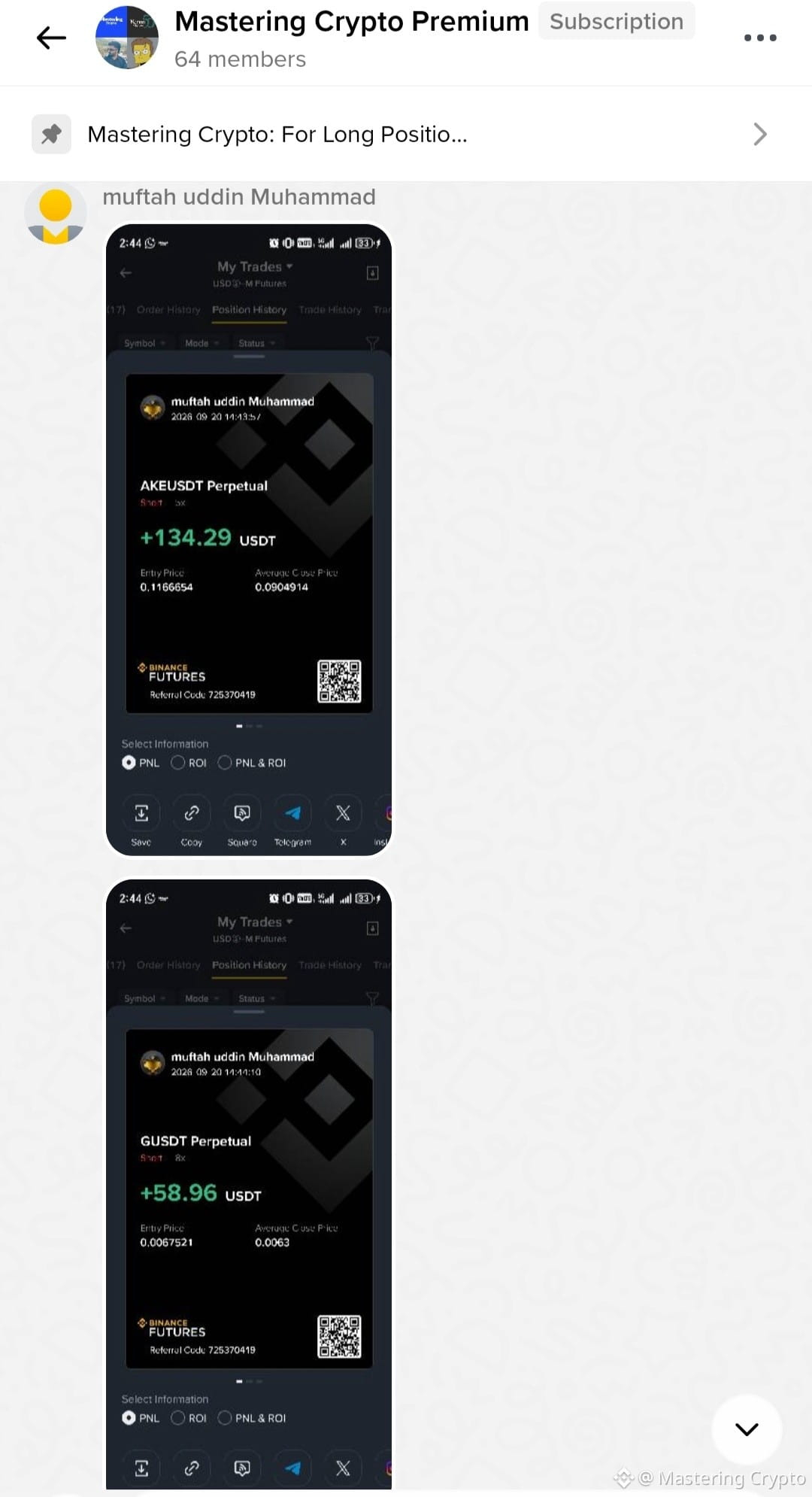
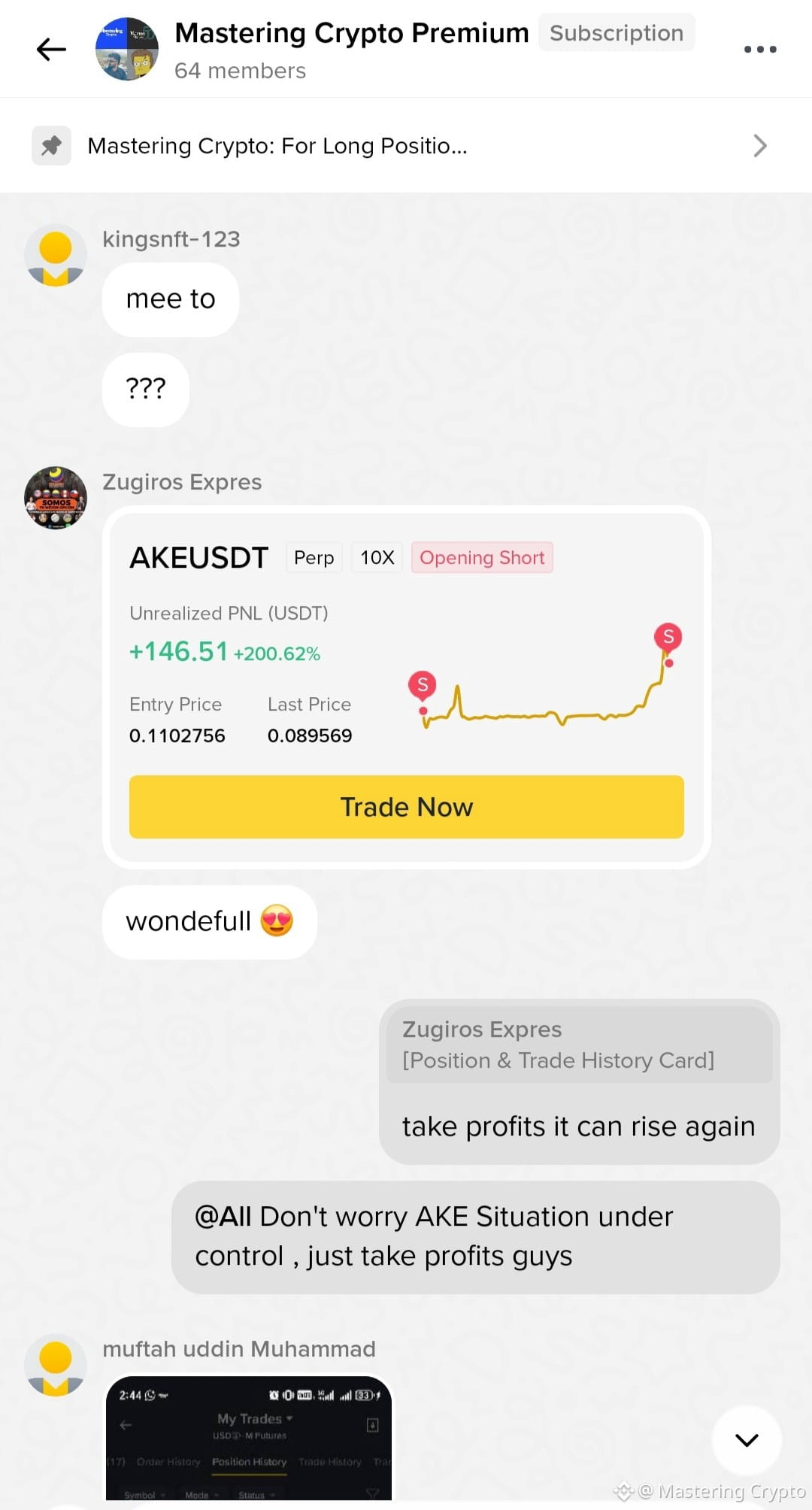
🚨 Hip Hip Hurray Guy's ! We are doing it again and this time real big 🚀
$AKE , $G short trade hit TPs successfully and still chasing hard 🤑
Imagine making an entry using my early short call, look how much the price dumped 💰
Everyone was giving you the long trade call only Mastering gave you the right short one and see at the results clearly🚀
My Binance Group chat members are growing daily with high quality trade setups like this 👌
Join my Binance group chat and enjoy daily trade setups to grow your capital with proper risk management 🫂
Next update will be given exclusively in my Binance group chat so better chase now or regret later 💯
🚨 Hip Hip Hurray Guy's ! We are doing it again and this time real big 🚀
$AKE , $G short trade hit TPs successfully and still chasing hard 🤑
Imagine making an entry using my early short call, look how much the price dumped 💰
Everyone was giving you the long trade call only Mastering gave you the right short one and see at the results clearly🚀
My Binance Group chat members are growing daily with high quality trade setups like this 👌
Join my Binance group chat and enjoy daily trade setups to grow your capital with proper risk management 🫂
Next update will be given exclusively in my Binance group chat so better chase now or regret later 💯
$AKE , $G short trade hit TPs successfully and still chasing hard 🤑
Imagine making an entry using my early short call, look how much the price dumped 💰
Everyone was giving you the long trade call only Mastering gave you the right short one and see at the results clearly🚀
My Binance Group chat members are growing daily with high quality trade setups like this 👌
Join my Binance group chat and enjoy daily trade setups to grow your capital with proper risk management 🫂
Next update will be given exclusively in my Binance group chat so better chase now or regret later 💯
2
916
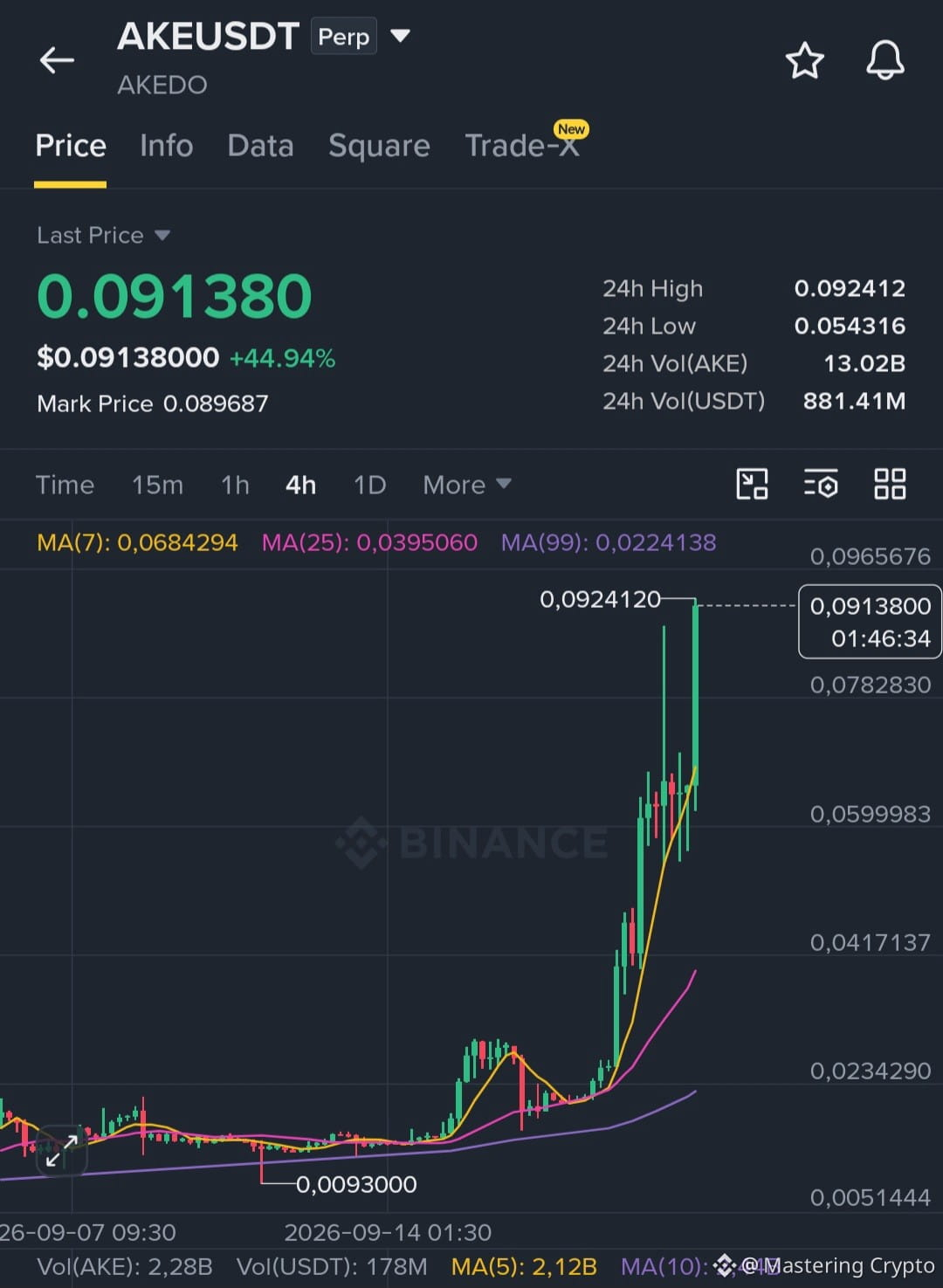
$AKE kattaroq tuzoqni o‘rnatyapti, Guy esa katta qisqa (short)ni quvlaylik, shunaqa 😈💀
Short $AKE
Kirish: 0.096 – 0.110
SL: 0.125
TP1: 0.085
TP2: 0.075
TP3: 0.060
TP4: 0.040
📩 Binance guruh chatimga qanday qo‘shilishimni bilish uchun menga DM yuboring va birga har bir savdoda g‘alaba qozonamiz.
Savdo $AKE buni shu yerda ko‘ring 👇
{future}(AKEUSDT)
$AKE kattaroq tuzoqni o‘rnatyapti, Guy esa katta qisqa (short)ni quvlaylik, shunaqa 😈💀
Short $AKE
Kirish: 0.096 – 0.110
SL: 0.125
TP1: 0.085
TP2: 0.075
TP3: 0.060
TP4: 0.040
📩 Binance guruh chatimga qanday qo‘shilishimni bilish uchun menga DM yuboring va birga har bir savdoda g‘alaba qozonamiz.
Savdo $AKE buni shu yerda ko‘ring 👇
Short $AKE
Kirish: 0.096 – 0.110
SL: 0.125
TP1: 0.085
TP2: 0.075
TP3: 0.060
TP4: 0.040
📩 Binance guruh chatimga qanday qo‘shilishimni bilish uchun menga DM yuboring va birga har bir savdoda g‘alaba qozonamiz.
Savdo $AKE buni shu yerda ko‘ring 👇
6
1k
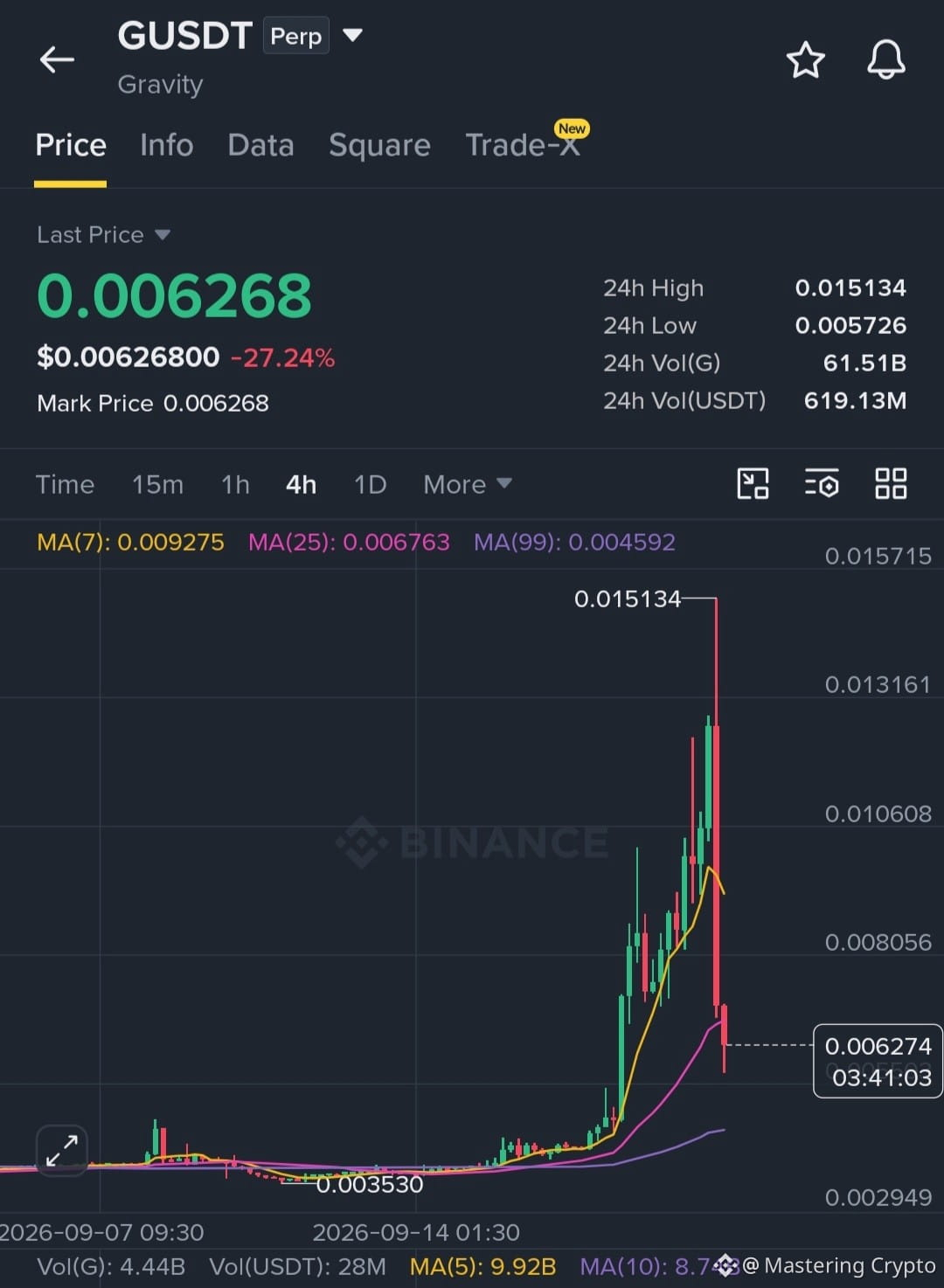
$G bullish trap is over now 📉
Short $G
Entry: 0.00620 – 0.00720
SL: 0.00950
TP1: 0.00570
TP2: 0.00510
TP3: 0.00460
TP4: 0.00380
📩 Binance Guruh chatimga qanday qo‘shilishni bilish uchun menga DM yuboring va birgalikda har bir savdoda g‘alaba qozonamiz.
Trade $G here 👇
{future}(GUSDT)
$G bullish trap is over now 📉
Short $G
Entry: 0.00620 – 0.00720
SL: 0.00950
TP1: 0.00570
TP2: 0.00510
TP3: 0.00460
TP4: 0.00380
📩 Binance Guruh chatimga qanday qo‘shilishni bilish uchun menga DM yuboring va birgalikda har bir savdoda g‘alaba qozonamiz.
Trade $G here 👇
Short $G
Entry: 0.00620 – 0.00720
SL: 0.00950
TP1: 0.00570
TP2: 0.00510
TP3: 0.00460
TP4: 0.00380
📩 Binance Guruh chatimga qanday qo‘shilishni bilish uchun menga DM yuboring va birgalikda har bir savdoda g‘alaba qozonamiz.
Trade $G here 👇
3
961
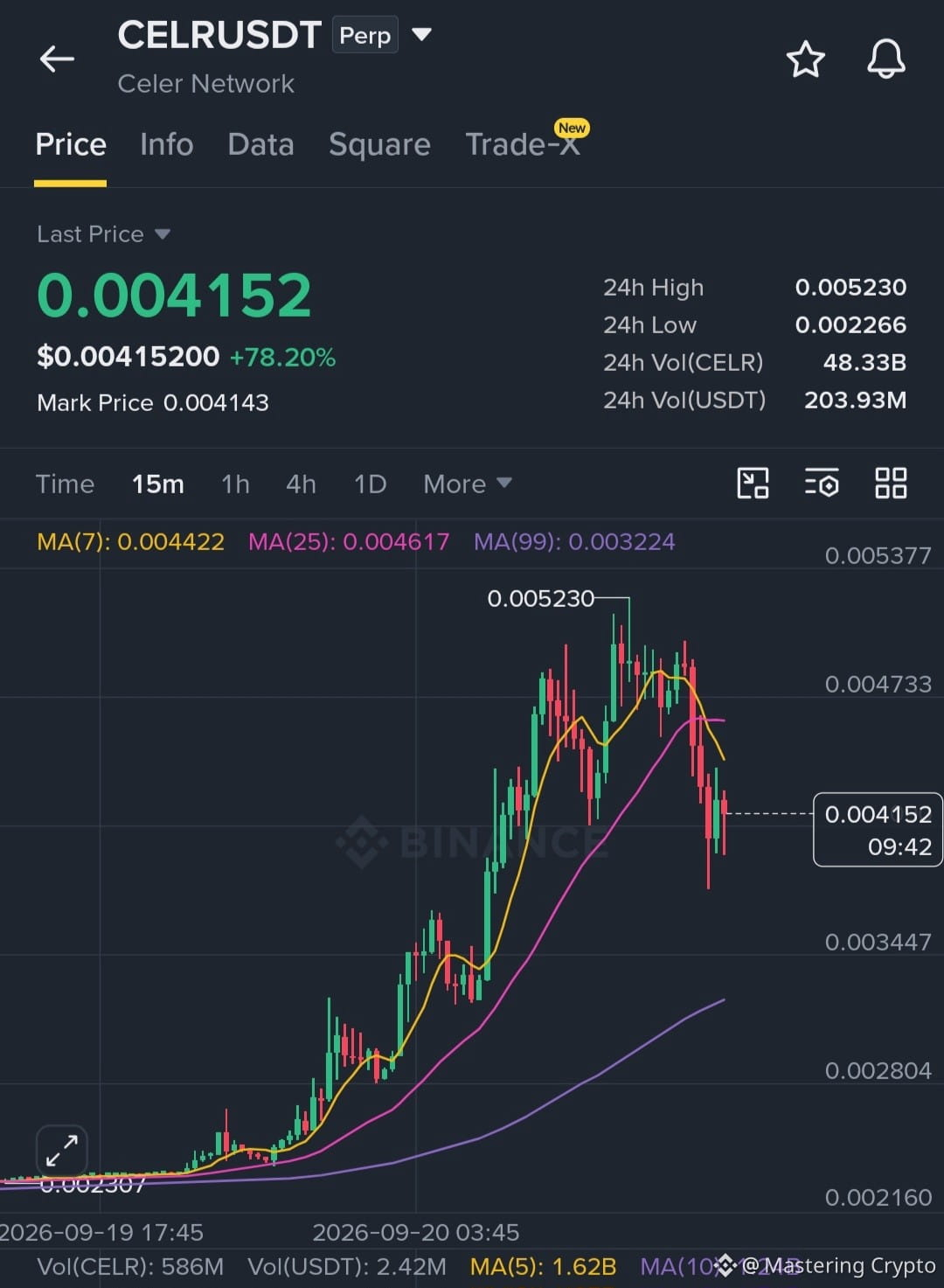
$CELR Chuqurroq pasayishni kutgandek tayyor
Qisqa $CELR
Kirish: 0.00425 – 0.00465
SL: 0.00535
TP1: 0.00380
TP2: 0.00345
TP3: 0.00300
TP4: 0.00260
📩 Menga yozing, Binance Group Chat’ga qanday qo‘shilishni bilib olasiz va birgalikda har bir savdoda g‘alaba qozonamiz.
Savdo $CELR mana bu yerda 👇
{future}(CELRUSDT)
$CELR Chuqurroq pasayishni kutgandek tayyor
Qisqa $CELR
Kirish: 0.00425 – 0.00465
SL: 0.00535
TP1: 0.00380
TP2: 0.00345
TP3: 0.00300
TP4: 0.00260
📩 Menga yozing, Binance Group Chat’ga qanday qo‘shilishni bilib olasiz va birgalikda har bir savdoda g‘alaba qozonamiz.
Savdo $CELR mana bu yerda 👇
Qisqa $CELR
Kirish: 0.00425 – 0.00465
SL: 0.00535
TP1: 0.00380
TP2: 0.00345
TP3: 0.00300
TP4: 0.00260
📩 Menga yozing, Binance Group Chat’ga qanday qo‘shilishni bilib olasiz va birgalikda har bir savdoda g‘alaba qozonamiz.
Savdo $CELR mana bu yerda 👇
2
562
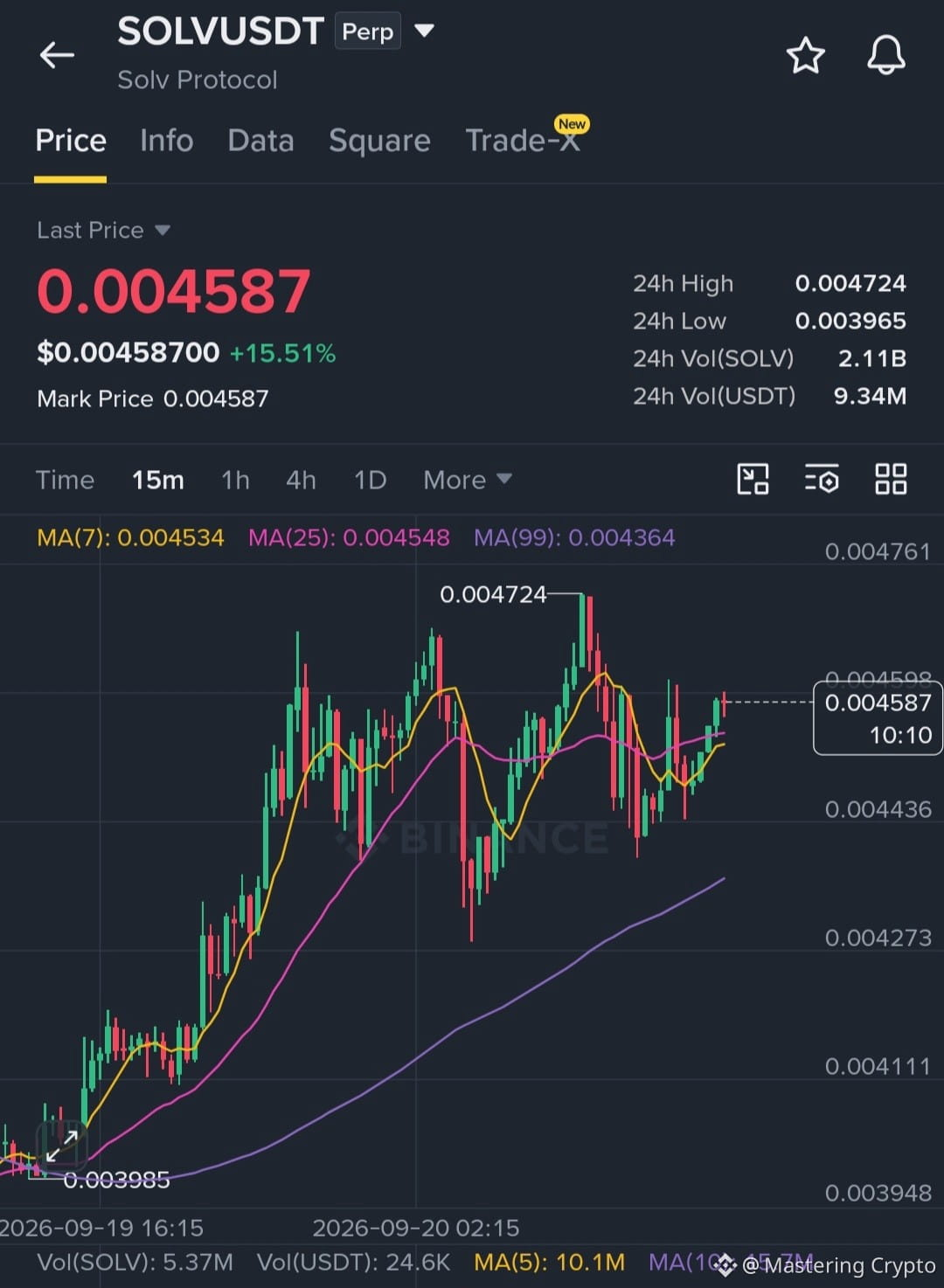
$SOLV is taqsimotni buzib, yuqoriroq darajalarni quvlayapti
Uzun $SOLV
Kirish: 0.00445 – 0.00455
SL: 0.00415
TP1: 0.00470
TP2: 0.00480
TP3: 0.00515
TP4: 0.00540
📩 Binance guruh suhbatimga qanday qo‘shilishimni bilish uchun menga DM yozing va birgalikda har bir savdoda g‘alaba qozonamiz.
$SOLV savdosi shu yerda 👇
{future}(SOLVUSDT)
$SOLV is taqsimotni buzib, yuqoriroq darajalarni quvlayapti
Uzun $SOLV
Kirish: 0.00445 – 0.00455
SL: 0.00415
TP1: 0.00470
TP2: 0.00480
TP3: 0.00515
TP4: 0.00540
📩 Binance guruh suhbatimga qanday qo‘shilishimni bilish uchun menga DM yozing va birgalikda har bir savdoda g‘alaba qozonamiz.
$SOLV savdosi shu yerda 👇
Uzun $SOLV
Kirish: 0.00445 – 0.00455
SL: 0.00415
TP1: 0.00470
TP2: 0.00480
TP3: 0.00515
TP4: 0.00540
📩 Binance guruh suhbatimga qanday qo‘shilishimni bilish uchun menga DM yozing va birgalikda har bir savdoda g‘alaba qozonamiz.
$SOLV savdosi shu yerda 👇
3
753
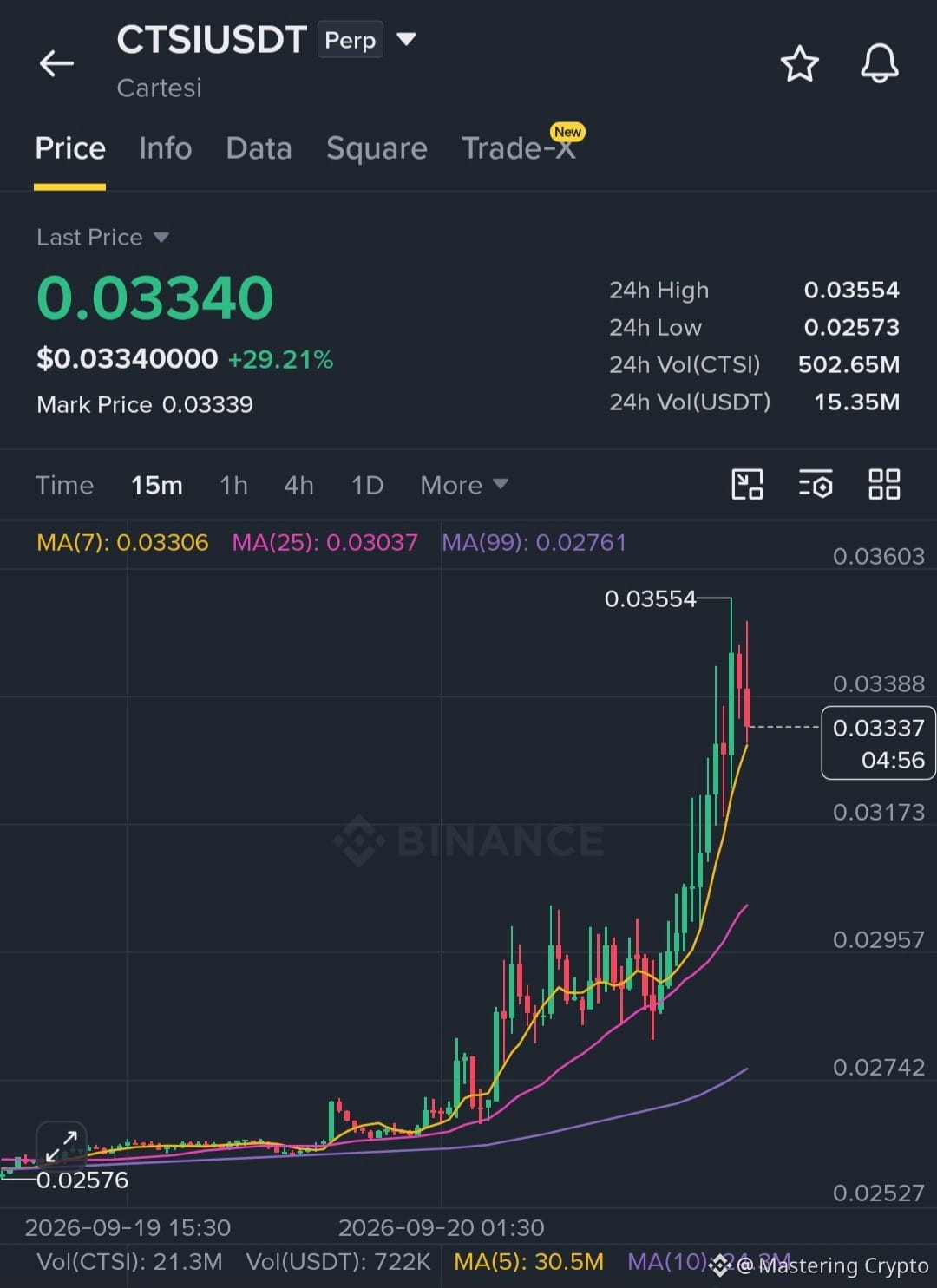
$CTSI nimadir katta pishiryapti va tez orada portlaydi
Uzoq $CTSI
Kirish: 0.0305 – 0.0330
SL: 0.0295
TP1: 0.03450
TP2: 0.03560
TP3: 0.03750
TP4: 0.04000
📩 Binance guruh suhbatimga qanday qo‘shilishni bilish uchun menga DM yozing va har bir savdoda birga yutamiz.
Savdo $CTSI mana bu yerda 👇
{future}(CTSIUSDT)
$CTSI nimadir katta pishiryapti va tez orada portlaydi
Uzoq $CTSI
Kirish: 0.0305 – 0.0330
SL: 0.0295
TP1: 0.03450
TP2: 0.03560
TP3: 0.03750
TP4: 0.04000
📩 Binance guruh suhbatimga qanday qo‘shilishni bilish uchun menga DM yozing va har bir savdoda birga yutamiz.
Savdo $CTSI mana bu yerda 👇
Uzoq $CTSI
Kirish: 0.0305 – 0.0330
SL: 0.0295
TP1: 0.03450
TP2: 0.03560
TP3: 0.03750
TP4: 0.04000
📩 Binance guruh suhbatimga qanday qo‘shilishni bilish uchun menga DM yozing va har bir savdoda birga yutamiz.
Savdo $CTSI mana bu yerda 👇
1
569
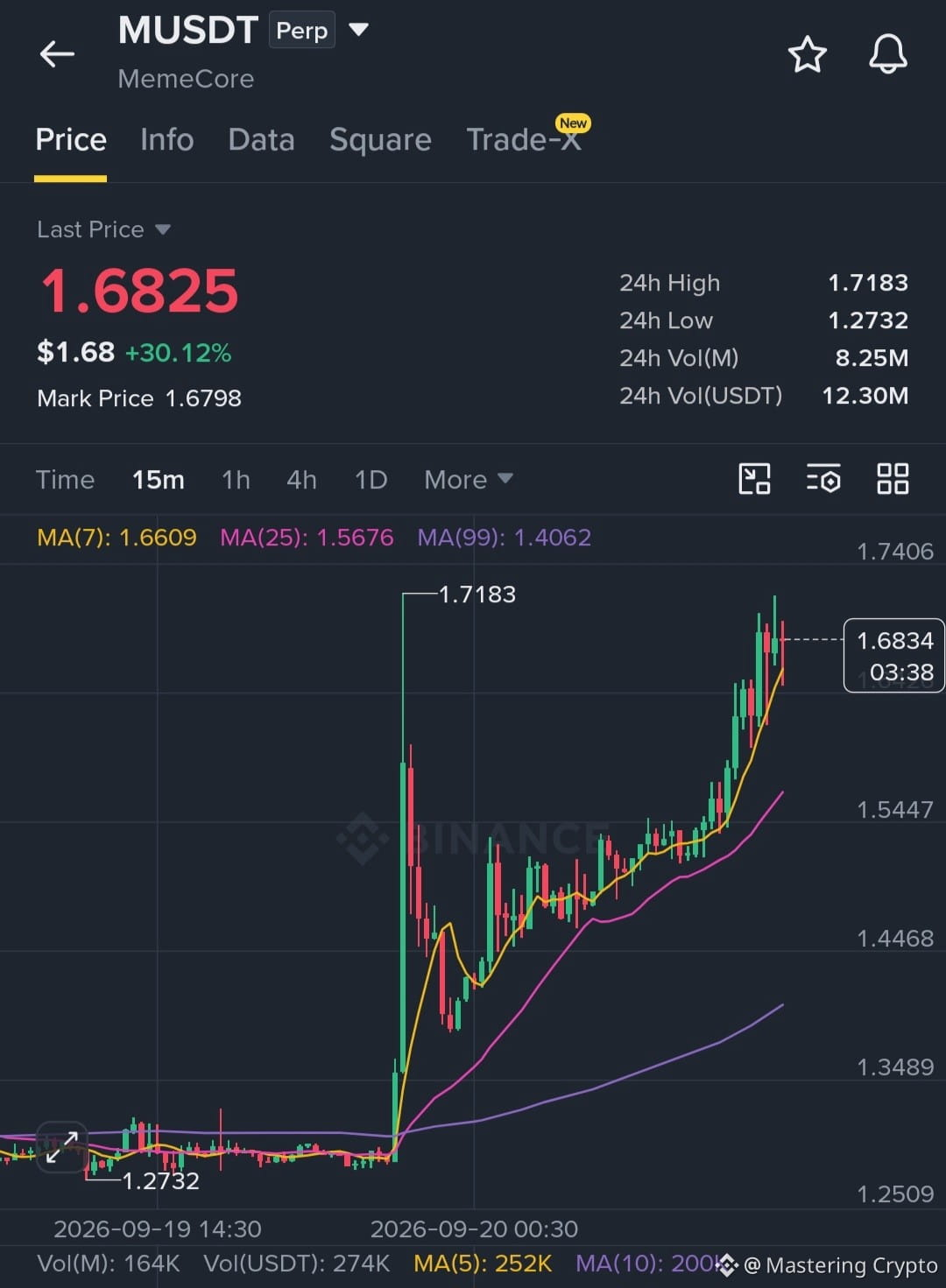
MemeCore ( $M ) sizlar uchun katta tuzoq qo‘yayapti, lekin biz ehtiyotkor o‘ynaymiz
Qisqa $M
Kirish: 1.75 – 1.95
SL: 2.25
TP1: 1.60
TP2: 1.50
TP3: 1.40
TP4: 1.25
📩 Menga Binance guruh-chatimga qanday qo‘shilishni bilish uchun yozing va birga har bir savdoda g‘alaba qozonamiz.
Trade $M bu yerda 👇
{future}(MUSDT)
MemeCore ( $M ) sizlar uchun katta tuzoq qo‘yayapti, lekin biz ehtiyotkor o‘ynaymiz
Qisqa $M
Kirish: 1.75 – 1.95
SL: 2.25
TP1: 1.60
TP2: 1.50
TP3: 1.40
TP4: 1.25
📩 Menga Binance guruh-chatimga qanday qo‘shilishni bilish uchun yozing va birga har bir savdoda g‘alaba qozonamiz.
Trade $M bu yerda 👇
Qisqa $M
Kirish: 1.75 – 1.95
SL: 2.25
TP1: 1.60
TP2: 1.50
TP3: 1.40
TP4: 1.25
📩 Menga Binance guruh-chatimga qanday qo‘shilishni bilish uchun yozing va birga har bir savdoda g‘alaba qozonamiz.
Trade $M bu yerda 👇
2
748
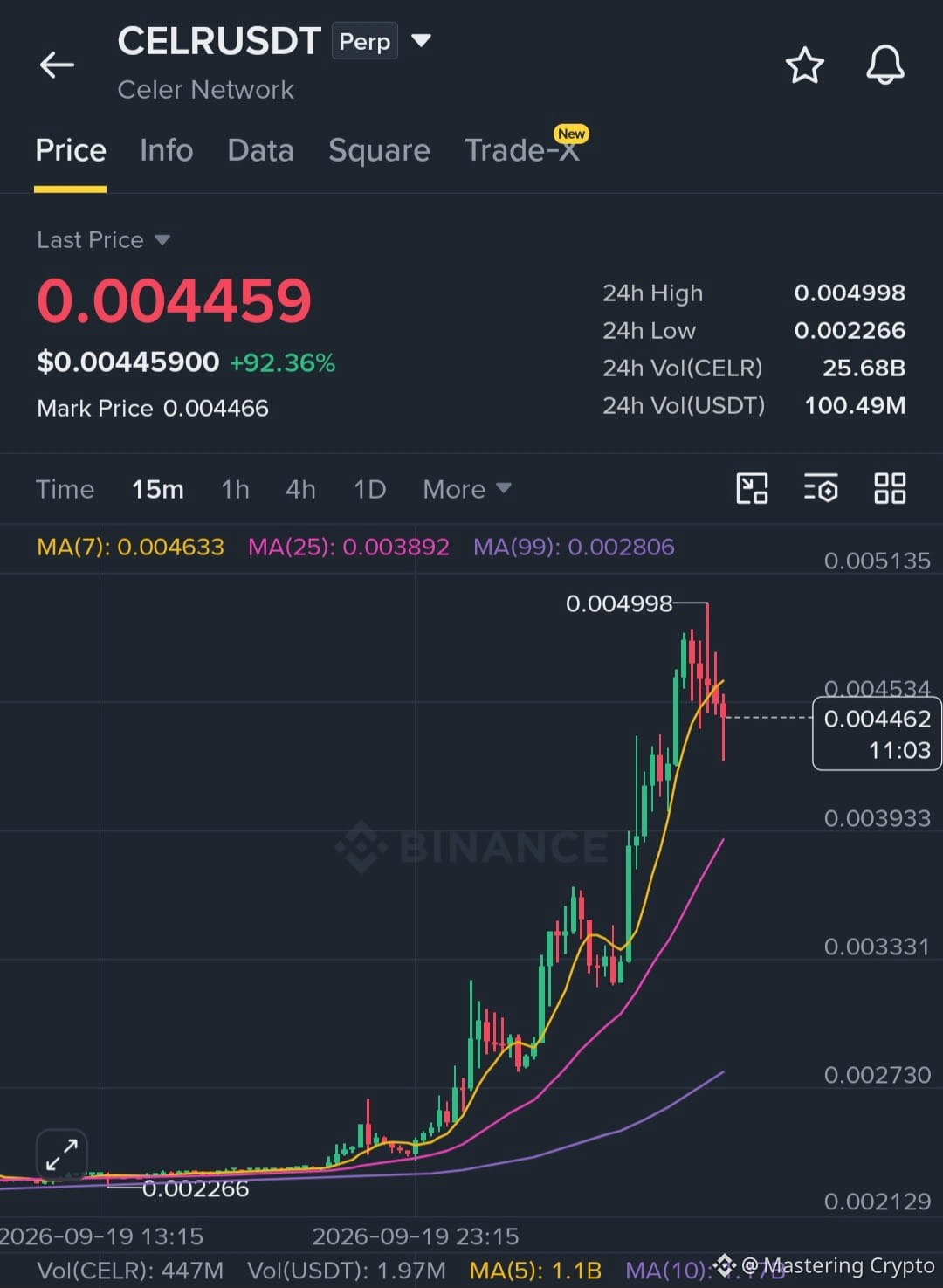
$CELR nimadir katta reja qilmoqda, shuning uchun, Guy, keling bu yerda katta uzun yo‘nalishga quvlaylik
Long $CELR
Kirish: 0.00420 – 0.00440
SL: 0.00400
TP1: 0.00455
TP2: 0.00475
TP3: 0.00510
TP4: 0.00550
📩 Binance guruh chatimga qanday qo‘shilishni bilishim uchun menga DM yozing va birgalikda har bir savdoda yutamiz.
Savdo $CELR bu yerda 👇
{future}(CELRUSDT)
$CELR nimadir katta reja qilmoqda, shuning uchun, Guy, keling bu yerda katta uzun yo‘nalishga quvlaylik
Long $CELR
Kirish: 0.00420 – 0.00440
SL: 0.00400
TP1: 0.00455
TP2: 0.00475
TP3: 0.00510
TP4: 0.00550
📩 Binance guruh chatimga qanday qo‘shilishni bilishim uchun menga DM yozing va birgalikda har bir savdoda yutamiz.
Savdo $CELR bu yerda 👇
Long $CELR
Kirish: 0.00420 – 0.00440
SL: 0.00400
TP1: 0.00455
TP2: 0.00475
TP3: 0.00510
TP4: 0.00550
📩 Binance guruh chatimga qanday qo‘shilishni bilishim uchun menga DM yozing va birgalikda har bir savdoda yutamiz.
Savdo $CELR bu yerda 👇
3
4
1.2k
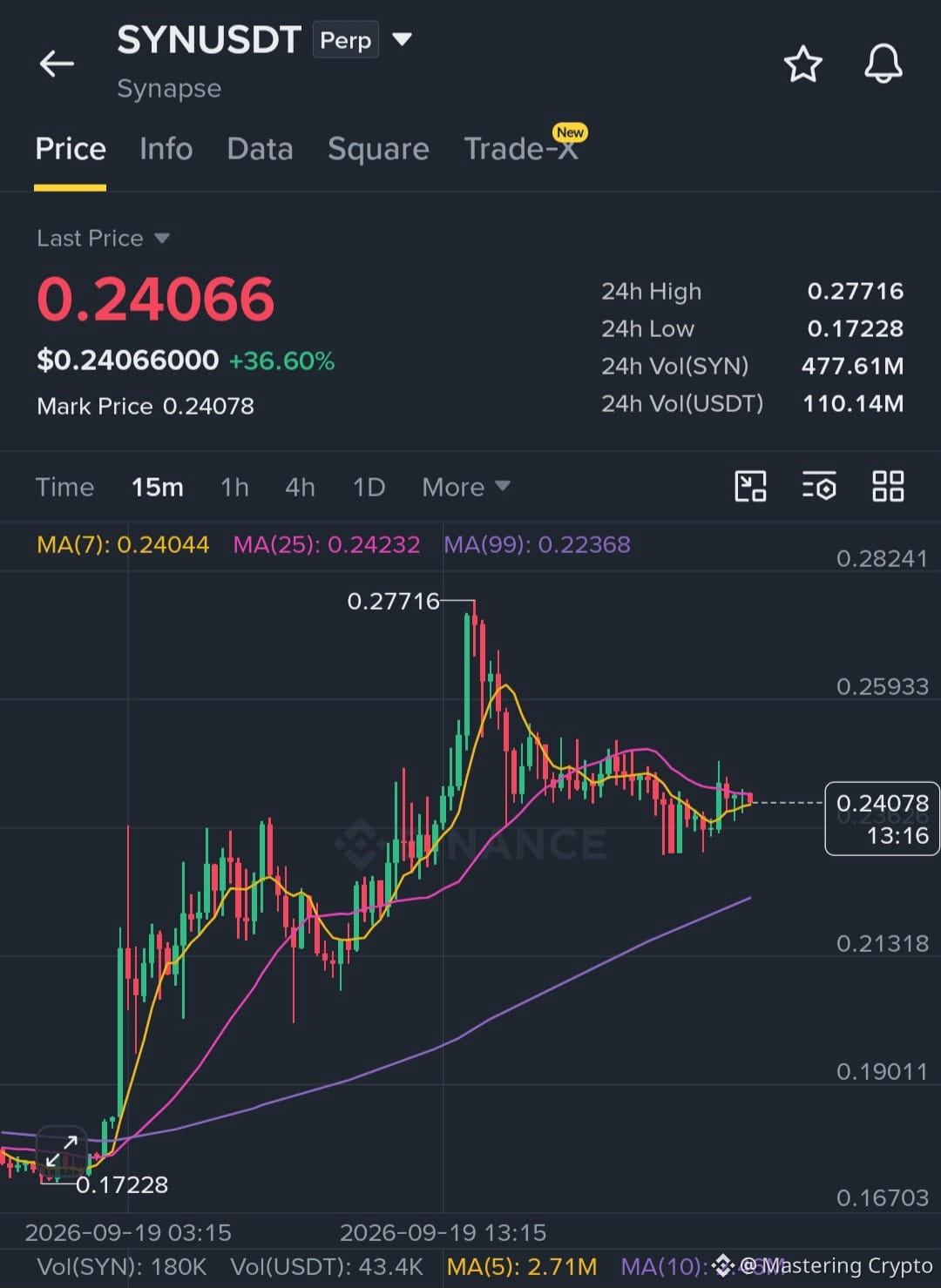
$SYN is cooking bigger this time so Guy’s let's chase long here
Long $SYN
Entry: 0.230 – 0.240
SL: 0.215
TP1: 0.250
TP2: 0.260
TP3: 0.290
TP4: 0.320
📩 Binance Group Chat’ga qanday qo‘shilishni bilishim uchun menga DM yuboring va birgalikda har bir savdoda g‘alaba qozonamiz.
Trade $SYN here 👇
{future}(SYNUSDT)
$SYN is cooking bigger this time so Guy’s let's chase long here
Long $SYN
Entry: 0.230 – 0.240
SL: 0.215
TP1: 0.250
TP2: 0.260
TP3: 0.290
TP4: 0.320
📩 Binance Group Chat’ga qanday qo‘shilishni bilishim uchun menga DM yuboring va birgalikda har bir savdoda g‘alaba qozonamiz.
Trade $SYN here 👇
Long $SYN
Entry: 0.230 – 0.240
SL: 0.215
TP1: 0.250
TP2: 0.260
TP3: 0.290
TP4: 0.320
📩 Binance Group Chat’ga qanday qo‘shilishni bilishim uchun menga DM yuboring va birgalikda har bir savdoda g‘alaba qozonamiz.
Trade $SYN here 👇
2
1.1k
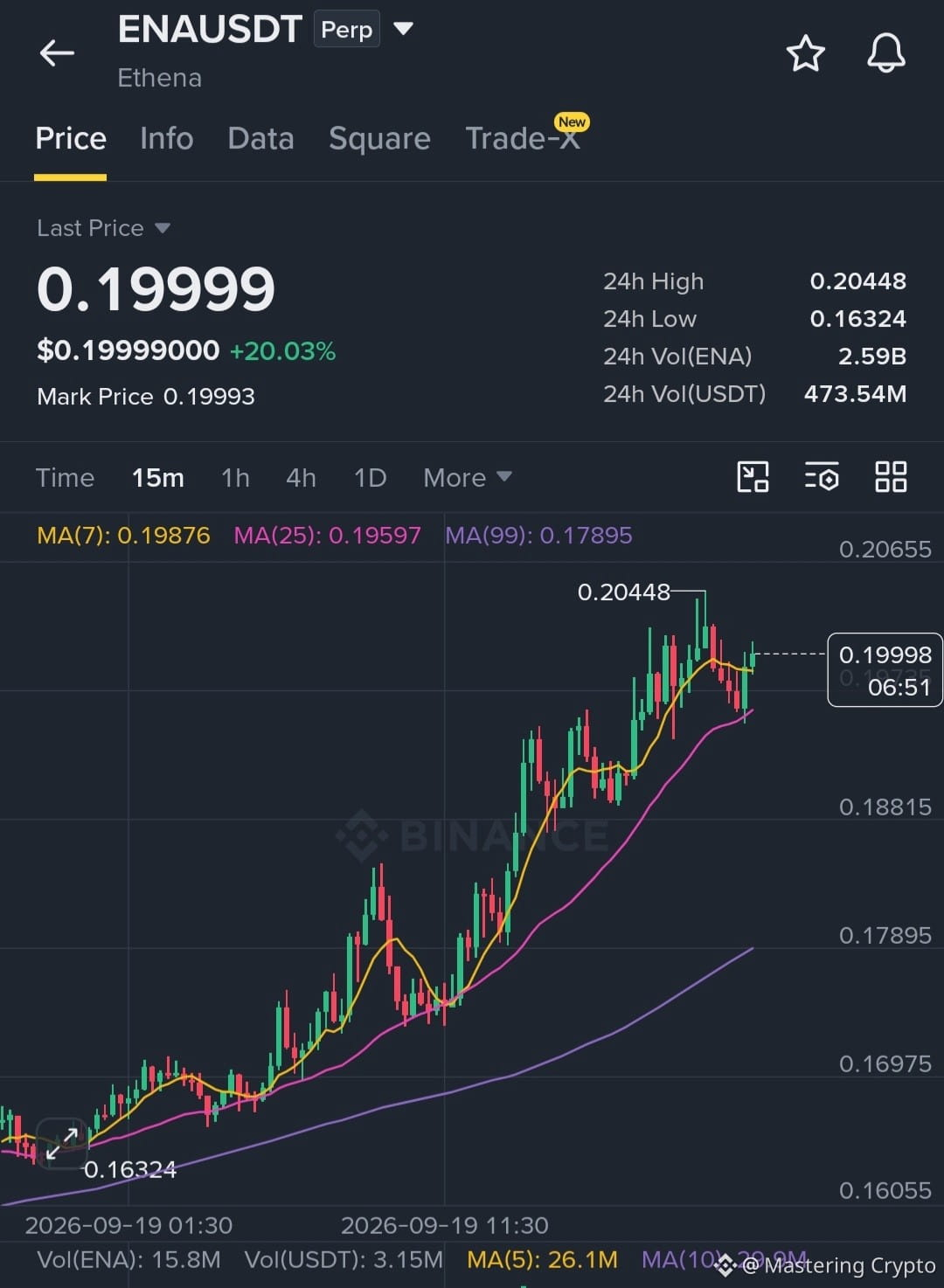
$ENA nimadur pishiryapti, aka, shuning uchun men shaxsan bu yerda uzoqni izlayapman
Uzoq $ENA
Kirish: 0.185 – 0.195
SL: 0.180
TP1: 0.205
TP2: 0.215
TP3: 0.230
TP4: 0.250
📩 Binance guruh chatimga qanday qo‘shilishni bilish uchun menga DM yuboring va birgalikda har bir treydni yutamiz.
Trade $ENA shu yerda 👇
{future}(ENAUSDT)
$ENA nimadur pishiryapti, aka, shuning uchun men shaxsan bu yerda uzoqni izlayapman
Uzoq $ENA
Kirish: 0.185 – 0.195
SL: 0.180
TP1: 0.205
TP2: 0.215
TP3: 0.230
TP4: 0.250
📩 Binance guruh chatimga qanday qo‘shilishni bilish uchun menga DM yuboring va birgalikda har bir treydni yutamiz.
Trade $ENA shu yerda 👇
Uzoq $ENA
Kirish: 0.185 – 0.195
SL: 0.180
TP1: 0.205
TP2: 0.215
TP3: 0.230
TP4: 0.250
📩 Binance guruh chatimga qanday qo‘shilishni bilish uchun menga DM yuboring va birgalikda har bir treydni yutamiz.
Trade $ENA shu yerda 👇
2
992
🚨 Kuchli qo‘ng‘iroqlar Kuchli foydalar! Yana bir bor uddaladik, bu safar esa katta 🚀
$CAP qisqa muddatli savdo qilindi va barcha TP’larni muvaffaqiyatli urdi, hali ham faol davom etyapti 🤑
Mening erta short signalim bilan kirish qanday bo‘lishini tasavvur qiling — narx qanchalik keskin tushib ketganini ko‘ring 💰
Hamma faqat long savdo signalini aytayotgan edi, faqat Mastering sizga to‘g‘ri shortni ko‘rsatdi va natijalar buni aniq ko‘rsatib turibdi 🚀
Mening Binance guruhimdagi chat a’zolari har kuni o‘sib boryapti — mana shunga o‘xshash yuqori sifatli savdo setup’lari bilan 👌
Binance guruh chatimga qo‘shiling va kapitalingizni to‘g‘ri risklarni boshqarish bilan ko‘paytirish uchun har kuni savdo setup’laridan bahramand bo‘ling 🫂
$CAP hali ham bearish va keyingi yangilanish faqat mening Binance guruh chatimda beriladi — shuning uchun hoziroq quvib qoling yoki keyin afsuslaning 💯
$CAP short savdo setup’ini shu yerda kuzatib boring 👇
🚨 Kuchli qo‘ng‘iroqlar Kuchli foydalar! Yana bir bor uddaladik, bu safar esa katta 🚀
$CAP qisqa muddatli savdo qilindi va barcha TP’larni muvaffaqiyatli urdi, hali ham faol davom etyapti 🤑
Mening erta short signalim bilan kirish qanday bo‘lishini tasavvur qiling — narx qanchalik keskin tushib ketganini ko‘ring 💰
Hamma faqat long savdo signalini aytayotgan edi, faqat Mastering sizga to‘g‘ri shortni ko‘rsatdi va natijalar buni aniq ko‘rsatib turibdi 🚀
Mening Binance guruhimdagi chat a’zolari har kuni o‘sib boryapti — mana shunga o‘xshash yuqori sifatli savdo setup’lari bilan 👌
Binance guruh chatimga qo‘shiling va kapitalingizni to‘g‘ri risklarni boshqarish bilan ko‘paytirish uchun har kuni savdo setup’laridan bahramand bo‘ling 🫂
$CAP hali ham bearish va keyingi yangilanish faqat mening Binance guruh chatimda beriladi — shuning uchun hoziroq quvib qoling yoki keyin afsuslaning 💯
$CAP short savdo setup’ini shu yerda kuzatib boring 👇
$CAP qisqa muddatli savdo qilindi va barcha TP’larni muvaffaqiyatli urdi, hali ham faol davom etyapti 🤑
Mening erta short signalim bilan kirish qanday bo‘lishini tasavvur qiling — narx qanchalik keskin tushib ketganini ko‘ring 💰
Hamma faqat long savdo signalini aytayotgan edi, faqat Mastering sizga to‘g‘ri shortni ko‘rsatdi va natijalar buni aniq ko‘rsatib turibdi 🚀
Mening Binance guruhimdagi chat a’zolari har kuni o‘sib boryapti — mana shunga o‘xshash yuqori sifatli savdo setup’lari bilan 👌
Binance guruh chatimga qo‘shiling va kapitalingizni to‘g‘ri risklarni boshqarish bilan ko‘paytirish uchun har kuni savdo setup’laridan bahramand bo‘ling 🫂
$CAP hali ham bearish va keyingi yangilanish faqat mening Binance guruh chatimda beriladi — shuning uchun hoziroq quvib qoling yoki keyin afsuslaning 💯
$CAP short savdo setup’ini shu yerda kuzatib boring 👇
Mastering Crypto
·
--
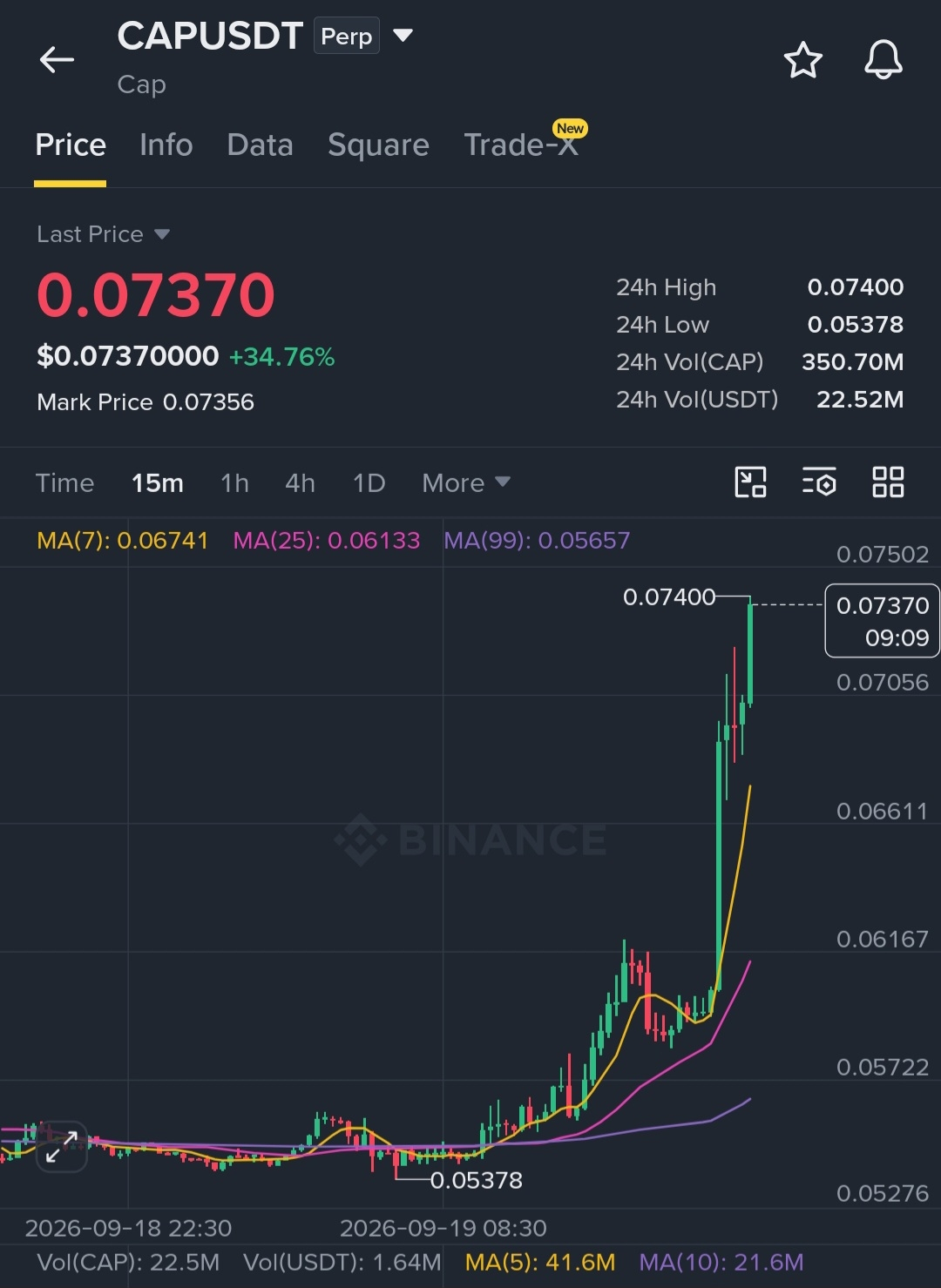
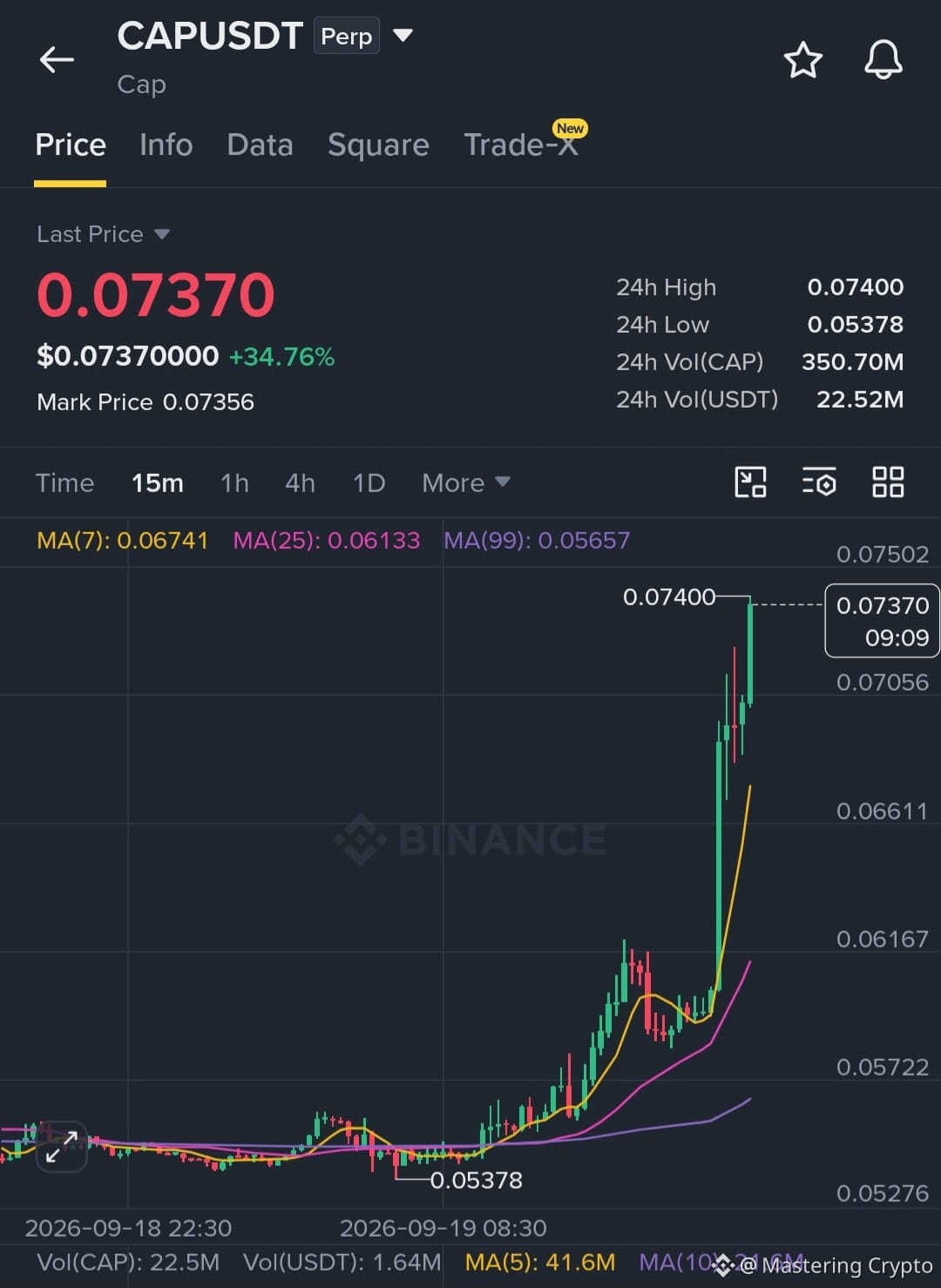
$CAP siz uchun katta tuzoq qolyapti, jonivorlar, o'lja bo'lmang
Qisqa $CAP
Kirish: 0.078 – 0.088
SL: 0.105
TP1: 0.068
TP2: 0.064
TP3: 0.058
TP4: 0.054
📩 Menga yozing: Binance guruh suhbatimga qanday qo'shilishni bilib oling va birga har bir savdoda yutamiz.
Savdo $CAP bu yerda 👇
Qisqa $CAP
Kirish: 0.078 – 0.088
SL: 0.105
TP1: 0.068
TP2: 0.064
TP3: 0.058
TP4: 0.054
📩 Menga yozing: Binance guruh suhbatimga qanday qo'shilishni bilib oling va birga har bir savdoda yutamiz.
Savdo $CAP bu yerda 👇
1
465
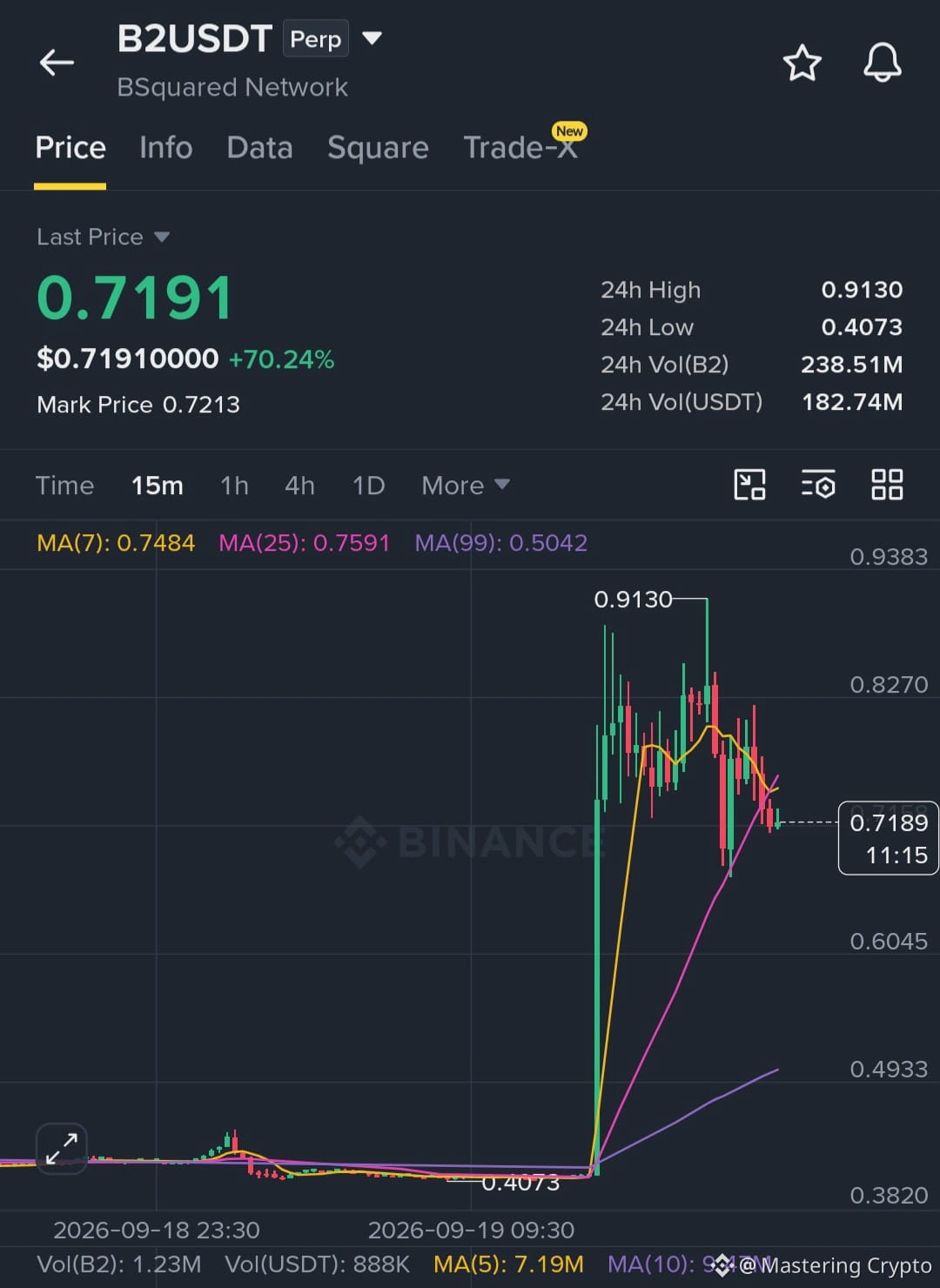
$B2 yana yana sizlar uchun katta tuzoq qo‘yishga tayyorlanmoqda, shuning uchun keling bu yerda shortni ta’qib qilamiz
Short $B2
Kirish: 0.75 – 0.95
SL: 1.15
TP1: 0.68
TP2: 0.63
TP3: 0.55
TP4: 0.45
📩 Menga yozing, Binance guruh chatimga qanday qo‘shilishni bilib oling va birgalikda har bir savdoda g‘alaba qozonamiz.
Savdo $B2 mana bu yerda 👇
{future}(B2USDT)
$B2 yana yana sizlar uchun katta tuzoq qo‘yishga tayyorlanmoqda, shuning uchun keling bu yerda shortni ta’qib qilamiz
Short $B2
Kirish: 0.75 – 0.95
SL: 1.15
TP1: 0.68
TP2: 0.63
TP3: 0.55
TP4: 0.45
📩 Menga yozing, Binance guruh chatimga qanday qo‘shilishni bilib oling va birgalikda har bir savdoda g‘alaba qozonamiz.
Savdo $B2 mana bu yerda 👇
Short $B2
Kirish: 0.75 – 0.95
SL: 1.15
TP1: 0.68
TP2: 0.63
TP3: 0.55
TP4: 0.45
📩 Menga yozing, Binance guruh chatimga qanday qo‘shilishni bilib oling va birgalikda har bir savdoda g‘alaba qozonamiz.
Savdo $B2 mana bu yerda 👇
9
3
994
$CAP siz uchun katta tuzoq qolyapti, jonivorlar, o'lja bo'lmang
Qisqa $CAP
Kirish: 0.078 – 0.088
SL: 0.105
TP1: 0.068
TP2: 0.064
TP3: 0.058
TP4: 0.054
📩 Menga yozing: Binance guruh suhbatimga qanday qo'shilishni bilib oling va birga har bir savdoda yutamiz.
Savdo $CAP bu yerda 👇
{future}(CAPUSDT)
$CAP siz uchun katta tuzoq qolyapti, jonivorlar, o'lja bo'lmang
Qisqa $CAP
Kirish: 0.078 – 0.088
SL: 0.105
TP1: 0.068
TP2: 0.064
TP3: 0.058
TP4: 0.054
📩 Menga yozing: Binance guruh suhbatimga qanday qo'shilishni bilib oling va birga har bir savdoda yutamiz.
Savdo $CAP bu yerda 👇
Qisqa $CAP
Kirish: 0.078 – 0.088
SL: 0.105
TP1: 0.068
TP2: 0.064
TP3: 0.058
TP4: 0.054
📩 Menga yozing: Binance guruh suhbatimga qanday qo'shilishni bilib oling va birga har bir savdoda yutamiz.
Savdo $CAP bu yerda 👇
2
1
3
790
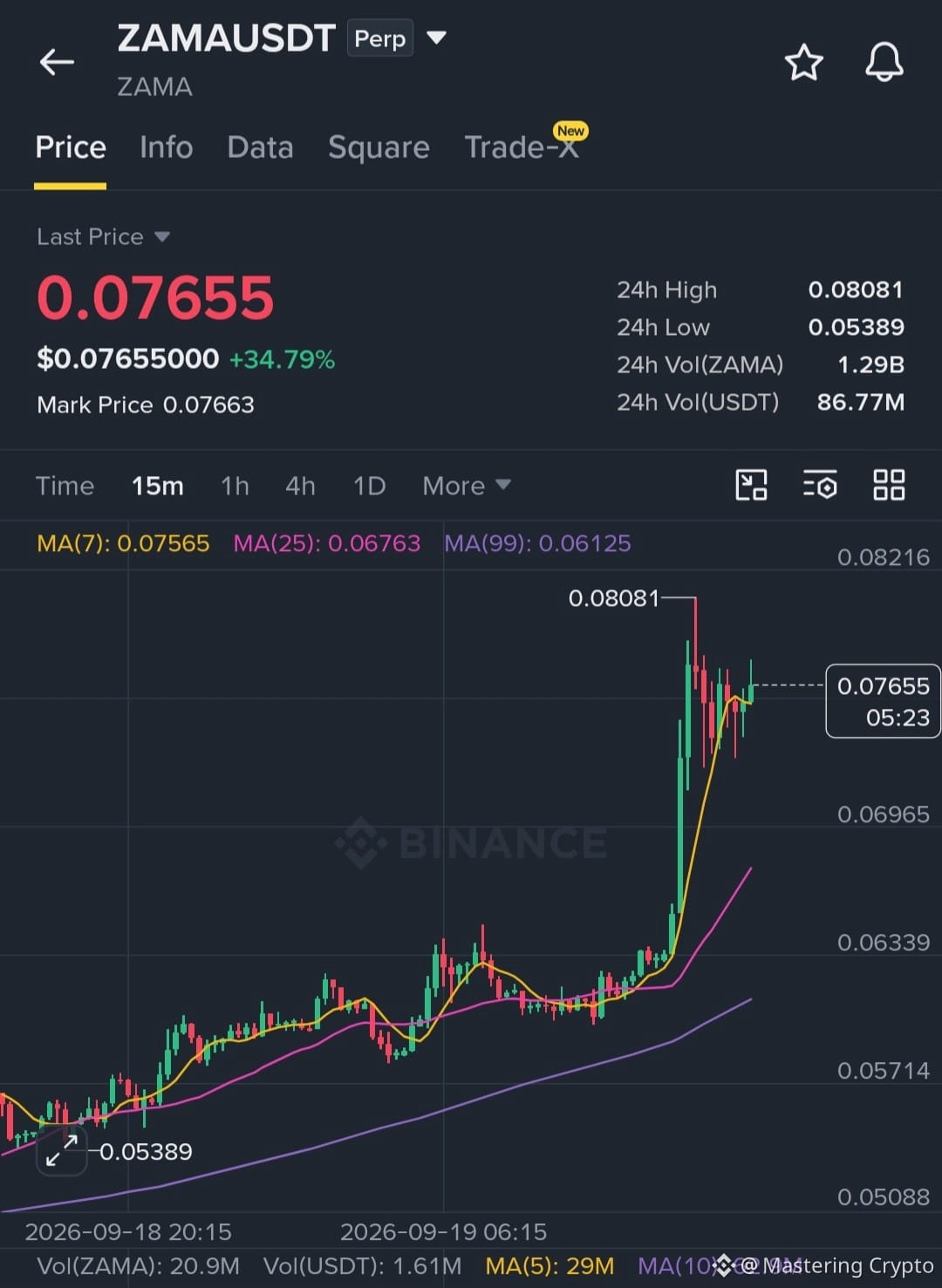
$ZAMA is taqsimotni buzmoqda
Uzun $ZAMA
Kirish: 0.07350 – 0.0765
SL: 0.0700
TP1: 0.0790
TP2: 0.0840
TP3: 0.0880
TP4: 0.0950
📩 Binance guruh chatimga qanday qo‘shilishimni bilish uchun menga DM yuboring va birga har bir savdoda g‘alaba qozonamiz.
$ZAMA bilan savdo qiling mana bu yerda 👇
{future}(ZAMAUSDT)
$ZAMA is taqsimotni buzmoqda
Uzun $ZAMA
Kirish: 0.07350 – 0.0765
SL: 0.0700
TP1: 0.0790
TP2: 0.0840
TP3: 0.0880
TP4: 0.0950
📩 Binance guruh chatimga qanday qo‘shilishimni bilish uchun menga DM yuboring va birga har bir savdoda g‘alaba qozonamiz.
$ZAMA bilan savdo qiling mana bu yerda 👇
Uzun $ZAMA
Kirish: 0.07350 – 0.0765
SL: 0.0700
TP1: 0.0790
TP2: 0.0840
TP3: 0.0880
TP4: 0.0950
📩 Binance guruh chatimga qanday qo‘shilishimni bilish uchun menga DM yuboring va birga har bir savdoda g‘alaba qozonamiz.
$ZAMA bilan savdo qiling mana bu yerda 👇
2
874
Ko‘proq kontentni ko‘rish uchun tizimga kiring
Binance Square'da global kriptovalyuta foydalanuvchilariga qo‘shiling
⚡️ Kriptovalyuta haqida eng so‘nggi va foydali ma’lumotlarni oling.
💬 Dunyoning eng yirik kriptovalyuta birjasi tomonidan ishonchli deb topilgan.
👍 Tasdiqlangan mualliflardan haqiqiy tahlillarni kashf eting.
Email / telefon raqami
Trenddagi mavzular
SaylorHintsStrategyBitcoinBuy
2.3M marta koʻrilgan
12,308 muhokama qilmoqda
#saylorhintsstrategybitcoinbuy
🚨 SAYLOR YAKSHANBA $BTC ISHORASINI TASHLADI 👀
Maykl Saylor yana o‘zining odatiy Bitcoin grafigini qayta joyladi.
Agar tarix takrorlansa, u sariq nuqtalar boshqa Strategy BTC xarid kelayotganidan darak berishi mumkin. 🟠
Saylor sotib olganida esa bozor buni kuzatadi.
🐋 Katta miqdordagi BTC zaxiralari
💰 Akkumulyatsiya qilish bo‘yicha davomiy strategiya
📈 Qisqa muddatli kayfiyatga potensial ijobiy ta’sir
Lekin eng muhim joyi shunda:
Qayta joylash — xarid bo‘yicha tasdiq EMAS.
Haqiqiy signal Strategy rasmiy ravishda tranzaksiyani e’lon qilganda keladi.
🔥 Agar yana bir yirik BTC xarid e’lon qilinsa, bu safar bozor qanday reaksiya qiladi?
Yoki Saylor’ning to‘plashi shu qadar odatiy bo‘lib qoladiki, treyderlar endi deyarli sezmay qo‘yishadimi?
👀 E’longa qarang.
$MSTRB
#BTC #strategy #crypto #BitcoinNews
sdatta
·5 ta layk
·5.7k marta koʻrilgan
BOJRaisesRatesTo31YearHigh
241,007 marta koʻrilgan
3,209 muhokama qilmoqda
BuffettStepsDownAsBerkshireChairman
116,876 marta koʻrilgan
1,713 muhokama qilmoqda