

DanniéX
10.2k Postlar

DanniéX
 Square Verified
Shikoyat qilish
Foydalanuvchini bloklash
Binance KOL and Crypto Mentor ❎ Daniel_BNB1
527 Kuzatilmoqda
41.3K+ Kuzatuvchilar
35.6K+ Yoqdi
Postlar
Barchasi
Iqtiboslar
Videolar
Jonli
·
--
Tarjimani ko‘rish
$SOL BUYERS DEFENDING SUPPORT
A little late sharing this setup, but the structure is still worth watching.
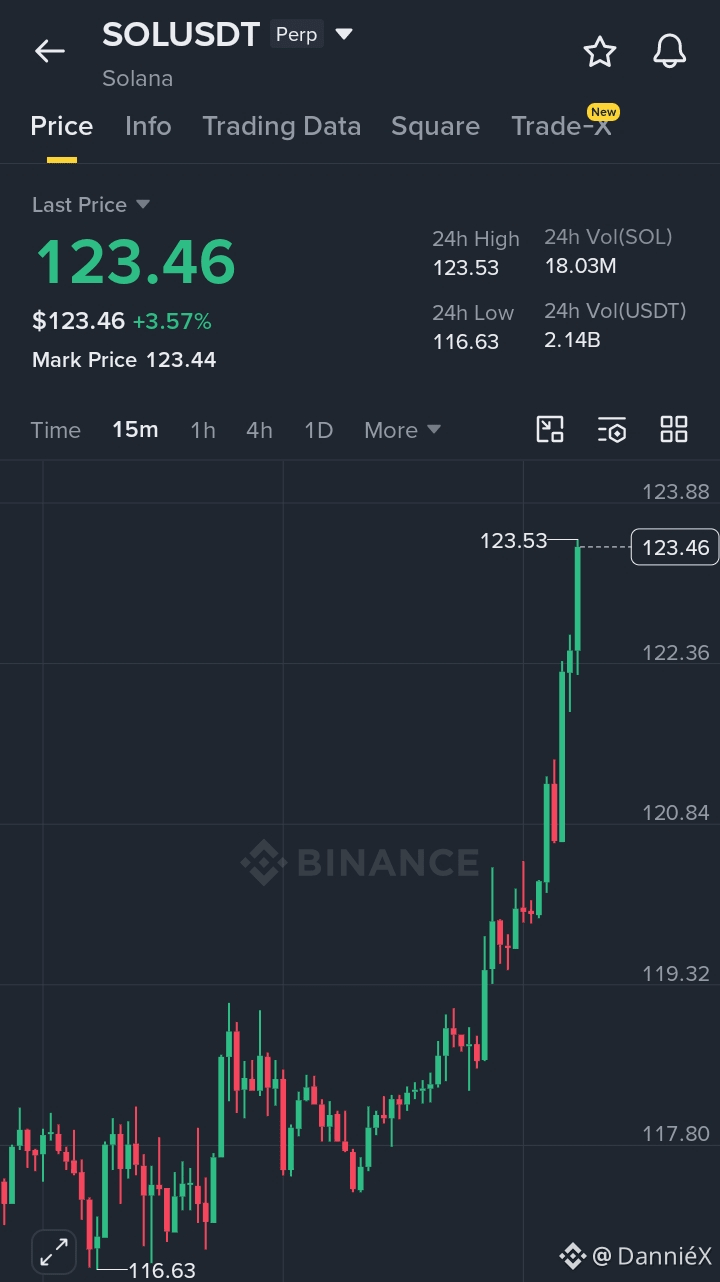
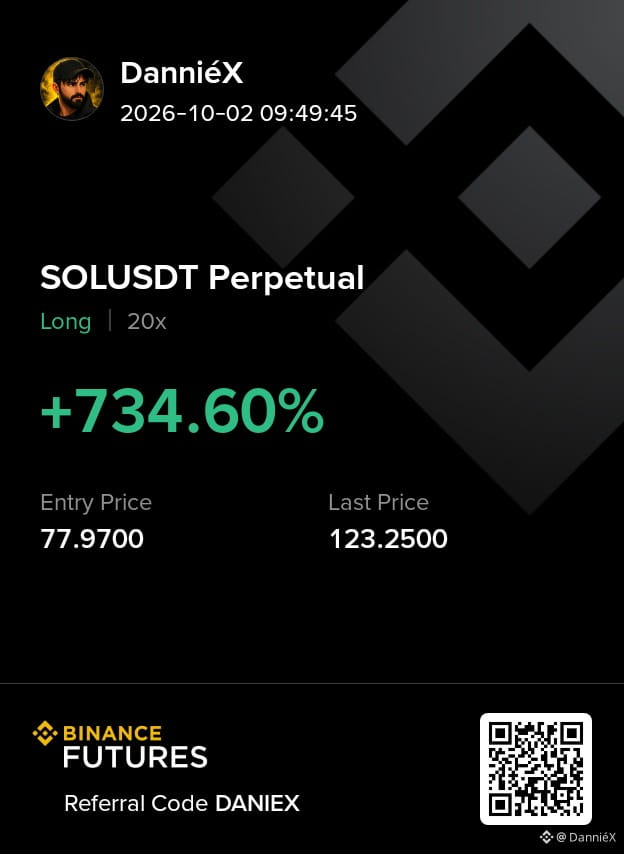
SOL is holding the 116.70–117.50 support zone, where buyers are stepping in and attempting to rebuild short-term momentum.
If this support continues to hold, the next levels I’m watching are:
• Entry: 117.50–118.00
• TP1: 119.00
• TP2: 120.50
• Next Target: 122.00
• Extended Target: 122.80
• Stop Loss: 114.40
The reaction around 116.70–117.50 remains the key area. A sustained hold could open the way toward the higher targets.
Watching how SOL develops from here. 👀
DYOR. Not financial advice.
$SOL BUYERS DEFENDING SUPPORT
A little late sharing this setup, but the structure is still worth watching.
SOL is holding the 116.70–117.50 support zone, where buyers are stepping in and attempting to rebuild short-term momentum.
If this support continues to hold, the next levels I’m watching are:
• Entry: 117.50–118.00
• TP1: 119.00
• TP2: 120.50
• Next Target: 122.00
• Extended Target: 122.80
• Stop Loss: 114.40
The reaction around 116.70–117.50 remains the key area. A sustained hold could open the way toward the higher targets.
Watching how SOL develops from here. 👀
DYOR. Not financial advice.
A little late sharing this setup, but the structure is still worth watching.
SOL is holding the 116.70–117.50 support zone, where buyers are stepping in and attempting to rebuild short-term momentum.
If this support continues to hold, the next levels I’m watching are:
• Entry: 117.50–118.00
• TP1: 119.00
• TP2: 120.50
• Next Target: 122.00
• Extended Target: 122.80
• Stop Loss: 114.40
The reaction around 116.70–117.50 remains the key area. A sustained hold could open the way toward the higher targets.
Watching how SOL develops from here. 👀
DYOR. Not financial advice.
441
·
--
Tarjimani ko‘rish
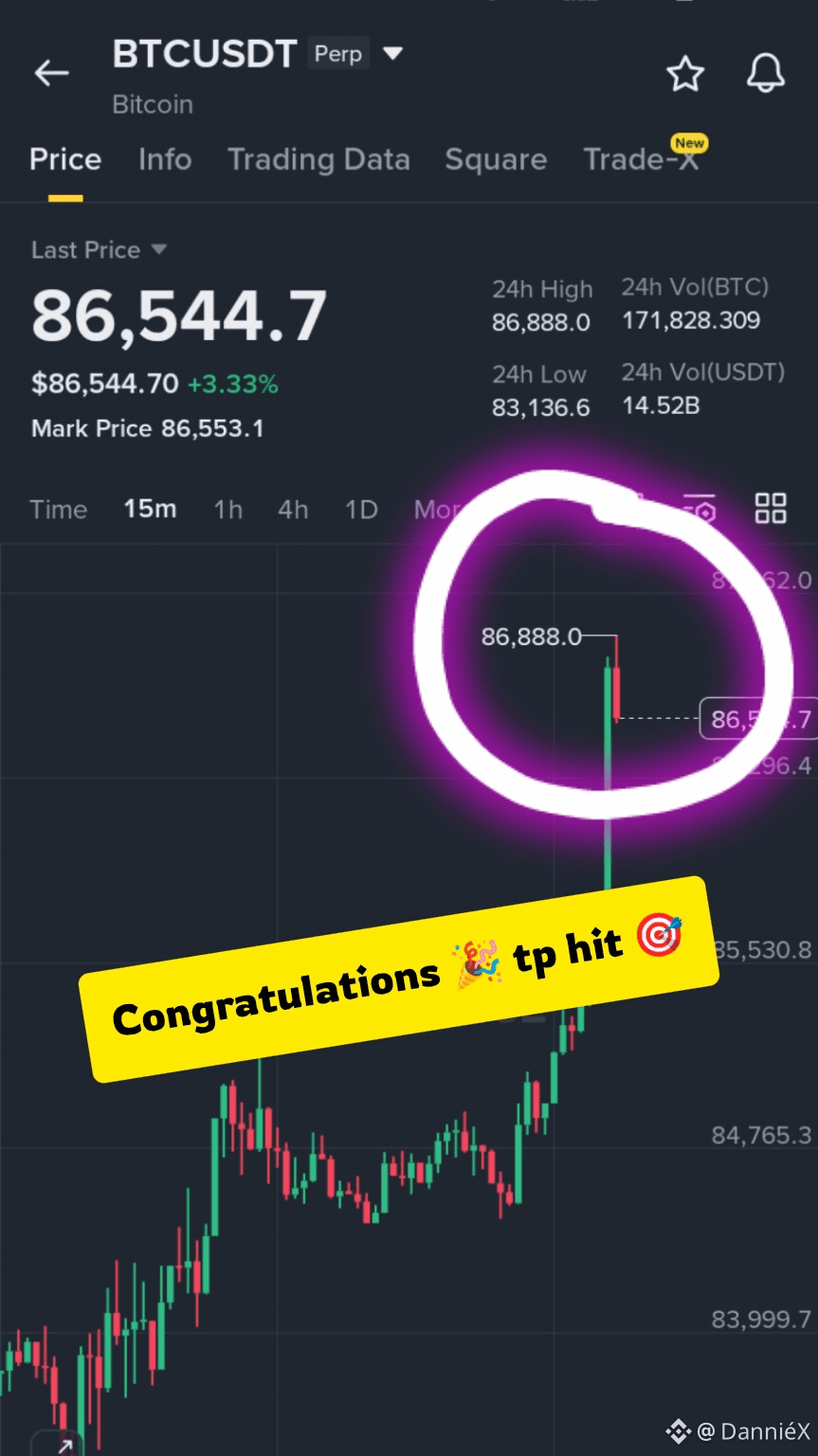
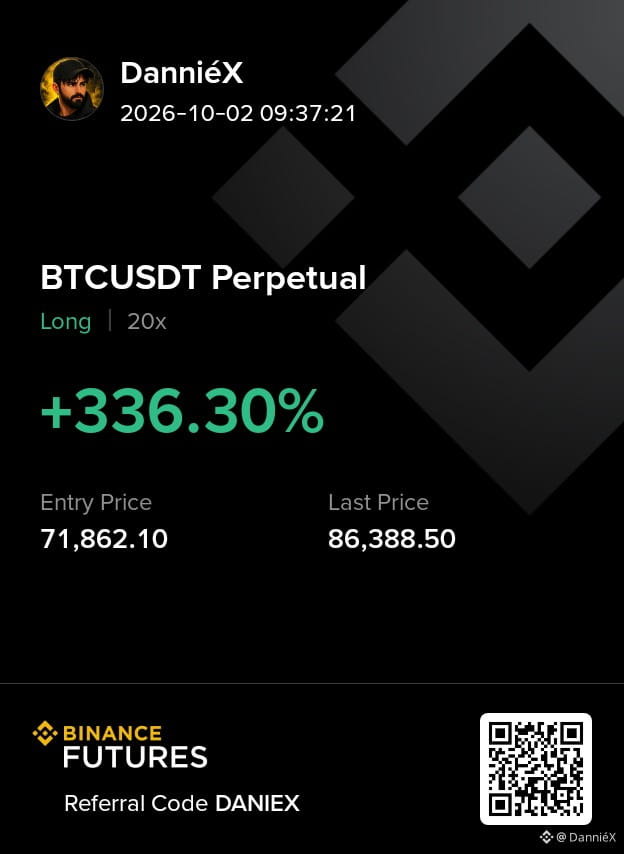
#CONGRATULATIONS🎉🎉🎉BOYS 🎉 Guys All archive 🎯$BTC
#CONGRATULATIONS🎉🎉🎉BOYS 🎉 Guys All archive 🎯$BTC
DanniéX
·
--
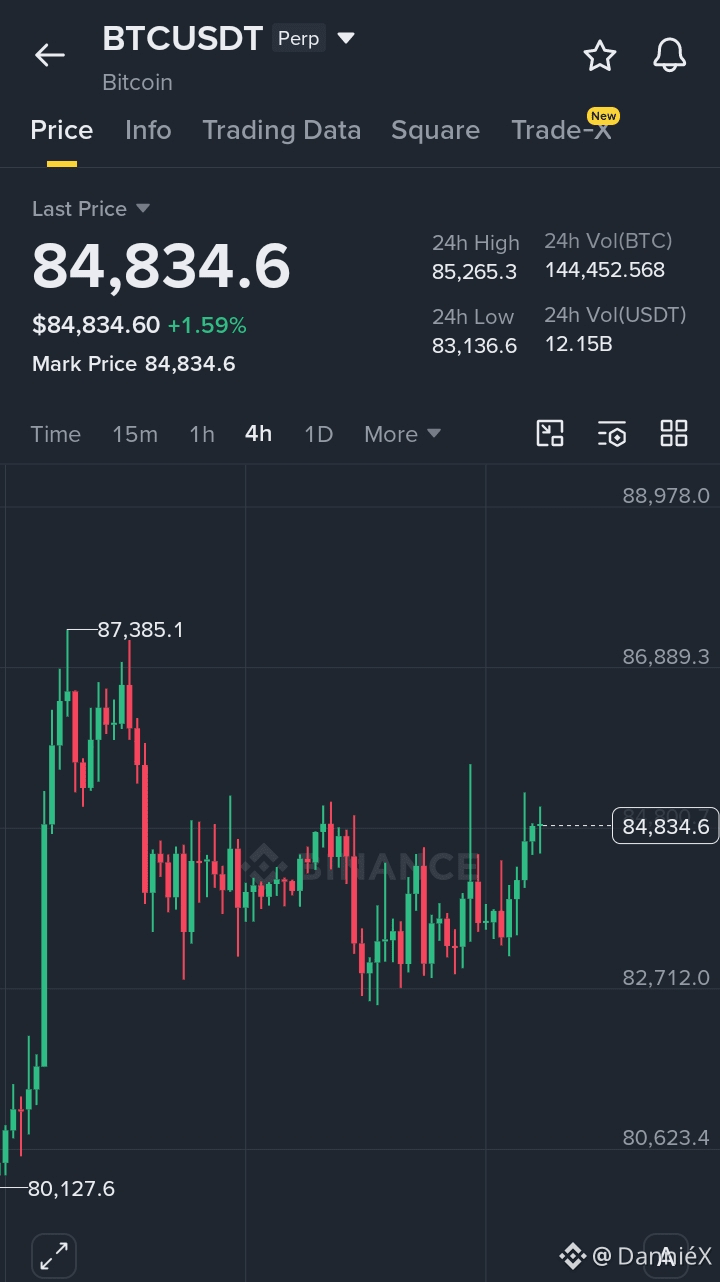
$BTC I’m Liking What I See Here
Bitcoin is trading around $84,700, and buyers are pushing back toward the $85K zone. 👀
I’m watching this area closely. If BTC holds the current zone, the short-term structure can stay positive.
🟢 LONG ENTRY: $84,500 – $84,750
🛑 SL: $83,950
🎯 TP1: $85,050
🎯 TP2: $85,400
🎯 TP3: $85,800
The key for me is the $85K area. A clean hold above it could bring another push higher.
Let’s see how price reacts here no need to chase the candle.
DYOR & manage your risk.
#BTC突破7万大关 #DannieX
Bitcoin is trading around $84,700, and buyers are pushing back toward the $85K zone. 👀
I’m watching this area closely. If BTC holds the current zone, the short-term structure can stay positive.
🟢 LONG ENTRY: $84,500 – $84,750
🛑 SL: $83,950
🎯 TP1: $85,050
🎯 TP2: $85,400
🎯 TP3: $85,800
The key for me is the $85K area. A clean hold above it could bring another push higher.
Let’s see how price reacts here no need to chase the candle.
DYOR & manage your risk.
#BTC突破7万大关 #DannieX
304
·
--
Tarjimani ko‘rish
$BTC I’m Liking What I See Here
Bitcoin is trading around $84,700, and buyers are pushing back toward the $85K zone. 👀
I’m watching this area closely. If BTC holds the current zone, the short-term structure can stay positive.
🟢 LONG ENTRY: $84,500 – $84,750
🛑 SL: $83,950
🎯 TP1: $85,050
🎯 TP2: $85,400
🎯 TP3: $85,800
The key for me is the $85K area. A clean hold above it could bring another push higher.
Let’s see how price reacts here no need to chase the candle.
DYOR & manage your risk.
#BTC突破7万大关 #DannieX
$BTC I’m Liking What I See Here
Bitcoin is trading around $84,700, and buyers are pushing back toward the $85K zone. 👀
I’m watching this area closely. If BTC holds the current zone, the short-term structure can stay positive.
🟢 LONG ENTRY: $84,500 – $84,750
🛑 SL: $83,950
🎯 TP1: $85,050
🎯 TP2: $85,400
🎯 TP3: $85,800
The key for me is the $85K area. A clean hold above it could bring another push higher.
Let’s see how price reacts here no need to chase the candle.
DYOR & manage your risk.
#BTC突破7万大关 #DannieX
Bitcoin is trading around $84,700, and buyers are pushing back toward the $85K zone. 👀
I’m watching this area closely. If BTC holds the current zone, the short-term structure can stay positive.
🟢 LONG ENTRY: $84,500 – $84,750
🛑 SL: $83,950
🎯 TP1: $85,050
🎯 TP2: $85,400
🎯 TP3: $85,800
The key for me is the $85K area. A clean hold above it could bring another push higher.
Let’s see how price reacts here no need to chase the candle.
DYOR & manage your risk.
#BTC突破7万大关 #DannieX
1
2
455
·
--
Tarjimani ko‘rish
$ETH is showing steady strength, up around 2.5% over the past 24 hours.
One factor getting attention is institutional accumulation, with Bitmine reportedly holding more than 6M ETH, around 4.9% of circulating supply. That said, the pace of new purchases has slowed this week, while relatively low trading volume suggests the current upside still lacks strong momentum.
Funding is sitting near 0.0093%, which suggests leverage remains relatively controlled rather than overheated.
For me, the key now is whether ETH can attract stronger spot volume and maintain this momentum.
#EarningsSeason
$ETH is showing steady strength, up around 2.5% over the past 24 hours.
One factor getting attention is institutional accumulation, with Bitmine reportedly holding more than 6M ETH, around 4.9% of circulating supply. That said, the pace of new purchases has slowed this week, while relatively low trading volume suggests the current upside still lacks strong momentum.
Funding is sitting near 0.0093%, which suggests leverage remains relatively controlled rather than overheated.
For me, the key now is whether ETH can attract stronger spot volume and maintain this momentum.
#EarningsSeason
One factor getting attention is institutional accumulation, with Bitmine reportedly holding more than 6M ETH, around 4.9% of circulating supply. That said, the pace of new purchases has slowed this week, while relatively low trading volume suggests the current upside still lacks strong momentum.
Funding is sitting near 0.0093%, which suggests leverage remains relatively controlled rather than overheated.
For me, the key now is whether ETH can attract stronger spot volume and maintain this momentum.
#EarningsSeason
350
·
--
$BTC UY BOZORI YANGILANISHI — TALAB TOMONIGA CHEKINISH
Bitcoin hafta boshini muhim qisqa muddatli diapazon ichida boshlamoqda, hozirda narx strukturaning pastki chegarasini sinovdan o‘tkazmoqda.
📌 Muhim diapazon: $83.7K – $85.2K
🛡️ Asosiy tayanch: $83.7K
⚔️ Qarshilik: $85.2K
📍 Bekor bo‘lish (invalidatsiya): $82.7K dan past
$83.7K zona bir necha bor sinovdan o‘tkazilgan va muhim tayanch hududi sifatida ishlashda davom etmoqda. EMA 144–169 kanali ham aynan shu mintaqa atrofida joylashgan bo‘lib, bu esa qo‘shimcha texnik ahamiyat qo‘shadi.
📈 Uzoqqa (Long) ehtimoliy setup
$83.7K talab zonasida yengil (kamroq) pozitsion long ko‘rib chiqilishi mumkin, agar BTC hududni ushlab tursa.
🎯 1-maqsad: $84.7K
🎯 2-maqsad: $85.2K
🛑 Bekor bo‘lish: $82.7K dan past
Konservativ tasdiq
Tayanch darajasiga bevosita kirish o‘rniga, treyderlar avval $83.7K dan pastga “sweep” (kuchli siljitish) bo‘lishini, so‘ngra darajaning qaytarib olinishi (reclaim) ni kutishi mumkin. Muvaffaqiyatli qaytarib olish xaridorlar tomonga impuls qaytayotganini kuchliroq tasdiqlashi mumkin.
Hozircha e’tibor $83.7K tayanch va $85.2K qarshilik orasidagi kurashda qolmoqda.
$BTC UY BOZORI YANGILANISHI — TALAB TOMONIGA CHEKINISH
Bitcoin hafta boshini muhim qisqa muddatli diapazon ichida boshlamoqda, hozirda narx strukturaning pastki chegarasini sinovdan o‘tkazmoqda.
📌 Muhim diapazon: $83.7K – $85.2K
🛡️ Asosiy tayanch: $83.7K
⚔️ Qarshilik: $85.2K
📍 Bekor bo‘lish (invalidatsiya): $82.7K dan past
$83.7K zona bir necha bor sinovdan o‘tkazilgan va muhim tayanch hududi sifatida ishlashda davom etmoqda. EMA 144–169 kanali ham aynan shu mintaqa atrofida joylashgan bo‘lib, bu esa qo‘shimcha texnik ahamiyat qo‘shadi.
📈 Uzoqqa (Long) ehtimoliy setup
$83.7K talab zonasida yengil (kamroq) pozitsion long ko‘rib chiqilishi mumkin, agar BTC hududni ushlab tursa.
🎯 1-maqsad: $84.7K
🎯 2-maqsad: $85.2K
🛑 Bekor bo‘lish: $82.7K dan past
Konservativ tasdiq
Tayanch darajasiga bevosita kirish o‘rniga, treyderlar avval $83.7K dan pastga “sweep” (kuchli siljitish) bo‘lishini, so‘ngra darajaning qaytarib olinishi (reclaim) ni kutishi mumkin. Muvaffaqiyatli qaytarib olish xaridorlar tomonga impuls qaytayotganini kuchliroq tasdiqlashi mumkin.
Hozircha e’tibor $83.7K tayanch va $85.2K qarshilik orasidagi kurashda qolmoqda.
Bitcoin hafta boshini muhim qisqa muddatli diapazon ichida boshlamoqda, hozirda narx strukturaning pastki chegarasini sinovdan o‘tkazmoqda.
📌 Muhim diapazon: $83.7K – $85.2K
🛡️ Asosiy tayanch: $83.7K
⚔️ Qarshilik: $85.2K
📍 Bekor bo‘lish (invalidatsiya): $82.7K dan past
$83.7K zona bir necha bor sinovdan o‘tkazilgan va muhim tayanch hududi sifatida ishlashda davom etmoqda. EMA 144–169 kanali ham aynan shu mintaqa atrofida joylashgan bo‘lib, bu esa qo‘shimcha texnik ahamiyat qo‘shadi.
📈 Uzoqqa (Long) ehtimoliy setup
$83.7K talab zonasida yengil (kamroq) pozitsion long ko‘rib chiqilishi mumkin, agar BTC hududni ushlab tursa.
🎯 1-maqsad: $84.7K
🎯 2-maqsad: $85.2K
🛑 Bekor bo‘lish: $82.7K dan past
Konservativ tasdiq
Tayanch darajasiga bevosita kirish o‘rniga, treyderlar avval $83.7K dan pastga “sweep” (kuchli siljitish) bo‘lishini, so‘ngra darajaning qaytarib olinishi (reclaim) ni kutishi mumkin. Muvaffaqiyatli qaytarib olish xaridorlar tomonga impuls qaytayotganini kuchliroq tasdiqlashi mumkin.
Hozircha e’tibor $83.7K tayanch va $85.2K qarshilik orasidagi kurashda qolmoqda.
386
·
--
Tarjimani ko‘rish
$ZEC on flight because make new $BTC
close Eyes....
$ZEC on flight because make new $BTC
close Eyes....
close Eyes....

68
2
2
320
·
--
Maqola
Tarjimani ko‘rish
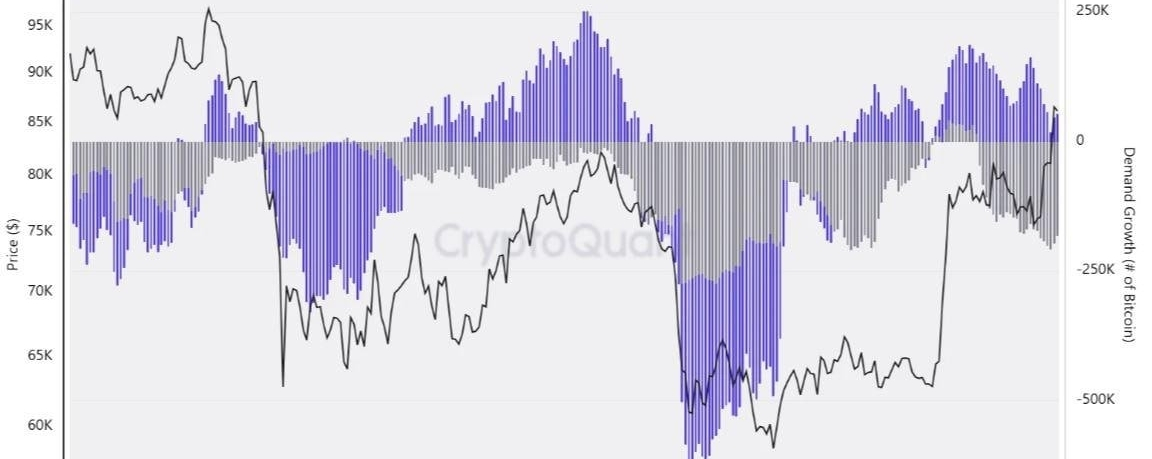
BTC | DEMAND IS STARTING TO RECOVERBitcoin is trading around $84,300, with the demand structure showing early signs of improvement.
Spot demand remains negative, but the decline is slowing, while futures demand is still positive. Total demand is also recovering from deeper negative levels.
📊 Trade Setup
Current Price: ~$84,300
Support: $82,000–$84,000
Resistance: $86,000–$87,000
Breakout Zone: Above $87,000
Bullish scenario:
If BTC holds the $82K–$84K support zone and breaks above $87K with confirmation, momentum could strengthen toward higher levels.
Invalidation:
A sustained breakdown below the $82K support zone would weaken this setup and require reassessment.
The key confirmation is still spot demand turning positive. Until then, this is a recovery setup—not a confirmed bullish reversal.
⚠️ Trade with proper risk management. This is market analysis, not financial advice.
$BTC $ZEC
{future}(BTCUSDT)
BTC | DEMAND IS STARTING TO RECOVER
Bitcoin is trading around $84,300, with the demand structure showing early signs of improvement.
Spot demand remains negative, but the decline is slowing, while futures demand is still positive. Total demand is also recovering from deeper negative levels.
📊 Trade Setup
Current Price: ~$84,300
Support: $82,000–$84,000
Resistance: $86,000–$87,000
Breakout Zone: Above $87,000
Bullish scenario:
If BTC holds the $82K–$84K support zone and breaks above $87K with confirmation, momentum could strengthen toward higher levels.
Invalidation:
A sustained breakdown below the $82K support zone would weaken this setup and require reassessment.
The key confirmation is still spot demand turning positive. Until then, this is a recovery setup—not a confirmed bullish reversal.
⚠️ Trade with proper risk management. This is market analysis, not financial advice.
$BTC $ZEC
Spot demand remains negative, but the decline is slowing, while futures demand is still positive. Total demand is also recovering from deeper negative levels.
📊 Trade Setup
Current Price: ~$84,300
Support: $82,000–$84,000
Resistance: $86,000–$87,000
Breakout Zone: Above $87,000
Bullish scenario:
If BTC holds the $82K–$84K support zone and breaks above $87K with confirmation, momentum could strengthen toward higher levels.
Invalidation:
A sustained breakdown below the $82K support zone would weaken this setup and require reassessment.
The key confirmation is still spot demand turning positive. Until then, this is a recovery setup—not a confirmed bullish reversal.
⚠️ Trade with proper risk management. This is market analysis, not financial advice.
$BTC $ZEC
208
·
--
🎙️ 建设币安广场,持有BNB|周日,BTC在84000横盘几天了,是要酝酿新的一轮起飞吗?来聊聊~

Tugashi
05 soat 23 daqiqa 43 soniya
14.8k
43
53
·
--
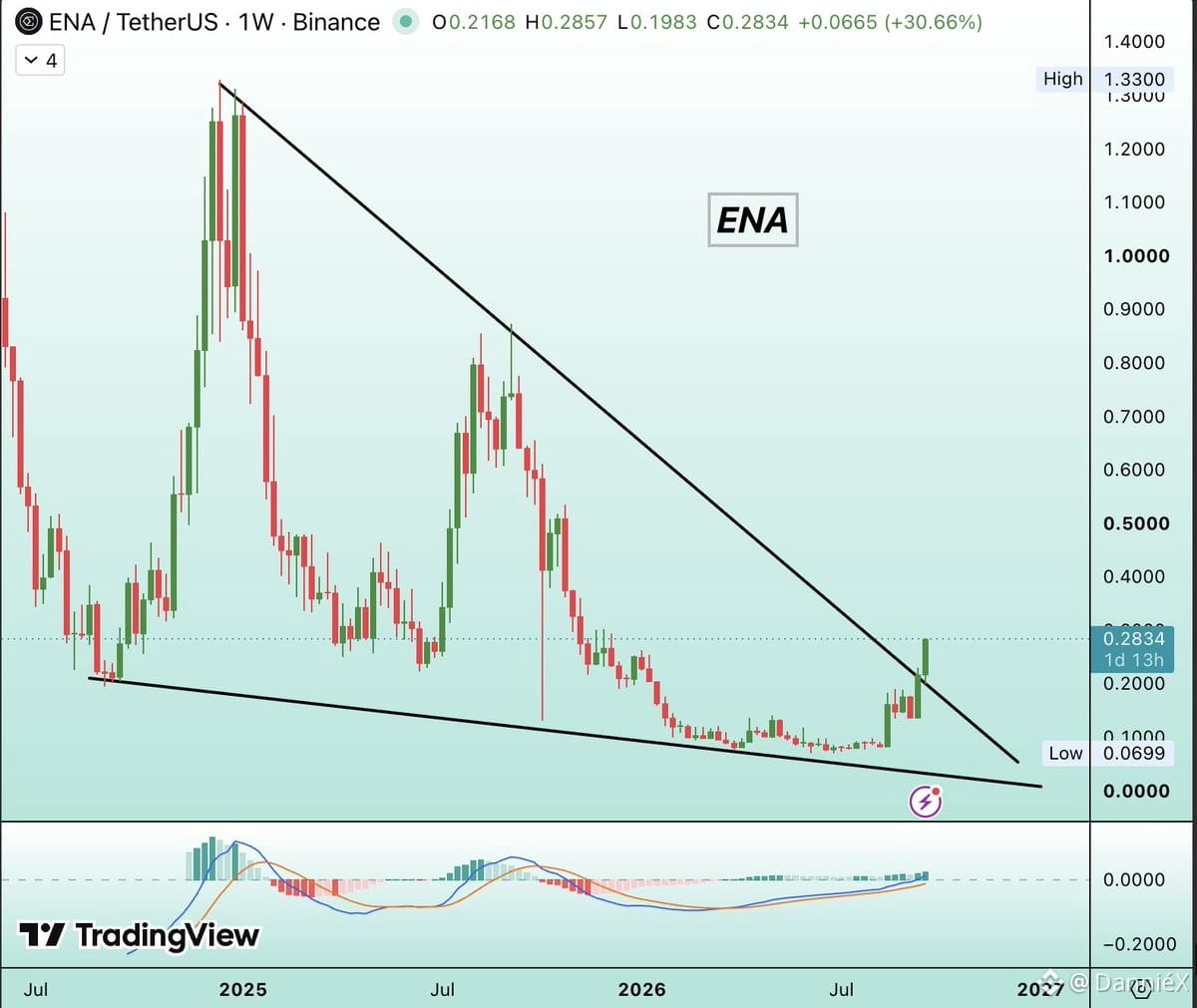
$ENA Haftalik diagramma nuqtayi nazari
Bu haftalik diagramma, shuning uchun qisqa muddatli volatillikni kengroq trend bilan adashtirmaslik kerak.
Sog‘lom tuzatish yoki orqaga qaytish yaxshiroq darajalarda akkumulyatsiya qilish imkoniyatini berishi mumkin. Asosiy narsa intraday harakatlarga munosabat bildirish emas, balki yuqori vaqt oralig‘i (higher-timeframe) strukturasiga e’tibor qaratish.
Katta rasmni savdo qilganda sabr muhim.
DYOR. Moliyaviy maslahat emas.
$ENA Haftalik diagramma nuqtayi nazari
Bu haftalik diagramma, shuning uchun qisqa muddatli volatillikni kengroq trend bilan adashtirmaslik kerak.
Sog‘lom tuzatish yoki orqaga qaytish yaxshiroq darajalarda akkumulyatsiya qilish imkoniyatini berishi mumkin. Asosiy narsa intraday harakatlarga munosabat bildirish emas, balki yuqori vaqt oralig‘i (higher-timeframe) strukturasiga e’tibor qaratish.
Katta rasmni savdo qilganda sabr muhim.
DYOR. Moliyaviy maslahat emas.
Bu haftalik diagramma, shuning uchun qisqa muddatli volatillikni kengroq trend bilan adashtirmaslik kerak.
Sog‘lom tuzatish yoki orqaga qaytish yaxshiroq darajalarda akkumulyatsiya qilish imkoniyatini berishi mumkin. Asosiy narsa intraday harakatlarga munosabat bildirish emas, balki yuqori vaqt oralig‘i (higher-timeframe) strukturasiga e’tibor qaratish.
Katta rasmni savdo qilganda sabr muhim.
DYOR. Moliyaviy maslahat emas.
1
940
·
--
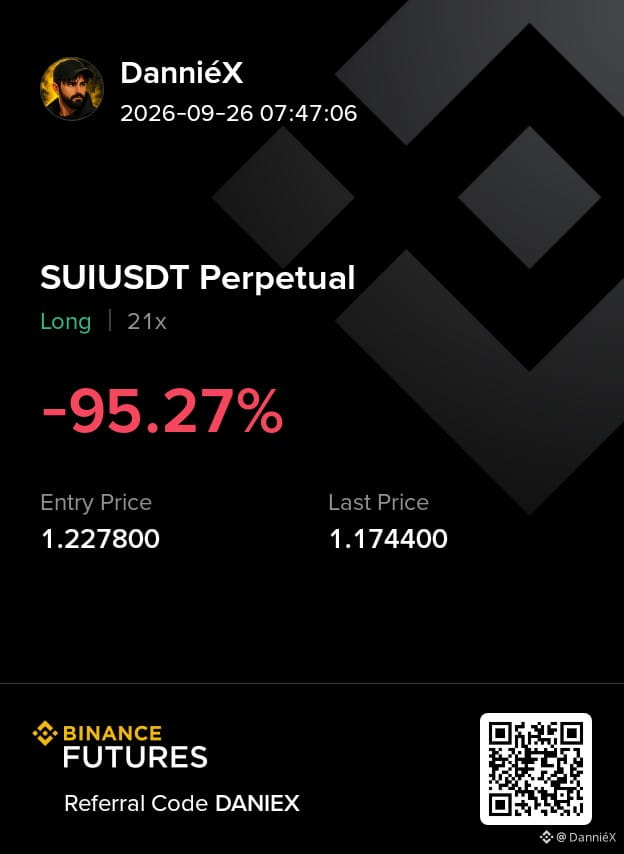
🔥 $SUI WOW, Bullar Harakat Qilmoqda!
SUI hozir $1.13 atrofida savdo qilayapti va rostini aytsam, men ko‘rayotgan narsam yoqadi. 👀
Breakout kuchli xarid hajmini olib keldi va qisqa muddatli struktura aniq bullish tomonga og‘gan.
🟢 UZUN POZITSIYA (LONG ENTRY): $1.11 – $1.14
🛑 SL: $1.08
🎯 TP1: $1.16
🎯 TP2: $1.18
🎯 TP3: $1.21
Men $1.11 zonasini diqqat bilan kuzatyapman. Agar xaridorlar uni himoya qilishda davom etsa, SUI yaqinda bo‘lgan yuqori narxlarga qarab yurishini ko‘rishni istardim.
Voy, impuls kuchli — lekin men vertikal shamni quvib ketmayman. Keling, keyingi harakat qanday rivojlanishini ko‘ramiz. 🚀
DYOR & riskni boshqaring.
🔥 $SUI WOW, Bullar Harakat Qilmoqda!
SUI hozir $1.13 atrofida savdo qilayapti va rostini aytsam, men ko‘rayotgan narsam yoqadi. 👀
Breakout kuchli xarid hajmini olib keldi va qisqa muddatli struktura aniq bullish tomonga og‘gan.
🟢 UZUN POZITSIYA (LONG ENTRY): $1.11 – $1.14
🛑 SL: $1.08
🎯 TP1: $1.16
🎯 TP2: $1.18
🎯 TP3: $1.21
Men $1.11 zonasini diqqat bilan kuzatyapman. Agar xaridorlar uni himoya qilishda davom etsa, SUI yaqinda bo‘lgan yuqori narxlarga qarab yurishini ko‘rishni istardim.
Voy, impuls kuchli — lekin men vertikal shamni quvib ketmayman. Keling, keyingi harakat qanday rivojlanishini ko‘ramiz. 🚀
DYOR & riskni boshqaring.
SUI hozir $1.13 atrofida savdo qilayapti va rostini aytsam, men ko‘rayotgan narsam yoqadi. 👀
Breakout kuchli xarid hajmini olib keldi va qisqa muddatli struktura aniq bullish tomonga og‘gan.
🟢 UZUN POZITSIYA (LONG ENTRY): $1.11 – $1.14
🛑 SL: $1.08
🎯 TP1: $1.16
🎯 TP2: $1.18
🎯 TP3: $1.21
Men $1.11 zonasini diqqat bilan kuzatyapman. Agar xaridorlar uni himoya qilishda davom etsa, SUI yaqinda bo‘lgan yuqori narxlarga qarab yurishini ko‘rishni istardim.
Voy, impuls kuchli — lekin men vertikal shamni quvib ketmayman. Keling, keyingi harakat qanday rivojlanishini ko‘ramiz. 🚀
DYOR & riskni boshqaring.
1
792
·
--
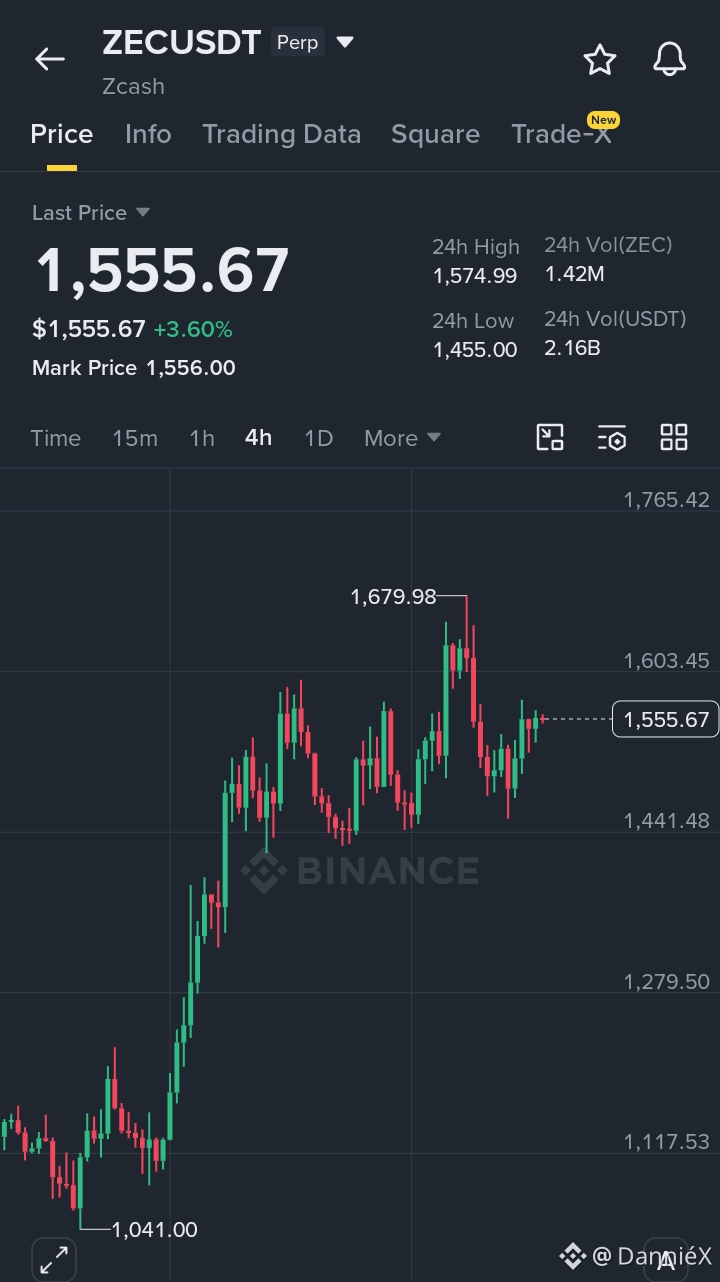
$ZEC Men buni juda diqqat bilan kuzatdim
ZEC $1,550 atrofida savdolashyapti va WOW… bu yerda volatillik jiddiy.
So‘nggi bir necha seansdagi keskin tebranishlardan keyin, agar xaridorlar $1,500 zonasini himoya qilishda davom etsa, men ko‘rayotgan narsani yoqtiryapman.
👀 $1,500–$1,520 → muhim tayanch zona
📈 $1,570–$1,600 → men kuzatayotgan keyingi zona
🔥 $1,630+ → qayta egallansa, momentum tezlashishi mumkin
Hozir men uchun eng muhim narsa keyingi yashil sham shunchaki emas — relik (tuzilma) orqaga tortilishdan keyin ham yuqoriroq darajada ushlanib qola oladimi-yo‘qmi.
Agar xaridorlar tayanch atrofida kirib kelishda davom etsa, bullish momentum qiziqarli bo‘lib qolishi mumkin.
Lekin agar $1,500 aniq sinib ketsa, avval chart sovishini kutardim.
Men keyingi 4H shamlarni juda diqqat bilan kuzatyapman. Keling, ZEC bizga nima ko‘rsatarkin.
DYOR.
$ZEC Men buni juda diqqat bilan kuzatdim
ZEC $1,550 atrofida savdolashyapti va WOW… bu yerda volatillik jiddiy.
So‘nggi bir necha seansdagi keskin tebranishlardan keyin, agar xaridorlar $1,500 zonasini himoya qilishda davom etsa, men ko‘rayotgan narsani yoqtiryapman.
👀 $1,500–$1,520 → muhim tayanch zona
📈 $1,570–$1,600 → men kuzatayotgan keyingi zona
🔥 $1,630+ → qayta egallansa, momentum tezlashishi mumkin
Hozir men uchun eng muhim narsa keyingi yashil sham shunchaki emas — relik (tuzilma) orqaga tortilishdan keyin ham yuqoriroq darajada ushlanib qola oladimi-yo‘qmi.
Agar xaridorlar tayanch atrofida kirib kelishda davom etsa, bullish momentum qiziqarli bo‘lib qolishi mumkin.
Lekin agar $1,500 aniq sinib ketsa, avval chart sovishini kutardim.
Men keyingi 4H shamlarni juda diqqat bilan kuzatyapman. Keling, ZEC bizga nima ko‘rsatarkin.
DYOR.
ZEC $1,550 atrofida savdolashyapti va WOW… bu yerda volatillik jiddiy.
So‘nggi bir necha seansdagi keskin tebranishlardan keyin, agar xaridorlar $1,500 zonasini himoya qilishda davom etsa, men ko‘rayotgan narsani yoqtiryapman.
👀 $1,500–$1,520 → muhim tayanch zona
📈 $1,570–$1,600 → men kuzatayotgan keyingi zona
🔥 $1,630+ → qayta egallansa, momentum tezlashishi mumkin
Hozir men uchun eng muhim narsa keyingi yashil sham shunchaki emas — relik (tuzilma) orqaga tortilishdan keyin ham yuqoriroq darajada ushlanib qola oladimi-yo‘qmi.
Agar xaridorlar tayanch atrofida kirib kelishda davom etsa, bullish momentum qiziqarli bo‘lib qolishi mumkin.
Lekin agar $1,500 aniq sinib ketsa, avval chart sovishini kutardim.
Men keyingi 4H shamlarni juda diqqat bilan kuzatyapman. Keling, ZEC bizga nima ko‘rsatarkin.
DYOR.
1
732
·
--
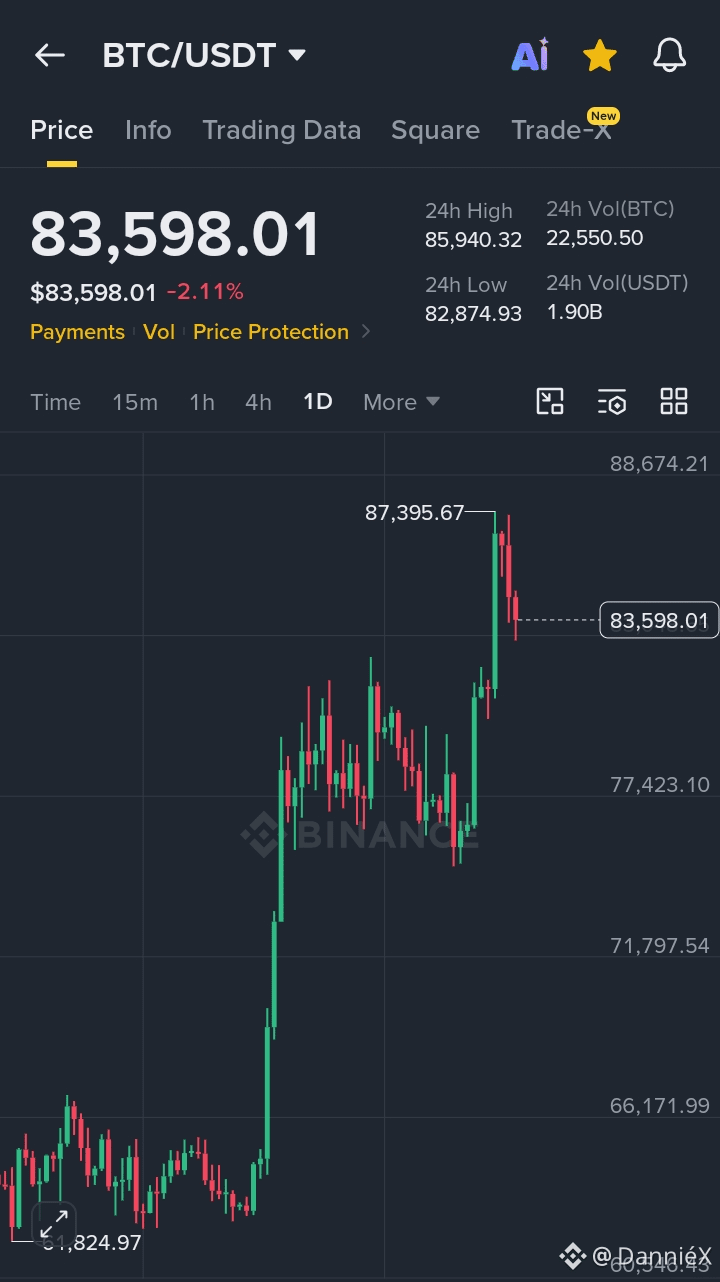
$BTC I’m Watching This Zone Closely
Bitcoin hozir $84.1K atrofida, rostini aytsam, bu tuzatish (pullback) meni e’tiborimni tortdi. 👀
$87K tomon ko‘tarilgandan so‘ng, BTC yuqoriroq darajalarni ushlab tura olmadi va endi $85K dan pastga qaytdi.
Mana nimani kuzatyapman:
📉 $83.5K–$84K → muhim tayanch zona
👀 $85K–$86K → buqalar uchun qaytarib olish (reclaim) zonasi
🔥 $87K → yaqinda bo‘lgan harakatdan kelib chiqqan asosiy qarshilik
Agar BTC $83.5K–$84K ni ushlab tursa va $85K ni qaytarib olsa, xaridorlar yana momentum (impuls) qura olish-qila olmasligini ko‘rishni istayman.
Lekin agar $83.5K toza (ancha aniq) pastga singib ketsa, hozirgi qisqa muddatli tuzilma yanada zaiflashishi mumkin.
VOY — volatillik qaytdi. Men keyingi 4H shamlarni diqqat bilan kuzatyapman.
$BTC I’m Watching This Zone Closely
Bitcoin hozir $84.1K atrofida, rostini aytsam, bu tuzatish (pullback) meni e’tiborimni tortdi. 👀
$87K tomon ko‘tarilgandan so‘ng, BTC yuqoriroq darajalarni ushlab tura olmadi va endi $85K dan pastga qaytdi.
Mana nimani kuzatyapman:
📉 $83.5K–$84K → muhim tayanch zona
👀 $85K–$86K → buqalar uchun qaytarib olish (reclaim) zonasi
🔥 $87K → yaqinda bo‘lgan harakatdan kelib chiqqan asosiy qarshilik
Agar BTC $83.5K–$84K ni ushlab tursa va $85K ni qaytarib olsa, xaridorlar yana momentum (impuls) qura olish-qila olmasligini ko‘rishni istayman.
Lekin agar $83.5K toza (ancha aniq) pastga singib ketsa, hozirgi qisqa muddatli tuzilma yanada zaiflashishi mumkin.
VOY — volatillik qaytdi. Men keyingi 4H shamlarni diqqat bilan kuzatyapman.
Bitcoin hozir $84.1K atrofida, rostini aytsam, bu tuzatish (pullback) meni e’tiborimni tortdi. 👀
$87K tomon ko‘tarilgandan so‘ng, BTC yuqoriroq darajalarni ushlab tura olmadi va endi $85K dan pastga qaytdi.
Mana nimani kuzatyapman:
📉 $83.5K–$84K → muhim tayanch zona
👀 $85K–$86K → buqalar uchun qaytarib olish (reclaim) zonasi
🔥 $87K → yaqinda bo‘lgan harakatdan kelib chiqqan asosiy qarshilik
Agar BTC $83.5K–$84K ni ushlab tursa va $85K ni qaytarib olsa, xaridorlar yana momentum (impuls) qura olish-qila olmasligini ko‘rishni istayman.
Lekin agar $83.5K toza (ancha aniq) pastga singib ketsa, hozirgi qisqa muddatli tuzilma yanada zaiflashishi mumkin.
VOY — volatillik qaytdi. Men keyingi 4H shamlarni diqqat bilan kuzatyapman.
406
·
--
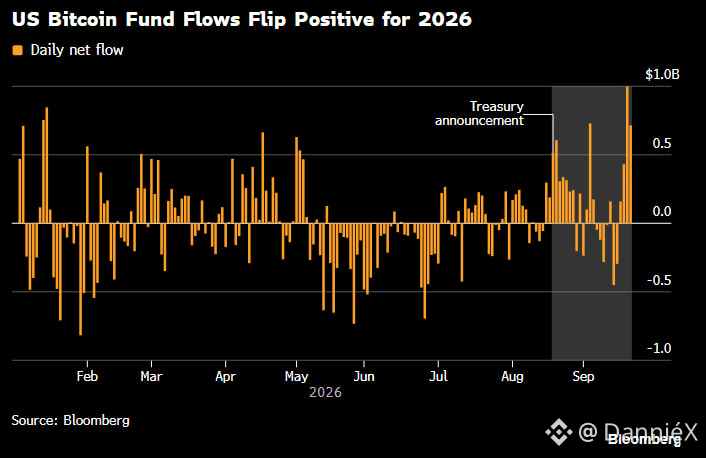
$BTC
{future}(BTCUSDT)
ETF oqimlari 2026-yil uchun yana ijobiy tomonga qaytdi: bir oy ichida 4,6 mlrd. dollar kiritilgani haqida, Eric Balchunas maʼlum qildi.
$BTC
ETF oqimlari 2026-yil uchun yana ijobiy tomonga qaytdi: bir oy ichida 4,6 mlrd. dollar kiritilgani haqida, Eric Balchunas maʼlum qildi.
ETF oqimlari 2026-yil uchun yana ijobiy tomonga qaytdi: bir oy ichida 4,6 mlrd. dollar kiritilgani haqida, Eric Balchunas maʼlum qildi.
1
379
·
--

Maqola
BitMine 75 million dollarlik Ethereum qo‘shdi, Q4 Outlook e’tiborni tortmoqdaBitMine o‘zining kriptovalyuta zaxiralariga yana 27 562 ETH qo‘shgani xabar qilinmoqda, xarid qiymati qariyb 75 million dollarni tashkil etadi. Ushbu qadam yirik korporativ ishtirokchilar Ethereumni qanchalik faol to‘plashda davom etayotganini ko‘rsatadi.
BitMine’ning umumiy ETH bo‘yicha zaxiralari endi qariyb 6 million ETH ga yetdi, bu Ethereum’ning umumiy ta’minotining 5% ga yaqinini tashkil etadi.
Ayni paytda Tom Li kengroq kripto bozoriga nisbatan optimistik bo‘lib qolmoqda va Q4 da yanada kuchli harakat bo‘lishi mumkinligiga umid qilmoqda, ayniqsa institutsional ishtirok rivojlanishda davom etmoqda.
BitMine 75 million dollarlik Ethereum qo‘shdi, Q4 Outlook e’tiborni tortmoqda
BitMine o‘zining kriptovalyuta zaxiralariga yana 27 562 ETH qo‘shgani xabar qilinmoqda, xarid qiymati qariyb 75 million dollarni tashkil etadi. Ushbu qadam yirik korporativ ishtirokchilar Ethereumni qanchalik faol to‘plashda davom etayotganini ko‘rsatadi.
BitMine’ning umumiy ETH bo‘yicha zaxiralari endi qariyb 6 million ETH ga yetdi, bu Ethereum’ning umumiy ta’minotining 5% ga yaqinini tashkil etadi.
Ayni paytda Tom Li kengroq kripto bozoriga nisbatan optimistik bo‘lib qolmoqda va Q4 da yanada kuchli harakat bo‘lishi mumkinligiga umid qilmoqda, ayniqsa institutsional ishtirok rivojlanishda davom etmoqda.
BitMine’ning umumiy ETH bo‘yicha zaxiralari endi qariyb 6 million ETH ga yetdi, bu Ethereum’ning umumiy ta’minotining 5% ga yaqinini tashkil etadi.
Ayni paytda Tom Li kengroq kripto bozoriga nisbatan optimistik bo‘lib qolmoqda va Q4 da yanada kuchli harakat bo‘lishi mumkinligiga umid qilmoqda, ayniqsa institutsional ishtirok rivojlanishda davom etmoqda.
413
·
--
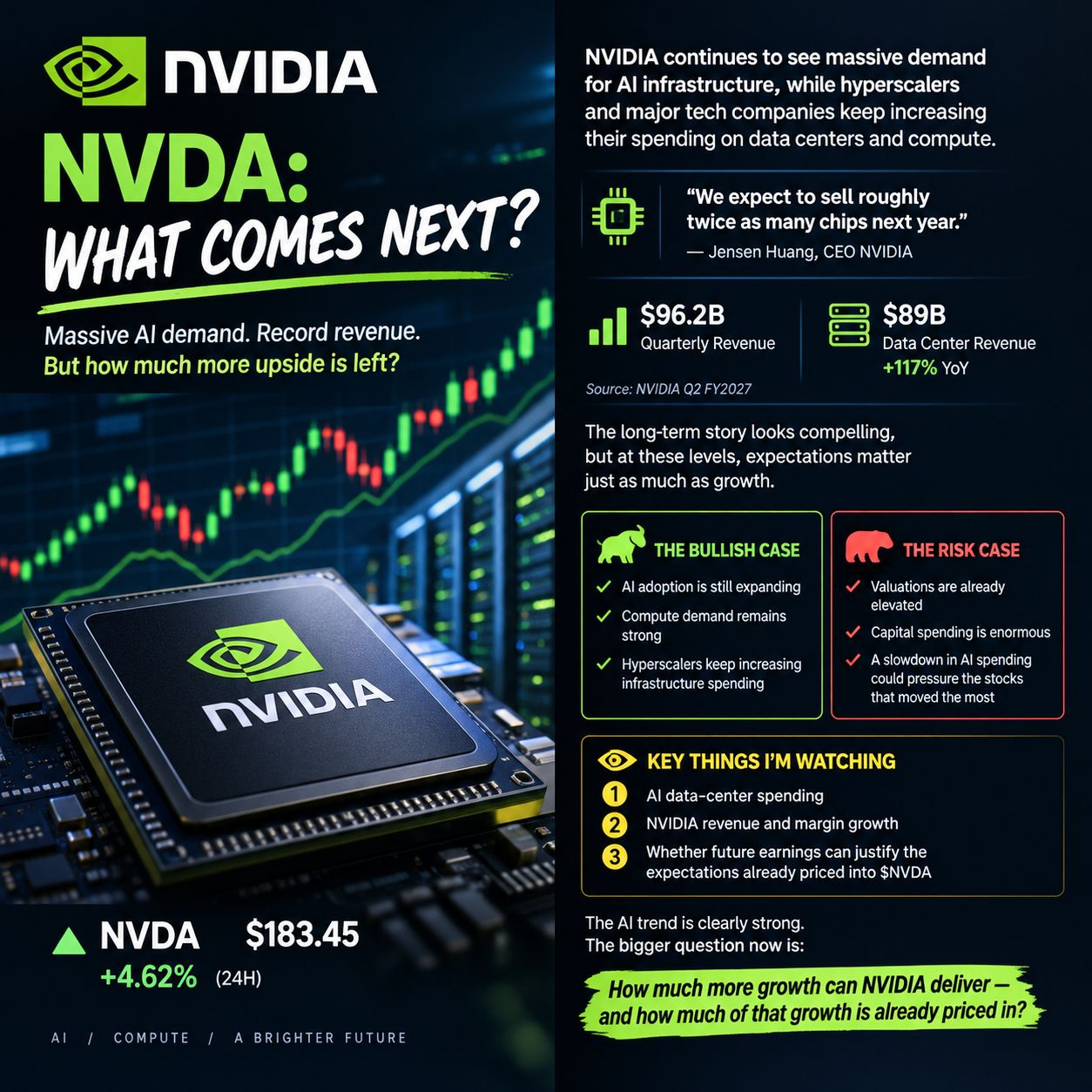
$NVDA AI boomi davrining eng katta g‘oliblaridan biri bo‘ldi, ammo qiziq tomoni shundaki, endi voqea faqat chipga bo‘lgan talab haqida emas — gap talab qanchalik uzoq vaqt shu sur’atda o‘sishda davom etishi haqida.
NVIDIA AI infratuzilmasi uchun ulkan talabni ko‘rishda davom etmoqda, shu bilan birga giperskalchilar va yirik texnologik kompaniyalar ma’lumotlar markazlari hamda hisoblash resurslariga xarajatlarni oshirishda davom etyapti.
Bu uzoq muddatli hikoyani jozibador qiladi, lekin bunday darajalarda kutilmalar o‘sish bilan bir xil darajada muhim.
Agar NVIDIA ortib borayotgan AI talabini kuchliroq daromad va pul oqimiga aylantirishni davom ettira olsa, hozirgi sur’at bu o‘sish yana davom etishi uchun joy bo‘lishi mumkin.
Lekin agar AI infratuzilmasiga xarajatlar sekinlashishni boshlasa yoki o‘sish bozor kutganidan pastroq chiqsa, NVDA salbiy kutilmagan holatlarga ancha sezgir bo‘lib qolishi mumkin.
Shuning uchun men uchta narsani diqqat bilan kuzatyapman:
• AI ma’lumotlar markazlariga xarajatlar
• NVIDIA daromadi va marja o‘sishi
• Kelajakdagi daromadlar $NVDA ga allaqachon narxga kiritilgan kutilmalarni oqlay oladimi-yo‘qmi
AI tendensiyasi aniq kuchli.
Endi kattaroq savol:
NVIDIA yana qancha o‘sishni taqdim eta oladi va bu o‘sishning qancha qismi allaqachon narxga kiritib bo‘lingan?
#AIStocksWhatNext
$NVDA AI boomi davrining eng katta g‘oliblaridan biri bo‘ldi, ammo qiziq tomoni shundaki, endi voqea faqat chipga bo‘lgan talab haqida emas — gap talab qanchalik uzoq vaqt shu sur’atda o‘sishda davom etishi haqida.
NVIDIA AI infratuzilmasi uchun ulkan talabni ko‘rishda davom etmoqda, shu bilan birga giperskalchilar va yirik texnologik kompaniyalar ma’lumotlar markazlari hamda hisoblash resurslariga xarajatlarni oshirishda davom etyapti.
Bu uzoq muddatli hikoyani jozibador qiladi, lekin bunday darajalarda kutilmalar o‘sish bilan bir xil darajada muhim.
Agar NVIDIA ortib borayotgan AI talabini kuchliroq daromad va pul oqimiga aylantirishni davom ettira olsa, hozirgi sur’at bu o‘sish yana davom etishi uchun joy bo‘lishi mumkin.
Lekin agar AI infratuzilmasiga xarajatlar sekinlashishni boshlasa yoki o‘sish bozor kutganidan pastroq chiqsa, NVDA salbiy kutilmagan holatlarga ancha sezgir bo‘lib qolishi mumkin.
Shuning uchun men uchta narsani diqqat bilan kuzatyapman:
• AI ma’lumotlar markazlariga xarajatlar
• NVIDIA daromadi va marja o‘sishi
• Kelajakdagi daromadlar $NVDA ga allaqachon narxga kiritilgan kutilmalarni oqlay oladimi-yo‘qmi
AI tendensiyasi aniq kuchli.
Endi kattaroq savol:
NVIDIA yana qancha o‘sishni taqdim eta oladi va bu o‘sishning qancha qismi allaqachon narxga kiritib bo‘lingan?
#AIStocksWhatNext
NVIDIA AI infratuzilmasi uchun ulkan talabni ko‘rishda davom etmoqda, shu bilan birga giperskalchilar va yirik texnologik kompaniyalar ma’lumotlar markazlari hamda hisoblash resurslariga xarajatlarni oshirishda davom etyapti.
Bu uzoq muddatli hikoyani jozibador qiladi, lekin bunday darajalarda kutilmalar o‘sish bilan bir xil darajada muhim.
Agar NVIDIA ortib borayotgan AI talabini kuchliroq daromad va pul oqimiga aylantirishni davom ettira olsa, hozirgi sur’at bu o‘sish yana davom etishi uchun joy bo‘lishi mumkin.
Lekin agar AI infratuzilmasiga xarajatlar sekinlashishni boshlasa yoki o‘sish bozor kutganidan pastroq chiqsa, NVDA salbiy kutilmagan holatlarga ancha sezgir bo‘lib qolishi mumkin.
Shuning uchun men uchta narsani diqqat bilan kuzatyapman:
• AI ma’lumotlar markazlariga xarajatlar
• NVIDIA daromadi va marja o‘sishi
• Kelajakdagi daromadlar $NVDA ga allaqachon narxga kiritilgan kutilmalarni oqlay oladimi-yo‘qmi
AI tendensiyasi aniq kuchli.
Endi kattaroq savol:
NVIDIA yana qancha o‘sishni taqdim eta oladi va bu o‘sishning qancha qismi allaqachon narxga kiritib bo‘lingan?
#AIStocksWhatNext
435
·
--
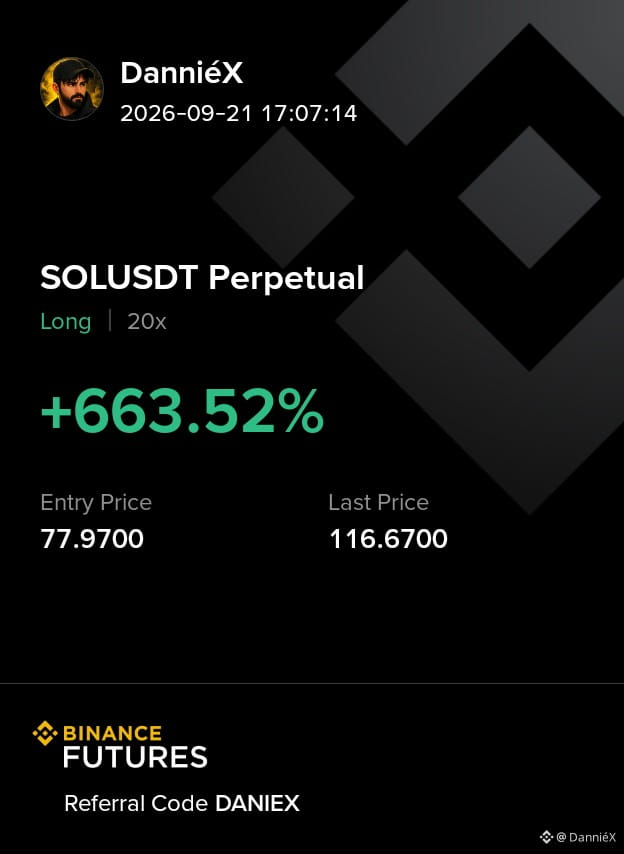
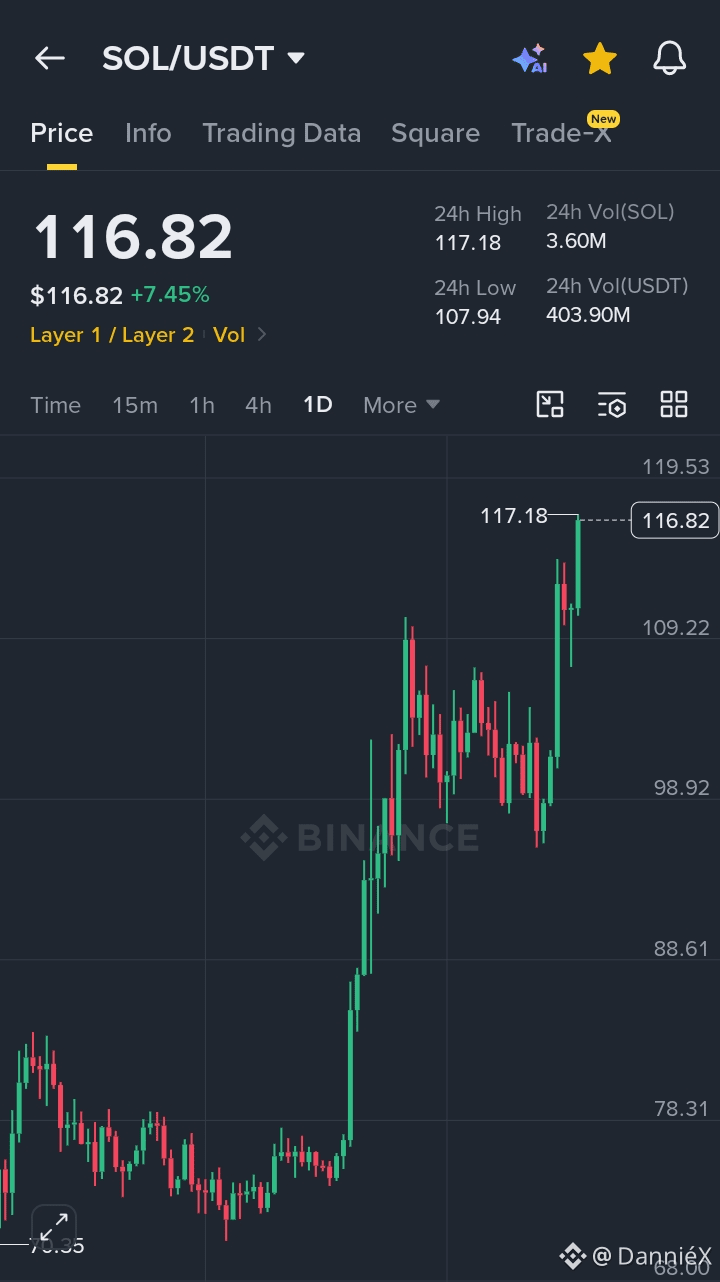
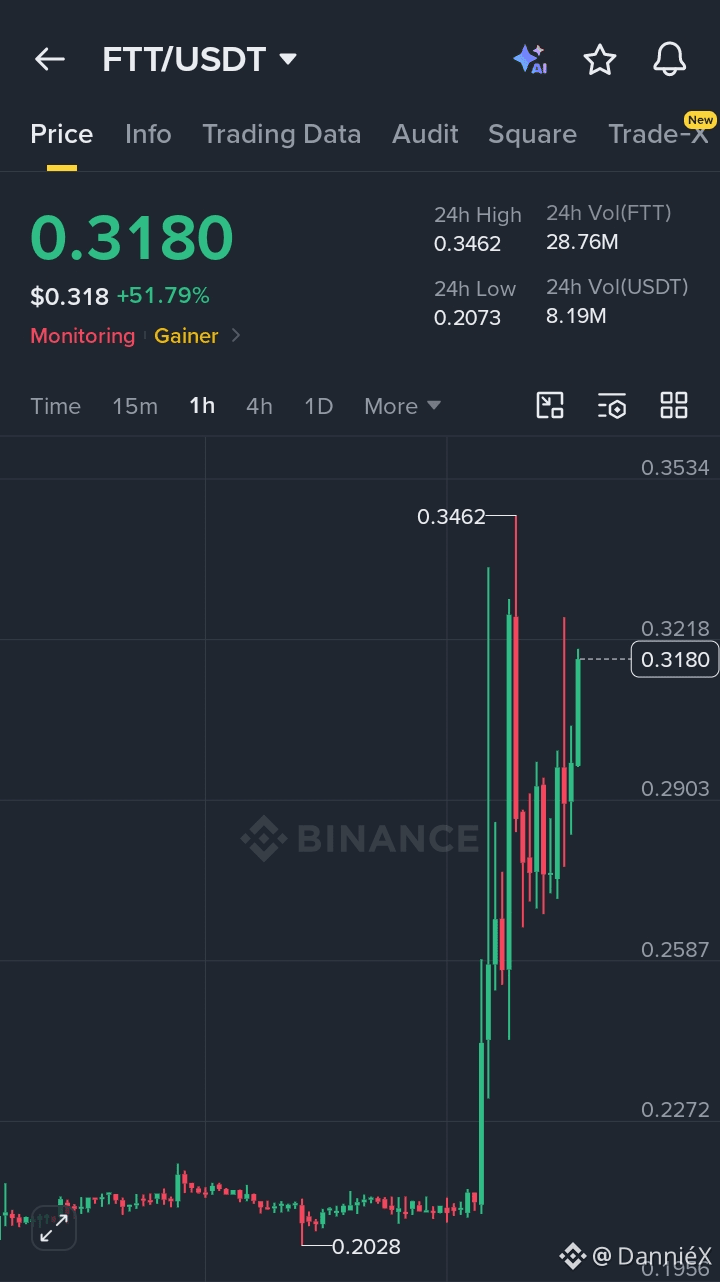
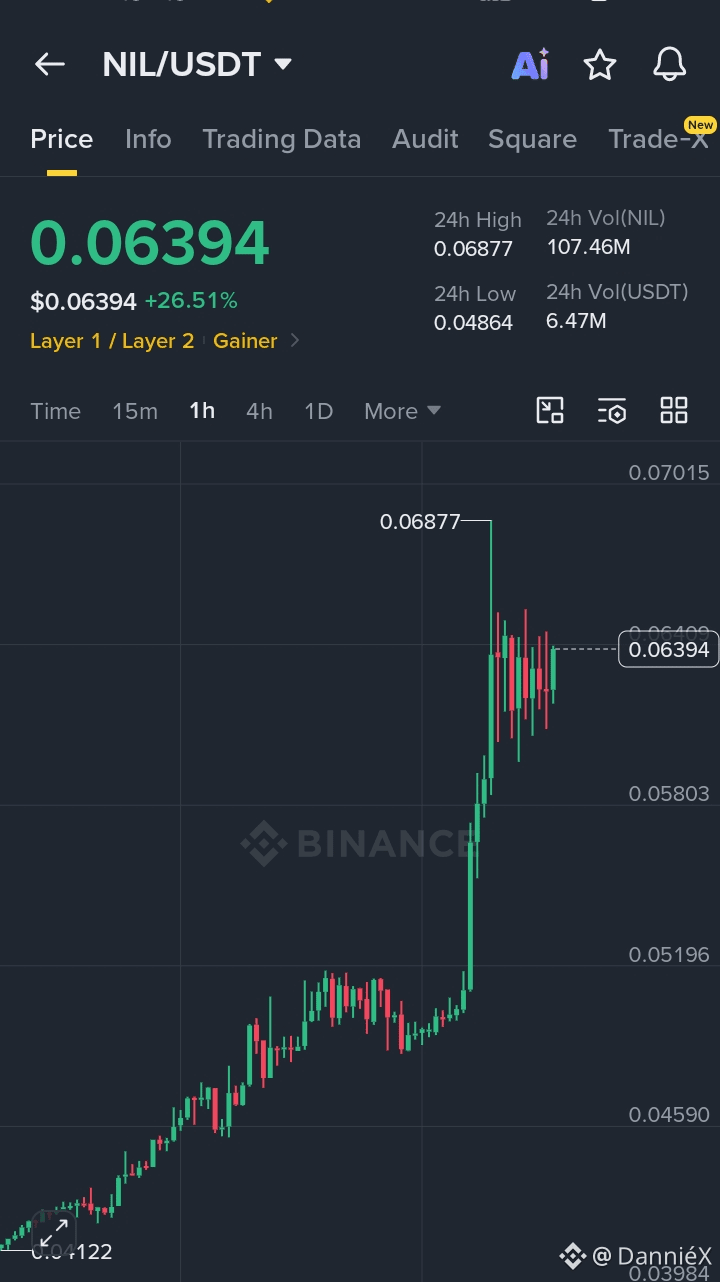
“Dushanba Momentum Watch: $FTT + $NIL ”
Dushanba jiddiy momentum bilan boshlanyapti 👀
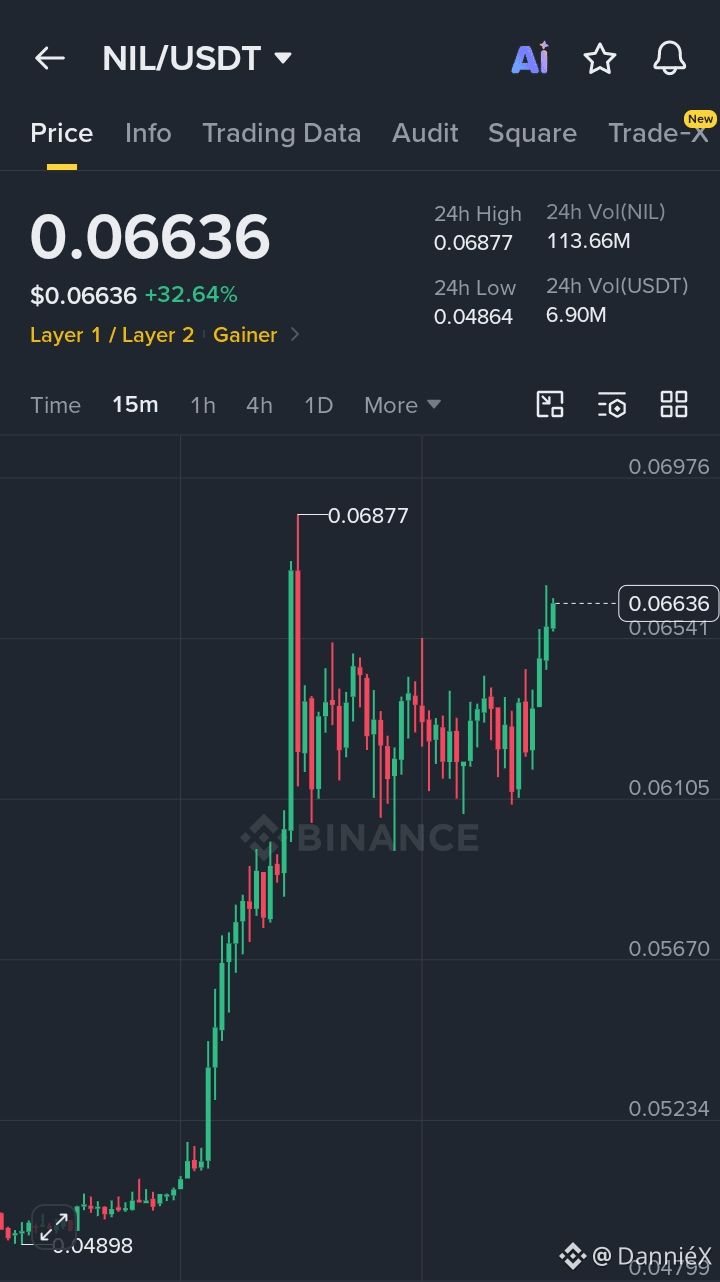
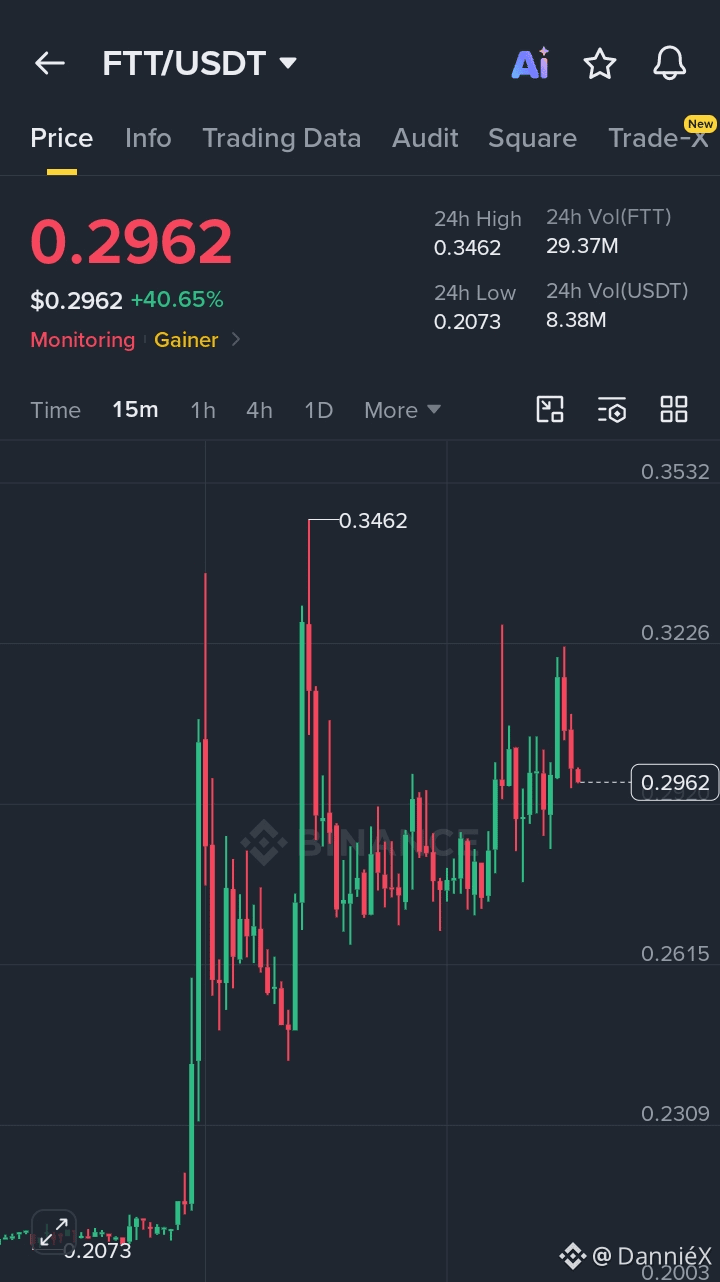
Men kuchli harakatlardan keyin FTT va NIL’ni 15M kuzatuv ro‘yxatimda ushlab turaman.
📌 FTT — 0.2962
Kirish: 0.292–0.298
🎯 TP: 0.307 / 0.322 / 0.338
🛑 SL: 0.284
🚀 NIL— 0.06636
Kirish: 0.0653–0.0664
🎯 TP: 0.0687 / 0.071 / 0.074
🛑 SL: 0.0628
Ikkala chart ham kuchli xaridor momentumini ko‘rsatmoqda, lekin bunday tez harakatdan keyin “pump”ni quvib ketishdan ko‘ra, toza qayta testni ko‘rishni afzal ko‘raman.
Qaysi biri birinchi bo‘lib chiqishini ko‘ramiz. 👀🔥
DYOR. Riskni boshqaring.
#BitcoinMarketCapTopsTesla
“Dushanba Momentum Watch: $FTT + $NIL ”
Dushanba jiddiy momentum bilan boshlanyapti 👀
Men kuchli harakatlardan keyin FTT va NIL’ni 15M kuzatuv ro‘yxatimda ushlab turaman.
📌 FTT — 0.2962
Kirish: 0.292–0.298
🎯 TP: 0.307 / 0.322 / 0.338
🛑 SL: 0.284
🚀 NIL— 0.06636
Kirish: 0.0653–0.0664
🎯 TP: 0.0687 / 0.071 / 0.074
🛑 SL: 0.0628
Ikkala chart ham kuchli xaridor momentumini ko‘rsatmoqda, lekin bunday tez harakatdan keyin “pump”ni quvib ketishdan ko‘ra, toza qayta testni ko‘rishni afzal ko‘raman.
Qaysi biri birinchi bo‘lib chiqishini ko‘ramiz. 👀🔥
DYOR. Riskni boshqaring.
#BitcoinMarketCapTopsTesla
Dushanba jiddiy momentum bilan boshlanyapti 👀
Men kuchli harakatlardan keyin FTT va NIL’ni 15M kuzatuv ro‘yxatimda ushlab turaman.
📌 FTT — 0.2962
Kirish: 0.292–0.298
🎯 TP: 0.307 / 0.322 / 0.338
🛑 SL: 0.284
🚀 NIL— 0.06636
Kirish: 0.0653–0.0664
🎯 TP: 0.0687 / 0.071 / 0.074
🛑 SL: 0.0628
Ikkala chart ham kuchli xaridor momentumini ko‘rsatmoqda, lekin bunday tez harakatdan keyin “pump”ni quvib ketishdan ko‘ra, toza qayta testni ko‘rishni afzal ko‘raman.
Qaysi biri birinchi bo‘lib chiqishini ko‘ramiz. 👀🔥
DYOR. Riskni boshqaring.
#BitcoinMarketCapTopsTesla
319
·
--
Dushanba savdo kuzatuvi 🔎
$FTT
{spot}(FTTUSDT)
+ $NIL
{future}(NILUSDT)
Haftani kuzatuv ro‘yxatimdagi ikkita token bilan boshlayapman.
$NIL keskin harakatdan keyin kuchli sur’at ko‘rsatmoqda, shuning uchun “pump”ni quvib ketmasdan, keyingi qaytish/testlashni kuzatyapman.
$FIT esa juda past hajmga ega, ya’ni yuqori riskli setup, shuning uchun pozitsiya olishdan oldin tasdiqni kutaman.
#BTCBreaks80K
Dushanba savdo kuzatuvi 🔎
$FTT
+ $NIL
Haftani kuzatuv ro‘yxatimdagi ikkita token bilan boshlayapman.
$NIL keskin harakatdan keyin kuchli sur’at ko‘rsatmoqda, shuning uchun “pump”ni quvib ketmasdan, keyingi qaytish/testlashni kuzatyapman.
$FIT esa juda past hajmga ega, ya’ni yuqori riskli setup, shuning uchun pozitsiya olishdan oldin tasdiqni kutaman.
#BTCBreaks80K
$FTT
+ $NIL
Haftani kuzatuv ro‘yxatimdagi ikkita token bilan boshlayapman.
$NIL keskin harakatdan keyin kuchli sur’at ko‘rsatmoqda, shuning uchun “pump”ni quvib ketmasdan, keyingi qaytish/testlashni kuzatyapman.
$FIT esa juda past hajmga ega, ya’ni yuqori riskli setup, shuning uchun pozitsiya olishdan oldin tasdiqni kutaman.
#BTCBreaks80K
516
·
--
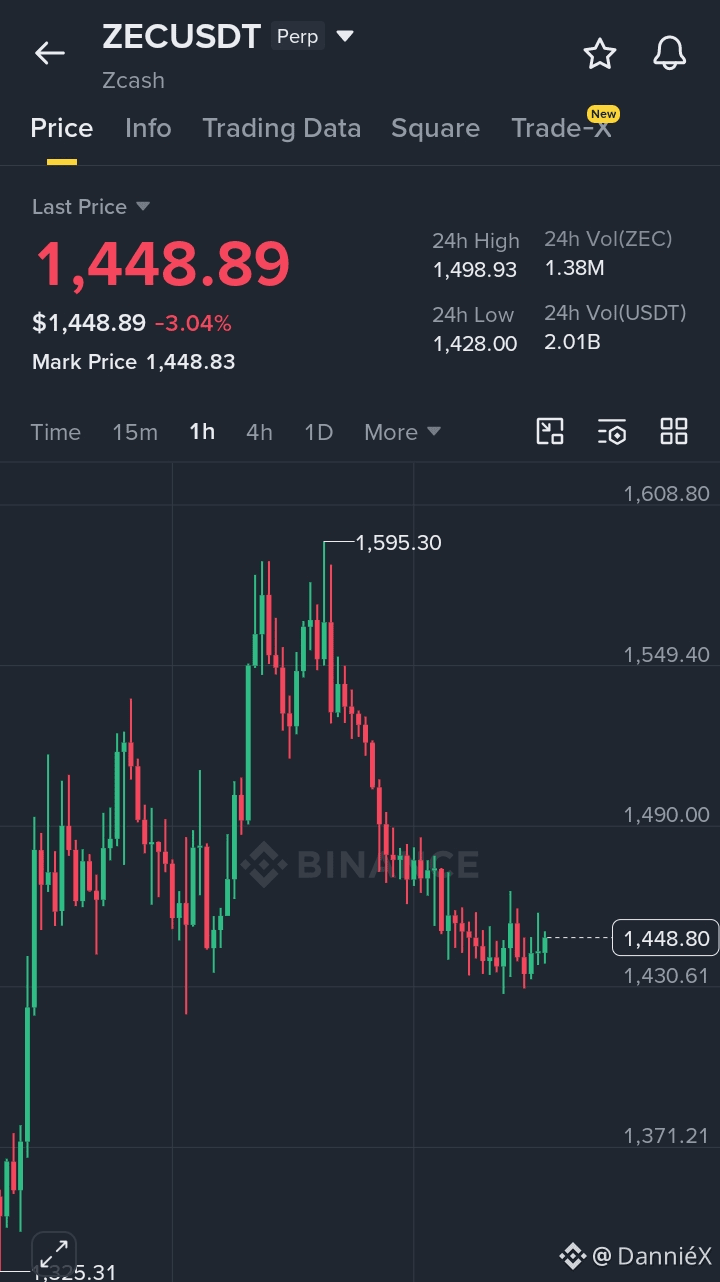
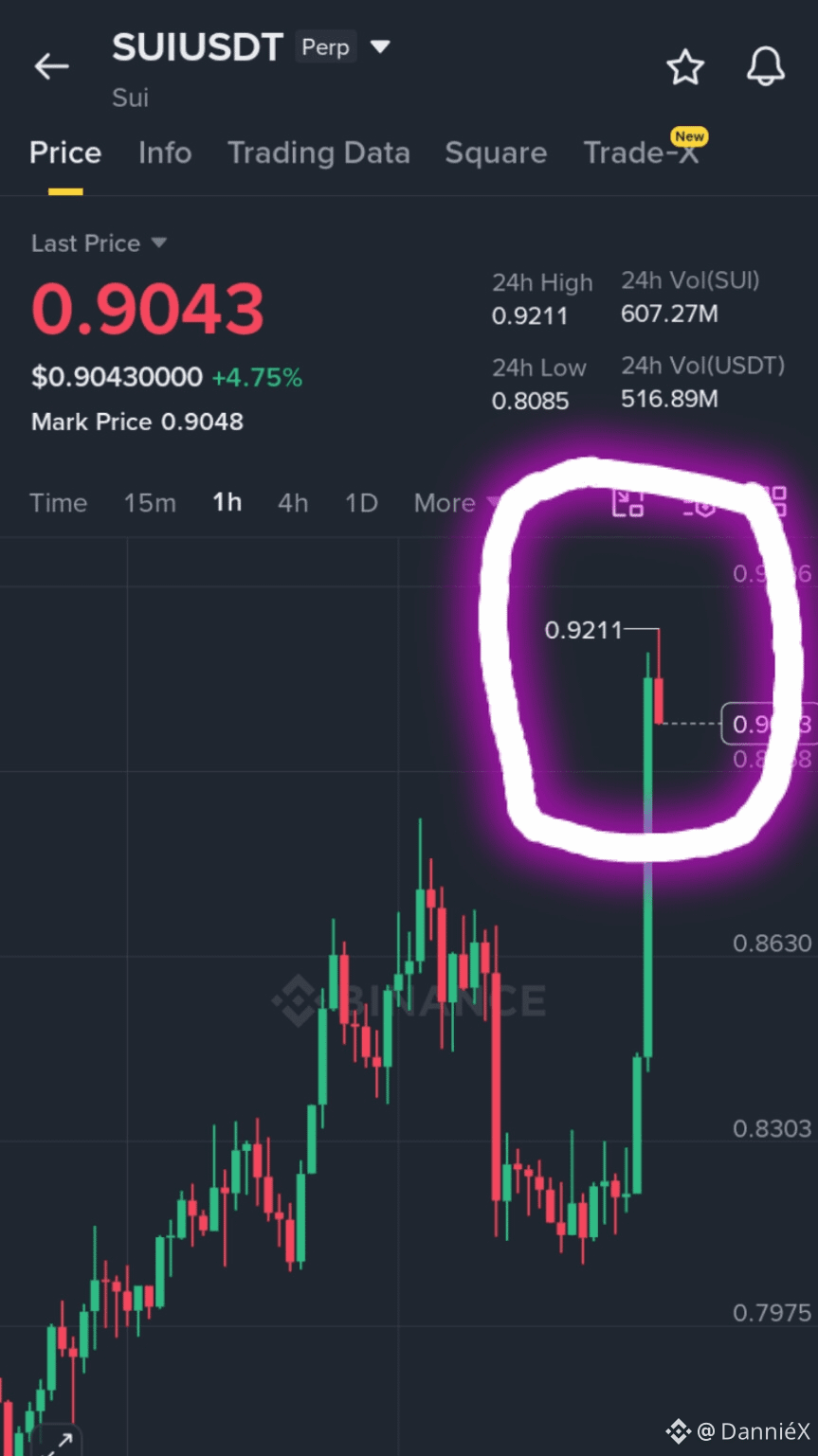
Kecha men $SUI
reja — ni ulashdim va endi u bajarildi. ✅
Kuzatuv roʻyxatimdagi keyingisi: $ZEC keyingi 1 kunlik harakat uchun.
Toza signal uchun joriy narx harakatini diqqat bilan kuzatyapman. Agar impuls tasdiqlansa, ZEC kelgusi 24 soatda qiziq boʻlib qolishi mumkin.
Shoshilmayman, tasdiqsiz bexosdan kirish yoʻq — avval tasdiq kutaman.
$ZEC hozir kuzatuvda. 👀
DYOR. NFA.
Kecha men $SUI
reja — ni ulashdim va endi u bajarildi. ✅
Kuzatuv roʻyxatimdagi keyingisi: $ZEC keyingi 1 kunlik harakat uchun.
Toza signal uchun joriy narx harakatini diqqat bilan kuzatyapman. Agar impuls tasdiqlansa, ZEC kelgusi 24 soatda qiziq boʻlib qolishi mumkin.
Shoshilmayman, tasdiqsiz bexosdan kirish yoʻq — avval tasdiq kutaman.
$ZEC hozir kuzatuvda. 👀
DYOR. NFA.
reja — ni ulashdim va endi u bajarildi. ✅
Kuzatuv roʻyxatimdagi keyingisi: $ZEC keyingi 1 kunlik harakat uchun.
Toza signal uchun joriy narx harakatini diqqat bilan kuzatyapman. Agar impuls tasdiqlansa, ZEC kelgusi 24 soatda qiziq boʻlib qolishi mumkin.
Shoshilmayman, tasdiqsiz bexosdan kirish yoʻq — avval tasdiq kutaman.
$ZEC hozir kuzatuvda. 👀
DYOR. NFA.
DanniéX
·
--
$SUI WOW, Bu harakat yanada qiziqarli bo‘lib boryapti!
Men SUIni $0.86 atrofida diqqat bilan kuzatyapman 👀
Bu yerda ko‘rayotganim yoqyapti — xaridorlar kirib kelmoqda va qisqa muddatli struktura yanada mustahkamroq ko‘rinmoqda.
🟢 UZoq MUDDATLI KIRISH: $0.850 – $0.865
🛑 SL: $0.825
🎯 TP1: $0.880
🎯 TP2: $0.900
🎯 TP3: $0.920
Agar SUI shu zonani ushlab tursa, xaridorlar uni yaqin atrofdagi shu targetlarga tomon surishini ko‘rishni istardim.
Keling, buqalar ushbu momentumni davom ettira oladimi — ko‘ramiz.
DYOR & riskingizni boshqaring.
#BTCBreaks80K
Men SUIni $0.86 atrofida diqqat bilan kuzatyapman 👀
Bu yerda ko‘rayotganim yoqyapti — xaridorlar kirib kelmoqda va qisqa muddatli struktura yanada mustahkamroq ko‘rinmoqda.
🟢 UZoq MUDDATLI KIRISH: $0.850 – $0.865
🛑 SL: $0.825
🎯 TP1: $0.880
🎯 TP2: $0.900
🎯 TP3: $0.920
Agar SUI shu zonani ushlab tursa, xaridorlar uni yaqin atrofdagi shu targetlarga tomon surishini ko‘rishni istardim.
Keling, buqalar ushbu momentumni davom ettira oladimi — ko‘ramiz.
DYOR & riskingizni boshqaring.
#BTCBreaks80K
498
·
--
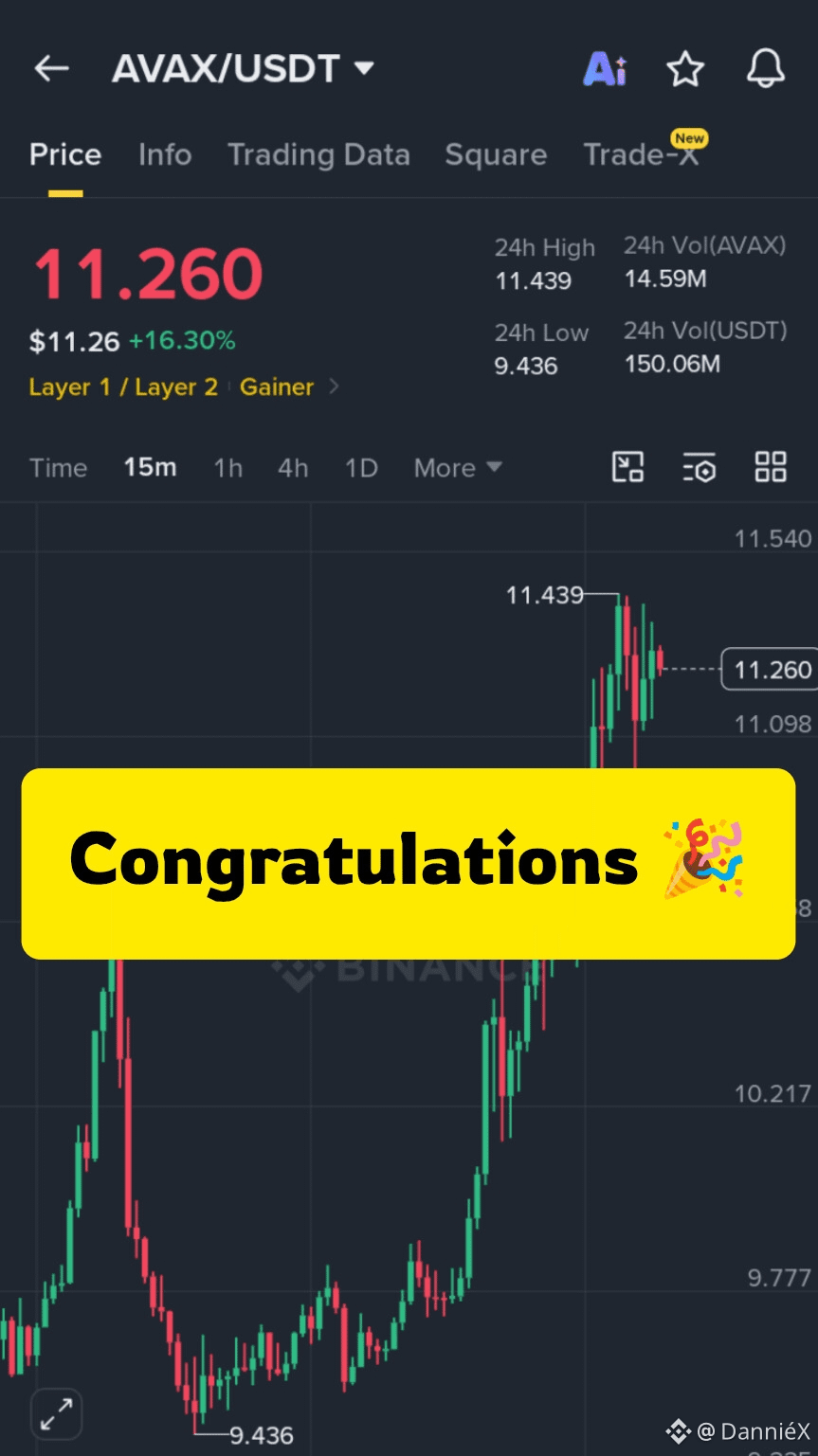
$AVAX ALL TPs HIT!
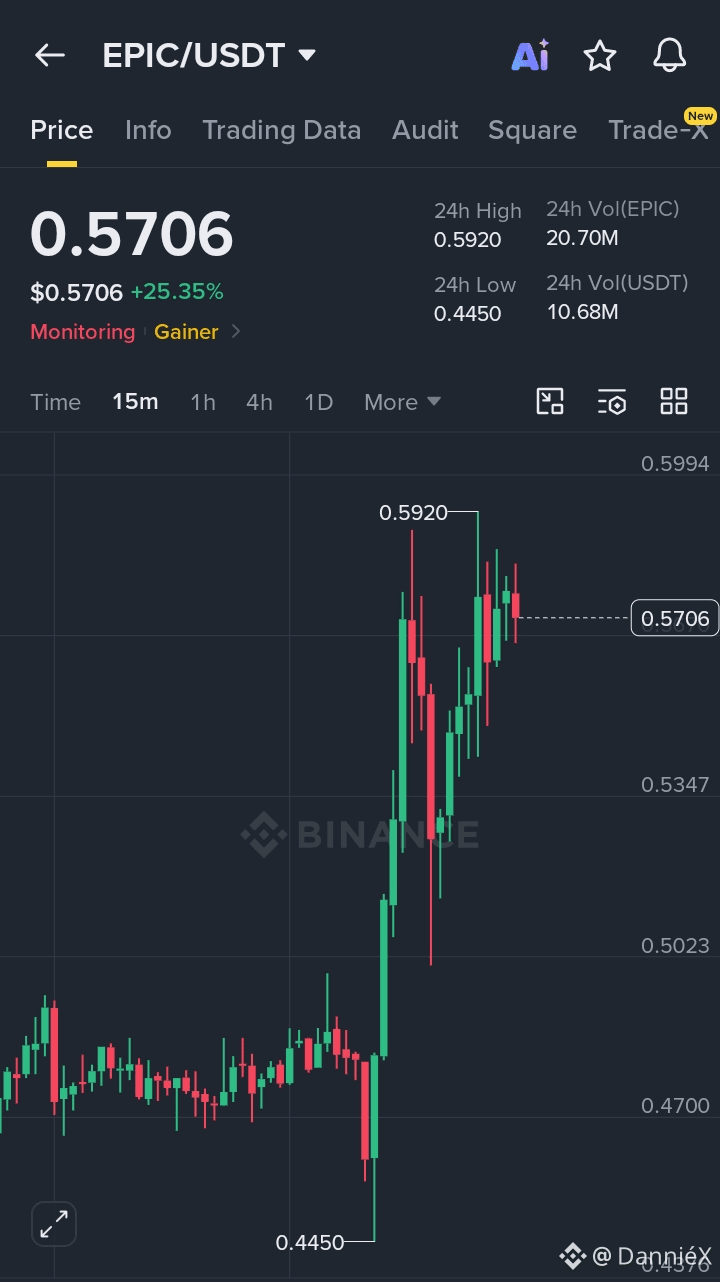
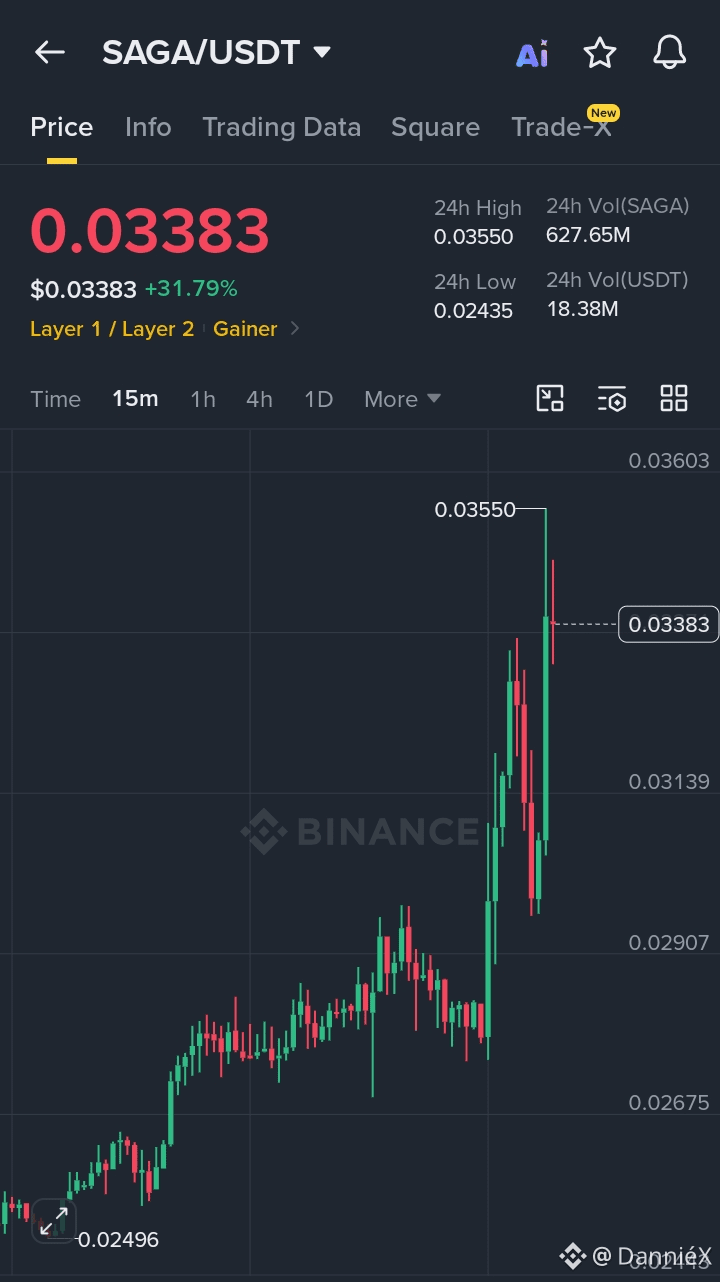
Yana bir strategiya yetkazib berildi. Endi navbatdagi imkoniyatlarga e’tiborimni qaratyapman. 👀
🔥 $SAGA
{future}(SAGAUSDT)
🔥 $EPIC
{future}(EPICUSDT)
Ikkalasi ham hozir mening kuzatuv ro‘yxatimda. Hech qanday qadam tashlashdan oldin tasdiq va toza setup uchun chartlarni diqqat bilan kuzataman.
AVAX shunchaki boshlanish edi…
SAGA & EPIC — keyingisi nima ekanini ko‘ramiz. 👀📈
Sabirli bo‘ling. Tayyor turing.
DYOR — moliyaviy maslahat emas.
#BTCBreaks80K
$AVAX ALL TPs HIT!
Yana bir strategiya yetkazib berildi. Endi navbatdagi imkoniyatlarga e’tiborimni qaratyapman. 👀
🔥 $SAGA
🔥 $EPIC
Ikkalasi ham hozir mening kuzatuv ro‘yxatimda. Hech qanday qadam tashlashdan oldin tasdiq va toza setup uchun chartlarni diqqat bilan kuzataman.
AVAX shunchaki boshlanish edi…
SAGA & EPIC — keyingisi nima ekanini ko‘ramiz. 👀📈
Sabirli bo‘ling. Tayyor turing.
DYOR — moliyaviy maslahat emas.
#BTCBreaks80K
Yana bir strategiya yetkazib berildi. Endi navbatdagi imkoniyatlarga e’tiborimni qaratyapman. 👀
🔥 $SAGA
🔥 $EPIC
Ikkalasi ham hozir mening kuzatuv ro‘yxatimda. Hech qanday qadam tashlashdan oldin tasdiq va toza setup uchun chartlarni diqqat bilan kuzataman.
AVAX shunchaki boshlanish edi…
SAGA & EPIC — keyingisi nima ekanini ko‘ramiz. 👀📈
Sabirli bo‘ling. Tayyor turing.
DYOR — moliyaviy maslahat emas.
#BTCBreaks80K
DanniéX
·
--
Yigitlar keyingi Tp arxiv yakuniy 1-chi bajarildi ✅$AVAX hozir tekshiring 1 daqiqalik vaqt oralig'i 3 daqiqa oldin #Congratulations99+
272
Ko‘proq kontentni ko‘rish uchun tizimga kiring
Binance Square'da global kriptovalyuta foydalanuvchilariga qo‘shiling
⚡️ Kriptovalyuta haqida eng so‘nggi va foydali ma’lumotlarni oling.
💬 Dunyoning eng yirik kriptovalyuta birjasi tomonidan ishonchli deb topilgan.
👍 Tasdiqlangan mualliflardan haqiqiy tahlillarni kashf eting.
Email / telefon raqami
Trenddagi mavzular
BNBSurpasses$790
21,516 marta koʻrilgan
152 muhokama qilmoqda
$BNB strategik uzun reja -> HOZIR DIQQAT
BNB ichki likvidlikni yutib yuborgandan keyin 2 ta kuchli pastlikni yaratdi
Men $815-$830 atrofidagi swing high tomon harakatni kutyapman va yashil qutiga retest qilingandan keyin long qidiryapman
#BNBSurpasses$790 #bnb
Ghost Writer
·6 ta layk
·12.8k marta koʻrilgan
ZamaRises15.99%ToIntradayHigh$0.09
19,183 marta koʻrilgan
106 muhokama qilmoqda
BitcoinSpotETFsDraw$6.34BInflowsInQ3
6,455 marta koʻrilgan
93 muhokama qilmoqda