Binance Square
David Perk FX
39 Postlar

David Perk FX

Full time trader & Mentor. Running community with daily live streams.
1 Kuzatilmoqda
1.1K+ Kuzatuvchilar
52 Yoqdi
Postlar
ยท
--
Bearish
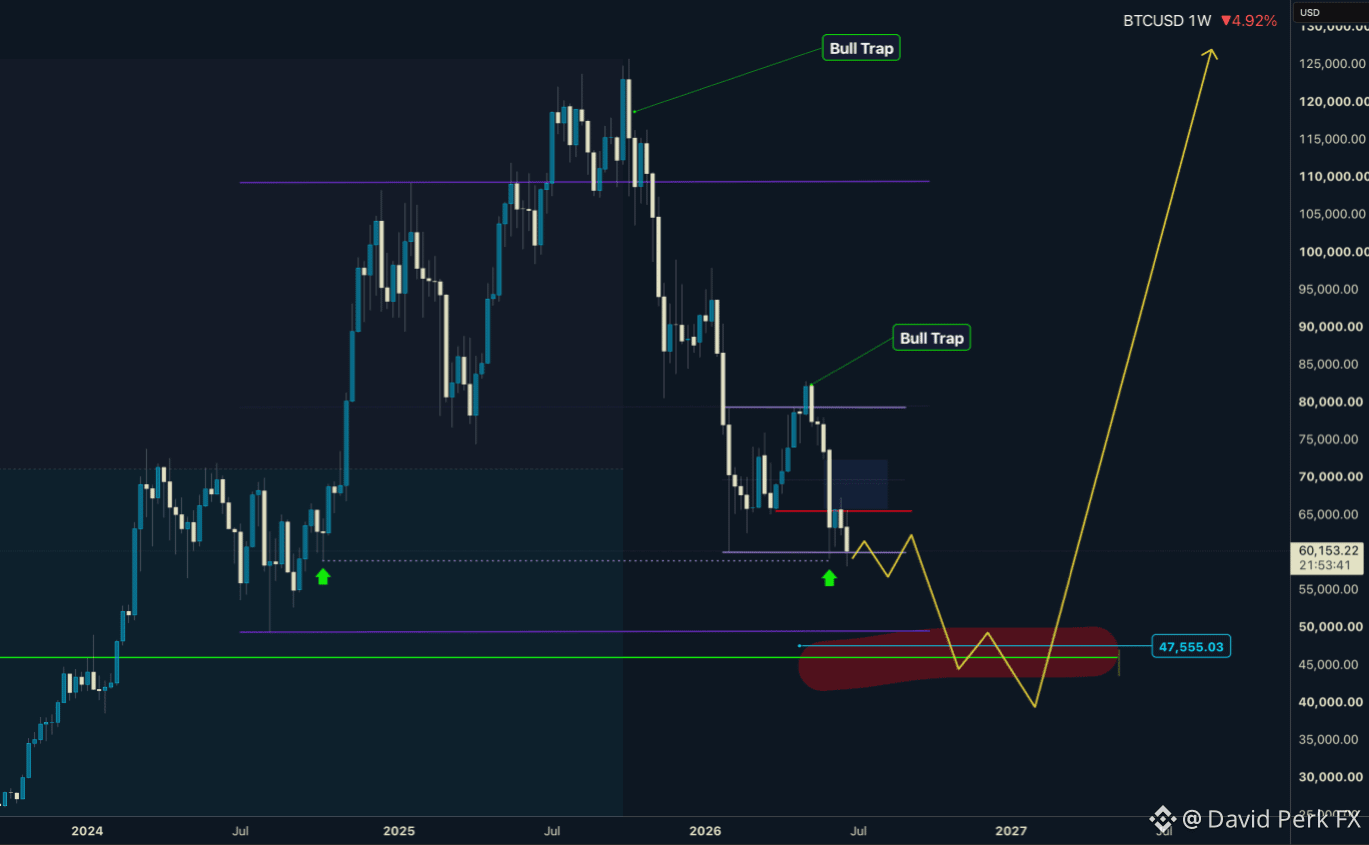
This is my view on BTC. We still need final dip below 50k
Maqola
Winning More Often Improves All Aspects of Your Life.One of the most important decisions you will ever make as a trader is your risk-to-reward ratio, and most in the beginning choose the wrong one. We choose the one that looks exciting on paper instead of the one we can actually execute consistently in real life. Everybody online talks about high RR trading. Catch 1:3. Catch 1:5. Catch runners. Don't take a trade if RR is not at least 1:2. Win only 30% of the time and still make money. Mathematically, that is true. A 1:3 system with a 30% win rate can produce very similar results to a 1:1 system with a 60% win rate. Both are profitable. But psychologically, they feel completely different. ๐Ÿงช Difference High RR Strategy usually has lower win rate 35% Lower RR Strategy usually has higher win rate 75% On paper, a high RR system looks amazing. It also look good when posting such a wins on social media. But once your evolution takes you in to theย Stage 5.ย You will realize that what matter in trading is not proving to others, but expectancy. ๐Ÿงชย Expectancy is basically the average amount you are likely to make per trade over time. It comes from your win rate combined with your average risk-to-reward ratio.ย 1:3 Risk Reward System โ€œI only need to win 3 trades out of 10.โ€ Good, in reality, that means most of the time you are losing seven out of ten trades. That means means constant losing streaks and emotional pressure most of cant handle it emotionally and psychologically stopped trusting the strategy. ๐Ÿงชย The Winners Effect One thing traders massively underestimate is how much winning affects the human brain. This might sound strange, but it is real. It feels much better when low RR trades hitting target than when you are manually closing high RR potential trades on pullbacks disappointed that it didn't reach target again. I suggest you to read this book. ๐Ÿ‘‡ ๐Ÿงชย Winning creates momentum psychologically. And losing does the opposite. I know on myself that always after a periods when my trades were not hitting targets and I had to close them in loss or on pullbacks. I was blaming the markets conditions. I was losing motivation, stopped journaling, reviewing trades and executing clearly. My system was looking good mathematically. But mentally, it was destroying me. ๐ŸงชThe Law of Large Numbers With a 50% win rate, you are almost guaranteed to experience six losses in a row at some point. Think about that. If you take one trade per day, that can easily look like an entire week of losses. But, when you are targeting 2R or 3R setups with around 30% win rate. You can realistically experience nine losses in a row. Be honest and let me know int he comments.ย Could you really execute flawlessly after nine consecutive losses?ย Most people canโ€™t. And there is no shame in admitting that. ๐Ÿงชย Numbers area real And the higher your risk reward becomes, the lower your win rate usually becomes, which means your losing streaks become longer and more frequent. We as traders love pretending that we could execute like robots with zero emotions. Thats BS. You can do this on the demo. But If your account has serious balance. Trading without emotions is not reality. We are humans. Our psychology matters and it always be there. ๐ŸงชVariance Is the Hidden Killer Variance is the difference between your best and worst possible outcomes. It is the stability of your equity curve. Once I realized that, my whole perspective changed. And instead of focusing on making biggest profits. I started focusing on emotional stability which delivered me a consistency. and my equity cures become growing slowly but steady with huge up side downs imbalances unlike form higher RR approach. You simply need to choose the type of pain that is sustainable for your personality and psychology over the long term. You will either have high RR trades ,but you will suffer more losses than wins or you will be leaving money on the table with low RR setups, but winning more often. โ€ผ๏ธโ€ผ๏ธย There is no perfect system, BUT !! What if I tell you that you can actually have the best form both. worlds. Now let me show you how this shift has changed my entire trading career. If You follow me for some time you have probably seen scheme of my CLS strategy which has 2 models. ๐Ÿงชย Model 1 & Model 2 It was not like that always. Back in the days I was greedy and always wanted to cash out on full range trade potential. As you can see Model 1 means taking profits at 50% of the range and model 2 is full range target. Now you can guess. Model 1 is result of frustration when great setups has often came back to the entry. Hence I have started closing partial at 50% and then targeting potentially full range which has played out quite often. But later I find out that taking a full profit at 50% range is much better although the RR was actually 1:1 - 1.2 which was not that sexy number. ๐Ÿงชย Lets check the data Here is my journal from 2025 and as we can see most of the gains was made by Model 1 trade. I executed 149 trades, but RR was only 130 which means if we also count losses my average RR per trade was actually less than 1:1. But from overall 197 RR of the year its a significant part of my success. Rest was taken on Model 2 where I made 57 RR on 39 trades which means RR is slightly higher then 1.3. However Model 2 offers 1:3 setups quite offer per my statistics they are having less win rate We also have to consider that this numbers are not data of the strategy, but data from a Operator who has also emotions. I'm aware that I have made mistakes I could hold some trader longer or close earlier. It always cold be better. I'm not perfect. ๐ŸซŸMathematically Unbeatable Profits Now when you have 100% mechanical trading system which you trade manually. There will still be effect of your decisions. Here is a formula how I solved it and how I can get both low RR setups which are hitting TP often and also High RR trades. Let's have a look at the potential outcomes of both trading models of CLS system. here is where the magic happens when we work with the probabilities. To make it all easier let's say we risk $100 for a trade. There can only 4 possible outcomes. 1๏ธโƒฃย Model 1 - Trade can end up in loss You simply loose on Model1. Either for analyzing market wrongly or wrong timing. What ever it is. It's just fact. Losses are part of the process. You loose $100 2๏ธโƒฃย Model 1 - Trade reach 50% and continue to complete the range. In this outcome price hits your 50% target and than goes up and fill the whole range without a pullback for the model 2. Yes you are leaving money on the table. No problem you got profit and you wait for the next range. 3๏ธโƒฃย Model 1 & 2 - Model 2 hit SL in a case if you took model 1 and it has hit TP. Let's say you earned 1.2RR. Hence $120 is in your pocket now so you can go for the Model 2 high RR trade with same risk $100 again. But if trade end up in the loss you loose $100 but still got $20 at least form first trade. You are basically entering this trade risk free. Which is huge psychological advantage, which allows you to hold this position without pressure. This is absolute game changer 4๏ธโƒฃย Model 1 & 2 both winners if you catch both models and both works. You earn quite good $120 for fist trade then second trade is risk free and you can get another $250 as model 2 is usually more than 2.5 RR โœ…ย Why This Approach Works Because you are basically collecting a lot of small wins which create a winners effect. You are no longer watching a winning trade slowly retrace and wondering if the market will take everything back. Instead, the first trade is closed, the profit is secured, and you calmly wait for the next setup. If Model 2 appears, you can take the trade with a clear mind and as a risk free setup. If second setup fails you sill got profit from model 1. ๐Ÿง ย Final advice Psychology is much bigger part of trading than most of us. thought on the begins. The best trading system isnโ€™t the most โ€œmathematically optimalโ€ . itโ€™s the one you can execute consistently, because youโ€™re not a robot whether you want or not your emotions dictate your performance. Focus on such system that keeps balance in math and psychology. Keeps expectancy positive, Builds confidence, Minimizes drawdown and Creates long-term consistency and this is where 1:1.2 R:R is often the sweet spot. Adapt useful, Reject useless and add what is specifically yours.

Winning More Often Improves All Aspects of Your Life.

One of the most important decisions you will ever make as a trader is your risk-to-reward ratio, and most in the beginning choose the wrong one. We choose the one that looks exciting on paper instead of the one we can actually execute consistently in real life.
Everybody online talks about high RR trading. Catch 1:3. Catch 1:5. Catch runners.
Don't take a trade if RR is not at least 1:2. Win only 30% of the time and still make money. Mathematically, that is true.
A 1:3 system with a 30% win rate can produce very similar results to a 1:1 system with a 60% win rate. Both are profitable. But psychologically, they feel completely different.
๐Ÿงช Difference
High RR Strategy usually has lower win rate 35%
Lower RR Strategy usually has higher win rate 75%
On paper, a high RR system looks amazing. It also look good when posting such a wins on social media. But once your evolution takes you in to the Stage 5. You will realize that what matter in trading is not proving to others, but expectancy.
๐Ÿงช Expectancy
is basically the average amount you are likely to make per trade over time. It comes from your win rate combined with your average risk-to-reward ratio. 1:3 Risk Reward System
โ€œI only need to win 3 trades out of 10.โ€ Good, in reality, that means most of the time you are losing seven out of ten trades. That means means constant losing streaks and emotional pressure most of cant handle it emotionally and psychologically stopped trusting the strategy.
๐Ÿงช The Winners Effect
One thing traders massively underestimate is how much winning affects the human brain. This might sound strange, but it is real. It feels much better when low RR trades hitting target than when you are manually closing high RR potential trades on pullbacks disappointed that it didn't reach target again. I suggest you to read this book. ๐Ÿ‘‡
๐Ÿงช Winning creates momentum psychologically.
And losing does the opposite. I know on myself that always after a periods when my trades were not hitting targets and I had to close them in loss or on pullbacks. I was blaming the markets conditions. I was losing motivation, stopped journaling, reviewing trades and executing clearly. My system was looking good mathematically. But mentally, it was destroying me.
๐ŸงชThe Law of Large Numbers
With a 50% win rate, you are almost guaranteed to experience six losses in a row at some point. Think about that. If you take one trade per day, that can easily look like an entire week of losses. But, when you are targeting 2R or 3R setups with around 30% win rate. You can realistically experience nine losses in a row. Be honest and let me know int he comments. Could you really execute flawlessly after nine consecutive losses? Most people canโ€™t. And there is no shame in admitting that.
๐Ÿงช Numbers area real
And the higher your risk reward becomes, the lower your win rate usually becomes, which means your losing streaks become longer and more frequent.
We as traders love pretending that we could execute like robots with zero emotions. Thats BS. You can do this on the demo. But If your account has serious balance. Trading without emotions is not reality. We are humans. Our psychology matters and it always be there.
๐ŸงชVariance Is the Hidden Killer
Variance is the difference between your best and worst possible outcomes. It is the stability of your equity curve.
Once I realized that, my whole perspective changed. And instead of focusing on making biggest profits. I started focusing on emotional stability which delivered me a consistency. and my equity cures become growing slowly but steady with huge up side downs imbalances unlike form higher RR approach.
You simply need to choose the type of pain that is sustainable for your personality and psychology over the long term. You will either have high RR trades ,but you will suffer more losses than wins or you will be leaving money on the table with low RR setups, but winning more often.
โ€ผ๏ธโ€ผ๏ธ There is no perfect system, BUT !!
What if I tell you that you can actually have the best form both. worlds. Now let me show you how this shift has changed my entire trading career. If You follow me for some time you have probably seen scheme of my CLS strategy which has 2 models.
๐Ÿงช Model 1 & Model 2
It was not like that always. Back in the days I was greedy and always wanted to cash out on full range trade potential. As you can see Model 1 means taking profits at 50% of the range and model 2 is full range target. Now you can guess. Model 1 is result of frustration when great setups has often came back to the entry.
Hence I have started closing partial at 50% and then targeting potentially full range which has played out quite often. But later I find out that taking a full profit at 50% range is much better although the RR was actually 1:1 - 1.2 which was not that sexy number.
๐Ÿงช Lets check the data
Here is my journal from 2025 and as we can see most of the gains was made by Model 1 trade. I executed 149 trades, but RR was only 130 which means if we also count losses my average RR per trade was actually less than 1:1. But from overall 197 RR of the year its a significant part of my success. Rest was taken on Model 2 where I made 57 RR on 39 trades which means RR is slightly higher then 1.3. However Model 2 offers 1:3 setups quite offer per my statistics they are having less win rate
We also have to consider that this numbers are not data of the strategy, but data from a Operator who has also emotions. I'm aware that I have made mistakes I could hold some trader longer or close earlier. It always cold be better. I'm not perfect.
๐ŸซŸMathematically Unbeatable Profits
Now when you have 100% mechanical trading system which you trade manually. There will still be effect of your decisions. Here is a formula how I solved it and how I can get both low RR setups which are hitting TP often and also High RR trades. Let's have a look at the potential outcomes of both trading models of CLS system. here is where the magic happens when we work with the probabilities. To make it all easier let's say we risk $100 for a trade. There can only 4 possible outcomes.
1๏ธโƒฃ Model 1 - Trade can end up in loss
You simply loose on Model1. Either for analyzing market wrongly or wrong timing. What ever it is. It's just fact. Losses are part of the process. You loose $100
2๏ธโƒฃ Model 1 - Trade reach 50% and continue to complete the range.
In this outcome price hits your 50% target and than goes up and fill the whole range without a pullback for the model 2. Yes you are leaving money on the table. No problem you got profit and you wait for the next range.
3๏ธโƒฃ Model 1 & 2 - Model 2 hit SL
in a case if you took model 1 and it has hit TP. Let's say you earned 1.2RR. Hence $120 is in your pocket now so you can go for the Model 2 high RR trade with same risk $100 again. But if trade end up in the loss you loose $100 but still got $20 at least form first trade. You are basically entering this trade risk free. Which is huge psychological advantage, which allows you to hold this position without pressure. This is absolute game changer
4๏ธโƒฃ Model 1 & 2 both winners
if you catch both models and both works. You earn quite good $120 for fist trade then second trade is risk free and you can get another $250 as model 2 is usually more than 2.5 RR
โœ… Why This Approach Works
Because you are basically collecting a lot of small wins which create a winners effect. You are no longer watching a winning trade slowly retrace and wondering if the market will take everything back. Instead, the first trade is closed, the profit is secured, and you calmly wait for the next setup. If Model 2 appears, you can take the trade with a clear mind and as a risk free setup. If second setup fails you sill got profit from model 1.
๐Ÿง  Final advice
Psychology is much bigger part of trading than most of us. thought on the begins.
The best trading system isnโ€™t the most โ€œmathematically optimalโ€ . itโ€™s the one you can execute consistently, because youโ€™re not a robot whether you want or not your emotions dictate your performance. Focus on such system that keeps balance in math and psychology. Keeps expectancy positive, Builds confidence, Minimizes drawdown and Creates long-term consistency and this is where 1:1.2 R:R is often the sweet spot.
Adapt useful, Reject useless and add what is specifically yours.
Maqola
Trading ObsessionTraders think they are obsessed with trading. Theyโ€™re not. Theyโ€™re obsessed with what they believe trading will give them. Freedom, Money., Validation. An escape from a life they donโ€™t currently enjoy. And thatโ€™s where the danger begins. Trading Becomes Your Escape Plan Many traders enter the markets because they want change. They feel stuck financially. They hate their job. They feel behind compared to everyone else. So trading becomes the solution to problem. The moment that happens, every trade starts carrying emotional weight it was never supposed to carry. A losing trade is no longer just a loss. It feels like failure. ๐Ÿงชย The Dopamine Nobody Talks About Trading is one of the most stimulating activities on the planet. Every setup creates anticipation, excitement,. uncertainty. Your brain starts craving the next opportunity. You check charts at breakfast. You check charts before bed. You check charts while spending time with family. You are constantly on the phone. You call it dedication but itโ€™s just addiction. ๐Ÿงชย The Identity Trap This is where many traders get stuck. They stop seeing trading as something they do. It becomes who they are. When they win, they feel confident. When they lose, they feel worthless. Their self-worth becomes attached to their account balance. ๐Ÿงชย Obsession Destroys Performance When you are obsessed you will usually: โ€ข Overtrade โ€ข Force setups โ€ข Revenge trade โ€ข Move stop losses โ€ข Break their rules โ€ข Panic during drawdowns โ€ข Stare at charts all day โ€ข Wants to pass prop challenge quickly The reason is simple. You are emotionally attached to the outcome. And emotional traders rarely make rational decisions. ๐Ÿงชย The Hard Truth At some point, you will discover something painful. The strategy might not be the problem. The trader executing it might be. That realization changes everything. Once you stop blaming brokers, prop firms, mentors, indicators, and market makers, you can finally start working on the only thing you control: Yourself. ๐Ÿงชย What Healthy Trading Looks Like The best traders I know: โ€ข Can walk away from the charts โ€ข Have hobbies outside trading โ€ข Spend time with family โ€ข Follow a process instead of chasing outcomes โ€ข Donโ€™t take losses personally โ€ข Have an identity outside the markets Trading is part of their life. It is not their entire life. ๐Ÿงชย Detachment The moment trading becomes your emotional oxygen, your performance starts to suffer. Ironically, many traders become profitable only after they stop needing trading to save them. Trade the process. Detach from the outcome. Build a life outside the charts. Calmer you become, the better your decisions usually get. Adapt useful, Reject useless and add what is specifically yours. David Perk

Trading Obsession

Traders think they are obsessed with trading. Theyโ€™re not.
Theyโ€™re obsessed with what they believe trading will give them. Freedom, Money., Validation.
An escape from a life they donโ€™t currently enjoy. And thatโ€™s where the danger begins. Trading Becomes Your Escape Plan
Many traders enter the markets because they want change. They feel stuck financially.
They hate their job. They feel behind compared to everyone else.
So trading becomes the solution to problem. The moment that happens, every trade starts carrying emotional weight it was never supposed to carry.
A losing trade is no longer just a loss. It feels like failure.
๐Ÿงช The Dopamine Nobody Talks About
Trading is one of the most stimulating activities on the planet. Every setup creates anticipation, excitement,. uncertainty. Your brain starts craving the next opportunity.
You check charts at breakfast. You check charts before bed.
You check charts while spending time with family. You are constantly on the phone. You call it dedication but itโ€™s just addiction.
๐Ÿงช The Identity Trap
This is where many traders get stuck. They stop seeing trading as something they do.
It becomes who they are. When they win, they feel confident.
When they lose, they feel worthless. Their self-worth becomes attached to their account balance.
๐Ÿงช Obsession Destroys Performance
When you are obsessed you will usually:
โ€ข Overtrade
โ€ข Force setups
โ€ข Revenge trade
โ€ข Move stop losses
โ€ข Break their rules
โ€ข Panic during drawdowns
โ€ข Stare at charts all day
โ€ข Wants to pass prop challenge quickly
The reason is simple. You are emotionally attached to the outcome.
And emotional traders rarely make rational decisions.
๐Ÿงช The Hard Truth
At some point, you will discover something painful. The strategy might not be the problem. The trader executing it might be. That realization changes everything.
Once you stop blaming brokers, prop firms, mentors, indicators, and market makers, you can finally start working on the only thing you control: Yourself.
๐Ÿงช What Healthy Trading Looks Like
The best traders I know:
โ€ข Can walk away from the charts
โ€ข Have hobbies outside trading
โ€ข Spend time with family
โ€ข Follow a process instead of chasing outcomes
โ€ข Donโ€™t take losses personally
โ€ข Have an identity outside the markets
Trading is part of their life. It is not their entire life.
๐Ÿงช Detachment
The moment trading becomes your emotional oxygen, your performance starts to suffer.
Ironically, many traders become profitable only after they stop needing trading to save them.
Trade the process. Detach from the outcome. Build a life outside the charts.
Calmer you become, the better your decisions usually get.
Adapt useful, Reject useless and add what is specifically yours.
David Perk
Maqola
Just for 3 weeks. You will come back as better Trader.We spend years searching for a better strategy, a better indicator, or a better mentor, while ignoring the one thing that often has the biggest impact on results. It is not market knowledge nor analysis, but inability to sit still and wait. Just look at your results. I'm 100% sure you had last month few great trades. But also many which was not necessary and without them your results might be much better. Trading more doesn't mean more money. Here you can see one of my month on prop account, where I been trading quite often. A lot of effort, a lot of screen time and then watching running trades in the phone. Final result? 14 trading days and around $500 gain. Trading less A+ Setup On other side different month on prop account. I traded less but focused on the best setups, at the right time. I have spent more time doing things what matters in a live. And the results. Much better. 4 Trading days $4000 gain. For less work, less stress. Most traders spend years studying the market while spending almost no time studying themselves. That is a mistake because your psychology determines how effectively you execute your strategy. If you constantly find yourself forcing trades, chasing price, or repeating the same emotional mistakes every week, the solution may not be another trading course or another indicator. The solution may be patience. One exercise that can completely change how you approach the markets is a simple 21-day patience challenge. ๐Ÿงช The 21-Day Patience Challenge The goal is not to stop learning or to stop studying. The goal is to retrain your behavior. ๐ŸŽฏย For the next 21 days: โ€ข Spend at least one hour observing the market. โ€ข Focus on your best setup only. โ€ข Back test your strategy daily. โ€ข Journal every urge to enter a trade. โ€ข Record moments of boredom, frustration, and FOMO. โ€ข Avoid forcing trades that do not meet your rules. โ€ผ๏ธ You will not do this to improve your chart reading. The purpose is to improve your self-awareness. ๐Ÿงชย Journal Your Emotions Entry pattern, Stop loss placement, Target, Trade management.... While those details matter, they only tell part of the story. Most important information exists before the trade is even taken. โ€ข What were you feeling before entry? โ€ข Were you bored? โ€ข Were you trying to recover a previous loss? โ€ข Were you afraid of missing out? โ€ข Were you forcing a setup because you wanted action? These questions often reveal more about your trading performance than any chart pattern ever will. When you journaling your emotions consistently, you will begin noticing patterns that have been controlling your behavior for years. ๐Ÿงชย Awareness creates the opportunity for change. Without awareness, those patterns continue running in the background indefinitely. In my experience, the traders who become consistently profitable are not always the smartest traders in the room. But traders who learned how to sit still when everyone else felt the need to act. โ‰๏ธย 3 Weeks no trading, Just Patience. Can you make it? Adapt useful, Reject useless and add what is specifically yours. David Perkย โ€จ

Just for 3 weeks. You will come back as better Trader.

We spend years searching for a better strategy, a better indicator, or a better mentor, while ignoring the one thing that often has the biggest impact on results. It is not market knowledge nor analysis, but inability to sit still and wait.
Just look at your results. I'm 100% sure you had last month few great trades. But also many which was not necessary and without them your results might be much better.
Trading more doesn't mean more money.
Here you can see one of my month on prop account, where I been trading quite often. A lot of effort, a lot of screen time and then watching running trades in the phone. Final result? 14 trading days and around $500 gain.
Trading less A+ Setup
On other side different month on prop account. I traded less but focused on the best setups, at the right time. I have spent more time doing things what matters in a live. And the results. Much better. 4 Trading days $4000 gain. For less work, less stress.
Most traders spend years studying the market while spending almost no time studying themselves. That is a mistake because your psychology determines how effectively you execute your strategy.
If you constantly find yourself forcing trades, chasing price, or repeating the same emotional mistakes every week, the solution may not be another trading course or another indicator.
The solution may be patience. One exercise that can completely change how you approach the markets is a simple 21-day patience challenge.
๐Ÿงช The 21-Day Patience Challenge
The goal is not to stop learning or to stop studying. The goal is to retrain your behavior.
๐ŸŽฏ For the next 21 days:
โ€ข Spend at least one hour observing the market.
โ€ข Focus on your best setup only.
โ€ข Back test your strategy daily.
โ€ข Journal every urge to enter a trade.
โ€ข Record moments of boredom, frustration, and FOMO.
โ€ข Avoid forcing trades that do not meet your rules.
โ€ผ๏ธ You will not do this to improve your chart reading. The purpose is to improve your self-awareness.
๐Ÿงช Journal Your Emotions
Entry pattern, Stop loss placement, Target, Trade management....
While those details matter, they only tell part of the story.
Most important information exists before the trade is even taken.
โ€ข What were you feeling before entry?
โ€ข Were you bored?
โ€ข Were you trying to recover a previous loss?
โ€ข Were you afraid of missing out?
โ€ข Were you forcing a setup because you wanted action?
These questions often reveal more about your trading performance than any chart pattern ever will. When you journaling your emotions consistently, you will begin noticing patterns that have been controlling your behavior for years.
๐Ÿงช Awareness creates the opportunity for change.
Without awareness, those patterns continue running in the background indefinitely.
In my experience, the traders who become consistently profitable are not always the smartest traders in the room. But traders who learned how to sit still when everyone else felt the need to act.
โ‰๏ธ 3 Weeks no trading, Just Patience. Can you make it?
Adapt useful, Reject useless and add what is specifically yours.
David Perk โ€จ
Maqola
COT - Nobody Talks About This Secret WeaponHey, whatโ€™s up traders? Today I want to talk about COT data and how I personally use it to understand what the market is preparing for next. I have heard many times that COT is lagging. And yes, if you look at it alone, without any market context, it can feel slow. But that is the mistake. COT is not there to give you a sniper entry. ๐ŸงชCOT without context is just numbers. ๐ŸงชPrice action without context is just candles. It is there to show you what bigger players are doing behind the candles. When you combine COT with price action, market structure, key levels, and the latest swing, it can help you understand something very important. Was the latest move a real reversal?Was it only a pullback?Is the market still in an uptrend or downtrend?Or are we watching smart money slowly reposition before the next larger move? ๐ŸงชThis is where COT becomes powerful. Recently, I used this exact logic to read the situation on EURUSD, GBPUSD, and the US OIL. I did not look at COT and say, โ€œOkay, buy nowโ€ or โ€œsell now.โ€ That is not how I use it. I looked at what price was doing first. Where was the market trading?Was price near a CLS Range high or low?Did we just see a manipulation?Was the market pulling back into a key area? Then I checked if the COT data supported the same story. So let's have a look at three recent examples. For more examples check my old COT post ๐ŸงชGBPUSD Example You can see price has been strongly dropping and then it starts to making a pullback around a 17th May, right? So price has been making a pullback and it has been going above a weekly range high, where it's slightly manipulated, right? And our goal is to decode what these pullbacks mean. Is it a start of a reversal or is it just a pullback in the continuation of a downtrend? So I'm looking at my tables in the left corner. And we can see that in these three weeks when the price has been making the pullback, basically the market makers, non-commercials, that's the ones who are trading for a profit, they closed their longs from 79k to the 68k and then to the 57k, while their shorts positions still stayed around a 122 to 119. And you can see around a 19th May, they added some longs to push the price higher, right? So overall, with the net positions, we went from a minus 43k net shorts to the minus 61, right? So that's suggesting me that the bearish move will continue and this was just a pullback. Hence, I analyzed the market with my CLS range context and I've been trading a model number one and also model number two. ๐Ÿงชย EURUSD Example we can see how the price has been ranging for almost three weeks. And during these three weeks, I have been watching the COT data, and what we have seen is that basically the longs did not change that much, right? We can see that the longs basically has dropped from 224 to 223, which is not that big a drop, right? We can see slight increase temporarily to push the price higher. And what has actually happened in there when the price was higher, we can see that market makers actually added short positions, right? So that gave me the context with my CS range, which has been manipulated and we've been expecting price going lower, because also the net positions went from the 40K net positive to the 29K, which is 10K drop, right? So it's suggesting us that price is basically bearish. ๐Ÿงชย US OIL Example we can see that the price has been dropping down and then it created a range. The big signal for me was a double bottom liquidity, which was below 8.5, right? So in here, we also can see that the new weekly range has been created, new CLS range, and we get the manipulation into an older block, which was been happening in the premium. I was also watching the COT data, and we can see that the shorts basically has increased from the 211 to 227K. And the longs has decreased from 384 to 383, right? Overall, in the net positions, we can see decreasefrom the 172 to the 155, which is kind of 20K down, which is suggesting us that the price action is basically bearish. And it was just a question of the time until smart money positions materialize. ๐Ÿ“šย Price Action without COT - order flow is just a part of story But when you combine both, you can start reading the market like a story. You can see who is trapped.. You can see who is accumulating. You can see when a move is losing strength. And most importantly, you can avoid emotional decisions, because you understand the bigger story. That is what gives patience. That is what gives confidence. Not as a magic tool. But as a way to understand if the latest swing was a pullback, a reversal, or just another part of the bigger trend. Because when you understand what the market is really doing, you stop reacting. And when you stop reacting, you finally start trading with a plan. Hope this help you on your trading journey. ๐Ÿš€Boost | ๐Ÿ” Share | ๐Ÿ’ฌ Comment | โœ…Follow for more Education Adapt useful, Reject useless and add what is specifically yours. David Perk

COT - Nobody Talks About This Secret Weapon

Hey, whatโ€™s up traders? Today I want to talk about COT data and how I personally use it to understand what the market is preparing for next. I have heard many times that COT is lagging.
And yes, if you look at it alone, without any market context, it can feel slow. But that is the mistake. COT is not there to give you a sniper entry.
๐ŸงชCOT without context is just numbers. ๐ŸงชPrice action without context is just candles.
It is there to show you what bigger players are doing behind the candles. When you combine COT with price action, market structure, key levels, and the latest swing, it can help you understand something very important.
Was the latest move a real reversal?Was it only a pullback?Is the market still in an uptrend or downtrend?Or are we watching smart money slowly reposition before the next larger move?
๐ŸงชThis is where COT becomes powerful. Recently, I used this exact logic to read the situation on EURUSD, GBPUSD, and the US OIL. I did not look at COT and say, โ€œOkay, buy nowโ€ or โ€œsell now.โ€ That is not how I use it. I looked at what price was doing first.
Where was the market trading?Was price near a CLS Range high or low?Did we just see a manipulation?Was the market pulling back into a key area?
Then I checked if the COT data supported the same story. So let's have a look at three recent examples. For more examples check my old COT post
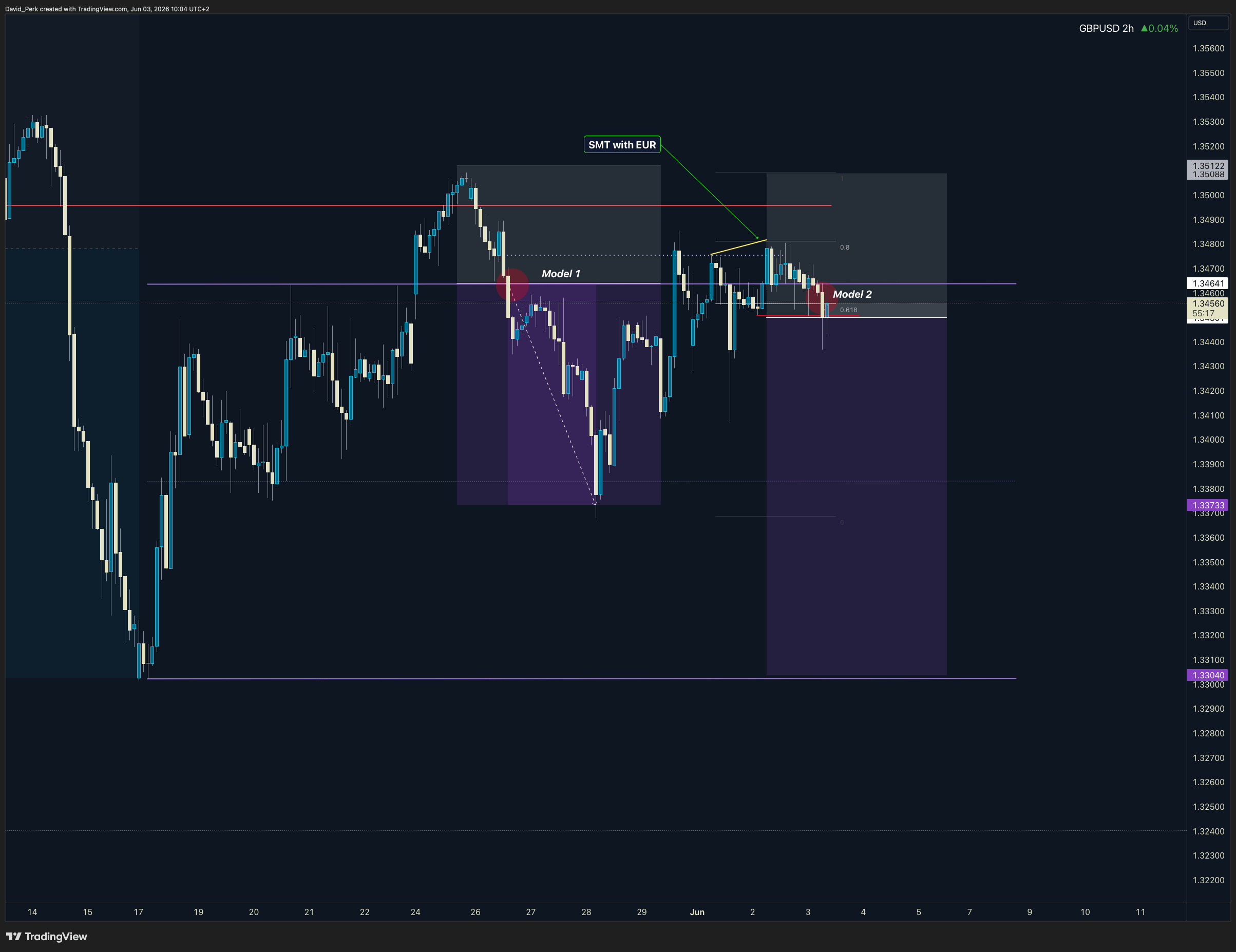
๐ŸงชGBPUSD Example You can see price has been strongly dropping and then it starts to making a pullback around a 17th May, right? So price has been making a pullback and it has been going above a weekly range high, where it's slightly manipulated, right? And our goal is to decode what these pullbacks mean. Is it a start of a reversal or is it just a pullback in the continuation of a downtrend? So I'm looking at my tables in the left corner.
And we can see that in these three weeks when the price has been making the pullback, basically the market makers, non-commercials, that's the ones who are trading for a profit, they closed their longs from 79k to the 68k and then to the 57k, while their shorts positions still stayed around a 122 to 119. And you can see around a 19th May, they added some longs to push the price higher, right? So overall, with the net positions, we went from a minus 43k net shorts to the minus 61, right? So that's suggesting me that the bearish move will continue and this was just a pullback.
Hence, I analyzed the market with my CLS range context and I've been trading a model number one and also model number two.
๐Ÿงช EURUSD Example
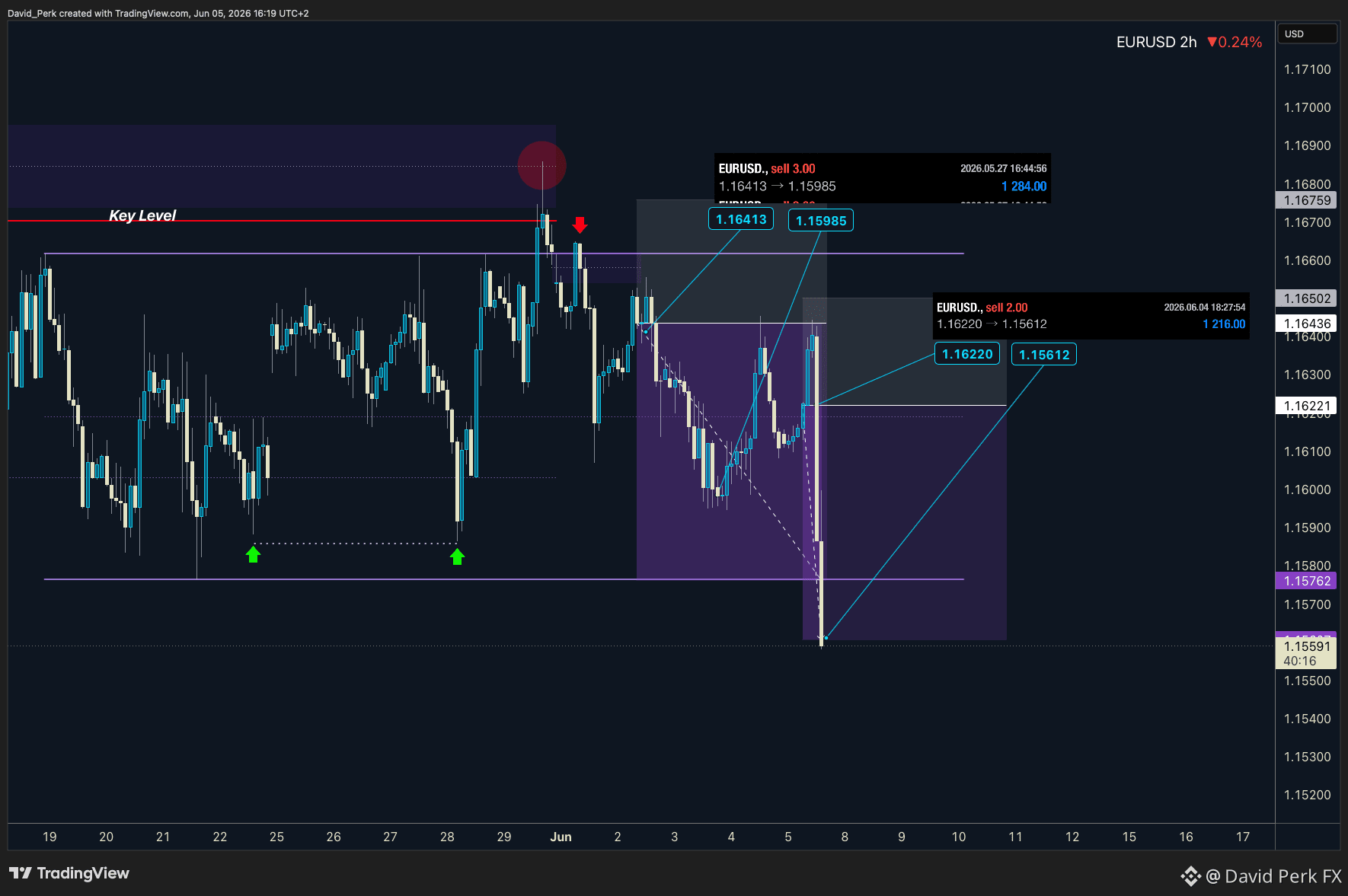
we can see how the price has been ranging for almost three weeks. And during these three weeks, I have been watching the COT data, and what we have seen is that basically the longs did not change that much, right? We can see that the longs basically has dropped from 224 to 223, which is not that big a drop, right?
We can see slight increase temporarily to push the price higher. And what has actually happened in there when the price was higher, we can see that market makers actually added short positions, right? So that gave me the context with my CS range, which has been manipulated and we've been expecting price going lower, because also the net positions went from the 40K net positive to the 29K, which is 10K drop, right? So it's suggesting us that price is basically bearish.
๐Ÿงช US OIL Example
we can see that the price has been dropping down and then it created a range. The big signal for me was a double bottom liquidity, which was below 8.5, right? So in here, we also can see that the new weekly range has been created, new CLS range, and we get the manipulation into an older block, which was been happening in the premium. I was also watching the COT data, and we can see that the shorts basically has increased from the 211 to 227K. And the longs has decreased from 384 to 383, right?
Overall, in the net positions, we can see decreasefrom the 172 to the 155, which is kind of 20K down, which is suggesting us that the price action is basically bearish. And it was just a question of the time until smart money positions materialize.
๐Ÿ“š Price Action without COT - order flow is just a part of story
But when you combine both, you can start reading the market like a story.
You can see who is trapped.. You can see who is accumulating.
You can see when a move is losing strength. And most importantly, you can avoid emotional decisions, because you understand the bigger story.
That is what gives patience. That is what gives confidence. Not as a magic tool.
But as a way to understand if the latest swing was a pullback, a reversal, or just another part of the bigger trend. Because when you understand what the market is really doing, you stop reacting.
And when you stop reacting, you finally start trading with a plan.
Hope this help you on your trading journey.
๐Ÿš€Boost | ๐Ÿ” Share | ๐Ÿ’ฌ Comment | โœ…Follow for more Education
Adapt useful, Reject useless and add what is specifically yours.
David Perk
ยท
--
Bearish
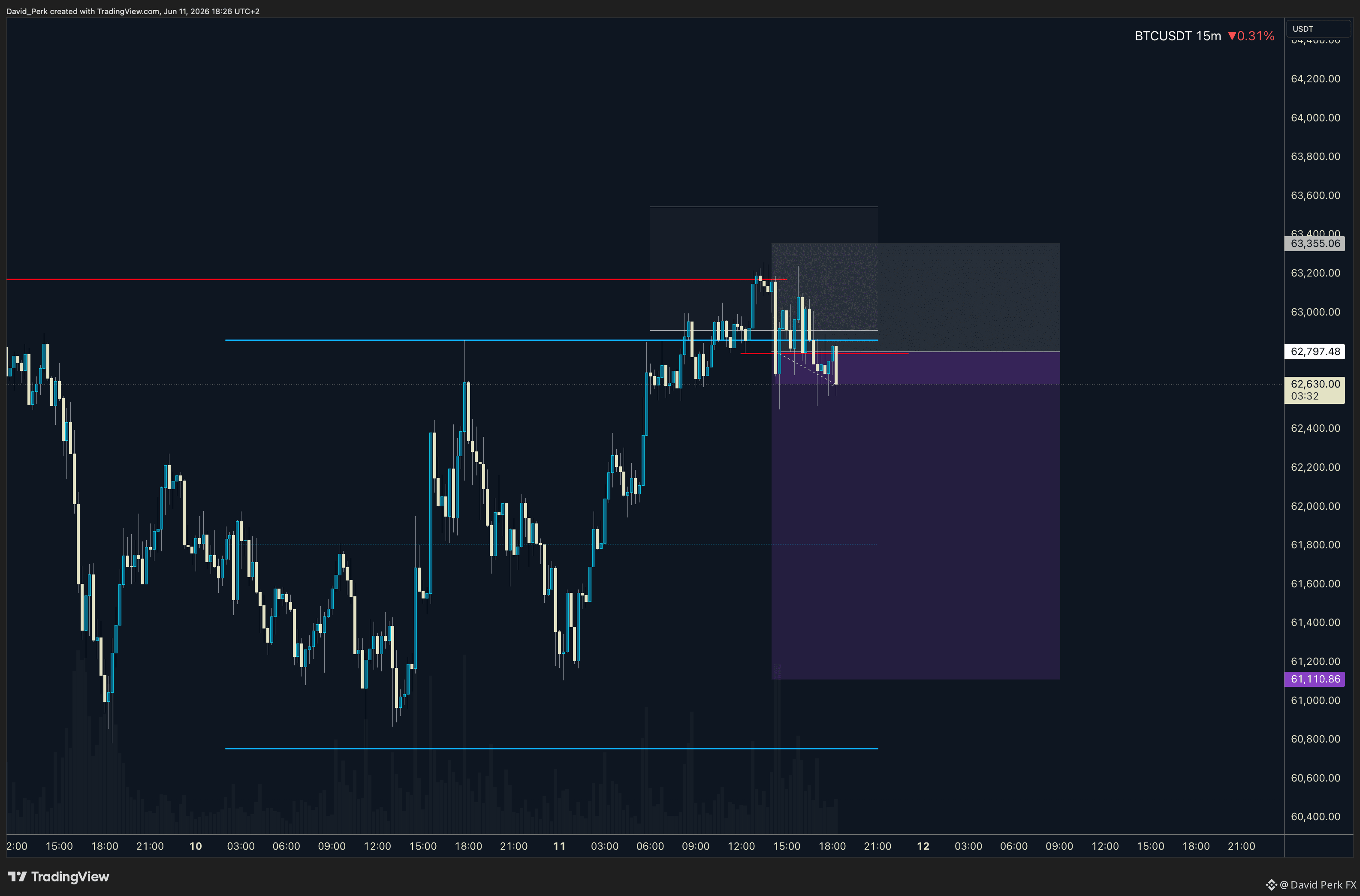
$BTC Sell it now.
$BTC Sell it now.
David Perk FX
ยท
--
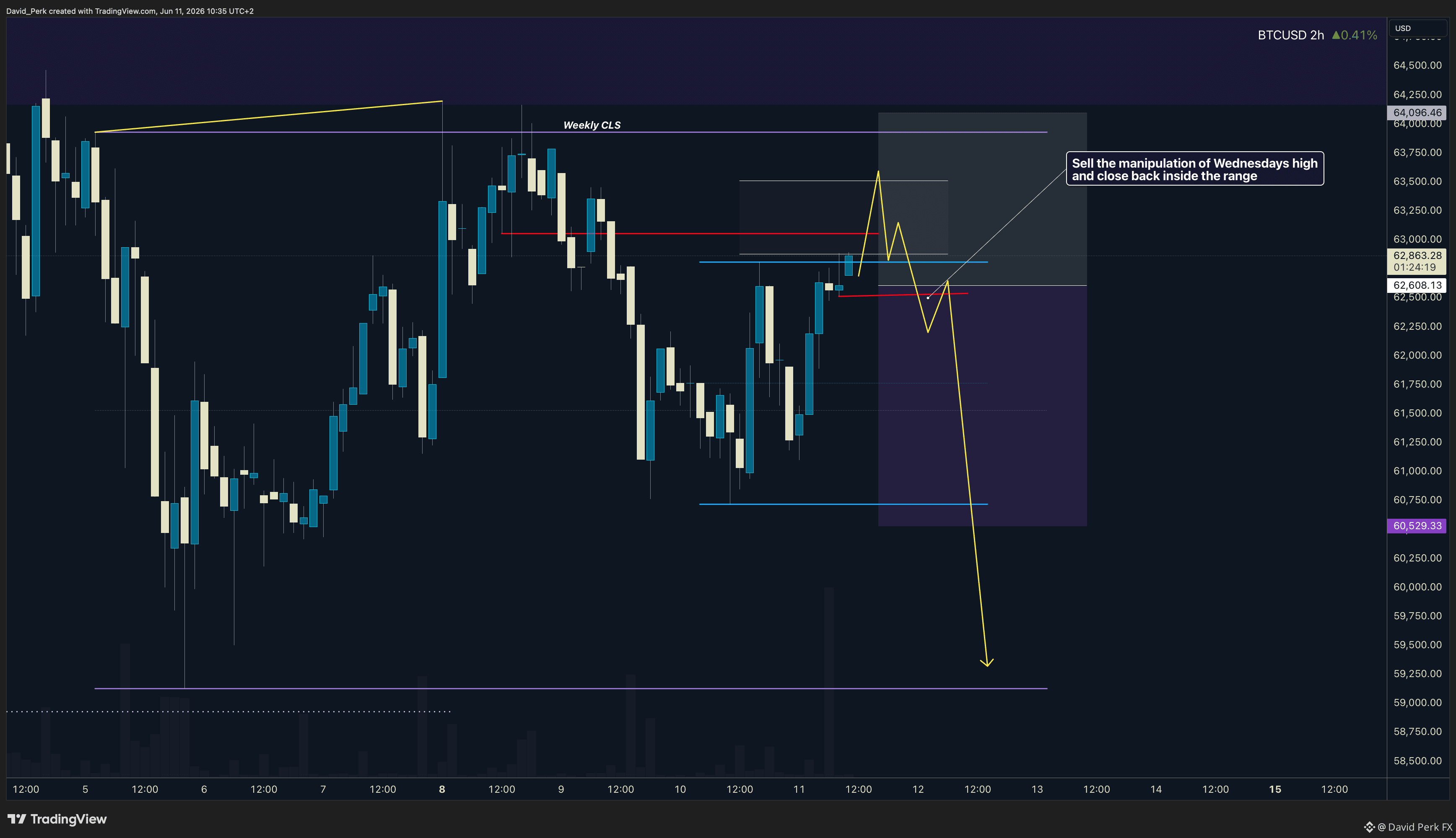
$BTC Sell Wednesdays manipulation, wait for the close back inside the range. Target Wednesdays lows.
Maqola
Just for 3 weeks. You will come back as better Trader.We spend years searching for a better strategy, a better indicator, or a better mentor, while ignoring the one thing that often has the biggest impact on results. It is not market knowledge nor analysis, but inability to sit still and wait. Just look at your results. Im 100% sure you had last month few great trades. But also many which was not necessary and without them your results might be much better.ย  Trading more doesn't mean more money.ย  Here you can see one of my month on prop account, where I been trading quite often. A lot of effort, a lot of screen time and then watching running trades in the phone. Final result? 14 trading days and around $500 gain. Trading less A+ Setup On other side different month on prop account.I traded less but focussed on the best setups, at the right time. I have spent more time doing things what matters in a live. And the results. Much better. 4 Trading days $4000 gain. For less work, less stress Most traders spend years studying the market while spending almost no time studying themselves.That is a mistake because your psychology determines how effectively you execute your strategy. If you constantly find yourself forcing trades, chasing price, or repeating the same emotional mistakes every week, the solution may not be another trading course or another indicator. The solution may be patience. One exercise that can completely change how you approach the markets is a simple 21-day patience challenge. ๐Ÿงช The 21-Day Patience Challenge The goal is not to stop learning or to stop studying. The goal is to retrain your behavior. ๐ŸŽฏย For the next 21 days: โ€ข Spend at least one hour observing the market. โ€ข Focus on your best setup only. โ€ข Backtest your strategy daily. โ€ข Journal every urge to enter a trade. โ€ข Record moments of boredom, frustration, and FOMO. โ€ข Avoid forcing trades that do not meet your rules. โ€ผ๏ธ You will not do this to improve your chart reading. The purpose is to improve your self-awareness. ๐Ÿงชย Journal Your Emotionsย  Entry pattern, Stop loss placement, Target, Trade management.... While those details matter, they only tell part of the story. Most important information exists before the trade is even taken. โ€ข What were you feeling before entry? โ€ข Were you bored? โ€ข Were you trying to recover a previous loss? โ€ข Were you afraid of missing out? โ€ข Were you forcing a setup because you wanted action? These questions often reveal more about your trading performance than any chart pattern ever will. When you journaling your emotions consistently, you will begin noticing patterns that have been controlling your behavior for years. ๐Ÿงชย Awareness creates the opportunity for change. Without awareness, those patterns continue running in the background indefinitely. In my experience, the traders who become consistently profitable are not always the smartest traders in the room. But traders who learned how to sit still when everyone else felt the need to act. โ‰๏ธย 3 Weeks no trading, Just Patience. Can you make it?ย  Adapt useful, Reject useless and add what is specifically yours.ย  David Perkย โ€จ

Just for 3 weeks. You will come back as better Trader.

We spend years searching for a better strategy, a better indicator, or a better mentor, while ignoring the one thing that often has the biggest impact on results. It is not market knowledge nor analysis, but inability to sit still and wait.
Just look at your results. Im 100% sure you had last month few great trades. But also many which was not necessary and without them your results might be much better.
Trading more doesn't mean more money.
Here you can see one of my month on prop account, where I been trading quite often. A lot of effort, a lot of screen time and then watching running trades in the phone. Final result? 14 trading days and around $500 gain.
Trading less A+ Setup
On other side different month on prop account.I traded less but focussed on the best setups, at the right time. I have spent more time doing things what matters in a live. And the results. Much better. 4 Trading days $4000 gain. For less work, less stress
Most traders spend years studying the market while spending almost no time studying themselves.That is a mistake because your psychology determines how effectively you execute your strategy.
If you constantly find yourself forcing trades, chasing price, or repeating the same emotional mistakes every week, the solution may not be another trading course or another indicator.
The solution may be patience. One exercise that can completely change how you approach the markets is a simple 21-day patience challenge.
๐Ÿงช The 21-Day Patience Challenge
The goal is not to stop learning or to stop studying. The goal is to retrain your behavior.
๐ŸŽฏ For the next 21 days:
โ€ข Spend at least one hour observing the market.
โ€ข Focus on your best setup only.
โ€ข Backtest your strategy daily.
โ€ข Journal every urge to enter a trade.
โ€ข Record moments of boredom, frustration, and FOMO.
โ€ข Avoid forcing trades that do not meet your rules.
โ€ผ๏ธ You will not do this to improve your chart reading. The purpose is to improve your self-awareness.
๐Ÿงช Journal Your Emotions
Entry pattern, Stop loss placement, Target, Trade management....
While those details matter, they only tell part of the story.
Most important information exists before the trade is even taken.
โ€ข What were you feeling before entry?
โ€ข Were you bored?
โ€ข Were you trying to recover a previous loss?
โ€ข Were you afraid of missing out?
โ€ข Were you forcing a setup because you wanted action?
These questions often reveal more about your trading performance than any chart pattern ever will. When you journaling your emotions consistently, you will begin noticing patterns that have been controlling your behavior for years.
๐Ÿงช Awareness creates the opportunity for change.
Without awareness, those patterns continue running in the background indefinitely.
In my experience, the traders who become consistently profitable are not always the smartest traders in the room. But traders who learned how to sit still when everyone else felt the need to act.
โ‰๏ธ 3 Weeks no trading, Just Patience. Can you make it?
Adapt useful, Reject useless and add what is specifically yours.
David Perk โ€จ
$BTC Sell Wednesdays manipulation, wait for the close back inside the range. Target Wednesdays lows.
ยท
--
Bearish
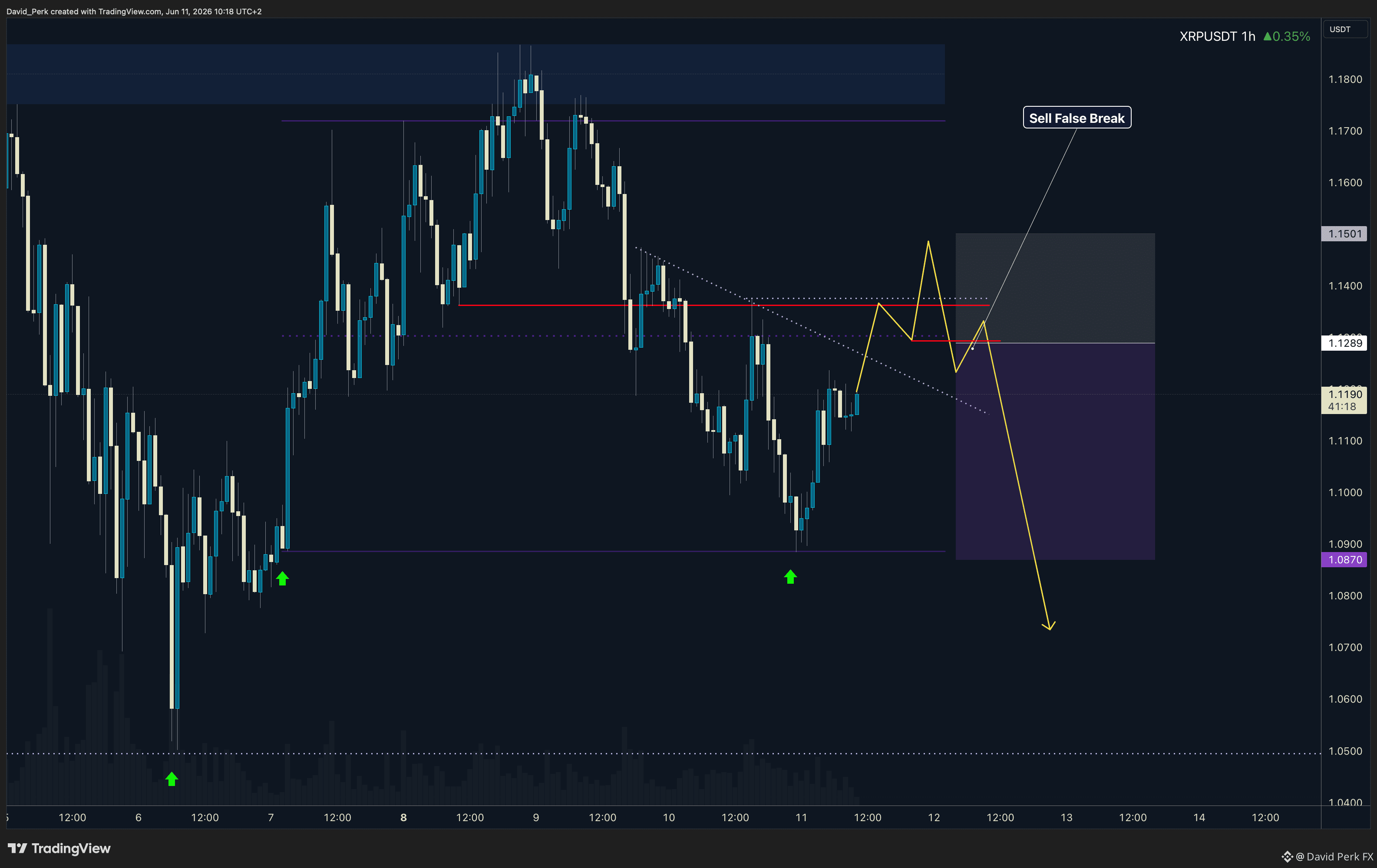
$XRP Sell false break and reversal on H1
ยท
--
Bearish
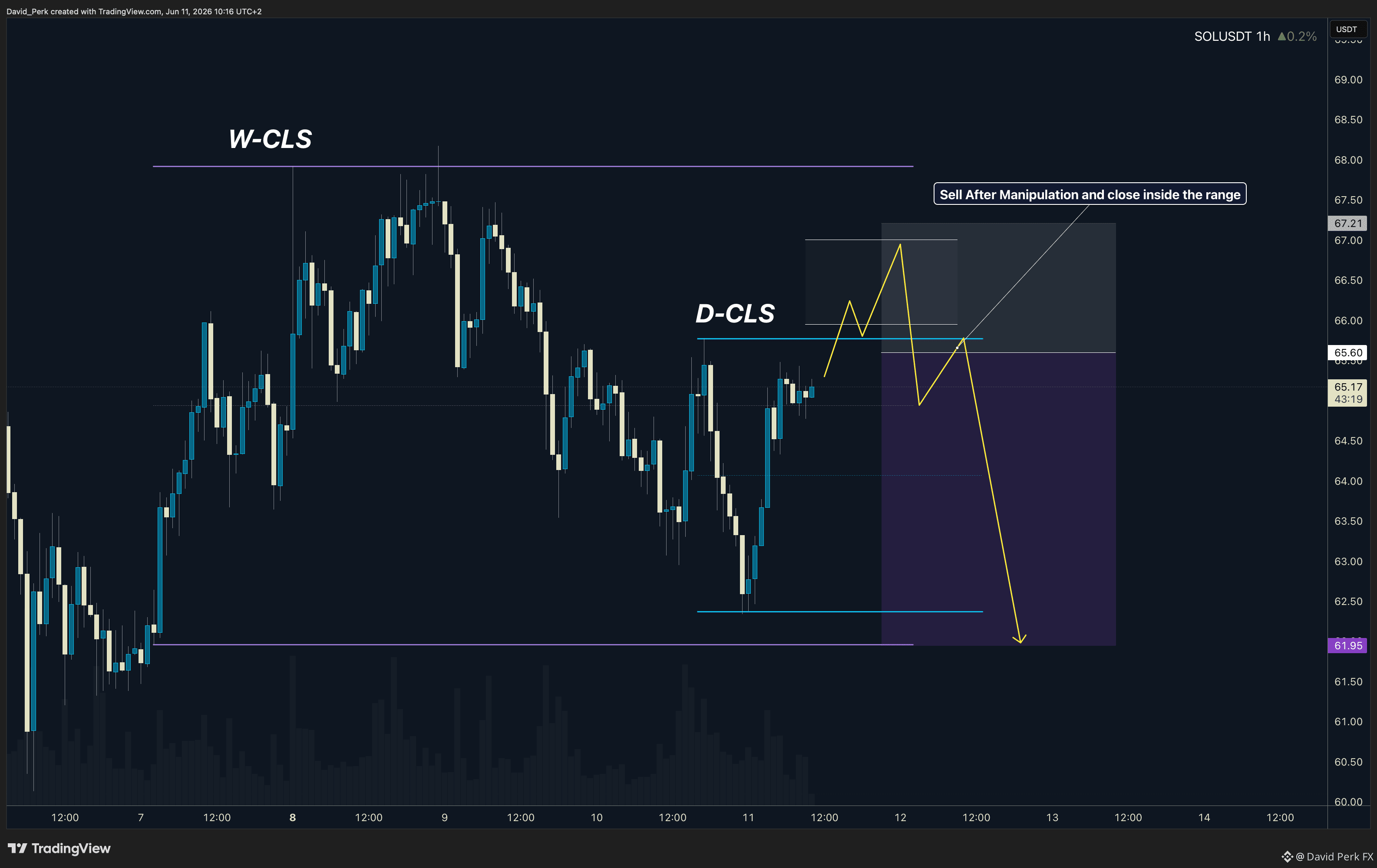
$SOL Solana Weekly CLS Model 2 / Daily Model 1
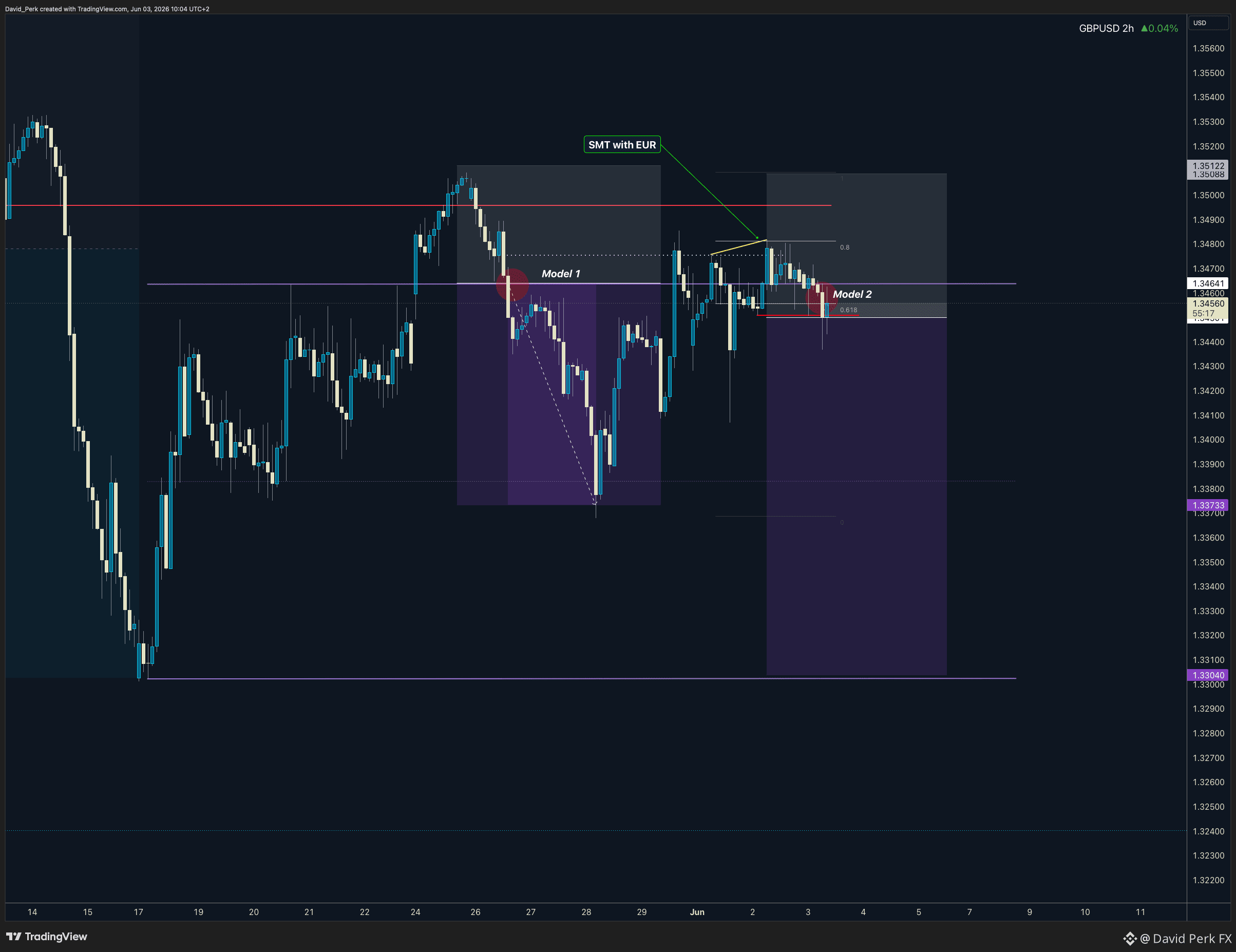
$GBP Completed the range with Model 2
David Perk FX
ยท
--
Bearish
$GBP Weekly CLS range Model 2 . Its ready for drop...
ยท
--
Bearish
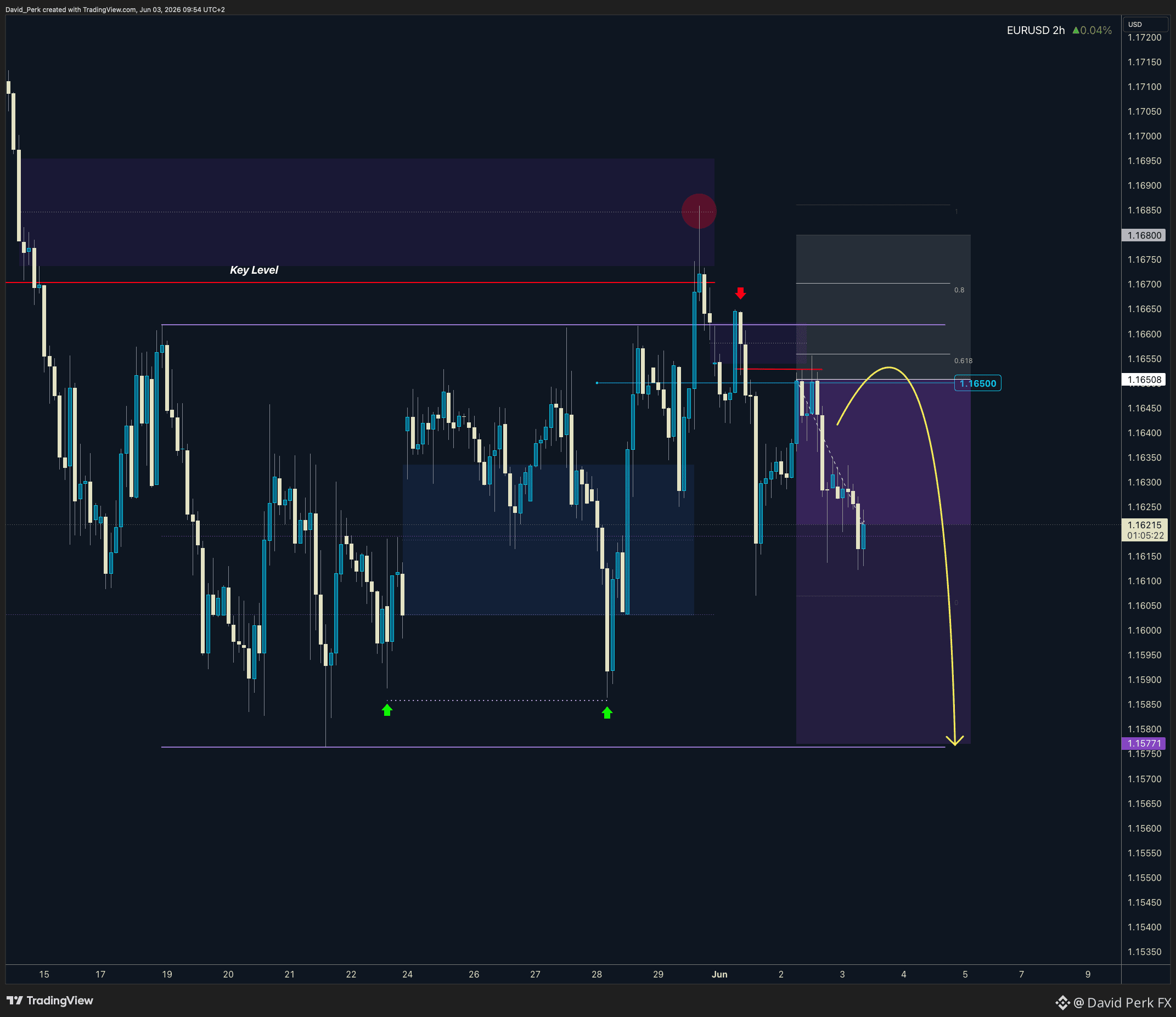
$EUR delivered profits
David Perk FX
ยท
--
Bearish
$EUR Weekly CLS range Model 1 - More downside is expected.
Maqola
Winning More Often Improves All Aspects of Your LifeOne of the most important decisions you will ever make as a trader is your risk-to-reward ratio, and most in the beginning choose the wrong one. We choose the one that looks exciting on paper instead of the one we can actually execute consistently in real life. Everybody online talks about high RR trading. Catch 1:3. Catch 1:5. Catch runners. Don't take a trade if RR is not at least 1:2. Win only 30% of the time and still make money. Mathematically, that is true. A 1:3 system with a 30% win rate can produce very similar results to a 1:1 system with a 60% win rate. Both are profitable. But psychologically, they feel completely different. ๐Ÿงช Difference High RR Strategy usually has lower win rate 35% Lower RR Strategy usually has higher win rate 75%ย  On paper, a high RR system looks amazing. It also look good when posting such a wins on social media. But once your evolution takes you in to theย Stage 5.ย You will realize that what matter in trading is not proving to others, but expectancy.ย  ๐Ÿงชย Expectancy is basically the average amount you are likely to make per trade over time. It comes from your win rate combined with your average risk-to-reward ratio.ย 1:3 Risk Reward Systemย  โ€œI only need to win 3 trades out of 10.โ€ Good, in reality, that means most of the time you are losing seven out of ten trades. That means means constant losing streaks and emotional pressure most of cant handle it emotionally and psychologically stopped trusting the strategy.ย  ๐Ÿงชย The Winners Effect One thing traders massively underestimate is how much winning affects the human brain. This might sound strange, but it is real. It feels much better when low RR trades hitting target than when you are manually closing high RR potential trades on pullbacks disappointed that it didn't reach target again. I suggest you to read this book. ๐Ÿ‘‡ ๐Ÿงชย Winning creates momentum psychologically. And losing does the opposite. I know on myself that always after a periods when my trades were not hitting targets and I had to close them in loss or on pullbacks. I was blaming the markets conditions. I was losing motivation, stoped journaling, reviewing trades and executing clearly. My system was looking good mathematically. But mentally, it was destroying me. ๐ŸงชThe Law of Large Numbers With a 50% win rate, you are almost guaranteed to experience six losses in a row at some point.Think about that. If you take one trade per day, that can easily look like an entire week of losses. But, when you are targeting 2R or 3R setups with around 30% win rate. You can realistically experience nine losses in a row. Be honnest and let me know int he comments.ย Could you really execute flawlessly after nine consecutive losses?ย Most people canโ€™t. And there is no shame in admitting that.ย  ๐Ÿงชย Numbers area realย  And the higher your risk reward becomes, the lower your win rate usually becomes, which means your losing streaks become longer and more frequent.ย  We as traders love pretending that we could execute like robots with zero emotions. Thats BS. You can do this on the demo. But If your account has serious balance. Trading without emotions is not reality. We are humans. Our psychology matters and it always be there. ๐ŸงชVariance Is the Hidden Killer Variance is the difference between your best and worst possible outcomes. It is the stability of your equity curve. Once I realized that, my whole perspective changed. And instead of focusing on making biggest profits. I started focusing on emotional stability which delivered me a consistency. and my equity cures become growing slowly but steady with huge up side downs imbalances unlike form higher RR approach . You simply need to choose the type of pain that is sustainable for your personality and psychology over the long term. You will either have high RR trades ,but you will suffer more losses than wins or you will be leaving money on the table with low RR setups, but winning more often.ย  โ€ผ๏ธโ€ผ๏ธย There is no perfect system, BUT !! What if I tell you that you can actually have the best form both. worlds. Now let me show you how this shift has changed my entire trading career. If You follow me for some time you have probably seen scheme of my CLS strategy which has 2 models.ย  ๐Ÿงชย Model 1 & Model 2 It was not like that always. Back in the days I was greedy and always wanted to cash out on full range trade potential. As you can see Model 1 means taking profits at 50% of the range and model 2 is full range target. Now you can guess. Model 1 is result of frustration when great setups has often came back to the entry. Hence I have started closing partial at 50% and then targeting potentially full range which has played out quite often. But later I find out that taking a full profit at 50% range is much better although the RR was actually 1:1 - 1.2 which was not that sexy number.ย  ๐Ÿงชย Lets check the data Here is my journal from 2025 and as we can see most of the gains was made by Model 1 trade. I executed 149 trades, but RR was only 130 which means if we also count losses my average RR per trade was actually less than 1:1. But from overall 197 RR of the year its a significant part of my success. Rest was taken on Model 2 where I made 57 RR on 39 trades which means RR is slightly higher then 1.3. However Model 2 offers 1:3 setups quite ofter per my statistics they are having less win rate We also have to consider that this numbers are not data of the strategy, but data from a Operator who has also emotions. Im aware that I have made mistakes I could hold some trader longer or close earlier. It always cold be better. Im not perfect.ย  ๐ŸซŸMathematically Unbeatable Profits Now when you have 100% mechanical trading system which you trade manually. There will still be effect of your decisions. Here is a formula how I solved it and how I can get both low RR setups which are hitting TP often and also High RR trades. Let's have a look at the potential outcomes of both trading models of CLS system. here is where the magic happens when we work with the probabilities. To make it all easier let's say we risk $100 for a trade. There can only 4 possible outcomes. 1๏ธโƒฃย Model 1 - Trade can end up in loss You simply loose on Model1. Either for analyzing market wrongly or wrong timing. What ever it is. It's just fact. Losses are part of the process. You loose $100ย  2๏ธโƒฃย Model 1 - Trade reach 50% and continue to complete the range. In this outcome price hits your 50% target and than goes up and fill the whole range without a pullback for the model 2. Yes you are leaving money on the table. No problem you got profit and you wait for the next range.ย  3๏ธโƒฃย Model 1 & 2 - Model 2 hit SL in a case if you took model 1 and it has hit TP. Let's say you earned 1.2RR. Hence $120 is in your pocket now so you can go for the Model 2 high RR trade with same risk $100 again. But if trade end up in the loss you loose $100 but still got $20 at least form first trade. You are basically entering this trade risk free. Which is huge psychological advantage, which allows you to hold this position without pressure. This is absolute game changer 4๏ธโƒฃย Model 1 & 2 both winners if you catch both models and both works. You earn quite good $120 for fist trade then second trade is risk free and you can get another $250 as model 2 is usually more than 2.5 RR โœ…ย Why This Approach Works Because you are basically collecting a lot of small wins which create a winners effect. You are no longer watching a winning trade slowly retrace and wondering if the market will take everything back. Instead, the first trade is closed, the profit is secured, and you calmly wait for the next setup. If Model 2 appears, you can take the trade with a clear mind and as a risk free setup. If second setup fails you sill got profit from model 1. ๐Ÿง ย Final advice Psychology is much bigger part of trading than most of us. thought on the begins.ย  The best trading system isnโ€™t the most โ€œmathematically optimalโ€ . itโ€™s the one you can execute consistently, because youโ€™re not a robot whether you want or not your emotions dictate your performance. Focus on such system that keeps balance in math and psychology. Keeps expectancy positive, Builds confidence, Minimizes drawdown and Creates long-term consistency and this is where 1:1.2 R:R is often the sweet spot.ย  Adapt useful, Reject useless and add what is specifically yours.ย  David Perkย  ๐Ÿš€Boost | ๐Ÿ’ฌ Comment | โœ…Follow for more Education

Winning More Often Improves All Aspects of Your Life

One of the most important decisions you will ever make as a trader is your risk-to-reward ratio, and most in the beginning choose the wrong one. We choose the one that looks exciting on paper instead of the one we can actually execute consistently in real life.
Everybody online talks about high RR trading. Catch 1:3. Catch 1:5. Catch runners.
Don't take a trade if RR is not at least 1:2. Win only 30% of the time and still make money. Mathematically, that is true.
A 1:3 system with a 30% win rate can produce very similar results to a 1:1 system with a 60% win rate. Both are profitable. But psychologically, they feel completely different.
๐Ÿงช Difference
High RR Strategy usually has lower win rate 35%
Lower RR Strategy usually has higher win rate 75%
On paper, a high RR system looks amazing. It also look good when posting such a wins on social media. But once your evolution takes you in to the Stage 5. You will realize that what matter in trading is not proving to others, but expectancy.
๐Ÿงช Expectancy
is basically the average amount you are likely to make per trade over time. It comes from your win rate combined with your average risk-to-reward ratio. 1:3 Risk Reward System
โ€œI only need to win 3 trades out of 10.โ€ Good, in reality, that means most of the time you are losing seven out of ten trades. That means means constant losing streaks and emotional pressure most of cant handle it emotionally and psychologically stopped trusting the strategy.
๐Ÿงช The Winners Effect
One thing traders massively underestimate is how much winning affects the human brain. This might sound strange, but it is real. It feels much better when low RR trades hitting target than when you are manually closing high RR potential trades on pullbacks disappointed that it didn't reach target again. I suggest you to read this book. ๐Ÿ‘‡
๐Ÿงช Winning creates momentum psychologically.
And losing does the opposite. I know on myself that always after a periods when my trades were not hitting targets and I had to close them in loss or on pullbacks. I was blaming the markets conditions. I was losing motivation, stoped journaling, reviewing trades and executing clearly. My system was looking good mathematically. But mentally, it was destroying me.
๐ŸงชThe Law of Large Numbers
With a 50% win rate, you are almost guaranteed to experience six losses in a row at some point.Think about that. If you take one trade per day, that can easily look like an entire week of losses. But, when you are targeting 2R or 3R setups with around 30% win rate. You can realistically experience nine losses in a row. Be honnest and let me know int he comments. Could you really execute flawlessly after nine consecutive losses? Most people canโ€™t. And there is no shame in admitting that.
๐Ÿงช Numbers area real
And the higher your risk reward becomes, the lower your win rate usually becomes, which means your losing streaks become longer and more frequent.
We as traders love pretending that we could execute like robots with zero emotions. Thats BS. You can do this on the demo. But If your account has serious balance. Trading without emotions is not reality. We are humans. Our psychology matters and it always be there.
๐ŸงชVariance Is the Hidden Killer
Variance is the difference between your best and worst possible outcomes. It is the stability of your equity curve.
Once I realized that, my whole perspective changed. And instead of focusing on making biggest profits. I started focusing on emotional stability which delivered me a consistency. and my equity cures become growing slowly but steady with huge up side downs imbalances unlike form higher RR approach .
You simply need to choose the type of pain that is sustainable for your personality and psychology over the long term. You will either have high RR trades ,but you will suffer more losses than wins or you will be leaving money on the table with low RR setups, but winning more often.
โ€ผ๏ธโ€ผ๏ธ There is no perfect system, BUT !!
What if I tell you that you can actually have the best form both. worlds. Now let me show you how this shift has changed my entire trading career. If You follow me for some time you have probably seen scheme of my CLS strategy which has 2 models.
๐Ÿงช Model 1 & Model 2
It was not like that always. Back in the days I was greedy and always wanted to cash out on full range trade potential. As you can see Model 1 means taking profits at 50% of the range and model 2 is full range target. Now you can guess. Model 1 is result of frustration when great setups has often came back to the entry.
Hence I have started closing partial at 50% and then targeting potentially full range which has played out quite often. But later I find out that taking a full profit at 50% range is much better although the RR was actually 1:1 - 1.2 which was not that sexy number.
๐Ÿงช Lets check the data
Here is my journal from 2025 and as we can see most of the gains was made by Model 1 trade. I executed 149 trades, but RR was only 130 which means if we also count losses my average RR per trade was actually less than 1:1. But from overall 197 RR of the year its a significant part of my success. Rest was taken on Model 2 where I made 57 RR on 39 trades which means RR is slightly higher then 1.3. However Model 2 offers 1:3 setups quite ofter per my statistics they are having less win rate
We also have to consider that this numbers are not data of the strategy, but data from a Operator who has also emotions. Im aware that I have made mistakes I could hold some trader longer or close earlier. It always cold be better. Im not perfect.
๐ŸซŸMathematically Unbeatable Profits
Now when you have 100% mechanical trading system which you trade manually. There will still be effect of your decisions. Here is a formula how I solved it and how I can get both low RR setups which are hitting TP often and also High RR trades. Let's have a look at the potential outcomes of both trading models of CLS system. here is where the magic happens when we work with the probabilities. To make it all easier let's say we risk $100 for a trade. There can only 4 possible outcomes.
1๏ธโƒฃ Model 1 - Trade can end up in loss
You simply loose on Model1. Either for analyzing market wrongly or wrong timing. What ever it is. It's just fact. Losses are part of the process. You loose $100
2๏ธโƒฃ Model 1 - Trade reach 50% and continue to complete the range.
In this outcome price hits your 50% target and than goes up and fill the whole range without a pullback for the model 2. Yes you are leaving money on the table. No problem you got profit and you wait for the next range.
3๏ธโƒฃ Model 1 & 2 - Model 2 hit SL
in a case if you took model 1 and it has hit TP. Let's say you earned 1.2RR. Hence $120 is in your pocket now so you can go for the Model 2 high RR trade with same risk $100 again. But if trade end up in the loss you loose $100 but still got $20 at least form first trade. You are basically entering this trade risk free. Which is huge psychological advantage, which allows you to hold this position without pressure. This is absolute game changer
4๏ธโƒฃ Model 1 & 2 both winners
if you catch both models and both works. You earn quite good $120 for fist trade then second trade is risk free and you can get another $250 as model 2 is usually more than 2.5 RR
โœ… Why This Approach Works
Because you are basically collecting a lot of small wins which create a winners effect. You are no longer watching a winning trade slowly retrace and wondering if the market will take everything back. Instead, the first trade is closed, the profit is secured, and you calmly wait for the next setup. If Model 2 appears, you can take the trade with a clear mind and as a risk free setup. If second setup fails you sill got profit from model 1.
๐Ÿง  Final advice
Psychology is much bigger part of trading than most of us. thought on the begins.
The best trading system isnโ€™t the most โ€œmathematically optimalโ€ . itโ€™s the one you can execute consistently, because youโ€™re not a robot whether you want or not your emotions dictate your performance. Focus on such system that keeps balance in math and psychology. Keeps expectancy positive, Builds confidence, Minimizes drawdown and Creates long-term consistency and this is where 1:1.2 R:R is often the sweet spot.
Adapt useful, Reject useless and add what is specifically yours.
David Perk
๐Ÿš€Boost | ๐Ÿ’ฌ Comment | โœ…Follow for more Education
ยท
--
Bearish
$GBP Weekly CLS range Model 2 . Its ready for drop...
ยท
--
Bearish
$EUR Weekly CLS Model 1 playing out nicely. Further downside is coming.
David Perk FX
ยท
--
Bearish
$EUR Weekly CLS range Model 1 - More downside is expected.
Koโ€˜proq kontentni koโ€˜rish uchun tizimga kiring
Binance Square'da global kriptovalyuta foydalanuvchilariga qoโ€˜shiling
โšก๏ธ Kriptovalyuta haqida eng soโ€˜nggi va foydali maโ€™lumotlarni oling.
๐Ÿ’ฌ Dunyoning eng yirik kriptovalyuta birjasi tomonidan ishonchli deb topilgan.
๐Ÿ‘ Tasdiqlangan mualliflardan haqiqiy tahlillarni kashf eting.
Email / Phone number
Sitemap
Cookie fayllar parametrlari
Platform T&Cs