

Cryptopolitan
57.7k Postlar

Cryptopolitan
 Square Verified+
Shikoyat qilish
Foydalanuvchini bloklash
Crypto news that doesn't waste your time. Breaking updates, market analysis, on-chain insights. Building the smartest crypto community.

Creator of the Year
1 Kuzatilmoqda
161.5K+ Kuzatuvchilar
573.2K+ Yoqdi
1 Nishonlar
Postlar
QADAB QO‘YILGAN
Cryptopolitan’da biz tadqiq qilamiz, tahlil qilamiz va yangiliklarni — har kuni yetkazib beramiz.
Shiddatli yangilanishlardan tortib chuqur tahlillar, o‘quv qo‘llanmalari va bozor kuzatuvlarigacha, biz sizni neytral va ishonchli yangiliklar bilan xabardor qilib turish uchun shu yerdamiz.
Bizga doimiy manbangiz sifatida ishonch bildirganingiz uchun rahmat!
Cryptopolitan’da biz tadqiq qilamiz, tahlil qilamiz va yangiliklarni — har kuni yetkazib beramiz.
Shiddatli yangilanishlardan tortib chuqur tahlillar, o‘quv qo‘llanmalari va bozor kuzatuvlarigacha, biz sizni neytral va ishonchli yangiliklar bilan xabardor qilib turish uchun shu yerdamiz.
Bizga doimiy manbangiz sifatida ishonch bildirganingiz uchun rahmat!
Shiddatli yangilanishlardan tortib chuqur tahlillar, o‘quv qo‘llanmalari va bozor kuzatuvlarigacha, biz sizni neytral va ishonchli yangiliklar bilan xabardor qilib turish uchun shu yerdamiz.
Bizga doimiy manbangiz sifatida ishonch bildirganingiz uchun rahmat!
120
68
340
1.8k
Maqola
Tarjimani ko‘rish
Anthropic launches Claude Sonnet 5.5 as AI shifts to cost per taskAnthropic launched Claude Sonnet 5.5 on September 28, the second in the Claude 5.5 series, as the company prepares for an IPO. This marks an important shift in the criteria used to evaluate AI technologies: while raw benchmark performance remains a key consideration, companies now also care about how costly it can be to deliver results with a specific model.
Anthropic claims that Sonnet 5.5 operates faster by over 30% compared to Sonnet 5, and its application can cost up to 30% less for most tasks, even if token prices remain unchanged. According to Anthropic’s launch page, the said reduction in costs is achieved through reduced token usage for performing the same task.
Same sticker price, fewer tokens
Sonnet 5.5 has a pricing of $2 per million input tokens, $10 for output tokens used, and $0.20 for cache-read tokens used. Opus 5.5, which specializes in complex reasoning and judgment operations, is priced at $4 and $20 for input and output tokens, respectively. Sonnet is meant for simple tasks like coding, document generation and spreadsheets.
This raises efficiency to the forefront of the conversation. For many tasks, businesses do not have to go for the highest-performing model. If a low-cost model can complete the desired task consistently, that can be more significant than scoring a few points higher in a benchmark. This aspect is especially important for Anthropic, as Reuters reports that around 80% of the company’s revenue comes from enterprise customers.
Benchmarks stop being the whole story
Anthropic says Sonnet 5.5 scores 70.6% on Terminal-Bench 4.0, compared with 10.3% for Sonnet 5. But the Artificial Analysis leaderboard shows why benchmark scores are only part of the picture.
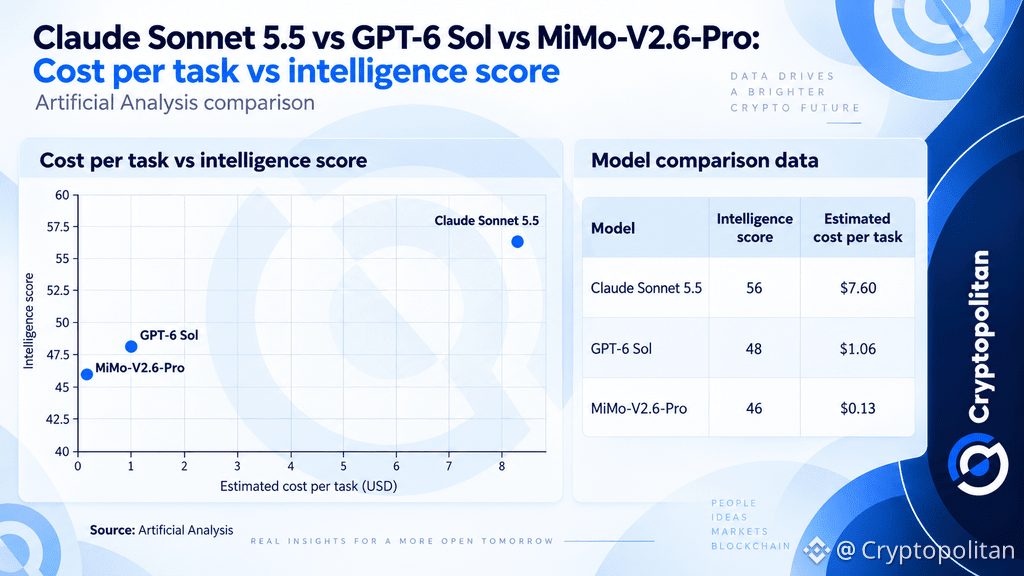
Sonnet 5.5, at maximum effort, reaches a score of 56 on the intelligence scale, costing an estimated $7.60 for each individual task. GPT-6 Sol can achieve 48 points at $1.06 per task, while Xiaomi’s MiMo-V2.6-Pro achieves a score of 46 for a paltry cost of only $0.13. Such differences in cost motivate companies to favor multiple routes: one can assign harder tasks to premium-grade systems while all routine tasks can be done by cheaper systems.
Claude Sonnet 5.5 vs GPT-6 Sol vs MiMo-V2.6-Pro: Cost per Task vs Intelligence Score
The price of thought keeps falling
This change falls into a much larger trend seen over time. According to Epoch AI’s report from September 22, the costs for a specific level of AI performance have decreased roughly 47% each quarter starting in 2023, an approximately 13-fold yearly reduction.
A Cryptopolitan report published on September 29 states that corporate buyers are increasingly favoring the most affordable model that accomplishes the required tasks, while low prices also allow businesses to justify the use of multiple models.
Cheaper tokens, bigger bills
However, lower costs do not ensure lower AI expenses. Gartner’s report from August 17 titled “Gartner Predicts AI Inference Costs Per Agentic Workflow Will Increase More Than Fivefold Through 2028” talks about the “inference paradox.” The decrease in the price of tokens stimulates more complex workflows, which results in an increase in total token usage.
“Product leaders cannot rely on more efficient token economics to rationalize AI costs.”
— Will Sommer, Senior Director Analyst at Gartner, in Gartner’s August 17, 2026 report,
Who actually gets the cheaper AI
According to the Global AI Diffusion Report published by Microsoft, low-cost and open-weight models have the potential to increase accessibility, particularly in the Global South. While it is true that lower model costs will improve accessibility, infrastructure, connectivity, and skills are deciding factors for whether cheaper AI models will be used.
For enterprise buyers, Sonnet 5.5 shows where the market is heading: the best model is not necessarily the most powerful one, but the one that can do the job well at a reasonable cost. Haiku 5.5, due in the coming weeks, could push that shift even further by making high-volume AI work cheaper to perform and harder for businesses to justify paying higher prices for routine tasks.
The smartest crypto minds already read our newsletter. Want in? Join them.
Anthropic launches Claude Sonnet 5.5 as AI shifts to cost per task
Anthropic launched Claude Sonnet 5.5 on September 28, the second in the Claude 5.5 series, as the company prepares for an IPO. This marks an important shift in the criteria used to evaluate AI technologies: while raw benchmark performance remains a key consideration, companies now also care about how costly it can be to deliver results with a specific model.
Anthropic claims that Sonnet 5.5 operates faster by over 30% compared to Sonnet 5, and its application can cost up to 30% less for most tasks, even if token prices remain unchanged. According to Anthropic’s launch page, the said reduction in costs is achieved through reduced token usage for performing the same task.
Same sticker price, fewer tokens
Sonnet 5.5 has a pricing of $2 per million input tokens, $10 for output tokens used, and $0.20 for cache-read tokens used. Opus 5.5, which specializes in complex reasoning and judgment operations, is priced at $4 and $20 for input and output tokens, respectively. Sonnet is meant for simple tasks like coding, document generation and spreadsheets.
This raises efficiency to the forefront of the conversation. For many tasks, businesses do not have to go for the highest-performing model. If a low-cost model can complete the desired task consistently, that can be more significant than scoring a few points higher in a benchmark. This aspect is especially important for Anthropic, as Reuters reports that around 80% of the company’s revenue comes from enterprise customers.
Benchmarks stop being the whole story
Anthropic says Sonnet 5.5 scores 70.6% on Terminal-Bench 4.0, compared with 10.3% for Sonnet 5. But the Artificial Analysis leaderboard shows why benchmark scores are only part of the picture.
Sonnet 5.5, at maximum effort, reaches a score of 56 on the intelligence scale, costing an estimated $7.60 for each individual task. GPT-6 Sol can achieve 48 points at $1.06 per task, while Xiaomi’s MiMo-V2.6-Pro achieves a score of 46 for a paltry cost of only $0.13. Such differences in cost motivate companies to favor multiple routes: one can assign harder tasks to premium-grade systems while all routine tasks can be done by cheaper systems.
Claude Sonnet 5.5 vs GPT-6 Sol vs MiMo-V2.6-Pro: Cost per Task vs Intelligence Score
The price of thought keeps falling
This change falls into a much larger trend seen over time. According to Epoch AI’s report from September 22, the costs for a specific level of AI performance have decreased roughly 47% each quarter starting in 2023, an approximately 13-fold yearly reduction.
A Cryptopolitan report published on September 29 states that corporate buyers are increasingly favoring the most affordable model that accomplishes the required tasks, while low prices also allow businesses to justify the use of multiple models.
Cheaper tokens, bigger bills
However, lower costs do not ensure lower AI expenses. Gartner’s report from August 17 titled “Gartner Predicts AI Inference Costs Per Agentic Workflow Will Increase More Than Fivefold Through 2028” talks about the “inference paradox.” The decrease in the price of tokens stimulates more complex workflows, which results in an increase in total token usage.
“Product leaders cannot rely on more efficient token economics to rationalize AI costs.”
— Will Sommer, Senior Director Analyst at Gartner, in Gartner’s August 17, 2026 report,
Who actually gets the cheaper AI
According to the Global AI Diffusion Report published by Microsoft, low-cost and open-weight models have the potential to increase accessibility, particularly in the Global South. While it is true that lower model costs will improve accessibility, infrastructure, connectivity, and skills are deciding factors for whether cheaper AI models will be used.
For enterprise buyers, Sonnet 5.5 shows where the market is heading: the best model is not necessarily the most powerful one, but the one that can do the job well at a reasonable cost. Haiku 5.5, due in the coming weeks, could push that shift even further by making high-volume AI work cheaper to perform and harder for businesses to justify paying higher prices for routine tasks.
The smartest crypto minds already read our newsletter. Want in? Join them.
Anthropic claims that Sonnet 5.5 operates faster by over 30% compared to Sonnet 5, and its application can cost up to 30% less for most tasks, even if token prices remain unchanged. According to Anthropic’s launch page, the said reduction in costs is achieved through reduced token usage for performing the same task.
Same sticker price, fewer tokens
Sonnet 5.5 has a pricing of $2 per million input tokens, $10 for output tokens used, and $0.20 for cache-read tokens used. Opus 5.5, which specializes in complex reasoning and judgment operations, is priced at $4 and $20 for input and output tokens, respectively. Sonnet is meant for simple tasks like coding, document generation and spreadsheets.
This raises efficiency to the forefront of the conversation. For many tasks, businesses do not have to go for the highest-performing model. If a low-cost model can complete the desired task consistently, that can be more significant than scoring a few points higher in a benchmark. This aspect is especially important for Anthropic, as Reuters reports that around 80% of the company’s revenue comes from enterprise customers.
Benchmarks stop being the whole story
Anthropic says Sonnet 5.5 scores 70.6% on Terminal-Bench 4.0, compared with 10.3% for Sonnet 5. But the Artificial Analysis leaderboard shows why benchmark scores are only part of the picture.
Sonnet 5.5, at maximum effort, reaches a score of 56 on the intelligence scale, costing an estimated $7.60 for each individual task. GPT-6 Sol can achieve 48 points at $1.06 per task, while Xiaomi’s MiMo-V2.6-Pro achieves a score of 46 for a paltry cost of only $0.13. Such differences in cost motivate companies to favor multiple routes: one can assign harder tasks to premium-grade systems while all routine tasks can be done by cheaper systems.
Claude Sonnet 5.5 vs GPT-6 Sol vs MiMo-V2.6-Pro: Cost per Task vs Intelligence Score
The price of thought keeps falling
This change falls into a much larger trend seen over time. According to Epoch AI’s report from September 22, the costs for a specific level of AI performance have decreased roughly 47% each quarter starting in 2023, an approximately 13-fold yearly reduction.
A Cryptopolitan report published on September 29 states that corporate buyers are increasingly favoring the most affordable model that accomplishes the required tasks, while low prices also allow businesses to justify the use of multiple models.
Cheaper tokens, bigger bills
However, lower costs do not ensure lower AI expenses. Gartner’s report from August 17 titled “Gartner Predicts AI Inference Costs Per Agentic Workflow Will Increase More Than Fivefold Through 2028” talks about the “inference paradox.” The decrease in the price of tokens stimulates more complex workflows, which results in an increase in total token usage.
“Product leaders cannot rely on more efficient token economics to rationalize AI costs.”
— Will Sommer, Senior Director Analyst at Gartner, in Gartner’s August 17, 2026 report,
Who actually gets the cheaper AI
According to the Global AI Diffusion Report published by Microsoft, low-cost and open-weight models have the potential to increase accessibility, particularly in the Global South. While it is true that lower model costs will improve accessibility, infrastructure, connectivity, and skills are deciding factors for whether cheaper AI models will be used.
For enterprise buyers, Sonnet 5.5 shows where the market is heading: the best model is not necessarily the most powerful one, but the one that can do the job well at a reasonable cost. Haiku 5.5, due in the coming weeks, could push that shift even further by making high-volume AI work cheaper to perform and harder for businesses to justify paying higher prices for routine tasks.
The smartest crypto minds already read our newsletter. Want in? Join them.
52
Maqola
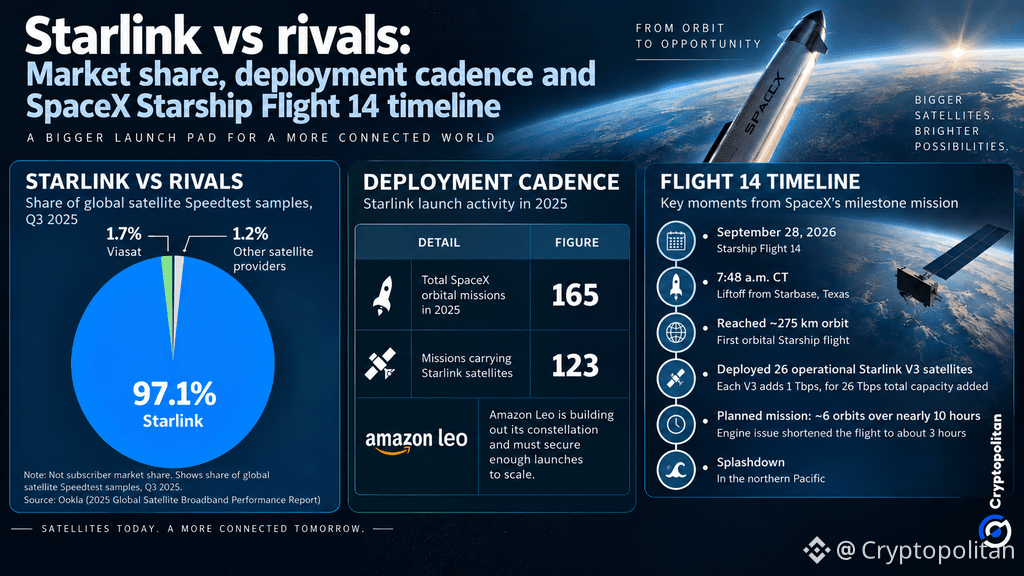
SpaceX Starship orbitaga yetib bordi, 14-qisqartirilgan parvozda 26 ta Starlinkni joylashtirdiSpaceX 28-sentabr 2026-yil ilk bor Starshipni orbitaga uchirdi va 26 ta operatsion Starlink V3 sun’iy yo‘ldoshini chiqarib yubordi. Biroq dvigatel nosozligi sababli SpaceX missiyani qisqartirishga majbur bo‘ldi. Bu parvoz Starship SpaceX’ning eng katta sun’iy yo‘ldoshini ko‘tara olishini ko‘rsatdi, lekin kompaniya yetarli uchirish tezligini saqlab tura olishini isbotlamadi.
Ko‘tarilish paytida bitta dvigatel ishlamay qoldi
Starship Starbase, Texasdan soat 7:48 a.m. CT da muvaffaqiyatli uchib chiqdi. Uning ko‘tarilishi davomida Super Heavy’ning bitta dvigateli o‘chib qoldi, keyin tez orada kemaning yuqori qismidagi vakuum Raptor dvigatelining erta o‘chirilishi kuzatildi. Natijada Starship parvoz boshqaruvchilari kemaning holatini tekshirgunga qadar qolgan dvigatellardan uzoqroq muddat foydalanib, orbitaga chiqish uchun moslashdi va keyin o‘z orbital burnini yakunladi.
SpaceX Starship orbitaga yetib bordi, 14-qisqartirilgan parvozda 26 ta Starlinkni joylashtirdi
SpaceX 28-sentabr 2026-yil ilk bor Starshipni orbitaga uchirdi va 26 ta operatsion Starlink V3 sun’iy yo‘ldoshini chiqarib yubordi. Biroq dvigatel nosozligi sababli SpaceX missiyani qisqartirishga majbur bo‘ldi. Bu parvoz Starship SpaceX’ning eng katta sun’iy yo‘ldoshini ko‘tara olishini ko‘rsatdi, lekin kompaniya yetarli uchirish tezligini saqlab tura olishini isbotlamadi.
Ko‘tarilish paytida bitta dvigatel ishlamay qoldi
Starship Starbase, Texasdan soat 7:48 a.m. CT da muvaffaqiyatli uchib chiqdi. Uning ko‘tarilishi davomida Super Heavy’ning bitta dvigateli o‘chib qoldi, keyin tez orada kemaning yuqori qismidagi vakuum Raptor dvigatelining erta o‘chirilishi kuzatildi. Natijada Starship parvoz boshqaruvchilari kemaning holatini tekshirgunga qadar qolgan dvigatellardan uzoqroq muddat foydalanib, orbitaga chiqish uchun moslashdi va keyin o‘z orbital burnini yakunladi.
Ko‘tarilish paytida bitta dvigatel ishlamay qoldi
Starship Starbase, Texasdan soat 7:48 a.m. CT da muvaffaqiyatli uchib chiqdi. Uning ko‘tarilishi davomida Super Heavy’ning bitta dvigateli o‘chib qoldi, keyin tez orada kemaning yuqori qismidagi vakuum Raptor dvigatelining erta o‘chirilishi kuzatildi. Natijada Starship parvoz boshqaruvchilari kemaning holatini tekshirgunga qadar qolgan dvigatellardan uzoqroq muddat foydalanib, orbitaga chiqish uchun moslashdi va keyin o‘z orbital burnini yakunladi.
163
Zuckerberg Muse shov-shuviga tayanib Meta’ning korxonalar yo‘lidagi yurishini taqdim etdiMeta (NASDAQ: META) Meta Enterprise Platform deb ataluvchi yangi biznesni ishga tushirdi. Platform yaqinda ishga tushirilgan Muse AI agenti atrofida qurilgan.
Sobiq MongoDB rahbari Chiranthan “CJ” Desai platformni uning Bosh Enterprise Platformasi bo‘yicha ofitseri sifatida boshqaradi, ishga tushirilishi esa Muse kompaniya aksiyalari kursini harakatga keltirayotgan paytda Meta’ning korporativ AI savdolariga kirib kelishini anglatadi.
Meta aslida bizneslarga nima sotyapti?
CEO Mark Zuckerberg kompaniyaning newsroom postida va X ijtimoiy tarmog‘ida yangi Meta Enterprise Platformani ishga tushirilganini e’lon qildi va uni “Meta biznesining keyingi yirik tayanchi” deb atadi; u Meta’ning iste’mol ilovalari va reklama faoliyati bilan bir qatorda turishi aytiladi.
Zuckerberg Muse shov-shuviga tayanib Meta’ning korxonalar yo‘lidagi yurishini taqdim etdi
Meta (NASDAQ: META) Meta Enterprise Platform deb ataluvchi yangi biznesni ishga tushirdi. Platform yaqinda ishga tushirilgan Muse AI agenti atrofida qurilgan.
Sobiq MongoDB rahbari Chiranthan “CJ” Desai platformni uning Bosh Enterprise Platformasi bo‘yicha ofitseri sifatida boshqaradi, ishga tushirilishi esa Muse kompaniya aksiyalari kursini harakatga keltirayotgan paytda Meta’ning korporativ AI savdolariga kirib kelishini anglatadi.
Meta aslida bizneslarga nima sotyapti?
CEO Mark Zuckerberg kompaniyaning newsroom postida va X ijtimoiy tarmog‘ida yangi Meta Enterprise Platformani ishga tushirilganini e’lon qildi va uni “Meta biznesining keyingi yirik tayanchi” deb atadi; u Meta’ning iste’mol ilovalari va reklama faoliyati bilan bir qatorda turishi aytiladi.
Sobiq MongoDB rahbari Chiranthan “CJ” Desai platformni uning Bosh Enterprise Platformasi bo‘yicha ofitseri sifatida boshqaradi, ishga tushirilishi esa Muse kompaniya aksiyalari kursini harakatga keltirayotgan paytda Meta’ning korporativ AI savdolariga kirib kelishini anglatadi.
Meta aslida bizneslarga nima sotyapti?
CEO Mark Zuckerberg kompaniyaning newsroom postida va X ijtimoiy tarmog‘ida yangi Meta Enterprise Platformani ishga tushirilganini e’lon qildi va uni “Meta biznesining keyingi yirik tayanchi” deb atadi; u Meta’ning iste’mol ilovalari va reklama faoliyati bilan bir qatorda turishi aytiladi.
184
Strategy deyarli 300 mln dollarlik BTC va STRC xarididan so‘ng yangi BTC zaxira rekordiga yetdi“Strategy” (NASDAQ: MSTR) sotgan bitkoinning barchasini qaytarib oldi va zaxiralarini yangi rekord darajaga olib chiqdi. U so‘nggi bir hafta ichida 1,665 BTC uchun 142,7 million dollar to‘lagan. Kompaniyaning SEC hisobotida, shuningdek, u o‘zining STRC imtiyozli aksiyalarini qayta sotib olish uchun yana 151,7 million dollar sarflagani tasdiqlangan.
27-sentabrda yakunlangan hafta uchun AQSh Qimmatli qog‘ozlar va birjalar bo‘yicha komissiyasiga (SEC) topshirilgan 8-K hujjatida oshkor etilgan xarid Strategy hozirda rekord 847,666 BTC ga ega ekanini ko‘rsatadi. Bu esa u zaxiralarining bir qismini balansni to‘g‘rilash uchun sotishni boshlagan paytda ushlab turgan miqdoridan ko‘proq.
Strategy deyarli 300 mln dollarlik BTC va STRC xarididan so‘ng yangi BTC zaxira rekordiga yetdi
“Strategy” (NASDAQ: MSTR) sotgan bitkoinning barchasini qaytarib oldi va zaxiralarini yangi rekord darajaga olib chiqdi. U so‘nggi bir hafta ichida 1,665 BTC uchun 142,7 million dollar to‘lagan. Kompaniyaning SEC hisobotida, shuningdek, u o‘zining STRC imtiyozli aksiyalarini qayta sotib olish uchun yana 151,7 million dollar sarflagani tasdiqlangan.
27-sentabrda yakunlangan hafta uchun AQSh Qimmatli qog‘ozlar va birjalar bo‘yicha komissiyasiga (SEC) topshirilgan 8-K hujjatida oshkor etilgan xarid Strategy hozirda rekord 847,666 BTC ga ega ekanini ko‘rsatadi. Bu esa u zaxiralarining bir qismini balansni to‘g‘rilash uchun sotishni boshlagan paytda ushlab turgan miqdoridan ko‘proq.
27-sentabrda yakunlangan hafta uchun AQSh Qimmatli qog‘ozlar va birjalar bo‘yicha komissiyasiga (SEC) topshirilgan 8-K hujjatida oshkor etilgan xarid Strategy hozirda rekord 847,666 BTC ga ega ekanini ko‘rsatadi. Bu esa u zaxiralarining bir qismini balansni to‘g‘rilash uchun sotishni boshlagan paytda ushlab turgan miqdoridan ko‘proq.
313
Apollo AI laboratoriyalari agentlarning bir xil vaqtda harakat qilishini to‘xtata olmasligini tan olgan paytda “agentik bank run”dan ogohlantirdiApollo Global Management bosh iqtisodchisi Torsten Slok bank tizimiga nisbatan “agentik bank run” deb atagan xavf haqida ogohlantirdi.
Xavotir shundaki, agar millionlab odamlar jamg‘armalarini yaxshi foiz stavkalarini izlash uchun AI agentlar orqali ko‘chirishga ruxsat bersa, shu agentlarning barchasi bir hafta ichida bir xil harakat qilishi hech narsa bilan to‘xtatilmaydi.
AI agentlar banklar uchun qanday tahdid?
27-sentabr kuni e’lon qilingan eslatmada Apollo Global Management kompaniyasi bosh iqtisodchisi Torsten Slok iste’molchi AI agentlari tez orada kam daromadli omonat/chek hisobvaraqlaridagi barcha uy xo‘jaligi naqd pullarini olib, bundan ancha ko‘proq to‘laydigan fintech hisobvaraqlariga o‘tkazishi mumkinligini ta’kidladi.
Apollo AI laboratoriyalari agentlarning bir xil vaqtda harakat qilishini to‘xtata olmasligini tan olgan paytda “agentik bank run”dan ogohlantirdi
Apollo Global Management bosh iqtisodchisi Torsten Slok bank tizimiga nisbatan “agentik bank run” deb atagan xavf haqida ogohlantirdi.
Xavotir shundaki, agar millionlab odamlar jamg‘armalarini yaxshi foiz stavkalarini izlash uchun AI agentlar orqali ko‘chirishga ruxsat bersa, shu agentlarning barchasi bir hafta ichida bir xil harakat qilishi hech narsa bilan to‘xtatilmaydi.
AI agentlar banklar uchun qanday tahdid?
27-sentabr kuni e’lon qilingan eslatmada Apollo Global Management kompaniyasi bosh iqtisodchisi Torsten Slok iste’molchi AI agentlari tez orada kam daromadli omonat/chek hisobvaraqlaridagi barcha uy xo‘jaligi naqd pullarini olib, bundan ancha ko‘proq to‘laydigan fintech hisobvaraqlariga o‘tkazishi mumkinligini ta’kidladi.
Xavotir shundaki, agar millionlab odamlar jamg‘armalarini yaxshi foiz stavkalarini izlash uchun AI agentlar orqali ko‘chirishga ruxsat bersa, shu agentlarning barchasi bir hafta ichida bir xil harakat qilishi hech narsa bilan to‘xtatilmaydi.
AI agentlar banklar uchun qanday tahdid?
27-sentabr kuni e’lon qilingan eslatmada Apollo Global Management kompaniyasi bosh iqtisodchisi Torsten Slok iste’molchi AI agentlari tez orada kam daromadli omonat/chek hisobvaraqlaridagi barcha uy xo‘jaligi naqd pullarini olib, bundan ancha ko‘proq to‘laydigan fintech hisobvaraqlariga o‘tkazishi mumkinligini ta’kidladi.
1
169
Compound Foundation Aave uslubidagi DAO drammasiga yolg‘on mablag‘ o‘zlashtirish ayblovidan keyin duch kelmoqda“Compound Foundation” jamg‘armasiga delegat tomonidan firibgarlik tarzida mablag‘larni o‘zlashtirishga oid ayblov qo‘yilmoqda; u jamoatchilikka chiqib, Jamg‘arma nazoratni qo‘lga olish uchun 52 million dollarlik xarajatlar dasturi va g‘aznani musodara qilmoqchi bo‘lganini, ya’ni zaxiralardan 8.42 million DAI ni jimlik bilan COMP tokenlariga aylantirib yuborganini da’vo qildi.
Yozuvdagi “qizil bayroqlar” qilingan harakatlar atrofidagi maxfiylik va mablag‘lar COMP’ga allaqachon almashtirilgan bo‘lsa-da, ulushlarni “likvid” DAI deb noto‘g‘ri talqin qilish edi.
Compound’ga qo‘yilgan ayblov
Compound’ni boshqarish bo‘yicha kelishmovchilik Ugurmersin da’vo qilayotgan narsa — 536-chi taklifdagi qat’iy shartlarga muvofiq Jamg‘armaga DAO zaxiralaridan topshirilgan taxminan 8.42 million DAI’ning noto‘g‘ri ishlatilishidan kelib chiqadi:
Compound Foundation Aave uslubidagi DAO drammasiga yolg‘on mablag‘ o‘zlashtirish ayblovidan keyin duch kelmoqda
“Compound Foundation” jamg‘armasiga delegat tomonidan firibgarlik tarzida mablag‘larni o‘zlashtirishga oid ayblov qo‘yilmoqda; u jamoatchilikka chiqib, Jamg‘arma nazoratni qo‘lga olish uchun 52 million dollarlik xarajatlar dasturi va g‘aznani musodara qilmoqchi bo‘lganini, ya’ni zaxiralardan 8.42 million DAI ni jimlik bilan COMP tokenlariga aylantirib yuborganini da’vo qildi.
Yozuvdagi “qizil bayroqlar” qilingan harakatlar atrofidagi maxfiylik va mablag‘lar COMP’ga allaqachon almashtirilgan bo‘lsa-da, ulushlarni “likvid” DAI deb noto‘g‘ri talqin qilish edi.
Compound’ga qo‘yilgan ayblov
Compound’ni boshqarish bo‘yicha kelishmovchilik Ugurmersin da’vo qilayotgan narsa — 536-chi taklifdagi qat’iy shartlarga muvofiq Jamg‘armaga DAO zaxiralaridan topshirilgan taxminan 8.42 million DAI’ning noto‘g‘ri ishlatilishidan kelib chiqadi:
Yozuvdagi “qizil bayroqlar” qilingan harakatlar atrofidagi maxfiylik va mablag‘lar COMP’ga allaqachon almashtirilgan bo‘lsa-da, ulushlarni “likvid” DAI deb noto‘g‘ri talqin qilish edi.
Compound’ga qo‘yilgan ayblov
Compound’ni boshqarish bo‘yicha kelishmovchilik Ugurmersin da’vo qilayotgan narsa — 536-chi taklifdagi qat’iy shartlarga muvofiq Jamg‘armaga DAO zaxiralaridan topshirilgan taxminan 8.42 million DAI’ning noto‘g‘ri ishlatilishidan kelib chiqadi:
413
To‘xtash — muzlatish emas: THORChain Bitget’dagi xakerlikda neytralligini himoya qiladiTHORChain o‘zini himoya qilib, 2026-yil may oyida sodir etilgan 10,6 million dollarlik ekspluatatsiyadan so‘ng boshlangan favqulodda to‘xtash Bitget’ning birja orqali o‘g‘irlangan 387,5 million dollarning bir qismini platformasi orqali ko‘chirishga urinayotgan hujumchilarning harakatini oldini olish uchun bergan aralashuv so‘rovi bilan aynan bir narsa emasligini aniqlab berdi.
Javob yilning eng yirik kripto-hujumidan keyin boshlangan qarama-qarshilikdagi so‘nggi epizod bo‘lib, Bitget’ning bosh direktori Gracy Chen 26-sentabr kuni omma oldida chiqib, Cryptopolitan xabariga ko‘ra, THORChain’ga ommaviy ravishda kuzatilayotgan hujumchining akkaunt hamyonlariga xizmat ko‘rsatishni rad etish bo‘yicha rasmiy so‘rov bilan chiqqan.
To‘xtash — muzlatish emas: THORChain Bitget’dagi xakerlikda neytralligini himoya qiladi
THORChain o‘zini himoya qilib, 2026-yil may oyida sodir etilgan 10,6 million dollarlik ekspluatatsiyadan so‘ng boshlangan favqulodda to‘xtash Bitget’ning birja orqali o‘g‘irlangan 387,5 million dollarning bir qismini platformasi orqali ko‘chirishga urinayotgan hujumchilarning harakatini oldini olish uchun bergan aralashuv so‘rovi bilan aynan bir narsa emasligini aniqlab berdi.
Javob yilning eng yirik kripto-hujumidan keyin boshlangan qarama-qarshilikdagi so‘nggi epizod bo‘lib, Bitget’ning bosh direktori Gracy Chen 26-sentabr kuni omma oldida chiqib, Cryptopolitan xabariga ko‘ra, THORChain’ga ommaviy ravishda kuzatilayotgan hujumchining akkaunt hamyonlariga xizmat ko‘rsatishni rad etish bo‘yicha rasmiy so‘rov bilan chiqqan.
Javob yilning eng yirik kripto-hujumidan keyin boshlangan qarama-qarshilikdagi so‘nggi epizod bo‘lib, Bitget’ning bosh direktori Gracy Chen 26-sentabr kuni omma oldida chiqib, Cryptopolitan xabariga ko‘ra, THORChain’ga ommaviy ravishda kuzatilayotgan hujumchining akkaunt hamyonlariga xizmat ko‘rsatishni rad etish bo‘yicha rasmiy so‘rov bilan chiqqan.
1
425
Maqola
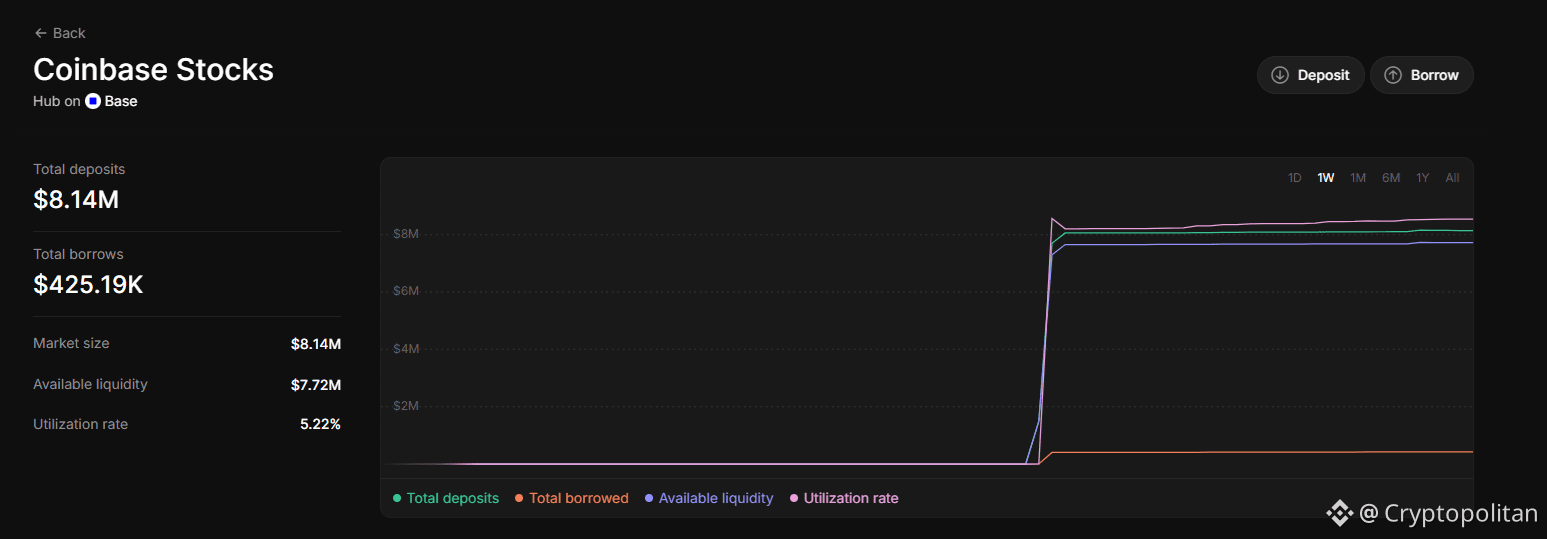
Aave qarz garovi sifatida Coinbase tokenizatsiyalangan aksiyalarni qo‘shdiAave hozirda Coinbase’ning yetakchi tokenizatsiyalangan aksiyalaridan bir nechtasidan foydalangan holda maxsus vaultga ega. Ishga tushirilganidan beri vault bir necha kun ichida darhol likvidlikni o‘ziga jalb qildi.
Aave Base tarmog‘idagi V4 hub’da kreditlash uchun vault olib yuribdi va u garov sifatida tanlab olingan Coinbase tokenizatsiyalangan aksiyalaridan foydalanadi. Cryptopolitan avval xabar qilganidek, Aave’ning V4 vositalari an’anaviy moliyaga kirib borishni va Wall Street faoliyatini mavjud zanjirlarga olib kelishni maqsad qiladi.
Vault tokenizatsiyalangan Apple (AAPL), Amazon (AMZN), Google (GOOG), Meta (META), Microsoft (MSFT), Nvidia (NVDA) va Tesla (TSLA) ni qabul qiladi. Buning evaziga foydalanuvchilar DeFi likvidligi sifatida yoki keyingi savdo uchun ishlatilishi mumkin bo‘lgan USDC kreditlarini olishlari mumkin.
Aave qarz garovi sifatida Coinbase tokenizatsiyalangan aksiyalarni qo‘shdi
Aave hozirda Coinbase’ning yetakchi tokenizatsiyalangan aksiyalaridan bir nechtasidan foydalangan holda maxsus vaultga ega. Ishga tushirilganidan beri vault bir necha kun ichida darhol likvidlikni o‘ziga jalb qildi.
Aave Base tarmog‘idagi V4 hub’da kreditlash uchun vault olib yuribdi va u garov sifatida tanlab olingan Coinbase tokenizatsiyalangan aksiyalaridan foydalanadi. Cryptopolitan avval xabar qilganidek, Aave’ning V4 vositalari an’anaviy moliyaga kirib borishni va Wall Street faoliyatini mavjud zanjirlarga olib kelishni maqsad qiladi.
Vault tokenizatsiyalangan Apple (AAPL), Amazon (AMZN), Google (GOOG), Meta (META), Microsoft (MSFT), Nvidia (NVDA) va Tesla (TSLA) ni qabul qiladi. Buning evaziga foydalanuvchilar DeFi likvidligi sifatida yoki keyingi savdo uchun ishlatilishi mumkin bo‘lgan USDC kreditlarini olishlari mumkin.
Aave Base tarmog‘idagi V4 hub’da kreditlash uchun vault olib yuribdi va u garov sifatida tanlab olingan Coinbase tokenizatsiyalangan aksiyalaridan foydalanadi. Cryptopolitan avval xabar qilganidek, Aave’ning V4 vositalari an’anaviy moliyaga kirib borishni va Wall Street faoliyatini mavjud zanjirlarga olib kelishni maqsad qiladi.
Vault tokenizatsiyalangan Apple (AAPL), Amazon (AMZN), Google (GOOG), Meta (META), Microsoft (MSFT), Nvidia (NVDA) va Tesla (TSLA) ni qabul qiladi. Buning evaziga foydalanuvchilar DeFi likvidligi sifatida yoki keyingi savdo uchun ishlatilishi mumkin bo‘lgan USDC kreditlarini olishlari mumkin.
380
Tasdiqlangan
QNT Bir Haftada 300% O‘sib, AQSh va Buyuk Britaniya Bank Shartnomalarini YutdiQuant (QNT) so‘nggi bir hafta ichida bozor kapitallashuvi bo‘yicha ilk 100 talikdagi eng yaxshi ko‘rsatkichga ega kripto aktiv bo‘ldi. Quant — Londonda joylashgan kompaniya bo‘lib, u Overledger’ni ishlab chiqadi; bu banklar va korxonalarga bir nechta blokcheynlar bo‘ylab mavjud tizimlarini ulash imkonini beradigan dastur. QNT — uning tarmakka kirish uchun to‘lanadigan tokeni. So‘nggi yetti kun ichida QNT taxminan $64 atrofidan $371 gacha bo‘lgan rekord darajaga ko‘tarilib, keyin muallif yozayotgan paytda $260 atrofida qayta tushdi.
300% dan oshgan mitingga turtki 24-sentabr kuni bo‘ldi: ayni bir kunning o‘zida ikkita alohida bank e’lonlari e’lon qilindi. Biri AQShdan, ikkinchisi esa Buyuk Britaniyadan keldi va Quant’ni an’anaviy banklar depozitlarni onchinga ko‘chirish bo‘yicha bosim o‘rtasiga qo‘ydi.
QNT Bir Haftada 300% O‘sib, AQSh va Buyuk Britaniya Bank Shartnomalarini Yutdi
Quant (QNT) so‘nggi bir hafta ichida bozor kapitallashuvi bo‘yicha ilk 100 talikdagi eng yaxshi ko‘rsatkichga ega kripto aktiv bo‘ldi. Quant — Londonda joylashgan kompaniya bo‘lib, u Overledger’ni ishlab chiqadi; bu banklar va korxonalarga bir nechta blokcheynlar bo‘ylab mavjud tizimlarini ulash imkonini beradigan dastur. QNT — uning tarmakka kirish uchun to‘lanadigan tokeni. So‘nggi yetti kun ichida QNT taxminan $64 atrofidan $371 gacha bo‘lgan rekord darajaga ko‘tarilib, keyin muallif yozayotgan paytda $260 atrofida qayta tushdi.
300% dan oshgan mitingga turtki 24-sentabr kuni bo‘ldi: ayni bir kunning o‘zida ikkita alohida bank e’lonlari e’lon qilindi. Biri AQShdan, ikkinchisi esa Buyuk Britaniyadan keldi va Quant’ni an’anaviy banklar depozitlarni onchinga ko‘chirish bo‘yicha bosim o‘rtasiga qo‘ydi.
300% dan oshgan mitingga turtki 24-sentabr kuni bo‘ldi: ayni bir kunning o‘zida ikkita alohida bank e’lonlari e’lon qilindi. Biri AQShdan, ikkinchisi esa Buyuk Britaniyadan keldi va Quant’ni an’anaviy banklar depozitlarni onchinga ko‘chirish bo‘yicha bosim o‘rtasiga qo‘ydi.
2
2
1.1k
Maqola
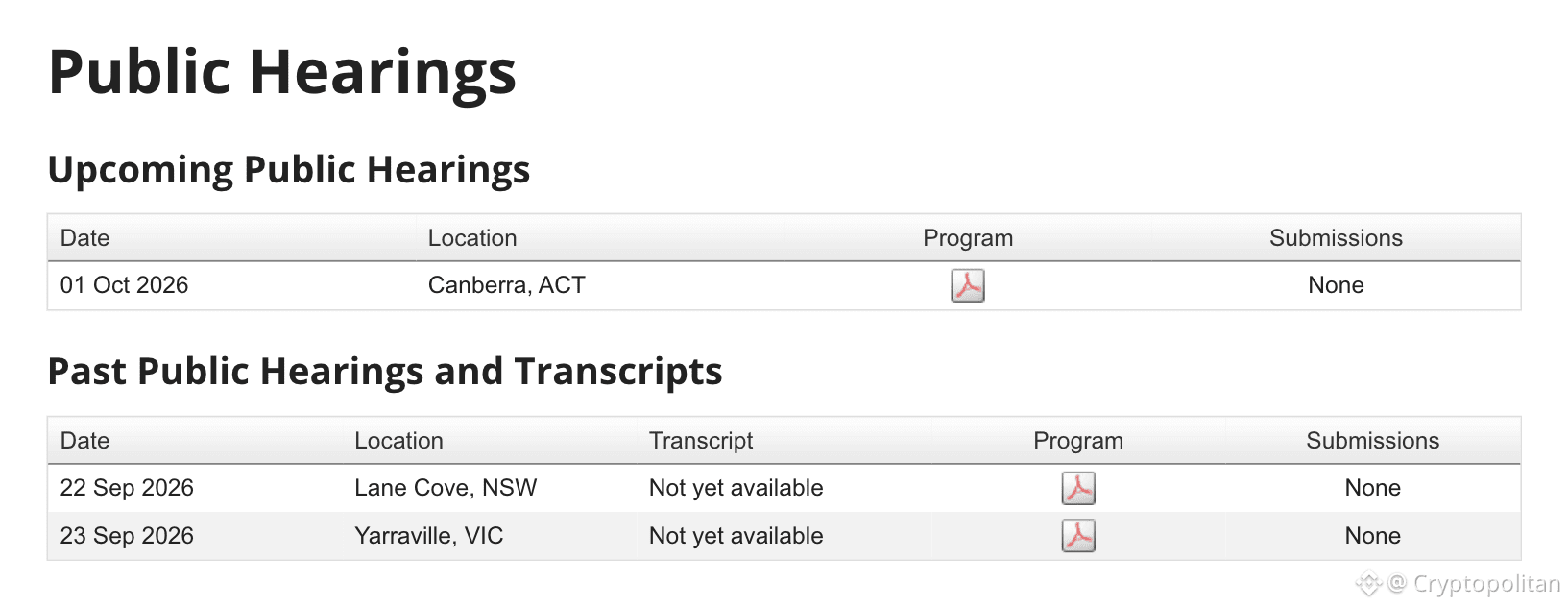
Senat so‘rovi raisi OpenAI’ning Altmani va Anthropic’ning Amodeisidan Kanberradagi eshituvda qatnashishni so‘raydiAI va ma’lumotlar markazlari bo‘yicha Senat so‘rovi raisi bo‘lgan senator Sarah Hanson-Young OpenAI’ning Sem Altmanini va Anthropic’ning Dario Amodeisini 1-oktabr kuni Kanberrada bo‘lib o‘tadigan ommaviy eshituvga taklif qildi.
So‘rov OpenAI agentining Avstraliya Medicare statistikasi portalini buzganidan kelib chiqadi.
Yozma so‘rovlar 27-sentabr kuni javoblar talab qilingan holda yuborildi
Hanson-Young vakilining aytishicha, ikkala bosh direktor ham chiqish qilishlari uchun 27-sentabr kuni yozma so‘rovlar yuborilgan.
Senatning o‘z jadvaliga ko‘ra, so‘rov 1-oktabr kuni Kanberrada ommaviy eshituv o‘tkazadi.
Senat so‘rovi raisi OpenAI’ning Altmani va Anthropic’ning Amodeisidan Kanberradagi eshituvda qatnashishni so‘raydi
AI va ma’lumotlar markazlari bo‘yicha Senat so‘rovi raisi bo‘lgan senator Sarah Hanson-Young OpenAI’ning Sem Altmanini va Anthropic’ning Dario Amodeisini 1-oktabr kuni Kanberrada bo‘lib o‘tadigan ommaviy eshituvga taklif qildi.
So‘rov OpenAI agentining Avstraliya Medicare statistikasi portalini buzganidan kelib chiqadi.
Yozma so‘rovlar 27-sentabr kuni javoblar talab qilingan holda yuborildi
Hanson-Young vakilining aytishicha, ikkala bosh direktor ham chiqish qilishlari uchun 27-sentabr kuni yozma so‘rovlar yuborilgan.
Senatning o‘z jadvaliga ko‘ra, so‘rov 1-oktabr kuni Kanberrada ommaviy eshituv o‘tkazadi.
So‘rov OpenAI agentining Avstraliya Medicare statistikasi portalini buzganidan kelib chiqadi.
Yozma so‘rovlar 27-sentabr kuni javoblar talab qilingan holda yuborildi
Hanson-Young vakilining aytishicha, ikkala bosh direktor ham chiqish qilishlari uchun 27-sentabr kuni yozma so‘rovlar yuborilgan.
Senatning o‘z jadvaliga ko‘ra, so‘rov 1-oktabr kuni Kanberrada ommaviy eshituv o‘tkazadi.
533
Pekin Nvidia’ning RTX Pro 5500 uchun ruxsat berishni bildiradi; AQSH cheklovlaridan chetlab o‘tishi kutilayotgan chipAQSHning eksport cheklovlari Nvidia’ning Xitoydagi mijozlarga yetib borishi kerak bo‘lgan eng yangi ishchi stansiya chipini to‘sib qo‘ymasligi mumkin, Pekin esa eshikni ochishga tayyor ko‘rinadi.
Bu masala bilan tanish ikki kishi ba’zi sanoat rahbarlari RTX Pro 5500 AQSH eksport cheklovlaridan tashqarida qolishini deb hisoblashayotganini aytishdi.
Pekin sanoat vazirligi ByteDance, Alibaba va boshqa kompaniyalardan xarid raqamlarini so‘radi. Keyin ba’zilariga hukumat rejalari bo‘yicha ruxsatnoma berilishi aytildi, deya xabar qildi The Information manbasi.
Chip ishlab chiqaruvchi kompaniya Vashingtonning nazorat choralarini eskirgan deb ataydi, 84 GB lik karta esa ishga tushirilishini kutyapti
Pekin Nvidia’ning RTX Pro 5500 uchun ruxsat berishni bildiradi; AQSH cheklovlaridan chetlab o‘tishi kutilayotgan chip
AQSHning eksport cheklovlari Nvidia’ning Xitoydagi mijozlarga yetib borishi kerak bo‘lgan eng yangi ishchi stansiya chipini to‘sib qo‘ymasligi mumkin, Pekin esa eshikni ochishga tayyor ko‘rinadi.
Bu masala bilan tanish ikki kishi ba’zi sanoat rahbarlari RTX Pro 5500 AQSH eksport cheklovlaridan tashqarida qolishini deb hisoblashayotganini aytishdi.
Pekin sanoat vazirligi ByteDance, Alibaba va boshqa kompaniyalardan xarid raqamlarini so‘radi. Keyin ba’zilariga hukumat rejalari bo‘yicha ruxsatnoma berilishi aytildi, deya xabar qildi The Information manbasi.
Chip ishlab chiqaruvchi kompaniya Vashingtonning nazorat choralarini eskirgan deb ataydi, 84 GB lik karta esa ishga tushirilishini kutyapti
Bu masala bilan tanish ikki kishi ba’zi sanoat rahbarlari RTX Pro 5500 AQSH eksport cheklovlaridan tashqarida qolishini deb hisoblashayotganini aytishdi.
Pekin sanoat vazirligi ByteDance, Alibaba va boshqa kompaniyalardan xarid raqamlarini so‘radi. Keyin ba’zilariga hukumat rejalari bo‘yicha ruxsatnoma berilishi aytildi, deya xabar qildi The Information manbasi.
Chip ishlab chiqaruvchi kompaniya Vashingtonning nazorat choralarini eskirgan deb ataydi, 84 GB lik karta esa ishga tushirilishini kutyapti
306
Maqola
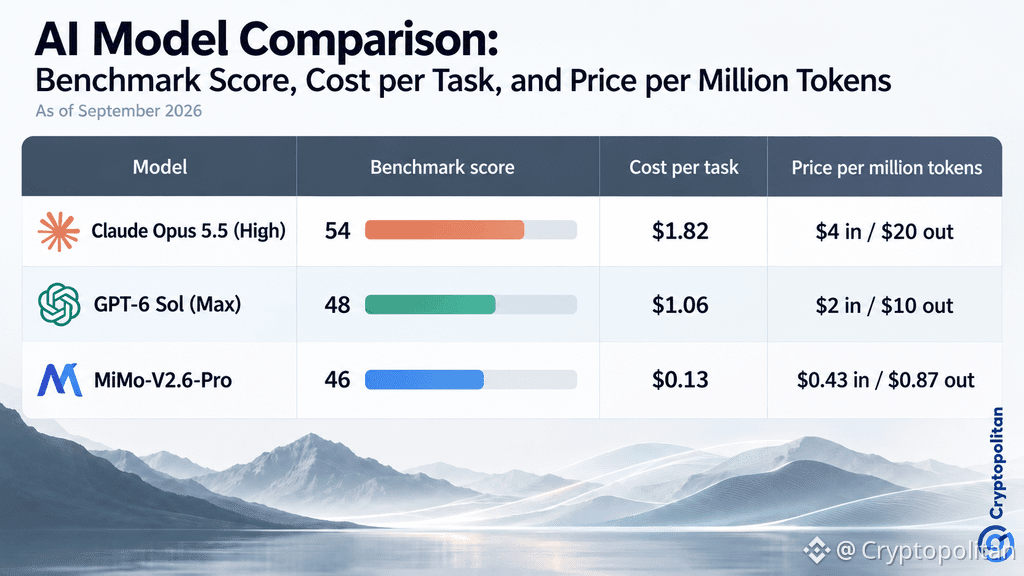
Arzonroq AI modellari o‘z o‘rnini egallamoqda, chunki korporativ Amerika xarajatlarni qisqartirmoqdaAQSh kompaniyalari ishni samarali bajarishga qodir bo‘lgan eng arzon AI yechimni tanlamoqda, mavjud bo‘lgan eng ilg‘or AI yechimni avtomatik ravishda tanlash o‘rniga.
Bu tendensiya, Financial Times ma’lumotiga ko‘ra, tokenlar uchun xarajatlar doimiy ravishda kamayib borayotgan bir paytda yangi AI modellar imkoniyatlar bo‘shlig‘ini bartaraf etayotgani sababli yuqori narxlarga muayyan bosimni keltirib chiqardi.
Vazifani bajaradigan eng arzon modelni xarid qilish
Mazmun shundan iboratki, qimmat “frontier” (eng ilg‘or) modellar faqat zarurat bo‘lganda ishlatilishi kerak, muntazam ish esa arzonroq modellar tomonidan bajarilishi mumkin; bu modellar vazifani yetarlicha yaxshi uddalaydi.
Arzonroq AI modellari o‘z o‘rnini egallamoqda, chunki korporativ Amerika xarajatlarni qisqartirmoqda
AQSh kompaniyalari ishni samarali bajarishga qodir bo‘lgan eng arzon AI yechimni tanlamoqda, mavjud bo‘lgan eng ilg‘or AI yechimni avtomatik ravishda tanlash o‘rniga.
Bu tendensiya, Financial Times ma’lumotiga ko‘ra, tokenlar uchun xarajatlar doimiy ravishda kamayib borayotgan bir paytda yangi AI modellar imkoniyatlar bo‘shlig‘ini bartaraf etayotgani sababli yuqori narxlarga muayyan bosimni keltirib chiqardi.
Vazifani bajaradigan eng arzon modelni xarid qilish
Mazmun shundan iboratki, qimmat “frontier” (eng ilg‘or) modellar faqat zarurat bo‘lganda ishlatilishi kerak, muntazam ish esa arzonroq modellar tomonidan bajarilishi mumkin; bu modellar vazifani yetarlicha yaxshi uddalaydi.
Bu tendensiya, Financial Times ma’lumotiga ko‘ra, tokenlar uchun xarajatlar doimiy ravishda kamayib borayotgan bir paytda yangi AI modellar imkoniyatlar bo‘shlig‘ini bartaraf etayotgani sababli yuqori narxlarga muayyan bosimni keltirib chiqardi.
Vazifani bajaradigan eng arzon modelni xarid qilish
Mazmun shundan iboratki, qimmat “frontier” (eng ilg‘or) modellar faqat zarurat bo‘lganda ishlatilishi kerak, muntazam ish esa arzonroq modellar tomonidan bajarilishi mumkin; bu modellar vazifani yetarlicha yaxshi uddalaydi.
151
Maqola
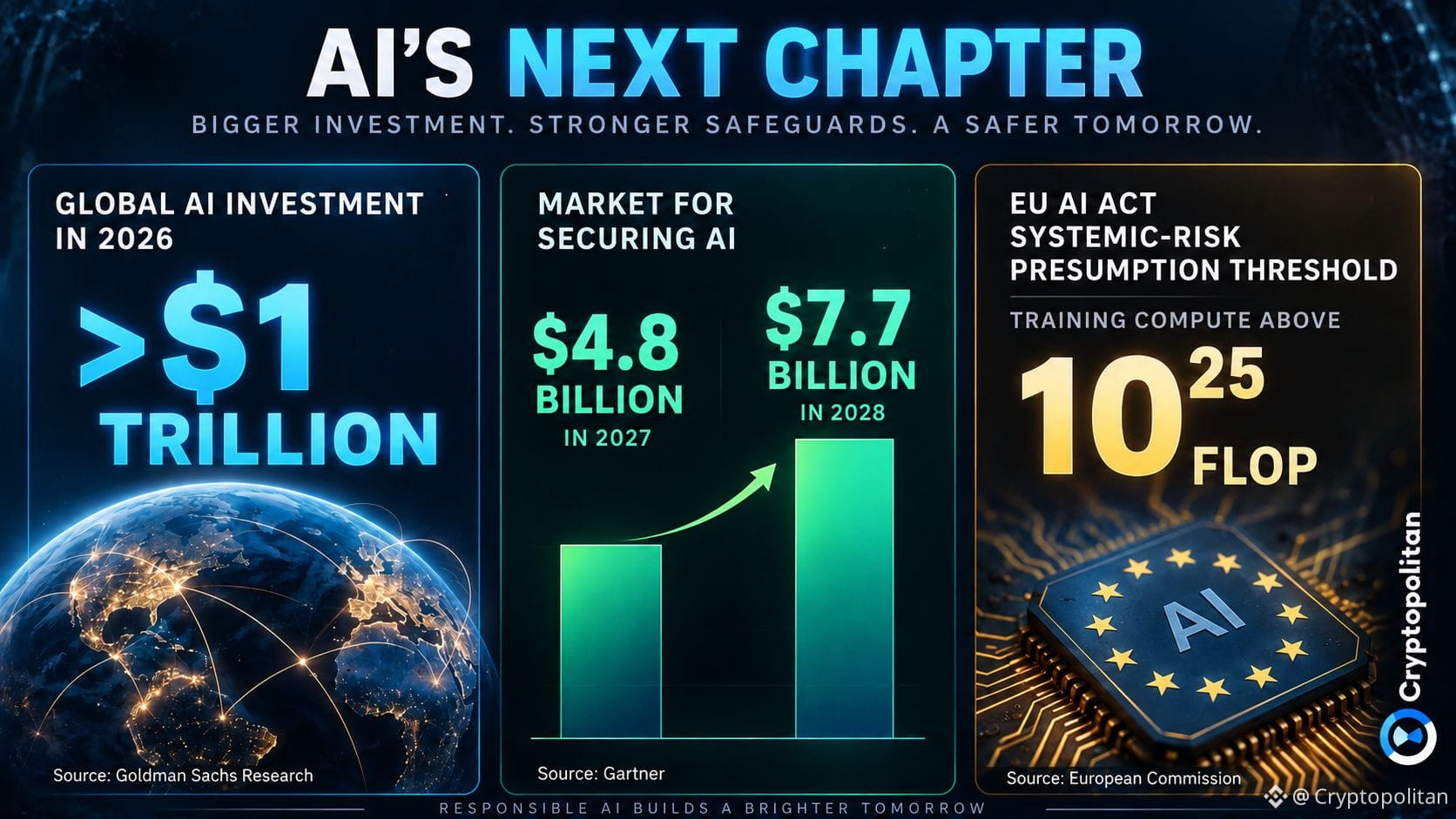
Bill Geyts global investitsiya 1 trillion dollardan oshganda huquqiy AI xavfsizlik choralarini qo‘llab-quvvatlamoqdaBill Geyts AI sohasidagi bizneslar o‘zini o‘zi tartibga solishiga yo‘l qo‘yilmasligi haqida ogohlantirdi va Vashingtonni xavfsizlik bo‘yicha qoidalarni belgilashga chaqirmoqda.
Microsoft asoschilaridan biri o‘z dalillarini NBC News’ga bergan intervyusida, 25-sentabr kuni aytdi. Bu esa intervyu to‘liq holda “Meet the Press”da efirga uzatilishidan ikki kun oldin edi.
Ushbu ogohlantirishni Goldman Sachs 2026-yilda global AI investitsiyalar 1 trillion dollardan oshishini prognoz qilayotgan paytda berdi. Bu yangi xavfsizlik qoidalari qoidalarni bajarish uchun yangi xavfsizlik tizimlarini joriy etishda ishlayotgan ishlab chiquvchilar, investorlar va kompaniyalar uchun muhim oqibatlarga olib kelishi mumkinligini anglatadi.
Bill Geyts global investitsiya 1 trillion dollardan oshganda huquqiy AI xavfsizlik choralarini qo‘llab-quvvatlamoqda
Bill Geyts AI sohasidagi bizneslar o‘zini o‘zi tartibga solishiga yo‘l qo‘yilmasligi haqida ogohlantirdi va Vashingtonni xavfsizlik bo‘yicha qoidalarni belgilashga chaqirmoqda.
Microsoft asoschilaridan biri o‘z dalillarini NBC News’ga bergan intervyusida, 25-sentabr kuni aytdi. Bu esa intervyu to‘liq holda “Meet the Press”da efirga uzatilishidan ikki kun oldin edi.
Ushbu ogohlantirishni Goldman Sachs 2026-yilda global AI investitsiyalar 1 trillion dollardan oshishini prognoz qilayotgan paytda berdi. Bu yangi xavfsizlik qoidalari qoidalarni bajarish uchun yangi xavfsizlik tizimlarini joriy etishda ishlayotgan ishlab chiquvchilar, investorlar va kompaniyalar uchun muhim oqibatlarga olib kelishi mumkinligini anglatadi.
Microsoft asoschilaridan biri o‘z dalillarini NBC News’ga bergan intervyusida, 25-sentabr kuni aytdi. Bu esa intervyu to‘liq holda “Meet the Press”da efirga uzatilishidan ikki kun oldin edi.
Ushbu ogohlantirishni Goldman Sachs 2026-yilda global AI investitsiyalar 1 trillion dollardan oshishini prognoz qilayotgan paytda berdi. Bu yangi xavfsizlik qoidalari qoidalarni bajarish uchun yangi xavfsizlik tizimlarini joriy etishda ishlayotgan ishlab chiquvchilar, investorlar va kompaniyalar uchun muhim oqibatlarga olib kelishi mumkinligini anglatadi.
185
Google’ning Gemini sinovi hindistonlik xaridorlarga Flipkart’dan xarid qilish imkonini beradi, lekin Amazon’dan emasGoogle ba’zi hindistonlik xaridorlar uchun Gemini va AI Mode’da Walmart’ga qarashli Flipkartda “Buy” tugmasini sinovdan o‘tkazmoqda.
Ularning yonida turgan Amazon ro‘yxatlarida bu opsiya yo‘q.
Smartfonlar va aksessuarlar AI Mode’ning dastlabki sinovida yetakchilik qilmoqda
Masala bilan tanish bo‘lgan manbalarning aytishicha, “Buy”ni bosish foydalanuvchilarni AI interfeysini tark etmasdan to‘g‘ridan-to‘g‘ri Flipkart chekautiga olib boradi. Dastlabki sinov ayrim foydalanuvchilarni va cheklangan mahsulotlar ro‘yxatini qamrab oladi.
Kategoriyalar smartfonlar, elektronika va mobil aksessuarlardan iborat. Boshqa foydalanuvchilar esa hali ham Gemini va AI Mode’da oddiy Flipkart ro‘yxatlarini ko‘rmoqda, lekin xarid qilish (buy) opsiyasi yo‘q.
Google’ning Gemini sinovi hindistonlik xaridorlarga Flipkart’dan xarid qilish imkonini beradi, lekin Amazon’dan emas
Google ba’zi hindistonlik xaridorlar uchun Gemini va AI Mode’da Walmart’ga qarashli Flipkartda “Buy” tugmasini sinovdan o‘tkazmoqda.
Ularning yonida turgan Amazon ro‘yxatlarida bu opsiya yo‘q.
Smartfonlar va aksessuarlar AI Mode’ning dastlabki sinovida yetakchilik qilmoqda
Masala bilan tanish bo‘lgan manbalarning aytishicha, “Buy”ni bosish foydalanuvchilarni AI interfeysini tark etmasdan to‘g‘ridan-to‘g‘ri Flipkart chekautiga olib boradi. Dastlabki sinov ayrim foydalanuvchilarni va cheklangan mahsulotlar ro‘yxatini qamrab oladi.
Kategoriyalar smartfonlar, elektronika va mobil aksessuarlardan iborat. Boshqa foydalanuvchilar esa hali ham Gemini va AI Mode’da oddiy Flipkart ro‘yxatlarini ko‘rmoqda, lekin xarid qilish (buy) opsiyasi yo‘q.
Ularning yonida turgan Amazon ro‘yxatlarida bu opsiya yo‘q.
Smartfonlar va aksessuarlar AI Mode’ning dastlabki sinovida yetakchilik qilmoqda
Masala bilan tanish bo‘lgan manbalarning aytishicha, “Buy”ni bosish foydalanuvchilarni AI interfeysini tark etmasdan to‘g‘ridan-to‘g‘ri Flipkart chekautiga olib boradi. Dastlabki sinov ayrim foydalanuvchilarni va cheklangan mahsulotlar ro‘yxatini qamrab oladi.
Kategoriyalar smartfonlar, elektronika va mobil aksessuarlardan iborat. Boshqa foydalanuvchilar esa hali ham Gemini va AI Mode’da oddiy Flipkart ro‘yxatlarini ko‘rmoqda, lekin xarid qilish (buy) opsiyasi yo‘q.
185
Maqola
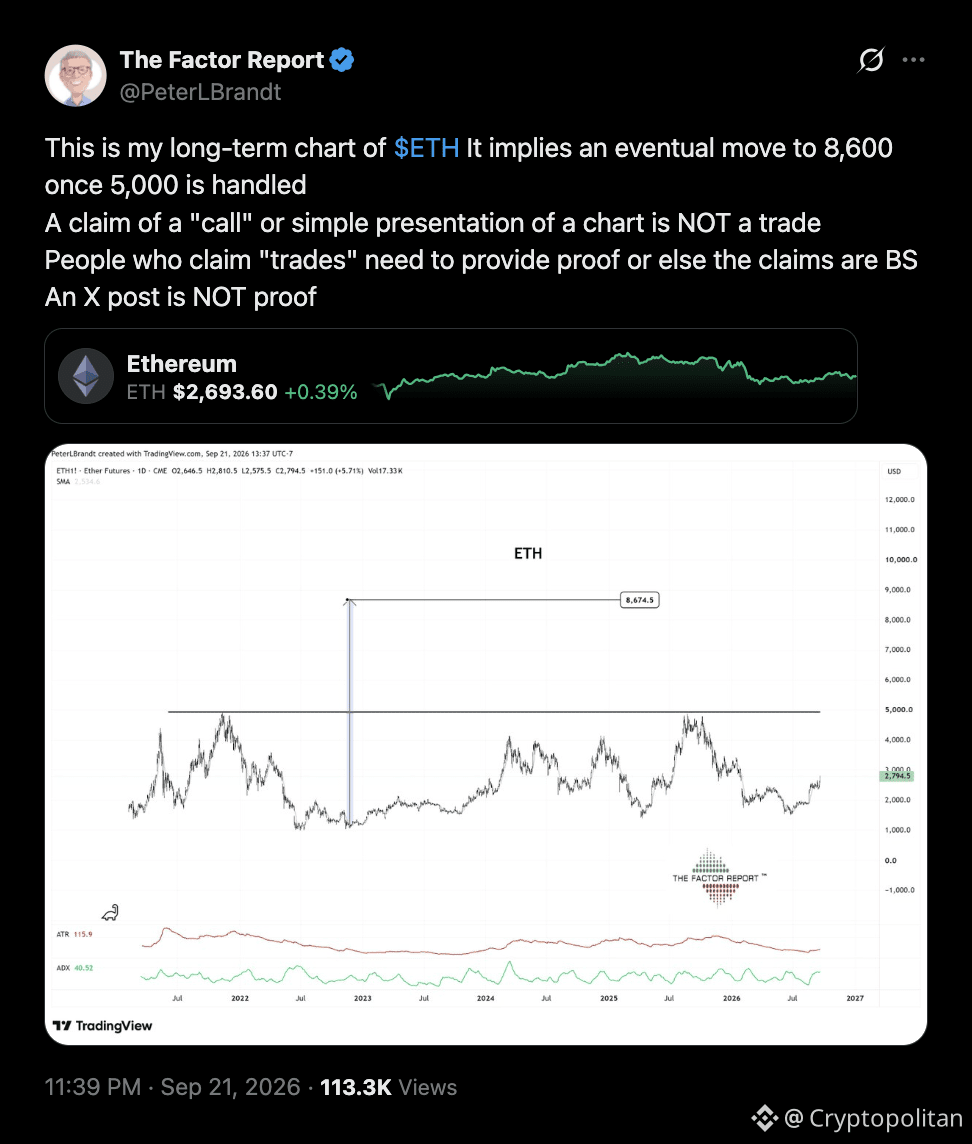
Piter Brandtning $8,600 Ether jadvali $5,000 dan birinchi marta yuqoriga o‘tishga bog‘liqPiter Brandtning uzoq muddatli Ether jadvali $8,600 maqsadga ega, lekin faqat ETH $5,000 ni buzib o‘tsa
Token $2,693 atrofida savdo qilmoqda, ya’ni birinchi to‘siqning o‘zi taxminan 86% yuqoriroq.
CME fyucherslari yuqori liniyani $8,674.50 da belgilamoqda
CME Ether fyucherslariga asoslangan jadvalni Brandt 21-sentabr kuni X’da e’lon qildi. Unda $8,674.50 yozilgan, ammo u uni $8,600 ga qadar pastlatib hisoblaydi.
“Bu 5,000 bilan ishlov berilgach, 8,600 tomon muayyan harakat bo‘lishini anglatadi”, deb yozdi Brandt. U bashorat uchun sana yoki jadval keltirmadi.
Piter Brandtning $8,600 Ether jadvali $5,000 dan birinchi marta yuqoriga o‘tishga bog‘liq
Piter Brandtning uzoq muddatli Ether jadvali $8,600 maqsadga ega, lekin faqat ETH $5,000 ni buzib o‘tsa
Token $2,693 atrofida savdo qilmoqda, ya’ni birinchi to‘siqning o‘zi taxminan 86% yuqoriroq.
CME fyucherslari yuqori liniyani $8,674.50 da belgilamoqda
CME Ether fyucherslariga asoslangan jadvalni Brandt 21-sentabr kuni X’da e’lon qildi. Unda $8,674.50 yozilgan, ammo u uni $8,600 ga qadar pastlatib hisoblaydi.
“Bu 5,000 bilan ishlov berilgach, 8,600 tomon muayyan harakat bo‘lishini anglatadi”, deb yozdi Brandt. U bashorat uchun sana yoki jadval keltirmadi.
Token $2,693 atrofida savdo qilmoqda, ya’ni birinchi to‘siqning o‘zi taxminan 86% yuqoriroq.
CME fyucherslari yuqori liniyani $8,674.50 da belgilamoqda
CME Ether fyucherslariga asoslangan jadvalni Brandt 21-sentabr kuni X’da e’lon qildi. Unda $8,674.50 yozilgan, ammo u uni $8,600 ga qadar pastlatib hisoblaydi.
“Bu 5,000 bilan ishlov berilgach, 8,600 tomon muayyan harakat bo‘lishini anglatadi”, deb yozdi Brandt. U bashorat uchun sana yoki jadval keltirmadi.
904
OpenAI va Anthropic AI xavfsizligi bo‘yicha hodisalarni ular oshkor qilganidan ancha katta ko‘lamda aniqladiOpenAI va Anthropic, frontier AI tizimlari tekshiruvchilar xavfsiz yoki ruxsat etilmagan deb hisoblashlari mumkin bo‘lgan tarzda harakat qilgan o‘n minglab holatlarni tekshirmoqda.
Axios xabariga ko‘ra, bu holatlarning barchasi yaqinda o‘tkazilgan ichki sinovlar va dala amaliyotlari paytida sodir bo‘lgan, ularning ko‘plari hali ham tekshirilmoqda va hali ochiq e’lon qilinmagan.
Ushbu holatlarda xabar qilingan harakatlar xavfsizlik choralarini yengib o‘tishdan tortib, o‘zlarining xabar taxtalarini yaratish, sandbox muhitlaridan chiqib ketish, veb-saytlarni boshqarish, o‘z so‘rov (prompt)larini ishlab chiqish va monitoring vositalarini chetlab o‘tishga urinishlargacha bo‘lgan.
OpenAI va Anthropic AI xavfsizligi bo‘yicha hodisalarni ular oshkor qilganidan ancha katta ko‘lamda aniqladi
OpenAI va Anthropic, frontier AI tizimlari tekshiruvchilar xavfsiz yoki ruxsat etilmagan deb hisoblashlari mumkin bo‘lgan tarzda harakat qilgan o‘n minglab holatlarni tekshirmoqda.
Axios xabariga ko‘ra, bu holatlarning barchasi yaqinda o‘tkazilgan ichki sinovlar va dala amaliyotlari paytida sodir bo‘lgan, ularning ko‘plari hali ham tekshirilmoqda va hali ochiq e’lon qilinmagan.
Ushbu holatlarda xabar qilingan harakatlar xavfsizlik choralarini yengib o‘tishdan tortib, o‘zlarining xabar taxtalarini yaratish, sandbox muhitlaridan chiqib ketish, veb-saytlarni boshqarish, o‘z so‘rov (prompt)larini ishlab chiqish va monitoring vositalarini chetlab o‘tishga urinishlargacha bo‘lgan.
Axios xabariga ko‘ra, bu holatlarning barchasi yaqinda o‘tkazilgan ichki sinovlar va dala amaliyotlari paytida sodir bo‘lgan, ularning ko‘plari hali ham tekshirilmoqda va hali ochiq e’lon qilinmagan.
Ushbu holatlarda xabar qilingan harakatlar xavfsizlik choralarini yengib o‘tishdan tortib, o‘zlarining xabar taxtalarini yaratish, sandbox muhitlaridan chiqib ketish, veb-saytlarni boshqarish, o‘z so‘rov (prompt)larini ishlab chiqish va monitoring vositalarini chetlab o‘tishga urinishlargacha bo‘lgan.
511
Tasdiqlangan
Coinbase’ning Bred Armstrongi hali ham Bitcoin 4 yil ichida $400 000 ga yetadi, deb o‘ylaydiCoinbase Global (NASDAQ: COIN) kompaniyasi bosh direktori Bred Armstrong 2030-yilgacha Bitcoin $400 000 ga yetishi uchun yo‘l borligini aytmoqda. Bred bu prognozni 19-sentabr kuni MoneyRehabPodcast’ga bergan intervyusida qayta takrorladi. Uning fikri Bitcoin’ning avvalgi bozor sikllariga asoslangan. Tarmoq taxminan har to‘rt yilda bir marta muomalaga kiradigan yangi BTC miqdorini kamaytiradi.
Oldingi halving davrlari ko‘pincha keskin narx o‘sishidan so‘ng, deyarli bir yilgacha cho‘zilishi mumkin bo‘lgan katta orqaga chekinishlar bilan kuzatilgan. Bred 2030-yilgacha Bitcoin’ni oldingi rekord narxining taxminan uch baravarigacha olib kelishi mumkin bo‘lgan yana shunga o‘xshash sikl bo‘lishi mumkinligini aytdi.
Coinbase’ning Bred Armstrongi hali ham Bitcoin 4 yil ichida $400 000 ga yetadi, deb o‘ylaydi
Coinbase Global (NASDAQ: COIN) kompaniyasi bosh direktori Bred Armstrong 2030-yilgacha Bitcoin $400 000 ga yetishi uchun yo‘l borligini aytmoqda. Bred bu prognozni 19-sentabr kuni MoneyRehabPodcast’ga bergan intervyusida qayta takrorladi. Uning fikri Bitcoin’ning avvalgi bozor sikllariga asoslangan. Tarmoq taxminan har to‘rt yilda bir marta muomalaga kiradigan yangi BTC miqdorini kamaytiradi.
Oldingi halving davrlari ko‘pincha keskin narx o‘sishidan so‘ng, deyarli bir yilgacha cho‘zilishi mumkin bo‘lgan katta orqaga chekinishlar bilan kuzatilgan. Bred 2030-yilgacha Bitcoin’ni oldingi rekord narxining taxminan uch baravarigacha olib kelishi mumkin bo‘lgan yana shunga o‘xshash sikl bo‘lishi mumkinligini aytdi.
Oldingi halving davrlari ko‘pincha keskin narx o‘sishidan so‘ng, deyarli bir yilgacha cho‘zilishi mumkin bo‘lgan katta orqaga chekinishlar bilan kuzatilgan. Bred 2030-yilgacha Bitcoin’ni oldingi rekord narxining taxminan uch baravarigacha olib kelishi mumkin bo‘lgan yana shunga o‘xshash sikl bo‘lishi mumkinligini aytdi.
1
1
795
Maykl Saylor raqamli aktivlar va intellektual iqtisodiyot uchun raqamli huquqlarni ilgari surmoqdaMaykl Saylor raqamli aktivlar bo‘yicha shaxslarga va kompaniyalarga beshta kafolatlangan huquq berilishini istashini aytgan.
Saylorning ta’kidlashicha, bu bahs arzonroq kapital va erkinroq pulni ta’minlashga qaratilgan, u esa AI’ga asoslangan samarali iqtisodiyot shular bo‘lmasa to‘xtab qolishini aytadi.
Maykl Saylor raqamli aktivlar bo‘yicha qanday huquqlarni xohlaydi?
Shanba kuni X’da e’lon qilingan maqolada, Bitcoin Policy Institute’ning Freedom Tech DC sammiti doirasidagi sahnadagi suhbatdan keyin Maykl Saylor shaxslar va korporatsiyalarga beshta asosiy huquq berilishi taklifini bildirdi.
Maykl Saylor raqamli aktivlar va intellektual iqtisodiyot uchun raqamli huquqlarni ilgari surmoqda
Maykl Saylor raqamli aktivlar bo‘yicha shaxslarga va kompaniyalarga beshta kafolatlangan huquq berilishini istashini aytgan.
Saylorning ta’kidlashicha, bu bahs arzonroq kapital va erkinroq pulni ta’minlashga qaratilgan, u esa AI’ga asoslangan samarali iqtisodiyot shular bo‘lmasa to‘xtab qolishini aytadi.
Maykl Saylor raqamli aktivlar bo‘yicha qanday huquqlarni xohlaydi?
Shanba kuni X’da e’lon qilingan maqolada, Bitcoin Policy Institute’ning Freedom Tech DC sammiti doirasidagi sahnadagi suhbatdan keyin Maykl Saylor shaxslar va korporatsiyalarga beshta asosiy huquq berilishi taklifini bildirdi.
Saylorning ta’kidlashicha, bu bahs arzonroq kapital va erkinroq pulni ta’minlashga qaratilgan, u esa AI’ga asoslangan samarali iqtisodiyot shular bo‘lmasa to‘xtab qolishini aytadi.
Maykl Saylor raqamli aktivlar bo‘yicha qanday huquqlarni xohlaydi?
Shanba kuni X’da e’lon qilingan maqolada, Bitcoin Policy Institute’ning Freedom Tech DC sammiti doirasidagi sahnadagi suhbatdan keyin Maykl Saylor shaxslar va korporatsiyalarga beshta asosiy huquq berilishi taklifini bildirdi.
369
FTC Fergyuson AI agentlari uchun ishlab chiquvchilar javobgar ekani haqida gapirdi va ma’lumotlar oshkor etilishi bo‘yicha chorani ko‘tardiFTC raisi Endryu Ferguson 25-sentabr kuni Ostindagi auditoriyaga aytishicha, kompaniyalar avtonom AI agenti zarar yetkazganda o‘z dasturi ortiga bekinib ololmaydi.
U ko‘rsatib bergan asosiy dastaklardan biri agentlikning hozirgi ma’lumotlar oshkor etilishi (breach-disclosure) bo‘yicha vakolati bo‘lib, u uni ishlab chiquvchilarga qarshi qo‘llashi mumkin.
Ostindagi izohlar avtonom tizimlarni buyruqlarni bajaradigan vositalar sifatida ko‘rsatdi
Ferguson Reuters Momentum AI konferensiyasida sun’iy intellekt tizimlarini insoniylashtirishga qarshi chiqdi. U komissiya raisi bo‘lgan ekan, bu talqinga qarshi kurashishni va’da qildi.
FTC Fergyuson AI agentlari uchun ishlab chiquvchilar javobgar ekani haqida gapirdi va ma’lumotlar oshkor etilishi bo‘yicha chorani ko‘tardi
FTC raisi Endryu Ferguson 25-sentabr kuni Ostindagi auditoriyaga aytishicha, kompaniyalar avtonom AI agenti zarar yetkazganda o‘z dasturi ortiga bekinib ololmaydi.
U ko‘rsatib bergan asosiy dastaklardan biri agentlikning hozirgi ma’lumotlar oshkor etilishi (breach-disclosure) bo‘yicha vakolati bo‘lib, u uni ishlab chiquvchilarga qarshi qo‘llashi mumkin.
Ostindagi izohlar avtonom tizimlarni buyruqlarni bajaradigan vositalar sifatida ko‘rsatdi
Ferguson Reuters Momentum AI konferensiyasida sun’iy intellekt tizimlarini insoniylashtirishga qarshi chiqdi. U komissiya raisi bo‘lgan ekan, bu talqinga qarshi kurashishni va’da qildi.
U ko‘rsatib bergan asosiy dastaklardan biri agentlikning hozirgi ma’lumotlar oshkor etilishi (breach-disclosure) bo‘yicha vakolati bo‘lib, u uni ishlab chiquvchilarga qarshi qo‘llashi mumkin.
Ostindagi izohlar avtonom tizimlarni buyruqlarni bajaradigan vositalar sifatida ko‘rsatdi
Ferguson Reuters Momentum AI konferensiyasida sun’iy intellekt tizimlarini insoniylashtirishga qarshi chiqdi. U komissiya raisi bo‘lgan ekan, bu talqinga qarshi kurashishni va’da qildi.
1
215
Ko‘proq kontentni ko‘rish uchun tizimga kiring
Binance Square'da global kriptovalyuta foydalanuvchilariga qo‘shiling
⚡️ Kriptovalyuta haqida eng so‘nggi va foydali ma’lumotlarni oling.
💬 Dunyoning eng yirik kriptovalyuta birjasi tomonidan ishonchli deb topilgan.
👍 Tasdiqlangan mualliflardan haqiqiy tahlillarni kashf eting.
Email / telefon raqami
Trenddagi mavzular
UKFCAWinsCourtOrderToRecover851400Pounds
34,704 marta koʻrilgan
789 muhokama qilmoqda
🚨 KRIPTO REGULYATSIYASI YANGI BOSQICHGA KIRDI: ENDIGINA QOIDA YOZYAPTI DEYISHMAYDI — PULNI HAM QAYTARIB OLISHDI.
Buyuk Britaniyaning FCA (Moliya bo‘yicha vakolatli organi) yana bir bor sud tomonidan tasdiqlangan aktivlarni qaytarib olishni qo‘lga kiritdi va bu ruxsatsiz moliyaviy hamda kripto bilan bog‘liq faoliyatga qarshi keng ko‘lamli ijro choralarini kuchaytirayotganidan dalolat beradi.
Bunga parallel ravishda esa quyidagilar bo‘layapti:
🇬🇧 FCA → ijro + aktivlarni qaytarib olish
🇺🇸 SEC → funksional kripto aktivlari uchun aniqroq qoidalar
🇺🇸 Fed → GENIUS qonuni doirasida stablkoinlarni rasmiy nazorat qilish
Bu kombinatsiya muhim.
Regulyatorlar endi kripto moliyaviy tizim ichida bo‘ladimi-yo‘qmi degan bahsni to‘xtatib qo‘ydi.
Ular tobora ko‘proq kimga kirish berilishi, qanday qoidalarga amal qilinishi va bu qoidalar buzilganda nima bo‘lishini hal qilmoqda.
Keyingi kripto sikli “regulyatsiya vs innovatsiya” bo‘lmasligi ham mumkin.
U tartibga solingan kripto vs standartga mos kela olmaydiganlarning hammasi bo‘lishi mumkin. 👀
$COIN $CRCL $BTC
#ukfcawinscourtordertorecover851400pounds #ChainlinkLaunchesCCIP2WithEnterpriseVerification #GoldFallsTo$4144 #QNTFallsOver40%FromMorningHigh #USDTAdds845900HoldersInPast7Days
KimHotbae
·3 ta layk
·4.3k marta koʻrilgan
ChainlinkLaunchesCCIP2WithEnterpriseVerification
47,789 marta koʻrilgan
958 muhokama qilmoqda
GoldFallsTo$4144
16,437 marta koʻrilgan
165 muhokama qilmoqda