
AlphaInsightX
262 Postlar

AlphaInsightX
Shikoyat qilish
Foydalanuvchini bloklash
🚀 CryptoInsightLab | Sharing crypto insights, market analysis, trading strategies, blockchain trends, and Web3 updates to help you stay informed. 📈🔗💡
11 Kuzatilmoqda
251 Kuzatuvchilar
679 Yoqdi
Postlar
Barchasi
Videolar
Maqola
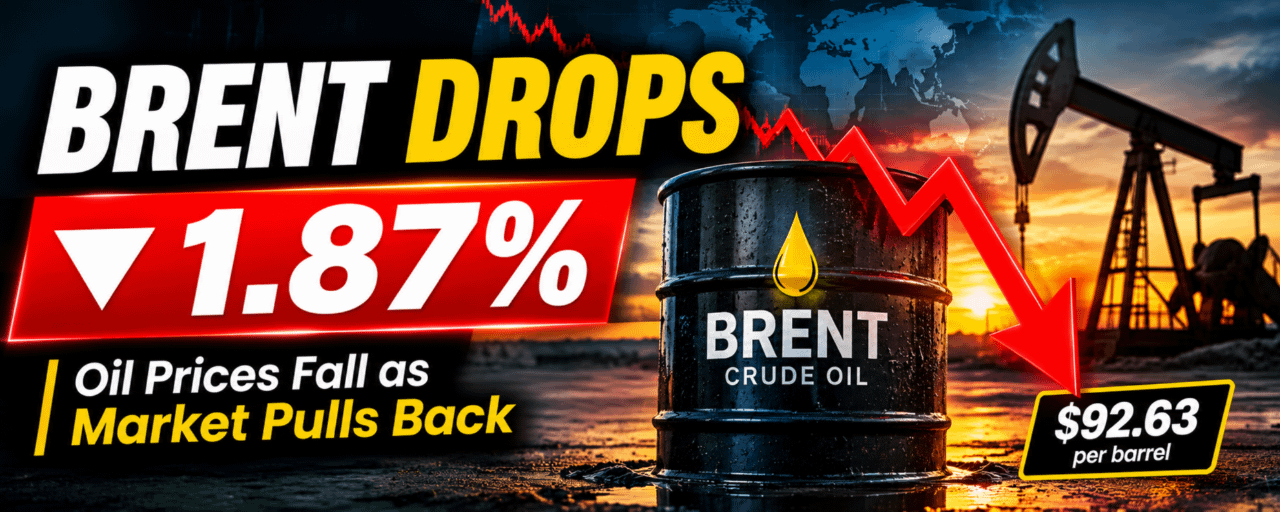
Brent xom nefti 1,87% ga tushdi: neft bozori chekinmoqda#brentdrops1.87%
$PROVE $CL $BZ
Brent navbati 1,87% ga pasayib, bir barrel uchun taxminan 92,63 dollarga tushdi va yaqin kunlardagi kuchli ko‘tarilishdan so‘ng sezilarli chekinish bo‘ldi.
📉 Nega Brent pasaymoqda?
Pasayish savdogarlar foyda olishayotgani va ta’minot xatarlarini qayta baholayotgani sababli yuz bermoqda. Investorlar AQShning Eron bo‘yicha sanksiyalari va Xurmuz bo‘g‘ozi orqali xom neft oqimi bo‘yicha vaziyatdagi o‘zgarishlarni diqqat bilan kuzatmoqda. Qisqa muddatli ta’minot tiqilinchlari haqidagi xavotirlar yumshaganligi ham neft narxlaridagi risk mukofotining bir qismini kamaytirdi.
🌍 Bu bozorlar uchun nimani anglatadi
Agar pasayish davom etsa, neft narxlarining pastlashishi ayrim inflyatsion bosimni kamaytirishi mumkin, biroq energetika aktsiyalari qo‘shimcha bosimga duch kelishi ehtimol. Shunga qaramay, geosiyosiy xatarlar muhim bo‘lib qolmoqda, ya’ni xom neft narxlari o‘zgaruvchan bo‘lib qolishi mumkin.
Brent xom nefti 1,87% ga tushdi: neft bozori chekinmoqda
#brentdrops1.87%
$PROVE $CL $BZ
Brent navbati 1,87% ga pasayib, bir barrel uchun taxminan 92,63 dollarga tushdi va yaqin kunlardagi kuchli ko‘tarilishdan so‘ng sezilarli chekinish bo‘ldi.
📉 Nega Brent pasaymoqda?
Pasayish savdogarlar foyda olishayotgani va ta’minot xatarlarini qayta baholayotgani sababli yuz bermoqda. Investorlar AQShning Eron bo‘yicha sanksiyalari va Xurmuz bo‘g‘ozi orqali xom neft oqimi bo‘yicha vaziyatdagi o‘zgarishlarni diqqat bilan kuzatmoqda. Qisqa muddatli ta’minot tiqilinchlari haqidagi xavotirlar yumshaganligi ham neft narxlaridagi risk mukofotining bir qismini kamaytirdi.
🌍 Bu bozorlar uchun nimani anglatadi
Agar pasayish davom etsa, neft narxlarining pastlashishi ayrim inflyatsion bosimni kamaytirishi mumkin, biroq energetika aktsiyalari qo‘shimcha bosimga duch kelishi ehtimol. Shunga qaramay, geosiyosiy xatarlar muhim bo‘lib qolmoqda, ya’ni xom neft narxlari o‘zgaruvchan bo‘lib qolishi mumkin.
$PROVE $CL $BZ
Brent navbati 1,87% ga pasayib, bir barrel uchun taxminan 92,63 dollarga tushdi va yaqin kunlardagi kuchli ko‘tarilishdan so‘ng sezilarli chekinish bo‘ldi.
📉 Nega Brent pasaymoqda?
Pasayish savdogarlar foyda olishayotgani va ta’minot xatarlarini qayta baholayotgani sababli yuz bermoqda. Investorlar AQShning Eron bo‘yicha sanksiyalari va Xurmuz bo‘g‘ozi orqali xom neft oqimi bo‘yicha vaziyatdagi o‘zgarishlarni diqqat bilan kuzatmoqda. Qisqa muddatli ta’minot tiqilinchlari haqidagi xavotirlar yumshaganligi ham neft narxlaridagi risk mukofotining bir qismini kamaytirdi.
🌍 Bu bozorlar uchun nimani anglatadi
Agar pasayish davom etsa, neft narxlarining pastlashishi ayrim inflyatsion bosimni kamaytirishi mumkin, biroq energetika aktsiyalari qo‘shimcha bosimga duch kelishi ehtimol. Shunga qaramay, geosiyosiy xatarlar muhim bo‘lib qolmoqda, ya’ni xom neft narxlari o‘zgaruvchan bo‘lib qolishi mumkin.
96
Tasdiqlangan
Maqola
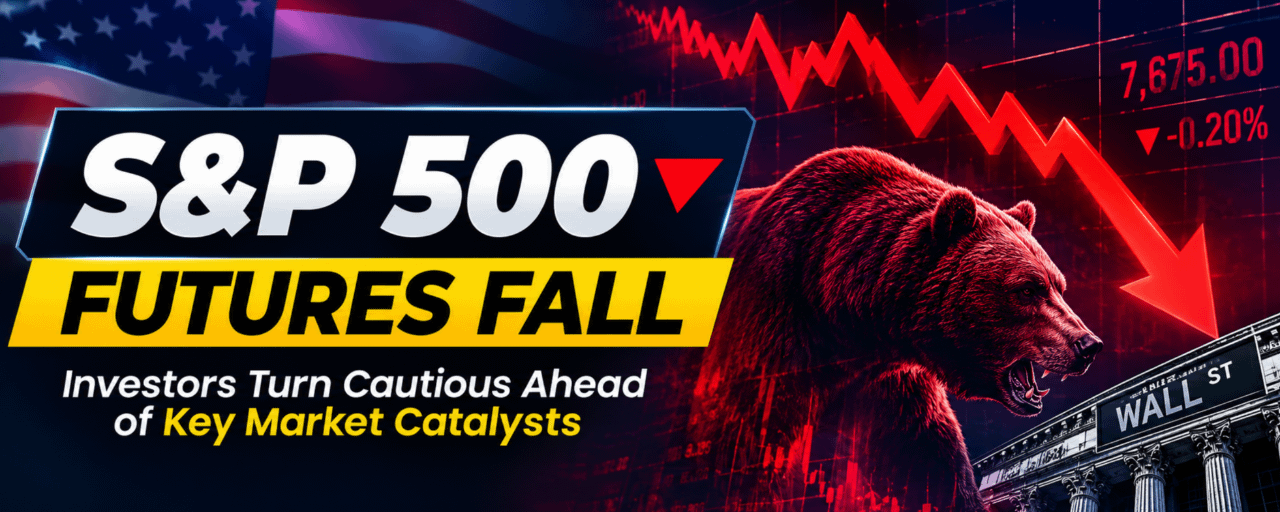
S&P 500 Fyucherslari investorlar ehtiyotkorlikni tanlagani sabab pasaydi#sp500futuresfall
$SPYB $HEI $COTI
Dushanba kuni S&P 500 fyucherslari pasaydi: investorlar bir qator yirik bozor katalizatorlari oldidan ehtiyotkorroq pozitsiyani tanlashdi. Bozor ma’lumotlariga ko‘ra, fyuchers shartnomasi yaqinda 7 675 atrofida bo‘lgan, ya’ni taxminan 0,2% ga past.
🔎 Nimalar harakatni boshqarayotgani?
Bozor kayfiyati AQSh g‘aznachiligi daromadlarining yuqoriligi, geosiyosiy noaniqlikning qayta kuchayishi va savdo keskinliklarining ortishi sabab bosim ostida. Investorlar, shuningdek, foiz stavkalari kelajakdagi yo‘li haqida ishoralar olish uchun Federal rezervning Jekson Xolldagi uchrashuvidan kutilayotgan yangiliklarni ham kuzatmoqda.
S&P 500 Fyucherslari investorlar ehtiyotkorlikni tanlagani sabab pasaydi
#sp500futuresfall
$SPYB $HEI $COTI
Dushanba kuni S&P 500 fyucherslari pasaydi: investorlar bir qator yirik bozor katalizatorlari oldidan ehtiyotkorroq pozitsiyani tanlashdi. Bozor ma’lumotlariga ko‘ra, fyuchers shartnomasi yaqinda 7 675 atrofida bo‘lgan, ya’ni taxminan 0,2% ga past.
🔎 Nimalar harakatni boshqarayotgani?
Bozor kayfiyati AQSh g‘aznachiligi daromadlarining yuqoriligi, geosiyosiy noaniqlikning qayta kuchayishi va savdo keskinliklarining ortishi sabab bosim ostida. Investorlar, shuningdek, foiz stavkalari kelajakdagi yo‘li haqida ishoralar olish uchun Federal rezervning Jekson Xolldagi uchrashuvidan kutilayotgan yangiliklarni ham kuzatmoqda.
$SPYB $HEI $COTI
Dushanba kuni S&P 500 fyucherslari pasaydi: investorlar bir qator yirik bozor katalizatorlari oldidan ehtiyotkorroq pozitsiyani tanlashdi. Bozor ma’lumotlariga ko‘ra, fyuchers shartnomasi yaqinda 7 675 atrofida bo‘lgan, ya’ni taxminan 0,2% ga past.
🔎 Nimalar harakatni boshqarayotgani?
Bozor kayfiyati AQSh g‘aznachiligi daromadlarining yuqoriligi, geosiyosiy noaniqlikning qayta kuchayishi va savdo keskinliklarining ortishi sabab bosim ostida. Investorlar, shuningdek, foiz stavkalari kelajakdagi yo‘li haqida ishoralar olish uchun Federal rezervning Jekson Xolldagi uchrashuvidan kutilayotgan yangiliklarni ham kuzatmoqda.
759

Maqola
Oltin xavfsiz boshpana talabining qaytishi bilan qariyb 5% ga tiklandi#goldreboundsnearly5%
$XAU
Oltin kuchli tiklanish ko‘rsatib, investorlar yana an’anaviy xavfsiz boshpana aktiviga yuz burganlari sabab qariyb 5% ga ko‘tarildi.
Keskin tiklanish bozorlarda iqtisodiy va geosiyosiy risklar qayta baholanayotgani bilan bog‘liq bo‘lib, noaniqlik o‘zgaruvchanlik davrida portfellarning himoyasini ta’minlay oladigan aktivlarga bo‘lgan talabni oshirmoqda.
Oltinning harakati, shuningdek, bu metallning foiz stavkalari bo‘yicha kutilmalar, AQSh dollari va global risk kayfiyatidagi o‘zgarishlarga sezgirligini ham ko‘rsatadi. Investorlar yumshoqroq pul-kredit siyosatini kutganda yoki iqtisodiy barqarorlik borasida ko‘proq xavotirga tushganda, oltin xaridga bo‘lgan kuchliroq qiziqishni tortishi mumkin.
Oltin xavfsiz boshpana talabining qaytishi bilan qariyb 5% ga tiklandi
#goldreboundsnearly5%
$XAU
Oltin kuchli tiklanish ko‘rsatib, investorlar yana an’anaviy xavfsiz boshpana aktiviga yuz burganlari sabab qariyb 5% ga ko‘tarildi.
Keskin tiklanish bozorlarda iqtisodiy va geosiyosiy risklar qayta baholanayotgani bilan bog‘liq bo‘lib, noaniqlik o‘zgaruvchanlik davrida portfellarning himoyasini ta’minlay oladigan aktivlarga bo‘lgan talabni oshirmoqda.
Oltinning harakati, shuningdek, bu metallning foiz stavkalari bo‘yicha kutilmalar, AQSh dollari va global risk kayfiyatidagi o‘zgarishlarga sezgirligini ham ko‘rsatadi. Investorlar yumshoqroq pul-kredit siyosatini kutganda yoki iqtisodiy barqarorlik borasida ko‘proq xavotirga tushganda, oltin xaridga bo‘lgan kuchliroq qiziqishni tortishi mumkin.
$XAU
Oltin kuchli tiklanish ko‘rsatib, investorlar yana an’anaviy xavfsiz boshpana aktiviga yuz burganlari sabab qariyb 5% ga ko‘tarildi.
Keskin tiklanish bozorlarda iqtisodiy va geosiyosiy risklar qayta baholanayotgani bilan bog‘liq bo‘lib, noaniqlik o‘zgaruvchanlik davrida portfellarning himoyasini ta’minlay oladigan aktivlarga bo‘lgan talabni oshirmoqda.
Oltinning harakati, shuningdek, bu metallning foiz stavkalari bo‘yicha kutilmalar, AQSh dollari va global risk kayfiyatidagi o‘zgarishlarga sezgirligini ham ko‘rsatadi. Investorlar yumshoqroq pul-kredit siyosatini kutganda yoki iqtisodiy barqarorlik borasida ko‘proq xavotirga tushganda, oltin xaridga bo‘lgan kuchliroq qiziqishni tortishi mumkin.
1
412
Maqola
AQSh Rafineriyalari Yaqinlashib Kelayotgan Xomashyo Yetkazib Berish Pasayishiga Duch Kelmoqda#usrefinersfaceloomingcrudesupplydrop
AQShdagi neftni qayta ishlovchilar ishlab chiqarishning pasayishi, zaxiralarning kamayishi va global neft oqimlarining o‘zgarishi borasidagi xavotirlar ortib borar ekan, yanada qattiqroq xomashyo yetkazib berish muhitiga kirib borayotgan bo‘lishi mumkin.
Mavjud xomashyoning qisqarishi qayta ishlovchilarga qo‘shimcha bosimni kuchaytirishi mumkin, ayniqsa ichki ta’minotga ko‘p tayanadiganlari uchun. Agar xomashyo mavjudligi qattiqlashsa-yu, rafineriyalar talabi kuchli bo‘lib qolsa, qayta ishlovchilar yuqoriroq xomashyo xarajatlari va foyda marjalarining torayishiga duch kelishi mumkin.
Vaziyatni energetika treyderlari ham sinchkovlik bilan kuzatmoqda. AQShda xomashyo ishlab chiqarishidagi o‘zgarishlar, rafineri quvvatdan foydalanish darajasi va zaxiralar neft narxlari hamda qayta ishlangan mahsulotlar bozorlariga tezda ta’sir qilishi mumkin.
AQSh Rafineriyalari Yaqinlashib Kelayotgan Xomashyo Yetkazib Berish Pasayishiga Duch Kelmoqda
#usrefinersfaceloomingcrudesupplydrop
AQShdagi neftni qayta ishlovchilar ishlab chiqarishning pasayishi, zaxiralarning kamayishi va global neft oqimlarining o‘zgarishi borasidagi xavotirlar ortib borar ekan, yanada qattiqroq xomashyo yetkazib berish muhitiga kirib borayotgan bo‘lishi mumkin.
Mavjud xomashyoning qisqarishi qayta ishlovchilarga qo‘shimcha bosimni kuchaytirishi mumkin, ayniqsa ichki ta’minotga ko‘p tayanadiganlari uchun. Agar xomashyo mavjudligi qattiqlashsa-yu, rafineriyalar talabi kuchli bo‘lib qolsa, qayta ishlovchilar yuqoriroq xomashyo xarajatlari va foyda marjalarining torayishiga duch kelishi mumkin.
Vaziyatni energetika treyderlari ham sinchkovlik bilan kuzatmoqda. AQShda xomashyo ishlab chiqarishidagi o‘zgarishlar, rafineri quvvatdan foydalanish darajasi va zaxiralar neft narxlari hamda qayta ishlangan mahsulotlar bozorlariga tezda ta’sir qilishi mumkin.
AQShdagi neftni qayta ishlovchilar ishlab chiqarishning pasayishi, zaxiralarning kamayishi va global neft oqimlarining o‘zgarishi borasidagi xavotirlar ortib borar ekan, yanada qattiqroq xomashyo yetkazib berish muhitiga kirib borayotgan bo‘lishi mumkin.
Mavjud xomashyoning qisqarishi qayta ishlovchilarga qo‘shimcha bosimni kuchaytirishi mumkin, ayniqsa ichki ta’minotga ko‘p tayanadiganlari uchun. Agar xomashyo mavjudligi qattiqlashsa-yu, rafineriyalar talabi kuchli bo‘lib qolsa, qayta ishlovchilar yuqoriroq xomashyo xarajatlari va foyda marjalarining torayishiga duch kelishi mumkin.
Vaziyatni energetika treyderlari ham sinchkovlik bilan kuzatmoqda. AQShda xomashyo ishlab chiqarishidagi o‘zgarishlar, rafineri quvvatdan foydalanish darajasi va zaxiralar neft narxlari hamda qayta ishlangan mahsulotlar bozorlariga tezda ta’sir qilishi mumkin.
1
1
1.1k

Maqola
Eli Lilly 5,3% ga sakrab rekord darajaga chiqdi — investorlar farmatsevtika gigantiga shoshilmoqda#elilillyrises5.3%torecordhigh
$HEI $LAB $LLY
Eli Lilly (LLY) aksiyalari 5,3% ga o‘sib, rekord darajaga yetdi; investorlar kompaniyaning o‘sish istiqboliga bo‘lgan ishonchi qayta tiklangani sababli farmatsevtika gigant yana e’tibor markaziga qaytdi.
Keskin yuqoriga siljish Lillyga bo‘lgan kuchli bozor qiziqishini va tez kengayayotgan vazn yo‘qotish hamda diabetni davolash bozoridagi o‘rnini aks ettiradi.
📈 Eli Lilly nega o‘smoqda
Eli Lilly farmatsevtika sanoatidagi eng yirik nomlardan biriga aylandi, bu uning GLP-1 dori-darmonlariga bo‘lgan kuchli talab bilan bog‘liq, xususan diabet va semizlikni davolashga qaratilgan davolash vositalari.
Eli Lilly 5,3% ga sakrab rekord darajaga chiqdi — investorlar farmatsevtika gigantiga shoshilmoqda
#elilillyrises5.3%torecordhigh
$HEI $LAB $LLY
Eli Lilly (LLY) aksiyalari 5,3% ga o‘sib, rekord darajaga yetdi; investorlar kompaniyaning o‘sish istiqboliga bo‘lgan ishonchi qayta tiklangani sababli farmatsevtika gigant yana e’tibor markaziga qaytdi.
Keskin yuqoriga siljish Lillyga bo‘lgan kuchli bozor qiziqishini va tez kengayayotgan vazn yo‘qotish hamda diabetni davolash bozoridagi o‘rnini aks ettiradi.
📈 Eli Lilly nega o‘smoqda
Eli Lilly farmatsevtika sanoatidagi eng yirik nomlardan biriga aylandi, bu uning GLP-1 dori-darmonlariga bo‘lgan kuchli talab bilan bog‘liq, xususan diabet va semizlikni davolashga qaratilgan davolash vositalari.
$HEI $LAB $LLY
Eli Lilly (LLY) aksiyalari 5,3% ga o‘sib, rekord darajaga yetdi; investorlar kompaniyaning o‘sish istiqboliga bo‘lgan ishonchi qayta tiklangani sababli farmatsevtika gigant yana e’tibor markaziga qaytdi.
Keskin yuqoriga siljish Lillyga bo‘lgan kuchli bozor qiziqishini va tez kengayayotgan vazn yo‘qotish hamda diabetni davolash bozoridagi o‘rnini aks ettiradi.
📈 Eli Lilly nega o‘smoqda
Eli Lilly farmatsevtika sanoatidagi eng yirik nomlardan biriga aylandi, bu uning GLP-1 dori-darmonlariga bo‘lgan kuchli talab bilan bog‘liq, xususan diabet va semizlikni davolashga qaratilgan davolash vositalari.
529
Maqola
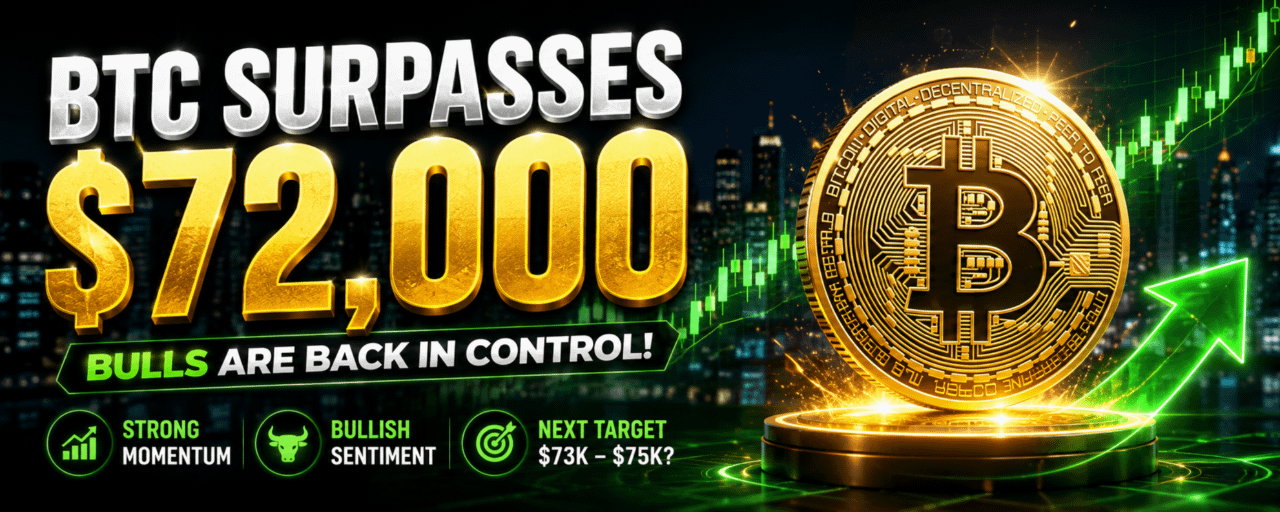
Bitcoin $72,000 dan oshib, buqalar nazoratni qayta qo‘lga oldi#BTCSurpasses$72000
$BTC
Bitcoin $72,000 darajasidan yuqoriga ko‘tarilib, dunyoning eng yirik kriptovalyutasi uchun yana bir kuchli harakatni qayd etdi va raqamli aktivlar bozorida ko‘tarilish kayfiyatini qayta jonlantirdi.
$72K dan yuqoriga chiqish Bitcoinni treyderlar diqqat bilan kuzatayotgan muhim texnik zonaga qaytardi. Ushbu darajadan yuqorida barqaror turish qisqa muddatli ijobiy tuzilmani mustahkamlashi va yuqoriroq qarshilik zonalarigacha yo‘l ochishi mumkin.
🚀 Nega $72K muhim
$72,000 darajasi muhim psixologik va texnik bosqichni ifodalaydi. Uning ustiga chiqish xaridorlar yuqoriroq narxlarda ham kirishga tayyorligini ko‘rsatadi va bozor bo‘ylab ishonch ortayotganidan darak berishi mumkin.
Bitcoin $72,000 dan oshib, buqalar nazoratni qayta qo‘lga oldi
#BTCSurpasses$72000
$BTC
Bitcoin $72,000 darajasidan yuqoriga ko‘tarilib, dunyoning eng yirik kriptovalyutasi uchun yana bir kuchli harakatni qayd etdi va raqamli aktivlar bozorida ko‘tarilish kayfiyatini qayta jonlantirdi.
$72K dan yuqoriga chiqish Bitcoinni treyderlar diqqat bilan kuzatayotgan muhim texnik zonaga qaytardi. Ushbu darajadan yuqorida barqaror turish qisqa muddatli ijobiy tuzilmani mustahkamlashi va yuqoriroq qarshilik zonalarigacha yo‘l ochishi mumkin.
🚀 Nega $72K muhim
$72,000 darajasi muhim psixologik va texnik bosqichni ifodalaydi. Uning ustiga chiqish xaridorlar yuqoriroq narxlarda ham kirishga tayyorligini ko‘rsatadi va bozor bo‘ylab ishonch ortayotganidan darak berishi mumkin.
$BTC
Bitcoin $72,000 darajasidan yuqoriga ko‘tarilib, dunyoning eng yirik kriptovalyutasi uchun yana bir kuchli harakatni qayd etdi va raqamli aktivlar bozorida ko‘tarilish kayfiyatini qayta jonlantirdi.
$72K dan yuqoriga chiqish Bitcoinni treyderlar diqqat bilan kuzatayotgan muhim texnik zonaga qaytardi. Ushbu darajadan yuqorida barqaror turish qisqa muddatli ijobiy tuzilmani mustahkamlashi va yuqoriroq qarshilik zonalarigacha yo‘l ochishi mumkin.
🚀 Nega $72K muhim
$72,000 darajasi muhim psixologik va texnik bosqichni ifodalaydi. Uning ustiga chiqish xaridorlar yuqoriroq narxlarda ham kirishga tayyorligini ko‘rsatadi va bozor bo‘ylab ishonch ortayotganidan darak berishi mumkin.
1
211
Maqola
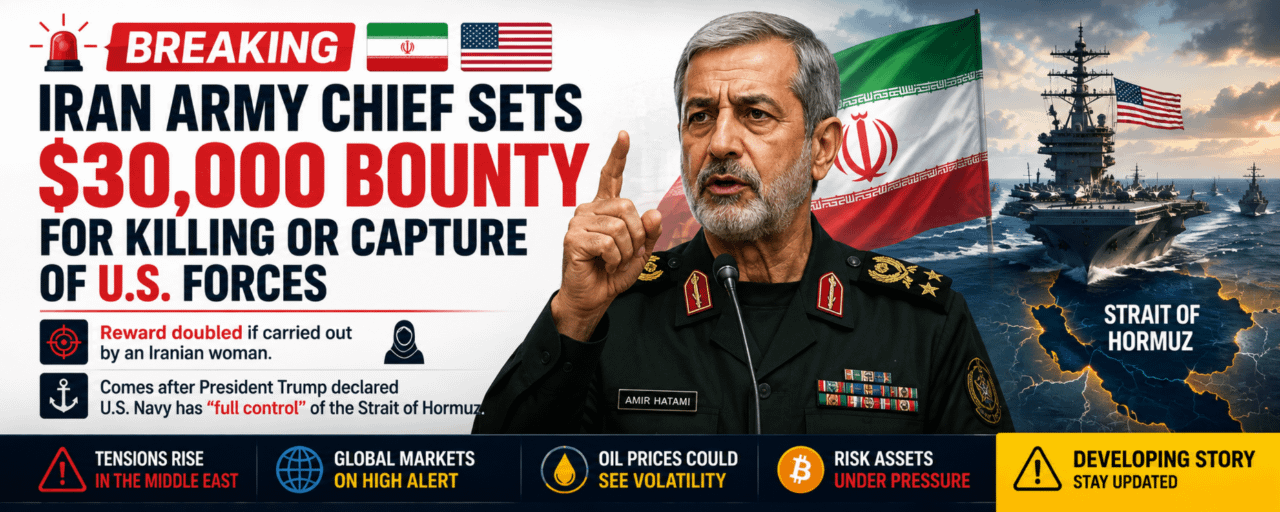
Shoshilinch: Eron armiyasi boshlig‘i AQSh kuchlari uchun 30 000 dollar mukofot taklif qilgani aytilmoqda$CL $TRUMP
Eron va AQSh o‘rtasidagi keskinliklar Eron armiyasi boshlig‘i Amir Hatami “bosqinchi” amerikalik askar deb ta’riflangan AQSh harbiy xizmatchisini o‘ldirgan yoki qo‘lga olgan har bir kishiga 30 000 dollar mukofot e’lon qilgani haqidagi xabarlar ortidan kuchayib bormoqda.
Hisobotlarga ko‘ra, agar bu amalni eronlik ayol amalga oshirsa, go‘yoki mukofot ikki baravar oshirilishi aytilgan, bu esa bayonotga yana bir provokatsion jihat qo‘shadi.
Xabarlarga ko‘ra, bu e’lon dunyodagi eng strategik ahamiyatga ega energiya yo‘laklaridan biri bo‘lgan Hormuz bo‘g‘ozi atrofidagi keskinlik kuchaygan bir paytda kelgan. Prezident Donald Tramp AQSh Harbiy-dengiz kuchlari ushbu suv yo‘lagi ustidan “to‘liq nazorat”ga ega ekanini aytgan, Eron esa mintaqadagi xorijiy harbiy faoliyat yuzasidan keskin ogohlantirishlarni davom ettirmoqda.
Shoshilinch: Eron armiyasi boshlig‘i AQSh kuchlari uchun 30 000 dollar mukofot taklif qilgani aytilmoqda
$CL $TRUMP
Eron va AQSh o‘rtasidagi keskinliklar Eron armiyasi boshlig‘i Amir Hatami “bosqinchi” amerikalik askar deb ta’riflangan AQSh harbiy xizmatchisini o‘ldirgan yoki qo‘lga olgan har bir kishiga 30 000 dollar mukofot e’lon qilgani haqidagi xabarlar ortidan kuchayib bormoqda.
Hisobotlarga ko‘ra, agar bu amalni eronlik ayol amalga oshirsa, go‘yoki mukofot ikki baravar oshirilishi aytilgan, bu esa bayonotga yana bir provokatsion jihat qo‘shadi.
Xabarlarga ko‘ra, bu e’lon dunyodagi eng strategik ahamiyatga ega energiya yo‘laklaridan biri bo‘lgan Hormuz bo‘g‘ozi atrofidagi keskinlik kuchaygan bir paytda kelgan. Prezident Donald Tramp AQSh Harbiy-dengiz kuchlari ushbu suv yo‘lagi ustidan “to‘liq nazorat”ga ega ekanini aytgan, Eron esa mintaqadagi xorijiy harbiy faoliyat yuzasidan keskin ogohlantirishlarni davom ettirmoqda.
Eron va AQSh o‘rtasidagi keskinliklar Eron armiyasi boshlig‘i Amir Hatami “bosqinchi” amerikalik askar deb ta’riflangan AQSh harbiy xizmatchisini o‘ldirgan yoki qo‘lga olgan har bir kishiga 30 000 dollar mukofot e’lon qilgani haqidagi xabarlar ortidan kuchayib bormoqda.
Hisobotlarga ko‘ra, agar bu amalni eronlik ayol amalga oshirsa, go‘yoki mukofot ikki baravar oshirilishi aytilgan, bu esa bayonotga yana bir provokatsion jihat qo‘shadi.
Xabarlarga ko‘ra, bu e’lon dunyodagi eng strategik ahamiyatga ega energiya yo‘laklaridan biri bo‘lgan Hormuz bo‘g‘ozi atrofidagi keskinlik kuchaygan bir paytda kelgan. Prezident Donald Tramp AQSh Harbiy-dengiz kuchlari ushbu suv yo‘lagi ustidan “to‘liq nazorat”ga ega ekanini aytgan, Eron esa mintaqadagi xorijiy harbiy faoliyat yuzasidan keskin ogohlantirishlarni davom ettirmoqda.
54
Maqola
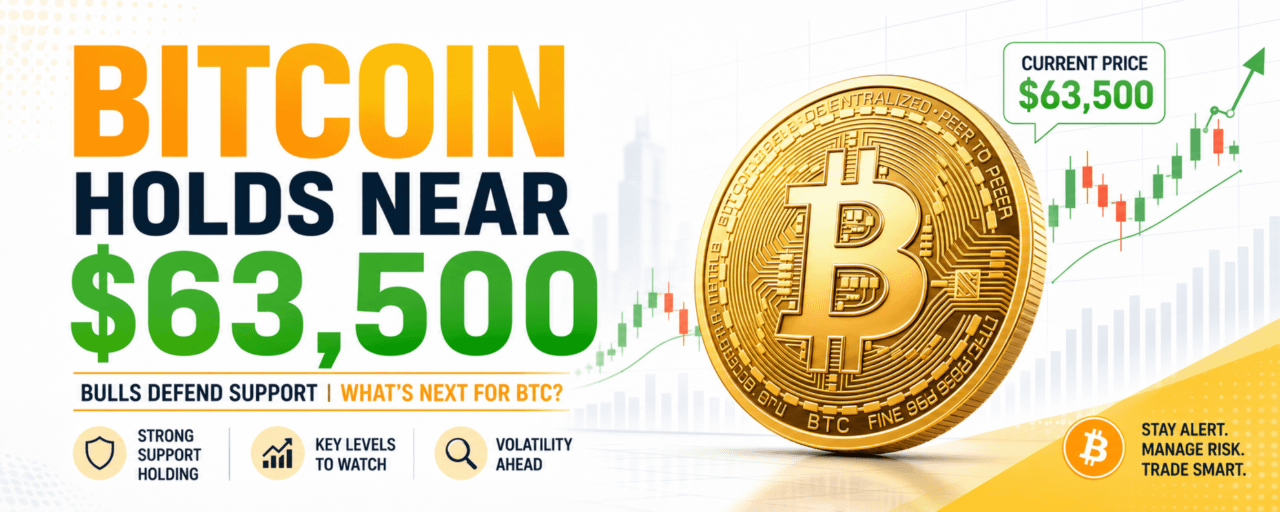
Treyderlar navbatdagi harakatni kuzatayotgan paytda Bitcoin $63,500 atrofida ushlab turibdi#BitcoinHoldsNear$63500
Bitcoin hozirda taxminan $63,500 darajasida ushlab turibdi, treyderlar esa bozor navbatdagi yuqoriga harakat uchun yetarli momentum to‘play oladimi, degan savolni baholamoqda.
So‘nggi narx harakati konsolidatsiya davrini ko‘rsatmoqda: xaridorlar joriy hududni himoya qilmoqda, sotuvchilar esa qisqa muddatli qarshilik yaqinida faol qolmoqda. Yaqinda kuzatilgan o‘zgaruvchanlikdan so‘ng, $BTC qo‘llab-quvvatlashni saqlab qola olishi uning keyingi asosiy yo‘nalishini aniqlashda muhim bo‘lishi mumkin.
📊 Kuzatiladigan asosiy darajalar
Qo‘llab-quvvatlash: $62,000–$63,000
Joriy zona: taxminan $63,500
Qarshilik: $65,000–$66,000
Treyderlar navbatdagi harakatni kuzatayotgan paytda Bitcoin $63,500 atrofida ushlab turibdi
#BitcoinHoldsNear$63500
Bitcoin hozirda taxminan $63,500 darajasida ushlab turibdi, treyderlar esa bozor navbatdagi yuqoriga harakat uchun yetarli momentum to‘play oladimi, degan savolni baholamoqda.
So‘nggi narx harakati konsolidatsiya davrini ko‘rsatmoqda: xaridorlar joriy hududni himoya qilmoqda, sotuvchilar esa qisqa muddatli qarshilik yaqinida faol qolmoqda. Yaqinda kuzatilgan o‘zgaruvchanlikdan so‘ng, $BTC qo‘llab-quvvatlashni saqlab qola olishi uning keyingi asosiy yo‘nalishini aniqlashda muhim bo‘lishi mumkin.
📊 Kuzatiladigan asosiy darajalar
Qo‘llab-quvvatlash: $62,000–$63,000
Joriy zona: taxminan $63,500
Qarshilik: $65,000–$66,000
Bitcoin hozirda taxminan $63,500 darajasida ushlab turibdi, treyderlar esa bozor navbatdagi yuqoriga harakat uchun yetarli momentum to‘play oladimi, degan savolni baholamoqda.
So‘nggi narx harakati konsolidatsiya davrini ko‘rsatmoqda: xaridorlar joriy hududni himoya qilmoqda, sotuvchilar esa qisqa muddatli qarshilik yaqinida faol qolmoqda. Yaqinda kuzatilgan o‘zgaruvchanlikdan so‘ng, $BTC qo‘llab-quvvatlashni saqlab qola olishi uning keyingi asosiy yo‘nalishini aniqlashda muhim bo‘lishi mumkin.
📊 Kuzatiladigan asosiy darajalar
Qo‘llab-quvvatlash: $62,000–$63,000
Joriy zona: taxminan $63,500
Qarshilik: $65,000–$66,000
151
Tasdiqlangan
Maqola
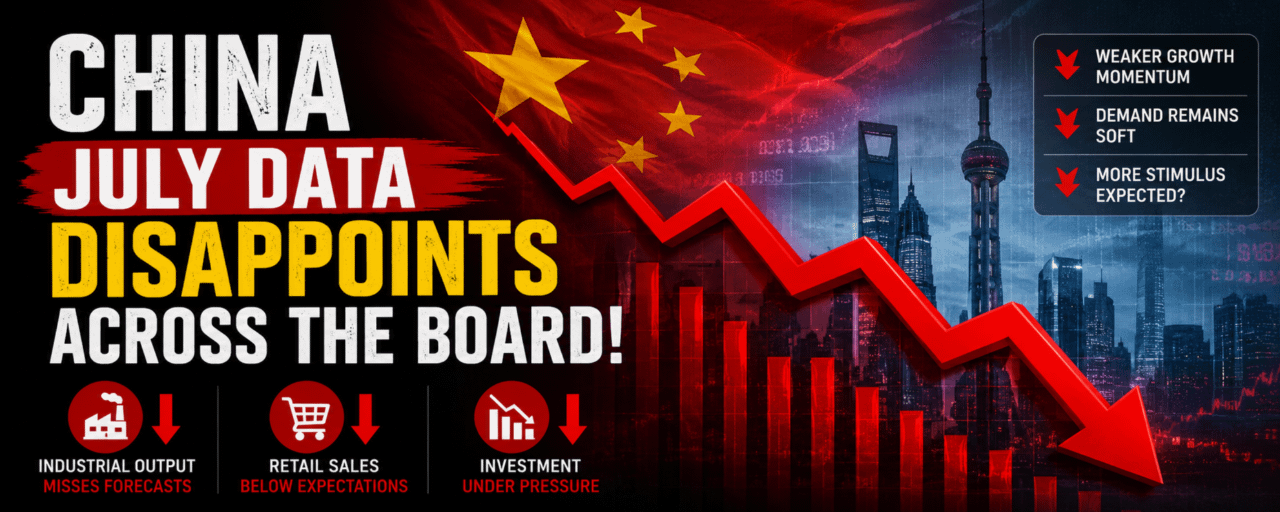
Xitoyda iyul oyidagi ishlab chiqarish, chakana savdo va investitsiyalar barchasi kutilganidan past chiqdi#chinajulyoutputretailinvestmentallmiss
$BTC $HEI $XRP
Xitoyning so‘nggi iyul oyiga oid iqtisodiy ko‘rsatkichlari keng ko‘lamli kutilmaganlikni keltirib chiqardi: sanoat ishlab chiqarishi, chakana savdo va asosiy aktivlarga investitsiyalar bozor kutganidan past chiqdi. Ko‘rsatkichlarning sustroq bo‘lishi Xitoy iqtisodiy tiklanish sur’atlari bo‘yicha ortib borayotgan xavotirlarni ta’kidlaydi va siyosatchilarga qo‘shimcha rag‘batlantirish choralarini joriy etish bo‘yicha bosimni kuchaytirishi mumkin.
📉 Sanoat ishlab chiqarishi rejalashtirilgandan ortda qolmoqda
Xitoyda sanoat ishlab chiqarishining o‘sishi iyul oyida iqtisodchilar kutganidan ko‘proq sekinlashdi; bu ishlab chiqaruvchilar ichki talabning sustligi va yanada murakkab tashqi muhitga duch kelayotganini ko‘rsatadi.
Xitoyda iyul oyidagi ishlab chiqarish, chakana savdo va investitsiyalar barchasi kutilganidan past chiqdi
#chinajulyoutputretailinvestmentallmiss
$BTC $HEI $XRP
Xitoyning so‘nggi iyul oyiga oid iqtisodiy ko‘rsatkichlari keng ko‘lamli kutilmaganlikni keltirib chiqardi: sanoat ishlab chiqarishi, chakana savdo va asosiy aktivlarga investitsiyalar bozor kutganidan past chiqdi. Ko‘rsatkichlarning sustroq bo‘lishi Xitoy iqtisodiy tiklanish sur’atlari bo‘yicha ortib borayotgan xavotirlarni ta’kidlaydi va siyosatchilarga qo‘shimcha rag‘batlantirish choralarini joriy etish bo‘yicha bosimni kuchaytirishi mumkin.
📉 Sanoat ishlab chiqarishi rejalashtirilgandan ortda qolmoqda
Xitoyda sanoat ishlab chiqarishining o‘sishi iyul oyida iqtisodchilar kutganidan ko‘proq sekinlashdi; bu ishlab chiqaruvchilar ichki talabning sustligi va yanada murakkab tashqi muhitga duch kelayotganini ko‘rsatadi.
$BTC $HEI $XRP
Xitoyning so‘nggi iyul oyiga oid iqtisodiy ko‘rsatkichlari keng ko‘lamli kutilmaganlikni keltirib chiqardi: sanoat ishlab chiqarishi, chakana savdo va asosiy aktivlarga investitsiyalar bozor kutganidan past chiqdi. Ko‘rsatkichlarning sustroq bo‘lishi Xitoy iqtisodiy tiklanish sur’atlari bo‘yicha ortib borayotgan xavotirlarni ta’kidlaydi va siyosatchilarga qo‘shimcha rag‘batlantirish choralarini joriy etish bo‘yicha bosimni kuchaytirishi mumkin.
📉 Sanoat ishlab chiqarishi rejalashtirilgandan ortda qolmoqda
Xitoyda sanoat ishlab chiqarishining o‘sishi iyul oyida iqtisodchilar kutganidan ko‘proq sekinlashdi; bu ishlab chiqaruvchilar ichki talabning sustligi va yanada murakkab tashqi muhitga duch kelayotganini ko‘rsatadi.
2
679

Maqola
Isroil janubiy Livanga zarba berdi, kuchayib borayotgan keskinlik fonida Hizbulloh qo‘mondoni o‘ldirildi#israelstrikeslebanonkillshezbollahcommander
Isroilning janubiy Livanga qilgan havo hujumlaridan so‘ng Isroil va Hizbulloh o‘rtasidagi keskinlik yana kuchaydi; Isroilning aytishicha, hujumlardan birida Hizbullohning yuqori martabali qo‘mondoni o‘ldirilgan.
Isroil harbiylari Deir al-Zahraniga qilingan zarbada Ali Mohammad Fakhreddine, Abu Hassan Alaa nomi bilan ham tanilgan, o‘ldirilganini aytdi; u “Hizbulloh”ning Badr bo‘limining yuqori martabali qo‘mondoni sifatida ta’riflangan edi. Isroilning aytishicha, bu amaliyot “Hizbulloh”ning dron hujumiga javoban amalga oshirilgan bo‘lib, unda uch nafar isroillik askar og‘ir yaralangan.
Isroil janubiy Livanga zarba berdi, kuchayib borayotgan keskinlik fonida Hizbulloh qo‘mondoni o‘ldirildi
#israelstrikeslebanonkillshezbollahcommander
Isroilning janubiy Livanga qilgan havo hujumlaridan so‘ng Isroil va Hizbulloh o‘rtasidagi keskinlik yana kuchaydi; Isroilning aytishicha, hujumlardan birida Hizbullohning yuqori martabali qo‘mondoni o‘ldirilgan.
Isroil harbiylari Deir al-Zahraniga qilingan zarbada Ali Mohammad Fakhreddine, Abu Hassan Alaa nomi bilan ham tanilgan, o‘ldirilganini aytdi; u “Hizbulloh”ning Badr bo‘limining yuqori martabali qo‘mondoni sifatida ta’riflangan edi. Isroilning aytishicha, bu amaliyot “Hizbulloh”ning dron hujumiga javoban amalga oshirilgan bo‘lib, unda uch nafar isroillik askar og‘ir yaralangan.
Isroilning janubiy Livanga qilgan havo hujumlaridan so‘ng Isroil va Hizbulloh o‘rtasidagi keskinlik yana kuchaydi; Isroilning aytishicha, hujumlardan birida Hizbullohning yuqori martabali qo‘mondoni o‘ldirilgan.
Isroil harbiylari Deir al-Zahraniga qilingan zarbada Ali Mohammad Fakhreddine, Abu Hassan Alaa nomi bilan ham tanilgan, o‘ldirilganini aytdi; u “Hizbulloh”ning Badr bo‘limining yuqori martabali qo‘mondoni sifatida ta’riflangan edi. Isroilning aytishicha, bu amaliyot “Hizbulloh”ning dron hujumiga javoban amalga oshirilgan bo‘lib, unda uch nafar isroillik askar og‘ir yaralangan.
122
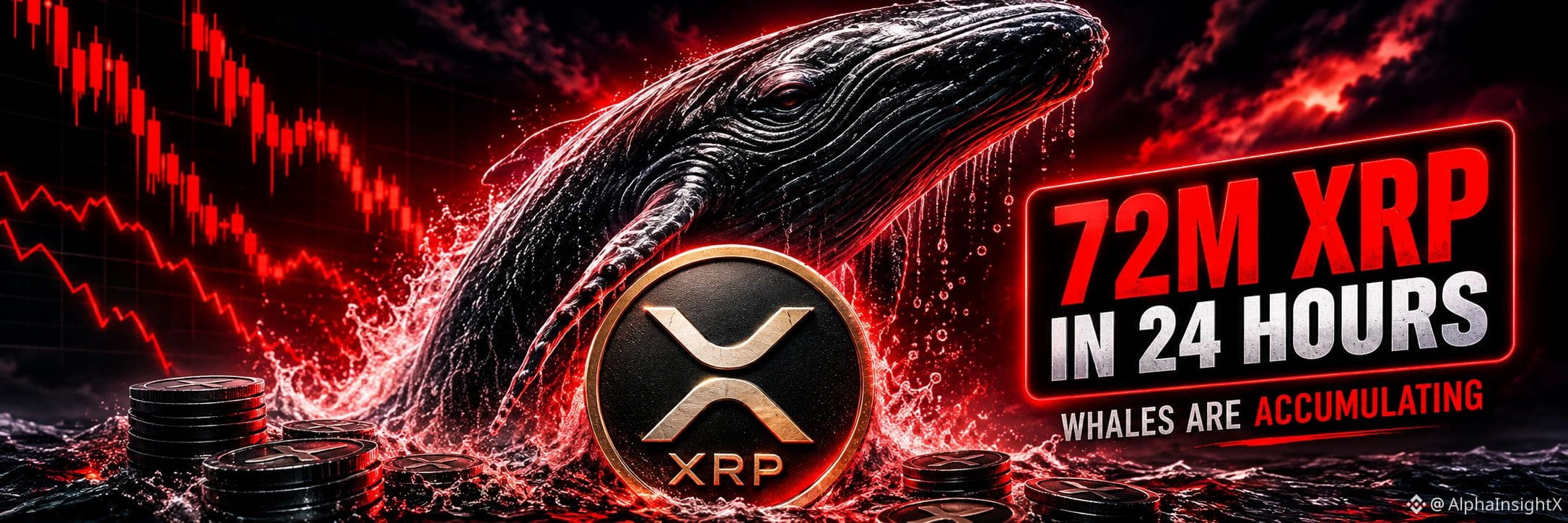
🚨XRP KITLAR QO‘RQUVDAN FOYDALANIB SOTIB OLMOQDA🐋
$XRP 2024-yil noyabrdan beri eng ZAIF yopilishini qayd etayotgan bir paytda, kitlar atigi 24 soat ichida 72 MILLION XRP to‘pladi.
Aholi zaiflikni ko‘radi.
Kitlar esa imkoniyatni ko‘radi.
SIZNINGCHA, KIMDUR NIMADIR BILADI?👀
🚨XRP KITLAR QO‘RQUVDAN FOYDALANIB SOTIB OLMOQDA🐋
$XRP 2024-yil noyabrdan beri eng ZAIF yopilishini qayd etayotgan bir paytda, kitlar atigi 24 soat ichida 72 MILLION XRP to‘pladi.
Aholi zaiflikni ko‘radi.
Kitlar esa imkoniyatni ko‘radi.
SIZNINGCHA, KIMDUR NIMADIR BILADI?👀
$XRP 2024-yil noyabrdan beri eng ZAIF yopilishini qayd etayotgan bir paytda, kitlar atigi 24 soat ichida 72 MILLION XRP to‘pladi.
Aholi zaiflikni ko‘radi.
Kitlar esa imkoniyatni ko‘radi.
SIZNINGCHA, KIMDUR NIMADIR BILADI?👀
22
Maqola
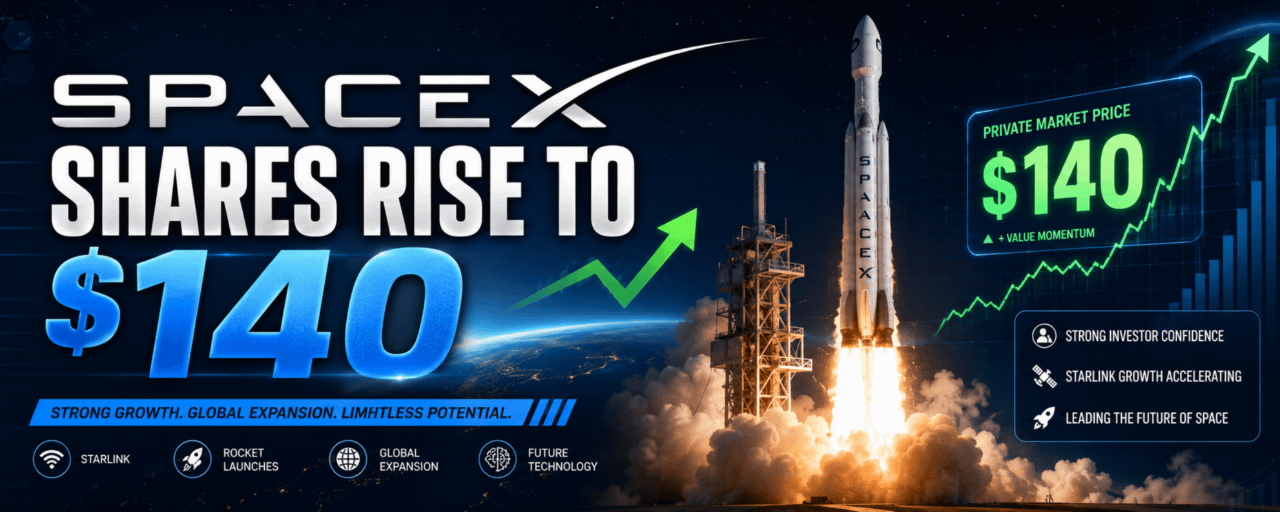
SpaceX aksiyalari 140 dollargacha ko‘tarildi: xususiy bozor bahosi investorlar e’tiborini tortmoqda#SpaceXSharesRiseTo$140
$SPCX $DOGE
Ma’lumotlarga ko‘ra, SpaceX aksiyalari taxminan 140 dollardan savdolanmoqda, bu esa xususiy aerokosmik kompaniyani yana diqqat markaziga olib chiqdi, chunki investorlar uning bahosi va uzoq muddatli o‘sish istiqbollarini sinchkovlik bilan kuzatmoqda.
Bu qadam SpaceX’ning kengayib borayotgan biznes ekotizimiga qiziqish ortib borayotganini ko‘rsatadi; unga Starlink sun’iy yo‘ldosh interneti, raketa uchirishlar, sun’iy yo‘ldosh aloqalari va kelajakdagi kosmik texnologiyalar kiradi.
🚀 Nega SpaceX investorlar uchun muhim
SpaceX tobora dunyodagi eng diqqat bilan kuzatiladigan xususiy kompaniyalardan biriga aylanmoqda. Uning Starlink bo‘limi global qamrovini kengaytirishda davom etmoqda, kompaniyaning raketa uchirish faoliyati esa tijorat kosmik sanoatida hali ham muhim kuch bo‘lib qolmoqda.
SpaceX aksiyalari 140 dollargacha ko‘tarildi: xususiy bozor bahosi investorlar e’tiborini tortmoqda
#SpaceXSharesRiseTo$140
$SPCX $DOGE
Ma’lumotlarga ko‘ra, SpaceX aksiyalari taxminan 140 dollardan savdolanmoqda, bu esa xususiy aerokosmik kompaniyani yana diqqat markaziga olib chiqdi, chunki investorlar uning bahosi va uzoq muddatli o‘sish istiqbollarini sinchkovlik bilan kuzatmoqda.
Bu qadam SpaceX’ning kengayib borayotgan biznes ekotizimiga qiziqish ortib borayotganini ko‘rsatadi; unga Starlink sun’iy yo‘ldosh interneti, raketa uchirishlar, sun’iy yo‘ldosh aloqalari va kelajakdagi kosmik texnologiyalar kiradi.
🚀 Nega SpaceX investorlar uchun muhim
SpaceX tobora dunyodagi eng diqqat bilan kuzatiladigan xususiy kompaniyalardan biriga aylanmoqda. Uning Starlink bo‘limi global qamrovini kengaytirishda davom etmoqda, kompaniyaning raketa uchirish faoliyati esa tijorat kosmik sanoatida hali ham muhim kuch bo‘lib qolmoqda.
$SPCX $DOGE
Ma’lumotlarga ko‘ra, SpaceX aksiyalari taxminan 140 dollardan savdolanmoqda, bu esa xususiy aerokosmik kompaniyani yana diqqat markaziga olib chiqdi, chunki investorlar uning bahosi va uzoq muddatli o‘sish istiqbollarini sinchkovlik bilan kuzatmoqda.
Bu qadam SpaceX’ning kengayib borayotgan biznes ekotizimiga qiziqish ortib borayotganini ko‘rsatadi; unga Starlink sun’iy yo‘ldosh interneti, raketa uchirishlar, sun’iy yo‘ldosh aloqalari va kelajakdagi kosmik texnologiyalar kiradi.
🚀 Nega SpaceX investorlar uchun muhim
SpaceX tobora dunyodagi eng diqqat bilan kuzatiladigan xususiy kompaniyalardan biriga aylanmoqda. Uning Starlink bo‘limi global qamrovini kengaytirishda davom etmoqda, kompaniyaning raketa uchirish faoliyati esa tijorat kosmik sanoatida hali ham muhim kuch bo‘lib qolmoqda.
3
867
Maqola
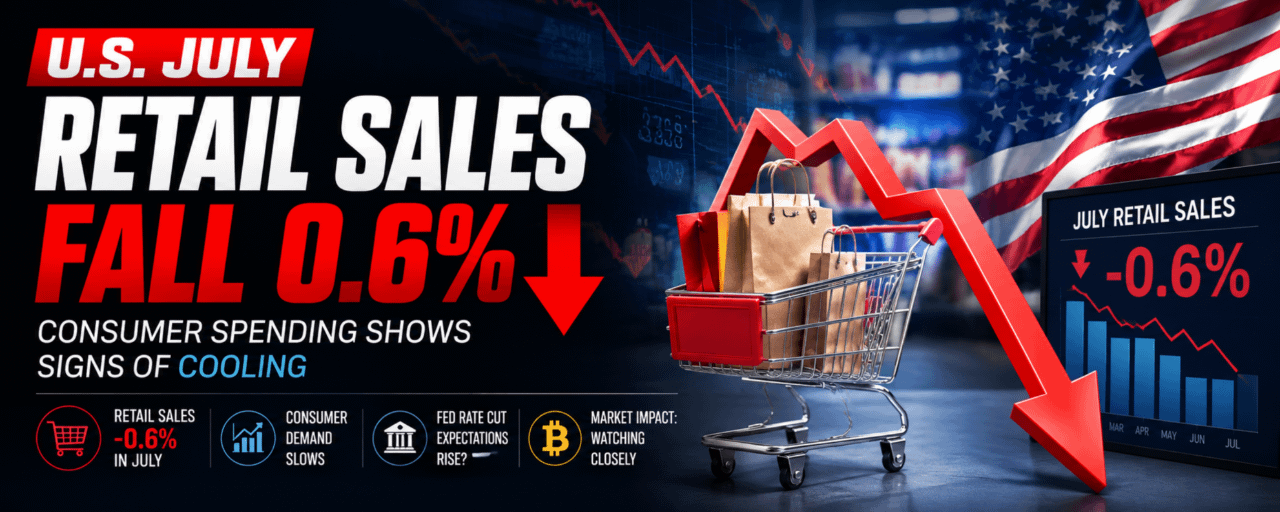
AQSh iyul oyidagi chakana savdo 0,6% ga pasaydi: iste’mol xarajatlarida sovish alomatlari#usjulyretailsalesfall0.6%
AQShning chakana savdosi iyul oyida 0,6% ga kamaydi, bu iste’mol xarajatlarida sezilarli sekinlashuvdan dalolat beradi va dunyodagi eng yirik iqtisodiyot kuchi borasida yangi savollar tug‘diradi.
Pasayish bozorlar AQSh iqtisodiy ma’lumotlarini inflyatsiya, uy xo‘jaliklari talabi va Federal rezervning keyingi siyosiy qadamlariga oid ishoralar uchun diqqat bilan kuzatayotgani fonida yuz bermoqda.
$BTC
📉 Keskin oylik pasayish
Chakana savdodagi 0,6% oylik pasayish iyulda iste’molchilar ehtiyotkor bo‘lib qolganini ko‘rsatadi. Chakana savdo iqtisodiy sur’atning muhim ko‘rsatkichi hisoblanadi, chunki iste’molchi faolligi AQSh iqtisodiy o‘sishining katta qismini tashkil etadi.
AQSh iyul oyidagi chakana savdo 0,6% ga pasaydi: iste’mol xarajatlarida sovish alomatlari
#usjulyretailsalesfall0.6%
AQShning chakana savdosi iyul oyida 0,6% ga kamaydi, bu iste’mol xarajatlarida sezilarli sekinlashuvdan dalolat beradi va dunyodagi eng yirik iqtisodiyot kuchi borasida yangi savollar tug‘diradi.
Pasayish bozorlar AQSh iqtisodiy ma’lumotlarini inflyatsiya, uy xo‘jaliklari talabi va Federal rezervning keyingi siyosiy qadamlariga oid ishoralar uchun diqqat bilan kuzatayotgani fonida yuz bermoqda.
$BTC
📉 Keskin oylik pasayish
Chakana savdodagi 0,6% oylik pasayish iyulda iste’molchilar ehtiyotkor bo‘lib qolganini ko‘rsatadi. Chakana savdo iqtisodiy sur’atning muhim ko‘rsatkichi hisoblanadi, chunki iste’molchi faolligi AQSh iqtisodiy o‘sishining katta qismini tashkil etadi.
AQShning chakana savdosi iyul oyida 0,6% ga kamaydi, bu iste’mol xarajatlarida sezilarli sekinlashuvdan dalolat beradi va dunyodagi eng yirik iqtisodiyot kuchi borasida yangi savollar tug‘diradi.
Pasayish bozorlar AQSh iqtisodiy ma’lumotlarini inflyatsiya, uy xo‘jaliklari talabi va Federal rezervning keyingi siyosiy qadamlariga oid ishoralar uchun diqqat bilan kuzatayotgani fonida yuz bermoqda.
$BTC
📉 Keskin oylik pasayish
Chakana savdodagi 0,6% oylik pasayish iyulda iste’molchilar ehtiyotkor bo‘lib qolganini ko‘rsatadi. Chakana savdo iqtisodiy sur’atning muhim ko‘rsatkichi hisoblanadi, chunki iste’molchi faolligi AQSh iqtisodiy o‘sishining katta qismini tashkil etadi.
76
Maqola
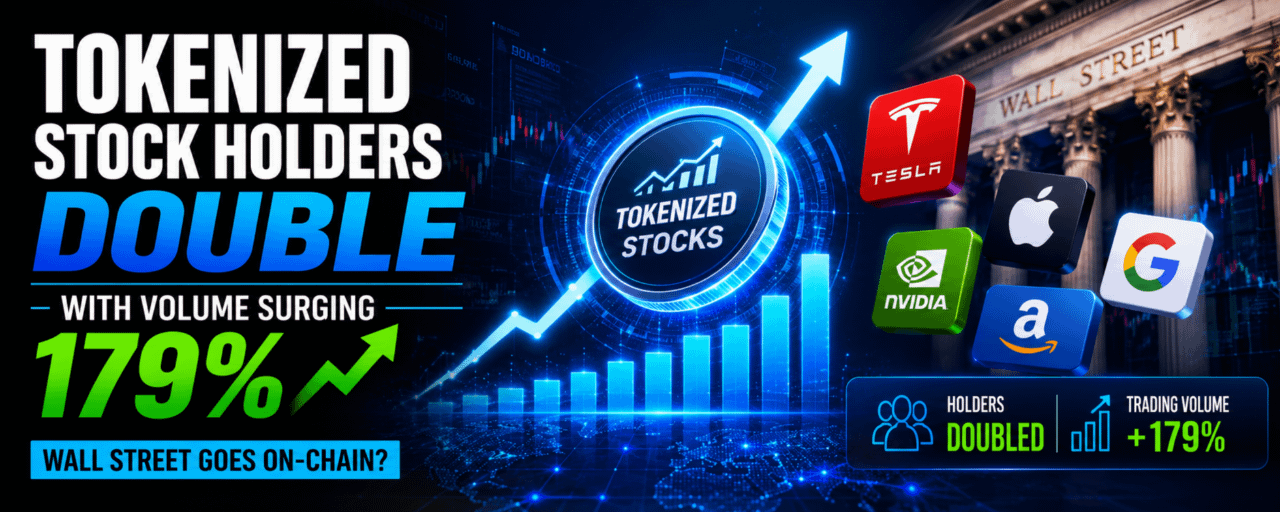
Tokenlashtirilgan aksiya egalari soni savdo hajmi 179% ga oshishi bilan ikki baravarga ko‘paydi$SOL $METAB
Ko‘proq investorlar an’anaviy aksiyalarning blokcheyn asosidagi versiyalariga o‘tayotgani sababli, tokenlashtirilgan aksiya bozori jadallashmoqda.
So‘nggi bozor faolligi tokenlashtirilgan aksiya egalari soni ikki baravarga oshganini, savdo hajmi esa ta’sirchan 179% ga ko‘tarilganini ko‘rsatmoqda. Bu o‘sish an’anaviy moliyaviy aktivlarni blokcheyn tarmoqlariga olib kirishga qiziqish ortayotganini ta’kidlaydi.
📈 Tokenlashtirilgan aksiyalarda kuchli o‘sish
Egalari sonining keskin oshishi tokenlashtirilgan aksiyalar kengroq investorlar bazasini jalb qilayotganini ko‘rsatadi. An’anaviy aksiyalardan farqli o‘laroq, tokenlashtirilgan qimmatli qog‘ozlar blokcheyn asosidagi kirish, tezroq hisob-kitob va raqamli aktiv foydalanuvchilari uchun ko‘proq moslashuvchanlikni taqdim etishi mumkin.
Tokenlashtirilgan aksiya egalari soni savdo hajmi 179% ga oshishi bilan ikki baravarga ko‘paydi
$SOL $METAB
Ko‘proq investorlar an’anaviy aksiyalarning blokcheyn asosidagi versiyalariga o‘tayotgani sababli, tokenlashtirilgan aksiya bozori jadallashmoqda.
So‘nggi bozor faolligi tokenlashtirilgan aksiya egalari soni ikki baravarga oshganini, savdo hajmi esa ta’sirchan 179% ga ko‘tarilganini ko‘rsatmoqda. Bu o‘sish an’anaviy moliyaviy aktivlarni blokcheyn tarmoqlariga olib kirishga qiziqish ortayotganini ta’kidlaydi.
📈 Tokenlashtirilgan aksiyalarda kuchli o‘sish
Egalari sonining keskin oshishi tokenlashtirilgan aksiyalar kengroq investorlar bazasini jalb qilayotganini ko‘rsatadi. An’anaviy aksiyalardan farqli o‘laroq, tokenlashtirilgan qimmatli qog‘ozlar blokcheyn asosidagi kirish, tezroq hisob-kitob va raqamli aktiv foydalanuvchilari uchun ko‘proq moslashuvchanlikni taqdim etishi mumkin.
Ko‘proq investorlar an’anaviy aksiyalarning blokcheyn asosidagi versiyalariga o‘tayotgani sababli, tokenlashtirilgan aksiya bozori jadallashmoqda.
So‘nggi bozor faolligi tokenlashtirilgan aksiya egalari soni ikki baravarga oshganini, savdo hajmi esa ta’sirchan 179% ga ko‘tarilganini ko‘rsatmoqda. Bu o‘sish an’anaviy moliyaviy aktivlarni blokcheyn tarmoqlariga olib kirishga qiziqish ortayotganini ta’kidlaydi.
📈 Tokenlashtirilgan aksiyalarda kuchli o‘sish
Egalari sonining keskin oshishi tokenlashtirilgan aksiyalar kengroq investorlar bazasini jalb qilayotganini ko‘rsatadi. An’anaviy aksiyalardan farqli o‘laroq, tokenlashtirilgan qimmatli qog‘ozlar blokcheyn asosidagi kirish, tezroq hisob-kitob va raqamli aktiv foydalanuvchilari uchun ko‘proq moslashuvchanlikni taqdim etishi mumkin.
65
🚨KELASI HAFTA KEYINGI HARAKATNI HAL QILISHI MUMKIN.
72 soat ichida uchta muhim voqea bo‘ladi va ular bozorlarni butunlay turli yo‘nalishlardan uradi.
🇺🇸 DUSHANBA · 4:00 PM ET · AQShning xorijiy portfel oqimlari
→ Yaponiya va Xitoy obligatsiyalarni sotishni davom ettirdimi?
🇺🇸 CHORSHANBA · 2:00 PM ET · FOMC bayonnomalari
AGAR ko‘proq a’zolar stavkalarni pasaytirishni qo‘llagan bo‘lsa → risk on
AGAR inflyatsiya xavotiri ustun bo‘lsa → risk off
🇯🇵 PAYSHANBA · 7:30 PM ET · Yaponiya CPI
→ BOJ stavka oshiradimi-yo‘qmi, shuni hal qiladi
→ Issiq ko‘rsatkich carry trade’ni yana ishga tushiradi
Men ularning barchasini yoritaman. Siz qaysinisini kuzatyapsiz?
🚨KELASI HAFTA KEYINGI HARAKATNI HAL QILISHI MUMKIN.
72 soat ichida uchta muhim voqea bo‘ladi va ular bozorlarni butunlay turli yo‘nalishlardan uradi.
🇺🇸 DUSHANBA · 4:00 PM ET · AQShning xorijiy portfel oqimlari
→ Yaponiya va Xitoy obligatsiyalarni sotishni davom ettirdimi?
🇺🇸 CHORSHANBA · 2:00 PM ET · FOMC bayonnomalari
AGAR ko‘proq a’zolar stavkalarni pasaytirishni qo‘llagan bo‘lsa → risk on
AGAR inflyatsiya xavotiri ustun bo‘lsa → risk off
🇯🇵 PAYSHANBA · 7:30 PM ET · Yaponiya CPI
→ BOJ stavka oshiradimi-yo‘qmi, shuni hal qiladi
→ Issiq ko‘rsatkich carry trade’ni yana ishga tushiradi
Men ularning barchasini yoritaman. Siz qaysinisini kuzatyapsiz?
72 soat ichida uchta muhim voqea bo‘ladi va ular bozorlarni butunlay turli yo‘nalishlardan uradi.
🇺🇸 DUSHANBA · 4:00 PM ET · AQShning xorijiy portfel oqimlari
→ Yaponiya va Xitoy obligatsiyalarni sotishni davom ettirdimi?
🇺🇸 CHORSHANBA · 2:00 PM ET · FOMC bayonnomalari
AGAR ko‘proq a’zolar stavkalarni pasaytirishni qo‘llagan bo‘lsa → risk on
AGAR inflyatsiya xavotiri ustun bo‘lsa → risk off
🇯🇵 PAYSHANBA · 7:30 PM ET · Yaponiya CPI
→ BOJ stavka oshiradimi-yo‘qmi, shuni hal qiladi
→ Issiq ko‘rsatkich carry trade’ni yana ishga tushiradi
Men ularning barchasini yoritaman. Siz qaysinisini kuzatyapsiz?
1
58
Qisman to‘g‘ri
Maqola
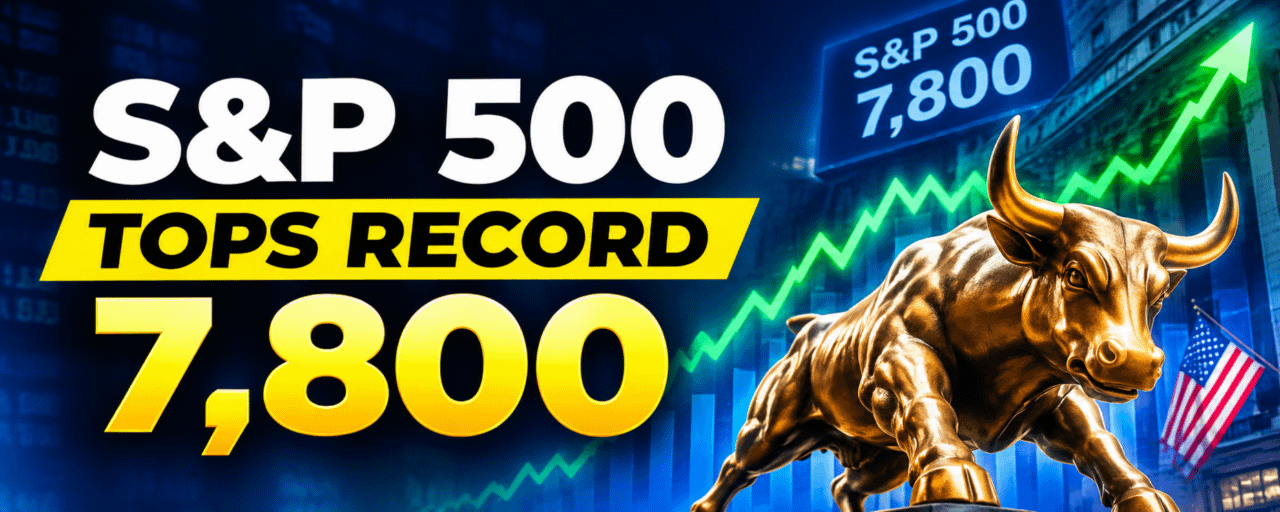
S&P 500 Uoll-Stritda yana bir rekord o‘rnatib, 7,800 dan oshdi#sp500topsrecord7800
$BTC $ETH $HEI
S&P 500 7,800 darajasidan yuqoriga ko‘tarilib, AQSh aksiyalari uchun yana bir muhim bosqichni belgiladi va kengroq fond bozorining davom etayotgan kuchini ko‘rsatdi.
Yangi rekord yirik kapitallashuvga ega AQSh kompaniyalariga investorlarning kuchli ishonchini aks ettiradi, texnologiya va boshqa o‘sishga yo‘naltirilgan sektorlar esa e’tiborni jalb etishda davom etmoqda. Bu harakat, shuningdek, treyderlar iqtisodiy ma’lumotlar, korporativ daromadlar va kelajakdagi foiz stavkalari siyosati bo‘yicha kutilmalarni diqqat bilan kuzatayotgan bir paytda yuz bermoqda.
📈 Nega bu muhim
7,800 darajasidan yuqoriga chiqish S&P 500 uchun muhim psixologik bosqichdir. Davom etayotgan o‘sishlar, inflyatsiya, foiz stavkalari va global iqtisodiy sharoitlar haqidagi xavotirlarga qaramay, investorlar hanuz risk olishga tayyor ekanini anglatishi mumkin.
S&P 500 Uoll-Stritda yana bir rekord o‘rnatib, 7,800 dan oshdi
#sp500topsrecord7800
$BTC $ETH $HEI
S&P 500 7,800 darajasidan yuqoriga ko‘tarilib, AQSh aksiyalari uchun yana bir muhim bosqichni belgiladi va kengroq fond bozorining davom etayotgan kuchini ko‘rsatdi.
Yangi rekord yirik kapitallashuvga ega AQSh kompaniyalariga investorlarning kuchli ishonchini aks ettiradi, texnologiya va boshqa o‘sishga yo‘naltirilgan sektorlar esa e’tiborni jalb etishda davom etmoqda. Bu harakat, shuningdek, treyderlar iqtisodiy ma’lumotlar, korporativ daromadlar va kelajakdagi foiz stavkalari siyosati bo‘yicha kutilmalarni diqqat bilan kuzatayotgan bir paytda yuz bermoqda.
📈 Nega bu muhim
7,800 darajasidan yuqoriga chiqish S&P 500 uchun muhim psixologik bosqichdir. Davom etayotgan o‘sishlar, inflyatsiya, foiz stavkalari va global iqtisodiy sharoitlar haqidagi xavotirlarga qaramay, investorlar hanuz risk olishga tayyor ekanini anglatishi mumkin.
$BTC $ETH $HEI
S&P 500 7,800 darajasidan yuqoriga ko‘tarilib, AQSh aksiyalari uchun yana bir muhim bosqichni belgiladi va kengroq fond bozorining davom etayotgan kuchini ko‘rsatdi.
Yangi rekord yirik kapitallashuvga ega AQSh kompaniyalariga investorlarning kuchli ishonchini aks ettiradi, texnologiya va boshqa o‘sishga yo‘naltirilgan sektorlar esa e’tiborni jalb etishda davom etmoqda. Bu harakat, shuningdek, treyderlar iqtisodiy ma’lumotlar, korporativ daromadlar va kelajakdagi foiz stavkalari siyosati bo‘yicha kutilmalarni diqqat bilan kuzatayotgan bir paytda yuz bermoqda.
📈 Nega bu muhim
7,800 darajasidan yuqoriga chiqish S&P 500 uchun muhim psixologik bosqichdir. Davom etayotgan o‘sishlar, inflyatsiya, foiz stavkalari va global iqtisodiy sharoitlar haqidagi xavotirlarga qaramay, investorlar hanuz risk olishga tayyor ekanini anglatishi mumkin.
2
1.7k
Maqola
🏛️🇺🇸 Trump's World Liberty OCC bank nizomini oldi$LAB $BTC
Wall Street ham kriptovalyuta dunyosida birdek bahs-munozara keltirib chiqaradigan sarlavhada, Trump’ning World Liberty kompaniyasi OCC bank nizomini olgani haqidagi xabar raqamli aktivlar, an’anaviy bank ishi va AQSh siyosati kesishmasidagi muhim lahzani anglatardi.
Agar bu tasdiqlansa, bu shunchaki navbatdagi korporativ litsenziyalash haqidagi hikoya bo‘lmaydi. Bu ancha kattaroq narsani anglatadi: kripto-tubli moliya bilan federal tartibga solinadigan bank tizimi o‘rtasidagi chiziq ko‘pchilik kutganidan ham yupqaroq — va tezroq — bo‘lib borayotganining belgisi. 🚀
🏛️🇺🇸 Trump's World Liberty OCC bank nizomini oldi
$LAB $BTC
Wall Street ham kriptovalyuta dunyosida birdek bahs-munozara keltirib chiqaradigan sarlavhada, Trump’ning World Liberty kompaniyasi OCC bank nizomini olgani haqidagi xabar raqamli aktivlar, an’anaviy bank ishi va AQSh siyosati kesishmasidagi muhim lahzani anglatardi.
Agar bu tasdiqlansa, bu shunchaki navbatdagi korporativ litsenziyalash haqidagi hikoya bo‘lmaydi. Bu ancha kattaroq narsani anglatadi: kripto-tubli moliya bilan federal tartibga solinadigan bank tizimi o‘rtasidagi chiziq ko‘pchilik kutganidan ham yupqaroq — va tezroq — bo‘lib borayotganining belgisi. 🚀
Wall Street ham kriptovalyuta dunyosida birdek bahs-munozara keltirib chiqaradigan sarlavhada, Trump’ning World Liberty kompaniyasi OCC bank nizomini olgani haqidagi xabar raqamli aktivlar, an’anaviy bank ishi va AQSh siyosati kesishmasidagi muhim lahzani anglatardi.
Agar bu tasdiqlansa, bu shunchaki navbatdagi korporativ litsenziyalash haqidagi hikoya bo‘lmaydi. Bu ancha kattaroq narsani anglatadi: kripto-tubli moliya bilan federal tartibga solinadigan bank tizimi o‘rtasidagi chiziq ko‘pchilik kutganidan ham yupqaroq — va tezroq — bo‘lib borayotganining belgisi. 🚀
457
Maqola
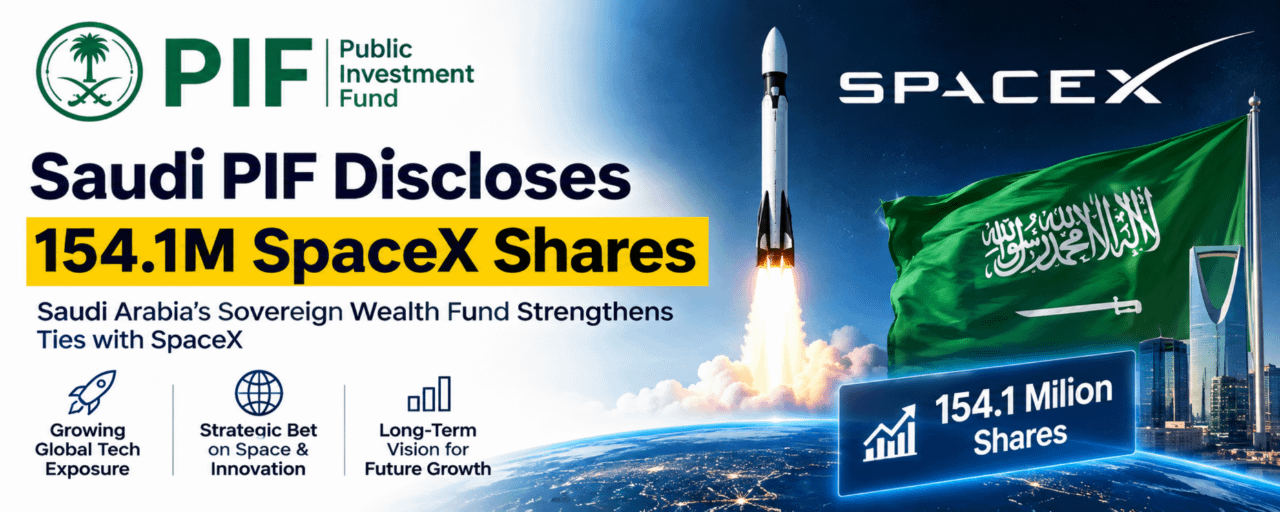
Saudi PIF SpaceX’ning 154,1 million aksiyasini oshkor qildi#saudipifdiscloses154.1mspacexshares
$XAU $LAB $SPCX
Saudiya Arabistonining Davlat investitsiya jamg‘armasi (PIF) u SpaceX’ning 154,1 million aksiyasiga egalik qilishini ma’lum qildi va suveren investitsiya jamg‘armasining dunyodagi eng ko‘p kuzatiladigan kosmos va texnologiya kompaniyalaridan biriga sezilarli darajada ta’sirini ta’kidladi.
Ushbu ma’lumot PIF’ni SpaceX’ning eng yirik institutsional aksiyadorlari qatoriga kiritadi. So‘nggi xabarlarga ko‘ra, Alphabet’ning qariyb 551,2 million aksiyasi bor, Fidelity Investments esa taxminan 302,6 million aksiyaga ega. PIF’ning 154,1 million aksiyadan iborat pozitsiyasi SpaceX’ning yirik institutsional investorlaridan biri bo‘lishini ko‘rsatadi.
Saudi PIF SpaceX’ning 154,1 million aksiyasini oshkor qildi
#saudipifdiscloses154.1mspacexshares
$XAU $LAB $SPCX
Saudiya Arabistonining Davlat investitsiya jamg‘armasi (PIF) u SpaceX’ning 154,1 million aksiyasiga egalik qilishini ma’lum qildi va suveren investitsiya jamg‘armasining dunyodagi eng ko‘p kuzatiladigan kosmos va texnologiya kompaniyalaridan biriga sezilarli darajada ta’sirini ta’kidladi.
Ushbu ma’lumot PIF’ni SpaceX’ning eng yirik institutsional aksiyadorlari qatoriga kiritadi. So‘nggi xabarlarga ko‘ra, Alphabet’ning qariyb 551,2 million aksiyasi bor, Fidelity Investments esa taxminan 302,6 million aksiyaga ega. PIF’ning 154,1 million aksiyadan iborat pozitsiyasi SpaceX’ning yirik institutsional investorlaridan biri bo‘lishini ko‘rsatadi.
$XAU $LAB $SPCX
Saudiya Arabistonining Davlat investitsiya jamg‘armasi (PIF) u SpaceX’ning 154,1 million aksiyasiga egalik qilishini ma’lum qildi va suveren investitsiya jamg‘armasining dunyodagi eng ko‘p kuzatiladigan kosmos va texnologiya kompaniyalaridan biriga sezilarli darajada ta’sirini ta’kidladi.
Ushbu ma’lumot PIF’ni SpaceX’ning eng yirik institutsional aksiyadorlari qatoriga kiritadi. So‘nggi xabarlarga ko‘ra, Alphabet’ning qariyb 551,2 million aksiyasi bor, Fidelity Investments esa taxminan 302,6 million aksiyaga ega. PIF’ning 154,1 million aksiyadan iborat pozitsiyasi SpaceX’ning yirik institutsional investorlaridan biri bo‘lishini ko‘rsatadi.
1
2k
Tasdiqlangan
Maqola
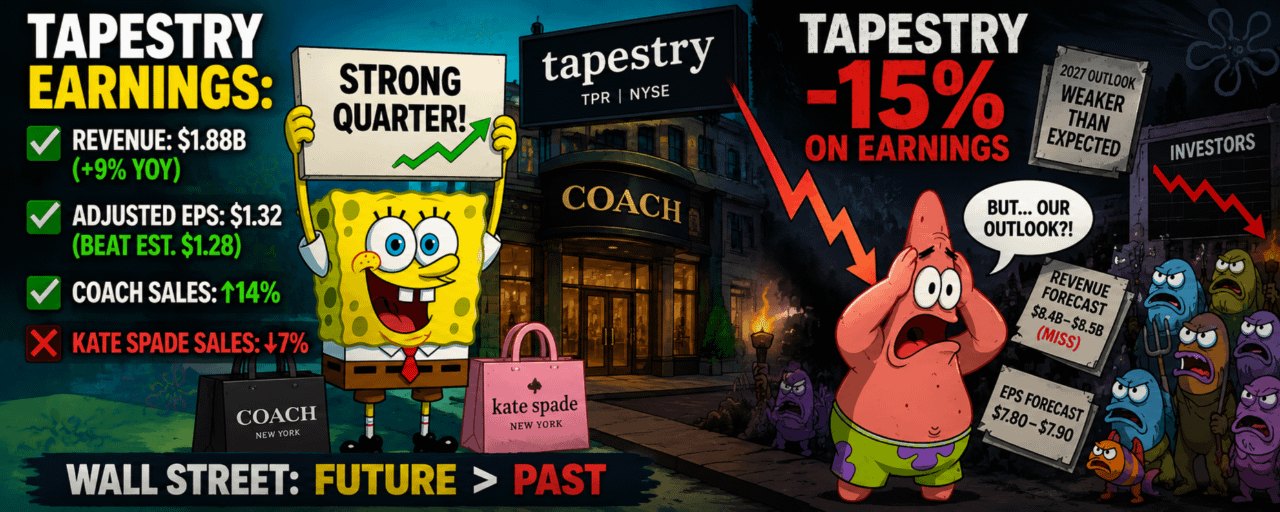
Tapestry kuchli natijalarga qaramay, daromadlardan so‘ng deyarli 15% ga tushdi#tapestryfallsnearly15%onearnings
Tapestry (NYSE: TPR) aksiyalari hashamatli moda kompaniyasi so‘nggi moliyaviy natijalarini e’lon qilganidan keyin qariyb 15% ga tushib ketdi, chunki investorlar kuchli choraklik natijalardan ko‘ra kelajakdagi o‘sish istiqboliga ko‘proq e’tibor qaratdilar.
Sotuv to‘lqini Tapestry aksiyalarini taxminan 130 dollargacha tushirdi, bu esa aksiyaning yaqinda rekord darajalarga yaqin savdo qilinganidan keyingi keskin burilish bo‘ldi.
📊 Kuchli daromadlar, zaif reaksiya
Tapestry kutilganidan yaxshiroq bo‘lgan moliyaviy yilning to‘rtinchi choragi natijalarini taqdim etdi. Daromad 9% ga oshib, 1,88 milliard dollarga yetdi, moslashtirilgan foyda esa har bir aksiya uchun 1,32 dollarni tashkil etdi, bu taxminan 1,28 dollar bo‘lgan tahlilchilar konsensusidan yuqori.
Tapestry kuchli natijalarga qaramay, daromadlardan so‘ng deyarli 15% ga tushdi
#tapestryfallsnearly15%onearnings
Tapestry (NYSE: TPR) aksiyalari hashamatli moda kompaniyasi so‘nggi moliyaviy natijalarini e’lon qilganidan keyin qariyb 15% ga tushib ketdi, chunki investorlar kuchli choraklik natijalardan ko‘ra kelajakdagi o‘sish istiqboliga ko‘proq e’tibor qaratdilar.
Sotuv to‘lqini Tapestry aksiyalarini taxminan 130 dollargacha tushirdi, bu esa aksiyaning yaqinda rekord darajalarga yaqin savdo qilinganidan keyingi keskin burilish bo‘ldi.
📊 Kuchli daromadlar, zaif reaksiya
Tapestry kutilganidan yaxshiroq bo‘lgan moliyaviy yilning to‘rtinchi choragi natijalarini taqdim etdi. Daromad 9% ga oshib, 1,88 milliard dollarga yetdi, moslashtirilgan foyda esa har bir aksiya uchun 1,32 dollarni tashkil etdi, bu taxminan 1,28 dollar bo‘lgan tahlilchilar konsensusidan yuqori.
Tapestry (NYSE: TPR) aksiyalari hashamatli moda kompaniyasi so‘nggi moliyaviy natijalarini e’lon qilganidan keyin qariyb 15% ga tushib ketdi, chunki investorlar kuchli choraklik natijalardan ko‘ra kelajakdagi o‘sish istiqboliga ko‘proq e’tibor qaratdilar.
Sotuv to‘lqini Tapestry aksiyalarini taxminan 130 dollargacha tushirdi, bu esa aksiyaning yaqinda rekord darajalarga yaqin savdo qilinganidan keyingi keskin burilish bo‘ldi.
📊 Kuchli daromadlar, zaif reaksiya
Tapestry kutilganidan yaxshiroq bo‘lgan moliyaviy yilning to‘rtinchi choragi natijalarini taqdim etdi. Daromad 9% ga oshib, 1,88 milliard dollarga yetdi, moslashtirilgan foyda esa har bir aksiya uchun 1,32 dollarni tashkil etdi, bu taxminan 1,28 dollar bo‘lgan tahlilchilar konsensusidan yuqori.
TPRUS-0,91%
1
304
Ko‘proq kontentni ko‘rish uchun tizimga kiring
Binance Square'da global kriptovalyuta foydalanuvchilariga qo‘shiling
⚡️ Kriptovalyuta haqida eng so‘nggi va foydali ma’lumotlarni oling.
💬 Dunyoning eng yirik kriptovalyuta birjasi tomonidan ishonchli deb topilgan.
👍 Tasdiqlangan mualliflardan haqiqiy tahlillarni kashf eting.
Email / telefon raqami
Trenddagi mavzular
SaylorHintsStrategyBitcoinBuy
2.3M marta koʻrilgan
12,313 muhokama qilmoqda
#saylorhintsstrategybitcoinbuy
🚨 SAYLOR YAKSHANBA $BTC ISHORASINI TASHLADI 👀
Maykl Saylor yana o‘zining odatiy Bitcoin grafigini qayta joyladi.
Agar tarix takrorlansa, u sariq nuqtalar boshqa Strategy BTC xarid kelayotganidan darak berishi mumkin. 🟠
Saylor sotib olganida esa bozor buni kuzatadi.
🐋 Katta miqdordagi BTC zaxiralari
💰 Akkumulyatsiya qilish bo‘yicha davomiy strategiya
📈 Qisqa muddatli kayfiyatga potensial ijobiy ta’sir
Lekin eng muhim joyi shunda:
Qayta joylash — xarid bo‘yicha tasdiq EMAS.
Haqiqiy signal Strategy rasmiy ravishda tranzaksiyani e’lon qilganda keladi.
🔥 Agar yana bir yirik BTC xarid e’lon qilinsa, bu safar bozor qanday reaksiya qiladi?
Yoki Saylor’ning to‘plashi shu qadar odatiy bo‘lib qoladiki, treyderlar endi deyarli sezmay qo‘yishadimi?
👀 E’longa qarang.
$MSTRB
#BTC #strategy #crypto #BitcoinNews
sdatta
·5 ta layk
·5.8k marta koʻrilgan
BOJRaisesRatesTo31YearHigh
242,259 marta koʻrilgan
3,213 muhokama qilmoqda
BuffettStepsDownAsBerkshireChairman
116,876 marta koʻrilgan
1,714 muhokama qilmoqda