
S E L E N E
12.8k Postlar

S E L E N E
 Square Verified+
Shikoyat qilish
Foydalanuvchini bloklash
Turning Volatility Into Opportunity 📈🚀
689 Kuzatilmoqda
32.7K+ Kuzatuvchilar
28.7K+ Yoqdi
Postlar
Portfel
Barchasi
Iqtiboslar
Jonli
·
--
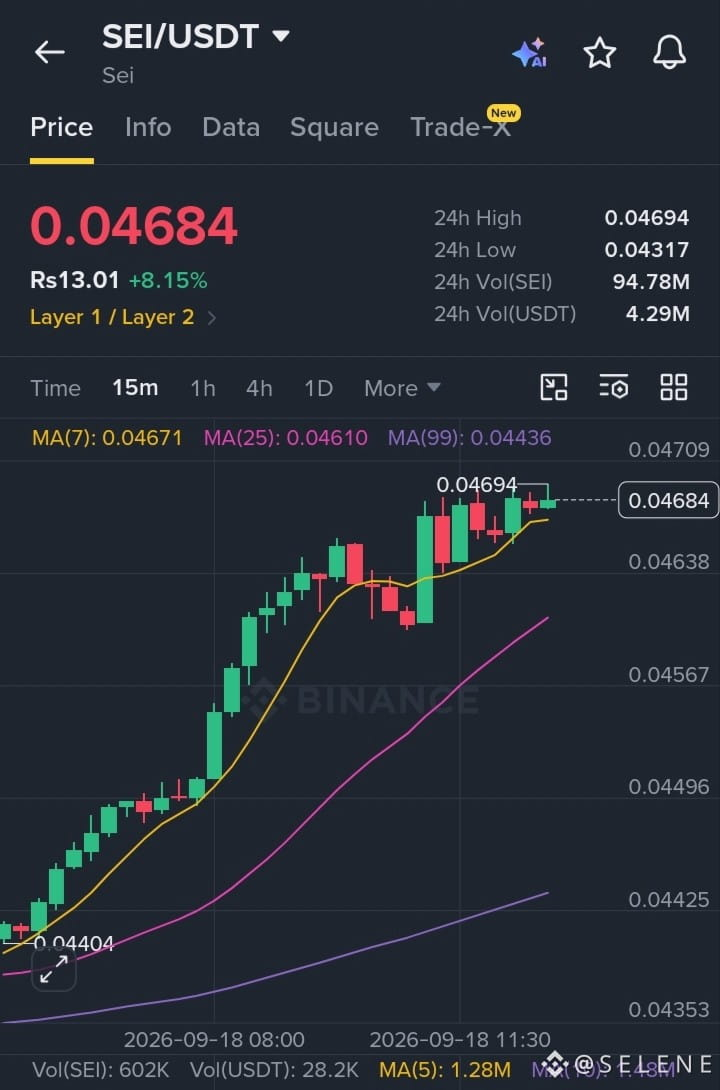
$SEI
{spot}(SEIUSDT)
Kirish: 0.04650 – 0.04684
TP1: 0.04750
TP2: 0.04850
TP3: 0.05000
Stop Loss: 0.04560
$SEI
Kirish: 0.04650 – 0.04684
TP1: 0.04750
TP2: 0.04850
TP3: 0.05000
Stop Loss: 0.04560
Kirish: 0.04650 – 0.04684
TP1: 0.04750
TP2: 0.04850
TP3: 0.05000
Stop Loss: 0.04560
1
976
·
--
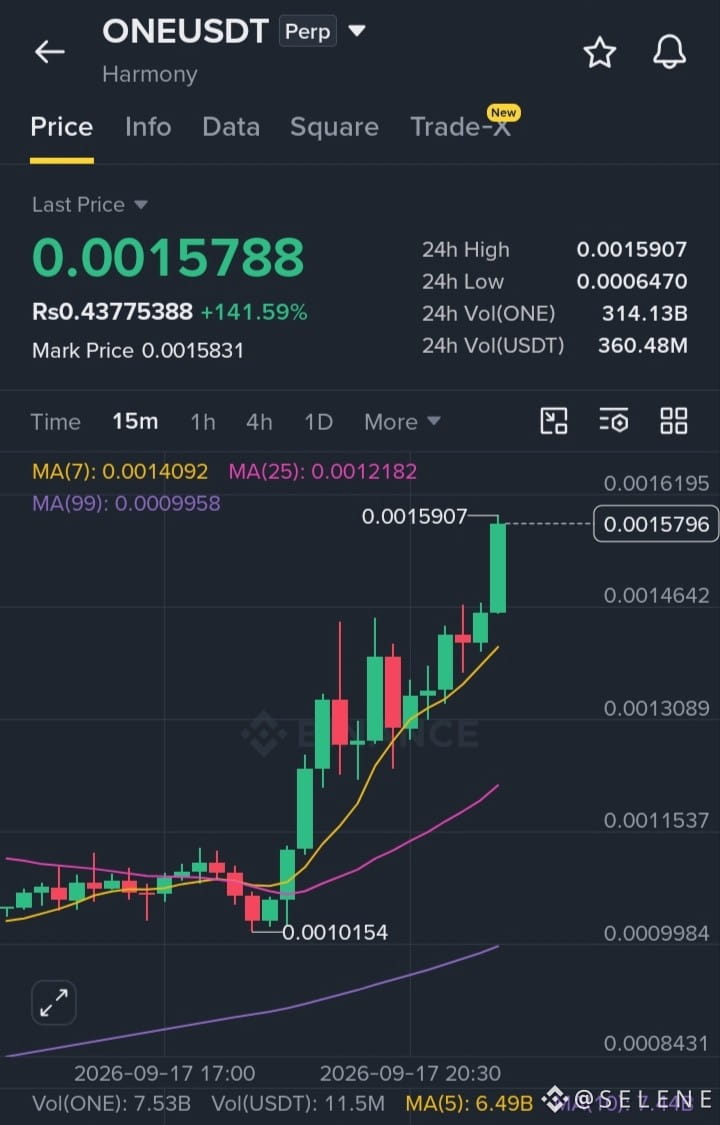
$ONE
{spot}(ONEUSDT)
Kirish: 0.001550 - 0.001580
Stop Loss: 0.001400
TP1: 0.001650
TP2: 0.001750
TP3: 0.001900
#HarmonyOne
$ONE
Kirish: 0.001550 - 0.001580
Stop Loss: 0.001400
TP1: 0.001650
TP2: 0.001750
TP3: 0.001900
#HarmonyOne
Kirish: 0.001550 - 0.001580
Stop Loss: 0.001400
TP1: 0.001650
TP2: 0.001750
TP3: 0.001900
#HarmonyOne
1
346
·
--
YANGI: G‘aznachilik kotibi Bessent “Kripto aniqligi to‘g‘risida”gi qonunni qabul qilish AQShning global texnologik poygada oldinda bo‘lishi uchun juda muhimligini aytdi.
#crypto
YANGI: G‘aznachilik kotibi Bessent “Kripto aniqligi to‘g‘risida”gi qonunni qabul qilish AQShning global texnologik poygada oldinda bo‘lishi uchun juda muhimligini aytdi.
#crypto
#crypto

2
149
·
--
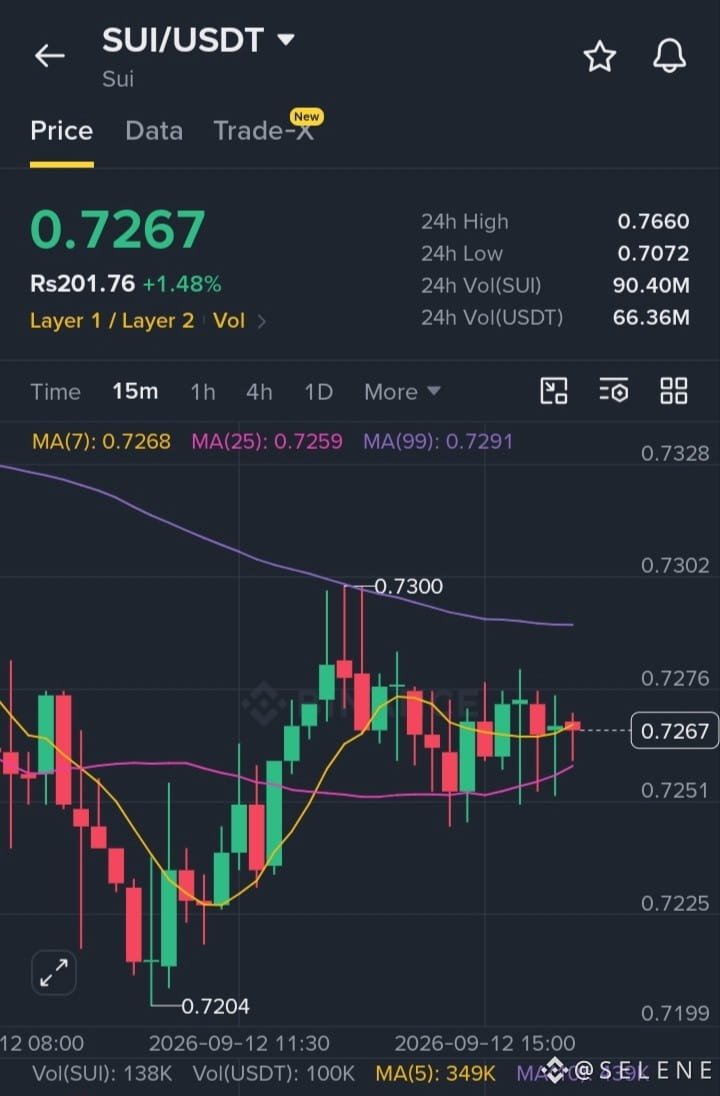
$SUI
{spot}(SUIUSDT)
0.7250 atrofida qo‘llab-quvvatlashni ushlab turish va harakatlanuvchi o‘rtachalar yaqinida konsolidatsiya qilish orqali potensial yuqoriga turtki uchun.
Kirish: 0.7250 – 0.7270
TP1: 0.7320
TP2: 0.7450
TP3: 0.7600
Stop Loss: 0.7180
#SUİ
$SUI
0.7250 atrofida qo‘llab-quvvatlashni ushlab turish va harakatlanuvchi o‘rtachalar yaqinida konsolidatsiya qilish orqali potensial yuqoriga turtki uchun.
Kirish: 0.7250 – 0.7270
TP1: 0.7320
TP2: 0.7450
TP3: 0.7600
Stop Loss: 0.7180
#SUİ
0.7250 atrofida qo‘llab-quvvatlashni ushlab turish va harakatlanuvchi o‘rtachalar yaqinida konsolidatsiya qilish orqali potensial yuqoriga turtki uchun.
Kirish: 0.7250 – 0.7270
TP1: 0.7320
TP2: 0.7450
TP3: 0.7600
Stop Loss: 0.7180
#SUİ
2
198
·
--
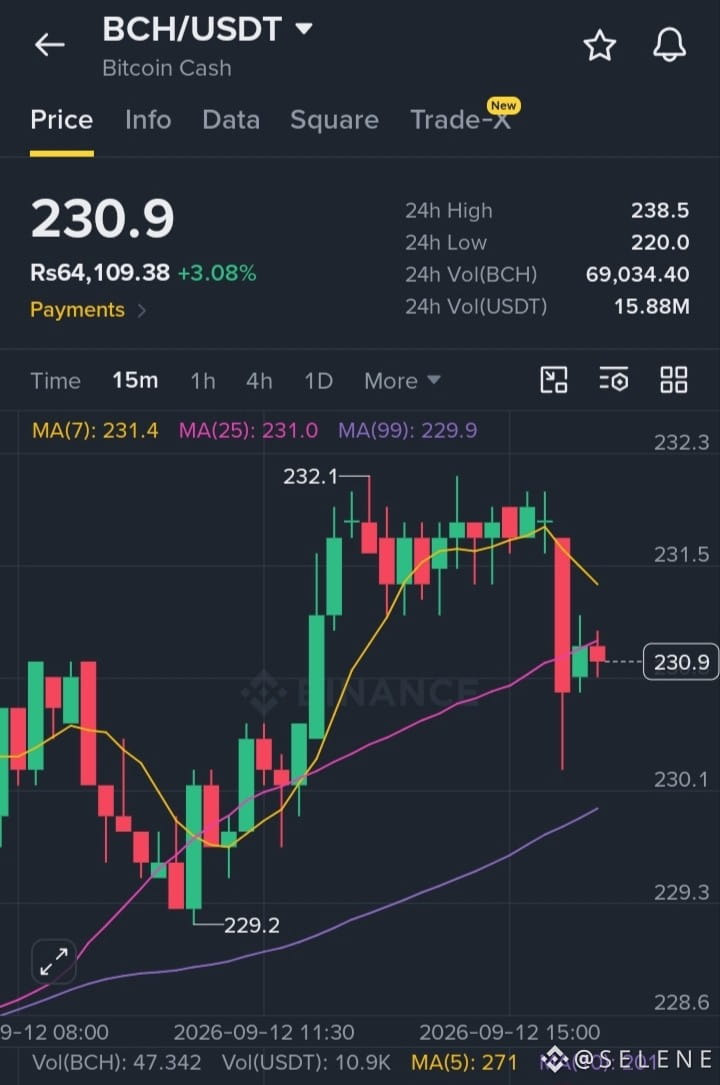
$BCH
{spot}(BCHUSDT)
yuqoridagi kalitni dinamik qo'llab-quvvatlash yaqinida ushlab turib, kichik pullbackdan keyin $230 atrofida potentsial yuqoriga davom etish harakatini tayyorlaydi.
Kirish: 230.0 – 231.0
TP1: 232.5
TP2: 235.0
TP3: 238.0
Stop Loss: 228.5
$BCH
yuqoridagi kalitni dinamik qo'llab-quvvatlash yaqinida ushlab turib, kichik pullbackdan keyin $230 atrofida potentsial yuqoriga davom etish harakatini tayyorlaydi.
Kirish: 230.0 – 231.0
TP1: 232.5
TP2: 235.0
TP3: 238.0
Stop Loss: 228.5
yuqoridagi kalitni dinamik qo'llab-quvvatlash yaqinida ushlab turib, kichik pullbackdan keyin $230 atrofida potentsial yuqoriga davom etish harakatini tayyorlaydi.
Kirish: 230.0 – 231.0
TP1: 232.5
TP2: 235.0
TP3: 238.0
Stop Loss: 228.5
1
76
·
--
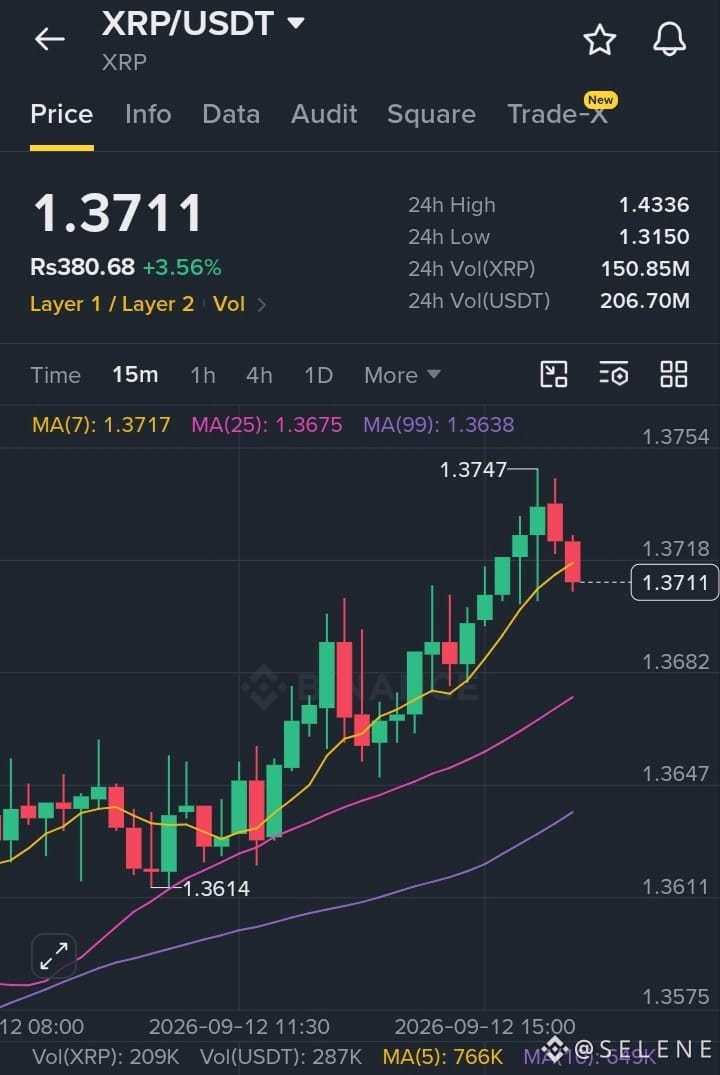
$XRP
{spot}(XRPUSDT)
Muhim harakatlanuvchi o‘rtachalar (MA) ustida kuchli bullish (o‘sish) trendini ushlab turgan holda, qarshilik yaqinida konsolidatsiya qilmoqda va potentsial yuqoriga chiqish (breakout) uchun tayyorlanmoqda.
Kirish: 1.3680 – 1.3715
1-maqsad (TP1): 1.3750
2-maqsad (TP2): 1.3950
3-maqsad (TP3): 1.4300
Stop Loss: 1.3600
#xrp
$XRP
Muhim harakatlanuvchi o‘rtachalar (MA) ustida kuchli bullish (o‘sish) trendini ushlab turgan holda, qarshilik yaqinida konsolidatsiya qilmoqda va potentsial yuqoriga chiqish (breakout) uchun tayyorlanmoqda.
Kirish: 1.3680 – 1.3715
1-maqsad (TP1): 1.3750
2-maqsad (TP2): 1.3950
3-maqsad (TP3): 1.4300
Stop Loss: 1.3600
#xrp
Muhim harakatlanuvchi o‘rtachalar (MA) ustida kuchli bullish (o‘sish) trendini ushlab turgan holda, qarshilik yaqinida konsolidatsiya qilmoqda va potentsial yuqoriga chiqish (breakout) uchun tayyorlanmoqda.
Kirish: 1.3680 – 1.3715
1-maqsad (TP1): 1.3750
2-maqsad (TP2): 1.3950
3-maqsad (TP3): 1.4300
Stop Loss: 1.3600
#xrp
1
100
·
--
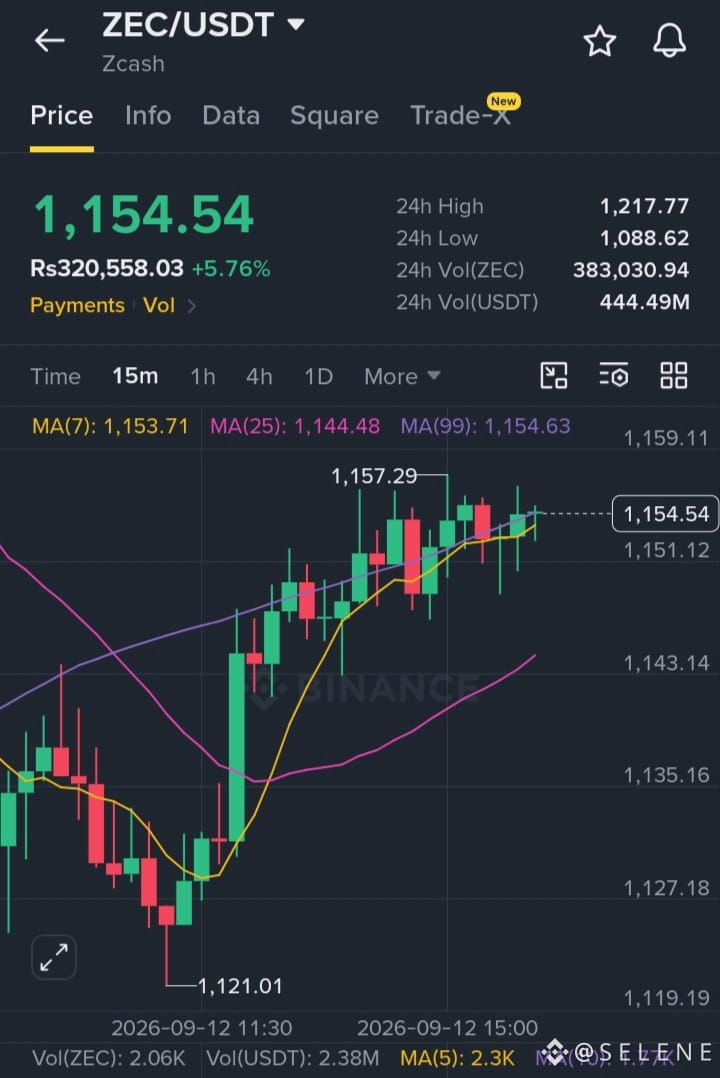
$ZEC
{spot}(ZECUSDT)
has qayta o'zining asosiy harakatlanuvchi o'rtachalarini qaytarib oldi va barqaror yuqoriga yo'nalgan egri chiziq bo'ylab kuchli impulsni shakllantirmoqda. Qisqa muddatli timeframe'dagi yuqoriroq pastliklar mahalliy yuqorilarga tomon davom etish ehtimolini ko'rsatadi.
Kirish: 1,150.00 – 1,155.00
TP1: 1,170.00
TP2: 1,195.00
TP3: 1,215.00
Stop Loss: 1,138.00
#zec
$ZEC
has qayta o'zining asosiy harakatlanuvchi o'rtachalarini qaytarib oldi va barqaror yuqoriga yo'nalgan egri chiziq bo'ylab kuchli impulsni shakllantirmoqda. Qisqa muddatli timeframe'dagi yuqoriroq pastliklar mahalliy yuqorilarga tomon davom etish ehtimolini ko'rsatadi.
Kirish: 1,150.00 – 1,155.00
TP1: 1,170.00
TP2: 1,195.00
TP3: 1,215.00
Stop Loss: 1,138.00
#zec
has qayta o'zining asosiy harakatlanuvchi o'rtachalarini qaytarib oldi va barqaror yuqoriga yo'nalgan egri chiziq bo'ylab kuchli impulsni shakllantirmoqda. Qisqa muddatli timeframe'dagi yuqoriroq pastliklar mahalliy yuqorilarga tomon davom etish ehtimolini ko'rsatadi.
Kirish: 1,150.00 – 1,155.00
TP1: 1,170.00
TP2: 1,195.00
TP3: 1,215.00
Stop Loss: 1,138.00
#zec
2
126
·
--
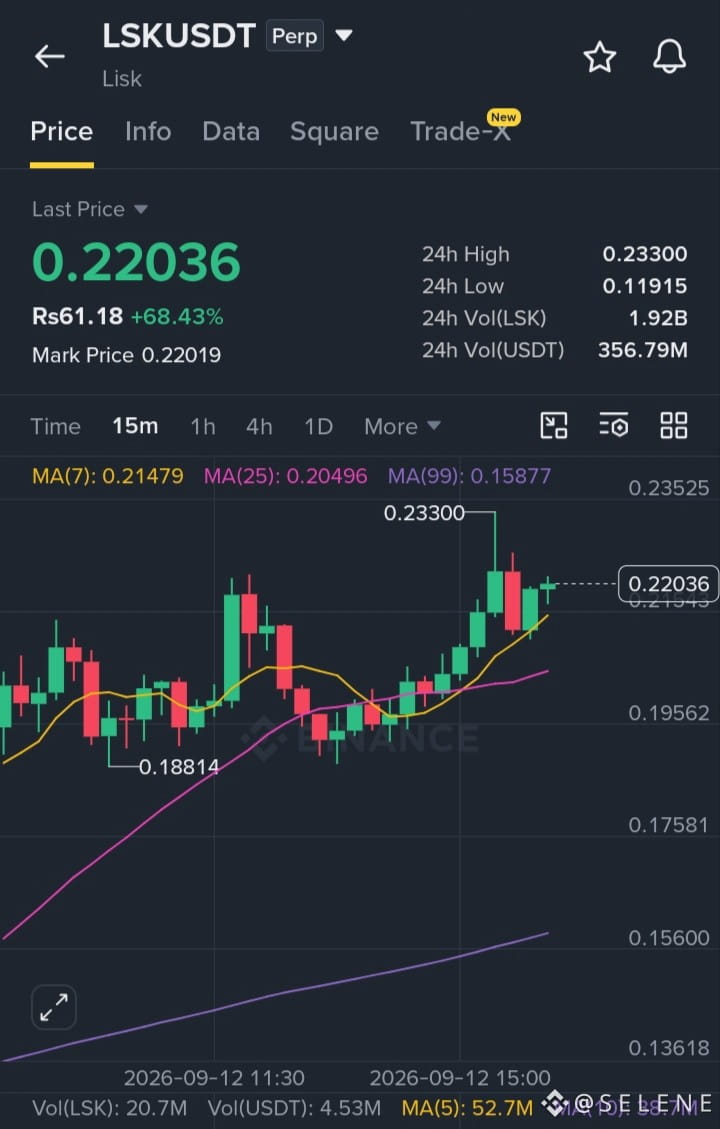
$LSK
{spot}(LSKUSDT)
Kuchli bullish impuls kuchaymoqda +68%, qisqa muddatli harakatlanuvchi o‘rtachalardan ancha yuqorida barqaror ushlab turibdi.
Hozirgi darajalar atrofida konsolidatsiya bo‘lishi 0.23300 cho‘qqisini qayta sinovdan o‘tkazishga qaratilgan mustahkam long setupni taklif qiladi.
Kirish: 0.21800 – 0.22050
TP1: 0.22800
TP2: 0.23300
TP3: 0.24500
Stop Loss: 0.20400
#LSK
$LSK
Kuchli bullish impuls kuchaymoqda +68%, qisqa muddatli harakatlanuvchi o‘rtachalardan ancha yuqorida barqaror ushlab turibdi.
Hozirgi darajalar atrofida konsolidatsiya bo‘lishi 0.23300 cho‘qqisini qayta sinovdan o‘tkazishga qaratilgan mustahkam long setupni taklif qiladi.
Kirish: 0.21800 – 0.22050
TP1: 0.22800
TP2: 0.23300
TP3: 0.24500
Stop Loss: 0.20400
#LSK
Kuchli bullish impuls kuchaymoqda +68%, qisqa muddatli harakatlanuvchi o‘rtachalardan ancha yuqorida barqaror ushlab turibdi.
Hozirgi darajalar atrofida konsolidatsiya bo‘lishi 0.23300 cho‘qqisini qayta sinovdan o‘tkazishga qaratilgan mustahkam long setupni taklif qiladi.
Kirish: 0.21800 – 0.22050
TP1: 0.22800
TP2: 0.23300
TP3: 0.24500
Stop Loss: 0.20400
#LSK
3
173
·
--
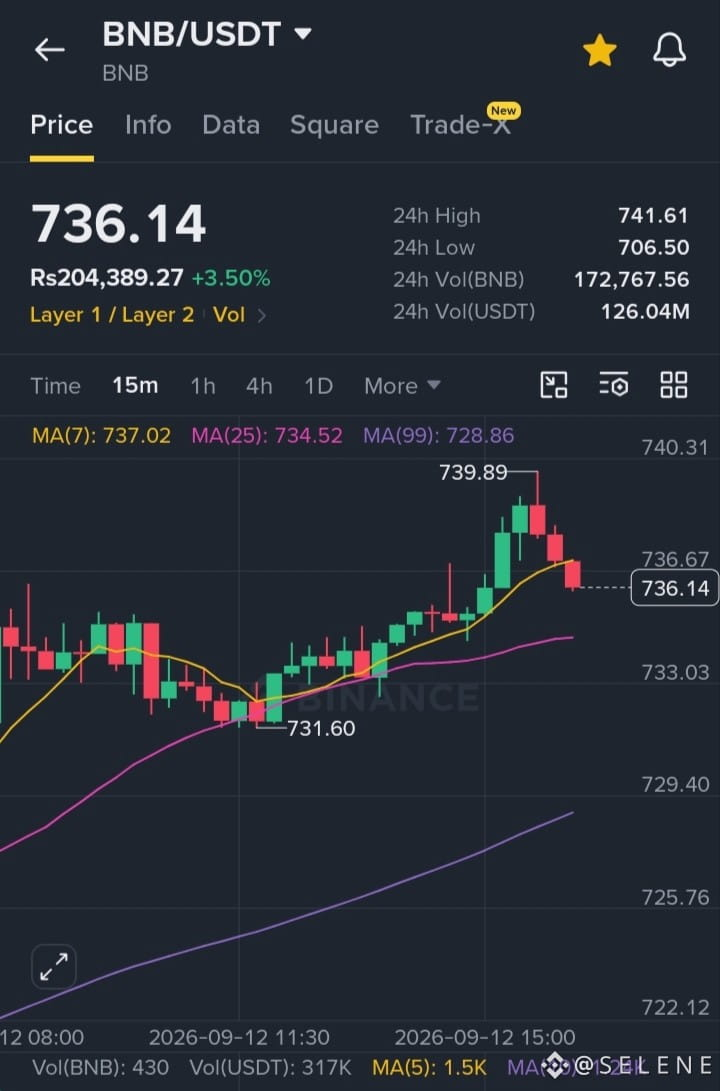
$BNB
{spot}(BNBUSDT)
Kuchli o‘sish sur’atini saqlab, 739.89 dan qisqa chekinishdan so‘ng MA(25) tayanch chizig‘idan ancha yuqorida mustahkam ushlab turibdi.
Hozirgi darajalarga yaqin konsolidatsiya mustahkam long-signal bo‘lib, 741.61 dagi 24 soatlik maksimumni qayta sinov qilishni nishonga oladi.
Kirish: 734.00 – 736.50
TP1: 739.80
TP2: 741.60
TP3: 748.00
Stop Loss: 731.00
#bnb
$BNB
Kuchli o‘sish sur’atini saqlab, 739.89 dan qisqa chekinishdan so‘ng MA(25) tayanch chizig‘idan ancha yuqorida mustahkam ushlab turibdi.
Hozirgi darajalarga yaqin konsolidatsiya mustahkam long-signal bo‘lib, 741.61 dagi 24 soatlik maksimumni qayta sinov qilishni nishonga oladi.
Kirish: 734.00 – 736.50
TP1: 739.80
TP2: 741.60
TP3: 748.00
Stop Loss: 731.00
#bnb
Kuchli o‘sish sur’atini saqlab, 739.89 dan qisqa chekinishdan so‘ng MA(25) tayanch chizig‘idan ancha yuqorida mustahkam ushlab turibdi.
Hozirgi darajalarga yaqin konsolidatsiya mustahkam long-signal bo‘lib, 741.61 dagi 24 soatlik maksimumni qayta sinov qilishni nishonga oladi.
Kirish: 734.00 – 736.50
TP1: 739.80
TP2: 741.60
TP3: 748.00
Stop Loss: 731.00
#bnb
2
110
·
--
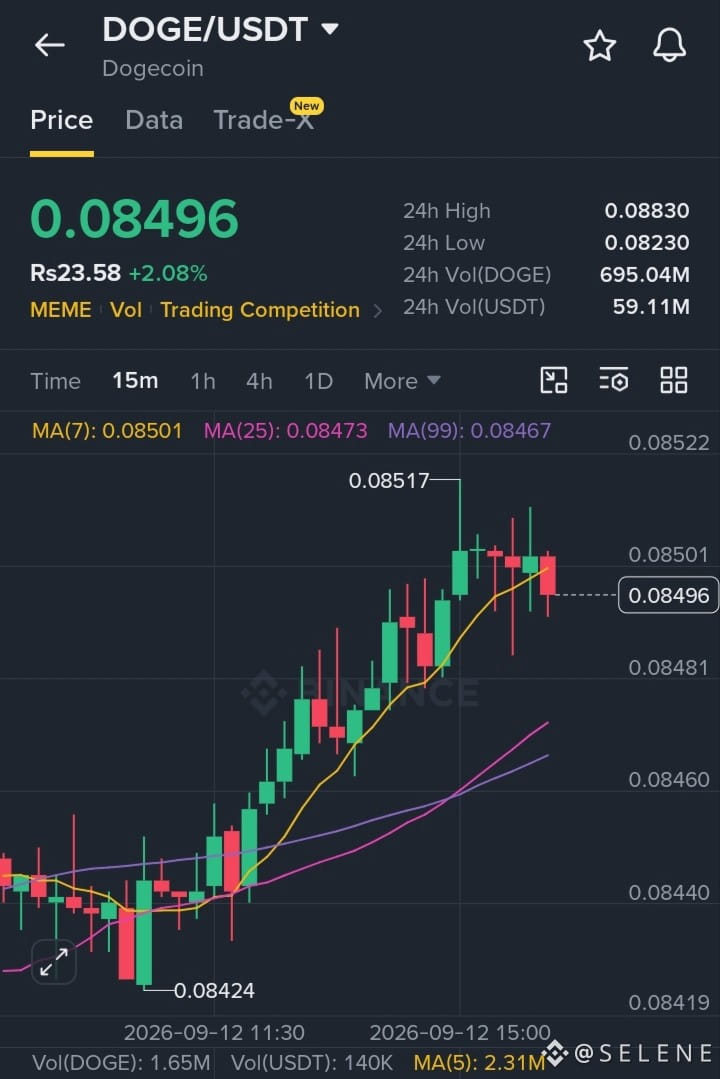
$DOGE
{spot}(DOGEUSDT)
barqaror yuqoriga tiklanishni ushlab, asosiy harakatlanuvchi o‘rtacha qo‘llab-quvvatlash atrofida 0.08470 dan mustahkam yuqorida qoling.
Darhol qarshilik 0.08517 dan yuqoriga toza harakat yanada yuqori intraday maqsadlariga tomon qo‘shimcha impul'sni ochadi.
Kirish: 0.08450 – 0.08495
TP1: 0.08520
TP2: 0.08650
TP3: 0.08830
Stop Loss: 0.08410
#DOGE
$DOGE
barqaror yuqoriga tiklanishni ushlab, asosiy harakatlanuvchi o‘rtacha qo‘llab-quvvatlash atrofida 0.08470 dan mustahkam yuqorida qoling.
Darhol qarshilik 0.08517 dan yuqoriga toza harakat yanada yuqori intraday maqsadlariga tomon qo‘shimcha impul'sni ochadi.
Kirish: 0.08450 – 0.08495
TP1: 0.08520
TP2: 0.08650
TP3: 0.08830
Stop Loss: 0.08410
#DOGE
barqaror yuqoriga tiklanishni ushlab, asosiy harakatlanuvchi o‘rtacha qo‘llab-quvvatlash atrofida 0.08470 dan mustahkam yuqorida qoling.
Darhol qarshilik 0.08517 dan yuqoriga toza harakat yanada yuqori intraday maqsadlariga tomon qo‘shimcha impul'sni ochadi.
Kirish: 0.08450 – 0.08495
TP1: 0.08520
TP2: 0.08650
TP3: 0.08830
Stop Loss: 0.08410
#DOGE
2
208
·
--
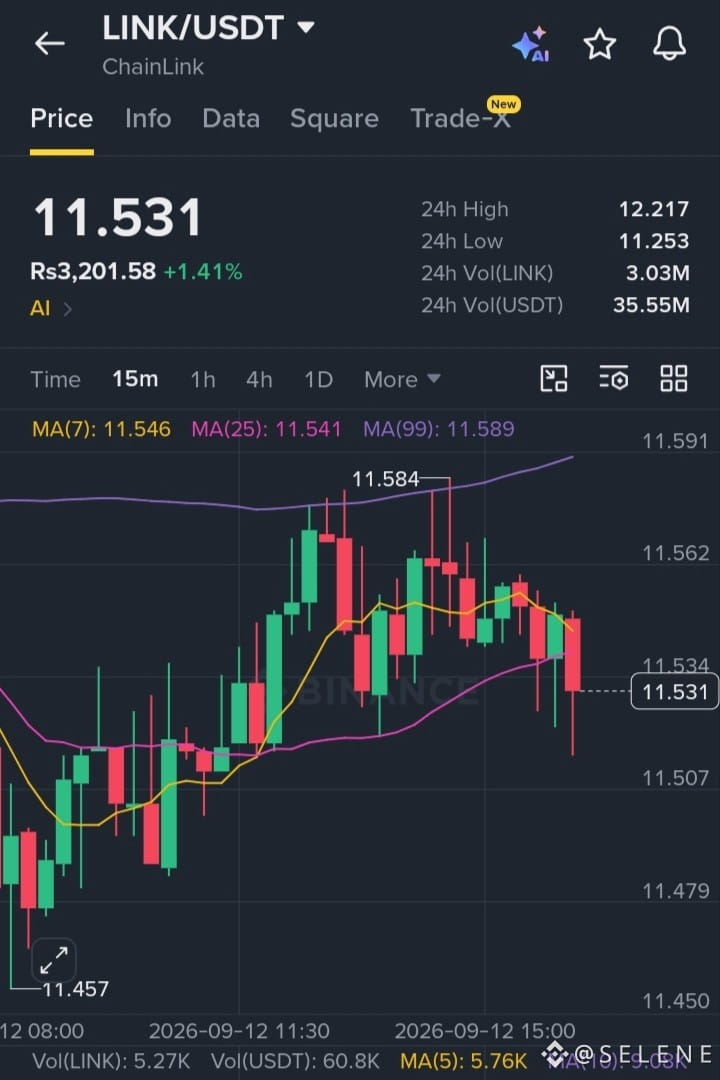
$LINK
{spot}(LINKUSDT)
11.50 atrofida tayanch (support) va qisqa muddatli potentsial bullish harakatga tayyorgarlik.
Hozirgi darajalardan toza (aniq) qaytishni kuzating, yuqorida turgan asosiy qarshilik darajalariga nishon qilish uchun.
Kirish: 11.500 – 11.530
Tp1: 11.580
Tp2: 11.750
Tp3: 12.000
Stop loss: 11.440
#LINK
$LINK
11.50 atrofida tayanch (support) va qisqa muddatli potentsial bullish harakatga tayyorgarlik.
Hozirgi darajalardan toza (aniq) qaytishni kuzating, yuqorida turgan asosiy qarshilik darajalariga nishon qilish uchun.
Kirish: 11.500 – 11.530
Tp1: 11.580
Tp2: 11.750
Tp3: 12.000
Stop loss: 11.440
#LINK
11.50 atrofida tayanch (support) va qisqa muddatli potentsial bullish harakatga tayyorgarlik.
Hozirgi darajalardan toza (aniq) qaytishni kuzating, yuqorida turgan asosiy qarshilik darajalariga nishon qilish uchun.
Kirish: 11.500 – 11.530
Tp1: 11.580
Tp2: 11.750
Tp3: 12.000
Stop loss: 11.440
#LINK
1
144
·
--
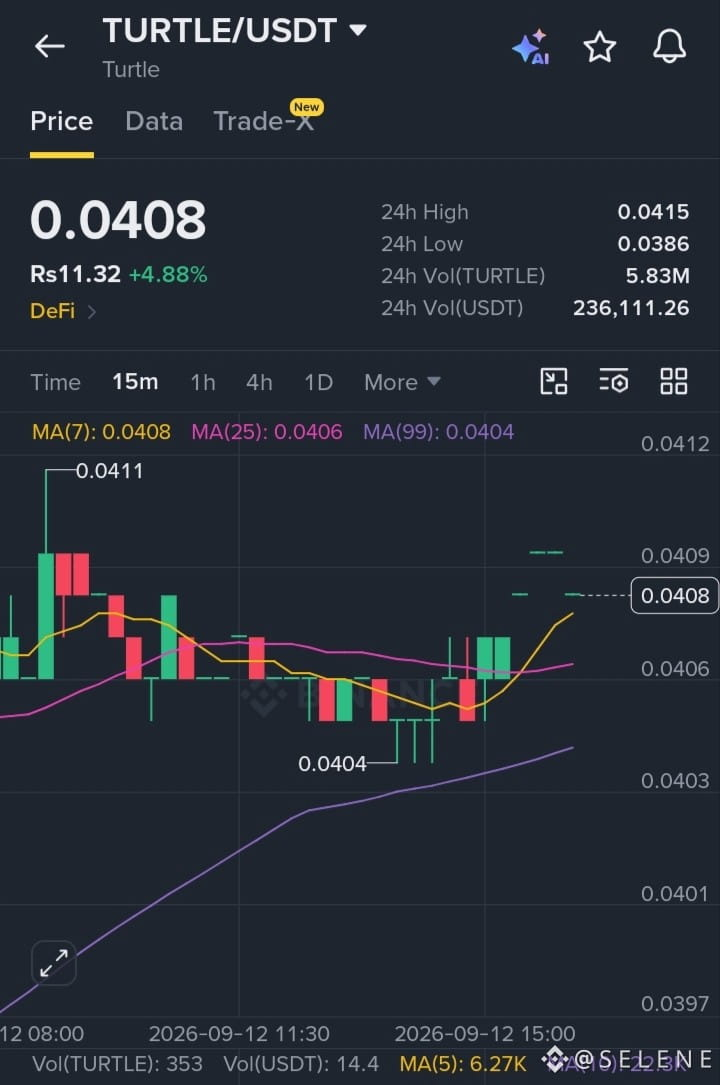
$TURTLE
{spot}(TURTLEUSDT)
kuchayib borayotgan bullish impuls 0.0404 atrofidagi muhim qo‘llab-quvvatlashni ushlab turibdi.
Joriy darajalardan yuqoriga davomli turtki yaqin oradagi so‘nggi 24 soatlik eng yuqorining qayta sinoviga yo‘l ochadi.
Kirish: 0.0405 – 0.0408
Tp1: 0.0411
Tp2: 0.0415
Tp3: 0.0425
Stop loss: 0.0398
#TURTLE
$TURTLE
kuchayib borayotgan bullish impuls 0.0404 atrofidagi muhim qo‘llab-quvvatlashni ushlab turibdi.
Joriy darajalardan yuqoriga davomli turtki yaqin oradagi so‘nggi 24 soatlik eng yuqorining qayta sinoviga yo‘l ochadi.
Kirish: 0.0405 – 0.0408
Tp1: 0.0411
Tp2: 0.0415
Tp3: 0.0425
Stop loss: 0.0398
#TURTLE
kuchayib borayotgan bullish impuls 0.0404 atrofidagi muhim qo‘llab-quvvatlashni ushlab turibdi.
Joriy darajalardan yuqoriga davomli turtki yaqin oradagi so‘nggi 24 soatlik eng yuqorining qayta sinoviga yo‘l ochadi.
Kirish: 0.0405 – 0.0408
Tp1: 0.0411
Tp2: 0.0415
Tp3: 0.0425
Stop loss: 0.0398
#TURTLE
1
169
·
--
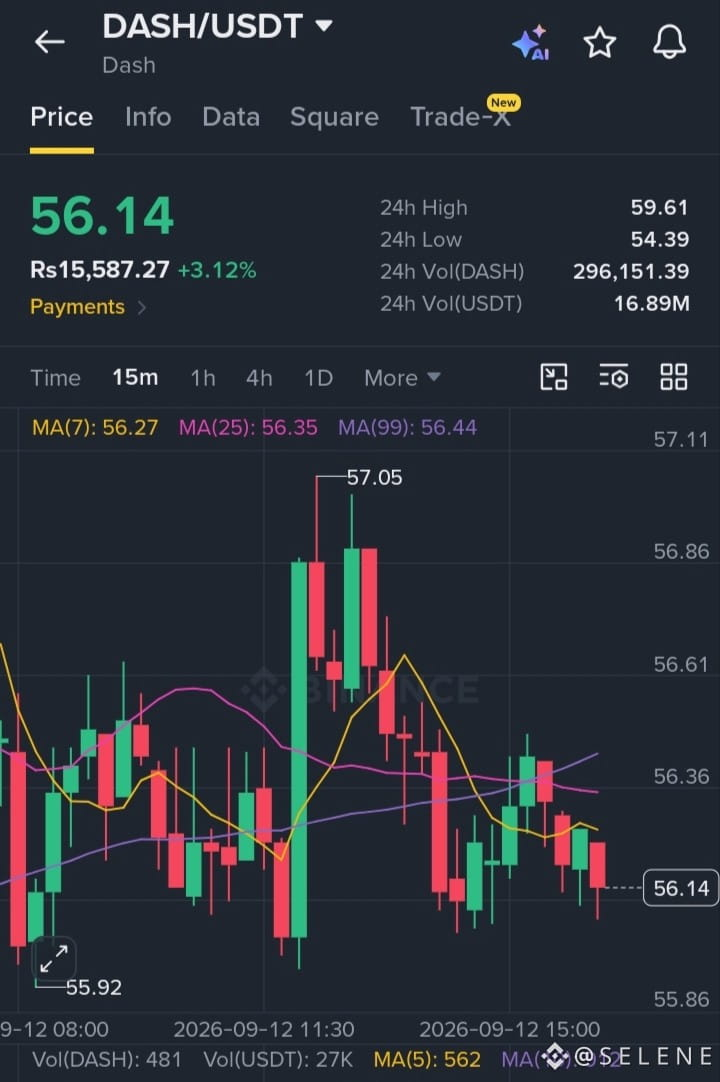
$DASH
{spot}(DASHUSDT)
57.05 dan qaytarilish (rad etilish)ni boshdan kechirgandan so‘ng, 55.90 atrofidagi lokal qo‘llab-quvvatlash tomon qaytib kelmoqda.
Ushbu qo‘llab-quvvatlash zonasi muvaffaqiyatli himoya qilinsa, yuqoriroq o‘rtacha harakatlanuvchi ko‘rsatkichlarga tomon qisqa muddatli qaytish (bounce) ehtimoli ochiladi.
Entry: 55.90 – 56.15
Tp1: 56.50
Tp2: 57.00
Tp3: 57.80
Stop loss: 55.40
#DASH
$DASH
57.05 dan qaytarilish (rad etilish)ni boshdan kechirgandan so‘ng, 55.90 atrofidagi lokal qo‘llab-quvvatlash tomon qaytib kelmoqda.
Ushbu qo‘llab-quvvatlash zonasi muvaffaqiyatli himoya qilinsa, yuqoriroq o‘rtacha harakatlanuvchi ko‘rsatkichlarga tomon qisqa muddatli qaytish (bounce) ehtimoli ochiladi.
Entry: 55.90 – 56.15
Tp1: 56.50
Tp2: 57.00
Tp3: 57.80
Stop loss: 55.40
#DASH
57.05 dan qaytarilish (rad etilish)ni boshdan kechirgandan so‘ng, 55.90 atrofidagi lokal qo‘llab-quvvatlash tomon qaytib kelmoqda.
Ushbu qo‘llab-quvvatlash zonasi muvaffaqiyatli himoya qilinsa, yuqoriroq o‘rtacha harakatlanuvchi ko‘rsatkichlarga tomon qisqa muddatli qaytish (bounce) ehtimoli ochiladi.
Entry: 55.90 – 56.15
Tp1: 56.50
Tp2: 57.00
Tp3: 57.80
Stop loss: 55.40
#DASH
2
479
·
--
🚨 ESLATMA: Bugun AQSh CPI ma’lumotlari ET bo‘yicha soat 8:30 da e’lon qilinadi!
Oldingi: 3.4% — Prognoz: 3.4%
AGAR CPI inflyatsiya 3.4% dan > bo‘lsa → bozorlar qattiq qulaydi
AGAR CPI inflyatsiya 3.4% dan < bo‘lsa → bozorlar keskin ko‘tariladi
AGAR CPI inflyatsiya = 3.4% bo‘lsa → aralash reaksiyani kuting
#CPIWatch
🚨 ESLATMA: Bugun AQSh CPI ma’lumotlari ET bo‘yicha soat 8:30 da e’lon qilinadi!
Oldingi: 3.4% — Prognoz: 3.4%
AGAR CPI inflyatsiya 3.4% dan > bo‘lsa → bozorlar qattiq qulaydi
AGAR CPI inflyatsiya 3.4% dan < bo‘lsa → bozorlar keskin ko‘tariladi
AGAR CPI inflyatsiya = 3.4% bo‘lsa → aralash reaksiyani kuting
#CPIWatch
Oldingi: 3.4% — Prognoz: 3.4%
AGAR CPI inflyatsiya 3.4% dan > bo‘lsa → bozorlar qattiq qulaydi
AGAR CPI inflyatsiya 3.4% dan < bo‘lsa → bozorlar keskin ko‘tariladi
AGAR CPI inflyatsiya = 3.4% bo‘lsa → aralash reaksiyani kuting
#CPIWatch

1
193
·
--
🔥 CPI chiqdi — endi kripto o‘z kuchini isbotlashi kerak
AQSh avgust CPI kutilgandek chiqdi, ammo inflyatsiya hali ham Fedning 2% maqsadidan yuqori darajada.
Kripto uchun qiziq tomoni faqat CPI raqami emas. Savdogarlar keyin nima qilishi muhim.
Agar G‘aznachilik (Treasury) daromadliligi yuqori bo‘lib qolsa va stavkani pasaytirish umidlari sustlashsa, BTC va altkoinlar yana bir volatillik sinoviga duch kelishi mumkin. Ammo bozorlar inflyatsiya haqidagi ma’lumot katta manzarani o‘zgartirish uchun yetarli emas, deb hisoblasa, risk aktivlari tezda tiklanishi ehtimoli bor.
Men BTC’ning reaksiyasini sarlavhaning o‘zidan ham ko‘proq kuzatyapman.
Ba’zan makro ma’lumotdan keyingi ilk harakat — haqiqiy harakat emas. 👀
CPI → Yields → Fed kutishlari → Kripto
#CPIWatch
🔥 CPI chiqdi — endi kripto o‘z kuchini isbotlashi kerak
AQSh avgust CPI kutilgandek chiqdi, ammo inflyatsiya hali ham Fedning 2% maqsadidan yuqori darajada.
Kripto uchun qiziq tomoni faqat CPI raqami emas. Savdogarlar keyin nima qilishi muhim.
Agar G‘aznachilik (Treasury) daromadliligi yuqori bo‘lib qolsa va stavkani pasaytirish umidlari sustlashsa, BTC va altkoinlar yana bir volatillik sinoviga duch kelishi mumkin. Ammo bozorlar inflyatsiya haqidagi ma’lumot katta manzarani o‘zgartirish uchun yetarli emas, deb hisoblasa, risk aktivlari tezda tiklanishi ehtimoli bor.
Men BTC’ning reaksiyasini sarlavhaning o‘zidan ham ko‘proq kuzatyapman.
Ba’zan makro ma’lumotdan keyingi ilk harakat — haqiqiy harakat emas. 👀
CPI → Yields → Fed kutishlari → Kripto
#CPIWatch
AQSh avgust CPI kutilgandek chiqdi, ammo inflyatsiya hali ham Fedning 2% maqsadidan yuqori darajada.
Kripto uchun qiziq tomoni faqat CPI raqami emas. Savdogarlar keyin nima qilishi muhim.
Agar G‘aznachilik (Treasury) daromadliligi yuqori bo‘lib qolsa va stavkani pasaytirish umidlari sustlashsa, BTC va altkoinlar yana bir volatillik sinoviga duch kelishi mumkin. Ammo bozorlar inflyatsiya haqidagi ma’lumot katta manzarani o‘zgartirish uchun yetarli emas, deb hisoblasa, risk aktivlari tezda tiklanishi ehtimoli bor.
Men BTC’ning reaksiyasini sarlavhaning o‘zidan ham ko‘proq kuzatyapman.
Ba’zan makro ma’lumotdan keyingi ilk harakat — haqiqiy harakat emas. 👀
CPI → Yields → Fed kutishlari → Kripto
#CPIWatch

2
184
·
--
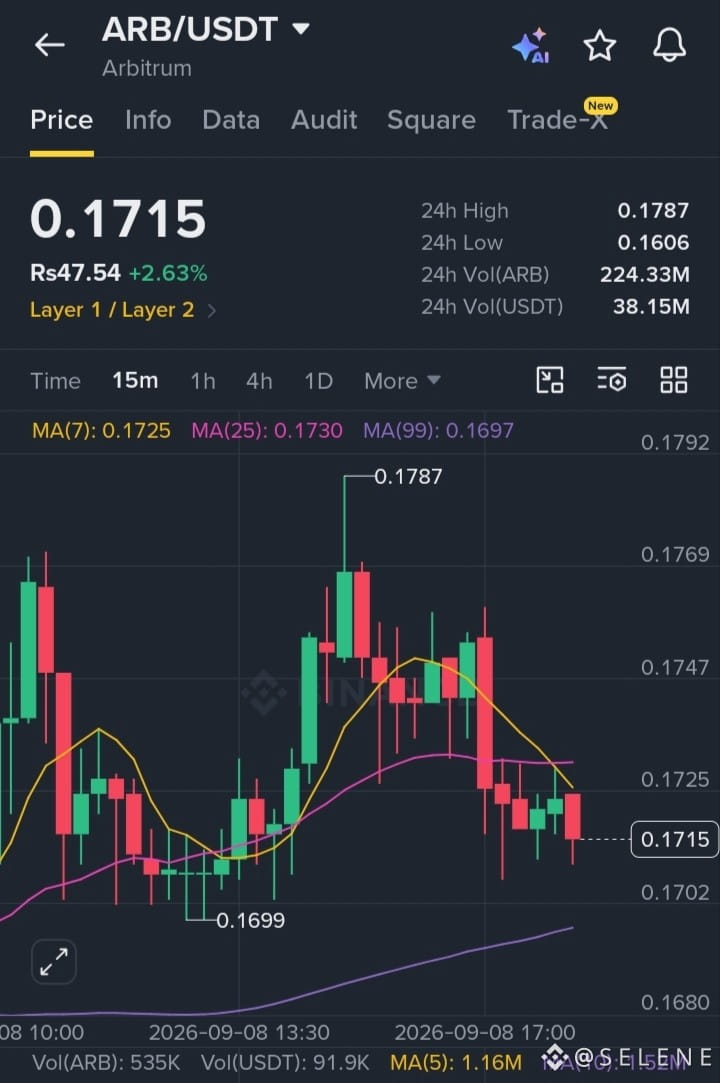
$ARB
{spot}(ARBUSDT)
$0.1787 dan qaytadan tushib kelganidan so‘ng $0.1700 atrofida asosiy qo‘llab-quvvatlash zonasi yaqinida barqaror ushlanib turibdi.
Agar xaridorlar ushbu diapazonni himoya qilsalar, mahalliy qarshilik darajalari tomon qaytish ehtimoli qulay.
Entry: 0.1700 – 0.1715
TP1: 0.1745
TP2: 0.1785
TP3: 0.1820
Stop Loss: 0.1680
#ARB
$ARB
$0.1787 dan qaytadan tushib kelganidan so‘ng $0.1700 atrofida asosiy qo‘llab-quvvatlash zonasi yaqinida barqaror ushlanib turibdi.
Agar xaridorlar ushbu diapazonni himoya qilsalar, mahalliy qarshilik darajalari tomon qaytish ehtimoli qulay.
Entry: 0.1700 – 0.1715
TP1: 0.1745
TP2: 0.1785
TP3: 0.1820
Stop Loss: 0.1680
#ARB
$0.1787 dan qaytadan tushib kelganidan so‘ng $0.1700 atrofida asosiy qo‘llab-quvvatlash zonasi yaqinida barqaror ushlanib turibdi.
Agar xaridorlar ushbu diapazonni himoya qilsalar, mahalliy qarshilik darajalari tomon qaytish ehtimoli qulay.
Entry: 0.1700 – 0.1715
TP1: 0.1745
TP2: 0.1785
TP3: 0.1820
Stop Loss: 0.1680
#ARB
1
188
Ko‘proq kontentni ko‘rish uchun tizimga kiring
Binance Square'da global kriptovalyuta foydalanuvchilariga qo‘shiling
⚡️ Kriptovalyuta haqida eng so‘nggi va foydali ma’lumotlarni oling.
💬 Dunyoning eng yirik kriptovalyuta birjasi tomonidan ishonchli deb topilgan.
👍 Tasdiqlangan mualliflardan haqiqiy tahlillarni kashf eting.
Email / telefon raqami
Trenddagi mavzular
SaylorHintsStrategyBitcoinBuy
2.2M marta koʻrilgan
11,117 muhokama qilmoqda
Agar siz hali ham har bir Saylor ishorasini avtomatik sotib olish signali deb qabul qilayotgan bo‘lsangiz, hoziroq to‘xtang.
Qimmat xatolik — kompaniyaning uzoq muddatli xazina (treasury) strategiyasini sizning shaxsiy riskga moyilligingiz bilan chalkashtirishdir. Strategiya keskin tushishlarga ham chiday oladi, FOMO bilan xarid qiluvchilar esa ko‘pincha bitta yoqimsiz shamdan keyin vahimaga tushib sotib yuboradi. $BTC
Saylorning eng so‘nggi signallari tanishdek tuyuladi, chunki Strategiya bir necha bor zaiflikdan foydalanib Bitcoin pozitsiyasini kengaytirdi — ya’ni o‘zgaruvchanlikni jamg‘arishga (accumulation) aylantirdi. Biroq bozor hozir boshqacha: spot talab, makro likvidlik va raqobatchi korporativ xazina o‘yinlari narxga ta’sir qiladi, ya’ni rivoyatni bitta shovqinli xaridor boshqarmaydi.
Fear & Greed ko‘rsatkichi 75 bo‘lganda, olomon allaqachon ochko‘z tomonga og‘gan. Bu esa o‘tgan Bitcoin rallilari bilan taqqoslashni noqulay qiladi: kuchli ishonch yuqoriga itarishi mumkin, lekin olomonning haddan tashqari ishonchi chiqish likvidligini ham yaratishi va hech kim muhokama qilmoqchi bo‘lmagan “exit liquidity”ni keltirib chiqarishi mumkin. Hatto $USDT orqali aylanayotgan treyderlar yoki $ONDO ga qarayotganlar ham bir xil savolni berishyapti: bu jamg‘arishmi, yoki faqat narrativ quvishmi?
Saylorning yondashuvi hali ham eng aqlli Bitcoin xazina strategiyasimi, yo investorlarnning bu bozorda bitta xaridor qanchalik harakat qila olishini ortiqcha baholayaptimi? #SaylorHintsStrategyBitcoinBuy #BitcoinHolds #BitcoinUp23
minamium
·2 ta layk
·97 marta koʻrilgan
BOJRaisesRatesTo31YearHigh
166,206 marta koʻrilgan
2,532 muhokama qilmoqda
BuffettStepsDownAsBerkshireChairman
80,036 marta koʻrilgan
1,298 muhokama qilmoqda