
Crypto-First21
15.2k Postlar

Crypto-First21
 Square Verified+
Shikoyat qilish
Foydalanuvchini bloklash
x : crypto_first21
Tez-tez savdo qiluvchi
3 yil
239 Kuzatilmoqda
91.8K+ Kuzatuvchilar
73.9K+ Yoqdi
Postlar
Barchasi
Iqtiboslar
Videolar
QADAB QO‘YILGAN
Binance Square’da 90 000 ta kuzatuvchi 🎉
Hali ham bu yerda birinchi yangilanishimni joylaganimni eslayman — kimdir o‘qiydimi-yo‘qmi deb o‘ylamagandim. Bugun esa biz 90 000 kishilik hamjamiyatni nishonlayapmiz.
Bu marraning o‘zi shunchaki raqam emas. Bu — minglab suhbatlar, o‘rtoqlashilgan bilimlar, bozor haqidagi muhokamalar, orttirgan saboqlarimiz va yo‘lda paydo bo‘lgan do‘stliklar.
Kuzatib borgan, izoh yozgan, ulashgan yoki shunchaki postlarimni o‘qishga bir daqiqa ajratgan har biringizga rahmat. Sizning qo‘llab-quvvatlashingiz, fikr-mulohazalaringiz va faolligingiz bu sayohatni juda ham qiziqarli qilgan.
Biz imkoniyatlarni ko‘rdik, o‘zgaruvchanlikni boshdan kechirdik, g‘alabalarni birga nishonladik va muvaffaqiyatsizliklardan ham birga o‘rgandik. Va biz faqat boshlayapmiz.
90K — manzil emas, bu yana oldinga qadam.
100K sari yo‘l. 🚀
#BinanceSquare #Binance #crypto
#cryptofirst21 $DOS $GUA $TST
Binance Square’da 90 000 ta kuzatuvchi 🎉
Hali ham bu yerda birinchi yangilanishimni joylaganimni eslayman — kimdir o‘qiydimi-yo‘qmi deb o‘ylamagandim. Bugun esa biz 90 000 kishilik hamjamiyatni nishonlayapmiz.
Bu marraning o‘zi shunchaki raqam emas. Bu — minglab suhbatlar, o‘rtoqlashilgan bilimlar, bozor haqidagi muhokamalar, orttirgan saboqlarimiz va yo‘lda paydo bo‘lgan do‘stliklar.
Kuzatib borgan, izoh yozgan, ulashgan yoki shunchaki postlarimni o‘qishga bir daqiqa ajratgan har biringizga rahmat. Sizning qo‘llab-quvvatlashingiz, fikr-mulohazalaringiz va faolligingiz bu sayohatni juda ham qiziqarli qilgan.
Biz imkoniyatlarni ko‘rdik, o‘zgaruvchanlikni boshdan kechirdik, g‘alabalarni birga nishonladik va muvaffaqiyatsizliklardan ham birga o‘rgandik. Va biz faqat boshlayapmiz.
90K — manzil emas, bu yana oldinga qadam.
100K sari yo‘l. 🚀
#BinanceSquare #Binance #crypto
#cryptofirst21 $DOS $GUA $TST
Hali ham bu yerda birinchi yangilanishimni joylaganimni eslayman — kimdir o‘qiydimi-yo‘qmi deb o‘ylamagandim. Bugun esa biz 90 000 kishilik hamjamiyatni nishonlayapmiz.
Bu marraning o‘zi shunchaki raqam emas. Bu — minglab suhbatlar, o‘rtoqlashilgan bilimlar, bozor haqidagi muhokamalar, orttirgan saboqlarimiz va yo‘lda paydo bo‘lgan do‘stliklar.
Kuzatib borgan, izoh yozgan, ulashgan yoki shunchaki postlarimni o‘qishga bir daqiqa ajratgan har biringizga rahmat. Sizning qo‘llab-quvvatlashingiz, fikr-mulohazalaringiz va faolligingiz bu sayohatni juda ham qiziqarli qilgan.
Biz imkoniyatlarni ko‘rdik, o‘zgaruvchanlikni boshdan kechirdik, g‘alabalarni birga nishonladik va muvaffaqiyatsizliklardan ham birga o‘rgandik. Va biz faqat boshlayapmiz.
90K — manzil emas, bu yana oldinga qadam.
100K sari yo‘l. 🚀
#BinanceSquare #Binance #crypto
#cryptofirst21 $DOS $GUA $TST
20
2
40
5.6k
Tasdiqlangan
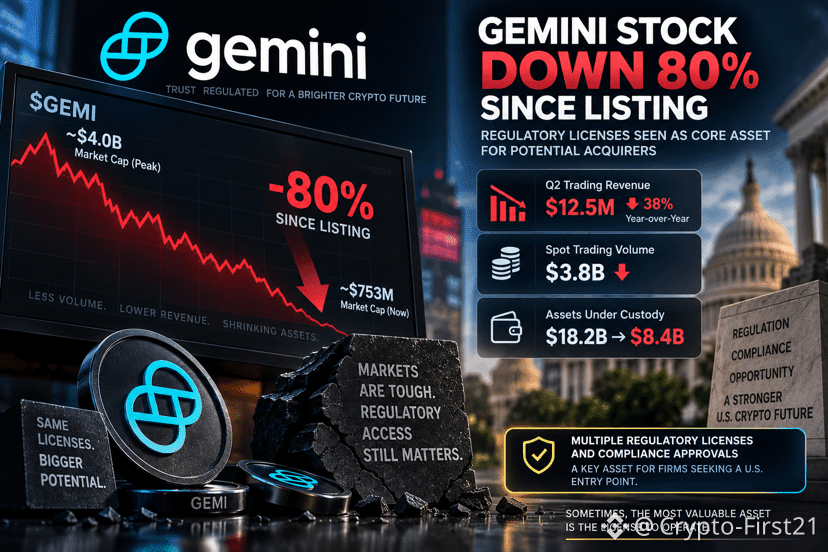
Gemini Listingdan beri 80%ga pasaydi, biroq bitta aktiv hali ham muhim 🙄
Gemini Space Station $GEMI.US kompaniyasi ommaga chiqqanidan beri qiymatining qariyb 80 foizini yo‘qotdi: bozor kapitallashuvi deyarli 4 mlrd dollar atrofidan taxminan 753 mln dollarga tushdi.
Kompaniya faoliyati barcha yo‘nalishlarda sekinlashdi:
• 2-chorak savdo daromadi y/y 38%ga kamayib, $12.5Mga tushdi
• Spot hajmi $3.8 mlrdgacha pasaydi
• Saqlovdagi aktivlar $18.2 mlrddan $8.4 mlrdgacha kamaydi
Hmm.. Biroq real qiymat birjaning o‘zi bo‘lmasligi mumkin.
Meningcha, Gemini hali bir nechta tartibga solish (regulyator) litsenziyalari hamda muvofiqlik (compliance) tasdiqlariga ega bo‘lib, AQSh kripto bozoriga tezroq kirishni istagan firmalar uchun potensial xarid (aktsiz) nishoni bo‘lishi mumkin.
Yeri kelganda, kriptoda litsenziyalar ba’zan hajmdan ham qimmat bo‘lishi mumkin.
Gemini Listingdan beri 80%ga pasaydi, biroq bitta aktiv hali ham muhim 🙄
Gemini Space Station $GEMI.US kompaniyasi ommaga chiqqanidan beri qiymatining qariyb 80 foizini yo‘qotdi: bozor kapitallashuvi deyarli 4 mlrd dollar atrofidan taxminan 753 mln dollarga tushdi.
Kompaniya faoliyati barcha yo‘nalishlarda sekinlashdi:
• 2-chorak savdo daromadi y/y 38%ga kamayib, $12.5Mga tushdi
• Spot hajmi $3.8 mlrdgacha pasaydi
• Saqlovdagi aktivlar $18.2 mlrddan $8.4 mlrdgacha kamaydi
Hmm.. Biroq real qiymat birjaning o‘zi bo‘lmasligi mumkin.
Meningcha, Gemini hali bir nechta tartibga solish (regulyator) litsenziyalari hamda muvofiqlik (compliance) tasdiqlariga ega bo‘lib, AQSh kripto bozoriga tezroq kirishni istagan firmalar uchun potensial xarid (aktsiz) nishoni bo‘lishi mumkin.
Yeri kelganda, kriptoda litsenziyalar ba’zan hajmdan ham qimmat bo‘lishi mumkin.
Gemini Space Station $GEMI.US kompaniyasi ommaga chiqqanidan beri qiymatining qariyb 80 foizini yo‘qotdi: bozor kapitallashuvi deyarli 4 mlrd dollar atrofidan taxminan 753 mln dollarga tushdi.
Kompaniya faoliyati barcha yo‘nalishlarda sekinlashdi:
• 2-chorak savdo daromadi y/y 38%ga kamayib, $12.5Mga tushdi
• Spot hajmi $3.8 mlrdgacha pasaydi
• Saqlovdagi aktivlar $18.2 mlrddan $8.4 mlrdgacha kamaydi
Hmm.. Biroq real qiymat birjaning o‘zi bo‘lmasligi mumkin.
Meningcha, Gemini hali bir nechta tartibga solish (regulyator) litsenziyalari hamda muvofiqlik (compliance) tasdiqlariga ega bo‘lib, AQSh kripto bozoriga tezroq kirishni istagan firmalar uchun potensial xarid (aktsiz) nishoni bo‘lishi mumkin.
Yeri kelganda, kriptoda litsenziyalar ba’zan hajmdan ham qimmat bo‘lishi mumkin.
GEMIUS+3,02%
4
1.1k
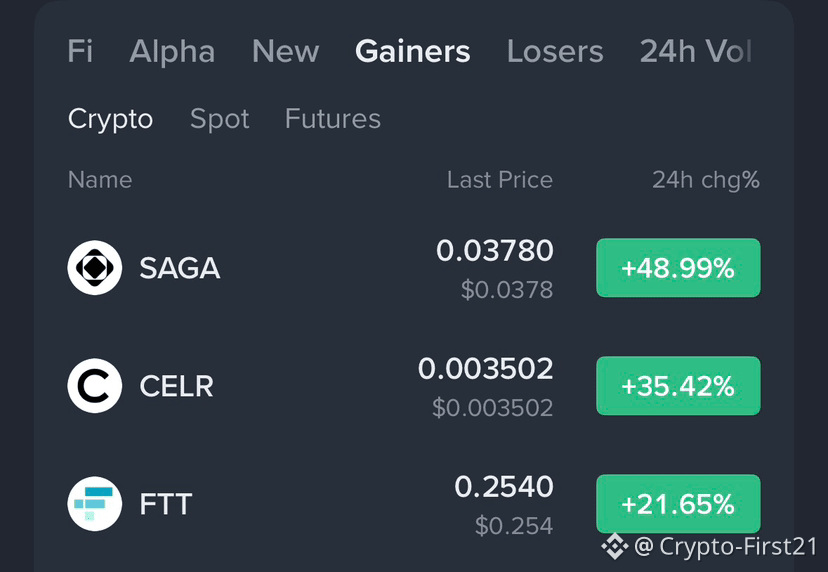
Hmm.. Agar bugun portfelingizda ushbu uchalasi bo‘lmasa, tashvishlanmang.
Meniki ham bunday emasdi. 🤝
$SAGA +49%
$CELR +35%
$FTT +21%
#cryptofirst21
Hmm.. Agar bugun portfelingizda ushbu uchalasi bo‘lmasa, tashvishlanmang.
Meniki ham bunday emasdi. 🤝
$SAGA +49%
$CELR +35%
$FTT +21%
#cryptofirst21
Meniki ham bunday emasdi. 🤝
$SAGA +49%
$CELR +35%
$FTT +21%
#cryptofirst21
1
1
1.5k
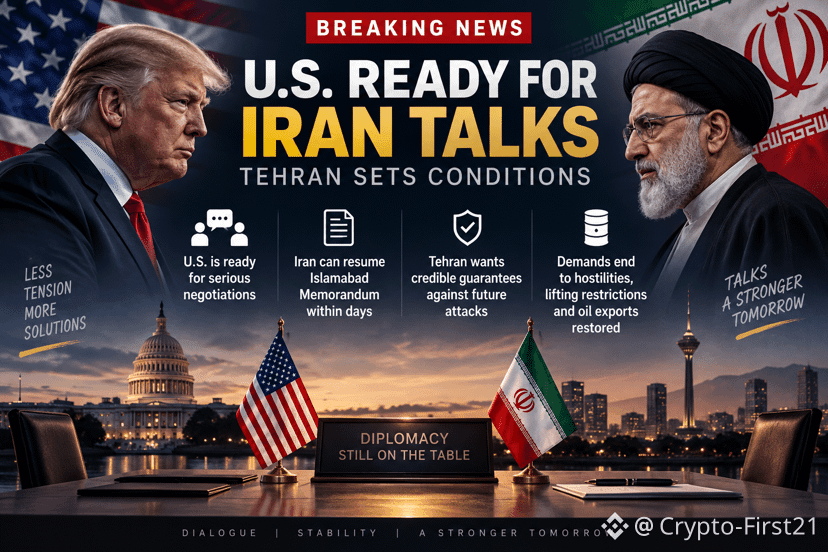
AQSh Eron muzokaralari uchun tayyor, Tehron shartlar qo‘ymoqda
Eron manbalariga ko‘ra, Qatar va Pokiston Tehronga AQSh jiddiy muzokaralar va ehtimoliy kelishuvga tayyor ekanini ma’lum qilgan.
Eron, agar Vashington o‘z majburiyatlariga qaytsa va kelgusidagi hujumlarga qarshi ishonchli kafolatlar bersa, bir necha kun ichida Islamabad Memorandumi faoliyatini qayta boshlashi mumkinligini aytmoqda.
Tehron, shuningdek, rasmiy muzokaralar — uning yadro dasturi bo‘yicha va sanksiyalarni yengillashtirish masalalari bo‘yicha — boshlanishidan oldin harbiy harakatlar to‘xtatilishini, cheklovlar olib tashlanishini va neft eksporti tiklanishini ham xohlaydi.
Ushbu rivojlanish bir necha oylik keskinlikdan keyin diplomatik imkoniyat ochilishi mumkinligidan dalolat beradi.
$AKE $ONE #cryptofirst21
AQSh Eron muzokaralari uchun tayyor, Tehron shartlar qo‘ymoqda
Eron manbalariga ko‘ra, Qatar va Pokiston Tehronga AQSh jiddiy muzokaralar va ehtimoliy kelishuvga tayyor ekanini ma’lum qilgan.
Eron, agar Vashington o‘z majburiyatlariga qaytsa va kelgusidagi hujumlarga qarshi ishonchli kafolatlar bersa, bir necha kun ichida Islamabad Memorandumi faoliyatini qayta boshlashi mumkinligini aytmoqda.
Tehron, shuningdek, rasmiy muzokaralar — uning yadro dasturi bo‘yicha va sanksiyalarni yengillashtirish masalalari bo‘yicha — boshlanishidan oldin harbiy harakatlar to‘xtatilishini, cheklovlar olib tashlanishini va neft eksporti tiklanishini ham xohlaydi.
Ushbu rivojlanish bir necha oylik keskinlikdan keyin diplomatik imkoniyat ochilishi mumkinligidan dalolat beradi.
$AKE $ONE #cryptofirst21
Eron manbalariga ko‘ra, Qatar va Pokiston Tehronga AQSh jiddiy muzokaralar va ehtimoliy kelishuvga tayyor ekanini ma’lum qilgan.
Eron, agar Vashington o‘z majburiyatlariga qaytsa va kelgusidagi hujumlarga qarshi ishonchli kafolatlar bersa, bir necha kun ichida Islamabad Memorandumi faoliyatini qayta boshlashi mumkinligini aytmoqda.
Tehron, shuningdek, rasmiy muzokaralar — uning yadro dasturi bo‘yicha va sanksiyalarni yengillashtirish masalalari bo‘yicha — boshlanishidan oldin harbiy harakatlar to‘xtatilishini, cheklovlar olib tashlanishini va neft eksporti tiklanishini ham xohlaydi.
Ushbu rivojlanish bir necha oylik keskinlikdan keyin diplomatik imkoniyat ochilishi mumkinligidan dalolat beradi.
$AKE $ONE #cryptofirst21
4
1.2k
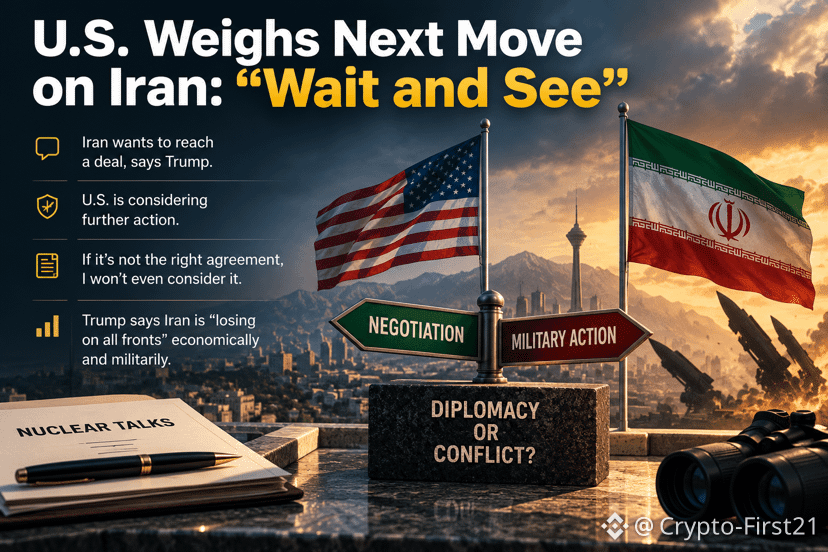
Tramp Eron AQSh bilan kelishuv xohlayotganini aytdi va keyingi qadamlarni ko‘rib chiqayotganini ma’lum qildi
AQSh prezidenti Donald Tramp Eron Tehronga nisbatan keyingi choralarni ko‘rish yoki ko‘rmaslik masalasini davom etayotgan paytda, Eron Qo‘shma Shtatlar bilan kelishuvga intilayotganini aytdi.
Trampning so‘zlariga ko‘ra, hozirda Eron kelishuvga erishishga qiziqmoqda, biroq u har qanday kelishuv AQShning talablariga javob berishi kerakligini ta’kidladi.
“U to‘g‘ri kelishuv bo‘lmasa, men hatto uni ko‘rib ham chiqmayman”, dedi Tramp va Eron katta iqtisodiy hamda harbiy bosim ostida ekaniga ishonishini qo‘shimcha qildi.
Aytib o‘tilgan gaplar diplomatiya hali ham ko‘rib chiqilayotganini ko‘rsatadi, biroq AQShning kelajakdagi harakatlari bo‘yicha yakuniy qaror e’lon qilinmagan.
btw $G and $AKE bugun nimasi bor ekan👀
#BOJHikesRatesTo31YearHigh #cryprofirst21
Tramp Eron AQSh bilan kelishuv xohlayotganini aytdi va keyingi qadamlarni ko‘rib chiqayotganini ma’lum qildi
AQSh prezidenti Donald Tramp Eron Tehronga nisbatan keyingi choralarni ko‘rish yoki ko‘rmaslik masalasini davom etayotgan paytda, Eron Qo‘shma Shtatlar bilan kelishuvga intilayotganini aytdi.
Trampning so‘zlariga ko‘ra, hozirda Eron kelishuvga erishishga qiziqmoqda, biroq u har qanday kelishuv AQShning talablariga javob berishi kerakligini ta’kidladi.
“U to‘g‘ri kelishuv bo‘lmasa, men hatto uni ko‘rib ham chiqmayman”, dedi Tramp va Eron katta iqtisodiy hamda harbiy bosim ostida ekaniga ishonishini qo‘shimcha qildi.
Aytib o‘tilgan gaplar diplomatiya hali ham ko‘rib chiqilayotganini ko‘rsatadi, biroq AQShning kelajakdagi harakatlari bo‘yicha yakuniy qaror e’lon qilinmagan.
btw $G and $AKE bugun nimasi bor ekan👀
#BOJHikesRatesTo31YearHigh #cryprofirst21
AQSh prezidenti Donald Tramp Eron Tehronga nisbatan keyingi choralarni ko‘rish yoki ko‘rmaslik masalasini davom etayotgan paytda, Eron Qo‘shma Shtatlar bilan kelishuvga intilayotganini aytdi.
Trampning so‘zlariga ko‘ra, hozirda Eron kelishuvga erishishga qiziqmoqda, biroq u har qanday kelishuv AQShning talablariga javob berishi kerakligini ta’kidladi.
“U to‘g‘ri kelishuv bo‘lmasa, men hatto uni ko‘rib ham chiqmayman”, dedi Tramp va Eron katta iqtisodiy hamda harbiy bosim ostida ekaniga ishonishini qo‘shimcha qildi.
Aytib o‘tilgan gaplar diplomatiya hali ham ko‘rib chiqilayotganini ko‘rsatadi, biroq AQShning kelajakdagi harakatlari bo‘yicha yakuniy qaror e’lon qilinmagan.
btw $G and $AKE bugun nimasi bor ekan👀
#BOJHikesRatesTo31YearHigh #cryprofirst21
2
1
5
937
Tasdiqlangan
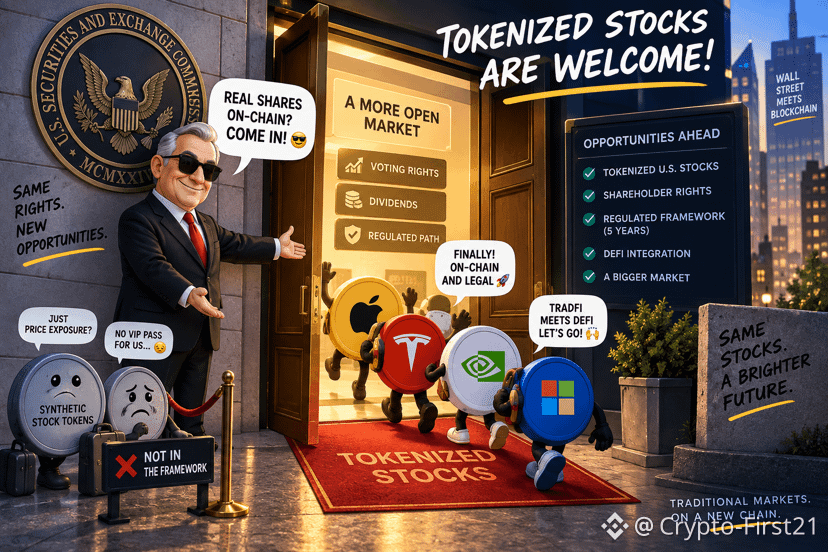
SEC: "Tokenizatsiya qilingan aksiyalar qabul qilindi."
Kripto: "Kutib turing... biz endi kirishga ruxsat etildimi?" 👀
$APM va $ONE jimlik bilan kuzatmoqda..
Ko‘p yillar davomida Uoll-strit va kripto xonada bir-birining qarshisida turib, bir-birini ko‘rmagandek ko‘rsatib kelishdi.
Endi esa SEC tokenizatsiya qilingan AQSh aksiyalari uchun eshikni ochdi: loyihalarga haqiqiy aksiyalarni zanjirga qo‘yish uchun aniqroq yo‘l berildi, bunda aksiyadorlar huquqlari saqlanib qoladi.
Gap nimada?
Agar sizning tokeningiz shunchaki aksiyaga o‘xshab “o‘zini aksiyadek ko‘rsatadigan” bo‘lsa va faqat narxni kuzatsa, VIP yo‘lakcha kutmang. 🚫
Ayni paytda DeFi protokollari, ehtimol, har 5 soniyada guruh chatlarini yangilayapti.
Ko‘rinishidan, “blockchain’dagi aksiyalar” degan hikoya juda ham real bo‘lib qoldi.
2026 yildagi syurpriz: sizning aksiyalar portfelingiz va kripto hamyoningiz oxir-oqibat bir joyda yashab qolishi mumkin. 🍿📈🔗
#cryptofirst21
SEC: "Tokenizatsiya qilingan aksiyalar qabul qilindi."
Kripto: "Kutib turing... biz endi kirishga ruxsat etildimi?" 👀
$APM va $ONE jimlik bilan kuzatmoqda..
Ko‘p yillar davomida Uoll-strit va kripto xonada bir-birining qarshisida turib, bir-birini ko‘rmagandek ko‘rsatib kelishdi.
Endi esa SEC tokenizatsiya qilingan AQSh aksiyalari uchun eshikni ochdi: loyihalarga haqiqiy aksiyalarni zanjirga qo‘yish uchun aniqroq yo‘l berildi, bunda aksiyadorlar huquqlari saqlanib qoladi.
Gap nimada?
Agar sizning tokeningiz shunchaki aksiyaga o‘xshab “o‘zini aksiyadek ko‘rsatadigan” bo‘lsa va faqat narxni kuzatsa, VIP yo‘lakcha kutmang. 🚫
Ayni paytda DeFi protokollari, ehtimol, har 5 soniyada guruh chatlarini yangilayapti.
Ko‘rinishidan, “blockchain’dagi aksiyalar” degan hikoya juda ham real bo‘lib qoldi.
2026 yildagi syurpriz: sizning aksiyalar portfelingiz va kripto hamyoningiz oxir-oqibat bir joyda yashab qolishi mumkin. 🍿📈🔗
#cryptofirst21
Kripto: "Kutib turing... biz endi kirishga ruxsat etildimi?" 👀
$APM va $ONE jimlik bilan kuzatmoqda..
Ko‘p yillar davomida Uoll-strit va kripto xonada bir-birining qarshisida turib, bir-birini ko‘rmagandek ko‘rsatib kelishdi.
Endi esa SEC tokenizatsiya qilingan AQSh aksiyalari uchun eshikni ochdi: loyihalarga haqiqiy aksiyalarni zanjirga qo‘yish uchun aniqroq yo‘l berildi, bunda aksiyadorlar huquqlari saqlanib qoladi.
Gap nimada?
Agar sizning tokeningiz shunchaki aksiyaga o‘xshab “o‘zini aksiyadek ko‘rsatadigan” bo‘lsa va faqat narxni kuzatsa, VIP yo‘lakcha kutmang. 🚫
Ayni paytda DeFi protokollari, ehtimol, har 5 soniyada guruh chatlarini yangilayapti.
Ko‘rinishidan, “blockchain’dagi aksiyalar” degan hikoya juda ham real bo‘lib qoldi.
2026 yildagi syurpriz: sizning aksiyalar portfelingiz va kripto hamyoningiz oxir-oqibat bir joyda yashab qolishi mumkin. 🍿📈🔗
#cryptofirst21
1
2
1.7k
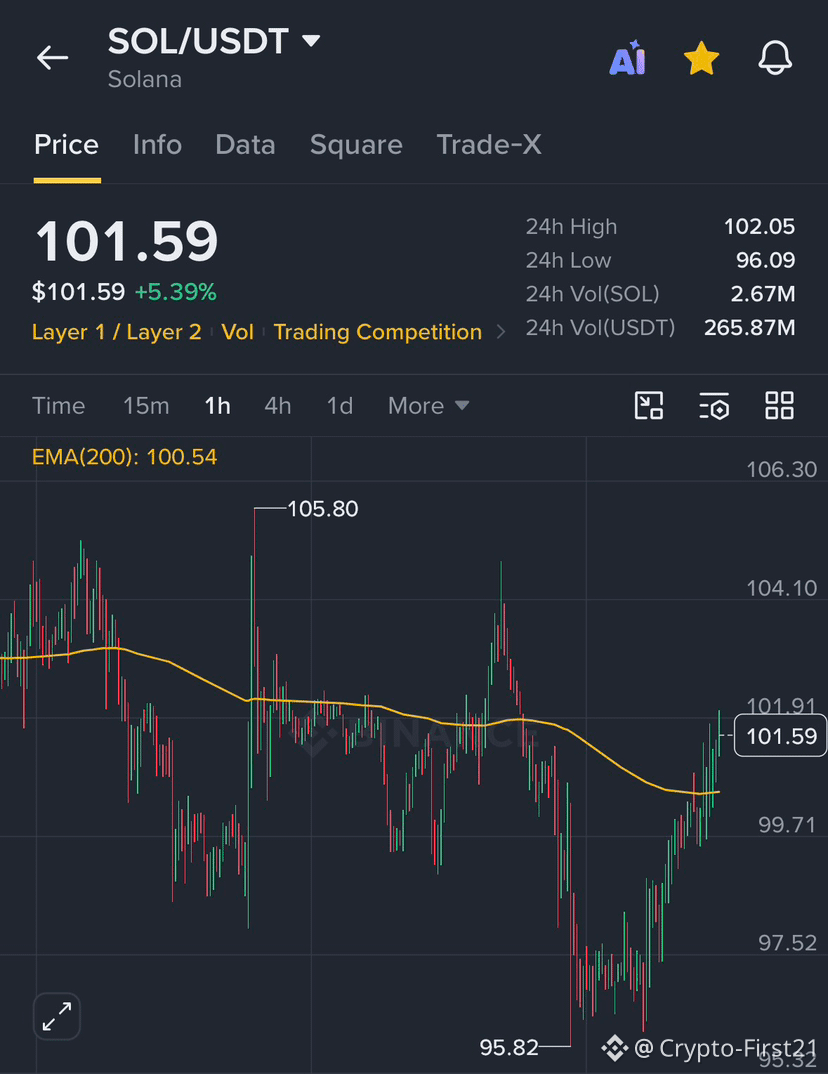
$SOL nihoyat biroz jonlanayotgandek, lekin u $ONE and $AVA 👀 bilan raqobatlasha olmaydi
Hmm.. SOL 95.82 dan kuchli qaytishni amalga oshirdi. Men kuzatayotgan darajalar:
• Qo‘llab-quvvatlash: 100.5 → 99.7
• Qarshilik: 102 → 104.1 → 105.8
Mening fikrimcha, momentum asta-sekin bullish tomonga o‘zgarayapti, lekin SOL hali ham 102 ni qat’iy ravishda teshib o‘tishi kerak. Agar shunday bo‘lsa, 104–106 tomon harakat kutilmagan bo‘lmaydi.
#cryptofirst21
$SOL nihoyat biroz jonlanayotgandek, lekin u $ONE and $AVA 👀 bilan raqobatlasha olmaydi
Hmm.. SOL 95.82 dan kuchli qaytishni amalga oshirdi. Men kuzatayotgan darajalar:
• Qo‘llab-quvvatlash: 100.5 → 99.7
• Qarshilik: 102 → 104.1 → 105.8
Mening fikrimcha, momentum asta-sekin bullish tomonga o‘zgarayapti, lekin SOL hali ham 102 ni qat’iy ravishda teshib o‘tishi kerak. Agar shunday bo‘lsa, 104–106 tomon harakat kutilmagan bo‘lmaydi.
#cryptofirst21
Hmm.. SOL 95.82 dan kuchli qaytishni amalga oshirdi. Men kuzatayotgan darajalar:
• Qo‘llab-quvvatlash: 100.5 → 99.7
• Qarshilik: 102 → 104.1 → 105.8
Mening fikrimcha, momentum asta-sekin bullish tomonga o‘zgarayapti, lekin SOL hali ham 102 ni qat’iy ravishda teshib o‘tishi kerak. Agar shunday bo‘lsa, 104–106 tomon harakat kutilmagan bo‘lmaydi.
#cryptofirst21
4
912
Tasdiqlangan
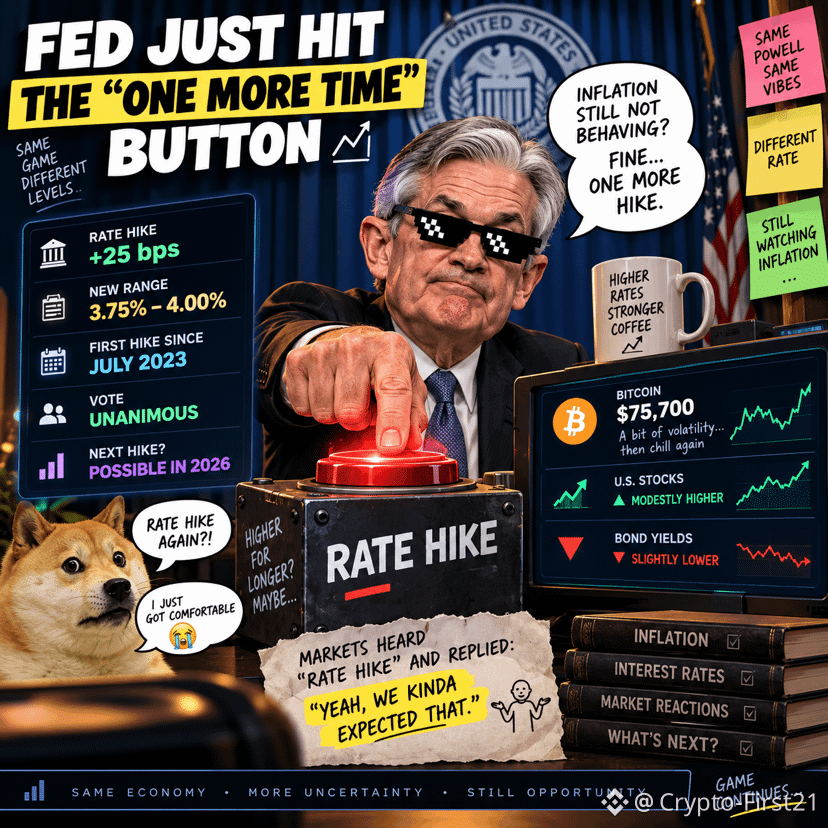
Fed “Yana bir marta” tugmasini bosib yubordi 📈😅
Lol… Fed nihoyat buni qildi.🙈
3 yildan ortiq chetda o‘tirib, foiz stavkalarini 25 bazis punktga oshirdi va benchmark stavkani 3.75%–4.00% darajasiga olib chiqdi.
Bu harakat shu yilning 47-marta savdogarlar “$80k dan pastga yana sotib olish uchun oxirgi imkon” deb post qilganini ko‘rgandek kutilmagan edi. 😭
Yanayam zo‘ri: Fedning so‘nggi prognozlari 2026-yilda yana bir oshirish ham hali reja ichida bo‘lishi mumkinligini ishora qiladi.
Bitcoin odatdagi tartibni bajardi: tezkor vahima, tezkor tiklanish va keyin hech narsa bo‘lmagandek qilish. 👀
Ayni paytda aksiyalar yashil bo‘lib qoldi va obligatsiya daromadliligi biroz pasaydi.
Lekin $SYN va $LSK haqida nima deysiz?
Tarjima: bozor “stavka oshirish”ni eshitdi va “ha, biz buni biroz kutgan edik”, deb javob qaytardi.
Inflyatsiya hali ham Fedning asosiy boshliq janggi bo‘lib turibdi, va shekilli o‘yin hali tugamagan.
#cryptofirst21
Fed “Yana bir marta” tugmasini bosib yubordi 📈😅
Lol… Fed nihoyat buni qildi.🙈
3 yildan ortiq chetda o‘tirib, foiz stavkalarini 25 bazis punktga oshirdi va benchmark stavkani 3.75%–4.00% darajasiga olib chiqdi.
Bu harakat shu yilning 47-marta savdogarlar “$80k dan pastga yana sotib olish uchun oxirgi imkon” deb post qilganini ko‘rgandek kutilmagan edi. 😭
Yanayam zo‘ri: Fedning so‘nggi prognozlari 2026-yilda yana bir oshirish ham hali reja ichida bo‘lishi mumkinligini ishora qiladi.
Bitcoin odatdagi tartibni bajardi: tezkor vahima, tezkor tiklanish va keyin hech narsa bo‘lmagandek qilish. 👀
Ayni paytda aksiyalar yashil bo‘lib qoldi va obligatsiya daromadliligi biroz pasaydi.
Lekin $SYN va $LSK haqida nima deysiz?
Tarjima: bozor “stavka oshirish”ni eshitdi va “ha, biz buni biroz kutgan edik”, deb javob qaytardi.
Inflyatsiya hali ham Fedning asosiy boshliq janggi bo‘lib turibdi, va shekilli o‘yin hali tugamagan.
#cryptofirst21
Lol… Fed nihoyat buni qildi.🙈
3 yildan ortiq chetda o‘tirib, foiz stavkalarini 25 bazis punktga oshirdi va benchmark stavkani 3.75%–4.00% darajasiga olib chiqdi.
Bu harakat shu yilning 47-marta savdogarlar “$80k dan pastga yana sotib olish uchun oxirgi imkon” deb post qilganini ko‘rgandek kutilmagan edi. 😭
Yanayam zo‘ri: Fedning so‘nggi prognozlari 2026-yilda yana bir oshirish ham hali reja ichida bo‘lishi mumkinligini ishora qiladi.
Bitcoin odatdagi tartibni bajardi: tezkor vahima, tezkor tiklanish va keyin hech narsa bo‘lmagandek qilish. 👀
Ayni paytda aksiyalar yashil bo‘lib qoldi va obligatsiya daromadliligi biroz pasaydi.
Lekin $SYN va $LSK haqida nima deysiz?
Tarjima: bozor “stavka oshirish”ni eshitdi va “ha, biz buni biroz kutgan edik”, deb javob qaytardi.
Inflyatsiya hali ham Fedning asosiy boshliq janggi bo‘lib turibdi, va shekilli o‘yin hali tugamagan.
#cryptofirst21
15
4.8k
Tasdiqlangan
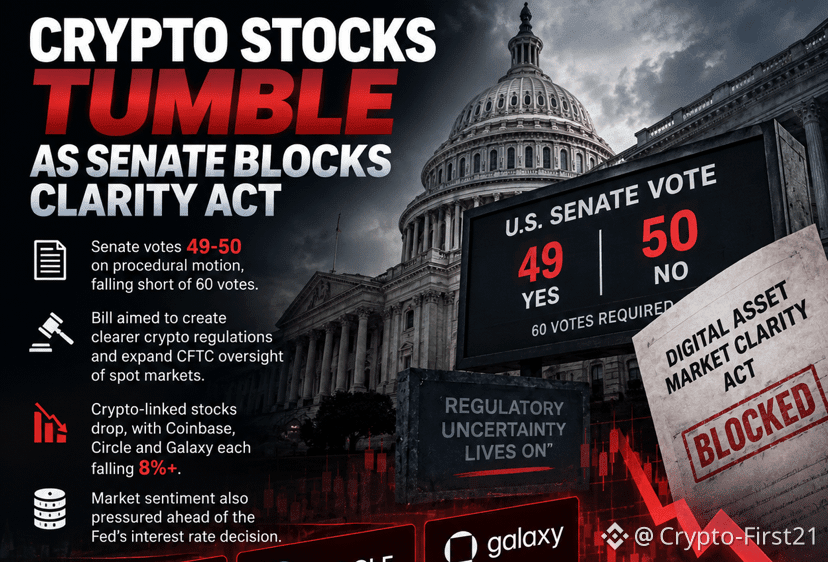
Senat “Aniqlik to‘g‘risidagi qonun loyihasi”ni to‘xtatgani sabab kripto aktsiyalari keskin tushdi
Nima bo‘ldi? 😱
AQSh Senati 49-50 ovoz bilan “Raqamli aktivlar bo‘yicha bozor aniqligi to‘g‘risidagi qonun”ni oldinga siljita olmadi, natijada zarur bo‘lgan 60 ovozga yetolmadi. Shu sabab kriptoga bog‘liq aktsiyalar keskin pasaydi.
Xo‘sh…… Loyiha kripto bo‘yicha yanada aniqroq tartibga solish qoidalarini yaratish va spot bozorlarga nisbatan CFTC (Tovar fyucherslari savdo komissiyasi) nazoratini kengaytirishni ko‘zlagan edi. Bu mag‘lubiyatdan keyin esa tartibga solishdagi noaniqlik yana markazga qaytgani sababli aksiyalar bo‘yicha ommaviy sotuvlar kuchaydi.
Fed qarori ham yaqinlashgani sababli investorlar riskni kamaytirish (risk-off) rejimiga o‘tdi va bu kriptoga aloqador bozorlardagi bosimni yanada kuchaytirdi. 📉 still $AIN and $AKE Bozor to‘liq “boom” holatida !!
#BessentEndorsesFinalClarityActDraft
Senat “Aniqlik to‘g‘risidagi qonun loyihasi”ni to‘xtatgani sabab kripto aktsiyalari keskin tushdi
Nima bo‘ldi? 😱
AQSh Senati 49-50 ovoz bilan “Raqamli aktivlar bo‘yicha bozor aniqligi to‘g‘risidagi qonun”ni oldinga siljita olmadi, natijada zarur bo‘lgan 60 ovozga yetolmadi. Shu sabab kriptoga bog‘liq aktsiyalar keskin pasaydi.
Xo‘sh…… Loyiha kripto bo‘yicha yanada aniqroq tartibga solish qoidalarini yaratish va spot bozorlarga nisbatan CFTC (Tovar fyucherslari savdo komissiyasi) nazoratini kengaytirishni ko‘zlagan edi. Bu mag‘lubiyatdan keyin esa tartibga solishdagi noaniqlik yana markazga qaytgani sababli aksiyalar bo‘yicha ommaviy sotuvlar kuchaydi.
Fed qarori ham yaqinlashgani sababli investorlar riskni kamaytirish (risk-off) rejimiga o‘tdi va bu kriptoga aloqador bozorlardagi bosimni yanada kuchaytirdi. 📉 still $AIN and $AKE Bozor to‘liq “boom” holatida !!
#BessentEndorsesFinalClarityActDraft
Nima bo‘ldi? 😱
AQSh Senati 49-50 ovoz bilan “Raqamli aktivlar bo‘yicha bozor aniqligi to‘g‘risidagi qonun”ni oldinga siljita olmadi, natijada zarur bo‘lgan 60 ovozga yetolmadi. Shu sabab kriptoga bog‘liq aktsiyalar keskin pasaydi.
Xo‘sh…… Loyiha kripto bo‘yicha yanada aniqroq tartibga solish qoidalarini yaratish va spot bozorlarga nisbatan CFTC (Tovar fyucherslari savdo komissiyasi) nazoratini kengaytirishni ko‘zlagan edi. Bu mag‘lubiyatdan keyin esa tartibga solishdagi noaniqlik yana markazga qaytgani sababli aksiyalar bo‘yicha ommaviy sotuvlar kuchaydi.
Fed qarori ham yaqinlashgani sababli investorlar riskni kamaytirish (risk-off) rejimiga o‘tdi va bu kriptoga aloqador bozorlardagi bosimni yanada kuchaytirdi. 📉 still $AIN and $AKE Bozor to‘liq “boom” holatida !!
#BessentEndorsesFinalClarityActDraft
3
18
10k
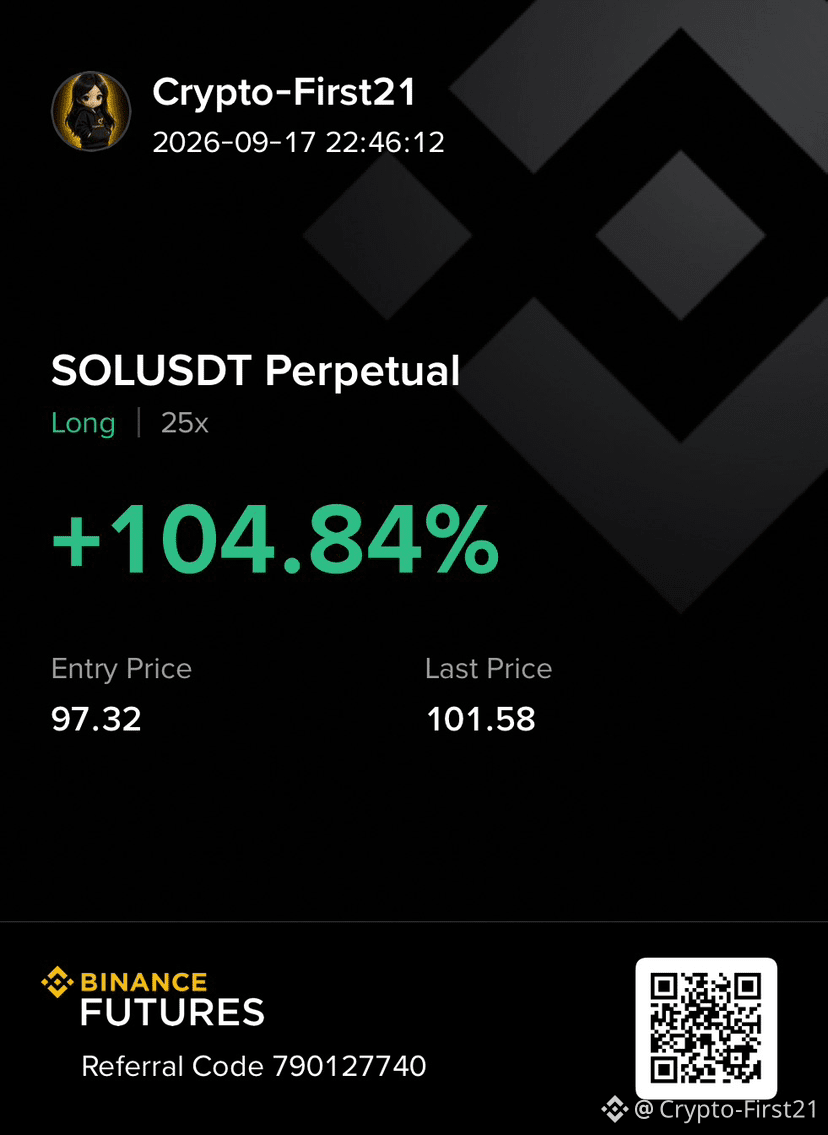
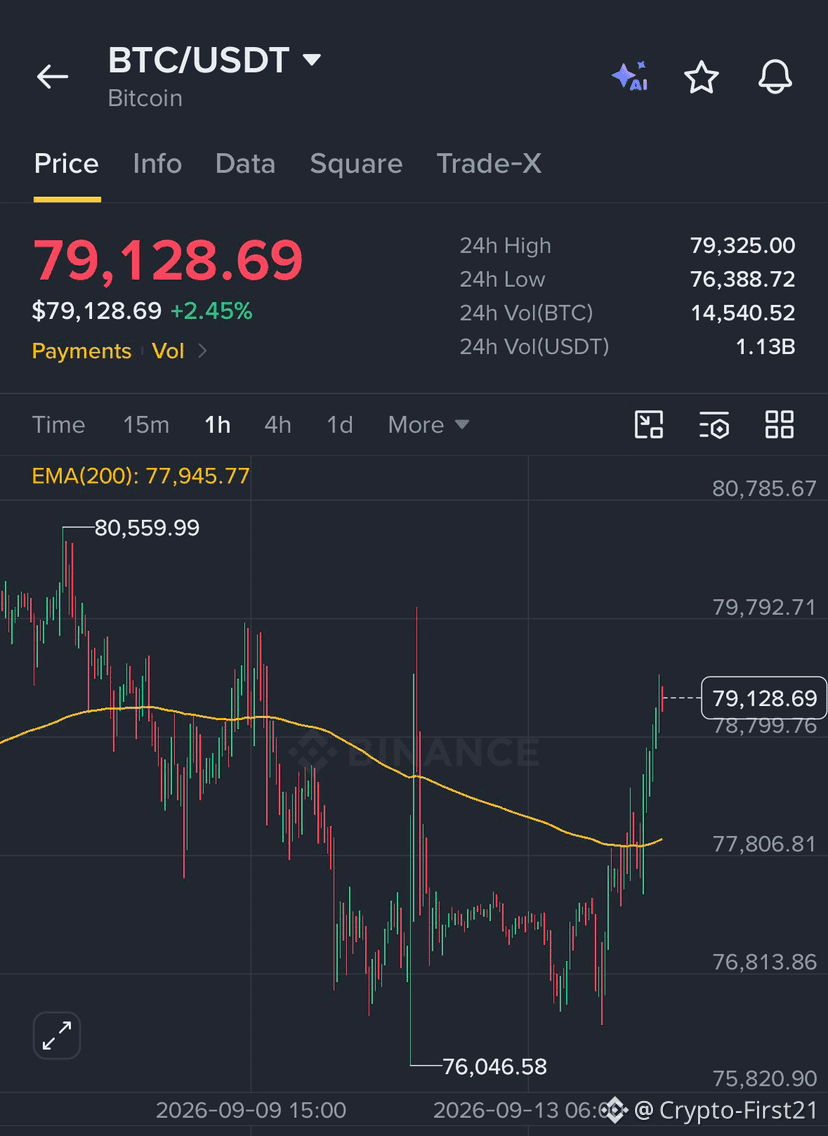
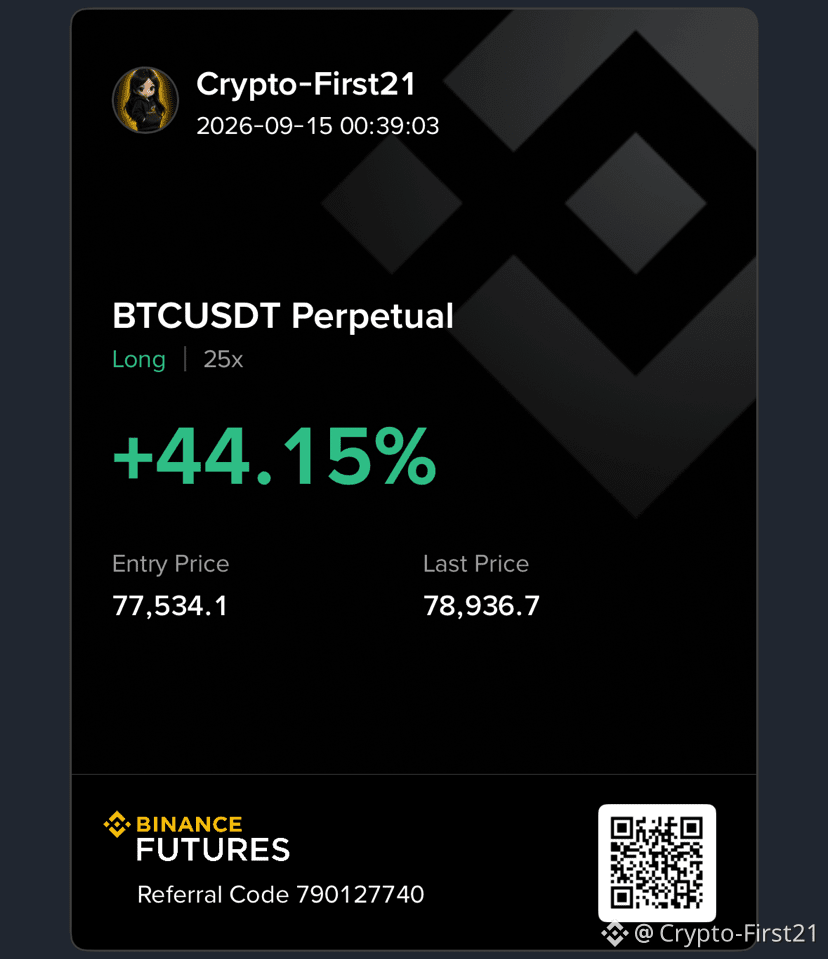
Hmm… nihoyat $AIN emas, $BTC ga uzoq pozitsiya oling.
Ish beradi.
Yakuniy tugatish yo‘q.
Stop ov qilish yo‘q.
Hissiy zarar yo‘q.
Yashil shamlar 🤝📈
+44% va shunga qaramay, yopishni rad etyapti — chunki ochko‘zlik chatga kirdi. 🚀
#cryptofirst21 #BitcoinHoldsAbove$77000
Hmm… nihoyat $AIN emas, $BTC ga uzoq pozitsiya oling.
Ish beradi.
Yakuniy tugatish yo‘q.
Stop ov qilish yo‘q.
Hissiy zarar yo‘q.
Yashil shamlar 🤝📈
+44% va shunga qaramay, yopishni rad etyapti — chunki ochko‘zlik chatga kirdi. 🚀
#cryptofirst21 #BitcoinHoldsAbove$77000
Ish beradi.
Yakuniy tugatish yo‘q.
Stop ov qilish yo‘q.
Hissiy zarar yo‘q.
Yashil shamlar 🤝📈
+44% va shunga qaramay, yopishni rad etyapti — chunki ochko‘zlik chatga kirdi. 🚀
#cryptofirst21 #BitcoinHoldsAbove$77000
2
5
1k
Oh my … LSK shunchaki bayramga qo‘shilmadi, u butun joyni sotib oldi. 🤯
$LSK portladi +276.71%, qolgan “g‘oliblar” esa ikkinchi o‘rinni talashib yurdi.
LSK esa boshqalar esa shnurlarini taqayotgan paytda marafon yuguryapti. 😆
#cryptofirst21
Oh my … LSK shunchaki bayramga qo‘shilmadi, u butun joyni sotib oldi. 🤯
$LSK portladi +276.71%, qolgan “g‘oliblar” esa ikkinchi o‘rinni talashib yurdi.
LSK esa boshqalar esa shnurlarini taqayotgan paytda marafon yuguryapti. 😆
#cryptofirst21
$LSK portladi +276.71%, qolgan “g‘oliblar” esa ikkinchi o‘rinni talashib yurdi.
LSK esa boshqalar esa shnurlarini taqayotgan paytda marafon yuguryapti. 😆
#cryptofirst21
2
9
2.3k
Uoll-strit yangi Bitcoin bosqichidan o‘tdi 🚀
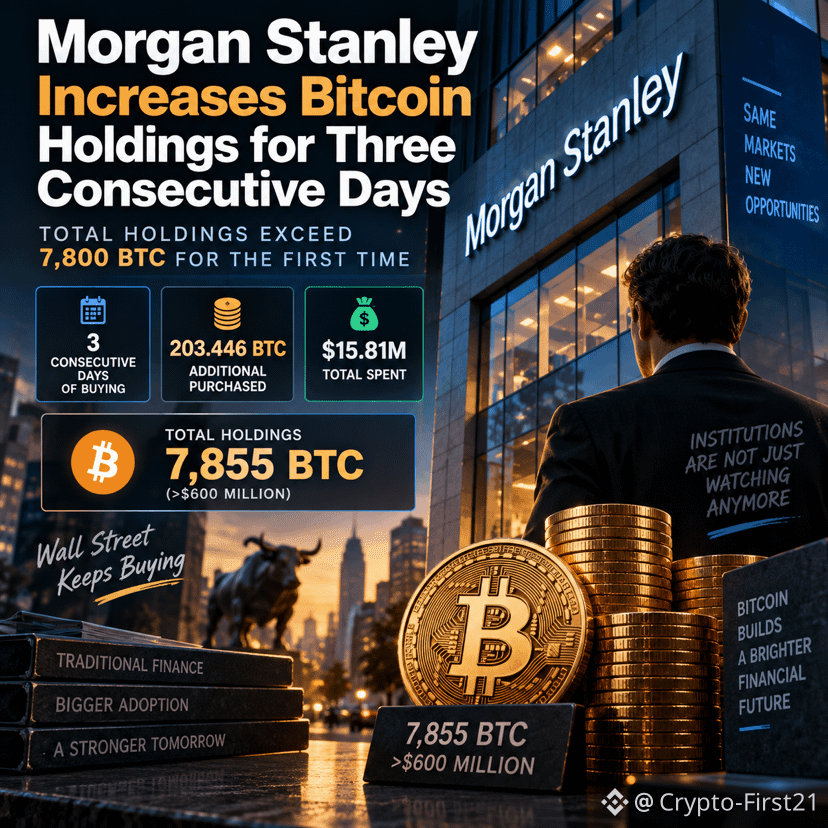
Morgan Stanley uch kundan beri jim turib Bitcoin to‘plab kelmoqda.
Bank giganti o‘zining spot Bitcoin ETF (MSBT) orqali qo‘shimcha 203.446 BTC sotib oldi va bu jarayonda taxminan 15.81 million dollar sarfladi.
Oxirgi xaridlar Morgan Stanley’ning jami Bitcoin zaxirasini ilk bor 7,800 BTC dan oshirib yubordi va u 7,855 $BTC ga yetdi; hozirgi narxlarda bu 600 million dollardan ko‘proqqa teng.
Ko‘plab muassasalar hali ham Bitcoin’ga ta’sir qilish masalasini muhokama qilayotgan bir paytda, Morgan Stanley Uoll-stritning eng yaxshi qiladigan ishini qilayotgandek: to‘plamoqda.
Uch kun ketma-ket xarid.
7,855 BTC hisobda.
Bitcoin bo‘yicha 600M+.
Rahbarlar sotib olishda davom etyapti, bozor esa kuzatishda. 👀₿📈
$LSK #cryptofirst21
Uoll-strit yangi Bitcoin bosqichidan o‘tdi 🚀
Morgan Stanley uch kundan beri jim turib Bitcoin to‘plab kelmoqda.
Bank giganti o‘zining spot Bitcoin ETF (MSBT) orqali qo‘shimcha 203.446 BTC sotib oldi va bu jarayonda taxminan 15.81 million dollar sarfladi.
Oxirgi xaridlar Morgan Stanley’ning jami Bitcoin zaxirasini ilk bor 7,800 BTC dan oshirib yubordi va u 7,855 $BTC ga yetdi; hozirgi narxlarda bu 600 million dollardan ko‘proqqa teng.
Ko‘plab muassasalar hali ham Bitcoin’ga ta’sir qilish masalasini muhokama qilayotgan bir paytda, Morgan Stanley Uoll-stritning eng yaxshi qiladigan ishini qilayotgandek: to‘plamoqda.
Uch kun ketma-ket xarid.
7,855 BTC hisobda.
Bitcoin bo‘yicha 600M+.
Rahbarlar sotib olishda davom etyapti, bozor esa kuzatishda. 👀₿📈
$LSK #cryptofirst21
Morgan Stanley uch kundan beri jim turib Bitcoin to‘plab kelmoqda.
Bank giganti o‘zining spot Bitcoin ETF (MSBT) orqali qo‘shimcha 203.446 BTC sotib oldi va bu jarayonda taxminan 15.81 million dollar sarfladi.
Oxirgi xaridlar Morgan Stanley’ning jami Bitcoin zaxirasini ilk bor 7,800 BTC dan oshirib yubordi va u 7,855 $BTC ga yetdi; hozirgi narxlarda bu 600 million dollardan ko‘proqqa teng.
Ko‘plab muassasalar hali ham Bitcoin’ga ta’sir qilish masalasini muhokama qilayotgan bir paytda, Morgan Stanley Uoll-stritning eng yaxshi qiladigan ishini qilayotgandek: to‘plamoqda.
Uch kun ketma-ket xarid.
7,855 BTC hisobda.
Bitcoin bo‘yicha 600M+.
Rahbarlar sotib olishda davom etyapti, bozor esa kuzatishda. 👀₿📈
$LSK #cryptofirst21
5
512
Hamma band bo‘lib, “majors”ni 👀 tomosha qilayotgan paytda, bular jimjitgina bosib chiqarilmoqda:
$MET +25.69%
$TFUEL +24.28%
$牛来 +20.56%
yutuqlar (gainers) bo‘limi hech qachon uxlamaydi 🔥
qaysini tomosha qilyapsiz?
#cryptofirst21
Hamma band bo‘lib, “majors”ni 👀 tomosha qilayotgan paytda, bular jimjitgina bosib chiqarilmoqda:
$MET +25.69%
$TFUEL +24.28%
$牛来 +20.56%
yutuqlar (gainers) bo‘limi hech qachon uxlamaydi 🔥
qaysini tomosha qilyapsiz?
#cryptofirst21
$MET +25.69%
$TFUEL +24.28%
$牛来 +20.56%
yutuqlar (gainers) bo‘limi hech qachon uxlamaydi 🔥
qaysini tomosha qilyapsiz?
#cryptofirst21
MET
19%
TFUEL
5%
牛来
76%
88 Ovozlar • Ovoz berish yopildi
3
3.6k
CPI’dan oldin ehtiyotkorona optimistman
Nofarma yollashlar kutilganidan oshib, inflyatsiya ma’lumotlari yaqinlashayotgan bir paytda bozor muhim chorrahada turibdi.
Mana mening fikrim:
Yaxshi ish o‘rinlari ko‘rsatkichlari iqtisodiyotning mustahkamligini ko‘rsatadi, lekin aynan shuning uchun CPI hozir juda muhim. Agar kuchli bandlik bozoriga qaramay inflyatsiya davom etsa, Fed foiz stavkalarini uzoqroq yuqori darajada ushlab turish yoki hatto yana oshirish bosimiga duch keladi. Agar CPI sovisa, ehtimol nihoyat hamma kutayotgan stavka pasayishlarini ko‘rishimiz mumkin.
Mening tezisim: Ehtiyotkorona optimizm
Hisobot oldidan risk aktivlariga nisbatan optimistik kayfiyatdaman. Sababi:
1. Bozorlar pasayish xavfini narxga kiritgan — Hozirgi narxlarga allaqachon keskin (hawkish) ssenariylarning ko‘pi “singdirilgan”. Kutilganidan biroz ham sovuqroq bo‘ladigan CPI ajablantirishi yengillashish (relief) mitingini qo‘zg‘atishi mumkin.
2. Sug‘urta sifatida oltin — Inflyatsiya yopishqoq bo‘lib qolsa va foizlar yuqorida qolsa, oltin portfelga himoya beradi. Foizlar tushsa, oltin esa keng bozor qaytishidan (bounce) foyda ko‘radi.
3. Fedning ishonchliligi — Pauell ma’lumotlarga bog‘liqlik haqida aniq aytdi. Bitta yaxshi CPI ko‘rsatkichi ularning pozitsiyasini to‘liq o‘zgartirmaydi, lekin oldindagi siyosatni yanada mo‘’tadilroq qilish yo‘lini ochadi.
Xavf
Issiq CPI ma’lumotlari = stavkani ushlab turish rejimining davom etishi va o‘sish (growth) aksiyalarida zaiflik ehtimoli. Shuning uchun diversifikatsiya muhim.
Savdo qilish “to‘g‘ri chiqish” haqida emas, balki bir nechta ssenariyga tayyor turish haqida. Shunga qarab pozitsiya oling.
Sizning fikringiz qanday?
#CPIWatch #cryptofirst21
$GAIB $CNPY
CPI’dan oldin ehtiyotkorona optimistman
Nofarma yollashlar kutilganidan oshib, inflyatsiya ma’lumotlari yaqinlashayotgan bir paytda bozor muhim chorrahada turibdi.
Mana mening fikrim:
Yaxshi ish o‘rinlari ko‘rsatkichlari iqtisodiyotning mustahkamligini ko‘rsatadi, lekin aynan shuning uchun CPI hozir juda muhim. Agar kuchli bandlik bozoriga qaramay inflyatsiya davom etsa, Fed foiz stavkalarini uzoqroq yuqori darajada ushlab turish yoki hatto yana oshirish bosimiga duch keladi. Agar CPI sovisa, ehtimol nihoyat hamma kutayotgan stavka pasayishlarini ko‘rishimiz mumkin.
Mening tezisim: Ehtiyotkorona optimizm
Hisobot oldidan risk aktivlariga nisbatan optimistik kayfiyatdaman. Sababi:
1. Bozorlar pasayish xavfini narxga kiritgan — Hozirgi narxlarga allaqachon keskin (hawkish) ssenariylarning ko‘pi “singdirilgan”. Kutilganidan biroz ham sovuqroq bo‘ladigan CPI ajablantirishi yengillashish (relief) mitingini qo‘zg‘atishi mumkin.
2. Sug‘urta sifatida oltin — Inflyatsiya yopishqoq bo‘lib qolsa va foizlar yuqorida qolsa, oltin portfelga himoya beradi. Foizlar tushsa, oltin esa keng bozor qaytishidan (bounce) foyda ko‘radi.
3. Fedning ishonchliligi — Pauell ma’lumotlarga bog‘liqlik haqida aniq aytdi. Bitta yaxshi CPI ko‘rsatkichi ularning pozitsiyasini to‘liq o‘zgartirmaydi, lekin oldindagi siyosatni yanada mo‘’tadilroq qilish yo‘lini ochadi.
Xavf
Issiq CPI ma’lumotlari = stavkani ushlab turish rejimining davom etishi va o‘sish (growth) aksiyalarida zaiflik ehtimoli. Shuning uchun diversifikatsiya muhim.
Savdo qilish “to‘g‘ri chiqish” haqida emas, balki bir nechta ssenariyga tayyor turish haqida. Shunga qarab pozitsiya oling.
Sizning fikringiz qanday?
#CPIWatch #cryptofirst21
$GAIB $CNPY
Nofarma yollashlar kutilganidan oshib, inflyatsiya ma’lumotlari yaqinlashayotgan bir paytda bozor muhim chorrahada turibdi.
Mana mening fikrim:
Yaxshi ish o‘rinlari ko‘rsatkichlari iqtisodiyotning mustahkamligini ko‘rsatadi, lekin aynan shuning uchun CPI hozir juda muhim. Agar kuchli bandlik bozoriga qaramay inflyatsiya davom etsa, Fed foiz stavkalarini uzoqroq yuqori darajada ushlab turish yoki hatto yana oshirish bosimiga duch keladi. Agar CPI sovisa, ehtimol nihoyat hamma kutayotgan stavka pasayishlarini ko‘rishimiz mumkin.
Mening tezisim: Ehtiyotkorona optimizm
Hisobot oldidan risk aktivlariga nisbatan optimistik kayfiyatdaman. Sababi:
1. Bozorlar pasayish xavfini narxga kiritgan — Hozirgi narxlarga allaqachon keskin (hawkish) ssenariylarning ko‘pi “singdirilgan”. Kutilganidan biroz ham sovuqroq bo‘ladigan CPI ajablantirishi yengillashish (relief) mitingini qo‘zg‘atishi mumkin.
2. Sug‘urta sifatida oltin — Inflyatsiya yopishqoq bo‘lib qolsa va foizlar yuqorida qolsa, oltin portfelga himoya beradi. Foizlar tushsa, oltin esa keng bozor qaytishidan (bounce) foyda ko‘radi.
3. Fedning ishonchliligi — Pauell ma’lumotlarga bog‘liqlik haqida aniq aytdi. Bitta yaxshi CPI ko‘rsatkichi ularning pozitsiyasini to‘liq o‘zgartirmaydi, lekin oldindagi siyosatni yanada mo‘’tadilroq qilish yo‘lini ochadi.
Xavf
Issiq CPI ma’lumotlari = stavkani ushlab turish rejimining davom etishi va o‘sish (growth) aksiyalarida zaiflik ehtimoli. Shuning uchun diversifikatsiya muhim.
Savdo qilish “to‘g‘ri chiqish” haqida emas, balki bir nechta ssenariyga tayyor turish haqida. Shunga qarab pozitsiya oling.
Sizning fikringiz qanday?
#CPIWatch #cryptofirst21
$GAIB $CNPY

1
8
729
Buqalarm bugun urib kirmadi.
Eshikni tepib ochishdi.
🐂 $牛来 +52.33%
⚡ $VTHO +42.66%
🚀 $SAGA +32.70%
Agar yashil shamlar sport bo‘lsa, bu uchalasi hozir dobil kursida medal yig‘ayotgan bo‘lardi. 🏅😆
#cryptofirst21 #AppleDebutsFoldablePhone
Buqalarm bugun urib kirmadi.
Eshikni tepib ochishdi.
🐂 $牛来 +52.33%
⚡ $VTHO +42.66%
🚀 $SAGA +32.70%
Agar yashil shamlar sport bo‘lsa, bu uchalasi hozir dobil kursida medal yig‘ayotgan bo‘lardi. 🏅😆
#cryptofirst21 #AppleDebutsFoldablePhone
Eshikni tepib ochishdi.
🐂 $牛来 +52.33%
⚡ $VTHO +42.66%
🚀 $SAGA +32.70%
Agar yashil shamlar sport bo‘lsa, bu uchalasi hozir dobil kursida medal yig‘ayotgan bo‘lardi. 🏅😆
#cryptofirst21 #AppleDebutsFoldablePhone

7
2.6k
Qiziq, $VTHO … u harakatlana boshlamaguncha hech kim u haqida gapirmaydi.
Endi e’tibor tortayotgani uchun hamma birdan o‘ziga nishon belgilab oldi.
Men bu yerda yashil shamchalarni quvlayotganim yo‘q. Menimcha, eng katta o‘sishlar ko‘pincha oylar davomida e’tiborsiz qolgan tangalardan keladi.
Ko‘pchilik treyderlar $VET ni kuzatyapti.
Men esa VTHO ni kuzatyapman. 👀
Bu yerda sotib olyapsizmi yoki orqaga qaytishni kutyapsizmi? 🤔
#AppleDebutsFoldablePhone #cryptofirst21
Qiziq, $VTHO … u harakatlana boshlamaguncha hech kim u haqida gapirmaydi.
Endi e’tibor tortayotgani uchun hamma birdan o‘ziga nishon belgilab oldi.
Men bu yerda yashil shamchalarni quvlayotganim yo‘q. Menimcha, eng katta o‘sishlar ko‘pincha oylar davomida e’tiborsiz qolgan tangalardan keladi.
Ko‘pchilik treyderlar $VET ni kuzatyapti.
Men esa VTHO ni kuzatyapman. 👀
Bu yerda sotib olyapsizmi yoki orqaga qaytishni kutyapsizmi? 🤔
#AppleDebutsFoldablePhone #cryptofirst21
Endi e’tibor tortayotgani uchun hamma birdan o‘ziga nishon belgilab oldi.
Men bu yerda yashil shamchalarni quvlayotganim yo‘q. Menimcha, eng katta o‘sishlar ko‘pincha oylar davomida e’tiborsiz qolgan tangalardan keladi.
Ko‘pchilik treyderlar $VET ni kuzatyapti.
Men esa VTHO ni kuzatyapman. 👀
Bu yerda sotib olyapsizmi yoki orqaga qaytishni kutyapsizmi? 🤔
#AppleDebutsFoldablePhone #cryptofirst21
2
1.4k
Treyder 997 dollarni atigi 2 daqiqada 66,8 ming dollarga aylantirdi
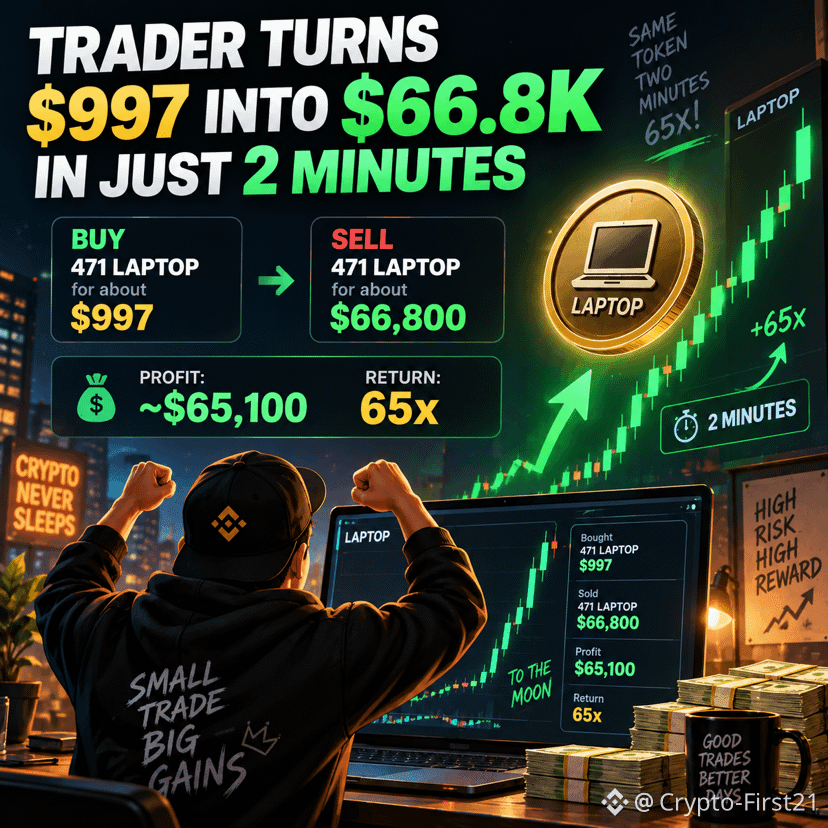
Kripto treyder yaqinda ishga tushirilgan LAPTOP tokeni bo‘yicha ajoyib savdo amalga oshirdi va taxminan 997 dollarni atigi ikki daqiqada 66 800 dollarga aylantirdi.
On-chain ma’lumotlariga ko‘ra, treyder 471 ta LAPTOP tokenini sotib olgan va tezda pozitsiyadan chiqib ketgan, natijada taxminan 65 100 dollar foyda olib, juda katta — 65 barobar — daromadni qayd etgan.
Bunday harakatlar kichik kapitalli va endi chiqarilgan tokenlarda paydo bo‘ladigan o‘ta yuqori volatillik hamda imkoniyatlarni ko‘rsatadi. Bir nechta treyderlar katta daromadga erishsa ham, bu bozorlar katta risk ham olib keladi — narxlar xuddi shunday tezlikda aks yo‘nalishda ham o‘zgarishi mumkin.
Bitta hamyon. Ikki daqiqa. 65x daromad.
Bu aynan kripto treyderlar orzu qiladigan savdo. 👀📈🔥
#OilRisesToHighestSinceJuly #cryptofirst21
$IOST
Treyder 997 dollarni atigi 2 daqiqada 66,8 ming dollarga aylantirdi
Kripto treyder yaqinda ishga tushirilgan LAPTOP tokeni bo‘yicha ajoyib savdo amalga oshirdi va taxminan 997 dollarni atigi ikki daqiqada 66 800 dollarga aylantirdi.
On-chain ma’lumotlariga ko‘ra, treyder 471 ta LAPTOP tokenini sotib olgan va tezda pozitsiyadan chiqib ketgan, natijada taxminan 65 100 dollar foyda olib, juda katta — 65 barobar — daromadni qayd etgan.
Bunday harakatlar kichik kapitalli va endi chiqarilgan tokenlarda paydo bo‘ladigan o‘ta yuqori volatillik hamda imkoniyatlarni ko‘rsatadi. Bir nechta treyderlar katta daromadga erishsa ham, bu bozorlar katta risk ham olib keladi — narxlar xuddi shunday tezlikda aks yo‘nalishda ham o‘zgarishi mumkin.
Bitta hamyon. Ikki daqiqa. 65x daromad.
Bu aynan kripto treyderlar orzu qiladigan savdo. 👀📈🔥
#OilRisesToHighestSinceJuly #cryptofirst21
$IOST
Kripto treyder yaqinda ishga tushirilgan LAPTOP tokeni bo‘yicha ajoyib savdo amalga oshirdi va taxminan 997 dollarni atigi ikki daqiqada 66 800 dollarga aylantirdi.
On-chain ma’lumotlariga ko‘ra, treyder 471 ta LAPTOP tokenini sotib olgan va tezda pozitsiyadan chiqib ketgan, natijada taxminan 65 100 dollar foyda olib, juda katta — 65 barobar — daromadni qayd etgan.
Bunday harakatlar kichik kapitalli va endi chiqarilgan tokenlarda paydo bo‘ladigan o‘ta yuqori volatillik hamda imkoniyatlarni ko‘rsatadi. Bir nechta treyderlar katta daromadga erishsa ham, bu bozorlar katta risk ham olib keladi — narxlar xuddi shunday tezlikda aks yo‘nalishda ham o‘zgarishi mumkin.
Bitta hamyon. Ikki daqiqa. 65x daromad.
Bu aynan kripto treyderlar orzu qiladigan savdo. 👀📈🔥
#OilRisesToHighestSinceJuly #cryptofirst21
$IOST
1
4
1.4k
Men bugun IOST uyg‘onib, zo‘ravonlikni tanlagandekman. 😭
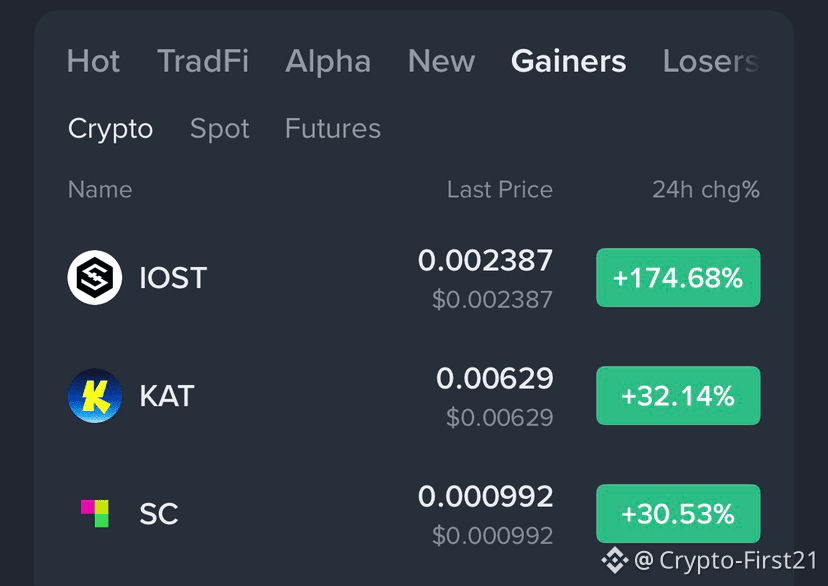
🚀 $IOST +174.68%
📈 $KAT +32.14%
📈 $SC +30.53%
KAT va SC ajoyib kun o‘tkazayotgan paytda, IOST esa oddiygina 30% “pump” yetmaydi, deb o‘ylab 174% lik shamga to‘g‘ridan-to‘g‘ri kirib ketdi.
Hozirgi paytda IOST yetakchi ro‘yxatda emas — boshqa ZIP-kodda.
KAT va SC munosib ikki xonali o‘sish ko‘rsatdi, lekin bugungi e’tibor butunlay IOST tomonda. Agar ko‘zingizni qisib yuborgan bo‘lsangiz, harakatning yarmidan ko‘pini o‘tkazib yuborgansiz. 👀📈
#BrentCrudeTops$100 #cryptofirst21
Men bugun IOST uyg‘onib, zo‘ravonlikni tanlagandekman. 😭
🚀 $IOST +174.68%
📈 $KAT +32.14%
📈 $SC +30.53%
KAT va SC ajoyib kun o‘tkazayotgan paytda, IOST esa oddiygina 30% “pump” yetmaydi, deb o‘ylab 174% lik shamga to‘g‘ridan-to‘g‘ri kirib ketdi.
Hozirgi paytda IOST yetakchi ro‘yxatda emas — boshqa ZIP-kodda.
KAT va SC munosib ikki xonali o‘sish ko‘rsatdi, lekin bugungi e’tibor butunlay IOST tomonda. Agar ko‘zingizni qisib yuborgan bo‘lsangiz, harakatning yarmidan ko‘pini o‘tkazib yuborgansiz. 👀📈
#BrentCrudeTops$100 #cryptofirst21
🚀 $IOST +174.68%
📈 $KAT +32.14%
📈 $SC +30.53%
KAT va SC ajoyib kun o‘tkazayotgan paytda, IOST esa oddiygina 30% “pump” yetmaydi, deb o‘ylab 174% lik shamga to‘g‘ridan-to‘g‘ri kirib ketdi.
Hozirgi paytda IOST yetakchi ro‘yxatda emas — boshqa ZIP-kodda.
KAT va SC munosib ikki xonali o‘sish ko‘rsatdi, lekin bugungi e’tibor butunlay IOST tomonda. Agar ko‘zingizni qisib yuborgan bo‘lsangiz, harakatning yarmidan ko‘pini o‘tkazib yuborgansiz. 👀📈
#BrentCrudeTops$100 #cryptofirst21
1
7
3.4k
Bitcoin 80 ming dollarda tiqilib qoldi, keyingi katta harakatni kutmoqda 👀
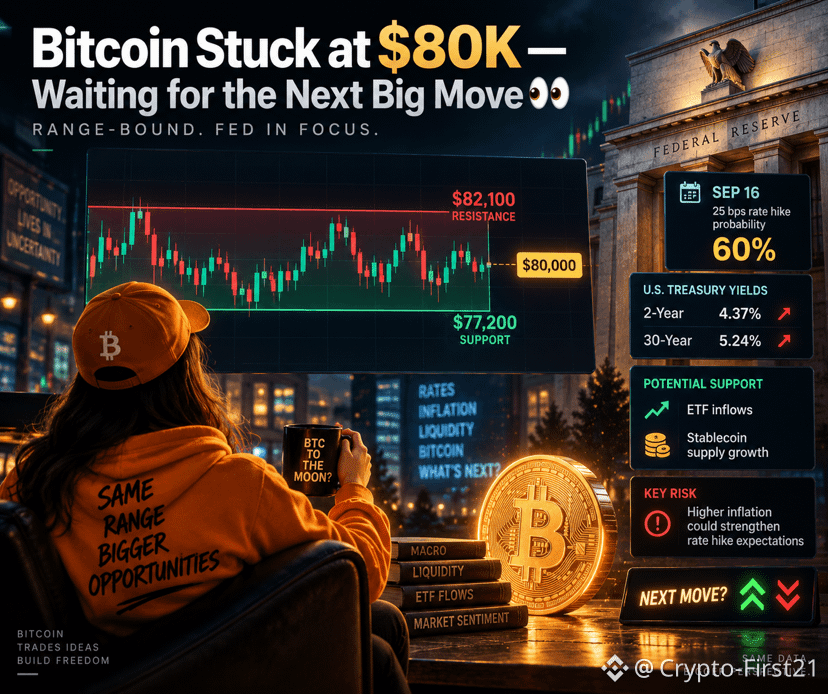
Bitcoin treyderlar Federal rezerv kutishlari o‘zgarishini baholayotgan bir paytda taxminan 77.2K dan 82.1K gacha bo‘lgan tor diapazonda savdoni davom ettirmoqda.
Bozorlarda endi 16 sentabr kuni Fed tomonidan 25 baz punktlik stavka oshirilish ehtimoli taxminan 60% deb baholanmoqda. Ko‘tarilayotgan G‘aznachilik (Treasury) daromadliliklari ham risk aktivlariga bosimni kuchaytirib turibdi: 2 yillik rentabellik 4.37% va 30 yillik rentabellik esa qariyb 5.24%.
BTC yaqinda 82 ming dollar atrofida rad etildi va konsolidatsiya ichida qolmoqda. Barqaror ETF oqimlari hamda stablecoin likvidligining ortishi narxlarni qo‘llab-quvvatlashi mumkin bo‘lsa-da, “uzoqroq yuqori” foiz stavkalari haqidagi kutishlar yuqoriga harakat impulsini cheklashda davom etmoqda.
Hozircha Bitcoin yangi kuchli bull run (o‘sish bosqichi) boshlanganini tasdiqlashdan ko‘ra, diapazonda qolish ehtimoli ko‘proq ko‘rinadi.
Keyingi breyk (parchalanish) bitta omilga bog‘liq bo‘lishi mumkin: Fedga. 📈₿
#IMFSaysElSalvadorBTCNoPublicFunds $SOPH #cryptofirst21
Bitcoin 80 ming dollarda tiqilib qoldi, keyingi katta harakatni kutmoqda 👀
Bitcoin treyderlar Federal rezerv kutishlari o‘zgarishini baholayotgan bir paytda taxminan 77.2K dan 82.1K gacha bo‘lgan tor diapazonda savdoni davom ettirmoqda.
Bozorlarda endi 16 sentabr kuni Fed tomonidan 25 baz punktlik stavka oshirilish ehtimoli taxminan 60% deb baholanmoqda. Ko‘tarilayotgan G‘aznachilik (Treasury) daromadliliklari ham risk aktivlariga bosimni kuchaytirib turibdi: 2 yillik rentabellik 4.37% va 30 yillik rentabellik esa qariyb 5.24%.
BTC yaqinda 82 ming dollar atrofida rad etildi va konsolidatsiya ichida qolmoqda. Barqaror ETF oqimlari hamda stablecoin likvidligining ortishi narxlarni qo‘llab-quvvatlashi mumkin bo‘lsa-da, “uzoqroq yuqori” foiz stavkalari haqidagi kutishlar yuqoriga harakat impulsini cheklashda davom etmoqda.
Hozircha Bitcoin yangi kuchli bull run (o‘sish bosqichi) boshlanganini tasdiqlashdan ko‘ra, diapazonda qolish ehtimoli ko‘proq ko‘rinadi.
Keyingi breyk (parchalanish) bitta omilga bog‘liq bo‘lishi mumkin: Fedga. 📈₿
#IMFSaysElSalvadorBTCNoPublicFunds $SOPH #cryptofirst21
Bitcoin treyderlar Federal rezerv kutishlari o‘zgarishini baholayotgan bir paytda taxminan 77.2K dan 82.1K gacha bo‘lgan tor diapazonda savdoni davom ettirmoqda.
Bozorlarda endi 16 sentabr kuni Fed tomonidan 25 baz punktlik stavka oshirilish ehtimoli taxminan 60% deb baholanmoqda. Ko‘tarilayotgan G‘aznachilik (Treasury) daromadliliklari ham risk aktivlariga bosimni kuchaytirib turibdi: 2 yillik rentabellik 4.37% va 30 yillik rentabellik esa qariyb 5.24%.
BTC yaqinda 82 ming dollar atrofida rad etildi va konsolidatsiya ichida qolmoqda. Barqaror ETF oqimlari hamda stablecoin likvidligining ortishi narxlarni qo‘llab-quvvatlashi mumkin bo‘lsa-da, “uzoqroq yuqori” foiz stavkalari haqidagi kutishlar yuqoriga harakat impulsini cheklashda davom etmoqda.
Hozircha Bitcoin yangi kuchli bull run (o‘sish bosqichi) boshlanganini tasdiqlashdan ko‘ra, diapazonda qolish ehtimoli ko‘proq ko‘rinadi.
Keyingi breyk (parchalanish) bitta omilga bog‘liq bo‘lishi mumkin: Fedga. 📈₿
#IMFSaysElSalvadorBTCNoPublicFunds $SOPH #cryptofirst21
3
738
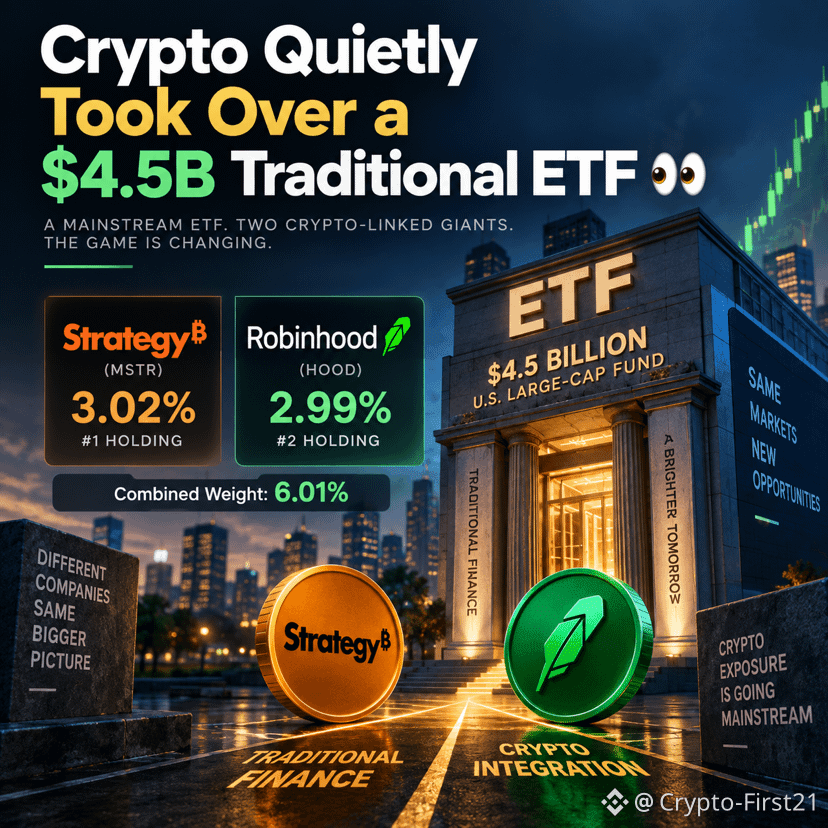
Kripto jimjimadorlik bilan $4.5 mlrd an’anaviy ETF’ni egallab oldi 👀
Krypto uchun qurilmagan, 4,5 mlrd dollarlik AQSh yirik kapital ETF’ida endi eng yirik ulush sifatida kripto bilan bog‘liq ikkita kompaniya bor.
Strategiya ($MSTRB ) portfelning 3.02% ulushi bilan 1-o‘rinda turibdi, Robinhood ($HOODB ) esa 2.99% bilan ortidan keladi va bu juftlikning umumiy ulushi 6.01% ni tashkil qiladi.
Ajablanarlisi shundaki, yaqinda ikkala aksiya ham qo‘shilmagan. ETF avgust oyida barcha 42 ta ulushni teng vaznlarga qayta taqsimladi, biroq Strategiyaning kuchli o‘sishi uni yana tepa pog‘onaga olib chiqdi.
Bu o‘zgarish kripto ta’siri endilikda bevosita Bitcoin ushlashidan ko‘ra, ommaviy kompaniyalar orqali an’anaviy portfellarga tobora ko‘proq kirib borayotganini ko‘rsatadi.
Kripto endi nafaqat o‘z bozorini yaratmoqda — u ommaviy investitsiyaning bir qismiga aylanmoqda. 📈🚀$RAY
#ZECHitsANewAllTimeHigh #cryptofirst21
Kripto jimjimadorlik bilan $4.5 mlrd an’anaviy ETF’ni egallab oldi 👀
Krypto uchun qurilmagan, 4,5 mlrd dollarlik AQSh yirik kapital ETF’ida endi eng yirik ulush sifatida kripto bilan bog‘liq ikkita kompaniya bor.
Strategiya ($MSTRB ) portfelning 3.02% ulushi bilan 1-o‘rinda turibdi, Robinhood ($HOODB ) esa 2.99% bilan ortidan keladi va bu juftlikning umumiy ulushi 6.01% ni tashkil qiladi.
Ajablanarlisi shundaki, yaqinda ikkala aksiya ham qo‘shilmagan. ETF avgust oyida barcha 42 ta ulushni teng vaznlarga qayta taqsimladi, biroq Strategiyaning kuchli o‘sishi uni yana tepa pog‘onaga olib chiqdi.
Bu o‘zgarish kripto ta’siri endilikda bevosita Bitcoin ushlashidan ko‘ra, ommaviy kompaniyalar orqali an’anaviy portfellarga tobora ko‘proq kirib borayotganini ko‘rsatadi.
Kripto endi nafaqat o‘z bozorini yaratmoqda — u ommaviy investitsiyaning bir qismiga aylanmoqda. 📈🚀$RAY
#ZECHitsANewAllTimeHigh #cryptofirst21
Krypto uchun qurilmagan, 4,5 mlrd dollarlik AQSh yirik kapital ETF’ida endi eng yirik ulush sifatida kripto bilan bog‘liq ikkita kompaniya bor.
Strategiya ($MSTRB ) portfelning 3.02% ulushi bilan 1-o‘rinda turibdi, Robinhood ($HOODB ) esa 2.99% bilan ortidan keladi va bu juftlikning umumiy ulushi 6.01% ni tashkil qiladi.
Ajablanarlisi shundaki, yaqinda ikkala aksiya ham qo‘shilmagan. ETF avgust oyida barcha 42 ta ulushni teng vaznlarga qayta taqsimladi, biroq Strategiyaning kuchli o‘sishi uni yana tepa pog‘onaga olib chiqdi.
Bu o‘zgarish kripto ta’siri endilikda bevosita Bitcoin ushlashidan ko‘ra, ommaviy kompaniyalar orqali an’anaviy portfellarga tobora ko‘proq kirib borayotganini ko‘rsatadi.
Kripto endi nafaqat o‘z bozorini yaratmoqda — u ommaviy investitsiyaning bir qismiga aylanmoqda. 📈🚀$RAY
#ZECHitsANewAllTimeHigh #cryptofirst21
1
3
1.1k
Ko‘proq kontentni ko‘rish uchun tizimga kiring
Binance Square'da global kriptovalyuta foydalanuvchilariga qo‘shiling
⚡️ Kriptovalyuta haqida eng so‘nggi va foydali ma’lumotlarni oling.
💬 Dunyoning eng yirik kriptovalyuta birjasi tomonidan ishonchli deb topilgan.
👍 Tasdiqlangan mualliflardan haqiqiy tahlillarni kashf eting.
Email / telefon raqami
Trenddagi mavzular
BitcoinHits$85K
119 marta koʻrilgan
29 muhokama qilmoqda
$83K–$85K oralig‘ida ko‘rinadigan $BTC short likvidatsiyalaridan taxminan $5B to‘plangan. O‘sish trendida bu yoqilg‘i.
Shortlar likvidatsiya bo‘lganda, ular majburan market-buy qiladi. Bu xarid bosimi narxni yuqoriga itaradi va undan keyingi likvidatsiyalar qatlamini ishga tushirib yuboradi — o‘zini o‘zi oziqlantiradigan talab kaskadi.
Biz $67K dan $80K gacha bo‘lgan yurishda aynan shu dinamikani ko‘rgandik. Hozir ham setup bir xil ko‘rinadi. Keyingi bosqich ham xuddi shu ssenariy bo‘yicha davom etishini kuting: likvidatsiya bilan bog‘liq impuls, tizimli xarid bosimi va yoqilg‘i tugaguncha davom etish.
Buqalar bozori qanday qilib tezlashadi. Grafik toza tarzda tayyorlanmoqda va mexanizmlar ishga tushgan. $83K dan yuqoriga chiqishni kuting — kaskad aynan o‘sha yerda boshlanadi.
QuantFreedom
·2 ta layk
·2.1k marta koʻrilgan
SouthAfricaProposesCryptoExchangeControls
2,519 marta koʻrilgan
209 muhokama qilmoqda
SolanaCutsTargetSlotTimeTo250ms
4,574 marta koʻrilgan
217 muhokama qilmoqda