
Captain
7.1k Postlar

Captain
Shikoyat qilish
Foydalanuvchini bloklash
Latest News , Chart , Information .
X : bnbcaptain
Ochiq savdo
Yuqori chastotali treyder
6.9 yil
7 Kuzatilmoqda
24.7K+ Kuzatuvchilar
38.7K+ Yoqdi
Postlar
Portfel
Barchasi
Iqtiboslar
Videolar
Jonli
·
--
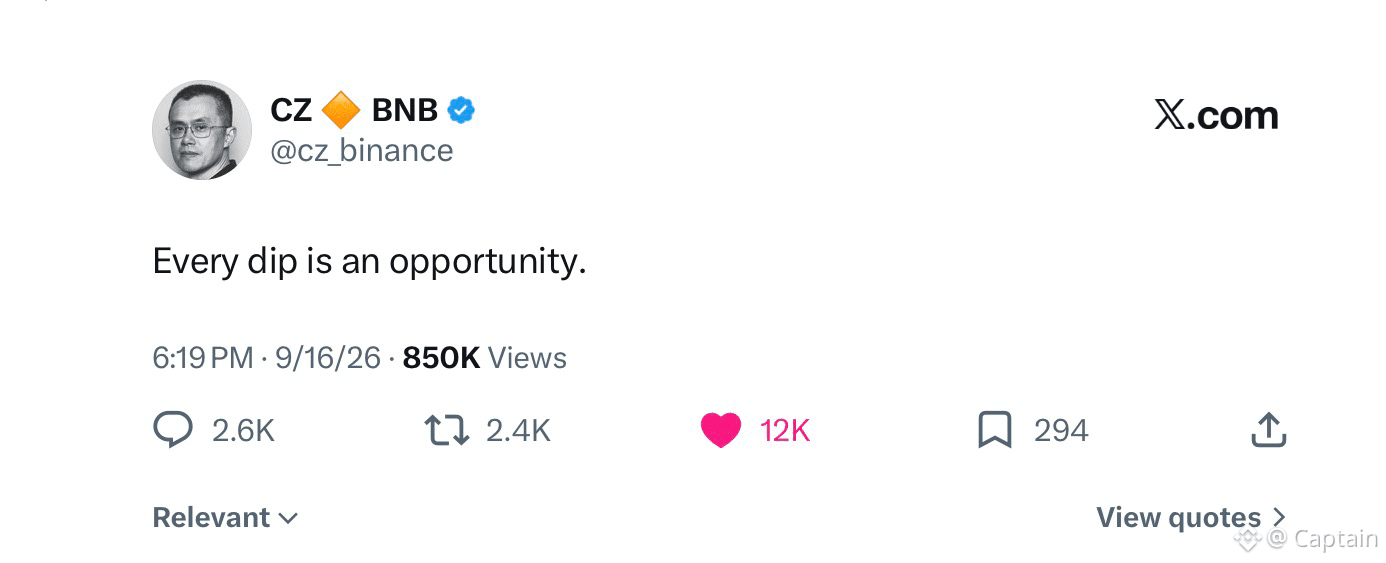
YZi Labs’dagi CZ:
“Biz ijobiy ta’sir bilan sarmoya kiritamiz.”
YZi Labs taxminan ajratadi:
• 70% kripto va blokcheyn
• 20% sun’iy intellekt
• 5–10% biotexnologiya
Lekin falsafa qaytimlardan ham kattaroq.
Agar 1 mlrd dollar sarmoya sarflash saraton uchun arzon davo yaratishga yordam bersa, hatto kompaniya unchalik ko‘p pul ishlamasa ham, CZ aytishicha, u baribir xursand bo‘lardi.
Siz qo‘lga kiritganingizdan ko‘ra ko‘proq qiymat yarating.
Agar kompaniya 10 dollar qiymat yaratsa-yu, 5 dollardan kamrog‘ini olsa, bu ortiqcha qiymatni qo‘ldan boy beradi: tezroq o‘sadi va yanada katta ta’sir yaratadi.
Avval ta’sir. Keyin qaytimlar
@CZ
YZi Labs’dagi CZ:
“Biz ijobiy ta’sir bilan sarmoya kiritamiz.”
YZi Labs taxminan ajratadi:
• 70% kripto va blokcheyn
• 20% sun’iy intellekt
• 5–10% biotexnologiya
Lekin falsafa qaytimlardan ham kattaroq.
Agar 1 mlrd dollar sarmoya sarflash saraton uchun arzon davo yaratishga yordam bersa, hatto kompaniya unchalik ko‘p pul ishlamasa ham, CZ aytishicha, u baribir xursand bo‘lardi.
Siz qo‘lga kiritganingizdan ko‘ra ko‘proq qiymat yarating.
Agar kompaniya 10 dollar qiymat yaratsa-yu, 5 dollardan kamrog‘ini olsa, bu ortiqcha qiymatni qo‘ldan boy beradi: tezroq o‘sadi va yanada katta ta’sir yaratadi.
Avval ta’sir. Keyin qaytimlar
@CZ
“Biz ijobiy ta’sir bilan sarmoya kiritamiz.”
YZi Labs taxminan ajratadi:
• 70% kripto va blokcheyn
• 20% sun’iy intellekt
• 5–10% biotexnologiya
Lekin falsafa qaytimlardan ham kattaroq.
Agar 1 mlrd dollar sarmoya sarflash saraton uchun arzon davo yaratishga yordam bersa, hatto kompaniya unchalik ko‘p pul ishlamasa ham, CZ aytishicha, u baribir xursand bo‘lardi.
Siz qo‘lga kiritganingizdan ko‘ra ko‘proq qiymat yarating.
Agar kompaniya 10 dollar qiymat yaratsa-yu, 5 dollardan kamrog‘ini olsa, bu ortiqcha qiymatni qo‘ldan boy beradi: tezroq o‘sadi va yanada katta ta’sir yaratadi.
Avval ta’sir. Keyin qaytimlar
@CZ
2
272
·
--
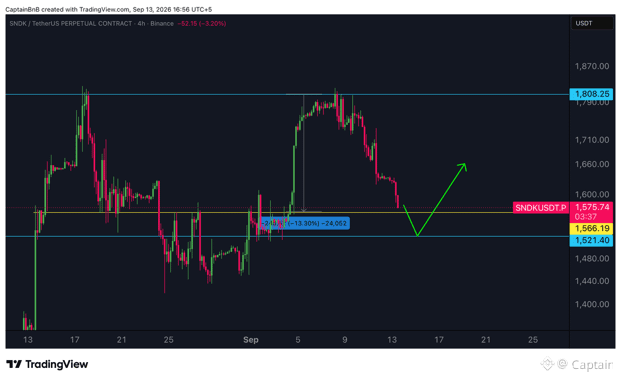
$SNDKB rad etildi dari 1800-darajadan
1400_1500 zona tezkor kichik qaytish uchun yaxshi kirish nuqtasi !!
Keling, global urush vaziyatini ham kuzataylik
#bstocks #GlobalFinance
$SNDKB rad etildi dari 1800-darajadan
1400_1500 zona tezkor kichik qaytish uchun yaxshi kirish nuqtasi !!
Keling, global urush vaziyatini ham kuzataylik
#bstocks #GlobalFinance
1400_1500 zona tezkor kichik qaytish uchun yaxshi kirish nuqtasi !!
Keling, global urush vaziyatini ham kuzataylik
#bstocks #GlobalFinance
1
4
680
·
--
Tasdiqlangan
Maqola
AQSh G‘aznachiligi Tramp hisoblaridan ESG fondlarini taqiqladiAQSh G‘aznachiligi Donald Tramp bilan bog‘liq hisoblarda ESG fondlarini amalda taqiqlovchi yangi qoida joriy qildi. Odaily’ga ko‘ra, bu cheklov ushbu hisoblarda past xarajatli investitsiya imkoniyatlarini saqlashga qaratilgan kengroq qoidalar doirasida bo‘lib, investorlarning pulining ko‘proq qismini saqlab qolishiga imkon beradi.
Qadam sobiq prezident bilan bog‘langan ayrim hisoblarda atrof-muhit, ijtimoiy mas’uliyat va boshqaruv (ESG) fondlarining mavjudligini cheklashga qaratilganga o‘xshaydi. ESG fondlari — bu kompaniyalarni ularning moliyaviy natijalari bilan bir qatorda atrof-muhitga ta’siri, ijtimoiy mas’uliyati va boshqaruv amaliyotlari asosida baholaydigan investitsiya mahsulotlaridir.
AQSh G‘aznachiligi Tramp hisoblaridan ESG fondlarini taqiqladi
AQSh G‘aznachiligi Donald Tramp bilan bog‘liq hisoblarda ESG fondlarini amalda taqiqlovchi yangi qoida joriy qildi. Odaily’ga ko‘ra, bu cheklov ushbu hisoblarda past xarajatli investitsiya imkoniyatlarini saqlashga qaratilgan kengroq qoidalar doirasida bo‘lib, investorlarning pulining ko‘proq qismini saqlab qolishiga imkon beradi.
Qadam sobiq prezident bilan bog‘langan ayrim hisoblarda atrof-muhit, ijtimoiy mas’uliyat va boshqaruv (ESG) fondlarining mavjudligini cheklashga qaratilganga o‘xshaydi. ESG fondlari — bu kompaniyalarni ularning moliyaviy natijalari bilan bir qatorda atrof-muhitga ta’siri, ijtimoiy mas’uliyati va boshqaruv amaliyotlari asosida baholaydigan investitsiya mahsulotlaridir.
Qadam sobiq prezident bilan bog‘langan ayrim hisoblarda atrof-muhit, ijtimoiy mas’uliyat va boshqaruv (ESG) fondlarining mavjudligini cheklashga qaratilganga o‘xshaydi. ESG fondlari — bu kompaniyalarni ularning moliyaviy natijalari bilan bir qatorda atrof-muhitga ta’siri, ijtimoiy mas’uliyati va boshqaruv amaliyotlari asosida baholaydigan investitsiya mahsulotlaridir.
2
3
104
·
--
Maqola
Franklin Templeton tokenlashtirilgan aktivlarni an’anaviy fondlarga qo‘shadiFranklin Templeton raqamli tug‘ilgan (digital native) mahsulotlarni konvensional fondlar ichida qo‘llash bo‘yicha AQShda birinchi bo‘lib berilgan tartibga solish tasdig‘idan so‘ng, tokenlashtirilgan aktivlarni o‘zining an’anaviy investitsion fondlariga kiritish rejalari borligini ma’lum qildi. Bloomberg’ning yozishicha, mazkur yangilik blokcheinga asoslangan aktivlarni ommaviy moliyaga integratsiya qilishdagi muhim bosqichni anglatadi.
Kompaniya bu tasdiq mavjud investitsion tuzilmalar ichida raqamli tug‘ilgan aktivlarni kiritish imkonini berishini, natijada esa investorlar uchun ta’sir doirasini kengaytirish va diversifikatsiya qilishning yangi yo‘llarini taqdim etishi mumkinligini aytdi. Mazkur qadam Franklin Templeton’ning raqamli aktivlar va blokcheyn texnologiyasi rivojlanib borayotgan muhitiga moslashish va innovatsiya qilishga qaratilgan kengroq strategiyasining bir qismi hisoblanadi.
Franklin Templeton tokenlashtirilgan aktivlarni an’anaviy fondlarga qo‘shadi
Franklin Templeton raqamli tug‘ilgan (digital native) mahsulotlarni konvensional fondlar ichida qo‘llash bo‘yicha AQShda birinchi bo‘lib berilgan tartibga solish tasdig‘idan so‘ng, tokenlashtirilgan aktivlarni o‘zining an’anaviy investitsion fondlariga kiritish rejalari borligini ma’lum qildi. Bloomberg’ning yozishicha, mazkur yangilik blokcheinga asoslangan aktivlarni ommaviy moliyaga integratsiya qilishdagi muhim bosqichni anglatadi.
Kompaniya bu tasdiq mavjud investitsion tuzilmalar ichida raqamli tug‘ilgan aktivlarni kiritish imkonini berishini, natijada esa investorlar uchun ta’sir doirasini kengaytirish va diversifikatsiya qilishning yangi yo‘llarini taqdim etishi mumkinligini aytdi. Mazkur qadam Franklin Templeton’ning raqamli aktivlar va blokcheyn texnologiyasi rivojlanib borayotgan muhitiga moslashish va innovatsiya qilishga qaratilgan kengroq strategiyasining bir qismi hisoblanadi.
Kompaniya bu tasdiq mavjud investitsion tuzilmalar ichida raqamli tug‘ilgan aktivlarni kiritish imkonini berishini, natijada esa investorlar uchun ta’sir doirasini kengaytirish va diversifikatsiya qilishning yangi yo‘llarini taqdim etishi mumkinligini aytdi. Mazkur qadam Franklin Templeton’ning raqamli aktivlar va blokcheyn texnologiyasi rivojlanib borayotgan muhitiga moslashish va innovatsiya qilishga qaratilgan kengroq strategiyasining bir qismi hisoblanadi.
2
59
·
--
Maqola
AKSIYALAR | Hovnanian daromad 12%ga tushgani sabab uchinchi chorakda zarar ko‘rishga o‘tdiHovnanian Enterprises uchinchi chorakda 1,8 million dollarlik zarar ko‘rganini, bu esa bir yil avvalgi 16,6 million dollarlik foydadan farqli o‘laroq daromad pasayganini ma’lum qildi, deb yozadi Sina Finance. Uy-joy quruvchining daromadi ham sezilarli darajada kamaydi: 31-iyulda yakunlangan uch oy ichida 12%ga tushib, 705,7 million dollarni tashkil etdi.
Kompaniya daromadning pasayishini uy-joy bozoridagi talabning sustlashgani bilan izohladi; bu uning sotuv hajmi va narxlariga ta’sir ko‘rsatgan. Sotuvlarning kamayishi natijasida aksiya uchun zarar 0,70 dollarni tashkil etdi, o‘tgan yilning shu davrida esa aksiya uchun foyda 1,99 dollar bo‘lgan.
AKSIYALAR | Hovnanian daromad 12%ga tushgani sabab uchinchi chorakda zarar ko‘rishga o‘tdi
Hovnanian Enterprises uchinchi chorakda 1,8 million dollarlik zarar ko‘rganini, bu esa bir yil avvalgi 16,6 million dollarlik foydadan farqli o‘laroq daromad pasayganini ma’lum qildi, deb yozadi Sina Finance. Uy-joy quruvchining daromadi ham sezilarli darajada kamaydi: 31-iyulda yakunlangan uch oy ichida 12%ga tushib, 705,7 million dollarni tashkil etdi.
Kompaniya daromadning pasayishini uy-joy bozoridagi talabning sustlashgani bilan izohladi; bu uning sotuv hajmi va narxlariga ta’sir ko‘rsatgan. Sotuvlarning kamayishi natijasida aksiya uchun zarar 0,70 dollarni tashkil etdi, o‘tgan yilning shu davrida esa aksiya uchun foyda 1,99 dollar bo‘lgan.
Kompaniya daromadning pasayishini uy-joy bozoridagi talabning sustlashgani bilan izohladi; bu uning sotuv hajmi va narxlariga ta’sir ko‘rsatgan. Sotuvlarning kamayishi natijasida aksiya uchun zarar 0,70 dollarni tashkil etdi, o‘tgan yilning shu davrida esa aksiya uchun foyda 1,99 dollar bo‘lgan.
4
262
·
--
Maqola
Banca Monte dei Paschi di Siena direktorlar kengashi BPM va Banca Generali uchun aksiyalar orqali (all-stok) bitimlarni ma’qullaydiManbaga yaqin tanishlar shunday ma’lum qilgan: Banca Monte dei Paschi di Siena direktorlar kengashi BPM va Banca Generali’ni all-stok (aksiyalar orqali) asosida sotib olishga oid bitimlarning barchasini ma’qullashi kutilmoqda. Bu qadam bankning banklararo birlashish va sotib olishlar orqali faoliyatini kengaytirish yo‘lidagi strategik harakati bo‘lib, bunda darhol naqd pul ajratilmaydi.
Rejalashtirilayotgan ma’qullovlar Monte dei Paschi’ning Italiyaning bank sektoridagi pozitsiyasini mustahkamlashga qaratilgan kengroq urinishining bir qismi hisoblanadi. O‘sishni osonlashtirish uchun aksiyalar bilan tuziladigan bitimlardan foydalanish bilan birga, u kapital zaxiralarini boshqarishga yordam beradi. All-stok bitimlar bo‘yicha davom etishga oid qaror bank integratsiya jarayonida likvidlikni saqlab qolish va sezilarli naqd xarajatlardan yiroq bo‘lishni ko‘zlayotganini anglatadi.
Banca Monte dei Paschi di Siena direktorlar kengashi BPM va Banca Generali uchun aksiyalar orqali (all-stok) bitimlarni ma’qullaydi
Manbaga yaqin tanishlar shunday ma’lum qilgan: Banca Monte dei Paschi di Siena direktorlar kengashi BPM va Banca Generali’ni all-stok (aksiyalar orqali) asosida sotib olishga oid bitimlarning barchasini ma’qullashi kutilmoqda. Bu qadam bankning banklararo birlashish va sotib olishlar orqali faoliyatini kengaytirish yo‘lidagi strategik harakati bo‘lib, bunda darhol naqd pul ajratilmaydi.
Rejalashtirilayotgan ma’qullovlar Monte dei Paschi’ning Italiyaning bank sektoridagi pozitsiyasini mustahkamlashga qaratilgan kengroq urinishining bir qismi hisoblanadi. O‘sishni osonlashtirish uchun aksiyalar bilan tuziladigan bitimlardan foydalanish bilan birga, u kapital zaxiralarini boshqarishga yordam beradi. All-stok bitimlar bo‘yicha davom etishga oid qaror bank integratsiya jarayonida likvidlikni saqlab qolish va sezilarli naqd xarajatlardan yiroq bo‘lishni ko‘zlayotganini anglatadi.
Rejalashtirilayotgan ma’qullovlar Monte dei Paschi’ning Italiyaning bank sektoridagi pozitsiyasini mustahkamlashga qaratilgan kengroq urinishining bir qismi hisoblanadi. O‘sishni osonlashtirish uchun aksiyalar bilan tuziladigan bitimlardan foydalanish bilan birga, u kapital zaxiralarini boshqarishga yordam beradi. All-stok bitimlar bo‘yicha davom etishga oid qaror bank integratsiya jarayonida likvidlikni saqlab qolish va sezilarli naqd xarajatlardan yiroq bo‘lishni ko‘zlayotganini anglatadi.
2
35
·
--
Maqola
Janubiy Koreya, AQSh investitsiya bo‘yicha muzokaralarda muhim yutuqlarga erishmoqda — vazir aytdiJanubiy Koreya va AQSh investitsiya bo‘yicha muhokamalarda sezilarli darajada muhim yutuqlarga erishgan, deya xabar berdi Janubiy Koreya sanoat vaziri Kim Чюн-kwan. Tashrifi chog‘ida Kim ikki davlat AQShdagi Seul investitsiya rejalarida “ancha mazmunli” taraqqiyotga erishganini aytdi; birinchi loyiha asosan energetika sohasiga qaratilgan bo‘lib, sentabr oyida e’lon qilinishi kutilmoqda.
Kim tashrifi davomida AQSh savdo kotibi Gina Raimondo bilan ketma-ket uchrashuvlar o‘tkazganini, bu uchrashuvlar ikki kun davom etganini aytdi. Ushbu muzokaralar iqtisodiy hamkorlikni kuchaytirish va birgalikdagi investitsiyalarni yo‘lga qo‘yishga qaratilgan bo‘lib, murakkab geosiyosiy muhit sharoitida iqtisodiy aloqalarni yanada chuqurlashtirish borasidagi umumiy majburiyatni aks ettiradi.
Janubiy Koreya, AQSh investitsiya bo‘yicha muzokaralarda muhim yutuqlarga erishmoqda — vazir aytdi
Janubiy Koreya va AQSh investitsiya bo‘yicha muhokamalarda sezilarli darajada muhim yutuqlarga erishgan, deya xabar berdi Janubiy Koreya sanoat vaziri Kim Чюн-kwan. Tashrifi chog‘ida Kim ikki davlat AQShdagi Seul investitsiya rejalarida “ancha mazmunli” taraqqiyotga erishganini aytdi; birinchi loyiha asosan energetika sohasiga qaratilgan bo‘lib, sentabr oyida e’lon qilinishi kutilmoqda.
Kim tashrifi davomida AQSh savdo kotibi Gina Raimondo bilan ketma-ket uchrashuvlar o‘tkazganini, bu uchrashuvlar ikki kun davom etganini aytdi. Ushbu muzokaralar iqtisodiy hamkorlikni kuchaytirish va birgalikdagi investitsiyalarni yo‘lga qo‘yishga qaratilgan bo‘lib, murakkab geosiyosiy muhit sharoitida iqtisodiy aloqalarni yanada chuqurlashtirish borasidagi umumiy majburiyatni aks ettiradi.
Kim tashrifi davomida AQSh savdo kotibi Gina Raimondo bilan ketma-ket uchrashuvlar o‘tkazganini, bu uchrashuvlar ikki kun davom etganini aytdi. Ushbu muzokaralar iqtisodiy hamkorlikni kuchaytirish va birgalikdagi investitsiyalarni yo‘lga qo‘yishga qaratilgan bo‘lib, murakkab geosiyosiy muhit sharoitida iqtisodiy aloqalarni yanada chuqurlashtirish borasidagi umumiy majburiyatni aks ettiradi.
2
60
·
--
Maqola
Eron OAV Houthiy kuchlari Najron aeroporti va Saudi Aramco obyektlariga hujumchi dronlardan foydalanganini aytdiTasnim axborot agentligi Eron ommaviy axborot vositalariga tayanib, hutiy kuchlari hujumchi dronlardan Najron aeroporti va Saudi Aramco neft inshootlariga hujum qilish uchun foydalanganini ma’lum qildi. Xabarlarda qayd etilishicha, bu dron hujumlari mintaqadagi muhim infratuzilmaga qaratilgan bo‘lib, davom etayotgan to‘qnashuvlar fonida ziddiyatlarni kuchaytirmoqda.
Xabarlarga ko‘ra, dron zarbalari hutiy kuchlari tomonidan amalga oshirilgan. Hutiylar — o‘zining hujumkor imkoniyatlari bilan tanilgan, mojarolar hududida so‘nggi paytlarda faolligi ortgan yamanlik isyonchi guruh. Hujumlar aniq ravishda chegaraga yaqin strategik hudud bo‘lgan Najron aeroportini, shuningdek, dunyodagi eng yirik neft ishlab chiqaruvchilardan biri bo‘lgan Saudi Aramco tomonidan boshqariladigan neft inshootlarini nishonga olgan.
Eron OAV Houthiy kuchlari Najron aeroporti va Saudi Aramco obyektlariga hujumchi dronlardan foydalanganini aytdi
Tasnim axborot agentligi Eron ommaviy axborot vositalariga tayanib, hutiy kuchlari hujumchi dronlardan Najron aeroporti va Saudi Aramco neft inshootlariga hujum qilish uchun foydalanganini ma’lum qildi. Xabarlarda qayd etilishicha, bu dron hujumlari mintaqadagi muhim infratuzilmaga qaratilgan bo‘lib, davom etayotgan to‘qnashuvlar fonida ziddiyatlarni kuchaytirmoqda.
Xabarlarga ko‘ra, dron zarbalari hutiy kuchlari tomonidan amalga oshirilgan. Hutiylar — o‘zining hujumkor imkoniyatlari bilan tanilgan, mojarolar hududida so‘nggi paytlarda faolligi ortgan yamanlik isyonchi guruh. Hujumlar aniq ravishda chegaraga yaqin strategik hudud bo‘lgan Najron aeroportini, shuningdek, dunyodagi eng yirik neft ishlab chiqaruvchilardan biri bo‘lgan Saudi Aramco tomonidan boshqariladigan neft inshootlarini nishonga olgan.
Xabarlarga ko‘ra, dron zarbalari hutiy kuchlari tomonidan amalga oshirilgan. Hutiylar — o‘zining hujumkor imkoniyatlari bilan tanilgan, mojarolar hududida so‘nggi paytlarda faolligi ortgan yamanlik isyonchi guruh. Hujumlar aniq ravishda chegaraga yaqin strategik hudud bo‘lgan Najron aeroportini, shuningdek, dunyodagi eng yirik neft ishlab chiqaruvchilardan biri bo‘lgan Saudi Aramco tomonidan boshqariladigan neft inshootlarini nishonga olgan.
2
230
·
--
Maqola
AKSIYALAR | Virtu Financial brokerlik bo‘limini sotishni ko‘rib chiqayotgani haqidagi xabardan so‘ng 5% dan ko‘proqqa ko‘tarildiVirtu Financial kompaniyasi brokerlik biznes bo‘limini 3,5 milliard dollardan oshiq summaga sotishni ko‘rib chiqayotgani haqidagi xabarlar ortidan kompaniya aksiyalari narxi 5% dan ko‘proqga sakradi. Kutilayotgan sotuv investorlar orasida katta qiziqish uyg‘otdi, chunki bu firmaning strategik yo‘nalishini qayta shakllantirishi va uning bahosiga (valuation) ta’sir qilishi mumkin.
Wallstreetcn ma’lumotiga ko‘ra, sotuv bo‘yicha izlanishlar haqidagi xabar bozorda ijobiy reaksiya keltirib chiqargan, bu kompaniyaning kelajak istiqbollari va ushbu qadam orqali qiymatni ochib berish qobiliyatiga nisbatan optimizmni aks ettiradi. Ma’lumotda aytilishicha, Virtu brokerlik segmentini ajratib sotish imkoniyatlarini baholash bo‘yicha hali dastlabki bosqichda, bu esa uning umumiy biznesidagi muhim qism hisoblanadi.
AKSIYALAR | Virtu Financial brokerlik bo‘limini sotishni ko‘rib chiqayotgani haqidagi xabardan so‘ng 5% dan ko‘proqqa ko‘tarildi
Virtu Financial kompaniyasi brokerlik biznes bo‘limini 3,5 milliard dollardan oshiq summaga sotishni ko‘rib chiqayotgani haqidagi xabarlar ortidan kompaniya aksiyalari narxi 5% dan ko‘proqga sakradi. Kutilayotgan sotuv investorlar orasida katta qiziqish uyg‘otdi, chunki bu firmaning strategik yo‘nalishini qayta shakllantirishi va uning bahosiga (valuation) ta’sir qilishi mumkin.
Wallstreetcn ma’lumotiga ko‘ra, sotuv bo‘yicha izlanishlar haqidagi xabar bozorda ijobiy reaksiya keltirib chiqargan, bu kompaniyaning kelajak istiqbollari va ushbu qadam orqali qiymatni ochib berish qobiliyatiga nisbatan optimizmni aks ettiradi. Ma’lumotda aytilishicha, Virtu brokerlik segmentini ajratib sotish imkoniyatlarini baholash bo‘yicha hali dastlabki bosqichda, bu esa uning umumiy biznesidagi muhim qism hisoblanadi.
Wallstreetcn ma’lumotiga ko‘ra, sotuv bo‘yicha izlanishlar haqidagi xabar bozorda ijobiy reaksiya keltirib chiqargan, bu kompaniyaning kelajak istiqbollari va ushbu qadam orqali qiymatni ochib berish qobiliyatiga nisbatan optimizmni aks ettiradi. Ma’lumotda aytilishicha, Virtu brokerlik segmentini ajratib sotish imkoniyatlarini baholash bo‘yicha hali dastlabki bosqichda, bu esa uning umumiy biznesidagi muhim qism hisoblanadi.
1
47
·
--
Maqola
State Street’ning Heinel’ i Bessentning obligatsiyalarni qayta sotib olish’i daromadlilik o‘sishini to‘xtatmaydi, dediLori Heinel, State Street Investment Management Global kompaniyasining bosh investitsiya bo‘yicha xodimi, G‘aznachilik kotibi Skott Bessent tomonidan e’lon qilingan obligatsiyalarni qayta sotib olish (buyback) bo‘yicha xabari obligatsiyalar daromadliligining (yield) davom etayotgan o‘sish tendensiyasini o‘zgartira olmaydigan qisqa muddatli choralar ekanini aytdi. Uning izohlari Bloomberg Open Interest’dagi intervyu chog‘ida berildi va u mazkur qadam bozor dinamikasini tubdan o‘zgartirmasligini ta’kidladi.
Heinel obligatsiyalar daromadliligi kengroq makroiqtisodiy omillar — jumladan inflyatsiya bo‘yicha kutilmalar va pul-kredit siyosati istiqbollari — bilan belgilanishini, bu omillarga vaqtinchalik buyback strategiyalari sezilarli ta’sir ko‘rsatmasligini tushuntirdi. U bunday choralar qisqa muddatli ma’lum darajada qo‘llab-quvvatlashi mumkinligini, biroq o‘sib borayotgan yieldlar bo‘yicha asosiy tendensiyani qaytarib bo‘lmasligini ta’kidladi.
State Street’ning Heinel’ i Bessentning obligatsiyalarni qayta sotib olish’i daromadlilik o‘sishini to‘xtatmaydi, dedi
Lori Heinel, State Street Investment Management Global kompaniyasining bosh investitsiya bo‘yicha xodimi, G‘aznachilik kotibi Skott Bessent tomonidan e’lon qilingan obligatsiyalarni qayta sotib olish (buyback) bo‘yicha xabari obligatsiyalar daromadliligining (yield) davom etayotgan o‘sish tendensiyasini o‘zgartira olmaydigan qisqa muddatli choralar ekanini aytdi. Uning izohlari Bloomberg Open Interest’dagi intervyu chog‘ida berildi va u mazkur qadam bozor dinamikasini tubdan o‘zgartirmasligini ta’kidladi.
Heinel obligatsiyalar daromadliligi kengroq makroiqtisodiy omillar — jumladan inflyatsiya bo‘yicha kutilmalar va pul-kredit siyosati istiqbollari — bilan belgilanishini, bu omillarga vaqtinchalik buyback strategiyalari sezilarli ta’sir ko‘rsatmasligini tushuntirdi. U bunday choralar qisqa muddatli ma’lum darajada qo‘llab-quvvatlashi mumkinligini, biroq o‘sib borayotgan yieldlar bo‘yicha asosiy tendensiyani qaytarib bo‘lmasligini ta’kidladi.
Heinel obligatsiyalar daromadliligi kengroq makroiqtisodiy omillar — jumladan inflyatsiya bo‘yicha kutilmalar va pul-kredit siyosati istiqbollari — bilan belgilanishini, bu omillarga vaqtinchalik buyback strategiyalari sezilarli ta’sir ko‘rsatmasligini tushuntirdi. U bunday choralar qisqa muddatli ma’lum darajada qo‘llab-quvvatlashi mumkinligini, biroq o‘sib borayotgan yieldlar bo‘yicha asosiy tendensiyani qaytarib bo‘lmasligini ta’kidladi.
1
26
·
--
Maqola
AI talabi quvvatni siqayotgani sababli yarimo‘tkazgichlar ta’minot zanjiri bo‘ylab chip narxlari oshishi tarqalmoqda2026-yil ikkinchi yarmida sun’iy intellekt (AI) ilovalarga bo‘lgan talab yarimo‘tkazgichlar ta’minot zanjiri bo‘ylab narxlarning oshishiga turtki berishda davom etmoqda. Odaily ma’lumotiga ko‘ra, RF chiplariga ixtisoslashgan Maxscend Microelectronics kompaniyasi 1-sentabrdan boshlab o‘zining RF mahsulotlari qatori bo‘yicha narxlarni oshirishini e’lon qildi. Bu qadam AI talabining ortishi ta’minot zanjiriga keng ta’sir ko‘rsatayotganini aks ettiradi: yetkazib beruvchilar quvvat bosimi kuchaygan sharoitga moslashish uchun narxlarni qayta ko‘rib chiqishga majbur bo‘lmoqda.
Bundan tashqari, Nationz Technologies kompaniyasi ayrim mikrokontroller (MCU) mahsulotlari uchun narxlarni ertasi kundan boshlab 10% dan 20% gacha oshirishni rejalashtirayotganini ma’lum qildi. Ushbu keskin o‘sish AI bilan bog‘liq talab ta’minotni siqayotganini hamda ishlab chiqaruvchilar sig‘im cheklovlarini boshqarish va bozor ehtiyojlarini qondirish uchun yuqoriroq narxlar bilan javob berishga undayotganini ko‘rsatadi.
AI talabi quvvatni siqayotgani sababli yarimo‘tkazgichlar ta’minot zanjiri bo‘ylab chip narxlari oshishi tarqalmoqda
2026-yil ikkinchi yarmida sun’iy intellekt (AI) ilovalarga bo‘lgan talab yarimo‘tkazgichlar ta’minot zanjiri bo‘ylab narxlarning oshishiga turtki berishda davom etmoqda. Odaily ma’lumotiga ko‘ra, RF chiplariga ixtisoslashgan Maxscend Microelectronics kompaniyasi 1-sentabrdan boshlab o‘zining RF mahsulotlari qatori bo‘yicha narxlarni oshirishini e’lon qildi. Bu qadam AI talabining ortishi ta’minot zanjiriga keng ta’sir ko‘rsatayotganini aks ettiradi: yetkazib beruvchilar quvvat bosimi kuchaygan sharoitga moslashish uchun narxlarni qayta ko‘rib chiqishga majbur bo‘lmoqda.
Bundan tashqari, Nationz Technologies kompaniyasi ayrim mikrokontroller (MCU) mahsulotlari uchun narxlarni ertasi kundan boshlab 10% dan 20% gacha oshirishni rejalashtirayotganini ma’lum qildi. Ushbu keskin o‘sish AI bilan bog‘liq talab ta’minotni siqayotganini hamda ishlab chiqaruvchilar sig‘im cheklovlarini boshqarish va bozor ehtiyojlarini qondirish uchun yuqoriroq narxlar bilan javob berishga undayotganini ko‘rsatadi.
Bundan tashqari, Nationz Technologies kompaniyasi ayrim mikrokontroller (MCU) mahsulotlari uchun narxlarni ertasi kundan boshlab 10% dan 20% gacha oshirishni rejalashtirayotganini ma’lum qildi. Ushbu keskin o‘sish AI bilan bog‘liq talab ta’minotni siqayotganini hamda ishlab chiqaruvchilar sig‘im cheklovlarini boshqarish va bozor ehtiyojlarini qondirish uchun yuqoriroq narxlar bilan javob berishga undayotganini ko‘rsatadi.
1
40
·
--
Maqola
AKSIYALAR | SOFR 3.62% gacha pasaydi, samarali Fed federal funds stavkasi 3.63% da qoldiThe secured overnight financing rate (SOFR) was recorded at 3.62% on the previous trading day, marking a slight decrease from 3.65% the day before, according to Wallstreetcn. This rate, which reflects the cost of borrowing cash overnight collateralized by Treasury securities, remains close to recent levels and indicates a relatively stable short-term funding environment.
Meanwhile, the effective federal funds rate held steady at 3.63%, unchanged from the previous day. The stability in this key benchmark rate suggests that the Federal Reserve’s monetary policy stance remains cautious, with no immediate indications of rate adjustments in the near term.
AKSIYALAR | SOFR 3.62% gacha pasaydi, samarali Fed federal funds stavkasi 3.63% da qoldi
The secured overnight financing rate (SOFR) was recorded at 3.62% on the previous trading day, marking a slight decrease from 3.65% the day before, according to Wallstreetcn. This rate, which reflects the cost of borrowing cash overnight collateralized by Treasury securities, remains close to recent levels and indicates a relatively stable short-term funding environment.
Meanwhile, the effective federal funds rate held steady at 3.63%, unchanged from the previous day. The stability in this key benchmark rate suggests that the Federal Reserve’s monetary policy stance remains cautious, with no immediate indications of rate adjustments in the near term.
Meanwhile, the effective federal funds rate held steady at 3.63%, unchanged from the previous day. The stability in this key benchmark rate suggests that the Federal Reserve’s monetary policy stance remains cautious, with no immediate indications of rate adjustments in the near term.
1
200
·
--
Maqola
Danone Huelni 1 mlrd yevroga sotib olishi nazorat organi tomonidan tasdiqlandiRaqobat va bozorlar bo‘yicha vakolatli organ (CMA) BBC ma’lumotiga ko‘ra, Danonenning Britaniyaning meal supplement (ovqat qo‘shimchalari) ishlab chiqaruvchisi Huelni 1 milliard yevroga (£864 million) sotib olishiga ma’qullov berdi. Har tomonlama tekshiruvdan so‘ng, nazorat organi mazkur birlashuv joriy shaklida katta raqobat xavotirlarini keltirib chiqarmasdan davom etishi mumkin degan xulosaga keldi.
Danone mart oyida Huelni sotib olish niyatini e’lon qildi va sog‘liq hamda ovqatlanish sohasidagi portfelini kengaytirishni maqsad qildi. 2015 yilda Julian Hearn tomonidan asos solingan va Hertfordshirda joylashgan Huel ovqat o‘rnini bosuvchi, ozuqaviy jihatdan to‘liq taomlar hamda qo‘shimchalar ishlab chiqarishga ixtisoslashgan; ular sog‘lig‘iga e’tiborli iste’molchilar orasida tobora ommalashib bormoqda.
Danone Huelni 1 mlrd yevroga sotib olishi nazorat organi tomonidan tasdiqlandi
Raqobat va bozorlar bo‘yicha vakolatli organ (CMA) BBC ma’lumotiga ko‘ra, Danonenning Britaniyaning meal supplement (ovqat qo‘shimchalari) ishlab chiqaruvchisi Huelni 1 milliard yevroga (£864 million) sotib olishiga ma’qullov berdi. Har tomonlama tekshiruvdan so‘ng, nazorat organi mazkur birlashuv joriy shaklida katta raqobat xavotirlarini keltirib chiqarmasdan davom etishi mumkin degan xulosaga keldi.
Danone mart oyida Huelni sotib olish niyatini e’lon qildi va sog‘liq hamda ovqatlanish sohasidagi portfelini kengaytirishni maqsad qildi. 2015 yilda Julian Hearn tomonidan asos solingan va Hertfordshirda joylashgan Huel ovqat o‘rnini bosuvchi, ozuqaviy jihatdan to‘liq taomlar hamda qo‘shimchalar ishlab chiqarishga ixtisoslashgan; ular sog‘lig‘iga e’tiborli iste’molchilar orasida tobora ommalashib bormoqda.
Danone mart oyida Huelni sotib olish niyatini e’lon qildi va sog‘liq hamda ovqatlanish sohasidagi portfelini kengaytirishni maqsad qildi. 2015 yilda Julian Hearn tomonidan asos solingan va Hertfordshirda joylashgan Huel ovqat o‘rnini bosuvchi, ozuqaviy jihatdan to‘liq taomlar hamda qo‘shimchalar ishlab chiqarishga ixtisoslashgan; ular sog‘lig‘iga e’tiborli iste’molchilar orasida tobora ommalashib bormoqda.
1
32
·
--
Maqola
TS Lombard AQSh G‘aznachiligi qayta sotib olishlari Yordamchi daromadlar egri chizig‘i nazoratiga o‘xshaydi, dediTS Lombard AQSh G‘aznachiligining yaqinda juda uzoq muddatli obligatsiyalarni qayta sotib olishi daromadlar egri chizig‘i nazorati (YCC)ga — ayrim markaziy banklar foiz stavkalariga ta’sir ko‘rsatish uchun ishlatadigan pul-kredit siyosati vositasiga — juda o‘xshashligini ta’kidlagan. Kompaniya tahliliga ko‘ra, bu qayta sotib olishlar amalda uzoq muddatli daromadlarga bosimni pasaytirayotgani, bu esa dollar kuchiga nisbatan ta’sir ko‘rsatishi mumkin.
Wallstreetcn’ga ko‘ra, bosh iqtisodchi Freya Beamish hisobotda bu harakat G‘aznachilik tomonidan sun’iy daromadlarni bostirishning bir ko‘rinishi ekaniga o‘xshaydi, deb tushuntirgan. U bunday chora dollarni zaiflashtirishi mumkinligini aytdi, chunki daromadlarni sun’iy ravishda past ushlab turish AQSh aktivlarining xalqaro investorlar uchun jozibasini kamaytiradi va valyutaga nisbatan pastga bosim keltirib chiqaradi.
TS Lombard AQSh G‘aznachiligi qayta sotib olishlari Yordamchi daromadlar egri chizig‘i nazoratiga o‘xshaydi, dedi
TS Lombard AQSh G‘aznachiligining yaqinda juda uzoq muddatli obligatsiyalarni qayta sotib olishi daromadlar egri chizig‘i nazorati (YCC)ga — ayrim markaziy banklar foiz stavkalariga ta’sir ko‘rsatish uchun ishlatadigan pul-kredit siyosati vositasiga — juda o‘xshashligini ta’kidlagan. Kompaniya tahliliga ko‘ra, bu qayta sotib olishlar amalda uzoq muddatli daromadlarga bosimni pasaytirayotgani, bu esa dollar kuchiga nisbatan ta’sir ko‘rsatishi mumkin.
Wallstreetcn’ga ko‘ra, bosh iqtisodchi Freya Beamish hisobotda bu harakat G‘aznachilik tomonidan sun’iy daromadlarni bostirishning bir ko‘rinishi ekaniga o‘xshaydi, deb tushuntirgan. U bunday chora dollarni zaiflashtirishi mumkinligini aytdi, chunki daromadlarni sun’iy ravishda past ushlab turish AQSh aktivlarining xalqaro investorlar uchun jozibasini kamaytiradi va valyutaga nisbatan pastga bosim keltirib chiqaradi.
Wallstreetcn’ga ko‘ra, bosh iqtisodchi Freya Beamish hisobotda bu harakat G‘aznachilik tomonidan sun’iy daromadlarni bostirishning bir ko‘rinishi ekaniga o‘xshaydi, deb tushuntirgan. U bunday chora dollarni zaiflashtirishi mumkinligini aytdi, chunki daromadlarni sun’iy ravishda past ushlab turish AQSh aktivlarining xalqaro investorlar uchun jozibasini kamaytiradi va valyutaga nisbatan pastga bosim keltirib chiqaradi.
1
46
·
--
Maqola
AI TRENDLARI | Morgan Stanley AQShda AI bilan ish o'rinlari o'rinbosarligi cheklangan, lekin kuchayib borayotgani haqida aytdiMorgan Stenlidaning iqtisodchilari Qo'shma Shtatlarda AI sababli ish o'rinlari siljish (joyidan ayrilish) ko'lami nisbatan kichik bo'lib qolayotganini, ammo tobora ko'proq sezilayotganini xabar qilishdi. Yaqinda e'lon qilingan hisobotda ular AI bilan bog'liq o'rinbosarlik AQSh ishsizlik darajasini 2026-yil iyun holatiga taxminan 15 bazaviy punktdan ko'proqqa oshirmaganini baholashdi. Bu 2025-yil dekabrda kuzatilgan qariyb 10 bazaviy punktlik ko'rsatkichdan yuqoriroq bo'lib, asta-sekin, lekin aniq tendensiyani ko'rsatadi.
Hisobotda hozircha AI ning bandlikka ta'siri cheklanganligi, ya'ni ishchi kuchining faqat ayrim bo'limlarida o'rinbosarlik sezilarli bo'layotgani ta'kidlanadi. AI ga bog'liq ish joylari siljishining eng yaqqol belgilari ko'proq muayyan lavozimlar doirasida, xususan tabiati nisbatan muntazam yoki takrorlanuvchi bo'lgan rollarda jamlangan. Biroq, mehnat bozorining kengroq qismiga umumiy ta'sir baribir unchalik katta emas.
AI TRENDLARI | Morgan Stanley AQShda AI bilan ish o'rinlari o'rinbosarligi cheklangan, lekin kuchayib borayotgani haqida aytdi
Morgan Stenlidaning iqtisodchilari Qo'shma Shtatlarda AI sababli ish o'rinlari siljish (joyidan ayrilish) ko'lami nisbatan kichik bo'lib qolayotganini, ammo tobora ko'proq sezilayotganini xabar qilishdi. Yaqinda e'lon qilingan hisobotda ular AI bilan bog'liq o'rinbosarlik AQSh ishsizlik darajasini 2026-yil iyun holatiga taxminan 15 bazaviy punktdan ko'proqqa oshirmaganini baholashdi. Bu 2025-yil dekabrda kuzatilgan qariyb 10 bazaviy punktlik ko'rsatkichdan yuqoriroq bo'lib, asta-sekin, lekin aniq tendensiyani ko'rsatadi.
Hisobotda hozircha AI ning bandlikka ta'siri cheklanganligi, ya'ni ishchi kuchining faqat ayrim bo'limlarida o'rinbosarlik sezilarli bo'layotgani ta'kidlanadi. AI ga bog'liq ish joylari siljishining eng yaqqol belgilari ko'proq muayyan lavozimlar doirasida, xususan tabiati nisbatan muntazam yoki takrorlanuvchi bo'lgan rollarda jamlangan. Biroq, mehnat bozorining kengroq qismiga umumiy ta'sir baribir unchalik katta emas.
Hisobotda hozircha AI ning bandlikka ta'siri cheklanganligi, ya'ni ishchi kuchining faqat ayrim bo'limlarida o'rinbosarlik sezilarli bo'layotgani ta'kidlanadi. AI ga bog'liq ish joylari siljishining eng yaqqol belgilari ko'proq muayyan lavozimlar doirasida, xususan tabiati nisbatan muntazam yoki takrorlanuvchi bo'lgan rollarda jamlangan. Biroq, mehnat bozorining kengroq qismiga umumiy ta'sir baribir unchalik katta emas.
1
142
·
--
Maqola
AQSh Moliya vazirligi “Trump hisoblari” uchun arzon investitsiya qoidalarini taklif qildiAQSh Moliya vazirligi avvalgi prezident Donald Tramp bilan bog‘liq bo‘lgan muayyan turdagi investitsiyalar yoki fondlarni nazarda tutishi mumkin, deb hisoblanadigan “Trump hisoblari” deb ataydiganlar uchun arzonroq boshqaruvga qaratilgan yangi investitsiya qoidalarini taklif qildi. Bu haqda vazirlik tomonidan berilgan bayonot Odaily tomonidan xabar qilingan. Taklif ushbu hisoblarni boshqarish uchun yanada sodda va xarajatga samarali ko‘rsatmalarni joriy etish harakatining bir qismi hisoblanadi.
Tafsilotlar hozircha cheklangan bo‘lsa-da, vazirlik yangi qoidalarni xarajatlarni kamaytirish va investitsiya tartib-qoidalarini soddalashtirishga qaratilgan “oddiy mantiqqa mos” choralar sifatida ta’rifladi. E’tibor boshqaruv amaliyotlarini tartibga solib, samaradorlik va shaffoflikni ta’minlashga qaratilganga o‘xshaydi, ehtimol juda murakkab yoki qimmat investitsiya strategiyalari bo‘yicha xavotirlarni ham bartaraf etishga qaratilgan.
AQSh Moliya vazirligi “Trump hisoblari” uchun arzon investitsiya qoidalarini taklif qildi
AQSh Moliya vazirligi avvalgi prezident Donald Tramp bilan bog‘liq bo‘lgan muayyan turdagi investitsiyalar yoki fondlarni nazarda tutishi mumkin, deb hisoblanadigan “Trump hisoblari” deb ataydiganlar uchun arzonroq boshqaruvga qaratilgan yangi investitsiya qoidalarini taklif qildi. Bu haqda vazirlik tomonidan berilgan bayonot Odaily tomonidan xabar qilingan. Taklif ushbu hisoblarni boshqarish uchun yanada sodda va xarajatga samarali ko‘rsatmalarni joriy etish harakatining bir qismi hisoblanadi.
Tafsilotlar hozircha cheklangan bo‘lsa-da, vazirlik yangi qoidalarni xarajatlarni kamaytirish va investitsiya tartib-qoidalarini soddalashtirishga qaratilgan “oddiy mantiqqa mos” choralar sifatida ta’rifladi. E’tibor boshqaruv amaliyotlarini tartibga solib, samaradorlik va shaffoflikni ta’minlashga qaratilganga o‘xshaydi, ehtimol juda murakkab yoki qimmat investitsiya strategiyalari bo‘yicha xavotirlarni ham bartaraf etishga qaratilgan.
Tafsilotlar hozircha cheklangan bo‘lsa-da, vazirlik yangi qoidalarni xarajatlarni kamaytirish va investitsiya tartib-qoidalarini soddalashtirishga qaratilgan “oddiy mantiqqa mos” choralar sifatida ta’rifladi. E’tibor boshqaruv amaliyotlarini tartibga solib, samaradorlik va shaffoflikni ta’minlashga qaratilganga o‘xshaydi, ehtimol juda murakkab yoki qimmat investitsiya strategiyalari bo‘yicha xavotirlarni ham bartaraf etishga qaratilgan.
41
·
--
Maqola
SK Hynix’ning CPO yo‘l xaritasi tizim darajasidagi AI ma’lumot uzatish samaradorligiga ishora qiladiJukan, Citrini tahlilchisi, SK Hynix’ning CPO yo‘l xaritasi kelgusida rivojlanish uchun asosiy yo‘nalishlar sifatida ham HBM (High Bandwidth Memory), ham optik aloqa tizimlarini qamrab olishini ko‘rsatgan. U ushbu yo‘l xaritasi ortidagi mantiq sun’iy intellekt bo‘yicha raqobatda bir chipning ishlash ko‘rsatkichlarini ta’kidlashdan tizim bo‘ylab ma’lumot uzatish samaradorligini oshirishga o‘tilayotganidan iboratligini tushuntirdi.
Odaily ma’lumotiga ko‘ra, Jukan bu g‘oya hozircha ilk bosqichda ekanini va hozirda faqat yo‘l xarita ekanini ta’kidlagan; bunda SK Hynix hali ushbu texnologiyalarni ishlab chiqish bosqichida ekanligi qayd etiladi. Yo‘l xarita kompaniyaning AI ilovalarida tezroq va samaraliroq ma’lumot uzatish mexanizmlariga ortib borayotgan talabni qondirishga qaratilgan strategik sa’y-harakatini aks ettiradi.
SK Hynix’ning CPO yo‘l xaritasi tizim darajasidagi AI ma’lumot uzatish samaradorligiga ishora qiladi
Jukan, Citrini tahlilchisi, SK Hynix’ning CPO yo‘l xaritasi kelgusida rivojlanish uchun asosiy yo‘nalishlar sifatida ham HBM (High Bandwidth Memory), ham optik aloqa tizimlarini qamrab olishini ko‘rsatgan. U ushbu yo‘l xaritasi ortidagi mantiq sun’iy intellekt bo‘yicha raqobatda bir chipning ishlash ko‘rsatkichlarini ta’kidlashdan tizim bo‘ylab ma’lumot uzatish samaradorligini oshirishga o‘tilayotganidan iboratligini tushuntirdi.
Odaily ma’lumotiga ko‘ra, Jukan bu g‘oya hozircha ilk bosqichda ekanini va hozirda faqat yo‘l xarita ekanini ta’kidlagan; bunda SK Hynix hali ushbu texnologiyalarni ishlab chiqish bosqichida ekanligi qayd etiladi. Yo‘l xarita kompaniyaning AI ilovalarida tezroq va samaraliroq ma’lumot uzatish mexanizmlariga ortib borayotgan talabni qondirishga qaratilgan strategik sa’y-harakatini aks ettiradi.
Odaily ma’lumotiga ko‘ra, Jukan bu g‘oya hozircha ilk bosqichda ekanini va hozirda faqat yo‘l xarita ekanini ta’kidlagan; bunda SK Hynix hali ushbu texnologiyalarni ishlab chiqish bosqichida ekanligi qayd etiladi. Yo‘l xarita kompaniyaning AI ilovalarida tezroq va samaraliroq ma’lumot uzatish mexanizmlariga ortib borayotgan talabni qondirishga qaratilgan strategik sa’y-harakatini aks ettiradi.
56
·
--
Maqola
AKSIYALAR | Filadelfiya Fed yangi buyurtmalar indeksi avgustda 30,1 gacha tushdiJin10 ma’lumotlariga ko‘ra, avgust oyida Filadelfiya Fedi’ning ishlab chiqarish yangi buyurtmalar indeksi 30,1 gacha pasaygan, oldingi ko‘rsatkich 37 bo‘lgan. Bu pasayish mintaqaviy ishlab chiqarish sektorida yangi buyurtmalar faoliyatining sekinlashayotganini ko‘rsatadi va iqtisodiy noaniqliklar fonida ehtiyotkor optimizmni aks ettiradi.
Quyi indeks qiymati Filadelfiya hududida ishlab chiqaruvchilar tomonidan qabul qilingan yangi buyurtmalar bir oz zaiflashganini anglatadi. Bu talabning sustlashishi yoki ta’minot zanjiridagi moslashuvlar bilan bog‘liq bo‘lishi mumkin. Pasayishga qaramay, 30,1 ko‘rsatkichi baribir kengayishni ko‘rsatadi, biroq avvalgi davrlarga nisbatan ancha mo‘’tadil sur’atda.
AKSIYALAR | Filadelfiya Fed yangi buyurtmalar indeksi avgustda 30,1 gacha tushdi
Jin10 ma’lumotlariga ko‘ra, avgust oyida Filadelfiya Fedi’ning ishlab chiqarish yangi buyurtmalar indeksi 30,1 gacha pasaygan, oldingi ko‘rsatkich 37 bo‘lgan. Bu pasayish mintaqaviy ishlab chiqarish sektorida yangi buyurtmalar faoliyatining sekinlashayotganini ko‘rsatadi va iqtisodiy noaniqliklar fonida ehtiyotkor optimizmni aks ettiradi.
Quyi indeks qiymati Filadelfiya hududida ishlab chiqaruvchilar tomonidan qabul qilingan yangi buyurtmalar bir oz zaiflashganini anglatadi. Bu talabning sustlashishi yoki ta’minot zanjiridagi moslashuvlar bilan bog‘liq bo‘lishi mumkin. Pasayishga qaramay, 30,1 ko‘rsatkichi baribir kengayishni ko‘rsatadi, biroq avvalgi davrlarga nisbatan ancha mo‘’tadil sur’atda.
Quyi indeks qiymati Filadelfiya hududida ishlab chiqaruvchilar tomonidan qabul qilingan yangi buyurtmalar bir oz zaiflashganini anglatadi. Bu talabning sustlashishi yoki ta’minot zanjiridagi moslashuvlar bilan bog‘liq bo‘lishi mumkin. Pasayishga qaramay, 30,1 ko‘rsatkichi baribir kengayishni ko‘rsatadi, biroq avvalgi davrlarga nisbatan ancha mo‘’tadil sur’atda.
1
86
·
--
Maqola
Brent xom neft 3% ga qimmatlab, bir barreli uchun 92,71 dollarga yetdiBrent xom neft narxlari kun ichidagi savdolar davomida 3 foizga qimmatlab, bir barreli uchun 92,71 dollarga yetdi, Jin10 ma'lumotiga ko'ra. Keskin o'sish ta'minotdagi uzilishlar va global neft bozorlariga ta'sirini davom ettirayotgan geosiyosiy keskinliklar bilan bog'liq xavotirlarning davom etishini aks ettiradi.
Brent xom neftining keskin oshishi treyderlarning so'nggi voqealarga bo'lgan munosabatini ko'rsatadi. Bular ta'minot cheklovlari, neft ishlab chiqaruvchi muhim hududlarda geosiyosiy xatarlar yoki talab kutilmalaridagi o'zgarishlarni o'z ichiga olishi mumkin. Narx harakati bozorning yanada qisilishini bildiradi: investorlar ta'minot barqarorligiga tahdid solishi mumkin bo'lgan omillarga reaksiya bildirmoqda.
Brent xom neft 3% ga qimmatlab, bir barreli uchun 92,71 dollarga yetdi
Brent xom neft narxlari kun ichidagi savdolar davomida 3 foizga qimmatlab, bir barreli uchun 92,71 dollarga yetdi, Jin10 ma'lumotiga ko'ra. Keskin o'sish ta'minotdagi uzilishlar va global neft bozorlariga ta'sirini davom ettirayotgan geosiyosiy keskinliklar bilan bog'liq xavotirlarning davom etishini aks ettiradi.
Brent xom neftining keskin oshishi treyderlarning so'nggi voqealarga bo'lgan munosabatini ko'rsatadi. Bular ta'minot cheklovlari, neft ishlab chiqaruvchi muhim hududlarda geosiyosiy xatarlar yoki talab kutilmalaridagi o'zgarishlarni o'z ichiga olishi mumkin. Narx harakati bozorning yanada qisilishini bildiradi: investorlar ta'minot barqarorligiga tahdid solishi mumkin bo'lgan omillarga reaksiya bildirmoqda.
Brent xom neftining keskin oshishi treyderlarning so'nggi voqealarga bo'lgan munosabatini ko'rsatadi. Bular ta'minot cheklovlari, neft ishlab chiqaruvchi muhim hududlarda geosiyosiy xatarlar yoki talab kutilmalaridagi o'zgarishlarni o'z ichiga olishi mumkin. Narx harakati bozorning yanada qisilishini bildiradi: investorlar ta'minot barqarorligiga tahdid solishi mumkin bo'lgan omillarga reaksiya bildirmoqda.
29
Ko‘proq kontentni ko‘rish uchun tizimga kiring
Binance Square'da global kriptovalyuta foydalanuvchilariga qo‘shiling
⚡️ Kriptovalyuta haqida eng so‘nggi va foydali ma’lumotlarni oling.
💬 Dunyoning eng yirik kriptovalyuta birjasi tomonidan ishonchli deb topilgan.
👍 Tasdiqlangan mualliflardan haqiqiy tahlillarni kashf eting.
Email / telefon raqami
Trenddagi mavzular
SaylorHintsStrategyBitcoinBuy
2.3M marta koʻrilgan
12,558 muhokama qilmoqda
#SaylorHintsStrategyBitcoinBuy
#SaylorHintsStrategyBitcoinBuy 👀
Maykl Saylorning eng so‘nggi izohlari yana bir bor Strategy va Bitcoinni jamg‘arish masalasini diqqat markaziga olib chiqdi. Bozor kompaniyadan bo‘lishi mumkin bo‘lgan har qanday harakatni sinchiklab kuzatmoqda, ayniqsa Bitcoin bo‘yicha institutsional qiziqish e’tiborni tobora ko‘proq jalb qilayotgan bir paytda. 📈
Agar Strategy yana ko‘proq BTC qo‘shsa, u uzoq muddatli korporativ Bitcoin qabul qilish haqidagi rivoyatni yanada kuchaytirishi va kripto bozorida yangi sur’atni keltirib chiqarishi mumkin. Biroq, treyderlar sarlavhalar qisqa muddatli o‘zgaruvchanlikni har ikki yo‘nalishda ham kuchaytirishini esdan chiqarmasligi kerak.
Strategy tez orada yana Bitcoin sotib oladimi? Kripto hamjamiyati har bir harakatni kuzatmoqda. 🚀₿
maqsoodahmed1
·1 ta layk
·412 marta koʻrilgan
BOJRaisesRatesTo31YearHigh
266,877 marta koʻrilgan
3,348 muhokama qilmoqda
BuffettStepsDownAsBerkshireChairman
130,926 marta koʻrilgan
1,818 muhokama qilmoqda