

BAPPA RAJ MUJUMDAR
🦂Scorpio🦂
Ochiq savdo
Tez-tez savdo qiluvchi
4.8 yil
3.6K+ Kuzatilmoqda
573 Kuzatuvchilar
414 Yoqdi
Postlar
Portfel
Barchasi
Iqtiboslar
Jonli
Tarjimani ko‘rish


Dr Nohawn
·
--
🎁🧧 Fresh Risers $QUID $HEI $HFT Boooommmmm. . . . . 🧧🎁
⚡⚡ ♥️💐Salom..... Like, Claim, Re Post & Quyiymdagi havola orqali chat xonamga qo‘shiling 👉 Double Box & Har kuni Live Trade 😎😎 💐♥️ ⚡⚡
🧧🎁👉Double Box Here👈🎁🧧
@Dr Nohawn #Flicky123Nohawn
⚡⚡ ♥️💐Salom..... Like, Claim, Re Post & Quyiymdagi havola orqali chat xonamga qo‘shiling 👉 Double Box & Har kuni Live Trade 😎😎 💐♥️ ⚡⚡
🧧🎁👉Double Box Here👈🎁🧧
@Dr Nohawn #Flicky123Nohawn
Tarjimani ko‘rish

Sienna Leo-你真棒-带我走
·
--
O‘suvchi🔴🌹🔴 Sienna Leo Square Family 🏡💖
📌 Kuzatish 🔃 🔃 Repost Qiling Shuningdek
📌 LIKE va COMMENT
📌 SHARE
📌 TEZ YURING ➡️⏩ ➡️⏩
$XRP $BTC $USD1
#BinanceSquareFamily #GrowWithSAC #Write2Earn
📌 Kuzatish 🔃 🔃 Repost Qiling Shuningdek
📌 LIKE va COMMENT
📌 SHARE
📌 TEZ YURING ➡️⏩ ➡️⏩
$XRP $BTC $USD1
#BinanceSquareFamily #GrowWithSAC #Write2Earn
Tarjimani ko‘rish
Tarjimani ko‘rish


Tarjimani ko‘rish

真人等身大手办
·
--
AQSH Oliy sudi AI tomonidan yaratilgan san’at asarlari mualliflik huquqi bo‘yicha nizoni ko‘rishdan bosh tortdi
04-mart kuni, AQSH Oliy sudi dushanba kuni sun’iy intellekt yordamida yaratilgan san’at asarlari mualliflik huquqiga ega bo‘lishi mumkinligi haqidagi nizoni ko‘rib chiqishni rad etdi. Missuri shtatidagi kompyuter olimi Stephen Thaler avval o‘zining “DABUS” nomli AI tizimi tomonidan yaratilgan “A Recent Entrance to Paradise” vizual san’at asari uchun mualliflik huquqi olishga ariza bergan, biroq u 2022-yilda AQSH Mualliflik huquqlari idorasi tomonidan rad etilgan. Rad etish sababi: ijodiy asar mualliflik huquqidan himoya olish uchun inson muallif bo‘lishi kerak.
Quyi sudlar 2023 va 2025-yillarda ham Mualliflik huquqlari idorasining qarorini qo‘llab-quvvatladi va inson tomonidan yaratilish mualliflik huquqi uchun “asosiy talab” ekanini ta’kidladi. Thalerning advokatlari, generativ AIning tezkor rivojlanini hisobga olganda, bu ish “juda muhim” ahamiyatga ega ekanini aytishdi. Biroq Oliy sudning ishni ko‘rishni rad etishi AIning ijodiy sohalardagi taraqqiyotiga qaytarib bo‘lmaydigan darajada salbiy ta’sir ko‘rsatadi, deya ularning ta’kidlari bor.
$BTC
$ETH
$BNB
Tarjimani ko‘rish

倩儿1419
·
--
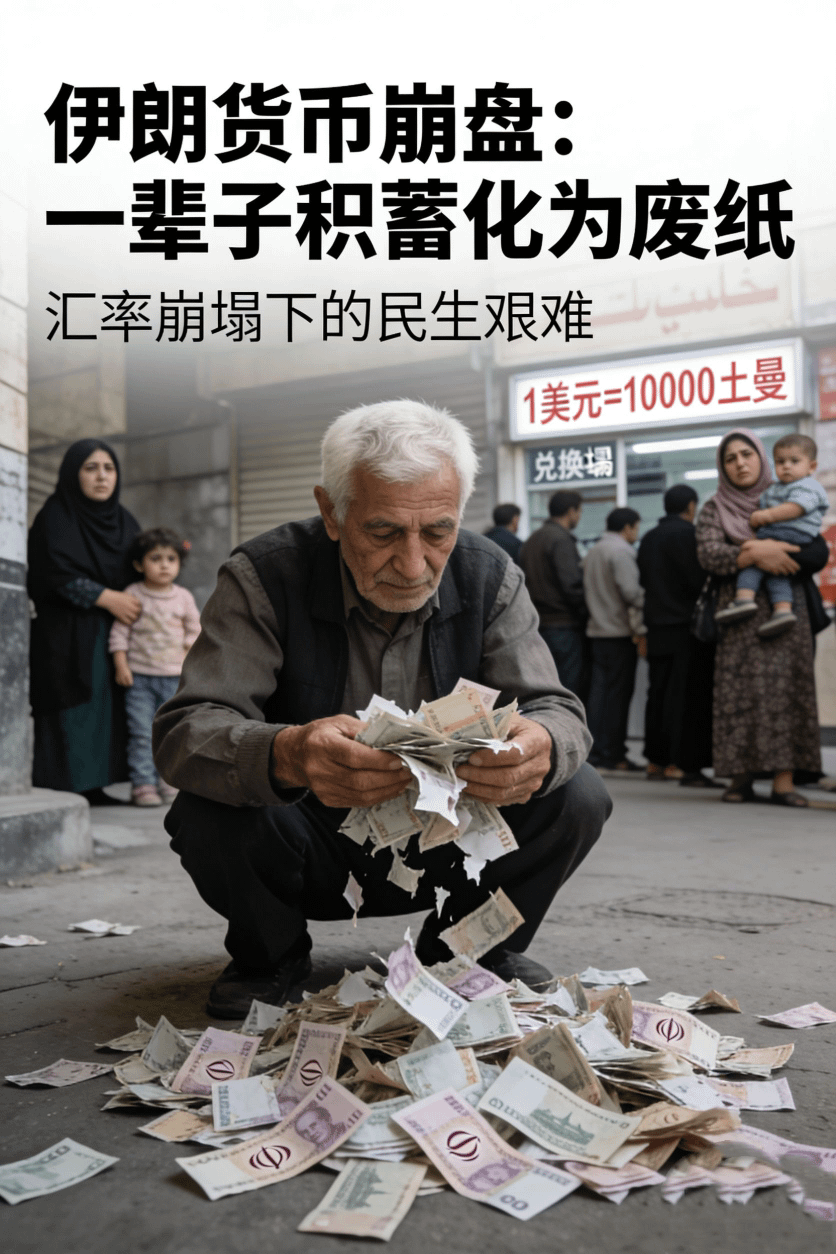
$BNB Eronliklar umr bo‘yi jamg‘argan pullari endi bir uyum keraksiz qog‘ozga aylanmoqda.
Bir necha yil oldin bu pul Tehronda uy sotib olishga yetardi; hozir esa, ehtimol, bir qop un yoki bir necha kilo mol go‘shtini ham ola olmaysiz. Valyuta kursi juda tez qulab boryaptiki, odamlar ulgurib javob bera olmayapti.
2026-yil mart boshida Eron riali qora bozor kursi 1 AQSH dollari uchun 1 mln 750 ming riyalgacha tushib ketdi. Ikki oy oldin 1 dollar hali faqat 42 ming riyalgacha almashtirilardi; atigi 60 kunda qiymat 4000% dan oshib ketdi.
Yil boshida 1 yuan (Xitoy yuanlari) taxminan 6000 riyalga teng edi, hozir esa 1 yuan deyarli 200 ming riyalgacha almashtirilmoqda. Raqamlar ortida oddiy odamlarning butun umri jamg‘argan mablag‘i oniyoqda bug‘lanib ketayotgani turibdi.
Tehronda oddiy katta non (bulochka) 150 ming–250 ming riyal atrofida, 500 grammli non esa 700 ming–1 mln riyal turadi. O‘tgan yil oxirida 1 kilogramm mol go‘shti taxminan 7 mln riyal bo‘lgan, hozir esa 19 mln 100 ming riyalgacha ko‘tarildi — 170% ga o‘sdi.
Oddiy ishchining oylik maoshi hisoblaganda atigi 70–120 dollarni tashkil qiladi, oziq-ovqat xarajatlari esa oilaviy xarajatlarning 70%ini egallaydi. Ba’zilari o‘n millionlab riyal oylik olsa ham, baribir minimal tirikchilikni ham mayda-chuyda hisob-kitob bilan zo‘rg‘a uddalaydi.
Bir nafaqadagi davlat xizmatchisi shunday dedi: o‘n yil oldin oylik maosh 50 mln riyal bo‘lardi, 1500 dollarga teng edi; hozir pensiya 300 mln riyalgacha ko‘tarilgan, lekin baribir 200 dollardan ham kamga teng.
Butun umr jamg‘argan omonatlar hozir faqat bir necha o‘nlab dollarni bera oladi, hatto bir qop un ham sotib bo‘lmaydi. Bu raqamlar o‘yini emas — bu aholining hayoti barbod bo‘layotganidan dalolat.
Davlat ishonchi urush olovi va sanksiyalar tomonidan parchalangan paytda, valyuta faqat qog‘oz bo‘lib qoladi. Kursning qor ko‘chkindek qulashi oldida umr bo‘yi jamg‘argan boylik ham ojiz.
Eron valyutasi (rial)ning qulashi — uzoq muddatli sanksiyalar + iqtisodiy tuzilmaning g‘ayritabiiyligi + siyosiy xatolar + geosiyosiy urushning to‘rt omili bir-biriga qo‘shilib kelgan natijadir va 2026-yil boshida to‘liq “portlab” ketdi.
Eron valyutasi (rial) qulashi sababi nimada?
1. Asosiy tashqi sabab: AQSHning uzoq muddatli to‘liq sanksiyalari (eng muhim)
- Neft “hayot yo‘li” uzib qo‘yildi: neft Erondagi valyuta daromadining 80%ini tashkil etadi; sanksiyadan keyin eksport 2,5 mln barrel/kun → 0,3–0,5 mln barrel/kun atrofida bo‘lib qoldi, valyuta daromadi keskin barbod bo‘ldi.
- Moliyaviy izolyatsiya: SWIFT’dan chiqarib yuborildi, xalqaro hisob-kitoblar normal amalga oshmaydi; chet eldagi aktivlar muzlatilgan, Markaziy bank esa deyarli valyuta zaxiralariga ega emas, bozorni “qutqarishga” imkon topa olmaydi.
- Dollar o‘ta taqchil: import uchun eng asosiy ehtiyojlar (oziq-ovqat, dori-darmon, energetika) qora bozor orqali dollar topish bilan qoplanadi, bu esa qora bozor kursini yanada oshiradi.#Vitalik谈扩容以太坊路线 #全球股市暴跌 #伊朗证实哈梅内伊已死 #贵金原油价格飙升 #Anthropic美国政府争议
Tarjimani ko‘rish
Iqtibos qilingan kontent olib tashlandi
Tarjimani ko‘rish

EASY喊單哥
·
--
Ko‘rinishda unchalik sezilmasdan
kunma-kun takrorlanadigan ishlar
qachondir bir kuni birdan
sabr qilishning ma’nosini ko‘rsatadi
qachonki chiday olmay qolayotganda
qiyinchiliklar ham barham topishga yaqin bo‘ladi
yana biroz chidab turing—nur keldi
#BNB
kunma-kun takrorlanadigan ishlar
qachondir bir kuni birdan
sabr qilishning ma’nosini ko‘rsatadi
qachonki chiday olmay qolayotganda
qiyinchiliklar ham barham topishga yaqin bo‘ladi
yana biroz chidab turing—nur keldi
#BNB
Tarjimani ko‘rish

听澜321
·
--
#感恩同行 #币安广场2026 🧧🧧🧧🧧
Qalbingiz bilan to‘lqinlarni tinglang,
mehr bilan uzoqqa intiling.
Har bir kuzatuv va ruhlantirish uchun rahmat.
Yo‘limiz olis —
ammo birga davom etamiz, deb umid qilaman!
Iltimos, meni yanada ham qo‘llab-quvvatlang,
shunda Tinglan bu yo‘lda
asta-sekin o‘sib, asta-sekin rivojlanadi😘😘😘
Listen to the waves with your heart,
chase the distance with passion.
Thank you for every follow and encouragement.
The road ahead is long,
and I hope we can keep going together!
Please continue to support me,
so that Tinglan can
grow and progress step by step on this journey 😘😘😘

Tarjimani ko‘rish
Iqtibos qilingan kontent olib tashlandi
Tarjimani ko‘rish
Iqtibos qilingan kontent olib tashlandi
Tarjimani ko‘rish
Iqtibos qilingan kontent olib tashlandi
Tarjimani ko‘rish

小米粒Xiaomili
·
--
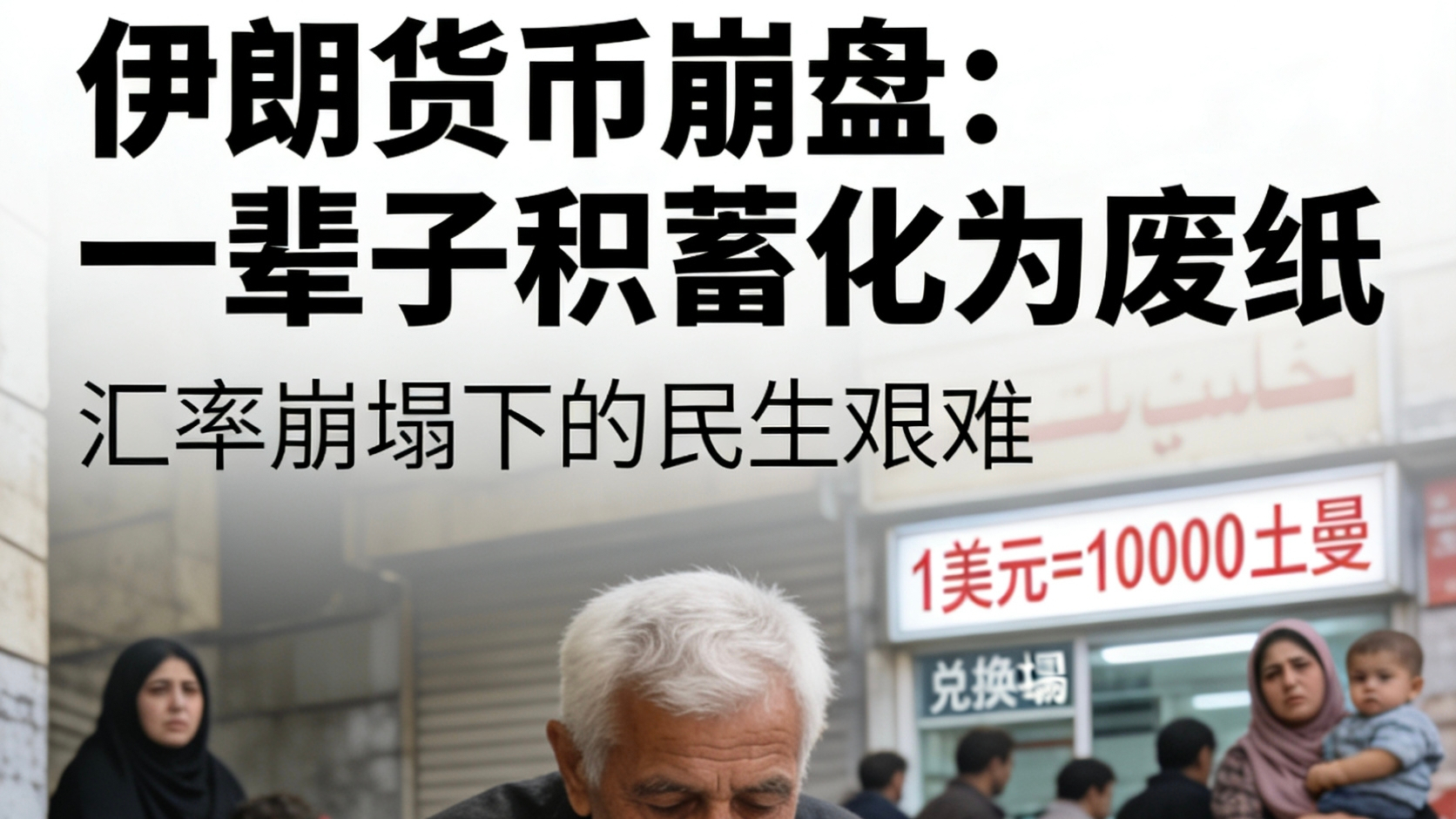
Eron valyutasining qulashi: bir umr yig‘ilgan jamg‘arma qog‘ozga aylanmoqda!
Eronliklar butun umr jamg‘argan pullari hozir bir uyum qog‘ozga aylanib bormoqda.
Bir necha yil oldin bu pulga Tehronda bir kvartira sotib olsa bo‘lardi; hozir esa ehtimol bir qop un va bir necha kilo mol go‘shtini ham ola olmaydi. Valyuta kursi shunchalik tez qulayotganki, odamlar hatto o‘z vaqtida anglab ham ulgurmayapti.
2026-yil mart oyi boshlarida Eron rialining qora bozor kursi 1 AQSh dollariga 1,75 million rialdan oshib ketdi. Ikki oy avval 1 dollar atigi 42 ming rialga almashtirilardi; qisqa 60 kunda qadrsizlanish 4000% dan oshdi.
Yil boshida 1 yuan taxminan 6000 rialga teng edi, hozir esa 1 yuan qariyb 200 ming rialga almashtirilmoqda. Bu raqamlar ortida oddiy odamlarning bir umrlik jamg‘armasi bir zumda yo‘q bo‘lib ketmoqda.
Tarjimani ko‘rish
M R T
·
--
#USCitizensMiddleEastEvacuation
#bnb
🧧Meni kuzating🧧
🧧 Qayta ulashing 🧧
Menga layk bosing
#bnb
🧧Meni kuzating🧧
🧧 Qayta ulashing 🧧
Menga layk bosing
Ko‘proq kontentni ko‘rish uchun tizimga kiring