
Crypto_juju
262 Postlar

Crypto_juju
Shikoyat qilish
Foydalanuvchini bloklash
Uniquely me, but crypto has my heart, ohh am in love with defi and am here to let everyone know about it
0 Kuzatilmoqda
10 Kuzatuvchilar
55 Yoqdi
Postlar
·
--
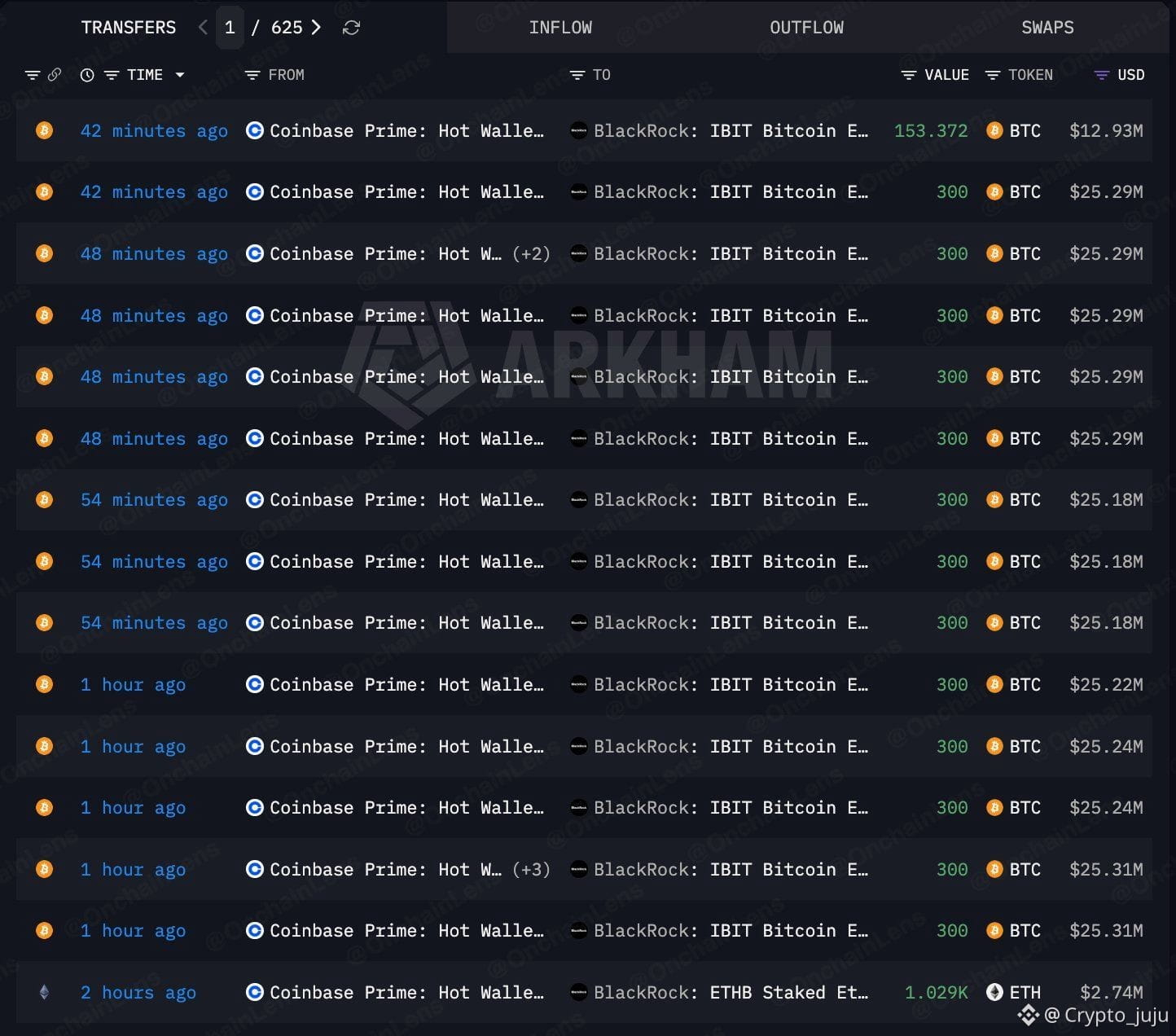
Katta nomlar pasayishdan sotib olayapti. #BlackRock ’s IBIT hisobotlarga ko‘ra, so‘nggi bir soat ichida Coinbase Prime’dan qariyb 3,75K $BTC (taxminan $316M) miqdorida to‘plab, keyin yechib olgan. Bozor pasayishga qarab turibdi, fon bo‘ylab esa jiddiy BTC xaridlar ketmoqda. Shu bilan birga, bugun @ston_fi tomonda ham nimadir bo‘layapti. “Inside the Cross-Chain Flight: Your Questions, Our Answers” AMA tadbiri 15:00 UTC da boshlanadi. Stonfi jamoasi **One Swap. Across Chains** kampaniyasi hamda cross-chain (zanjirlararo) svoplar amalda qanday ishlashini tushuntirib, hamjamiyat savollariga javob beradi. Bundan tashqari, yana ozgina qo‘shimcha rag‘bat bor: eng yaxshi 3 ta savol uchun jami 150 STON evaziga har biri 50 STON beriladi. Kampaniya ballarini ko‘paytiradigan maxfiy so‘z uchun esa oxirigacha qoling. Fonda $BTC xaridlari, boshqa tomonda esa zanjirlararo suhbat. Kriptoda qiziqarli kun. $UNI
Katta nomlar pasayishdan sotib olayapti. #BlackRock ’s IBIT hisobotlarga ko‘ra, so‘nggi bir soat ichida Coinbase Prime’dan qariyb 3,75K $BTC (taxminan $316M) miqdorida to‘plab, keyin yechib olgan. Bozor pasayishga qarab turibdi, fon bo‘ylab esa jiddiy BTC xaridlar ketmoqda. Shu bilan birga, bugun @ston_fi tomonda ham nimadir bo‘layapti. “Inside the Cross-Chain Flight: Your Questions, Our Answers” AMA tadbiri 15:00 UTC da boshlanadi. Stonfi jamoasi **One Swap. Across Chains** kampaniyasi hamda cross-chain (zanjirlararo) svoplar amalda qanday ishlashini tushuntirib, hamjamiyat savollariga javob beradi. Bundan tashqari, yana ozgina qo‘shimcha rag‘bat bor: eng yaxshi 3 ta savol uchun jami 150 STON evaziga har biri 50 STON beriladi. Kampaniya ballarini ko‘paytiradigan maxfiy so‘z uchun esa oxirigacha qoling. Fonda $BTC xaridlari, boshqa tomonda esa zanjirlararo suhbat. Kriptoda qiziqarli kun. $UNI
66
·
--
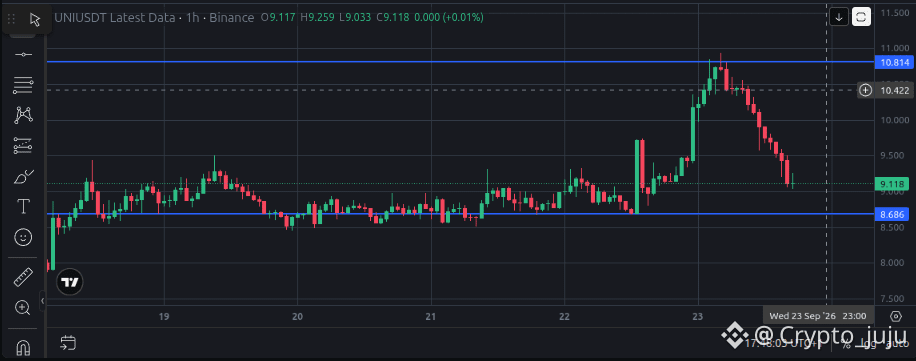
$PONS birmuncha qattiq zarbaga uchrayapti va rostini aytsam, men entry uchun pastga qarab kutishni boshlayapman. $UNI ham menga shunga o‘xshash ko‘rinmoqda. Bozor bo‘ylab yaqinda bo‘lgan keskin tushishdan so‘ng, yashil shamlarni quvishdan ko‘ra, yaxshi darajalar qayerdaligiga ko‘proq qiziqyapman. Pastki qism kirib bo‘lgani demayapman, lekin bular — men e’tibor bera boshlaydigan turdagi qaytishlar. Shu paytning o‘zida Stonfi tomonda Arc endi ishga tushdi. Bu degani Circle’ning Arc tarmog‘idagi USDC ni endi TON va boshqa qo‘llab-quvvatlanadigan tarmoqlar bilan @ston_fi orqali ayirboshlash mumkin. TON, Ethereum, BNB Chain, Base, Arbitrum, Polygon va boshqalar. Menga buni ko‘rish yoqadi, chunki ko‘proq tarmoqlar ishga tushishi bilan, likvidlikni ularning o‘rtasida ko‘chirish jarayoni yanada kamroq murakkab bo‘lishi kerak. Foydalanuvchiga ortda nimalar bo‘layotgani haqida unchalik qayg‘urish shart emas. Connect → swap → davom et.
$PONS birmuncha qattiq zarbaga uchrayapti va rostini aytsam, men entry uchun pastga qarab kutishni boshlayapman. $UNI ham menga shunga o‘xshash ko‘rinmoqda. Bozor bo‘ylab yaqinda bo‘lgan keskin tushishdan so‘ng, yashil shamlarni quvishdan ko‘ra, yaxshi darajalar qayerdaligiga ko‘proq qiziqyapman. Pastki qism kirib bo‘lgani demayapman, lekin bular — men e’tibor bera boshlaydigan turdagi qaytishlar. Shu paytning o‘zida Stonfi tomonda Arc endi ishga tushdi. Bu degani Circle’ning Arc tarmog‘idagi USDC ni endi TON va boshqa qo‘llab-quvvatlanadigan tarmoqlar bilan @ston_fi orqali ayirboshlash mumkin. TON, Ethereum, BNB Chain, Base, Arbitrum, Polygon va boshqalar. Menga buni ko‘rish yoqadi, chunki ko‘proq tarmoqlar ishga tushishi bilan, likvidlikni ularning o‘rtasida ko‘chirish jarayoni yanada kamroq murakkab bo‘lishi kerak. Foydalanuvchiga ortda nimalar bo‘layotgani haqida unchalik qayg‘urish shart emas. Connect → swap → davom et.
74
·
--
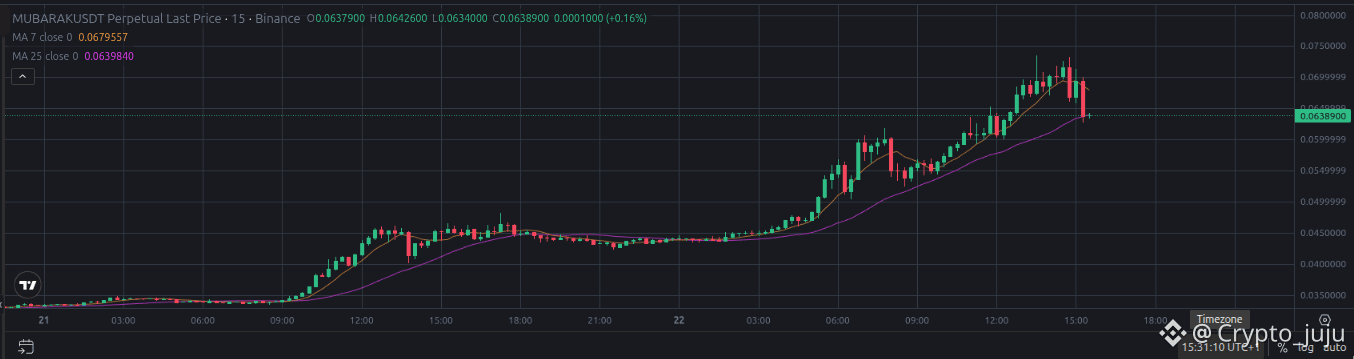
$MUBARAK katta o‘sishdan keyin yaqinda kichik tuzatish (pullback) bo‘ldi. Agar grafik yana qo‘llab-quvvatlashni topa boshlasa, kuzatish uchun qiziqarli zona bo‘lishi mumkin. Hattoki yana sotib olish imkoniyati ham paydo bo‘lishi mumkin, lekin men avval narx qanday reaksiyaga kirishini ko‘rishni afzal ko‘raman. Shu orada men TON atrofida bo‘layotgan narsalarga qaradim va yana Omnistonni uchratdim. Bu g‘oyada menga yoqadigan narsa juda sodda: likvidlik turli zanjirlar va DEX-lar bo‘ylab tarqoq, lekin foydalanuvchilar odatda shunchaki almashishni (swap) qilish va likvidlik qayerda joylashganini ko‘p o‘ylamasdan eng yaxshi ijroni olishni xohlashadi. Omniston esa aynan turli likvidlik manbalari va zanjirlar o‘rtasidagi shu aloqani yo‘lga qo‘yish ustida ishlayapti. Bu token “pump” bo‘layotgandek ko‘p e’tibor tortmasligi mumkin bo‘lgan infratuzilma bo‘lagi, ammo ko‘proq aktivlar va likvidlik ekotizimlar o‘rtasida ko‘chib o‘tgani sayin u yanada qiziqroq ko‘rinadi. $HYPE
$MUBARAK katta o‘sishdan keyin yaqinda kichik tuzatish (pullback) bo‘ldi. Agar grafik yana qo‘llab-quvvatlashni topa boshlasa, kuzatish uchun qiziqarli zona bo‘lishi mumkin. Hattoki yana sotib olish imkoniyati ham paydo bo‘lishi mumkin, lekin men avval narx qanday reaksiyaga kirishini ko‘rishni afzal ko‘raman. Shu orada men TON atrofida bo‘layotgan narsalarga qaradim va yana Omnistonni uchratdim. Bu g‘oyada menga yoqadigan narsa juda sodda: likvidlik turli zanjirlar va DEX-lar bo‘ylab tarqoq, lekin foydalanuvchilar odatda shunchaki almashishni (swap) qilish va likvidlik qayerda joylashganini ko‘p o‘ylamasdan eng yaxshi ijroni olishni xohlashadi. Omniston esa aynan turli likvidlik manbalari va zanjirlar o‘rtasidagi shu aloqani yo‘lga qo‘yish ustida ishlayapti. Bu token “pump” bo‘layotgandek ko‘p e’tibor tortmasligi mumkin bo‘lgan infratuzilma bo‘lagi, ammo ko‘proq aktivlar va likvidlik ekotizimlar o‘rtasida ko‘chib o‘tgani sayin u yanada qiziqroq ko‘rinadi. $HYPE
38
·
--
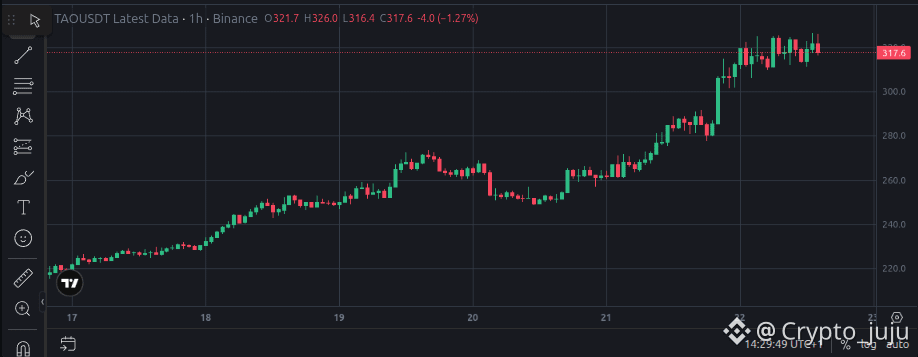
Men cross-chain swaplar bilan bog‘liq bir narsani payqadim: eng qiyin qismi doim ham swapning o‘zi bo‘lmaydi. Asosiysi — u bilan keladigan noaniqlik. Mablag‘larim haqiqatan ham harakat qiladimi? Qancha olaman? Biror narsa noto‘g‘ri bo‘lsa-chi? Ehtimol, cross-chain swapni sinab ko‘rmoqchi bo‘lgan har qanday odamda birinchi bo‘lib paydo bo‘ladigan savollar shular. Shuning uchun men @ston_fidan kelgan eng so‘nggi materialni qiziqarli deb topdim. U cross-chain swaplar atrofidagi uchta keng tarqalgan qo‘rquvni hamda atomik execution va self-custody kabi narsalar jarayonni yanada oldindan aytib bo‘ladigan qilishini tushuntiradi. Biz ishlatadigan zanjirlar soni qanchalik ko‘p bo‘lsa, bunday aniqlik shunchalik muhim bo‘ladi. Cross-chain mablag‘laringizni noma’lum tomonga yuborayotgandek tuyulmasligi kerak. $TAO $LINK
Men cross-chain swaplar bilan bog‘liq bir narsani payqadim: eng qiyin qismi doim ham swapning o‘zi bo‘lmaydi. Asosiysi — u bilan keladigan noaniqlik. Mablag‘larim haqiqatan ham harakat qiladimi? Qancha olaman? Biror narsa noto‘g‘ri bo‘lsa-chi? Ehtimol, cross-chain swapni sinab ko‘rmoqchi bo‘lgan har qanday odamda birinchi bo‘lib paydo bo‘ladigan savollar shular. Shuning uchun men @ston_fidan kelgan eng so‘nggi materialni qiziqarli deb topdim. U cross-chain swaplar atrofidagi uchta keng tarqalgan qo‘rquvni hamda atomik execution va self-custody kabi narsalar jarayonni yanada oldindan aytib bo‘ladigan qilishini tushuntiradi. Biz ishlatadigan zanjirlar soni qanchalik ko‘p bo‘lsa, bunday aniqlik shunchalik muhim bo‘ladi. Cross-chain mablag‘laringizni noma’lum tomonga yuborayotgandek tuyulmasligi kerak. $TAO $LINK
50
·
--
Katta xaridlar qaytadan boshlandi va buni ko‘rganimdan qandaydir bir tuyg‘u paydo bo‘ladi... Lekin bu nimani anglatishini hali aniq hal qila olmayapman. Ma’lumotlarga ko‘ra, BitMine o‘tgan hafta yana 27 562 $ETH sotib olgan va uning umumiy token ushlagan miqdori taxminan 5,98 mln ETH ga yetgan. Bunday akkumulyatsiya albatta mening diqqatimni tortadi. Shuningdek, men zanjir bo‘ylab biroz nariga nazar tashlay boshladim. Hozir ko‘zim tushgan ikki token — $GRAM va STON. Men ko‘proq e’tibor bera boshlagan narsalardan biri — token va uning atrofidagi ekotizim o‘rtasidagi bog‘liqlik. Ba’zan tokenning DEX’i nima qilayotganini kuzatib, uning haqida juda ko‘p narsani bilib olish mumkin — faollik, likvidlik, yangi launchlar, savdo hajmi va aslida token atrofida qancha narsa qurilayotgani. Aynan shuning uchun STON mening e’tiborimni tortdi. @ston_fi bu yil “qizg‘in” davrni boshdan kechiryapti: oddiy svoplar doirasidan chiqib, cross-chain likvidlikka, launchpad integratsiyalariga va TON’ning kengroq DeFi ekotizimiga yanada chuqurroq kirib boryapti. Bu tokenning o‘zini ham avtomatik ravishda yaxshi ishlashini anglatadimi? Albatta, yo‘q. Ammo token atrofidagi infratuzilma tobora faolroq bo‘lib boraversa, bu diqqatda ushlab turishga arziydigan signal. Xullas, katta ETH xaridlar qaytdi... va qandaydir tarzda bu meni GRAM va STON’ni biroz yaqinroq kuzatishga majbur qilyapti.
Katta xaridlar qaytadan boshlandi va buni ko‘rganimdan qandaydir bir tuyg‘u paydo bo‘ladi... Lekin bu nimani anglatishini hali aniq hal qila olmayapman. Ma’lumotlarga ko‘ra, BitMine o‘tgan hafta yana 27 562 $ETH sotib olgan va uning umumiy token ushlagan miqdori taxminan 5,98 mln ETH ga yetgan. Bunday akkumulyatsiya albatta mening diqqatimni tortadi. Shuningdek, men zanjir bo‘ylab biroz nariga nazar tashlay boshladim. Hozir ko‘zim tushgan ikki token — $GRAM va STON. Men ko‘proq e’tibor bera boshlagan narsalardan biri — token va uning atrofidagi ekotizim o‘rtasidagi bog‘liqlik. Ba’zan tokenning DEX’i nima qilayotganini kuzatib, uning haqida juda ko‘p narsani bilib olish mumkin — faollik, likvidlik, yangi launchlar, savdo hajmi va aslida token atrofida qancha narsa qurilayotgani. Aynan shuning uchun STON mening e’tiborimni tortdi. @ston_fi bu yil “qizg‘in” davrni boshdan kechiryapti: oddiy svoplar doirasidan chiqib, cross-chain likvidlikka, launchpad integratsiyalariga va TON’ning kengroq DeFi ekotizimiga yanada chuqurroq kirib boryapti. Bu tokenning o‘zini ham avtomatik ravishda yaxshi ishlashini anglatadimi? Albatta, yo‘q. Ammo token atrofidagi infratuzilma tobora faolroq bo‘lib boraversa, bu diqqatda ushlab turishga arziydigan signal. Xullas, katta ETH xaridlar qaytdi... va qandaydir tarzda bu meni GRAM va STON’ni biroz yaqinroq kuzatishga majbur qilyapti.

1
·
--
Solanadagi $USDC faolligi kuchaymoqda. Circle yana Solanada $250 mln miqdorida USDCni mint qildi va so‘nggi 7 kun ichida mint qilingan jami miqdorni qariyb $3 mlrdga yetkazdi. Bu qisqa vaqt ichida ekotizimga kirib kelayotgan juda katta yangi likvidlik. Endi men bu likvidlik keyin qayerga oqib borishini kuzatyapman. $SOL
Solanadagi $USDC faolligi kuchaymoqda. Circle yana Solanada $250 mln miqdorida USDCni mint qildi va so‘nggi 7 kun ichida mint qilingan jami miqdorni qariyb $3 mlrdga yetkazdi. Bu qisqa vaqt ichida ekotizimga kirib kelayotgan juda katta yangi likvidlik. Endi men bu likvidlik keyin qayerga oqib borishini kuzatyapman. $SOL
1
75
·
--
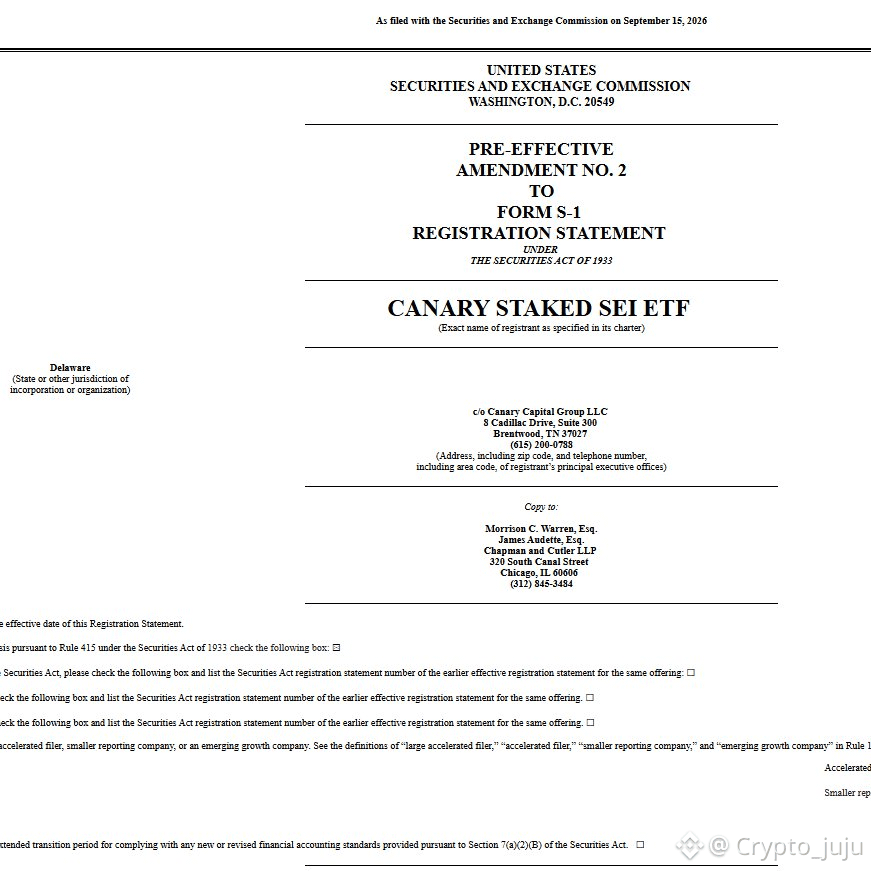
$SEI ETF hikoyasi bo‘yicha yana bir qadam oldinga. Canary Capital staked SEI ETF uchun o‘zining S-1 hujjatiga ikkinchi tuzatish kiritdi. Yangilangan hujjatda spot $SEI’ni ushlab turishga mo‘ljallangan, shu bilan birga staking ham kiritilgan mahsulot tasvirlangan. Hali ham ko‘rib chiqilishi kerak bo‘lgan jarayon, ammo staked SEI investitsion mahsulotiga yo‘nalishdagi yana bir qadamni ko‘rish qiziq. $SUI
$SEI ETF hikoyasi bo‘yicha yana bir qadam oldinga. Canary Capital staked SEI ETF uchun o‘zining S-1 hujjatiga ikkinchi tuzatish kiritdi. Yangilangan hujjatda spot $SEI’ni ushlab turishga mo‘ljallangan, shu bilan birga staking ham kiritilgan mahsulot tasvirlangan. Hali ham ko‘rib chiqilishi kerak bo‘lgan jarayon, ammo staked SEI investitsion mahsulotiga yo‘nalishdagi yana bir qadamni ko‘rish qiziq. $SUI
1
60
·
--
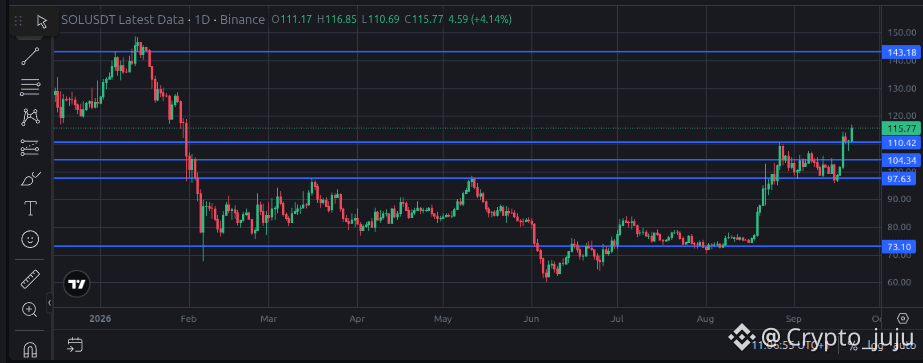
$SOL $150 ga qaytish unchalik uzoqdek tuyulmayapti. Va $PUMP ham faollashib borayotgani bilan, men ham o‘sha tomonga ko‘zimni tikdim. Agar Solana faolligi qizib boraversa, ekotizim atrofida yana ko‘p narsa yuz berishi mumkin. Menga yoqadigan bir jihat — **Stonks’ning @ston_fi bilan integratsiyalashuvi qo‘shimcha launchpad’ni aralashmaga olib kirishi. Men Stonfi ushbu yangi launchpad’larga qanday hamqadam bo‘layotganini va o‘sha faollikning ko‘proq qismini uning DeFi tomoni bilan bog‘layotganini kuzatib boryapman. Bu yuzada kichik detal, lekin integratsiyalar loyihalar ko‘payib, likvidlik turli tomonga harakatlana boshlaganida muhim bo‘ladi. $150 ga SOL, PUMP esa diqqatda, va ko‘proq launchpad faolligi DeFi’ga ulanmoqda. Vaziyat qiziqroq bo‘lyapti.
$SOL $150 ga qaytish unchalik uzoqdek tuyulmayapti. Va $PUMP ham faollashib borayotgani bilan, men ham o‘sha tomonga ko‘zimni tikdim. Agar Solana faolligi qizib boraversa, ekotizim atrofida yana ko‘p narsa yuz berishi mumkin. Menga yoqadigan bir jihat — **Stonks’ning @ston_fi bilan integratsiyalashuvi qo‘shimcha launchpad’ni aralashmaga olib kirishi. Men Stonfi ushbu yangi launchpad’larga qanday hamqadam bo‘layotganini va o‘sha faollikning ko‘proq qismini uning DeFi tomoni bilan bog‘layotganini kuzatib boryapman. Bu yuzada kichik detal, lekin integratsiyalar loyihalar ko‘payib, likvidlik turli tomonga harakatlana boshlaganida muhim bo‘ladi. $150 ga SOL, PUMP esa diqqatda, va ko‘proq launchpad faolligi DeFi’ga ulanmoqda. Vaziyat qiziqroq bo‘lyapti.
22
·
--
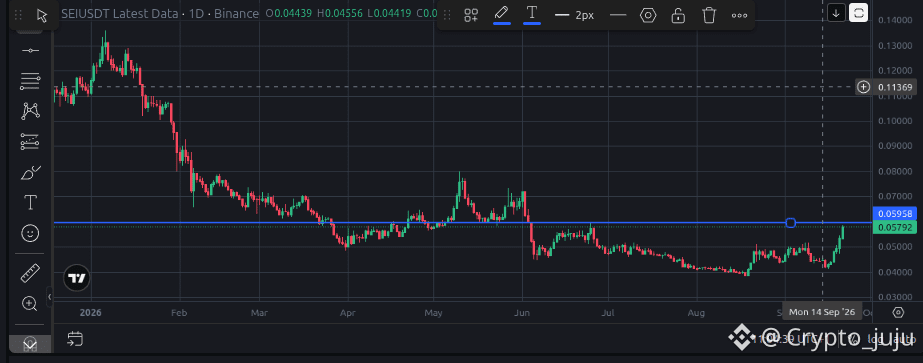
$SEI bugun ham o‘z ta’sirini ko‘rsatmoqda — asosiy qarshilik darajasidan endi o‘tib ketdi, $AKE esa yana tiklanmoqda. Balki dump nihoyat tinchidi va bozor yana bir harakatga tayyorlanayotgandir. Keling, ko‘ramiz. Ayni paytda turli ekotizimlarda yurgan bo‘lsangiz, mana bitta oddiy yo‘l: **TON’dan TRON’ga @ston_fi orqali almashmoqchimisiz? Siz shunchaki: 1. Almashmoqchi bo‘lgan tokenni tanlaysiz. 2. Manzil tarmog‘i sifatida TRON’ni tanlaysiz. 3. Qabul qilmoqchi bo‘lgan aktivni tanlaysiz. 4. Kotirovka, komissiyalar, narxga ta’sir (price impact) va kutilayotgan miqdorni ko‘rib chiqasiz. 5. Hamyoningizdan almashishni tasdiqlaysiz. 6. Kross-tarmoq (cross-chain) almashish yakunlangach, manzil aktivingiz TRON hamyoningizga tushadi. Eng qiziq tomoni — alohida bridge marshrutini qo‘lda hisoblab o‘tirmasligingiz kerak. **Manzilni tanlang → kotirovkani tekshiring → tasdiqlang → oling. Menga yoqadigan cross-chain tomoni shunaqasi: turli ekotizimlar, lekin ular orasida o‘tishning ancha sodda yo‘li.
$SEI bugun ham o‘z ta’sirini ko‘rsatmoqda — asosiy qarshilik darajasidan endi o‘tib ketdi, $AKE esa yana tiklanmoqda. Balki dump nihoyat tinchidi va bozor yana bir harakatga tayyorlanayotgandir. Keling, ko‘ramiz. Ayni paytda turli ekotizimlarda yurgan bo‘lsangiz, mana bitta oddiy yo‘l: **TON’dan TRON’ga @ston_fi orqali almashmoqchimisiz? Siz shunchaki: 1. Almashmoqchi bo‘lgan tokenni tanlaysiz. 2. Manzil tarmog‘i sifatida TRON’ni tanlaysiz. 3. Qabul qilmoqchi bo‘lgan aktivni tanlaysiz. 4. Kotirovka, komissiyalar, narxga ta’sir (price impact) va kutilayotgan miqdorni ko‘rib chiqasiz. 5. Hamyoningizdan almashishni tasdiqlaysiz. 6. Kross-tarmoq (cross-chain) almashish yakunlangach, manzil aktivingiz TRON hamyoningizga tushadi. Eng qiziq tomoni — alohida bridge marshrutini qo‘lda hisoblab o‘tirmasligingiz kerak. **Manzilni tanlang → kotirovkani tekshiring → tasdiqlang → oling. Menga yoqadigan cross-chain tomoni shunaqasi: turli ekotizimlar, lekin ular orasida o‘tishning ancha sodda yo‘li.
20
·
--
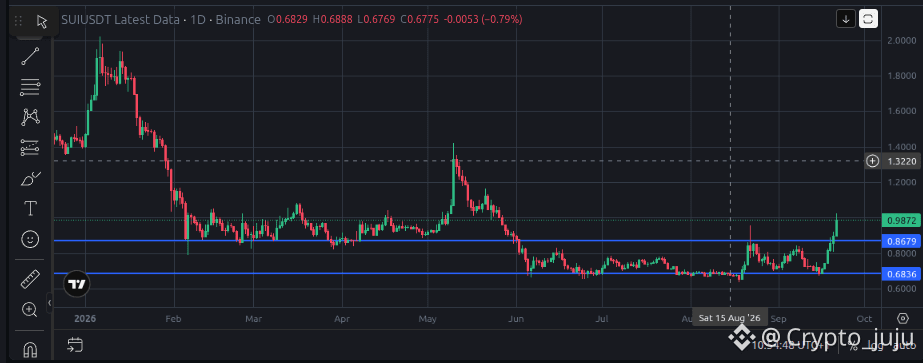
$SUI bu sur’atda tezlashmoqda. Agar bu impuls davom etsa, $1.2 keyingi e’tibor qaratayotgan hududim bo‘lishi mumkin. $NEAR ham yaxshi kun o‘tkazmoqda, shuning uchun bozor yana biroz ko‘proq buqaga o‘xshagan kayfiyatni seza boshladi. Bozor bunday harakat qila boshlaganida, men har doim DeFi atrofida ham faollik kuchayishini kutaman. Aynan o‘sha yerda @ston_fi qiziqarli bo‘lishi mumkin. Ko‘proq narx harakati odatda ko‘proq svoplarni, pul o‘tkazmalarining pulovlar (pool) o‘rtasida ko‘proq ko‘chishini va TON DeFi bo‘ylab imkoniyat izlayotgan odamlarning ko‘payishini anglatadi. Platformada cross-chain svoplar ham tobora kattaroq ulushga aylanayotgani uchun, ko‘proq faollik turli tarmoqlar bo‘ylab ko‘proq yo‘nalishlar (routes) va ko‘proq likvidlik ishlatilishini anglatishi mumkin. Xullas, SUI va NEAR harakatlanmoqda… **Endi bu faollik Stonfi’da ham paydo bo‘la boshlaydimi, ko‘raylik. #Altcoin Season#
$SUI bu sur’atda tezlashmoqda. Agar bu impuls davom etsa, $1.2 keyingi e’tibor qaratayotgan hududim bo‘lishi mumkin. $NEAR ham yaxshi kun o‘tkazmoqda, shuning uchun bozor yana biroz ko‘proq buqaga o‘xshagan kayfiyatni seza boshladi. Bozor bunday harakat qila boshlaganida, men har doim DeFi atrofida ham faollik kuchayishini kutaman. Aynan o‘sha yerda @ston_fi qiziqarli bo‘lishi mumkin. Ko‘proq narx harakati odatda ko‘proq svoplarni, pul o‘tkazmalarining pulovlar (pool) o‘rtasida ko‘proq ko‘chishini va TON DeFi bo‘ylab imkoniyat izlayotgan odamlarning ko‘payishini anglatadi. Platformada cross-chain svoplar ham tobora kattaroq ulushga aylanayotgani uchun, ko‘proq faollik turli tarmoqlar bo‘ylab ko‘proq yo‘nalishlar (routes) va ko‘proq likvidlik ishlatilishini anglatishi mumkin. Xullas, SUI va NEAR harakatlanmoqda… **Endi bu faollik Stonfi’da ham paydo bo‘la boshlaydimi, ko‘raylik. #Altcoin Season#
42
·
--
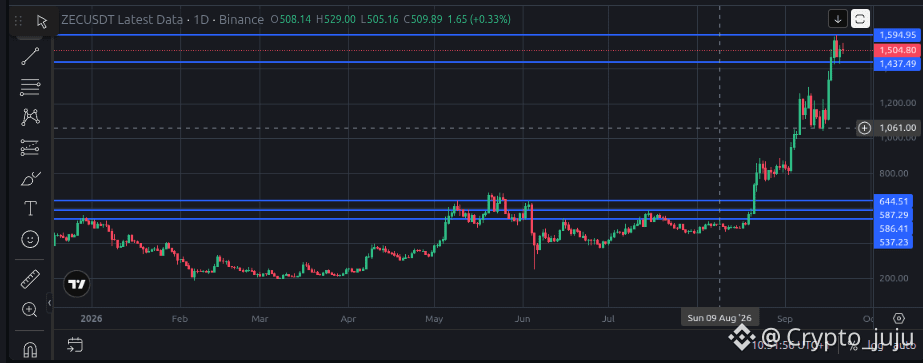
$HYPE tobora qiziqroq ko‘rinmoqda. Grafik yaxshi ko‘rinayapti va rostini aytsam, bu menga $ZEC katta sakrashidan oldin bo‘lgan o‘sha xuddi shunday hisni biroz eslatyapti. Hali ham HYPE bu sur’atni ushlab tura oladimi-yo‘qmi deb kuzatyapman. Lekin shu grafiklar harakatlanayotgan paytda, yana bir samolyot parvozga tayyorlanmoqda. **Cross-Chain Flight ichida: Sizning savollaringiz, bizning javoblarimiz 2 kun ichida @ston_fi Dev jamoasi One Swap bo‘yicha savollaringizga javob berish uchun jonli efirga chiqadi. Across Chains kampaniyasi doirasida cross-chain swaplar aslida qanday ishlashi, va yo‘nalishlar fon rejimida qanday tuzilishi haqida. 📅 23-sentabr 🕒 15:00 UTC AMA’gacha savollaringizni yuborishingiz mumkin. 10 tasi tanlab olinadi, eng yaxshi 3 ta savol mualliflari esa har biri 50 STON oladi. Va AMA paytida kampaniya kilometrlarini ko‘paytirib beradigan yangi maxfiy so‘z ham bo‘ladi. Demak, ha — grafikdagi HYPE… va 2 kun ichida uchishga tayyorlanayotgan cross-chain parvoz. Keling, ikkalasi ham keyin qayerga borishini ko‘ramiz. #Altcoin Season#
$HYPE tobora qiziqroq ko‘rinmoqda. Grafik yaxshi ko‘rinayapti va rostini aytsam, bu menga $ZEC katta sakrashidan oldin bo‘lgan o‘sha xuddi shunday hisni biroz eslatyapti. Hali ham HYPE bu sur’atni ushlab tura oladimi-yo‘qmi deb kuzatyapman. Lekin shu grafiklar harakatlanayotgan paytda, yana bir samolyot parvozga tayyorlanmoqda. **Cross-Chain Flight ichida: Sizning savollaringiz, bizning javoblarimiz 2 kun ichida @ston_fi Dev jamoasi One Swap bo‘yicha savollaringizga javob berish uchun jonli efirga chiqadi. Across Chains kampaniyasi doirasida cross-chain swaplar aslida qanday ishlashi, va yo‘nalishlar fon rejimida qanday tuzilishi haqida. 📅 23-sentabr 🕒 15:00 UTC AMA’gacha savollaringizni yuborishingiz mumkin. 10 tasi tanlab olinadi, eng yaxshi 3 ta savol mualliflari esa har biri 50 STON oladi. Va AMA paytida kampaniya kilometrlarini ko‘paytirib beradigan yangi maxfiy so‘z ham bo‘ladi. Demak, ha — grafikdagi HYPE… va 2 kun ichida uchishga tayyorlanayotgan cross-chain parvoz. Keling, ikkalasi ham keyin qayerga borishini ko‘ramiz. #Altcoin Season#
2
153
·
--
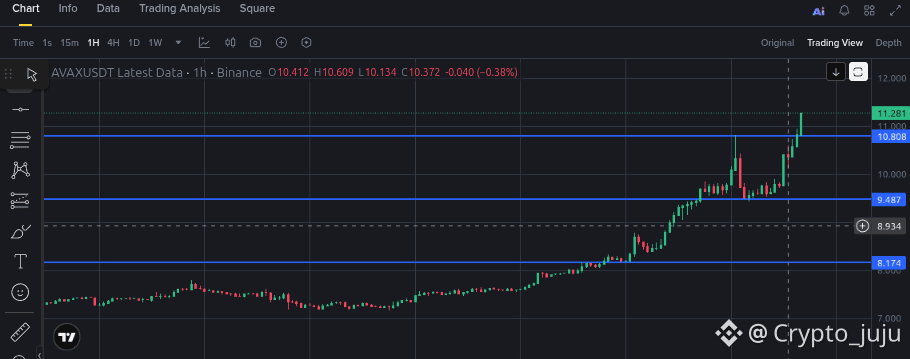
$AVAX $11 darajasidan o‘tib ketdi, shuning uchun u bundan keyin qanday ushlab turishini kuzatyapman. 👀 Shu bilan birga, $LINK ham men ko‘rib borayotgan tokenlar ro‘yxatida yuqorida turibdi. Lekin bunday harakatlar meni doim boshqa narsalar haqida o‘ylashga majbur qiladi: likvidlik. Bozor tinch bo‘lsa, likvidlik ko‘p e’tibor tortmasligi mumkin. Ammo savdo faolligi orta boshlaganda, u ancha muhimroq bo‘lib qoladi. Ko‘proq odamlar sotib olyapti va sotyapti, ko‘proq kapital harakatlanadi va birdaniga slippage, narxga ta’sir va ijro (execution) kabi narsalar ancha muhim bo‘la boshlaydi. Shuning uchun men @ston_fi likvidlik tomonda nima qilayotganiga ko‘proq e’tibor qaratib kelyapman. Bu shunchaki u yerda pool (hovuz) bo‘lishi haqida emas. Asosiy savol: faollik oshib borganda, o‘sha likvidlikdan qanchalik samarali foydalanish mumkin? Aynan o‘sha yerda chuqurroq likvidlik va yaxshiroq yo‘naltirish (routing) savdogarlar uchun farq qilishi mumkin. Demak, men AVAX va LINK ni kuzatayotganim bilan birga, bozor ostidagi infratuzilmani ham kuzatyapman. Chunki bozor faollashganda, likvidlik endi fon tafsiloti bo‘lib qolmaydi. U savduning bir qismiga aylanadi. #Altcoin Season#
$AVAX $11 darajasidan o‘tib ketdi, shuning uchun u bundan keyin qanday ushlab turishini kuzatyapman. 👀 Shu bilan birga, $LINK ham men ko‘rib borayotgan tokenlar ro‘yxatida yuqorida turibdi. Lekin bunday harakatlar meni doim boshqa narsalar haqida o‘ylashga majbur qiladi: likvidlik. Bozor tinch bo‘lsa, likvidlik ko‘p e’tibor tortmasligi mumkin. Ammo savdo faolligi orta boshlaganda, u ancha muhimroq bo‘lib qoladi. Ko‘proq odamlar sotib olyapti va sotyapti, ko‘proq kapital harakatlanadi va birdaniga slippage, narxga ta’sir va ijro (execution) kabi narsalar ancha muhim bo‘la boshlaydi. Shuning uchun men @ston_fi likvidlik tomonda nima qilayotganiga ko‘proq e’tibor qaratib kelyapman. Bu shunchaki u yerda pool (hovuz) bo‘lishi haqida emas. Asosiy savol: faollik oshib borganda, o‘sha likvidlikdan qanchalik samarali foydalanish mumkin? Aynan o‘sha yerda chuqurroq likvidlik va yaxshiroq yo‘naltirish (routing) savdogarlar uchun farq qilishi mumkin. Demak, men AVAX va LINK ni kuzatayotganim bilan birga, bozor ostidagi infratuzilmani ham kuzatyapman. Chunki bozor faollashganda, likvidlik endi fon tafsiloti bo‘lib qolmaydi. U savduning bir qismiga aylanadi. #Altcoin Season#
·
--
Grayscale’ning Zcash ETF’i 3 tadan 1 ga bo‘linishdan o‘tmoqda, ya’ni investorlar 28-sentabr kuni savdo yopilgandan keyin o‘zlari ushlab turgan har bir ulush uchun ikkita qo‘shimcha ulush oladi. $ZEC yaqinda albatta ancha ko‘proq e’tibor qozonmoqda. Ammo bu meni kriptoda unchalik “shov-shuvli” bo‘lmagan bir narsani o‘ylantirib qo‘ydi: infratuzilmani. Ko‘proq foydalanuvchilar va ko‘proq qiymat ekotizim orqali harakatlana boshlagani sari, asosiy platformalar bunday faollikni ko‘tara olishi kerak. Men aynan shu jihatni @ston_fi bilan kuzatib kelayapman. Jamoa asosiy DEX infratuzilmasini yaxshilash ustida ishlayapti, ayniqsa tarmoqda yuklama yuqori bo‘lgan davrlarda ishonchlilik masalasida. Masalan, tranzaksiya kechikishlarini kamaytirish, svoplar (almashuvlar) qanday ishlanishini yaxshilash va tizimni yanada chidamli qilish token “nasosi”dek qiziqarli tuyulmasligi mumkin, lekin ularning ahamiyati katta. Chunki likvidlik va faollik oshganda, infratuzilma ham ular bilan birga o‘sishi shart. Men Stonfi’ning aynan shu qismiga so‘nggi paytlarda ko‘proq e’tibor qaratyapman. Faqat ko‘proq funksiyalar yaratish emas, balki keyin nima kelishini qabul qila oladigan poydevorni mustahkamlash ham. #Altcoin Season# $HYPE
Grayscale’ning Zcash ETF’i 3 tadan 1 ga bo‘linishdan o‘tmoqda, ya’ni investorlar 28-sentabr kuni savdo yopilgandan keyin o‘zlari ushlab turgan har bir ulush uchun ikkita qo‘shimcha ulush oladi. $ZEC yaqinda albatta ancha ko‘proq e’tibor qozonmoqda. Ammo bu meni kriptoda unchalik “shov-shuvli” bo‘lmagan bir narsani o‘ylantirib qo‘ydi: infratuzilmani. Ko‘proq foydalanuvchilar va ko‘proq qiymat ekotizim orqali harakatlana boshlagani sari, asosiy platformalar bunday faollikni ko‘tara olishi kerak. Men aynan shu jihatni @ston_fi bilan kuzatib kelayapman. Jamoa asosiy DEX infratuzilmasini yaxshilash ustida ishlayapti, ayniqsa tarmoqda yuklama yuqori bo‘lgan davrlarda ishonchlilik masalasida. Masalan, tranzaksiya kechikishlarini kamaytirish, svoplar (almashuvlar) qanday ishlanishini yaxshilash va tizimni yanada chidamli qilish token “nasosi”dek qiziqarli tuyulmasligi mumkin, lekin ularning ahamiyati katta. Chunki likvidlik va faollik oshganda, infratuzilma ham ular bilan birga o‘sishi shart. Men Stonfi’ning aynan shu qismiga so‘nggi paytlarda ko‘proq e’tibor qaratyapman. Faqat ko‘proq funksiyalar yaratish emas, balki keyin nima kelishini qabul qila oladigan poydevorni mustahkamlash ham. #Altcoin Season# $HYPE
2
·
--
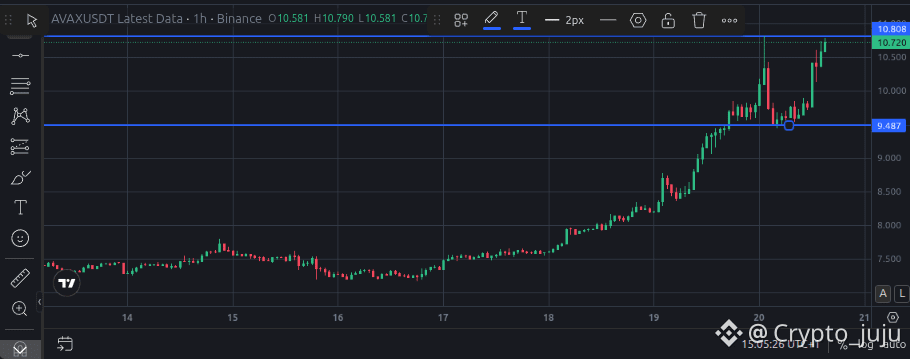
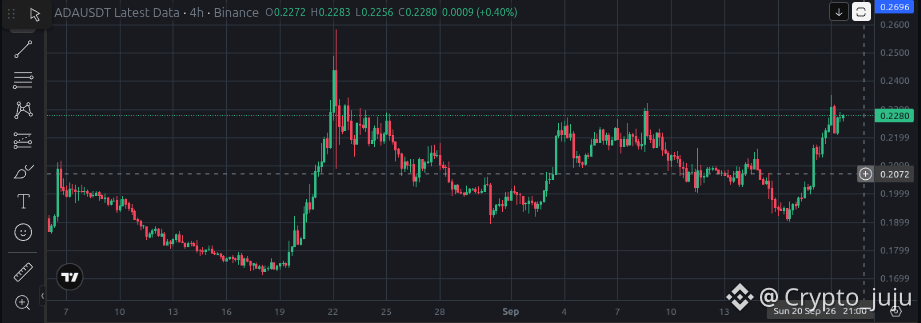
$AVAX u avvalroq olgan rad etilishidan chiqib ketishga urinayotgandek. $11 esa aniq mening e’tiborimda. ADA’ni ham yaqinda to‘g‘ri tekshirib ko‘rmaganman, shuning uchun bu yana qayta ko‘rib chiqishim kerak bo‘lgan boshqa grafik. Qarasam, shu hafta @ston_fi’da faol farming (dehqonchilik) havzalari bor ekan: STON/USDT — oylik mukofotlarda 10,000 STON, munosib STON stakerlar uchun maksimal 2× APR boost bilan. LP’ni lock qilish yo‘q. JETTON/USDT va JETTON/GRAM — har bir fermada boosted oylik mukofotlarda 200,000 JETTON. LP’ni lock qilish yo‘q. STORM/GRAM — kunlik mukofotlarda 30,000 STORM, shuningdek LP’ni lock qilish yo‘q. Bular hozirgi farming rag‘batlari, shuning uchun mukofotlar va APR o‘zgarishi mumkin. Albatta, likvidlik ta’minlash impermanent loss kabi xatarlar bilan birga keladi. Baribir, yana grafiklarga qaytamiz. AVAX va $ADA albatta men kuzatuv ro‘yxatiga qaytadi.
$AVAX u avvalroq olgan rad etilishidan chiqib ketishga urinayotgandek. $11 esa aniq mening e’tiborimda. ADA’ni ham yaqinda to‘g‘ri tekshirib ko‘rmaganman, shuning uchun bu yana qayta ko‘rib chiqishim kerak bo‘lgan boshqa grafik. Qarasam, shu hafta @ston_fi’da faol farming (dehqonchilik) havzalari bor ekan: STON/USDT — oylik mukofotlarda 10,000 STON, munosib STON stakerlar uchun maksimal 2× APR boost bilan. LP’ni lock qilish yo‘q. JETTON/USDT va JETTON/GRAM — har bir fermada boosted oylik mukofotlarda 200,000 JETTON. LP’ni lock qilish yo‘q. STORM/GRAM — kunlik mukofotlarda 30,000 STORM, shuningdek LP’ni lock qilish yo‘q. Bular hozirgi farming rag‘batlari, shuning uchun mukofotlar va APR o‘zgarishi mumkin. Albatta, likvidlik ta’minlash impermanent loss kabi xatarlar bilan birga keladi. Baribir, yana grafiklarga qaytamiz. AVAX va $ADA albatta men kuzatuv ro‘yxatiga qaytadi.
26
·
--
Avvaliga men “One Swap. Across Chains” asosan cross-chain swap qilish va milyalarni yig‘ish haqida, deb o‘ylagandim. Ammo kampaniya bilan bog‘liq yana ko‘proq narsa bor. Hozir esa hamkor vazifalar mavjud: TON ekotizimidagi turli loyihalarni ko‘rib chiqishingiz, bir nechta topshiriqlarni bajarishingiz, keyin esa qaytib ko‘proq mil jamg‘arishingiz mumkin. Hamkorlar orasida My Wallet, Gram Wallet, Mira, Getgems, SafePal va WenLong bor, shuning uchun kampaniya davomida taraqqiy etarkaningizda ekotizimning turli qismlarini o‘rganib chiqasiz. Shuningdek, Flight Deals har hafta o‘zgarishini ham payqadim. Ba’zi mukofotlar faqat 7 kun uchun mavjud, shuning uchun navbatdagi yangilanishdan oldin nima borligini tekshirib ko‘rish arziydi. Menga bu yondashuv yoqadi, chunki siz faqat milya uchun tasodifiy vazifalarni bajarmaysiz. Siz yo‘l davomida turli loyihalarni haqiqatan ham kashf qilyapsiz. Ko‘proq o‘rganish, ko‘proq vazifalar, ko‘proq milyalar. $AKE $AVAX #Altcoin Season#
Avvaliga men “One Swap. Across Chains” asosan cross-chain swap qilish va milyalarni yig‘ish haqida, deb o‘ylagandim. Ammo kampaniya bilan bog‘liq yana ko‘proq narsa bor. Hozir esa hamkor vazifalar mavjud: TON ekotizimidagi turli loyihalarni ko‘rib chiqishingiz, bir nechta topshiriqlarni bajarishingiz, keyin esa qaytib ko‘proq mil jamg‘arishingiz mumkin. Hamkorlar orasida My Wallet, Gram Wallet, Mira, Getgems, SafePal va WenLong bor, shuning uchun kampaniya davomida taraqqiy etarkaningizda ekotizimning turli qismlarini o‘rganib chiqasiz. Shuningdek, Flight Deals har hafta o‘zgarishini ham payqadim. Ba’zi mukofotlar faqat 7 kun uchun mavjud, shuning uchun navbatdagi yangilanishdan oldin nima borligini tekshirib ko‘rish arziydi. Menga bu yondashuv yoqadi, chunki siz faqat milya uchun tasodifiy vazifalarni bajarmaysiz. Siz yo‘l davomida turli loyihalarni haqiqatan ham kashf qilyapsiz. Ko‘proq o‘rganish, ko‘proq vazifalar, ko‘proq milyalar. $AKE $AVAX #Altcoin Season#
27
·
--
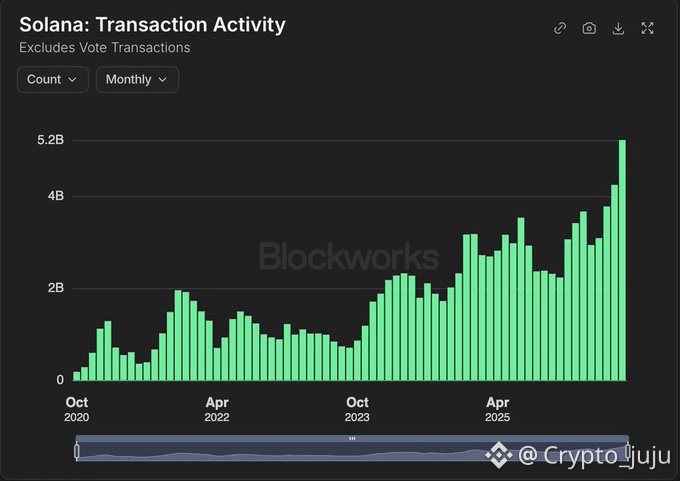
Solanadagi onlayn faollik qiziyapti. Aprel oyida tarmoq taxminan 5.2 mlrd ovozsiz tranzaksiyani qayta ishladi va oldingi oylik rekordini taxminan 24% ga oshirdi. Sentabr esa hali ham bundan ham yuqoriroqqa intilyapti. Go‘yo Solanadagi faollik yana jonlanayotgandek. $SOL $ZEC
Solanadagi onlayn faollik qiziyapti. Aprel oyida tarmoq taxminan 5.2 mlrd ovozsiz tranzaksiyani qayta ishladi va oldingi oylik rekordini taxminan 24% ga oshirdi. Sentabr esa hali ham bundan ham yuqoriroqqa intilyapti. Go‘yo Solanadagi faollik yana jonlanayotgandek. $SOL $ZEC
36
·
--
Yaqinda $AKE bilan tanishdim va AKEDO ortidagi g‘oya aslida ancha qiziqarli. Loyiha AI’ni o‘yin yaratishga olib kirishga harakat qilmoqda: turli AI agentlar yordamida dunolarni qurish, qoidalarni ishlab chiqish, o‘yin muvozanatini ta’minlash va hikoyalar yaratish kabi ishlarni bajarish. Ya’ni, o‘yinni boshidan qanday kodlashni bilish shart emas — siz nimani xohlayotganingizni tasvirlab berasiz, AI esa ishlarning ko‘p qismini uddalaydi. Aynan shu yerda AKE kiradi: AI promptlar, o‘yinlarni nashr qilish, staking va ekotizimning game-token likvidligini ta’minlash kabi jarayonlarni quvvatlaydi. AI + o‘yinlar + kripto — qiziq kombinatsiya. Endi esa bu g‘oya qanchalik real foydalanishga aylanishini kuzatyapman. #Altcoin Season# $HYPE
Yaqinda $AKE bilan tanishdim va AKEDO ortidagi g‘oya aslida ancha qiziqarli. Loyiha AI’ni o‘yin yaratishga olib kirishga harakat qilmoqda: turli AI agentlar yordamida dunolarni qurish, qoidalarni ishlab chiqish, o‘yin muvozanatini ta’minlash va hikoyalar yaratish kabi ishlarni bajarish. Ya’ni, o‘yinni boshidan qanday kodlashni bilish shart emas — siz nimani xohlayotganingizni tasvirlab berasiz, AI esa ishlarning ko‘p qismini uddalaydi. Aynan shu yerda AKE kiradi: AI promptlar, o‘yinlarni nashr qilish, staking va ekotizimning game-token likvidligini ta’minlash kabi jarayonlarni quvvatlaydi. AI + o‘yinlar + kripto — qiziq kombinatsiya. Endi esa bu g‘oya qanchalik real foydalanishga aylanishini kuzatyapman. #Altcoin Season# $HYPE

72
·
--
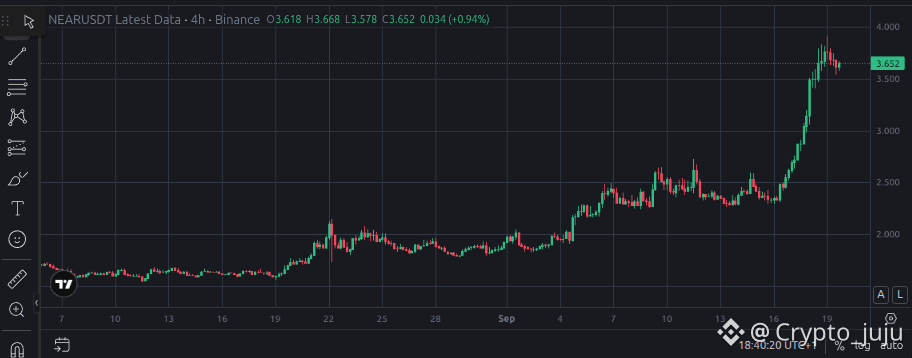
$NEAR yaqinda grafikda juda yaxshi ko‘rinmoqda. Va men har doim bunday kuchli harakat qilayotgan tokenni ko‘rsam, narxdan tashqariga qaray boshlayman. Likvidlik qayerga ketayapti? Bu aktivlar ekotizimlar o‘rtasida qanchalik oson harakatlanadi? Bunga imkon berayotgan qanday infratuzilma bor? Bu meni Omniston tomon qaytaradi. Menga Omniston qiziq bo‘lib ko‘rinishining sababi shundaki, u shunchaki yana bir bridge emas. Bu @ston_fi tomonidan qurilgan cross-chain execution layer bo‘lib, routing, likvidlik va settlementni boshqaradi, aktivlarni esa wrapped tokenlarga tayanmagan holda native holatda saqlaydi. U TON, Ethereum, Base, $BNB Chain, Polygon, Arbitrum, Avalanche, TRON va Robinhood Chain kabi bir nechta tarmoq bo‘ylab faol ishlayapti, yana ko‘proq tarmoq esa bosqichma-bosqich ishga tushirilmoqda. Menimcha, bu narrativning dolzarbligini saqlab qoladigan omil. Kripto kamroq emas, balki ko‘proq fragmentatsiyalanmoqda. Ko‘proq tarmoq, ko‘proq ilovalar, ko‘proq likvidlik va ko‘proq aktivlar. Bularning barchasini foydalanuvchilarni bir guruh “aylantirma” bosqichlardan o‘tishga majburlamasdan ulay oladigan infratuzilma esa tobora muhimroq bo‘lib boryapti. Mening nazarimda, keyingi savol shunchaki **“Omniston nimani qurdi?” emas. Gap **“ko‘proq walletlar, ilovalar va tarmoqlar unga ulanganida bu qanchalik uzoqqa borishi mumkin?”** degan savolda. Men aynan o‘sha qismni kuzatyapman. #Altcoin Season#
$NEAR yaqinda grafikda juda yaxshi ko‘rinmoqda. Va men har doim bunday kuchli harakat qilayotgan tokenni ko‘rsam, narxdan tashqariga qaray boshlayman. Likvidlik qayerga ketayapti? Bu aktivlar ekotizimlar o‘rtasida qanchalik oson harakatlanadi? Bunga imkon berayotgan qanday infratuzilma bor? Bu meni Omniston tomon qaytaradi. Menga Omniston qiziq bo‘lib ko‘rinishining sababi shundaki, u shunchaki yana bir bridge emas. Bu @ston_fi tomonidan qurilgan cross-chain execution layer bo‘lib, routing, likvidlik va settlementni boshqaradi, aktivlarni esa wrapped tokenlarga tayanmagan holda native holatda saqlaydi. U TON, Ethereum, Base, $BNB Chain, Polygon, Arbitrum, Avalanche, TRON va Robinhood Chain kabi bir nechta tarmoq bo‘ylab faol ishlayapti, yana ko‘proq tarmoq esa bosqichma-bosqich ishga tushirilmoqda. Menimcha, bu narrativning dolzarbligini saqlab qoladigan omil. Kripto kamroq emas, balki ko‘proq fragmentatsiyalanmoqda. Ko‘proq tarmoq, ko‘proq ilovalar, ko‘proq likvidlik va ko‘proq aktivlar. Bularning barchasini foydalanuvchilarni bir guruh “aylantirma” bosqichlardan o‘tishga majburlamasdan ulay oladigan infratuzilma esa tobora muhimroq bo‘lib boryapti. Mening nazarimda, keyingi savol shunchaki **“Omniston nimani qurdi?” emas. Gap **“ko‘proq walletlar, ilovalar va tarmoqlar unga ulanganida bu qanchalik uzoqqa borishi mumkin?”** degan savolda. Men aynan o‘sha qismni kuzatyapman. #Altcoin Season#
25
·
--
Pul va aktivlar qayerga yo‘nalayotgani haqida ko‘proq o‘qiganim sayin, cross-chain UX (zanjirlararo foydalanuvchi tajribasi) muhim bo‘lib qolishini ko‘proq o‘ylayapman. XVF tokenlashtirilgan pul va aktivlar umumiy blokcheyn infratuzilmasida tarmoqlar kabi $XRP $HBAR orqali qanday ko‘chishi mumkinligi haqida gapirib kelmoqda: to‘lovlar, hisob-kitob va egalik bir-biriga ancha yaqin qatlamda ro‘y berishi mumkin. Ammo fragmentatsiya va o‘zaro moslashuv (interoperability) bo‘yicha katta savol ham bor. Chunki hamma narsani oncheynga (on-chain) qo‘yishning o‘zi avtomatik tarzda bularning barchasini oson qilib qo‘ymaydi. Sizda bir zanjirda stablecoinlar, boshqa zanjirda tokenlashtirilgan aktivlar va yana boshqa joyda likvidlik bo‘lishi mumkin. Foydalanuvchi esa baribir ularning orasida qanday ko‘chirishni aniqlab olishi kerak. Aynan shu qismda @ston_fi men yaqinda ko‘proq e’tibor bera boshladim. **Omniston** bilan maqsad cross-chain tomonni ancha soddaroq his qildirish: sizda nima borligini tanlang, nimani xohlayotganingizni tanlang, taklif (quote)ni ko‘rib chiqing va infratuzilmaning ostida yo‘naltirish (routing) hamda hisob-kitobni o‘zi uddalasin. Hozir u TON, TRON va bir nechta EVM tarmoqlariga ulangan, keyinroq esa bosqichma-bosqich ko‘proq zanjirlar qo‘shiladi. Shu narsa men uchun UX tomonni qiziqarli qiladi. Agar kripto yanada ko‘p-zanjirli (multi-chain) bo‘lib borsa, foydalanuvchilar aktivni ko‘chirish uchun har bir zanjirni tushunib o‘tirishlari shart bo‘lmasligi kerak. Infratuzilma bu murakkablikning ko‘prog‘ini fon rejimida o‘zi hal qilishi kerak. Menimcha, aynan shuning uchun Omniston yanada ko‘proq ahamiyatli bo‘lishi uchun joyga ega—ko‘proq aktivlar, ilovalar va likvidlik onchaynga ko‘chib borgani sari.
Pul va aktivlar qayerga yo‘nalayotgani haqida ko‘proq o‘qiganim sayin, cross-chain UX (zanjirlararo foydalanuvchi tajribasi) muhim bo‘lib qolishini ko‘proq o‘ylayapman. XVF tokenlashtirilgan pul va aktivlar umumiy blokcheyn infratuzilmasida tarmoqlar kabi $XRP $HBAR orqali qanday ko‘chishi mumkinligi haqida gapirib kelmoqda: to‘lovlar, hisob-kitob va egalik bir-biriga ancha yaqin qatlamda ro‘y berishi mumkin. Ammo fragmentatsiya va o‘zaro moslashuv (interoperability) bo‘yicha katta savol ham bor. Chunki hamma narsani oncheynga (on-chain) qo‘yishning o‘zi avtomatik tarzda bularning barchasini oson qilib qo‘ymaydi. Sizda bir zanjirda stablecoinlar, boshqa zanjirda tokenlashtirilgan aktivlar va yana boshqa joyda likvidlik bo‘lishi mumkin. Foydalanuvchi esa baribir ularning orasida qanday ko‘chirishni aniqlab olishi kerak. Aynan shu qismda @ston_fi men yaqinda ko‘proq e’tibor bera boshladim. **Omniston** bilan maqsad cross-chain tomonni ancha soddaroq his qildirish: sizda nima borligini tanlang, nimani xohlayotganingizni tanlang, taklif (quote)ni ko‘rib chiqing va infratuzilmaning ostida yo‘naltirish (routing) hamda hisob-kitobni o‘zi uddalasin. Hozir u TON, TRON va bir nechta EVM tarmoqlariga ulangan, keyinroq esa bosqichma-bosqich ko‘proq zanjirlar qo‘shiladi. Shu narsa men uchun UX tomonni qiziqarli qiladi. Agar kripto yanada ko‘p-zanjirli (multi-chain) bo‘lib borsa, foydalanuvchilar aktivni ko‘chirish uchun har bir zanjirni tushunib o‘tirishlari shart bo‘lmasligi kerak. Infratuzilma bu murakkablikning ko‘prog‘ini fon rejimida o‘zi hal qilishi kerak. Menimcha, aynan shuning uchun Omniston yanada ko‘proq ahamiyatli bo‘lishi uchun joyga ega—ko‘proq aktivlar, ilovalar va likvidlik onchaynga ko‘chib borgani sari.
36
·
--
Splash’da sodir bo‘lgan yaqinda $ADA ekspluati DeFi’da e’tibordan chetda qoladigan, deb o‘ylaydigan narsa borligini yana bir bor eslatdi. Validatordagi nuqson tuzatildi, ammo baribir taxminan 2.42M ADA yo‘qolgan. Kodni tuzatish aynan o‘sha hujum yo‘lini to‘xtatishi mumkin, lekin allaqachon talon-toroj qilingan likvidlikni qaytarib bermaydi. Bu esa men STON haqida va @ston_fi haqida o‘ylab qoldirdim. DEX va likvidlik bilan ishlaganingizda gap faqat protokolda qancha likvidlik borligidagina emas. Shuningdek, uning ortidagi infratuzilmani ham ko‘rish kerak: kontraktlar qanday himoyalangan, svoplar qanday boshqariladi va biror narsa noto‘g‘ri ketganda nima bo‘ladi. Platforma o‘z kontraktlari open-source ekanini va auditdan o‘tganini aytadi, uning v2 kontraktlari esa Trail of Bits tomonidan ko‘rib chiqilgan. Omnistonning escrow kontraktlari ham auditdan o‘tgan va hech qanday kritik muammo qayd etilmagan. Albatta bu “risk yo‘q” degani emas — DeFi hech qachon bunday ishlamaydi. Ammo Stonfi TON DEX’idan kengayib, cross-chain infratuzilmaga aylanib borar ekan, xavfsizlik yanada muhimroq bo‘lib bormoqda. Ko‘proq tarmoq — ko‘proq likvidlik. Ko‘proq likvidlik — ko‘proq foydalanuvchi va tizim orqali ko‘chayotgan ko‘proq qiymat. Tizim qanchalik kattalashsa, infratuzilmani to‘g‘ri yo‘lga qo‘yish shunchalik muhim bo‘ladi. Men Ston haqida e’tibor berayotganim ham aynan shu qism — diagrammadan tashqaridagi qism. $HBAR #Altcoin Season#
Splash’da sodir bo‘lgan yaqinda $ADA ekspluati DeFi’da e’tibordan chetda qoladigan, deb o‘ylaydigan narsa borligini yana bir bor eslatdi. Validatordagi nuqson tuzatildi, ammo baribir taxminan 2.42M ADA yo‘qolgan. Kodni tuzatish aynan o‘sha hujum yo‘lini to‘xtatishi mumkin, lekin allaqachon talon-toroj qilingan likvidlikni qaytarib bermaydi. Bu esa men STON haqida va @ston_fi haqida o‘ylab qoldirdim. DEX va likvidlik bilan ishlaganingizda gap faqat protokolda qancha likvidlik borligidagina emas. Shuningdek, uning ortidagi infratuzilmani ham ko‘rish kerak: kontraktlar qanday himoyalangan, svoplar qanday boshqariladi va biror narsa noto‘g‘ri ketganda nima bo‘ladi. Platforma o‘z kontraktlari open-source ekanini va auditdan o‘tganini aytadi, uning v2 kontraktlari esa Trail of Bits tomonidan ko‘rib chiqilgan. Omnistonning escrow kontraktlari ham auditdan o‘tgan va hech qanday kritik muammo qayd etilmagan. Albatta bu “risk yo‘q” degani emas — DeFi hech qachon bunday ishlamaydi. Ammo Stonfi TON DEX’idan kengayib, cross-chain infratuzilmaga aylanib borar ekan, xavfsizlik yanada muhimroq bo‘lib bormoqda. Ko‘proq tarmoq — ko‘proq likvidlik. Ko‘proq likvidlik — ko‘proq foydalanuvchi va tizim orqali ko‘chayotgan ko‘proq qiymat. Tizim qanchalik kattalashsa, infratuzilmani to‘g‘ri yo‘lga qo‘yish shunchalik muhim bo‘ladi. Men Ston haqida e’tibor berayotganim ham aynan shu qism — diagrammadan tashqaridagi qism. $HBAR #Altcoin Season#
48
Ko‘proq kontentni ko‘rish uchun tizimga kiring
Binance Square'da global kriptovalyuta foydalanuvchilariga qo‘shiling
⚡️ Kriptovalyuta haqida eng so‘nggi va foydali ma’lumotlarni oling.
💬 Dunyoning eng yirik kriptovalyuta birjasi tomonidan ishonchli deb topilgan.
👍 Tasdiqlangan mualliflardan haqiqiy tahlillarni kashf eting.
Email / telefon raqami
Trenddagi mavzular
USWeighsPromotingDollarStablecoinsAbroad
453 marta koʻrilgan
53 muhokama qilmoqda
#USWeighsPromotingDollarStablecoinsAbroad
🚨 DOLLAR RAQAMLASHTIRILMOQDA — VA AMERIKA DUNYO UNI ISHLATISHINI ISTAYDI!
🇺🇸 Qo'shma Shtatlar dollar bilan ta’minlangan stablecoinlarni xorijda targ'ib qilish yo'llarini ko'rib chiqmoqda, bu esa blokcheyn texnologiyasi orqali dollar ta’sir doirasini kengaytirishi mumkin.
💵 USD stablecoinlarga ko'proq global talab
🌍 Chegaralararo tezroq to'lovlar
🔗 Blokcheynga asoslangan moliyaviy tizimning yanada kengroq qabul qilinishi
📈 Stablecoin emitentlari va kripto platformalari uchun yangi imkoniyatlar
Dollarning keyingi makoni an’anaviy bank bo‘lmasligi ham mumkin — bu blokcheyn bo‘lishi mumkin.
Agar AQSh dollar stablecoinlarni faol ravishda xorijda targ'ib qilsa, bu raqamli dollarlarning global miqyosda qabul qilinishini tezlashtirishi va Amerikaning moliyaviy ta’sirini kuchaytirishi mumkin. Kripto bozorlar uchun bu stablecoin infratuzilmasi, likvidlik va to'lov innovatsiyalarini qo‘llab-quvvatlashi ehtimol. Biroq tartibga solishdagi qiyinchiliklar, mahalliy valyutalardan raqobat va monetar suverenitet borasidagi xavotirlarni kuzatishda davom etish muhim omillar hisoblanadi.
Pulning kelajagi raqamli bo‘lishi mumkin — lekin valyuta baribir dollar bo‘lishi ham mumkin.
Sizningcha, dollar stablecoinlari global raqamli to'lovlarda hukmronlik qiladimi? 👇
#Stablecoins #USDT #USDC #CryptoNews #Bitcoin #Blockchain #DigitalDollar #BinanceSquare
A_K Crypto
·0 ta layk
·1 marta koʻrilgan
US10YTreasuryYieldHits19YearHigh
888 marta koʻrilgan
59 muhokama qilmoqda
SpotBitcoinETFsInflow$2.31BInFourDays
213 marta koʻrilgan
18 muhokama qilmoqda