
Bit Gurly
10.2k Postlar

Bit Gurly
 Square Verified+
Shikoyat qilish
Foydalanuvchini bloklash
Belive it, manifest it!
Ochiq savdo

WOO egasi
Tez-tez savdo qiluvchi
4.8 yil
108 Kuzatilmoqda
70.0K+ Kuzatuvchilar
65.4K+ Yoqdi
Postlar
Portfel
Barchasi
Iqtiboslar
Videolar
Jonli
QADAB QO‘YILGAN
·
--
O‘suvchi
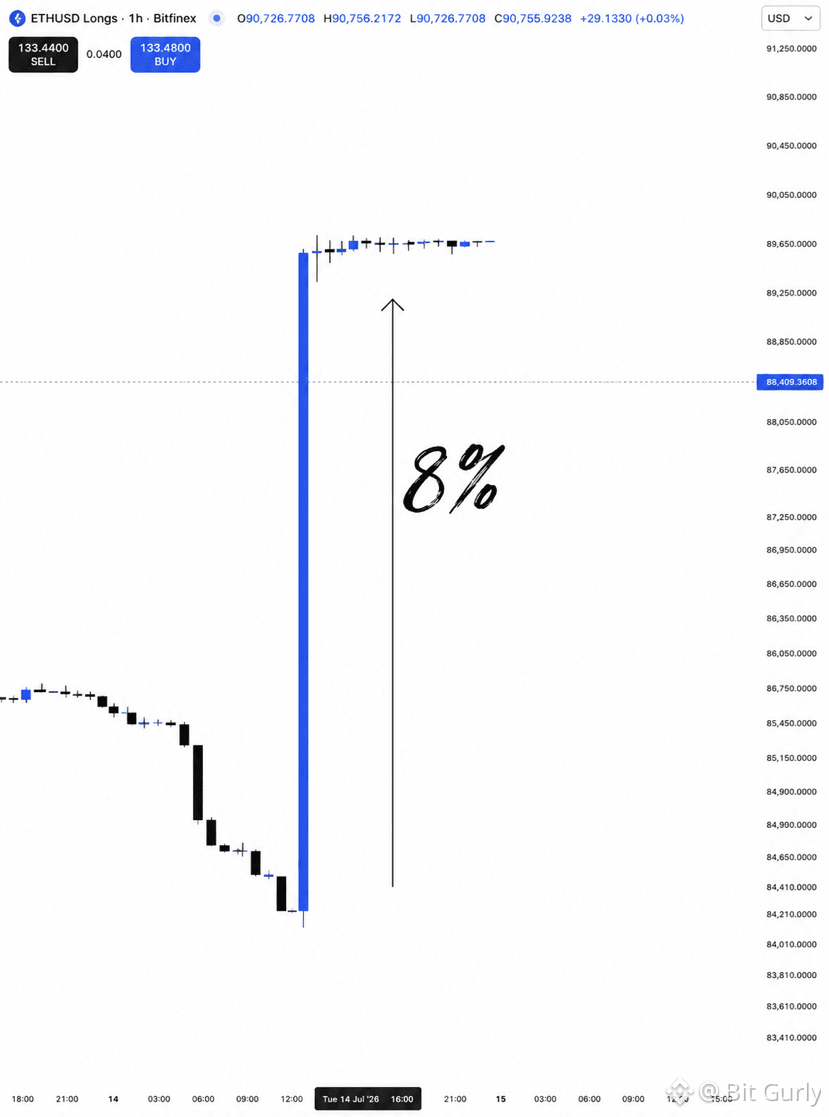
Bugun bitta harakatda Ethereum long-lari 8% ga sakradi.
Shu bilan birga, Tom Li tub allaqachon bo‘lib bo‘lgan bo‘lishi mumkin, deydi.
Tasodif bo‘lishi mumkin, lekin kimdir allaqachon nimadir biladi.
$ETH
{future}(ETHUSDT)
#FootballSeason2026 #JuneCPIFedHike20% #TrumpMeetsOnWiderIranOffensive
Bugun bitta harakatda Ethereum long-lari 8% ga sakradi.
Shu bilan birga, Tom Li tub allaqachon bo‘lib bo‘lgan bo‘lishi mumkin, deydi.
Tasodif bo‘lishi mumkin, lekin kimdir allaqachon nimadir biladi.
$ETH
#FootballSeason2026 #JuneCPIFedHike20% #TrumpMeetsOnWiderIranOffensive
Shu bilan birga, Tom Li tub allaqachon bo‘lib bo‘lgan bo‘lishi mumkin, deydi.
Tasodif bo‘lishi mumkin, lekin kimdir allaqachon nimadir biladi.
$ETH
#FootballSeason2026 #JuneCPIFedHike20% #TrumpMeetsOnWiderIranOffensive
28
1
86
163.1k
QADAB QO‘YILGAN
·
--
Pasayuvchi
Qisman to‘g‘ri
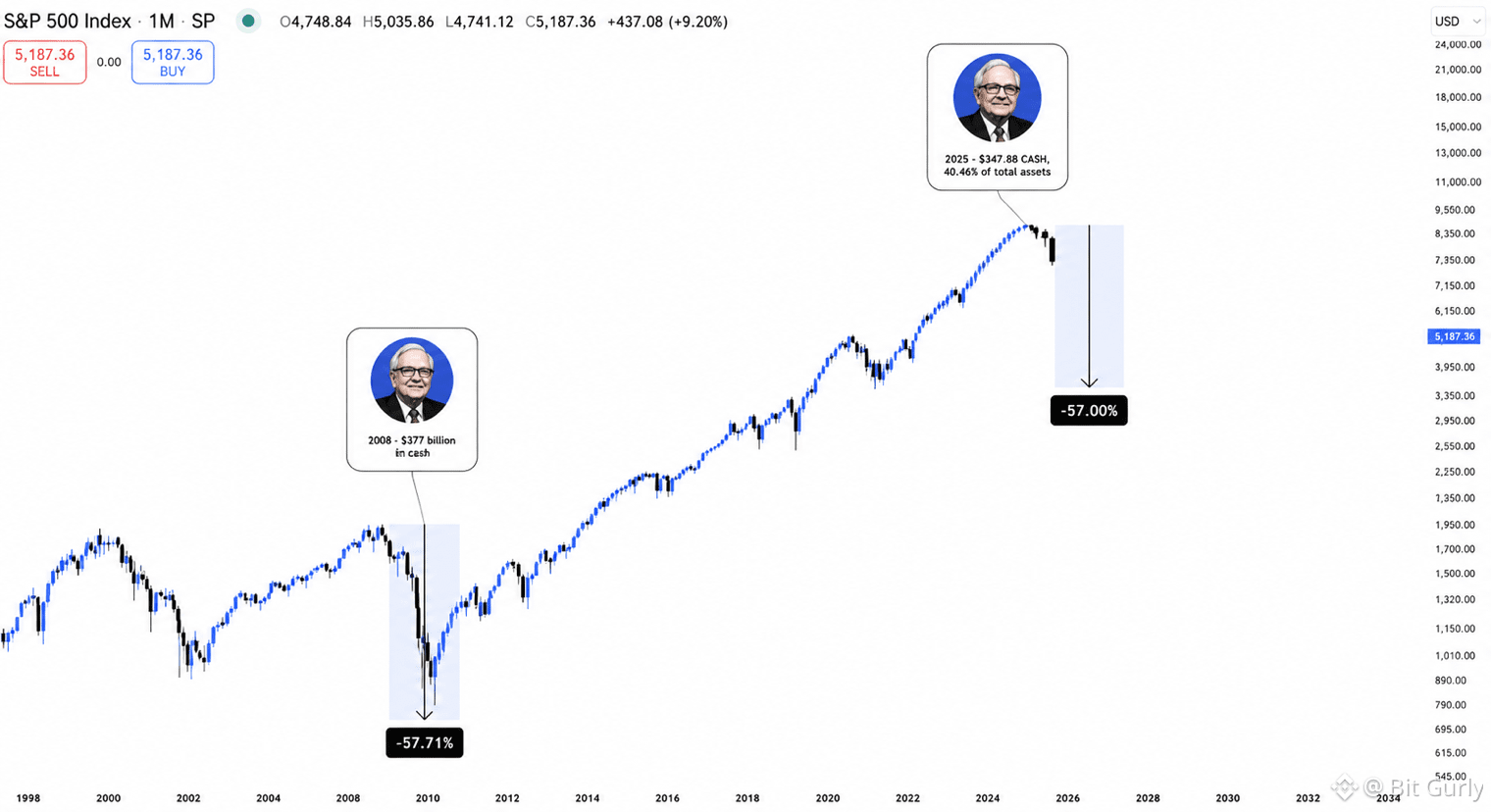
Warren Baffet qariyb 400 mlrd dollar naqd pulga o‘tiribdi va buni e’tiborsiz qoldirib bo‘lmaydi.
Berkshir bu qadar katta naqd pul uyumini oxirgi marta taxminan 2007–2008 yillarda yig‘gan edi. Bu halokat bo‘lishini kafolatlamaydi, lekin u Baffet hozirgi narxlardan quvishdan ko‘ra kutishda ko‘proq qiymat ko‘rayotganini anglatadi.
GM.
#S&P500 #BitcoinPlansECashHardFork #SpaceXAnthropicOpenAIIPOsMayTopVCExitsSince2000
Warren Baffet qariyb 400 mlrd dollar naqd pulga o‘tiribdi va buni e’tiborsiz qoldirib bo‘lmaydi.
Berkshir bu qadar katta naqd pul uyumini oxirgi marta taxminan 2007–2008 yillarda yig‘gan edi. Bu halokat bo‘lishini kafolatlamaydi, lekin u Baffet hozirgi narxlardan quvishdan ko‘ra kutishda ko‘proq qiymat ko‘rayotganini anglatadi.
GM.
#S&P500 #BitcoinPlansECashHardFork #SpaceXAnthropicOpenAIIPOsMayTopVCExitsSince2000
Berkshir bu qadar katta naqd pul uyumini oxirgi marta taxminan 2007–2008 yillarda yig‘gan edi. Bu halokat bo‘lishini kafolatlamaydi, lekin u Baffet hozirgi narxlardan quvishdan ko‘ra kutishda ko‘proq qiymat ko‘rayotganini anglatadi.
GM.
#S&P500 #BitcoinPlansECashHardFork #SpaceXAnthropicOpenAIIPOsMayTopVCExitsSince2000
16
3
63
79.6k
·
--
O‘suvchi
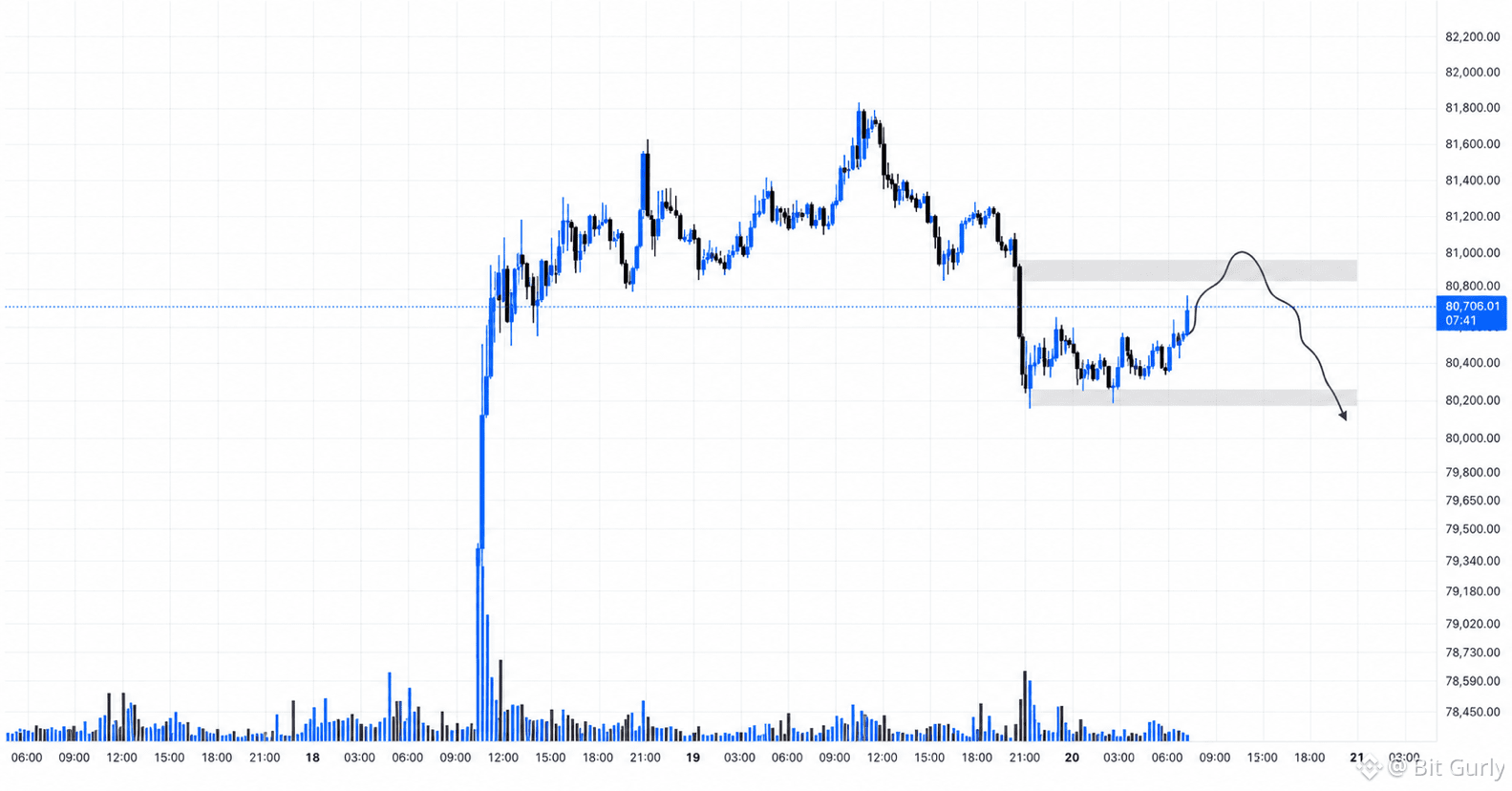
$BTC shunga o‘xshash bir harakat kutyapman.
dastlab yuqori diapazonga itarib kirish, keyin esa ehtimoliy rad etishning yana tayanch (support) tomonga qaytishini kutyapman.
hozircha kuzatayotganim shu setup.
{future}(BTCUSDT)
$BTC shunga o‘xshash bir harakat kutyapman.
dastlab yuqori diapazonga itarib kirish, keyin esa ehtimoliy rad etishning yana tayanch (support) tomonga qaytishini kutyapman.
hozircha kuzatayotganim shu setup.
dastlab yuqori diapazonga itarib kirish, keyin esa ehtimoliy rad etishning yana tayanch (support) tomonga qaytishini kutyapman.
hozircha kuzatayotganim shu setup.
364
·
--
$ETH
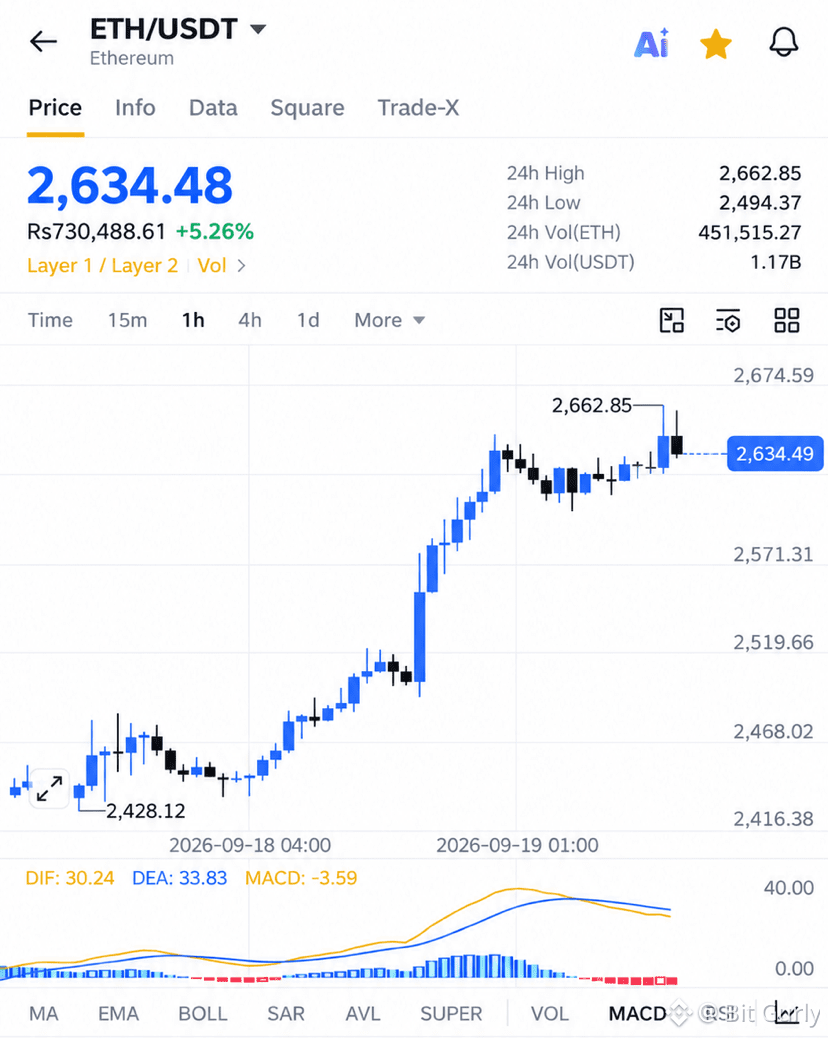
ethereum o‘z kuchini yanada ko‘proq ko‘rsatayotgandek.
$ETH 2,600 dollar ustidan chiqib, 2,662 dollarga tegdi va endi harakatni to‘liq orqaga qaytarmasdan $2,634 atrofida konsolidatsiya qilmoqda.
$2,570–$2,600 zonasi saqlanib tursa, tuzilma konstruktiv bo‘lib qoladi.
2,662 dollar ustidan aniq breakout bo‘lsa, keyingi bo‘lim yana kun tartibiga qaytadi.
{future}(ETHUSDT)
$ETH
ethereum o‘z kuchini yanada ko‘proq ko‘rsatayotgandek.
$ETH 2,600 dollar ustidan chiqib, 2,662 dollarga tegdi va endi harakatni to‘liq orqaga qaytarmasdan $2,634 atrofida konsolidatsiya qilmoqda.
$2,570–$2,600 zonasi saqlanib tursa, tuzilma konstruktiv bo‘lib qoladi.
2,662 dollar ustidan aniq breakout bo‘lsa, keyingi bo‘lim yana kun tartibiga qaytadi.
ethereum o‘z kuchini yanada ko‘proq ko‘rsatayotgandek.
$ETH 2,600 dollar ustidan chiqib, 2,662 dollarga tegdi va endi harakatni to‘liq orqaga qaytarmasdan $2,634 atrofida konsolidatsiya qilmoqda.
$2,570–$2,600 zonasi saqlanib tursa, tuzilma konstruktiv bo‘lib qoladi.
2,662 dollar ustidan aniq breakout bo‘lsa, keyingi bo‘lim yana kun tartibiga qaytadi.
1
775
·
--
O‘suvchi
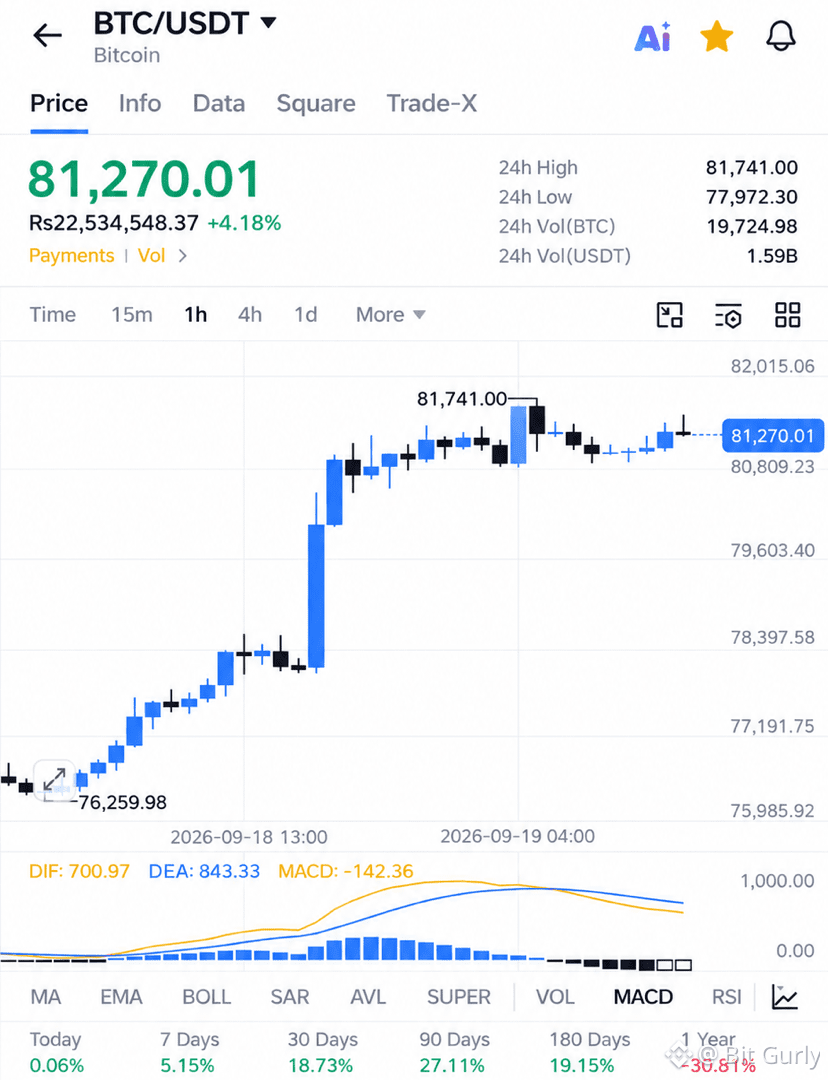
$BTC
bitcoin nihoyat $80k darajasidan o‘tib, hozir taxminan $81.2k atrofida ushlab turibdi.
eng qiziq tomoni shundaki, breakoutdan keyin narx unchalik ko‘p qaytarmayapti.
$81.7k — darhol qarshilik.
agar xaridorlar buni aniq kesib o‘tsa, impuls davom etishi mumkin.
$80.8k yo‘qolsa, harakat soviyotganining birinchi belgisi bo‘ladi.
{future}(BTCUSDT)
$BTC
bitcoin nihoyat $80k darajasidan o‘tib, hozir taxminan $81.2k atrofida ushlab turibdi.
eng qiziq tomoni shundaki, breakoutdan keyin narx unchalik ko‘p qaytarmayapti.
$81.7k — darhol qarshilik.
agar xaridorlar buni aniq kesib o‘tsa, impuls davom etishi mumkin.
$80.8k yo‘qolsa, harakat soviyotganining birinchi belgisi bo‘ladi.
bitcoin nihoyat $80k darajasidan o‘tib, hozir taxminan $81.2k atrofida ushlab turibdi.
eng qiziq tomoni shundaki, breakoutdan keyin narx unchalik ko‘p qaytarmayapti.
$81.7k — darhol qarshilik.
agar xaridorlar buni aniq kesib o‘tsa, impuls davom etishi mumkin.
$80.8k yo‘qolsa, harakat soviyotganining birinchi belgisi bo‘ladi.
365
·
--
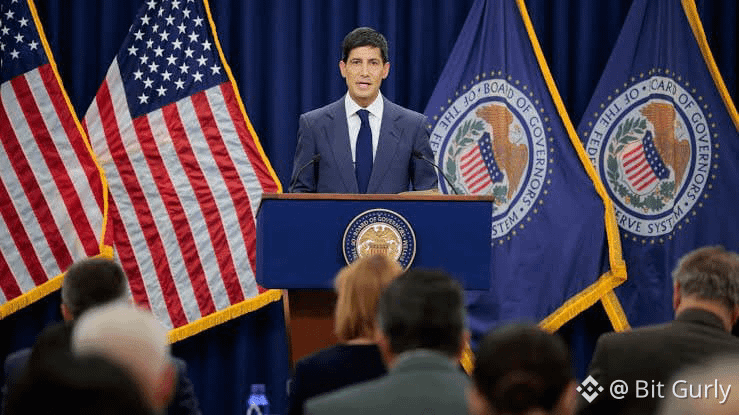
🚨 FOMC TODAY — 2:00 PM ET
Foiz stavkalari hozir 3.50%–3.75% darajasida, bozorlarda esa 25 bps ko‘tarilish bo‘yicha narxlanish mavjud: 3.75%–4.00%.
Nimalarga e’tibor qilyapman:
25 bps HIKE → $BTC va aksiyalarga bosim
HOLD → ehtimoliy yengillik bilan rally
CUT → risk-on kuchli harakat, ammo ehtimoldan yiroq
Qaror qabul qilinishi atrofida yuqori volatillikni kuting.
{future}(BTCUSDT)
#FOMC
🚨 FOMC TODAY — 2:00 PM ET
Foiz stavkalari hozir 3.50%–3.75% darajasida, bozorlarda esa 25 bps ko‘tarilish bo‘yicha narxlanish mavjud: 3.75%–4.00%.
Nimalarga e’tibor qilyapman:
25 bps HIKE → $BTC va aksiyalarga bosim
HOLD → ehtimoliy yengillik bilan rally
CUT → risk-on kuchli harakat, ammo ehtimoldan yiroq
Qaror qabul qilinishi atrofida yuqori volatillikni kuting.
#FOMC
Foiz stavkalari hozir 3.50%–3.75% darajasida, bozorlarda esa 25 bps ko‘tarilish bo‘yicha narxlanish mavjud: 3.75%–4.00%.
Nimalarga e’tibor qilyapman:
25 bps HIKE → $BTC va aksiyalarga bosim
HOLD → ehtimoliy yengillik bilan rally
CUT → risk-on kuchli harakat, ammo ehtimoldan yiroq
Qaror qabul qilinishi atrofida yuqori volatillikni kuting.
#FOMC
2
6
473
·
--
Pasayuvchi
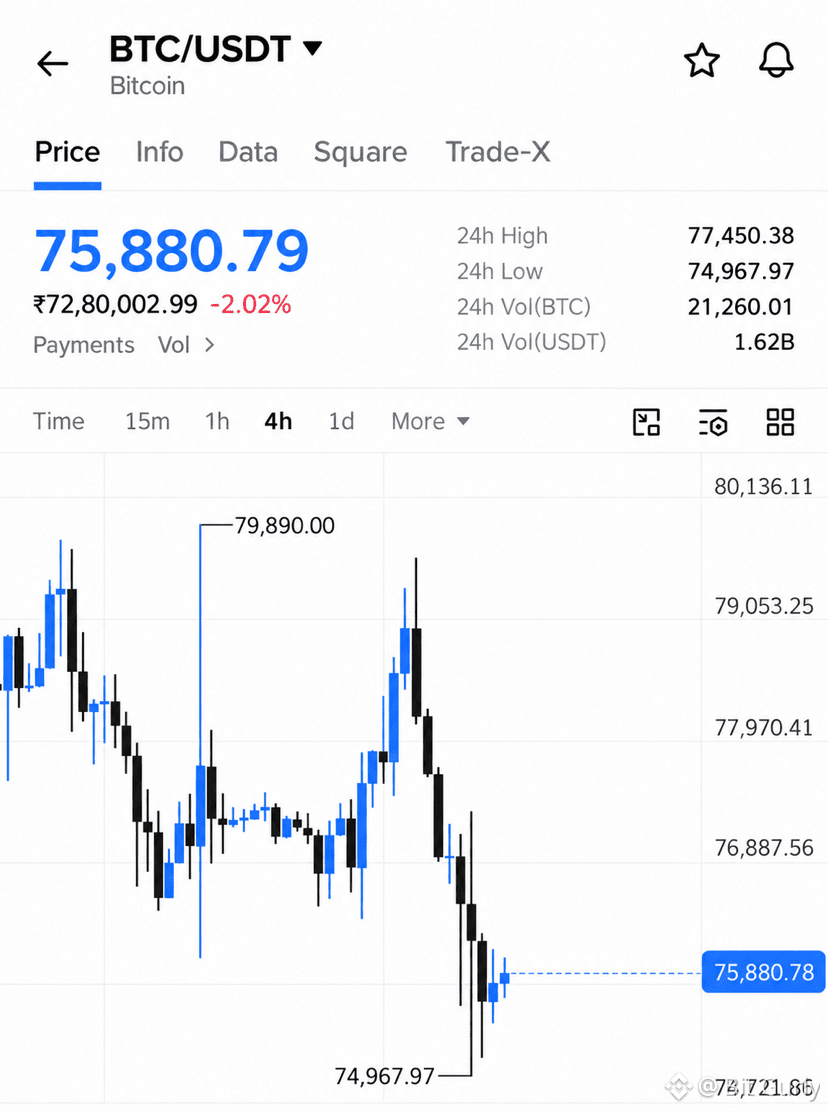
$BTC hali ham bu asosiy tayanchni ushlab turibdi.
4H shamlar doim uning ustida yopilsa, tuzilma saqlanib qoladi.
Ammo agar biz ushbu darajadan pastga toza 4H yopilishni olsak, men pastga qarab yana bir qadamga tayyor bo‘lardim.
Bu men hozir kuzatayotgan tayanch chizig‘i.
{future}(BTCUSDT)
$BTC hali ham bu asosiy tayanchni ushlab turibdi.
4H shamlar doim uning ustida yopilsa, tuzilma saqlanib qoladi.
Ammo agar biz ushbu darajadan pastga toza 4H yopilishni olsak, men pastga qarab yana bir qadamga tayyor bo‘lardim.
Bu men hozir kuzatayotgan tayanch chizig‘i.
4H shamlar doim uning ustida yopilsa, tuzilma saqlanib qoladi.
Ammo agar biz ushbu darajadan pastga toza 4H yopilishni olsak, men pastga qarab yana bir qadamga tayyor bo‘lardim.
Bu men hozir kuzatayotgan tayanch chizig‘i.
2
3
321
·
--
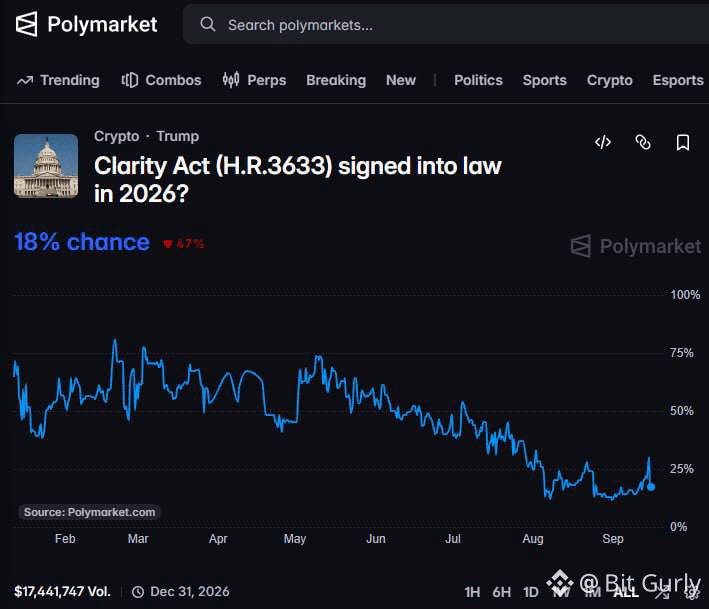
CLARITY qonuni bo‘yicha ehtimollar 18% gacha qulaydi, chunki demokratlar GOPning yakuniy kripto taklifini rad etadi
#CLARITYAct
CLARITY qonuni bo‘yicha ehtimollar 18% gacha qulaydi, chunki demokratlar GOPning yakuniy kripto taklifini rad etadi
#CLARITYAct
#CLARITYAct
1
3
487
·
--
CLARITY qonuni bo‘yicha ovoz bugun diqqat markazida 🇺🇸
Ijobiy natija AQShda kripto qoidalarini yanada ravshanroq qilish yo‘lida katta qadam bo‘lishi mumkin.
Bu $BTC , $ETH , $XRP va kengroq bozor uchun muhim bo‘lishi mumkin.
CLARITY Act oldinga siljiydimi?
{spot}(ETHUSDT)
{spot}(BTCUSDT)
#ClarityAct
CLARITY qonuni bo‘yicha ovoz bugun diqqat markazida 🇺🇸
Ijobiy natija AQShda kripto qoidalarini yanada ravshanroq qilish yo‘lida katta qadam bo‘lishi mumkin.
Bu $BTC , $ETH , $XRP va kengroq bozor uchun muhim bo‘lishi mumkin.
CLARITY Act oldinga siljiydimi?
#ClarityAct
Ijobiy natija AQShda kripto qoidalarini yanada ravshanroq qilish yo‘lida katta qadam bo‘lishi mumkin.
Bu $BTC , $ETH , $XRP va kengroq bozor uchun muhim bo‘lishi mumkin.
CLARITY Act oldinga siljiydimi?
#ClarityAct
🟢 YES — Bullish
72%
🔴 NO — More delay
22%
⚪ NOT SURE
6%
100 Ovozlar • Ovoz berish yopildi
2
1
1.5k
·
--
O‘suvchi
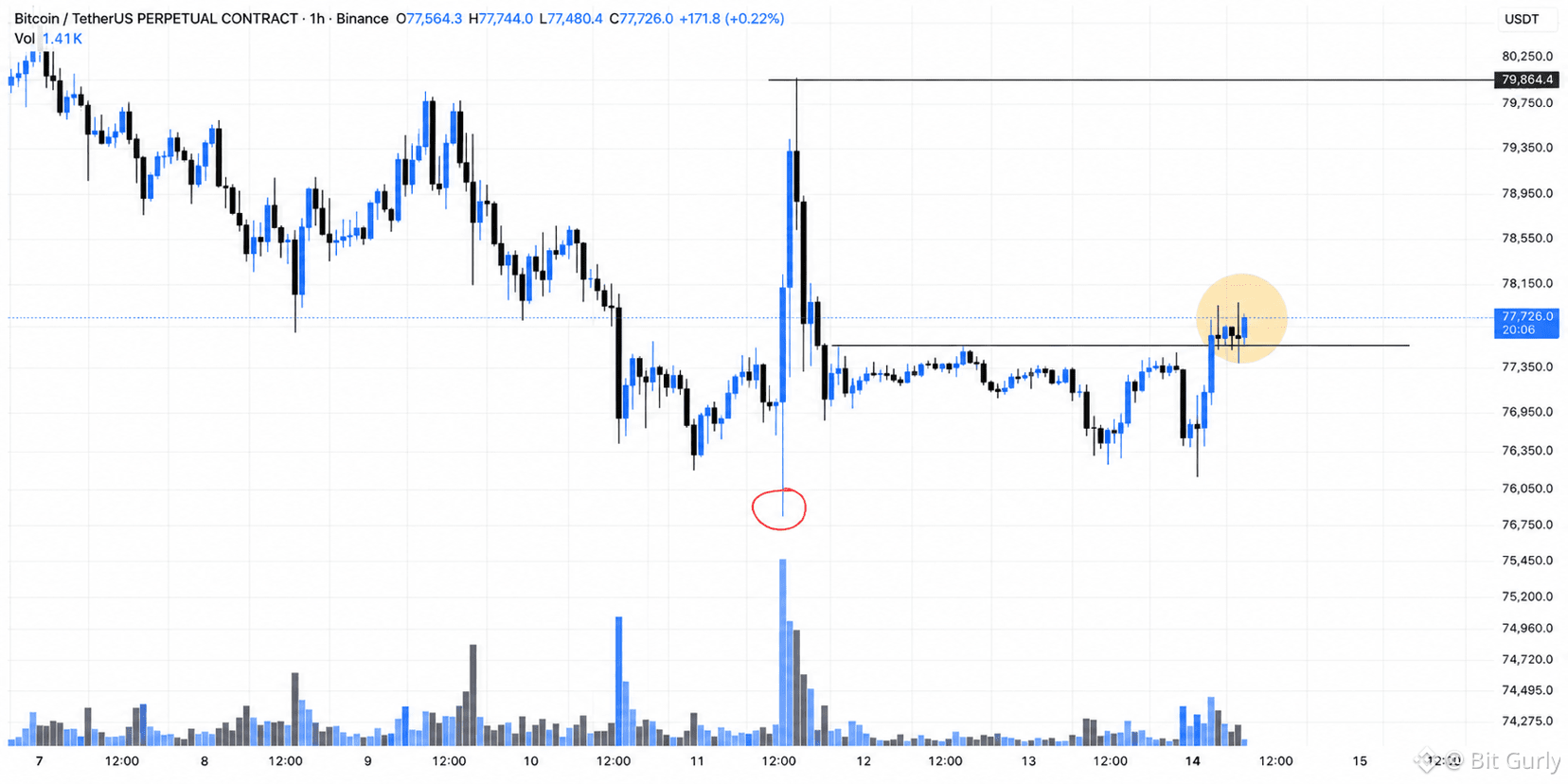
$BTC qisqa muddatli tendentsiyani ag‘darishga astoydil urinmoqda 🔥
Narx yaqinda bo‘lgan diapazondan yana yuqoriga qaytayapti va endi bu zona muhim ahamiyat kasb etmoqda.
Agar bu yerda buqalar ushlab tura olsalar va harakat kuchaysa, struktura ancha kuchliroq ko‘rina boshlaydi.
Hozircha men aynan shu darajani diqqat bilan kuzatayapman.
{future}(BTCUSDT)
$BTC qisqa muddatli tendentsiyani ag‘darishga astoydil urinmoqda 🔥
Narx yaqinda bo‘lgan diapazondan yana yuqoriga qaytayapti va endi bu zona muhim ahamiyat kasb etmoqda.
Agar bu yerda buqalar ushlab tura olsalar va harakat kuchaysa, struktura ancha kuchliroq ko‘rina boshlaydi.
Hozircha men aynan shu darajani diqqat bilan kuzatayapman.
Narx yaqinda bo‘lgan diapazondan yana yuqoriga qaytayapti va endi bu zona muhim ahamiyat kasb etmoqda.
Agar bu yerda buqalar ushlab tura olsalar va harakat kuchaysa, struktura ancha kuchliroq ko‘rina boshlaydi.
Hozircha men aynan shu darajani diqqat bilan kuzatayapman.
411
·
--
O‘suvchi
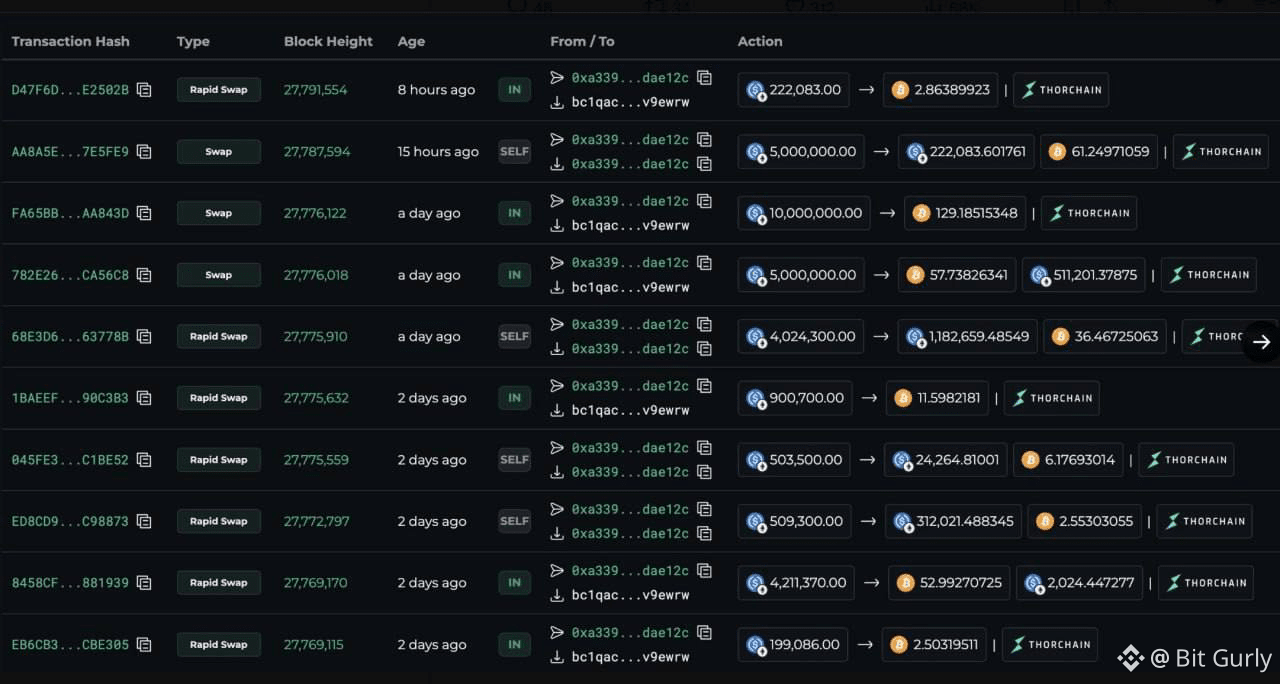
Dengiz cho‘chqasi **to‘rt kun ichida 1,000+ BTCni sokinlik bilan yutib yuborayotgani** men e’tibor beradigan oqim turi.
Bu taxminan **250 BTC/kun** o‘rtacha sur’at bilan to‘plangan **82 mln dollar atrofidagi Bitcoin** degani.
Qiziq tomoni faqat hajmda emas.
Gap vaqtning o‘zida.
BTC hali ham yaqinda ko‘rilgan eng yuqori ko‘rsatkichlar ostida savdolashmoqda, kayfiyat aralash, makro noaniqlik esa hali ham yuqori — shunga qaramay, katta xaridorlar mukammal sharoitni kutib o‘tirmay, baribir kirib kelmoqda.
Bu darhol keskin o‘sish kafolatini bermaydi.
Ammo katta hamyonlar zaiflik paytida ham sotib olishni davom ettirsa, odatda bitta narsani aytadi:
**kimdir keyingi shamdan ham narini o‘ylayapti.**
Agar bu to‘planish BTC muhim tayanch darajasini ushlab turgan paytda davom etsa, hozirgi darajalarda mavjud bo‘lgan taklif tezda siqilib qolishi mumkin.
Kitlar har doim ham vaqtni to‘g‘ri tanlay olmaydi.
Lekin noaniq sharoitlar ichida uzoq muddatli to‘planish — men buni kamdan-kam e’tiborsiz qoldiraman.
#Bitcoin❗ #BTC #Crypto
Dengiz cho‘chqasi **to‘rt kun ichida 1,000+ BTCni sokinlik bilan yutib yuborayotgani** men e’tibor beradigan oqim turi.
Bu taxminan **250 BTC/kun** o‘rtacha sur’at bilan to‘plangan **82 mln dollar atrofidagi Bitcoin** degani.
Qiziq tomoni faqat hajmda emas.
Gap vaqtning o‘zida.
BTC hali ham yaqinda ko‘rilgan eng yuqori ko‘rsatkichlar ostida savdolashmoqda, kayfiyat aralash, makro noaniqlik esa hali ham yuqori — shunga qaramay, katta xaridorlar mukammal sharoitni kutib o‘tirmay, baribir kirib kelmoqda.
Bu darhol keskin o‘sish kafolatini bermaydi.
Ammo katta hamyonlar zaiflik paytida ham sotib olishni davom ettirsa, odatda bitta narsani aytadi:
**kimdir keyingi shamdan ham narini o‘ylayapti.**
Agar bu to‘planish BTC muhim tayanch darajasini ushlab turgan paytda davom etsa, hozirgi darajalarda mavjud bo‘lgan taklif tezda siqilib qolishi mumkin.
Kitlar har doim ham vaqtni to‘g‘ri tanlay olmaydi.
Lekin noaniq sharoitlar ichida uzoq muddatli to‘planish — men buni kamdan-kam e’tiborsiz qoldiraman.
#Bitcoin❗ #BTC #Crypto
Bu taxminan **250 BTC/kun** o‘rtacha sur’at bilan to‘plangan **82 mln dollar atrofidagi Bitcoin** degani.
Qiziq tomoni faqat hajmda emas.
Gap vaqtning o‘zida.
BTC hali ham yaqinda ko‘rilgan eng yuqori ko‘rsatkichlar ostida savdolashmoqda, kayfiyat aralash, makro noaniqlik esa hali ham yuqori — shunga qaramay, katta xaridorlar mukammal sharoitni kutib o‘tirmay, baribir kirib kelmoqda.
Bu darhol keskin o‘sish kafolatini bermaydi.
Ammo katta hamyonlar zaiflik paytida ham sotib olishni davom ettirsa, odatda bitta narsani aytadi:
**kimdir keyingi shamdan ham narini o‘ylayapti.**
Agar bu to‘planish BTC muhim tayanch darajasini ushlab turgan paytda davom etsa, hozirgi darajalarda mavjud bo‘lgan taklif tezda siqilib qolishi mumkin.
Kitlar har doim ham vaqtni to‘g‘ri tanlay olmaydi.
Lekin noaniq sharoitlar ichida uzoq muddatli to‘planish — men buni kamdan-kam e’tiborsiz qoldiraman.
#Bitcoin❗ #BTC #Crypto
4
5
2.2k
·
--
Pasayuvchi
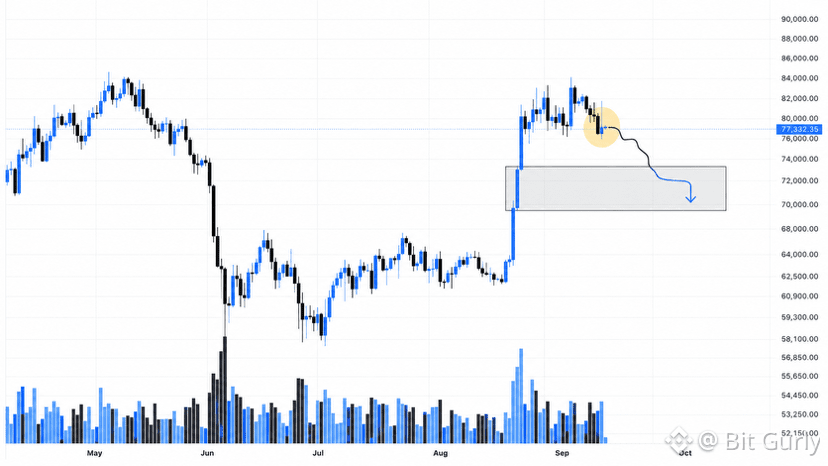
$BTC will tez orada ushbu zonani kunlik grafikda to‘ldiradi 🔴
{future}(BTCUSDT)
$BTC will tez orada ushbu zonani kunlik grafikda to‘ldiradi 🔴
1
299
·
--
O‘suvchi
Tasdiqlangan
Men bu Fed setupini diqqat bilan kuzatib kelayapman, va mehnat bozori + inflyatsiya kombinatsiyasi endi e’tibordan chetda qoldirish qiyinroq ko‘rinmoqda.
Avgustdagi ish o‘rinlari bo‘yicha hisobot 162 mingni ko‘rsatdi, kutilgan taxminan 56 mingdan ancha yuqori, ishsizlik esa 4.1% da qoldi. Bu esa Fedning ehtiyotkor bo‘lib turishi kerak degan bahsning bir qismini allaqachon olib tashlagan.
Endi esa CPI yana bir qatlam qo‘shdi.
Sarlavhali inflyatsiya YoY bo‘yicha 3.4% chiqdi, narxlar esa MoM 0.4% ga oshdi. Yadro CPI ham MoM 0.3% ga ko‘tarilib, inflyatsiya bosimi saqlanib qolayotganini ko‘rsatdi. Bozorlar hozir sentabr oyida foiz stavkasini oshirish ehtimoli juda yuqori ekanini narxlarga kiritmoqda.
Mening fikrimcha, bu automatik tarzda “hamma narsaga ayiqcha” (bearish) degani emas.
Yuqoriroq foiz stavkalari riskli aktivlar uchun to‘siq, ammo asosiy signal shuki, mehnat bozori hali ham barqaror turgan paytda Fedning surunkali inflyatsiyani e’tiborsiz qoldirish uchun nafasi kamroq bo‘lishi mumkin.
Bu meni yuqori beta (yuqori riskli) aksiyalarga nisbatan ehtiyotkorroq qiladi, oltin esa men ko‘proq e’tibor berayotgan aktiv bo‘lib qolmoqda — chunki inflyatsiya, geosiyosiy risk va stavkalar bo‘yicha kutishlar turli yo‘nalishlarda tortmoqda.
Men uchun keyingi qadam bitta CPI shamini quvishdan ko‘ra, bozorlar 16-sentabr kuni Fed qarorini qanday qayta narxlayotganiga bog‘liq.
#CPIWatch
Men bu Fed setupini diqqat bilan kuzatib kelayapman, va mehnat bozori + inflyatsiya kombinatsiyasi endi e’tibordan chetda qoldirish qiyinroq ko‘rinmoqda.
Avgustdagi ish o‘rinlari bo‘yicha hisobot 162 mingni ko‘rsatdi, kutilgan taxminan 56 mingdan ancha yuqori, ishsizlik esa 4.1% da qoldi. Bu esa Fedning ehtiyotkor bo‘lib turishi kerak degan bahsning bir qismini allaqachon olib tashlagan.
Endi esa CPI yana bir qatlam qo‘shdi.
Sarlavhali inflyatsiya YoY bo‘yicha 3.4% chiqdi, narxlar esa MoM 0.4% ga oshdi. Yadro CPI ham MoM 0.3% ga ko‘tarilib, inflyatsiya bosimi saqlanib qolayotganini ko‘rsatdi. Bozorlar hozir sentabr oyida foiz stavkasini oshirish ehtimoli juda yuqori ekanini narxlarga kiritmoqda.
Mening fikrimcha, bu automatik tarzda “hamma narsaga ayiqcha” (bearish) degani emas.
Yuqoriroq foiz stavkalari riskli aktivlar uchun to‘siq, ammo asosiy signal shuki, mehnat bozori hali ham barqaror turgan paytda Fedning surunkali inflyatsiyani e’tiborsiz qoldirish uchun nafasi kamroq bo‘lishi mumkin.
Bu meni yuqori beta (yuqori riskli) aksiyalarga nisbatan ehtiyotkorroq qiladi, oltin esa men ko‘proq e’tibor berayotgan aktiv bo‘lib qolmoqda — chunki inflyatsiya, geosiyosiy risk va stavkalar bo‘yicha kutishlar turli yo‘nalishlarda tortmoqda.
Men uchun keyingi qadam bitta CPI shamini quvishdan ko‘ra, bozorlar 16-sentabr kuni Fed qarorini qanday qayta narxlayotganiga bog‘liq.
#CPIWatch
Avgustdagi ish o‘rinlari bo‘yicha hisobot 162 mingni ko‘rsatdi, kutilgan taxminan 56 mingdan ancha yuqori, ishsizlik esa 4.1% da qoldi. Bu esa Fedning ehtiyotkor bo‘lib turishi kerak degan bahsning bir qismini allaqachon olib tashlagan.
Endi esa CPI yana bir qatlam qo‘shdi.
Sarlavhali inflyatsiya YoY bo‘yicha 3.4% chiqdi, narxlar esa MoM 0.4% ga oshdi. Yadro CPI ham MoM 0.3% ga ko‘tarilib, inflyatsiya bosimi saqlanib qolayotganini ko‘rsatdi. Bozorlar hozir sentabr oyida foiz stavkasini oshirish ehtimoli juda yuqori ekanini narxlarga kiritmoqda.
Mening fikrimcha, bu automatik tarzda “hamma narsaga ayiqcha” (bearish) degani emas.
Yuqoriroq foiz stavkalari riskli aktivlar uchun to‘siq, ammo asosiy signal shuki, mehnat bozori hali ham barqaror turgan paytda Fedning surunkali inflyatsiyani e’tiborsiz qoldirish uchun nafasi kamroq bo‘lishi mumkin.
Bu meni yuqori beta (yuqori riskli) aksiyalarga nisbatan ehtiyotkorroq qiladi, oltin esa men ko‘proq e’tibor berayotgan aktiv bo‘lib qolmoqda — chunki inflyatsiya, geosiyosiy risk va stavkalar bo‘yicha kutishlar turli yo‘nalishlarda tortmoqda.
Men uchun keyingi qadam bitta CPI shamini quvishdan ko‘ra, bozorlar 16-sentabr kuni Fed qarorini qanday qayta narxlayotganiga bog‘liq.
#CPIWatch
29
37
5.3k
·
--
O‘suvchi
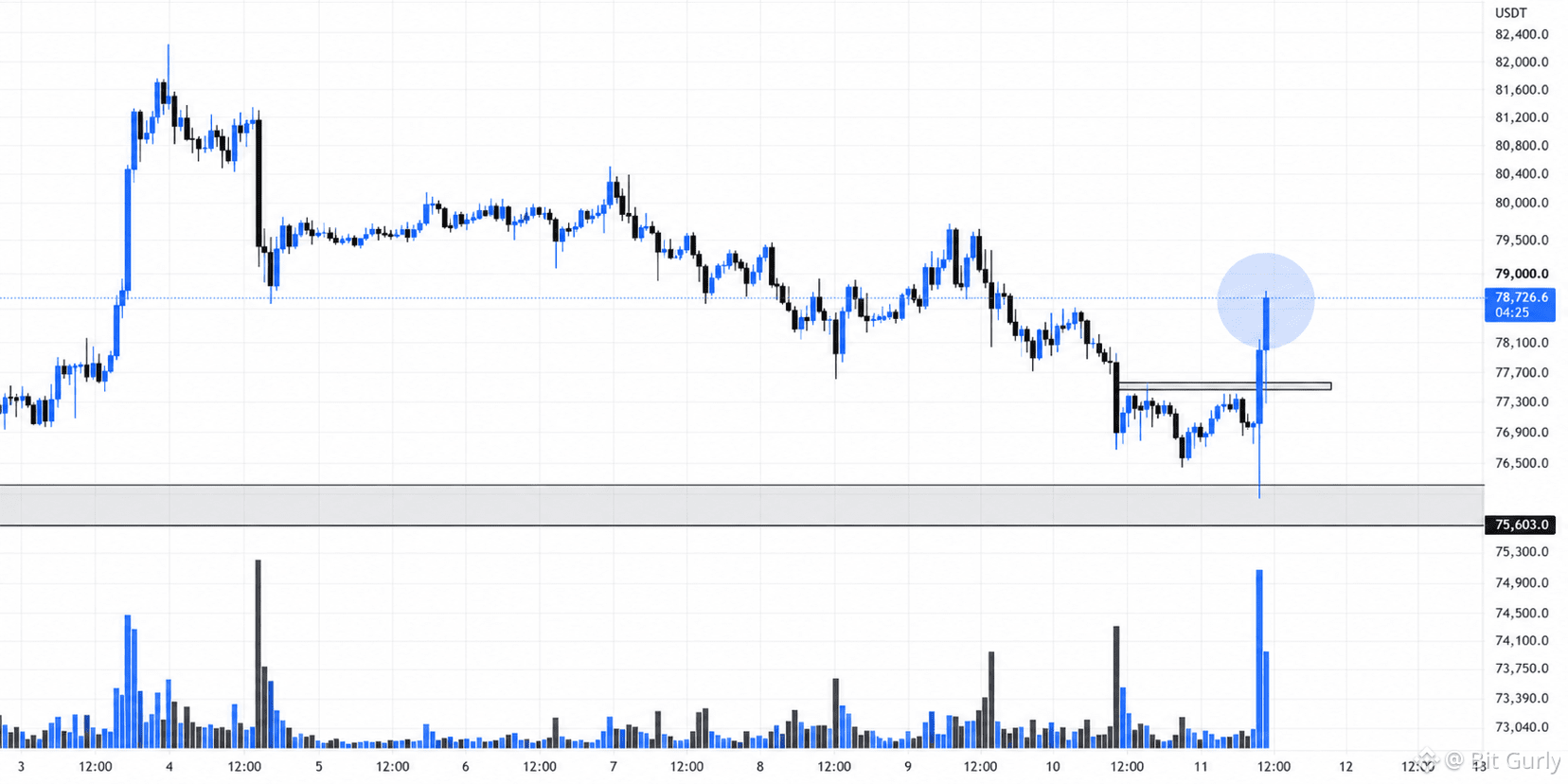
$BTC 1H strukturasini yana ko‘tarilish tendensiyasi tomon siljita boshladi. 🔥
Muhim harakat faqat $76K atrofidagi qaytish bo‘lmadi — BTC kuchli kengayish (expansion) shamchasi va sezilarli hajm bilan $77.4K–$77.6K atrofidagi lokal qarshilikni qayta egalladi.
Endi eng muhim narsa — shu breakout’ni ushlab qolish, uni darhol uning ostiga qaytib tushmaslik.
Agar $77.5K tayanch (support) sifatida ishlay boshlasa, tuzilma $79K tomonga va keyin esa avvalgi 1H supply’ga (taklif zonasi) joy ochadi.
Men uchun bu xaridorlar qisqa muddatli strukturani yana o‘z nazoratiga olayotganining birinchi mazmunli signalidir.
Faqat ta’lim maqsadida, moliyaviy maslahat emas.
{future}(BTCUSDT)
$BTC 1H strukturasini yana ko‘tarilish tendensiyasi tomon siljita boshladi. 🔥
Muhim harakat faqat $76K atrofidagi qaytish bo‘lmadi — BTC kuchli kengayish (expansion) shamchasi va sezilarli hajm bilan $77.4K–$77.6K atrofidagi lokal qarshilikni qayta egalladi.
Endi eng muhim narsa — shu breakout’ni ushlab qolish, uni darhol uning ostiga qaytib tushmaslik.
Agar $77.5K tayanch (support) sifatida ishlay boshlasa, tuzilma $79K tomonga va keyin esa avvalgi 1H supply’ga (taklif zonasi) joy ochadi.
Men uchun bu xaridorlar qisqa muddatli strukturani yana o‘z nazoratiga olayotganining birinchi mazmunli signalidir.
Faqat ta’lim maqsadida, moliyaviy maslahat emas.
Muhim harakat faqat $76K atrofidagi qaytish bo‘lmadi — BTC kuchli kengayish (expansion) shamchasi va sezilarli hajm bilan $77.4K–$77.6K atrofidagi lokal qarshilikni qayta egalladi.
Endi eng muhim narsa — shu breakout’ni ushlab qolish, uni darhol uning ostiga qaytib tushmaslik.
Agar $77.5K tayanch (support) sifatida ishlay boshlasa, tuzilma $79K tomonga va keyin esa avvalgi 1H supply’ga (taklif zonasi) joy ochadi.
Men uchun bu xaridorlar qisqa muddatli strukturani yana o‘z nazoratiga olayotganining birinchi mazmunli signalidir.
Faqat ta’lim maqsadida, moliyaviy maslahat emas.
2
884
·
--
Pasayuvchi
Tasdiqlangan
🇺🇸 AQSh PPI ma’lumotlari ET bo‘yicha soat 8:30 da e’lon qilinadi, AQSh bozori ochilishidan oldin:
Agar PPI < 5.1% bo‘lsa → bozorlar uchun bullish
Agar PPI = 5.3% bo‘lsa → bozorlar yassi holatda qoladi
Agar PPI > 5.5% bo‘lsa → bozorlar uchun bearish
$BTC
{future}(BTCUSDT)
$ETH
{future}(ETHUSDT)
🇺🇸 AQSh PPI ma’lumotlari ET bo‘yicha soat 8:30 da e’lon qilinadi, AQSh bozori ochilishidan oldin:
Agar PPI < 5.1% bo‘lsa → bozorlar uchun bullish
Agar PPI = 5.3% bo‘lsa → bozorlar yassi holatda qoladi
Agar PPI > 5.5% bo‘lsa → bozorlar uchun bearish
$BTC
$ETH
Agar PPI < 5.1% bo‘lsa → bozorlar uchun bullish
Agar PPI = 5.3% bo‘lsa → bozorlar yassi holatda qoladi
Agar PPI > 5.5% bo‘lsa → bozorlar uchun bearish
$BTC
$ETH
1
4
1.1k
·
--
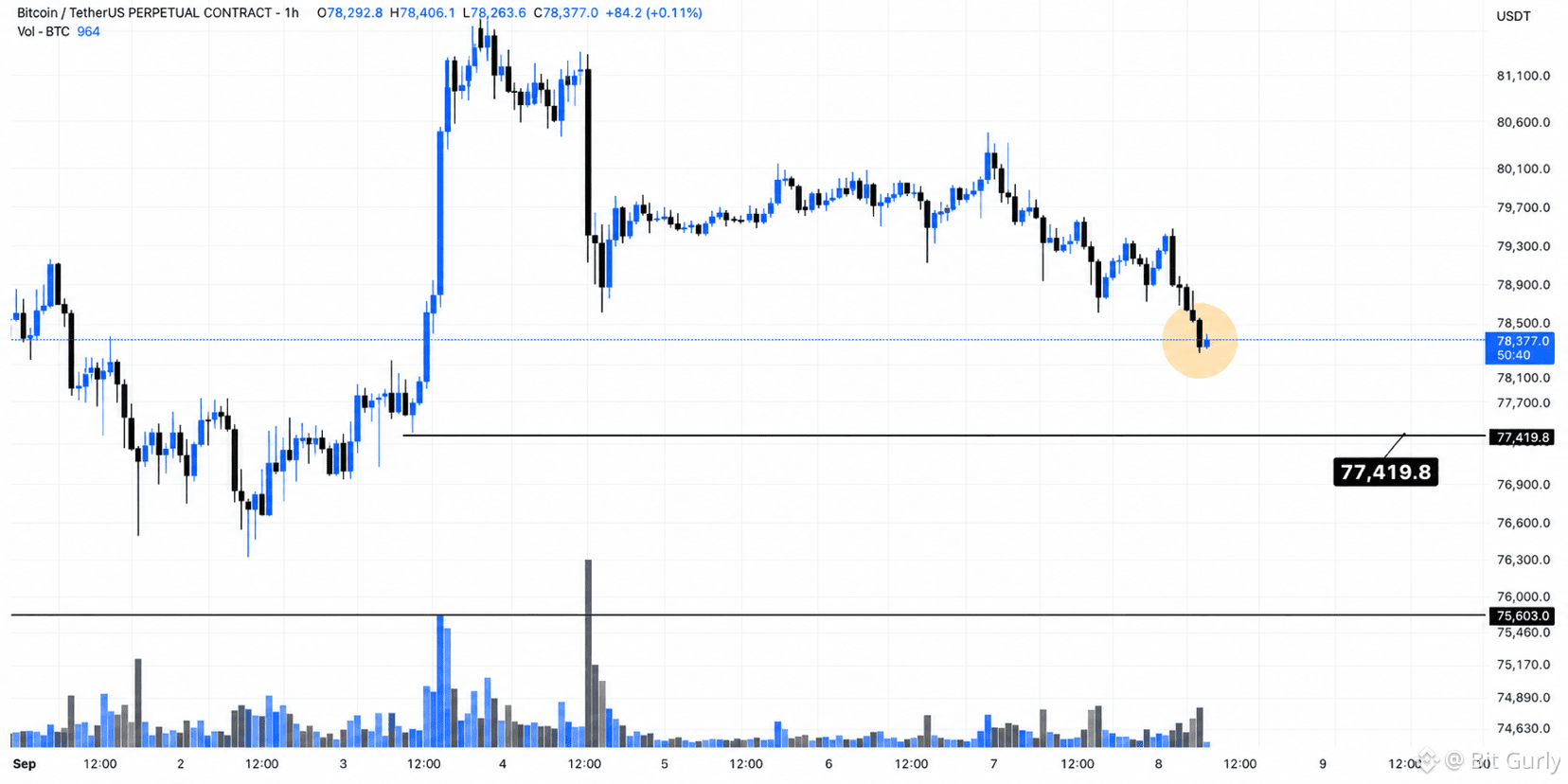
$BTC kritik 77,4 ming $lik tayanch zonada o‘tiribdi.
Uni toza yo‘qotilsa, pasayish tezlashishi mumkin.
{future}(BTCUSDT)
#DowFallsOver600Points
$BTC kritik 77,4 ming $lik tayanch zonada o‘tiribdi.
Uni toza yo‘qotilsa, pasayish tezlashishi mumkin.
#DowFallsOver600Points
Uni toza yo‘qotilsa, pasayish tezlashishi mumkin.
#DowFallsOver600Points
2
2
904
·
--
Tasdiqlangan
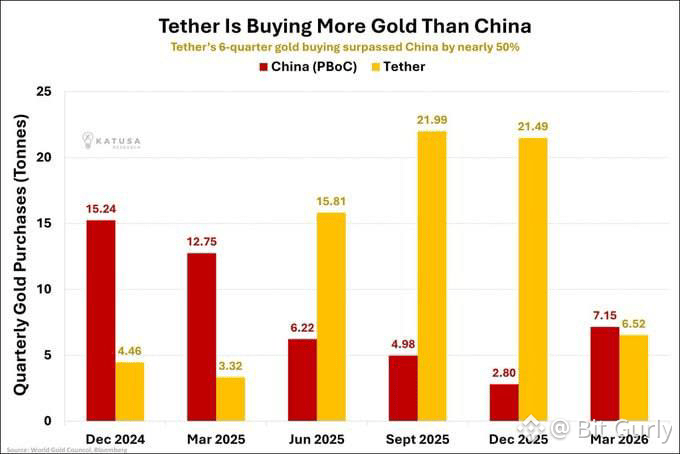
Tether so‘nggi olti chorak ichida Xitoyga qaraganda qariyb 50% ko‘proq oltin sotib oldi.
Endi kripto kompaniyasi markaziy bank kabi oltin xarid qilmoqda. 🤔
Tether so‘nggi olti chorak ichida Xitoyga qaraganda qariyb 50% ko‘proq oltin sotib oldi.
Endi kripto kompaniyasi markaziy bank kabi oltin xarid qilmoqda. 🤔
Endi kripto kompaniyasi markaziy bank kabi oltin xarid qilmoqda. 🤔
2
1k
·
--
O‘suvchi
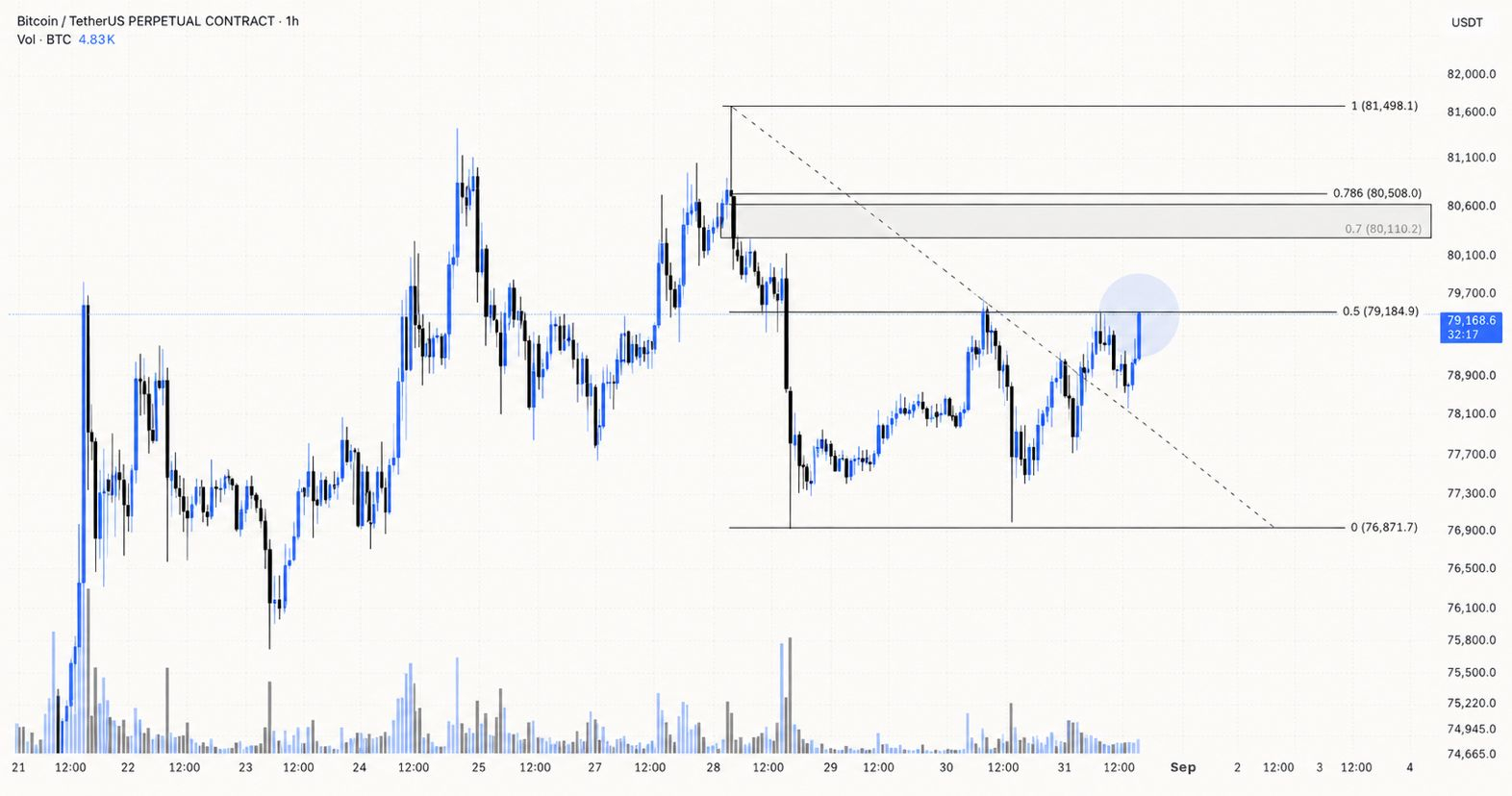
$BTC $80K–$80.5K atrofidagi muhim qarshilik zonasiga yaqinlashmoqda, u yerda order bloki kuchli Fibonacci darajasiga tutashadi.
Bu yerda bo‘ladigan reaksiya keyingi qisqa muddatli harakatni belgilab berishi mumkin. 👀
{future}(BTCUSDT)
$BTC $80K–$80.5K atrofidagi muhim qarshilik zonasiga yaqinlashmoqda, u yerda order bloki kuchli Fibonacci darajasiga tutashadi.
Bu yerda bo‘ladigan reaksiya keyingi qisqa muddatli harakatni belgilab berishi mumkin. 👀
Bu yerda bo‘ladigan reaksiya keyingi qisqa muddatli harakatni belgilab berishi mumkin. 👀
1
786
·
--
O‘suvchi
Chakana savdo ikkilanayotgan bir paytda, institutional “kitlar” urib kiryapti 🚨
Bugun bitta institut tomonidan 37.66 mln+ inETH sotib olindi.
Katta pullar “dip”ni olganida, siz e’tibor berasiz.
Haftaning qolgan qismida $ETH ga nisbatan buqami yoki ayiqmi?
{future}(ETHUSDT)
#BitcoinUp23%InAugustOutperformingGoldAndStocks
Chakana savdo ikkilanayotgan bir paytda, institutional “kitlar” urib kiryapti 🚨
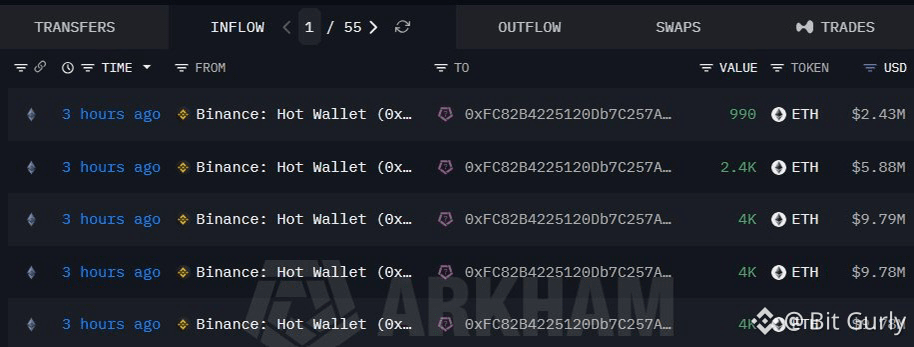
Bugun bitta institut tomonidan 37.66 mln+ inETH sotib olindi.
Katta pullar “dip”ni olganida, siz e’tibor berasiz.
Haftaning qolgan qismida $ETH ga nisbatan buqami yoki ayiqmi?
#BitcoinUp23%InAugustOutperformingGoldAndStocks
Bugun bitta institut tomonidan 37.66 mln+ inETH sotib olindi.
Katta pullar “dip”ni olganida, siz e’tibor berasiz.
Haftaning qolgan qismida $ETH ga nisbatan buqami yoki ayiqmi?
#BitcoinUp23%InAugustOutperformingGoldAndStocks
2
2
2.4k
·
--
O‘suvchi
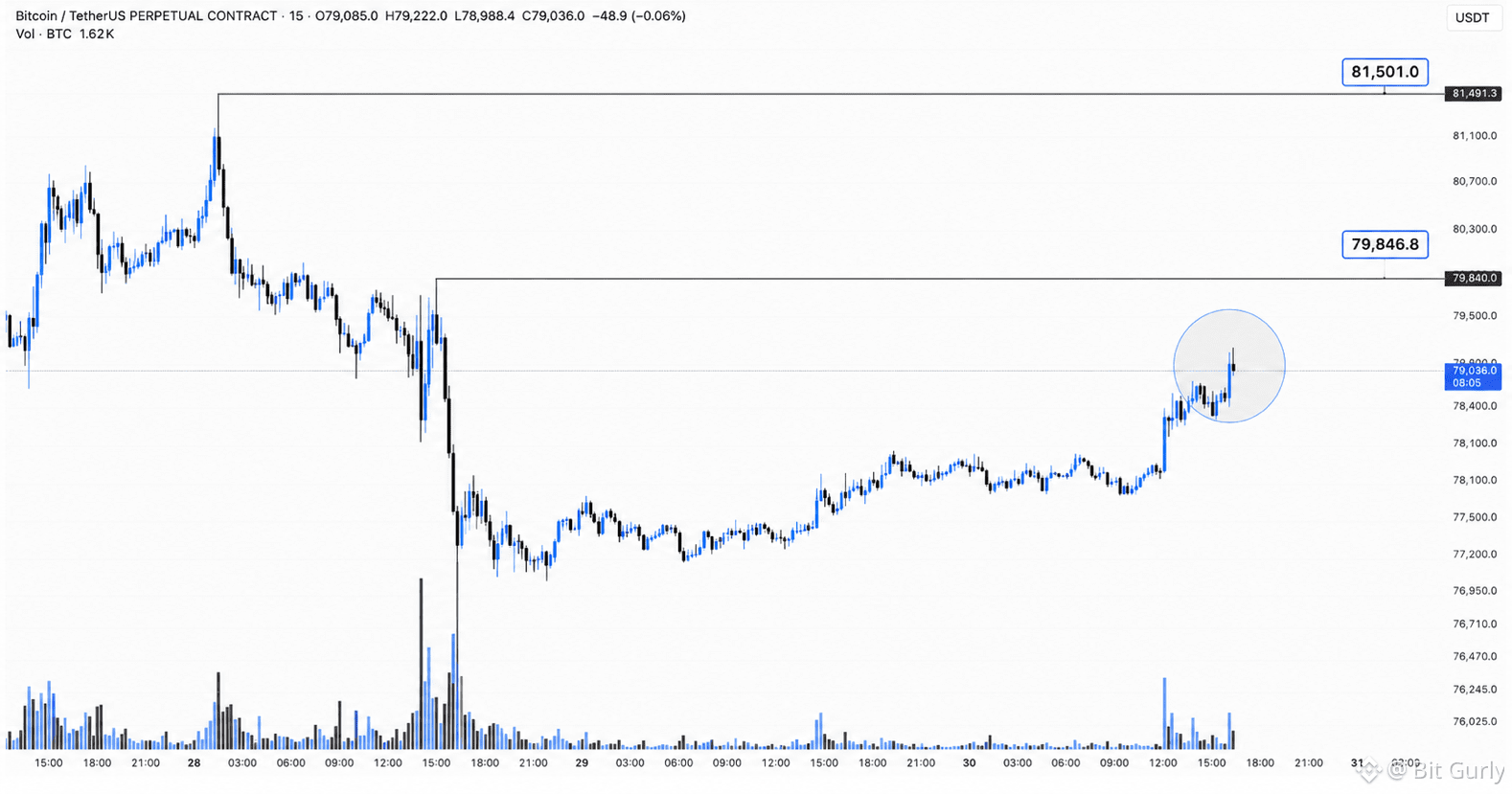
$BTC oldinda ikkita muhim daraja bor ✅
Birinchi qarshilik: $79,846
Asosiy qarshilik: $81,501
Birinchi darajadan yuqorida toza tanaffus bo‘lsa, yo‘l $81.5K tomon ochilishi mumkin.
Hozircha, reaksiyani diqqat bilan kuzating. 👀
NFA. DYOR.
{future}(BTCUSDT)
$BTC oldinda ikkita muhim daraja bor ✅
Birinchi qarshilik: $79,846
Asosiy qarshilik: $81,501
Birinchi darajadan yuqorida toza tanaffus bo‘lsa, yo‘l $81.5K tomon ochilishi mumkin.
Hozircha, reaksiyani diqqat bilan kuzating. 👀
NFA. DYOR.
Birinchi qarshilik: $79,846
Asosiy qarshilik: $81,501
Birinchi darajadan yuqorida toza tanaffus bo‘lsa, yo‘l $81.5K tomon ochilishi mumkin.
Hozircha, reaksiyani diqqat bilan kuzating. 👀
NFA. DYOR.
1
3
543
Ko‘proq kontentni ko‘rish uchun tizimga kiring
Binance Square'da global kriptovalyuta foydalanuvchilariga qo‘shiling
⚡️ Kriptovalyuta haqida eng so‘nggi va foydali ma’lumotlarni oling.
💬 Dunyoning eng yirik kriptovalyuta birjasi tomonidan ishonchli deb topilgan.
👍 Tasdiqlangan mualliflardan haqiqiy tahlillarni kashf eting.
Email / telefon raqami
Trenddagi mavzular
CircleLaunchesInstitutionalBTCBackedBorrowing
105 marta koʻrilgan
90 muhokama qilmoqda
🚨Bitcoin institutsiyalar uchun yanada foydaliroq bo‘ldi — uni sotmasdan ham.
Circle ($CRCL ) mos keladigan Circle Mint mijozlari uchun Digital Asset-Backed Borrowing-ni ishga tushirdi. Bu orqali institutlar BTC’ni depozit qilishi, cirBTC’ni mint qilishi, qo‘llab-quvvatlanadigan lending bozorlarida uni garov sifatida ishlatishi va keyin USDC’ni bevosita Circle Mint balansiga qaytarib qarzga olishi mumkin.
Asosiy jihat:
Institutsiyalar Bitcoin’da bo‘lgan ta’sirini sotmasdan turib, dollarlik likvidlikni ochishi mumkin.
Ishga tushishda mahsulot Arc va Ethereum’ni qo‘llab-quvvatlaydi, Morpho esa birinchi tasdiqlangan uchinchi tomon lending protokoli hisoblanadi. Circle qo‘shimcha protokollar, jumladan Aave ham, keyinroq kutilishini aytmoqda.
Bu esa kuchli kapital samaradorligi (capital-efficiency) aylanishini yaratadi:
BTC’ni ushla → BTC’ni garovga qo‘y → USDC qarz ol → likvidlikni joylashtir → BTC’ga ta’sirni saqlab qol.
Bundan tashqari, cirBTC’ning o‘zi native BTC bilan 1:1 nisbatda ta’minlangan, zahiralar esa onchain’da mustaqil tekshiriladigan qilib mo‘ljallangan.
Bu faqat yana bir lending mahsuloti emas.
U Bitcoin’ni onchain kredit bozorlarida institutsional darajadagi garovga yaqinlashtirmoqda.
$BTC ilgari bekor turardi. Endi institutlar uni sotmasdan ishga tushira oladi. 👀
#CircleLaunchesInstitutionalBTCBackedBorrowing #BitcoinHits$85K #ZetaChainVotesToMigrateZETAToSolana #ECBStartsBlockchainEuroSettlement #SolanaCutsTargetSlotTimeTo250ms
KimHotbae
·0 ta layk
·208 marta koʻrilgan
BitcoinHits$85K
3,183 marta koʻrilgan
144 muhokama qilmoqda
ZetaChainVotesToMigrateZETAToSolana
109 marta koʻrilgan
55 muhokama qilmoqda