
Bitcoinworld
69k Postlar

Bitcoinworld
 Square Verified+
Shikoyat qilish
Foydalanuvchini bloklash
BitcoinWorld is a leading media publication bringing the latest happenings in the Blockchain and Crypto Space.

#BinanceTurns7

Excellence Award (Market Buzz)

Creator of the Year
2 Kuzatilmoqda
100.6K+ Kuzatuvchilar
287.3K+ Yoqdi
4 Nishonlar
Postlar
Barchasi
Videolar
Jonli
·
--
Maqola
Stripe kripto onramp’iga Samsung Pay’ni qo‘shdi, Apple esa stablecoin iste’dodlarini ko‘zdan kechirmoqdaBitcoinWorld
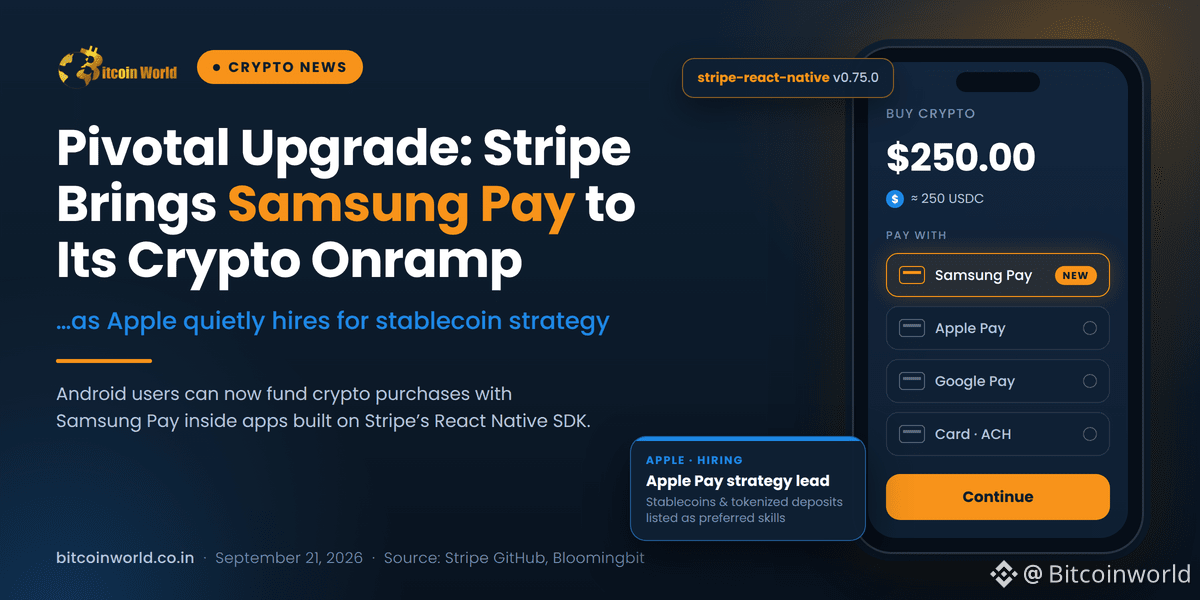
Stripe kriptoga kirish (onramp) xizmatiga Samsung Pay’ni qo‘shdi, Apple esa stablecoin iste’dodlarini ko‘zdan kechirmoqda
Asosiy xulosalar
Stripe Android uchun stripe-react-native v0.75.0’da Crypto Onramp’ga Samsung Pay’ni qo‘shdi.
Apple Pay’ allaqachon Stripe va Coinbase tomonidan boshqariladigan onramp’lar ichida kripto xaridlarini moliyalashtirib keladi.
Apple stablecoin bo‘yicha bilimni afzal ko‘riladigan ko‘nikma sifatida ko‘rsatgan katta Apple Pay strategiya lavozimini e’lon qildi.
Apple biron bir stablecoin mahsulotini hali e’lon qilmagan.
Ilgari kripto ilova ichida sotib olgan har kimdan so‘rang: qiyin qismi token tanlash emas, balki uni to‘lash. Stripe’ning so‘nggi yangilanishi aynan shu lahzaga qaratilgan.
Stripe kripto onramp’iga Samsung Pay’ni qo‘shdi, Apple esa stablecoin iste’dodlarini ko‘zdan kechirmoqda
BitcoinWorld
Stripe kriptoga kirish (onramp) xizmatiga Samsung Pay’ni qo‘shdi, Apple esa stablecoin iste’dodlarini ko‘zdan kechirmoqda
Asosiy xulosalar
Stripe Android uchun stripe-react-native v0.75.0’da Crypto Onramp’ga Samsung Pay’ni qo‘shdi.
Apple Pay’ allaqachon Stripe va Coinbase tomonidan boshqariladigan onramp’lar ichida kripto xaridlarini moliyalashtirib keladi.
Apple stablecoin bo‘yicha bilimni afzal ko‘riladigan ko‘nikma sifatida ko‘rsatgan katta Apple Pay strategiya lavozimini e’lon qildi.
Apple biron bir stablecoin mahsulotini hali e’lon qilmagan.
Ilgari kripto ilova ichida sotib olgan har kimdan so‘rang: qiyin qismi token tanlash emas, balki uni to‘lash. Stripe’ning so‘nggi yangilanishi aynan shu lahzaga qaratilgan.
Stripe kriptoga kirish (onramp) xizmatiga Samsung Pay’ni qo‘shdi, Apple esa stablecoin iste’dodlarini ko‘zdan kechirmoqda
Asosiy xulosalar
Stripe Android uchun stripe-react-native v0.75.0’da Crypto Onramp’ga Samsung Pay’ni qo‘shdi.
Apple Pay’ allaqachon Stripe va Coinbase tomonidan boshqariladigan onramp’lar ichida kripto xaridlarini moliyalashtirib keladi.
Apple stablecoin bo‘yicha bilimni afzal ko‘riladigan ko‘nikma sifatida ko‘rsatgan katta Apple Pay strategiya lavozimini e’lon qildi.
Apple biron bir stablecoin mahsulotini hali e’lon qilmagan.
Ilgari kripto ilova ichida sotib olgan har kimdan so‘rang: qiyin qismi token tanlash emas, balki uni to‘lash. Stripe’ning so‘nggi yangilanishi aynan shu lahzaga qaratilgan.
1
1
361
·
--
Maqola
Tarjimani ko‘rish
FM Summit London Marks Its 15th Edition With an Iconic Return to Old BillingsgateBitcoinWorldFM Summit London Marks Its 15th Edition With an Iconic Return to Old Billingsgate
One Day. One Venue. One Industry. The reimagined summit will bring a carefully selected audience of C-level executives and senior financial markets professionals to London on 24 November.
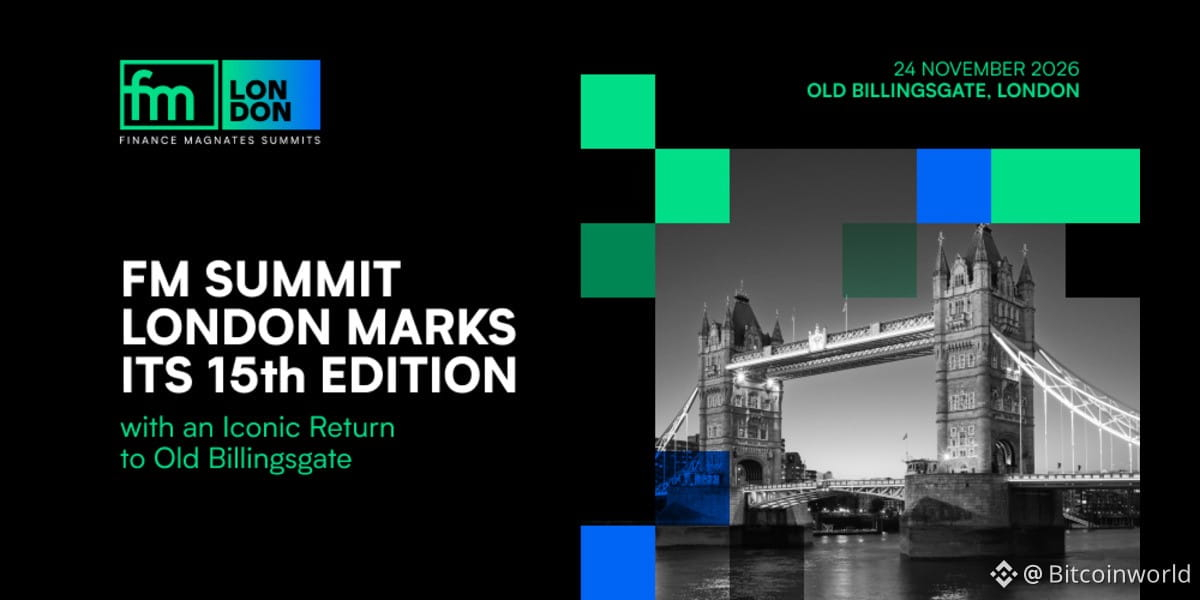
For its 15th edition, FM Summit London 2026 is returning to the venue that has become synonymous with the event.
On 24 November 2026, Old Billingsgate will once again welcome senior professionals from online trading, fintech, payments, digital assets and institutional finance. However, the return is not simply about revisiting the summit’s past.
FM Summit London 2026 has been reimagined as a sharper, more selective one-day summit built around thought leadership, market intelligence and the commercial conversations moving the industry forward.
The proposition is clear: One Day. One Venue. One Industry.
A summit designed for senior decision-makers
FM Summit London 2026 will bring together a carefully selected audience of C-level executives, founders, directors, heads of department and senior professionals responsible for commercial, technology and strategic decisions.
The format is deliberately curated to protect the quality of the summit and create the right balance between leading providers, buyers and decision-makers.
This approach will allow attendees to meet relevant peers, assess new solutions and hold meaningful conversations in an environment designed around seniority, relevance and shared business priorities.
For participating companies, it creates direct access to the people influencing partnerships, purchasing decisions and the future direction of their businesses.
Leading industry firms confirmed
The exhibition floor will sit at the centre of the summit, bringing together companies across trading technology, liquidity, market infrastructure, brokerage, payments and financial services.
Confirmed participating companies include LMAX Group, Plus500, oneZero, PLUGIT, Adaptive, Edge Hound, AEGIS Trading Technology, MetaQuotes, Devexperts, Acuity and CXM Prime, among others.
Their participation reflects the summit’s established role as a platform for more than brand visibility. FM Summit London 2026 gives companies an opportunity to demonstrate expertise, strengthen their authority and connect with a senior audience actively involved in business and technology decisions.
A selected number of sponsorship and exhibition opportunities remain available for companies looking to join the 15th edition.
Where intelligence meets authority
Thought leadership will be central to the 2026 summit.
The conference programme will bring together recognised experts and senior industry figures to examine the forces changing financial markets and the way the industry operates.
Discussions will explore artificial intelligence, evolving regulation, trading and market infrastructure, digital assets, payments and the technologies changing how financial businesses compete.
Sessions will run alongside the exhibition, allowing executives to move between market intelligence, scheduled meetings and conversations on the summit floor throughout the day.
The programme is designed to provide practical insight while giving speakers and participating companies a platform to build credibility and contribute to the industry’s most important conversations.
Business Connect brings the right people together
Business Connect will introduce more structured ways for participants to meet during FM Summit London 2026.
Through pre-arranged one-to-one meetings, sponsors and exhibitors will be connected with relevant senior decision-makers based on shared commercial interests.
Invitation-only roundtables will bring small groups of executives together for focused discussions around common priorities, market developments and industry challenges.
Together, these formats will help participants move beyond initial introductions and create conversations with the potential to develop into long-term commercial relationships.
The summit begins at The Folly
FM Summit London 2026 will begin with the Opening Networking Blitz at The Folly on 23 November.
Located in the heart of the City of London, the opening event will bring attendees, speakers, sponsors and exhibitors together in a more informal setting before the main summit.
The conversations will continue at Old Billingsgate on 24 November, where the exhibition, thought-leadership programme, Business Connect and networking areas will bring the industry together for one concentrated day.
Returning to the home of FM Summit London
Old Billingsgate has hosted the majority of the summit’s previous editions and remains closely connected to the event’s history.
Located on the north bank of the Thames between London Bridge and Tower Bridge, the Grade II-listed Victorian landmark provides a distinctive setting for the summit’s 15th edition.
The return combines the heritage and credibility built over the previous editions with a reimagined format focused on the quality of the people, intelligence and commercial opportunities in the room.
FM Summit London 2026 takes place on 24 November at Old Billingsgate, preceded by the Opening Networking Blitz at The Folly on 23 November.
Senior industry professionals can secure their passes today.
Companies interested in sponsorship and exhibition opportunities can contact the Finance Magnates Events team for packages and availability.
About FM Summit London
FM Summit London is the flagship annual summit of Finance Magnates Events, connecting senior professionals from online trading, fintech, payments, digital assets and institutional finance.
Now in its 15th edition, it has become an established meeting point in London for thought leadership, networking, business development and market intelligence.
About Finance Magnates
Finance Magnates is a leading provider of news, research and events for the global online trading, fintech and financial services industries. Since 2012, Finance Magnates Events has organised international summits connecting the professionals shaping the future of financial markets.
This post FM Summit London Marks Its 15th Edition With an Iconic Return to Old Billingsgate first appeared on BitcoinWorld.
FM Summit London Marks Its 15th Edition With an Iconic Return to Old Billingsgate
BitcoinWorldFM Summit London Marks Its 15th Edition With an Iconic Return to Old Billingsgate
One Day. One Venue. One Industry. The reimagined summit will bring a carefully selected audience of C-level executives and senior financial markets professionals to London on 24 November.
For its 15th edition, FM Summit London 2026 is returning to the venue that has become synonymous with the event.
On 24 November 2026, Old Billingsgate will once again welcome senior professionals from online trading, fintech, payments, digital assets and institutional finance. However, the return is not simply about revisiting the summit’s past.
FM Summit London 2026 has been reimagined as a sharper, more selective one-day summit built around thought leadership, market intelligence and the commercial conversations moving the industry forward.
The proposition is clear: One Day. One Venue. One Industry.
A summit designed for senior decision-makers
FM Summit London 2026 will bring together a carefully selected audience of C-level executives, founders, directors, heads of department and senior professionals responsible for commercial, technology and strategic decisions.
The format is deliberately curated to protect the quality of the summit and create the right balance between leading providers, buyers and decision-makers.
This approach will allow attendees to meet relevant peers, assess new solutions and hold meaningful conversations in an environment designed around seniority, relevance and shared business priorities.
For participating companies, it creates direct access to the people influencing partnerships, purchasing decisions and the future direction of their businesses.
Leading industry firms confirmed
The exhibition floor will sit at the centre of the summit, bringing together companies across trading technology, liquidity, market infrastructure, brokerage, payments and financial services.
Confirmed participating companies include LMAX Group, Plus500, oneZero, PLUGIT, Adaptive, Edge Hound, AEGIS Trading Technology, MetaQuotes, Devexperts, Acuity and CXM Prime, among others.
Their participation reflects the summit’s established role as a platform for more than brand visibility. FM Summit London 2026 gives companies an opportunity to demonstrate expertise, strengthen their authority and connect with a senior audience actively involved in business and technology decisions.
A selected number of sponsorship and exhibition opportunities remain available for companies looking to join the 15th edition.
Where intelligence meets authority
Thought leadership will be central to the 2026 summit.
The conference programme will bring together recognised experts and senior industry figures to examine the forces changing financial markets and the way the industry operates.
Discussions will explore artificial intelligence, evolving regulation, trading and market infrastructure, digital assets, payments and the technologies changing how financial businesses compete.
Sessions will run alongside the exhibition, allowing executives to move between market intelligence, scheduled meetings and conversations on the summit floor throughout the day.
The programme is designed to provide practical insight while giving speakers and participating companies a platform to build credibility and contribute to the industry’s most important conversations.
Business Connect brings the right people together
Business Connect will introduce more structured ways for participants to meet during FM Summit London 2026.
Through pre-arranged one-to-one meetings, sponsors and exhibitors will be connected with relevant senior decision-makers based on shared commercial interests.
Invitation-only roundtables will bring small groups of executives together for focused discussions around common priorities, market developments and industry challenges.
Together, these formats will help participants move beyond initial introductions and create conversations with the potential to develop into long-term commercial relationships.
The summit begins at The Folly
FM Summit London 2026 will begin with the Opening Networking Blitz at The Folly on 23 November.
Located in the heart of the City of London, the opening event will bring attendees, speakers, sponsors and exhibitors together in a more informal setting before the main summit.
The conversations will continue at Old Billingsgate on 24 November, where the exhibition, thought-leadership programme, Business Connect and networking areas will bring the industry together for one concentrated day.
Returning to the home of FM Summit London
Old Billingsgate has hosted the majority of the summit’s previous editions and remains closely connected to the event’s history.
Located on the north bank of the Thames between London Bridge and Tower Bridge, the Grade II-listed Victorian landmark provides a distinctive setting for the summit’s 15th edition.
The return combines the heritage and credibility built over the previous editions with a reimagined format focused on the quality of the people, intelligence and commercial opportunities in the room.
FM Summit London 2026 takes place on 24 November at Old Billingsgate, preceded by the Opening Networking Blitz at The Folly on 23 November.
Senior industry professionals can secure their passes today.
Companies interested in sponsorship and exhibition opportunities can contact the Finance Magnates Events team for packages and availability.
About FM Summit London
FM Summit London is the flagship annual summit of Finance Magnates Events, connecting senior professionals from online trading, fintech, payments, digital assets and institutional finance.
Now in its 15th edition, it has become an established meeting point in London for thought leadership, networking, business development and market intelligence.
About Finance Magnates
Finance Magnates is a leading provider of news, research and events for the global online trading, fintech and financial services industries. Since 2012, Finance Magnates Events has organised international summits connecting the professionals shaping the future of financial markets.
This post FM Summit London Marks Its 15th Edition With an Iconic Return to Old Billingsgate first appeared on BitcoinWorld.
One Day. One Venue. One Industry. The reimagined summit will bring a carefully selected audience of C-level executives and senior financial markets professionals to London on 24 November.
For its 15th edition, FM Summit London 2026 is returning to the venue that has become synonymous with the event.
On 24 November 2026, Old Billingsgate will once again welcome senior professionals from online trading, fintech, payments, digital assets and institutional finance. However, the return is not simply about revisiting the summit’s past.
FM Summit London 2026 has been reimagined as a sharper, more selective one-day summit built around thought leadership, market intelligence and the commercial conversations moving the industry forward.
The proposition is clear: One Day. One Venue. One Industry.
A summit designed for senior decision-makers
FM Summit London 2026 will bring together a carefully selected audience of C-level executives, founders, directors, heads of department and senior professionals responsible for commercial, technology and strategic decisions.
The format is deliberately curated to protect the quality of the summit and create the right balance between leading providers, buyers and decision-makers.
This approach will allow attendees to meet relevant peers, assess new solutions and hold meaningful conversations in an environment designed around seniority, relevance and shared business priorities.
For participating companies, it creates direct access to the people influencing partnerships, purchasing decisions and the future direction of their businesses.
Leading industry firms confirmed
The exhibition floor will sit at the centre of the summit, bringing together companies across trading technology, liquidity, market infrastructure, brokerage, payments and financial services.
Confirmed participating companies include LMAX Group, Plus500, oneZero, PLUGIT, Adaptive, Edge Hound, AEGIS Trading Technology, MetaQuotes, Devexperts, Acuity and CXM Prime, among others.
Their participation reflects the summit’s established role as a platform for more than brand visibility. FM Summit London 2026 gives companies an opportunity to demonstrate expertise, strengthen their authority and connect with a senior audience actively involved in business and technology decisions.
A selected number of sponsorship and exhibition opportunities remain available for companies looking to join the 15th edition.
Where intelligence meets authority
Thought leadership will be central to the 2026 summit.
The conference programme will bring together recognised experts and senior industry figures to examine the forces changing financial markets and the way the industry operates.
Discussions will explore artificial intelligence, evolving regulation, trading and market infrastructure, digital assets, payments and the technologies changing how financial businesses compete.
Sessions will run alongside the exhibition, allowing executives to move between market intelligence, scheduled meetings and conversations on the summit floor throughout the day.
The programme is designed to provide practical insight while giving speakers and participating companies a platform to build credibility and contribute to the industry’s most important conversations.
Business Connect brings the right people together
Business Connect will introduce more structured ways for participants to meet during FM Summit London 2026.
Through pre-arranged one-to-one meetings, sponsors and exhibitors will be connected with relevant senior decision-makers based on shared commercial interests.
Invitation-only roundtables will bring small groups of executives together for focused discussions around common priorities, market developments and industry challenges.
Together, these formats will help participants move beyond initial introductions and create conversations with the potential to develop into long-term commercial relationships.
The summit begins at The Folly
FM Summit London 2026 will begin with the Opening Networking Blitz at The Folly on 23 November.
Located in the heart of the City of London, the opening event will bring attendees, speakers, sponsors and exhibitors together in a more informal setting before the main summit.
The conversations will continue at Old Billingsgate on 24 November, where the exhibition, thought-leadership programme, Business Connect and networking areas will bring the industry together for one concentrated day.
Returning to the home of FM Summit London
Old Billingsgate has hosted the majority of the summit’s previous editions and remains closely connected to the event’s history.
Located on the north bank of the Thames between London Bridge and Tower Bridge, the Grade II-listed Victorian landmark provides a distinctive setting for the summit’s 15th edition.
The return combines the heritage and credibility built over the previous editions with a reimagined format focused on the quality of the people, intelligence and commercial opportunities in the room.
FM Summit London 2026 takes place on 24 November at Old Billingsgate, preceded by the Opening Networking Blitz at The Folly on 23 November.
Senior industry professionals can secure their passes today.
Companies interested in sponsorship and exhibition opportunities can contact the Finance Magnates Events team for packages and availability.
About FM Summit London
FM Summit London is the flagship annual summit of Finance Magnates Events, connecting senior professionals from online trading, fintech, payments, digital assets and institutional finance.
Now in its 15th edition, it has become an established meeting point in London for thought leadership, networking, business development and market intelligence.
About Finance Magnates
Finance Magnates is a leading provider of news, research and events for the global online trading, fintech and financial services industries. Since 2012, Finance Magnates Events has organised international summits connecting the professionals shaping the future of financial markets.
This post FM Summit London Marks Its 15th Edition With an Iconic Return to Old Billingsgate first appeared on BitcoinWorld.
496
·
--
Maqola
Tarjimani ko‘rish
Reap Launches First Ever Managed Fraud and Risk Service for Card ProgramsBitcoinWorldReap Launches First Ever Managed Fraud and Risk Service for Card Programs
Reap Sentry configures and manages fraud controls for clients’ card programs, eliminating the need for additional monitoring tools or in-house fraud specialists.
HONG KONG, Sept. 21, 2026 /PRNewswire/ — Reap, a global financial technology company that enables financial connectivity and access for businesses worldwide through stablecoin-enabled infrastructure, today announced the launch of Reap Sentry, a managed card fraud and risk service. Through Sentry, Reap manages a client’s end-to-end transaction risk management – from configuring fraud rules and screening authorisations in real time to investigating alerts, processing chargebacks, and reporting confirmed fraud to Visa. Clients do not need to build or license additional fraud-monitoring tools, or hire a dedicated fraud team.
Payment card fraud losses worldwide totalled USD 33.41 billion in 2024 (The Nilson Report, January 2026), tied to global card volume of USD 51.920 trillion (The Nilson Report, January 2026). Every card in circulation is a live payment instrument, with authorisation decisions made in milliseconds. Fraud must be stopped at the point of authorisation, not afterwards, as the knock-on costs of fraud can often exceed the value of the fraud itself. Meanwhile, evolving attack patterns make fraud management an ongoing operational function.
Built on the technology within Reap’s issuing portfolio, Sentry combines the fraud policy, tooling, and day-to-day operations required to manage transaction risk effectively. Having issued millions of cards over eight years of card issuance, Reap brings to Sentry controls informed by fraud patterns observed across its entire issuing portfolio. These controls are tailored to each client’s business profile, including its cardholder segments, geographic footprint, and stated risk appetite.
Sentry conducts ongoing screening and declines suspected fraud in real time at authorisation; triages and investigates alerts; and continuously updates controls as new threats emerge, including BIN attacks and merchant breaches. The service also processes and represents chargebacks submitted by clients, reports confirmed fraud, and provides program performance reporting on an agreed cadence. Controls are reviewed and refined as each program evolves, without requiring client intervention. Clients can integrate with Sentry through a single Reap API.
Reap protects the authorisation layer it operates and observes, while clients retain responsibility for the cardholder relationship and key first-party fraud entry points, including onboarding, identity verification and account access.
“Most companies launching a card programme have to build a fraud function from day one. Doing so requires specialist tooling, dedicated expertise and several months of preparation before they can safely issue a single card, by which point the threat landscape may already have shifted. That is rarely how a team wants its first months to go.” said Harris Leow, Head of Product, Reap. “Sentry takes on that entire card fraud function: our controls, data and specialists, tailored to each card programme.”
Sentry is available to new Reap card issuing clients and to existing clients at contract renewal, on Reap’s own API.
To find out more about Sentry, visit our website: https://reap.global/products/sentry-fraud-risk-management
About ReapReap is a global financial technology company that enables financial connectivity and access for businesses worldwide through stablecoin-enabled infrastructure. We transform the financial landscape through more efficient money movement by merging traditional finance with digital assets, bridging disparate economies and connecting key financial markets.
Reap was an early leader in Asia to incorporate stablecoins into our solutions. In 2025, Reap processed billions in stablecoin-funded transaction flows. From stablecoin-enabled corporate cards to cross-border payments, we streamline financial operations and empower companies to scale with our integrated business accounts and embedded finance solutions.
Founded and headquartered in Hong Kong, Reap employs 300 people worldwide. More information about Reap can be found at reap.global.
This post Reap Launches First Ever Managed Fraud and Risk Service for Card Programs first appeared on BitcoinWorld.
Reap Launches First Ever Managed Fraud and Risk Service for Card Programs
BitcoinWorldReap Launches First Ever Managed Fraud and Risk Service for Card Programs
Reap Sentry configures and manages fraud controls for clients’ card programs, eliminating the need for additional monitoring tools or in-house fraud specialists.
HONG KONG, Sept. 21, 2026 /PRNewswire/ — Reap, a global financial technology company that enables financial connectivity and access for businesses worldwide through stablecoin-enabled infrastructure, today announced the launch of Reap Sentry, a managed card fraud and risk service. Through Sentry, Reap manages a client’s end-to-end transaction risk management – from configuring fraud rules and screening authorisations in real time to investigating alerts, processing chargebacks, and reporting confirmed fraud to Visa. Clients do not need to build or license additional fraud-monitoring tools, or hire a dedicated fraud team.
Payment card fraud losses worldwide totalled USD 33.41 billion in 2024 (The Nilson Report, January 2026), tied to global card volume of USD 51.920 trillion (The Nilson Report, January 2026). Every card in circulation is a live payment instrument, with authorisation decisions made in milliseconds. Fraud must be stopped at the point of authorisation, not afterwards, as the knock-on costs of fraud can often exceed the value of the fraud itself. Meanwhile, evolving attack patterns make fraud management an ongoing operational function.
Built on the technology within Reap’s issuing portfolio, Sentry combines the fraud policy, tooling, and day-to-day operations required to manage transaction risk effectively. Having issued millions of cards over eight years of card issuance, Reap brings to Sentry controls informed by fraud patterns observed across its entire issuing portfolio. These controls are tailored to each client’s business profile, including its cardholder segments, geographic footprint, and stated risk appetite.
Sentry conducts ongoing screening and declines suspected fraud in real time at authorisation; triages and investigates alerts; and continuously updates controls as new threats emerge, including BIN attacks and merchant breaches. The service also processes and represents chargebacks submitted by clients, reports confirmed fraud, and provides program performance reporting on an agreed cadence. Controls are reviewed and refined as each program evolves, without requiring client intervention. Clients can integrate with Sentry through a single Reap API.
Reap protects the authorisation layer it operates and observes, while clients retain responsibility for the cardholder relationship and key first-party fraud entry points, including onboarding, identity verification and account access.
“Most companies launching a card programme have to build a fraud function from day one. Doing so requires specialist tooling, dedicated expertise and several months of preparation before they can safely issue a single card, by which point the threat landscape may already have shifted. That is rarely how a team wants its first months to go.” said Harris Leow, Head of Product, Reap. “Sentry takes on that entire card fraud function: our controls, data and specialists, tailored to each card programme.”
Sentry is available to new Reap card issuing clients and to existing clients at contract renewal, on Reap’s own API.
To find out more about Sentry, visit our website: https://reap.global/products/sentry-fraud-risk-management
About ReapReap is a global financial technology company that enables financial connectivity and access for businesses worldwide through stablecoin-enabled infrastructure. We transform the financial landscape through more efficient money movement by merging traditional finance with digital assets, bridging disparate economies and connecting key financial markets.
Reap was an early leader in Asia to incorporate stablecoins into our solutions. In 2025, Reap processed billions in stablecoin-funded transaction flows. From stablecoin-enabled corporate cards to cross-border payments, we streamline financial operations and empower companies to scale with our integrated business accounts and embedded finance solutions.
Founded and headquartered in Hong Kong, Reap employs 300 people worldwide. More information about Reap can be found at reap.global.
This post Reap Launches First Ever Managed Fraud and Risk Service for Card Programs first appeared on BitcoinWorld.
Reap Sentry configures and manages fraud controls for clients’ card programs, eliminating the need for additional monitoring tools or in-house fraud specialists.
HONG KONG, Sept. 21, 2026 /PRNewswire/ — Reap, a global financial technology company that enables financial connectivity and access for businesses worldwide through stablecoin-enabled infrastructure, today announced the launch of Reap Sentry, a managed card fraud and risk service. Through Sentry, Reap manages a client’s end-to-end transaction risk management – from configuring fraud rules and screening authorisations in real time to investigating alerts, processing chargebacks, and reporting confirmed fraud to Visa. Clients do not need to build or license additional fraud-monitoring tools, or hire a dedicated fraud team.
Payment card fraud losses worldwide totalled USD 33.41 billion in 2024 (The Nilson Report, January 2026), tied to global card volume of USD 51.920 trillion (The Nilson Report, January 2026). Every card in circulation is a live payment instrument, with authorisation decisions made in milliseconds. Fraud must be stopped at the point of authorisation, not afterwards, as the knock-on costs of fraud can often exceed the value of the fraud itself. Meanwhile, evolving attack patterns make fraud management an ongoing operational function.
Built on the technology within Reap’s issuing portfolio, Sentry combines the fraud policy, tooling, and day-to-day operations required to manage transaction risk effectively. Having issued millions of cards over eight years of card issuance, Reap brings to Sentry controls informed by fraud patterns observed across its entire issuing portfolio. These controls are tailored to each client’s business profile, including its cardholder segments, geographic footprint, and stated risk appetite.
Sentry conducts ongoing screening and declines suspected fraud in real time at authorisation; triages and investigates alerts; and continuously updates controls as new threats emerge, including BIN attacks and merchant breaches. The service also processes and represents chargebacks submitted by clients, reports confirmed fraud, and provides program performance reporting on an agreed cadence. Controls are reviewed and refined as each program evolves, without requiring client intervention. Clients can integrate with Sentry through a single Reap API.
Reap protects the authorisation layer it operates and observes, while clients retain responsibility for the cardholder relationship and key first-party fraud entry points, including onboarding, identity verification and account access.
“Most companies launching a card programme have to build a fraud function from day one. Doing so requires specialist tooling, dedicated expertise and several months of preparation before they can safely issue a single card, by which point the threat landscape may already have shifted. That is rarely how a team wants its first months to go.” said Harris Leow, Head of Product, Reap. “Sentry takes on that entire card fraud function: our controls, data and specialists, tailored to each card programme.”
Sentry is available to new Reap card issuing clients and to existing clients at contract renewal, on Reap’s own API.
To find out more about Sentry, visit our website: https://reap.global/products/sentry-fraud-risk-management
About ReapReap is a global financial technology company that enables financial connectivity and access for businesses worldwide through stablecoin-enabled infrastructure. We transform the financial landscape through more efficient money movement by merging traditional finance with digital assets, bridging disparate economies and connecting key financial markets.
Reap was an early leader in Asia to incorporate stablecoins into our solutions. In 2025, Reap processed billions in stablecoin-funded transaction flows. From stablecoin-enabled corporate cards to cross-border payments, we streamline financial operations and empower companies to scale with our integrated business accounts and embedded finance solutions.
Founded and headquartered in Hong Kong, Reap employs 300 people worldwide. More information about Reap can be found at reap.global.
This post Reap Launches First Ever Managed Fraud and Risk Service for Card Programs first appeared on BitcoinWorld.
198
·
--
Maqola
To‘qqiz oy, yettita ariza beruvchi, nol litsenziya: Vetnamning kripto kutish o‘yiniBitcoinWorld
To‘qqiz oy, yettita abituriyent, nol litsenziya: Vetnamning kripto kutish o‘yini
Asosiy xulosalar
Hanoining aytishicha, birinchi kripto litsenziyalari 2026-yilda keladi. Uning o‘zining Q2 bo‘yicha muddati ham o‘tib ketdi.
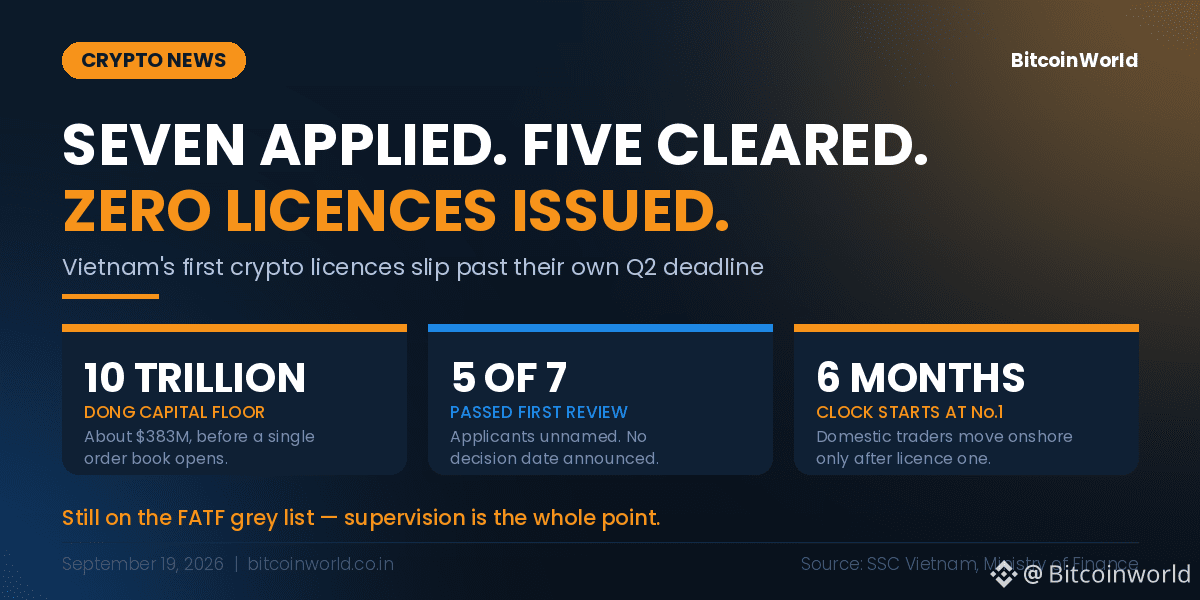
Yetti firma ariza topshirdi. Birinchi bosqichda beshtasi o‘tdi. Hech kim tasdiqlanmadi.
Qoidalar to‘plami FATF va Yevropa nazoratini aynan ko‘chirgan. Buning sababi esa manzara (imidj) bilan bog‘liq emas.
Litsenziya 1 imzolanguniga qadar, olti oylik hisob boshlanadi va u vetnamlik treyderlarni xorijiy platformalardan asta-sekin o‘zib ketadi.
Moliya vazirining o‘rinbosari Nguyen Duc Chi 15-sentabr kuni Vena shahrida bo‘lib, u yerda Avstriyaning Moliyaviy bozorlar bo‘yicha vakolati rahbari Marianа Kühnel bilan qarama-qarshi o‘tirgan. U Davlat qimmatli qog‘ozlar komissiyasi raisi, elchi va Vetnam fond birjasi hamda kliring korporatsiyasidan yuqori martabali vakillarni ham olib kelgan. Bu uchrashuvga “qarashlar almashinuvi” sifatida yozilgan, ammo tarkibi juda katta delegatsiya.
To‘qqiz oy, yettita ariza beruvchi, nol litsenziya: Vetnamning kripto kutish o‘yini
BitcoinWorld
To‘qqiz oy, yettita abituriyent, nol litsenziya: Vetnamning kripto kutish o‘yini
Asosiy xulosalar
Hanoining aytishicha, birinchi kripto litsenziyalari 2026-yilda keladi. Uning o‘zining Q2 bo‘yicha muddati ham o‘tib ketdi.
Yetti firma ariza topshirdi. Birinchi bosqichda beshtasi o‘tdi. Hech kim tasdiqlanmadi.
Qoidalar to‘plami FATF va Yevropa nazoratini aynan ko‘chirgan. Buning sababi esa manzara (imidj) bilan bog‘liq emas.
Litsenziya 1 imzolanguniga qadar, olti oylik hisob boshlanadi va u vetnamlik treyderlarni xorijiy platformalardan asta-sekin o‘zib ketadi.
Moliya vazirining o‘rinbosari Nguyen Duc Chi 15-sentabr kuni Vena shahrida bo‘lib, u yerda Avstriyaning Moliyaviy bozorlar bo‘yicha vakolati rahbari Marianа Kühnel bilan qarama-qarshi o‘tirgan. U Davlat qimmatli qog‘ozlar komissiyasi raisi, elchi va Vetnam fond birjasi hamda kliring korporatsiyasidan yuqori martabali vakillarni ham olib kelgan. Bu uchrashuvga “qarashlar almashinuvi” sifatida yozilgan, ammo tarkibi juda katta delegatsiya.
To‘qqiz oy, yettita abituriyent, nol litsenziya: Vetnamning kripto kutish o‘yini
Asosiy xulosalar
Hanoining aytishicha, birinchi kripto litsenziyalari 2026-yilda keladi. Uning o‘zining Q2 bo‘yicha muddati ham o‘tib ketdi.
Yetti firma ariza topshirdi. Birinchi bosqichda beshtasi o‘tdi. Hech kim tasdiqlanmadi.
Qoidalar to‘plami FATF va Yevropa nazoratini aynan ko‘chirgan. Buning sababi esa manzara (imidj) bilan bog‘liq emas.
Litsenziya 1 imzolanguniga qadar, olti oylik hisob boshlanadi va u vetnamlik treyderlarni xorijiy platformalardan asta-sekin o‘zib ketadi.
Moliya vazirining o‘rinbosari Nguyen Duc Chi 15-sentabr kuni Vena shahrida bo‘lib, u yerda Avstriyaning Moliyaviy bozorlar bo‘yicha vakolati rahbari Marianа Kühnel bilan qarama-qarshi o‘tirgan. U Davlat qimmatli qog‘ozlar komissiyasi raisi, elchi va Vetnam fond birjasi hamda kliring korporatsiyasidan yuqori martabali vakillarni ham olib kelgan. Bu uchrashuvga “qarashlar almashinuvi” sifatida yozilgan, ammo tarkibi juda katta delegatsiya.
1
342
·
--
Maqola
ARTPRICE NEWS: DUNYO-KITOB SUNʼIY INTELLEKT UCHUN OYNAGA AYLANADIBitcoinWorld
ARTPRICE NEWS: DUNYO-KITOB SUNʼIY INTELLEKT UCHUN OYNAGA AYLANADI
OpenAI/Astra, Perplexity, DeepSeek, Google Gemini va xAI/Grok bir xil ishga duch kelmoqda: meta-o‘qish tajribasi adabiy tanqidni sunʼiy intellekt uchun qiyosiy laboratoriyaga aylantiradi.
PARij, 2026-yil 18-sentabr /PRNewswire/ — Agar sunʼiy intellektlarni tushunish uchun ularga aynan bitta kitobni o‘qitib bersak-chi?
Hozir bu tajriba “Fikr yurituvchi va AI o‘rtasidagi muloqot” bilan birga kuzatilmoqda.
ARTPRICE NEWS: DUNYO-KITOB SUNʼIY INTELLEKT UCHUN OYNAGA AYLANADI
BitcoinWorld
ARTPRICE NEWS: DUNYO-KITOB SUNʼIY INTELLEKT UCHUN OYNAGA AYLANADI
OpenAI/Astra, Perplexity, DeepSeek, Google Gemini va xAI/Grok bir xil ishga duch kelmoqda: meta-o‘qish tajribasi adabiy tanqidni sunʼiy intellekt uchun qiyosiy laboratoriyaga aylantiradi.
PARij, 2026-yil 18-sentabr /PRNewswire/ — Agar sunʼiy intellektlarni tushunish uchun ularga aynan bitta kitobni o‘qitib bersak-chi?
Hozir bu tajriba “Fikr yurituvchi va AI o‘rtasidagi muloqot” bilan birga kuzatilmoqda.
ARTPRICE NEWS: DUNYO-KITOB SUNʼIY INTELLEKT UCHUN OYNAGA AYLANADI
OpenAI/Astra, Perplexity, DeepSeek, Google Gemini va xAI/Grok bir xil ishga duch kelmoqda: meta-o‘qish tajribasi adabiy tanqidni sunʼiy intellekt uchun qiyosiy laboratoriyaga aylantiradi.
PARij, 2026-yil 18-sentabr /PRNewswire/ — Agar sunʼiy intellektlarni tushunish uchun ularga aynan bitta kitobni o‘qitib bersak-chi?
Hozir bu tajriba “Fikr yurituvchi va AI o‘rtasidagi muloqot” bilan birga kuzatilmoqda.
273
·
--
Tasdiqlangan
Maqola
BC.GAME’ning BC Engine mukofotlari 8,6 million dollardan oshdi — ekotizim o‘sishi tezlashmoqdaBitcoinWorld
BC.GAME’ning BC Engine mukofotlari 8,6 million dollardan oshdi — ekotizim o‘sishi tezlashmoqda
BC Engine mukofotlari may oyining oxiridan beri to‘rt martadan ko‘proqqa o‘sdi, mukofotlar to‘planishining o‘rtacha kunlik sur’ati esa avvalgi davrga nisbatan taxminan 46% ga oshdi.
BELIZE SITI, Beliz, 18-sentabr, 2026-yil /PRNewswire/ — BC.GAME’ning BC Engine’i yana bir muhim marraga yetdi: munosib $BC egalarining jamg‘arilgan mukofotlari 8,6 million BCD dan oshib ketdi, bu esa 8,6 million AQSh dollaridan ko‘proqqa teng.
BC.GAME’ning BC Engine mukofotlari 8,6 million dollardan oshdi — ekotizim o‘sishi tezlashmoqda
BitcoinWorld
BC.GAME’ning BC Engine mukofotlari 8,6 million dollardan oshdi — ekotizim o‘sishi tezlashmoqda
BC Engine mukofotlari may oyining oxiridan beri to‘rt martadan ko‘proqqa o‘sdi, mukofotlar to‘planishining o‘rtacha kunlik sur’ati esa avvalgi davrga nisbatan taxminan 46% ga oshdi.
BELIZE SITI, Beliz, 18-sentabr, 2026-yil /PRNewswire/ — BC.GAME’ning BC Engine’i yana bir muhim marraga yetdi: munosib $BC egalarining jamg‘arilgan mukofotlari 8,6 million BCD dan oshib ketdi, bu esa 8,6 million AQSh dollaridan ko‘proqqa teng.
BC.GAME’ning BC Engine mukofotlari 8,6 million dollardan oshdi — ekotizim o‘sishi tezlashmoqda
BC Engine mukofotlari may oyining oxiridan beri to‘rt martadan ko‘proqqa o‘sdi, mukofotlar to‘planishining o‘rtacha kunlik sur’ati esa avvalgi davrga nisbatan taxminan 46% ga oshdi.
BELIZE SITI, Beliz, 18-sentabr, 2026-yil /PRNewswire/ — BC.GAME’ning BC Engine’i yana bir muhim marraga yetdi: munosib $BC egalarining jamg‘arilgan mukofotlari 8,6 million BCD dan oshib ketdi, bu esa 8,6 million AQSh dollaridan ko‘proqqa teng.
2
432
·
--
Maqola
AI natsistlar shifrini buzdi. Kripto Twitter hech narsa uchun vahimaga tushdi.BitcoinWorld
AI natsistlar shifrini buzdi. Kripto Twitter hech narsa uchun vahimaga tushdi.
Asosiy xulosalar
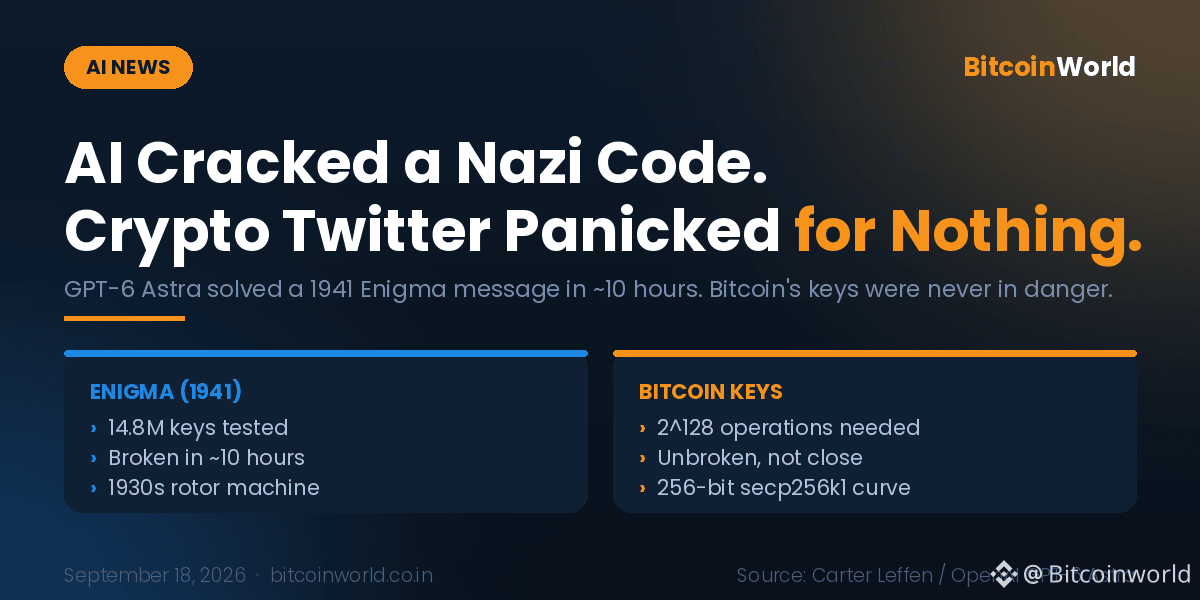
Axborot sun’iy intellekti 1941-yilda hech kim 83 yil ichida yecholmagan nemis Enigma xabarini buzib tashladi.
Buning uchun taxminan o‘n soat kerak bo‘ldi. Kriptograf bo‘lmagan bir yigit hammasini o‘zi qilib chiqdi.
Sizning Bitkoiningiz joyida. Enigma hamda Bitkoinning shifrlashi bir-biriga aloqasi yo‘q olamlar.
Qo‘rqinchlisi kodni buzish emas. Gap shundaki, AI endi o‘zining o‘zi to‘liq tadqiqot ishlarini bajara oladi.
1941-yil 10-iyulda nemis askari qisqa radio xabar yubordi. Sakson ikkita belgi. U qaysi yo‘ldan borishni so‘radi, Rosenow degan shaharchada ekanini aytdi va tez javob kutishini bildirdi.
AI natsistlar shifrini buzdi. Kripto Twitter hech narsa uchun vahimaga tushdi.
BitcoinWorld
AI natsistlar shifrini buzdi. Kripto Twitter hech narsa uchun vahimaga tushdi.
Asosiy xulosalar
Axborot sun’iy intellekti 1941-yilda hech kim 83 yil ichida yecholmagan nemis Enigma xabarini buzib tashladi.
Buning uchun taxminan o‘n soat kerak bo‘ldi. Kriptograf bo‘lmagan bir yigit hammasini o‘zi qilib chiqdi.
Sizning Bitkoiningiz joyida. Enigma hamda Bitkoinning shifrlashi bir-biriga aloqasi yo‘q olamlar.
Qo‘rqinchlisi kodni buzish emas. Gap shundaki, AI endi o‘zining o‘zi to‘liq tadqiqot ishlarini bajara oladi.
1941-yil 10-iyulda nemis askari qisqa radio xabar yubordi. Sakson ikkita belgi. U qaysi yo‘ldan borishni so‘radi, Rosenow degan shaharchada ekanini aytdi va tez javob kutishini bildirdi.
AI natsistlar shifrini buzdi. Kripto Twitter hech narsa uchun vahimaga tushdi.
Asosiy xulosalar
Axborot sun’iy intellekti 1941-yilda hech kim 83 yil ichida yecholmagan nemis Enigma xabarini buzib tashladi.
Buning uchun taxminan o‘n soat kerak bo‘ldi. Kriptograf bo‘lmagan bir yigit hammasini o‘zi qilib chiqdi.
Sizning Bitkoiningiz joyida. Enigma hamda Bitkoinning shifrlashi bir-biriga aloqasi yo‘q olamlar.
Qo‘rqinchlisi kodni buzish emas. Gap shundaki, AI endi o‘zining o‘zi to‘liq tadqiqot ishlarini bajara oladi.
1941-yil 10-iyulda nemis askari qisqa radio xabar yubordi. Sakson ikkita belgi. U qaysi yo‘ldan borishni so‘radi, Rosenow degan shaharchada ekanini aytdi va tez javob kutishini bildirdi.
312
·
--
Tasdiqlangan

Maqola
Animoca Brands bilan intervyuBitcoinWorld
Animoca Brands bilan intervyu
Animoca Brands’ning Ijrochi raisi va hamkor asoschisi Yat Syu raqamli mulk huquqlari, tartibga solingan stablecoinlar, on-chain talabalar kreditlari va agentlikka asoslangan web oddiy odamlar kriptodan qanday foydalanishini nega o‘zgartirishi haqida.
Bitcoin World | 14-sentabr, 2026-yil | Eksklyuziv intervyu
Yat Siu, Ijrochi rais va hamkor asoschi, Animoca Brands
Animoca Brands kabi kompaniyalar Web3 landshaftini bunchalik keng miqyosda shakllantirgani kam. The Sandbox va Open Campus’dan tortib, Gonkongdagi litsenziyalangan stablecoin bo‘yicha qo‘shma loyihagacha va eng so‘nggi Minds deb nomlangan AI agent platformasigacha, guruh bitta izchil qaror qilgan: odamlar raqamli aktivlari, identifikatorlari va ma’lumotlariga egalik qilishlari kerak — ularni platformalardan ijaraga olish emas.
Animoca Brands bilan intervyu
BitcoinWorld
Animoca Brands bilan intervyu
Animoca Brands’ning Ijrochi raisi va hamkor asoschisi Yat Syu raqamli mulk huquqlari, tartibga solingan stablecoinlar, on-chain talabalar kreditlari va agentlikka asoslangan web oddiy odamlar kriptodan qanday foydalanishini nega o‘zgartirishi haqida.
Bitcoin World | 14-sentabr, 2026-yil | Eksklyuziv intervyu
Yat Siu, Ijrochi rais va hamkor asoschi, Animoca Brands
Animoca Brands kabi kompaniyalar Web3 landshaftini bunchalik keng miqyosda shakllantirgani kam. The Sandbox va Open Campus’dan tortib, Gonkongdagi litsenziyalangan stablecoin bo‘yicha qo‘shma loyihagacha va eng so‘nggi Minds deb nomlangan AI agent platformasigacha, guruh bitta izchil qaror qilgan: odamlar raqamli aktivlari, identifikatorlari va ma’lumotlariga egalik qilishlari kerak — ularni platformalardan ijaraga olish emas.
Animoca Brands bilan intervyu
Animoca Brands’ning Ijrochi raisi va hamkor asoschisi Yat Syu raqamli mulk huquqlari, tartibga solingan stablecoinlar, on-chain talabalar kreditlari va agentlikka asoslangan web oddiy odamlar kriptodan qanday foydalanishini nega o‘zgartirishi haqida.
Bitcoin World | 14-sentabr, 2026-yil | Eksklyuziv intervyu
Yat Siu, Ijrochi rais va hamkor asoschi, Animoca Brands
Animoca Brands kabi kompaniyalar Web3 landshaftini bunchalik keng miqyosda shakllantirgani kam. The Sandbox va Open Campus’dan tortib, Gonkongdagi litsenziyalangan stablecoin bo‘yicha qo‘shma loyihagacha va eng so‘nggi Minds deb nomlangan AI agent platformasigacha, guruh bitta izchil qaror qilgan: odamlar raqamli aktivlari, identifikatorlari va ma’lumotlariga egalik qilishlari kerak — ularni platformalardan ijaraga olish emas.
883
·
--
Maqola
AML RightSource raqamli aktivlar bo‘yicha muvofiqlik ekspertizasi uchun CobraSight mukofoti bilan taqdirlandiBitcoinWorld
AML RightSource raqamli aktivlar bo‘yicha muvofiqlik (compliance) sohasidagi ekspertizasi uchun CobraSight mukofoti bilan taqdirlandi
Sanoatdagi e’tirof AML RightSource’ning rivojlanayotgan kripto va raqamli aktivlar bo‘yicha me’yoriy hujjatlarni o‘zlashtirishda tashkilotlarga yordam berishdagi tajribasini ta’kidlaydi
HIGHLAND HILLS, Ohio, 2026-yil 17-sentabr /PRNewswire/ — AML RightSource, moliyaviy jinoyatlarga qarshi kurash (financial crime) bo‘yicha boshqariladigan xizmatlar va maslahat yechimlarini taqdim etuvchi global ekspert yechimlar provayderi, CobraSight tomonidan 2026-yilgi “Crypto & Digital Assets Growth Partner Award” mukofotiga, “Licensing & Compliance” (Litsenziyalash va muvofiqlik) toifasida munosib ko‘rildi. Ushbu mukofot raqamli aktivlar ekotizimida faoliyat yuritayotgan tashkilotlarni qo‘llab-quvvatlashda chuqur bilim, ixtisoslashuv va tajribani namoyish etadigan kompaniyalarni e’tirof etadi.
AML RightSource raqamli aktivlar bo‘yicha muvofiqlik ekspertizasi uchun CobraSight mukofoti bilan taqdirlandi
BitcoinWorld
AML RightSource raqamli aktivlar bo‘yicha muvofiqlik (compliance) sohasidagi ekspertizasi uchun CobraSight mukofoti bilan taqdirlandi
Sanoatdagi e’tirof AML RightSource’ning rivojlanayotgan kripto va raqamli aktivlar bo‘yicha me’yoriy hujjatlarni o‘zlashtirishda tashkilotlarga yordam berishdagi tajribasini ta’kidlaydi
HIGHLAND HILLS, Ohio, 2026-yil 17-sentabr /PRNewswire/ — AML RightSource, moliyaviy jinoyatlarga qarshi kurash (financial crime) bo‘yicha boshqariladigan xizmatlar va maslahat yechimlarini taqdim etuvchi global ekspert yechimlar provayderi, CobraSight tomonidan 2026-yilgi “Crypto & Digital Assets Growth Partner Award” mukofotiga, “Licensing & Compliance” (Litsenziyalash va muvofiqlik) toifasida munosib ko‘rildi. Ushbu mukofot raqamli aktivlar ekotizimida faoliyat yuritayotgan tashkilotlarni qo‘llab-quvvatlashda chuqur bilim, ixtisoslashuv va tajribani namoyish etadigan kompaniyalarni e’tirof etadi.
AML RightSource raqamli aktivlar bo‘yicha muvofiqlik (compliance) sohasidagi ekspertizasi uchun CobraSight mukofoti bilan taqdirlandi
Sanoatdagi e’tirof AML RightSource’ning rivojlanayotgan kripto va raqamli aktivlar bo‘yicha me’yoriy hujjatlarni o‘zlashtirishda tashkilotlarga yordam berishdagi tajribasini ta’kidlaydi
HIGHLAND HILLS, Ohio, 2026-yil 17-sentabr /PRNewswire/ — AML RightSource, moliyaviy jinoyatlarga qarshi kurash (financial crime) bo‘yicha boshqariladigan xizmatlar va maslahat yechimlarini taqdim etuvchi global ekspert yechimlar provayderi, CobraSight tomonidan 2026-yilgi “Crypto & Digital Assets Growth Partner Award” mukofotiga, “Licensing & Compliance” (Litsenziyalash va muvofiqlik) toifasida munosib ko‘rildi. Ushbu mukofot raqamli aktivlar ekotizimida faoliyat yuritayotgan tashkilotlarni qo‘llab-quvvatlashda chuqur bilim, ixtisoslashuv va tajribani namoyish etadigan kompaniyalarni e’tirof etadi.
207
·
--
Maqola
Prosper mustaqil narxlanadigan kripto-aktivlar bilan verifikatsiyalanadigan onchain ko‘rsatkichlar ma’lumotlarini bog‘laydiBitcoinWorld
Prosper mustaqil narxlanadigan kripto-aktivlar bilan verifikatsiyalanadigan onchain ko‘rsatkichlar ma’lumotlarini bog‘laydi
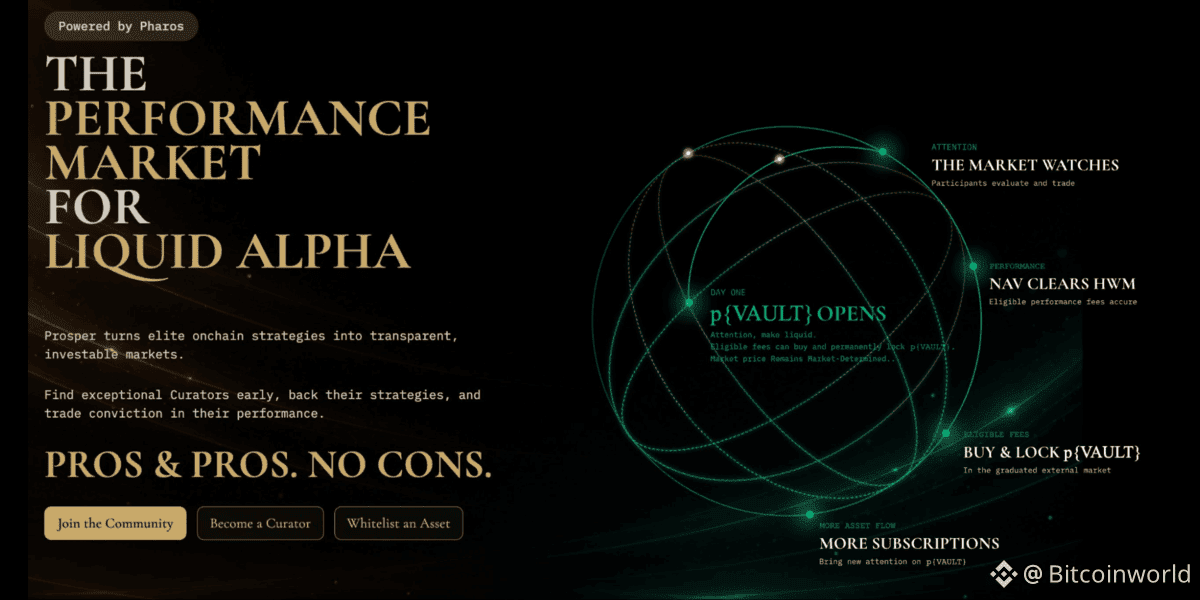
Kripto bozorlar har doim narrativ va spekulyatsiyada gullab-yashnagan. Narxlar ko‘pincha o‘lchanadigan iqtisodiy natijalarga emas, balki hamjamiyat hayajoni yoki ijtimoiy tarmoqlardagi kayfiyatga asoslanib keskin ko‘tariladi. Pharos tarmog‘idagi yangi ishga tushirish esa bu dinamikani butunlay o‘zgartirishga urinmoqda.
17-sentabr kuni Prosper o‘zining Performance Markets (Ishlash bozorlari) konsepsiyasini rasmiy ravishda e’lon qildi. Yangi tuzilma kompaniya MemeRWA deb ataydigan g‘oyani taqdim etadi. U mustaqil ravishda verifikatsiya qilinadigan onchain investitsiya strategiyalarini kripto-nativ bozor mexanizmlari bilan bevosita bog‘laydi. Eng muhimi, u buni asosiy aktivlarning egalik huquqini aslida tokenlashtirmasdan amalga oshiradi.
Prosper mustaqil narxlanadigan kripto-aktivlar bilan verifikatsiyalanadigan onchain ko‘rsatkichlar ma’lumotlarini bog‘laydi
BitcoinWorld
Prosper mustaqil narxlanadigan kripto-aktivlar bilan verifikatsiyalanadigan onchain ko‘rsatkichlar ma’lumotlarini bog‘laydi
Kripto bozorlar har doim narrativ va spekulyatsiyada gullab-yashnagan. Narxlar ko‘pincha o‘lchanadigan iqtisodiy natijalarga emas, balki hamjamiyat hayajoni yoki ijtimoiy tarmoqlardagi kayfiyatga asoslanib keskin ko‘tariladi. Pharos tarmog‘idagi yangi ishga tushirish esa bu dinamikani butunlay o‘zgartirishga urinmoqda.
17-sentabr kuni Prosper o‘zining Performance Markets (Ishlash bozorlari) konsepsiyasini rasmiy ravishda e’lon qildi. Yangi tuzilma kompaniya MemeRWA deb ataydigan g‘oyani taqdim etadi. U mustaqil ravishda verifikatsiya qilinadigan onchain investitsiya strategiyalarini kripto-nativ bozor mexanizmlari bilan bevosita bog‘laydi. Eng muhimi, u buni asosiy aktivlarning egalik huquqini aslida tokenlashtirmasdan amalga oshiradi.
Prosper mustaqil narxlanadigan kripto-aktivlar bilan verifikatsiyalanadigan onchain ko‘rsatkichlar ma’lumotlarini bog‘laydi
Kripto bozorlar har doim narrativ va spekulyatsiyada gullab-yashnagan. Narxlar ko‘pincha o‘lchanadigan iqtisodiy natijalarga emas, balki hamjamiyat hayajoni yoki ijtimoiy tarmoqlardagi kayfiyatga asoslanib keskin ko‘tariladi. Pharos tarmog‘idagi yangi ishga tushirish esa bu dinamikani butunlay o‘zgartirishga urinmoqda.
17-sentabr kuni Prosper o‘zining Performance Markets (Ishlash bozorlari) konsepsiyasini rasmiy ravishda e’lon qildi. Yangi tuzilma kompaniya MemeRWA deb ataydigan g‘oyani taqdim etadi. U mustaqil ravishda verifikatsiya qilinadigan onchain investitsiya strategiyalarini kripto-nativ bozor mexanizmlari bilan bevosita bog‘laydi. Eng muhimi, u buni asosiy aktivlarning egalik huquqini aslida tokenlashtirmasdan amalga oshiradi.
183
·
--
Maqola
Kriptoga oid katta qoida kitobi rad etildi — aslida nima bo‘ldiBitcoinWorld
Kriptoga oid katta qoida kitobi rad etildi — aslida nima bo‘ldi?
Tezkor xulosalar
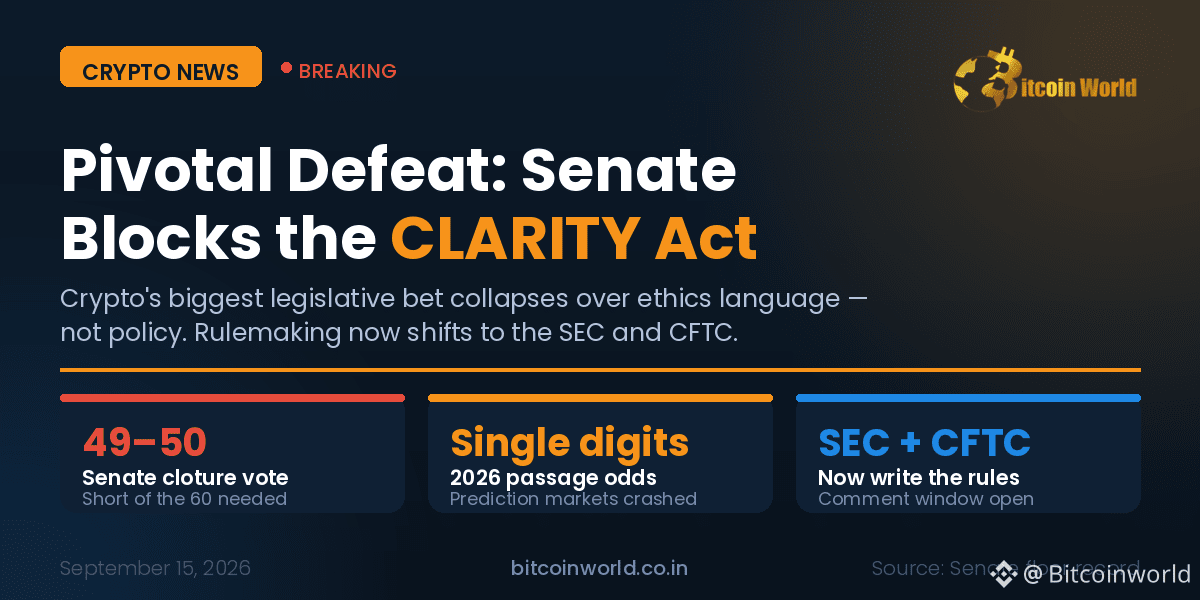
2026-yil 15-sentabr kuni Senat CLARITY qonunini oldinga surishni rad etdi. Ovoz berish 49–50 bo‘ldi — kerak bo‘lgan 60 ga hatto yaqin ham emas edi.
U kripto bilan bog‘liq bir narsa sababli yutqazmadi. U Tramp va uning oilasi kriptodan pul topishi haqidagi bahs tufayli yutqazdi.
Bu yil uchun qonun loyihasi deyarli tayyor. Endi qimor saytlar uni faqat bir xonali ehtimol bilan yakunlanishi mumkin deb hisoblayapti.
Kongressda qoidalar tiqilib qolgan ekan, SEC va CFTC o‘z hujjatlarini yozishni boshlaydi.
Kriptoga oid katta qoida kitobi rad etildi — aslida nima bo‘ldi
BitcoinWorld
Kriptoga oid katta qoida kitobi rad etildi — aslida nima bo‘ldi?
Tezkor xulosalar
2026-yil 15-sentabr kuni Senat CLARITY qonunini oldinga surishni rad etdi. Ovoz berish 49–50 bo‘ldi — kerak bo‘lgan 60 ga hatto yaqin ham emas edi.
U kripto bilan bog‘liq bir narsa sababli yutqazmadi. U Tramp va uning oilasi kriptodan pul topishi haqidagi bahs tufayli yutqazdi.
Bu yil uchun qonun loyihasi deyarli tayyor. Endi qimor saytlar uni faqat bir xonali ehtimol bilan yakunlanishi mumkin deb hisoblayapti.
Kongressda qoidalar tiqilib qolgan ekan, SEC va CFTC o‘z hujjatlarini yozishni boshlaydi.
Kriptoga oid katta qoida kitobi rad etildi — aslida nima bo‘ldi?
Tezkor xulosalar
2026-yil 15-sentabr kuni Senat CLARITY qonunini oldinga surishni rad etdi. Ovoz berish 49–50 bo‘ldi — kerak bo‘lgan 60 ga hatto yaqin ham emas edi.
U kripto bilan bog‘liq bir narsa sababli yutqazmadi. U Tramp va uning oilasi kriptodan pul topishi haqidagi bahs tufayli yutqazdi.
Bu yil uchun qonun loyihasi deyarli tayyor. Endi qimor saytlar uni faqat bir xonali ehtimol bilan yakunlanishi mumkin deb hisoblayapti.
Kongressda qoidalar tiqilib qolgan ekan, SEC va CFTC o‘z hujjatlarini yozishni boshlaydi.
1
363
·
--
Maqola
SPiCE Markaziy Osiyo 2026 gacha 1 hafta: asosiy bozor yangiliklari va taqdirlanadigan o‘yin industriyasi yetakchilariBitcoinWorld
SPiCE Markaziy Osiyo 2026 gacha 1 hafta: asosiy bozor yangiliklari va taqdirlanadigan o‘yin industriyasi yetakchilari
Keyingi hafta, SPiCE Markaziy Osiyo 2026’ning 3-yillik tadbiri Gruziyaning Tbilisi shahridagi The Biltmore Hotel’ida 24–25 sentabr kunlari qaytib o‘tadi. Tadbir Markaziy Osiyo va Kavkaz bo‘ylab yetakchi operatorlar, texnologiya yetkazib beruvchilar hamda o‘yin sanoati mutaxassislarini birlashtiradi. AI, marketing va muvofiqlik bo‘yicha mutaxassislar, shuningdek, sohaning yetakchi vakillari o‘z mintaqadagi tajribalaridan kelib chiqqan holda amaliy tavsiyalar bilan bo‘lishadilar.
Regulyatsiya, muvofiqlik, to‘lovlar, lokallashtirish va bozorga kirish biznes uchun muhim masalalar qatoriga kirgani sababli, ikki kun davomida o‘tadigan muhokamalar turli bozorlar sharoitida ishlashning amaliy jihatlariga qaratiladi. Shuningdek, 24 sentabr kuni kechqurun keng kutilayotgan SPiCE Markaziy Osiyo Awards 2026 ham bo‘lib o‘tadi va mintaqaning o‘yin industriyasidagi a’lo darajadagi mutaxassislar hamda tashkilotlar taqdirlanadi.
SPiCE Markaziy Osiyo 2026 gacha 1 hafta: asosiy bozor yangiliklari va taqdirlanadigan o‘yin industriyasi yetakchilari
BitcoinWorld
SPiCE Markaziy Osiyo 2026 gacha 1 hafta: asosiy bozor yangiliklari va taqdirlanadigan o‘yin industriyasi yetakchilari
Keyingi hafta, SPiCE Markaziy Osiyo 2026’ning 3-yillik tadbiri Gruziyaning Tbilisi shahridagi The Biltmore Hotel’ida 24–25 sentabr kunlari qaytib o‘tadi. Tadbir Markaziy Osiyo va Kavkaz bo‘ylab yetakchi operatorlar, texnologiya yetkazib beruvchilar hamda o‘yin sanoati mutaxassislarini birlashtiradi. AI, marketing va muvofiqlik bo‘yicha mutaxassislar, shuningdek, sohaning yetakchi vakillari o‘z mintaqadagi tajribalaridan kelib chiqqan holda amaliy tavsiyalar bilan bo‘lishadilar.
Regulyatsiya, muvofiqlik, to‘lovlar, lokallashtirish va bozorga kirish biznes uchun muhim masalalar qatoriga kirgani sababli, ikki kun davomida o‘tadigan muhokamalar turli bozorlar sharoitida ishlashning amaliy jihatlariga qaratiladi. Shuningdek, 24 sentabr kuni kechqurun keng kutilayotgan SPiCE Markaziy Osiyo Awards 2026 ham bo‘lib o‘tadi va mintaqaning o‘yin industriyasidagi a’lo darajadagi mutaxassislar hamda tashkilotlar taqdirlanadi.
SPiCE Markaziy Osiyo 2026 gacha 1 hafta: asosiy bozor yangiliklari va taqdirlanadigan o‘yin industriyasi yetakchilari
Keyingi hafta, SPiCE Markaziy Osiyo 2026’ning 3-yillik tadbiri Gruziyaning Tbilisi shahridagi The Biltmore Hotel’ida 24–25 sentabr kunlari qaytib o‘tadi. Tadbir Markaziy Osiyo va Kavkaz bo‘ylab yetakchi operatorlar, texnologiya yetkazib beruvchilar hamda o‘yin sanoati mutaxassislarini birlashtiradi. AI, marketing va muvofiqlik bo‘yicha mutaxassislar, shuningdek, sohaning yetakchi vakillari o‘z mintaqadagi tajribalaridan kelib chiqqan holda amaliy tavsiyalar bilan bo‘lishadilar.
Regulyatsiya, muvofiqlik, to‘lovlar, lokallashtirish va bozorga kirish biznes uchun muhim masalalar qatoriga kirgani sababli, ikki kun davomida o‘tadigan muhokamalar turli bozorlar sharoitida ishlashning amaliy jihatlariga qaratiladi. Shuningdek, 24 sentabr kuni kechqurun keng kutilayotgan SPiCE Markaziy Osiyo Awards 2026 ham bo‘lib o‘tadi va mintaqaning o‘yin industriyasidagi a’lo darajadagi mutaxassislar hamda tashkilotlar taqdirlanadi.
172
·
--

Maqola
BiG Africa Summit 2027 o‘zining 13-yillik nashri uchun Botswanaga qaytadiBitcoinWorld
BiG Africa Summit 2027 o‘zining 13-yillik nashri uchun Botswanaga qaytadi
“BiG Africa Summit 2027” 2027-yil 1–4-fevral kunlari Botswana’ning Gaborone shahriga o‘zining 13-yillik nashri uchun qaytadi. Unda Afrika bo‘ylab bukmeyking va iGaming sohasidagi tartibga soluvchilar, operatorlar hamda yuqori darajadagi yetakchi mutaxassislar ishtirok etadi. Tadbir “The Grand Palm Hotel Casino and Convention Resort”da bo‘lib o‘tadi. BiG Africa Summit 2027 o‘zining 13-yillik nashri uchun Botswanaga qaytadi
2014-yilda boshlanganidan beri BiG Africa Summit qit’aning o‘yinlar sanoati uchun shakllangan uchrashuv nuqtasiga aylandi. Ushbu to‘rt kunlik tadbir muhim manfaatdor tomonlarni birlashtirib, aniq muhokamalar, bozor bo‘yicha tushuncha va keyingi amallar uchun imkoniyat yaratadi.
BiG Africa Summit 2027 o‘zining 13-yillik nashri uchun Botswanaga qaytadi
BitcoinWorld
BiG Africa Summit 2027 o‘zining 13-yillik nashri uchun Botswanaga qaytadi
“BiG Africa Summit 2027” 2027-yil 1–4-fevral kunlari Botswana’ning Gaborone shahriga o‘zining 13-yillik nashri uchun qaytadi. Unda Afrika bo‘ylab bukmeyking va iGaming sohasidagi tartibga soluvchilar, operatorlar hamda yuqori darajadagi yetakchi mutaxassislar ishtirok etadi. Tadbir “The Grand Palm Hotel Casino and Convention Resort”da bo‘lib o‘tadi. BiG Africa Summit 2027 o‘zining 13-yillik nashri uchun Botswanaga qaytadi
2014-yilda boshlanganidan beri BiG Africa Summit qit’aning o‘yinlar sanoati uchun shakllangan uchrashuv nuqtasiga aylandi. Ushbu to‘rt kunlik tadbir muhim manfaatdor tomonlarni birlashtirib, aniq muhokamalar, bozor bo‘yicha tushuncha va keyingi amallar uchun imkoniyat yaratadi.
BiG Africa Summit 2027 o‘zining 13-yillik nashri uchun Botswanaga qaytadi
“BiG Africa Summit 2027” 2027-yil 1–4-fevral kunlari Botswana’ning Gaborone shahriga o‘zining 13-yillik nashri uchun qaytadi. Unda Afrika bo‘ylab bukmeyking va iGaming sohasidagi tartibga soluvchilar, operatorlar hamda yuqori darajadagi yetakchi mutaxassislar ishtirok etadi. Tadbir “The Grand Palm Hotel Casino and Convention Resort”da bo‘lib o‘tadi. BiG Africa Summit 2027 o‘zining 13-yillik nashri uchun Botswanaga qaytadi
2014-yilda boshlanganidan beri BiG Africa Summit qit’aning o‘yinlar sanoati uchun shakllangan uchrashuv nuqtasiga aylandi. Ushbu to‘rt kunlik tadbir muhim manfaatdor tomonlarni birlashtirib, aniq muhokamalar, bozor bo‘yicha tushuncha va keyingi amallar uchun imkoniyat yaratadi.
268
·
--
Maqola
Bybit kiberjinoyatlarga qarshi kurash va xavfsizlik bo‘yicha hamkorlikka qo‘shgan hissasi uchun Koreya Milliy politsiya agentligi tomonidan e’tirof etildiBitcoinWorld
Bybit kiberjinoyatlarga qarshi kurash va xavfsizlik bo‘yicha hamkorlikka qo‘shgan hissasi uchun Koreya Milliy politsiya agentligi tomonidan e’tirof etildi
ISCR 2026’dagi e’tirof Bybitning noqonuniy mablag‘larni aniqlash, axborot almashish va kriptoga oid kiberjinoyatlarga global javobni kuchaytirish borasida huquqni muhofaza qiluvchi organlar va regulyatorlar bilan doimiy hamkorligini ta’kidlaydi
DUBAY, BAA, 2026-yil 16-sentabr /PRNewswire/ — Bybit savdo hajmi bo‘yicha dunyodagi ikkinchi yirik kriptovalyuta birjasi bo‘lib, kiberjinoyatlarga qarshi tergovlar va xalqaro hamkorlikka qo‘shgan hissasi uchun Koreya Milliy politsiya agentligi (KNPA) tomonidan e’tirof etildi. 2026-yil 27-Xalqaro kiberjinoyatlarga qarshi kurash bo‘yicha simpozium (ISCR 2026) doirasida, 27–28-avgust kunlari Seulda o‘tkazilgan tadbirda KNPA Bybitga ikki tashkilot o‘rtasidagi hamkorlikni, xususan kiberjinoyatlarni tergov qilishdagi hamkorlikni mustahkamlashga qo‘shgan hissasi uchun “Tashakkurnoma” taqdim etdi. Tashakkurnomani sahnada Koreya Milliy politsiya agentligi bosh komissar vazifasini bajaruvchi Yoo Jae-seong taqdim etdi, Bybit nomidan esa uni Bybit’dagi huquqni muhofaza qilish bo‘yicha rahbar Coco Heng qabul qildi.
Bybit kiberjinoyatlarga qarshi kurash va xavfsizlik bo‘yicha hamkorlikka qo‘shgan hissasi uchun Koreya Milliy politsiya agentligi tomonidan e’tirof etildi
BitcoinWorld
Bybit kiberjinoyatlarga qarshi kurash va xavfsizlik bo‘yicha hamkorlikka qo‘shgan hissasi uchun Koreya Milliy politsiya agentligi tomonidan e’tirof etildi
ISCR 2026’dagi e’tirof Bybitning noqonuniy mablag‘larni aniqlash, axborot almashish va kriptoga oid kiberjinoyatlarga global javobni kuchaytirish borasida huquqni muhofaza qiluvchi organlar va regulyatorlar bilan doimiy hamkorligini ta’kidlaydi
DUBAY, BAA, 2026-yil 16-sentabr /PRNewswire/ — Bybit savdo hajmi bo‘yicha dunyodagi ikkinchi yirik kriptovalyuta birjasi bo‘lib, kiberjinoyatlarga qarshi tergovlar va xalqaro hamkorlikka qo‘shgan hissasi uchun Koreya Milliy politsiya agentligi (KNPA) tomonidan e’tirof etildi. 2026-yil 27-Xalqaro kiberjinoyatlarga qarshi kurash bo‘yicha simpozium (ISCR 2026) doirasida, 27–28-avgust kunlari Seulda o‘tkazilgan tadbirda KNPA Bybitga ikki tashkilot o‘rtasidagi hamkorlikni, xususan kiberjinoyatlarni tergov qilishdagi hamkorlikni mustahkamlashga qo‘shgan hissasi uchun “Tashakkurnoma” taqdim etdi. Tashakkurnomani sahnada Koreya Milliy politsiya agentligi bosh komissar vazifasini bajaruvchi Yoo Jae-seong taqdim etdi, Bybit nomidan esa uni Bybit’dagi huquqni muhofaza qilish bo‘yicha rahbar Coco Heng qabul qildi.
Bybit kiberjinoyatlarga qarshi kurash va xavfsizlik bo‘yicha hamkorlikka qo‘shgan hissasi uchun Koreya Milliy politsiya agentligi tomonidan e’tirof etildi
ISCR 2026’dagi e’tirof Bybitning noqonuniy mablag‘larni aniqlash, axborot almashish va kriptoga oid kiberjinoyatlarga global javobni kuchaytirish borasida huquqni muhofaza qiluvchi organlar va regulyatorlar bilan doimiy hamkorligini ta’kidlaydi
DUBAY, BAA, 2026-yil 16-sentabr /PRNewswire/ — Bybit savdo hajmi bo‘yicha dunyodagi ikkinchi yirik kriptovalyuta birjasi bo‘lib, kiberjinoyatlarga qarshi tergovlar va xalqaro hamkorlikka qo‘shgan hissasi uchun Koreya Milliy politsiya agentligi (KNPA) tomonidan e’tirof etildi. 2026-yil 27-Xalqaro kiberjinoyatlarga qarshi kurash bo‘yicha simpozium (ISCR 2026) doirasida, 27–28-avgust kunlari Seulda o‘tkazilgan tadbirda KNPA Bybitga ikki tashkilot o‘rtasidagi hamkorlikni, xususan kiberjinoyatlarni tergov qilishdagi hamkorlikni mustahkamlashga qo‘shgan hissasi uchun “Tashakkurnoma” taqdim etdi. Tashakkurnomani sahnada Koreya Milliy politsiya agentligi bosh komissar vazifasini bajaruvchi Yoo Jae-seong taqdim etdi, Bybit nomidan esa uni Bybit’dagi huquqni muhofaza qilish bo‘yicha rahbar Coco Heng qabul qildi.
264
·
--
Maqola
Binance endi sizning xususiy bankingiz bo‘lishni xohlaydi — va u millionerlar tomon boryaptiBitcoinWorld
Binance endi sizning xususiy bankingiz bo‘lishni xohlaydi — va u millionerlar tomon boryapti
Asosiy xulosalar
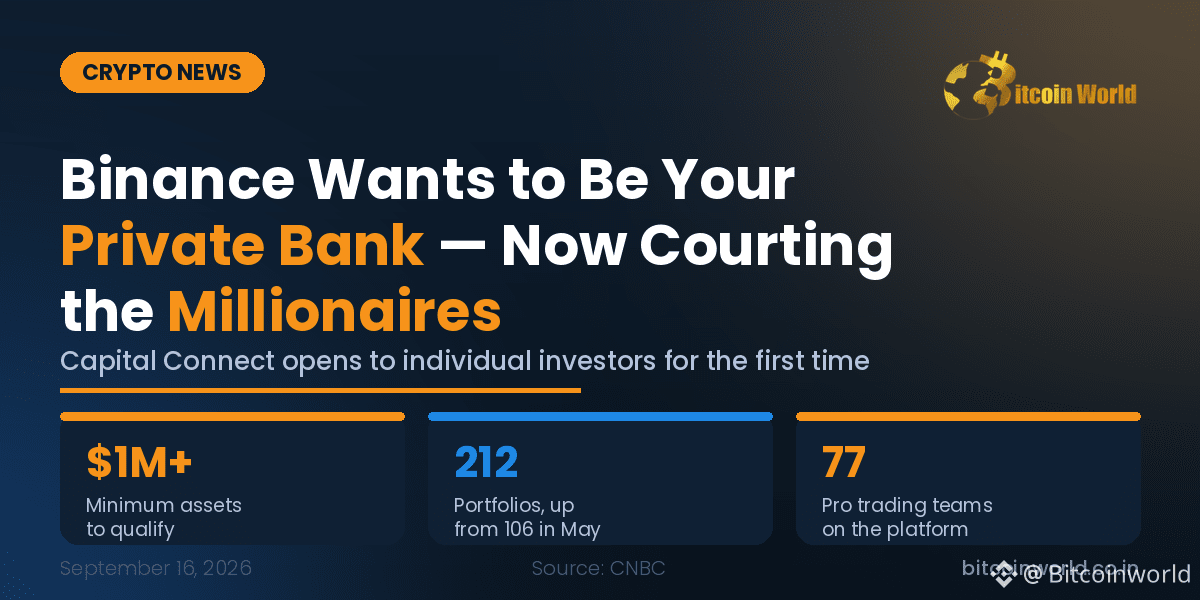
Binance birinchi marta individual investorlarni Capital Connect’ga qo‘ymoqda — ilgari faqat institutlar uchun bo‘lgan platforma.
Kirib olish uchun sizda kamida 1 million dollar miqdoridagi aktiv bo‘lishi (yoki birjada VIP 3 maqomi) kerak.
Ichkariga kirganingizdan so‘ng siz professional savdo strategiyalari orqali “xarid” qilishingiz va pulingizni yoqqan strategiyalarga kiritishingiz mumkin — bu xuddi fond menejerini tanlagandek.
Asosiy sarlavha: kriptodagi eng yirik birja endi xususiy banklar azaldan o‘ziga tegishli deb bilgan badavlat mijozlar ortidan bormoqda.
Binance endi sizning xususiy bankingiz bo‘lishni xohlaydi — va u millionerlar tomon boryapti
BitcoinWorld
Binance endi sizning xususiy bankingiz bo‘lishni xohlaydi — va u millionerlar tomon boryapti
Asosiy xulosalar
Binance birinchi marta individual investorlarni Capital Connect’ga qo‘ymoqda — ilgari faqat institutlar uchun bo‘lgan platforma.
Kirib olish uchun sizda kamida 1 million dollar miqdoridagi aktiv bo‘lishi (yoki birjada VIP 3 maqomi) kerak.
Ichkariga kirganingizdan so‘ng siz professional savdo strategiyalari orqali “xarid” qilishingiz va pulingizni yoqqan strategiyalarga kiritishingiz mumkin — bu xuddi fond menejerini tanlagandek.
Asosiy sarlavha: kriptodagi eng yirik birja endi xususiy banklar azaldan o‘ziga tegishli deb bilgan badavlat mijozlar ortidan bormoqda.
Binance endi sizning xususiy bankingiz bo‘lishni xohlaydi — va u millionerlar tomon boryapti
Asosiy xulosalar
Binance birinchi marta individual investorlarni Capital Connect’ga qo‘ymoqda — ilgari faqat institutlar uchun bo‘lgan platforma.
Kirib olish uchun sizda kamida 1 million dollar miqdoridagi aktiv bo‘lishi (yoki birjada VIP 3 maqomi) kerak.
Ichkariga kirganingizdan so‘ng siz professional savdo strategiyalari orqali “xarid” qilishingiz va pulingizni yoqqan strategiyalarga kiritishingiz mumkin — bu xuddi fond menejerini tanlagandek.
Asosiy sarlavha: kriptodagi eng yirik birja endi xususiy banklar azaldan o‘ziga tegishli deb bilgan badavlat mijozlar ortidan bormoqda.
210
·
--
Maqola
KuCoin Arc’da Mainnet ishga tushirish vaqtida ishga tushdi, onchain moliyaga kirishni kengaytirmoqdaBitcoinWorld
KuCoin Arc’da Mainnet ishga tushirish vaqtida ishga tushdi, onchain moliyaga kirishni kengaytirmoqda
PROVIDENCIALES, Turks and Caicos Islands, 2026-yil 16-sentabr /PRNewswire/ — Ishonchga asoslangan yetakchi global kripto platformasi KuCoin bugun Arc’ga mainnet ishga tushirish hamkori sifatida ulanganini e’lon qildi. Bu kundan boshlab huquqqa ega foydalanuvchilarga USDC’ni to‘g‘ridan-to‘g‘ri KuCoin bilan Arc o‘rtasida ko‘chirish imkonini beradi.
Real hayotdagi moliyaviy faollik onchain’ga ko‘chib borar ekan, birjalarning roli tashkil etilgan bozorlarni rivojlanayotgan moliyaviy tarmoqlar bilan bog‘lashda tobora muhimlashmoqda. Ishga tushirish vaqtida Arc’ni qo‘llab-quvvatlagan holda, KuCoin USDC uchun tarmoq imkoniyatlarini kengaytiradi va to‘lovlar, treasury (g‘aznachilik) boshqaruvi, tokenlashtirilgan aktivlar hamda dasturlashtiriladigan moliya atrofida qurilgan ekotizimga amaliy kirish nuqtasini taqdim etadi.
KuCoin Arc’da Mainnet ishga tushirish vaqtida ishga tushdi, onchain moliyaga kirishni kengaytirmoqda
BitcoinWorld
KuCoin Arc’da Mainnet ishga tushirish vaqtida ishga tushdi, onchain moliyaga kirishni kengaytirmoqda
PROVIDENCIALES, Turks and Caicos Islands, 2026-yil 16-sentabr /PRNewswire/ — Ishonchga asoslangan yetakchi global kripto platformasi KuCoin bugun Arc’ga mainnet ishga tushirish hamkori sifatida ulanganini e’lon qildi. Bu kundan boshlab huquqqa ega foydalanuvchilarga USDC’ni to‘g‘ridan-to‘g‘ri KuCoin bilan Arc o‘rtasida ko‘chirish imkonini beradi.
Real hayotdagi moliyaviy faollik onchain’ga ko‘chib borar ekan, birjalarning roli tashkil etilgan bozorlarni rivojlanayotgan moliyaviy tarmoqlar bilan bog‘lashda tobora muhimlashmoqda. Ishga tushirish vaqtida Arc’ni qo‘llab-quvvatlagan holda, KuCoin USDC uchun tarmoq imkoniyatlarini kengaytiradi va to‘lovlar, treasury (g‘aznachilik) boshqaruvi, tokenlashtirilgan aktivlar hamda dasturlashtiriladigan moliya atrofida qurilgan ekotizimga amaliy kirish nuqtasini taqdim etadi.
KuCoin Arc’da Mainnet ishga tushirish vaqtida ishga tushdi, onchain moliyaga kirishni kengaytirmoqda
PROVIDENCIALES, Turks and Caicos Islands, 2026-yil 16-sentabr /PRNewswire/ — Ishonchga asoslangan yetakchi global kripto platformasi KuCoin bugun Arc’ga mainnet ishga tushirish hamkori sifatida ulanganini e’lon qildi. Bu kundan boshlab huquqqa ega foydalanuvchilarga USDC’ni to‘g‘ridan-to‘g‘ri KuCoin bilan Arc o‘rtasida ko‘chirish imkonini beradi.
Real hayotdagi moliyaviy faollik onchain’ga ko‘chib borar ekan, birjalarning roli tashkil etilgan bozorlarni rivojlanayotgan moliyaviy tarmoqlar bilan bog‘lashda tobora muhimlashmoqda. Ishga tushirish vaqtida Arc’ni qo‘llab-quvvatlagan holda, KuCoin USDC uchun tarmoq imkoniyatlarini kengaytiradi va to‘lovlar, treasury (g‘aznachilik) boshqaruvi, tokenlashtirilgan aktivlar hamda dasturlashtiriladigan moliya atrofida qurilgan ekotizimga amaliy kirish nuqtasini taqdim etadi.
2
1
187
·
--
Maqola
CoinDCX Tether Gold bilan hamkorlikda tokenlashtirilgan oltin XAUTni hindistonlik investorlar uchun taqdim etadi; SIPni INR ...BitcoinWorld
CoinDCX Tether Gold bilan hamkorlikda tokenlashtirilgan oltin XAUTni hindistonlik investorlar uchun taqdim etadi; INR 100 dan boshlab SIPni ishga tushiradi
Bengaluru, Karnataka, Hindiston
CoinDCX, Hindistonning eng yirik kripto birjasi, bugun bozor kapitallashuvi bo‘yicha dunyodagi eng yirik tokenlashtirilgan oltin mahsuloti Tether Gold (XAUT) bilan strategik hamkorlik haqida e’lon qildi. Ushbu hamkorlik doirasida XAUT endi CoinDCX’da savdo qilish uchun mavjud bo‘ldi, shuningdek XAUT SIP ishga tushirildi. Bu esa foydalanuvchilarga tokenlashtirilgan oltinga INR 100 dan boshlab sarmoya kiritishni boshlash imkonini beradi.
CoinDCX Tether Gold bilan hamkorlikda tokenlashtirilgan oltin XAUTni hindistonlik investorlar uchun taqdim etadi; SIPni INR ...
BitcoinWorld
CoinDCX Tether Gold bilan hamkorlikda tokenlashtirilgan oltin XAUTni hindistonlik investorlar uchun taqdim etadi; INR 100 dan boshlab SIPni ishga tushiradi
Bengaluru, Karnataka, Hindiston
CoinDCX, Hindistonning eng yirik kripto birjasi, bugun bozor kapitallashuvi bo‘yicha dunyodagi eng yirik tokenlashtirilgan oltin mahsuloti Tether Gold (XAUT) bilan strategik hamkorlik haqida e’lon qildi. Ushbu hamkorlik doirasida XAUT endi CoinDCX’da savdo qilish uchun mavjud bo‘ldi, shuningdek XAUT SIP ishga tushirildi. Bu esa foydalanuvchilarga tokenlashtirilgan oltinga INR 100 dan boshlab sarmoya kiritishni boshlash imkonini beradi.
CoinDCX Tether Gold bilan hamkorlikda tokenlashtirilgan oltin XAUTni hindistonlik investorlar uchun taqdim etadi; INR 100 dan boshlab SIPni ishga tushiradi
Bengaluru, Karnataka, Hindiston
CoinDCX, Hindistonning eng yirik kripto birjasi, bugun bozor kapitallashuvi bo‘yicha dunyodagi eng yirik tokenlashtirilgan oltin mahsuloti Tether Gold (XAUT) bilan strategik hamkorlik haqida e’lon qildi. Ushbu hamkorlik doirasida XAUT endi CoinDCX’da savdo qilish uchun mavjud bo‘ldi, shuningdek XAUT SIP ishga tushirildi. Bu esa foydalanuvchilarga tokenlashtirilgan oltinga INR 100 dan boshlab sarmoya kiritishni boshlash imkonini beradi.
253
·
--
Maqola
ViaBTC Mempool bilan hamkorlik qilib, BTC tranzaksiyalarini tezlashtirish xizmatlariga kirishni kengaytirmoqdaBitcoinWorld
ViaBTC Mempool bilan hamkorlik qilib, BTC tranzaksiya tezlashtirish xizmatlariga kirishni kengaytirmoqda
HONG KONG, 2026-yil 16-sentabr /PRNewswire/ — Bugun yetakchi global ko‘p kriptovalyutali kon qazib olish hovuzi bo‘lgan ViaBTC, Bitcoin tranzaksiyalarini tezlashtirish xizmatlariga kirishni kengaytirish maqsadida Mempool bilan hamkorlik e’lon qildi. Hamkorlik doirasida ViaBTC o‘zining Bitcoin kon qazib olish hovuzi infratuzilmasi hamda blok tuzish va tranzaksiya jarayoni bo‘yicha tajribasidan foydalangan holda, munosib tranzaksiyalarni tezlashtiradi va shu orqali ko‘proq foydalanuvchilar Bitcoin tranzaksiyalarini tezroq tasdiqlatishiga yordam beradi.
ViaBTC Mempool bilan hamkorlik qilib, BTC tranzaksiyalarini tezlashtirish xizmatlariga kirishni kengaytirmoqda
BitcoinWorld
ViaBTC Mempool bilan hamkorlik qilib, BTC tranzaksiya tezlashtirish xizmatlariga kirishni kengaytirmoqda
HONG KONG, 2026-yil 16-sentabr /PRNewswire/ — Bugun yetakchi global ko‘p kriptovalyutali kon qazib olish hovuzi bo‘lgan ViaBTC, Bitcoin tranzaksiyalarini tezlashtirish xizmatlariga kirishni kengaytirish maqsadida Mempool bilan hamkorlik e’lon qildi. Hamkorlik doirasida ViaBTC o‘zining Bitcoin kon qazib olish hovuzi infratuzilmasi hamda blok tuzish va tranzaksiya jarayoni bo‘yicha tajribasidan foydalangan holda, munosib tranzaksiyalarni tezlashtiradi va shu orqali ko‘proq foydalanuvchilar Bitcoin tranzaksiyalarini tezroq tasdiqlatishiga yordam beradi.
ViaBTC Mempool bilan hamkorlik qilib, BTC tranzaksiya tezlashtirish xizmatlariga kirishni kengaytirmoqda
HONG KONG, 2026-yil 16-sentabr /PRNewswire/ — Bugun yetakchi global ko‘p kriptovalyutali kon qazib olish hovuzi bo‘lgan ViaBTC, Bitcoin tranzaksiyalarini tezlashtirish xizmatlariga kirishni kengaytirish maqsadida Mempool bilan hamkorlik e’lon qildi. Hamkorlik doirasida ViaBTC o‘zining Bitcoin kon qazib olish hovuzi infratuzilmasi hamda blok tuzish va tranzaksiya jarayoni bo‘yicha tajribasidan foydalangan holda, munosib tranzaksiyalarni tezlashtiradi va shu orqali ko‘proq foydalanuvchilar Bitcoin tranzaksiyalarini tezroq tasdiqlatishiga yordam beradi.
204
·
--
Maqola
ARTPRICE NEWS: ZAMONAVIY SAN’AT BO‘YICHA 18-LYON BIENNALESI HOZIR OCHIQBitcoinWorld
ARTPRICE NEWS: ZAMONAVIY SAN’AT BO‘YICHA 18-LYON BIENNALESI HOZIR OCHIQ
Passer d’un rêve à l’autre — Boshqa bir orzuga o‘tish
19-sentabr — 13-dekabr 2026 11 ta makon • 120 nafar rassom • deyarli 400 ta asar
PARIJ, 2026-yil 15-sentabr /PRNewswire/ — 19-sentabrdan boshlab, Zamonaviy san’at bo‘yicha 18-Lyon Biennalesi jamoatchilik uchun o‘z eshiklarini ochadi. 2026-yil 13-dekabrgacha Passer d’un rêve à l’autre (Boshqa bir orzuga o‘tish) hammani Lyondagi va uning metropoliten hududidagi 11 ta makonda yoyilayotgan saxovatli Biennaleni boshdan kechirishga taklif qiladi; u 120 nafar rassomni va deyarli 400 ta asarni birlashtiradi.
ARTPRICE NEWS: ZAMONAVIY SAN’AT BO‘YICHA 18-LYON BIENNALESI HOZIR OCHIQ
BitcoinWorld
ARTPRICE NEWS: ZAMONAVIY SAN’AT BO‘YICHA 18-LYON BIENNALESI HOZIR OCHIQ
Passer d’un rêve à l’autre — Boshqa bir orzuga o‘tish
19-sentabr — 13-dekabr 2026 11 ta makon • 120 nafar rassom • deyarli 400 ta asar
PARIJ, 2026-yil 15-sentabr /PRNewswire/ — 19-sentabrdan boshlab, Zamonaviy san’at bo‘yicha 18-Lyon Biennalesi jamoatchilik uchun o‘z eshiklarini ochadi. 2026-yil 13-dekabrgacha Passer d’un rêve à l’autre (Boshqa bir orzuga o‘tish) hammani Lyondagi va uning metropoliten hududidagi 11 ta makonda yoyilayotgan saxovatli Biennaleni boshdan kechirishga taklif qiladi; u 120 nafar rassomni va deyarli 400 ta asarni birlashtiradi.
ARTPRICE NEWS: ZAMONAVIY SAN’AT BO‘YICHA 18-LYON BIENNALESI HOZIR OCHIQ
Passer d’un rêve à l’autre — Boshqa bir orzuga o‘tish
19-sentabr — 13-dekabr 2026 11 ta makon • 120 nafar rassom • deyarli 400 ta asar
PARIJ, 2026-yil 15-sentabr /PRNewswire/ — 19-sentabrdan boshlab, Zamonaviy san’at bo‘yicha 18-Lyon Biennalesi jamoatchilik uchun o‘z eshiklarini ochadi. 2026-yil 13-dekabrgacha Passer d’un rêve à l’autre (Boshqa bir orzuga o‘tish) hammani Lyondagi va uning metropoliten hududidagi 11 ta makonda yoyilayotgan saxovatli Biennaleni boshdan kechirishga taklif qiladi; u 120 nafar rassomni va deyarli 400 ta asarni birlashtiradi.
220
·
--
Maqola
Gnosis Safe Wallet 7,7 million dollar yo‘qotdi va xakerlar uni sindirishga majbur bo‘lmadiBitcoinWorld
Gnosis Safe Wallet 7,7 million dollar yo‘qotdi va xakerlar uni sindirishga majbur bo‘lmadi
Asosiy xulosalar
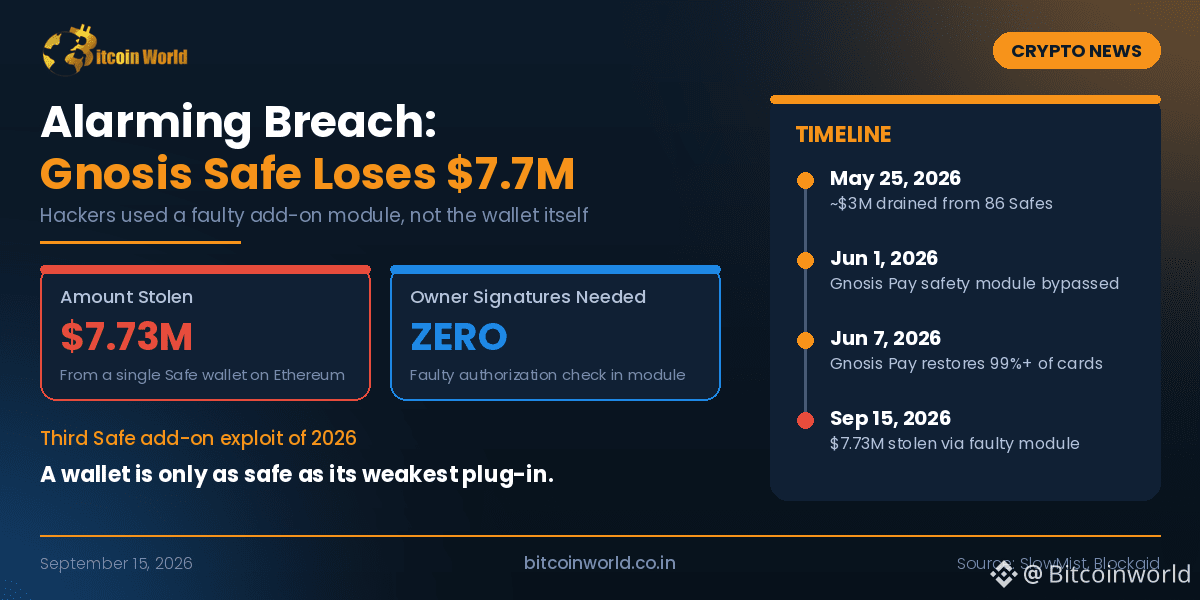
Xakerlar 2026-yil 15-sentabr kuni bitta Gnosis Safe wallet’idan taxminan 7,73 million dollarni o‘g‘irlashdi.
Ular wallet’ning o‘zini buzishmadi. Unga ulangan qo‘shimcha (add-on) vosita orqali kirishdi.
O‘g‘irlangan pul xakerlar tashkil qilgan savdo hovuzidan o‘tkazildi, bu esa kuzatishni qiyinlashtirdi.
Bu yil Safe wallet qo‘shimchalari yordamida mablag‘larni o‘g‘irlash uchun uchinchi marta foydalanilmoqda.
Avvalo, Gnosis Safe nima?
Gnosis Safe’ni ochish uchun bir nechta kalit kerak bo‘ladigan bank seyfi sifatida tasavvur qiling. Kompaniyalar, kripto fondlar va badavlat investorlar undan foydalanadi, chunki hech bir shaxs pulni yolg‘iz o‘zi ko‘chira olmaydi. Shu sababli u kriptotni saqlash uchun eng xavfsiz joylardan biri degan obro‘ga ega.
Gnosis Safe Wallet 7,7 million dollar yo‘qotdi va xakerlar uni sindirishga majbur bo‘lmadi
BitcoinWorld
Gnosis Safe Wallet 7,7 million dollar yo‘qotdi va xakerlar uni sindirishga majbur bo‘lmadi
Asosiy xulosalar
Xakerlar 2026-yil 15-sentabr kuni bitta Gnosis Safe wallet’idan taxminan 7,73 million dollarni o‘g‘irlashdi.
Ular wallet’ning o‘zini buzishmadi. Unga ulangan qo‘shimcha (add-on) vosita orqali kirishdi.
O‘g‘irlangan pul xakerlar tashkil qilgan savdo hovuzidan o‘tkazildi, bu esa kuzatishni qiyinlashtirdi.
Bu yil Safe wallet qo‘shimchalari yordamida mablag‘larni o‘g‘irlash uchun uchinchi marta foydalanilmoqda.
Avvalo, Gnosis Safe nima?
Gnosis Safe’ni ochish uchun bir nechta kalit kerak bo‘ladigan bank seyfi sifatida tasavvur qiling. Kompaniyalar, kripto fondlar va badavlat investorlar undan foydalanadi, chunki hech bir shaxs pulni yolg‘iz o‘zi ko‘chira olmaydi. Shu sababli u kriptotni saqlash uchun eng xavfsiz joylardan biri degan obro‘ga ega.
Gnosis Safe Wallet 7,7 million dollar yo‘qotdi va xakerlar uni sindirishga majbur bo‘lmadi
Asosiy xulosalar
Xakerlar 2026-yil 15-sentabr kuni bitta Gnosis Safe wallet’idan taxminan 7,73 million dollarni o‘g‘irlashdi.
Ular wallet’ning o‘zini buzishmadi. Unga ulangan qo‘shimcha (add-on) vosita orqali kirishdi.
O‘g‘irlangan pul xakerlar tashkil qilgan savdo hovuzidan o‘tkazildi, bu esa kuzatishni qiyinlashtirdi.
Bu yil Safe wallet qo‘shimchalari yordamida mablag‘larni o‘g‘irlash uchun uchinchi marta foydalanilmoqda.
Avvalo, Gnosis Safe nima?
Gnosis Safe’ni ochish uchun bir nechta kalit kerak bo‘ladigan bank seyfi sifatida tasavvur qiling. Kompaniyalar, kripto fondlar va badavlat investorlar undan foydalanadi, chunki hech bir shaxs pulni yolg‘iz o‘zi ko‘chira olmaydi. Shu sababli u kriptotni saqlash uchun eng xavfsiz joylardan biri degan obro‘ga ega.
213
Ko‘proq kontentni ko‘rish uchun tizimga kiring
Binance Square'da global kriptovalyuta foydalanuvchilariga qo‘shiling
⚡️ Kriptovalyuta haqida eng so‘nggi va foydali ma’lumotlarni oling.
💬 Dunyoning eng yirik kriptovalyuta birjasi tomonidan ishonchli deb topilgan.
👍 Tasdiqlangan mualliflardan haqiqiy tahlillarni kashf eting.
Email / telefon raqami
Trenddagi mavzular
NEARRisesNearly80%InAWeek
5,780 marta koʻrilgan
413 muhokama qilmoqda
#nearrisesnearly80%inaweek
🚨 NEAR RALLIES: 1 HAFTADA DEYARLI 80%!
NEAR Protocol’ning mahalliy tokeni katta haftalik harakatni amalga oshirdi: so‘nggi yetti kun ichida qariyb 78%ga o‘sib, 21-sentabr kuni xabar qilingan CoinGecko ma’lumotlariga ko‘ra $4.29 atrofida savdo qilmoqda.
📊 DIQQATNI NIMALAR TORTMOQDA?
• NEAR qariyb $2.20 dan taxminan bir hafta ichida $4.20 dan oshib ketdi
• NEAR Intents’ning kumulyativ savdo hajmi $30 mlrdga yaqinlashmoqda
• Maxfiy perpetual-futures savdosi atrofidagi yaqinda bo‘lgan faollik ekotizim haqida yana bir muhim narrativni qo‘shdi
• NEAR’ning haftalik ko‘rsatkichi kripto bozorining umumiy o‘sishidan ancha ustun: o‘sha davrda bozor qariyb 6%ga oshgan
🔎 NIMA UCHUN MUHIM
Ushbu miting NEAR’ning kross-zanjirli likvidlik infratuzilmasi, Intents ekotizimi hamda maxfiylikka yo‘naltirilgan savdo ishlanmalari atrofida yana bir bor e’tiborni kuchaytirmoqda.
Biroq bunday tezkor o‘sishdan keyin volatillik va foyda olish (profit-taking) kabi xavflarni ham kuzatish muhim. Kuchli haftalik o‘sish momentum davom etishini kafolatlamaydi.
📌 KEYINGI KO‘RINISH
Treydlar NEAR so‘nggi breakout’ni ushlab tura oladimi-yo‘qmi va tarmoqdagi faollik bozor narrativini qo‘llab-quvvatlashda davom etadimi, degan savolga e’tibor berayotgan bo‘lishi mumkin.
NEAR’ning narx harakati kuchli — ammo keyingi sinov ekotizim faolligi spekulyatsiya sur’atiga mos kela oladimi-yo‘qmi.
$MUBARAK $PHA $NIL
顾清妍
·0 ta layk
·1.4k marta koʻrilgan
MultiversXPlansHardForkRecovery
7,015 marta koʻrilgan
367 muhokama qilmoqda
CircleLaunchesInstitutionalBTCBackedBorrowing
8,998 marta koʻrilgan
503 muhokama qilmoqda