
Kaan Kaya 1
370 Postlar

Kaan Kaya 1
Shikoyat qilish
Foydalanuvchini bloklash
Web3 strategist | On-chain analyst Building new projects, sharing smart money insights 📊 Open to collaborations with teams creating real value.
0 Kuzatilmoqda
1 Kuzatuvchilar
17 Yoqdi
Postlar
·
--
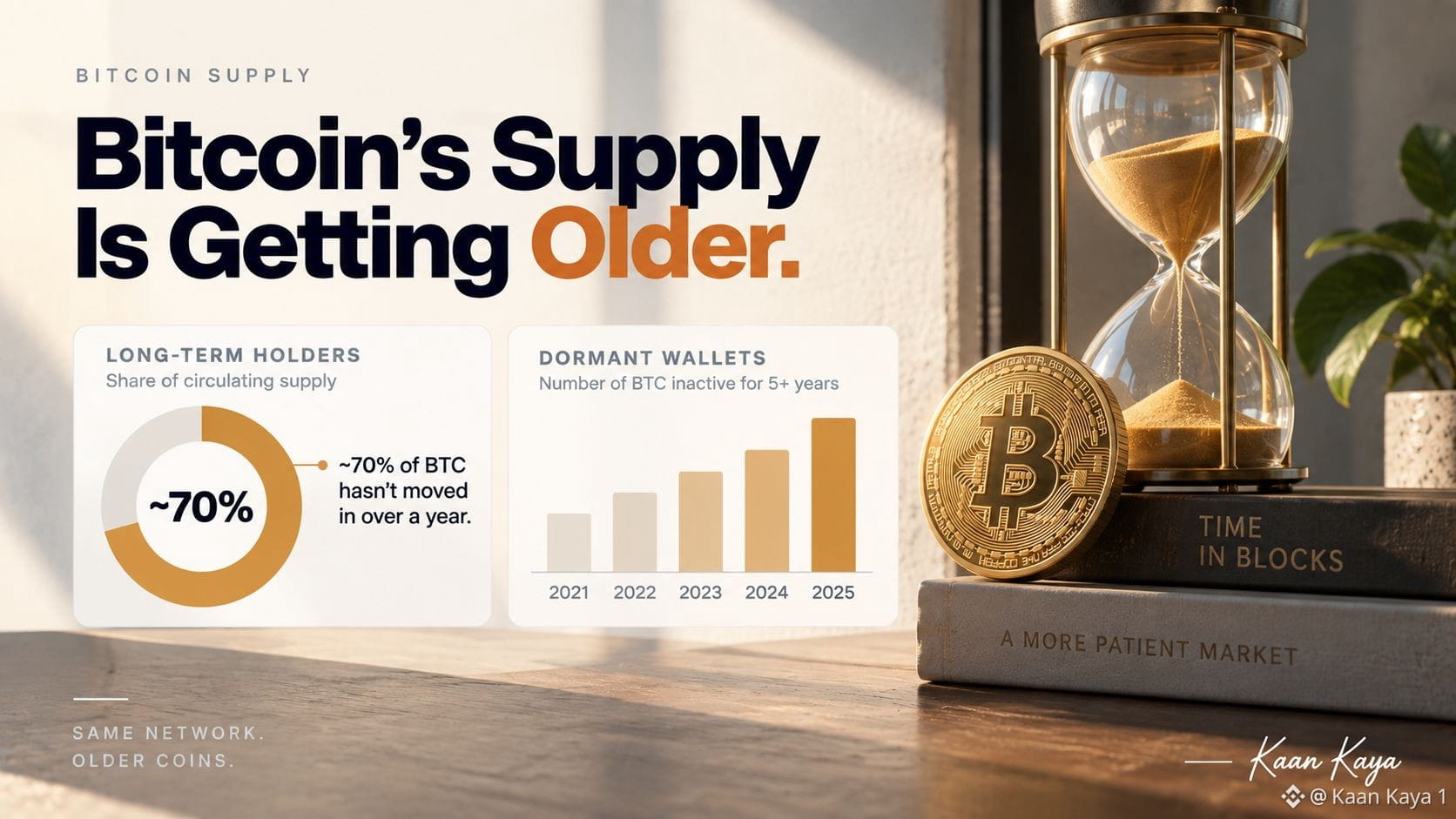
Bitcoin’ning taklifi keksaryapti $BTC’ning tobora ortib borayotgan ulushi yillar davomida harakat qilmayapti. So‘nggi on-chain (zanjir ichidagi) ma’lumotlar shuni ko‘rsatadiki, uzoq muddatli egalarning ko‘pchiligi bo‘lib qolayotgani Bitcoin’ning muomaladagi ta’minotining katta qismini nazorat qilishda davom etmoqda—hatto bozor narxining asosiy tebranishlaridan keyin ham. Bu muhim, chunki Bitcoin’ning “headline” (umumiy e’lon qilingan) taklifi va uning sotiladigan (tradable) taklifi ikki xil narsadir. Uzoq muddatli hamyonlarda tegmay turgan tangalar yangi xaridor bozorga kirganda har doim ham mavjud bo‘lavermaydi. Ammo men buni avtomatik tarzda “eski taklif bullish” deb atayman, demagan bo‘lardim. Harakatsiz tangalar uyg‘onishi mumkin va uzoq muddatli egalarning o‘zi narxlar yetarlicha ko‘tarilganda sotuvning muhim manbai bo‘lib qoladi. Shuning uchun men eski Bitcoin yana harakatlana boshlaganini kuzatishni afzal ko‘raman, uni hali-hanuz harakat qilmayotgani uchun shunchaki bayram qilishdan ko‘ra. #BTC Price Analysis# #Bitcoin Price Prediction: What is Bitcoins next move?#
Bitcoin’ning taklifi keksaryapti $BTC’ning tobora ortib borayotgan ulushi yillar davomida harakat qilmayapti. So‘nggi on-chain (zanjir ichidagi) ma’lumotlar shuni ko‘rsatadiki, uzoq muddatli egalarning ko‘pchiligi bo‘lib qolayotgani Bitcoin’ning muomaladagi ta’minotining katta qismini nazorat qilishda davom etmoqda—hatto bozor narxining asosiy tebranishlaridan keyin ham. Bu muhim, chunki Bitcoin’ning “headline” (umumiy e’lon qilingan) taklifi va uning sotiladigan (tradable) taklifi ikki xil narsadir. Uzoq muddatli hamyonlarda tegmay turgan tangalar yangi xaridor bozorga kirganda har doim ham mavjud bo‘lavermaydi. Ammo men buni avtomatik tarzda “eski taklif bullish” deb atayman, demagan bo‘lardim. Harakatsiz tangalar uyg‘onishi mumkin va uzoq muddatli egalarning o‘zi narxlar yetarlicha ko‘tarilganda sotuvning muhim manbai bo‘lib qoladi. Shuning uchun men eski Bitcoin yana harakatlana boshlaganini kuzatishni afzal ko‘raman, uni hali-hanuz harakat qilmayotgani uchun shunchaki bayram qilishdan ko‘ra. #BTC Price Analysis# #Bitcoin Price Prediction: What is Bitcoins next move?#
49
·
--
U butun vaqt davomida noto‘g‘ri raqamni kamaytirayotgan ekan: men biladigan biznes-analitik har chorakda treyderlik zalidagi P&L’da bitta qatorga — asosan $BTC juftliklaridagi market-making hajmiga — yaqin-yaqin tikilib o‘tiradi, u esa to‘lovlar (fees) bo‘limi ostida qayd etilgan. Yillar davomida bu raqam bir tomonga siljiy berdi: kamaytirish uchun bo‘lgan xarajat sifatida. Mantiq oddiy edi: desk (zal) e’lon qilgan kotirovkalar orqali ishlab chiqargan har bir hajm birligiga to‘lovlar chiqadi, shuning uchun faoliyat overhead (umumiy xarajat) kabi baholanadi — imkoni bo‘lsa kesiladi, oqlansa davom ettiriladi. Sanoat bo‘ylab qarashni o‘zgartirayotgan narsa esa likvidlikni qo‘shadigan buyurtmalar uchun chegirma (rebate) daromadi, ya’ni uni “olib qo‘yish” (taking) o‘rniga likvidlik berish. To‘lov qatori yonida chegirma qatori bo‘lsa, market making faqat sof xarajat emas, qisman o‘zini-o‘zi moliyalashtirayotgandek ko‘rinadi. U baholashi mumkin bo‘lgan variantlardan biri WhiteBIT’ning Market Making Program dasturi: maker’lar uchun chegirmalar —0.012% gacha. 🧮 Eng muhimi foiz stavkasi emas, balki tier (pog‘ona) tizimi: MM (market making) grid’da qolish qat’iy maqsad emas, balki hajmning foiziga bog‘liq; shuning uchun sekinroq oy desk’ga oldindan topib qo‘yilgan rebate’ni “qimmat” qilib yubormaydi. Moslashuvchan API ham paketga kiradi. https://institutional.whitebit.com/market-making-program?utm_source=coinmarketcap&utm_medium=mmpkkaan&utm_campaign=post Ikkinchi variant esa Kraken’ning market maker va HFTlar uchun taklifi bo‘lishi mumkin: maker to‘lovlari eligible (mos) spot juftliklarda —0.02% gacha, sub-millisekund ijro bilan reklamalanadi va ha, bu raqamni e’tiborsiz qoldirib bo‘lmas edi. https://www.kraken.com/ca/institutions/market-makers?utm_source=coinmarketcap&utm_medium=mmpkkaan&utm_campaign=post Qanday bo‘lishidan qat’i nazar, maker sifatida inventar (zaxira)ni ushlab turib va noxush tanlov (adverse selection)ni yeb, chegirmaga ega bo‘linadi. Xuddi shu risk, lekin doskada qaysi qatorga qaralayotgani u nimani qilish “arziydigan” deb baholashini o‘zgartiradi. ⚖️ Eslatma: Bu moliyaviy yoki investitsion maslahat emas. Har qanday qaror qabul qilishdan oldin o‘zingiz tadqiq qiling. O‘z xataringiz va javobgarligingiz bilan foydalaning. #BTC Price Analysis# #Bitcoin Price Prediction: What is Bitcoins next move?#
U butun vaqt davomida noto‘g‘ri raqamni kamaytirayotgan ekan: men biladigan biznes-analitik har chorakda treyderlik zalidagi P&L’da bitta qatorga — asosan $BTC juftliklaridagi market-making hajmiga — yaqin-yaqin tikilib o‘tiradi, u esa to‘lovlar (fees) bo‘limi ostida qayd etilgan. Yillar davomida bu raqam bir tomonga siljiy berdi: kamaytirish uchun bo‘lgan xarajat sifatida. Mantiq oddiy edi: desk (zal) e’lon qilgan kotirovkalar orqali ishlab chiqargan har bir hajm birligiga to‘lovlar chiqadi, shuning uchun faoliyat overhead (umumiy xarajat) kabi baholanadi — imkoni bo‘lsa kesiladi, oqlansa davom ettiriladi. Sanoat bo‘ylab qarashni o‘zgartirayotgan narsa esa likvidlikni qo‘shadigan buyurtmalar uchun chegirma (rebate) daromadi, ya’ni uni “olib qo‘yish” (taking) o‘rniga likvidlik berish. To‘lov qatori yonida chegirma qatori bo‘lsa, market making faqat sof xarajat emas, qisman o‘zini-o‘zi moliyalashtirayotgandek ko‘rinadi. U baholashi mumkin bo‘lgan variantlardan biri WhiteBIT’ning Market Making Program dasturi: maker’lar uchun chegirmalar —0.012% gacha. 🧮 Eng muhimi foiz stavkasi emas, balki tier (pog‘ona) tizimi: MM (market making) grid’da qolish qat’iy maqsad emas, balki hajmning foiziga bog‘liq; shuning uchun sekinroq oy desk’ga oldindan topib qo‘yilgan rebate’ni “qimmat” qilib yubormaydi. Moslashuvchan API ham paketga kiradi. https://institutional.whitebit.com/market-making-program?utm_source=coinmarketcap&utm_medium=mmpkkaan&utm_campaign=post Ikkinchi variant esa Kraken’ning market maker va HFTlar uchun taklifi bo‘lishi mumkin: maker to‘lovlari eligible (mos) spot juftliklarda —0.02% gacha, sub-millisekund ijro bilan reklamalanadi va ha, bu raqamni e’tiborsiz qoldirib bo‘lmas edi. https://www.kraken.com/ca/institutions/market-makers?utm_source=coinmarketcap&utm_medium=mmpkkaan&utm_campaign=post Qanday bo‘lishidan qat’i nazar, maker sifatida inventar (zaxira)ni ushlab turib va noxush tanlov (adverse selection)ni yeb, chegirmaga ega bo‘linadi. Xuddi shu risk, lekin doskada qaysi qatorga qaralayotgani u nimani qilish “arziydigan” deb baholashini o‘zgartiradi. ⚖️ Eslatma: Bu moliyaviy yoki investitsion maslahat emas. Har qanday qaror qabul qilishdan oldin o‘zingiz tadqiq qiling. O‘z xataringiz va javobgarligingiz bilan foydalaning. #BTC Price Analysis# #Bitcoin Price Prediction: What is Bitcoins next move?#

·
--
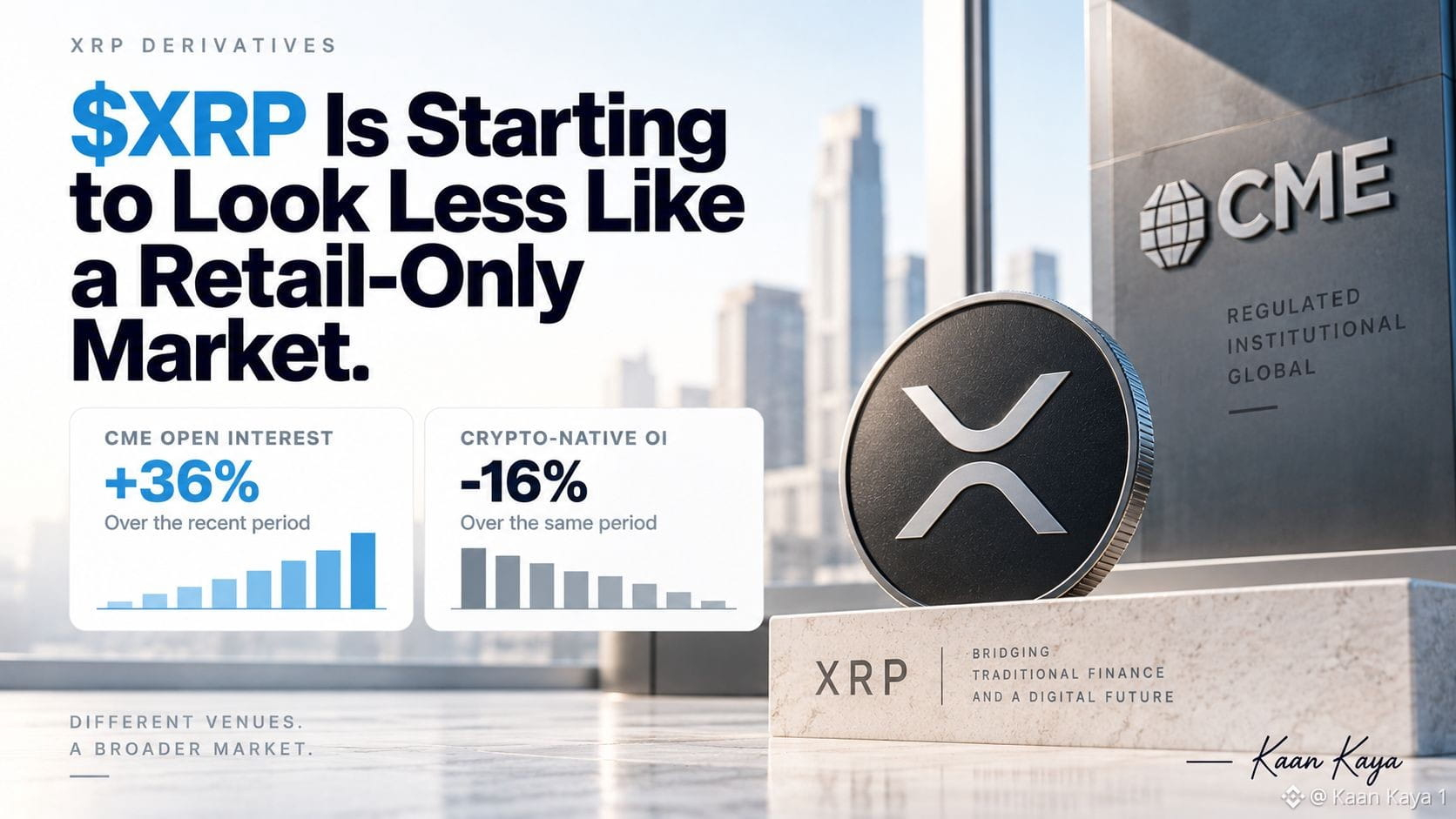
$XRP Kichik bir narsaga o‘xshagani kamroq ko‘rinayapti: faqat chakana bozor 🤔 Yaqinda $XRP atrofidagi bitta raqam e’tiborimni tortdi: CME’dagi open interest o‘sib bormoqda, kripto-native derivativlar bozorlari esa faolligi soviyapti. Bu muhim, chunki CME juda boshqacha auditoriyani jalb qiladi. Jamg‘armalar va professional treyding stollar ko‘pincha xedj qilish va ta’sirni olish uchun tartibga solingan fyucherslarni afzal ko‘radi, shuning uchun XRP derivativlarining u yerga ko‘chishi tokenning o‘zi o‘zgarmagan bo‘lsa ham bozor tuzilmasini o‘zgartirishi mumkin. Buni bevosita “institutsiyalar bullish” deb tarjima qilmas edim. Fyucherslar narxlarning yuqoriligiga tikish bilan bir qatorda xuddi shunday qulay tarzda short qilish, xedj qilish yoki basis treydlar yuritish uchun ham ishlatiladi. Aynan shuning uchun bu siljish qiziq. Institutsional ishtirok har doim ham kimdir $XRP ni shunchaki sotib olib, ushlab turayotgani sifatida ko‘rinavermaydi. Ba’zan u birinchi bo‘lib risk qayerda va qanday savdo qilinayotgani orqali namoyon bo‘ladi. #Macro Insights# #Altcoin Season#
$XRP Kichik bir narsaga o‘xshagani kamroq ko‘rinayapti: faqat chakana bozor 🤔 Yaqinda $XRP atrofidagi bitta raqam e’tiborimni tortdi: CME’dagi open interest o‘sib bormoqda, kripto-native derivativlar bozorlari esa faolligi soviyapti. Bu muhim, chunki CME juda boshqacha auditoriyani jalb qiladi. Jamg‘armalar va professional treyding stollar ko‘pincha xedj qilish va ta’sirni olish uchun tartibga solingan fyucherslarni afzal ko‘radi, shuning uchun XRP derivativlarining u yerga ko‘chishi tokenning o‘zi o‘zgarmagan bo‘lsa ham bozor tuzilmasini o‘zgartirishi mumkin. Buni bevosita “institutsiyalar bullish” deb tarjima qilmas edim. Fyucherslar narxlarning yuqoriligiga tikish bilan bir qatorda xuddi shunday qulay tarzda short qilish, xedj qilish yoki basis treydlar yuritish uchun ham ishlatiladi. Aynan shuning uchun bu siljish qiziq. Institutsional ishtirok har doim ham kimdir $XRP ni shunchaki sotib olib, ushlab turayotgani sifatida ko‘rinavermaydi. Ba’zan u birinchi bo‘lib risk qayerda va qanday savdo qilinayotgani orqali namoyon bo‘ladi. #Macro Insights# #Altcoin Season#
60
·
--
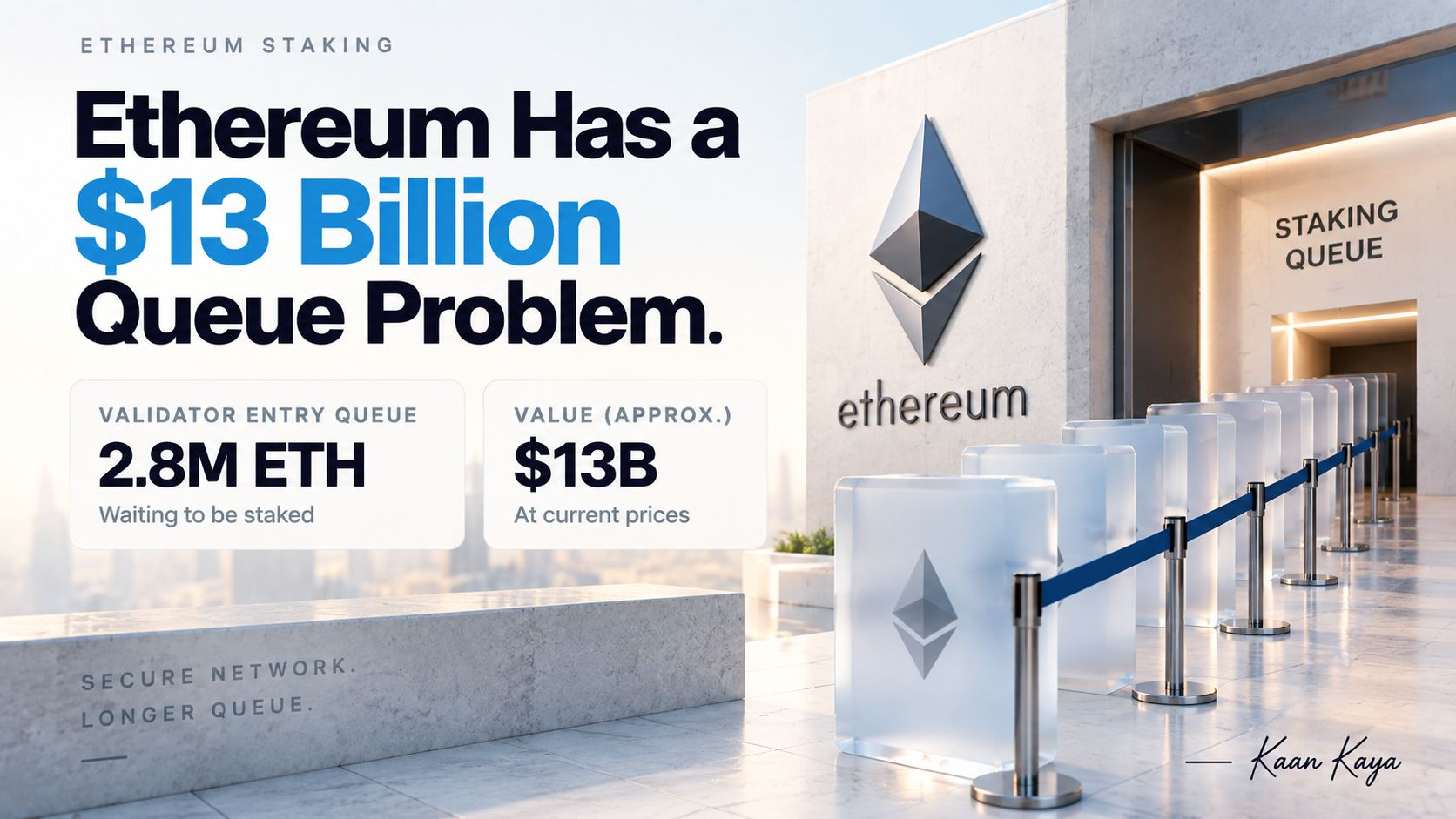
Ethereum’da 13 milliard dollarlik navbat muammosi mavjud. $ETH staking atrofida shakllanayotgan qiziqarli to‘siq bor. Validatorlar kirish navbati 2,8 million ETH dan oshib ketdi — bu taxminan 13 milliard dollarni tashkil etadi. Bu esa yangi validatorlar o‘z ETH’larini real stakingka boshlashidan oldin sezilarli kutish kerakligini anglatadi. Navbat ikki tomonga ham ishlaydi. Ethereum validatorlarning qanchalik tez kirishi yoki chiqishini ataylab cheklaydi, shuning uchun staking talabi keskin oshsa, tarmoqning validatorlar to‘plami darhol o‘zgara olmaydi. Shu sababli navbat nafaqat qancha ETH staking qilinganini hisoblashdan tashqari, qo‘shimcha signal bo‘lib xizmat qiladi. Unga qo‘shilayotganlar aslida kelajakda stakingda ishtirok etish evaziga kechiktirilgan likvidlikni qabul qilayotgan bo‘lishadi. Uzoq navbat avtomatik ravishda $ETH buqaviyligini (bullish) anglatmaydi. Ammo odamlar kapitalni tarmoqqa qulflash uchun hatto haftalab kutishga tayyor bo‘lsa, menimcha, talabning o‘zi kuzatishga arziydi. #ETHBlockchain #ETHFoundation
Ethereum’da 13 milliard dollarlik navbat muammosi mavjud. $ETH staking atrofida shakllanayotgan qiziqarli to‘siq bor. Validatorlar kirish navbati 2,8 million ETH dan oshib ketdi — bu taxminan 13 milliard dollarni tashkil etadi. Bu esa yangi validatorlar o‘z ETH’larini real stakingka boshlashidan oldin sezilarli kutish kerakligini anglatadi. Navbat ikki tomonga ham ishlaydi. Ethereum validatorlarning qanchalik tez kirishi yoki chiqishini ataylab cheklaydi, shuning uchun staking talabi keskin oshsa, tarmoqning validatorlar to‘plami darhol o‘zgara olmaydi. Shu sababli navbat nafaqat qancha ETH staking qilinganini hisoblashdan tashqari, qo‘shimcha signal bo‘lib xizmat qiladi. Unga qo‘shilayotganlar aslida kelajakda stakingda ishtirok etish evaziga kechiktirilgan likvidlikni qabul qilayotgan bo‘lishadi. Uzoq navbat avtomatik ravishda $ETH buqaviyligini (bullish) anglatmaydi. Ammo odamlar kapitalni tarmoqqa qulflash uchun hatto haftalab kutishga tayyor bo‘lsa, menimcha, talabning o‘zi kuzatishga arziydi. #ETHBlockchain #ETHFoundation
56
·
--
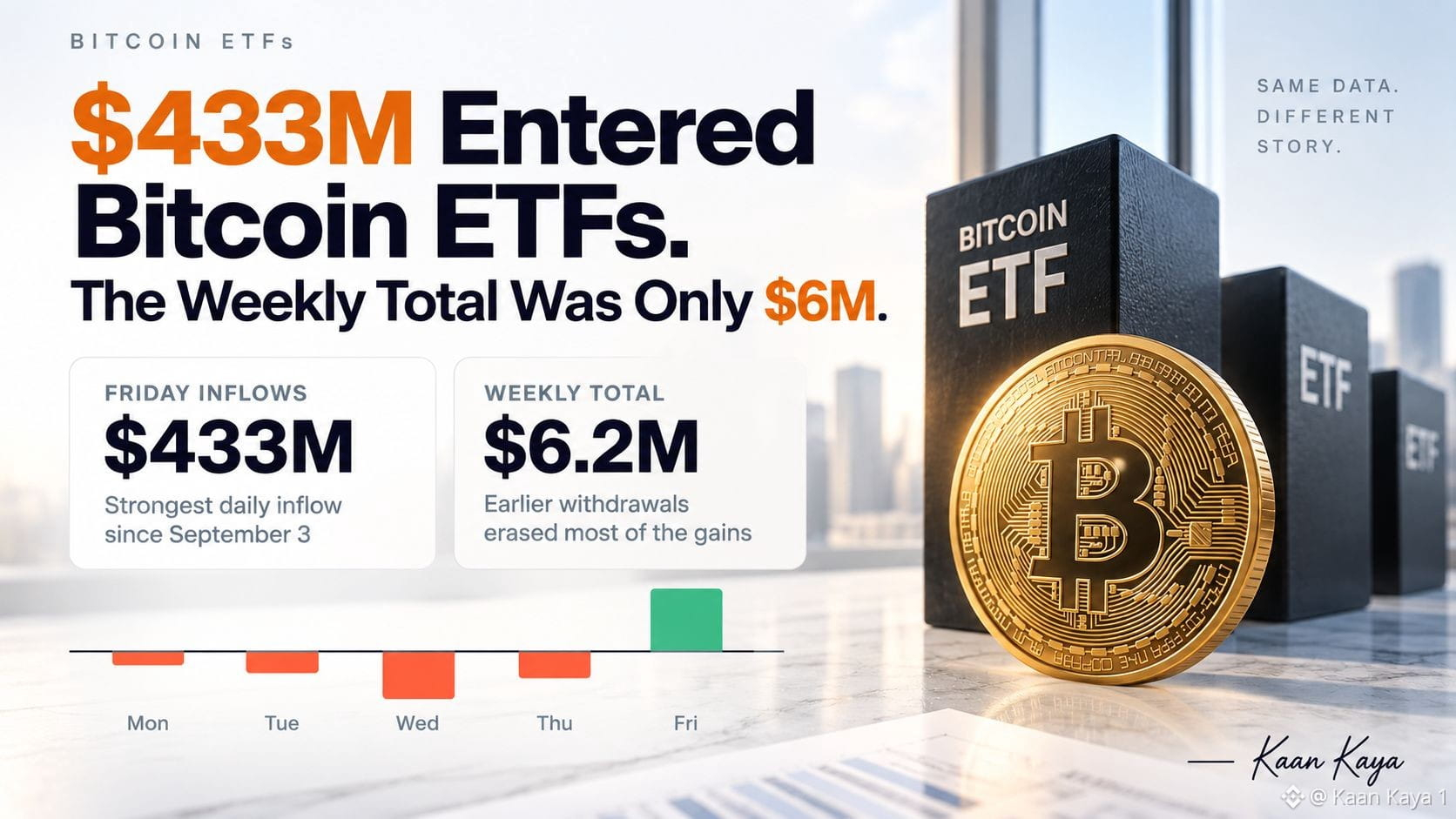
$433M Bitcoin ETF'lari kirib keldi. Haftalik jami atigi $6M edi 👀 Juma $BTC ETF'lari uchun katta ko‘rindi: investorlar AQSh spot Bitcoin fondlariga qariyb $433 million kiritdi, bu 3-sentabrdan beri eng kuchli kunlik oqim bo‘ldi. Fidelity’ning FBTC’i yolg‘iz o‘zi qariyb $311 millionni tashkil qildi. Ammo bir qadam orqaga chekinsangiz, voqea butunlay boshqacha ko‘rinadi. Butun hafta faqat $6.2 million sof kirim bilan yakunlandi, chunki haftaning boshlarida bo‘lgan yechib olishlar juma kuni kelganlarning deyarli hammasini o‘chirib tashladi. Shu bilan birga, Ether ETF'lari to‘rt haftalik ijobiy ketma-ketlikni yakunlab, mahsulotlardan qariyb $140 million chiqib ketdi. Menimcha, bu katta ETF-oqim sarlavhasi paydo bo‘lganda eslatma sifatida foydali. $400M kun institutsiyalar birdan juda optimistik bo‘lib qolganini bildirayotgandek tuyulishi mumkin, lekin kunlik oqimlar shovqinli bo‘lishi mumkin. Haftalik yoki oylik manzara esa kapital haqiqatan ham to‘planayaptimi yoki faqat ichkariga-chiqariga harakat qilyaptimi — shuni aytadi. Xuddi shu ma’lumot. Diagrammani qayerdan boshlashingizga qarab mutlaqo boshqa hikoya. 📊 #BTC Price Analysis# #Bitcoin Price Prediction: What is Bitcoins next move?#
$433M Bitcoin ETF'lari kirib keldi. Haftalik jami atigi $6M edi 👀 Juma $BTC ETF'lari uchun katta ko‘rindi: investorlar AQSh spot Bitcoin fondlariga qariyb $433 million kiritdi, bu 3-sentabrdan beri eng kuchli kunlik oqim bo‘ldi. Fidelity’ning FBTC’i yolg‘iz o‘zi qariyb $311 millionni tashkil qildi. Ammo bir qadam orqaga chekinsangiz, voqea butunlay boshqacha ko‘rinadi. Butun hafta faqat $6.2 million sof kirim bilan yakunlandi, chunki haftaning boshlarida bo‘lgan yechib olishlar juma kuni kelganlarning deyarli hammasini o‘chirib tashladi. Shu bilan birga, Ether ETF'lari to‘rt haftalik ijobiy ketma-ketlikni yakunlab, mahsulotlardan qariyb $140 million chiqib ketdi. Menimcha, bu katta ETF-oqim sarlavhasi paydo bo‘lganda eslatma sifatida foydali. $400M kun institutsiyalar birdan juda optimistik bo‘lib qolganini bildirayotgandek tuyulishi mumkin, lekin kunlik oqimlar shovqinli bo‘lishi mumkin. Haftalik yoki oylik manzara esa kapital haqiqatan ham to‘planayaptimi yoki faqat ichkariga-chiqariga harakat qilyaptimi — shuni aytadi. Xuddi shu ma’lumot. Diagrammani qayerdan boshlashingizga qarab mutlaqo boshqa hikoya. 📊 #BTC Price Analysis# #Bitcoin Price Prediction: What is Bitcoins next move?#
61
·
--
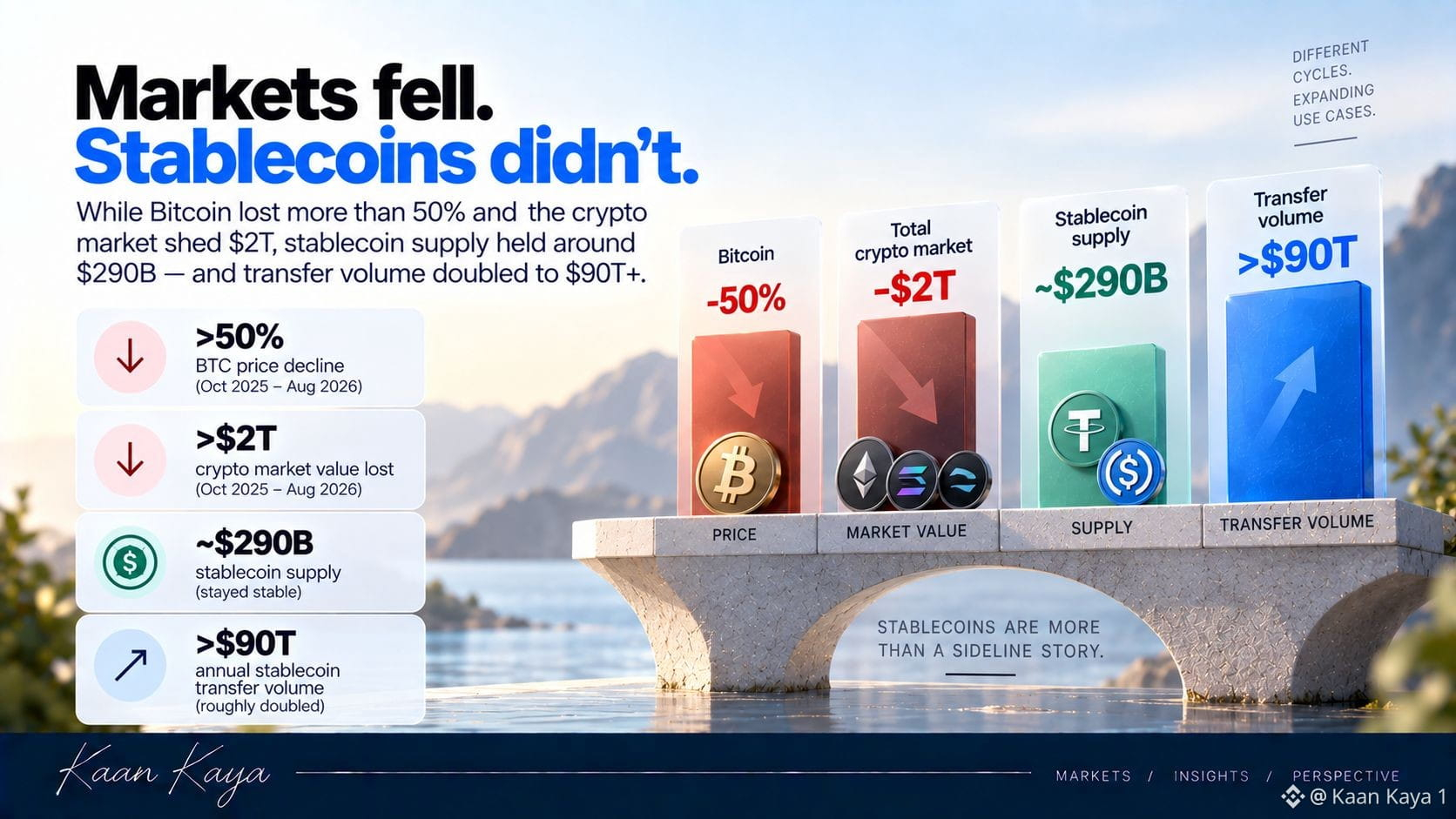
Stablekoinlar kutilganidek 50% lik Bitcoin qulashidan ham omon qoldi 💵 2025-yil oktabridan 2026-yil avgustigacha $BTC 50% dan ko‘proq tushdi va kengroq kripto bozori qiymat yo‘qotishda 2 trln dollardan oshdi. Stablekoin ta’minoti? Taxminan 290 mlrd dollarda qoldi. Eng qiziq tomoni, yillik o‘tkazmalar hajmi qariyb ikki barobarga oshib, 90 trln dollardan oshdi. Bu stablekoin bozori qanday o‘zgarganini ko‘rsatadi. Oldingi kripto sikllarida stablekoinlar ko‘proq kriptoga kirish uchun chetda kutib turgan “pul” sifatida muhokama qilinar edi. Endilikda $USDT, USDC va shunga o‘xshash aktivlar to‘lov, hisob-kitob va jamg‘arma kabi foydalanish holatlariga ega bo‘lib, Bitcoinning yuqoriga ketishini talab qilmaydi. Balki stablekoinni qabul qilish biz o‘ylaganimizdan ham ko‘proq kripto bull bozori (ko‘tarilish)ga bog‘liq bo‘lmay qolyotgandir. #Macro Insights# #Altcoin Season# #BTC Price Analysis# #Bitcoin Price Prediction: What is Bitcoins next move?#
Stablekoinlar kutilganidek 50% lik Bitcoin qulashidan ham omon qoldi 💵 2025-yil oktabridan 2026-yil avgustigacha $BTC 50% dan ko‘proq tushdi va kengroq kripto bozori qiymat yo‘qotishda 2 trln dollardan oshdi. Stablekoin ta’minoti? Taxminan 290 mlrd dollarda qoldi. Eng qiziq tomoni, yillik o‘tkazmalar hajmi qariyb ikki barobarga oshib, 90 trln dollardan oshdi. Bu stablekoin bozori qanday o‘zgarganini ko‘rsatadi. Oldingi kripto sikllarida stablekoinlar ko‘proq kriptoga kirish uchun chetda kutib turgan “pul” sifatida muhokama qilinar edi. Endilikda $USDT, USDC va shunga o‘xshash aktivlar to‘lov, hisob-kitob va jamg‘arma kabi foydalanish holatlariga ega bo‘lib, Bitcoinning yuqoriga ketishini talab qilmaydi. Balki stablekoinni qabul qilish biz o‘ylaganimizdan ham ko‘proq kripto bull bozori (ko‘tarilish)ga bog‘liq bo‘lmay qolyotgandir. #Macro Insights# #Altcoin Season# #BTC Price Analysis# #Bitcoin Price Prediction: What is Bitcoins next move?#
42
·
--
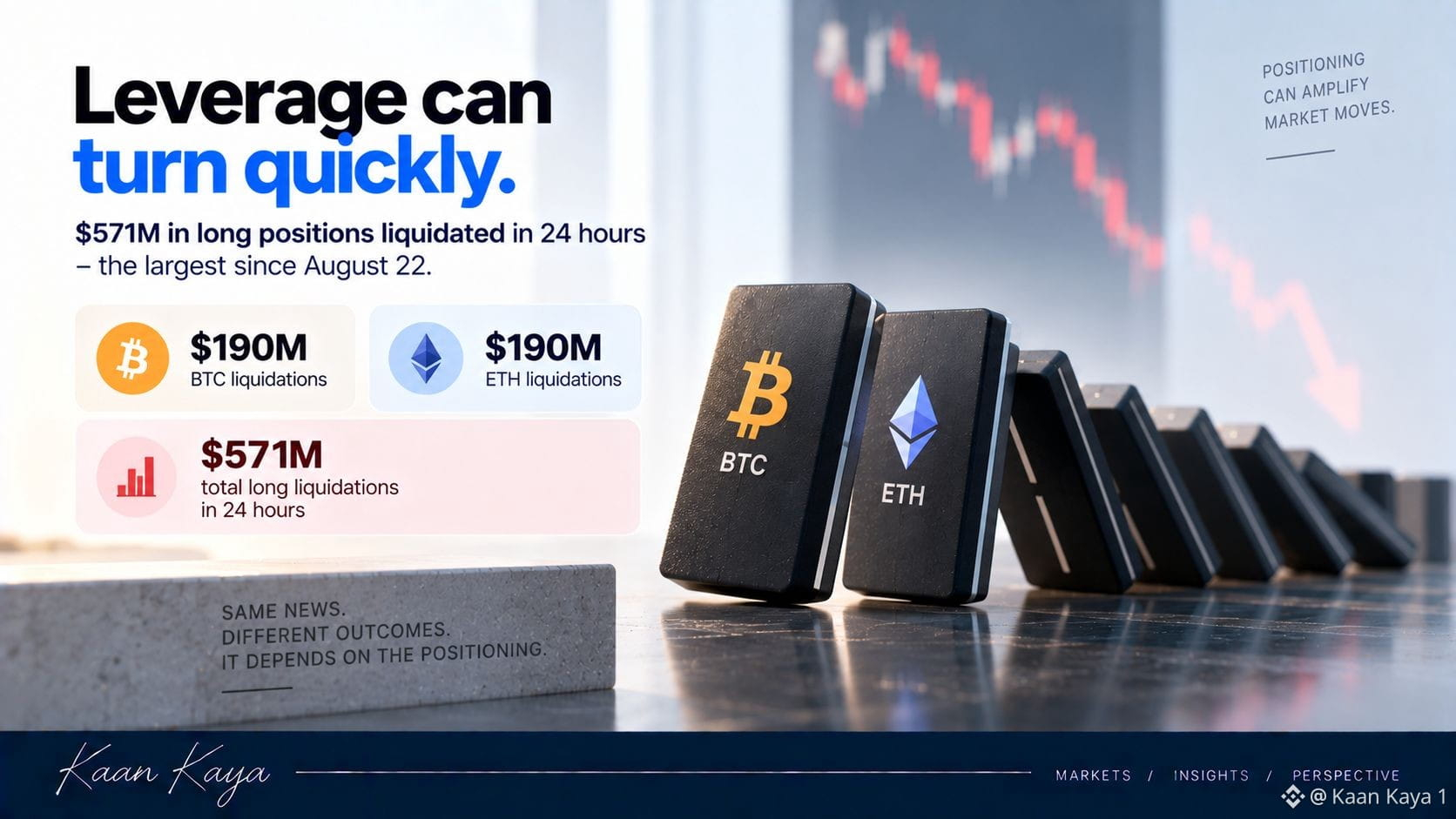
$570M kripto long-lar yo‘qolib ketdi 😬 24 soat ichida taxminan $571 millionlik bullish kripto fyuchers pozitsiyalari tugatildi — avgust 22 dan beri eng katta long-likvidatsiya hodisasi. $BTC va $ETH treyderlari eng katta zarbani oldi, taxminan har biri $190 milliondan. Eng qiziq tomoni — oldin nima bo‘lgani: treyderlar narxlar oshishini tobora ko‘proq hisobga olib joylashishgan. Bozor esa boshqa tomonga ketganda, leverage oddiy pasayishni majburiy sotuvga aylantirdi. Ba’zan eng katta harakat yangilikning o‘zidan kelib chiqmaydi. U hammaning yangilikka qanday tayyorlangani sababli yuz beradi. #BTC Price Analysis# #Bitcoin Price Prediction: What is Bitcoins next move?#
$570M kripto long-lar yo‘qolib ketdi 😬 24 soat ichida taxminan $571 millionlik bullish kripto fyuchers pozitsiyalari tugatildi — avgust 22 dan beri eng katta long-likvidatsiya hodisasi. $BTC va $ETH treyderlari eng katta zarbani oldi, taxminan har biri $190 milliondan. Eng qiziq tomoni — oldin nima bo‘lgani: treyderlar narxlar oshishini tobora ko‘proq hisobga olib joylashishgan. Bozor esa boshqa tomonga ketganda, leverage oddiy pasayishni majburiy sotuvga aylantirdi. Ba’zan eng katta harakat yangilikning o‘zidan kelib chiqmaydi. U hammaning yangilikka qanday tayyorlangani sababli yuz beradi. #BTC Price Analysis# #Bitcoin Price Prediction: What is Bitcoins next move?#
37
·
--
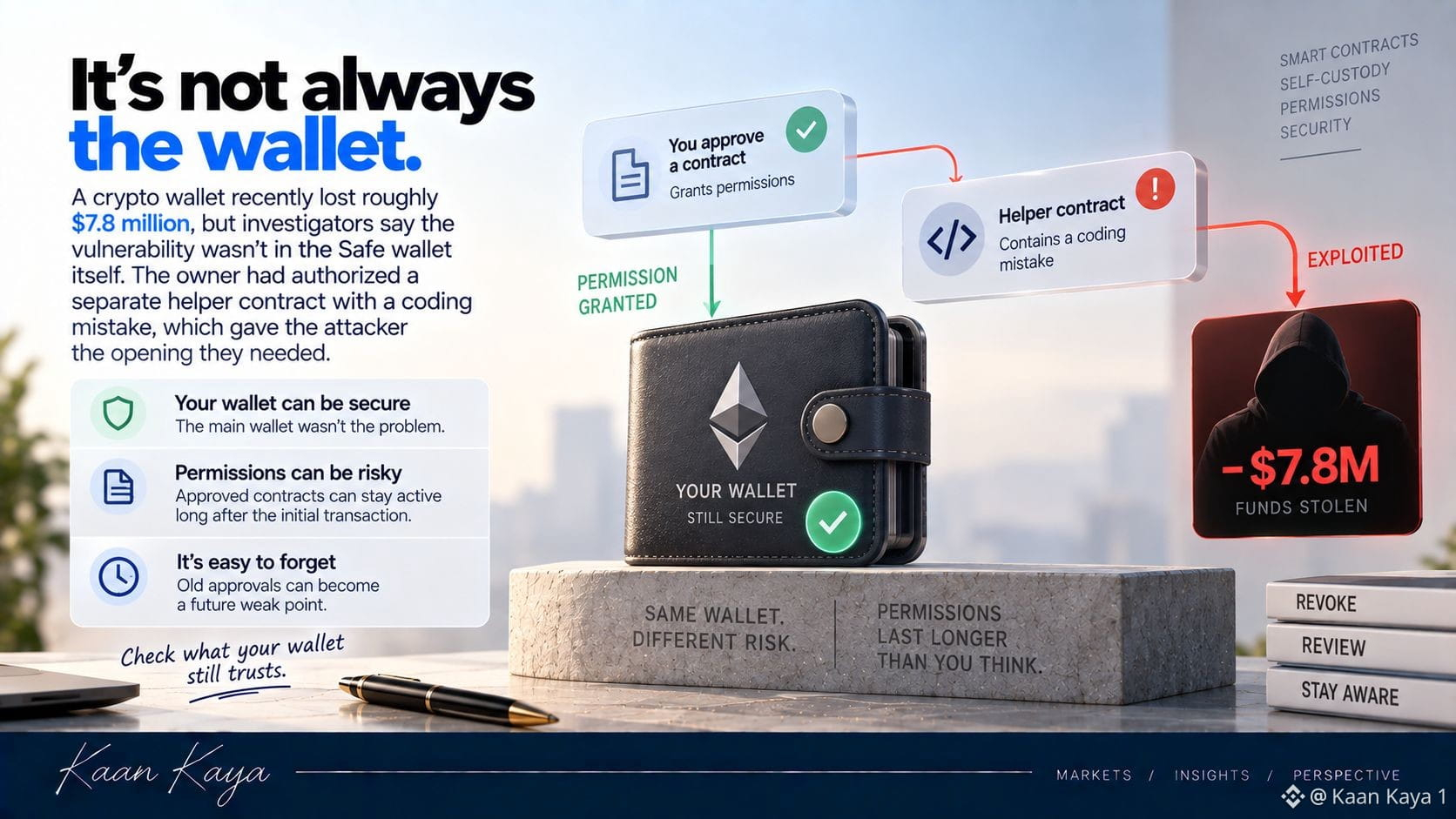
😬 $7.8Mlik kripto xakerligi bitta yomon kod qatoridan boshlangan Yaqinda kripto hamyon taxminan $7.8 millionni yo‘qotdi, biroq tergovchilar bu zaiflik Safe hamyonining o‘zida bo‘lmaganini aytmoqda. Egasi alohida yordamchi (helper) kontraktga unda kod xatosi bor edi, uni tasdiqlagan — bu esa hujumchiga kerakli imkonni bergan. Bu esa smart-kontrakt xavfsizligi haqida foydali eslatma. Asosiy hamyoningiz mukammal darajada xavfsiz bo‘lishi mumkin, lekin siz ilgari ruxsat bergan narsa zaif nuqtaga aylanishi ehtimol. $ETH bo‘yicha kontraktni “tasdiqlash” faqat bitta tranzaksiyaga “ha” bosish emas — u uzoq vaqt davomida amal qiladigan ruxsatlarni yaratishi mumkin. Self-kustodiya (o‘zingizda saqlash)ning eng qo‘rqinchlisi doim ham seed phrase’ni yo‘qotish emas. Ba’zan hamyoningiz nimalarga allaqachon ishonishga ruxsat berganini unutib qo‘yishdir. #ETHBlockchain #ETHFoundation
😬 $7.8Mlik kripto xakerligi bitta yomon kod qatoridan boshlangan Yaqinda kripto hamyon taxminan $7.8 millionni yo‘qotdi, biroq tergovchilar bu zaiflik Safe hamyonining o‘zida bo‘lmaganini aytmoqda. Egasi alohida yordamchi (helper) kontraktga unda kod xatosi bor edi, uni tasdiqlagan — bu esa hujumchiga kerakli imkonni bergan. Bu esa smart-kontrakt xavfsizligi haqida foydali eslatma. Asosiy hamyoningiz mukammal darajada xavfsiz bo‘lishi mumkin, lekin siz ilgari ruxsat bergan narsa zaif nuqtaga aylanishi ehtimol. $ETH bo‘yicha kontraktni “tasdiqlash” faqat bitta tranzaksiyaga “ha” bosish emas — u uzoq vaqt davomida amal qiladigan ruxsatlarni yaratishi mumkin. Self-kustodiya (o‘zingizda saqlash)ning eng qo‘rqinchlisi doim ham seed phrase’ni yo‘qotish emas. Ba’zan hamyoningiz nimalarga allaqachon ishonishga ruxsat berganini unutib qo‘yishdir. #ETHBlockchain #ETHFoundation
73
·
--
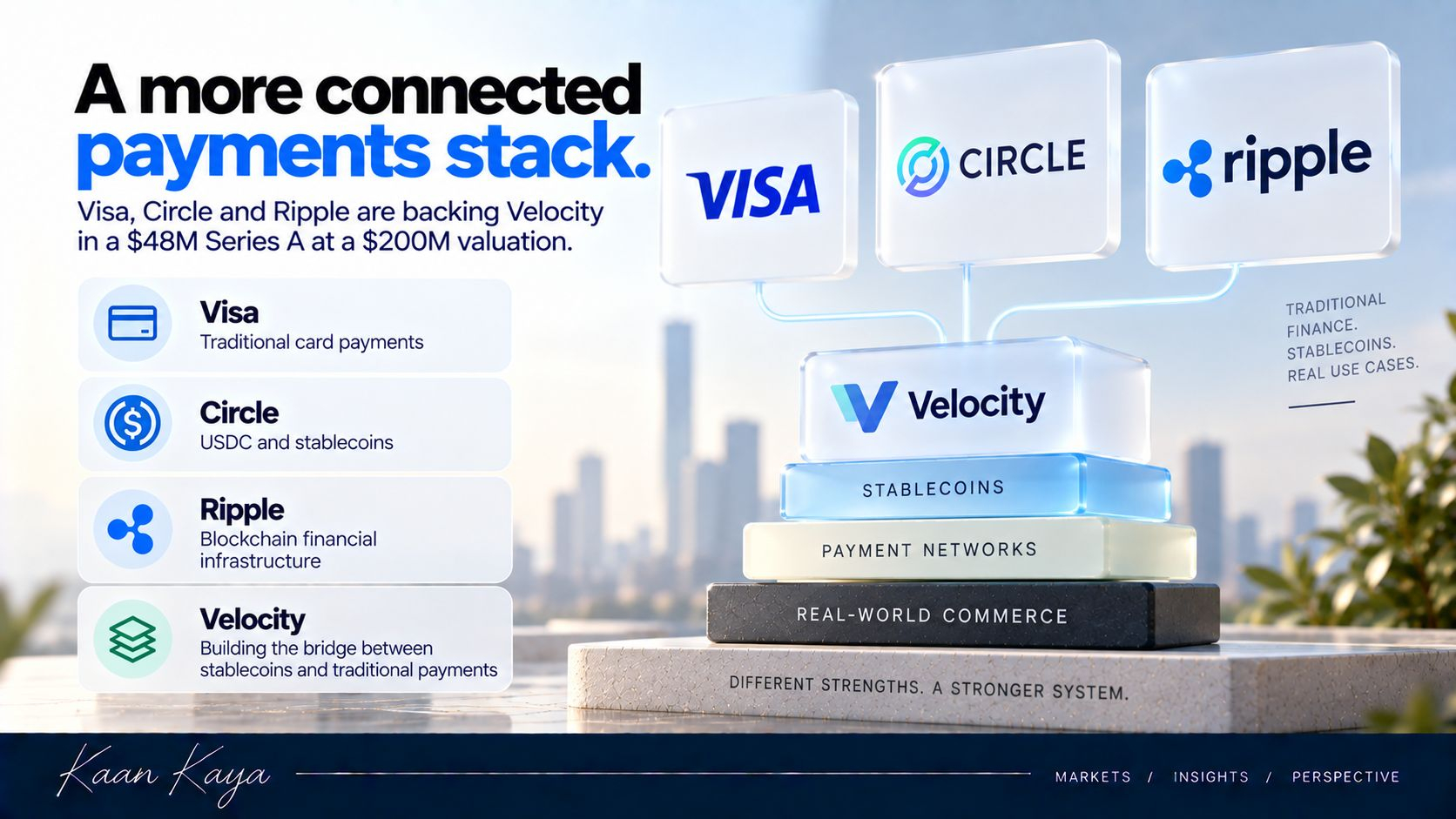
Kripto to‘lovlari infratuzilma biznesiga aylanmoqda Visa, Circle va Ripple to‘lovlar infratuzilmasi bo‘yicha kompaniya Velocity’ni moliyalashtirish raundida qo‘llab-quvvatlamoqda. Bu raund uning A seriyasini 48 million dollarga yetkazadi va qiymatini 200 million dollarga baholaydi. Kompaniya stablecoin’larni mavjud to‘lov tarmoqlari bilan bog‘lash uchun infratuzilma qurmoqda. Menga jalb qiladigani moliyalashtirish raqamidan ko‘ra, ishtirok etayotgan kompaniyalar. Visa an’anaviy karta to‘lovlarini anglatadi. Circle esa $USDC va stablecoin’larni anglatadi. Ripple esa yillar davomida blokcheinga asoslangan moliyaviy infratuzilma ustida ishlagan. Bir necha yil oldin bular ko‘pincha raqobatdosh modellardek taqdim etilardi: kartalar vs. kripto, banklar vs. blokcheyn, an’anaviy to‘lov tarmoqlari vs. stablecoin’lar. Borgan sari ular bir xil tizimning turli qatlamlari kabi ko‘rinib qolmoqda. Savdogar, ehtimol, mijoz yakunda xaridni bank depoziti, USDC yoki boshqa narsa bilan moliyalashtirganini unchalik muhim deb hisoblamaydi. Muhimi — to‘g‘ri miqdor tez va arzon yetib borishi, shuningdek keraksiz riskni qabul qilmaslik. Bu iste’molchilarga ham taalluqli. Ko‘pchilik kafe tanlamaydi, chunki u yerda hisob-kitob infratuzilmasi blokcheyndan foydalanadi. Bu esa eng yirik stablecoin to‘lov kompaniyalari “kripto bilan to‘lang” degan g‘oyani hammaning ko‘ngliga singdiradiganlar bo‘lmasligi mumkin, degan fikrga olib keladi. Ehtimol, ular kripto qismini deyarli sezilmaydigan qilib qo‘yadiganlardir. #Macro Insights# #Altcoin Season#
Kripto to‘lovlari infratuzilma biznesiga aylanmoqda Visa, Circle va Ripple to‘lovlar infratuzilmasi bo‘yicha kompaniya Velocity’ni moliyalashtirish raundida qo‘llab-quvvatlamoqda. Bu raund uning A seriyasini 48 million dollarga yetkazadi va qiymatini 200 million dollarga baholaydi. Kompaniya stablecoin’larni mavjud to‘lov tarmoqlari bilan bog‘lash uchun infratuzilma qurmoqda. Menga jalb qiladigani moliyalashtirish raqamidan ko‘ra, ishtirok etayotgan kompaniyalar. Visa an’anaviy karta to‘lovlarini anglatadi. Circle esa $USDC va stablecoin’larni anglatadi. Ripple esa yillar davomida blokcheinga asoslangan moliyaviy infratuzilma ustida ishlagan. Bir necha yil oldin bular ko‘pincha raqobatdosh modellardek taqdim etilardi: kartalar vs. kripto, banklar vs. blokcheyn, an’anaviy to‘lov tarmoqlari vs. stablecoin’lar. Borgan sari ular bir xil tizimning turli qatlamlari kabi ko‘rinib qolmoqda. Savdogar, ehtimol, mijoz yakunda xaridni bank depoziti, USDC yoki boshqa narsa bilan moliyalashtirganini unchalik muhim deb hisoblamaydi. Muhimi — to‘g‘ri miqdor tez va arzon yetib borishi, shuningdek keraksiz riskni qabul qilmaslik. Bu iste’molchilarga ham taalluqli. Ko‘pchilik kafe tanlamaydi, chunki u yerda hisob-kitob infratuzilmasi blokcheyndan foydalanadi. Bu esa eng yirik stablecoin to‘lov kompaniyalari “kripto bilan to‘lang” degan g‘oyani hammaning ko‘ngliga singdiradiganlar bo‘lmasligi mumkin, degan fikrga olib keladi. Ehtimol, ular kripto qismini deyarli sezilmaydigan qilib qo‘yadiganlardir. #Macro Insights# #Altcoin Season#
75
·
--
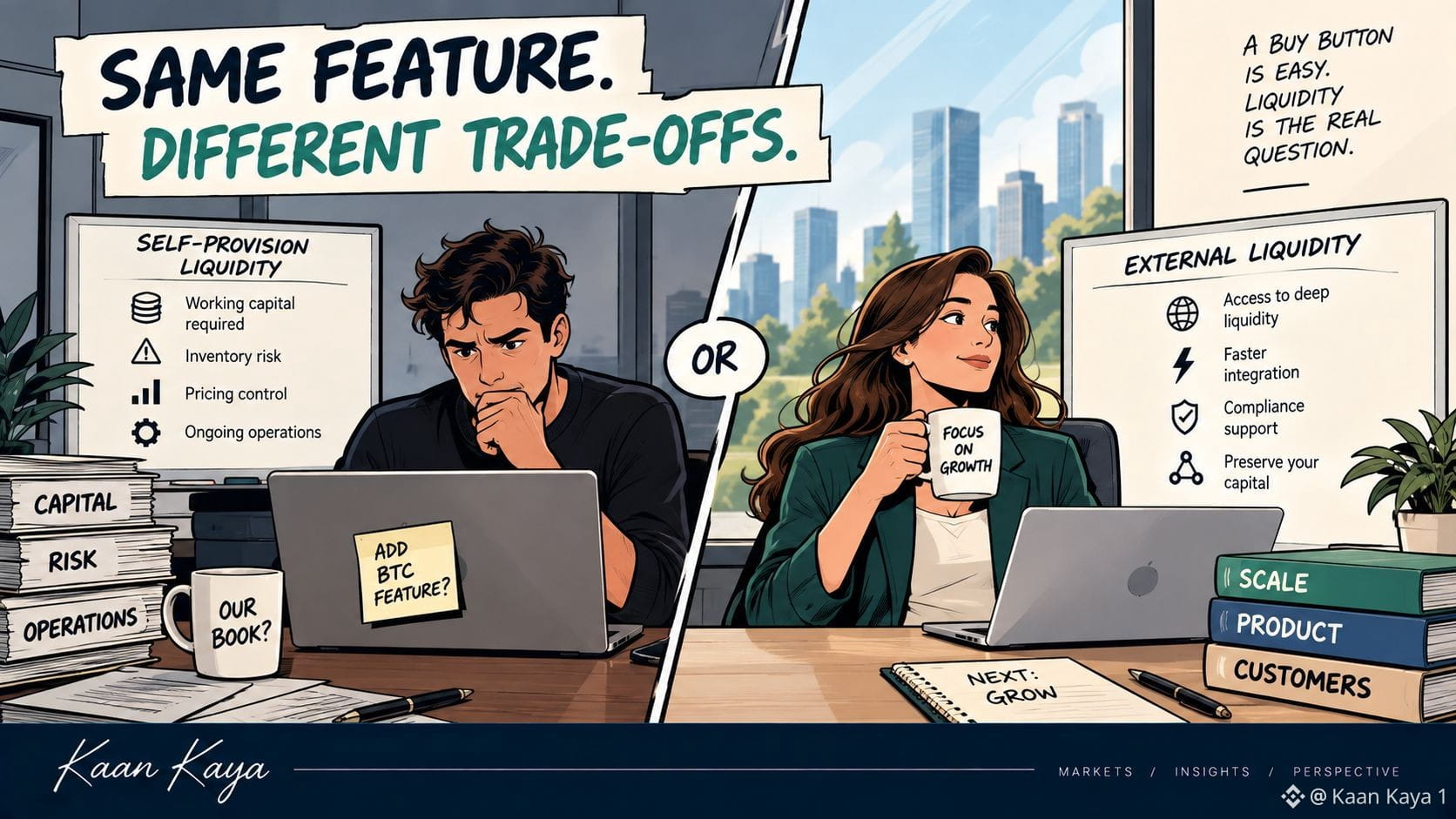
Bu mahsulot qarorimi yoki balans-varaq qarorimi? Fintech mijozlarga $BTC ni sotib olish va sotish imkonini berishga qaror qiladi. Mahsulot jamoasi buni funksiya sifatida belgilaydi — “sotib olish” tugmasini qo‘shish, narx feedini ulash, bas. Moliya esa boshqacha ko‘radi: u savdo amalda amalga oshadigan kitobni (orderlar kitobi) to‘ldirish uchun kimdir mablag‘ kiritishi kerak va hajmlar o‘sib borgani sayin bu kichik modda bo‘lmaydi. Kripto sotib olish va sotishni taklif qilish uchun nimadirdan likvidlik kelishi zarur, o‘z-o‘zini ta’minlash esa treyding kitobi uchun aylanma kapitalni ushlab turishni talab qiladi — bu kapitalni esa uni asosiy biznesga joylashtirish o‘rniga. Likvidlikni tashqaridan topish bu kapitalni yana asosiy mahsulotga qaytarishga bo‘shatadi, ammo aniq aytishga arziydigan narx bilan: boshqa bir tomonning spredlari va mavjudligiga bog‘liqlik, ayniqsa volatill sharoitda, narxni nazorat qilish fintech uchun eng muhim bo‘lganda — axir fintech o‘z kitobiga egalik qilishga va o‘z shartlarini belgilashga o‘rganib qolgan. Faqat funksiya emas, balki kapital qarori sifatida ko‘rib chiqishga arziydigan variant: WhiteBIT Crypto-as-a-Service. U 900+ savdo juftligi bo‘yicha birja likvidligiga kirish imkonini berishi mumkin; bu fintechga o‘z kitobini oldindan moliyalashtirmasdan kripto sotib olish va sotish imkonini qo‘shish beradi — API orqali bir necha hafta ichida integratsiya qilinadi, WhiteBIT’dagi VASP ruxsatnomalari esa muvofiqlik (compliance) tomonini qoplaydi. https://institutional.whitebit.com/crypto-as-a-service?utm_source=coinmarketcap&utm_medium=caaskaaan&utm_campaign=post Qanday bo‘lishidan qat’i nazar, savdo real bo‘lib qoladi: fintech o‘zi to‘liq nazorat qiladigan kitob o‘rniga provayderning chuqurligi va spredlariga bog‘liqlik. Keyingi kripto funksiyani belgilashdan oldin berishga arziydigan savol: bu mahsulot qarorimi yoki balans-varaq qarorimi? Eslatma: Bu moliyaviy yoki investitsion maslahat emas. Qaror qabul qilishdan avval o‘zingiz tekshiring (DYOR). Barchasi o‘zingizning mas’uliyatingiz ostida. #BTC Price Analysis# #Bitcoin Price Prediction: Bitcoins next move nima? #
Bu mahsulot qarorimi yoki balans-varaq qarorimi? Fintech mijozlarga $BTC ni sotib olish va sotish imkonini berishga qaror qiladi. Mahsulot jamoasi buni funksiya sifatida belgilaydi — “sotib olish” tugmasini qo‘shish, narx feedini ulash, bas. Moliya esa boshqacha ko‘radi: u savdo amalda amalga oshadigan kitobni (orderlar kitobi) to‘ldirish uchun kimdir mablag‘ kiritishi kerak va hajmlar o‘sib borgani sayin bu kichik modda bo‘lmaydi. Kripto sotib olish va sotishni taklif qilish uchun nimadirdan likvidlik kelishi zarur, o‘z-o‘zini ta’minlash esa treyding kitobi uchun aylanma kapitalni ushlab turishni talab qiladi — bu kapitalni esa uni asosiy biznesga joylashtirish o‘rniga. Likvidlikni tashqaridan topish bu kapitalni yana asosiy mahsulotga qaytarishga bo‘shatadi, ammo aniq aytishga arziydigan narx bilan: boshqa bir tomonning spredlari va mavjudligiga bog‘liqlik, ayniqsa volatill sharoitda, narxni nazorat qilish fintech uchun eng muhim bo‘lganda — axir fintech o‘z kitobiga egalik qilishga va o‘z shartlarini belgilashga o‘rganib qolgan. Faqat funksiya emas, balki kapital qarori sifatida ko‘rib chiqishga arziydigan variant: WhiteBIT Crypto-as-a-Service. U 900+ savdo juftligi bo‘yicha birja likvidligiga kirish imkonini berishi mumkin; bu fintechga o‘z kitobini oldindan moliyalashtirmasdan kripto sotib olish va sotish imkonini qo‘shish beradi — API orqali bir necha hafta ichida integratsiya qilinadi, WhiteBIT’dagi VASP ruxsatnomalari esa muvofiqlik (compliance) tomonini qoplaydi. https://institutional.whitebit.com/crypto-as-a-service?utm_source=coinmarketcap&utm_medium=caaskaaan&utm_campaign=post Qanday bo‘lishidan qat’i nazar, savdo real bo‘lib qoladi: fintech o‘zi to‘liq nazorat qiladigan kitob o‘rniga provayderning chuqurligi va spredlariga bog‘liqlik. Keyingi kripto funksiyani belgilashdan oldin berishga arziydigan savol: bu mahsulot qarorimi yoki balans-varaq qarorimi? Eslatma: Bu moliyaviy yoki investitsion maslahat emas. Qaror qabul qilishdan avval o‘zingiz tekshiring (DYOR). Barchasi o‘zingizning mas’uliyatingiz ostida. #BTC Price Analysis# #Bitcoin Price Prediction: Bitcoins next move nima? #
·
--
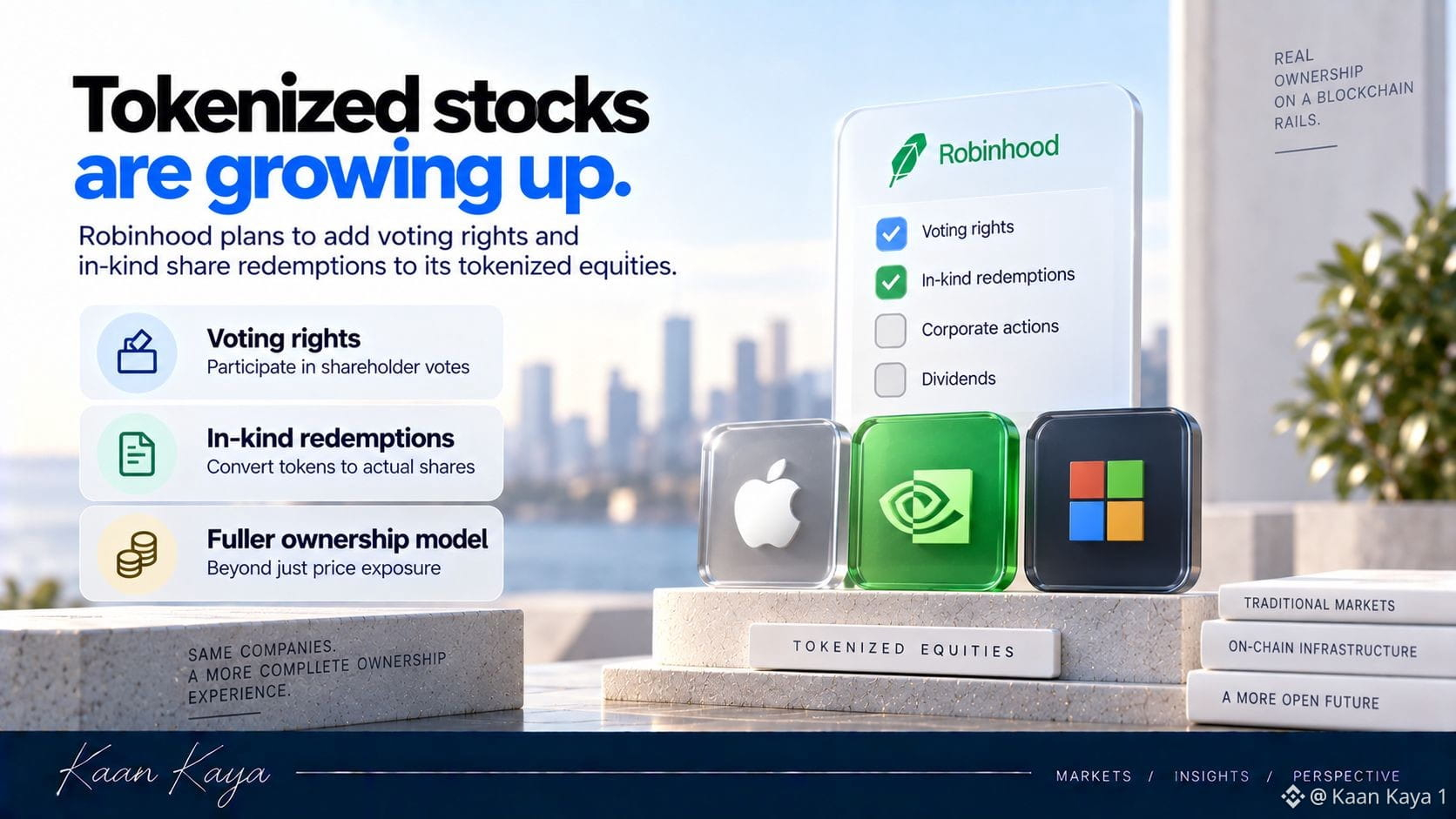
Tokenizatsiya qilingan aksiyalar tobora ko‘proq “haqiqiy” aksiyalarga o‘xshay boshlayapti... Robinhood o‘zining tokenizatsiya qilingan kapital (tokenized equities)lari uchun ovoz berish huquqlari va natura (in-kind) aksiyalarni qaytarib olishni joriy qilmoqchi. Bu esa investorlarga aksiya tokenini sotib olganda ular aslida nimaga egalik qilayotgani haqida savollar chiqqanidan keyin amalga oshiriladi. Menimcha, bu tokenizatsiya uchun muhim bosqich: tokenizatsiya qilingan aksiyalarning birinchi avlodi asosan narxga ta’sir (price exposure)ga qaratilgan edi — bu esa Apple, Nvidia yoki boshqa bir ommaviy kompaniyani kuzatib boradigan blokcheyn tokeni, xolos. Lekin aksiyaga egalik qilish faqat uning narxiga bog‘liq ta’sirga ega bo‘lish emas. Aksiyadorlarda ovoz berish huquqlari bo‘lishi mumkin. Korporativ tadbirlar, dividendlar va huquqiy egalik da’volari mavjud. Oxir-oqibat tokenizatsiya qilingan kapital real narsaga raqobat qila olishi uchun ularning ko‘proq shunday xususiyatlarini qayta tiklashi kerak. Aynan o‘sha yerda $ETH va boshqa tokenizatsiya infratuzilmalari ancha qiyin sinovga duch keladi. Aksiyaning narxini on-chinga joylashtirish nisbatan oson, biroq aksiyadorlarning egaligini on-chinga keltirish anchagina murakkabroq. #ETHBlockchain #ETHFoundation
Tokenizatsiya qilingan aksiyalar tobora ko‘proq “haqiqiy” aksiyalarga o‘xshay boshlayapti... Robinhood o‘zining tokenizatsiya qilingan kapital (tokenized equities)lari uchun ovoz berish huquqlari va natura (in-kind) aksiyalarni qaytarib olishni joriy qilmoqchi. Bu esa investorlarga aksiya tokenini sotib olganda ular aslida nimaga egalik qilayotgani haqida savollar chiqqanidan keyin amalga oshiriladi. Menimcha, bu tokenizatsiya uchun muhim bosqich: tokenizatsiya qilingan aksiyalarning birinchi avlodi asosan narxga ta’sir (price exposure)ga qaratilgan edi — bu esa Apple, Nvidia yoki boshqa bir ommaviy kompaniyani kuzatib boradigan blokcheyn tokeni, xolos. Lekin aksiyaga egalik qilish faqat uning narxiga bog‘liq ta’sirga ega bo‘lish emas. Aksiyadorlarda ovoz berish huquqlari bo‘lishi mumkin. Korporativ tadbirlar, dividendlar va huquqiy egalik da’volari mavjud. Oxir-oqibat tokenizatsiya qilingan kapital real narsaga raqobat qila olishi uchun ularning ko‘proq shunday xususiyatlarini qayta tiklashi kerak. Aynan o‘sha yerda $ETH va boshqa tokenizatsiya infratuzilmalari ancha qiyin sinovga duch keladi. Aksiyaning narxini on-chinga joylashtirish nisbatan oson, biroq aksiyadorlarning egaligini on-chinga keltirish anchagina murakkabroq. #ETHBlockchain #ETHFoundation
·
--
Biznes kontekstidagi savoldan oldin muhandislik haqidagi savolga javob berib turamiz. Men aynan shu uchrashuvda bir necha marta bo‘lganman. Ta’sischining ilovasi foydalanuvchilarga kripto sotib olishni talab qiladi, va kimdir o‘sha zahoti texnik topshiriqni yozishga kirishgan — qaysi “rails”, qaysi KYC provayderi, nechta sprint. Ammo uning ostidagi savolga hali hech kim bermagan. Savol shuki: foydalanuvchilar real qiymatingizga borish yo‘lida fiat orqali o‘tadimi yoki fiatning o‘zi qiymatmi? Buni noto‘g‘ri tushunsangiz, siz funksiyani ortiqcha qurib yuborasiz yoki “moat” (himoya devori)ni yetarlicha qurmay qolasiz. Yangi Medium maqolamda men “build vs. buy” (o‘zimiz quramizmi yoki sotib olamizmi)ni aslida hal qiladigan uchta savolni va nega compliance funksiyasi (muvofiqlik), API ishi emas, jamoalar ko‘pincha noto‘g‘ri baholashini tushuntiraman. Shuningdek, Stripe, WhiteBIT va Kraken qaysi holatda qaysi vazifani topshirib yuborish mumkinligiga qarab qanday joylashishini ham ko‘rsataman. 👉 Maqolaning to‘liq matnini o‘qing: https://medium.com/@kkayaann456/the-question-every-founder-skips-before-adding-a-crypto-buy-button-7007588cc406?postPublishedType=initial #BTC Price Analysis# #Bitcoin Price Prediction: What is Bitcoins next move?# $BTC
Biznes kontekstidagi savoldan oldin muhandislik haqidagi savolga javob berib turamiz. Men aynan shu uchrashuvda bir necha marta bo‘lganman. Ta’sischining ilovasi foydalanuvchilarga kripto sotib olishni talab qiladi, va kimdir o‘sha zahoti texnik topshiriqni yozishga kirishgan — qaysi “rails”, qaysi KYC provayderi, nechta sprint. Ammo uning ostidagi savolga hali hech kim bermagan. Savol shuki: foydalanuvchilar real qiymatingizga borish yo‘lida fiat orqali o‘tadimi yoki fiatning o‘zi qiymatmi? Buni noto‘g‘ri tushunsangiz, siz funksiyani ortiqcha qurib yuborasiz yoki “moat” (himoya devori)ni yetarlicha qurmay qolasiz. Yangi Medium maqolamda men “build vs. buy” (o‘zimiz quramizmi yoki sotib olamizmi)ni aslida hal qiladigan uchta savolni va nega compliance funksiyasi (muvofiqlik), API ishi emas, jamoalar ko‘pincha noto‘g‘ri baholashini tushuntiraman. Shuningdek, Stripe, WhiteBIT va Kraken qaysi holatda qaysi vazifani topshirib yuborish mumkinligiga qarab qanday joylashishini ham ko‘rsataman. 👉 Maqolaning to‘liq matnini o‘qing: https://medium.com/@kkayaann456/the-question-every-founder-skips-before-adding-a-crypto-buy-button-7007588cc406?postPublishedType=initial #BTC Price Analysis# #Bitcoin Price Prediction: What is Bitcoins next move?# $BTC

76
·
--
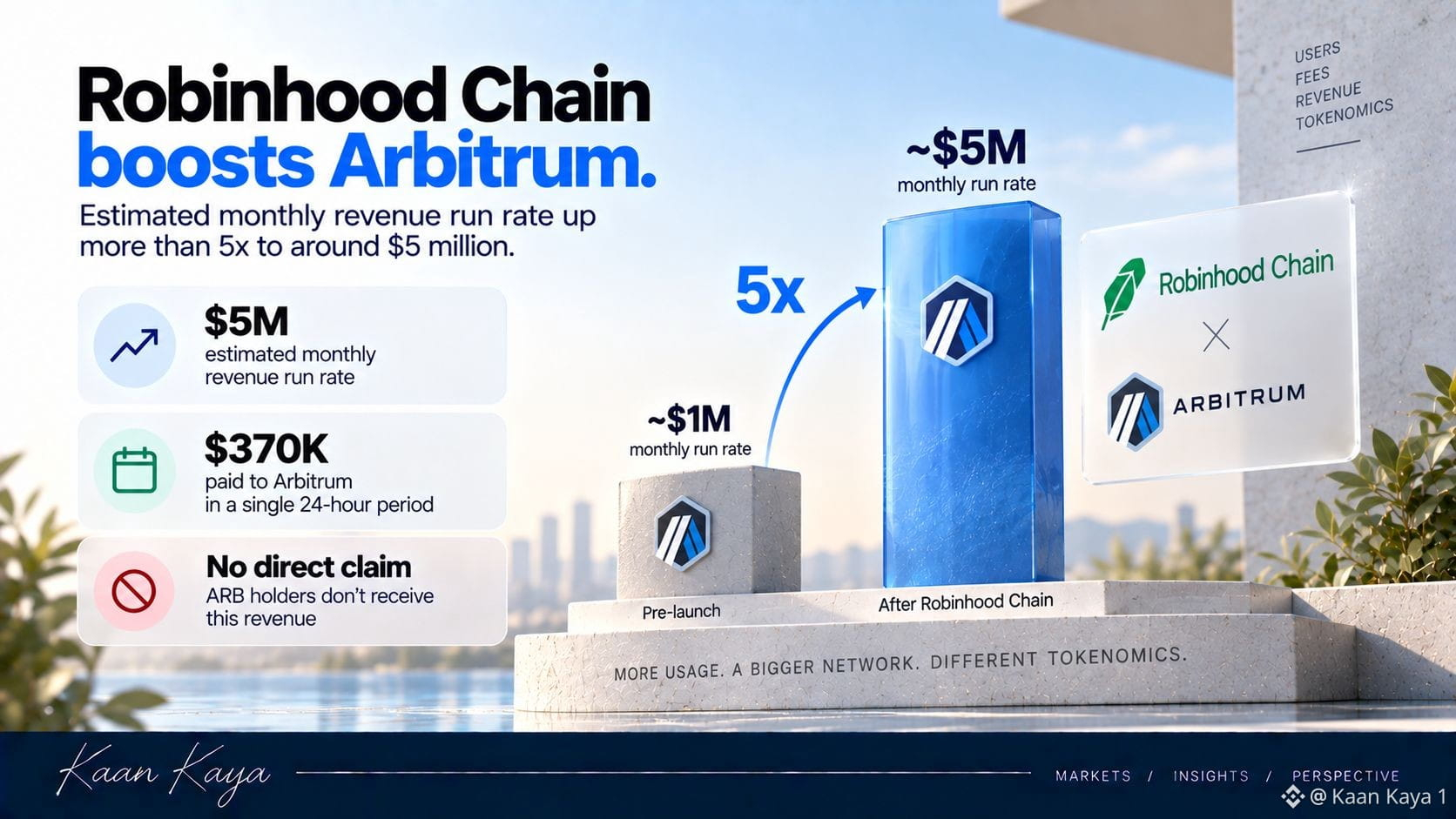
$ARB Daromad bor. Token esa yo‘q. Robinhood Chain Arbitrumning taxminiy oylik daromad prognozini ishga tushirishgacha bo‘lgan darajasidan besh baravar ko‘proqqa, qariyb $5 millionga olib chiqdi. Robinhood Chain shuningdek, joriy oy boshida 24 soat ichida Arbitrumga taxminan $370,000 to‘lagan. $ARB uchun bu juda yaxshi eshitilyaptimi? Bitta noqulay tafsilot bor: ARB egalari hozircha ushbu daromadga bevosita da’vo qilmaydi. Menimcha, bu farq kriptoda doimiy ravishda yo‘qolib ketadi. Protokol o‘sib borayotgan foydalanuvchilarga, to‘lovlarga va daromadga ega bo‘lishi mumkin, ammo uning tokeni ushbu iqtisodiy faollikning juda oz qismini “o‘ziga” oladi. Kompaniya yaxshi ishlashi mumkin, tarmoq yaxshi ishlashi mumkin, lekin token ularga avtomatik ravishda yaxshi natija ko‘rsatishi shart emas. #Makro kuzatuvlar# #Altcoin mavsumi#
$ARB Daromad bor. Token esa yo‘q. Robinhood Chain Arbitrumning taxminiy oylik daromad prognozini ishga tushirishgacha bo‘lgan darajasidan besh baravar ko‘proqqa, qariyb $5 millionga olib chiqdi. Robinhood Chain shuningdek, joriy oy boshida 24 soat ichida Arbitrumga taxminan $370,000 to‘lagan. $ARB uchun bu juda yaxshi eshitilyaptimi? Bitta noqulay tafsilot bor: ARB egalari hozircha ushbu daromadga bevosita da’vo qilmaydi. Menimcha, bu farq kriptoda doimiy ravishda yo‘qolib ketadi. Protokol o‘sib borayotgan foydalanuvchilarga, to‘lovlarga va daromadga ega bo‘lishi mumkin, ammo uning tokeni ushbu iqtisodiy faollikning juda oz qismini “o‘ziga” oladi. Kompaniya yaxshi ishlashi mumkin, tarmoq yaxshi ishlashi mumkin, lekin token ularga avtomatik ravishda yaxshi natija ko‘rsatishi shart emas. #Makro kuzatuvlar# #Altcoin mavsumi#
62
·
--
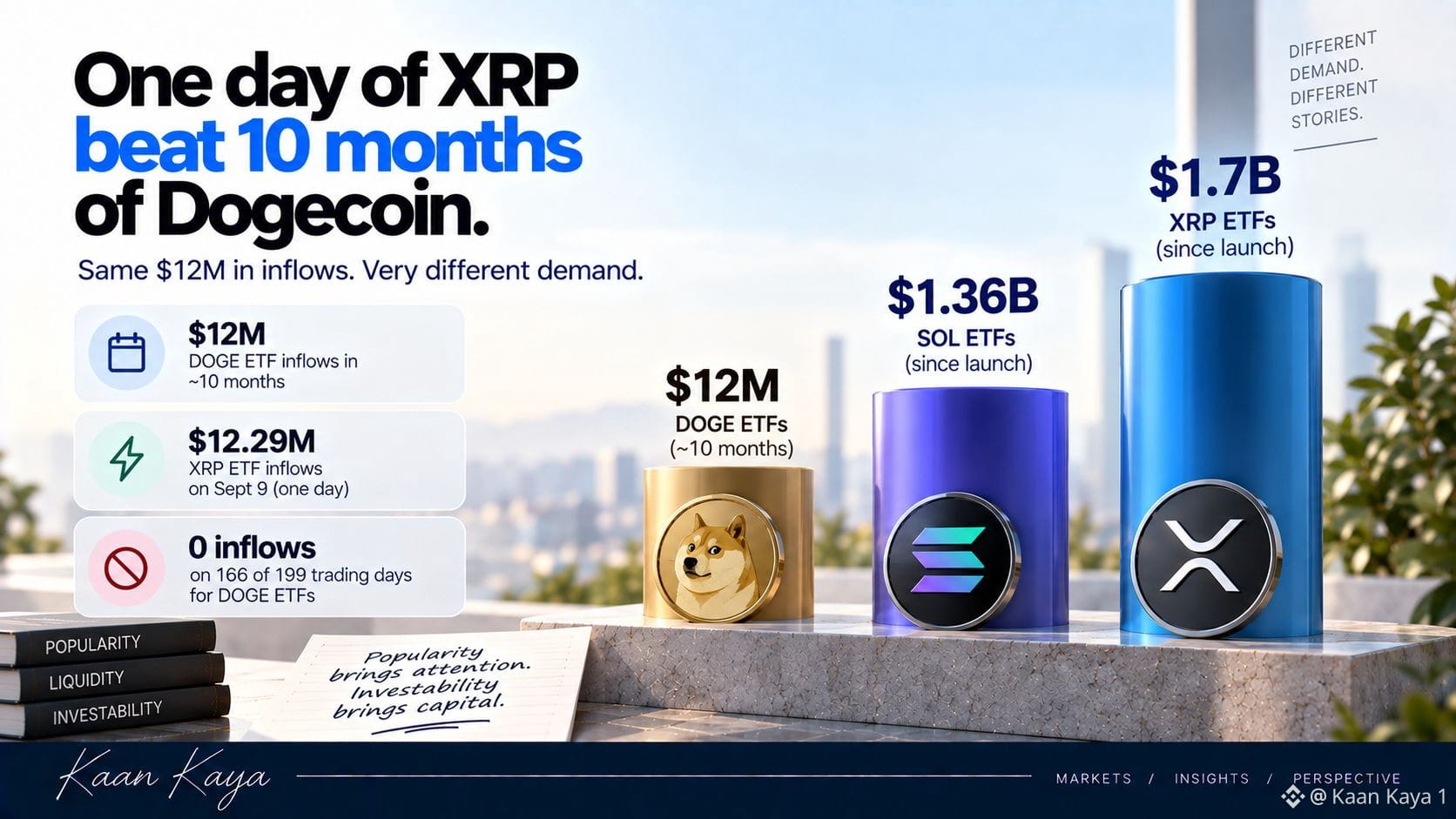
$XRP ETF talabi 10 oy davomida Dogecoin talabini ortda qoldirdi 😅 AQSHda kuzatilayotgan uchta $DOGE ETF deyarli o‘n oy ichida jami 12 million dollardan biroz ko‘proq sof oqimlarni jalb qildi. XRP fondlari esa faqat 9-sentabr kuni 12,29 million dollarni jalb qildi. Shu bilan birga, XRP fondlari ishga tushirilganidan beri qariyb 1,7 milliard dollar to‘plagan, Solana mahsulotlari esa taxminan 1,36 milliard dollarni tashkil etgan. Yanada qiziq tomoni: Dogecoin fondlari 199 ta savdo kunining 166 kunida sof oqimlarni qayd etmadi. Bu mashhurlik va investitsiyaga yaroqlilik (investability) har doim ham bir xil narsa emasligini yaxshi ko‘rsatadi. DOGE juda kuchli brendni tanitgan, birjalarda likvidlik chuqur va millionlab egalar bor. Lekin bu afzalliklar aslida ETF hal qilishi kerak bo‘lgan muammoni kamaytirishi mumkin. $DOGE olishni istagan odamda uni topishning oson yo‘llari allaqachon ko‘p. ETF yangi investitsion tezis (g‘oya) yaratmaydi — u shunchaki mavjud tezisga boshqa “qadoq” beradi. #Macro Insights# #Altcoin Season#
$XRP ETF talabi 10 oy davomida Dogecoin talabini ortda qoldirdi 😅 AQSHda kuzatilayotgan uchta $DOGE ETF deyarli o‘n oy ichida jami 12 million dollardan biroz ko‘proq sof oqimlarni jalb qildi. XRP fondlari esa faqat 9-sentabr kuni 12,29 million dollarni jalb qildi. Shu bilan birga, XRP fondlari ishga tushirilganidan beri qariyb 1,7 milliard dollar to‘plagan, Solana mahsulotlari esa taxminan 1,36 milliard dollarni tashkil etgan. Yanada qiziq tomoni: Dogecoin fondlari 199 ta savdo kunining 166 kunida sof oqimlarni qayd etmadi. Bu mashhurlik va investitsiyaga yaroqlilik (investability) har doim ham bir xil narsa emasligini yaxshi ko‘rsatadi. DOGE juda kuchli brendni tanitgan, birjalarda likvidlik chuqur va millionlab egalar bor. Lekin bu afzalliklar aslida ETF hal qilishi kerak bo‘lgan muammoni kamaytirishi mumkin. $DOGE olishni istagan odamda uni topishning oson yo‘llari allaqachon ko‘p. ETF yangi investitsion tezis (g‘oya) yaratmaydi — u shunchaki mavjud tezisga boshqa “qadoq” beradi. #Macro Insights# #Altcoin Season#
39
·
--
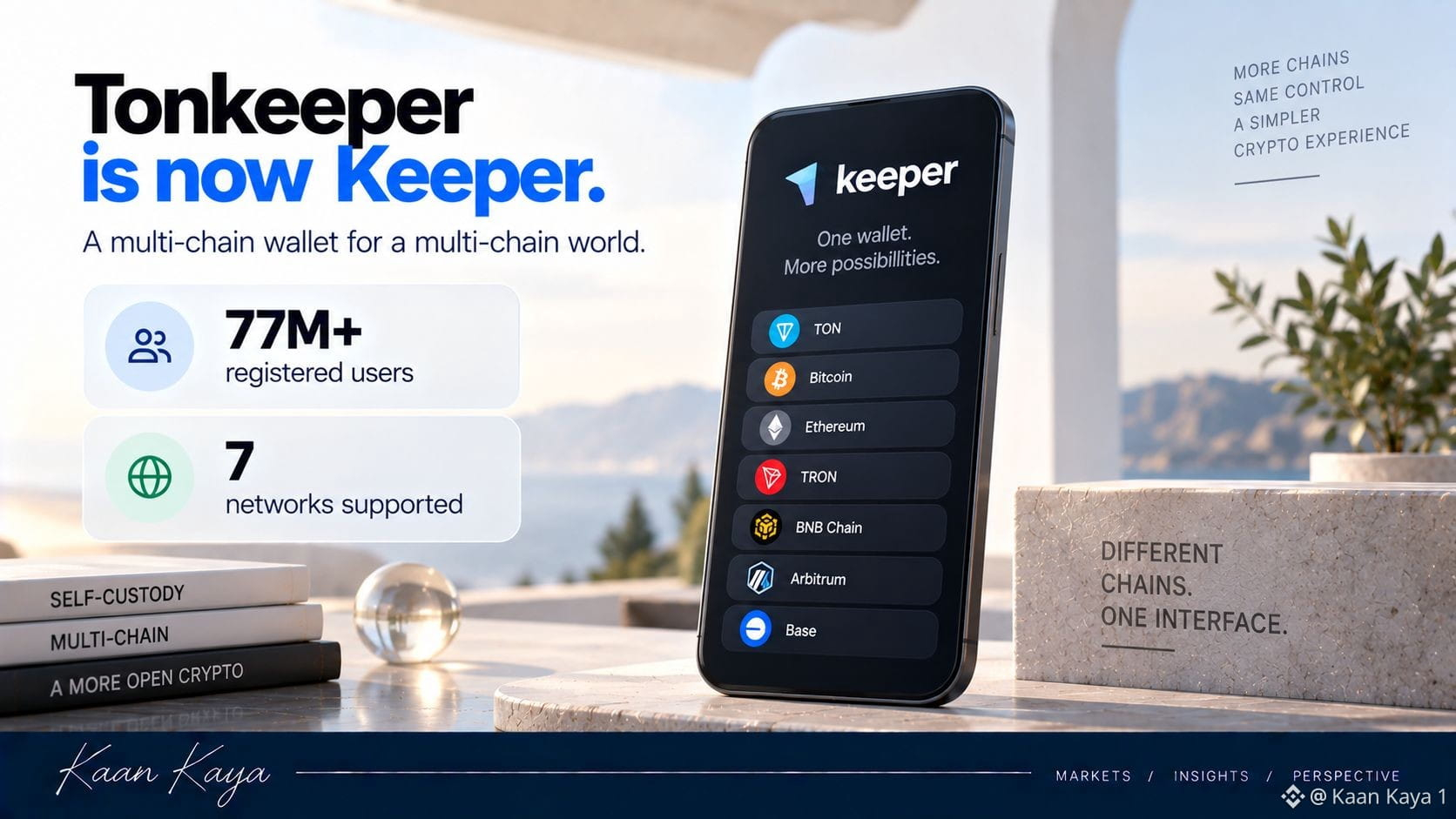
77 million foydalanuvchiga ega TON Wallet endi TON yetarli emas deb qaror qildi. Tonkeeper Keeper nomiga o‘zgardi va TONga yo‘naltirilgan walletdan yettita tarmoqni qamrab olgan mahsulotga kengaydi: TON, Bitcoin, Ethereum, TRON, BNB Chain, Arbitrum va Base. Wallet’da 77 milliondan ortiq ro‘yxatdan o‘tgan foydalanuvchilar borligi aytilgan. Meningcha, bu $TON va kengroq walletlar bozori uchun qiziqarli signal. Kripto yillar davomida alohida ekotizimlar atrofida walletlar yaratib kelgan. Ammo foydalanuvchilar tobora ko‘proq bir tarmoqda stablecoin’larni ushlab, boshqa tarmoqda savdo qilib, BTC’ni boshqa joyda saqlab, bir nechta L2’lar bilan o‘zaro aloqada bo‘lmoqda. Qandaydir nuqtada, odamlardan beshta turli walletni yuritishni talab qilish blockchain sadoqatini ifodalashdan ko‘ra UX muammosiga aylanadi. Tarmoq ostida fragmentatsiya saqlanib qolishi mumkin, lekin interfeys, ehtimol, bunday bo‘la olmaydi. #Macro Insights# #Altcoin Season#
77 million foydalanuvchiga ega TON Wallet endi TON yetarli emas deb qaror qildi. Tonkeeper Keeper nomiga o‘zgardi va TONga yo‘naltirilgan walletdan yettita tarmoqni qamrab olgan mahsulotga kengaydi: TON, Bitcoin, Ethereum, TRON, BNB Chain, Arbitrum va Base. Wallet’da 77 milliondan ortiq ro‘yxatdan o‘tgan foydalanuvchilar borligi aytilgan. Meningcha, bu $TON va kengroq walletlar bozori uchun qiziqarli signal. Kripto yillar davomida alohida ekotizimlar atrofida walletlar yaratib kelgan. Ammo foydalanuvchilar tobora ko‘proq bir tarmoqda stablecoin’larni ushlab, boshqa tarmoqda savdo qilib, BTC’ni boshqa joyda saqlab, bir nechta L2’lar bilan o‘zaro aloqada bo‘lmoqda. Qandaydir nuqtada, odamlardan beshta turli walletni yuritishni talab qilish blockchain sadoqatini ifodalashdan ko‘ra UX muammosiga aylanadi. Tarmoq ostida fragmentatsiya saqlanib qolishi mumkin, lekin interfeys, ehtimol, bunday bo‘la olmaydi. #Macro Insights# #Altcoin Season#
48
·
--
Qimmatli hisob egasi sifatida kimni hisoblashni qayta ko‘rib chiqish Men ishlaydigan hamkasbim ayirboshlash sodiqlik dasturlarini kasb sifatida kuzatadi va u men ko‘rib chiqmagan bir narsani aytdi: ko‘pchilik VIP tizimlar faqat bitta narsani yaxshi o‘lchaydi — odam qanchalik tez-tez savdo qiladi, lekin aslida qancha ushlab turishga tayyorligi (majburiyati)ni o‘lchamaydi. Katta $BTC pozitsiyasiga ega bo‘lib, unga kamdan-kam tegadigan kishi yangi ochilgan akkaunt bilan deyarli bir xil toifaga tushadi, holbuki kichikroq pozitsiyani doimiy aylantirib (churn qilib) turadigan foydalanuvchi tezroq reyting/pog‘onalarga ko‘tariladi. U WhiteBIT’ning hozirgi VIP daraja 2 faoliyati shu odatni buzadigan holat ekanini aytdi. Yangilanish savdo hajmiga bog‘liq emas — u 10 000 USDT ekvivalentiga teng yoki undan yuqori bo‘lgan qat’iy Crypto Lending rejasi bilan bog‘liq; u haftada bir marta, juma kunlari ko‘rib chiqiladi va beriladi. Demak, shartni qondiradigan signal faoliyat chastotasidan ko‘ra majburiyat (commitment) hajmiga aylanadi. 📊 https://bit.ly/4zHJoSN Faollashtirilgach, ushbu daraja Spot va Futures’da to‘lovlarni 60% gacha kamaytiradi, shuningdek, standart qo‘llab-quvvatlash navbatini o‘rnini bosadigan alohida VIP-menejer hamda ilgari barqaror yuqori chastotali savdolarni talab qiladigan imtiyozlar taqdim etiladi. Mening fikrimcha, bunday tuzilma qimmatli hisob egasi deganda boshqa narsani nazarda tutib, buni bilinar-bilinmas taxmin qiladi. Bu — aylanish (turnover) ustidan sabr-toqatga garov, va bu mazkur sohadagi ko‘pchilik VIP dasturlari qanday qurilganidan mazmunli farq qiladi. Eslatma: Kripto-aktivlarga investitsiya qilish katta risklarni o‘z ichiga oladi. Siz investitsiya qilgan mablag‘ingizning butun qismini yo‘qotishingiz mumkin. Mas’uliyat bilan investitsiya qiling. #BTC Price Analysis# #Bitcoin Price Prediction: What is Bitcoins next move?#
Qimmatli hisob egasi sifatida kimni hisoblashni qayta ko‘rib chiqish Men ishlaydigan hamkasbim ayirboshlash sodiqlik dasturlarini kasb sifatida kuzatadi va u men ko‘rib chiqmagan bir narsani aytdi: ko‘pchilik VIP tizimlar faqat bitta narsani yaxshi o‘lchaydi — odam qanchalik tez-tez savdo qiladi, lekin aslida qancha ushlab turishga tayyorligi (majburiyati)ni o‘lchamaydi. Katta $BTC pozitsiyasiga ega bo‘lib, unga kamdan-kam tegadigan kishi yangi ochilgan akkaunt bilan deyarli bir xil toifaga tushadi, holbuki kichikroq pozitsiyani doimiy aylantirib (churn qilib) turadigan foydalanuvchi tezroq reyting/pog‘onalarga ko‘tariladi. U WhiteBIT’ning hozirgi VIP daraja 2 faoliyati shu odatni buzadigan holat ekanini aytdi. Yangilanish savdo hajmiga bog‘liq emas — u 10 000 USDT ekvivalentiga teng yoki undan yuqori bo‘lgan qat’iy Crypto Lending rejasi bilan bog‘liq; u haftada bir marta, juma kunlari ko‘rib chiqiladi va beriladi. Demak, shartni qondiradigan signal faoliyat chastotasidan ko‘ra majburiyat (commitment) hajmiga aylanadi. 📊 https://bit.ly/4zHJoSN Faollashtirilgach, ushbu daraja Spot va Futures’da to‘lovlarni 60% gacha kamaytiradi, shuningdek, standart qo‘llab-quvvatlash navbatini o‘rnini bosadigan alohida VIP-menejer hamda ilgari barqaror yuqori chastotali savdolarni talab qiladigan imtiyozlar taqdim etiladi. Mening fikrimcha, bunday tuzilma qimmatli hisob egasi deganda boshqa narsani nazarda tutib, buni bilinar-bilinmas taxmin qiladi. Bu — aylanish (turnover) ustidan sabr-toqatga garov, va bu mazkur sohadagi ko‘pchilik VIP dasturlari qanday qurilganidan mazmunli farq qiladi. Eslatma: Kripto-aktivlarga investitsiya qilish katta risklarni o‘z ichiga oladi. Siz investitsiya qilgan mablag‘ingizning butun qismini yo‘qotishingiz mumkin. Mas’uliyat bilan investitsiya qiling. #BTC Price Analysis# #Bitcoin Price Prediction: What is Bitcoins next move?#

·
--
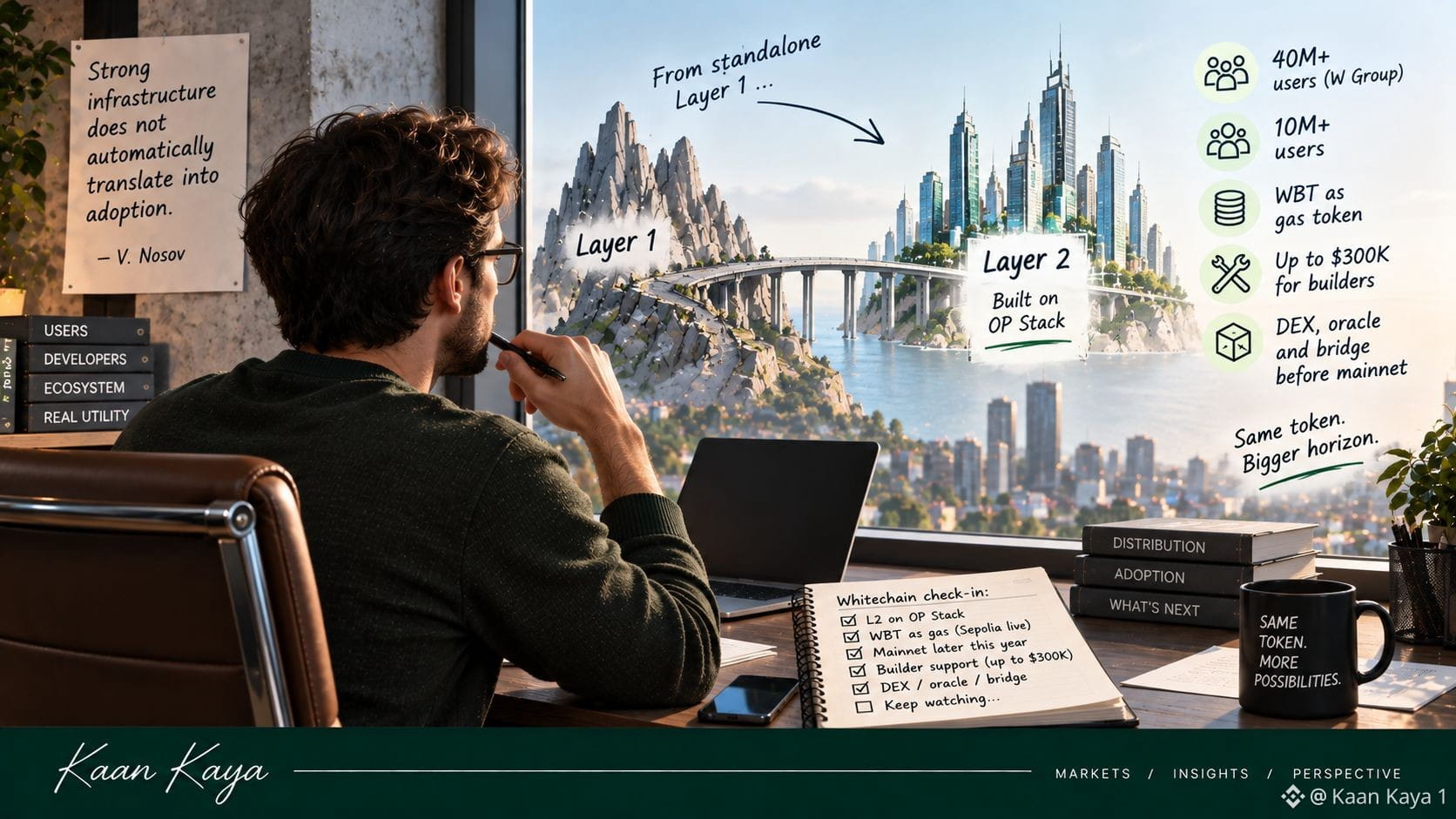
WBT Yangi ATHga Urildi, Lekin Bu Faqat Qiziq Tomon Emas WBT 9-sentabr kuni $82.52 bilan yangi ATHga chiqdi, hozir ham $80-81 atrofida yuribdi. Rostini aytsam, e’tiborimni ATHning o‘zi tortmadi — uning ostidagi narsa tortdi. Ko‘pchilik $WBTni WhiteBIT bilan bog‘liq biror g‘oya sifatida ko‘rardi: fee-discountlar, referral(lar), Launchpad, barchasi bitta birja bilan bog‘langan. Biroq bu o‘zgarayapti: Whitechain mustaqil L1 bo‘lishdan OP Stack asosidagi Ethereum L2ga o‘tmoqda, Sepolia esa hammasi joyida, allaqachon ishlayapti. WBT ham bu yerda butunlay yangi “ish”ga olinmayapti — u hozirgi L1da gas vazifasini bajaryapti, endi bu rolni Ethereum tomonidan ta’minlanadigan (secured) konfiguratsiyaga olib o‘tmoqda, dApps, DeFi infratuzilmasi va oldindagi institutsional/RWA rejalar bilan birga. Ha, men qayta-qayta o‘ylab qaytadigan qism — aynan talabning o‘zgarishi: WhiteBIT’da qancha odam savdo qilishi haqidagi tasavvurdan ko‘ra, Whitechain o‘zining ichidan qanchalik real faollik yaratishi mumkinligi muhimroq. Faqat L2ga o‘tishning o‘zi WBT narxini qayta baholamaydi; mainnetdan keyin keladigan builderlar va foydalanuvchilar buni qiladi. CoinDesk WBTni $80.6 atrofida ko‘rsatmoqda, bozor kapitallashuvi ~$23.7B, cap bo‘yicha #10. Yil oxiri uchun bazaviy prognoz: $95-105 (~$28-31B), agar mainnet reja bo‘yicha ishga tushsa; bull case: $110-120 (~$32-35B), real faollik va bozorga “do‘stona” muhit bo‘lsa. Men $100 unchalik uzoqdek tuyulmasligini ayta olaman — $82+dan keyin, lekin undan ham ancha o‘tish uchun shunchaki yana bir sarlavha emas, haqiqiy foydalanish kerak. Whitechain WBTga o‘ziga xos on-chain talab hikoyasini bera oladimi — shuni kuzatib boryapman, chunki bu 2027 uchun L2 yangiliklarining o‘zidan ham muhimroq. #Makro Insights# #Altcoin Season#
WBT Yangi ATHga Urildi, Lekin Bu Faqat Qiziq Tomon Emas WBT 9-sentabr kuni $82.52 bilan yangi ATHga chiqdi, hozir ham $80-81 atrofida yuribdi. Rostini aytsam, e’tiborimni ATHning o‘zi tortmadi — uning ostidagi narsa tortdi. Ko‘pchilik $WBTni WhiteBIT bilan bog‘liq biror g‘oya sifatida ko‘rardi: fee-discountlar, referral(lar), Launchpad, barchasi bitta birja bilan bog‘langan. Biroq bu o‘zgarayapti: Whitechain mustaqil L1 bo‘lishdan OP Stack asosidagi Ethereum L2ga o‘tmoqda, Sepolia esa hammasi joyida, allaqachon ishlayapti. WBT ham bu yerda butunlay yangi “ish”ga olinmayapti — u hozirgi L1da gas vazifasini bajaryapti, endi bu rolni Ethereum tomonidan ta’minlanadigan (secured) konfiguratsiyaga olib o‘tmoqda, dApps, DeFi infratuzilmasi va oldindagi institutsional/RWA rejalar bilan birga. Ha, men qayta-qayta o‘ylab qaytadigan qism — aynan talabning o‘zgarishi: WhiteBIT’da qancha odam savdo qilishi haqidagi tasavvurdan ko‘ra, Whitechain o‘zining ichidan qanchalik real faollik yaratishi mumkinligi muhimroq. Faqat L2ga o‘tishning o‘zi WBT narxini qayta baholamaydi; mainnetdan keyin keladigan builderlar va foydalanuvchilar buni qiladi. CoinDesk WBTni $80.6 atrofida ko‘rsatmoqda, bozor kapitallashuvi ~$23.7B, cap bo‘yicha #10. Yil oxiri uchun bazaviy prognoz: $95-105 (~$28-31B), agar mainnet reja bo‘yicha ishga tushsa; bull case: $110-120 (~$32-35B), real faollik va bozorga “do‘stona” muhit bo‘lsa. Men $100 unchalik uzoqdek tuyulmasligini ayta olaman — $82+dan keyin, lekin undan ham ancha o‘tish uchun shunchaki yana bir sarlavha emas, haqiqiy foydalanish kerak. Whitechain WBTga o‘ziga xos on-chain talab hikoyasini bera oladimi — shuni kuzatib boryapman, chunki bu 2027 uchun L2 yangiliklarining o‘zidan ham muhimroq. #Makro Insights# #Altcoin Season#
·
--
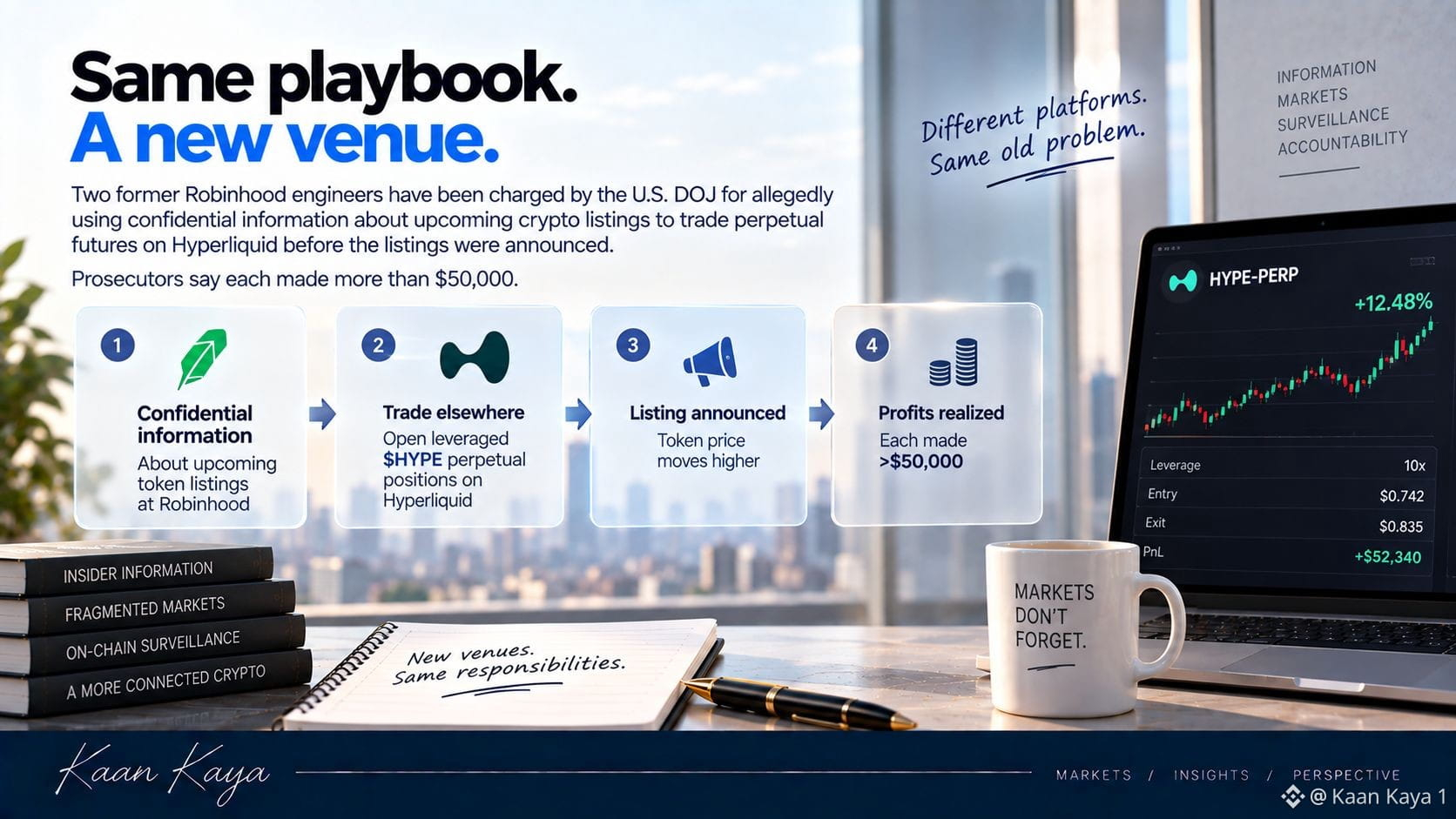
Kimdir $50K likvid savdo-sotiq kripto xabarini oldindan qilgan (hali xabar bo‘lmasidan oldin) 👀 AQSh DOJ ikki sobiq Robinhood muhandisini aybladi. Ularning ta’kidlashicha, ular yaqinlashib kelayotgan Robinhood kripto listinglari haqidagi maxfiy ma’lumotdan foydalanib, listinglar e’lon qilinishidan oldin Hyperliquid’ta perpetual fyucherslarda savdo qilgan. Prokurorlarning aytishicha, har biri $50,000 dan ko‘proq daromad qilgan. Bu aslida juda yangi maydonda paydo bo‘lgan eski bozor muammosining kripto versiyasi. Agar bir birja tokenni yaqin orada listing qilishi ma’lum bo‘lsa, sizga shart emaski, o‘sha tokenni albatta sotib olish. Siz leveraged $HYPE — asosidagi perpetual pozitsiyani ochib, e’lon bozordagi narxni siljitishini kutasiz va bir necha daqiqadan keyin uni yopishingiz mumkin. Eng qiziq tomoni — axborot va savdo maydonlari qanchalik bo‘laklanganiga. Maxfiy ma’lumot bitta kompaniyadan kelishi mumkin, savdo butunlay boshqa joyda amalga oshiriladi, va asosiy token bir vaqtning o‘zida o‘nlab bozorlar bo‘yicha savdo qilishi mumkin. Kripto bozori monitoringi ana shu barcha nuqtalarni ulashi kerak. #Macro Insights# #Altcoin Season#
Kimdir $50K likvid savdo-sotiq kripto xabarini oldindan qilgan (hali xabar bo‘lmasidan oldin) 👀 AQSh DOJ ikki sobiq Robinhood muhandisini aybladi. Ularning ta’kidlashicha, ular yaqinlashib kelayotgan Robinhood kripto listinglari haqidagi maxfiy ma’lumotdan foydalanib, listinglar e’lon qilinishidan oldin Hyperliquid’ta perpetual fyucherslarda savdo qilgan. Prokurorlarning aytishicha, har biri $50,000 dan ko‘proq daromad qilgan. Bu aslida juda yangi maydonda paydo bo‘lgan eski bozor muammosining kripto versiyasi. Agar bir birja tokenni yaqin orada listing qilishi ma’lum bo‘lsa, sizga shart emaski, o‘sha tokenni albatta sotib olish. Siz leveraged $HYPE — asosidagi perpetual pozitsiyani ochib, e’lon bozordagi narxni siljitishini kutasiz va bir necha daqiqadan keyin uni yopishingiz mumkin. Eng qiziq tomoni — axborot va savdo maydonlari qanchalik bo‘laklanganiga. Maxfiy ma’lumot bitta kompaniyadan kelishi mumkin, savdo butunlay boshqa joyda amalga oshiriladi, va asosiy token bir vaqtning o‘zida o‘nlab bozorlar bo‘yicha savdo qilishi mumkin. Kripto bozori monitoringi ana shu barcha nuqtalarni ulashi kerak. #Macro Insights# #Altcoin Season#
61
·
--
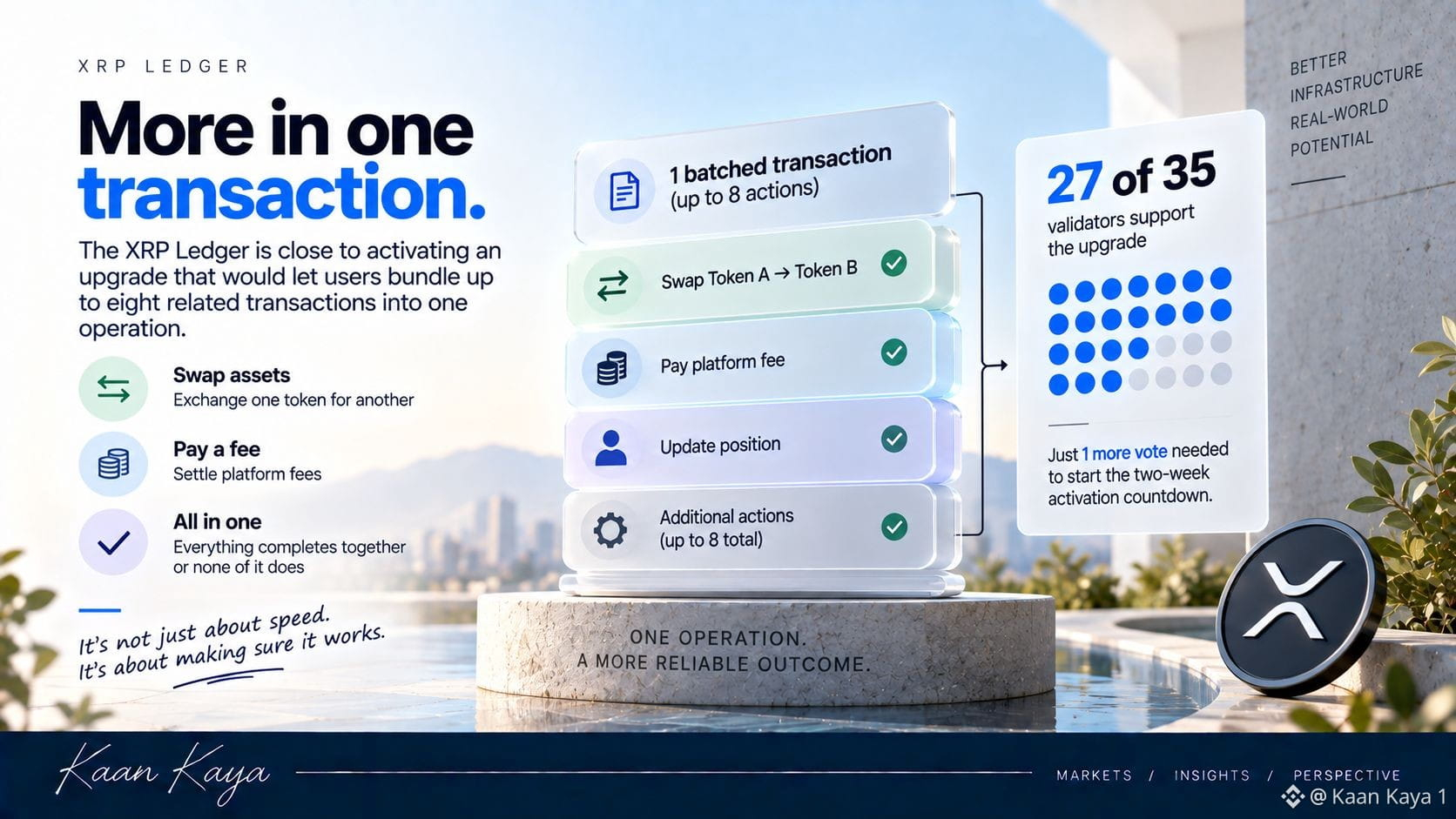
$XRP To‘lovlarni “hammasi yoki hech narsa”ga o‘xshash tarzda qilish yo‘lida bitta ovoz qolgan XRP Ledger foydalanuvchilarga sakkiztagacha bog‘liq tranzaksiyani bitta operatsiyaga birlashtirish imkonini beradigan yangilashni yoqishga yaqin. Hozir u 35 ta ishonchli validatordan 27 tasi tomonidan qo‘llab-quvvatlanmoqda va faollashtirish uchun zarur bo‘lgan chegaradan bitta ovoz yetishmayapti. Nega bu muhim? Tasavvur qiling: ikki xil aktivni ayirboshlayotganingiz bilan birga platforma to‘lovini ham to‘laysiz. Hozir ko‘p bosqichli tranzaksiyalar vaziyatlarni noqulay qilib qo‘yishi mumkin — bir qismi muvaffaqiyatli bo‘lib, boshqasi esa muvaffaqiyatsiz bo‘ladi. Batch’lash (birlashtirish) bilan esa hamma narsa birga yakunlanishi yoki umuman hech narsa bo‘lmasligi uchun hammasini bir tizimga moslab loyihalash mumkin. $XRP uchun buni menga sekundiga to‘lovlar soni degan boshqa ko‘rsatkichdan ko‘ra ancha qiziqroq. To‘lov infratuzilmasi faqat tezkor bo‘lish haqida emas. Shuningdek, birga sodir bo‘lishi kerak bo‘lgan bir nechta narsalar haqiqatan ham birga ro‘y berishini ta’minlash ham muhim. #Macro Insights# #Altcoin Season#
$XRP To‘lovlarni “hammasi yoki hech narsa”ga o‘xshash tarzda qilish yo‘lida bitta ovoz qolgan XRP Ledger foydalanuvchilarga sakkiztagacha bog‘liq tranzaksiyani bitta operatsiyaga birlashtirish imkonini beradigan yangilashni yoqishga yaqin. Hozir u 35 ta ishonchli validatordan 27 tasi tomonidan qo‘llab-quvvatlanmoqda va faollashtirish uchun zarur bo‘lgan chegaradan bitta ovoz yetishmayapti. Nega bu muhim? Tasavvur qiling: ikki xil aktivni ayirboshlayotganingiz bilan birga platforma to‘lovini ham to‘laysiz. Hozir ko‘p bosqichli tranzaksiyalar vaziyatlarni noqulay qilib qo‘yishi mumkin — bir qismi muvaffaqiyatli bo‘lib, boshqasi esa muvaffaqiyatsiz bo‘ladi. Batch’lash (birlashtirish) bilan esa hamma narsa birga yakunlanishi yoki umuman hech narsa bo‘lmasligi uchun hammasini bir tizimga moslab loyihalash mumkin. $XRP uchun buni menga sekundiga to‘lovlar soni degan boshqa ko‘rsatkichdan ko‘ra ancha qiziqroq. To‘lov infratuzilmasi faqat tezkor bo‘lish haqida emas. Shuningdek, birga sodir bo‘lishi kerak bo‘lgan bir nechta narsalar haqiqatan ham birga ro‘y berishini ta’minlash ham muhim. #Macro Insights# #Altcoin Season#
26
·
--
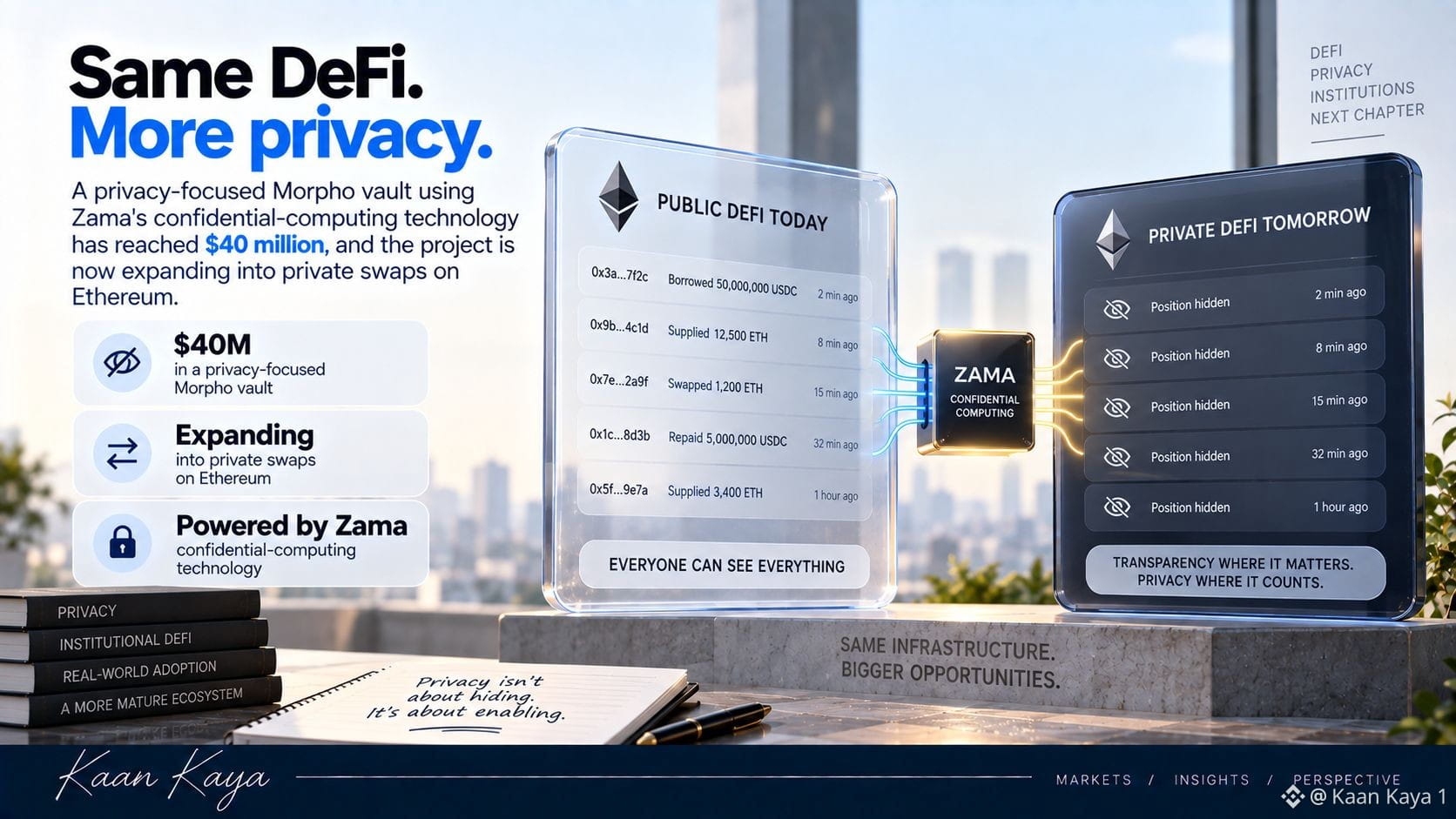
Xususiy DeFi endi qiziqarli sinovdan o‘tdi Zama’ning maxfiy-hisoblash texnologiyasidan foydalanadigan, privacyga yo‘naltirilgan Morpho vaulti 40 million dollarga yetdi va loyiha endi $ETH ustida xususiy svoplar (swaplar)ga kengaymoqda. Men diqqat bilan kuzatayotgan DeFi trendlaridan biri shudir. An’anaviy moliya odatda butun dunyo tekshirishi uchun hammaning pozitsiyalari, qoldiqlari va tranzaksiyalarini nashr etmaydi. DeFi aslida aynan shu model asosida boshlangan, chunki shaffoflik blockchain’da tekshiruvni mumkin qiladi. Biroq on-chain’da 50 million dollar qarz olayotgan institutni tasavvur qiling. U hamma raqobatchilar pozitsiyani real vaqt rejimida kuzatib turganini chinakam xohlaydimi? Shuning uchun privacy shubhali faoliyatni yashirishdan ko‘ra, strategiyasini to‘liq oshkor qilmoqchi bo‘lmagan ishtirokchilar uchun $ETH asosidagi moliyaviy bozorlarni qulay qilish masalasi bo‘lishi mumkin. Qiyin jihati — tizimni ichida bo‘layotgan hamma narsani oshkor qilmasdan turib, uni tekshirish uchun yetarli shaffoflikni saqlab qolish. Bu “public vs. private blockchain”ga qaraganda ancha qiziqarliroq privacy muammosi. #ETHBlockchain #ETHFoundation
Xususiy DeFi endi qiziqarli sinovdan o‘tdi Zama’ning maxfiy-hisoblash texnologiyasidan foydalanadigan, privacyga yo‘naltirilgan Morpho vaulti 40 million dollarga yetdi va loyiha endi $ETH ustida xususiy svoplar (swaplar)ga kengaymoqda. Men diqqat bilan kuzatayotgan DeFi trendlaridan biri shudir. An’anaviy moliya odatda butun dunyo tekshirishi uchun hammaning pozitsiyalari, qoldiqlari va tranzaksiyalarini nashr etmaydi. DeFi aslida aynan shu model asosida boshlangan, chunki shaffoflik blockchain’da tekshiruvni mumkin qiladi. Biroq on-chain’da 50 million dollar qarz olayotgan institutni tasavvur qiling. U hamma raqobatchilar pozitsiyani real vaqt rejimida kuzatib turganini chinakam xohlaydimi? Shuning uchun privacy shubhali faoliyatni yashirishdan ko‘ra, strategiyasini to‘liq oshkor qilmoqchi bo‘lmagan ishtirokchilar uchun $ETH asosidagi moliyaviy bozorlarni qulay qilish masalasi bo‘lishi mumkin. Qiyin jihati — tizimni ichida bo‘layotgan hamma narsani oshkor qilmasdan turib, uni tekshirish uchun yetarli shaffoflikni saqlab qolish. Bu “public vs. private blockchain”ga qaraganda ancha qiziqarliroq privacy muammosi. #ETHBlockchain #ETHFoundation
40
Ko‘proq kontentni ko‘rish uchun tizimga kiring
Binance Square'da global kriptovalyuta foydalanuvchilariga qo‘shiling
⚡️ Kriptovalyuta haqida eng so‘nggi va foydali ma’lumotlarni oling.
💬 Dunyoning eng yirik kriptovalyuta birjasi tomonidan ishonchli deb topilgan.
👍 Tasdiqlangan mualliflardan haqiqiy tahlillarni kashf eting.
Email / telefon raqami
Trenddagi mavzular
CardanoAddedToX402KitForADAPayments
992 marta koʻrilgan
108 muhokama qilmoqda
#CardanoAddedToX402KitForADAPayments 🟣 Cardano (ADA) — Eng so‘nggi yangilanishga oson yo‘l
🔥 Katta xabar: Cardano rasmiy x402 to‘lov to‘plamiga qo‘shildi.
🤖 AI to‘lovlar: Ilovalar va AI agentlari onlayn xizmatlar/API so‘rovlariga haq to‘lash uchun ADA yoki Cardano tokenlaridan foydalanishi mumkin.
💳 Oson to‘lovlar: Tizim akkaunt, API kaliti yoki oddiy checkoutsiz to‘lov qilish imkonini berish uchun mo‘ljallangan.
🧪 Hozirgi holat: Cardano’ning x402 tizimi pre-productionda haqiqiy tranzaksiyani yakunlagan, ammo mainnetda hali sinovdan o‘tkazilmagan.
👀 Nega bu muhim: Bu ADA’ga o‘sib borayotgan AI-agentlar uchun to‘lovlar sohasida yangi qo‘llanish imkonini beradi, lekin real ta’sir ishlab chiquvchilar uni amalda ishlatishiga bog‘liq.
👉 Oddiy:
Cardano + x402 🤖 → AI agentlar ADA bilan to‘lay oladi → mainnet’da qabul qilinishi keyingi kuzatiladigan narsa.
Hamza364
·0 ta layk
·6 marta koʻrilgan
XRPRises8%
8,643 marta koʻrilgan
447 muhokama qilmoqda
AMDHits$1TrillionMarketCap
149 marta koʻrilgan
21 muhokama qilmoqda