
Erica 1
112 Postlar

Erica 1
Shikoyat qilish
Foydalanuvchini bloklash
Binance KOL | Crypto Analyst | #BTC Holder | #SOL and #ETH
0 Kuzatilmoqda
6 Kuzatuvchilar
13 Yoqdi
Postlar
·
--
Tarjimani ko‘rish
The Loan Doesn't Freeze 🏦
This is the Virtual Vault angle that makes the most sense to me.
You lend someone capital based on certain conditions.
But those conditions don't freeze the second the loan gets approved.
Collateral moves. Prices move. Positions change. Borrowers deploy capital somewhere else.
Space and Time designed Virtual Vaults around continuous, cryptographically verified collateral monitoring across venues rather than treating the original collateral check as the end of the process.
That's a much better fit for institutional credit.
Especially if platforms like $ONDO keep pushing tokenized assets deeper into onchain finance.
The loan might last six months.
The data supporting it changes every day.
So why should the lender only understand the position through occasional reports?
For me, the interesting product isn't just the vault.
It's the live view of the agreement after the money leaves.
#Altcoin Season#
The Loan Doesn't Freeze 🏦
This is the Virtual Vault angle that makes the most sense to me.
You lend someone capital based on certain conditions.
But those conditions don't freeze the second the loan gets approved.
Collateral moves. Prices move. Positions change. Borrowers deploy capital somewhere else.
Space and Time designed Virtual Vaults around continuous, cryptographically verified collateral monitoring across venues rather than treating the original collateral check as the end of the process.
That's a much better fit for institutional credit.
Especially if platforms like $ONDO keep pushing tokenized assets deeper into onchain finance.
The loan might last six months.
The data supporting it changes every day.
So why should the lender only understand the position through occasional reports?
For me, the interesting product isn't just the vault.
It's the live view of the agreement after the money leaves.
#Altcoin Season#
This is the Virtual Vault angle that makes the most sense to me.
You lend someone capital based on certain conditions.
But those conditions don't freeze the second the loan gets approved.
Collateral moves. Prices move. Positions change. Borrowers deploy capital somewhere else.
Space and Time designed Virtual Vaults around continuous, cryptographically verified collateral monitoring across venues rather than treating the original collateral check as the end of the process.
That's a much better fit for institutional credit.
Especially if platforms like $ONDO keep pushing tokenized assets deeper into onchain finance.
The loan might last six months.
The data supporting it changes every day.
So why should the lender only understand the position through occasional reports?
For me, the interesting product isn't just the vault.
It's the live view of the agreement after the money leaves.
#Altcoin Season#
78
·
--
Token sahifalarida endi kim ishga tushirgani ko‘rsatiladi 🧾
$ENS onchain’da ism-familiyalarni ravshan qildi va $PYTH narxlarni ravshan qildi. Obro‘ (reputatsiya) esa yetishmayotgan bo‘g‘in edi va Bankr uni har bir token sahifasiga qo‘ydi.
Bankr orqali ishga tushirilgan har bir token endi Ethos Network tomonidan qo‘llab-quvvatlanadigan asoschining Ethos reputatsiya ballini ko‘rsatadi.
Bu yerda anonim ishga tushirish yillar davomida standart bo‘lib kelgan. Bu tugamaydi. Bu anonimlikni “har bir xaridga olib kiradigan taxmin” emas, balki tanlov sifatida ko‘rinadigan qiladi.
Nega men buni sarlavha emas, ma’lumot nuqtasi sifatida qadrlayman.
Hozirgacha biror narsani kim joylaganini aniqlash blok-eksplorer, hamyon tarixi va ancha taxmin qilishni talab qilardi. Bu — bosishdan oldin o‘ttiz soniya ichida deyarli hech kim qilmaydigan tadqiqot. Sahifadagi maydon o‘sha o‘ttiz soniya ichida nimalar mumkinligini o‘zgartiradi.
Ball nimani anglatmasligi ham shunchalik muhim.
Reputatsiya — ijtimoiy tasdiq, audit emas. Yuqori raqam shartnomani xavfsiz qiladi degani emas va tarixi yo‘q bunyodkor avtomatik ravishda risk emas. U likvidlik bloklari va shartnomani tekshirish yonida turadi: bir nechta maydonlardan biri sifatida, hech qachon o‘zi javob bo‘lolmaydi.
Men kuzatadigan narsa — uning yaratadigan taqqoslash imkoniyati.
Asoschilar opt-in (ixtiyoriy qo‘shilish) qiladimi? Va shaxsiyati ko‘rinib turgan ishga tushirishlar anonimlar bilan solishtirganda likvidlikni uzoqroq ushlab turadimi? Hech kim buni avval aniq o‘lchay olmagan va bu har qanday alohida ballga qaraganda qiziqroq ma’lumotlar to‘plamidir.
Raqamning o‘zi maqsad emas. Sahifada identifikatsiya umuman paydo bo‘lishi muhim, chunki endi bozor farqni narxlay oladi.
#DeFi #Base
Token sahifalarida endi kim ishga tushirgani ko‘rsatiladi 🧾
$ENS onchain’da ism-familiyalarni ravshan qildi va $PYTH narxlarni ravshan qildi. Obro‘ (reputatsiya) esa yetishmayotgan bo‘g‘in edi va Bankr uni har bir token sahifasiga qo‘ydi.
Bankr orqali ishga tushirilgan har bir token endi Ethos Network tomonidan qo‘llab-quvvatlanadigan asoschining Ethos reputatsiya ballini ko‘rsatadi.
Bu yerda anonim ishga tushirish yillar davomida standart bo‘lib kelgan. Bu tugamaydi. Bu anonimlikni “har bir xaridga olib kiradigan taxmin” emas, balki tanlov sifatida ko‘rinadigan qiladi.
Nega men buni sarlavha emas, ma’lumot nuqtasi sifatida qadrlayman.
Hozirgacha biror narsani kim joylaganini aniqlash blok-eksplorer, hamyon tarixi va ancha taxmin qilishni talab qilardi. Bu — bosishdan oldin o‘ttiz soniya ichida deyarli hech kim qilmaydigan tadqiqot. Sahifadagi maydon o‘sha o‘ttiz soniya ichida nimalar mumkinligini o‘zgartiradi.
Ball nimani anglatmasligi ham shunchalik muhim.
Reputatsiya — ijtimoiy tasdiq, audit emas. Yuqori raqam shartnomani xavfsiz qiladi degani emas va tarixi yo‘q bunyodkor avtomatik ravishda risk emas. U likvidlik bloklari va shartnomani tekshirish yonida turadi: bir nechta maydonlardan biri sifatida, hech qachon o‘zi javob bo‘lolmaydi.
Men kuzatadigan narsa — uning yaratadigan taqqoslash imkoniyati.
Asoschilar opt-in (ixtiyoriy qo‘shilish) qiladimi? Va shaxsiyati ko‘rinib turgan ishga tushirishlar anonimlar bilan solishtirganda likvidlikni uzoqroq ushlab turadimi? Hech kim buni avval aniq o‘lchay olmagan va bu har qanday alohida ballga qaraganda qiziqroq ma’lumotlar to‘plamidir.
Raqamning o‘zi maqsad emas. Sahifada identifikatsiya umuman paydo bo‘lishi muhim, chunki endi bozor farqni narxlay oladi.
#DeFi #Base
$ENS onchain’da ism-familiyalarni ravshan qildi va $PYTH narxlarni ravshan qildi. Obro‘ (reputatsiya) esa yetishmayotgan bo‘g‘in edi va Bankr uni har bir token sahifasiga qo‘ydi.
Bankr orqali ishga tushirilgan har bir token endi Ethos Network tomonidan qo‘llab-quvvatlanadigan asoschining Ethos reputatsiya ballini ko‘rsatadi.
Bu yerda anonim ishga tushirish yillar davomida standart bo‘lib kelgan. Bu tugamaydi. Bu anonimlikni “har bir xaridga olib kiradigan taxmin” emas, balki tanlov sifatida ko‘rinadigan qiladi.
Nega men buni sarlavha emas, ma’lumot nuqtasi sifatida qadrlayman.
Hozirgacha biror narsani kim joylaganini aniqlash blok-eksplorer, hamyon tarixi va ancha taxmin qilishni talab qilardi. Bu — bosishdan oldin o‘ttiz soniya ichida deyarli hech kim qilmaydigan tadqiqot. Sahifadagi maydon o‘sha o‘ttiz soniya ichida nimalar mumkinligini o‘zgartiradi.
Ball nimani anglatmasligi ham shunchalik muhim.
Reputatsiya — ijtimoiy tasdiq, audit emas. Yuqori raqam shartnomani xavfsiz qiladi degani emas va tarixi yo‘q bunyodkor avtomatik ravishda risk emas. U likvidlik bloklari va shartnomani tekshirish yonida turadi: bir nechta maydonlardan biri sifatida, hech qachon o‘zi javob bo‘lolmaydi.
Men kuzatadigan narsa — uning yaratadigan taqqoslash imkoniyati.
Asoschilar opt-in (ixtiyoriy qo‘shilish) qiladimi? Va shaxsiyati ko‘rinib turgan ishga tushirishlar anonimlar bilan solishtirganda likvidlikni uzoqroq ushlab turadimi? Hech kim buni avval aniq o‘lchay olmagan va bu har qanday alohida ballga qaraganda qiziqroq ma’lumotlar to‘plamidir.
Raqamning o‘zi maqsad emas. Sahifada identifikatsiya umuman paydo bo‘lishi muhim, chunki endi bozor farqni narxlay oladi.
#DeFi #Base
65
·
--
RWA Perpslar Haqiqiy Bozor Sifatida Shakllanmoqda 📊
$HYPE bilan onchain perpetuals e’tiborda bo‘lib, $ONDO esa tokenlashtirilgan aktivlarni asosiy bozor narrativiga aylantirayotgan bir paytda, RWA perpslar ikki mavzu uchrashadigan nuqtaga aylanmoqda.
Emitatsiya va bozor kapitali RWAlarni ko‘rinadigan qildi, ammo savdo hajmi esa foydalanuvchilar aslida qayerda ishtirok etayotganini ko‘rsatadi.
Kategoriya o‘sib borayotgani sari men aynan shu signalni kuzatyapman.
So‘nggi 30 kun ichida Injective o‘zining onchain bozorlarida RWA perpetual hajmi bo‘yicha 214,9 mln dollar qayd etdi.
Menga eng e’tiborli jihati shuki, Injective’ning RWA tezisi ortida unda o‘lchanadigan savdo faolligi allaqachon bor.
Men uchun Injective — RWA perpetuallar atrofidagi faollik aynan sodir bo‘layotgan ekotizimga aylanib boryapti 🔥
#Macro Insights#
RWA Perpslar Haqiqiy Bozor Sifatida Shakllanmoqda 📊
$HYPE bilan onchain perpetuals e’tiborda bo‘lib, $ONDO esa tokenlashtirilgan aktivlarni asosiy bozor narrativiga aylantirayotgan bir paytda, RWA perpslar ikki mavzu uchrashadigan nuqtaga aylanmoqda.
Emitatsiya va bozor kapitali RWAlarni ko‘rinadigan qildi, ammo savdo hajmi esa foydalanuvchilar aslida qayerda ishtirok etayotganini ko‘rsatadi.
Kategoriya o‘sib borayotgani sari men aynan shu signalni kuzatyapman.
So‘nggi 30 kun ichida Injective o‘zining onchain bozorlarida RWA perpetual hajmi bo‘yicha 214,9 mln dollar qayd etdi.
Menga eng e’tiborli jihati shuki, Injective’ning RWA tezisi ortida unda o‘lchanadigan savdo faolligi allaqachon bor.
Men uchun Injective — RWA perpetuallar atrofidagi faollik aynan sodir bo‘layotgan ekotizimga aylanib boryapti 🔥
#Macro Insights#
$HYPE bilan onchain perpetuals e’tiborda bo‘lib, $ONDO esa tokenlashtirilgan aktivlarni asosiy bozor narrativiga aylantirayotgan bir paytda, RWA perpslar ikki mavzu uchrashadigan nuqtaga aylanmoqda.
Emitatsiya va bozor kapitali RWAlarni ko‘rinadigan qildi, ammo savdo hajmi esa foydalanuvchilar aslida qayerda ishtirok etayotganini ko‘rsatadi.
Kategoriya o‘sib borayotgani sari men aynan shu signalni kuzatyapman.
So‘nggi 30 kun ichida Injective o‘zining onchain bozorlarida RWA perpetual hajmi bo‘yicha 214,9 mln dollar qayd etdi.
Menga eng e’tiborli jihati shuki, Injective’ning RWA tezisi ortida unda o‘lchanadigan savdo faolligi allaqachon bor.
Men uchun Injective — RWA perpetuallar atrofidagi faollik aynan sodir bo‘layotgan ekotizimga aylanib boryapti 🔥
#Macro Insights#
61
·
--
Sizning hajmingiz eng katta xarajat 🐋
Har bir davr ko‘proq kapital keltiradi va u hajmda harakatlanishi kerak, buni sinab ko‘rgan har kim biladiki, ekranda ko‘rsatilgan to‘lov qimmat qismi emas — qimmat qismi shundaki, bozor siz haqingizda bilib oladi va hamma siz u yerda savdoda ekaningizni o‘rganadi.
Shuning uchun blok bitimlari avvalroq OTC (off-ekschange) stolarga o‘tkazildi, va $CC dagi institutsiyalar endi Euroclear, LSEG hamda Societe Generale bilan kross-bord intraday repo-ni shunday tarmoqda yuritadiki, unda har bir firmaning ko‘zi faqat bitimning o‘z tomoni bilan cheklanadi.
$SOL da esa vositalar tezroq va DeFi auditoriyasi kattaroq, shuning uchun katta xaridor bitta buyurtmani o‘nlab bo‘laklarga bo‘lib yuboradi-yu, baribir sezilib qolmaydi.
OTC stol esa “oqishni” sizdan stolga ishonishingizni so‘rab hal qiladi: u ta’sirni butunlay yo‘qotmaydi, balki uni boshqa joyga ko‘chiradi, chunki stol baribir har bir kotirovkani va har bir mijozni ko‘rib turadi.
Arcium’ning ekotizim sahifasida Undesk — Solanadagi maxfiy OTC trading desk — keltirilgan, va uning ostida taqdim etilgan yondashuv shuni ko‘rsatadiki, bu shunchaki brendni qayta nomlash emas.
Kotirovkalar va buyurtmalar tugunlar klasteri bo‘ylab bo‘laklar ko‘rinishida kiritiladi: hech bir bitta tugun ikkala tomondan ham o‘qiladigan nusxani saqlamaydi, biroq moslash (match) baribir to‘g‘ri chiqadi. Shuning uchun stol xaridor va sotuvchini ularning kim nimani xohlaganini o‘qimasdan ham juftlashtira oladi.
To‘ldirilgan bitim Solanada oddiy ommaviy tranzaksiya sifatida yakunlanadi, demak moslashuv keyin rekordda bo‘ladi va undan oldin hech narsa sizib chiqmaydi.
Moslashuvni “sealing” qilish bugun Mainnet Alpha’da yo‘lga qo‘yilgan — 2-fevraldan beri ishlaydi; transfer summasini “sealing” qilish esa C-SPL hisoblanadi va u hali chiqqani yo‘q.
Hajm doim ko‘proq pul talab qiladigan omil bo‘lib kelgan — ko‘rinadigan bo‘lgani uchun. Va men o‘z buyurtma oqimini ko‘ra olmaydigan birinchi stollar qayerdan hajmni tortib ola boshlashini kuzatardim.
#DeFi #Solana
Sizning hajmingiz eng katta xarajat 🐋
Har bir davr ko‘proq kapital keltiradi va u hajmda harakatlanishi kerak, buni sinab ko‘rgan har kim biladiki, ekranda ko‘rsatilgan to‘lov qimmat qismi emas — qimmat qismi shundaki, bozor siz haqingizda bilib oladi va hamma siz u yerda savdoda ekaningizni o‘rganadi.
Shuning uchun blok bitimlari avvalroq OTC (off-ekschange) stolarga o‘tkazildi, va $CC dagi institutsiyalar endi Euroclear, LSEG hamda Societe Generale bilan kross-bord intraday repo-ni shunday tarmoqda yuritadiki, unda har bir firmaning ko‘zi faqat bitimning o‘z tomoni bilan cheklanadi.
$SOL da esa vositalar tezroq va DeFi auditoriyasi kattaroq, shuning uchun katta xaridor bitta buyurtmani o‘nlab bo‘laklarga bo‘lib yuboradi-yu, baribir sezilib qolmaydi.
OTC stol esa “oqishni” sizdan stolga ishonishingizni so‘rab hal qiladi: u ta’sirni butunlay yo‘qotmaydi, balki uni boshqa joyga ko‘chiradi, chunki stol baribir har bir kotirovkani va har bir mijozni ko‘rib turadi.
Arcium’ning ekotizim sahifasida Undesk — Solanadagi maxfiy OTC trading desk — keltirilgan, va uning ostida taqdim etilgan yondashuv shuni ko‘rsatadiki, bu shunchaki brendni qayta nomlash emas.
Kotirovkalar va buyurtmalar tugunlar klasteri bo‘ylab bo‘laklar ko‘rinishida kiritiladi: hech bir bitta tugun ikkala tomondan ham o‘qiladigan nusxani saqlamaydi, biroq moslash (match) baribir to‘g‘ri chiqadi. Shuning uchun stol xaridor va sotuvchini ularning kim nimani xohlaganini o‘qimasdan ham juftlashtira oladi.
To‘ldirilgan bitim Solanada oddiy ommaviy tranzaksiya sifatida yakunlanadi, demak moslashuv keyin rekordda bo‘ladi va undan oldin hech narsa sizib chiqmaydi.
Moslashuvni “sealing” qilish bugun Mainnet Alpha’da yo‘lga qo‘yilgan — 2-fevraldan beri ishlaydi; transfer summasini “sealing” qilish esa C-SPL hisoblanadi va u hali chiqqani yo‘q.
Hajm doim ko‘proq pul talab qiladigan omil bo‘lib kelgan — ko‘rinadigan bo‘lgani uchun. Va men o‘z buyurtma oqimini ko‘ra olmaydigan birinchi stollar qayerdan hajmni tortib ola boshlashini kuzatardim.
#DeFi #Solana
Har bir davr ko‘proq kapital keltiradi va u hajmda harakatlanishi kerak, buni sinab ko‘rgan har kim biladiki, ekranda ko‘rsatilgan to‘lov qimmat qismi emas — qimmat qismi shundaki, bozor siz haqingizda bilib oladi va hamma siz u yerda savdoda ekaningizni o‘rganadi.
Shuning uchun blok bitimlari avvalroq OTC (off-ekschange) stolarga o‘tkazildi, va $CC dagi institutsiyalar endi Euroclear, LSEG hamda Societe Generale bilan kross-bord intraday repo-ni shunday tarmoqda yuritadiki, unda har bir firmaning ko‘zi faqat bitimning o‘z tomoni bilan cheklanadi.
$SOL da esa vositalar tezroq va DeFi auditoriyasi kattaroq, shuning uchun katta xaridor bitta buyurtmani o‘nlab bo‘laklarga bo‘lib yuboradi-yu, baribir sezilib qolmaydi.
OTC stol esa “oqishni” sizdan stolga ishonishingizni so‘rab hal qiladi: u ta’sirni butunlay yo‘qotmaydi, balki uni boshqa joyga ko‘chiradi, chunki stol baribir har bir kotirovkani va har bir mijozni ko‘rib turadi.
Arcium’ning ekotizim sahifasida Undesk — Solanadagi maxfiy OTC trading desk — keltirilgan, va uning ostida taqdim etilgan yondashuv shuni ko‘rsatadiki, bu shunchaki brendni qayta nomlash emas.
Kotirovkalar va buyurtmalar tugunlar klasteri bo‘ylab bo‘laklar ko‘rinishida kiritiladi: hech bir bitta tugun ikkala tomondan ham o‘qiladigan nusxani saqlamaydi, biroq moslash (match) baribir to‘g‘ri chiqadi. Shuning uchun stol xaridor va sotuvchini ularning kim nimani xohlaganini o‘qimasdan ham juftlashtira oladi.
To‘ldirilgan bitim Solanada oddiy ommaviy tranzaksiya sifatida yakunlanadi, demak moslashuv keyin rekordda bo‘ladi va undan oldin hech narsa sizib chiqmaydi.
Moslashuvni “sealing” qilish bugun Mainnet Alpha’da yo‘lga qo‘yilgan — 2-fevraldan beri ishlaydi; transfer summasini “sealing” qilish esa C-SPL hisoblanadi va u hali chiqqani yo‘q.
Hajm doim ko‘proq pul talab qiladigan omil bo‘lib kelgan — ko‘rinadigan bo‘lgani uchun. Va men o‘z buyurtma oqimini ko‘ra olmaydigan birinchi stollar qayerdan hajmni tortib ola boshlashini kuzatardim.
#DeFi #Solana
63
·
--
Keyingi AI poygasi modellar bilan bo‘lmaydi 🤖
AI platformalari modellarni sinab ko‘rishdan millionlab foydalanuvchilar va agentlarga uzluksiz xizmat ko‘rsatishga o‘tyapti.
Bu o‘zgarish miqyosda inferensiya yetkazib bera oladigan jismoniy infratuzilmani talab qiladi.
$VVV bu kelajakni hozirdanoq diqqat markaziga olib chiqyapti.
Venetsiya yaqinda yillik daromad bo‘yicha $100M dan oshdi va Dragonfly, Coinbase Ventures, F-Prime hamda boshqalardan $1B baholash bilan $65M jalb qilganidan keyin bu ko‘rsatkichga erishdi. Kompaniya ushbu kapitalning bir qismi o‘zining hisoblash infratuzilmasi hamda birinchi ma’lumotlar markazini qurishga sarflanishini, ya’ni ijaraga olingan GPU’larga bog‘liqligini kamaytirishini aytdi.
$B3 esa shu egalik qilish modelini B3IQ orqali ommaga qulay qilishga yo‘naltirilgan.
Mahsulot beshta asosga tayangan.
• Ajratilgan NVIDIA apparat ta’minoti
• To‘liq nom va root-ga kirish huquqi
• AQShda joylashtirish
• Xususiy yoki daromad keltiradigan sig‘im
• Egasi xohlagan paytda jismonan yetkazib berish
B3IQ egalari B3’ning sotib olish (offtake) shartnomalari doirasida foydalanilmayotgan sig‘imni taqdim etishi va realizatsiya qilingan yalpi daromadning 85% ini olishi yoki mashinani butunlay o‘z ish yuklamalari uchun zaxiralashi mumkin.
AI yaratkichlar uchun g‘oya oddiy.
Hatto inferensiya platformalari ham mahsulotlari ortidagi GPU’larga egalik qila boshlayotgan bo‘lsa, jismoniy hisoblash strategik infratuzilmaga aylanmoqda.
Meningcha, AI infratuzilmasi kompaniyalar ijaraga oladigan narsadan tobora o‘zlari nazorat qilmoqchi bo‘ladigan narsaga o‘tarkan, B3 kuzatishga arziydigan qatlam bo‘la oladi.
#AI #DePIN
Keyingi AI poygasi modellar bilan bo‘lmaydi 🤖
AI platformalari modellarni sinab ko‘rishdan millionlab foydalanuvchilar va agentlarga uzluksiz xizmat ko‘rsatishga o‘tyapti.
Bu o‘zgarish miqyosda inferensiya yetkazib bera oladigan jismoniy infratuzilmani talab qiladi.
$VVV bu kelajakni hozirdanoq diqqat markaziga olib chiqyapti.
Venetsiya yaqinda yillik daromad bo‘yicha $100M dan oshdi va Dragonfly, Coinbase Ventures, F-Prime hamda boshqalardan $1B baholash bilan $65M jalb qilganidan keyin bu ko‘rsatkichga erishdi. Kompaniya ushbu kapitalning bir qismi o‘zining hisoblash infratuzilmasi hamda birinchi ma’lumotlar markazini qurishga sarflanishini, ya’ni ijaraga olingan GPU’larga bog‘liqligini kamaytirishini aytdi.
$B3 esa shu egalik qilish modelini B3IQ orqali ommaga qulay qilishga yo‘naltirilgan.
Mahsulot beshta asosga tayangan.
• Ajratilgan NVIDIA apparat ta’minoti
• To‘liq nom va root-ga kirish huquqi
• AQShda joylashtirish
• Xususiy yoki daromad keltiradigan sig‘im
• Egasi xohlagan paytda jismonan yetkazib berish
B3IQ egalari B3’ning sotib olish (offtake) shartnomalari doirasida foydalanilmayotgan sig‘imni taqdim etishi va realizatsiya qilingan yalpi daromadning 85% ini olishi yoki mashinani butunlay o‘z ish yuklamalari uchun zaxiralashi mumkin.
AI yaratkichlar uchun g‘oya oddiy.
Hatto inferensiya platformalari ham mahsulotlari ortidagi GPU’larga egalik qila boshlayotgan bo‘lsa, jismoniy hisoblash strategik infratuzilmaga aylanmoqda.
Meningcha, AI infratuzilmasi kompaniyalar ijaraga oladigan narsadan tobora o‘zlari nazorat qilmoqchi bo‘ladigan narsaga o‘tarkan, B3 kuzatishga arziydigan qatlam bo‘la oladi.
#AI #DePIN
AI platformalari modellarni sinab ko‘rishdan millionlab foydalanuvchilar va agentlarga uzluksiz xizmat ko‘rsatishga o‘tyapti.
Bu o‘zgarish miqyosda inferensiya yetkazib bera oladigan jismoniy infratuzilmani talab qiladi.
$VVV bu kelajakni hozirdanoq diqqat markaziga olib chiqyapti.
Venetsiya yaqinda yillik daromad bo‘yicha $100M dan oshdi va Dragonfly, Coinbase Ventures, F-Prime hamda boshqalardan $1B baholash bilan $65M jalb qilganidan keyin bu ko‘rsatkichga erishdi. Kompaniya ushbu kapitalning bir qismi o‘zining hisoblash infratuzilmasi hamda birinchi ma’lumotlar markazini qurishga sarflanishini, ya’ni ijaraga olingan GPU’larga bog‘liqligini kamaytirishini aytdi.
$B3 esa shu egalik qilish modelini B3IQ orqali ommaga qulay qilishga yo‘naltirilgan.
Mahsulot beshta asosga tayangan.
• Ajratilgan NVIDIA apparat ta’minoti
• To‘liq nom va root-ga kirish huquqi
• AQShda joylashtirish
• Xususiy yoki daromad keltiradigan sig‘im
• Egasi xohlagan paytda jismonan yetkazib berish
B3IQ egalari B3’ning sotib olish (offtake) shartnomalari doirasida foydalanilmayotgan sig‘imni taqdim etishi va realizatsiya qilingan yalpi daromadning 85% ini olishi yoki mashinani butunlay o‘z ish yuklamalari uchun zaxiralashi mumkin.
AI yaratkichlar uchun g‘oya oddiy.
Hatto inferensiya platformalari ham mahsulotlari ortidagi GPU’larga egalik qila boshlayotgan bo‘lsa, jismoniy hisoblash strategik infratuzilmaga aylanmoqda.
Meningcha, AI infratuzilmasi kompaniyalar ijaraga oladigan narsadan tobora o‘zlari nazorat qilmoqchi bo‘ladigan narsaga o‘tarkan, B3 kuzatishga arziydigan qatlam bo‘la oladi.
#AI #DePIN
60
·
--
Tezlikning o‘zi hech narsa demas, agar ko‘chishga arziydigan narsa bo‘lmasa.
$ARB egalari tezlik va pastroq xarajat uchun mo‘ljallangan yo‘lakni tanladi, bazaviy zanjirni xavfsiz qiladigan narsadan voz kechmadi. Infratuzilma muammosi hal etildi.
Ana shu infratuzilma ustida yuradigan narsa esa muhim.
$DMC sifatida tokenlashtirilgan DeLorean IP tez temir yo‘llar uchun qurishga arziydigan aynan shunday aktivdir. Brendning 40 yillik obro‘si L2 tezligida harakatlanadi, atrofida esa sherikliklar tomondan kelishuvlar ham tayyor turibdi.
Tez yo‘lak tayyor edi. Uni ichiga qo‘yishga arziydigan narsa aynan shu edi. ⚡
#Altcoin Season#
Tezlikning o‘zi hech narsa demas, agar ko‘chishga arziydigan narsa bo‘lmasa.
$ARB egalari tezlik va pastroq xarajat uchun mo‘ljallangan yo‘lakni tanladi, bazaviy zanjirni xavfsiz qiladigan narsadan voz kechmadi. Infratuzilma muammosi hal etildi.
Ana shu infratuzilma ustida yuradigan narsa esa muhim.
$DMC sifatida tokenlashtirilgan DeLorean IP tez temir yo‘llar uchun qurishga arziydigan aynan shunday aktivdir. Brendning 40 yillik obro‘si L2 tezligida harakatlanadi, atrofida esa sherikliklar tomondan kelishuvlar ham tayyor turibdi.
Tez yo‘lak tayyor edi. Uni ichiga qo‘yishga arziydigan narsa aynan shu edi. ⚡
#Altcoin Season#
$ARB egalari tezlik va pastroq xarajat uchun mo‘ljallangan yo‘lakni tanladi, bazaviy zanjirni xavfsiz qiladigan narsadan voz kechmadi. Infratuzilma muammosi hal etildi.
Ana shu infratuzilma ustida yuradigan narsa esa muhim.
$DMC sifatida tokenlashtirilgan DeLorean IP tez temir yo‘llar uchun qurishga arziydigan aynan shunday aktivdir. Brendning 40 yillik obro‘si L2 tezligida harakatlanadi, atrofida esa sherikliklar tomondan kelishuvlar ham tayyor turibdi.
Tez yo‘lak tayyor edi. Uni ichiga qo‘yishga arziydigan narsa aynan shu edi. ⚡
#Altcoin Season#
56
·
--
Kassa Kuzatilmoqda 🏦
Men ularni boshqa DeFi kassa (vault)si deb o‘ylashni to‘xtatganimda, Fazo va Vaqtning Virtual Kassalari (Virtual Vaults) menga tushunarli bo‘lib qoldi.
Ularni dasturlashtiriladigan kredit shartnomalari deb tasavvur qiling.
Kapital harakatlanishidan oldin shartlar o‘rnatiladi.
Kapital harakatlanganidan keyin eng muhim qism boshlanadi.
Ma’lumotlar o‘sha shartlar bajarilgan-bo‘lib qolayotganini isbotlashda davom etishi mumkin.
Bu muhim, chunki kredit riski ssuda (qarz) ma’qullangani zahoti muzlab qolmaydi.
Shartlar o‘zgaradi.
Garov o‘zgaradi.
Qarz oluvchilar o‘zgaradi.
$TRX foydalanuvchilar real ravishda «yo‘laklar» (rails)dan foydalanib, qabul qilganida, oncheyn (onchain) moliyaviy faollik qanchalik katta bo‘lishi mumkinligini ko‘rsatib berdi.
Institutsional kredit esa yanada qat’iyroq talabni kiritadi: munosabat davomida nima bo‘layotganini isbotlash.
Shuning uchun men Virtual Kassalarga e’tibor bermay uxlamagan bo‘lardim.
Real mahsulot shunchaki kapital berish (lending) emas.
Kapital ketganidan keyin ham shartnomani kuzatib (observable) bo‘lishga xizmat qilish.
#Altcoin Season#
Kassa Kuzatilmoqda 🏦
Men ularni boshqa DeFi kassa (vault)si deb o‘ylashni to‘xtatganimda, Fazo va Vaqtning Virtual Kassalari (Virtual Vaults) menga tushunarli bo‘lib qoldi.
Ularni dasturlashtiriladigan kredit shartnomalari deb tasavvur qiling.
Kapital harakatlanishidan oldin shartlar o‘rnatiladi.
Kapital harakatlanganidan keyin eng muhim qism boshlanadi.
Ma’lumotlar o‘sha shartlar bajarilgan-bo‘lib qolayotganini isbotlashda davom etishi mumkin.
Bu muhim, chunki kredit riski ssuda (qarz) ma’qullangani zahoti muzlab qolmaydi.
Shartlar o‘zgaradi.
Garov o‘zgaradi.
Qarz oluvchilar o‘zgaradi.
$TRX foydalanuvchilar real ravishda «yo‘laklar» (rails)dan foydalanib, qabul qilganida, oncheyn (onchain) moliyaviy faollik qanchalik katta bo‘lishi mumkinligini ko‘rsatib berdi.
Institutsional kredit esa yanada qat’iyroq talabni kiritadi: munosabat davomida nima bo‘layotganini isbotlash.
Shuning uchun men Virtual Kassalarga e’tibor bermay uxlamagan bo‘lardim.
Real mahsulot shunchaki kapital berish (lending) emas.
Kapital ketganidan keyin ham shartnomani kuzatib (observable) bo‘lishga xizmat qilish.
#Altcoin Season#
Men ularni boshqa DeFi kassa (vault)si deb o‘ylashni to‘xtatganimda, Fazo va Vaqtning Virtual Kassalari (Virtual Vaults) menga tushunarli bo‘lib qoldi.
Ularni dasturlashtiriladigan kredit shartnomalari deb tasavvur qiling.
Kapital harakatlanishidan oldin shartlar o‘rnatiladi.
Kapital harakatlanganidan keyin eng muhim qism boshlanadi.
Ma’lumotlar o‘sha shartlar bajarilgan-bo‘lib qolayotganini isbotlashda davom etishi mumkin.
Bu muhim, chunki kredit riski ssuda (qarz) ma’qullangani zahoti muzlab qolmaydi.
Shartlar o‘zgaradi.
Garov o‘zgaradi.
Qarz oluvchilar o‘zgaradi.
$TRX foydalanuvchilar real ravishda «yo‘laklar» (rails)dan foydalanib, qabul qilganida, oncheyn (onchain) moliyaviy faollik qanchalik katta bo‘lishi mumkinligini ko‘rsatib berdi.
Institutsional kredit esa yanada qat’iyroq talabni kiritadi: munosabat davomida nima bo‘layotganini isbotlash.
Shuning uchun men Virtual Kassalarga e’tibor bermay uxlamagan bo‘lardim.
Real mahsulot shunchaki kapital berish (lending) emas.
Kapital ketganidan keyin ham shartnomani kuzatib (observable) bo‘lishga xizmat qilish.
#Altcoin Season#
51
·
--
Narx o‘likdek ko‘rinadi. Likvidlik esa aksini aytadi 🔥
$SUI yana bir yoqimsiz kunlik pasayishdan so‘ng $0.74 atrofida savdolashmoqda, bu uning $5.35 bo‘lgan rekord all-time high ko‘rsatkichidan qariyb 86% past.
Shu bilan birga, Sui dagi stablecoin ta’minoti 13.2% ga oshib, $454 milliondan oshdi — bu esa bevosita $DEEP kabi mahalliy likvidlik infratuzilmasini kuchaytirmoqda
Bu Sui ni stablecoin ta’minoti bo‘yicha blokcheynlar orasida 18-o‘ringa olib chiqadi.
Narx hanuz ekotizim qisqarayotgandek baholanayotgani kabi ko‘rilmoqda, holbuki yangi kapital onchain tomonga harakatni davom ettirmoqda.
Haftalik grafigi esa bulls ko‘rishni xohlovchi ikkita tuzilmani ham shakllantiryapti.
🔹Sinuvchi (breakout) nuqtasiga yaqinlashayotgan tushuvchi wedge
🔹Joriy eng past nuqtalar atrofida potensial double bottom
Birinchi jiddiy tasdiq $0.85 da joylashgan 200 kunlik o‘rtacha harakatlanuvchi chiziq atrofida ko‘rinadi.
Shu darajani qayta egallasa, $1.40 keyingi real nishon bo‘lib qoladi.
24-sentabr kuni Phantom tomonidan Sui support’ning yakunlanishi qisqa muddatli ishqalanish qo‘shadi, shuning uchun tasdiq ahamiyatli.
Lekin likvidlik yaxshilangani siqilgan chart bilan to‘qnashsa, narx tez qayta narxlanishi mumkin.
$0.85 dan yuqorida menimcha, SUI jiddiy darajada undervalued bo‘lib ko‘rina boshlaydi.
#Altcoin Season# #DeFi
Narx o‘likdek ko‘rinadi. Likvidlik esa aksini aytadi 🔥
$SUI yana bir yoqimsiz kunlik pasayishdan so‘ng $0.74 atrofida savdolashmoqda, bu uning $5.35 bo‘lgan rekord all-time high ko‘rsatkichidan qariyb 86% past.
Shu bilan birga, Sui dagi stablecoin ta’minoti 13.2% ga oshib, $454 milliondan oshdi — bu esa bevosita $DEEP kabi mahalliy likvidlik infratuzilmasini kuchaytirmoqda
Bu Sui ni stablecoin ta’minoti bo‘yicha blokcheynlar orasida 18-o‘ringa olib chiqadi.
Narx hanuz ekotizim qisqarayotgandek baholanayotgani kabi ko‘rilmoqda, holbuki yangi kapital onchain tomonga harakatni davom ettirmoqda.
Haftalik grafigi esa bulls ko‘rishni xohlovchi ikkita tuzilmani ham shakllantiryapti.
🔹Sinuvchi (breakout) nuqtasiga yaqinlashayotgan tushuvchi wedge
🔹Joriy eng past nuqtalar atrofida potensial double bottom
Birinchi jiddiy tasdiq $0.85 da joylashgan 200 kunlik o‘rtacha harakatlanuvchi chiziq atrofida ko‘rinadi.
Shu darajani qayta egallasa, $1.40 keyingi real nishon bo‘lib qoladi.
24-sentabr kuni Phantom tomonidan Sui support’ning yakunlanishi qisqa muddatli ishqalanish qo‘shadi, shuning uchun tasdiq ahamiyatli.
Lekin likvidlik yaxshilangani siqilgan chart bilan to‘qnashsa, narx tez qayta narxlanishi mumkin.
$0.85 dan yuqorida menimcha, SUI jiddiy darajada undervalued bo‘lib ko‘rina boshlaydi.
#Altcoin Season# #DeFi
$SUI yana bir yoqimsiz kunlik pasayishdan so‘ng $0.74 atrofida savdolashmoqda, bu uning $5.35 bo‘lgan rekord all-time high ko‘rsatkichidan qariyb 86% past.
Shu bilan birga, Sui dagi stablecoin ta’minoti 13.2% ga oshib, $454 milliondan oshdi — bu esa bevosita $DEEP kabi mahalliy likvidlik infratuzilmasini kuchaytirmoqda
Bu Sui ni stablecoin ta’minoti bo‘yicha blokcheynlar orasida 18-o‘ringa olib chiqadi.
Narx hanuz ekotizim qisqarayotgandek baholanayotgani kabi ko‘rilmoqda, holbuki yangi kapital onchain tomonga harakatni davom ettirmoqda.
Haftalik grafigi esa bulls ko‘rishni xohlovchi ikkita tuzilmani ham shakllantiryapti.
🔹Sinuvchi (breakout) nuqtasiga yaqinlashayotgan tushuvchi wedge
🔹Joriy eng past nuqtalar atrofida potensial double bottom
Birinchi jiddiy tasdiq $0.85 da joylashgan 200 kunlik o‘rtacha harakatlanuvchi chiziq atrofida ko‘rinadi.
Shu darajani qayta egallasa, $1.40 keyingi real nishon bo‘lib qoladi.
24-sentabr kuni Phantom tomonidan Sui support’ning yakunlanishi qisqa muddatli ishqalanish qo‘shadi, shuning uchun tasdiq ahamiyatli.
Lekin likvidlik yaxshilangani siqilgan chart bilan to‘qnashsa, narx tez qayta narxlanishi mumkin.
$0.85 dan yuqorida menimcha, SUI jiddiy darajada undervalued bo‘lib ko‘rina boshlaydi.
#Altcoin Season# #DeFi
48
·
--
Aura yangi Kaito Yaps bo‘la oladimi?
$KAITO Yaps kriptoga bo‘lgan e’tiborni o‘lchanadigan signalga aylantirishga yordam berdi.
Tizim dolzarb, original muhokamalarni va obro‘ (reputatsiya) bilan vaznlangan ishtirokni mukofotladi. Muhimroq narsa — post hajmi emas, balki sifat edi. Biroq model hali ham layklar, javoblar va boshqa ko‘rinadigan o‘zaro ta’sirlar yig‘ishtirilishi yoki manipulyatsiya qilinishi mumkin bo‘lgan muhitda ishladi.
$JUP kabi katta airdroplar ta’sirini ko‘rdik: ayrimlar mahsulotdan foydalangani uchun olti xonali summa ham oldi. Men Kaito AURA bilan ham shunday erta bosqichdamizmi, deb o‘ylayman.
Aura o‘sha g‘oyaning keyingi bosqichiga o‘xshaydi, lekin u shunchaki Yaps’ning nomi o‘zgargan ko‘rinishi emas.
Aura Kaito Pulse orqali ko‘rish (view) darajasida tekshirilgan e’tiborni o‘lchaydi. Diqqat post qancha miqdordagi ishtirokni keltirib chiqargandek ko‘rinishidan tortib, uni haqiqatan ham ko‘rgan dolzarb, real odamlar soniga o‘tadi. Hamma nolidan boshlaydi, obro‘ esa boshlang‘ich balansni emas, balki daromad olish tezligini o‘zgartiradi.
Aura shuningdek bazaviy qatlamida o‘tkazilmaydi. Bu muhim, chunki uni sotib olishga ruxsat berish u yaratishga mo‘ljallangan ijtimoiy isbot (social-proof) signalini yemirib tashlaydi.
Yaps kriptodagi suhbat orqali hissa (contribution)ni o‘lchadi. Aura esa kengroq internet bo‘ylab haqiqiy e’tiborni o‘lchashning yangi birligi bo‘lib qolishi mumkin.
$KAITO e’tibor qanday tekshirilishini qayta qurmoqda.
Aura yangi Kaito Yaps bo‘la oladimi?
$KAITO Yaps kriptoga bo‘lgan e’tiborni o‘lchanadigan signalga aylantirishga yordam berdi.
Tizim dolzarb, original muhokamalarni va obro‘ (reputatsiya) bilan vaznlangan ishtirokni mukofotladi. Muhimroq narsa — post hajmi emas, balki sifat edi. Biroq model hali ham layklar, javoblar va boshqa ko‘rinadigan o‘zaro ta’sirlar yig‘ishtirilishi yoki manipulyatsiya qilinishi mumkin bo‘lgan muhitda ishladi.
$JUP kabi katta airdroplar ta’sirini ko‘rdik: ayrimlar mahsulotdan foydalangani uchun olti xonali summa ham oldi. Men Kaito AURA bilan ham shunday erta bosqichdamizmi, deb o‘ylayman.
Aura o‘sha g‘oyaning keyingi bosqichiga o‘xshaydi, lekin u shunchaki Yaps’ning nomi o‘zgargan ko‘rinishi emas.
Aura Kaito Pulse orqali ko‘rish (view) darajasida tekshirilgan e’tiborni o‘lchaydi. Diqqat post qancha miqdordagi ishtirokni keltirib chiqargandek ko‘rinishidan tortib, uni haqiqatan ham ko‘rgan dolzarb, real odamlar soniga o‘tadi. Hamma nolidan boshlaydi, obro‘ esa boshlang‘ich balansni emas, balki daromad olish tezligini o‘zgartiradi.
Aura shuningdek bazaviy qatlamida o‘tkazilmaydi. Bu muhim, chunki uni sotib olishga ruxsat berish u yaratishga mo‘ljallangan ijtimoiy isbot (social-proof) signalini yemirib tashlaydi.
Yaps kriptodagi suhbat orqali hissa (contribution)ni o‘lchadi. Aura esa kengroq internet bo‘ylab haqiqiy e’tiborni o‘lchashning yangi birligi bo‘lib qolishi mumkin.
$KAITO e’tibor qanday tekshirilishini qayta qurmoqda.
$KAITO Yaps kriptoga bo‘lgan e’tiborni o‘lchanadigan signalga aylantirishga yordam berdi.
Tizim dolzarb, original muhokamalarni va obro‘ (reputatsiya) bilan vaznlangan ishtirokni mukofotladi. Muhimroq narsa — post hajmi emas, balki sifat edi. Biroq model hali ham layklar, javoblar va boshqa ko‘rinadigan o‘zaro ta’sirlar yig‘ishtirilishi yoki manipulyatsiya qilinishi mumkin bo‘lgan muhitda ishladi.
$JUP kabi katta airdroplar ta’sirini ko‘rdik: ayrimlar mahsulotdan foydalangani uchun olti xonali summa ham oldi. Men Kaito AURA bilan ham shunday erta bosqichdamizmi, deb o‘ylayman.
Aura o‘sha g‘oyaning keyingi bosqichiga o‘xshaydi, lekin u shunchaki Yaps’ning nomi o‘zgargan ko‘rinishi emas.
Aura Kaito Pulse orqali ko‘rish (view) darajasida tekshirilgan e’tiborni o‘lchaydi. Diqqat post qancha miqdordagi ishtirokni keltirib chiqargandek ko‘rinishidan tortib, uni haqiqatan ham ko‘rgan dolzarb, real odamlar soniga o‘tadi. Hamma nolidan boshlaydi, obro‘ esa boshlang‘ich balansni emas, balki daromad olish tezligini o‘zgartiradi.
Aura shuningdek bazaviy qatlamida o‘tkazilmaydi. Bu muhim, chunki uni sotib olishga ruxsat berish u yaratishga mo‘ljallangan ijtimoiy isbot (social-proof) signalini yemirib tashlaydi.
Yaps kriptodagi suhbat orqali hissa (contribution)ni o‘lchadi. Aura esa kengroq internet bo‘ylab haqiqiy e’tiborni o‘lchashning yangi birligi bo‘lib qolishi mumkin.
$KAITO e’tibor qanday tekshirilishini qayta qurmoqda.

78
·
--
24/7 Ishlaydigan Top Free Quant Agent
Kriptoda eng qiyin narsa har doim ham yaxshi treyd topish emas. Ba’zan imkoniyat aynan paydo bo‘lgan lahzada onlayn bo‘lib turish kerak bo‘ladi.
Shunda Pear Protocol’ning Agent Pear kabi AI agentlari juda qo‘l keladi. Bu aslida bepul “pocket quant”: bozordagi holatni 24/7 tadqiq qiladi, men bo‘lmagan paytlarimda ham ishlaydi va qayerda kerak bo‘lsa, shunda mavjud — ish stoli yoki telefonda.
Agar men unga privacy tokenlar bo‘yicha bullish ekanimni va $ZEC ni kuzatayotganimni aytsam, u atrofidagi eng so‘nggi kvant ma’lumotlari, yangiliklar, sentiment va katalizatorlarni kuzatib boradi.
Va agar ma’lumotlar birdan $NEAR atrofida AI imkoniyatiga ishora qila boshlasa, u men nimani qidirishni bilishimni kutmasdan, buni ham ko‘rsatib bera oladi.
Shunday qilib, kun bo‘yi narrativlarni tadqiq qilish va chartlarga tikilib o‘tirish o‘rniga, men deyarli uydagi AI bilan kechayu kunduz “uy vazifasini” bajaradigan bo‘ldim.
Keyin treyd qilishga tayyor bo‘lganimda, u pozitsiyalar hajmi va risk himoyalarini optimallashtiradi hamda drift bo‘lganda avtomatik ravishda qayta balanslaydi.
Men tizimdan chiqib ketishim mumkin, lekin mening quantim chiqmaydi 🫡
#Altcoin Season#
24/7 Ishlaydigan Top Free Quant Agent
Kriptoda eng qiyin narsa har doim ham yaxshi treyd topish emas. Ba’zan imkoniyat aynan paydo bo‘lgan lahzada onlayn bo‘lib turish kerak bo‘ladi.
Shunda Pear Protocol’ning Agent Pear kabi AI agentlari juda qo‘l keladi. Bu aslida bepul “pocket quant”: bozordagi holatni 24/7 tadqiq qiladi, men bo‘lmagan paytlarimda ham ishlaydi va qayerda kerak bo‘lsa, shunda mavjud — ish stoli yoki telefonda.
Agar men unga privacy tokenlar bo‘yicha bullish ekanimni va $ZEC ni kuzatayotganimni aytsam, u atrofidagi eng so‘nggi kvant ma’lumotlari, yangiliklar, sentiment va katalizatorlarni kuzatib boradi.
Va agar ma’lumotlar birdan $NEAR atrofida AI imkoniyatiga ishora qila boshlasa, u men nimani qidirishni bilishimni kutmasdan, buni ham ko‘rsatib bera oladi.
Shunday qilib, kun bo‘yi narrativlarni tadqiq qilish va chartlarga tikilib o‘tirish o‘rniga, men deyarli uydagi AI bilan kechayu kunduz “uy vazifasini” bajaradigan bo‘ldim.
Keyin treyd qilishga tayyor bo‘lganimda, u pozitsiyalar hajmi va risk himoyalarini optimallashtiradi hamda drift bo‘lganda avtomatik ravishda qayta balanslaydi.
Men tizimdan chiqib ketishim mumkin, lekin mening quantim chiqmaydi 🫡
#Altcoin Season#
Kriptoda eng qiyin narsa har doim ham yaxshi treyd topish emas. Ba’zan imkoniyat aynan paydo bo‘lgan lahzada onlayn bo‘lib turish kerak bo‘ladi.
Shunda Pear Protocol’ning Agent Pear kabi AI agentlari juda qo‘l keladi. Bu aslida bepul “pocket quant”: bozordagi holatni 24/7 tadqiq qiladi, men bo‘lmagan paytlarimda ham ishlaydi va qayerda kerak bo‘lsa, shunda mavjud — ish stoli yoki telefonda.
Agar men unga privacy tokenlar bo‘yicha bullish ekanimni va $ZEC ni kuzatayotganimni aytsam, u atrofidagi eng so‘nggi kvant ma’lumotlari, yangiliklar, sentiment va katalizatorlarni kuzatib boradi.
Va agar ma’lumotlar birdan $NEAR atrofida AI imkoniyatiga ishora qila boshlasa, u men nimani qidirishni bilishimni kutmasdan, buni ham ko‘rsatib bera oladi.
Shunday qilib, kun bo‘yi narrativlarni tadqiq qilish va chartlarga tikilib o‘tirish o‘rniga, men deyarli uydagi AI bilan kechayu kunduz “uy vazifasini” bajaradigan bo‘ldim.
Keyin treyd qilishga tayyor bo‘lganimda, u pozitsiyalar hajmi va risk himoyalarini optimallashtiradi hamda drift bo‘lganda avtomatik ravishda qayta balanslaydi.
Men tizimdan chiqib ketishim mumkin, lekin mening quantim chiqmaydi 🫡
#Altcoin Season#

60
·
--
Robinhood haqiqatan ham token ishga tushiryaptimi? 🎯
Bu maqolaning bir qismi $BNB orqali moliyalashtirilgan — uni shunchaki ushlab, tartibga soluvchilar birdaniga tez harakat qilishini kutishdan ko‘ra aqlliroq foydalanish.
Har chorakda tartibga soluvchilarga hisobot beradigan ommaviy kompaniya bunday savolga men doim shubha bilan qarashga majbur qiladi.
Hozir 7% ehtimol, biroz pasaygan. Tinch va o‘zgarmayapti: hech narsa tomon “qurilish” qilmaydi, aksincha pastroqqa siljiydi.
Hajm $9,101 — hali yangi, ko‘proq odamlar payqashidan oldin kuzatishga arziydi.
Men “Yo‘q” deyapman. Bu jadvalda yaqin orada kutilmagan e’lon bo‘lishidan darak yo‘q.
Istalgan payt chiqib ketishingiz mumkin — butun yil kutish shart emas, va $SOL ham bu yerda ko‘rinadi; Polymarketdagi uning ishlatilishi esa baribir o‘sishda davom etyapti.
Polymarket bunday o‘qishni (read) faqat u haqda taxmin qilish o‘rniga savdo qilish uchun hamon eng yaxshi joy.
#Altcoin Season#
Robinhood haqiqatan ham token ishga tushiryaptimi? 🎯
Bu maqolaning bir qismi $BNB orqali moliyalashtirilgan — uni shunchaki ushlab, tartibga soluvchilar birdaniga tez harakat qilishini kutishdan ko‘ra aqlliroq foydalanish.
Har chorakda tartibga soluvchilarga hisobot beradigan ommaviy kompaniya bunday savolga men doim shubha bilan qarashga majbur qiladi.
Hozir 7% ehtimol, biroz pasaygan. Tinch va o‘zgarmayapti: hech narsa tomon “qurilish” qilmaydi, aksincha pastroqqa siljiydi.
Hajm $9,101 — hali yangi, ko‘proq odamlar payqashidan oldin kuzatishga arziydi.
Men “Yo‘q” deyapman. Bu jadvalda yaqin orada kutilmagan e’lon bo‘lishidan darak yo‘q.
Istalgan payt chiqib ketishingiz mumkin — butun yil kutish shart emas, va $SOL ham bu yerda ko‘rinadi; Polymarketdagi uning ishlatilishi esa baribir o‘sishda davom etyapti.
Polymarket bunday o‘qishni (read) faqat u haqda taxmin qilish o‘rniga savdo qilish uchun hamon eng yaxshi joy.
#Altcoin Season#
Bu maqolaning bir qismi $BNB orqali moliyalashtirilgan — uni shunchaki ushlab, tartibga soluvchilar birdaniga tez harakat qilishini kutishdan ko‘ra aqlliroq foydalanish.
Har chorakda tartibga soluvchilarga hisobot beradigan ommaviy kompaniya bunday savolga men doim shubha bilan qarashga majbur qiladi.
Hozir 7% ehtimol, biroz pasaygan. Tinch va o‘zgarmayapti: hech narsa tomon “qurilish” qilmaydi, aksincha pastroqqa siljiydi.
Hajm $9,101 — hali yangi, ko‘proq odamlar payqashidan oldin kuzatishga arziydi.
Men “Yo‘q” deyapman. Bu jadvalda yaqin orada kutilmagan e’lon bo‘lishidan darak yo‘q.
Istalgan payt chiqib ketishingiz mumkin — butun yil kutish shart emas, va $SOL ham bu yerda ko‘rinadi; Polymarketdagi uning ishlatilishi esa baribir o‘sishda davom etyapti.
Polymarket bunday o‘qishni (read) faqat u haqda taxmin qilish o‘rniga savdo qilish uchun hamon eng yaxshi joy.
#Altcoin Season#

53
·
--
AI hisoblashni aktivga aylantiryapti 🧠
$TAO va $RENDER kriptodagi eng katta AI bitimlaridan birini hisoblashni bitta aktivga aylantirish bo‘yicha savdo qilgan.
Ammo bu bitimning menimcha ancha kam e’tibor qaratilayotgan boshqa tomoni ham bor.
AI qanchalik foydali bo‘lib boraversa, hisoblash resurslariga to‘lashga kompaniyalar shunchalik ko‘proq majbur bo‘ladi.
Har bir yangi foydalanuvchi, model so‘rovi va avtomatlashtirilgan ish oqimi uchun, uning ostidagi infratuzilma ijaraga olingan bo‘lsa, hisob-kitob ortib boraveradi.
B3IQ esa aksincha yondashyapti.
Cloud provayderiga abadiy pul to‘lash o‘rniga, kompaniyalar NVIDIA apparatini bevosita sotib olishi, B3 uni Oregon’da o‘rnatib, joyida xost qilishi va o‘zlari boshqaradigan mashinalarda modellarini shaxsiy tarzda ishga tushirishlari mumkin.
Agar hisoblash resurslari bo‘sh tursa, u bo‘sh turib qolishi shart emas.
B3 o‘zining offtake tarmog‘i orqali tashqi yuklamalarni mashinaga yo‘naltira oladi. Hozirda egalari boshqariladigan xosting xarajatlaridan oldin daromadning 85% ini ushlab qoladi, B3 esa talabni jalb qilish va boshqarish uchun 15% oladi.
Apparatlar RTX 5090 va RTX PRO 6000 tizimlaridan tortib H200 NVL mashinalarigacha, B300 rack’lari ham endi kelayotgani bor.
Hozirgacha bo‘lgan talabga qarab turish kerak.
B3IQ’ning dastlabki olti kunida B3 GPU sotuvlarida sakkiz xonali ko‘rsatkichlarni e’lon qildi va rent-to-own imkoniyatlarining birinchi to‘lqini hozir to‘liq band qilingan.
Bu men uchun AI infratuzilmasi haqidagi hisob-kitobni o‘zgartiradi.
Siz har oy hisoblash resursidan foydalanish uchun shunchaki pul to‘layotgan emassiz.
Siz AI aslida ishlayotgan aktivni sotib olasiz: kerak bo‘lganda undan foydalanasiz va kerak bo‘lmaganda uni ishga solish ehtimoli ham bor.
Kripto yillar davomida AI iqtisodiyotini narxlashga urinib keldi.
B3IQ esa uning ostidagi infratuzilmaning bir qismini egalikka olish tarafida dalil keltiryapti.
#AI #DePIN
AI hisoblashni aktivga aylantiryapti 🧠
$TAO va $RENDER kriptodagi eng katta AI bitimlaridan birini hisoblashni bitta aktivga aylantirish bo‘yicha savdo qilgan.
Ammo bu bitimning menimcha ancha kam e’tibor qaratilayotgan boshqa tomoni ham bor.
AI qanchalik foydali bo‘lib boraversa, hisoblash resurslariga to‘lashga kompaniyalar shunchalik ko‘proq majbur bo‘ladi.
Har bir yangi foydalanuvchi, model so‘rovi va avtomatlashtirilgan ish oqimi uchun, uning ostidagi infratuzilma ijaraga olingan bo‘lsa, hisob-kitob ortib boraveradi.
B3IQ esa aksincha yondashyapti.
Cloud provayderiga abadiy pul to‘lash o‘rniga, kompaniyalar NVIDIA apparatini bevosita sotib olishi, B3 uni Oregon’da o‘rnatib, joyida xost qilishi va o‘zlari boshqaradigan mashinalarda modellarini shaxsiy tarzda ishga tushirishlari mumkin.
Agar hisoblash resurslari bo‘sh tursa, u bo‘sh turib qolishi shart emas.
B3 o‘zining offtake tarmog‘i orqali tashqi yuklamalarni mashinaga yo‘naltira oladi. Hozirda egalari boshqariladigan xosting xarajatlaridan oldin daromadning 85% ini ushlab qoladi, B3 esa talabni jalb qilish va boshqarish uchun 15% oladi.
Apparatlar RTX 5090 va RTX PRO 6000 tizimlaridan tortib H200 NVL mashinalarigacha, B300 rack’lari ham endi kelayotgani bor.
Hozirgacha bo‘lgan talabga qarab turish kerak.
B3IQ’ning dastlabki olti kunida B3 GPU sotuvlarida sakkiz xonali ko‘rsatkichlarni e’lon qildi va rent-to-own imkoniyatlarining birinchi to‘lqini hozir to‘liq band qilingan.
Bu men uchun AI infratuzilmasi haqidagi hisob-kitobni o‘zgartiradi.
Siz har oy hisoblash resursidan foydalanish uchun shunchaki pul to‘layotgan emassiz.
Siz AI aslida ishlayotgan aktivni sotib olasiz: kerak bo‘lganda undan foydalanasiz va kerak bo‘lmaganda uni ishga solish ehtimoli ham bor.
Kripto yillar davomida AI iqtisodiyotini narxlashga urinib keldi.
B3IQ esa uning ostidagi infratuzilmaning bir qismini egalikka olish tarafida dalil keltiryapti.
#AI #DePIN
$TAO va $RENDER kriptodagi eng katta AI bitimlaridan birini hisoblashni bitta aktivga aylantirish bo‘yicha savdo qilgan.
Ammo bu bitimning menimcha ancha kam e’tibor qaratilayotgan boshqa tomoni ham bor.
AI qanchalik foydali bo‘lib boraversa, hisoblash resurslariga to‘lashga kompaniyalar shunchalik ko‘proq majbur bo‘ladi.
Har bir yangi foydalanuvchi, model so‘rovi va avtomatlashtirilgan ish oqimi uchun, uning ostidagi infratuzilma ijaraga olingan bo‘lsa, hisob-kitob ortib boraveradi.
B3IQ esa aksincha yondashyapti.
Cloud provayderiga abadiy pul to‘lash o‘rniga, kompaniyalar NVIDIA apparatini bevosita sotib olishi, B3 uni Oregon’da o‘rnatib, joyida xost qilishi va o‘zlari boshqaradigan mashinalarda modellarini shaxsiy tarzda ishga tushirishlari mumkin.
Agar hisoblash resurslari bo‘sh tursa, u bo‘sh turib qolishi shart emas.
B3 o‘zining offtake tarmog‘i orqali tashqi yuklamalarni mashinaga yo‘naltira oladi. Hozirda egalari boshqariladigan xosting xarajatlaridan oldin daromadning 85% ini ushlab qoladi, B3 esa talabni jalb qilish va boshqarish uchun 15% oladi.
Apparatlar RTX 5090 va RTX PRO 6000 tizimlaridan tortib H200 NVL mashinalarigacha, B300 rack’lari ham endi kelayotgani bor.
Hozirgacha bo‘lgan talabga qarab turish kerak.
B3IQ’ning dastlabki olti kunida B3 GPU sotuvlarida sakkiz xonali ko‘rsatkichlarni e’lon qildi va rent-to-own imkoniyatlarining birinchi to‘lqini hozir to‘liq band qilingan.
Bu men uchun AI infratuzilmasi haqidagi hisob-kitobni o‘zgartiradi.
Siz har oy hisoblash resursidan foydalanish uchun shunchaki pul to‘layotgan emassiz.
Siz AI aslida ishlayotgan aktivni sotib olasiz: kerak bo‘lganda undan foydalanasiz va kerak bo‘lmaganda uni ishga solish ehtimoli ham bor.
Kripto yillar davomida AI iqtisodiyotini narxlashga urinib keldi.
B3IQ esa uning ostidagi infratuzilmaning bir qismini egalikka olish tarafida dalil keltiryapti.
#AI #DePIN
55
·
--
RWAlar operatsion infratuzilmaga aylanmoqda 👀
$ONDO va $AVAX kabi tokenlar RWA taraqqiyotining eng ko‘zga tashlanadigan o‘lchovlari — emissiya va bozor kapitallashuvi bo‘ldi, ammo keyingi bosqich aktivlarni ularning operatsion hayotiy sikli davomida qo‘llab-quvvatlay oladigan infratuzilma bilan belgilanadi, deb o‘ylayman.
Moliyaviy aktivlar auditi mumkin bo‘lgan yozuvlarga, aniq ruxsatlarga, ishonchli boshqaruvga hamda hamma narsani izchil bog‘laydigan infratuzilmaga muhtoj.
Garov (ipoteka) boshqaruvi buni nega muhimligini ko‘rsatadi.
Yozuvlar bo‘lib-bo‘lib qolishi mumkin, va ipotekaning amaldagi huquqiy yoki servicing tuzilmasini o‘zgartirmasdan turib, izchil onchain yozuv o‘sha ish jarayonini yaxshilashi mumkin.
Injective esa bu RWA tezisini o‘lchanadigan faoliyatga aylantiryapti: Pineapple Financial Injective’ga ko‘chirdi — rezidensial ipoteka yozuvlaridan $1B dan oshig‘ini.
Shuning uchun men Injective’ning RWA sektoridagi pozitsiyasiga optimistman.
$1B bosqichi uning infratuzilmasi real moliyaviy yozuvlar va operatsion ish jarayonlari uchun katta miqyosda allaqachon ishlatilayotganini ko‘rsatadi 🔥
#Macro Insights#
RWAlar operatsion infratuzilmaga aylanmoqda 👀
$ONDO va $AVAX kabi tokenlar RWA taraqqiyotining eng ko‘zga tashlanadigan o‘lchovlari — emissiya va bozor kapitallashuvi bo‘ldi, ammo keyingi bosqich aktivlarni ularning operatsion hayotiy sikli davomida qo‘llab-quvvatlay oladigan infratuzilma bilan belgilanadi, deb o‘ylayman.
Moliyaviy aktivlar auditi mumkin bo‘lgan yozuvlarga, aniq ruxsatlarga, ishonchli boshqaruvga hamda hamma narsani izchil bog‘laydigan infratuzilmaga muhtoj.
Garov (ipoteka) boshqaruvi buni nega muhimligini ko‘rsatadi.
Yozuvlar bo‘lib-bo‘lib qolishi mumkin, va ipotekaning amaldagi huquqiy yoki servicing tuzilmasini o‘zgartirmasdan turib, izchil onchain yozuv o‘sha ish jarayonini yaxshilashi mumkin.
Injective esa bu RWA tezisini o‘lchanadigan faoliyatga aylantiryapti: Pineapple Financial Injective’ga ko‘chirdi — rezidensial ipoteka yozuvlaridan $1B dan oshig‘ini.
Shuning uchun men Injective’ning RWA sektoridagi pozitsiyasiga optimistman.
$1B bosqichi uning infratuzilmasi real moliyaviy yozuvlar va operatsion ish jarayonlari uchun katta miqyosda allaqachon ishlatilayotganini ko‘rsatadi 🔥
#Macro Insights#
$ONDO va $AVAX kabi tokenlar RWA taraqqiyotining eng ko‘zga tashlanadigan o‘lchovlari — emissiya va bozor kapitallashuvi bo‘ldi, ammo keyingi bosqich aktivlarni ularning operatsion hayotiy sikli davomida qo‘llab-quvvatlay oladigan infratuzilma bilan belgilanadi, deb o‘ylayman.
Moliyaviy aktivlar auditi mumkin bo‘lgan yozuvlarga, aniq ruxsatlarga, ishonchli boshqaruvga hamda hamma narsani izchil bog‘laydigan infratuzilmaga muhtoj.
Garov (ipoteka) boshqaruvi buni nega muhimligini ko‘rsatadi.
Yozuvlar bo‘lib-bo‘lib qolishi mumkin, va ipotekaning amaldagi huquqiy yoki servicing tuzilmasini o‘zgartirmasdan turib, izchil onchain yozuv o‘sha ish jarayonini yaxshilashi mumkin.
Injective esa bu RWA tezisini o‘lchanadigan faoliyatga aylantiryapti: Pineapple Financial Injective’ga ko‘chirdi — rezidensial ipoteka yozuvlaridan $1B dan oshig‘ini.
Shuning uchun men Injective’ning RWA sektoridagi pozitsiyasiga optimistman.
$1B bosqichi uning infratuzilmasi real moliyaviy yozuvlar va operatsion ish jarayonlari uchun katta miqyosda allaqachon ishlatilayotganini ko‘rsatadi 🔥
#Macro Insights#
64
·
--
Yangi ro‘yxatda eng qiyin narx — birinchi narx, Pyth esa aynan o‘sha joyda doim ko‘rinib turadi.
$PENGU grafigi e’tiborga tayanib ishlashi mumkin, $SUI esa ilova tezligi haqidagi narrativlarda ishlaydi, lekin SHEIN — onchain bozorlarga hype boshlanishidan oldin real bozor ma’lumotlari nega kerakligini ko‘rsatadigan global aktiv turi.
SHEIN Gonkong fond birjasida savdoni boshladi va Pyth ochilishdagi birinchi kotirovkadan real vaqt rejimida ma’lumot yetkazib berdi.
Ro‘yxatga olish SHEIN 280 mln dona B toifadagi aksiyani HK$48.56 narxda sotganidan so‘ng taxminan HK$13.6 mlrd yig‘di; bu 2026-yildagi Gonkongdagi eng katta IPO bo‘ldi va bu yil hozirgacha Osiyodagi uchinchi eng yirik listing hisoblanadi.
O‘sha ilk kotirovka muhim, chunki yangi aksiya ochilish savdosigacha hech qanday ommaviy savdo tarixi yo‘q.
Istalgan birja, perp platforma yoki shu aktiv atrofida quriladigan prognoz bozori birinchi kundanoq narxlashni talab qiladi — bozor esa savdo bosib ketganidan keyin emas.
SHEIN hozir iyul oyi oxiridan buyon birinchi savdo bo‘yicha Pyth narx belgilagan uchinchi Osiyo listingi bo‘ldi — CXMT va Unitree’dan keyin.
Olti haftada uchta yirik Osiyo listingi.
Pyth Pro endi 160 ta barqaror Osiyo spot-aktsiya uchun feedga ega: Gonkongda 107 ta, Yaponiyada 21 ta, Janubiy Koreyada 18 ta va Xitoyda 14 ta.
Men kuzatadigan qismi mana: global IPO’lar tezroq tradable bo‘lib bormoqda va birinchi ishonchli narx infratuzilmaga aylanmoqda.
Pyth aynan o‘sha paytda yana chiqib keladi.
#Altcoin Season# #RWA
Yangi ro‘yxatda eng qiyin narx — birinchi narx, Pyth esa aynan o‘sha joyda doim ko‘rinib turadi.
$PENGU grafigi e’tiborga tayanib ishlashi mumkin, $SUI esa ilova tezligi haqidagi narrativlarda ishlaydi, lekin SHEIN — onchain bozorlarga hype boshlanishidan oldin real bozor ma’lumotlari nega kerakligini ko‘rsatadigan global aktiv turi.
SHEIN Gonkong fond birjasida savdoni boshladi va Pyth ochilishdagi birinchi kotirovkadan real vaqt rejimida ma’lumot yetkazib berdi.
Ro‘yxatga olish SHEIN 280 mln dona B toifadagi aksiyani HK$48.56 narxda sotganidan so‘ng taxminan HK$13.6 mlrd yig‘di; bu 2026-yildagi Gonkongdagi eng katta IPO bo‘ldi va bu yil hozirgacha Osiyodagi uchinchi eng yirik listing hisoblanadi.
O‘sha ilk kotirovka muhim, chunki yangi aksiya ochilish savdosigacha hech qanday ommaviy savdo tarixi yo‘q.
Istalgan birja, perp platforma yoki shu aktiv atrofida quriladigan prognoz bozori birinchi kundanoq narxlashni talab qiladi — bozor esa savdo bosib ketganidan keyin emas.
SHEIN hozir iyul oyi oxiridan buyon birinchi savdo bo‘yicha Pyth narx belgilagan uchinchi Osiyo listingi bo‘ldi — CXMT va Unitree’dan keyin.
Olti haftada uchta yirik Osiyo listingi.
Pyth Pro endi 160 ta barqaror Osiyo spot-aktsiya uchun feedga ega: Gonkongda 107 ta, Yaponiyada 21 ta, Janubiy Koreyada 18 ta va Xitoyda 14 ta.
Men kuzatadigan qismi mana: global IPO’lar tezroq tradable bo‘lib bormoqda va birinchi ishonchli narx infratuzilmaga aylanmoqda.
Pyth aynan o‘sha paytda yana chiqib keladi.
#Altcoin Season# #RWA
$PENGU grafigi e’tiborga tayanib ishlashi mumkin, $SUI esa ilova tezligi haqidagi narrativlarda ishlaydi, lekin SHEIN — onchain bozorlarga hype boshlanishidan oldin real bozor ma’lumotlari nega kerakligini ko‘rsatadigan global aktiv turi.
SHEIN Gonkong fond birjasida savdoni boshladi va Pyth ochilishdagi birinchi kotirovkadan real vaqt rejimida ma’lumot yetkazib berdi.
Ro‘yxatga olish SHEIN 280 mln dona B toifadagi aksiyani HK$48.56 narxda sotganidan so‘ng taxminan HK$13.6 mlrd yig‘di; bu 2026-yildagi Gonkongdagi eng katta IPO bo‘ldi va bu yil hozirgacha Osiyodagi uchinchi eng yirik listing hisoblanadi.
O‘sha ilk kotirovka muhim, chunki yangi aksiya ochilish savdosigacha hech qanday ommaviy savdo tarixi yo‘q.
Istalgan birja, perp platforma yoki shu aktiv atrofida quriladigan prognoz bozori birinchi kundanoq narxlashni talab qiladi — bozor esa savdo bosib ketganidan keyin emas.
SHEIN hozir iyul oyi oxiridan buyon birinchi savdo bo‘yicha Pyth narx belgilagan uchinchi Osiyo listingi bo‘ldi — CXMT va Unitree’dan keyin.
Olti haftada uchta yirik Osiyo listingi.
Pyth Pro endi 160 ta barqaror Osiyo spot-aktsiya uchun feedga ega: Gonkongda 107 ta, Yaponiyada 21 ta, Janubiy Koreyada 18 ta va Xitoyda 14 ta.
Men kuzatadigan qismi mana: global IPO’lar tezroq tradable bo‘lib bormoqda va birinchi ishonchli narx infratuzilmaga aylanmoqda.
Pyth aynan o‘sha paytda yana chiqib keladi.
#Altcoin Season# #RWA
59
·
--
Memlar moliyaviy infratuzilmaga aylanmoqda 🧠
Men bu tezisga internet IP $PENGU orqali likvidlik yig‘ayotganini, tokenlashtirilgan aktivlar infratuzilmasi esa $AVAX kabi ekotizimlarda kengayishda davom etayotganini kuzatgandan so‘ng qaytdim
Memecoinlar e’tiborni bozor baholay oladigan narsaga aylantirdi.
RWA’larni onchainga olib kirish aksiyalar, tovarlar va boshqa tashqi aktivlarni shu dasturlashtiriladigan muhitga qo‘shadi.
Memestock tendensiyasi aynan shu ikki dunyo bir-biriga qo‘sha boshlaydigan joydir.
Endi madaniyat deyarli istalgan qo‘llab-quvvatlanadigan aktiv bilan to‘g‘ridan-to‘g‘ri iqtisodiy munosabat o‘rnatishi mumkin.
Bu siljish yana bir spekulyativ meta’dan ancha kattaroqdir.
Zora allaqachon buning uchun qurilmoqda.
Custom Pairs yaratuvchilarga ular birga bo‘lishi kerak deb hisoblaydigan aktivlar va hamjamiyatlar atrofida bozorlar ishga tushirish imkonini beradi.
Ishga tushirish bepul, va yaratuvchilar o‘z bozorlari yaratadigan savdo faolligida ishtirok etadi.
Ishga tushirilganidan beri 4,000 dan ortiq juftlik yaratilgan.
Men bu raqamni internet bozorlarining keyingi avlodi qanday ko‘rinishga ega bo‘lishi mumkinligi bo‘yicha minglab jonli tajribalar sifatida o‘qiyapman.
Zora memlar, RWA’lar, yaratuvchilar va ruxsatsiz bozor yaratishning aynan kesishmasida joylashgan.
U hozir olayotganidan ancha ko‘proq e’tiborga loyiq.
Bozorning qolgan qismi yetib kelishidan oldin ko‘proq odamlar Zora nimani chiqarayotganini ko‘rib chiqishi kerak.
#Meme Alpha# #Altcoin Season#
Memlar moliyaviy infratuzilmaga aylanmoqda 🧠
Men bu tezisga internet IP $PENGU orqali likvidlik yig‘ayotganini, tokenlashtirilgan aktivlar infratuzilmasi esa $AVAX kabi ekotizimlarda kengayishda davom etayotganini kuzatgandan so‘ng qaytdim
Memecoinlar e’tiborni bozor baholay oladigan narsaga aylantirdi.
RWA’larni onchainga olib kirish aksiyalar, tovarlar va boshqa tashqi aktivlarni shu dasturlashtiriladigan muhitga qo‘shadi.
Memestock tendensiyasi aynan shu ikki dunyo bir-biriga qo‘sha boshlaydigan joydir.
Endi madaniyat deyarli istalgan qo‘llab-quvvatlanadigan aktiv bilan to‘g‘ridan-to‘g‘ri iqtisodiy munosabat o‘rnatishi mumkin.
Bu siljish yana bir spekulyativ meta’dan ancha kattaroqdir.
Zora allaqachon buning uchun qurilmoqda.
Custom Pairs yaratuvchilarga ular birga bo‘lishi kerak deb hisoblaydigan aktivlar va hamjamiyatlar atrofida bozorlar ishga tushirish imkonini beradi.
Ishga tushirish bepul, va yaratuvchilar o‘z bozorlari yaratadigan savdo faolligida ishtirok etadi.
Ishga tushirilganidan beri 4,000 dan ortiq juftlik yaratilgan.
Men bu raqamni internet bozorlarining keyingi avlodi qanday ko‘rinishga ega bo‘lishi mumkinligi bo‘yicha minglab jonli tajribalar sifatida o‘qiyapman.
Zora memlar, RWA’lar, yaratuvchilar va ruxsatsiz bozor yaratishning aynan kesishmasida joylashgan.
U hozir olayotganidan ancha ko‘proq e’tiborga loyiq.
Bozorning qolgan qismi yetib kelishidan oldin ko‘proq odamlar Zora nimani chiqarayotganini ko‘rib chiqishi kerak.
#Meme Alpha# #Altcoin Season#
Men bu tezisga internet IP $PENGU orqali likvidlik yig‘ayotganini, tokenlashtirilgan aktivlar infratuzilmasi esa $AVAX kabi ekotizimlarda kengayishda davom etayotganini kuzatgandan so‘ng qaytdim
Memecoinlar e’tiborni bozor baholay oladigan narsaga aylantirdi.
RWA’larni onchainga olib kirish aksiyalar, tovarlar va boshqa tashqi aktivlarni shu dasturlashtiriladigan muhitga qo‘shadi.
Memestock tendensiyasi aynan shu ikki dunyo bir-biriga qo‘sha boshlaydigan joydir.
Endi madaniyat deyarli istalgan qo‘llab-quvvatlanadigan aktiv bilan to‘g‘ridan-to‘g‘ri iqtisodiy munosabat o‘rnatishi mumkin.
Bu siljish yana bir spekulyativ meta’dan ancha kattaroqdir.
Zora allaqachon buning uchun qurilmoqda.
Custom Pairs yaratuvchilarga ular birga bo‘lishi kerak deb hisoblaydigan aktivlar va hamjamiyatlar atrofida bozorlar ishga tushirish imkonini beradi.
Ishga tushirish bepul, va yaratuvchilar o‘z bozorlari yaratadigan savdo faolligida ishtirok etadi.
Ishga tushirilganidan beri 4,000 dan ortiq juftlik yaratilgan.
Men bu raqamni internet bozorlarining keyingi avlodi qanday ko‘rinishga ega bo‘lishi mumkinligi bo‘yicha minglab jonli tajribalar sifatida o‘qiyapman.
Zora memlar, RWA’lar, yaratuvchilar va ruxsatsiz bozor yaratishning aynan kesishmasida joylashgan.
U hozir olayotganidan ancha ko‘proq e’tiborga loyiq.
Bozorning qolgan qismi yetib kelishidan oldin ko‘proq odamlar Zora nimani chiqarayotganini ko‘rib chiqishi kerak.
#Meme Alpha# #Altcoin Season#

106
·
--
Neutrl’ning FDV’si $20M’dan o‘tadimi? 📊
Bu yerda “Yo‘q” tomondagi bir bo‘lak $ARB orqali moliyalashtirilgan — uni “chop” (noaniqlik)da ushlab turishdan ko‘ra, tangidan oqilona foydalanish.
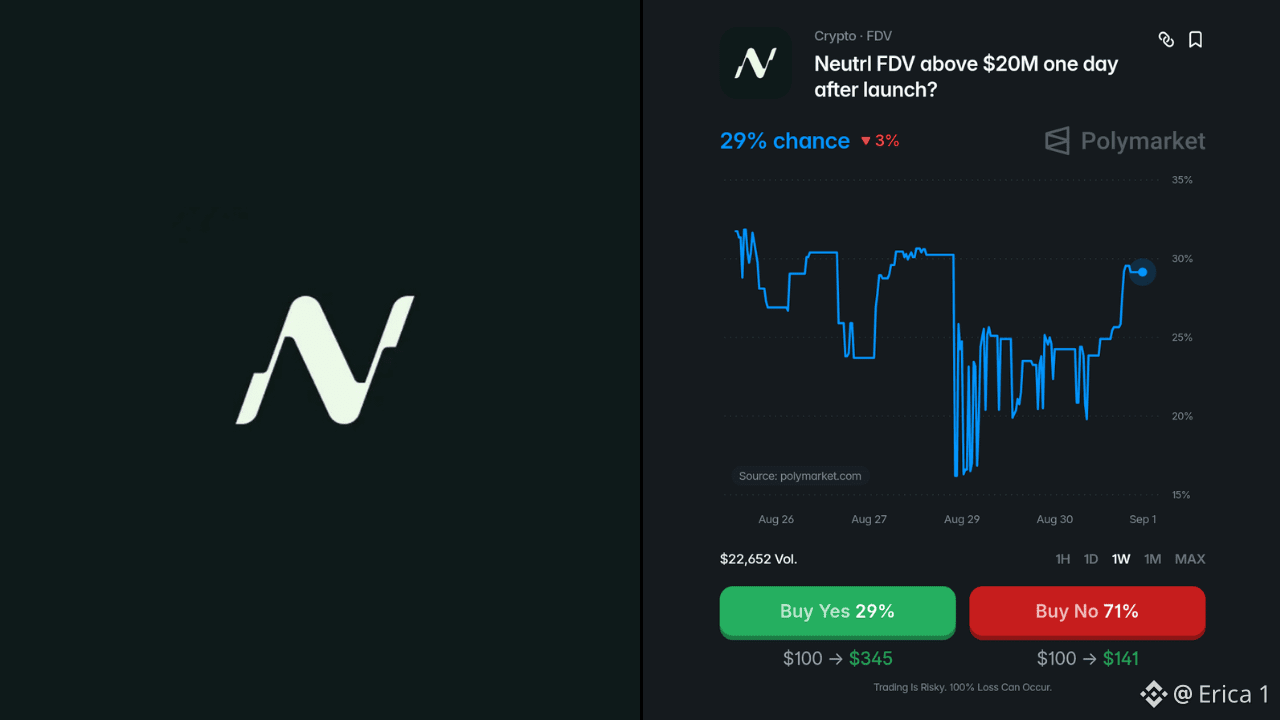
Bu grafik keskin tushdi, biroz qaytdi, lekin baribir ochilgan nuqtasidan pastda turibdi.
Yetarlimi? Unchalik emas.
Hozircha 29% imkoniyat — umumiy hisobda biroz past. $22,652 hajm real o‘lcham borligini ko‘rsatadi, ya’ni allaqachon katta mablag‘ jalb qilingan.
Men “Yo‘q”ni tanlayman. Qisman qaytish, yo‘qotilgan darajani qaytarib olish bilan bir xil emas.
Qachon xohlasangiz, chiqib keting — bu hali aslida hal bo‘lmasdan oldinroq ham. $BNB esa aynan shunga o‘xshash savdolarning boshqa yarmiga ham odatda moliyalashadi.
Polymarket bunday o‘qishdan foyda olishda eng ishonchli yo‘llardan biri bo‘lib qolmoqda.
#Altcoin Season#
Neutrl’ning FDV’si $20M’dan o‘tadimi? 📊
Bu yerda “Yo‘q” tomondagi bir bo‘lak $ARB orqali moliyalashtirilgan — uni “chop” (noaniqlik)da ushlab turishdan ko‘ra, tangidan oqilona foydalanish.
Bu grafik keskin tushdi, biroz qaytdi, lekin baribir ochilgan nuqtasidan pastda turibdi.
Yetarlimi? Unchalik emas.
Hozircha 29% imkoniyat — umumiy hisobda biroz past. $22,652 hajm real o‘lcham borligini ko‘rsatadi, ya’ni allaqachon katta mablag‘ jalb qilingan.
Men “Yo‘q”ni tanlayman. Qisman qaytish, yo‘qotilgan darajani qaytarib olish bilan bir xil emas.
Qachon xohlasangiz, chiqib keting — bu hali aslida hal bo‘lmasdan oldinroq ham. $BNB esa aynan shunga o‘xshash savdolarning boshqa yarmiga ham odatda moliyalashadi.
Polymarket bunday o‘qishdan foyda olishda eng ishonchli yo‘llardan biri bo‘lib qolmoqda.
#Altcoin Season#
Bu yerda “Yo‘q” tomondagi bir bo‘lak $ARB orqali moliyalashtirilgan — uni “chop” (noaniqlik)da ushlab turishdan ko‘ra, tangidan oqilona foydalanish.
Bu grafik keskin tushdi, biroz qaytdi, lekin baribir ochilgan nuqtasidan pastda turibdi.
Yetarlimi? Unchalik emas.
Hozircha 29% imkoniyat — umumiy hisobda biroz past. $22,652 hajm real o‘lcham borligini ko‘rsatadi, ya’ni allaqachon katta mablag‘ jalb qilingan.
Men “Yo‘q”ni tanlayman. Qisman qaytish, yo‘qotilgan darajani qaytarib olish bilan bir xil emas.
Qachon xohlasangiz, chiqib keting — bu hali aslida hal bo‘lmasdan oldinroq ham. $BNB esa aynan shunga o‘xshash savdolarning boshqa yarmiga ham odatda moliyalashadi.
Polymarket bunday o‘qishdan foyda olishda eng ishonchli yo‘llardan biri bo‘lib qolmoqda.
#Altcoin Season#
74
·
--
🎯 Ustiga tushadigan “Snapshot” airdroplar: to‘lov hamyoni qolib ketadi
Ko‘p token taqsimotlari snapshot sanasini tanlaydi va o‘sha kuni kimda bo‘lsa, ular keyin qaytadimi-yo‘qmi baribir to‘lov oladi.
Bu xarajat esa keyinroq chiqadi: to‘lov olgan hamyonlarning qolish uchun endi sababi qolmaydi.
Bu naqsh ayniqsa $SOL da yaqqol ko‘rinadi, chunki launchlar snapshot paytida paydo bo‘lib, ertasi tongidayoq g‘oyib bo‘ladigan hamyonlar butun bir sinfini o‘rgatib qo‘ydi.
Aholi soni ham katta: $JUP hozir atigi o‘n dollardan boshlab gasless swaplar ishlatadi va snapshotlar oxir-oqibat o‘lchaydigan hamyon bazasi aynan shunaqa.
Demak, bu aslida dizayn xatosi emas — bir lahzaga pul to‘lagan bo‘lsangiz, shuning o‘zi aniq natija.
Bir sanada balans ushlab turish butun o‘yinga aylanadi, chunki o‘lchanadigan narsa faqat bitta sanadagi balans.
Arcium esa buni boshqa tomondan qurdi: bir snapshot o‘rniga uni oylik to‘lqinlar bilan yuritdi.
Shunday qilib, tasdiqlangan ekotizim hissalari kreditlar keltiradi va o‘sha kreditlar ARX grantlariga to‘lqinma-to‘lqin aylanadi.
Ustiga-ustak, sybil filtratsiyasi qo‘lda qilinadi: bot-fermalar va ekspluatatsion hamyonlar sanalishdan ko‘ra olib tashlanadi.
Bu shuni anglatadiki, bir oyda qilingan hissa keyingi oyda ham kreditga aylanishi mumkin — bu esa seshanba kuni u yerda bo‘lishdan juda farq qiladigan rag‘bat.
Menga yoqadigan tomoni: uni ishlatish qimmat va shunga qaramay baribir ishlatishgan.
Qo‘lda ko‘rib chiqish masshtabga sig‘maydi, shuning uchun deyarli hech kim buni qilmaydi.
Tarmoqda ishlayotgan jamoalar hozirgacha $7,5M dan ko‘proq mablag‘ jalb qilishgan va tarmoqning o‘zi Solanada 2-fevraldan beri faol: 4 000 tadan ortiq node va 30 tadan ortiq ilovalar mavjud.
DeFi uch yil davomida bitta to‘lov bilan sadoqatni “sotib olish”ga urinib keldi, men esa sadoqat uchun bir martalab qatnashishdan ko‘ra, hissaga qayta-qayta pul to‘laydigan loyihalarni kuzatishni afzal ko‘raman.
#DeFi #Airdrop
🎯 Ustiga tushadigan “Snapshot” airdroplar: to‘lov hamyoni qolib ketadi
Ko‘p token taqsimotlari snapshot sanasini tanlaydi va o‘sha kuni kimda bo‘lsa, ular keyin qaytadimi-yo‘qmi baribir to‘lov oladi.
Bu xarajat esa keyinroq chiqadi: to‘lov olgan hamyonlarning qolish uchun endi sababi qolmaydi.
Bu naqsh ayniqsa $SOL da yaqqol ko‘rinadi, chunki launchlar snapshot paytida paydo bo‘lib, ertasi tongidayoq g‘oyib bo‘ladigan hamyonlar butun bir sinfini o‘rgatib qo‘ydi.
Aholi soni ham katta: $JUP hozir atigi o‘n dollardan boshlab gasless swaplar ishlatadi va snapshotlar oxir-oqibat o‘lchaydigan hamyon bazasi aynan shunaqa.
Demak, bu aslida dizayn xatosi emas — bir lahzaga pul to‘lagan bo‘lsangiz, shuning o‘zi aniq natija.
Bir sanada balans ushlab turish butun o‘yinga aylanadi, chunki o‘lchanadigan narsa faqat bitta sanadagi balans.
Arcium esa buni boshqa tomondan qurdi: bir snapshot o‘rniga uni oylik to‘lqinlar bilan yuritdi.
Shunday qilib, tasdiqlangan ekotizim hissalari kreditlar keltiradi va o‘sha kreditlar ARX grantlariga to‘lqinma-to‘lqin aylanadi.
Ustiga-ustak, sybil filtratsiyasi qo‘lda qilinadi: bot-fermalar va ekspluatatsion hamyonlar sanalishdan ko‘ra olib tashlanadi.
Bu shuni anglatadiki, bir oyda qilingan hissa keyingi oyda ham kreditga aylanishi mumkin — bu esa seshanba kuni u yerda bo‘lishdan juda farq qiladigan rag‘bat.
Menga yoqadigan tomoni: uni ishlatish qimmat va shunga qaramay baribir ishlatishgan.
Qo‘lda ko‘rib chiqish masshtabga sig‘maydi, shuning uchun deyarli hech kim buni qilmaydi.
Tarmoqda ishlayotgan jamoalar hozirgacha $7,5M dan ko‘proq mablag‘ jalb qilishgan va tarmoqning o‘zi Solanada 2-fevraldan beri faol: 4 000 tadan ortiq node va 30 tadan ortiq ilovalar mavjud.
DeFi uch yil davomida bitta to‘lov bilan sadoqatni “sotib olish”ga urinib keldi, men esa sadoqat uchun bir martalab qatnashishdan ko‘ra, hissaga qayta-qayta pul to‘laydigan loyihalarni kuzatishni afzal ko‘raman.
#DeFi #Airdrop
Ko‘p token taqsimotlari snapshot sanasini tanlaydi va o‘sha kuni kimda bo‘lsa, ular keyin qaytadimi-yo‘qmi baribir to‘lov oladi.
Bu xarajat esa keyinroq chiqadi: to‘lov olgan hamyonlarning qolish uchun endi sababi qolmaydi.
Bu naqsh ayniqsa $SOL da yaqqol ko‘rinadi, chunki launchlar snapshot paytida paydo bo‘lib, ertasi tongidayoq g‘oyib bo‘ladigan hamyonlar butun bir sinfini o‘rgatib qo‘ydi.
Aholi soni ham katta: $JUP hozir atigi o‘n dollardan boshlab gasless swaplar ishlatadi va snapshotlar oxir-oqibat o‘lchaydigan hamyon bazasi aynan shunaqa.
Demak, bu aslida dizayn xatosi emas — bir lahzaga pul to‘lagan bo‘lsangiz, shuning o‘zi aniq natija.
Bir sanada balans ushlab turish butun o‘yinga aylanadi, chunki o‘lchanadigan narsa faqat bitta sanadagi balans.
Arcium esa buni boshqa tomondan qurdi: bir snapshot o‘rniga uni oylik to‘lqinlar bilan yuritdi.
Shunday qilib, tasdiqlangan ekotizim hissalari kreditlar keltiradi va o‘sha kreditlar ARX grantlariga to‘lqinma-to‘lqin aylanadi.
Ustiga-ustak, sybil filtratsiyasi qo‘lda qilinadi: bot-fermalar va ekspluatatsion hamyonlar sanalishdan ko‘ra olib tashlanadi.
Bu shuni anglatadiki, bir oyda qilingan hissa keyingi oyda ham kreditga aylanishi mumkin — bu esa seshanba kuni u yerda bo‘lishdan juda farq qiladigan rag‘bat.
Menga yoqadigan tomoni: uni ishlatish qimmat va shunga qaramay baribir ishlatishgan.
Qo‘lda ko‘rib chiqish masshtabga sig‘maydi, shuning uchun deyarli hech kim buni qilmaydi.
Tarmoqda ishlayotgan jamoalar hozirgacha $7,5M dan ko‘proq mablag‘ jalb qilishgan va tarmoqning o‘zi Solanada 2-fevraldan beri faol: 4 000 tadan ortiq node va 30 tadan ortiq ilovalar mavjud.
DeFi uch yil davomida bitta to‘lov bilan sadoqatni “sotib olish”ga urinib keldi, men esa sadoqat uchun bir martalab qatnashishdan ko‘ra, hissaga qayta-qayta pul to‘laydigan loyihalarni kuzatishni afzal ko‘raman.
#DeFi #Airdrop
82
·
--
Keyingi 5 trillion von inson emas 🤖
AI agentlari savollarga javob berishdan qaror qabul qilish va tranzaksiyalarni bajarishga o‘tyapti.
Bu o‘zgarish mashina tezligida, uzluksiz ishlay oladigan moliyaviy infratuzilmani talab qiladi.
$SUI esa kelajakni Basecamp 2026 markaziga qo‘ymoqda.
7-8 oktyabr kunlari Singapurda bo‘lib o‘tadigan tadbir AI, moliya, geyming va kriptodan kelgan bunyodkorlar, investorlar va yetakchilarni birlashtiradi.
Dastur agentlik iqtisodiyotining beshta asosiga e’tibor qaratadi.
• Tezkor hisob-kitob
• Avtonom to‘lovlar
• Shaxsiy (maxfiy) tranzaksiyalar
• Barqaror raqamli dollarlar
• Post-kriptografik kvantga qarshi xavfsizlik
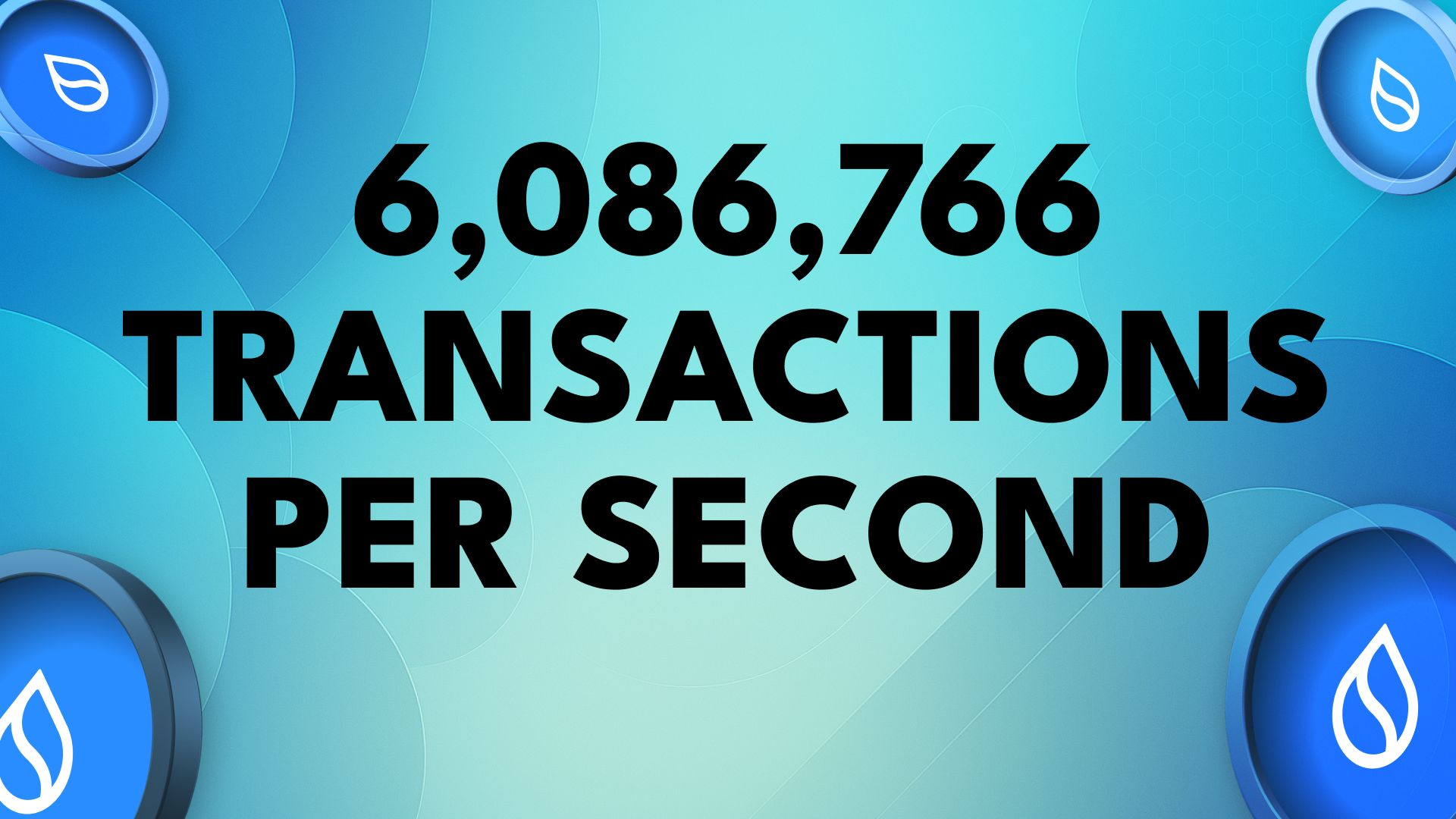
Mysten Labs, shuningdek, sahnada jonli efirda 6,086,766 tranzaksiyadan iborat Sui’ning amaldagi rekordini yangilashga ham urinadi.
CertiK urinishni mustaqil ravishda auditi qiladi, har bir tranzaksiya esa tekshiruv uchun qayd etiladi.
Spikerlar tarkibida Google DeepMind, Real Vision, Recursive, EVE Frontier va Sui’ning moliyaviy stekini ishlab chiqayotgan jamoalar nomlari bor.
Basecamp, shuningdek, mahsulotlar taqdimotlari, jonli namoyishlar, AI Builder Lab hamda hozircha ishlab chiqilayotgan texnologiyaga amaliy kirishni va’da qilmoqda.
Oddiy foydalanuvchilar uchun esa g‘oya oddiy.
Agar dastur pulni boshqarishni boshlab qolsa, uning ostidagi tarmoq tez, xavfsiz va aniq ruxsatlar bilan boshqariladigan bo‘lishi kerak.
Menimcha, Basecamp Sui’da o‘sha uzoq tasavvurni odamlar real ishlayotganini ko‘ra oladigan paytga aylantiradigan moment bo‘lishi mumkin.
#AI #DeFi
Keyingi 5 trillion von inson emas 🤖
AI agentlari savollarga javob berishdan qaror qabul qilish va tranzaksiyalarni bajarishga o‘tyapti.
Bu o‘zgarish mashina tezligida, uzluksiz ishlay oladigan moliyaviy infratuzilmani talab qiladi.
$SUI esa kelajakni Basecamp 2026 markaziga qo‘ymoqda.
7-8 oktyabr kunlari Singapurda bo‘lib o‘tadigan tadbir AI, moliya, geyming va kriptodan kelgan bunyodkorlar, investorlar va yetakchilarni birlashtiradi.
Dastur agentlik iqtisodiyotining beshta asosiga e’tibor qaratadi.
• Tezkor hisob-kitob
• Avtonom to‘lovlar
• Shaxsiy (maxfiy) tranzaksiyalar
• Barqaror raqamli dollarlar
• Post-kriptografik kvantga qarshi xavfsizlik
Mysten Labs, shuningdek, sahnada jonli efirda 6,086,766 tranzaksiyadan iborat Sui’ning amaldagi rekordini yangilashga ham urinadi.
CertiK urinishni mustaqil ravishda auditi qiladi, har bir tranzaksiya esa tekshiruv uchun qayd etiladi.
Spikerlar tarkibida Google DeepMind, Real Vision, Recursive, EVE Frontier va Sui’ning moliyaviy stekini ishlab chiqayotgan jamoalar nomlari bor.
Basecamp, shuningdek, mahsulotlar taqdimotlari, jonli namoyishlar, AI Builder Lab hamda hozircha ishlab chiqilayotgan texnologiyaga amaliy kirishni va’da qilmoqda.
Oddiy foydalanuvchilar uchun esa g‘oya oddiy.
Agar dastur pulni boshqarishni boshlab qolsa, uning ostidagi tarmoq tez, xavfsiz va aniq ruxsatlar bilan boshqariladigan bo‘lishi kerak.
Menimcha, Basecamp Sui’da o‘sha uzoq tasavvurni odamlar real ishlayotganini ko‘ra oladigan paytga aylantiradigan moment bo‘lishi mumkin.
#AI #DeFi
AI agentlari savollarga javob berishdan qaror qabul qilish va tranzaksiyalarni bajarishga o‘tyapti.
Bu o‘zgarish mashina tezligida, uzluksiz ishlay oladigan moliyaviy infratuzilmani talab qiladi.
$SUI esa kelajakni Basecamp 2026 markaziga qo‘ymoqda.
7-8 oktyabr kunlari Singapurda bo‘lib o‘tadigan tadbir AI, moliya, geyming va kriptodan kelgan bunyodkorlar, investorlar va yetakchilarni birlashtiradi.
Dastur agentlik iqtisodiyotining beshta asosiga e’tibor qaratadi.
• Tezkor hisob-kitob
• Avtonom to‘lovlar
• Shaxsiy (maxfiy) tranzaksiyalar
• Barqaror raqamli dollarlar
• Post-kriptografik kvantga qarshi xavfsizlik
Mysten Labs, shuningdek, sahnada jonli efirda 6,086,766 tranzaksiyadan iborat Sui’ning amaldagi rekordini yangilashga ham urinadi.
CertiK urinishni mustaqil ravishda auditi qiladi, har bir tranzaksiya esa tekshiruv uchun qayd etiladi.
Spikerlar tarkibida Google DeepMind, Real Vision, Recursive, EVE Frontier va Sui’ning moliyaviy stekini ishlab chiqayotgan jamoalar nomlari bor.
Basecamp, shuningdek, mahsulotlar taqdimotlari, jonli namoyishlar, AI Builder Lab hamda hozircha ishlab chiqilayotgan texnologiyaga amaliy kirishni va’da qilmoqda.
Oddiy foydalanuvchilar uchun esa g‘oya oddiy.
Agar dastur pulni boshqarishni boshlab qolsa, uning ostidagi tarmoq tez, xavfsiz va aniq ruxsatlar bilan boshqariladigan bo‘lishi kerak.
Menimcha, Basecamp Sui’da o‘sha uzoq tasavvurni odamlar real ishlayotganini ko‘ra oladigan paytga aylantiradigan moment bo‘lishi mumkin.
#AI #DeFi
54
·
--
SOL Options Are Now Live On Aevo ⚡️
$SOL Aevo’ning options ro‘yxatiga $HYPE , ETH va BTC bilan birga qo‘shildi, bu esa treyderlarga aktiv bo‘yicha o‘z fikrini bildirishning yana bir yo‘lini beradi.
Endi men SOL bo‘yicha setup’ni spot yoki boshqa perp’ga o‘tmasdan ko‘ra olaman: yo‘nalish haqidagi asosiy g‘oya bo‘lsa, chiziqli pozitsiya yetarli bo‘lishi mumkin, ammo to‘lov (payoff) ham muhim bo‘lsa, option dolzarb bo‘ladi.
Xatarlar baribir tushunilishi kerak, ayniqsa sotuv tomonda, va instrumentning mavjudligi qarorni o‘zgartiradi.
SOL endi Aevo’dagi options bozorida BTC, ETH va HYPE yonida turibdi.
Bu esa Aevo’ni men uchun yanada to‘liq derivativlar hisobiga aylantiradi 🔮
#Macro Insights#
SOL Options Are Now Live On Aevo ⚡️
$SOL Aevo’ning options ro‘yxatiga $HYPE , ETH va BTC bilan birga qo‘shildi, bu esa treyderlarga aktiv bo‘yicha o‘z fikrini bildirishning yana bir yo‘lini beradi.
Endi men SOL bo‘yicha setup’ni spot yoki boshqa perp’ga o‘tmasdan ko‘ra olaman: yo‘nalish haqidagi asosiy g‘oya bo‘lsa, chiziqli pozitsiya yetarli bo‘lishi mumkin, ammo to‘lov (payoff) ham muhim bo‘lsa, option dolzarb bo‘ladi.
Xatarlar baribir tushunilishi kerak, ayniqsa sotuv tomonda, va instrumentning mavjudligi qarorni o‘zgartiradi.
SOL endi Aevo’dagi options bozorida BTC, ETH va HYPE yonida turibdi.
Bu esa Aevo’ni men uchun yanada to‘liq derivativlar hisobiga aylantiradi 🔮
#Macro Insights#
$SOL Aevo’ning options ro‘yxatiga $HYPE , ETH va BTC bilan birga qo‘shildi, bu esa treyderlarga aktiv bo‘yicha o‘z fikrini bildirishning yana bir yo‘lini beradi.
Endi men SOL bo‘yicha setup’ni spot yoki boshqa perp’ga o‘tmasdan ko‘ra olaman: yo‘nalish haqidagi asosiy g‘oya bo‘lsa, chiziqli pozitsiya yetarli bo‘lishi mumkin, ammo to‘lov (payoff) ham muhim bo‘lsa, option dolzarb bo‘ladi.
Xatarlar baribir tushunilishi kerak, ayniqsa sotuv tomonda, va instrumentning mavjudligi qarorni o‘zgartiradi.
SOL endi Aevo’dagi options bozorida BTC, ETH va HYPE yonida turibdi.
Bu esa Aevo’ni men uchun yanada to‘liq derivativlar hisobiga aylantiradi 🔮
#Macro Insights#
77
·
--
Nous Research tokenni ishga tushiradimi? 👧
Tekis. Butunlay tekis. Bu — jadvaldagi hamma narsa, ikki so‘zda.
Hozir 11% imkoniyat bor va u butun oraliqda umuman o‘zgarmagan, bir oz ham qimirlamagan.
11 796$ hajm unchalik katta emas, lekin rostini aytsam, bu savol platformada hali nisbatan yangi bo‘lgani uchun aynan shu narsani diqqat bilan kuzatishga arziydi.
1-raqam bo‘lsa, odatda bozor javob bilan allaqachon kelishib olganini anglatadi.
Bu yerda kattaroq bo‘lakning bir qismi $ARB orqali o‘tgan — uni shunchaki bir joyga qo‘yib, kutib o‘tirishdan ko‘ra aqlliroq foydalanish.
$POL esa shunga o‘xshash joyda, mana bunday sokin bozorlarda yonida paydo bo‘lishni yoqtiradi; Polymarket’da uning ishlatilishi ham o‘sib bormoqda.
Eng zo‘ri, bu pozitsiyani istalgan vaqtda yopishingiz mumkin — dekabrgacha ushlab turishga majbur emassiz.
Polymarket siz kuzatayotgan narsaning haqiqiy savdosi uchun joy bo‘lib qolmoqda, savol qanchalik o‘ta tor mavzu bo‘lishidan qat’i nazar.
#Altcoin Season#
Nous Research tokenni ishga tushiradimi? 👧
Tekis. Butunlay tekis. Bu — jadvaldagi hamma narsa, ikki so‘zda.
Hozir 11% imkoniyat bor va u butun oraliqda umuman o‘zgarmagan, bir oz ham qimirlamagan.
11 796$ hajm unchalik katta emas, lekin rostini aytsam, bu savol platformada hali nisbatan yangi bo‘lgani uchun aynan shu narsani diqqat bilan kuzatishga arziydi.
1-raqam bo‘lsa, odatda bozor javob bilan allaqachon kelishib olganini anglatadi.
Bu yerda kattaroq bo‘lakning bir qismi $ARB orqali o‘tgan — uni shunchaki bir joyga qo‘yib, kutib o‘tirishdan ko‘ra aqlliroq foydalanish.
$POL esa shunga o‘xshash joyda, mana bunday sokin bozorlarda yonida paydo bo‘lishni yoqtiradi; Polymarket’da uning ishlatilishi ham o‘sib bormoqda.
Eng zo‘ri, bu pozitsiyani istalgan vaqtda yopishingiz mumkin — dekabrgacha ushlab turishga majbur emassiz.
Polymarket siz kuzatayotgan narsaning haqiqiy savdosi uchun joy bo‘lib qolmoqda, savol qanchalik o‘ta tor mavzu bo‘lishidan qat’i nazar.
#Altcoin Season#
Tekis. Butunlay tekis. Bu — jadvaldagi hamma narsa, ikki so‘zda.
Hozir 11% imkoniyat bor va u butun oraliqda umuman o‘zgarmagan, bir oz ham qimirlamagan.
11 796$ hajm unchalik katta emas, lekin rostini aytsam, bu savol platformada hali nisbatan yangi bo‘lgani uchun aynan shu narsani diqqat bilan kuzatishga arziydi.
1-raqam bo‘lsa, odatda bozor javob bilan allaqachon kelishib olganini anglatadi.
Bu yerda kattaroq bo‘lakning bir qismi $ARB orqali o‘tgan — uni shunchaki bir joyga qo‘yib, kutib o‘tirishdan ko‘ra aqlliroq foydalanish.
$POL esa shunga o‘xshash joyda, mana bunday sokin bozorlarda yonida paydo bo‘lishni yoqtiradi; Polymarket’da uning ishlatilishi ham o‘sib bormoqda.
Eng zo‘ri, bu pozitsiyani istalgan vaqtda yopishingiz mumkin — dekabrgacha ushlab turishga majbur emassiz.
Polymarket siz kuzatayotgan narsaning haqiqiy savdosi uchun joy bo‘lib qolmoqda, savol qanchalik o‘ta tor mavzu bo‘lishidan qat’i nazar.
#Altcoin Season#
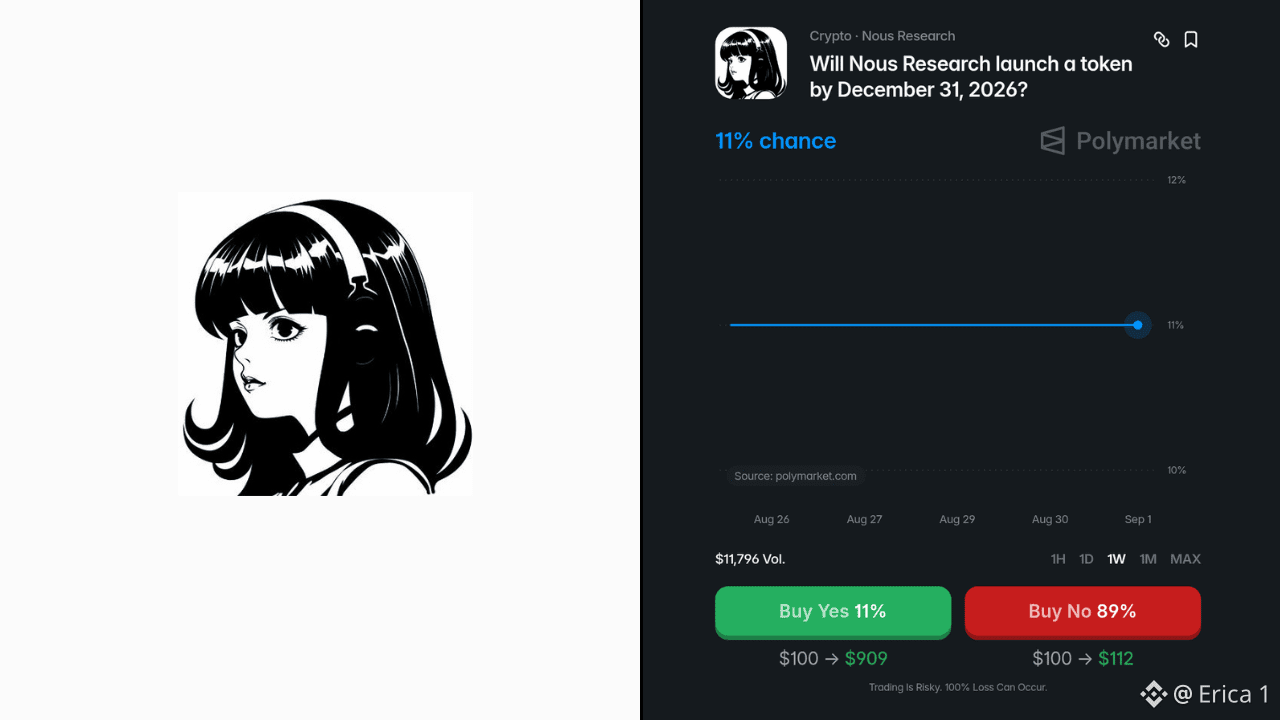
64
Ko‘proq kontentni ko‘rish uchun tizimga kiring
Binance Square'da global kriptovalyuta foydalanuvchilariga qo‘shiling
⚡️ Kriptovalyuta haqida eng so‘nggi va foydali ma’lumotlarni oling.
💬 Dunyoning eng yirik kriptovalyuta birjasi tomonidan ishonchli deb topilgan.
👍 Tasdiqlangan mualliflardan haqiqiy tahlillarni kashf eting.
Email / telefon raqami
Trenddagi mavzular
NEARRisesNearly80%InAWeek
23,877 marta koʻrilgan
711 muhokama qilmoqda
#nearrisesnearly80%inaweek
Bu hafta NEAR bo‘yicha mutlaq yuksalish protokoli — mana nimasi sabab bo‘lyapti 🔥
NEAR uchun qanday hafta bo‘ldi! 🚀 7 kun ichida taxminan 80% atrofida foyda qilish bu shunchaki omad emas; bu NEAR’ning zanjirni “ajrashish” (detach) va sun’iy intellekt integratsiyasi haqidagi qarashiga atrofda katta impuls paydo bo‘layotganini ko‘rsatadi. Texnologiya samaradorligi treyderlar bozor ishtiyoqi bilan uchrashganda, aynan shunday narx harakatini ko‘ramiz.
Siz NEARni uzoq muddatga ushlab qolasizmi, yoki hozirgi darajalarda foydani olib ketasizmi? Quyi qismda strategiyangizni ayting! 👇
Iltimos, kuzatib boring
$NEAR
#BitcoinHits$85K #Near #SolanaCutsTargetSlotTimeTo250ms
Shamika Metting
·2 ta layk
·1.7k marta koʻrilgan
MultiversXPlansHardForkRecovery
21,657 marta koʻrilgan
552 muhokama qilmoqda
CircleLaunchesInstitutionalBTCBackedBorrowing
22,005 marta koʻrilgan
670 muhokama qilmoqda