
cryptoJet 1
318 Postlar

cryptoJet 1
Shikoyat qilish
Foydalanuvchini bloklash
Simply here to share a crypto story, tale, news, or alpha.
0 Kuzatilmoqda
7 Kuzatuvchilar
48 Yoqdi
Postlar
·
--
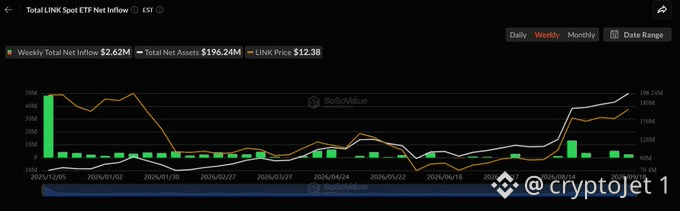
$LINK yaqinda barqaror ETF oqimlarini ko‘rmoqda. Spot Chainlink ETF’lari o‘tgan haftada $2.62M jalb qildi va erta avgustdan beri beshinchi ketma-ket hafta davomida millionlab dollarlik sof oqimlarni qayd etdi. Hozircha hech narsa juda “ajoyib” emas, lekin barqarorlik qiziq. Men bu tendensiya davom etadimi, hamda uning LINK narx harakatida ham namoyon bo‘lishini kuzatib boraman. $XRP #Altcoin Season#
$LINK yaqinda barqaror ETF oqimlarini ko‘rmoqda. Spot Chainlink ETF’lari o‘tgan haftada $2.62M jalb qildi va erta avgustdan beri beshinchi ketma-ket hafta davomida millionlab dollarlik sof oqimlarni qayd etdi. Hozircha hech narsa juda “ajoyib” emas, lekin barqarorlik qiziq. Men bu tendensiya davom etadimi, hamda uning LINK narx harakatida ham namoyon bo‘lishini kuzatib boraman. $XRP #Altcoin Season#
4
·
--
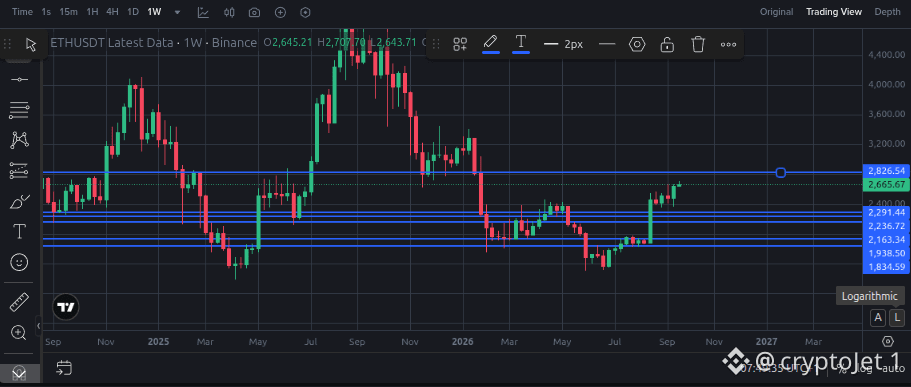
$ETH chartlar zo‘r ko‘rinmoqda, bu asosiy daraja, endi yorilishi kutilmoqda. Altkoinlar esa zo‘r ketayapti, aka!
$ETH chartlar zo‘r ko‘rinmoqda, bu asosiy daraja, endi yorilishi kutilmoqda. Altkoinlar esa zo‘r ketayapti, aka!
26
·
--
O‘tgan hafta ko‘chirilgan mablag‘larning ayrimlari qayerga ketganini eslatib qo‘yamiz: Spot ETF oqimlari aralash bo‘ldi: $BTC: +$6.21M $ETH: -$140M $SOL : +$13.19M $XRP : +$9.56M ETH eng katta chiqib ketishni ko‘rdi, BTC, SOL va XRP esa barchasi sof kirim qayd etdi. Turli bozorlar va ekotizimlar o‘rtasida pul harakatiga kelsak, cross-chain swaplar (zanjirlararo ayirboshlashlar) qanday ishlashini bilish uchun yaxshi imkoniyat bor. “Cross-Chain Flight” ichida: Sizning savollaringiz, bizning javoblarimiz @ston_fi 23-sentabr kuni soat 15:00 (UTC) da live AMA o‘tkazadi; u yerda Dev jamoa One Swap hamda Across Chains kampaniyasi doirasida cross-chain swaplar qanday ishlashi, marshrutlar (yo‘nalishlar) qanday tuzilishi haqida savollarga javob beradi. Shuningdek, AMA’dan oldin ham savol yuborishingiz mumkin. Live efirda javob berish uchun 10 ta savol tanlab olinadi, eng yaxshi 3 ta savol mualliflari esa har biri 50 STON oladi. AMA davomida kampaniya bo‘yicha qo‘shimcha “miles” (yo‘l bosib o‘tish masofalari)ni ochadigan maxfiy so‘z ham bo‘ladi. Oddiy: savollaringizni olib keling, zanjirlararo tomoni qanday ishlashini o‘rganing va yo‘l-yo‘lakay ehtimol bir oz “miles” ham qo‘lga kiriting.
O‘tgan hafta ko‘chirilgan mablag‘larning ayrimlari qayerga ketganini eslatib qo‘yamiz: Spot ETF oqimlari aralash bo‘ldi: $BTC: +$6.21M $ETH: -$140M $SOL : +$13.19M $XRP : +$9.56M ETH eng katta chiqib ketishni ko‘rdi, BTC, SOL va XRP esa barchasi sof kirim qayd etdi. Turli bozorlar va ekotizimlar o‘rtasida pul harakatiga kelsak, cross-chain swaplar (zanjirlararo ayirboshlashlar) qanday ishlashini bilish uchun yaxshi imkoniyat bor. “Cross-Chain Flight” ichida: Sizning savollaringiz, bizning javoblarimiz @ston_fi 23-sentabr kuni soat 15:00 (UTC) da live AMA o‘tkazadi; u yerda Dev jamoa One Swap hamda Across Chains kampaniyasi doirasida cross-chain swaplar qanday ishlashi, marshrutlar (yo‘nalishlar) qanday tuzilishi haqida savollarga javob beradi. Shuningdek, AMA’dan oldin ham savol yuborishingiz mumkin. Live efirda javob berish uchun 10 ta savol tanlab olinadi, eng yaxshi 3 ta savol mualliflari esa har biri 50 STON oladi. AMA davomida kampaniya bo‘yicha qo‘shimcha “miles” (yo‘l bosib o‘tish masofalari)ni ochadigan maxfiy so‘z ham bo‘ladi. Oddiy: savollaringizni olib keling, zanjirlararo tomoni qanday ishlashini o‘rganing va yo‘l-yo‘lakay ehtimol bir oz “miles” ham qo‘lga kiriting.
2
·
--
O‘tgan hafta pul qayerga o‘zgargani haqida kichik eslatma: Spot ETF oqimlari turlicha bo‘ldi: $BTC: +$6.21M $ETH: -$140M $SOL: +$13.19M $XRP: +$9.56M ETH eng katta chiqib ketishni ko‘rdi, BTC, SOL va XRP esa barchasi sof kirim qayd etdi. Turli bozorlar va ekotizimlar o‘rtasida pul qanday ko‘chishi haqida gapirganda, cross-chain swap’lar aslida qanday ishlashini bilish uchun yaxshi imkoniyat bor. Cross-Chain Flight ichida: Sizning savollaringiz, bizning javoblarimiz STONfi 23-sentabr kuni soat 15:00 (UTC) da jonli AMA (savol-javob) o‘tkazmoqda, unda Dev jamoasi One Swap haqida, Across Chains kampaniyasi doirasida cross-chain swap’lar qanday ishlashi hamda marshrutlar (yo‘nalishlar) qanday tuzilishi haqida savollarga javob beradi. Shuningdek, AMA’dan oldin ham savol yuborishingiz mumkin. Jonli javob uchun 10 ta savol tanlanadi va eng yaxshi 3 ta savol muallifi har biri 50 tadan STON oladi. AMA vaqtida kampaniya kilometrlarini (miles) qo‘shimcha ochib beradigan maxfiy so‘z ham bo‘ladi. Oson narsa: savollaringizni olib keling, cross-chain tomoni qanday ishlashini o‘rganing va yo‘lda, balki, ba’zi kilometrlarni ham qo‘lga kiriting.
O‘tgan hafta pul qayerga o‘zgargani haqida kichik eslatma: Spot ETF oqimlari turlicha bo‘ldi: $BTC: +$6.21M $ETH: -$140M $SOL: +$13.19M $XRP: +$9.56M ETH eng katta chiqib ketishni ko‘rdi, BTC, SOL va XRP esa barchasi sof kirim qayd etdi. Turli bozorlar va ekotizimlar o‘rtasida pul qanday ko‘chishi haqida gapirganda, cross-chain swap’lar aslida qanday ishlashini bilish uchun yaxshi imkoniyat bor. Cross-Chain Flight ichida: Sizning savollaringiz, bizning javoblarimiz STONfi 23-sentabr kuni soat 15:00 (UTC) da jonli AMA (savol-javob) o‘tkazmoqda, unda Dev jamoasi One Swap haqida, Across Chains kampaniyasi doirasida cross-chain swap’lar qanday ishlashi hamda marshrutlar (yo‘nalishlar) qanday tuzilishi haqida savollarga javob beradi. Shuningdek, AMA’dan oldin ham savol yuborishingiz mumkin. Jonli javob uchun 10 ta savol tanlanadi va eng yaxshi 3 ta savol muallifi har biri 50 tadan STON oladi. AMA vaqtida kampaniya kilometrlarini (miles) qo‘shimcha ochib beradigan maxfiy so‘z ham bo‘ladi. Oson narsa: savollaringizni olib keling, cross-chain tomoni qanday ishlashini o‘rganing va yo‘lda, balki, ba’zi kilometrlarni ham qo‘lga kiriting.
5
·
--
$ZEC bozorda yana bir aqldan ozgan voqeani keltirdi. Xabar qilinishicha, Garrett Jin o‘zining butun 38,000 ZEC short pozitsiyasini yopgan va $35.44M zarar ko‘rgan, shunga qaramay u **202K ZEC spot**’ni ushlab turibdi va taxminan $221M miqdorida ochiq foyda (unrealized profit) mavjud. Kriptoda kapital juda tez harakat qilishi mumkin. Va u harakat qilganda qiziq savol faqat *odamlar nimani sotib olayotgani* emas — balki likvidlik qayerda o‘tirgani va u qanchalik oson ko‘chishi. Demak, kross-zanjirli sayohat qo‘llanmasida keyingi bekatga xush kelibsiz: Polygon. Polygon’ni Ethereum ekotizimi atrofida qurilgan katta kripto shahar deb tasavvur qiling. U bir xil EVM tilida gaplashadi, o‘zining likvidligi va ilovalari bor hamda DeFi va to‘lovlardan tortib prediction marketlar va RWA’largacha bo‘lgan hamma narsani qo‘llab-quvvatlaydi. Eng qiziq tomoni — boshqa zanjirdan u yerga qanday o‘tish. Har bir tarmoqni alohida orol deb ko‘rish o‘rniga, @ston_fi marshrutni ulashga yordam berish uchun Omniston’ni ishlatadi. Siz aktivni va manzilni tanlaysiz, tizim mavjud likvidlik va marshrutni qidiradi, siz esa kotirovka va to‘lovlarni ko‘rib chiqasiz, keyin tasdiqlaysiz. Murakkab qism esa uning ostida sodir bo‘ladi. **Turli zanjirlar. Turli likvidlik. Bitta marshrut. Mana cross-chain infratuzilmada qiziqarli narsa shu. $HYPE
$ZEC bozorda yana bir aqldan ozgan voqeani keltirdi. Xabar qilinishicha, Garrett Jin o‘zining butun 38,000 ZEC short pozitsiyasini yopgan va $35.44M zarar ko‘rgan, shunga qaramay u **202K ZEC spot**’ni ushlab turibdi va taxminan $221M miqdorida ochiq foyda (unrealized profit) mavjud. Kriptoda kapital juda tez harakat qilishi mumkin. Va u harakat qilganda qiziq savol faqat *odamlar nimani sotib olayotgani* emas — balki likvidlik qayerda o‘tirgani va u qanchalik oson ko‘chishi. Demak, kross-zanjirli sayohat qo‘llanmasida keyingi bekatga xush kelibsiz: Polygon. Polygon’ni Ethereum ekotizimi atrofida qurilgan katta kripto shahar deb tasavvur qiling. U bir xil EVM tilida gaplashadi, o‘zining likvidligi va ilovalari bor hamda DeFi va to‘lovlardan tortib prediction marketlar va RWA’largacha bo‘lgan hamma narsani qo‘llab-quvvatlaydi. Eng qiziq tomoni — boshqa zanjirdan u yerga qanday o‘tish. Har bir tarmoqni alohida orol deb ko‘rish o‘rniga, @ston_fi marshrutni ulashga yordam berish uchun Omniston’ni ishlatadi. Siz aktivni va manzilni tanlaysiz, tizim mavjud likvidlik va marshrutni qidiradi, siz esa kotirovka va to‘lovlarni ko‘rib chiqasiz, keyin tasdiqlaysiz. Murakkab qism esa uning ostida sodir bo‘ladi. **Turli zanjirlar. Turli likvidlik. Bitta marshrut. Mana cross-chain infratuzilmada qiziqarli narsa shu. $HYPE
23
·
--
Kripto haqiqatan ham eng g‘alati orqa hikoyalarga ega Aftidan, Uniswap asoschisi Hayden Adams SBF Uniswap.com’ni Uniswap jamoasini masxara qilish uchun yetti xonali summa evaziga sotib olganini aytgan. Vaqt o‘tib, Uniswap jamoasi oxir-oqibat domenni bepul olgan. Kimnidir ataylab masxara qilish uchun yetti xonali summani domenga sarflab, baribir baribir u baribir o‘sha odamning qo‘liga tushib qolsa, tasavvur qiling-a. Kripto jiddiy soha, lekin ba’zan afsona-yarimalar graflardan ham qiziqroq bo‘ladi. $UNI
Kripto haqiqatan ham eng g‘alati orqa hikoyalarga ega Aftidan, Uniswap asoschisi Hayden Adams SBF Uniswap.com’ni Uniswap jamoasini masxara qilish uchun yetti xonali summa evaziga sotib olganini aytgan. Vaqt o‘tib, Uniswap jamoasi oxir-oqibat domenni bepul olgan. Kimnidir ataylab masxara qilish uchun yetti xonali summani domenga sarflab, baribir baribir u baribir o‘sha odamning qo‘liga tushib qolsa, tasavvur qiling-a. Kripto jiddiy soha, lekin ba’zan afsona-yarimalar graflardan ham qiziqroq bo‘ladi. $UNI

27
·
--
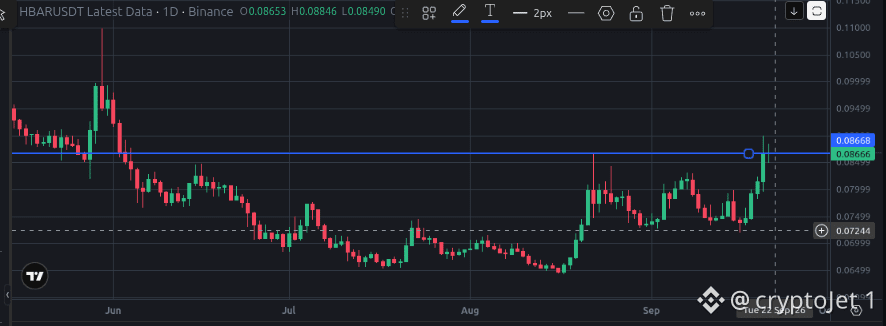
$SUI $1 hududiga yaqinlashmoqda va bu men yaqinda diqqatimni qaratib kelayotgan shunday pastroq kapitalizatsiyali altkoinlardan biri ekani aniq. $HBAR esa asosiy darajadan o‘tib ketganidan keyin kuzatayotgan yana bir token. Endi uning harakatni ushlab tura olishini yoki qayta tekshiruv (retest) bo‘ladimi, bilish qiziq. Rostini aytsam, bu altkoinlardagi barcha faollik meni STONbag’ni ham yana ko‘zdan kechirishga majbur qilyapti. STON @ston_fi ekotizimi uchun DEX’ning governance (boshqaruv) tokeni bo‘lib, governance va staking atrofida foydasi (utility) bor. Narx harakati ham qiziqarli tus ola boshladi, shuning uchun uni yana bir bor ko‘rib chiqyapman. Har bir breakout davom etishi shart emas, lekin bozor uyg‘ona boshlaganda, shovqin juda kuchayib ketmasidan oldin men kuzatib kelgan loyihalarga qaytishni yoqtiraman.
$SUI $1 hududiga yaqinlashmoqda va bu men yaqinda diqqatimni qaratib kelayotgan shunday pastroq kapitalizatsiyali altkoinlardan biri ekani aniq. $HBAR esa asosiy darajadan o‘tib ketganidan keyin kuzatayotgan yana bir token. Endi uning harakatni ushlab tura olishini yoki qayta tekshiruv (retest) bo‘ladimi, bilish qiziq. Rostini aytsam, bu altkoinlardagi barcha faollik meni STONbag’ni ham yana ko‘zdan kechirishga majbur qilyapti. STON @ston_fi ekotizimi uchun DEX’ning governance (boshqaruv) tokeni bo‘lib, governance va staking atrofida foydasi (utility) bor. Narx harakati ham qiziqarli tus ola boshladi, shuning uchun uni yana bir bor ko‘rib chiqyapman. Har bir breakout davom etishi shart emas, lekin bozor uyg‘ona boshlaganda, shovqin juda kuchayib ketmasidan oldin men kuzatib kelgan loyihalarga qaytishni yoqtiraman.
38
·
--
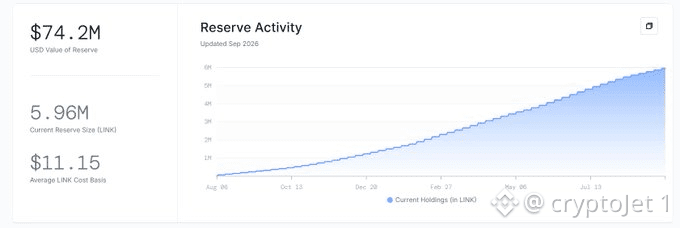
Chainlink Reserve hozirda deyarli 6 million $LINK ga ega. Rasmiy xabarlarga ko‘ra, rezervda taxminan 5,96M LINK bor, u 20-sentabr holatiga ko‘ra qariyb $74,2M qiymatga teng. Bu onchain xazinada turgan juda katta miqdordagi LINK. Bu meni DeFi’da diqqatni ko‘proq tortayotgan bir narsani o‘ylashga majbur qildi: TVL muhim, lekin bajarilish (execution) ham ahamiyatli. Turli protokollar bo‘ylab milliardlab dollar turgan bo‘lishi mumkin, ammo likvidlik bo‘lingan bo‘lsa yoki svop (swap) katta narx ta’siri (price impact) bilan amalga oshsa, o‘sha likvidlik aslida ishlatish oson bo‘lmaydi. Shuning uchun men @ston_fi likvidlik va bajarilish borasida nimalar qurayotganiga e’tibor berib kelyapman. Omniston’da e’tibor faqat mavjud likvidlik miqdoriga qaratilmaydi. Shuningdek, turli manbalar bo‘ylab mavjud likvidlikni topish va bir nechta zanjir (chain)lar bo‘ylab svopni samarali bajarishga ham qaratiladi. Chunki oxir-oqibat men faqat likvidlik borligini bilishni xohlamayman. Men uni real tarzda qanchalik yaxshi ishlatish mumkinligini bilishni xohlayman. $NEAR #Altcoin Season#
Chainlink Reserve hozirda deyarli 6 million $LINK ga ega. Rasmiy xabarlarga ko‘ra, rezervda taxminan 5,96M LINK bor, u 20-sentabr holatiga ko‘ra qariyb $74,2M qiymatga teng. Bu onchain xazinada turgan juda katta miqdordagi LINK. Bu meni DeFi’da diqqatni ko‘proq tortayotgan bir narsani o‘ylashga majbur qildi: TVL muhim, lekin bajarilish (execution) ham ahamiyatli. Turli protokollar bo‘ylab milliardlab dollar turgan bo‘lishi mumkin, ammo likvidlik bo‘lingan bo‘lsa yoki svop (swap) katta narx ta’siri (price impact) bilan amalga oshsa, o‘sha likvidlik aslida ishlatish oson bo‘lmaydi. Shuning uchun men @ston_fi likvidlik va bajarilish borasida nimalar qurayotganiga e’tibor berib kelyapman. Omniston’da e’tibor faqat mavjud likvidlik miqdoriga qaratilmaydi. Shuningdek, turli manbalar bo‘ylab mavjud likvidlikni topish va bir nechta zanjir (chain)lar bo‘ylab svopni samarali bajarishga ham qaratiladi. Chunki oxir-oqibat men faqat likvidlik borligini bilishni xohlamayman. Men uni real tarzda qanchalik yaxshi ishlatish mumkinligini bilishni xohlayman. $NEAR #Altcoin Season#
54
·
--
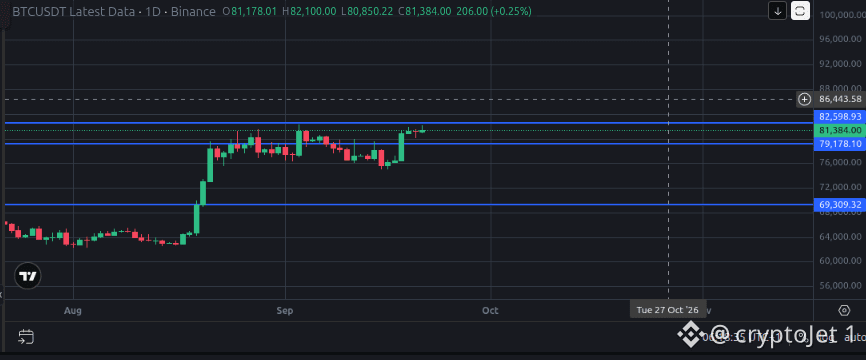
Men $BTC ning haftalik chartida kuzatayotgan muhim daraja bor. Agar BTC shu darajani buzib, uning ustida ushlanib tursa, keyingi e’tiborim $85K–$90K atrofidagi zonaga qaratiladi. Hozircha esa, men hech qanday qadam qo‘yishdan oldin narxning aynan o‘sha darajada qanday reaksiyaga kirishini kuzatayapman. $SOL
Men $BTC ning haftalik chartida kuzatayotgan muhim daraja bor. Agar BTC shu darajani buzib, uning ustida ushlanib tursa, keyingi e’tiborim $85K–$90K atrofidagi zonaga qaratiladi. Hozircha esa, men hech qanday qadam qo‘yishdan oldin narxning aynan o‘sha darajada qanday reaksiyaga kirishini kuzatayapman. $SOL
62
·
--
Men “One Swap. Across Chains” kampaniyasi asosan cross-chain swaplar haqida deb o‘ylagan edim. Aslida esa unda ko‘proq narsa bor ekan. Hozirda kampaniya hamkor missiyalarini ishga tushirgan: siz turli TON loyihalarini o‘rganasiz, oddiy topshiriqlarni bajarib, ko‘proq mil to‘plash uchun qaytib kelasiz. Hamkorlar ro‘yxati ham juda qiziq: My Wallet, Gram Wallet, Mira, Getgems, SafePal va WenLong. Demak siz faqat swap missiyalarini qayta-qayta bajarmaysiz. Siz kampaniya taraqqiyotingizni shakllantirar ekansiz, GRAM ekotizimining turli bo‘limlarini ham o‘rganasiz. Yana bir narsa bor — tekshirib ko‘rishga arziydi: Flight Deals har hafta yangilanadi. Ba’zi mukofotlar faqat 7 kun uchun mavjud, shuning uchun ro‘yxat tez-tez o‘zgarib turadi. Agar siz kampaniyada ishtirok etayotgan bo‘lsangiz, hamkor missiyalar va bu haftadagi Flight Dealsni ko‘rib chiqish foydali bo‘lishi mumkin. Ko‘proq missiyalar = ko‘proq mil. $HYPE $G
Men “One Swap. Across Chains” kampaniyasi asosan cross-chain swaplar haqida deb o‘ylagan edim. Aslida esa unda ko‘proq narsa bor ekan. Hozirda kampaniya hamkor missiyalarini ishga tushirgan: siz turli TON loyihalarini o‘rganasiz, oddiy topshiriqlarni bajarib, ko‘proq mil to‘plash uchun qaytib kelasiz. Hamkorlar ro‘yxati ham juda qiziq: My Wallet, Gram Wallet, Mira, Getgems, SafePal va WenLong. Demak siz faqat swap missiyalarini qayta-qayta bajarmaysiz. Siz kampaniya taraqqiyotingizni shakllantirar ekansiz, GRAM ekotizimining turli bo‘limlarini ham o‘rganasiz. Yana bir narsa bor — tekshirib ko‘rishga arziydi: Flight Deals har hafta yangilanadi. Ba’zi mukofotlar faqat 7 kun uchun mavjud, shuning uchun ro‘yxat tez-tez o‘zgarib turadi. Agar siz kampaniyada ishtirok etayotgan bo‘lsangiz, hamkor missiyalar va bu haftadagi Flight Dealsni ko‘rib chiqish foydali bo‘lishi mumkin. Ko‘proq missiyalar = ko‘proq mil. $HYPE $G
·
--
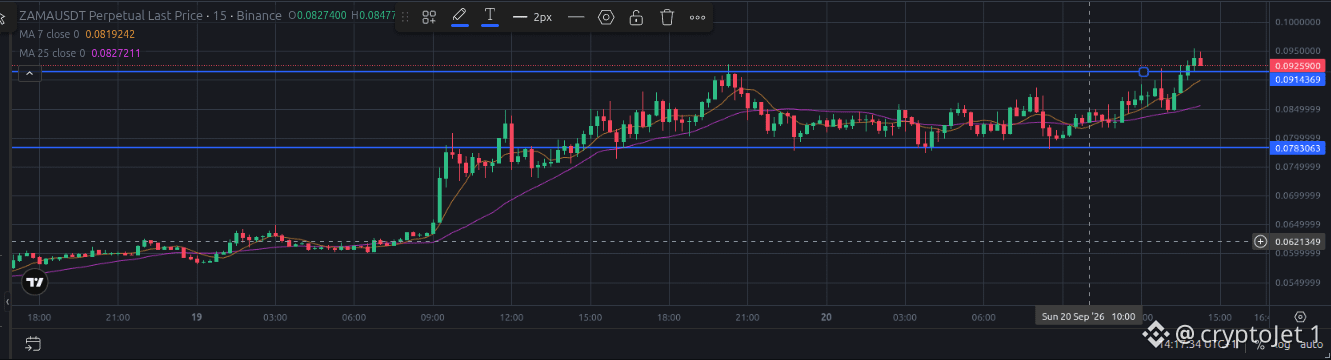
$ZAMA o‘z pozitsiyasini kuchaytiryapti va $0.1 darajasiga e’tibor qaratgan. Men $ADA ni yana bir bor tekshirishni ham o‘ylab yurgandim. Diagrammani to‘g‘ri ko‘rganimga ancha bo‘ldi. Qarab o‘tirib, hozir @ston_fi da nima “ferma” qilinayotganini ko‘rib qoldim. STON/USDT pool e’tiborimni tortdi: 30-sentabrgacha mos keladigan STON stakerlari uchun 2× APR oshirish mavjud. Shuningdek, LP’ning lock-up muddati ham yo‘q. Keyin JETTON/USDT va JETTON/GRAM bor — ikkalasida ham oshirilgan JETTON mukofotlari va LP lock-up yo‘q. Yana STORM/GRAM ham bor: u esa LP lock-up bo‘lmagan holda kunlik STORM mukofotlarini taqdim etadi. Albatta, APR va mukofotlar o‘zgarishi mumkin, dehqonchilik esa doim impermanent loss kabi risklarni o‘z ichiga oladi. Lekin agar siz STONfi’da likvidlik taqdim etayotgan bo‘lsangiz, bu haftada tekshiradigan pool’laringizdan ayrimlari shular. Balki, shundan keyin yana o‘sha ZAMA va ADA chartlariga qaytarman.
$ZAMA o‘z pozitsiyasini kuchaytiryapti va $0.1 darajasiga e’tibor qaratgan. Men $ADA ni yana bir bor tekshirishni ham o‘ylab yurgandim. Diagrammani to‘g‘ri ko‘rganimga ancha bo‘ldi. Qarab o‘tirib, hozir @ston_fi da nima “ferma” qilinayotganini ko‘rib qoldim. STON/USDT pool e’tiborimni tortdi: 30-sentabrgacha mos keladigan STON stakerlari uchun 2× APR oshirish mavjud. Shuningdek, LP’ning lock-up muddati ham yo‘q. Keyin JETTON/USDT va JETTON/GRAM bor — ikkalasida ham oshirilgan JETTON mukofotlari va LP lock-up yo‘q. Yana STORM/GRAM ham bor: u esa LP lock-up bo‘lmagan holda kunlik STORM mukofotlarini taqdim etadi. Albatta, APR va mukofotlar o‘zgarishi mumkin, dehqonchilik esa doim impermanent loss kabi risklarni o‘z ichiga oladi. Lekin agar siz STONfi’da likvidlik taqdim etayotgan bo‘lsangiz, bu haftada tekshiradigan pool’laringizdan ayrimlari shular. Balki, shundan keyin yana o‘sha ZAMA va ADA chartlariga qaytarman.
1
·
--
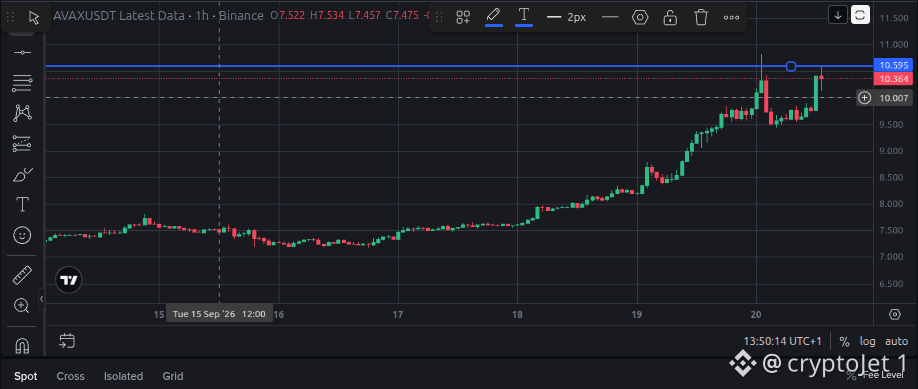
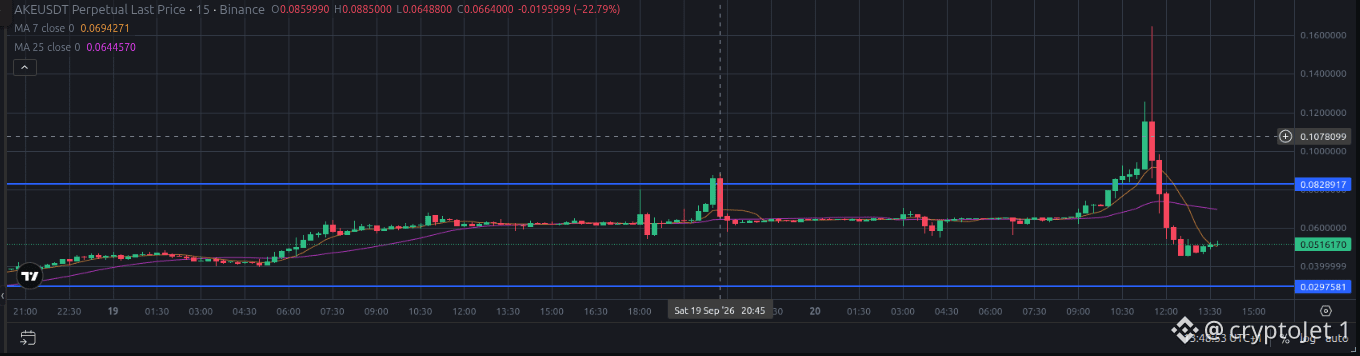
$AKE bu pastga ketdi, $AVAX esa hali ham $10–$11 diapazonida harakatlanyapti. Bozorni tekshirayotganimda GRAM’da qiziqarli narsaga duch keldim. TONCO endi Omnistonning cross-chain (zanjirlararo) swap’larini bevosita o‘z interfeysiga kiritgan. Asosan, TONCO foydalanuvchilari endi ilovadan chiqmasdan turib cross-chain swap’larni amalga oshira olishadi. Menga yoqadigan tomoni — bu @ston_fi ga qanday qaytib bog‘lanishi. TONCO pool’lari STONfi’da allaqachon mavjud va hozir TONCO cross-chain swap’lar uchun ham Omnistondan foydalanmoqda. Ya’ni TONCO likvidlik qo‘shyapti, STONfi esa o‘sha likvidlikni ko‘proq ekotizimlar bo‘ylab ulashga yordam bermoqda. Shuning uchun men Omnistonni kuzatishda davom etaman. TON ilovalari buni ko‘proq integratsiya qilaversa, turli zanjirlar bo‘ylab aktivlarni ko‘chirish foydalanuvchi pastdagi barcha murakkablik bilan shug‘ullanishiga to‘g‘ri kelmasdan yanada osonlashadi. Sekin-asta TON DeFi yanada ko‘proq bog‘lanib boryapti #Altcoin Season#
$AKE bu pastga ketdi, $AVAX esa hali ham $10–$11 diapazonida harakatlanyapti. Bozorni tekshirayotganimda GRAM’da qiziqarli narsaga duch keldim. TONCO endi Omnistonning cross-chain (zanjirlararo) swap’larini bevosita o‘z interfeysiga kiritgan. Asosan, TONCO foydalanuvchilari endi ilovadan chiqmasdan turib cross-chain swap’larni amalga oshira olishadi. Menga yoqadigan tomoni — bu @ston_fi ga qanday qaytib bog‘lanishi. TONCO pool’lari STONfi’da allaqachon mavjud va hozir TONCO cross-chain swap’lar uchun ham Omnistondan foydalanmoqda. Ya’ni TONCO likvidlik qo‘shyapti, STONfi esa o‘sha likvidlikni ko‘proq ekotizimlar bo‘ylab ulashga yordam bermoqda. Shuning uchun men Omnistonni kuzatishda davom etaman. TON ilovalari buni ko‘proq integratsiya qilaversa, turli zanjirlar bo‘ylab aktivlarni ko‘chirish foydalanuvchi pastdagi barcha murakkablik bilan shug‘ullanishiga to‘g‘ri kelmasdan yanada osonlashadi. Sekin-asta TON DeFi yanada ko‘proq bog‘lanib boryapti #Altcoin Season#
4
·
--
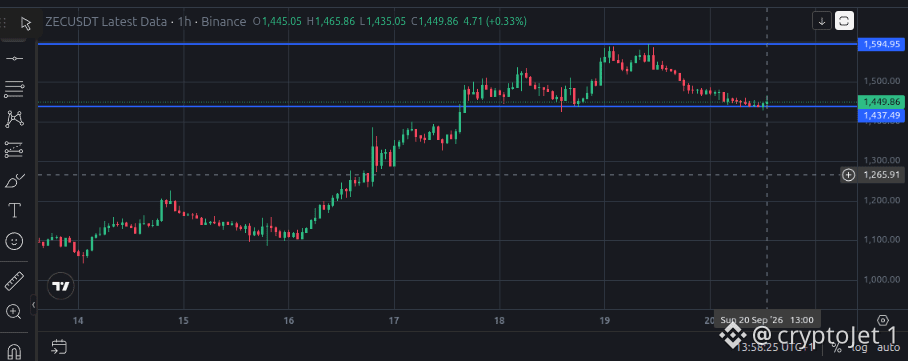
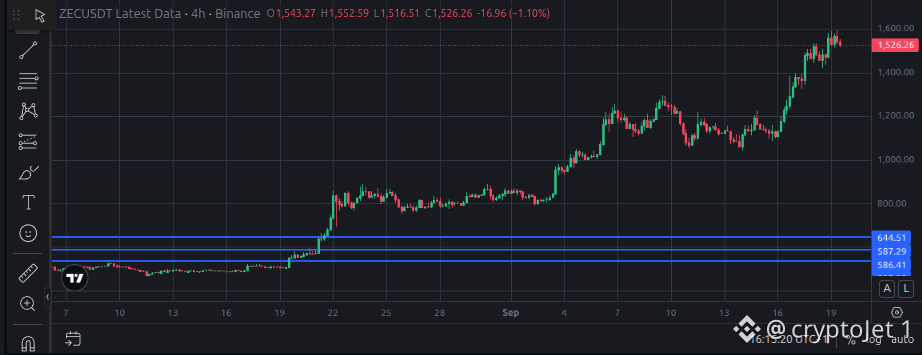
$ZEC yaqinda butunlay “pishirib” yuboryapti. Harakat juda vahimali bo‘ldi: Zcash bozor kapitallashuvi bo‘yicha yana top-10’likka qaytib, yana katta e’tiborni tortyapti. Lekin bunday harakatlar yana bir narsani ham eslatadi. Ko‘proq tokenlar jiddiy likvidlik va e’tibor yig‘ishni boshlagan sayin, ularni turli ekotizimlar bo‘ylab ko‘chira olish xuddi shunchalik muhim bo‘lib qoladi. Shu sabab men @ston_fi Omniston bilan qilayotgan ishlariga ko‘proq e’tibor bera boshladim. STONfi avval TON DEX sifatida boshlangan: men uni asosan svoplar va farming uchun ishlatardim. Endi esa Omniston GRAM, Ethereum, $BNB Chain, Base, Polygon, Arbitrum, Avalanche, Robinhood va boshqalar kabi tarmoqlar bo‘ylab cross-chain likvidlik va ijroni bog‘laydi — bosqichma-bosqich ko‘proq zanjirlar qo‘shilmoqda. Shuning uchun ZEC kabi token katta qadam qilayotganini ko‘rsam, men faqat chartga qarab qolmayman. Men bu aktivlar atrofidagi infratuzilma haqida ham o‘ylayman. Likvidlik qayerda? Aktivni ko‘chirish qanchalik oson? Va foydalanuvchilar beshta turli ilovadan sakrab o‘tmasdan, bir ekotizimdan boshqasiga haqiqatan ham o‘ta oladimi? Menga bugungi kunda STONfi’ning aynan o‘sha tomoni ko‘proq qiziq. Faqat yana bitta svop emas, balki kripto bo‘ylab mavjud bo‘lgan likvidlikning ko‘proq qismini birlashtirish. #Altcoin Season#
$ZEC yaqinda butunlay “pishirib” yuboryapti. Harakat juda vahimali bo‘ldi: Zcash bozor kapitallashuvi bo‘yicha yana top-10’likka qaytib, yana katta e’tiborni tortyapti. Lekin bunday harakatlar yana bir narsani ham eslatadi. Ko‘proq tokenlar jiddiy likvidlik va e’tibor yig‘ishni boshlagan sayin, ularni turli ekotizimlar bo‘ylab ko‘chira olish xuddi shunchalik muhim bo‘lib qoladi. Shu sabab men @ston_fi Omniston bilan qilayotgan ishlariga ko‘proq e’tibor bera boshladim. STONfi avval TON DEX sifatida boshlangan: men uni asosan svoplar va farming uchun ishlatardim. Endi esa Omniston GRAM, Ethereum, $BNB Chain, Base, Polygon, Arbitrum, Avalanche, Robinhood va boshqalar kabi tarmoqlar bo‘ylab cross-chain likvidlik va ijroni bog‘laydi — bosqichma-bosqich ko‘proq zanjirlar qo‘shilmoqda. Shuning uchun ZEC kabi token katta qadam qilayotganini ko‘rsam, men faqat chartga qarab qolmayman. Men bu aktivlar atrofidagi infratuzilma haqida ham o‘ylayman. Likvidlik qayerda? Aktivni ko‘chirish qanchalik oson? Va foydalanuvchilar beshta turli ilovadan sakrab o‘tmasdan, bir ekotizimdan boshqasiga haqiqatan ham o‘ta oladimi? Menga bugungi kunda STONfi’ning aynan o‘sha tomoni ko‘proq qiziq. Faqat yana bitta svop emas, balki kripto bo‘ylab mavjud bo‘lgan likvidlikning ko‘proq qismini birlashtirish. #Altcoin Season#
·
--
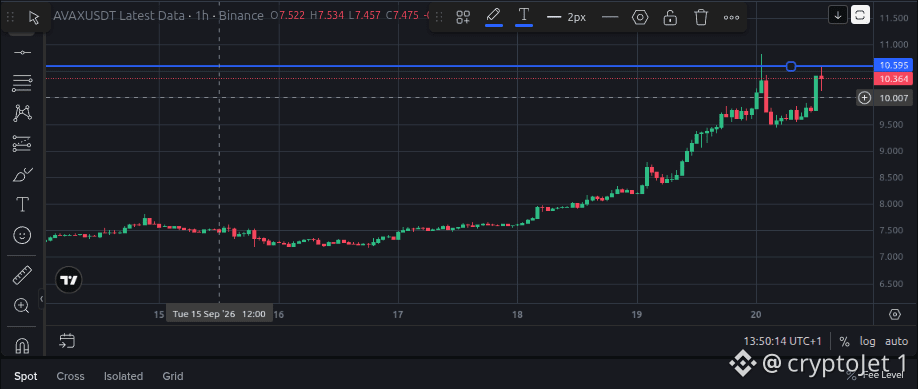
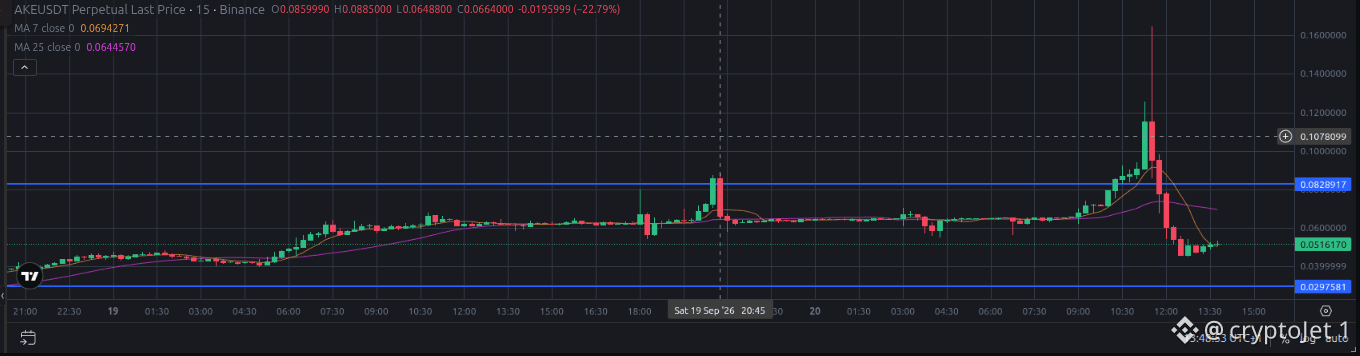
$AKE down bad bo‘lib turibdi, $AVAX esa hali ham $10–$11 oralig‘ida harakatlanmoqda. Bozorni tekshirayotib, GRAM’da qiziqarli narsaga ko‘zim tushdi. TONCO endi o‘z interfeysiga bevosita Omniston cross-chain (zanjirlararo) swap’larni o‘rnatgan. Asosan, TONCO foydalanuvchilari endi ilovadan chiqmasdan turib cross-chain swap’lar qilishlari mumkin. Menga yoqadigan tomoni shundaki, bu yana @ston_fi ga borib tutashadi. TONCO pool’lari STONfi’da allaqachon mavjud, endi TONCO cross-chain swap’lar uchun ham Omniston’ni ishlatyapti. Ya’ni, TONCO likvidlik qo‘shyapti, STON.fi esa shu likvidlikni ko‘proq ekotizimlar bo‘ylab ulashga yordam beryapti. Shuning uchun men Omniston’ga e’tibor berishda davom etaman. TON ilovalari buni qanchalik ko‘proq integratsiya qilsa, aktivlarni turli zanjirlar bo‘ylab o‘tkazish shunchalik osonlashadi — foydalanuvchining pastdagi murakkablik bilan shug‘ullanishiga hojat qolmaydi. Sekin-asta, TON DeFi yanada ko‘proq bog‘lanib boryapti. #Altcoin Season#
$AKE down bad bo‘lib turibdi, $AVAX esa hali ham $10–$11 oralig‘ida harakatlanmoqda. Bozorni tekshirayotib, GRAM’da qiziqarli narsaga ko‘zim tushdi. TONCO endi o‘z interfeysiga bevosita Omniston cross-chain (zanjirlararo) swap’larni o‘rnatgan. Asosan, TONCO foydalanuvchilari endi ilovadan chiqmasdan turib cross-chain swap’lar qilishlari mumkin. Menga yoqadigan tomoni shundaki, bu yana @ston_fi ga borib tutashadi. TONCO pool’lari STONfi’da allaqachon mavjud, endi TONCO cross-chain swap’lar uchun ham Omniston’ni ishlatyapti. Ya’ni, TONCO likvidlik qo‘shyapti, STON.fi esa shu likvidlikni ko‘proq ekotizimlar bo‘ylab ulashga yordam beryapti. Shuning uchun men Omniston’ga e’tibor berishda davom etaman. TON ilovalari buni qanchalik ko‘proq integratsiya qilsa, aktivlarni turli zanjirlar bo‘ylab o‘tkazish shunchalik osonlashadi — foydalanuvchining pastdagi murakkablik bilan shug‘ullanishiga hojat qolmaydi. Sekin-asta, TON DeFi yanada ko‘proq bog‘lanib boryapti. #Altcoin Season#
27
·
--
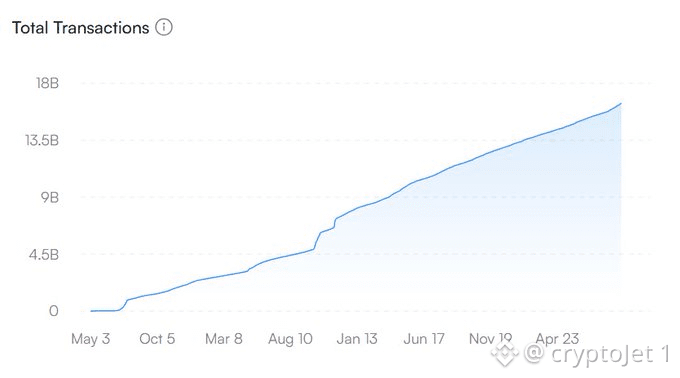
$SUI yana boshqa katta marraga yaqinlashmoqda. Tarmoq endi taxminan 16.44 mlrd tranzaksiyani qayta ishladi va uni 18 mlrd sari yo‘lda ushlab turibdi. Uning 7 kunlik o‘rtacha TPS ko‘rsatkichi ham hozir atrofida 80.3 bo‘lib, o‘tgan haftaga nisbatan taxminan 2% ga oshgan. Raqamlar Sui’da nechog‘li faoliyat bo‘layotganini jimlik bilan ko‘rsatmoqda. $AVAX #Altcoin Season#
$SUI yana boshqa katta marraga yaqinlashmoqda. Tarmoq endi taxminan 16.44 mlrd tranzaksiyani qayta ishladi va uni 18 mlrd sari yo‘lda ushlab turibdi. Uning 7 kunlik o‘rtacha TPS ko‘rsatkichi ham hozir atrofida 80.3 bo‘lib, o‘tgan haftaga nisbatan taxminan 2% ga oshgan. Raqamlar Sui’da nechog‘li faoliyat bo‘layotganini jimlik bilan ko‘rsatmoqda. $AVAX #Altcoin Season#
22
·
--
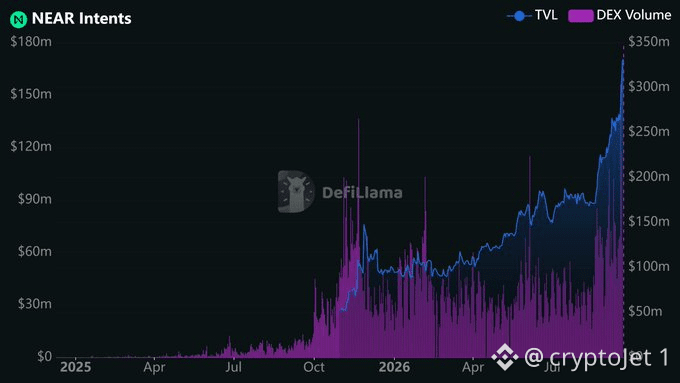
$NEAR Intents birinchi marta kunlik hajmda $300M dan o‘tib ketdi. Menga eng qiziqarlisi — bu qanchalik tez o‘sganidir. 2025-yil avgust oyida NEAR Intents butun oy davomida taxminan $114.6M ni qayta ishlagan. Hozir esa u bitta kunning o‘zida $300M dan ko‘proqni amalga oshiryapti. Bunday sakrash intents va cross-chain tranzaksiyalar atrofida faoliyat qanchalik tez to‘planayotganini ko‘rsatadi.
$NEAR Intents birinchi marta kunlik hajmda $300M dan o‘tib ketdi. Menga eng qiziqarlisi — bu qanchalik tez o‘sganidir. 2025-yil avgust oyida NEAR Intents butun oy davomida taxminan $114.6M ni qayta ishlagan. Hozir esa u bitta kunning o‘zida $300M dan ko‘proqni amalga oshiryapti. Bunday sakrash intents va cross-chain tranzaksiyalar atrofida faoliyat qanchalik tez to‘planayotganini ko‘rsatadi.
44
·
--
$XRP Ledger aktivlarining menejerlari navbatdagi to‘lovlar yangilanishiga tayyorgarlik ko‘rayotgani qiziq. Batch V1.1 bitta operatsiya tarkibiga 8 tagacha tranzaksiyani birlashtirishga imkon beradi, bu esa ayrim to‘lov jarayonlarini yanada samaraliroq qiladi. RippleX ma’lumotiga ko‘ra, funksiyani aktivlashtirishdan oldin ham u atrofida tijoriy loyihalar allaqachon qurilmoqda. Demak, XRP Ledger real hayotdagi to‘lovlardan foydalanish uchun yanada tayyorgarlik ko‘rayapti. XRP #Ripple $CAP
$XRP Ledger aktivlarining menejerlari navbatdagi to‘lovlar yangilanishiga tayyorgarlik ko‘rayotgani qiziq. Batch V1.1 bitta operatsiya tarkibiga 8 tagacha tranzaksiyani birlashtirishga imkon beradi, bu esa ayrim to‘lov jarayonlarini yanada samaraliroq qiladi. RippleX ma’lumotiga ko‘ra, funksiyani aktivlashtirishdan oldin ham u atrofida tijoriy loyihalar allaqachon qurilmoqda. Demak, XRP Ledger real hayotdagi to‘lovlardan foydalanish uchun yanada tayyorgarlik ko‘rayapti. XRP #Ripple $CAP
56
·
--
So‘nggi paytlarda @ston_fi bilan meni eng ko‘p e’tiborimni tortgan narsa — cross-chain tomoni qanchalik tez o‘sib borayotgani. Hozir bu faqat TON emas. Hozir Platformi TON, TRON va EVM tarmoqlari bo‘ylab 10 ta zanjirni qo‘llab-quvvatlaydi: jumladan Ethereum, $BNB Chain, Base, Arbitrum, Polygon, $AVAX Avalanche, X Layer va Robinhood Chain. Yana ko‘plab zanjirlar hali ham qo‘shilmoqda. Menga qiziq tomoni shundaki, bularning barchasi turli bridge (ko‘prik)lar, birjalar va ilovalar orasida sakrashga majbur qilmasdan, bitta swap oqimi orqali amalga oshyapti. STONfi’dan birinchi marta foydalanganimda, uni asosan TON’da swap qilish va farm qilish joyi deb o‘ylagandim. Endi esa uning bir nechta ekotizimlar bo‘ylab likvidlikni ulab berayotganini ko‘ryapman. Bu juda katta o‘zgarish. Rostini aytsam, keyin nechta zanjir va ilovalar ulanib kelishini ko‘proq bilishga qiziqyapman.
So‘nggi paytlarda @ston_fi bilan meni eng ko‘p e’tiborimni tortgan narsa — cross-chain tomoni qanchalik tez o‘sib borayotgani. Hozir bu faqat TON emas. Hozir Platformi TON, TRON va EVM tarmoqlari bo‘ylab 10 ta zanjirni qo‘llab-quvvatlaydi: jumladan Ethereum, $BNB Chain, Base, Arbitrum, Polygon, $AVAX Avalanche, X Layer va Robinhood Chain. Yana ko‘plab zanjirlar hali ham qo‘shilmoqda. Menga qiziq tomoni shundaki, bularning barchasi turli bridge (ko‘prik)lar, birjalar va ilovalar orasida sakrashga majbur qilmasdan, bitta swap oqimi orqali amalga oshyapti. STONfi’dan birinchi marta foydalanganimda, uni asosan TON’da swap qilish va farm qilish joyi deb o‘ylagandim. Endi esa uning bir nechta ekotizimlar bo‘ylab likvidlikni ulab berayotganini ko‘ryapman. Bu juda katta o‘zgarish. Rostini aytsam, keyin nechta zanjir va ilovalar ulanib kelishini ko‘proq bilishga qiziqyapman.
23
·
--
Yil tugashidan oldin @ston_fi nima qilayotganini kuzatyapman. Platformani birinchi marta kashf qilganimda men uni asosan tokenlarni ayirboshlash va “farm” qilish joyi deb ko‘rgandim. Hozir esa manzara ancha kengroq bo‘lib tuyulyapti. Omniston cross-chain (zanjirlararo) ayirboshlovlarni amalga oshiryapti, turli tarmoqlar bo‘ylab ko‘proq likvidlik ulanmoqda, infratuzilmaga ko‘proq ilovalar integratsiya qilinyapti va ayirboshlovlarni tezroq hamda ishonchli qilish ustida ishlar olib borilmoqda. Men uchun qiziq tomoni shunda. Bu shunchaki STON.fi allaqachon yaratib bo‘lgan narsalar haqida emas. Yil oxirigacha bu infratuzilma yana qanchalik o‘sishi mumkinligi meni ko‘proq qiziqtiryapti. Ko‘proq zanjirlar. Ko‘proq likvidlik. Ko‘proq integratsiyalar. Yaxshiroq ijro. Men, albatta, Q4 ga kirish bilan $STON va Stonfi ekotizimini yaqin kuzatib boraman. $XRP $UNI
Yil tugashidan oldin @ston_fi nima qilayotganini kuzatyapman. Platformani birinchi marta kashf qilganimda men uni asosan tokenlarni ayirboshlash va “farm” qilish joyi deb ko‘rgandim. Hozir esa manzara ancha kengroq bo‘lib tuyulyapti. Omniston cross-chain (zanjirlararo) ayirboshlovlarni amalga oshiryapti, turli tarmoqlar bo‘ylab ko‘proq likvidlik ulanmoqda, infratuzilmaga ko‘proq ilovalar integratsiya qilinyapti va ayirboshlovlarni tezroq hamda ishonchli qilish ustida ishlar olib borilmoqda. Men uchun qiziq tomoni shunda. Bu shunchaki STON.fi allaqachon yaratib bo‘lgan narsalar haqida emas. Yil oxirigacha bu infratuzilma yana qanchalik o‘sishi mumkinligi meni ko‘proq qiziqtiryapti. Ko‘proq zanjirlar. Ko‘proq likvidlik. Ko‘proq integratsiyalar. Yaxshiroq ijro. Men, albatta, Q4 ga kirish bilan $STON va Stonfi ekotizimini yaqin kuzatib boraman. $XRP $UNI
37
·
--
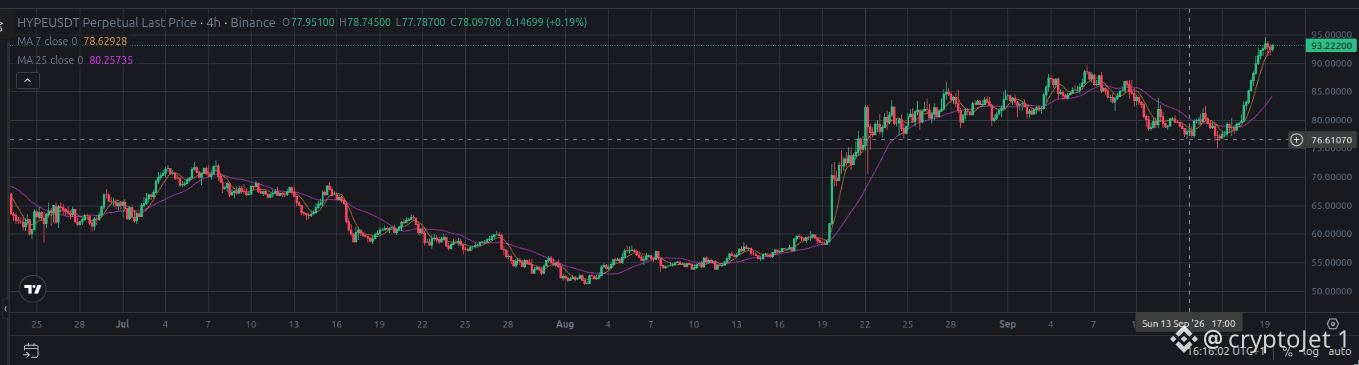
Q4 allaqachon bu yerda, va mening rejalarim juda oddiy. $ZEC va $HYPE kabi tokenlar allaqachon katta harakatlar qilayotgani sababli, men hali ham kuchli narrativga ega bo‘lgan kichikroq kapitalli tokenlarga ko‘proq e’tibor bera boshlayapman. STON — men kuzatib boradigan tokenlardan biri. U @ston_fi bilan bog‘liq: men haqiqatan ham swaplar, farming va LPlar uchun foydalanib kelayotgan DEX. Shuning uchun tokenni alohida ko‘rib chiqmayapman. DEXdagi faollik, ekotizim atrofidagi likvidlik va STON’ning staking qilinishi bor — bu esa investorlar uchun tokenlarini doimiy sotish o‘rniga ushlab turishiga yana bir sabab beradi. Bularning hech biri, albatta, narx ko‘tarilishini kafolatlamaydi. Ammo kichikroq kapitalli tokenlarga qaraganimda, token ortida haqiqiy mahsulot va ekotizim borligini ko‘rishni yoqtiraman. Q4ga kirayotganimda aynan shunday tayyorgarlikka ko‘proq e’tibor qaratyapman. #Altcoin Season#
Q4 allaqachon bu yerda, va mening rejalarim juda oddiy. $ZEC va $HYPE kabi tokenlar allaqachon katta harakatlar qilayotgani sababli, men hali ham kuchli narrativga ega bo‘lgan kichikroq kapitalli tokenlarga ko‘proq e’tibor bera boshlayapman. STON — men kuzatib boradigan tokenlardan biri. U @ston_fi bilan bog‘liq: men haqiqatan ham swaplar, farming va LPlar uchun foydalanib kelayotgan DEX. Shuning uchun tokenni alohida ko‘rib chiqmayapman. DEXdagi faollik, ekotizim atrofidagi likvidlik va STON’ning staking qilinishi bor — bu esa investorlar uchun tokenlarini doimiy sotish o‘rniga ushlab turishiga yana bir sabab beradi. Bularning hech biri, albatta, narx ko‘tarilishini kafolatlamaydi. Ammo kichikroq kapitalli tokenlarga qaraganimda, token ortida haqiqiy mahsulot va ekotizim borligini ko‘rishni yoqtiraman. Q4ga kirayotganimda aynan shunday tayyorgarlikka ko‘proq e’tibor qaratyapman. #Altcoin Season#
42
Ko‘proq kontentni ko‘rish uchun tizimga kiring
Binance Square'da global kriptovalyuta foydalanuvchilariga qo‘shiling
⚡️ Kriptovalyuta haqida eng so‘nggi va foydali ma’lumotlarni oling.
💬 Dunyoning eng yirik kriptovalyuta birjasi tomonidan ishonchli deb topilgan.
👍 Tasdiqlangan mualliflardan haqiqiy tahlillarni kashf eting.
Email / telefon raqami
Trenddagi mavzular
NEARRisesNearly80%InAWeek
29,837 marta koʻrilgan
768 muhokama qilmoqda
#nearrisesnearly80%inaweek
Bu hafta NEAR bo‘yicha mutlaq yuksalish protokoli — mana nimasi sabab bo‘lyapti 🔥
NEAR uchun qanday hafta bo‘ldi! 🚀 7 kun ichida taxminan 80% atrofida foyda qilish bu shunchaki omad emas; bu NEAR’ning zanjirni “ajrashish” (detach) va sun’iy intellekt integratsiyasi haqidagi qarashiga atrofda katta impuls paydo bo‘layotganini ko‘rsatadi. Texnologiya samaradorligi treyderlar bozor ishtiyoqi bilan uchrashganda, aynan shunday narx harakatini ko‘ramiz.
Siz NEARni uzoq muddatga ushlab qolasizmi, yoki hozirgi darajalarda foydani olib ketasizmi? Quyi qismda strategiyangizni ayting! 👇
Iltimos, kuzatib boring
$NEAR
#BitcoinHits$85K #Near #SolanaCutsTargetSlotTimeTo250ms
Shamika Metting
·3 ta layk
·1.8k marta koʻrilgan
MultiversXPlansHardForkRecovery
25,709 marta koʻrilgan
581 muhokama qilmoqda
CircleLaunchesInstitutionalBTCBackedBorrowing
26,085 marta koʻrilgan
698 muhokama qilmoqda