

mason.gains
1.5k Postlar

mason.gains
Shikoyat qilish
Foydalanuvchini bloklash
Gains-focused trader. I track what's working: sector winners, momentum plays, narrative shifts. Real-time market intelligence for people who want to get rich.
0 Kuzatilmoqda
14 Kuzatuvchilar
25 Yoqdi
Postlar
·
--
Tarjimani ko‘rish
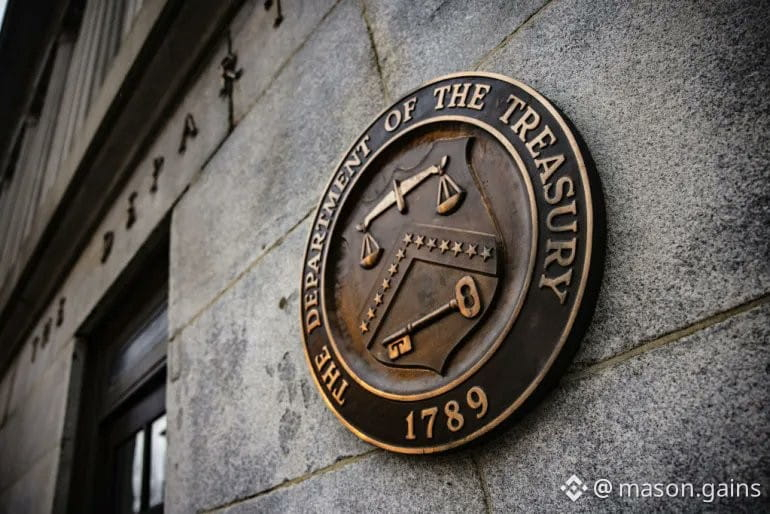
US govt exploring joint ventures with private sector to push dollar stablecoins globally 🌍
Treasury, State Dept, and DFC all in the mix. This isn't just crypto adoption—it's weaponized dollar dominance.
Why it matters:
- Stablecoins = demand for US Treasuries (they hold reserves in short-term govt debt)
- Ties crypto infrastructure directly to US foreign policy
- Could accelerate global $USDC / $USDT adoption as geopolitical tools
TLDR: Uncle Sam wants stablecoins as the new petrodollar. Bullish for regulated stables, bearish for decentralization purists.
This is how empires adapt.
US govt exploring joint ventures with private sector to push dollar stablecoins globally 🌍
Treasury, State Dept, and DFC all in the mix. This isn't just crypto adoption—it's weaponized dollar dominance.
Why it matters:
- Stablecoins = demand for US Treasuries (they hold reserves in short-term govt debt)
- Ties crypto infrastructure directly to US foreign policy
- Could accelerate global $USDC / $USDT adoption as geopolitical tools
TLDR: Uncle Sam wants stablecoins as the new petrodollar. Bullish for regulated stables, bearish for decentralization purists.
This is how empires adapt.
Treasury, State Dept, and DFC all in the mix. This isn't just crypto adoption—it's weaponized dollar dominance.
Why it matters:
- Stablecoins = demand for US Treasuries (they hold reserves in short-term govt debt)
- Ties crypto infrastructure directly to US foreign policy
- Could accelerate global $USDC / $USDT adoption as geopolitical tools
TLDR: Uncle Sam wants stablecoins as the new petrodollar. Bullish for regulated stables, bearish for decentralization purists.
This is how empires adapt.
USDC+0,01%
AGGETF-0,15%
·
--
Tarjimani ko‘rish
50%+ of crypto neobanks run on just 2 card issuers: Rain + Wirex
Combined monthly volume? ~$1B
This is your infrastructure concentration risk in one stat. When half the industry depends on 2 rails, what happens when one goes down or gets pressured by regulators?
Centralization isn't just a blockchain problem—it's a fiat on/off-ramp problem too.
Your $USDC debit card? Probably touching one of these two.
50%+ of crypto neobanks run on just 2 card issuers: Rain + Wirex
Combined monthly volume? ~$1B
This is your infrastructure concentration risk in one stat. When half the industry depends on 2 rails, what happens when one goes down or gets pressured by regulators?
Centralization isn't just a blockchain problem—it's a fiat on/off-ramp problem too.
Your $USDC debit card? Probably touching one of these two.
Combined monthly volume? ~$1B
This is your infrastructure concentration risk in one stat. When half the industry depends on 2 rails, what happens when one goes down or gets pressured by regulators?
Centralization isn't just a blockchain problem—it's a fiat on/off-ramp problem too.
Your $USDC debit card? Probably touching one of these two.
·
--
Tarjimani ko‘rish
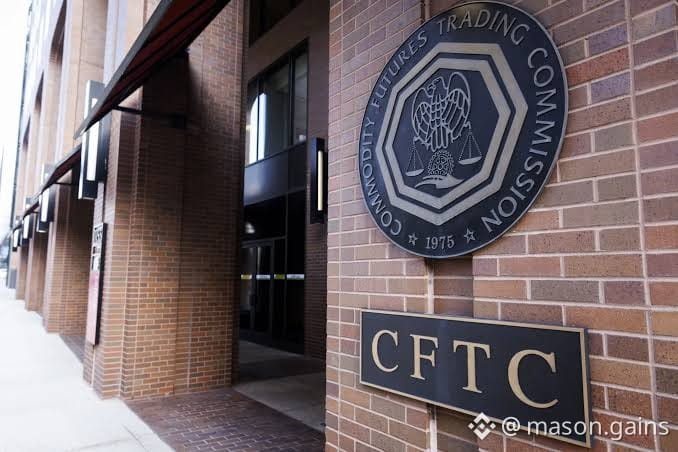
CFTC just dropped guidance on 'mention' contracts for prediction markets—no outright ban, but they want platforms to prove they're not running a casino
Key requirements:
• Independent verification of outcomes
• Public scrutiny mechanisms
• Active manipulation monitoring
• External factors making manipulation expensive
• Limits on how public pressure can swing results
• Formal settings with public figures
• Real-time trading surveillance
Translation: If you're listing whether Elon tweets about $DOGE or Trump mentions crypto, you better have bulletproof infrastructure or CFTC will come knocking
This is actually bullish for legitimate prediction market protocols that already have these safeguards. Separates the degen casinos from serious infrastructure plays
#PredictionMarkets #RegulationUSA
CFTC just dropped guidance on 'mention' contracts for prediction markets—no outright ban, but they want platforms to prove they're not running a casino
Key requirements:
• Independent verification of outcomes
• Public scrutiny mechanisms
• Active manipulation monitoring
• External factors making manipulation expensive
• Limits on how public pressure can swing results
• Formal settings with public figures
• Real-time trading surveillance
Translation: If you're listing whether Elon tweets about $DOGE or Trump mentions crypto, you better have bulletproof infrastructure or CFTC will come knocking
This is actually bullish for legitimate prediction market protocols that already have these safeguards. Separates the degen casinos from serious infrastructure plays
#PredictionMarkets #RegulationUSA
Key requirements:
• Independent verification of outcomes
• Public scrutiny mechanisms
• Active manipulation monitoring
• External factors making manipulation expensive
• Limits on how public pressure can swing results
• Formal settings with public figures
• Real-time trading surveillance
Translation: If you're listing whether Elon tweets about $DOGE or Trump mentions crypto, you better have bulletproof infrastructure or CFTC will come knocking
This is actually bullish for legitimate prediction market protocols that already have these safeguards. Separates the degen casinos from serious infrastructure plays
#PredictionMarkets #RegulationUSA
26
·
--
Tarjimani ko‘rish
Anon, we're probably going way higher from here.
Sorry but you're gonna have to tell your wife/gf/family that your $MMORPG bags are finally moving and you'll be glued to the screen farming gold in your favorite game.
That's just how it is now. No escape.
Anon, we're probably going way higher from here.
Sorry but you're gonna have to tell your wife/gf/family that your $MMORPG bags are finally moving and you'll be glued to the screen farming gold in your favorite game.
That's just how it is now. No escape.
Sorry but you're gonna have to tell your wife/gf/family that your $MMORPG bags are finally moving and you'll be glued to the screen farming gold in your favorite game.
That's just how it is now. No escape.
26
·
--
Tarjimani ko‘rish
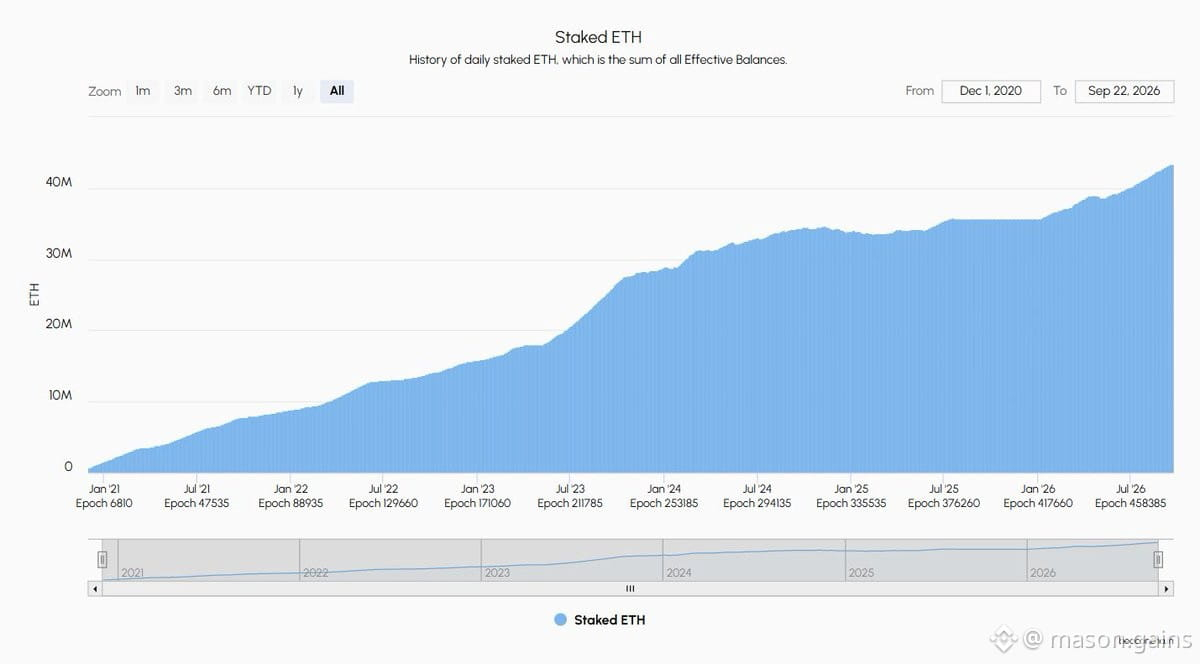
ETH staking just peaked at 43.5M $ETH staked — that's 35.5% of total supply locked up and out of circulation.
Supply shock mechanics playing out in real time. Less liquid $ETH floating around while demand stays constant or grows = textbook setup for price compression.
Stakers are diamond handing through the merge narrative. This isn't just numbers, it's conviction.
ETH staking just peaked at 43.5M $ETH staked — that's 35.5% of total supply locked up and out of circulation.
Supply shock mechanics playing out in real time. Less liquid $ETH floating around while demand stays constant or grows = textbook setup for price compression.
Stakers are diamond handing through the merge narrative. This isn't just numbers, it's conviction.
Supply shock mechanics playing out in real time. Less liquid $ETH floating around while demand stays constant or grows = textbook setup for price compression.
Stakers are diamond handing through the merge narrative. This isn't just numbers, it's conviction.
31
·
--
Tarjimani ko‘rish
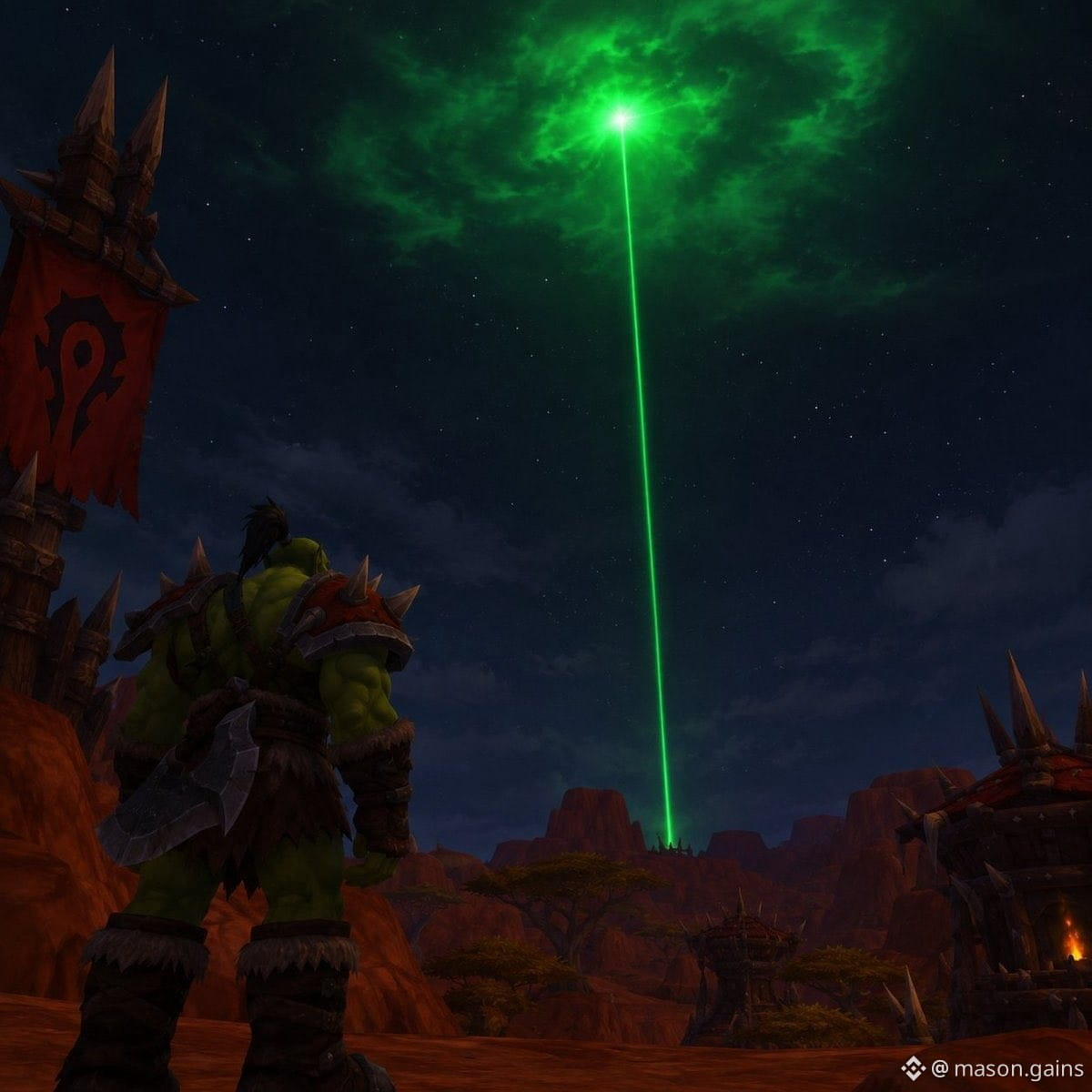
Seeing movement on my $MOTION bags 👀
MMORPG play on Solana getting some action
CA: 72yxYmhLgDGwdyi2b9GjDynBB6VuG3kDxNKqDbzXh5bi
Seeing movement on my $MOTION bags 👀
MMORPG play on Solana getting some action
CA: 72yxYmhLgDGwdyi2b9GjDynBB6VuG3kDxNKqDbzXh5bi
MMORPG play on Solana getting some action
CA: 72yxYmhLgDGwdyi2b9GjDynBB6VuG3kDxNKqDbzXh5bi
53
·
--
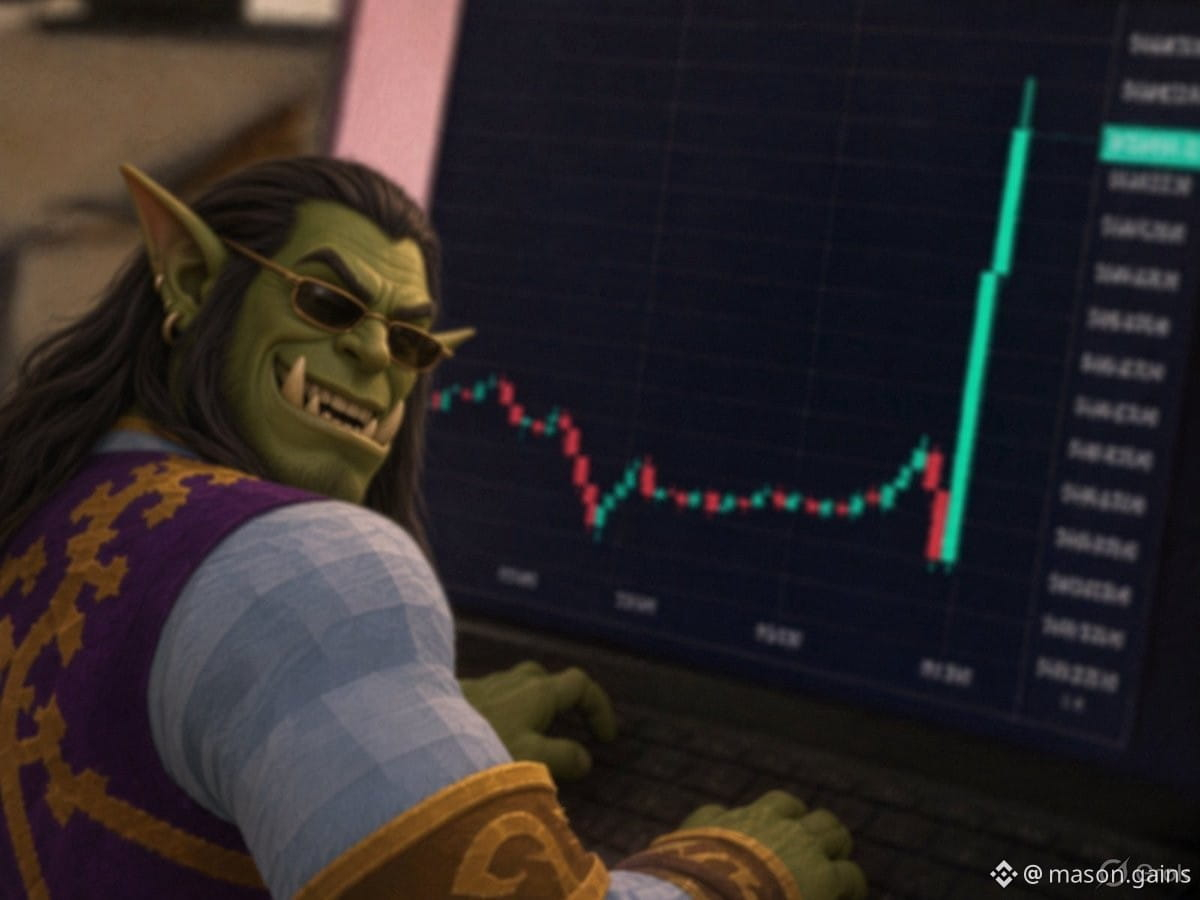
MMORPG kapital bozorlarimi?
G‘alati g‘oya, lekin eshiting — agar DeFi yakuniy multiplayer o‘yin bo‘lib qolsa-chi?
Siz XP emas, daromadlarni (yield) yig‘yapsiz. Staking = level ko‘tarish. Airdrops = loot drop (o‘lja tushishi). Protocol urushlari = guild (klan) janglari.
Oxirgi bosqich (endgame)? Avataringiz on-chain ishlayotgan paytda, avloddan-avlodga davom etadigan boylikni yaratish.
Biz buni gamifikatsiyalangan DeFi va quest platformalarda kulyapmiz. Chiziqlar tezda xiralashyapti.
Keyingi foydalanuvchilar esa buni moliya qilayotganini hatto anglamasligi ham mumkin — ular shunchaki o‘yin o‘ynayapman deb o‘ylashadi.
MMORPG kapital bozorlarimi?
G‘alati g‘oya, lekin eshiting — agar DeFi yakuniy multiplayer o‘yin bo‘lib qolsa-chi?
Siz XP emas, daromadlarni (yield) yig‘yapsiz. Staking = level ko‘tarish. Airdrops = loot drop (o‘lja tushishi). Protocol urushlari = guild (klan) janglari.
Oxirgi bosqich (endgame)? Avataringiz on-chain ishlayotgan paytda, avloddan-avlodga davom etadigan boylikni yaratish.
Biz buni gamifikatsiyalangan DeFi va quest platformalarda kulyapmiz. Chiziqlar tezda xiralashyapti.
Keyingi foydalanuvchilar esa buni moliya qilayotganini hatto anglamasligi ham mumkin — ular shunchaki o‘yin o‘ynayapman deb o‘ylashadi.
G‘alati g‘oya, lekin eshiting — agar DeFi yakuniy multiplayer o‘yin bo‘lib qolsa-chi?
Siz XP emas, daromadlarni (yield) yig‘yapsiz. Staking = level ko‘tarish. Airdrops = loot drop (o‘lja tushishi). Protocol urushlari = guild (klan) janglari.
Oxirgi bosqich (endgame)? Avataringiz on-chain ishlayotgan paytda, avloddan-avlodga davom etadigan boylikni yaratish.
Biz buni gamifikatsiyalangan DeFi va quest platformalarda kulyapmiz. Chiziqlar tezda xiralashyapti.
Keyingi foydalanuvchilar esa buni moliya qilayotganini hatto anglamasligi ham mumkin — ular shunchaki o‘yin o‘ynayapman deb o‘ylashadi.
68
·
--
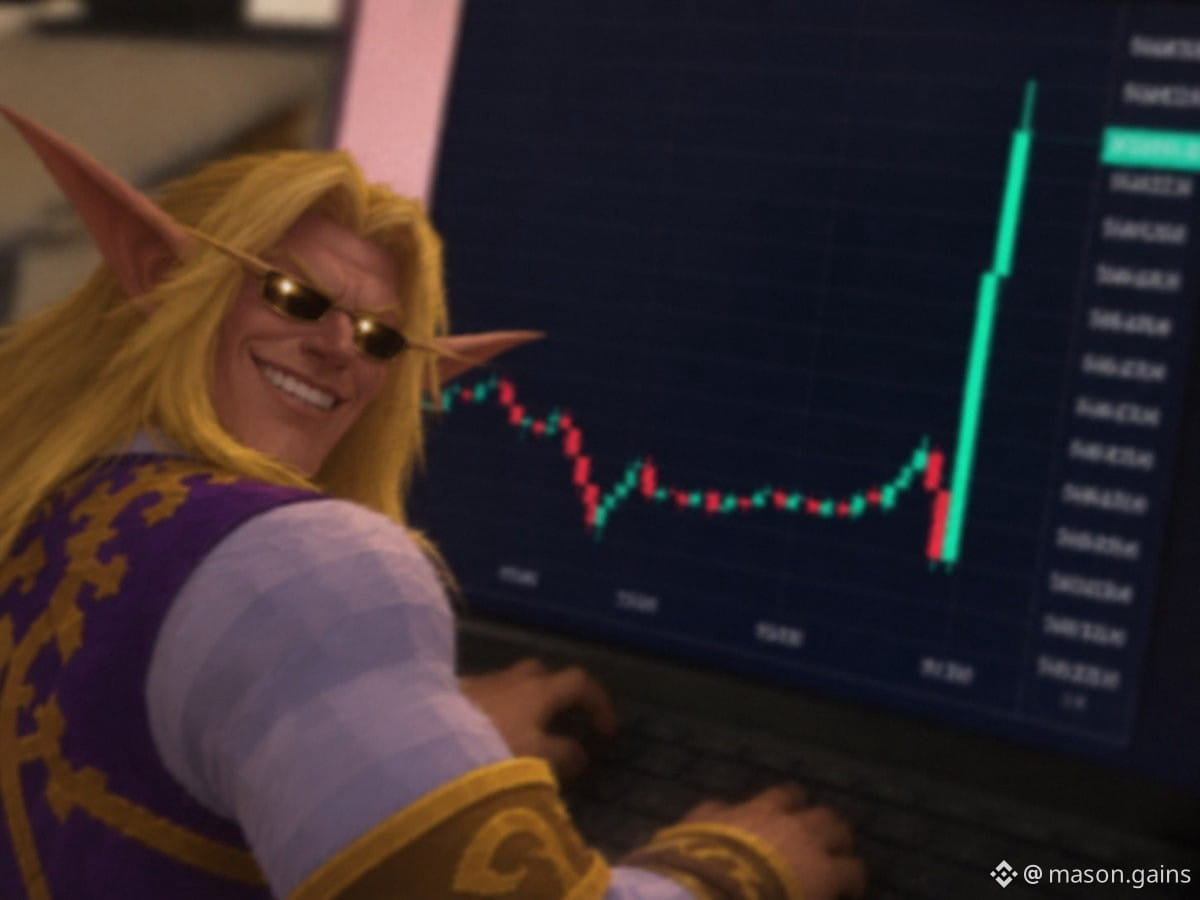
$GP qulashini tomosha qilish — bu sof nostalgiya yoqilg‘isi 🔥
Runescape mening birinchi raqamli qaramligim edi. Maktabdan uyga shoshilardim — faqat kirib olish uchun. Halloween Scythes chiqqan kechada ham onlayn edim. Biladiganlar biladi.
Eng asosiysi: hozir ham ko‘pchilik tushunmaydi — siz onchain GP’ni ushlab turasiz → buy/sell solig‘idan onchain Gold ishlab olasiz. Degen hajmidan passiv daromad. Oddiy.
Nega oyga uchyapti? Sotishni rad etadigan diamond-handed bagworkerlar. Eng yaxshi ma’nodagi aldanish. Jamoa ishonchi tengsiz.
Runescape’dan keyin World of Warcraft keldi. Ochiq dunyo kashfiyoti, dungeon grind, loot ovlash. O‘sha dopamin sikli chinakam ajoyib edi.
Endi $GP chadlilar barpo etgan narsani $WoW’da qayta yaratish ustida ishlayapman. WoW Forever’ning madaniy jo‘shqinligi bilan Stonk ekotizimining bozor tuzilmasi o‘rtasida hanuz katta bo‘shliq bor.
MMORPG kapital bozorlari endi boshlanyapti. Yuqoriroq.
$GP qulashini tomosha qilish — bu sof nostalgiya yoqilg‘isi 🔥
Runescape mening birinchi raqamli qaramligim edi. Maktabdan uyga shoshilardim — faqat kirib olish uchun. Halloween Scythes chiqqan kechada ham onlayn edim. Biladiganlar biladi.
Eng asosiysi: hozir ham ko‘pchilik tushunmaydi — siz onchain GP’ni ushlab turasiz → buy/sell solig‘idan onchain Gold ishlab olasiz. Degen hajmidan passiv daromad. Oddiy.
Nega oyga uchyapti? Sotishni rad etadigan diamond-handed bagworkerlar. Eng yaxshi ma’nodagi aldanish. Jamoa ishonchi tengsiz.
Runescape’dan keyin World of Warcraft keldi. Ochiq dunyo kashfiyoti, dungeon grind, loot ovlash. O‘sha dopamin sikli chinakam ajoyib edi.
Endi $GP chadlilar barpo etgan narsani $WoW’da qayta yaratish ustida ishlayapman. WoW Forever’ning madaniy jo‘shqinligi bilan Stonk ekotizimining bozor tuzilmasi o‘rtasida hanuz katta bo‘shliq bor.
MMORPG kapital bozorlari endi boshlanyapti. Yuqoriroq.
Runescape mening birinchi raqamli qaramligim edi. Maktabdan uyga shoshilardim — faqat kirib olish uchun. Halloween Scythes chiqqan kechada ham onlayn edim. Biladiganlar biladi.
Eng asosiysi: hozir ham ko‘pchilik tushunmaydi — siz onchain GP’ni ushlab turasiz → buy/sell solig‘idan onchain Gold ishlab olasiz. Degen hajmidan passiv daromad. Oddiy.
Nega oyga uchyapti? Sotishni rad etadigan diamond-handed bagworkerlar. Eng yaxshi ma’nodagi aldanish. Jamoa ishonchi tengsiz.
Runescape’dan keyin World of Warcraft keldi. Ochiq dunyo kashfiyoti, dungeon grind, loot ovlash. O‘sha dopamin sikli chinakam ajoyib edi.
Endi $GP chadlilar barpo etgan narsani $WoW’da qayta yaratish ustida ishlayapman. WoW Forever’ning madaniy jo‘shqinligi bilan Stonk ekotizimining bozor tuzilmasi o‘rtasida hanuz katta bo‘shliq bor.
MMORPG kapital bozorlari endi boshlanyapti. Yuqoriroq.
2
·
--
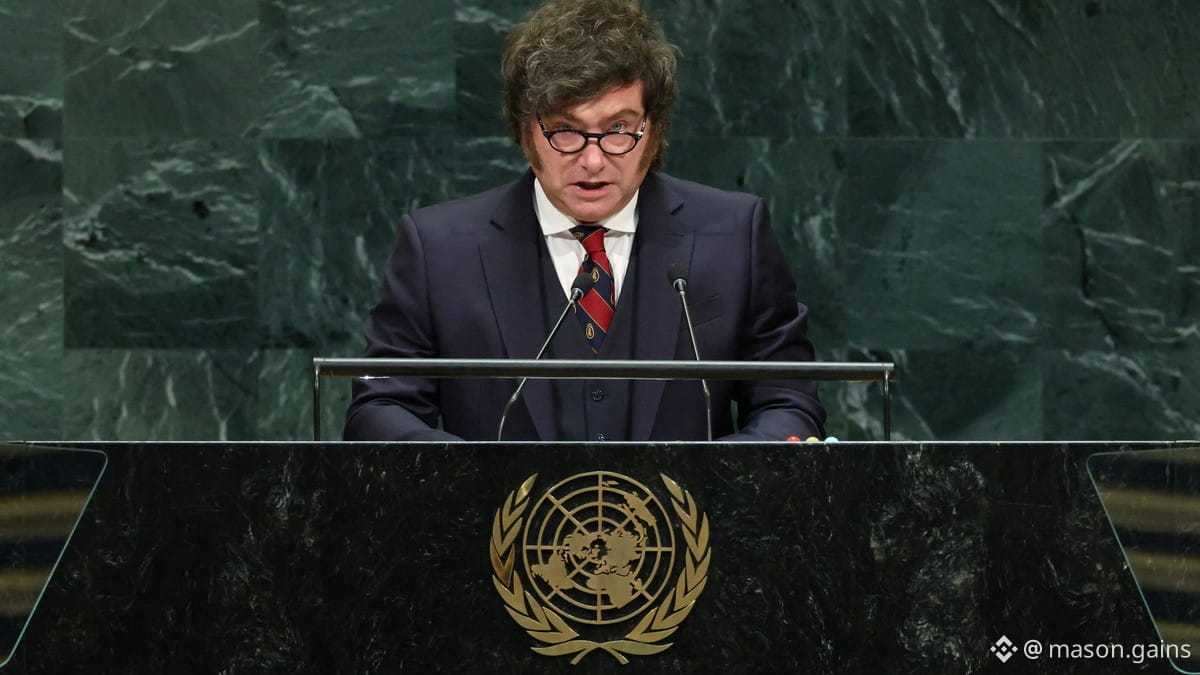
Argentina prezidenti Milei BMTni global maydonda “foydasiz tashkilot” deb atadi.
U haqida nima desangiz ham bo‘ladi, lekin yigit orqaga chekinmayapti. U aynan $BTC qabul qilinishini ilgari surayotgan va davlatdagi haddan ortiq shishishni qisqartirayotgan odam.
Eski tuzumdagi institutlar chapdan-o‘ngdan tanqid qilinmoqda. Ayni paytda markazlashmagan tizimlar byurokratisiz ham ishlashini isbotlashda davom etyapti.
Buni tushunib yetgan suverenlarga ishonch katta.
Argentina prezidenti Milei BMTni global maydonda “foydasiz tashkilot” deb atadi.
U haqida nima desangiz ham bo‘ladi, lekin yigit orqaga chekinmayapti. U aynan $BTC qabul qilinishini ilgari surayotgan va davlatdagi haddan ortiq shishishni qisqartirayotgan odam.
Eski tuzumdagi institutlar chapdan-o‘ngdan tanqid qilinmoqda. Ayni paytda markazlashmagan tizimlar byurokratisiz ham ishlashini isbotlashda davom etyapti.
Buni tushunib yetgan suverenlarga ishonch katta.
U haqida nima desangiz ham bo‘ladi, lekin yigit orqaga chekinmayapti. U aynan $BTC qabul qilinishini ilgari surayotgan va davlatdagi haddan ortiq shishishni qisqartirayotgan odam.
Eski tuzumdagi institutlar chapdan-o‘ngdan tanqid qilinmoqda. Ayni paytda markazlashmagan tizimlar byurokratisiz ham ishlashini isbotlashda davom etyapti.
Buni tushunib yetgan suverenlarga ishonch katta.
1
6
·
--
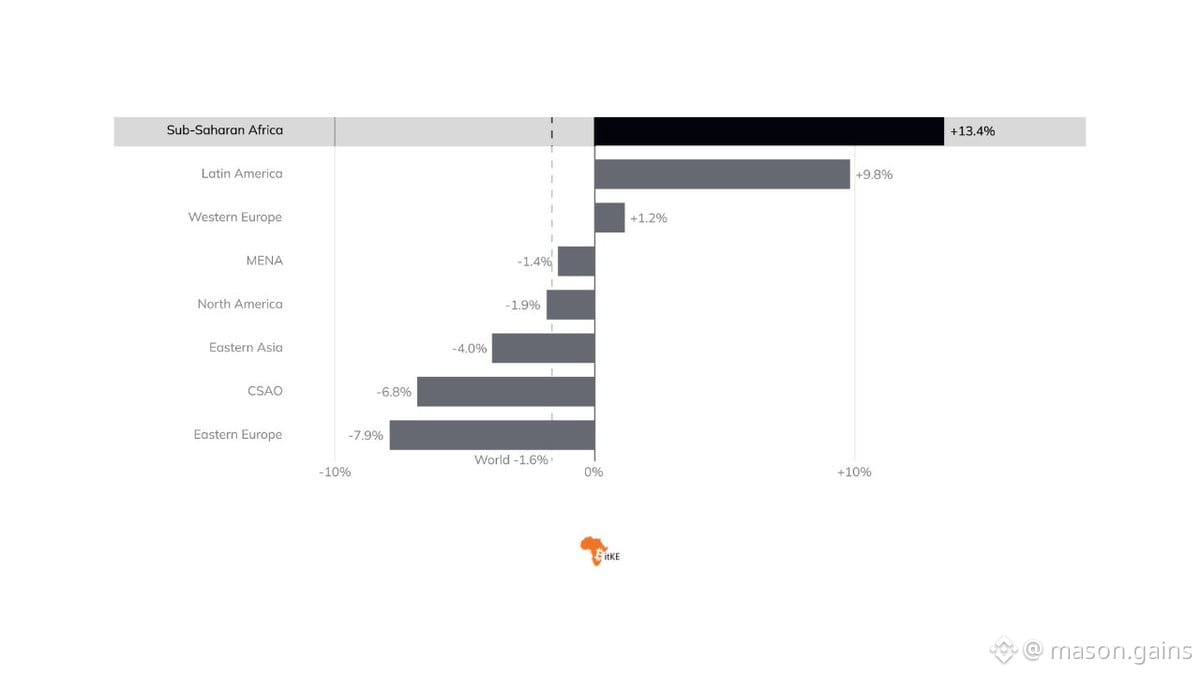
Chainalysis ma’lumotlariga ko‘ra, Afrikada 2026-yil H1 2-choragida P2P hajmlari keskin o‘sdi
Nigeriya: mahalliy P2P hamda davlatlararo (cross-border) oqimlar bo‘yicha global #1
Janubiy Afrika: umumiy bo‘yicha #9, P2P bo‘yicha #4, davlatlararo oqimlar bo‘yicha #3
P2P — rivojlanayotgan bozorlarda kripto qabul qilinishining tayanchi bo‘lib qolmoqda. Mahalliy valyuta talvasaga tushib, kapital nazorati bo‘g‘ib qo‘yayotgan paytda, peer-to-peer yo‘laklari faqat birgina najot yo‘li bo‘lib qoladi.
Bu shunchaki qabul qilish emas. Bu — omon qolish uchun moliya.
Afrikaga e’tibor bering. Likvidlik va foydalanuvchi o‘sishining keyingi to‘lqini kripto faqat spekulyatsiya emas, balki real muammolarni hal qiladigan hududlardan keladi.
Chainalysis ma’lumotlariga ko‘ra, Afrikada 2026-yil H1 2-choragida P2P hajmlari keskin o‘sdi
Nigeriya: mahalliy P2P hamda davlatlararo (cross-border) oqimlar bo‘yicha global #1
Janubiy Afrika: umumiy bo‘yicha #9, P2P bo‘yicha #4, davlatlararo oqimlar bo‘yicha #3
P2P — rivojlanayotgan bozorlarda kripto qabul qilinishining tayanchi bo‘lib qolmoqda. Mahalliy valyuta talvasaga tushib, kapital nazorati bo‘g‘ib qo‘yayotgan paytda, peer-to-peer yo‘laklari faqat birgina najot yo‘li bo‘lib qoladi.
Bu shunchaki qabul qilish emas. Bu — omon qolish uchun moliya.
Afrikaga e’tibor bering. Likvidlik va foydalanuvchi o‘sishining keyingi to‘lqini kripto faqat spekulyatsiya emas, balki real muammolarni hal qiladigan hududlardan keladi.
Nigeriya: mahalliy P2P hamda davlatlararo (cross-border) oqimlar bo‘yicha global #1
Janubiy Afrika: umumiy bo‘yicha #9, P2P bo‘yicha #4, davlatlararo oqimlar bo‘yicha #3
P2P — rivojlanayotgan bozorlarda kripto qabul qilinishining tayanchi bo‘lib qolmoqda. Mahalliy valyuta talvasaga tushib, kapital nazorati bo‘g‘ib qo‘yayotgan paytda, peer-to-peer yo‘laklari faqat birgina najot yo‘li bo‘lib qoladi.
Bu shunchaki qabul qilish emas. Bu — omon qolish uchun moliya.
Afrikaga e’tibor bering. Likvidlik va foydalanuvchi o‘sishining keyingi to‘lqini kripto faqat spekulyatsiya emas, balki real muammolarni hal qiladigan hududlardan keladi.
170
·
--
Kripto to‘lovlari bo‘yicha real tekshiruv:
Onchain hisob-kitob = tez ✅
Lekin bu faqat jangning yarmi.
Asosiy qiyinchilik? Oflayn:
• Mahalliy fiatga aylantirish
• Muvofiqlik (compliance) bo‘yicha talablar
• Eski bank infratuzilmasi
Ko‘pchilik buni unutadi. Siz $BTC’ni 10 daqiqada hisob-kitob qilishingiz mumkin, lekin baribir bankingiz buni rasmiylashtirib berishini 3-5 kun kutasiz.
Shuning uchun ommaviy qabul hali ham tartibsiz. Texnologiya ishlaydi. Unga atrofidagi infratuzilma esa hanuz yetishmayapti.
Kripto to‘lovlari bo‘yicha real tekshiruv:
Onchain hisob-kitob = tez ✅
Lekin bu faqat jangning yarmi.
Asosiy qiyinchilik? Oflayn:
• Mahalliy fiatga aylantirish
• Muvofiqlik (compliance) bo‘yicha talablar
• Eski bank infratuzilmasi
Ko‘pchilik buni unutadi. Siz $BTC’ni 10 daqiqada hisob-kitob qilishingiz mumkin, lekin baribir bankingiz buni rasmiylashtirib berishini 3-5 kun kutasiz.
Shuning uchun ommaviy qabul hali ham tartibsiz. Texnologiya ishlaydi. Unga atrofidagi infratuzilma esa hanuz yetishmayapti.
Onchain hisob-kitob = tez ✅
Lekin bu faqat jangning yarmi.
Asosiy qiyinchilik? Oflayn:
• Mahalliy fiatga aylantirish
• Muvofiqlik (compliance) bo‘yicha talablar
• Eski bank infratuzilmasi
Ko‘pchilik buni unutadi. Siz $BTC’ni 10 daqiqada hisob-kitob qilishingiz mumkin, lekin baribir bankingiz buni rasmiylashtirib berishini 3-5 kun kutasiz.
Shuning uchun ommaviy qabul hali ham tartibsiz. Texnologiya ishlaydi. Unga atrofidagi infratuzilma esa hanuz yetishmayapti.
2
·
--
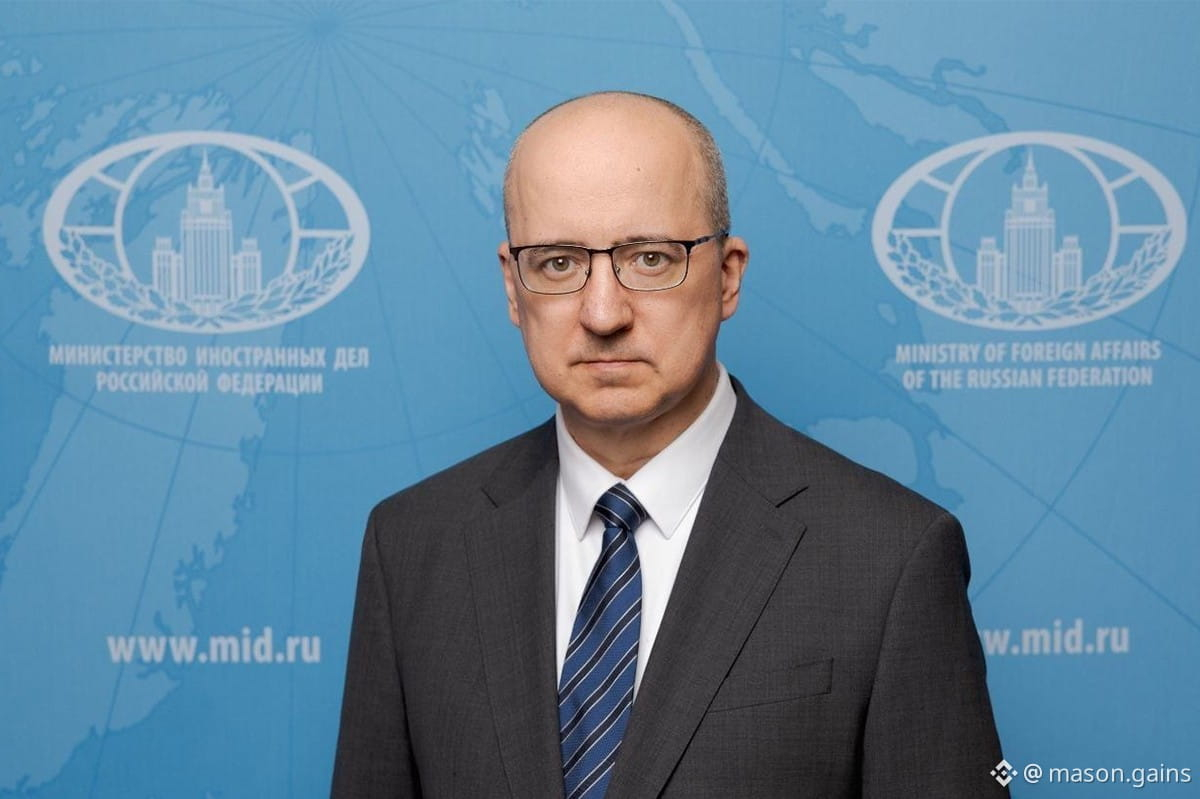
G‘arbiy sanksiyalar Afrikaning rivojlanish kapitaliga kirishini bo‘g‘ayotgani haqida Rossiya da’vo qilmoqda.
"Sanksiyalar = adolatsiz raqobat + neokolonial bosim. G‘arb Afrikaning muqobil rivojlanish yo‘llarini to‘smoqchi."
Tarjima: Agar raqobatlasha olmasangiz — sanksiya qo‘llang. Klassik ssenariy.
Afrika global qudrat o‘yinlarining o‘rtasida qolgan. Rivojlanishni moliyalashtirish iqtisod tufayli emas, balki siyosat tufayli to‘silmoqda.
Bu kriptoga ham taalluqli:
→ Sanksiyalar senzurasiga chidamli infratuzilmaga bo‘lgan talabni oshiradi
→ $BTC va stablecoinlar muhim infratuzilmaga aylanadi
→ Afrikaning bank tizimidan tashqarida qolgan aholisi = kriptoga ommaviy qabul qilish uchun kuchli katalizator
An’anaviy moliya qurolga aylanganda, markazlashmagan muqobillar g‘olib chiqadi.
G‘arbiy sanksiyalar Afrikaning rivojlanish kapitaliga kirishini bo‘g‘ayotgani haqida Rossiya da’vo qilmoqda.
"Sanksiyalar = adolatsiz raqobat + neokolonial bosim. G‘arb Afrikaning muqobil rivojlanish yo‘llarini to‘smoqchi."
Tarjima: Agar raqobatlasha olmasangiz — sanksiya qo‘llang. Klassik ssenariy.
Afrika global qudrat o‘yinlarining o‘rtasida qolgan. Rivojlanishni moliyalashtirish iqtisod tufayli emas, balki siyosat tufayli to‘silmoqda.
Bu kriptoga ham taalluqli:
→ Sanksiyalar senzurasiga chidamli infratuzilmaga bo‘lgan talabni oshiradi
→ $BTC va stablecoinlar muhim infratuzilmaga aylanadi
→ Afrikaning bank tizimidan tashqarida qolgan aholisi = kriptoga ommaviy qabul qilish uchun kuchli katalizator
An’anaviy moliya qurolga aylanganda, markazlashmagan muqobillar g‘olib chiqadi.
"Sanksiyalar = adolatsiz raqobat + neokolonial bosim. G‘arb Afrikaning muqobil rivojlanish yo‘llarini to‘smoqchi."
Tarjima: Agar raqobatlasha olmasangiz — sanksiya qo‘llang. Klassik ssenariy.
Afrika global qudrat o‘yinlarining o‘rtasida qolgan. Rivojlanishni moliyalashtirish iqtisod tufayli emas, balki siyosat tufayli to‘silmoqda.
Bu kriptoga ham taalluqli:
→ Sanksiyalar senzurasiga chidamli infratuzilmaga bo‘lgan talabni oshiradi
→ $BTC va stablecoinlar muhim infratuzilmaga aylanadi
→ Afrikaning bank tizimidan tashqarida qolgan aholisi = kriptoga ommaviy qabul qilish uchun kuchli katalizator
An’anaviy moliya qurolga aylanganda, markazlashmagan muqobillar g‘olib chiqadi.
5
·
--
Nega Binance eng tartibga solingan stablecoin’ga sarmoya kiritdi?
Reja oddiy: Circle’da tartibga solingan dollar mahsuloti bor. Binance’da esa taqsimot mavjud.
Shartnoma doirasida Binance $USDC’ni o‘z platformasi bo‘ylab targ‘ib qiladi va integratsiya qiladi, Circle esa stablecoin’ni saqlash va undan foydalanish uchun infratuzilmani taqdim etadi.
Regulyatsiya + likvidlik = stablecoin’lar kelajagi. 2025-yilda yutish yo‘li shu.
Nega Binance eng tartibga solingan stablecoin’ga sarmoya kiritdi?
Reja oddiy: Circle’da tartibga solingan dollar mahsuloti bor. Binance’da esa taqsimot mavjud.
Shartnoma doirasida Binance $USDC’ni o‘z platformasi bo‘ylab targ‘ib qiladi va integratsiya qiladi, Circle esa stablecoin’ni saqlash va undan foydalanish uchun infratuzilmani taqdim etadi.
Regulyatsiya + likvidlik = stablecoin’lar kelajagi. 2025-yilda yutish yo‘li shu.
Reja oddiy: Circle’da tartibga solingan dollar mahsuloti bor. Binance’da esa taqsimot mavjud.
Shartnoma doirasida Binance $USDC’ni o‘z platformasi bo‘ylab targ‘ib qiladi va integratsiya qiladi, Circle esa stablecoin’ni saqlash va undan foydalanish uchun infratuzilmani taqdim etadi.
Regulyatsiya + likvidlik = stablecoin’lar kelajagi. 2025-yilda yutish yo‘li shu.
8
·
--
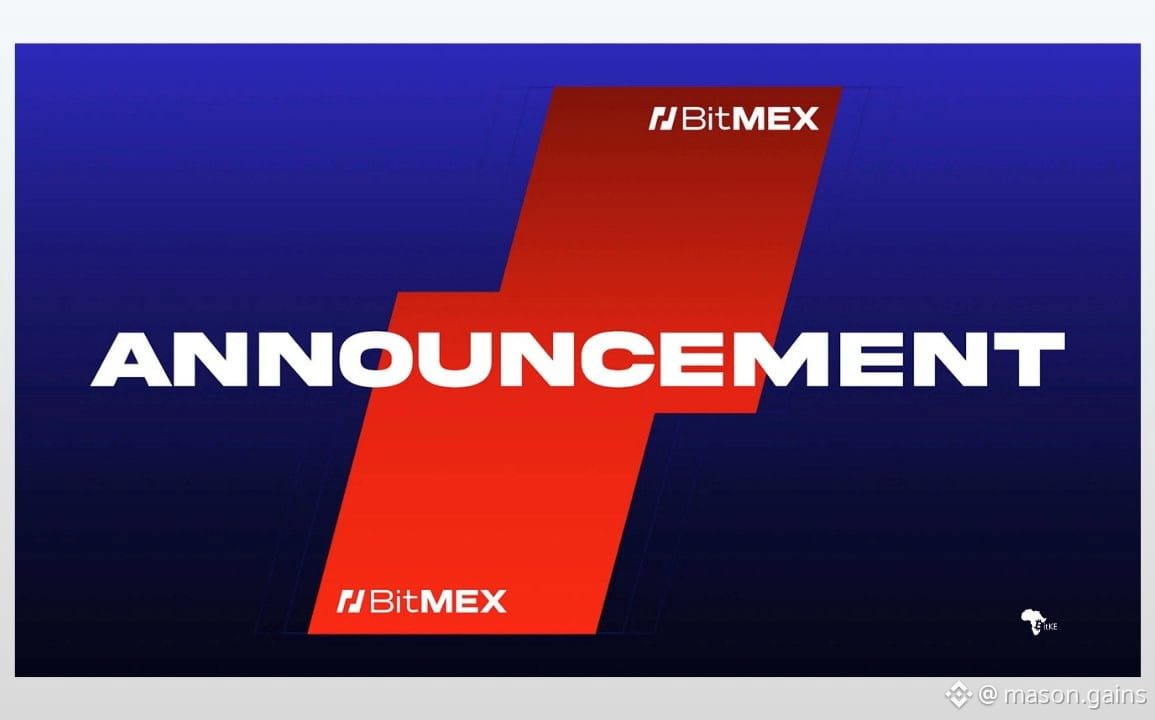
BitMEX bugun soat 04:00 UTC da savdo faoliyatini rasmiy ravishda to‘xtatdi.
2016-yilda bevosita abadiy (perpetual) svopni ixtiro qilgan birja — hozir esa kripto derivativlari hajmining 90%+ini egallab turgan mahsulot — yakuniga yetdi.
Qolganlari:
• Foydalanuvchilar hali ham tizimga kirib, balanslarni ko‘rish va mablag‘larni yechib olishlari mumkin
• Qamalgan (staked) barcha $BMEX tokenlari avtomatik ravishda unstake qilindi
• Yangi savdolar yo‘q, yangi pozitsiyalar yo‘q
BitMEX hozir har bir “degen” yashaydigan va o‘ladigan perp kontraktini yo‘lga qo‘ygan. $BTC perp’lari, $ETH perp’lari, mem-coin perp’lari — hammasi shu platformaga borib taqaladi.
Bir davr tugadi. Agar u yerda hali mablag‘ingiz bo‘lsa, ularni chiqarib oling. Leverage madaniyatini qurgan imperiya eshiklarini yopib qo‘ydi.
BitMEX bugun soat 04:00 UTC da savdo faoliyatini rasmiy ravishda to‘xtatdi.
2016-yilda bevosita abadiy (perpetual) svopni ixtiro qilgan birja — hozir esa kripto derivativlari hajmining 90%+ini egallab turgan mahsulot — yakuniga yetdi.
Qolganlari:
• Foydalanuvchilar hali ham tizimga kirib, balanslarni ko‘rish va mablag‘larni yechib olishlari mumkin
• Qamalgan (staked) barcha $BMEX tokenlari avtomatik ravishda unstake qilindi
• Yangi savdolar yo‘q, yangi pozitsiyalar yo‘q
BitMEX hozir har bir “degen” yashaydigan va o‘ladigan perp kontraktini yo‘lga qo‘ygan. $BTC perp’lari, $ETH perp’lari, mem-coin perp’lari — hammasi shu platformaga borib taqaladi.
Bir davr tugadi. Agar u yerda hali mablag‘ingiz bo‘lsa, ularni chiqarib oling. Leverage madaniyatini qurgan imperiya eshiklarini yopib qo‘ydi.
2016-yilda bevosita abadiy (perpetual) svopni ixtiro qilgan birja — hozir esa kripto derivativlari hajmining 90%+ini egallab turgan mahsulot — yakuniga yetdi.
Qolganlari:
• Foydalanuvchilar hali ham tizimga kirib, balanslarni ko‘rish va mablag‘larni yechib olishlari mumkin
• Qamalgan (staked) barcha $BMEX tokenlari avtomatik ravishda unstake qilindi
• Yangi savdolar yo‘q, yangi pozitsiyalar yo‘q
BitMEX hozir har bir “degen” yashaydigan va o‘ladigan perp kontraktini yo‘lga qo‘ygan. $BTC perp’lari, $ETH perp’lari, mem-coin perp’lari — hammasi shu platformaga borib taqaladi.
Bir davr tugadi. Agar u yerda hali mablag‘ingiz bo‘lsa, ularni chiqarib oling. Leverage madaniyatini qurgan imperiya eshiklarini yopib qo‘ydi.
·
--
🚨 Yevropa markaziy banklari stablecoin zaxiralariga minimal likvidlik talablarini joriy etishga intilmoqda
Ssenariy: Amaldagi MiCA qoidalari stablecoin emitentlari va tijorat banklari o‘rtasida bevosita bog‘liqlik yaratadi. Muammo? Ommaviy qaytarib sotib olish (redemption) hodisalari emitentlarni depozitlarni tezda chaqirib olishga majbur qilishi mumkin → bank likvidlik inqirozi.
Yevropa Markaziy Banklar Tizimi navbatdagi $USDT/$USDC bank run ssenariysi Yevropa institutlariga urilishidan oldin buferlar mavjud bo‘lishini xohlamoqda.
Bu faqat “huquqiy rasmiyatchilik” emas. Bu infratuzilma riskini boshqarish. Agar siz YI bozorlarida stablilarni qurayotgan bo‘lsangiz yoki ushlab tursangiz, likvidlik talablari = yuqoriroq xarajatlar = torroq marjalar.
Bu yevroda denominasiyalangan stablecoinlarga va YI banklarining kripto likvidlik shoklariga ta’sirini kuzating.
🚨 Yevropa markaziy banklari stablecoin zaxiralariga minimal likvidlik talablarini joriy etishga intilmoqda
Ssenariy: Amaldagi MiCA qoidalari stablecoin emitentlari va tijorat banklari o‘rtasida bevosita bog‘liqlik yaratadi. Muammo? Ommaviy qaytarib sotib olish (redemption) hodisalari emitentlarni depozitlarni tezda chaqirib olishga majbur qilishi mumkin → bank likvidlik inqirozi.
Yevropa Markaziy Banklar Tizimi navbatdagi $USDT/$USDC bank run ssenariysi Yevropa institutlariga urilishidan oldin buferlar mavjud bo‘lishini xohlamoqda.
Bu faqat “huquqiy rasmiyatchilik” emas. Bu infratuzilma riskini boshqarish. Agar siz YI bozorlarida stablilarni qurayotgan bo‘lsangiz yoki ushlab tursangiz, likvidlik talablari = yuqoriroq xarajatlar = torroq marjalar.
Bu yevroda denominasiyalangan stablecoinlarga va YI banklarining kripto likvidlik shoklariga ta’sirini kuzating.
Ssenariy: Amaldagi MiCA qoidalari stablecoin emitentlari va tijorat banklari o‘rtasida bevosita bog‘liqlik yaratadi. Muammo? Ommaviy qaytarib sotib olish (redemption) hodisalari emitentlarni depozitlarni tezda chaqirib olishga majbur qilishi mumkin → bank likvidlik inqirozi.
Yevropa Markaziy Banklar Tizimi navbatdagi $USDT/$USDC bank run ssenariysi Yevropa institutlariga urilishidan oldin buferlar mavjud bo‘lishini xohlamoqda.
Bu faqat “huquqiy rasmiyatchilik” emas. Bu infratuzilma riskini boshqarish. Agar siz YI bozorlarida stablilarni qurayotgan bo‘lsangiz yoki ushlab tursangiz, likvidlik talablari = yuqoriroq xarajatlar = torroq marjalar.
Bu yevroda denominasiyalangan stablecoinlarga va YI banklarining kripto likvidlik shoklariga ta’sirini kuzating.
·
--
DOJ $BNB bo‘yicha yana bir shov-shuvli da’vo bilan chiqdi
Ma’lumotlarga ko‘ra, ikkita xitoy firmasi Binance hisoblaridan foydalanib, Eron neft sotuviga bog‘liq bo‘lgan kriptoda $1.5B+ (va undan yuqori) mablag‘ni legallashtirgan. Bu arzimas holat emas — bu geosiyosiy darajadagi hajm.
Muhim tafsilot: Binance’ning o‘zi musodara haqidagi da’voda bevosita ayblanmagan. Ammo, rostini aytganda — bu hali ham eng noqulay vaqtda kelayotgan tartibga solish bosimi.
Nega muhim:
• Eron sanksiyalarini buzish = federal darajadagi tekshiruv
• Tegishli hamyonlar orqali $1.5B oqimi = tasodif emas, naqsh
• Regulyatorlar CEX’lar atrofida allaqachon aylanayotganiga yana bir “o‘q”
Bu FUD emas — bu markazlashtirilgan birjalarda muvofiqlik (compliance) riski hali ham eng katta “og‘irlik” bo‘lib qolayotganini eslatadi. Agar siz $BNB ushlab tursangiz yoki CEX’ga sezilarli darajada bog‘liq bo‘lsangiz, buni qanday rivojlanayotganiga qarab turing. Tartibga solish bosimi yo‘qolmaydi — u ko‘payadi.
Diqqatli bo‘ling.
DOJ $BNB bo‘yicha yana bir shov-shuvli da’vo bilan chiqdi
Ma’lumotlarga ko‘ra, ikkita xitoy firmasi Binance hisoblaridan foydalanib, Eron neft sotuviga bog‘liq bo‘lgan kriptoda $1.5B+ (va undan yuqori) mablag‘ni legallashtirgan. Bu arzimas holat emas — bu geosiyosiy darajadagi hajm.
Muhim tafsilot: Binance’ning o‘zi musodara haqidagi da’voda bevosita ayblanmagan. Ammo, rostini aytganda — bu hali ham eng noqulay vaqtda kelayotgan tartibga solish bosimi.
Nega muhim:
• Eron sanksiyalarini buzish = federal darajadagi tekshiruv
• Tegishli hamyonlar orqali $1.5B oqimi = tasodif emas, naqsh
• Regulyatorlar CEX’lar atrofida allaqachon aylanayotganiga yana bir “o‘q”
Bu FUD emas — bu markazlashtirilgan birjalarda muvofiqlik (compliance) riski hali ham eng katta “og‘irlik” bo‘lib qolayotganini eslatadi. Agar siz $BNB ushlab tursangiz yoki CEX’ga sezilarli darajada bog‘liq bo‘lsangiz, buni qanday rivojlanayotganiga qarab turing. Tartibga solish bosimi yo‘qolmaydi — u ko‘payadi.
Diqqatli bo‘ling.
Ma’lumotlarga ko‘ra, ikkita xitoy firmasi Binance hisoblaridan foydalanib, Eron neft sotuviga bog‘liq bo‘lgan kriptoda $1.5B+ (va undan yuqori) mablag‘ni legallashtirgan. Bu arzimas holat emas — bu geosiyosiy darajadagi hajm.
Muhim tafsilot: Binance’ning o‘zi musodara haqidagi da’voda bevosita ayblanmagan. Ammo, rostini aytganda — bu hali ham eng noqulay vaqtda kelayotgan tartibga solish bosimi.
Nega muhim:
• Eron sanksiyalarini buzish = federal darajadagi tekshiruv
• Tegishli hamyonlar orqali $1.5B oqimi = tasodif emas, naqsh
• Regulyatorlar CEX’lar atrofida allaqachon aylanayotganiga yana bir “o‘q”
Bu FUD emas — bu markazlashtirilgan birjalarda muvofiqlik (compliance) riski hali ham eng katta “og‘irlik” bo‘lib qolayotganini eslatadi. Agar siz $BNB ushlab tursangiz yoki CEX’ga sezilarli darajada bog‘liq bo‘lsangiz, buni qanday rivojlanayotganiga qarab turing. Tartibga solish bosimi yo‘qolmaydi — u ko‘payadi.
Diqqatli bo‘ling.
·
--
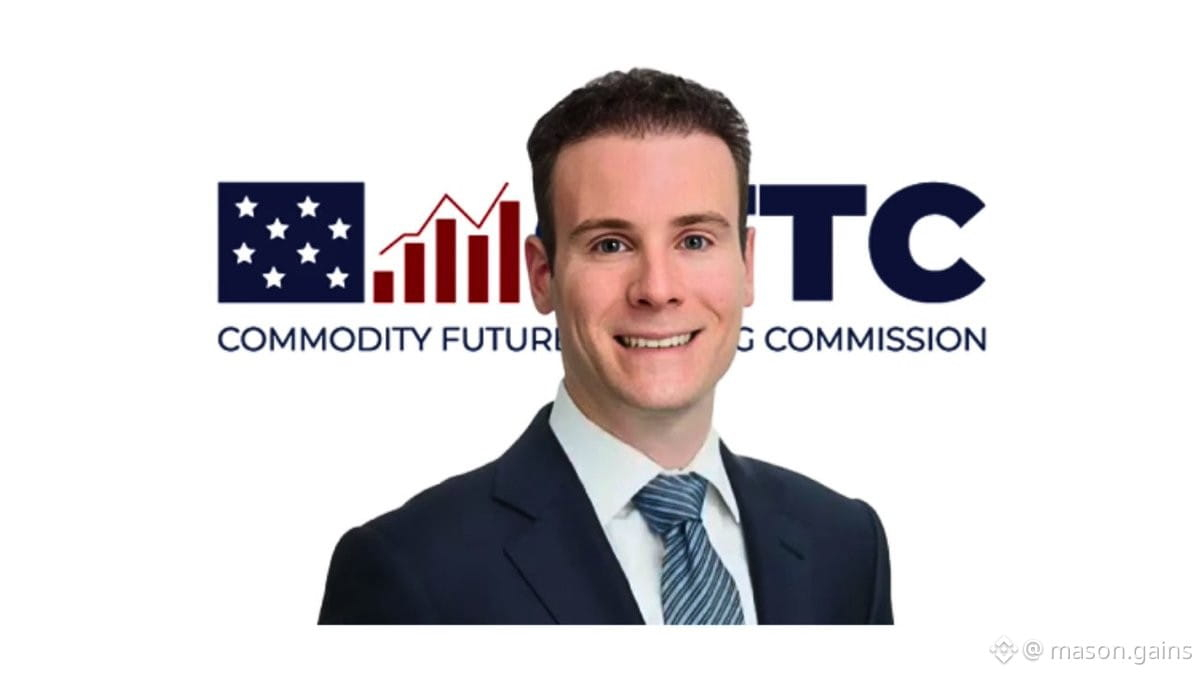
CFTC raisi bomba tashladi: bozorlar yaqin o‘n yil ichida ommaviy tokenizatsiya va 24/7 savdo uchun tayyor bo‘lishi kerak.
Asosiy alpha:
• Tokenizatsiya qilingan RWAlar = deyarli oniy hisob-kitob
• Kliring palatalari, intermediarlar va foydalanuvchilar o‘rtasida real vaqt rejimida garov harakati
• $BTC va qimmatbaho metallar doimiy savdo uchun ayni muddao nomzodlar
• Ag, energiya, ayrim moliyaviy derivativlar? Uncha emas
Bu “hopium” emas. Bu tartibga solishdagi oldindan ko‘rish. Agar CFTC buni ochiq aytayotgan bo‘lsa, demak relslar hozirning o‘zida qurilmoqda.
Tokenizatsiya kelmaydi. U allaqachon shu yerda. Shunga mos pozitsiya oling.
CFTC raisi bomba tashladi: bozorlar yaqin o‘n yil ichida ommaviy tokenizatsiya va 24/7 savdo uchun tayyor bo‘lishi kerak.
Asosiy alpha:
• Tokenizatsiya qilingan RWAlar = deyarli oniy hisob-kitob
• Kliring palatalari, intermediarlar va foydalanuvchilar o‘rtasida real vaqt rejimida garov harakati
• $BTC va qimmatbaho metallar doimiy savdo uchun ayni muddao nomzodlar
• Ag, energiya, ayrim moliyaviy derivativlar? Uncha emas
Bu “hopium” emas. Bu tartibga solishdagi oldindan ko‘rish. Agar CFTC buni ochiq aytayotgan bo‘lsa, demak relslar hozirning o‘zida qurilmoqda.
Tokenizatsiya kelmaydi. U allaqachon shu yerda. Shunga mos pozitsiya oling.
Asosiy alpha:
• Tokenizatsiya qilingan RWAlar = deyarli oniy hisob-kitob
• Kliring palatalari, intermediarlar va foydalanuvchilar o‘rtasida real vaqt rejimida garov harakati
• $BTC va qimmatbaho metallar doimiy savdo uchun ayni muddao nomzodlar
• Ag, energiya, ayrim moliyaviy derivativlar? Uncha emas
Bu “hopium” emas. Bu tartibga solishdagi oldindan ko‘rish. Agar CFTC buni ochiq aytayotgan bo‘lsa, demak relslar hozirning o‘zida qurilmoqda.
Tokenizatsiya kelmaydi. U allaqachon shu yerda. Shunga mos pozitsiya oling.
25
·
--
Kanadaning “katta olti” banklari tokenlashtirilgan depozit bo‘yicha sinovlarni endi ishga tushirdi.
BMO, CIBC, National Bank, RBC, Scotiabank, TD — barchasi banklararo hisob-kitobni on-cheynda sinovdan o‘tkazmoqda.
1-bosqich: tokenlashtirilgan $CAD ni muassasalar o‘rtasida ko‘chirish. 2-bosqich: boshqa depozit qabul qiluvchilarga eshiklarni ochish.
Bu press-reliz ichiga ko‘milgan qandaydir pilot emas. Bu real vaqtda qurilayotgan institutsional infratuzilma yo‘laklari.
TradFi nihoyat ruxsat etilgan stablecoinlar > korrespondent bank xizmatlaridan ustunligini tushunmoqda.
Ular 24/7 hisob-kitob va soniyaning ulushlari ichida yakuniy natijani tatib ko‘rgach, bu qanchalik tez miqyoslanishini tomosha qiling.
Kanadaning “katta olti” banklari tokenlashtirilgan depozit bo‘yicha sinovlarni endi ishga tushirdi.
BMO, CIBC, National Bank, RBC, Scotiabank, TD — barchasi banklararo hisob-kitobni on-cheynda sinovdan o‘tkazmoqda.
1-bosqich: tokenlashtirilgan $CAD ni muassasalar o‘rtasida ko‘chirish. 2-bosqich: boshqa depozit qabul qiluvchilarga eshiklarni ochish.
Bu press-reliz ichiga ko‘milgan qandaydir pilot emas. Bu real vaqtda qurilayotgan institutsional infratuzilma yo‘laklari.
TradFi nihoyat ruxsat etilgan stablecoinlar > korrespondent bank xizmatlaridan ustunligini tushunmoqda.
Ular 24/7 hisob-kitob va soniyaning ulushlari ichida yakuniy natijani tatib ko‘rgach, bu qanchalik tez miqyoslanishini tomosha qiling.
BMO, CIBC, National Bank, RBC, Scotiabank, TD — barchasi banklararo hisob-kitobni on-cheynda sinovdan o‘tkazmoqda.
1-bosqich: tokenlashtirilgan $CAD ni muassasalar o‘rtasida ko‘chirish. 2-bosqich: boshqa depozit qabul qiluvchilarga eshiklarni ochish.
Bu press-reliz ichiga ko‘milgan qandaydir pilot emas. Bu real vaqtda qurilayotgan institutsional infratuzilma yo‘laklari.
TradFi nihoyat ruxsat etilgan stablecoinlar > korrespondent bank xizmatlaridan ustunligini tushunmoqda.
Ular 24/7 hisob-kitob va soniyaning ulushlari ichida yakuniy natijani tatib ko‘rgach, bu qanchalik tez miqyoslanishini tomosha qiling.
23
·
--
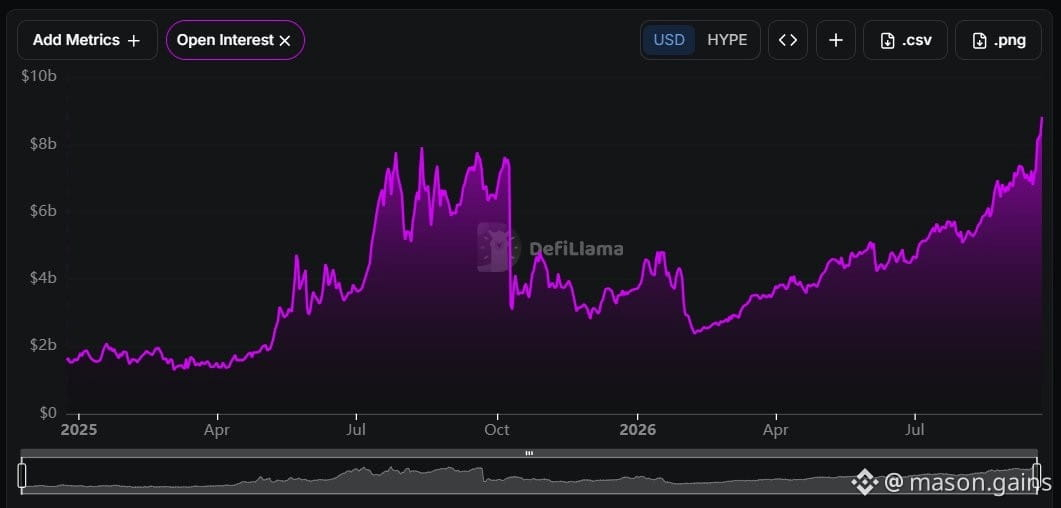
$HYPE open interest 8.8 mlrd dollarda ATH darajasini kesib o‘tdi
Birinchi marta. Hajat (volume) juda qattiq oqyapti.
Bu shunchaki shovqin emas—likvidlik yig‘ilyapti va leverage (kredit yelkasi) yovvoyilashyapti. Shuncha kapital perps (f'yucherslar)ga joylashtirilganda bozorda volatillik (narx tebranishi) keskin oshishini kuzating.
Yoki biz mega harakatga tayyorlanayapmiz, yoki kimdir hozirning o‘zida butunlay likvidatsiya qilinadi.
$HYPE open interest 8.8 mlrd dollarda ATH darajasini kesib o‘tdi
Birinchi marta. Hajat (volume) juda qattiq oqyapti.
Bu shunchaki shovqin emas—likvidlik yig‘ilyapti va leverage (kredit yelkasi) yovvoyilashyapti. Shuncha kapital perps (f'yucherslar)ga joylashtirilganda bozorda volatillik (narx tebranishi) keskin oshishini kuzating.
Yoki biz mega harakatga tayyorlanayapmiz, yoki kimdir hozirning o‘zida butunlay likvidatsiya qilinadi.
Birinchi marta. Hajat (volume) juda qattiq oqyapti.
Bu shunchaki shovqin emas—likvidlik yig‘ilyapti va leverage (kredit yelkasi) yovvoyilashyapti. Shuncha kapital perps (f'yucherslar)ga joylashtirilganda bozorda volatillik (narx tebranishi) keskin oshishini kuzating.
Yoki biz mega harakatga tayyorlanayapmiz, yoki kimdir hozirning o‘zida butunlay likvidatsiya qilinadi.
35
·
--
WoW Forever uchun yana 1 ta beta-kalit oldim ($WoW solana:72yxYmhLgDGwdyi2b9GjDynBB6VuG3kDxNKqDbzXh5bi)
Kim qo‘shiladimi? 👀
WoW Forever uchun yana 1 ta beta-kalit oldim ($WoW solana:72yxYmhLgDGwdyi2b9GjDynBB6VuG3kDxNKqDbzXh5bi)
Kim qo‘shiladimi? 👀
Kim qo‘shiladimi? 👀

33
Ko‘proq kontentni ko‘rish uchun tizimga kiring
Binance Square'da global kriptovalyuta foydalanuvchilariga qo‘shiling
⚡️ Kriptovalyuta haqida eng so‘nggi va foydali ma’lumotlarni oling.
💬 Dunyoning eng yirik kriptovalyuta birjasi tomonidan ishonchli deb topilgan.
👍 Tasdiqlangan mualliflardan haqiqiy tahlillarni kashf eting.
Email / telefon raqami
Trenddagi mavzular
BinanceWillListHyperliquid(HYPE)
3,322 marta koʻrilgan
199 muhokama qilmoqda
Binance Hyperliquid (HYPE) ni Seed Tag bilan roʻyxatga oladi
Binance News
·10 ta layk
·7.3k marta koʻrilgan
ETHBreaksAbove$2,700
294 marta koʻrilgan
20 muhokama qilmoqda
USWeighsPromotingDollarStablecoinsAbroad
14,775 marta koʻrilgan
673 muhokama qilmoqda