
#fet
fet
13.9M marta koʻrilgan
25,958 muhokama qilmoqda
Ommabop
Eng so‘nggi

·
--
$FET
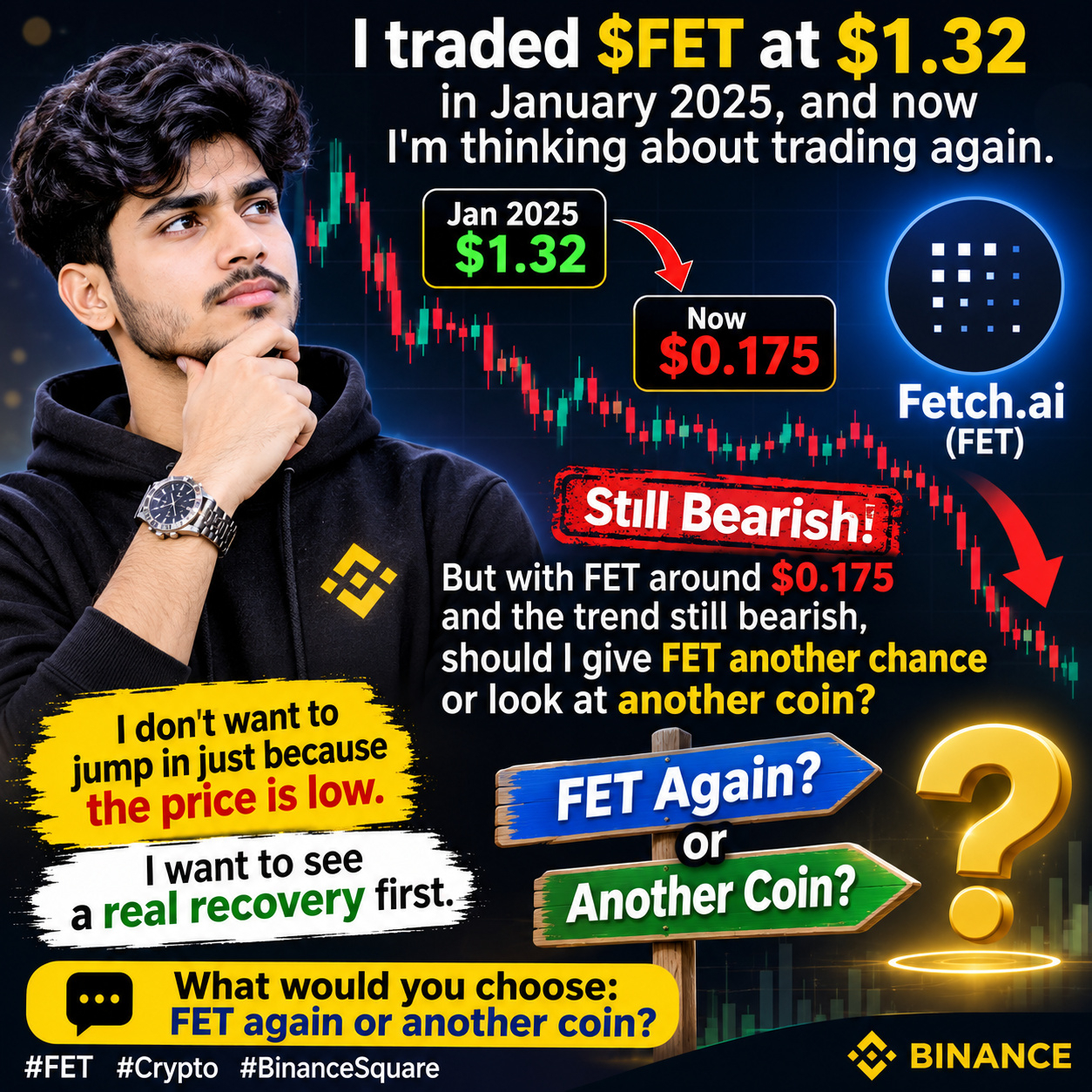
Men 2025-yil yanvarida $FET ni 1,32 dollardan sotib olgan edim, endi yana savdo qilish haqida o‘ylayapman.
Ammo FET taxminan 0,175 dollar atrofida bo‘lib, pasayish tendensiyasi hamon davom etayotgan ekan, FETga yana bir imkoniyat beraymi yoki boshqa kriptovalyutani ko‘rib chiqaymi?
Narxi pastligi uchungina shoshilib xarid qilishni istamayman. Avval haqiqiy tiklanishni ko‘rishni xohlayman.
Siz qaysi birini tanlardingiz: yana FETnimi yoki boshqa kriptovalyutanimi?
#FET #Crypto #BinanceSquare
Julia Mcgarr pNdP:
Hãy kiên trì
1
2
2k

Artificial Superintelligence Alliance tomonidan chiqarilgan va Fetch.ai agent infratuzilmasida ishlaydigan FET AI tokeni sentabr oxiridagi eng yuqori narxidan beri qariyb uchdan birga tushib, $0.16 ga yetdi. Shu davrda kunlik narx o‘zgaruvchanligi ham sezilarli darajada kamaydi. Ainvest ma’lumotlariga ko‘ra, FET narxi 4-noyabr kuni $0.16 ga tushgan bo‘lsa-da, so‘nggi 20 savdo sessiyasi davomida taxminan 22% ga pasaydi, bozor kapitallashuvi esa $400 million atrofida bo‘ldi. Ushbu pasayish “bir oyda -38%” kabi sarlavhalar uchun asos bo‘ldi.
#FET #fet.ai $FET
{spot}(FETUSDT)
Artificial Superintelligence Alliance tomonidan chiqarilgan va Fetch.ai agent infratuzilmasida ishlaydigan FET AI tokeni sentabr oxiridagi eng yuqori narxidan beri qariyb uchdan birga tushib, $0.16 ga yetdi. Shu davrda kunlik narx o‘zgaruvchanligi ham sezilarli darajada kamaydi. Ainvest ma’lumotlariga ko‘ra, FET narxi 4-noyabr kuni $0.16 ga tushgan bo‘lsa-da, so‘nggi 20 savdo sessiyasi davomida taxminan 22% ga pasaydi, bozor kapitallashuvi esa $400 million atrofida bo‘ldi. Ushbu pasayish “bir oyda -38%” kabi sarlavhalar uchun asos bo‘ldi.
#FET #fet.ai $FET
#FET #fet.ai $FET
1
745

·
--
$FET kayfiyat haddan tashqari qizigan. Boshqacha o‘ylash uchun ayni vaqt.
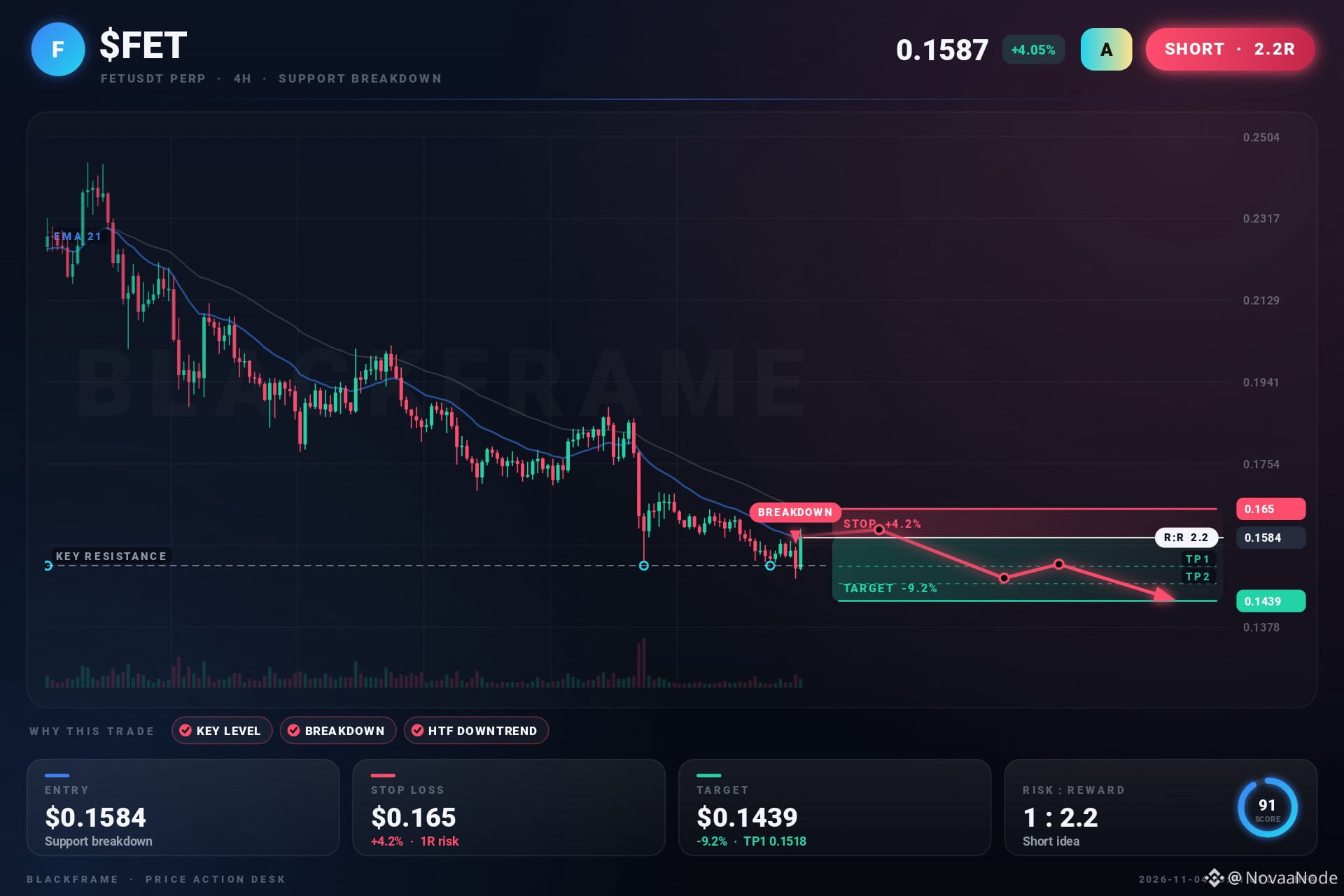
$FET bo‘yicha SHORT g‘oyasi
TP: $0.1439
SL: $0.165
Ko‘plab treyderlar hali ham narxning keskin ko‘tarilishini quvmoqda.
$0.152 darajasi buzilsa, kech kirgan long pozitsiyalar tezda tuzoqqa tushishi mumkin.
$0.152 tayanch daraja edi. Endi esa qarshilik darajasi.
Olomon fikrini o‘zgartirishidan oldin bu g‘oyani ulashyapman.
#FET #Trading · Moliyaviy maslahat emas
295


Tarjimani ko‘rish
$FET: A Thoughtful Look at Crypto Content Ethics
When a price chart shows an hourly direction up and volume above baseline, the data itself is clear but the story around it can be shaped in many ways. A fair dilemma emerges: should a writer highlight only the raw observation, or add persuasive language that nudges the reader toward a particular action? Reasonable readers may disagree because some see the upward move as a signal to buy, while others stress the uncertainty inherent in short‑term spikes.
To separate evidence from persuasion, start with the observable facts: the asset $FET is moving up hourly and its trading volume is higher than usual. Next, label any interpretation as a scenario, not a certainty. For example, a scenario might suggest that the momentum could continue if buying pressure stays strong, but it should be presented alongside the alternative that the move could reverse on a shift in market sentiment.
Write‑to‑Earn programs illustrate another ethical crossroad. They reward content creators for generating clicks, which can unintentionally bias analysis toward sensational headlines. A transparent approach is to disclose any incentive openly and keep the core analysis rooted in the data points such as 2.30662 and 1.00655.
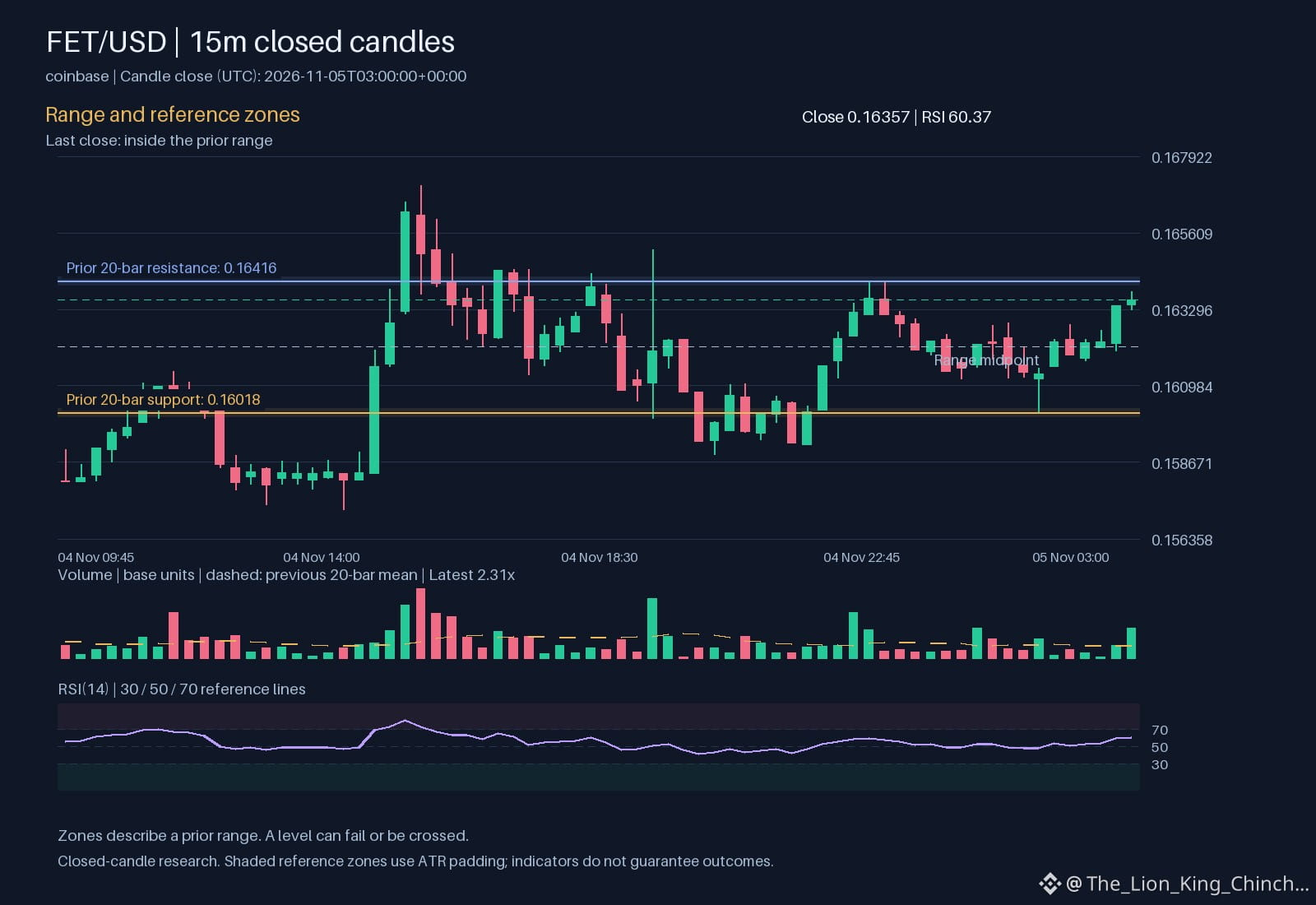
Readers can reassess the interpretation by checking the same metrics themselves, comparing the current price 0.16357 to the recent VWAP 0.16038 and noting the RSI 60.3743 level. Asking "What would change my view?" encourages a healthier dialogue and reduces the pull of social proof.
What do you think makes a crypto post helpful rather than merely persuasive?
Probabilistic market research, not a recommendation or guaranteed return.
What makes a crypto post helpful rather than merely persuasive?
#FET #CryptoCommunity #CryptoLearning
$FET : A Thoughtful Look at Crypto Content Ethics
When a price chart shows an hourly direction up and volume above baseline, the data itself is clear but the story around it can be shaped in many ways. A fair dilemma emerges: should a writer highlight only the raw observation, or add persuasive language that nudges the reader toward a particular action? Reasonable readers may disagree because some see the upward move as a signal to buy, while others stress the uncertainty inherent in short‑term spikes.
To separate evidence from persuasion, start with the observable facts: the asset $FET is moving up hourly and its trading volume is higher than usual. Next, label any interpretation as a scenario, not a certainty. For example, a scenario might suggest that the momentum could continue if buying pressure stays strong, but it should be presented alongside the alternative that the move could reverse on a shift in market sentiment.
Write‑to‑Earn programs illustrate another ethical crossroad. They reward content creators for generating clicks, which can unintentionally bias analysis toward sensational headlines. A transparent approach is to disclose any incentive openly and keep the core analysis rooted in the data points such as 2.30662 and 1.00655.
Readers can reassess the interpretation by checking the same metrics themselves, comparing the current price 0.16357 to the recent VWAP 0.16038 and noting the RSI 60.3743 level. Asking "What would change my view?" encourages a healthier dialogue and reduces the pull of social proof.
What do you think makes a crypto post helpful rather than merely persuasive?
Probabilistic market research, not a recommendation or guaranteed return.
What makes a crypto post helpful rather than merely persuasive?
#FET #CryptoCommunity #CryptoLearning
53

🚨 AI agentlar urushi avj olayotgani sababli SHOPIFY CLAUDE CODE’NI TAQIQLASH BILAN TAH D ID QILMOQDA: $FET ! ⚡
Yopiq AI ekotizimlari yirik korxonalar uchun to‘siq bo‘lib qolmoqda. Anthropic umumiy agent standartlarini qabul qilish o‘rniga xususiy qoida fayllarini kodga qotirib qo‘ygani sababli, Shopify Claude Code’ga kirishni to‘xtatish bilan tahdid qilmoqda. 🔍 Kod tahlili bu texnik cheklov emas, balki ekotizimlar o‘rtasidagi ishqalanish ekanini tasdiqlaydi.
Chamath va DHH kabi texnologiya olamining yirik namoyandalari bu sun’iy bo‘linishni tanqid qilmoqda. 💡 Kriptoda ochiq protokollar korxonalar jadal kirib kelishi bilanoq, o‘jar, yopiq bog‘larni tarixan tor-mor etib kelgan. ⚡
AI agentlari o‘rtasidagi kurash chiziqlari chizilar ekan, uzoq muddatli sur’atni qaysi sektor yetakchilari qo‘lga kiritishini o‘zaro muvofiqlik belgilaydi. 💬 Bu siklda ochiq agent standartlari xususiy, yopiq bog‘lardan ustun keladimi? 👇
⚠️ Bu moliyaviy maslahat emas. Har doim xataringizni boshqaring. 🛡️
🏷️ #FET #AIAgents #Crypto #Tech
🔥 ⚡
40

·
--
Maqola
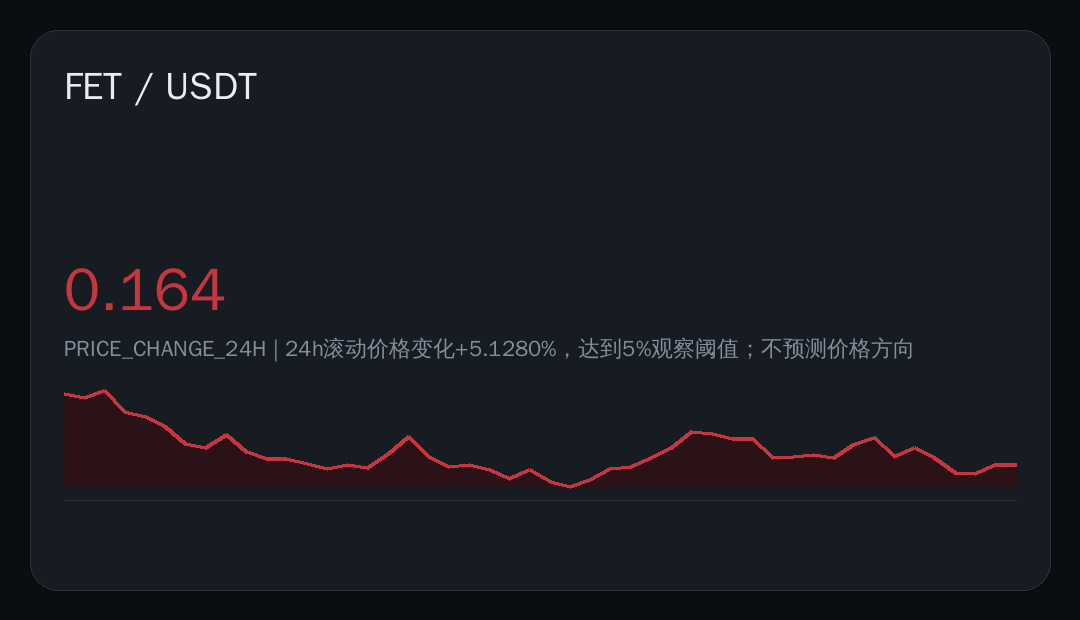
FET|Ma’lumotlar ro‘yxati|2026-11-05Ma’lumotlar gapirsin: $FET PRICE_CHANGE_24H = 0.164. 24 soatlik sirg‘aluvchi narx o‘zgarishi +5.1280% ni tashkil etib, 5% lik kuzatuv chegarasiga yetdi; narx yo‘nalishi bashorat qilinmaydi
📊 Ma’lumotlar surati
· Ko‘rsatkich: PRICE_CHANGE_24H
· Qiymat: 0.164
· Hisoblash usuli: yopilgan K-shamlar tarixiy narxlari asosida hisoblangan
Hozircha xulosa chiqarishga shoshilmang — tajribali treyderlar biladi, savdo hajmi narxdan muhimroq, xaridorlar va sotuvchilar o‘rtasidagi kurash davom etmoqda
Bu holatga qanday qaraysiz? 👇
## Bu ma’lumotlarni qanday talqin qilish kerak
Ushbu kuzatuv manba interfeysidan olingan yopilgan K-shamlar ketma-ketligi asosida hisoblangan. Ko‘rsatkich tarixiy narxlarning matematik qayta ishlanishi bo‘lib, faqat kuzatuv vaqtidagi holatni tavsiflaydi; narx yo‘nalishini bashorat qilmaydi va xarid yoki sotuv bo‘yicha ko‘rsatma hisoblanmaydi.
FET|Ma’lumotlar ro‘yxati|2026-11-05
Ma’lumotlar gapirsin: $FET PRICE_CHANGE_24H = 0.164. 24 soatlik sirg‘aluvchi narx o‘zgarishi +5.1280% ni tashkil etib, 5% lik kuzatuv chegarasiga yetdi; narx yo‘nalishi bashorat qilinmaydi
📊 Ma’lumotlar surati
· Ko‘rsatkich: PRICE_CHANGE_24H
· Qiymat: 0.164
· Hisoblash usuli: yopilgan K-shamlar tarixiy narxlari asosida hisoblangan
Hozircha xulosa chiqarishga shoshilmang — tajribali treyderlar biladi, savdo hajmi narxdan muhimroq, xaridorlar va sotuvchilar o‘rtasidagi kurash davom etmoqda
Bu holatga qanday qaraysiz? 👇
## Bu ma’lumotlarni qanday talqin qilish kerak
Ushbu kuzatuv manba interfeysidan olingan yopilgan K-shamlar ketma-ketligi asosida hisoblangan. Ko‘rsatkich tarixiy narxlarning matematik qayta ishlanishi bo‘lib, faqat kuzatuv vaqtidagi holatni tavsiflaydi; narx yo‘nalishini bashorat qilmaydi va xarid yoki sotuv bo‘yicha ko‘rsatma hisoblanmaydi.
15

·
--
O‘suvchi
🤖 $FET ENG PASTKI DARAJAGA YETDI — AI GIGANTI QAYTA KO‘TARILISHGA TAYYOR! ⚡📈
📍 Savdo rejasi:
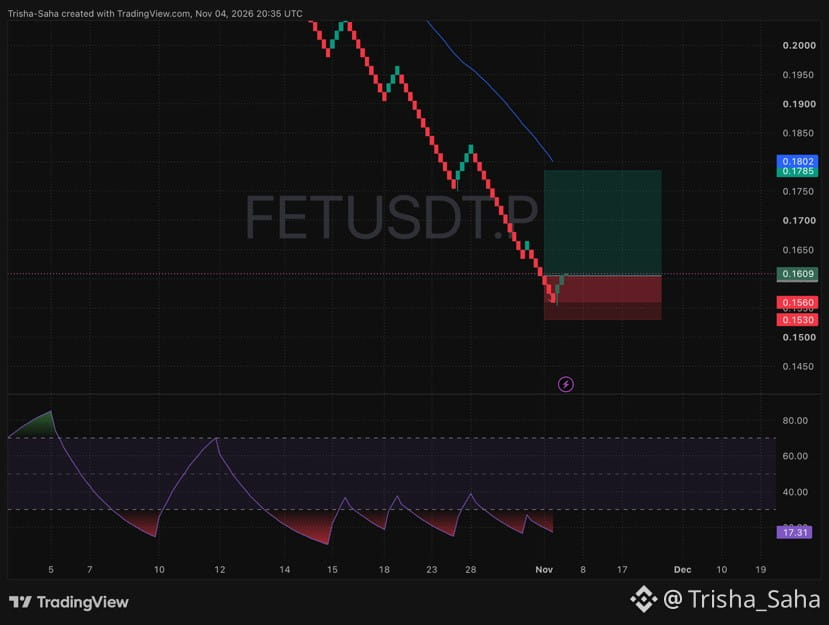
• Kirish zonasi: $0.1580 – $0.1609
• Stop-loss: $0.1530
• Maqsad: $0.1785
• $0.2000 dan yuqori darajadan barqaror pasaygach, $FET nihoyat $0.1560 dagi kuchli xaridorlar zonasiga yetib bordi va eng past nuqtalardan boshlab ketma-ket uchta yashil sham hosil qildi.
• Pastdagi momentum indikatori qizil, haddan tashqari sotilgan zonaga — 17.31 darajasiga chuqur tushib ketgan. Sotuvchilarning kuchi butunlay tugadi va keskin tiklanish rallisi boshlanishga tayyor.
• Grafikning yuqori qismida bo‘sh joy bor, shuning uchun narx ko‘k trend chizig‘i ostidagi $0.1802 darajasigacha, ya’ni $0.1785 maqsadimizga to‘siqsiz yetib borishi mumkin.
Bu savdo foydasi +3% dan +4% gacha ko‘tarilishi bilanoq, kapitalingizni xavfdan himoya qilish uchun Stop-lossni zararsizlik nuqtasiga ko‘taring! 🛡️
Men bu pastki nuqtadagi qaytishda allaqachon pozitsiya ochdim. Siz ham men bilan $FET qaytish to‘lqiniga qo‘shilyapsizmi? Quyida izoh qoldiring — foyda qilaylik! 👇
#FET #FETUSDT #AICrypto #CryptoSignals
{future}(FETUSDT)
🤖 $FET ENG PASTKI DARAJAGA YETDI — AI GIGANTI QAYTA KO‘TARILISHGA TAYYOR! ⚡📈
📍 Savdo rejasi:
• Kirish zonasi: $0.1580 – $0.1609
• Stop-loss: $0.1530
• Maqsad: $0.1785
• $0.2000 dan yuqori darajadan barqaror pasaygach, $FET nihoyat $0.1560 dagi kuchli xaridorlar zonasiga yetib bordi va eng past nuqtalardan boshlab ketma-ket uchta yashil sham hosil qildi.
• Pastdagi momentum indikatori qizil, haddan tashqari sotilgan zonaga — 17.31 darajasiga chuqur tushib ketgan. Sotuvchilarning kuchi butunlay tugadi va keskin tiklanish rallisi boshlanishga tayyor.
• Grafikning yuqori qismida bo‘sh joy bor, shuning uchun narx ko‘k trend chizig‘i ostidagi $0.1802 darajasigacha, ya’ni $0.1785 maqsadimizga to‘siqsiz yetib borishi mumkin.
Bu savdo foydasi +3% dan +4% gacha ko‘tarilishi bilanoq, kapitalingizni xavfdan himoya qilish uchun Stop-lossni zararsizlik nuqtasiga ko‘taring! 🛡️
Men bu pastki nuqtadagi qaytishda allaqachon pozitsiya ochdim. Siz ham men bilan $FET qaytish to‘lqiniga qo‘shilyapsizmi? Quyida izoh qoldiring — foyda qilaylik! 👇
#FET #FETUSDT #AICrypto #CryptoSignals
176

·
--
Maqola
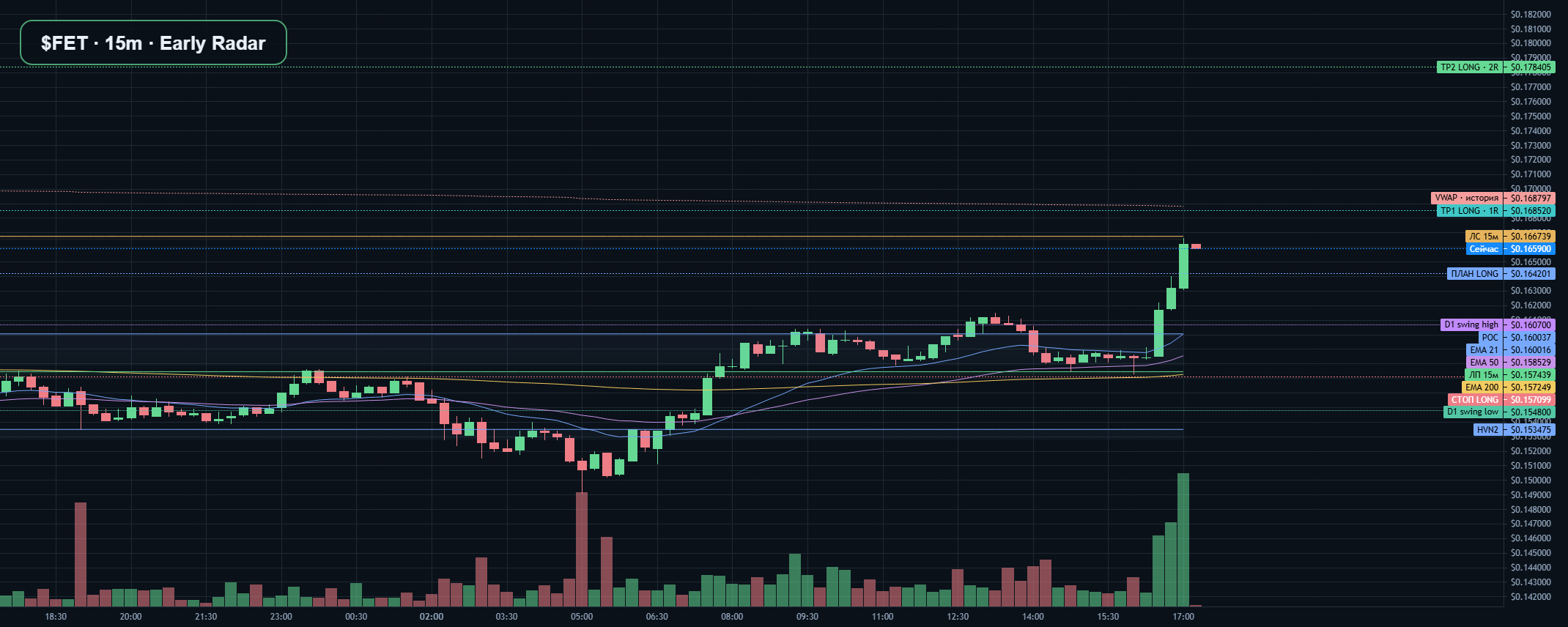
FET · Erta radar🧩 setup $FET (FET/USDT) uchun shakllanmoqda · ⏱️ 15m · kontekst; trigger 5m
📊 Binance Spot bozorining ko‘rinishi:
💰 Narx: $0.1659 · ⏱️ 1 soat: +4.22% · 📅 24 soat: +6.35%.
💧 Bir soatlik hajm $1,278,797 · 🔁 Bitimlar 4,652.
📊 M5 faolligi: hajm $145,484 · bitimlar 413 · Faollik bali 82/100
📚 Orderlar kitobi ±1% · chuqurlik: $431,413 · ↔️ spred: 0.06%.
🔎 Ma’lumotlar tekshiruvi: tasdiqlangan.
FET · Erta radar
🧩 setup $FET (FET/USDT) uchun shakllanmoqda · ⏱️ 15m · kontekst; trigger 5m
📊 Binance Spot bozorining ko‘rinishi:
💰 Narx: $0.1659 · ⏱️ 1 soat: +4.22% · 📅 24 soat: +6.35%.
💧 Bir soatlik hajm $1,278,797 · 🔁 Bitimlar 4,652.
📊 M5 faolligi: hajm $145,484 · bitimlar 413 · Faollik bali 82/100
📚 Orderlar kitobi ±1% · chuqurlik: $431,413 · ↔️ spred: 0.06%.
🔎 Ma’lumotlar tekshiruvi: tasdiqlangan.
2

·
--
$FET 1 soat davomida 5.13% ga ko‘tarildi, joriy narx 0.1659, 24 soatlik diapazon 0.1491 ~ 0.1659.
Haqiqiy yorib o‘tish odatda savdo hajmining oshishi bilan kechadi, soxta yorib o‘tishda esa ko‘pincha hajm bo‘lmaydi. Bu men eng ko‘p qo‘llaydigan baholash usuli.
Narxning ko‘tarilishi yaxshi, ammo bu davom etadimi-yo‘qmi, savdo hajmiga qarash kerak.
#FET
Haqiqiy yorib o‘tish odatda savdo hajmining oshishi bilan kechadi, soxta yorib o‘tishda esa ko‘pincha hajm bo‘lmaydi. Bu men eng ko‘p qo‘llaydigan baholash usuli.
Narxning ko‘tarilishi yaxshi, ammo bu davom etadimi-yo‘qmi, savdo hajmiga qarash kerak.
#FET
297

#TradeFinder - $FET - $0.1518. Narx qo‘llab-quvvatlash darajasi va EMA qarshiligi oralig‘ida toraymoqda, 4 soatlik grafikda esa pastroq cho‘qqilar bilan pasayish trendi davom etmoqda.
Qo‘llab-quvvatlash: $0.1450 va $0.1380
Qarshilik: $0.1620 va $0.1750
L/S nisbati 0.24, bu short pozitsiyalar ustunligini ko‘rsatadi, ammo yirik treyderlar xaridni davom ettirmoqda. Qarshilik darajasidan yuqoriga chiqish short pozitsiyalarni siqib chiqarishi mumkin.
Spot: Savdo hajmi barqarorlashsa, $0.1450 yaqinida xarid qiling. $0.1620 da pozitsiyaning bir qismini yoping. $FET
{future}(FETUSDT)
Perpetual kontraktlar: $0.1450 dan qaytishida long pozitsiya oching va stop-lossni $0.1380 dan pastga qo‘ying. $0.1620 dan yuqoriga chiqish $0.1750 ni nishonga oladi, $0.1750 dan yuqoridagi yorib o‘tish esa trend o‘zgarishini tasdiqlaydi. $0.1450 dan pastga tushish $0.1380 darajasiga yo‘l ochadi.
#CoinVahini #CryptoSignals #Binance #FET
#TradeFinder - $FET - $0.1518. Narx qo‘llab-quvvatlash darajasi va EMA qarshiligi oralig‘ida toraymoqda, 4 soatlik grafikda esa pastroq cho‘qqilar bilan pasayish trendi davom etmoqda.
Qo‘llab-quvvatlash: $0.1450 va $0.1380
Qarshilik: $0.1620 va $0.1750
L/S nisbati 0.24, bu short pozitsiyalar ustunligini ko‘rsatadi, ammo yirik treyderlar xaridni davom ettirmoqda. Qarshilik darajasidan yuqoriga chiqish short pozitsiyalarni siqib chiqarishi mumkin.
Spot: Savdo hajmi barqarorlashsa, $0.1450 yaqinida xarid qiling. $0.1620 da pozitsiyaning bir qismini yoping. $FET
Perpetual kontraktlar: $0.1450 dan qaytishida long pozitsiya oching va stop-lossni $0.1380 dan pastga qo‘ying. $0.1620 dan yuqoriga chiqish $0.1750 ni nishonga oladi, $0.1750 dan yuqoridagi yorib o‘tish esa trend o‘zgarishini tasdiqlaydi. $0.1450 dan pastga tushish $0.1380 darajasiga yo‘l ochadi.
#CoinVahini #CryptoSignals #Binance #FET
63

·
--
🔎 Binance’dagi FET so‘nggi paytlarda tonggi shafaqdek — muloyimlik bilan ko‘tarilmoqda, ammo o‘z nazokatini yo‘qotmayapti. Narx asta-sekin yuqorilayotgan bo‘lsa-da, bu katta to‘lqin yaqinlashayotganini anglatmaydi — go‘yo bozor bizga qisqa nafas rostlash imkonini berayotgandek. Savdo hajmidagi mayin o‘zgarishlarni kuzating: ko‘proq xaridorlar sezdirmay qo‘shilyaptimi yoki bu shunchaki yengil bir shabadami?
Agar shu mayin sur’atni his qilayotgan bo‘lsangiz, buni shiddat bilan yugurish belgisi emas, sabrni mashq qilish imkoniyati deb qabul qilishingiz mumkin. Axir, chinakam zavq har bir yalt etgan lahzani quvishdan emas, har bir nozik tebranishdan bahra olishdadir.
Bu yengil ko‘tarilish haqida siz nima deb o‘ylaysiz? Bu qisqa tabassummi yoki boshlanayotgan yangi bobmi? 🤔✨🚀
Bu investitsiya maslahati emas.
#加密社区 #FET #币安观察 #Write2Earn
21
·
--
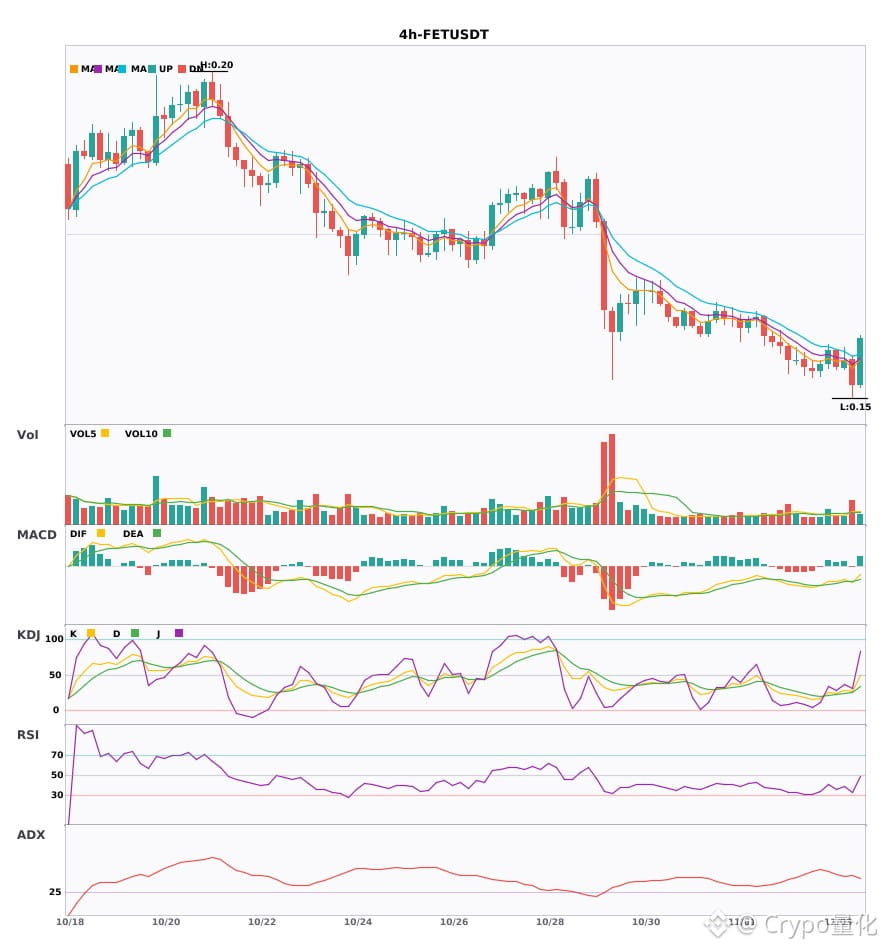
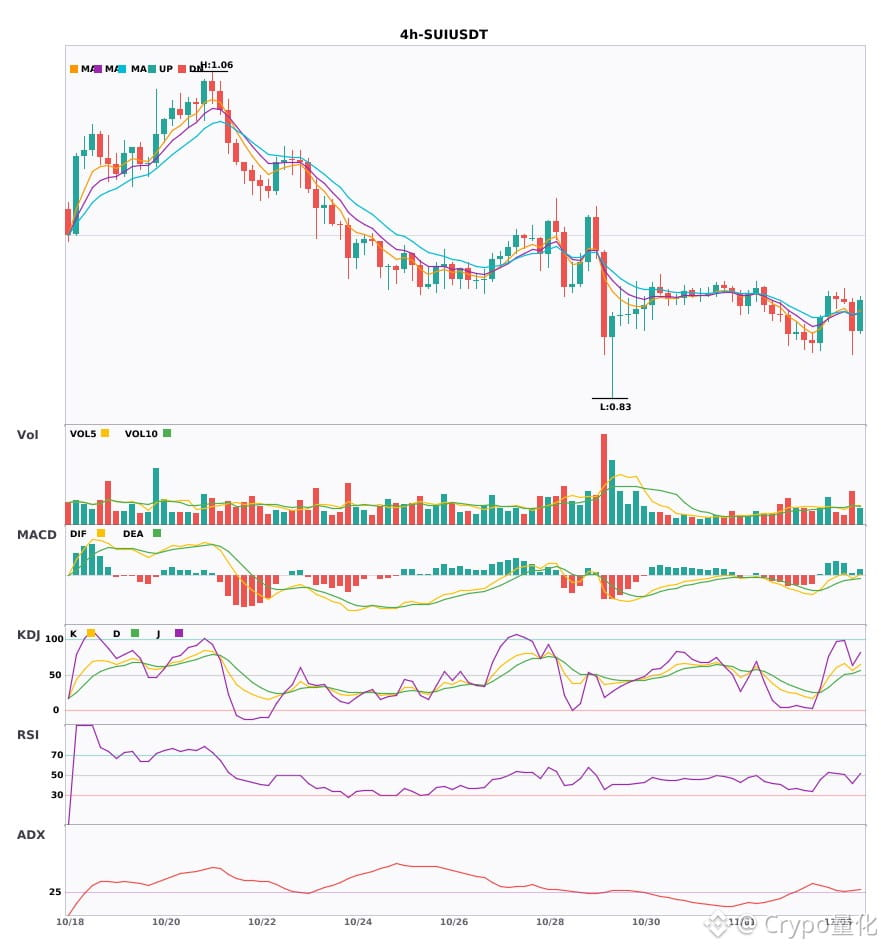
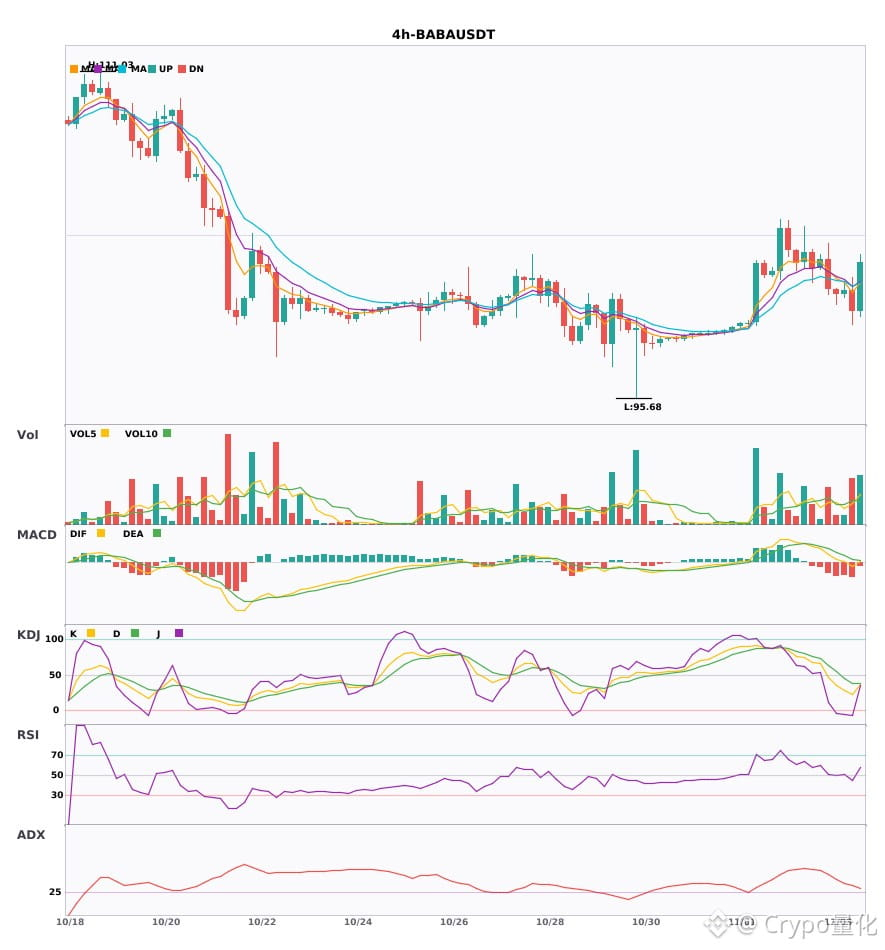
$FET / $SUI / $BABA 4 soatlik intervalda pasayish tomonga og‘ish, qisqa muddatda bosim ostida 🔥
════════════════════
🟢 $FET 4 soatlik pasayish signali
⚠️Texnik tahlil: ADX(44) yaqqol trendli bozor | MACD noldan pastda pasayuvchi kesishma hosil qildi, pasayish tezlashmoqda | EMA5 < EMA8 < EMA13 — pasayish tartibi | KDJ zaif harakatlanmoqda, sotuvchilar ustun (K — 27.1, D — 25.5) | Savdo hajmi oshdi (1.9 baravar)
════════════════════
🟢 $SUI 4 soatlik pasayish signali
⚠️Texnik tahlil: ADX(31) yaqqol trendli bozor | MACD DIF noldan pastga tushdi, trend pasayish tomonga o‘zgarmoqda | EMA5 EMA8 dan pastga tushdi, qisqa muddatli yo‘nalish pasayish tomonga o‘zgarmoqda | KDJ kuchli harakatlanmoqda, xaridorlar ustun (K — 55.8, D — 52.0) | Savdo hajmi oshdi (1.7 baravar)
════════════════════
🟢 $BABA 4 soatlik pasayish signali
⚠️Texnik tahlil: ADX(34) yaqqol trendli bozor | MACD DIF noldan pastga tushdi, trend pasayish tomonga o‘zgarmoqda | EMA5 < EMA8 < EMA13 — pasayish tartibi | KDJ zaif harakatlanmoqda, sotuvchilar ustun (K — 23.3, D — 38.3) | Savdo hajmi oshdi (1.9 baravar)
════════════════════
🔔 Bozordagi muhim o‘zgarishlardan birinchilardan bo‘lib xabardor bo‘lish uchun kuzatib boring 🔔
#技术分析 #FET #SUI #BABA
📌 Savdo qilayotganda shamlar shakli mos kelishiga e’tibor bering
════════════════════
🟢 $FET 4 soatlik pasayish signali
⚠️Texnik tahlil: ADX(44) yaqqol trendli bozor | MACD noldan pastda pasayuvchi kesishma hosil qildi, pasayish tezlashmoqda | EMA5 < EMA8 < EMA13 — pasayish tartibi | KDJ zaif harakatlanmoqda, sotuvchilar ustun (K — 27.1, D — 25.5) | Savdo hajmi oshdi (1.9 baravar)
════════════════════
🟢 $SUI 4 soatlik pasayish signali
⚠️Texnik tahlil: ADX(31) yaqqol trendli bozor | MACD DIF noldan pastga tushdi, trend pasayish tomonga o‘zgarmoqda | EMA5 EMA8 dan pastga tushdi, qisqa muddatli yo‘nalish pasayish tomonga o‘zgarmoqda | KDJ kuchli harakatlanmoqda, xaridorlar ustun (K — 55.8, D — 52.0) | Savdo hajmi oshdi (1.7 baravar)
════════════════════
🟢 $BABA 4 soatlik pasayish signali
⚠️Texnik tahlil: ADX(34) yaqqol trendli bozor | MACD DIF noldan pastga tushdi, trend pasayish tomonga o‘zgarmoqda | EMA5 < EMA8 < EMA13 — pasayish tartibi | KDJ zaif harakatlanmoqda, sotuvchilar ustun (K — 23.3, D — 38.3) | Savdo hajmi oshdi (1.9 baravar)
════════════════════
🔔 Bozordagi muhim o‘zgarishlardan birinchilardan bo‘lib xabardor bo‘lish uchun kuzatib boring 🔔
#技术分析 #FET #SUI #BABA
📌 Savdo qilayotganda shamlar shakli mos kelishiga e’tibor bering
13

·
--
$FET
{future}(FETUSDT)
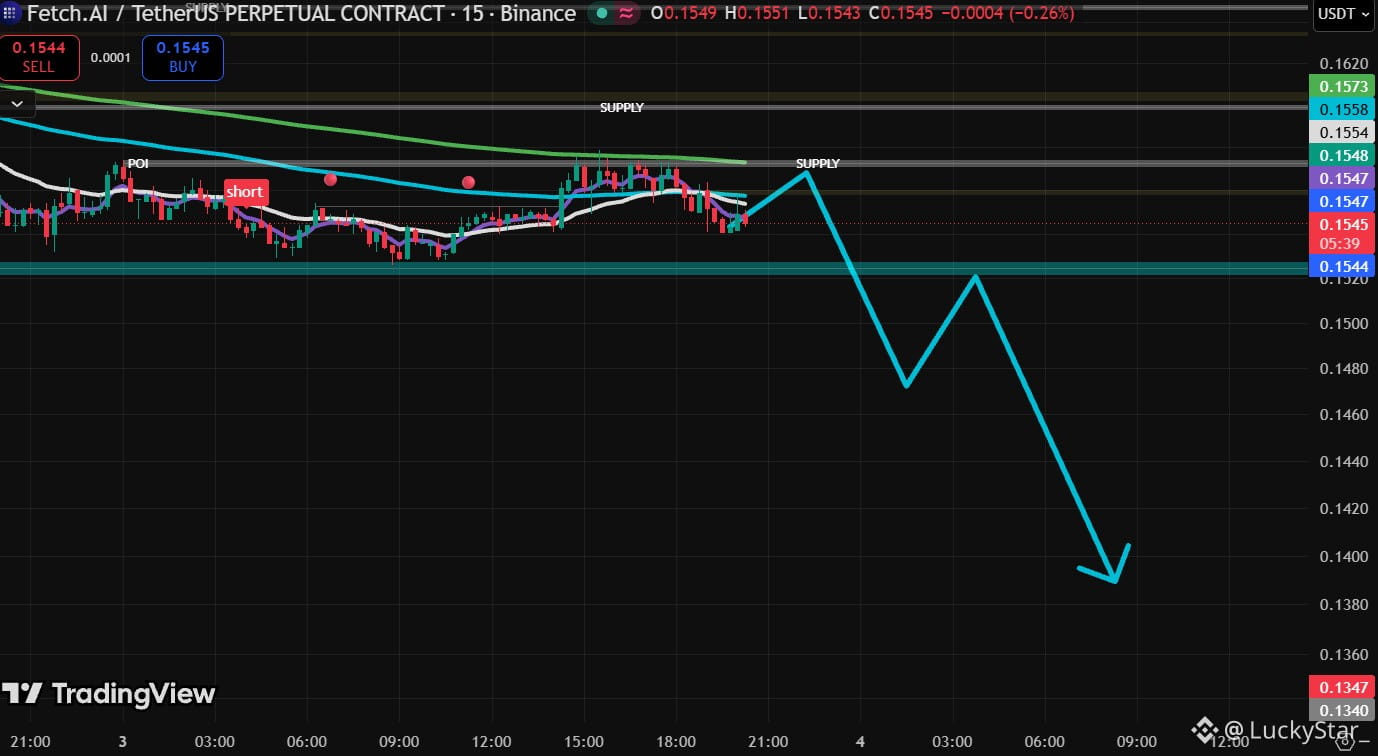
⚡ Keyingi bir nechta sham grafikdagi butun manzarani o‘zgartirishi mumkin.
Qo‘llab-quvvatlash darajasidan pastga tushganidan keyin aktiv doimiy sotuv bosimi ostida qolmoqda.
Bu yangi minimumga olib kelishi mumkin.
🎯 TP1: 0.1520
🎯 TP2: 0.1480
🎯 TP3: 0.1440
🎯 TP4: 0.1400
🎯 TP5: 0.1347
Yana bir pasayishga tayyormisiz?
#FET #fet.ai #Fetch_ai #crypto
$FET
⚡ Keyingi bir nechta sham grafikdagi butun manzarani o‘zgartirishi mumkin.
Qo‘llab-quvvatlash darajasidan pastga tushganidan keyin aktiv doimiy sotuv bosimi ostida qolmoqda.
Bu yangi minimumga olib kelishi mumkin.
🎯 TP1: 0.1520
🎯 TP2: 0.1480
🎯 TP3: 0.1440
🎯 TP4: 0.1400
🎯 TP5: 0.1347
Yana bir pasayishga tayyormisiz?
#FET #fet.ai #Fetch_ai #crypto
39

⚡ NVIDIA’NING XITOYGA OID KUTILMAGAN QARORIDAN SO‘NG $FET KESKIN KO‘TARILDI – TUNDA 30% FOYDA! 🚀
📊 Nvidia’ning Xitoyga chip yetkazib berishni cheklashi global sun’iy intellekt strategiyalarida katta to‘lqin ko‘tardi va $FET , $RNDR hamda hatto $BTC ni ham shoshilinch harakatlarga undadi. 🦈 Yirik investorlar likvidligi buyurtmalar kitobini qamrab oldi, savdo hajmi esa chaqmoqdek keskin oshib, ko‘plab treyderlarni hayratda qoldirdi. 💡 Bu keskin tebranishlar makroiqtisodiy silkinishlar yuz berganda riskni qat’iy cheklash nega yagona haqiqiy himoya ekanini ko‘rsatadi.
🌊 Har bir makroiqtisodiy zarba bilan bozor o‘z qoidalarini qayta yozadi — stop-loss darajalaringizni yaqinlashtiryapsizmi yoki o‘sish to‘lqiniga qo‘shilyapsizmi? 👇
⚠️ Bu moliyaviy maslahat emas. Har doim risklaringizni boshqaring. 🛡️
🏷️ #FET #AI #MacroShift #Crypto
🚀 🔥
39

🦈 $FET AI chiplaridagi tanqislik global texnologiya sektorini larzaga solmoqda 🌊
📊 Nvidia’ning Xitoydan keladigan talabni cheklashi ta’minot zanjiriga ta’sir ko‘rsatar ekan, institutsional kapital AI uskunalariga oid strategiyalarga yo‘nalmoqda. Chiplar tanqisligi likvidlik vakuumini yuzaga keltirdi va yirik investorlarni $FET ni yanada pastroq narxlarda qayta xarid qilishga undadi.
⚡ Blokcheyn ko‘rsatkichlari jamg‘arish hajmi keskin oshganini ko‘rsatmoqda, yaqindagi pasayish paytida shakllangan order-blok esa uzoq muddatli kapitalni o‘ziga jalb qilmoqda. Intizomli risk boshqaruvi juda muhim: har bir makroiqtisodiy zarba risk va daromad nisbatini qayta belgilaydi.
🌊 Agar siz hamon o‘zgaruvchanlik to‘lqinida harakatlanayotgan bo‘lsangiz, keyingi taklif tomondagi omilni kuzating — u narxning keskin ko‘tarilishiga yoki tezda ortga qaytishiga turtki bo‘lishi mumkin. 💬 Chiplar bilan bog‘liq zarbadan keyin $FET ni bosqichma-bosqich xarid qilyapsizmi yoki stoplarni yaqinlashtiryapsizmi? 👇
⚠️ Bu moliyaviy maslahat emas. Har doim risklaringizni boshqaring. 🛡️
🏷️ #FET #AI #SmartMoney #TechShake #Crypto
🔥 💎
20

·
--
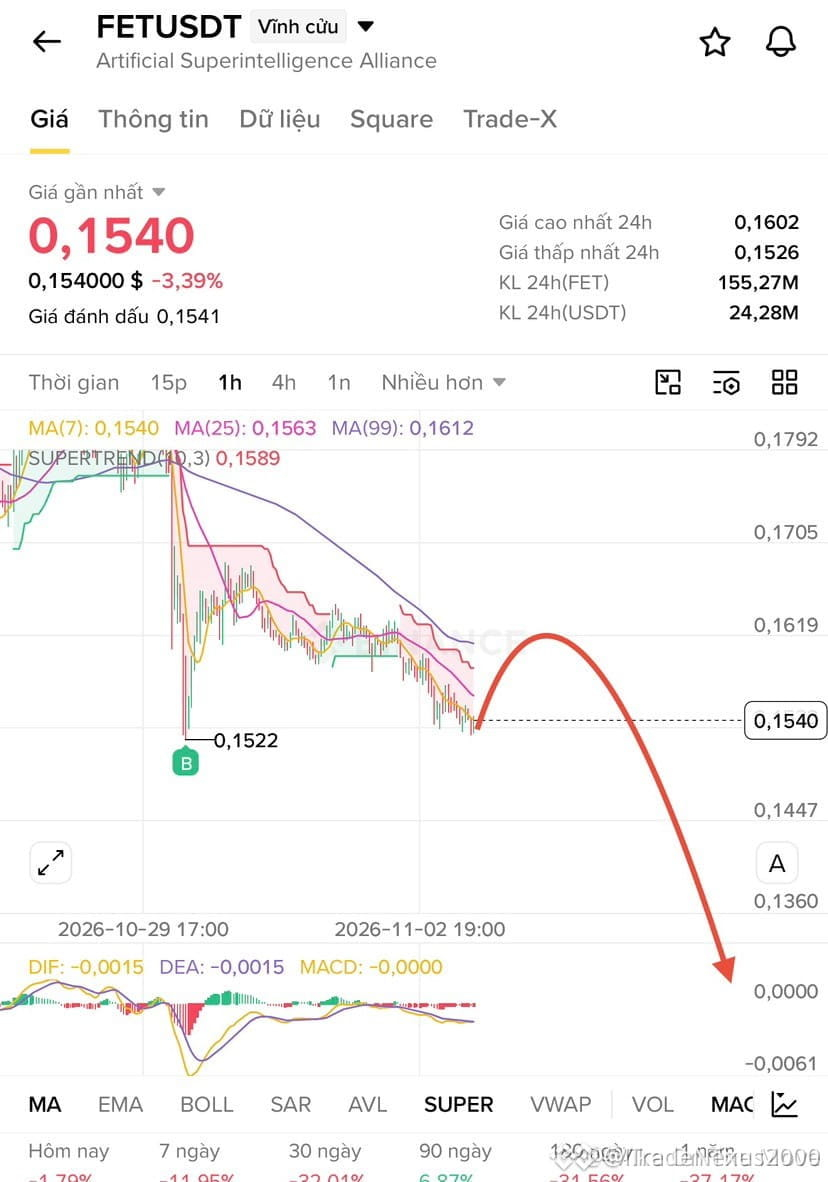
$FET bugun kechqurun trendlar lentamda yangi nom bo‘lib ko‘rindi va unga e’tibor sokin tusda — taxminan 41 mln dollar hajmdagi savdoda narx 2% ga pasayib, 0,155 dollar atrofida turibdi. Bu keskin sotuv emas, ko‘proq treyderlar uni kuzatuv ro‘yxatida ushlab turgan paytda bozorning qolgan qismi pasayayotgandek. $BTC ham yaqin atrofda xuddi shunday sekin pasaymoqda — taxminan 1% ga tushib, 77 130 dollar atrofida, demak, bunda ham keng ko‘lamli vahima yo‘q. $FET 0,15 dollardan yuqorida qoladimi, kuzatyapman; agar shunday bo‘lsa, trendga ergashayotganlar uni yana biroz kuzatib borishi mumkin. #FET
$FET bugun kechqurun trendlar lentamda yangi nom bo‘lib ko‘rindi va unga e’tibor sokin tusda — taxminan 41 mln dollar hajmdagi savdoda narx 2% ga pasayib, 0,155 dollar atrofida turibdi. Bu keskin sotuv emas, ko‘proq treyderlar uni kuzatuv ro‘yxatida ushlab turgan paytda bozorning qolgan qismi pasayayotgandek. $BTC ham yaqin atrofda xuddi shunday sekin pasaymoqda — taxminan 1% ga tushib, 77 130 dollar atrofida, demak, bunda ham keng ko‘lamli vahima yo‘q. $FET 0,15 dollardan yuqorida qoladimi, kuzatyapman; agar shunday bo‘lsa, trendga ergashayotganlar uni yana biroz kuzatib borishi mumkin. #FET
23

·
--
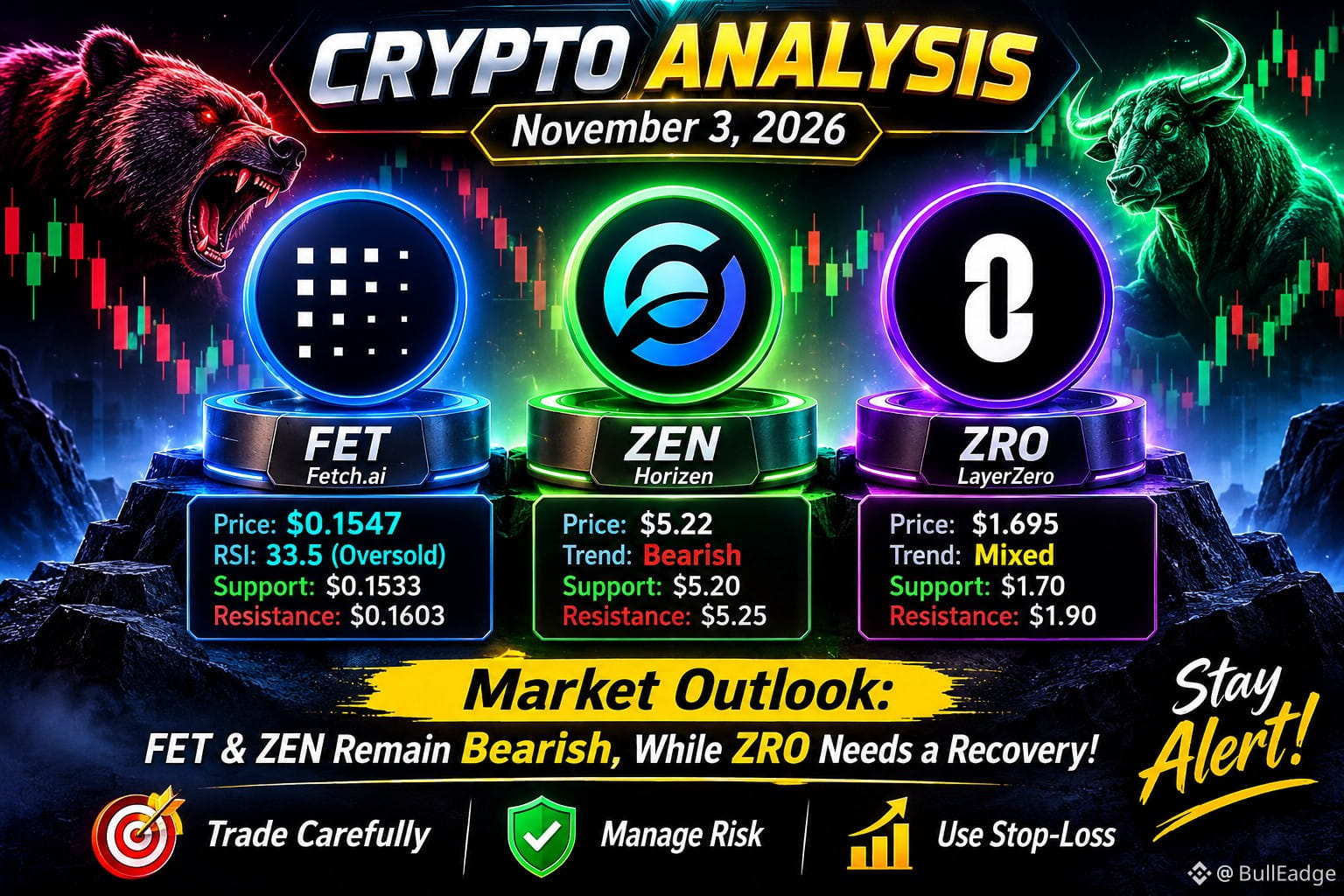
📊 Kripto bozori tahlili – 2026-yil 3-noyabr
🤖 $FET (Fetch.ai): Taxminan $0.1547. Pasayish sur’ati davom etmoqda. RSI 33.5 atrofida — bu haddan tashqari sotilgan holatni ko‘rsatadi. $0.1533 qo‘llab-quvvatlash va $0.1603 qarshilik darajalarini kuzating.
🟢 $ZEN (Horizen): Taxminan $5.22. Harakatlanuvchi o‘rtacha ko‘rsatkichlar bo‘yicha kuchli pasayish signallari kuzatilmoqda. $5.20 qo‘llab-quvvatlash va $5.25 qarshilik darajalarini kuzating.
🌉 $ZRO (LayerZero): Taxminan $1.695. Qisqa muddatli bosim saqlanib qolmoqda, ammo kunlik ko‘rsatkichlar aralash signallar bermoqda. $1.70 qo‘llab-quvvatlash va $1.90 qarshilik darajalarini kuzating.
📉 Bozor istiqboli: FET va ZEN bo‘yicha pasayish kayfiyati saqlanib qolmoqda, ZRO esa tiklanishi tasdiqlanishini kutmoqda.
⚠️ Ehtiyotkorlik bilan savdo qiling. Xatarlarni boshqaring va har doim stop-loss himoyasidan foydalaning.
#FET #ZEN #ZRO #CryptoAnalysis #Altcoins #Savdo
{future}(FETUSDT)
{future}(ZENUSDT)
{future}(ZROUSDT)
📊 Kripto bozori tahlili – 2026-yil 3-noyabr
🤖 $FET (Fetch.ai): Taxminan $0.1547. Pasayish sur’ati davom etmoqda. RSI 33.5 atrofida — bu haddan tashqari sotilgan holatni ko‘rsatadi. $0.1533 qo‘llab-quvvatlash va $0.1603 qarshilik darajalarini kuzating.
🟢 $ZEN (Horizen): Taxminan $5.22. Harakatlanuvchi o‘rtacha ko‘rsatkichlar bo‘yicha kuchli pasayish signallari kuzatilmoqda. $5.20 qo‘llab-quvvatlash va $5.25 qarshilik darajalarini kuzating.
🌉 $ZRO (LayerZero): Taxminan $1.695. Qisqa muddatli bosim saqlanib qolmoqda, ammo kunlik ko‘rsatkichlar aralash signallar bermoqda. $1.70 qo‘llab-quvvatlash va $1.90 qarshilik darajalarini kuzating.
📉 Bozor istiqboli: FET va ZEN bo‘yicha pasayish kayfiyati saqlanib qolmoqda, ZRO esa tiklanishi tasdiqlanishini kutmoqda.
⚠️ Ehtiyotkorlik bilan savdo qiling. Xatarlarni boshqaring va har doim stop-loss himoyasidan foydalaning.
#FET #ZEN #ZRO #CryptoAnalysis #Altcoins #Savdo
113

·
--
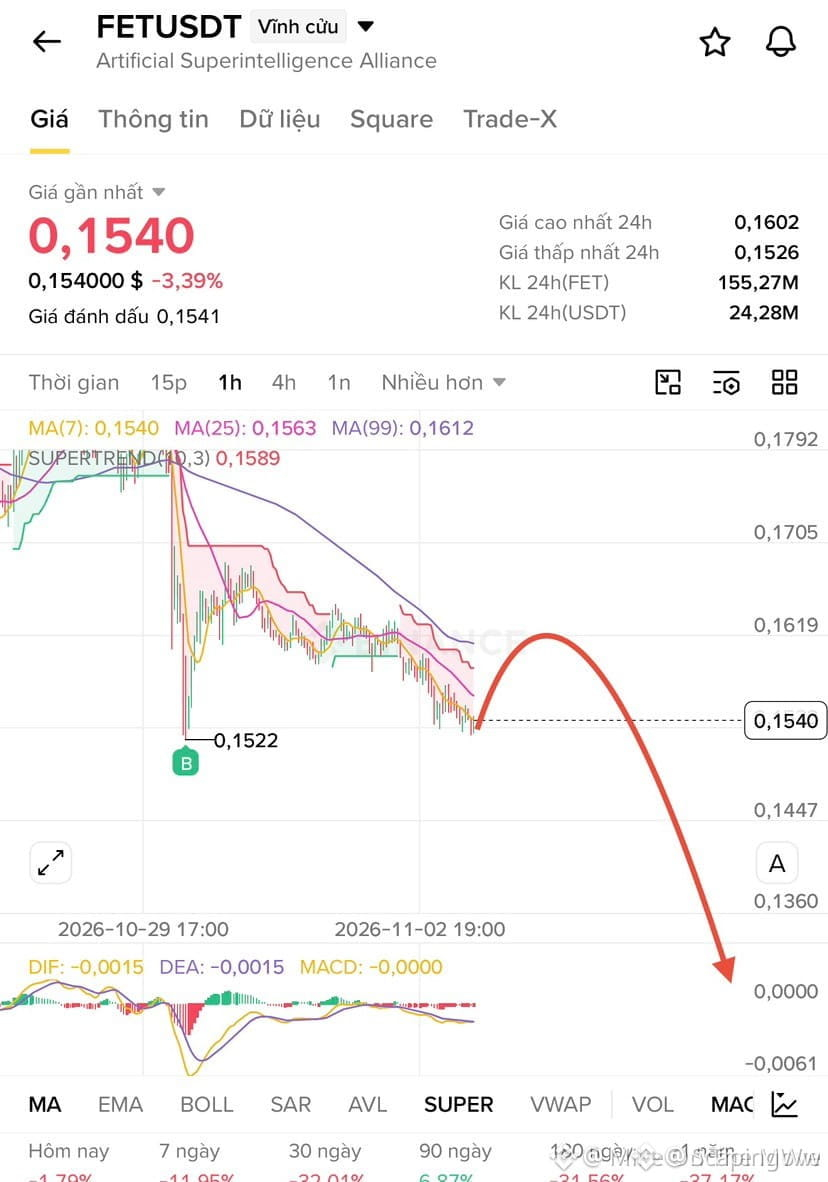
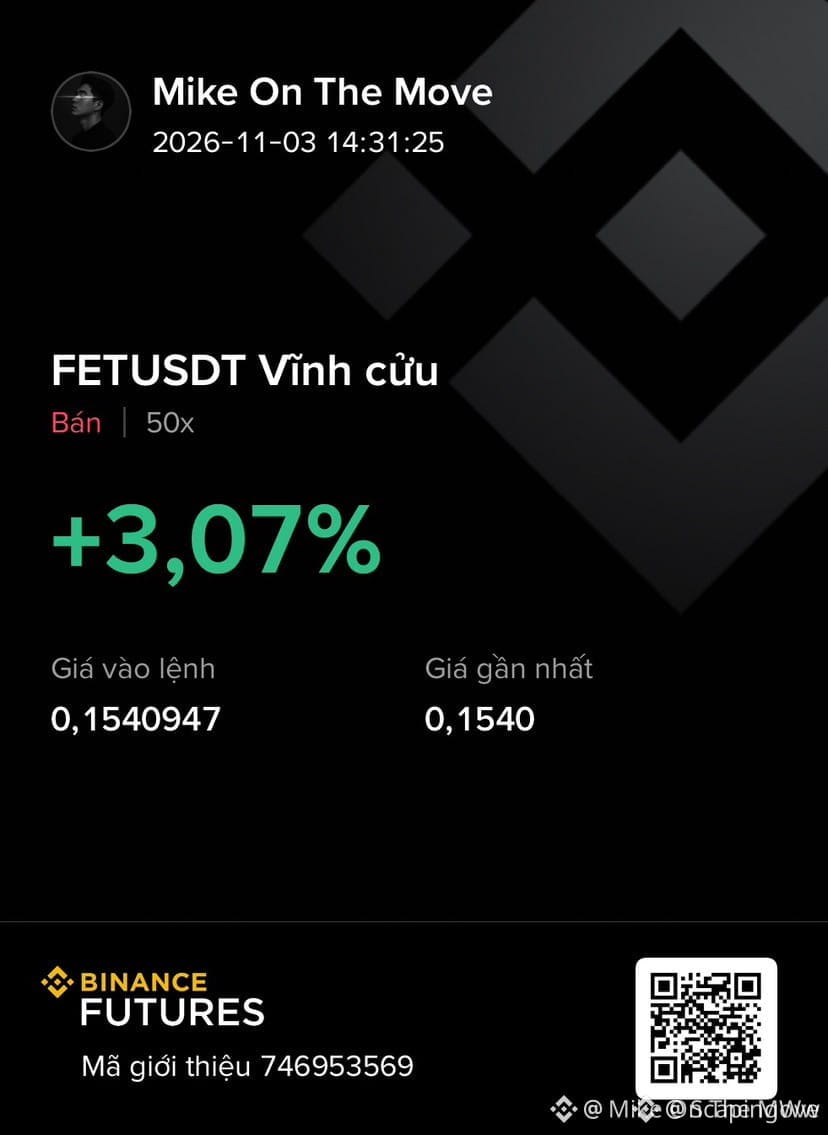
🚀 🔴 $FET YANADA CHUQURROQ PASAYISH TOMON — SHORT IMKONIYATI PAYDO BO‘LDI!
Kirish: 0.1525-0.1555 ⚡
Maqsad: 0.1486 🚀
Maqsad: 0.1440 🚀
Maqsad: 0.1413 🚀
Stop-loss: 0.1670 ⚠️
🦈 Aqlli investorlar 0.1550 atrofidagi xarid bosimining qolgan qismini so‘rib olmoqda va likvidlik vakuumini hosil qilmoqda. 📊 1 soatlik grafikdagi hajm keskin oshishi sotuvchilar buyurtmalarni to‘playotganini tasdiqlaydi, RSI esa 40 dan pastga tushib, pasayish momentumidan darak bermoqda. 💡 Har bir pasayishni kitlar yutib yubormoqda va bu keyingi buyurtmalar blokigacha tez tushish uchun yo‘l ochmoqda.
💬 Keyingi likvidlik oviga qadar pasayish to‘lqinidan foydalanishga tayyormisiz? 👇
⚠️ Bu moliyaviy maslahat emas. Har doim tavakkalingizni boshqaring. 🛡️
🏷️ #FET #ShortSetup #Bearish #Crypto
🔥 💎
12
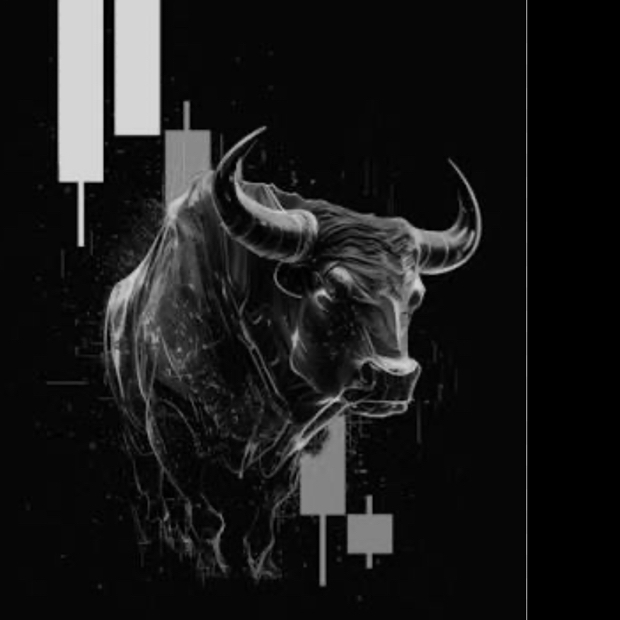
🚨 $FET LIKVIDLIKNI SUPURIB OLISHDAN KEYINGI QISQA POZITSIYA – NARXNING KESKIN PASAYISH EHTIMOLI 🔴
Kirish: 0.1525-0.1555 ⚡
Maqsad: 0.1486 🚀
Stop-loss: 0.1670 ⚠️
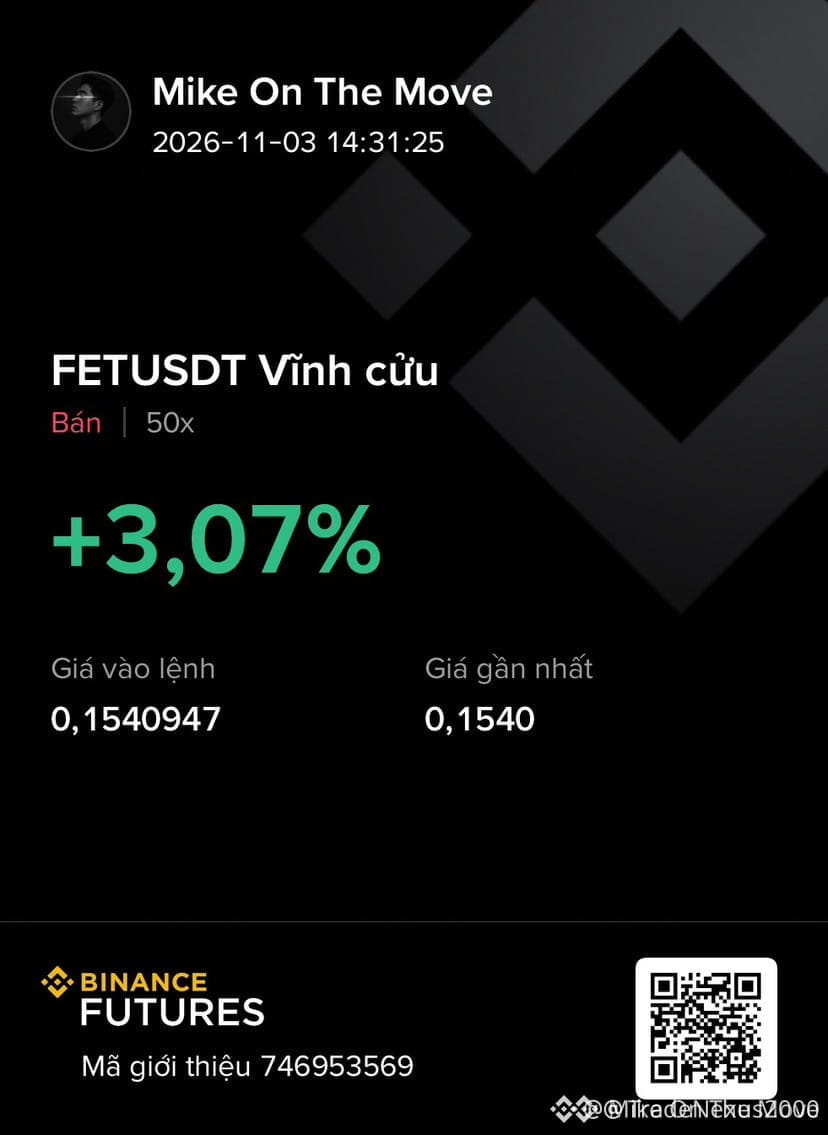
🦈 Yirik investorlar 0.1550 dagi order blokini supurib tashladi, bu esa talabning tezda yutilishiga olib keldi va ayiq bozori ishtirokchilariga ustunlik berdi. 📊 Sotuvchilar bozorda ustunlik qilayotgani sari 4 soatlik grafikdagi savdo hajmi oshmoqda, bu pasayish bosimini tasdiqlaydi. 📌 Kirish oralig‘i yaqindagi tebranish minimumidan sal yuqorida joylashgan bo‘lib, 0.1670 darajasida tor stop-loss bilan qulay qaytish nuqtasini taklif qiladi. ⚡ Risk va foyda nisbati taxminan 1:2, bu esa ushbu qisqa pozitsiyani intizomli strategiyaga aylantiradi.
💬 Keyingi likvidlik chiqib ketishiga tayyorgarlik ko‘ryapsizmi? 👇
⚠️ Bu moliyaviy maslahat emas. Har doim riskingizni boshqaring. 🛡️
🏷️ #FET #ShortSetup #LiquiditySweep #Crypto
🔥 🦈
28
·
--
$FET 11 TRILLION DOLLARLIK AI HISOBLASH SUPER-SIKLIDAGI TANQISLIKKA TAYYORLANING ⚡ 🦈
Institutsional prognozlarga ko‘ra, AI gigantlari 2028-yilga kelib global hisoblash quvvatining 80 foizini egallab olishi mumkin. Bu esa kapital xarajatlarning misli ko‘rilmagan 11 trillion dollarlik o‘sishiga turtki beradi. 📊 An’anaviy kredit yelkasi qarz daromadliligining keskin oshishi sabab bosim ostida qolarkan, tanqislik boshlanishidan oldin kapital markazlashmagan hisoblash infratuzilmasiga faol yo‘naladi. 💡
An’anaviy bozorlar likvidlik tanqisligini his qilishidan oldin, yirik investorlar allaqachon markazlashmagan AI protokollariga sarmoya kiritmoqda. ⚡ $TAO va $FET aynan mana shu ulkan infratuzilma ko‘chishining chorrahasida turibdi. 💬 Siz AI hisoblash quvvati bo‘yicha bu makro tanqislikdan oldin harakat qilyapsizmi yoki Uoll-stritga barcha daromadni qo‘lga kiritishga yo‘l qo‘yyapsizmi? 👇
⚠️ Bu moliyaviy maslahat emas. Har doim tavakkalchiliklaringizni boshqaring. 🛡️
🏷️ #FET #AI #Crypto #Macro #TAO
🔥 💎
38
Ko‘proq kontentni ko‘rish uchun tizimga kiring
Binance Square'da global kriptovalyuta foydalanuvchilariga qo‘shiling
⚡️ Kriptovalyuta haqida eng so‘nggi va foydali ma’lumotlarni oling.
💬 Dunyoning eng yirik kriptovalyuta birjasi tomonidan ishonchli deb topilgan.
👍 Tasdiqlangan mualliflardan haqiqiy tahlillarni kashf eting.
Email / telefon raqami
Trenddagi mavzular
1
#BinanceReopensWithdrawalsForMoreAssets
571,684 marta koʻrilgan
2,590 muhokama qilmoqda
2
#BTCRebounds80K
97,463 marta koʻrilgan
978 muhokama qilmoqda
3
#Binance98PercentReplenished
53,268 marta koʻrilgan
725 muhokama qilmoqda
4
#USMidterms-WhatAreMarketsExpecting?
388,486 marta koʻrilgan
2,222 muhokama qilmoqda
5
#USOctoberNFP-AreRateCutsStillPossible
418,059 marta koʻrilgan
2,947 muhokama qilmoqda
6
#TRUMPFalls18.1%In24HoursToRecordLow
471 marta koʻrilgan
23 muhokama qilmoqda
7
#USClearsSingleStockPerpetualFutures
3,082 marta koʻrilgan
88 muhokama qilmoqda
8
#StrategySTRCHits$100ForFirstTimeSinceMay
67 marta koʻrilgan
3 muhokama qilmoqda
9
#TrumpFamilyBackedBitcoinMinerReportsQ3Profit
2,023 marta koʻrilgan
57 muhokama qilmoqda
10
#SouthKoreaPlansImmediateCryptoSecurityIncidentReportingRules
128 marta koʻrilgan
5 muhokama qilmoqda