

O L I V I E
14k Публікації

O L I V I E
Поскаржитись
Заблокувати користувача

Traders League Badge Expert
Перейти до торгівлі
Частий трейдер
1.4 р.
434 Підписки
19.4K+ Підписники
21.9K+ Вподобань
1 Значки
Публікації
Портфель
Усі
Цитування
Трансляції
PINNED
·
--
$SOL наближається до цікавої зони опору 👀
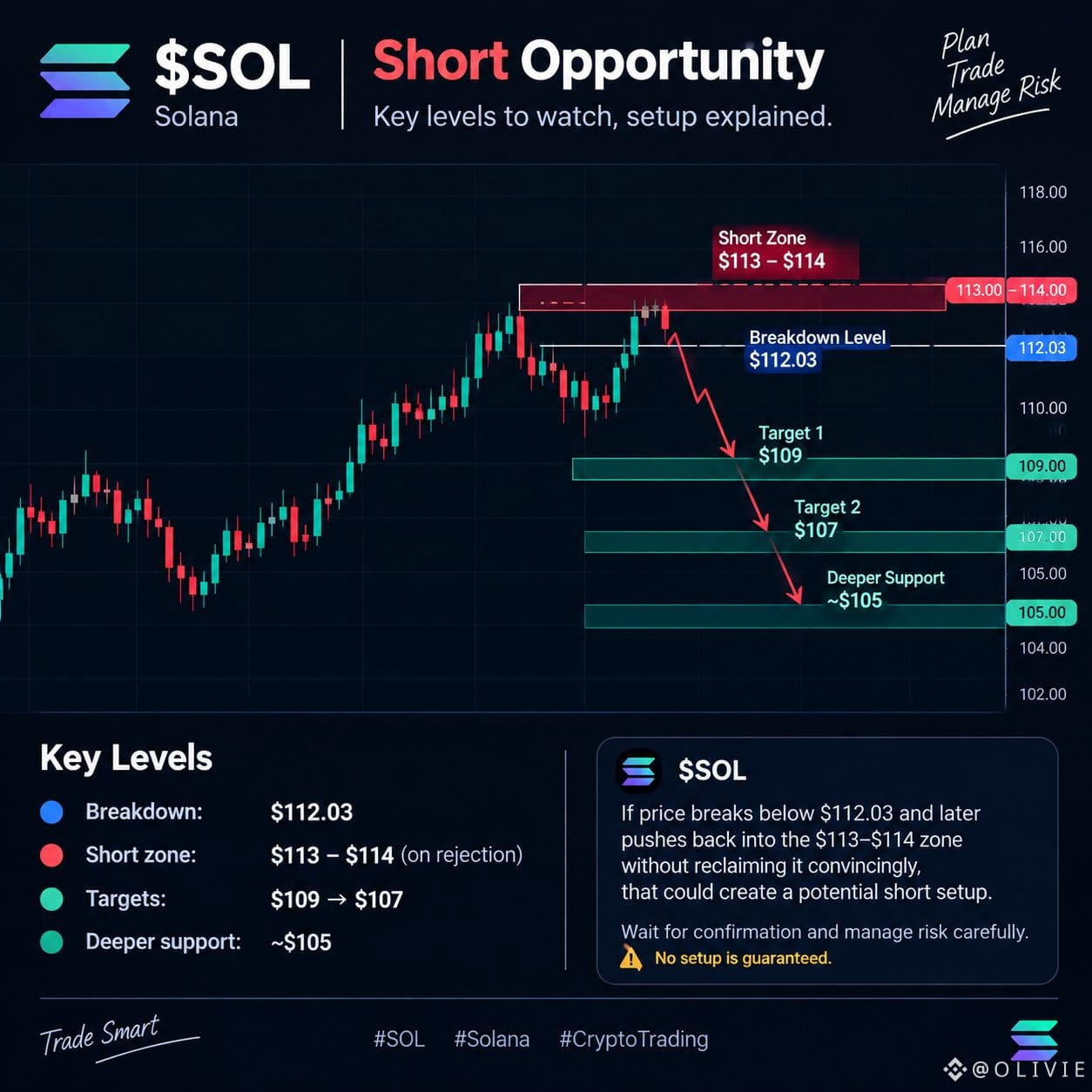
Якщо ціна проб’є нижче $112.03 і згодом повернеться в зону $113–$114, не закріпившись там переконливо, це може створити потенційний шорт-сетап.
На спад я насамперед звертаю увагу на рівні біля $107–$109.
Якщо тиск продажів зростатиме, $105 стане важливою зоною для спостереження, тоді як глибший рух потребуватиме сильнішого ведмежого підтвердження.
Ключові рівні:
• Пробій вниз: $112.03
• Шорт-зона: $113–$114 при відскоку
• Цілі: $109 → $107
• Глибша підтримка: ~$105
Чекайте на підтвердження та уважно керуйте ризиками. Жоден сетап не гарантований. 📉
#SOL #solana #CryptoTrading
$SOL наближається до цікавої зони опору 👀
Якщо ціна проб’є нижче $112.03 і згодом повернеться в зону $113–$114, не закріпившись там переконливо, це може створити потенційний шорт-сетап.
На спад я насамперед звертаю увагу на рівні біля $107–$109.
Якщо тиск продажів зростатиме, $105 стане важливою зоною для спостереження, тоді як глибший рух потребуватиме сильнішого ведмежого підтвердження.
Ключові рівні:
• Пробій вниз: $112.03
• Шорт-зона: $113–$114 при відскоку
• Цілі: $109 → $107
• Глибша підтримка: ~$105
Чекайте на підтвердження та уважно керуйте ризиками. Жоден сетап не гарантований. 📉
#SOL #solana #CryptoTrading
Якщо ціна проб’є нижче $112.03 і згодом повернеться в зону $113–$114, не закріпившись там переконливо, це може створити потенційний шорт-сетап.
На спад я насамперед звертаю увагу на рівні біля $107–$109.
Якщо тиск продажів зростатиме, $105 стане важливою зоною для спостереження, тоді як глибший рух потребуватиме сильнішого ведмежого підтвердження.
Ключові рівні:
• Пробій вниз: $112.03
• Шорт-зона: $113–$114 при відскоку
• Цілі: $109 → $107
• Глибша підтримка: ~$105
Чекайте на підтвердження та уважно керуйте ризиками. Жоден сетап не гарантований. 📉
#SOL #solana #CryptoTrading
17
28
3.8k
·
--
👀 $WLD : у важливому торговому діапазоні накопичується тиск!
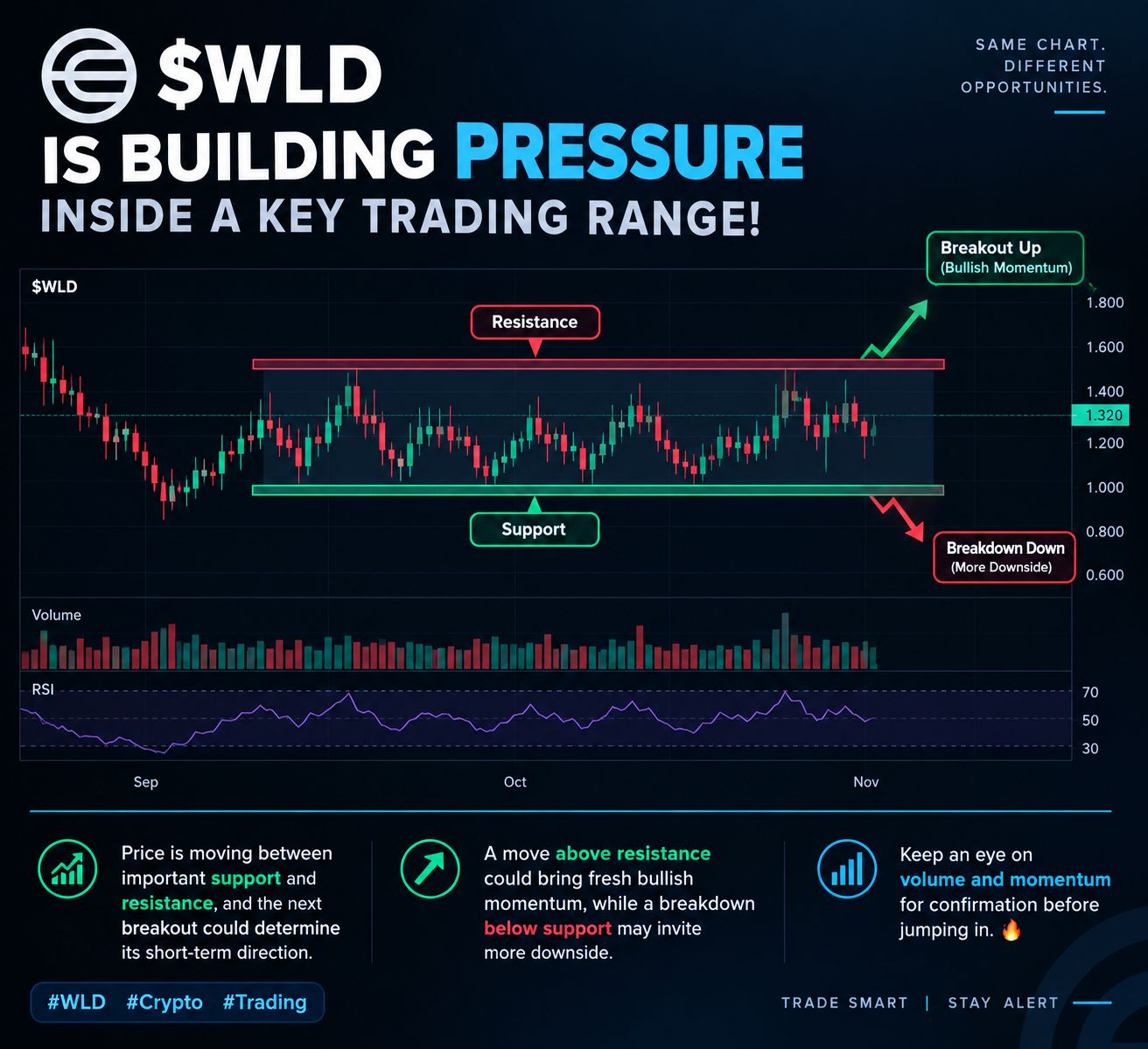
Ціна рухається між важливими рівнями підтримки та опору, і наступний пробій може визначити її короткостроковий напрямок.
Рух вище опору може надати нового імпульсу зростанню, тоді як падіння нижче підтримки може призвести до подальшого зниження.
Перш ніж діяти, стежте за обсягом торгів і імпульсом, щоб отримати підтвердження.
👀 $WLD : у важливому торговому діапазоні накопичується тиск!
Ціна рухається між важливими рівнями підтримки та опору, і наступний пробій може визначити її короткостроковий напрямок.
Рух вище опору може надати нового імпульсу зростанню, тоді як падіння нижче підтримки може призвести до подальшого зниження.
Перш ніж діяти, стежте за обсягом торгів і імпульсом, щоб отримати підтвердження.
Ціна рухається між важливими рівнями підтримки та опору, і наступний пробій може визначити її короткостроковий напрямок.
Рух вище опору може надати нового імпульсу зростанню, тоді як падіння нижче підтримки може призвести до подальшого зниження.
Перш ніж діяти, стежте за обсягом торгів і імпульсом, щоб отримати підтвердження.
13
1
15
2.3k
·
--
Крипторинки демонструють ознаки нового зміцнення!
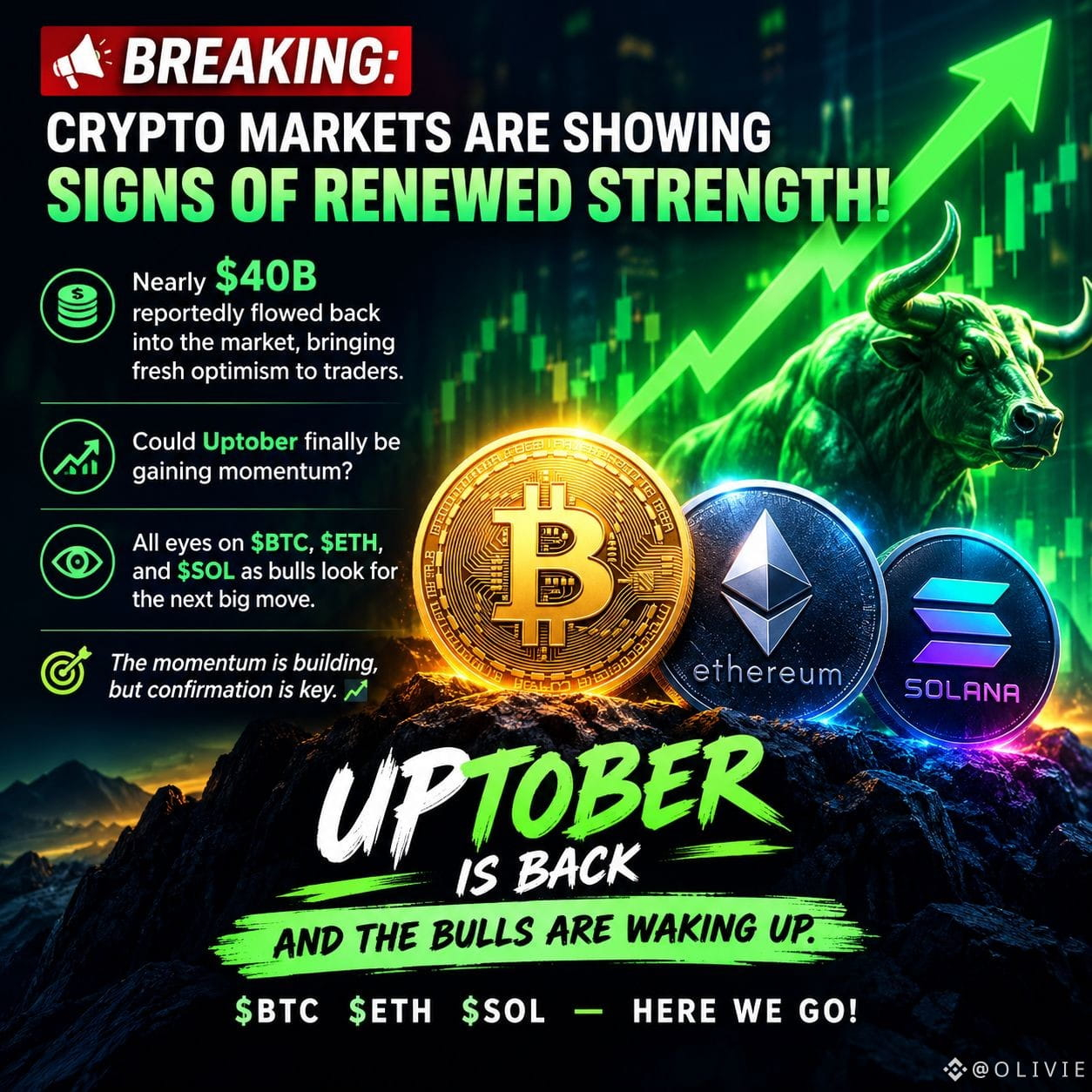
За повідомленнями, на ринок повернулося майже 40 млрд доларів, що вселяє трейдерам новий оптимізм.
Чи нарешті набирає обертів Uptober?
Усі погляди прикуті до $BTC , $ETH і $SOL , поки бики очікують на наступний значний рух.
Імпульс наростає, але ключове — підтвердження.
#BTC走势分析
Крипторинки демонструють ознаки нового зміцнення!
За повідомленнями, на ринок повернулося майже 40 млрд доларів, що вселяє трейдерам новий оптимізм.
Чи нарешті набирає обертів Uptober?
Усі погляди прикуті до $BTC , $ETH і $SOL , поки бики очікують на наступний значний рух.
Імпульс наростає, але ключове — підтвердження.
#BTC走势分析
За повідомленнями, на ринок повернулося майже 40 млрд доларів, що вселяє трейдерам новий оптимізм.
Чи нарешті набирає обертів Uptober?
Усі погляди прикуті до $BTC , $ETH і $SOL , поки бики очікують на наступний значний рух.
Імпульс наростає, але ключове — підтвердження.
#BTC走势分析
12
18
766
·
--
А що, якби ваша торгова стратегія залишалася прихованою до моменту виконання?
Більшість ринків розкривають більше, ніж просто угоди. Вони можуть видати наміри ще до настання слушного моменту.
Nillion прагне це змінити.
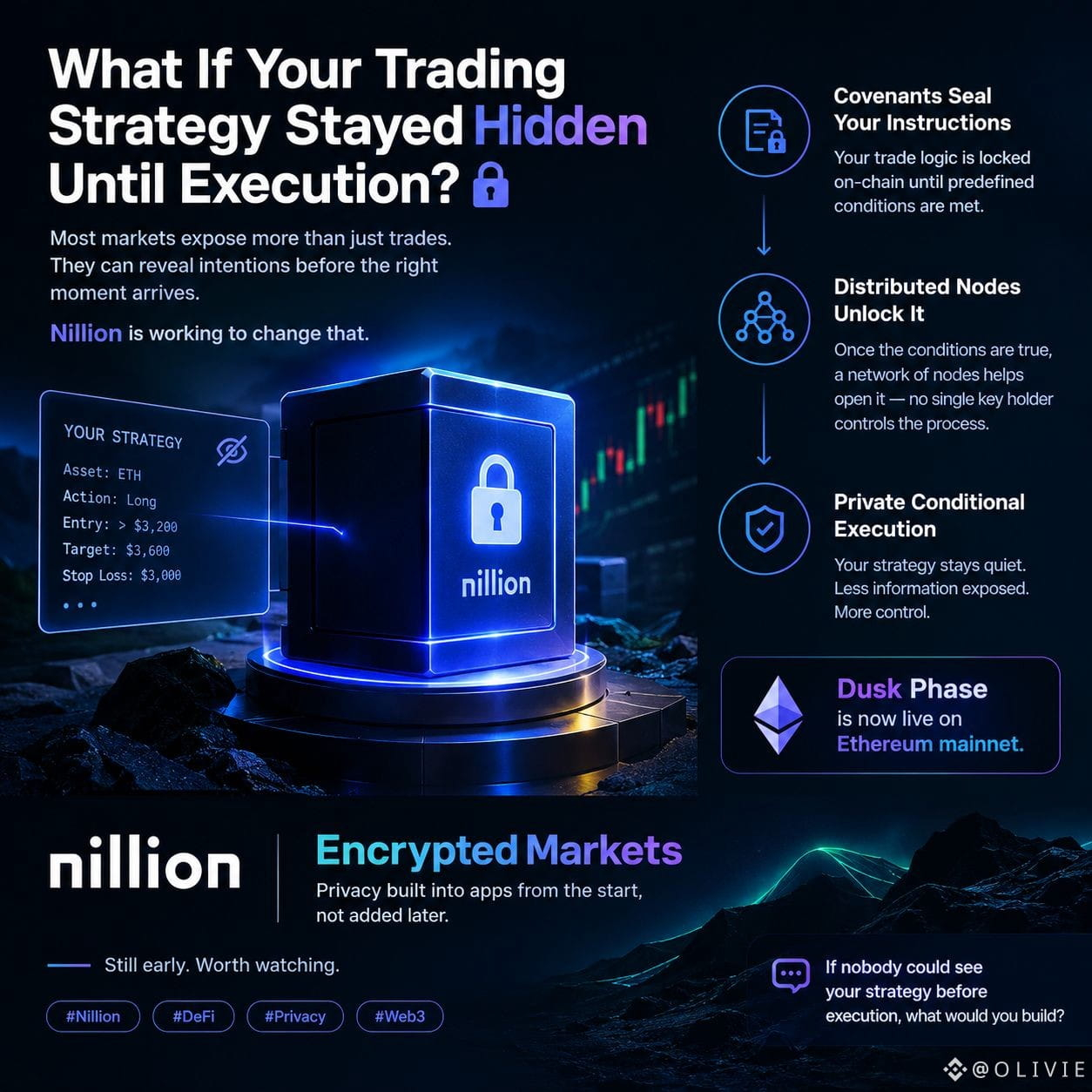
Завдяки Covenants інструкції залишаються запечатаними в блокчейні, доки не буде виконано заздалегідь визначені умови. Коли умови виконано, розподілена мережа допомагає розблокувати їх, не покладаючись на одного власника ключа.
Що це дає? Приватніше виконання умов, захищену логіку стратегій і менше інформації, доступної до того, як угода почне виконуватися.
Фаза Dusk уже запущена в основній мережі Ethereum, наближаючи це бачення приватного виконання до реальності.
Nillion розбудовує Encrypted Markets — ринки, де приватність закладена в основу, а не додана згодом.
Майбутнє DeFi може полягати не лише у швидших угодах, а й у розумніших способах зберігати наміри в таємниці.
Якби ніхто не міг бачити вашу стратегію до її виконання, що б ви створили? 👀
#nil $NIL @nillionnetwork
А що, якби ваша торгова стратегія залишалася прихованою до моменту виконання?
Більшість ринків розкривають більше, ніж просто угоди. Вони можуть видати наміри ще до настання слушного моменту.
Nillion прагне це змінити.
Завдяки Covenants інструкції залишаються запечатаними в блокчейні, доки не буде виконано заздалегідь визначені умови. Коли умови виконано, розподілена мережа допомагає розблокувати їх, не покладаючись на одного власника ключа.
Що це дає? Приватніше виконання умов, захищену логіку стратегій і менше інформації, доступної до того, як угода почне виконуватися.
Фаза Dusk уже запущена в основній мережі Ethereum, наближаючи це бачення приватного виконання до реальності.
Nillion розбудовує Encrypted Markets — ринки, де приватність закладена в основу, а не додана згодом.
Майбутнє DeFi може полягати не лише у швидших угодах, а й у розумніших способах зберігати наміри в таємниці.
Якби ніхто не міг бачити вашу стратегію до її виконання, що б ви створили? 👀
#nil $NIL @Nillion
Більшість ринків розкривають більше, ніж просто угоди. Вони можуть видати наміри ще до настання слушного моменту.
Nillion прагне це змінити.
Завдяки Covenants інструкції залишаються запечатаними в блокчейні, доки не буде виконано заздалегідь визначені умови. Коли умови виконано, розподілена мережа допомагає розблокувати їх, не покладаючись на одного власника ключа.
Що це дає? Приватніше виконання умов, захищену логіку стратегій і менше інформації, доступної до того, як угода почне виконуватися.
Фаза Dusk уже запущена в основній мережі Ethereum, наближаючи це бачення приватного виконання до реальності.
Nillion розбудовує Encrypted Markets — ринки, де приватність закладена в основу, а не додана згодом.
Майбутнє DeFi може полягати не лише у швидших угодах, а й у розумніших способах зберігати наміри в таємниці.
Якби ніхто не міг бачити вашу стратегію до її виконання, що б ви створили? 👀
#nil $NIL @Nillion
15
19
291
·
--
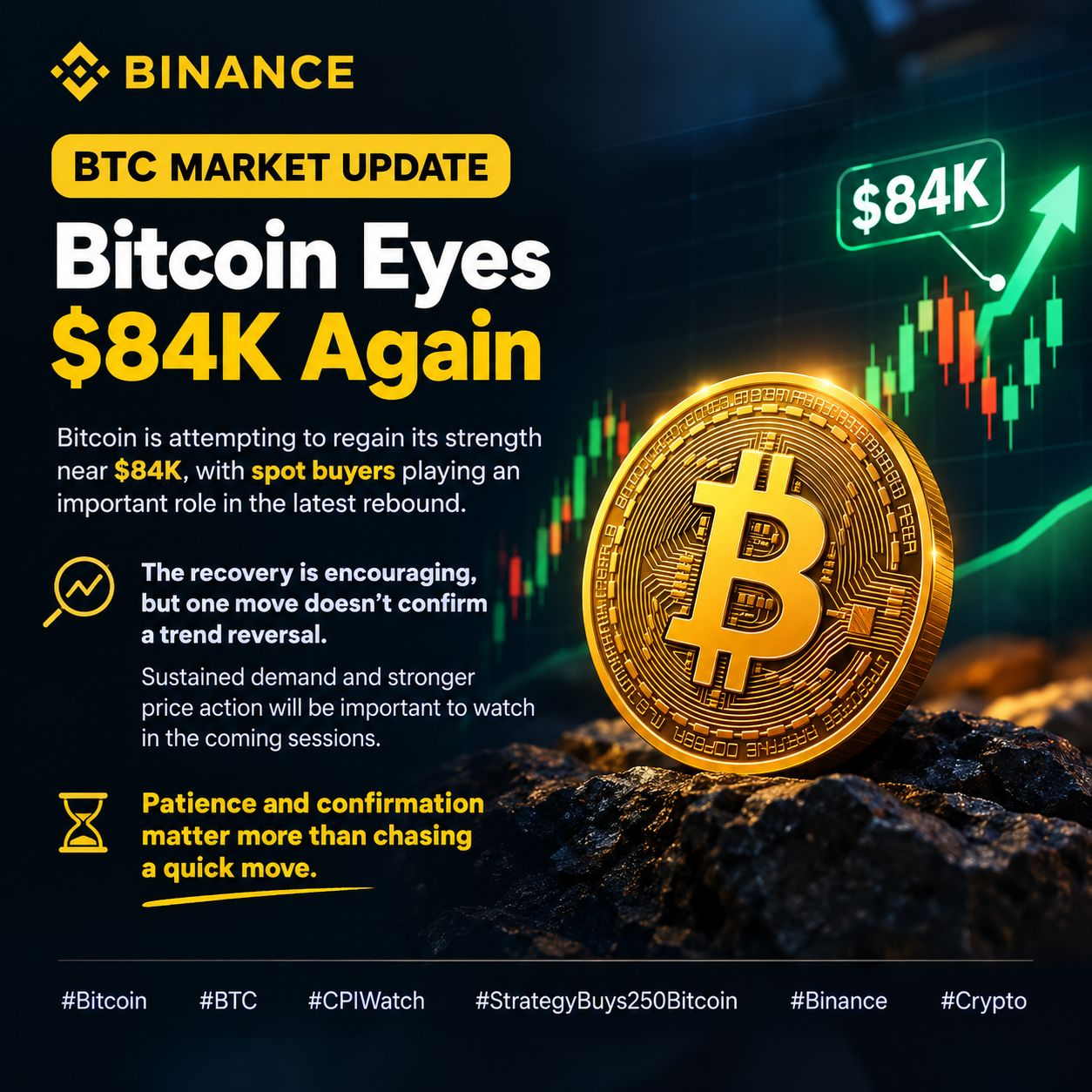
Біткоїн намагається відновити сили поблизу позначки $84 тис., а покупці на спотовому ринку відіграють важливу роль в останньому відскоку. 👀
Відновлення обнадіює, але одного руху недостатньо, щоб підтвердити розворот тренду. У найближчі сесії важливо стежити за стійким попитом і впевненішою динамікою ціни. Терпіння та підтвердження важливіші, ніж гонитва за швидким рухом.#BTC突破7万大关
Біткоїн намагається відновити сили поблизу позначки $84 тис., а покупці на спотовому ринку відіграють важливу роль в останньому відскоку. 👀
Відновлення обнадіює, але одного руху недостатньо, щоб підтвердити розворот тренду. У найближчі сесії важливо стежити за стійким попитом і впевненішою динамікою ціни. Терпіння та підтвердження важливіші, ніж гонитва за швидким рухом.#BTC突破7万大关
Відновлення обнадіює, але одного руху недостатньо, щоб підтвердити розворот тренду. У найближчі сесії важливо стежити за стійким попитом і впевненішою динамікою ціни. Терпіння та підтвердження важливіші, ніж гонитва за швидким рухом.#BTC突破7万大关
175
·
--
Зараз Bitcoin подає цікавий сигнал попиту. 👀
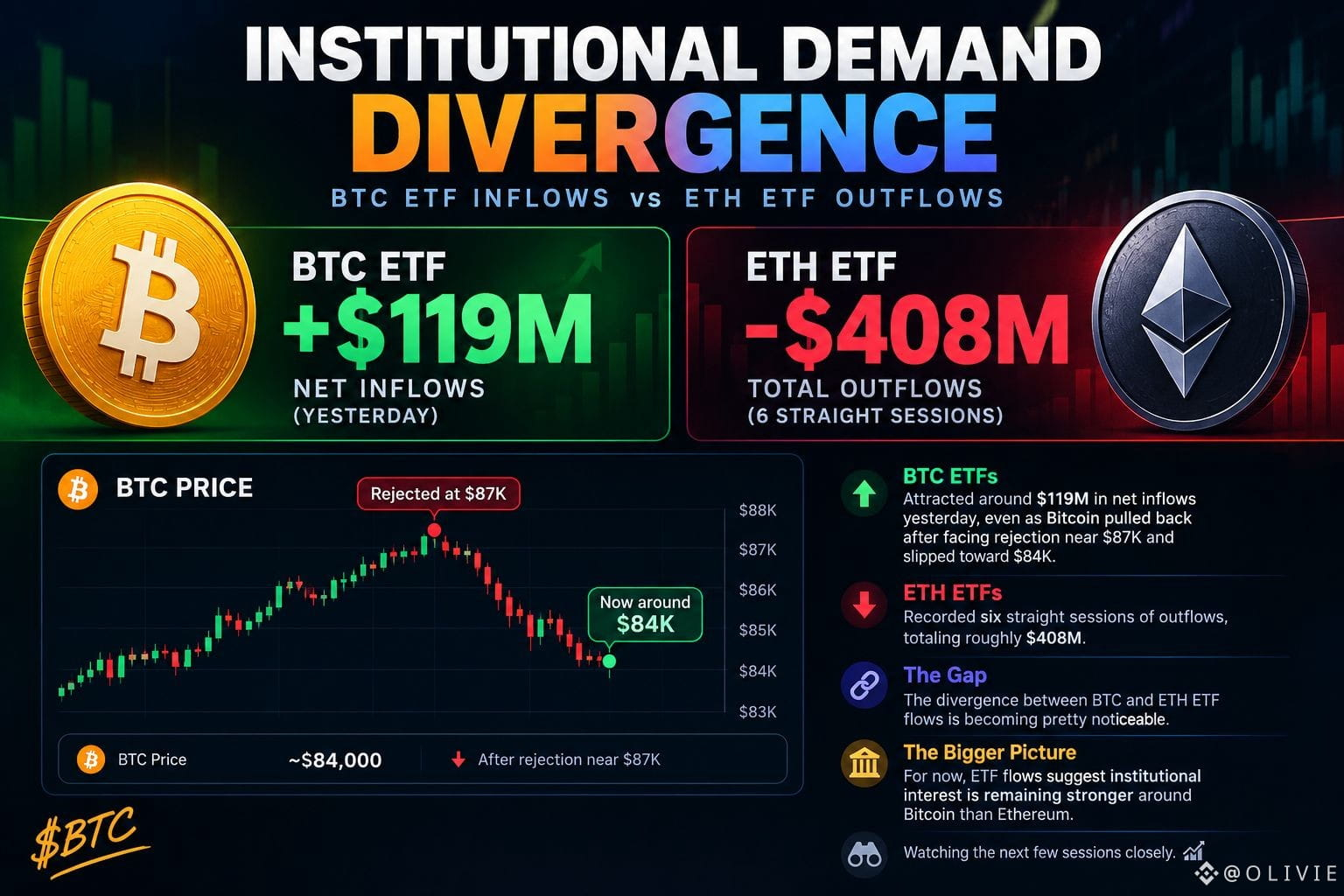
Учора чистий приплив коштів у BTC-ETF становив близько $119 млн, хоча Bitcoin відступив після того, як зіткнувся з опором поблизу рівня $87K, і просів до $84K.
Тим часом ETF на Ethereum демонструють зовсім іншу картину: відтік коштів триває вже шість сесій поспіль і загалом становить близько $408 млн.
Цю різницю важко ігнорувати.
Поки що потоки коштів в ETF свідчать про те, що інтерес інституційних інвесторів до Bitcoin залишається сильнішим, ніж до Ethereum.
Уважно стежимо за наступними сесіями. 📊
$BTC
Зараз Bitcoin подає цікавий сигнал попиту. 👀
Учора чистий приплив коштів у BTC-ETF становив близько $119 млн, хоча Bitcoin відступив після того, як зіткнувся з опором поблизу рівня $87K, і просів до $84K.
Тим часом ETF на Ethereum демонструють зовсім іншу картину: відтік коштів триває вже шість сесій поспіль і загалом становить близько $408 млн.
Цю різницю важко ігнорувати.
Поки що потоки коштів в ETF свідчать про те, що інтерес інституційних інвесторів до Bitcoin залишається сильнішим, ніж до Ethereum.
Уважно стежимо за наступними сесіями. 📊
$BTC
Учора чистий приплив коштів у BTC-ETF становив близько $119 млн, хоча Bitcoin відступив після того, як зіткнувся з опором поблизу рівня $87K, і просів до $84K.
Тим часом ETF на Ethereum демонструють зовсім іншу картину: відтік коштів триває вже шість сесій поспіль і загалом становить близько $408 млн.
Цю різницю важко ігнорувати.
Поки що потоки коштів в ETF свідчать про те, що інтерес інституційних інвесторів до Bitcoin залишається сильнішим, ніж до Ethereum.
Уважно стежимо за наступними сесіями. 📊
$BTC
10
11
2.1k
·
--
🚨 BNB ПРОБИВАЄ РІВЕНЬ $800
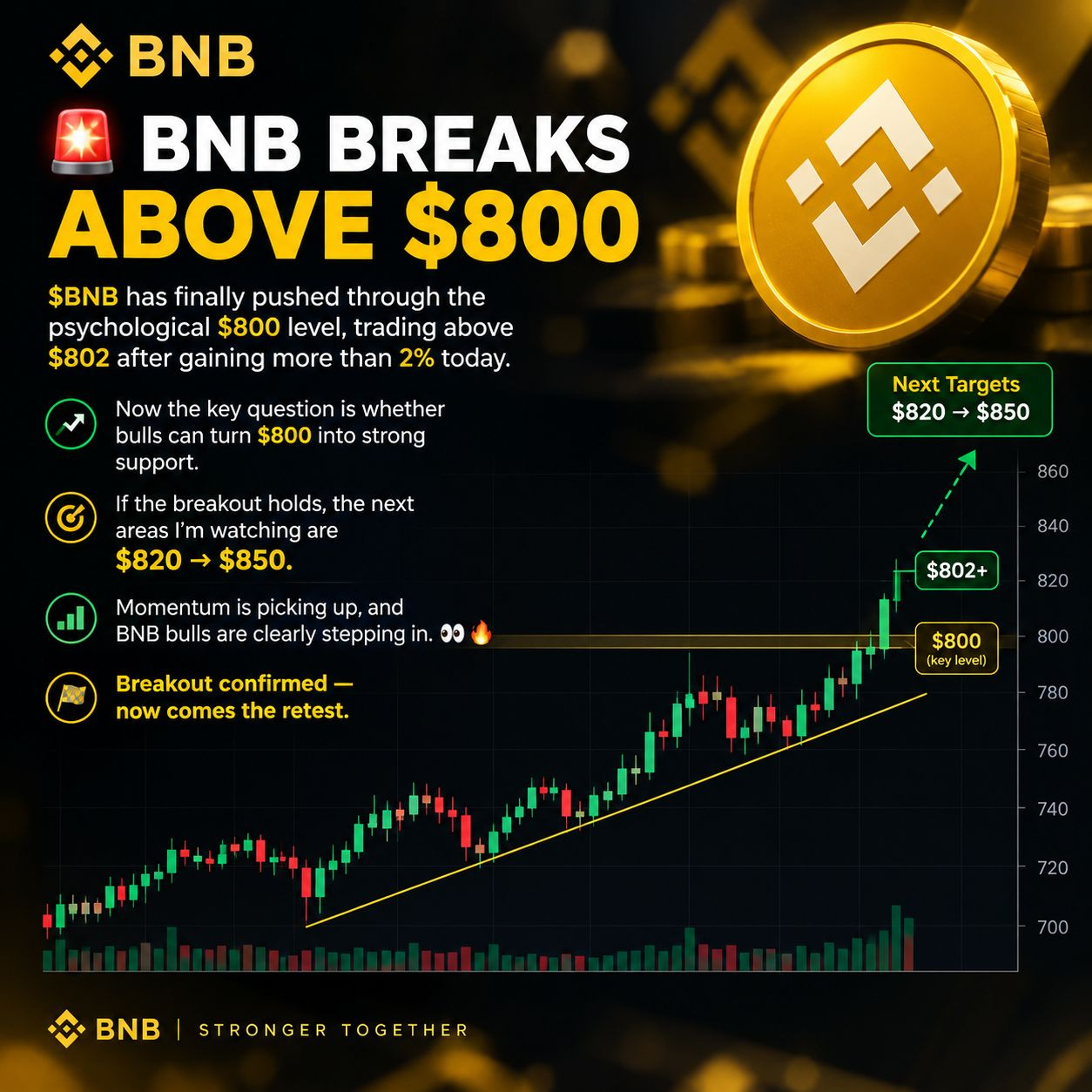
$BNB нарешті подолав психологічний рівень $800 і після зростання більш ніж на 2% за сьогодні торгується вище $802.
Тепер головне питання — чи зможуть бики перетворити $800 на сильний рівень підтримки.
Якщо прорив утримається, наступні рівні, за якими я стежу, — $820 → $850.
Імпульс набирає обертів, і бики BNB явно активізуються. 👀🔥
Прорив підтверджено — тепер час для повторного тестування.
#BTC突破7万大关 #BNB走势
🚨 BNB ПРОБИВАЄ РІВЕНЬ $800
$BNB нарешті подолав психологічний рівень $800 і після зростання більш ніж на 2% за сьогодні торгується вище $802.
Тепер головне питання — чи зможуть бики перетворити $800 на сильний рівень підтримки.
Якщо прорив утримається, наступні рівні, за якими я стежу, — $820 → $850.
Імпульс набирає обертів, і бики BNB явно активізуються. 👀🔥
Прорив підтверджено — тепер час для повторного тестування.
#BTC突破7万大关 #BNB走势
$BNB нарешті подолав психологічний рівень $800 і після зростання більш ніж на 2% за сьогодні торгується вище $802.
Тепер головне питання — чи зможуть бики перетворити $800 на сильний рівень підтримки.
Якщо прорив утримається, наступні рівні, за якими я стежу, — $820 → $850.
Імпульс набирає обертів, і бики BNB явно активізуються. 👀🔥
Прорив підтверджено — тепер час для повторного тестування.
#BTC突破7万大关 #BNB走势
13
15
513
·
--
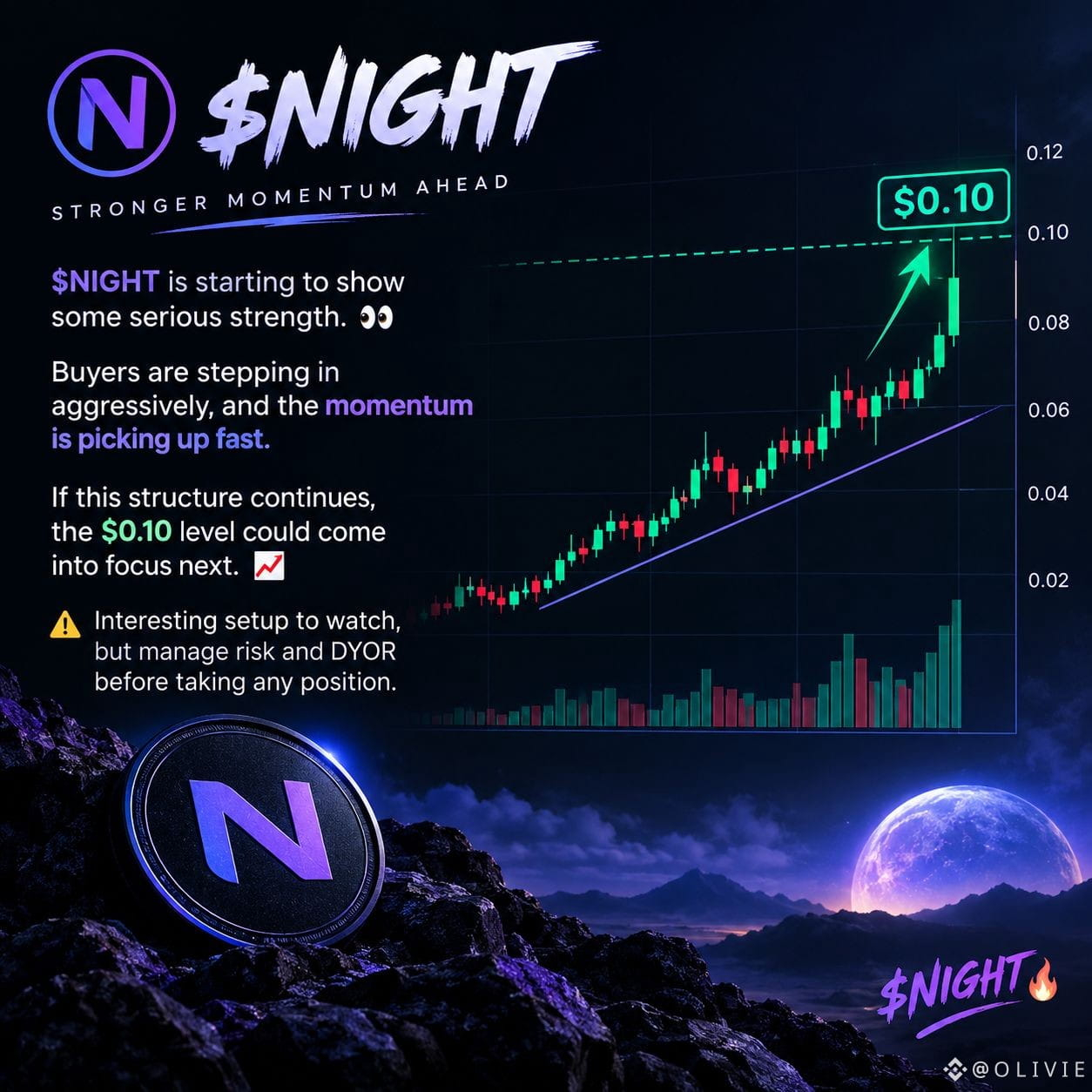
$NIGHT починає демонструвати справжню серйозну силу. 👀
Покупці заходять наполегливо, і імпульс швидко посилюється.
Якщо ця структура триватиме, наступним може стати рівень $0.10. 📈
Цікавий сетап для спостереження, але керуйте ризиками та робіть DYOR, перш ніж відкривати будь-яку позицію.
$NIGHT 🔥
$NIGHT починає демонструвати справжню серйозну силу. 👀
Покупці заходять наполегливо, і імпульс швидко посилюється.
Якщо ця структура триватиме, наступним може стати рівень $0.10. 📈
Цікавий сетап для спостереження, але керуйте ризиками та робіть DYOR, перш ніж відкривати будь-яку позицію.
$NIGHT 🔥
Покупці заходять наполегливо, і імпульс швидко посилюється.
Якщо ця структура триватиме, наступним може стати рівень $0.10. 📈
Цікавий сетап для спостереження, але керуйте ризиками та робіть DYOR, перш ніж відкривати будь-яку позицію.
$NIGHT 🔥
13
15
1.1k
·
--
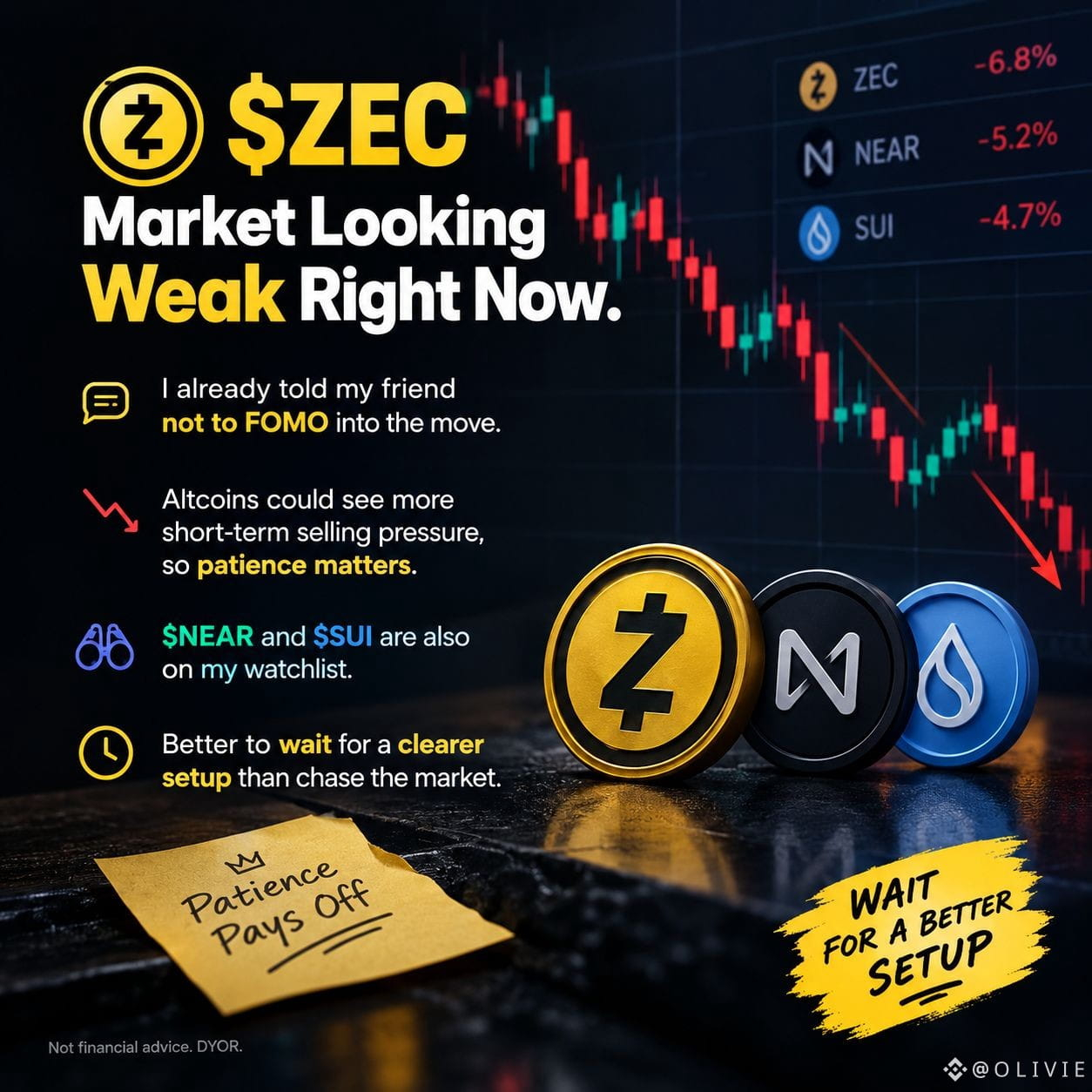
$ZEC Ринок зараз виглядає слабким.
Я вже сказав своєму другу не FOMO під час цього руху.
Альткоїни можуть зазнати додаткового короткострокового тиску продажів, тож терпіння важливе.
$NEAR і $SUI теж є в моєму списку спостереження.
Краще почекати на чіткіший сетап, ніж гнатися за ринком.
#BTC突破7万大关
$ZEC Ринок зараз виглядає слабким.
Я вже сказав своєму другу не FOMO під час цього руху.
Альткоїни можуть зазнати додаткового короткострокового тиску продажів, тож терпіння важливе.
$NEAR і $SUI теж є в моєму списку спостереження.
Краще почекати на чіткіший сетап, ніж гнатися за ринком.
#BTC突破7万大关
Я вже сказав своєму другу не FOMO під час цього руху.
Альткоїни можуть зазнати додаткового короткострокового тиску продажів, тож терпіння важливе.
$NEAR і $SUI теж є в моєму списку спостереження.
Краще почекати на чіткіший сетап, ніж гнатися за ринком.
#BTC突破7万大关
12
16
2.4k
·
--
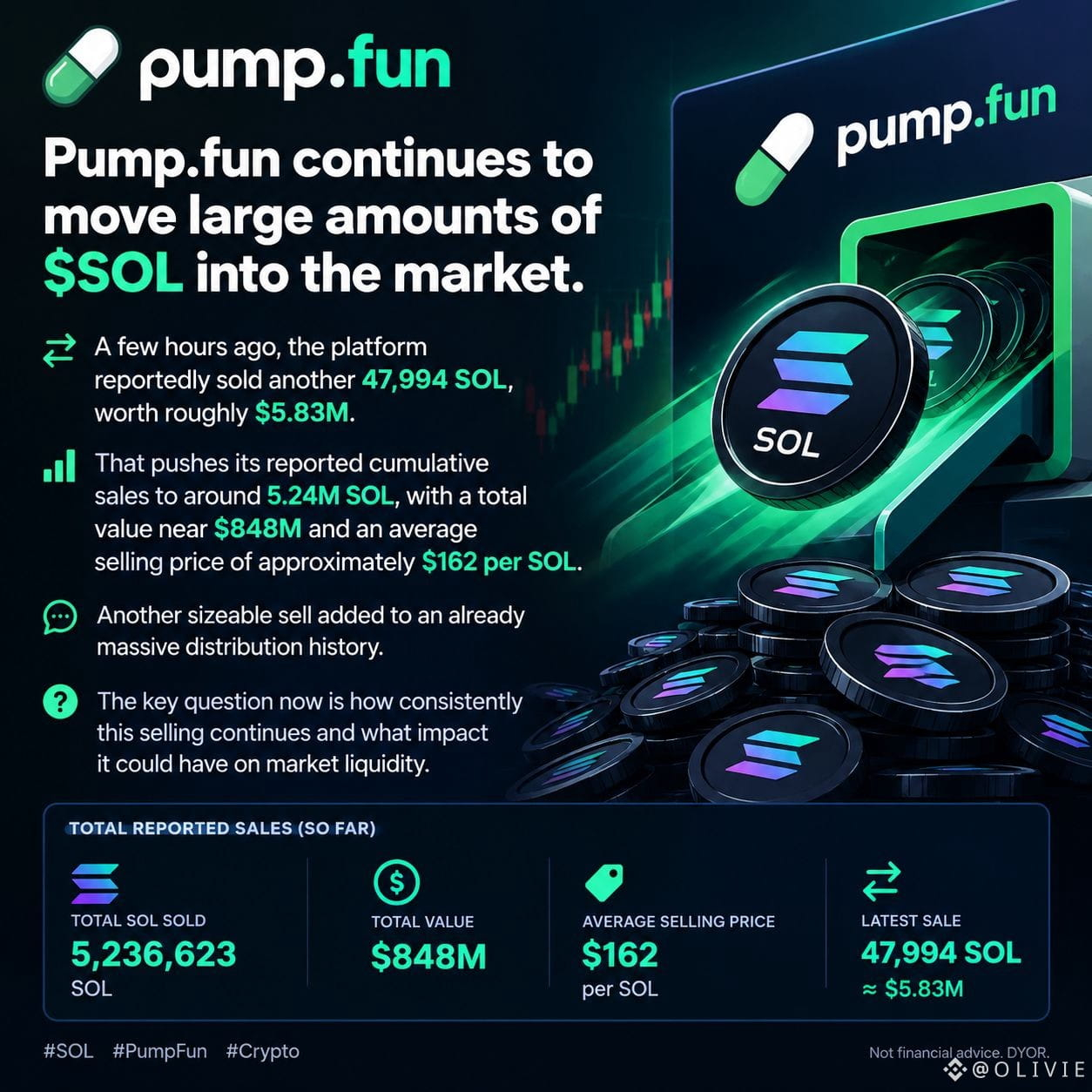
Pump.fun продовжує спрямовувати на ринок великі обсяги $SOL .
Кілька годин тому, як повідомлялося, платформа продала ще 47,994 SOL вартістю приблизно $5,83 млн.
Це підштовхує її заявлений сукупний обсяг продажів до близько 5,24 млн SOL, а загальна вартість становить майже $848 млн, при середній ціні продажу приблизно $162 за 1 SOL.
Ще один відчутний продаж додався до вже колосальної історії розподілу.
Головне питання зараз — наскільки стабільно це продажі продовжуватимуться і який вплив це може мати на ринкову ліквідність.
#sol #pumpfun #crypto
Pump.fun продовжує спрямовувати на ринок великі обсяги $SOL .
Кілька годин тому, як повідомлялося, платформа продала ще 47,994 SOL вартістю приблизно $5,83 млн.
Це підштовхує її заявлений сукупний обсяг продажів до близько 5,24 млн SOL, а загальна вартість становить майже $848 млн, при середній ціні продажу приблизно $162 за 1 SOL.
Ще один відчутний продаж додався до вже колосальної історії розподілу.
Головне питання зараз — наскільки стабільно це продажі продовжуватимуться і який вплив це може мати на ринкову ліквідність.
#sol #pumpfun #crypto
Кілька годин тому, як повідомлялося, платформа продала ще 47,994 SOL вартістю приблизно $5,83 млн.
Це підштовхує її заявлений сукупний обсяг продажів до близько 5,24 млн SOL, а загальна вартість становить майже $848 млн, при середній ціні продажу приблизно $162 за 1 SOL.
Ще один відчутний продаж додався до вже колосальної історії розподілу.
Головне питання зараз — наскільки стабільно це продажі продовжуватимуться і який вплив це може мати на ринкову ліквідність.
#sol #pumpfun #crypto
16
20
264
·
--
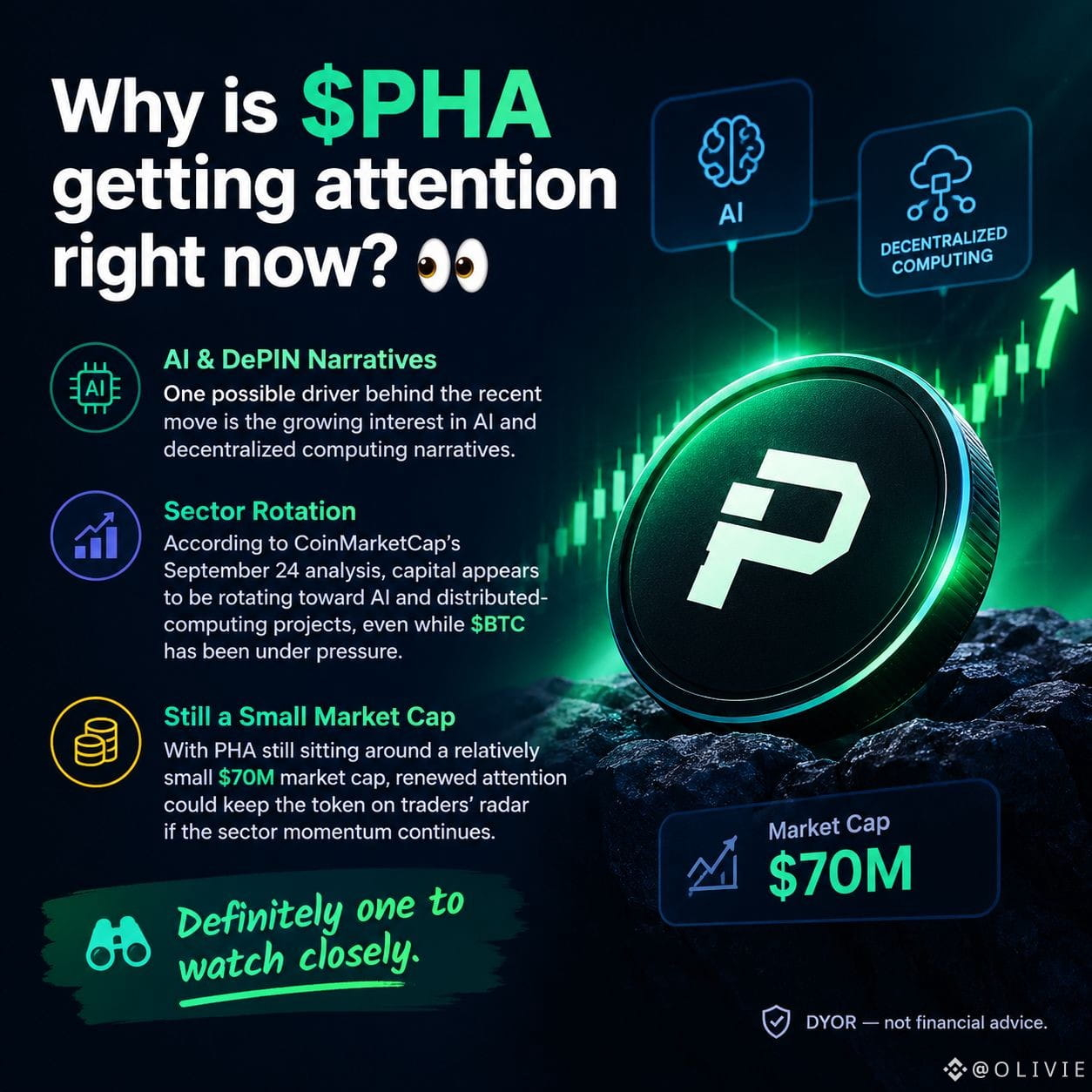
Чому $PHA зараз привертає увагу? 👀
Одним із можливих чинників нещодавнього руху є зростання інтересу до AI та наративів про децентралізовані обчислення.
Згідно з аналізом CoinMarketCap від 24 вересня, капітал, схоже, спрямовується в бік проєктів у сфері AI та розподілених обчислень, навіть якщо $BTC перебуває під тиском.
Оскільки PHA все ще тримається на відносно невеликій ринковій капіталізації близько $70 млн, відновлена увага може тримати токен у полі зору трейдерів, якщо імпульс у секторі триватиме.
Безумовно, за ним варто уважно стежити. 👀
DYOR — не фінансова порада.
#BTC走势分析
Чому $PHA зараз привертає увагу? 👀
Одним із можливих чинників нещодавнього руху є зростання інтересу до AI та наративів про децентралізовані обчислення.
Згідно з аналізом CoinMarketCap від 24 вересня, капітал, схоже, спрямовується в бік проєктів у сфері AI та розподілених обчислень, навіть якщо $BTC перебуває під тиском.
Оскільки PHA все ще тримається на відносно невеликій ринковій капіталізації близько $70 млн, відновлена увага може тримати токен у полі зору трейдерів, якщо імпульс у секторі триватиме.
Безумовно, за ним варто уважно стежити. 👀
DYOR — не фінансова порада.
#BTC走势分析
Одним із можливих чинників нещодавнього руху є зростання інтересу до AI та наративів про децентралізовані обчислення.
Згідно з аналізом CoinMarketCap від 24 вересня, капітал, схоже, спрямовується в бік проєктів у сфері AI та розподілених обчислень, навіть якщо $BTC перебуває під тиском.
Оскільки PHA все ще тримається на відносно невеликій ринковій капіталізації близько $70 млн, відновлена увага може тримати токен у полі зору трейдерів, якщо імпульс у секторі триватиме.
Безумовно, за ним варто уважно стежити. 👀
DYOR — не фінансова порада.
#BTC走势分析
15
16
685
·
--
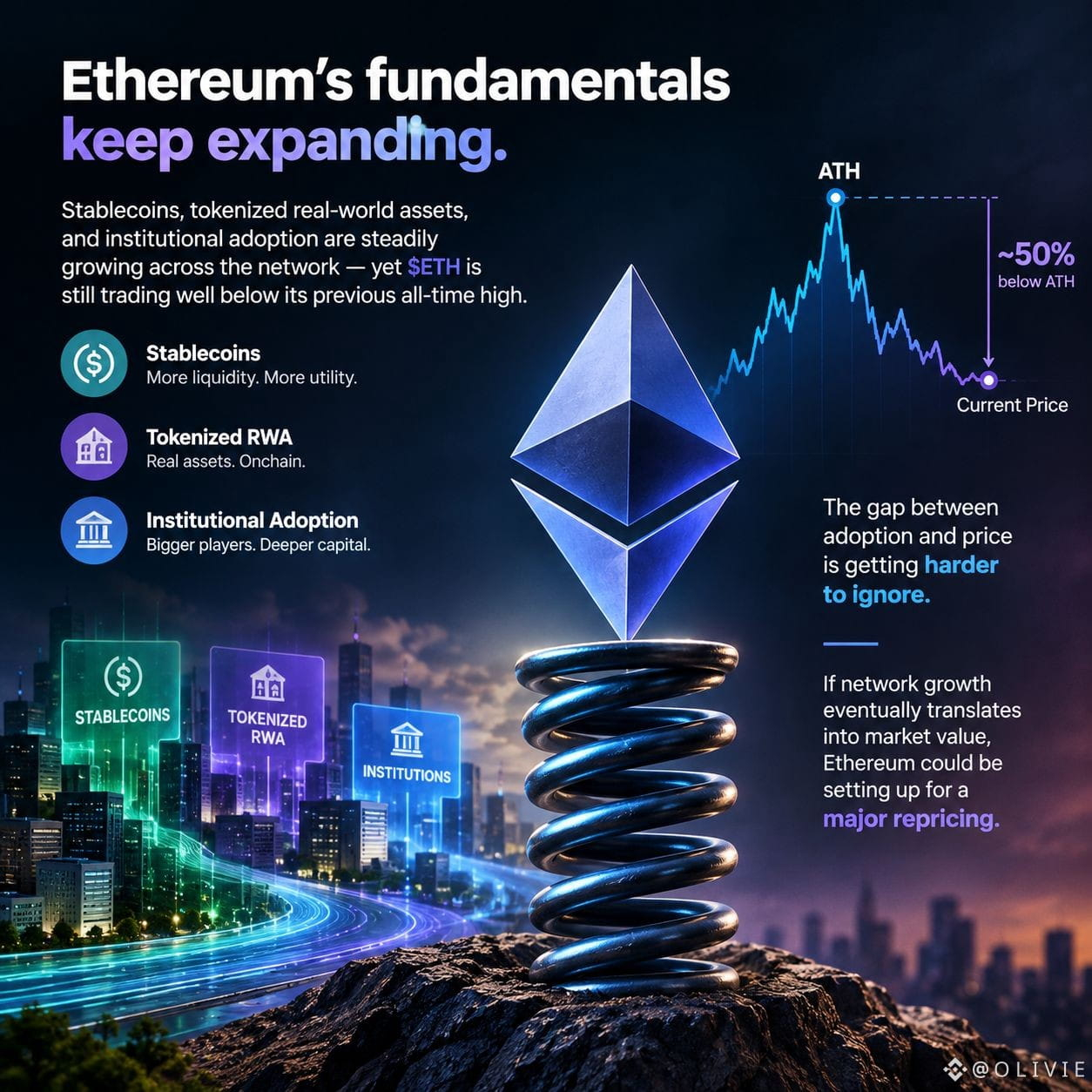
Фундамент Ethereum продовжує розширюватися.
Стейблкоїни, токенізовані реальні активи та інституційне впровадження стабільно зростають у всій мережі, однак $ETH усе ще торгується значно нижче свого попереднього історичного максимуму.
Розрив між рівнем впровадження та ціною стає все важче ігнорувати.
Якщо зростання мережі з часом транслюється у ринкову вартість, Ethereum може готуватися до масштабного переоцінювання.
#BTC突破7万大关 #Ethereum
Фундамент Ethereum продовжує розширюватися.
Стейблкоїни, токенізовані реальні активи та інституційне впровадження стабільно зростають у всій мережі, однак $ETH усе ще торгується значно нижче свого попереднього історичного максимуму.
Розрив між рівнем впровадження та ціною стає все важче ігнорувати.
Якщо зростання мережі з часом транслюється у ринкову вартість, Ethereum може готуватися до масштабного переоцінювання.
#BTC突破7万大关 #Ethereum
Стейблкоїни, токенізовані реальні активи та інституційне впровадження стабільно зростають у всій мережі, однак $ETH усе ще торгується значно нижче свого попереднього історичного максимуму.
Розрив між рівнем впровадження та ціною стає все важче ігнорувати.
Якщо зростання мережі з часом транслюється у ринкову вартість, Ethereum може готуватися до масштабного переоцінювання.
#BTC突破7万大关 #Ethereum
14
14
317
·
--
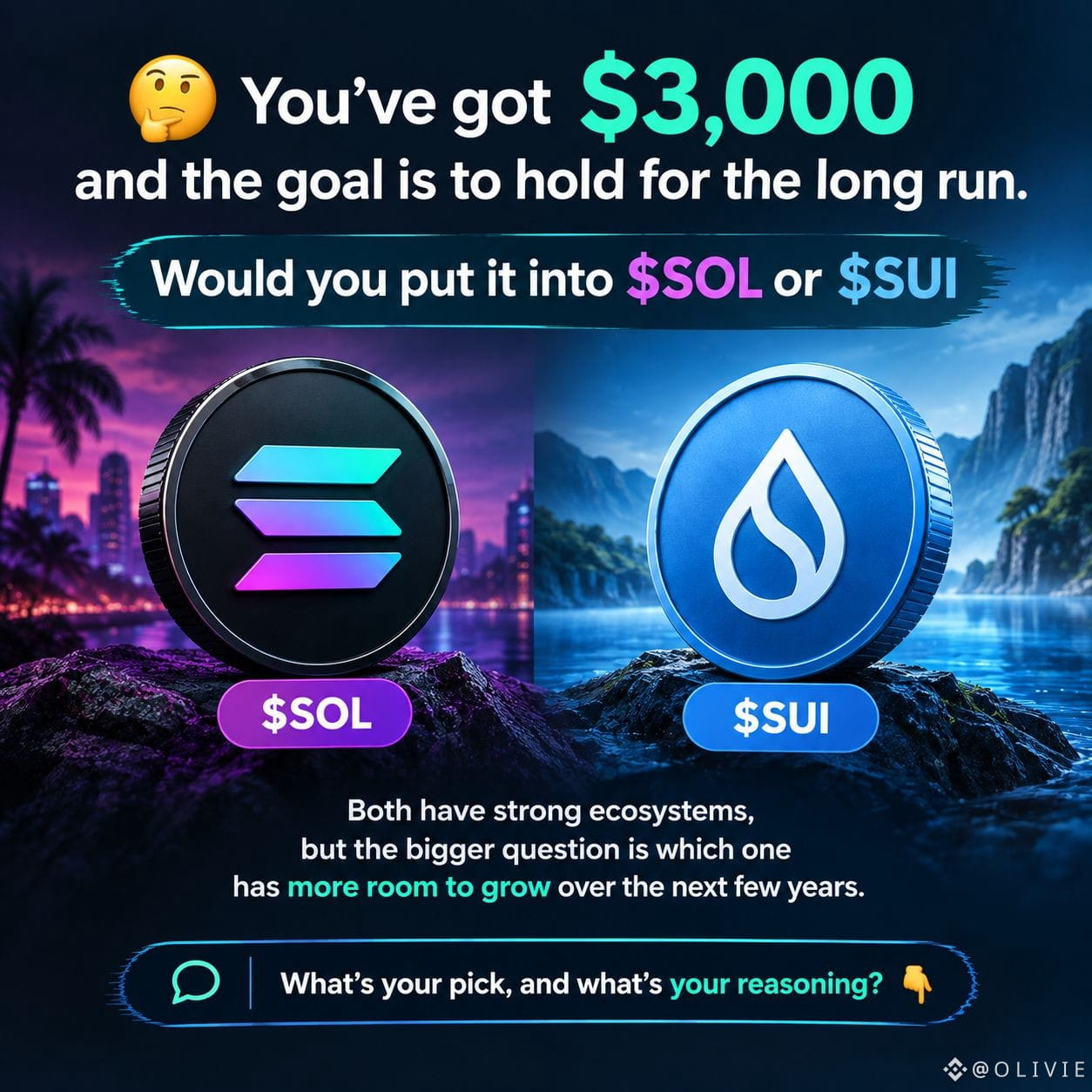
🤔 У вас є 3,000 доларів, і мета — тримати їх надовго.
Ви б вклали їх у $SOL чи $SUI ?
В обох сильні екосистеми, але головне питання — яка з них, на вашу думку, має більше потенціалу для росту впродовж найближчих кількох років.
Що обираєте і чому?
#BTC突破7万大关
🤔 У вас є 3,000 доларів, і мета — тримати їх надовго.
Ви б вклали їх у $SOL чи $SUI ?
В обох сильні екосистеми, але головне питання — яка з них, на вашу думку, має більше потенціалу для росту впродовж найближчих кількох років.
Що обираєте і чому?
#BTC突破7万大关
Ви б вклали їх у $SOL чи $SUI ?
В обох сильні екосистеми, але головне питання — яка з них, на вашу думку, має більше потенціалу для росту впродовж найближчих кількох років.
Що обираєте і чому?
#BTC突破7万大关
13
18
1k
·
--
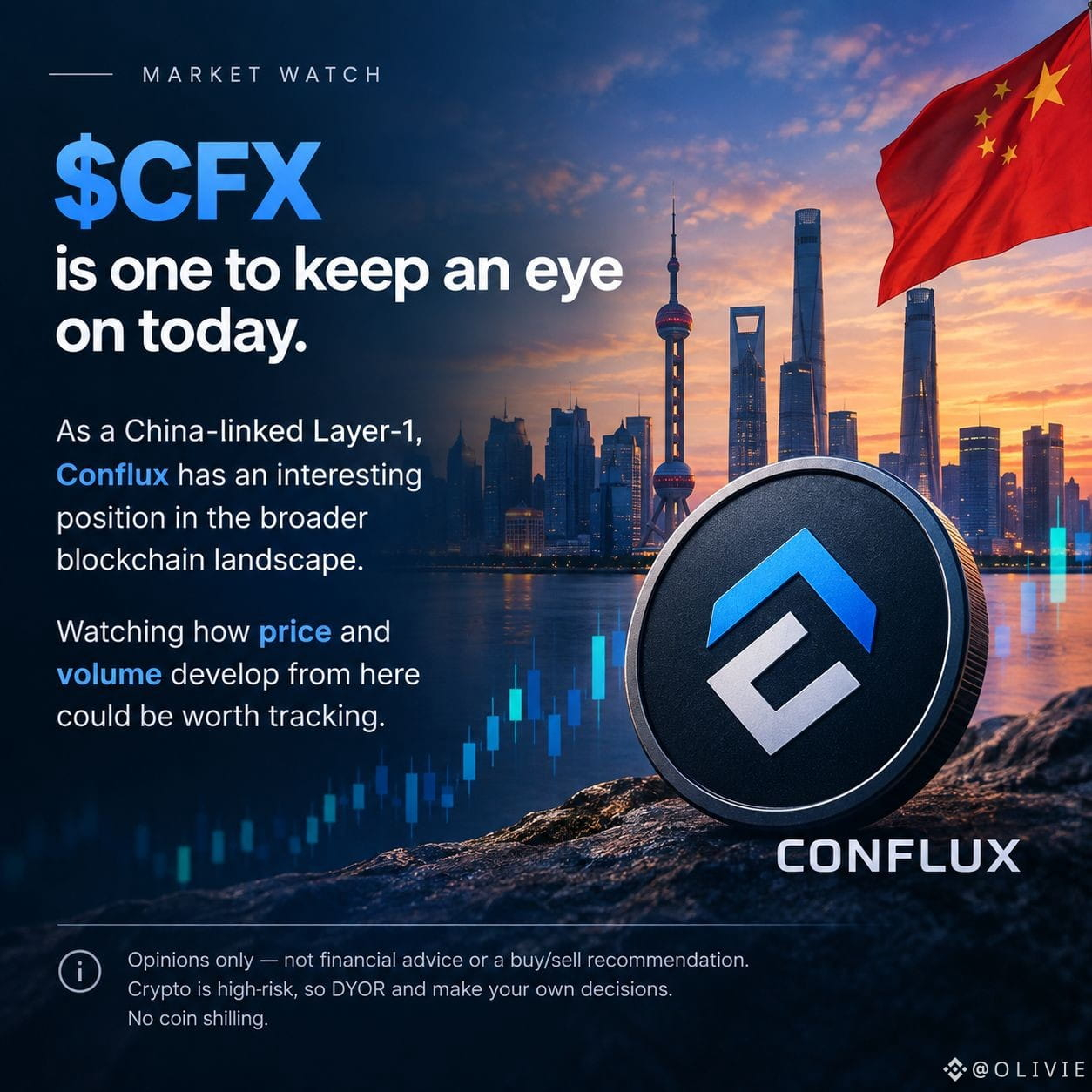
$CFX сьогодні варто тримати на увазі.
Як Layer-1, пов’язаний із Китаєм, Conflux займає цікаву позицію в ширшому блокчейн-ландшафті. Спостерігати за тим, як розвиватимуться ціна та обсяги звідси, може бути варто.
Лише думки, не фінансова порада чи рекомендація купити/продати. Крипто — високоризикова, тож DYOR і приймайте власні рішення. Без просування монет.
#BTC突破7万大关
$CFX сьогодні варто тримати на увазі.
Як Layer-1, пов’язаний із Китаєм, Conflux займає цікаву позицію в ширшому блокчейн-ландшафті. Спостерігати за тим, як розвиватимуться ціна та обсяги звідси, може бути варто.
Лише думки, не фінансова порада чи рекомендація купити/продати. Крипто — високоризикова, тож DYOR і приймайте власні рішення. Без просування монет.
#BTC突破7万大关
Як Layer-1, пов’язаний із Китаєм, Conflux займає цікаву позицію в ширшому блокчейн-ландшафті. Спостерігати за тим, як розвиватимуться ціна та обсяги звідси, може бути варто.
Лише думки, не фінансова порада чи рекомендація купити/продати. Крипто — високоризикова, тож DYOR і приймайте власні рішення. Без просування монет.
#BTC突破7万大关
10
12
690
·
--
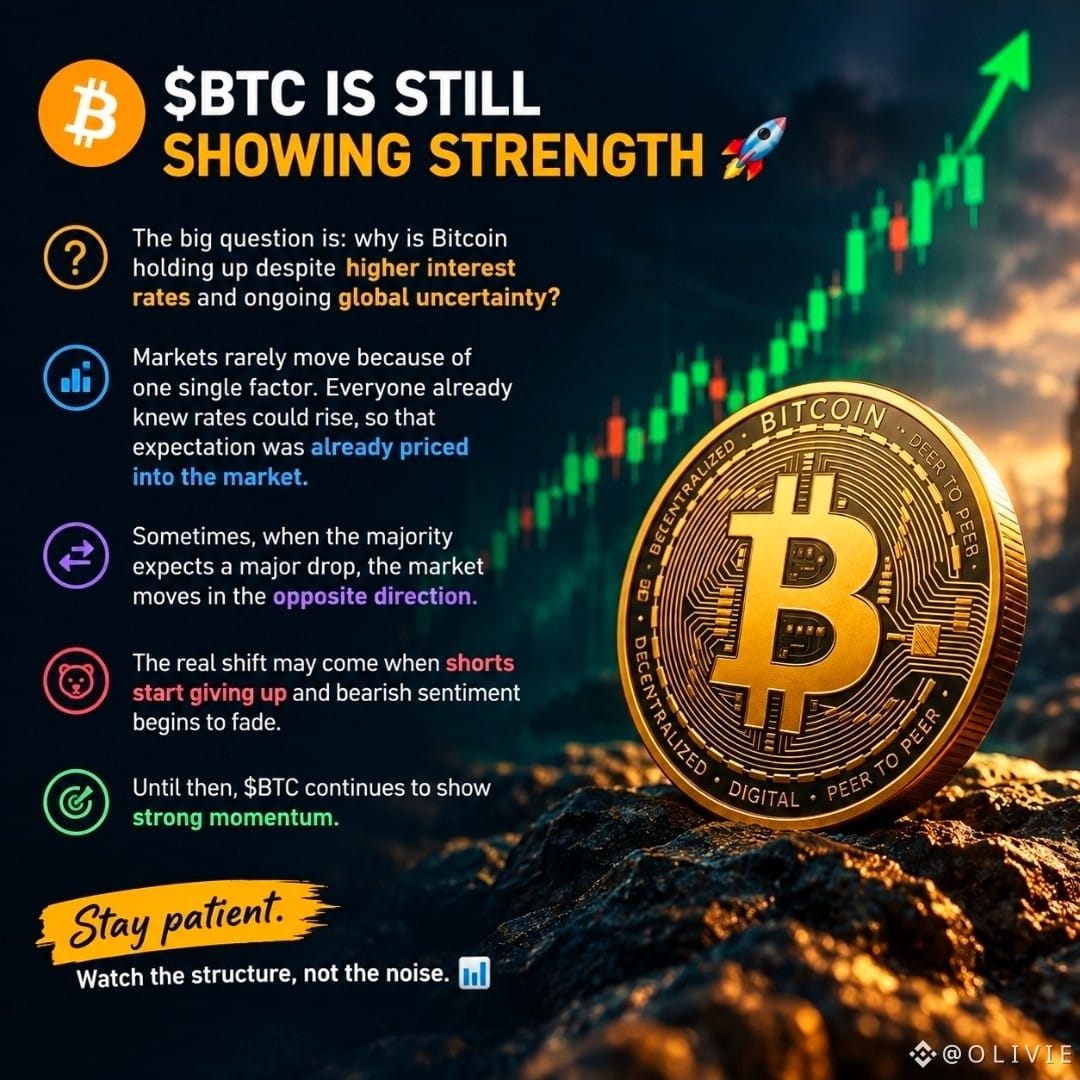
$BTC ДОНАРАЗ ВИНИКЄ СИЛА 🚀
Головне питання таке: чому біткоїн тримається попри вищі відсоткові ставки та триваючу глобальну невизначеність?
Ринки рідко рухаються через один-єдиний фактор. Усі вже знали, що ставки можуть підвищитися, тож ця очікувана подія була вже закладена в ціні ринку.
Іноді, коли більшість очікує значного падіння, ринок рухається у протилежному напрямку.
Справжній зсув може настати тоді, коли шорти почнуть здаватись і ведмежі настрої почнуть слабшати. Поки що $BTC продовжує демонструвати сильний імпульс.
Будьте терплячими. Дивіться на структуру, а не на шум.
#BTC走势分析
$BTC ДОНАРАЗ ВИНИКЄ СИЛА 🚀
Головне питання таке: чому біткоїн тримається попри вищі відсоткові ставки та триваючу глобальну невизначеність?
Ринки рідко рухаються через один-єдиний фактор. Усі вже знали, що ставки можуть підвищитися, тож ця очікувана подія була вже закладена в ціні ринку.
Іноді, коли більшість очікує значного падіння, ринок рухається у протилежному напрямку.
Справжній зсув може настати тоді, коли шорти почнуть здаватись і ведмежі настрої почнуть слабшати. Поки що $BTC продовжує демонструвати сильний імпульс.
Будьте терплячими. Дивіться на структуру, а не на шум.
#BTC走势分析
Головне питання таке: чому біткоїн тримається попри вищі відсоткові ставки та триваючу глобальну невизначеність?
Ринки рідко рухаються через один-єдиний фактор. Усі вже знали, що ставки можуть підвищитися, тож ця очікувана подія була вже закладена в ціні ринку.
Іноді, коли більшість очікує значного падіння, ринок рухається у протилежному напрямку.
Справжній зсув може настати тоді, коли шорти почнуть здаватись і ведмежі настрої почнуть слабшати. Поки що $BTC продовжує демонструвати сильний імпульс.
Будьте терплячими. Дивіться на структуру, а не на шум.
#BTC走势分析
10
12
727
·
--
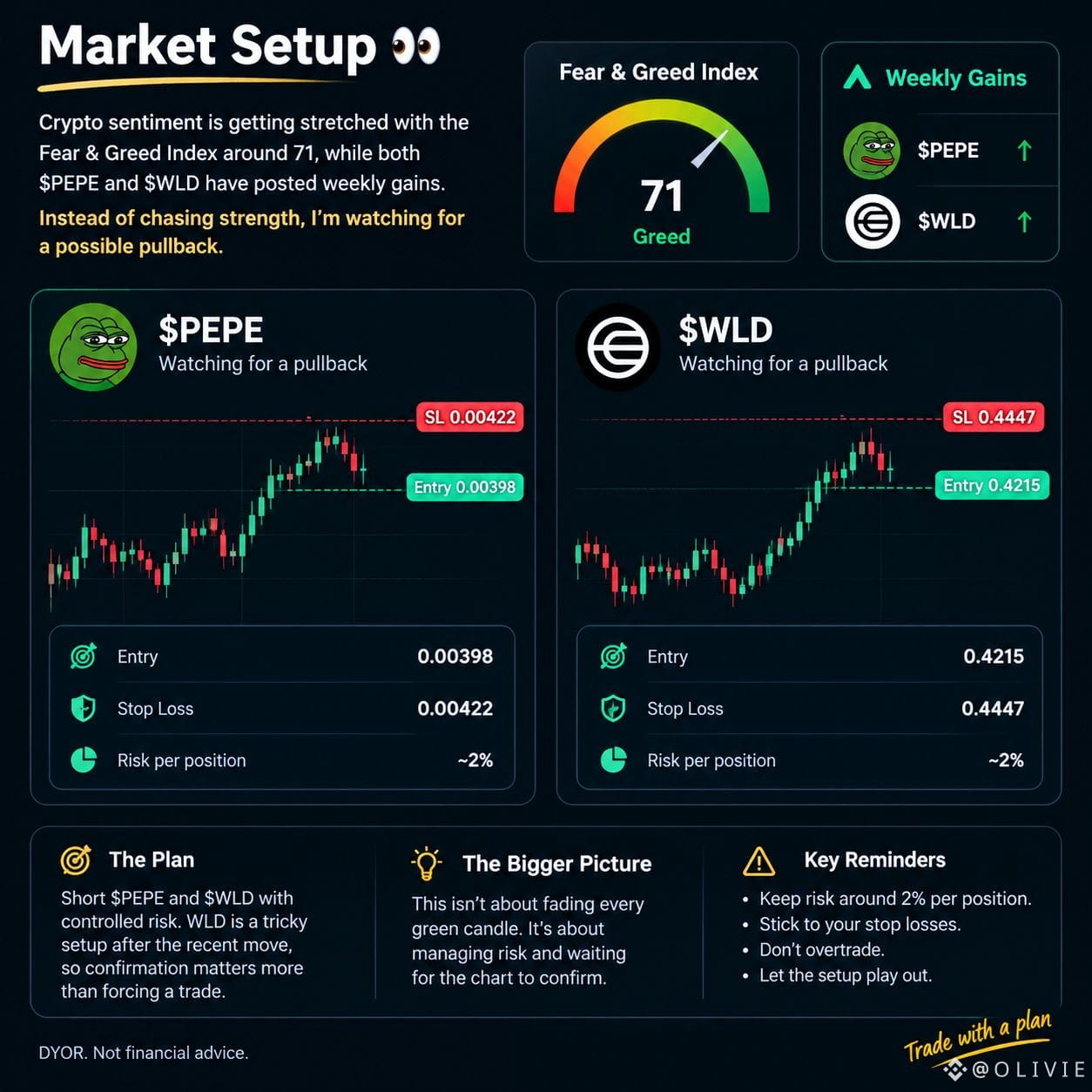
Кріпто-сентимент розтягується разом із Індексом Страху та Жадібності приблизно на рівні 71, тоді як $PEPE і $WLD обидва опублікували щотижневі прибутки.
Замість того щоб гнатися за силою, я спостерігаю за можливим відкатом.
$PEPE ntry: 0.00398
SL: 0.00422
WLD Entry: 0.4215
SL: 0.4447
Я тримаю ризик контрольованим приблизно на рівні 2% на позицію. WLD — складний сетап після нещодавнього руху, тож підтвердження важливіше, ніж примусово відкривати угоду.
Для мене це про керування ризиком і очікування, доки графік підтвердить — а не бездумно “гасити” кожну зелену свічку.
DYOR. Не є фінансовою порадою.
Кріпто-сентимент розтягується разом із Індексом Страху та Жадібності приблизно на рівні 71, тоді як $PEPE і $WLD обидва опублікували щотижневі прибутки.
Замість того щоб гнатися за силою, я спостерігаю за можливим відкатом.
$PEPE ntry: 0.00398
SL: 0.00422
WLD Entry: 0.4215
SL: 0.4447
Я тримаю ризик контрольованим приблизно на рівні 2% на позицію. WLD — складний сетап після нещодавнього руху, тож підтвердження важливіше, ніж примусово відкривати угоду.
Для мене це про керування ризиком і очікування, доки графік підтвердить — а не бездумно “гасити” кожну зелену свічку.
DYOR. Не є фінансовою порадою.
Замість того щоб гнатися за силою, я спостерігаю за можливим відкатом.
$PEPE ntry: 0.00398
SL: 0.00422
WLD Entry: 0.4215
SL: 0.4447
Я тримаю ризик контрольованим приблизно на рівні 2% на позицію. WLD — складний сетап після нещодавнього руху, тож підтвердження важливіше, ніж примусово відкривати угоду.
Для мене це про керування ризиком і очікування, доки графік підтвердить — а не бездумно “гасити” кожну зелену свічку.
DYOR. Не є фінансовою порадою.
14
18
2.8k
·
--
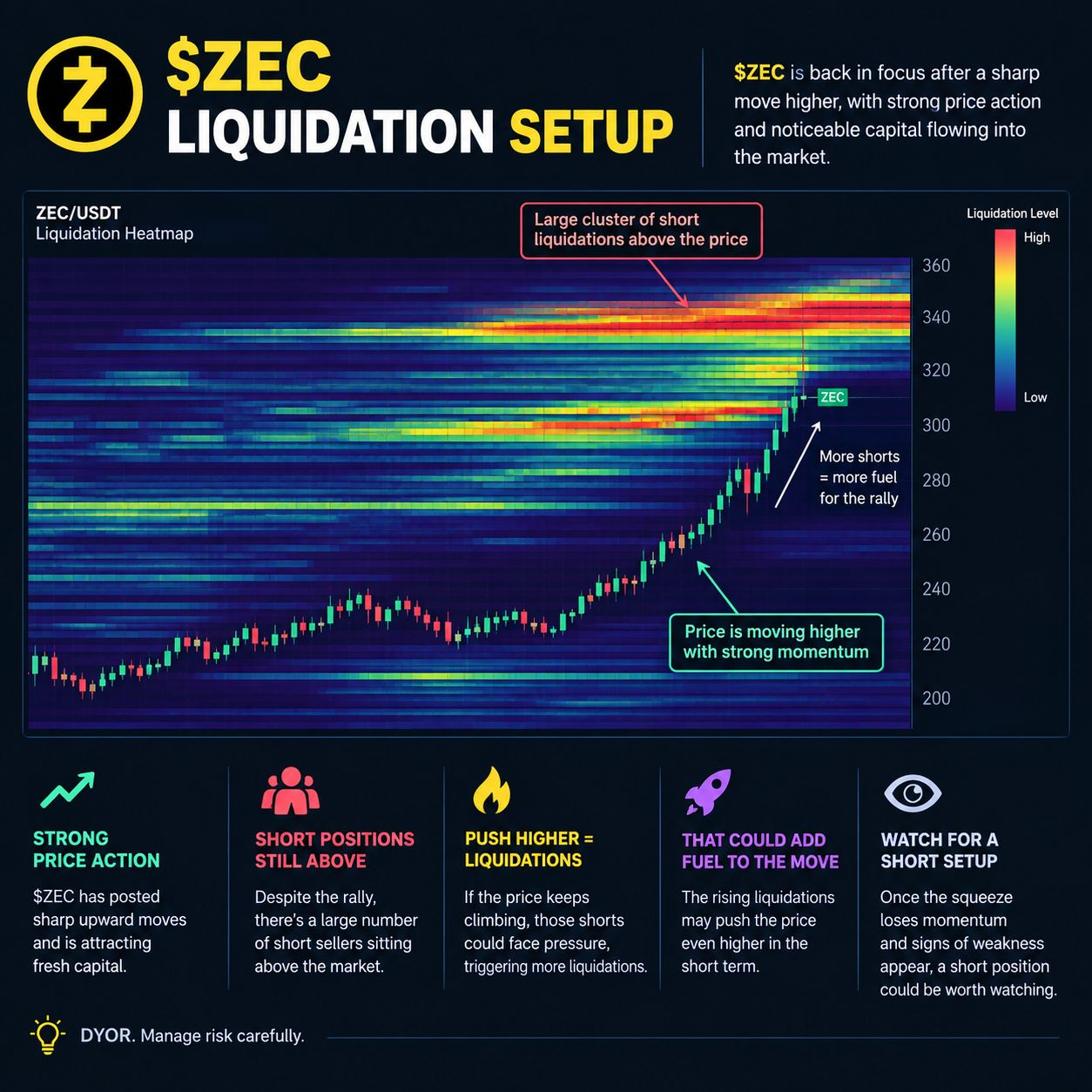
$ZEC знову в центрі уваги після різкого руху вгору, з сильним ціновим імпульсом і помітним припливом капіталу на ринок.
Карта ліквідацій стає цікавою. Незважаючи на ралі, велика кількість коротких позицій досі знаходиться вище ринку. Якщо ціна й далі підштовхуватиметься вгору, ці шорти можуть відчути зростаючий тиск і спровокувати додаткові ліквідації.
Це може додати “пального” до поточного руху.
Я уважно стежитиму за зонами ліквідацій. Щойно short squeeze втратить імпульс і ринок почне показувати слабкість, короткий сетап може стати вартою уваги ідеєю.
DYOR. Ретельно керуйте ризиками.
#BTC突破7万大关 #zec
$ZEC знову в центрі уваги після різкого руху вгору, з сильним ціновим імпульсом і помітним припливом капіталу на ринок.
Карта ліквідацій стає цікавою. Незважаючи на ралі, велика кількість коротких позицій досі знаходиться вище ринку. Якщо ціна й далі підштовхуватиметься вгору, ці шорти можуть відчути зростаючий тиск і спровокувати додаткові ліквідації.
Це може додати “пального” до поточного руху.
Я уважно стежитиму за зонами ліквідацій. Щойно short squeeze втратить імпульс і ринок почне показувати слабкість, короткий сетап може стати вартою уваги ідеєю.
DYOR. Ретельно керуйте ризиками.
#BTC突破7万大关 #zec
Карта ліквідацій стає цікавою. Незважаючи на ралі, велика кількість коротких позицій досі знаходиться вище ринку. Якщо ціна й далі підштовхуватиметься вгору, ці шорти можуть відчути зростаючий тиск і спровокувати додаткові ліквідації.
Це може додати “пального” до поточного руху.
Я уважно стежитиму за зонами ліквідацій. Щойно short squeeze втратить імпульс і ринок почне показувати слабкість, короткий сетап може стати вартою уваги ідеєю.
DYOR. Ретельно керуйте ризиками.
#BTC突破7万大关 #zec
15
19
3.1k
·
--
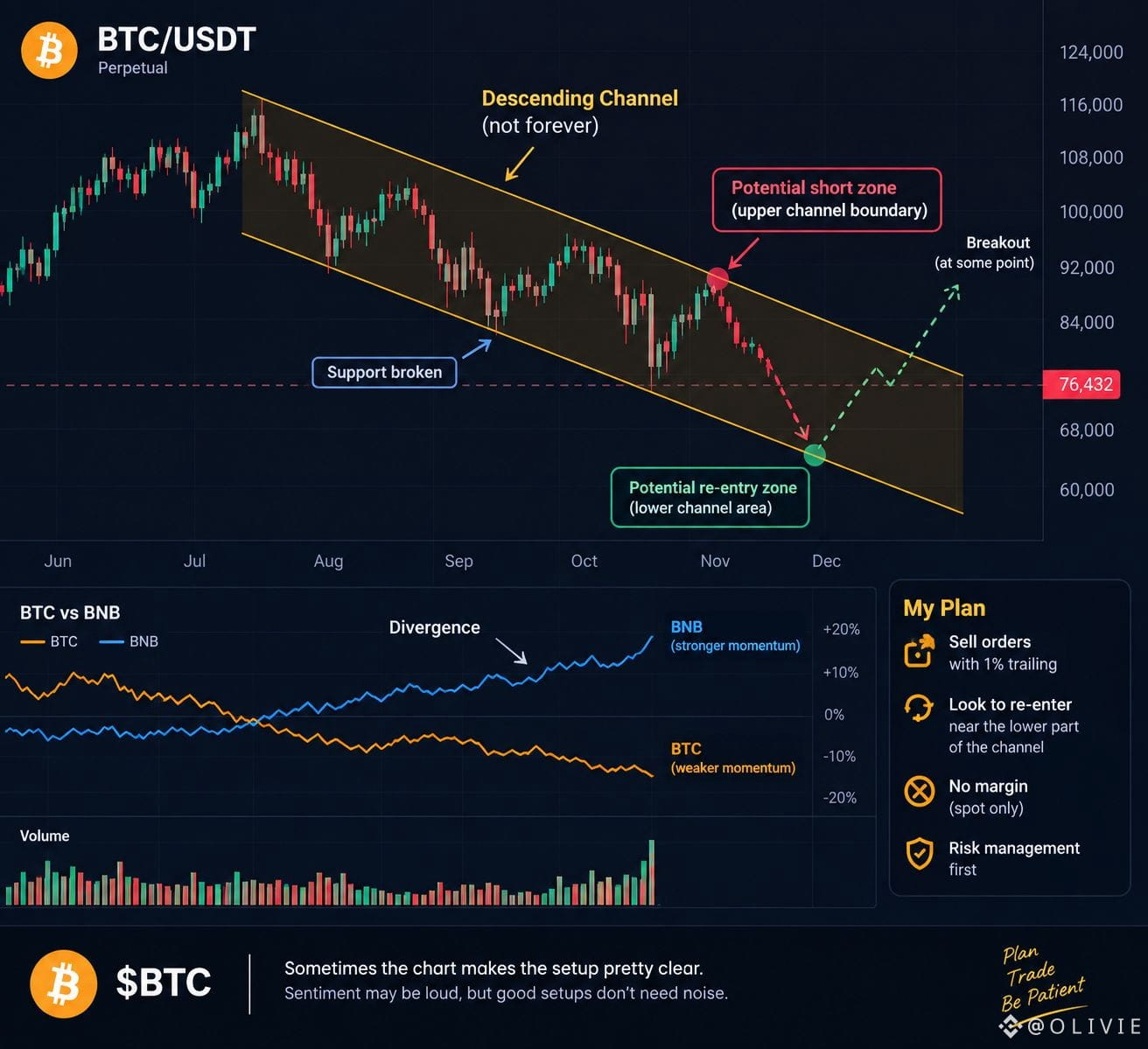
$BTC інколи графік робить налаштування доволі зрозумілими.
Деякі трейдери очікують локальне дно десь у жовтні, але незалежно від термінів, цей спадний канал не триватиме вічно. Зрештою, BTC має вийти з нього.
Поки що, з огляду на те, що настрої значною мірою зосереджені на іншому ATH, верхня межа каналу виглядає як зона, яку варто відстежити на предмет потенційного відхилення.
Розбіжність між BTC і BNB також цікава, особливо з огляду на те, що зараз BNB демонструє сильніший імпульс.
Я розмістив(ла) ордери на продаж із трейлінг-налаштуванням 1% і планую шукати потенційний повторний вхід ближче до нижньої частини каналу.
Без маржинального плеча — лише підхід на основі спотових угод з урахуванням управління ризиками.#BTC突破7万大关
$BTC інколи графік робить налаштування доволі зрозумілими.
Деякі трейдери очікують локальне дно десь у жовтні, але незалежно від термінів, цей спадний канал не триватиме вічно. Зрештою, BTC має вийти з нього.
Поки що, з огляду на те, що настрої значною мірою зосереджені на іншому ATH, верхня межа каналу виглядає як зона, яку варто відстежити на предмет потенційного відхилення.
Розбіжність між BTC і BNB також цікава, особливо з огляду на те, що зараз BNB демонструє сильніший імпульс.
Я розмістив(ла) ордери на продаж із трейлінг-налаштуванням 1% і планую шукати потенційний повторний вхід ближче до нижньої частини каналу.
Без маржинального плеча — лише підхід на основі спотових угод з урахуванням управління ризиками.#BTC突破7万大关
Деякі трейдери очікують локальне дно десь у жовтні, але незалежно від термінів, цей спадний канал не триватиме вічно. Зрештою, BTC має вийти з нього.
Поки що, з огляду на те, що настрої значною мірою зосереджені на іншому ATH, верхня межа каналу виглядає як зона, яку варто відстежити на предмет потенційного відхилення.
Розбіжність між BTC і BNB також цікава, особливо з огляду на те, що зараз BNB демонструє сильніший імпульс.
Я розмістив(ла) ордери на продаж із трейлінг-налаштуванням 1% і планую шукати потенційний повторний вхід ближче до нижньої частини каналу.
Без маржинального плеча — лише підхід на основі спотових угод з урахуванням управління ризиками.#BTC突破7万大关
15
17
473
·
--
Стаття
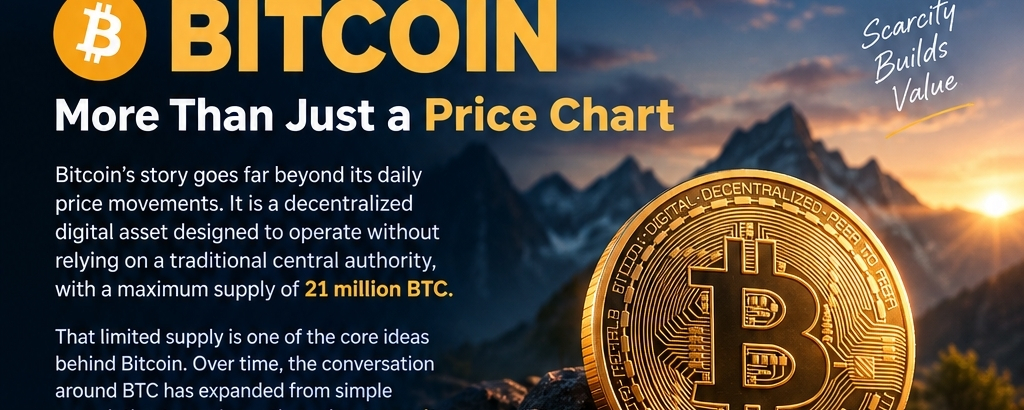
Біткоїн: більше, ніж просто графік цінІсторія біткоїна виходить далеко за межі його щоденних цінових коливань. Це децентралізований цифровий актив, створений для роботи без опори на традиційний центральний орган влади, з максимальною пропозицією 21 мільйон BTC.
Ця обмежена пропозиція — одна з ключових ідей, що стоять за біткоїном. З часом розмова навколо BTC розширилася від простої спекуляції до питань про дефіцит, впровадження, ліквідність і його потенційну роль у ширшій фінансовій системі.
Але ринок біткоїна ніколи не визначається лише одним фактором.
Біткоїн: більше, ніж просто графік цін
Історія біткоїна виходить далеко за межі його щоденних цінових коливань. Це децентралізований цифровий актив, створений для роботи без опори на традиційний центральний орган влади, з максимальною пропозицією 21 мільйон BTC.
Ця обмежена пропозиція — одна з ключових ідей, що стоять за біткоїном. З часом розмова навколо BTC розширилася від простої спекуляції до питань про дефіцит, впровадження, ліквідність і його потенційну роль у ширшій фінансовій системі.
Але ринок біткоїна ніколи не визначається лише одним фактором.
Ця обмежена пропозиція — одна з ключових ідей, що стоять за біткоїном. З часом розмова навколо BTC розширилася від простої спекуляції до питань про дефіцит, впровадження, ліквідність і його потенційну роль у ширшій фінансовій системі.
Але ринок біткоїна ніколи не визначається лише одним фактором.
1
202
Увійдіть, щоб переглянути інший контент
Приєднуйтесь до користувачів криптовалют по всьому світу на Binance Square
⚡️ Отримуйте актуальну та корисну інформацію про криптовалюти.
💬 Приєднуйтесь до найбільшої у світі криптобіржі.
👍 Відкрийте справжні ідеї від перевірених авторів.
Електронна пошта / номер телефону
Трендові теми
BinancePick
2.8M переглядів
146,374 обговорюють
Приєднуйтеся до #СезонуЗвітності: прогнозуйте результати на Binance Pick і діліться своєю думкою на Binance Square!
Binance Square Official
·403 вподобань
·340.3k переглядів
EarningsSeason
5.1M переглядів
25,027 обговорюють
fomcвідстеження
86,840 переглядів
444 обговорюють