
RIGGAX
35 Публікації

RIGGAX
Поскаржитись
Заблокувати користувача
I’m a regular guy with a dream
Перейти до торгівлі
Частий трейдер
1.9 р.
5 Підписки
33 Підписники
38 Вподобань
Публікації
Портфель
Усі
Цитування
·
--

Стаття
Переглянути переклад
Kite AI: Building the Financial Infrastructure for the Agent EconomyKite AI: Building the Financial Infrastructure for the Agent Economy
Artificial intelligence is changing how people interact with technology. Today, AI agents can answer questions, conduct research, write content, analyze information, and perform different tasks with little human involvement.
But as these agents become more capable, a new challenge emerges: how can AI agents make payments, access paid services, and manage digital assets independently and securely?
This is where Kite AI comes in.
What Is Kite AI?
Kite AI is building financial infrastructure designed for the growing agent economy.
Its goal is to make it easier for AI agents to interact with digital services and move value. Instead of simply completing tasks, agents can also access paid tools and services through controlled payment systems.
Think of an AI agent that needs information from a paid API. Rather than requiring a human to manually complete every payment, the agent can request authorization and pay for the service within the limits approved by its user.
The Technology Behind Kite AI
Kite's ecosystem brings together several important components.
1. Kite Agent Passport
The Agent Passport provides identity, permissions, and payment capabilities for AI agents.
Users can create spending sessions that define how much an agent can spend, which assets it can use, and how long its permission remains active.
This gives agents room to perform tasks while allowing users to maintain control over their activities.
2. Kite Chain
Kite Chain is the blockchain infrastructure supporting transactions and coordination within the ecosystem.
It is designed to support the payment needs of AI agents, including transactions between agents and services.
3. Stablecoin Payments
Stablecoins make digital payments easier to understand because their value is designed to remain relatively stable compared with traditional currencies.
Kite supports stablecoin payment flows, allowing agents to interact with supported services without relying entirely on volatile assets for everyday payments.
4. x402 Payments
Another important part of Kite's infrastructure is its support for the x402 payment standard.
This allows online services to request payment before providing access to certain resources.
For example, an AI agent could request information from a paid API, receive a payment requirement, complete the authorized payment, and then access the information.
This creates opportunities for pay-per-use services instead of relying only on monthly subscriptions.
Real-World Use Cases
The agent economy could introduce new ways of doing everyday digital tasks.
- Online shopping: AI agents could research products and complete purchases through supported payment integrations.
- Research: Agents could pay for access to specific datasets and information services.
- Business automation: Agents could access paid software tools and APIs within approved budgets.
- Agent-to-agent payments: One agent could pay another for a particular service.
- Financial services: Agents could interact with supported blockchain applications based on permissions granted by their users.
These examples show the possibilities of an economy where AI agents can do more than simply provide information.
Why Kite AI Matters
For AI agents to become useful participants in the digital economy, they need more than intelligence.
They need identity, permissions, access to services, and reliable ways to make payments.
Kite AI is working to bring these pieces together.
Its approach focuses on giving agents the ability to perform financial activities while keeping users involved through spending limits, authorization, and control.
Conclusion
The future of AI may involve millions of agents working across different platforms, purchasing services, exchanging information, and completing tasks on behalf of people and businesses.
For this vision to work, there must be infrastructure that allows these agents to interact and move value securely.
Kite AI is building toward that future by connecting AI agents with blockchain technology, payment systems, and financial services.
The agent economy is still developing, but the infrastructure being built today could play an important role in how it grows.
#kiteai $KITE
{spot}(KITEUSDT)
@GoKiteAI
Kite AI: Building the Financial Infrastructure for the Agent Economy
Kite AI: Building the Financial Infrastructure for the Agent Economy
Artificial intelligence is changing how people interact with technology. Today, AI agents can answer questions, conduct research, write content, analyze information, and perform different tasks with little human involvement.
But as these agents become more capable, a new challenge emerges: how can AI agents make payments, access paid services, and manage digital assets independently and securely?
This is where Kite AI comes in.
What Is Kite AI?
Kite AI is building financial infrastructure designed for the growing agent economy.
Its goal is to make it easier for AI agents to interact with digital services and move value. Instead of simply completing tasks, agents can also access paid tools and services through controlled payment systems.
Think of an AI agent that needs information from a paid API. Rather than requiring a human to manually complete every payment, the agent can request authorization and pay for the service within the limits approved by its user.
The Technology Behind Kite AI
Kite's ecosystem brings together several important components.
1. Kite Agent Passport
The Agent Passport provides identity, permissions, and payment capabilities for AI agents.
Users can create spending sessions that define how much an agent can spend, which assets it can use, and how long its permission remains active.
This gives agents room to perform tasks while allowing users to maintain control over their activities.
2. Kite Chain
Kite Chain is the blockchain infrastructure supporting transactions and coordination within the ecosystem.
It is designed to support the payment needs of AI agents, including transactions between agents and services.
3. Stablecoin Payments
Stablecoins make digital payments easier to understand because their value is designed to remain relatively stable compared with traditional currencies.
Kite supports stablecoin payment flows, allowing agents to interact with supported services without relying entirely on volatile assets for everyday payments.
4. x402 Payments
Another important part of Kite's infrastructure is its support for the x402 payment standard.
This allows online services to request payment before providing access to certain resources.
For example, an AI agent could request information from a paid API, receive a payment requirement, complete the authorized payment, and then access the information.
This creates opportunities for pay-per-use services instead of relying only on monthly subscriptions.
Real-World Use Cases
The agent economy could introduce new ways of doing everyday digital tasks.
- Online shopping: AI agents could research products and complete purchases through supported payment integrations.
- Research: Agents could pay for access to specific datasets and information services.
- Business automation: Agents could access paid software tools and APIs within approved budgets.
- Agent-to-agent payments: One agent could pay another for a particular service.
- Financial services: Agents could interact with supported blockchain applications based on permissions granted by their users.
These examples show the possibilities of an economy where AI agents can do more than simply provide information.
Why Kite AI Matters
For AI agents to become useful participants in the digital economy, they need more than intelligence.
They need identity, permissions, access to services, and reliable ways to make payments.
Kite AI is working to bring these pieces together.
Its approach focuses on giving agents the ability to perform financial activities while keeping users involved through spending limits, authorization, and control.
Conclusion
The future of AI may involve millions of agents working across different platforms, purchasing services, exchanging information, and completing tasks on behalf of people and businesses.
For this vision to work, there must be infrastructure that allows these agents to interact and move value securely.
Kite AI is building toward that future by connecting AI agents with blockchain technology, payment systems, and financial services.
The agent economy is still developing, but the infrastructure being built today could play an important role in how it grows.
#kiteai $KITE
@KITE AI 中文
106
·
--
$JCT $Jct до 0.00269
Вхід
00368–0.00370
Стоп-лос 0.00398
Тейк-профіт 1 0.00345
Тейк-профіт 2 0.00320
Тейк-профіт 3 0.00290
Тейк-профіт 4 0.00269
$JCT $Jct до 0.00269
Вхід
00368–0.00370
Стоп-лос 0.00398
Тейк-профіт 1 0.00345
Тейк-профіт 2 0.00320
Тейк-профіт 3 0.00290
Тейк-профіт 4 0.00269
Вхід
00368–0.00370
Стоп-лос 0.00398
Тейк-профіт 1 0.00345
Тейк-профіт 2 0.00320
Тейк-профіт 3 0.00290
Тейк-профіт 4 0.00269
430
·
--
Переглянути переклад
GM KITERS 🪁
AI agents are getting smarter, but intelligence alone isn't enough.
Imagine an AI agent that can research markets, pay for data, access different services, and complete tasks on your behalf without you having to manage every step manually.
Sounds like the future, right?
But for this to work, agents need more than intelligence. They need identity, payment infrastructure, and clear permissions that determine what they can do and how much they can spend.
This is where Kite AI comes in.
Through Kite Agent Passport and its agent-focused infrastructure, Kite is working toward a future where AI agents can pay for digital services, interact with other systems, and execute tasks within limits defined by their users.
Think about businesses using agents to gather information, analyze data, and access paid tools automatically. Instead of humans handling every transaction, agents could manage eligible payments as part of their workflow.
That's what makes the agent economy interesting.
We're moving from AI that simply answers questions to AI that can actually get things done.
Kite is building toward that future, and I'm interested to see how far this ecosystem can go as adoption grows.
What industry do you think will benefit the most from the agent economy: finance, e-commerce, or digital services?
$KITE #KiteBBW

1
3
116
·
--
Доброго дня, хлопці @Binance_Angels
У дусі дня дітей я вирішив створити маленький пост, який пояснює вам основи криптовалюти (як дітям)
Отож уявіть, що у вас є 10 печивок.
Усі на майданчику знають, що у вас є 10 печивок, бо бачили, як ви їх отримали.
Тепер ви віддаєте 2 печивка другові.
Замість одного вчителя, який усе записує, кожна дитина на майданчику записує:
Тіммі дав 2 печивка Сарі.
Оскільки всі записують однаково, ніхто не може шахраювати й сказати, що в нього більше печивок, ніж є насправді.
Ось так приблизно працює крипто.
Печивка — це криптовалюта.
Великий список, який ведуть усі, називається блокчейн.
Тепер уявіть, що ваша банка з печивом особлива.
Лише у вас є ключ, щоб її відкрити.
Не у вашого вчителя.
Не у вашого банку.
Навіть не в компанії, яка зробила банку.
Це ваш криптовалютний гаманець.
Коли люди користуються binance і @BinanceWallet , це як піти на величезний майданчик, де мільйони людей можуть отримувати, обмінювати та вчитися про різні види цифрових печивок.
Деякі печивки називаються Bitcoin.
Деякі називаються Ethereum.
Є тисячі інших, зокрема $BNB .
Важлива частина — не стільки печивка.
Важлива — зошит.
Вперше в історії люди по всьому світу можуть домовитися про те, хто чим володіє, без потреби в одній людині, яка керує списком.
Ось у чому магія крипто.
По суті, крипто — це просто величезний глобальний зошит, який ніхто не контролює, з яким усі можуть ознайомитися, і якому всі можуть довіряти.
Сподіваюся, ви це зрозуміли?
Можете поставити питання нижче
#ChildrensDay2026
Доброго дня, хлопці @Binance Angels
У дусі дня дітей я вирішив створити маленький пост, який пояснює вам основи криптовалюти (як дітям)
Отож уявіть, що у вас є 10 печивок.
Усі на майданчику знають, що у вас є 10 печивок, бо бачили, як ви їх отримали.
Тепер ви віддаєте 2 печивка другові.
Замість одного вчителя, який усе записує, кожна дитина на майданчику записує:
Тіммі дав 2 печивка Сарі.
Оскільки всі записують однаково, ніхто не може шахраювати й сказати, що в нього більше печивок, ніж є насправді.
Ось так приблизно працює крипто.
Печивка — це криптовалюта.
Великий список, який ведуть усі, називається блокчейн.
Тепер уявіть, що ваша банка з печивом особлива.
Лише у вас є ключ, щоб її відкрити.
Не у вашого вчителя.
Не у вашого банку.
Навіть не в компанії, яка зробила банку.
Це ваш криптовалютний гаманець.
Коли люди користуються binance і @Binance Wallet , це як піти на величезний майданчик, де мільйони людей можуть отримувати, обмінювати та вчитися про різні види цифрових печивок.
Деякі печивки називаються Bitcoin.
Деякі називаються Ethereum.
Є тисячі інших, зокрема $BNB .
Важлива частина — не стільки печивка.
Важлива — зошит.
Вперше в історії люди по всьому світу можуть домовитися про те, хто чим володіє, без потреби в одній людині, яка керує списком.
Ось у чому магія крипто.
По суті, крипто — це просто величезний глобальний зошит, який ніхто не контролює, з яким усі можуть ознайомитися, і якому всі можуть довіряти.
Сподіваюся, ви це зрозуміли?
Можете поставити питання нижче
#ChildrensDay2026

1
178
·
--
Негативно
$KAITO масштабний тиск на продаж
Відбулася велика ліквідація
$KAITO масштабний тиск на продаж
Відбулася велика ліквідація
Відбулася велика ліквідація
274
·
--
Негативно
$KAITO to 0.3 є терміновим
Відкриті позиції зараз
$KAITO to 0.3 є терміновим
Відкриті позиції зараз
Відкриті позиції зараз
1
285
·
--
Негативно
$KAITO Найбільше розблокування для $KAITO через повне розблокування сьогодні. ( $1.1M ).
Цей гаманець, очевидно, підключений до команди, яка отримала електронний лист від x про закриття платформ infofi 7 днів тому.
Я вже тримав коротку позицію ( 0.6 - 0.59 діапазон ) перед тим, як я це побачив. Це також може бути маніпульоване, хоча.
Цей гаманець, очевидно, підключений до команди, яка отримала електронний лист від x про закриття платформ infofi 7 днів тому.
Я вже тримав коротку позицію ( 0.6 - 0.59 діапазон ) перед тим, як я це побачив. Це також може бути маніпульоване, хоча.

1
215

·
--
Оптимістично
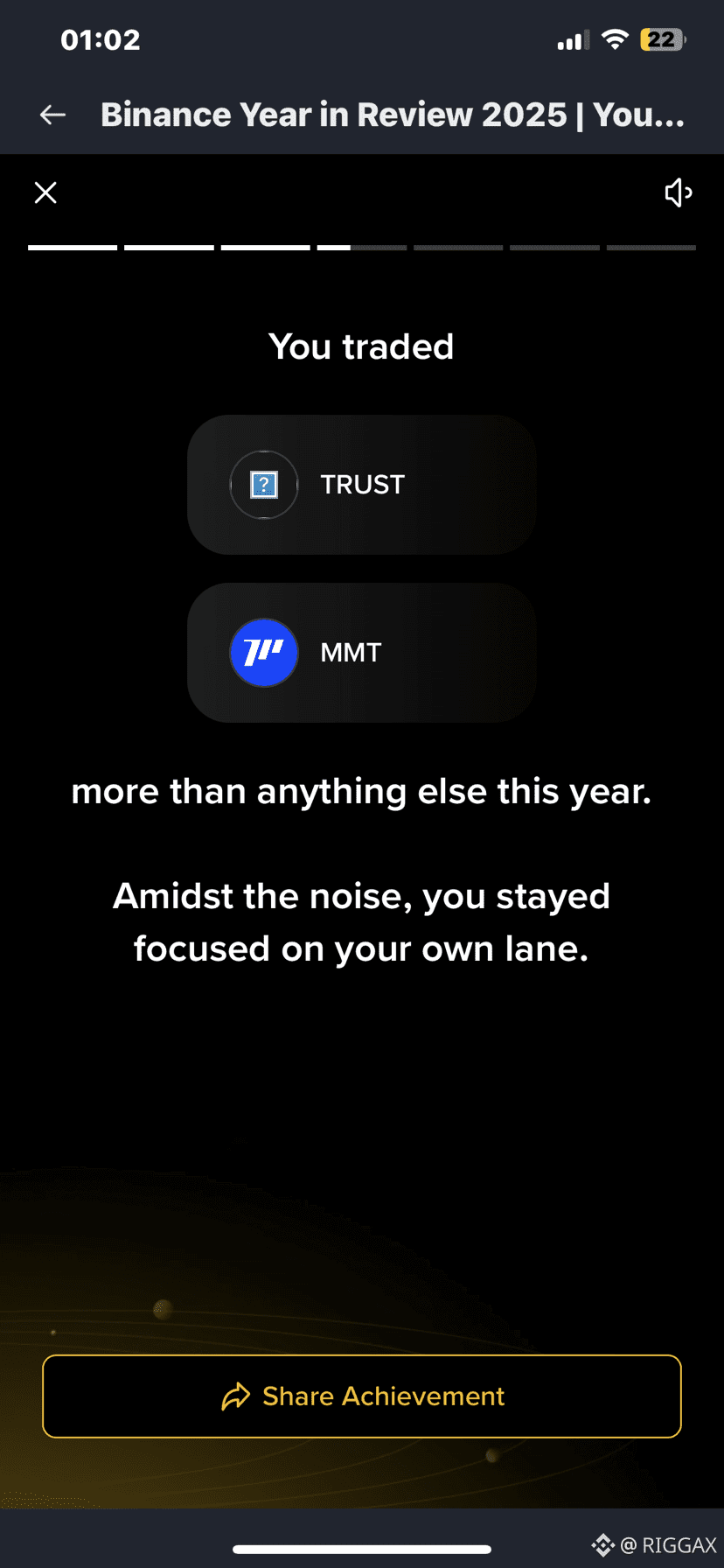
2025 був гучним, мінливим і сповненим відволікань, але мій огляд року Binance нагадав мені, чому важливий фокус. Цього року я більше торгував TRUST і MMT, ніж чимось іншим, дотримуючись свого власного шляху, а не ганяючись за кожною тенденцією. Не кожна угода була ідеальною, але послідовність, уроки і дисципліна дійсно додалися. Вдячний за подорож, дані і зростання. До більш обґрунтованих рішень у 2026.
#2025withBinance
#2025withBinance
1
4
528
·
--
Доказ?
Доказ?

链上陈俊杰
·
--
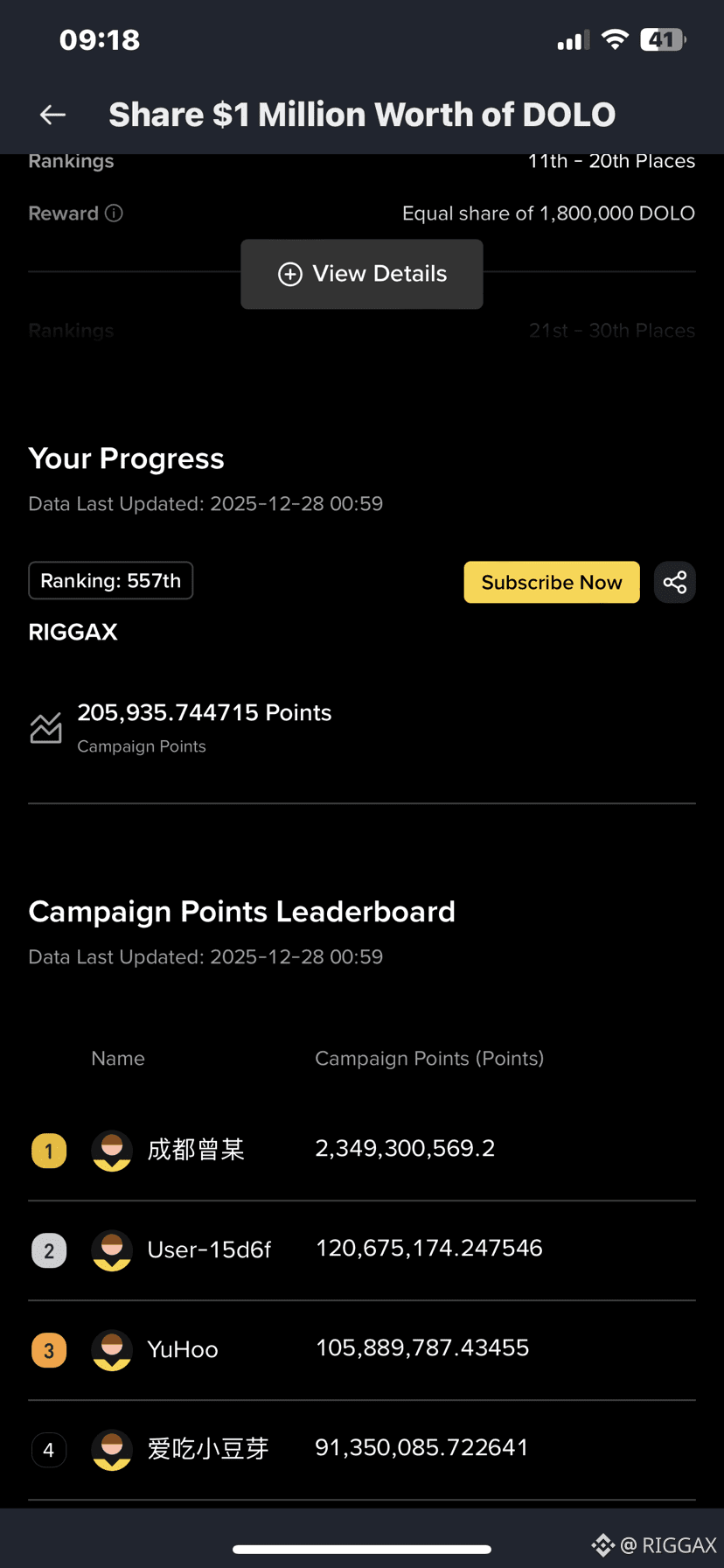
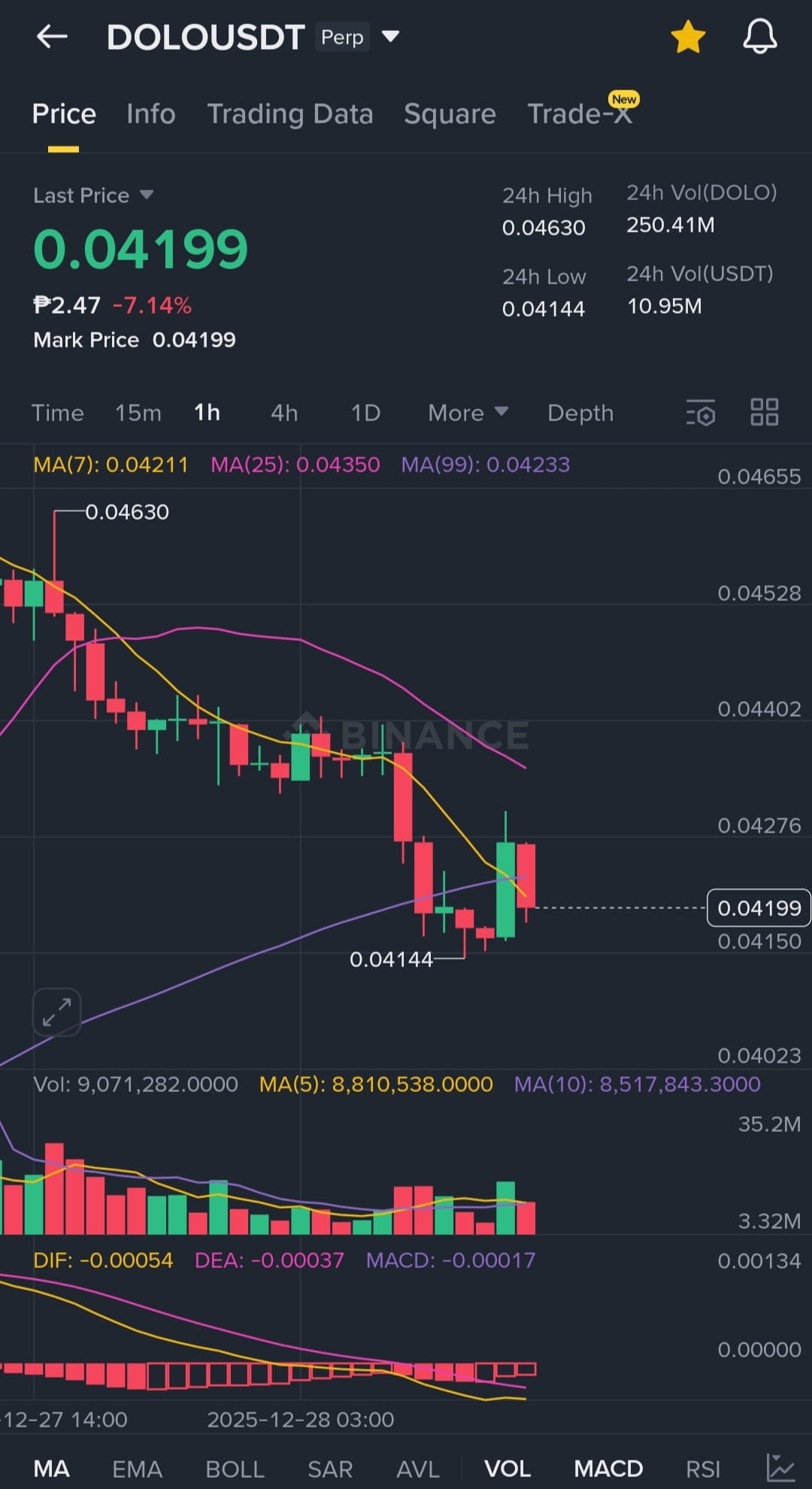
$DOLO негайно робіть довгі позиції, трейдер/кит збирає ліквідність, провокує хибний спад; лінія ma має помітний висхідний тренд. Я спостерігаю за цією монетою два дні: промивання (збір) дійшло до 0.035. За кілька днів плаваючий прибуток уже вирівнявся з ціною — тобто ціна на низині. Відкривав позицію на 0.045, бачив 0.6. Тейк-профіт приблизно 80, закрив позицію. У середині були коливання — можна додавати до позиції. Негайно робіть довгі позиції
7
·
--
Будь ласка, надішліть мені різдвяний подарунок🙏🙏
Будь ласка, надішліть мені різдвяний подарунок🙏🙏

Iam RIR
·
--
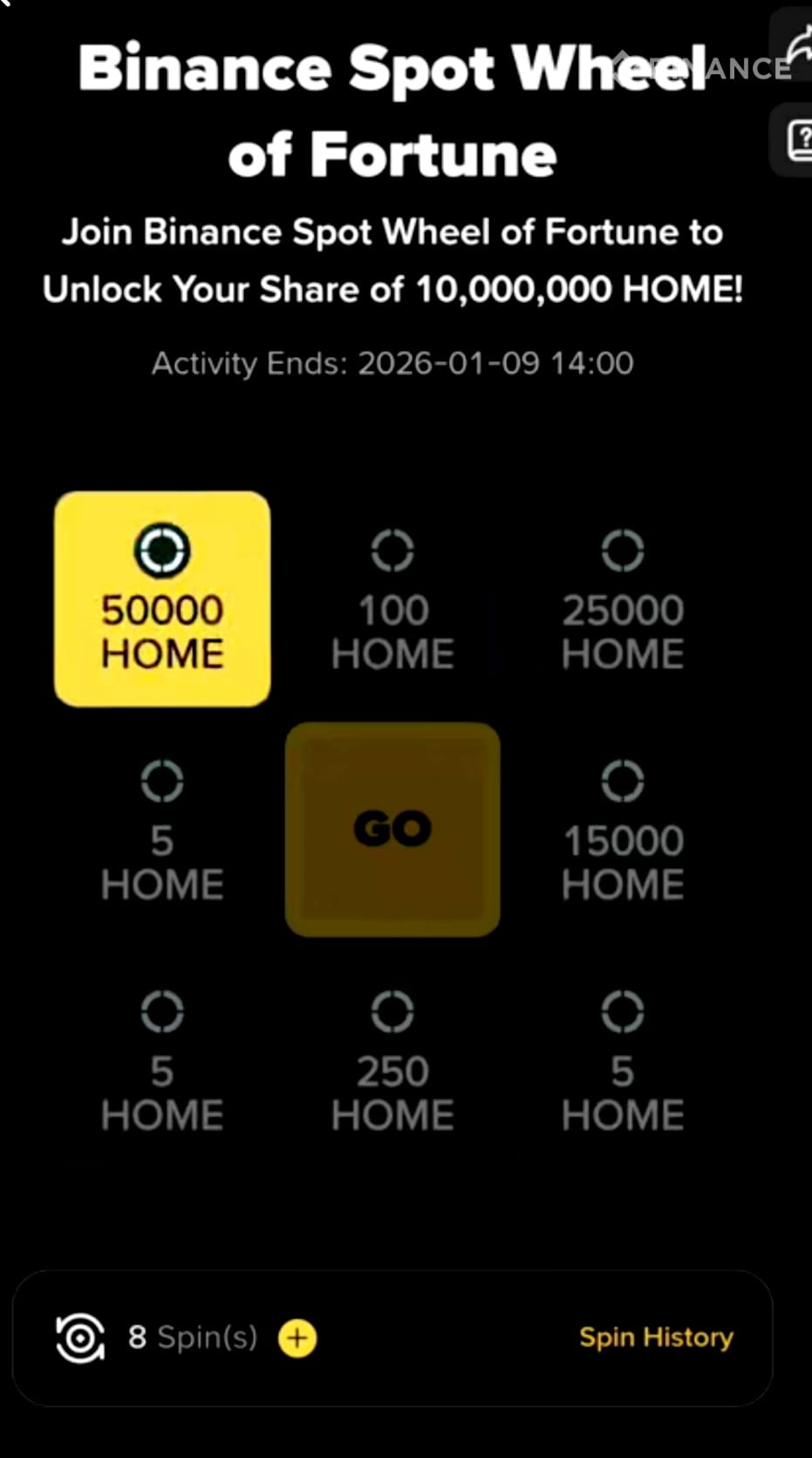
Так, я отримав 50000 $HOME Token ! Чудова подія дякую Binance 🔥
#CPIWatch
#CPIWatch
5
·
--
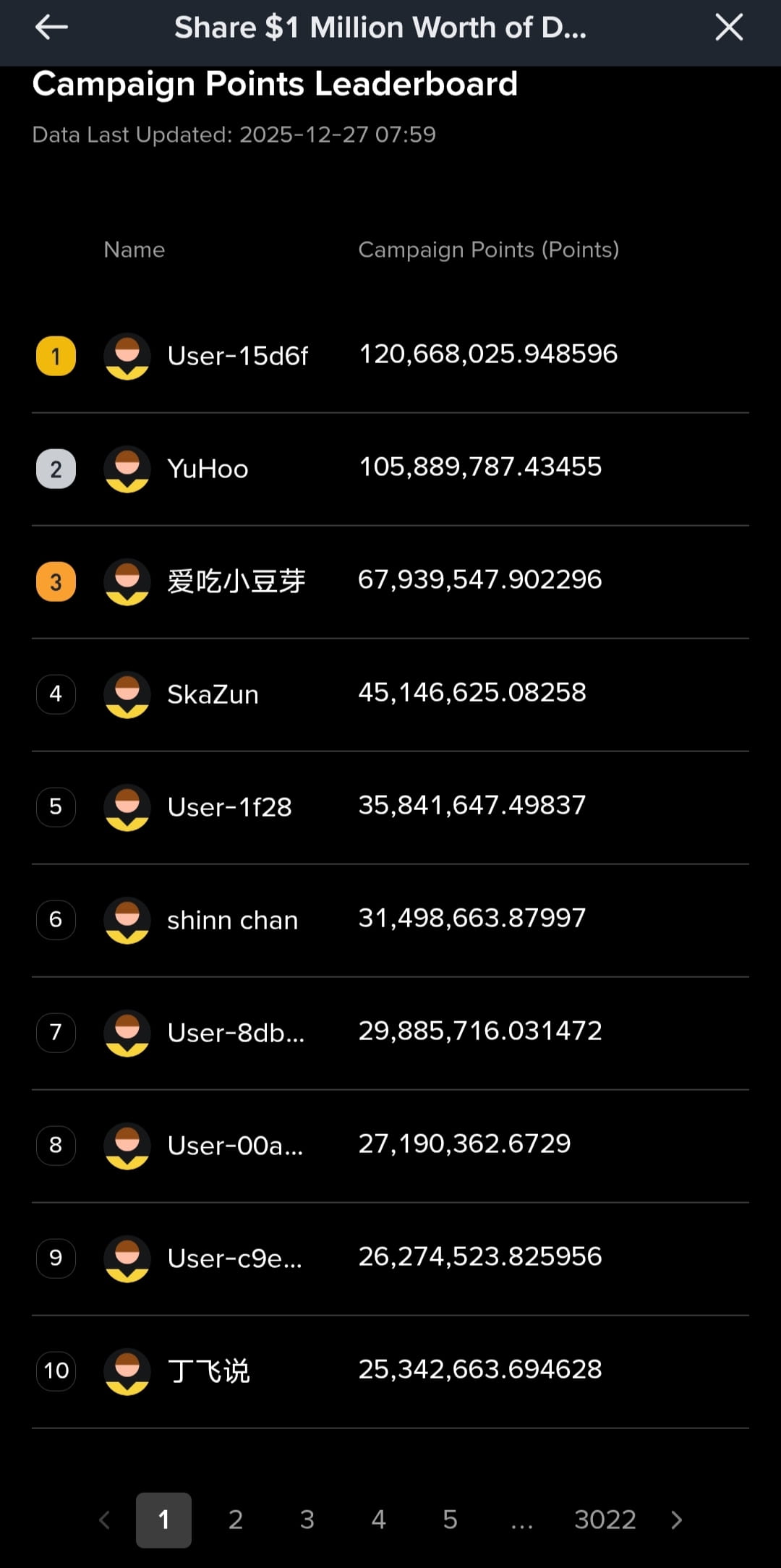
У разі якщо ви продаєте, ви втрачаєте всі бали
У разі якщо ви продаєте, ви втрачаєте всі бали

xXJackOfAllTradesXx
·
--
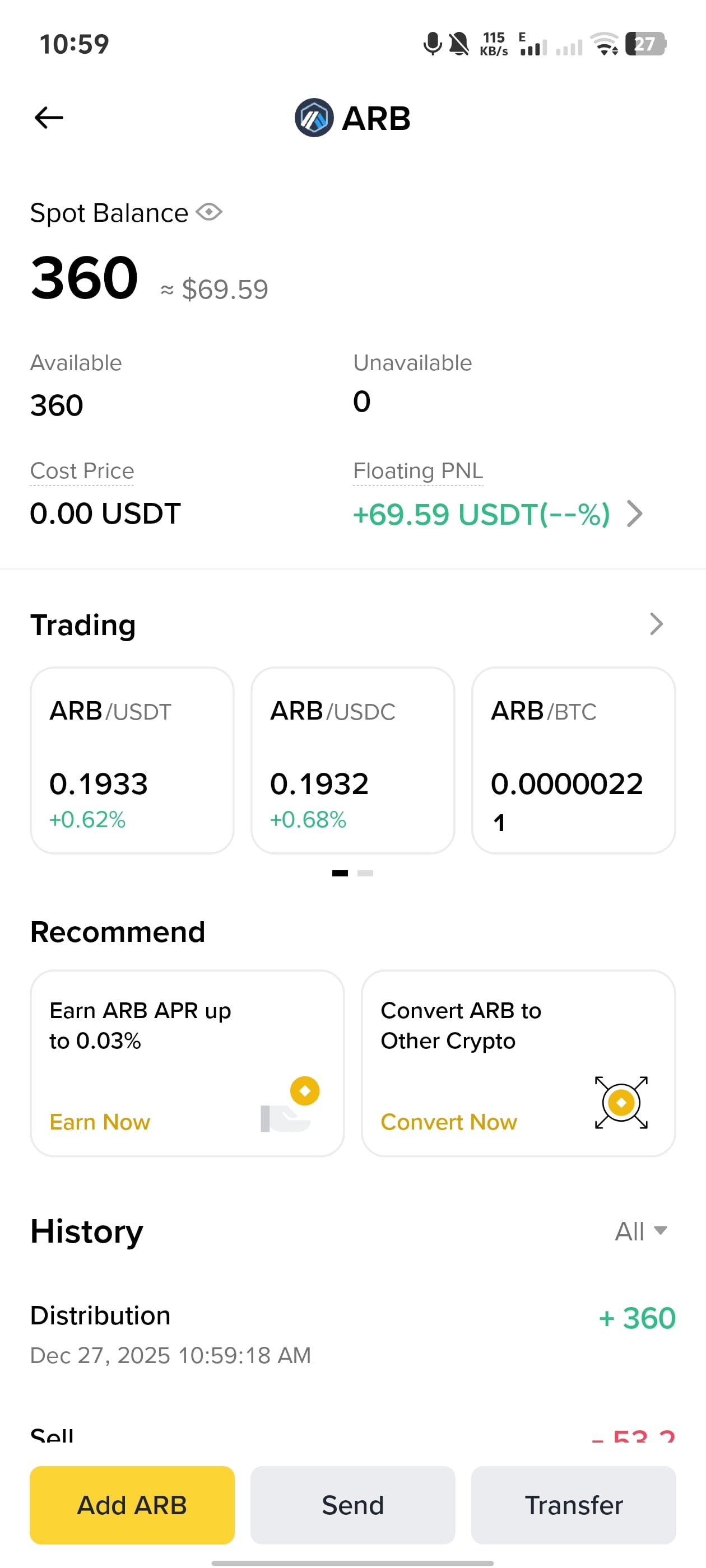
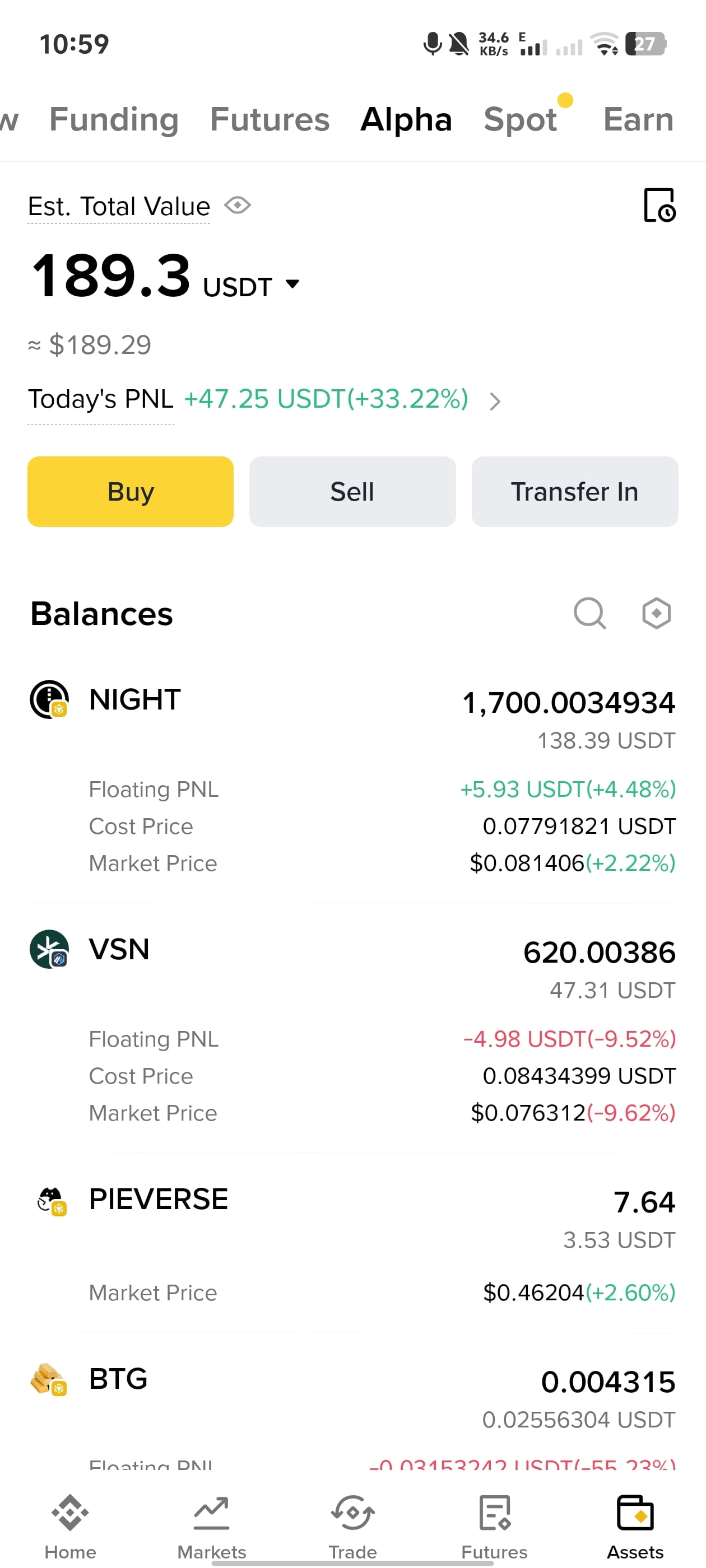
це пастка 🙊🙉🙈 обережно з утриманням $DOLO ті, хто заробив достатньо балів, тихо виходять 🚫🚫🚫💯
1
1
5

·
--
Мені не дозволяють крутитися
Мені не дозволяють крутитися

Msshehzad9
·
--
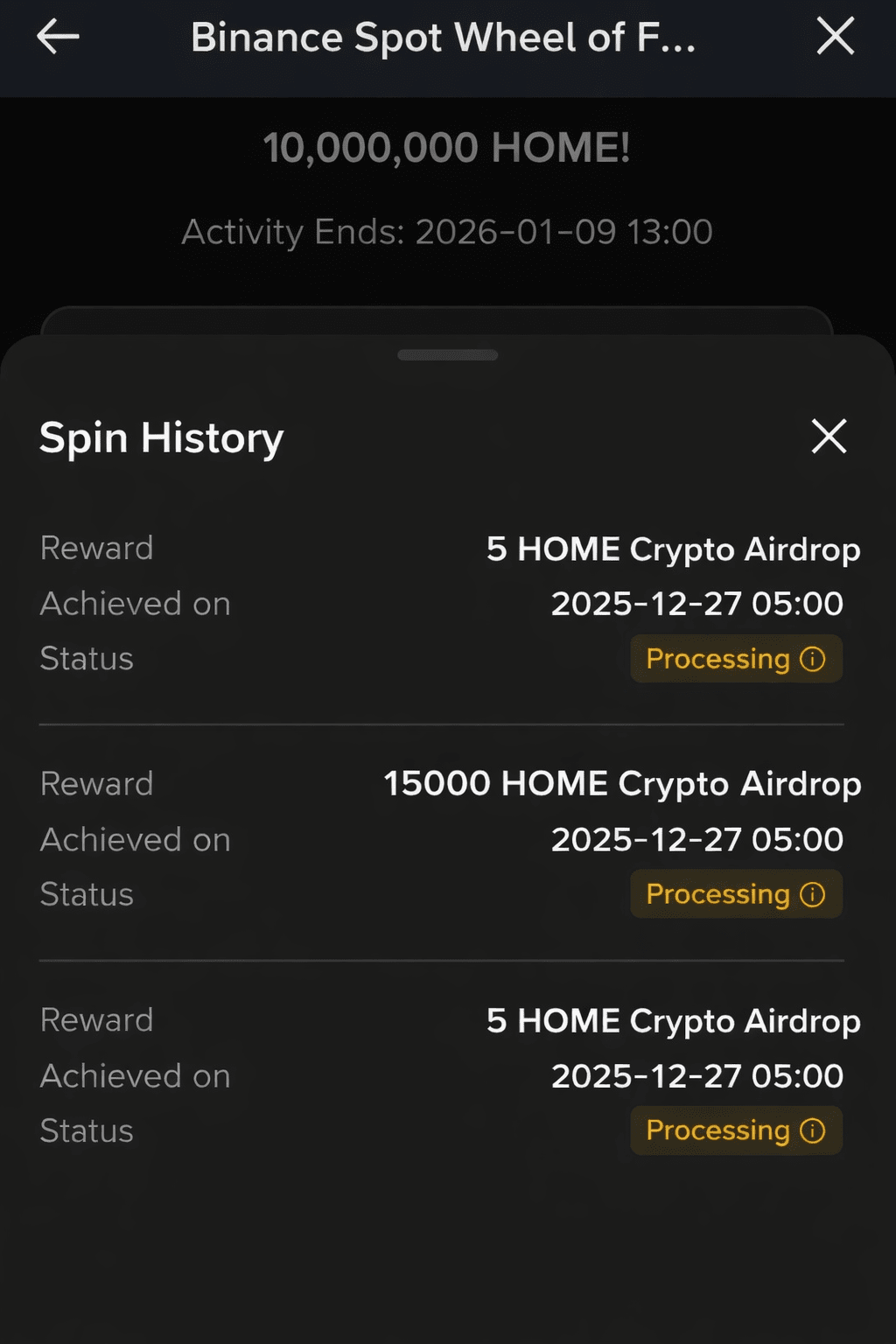
😳 Ого, я отримав 15000 рідного міста з обертання на суму 300$ Щасливий день для мене 😎🥰😍😍
3
·
--
О котрій годині ви крутите
О котрій годині ви крутите
Msshehzad9
·
--
😳 Ого, я отримав 15000 рідного міста з обертання на суму 300$ Щасливий день для мене 😎🥰😍😍
Увійдіть, щоб переглянути інший контент
Приєднуйтесь до користувачів криптовалют по всьому світу на Binance Square
⚡️ Отримуйте актуальну та корисну інформацію про криптовалюти.
💬 Приєднуйтесь до найбільшої у світі криптобіржі.
👍 Відкрийте справжні ідеї від перевірених авторів.
Електронна пошта / номер телефону
Трендові теми
fomcвідстеження
124,514 переглядів
547 обговорюють
#fomcвідстеження Жовтневий ІСЦ США у центрі уваги: ринки оцінюють перспективи підвищення ставок у грудні
Дані щодо інфляції у США, які мають оприлюднити наступного тижня, будуть під пильною увагою інвесторів, які оцінюватимуть, чи можуть стійкі цінові чинники спонукати Федеральну резервну систему знову підвищити процентні ставки у грудні. Водночас дедалі більші побоювання щодо інвестиційного буму у сфері ШІ та його потенційного впливу на економічне зростання додають невизначеності прогнозам щодо монетарної політики.$AAPLB
SergioDiaz
·1 вподобань
·137 переглядів
NvidiaBeatsEstimatesWith$130BQ4Outlook
204 переглядів
7 обговорюють
AnthropicIPOPriceCouldExceed$80
240 переглядів
23 обговорюють