
CryptoQuill_5
1.7k Публікації

CryptoQuill_5
1.1K+ Підписки
10.1K+ Підписники
1.6K+ Вподобань
Публікації
Усі
Цитування
Трансляції
PINNED
Переглянути переклад
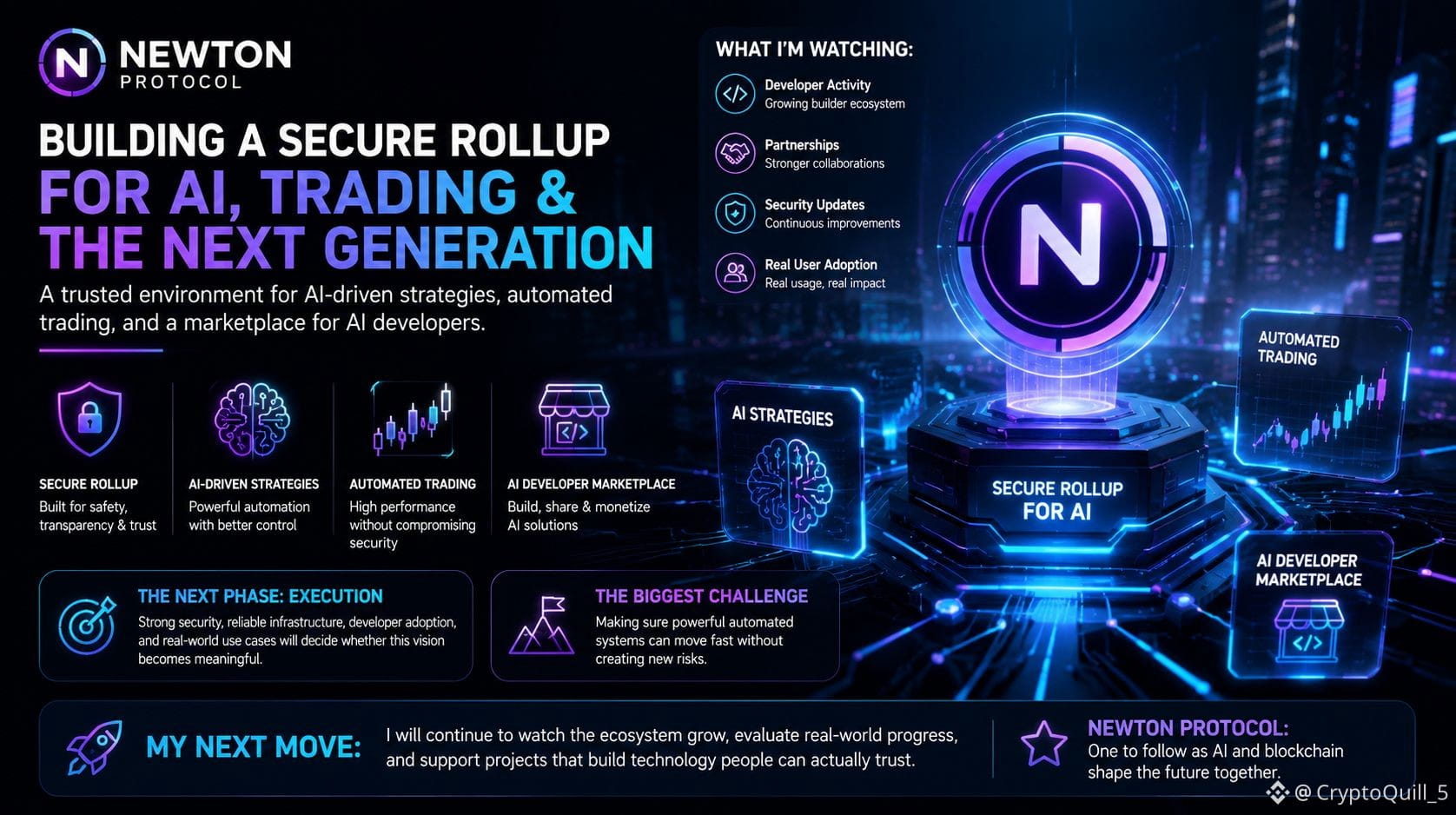
What stands out to me is the focus on building a secure rollup environment designed for AI strategies, automated trading, and a marketplace where AI developers can create and share solutions. The idea is not only about speed, but also about creating a trusted space where automation can operate with better control and transparency.
I think the next phase will be about execution. Strong security, reliable infrastructure, developer adoption, and real-world use cases will decide whether this vision becomes meaningful. The biggest challenge is making sure powerful automated systems can move fast without creating new risks.
My next move is to watch the ecosystem growth: developer activity, partnerships, security updates, and how real users interact with the technology. In this space, attention is easy to get, but lasting value comes from building something people can actually trust.
Newton Protocol is one to follow as the connection between AI and blockchain continues to evolve.
@NewtonProtocol #newt $NEWT
I think the next phase will be about execution. Strong security, reliable infrastructure, developer adoption, and real-world use cases will decide whether this vision becomes meaningful. The biggest challenge is making sure powerful automated systems can move fast without creating new risks.
My next move is to watch the ecosystem growth: developer activity, partnerships, security updates, and how real users interact with the technology. In this space, attention is easy to get, but lasting value comes from building something people can actually trust.
Newton Protocol is one to follow as the connection between AI and blockchain continues to evolve.
@NewtonProtocol #newt $NEWT
Переглянути переклад
like or comment please 🙏🙏🙏🙏😭

Bull Fox 29
·
--
НегативноБільшість людей досі женуться за наступним наративом.
Я звертаю увагу на те, де капітал стає ефективнішим.
Саме це привернуло мою увагу до OpenGradient.
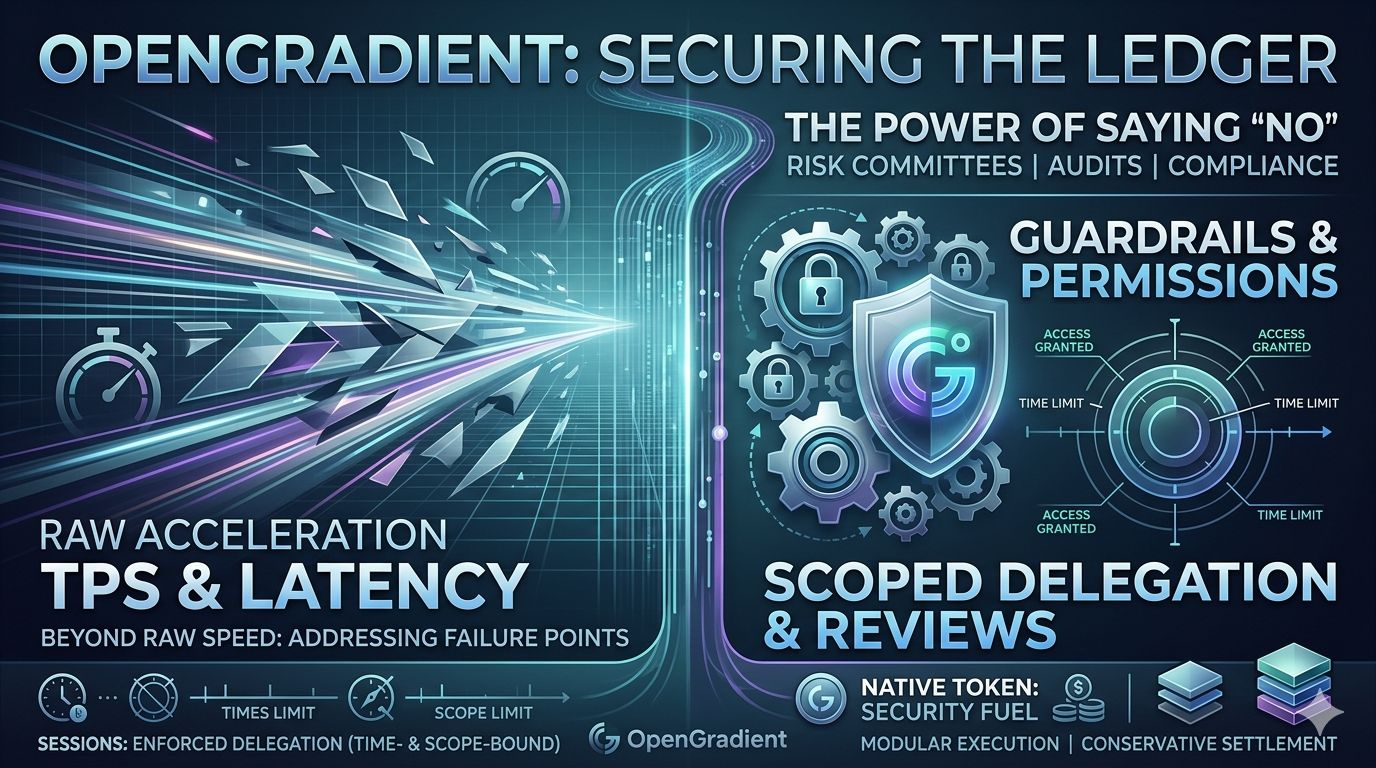
На перший погляд це виглядає як мережа AI-інфраструктури, сфокусована на хостингу, інференсі та верифікації. Але більш глибока можливість — у тому, як цінність може рухатися між кількома екосистемами, не змушуючи користувачів «закриватися» в одному єдиному напрямі.
Одна річ, яку я дізнався в криптоіндустрії, — що бездіяльний капітал коштує дорого. Якщо актив простоює, імовірно, він недопрацьовує. Проєкти, які перемагають, часто знаходять способи підвищувати корисність, не жертвуючи гнучкістю.
Тому ідея restaking (рестейкінгу) зі збереженням ліквідності стає дедалі цікавішою. Це відкриває двері до додаткових можливостей заробітку, при цьому капітал залишається активним у середовищі екосистем Ethereum, Bitcoin та DePIN, а не «застрягає» в одному місці.
Мене захоплює не лише заголовна статистика. Можливість створити мережу, де AI-інфраструктура, економічні стимули та ефективність активів підсилюють одне одного.
Ринок часто концентрується на тому, що проєкт робить сьогодні.
Мені більше цікаво, що стає можливим, коли ліквідність, безпека та розумна інфраструктура починають працювати разом.
Схоже, багато людей дивляться на OpenGradient через неправильну призму.
Чого я не бачу?
@OpenGradient #OPG $OPG
Я звертаю увагу на те, де капітал стає ефективнішим.
Саме це привернуло мою увагу до OpenGradient.
На перший погляд це виглядає як мережа AI-інфраструктури, сфокусована на хостингу, інференсі та верифікації. Але більш глибока можливість — у тому, як цінність може рухатися між кількома екосистемами, не змушуючи користувачів «закриватися» в одному єдиному напрямі.
Одна річ, яку я дізнався в криптоіндустрії, — що бездіяльний капітал коштує дорого. Якщо актив простоює, імовірно, він недопрацьовує. Проєкти, які перемагають, часто знаходять способи підвищувати корисність, не жертвуючи гнучкістю.
Тому ідея restaking (рестейкінгу) зі збереженням ліквідності стає дедалі цікавішою. Це відкриває двері до додаткових можливостей заробітку, при цьому капітал залишається активним у середовищі екосистем Ethereum, Bitcoin та DePIN, а не «застрягає» в одному місці.
Мене захоплює не лише заголовна статистика. Можливість створити мережу, де AI-інфраструктура, економічні стимули та ефективність активів підсилюють одне одного.
Ринок часто концентрується на тому, що проєкт робить сьогодні.
Мені більше цікаво, що стає можливим, коли ліквідність, безпека та розумна інфраструктура починають працювати разом.
Схоже, багато людей дивляться на OpenGradient через неправильну призму.
Чого я не бачу?
@OpenGradient #OPG $OPG
лайкніть або прокоментуйте, будь ласка 🙏

Matthew t
·
--
НегативноЯ досліджував OpenGradient, і вважаю, що ринок зосереджується на неправильній наративі.
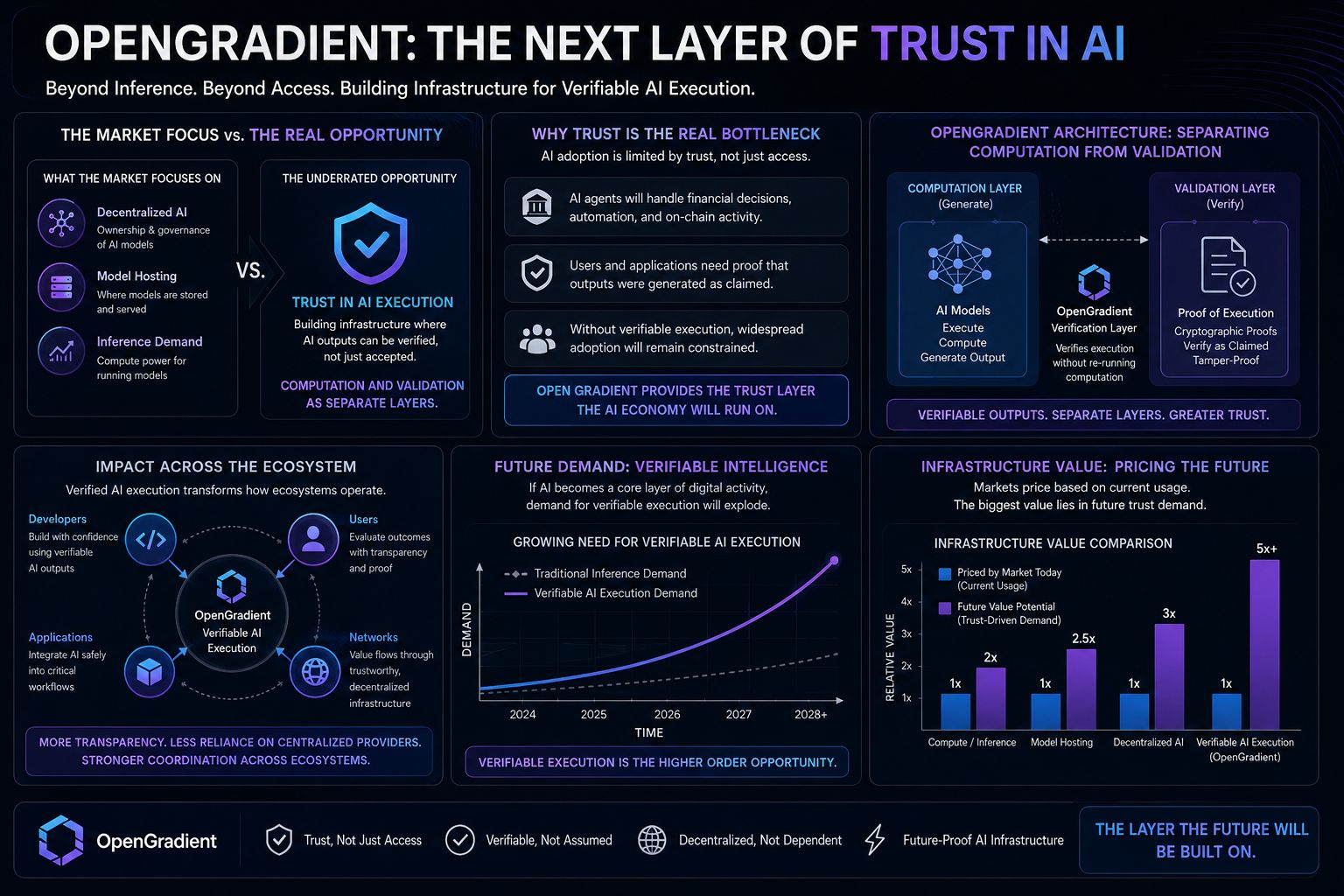
Більшість обговорень обертаються навколо децентралізованого ШІ, хостингу моделей або попиту на висновки. Але більш цікава частина в тому, як OpenGradient може змінити довіру до виконання ШІ. Проект будує інфраструктуру, де виходи ШІ можуть бути перевірені, а не просто прийняті, створюючи систему, де обчислення та валідація функціонують як окремі шари.
Ця різниця важлива, оскільки впровадження ШІ дедалі більше обмежується довірою, а не лише доступом. Коли агенти ШІ починають приймати фінансові рішення, автоматизацію та активність на блокчейні, користувачі та додатки потребуватимуть доказів того, що виходи були згенеровані, як заявлено. OpenGradient позиціонує себе навколо цієї майбутньої вимоги.
Те, що я вважаю недооціненим, - це потенційний вплив на координацію між екосистемами. Верифіковане виконання ШІ може зменшити залежність від централізованих постачальників, дозволяючи додаткам взаємодіяти з ШІ більш прозорим способом. Це змінює спосіб, яким розробники створюють, як користувачі оцінюють результати, і як цінність проходить через децентралізовані мережі.
Ринок часто оцінює інфраструктуру на основі поточного використання. Я вважаю, що більша можливість полягає в майбутньому попиті на перевірочний інтелект. Якщо ШІ стане основним шаром цифрової активності, мережі, які можуть надійно довести виконання, можуть стати набагато важливішими, ніж ринок наразі очікує.
Цей шар я спостерігаю.
@OpenGradient #OPG $OPG
Більшість обговорень обертаються навколо децентралізованого ШІ, хостингу моделей або попиту на висновки. Але більш цікава частина в тому, як OpenGradient може змінити довіру до виконання ШІ. Проект будує інфраструктуру, де виходи ШІ можуть бути перевірені, а не просто прийняті, створюючи систему, де обчислення та валідація функціонують як окремі шари.
Ця різниця важлива, оскільки впровадження ШІ дедалі більше обмежується довірою, а не лише доступом. Коли агенти ШІ починають приймати фінансові рішення, автоматизацію та активність на блокчейні, користувачі та додатки потребуватимуть доказів того, що виходи були згенеровані, як заявлено. OpenGradient позиціонує себе навколо цієї майбутньої вимоги.
Те, що я вважаю недооціненим, - це потенційний вплив на координацію між екосистемами. Верифіковане виконання ШІ може зменшити залежність від централізованих постачальників, дозволяючи додаткам взаємодіяти з ШІ більш прозорим способом. Це змінює спосіб, яким розробники створюють, як користувачі оцінюють результати, і як цінність проходить через децентралізовані мережі.
Ринок часто оцінює інфраструктуру на основі поточного використання. Я вважаю, що більша можливість полягає в майбутньому попиті на перевірочний інтелект. Якщо ШІ стане основним шаром цифрової активності, мережі, які можуть надійно довести виконання, можуть стати набагато важливішими, ніж ринок наразі очікує.
Цей шар я спостерігаю.
@OpenGradient #OPG $OPG
Переглянути переклад
#openledger $OPEN I’ve been watching OpenLedger (OPEN) closely, and what stands out to me is its vision of turning data, models, and agents into assets that can generate value instead of sitting unused. While many projects focus only on infrastructure, OpenLedger is building an economic layer where contributors can potentially monetize what they create and share.
What excites me is the idea of unlocking liquidity around AI-related assets. Data powers intelligent systems, models provide capabilities, and agents perform tasks. OpenLedger aims to connect these pieces through a blockchain-based ecosystem where ownership, attribution, and rewards can be tracked more transparently.
The opportunity here is not just technology—it’s creating incentives. If builders, researchers, and contributors are rewarded fairly, the network could attract more participation and accelerate growth. That makes OPEN a project worth keeping on the radar.
My next move is simple: I’m monitoring ecosystem development, community growth, partnerships, and real-world adoption. I want to see how many developers build on the network and whether users actively engage with its tools and services. Strong utility and consistent activity often matter more than hype.
For now, OpenLedger looks like a bold attempt to bridge blockchain and AI economics. If execution matches the vision, OPEN could become an important player in the emerging market for data, models, and autonomous agents.
@OpenLedger #OpenLedger
$PORTAL
$LAB
What excites me is the idea of unlocking liquidity around AI-related assets. Data powers intelligent systems, models provide capabilities, and agents perform tasks. OpenLedger aims to connect these pieces through a blockchain-based ecosystem where ownership, attribution, and rewards can be tracked more transparently.
The opportunity here is not just technology—it’s creating incentives. If builders, researchers, and contributors are rewarded fairly, the network could attract more participation and accelerate growth. That makes OPEN a project worth keeping on the radar.
My next move is simple: I’m monitoring ecosystem development, community growth, partnerships, and real-world adoption. I want to see how many developers build on the network and whether users actively engage with its tools and services. Strong utility and consistent activity often matter more than hype.
For now, OpenLedger looks like a bold attempt to bridge blockchain and AI economics. If execution matches the vision, OPEN could become an important player in the emerging market for data, models, and autonomous agents.
@OpenLedger #OpenLedger
$PORTAL
$LAB
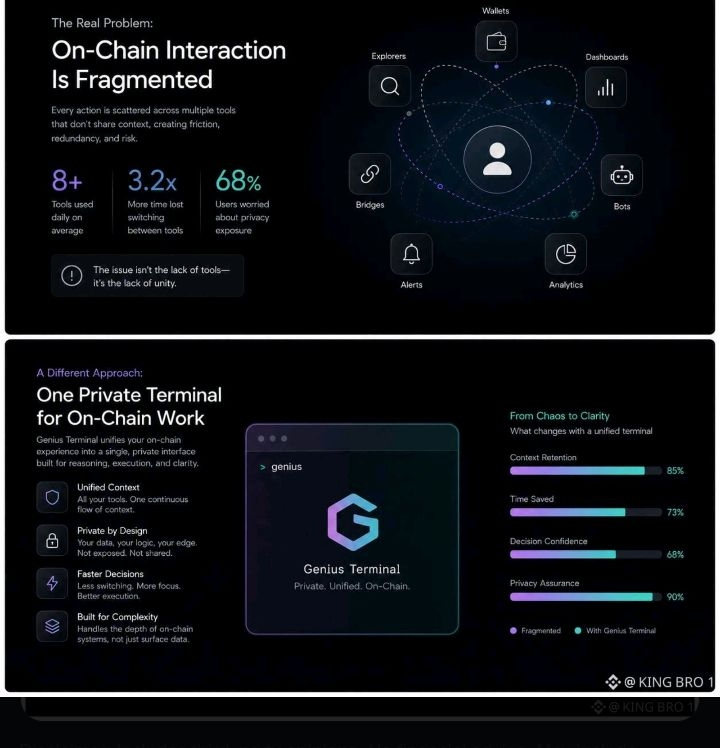
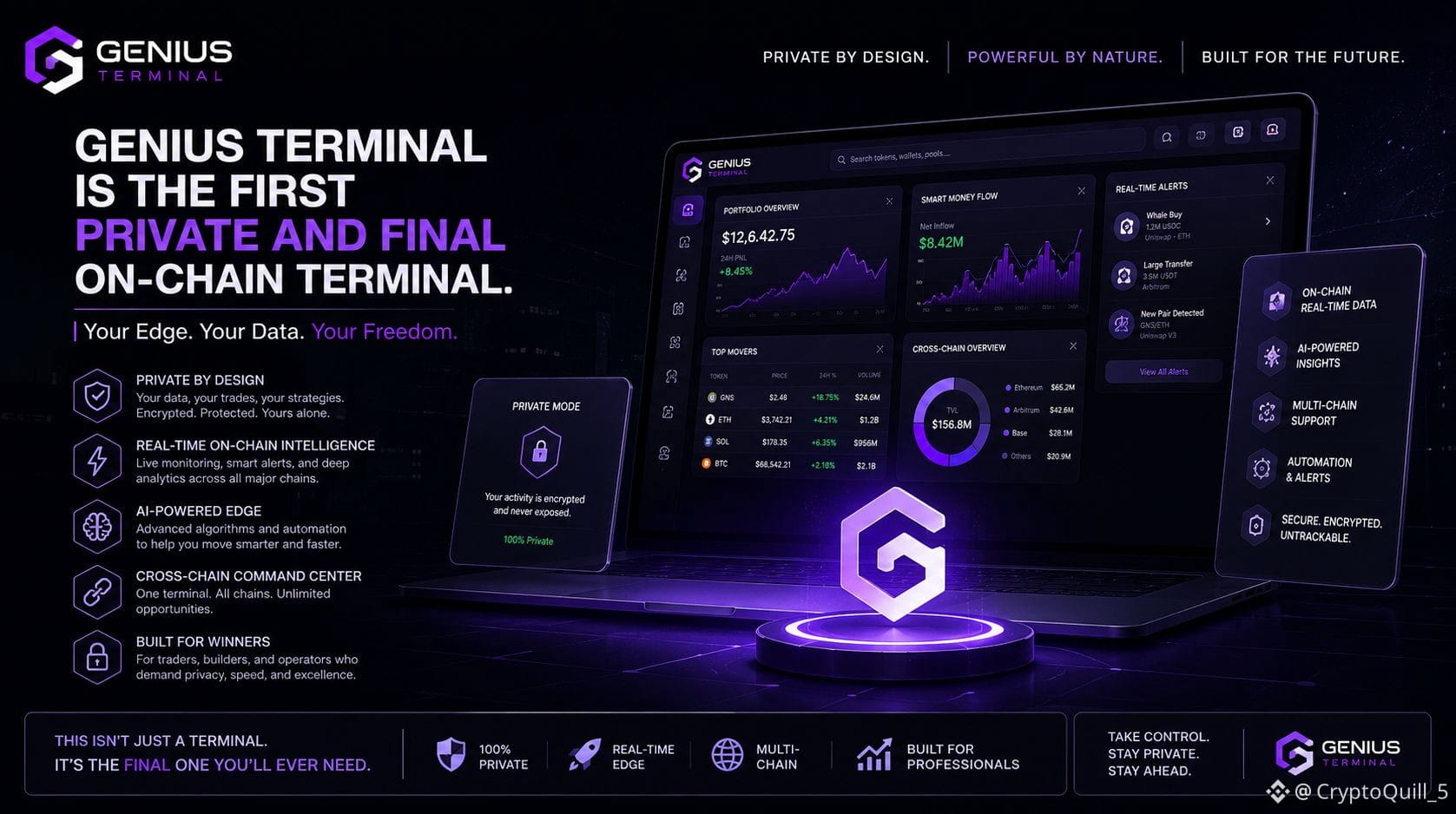
#genius $GENIUS Я спостерігаю за Genius Terminal, і що мене вражає, так це його зосередженість на тому, що багатьох трейдерів та користувачів блокчейну хвилює: конфіденційність. Поки більшість платформ залишає сліди через різні інструменти та інформаційні панелі, Genius Terminal позиціонує себе як перший приватний та фінальний термінал на блокчейні, намагаючись зібрати все в одному місці.
Що привернуло мою увагу, так це ідея зменшення складності. Замість того, щоб стрибати між різними додатками для дослідження, виконання та моніторингу, Genius Terminal створює спрощений досвід, який тримає користувачів ближче до ланцюга, зберігаючи конфіденційність. У ринку, де інформація рухається швидко і кожна секунда має значення, наявність спеціалізованого терміналу може бути серйозною перевагою.
Я вважаю, що найбільша можливість тут — це прийняття. Якщо команда зможе продовжувати покращувати функції, безпеку та користувацький досвід, Genius Terminal може стати ключовим інструментом для активних учасників на блокчейні. Конфіденційність більше не є розкішшю — це стає необхідністю.
Мій наступний крок простий: я продовжу відстежувати оновлення продукту, зростання спільноти та випуски функцій. Я також слідкуватиму за партнерствами, метриками прийняття користувачами та відгуками від досвідчених трейдерів. Якщо платформа продовжить реалізовувати своє бачення, Genius Terminal може стати одним з найцікавіших інфраструктурних проектів, за якими варто слідкувати в екосистемі блокчейну.
На даний момент я зосереджений, займаюся своїми дослідженнями та тримаю Genius Terminal у своєму списку спостереження.
@GeniusOfficial #genius
$LAB
$ALLO
Що привернуло мою увагу, так це ідея зменшення складності. Замість того, щоб стрибати між різними додатками для дослідження, виконання та моніторингу, Genius Terminal створює спрощений досвід, який тримає користувачів ближче до ланцюга, зберігаючи конфіденційність. У ринку, де інформація рухається швидко і кожна секунда має значення, наявність спеціалізованого терміналу може бути серйозною перевагою.
Я вважаю, що найбільша можливість тут — це прийняття. Якщо команда зможе продовжувати покращувати функції, безпеку та користувацький досвід, Genius Terminal може стати ключовим інструментом для активних учасників на блокчейні. Конфіденційність більше не є розкішшю — це стає необхідністю.
Мій наступний крок простий: я продовжу відстежувати оновлення продукту, зростання спільноти та випуски функцій. Я також слідкуватиму за партнерствами, метриками прийняття користувачами та відгуками від досвідчених трейдерів. Якщо платформа продовжить реалізовувати своє бачення, Genius Terminal може стати одним з найцікавіших інфраструктурних проектів, за якими варто слідкувати в екосистемі блокчейну.
На даний момент я зосереджений, займаюся своїми дослідженнями та тримаю Genius Terminal у своєму списку спостереження.
@GeniusOfficial #genius
$LAB
$ALLO
Переглянути переклад
#openledger $OPEN
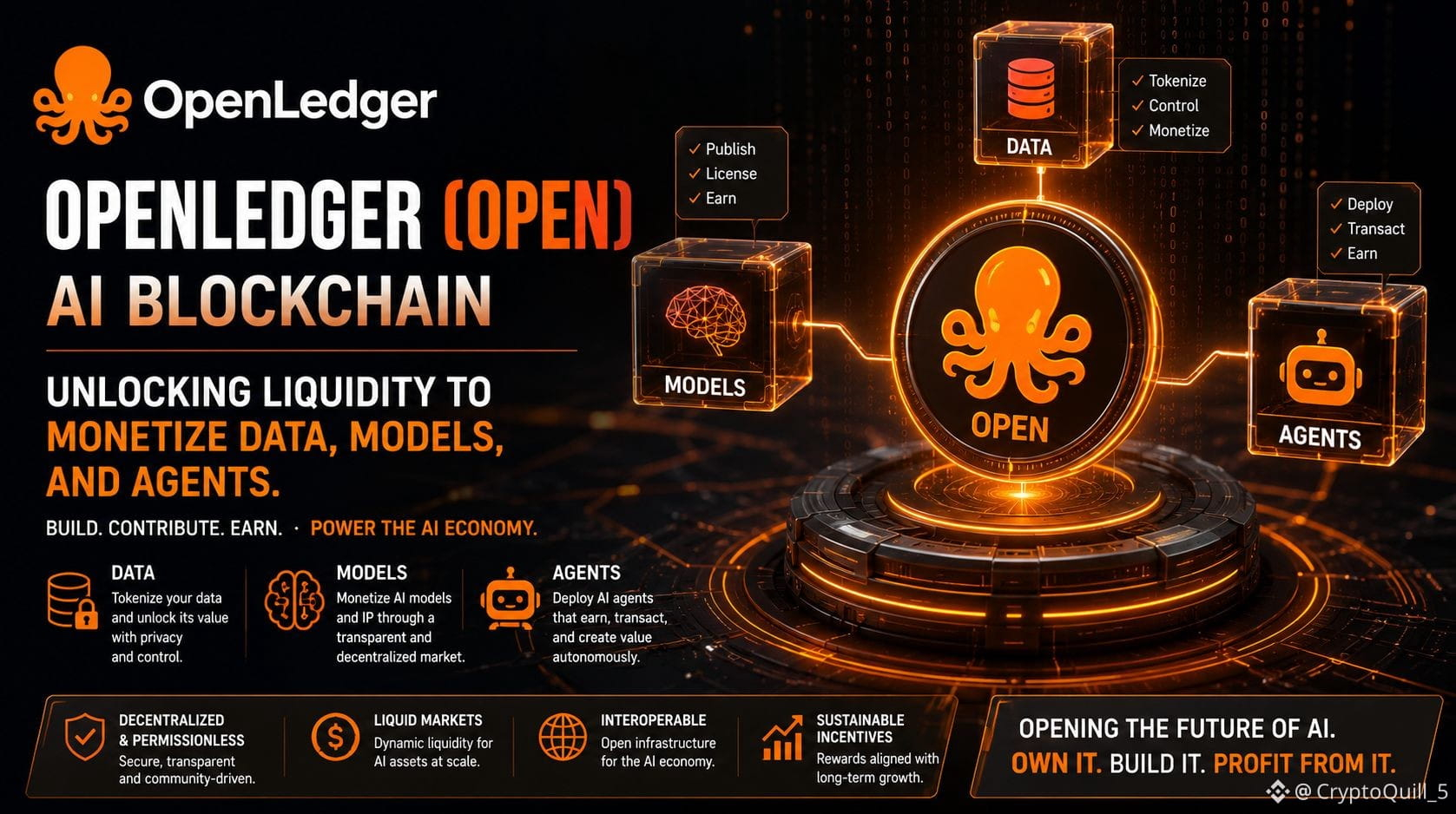
I’ve been watching the growth of OpenLedger closely, and what stands out to me is its focus on turning data, models, and agents into assets that can generate value instead of sitting idle.
Most platforms talk about innovation, but OpenLedger is building an economic layer where contributors can potentially monetize what they create. Data providers, model builders, and agent developers all play a role in the ecosystem, creating a structure that rewards participation and encourages growth.
What excites me is the liquidity aspect. In many ecosystems, valuable resources remain locked away with limited ways to capture their worth. OpenLedger aims to change that by creating mechanisms that connect creation with economic opportunity. If successful, this could make AI infrastructure more accessible, transparent, and rewarding for contributors.
My next move is simple: I’m watching ecosystem growth, developer activity, partnerships, and real-world adoption. Technology is important, but usage is what ultimately determines long-term value. I want to see how many builders join, how assets are utilized, and whether the network can sustain meaningful economic activity.
OpenLedger is not just competing on technology—it is competing on ownership, incentives, and value distribution. If adoption continues to expand, OPEN could become one of the projects worth keeping on the radar as the digital asset economy evolves.
@OpenLedger #OpenLedger
$PORTAL
$LAB
I’ve been watching the growth of OpenLedger closely, and what stands out to me is its focus on turning data, models, and agents into assets that can generate value instead of sitting idle.
Most platforms talk about innovation, but OpenLedger is building an economic layer where contributors can potentially monetize what they create. Data providers, model builders, and agent developers all play a role in the ecosystem, creating a structure that rewards participation and encourages growth.
What excites me is the liquidity aspect. In many ecosystems, valuable resources remain locked away with limited ways to capture their worth. OpenLedger aims to change that by creating mechanisms that connect creation with economic opportunity. If successful, this could make AI infrastructure more accessible, transparent, and rewarding for contributors.
My next move is simple: I’m watching ecosystem growth, developer activity, partnerships, and real-world adoption. Technology is important, but usage is what ultimately determines long-term value. I want to see how many builders join, how assets are utilized, and whether the network can sustain meaningful economic activity.
OpenLedger is not just competing on technology—it is competing on ownership, incentives, and value distribution. If adoption continues to expand, OPEN could become one of the projects worth keeping on the radar as the digital asset economy evolves.
@OpenLedger #OpenLedger
$PORTAL
$LAB
Верифіковано
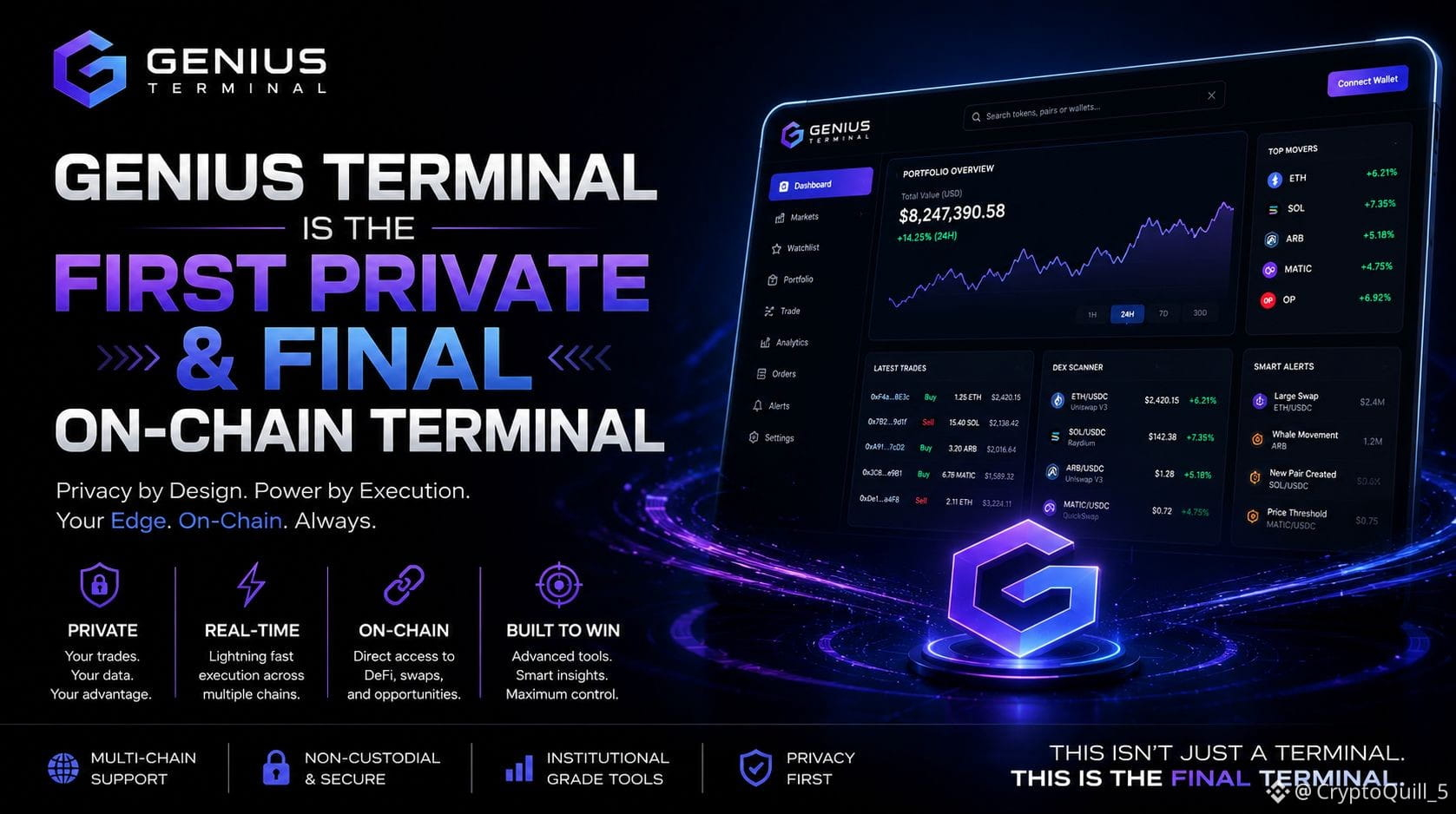
#genius $GENIUS Я вже деякий час спостерігаю за еволюцією інструментів на блокчейні, і Genius Terminal вирізняється з простої причини: він побудований навколо конфіденційності та виконання, а не шуму. У той час як більшість платформ зосереджуються на панелях, сигналах і нескінченних потоках даних, Genius Terminal позиціонує себе як перший приватний та остаточний термінал на блокчейні, розроблений для трейдерів, які хочуть швидко переходити від інформації до дії.
Те, що привернуло мою увагу, це акцент на підтримці критичної торгової активності в оптимальному вигляді. У ринку, де кожна секунда має значення, зменшення тертя може бути так само важливим, як і знаходження правильної можливості. Конфіденційність, швидкість і прямий доступ на блокчейн створюють середовище, де рішення можуть бути виконані з упевненістю, а не затримані через зайву складність.
Я бачу, що тут формується більша тенденція. У міру зростання активності на блокчейні користувачі вимагатимуть інструменти, які поєднують інтелект, конфіденційність та виконання в єдиному робочому процесі. Genius Terminal, здається, будує своє майбутнє в цьому напрямку.
Мій наступний крок - моніторити оновлення платформи, досліджувати нові функції та спостерігати, як розвивається прийняття в торговій спільноті. Сильний ріст користувачів, глибші інтеграції та постійні поліпшення продукту можуть стати ключовими показниками довгострокової інерції.
На даний момент Genius Terminal - це проект, який я тримаю на радарі, оскільки він націлений на реальну проблему: зробити виконання на блокчейні приватним, ефективним та практичним для серйозних користувачів.
@GeniusOfficial #genius
$LAB
$ALLO
Те, що привернуло мою увагу, це акцент на підтримці критичної торгової активності в оптимальному вигляді. У ринку, де кожна секунда має значення, зменшення тертя може бути так само важливим, як і знаходження правильної можливості. Конфіденційність, швидкість і прямий доступ на блокчейн створюють середовище, де рішення можуть бути виконані з упевненістю, а не затримані через зайву складність.
Я бачу, що тут формується більша тенденція. У міру зростання активності на блокчейні користувачі вимагатимуть інструменти, які поєднують інтелект, конфіденційність та виконання в єдиному робочому процесі. Genius Terminal, здається, будує своє майбутнє в цьому напрямку.
Мій наступний крок - моніторити оновлення платформи, досліджувати нові функції та спостерігати, як розвивається прийняття в торговій спільноті. Сильний ріст користувачів, глибші інтеграції та постійні поліпшення продукту можуть стати ключовими показниками довгострокової інерції.
На даний момент Genius Terminal - це проект, який я тримаю на радарі, оскільки він націлений на реальну проблему: зробити виконання на блокчейні приватним, ефективним та практичним для серйозних користувачів.
@GeniusOfficial #genius
$LAB
$ALLO
Переглянути переклад
ok

KINGBHAI 29
·
--
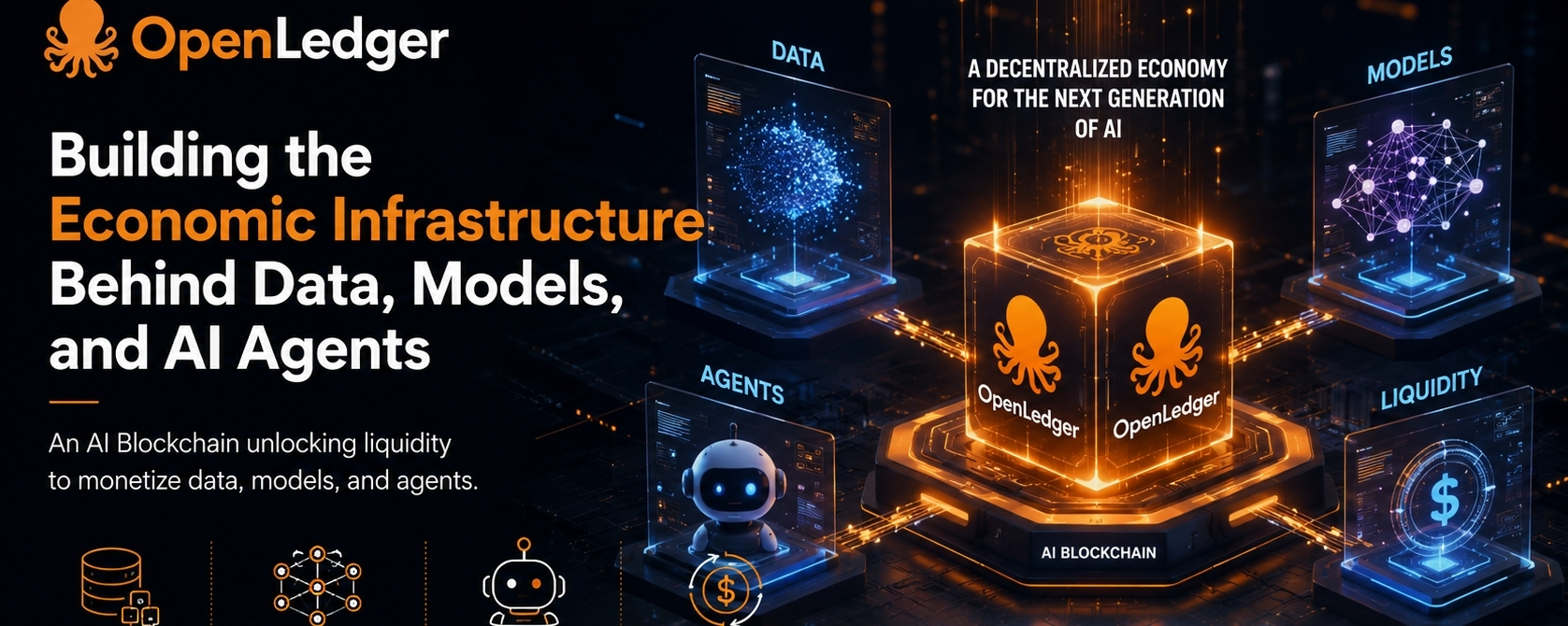
OpenLedger: Будуємо економічну інфраструктуру, що стоїть за даними, моделями та агентами ШІ
Коли я дивлюсь на OpenLedger, я не відразу бачу ще один блокчейн, який намагається приєднатися до наративу ШІ. Я бачу спробу вирішити проблему координації, яка стає все більш помітною, оскільки системи ШІ стають більшими і залучають більше учасників.
Сьогодні розвиток штучного інтелекту рідко є результатом дії одного учасника. Постачальники даних генерують набори даних, розробники створюють моделі, оператори управляють інфраструктурою, а користувачі створюють попит через реальне використання. Кожен учасник вносить свою цінність, але економічні відносини між ними часто залишаються незрозумілими. Технічний прогрес триває, але власність, стимули та монетизація залишаються фрагментованими. OpenLedger, здається, розроблено навколо цього конкретного прогалини.
Сьогодні розвиток штучного інтелекту рідко є результатом дії одного учасника. Постачальники даних генерують набори даних, розробники створюють моделі, оператори управляють інфраструктурою, а користувачі створюють попит через реальне використання. Кожен учасник вносить свою цінність, але економічні відносини між ними часто залишаються незрозумілими. Технічний прогрес триває, але власність, стимули та монетизація залишаються фрагментованими. OpenLedger, здається, розроблено навколо цього конкретного прогалини.
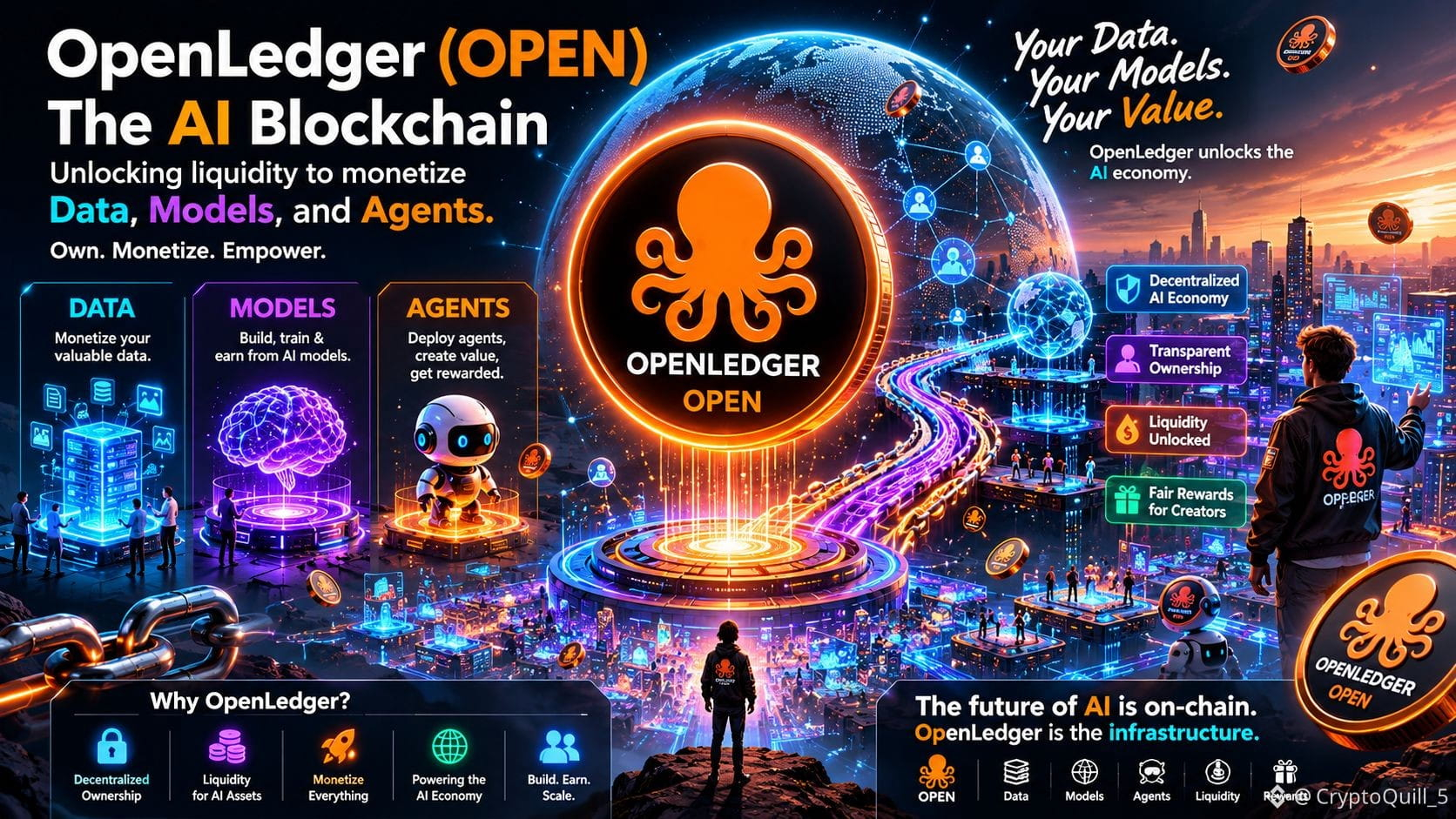
#openledger $OPEN Я уважно стежу за OpenLedger ($OPEN ), і те, що мене вражає, це його місія перетворити дані, моделі та агентів на реальні цифрові активи, які можуть створювати цінність. Замість того, щоб дозволяти корисній інформації залишатися без діла, OpenLedger зосереджується на наданні творцям та учасникам способу отримувати вигоду від того, що вони створюють і діляться.
Що мене найбільше захоплює, так це ідея розблокування ліквідності навколо даних та інтелекту. Оскільки попит на смарт-додатки продовжує зростати, проекти, які з'єднують учасників, розробників і користувачів через прозору блокчейн-інфраструктуру, можуть отримати значну увагу. OpenLedger займає центральну позицію в цьому русі, створюючи екосистему, де цінні ресурси можуть бути виявлені, використані та винагороджені.
З точки зору ринку, я стежу за зростанням екосистеми, новими партнерствами, активністю розробників і зростаючим прийняттям. Ці фактори часто відіграють важливу роль у визначенні того, чи може блокчейн-проект підтримувати довгостроковий імпульс.
Мій наступний крок простий: я тримаю на своєму спостережному списку, стежу за оновленнями проекту, відстежую зростання спільноти та шукаю ознаки розширення корисності. Якщо прийняття продовжить зростати і мережа залучить більше будівельників, OpenLedger може стати одним із найбільш цікавих проектів, за якими варто стежити в еволюційній блокчейн-просторі.
На даний момент я залишаюся терплячим, проводжу своє дослідження та спостерігаю, як розвивається історія.
@OpenLedger #OpenLedger
$ALLO
$ID
Що мене найбільше захоплює, так це ідея розблокування ліквідності навколо даних та інтелекту. Оскільки попит на смарт-додатки продовжує зростати, проекти, які з'єднують учасників, розробників і користувачів через прозору блокчейн-інфраструктуру, можуть отримати значну увагу. OpenLedger займає центральну позицію в цьому русі, створюючи екосистему, де цінні ресурси можуть бути виявлені, використані та винагороджені.
З точки зору ринку, я стежу за зростанням екосистеми, новими партнерствами, активністю розробників і зростаючим прийняттям. Ці фактори часто відіграють важливу роль у визначенні того, чи може блокчейн-проект підтримувати довгостроковий імпульс.
Мій наступний крок простий: я тримаю на своєму спостережному списку, стежу за оновленнями проекту, відстежую зростання спільноти та шукаю ознаки розширення корисності. Якщо прийняття продовжить зростати і мережа залучить більше будівельників, OpenLedger може стати одним із найбільш цікавих проектів, за якими варто стежити в еволюційній блокчейн-просторі.
На даний момент я залишаюся терплячим, проводжу своє дослідження та спостерігаю, як розвивається історія.
@OpenLedger #OpenLedger
$ALLO
$ID

Верифіковано
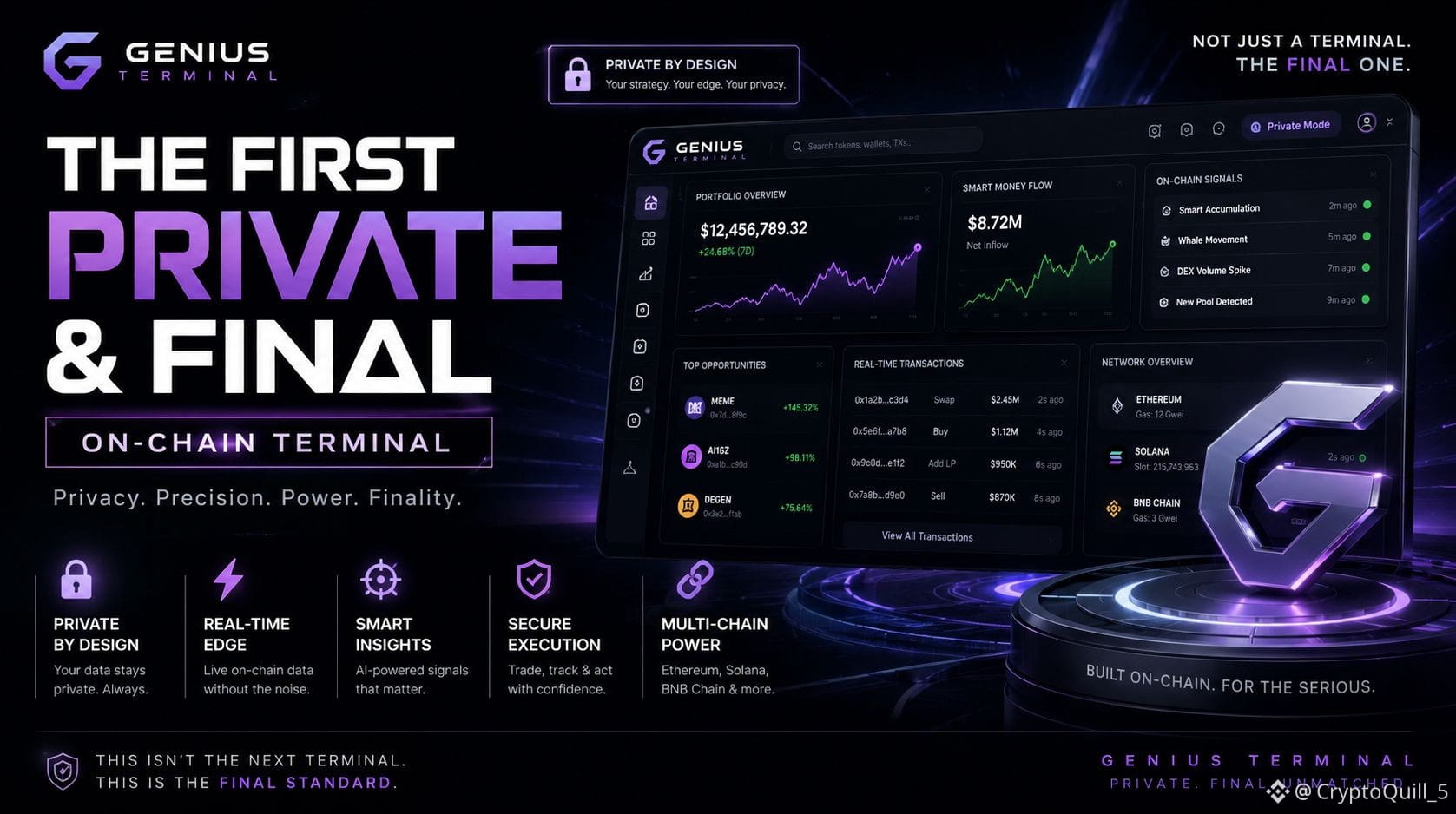
#genius $GENIUS Я спостерігаю за ростом Genius Terminal, і одна річ одразу кидається в очі: він має на меті стати першим приватним та фінальним on-chain терміналом для користувачів, які хочуть швидкості, контролю та конфіденційності в одному місці. У просторі, де інформація рухається швидко і кожна секунда має значення, наявність терміналу, спроектованого для спрощення on-chain активності, може стати суттєвою перевагою.
Що мене найбільше цікавить, так це акцент на конфіденційності. Багато інструментів надають дані, але Genius Terminal працює над тим, щоб надати користувачам більш чистий і безпечний спосіб взаємодії з on-chain можливостями. Ідея поєднання важливих інсайтів, інструментів виконання та доступу в реальному часі в одному терміналі створює плавніший досвід для трейдерів, дослідників і звичайних користувачів.
Я вважаю, що наступний крок простий: слідкувати за оновленнями екосистеми, випусками продуктів і оголошеннями громади. Нові функції, партнерства та інтеграції можуть часто вказувати напрямок проекту до того, як ширший ринок це помітить. Я також вважаю важливим дослідити платформу на власному досвіді, зрозуміти її інструменти та спостерігати за тим, як зростає прийняття з часом.
Для мене Genius Terminal - це не просто ще одна панель управління. Це уособлює прагнення до більш ефективного і приватного on-chain досвіду. Якщо розробка продовжиться в сильному темпі, цей проект може стати важливим пунктом призначення для користувачів, які прагнуть навігувати у світі блокчейн з більшою впевненістю та точністю.
@GeniusOfficial l #genius
$BASED
$WARD
Що мене найбільше цікавить, так це акцент на конфіденційності. Багато інструментів надають дані, але Genius Terminal працює над тим, щоб надати користувачам більш чистий і безпечний спосіб взаємодії з on-chain можливостями. Ідея поєднання важливих інсайтів, інструментів виконання та доступу в реальному часі в одному терміналі створює плавніший досвід для трейдерів, дослідників і звичайних користувачів.
Я вважаю, що наступний крок простий: слідкувати за оновленнями екосистеми, випусками продуктів і оголошеннями громади. Нові функції, партнерства та інтеграції можуть часто вказувати напрямок проекту до того, як ширший ринок це помітить. Я також вважаю важливим дослідити платформу на власному досвіді, зрозуміти її інструменти та спостерігати за тим, як зростає прийняття з часом.
Для мене Genius Terminal - це не просто ще одна панель управління. Це уособлює прагнення до більш ефективного і приватного on-chain досвіду. Якщо розробка продовжиться в сильному темпі, цей проект може стати важливим пунктом призначення для користувачів, які прагнуть навігувати у світі блокчейн з більшою впевненістю та точністю.
@GeniusOfficial l #genius
$BASED
$WARD
Переглянути переклад
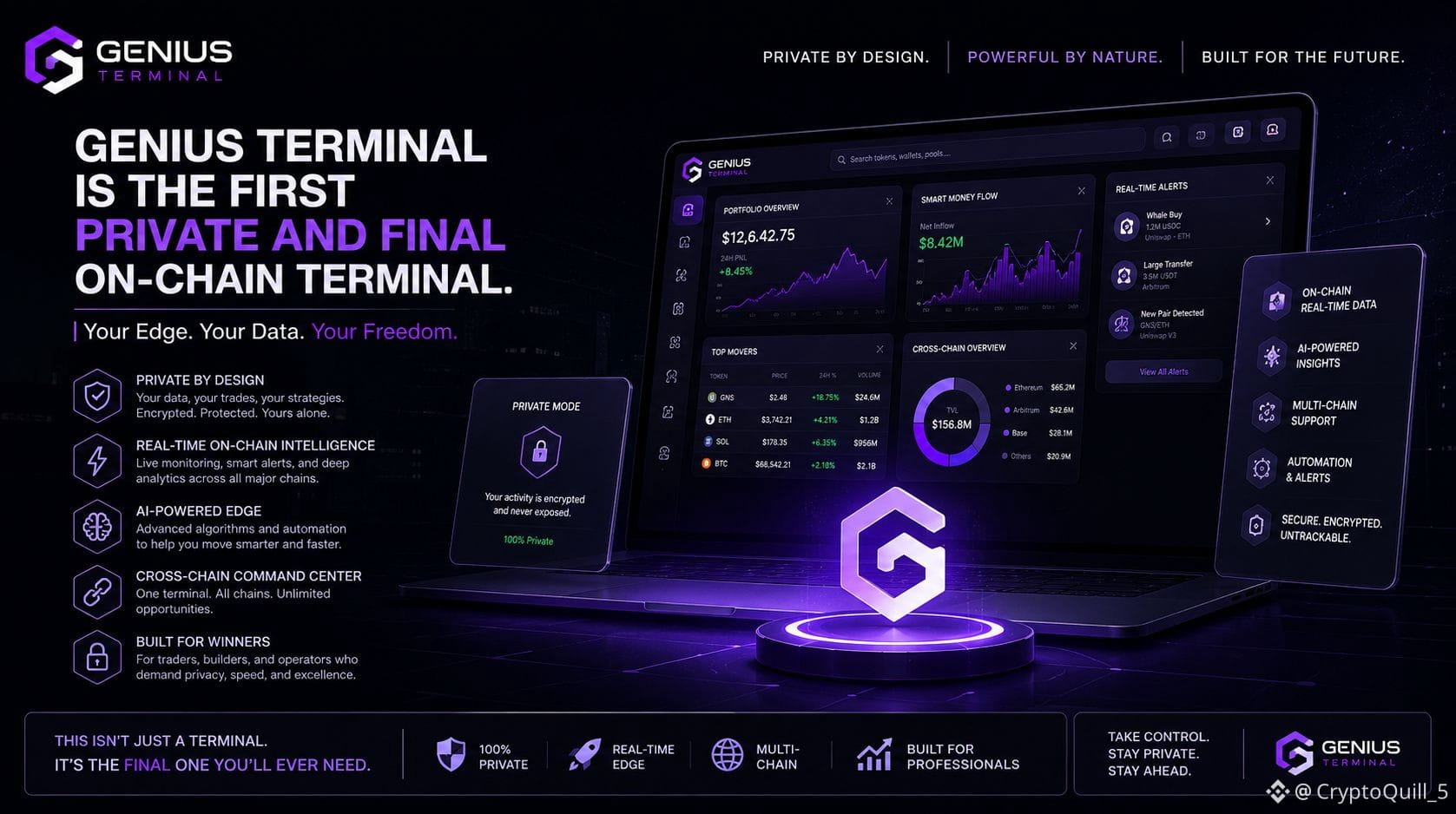
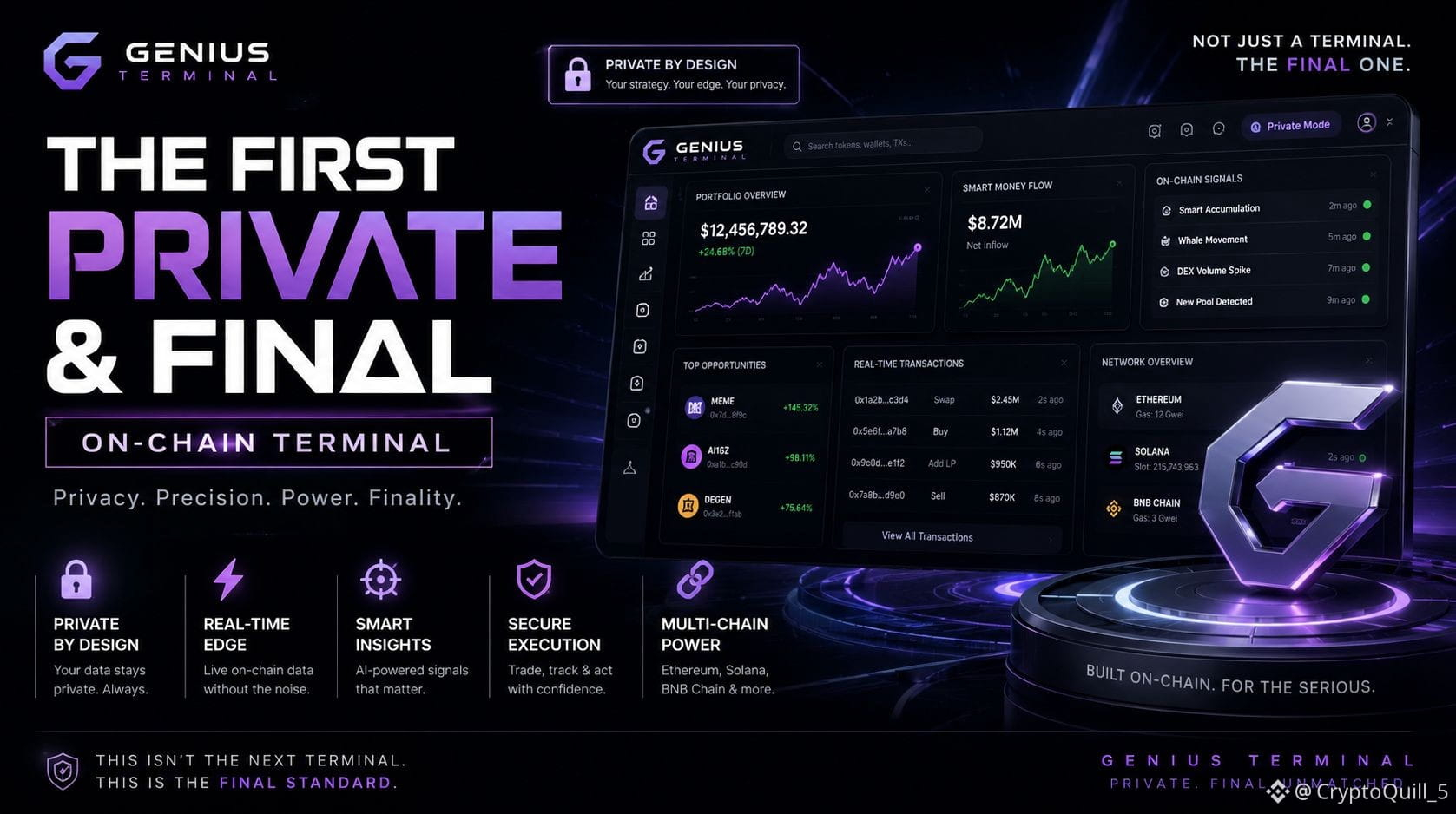
#genius $GENIUS I’ve been watching the rise of on-chain tools for a long time, but Genius Terminal feels different. It is not trying to be loud. It is trying to be final. That’s what caught my attention first. In a space full of noise, fake signals, and delayed reactions, I see Genius Terminal building a private environment where speed and precision matter more than hype.
What excites me most is the focus on privacy and execution. I can track opportunities, manage activity, and react faster without exposing every move to the public. That changes the game completely. Most traders are still using outdated dashboards while the market moves in seconds. Genius Terminal looks built for the next phase of on-chain trading where information control becomes power.
I also think this is bigger than a normal terminal. It feels like infrastructure for serious users who want cleaner data, smarter decisions, and stronger protection while navigating volatile markets.
My next move is simple: I’m watching ecosystem growth, user adoption, and upcoming integrations closely. If the team continues delivering powerful tools while keeping the platform private and efficient, I believe Genius Terminal could become one of the most important names in the on-chain world. @geniusofficial #genius $GENIUS
What excites me most is the focus on privacy and execution. I can track opportunities, manage activity, and react faster without exposing every move to the public. That changes the game completely. Most traders are still using outdated dashboards while the market moves in seconds. Genius Terminal looks built for the next phase of on-chain trading where information control becomes power.
I also think this is bigger than a normal terminal. It feels like infrastructure for serious users who want cleaner data, smarter decisions, and stronger protection while navigating volatile markets.
My next move is simple: I’m watching ecosystem growth, user adoption, and upcoming integrations closely. If the team continues delivering powerful tools while keeping the platform private and efficient, I believe Genius Terminal could become one of the most important names in the on-chain world. @geniusofficial #genius $GENIUS
Переглянути переклад
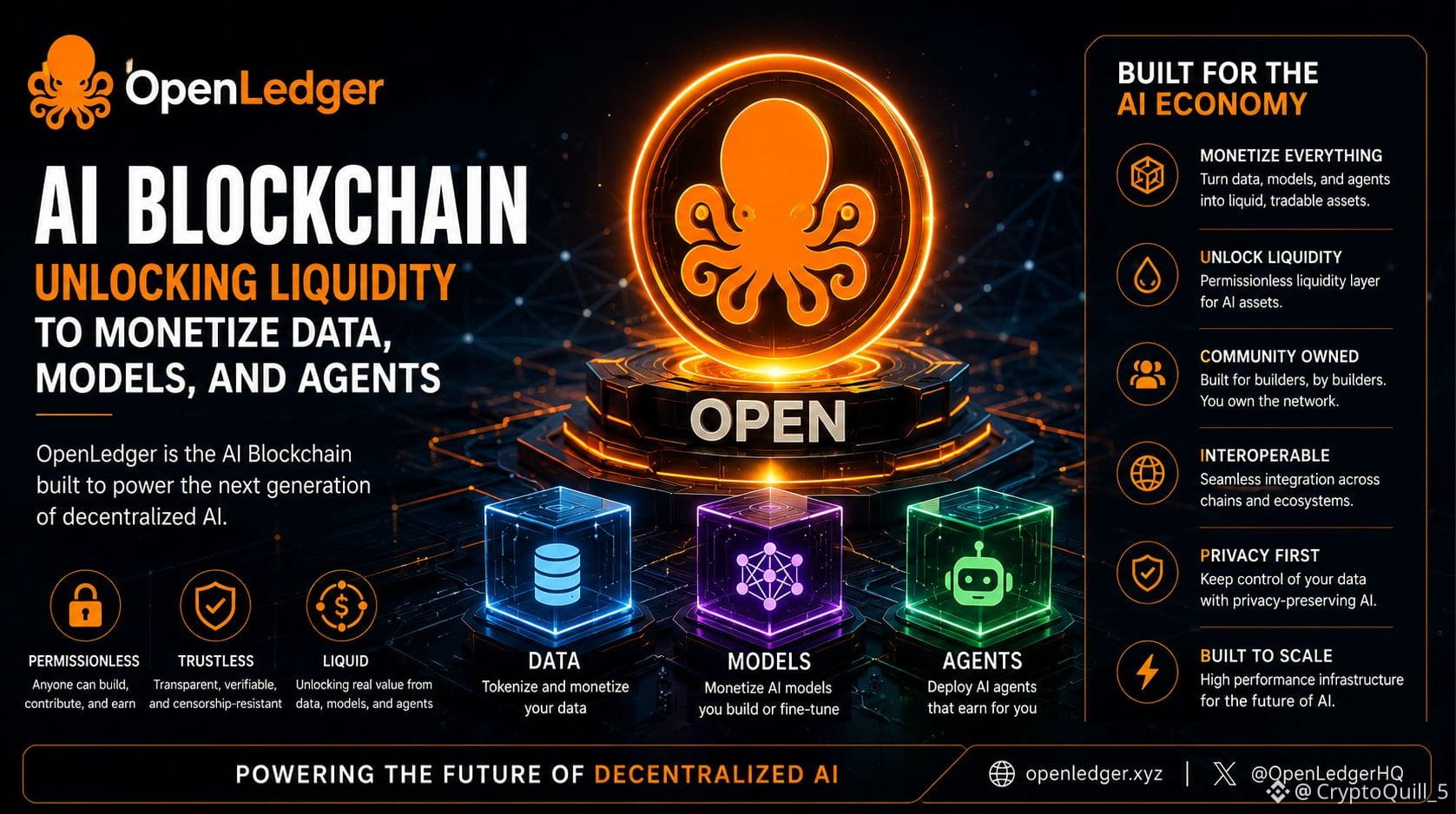
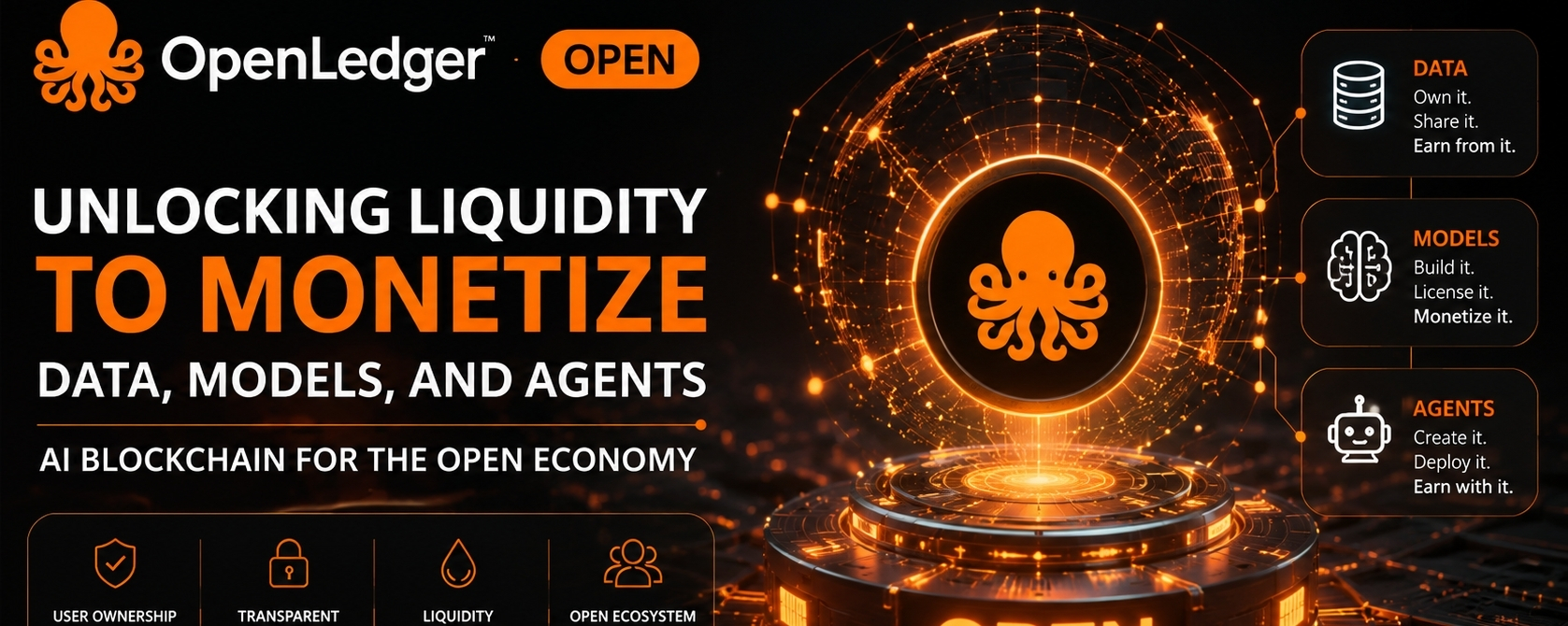
#openledger $OPEN I’ve been watching how fast the digital economy is changing, and honestly, OpenLedger feels like one of the few projects trying to solve a real problem instead of chasing hype. OpenLedger is building a system where data, models, and agents are no longer locked away without value. The idea that people can finally earn from what they create, train, or contribute changes the game completely.
What caught my attention is the liquidity layer behind it. Most platforms collect user activity while the community gets almost nothing back. OpenLedger is pushing a different direction where value can move back to creators, builders, and contributors. I see this becoming important as demand for smarter digital systems keeps growing.
I’m also noticing how OPEN is positioning itself around long-term utility instead of temporary excitement. That matters. Projects survive when they create ecosystems people actually use. If adoption grows, the network effect around data and agents could become massive.
My next move is simple: I’m watching ecosystem growth, partnerships, developer activity, and how fast new tools launch on the chain. I also think early community participation could matter later if the platform expands the way many expect.
Right now, OpenLedger feels less like noise and more like infrastructure being built quietly before the crowd fully notices it.
$OPEN
What caught my attention is the liquidity layer behind it. Most platforms collect user activity while the community gets almost nothing back. OpenLedger is pushing a different direction where value can move back to creators, builders, and contributors. I see this becoming important as demand for smarter digital systems keeps growing.
I’m also noticing how OPEN is positioning itself around long-term utility instead of temporary excitement. That matters. Projects survive when they create ecosystems people actually use. If adoption grows, the network effect around data and agents could become massive.
My next move is simple: I’m watching ecosystem growth, partnerships, developer activity, and how fast new tools launch on the chain. I also think early community participation could matter later if the platform expands the way many expect.
Right now, OpenLedger feels less like noise and more like infrastructure being built quietly before the crowd fully notices it.
$OPEN
Переглянути переклад
Most AI chains talk about speed. Few talk about ownership. That’s why I’m watching @OpenLedger closely. $OPEN is building infrastructure where data, models, and AI agents can actually become monetizable assets instead of free fuel for centralized platforms.
The interesting part is not just TPS or hype cycles — it’s the liquidity layer behind AI contributions. If OpenLedger succeeds, creators and developers may finally capture value from the intelligence they produce on-chain.
I think the next phase of crypto will reward networks that combine AI utility with transparent economic incentives, and #OpenLedger is positioning itself right in that conversation. $OPEN
Here’s an original Binance Square post you@OpenLedger #OpenLedger $OPEN
The interesting part is not just TPS or hype cycles — it’s the liquidity layer behind AI contributions. If OpenLedger succeeds, creators and developers may finally capture value from the intelligence they produce on-chain.
I think the next phase of crypto will reward networks that combine AI utility with transparent economic incentives, and #OpenLedger is positioning itself right in that conversation. $OPEN
Here’s an original Binance Square post you@OpenLedger #OpenLedger $OPEN
Переглянути переклад
I’ve been watching closely, and the vision behind $GENIUS is starting to look bigger than most people realize. Privacy-first infrastructure, powerful on-chain intelligence, and a terminal built for the next generation of traders feels like the beginning of a serious shift in crypto.
What stands out to me is how Genius focuses on speed without sacrificing security or user control. In a market full of noise, projects with real utility and strong execution usually win long term.
My next move? I’m tracking ecosystem updates, watching community growth, and positioning early before wider attention arrives. The smartest opportunities often appear before the crowd understands them.
$GENIUS could become one of the most talked-about on-chain intelligence plays this cycle. #genius
Here’s a thrilling Binance Square post you can use:
@GeniusOfficial #genius $GENIUS
What stands out to me is how Genius focuses on speed without sacrificing security or user control. In a market full of noise, projects with real utility and strong execution usually win long term.
My next move? I’m tracking ecosystem updates, watching community growth, and positioning early before wider attention arrives. The smartest opportunities often appear before the crowd understands them.
$GENIUS could become one of the most talked-about on-chain intelligence plays this cycle. #genius
Here’s a thrilling Binance Square post you can use:
@GeniusOfficial #genius $GENIUS
Переглянути переклад
#genius $GENIUS I’ve been watching the evolution of on-chain infrastructure for years, but Genius Terminal feels different. This isn’t just another trading dashboard pretending to be revolutionary. It’s positioning itself as the first private and final on-chain terminal a place where execution, intelligence, and privacy collide in one battlefield-ready system.
What caught my attention is the focus on privacy at a time when most on-chain activity is fully exposed. In crypto, information leaks are expensive. Wallet tracking, copy trading, and front-running have become part of the game. Genius Terminal appears to be building for traders and operators who want speed without sacrificing stealth. That changes the dynamics completely.
I’m also noticing growing interest around AI-assisted analytics, terminal automation, and cross-chain monitoring. If Genius Terminal executes correctly, it could become more than a tool it could evolve into an operating layer for serious on-chain participants.
My next move is simple: I’m watching ecosystem growth, user adoption, partnerships, and token utility very closely. I want to see whether the platform can sustain real volume and attract high-level traders, not just hype cycles. If momentum continues building, Genius Terminal could become one of the most important infrastructure narratives in the next phase of crypto markets.
@GeniusOfficial #genius $GENIUS
What caught my attention is the focus on privacy at a time when most on-chain activity is fully exposed. In crypto, information leaks are expensive. Wallet tracking, copy trading, and front-running have become part of the game. Genius Terminal appears to be building for traders and operators who want speed without sacrificing stealth. That changes the dynamics completely.
I’m also noticing growing interest around AI-assisted analytics, terminal automation, and cross-chain monitoring. If Genius Terminal executes correctly, it could become more than a tool it could evolve into an operating layer for serious on-chain participants.
My next move is simple: I’m watching ecosystem growth, user adoption, partnerships, and token utility very closely. I want to see whether the platform can sustain real volume and attract high-level traders, not just hype cycles. If momentum continues building, Genius Terminal could become one of the most important infrastructure narratives in the next phase of crypto markets.
@GeniusOfficial #genius $GENIUS
Увійдіть, щоб переглянути інший контент