

Sasha why NOT 1
543 Публікації
Sasha why NOT 1
Поскаржитись
Заблокувати користувача
Created for bulls and bears 🐂🐻
0 Підписки
1.2K+ Підписники
313 Вподобань
Публікації
РАНКОВИЙ ОГЛЯД РИНКУ | 21 жовтня 2026 🚨 На Волл-стріт відбувається ротація, попит на біткоїн-ETF відновлюється, а геополітичні ризики тримають ринки в напрузі. 📈 1. Акції: відхід від великих технологічних компаній Волл-стріт завершила торги 20 жовтня зі змішаними результатами: • Dow Jones: +1,02% • S&P 500: +0,28% • Nasdaq: −0,02% • Russell 2000: +1,65% (за підсумками торгів 20 жовтня) Інвестори переорієнтовуються на менші компанії та захисні сектори, оскільки занепокоєння щодо оцінок компаній у сфері ШІ зберігається. ₿ 2. Криптовалюти: інституційний попит повертається 19 жовтня чистий приплив коштів до американських спотових біткоїн-ETF становив приблизно 527 млн доларів. Тим часом MEXC оголосила про обмеження, що стосуватимуться користувачів у Росії та Білорусі, яких було повідомлено про це. Інституційне впровадження триває, однак доступність бірж і регуляторні ризики залишаються критично важливими. 🏦 3. Макроекономіка США: високі ставки шкодять ринку житла У вересні кількість незавершених угод із продажу житла у США скоротилася на 7,3%. Дохідність 10-річних казначейських облігацій знизилася приблизно до 5,12%, а ринки очікують на жовтневе рішення Федеральної резервної системи. Слабкі дані щодо ринку житла свідчать про посилення тиску через високу вартість запозичень. 🌍 4. Геополітика: ціни на нафту залишаються нестабільними Ціна на Brent опустилася нижче 109 доларів на тлі реакції ринків на можливе відновлення дипломатичних зусиль США та Ірану. Жодної домовленості не підтверджено. Ціни на енергоносії залишаються значним ризиком для інфляції та глобальної ліквідності. 🤖 5. ШІ: попит на чипи в Китаї стрімко зростає Як повідомляється, китайські технологічні гіганти прагнуть придбати мільйони прискорювачів Nvidia попри експортні обмеження США. Попит на інфраструктуру для ШІ залишається високим, але зростання капітальних витрат викликає запитання щодо прибутковості. 🔎 Моя оцінка ринку Ринок входить у критичну фазу. Найважливіші три сигнали: • Потоки коштів до ETF і ліквідність $BTC • Дохідність казначейських облігацій і ціни на енергоносії • Прибутки у сфері ШІ порівняно з витратами на інфраструктуру Для наступного стійкого ралі потрібні реальний попит, сильніші прибутки та поліпшення фінансових умов. Чи спостерігаємо ми початок ширшого відновлення ринку, чи це лише черговий тимчасовий відскок? #BTC Аналіз ціни#
РАНКОВИЙ ОГЛЯД РИНКУ | 21 жовтня 2026 🚨 На Волл-стріт відбувається ротація, попит на біткоїн-ETF відновлюється, а геополітичні ризики тримають ринки в напрузі. 📈 1. Акції: відхід від великих технологічних компаній Волл-стріт завершила торги 20 жовтня зі змішаними результатами: • Dow Jones: +1,02% • S&P 500: +0,28% • Nasdaq: −0,02% • Russell 2000: +1,65% (за підсумками торгів 20 жовтня) Інвестори переорієнтовуються на менші компанії та захисні сектори, оскільки занепокоєння щодо оцінок компаній у сфері ШІ зберігається. ₿ 2. Криптовалюти: інституційний попит повертається 19 жовтня чистий приплив коштів до американських спотових біткоїн-ETF становив приблизно 527 млн доларів. Тим часом MEXC оголосила про обмеження, що стосуватимуться користувачів у Росії та Білорусі, яких було повідомлено про це. Інституційне впровадження триває, однак доступність бірж і регуляторні ризики залишаються критично важливими. 🏦 3. Макроекономіка США: високі ставки шкодять ринку житла У вересні кількість незавершених угод із продажу житла у США скоротилася на 7,3%. Дохідність 10-річних казначейських облігацій знизилася приблизно до 5,12%, а ринки очікують на жовтневе рішення Федеральної резервної системи. Слабкі дані щодо ринку житла свідчать про посилення тиску через високу вартість запозичень. 🌍 4. Геополітика: ціни на нафту залишаються нестабільними Ціна на Brent опустилася нижче 109 доларів на тлі реакції ринків на можливе відновлення дипломатичних зусиль США та Ірану. Жодної домовленості не підтверджено. Ціни на енергоносії залишаються значним ризиком для інфляції та глобальної ліквідності. 🤖 5. ШІ: попит на чипи в Китаї стрімко зростає Як повідомляється, китайські технологічні гіганти прагнуть придбати мільйони прискорювачів Nvidia попри експортні обмеження США. Попит на інфраструктуру для ШІ залишається високим, але зростання капітальних витрат викликає запитання щодо прибутковості. 🔎 Моя оцінка ринку Ринок входить у критичну фазу. Найважливіші три сигнали: • Потоки коштів до ETF і ліквідність $BTC • Дохідність казначейських облігацій і ціни на енергоносії • Прибутки у сфері ШІ порівняно з витратами на інфраструктуру Для наступного стійкого ралі потрібні реальний попит, сильніші прибутки та поліпшення фінансових умов. Чи спостерігаємо ми початок ширшого відновлення ринку, чи це лише черговий тимчасовий відскок? #BTC Аналіз ціни#

80
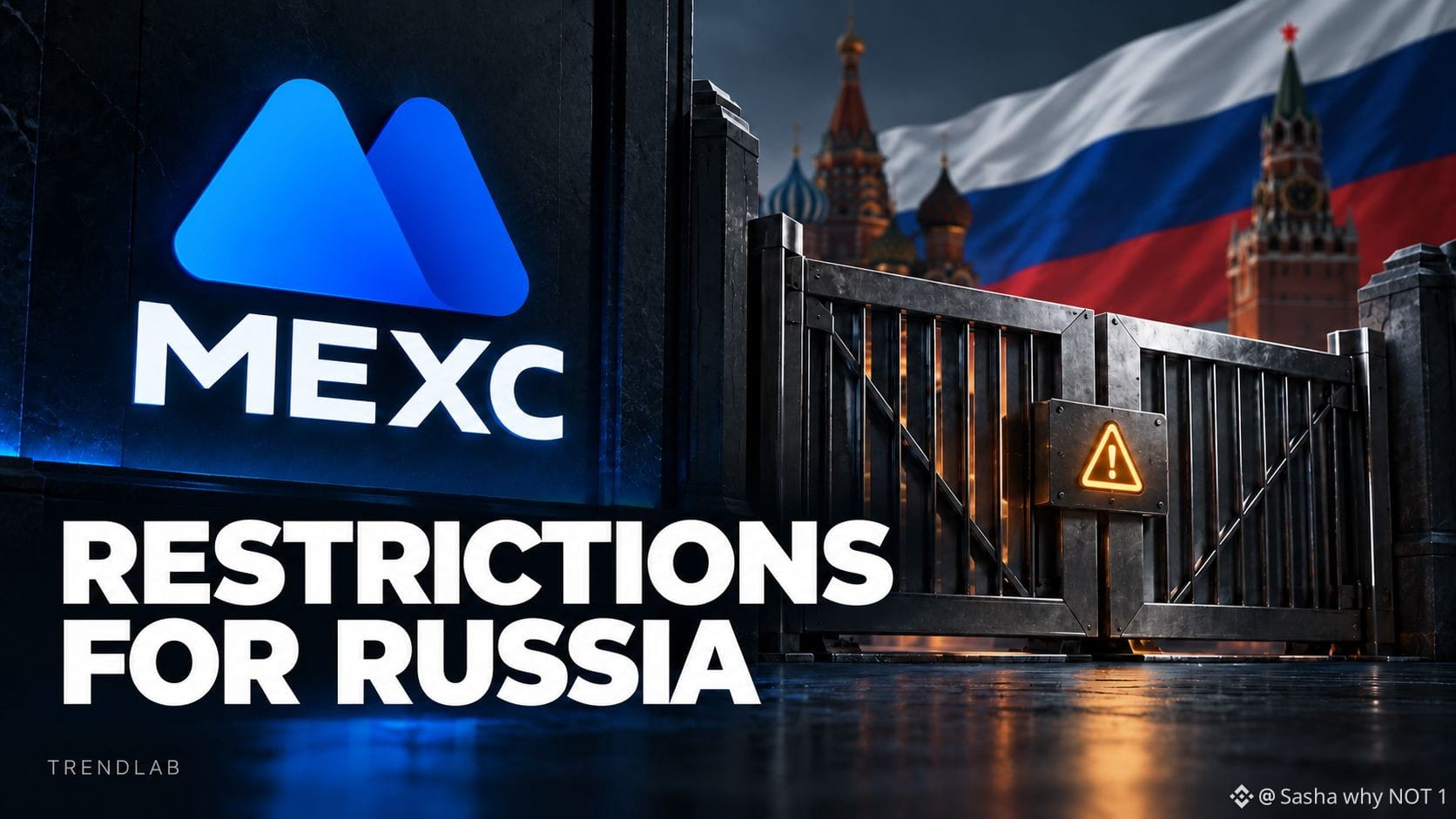
⚠️ MEXC обмежує обслуговування користувачів у #Росії та Білорусі. Біржа посилається на вимоги дотримання нормативних актів. Користувачі відповідних акаунтів отримують персональні повідомлення.
▪️ 24 жовтня 2026 року, 00:00 — нові ордери, нові позиції та збільшення позицій будуть недоступні. Закриття позицій і виведення коштів залишаться доступними.
▪️ 28 жовтня, 00:00 — розпочнеться автоматичне закриття позицій.
▪️ 4 листопада, 00:00 — кінцевий термін для виведення коштів. Тобто опівночі з 3 на 4 листопада!
Після завершення терміну для виведення залишкових коштів знадобиться допомога служби підтримки. Це може вимагати проходження перевірки, сплати комісій і спричинити затримки.
Перевірте своє повідомлення: терміни можуть відрізнятися. За словами MEXC, акаунти, які не отримали повідомлення, наразі не зазнали змін.
Перевірте свій статус на офіційному сайті або в застосунку. Доступ до біржі може змінитися швидше, ніж ваш інвестиційний план.
$MX #Макроінсайти#
⚠️ MEXC обмежує обслуговування користувачів у #Росії та Білорусі. Біржа посилається на вимоги дотримання нормативних актів. Користувачі відповідних акаунтів отримують персональні повідомлення.
▪️ 24 жовтня 2026 року, 00:00 — нові ордери, нові позиції та збільшення позицій будуть недоступні. Закриття позицій і виведення коштів залишаться доступними.
▪️ 28 жовтня, 00:00 — розпочнеться автоматичне закриття позицій.
▪️ 4 листопада, 00:00 — кінцевий термін для виведення коштів. Тобто опівночі з 3 на 4 листопада!
Після завершення терміну для виведення залишкових коштів знадобиться допомога служби підтримки. Це може вимагати проходження перевірки, сплати комісій і спричинити затримки.
Перевірте своє повідомлення: терміни можуть відрізнятися. За словами MEXC, акаунти, які не отримали повідомлення, наразі не зазнали змін.
Перевірте свій статус на офіційному сайті або в застосунку. Доступ до біржі може змінитися швидше, ніж ваш інвестиційний план.
$MX #Макроінсайти#
▪️ 24 жовтня 2026 року, 00:00 — нові ордери, нові позиції та збільшення позицій будуть недоступні. Закриття позицій і виведення коштів залишаться доступними.
▪️ 28 жовтня, 00:00 — розпочнеться автоматичне закриття позицій.
▪️ 4 листопада, 00:00 — кінцевий термін для виведення коштів. Тобто опівночі з 3 на 4 листопада!
Після завершення терміну для виведення залишкових коштів знадобиться допомога служби підтримки. Це може вимагати проходження перевірки, сплати комісій і спричинити затримки.
Перевірте своє повідомлення: терміни можуть відрізнятися. За словами MEXC, акаунти, які не отримали повідомлення, наразі не зазнали змін.
Перевірте свій статус на офіційному сайті або в застосунку. Доступ до біржі може змінитися швидше, ніж ваш інвестиційний план.
$MX #Макроінсайти#
51
$BR стрімко зростає. Але що насправді надає токену цінність? Останній знімок Bedrock на CMC показує зростання приблизно на 47% за 24 години, а обсяг торгів становить $50 млн. Важливіше питання — чи здатне впровадження продукту створити сталий попит на BR. 🔎 Що таке Bedrock? Платформа BTCFi, яка розробляє стратегії отримання доходу на основі капіталу в Bitcoin через uniBTC. Її ширша екосистема також охоплює продукти ліквідного стейкінгу та рестейкінгу. ⚙️ Що вже запущено? У червні запустили Alpha Selini Vault, який поєднує капітал uniBTC з інфраструктурою інституційного кредитування через Cap і стратегії, якими керує Selini. На момент запуску комісія за управління становила 0%, а комісія за результат — 5% від отриманого доходу. У серпні Bedrock повідомила, що у сховище внесли 72 uniBTC за максимальної місткості 76 uniBTC. Це свідчить про використання продукту. Але це не доводить, що власники BR отримують цей дохід. 🪙 Яку роль відіграє BR? BR використовується для управління та стимулювання екосистеми. Заблокувавши його у veBR, користувачі отримують право голосу та збільшені винагороди. Ключова відмінність: отримання доходу на внесені BTC і володіння BR — це різні види економічної участі. ⚠️ На що варто звернути увагу? • В обігу перебуває близько 30% від максимальної пропозиції в 1 млрд токенів. • Подальше розблокування може збільшити доступну пропозицію. • Зберігаються кредитні ризики, ризики смартконтрактів і ліквідності. • У 2024 році Bedrock зазнала експлойту приблизно на $2 млн. Не вдалося знайти свіжого оголошення, яке безпосередньо пояснювало б сьогоднішнє зростання. Моя думка: за продуктами Bedrock варто стежити. Для BR наступне випробування — вимірюваний попит на токен і чіткий зв’язок між доходами протоколу та цінністю для власників. Стежте за депозитами у сховищах, зростанням комісій, блокуванням BR і поглинанням розблокованих токенів, а не лише за зеленою свічкою. Чи перетвориться впровадження #BTCFi на цінність для $BR? #СезонАльткоїнів#
$BR стрімко зростає. Але що насправді надає токену цінність? Останній знімок Bedrock на CMC показує зростання приблизно на 47% за 24 години, а обсяг торгів становить $50 млн. Важливіше питання — чи здатне впровадження продукту створити сталий попит на BR. 🔎 Що таке Bedrock? Платформа BTCFi, яка розробляє стратегії отримання доходу на основі капіталу в Bitcoin через uniBTC. Її ширша екосистема також охоплює продукти ліквідного стейкінгу та рестейкінгу. ⚙️ Що вже запущено? У червні запустили Alpha Selini Vault, який поєднує капітал uniBTC з інфраструктурою інституційного кредитування через Cap і стратегії, якими керує Selini. На момент запуску комісія за управління становила 0%, а комісія за результат — 5% від отриманого доходу. У серпні Bedrock повідомила, що у сховище внесли 72 uniBTC за максимальної місткості 76 uniBTC. Це свідчить про використання продукту. Але це не доводить, що власники BR отримують цей дохід. 🪙 Яку роль відіграє BR? BR використовується для управління та стимулювання екосистеми. Заблокувавши його у veBR, користувачі отримують право голосу та збільшені винагороди. Ключова відмінність: отримання доходу на внесені BTC і володіння BR — це різні види економічної участі. ⚠️ На що варто звернути увагу? • В обігу перебуває близько 30% від максимальної пропозиції в 1 млрд токенів. • Подальше розблокування може збільшити доступну пропозицію. • Зберігаються кредитні ризики, ризики смартконтрактів і ліквідності. • У 2024 році Bedrock зазнала експлойту приблизно на $2 млн. Не вдалося знайти свіжого оголошення, яке безпосередньо пояснювало б сьогоднішнє зростання. Моя думка: за продуктами Bedrock варто стежити. Для BR наступне випробування — вимірюваний попит на токен і чіткий зв’язок між доходами протоколу та цінністю для власників. Стежте за депозитами у сховищах, зростанням комісій, блокуванням BR і поглинанням розблокованих токенів, а не лише за зеленою свічкою. Чи перетвориться впровадження #BTCFi на цінність для $BR? #СезонАльткоїнів#
62
🚨 PLEARN зростає на 3 500%? Дані свідчать про інше $PLN демонструє надзвичайний стрибок ціни, але між даними різних ринкових трекерів є суттєва розбіжність. 🔍 Що сталося? 20 жовтня Binance показувала ціну PLEARN близько $0,105 — приблизно на 3 516% вище за останні 24 години. Водночас CoinGecko показувала близько $0,0029, без подібного денного зростання. Це величезна розбіжність у цінах. Що таке PLEARN? PLEARN — це DeFi-проєкт у мережі BNB Chain, що поєднує винагороди за стейкінг із перевагами у сфері стилю життя, зокрема подорожами, гостинністю та привілеями від партнерів. Проєкт також просуває токенізацію активів реального світу. 📊 Чим можна пояснити стрибок? Варто дослідити три можливі причини: • Низька ліквідність і значне прослизання ціни. • Розбіжності в цінах на різних біржах або в постачальників даних. • Спекулятивна торгівля на тлі новин про розвиток проєкту. У серпні MEXC змінила назву PLN на PLEARN, не переносячи контракт токена. Однак наразі немає підтвердженого масштабного оголошення, яке могло б пояснити зростання на 3 500% на всьому ринку. ⚠️ Найбільший тривожний сигнал За даними CoinGecko, обсяг торгів відносно низький, а глибина книги ордерів обмежена. Відображена ціна не обов’язково означає, що інвестори можуть виконати великі угоди за цим рівнем. 💡 Моя думка Це нагадування про те, що зростання ціни й реальна ліквідність ринку — зовсім різні речі. Перш ніж гнатися за надзвичайними прибутками, перевірте ціни на біржах, обсяг торгів, глибину книги ордерів і ліквідність у блокчейні. PLEARN справді має попит чи це тимчасова цінова аномалія? #PLEARN #BNBChain
🚨 PLEARN зростає на 3 500%? Дані свідчать про інше $PLN демонструє надзвичайний стрибок ціни, але між даними різних ринкових трекерів є суттєва розбіжність. 🔍 Що сталося? 20 жовтня Binance показувала ціну PLEARN близько $0,105 — приблизно на 3 516% вище за останні 24 години. Водночас CoinGecko показувала близько $0,0029, без подібного денного зростання. Це величезна розбіжність у цінах. Що таке PLEARN? PLEARN — це DeFi-проєкт у мережі BNB Chain, що поєднує винагороди за стейкінг із перевагами у сфері стилю життя, зокрема подорожами, гостинністю та привілеями від партнерів. Проєкт також просуває токенізацію активів реального світу. 📊 Чим можна пояснити стрибок? Варто дослідити три можливі причини: • Низька ліквідність і значне прослизання ціни. • Розбіжності в цінах на різних біржах або в постачальників даних. • Спекулятивна торгівля на тлі новин про розвиток проєкту. У серпні MEXC змінила назву PLN на PLEARN, не переносячи контракт токена. Однак наразі немає підтвердженого масштабного оголошення, яке могло б пояснити зростання на 3 500% на всьому ринку. ⚠️ Найбільший тривожний сигнал За даними CoinGecko, обсяг торгів відносно низький, а глибина книги ордерів обмежена. Відображена ціна не обов’язково означає, що інвестори можуть виконати великі угоди за цим рівнем. 💡 Моя думка Це нагадування про те, що зростання ціни й реальна ліквідність ринку — зовсім різні речі. Перш ніж гнатися за надзвичайними прибутками, перевірте ціни на біржах, обсяг торгів, глибину книги ордерів і ліквідність у блокчейні. PLEARN справді має попит чи це тимчасова цінова аномалія? #PLEARN #BNBChain
76
РАНКОВИЙ ОГЛЯД РИНКУ | 20 жовтня 2026 року Акції технологічних компаній відновлюються, інституційне впровадження криптовалют прискорюється, але макроекономічні ризики залишаються. 📈 1. Акції: технологічний сектор очолює відновлення Уолл-стріт завершила торги 19 жовтня зростанням: • Nasdaq: +1,11% • S&P 500: +0,41% • Dow Jones: −0,07% Акції технологічних компаній відновилися, але висока дохідність казначейських облігацій США й надалі тисне на ризикові активи. ⛓️ 2. Криптовалюти: JPMorgan виходить на Ethereum JPMorgan розширює інфраструктуру JPM Coin на Ethereum, посилюючи зв’язок між традиційним банкінгом і публічними блокчейнами. Інституційне впровадження зростає, але довгостроковий вплив визначатимуть реальні обсяги транзакцій. 🏦 3. Макроекономіка США: високі ставки посилюють тиск Дохідність 10-річних казначейських облігацій США наблизилася до 5,15%, а індекс упевненості забудовників житла впав до 29 — найнижчого рівня з 2012 року. Висока вартість запозичень і далі створює труднощі для акцій, криптовалют та економічного зростання. 🌏 4. Китай: зростання перевищило очікування ВВП Китаю в III кварталі зріс на 4,5% у річному вимірі. Попри зростання, що перевищило очікування, слабкий внутрішній попит залишається проблемою для світової торгівлі та ринків сировинних товарів. 🤖 5. ШІ: технології перетинаються з геополітикою США посилюють обмеження на використання DeepSeek у федеральних системах. Конкуренція у сфері ШІ дедалі більше залежить від національної безпеки, регулювання та доступу до напівпровідників. 🔎 Мій погляд на ринок Відновлення технологічного сектору обнадіює, але для сталого періоду зростання схильності до ризику потрібне дещо більше, ніж оптимізм. Стежте за трьома сигналами: • Дохідність казначейських облігацій і очікування щодо ФРС • Інституційні потоки BTC та ETH • Прибутки компаній у сфері ШІ порівняно з витратами на інфраструктуру Для наступного значного ралі потрібні ліквідність, прибутки та реальний попит. Що стане головним каталізатором наступного руху крипторинку? #BTC Аналіз ціни# $BTC
РАНКОВИЙ ОГЛЯД РИНКУ | 20 жовтня 2026 року Акції технологічних компаній відновлюються, інституційне впровадження криптовалют прискорюється, але макроекономічні ризики залишаються. 📈 1. Акції: технологічний сектор очолює відновлення Уолл-стріт завершила торги 19 жовтня зростанням: • Nasdaq: +1,11% • S&P 500: +0,41% • Dow Jones: −0,07% Акції технологічних компаній відновилися, але висока дохідність казначейських облігацій США й надалі тисне на ризикові активи. ⛓️ 2. Криптовалюти: JPMorgan виходить на Ethereum JPMorgan розширює інфраструктуру JPM Coin на Ethereum, посилюючи зв’язок між традиційним банкінгом і публічними блокчейнами. Інституційне впровадження зростає, але довгостроковий вплив визначатимуть реальні обсяги транзакцій. 🏦 3. Макроекономіка США: високі ставки посилюють тиск Дохідність 10-річних казначейських облігацій США наблизилася до 5,15%, а індекс упевненості забудовників житла впав до 29 — найнижчого рівня з 2012 року. Висока вартість запозичень і далі створює труднощі для акцій, криптовалют та економічного зростання. 🌏 4. Китай: зростання перевищило очікування ВВП Китаю в III кварталі зріс на 4,5% у річному вимірі. Попри зростання, що перевищило очікування, слабкий внутрішній попит залишається проблемою для світової торгівлі та ринків сировинних товарів. 🤖 5. ШІ: технології перетинаються з геополітикою США посилюють обмеження на використання DeepSeek у федеральних системах. Конкуренція у сфері ШІ дедалі більше залежить від національної безпеки, регулювання та доступу до напівпровідників. 🔎 Мій погляд на ринок Відновлення технологічного сектору обнадіює, але для сталого періоду зростання схильності до ризику потрібне дещо більше, ніж оптимізм. Стежте за трьома сигналами: • Дохідність казначейських облігацій і очікування щодо ФРС • Інституційні потоки BTC та ETH • Прибутки компаній у сфері ШІ порівняно з витратами на інфраструктуру Для наступного значного ралі потрібні ліквідність, прибутки та реальний попит. Що стане головним каталізатором наступного руху крипторинку? #BTC Аналіз ціни# $BTC

69
THORChain: що насправді впливає на $RUNE? THORChain дає змогу здійснювати нативні кросчейн-свопи, зокрема BTC ↔ ETH, без обгорнутих активів. RUNE використовується в пулах ліквідності, для застави вузлів і сплати мережевих комісій. Продукт має чіткий сценарій використання. Але важлива якість активності. 📊 В офіційному звіті за вересень зафіксовано обсяг свопів у $2.40B і системний дохід у $3.01M. Близько $1.37B обсягу припало на п’ять днів, пов’язаних із потоками коштів після експлойту Bitget. Через це гучні показники зростання погано відображають повторюваний попит. ⚙️ Економіка токена змінюється: тепер 20% системного доходу спрямовується на ліквідність, що належить протоколу, а частка доходу на спалювання RUNE знизилася з 5% до 1%. Мета — поглибити пули й поліпшити виконання угод. Чи створить це довготривалу цінність, залежить від торговельної активності, яку ці пули зможуть залучити. Саме лише володіння RUNE автоматично не дає вам частки в доходах протоколу. 🔎 Що може сприяти поширенню? Інтеграцію нативного Zcash завершено, вона використовує прозорі транзакції. Пробний період знижок SwapKit може допомогти залучити більше угод через маршрутизацію, але перші результати надто обмежені, щоб робити висновки про майбутнє. ⚠️ Ризик, пов’язаний із минулими подіями, залишається. Дефолт THORFi у 2025 році призвів до появи TCY, стейкери якого отримують 10% системного доходу. Цей механізм відновлення не скасовує збитків і не гарантує повного відшкодування. Моя думка: інвестиційна теза щодо RUNE потребує постійних користувачів, конкурентного виконання угод і сталих комісій. Я стежу за звичайною торговельною активністю, глибиною ліквідності та безпекою, а не лише за днями з винятково великими обсягами. Чи зможе #ThorChain перетворити свою інфраструктуру на стабільний попит? #DeFi #СезонАльткоїнів#
THORChain: що насправді впливає на $RUNE? THORChain дає змогу здійснювати нативні кросчейн-свопи, зокрема BTC ↔ ETH, без обгорнутих активів. RUNE використовується в пулах ліквідності, для застави вузлів і сплати мережевих комісій. Продукт має чіткий сценарій використання. Але важлива якість активності. 📊 В офіційному звіті за вересень зафіксовано обсяг свопів у $2.40B і системний дохід у $3.01M. Близько $1.37B обсягу припало на п’ять днів, пов’язаних із потоками коштів після експлойту Bitget. Через це гучні показники зростання погано відображають повторюваний попит. ⚙️ Економіка токена змінюється: тепер 20% системного доходу спрямовується на ліквідність, що належить протоколу, а частка доходу на спалювання RUNE знизилася з 5% до 1%. Мета — поглибити пули й поліпшити виконання угод. Чи створить це довготривалу цінність, залежить від торговельної активності, яку ці пули зможуть залучити. Саме лише володіння RUNE автоматично не дає вам частки в доходах протоколу. 🔎 Що може сприяти поширенню? Інтеграцію нативного Zcash завершено, вона використовує прозорі транзакції. Пробний період знижок SwapKit може допомогти залучити більше угод через маршрутизацію, але перші результати надто обмежені, щоб робити висновки про майбутнє. ⚠️ Ризик, пов’язаний із минулими подіями, залишається. Дефолт THORFi у 2025 році призвів до появи TCY, стейкери якого отримують 10% системного доходу. Цей механізм відновлення не скасовує збитків і не гарантує повного відшкодування. Моя думка: інвестиційна теза щодо RUNE потребує постійних користувачів, конкурентного виконання угод і сталих комісій. Я стежу за звичайною торговельною активністю, глибиною ліквідності та безпекою, а не лише за днями з винятково великими обсягами. Чи зможе #ThorChain перетворити свою інфраструктуру на стабільний попит? #DeFi #СезонАльткоїнів#
65
Ваша підтримка дуже багато для мене означає! 🙌 Мене номіновано в категорії «Найкращий автор довгих матеріалів» у Blockchain 100-2026 на Binance Square! Ця подія відзначає голоси криптоспільноти, де дослідження та змістовні дискусії допомагають нам краще розуміти $BTC і ширший ринок. Якщо мої дослідження криптовалют і аналітика ринку допомагають вам, буду вдячний за ваш голос за Sasha why NOT. 🔁 Голосувати можна щодня, а не лише один раз! 🗳 Голосуйте тут: https://www.binance.com/ru/square/blockchain-100-2026?username=772 Ви теж берете участь? Напишіть мені в приватні повідомлення, якщо хочете, щоб я проголосував за вас! 🤝 Дякую за кожен голос і репост. Ваша підтримка допомагає мені й надалі досліджувати й ділитися важливим. #Blockchain100 #АналізЦіниBTC#
Ваша підтримка дуже багато для мене означає! 🙌 Мене номіновано в категорії «Найкращий автор довгих матеріалів» у Blockchain 100-2026 на Binance Square! Ця подія відзначає голоси криптоспільноти, де дослідження та змістовні дискусії допомагають нам краще розуміти $BTC і ширший ринок. Якщо мої дослідження криптовалют і аналітика ринку допомагають вам, буду вдячний за ваш голос за Sasha why NOT. 🔁 Голосувати можна щодня, а не лише один раз! 🗳 Голосуйте тут: https://www.binance.com/ru/square/blockchain-100-2026?username=772 Ви теж берете участь? Напишіть мені в приватні повідомлення, якщо хочете, щоб я проголосував за вас! 🤝 Дякую за кожен голос і репост. Ваша підтримка допомагає мені й надалі досліджувати й ділитися важливим. #Blockchain100 #АналізЦіниBTC#

73
$PRL: +17% за 24 години, +46% за тиждень. Що рухає Pearl? #Pearl привертає увагу амбітною ідеєю: обчислення на GPU можуть забезпечувати безпеку блокчейну й водночас виконувати завдання ШІ. Проєкт пропонує платформу для інференсу, що надає цій історії комерційного виміру, який виходить за межі винагород за майнінг. Але чим пояснюється зростання? • Торгова активність прискорилася: за даними CoinMarketCap, щоденний обсяг торгів зріс приблизно на 74%. • Висвітлення в медіа, зокрема аналіз Bankless від 16 жовтня, привернуло додаткову увагу. • Невелика глибина книги ордерів може посилити тиск покупців і будь-який розворот. Я не знайшов підтвердженого нещодавнього оголошення, яке б чітко пояснювало весь цей рух. На мою думку, переоцінку активу зумовлюють очікування щодо обчислень для ШІ та ринковий імпульс. Ключова відмінність — між обчисленнями та корисними обчисленнями. У червневому препринті було продемонстровано, що майнери могли отримувати прийняті шери за допомогою випадкових матриць, не запускаючи інференс ШІ. Це дослідження стосується попередньої реалізації, але воно підкреслює, про що інвесторам варто й надалі запитувати: яка частка майнінгу справді обслуговує клієнтів, готових платити? Pearl розробляє вдосконалення протоколу. Далі варто стежити за платним використанням, доходами, часткою корисних обчислювальних завдань і тим, як ця діяльність створює попит на #PRL. За ринкової капіталізації близько $687 млн і FDV $4,12 млрд очікування вже дуже високі. Моя думка: цікава інфраструктурна концепція, але комерційне впровадження та здатність токена накопичувати вартість усе ще потребують переконливіших доказів. #СезонАльткоїнів
$PRL: +17% за 24 години, +46% за тиждень. Що рухає Pearl? #Pearl привертає увагу амбітною ідеєю: обчислення на GPU можуть забезпечувати безпеку блокчейну й водночас виконувати завдання ШІ. Проєкт пропонує платформу для інференсу, що надає цій історії комерційного виміру, який виходить за межі винагород за майнінг. Але чим пояснюється зростання? • Торгова активність прискорилася: за даними CoinMarketCap, щоденний обсяг торгів зріс приблизно на 74%. • Висвітлення в медіа, зокрема аналіз Bankless від 16 жовтня, привернуло додаткову увагу. • Невелика глибина книги ордерів може посилити тиск покупців і будь-який розворот. Я не знайшов підтвердженого нещодавнього оголошення, яке б чітко пояснювало весь цей рух. На мою думку, переоцінку активу зумовлюють очікування щодо обчислень для ШІ та ринковий імпульс. Ключова відмінність — між обчисленнями та корисними обчисленнями. У червневому препринті було продемонстровано, що майнери могли отримувати прийняті шери за допомогою випадкових матриць, не запускаючи інференс ШІ. Це дослідження стосується попередньої реалізації, але воно підкреслює, про що інвесторам варто й надалі запитувати: яка частка майнінгу справді обслуговує клієнтів, готових платити? Pearl розробляє вдосконалення протоколу. Далі варто стежити за платним використанням, доходами, часткою корисних обчислювальних завдань і тим, як ця діяльність створює попит на #PRL. За ринкової капіталізації близько $687 млн і FDV $4,12 млрд очікування вже дуже високі. Моя думка: цікава інфраструктурна концепція, але комерційне впровадження та здатність токена накопичувати вартість усе ще потребують переконливіших доказів. #СезонАльткоїнів
93
$Q зріс на 130% за тиждень. Що насправді створює Quack AI? #QuackAI створює програмований рівень виконання операцій і управління для економіки агентів. Її основний продукт, Q402, дає змогу ШІ-агентам ініціювати блокчейн-платежі без комісії за газ, контрольовані політиками. Агент підписує намір, мережа перевіряє відповідні правила, посередник забезпечує газ і виконання операції, а остаточний розрахунок залишається доступним для перевірки в блокчейні. Завдяки цьому Quack AI має чіткіше практичне застосування, ніж середній токен «ШІ + криптовалюта». Інфраструктура поєднує аналітику управління, автоматизовані платежі та логіку відповідності вимогам у кількох блокчейнах. За даними проєкту, створено понад 3 млн Quack Passport, реалізовано понад 40 інтеграцій і проведено тисячі голосувань з управління, виконаних ШІ. Також проєкт залучив $3,6 млн від інвесторів, зокрема Animoca Brands, Kenetic Capital, Skyland Ventures і CARV Labs. Однак нинішнє ралі вимагає обережності. $Q зріс приблизно на 33% за 24 години та на 130% за сім днів, досягнувши нового історичного максимуму близько $0,0715. Обсяг торгів різко збільшився, але не було значного оголошення, пов’язаного з проєктом, яке могло б пояснити весь цей рух. Основним каталізатором, схоже, став спекулятивний попит на ШІ-агентів, що здійснюють криптовалютні транзакції. Деривативи також відіграють важливу роль. Відкритий інтерес наближається до $157 млн — це приблизно 47% ринкової капіталізації, — а обсяг торгів безстроковими контрактами значно перевищує спотовий. Від’ємна ставка фінансування свідчить, що закриття коротких позицій могло прискорити прорив. Токеноміка — головний довгостроковий ризик. В обігу перебуває лише 4,7 млрд із максимальної кількості 10 млрд токенів $Q, тож FDV становить близько $708 млн проти ринкової капіталізації приблизно $333 млн. Токени команди та інвесторів також почали розблоковуватися за лінійним графіком. У Quack AI є переконлива історія про продукт. Наступне випробування — чи зможе Q402 забезпечити вимірювані платежі, комісійний дохід і стабільний попит на $Q. Дослідження WhyNot Research. #АналізЦіниBTC#
$Q зріс на 130% за тиждень. Що насправді створює Quack AI? #QuackAI створює програмований рівень виконання операцій і управління для економіки агентів. Її основний продукт, Q402, дає змогу ШІ-агентам ініціювати блокчейн-платежі без комісії за газ, контрольовані політиками. Агент підписує намір, мережа перевіряє відповідні правила, посередник забезпечує газ і виконання операції, а остаточний розрахунок залишається доступним для перевірки в блокчейні. Завдяки цьому Quack AI має чіткіше практичне застосування, ніж середній токен «ШІ + криптовалюта». Інфраструктура поєднує аналітику управління, автоматизовані платежі та логіку відповідності вимогам у кількох блокчейнах. За даними проєкту, створено понад 3 млн Quack Passport, реалізовано понад 40 інтеграцій і проведено тисячі голосувань з управління, виконаних ШІ. Також проєкт залучив $3,6 млн від інвесторів, зокрема Animoca Brands, Kenetic Capital, Skyland Ventures і CARV Labs. Однак нинішнє ралі вимагає обережності. $Q зріс приблизно на 33% за 24 години та на 130% за сім днів, досягнувши нового історичного максимуму близько $0,0715. Обсяг торгів різко збільшився, але не було значного оголошення, пов’язаного з проєктом, яке могло б пояснити весь цей рух. Основним каталізатором, схоже, став спекулятивний попит на ШІ-агентів, що здійснюють криптовалютні транзакції. Деривативи також відіграють важливу роль. Відкритий інтерес наближається до $157 млн — це приблизно 47% ринкової капіталізації, — а обсяг торгів безстроковими контрактами значно перевищує спотовий. Від’ємна ставка фінансування свідчить, що закриття коротких позицій могло прискорити прорив. Токеноміка — головний довгостроковий ризик. В обігу перебуває лише 4,7 млрд із максимальної кількості 10 млрд токенів $Q, тож FDV становить близько $708 млн проти ринкової капіталізації приблизно $333 млн. Токени команди та інвесторів також почали розблоковуватися за лінійним графіком. У Quack AI є переконлива історія про продукт. Наступне випробування — чи зможе Q402 забезпечити вимірювані платежі, комісійний дохід і стабільний попит на $Q. Дослідження WhyNot Research. #АналізЦіниBTC#
76
Чому $AMP зріс на 18% сьогодні? $AMP подорожчав приблизно на 18% за 24 години, а обсяг торгів підскочив на 157% — майже до $28 млн. Тепер обсяг становить близько 40% від ринкової капіталізації у $70 млн — це явна ознака повернення спекулятивної ліквідності. Я не знайшов підтвердженого оголошення, зробленого сьогодні, яке повністю пояснювало б це зростання. Схоже, ралі зумовлене технічним пробоєм, поновленням інтересу до платіжної інфраструктури та перетіканням капіталу в сильно знецінені токени старих проєктів. Фундаментальна історія досі пов’язана з Flexa. AMP використовується як застава для цифрових платежів, гарантуючи, що продавці отримають кошти, поки початкова транзакція в блокчейні завершує розрахунок. У липні 2026 року Flexa розширила діяльність у Європі, а лістинг AMP на Upbit раніше поліпшив доступ до корейської ліквідності. Ці події зміцнили довгострокову історію, але вони сталися не настільки нещодавно, щоб пояснити все нинішнє зростання. Ключове питання — чи підкріпиться спекуляція реальним впровадженням. Майже 89.8 млрд #AMP уже перебувають в обігу з максимальної пропозиції у 100 млрд. Це знижує звичний ризик розблокування токенів, але загальна пропозиція залишається величезною. Тож для стійкого зростання потрібен суттєвий попит на заставу з боку реального обсягу платежів Flexa. З технічної точки зору, найближчий рівень пробою — $0.000794. Утримання вище цього рівня може відкрити шлях до позначки близько $0.000880. Повернення нижче діапазону $0.000653–$0.000628 послабить структуру та вкаже на те, що ралі було зумовлене переважно ліквідністю. Наразі $AMP демонструє сильний імпульс, але обсяг платежів, обсяг застави та застейкані AMP мають підтвердити цю історію. Дослідження від WhyNot Research. #Сезон альткоїнів#
Чому $AMP зріс на 18% сьогодні? $AMP подорожчав приблизно на 18% за 24 години, а обсяг торгів підскочив на 157% — майже до $28 млн. Тепер обсяг становить близько 40% від ринкової капіталізації у $70 млн — це явна ознака повернення спекулятивної ліквідності. Я не знайшов підтвердженого оголошення, зробленого сьогодні, яке повністю пояснювало б це зростання. Схоже, ралі зумовлене технічним пробоєм, поновленням інтересу до платіжної інфраструктури та перетіканням капіталу в сильно знецінені токени старих проєктів. Фундаментальна історія досі пов’язана з Flexa. AMP використовується як застава для цифрових платежів, гарантуючи, що продавці отримають кошти, поки початкова транзакція в блокчейні завершує розрахунок. У липні 2026 року Flexa розширила діяльність у Європі, а лістинг AMP на Upbit раніше поліпшив доступ до корейської ліквідності. Ці події зміцнили довгострокову історію, але вони сталися не настільки нещодавно, щоб пояснити все нинішнє зростання. Ключове питання — чи підкріпиться спекуляція реальним впровадженням. Майже 89.8 млрд #AMP уже перебувають в обігу з максимальної пропозиції у 100 млрд. Це знижує звичний ризик розблокування токенів, але загальна пропозиція залишається величезною. Тож для стійкого зростання потрібен суттєвий попит на заставу з боку реального обсягу платежів Flexa. З технічної точки зору, найближчий рівень пробою — $0.000794. Утримання вище цього рівня може відкрити шлях до позначки близько $0.000880. Повернення нижче діапазону $0.000653–$0.000628 послабить структуру та вкаже на те, що ралі було зумовлене переважно ліквідністю. Наразі $AMP демонструє сильний імпульс, але обсяг платежів, обсяг застави та застейкані AMP мають підтвердити цю історію. Дослідження від WhyNot Research. #Сезон альткоїнів#
85
$PUFFER: зростання приблизно на 100% за тиждень. Чи наздоганяють фундаментальні показники? PUFFER майже подвоївся за останній тиждень. Але відновлення ціни й відновлення бізнесу — це різні речі. ЩО ТАКЕ PUFFER? Заснований Аміром Форуза́ні та Джейсоном Вранеком, Puffer розробляє інфраструктуру для стейкінгу Ethereum, рестейкінгу й транзакцій за допомогою pufETH, Puffer Preconf та UniFi. Важлива відмінність: • pufETH — це позиція, що приносить дохід. • PUFFER надає права управління. Володіння PUFFER автоматично не дає права на дохід від стейкінгу, який генерує pufETH. ЗВІДКИ НАДХОДЯТЬ КОШТИ? Puffer Stake генерує дохід від продажу квитків валідаторів і винагород за рестейкінг. Протокольні збори та збори Guardian становлять частину цього доходу. За доступним знімком даних DefiLlama, індексованим до останнього ралі: • TVL: ~$29.7M • Комісії/валовий дохід стратегії за 30 днів: ~$63.4K • Дохід протоколу за 30 днів: ~$3.3K • Дохід власників PUFFER, відстежуваний сервісом: $0 Валовий дохід — це не прибуток протоколу. Токенові стимули — це не те саме, що дохід, розподілений між власниками. ЩО ПІДТВЕРДЖУЄ ЦЮ ТЕЗУ? 22 вересня Puffer оголосив про співпрацю щодо інфраструктури з Google Cloud, а 29 вересня — про партнерство з Anchorage Digital у сфері зберігання активів і розрахунків. На GitHub видно оновлення репозиторіїв зі смартконтрактами від 13 жовтня. Це підтверджує тезу про розвиток проєкту. Але це не показує, скільки регулярного доходу принесуть партнерства, і не пояснює все тижневе ралі. ПИТАННЯ ПРО ПРОПОЗИЦІЮ ТОКЕНІВ У знімку даних CMC за 15 жовтня в обігу було приблизно 574.9M PUFFER за максимальної пропозиції 1B. Майбутні розблокування токенів залишаються важливим чинником. Самої лише значної знижки від ATH недостатньо, щоб стверджувати, що токен недооцінений. МОЯ ДУМКА У Puffer є продукти й активна розробка. Для інвестиційної тези щодо токена потрібні переконливіші докази того, що впровадження створює економічну цінність для власників #PUFFER. Стежте за доходом протоколу, платним використанням UniFi, перевагами для власників і розмиванням часток. Наступна перевірка — чи підтягнуться фундаментальні показники за ціною. #Сезон альткоїнів#
$PUFFER: зростання приблизно на 100% за тиждень. Чи наздоганяють фундаментальні показники? PUFFER майже подвоївся за останній тиждень. Але відновлення ціни й відновлення бізнесу — це різні речі. ЩО ТАКЕ PUFFER? Заснований Аміром Форуза́ні та Джейсоном Вранеком, Puffer розробляє інфраструктуру для стейкінгу Ethereum, рестейкінгу й транзакцій за допомогою pufETH, Puffer Preconf та UniFi. Важлива відмінність: • pufETH — це позиція, що приносить дохід. • PUFFER надає права управління. Володіння PUFFER автоматично не дає права на дохід від стейкінгу, який генерує pufETH. ЗВІДКИ НАДХОДЯТЬ КОШТИ? Puffer Stake генерує дохід від продажу квитків валідаторів і винагород за рестейкінг. Протокольні збори та збори Guardian становлять частину цього доходу. За доступним знімком даних DefiLlama, індексованим до останнього ралі: • TVL: ~$29.7M • Комісії/валовий дохід стратегії за 30 днів: ~$63.4K • Дохід протоколу за 30 днів: ~$3.3K • Дохід власників PUFFER, відстежуваний сервісом: $0 Валовий дохід — це не прибуток протоколу. Токенові стимули — це не те саме, що дохід, розподілений між власниками. ЩО ПІДТВЕРДЖУЄ ЦЮ ТЕЗУ? 22 вересня Puffer оголосив про співпрацю щодо інфраструктури з Google Cloud, а 29 вересня — про партнерство з Anchorage Digital у сфері зберігання активів і розрахунків. На GitHub видно оновлення репозиторіїв зі смартконтрактами від 13 жовтня. Це підтверджує тезу про розвиток проєкту. Але це не показує, скільки регулярного доходу принесуть партнерства, і не пояснює все тижневе ралі. ПИТАННЯ ПРО ПРОПОЗИЦІЮ ТОКЕНІВ У знімку даних CMC за 15 жовтня в обігу було приблизно 574.9M PUFFER за максимальної пропозиції 1B. Майбутні розблокування токенів залишаються важливим чинником. Самої лише значної знижки від ATH недостатньо, щоб стверджувати, що токен недооцінений. МОЯ ДУМКА У Puffer є продукти й активна розробка. Для інвестиційної тези щодо токена потрібні переконливіші докази того, що впровадження створює економічну цінність для власників #PUFFER. Стежте за доходом протоколу, платним використанням UniFi, перевагами для власників і розмиванням часток. Наступна перевірка — чи підтягнуться фундаментальні показники за ціною. #Сезон альткоїнів#
66
РАНКОВИЙ ОГЛЯД РИНКУ 15 жовтня 2026 року Інфляція знову кидає виклик ринку. Попит на ШІ залишається високим, але фінансувати його стає дедалі важче. МАКРОЕКОНОМІКА США Індекс споживчих цін (CPI) за вересень, оприлюднений 14 жовтня: • Загальний показник: +0,6% за місяць / +3,7% за рік • Базовий показник: +0,3% за місяць / +2,6% за рік Ціни на бензин зросли на 9,1% за місяць, забезпечивши понад половину загального приросту. Базова інфляція також прискорилася в річному вимірі. Одразу після публікації прибутковість 10-річних казначейських облігацій США підскочила приблизно до 5,31% — це внутрішньоденне значення, а не прибутковість на закритті торгів. Наприкінці дня 14 жовтня індекс долара DXY становив 102,53 — нижче внутрішньоденного максимуму 102,94. Згідно з даними CME, на які посилається Reuters, ринок і далі оцінював імовірність того, що ФРС залишить ставку без змін у жовтні, приблизно у 65%. КРИПТОВАЛЮТИ $BTC одразу після публікації CPI подешевшав приблизно на $1 000 — до $82 800, повідомляє CoinDesk. Це була початкова реакція 14 жовтня, а не актуальне котирування. Тим часом Payward, материнська компанія Kraken, домовилася про придбання литовського Saldo Bank. Завершення угоди очікується у 2027 році за умови отримання регуляторного схвалення. Угода може розширити банківські, кредитні та платіжні послуги в Європі. УОЛЛ-СТРИТ ЗАКРИТТЯ ТОРГІВ 14 ЖОВТНЯ S&P 500: −1,11% Nasdaq: −1,88% Dow: −0,09% Технологічний сектор зазнав сильнішого удару. Дорогий капітал особливо тисне на компанії, які сьогодні фінансують зростання заради прибутків у майбутньому. БІЗНЕС І ШІ ASML повідомила про квартальний виторг у розмірі €11,7 млрд і підвищила річний прогноз виторгу до €44–45 млрд. Клієнти виявляють зацікавленість у постачанні обладнання у 2029–2030 роках. За словами джерел Reuters, Anthropic представила виторг за третій квартал у розмірі $16,8 млрд проти $11,6 млрд у другому кварталі, а також повідомила про скориговану прибутковість. Це перекази про зустрічі, а не опублікована аудована звітність. ЕНЕРГЕТИКА 14 жовтня торги нафтою Brent завершилися на рівні $106,06 за барель. Ризики для судноплавства в районі Ормузької протоки й надалі загрожують постачанню та посилюють інфляційний тиск. МОЯ ДУМКА Високий попит на ШІ може поєднуватися зі зниженням акцій компаній у сфері ШІ. Для $BTC стежте за прибутковістю облігацій і доларом. У сфері ШІ стежте за грошовим потоком після витрат на інфраструктуру. WhyNot Research | Досліджуй майбутнє #BTC Аналіз ціни#
РАНКОВИЙ ОГЛЯД РИНКУ 15 жовтня 2026 року Інфляція знову кидає виклик ринку. Попит на ШІ залишається високим, але фінансувати його стає дедалі важче. МАКРОЕКОНОМІКА США Індекс споживчих цін (CPI) за вересень, оприлюднений 14 жовтня: • Загальний показник: +0,6% за місяць / +3,7% за рік • Базовий показник: +0,3% за місяць / +2,6% за рік Ціни на бензин зросли на 9,1% за місяць, забезпечивши понад половину загального приросту. Базова інфляція також прискорилася в річному вимірі. Одразу після публікації прибутковість 10-річних казначейських облігацій США підскочила приблизно до 5,31% — це внутрішньоденне значення, а не прибутковість на закритті торгів. Наприкінці дня 14 жовтня індекс долара DXY становив 102,53 — нижче внутрішньоденного максимуму 102,94. Згідно з даними CME, на які посилається Reuters, ринок і далі оцінював імовірність того, що ФРС залишить ставку без змін у жовтні, приблизно у 65%. КРИПТОВАЛЮТИ $BTC одразу після публікації CPI подешевшав приблизно на $1 000 — до $82 800, повідомляє CoinDesk. Це була початкова реакція 14 жовтня, а не актуальне котирування. Тим часом Payward, материнська компанія Kraken, домовилася про придбання литовського Saldo Bank. Завершення угоди очікується у 2027 році за умови отримання регуляторного схвалення. Угода може розширити банківські, кредитні та платіжні послуги в Європі. УОЛЛ-СТРИТ ЗАКРИТТЯ ТОРГІВ 14 ЖОВТНЯ S&P 500: −1,11% Nasdaq: −1,88% Dow: −0,09% Технологічний сектор зазнав сильнішого удару. Дорогий капітал особливо тисне на компанії, які сьогодні фінансують зростання заради прибутків у майбутньому. БІЗНЕС І ШІ ASML повідомила про квартальний виторг у розмірі €11,7 млрд і підвищила річний прогноз виторгу до €44–45 млрд. Клієнти виявляють зацікавленість у постачанні обладнання у 2029–2030 роках. За словами джерел Reuters, Anthropic представила виторг за третій квартал у розмірі $16,8 млрд проти $11,6 млрд у другому кварталі, а також повідомила про скориговану прибутковість. Це перекази про зустрічі, а не опублікована аудована звітність. ЕНЕРГЕТИКА 14 жовтня торги нафтою Brent завершилися на рівні $106,06 за барель. Ризики для судноплавства в районі Ормузької протоки й надалі загрожують постачанню та посилюють інфляційний тиск. МОЯ ДУМКА Високий попит на ШІ може поєднуватися зі зниженням акцій компаній у сфері ШІ. Для $BTC стежте за прибутковістю облігацій і доларом. У сфері ШІ стежте за грошовим потоком після витрат на інфраструктуру. WhyNot Research | Досліджуй майбутнє #BTC Аналіз ціни#
81
$WAL: Зростання даних ШІ проти реальних доходів #Walrus — це децентралізована інфраструктура для зберігання даних, спочатку розроблена Mysten Labs — командою, що стоїть за Sui. Її продукт — це сховище даних, а не модель ШІ. • Ціна: ~$0.0485 • Ринкова капіталізація: ~$127M • FDV: ~$243M • Обігова пропозиція: ~2.61B / 5B WAL • Приблизно на 94.5% нижче за історичний максимум, зафіксований CMC НОВИЙ КАТАЛІЗАТОР 12 жовтня Sui Foundation оголосила про інвестицію в розмірі $30M у DATA Network. Завдяки інтеграції Walrus стане сховищем за замовчуванням для застосунків DATA Foundation. Це може створити попит на зберігання даних ШІ. Але $30M, інвестовані в DATA, — це не дохід Walrus. Зареєстровані внески даних не означають автоматично, що за завантаження в Walrus було сплачено. ЯК ПРАЦЮЄ ЕКОНОМІКА Користувачі платять WAL за зберігання та запис даних. Платежі розподіляються між провайдерами сховищ упродовж певного часу, а стейкери отримують частину винагород. Також існують субсидії. Дохідність стейкінгу не слід автоматично вважати доходом, профінансованим клієнтами. ПЕРЕВІРКА ДОХОДІВ За доступними даними DefiLlama, комісії за зберігання за 30 днів становлять приблизно $3,691. Відстежувані квартальні комісії зросли з $13.78K у Q2 до $20.51K у Q3 — приблизно на 49%. Зростання є, але абсолютні показники залишаються невеликими. Це комісії протоколу, а не чистий прибуток компанії чи дивіденди. ПРОПОЗИЦІЯ МАЄ ЗНАЧЕННЯ Початкова пропозиція в обігу становила 1.25B WAL. Зараз вона складає приблизно 2.61B. Токен може сильно впасти в ціні, водночас його обігова пропозиція зростатиме. Саме лише віддалення від історичного максимуму не свідчить про цінність. Розробка триває: на GitHub зазначено реліз мейннету 30 вересня та реліз тестнету 7 жовтня. МОЯ ДУМКА У Walrus є функціональний продукт і переконливий каталізатор для впровадження. Ключове питання для інвесторів — чи забезпечать інтеграції стабільний попит на платне зберігання даних швидше, ніж зростатиме пропозиція токенів. Стежте за комісіями, утриманням клієнтів і розмиванням часток, а не лише за заголовками про партнерства. #Altcoin Season#
$WAL: Зростання даних ШІ проти реальних доходів #Walrus — це децентралізована інфраструктура для зберігання даних, спочатку розроблена Mysten Labs — командою, що стоїть за Sui. Її продукт — це сховище даних, а не модель ШІ. • Ціна: ~$0.0485 • Ринкова капіталізація: ~$127M • FDV: ~$243M • Обігова пропозиція: ~2.61B / 5B WAL • Приблизно на 94.5% нижче за історичний максимум, зафіксований CMC НОВИЙ КАТАЛІЗАТОР 12 жовтня Sui Foundation оголосила про інвестицію в розмірі $30M у DATA Network. Завдяки інтеграції Walrus стане сховищем за замовчуванням для застосунків DATA Foundation. Це може створити попит на зберігання даних ШІ. Але $30M, інвестовані в DATA, — це не дохід Walrus. Зареєстровані внески даних не означають автоматично, що за завантаження в Walrus було сплачено. ЯК ПРАЦЮЄ ЕКОНОМІКА Користувачі платять WAL за зберігання та запис даних. Платежі розподіляються між провайдерами сховищ упродовж певного часу, а стейкери отримують частину винагород. Також існують субсидії. Дохідність стейкінгу не слід автоматично вважати доходом, профінансованим клієнтами. ПЕРЕВІРКА ДОХОДІВ За доступними даними DefiLlama, комісії за зберігання за 30 днів становлять приблизно $3,691. Відстежувані квартальні комісії зросли з $13.78K у Q2 до $20.51K у Q3 — приблизно на 49%. Зростання є, але абсолютні показники залишаються невеликими. Це комісії протоколу, а не чистий прибуток компанії чи дивіденди. ПРОПОЗИЦІЯ МАЄ ЗНАЧЕННЯ Початкова пропозиція в обігу становила 1.25B WAL. Зараз вона складає приблизно 2.61B. Токен може сильно впасти в ціні, водночас його обігова пропозиція зростатиме. Саме лише віддалення від історичного максимуму не свідчить про цінність. Розробка триває: на GitHub зазначено реліз мейннету 30 вересня та реліз тестнету 7 жовтня. МОЯ ДУМКА У Walrus є функціональний продукт і переконливий каталізатор для впровадження. Ключове питання для інвесторів — чи забезпечать інтеграції стабільний попит на платне зберігання даних швидше, ніж зростатиме пропозиція токенів. Стежте за комісіями, утриманням клієнтів і розмиванням часток, а не лише за заголовками про партнерства. #Altcoin Season#
56
РАНКОВИЙ ОГЛЯД РИНКУ 14 жовтня 2026 року Учора зниження дохідності не допомогло акціям. Сьогодні в центрі уваги — інфляція у США. СТЕЖИМО ЗА ІСЦ Вересневий індекс споживчих цін (ІСЦ) мають оприлюднити сьогодні о 12:30 UTC. Підсумки 13 жовтня: • Дохідність 10-річних облігацій США: ~5,22% • DXY: −0,34% • Brent: $105,69 • Імовірність збереження ставки ФРС у жовтні: 80,6%, за котируваннями CME, на які посилається Reuters Для $BTC стежте за несподіваними даними щодо інфляції та реакцією ринку облігацій. Нижча дохідність може допомогти, але капітал і далі дорогий. BINANCE ЗАКРИВАЄ POOL Binance оголосила, що 10 листопада о 07:00 UTC припинять роботу Pool, Pool Savings, Cloud Mining, Transaction Accelerator і пов’язані API. Майнерам варто підготуватися до переходу в інші пули, переглянути позиції у Savings і завантажити записи. Історичні сторінки будуть доступні до 24 листопада, 07:00 UTC. Це стосується майнінгових сервісів, а не біржі Binance чи мережі Bitcoin. УОЛЛ-СТРІТ ЗАКРИТТЯ 13 ЖОВТНЯ S&P 500: −0,02% Nasdaq: −0,15% Dow: −0,35% Акції Micron впали на 3,6%; Applied Materials втратила майже 7%. Незначні зміни індексів приховали набагато більші втрати окремих акцій. БІЗНЕС Citi повідомила про прибуток на акцію (EPS) у розмірі $2,85 проти очікуваних $2,66. Дохід від інвестиційно-банківської діяльності зріс на 9% р/р, але знизився на 13% порівняно з другим кварталом. Саме лише перевищення прогнозу прибутку не гарантує поліпшення динаміки. ЕНЕРГЕТИКА Й ГЕОПОЛІТИКА За оцінкою Vortexa, станом на 5 жовтня морський експорт іранської сирої нафти дорівнював нулю, повідомило Reuters 13 жовтня. Це датована оцінка судноплавних перевезень, а не актуальні дані в реальному часі. Зміна маршрутів постачання зберігає актуальність логістичних ризиків і санкцій. КОНКУРЕНЦІЯ У СФЕРІ ШІ За даними IDC, у першому півріччі 2026 року частка Nvidia у поставках ШІ-прискорювачів до Китаю становила 34%, порівняно з 28% у Huawei. Поставки Nvidia скоротилися на 44% р/р. Зростання попиту на ШІ не гарантує вигоди кожному постачальнику. МОЯ ДУМКА Стежте за дохідністю після публікації ІСЦ, якістю прибутків і тим, хто насправді отримує вигоду від витрат на ШІ. WhyNot Research | Досліджуємо майбутнє #Аналіз ціни BTC# $BTC
РАНКОВИЙ ОГЛЯД РИНКУ 14 жовтня 2026 року Учора зниження дохідності не допомогло акціям. Сьогодні в центрі уваги — інфляція у США. СТЕЖИМО ЗА ІСЦ Вересневий індекс споживчих цін (ІСЦ) мають оприлюднити сьогодні о 12:30 UTC. Підсумки 13 жовтня: • Дохідність 10-річних облігацій США: ~5,22% • DXY: −0,34% • Brent: $105,69 • Імовірність збереження ставки ФРС у жовтні: 80,6%, за котируваннями CME, на які посилається Reuters Для $BTC стежте за несподіваними даними щодо інфляції та реакцією ринку облігацій. Нижча дохідність може допомогти, але капітал і далі дорогий. BINANCE ЗАКРИВАЄ POOL Binance оголосила, що 10 листопада о 07:00 UTC припинять роботу Pool, Pool Savings, Cloud Mining, Transaction Accelerator і пов’язані API. Майнерам варто підготуватися до переходу в інші пули, переглянути позиції у Savings і завантажити записи. Історичні сторінки будуть доступні до 24 листопада, 07:00 UTC. Це стосується майнінгових сервісів, а не біржі Binance чи мережі Bitcoin. УОЛЛ-СТРІТ ЗАКРИТТЯ 13 ЖОВТНЯ S&P 500: −0,02% Nasdaq: −0,15% Dow: −0,35% Акції Micron впали на 3,6%; Applied Materials втратила майже 7%. Незначні зміни індексів приховали набагато більші втрати окремих акцій. БІЗНЕС Citi повідомила про прибуток на акцію (EPS) у розмірі $2,85 проти очікуваних $2,66. Дохід від інвестиційно-банківської діяльності зріс на 9% р/р, але знизився на 13% порівняно з другим кварталом. Саме лише перевищення прогнозу прибутку не гарантує поліпшення динаміки. ЕНЕРГЕТИКА Й ГЕОПОЛІТИКА За оцінкою Vortexa, станом на 5 жовтня морський експорт іранської сирої нафти дорівнював нулю, повідомило Reuters 13 жовтня. Це датована оцінка судноплавних перевезень, а не актуальні дані в реальному часі. Зміна маршрутів постачання зберігає актуальність логістичних ризиків і санкцій. КОНКУРЕНЦІЯ У СФЕРІ ШІ За даними IDC, у першому півріччі 2026 року частка Nvidia у поставках ШІ-прискорювачів до Китаю становила 34%, порівняно з 28% у Huawei. Поставки Nvidia скоротилися на 44% р/р. Зростання попиту на ШІ не гарантує вигоди кожному постачальнику. МОЯ ДУМКА Стежте за дохідністю після публікації ІСЦ, якістю прибутків і тим, хто насправді отримує вигоду від витрат на ШІ. WhyNot Research | Досліджуємо майбутнє #Аналіз ціни BTC# $BTC
66
Нафта та сильніший долар ускладнюють ситуацію напередодні публікації даних про інфляцію у США. КРИПТО Після злиття з Armada компанія Evernorth почала торгуватися на Nasdaq під тикером XRPN 12 жовтня. Вона дає змогу інвестувати в акції компанії, що реалізує казначейську стратегію, зосереджену на XRP, але пов’язана з додатковими ризиками: операційними витратами, розмиванням частки акціонерів, а також потенційною премією або дисконтом до базових активів. Вранці, на момент підготовки зведення, $BTC коштував близько $82 тис., знизившись приблизно на 1,9% за 24 години. Це не поточне котирування. МАКРОЕКОНОМІКА Цільовий діапазон ставки ФРС залишається на рівні 3,75–4,00%. Президент Федерального резервного банку Клівленда Бет Гаммак закликала відносно швидко перейти до більш жорсткої монетарної політики. Її коментарі не є новим рішенням комітету. 12 жовтня долар сягнув приблизно 18-місячного максимуму. Ринки облігацій США були закриті у зв’язку зі святом. Наступна контрольна точка: індекс споживчих цін за вересень, 14 жовтня о 12:30 UTC. ЕНЕРГЕТИКА ТА ГЕОПОЛІТИКА 12 жовтня ціни на нафту зросли приблизно на 2% на тлі побоювань щодо постачання після атак на аеропорт Ер-Ріяда. Оголошене енергетичне перемир’я між Росією та Україною залишалося предметом суперечок. Фактичні обсяги постачання матимуть більше значення, ніж дипломатичні заяви. БІЗНЕС Getty Images оголосила про план реструктуризації, що передбачає залучення до $533 млн нового акціонерного капіталу та заплановану процедуру банкрутства за Главою 11. Безперервність діяльності не гарантує збереження вартості для чинних акціонерів. ШІ ТА ТЕХНОЛОГІЇ 13 жовтня Omron оголосила про придбання OnLogic та її материнської компанії за $675 млн, щоб розширити можливості у сфері промислового ШІ. Наступна перевірка: вимірюване зростання продуктивності та віддача від інвестицій. МОЯ ДУМКА Щодо $BTC стежте за доларом і реакцією ринку облігацій на індекс споживчих цін. На фондовому ринку стежте за якістю прибутків і вартістю фінансування. WhyNot Research | Досліджуйте майбутнє #BTC Аналіз ціни#
Нафта та сильніший долар ускладнюють ситуацію напередодні публікації даних про інфляцію у США. КРИПТО Після злиття з Armada компанія Evernorth почала торгуватися на Nasdaq під тикером XRPN 12 жовтня. Вона дає змогу інвестувати в акції компанії, що реалізує казначейську стратегію, зосереджену на XRP, але пов’язана з додатковими ризиками: операційними витратами, розмиванням частки акціонерів, а також потенційною премією або дисконтом до базових активів. Вранці, на момент підготовки зведення, $BTC коштував близько $82 тис., знизившись приблизно на 1,9% за 24 години. Це не поточне котирування. МАКРОЕКОНОМІКА Цільовий діапазон ставки ФРС залишається на рівні 3,75–4,00%. Президент Федерального резервного банку Клівленда Бет Гаммак закликала відносно швидко перейти до більш жорсткої монетарної політики. Її коментарі не є новим рішенням комітету. 12 жовтня долар сягнув приблизно 18-місячного максимуму. Ринки облігацій США були закриті у зв’язку зі святом. Наступна контрольна точка: індекс споживчих цін за вересень, 14 жовтня о 12:30 UTC. ЕНЕРГЕТИКА ТА ГЕОПОЛІТИКА 12 жовтня ціни на нафту зросли приблизно на 2% на тлі побоювань щодо постачання після атак на аеропорт Ер-Ріяда. Оголошене енергетичне перемир’я між Росією та Україною залишалося предметом суперечок. Фактичні обсяги постачання матимуть більше значення, ніж дипломатичні заяви. БІЗНЕС Getty Images оголосила про план реструктуризації, що передбачає залучення до $533 млн нового акціонерного капіталу та заплановану процедуру банкрутства за Главою 11. Безперервність діяльності не гарантує збереження вартості для чинних акціонерів. ШІ ТА ТЕХНОЛОГІЇ 13 жовтня Omron оголосила про придбання OnLogic та її материнської компанії за $675 млн, щоб розширити можливості у сфері промислового ШІ. Наступна перевірка: вимірюване зростання продуктивності та віддача від інвестицій. МОЯ ДУМКА Щодо $BTC стежте за доларом і реакцією ринку облігацій на індекс споживчих цін. На фондовому ринку стежте за якістю прибутків і вартістю фінансування. WhyNot Research | Досліджуйте майбутнє #BTC Аналіз ціни#
87
Верифіковано
$MINA : технічний прогрес — реальний. Економічну модель токена ще потрібно довести. Інвестиційна теза Mina проста: чи можуть корисні застосунки з доказами з нульовим розголошенням створити стійкий попит на MINA? Є прогрес, який варто оцінити. Вересневе оголошення Mesa підтвердило, що оновлення запущено в основній мережі. Час слота скоротився зі 180 до 90 секунд, zkApps отримали більше ресурсів, а автоматизовані хардфорки мають спростити майбутні оновлення. В оновленні екосистеми за другий квартал також повідомлялося про запуск основної мережі Zeko та готові до промислового використання інструменти Native Prover. Але запуск інфраструктури — лише частина історії. Виробники блоків отримують щойно випущені MINA та комісії за транзакції. Делегатори отримують частку винагород. Тому виплати за стейкінг не слід плутати з прибутками бізнесу. У звіті про економіку Mina за 2025 рік наголошувалося на залежності від емісії та слабкому захопленні цінності на рівні протоколу. Члени спільноти поставили під сумнів оцінки інфляції, тож наводити їх як поточний рівень було б оманливо. Мені не вдалося перевірити актуальний показник доходу мережі або підтвердити, що всі запропоновані економічні реформи вже впроваджено. На момент отримання знімка даних CMC #MINA торгувався поблизу $0.081, а ринкова капіталізація становила приблизно $105M; падіння від історичного максимуму перевищувало 99%. Це спостереження за ціною, а не доказ недооціненості. Що важливо далі: • Постійні користувачі zkApp • Комісії користувачів у співвідношенні з емісією • Вимірюваний попит з боку застосунків екосистеми • Впроваджені зміни в токеноміці Моя думка: $MINA залишається спекулятивною ставкою на поширення ZK. Наступна віха — економічне зростання. #Mina #ZK #WhyNotResearch
$MINA : технічний прогрес — реальний. Економічну модель токена ще потрібно довести. Інвестиційна теза Mina проста: чи можуть корисні застосунки з доказами з нульовим розголошенням створити стійкий попит на MINA? Є прогрес, який варто оцінити. Вересневе оголошення Mesa підтвердило, що оновлення запущено в основній мережі. Час слота скоротився зі 180 до 90 секунд, zkApps отримали більше ресурсів, а автоматизовані хардфорки мають спростити майбутні оновлення. В оновленні екосистеми за другий квартал також повідомлялося про запуск основної мережі Zeko та готові до промислового використання інструменти Native Prover. Але запуск інфраструктури — лише частина історії. Виробники блоків отримують щойно випущені MINA та комісії за транзакції. Делегатори отримують частку винагород. Тому виплати за стейкінг не слід плутати з прибутками бізнесу. У звіті про економіку Mina за 2025 рік наголошувалося на залежності від емісії та слабкому захопленні цінності на рівні протоколу. Члени спільноти поставили під сумнів оцінки інфляції, тож наводити їх як поточний рівень було б оманливо. Мені не вдалося перевірити актуальний показник доходу мережі або підтвердити, що всі запропоновані економічні реформи вже впроваджено. На момент отримання знімка даних CMC #MINA торгувався поблизу $0.081, а ринкова капіталізація становила приблизно $105M; падіння від історичного максимуму перевищувало 99%. Це спостереження за ціною, а не доказ недооціненості. Що важливо далі: • Постійні користувачі zkApp • Комісії користувачів у співвідношенні з емісією • Вимірюваний попит з боку застосунків екосистеми • Впроваджені зміни в токеноміці Моя думка: $MINA залишається спекулятивною ставкою на поширення ZK. Наступна віха — економічне зростання. #Mina #ZK #WhyNotResearch
57
Нафта дешевшає, але інфляція та звітність компаній про прибутки залишаються головними випробуваннями тижня. РИНКИ Ранковий зріз Reuters за 12 жовтня: • ф’ючерси на S&P 500 +0,2% • ф’ючерси на Nasdaq +0,5% • Brent $103.50 • WTI $90.73 • DXY ~102.25 Це внутрішньоденні показники, а не ціни закриття. Зниження цін на нафту може поліпшити настрої, тоді як сильний долар і надалі посилює жорсткість фінансових умов. КРИПТО: РОЗКРИТТЯ ІНФОРМАЦІЇ ПРО БЕЗПЕКУ XRPL У звіті від 9 жовтня детально описано вразливість платіжного механізму, яка могла призвести до створення незабезпечених $XRP. Виправлення було випущено 25 вересня у версії 3.4.1. Розробники повідомили, що не виявили доказів експлуатації вразливості у публічних мережах. Йшлося про розкриття інформації щодо виправленої вразливості. Урок для інвесторів: безпека залежить від постійного тестування та своєчасного оновлення. МАКРОЕКОНОМІКА США Вересневий приріст зайнятості: +29K. Безробіття: 4,2%. Інфляція PCE у серпні: 3,4% р/р; базова: 3,0%. Реальні споживчі витрати: +0,6% м/м. Дані CPI за вересень оприлюднять 14 жовтня о 12:30 UTC. У вівторок починається сезон звітності банків. Слабкий найм і стійкі споживчі витрати створюють неоднозначну картину. Для $BTC стежте за реакцією дохідності облігацій на інфляцію. ЕНЕРГЕТИКА ТА ПОЛІТИКА Сенатори США від обох партій поставили під сумнів домовленість адміністрації щодо російського дизельного пального. Додаткові поставки можуть допомогти, але вплив визначатимуть юридична невизначеність і фактичні обсяги постачання. ШІ ТА БІЗНЕС Reuters повідомляє, що керівники Moonshot обговорюють врегулювання спору між акціонерами напередодні запланованого IPO у Гонконгу. Звинувачення залишаються предметом суперечок. Окремо Reuters із посиланням на WSJ повідомляє, що Amazon обговорює придбання Decart приблизно за $7B. Про укладення угоди не оголошували. МОЯ ДУМКА Стежте за трьома чинниками: інфляцією, звітністю компаній про прибутки та постачанням енергоносіїв. У сфері ШІ оцінки компаній мають бути підкріплені доходами та віддачею на вкладений капітал. WhyNot Research | Досліджуйте майбутнє #BTC Аналіз ціни# $BTC
Нафта дешевшає, але інфляція та звітність компаній про прибутки залишаються головними випробуваннями тижня. РИНКИ Ранковий зріз Reuters за 12 жовтня: • ф’ючерси на S&P 500 +0,2% • ф’ючерси на Nasdaq +0,5% • Brent $103.50 • WTI $90.73 • DXY ~102.25 Це внутрішньоденні показники, а не ціни закриття. Зниження цін на нафту може поліпшити настрої, тоді як сильний долар і надалі посилює жорсткість фінансових умов. КРИПТО: РОЗКРИТТЯ ІНФОРМАЦІЇ ПРО БЕЗПЕКУ XRPL У звіті від 9 жовтня детально описано вразливість платіжного механізму, яка могла призвести до створення незабезпечених $XRP. Виправлення було випущено 25 вересня у версії 3.4.1. Розробники повідомили, що не виявили доказів експлуатації вразливості у публічних мережах. Йшлося про розкриття інформації щодо виправленої вразливості. Урок для інвесторів: безпека залежить від постійного тестування та своєчасного оновлення. МАКРОЕКОНОМІКА США Вересневий приріст зайнятості: +29K. Безробіття: 4,2%. Інфляція PCE у серпні: 3,4% р/р; базова: 3,0%. Реальні споживчі витрати: +0,6% м/м. Дані CPI за вересень оприлюднять 14 жовтня о 12:30 UTC. У вівторок починається сезон звітності банків. Слабкий найм і стійкі споживчі витрати створюють неоднозначну картину. Для $BTC стежте за реакцією дохідності облігацій на інфляцію. ЕНЕРГЕТИКА ТА ПОЛІТИКА Сенатори США від обох партій поставили під сумнів домовленість адміністрації щодо російського дизельного пального. Додаткові поставки можуть допомогти, але вплив визначатимуть юридична невизначеність і фактичні обсяги постачання. ШІ ТА БІЗНЕС Reuters повідомляє, що керівники Moonshot обговорюють врегулювання спору між акціонерами напередодні запланованого IPO у Гонконгу. Звинувачення залишаються предметом суперечок. Окремо Reuters із посиланням на WSJ повідомляє, що Amazon обговорює придбання Decart приблизно за $7B. Про укладення угоди не оголошували. МОЯ ДУМКА Стежте за трьома чинниками: інфляцією, звітністю компаній про прибутки та постачанням енергоносіїв. У сфері ШІ оцінки компаній мають бути підкріплені доходами та віддачею на вкладений капітал. WhyNot Research | Досліджуйте майбутнє #BTC Аналіз ціни# $BTC

83
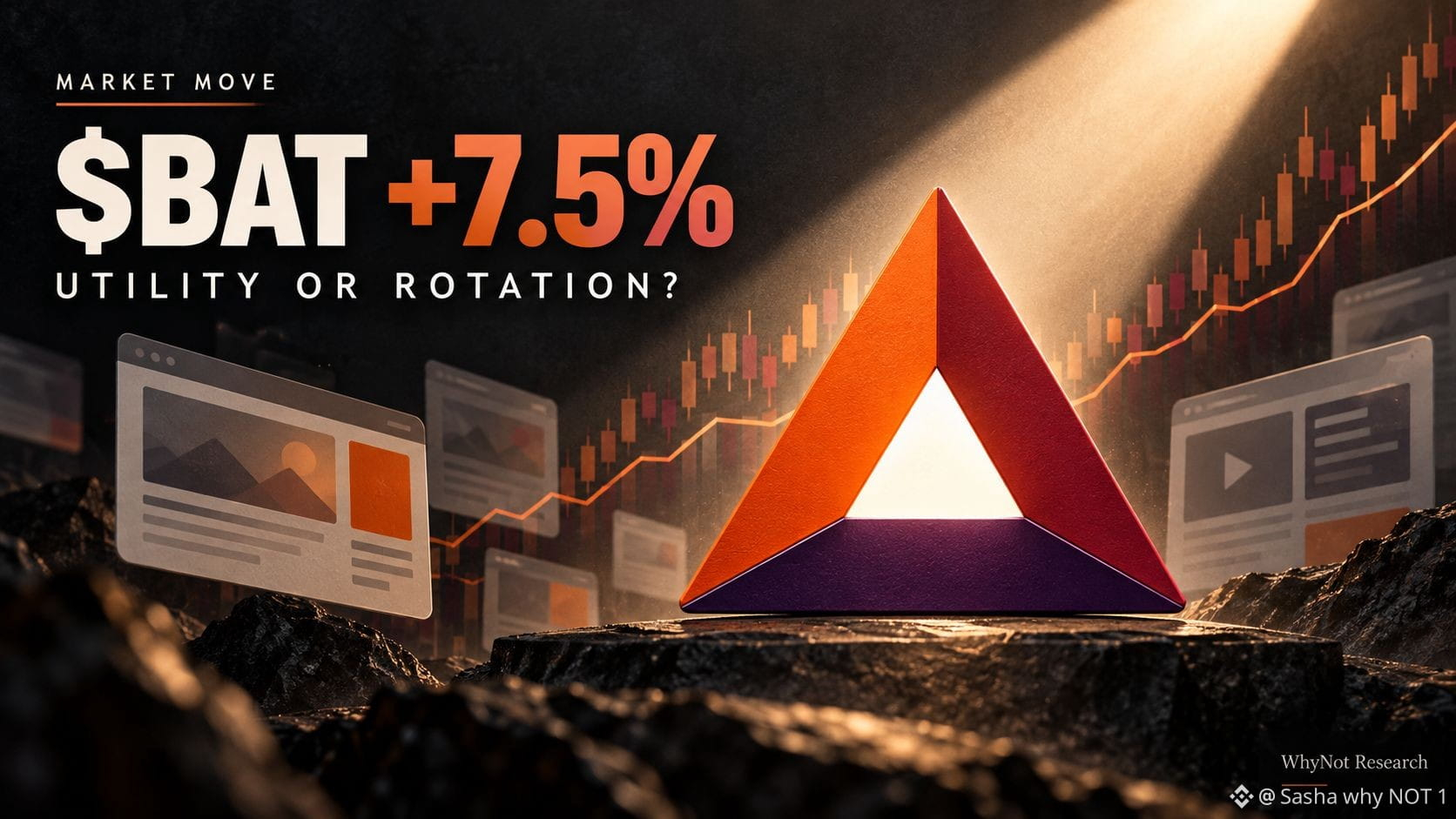
Чому $BAT раптово випереджає ринок? Basic Attention Token зріс приблизно на 7,5% за 24 години та приблизно на 49% за останній тиждень. Що важливіше, обсяг торгів сягнув близько $64M — майже 29% ринкової капіталізації. Я не знайшов підтверджених оголошень того ж дня, які самі по собі могли б пояснити цей рух. Схоже, ралі зумовлене поєднанням зростання ліквідності, ротації в альткоїни та відкладеної переоцінки дорожньої карти BAT 4.0. Brave планує розширити застосування BAT за межі реклами в браузері завдяки BravePay, єдиному гаманцю, картці Brave Rewards, машинним платежам і протоколу, який може винагороджувати авторів, коли їхній контент використовують продукти на основі ШІ. Дорожня карта також передбачає потенційно важливий механізм отримання цінності: частину доходів Brave Wallet, BravePay і картки Rewards планують спрямовувати на зворотний викуп #BAT. Масштаб рівня розповсюдження значний. За даними Brave, станом на 30 вересня кількість активних користувачів становила 128,3M на місяць і 54,6M на день. Тим часом в обігу вже перебуває приблизно 99,7% від фіксованої пропозиції BAT у 1,5B, тож традиційний тиск через розблокування токенів буде незначним. Але ось ключова відмінність: зростання кількості користувачів Brave автоматично не створює пропорційного попиту на $BAT. Фундаментально ралі стане переконливішим лише тоді, коли нові продукти забезпечать вимірювану кількість транзакцій, активність у програмі винагород і регулярні зворотні викупи. Найближчий рівень, за яким варто стежити, — приблизно $0.151. Закріплення вище нього може посилити імпульс, тоді як повернення нижче $0.129–$0.130 послабить структуру пробою. Це схоже на цілком обґрунтовану переоцінку наративу, але тепер оцінку має підтвердити реалізація планів. Дослідження від WhyNot Research. #Аналіз ціни #BTC#
Чому $BAT раптово випереджає ринок? Basic Attention Token зріс приблизно на 7,5% за 24 години та приблизно на 49% за останній тиждень. Що важливіше, обсяг торгів сягнув близько $64M — майже 29% ринкової капіталізації. Я не знайшов підтверджених оголошень того ж дня, які самі по собі могли б пояснити цей рух. Схоже, ралі зумовлене поєднанням зростання ліквідності, ротації в альткоїни та відкладеної переоцінки дорожньої карти BAT 4.0. Brave планує розширити застосування BAT за межі реклами в браузері завдяки BravePay, єдиному гаманцю, картці Brave Rewards, машинним платежам і протоколу, який може винагороджувати авторів, коли їхній контент використовують продукти на основі ШІ. Дорожня карта також передбачає потенційно важливий механізм отримання цінності: частину доходів Brave Wallet, BravePay і картки Rewards планують спрямовувати на зворотний викуп #BAT. Масштаб рівня розповсюдження значний. За даними Brave, станом на 30 вересня кількість активних користувачів становила 128,3M на місяць і 54,6M на день. Тим часом в обігу вже перебуває приблизно 99,7% від фіксованої пропозиції BAT у 1,5B, тож традиційний тиск через розблокування токенів буде незначним. Але ось ключова відмінність: зростання кількості користувачів Brave автоматично не створює пропорційного попиту на $BAT. Фундаментально ралі стане переконливішим лише тоді, коли нові продукти забезпечать вимірювану кількість транзакцій, активність у програмі винагород і регулярні зворотні викупи. Найближчий рівень, за яким варто стежити, — приблизно $0.151. Закріплення вище нього може посилити імпульс, тоді як повернення нижче $0.129–$0.130 послабить структуру пробою. Це схоже на цілком обґрунтовану переоцінку наративу, але тепер оцінку має підтвердити реалізація планів. Дослідження від WhyNot Research. #Аналіз ціни #BTC#
56
РАНКОВИЙ ОГЛЯД РИНКУ 11 жовтня 2026 року Ризики зберігання криптоактивів виходять на перший план, поки ринки готуються до чергового випробування інфляцією. LEDGER: РОЗСЛІДУВАННЯ РОЗГОРТАЄТЬСЯ За оцінками Bitquery, збитки на шести блокчейнах становлять $93,2 млн і охоплюють 315 гаманців; Tether заморозила $10 млн. Це оцінки слідчих, а не остаточний звіт Ledger. 10 жовтня The Verge повідомило, що Ledger підтвердила наявність несанкціонованого апаратного імпланта в одному з постраждалих пристроїв. Це не доводить, що всі заявлені збитки мали ту саму причину або що всі пристрої Ledger скомпрометовані. Головний висновок: безпека самостійного зберігання охоплює й ланцюг постачання пристрою. Перенесення скомпрометованої сід-фрази на новий пристрій не зробить її безпечною. АКЦІЇ ТА МАКРОЕКОНОМІКА 9 жовтня індекси S&P 500 і Nasdaq зросли приблизно на 0,6% кожен. За повідомленням Reuters наприкінці торгової сесії, дохідність 10-річних казначейських облігацій США була близькою до 5,26%. У вересні кількість робочих місць зросла лише на 29 тис., тоді як реальні споживчі витрати в серпні збільшилися на 0,6%. Сигнали щодо зростання економіки залишаються неоднозначними, а капітал — дорогим. Наступний важливий орієнтир: індекс споживчих цін за вересень, який оприлюднять 14 жовтня о 12:30 UTC, а також майбутній сезон звітності банків. ЕНЕРГЕТИКА ТА ГЕОПОЛІТИКА Індія оголосила про доларове фінансування для трьох державних нафтових компаній на тлі посилення тиску на рупію. Повідомлення про удар США по вантажному судну в Оманській затоці додає невизначеності у сфері морських перевезень. Перебої в енергопостачанні можуть впливати на інфляцію, валюти та вартість фінансування. ШТУЧНИЙ ІНТЕЛЕКТ Reuters із посиланням на FT повідомляє, що Nvidia обговорює можливість додаткових інвестицій у Reflection AI або потенційного придбання компанії. Переговори на попередньому етапі; угоду не підтверджено. МОЯ ДУМКА Щодо $BTC , стежте за реакцією дохідності на індекс споживчих цін. Інвесторам варто приділяти безпеці не менше уваги, ніж ціні. Джерела: Bitquery, The Verge, Reuters, BLS, BEA. WhyNot Research | Досліджуйте майбутнє #Аналіз ціни BTC#
РАНКОВИЙ ОГЛЯД РИНКУ 11 жовтня 2026 року Ризики зберігання криптоактивів виходять на перший план, поки ринки готуються до чергового випробування інфляцією. LEDGER: РОЗСЛІДУВАННЯ РОЗГОРТАЄТЬСЯ За оцінками Bitquery, збитки на шести блокчейнах становлять $93,2 млн і охоплюють 315 гаманців; Tether заморозила $10 млн. Це оцінки слідчих, а не остаточний звіт Ledger. 10 жовтня The Verge повідомило, що Ledger підтвердила наявність несанкціонованого апаратного імпланта в одному з постраждалих пристроїв. Це не доводить, що всі заявлені збитки мали ту саму причину або що всі пристрої Ledger скомпрометовані. Головний висновок: безпека самостійного зберігання охоплює й ланцюг постачання пристрою. Перенесення скомпрометованої сід-фрази на новий пристрій не зробить її безпечною. АКЦІЇ ТА МАКРОЕКОНОМІКА 9 жовтня індекси S&P 500 і Nasdaq зросли приблизно на 0,6% кожен. За повідомленням Reuters наприкінці торгової сесії, дохідність 10-річних казначейських облігацій США була близькою до 5,26%. У вересні кількість робочих місць зросла лише на 29 тис., тоді як реальні споживчі витрати в серпні збільшилися на 0,6%. Сигнали щодо зростання економіки залишаються неоднозначними, а капітал — дорогим. Наступний важливий орієнтир: індекс споживчих цін за вересень, який оприлюднять 14 жовтня о 12:30 UTC, а також майбутній сезон звітності банків. ЕНЕРГЕТИКА ТА ГЕОПОЛІТИКА Індія оголосила про доларове фінансування для трьох державних нафтових компаній на тлі посилення тиску на рупію. Повідомлення про удар США по вантажному судну в Оманській затоці додає невизначеності у сфері морських перевезень. Перебої в енергопостачанні можуть впливати на інфляцію, валюти та вартість фінансування. ШТУЧНИЙ ІНТЕЛЕКТ Reuters із посиланням на FT повідомляє, що Nvidia обговорює можливість додаткових інвестицій у Reflection AI або потенційного придбання компанії. Переговори на попередньому етапі; угоду не підтверджено. МОЯ ДУМКА Щодо $BTC , стежте за реакцією дохідності на індекс споживчих цін. Інвесторам варто приділяти безпеці не менше уваги, ніж ціні. Джерела: Bitquery, The Verge, Reuters, BLS, BEA. WhyNot Research | Досліджуйте майбутнє #Аналіз ціни BTC#

89
#Sonic : Чи можуть реальні доходи відновити інвестиційну тезу для $S? $S торгується приблизно по $0.0446 — це близько на 95.7% нижче за зафіксований історичний максимум. Але саме лише значне падіння не робить токен дешевим. Завдання Sonic — перетворити активність мережі на цінність для власників токена. Отриманий знімок даних DefiLlama показує: • TVL у DeFi: ~$17.7M • Обсяг стейблкоїнів: ~$156.9M • Обсяг торгів на DEX: ~$1.88M/24h • Активні адреси: ~7,500/24h • Комісії мережі: ~$198/24h У мережі є активність. Монетизація газу залишається незначною. Доходи застосунків — це окрема категорія, і вони не надходять автоматично власникам $S. ЩО ЗМІНЮЄТЬСЯ? Sonic розвиває інтегровані фінансові продукти, прагнучи підтримати токеноміку завдяки доходам від продуктів, а не лише від газу. У травневому звіті компанія повідомила про $13K доходу від раннього етапу впровадження USSD/Metropolis за період із 1 березня до 11 травня. Це початковий результат, а не доказ того, що модель доходів масштабується. У червні також змінилося керівництво: Метт Віссер став генеральним директором, а Андре Кроньє, Майкл Конг і Девід Річардсон залишили раду директорів, зберігши консультативні ролі. ПРОПОЗИЦІЯ ТОКЕНІВ МАЄ ЗНАЧЕННЯ Команда повідомляє, що відмовилася від запланованої на цей рік емісії 47.625M S для збільшення пропозиції. 15 жовтня — також останній день для отримання аірдропу S1/S2. Після цього невитребувані токени можуть бути спалені. Часто згадувана цифра 32.69M S датується квітнем; це не підтверджений остаточний обсяг спалення. МОЯ ДУМКА Оптимістичний сценарій — це краще виконання планів, доходи від фінансових продуктів і підтверджені викупи токенів. Ризик полягає в тому, що навіть сильна технологія не зможе створити достатній економічний попит на $S Я стежу за стабільними комісіями, збереженням ліквідності та надходженням доходів власникам токена — а не лише за гучними новинами про спалення. WhyNot Research | Досліджуйте майбутнє
#Sonic : Чи можуть реальні доходи відновити інвестиційну тезу для $S? $S торгується приблизно по $0.0446 — це близько на 95.7% нижче за зафіксований історичний максимум. Але саме лише значне падіння не робить токен дешевим. Завдання Sonic — перетворити активність мережі на цінність для власників токена. Отриманий знімок даних DefiLlama показує: • TVL у DeFi: ~$17.7M • Обсяг стейблкоїнів: ~$156.9M • Обсяг торгів на DEX: ~$1.88M/24h • Активні адреси: ~7,500/24h • Комісії мережі: ~$198/24h У мережі є активність. Монетизація газу залишається незначною. Доходи застосунків — це окрема категорія, і вони не надходять автоматично власникам $S. ЩО ЗМІНЮЄТЬСЯ? Sonic розвиває інтегровані фінансові продукти, прагнучи підтримати токеноміку завдяки доходам від продуктів, а не лише від газу. У травневому звіті компанія повідомила про $13K доходу від раннього етапу впровадження USSD/Metropolis за період із 1 березня до 11 травня. Це початковий результат, а не доказ того, що модель доходів масштабується. У червні також змінилося керівництво: Метт Віссер став генеральним директором, а Андре Кроньє, Майкл Конг і Девід Річардсон залишили раду директорів, зберігши консультативні ролі. ПРОПОЗИЦІЯ ТОКЕНІВ МАЄ ЗНАЧЕННЯ Команда повідомляє, що відмовилася від запланованої на цей рік емісії 47.625M S для збільшення пропозиції. 15 жовтня — також останній день для отримання аірдропу S1/S2. Після цього невитребувані токени можуть бути спалені. Часто згадувана цифра 32.69M S датується квітнем; це не підтверджений остаточний обсяг спалення. МОЯ ДУМКА Оптимістичний сценарій — це краще виконання планів, доходи від фінансових продуктів і підтверджені викупи токенів. Ризик полягає в тому, що навіть сильна технологія не зможе створити достатній економічний попит на $S Я стежу за стабільними комісіями, збереженням ліквідності та надходженням доходів власникам токена — а не лише за гучними новинами про спалення. WhyNot Research | Досліджуйте майбутнє
1
93
Увійдіть, щоб переглянути інший контент
Приєднуйтесь до користувачів криптовалют по всьому світу на Binance Square
⚡️ Отримуйте актуальну та корисну інформацію про криптовалюти.
💬 Приєднуйтесь до найбільшої у світі криптобіржі.
👍 Відкрийте справжні ідеї від перевірених авторів.
Електронна пошта / номер телефону
Трендові теми
BinancePick
2.8M переглядів
146,131 обговорюють
Приєднуйтеся до #СезонуЗвітності: прогнозуйте результати на Binance Pick і діліться своєю думкою на Binance Square!
Binance Square Official
·403 вподобань
·340.2k переглядів
EarningsSeason
5.1M переглядів
24,982 обговорюють
fomcвідстеження
86,813 переглядів
444 обговорюють