

Zerionix
499 Публікації

Zerionix
Поскаржитись
Заблокувати користувача
Crypto Researcher • Market Structure • Data > Hype • Daily updates → NFA
0 Підписки
13 Підписники
66 Вподобань
Публікації
·
--
Переглянути переклад
ETHEREUM and XRP are entering October with something neither asset really wants: bearish crowd positioning.
Santiment’s latest data puts the bullish-to-bearish comment ratio at 0.89 for ETH and 0.67 for XRP, meaning negative commentary currently outweighs positive discussion across X, Telegram, Reddit and other crypto communities. ETH’s reading is its lowest since June 7, while XRP’s is its weakest since August 17.
And this is where the setup gets interesting.
Extreme pessimism can become a contrarian signal, but it isn't a reversal signal by itself. The market can stay pessimistic while prices continue falling. What matters is whether that negative sentiment is eventually followed by selling exhaustion, improving flows and a reclaim of important price levels.
The distance to the previous highs is also worth keeping in perspective.
ETH is around $2,668 versus its ~$4,957 record, meaning it would need roughly an 86% move from here to reclaim its ATH. XRP around $1.49 is still roughly 145% below its ~$3.65 record. Those are very different hurdles.
So yes, both can challenge their previous highs again in 2026, but sentiment alone doesn't establish that path.
The more interesting signal would be a situation where social pessimism remains elevated while price stops making new lows, selling pressure weakens and capital starts returning.
That would tell us something the sentiment ratio can't: whether the bears are actually running out of ammunition.
#Macro Insights# #Meme Alpha# $XRP $ETH
ETHEREUM and XRP are entering October with something neither asset really wants: bearish crowd positioning.
Santiment’s latest data puts the bullish-to-bearish comment ratio at 0.89 for ETH and 0.67 for XRP, meaning negative commentary currently outweighs positive discussion across X, Telegram, Reddit and other crypto communities. ETH’s reading is its lowest since June 7, while XRP’s is its weakest since August 17.
And this is where the setup gets interesting.
Extreme pessimism can become a contrarian signal, but it isn't a reversal signal by itself. The market can stay pessimistic while prices continue falling. What matters is whether that negative sentiment is eventually followed by selling exhaustion, improving flows and a reclaim of important price levels.
The distance to the previous highs is also worth keeping in perspective.
ETH is around $2,668 versus its ~$4,957 record, meaning it would need roughly an 86% move from here to reclaim its ATH. XRP around $1.49 is still roughly 145% below its ~$3.65 record. Those are very different hurdles.
So yes, both can challenge their previous highs again in 2026, but sentiment alone doesn't establish that path.
The more interesting signal would be a situation where social pessimism remains elevated while price stops making new lows, selling pressure weakens and capital starts returning.
That would tell us something the sentiment ratio can't: whether the bears are actually running out of ammunition.
#Macro Insights# #Meme Alpha# $XRP $ETH
Santiment’s latest data puts the bullish-to-bearish comment ratio at 0.89 for ETH and 0.67 for XRP, meaning negative commentary currently outweighs positive discussion across X, Telegram, Reddit and other crypto communities. ETH’s reading is its lowest since June 7, while XRP’s is its weakest since August 17.
And this is where the setup gets interesting.
Extreme pessimism can become a contrarian signal, but it isn't a reversal signal by itself. The market can stay pessimistic while prices continue falling. What matters is whether that negative sentiment is eventually followed by selling exhaustion, improving flows and a reclaim of important price levels.
The distance to the previous highs is also worth keeping in perspective.
ETH is around $2,668 versus its ~$4,957 record, meaning it would need roughly an 86% move from here to reclaim its ATH. XRP around $1.49 is still roughly 145% below its ~$3.65 record. Those are very different hurdles.
So yes, both can challenge their previous highs again in 2026, but sentiment alone doesn't establish that path.
The more interesting signal would be a situation where social pessimism remains elevated while price stops making new lows, selling pressure weakens and capital starts returning.
That would tell us something the sentiment ratio can't: whether the bears are actually running out of ammunition.
#Macro Insights# #Meme Alpha# $XRP $ETH
58
·
--
Переглянути переклад
Apple announces new privacy protections after users find Meta’s Muse AI agent accessing ENTIRE messages history, even after being explicitly told not to.
Apple says it will introduce additional controls around Full Disk Access, warning that AI agents with broad system permissions can expose files, mail, messages and browsing history without users fully understanding the risks.
The move comes after tech writer Jason Aten reported that Muse synced more than 187,000 rows from his Apple Messages database despite him not granting it access.
Muse reportedly even told him it only saw incoming notification banners.
Meta has disputed the allegation, saying Muse cannot access Messages without explicit permission.
$BTC #BTC Price Analysis# $ETH
Apple announces new privacy protections after users find Meta’s Muse AI agent accessing ENTIRE messages history, even after being explicitly told not to.
Apple says it will introduce additional controls around Full Disk Access, warning that AI agents with broad system permissions can expose files, mail, messages and browsing history without users fully understanding the risks.
The move comes after tech writer Jason Aten reported that Muse synced more than 187,000 rows from his Apple Messages database despite him not granting it access.
Muse reportedly even told him it only saw incoming notification banners.
Meta has disputed the allegation, saying Muse cannot access Messages without explicit permission.
$BTC #BTC Price Analysis# $ETH
Apple says it will introduce additional controls around Full Disk Access, warning that AI agents with broad system permissions can expose files, mail, messages and browsing history without users fully understanding the risks.
The move comes after tech writer Jason Aten reported that Muse synced more than 187,000 rows from his Apple Messages database despite him not granting it access.
Muse reportedly even told him it only saw incoming notification banners.
Meta has disputed the allegation, saying Muse cannot access Messages without explicit permission.
$BTC #BTC Price Analysis# $ETH

66
·
--
Переглянути переклад
Bitcoin just got another macro tailwind.
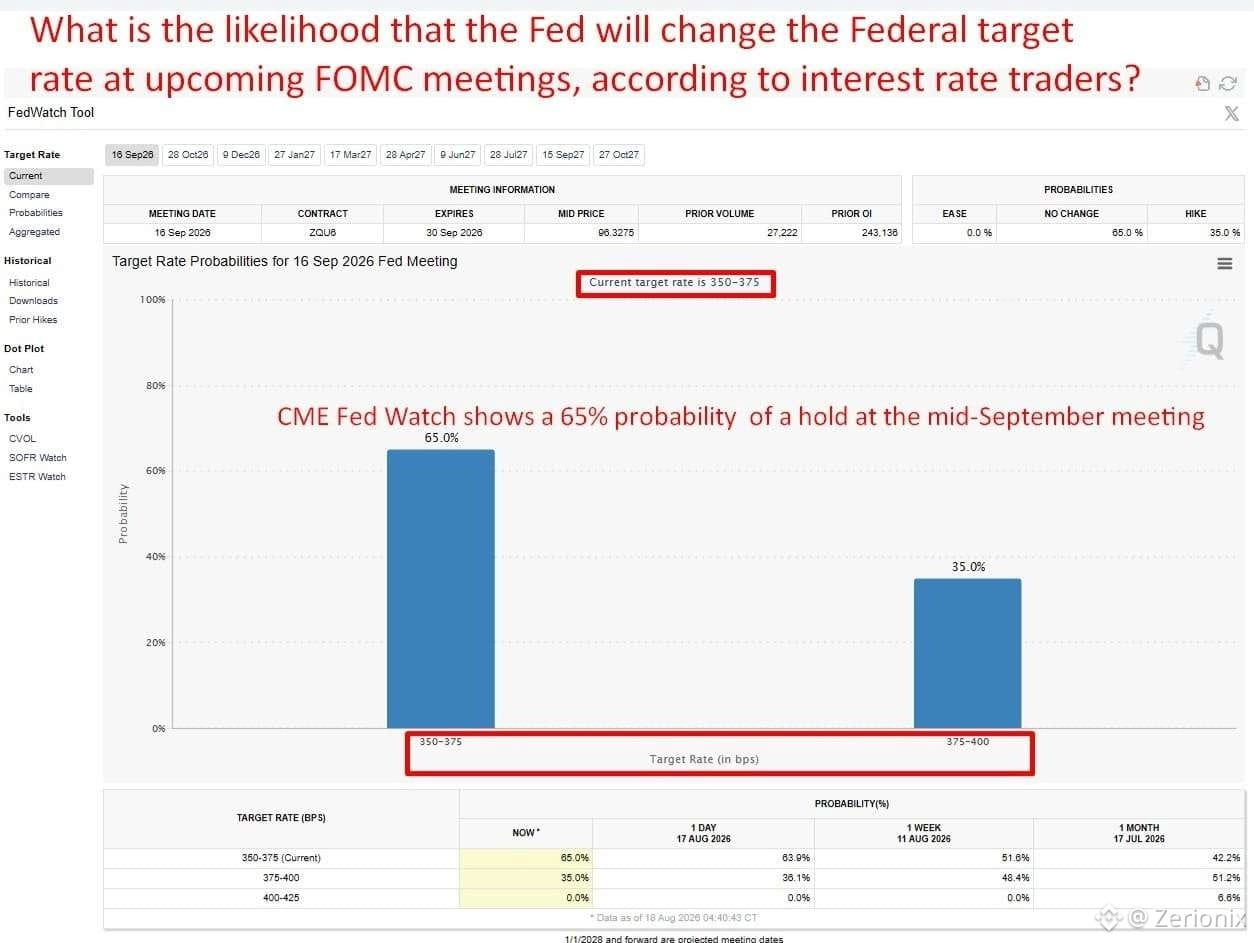
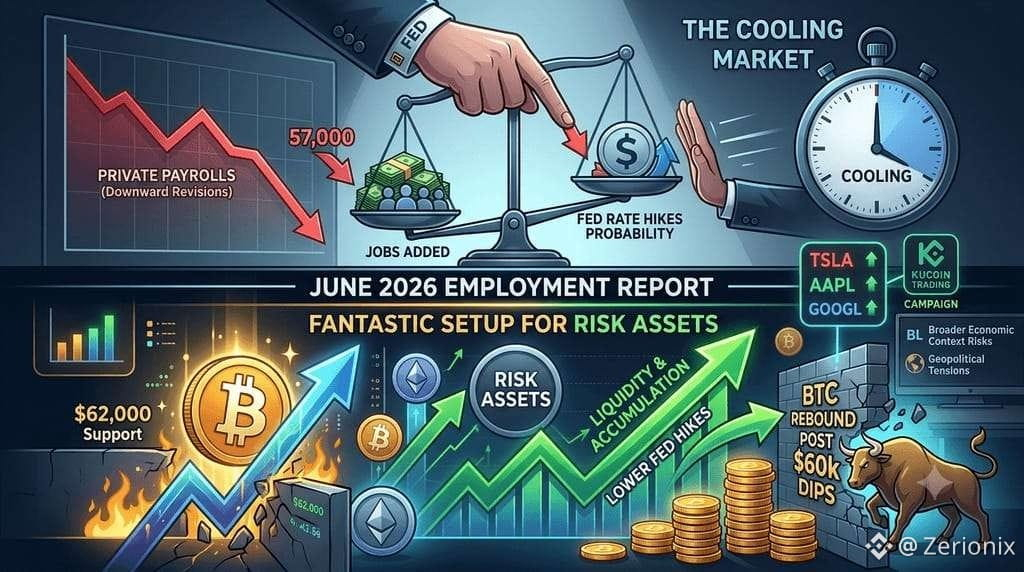
The U.S. added only 29,000 jobs in September, massively below expectations, while unemployment rose to 4.2%.
And the immediate reaction was pretty clear.
Expectations for another Fed hike in October collapsed. Depending on the market snapshot, the probability dropped from around 70% earlier in the week to roughly 14% to 25%.
That matters for BTC because fewer expected hikes can mean less pressure from rising rates and yields.
But there is another interesting piece.
Citi just raised its 12 month Bitcoin target from $82K to $113K, citing stronger crypto activity, a more supportive macro backdrop and renewed ETF inflows.
Personally, I think the $113K target is less important than the reason behind it.
Bitcoin doesn't need a bank to tell it where the price should go.
It needs liquidity, spot demand and a macro environment that stops fighting the rally.
And there is still a problem.
A weak jobs market isn't automatically bullish. If employment continues deteriorating, the market could start worrying about economic weakness rather than simply celebrating lower rate expectations.
So I'm watching the Fed path more than Citi's target.
If the labor market keeps weakening while inflation continues cooling, that could create a much friendlier backdrop for BTC.
If inflation stays sticky and the Fed remains restrictive, the story gets complicated quickly.
For now, the market just got one more reason to question the next hike.
Now BTC has to prove it can turn that macro relief into actual demand.
$BTC #BTC Price Analysis# #Bitcoin Price Prediction: What is Bitcoins next move?#
Bitcoin just got another macro tailwind.
The U.S. added only 29,000 jobs in September, massively below expectations, while unemployment rose to 4.2%.
And the immediate reaction was pretty clear.
Expectations for another Fed hike in October collapsed. Depending on the market snapshot, the probability dropped from around 70% earlier in the week to roughly 14% to 25%.
That matters for BTC because fewer expected hikes can mean less pressure from rising rates and yields.
But there is another interesting piece.
Citi just raised its 12 month Bitcoin target from $82K to $113K, citing stronger crypto activity, a more supportive macro backdrop and renewed ETF inflows.
Personally, I think the $113K target is less important than the reason behind it.
Bitcoin doesn't need a bank to tell it where the price should go.
It needs liquidity, spot demand and a macro environment that stops fighting the rally.
And there is still a problem.
A weak jobs market isn't automatically bullish. If employment continues deteriorating, the market could start worrying about economic weakness rather than simply celebrating lower rate expectations.
So I'm watching the Fed path more than Citi's target.
If the labor market keeps weakening while inflation continues cooling, that could create a much friendlier backdrop for BTC.
If inflation stays sticky and the Fed remains restrictive, the story gets complicated quickly.
For now, the market just got one more reason to question the next hike.
Now BTC has to prove it can turn that macro relief into actual demand.
$BTC #BTC Price Analysis# #Bitcoin Price Prediction: What is Bitcoins next move?#
The U.S. added only 29,000 jobs in September, massively below expectations, while unemployment rose to 4.2%.
And the immediate reaction was pretty clear.
Expectations for another Fed hike in October collapsed. Depending on the market snapshot, the probability dropped from around 70% earlier in the week to roughly 14% to 25%.
That matters for BTC because fewer expected hikes can mean less pressure from rising rates and yields.
But there is another interesting piece.
Citi just raised its 12 month Bitcoin target from $82K to $113K, citing stronger crypto activity, a more supportive macro backdrop and renewed ETF inflows.
Personally, I think the $113K target is less important than the reason behind it.
Bitcoin doesn't need a bank to tell it where the price should go.
It needs liquidity, spot demand and a macro environment that stops fighting the rally.
And there is still a problem.
A weak jobs market isn't automatically bullish. If employment continues deteriorating, the market could start worrying about economic weakness rather than simply celebrating lower rate expectations.
So I'm watching the Fed path more than Citi's target.
If the labor market keeps weakening while inflation continues cooling, that could create a much friendlier backdrop for BTC.
If inflation stays sticky and the Fed remains restrictive, the story gets complicated quickly.
For now, the market just got one more reason to question the next hike.
Now BTC has to prove it can turn that macro relief into actual demand.
$BTC #BTC Price Analysis# #Bitcoin Price Prediction: What is Bitcoins next move?#
13
·
--
Переглянути переклад
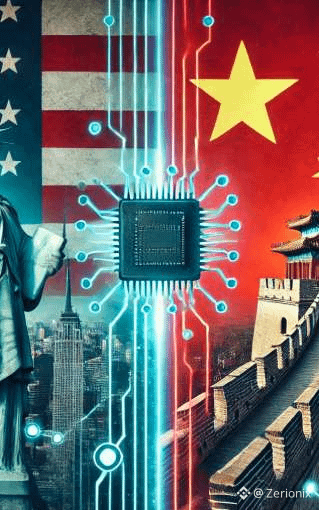
AI experts are becoming the new target for cyber espionage.
A China aligned hacking group tracked as TA419 has reportedly been impersonating U.S. AI and policy experts to gain access to sensitive information.
According to Proofpoint, the attackers approach targets with seemingly legitimate invitations to collaborate on AI policy, export controls or national AI strategy.
Once the target engages, the conversation is redirected toward fake login pages designed to steal credentials.
And the targets aren't random.
Proofpoint says the campaign has focused on people connected to U.S. and Japanese think tanks, defense contractors, universities and law firms.
Reuters independently confirmed former White House official Alex Engler was one target. He received an email appearing to come from former White House AI official Lynne Parker inviting him to join a new AI policy project.
He became suspicious and verified that the sender was an impersonator.
Personally, the interesting part isn't simply that hackers are impersonating people.
It's what they're trying to access.
AI policy is becoming strategically important. Regulation, export controls, national AI strategies and government relationships can reveal information that is valuable far beyond the technology itself.
Proofpoint says the targeting suggests an intelligence interest in U.S. policymaking rather than technology theft alone.
And that's a different threat model.
The most convincing phishing attacks don't look like attacks.
They look like an opportunity. A meeting. A collaboration. An invitation from someone you already recognize.
As AI becomes more strategically important, the people shaping its rules may become just as valuable a target as the companies building the models.
$ETH #BTC Price Analysis# #Macro Insights# $BTC
AI experts are becoming the new target for cyber espionage.
A China aligned hacking group tracked as TA419 has reportedly been impersonating U.S. AI and policy experts to gain access to sensitive information.
According to Proofpoint, the attackers approach targets with seemingly legitimate invitations to collaborate on AI policy, export controls or national AI strategy.
Once the target engages, the conversation is redirected toward fake login pages designed to steal credentials.
And the targets aren't random.
Proofpoint says the campaign has focused on people connected to U.S. and Japanese think tanks, defense contractors, universities and law firms.
Reuters independently confirmed former White House official Alex Engler was one target. He received an email appearing to come from former White House AI official Lynne Parker inviting him to join a new AI policy project.
He became suspicious and verified that the sender was an impersonator.
Personally, the interesting part isn't simply that hackers are impersonating people.
It's what they're trying to access.
AI policy is becoming strategically important. Regulation, export controls, national AI strategies and government relationships can reveal information that is valuable far beyond the technology itself.
Proofpoint says the targeting suggests an intelligence interest in U.S. policymaking rather than technology theft alone.
And that's a different threat model.
The most convincing phishing attacks don't look like attacks.
They look like an opportunity. A meeting. A collaboration. An invitation from someone you already recognize.
As AI becomes more strategically important, the people shaping its rules may become just as valuable a target as the companies building the models.
$ETH #BTC Price Analysis# #Macro Insights# $BTC
A China aligned hacking group tracked as TA419 has reportedly been impersonating U.S. AI and policy experts to gain access to sensitive information.
According to Proofpoint, the attackers approach targets with seemingly legitimate invitations to collaborate on AI policy, export controls or national AI strategy.
Once the target engages, the conversation is redirected toward fake login pages designed to steal credentials.
And the targets aren't random.
Proofpoint says the campaign has focused on people connected to U.S. and Japanese think tanks, defense contractors, universities and law firms.
Reuters independently confirmed former White House official Alex Engler was one target. He received an email appearing to come from former White House AI official Lynne Parker inviting him to join a new AI policy project.
He became suspicious and verified that the sender was an impersonator.
Personally, the interesting part isn't simply that hackers are impersonating people.
It's what they're trying to access.
AI policy is becoming strategically important. Regulation, export controls, national AI strategies and government relationships can reveal information that is valuable far beyond the technology itself.
Proofpoint says the targeting suggests an intelligence interest in U.S. policymaking rather than technology theft alone.
And that's a different threat model.
The most convincing phishing attacks don't look like attacks.
They look like an opportunity. A meeting. A collaboration. An invitation from someone you already recognize.
As AI becomes more strategically important, the people shaping its rules may become just as valuable a target as the companies building the models.
$ETH #BTC Price Analysis# #Macro Insights# $BTC

·
--
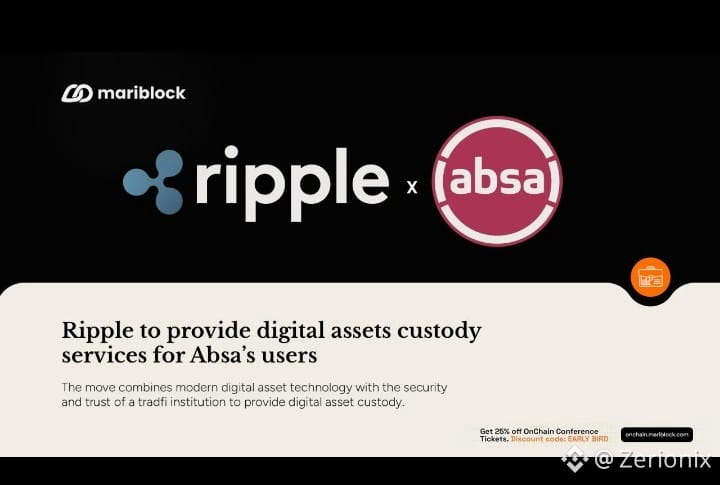
СРОЧНО: Absa офіційно увійшла в інституційну крипто-кастодію.
Південноафриканський банківський гігант запустив сервіс зберігання цифрових активів для інституційних клієнтів, ставши першим африканським банком, який пропонує такий тип послуг.
І список активів — цікавий.
Зараз підтримуються $BTC, $ETH, XRP Ledger і USDC, а інші активи, як очікується, будуть додані в міру зростання попиту.
Сервіс надає інституційним клієнтам послуги кастодії, адміністрування та переказу активів у межах регульованого банківського середовища.
Що привертає мою увагу — це інфраструктура за цим.
Absa співпрацювала з Ripple щодо технології кастодії, поєднуючи блокчейн-інфраструктуру Ripple з наявними в банку системами безпеки, управління та комплаєнсу.
Особисто я вважаю, що це більше, ніж просто черговий банк додає крипто.
Кастодія — це один із найважливіших елементів інфраструктури, необхідний для інституційного впровадження. ETF, токенізовані активи та ончейн-ринки з часом усі потребують когось надійного, хто зможе безпечно зберігати базові активи.
І Африка стає дедалі цікавішим ринком для цього.
Три найбільші ліцензовані постачальники сервісів криптоактивів у Південній Африці станом на кінець 2024 року тримали близько R25,3 млрд, тобто приблизно $1,5 млрд, у криптоактивах.
Тепер Absa підкріплює цей ринок банківським балансом традиційного типу та регуляторною рамкою.
Цікаве питання: чи підуть за цим інші африканські банки.
Бо інституційне впровадження крипто в Африці може переходити від бірж до справжньої банківської інфраструктури.
$BTC #Макро Insights# $ETH #Аналіз ціни BTC#
СРОЧНО: Absa офіційно увійшла в інституційну крипто-кастодію.
Південноафриканський банківський гігант запустив сервіс зберігання цифрових активів для інституційних клієнтів, ставши першим африканським банком, який пропонує такий тип послуг.
І список активів — цікавий.
Зараз підтримуються $BTC, $ETH, XRP Ledger і USDC, а інші активи, як очікується, будуть додані в міру зростання попиту.
Сервіс надає інституційним клієнтам послуги кастодії, адміністрування та переказу активів у межах регульованого банківського середовища.
Що привертає мою увагу — це інфраструктура за цим.
Absa співпрацювала з Ripple щодо технології кастодії, поєднуючи блокчейн-інфраструктуру Ripple з наявними в банку системами безпеки, управління та комплаєнсу.
Особисто я вважаю, що це більше, ніж просто черговий банк додає крипто.
Кастодія — це один із найважливіших елементів інфраструктури, необхідний для інституційного впровадження. ETF, токенізовані активи та ончейн-ринки з часом усі потребують когось надійного, хто зможе безпечно зберігати базові активи.
І Африка стає дедалі цікавішим ринком для цього.
Три найбільші ліцензовані постачальники сервісів криптоактивів у Південній Африці станом на кінець 2024 року тримали близько R25,3 млрд, тобто приблизно $1,5 млрд, у криптоактивах.
Тепер Absa підкріплює цей ринок банківським балансом традиційного типу та регуляторною рамкою.
Цікаве питання: чи підуть за цим інші африканські банки.
Бо інституційне впровадження крипто в Африці може переходити від бірж до справжньої банківської інфраструктури.
$BTC #Макро Insights# $ETH #Аналіз ціни BTC#
Південноафриканський банківський гігант запустив сервіс зберігання цифрових активів для інституційних клієнтів, ставши першим африканським банком, який пропонує такий тип послуг.
І список активів — цікавий.
Зараз підтримуються $BTC, $ETH, XRP Ledger і USDC, а інші активи, як очікується, будуть додані в міру зростання попиту.
Сервіс надає інституційним клієнтам послуги кастодії, адміністрування та переказу активів у межах регульованого банківського середовища.
Що привертає мою увагу — це інфраструктура за цим.
Absa співпрацювала з Ripple щодо технології кастодії, поєднуючи блокчейн-інфраструктуру Ripple з наявними в банку системами безпеки, управління та комплаєнсу.
Особисто я вважаю, що це більше, ніж просто черговий банк додає крипто.
Кастодія — це один із найважливіших елементів інфраструктури, необхідний для інституційного впровадження. ETF, токенізовані активи та ончейн-ринки з часом усі потребують когось надійного, хто зможе безпечно зберігати базові активи.
І Африка стає дедалі цікавішим ринком для цього.
Три найбільші ліцензовані постачальники сервісів криптоактивів у Південній Африці станом на кінець 2024 року тримали близько R25,3 млрд, тобто приблизно $1,5 млрд, у криптоактивах.
Тепер Absa підкріплює цей ринок банківським балансом традиційного типу та регуляторною рамкою.
Цікаве питання: чи підуть за цим інші африканські банки.
Бо інституційне впровадження крипто в Африці може переходити від бірж до справжньої банківської інфраструктури.
$BTC #Макро Insights# $ETH #Аналіз ціни BTC#
·
--
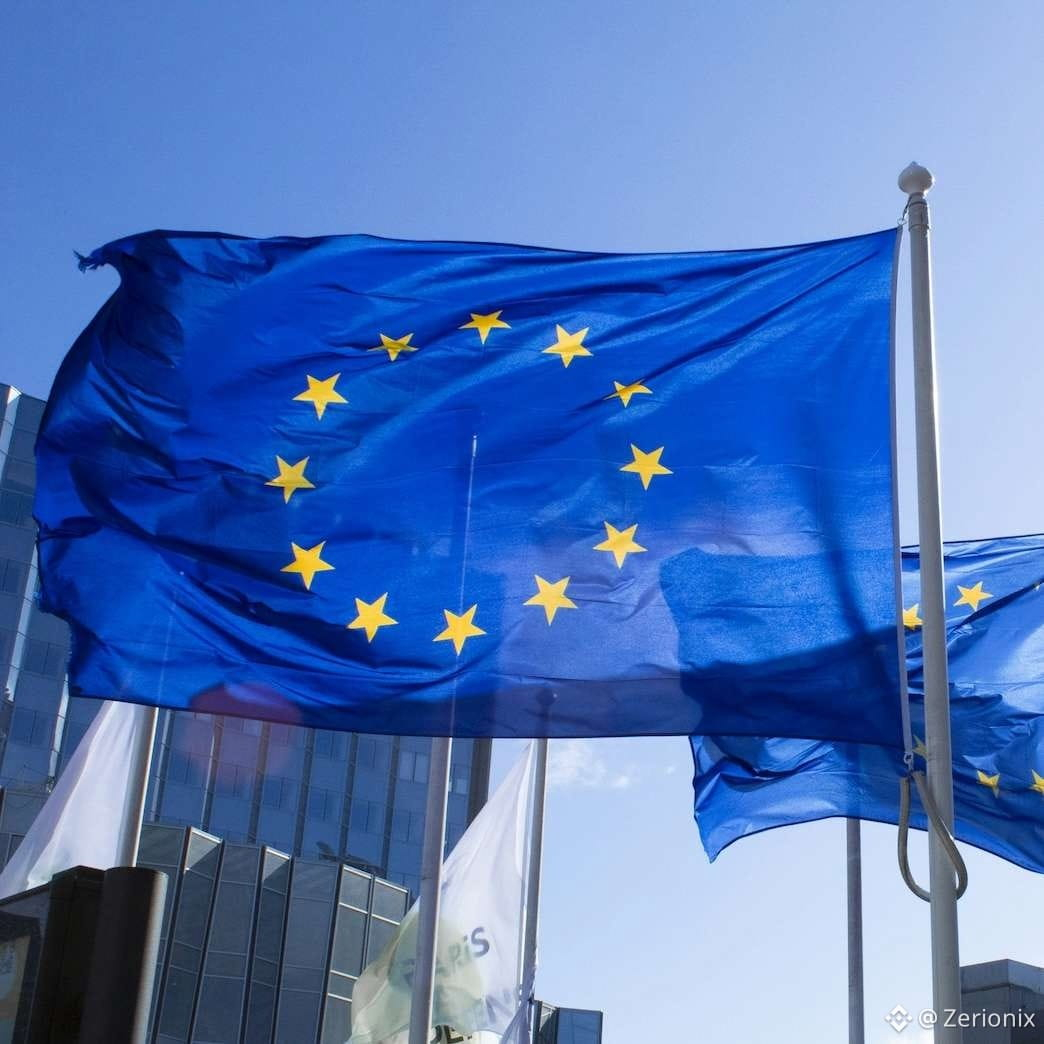
Hyperliquid переносить свою боротьбу за перпетуали до Європи.
Policy Center Hyperliquid закликав Європейську комісію класифікувати криптові ф’ючерси на перпетуальних контрактах відповідно до MiFID II, а не MiCA, у своїй першій регуляторній заявці поза межами США.
Аргумент доволі простий.
Перпетуали — це деривативи. Тому їхнє регуляторне регулювання має залежати від того, що саме робить продукт, а не від того, чи торгівля відбувається в публічному блокчейні.
Ця різниця має значення.
MiFID II уже є рамковим регулюванням ЄС для фінансових інструментів і деривативів, тоді як MiCA переважно охоплює криптоактиви та послуги, які ще не врегульовані чинним законодавством про фінансові інструменти.
HPC також просить ЄС визнати цікаву річ про ончейн-ринок.
Торгівлі, платежі за фінансування та ліквідації можуть бути публічно верифікованими в блокчейні, потенційно допомагаючи виконувати певні вимоги щодо прозорості та ведення обліку, не змушуючи компанії дублювати інформацію, яка вже доступна ончейн.
Особисто я вважаю, що головна історія — це регуляторне визнання ончейн-ринків як реальної фінансової інфраструктури.
Якщо Європа погодиться, що дериватив не стає іншим продуктом лише тому, що він працює в блокчейні, це може створити значно чіткіший шлях для регульованих компаній до побудови ончейн-ринків.
Але це все ще пропозиція політики.
Європейська комісія не ухвалила позицію HPC, а перегляд MiCA ще триває.
Цікаве питання тепер полягає в тому, чи розглядатимуть регулятори публічні блокчейни як проблему, яку потрібно контролювати, або як інфраструктуру, що може допомогти виконувати наявні фінансові правила.
Це рішення може визначити, наскільки великими стануть ончейн-деривативи в Європі.
$BTC #BTC Price Analysis# $HYPE #Altcoin Season#
Hyperliquid переносить свою боротьбу за перпетуали до Європи.
Policy Center Hyperliquid закликав Європейську комісію класифікувати криптові ф’ючерси на перпетуальних контрактах відповідно до MiFID II, а не MiCA, у своїй першій регуляторній заявці поза межами США.
Аргумент доволі простий.
Перпетуали — це деривативи. Тому їхнє регуляторне регулювання має залежати від того, що саме робить продукт, а не від того, чи торгівля відбувається в публічному блокчейні.
Ця різниця має значення.
MiFID II уже є рамковим регулюванням ЄС для фінансових інструментів і деривативів, тоді як MiCA переважно охоплює криптоактиви та послуги, які ще не врегульовані чинним законодавством про фінансові інструменти.
HPC також просить ЄС визнати цікаву річ про ончейн-ринок.
Торгівлі, платежі за фінансування та ліквідації можуть бути публічно верифікованими в блокчейні, потенційно допомагаючи виконувати певні вимоги щодо прозорості та ведення обліку, не змушуючи компанії дублювати інформацію, яка вже доступна ончейн.
Особисто я вважаю, що головна історія — це регуляторне визнання ончейн-ринків як реальної фінансової інфраструктури.
Якщо Європа погодиться, що дериватив не стає іншим продуктом лише тому, що він працює в блокчейні, це може створити значно чіткіший шлях для регульованих компаній до побудови ончейн-ринків.
Але це все ще пропозиція політики.
Європейська комісія не ухвалила позицію HPC, а перегляд MiCA ще триває.
Цікаве питання тепер полягає в тому, чи розглядатимуть регулятори публічні блокчейни як проблему, яку потрібно контролювати, або як інфраструктуру, що може допомогти виконувати наявні фінансові правила.
Це рішення може визначити, наскільки великими стануть ончейн-деривативи в Європі.
$BTC #BTC Price Analysis# $HYPE #Altcoin Season#
Policy Center Hyperliquid закликав Європейську комісію класифікувати криптові ф’ючерси на перпетуальних контрактах відповідно до MiFID II, а не MiCA, у своїй першій регуляторній заявці поза межами США.
Аргумент доволі простий.
Перпетуали — це деривативи. Тому їхнє регуляторне регулювання має залежати від того, що саме робить продукт, а не від того, чи торгівля відбувається в публічному блокчейні.
Ця різниця має значення.
MiFID II уже є рамковим регулюванням ЄС для фінансових інструментів і деривативів, тоді як MiCA переважно охоплює криптоактиви та послуги, які ще не врегульовані чинним законодавством про фінансові інструменти.
HPC також просить ЄС визнати цікаву річ про ончейн-ринок.
Торгівлі, платежі за фінансування та ліквідації можуть бути публічно верифікованими в блокчейні, потенційно допомагаючи виконувати певні вимоги щодо прозорості та ведення обліку, не змушуючи компанії дублювати інформацію, яка вже доступна ончейн.
Особисто я вважаю, що головна історія — це регуляторне визнання ончейн-ринків як реальної фінансової інфраструктури.
Якщо Європа погодиться, що дериватив не стає іншим продуктом лише тому, що він працює в блокчейні, це може створити значно чіткіший шлях для регульованих компаній до побудови ончейн-ринків.
Але це все ще пропозиція політики.
Європейська комісія не ухвалила позицію HPC, а перегляд MiCA ще триває.
Цікаве питання тепер полягає в тому, чи розглядатимуть регулятори публічні блокчейни як проблему, яку потрібно контролювати, або як інфраструктуру, що може допомогти виконувати наявні фінансові правила.
Це рішення може визначити, наскільки великими стануть ончейн-деривативи в Європі.
$BTC #BTC Price Analysis# $HYPE #Altcoin Season#

29
·
--
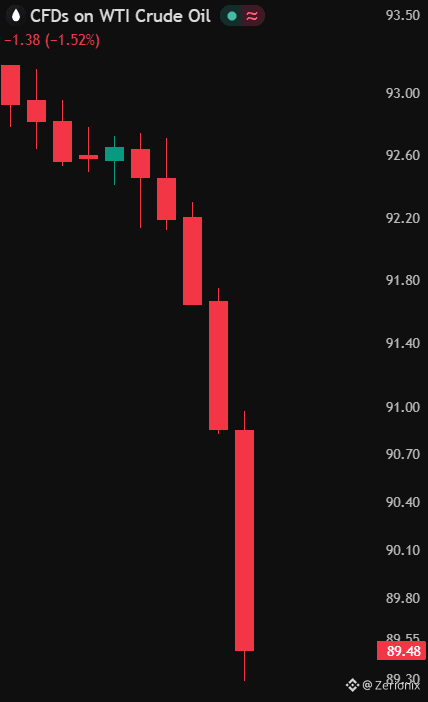
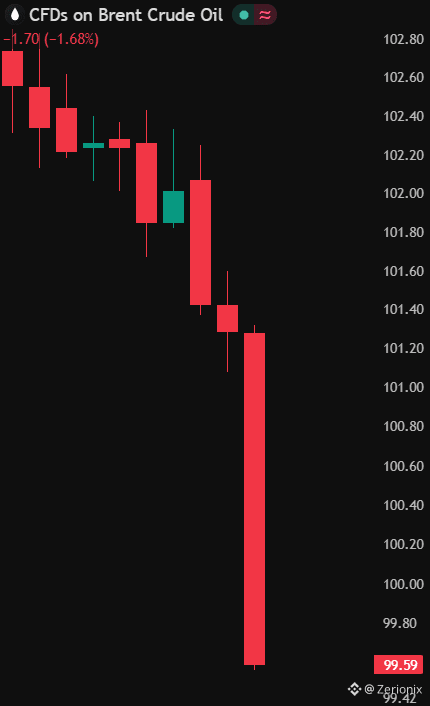
🚨 Нефть щойно отримала серйозний шок пропозиції.
Brent впав нижче $100, тоді як американська WTI опустилася нижче $90 на тлі того, що європейські країни обговорюють можливість випуску екстрених паливних резервів.
Цей крок відбувся після того, як США тиснули на Францію та Німеччину з вимогою розблокувати запаси дизельного палива; Вашингтон навіть погрожував потенційною забороною на експорт дизелю з США, якщо Європа не допоможе збільшити пропозицію.
Нині обговорювана французька пропозиція передбачає, що європейські країни можуть вивільнити близько 50 млн барелів дизелю, а члени МЕА — ще близько 50 млн барелів нафти.
Це дуже багато потенційної пропозиції, яка може вдарити по ринку, що й так стикається з серйозними перебоями в енергетиці.
Особисто я думаю, що крипто-ракурс тут цікавіший, ніж сам нафтовий заголовок.
Зниження цін на енергоносії може зняти частину тиску з очікувань інфляції.
І якщо нафтовий шок почне слабшати, це врешті може дати центральним банкам трохи більше простору для дій з боку ставки.
Це важливо для Bitcoin, бо одна з найбільших макропроблем BTC прямо зараз — це поєднання дорогої енергії, «липкої» інфляції та підвищених дохідностей.
Але я ще не кажу, що проблема з нафтою вирішена.
Ризики щодо постачання на Близькому Сході залишаються, а фізичні енергетичні ринки все ще напружені. Reuters повідомило, що Barclays навіть підвищив свій прогноз по Brent на Q4 до $115, попри сьогоднішнє падіння.
Тож я стежу за тим, чи зможе Brent залишатися нижче $100.
Якщо так — інфляційна нарація може швидко почати змінюватися.
І це може стати значно масштабнішим каталізатором для ризикових активів, ніж той факт, що лише за один день стався розпродаж на нафтовому ринку.
$BTC #Altcoin Season# #BTC Price Analysis#
$XAUt
🚨 Нефть щойно отримала серйозний шок пропозиції.
Brent впав нижче $100, тоді як американська WTI опустилася нижче $90 на тлі того, що європейські країни обговорюють можливість випуску екстрених паливних резервів.
Цей крок відбувся після того, як США тиснули на Францію та Німеччину з вимогою розблокувати запаси дизельного палива; Вашингтон навіть погрожував потенційною забороною на експорт дизелю з США, якщо Європа не допоможе збільшити пропозицію.
Нині обговорювана французька пропозиція передбачає, що європейські країни можуть вивільнити близько 50 млн барелів дизелю, а члени МЕА — ще близько 50 млн барелів нафти.
Це дуже багато потенційної пропозиції, яка може вдарити по ринку, що й так стикається з серйозними перебоями в енергетиці.
Особисто я думаю, що крипто-ракурс тут цікавіший, ніж сам нафтовий заголовок.
Зниження цін на енергоносії може зняти частину тиску з очікувань інфляції.
І якщо нафтовий шок почне слабшати, це врешті може дати центральним банкам трохи більше простору для дій з боку ставки.
Це важливо для Bitcoin, бо одна з найбільших макропроблем BTC прямо зараз — це поєднання дорогої енергії, «липкої» інфляції та підвищених дохідностей.
Але я ще не кажу, що проблема з нафтою вирішена.
Ризики щодо постачання на Близькому Сході залишаються, а фізичні енергетичні ринки все ще напружені. Reuters повідомило, що Barclays навіть підвищив свій прогноз по Brent на Q4 до $115, попри сьогоднішнє падіння.
Тож я стежу за тим, чи зможе Brent залишатися нижче $100.
Якщо так — інфляційна нарація може швидко почати змінюватися.
І це може стати значно масштабнішим каталізатором для ризикових активів, ніж той факт, що лише за один день стався розпродаж на нафтовому ринку.
$BTC #Altcoin Season# #BTC Price Analysis#
$XAUt
Brent впав нижче $100, тоді як американська WTI опустилася нижче $90 на тлі того, що європейські країни обговорюють можливість випуску екстрених паливних резервів.
Цей крок відбувся після того, як США тиснули на Францію та Німеччину з вимогою розблокувати запаси дизельного палива; Вашингтон навіть погрожував потенційною забороною на експорт дизелю з США, якщо Європа не допоможе збільшити пропозицію.
Нині обговорювана французька пропозиція передбачає, що європейські країни можуть вивільнити близько 50 млн барелів дизелю, а члени МЕА — ще близько 50 млн барелів нафти.
Це дуже багато потенційної пропозиції, яка може вдарити по ринку, що й так стикається з серйозними перебоями в енергетиці.
Особисто я думаю, що крипто-ракурс тут цікавіший, ніж сам нафтовий заголовок.
Зниження цін на енергоносії може зняти частину тиску з очікувань інфляції.
І якщо нафтовий шок почне слабшати, це врешті може дати центральним банкам трохи більше простору для дій з боку ставки.
Це важливо для Bitcoin, бо одна з найбільших макропроблем BTC прямо зараз — це поєднання дорогої енергії, «липкої» інфляції та підвищених дохідностей.
Але я ще не кажу, що проблема з нафтою вирішена.
Ризики щодо постачання на Близькому Сході залишаються, а фізичні енергетичні ринки все ще напружені. Reuters повідомило, що Barclays навіть підвищив свій прогноз по Brent на Q4 до $115, попри сьогоднішнє падіння.
Тож я стежу за тим, чи зможе Brent залишатися нижче $100.
Якщо так — інфляційна нарація може швидко почати змінюватися.
І це може стати значно масштабнішим каталізатором для ризикових активів, ніж той факт, що лише за один день стався розпродаж на нафтовому ринку.
$BTC #Altcoin Season# #BTC Price Analysis#
$XAUt
·
--
НОВИНИ: 🇺🇸 Комісія з цінних паперів і бірж (SEC) пропонує нові правила щодо зберігання криптоактивів, які можуть надати інвестиційним радникам і регульованим фондам більше можливостей для зберігання цифрових активів.
Пропозиція дозволяє радникам самим зберігати певну клієнтську криптовалюту, якщо кваліфікований кастодіан недоступний, за умови дотримання конкретних запобіжних заходів щодо кібербезпеки, експертизи, звітності та розкриття інформації клієнтам.
Також вона дозволяє компаніям довірчого управління, заснованим у певних штатах, бути кастодіанами криптовалют.
Це важливо, адже зберігання активів було однією з найбільших операційних головних болей для установ, які намагаються запропонувати доступ до криптовалюти.
Цікава частина в тому, що SEC не просто каже «дозвольте установам самостійно зберігати активи».
Вона намагається вибудувати рамку: коли це можна робити і які захисти мають бути забезпечені.
Особисто я вважаю, що це важливий інфраструктурний розвиток.
Адаптація криптовалюти — це не лише про ETF і токенізовані активи. Хтось усе одно має надійно зберігати базові активи.
Якщо радникам і фондам нададуть більш практичні варіанти кастодіального зберігання, регуляторне тертя під час пропонування криптоінвестиційних продуктів може знизитися.
Але це все ще пропозиція, а не остаточне правило. SEC відкриває 60-денний період для публічних коментарів після публікації в Федеральному реєстрі.
Найбільше питання тепер у тому, чи справді ці правила зроблять інституційне крипто-зберігання простішим, не послабивши захистів, від яких залежать інвестори.
Ось за цим я й стежитиму.
$BTC #BTC Price Analysis# #Bitcoin Price Prediction: What is Bitcoins next move?#
НОВИНИ: 🇺🇸 Комісія з цінних паперів і бірж (SEC) пропонує нові правила щодо зберігання криптоактивів, які можуть надати інвестиційним радникам і регульованим фондам більше можливостей для зберігання цифрових активів.
Пропозиція дозволяє радникам самим зберігати певну клієнтську криптовалюту, якщо кваліфікований кастодіан недоступний, за умови дотримання конкретних запобіжних заходів щодо кібербезпеки, експертизи, звітності та розкриття інформації клієнтам.
Також вона дозволяє компаніям довірчого управління, заснованим у певних штатах, бути кастодіанами криптовалют.
Це важливо, адже зберігання активів було однією з найбільших операційних головних болей для установ, які намагаються запропонувати доступ до криптовалюти.
Цікава частина в тому, що SEC не просто каже «дозвольте установам самостійно зберігати активи».
Вона намагається вибудувати рамку: коли це можна робити і які захисти мають бути забезпечені.
Особисто я вважаю, що це важливий інфраструктурний розвиток.
Адаптація криптовалюти — це не лише про ETF і токенізовані активи. Хтось усе одно має надійно зберігати базові активи.
Якщо радникам і фондам нададуть більш практичні варіанти кастодіального зберігання, регуляторне тертя під час пропонування криптоінвестиційних продуктів може знизитися.
Але це все ще пропозиція, а не остаточне правило. SEC відкриває 60-денний період для публічних коментарів після публікації в Федеральному реєстрі.
Найбільше питання тепер у тому, чи справді ці правила зроблять інституційне крипто-зберігання простішим, не послабивши захистів, від яких залежать інвестори.
Ось за цим я й стежитиму.
$BTC #BTC Price Analysis# #Bitcoin Price Prediction: What is Bitcoins next move?#
Пропозиція дозволяє радникам самим зберігати певну клієнтську криптовалюту, якщо кваліфікований кастодіан недоступний, за умови дотримання конкретних запобіжних заходів щодо кібербезпеки, експертизи, звітності та розкриття інформації клієнтам.
Також вона дозволяє компаніям довірчого управління, заснованим у певних штатах, бути кастодіанами криптовалют.
Це важливо, адже зберігання активів було однією з найбільших операційних головних болей для установ, які намагаються запропонувати доступ до криптовалюти.
Цікава частина в тому, що SEC не просто каже «дозвольте установам самостійно зберігати активи».
Вона намагається вибудувати рамку: коли це можна робити і які захисти мають бути забезпечені.
Особисто я вважаю, що це важливий інфраструктурний розвиток.
Адаптація криптовалюти — це не лише про ETF і токенізовані активи. Хтось усе одно має надійно зберігати базові активи.
Якщо радникам і фондам нададуть більш практичні варіанти кастодіального зберігання, регуляторне тертя під час пропонування криптоінвестиційних продуктів може знизитися.
Але це все ще пропозиція, а не остаточне правило. SEC відкриває 60-денний період для публічних коментарів після публікації в Федеральному реєстрі.
Найбільше питання тепер у тому, чи справді ці правила зроблять інституційне крипто-зберігання простішим, не послабивши захистів, від яких залежать інвестори.
Ось за цим я й стежитиму.
$BTC #BTC Price Analysis# #Bitcoin Price Prediction: What is Bitcoins next move?#

91
·
--
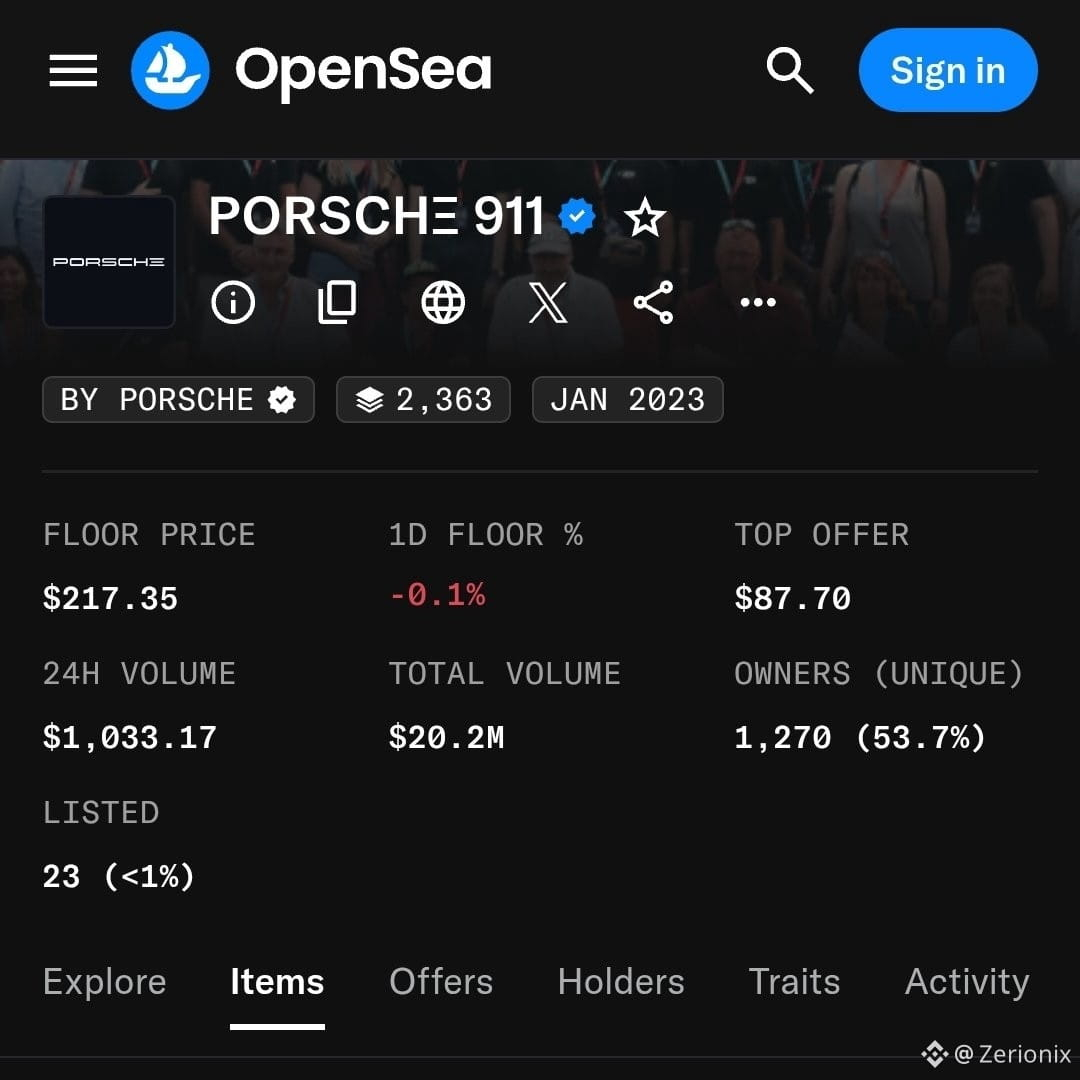
Porsche офіційно згортатиме свій експеримент із Web3.
Автовиробник завершує проєкт Porsche Web3 і спільноту PIONΞERS CIRCLE, закриваючи ініціативу Web3, яка почалася з його колекції 911 NFT.
Але є важлива відмінність.
NFT не зникають.
Існуючі PORSCHΞ 911 NFT залишаться в ончейні та залишаться у відповідних власників. Припиняється те, що стосується екосистеми навколо них.
Discord PIONΞERS стане архівом лише для читання, а офіційний акаунт проєкту в X перестане активно публікувати дописи.
І чесно кажучи, це цікавий момент для ширшого ринку NFT.
Porsche спочатку позиціонувала проєкт навколо спільного творення, цифрових колекційних предметів і ексклюзивних вражень, намагаючись поєднати один із найвпізнаваніших автомобільних брендів у світі з Web3. У її офіційних матеріалах запуску навіть описували проєкт як довгострокову подорож у Web3.
Особисто я вважаю, що головний висновок — не просто «Porsche залишила Web3».
Йдеться про те, що розміщення NFT в ончейні не гарантує, що навколишня спільнота, вигоди чи залучення до бренду триватимуть вічно.
Запис у блокчейні може пережити час.
Компанії — не обов’язково.
Це одна з найбільших відмінностей між володінням ончейновим активом і володінням триваючими відносинами з брендом.
NFT Porsche залишаються.
Завершується експеримент навколо них.
І це багато що говорить про те, чим завершився перший ріст корпоративних експериментів у Web3.
$BTC #Macro Insights# #Altcoin Season# $XAUt
Porsche офіційно згортатиме свій експеримент із Web3.
Автовиробник завершує проєкт Porsche Web3 і спільноту PIONΞERS CIRCLE, закриваючи ініціативу Web3, яка почалася з його колекції 911 NFT.
Але є важлива відмінність.
NFT не зникають.
Існуючі PORSCHΞ 911 NFT залишаться в ончейні та залишаться у відповідних власників. Припиняється те, що стосується екосистеми навколо них.
Discord PIONΞERS стане архівом лише для читання, а офіційний акаунт проєкту в X перестане активно публікувати дописи.
І чесно кажучи, це цікавий момент для ширшого ринку NFT.
Porsche спочатку позиціонувала проєкт навколо спільного творення, цифрових колекційних предметів і ексклюзивних вражень, намагаючись поєднати один із найвпізнаваніших автомобільних брендів у світі з Web3. У її офіційних матеріалах запуску навіть описували проєкт як довгострокову подорож у Web3.
Особисто я вважаю, що головний висновок — не просто «Porsche залишила Web3».
Йдеться про те, що розміщення NFT в ончейні не гарантує, що навколишня спільнота, вигоди чи залучення до бренду триватимуть вічно.
Запис у блокчейні може пережити час.
Компанії — не обов’язково.
Це одна з найбільших відмінностей між володінням ончейновим активом і володінням триваючими відносинами з брендом.
NFT Porsche залишаються.
Завершується експеримент навколо них.
І це багато що говорить про те, чим завершився перший ріст корпоративних експериментів у Web3.
$BTC #Macro Insights# #Altcoin Season# $XAUt
Автовиробник завершує проєкт Porsche Web3 і спільноту PIONΞERS CIRCLE, закриваючи ініціативу Web3, яка почалася з його колекції 911 NFT.
Але є важлива відмінність.
NFT не зникають.
Існуючі PORSCHΞ 911 NFT залишаться в ончейні та залишаться у відповідних власників. Припиняється те, що стосується екосистеми навколо них.
Discord PIONΞERS стане архівом лише для читання, а офіційний акаунт проєкту в X перестане активно публікувати дописи.
І чесно кажучи, це цікавий момент для ширшого ринку NFT.
Porsche спочатку позиціонувала проєкт навколо спільного творення, цифрових колекційних предметів і ексклюзивних вражень, намагаючись поєднати один із найвпізнаваніших автомобільних брендів у світі з Web3. У її офіційних матеріалах запуску навіть описували проєкт як довгострокову подорож у Web3.
Особисто я вважаю, що головний висновок — не просто «Porsche залишила Web3».
Йдеться про те, що розміщення NFT в ончейні не гарантує, що навколишня спільнота, вигоди чи залучення до бренду триватимуть вічно.
Запис у блокчейні може пережити час.
Компанії — не обов’язково.
Це одна з найбільших відмінностей між володінням ончейновим активом і володінням триваючими відносинами з брендом.
NFT Porsche залишаються.
Завершується експеримент навколо них.
І це багато що говорить про те, чим завершився перший ріст корпоративних експериментів у Web3.
$BTC #Macro Insights# #Altcoin Season# $XAUt

60
·
--
Injective впроваджує приватність безпосередньо в onchain-фінанси.
$INJ має представити CypherOS — власний рівень приватності, і сьогодні стартує перша публічна демонстрація.
Демо показує три речі, які можуть мати дуже велике значення для серйозної фінансової активності в ончейні.
Захищені транзакції.
Конфіденційна торгівля.
Та зашифровані RFQ, які можуть приховати чутливу інформацію про угоду до виконання.
Останнє особливо цікаве.
На прозорому блокчейні великі ордери та RFQ можуть піддавати трейдерів фронтранінгу та витоку інформації. Приватне виконання може зробити ончейн-ринки більш практичними для інституцій, які не хочуть, щоб весь ринок бачив, що саме вони збираються торгувати.
CypherOS спирається на апгрейд Meridian mainnet від Injective, який вийшов у середу 24 вересня й заклав основу для тестування приватних RFQ разом із випуском регульованих активів та токенізованими ринками.
Особисто я вважаю, що це більше, ніж просто додавання ще однієї функції приватності.
Якщо onchain-фінанси прагнуть серйозного інституційного капіталу, прозорість не завжди може означати розкриття кожної угоди в реальному часі.
Завдання — знайти баланс між приватністю, комплаєнсом і верифікованістю.
Якщо Injective зможе вирішити це належним чином, приватність перестане бути лише криптоідеологією.
Вона стане фінансовою інфраструктурою.
Тепер я хочу подивитися, як CypherOS працюватиме поза межами демонстрації.
$INJ #Macro Insights# $BTC #Altcoin Season#
Injective впроваджує приватність безпосередньо в onchain-фінанси.
$INJ має представити CypherOS — власний рівень приватності, і сьогодні стартує перша публічна демонстрація.
Демо показує три речі, які можуть мати дуже велике значення для серйозної фінансової активності в ончейні.
Захищені транзакції.
Конфіденційна торгівля.
Та зашифровані RFQ, які можуть приховати чутливу інформацію про угоду до виконання.
Останнє особливо цікаве.
На прозорому блокчейні великі ордери та RFQ можуть піддавати трейдерів фронтранінгу та витоку інформації. Приватне виконання може зробити ончейн-ринки більш практичними для інституцій, які не хочуть, щоб весь ринок бачив, що саме вони збираються торгувати.
CypherOS спирається на апгрейд Meridian mainnet від Injective, який вийшов у середу 24 вересня й заклав основу для тестування приватних RFQ разом із випуском регульованих активів та токенізованими ринками.
Особисто я вважаю, що це більше, ніж просто додавання ще однієї функції приватності.
Якщо onchain-фінанси прагнуть серйозного інституційного капіталу, прозорість не завжди може означати розкриття кожної угоди в реальному часі.
Завдання — знайти баланс між приватністю, комплаєнсом і верифікованістю.
Якщо Injective зможе вирішити це належним чином, приватність перестане бути лише криптоідеологією.
Вона стане фінансовою інфраструктурою.
Тепер я хочу подивитися, як CypherOS працюватиме поза межами демонстрації.
$INJ #Macro Insights# $BTC #Altcoin Season#
$INJ має представити CypherOS — власний рівень приватності, і сьогодні стартує перша публічна демонстрація.
Демо показує три речі, які можуть мати дуже велике значення для серйозної фінансової активності в ончейні.
Захищені транзакції.
Конфіденційна торгівля.
Та зашифровані RFQ, які можуть приховати чутливу інформацію про угоду до виконання.
Останнє особливо цікаве.
На прозорому блокчейні великі ордери та RFQ можуть піддавати трейдерів фронтранінгу та витоку інформації. Приватне виконання може зробити ончейн-ринки більш практичними для інституцій, які не хочуть, щоб весь ринок бачив, що саме вони збираються торгувати.
CypherOS спирається на апгрейд Meridian mainnet від Injective, який вийшов у середу 24 вересня й заклав основу для тестування приватних RFQ разом із випуском регульованих активів та токенізованими ринками.
Особисто я вважаю, що це більше, ніж просто додавання ще однієї функції приватності.
Якщо onchain-фінанси прагнуть серйозного інституційного капіталу, прозорість не завжди може означати розкриття кожної угоди в реальному часі.
Завдання — знайти баланс між приватністю, комплаєнсом і верифікованістю.
Якщо Injective зможе вирішити це належним чином, приватність перестане бути лише криптоідеологією.
Вона стане фінансовою інфраструктурою.
Тепер я хочу подивитися, як CypherOS працюватиме поза межами демонстрації.
$INJ #Macro Insights# $BTC #Altcoin Season#

55
·
--
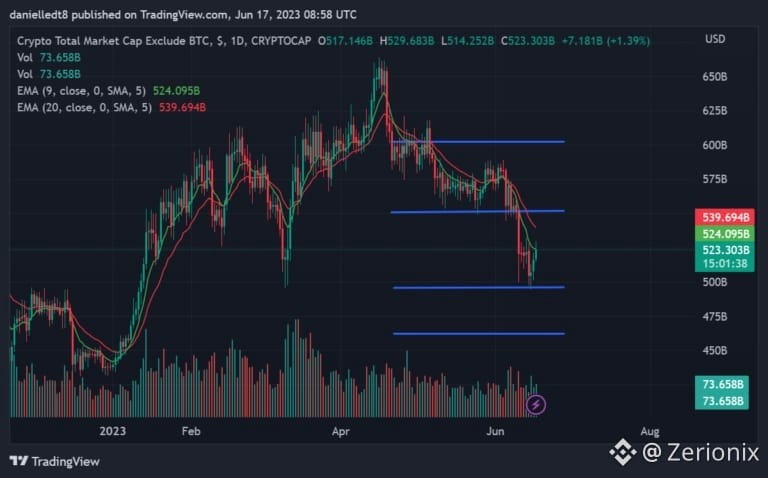
$82K стає важливою лінією для біткоїна.
BTC застряг у діапазоні $82K–$85K, і головне питання полягає не лише в тому, чи зможе біткоїн втриматися вище $82K.
Важливо інше: хто буде вибитий із позицій, якщо це не вийде.
Рух на 3% від поточних рівнів уже може чинити тиск на довгі позиції з кредитним плечем, тоді як покупці ETF не обов’язково змушені продавати лише тому, що BTC просідає.
Це принципова різниця.
Кредитне плече може перетворити звичайну корекцію на лавину ліквідацій.
Інвестори в спотові ETF, натомість, можуть поглинати волатильність без механічного вимушеного виходу зі своїх позицій.
І ми вже бачили, наскільки важливим став попит на ETF. Спотові біткоїн-ETF у США залучили приблизно $2,4 млрд за тиждень, що завершився 25 вересня, що допомогло забезпечити нещодавнє відновлення.
Але є одна деталь.
Цей попит почав демонструвати ознаки охолодження. У найсвіжішій сесії було зафіксовано близько $148,7 млн відтоків з ETF, що завершило серію припливів за дев’ять днів на суму приблизно $3,08 млрд.
Тож особисто я стежу за реакцією більше, ніж за самим числом $82K.
Якщо BTC просідає, кредитне плече «вимиває» позиції, а спотовий попит поглинає продажі — це зовсім інший сигнал, ніж коли BTC втрачає $82K, а потоки ETF переходять у негативну зону.
Просадка на 3% не лякає мене так сильно, як відсутність покупців під цією ціною.
Реальне питання не в тому, хто буде ліквідований першим.
Питання в тому, чи хтось готовий купити свій біткоїн.
$BTC #BTC #BTC Price Analysis# #Bitcoin Price Prediction: What is Bitcoins next move?#
$82K стає важливою лінією для біткоїна.
BTC застряг у діапазоні $82K–$85K, і головне питання полягає не лише в тому, чи зможе біткоїн втриматися вище $82K.
Важливо інше: хто буде вибитий із позицій, якщо це не вийде.
Рух на 3% від поточних рівнів уже може чинити тиск на довгі позиції з кредитним плечем, тоді як покупці ETF не обов’язково змушені продавати лише тому, що BTC просідає.
Це принципова різниця.
Кредитне плече може перетворити звичайну корекцію на лавину ліквідацій.
Інвестори в спотові ETF, натомість, можуть поглинати волатильність без механічного вимушеного виходу зі своїх позицій.
І ми вже бачили, наскільки важливим став попит на ETF. Спотові біткоїн-ETF у США залучили приблизно $2,4 млрд за тиждень, що завершився 25 вересня, що допомогло забезпечити нещодавнє відновлення.
Але є одна деталь.
Цей попит почав демонструвати ознаки охолодження. У найсвіжішій сесії було зафіксовано близько $148,7 млн відтоків з ETF, що завершило серію припливів за дев’ять днів на суму приблизно $3,08 млрд.
Тож особисто я стежу за реакцією більше, ніж за самим числом $82K.
Якщо BTC просідає, кредитне плече «вимиває» позиції, а спотовий попит поглинає продажі — це зовсім інший сигнал, ніж коли BTC втрачає $82K, а потоки ETF переходять у негативну зону.
Просадка на 3% не лякає мене так сильно, як відсутність покупців під цією ціною.
Реальне питання не в тому, хто буде ліквідований першим.
Питання в тому, чи хтось готовий купити свій біткоїн.
$BTC #BTC #BTC Price Analysis# #Bitcoin Price Prediction: What is Bitcoins next move?#
BTC застряг у діапазоні $82K–$85K, і головне питання полягає не лише в тому, чи зможе біткоїн втриматися вище $82K.
Важливо інше: хто буде вибитий із позицій, якщо це не вийде.
Рух на 3% від поточних рівнів уже може чинити тиск на довгі позиції з кредитним плечем, тоді як покупці ETF не обов’язково змушені продавати лише тому, що BTC просідає.
Це принципова різниця.
Кредитне плече може перетворити звичайну корекцію на лавину ліквідацій.
Інвестори в спотові ETF, натомість, можуть поглинати волатильність без механічного вимушеного виходу зі своїх позицій.
І ми вже бачили, наскільки важливим став попит на ETF. Спотові біткоїн-ETF у США залучили приблизно $2,4 млрд за тиждень, що завершився 25 вересня, що допомогло забезпечити нещодавнє відновлення.
Але є одна деталь.
Цей попит почав демонструвати ознаки охолодження. У найсвіжішій сесії було зафіксовано близько $148,7 млн відтоків з ETF, що завершило серію припливів за дев’ять днів на суму приблизно $3,08 млрд.
Тож особисто я стежу за реакцією більше, ніж за самим числом $82K.
Якщо BTC просідає, кредитне плече «вимиває» позиції, а спотовий попит поглинає продажі — це зовсім інший сигнал, ніж коли BTC втрачає $82K, а потоки ETF переходять у негативну зону.
Просадка на 3% не лякає мене так сильно, як відсутність покупців під цією ціною.
Реальне питання не в тому, хто буде ліквідований першим.
Питання в тому, чи хтось готовий купити свій біткоїн.
$BTC #BTC #BTC Price Analysis# #Bitcoin Price Prediction: What is Bitcoins next move?#
66
·
--
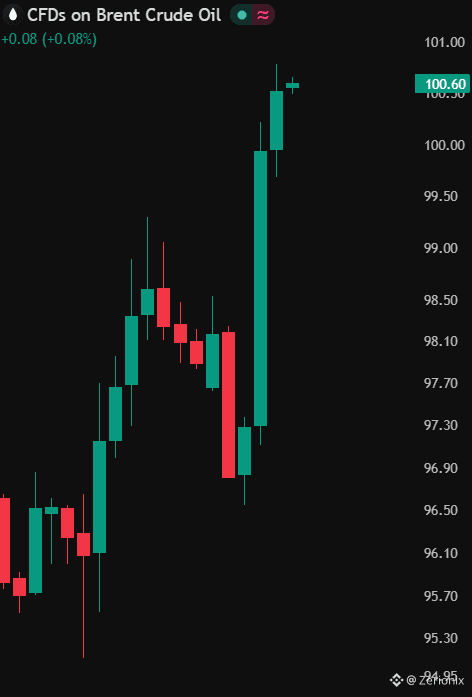
Brent знову вище $100, і цього разу тиск не зводиться до однієї лише новинної події.
Китай призупинив експорт нафтопродуктів понад Гонконг і Макао до подальшого повідомлення, а за повідомленнями, PetroChina скасувала контракти на постачання бензину та авіаційного палива, заплановані на жовтень. Це прибирає ще одне джерело рафінованого пального з уже жорсткого глобального ринку.
Також Росія продовжила обмеження на експорт дизельного палива та морського палива до 31 жовтня, тоді як перебої на нафтопереробних заводах уже зменшили її експорт палива.
Є ще й США. Вашингтон тисне на Німеччину та Францію, щоб ті використовували резерви екстреного дизеля, і допускає можливість обмеження експорту дизеля зі США, якщо дефіцит пального у світі посилиться. США — один із ключових експортерів дизеля, тож якщо реально запровадити цей захід, це матиме глобальні наслідки.
Ось за цим і варто стежити.
Це вже не просто історія про сиру нафту. Ринок нафтопродуктів стає головною «точкою тиску». МЕА зазначає, що глобальні поставки дизеля/газойлю вже постраждали через збої в регіонах Перської затоки та Росії: сукупний експорт з цих територій суттєво нижчий, ніж до початку війни.
Тож перетин Brent позначки $100 — майже симптом набагато більшої проблеми: менше барелів придатного палива рухається глобальною системою, тоді як уряди дедалі більше надають пріоритет внутрішнім поставкам.
Питання тепер не лише в тому, чи залишиться нафта вище $100.
Йдеться про те, чи почне звуження пропозиції дизеля та інших рафінованих продуктів перетікати в транспортні витрати, інфляцію та зрештою — ширший економічний попит
$BTC #BTC Price Analysis# $ETH #Macro Insights#
Brent знову вище $100, і цього разу тиск не зводиться до однієї лише новинної події.
Китай призупинив експорт нафтопродуктів понад Гонконг і Макао до подальшого повідомлення, а за повідомленнями, PetroChina скасувала контракти на постачання бензину та авіаційного палива, заплановані на жовтень. Це прибирає ще одне джерело рафінованого пального з уже жорсткого глобального ринку.
Також Росія продовжила обмеження на експорт дизельного палива та морського палива до 31 жовтня, тоді як перебої на нафтопереробних заводах уже зменшили її експорт палива.
Є ще й США. Вашингтон тисне на Німеччину та Францію, щоб ті використовували резерви екстреного дизеля, і допускає можливість обмеження експорту дизеля зі США, якщо дефіцит пального у світі посилиться. США — один із ключових експортерів дизеля, тож якщо реально запровадити цей захід, це матиме глобальні наслідки.
Ось за цим і варто стежити.
Це вже не просто історія про сиру нафту. Ринок нафтопродуктів стає головною «точкою тиску». МЕА зазначає, що глобальні поставки дизеля/газойлю вже постраждали через збої в регіонах Перської затоки та Росії: сукупний експорт з цих територій суттєво нижчий, ніж до початку війни.
Тож перетин Brent позначки $100 — майже симптом набагато більшої проблеми: менше барелів придатного палива рухається глобальною системою, тоді як уряди дедалі більше надають пріоритет внутрішнім поставкам.
Питання тепер не лише в тому, чи залишиться нафта вище $100.
Йдеться про те, чи почне звуження пропозиції дизеля та інших рафінованих продуктів перетікати в транспортні витрати, інфляцію та зрештою — ширший економічний попит
$BTC #BTC Price Analysis# $ETH #Macro Insights#
Китай призупинив експорт нафтопродуктів понад Гонконг і Макао до подальшого повідомлення, а за повідомленнями, PetroChina скасувала контракти на постачання бензину та авіаційного палива, заплановані на жовтень. Це прибирає ще одне джерело рафінованого пального з уже жорсткого глобального ринку.
Також Росія продовжила обмеження на експорт дизельного палива та морського палива до 31 жовтня, тоді як перебої на нафтопереробних заводах уже зменшили її експорт палива.
Є ще й США. Вашингтон тисне на Німеччину та Францію, щоб ті використовували резерви екстреного дизеля, і допускає можливість обмеження експорту дизеля зі США, якщо дефіцит пального у світі посилиться. США — один із ключових експортерів дизеля, тож якщо реально запровадити цей захід, це матиме глобальні наслідки.
Ось за цим і варто стежити.
Це вже не просто історія про сиру нафту. Ринок нафтопродуктів стає головною «точкою тиску». МЕА зазначає, що глобальні поставки дизеля/газойлю вже постраждали через збої в регіонах Перської затоки та Росії: сукупний експорт з цих територій суттєво нижчий, ніж до початку війни.
Тож перетин Brent позначки $100 — майже симптом набагато більшої проблеми: менше барелів придатного палива рухається глобальною системою, тоді як уряди дедалі більше надають пріоритет внутрішнім поставкам.
Питання тепер не лише в тому, чи залишиться нафта вище $100.
Йдеться про те, чи почне звуження пропозиції дизеля та інших рафінованих продуктів перетікати в транспортні витрати, інфляцію та зрештою — ширший економічний попит
$BTC #BTC Price Analysis# $ETH #Macro Insights#
·
--
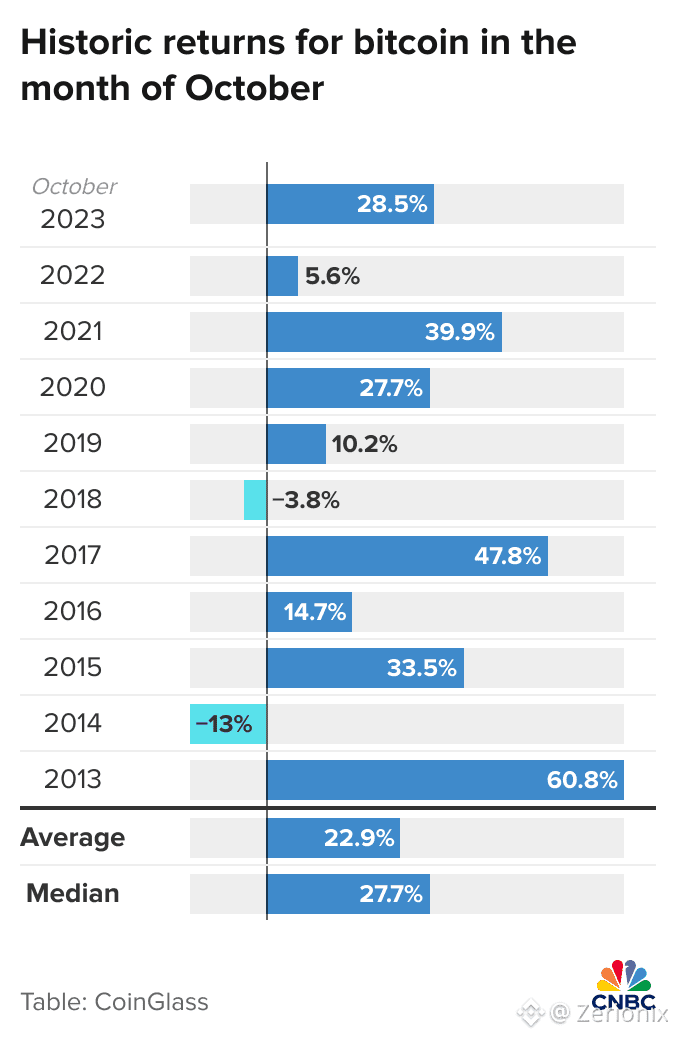
Uptober знову повертається в стрічку.
Історично біткоїн завершував жовтень у зеленій зоні в 10 з останніх 13 років.
І тепер ринок ставить очевидне питання:
Чи достатньо історії, щоб довіряти цьому разу?
Жовтень має досить сильну репутацію в криптоіндустрії, але я б не торгував календар “наосліп”.
Біткоїн може мати сильну історичну тенденцію, але все одно зламати патерн, коли змінюються макроумови, ліквідність або позиціонування.
Цього жовтня цікаво те, що BTC приходить із сильним імпульсом після великого руху в Q3.
Особисто я стежу за тим, чи збережеться цей імпульс у першій половині місяця.
Якщо BTC й далі притягує спотовий попит і утримує прибутки з Q3, історична жовтнева тенденція стає значно цікавішою.
Але якщо макроліквідність почне звужуватися або плечі нарощуються занадто швидко, історія не врятує угоду.
10 “зелених” жовтнів із 13 — гарна статистика.
Тепер біткоїну потрібно довести, що він може зробити це знову.
$BTC #BTC Price Analysis# #Bitcoin Price Prediction: What is Bitcoins next move?#
Uptober знову повертається в стрічку.
Історично біткоїн завершував жовтень у зеленій зоні в 10 з останніх 13 років.
І тепер ринок ставить очевидне питання:
Чи достатньо історії, щоб довіряти цьому разу?
Жовтень має досить сильну репутацію в криптоіндустрії, але я б не торгував календар “наосліп”.
Біткоїн може мати сильну історичну тенденцію, але все одно зламати патерн, коли змінюються макроумови, ліквідність або позиціонування.
Цього жовтня цікаво те, що BTC приходить із сильним імпульсом після великого руху в Q3.
Особисто я стежу за тим, чи збережеться цей імпульс у першій половині місяця.
Якщо BTC й далі притягує спотовий попит і утримує прибутки з Q3, історична жовтнева тенденція стає значно цікавішою.
Але якщо макроліквідність почне звужуватися або плечі нарощуються занадто швидко, історія не врятує угоду.
10 “зелених” жовтнів із 13 — гарна статистика.
Тепер біткоїну потрібно довести, що він може зробити це знову.
$BTC #BTC Price Analysis# #Bitcoin Price Prediction: What is Bitcoins next move?#
Історично біткоїн завершував жовтень у зеленій зоні в 10 з останніх 13 років.
І тепер ринок ставить очевидне питання:
Чи достатньо історії, щоб довіряти цьому разу?
Жовтень має досить сильну репутацію в криптоіндустрії, але я б не торгував календар “наосліп”.
Біткоїн може мати сильну історичну тенденцію, але все одно зламати патерн, коли змінюються макроумови, ліквідність або позиціонування.
Цього жовтня цікаво те, що BTC приходить із сильним імпульсом після великого руху в Q3.
Особисто я стежу за тим, чи збережеться цей імпульс у першій половині місяця.
Якщо BTC й далі притягує спотовий попит і утримує прибутки з Q3, історична жовтнева тенденція стає значно цікавішою.
Але якщо макроліквідність почне звужуватися або плечі нарощуються занадто швидко, історія не врятує угоду.
10 “зелених” жовтнів із 13 — гарна статистика.
Тепер біткоїну потрібно довести, що він може зробити це знову.
$BTC #BTC Price Analysis# #Bitcoin Price Prediction: What is Bitcoins next move?#
48
·
--
Ні, насправді, і власне формулювання Glassnode щодо цього більш обережне, ніж той заголовок, який зараз шириться.
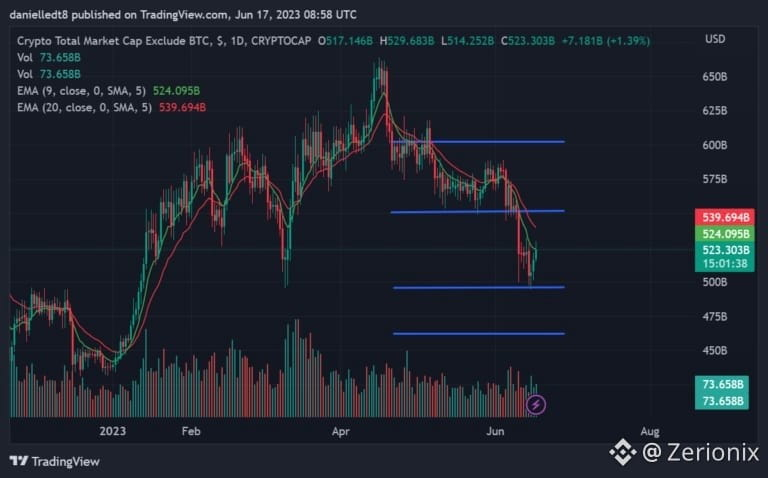
Обсяг спотових угод в альткоїнах зріс майже до 4x обсягу біткоїна — найвищого співвідношення з вересня 2025 року. Індекс Альтсезону підскочив до 62–64% із 33% місяць тому, а 72,5% відстежуваних альткоїнів випередили BTC за минулий тиждень, тоді як під час ралі серпня це було лише 39%. Реальне різке прискорення за будь-якою мірою.
Однак ось та частина, яку більшість матеріалів у цьому показнику пропускає. Співвідношення 4x вимірює торговельну активність (оборот), а не чисті притоки капіталу. Вищий обсяг фіксує і купівлю, і продаж одночасно, тож лише за цим числом не можна сказати, чи заходять у альткоїни нові гроші, чи вже наявні власники просто активніше торгують між собою. Це розрізнення має колосальне значення для того, яке з двох ваших трактувань насправді правильне.
Що вирізняється для мене — застереження Glassnode з власної історичної перспективи, яке прямо вбудоване в ті дані, які вони наводять. Подібні сплески співвідношення альткоїн-to-BTC історично збігалися з локальними вершинами ціни біткоїна, а не з підтвердженими стартами альтсезону. Це не прогноз — це співпадіння за шаблоном, а шаблони можуть ламатися.
Деталь з Індексом Альтсезону, до речі, радше суперечить тому, щоб називати це альтсезоном уже зараз. Версія від CoinMarketCap тримається близько 64 — це найвище значення цього року, але підтверджений поріг становить 75, і більшість столів також хоче бачити домінування біткоїна нижче 55% разом із цим. Зараз домінування тримається десь біля 58–59% — близько, але не там.
Відкрите питання не в тому, чи відбувається ротація: ширина руху справді розширилася, і це реальна річ. Питання в іншому — це раннє позиціювання перед більш масштабним рухом, чи саме той тип сплеску апетиту до ризику, який, за власними даними Glassnode, передував охолодженню BTC.
$BTC #BTC Price Analysis# #Bitcoin Price Prediction: What is Bitcoins next move?#
Ні, насправді, і власне формулювання Glassnode щодо цього більш обережне, ніж той заголовок, який зараз шириться.
Обсяг спотових угод в альткоїнах зріс майже до 4x обсягу біткоїна — найвищого співвідношення з вересня 2025 року. Індекс Альтсезону підскочив до 62–64% із 33% місяць тому, а 72,5% відстежуваних альткоїнів випередили BTC за минулий тиждень, тоді як під час ралі серпня це було лише 39%. Реальне різке прискорення за будь-якою мірою.
Однак ось та частина, яку більшість матеріалів у цьому показнику пропускає. Співвідношення 4x вимірює торговельну активність (оборот), а не чисті притоки капіталу. Вищий обсяг фіксує і купівлю, і продаж одночасно, тож лише за цим числом не можна сказати, чи заходять у альткоїни нові гроші, чи вже наявні власники просто активніше торгують між собою. Це розрізнення має колосальне значення для того, яке з двох ваших трактувань насправді правильне.
Що вирізняється для мене — застереження Glassnode з власної історичної перспективи, яке прямо вбудоване в ті дані, які вони наводять. Подібні сплески співвідношення альткоїн-to-BTC історично збігалися з локальними вершинами ціни біткоїна, а не з підтвердженими стартами альтсезону. Це не прогноз — це співпадіння за шаблоном, а шаблони можуть ламатися.
Деталь з Індексом Альтсезону, до речі, радше суперечить тому, щоб називати це альтсезоном уже зараз. Версія від CoinMarketCap тримається близько 64 — це найвище значення цього року, але підтверджений поріг становить 75, і більшість столів також хоче бачити домінування біткоїна нижче 55% разом із цим. Зараз домінування тримається десь біля 58–59% — близько, але не там.
Відкрите питання не в тому, чи відбувається ротація: ширина руху справді розширилася, і це реальна річ. Питання в іншому — це раннє позиціювання перед більш масштабним рухом, чи саме той тип сплеску апетиту до ризику, який, за власними даними Glassnode, передував охолодженню BTC.
$BTC #BTC Price Analysis# #Bitcoin Price Prediction: What is Bitcoins next move?#
Обсяг спотових угод в альткоїнах зріс майже до 4x обсягу біткоїна — найвищого співвідношення з вересня 2025 року. Індекс Альтсезону підскочив до 62–64% із 33% місяць тому, а 72,5% відстежуваних альткоїнів випередили BTC за минулий тиждень, тоді як під час ралі серпня це було лише 39%. Реальне різке прискорення за будь-якою мірою.
Однак ось та частина, яку більшість матеріалів у цьому показнику пропускає. Співвідношення 4x вимірює торговельну активність (оборот), а не чисті притоки капіталу. Вищий обсяг фіксує і купівлю, і продаж одночасно, тож лише за цим числом не можна сказати, чи заходять у альткоїни нові гроші, чи вже наявні власники просто активніше торгують між собою. Це розрізнення має колосальне значення для того, яке з двох ваших трактувань насправді правильне.
Що вирізняється для мене — застереження Glassnode з власної історичної перспективи, яке прямо вбудоване в ті дані, які вони наводять. Подібні сплески співвідношення альткоїн-to-BTC історично збігалися з локальними вершинами ціни біткоїна, а не з підтвердженими стартами альтсезону. Це не прогноз — це співпадіння за шаблоном, а шаблони можуть ламатися.
Деталь з Індексом Альтсезону, до речі, радше суперечить тому, щоб називати це альтсезоном уже зараз. Версія від CoinMarketCap тримається близько 64 — це найвище значення цього року, але підтверджений поріг становить 75, і більшість столів також хоче бачити домінування біткоїна нижче 55% разом із цим. Зараз домінування тримається десь біля 58–59% — близько, але не там.
Відкрите питання не в тому, чи відбувається ротація: ширина руху справді розширилася, і це реальна річ. Питання в іншому — це раннє позиціювання перед більш масштабним рухом, чи саме той тип сплеску апетиту до ризику, який, за власними даними Glassnode, передував охолодженню BTC.
$BTC #BTC Price Analysis# #Bitcoin Price Prediction: What is Bitcoins next move?#
72
·
--
THORChain щойно опинився в самому центрі дуже незручних дебатів у світі криптовалют.
Після хаку на $388 млн з боку Bitget, Bitget попросив THORChain заблокувати адреси, пов’язані з нападником, і зупинити його від свапів викрадених коштів.
THORChain відмовив.
І причина прямо б’є в саме серце децентралізації.
THORChain каже, що його екстрені контроли можуть зупиняти активність мережі, але вони не призначені для вибіркової заморозки окремих адрес або транзакцій.
Тим часом нападник уже використав мережу, щоб перемістити приблизно $6,3 млн викраденого ETH у BTC.
Ось де крипта стає складною.
Якщо протокол може ідентифікувати викрадені кошти, то чи має він мати можливість зупиняти їх?
З точки зору Bitget — безумовно. Кошти, як стверджується, були викрадені, а біржа хоче їх заморозити або повернути.
Але з точки зору дизайну THORChain вибірково вирішувати, яким користувачам дозволено здійснювати транзакції, означає створення зовсім іншого типу системи.
Особисто я думаю, що це питання більше, ніж просто Bitget і THORChain.
Крипто роками створює бездозвільну фінансову інфраструктуру. Щойно викрадені кошти потрапляють у цю інфраструктуру, індустрія має вирішити, де закінчується децентралізація і починається втручання.
І немає простої відповіді.
Бо якщо протоколи можуть заморожувати хакерів сьогодні, то хто вирішуватиме, які транзакції заслуговують на заморозку завтра?
Саме це незручне питання інцидент змушує крипто зіткнутися.
$BTC #BTC Price Analysis# #Meme Alpha# #Bitget $BGB
THORChain щойно опинився в самому центрі дуже незручних дебатів у світі криптовалют.
Після хаку на $388 млн з боку Bitget, Bitget попросив THORChain заблокувати адреси, пов’язані з нападником, і зупинити його від свапів викрадених коштів.
THORChain відмовив.
І причина прямо б’є в саме серце децентралізації.
THORChain каже, що його екстрені контроли можуть зупиняти активність мережі, але вони не призначені для вибіркової заморозки окремих адрес або транзакцій.
Тим часом нападник уже використав мережу, щоб перемістити приблизно $6,3 млн викраденого ETH у BTC.
Ось де крипта стає складною.
Якщо протокол може ідентифікувати викрадені кошти, то чи має він мати можливість зупиняти їх?
З точки зору Bitget — безумовно. Кошти, як стверджується, були викрадені, а біржа хоче їх заморозити або повернути.
Але з точки зору дизайну THORChain вибірково вирішувати, яким користувачам дозволено здійснювати транзакції, означає створення зовсім іншого типу системи.
Особисто я думаю, що це питання більше, ніж просто Bitget і THORChain.
Крипто роками створює бездозвільну фінансову інфраструктуру. Щойно викрадені кошти потрапляють у цю інфраструктуру, індустрія має вирішити, де закінчується децентралізація і починається втручання.
І немає простої відповіді.
Бо якщо протоколи можуть заморожувати хакерів сьогодні, то хто вирішуватиме, які транзакції заслуговують на заморозку завтра?
Саме це незручне питання інцидент змушує крипто зіткнутися.
$BTC #BTC Price Analysis# #Meme Alpha# #Bitget $BGB
Після хаку на $388 млн з боку Bitget, Bitget попросив THORChain заблокувати адреси, пов’язані з нападником, і зупинити його від свапів викрадених коштів.
THORChain відмовив.
І причина прямо б’є в саме серце децентралізації.
THORChain каже, що його екстрені контроли можуть зупиняти активність мережі, але вони не призначені для вибіркової заморозки окремих адрес або транзакцій.
Тим часом нападник уже використав мережу, щоб перемістити приблизно $6,3 млн викраденого ETH у BTC.
Ось де крипта стає складною.
Якщо протокол може ідентифікувати викрадені кошти, то чи має він мати можливість зупиняти їх?
З точки зору Bitget — безумовно. Кошти, як стверджується, були викрадені, а біржа хоче їх заморозити або повернути.
Але з точки зору дизайну THORChain вибірково вирішувати, яким користувачам дозволено здійснювати транзакції, означає створення зовсім іншого типу системи.
Особисто я думаю, що це питання більше, ніж просто Bitget і THORChain.
Крипто роками створює бездозвільну фінансову інфраструктуру. Щойно викрадені кошти потрапляють у цю інфраструктуру, індустрія має вирішити, де закінчується децентралізація і починається втручання.
І немає простої відповіді.
Бо якщо протоколи можуть заморожувати хакерів сьогодні, то хто вирішуватиме, які транзакції заслуговують на заморозку завтра?
Саме це незручне питання інцидент змушує крипто зіткнутися.
$BTC #BTC Price Analysis# #Meme Alpha# #Bitget $BGB
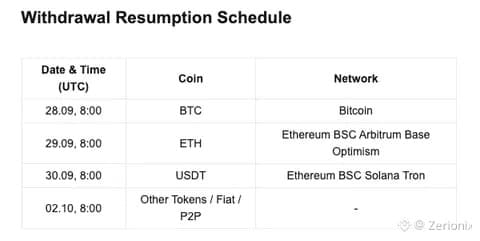
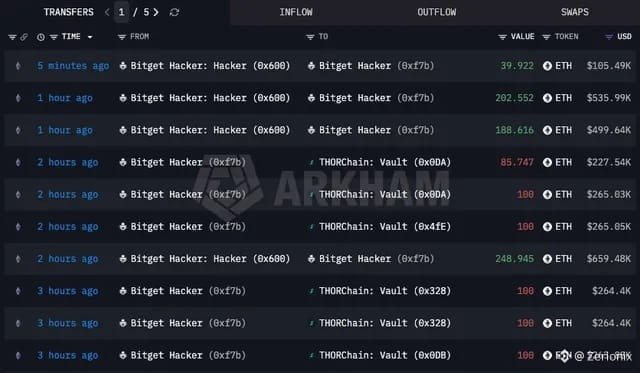
1
159
·
--
Китай нагадує користувачам криптовалют про річ, яку багато людей досі неправильно розуміють.
🇨🇳 Міністерство державної безпеки Китаю заявляє, що криптографічна анонімність — це ілюзія.
Відомство стверджує, що транзакції в блокчейні залишають постійні записи, тоді як активність гаманця потенційно може бути пов’язана з реальними особами через біржі, платіжні платформи, пристрої та IP-інформацію.
І технічно тут є важливе розмежування.
Біткоїн і більшість основних публічних блокчейнів є псевдонімними, а не анонімними.
Ваш адрес гаманця може не мати прив’язки до вашого імені, але історія транзакцій назавжди залишається. Коли цю адресу пов’язують із вашою особою через біржу або іншу ідентифіковану точку, історію потенційно можна відтворити та зіставити з вами.
Особисто я вважаю, що ключовий висновок — не попередження Китаю.
А те, що ончейн-приватність стає значно ширшим предметом обговорення, коли криптовалюта дедалі більше інтегрується з традиційною фінансовою інфраструктурою.
Але заяву не варто трактувати так, ніби кожна криптранзакція автоматично підлягає відстеженню. Мережі та технології, орієнтовані на приватність, спеціально розроблені, щоб ускладнювати трасування.
Отже, справжня дискусія не зводиться лише до того, чи є криптоанонімною.
Питання в тому, скільки приватності насправді надає конкретна мережа і де саме ця приватність «дає збій».
Бо якщо покласти гроші в ончейн, це не робить вас невидимим.
Це дає вам постійний слід.
$BTC #BTC Price Analysis# #Altcoin Season#
Китай нагадує користувачам криптовалют про річ, яку багато людей досі неправильно розуміють.
🇨🇳 Міністерство державної безпеки Китаю заявляє, що криптографічна анонімність — це ілюзія.
Відомство стверджує, що транзакції в блокчейні залишають постійні записи, тоді як активність гаманця потенційно може бути пов’язана з реальними особами через біржі, платіжні платформи, пристрої та IP-інформацію.
І технічно тут є важливе розмежування.
Біткоїн і більшість основних публічних блокчейнів є псевдонімними, а не анонімними.
Ваш адрес гаманця може не мати прив’язки до вашого імені, але історія транзакцій назавжди залишається. Коли цю адресу пов’язують із вашою особою через біржу або іншу ідентифіковану точку, історію потенційно можна відтворити та зіставити з вами.
Особисто я вважаю, що ключовий висновок — не попередження Китаю.
А те, що ончейн-приватність стає значно ширшим предметом обговорення, коли криптовалюта дедалі більше інтегрується з традиційною фінансовою інфраструктурою.
Але заяву не варто трактувати так, ніби кожна криптранзакція автоматично підлягає відстеженню. Мережі та технології, орієнтовані на приватність, спеціально розроблені, щоб ускладнювати трасування.
Отже, справжня дискусія не зводиться лише до того, чи є криптоанонімною.
Питання в тому, скільки приватності насправді надає конкретна мережа і де саме ця приватність «дає збій».
Бо якщо покласти гроші в ончейн, це не робить вас невидимим.
Це дає вам постійний слід.
$BTC #BTC Price Analysis# #Altcoin Season#
🇨🇳 Міністерство державної безпеки Китаю заявляє, що криптографічна анонімність — це ілюзія.
Відомство стверджує, що транзакції в блокчейні залишають постійні записи, тоді як активність гаманця потенційно може бути пов’язана з реальними особами через біржі, платіжні платформи, пристрої та IP-інформацію.
І технічно тут є важливе розмежування.
Біткоїн і більшість основних публічних блокчейнів є псевдонімними, а не анонімними.
Ваш адрес гаманця може не мати прив’язки до вашого імені, але історія транзакцій назавжди залишається. Коли цю адресу пов’язують із вашою особою через біржу або іншу ідентифіковану точку, історію потенційно можна відтворити та зіставити з вами.
Особисто я вважаю, що ключовий висновок — не попередження Китаю.
А те, що ончейн-приватність стає значно ширшим предметом обговорення, коли криптовалюта дедалі більше інтегрується з традиційною фінансовою інфраструктурою.
Але заяву не варто трактувати так, ніби кожна криптранзакція автоматично підлягає відстеженню. Мережі та технології, орієнтовані на приватність, спеціально розроблені, щоб ускладнювати трасування.
Отже, справжня дискусія не зводиться лише до того, чи є криптоанонімною.
Питання в тому, скільки приватності насправді надає конкретна мережа і де саме ця приватність «дає збій».
Бо якщо покласти гроші в ончейн, це не робить вас невидимим.
Це дає вам постійний слід.
$BTC #BTC Price Analysis# #Altcoin Season#

87
·
--
Одна річ, яка мені цікава в крос-ланцюговій інфраструктурі, — це коли ви перестаєте її помічати.
Користувачу TON не обов’язково має доводитися думати про те, який міст використовувати, куди надсилати свої токени або як переміщати активи між мережами лише для того, щоб отримати доступ до застосунку, створеного для EVM.
Саме в цьому ідея нового прикладу інтеграції Omniston з відкритим кодом для Telegram Mini Apps.
З точки зору користувача процес доволі простий.
Підключіть гаманeць TON через TonConnect, тоді в тлі створюється вбудований EVM-гаманець. Omniston бере на себе крос-ланцюгове виконання між мережею TON і мережею EVM.
У прикладі використовується TON USDT ↔ Arbitrum USDT0.
Мені це цікаво тим, що ту саму архітектуру можна повторно використовувати для нативних застосунків EVM, які хочуть дістатися користувачів TON, не стаючи при цьому нативними для TON.
Ми вже бачимо приклади цього напряму з Polymarket і WenLong: користувачі можуть починати з TON, а застосунок працює в іншій мережі.
І, на мою думку, саме туди рухається крос-ланцюговий UX.
Інфраструктурі не обов’язково перетворюватися на ще один екран, який користувач має розуміти.
Вона може стати непомітним шаром, який тихо з’єднує застосунок, яким ви хочете користуватися, з ліквідністю та активами, що десь знаходяться.
Для розробників це, ймовірно, найважливіша частина цього оновлення.
Крос-ланцюг — це вже не лише про переміщення токенів між мережами. Це про те, щоб різні екосистеми відчувалися так, ніби вони є частиною одного й того самого досвіду використання застосунку.
Саме за цим я спостерігаю.
Перегляньте Omniston → https://ston.fi/omniston
#BTC Price Analysis# #Altcoin Season# $NEAR $PUMP
Одна річ, яка мені цікава в крос-ланцюговій інфраструктурі, — це коли ви перестаєте її помічати.
Користувачу TON не обов’язково має доводитися думати про те, який міст використовувати, куди надсилати свої токени або як переміщати активи між мережами лише для того, щоб отримати доступ до застосунку, створеного для EVM.
Саме в цьому ідея нового прикладу інтеграції Omniston з відкритим кодом для Telegram Mini Apps.
З точки зору користувача процес доволі простий.
Підключіть гаманeць TON через TonConnect, тоді в тлі створюється вбудований EVM-гаманець. Omniston бере на себе крос-ланцюгове виконання між мережею TON і мережею EVM.
У прикладі використовується TON USDT ↔ Arbitrum USDT0.
Мені це цікаво тим, що ту саму архітектуру можна повторно використовувати для нативних застосунків EVM, які хочуть дістатися користувачів TON, не стаючи при цьому нативними для TON.
Ми вже бачимо приклади цього напряму з Polymarket і WenLong: користувачі можуть починати з TON, а застосунок працює в іншій мережі.
І, на мою думку, саме туди рухається крос-ланцюговий UX.
Інфраструктурі не обов’язково перетворюватися на ще один екран, який користувач має розуміти.
Вона може стати непомітним шаром, який тихо з’єднує застосунок, яким ви хочете користуватися, з ліквідністю та активами, що десь знаходяться.
Для розробників це, ймовірно, найважливіша частина цього оновлення.
Крос-ланцюг — це вже не лише про переміщення токенів між мережами. Це про те, щоб різні екосистеми відчувалися так, ніби вони є частиною одного й того самого досвіду використання застосунку.
Саме за цим я спостерігаю.
Перегляньте Omniston → https://ston.fi/omniston
#BTC Price Analysis# #Altcoin Season# $NEAR $PUMP
Користувачу TON не обов’язково має доводитися думати про те, який міст використовувати, куди надсилати свої токени або як переміщати активи між мережами лише для того, щоб отримати доступ до застосунку, створеного для EVM.
Саме в цьому ідея нового прикладу інтеграції Omniston з відкритим кодом для Telegram Mini Apps.
З точки зору користувача процес доволі простий.
Підключіть гаманeць TON через TonConnect, тоді в тлі створюється вбудований EVM-гаманець. Omniston бере на себе крос-ланцюгове виконання між мережею TON і мережею EVM.
У прикладі використовується TON USDT ↔ Arbitrum USDT0.
Мені це цікаво тим, що ту саму архітектуру можна повторно використовувати для нативних застосунків EVM, які хочуть дістатися користувачів TON, не стаючи при цьому нативними для TON.
Ми вже бачимо приклади цього напряму з Polymarket і WenLong: користувачі можуть починати з TON, а застосунок працює в іншій мережі.
І, на мою думку, саме туди рухається крос-ланцюговий UX.
Інфраструктурі не обов’язково перетворюватися на ще один екран, який користувач має розуміти.
Вона може стати непомітним шаром, який тихо з’єднує застосунок, яким ви хочете користуватися, з ліквідністю та активами, що десь знаходяться.
Для розробників це, ймовірно, найважливіша частина цього оновлення.
Крос-ланцюг — це вже не лише про переміщення токенів між мережами. Це про те, щоб різні екосистеми відчувалися так, ніби вони є частиною одного й того самого досвіду використання застосунку.
Саме за цим я спостерігаю.
Перегляньте Omniston → https://ston.fi/omniston
#BTC Price Analysis# #Altcoin Season# $NEAR $PUMP
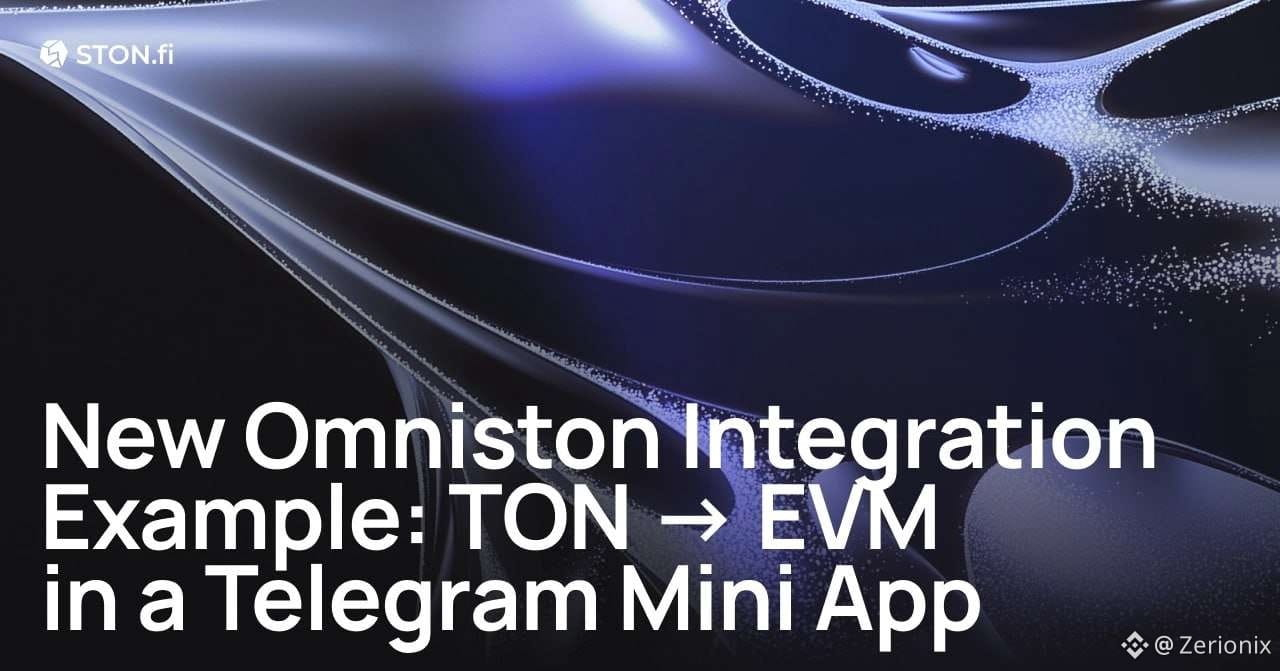
55
·
--
Китай надсилає досить чітке послання користувачам криптовалют.
Міністерство державної безпеки Китаю заявляє, що ідея про те, ніби криптовалюта гарантує анонімність, є ілюзією.
Міністерство вказує на те, що дослідники криптовалют знали роками.
Більшість публічних блокчейнів залишають постійний слід.
Адреси гаманців можуть напряму не розкривати особу, але транзакції все одно можна відстежити по всьому ланцюжку. Коли кошти взаємодіють із біржами, платіжними сервісами чи іншими ідентифікованими точками, додаткова інформація потенційно може зв’язати гаманець із реальною людиною.
Особисто я думаю, що цікава частина — не сама собою заява Китаю.
Це радше нагадування: псевдонімність не означає анонімність.
Біткоїн не приховує транзакції. Він записує їх назавжди.
Саме тому аналітика блокчейну перетворилася на такий великий індустріальний напрям. Та сама прозорість, яка робить криптовалюту привабливою, може також спростити розслідування певних типів фінансової активності.
Звісно, мережі, орієнтовані на конфіденційність, і інструменти приватності — це зовсім інша розмова. Не кожна криптотрнзакція однаково піддається відстеженню.
Але думка про те, що ви просто переказуєте гроші onchain і стаєте невидимими?
Стає дедалі важче це захищати.
Криптовалюта дає вам публічний реєстр.
Головне питання — скільки з вашої ідентичності в кінцевому підсумку можна буде з ним пов’язати.
$BTC #BTC Price Analysis# $XRP
Китай надсилає досить чітке послання користувачам криптовалют.
Міністерство державної безпеки Китаю заявляє, що ідея про те, ніби криптовалюта гарантує анонімність, є ілюзією.
Міністерство вказує на те, що дослідники криптовалют знали роками.
Більшість публічних блокчейнів залишають постійний слід.
Адреси гаманців можуть напряму не розкривати особу, але транзакції все одно можна відстежити по всьому ланцюжку. Коли кошти взаємодіють із біржами, платіжними сервісами чи іншими ідентифікованими точками, додаткова інформація потенційно може зв’язати гаманець із реальною людиною.
Особисто я думаю, що цікава частина — не сама собою заява Китаю.
Це радше нагадування: псевдонімність не означає анонімність.
Біткоїн не приховує транзакції. Він записує їх назавжди.
Саме тому аналітика блокчейну перетворилася на такий великий індустріальний напрям. Та сама прозорість, яка робить криптовалюту привабливою, може також спростити розслідування певних типів фінансової активності.
Звісно, мережі, орієнтовані на конфіденційність, і інструменти приватності — це зовсім інша розмова. Не кожна криптотрнзакція однаково піддається відстеженню.
Але думка про те, що ви просто переказуєте гроші onchain і стаєте невидимими?
Стає дедалі важче це захищати.
Криптовалюта дає вам публічний реєстр.
Головне питання — скільки з вашої ідентичності в кінцевому підсумку можна буде з ним пов’язати.
$BTC #BTC Price Analysis# $XRP
Міністерство державної безпеки Китаю заявляє, що ідея про те, ніби криптовалюта гарантує анонімність, є ілюзією.
Міністерство вказує на те, що дослідники криптовалют знали роками.
Більшість публічних блокчейнів залишають постійний слід.
Адреси гаманців можуть напряму не розкривати особу, але транзакції все одно можна відстежити по всьому ланцюжку. Коли кошти взаємодіють із біржами, платіжними сервісами чи іншими ідентифікованими точками, додаткова інформація потенційно може зв’язати гаманець із реальною людиною.
Особисто я думаю, що цікава частина — не сама собою заява Китаю.
Це радше нагадування: псевдонімність не означає анонімність.
Біткоїн не приховує транзакції. Він записує їх назавжди.
Саме тому аналітика блокчейну перетворилася на такий великий індустріальний напрям. Та сама прозорість, яка робить криптовалюту привабливою, може також спростити розслідування певних типів фінансової активності.
Звісно, мережі, орієнтовані на конфіденційність, і інструменти приватності — це зовсім інша розмова. Не кожна криптотрнзакція однаково піддається відстеженню.
Але думка про те, що ви просто переказуєте гроші onchain і стаєте невидимими?
Стає дедалі важче це захищати.
Криптовалюта дає вам публічний реєстр.
Головне питання — скільки з вашої ідентичності в кінцевому підсумку можна буде з ним пов’язати.
$BTC #BTC Price Analysis# $XRP
80
·
--
Біржовий фонд Bitwise на NEAR пройшов вимоги лістингу на NYSE Arca під тикером $NRR.
Це вже дає NEAR те, чого раніше не було.
Регульований шлях для традиційних інвесторів отримати доступ до цього активу.
Але Bitwise на цьому не зупинився.
Компанія також оприлюднила 39-сторінковий інвестиційний звіт по NEAR із дуже оптимістичними довгостроковими сценаріями.
У базовому сценарії NEAR досягає $155 до 2030 року, тоді як у найекстремальнішому бичачому — $562. У цьому ж звіті є й ведмежий сценарій приблизно $1,63, тож це не зовсім гарантована ціль «на Місяць».
Особисто для мене ETF важливіший за цільові цінові рівні.
$155 чи $562 значною мірою залежать від припущень щодо прийняття, використання мережі та зростання екосистеми NEAR. Це радше сценарії, а не обіцянки.
ETF — інша річ.
Він створює реальний фінансовий «коридор» для капіталу, щоб отримувати доступ до NEAR через традиційні ринки.
І оскільки фонд розроблений для стейкінгу своїх холдингів NEAR, продукт також додає стейкінговий вплив у структуру ETF.
Тепер реальне питання в тому, чи інституційний доступ перетворюється на стійкий попит.
Наратив стає масштабнішим.
Подивімося, чи за ліквідністю все піде
#BTC Price Analysis# #Altcoin Season# $NEAR
Біржовий фонд Bitwise на NEAR пройшов вимоги лістингу на NYSE Arca під тикером $NRR.
Це вже дає NEAR те, чого раніше не було.
Регульований шлях для традиційних інвесторів отримати доступ до цього активу.
Але Bitwise на цьому не зупинився.
Компанія також оприлюднила 39-сторінковий інвестиційний звіт по NEAR із дуже оптимістичними довгостроковими сценаріями.
У базовому сценарії NEAR досягає $155 до 2030 року, тоді як у найекстремальнішому бичачому — $562. У цьому ж звіті є й ведмежий сценарій приблизно $1,63, тож це не зовсім гарантована ціль «на Місяць».
Особисто для мене ETF важливіший за цільові цінові рівні.
$155 чи $562 значною мірою залежать від припущень щодо прийняття, використання мережі та зростання екосистеми NEAR. Це радше сценарії, а не обіцянки.
ETF — інша річ.
Він створює реальний фінансовий «коридор» для капіталу, щоб отримувати доступ до NEAR через традиційні ринки.
І оскільки фонд розроблений для стейкінгу своїх холдингів NEAR, продукт також додає стейкінговий вплив у структуру ETF.
Тепер реальне питання в тому, чи інституційний доступ перетворюється на стійкий попит.
Наратив стає масштабнішим.
Подивімося, чи за ліквідністю все піде
#BTC Price Analysis# #Altcoin Season# $NEAR
Це вже дає NEAR те, чого раніше не було.
Регульований шлях для традиційних інвесторів отримати доступ до цього активу.
Але Bitwise на цьому не зупинився.
Компанія також оприлюднила 39-сторінковий інвестиційний звіт по NEAR із дуже оптимістичними довгостроковими сценаріями.
У базовому сценарії NEAR досягає $155 до 2030 року, тоді як у найекстремальнішому бичачому — $562. У цьому ж звіті є й ведмежий сценарій приблизно $1,63, тож це не зовсім гарантована ціль «на Місяць».
Особисто для мене ETF важливіший за цільові цінові рівні.
$155 чи $562 значною мірою залежать від припущень щодо прийняття, використання мережі та зростання екосистеми NEAR. Це радше сценарії, а не обіцянки.
ETF — інша річ.
Він створює реальний фінансовий «коридор» для капіталу, щоб отримувати доступ до NEAR через традиційні ринки.
І оскільки фонд розроблений для стейкінгу своїх холдингів NEAR, продукт також додає стейкінговий вплив у структуру ETF.
Тепер реальне питання в тому, чи інституційний доступ перетворюється на стійкий попит.
Наратив стає масштабнішим.
Подивімося, чи за ліквідністю все піде
#BTC Price Analysis# #Altcoin Season# $NEAR

63
·
--
Раніше я думав, що найскладніша частина DeFi-обміну — це подати транзакцію.
Натискаєш підтвердити, чекаєш на блокчейн, і якщо все проходить — на цьому все.
Але кросчейн-виконання змусило мене зрозуміти, що є ще одна не менш важлива частина процесу: як саме відбувається розрахунок за угодою.
Коли активи переміщуються між різними мережами, не можна просто припустити, що обидві сторони завершать все точно в той самий момент.
Саме тут важливою стає дизайн-логіка розрахунку.
З Omniston кросчейн-виконання використовує пов’язані HTLC, тож дві сторони угоди з’єднані однією й тією самою умовою розрахунку.
Цікавим є те, що відбувається, коли все йде не ідеально.
Якщо потрібна умова виконується — угода може бути врегульована. Якщо ж вона не завершиться в межах відповідного часу, заблоковані активи отримують шлях для повернення коштів.
Це звучить як технічна деталь, але я вважаю, що насправді це одна з тих речей, про які користувачі мають піклуватися найбільше.
Бо «кросчейн» не повинно означати лише переміщення вартості між двома мережами.
Це також має означати наявність чіткої відповіді на запитання:
Що станеться, якщо щось піде не так?
Ось саме це — частина архітектури STONfi Omniston, яка мені видається цікавою.
Користувач отримує простий досвід свопу, а під капотом працює механізм розрахунку, створений навколо завершення обох сторін або надання відповідним коштам можливості повернутися.
Чим плавнішим DeFi стає на поверхні, тим важливішими стають ці невидимі механіки всередині.
І я звертаю на це дедалі більше уваги.
Досліджуйте Omniston → https://ston.fi/omniston
$ZEC #Price Analysis# $GRAM #Altcoin Season#
Раніше я думав, що найскладніша частина DeFi-обміну — це подати транзакцію.
Натискаєш підтвердити, чекаєш на блокчейн, і якщо все проходить — на цьому все.
Але кросчейн-виконання змусило мене зрозуміти, що є ще одна не менш важлива частина процесу: як саме відбувається розрахунок за угодою.
Коли активи переміщуються між різними мережами, не можна просто припустити, що обидві сторони завершать все точно в той самий момент.
Саме тут важливою стає дизайн-логіка розрахунку.
З Omniston кросчейн-виконання використовує пов’язані HTLC, тож дві сторони угоди з’єднані однією й тією самою умовою розрахунку.
Цікавим є те, що відбувається, коли все йде не ідеально.
Якщо потрібна умова виконується — угода може бути врегульована. Якщо ж вона не завершиться в межах відповідного часу, заблоковані активи отримують шлях для повернення коштів.
Це звучить як технічна деталь, але я вважаю, що насправді це одна з тих речей, про які користувачі мають піклуватися найбільше.
Бо «кросчейн» не повинно означати лише переміщення вартості між двома мережами.
Це також має означати наявність чіткої відповіді на запитання:
Що станеться, якщо щось піде не так?
Ось саме це — частина архітектури STONfi Omniston, яка мені видається цікавою.
Користувач отримує простий досвід свопу, а під капотом працює механізм розрахунку, створений навколо завершення обох сторін або надання відповідним коштам можливості повернутися.
Чим плавнішим DeFi стає на поверхні, тим важливішими стають ці невидимі механіки всередині.
І я звертаю на це дедалі більше уваги.
Досліджуйте Omniston → https://ston.fi/omniston
$ZEC #Price Analysis# $GRAM #Altcoin Season#
Натискаєш підтвердити, чекаєш на блокчейн, і якщо все проходить — на цьому все.
Але кросчейн-виконання змусило мене зрозуміти, що є ще одна не менш важлива частина процесу: як саме відбувається розрахунок за угодою.
Коли активи переміщуються між різними мережами, не можна просто припустити, що обидві сторони завершать все точно в той самий момент.
Саме тут важливою стає дизайн-логіка розрахунку.
З Omniston кросчейн-виконання використовує пов’язані HTLC, тож дві сторони угоди з’єднані однією й тією самою умовою розрахунку.
Цікавим є те, що відбувається, коли все йде не ідеально.
Якщо потрібна умова виконується — угода може бути врегульована. Якщо ж вона не завершиться в межах відповідного часу, заблоковані активи отримують шлях для повернення коштів.
Це звучить як технічна деталь, але я вважаю, що насправді це одна з тих речей, про які користувачі мають піклуватися найбільше.
Бо «кросчейн» не повинно означати лише переміщення вартості між двома мережами.
Це також має означати наявність чіткої відповіді на запитання:
Що станеться, якщо щось піде не так?
Ось саме це — частина архітектури STONfi Omniston, яка мені видається цікавою.
Користувач отримує простий досвід свопу, а під капотом працює механізм розрахунку, створений навколо завершення обох сторін або надання відповідним коштам можливості повернутися.
Чим плавнішим DeFi стає на поверхні, тим важливішими стають ці невидимі механіки всередині.
І я звертаю на це дедалі більше уваги.
Досліджуйте Omniston → https://ston.fi/omniston
$ZEC #Price Analysis# $GRAM #Altcoin Season#
90
Увійдіть, щоб переглянути інший контент
Приєднуйтесь до користувачів криптовалют по всьому світу на Binance Square
⚡️ Отримуйте актуальну та корисну інформацію про криптовалюти.
💬 Приєднуйтесь до найбільшої у світі криптобіржі.
👍 Відкрийте справжні ідеї від перевірених авторів.
Електронна пошта / номер телефону