
#trapped
trapped
110,401 переглядів
28 обговорюють
Популярні
Найсвіжіші

·
--
Оптимістично
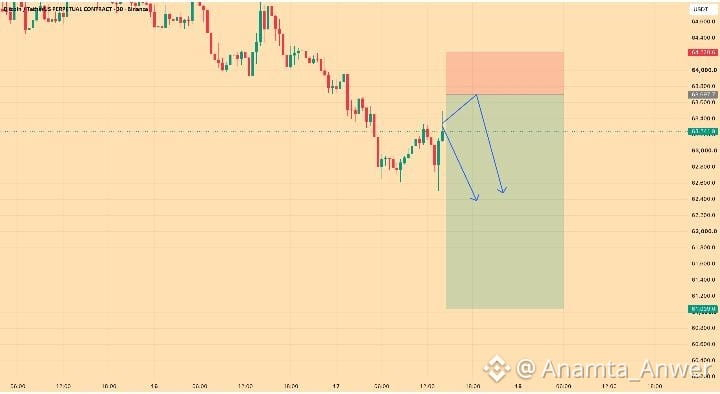
$BTC Готові до великого падіння? Ведмеді набирають імпульс
Біткоїн стикається зі зростаючим тиском продажів, оскільки бичачий імпульс починає згасати.
Опір і надалі тримається міцно
Нижчі максимуми вказують на ослаблення попиту
Індикатори імпульсу переходять у ведмежий режим
Прорив може спричинити різку корекцію
Чи втратить BTC підтримку та піде нижче, чи бики зможуть повернути контроль?
TP: 62.427-61.605-60.782
{future}(BTCUSDT)
#bitcoin #downtrend #trapped
$BTC Готові до великого падіння? Ведмеді набирають імпульс
Біткоїн стикається зі зростаючим тиском продажів, оскільки бичачий імпульс починає згасати.
Опір і надалі тримається міцно
Нижчі максимуми вказують на ослаблення попиту
Індикатори імпульсу переходять у ведмежий режим
Прорив може спричинити різку корекцію
Чи втратить BTC підтримку та піде нижче, чи бики зможуть повернути контроль?
TP: 62.427-61.605-60.782
#bitcoin #downtrend #trapped
112

·
--
Переглянути переклад
#trapped been started be careful #MarketMeltdown
#trapped been started be careful #MarketMeltdown
62


Стаття
Переглянути переклад
$6.36 Billion Crypto Heist in 20 Minutes? North Korean Hackers Allegedly Target BinanceA reported cryptocurrency security breach has raised serious concerns across the digital asset industry, with investigators pointing to North Korea-linked hackers and potential losses worth billions of dollars.
According to the claims outlined in the investigation, attackers allegedly stole approximately $6.36 billion in cryptocurrency from Binance in just 20 minutes, potentially making it one of the largest crypto thefts in history. The incident has been linked to TraderTraitor, a hacking operation associated with North Korea's notorious Lazarus Group.
How Did the Attack Happen?
Blockchain intelligence firm TRM Labs investigates cryptocurrency-related crimes and traces suspicious transactions across blockchain networks. The reported findings attribute the attack to North Korea-linked hackers, although such attribution should be distinguished from an independently confirmed conclusion.
The alleged attack began on October 29 at 20:05 UTC and reportedly involved multiple blockchain networks. Rather than simply stealing private wallet keys, the attackers allegedly exploited access to Binance's internal systems to gain control over a major wallet.
According to the account, the attackers compromised an engineer's laptop and used that access to interfere with the wallet authorization process.
In simple terms, the attackers may not have broken the lock itself. Instead, they allegedly obtained the authority needed to open it.
Millions and Billions Across Multiple Blockchains
The reported stolen assets were spread across several blockchain networks, including Ethereum, Bitcoin, Tron and XRP Ledger.
The figures cited in the account are:
Ethereum: $3.79 billionBitcoin: $1.47 billionTron: $628 millionXRP Ledger: $296 million
These figures total approximately $6.184 billion, rather than $6.36 billion, leaving a discrepancy that requires clarification. The reported breakdown should therefore be independently verified before being treated as a confirmed loss.
Exploiting Wallet Authorization
One particularly concerning aspect of the alleged attack is the method used to obtain wallet control.
Ethereum supports smart contracts and programmable wallet systems that can delegate certain permissions to other addresses or programs. If an attacker compromises the authorization process, they may be able to exploit legitimate wallet functionality for malicious purposes.
The account alleges that attackers submitted multiple authorization requests until one succeeded, allowing a malicious program to control a major Binance wallet. Funds subsequently entering that wallet were reportedly redirected to addresses controlled by the attackers.
If accurate, the incident would highlight a critical security lesson: protecting private keys alone is not enough. Exchanges must also secure employee devices, internal authorization systems, smart-contract permissions and transaction-monitoring processes.
A Reported Delay in Revoking Access
Another alarming claim is that the compromised access remained active for approximately three hours and 50 minutes after Binance suspended withdrawals.
If confirmed, this would raise questions about incident-response procedures, emergency access revocation and the effectiveness of safeguards designed to contain a breach.
However, the precise timeline and technical details require confirmation from reliable primary sources.
North Korea's Growing Role in Crypto Crime
North Korea-linked hacking groups have been associated with several major cryptocurrency thefts. Their operations are frequently investigated by blockchain analytics firms and international cybersecurity agencies because stolen digital assets can be moved across multiple networks and converted through complex transaction routes.
The account also compares the alleged incident with the approximately $1.5 billion Bybit hack reported in 2025, which was attributed to North Korea-linked attackers. A $6.36 billion loss would be more than four times that amount, making verification of the figures especially important.
Can the Stolen Funds Be Recovered?
The account states that Binance would cover the losses through its SAFU emergency fund and company reserves. It also claims that Tether, Circle and other companies helped freeze approximately $3 billion in assets.
These are significant claims that should be confirmed through official announcements. Freezing assets does not necessarily mean the funds have been permanently recovered or returned to their owners.
If such a breach occurred at the scale described, it would test the ability of cryptocurrency exchanges, stablecoin issuers, blockchain investigators and law-enforcement agencies to coordinate their response across multiple networks.
What Does This Mean for the Crypto Industry?
The reported incident underscores several important lessons for cryptocurrency businesses:
Internal security matters: Employee laptops and privileged access can become critical points of failure.Wallet permissions must be monitored: Smart-contract functionality can introduce risks if authorization controls are compromised.Emergency controls must work quickly: Exchanges need mechanisms to revoke access and isolate compromised systems immediately.Blockchain transparency can help investigations: Public transaction records may allow investigators to trace stolen assets, although tracing does not guarantee recovery.Claims require independent verification: Reported losses, attribution and recovery figures should be confirmed before investors and the public treat them as established facts.
Final Thoughts
A cryptocurrency theft on the scale described would be a landmark event for the digital asset industry. But the alleged $6.36 billion Binance breach, the technical attack details and the claimed recovery measures must be verified against official Binance statements and credible investigative reporting before being presented as confirmed facts.
The broader lesson remains clear: in cryptocurrency security, protecting funds requires more than securing wallets. It also requires strong internal controls, carefully managed permissions and a rapid response to suspicious activity.
$BNB
#BNB_Market_Update #Binance #cryptouniverseofficial #Hacked #trapped
$6.36 Billion Crypto Heist in 20 Minutes? North Korean Hackers Allegedly Target Binance
A reported cryptocurrency security breach has raised serious concerns across the digital asset industry, with investigators pointing to North Korea-linked hackers and potential losses worth billions of dollars.
According to the claims outlined in the investigation, attackers allegedly stole approximately $6.36 billion in cryptocurrency from Binance in just 20 minutes, potentially making it one of the largest crypto thefts in history. The incident has been linked to TraderTraitor, a hacking operation associated with North Korea's notorious Lazarus Group.
How Did the Attack Happen?
Blockchain intelligence firm TRM Labs investigates cryptocurrency-related crimes and traces suspicious transactions across blockchain networks. The reported findings attribute the attack to North Korea-linked hackers, although such attribution should be distinguished from an independently confirmed conclusion.
The alleged attack began on October 29 at 20:05 UTC and reportedly involved multiple blockchain networks. Rather than simply stealing private wallet keys, the attackers allegedly exploited access to Binance's internal systems to gain control over a major wallet.
According to the account, the attackers compromised an engineer's laptop and used that access to interfere with the wallet authorization process.
In simple terms, the attackers may not have broken the lock itself. Instead, they allegedly obtained the authority needed to open it.
Millions and Billions Across Multiple Blockchains
The reported stolen assets were spread across several blockchain networks, including Ethereum, Bitcoin, Tron and XRP Ledger.
The figures cited in the account are:
Ethereum: $3.79 billionBitcoin: $1.47 billionTron: $628 millionXRP Ledger: $296 million
These figures total approximately $6.184 billion, rather than $6.36 billion, leaving a discrepancy that requires clarification. The reported breakdown should therefore be independently verified before being treated as a confirmed loss.
Exploiting Wallet Authorization
One particularly concerning aspect of the alleged attack is the method used to obtain wallet control.
Ethereum supports smart contracts and programmable wallet systems that can delegate certain permissions to other addresses or programs. If an attacker compromises the authorization process, they may be able to exploit legitimate wallet functionality for malicious purposes.
The account alleges that attackers submitted multiple authorization requests until one succeeded, allowing a malicious program to control a major Binance wallet. Funds subsequently entering that wallet were reportedly redirected to addresses controlled by the attackers.
If accurate, the incident would highlight a critical security lesson: protecting private keys alone is not enough. Exchanges must also secure employee devices, internal authorization systems, smart-contract permissions and transaction-monitoring processes.
A Reported Delay in Revoking Access
Another alarming claim is that the compromised access remained active for approximately three hours and 50 minutes after Binance suspended withdrawals.
If confirmed, this would raise questions about incident-response procedures, emergency access revocation and the effectiveness of safeguards designed to contain a breach.
However, the precise timeline and technical details require confirmation from reliable primary sources.
North Korea's Growing Role in Crypto Crime
North Korea-linked hacking groups have been associated with several major cryptocurrency thefts. Their operations are frequently investigated by blockchain analytics firms and international cybersecurity agencies because stolen digital assets can be moved across multiple networks and converted through complex transaction routes.
The account also compares the alleged incident with the approximately $1.5 billion Bybit hack reported in 2025, which was attributed to North Korea-linked attackers. A $6.36 billion loss would be more than four times that amount, making verification of the figures especially important.
Can the Stolen Funds Be Recovered?
The account states that Binance would cover the losses through its SAFU emergency fund and company reserves. It also claims that Tether, Circle and other companies helped freeze approximately $3 billion in assets.
These are significant claims that should be confirmed through official announcements. Freezing assets does not necessarily mean the funds have been permanently recovered or returned to their owners.
If such a breach occurred at the scale described, it would test the ability of cryptocurrency exchanges, stablecoin issuers, blockchain investigators and law-enforcement agencies to coordinate their response across multiple networks.
What Does This Mean for the Crypto Industry?
The reported incident underscores several important lessons for cryptocurrency businesses:
Internal security matters: Employee laptops and privileged access can become critical points of failure.Wallet permissions must be monitored: Smart-contract functionality can introduce risks if authorization controls are compromised.Emergency controls must work quickly: Exchanges need mechanisms to revoke access and isolate compromised systems immediately.Blockchain transparency can help investigations: Public transaction records may allow investigators to trace stolen assets, although tracing does not guarantee recovery.Claims require independent verification: Reported losses, attribution and recovery figures should be confirmed before investors and the public treat them as established facts.
Final Thoughts
A cryptocurrency theft on the scale described would be a landmark event for the digital asset industry. But the alleged $6.36 billion Binance breach, the technical attack details and the claimed recovery measures must be verified against official Binance statements and credible investigative reporting before being presented as confirmed facts.
The broader lesson remains clear: in cryptocurrency security, protecting funds requires more than securing wallets. It also requires strong internal controls, carefully managed permissions and a rapid response to suspicious activity.
$BNB
#BNB_Market_Update #Binance #cryptouniverseofficial #Hacked #trapped
112

·
--
Оптимістично
$GENIUS наразі знаходиться в зоні ліквідності ⚠️
Великі гравці та маркетмейкери зараз виглядають збентеженими 🤔
Якщо вони скинуть ціну, надмірні шорти виграють 📉
Якщо вони піднімуть вище $0.50, ранні інвестори готові продавати оптом 💼
👉 Ось чому ціна застрягла між $0.48 – $0.52
Це не тренд… це зона рішень.
Розумні гроші чекають.
Роздрібні трейдери перевантажують.
Справжній рух відбудеться після того, як цей діапазон прорветься 🚀
Торгуйте обережно. Не потрапте в пастку.
#genius #trapped
{alpha}(560x1f12b85aac097e43aa1555b2881e98a51090e9a6)
$GENIUS наразі знаходиться в зоні ліквідності ⚠️
Великі гравці та маркетмейкери зараз виглядають збентеженими 🤔
Якщо вони скинуть ціну, надмірні шорти виграють 📉
Якщо вони піднімуть вище $0.50, ранні інвестори готові продавати оптом 💼
👉 Ось чому ціна застрягла між $0.48 – $0.52
Це не тренд… це зона рішень.
Розумні гроші чекають.
Роздрібні трейдери перевантажують.
Справжній рух відбудеться після того, як цей діапазон прорветься 🚀
Торгуйте обережно. Не потрапте в пастку.
#genius #trapped
1
258

$BTC знаходиться на критичному перехресті, затиснутому під опором 76K–78.3K. Через більш тривалу ведмежу дивергенцію та пробій висхідного клину ціна під тиском зниження, з ліквідністю на рівнях 73K–71.5K, що діє як сильний магніт. Поки BTC не поверне впевнено 82.4K, ризик зниження залишається високим, залишаючи ринок в роздумах, чи спочатку зметне низи, чи викличе несподіваний ралі. #BearishPattern #ClaimYourReward #MarketLiveUpdate #trapped #PressureBuild
$BTC знаходиться на критичному перехресті, затиснутому під опором 76K–78.3K. Через більш тривалу ведмежу дивергенцію та пробій висхідного клину ціна під тиском зниження, з ліквідністю на рівнях 73K–71.5K, що діє як сильний магніт. Поки BTC не поверне впевнено 82.4K, ризик зниження залишається високим, залишаючи ринок в роздумах, чи спочатку зметне низи, чи викличе несподіваний ралі. #BearishPattern #ClaimYourReward #MarketLiveUpdate #trapped #PressureBuild

136

·
--
Оптимістично
58_Remontada
·
--
Оптимістично$BTTC juga повільно-непомітно починає здійснювати невеликі рухи,варто нам почекати й разом уважно спостерігати,можливо, чи здатен маленький крок, що утворився з $BTTC , забезпечити великий стрибок протягом найближчих кількох днів??як ви вважаєте,$BTTC зможе вільно злетіти в небо чи й далі буде втримуватися на дні??
1
222
Увійдіть, щоб переглянути інший контент
Приєднуйтесь до користувачів криптовалют по всьому світу на Binance Square
⚡️ Отримуйте актуальну та корисну інформацію про криптовалюти.
💬 Приєднуйтесь до найбільшої у світі криптобіржі.
👍 Відкрийте справжні ідеї від перевірених авторів.
Електронна пошта / номер телефону
Трендові теми
1
#fomcвідстеження
120,633 переглядів
538 обговорюють
2
#CryptoSelloffTriggersMultipleWhaleLiquidations
8 переглядів
10 обговорюють
3
#USSpotXRPETFsSeeLargestWeeklyOutflowIn8Months
41,445 переглядів
470 обговорюють
4
#BitcoinActiveSupplyInProfitDropsBelow45%
97,985 переглядів
886 обговорюють
5
#TONStrategyReports$23.97MQ3NetLoss
11,657 переглядів
60 обговорюють
6
#KavaSaysAbnormalActivityLimitedToKavaLend
62,536 переглядів
494 обговорюють
7
#WORPTLetsTouristsConvertCryptoToThaiBaht
12,454 переглядів
132 обговорюють
8
#WhoWillSucceedJensenHuangatNvidia?
212,396 переглядів
1,829 обговорюють
9
#WhatWillDriveCryptoandStocks’NextRebound?
642,228 переглядів
3,657 обговорюють
10
#TradFiForBeginners
756,604 переглядів
4,624 обговорюють