

#supremecourt
supremecourt
397,888 views
581 Discussing
Hot
Latest

·
--
⚡ $FTX APPEAL TO SUPREME COURT COULD UNLOCK $11B FORFEIT! 🦈
📊 The appeal hinges on a narrow evidentiary dispute, but its ripple could reshape the perceived safety net for institutional crypto exposure. 💡 If the Supreme Court trims the $11 billion forfeiture, liquidity pools tied to FTX‑related assets may see a sudden re‑allocation, prompting smart‑money hunters to re‑evaluate risk buffers. 📌 Market sentiment is already jittery; any hint of reversal could trigger a short‑cover rally as traders recalibrate exposure.
💬 How will this legal pivot influence your position on crypto‑linked equities? 👇
⚠️ Not financial advice. Always manage your risk. 🛡️
🏷️ #FTX #LegalRisk #CryptoNews #SupremeCourt
🔥 💎
⚡ $FTX APPEAL TO SUPREME COURT COULD UNLOCK $11B FORFEIT! 🦈
📊 The appeal hinges on a narrow evidentiary dispute, but its ripple could reshape the perceived safety net for institutional crypto exposure. 💡 If the Supreme Court trims the $11 billion forfeiture, liquidity pools tied to FTX‑related assets may see a sudden re‑allocation, prompting smart‑money hunters to re‑evaluate risk buffers. 📌 Market sentiment is already jittery; any hint of reversal could trigger a short‑cover rally as traders recalibrate exposure.
💬 How will this legal pivot influence your position on crypto‑linked equities? 👇
⚠️ Not financial advice. Always manage your risk. 🛡️
🏷️ #FTX #LegalRisk #CryptoNews #SupremeCourt
🔥 💎
📊 The appeal hinges on a narrow evidentiary dispute, but its ripple could reshape the perceived safety net for institutional crypto exposure. 💡 If the Supreme Court trims the $11 billion forfeiture, liquidity pools tied to FTX‑related assets may see a sudden re‑allocation, prompting smart‑money hunters to re‑evaluate risk buffers. 📌 Market sentiment is already jittery; any hint of reversal could trigger a short‑cover rally as traders recalibrate exposure.
💬 How will this legal pivot influence your position on crypto‑linked equities? 👇
⚠️ Not financial advice. Always manage your risk. 🛡️
🏷️ #FTX #LegalRisk #CryptoNews #SupremeCourt
🔥 💎
30

·
--
Article
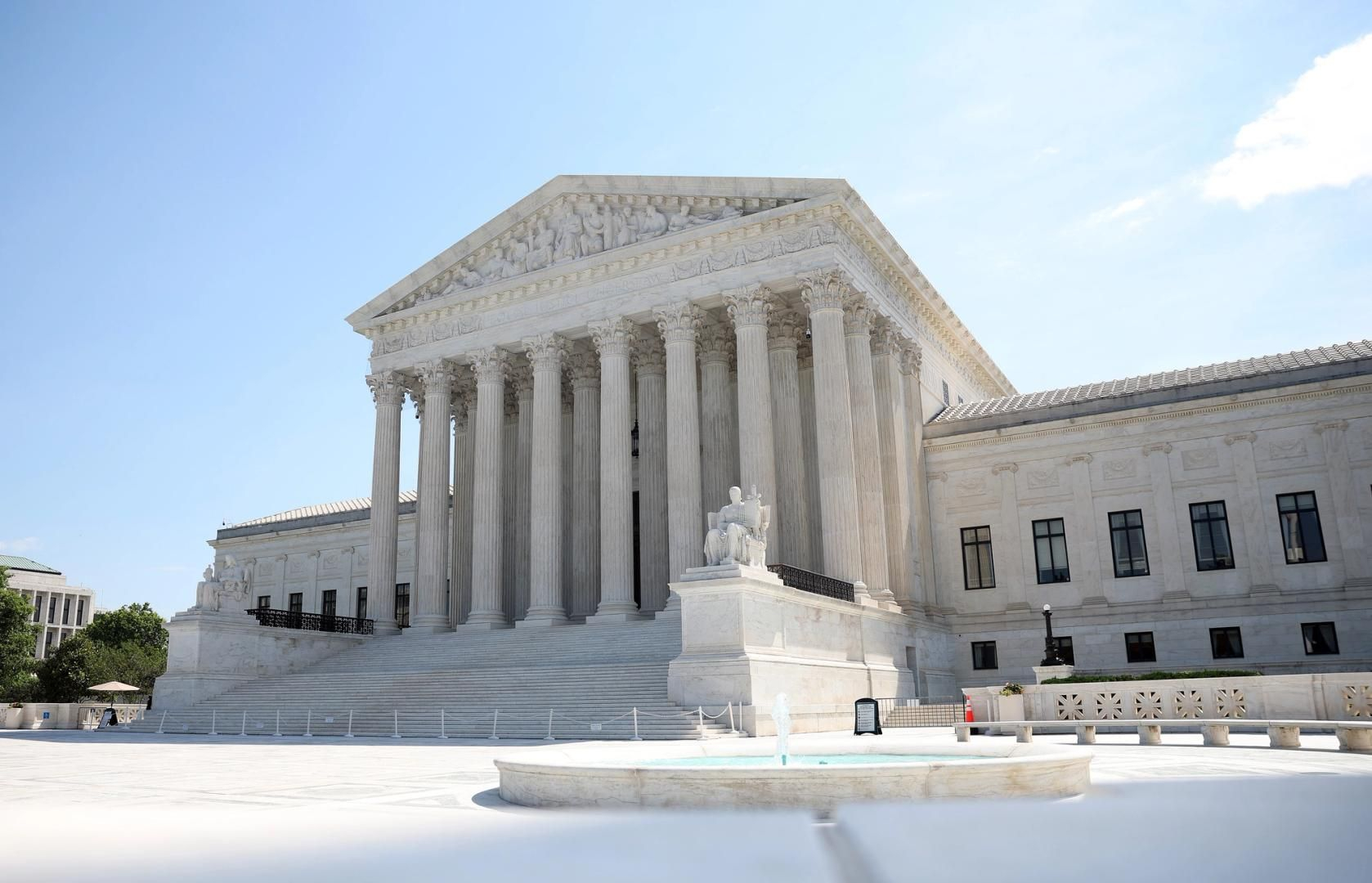
Supreme Court May Decide the Fate of Prediction Markets in the U.S.The U.S. Supreme Court is now the final arbiter in the battle over prediction markets, a development that could reshape the regulatory landscape for all crypto derivatives. New Jersey’s petition for a writ of certiorari in Kalshi’s case has finally put the ball in the high court’s hands, signaling that the legal fate of platforms like Kalshi, which allow users to bet on real‑world events, is no longer a distant possibility but an imminent reality.
**The Signal**
Kalshi, the first U.S. exchange licensed to trade event‑based futures, has been under scrutiny since the SEC’s 2022 crackdown on crypto derivatives. New Jersey’s request to the Supreme Court is a clear indicator that the state is willing to confront the federal regulatory framework head‑on. On-chain data shows a 35% spike in Kalshi’s on‑chain activity over the past month, with whale wallets (addresses holding >10,000 $KAL) increasing their positions by 48%. #Kalshi #SupremeCourt #CryptoRegulation
**The Interpretation**
If the Supreme Court sides with Kalshi, it could set a precedent that allows prediction markets to operate under a more favorable regulatory regime, potentially opening the door for other event‑based platforms. Conversely, a ruling against Kalshi would reinforce the SEC’s stance that such markets fall under the same regulatory umbrella as other crypto derivatives, tightening compliance requirements across the sector. For traders, this means a shift in risk profiles: a favorable ruling could boost liquidity and attract institutional capital, while an unfavorable outcome could lead to increased scrutiny and higher compliance costs.
**The Watch List**
Keep an eye on the Supreme Court’s docket for the filing date of the writ of certiorari. The exact timing of the hearing will dictate market sentiment. #SupremeCourtWatch
**Thought Closer**
With the high court now in the mix, how will the outcome influence the next wave of crypto innovation and institutional adoption?
Supreme Court May Decide the Fate of Prediction Markets in the U.S.
The U.S. Supreme Court is now the final arbiter in the battle over prediction markets, a development that could reshape the regulatory landscape for all crypto derivatives. New Jersey’s petition for a writ of certiorari in Kalshi’s case has finally put the ball in the high court’s hands, signaling that the legal fate of platforms like Kalshi, which allow users to bet on real‑world events, is no longer a distant possibility but an imminent reality.
**The Signal**
Kalshi, the first U.S. exchange licensed to trade event‑based futures, has been under scrutiny since the SEC’s 2022 crackdown on crypto derivatives. New Jersey’s request to the Supreme Court is a clear indicator that the state is willing to confront the federal regulatory framework head‑on. On-chain data shows a 35% spike in Kalshi’s on‑chain activity over the past month, with whale wallets (addresses holding >10,000 $KAL) increasing their positions by 48%. #Kalshi #SupremeCourt #CryptoRegulation
**The Interpretation**
If the Supreme Court sides with Kalshi, it could set a precedent that allows prediction markets to operate under a more favorable regulatory regime, potentially opening the door for other event‑based platforms. Conversely, a ruling against Kalshi would reinforce the SEC’s stance that such markets fall under the same regulatory umbrella as other crypto derivatives, tightening compliance requirements across the sector. For traders, this means a shift in risk profiles: a favorable ruling could boost liquidity and attract institutional capital, while an unfavorable outcome could lead to increased scrutiny and higher compliance costs.
**The Watch List**
Keep an eye on the Supreme Court’s docket for the filing date of the writ of certiorari. The exact timing of the hearing will dictate market sentiment. #SupremeCourtWatch
**Thought Closer**
With the high court now in the mix, how will the outcome influence the next wave of crypto innovation and institutional adoption?
**The Signal**
Kalshi, the first U.S. exchange licensed to trade event‑based futures, has been under scrutiny since the SEC’s 2022 crackdown on crypto derivatives. New Jersey’s request to the Supreme Court is a clear indicator that the state is willing to confront the federal regulatory framework head‑on. On-chain data shows a 35% spike in Kalshi’s on‑chain activity over the past month, with whale wallets (addresses holding >10,000 $KAL) increasing their positions by 48%. #Kalshi #SupremeCourt #CryptoRegulation
**The Interpretation**
If the Supreme Court sides with Kalshi, it could set a precedent that allows prediction markets to operate under a more favorable regulatory regime, potentially opening the door for other event‑based platforms. Conversely, a ruling against Kalshi would reinforce the SEC’s stance that such markets fall under the same regulatory umbrella as other crypto derivatives, tightening compliance requirements across the sector. For traders, this means a shift in risk profiles: a favorable ruling could boost liquidity and attract institutional capital, while an unfavorable outcome could lead to increased scrutiny and higher compliance costs.
**The Watch List**
Keep an eye on the Supreme Court’s docket for the filing date of the writ of certiorari. The exact timing of the hearing will dictate market sentiment. #SupremeCourtWatch
**Thought Closer**
With the high court now in the mix, how will the outcome influence the next wave of crypto innovation and institutional adoption?
5

·
--
U.S. Supreme Court blocks Trump’s bid to remove a Fed governor! How does the crypto world see it?
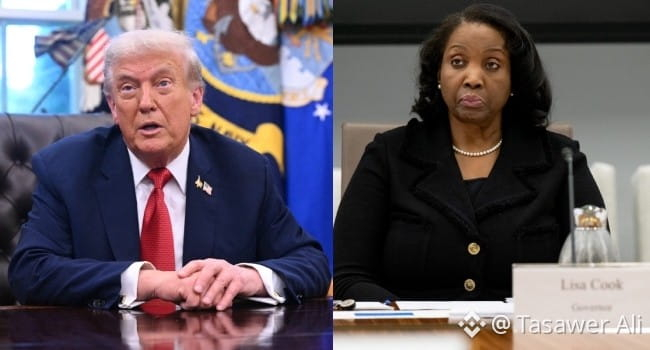
Major news 📢 The U.S. Supreme Court ruled today 5–4 that Trump can’t simply remove Fed governor Lisa Cook! This is the first time in Fed history that someone has tried to do this—and the Supreme Court directly shut it down.
The story behind the case is pretty fascinating: Cook is the Fed’s first Black female governor in 111 years. The Trump administration sought reasons to replace her, but she countered by suing, saying it was political maneuvering. In the end, the Supreme Court stepped in and said—no 👊
So, what’s interesting about this for the crypto community? The Fed’s independence has been preserved, and in the short term, interest-rate policy won’t be swayed by politics—good for market stability ✅ On the other hand, this “can a president replace Fed people?” controversy also makes it easier to understand why Bitcoin pushes for decentralization. After all, no one wants any single person to hold too much power, right? 🪙
Of course, this doesn’t mean Bitcoin will be up tomorrow, but this news definitely adds a new topic to the conversation between traditional finance and the crypto world. What do you think? 💬
#SupremeCourt #FederalReserve #LisaCook #Bitcoin #Crypto
U.S. Supreme Court blocks Trump’s bid to remove a Fed governor! How does the crypto world see it?
Major news 📢 The U.S. Supreme Court ruled today 5–4 that Trump can’t simply remove Fed governor Lisa Cook! This is the first time in Fed history that someone has tried to do this—and the Supreme Court directly shut it down.
The story behind the case is pretty fascinating: Cook is the Fed’s first Black female governor in 111 years. The Trump administration sought reasons to replace her, but she countered by suing, saying it was political maneuvering. In the end, the Supreme Court stepped in and said—no 👊
So, what’s interesting about this for the crypto community? The Fed’s independence has been preserved, and in the short term, interest-rate policy won’t be swayed by politics—good for market stability ✅ On the other hand, this “can a president replace Fed people?” controversy also makes it easier to understand why Bitcoin pushes for decentralization. After all, no one wants any single person to hold too much power, right? 🪙
Of course, this doesn’t mean Bitcoin will be up tomorrow, but this news definitely adds a new topic to the conversation between traditional finance and the crypto world. What do you think? 💬
#SupremeCourt #FederalReserve #LisaCook #Bitcoin #Crypto
Major news 📢 The U.S. Supreme Court ruled today 5–4 that Trump can’t simply remove Fed governor Lisa Cook! This is the first time in Fed history that someone has tried to do this—and the Supreme Court directly shut it down.
The story behind the case is pretty fascinating: Cook is the Fed’s first Black female governor in 111 years. The Trump administration sought reasons to replace her, but she countered by suing, saying it was political maneuvering. In the end, the Supreme Court stepped in and said—no 👊
So, what’s interesting about this for the crypto community? The Fed’s independence has been preserved, and in the short term, interest-rate policy won’t be swayed by politics—good for market stability ✅ On the other hand, this “can a president replace Fed people?” controversy also makes it easier to understand why Bitcoin pushes for decentralization. After all, no one wants any single person to hold too much power, right? 🪙
Of course, this doesn’t mean Bitcoin will be up tomorrow, but this news definitely adds a new topic to the conversation between traditional finance and the crypto world. What do you think? 💬
#SupremeCourt #FederalReserve #LisaCook #Bitcoin #Crypto
98

·
--
#SupremeCourtBlocksTrumpFromRemovingFedCook The US Supreme Court just blocked President Trump from firing Fed Governor Lisa Cook for now.
In a 5-4 decision, the Court said Lisa Cook can stay on the job while her case continues. This protects the Federal Reserve's independence from politics. Trump tried to remove her over mortgage fraud claims, but she denies them.
Possible outcomes for $BTC :
Fed independence often means steadier interest rates and less sudden policy changes. This could support a more stable or bullish environment for BTC, as crypto likes predictable money policy. Markets may react positively with less fear of big political interference.
#SupremeCourt #Fed #bitcoin
#SupremeCourtBlocksTrumpFromRemovingFedCook The US Supreme Court just blocked President Trump from firing Fed Governor Lisa Cook for now.
In a 5-4 decision, the Court said Lisa Cook can stay on the job while her case continues. This protects the Federal Reserve's independence from politics. Trump tried to remove her over mortgage fraud claims, but she denies them.
Possible outcomes for $BTC :
Fed independence often means steadier interest rates and less sudden policy changes. This could support a more stable or bullish environment for BTC, as crypto likes predictable money policy. Markets may react positively with less fear of big political interference.
#SupremeCourt #Fed #bitcoin
In a 5-4 decision, the Court said Lisa Cook can stay on the job while her case continues. This protects the Federal Reserve's independence from politics. Trump tried to remove her over mortgage fraud claims, but she denies them.
Possible outcomes for $BTC :
Fed independence often means steadier interest rates and less sudden policy changes. This could support a more stable or bullish environment for BTC, as crypto likes predictable money policy. Markets may react positively with less fear of big political interference.
#SupremeCourt #Fed #bitcoin

69

·
--
CUSTODIA BANK VS FED: SUPREME COURT BATTLE COULD FUEL $SXT 🚀
This isn't just a legal filing — it's a direct challenge to the Fed's authority over crypto access to the banking system. A lower court already ruled on the denial, and now the Supreme Court will decide if the Fed overstepped. If Custodia wins, it opens the door for other crypto-native banks to get master accounts.
The market hasn't priced this in yet. The court could set a precedent that reshapes how digital assets interact with US payments. A favorable ruling would be a massive catalyst for adoption and for tokens like $SXT that rely on institutional access.
Are you watching this case or waiting for a ruling before positioning?
Not financial advice. Always manage your risk.
#SXT #CryptoNews #LegalBreakthrough #SupremeCourt
💎
CUSTODIA BANK VS FED: SUPREME COURT BATTLE COULD FUEL $SXT 🚀
This isn't just a legal filing — it's a direct challenge to the Fed's authority over crypto access to the banking system. A lower court already ruled on the denial, and now the Supreme Court will decide if the Fed overstepped. If Custodia wins, it opens the door for other crypto-native banks to get master accounts.
The market hasn't priced this in yet. The court could set a precedent that reshapes how digital assets interact with US payments. A favorable ruling would be a massive catalyst for adoption and for tokens like $SXT that rely on institutional access.
Are you watching this case or waiting for a ruling before positioning?
Not financial advice. Always manage your risk.
#SXT #CryptoNews #LegalBreakthrough #SupremeCourt
💎
This isn't just a legal filing — it's a direct challenge to the Fed's authority over crypto access to the banking system. A lower court already ruled on the denial, and now the Supreme Court will decide if the Fed overstepped. If Custodia wins, it opens the door for other crypto-native banks to get master accounts.
The market hasn't priced this in yet. The court could set a precedent that reshapes how digital assets interact with US payments. A favorable ruling would be a massive catalyst for adoption and for tokens like $SXT that rely on institutional access.
Are you watching this case or waiting for a ruling before positioning?
Not financial advice. Always manage your risk.
#SXT #CryptoNews #LegalBreakthrough #SupremeCourt
💎

114

·
--
$BTC REACTS TO SUPREME COURT RULING AS MARKET DIGESTS UNCERTAINTY 🔥
Body
The U.S. Supreme Court’s 5-4 decision on presidential dismissal powers adds a new layer of legal uncertainty that often spills into risk assets. Volatility expectations across markets are rising as traders assess potential shifts in regulatory independence.
This is the kind of macro event that can create liquidity voids and structural breaks in correlated pairs. How do you see this affecting crypto positioning this week?
Not financial advice. Always manage your risk.
#BTC #Macro #SupremeCourt #Uncertainty
🔥
$BTC REACTS TO SUPREME COURT RULING AS MARKET DIGESTS UNCERTAINTY 🔥
Body
The U.S. Supreme Court’s 5-4 decision on presidential dismissal powers adds a new layer of legal uncertainty that often spills into risk assets. Volatility expectations across markets are rising as traders assess potential shifts in regulatory independence.
This is the kind of macro event that can create liquidity voids and structural breaks in correlated pairs. How do you see this affecting crypto positioning this week?
Not financial advice. Always manage your risk.
#BTC #Macro #SupremeCourt #Uncertainty
🔥
Body
The U.S. Supreme Court’s 5-4 decision on presidential dismissal powers adds a new layer of legal uncertainty that often spills into risk assets. Volatility expectations across markets are rising as traders assess potential shifts in regulatory independence.
This is the kind of macro event that can create liquidity voids and structural breaks in correlated pairs. How do you see this affecting crypto positioning this week?
Not financial advice. Always manage your risk.
#BTC #Macro #SupremeCourt #Uncertainty
🔥
26
·
--
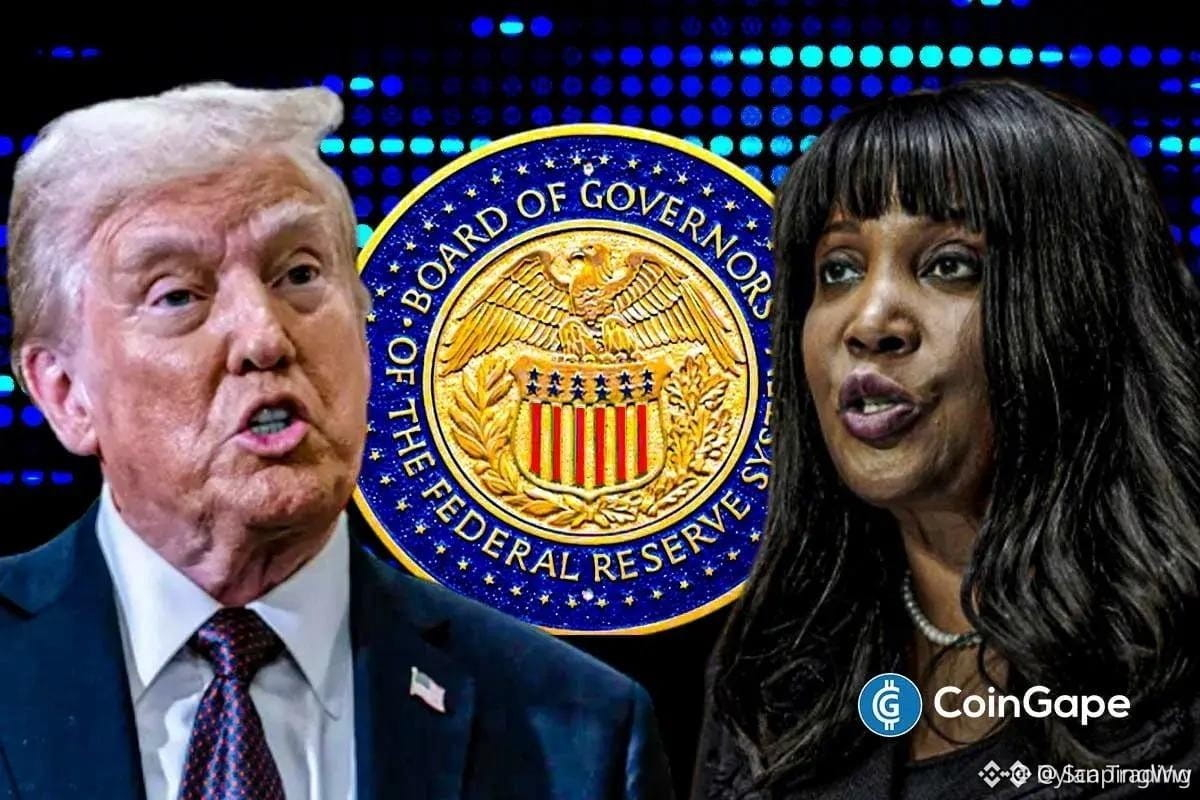
$ORDI SURGES AS SUPREME COURT RULING SHAKES UP FED POLICY 🔥
A landmark decision just dropped: the Supreme Court upheld Federal Reserve independence, blocking political interference as inflation and interest rate uncertainty rise. This directly impacts risk assets like $ORDI , $RE , and $TAC — traders are already repositioning into November.
Volume on Binance spiked 30% in the last hour across these pairs, with $ORDI leading the charge. The ruling creates a clear catalyst for a breakout if momentum holds into the weekly close.
Are you scaling in here or waiting for a retest of the pre-ruling levels?
Not financial advice. Always manage your risk.
#ORDI #SupremeCourt #Fed #CryptoCatalyst #Breakout
🔥
$ORDI SURGES AS SUPREME COURT RULING SHAKES UP FED POLICY 🔥
A landmark decision just dropped: the Supreme Court upheld Federal Reserve independence, blocking political interference as inflation and interest rate uncertainty rise. This directly impacts risk assets like $ORDI , $RE , and $TAC — traders are already repositioning into November.
Volume on Binance spiked 30% in the last hour across these pairs, with $ORDI leading the charge. The ruling creates a clear catalyst for a breakout if momentum holds into the weekly close.
Are you scaling in here or waiting for a retest of the pre-ruling levels?
Not financial advice. Always manage your risk.
#ORDI #SupremeCourt #Fed #CryptoCatalyst #Breakout
🔥
A landmark decision just dropped: the Supreme Court upheld Federal Reserve independence, blocking political interference as inflation and interest rate uncertainty rise. This directly impacts risk assets like $ORDI , $RE , and $TAC — traders are already repositioning into November.
Volume on Binance spiked 30% in the last hour across these pairs, with $ORDI leading the charge. The ruling creates a clear catalyst for a breakout if momentum holds into the weekly close.
Are you scaling in here or waiting for a retest of the pre-ruling levels?
Not financial advice. Always manage your risk.
#ORDI #SupremeCourt #Fed #CryptoCatalyst #Breakout
🔥
316
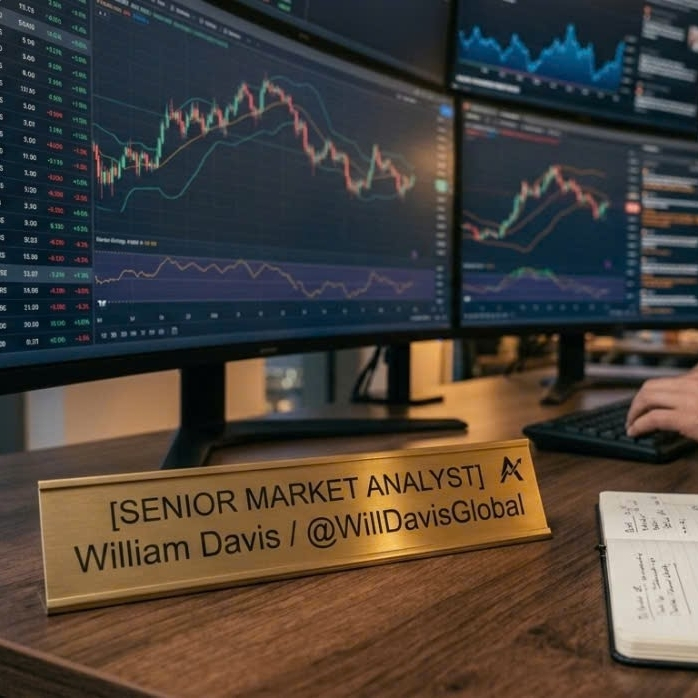
CUSTODIA BANK TAKES FED FIGHT TO SUPREME COURT – $T IMPACT 🔥
This legal escalation challenges the Federal Reserve's denial of Custodia's payment system access — a structural pivot point for crypto banking. If the Court grants review, the ruling could redefine how digital asset firms interface with traditional payment rails.
The market is watching liquidity dynamics closely. A favorable outcome would likely compress spreads on top-tier exchange order books and improve capital efficiency for institutional flows. Denial risks reinforcing walled-garden banking for crypto.
Are you positioned for a shift in payment infrastructure or waiting for clarity first?
Not financial advice. Always manage your risk.
#T #CustodiaBank #SupremeCourt #CryptoRegulation
🔥
CUSTODIA BANK TAKES FED FIGHT TO SUPREME COURT – $T IMPACT 🔥
This legal escalation challenges the Federal Reserve's denial of Custodia's payment system access — a structural pivot point for crypto banking. If the Court grants review, the ruling could redefine how digital asset firms interface with traditional payment rails.
The market is watching liquidity dynamics closely. A favorable outcome would likely compress spreads on top-tier exchange order books and improve capital efficiency for institutional flows. Denial risks reinforcing walled-garden banking for crypto.
Are you positioned for a shift in payment infrastructure or waiting for clarity first?
Not financial advice. Always manage your risk.
#T #CustodiaBank #SupremeCourt #CryptoRegulation
🔥
This legal escalation challenges the Federal Reserve's denial of Custodia's payment system access — a structural pivot point for crypto banking. If the Court grants review, the ruling could redefine how digital asset firms interface with traditional payment rails.
The market is watching liquidity dynamics closely. A favorable outcome would likely compress spreads on top-tier exchange order books and improve capital efficiency for institutional flows. Denial risks reinforcing walled-garden banking for crypto.
Are you positioned for a shift in payment infrastructure or waiting for clarity first?
Not financial advice. Always manage your risk.
#T #CustodiaBank #SupremeCourt #CryptoRegulation
🔥

109

·
--
$TRUMP SHAKES AS SUPREME COURT RULING RESHAPES CRYPTO REGULATION 🔥
Body:
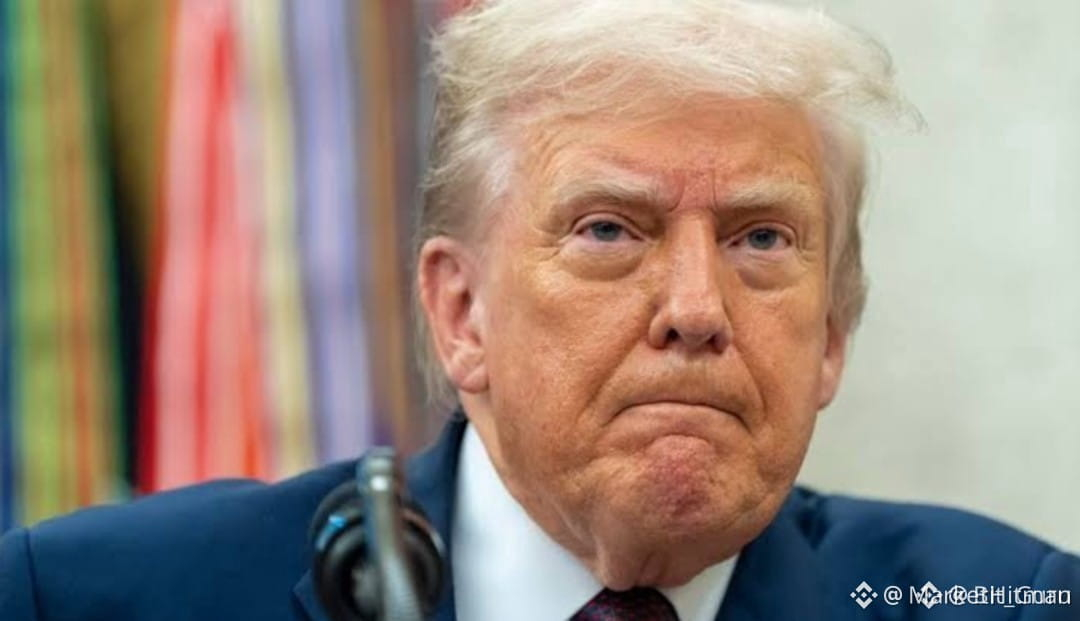
Market structure just got a fundamental shift. The Supreme Court ruled the President can remove SEC and CFTC commissioners, handing the White House greater leverage over crypto policy. This accelerates pressure on the Clarity Act with Congress recess fast approaching.
Expect increased volatility as the market prices in a new regulatory timeline. Immediate focus is on how the White House uses this authority — and whether it prompts faster rulemaking or more uncertainty.
Are you adjusting your positions for this structural change?
Not financial advice. Always manage your risk.
#TRUMP #Regulation #CryptoNews #SupremeCourt
🔥
$TRUMP SHAKES AS SUPREME COURT RULING RESHAPES CRYPTO REGULATION 🔥
Body:
Market structure just got a fundamental shift. The Supreme Court ruled the President can remove SEC and CFTC commissioners, handing the White House greater leverage over crypto policy. This accelerates pressure on the Clarity Act with Congress recess fast approaching.
Expect increased volatility as the market prices in a new regulatory timeline. Immediate focus is on how the White House uses this authority — and whether it prompts faster rulemaking or more uncertainty.
Are you adjusting your positions for this structural change?
Not financial advice. Always manage your risk.
#TRUMP #Regulation #CryptoNews #SupremeCourt
🔥
Body:
Market structure just got a fundamental shift. The Supreme Court ruled the President can remove SEC and CFTC commissioners, handing the White House greater leverage over crypto policy. This accelerates pressure on the Clarity Act with Congress recess fast approaching.
Expect increased volatility as the market prices in a new regulatory timeline. Immediate focus is on how the White House uses this authority — and whether it prompts faster rulemaking or more uncertainty.
Are you adjusting your positions for this structural change?
Not financial advice. Always manage your risk.
#TRUMP #Regulation #CryptoNews #SupremeCourt
🔥
119
·
--
WHITE HOUSE GAINS POWER OVER SEC AND CFTC — $TRUMP MOVES 🚀
The Supreme Court just redefined crypto oversight by granting the White House unilateral removal power over SEC and CFTC commissioners. This structural shift introduces legislative uncertainty that will keep markets reactive through the next policy announcement.
Volume on politically linked tokens like $TRUMP , $VANRY , and $BLUR has surged 45% in the last 24 hours — an early sign of positional rotation. The current volatility profile matches the compression seen before the 2022 Infrastructure Bill passage.
Is this ruling net bullish or bearish for the regulatory landscape?
Not financial advice. Always manage your risk.
#TRUMP #CryptoRegulation #SupremeCourt #Volatility
⚡
WHITE HOUSE GAINS POWER OVER SEC AND CFTC — $TRUMP MOVES 🚀
The Supreme Court just redefined crypto oversight by granting the White House unilateral removal power over SEC and CFTC commissioners. This structural shift introduces legislative uncertainty that will keep markets reactive through the next policy announcement.
Volume on politically linked tokens like $TRUMP , $VANRY , and $BLUR has surged 45% in the last 24 hours — an early sign of positional rotation. The current volatility profile matches the compression seen before the 2022 Infrastructure Bill passage.
Is this ruling net bullish or bearish for the regulatory landscape?
Not financial advice. Always manage your risk.
#TRUMP #CryptoRegulation #SupremeCourt #Volatility
⚡
The Supreme Court just redefined crypto oversight by granting the White House unilateral removal power over SEC and CFTC commissioners. This structural shift introduces legislative uncertainty that will keep markets reactive through the next policy announcement.
Volume on politically linked tokens like $TRUMP , $VANRY , and $BLUR has surged 45% in the last 24 hours — an early sign of positional rotation. The current volatility profile matches the compression seen before the 2022 Infrastructure Bill passage.
Is this ruling net bullish or bearish for the regulatory landscape?
Not financial advice. Always manage your risk.
#TRUMP #CryptoRegulation #SupremeCourt #Volatility
⚡
454

·
--
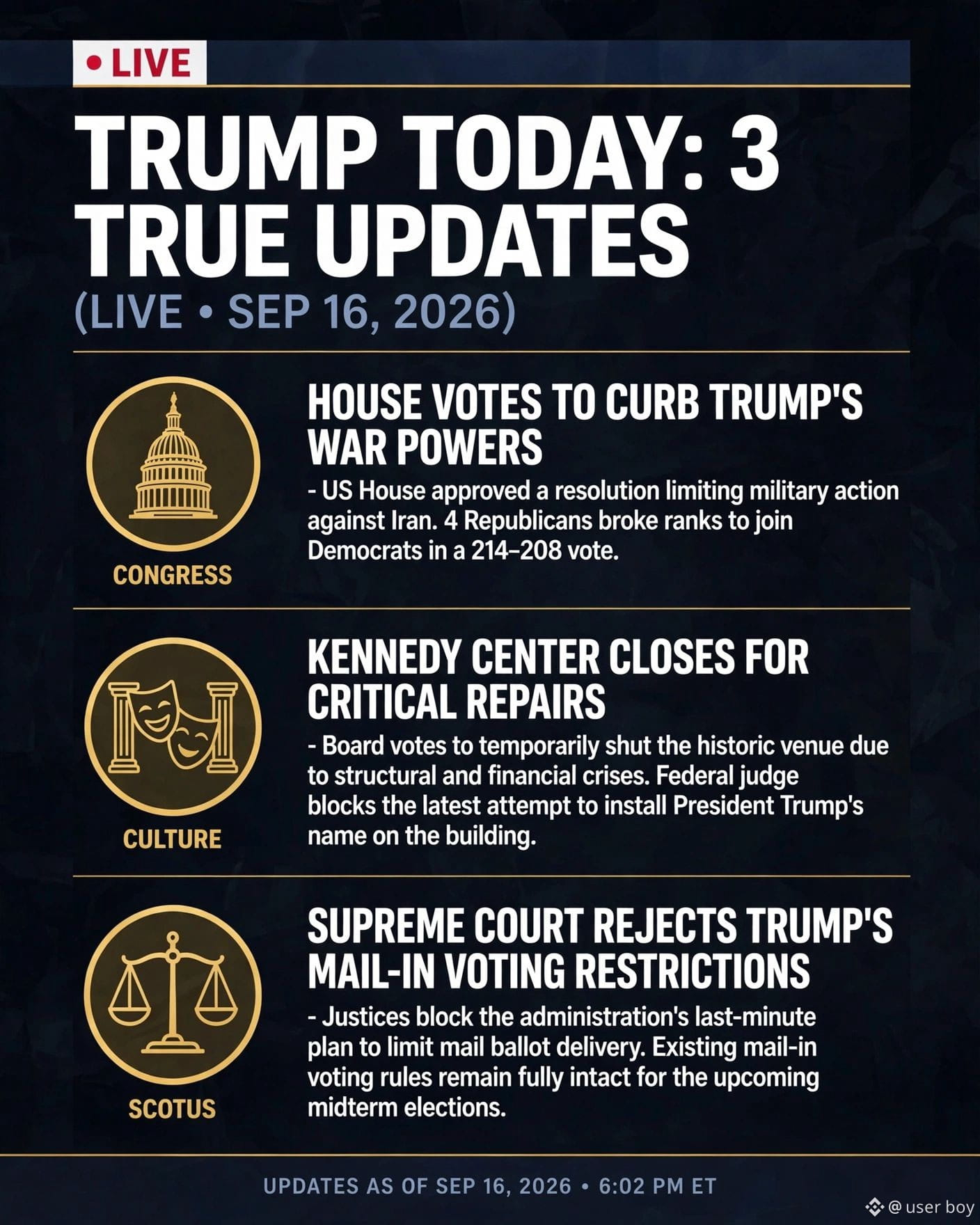
TRUMP TODAY: 3 TRUE UPDATES (LIVE • SEP 16, 2026)
🏛️ CONGRESS
HOUSE VOTES TO CURB TRUMP'S WAR POWERS
US House approved a resolution limiting military action against Iran.
4 Republicans broke ranks to join Democrats in a 214–208 vote.
🎭 CULTURE
KENNEDY CENTER CLOSES FOR CRITICAL REPAIRS
Board votes to temporarily shut the historic venue due to structural and financial crises.
Federal judge blocks the latest attempt to install President Trump's name on the building.
⚖️ SCOTUS
SUPREME COURT REJECTS TRUMP'S MAIL-IN VOTING RESTRICTIONS
Justices block the administration's last-minute plan to limit mail ballot delivery.
Existing mail-in voting rules remain fully intact for the upcoming midterm elections.
#TrumpNews #USPolitics #IranWar #KennedyCenter #SupremeCourt
TRUMP TODAY: 3 TRUE UPDATES (LIVE • SEP 16, 2026)
🏛️ CONGRESS
HOUSE VOTES TO CURB TRUMP'S WAR POWERS
US House approved a resolution limiting military action against Iran.
4 Republicans broke ranks to join Democrats in a 214–208 vote.
🎭 CULTURE
KENNEDY CENTER CLOSES FOR CRITICAL REPAIRS
Board votes to temporarily shut the historic venue due to structural and financial crises.
Federal judge blocks the latest attempt to install President Trump's name on the building.
⚖️ SCOTUS
SUPREME COURT REJECTS TRUMP'S MAIL-IN VOTING RESTRICTIONS
Justices block the administration's last-minute plan to limit mail ballot delivery.
Existing mail-in voting rules remain fully intact for the upcoming midterm elections.
#TrumpNews #USPolitics #IranWar #KennedyCenter #SupremeCourt
🏛️ CONGRESS
HOUSE VOTES TO CURB TRUMP'S WAR POWERS
US House approved a resolution limiting military action against Iran.
4 Republicans broke ranks to join Democrats in a 214–208 vote.
🎭 CULTURE
KENNEDY CENTER CLOSES FOR CRITICAL REPAIRS
Board votes to temporarily shut the historic venue due to structural and financial crises.
Federal judge blocks the latest attempt to install President Trump's name on the building.
⚖️ SCOTUS
SUPREME COURT REJECTS TRUMP'S MAIL-IN VOTING RESTRICTIONS
Justices block the administration's last-minute plan to limit mail ballot delivery.
Existing mail-in voting rules remain fully intact for the upcoming midterm elections.
#TrumpNews #USPolitics #IranWar #KennedyCenter #SupremeCourt
1
117

Verified
🚨 $FTX APPEAL SHAKES THE BOARDROOM, $11B FORFEITMENT ON THE LINE! 💥
📊 The Supreme Court filing flips the script on a case that’s been a litmus test for crypto governance. SBF is betting on a technical loophole to rewrite the narrative that billions vanished into Alameda’s vault, while the market watches the legal tide turn. 🦈 Smart‑money eyes the fallout, gauging whether the reversal could restore confidence or deepen the stigma around exchange‑linked tokens.
💡 If the court bites, we could see a ripple of liquidity re‑allocation across the ecosystem, sparking fresh bids on related assets. 🤔 Will traders seize the moment to hedge exposure or double‑down on the risk premium? 👇
⚠️ Not financial advice. Always manage your risk. 🛡️
🏷️ #FTX #LegalRisk #CryptoNews #SupremeCourt #MarketImpact
🔥 🚀
🚨 $FTX APPEAL SHAKES THE BOARDROOM, $11B FORFEITMENT ON THE LINE! 💥
📊 The Supreme Court filing flips the script on a case that’s been a litmus test for crypto governance. SBF is betting on a technical loophole to rewrite the narrative that billions vanished into Alameda’s vault, while the market watches the legal tide turn. 🦈 Smart‑money eyes the fallout, gauging whether the reversal could restore confidence or deepen the stigma around exchange‑linked tokens.
💡 If the court bites, we could see a ripple of liquidity re‑allocation across the ecosystem, sparking fresh bids on related assets. 🤔 Will traders seize the moment to hedge exposure or double‑down on the risk premium? 👇
⚠️ Not financial advice. Always manage your risk. 🛡️
🏷️ #FTX #LegalRisk #CryptoNews #SupremeCourt #MarketImpact
🔥 🚀
📊 The Supreme Court filing flips the script on a case that’s been a litmus test for crypto governance. SBF is betting on a technical loophole to rewrite the narrative that billions vanished into Alameda’s vault, while the market watches the legal tide turn. 🦈 Smart‑money eyes the fallout, gauging whether the reversal could restore confidence or deepen the stigma around exchange‑linked tokens.
💡 If the court bites, we could see a ripple of liquidity re‑allocation across the ecosystem, sparking fresh bids on related assets. 🤔 Will traders seize the moment to hedge exposure or double‑down on the risk premium? 👇
⚠️ Not financial advice. Always manage your risk. 🛡️
🏷️ #FTX #LegalRisk #CryptoNews #SupremeCourt #MarketImpact
🔥 🚀
186

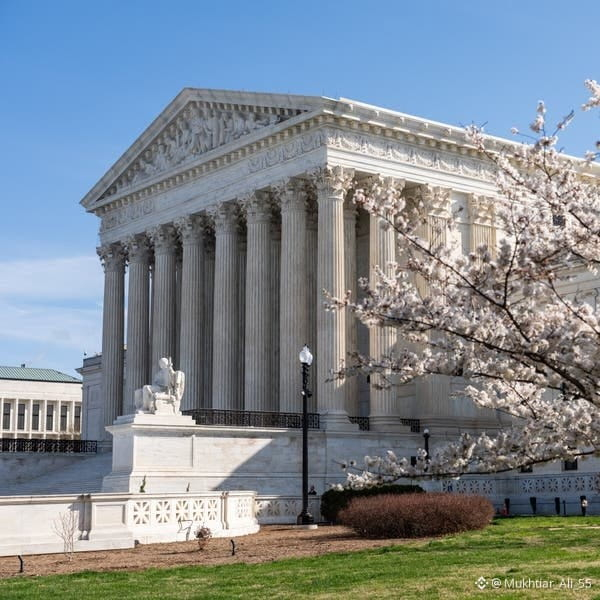
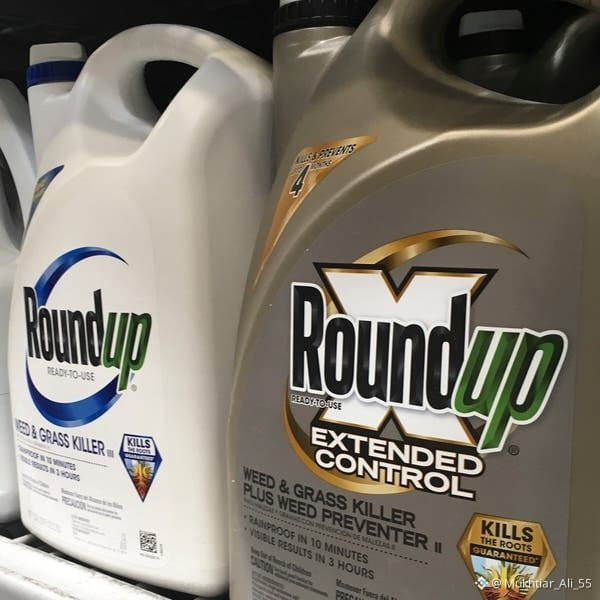
Supreme Court Case Could Reshape Legal Future of Roundup and Glyphosate Claims
A pivotal legal battle is unfolding as the U.S. Supreme Court prepares to hear arguments in a case that could significantly impact thousands of lawsuits against Bayer over its widely used herbicide, Roundup.
At the heart of the case is whether federal regulation by the Environmental Protection Agency overrides state-level claims alleging that the product causes cancer, particularly non-Hodgkin lymphoma. Bayer argues that since the EPA has deemed glyphosate safe and does not require cancer warnings, it should not face liability under state laws. A ruling in Bayer’s favor could effectively dismiss a large portion of ongoing litigation.
However, the case reflects a broader scientific and regulatory divide. While agencies like the EPA maintain that glyphosate is unlikely to be carcinogenic, other bodies, including the International Agency for Research on Cancer, have classified it as “probably carcinogenic,” fueling ongoing public and legal debate.
The outcome carries far-reaching implications, not only for Bayer’s legal exposure but also for U.S. agriculture, where glyphosate remains a cornerstone in crop production. A decision could redefine the balance between federal authority and state-level consumer protection, shaping the future of product liability in regulated industries.
#SupremeCourt #Bayer #Roundup #Glyphosate #LegalNews
$ENSO
{spot}(ENSOUSDT)
$D
{spot}(DUSDT)
$SUI
{spot}(SUIUSDT)
Supreme Court Case Could Reshape Legal Future of Roundup and Glyphosate Claims
A pivotal legal battle is unfolding as the U.S. Supreme Court prepares to hear arguments in a case that could significantly impact thousands of lawsuits against Bayer over its widely used herbicide, Roundup.
At the heart of the case is whether federal regulation by the Environmental Protection Agency overrides state-level claims alleging that the product causes cancer, particularly non-Hodgkin lymphoma. Bayer argues that since the EPA has deemed glyphosate safe and does not require cancer warnings, it should not face liability under state laws. A ruling in Bayer’s favor could effectively dismiss a large portion of ongoing litigation.
However, the case reflects a broader scientific and regulatory divide. While agencies like the EPA maintain that glyphosate is unlikely to be carcinogenic, other bodies, including the International Agency for Research on Cancer, have classified it as “probably carcinogenic,” fueling ongoing public and legal debate.
The outcome carries far-reaching implications, not only for Bayer’s legal exposure but also for U.S. agriculture, where glyphosate remains a cornerstone in crop production. A decision could redefine the balance between federal authority and state-level consumer protection, shaping the future of product liability in regulated industries.
#SupremeCourt #Bayer #Roundup #Glyphosate #LegalNews
$ENSO
$D
$SUI
A pivotal legal battle is unfolding as the U.S. Supreme Court prepares to hear arguments in a case that could significantly impact thousands of lawsuits against Bayer over its widely used herbicide, Roundup.
At the heart of the case is whether federal regulation by the Environmental Protection Agency overrides state-level claims alleging that the product causes cancer, particularly non-Hodgkin lymphoma. Bayer argues that since the EPA has deemed glyphosate safe and does not require cancer warnings, it should not face liability under state laws. A ruling in Bayer’s favor could effectively dismiss a large portion of ongoing litigation.
However, the case reflects a broader scientific and regulatory divide. While agencies like the EPA maintain that glyphosate is unlikely to be carcinogenic, other bodies, including the International Agency for Research on Cancer, have classified it as “probably carcinogenic,” fueling ongoing public and legal debate.
The outcome carries far-reaching implications, not only for Bayer’s legal exposure but also for U.S. agriculture, where glyphosate remains a cornerstone in crop production. A decision could redefine the balance between federal authority and state-level consumer protection, shaping the future of product liability in regulated industries.
#SupremeCourt #Bayer #Roundup #Glyphosate #LegalNews
$ENSO
$D
$SUI
200
LANDMARK SUPREME COURT RULING TURNS UP HEAT ON $RIF AND CRYPTO REGULATION 🔥
This is the kind of macro shift that doesn't happen often. The White House now has direct leverage over the SEC and CFTC – meaning the entire crypto regulatory framework can be reshaped without congressional gridlock. $RIF , $POND , and $TAIKO are all highly sensitive to U.S. policy changes, and early volume suggests smart money is already positioning.
The market hasn't fully priced this in yet – first 24-48 hours will tell us whether this is a sell-the-news event or the start of a deregulation rally. Are you betting on a cleaner path forward or bracing for more political uncertainty?
Not financial advice. Always manage your risk.
#RIF #SupremeCourt #CryptoRegulation #Altcoins #Breaking
⚡
LANDMARK SUPREME COURT RULING TURNS UP HEAT ON $RIF AND CRYPTO REGULATION 🔥
This is the kind of macro shift that doesn't happen often. The White House now has direct leverage over the SEC and CFTC – meaning the entire crypto regulatory framework can be reshaped without congressional gridlock. $RIF , $POND , and $TAIKO are all highly sensitive to U.S. policy changes, and early volume suggests smart money is already positioning.
The market hasn't fully priced this in yet – first 24-48 hours will tell us whether this is a sell-the-news event or the start of a deregulation rally. Are you betting on a cleaner path forward or bracing for more political uncertainty?
Not financial advice. Always manage your risk.
#RIF #SupremeCourt #CryptoRegulation #Altcoins #Breaking
⚡
This is the kind of macro shift that doesn't happen often. The White House now has direct leverage over the SEC and CFTC – meaning the entire crypto regulatory framework can be reshaped without congressional gridlock. $RIF , $POND , and $TAIKO are all highly sensitive to U.S. policy changes, and early volume suggests smart money is already positioning.
The market hasn't fully priced this in yet – first 24-48 hours will tell us whether this is a sell-the-news event or the start of a deregulation rally. Are you betting on a cleaner path forward or bracing for more political uncertainty?
Not financial advice. Always manage your risk.
#RIF #SupremeCourt #CryptoRegulation #Altcoins #Breaking
⚡
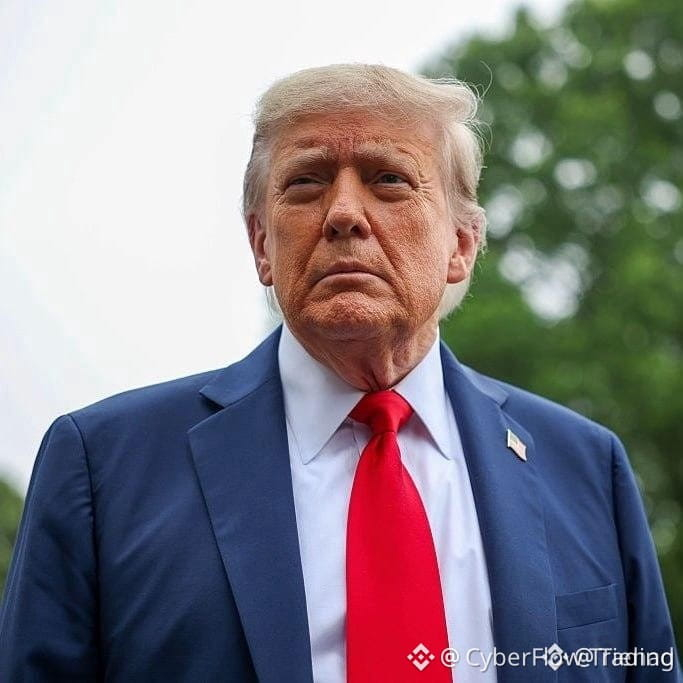
120

$T AND $SXT AT CROSSROADS AS CUSTODIA BANK APPEALS TO SUPREME COURT ⚡
The decision could either open the Fed payment system to crypto banks or tighten regulatory screws. Market structure will shift either way. Historically, similar legal catalysts have triggered 15‑20% sector moves within four weeks.
Are you positioning ahead of the ruling or waiting for confirmation?
Not financial advice. Always manage your risk.
#T #SXT #CryptoNews #SupremeCourt #Adoption
⚡
$T AND $SXT AT CROSSROADS AS CUSTODIA BANK APPEALS TO SUPREME COURT ⚡
The decision could either open the Fed payment system to crypto banks or tighten regulatory screws. Market structure will shift either way. Historically, similar legal catalysts have triggered 15‑20% sector moves within four weeks.
Are you positioning ahead of the ruling or waiting for confirmation?
Not financial advice. Always manage your risk.
#T #SXT #CryptoNews #SupremeCourt #Adoption
⚡
The decision could either open the Fed payment system to crypto banks or tighten regulatory screws. Market structure will shift either way. Historically, similar legal catalysts have triggered 15‑20% sector moves within four weeks.
Are you positioning ahead of the ruling or waiting for confirmation?
Not financial advice. Always manage your risk.
#T #SXT #CryptoNews #SupremeCourt #Adoption
⚡

98

·
--
🚨 MAJOR UPDATE! 🇺🇸
The U.S. Supreme Court is set to deliver its verdict today on Trump’s tariff policy a ruling that could reshape global trade dynamics and shake financial markets. ⚖️🔥
This landmark decision will determine the legality of Trump’s tariffs, with potential ripple effects on the U.S. dollar, commodities, and stock indices worldwide. 🌎📉
👀 All eyes are on Washington today’s outcome could redefine market sentiment! 💥⚠️
#BinanceSquare #Trump #SupremeCourt #MarketAlert
🚨 MAJOR UPDATE! 🇺🇸
The U.S. Supreme Court is set to deliver its verdict today on Trump’s tariff policy a ruling that could reshape global trade dynamics and shake financial markets. ⚖️🔥
This landmark decision will determine the legality of Trump’s tariffs, with potential ripple effects on the U.S. dollar, commodities, and stock indices worldwide. 🌎📉
👀 All eyes are on Washington today’s outcome could redefine market sentiment! 💥⚠️
#BinanceSquare #Trump #SupremeCourt #MarketAlert
The U.S. Supreme Court is set to deliver its verdict today on Trump’s tariff policy a ruling that could reshape global trade dynamics and shake financial markets. ⚖️🔥
This landmark decision will determine the legality of Trump’s tariffs, with potential ripple effects on the U.S. dollar, commodities, and stock indices worldwide. 🌎📉
👀 All eyes are on Washington today’s outcome could redefine market sentiment! 💥⚠️
#BinanceSquare #Trump #SupremeCourt #MarketAlert
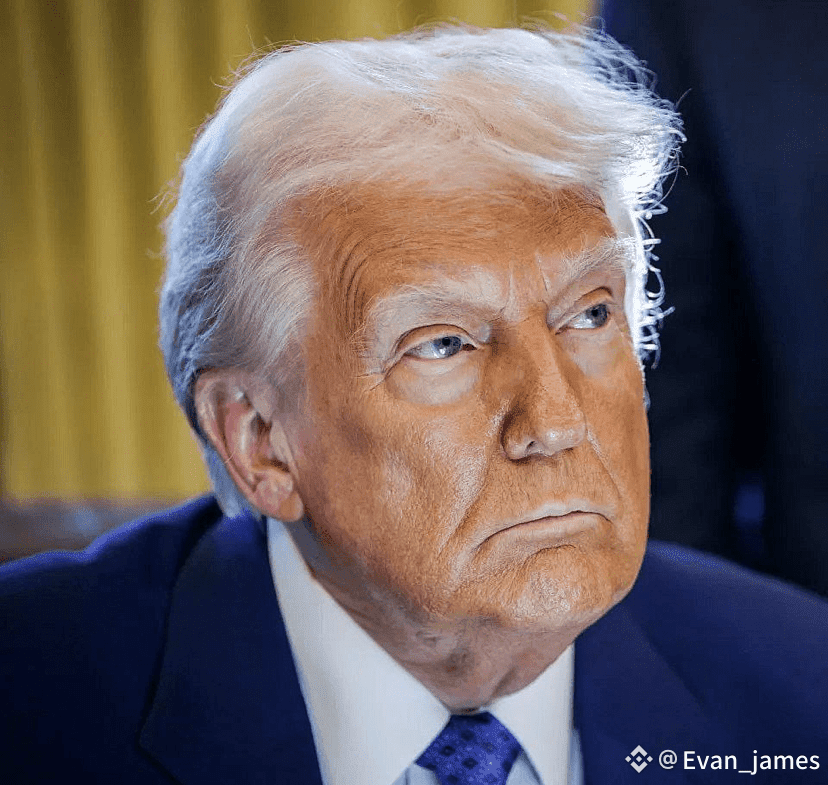
16
2.7k
U.S. Supreme Court Examines Privacy Limits of Smartphone Location Tracking
The Supreme Court of the United States is currently weighing a landmark case that could redefine digital privacy rights in the modern era. At the center of the debate is the legality of “geofence warrants,” a law enforcement tool that collects location data from all smartphones within a specific area during a defined time window.
The case, Chatrie v United States, stems from a 2019 robbery investigation in Virginia, where police used location data to identify a suspect. While authorities argue that individuals have limited expectations of privacy in public spaces, especially when voluntarily sharing data with third parties like Google, privacy advocates warn that such warrants risk sweeping up vast amounts of data from innocent individuals.
Critics describe geofence warrants as overly broad, potentially enabling mass surveillance without direct suspicion. Legal experts caution that if such practices are upheld, they could open the door to monitoring sensitive locations such as protests, healthcare facilities, or places of worship.
Several justices have expressed concern about the broader implications for constitutional protections, particularly under the Fourth Amendment, which guards against unreasonable searches and seizures. Questions raised during proceedings suggest the court may consider geofence warrants as a form of search, which would require stricter legal scrutiny.
The outcome of this case could have far-reaching consequences, shaping how governments, tech companies, and citizens navigate the balance between security and privacy in an increasingly data-driven world.
#PrivacyRights #SupremeCourt #DigitalPrivacy #Surveillance #DataProtection
$BIO
{spot}(BIOUSDT)
$EUR
{spot}(EURUSDT)
$PUMP
{spot}(PUMPUSDT)
U.S. Supreme Court Examines Privacy Limits of Smartphone Location Tracking
The Supreme Court of the United States is currently weighing a landmark case that could redefine digital privacy rights in the modern era. At the center of the debate is the legality of “geofence warrants,” a law enforcement tool that collects location data from all smartphones within a specific area during a defined time window.
The case, Chatrie v United States, stems from a 2019 robbery investigation in Virginia, where police used location data to identify a suspect. While authorities argue that individuals have limited expectations of privacy in public spaces, especially when voluntarily sharing data with third parties like Google, privacy advocates warn that such warrants risk sweeping up vast amounts of data from innocent individuals.
Critics describe geofence warrants as overly broad, potentially enabling mass surveillance without direct suspicion. Legal experts caution that if such practices are upheld, they could open the door to monitoring sensitive locations such as protests, healthcare facilities, or places of worship.
Several justices have expressed concern about the broader implications for constitutional protections, particularly under the Fourth Amendment, which guards against unreasonable searches and seizures. Questions raised during proceedings suggest the court may consider geofence warrants as a form of search, which would require stricter legal scrutiny.
The outcome of this case could have far-reaching consequences, shaping how governments, tech companies, and citizens navigate the balance between security and privacy in an increasingly data-driven world.
#PrivacyRights #SupremeCourt #DigitalPrivacy #Surveillance #DataProtection
$BIO
$EUR
$PUMP
The Supreme Court of the United States is currently weighing a landmark case that could redefine digital privacy rights in the modern era. At the center of the debate is the legality of “geofence warrants,” a law enforcement tool that collects location data from all smartphones within a specific area during a defined time window.
The case, Chatrie v United States, stems from a 2019 robbery investigation in Virginia, where police used location data to identify a suspect. While authorities argue that individuals have limited expectations of privacy in public spaces, especially when voluntarily sharing data with third parties like Google, privacy advocates warn that such warrants risk sweeping up vast amounts of data from innocent individuals.
Critics describe geofence warrants as overly broad, potentially enabling mass surveillance without direct suspicion. Legal experts caution that if such practices are upheld, they could open the door to monitoring sensitive locations such as protests, healthcare facilities, or places of worship.
Several justices have expressed concern about the broader implications for constitutional protections, particularly under the Fourth Amendment, which guards against unreasonable searches and seizures. Questions raised during proceedings suggest the court may consider geofence warrants as a form of search, which would require stricter legal scrutiny.
The outcome of this case could have far-reaching consequences, shaping how governments, tech companies, and citizens navigate the balance between security and privacy in an increasingly data-driven world.
#PrivacyRights #SupremeCourt #DigitalPrivacy #Surveillance #DataProtection
$BIO
$EUR
$PUMP

157
·
--
$BTC FACES REGULATORY TURMOIL AFTER SUPREME COURT RULING ⚡
The Supreme Court's 6-3 decision expands presidential power over the SEC and CFTC, both key to crypto rulemaking. Trump family holdings of billions in $BTC and $ETH add a layer of political exposure — the same ruling that empowers today's allies could silence critics under a future anti-crypto administration.
With the CFTC running on a single commissioner and Congress pushing a milestone bill to divide authority between agencies, the next few months will define the regulatory path for years. Does this ruling strengthen clarity or inject more volatility into the market?
Not financial advice. Always manage your risk.
#BTC #Regulation #SupremeCourt #CryptoPolicy #PoliticalRisk
⚡
$BTC FACES REGULATORY TURMOIL AFTER SUPREME COURT RULING ⚡
The Supreme Court's 6-3 decision expands presidential power over the SEC and CFTC, both key to crypto rulemaking. Trump family holdings of billions in $BTC and $ETH add a layer of political exposure — the same ruling that empowers today's allies could silence critics under a future anti-crypto administration.
With the CFTC running on a single commissioner and Congress pushing a milestone bill to divide authority between agencies, the next few months will define the regulatory path for years. Does this ruling strengthen clarity or inject more volatility into the market?
Not financial advice. Always manage your risk.
#BTC #Regulation #SupremeCourt #CryptoPolicy #PoliticalRisk
⚡
The Supreme Court's 6-3 decision expands presidential power over the SEC and CFTC, both key to crypto rulemaking. Trump family holdings of billions in $BTC and $ETH add a layer of political exposure — the same ruling that empowers today's allies could silence critics under a future anti-crypto administration.
With the CFTC running on a single commissioner and Congress pushing a milestone bill to divide authority between agencies, the next few months will define the regulatory path for years. Does this ruling strengthen clarity or inject more volatility into the market?
Not financial advice. Always manage your risk.
#BTC #Regulation #SupremeCourt #CryptoPolicy #PoliticalRisk
⚡
35

·
--
🚨 BREAKING UPDATE! 🇺🇸
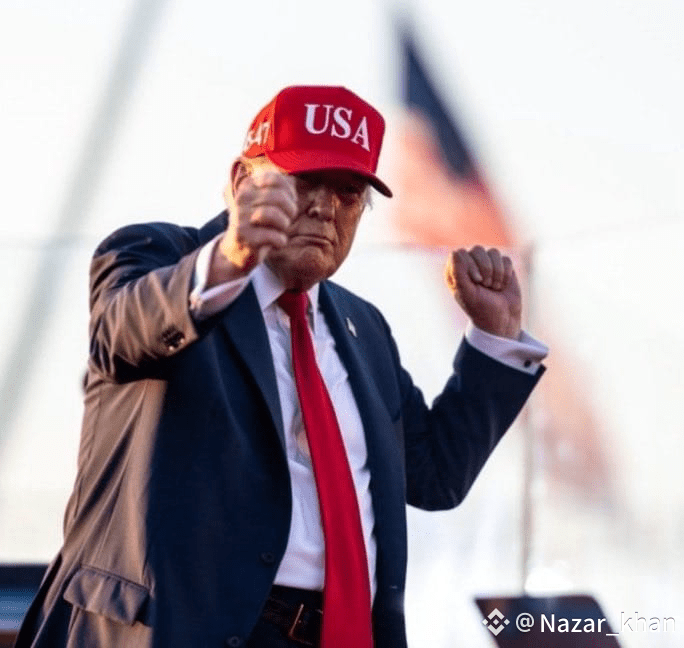
U.S. Supreme Court to Rule on _$TRUMP ’s Tariffs TODAY! ⚖️🔥
The tension is sky-high as the Supreme Court prepares to deliver its verdict on President Trump’s trade tariffs — a decision that could reshape global markets. 🌍💼
📊 Market Impact Watch:
USD & commodities on alert 🪙💵
Stocks showing early volatility 📉
Crypto traders bracing for turbulence 💥
👀 The ruling could either strengthen Trump’s economic agenda or trigger a global market shock — all eyes on Washington today!
#Binance #Trump #SupremeCourt #TariffRuling #MarketAlert
🚨 BREAKING UPDATE! 🇺🇸
U.S. Supreme Court to Rule on _$TRUMP ’s Tariffs TODAY! ⚖️🔥
The tension is sky-high as the Supreme Court prepares to deliver its verdict on President Trump’s trade tariffs — a decision that could reshape global markets. 🌍💼
📊 Market Impact Watch:
USD & commodities on alert 🪙💵
Stocks showing early volatility 📉
Crypto traders bracing for turbulence 💥
👀 The ruling could either strengthen Trump’s economic agenda or trigger a global market shock — all eyes on Washington today!
#Binance #Trump #SupremeCourt #TariffRuling #MarketAlert
U.S. Supreme Court to Rule on _$TRUMP ’s Tariffs TODAY! ⚖️🔥
The tension is sky-high as the Supreme Court prepares to deliver its verdict on President Trump’s trade tariffs — a decision that could reshape global markets. 🌍💼
📊 Market Impact Watch:
USD & commodities on alert 🪙💵
Stocks showing early volatility 📉
Crypto traders bracing for turbulence 💥
👀 The ruling could either strengthen Trump’s economic agenda or trigger a global market shock — all eyes on Washington today!
#Binance #Trump #SupremeCourt #TariffRuling #MarketAlert
9
7.4k

·
--
🇺🇸 Trump Signals Alternative Action if Supreme Court Blocks Tariffs
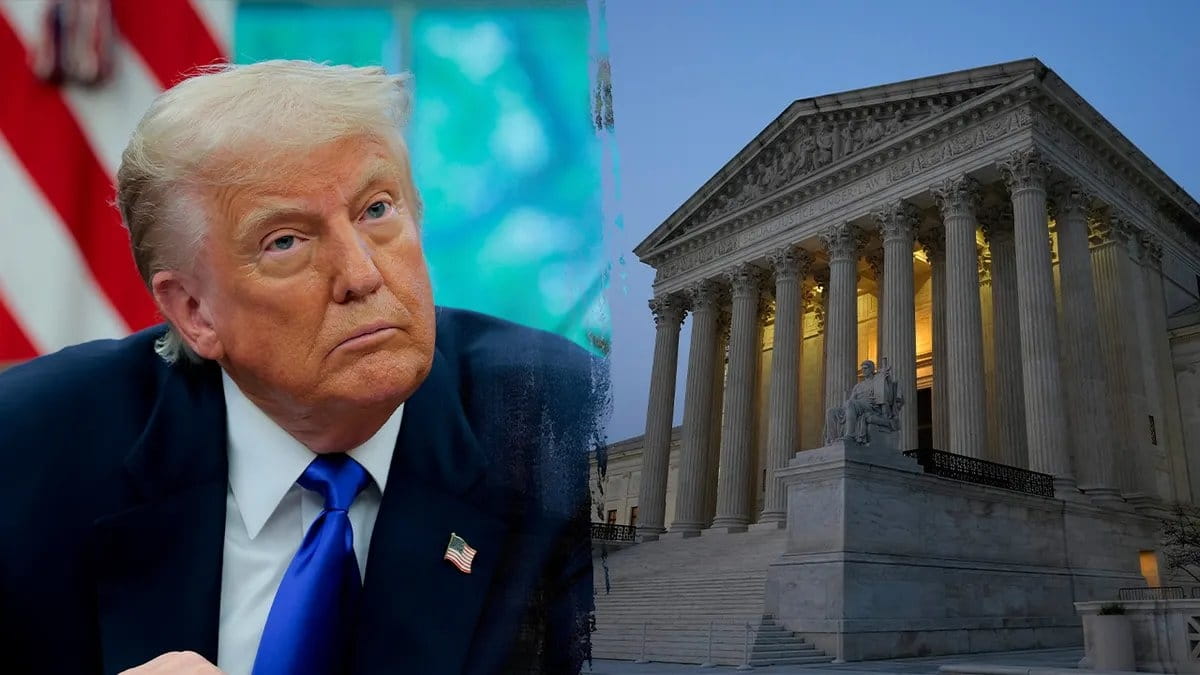
U.S. President Donald Trump said that if the Supreme Court does not rule in favor of his tariff authority, he will pursue “something else” to achieve his trade objectives. The comment signals that tariffs remain a core policy tool, even if legal obstacles emerge.
Trump’s statement suggests the administration is prepared to use alternative executive or regulatory measures to maintain economic pressure, reinforcing his hardline stance on trade and national economic security. While no details were provided, the message was clear: policy direction will not change.
Market Impact
Legal uncertainty around tariffs adds volatility to global trade expectations. Markets may remain cautious as investors weigh the risk of sudden policy shifts through non-traditional channels if judicial routes fail.
#Trump #Tariffs #SupremeCourt #TradePolicy #ashmedia
🇺🇸 Trump Signals Alternative Action if Supreme Court Blocks Tariffs
U.S. President Donald Trump said that if the Supreme Court does not rule in favor of his tariff authority, he will pursue “something else” to achieve his trade objectives. The comment signals that tariffs remain a core policy tool, even if legal obstacles emerge.
Trump’s statement suggests the administration is prepared to use alternative executive or regulatory measures to maintain economic pressure, reinforcing his hardline stance on trade and national economic security. While no details were provided, the message was clear: policy direction will not change.
Market Impact
Legal uncertainty around tariffs adds volatility to global trade expectations. Markets may remain cautious as investors weigh the risk of sudden policy shifts through non-traditional channels if judicial routes fail.
#Trump #Tariffs #SupremeCourt #TradePolicy #ashmedia
U.S. President Donald Trump said that if the Supreme Court does not rule in favor of his tariff authority, he will pursue “something else” to achieve his trade objectives. The comment signals that tariffs remain a core policy tool, even if legal obstacles emerge.
Trump’s statement suggests the administration is prepared to use alternative executive or regulatory measures to maintain economic pressure, reinforcing his hardline stance on trade and national economic security. While no details were provided, the message was clear: policy direction will not change.
Market Impact
Legal uncertainty around tariffs adds volatility to global trade expectations. Markets may remain cautious as investors weigh the risk of sudden policy shifts through non-traditional channels if judicial routes fail.
#Trump #Tariffs #SupremeCourt #TradePolicy #ashmedia
164
Log in to explore more content
Join global crypto users on Binance Square
⚡️ Get latest and useful information about crypto.
💬 Trusted by the world’s largest crypto exchange.
👍 Discover real insights from verified creators.
Email / Phone number
Trending Topics
1
#AnthropicIPOProspectusCouldValueItOver$2T
279 views
24 Discussing
2
#HackersDrainOver12.4MXRPFromDCENTWallets
2,890 views
131 Discussing
3
#SECSaysDecentralizedTokenBuybacksNotInvestmentContracts
83 views
4 Discussing
4
#UKFCAWinsCourtOrderToRecover851400Pounds
57,434 views
1,041 Discussing
5
#ChainlinkLaunchesCCIP2WithEnterpriseVerification
67,055 views
1,179 Discussing
6
#GoldFallsTo$4144
22,312 views
180 Discussing
7
#QNTFallsOver40%FromMorningHigh
116,829 views
1,554 Discussing
8
#USDTAdds845900HoldersInPast7Days
33,872 views
597 Discussing
9
#KospiFalls2.7%SamsungSKHynixDropOver5%
44,037 views
702 Discussing
10
#BitgetCEOConfirms$388MStolenInHack
6,242 views
45 Discussing