
#shitcoins
shitcoins
232,443 views
151 Discussing
Hot
Latest
#Shitcoins
🚀 Shieldcoin and Microcap Trading: Professional Trading or Casino?
Everyone who has been to crypto has seen these charts: some $LAB token or another meme coin makes +500\% overnight. Your hands are reaching to press the “Buy” button, and your head is already counting profits.
But let's be honest: is it possible to trade such assets professionally?
The short answer is yes, but not at all like 95% of the market does. For a professional, low-liquidity tokens are not an “investment in the future of technology”, but a highly toxic tool for quick speculation.
Here are 4 rules that distinguish a professional trader from a roulette player:
1. 🛑 Iron risk management
A professional will never go into such a token for half of the deposit. The safety rule here is strict: 1–5% of the portfolio maximum. This is an amount that is psychologically and financially not a shame to lose to zero. If the token “rocks” — the depot will not suffer.
2. 🕵️♂️ Technical audit instead of promises
While the beginner reads the project roadmap, the pro-trader opens TokenSniffer or DEXTools and checks the smart contract:
Is there a hidden sales tax (Tax) of 20%?
Is liquidity blocked, or can the developers pull it out at any moment (Rug Pull)?
Isn't this a “honeypot” that can be bought, but technically impossible to sell?
3. 📉 Fighting the liquidity trap
Even if the token price on the screen has increased 10 times, this does not mean that you have become richer. In micro-caps, there are often no buyers (liquidity) to buy your volume. Trying to sell a large position, you will collapse the chart yourself or lose a lot of money on slippage.
4. 🧠 Emotional detox
Professionals enter such assets with a clear plan: “I take +50% or fix -15%. ” They do not wait for millions from the token they created three days ago. They took away liquidity - they left.
{future}(LABUSDT)
#Shitcoins
🚀 Shieldcoin and Microcap Trading: Professional Trading or Casino?
Everyone who has been to crypto has seen these charts: some $LAB token or another meme coin makes +500\% overnight. Your hands are reaching to press the “Buy” button, and your head is already counting profits.
But let's be honest: is it possible to trade such assets professionally?
The short answer is yes, but not at all like 95% of the market does. For a professional, low-liquidity tokens are not an “investment in the future of technology”, but a highly toxic tool for quick speculation.
Here are 4 rules that distinguish a professional trader from a roulette player:
1. 🛑 Iron risk management
A professional will never go into such a token for half of the deposit. The safety rule here is strict: 1–5% of the portfolio maximum. This is an amount that is psychologically and financially not a shame to lose to zero. If the token “rocks” — the depot will not suffer.
2. 🕵️♂️ Technical audit instead of promises
While the beginner reads the project roadmap, the pro-trader opens TokenSniffer or DEXTools and checks the smart contract:
Is there a hidden sales tax (Tax) of 20%?
Is liquidity blocked, or can the developers pull it out at any moment (Rug Pull)?
Isn't this a “honeypot” that can be bought, but technically impossible to sell?
3. 📉 Fighting the liquidity trap
Even if the token price on the screen has increased 10 times, this does not mean that you have become richer. In micro-caps, there are often no buyers (liquidity) to buy your volume. Trying to sell a large position, you will collapse the chart yourself or lose a lot of money on slippage.
4. 🧠 Emotional detox
Professionals enter such assets with a clear plan: “I take +50% or fix -15%. ” They do not wait for millions from the token they created three days ago. They took away liquidity - they left.
🚀 Shieldcoin and Microcap Trading: Professional Trading or Casino?
Everyone who has been to crypto has seen these charts: some $LAB token or another meme coin makes +500\% overnight. Your hands are reaching to press the “Buy” button, and your head is already counting profits.
But let's be honest: is it possible to trade such assets professionally?
The short answer is yes, but not at all like 95% of the market does. For a professional, low-liquidity tokens are not an “investment in the future of technology”, but a highly toxic tool for quick speculation.
Here are 4 rules that distinguish a professional trader from a roulette player:
1. 🛑 Iron risk management
A professional will never go into such a token for half of the deposit. The safety rule here is strict: 1–5% of the portfolio maximum. This is an amount that is psychologically and financially not a shame to lose to zero. If the token “rocks” — the depot will not suffer.
2. 🕵️♂️ Technical audit instead of promises
While the beginner reads the project roadmap, the pro-trader opens TokenSniffer or DEXTools and checks the smart contract:
Is there a hidden sales tax (Tax) of 20%?
Is liquidity blocked, or can the developers pull it out at any moment (Rug Pull)?
Isn't this a “honeypot” that can be bought, but technically impossible to sell?
3. 📉 Fighting the liquidity trap
Even if the token price on the screen has increased 10 times, this does not mean that you have become richer. In micro-caps, there are often no buyers (liquidity) to buy your volume. Trying to sell a large position, you will collapse the chart yourself or lose a lot of money on slippage.
4. 🧠 Emotional detox
Professionals enter such assets with a clear plan: “I take +50% or fix -15%. ” They do not wait for millions from the token they created three days ago. They took away liquidity - they left.

2
3
259

·
--
Bearish
$STEEM $LAB $TAC short tp -30%
💩💩💩💩💩💩💩
#shitcoins #ShitcoinSniping #Write2Earn #writetoearn #Write2Earn! DCA
$STEEM $LAB $TAC short tp -30%
💩💩💩💩💩💩💩
#shitcoins #ShitcoinSniping #Write2Earn #writetoearn #Write2Earn! DCA
💩💩💩💩💩💩💩
#shitcoins #ShitcoinSniping #Write2Earn #writetoearn #Write2Earn! DCA
2
160

·
--
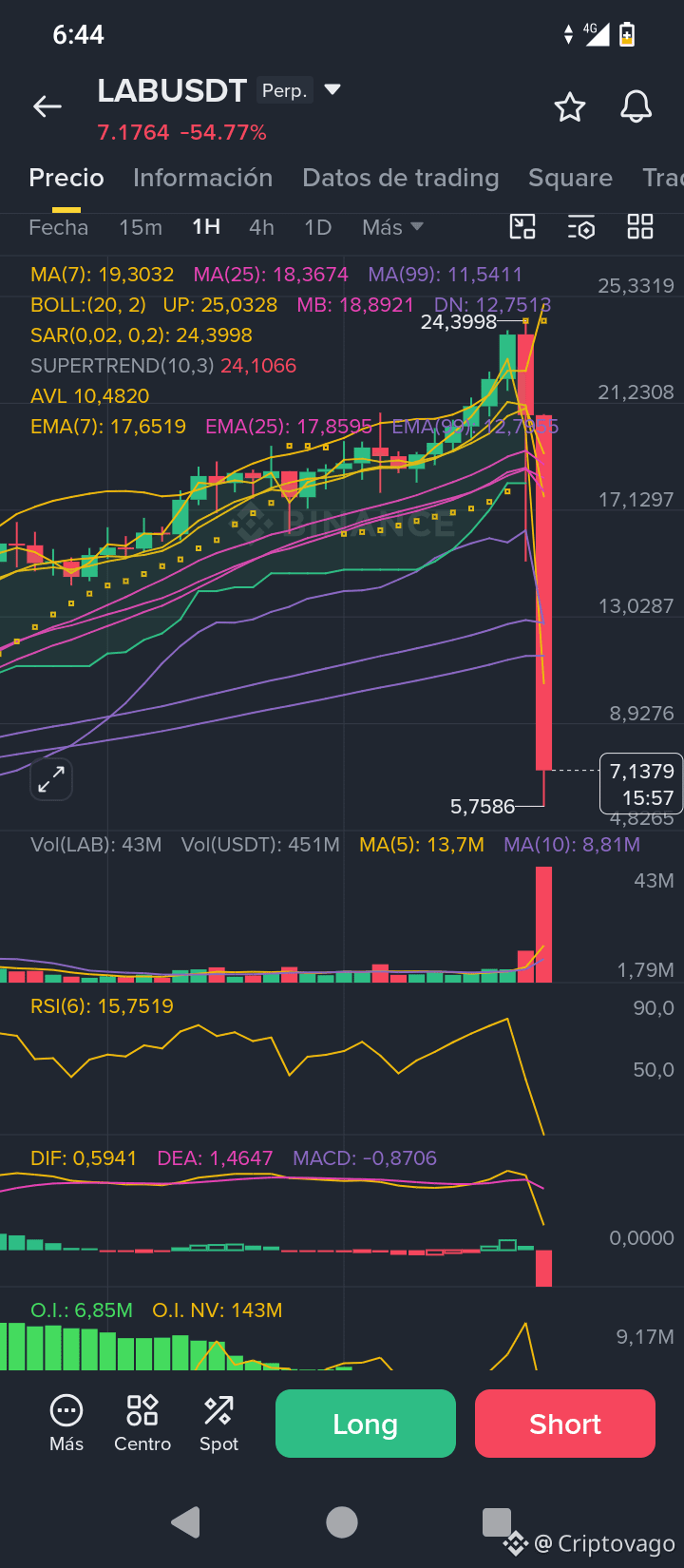
Reverenda #Shitcoins what was $LAB today, that wasn't a correction, they knew what they were doing, they drained the wallets of more than one person.
Reverenda #Shitcoins what was $LAB today, that wasn't a correction, they knew what they were doing, they drained the wallets of more than one person.
1
237

😡😡😡 $RAVE dann $LAB and now comes $BEAT , the business with the #Shitcoins is booming. 😂😂😂
First, the price is artificially inflated to liquidate the retail traders. It works every time. 🙈🙈🙈
{future}(RAVEUSDT)
{future}(LABUSDT)
{future}(BEATUSDT)
😡😡😡 $RAVE dann $LAB and now comes $BEAT , the business with the #Shitcoins is booming. 😂😂😂
First, the price is artificially inflated to liquidate the retail traders. It works every time. 🙈🙈🙈
First, the price is artificially inflated to liquidate the retail traders. It works every time. 🙈🙈🙈
1
384

·
--
Bearish
This is actually insane... $BEAT team literally pumped the price just to lure traders into going long.
{future}(BEATUSDT)
{future}(ACEUSDT)
Now everybody who thought it was heading higher got fully liquidated.
Watch $ACE next, exact same scam pattern loading.
#crypto #shitcoins #TradingSignals
This is actually insane... $BEAT team literally pumped the price just to lure traders into going long.
Now everybody who thought it was heading higher got fully liquidated.
Watch $ACE next, exact same scam pattern loading.
#crypto #shitcoins #TradingSignals
Now everybody who thought it was heading higher got fully liquidated.
Watch $ACE next, exact same scam pattern loading.
#crypto #shitcoins #TradingSignals
413

·
--
Bearish
Crypto or a Casino? ⁉️⁉️
Check Your "Shit coins" Before It’s Too Late! 🎰🔥
If you are holding coins like $LAB , $COAI & $4 be real with yourself: you aren't investing; you are gambling. These projects have zero real utility or future. Once the hype dies, your money vanishes with it. 📉
Why don't exchanges delist these coins? 🤔
🔴Trading Fees: Exchanges profit from volume, regardless of whether a coin is high-quality or a complete scam.
🔴Marketplace, Not a Judge:
An exchange’s job is to provide a platform, not to act as the moral authority on every listed project.
🔴Regulatory Loopholes:
Unless a project is proven to be legally illicit, exchanges face little pressure to remove them.
⚠️The Bottom Line:
Stop chasing hype and start focusing on Risk Management. Only gamble what you are prepared to lose entirely. Protect your capital! 🛡️
#BullBearWorld #cryptotruth #Shitcoins #TradingTips #RiskManagement
Crypto or a Casino? ⁉️⁉️
Check Your "Shit coins" Before It’s Too Late! 🎰🔥
If you are holding coins like $LAB , $COAI & $4 be real with yourself: you aren't investing; you are gambling. These projects have zero real utility or future. Once the hype dies, your money vanishes with it. 📉
Why don't exchanges delist these coins? 🤔
🔴Trading Fees: Exchanges profit from volume, regardless of whether a coin is high-quality or a complete scam.
🔴Marketplace, Not a Judge:
An exchange’s job is to provide a platform, not to act as the moral authority on every listed project.
🔴Regulatory Loopholes:
Unless a project is proven to be legally illicit, exchanges face little pressure to remove them.
⚠️The Bottom Line:
Stop chasing hype and start focusing on Risk Management. Only gamble what you are prepared to lose entirely. Protect your capital! 🛡️
#BullBearWorld #cryptotruth #Shitcoins #TradingTips #RiskManagement
Check Your "Shit coins" Before It’s Too Late! 🎰🔥
If you are holding coins like $LAB , $COAI & $4 be real with yourself: you aren't investing; you are gambling. These projects have zero real utility or future. Once the hype dies, your money vanishes with it. 📉
Why don't exchanges delist these coins? 🤔
🔴Trading Fees: Exchanges profit from volume, regardless of whether a coin is high-quality or a complete scam.
🔴Marketplace, Not a Judge:
An exchange’s job is to provide a platform, not to act as the moral authority on every listed project.
🔴Regulatory Loopholes:
Unless a project is proven to be legally illicit, exchanges face little pressure to remove them.
⚠️The Bottom Line:
Stop chasing hype and start focusing on Risk Management. Only gamble what you are prepared to lose entirely. Protect your capital! 🛡️
#BullBearWorld #cryptotruth #Shitcoins #TradingTips #RiskManagement
1
601

·
--
Bearish
$BTC Bitcoin is a Shit Coin, DO you know why??
Now answer this:
How come price of Bitcoin is being manipulated?
it cost $66k to buy 1 btc, but still despite the high cost, we see the market drop badly 😅
The cute kid said, " Btc will drop to $20k"
I repeat again, if BTC is not a Shit coin, why is the price manipulated, who is manipulating the price??
The same whales 😅😅😅
I hope btc halving won't drop the price to $10k
#BTC、 #BTCHalvingApril2024 #Shitcoins
$BTC Bitcoin is a Shit Coin, DO you know why??
Now answer this:
How come price of Bitcoin is being manipulated?
it cost $66k to buy 1 btc, but still despite the high cost, we see the market drop badly 😅
The cute kid said, " Btc will drop to $20k"
I repeat again, if BTC is not a Shit coin, why is the price manipulated, who is manipulating the price??
The same whales 😅😅😅
I hope btc halving won't drop the price to $10k
#BTC、 #BTCHalvingApril2024 #Shitcoins
Now answer this:
How come price of Bitcoin is being manipulated?
it cost $66k to buy 1 btc, but still despite the high cost, we see the market drop badly 😅
The cute kid said, " Btc will drop to $20k"
I repeat again, if BTC is not a Shit coin, why is the price manipulated, who is manipulating the price??
The same whales 😅😅😅
I hope btc halving won't drop the price to $10k
#BTC、 #BTCHalvingApril2024 #Shitcoins

77
1
73
150.2k


·
--
When #shitcoins jump and billions of dollars go to them then many governments / investment institutions, retail ect... don't take #crypto serious and they think that crypto is joke.
Let's be honest, Which kind of problems do #meme coins solve in the crypto industry or elsewhere?! NOTHING - Useless, Just sucking stupid manipulated money.
#Bitcoin was build to solve big global problems, Ethereum , BSC, Sol ect... were build as a incrastructure for cryptonizing world assets,
Fault is upon all top tire exchanges that list them for their own benefits to earn $$ from the transaction fees then we see money get out from BTC , BNB , SOL ect and go to shitcoins that jump for no reason.
$PEPE $BONK $SHIB 🥱
When #shitcoins jump and billions of dollars go to them then many governments / investment institutions, retail ect... don't take #crypto serious and they think that crypto is joke.
Let's be honest, Which kind of problems do #meme coins solve in the crypto industry or elsewhere?! NOTHING - Useless, Just sucking stupid manipulated money.
#Bitcoin was build to solve big global problems, Ethereum , BSC, Sol ect... were build as a incrastructure for cryptonizing world assets,
Fault is upon all top tire exchanges that list them for their own benefits to earn $$ from the transaction fees then we see money get out from BTC , BNB , SOL ect and go to shitcoins that jump for no reason.
$PEPE $BONK $SHIB 🥱
Let's be honest, Which kind of problems do #meme coins solve in the crypto industry or elsewhere?! NOTHING - Useless, Just sucking stupid manipulated money.
#Bitcoin was build to solve big global problems, Ethereum , BSC, Sol ect... were build as a incrastructure for cryptonizing world assets,
Fault is upon all top tire exchanges that list them for their own benefits to earn $$ from the transaction fees then we see money get out from BTC , BNB , SOL ect and go to shitcoins that jump for no reason.
$PEPE $BONK $SHIB 🥱
1
18
11.5k

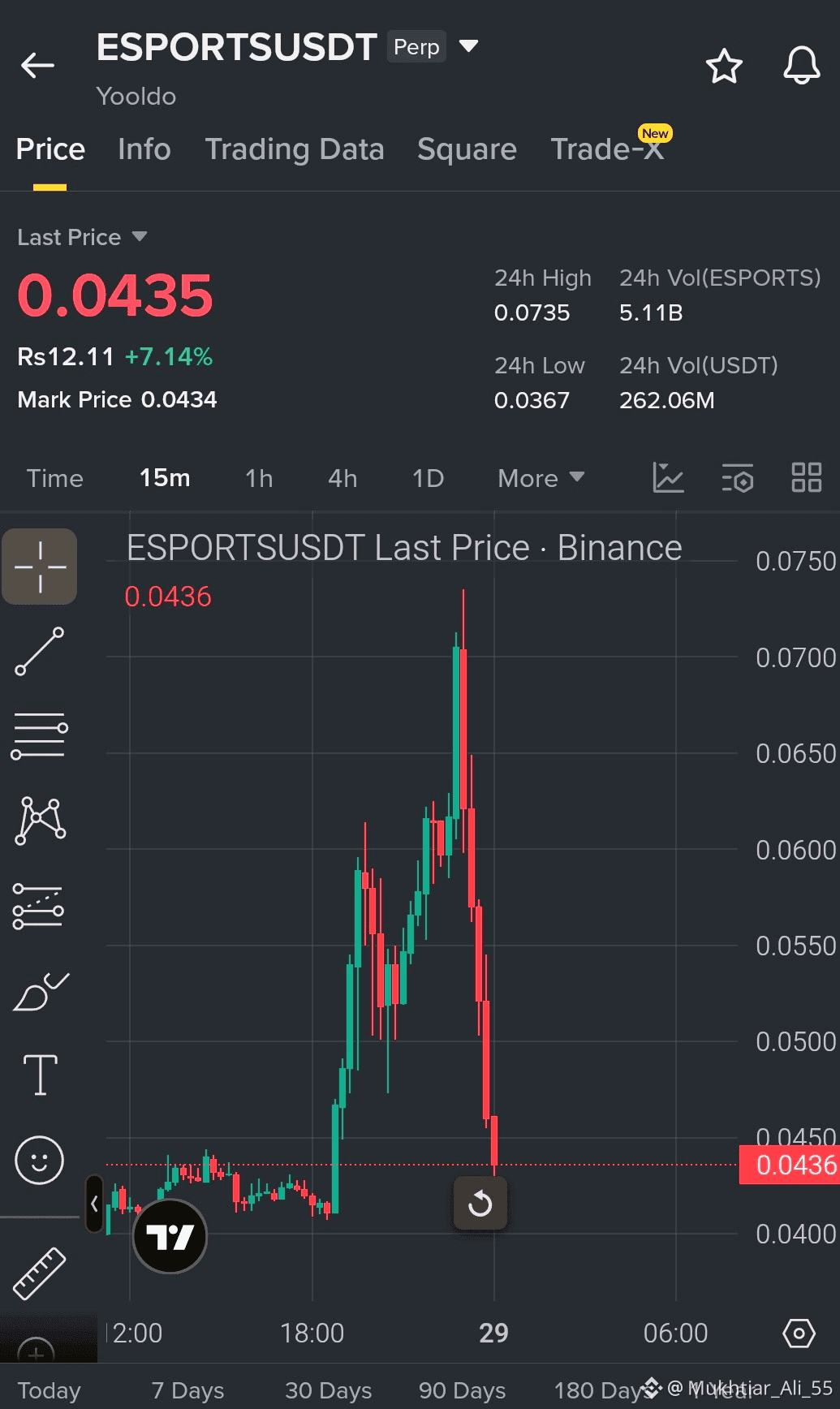
Have fun riding the $ESPORTS manipulation wave... ❗
Make the most of this artificial pump while it lasts—just don't forget the true nature of the move.
#ESPORTS #CryptoScam #Shitcoins #CryptoTrading #Altcoins
$ESPORTS
{future}(ESPORTSUSDT)
Have fun riding the $ESPORTS manipulation wave... ❗
Make the most of this artificial pump while it lasts—just don't forget the true nature of the move.
#ESPORTS #CryptoScam #Shitcoins #CryptoTrading #Altcoins
$ESPORTS
Make the most of this artificial pump while it lasts—just don't forget the true nature of the move.
#ESPORTS #CryptoScam #Shitcoins #CryptoTrading #Altcoins
$ESPORTS
350


🚨 PORTAL Token: Another Shitcoin Exposed
💩 Why is PORTAL a Shit Token?
1. Down 99% From ATH
From launching above $3 to now trading around $0.0284, PORTAL has done exactly what a classic shitcoin does – takes your money and keeps going down.
⸻
2. No Real Adoption
Despite marketing itself as the future of gaming infrastructure, there is no real user adoption, no daily active users, and no gaming projects building exclusively on PORTAL. It’s all narrative, no substance.
⸻
3. Token Unlock Hell
Large upcoming token unlocks mean continuous sell pressure. Early investors, advisors, and insiders will dump at any liquidity window, pushing retail bagholders further underwater.
⸻
4. Zero Moat
There is nothing unique about PORTAL. Gaming integration bridges are being built by giants like Immutable, Polygon, and Avalanche with real funding, tech, and user bases. PORTAL is just another logo trying to sell dreams.
⸻
5. No Reversal Signs
Technically, the chart is in a death spiral. Each bounce gets sold into, volume is drying up, and there is no structural base forming to support any meaningful rally.
⸻
🧠 The Harsh Truth
PORTAL is a perfect lesson in shitcoin economics:
• Launch high with hype
• Promise vague gaming revolutions
• Unlock tokens slowly to dump on retail
• Fade into irrelevance while insiders exit
⸻
💡 Final Word
If you are holding PORTAL, ask yourself:
✅ Is there any real utility backing it today?
✅ Would you buy it now if you didn’t already hold it?
✅ Can this team compete against top gaming blockchains?
If the answers are no, treat it as what it is – a shit token destined for obscurity. Cut losses, move to projects with real user adoption, or simply avoid low float gaming narrative tokens altogether.
⸻
🔥 Crypto is brutal, but clarity keeps you alive. Trade wisely.
#PORTALUSDT #Shitcoins #ScamWarning
🚨 PORTAL Token: Another Shitcoin Exposed
💩 Why is PORTAL a Shit Token?
1. Down 99% From ATH
From launching above $3 to now trading around $0.0284, PORTAL has done exactly what a classic shitcoin does – takes your money and keeps going down.
⸻
2. No Real Adoption
Despite marketing itself as the future of gaming infrastructure, there is no real user adoption, no daily active users, and no gaming projects building exclusively on PORTAL. It’s all narrative, no substance.
⸻
3. Token Unlock Hell
Large upcoming token unlocks mean continuous sell pressure. Early investors, advisors, and insiders will dump at any liquidity window, pushing retail bagholders further underwater.
⸻
4. Zero Moat
There is nothing unique about PORTAL. Gaming integration bridges are being built by giants like Immutable, Polygon, and Avalanche with real funding, tech, and user bases. PORTAL is just another logo trying to sell dreams.
⸻
5. No Reversal Signs
Technically, the chart is in a death spiral. Each bounce gets sold into, volume is drying up, and there is no structural base forming to support any meaningful rally.
⸻
🧠 The Harsh Truth
PORTAL is a perfect lesson in shitcoin economics:
• Launch high with hype
• Promise vague gaming revolutions
• Unlock tokens slowly to dump on retail
• Fade into irrelevance while insiders exit
⸻
💡 Final Word
If you are holding PORTAL, ask yourself:
✅ Is there any real utility backing it today?
✅ Would you buy it now if you didn’t already hold it?
✅ Can this team compete against top gaming blockchains?
If the answers are no, treat it as what it is – a shit token destined for obscurity. Cut losses, move to projects with real user adoption, or simply avoid low float gaming narrative tokens altogether.
⸻
🔥 Crypto is brutal, but clarity keeps you alive. Trade wisely.
#PORTALUSDT #Shitcoins #ScamWarning
💩 Why is PORTAL a Shit Token?
1. Down 99% From ATH
From launching above $3 to now trading around $0.0284, PORTAL has done exactly what a classic shitcoin does – takes your money and keeps going down.
⸻
2. No Real Adoption
Despite marketing itself as the future of gaming infrastructure, there is no real user adoption, no daily active users, and no gaming projects building exclusively on PORTAL. It’s all narrative, no substance.
⸻
3. Token Unlock Hell
Large upcoming token unlocks mean continuous sell pressure. Early investors, advisors, and insiders will dump at any liquidity window, pushing retail bagholders further underwater.
⸻
4. Zero Moat
There is nothing unique about PORTAL. Gaming integration bridges are being built by giants like Immutable, Polygon, and Avalanche with real funding, tech, and user bases. PORTAL is just another logo trying to sell dreams.
⸻
5. No Reversal Signs
Technically, the chart is in a death spiral. Each bounce gets sold into, volume is drying up, and there is no structural base forming to support any meaningful rally.
⸻
🧠 The Harsh Truth
PORTAL is a perfect lesson in shitcoin economics:
• Launch high with hype
• Promise vague gaming revolutions
• Unlock tokens slowly to dump on retail
• Fade into irrelevance while insiders exit
⸻
💡 Final Word
If you are holding PORTAL, ask yourself:
✅ Is there any real utility backing it today?
✅ Would you buy it now if you didn’t already hold it?
✅ Can this team compete against top gaming blockchains?
If the answers are no, treat it as what it is – a shit token destined for obscurity. Cut losses, move to projects with real user adoption, or simply avoid low float gaming narrative tokens altogether.
⸻
🔥 Crypto is brutal, but clarity keeps you alive. Trade wisely.
#PORTALUSDT #Shitcoins #ScamWarning
558
·
--
🚨 Stop ✋ Purchasing Shit Coins 🪙🚨🚨
🗣It is advised to exercise caution when considering investments in cryptocurrencies. Speculative coins such as DOGE, BOME, and PEPE lack clear utility and long-term prospects. It is preferable to focus on established cryptocurrencies like BTC, BNB, and SOL, which offer proven utility and potential for growth.
📈One notable example is BNB, particularly due to its upcoming quarterly burn, which may positively influence its value. However, it is important to conduct thorough research and consider various factors before making investment decisions.
#HotTrends #CryptoCoins #Shitcoins #BTC
🚨 Stop ✋ Purchasing Shit Coins 🪙🚨🚨
🗣It is advised to exercise caution when considering investments in cryptocurrencies. Speculative coins such as DOGE, BOME, and PEPE lack clear utility and long-term prospects. It is preferable to focus on established cryptocurrencies like BTC, BNB, and SOL, which offer proven utility and potential for growth.
📈One notable example is BNB, particularly due to its upcoming quarterly burn, which may positively influence its value. However, it is important to conduct thorough research and consider various factors before making investment decisions.
#HotTrends #CryptoCoins #Shitcoins #BTC
🗣It is advised to exercise caution when considering investments in cryptocurrencies. Speculative coins such as DOGE, BOME, and PEPE lack clear utility and long-term prospects. It is preferable to focus on established cryptocurrencies like BTC, BNB, and SOL, which offer proven utility and potential for growth.
📈One notable example is BNB, particularly due to its upcoming quarterly burn, which may positively influence its value. However, it is important to conduct thorough research and consider various factors before making investment decisions.
#HotTrends #CryptoCoins #Shitcoins #BTC
12
27
84.2k

·
--
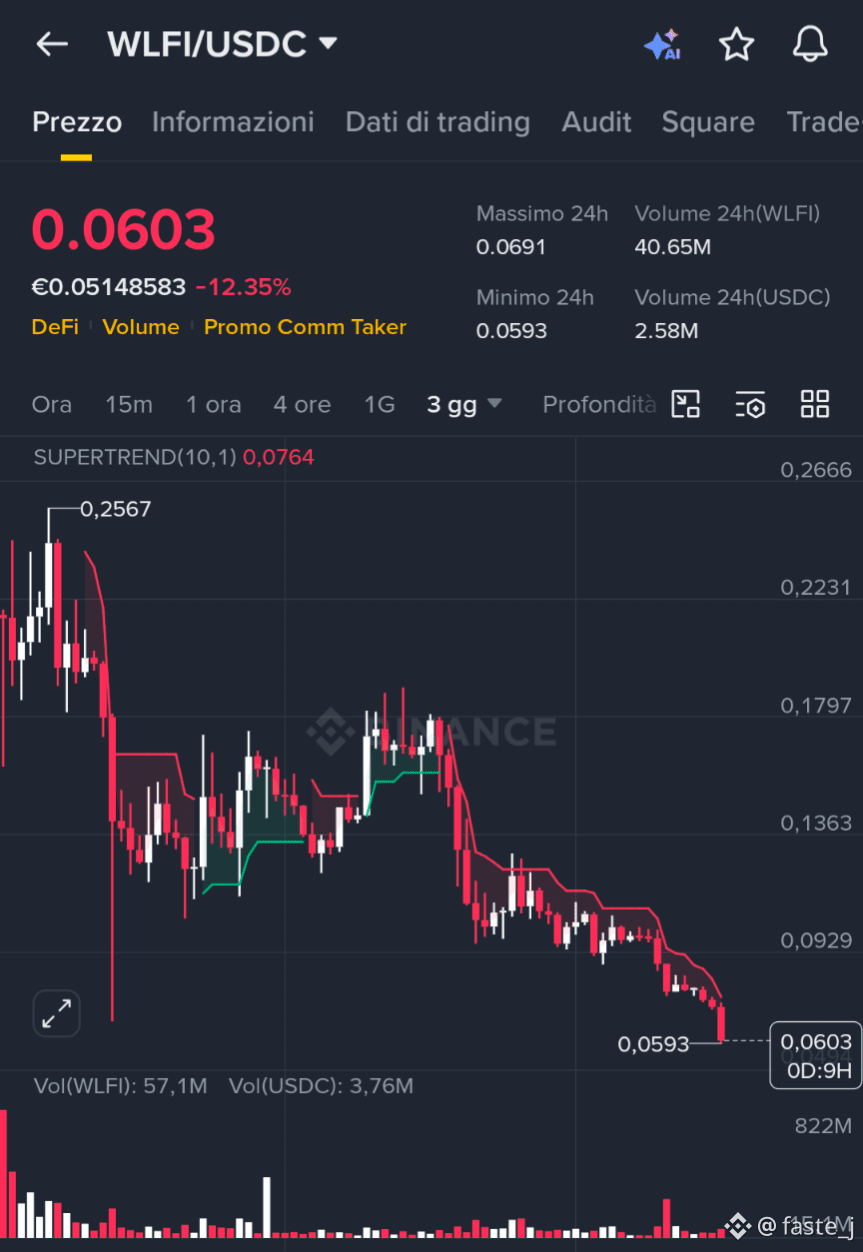
The Trump family thanks you for your donations.$WLFI #Shitcoins
The Trump family thanks you for your donations.$WLFI #Shitcoins
280

Log in to explore more content
Join global crypto users on Binance Square
⚡️ Get latest and useful information about crypto.
💬 Trusted by the world’s largest crypto exchange.
👍 Discover real insights from verified creators.
Email / Phone number
Trending Topics
1
#BitcoinSurpasses$77000
1,704 views
58 Discussing
2
#ParadigmDisclosesZECHolding
1,398 views
94 Discussing
3
#BitcoinETFsShed$450M
14,084 views
134 Discussing
4
#USWeeklyJoblessClaimsFallTo196K
422 views
69 Discussing
5
#ArkhamSaysBlackRockBuys$1.5BInETH
463 views
20 Discussing
6
#ElSalvadorBTCHoldingsRiseTo7777
15,393 views
390 Discussing
7
#MemeLaunchpads82%OfArcDayOneVolume
22,761 views
589 Discussing
8
#OstiumLoanDisputeHearingSetInNYFederalCourt
19,088 views
423 Discussing
9
#HyperliquidUSDCSupplyOvertakesSolana
7,565 views
206 Discussing
10
#SKPoliceRefer18PolymarketUsersToProsecutors
13,680 views
376 Discussing